WO2015066907A1 - 一种分集合并方法及系统 - Google Patents
一种分集合并方法及系统 Download PDFInfo
- Publication number
- WO2015066907A1 WO2015066907A1 PCT/CN2013/086811 CN2013086811W WO2015066907A1 WO 2015066907 A1 WO2015066907 A1 WO 2015066907A1 CN 2013086811 W CN2013086811 W CN 2013086811W WO 2015066907 A1 WO2015066907 A1 WO 2015066907A1
- Authority
- WO
- WIPO (PCT)
- Prior art keywords
- path
- noise ratio
- base station
- signal
- threshold
- Prior art date
- Legal status (The legal status is an assumption and is not a legal conclusion. Google has not performed a legal analysis and makes no representation as to the accuracy of the status listed.)
- Ceased
Links
Images




Classifications
-
- H—ELECTRICITY
- H04—ELECTRIC COMMUNICATION TECHNIQUE
- H04B—TRANSMISSION
- H04B7/00—Radio transmission systems, i.e. using radiation field
- H04B7/02—Diversity systems; Multi-antenna system, i.e. transmission or reception using multiple antennas
- H04B7/04—Diversity systems; Multi-antenna system, i.e. transmission or reception using multiple antennas using two or more spaced independent antennas
- H04B7/08—Diversity systems; Multi-antenna system, i.e. transmission or reception using multiple antennas using two or more spaced independent antennas at the receiving station
- H04B7/0837—Diversity systems; Multi-antenna system, i.e. transmission or reception using multiple antennas using two or more spaced independent antennas at the receiving station using pre-detection combining
-
- H—ELECTRICITY
- H04—ELECTRIC COMMUNICATION TECHNIQUE
- H04W—WIRELESS COMMUNICATION NETWORKS
- H04W36/00—Hand-off or reselection arrangements
- H04W36/16—Performing reselection for specific purposes
- H04W36/18—Performing reselection for specific purposes for allowing seamless reselection, e.g. soft reselection
Definitions
- the present invention belongs to the field of communication technologies, and in particular, to a dual threshold selective diversity combining method and system.
- the end-to-end propagation path of a signal may be direct, reflective or diffracted, etc., so that different signals have different distances through respective paths, and the arrival time and phase are different.
- Multiple signals of different phases are superimposed at the receiving end, sometimes superimposed and enhanced (when the signal directions are the same), sometimes superimposed and weakened (when the signal direction is opposite), the amplitude of the received signal will change abruptly, which is often said.
- Multipath fading It causes severe distortion of the signal and reduces the performance of the communication system. Therefore, finding a method to effectively resist multipath interference has always been a key technology in mobile communication systems.
- an effective method is to perform diversity reception on the signal.
- Diversity technology is how to use multipath signals to improve system performance.
- the basic idea of diversity technology is to separate the received multipath signals into uncorrelated (independent) multiple signals, and then combine the energy of these demultiplexed signals according to certain rules at the receiving end to make the reception useful.
- the signal energy is the largest, thereby improving the signal-to-noise ratio of the received signal and reducing the bit error rate.
- the diversity technology includes two aspects: 1) How to separate the received multipath signals so that they are independent and independent of each other, that is, distributed transmission; How to combine the separated multipath signals to obtain the maximum received signal to noise ratio, that is, the combining process.
- For 1 Decentralized transmission In order to obtain different paths that are almost independent of each other at the receiving end, it can be implemented by different methods from different angles such as airspace, frequency domain and time domain. At present, the main methods are: spatial diversity, frequency diversity, time diversity and polarization diversity. Through the above methods, we will obtain mutually independent multipath signals at the receiving end.
- the receiver checks the instantaneous signal-to-noise ratio of each branch ( SNR : Signal-to-Noise Ratio ), that is, each branch signal is estimated, and then the branch that needs to be merged is selected according to the instantaneous signal-to-noise ratio of the branch. How to merge these branches constitutes 2) merger processing.
- SNR Signal-to-Noise Ratio
- the above proposed scheme is mainly used in a single cell, and the situation in a multi-base cell is not the same, as shown in the figure.
- the resolvable path is not only from the serving base station
- the base station in the current base station area and from the target base station
- the technical problem to be solved by the present invention is to provide a diversity combining method, which aims to The probability of dropped calls when the mobile station suddenly loses connection with a certain base station is reduced in the soft handover area, and the error rate required for communication is guaranteed.
- the present invention is implemented in such a manner that a diversity combining method includes the following steps:
- Step A11 the receiver is in the cell i
- the base station determines whether the signal-to-noise ratio of the current path is greater than a preset input threshold according to the order from the first path to the last path. If not, it continues to determine whether the signal-to-noise ratio of the next path is greater than the input threshold until it is determined.
- a path with a signal to noise ratio greater than the input threshold j where i is a positive integer from 1 to M, M is the number of base stations in the cell, j is a positive integer from 1 to N, and N is the number of paths of the i-th base station;
- Step A13 determining whether the updated output signal to noise ratio ⁇ i of the ith base station obtained in step A12 is greater than a preset output threshold
- Step A14 determining if the check is stopped is greater than, less than if the path is further from the j + 1 starts again according to the above steps A11, A12, A13 to judge, until the output SNR find Gamma] i in the i-th base station greater than a preset Outputting a path of the threshold, or determining that there is no path in the i-th base station whose output signal-to-noise ratio ⁇ i is greater than a preset output threshold;
- Step A15 the path where the output signal to noise ratio of all base stations in the cell meets the preset condition is found, and the found path is merged by the receiver.
- the invention also provides a diversity combining system comprising:
- a first path identifying unit configured to be in the cell
- the base station determines whether the signal-to-noise ratio of the current path is greater than a preset input threshold according to the order from the first path to the last path. If not, it continues to determine whether the signal-to-noise ratio of the next path is greater than the input threshold until it is determined.
- a path with a signal to noise ratio greater than the input threshold j where i is a positive integer from 1 to M, M is the number of base stations in the cell, j is a positive integer from 1 to N, and N is the number of paths of the i-th base station;
- the base station output signal to noise ratio updating unit is configured to use the path j whose signal to noise ratio determined by the first path identifying unit is greater than the input threshold as the input path of the receiver, and update the output signal to noise ratio of the i th base station.
- i ⁇ 1 + ⁇ 2 + ... + ⁇ j ;
- ⁇ 1 , ⁇ 2 , ⁇ j are the signal-to-noise ratio of the first path of the i-th base station, the signal-to-noise ratio of the second path, and the jth Signal to noise ratio of the path;
- a second path identifying unit configured to determine whether an output signal to noise ratio ⁇ i of the updated i th base station obtained by the base station output signal to noise ratio updating unit is greater than a preset output threshold
- a path identification control unit configured to control the stop check determination when the second path identification unit determines that the result is greater than, and further re-control the first path identification unit, the base station from the path j+1 if the value is smaller than
- the output signal to noise ratio updating unit and the second path identifying unit perform the determination until a path with an output signal to noise ratio ⁇ i greater than a preset output threshold is found in the i th base station or it is determined that there is no output signal noise in the i th base station ratio ⁇ i is greater than a preset threshold value, the output path;
- a diversity combining unit for using the intra-cell found by the second path identification unit
- the paths corresponding to the output signal to noise ratios of the base stations are combined.
- the invention further provides a diversity combining method comprising the following steps:
- Step A21 the receiver identifies, according to the sequence from the first path to the last path, the first eNB with a signal to noise ratio greater than a preset input threshold and merges;
- Step A22 determining whether the signal to noise ratio of the merged path in step A21 is greater than a preset output threshold
- Step A23 if the result of the determination in step A22 is greater than the check judgment is stopped, if it is less than, the step is further re-followed.
- A21 identifies a path of each base station whose next SNR is greater than a preset input threshold and merges, and then repeats step A22;
- Step A24 repeat step A23 Until the path where the combined signal to noise ratio of each base station in the cell is greater than the output threshold is found, or the combined signal to noise ratio of all paths in each base station is smaller than the output threshold;
- step A25 the receiver merges the paths of the respective base stations found in step A24.
- the invention further provides a diversity combining system comprising:
- a third path identifying unit configured to identify, according to an order from the first path to the last path, the first eNB with a signal to noise ratio greater than a preset input threshold and perform the path merge;
- a fourth path identifying unit configured to determine whether a signal to noise ratio of the merged path in the third path identifying unit is greater than a preset output threshold
- a path identification control unit configured to: in the fourth path identification unit The judgment result is greater than the control stop check judgment, and if less than, the second control is further re-controlled
- the third path identifying unit identifies a path of each base station whose next signal to noise ratio is greater than a preset input threshold and combines, and then controls the fourth path identifying unit to perform the determination again until a merged letter of each base station in the cell is found.
- a path whose noise ratio is greater than an output threshold, or a combined signal-to-noise ratio in all paths within each base station is less than an output threshold;
- a diversity combining unit configured to merge paths of the respective base stations found by the fourth path identification unit.
- the present invention ensures that the mobile station selects a path that satisfies the condition from each base station of the cell in the soft handover area to perform merging, and the selection process is based on the double threshold judgment mode for each base station, and can ensure that when the mobile station and one of the mobile stations When the base station loses connection, it can also receive signals from other base stations in the cell, which reduces the probability of dropped calls and ensures the error rate required for communication.
- FIG. 1 is a schematic diagram of movement of a mobile station in a multi-base station cell between different base stations according to the present invention
- FIG. 2 is a flowchart of an implementation of a diversity combining method according to a first embodiment of the present invention
- FIG. 3 is a diagram showing an example of the effect of the diversity combining method provided by the first embodiment of the present invention.
- 4A is a distributed dual threshold selective combining scheme DT-GSC and a distributed selective combining scheme provided by the first embodiment.
- 4B is a distributed dual threshold selective combining scheme DT-GSC and a distributed selective combining scheme provided by the first embodiment.
- 4C is a distributed dual threshold selective combining scheme DT-GSC and a distributed selective combining scheme provided by the first embodiment.
- FIG. 5 is a schematic structural diagram of a diversity combining system according to a first embodiment of the present invention.
- FIG. 6 is a flowchart of an implementation of a diversity combining method according to a second embodiment of the present invention.
- Fig. 7 is a structural schematic diagram of a diversity combining system according to a second embodiment of the present invention.
- the mobile station selects a path that satisfies the condition from each base station of the cell in the soft handover area, and specifically selects the path by using a double threshold judgment manner, thereby ensuring that the mobile station loses connection with one of the base stations.
- signals from other base stations in the cell can also be received.
- the implementation process of the diversity combining method provided by the first embodiment of the present invention is as shown in FIG. 2, and includes the following steps:
- step S201 the receiver pairs the i in the cell
- the base station determines whether the signal-to-noise ratio of the current path is greater than a preset input threshold according to the order from the first path to the last path. If not, it continues to determine whether the signal-to-noise ratio of the next path is greater than the input threshold until it is determined. a path with a signal to noise ratio greater than the input threshold j.
- i is a positive integer from 1 to M
- M is the number of base stations in the cell
- j is a positive integer from 1 to N
- N The number of paths for the i-th base station.
- step S202 the signal-to-noise ratio determined in step S201 is greater than the path of the input threshold. As the input path of the receiver, and update the output signal to noise ratio of the i-th base station.
- M base stations have mutually independent input threshold and the output threshold value of 1 will be input and output of the threshold base station are written ⁇ iT1 and ⁇ oT1, the base station inputs and the output threshold value 2 are written gamma] iT2 and ⁇ oT2 ... and so on, the input and output thresholds of the base station M are written as ⁇ iTM and ⁇ oTM , respectively .
- step S204 when determination is larger than the stop checking, if j is smaller than the further path from + 1 starts again according to the above steps S201, S202, S203 to judge, until the output SNR Gamma] i found greater than a predetermined base station in the i-th The path of the output threshold is determined, or it is determined that there is no path in the i-th base station where the output signal-to-noise ratio ⁇ i is greater than the preset output threshold.
- step S205 the path where the output signal to noise ratio of all base stations in the cell meets the preset condition is found, and the found path is merged by the receiver.
- P2 the average bit error rate of the distributed DT-GSC scheme (represented by NDT-GSC in the figure) and the average signal-to-noise ratio of each branch Relationship.
- the error rate of the DT-GSC scheme is also compared with it.
- output threshold of the DT-GSC scheme input threshold .
- the meanings of the letters are defined as follows: P1 and P2 respectively indicate the probability that the mobile station loses connection with the base station 1 and the base station 2; L1 and L2 respectively indicate the number of branch paths from the base station 1 and the base station 2.
- the distributed DT-GSC scheme selects the path from the base stations 1 and 2 to the condition, respectively, when the mobile station receives the path from the base station 1, but
- the DT-GSC scheme which selects a qualified path from all base stations.
- the previously selected path may come from the base station 1 or from the base station 2 Therefore, the path of the mobile station merge is not determined, which brings instability and affects the communication quality.
- FIG. 4A, FIG. 4B, and FIG. 4C respectively show (a) the average error of the distributed dual-threshold selection line combining scheme and the distributed selective combining scheme GSC in the independent and identically distributed Rayleigh fading channel according to the first embodiment. Rate, (b) average number of merge paths, (c) average SNR comparison, and average signal-to-noise ratio per branch Relationship.
- Figure 5 shows a first embodiment of the present invention.
- the structural principle of the diversity combining system for the convenience of description, only the parts related to the present embodiment are shown.
- the diversity combining system provided by the first embodiment of the present invention includes a first path identifying unit 51, a base station output signal to noise ratio updating unit 52, a second path identifying unit 53, a path identifying control unit 54, and a diversity combining unit 55.
- the first path identifying unit 51 determines, according to the order from the first path to the last path, whether the SNR of the current path is greater than a preset input threshold, and if not, continues to determine the next one.
- ⁇ 1 , ⁇ 2 , ⁇ j are the signal-to-noise ratio of the first path of the i-th base station, the signal-to-noise ratio of the second path, and the jth path, respectively Signal to noise ratio.
- the second path identifying unit 53 determines whether the output signal-to-noise ratio ⁇ i of the updated i-th base station obtained by the base station output signal-to-noise ratio updating unit 52 is greater than a preset output threshold.
- the path identification control unit 54 controls the stop check determination when the second path identification unit determines that the result is greater than, and if not, further re-controls the first path identification unit 51 from the path j+1, and the base station outputs a signal to noise ratio update.
- a second path identification unit 53 judges, until it finds the output SNR Gamma] i is larger than a preset threshold the output path or the output SNR is determined Gamma] i is not present in the i-th base station in the i-th A path that is greater than the preset output threshold. Finally, the path corresponding to the output signal to noise ratio of the M base stations in the cell found by the second path identifying unit 53 is merged by the diversity combining unit 55.
- FIG. 6 is a flowchart showing an implementation process of a diversity combining method according to a second embodiment of the present invention, which is described in detail as follows:
- Step S601 The receiver identifies, according to the sequence from the first path to the last path, the first base station in the cell, and identifies the first signal-to-noise ratio of each base station that is greater than the preset input threshold and merges.
- Step S602 Determine whether the signal to noise ratio of the merged path in step S601 is greater than a preset output threshold.
- Step S603 if the result of the determination in step S602 is greater than, the inspection judgement is stopped, and if it is less than, the step is further followed.
- S601 identifies a path of each base station whose next signal to noise ratio is greater than a preset input threshold and merges, and then repeats step S602.
- Step S604 repeating step S603 Until the path where the combined signal-to-noise ratio of each base station in the cell is larger than the output threshold is found, or the combined signal-to-noise ratio in all paths in each base station is smaller than the output threshold.
- each base station has mutually independent input thresholds and the same output threshold, such as writing the input threshold to the base station 1 , the input threshold of base station 2 is written as ...and the input threshold of the base station N is written as And the output threshold is only one .
- Step S605 the receiver merges the paths of the respective base stations found in step S604.
- Figure 7 shows a second embodiment of the present invention.
- the structural principle of the diversity combining system for the convenience of description, only the parts related to the present embodiment are shown.
- the diversity combining system provided by the second embodiment of the present invention includes a third path identifying unit 71 and a fourth path identifying unit. 72.
- the third path identifying unit 71 Each of the base stations in the cell identifies the path of each base station whose signal to noise ratio is greater than a preset input threshold and merges according to the order from the first path to the last path. Then by the fourth path identifying unit 72 It is judged whether the signal-to-noise ratio of the merged path in the third path identifying unit 71 is greater than a preset output threshold.
- Path recognition control unit 73 at fourth path identification unit 72 The judgment result is greater than the control stop check judgment, and if it is less, the third path recognition unit 71 is further re-controlled. Identifying and combining the next path of each base station with a signal to noise ratio greater than a preset input threshold, and then controlling the fourth path identification unit 72 again The judgment is made until the path where the combined signal to noise ratio of each base station in the cell is larger than the output threshold is found, or the combined signal to noise ratio in all the paths in each base station is smaller than the output threshold. Finally by the diversity unit 74 The paths for the respective base stations found by the fourth path identifying unit 72 are merged.
- Input threshold Mainly used to measure the SNR of each tributary signal
- the output threshold It is mainly used to measure the SNR of the output signal of the combiner.
- the setting is greater than It makes sense. Because when Less than When a certain branch satisfies the condition of the input threshold, it satisfies the condition of the output threshold, so that the setting of the output threshold has no effect.
- the two thresholds are chosen according to the channel environment, such as the average SNR of the branch, the Rayleigh fading or the Rice fading environment.
- the selection of the threshold in the simulation is mainly based on multiple experiments.
- the set input and output thresholds also define a concept in the soft handoff region, and the probability P of losing connection with the base station, which indicates that the mobile station moves with the certain base station in the soft handoff region. The probability of losing connection.
Landscapes
- Engineering & Computer Science (AREA)
- Computer Networks & Wireless Communication (AREA)
- Signal Processing (AREA)
- Mobile Radio Communication Systems (AREA)
Abstract
本发明属于通信技术领域,提供了一种双阈值选择性分集合并方法和分集合并系统,主要应用于多基站小区软切换区域内的情形。本发明保证了移动台在软切换区域内,在小区的每个基站中均采用双阈值判断的方式来选择满足条件的路径,然后对选择到的路径进行合并,可保证当移动台与其中一个基站失去连接时,还能接收到小区内其他基站的信号,降低了掉话概率,使通信所需的误码率得以保证。
Description
本发明属于通信技术领域,尤 其 涉及一种双阈值选择性分集合并方法及系统。
在移动通信系统中,信号从端到端的传播路径可以是直射,反射或是绕射等,那么不同信号通过各个路径的距离不同,到达时间和相位也就不同。不同相位的多个信号在接收端迭加,有时迭加而加强(信号方向相同时),有时迭加而减弱(信号方向相反时)会使得接收信号的幅度将急剧变化,这就是常说的多径衰落。它使信号产生严重失真,降低了通信系统的性能。因此寻找有效地抵抗多径干扰的方法一直是移动通信系统中的一项关键技术。
为了提高系统的抗多径衰落性能,一个有效的方法是对信号进行分集接收。分集技术就是研究如何利用多径信号来改善系统的性能。分集技术的基本思想是:将接收到的多径信号分离成不相关的(相互独立的)多路信号,然后在接收端将这些多路分离信号的能量按一定规则进行合并,使接收的有用信号能量最大,从而提高接收信号的信噪比,降低误码率。
分集技术包括两个方面: 1 )如何把接收的多径信号分离出来,使其互不相关、相互独立,即分散传输; 2
)将分离出的多径信号怎样合并起来,获得最大的接收信噪比,即合并处理。对于 1
)分散传输为了在接收端得到几乎相互独立的不同路径,可以从空域、频域和时域等不同角度、用不同的方法来加以实现。目前主要的方法有:空间分集,频率分集,时间分集和极化分集。通过如上几种方法,我们将在接收端获得相互独立的多径信号。接收机检查每条支路的瞬时信噪比(
SNR : Signal-to-Noise Ratio
),即对每条支路信号进行估计,然后根据支路瞬时信噪比选择需要合并的支路。而如何对这些支路进行合并,就构成了 2 )合并处理。
我们常见的合并方案,主要有四种:最大比合并(
MRC
)、等增益合并(
EGC
)、广义选择性合并(
GSC
)
、
选择性合并(
SC
),还有后来学者提出的带阈值测试的广义选择性合并
(AT-GSC)
、带输出阈值的最大比合并
(OT-MRC)
等方案。以上的提出的方案主要用于单小区内,而在多基站小区的情况就不太一样了,如图
1
所示,移动台
1
(内置接收机)用于接收来自基站的天线发射过来的信号
,
当移动台
1
从一个基站到另一个基站时,可解析路径不仅来自服务基站
2
(即移动台
1
当前所处基站区中的基站)而且来自目标基站
3
(即移动台
1
即将要去的基站区中的基站),移动台
1
接收端的可解析路径数目急剧增加,传统
GSC
方案等并不能满足要求。近几年,学者们提出了适合多小区软切换环境下的全面扫描方案
(the Full Scanning scheme
,
FS-GSC)
、顺序扫描方案
(the Sequential Scanning scheme
,
SS-GSC)
及数据块改变方案
(Block Change scheme)
。这些方案的提出都是以降低复杂性为目的,同时这些方案考虑的都是比较理想的情况,即在软切换区域内每个基站与移动台都保持有链接,但是对于移动台在软切换区域内突然与某基站失去联系时,容易发生掉话现象。
本发明所要解决的技术问题在于提供一种 分集合并方法, 旨在
降低软切换区域内降低移动台突然与某基站失去连接时掉话概率,保证通信所需的误码率。
本发明是这样实现的,一种 分集合并方法,包括下述步骤:
步骤 A11 ,接收机对小区内的第 i
个基站按照从第一条路径到最后一条路径的顺序判断当前路径的信噪比是否大于预设的输入阈值,若小于则继续判断下一条路径的信噪比是否大于所述输入阈值,直至判断出信噪比大于所述输入阈值的路径
j ;其中 i 为 1 到 M 的正整数, M 为小区内的基站数量, j 为 1 到 N 的正整数, N 为第 i 个基站的路径数量;
步骤 A12 ,将步骤 A 11 中判断出来的信噪比大于输入阈值的路径 j
作为接收机的输入路径,并更新第 i 个基站的输出信噪比 Γi = γ
1 + γ
2 + … + γ j ;其中 γ
1 、γ 2 、γ
j 分别为第 i 个基站的第一条路径的信噪比、第二条路径的信噪比、第 j 条路径的信噪比;
步骤 A13 ,判断步骤 A12 得到的更新后的第 i 个基站的输出信噪比
Γi 是否大于预设的输出阈值;
步骤 A14 ,若大于则停止检查判断,若小于则进一步从路径j+1开始重新按照上述步骤 A11 、
A12 、 A13 进行判断,直至在第 i 个基站内找到 输出信噪比 Γi 大于预设的输出阈值的路径,或者判断为第 i 个基站内不存在
输出信噪比 Γi 大于预设的输出阈值的路径 ;
步骤 A15
,按照上述步骤找到小区内所有基站的输出信噪比满足预设条件的路径,由接收机对找到的路径进行合并。
本发明还提供了一种 分集合并系统,包括:
第一路径识别单元,用于对小区内的第 i
个基站按照从第一条路径到最后一条路径的顺序判断当前路径的信噪比是否大于预设的输入阈值,若小于则继续判断下一条路径的信噪比是否大于所述输入阈值,直至判断出信噪比大于所述输入阈值的路径
j ;其中 i 为 1 到 M 的正整数, M 为小区内的基站数量, j 为 1 到 N 的正整数, N 为第 i 个基站的路径数量;
基站输出信噪比更新单元,用于将所述第一路径识别单元中判断出来的信噪比大于输入阈值的路径 j
作为接收机的输入路径,并更新第 i 个基站的输出信噪比 Γi = γ
1 + γ
2 + … + γ j ;其中 γ
1 、γ 2 、γ
j 分别为第 i 个基站的第一条路径的信噪比、第二条路径的信噪比、第 j 条路径的信噪比;
第二路径识别单元,用于判断所述基站输出信噪比更新单元得到的更新后的第 i 个基站的输出信噪比
Γi 是否大于预设的输出阈值;
路径识别控制单元,用于在所述第二路径识别单元判断结果为大于时控制所述停止检查判断,若小于则进一步从路径 j+1 开始重新控制所述 第一路径识别单元 、所述
基站输出信噪比更新单元 、 第二路径识别单元 进行判断,直至在第 i 个基站内找到 输出信噪比 Γi
大于预设的输出阈值的路径或者判断为第 i 个基站内不存在 输出信噪比 Γi 大于预设的输出阈值的路径;
分集合并单元,用于对所述第二路径识别单元找到的小区内 M
个基站的输出信噪比对应的路径进行合并。
本发明又提供了一种分集合并方法,包括下述步骤:
步骤 A21
,接收机对小区内的各个基站按照从第一条路径到最后一条路径的顺序,从中识别出每个基站的第一条信噪比大于预设的输入阈值的路径并进行合并;
步骤 A22 ,判断步骤 A21 中合并后的路径的信噪比是否大于预设的输出阈值;
步骤 A23 , 若步骤 A22 判断结果为大于则停止检查判断,若小于则进一步重新按照所述步骤
A21 识别出每个基站的下一条信噪比大于预设的输入阈值的路径并进行合并,然后重复步骤 A22 ;
步骤 A24 ,重复步骤 A23
直至找到小区内各个基站的合并信噪比大于输出阈值的路径,或者各个基站内的所有路径中的合并信噪比均小于输出阈值;
步骤 A25 ,接收机对步骤 A24 找到的各个基站的路径进行合并。
本发明又提供了一种分集合并系统,包括:
第三路径识别单元,用于对小区内的各个基站按照从第一条路径到最后一条路径的顺序,从中识别出每个基站的第一条信噪比大于预设的输入阈值的路径并进行合并;
第四路径识别单元,用于判断所述第三路径识别单元中合并后的路径的信噪比是否大于预设的输出阈值;
路径识别控制单元,用于在 所述 第四路径识别单元
判断结果为大于控制停止检查判断,若小于则进一步重新控制所述
第三路径识别单元识别出每个基站的下一条信噪比大于预设的输入阈值的路径并进行合并,然后再次控制所述第四路径识别单元进行判断,直至找到小区内各个基站的合并信噪比大于输出阈值的路径,或者各个基站内的所有路径中的合并信噪比均小于输出阈值;
分集合并单元,用于对所述第四路径识别单元找到的各个基站的路径进行合并。
本发明保证了移动台在软切换区域内从小区的各个基站中分别选择满足条件的路径来进行合并,并且选择过程对每个基站都基于双阈值判断的方式,可保证当移动台与其中一个基站失去连接时,还能接收到小区内其他基站的信号,降低了掉话概率,使通信所需的误码率得以保证。
图 1 是本发明提供的多基站小区内移动台在各个基站之间的移动示意图;
图 2 是本发明第一 实施例提供的 分集合并方法的实现流程图;
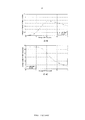
图 3 是采用本发明第一实施例提供的分集合并方法的效果示例图;
图 4A 是采用第一实施例提供的分布式双阈值选择性合并方案 DT-GSC 和采用分布式选择性合并方案
GSC 在独立同分布瑞利衰落信道下的平均误码率与每条支路平均信噪比的关系图;
图 4B 是采用第一实施例提供的分布式双阈值选择性合并方案 DT-GSC 和采用分布式选择性合并方案
GSC 在独立同分布瑞利衰落信道下的平均合并路径数与每条支路平均信噪比的关系图;
图 4C 是采用第一实施例提供的分布式双阈值选择性合并方案 DT-GSC 和采用分布式选择性合并方案
GSC 在独立同分布瑞利衰落信道下的平均 SNR 比较数与每条支路平均信噪比的关系图;
图 5 是本发明第一 实施例提供的 分集合并系统的结构原理图;
图 6 是本发明第二 实施例提供的 分集合并方法的实现流程图;
图 7 是本发明第二 实施例提供的 分集合并系统的结构原理图。
为了使本发明的目的、技术方案及优点更加清楚明白,以下结合附图及实施例,对本发明进行进一步详细说明。应当理解,此处所描述的具体实施例仅仅用以解释本发明,并不用于限定本发明。
本发明中,移动台在软切换区域内从小区的各个基站中分别选择满足条件的路径来进行合并,具体采用双阈值的判断方式来选择路径,从而可保证当移动台与其中一个基站失去连接时,还能接收到小区内其他基站的信号。
本发明第一实施例提供的分集合并方法的实现流程如图 2 所示,包括如下步骤:
在步骤 S201 中,接收机对小区内的第 i
个基站按照从第一条路径到最后一条路径的顺序判断当前路径的信噪比是否大于预设的输入阈值,若小于则继续判断下一条路径的信噪比是否大于所述输入阈值,直至判断出信噪比大于所述输入阈值的路径
j 。
其中, i 为 1 到 M 的正整数, M 为小区内的基站数量, j 为 1 到 N 的正整数, N
为第 i 个基站的路径数量。
在步骤 S202 中,将步骤 S201 中判断出来的信噪比大于输入阈值的路径 j
作为接收机的输入路径,并更新第 i 个基站的输出信噪比。
具体采用如下公式来更新信噪比,信噪比

分别为第 i 个基站的第一条路径的信噪比、第二条路径的信噪比、第 j 条路径的信噪比;
在步骤
S203
中,判断步骤
S202
得到的更新后的第
i
个基站的输出信噪比 Γi 是否大于预设的输出阈值。
进一步地,为 了更好的区别, M 个基站具有相互独立的输入阈值和输出阈值
,对基站1我们将其输入和输出阈值分别写成γ
iT1 和γ
oT1
,基站2的输入和输出阈值分别写成γ
iT2 和γ
oT2 …以此类推基站 M
的输入和输出阈值分别写成γ
iTM 和γ
oTM 。
在步骤 S204 中, 若大于则停止检查判断,若小于则进一步从路径j+1开始重新按照上述步骤
S201 、 S202 、 S203 进行判断,直至在第 i 个基站内找到 输出信噪比 Γi 大于预设的输出阈值的路径,或者判断为第 i
个基站内不存在 输出信噪比 Γi 大于预设的输出阈值的路径 。
在步骤 S205
中,按照上述步骤找到小区内所有基站的输出信噪比满足预设条件的路径,由接收机对找到的路径进行合并。
图 3 示出了采用本发明第一实施例提供的分集合并方法的效果,具体为 BPSK ( 双相移相键控
)调制方式下,独立同分布瑞利衰落信道上, P1=0 时,不同 P2 值条件下,分布式 DT-GSC 方案(图中用 NDT-GSC
表示)的平均误码率与每条支路平均信噪比
 的关系。同时图中还画出了 DT-GSC 方案的误码率与其进行比较。图中
 ,
,
 ,
,
 , DT-GSC 方案的输出阈值
 ,输入阈值
,输入阈值
 。各字母意义定义如下: P1 、 P2 分别表示移动台与基站 1 和基站 2 失去连接的概率; L1 、 L2
分别表示来自基站 1 和基站 2 的分支路径数。
。各字母意义定义如下: P1 、 P2 分别表示移动台与基站 1 和基站 2 失去连接的概率; L1 、 L2
分别表示来自基站 1 和基站 2 的分支路径数。
从图 3 中我们可以看到,随着 P2 的增大,分布式双阈值选择行合并方案 NDT-GSC
的性能比现有的双阈值选择性合并方案 DT-GSC 方案的性能要好,如在 P2=0 时, DT-GSC 方案的误码率低于分布式 DT-GSC 方案的。而当 P2
增大到 0.8 时,分布式 DT-GSC 方案的误码率要比 DT-GSC 低。当 P2 增大到 1 时,两者之间的差距更大。因为 P2 为 1
时,即表示与基站 2 失去了连接,分布式 DT-GSC 方案是从基站 1 和 2 中分别选择到满足条件的路径,这时移动台既然接收来自基站 1 的路径,而对
DT-GSC 方案,它是从所有基站中选择符合条件的路径,当与基站 2 突然失去连接时,之前选择到的路径可能来自基站 1 ,也可能来自基站 2
,这样移动台合并的路径并不确定,从而带来了不稳定性,影响通信质量。
图 4A 、图 4B 、图 4C
分别示出了采用第一实施例提供的分布式双阈值选择行合并方案和分布式选择性合并方案 GSC 在独立同分布瑞利衰落信道下的 (a) 平均误码率、 (b)
平均合并路径数、 (c) 平均 SNR 比较数与每条支路平均信噪比
 的关系。图中 L1=6 , L2=6 ,
 , P1=0 , P2=0.9 ,分布式 DT-GSC 方案的输入阈值
 ,
,
 。从图 4A 中我们看到,分布式选择性合并 GSC 方案的 BER 性能比分布式双阈值选择行合并方案
DT-GSC 要好,因为 GSC 估计所有路径的信噪比,并对信噪比大小进行比较,挑选前 Lc 条最好的来合并,显然是用复杂性来换取的性能。我们将图 4A 与图
4B 和图 4C 放一起进行比较,可以看到虽然分布式 GSC 方案的 BER 性能要比分布式 DT-GSC
好。但是它是以牺牲复杂性为代价。在基站数目增多的情况下复杂性更会明显增加(这里我们介绍的是两个基站的情况)。分布式双阈值选择行合并方案 DT-GSC
的平均合并路径数和平均 SNR 比较数都比分布式选择性合并方案 GSC 要低。
。从图 4A 中我们看到,分布式选择性合并 GSC 方案的 BER 性能比分布式双阈值选择行合并方案
DT-GSC 要好,因为 GSC 估计所有路径的信噪比,并对信噪比大小进行比较,挑选前 Lc 条最好的来合并,显然是用复杂性来换取的性能。我们将图 4A 与图
4B 和图 4C 放一起进行比较,可以看到虽然分布式 GSC 方案的 BER 性能要比分布式 DT-GSC
好。但是它是以牺牲复杂性为代价。在基站数目增多的情况下复杂性更会明显增加(这里我们介绍的是两个基站的情况)。分布式双阈值选择行合并方案 DT-GSC
的平均合并路径数和平均 SNR 比较数都比分布式选择性合并方案 GSC 要低。
图 5 示出了本发明第一 实施例提供的
分集合并系统的结构原理,为了便于描述,仅示出了与本实施例相关的部分。
参照图 5 ,本发明第一 实施例提供的 分集合并系统包括第一路径识别单元 51
、基站输出信噪比更新单元 52 、第二路径识别单元 53 、 路径识别控制单元 54 、 分集合并单元 55 ,其中,第一路径识别单元 51 对小区内的第 i
个基站按照从第一条路径到最后一条路径的顺序判断当前路径的信噪比是否大于预设的输入阈值,若小于则继续判断下一条路径的信噪比是否大于所述输入阈值,直至判断出信噪比大于所述输入阈值的路径
j ;其中 i 为 1 到 M 的正整数, M 为小区内的基站数量, j 为 1 到 N 的正整数, N 为第 i
个基站的路径数量。然后由基站输出信噪比更新单元 52 将第一路径识别单元 51 中判断出来的信噪比大于输入阈值的路径 j 作为接收机的输入路径,并更新第 i
个基站的输出信噪比 Γi = γ
1 + γ 2 + … + γ
j ;其中 γ
1 、γ 2 、γ j 分别为第 i
个基站的第一条路径的信噪比、第二条路径的信噪比、第 j 条路径的信噪比。
第二路径识别单元 53 判断基站输出信噪比更新单元 52 得到的更新后的第 i 个基站的输出信噪比
Γi 是否大于预设的输出阈值。路径识别控制单元54在所述第二路径识别单元判断结果为大于时控制所述停止检查判断,若小于则进一步从路径
j+1 开始重新控制 第一路径识别单元 51 、 基站输出信噪比更新单元 52 、 第二路径识别单元 53 进行判断,直至在第 i 个基站内找到 输出信噪比
Γi 大于预设的输出阈值的路径或者判断为第 i 个基站内不存在 输出信噪比 Γi 大于预设的输出阈值的路径。最后由
分集合并单元 55 对第二路径识别单元 53 找到的小区内 M 个基站的输出信噪比对应的路径进行合并。
图 6 示出了本发明第二实施例提供的分集合并方法的实现流程,详述如下:
步骤 S601
,接收机对小区内的各个基站按照从第一条路径到最后一条路径的顺序,从中识别出每个基站的第一条信噪比大于预设的输入阈值的路径并进行合并 .
步骤 S602 ,判断步骤 S601 中合并后的路径的信噪比是否大于预设的输出阈值。
步骤 S603 , 若步骤 S602 判断结果为大于则停止检查判断,若小于则进一步重新按照所述步骤
S601 识别出每个基站的下一条信噪比大于预设的输入阈值的路径并进行合并,然后重复步骤 S602 。
步骤 S604 ,重复步骤 S603
直至找到小区内各个基站的合并信噪比大于输出阈值的路径,或者各个基站内的所有路径中的合并信噪比均小于输出阈值。
本实施例中,各个基站具有相互独立的输入阈值和相同的输出阈值,如对基站 1 其输入阈值写成
 ,基站 2 的输入阈值分别写成
 …以此类推基站 N 的输入阈值分别写成
 ,而输出阈值只有一个即
 。
。
步骤 S605 ,接收机对步骤 S604 找到的各个基站的路径进行合并。
图 7 示出了本发明第二 实施例提供的
分集合并系统的结构原理,为了便于描述,仅示出了与本实施例相关的部分。
参照图 7 ,本发明第二 实施例提供的 分集合并系统包括第三路径识别单元 71 、第四路径识别单元
72 、路径识别控制单元 73 、分集合并单元 74 。其中,第三路径识别单元 71
对小区内的各个基站按照从第一条路径到最后一条路径的顺序,从中识别出每个基站的第一条信噪比大于预设的输入阈值的路径并进行合并。然后由第四路径识别单元 72
判断第三路径识别单元 71 中合并后的路径的信噪比是否大于预设的输出阈值。
路径识别控制单元 73 在第四路径识别单元 72
判断结果为大于控制停止检查判断,若小于则进一步重新控制 第三路径识别单元 71
识别出每个基站的下一条信噪比大于预设的输入阈值的路径并进行合并,然后再次控制第四路径识别单元 72
进行判断,直至找到小区内各个基站的合并信噪比大于输出阈值的路径,或者各个基站内的所有路径中的合并信噪比均小于输出阈值。最后由分集合并单元 74
用于对第四路径识别单元 72 找到的各个基站的路径进行合并。
同时需要注意的是:对不同基站采用双阈值选择性合并,其输入和输出阈值的设定根据基站情况的不同而有不同的设定。输入阈值
 主要用来衡量每条支路信号的 SNR 大小,而输出阈值
 主要用来衡量合并器输出信号的 SNR 大小。显然,
 的设定要大于
 才有意义。因为当
 小于
小于
 时,只要某一条支路满足输入阈值的条件,它便满足了输出阈值的条件,这样输出阈值的设定就没有任何作用。两个阈值的选取都要根据信道环境,比如支路平均 SNR
大小,瑞利衰落或莱斯衰落环境等。在仿真中阈值的选取主要是根据多次试验而得到。同时对来自不同基站的解析路径,设定的输入输出阈值,在软切换区域内还定义了一个概念,与基站失去连接的概率
P ,它表示移动台在软切换区域内移动时与某个基站失去连接的概率。
时,只要某一条支路满足输入阈值的条件,它便满足了输出阈值的条件,这样输出阈值的设定就没有任何作用。两个阈值的选取都要根据信道环境,比如支路平均 SNR
大小,瑞利衰落或莱斯衰落环境等。在仿真中阈值的选取主要是根据多次试验而得到。同时对来自不同基站的解析路径,设定的输入输出阈值,在软切换区域内还定义了一个概念,与基站失去连接的概率
P ,它表示移动台在软切换区域内移动时与某个基站失去连接的概率。
根据图 3 、图 4A 、图 4B 、图 4C
,可以看出本发明所提供的方案降低了软切换区域内移动台突然与某基站失去连接时的掉话概率,同时与现有的分布式 GSC
方案相比在较大程度降低复杂性的同时保证了通信质量。需要注意的是,上述仿真得到的图表对本发明有一定限制性的条件。但是本发明适用于所有分集技术的合并机制中,尤其当基站较多的软切换区域内,分集路径数目较多,本发明将更适用。
以上所述仅为本发明的较佳实施例而已,并不用以限制本发明,凡在本发明的精神和原则之内所作的任何修改、等同替换和改进等,均应包含在本发明的保护范围之内。
Claims (8)
- 本发明适用于电通信技术领域,提供了一种自适应退避算法中竞争窗的确定方法及系统。方法包括下述步骤:步骤A:初始化系统,并将竞争窗 的值初始化为系统默认值 ;步骤B:记录检测系统当前信道状态,并结合记录的历史信道状态,在步骤A系统默认值的基础上更新竞争窗 的值;步骤C:通过更新后的竞争窗 的值获得退避时隙,并在此退避时隙期间获得信道利用率,再进一步根据信道利用率获得传输概率;步骤D:获取竞争窗变化因子,然后根据竞争窗变化因子以及传输概率确定竞争窗 。本发明通过考虑加入新的变量信道一种分集合并方法,其特征在于,包括下述步骤:步骤A11,接收机对小区内的第i个基站按照从第一条路径到最后一条路径的顺序判断当前路径的信噪比是否大于预设的输入阈值,若小于则继续判断下一条路径的信噪比是否大于所述输入阈值,直至判断出信噪比大于所述输入阈值的路径j;其中i为1到M的正整数,M为小区内的基站数量,j为1到N的正整数,N为第i个基站的路径数量;步骤A12,将步骤A 11中判断出来的信噪比大于输入阈值的路径j作为接收机的输入路径,并更新第i个基站的输出信噪比Γi=γ1+γ2+…+γj;其中γ1、γ2、γj分别为第i个基站的第一条路径的信噪比、第二条路径的信噪比、第j条路径的信噪比;步骤A13,判断步骤A12得到的更新后的第i个基站的输出信噪比Γi是否大于预设的输出阈值;步骤A14,若大于则停止检查判断,若小于则进一步从路径j+1开始重新按照上述步骤A11、A12、A13进行判断,直至在第i个基站内找到输出信噪比Γi大于预设的输出阈值的路径,或者判断为第i个基站内不存在输出信噪比Γi大于预设的输出阈值的路径;步骤A15,按照上述步骤找到小区内所有基站的输出信噪比满足预设条件的路径,由接收机对找到的路径进行合并。
- 如权利要求1所述的分集合并方法,其特征在于,所述M个基站具有相互独立的输入阈值和输出阈值。
- 一种分集合并系统,其特征在于,包括:第一路径识别单元,用于对小区内的第i个基站按照从第一条路径到最后一条路径的顺序判断当前路径的信噪比是否大于预设的输入阈值,若小于则继续判断下一条路径的信噪比是否大于所述输入阈值,直至判断出信噪比大于所述输入阈值的路径j;其中i为1到M的正整数,M为小区内的基站数量,j为1到N的正整数,N为第i个基站的路径数量;基站输出信噪比更新单元,用于将所述第一路径识别单元中判断出来的信噪比大于输入阈值的路径j作为接收机的输入路径,并更新第i个基站的输出信噪比Γi=γ1+γ2+…+γj;其中γ1、γ2、γj分别为第i个基站的第一条路径的信噪比、第二条路径的信噪比、第j条路径的信噪比;第二路径识别单元,用于判断所述基站输出信噪比更新单元得到的更新后的第i个基站的输出信噪比Γi是否大于预设的输出阈值;路径识别控制单元,用于在所述第二路径识别单元判断结果为大于时控制所述停止检查判断,若小于则进一步从路径j+1开始重新控制所述第一路径识别单元、所述基站输出信噪比更新单元、第二路径识别单元进行判断,直至在第i个基站内找到输出信噪比Γi大于预设的输出阈值的路径或者判断为第i个基站内不存在输出信噪比Γi大于预设的输出阈值的路径;分集合并单元,用于对所述第二路径识别单元找到的小区内M个基站的输出信噪比对应的路径进行合并。
- 如权利要求3所述的分集合并系统,其特征在于,所述M个基站具有相互独立的输入阈值和输出阈值。
- 一种分集合并方法,其特征在于,包括下述步骤:步骤A21,接收机对小区内的各个基站按照从第一条路径到最后一条路径的顺序,从中识别出每个基站的第一条信噪比大于预设的输入阈值的路径并进行合并;步骤A22,判断步骤A21中合并后的路径的信噪比是否大于预设的输出阈值;步骤A23,若步骤A22判断结果为大于则停止检查判断,若小于则进一步重新按照所述步骤A21识别出每个基站的下一条信噪比大于预设的输入阈值的路径并进行合并,然后重复步骤A22;步骤A24,重复步骤A23直至找到小区内各个基站的合并信噪比大于输出阈值的路径,或者各个基站内的所有路径中的合并信噪比均小于输出阈值;步骤A25,接收机对步骤A24找到的各个基站的路径进行合并。
- 如权利要求5所述的分集合并方法,其特征在于,所述各个基站具有相互独立的输入阈值和相同的输出阈值。
- 一种分集合并系统,其特征在于,包括:第三路径识别单元,用于对小区内的各个基站按照从第一条路径到最后一条路径的顺序,从中识别出每个基站的第一条信噪比大于预设的输入阈值的路径并进行合并;第四路径识别单元,用于判断所述第三路径识别单元中合并后的路径的信噪比是否大于预设的输出阈值;路径识别控制单元,用于在所述第四路径识别单元判断结果为大于控制停止检查判断,若小于则进一步重新控制所述第三路径识别单元识别出每个基站的下一条信噪比大于预设的输入阈值的路径并进行合并,然后再次控制所述第四路径识别单元进行判断,直至找到小区内各个基站的合并信噪比大于输出阈值的路径,或者各个基站内的所有路径中的合并信噪比均小于输出阈值;分集合并单元,用于对所述第四路径识别单元找到的各个基站的路径进行合并。
- 如权利要求7所述的分集合并系统,其特征在于,所述各个基站具有相互独立的输入阈值和相同的输出阈值。利用率来获得竞争窗变化因子的优化值,通过过去退避时候发生冲突的比例大小来动态调整,这样获得的变化因子是变化的,竞争窗也是动态调整的。
Priority Applications (1)
| Application Number | Priority Date | Filing Date | Title |
|---|---|---|---|
| PCT/CN2013/086811 WO2015066907A1 (zh) | 2013-11-10 | 2013-11-10 | 一种分集合并方法及系统 |
Applications Claiming Priority (1)
| Application Number | Priority Date | Filing Date | Title |
|---|---|---|---|
| PCT/CN2013/086811 WO2015066907A1 (zh) | 2013-11-10 | 2013-11-10 | 一种分集合并方法及系统 |
Publications (1)
| Publication Number | Publication Date |
|---|---|
| WO2015066907A1 true WO2015066907A1 (zh) | 2015-05-14 |
Family
ID=53040803
Family Applications (1)
| Application Number | Title | Priority Date | Filing Date |
|---|---|---|---|
| PCT/CN2013/086811 Ceased WO2015066907A1 (zh) | 2013-11-10 | 2013-11-10 | 一种分集合并方法及系统 |
Country Status (1)
| Country | Link |
|---|---|
| WO (1) | WO2015066907A1 (zh) |
Citations (2)
| Publication number | Priority date | Publication date | Assignee | Title |
|---|---|---|---|---|
| CN101848016A (zh) * | 2010-05-13 | 2010-09-29 | 深圳大学 | 一种分集合并方法及装置 |
| CN102325357A (zh) * | 2011-07-05 | 2012-01-18 | 深圳大学 | 一种分集合并方法及系统 |
-
2013
- 2013-11-10 WO PCT/CN2013/086811 patent/WO2015066907A1/zh not_active Ceased
Patent Citations (2)
| Publication number | Priority date | Publication date | Assignee | Title |
|---|---|---|---|---|
| CN101848016A (zh) * | 2010-05-13 | 2010-09-29 | 深圳大学 | 一种分集合并方法及装置 |
| CN102325357A (zh) * | 2011-07-05 | 2012-01-18 | 深圳大学 | 一种分集合并方法及系统 |
Similar Documents
| Publication | Publication Date | Title |
|---|---|---|
| WO2014077533A1 (en) | Base station and a plurality of member nodes for transmitting and receiving network coding based multicast traffic | |
| WO2020145633A1 (ko) | 무선 통신 시스템에서 송신 전력을 할당하기 위한 방법 및 장치 | |
| US20040077349A1 (en) | Handoff method for wireless private branch exchange enabled for standard cellular handsets and wireless data devices | |
| EP3508016A1 (en) | Method and device of power control | |
| WO2018023938A1 (zh) | 一种上行传输的方法及基站 | |
| WO2010143910A2 (ko) | 최적의 전송 프로토콜 선택 방법 및 그 장치 | |
| CN1465155A (zh) | 利用同步环路在具有天线分集的接收机中实现定时恢复 | |
| TW201320641A (zh) | 分散式天線系統之控制方法、裝置及系統 | |
| US20030032430A1 (en) | Method and system for performing fast access handoff in mobile telecommunications system | |
| WO2012008734A2 (en) | Apparatus and method for controlling uplink transmission power in a mobile communication system | |
| WO2018062969A1 (en) | Method and device of power control | |
| WO2021215776A1 (ko) | 무선 통신 시스템에서 채널 선택 방법, 장치, 컴퓨터 프로그램 및 그 기록 매체 | |
| KR20020062798A (ko) | 분산무선시스템에서의 기지국 동기화 장치 및 방법 | |
| JP2583484B2 (ja) | デイジタルリンク装置 | |
| US8259760B2 (en) | Apparatus and method for transmitting and recovering multi-lane encoded data streams using a reduced number of lanes | |
| WO2019245339A1 (ko) | 이동 통신 시스템에서 기지국 노드 간 패킷 복제 동작 동기화 방법 및 장치 | |
| KR19980049458A (ko) | 디지털 무선 통신시스템에서 기지국들간의 거리차에 의한 동기 신호 지연검출 회로 및 방법 | |
| JP2000031897A (ja) | 移動体通信システムの受信機用の探索スキ―ム | |
| US6178165B1 (en) | Communication system | |
| WO2011140834A1 (zh) | 一种分集合并方法及装置 | |
| WO2015066907A1 (zh) | 一种分集合并方法及系统 | |
| WO2014071582A1 (zh) | 一种多输入多输出微波系统的天线调整方法及装置 | |
| WO2020036424A1 (ko) | 이동통신 시스템에서 핸드오버 방법 및 장치 | |
| CN114389762B (zh) | 一种针对数字同传系统的双链路数据切换处理方法 | |
| WO2013073720A1 (ko) | 다중 단말 릴레이 시스템에서 릴레이 통신 방법 |
Legal Events
| Date | Code | Title | Description |
|---|---|---|---|
| 121 | Ep: the epo has been informed by wipo that ep was designated in this application |
Ref document number: 13897093 Country of ref document: EP Kind code of ref document: A1 |
|
| NENP | Non-entry into the national phase |
Ref country code: DE |
|
| 122 | Ep: pct application non-entry in european phase |
Ref document number: 13897093 Country of ref document: EP Kind code of ref document: A1 |