WO2015059797A1 - フィルダム管理支援装置、フィルダム管理支援方法およびプログラム - Google Patents
フィルダム管理支援装置、フィルダム管理支援方法およびプログラム Download PDFInfo
- Publication number
- WO2015059797A1 WO2015059797A1 PCT/JP2013/078827 JP2013078827W WO2015059797A1 WO 2015059797 A1 WO2015059797 A1 WO 2015059797A1 JP 2013078827 W JP2013078827 W JP 2013078827W WO 2015059797 A1 WO2015059797 A1 WO 2015059797A1
- Authority
- WO
- WIPO (PCT)
- Prior art keywords
- amount
- value
- leakage
- water leakage
- water
- Prior art date
- Legal status (The legal status is an assumption and is not a legal conclusion. Google has not performed a legal analysis and makes no representation as to the accuracy of the status listed.)
- Ceased
Links
Images


Classifications
-
- G—PHYSICS
- G01—MEASURING; TESTING
- G01M—TESTING STATIC OR DYNAMIC BALANCE OF MACHINES OR STRUCTURES; TESTING OF STRUCTURES OR APPARATUS, NOT OTHERWISE PROVIDED FOR
- G01M3/00—Investigating fluid-tightness of structures
- G01M3/02—Investigating fluid-tightness of structures by using fluid or vacuum
- G01M3/04—Investigating fluid-tightness of structures by using fluid or vacuum by detecting the presence of fluid at the leakage point
Definitions
- the present invention relates to a fill dam management support apparatus, a fill dam management support method, and a program.
- Piping is one of the main causes of major disasters at Phil Dam. Piping is a phenomenon in which the osmotic force of groundwater flowing through the levee body exceeds the stress caused by the weight of the soil particles and the applied load, and cylindrical erosion occurs in the soil. In order to detect such disasters in advance, periodic observation of the dam body is conducted.
- Patent Document 1 describes a technique of detecting an abnormal portion of a levee body by performing a specific resistance tomography method over time.
- Patent Document 1 it is necessary to embed an electrode in advance in the water-impervious portion in the levee body, and it is impossible to detect an abnormality of a fill dam in which no electrode is embedded.
- the present invention has been made in view of such a background, and an object thereof is to provide a fill dam management support apparatus, a fill dam management support method, and a program that can easily detect an abnormality of a fill dam.
- the main invention of the present invention for solving the above-mentioned problems is an apparatus for supporting the management of a fill dam, and is an ion value acquisition that acquires an ion value that is a value corresponding to the amount of dissolved ions contained in water leakage from the fill dam.
- a leakage amount acquisition unit that acquires a leakage amount related to the leakage, and an abnormality detection unit that detects that an abnormality has occurred in the fill dam according to the ion value and the leakage amount.
- the fill dam management support device of the present invention includes a past record value of the water leakage and a past record value storage unit that stores the past value of the dissolved ion amount
- the abnormality detection unit includes the past leaked water value and the dissolved ion.
- a relational expression creating unit that creates a relational expression representing a relation between the amount of water leakage and the amount of dissolved ions based on the actual value of the quantity
- the abnormality detecting unit uses the acquired ion value as the relational expression. To calculate the theoretical value of the water leakage amount, and detect that the abnormality has occurred according to the difference between the acquired water leakage amount and the theoretical value of the water leakage amount.
- the actual value storage unit further stores the actual value of the water storage level, the actual value of the precipitation, and the actual value of the temperature of the water leakage, and the amount of water leakage is an objective variable.
- a relational model storage unit that stores a relational model that includes the ion value, the reservoir level of the fill dam, precipitation, and the temperature of water leakage as explanatory variables; a reservoir level acquisition unit that acquires the reservoir level; and the precipitation
- a precipitation amount acquisition unit to acquire, and a leakage water temperature acquisition unit to acquire the temperature of the leakage water, the relational expression creation unit, the actual value of the leakage amount, the actual value of the ion value, of the precipitation
- the regression coefficient for the explanatory variable was estimated and estimated Times And the coefficient is set to the relation model may be created the relationship.
- the ion value may be the amount of dissolved ions or the electric conductivity of water leakage.
- the abnormality detection unit may detect the abnormality when the difference exceeds a predetermined threshold.
- a method for supporting management of a fill dam wherein a computer acquires an ion value that is a value corresponding to the amount of dissolved ions contained in water leakage from the fill dam, The step of acquiring the amount of water leakage related to water leakage and the step of detecting the occurrence of an abnormality in the fill dam according to the ion value and the amount of water leakage are executed.
- a program for supporting management of a fill dam wherein the computer acquires an ion value that is a value corresponding to the amount of dissolved ions contained in water leakage from the fill dam.
- the step of acquiring the amount of water leakage related to the water leakage and the step of detecting the occurrence of an abnormality in the fill dam according to the ion value and the amount of water leakage are executed.
- FIG. It is a figure explaining the structure of a rock fill dam. It is a figure showing the dissolved ion in leaking water. It is a figure which shows the hardware structural example of the dam management assistance apparatus 10 of this embodiment. It is a figure which shows the software structural example of the dam management assistance apparatus 10 of this embodiment. It is a figure which shows the structural example of the performance value memory
- FIG. 1 is a diagram illustrating the structure of a rock fill dam.
- a core 2 for water shielding is provided inside the dam body 1, and filters 3 that support the core 2 are provided on both sides thereof.
- a lock 4 for supporting the core 2 and the filter 3 is provided on the outside thereof.
- Piping is known as an example of a rockfill dam abnormality.
- the amount of water leaking from the reservoir through the core 2 in the dam body 1 and appearing downstream of the dam body 1 increases.
- rainwater that has passed through the lip wrap on the lock 4 may be mixed in as a leak during rainfall, and even if the amount of leak is large, an abnormality such as piping does not necessarily occur in the rockfill dam.
- the case where the amount of water leakage is large includes, for example, the case where the amount of water leakage exceeds a predetermined value or the case where the amount of increase in the amount of water leakage per unit time exceeds a predetermined value.
- the case where the amount of dissolved ions is large includes the case where the amount of dissolved ions is equal to or greater than a predetermined threshold.
- Predetermined threshold value shall be a value corresponding to the temperature of water leakage (hereinafter referred to as water leakage temperature), precipitation, temperature, amount of snow melting, water level of the reservoir (hereinafter referred to as water storage level), inflow to the reservoir, etc. Can do.
- the electrical conductivity of the water leakage is a value representing the amount of dissolved ions
- a relational expression between the electrical conductivity and the water leakage amount is obtained in advance from the past actual values, and the water leakage amount and the electrical conductivity are measured.
- FIG. 3 is a diagram illustrating a hardware configuration example of the dam management support apparatus 10 of the present embodiment.
- the dam management support apparatus 10 includes a CPU 101, a memory 102, a storage device 103, an input device 105, and an output device 106.
- the storage device 103 stores various data and programs, for example, a hard disk drive, a solid state drive, a flash memory, or the like.
- the input device 105 is, for example, a keyboard, a mouse, a touch panel, a button, or a microphone that inputs data.
- the output device 106 outputs data, for example, a display, a printer, a speaker, or the like.
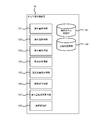
- FIG. 4 is a diagram showing a software configuration example of the dam management support apparatus 10 of the present embodiment.
- the dam management support apparatus 10 includes a water leakage amount acquisition unit 111, a water leakage temperature acquisition unit 112, a precipitation amount acquisition unit 113, a water storage level acquisition unit 114, an electrical conductivity acquisition unit 115, a relational expression generation unit 116, and a water leakage amount theoretical value calculation unit. 117, an abnormality detection unit 118, a relationship model storage unit 131, and a result value storage unit 132.
- the leakage amount acquisition unit 111, the leakage water temperature acquisition unit 112, the precipitation amount acquisition unit 113, the water storage level acquisition unit 114, the electrical conductivity acquisition unit 115, the relational expression creation unit 116, the leakage amount theoretical value calculation unit 117, and the abnormality detection unit 118 is realized by the CPU 101 provided in the dam support apparatus 10 reading out the program stored in the storage device 103 to the memory 102 and executing the program, and the relation model storage unit 131 and the actual value storage unit 132 are included in the dam support device 10. This is realized as a part of a storage area provided by the memory 102 and the storage device 103 provided.
- the relationship model storage unit 131 stores a relationship model that represents the relationship between electrical conductivity and water leakage.
- the relational model uses the amount of water leakage as an objective variable, and the temperature of the water leakage (hereinafter referred to as the water leakage temperature), the amount of precipitation, the reservoir water level (hereinafter referred to as the water storage level), and the electrical conductivity of the water leakage are explanatory variables. Is a statistical model.
- the relational model is expressed by the following equation (1).
- T is the water leakage temperature of the day
- E electricity Conductivity
- X00 and X0 are constants
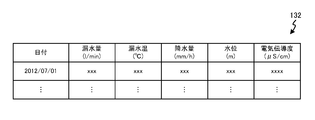
- the actual value storage unit 132 stores the actual values of water leakage, water leakage temperature, precipitation, water storage level, and electrical conductivity.
- FIG. 5 is a diagram illustrating a configuration example of the actual value storage unit 132. As shown in the figure, the actual value storage unit 132 stores actual values of water leakage, water leakage temperature, precipitation, water storage level, and electrical conductivity in association with dates.
- the leakage amount acquisition unit 111 acquires a measured value of the leakage amount.
- the leakage amount acquisition unit 111 may acquire the leakage amount measured from a measuring instrument such as a flow meter, or may accept an input of the leakage amount from the user via the input device 105. Also good. Moreover, you may make it the water leak amount acquisition part 111 access the computer and acquire the water leak amount which the other computer has memorize
- the water leakage amount acquiring unit 111 registers the acquired water leakage amount as the actual value in the actual value storage unit 132 in association with the current date.
- the leakage water temperature acquisition unit 112 acquires a measured value of the leakage water temperature.
- the leakage water temperature acquisition unit 112 may acquire the leakage water temperature measured from a measuring instrument such as a thermometer, or may receive an input of the leakage water temperature from the user via the input device 105. Moreover, you may make it the leak water temperature acquisition part 112 access the computer and acquire the leak water temperature which the other computer has memorize
- the leakage water temperature acquisition unit 112 registers the acquired leakage water temperature as an actual value in the actual value storage unit 132 in association with the current date.
- Precipitation acquisition unit 113 acquires precipitation.
- the precipitation acquisition unit 113 may acquire the precipitation measured by a measuring instrument such as a rain gauge, or may acquire the measurement value of precipitation from a computer operated by the Japan Meteorological Agency or a weather company. Alternatively, an input of precipitation may be received from the user via the input device 105. Further, the precipitation amount acquiring unit 113 may acquire the precipitation amount stored in another computer by accessing the computer. The precipitation acquisition unit 113 registers the acquired precipitation in the actual value storage unit 132 in association with the current date.
- the water storage level acquisition unit 114 acquires the water storage level.
- the water storage level acquisition unit 114 may acquire the water storage level measured from a measuring instrument such as a water level gauge, or may receive an input of the water storage level from the user via the input device 105. Moreover, you may make it the water storage level acquisition part 114 access the computer and acquire the water storage level which the other computer has memorize
- the water storage level acquisition unit 114 registers the acquired water storage level in the actual value storage unit 132 in association with the current date.
- ⁇ Electrical conductivity acquisition part 115 acquires the measured value of the electrical conductivity about water leakage.
- the electrical conductivity acquisition unit 115 may acquire the electrical conductivity measured from the electrical conductivity measuring instrument, or may receive an electrical conductivity input from the user via the input device 105. .
- the electrical conductivity acquisition unit 115 registers the acquired electrical conductivity as the actual value in the actual value storage unit 132 in association with the current date.
- the leakage amount acquisition unit 111, the leakage temperature acquisition unit 112, the precipitation amount acquisition unit 113, the storage level acquisition unit 114, and the electrical conductivity acquisition unit 115 are periodically connected to the leakage amount, leakage temperature, precipitation amount, storage level, and electricity. It is assumed that the conductivity is acquired and registered in the result value storage unit 132.
- the relational expression creating unit 116 creates a relational expression for calculating the amount of water leakage based on the electrical conductivity.
- the relational expression creating unit 116 uses the relational model stored in the relational model storage unit 131 and the actual value stored in the actual value storage unit 132 to perform partial regression coefficient Xj and constants X00, X0 is calculated, and the calculated partial regression coefficient Xj and the constants X00 and X0 are applied to the relational model to create a relational expression.
- the relational expression creating unit 116 registers the created relational expression in the relational model storage unit 131.
- the relational expression creating unit 116 creates a relational expression for each predetermined period (for example, any period such as one day, one week, one month, etc.) and stores it in the relational model storage unit 131.
- the relational expression shall be updated.
- the leakage amount theoretical value calculation unit 117 calculates the theoretical value of the leakage amount according to the electrical conductivity.
- the leakage amount theoretical value calculation unit 117 reads the leakage water temperature, precipitation amount, water level, and electrical conductivity corresponding to the current date from the actual value storage unit 132 and stores the read values in the relationship model storage unit 131. Apply the formula to calculate the theoretical amount of water leakage.
- the anomaly detector 118 detects an anomaly in the rockfill dam according to the amount of water leakage and electrical conductivity.
- the abnormality detection unit 118 detects that an abnormality has occurred in the rockfill dam according to the difference between the actual value and the theoretical value of the water leakage amount.
- the abnormality detection unit 118 notifies the user of the fact by, for example, displaying it on a display or outputting an alarm sound from a speaker.
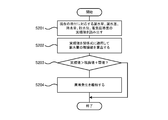
- FIG. 6 is a diagram showing a flow of processing for detecting an abnormality of the rock fill dam. Note that the processing in FIG. 6 may be performed periodically or in response to an instruction from the user.
- the leaked water theoretical value calculation unit 117 reads the leaked water amount, the leaked water temperature, the precipitation amount, the water storage level and the actual conductivity values corresponding to the current date (S201), and applies the read actual values to the relational expression.
- the theoretical value of the amount of water leakage is calculated (S202).
- the abnormality detection unit 118 detects the abnormality of the rock fill dam and notifies the fact (S204).
- the abnormality detection unit 118 determines that there is no abnormality in the rock fill dam and ends the process.
- the dam management support apparatus 10 of the present embodiment it is possible to detect an abnormality in the rockfill dam according to the amount of water leakage and the electrical conductivity (the amount of dissolved ions) related to the water leakage from the rockfill dam. . Therefore, since it is possible to detect the abnormality of the rock fill dam without arranging an electrode or the like in the rock fill dam, the present invention can be easily applied to the existing rock fill dam.
- the amount of dissolved ions changes depending on the infiltration time in the levee body 1 and so on, and even if the amount of dissolved ions is the same, the meaning of the ions differs depending on whether the amount of water leakage is large or small.
- a relational expression between the amount of water leakage and electrical conductivity (dissolved ion quantity) is obtained in advance based on the past actual value, and the relational expression is used.
- An abnormality of the rockfill dam can be detected according to the difference between the calculated theoretical value of the leaked water amount and the measured value of the leaked water amount. Therefore, it is possible to accurately detect an abnormality of the rock fill dam according to the amount of water leakage.
- the relational expression includes not only the electric conductivity but also the leakage temperature, the precipitation amount, and the water storage level as explanatory variables.
- the elution of ions from the geology to the water leak changes depending on the water leak temperature, and water with less dissolved ions is mixed into the water leak if there is a lot of precipitation.
- the seepage water into the dam body 1 does not become 0 (zero), and if the water storage level is high, the amount of water leakage from the dam body 1 inevitably increases.
- the theoretical value of the water leakage amount can be obtained more accurately by including the water leakage temperature, the precipitation amount, and the water storage level in addition to the electric conductivity as explanatory variables of the relational expression for obtaining the water leakage amount. Therefore, the abnormality determination based on the theoretical value and the measured value can be performed more accurately.
- the amount of leakage, leakage temperature, and electrical conductivity of the leakage can be measured using a flow meter, thermometer, electrical conductivity meter, etc. for the leakage from the rockfill dam. Can be measured regardless of the structure of the rockfill dam. Therefore, the bank body 1 can be monitored without providing an electrode or the like inside the bank body 1. Therefore, it is possible to monitor abnormalities such as piping even if the rock fill dam is not provided with electrodes or the like in advance.
- a water leak temperature, precipitation amount, water storage level, and a relational expression between the electric conductivity and the water leak amount are created by multiple regression analysis from the past actual values, and the water leak temperature, Anomalies in rockfill dams can be detected according to the difference between theoretical values and actual values obtained by applying precipitation, reservoir level and electrical conductivity to this relational expression. Therefore, it is possible to flexibly cope with the amount of dissolved ions that varies depending on precipitation and temperature, and an abnormality can be detected with high accuracy.
- the relational expression in which the partial regression coefficient and the constant are applied to the relation model is created in advance.
- the present invention is not limited to this, and the relational expression is not created in advance, and the partial regression coefficient Xj and the constant X00, X0 may be stored, and the partial regression coefficient Xj, constants X00 and X0, and actual values may be applied to the relational model each time the theoretical value of the water leakage amount is calculated.
- the dam management support apparatus 10 is a single computer.
- the present invention is not limited to this, and a plurality of computers may virtually realize a single computer.
- a plurality of computers may be provided with the functional units and storage units of the dam management support apparatus 10 in a distributed manner.
- the storage unit may be realized as a separate database server.
- the actual values of the amount of leakage, the leakage temperature, the precipitation, the water storage level, and the electrical conductivity are periodically acquired and registered in the actual value storage unit 132, but the present invention is not limited to this.
- past performance values are registered in advance in the performance value storage unit 132, they may not be added.
- the relational expression creating unit 116 creates a relational expression only once by performing multiple regression analysis on past performance values registered in advance, and the water leakage theoretical value calculation unit 117 relates the latest performance values. Apply the formula to calculate the theoretical amount of water leakage.
- the relational expression creating unit 116 periodically creates and updates the relational expression.
- the present invention is not limited to this, and the relational expression creating unit 116 creates the relational expression only once based on past performance values.
- a relational expression may be created according to an instruction from the operator.
- the relational expression creating unit 116 may create the relational expression when the actual value is registered in the actual value storage part 131 for a predetermined number of days.
- the relational model is a statistical model in which the amount of leakage is an objective variable, and the leakage temperature, precipitation, storage level, and electrical conductivity are explanatory variables. Only the electrical conductivity may be used as the explanatory variable, or only the precipitation amount and the electrical conductivity may be used as the explanatory variable. That is, any statistical model may be used as long as the objective variable is the amount of water leakage and the explanatory variable includes the electric conductivity of water leakage.
- the amount of snow melting may be added to the explanatory variable of the relation model.
- the relational model can be expressed by the following equation (1 ′).
- True precipitation is a value obtained by subtracting snowfall from precipitation.
Landscapes
- Physics & Mathematics (AREA)
- General Physics & Mathematics (AREA)
- Examining Or Testing Airtightness (AREA)
- Investigating Or Analyzing Materials By The Use Of Electric Means (AREA)
Abstract
【課題】容易にフィルダムの異常を検出することができるようにする。 【解決手段】ダム管理支援装置10は、ロックフィルダムからの漏水に含まれる溶存イオン量に応じた値である電気伝導度と漏水量とを取得し、電気伝導度および漏水量に応じてロックフィルダムに異常が発生したことを検知する。
Description
本発明は、フィルダム管理支援装置、フィルダム管理支援方法およびプログラムに関する。
フィルダムにおける大きな災害の主原因の一つにパイピングがある。パイピングとは土粒子の自重および加わっている荷重からなる応力に比べて、堤体内を流れる地下水のもたらす浸透力が上回り、土中に筒状の浸食が生じる現象である。このような災害を未然に発見するべく堤体の定期的な観測が行われている。たとえば、特許文献1には、比抵抗トモグラフィ法を経時的に実施して堤体の異常部位を検出する手法が記載されている。
しかしながら、特許文献1に記載の手法では、堤体内の遮水部に予め電極を埋設しておく必要があり、電極を埋設していないフィルダムの異常を検出することはできない。
本発明は、このような背景を鑑みてなされたものであり、容易にフィルダムの異常を検出することのできる、フィルダム管理支援装置、フィルダム管理支援方法およびプログラムを提供することを目的とする。
上記課題を解決するための本発明の主たる発明は、フィルダムの管理を支援する装置であって、前記フィルダムからの漏水に含まれる溶存イオン量に応じた値であるイオン値を取得するイオン値取得部と、前記漏水に係る漏水量を取得する漏水量取得部と、前記イオン値および前記漏水量に応じて前記フィルダムに異常が発生したことを検知する異常検知部と、を備えることとする。
また、本発明のフィルダム管理支援装置は、過去の前記漏水の実績値および前記溶存イオン量の実績値を記憶する実績値記憶部と、前記異常検知部は、前記漏水の実績値および前記溶存イオン量の実績値に基づいて、前記漏水量および前記溶存イオン量の関係を表す関係式を作成する関係式作成部と、をさらに備え、前記異常検知部は、前記取得したイオン値を前記関係式に適用して前記漏水量の理論値を算出し、前記取得した漏水量と前記漏水量の理論値との差に応じて前記異常が発生したことを検知するようにしてもよい。
また、本発明のフィルダム管理支援装置では、前記実績値記憶部はさらに前記貯水位の実績値、前記降水量の実績値および前記漏水の温度の実績値を記憶し、前記漏水量を目的変数とし、前記イオン値、前記フィルダムの貯水位、降水量および前記漏水の温度を説明変数として含む関係モデルを記憶する関係モデル記憶部と、前記貯水位を取得する貯水位取得部と、前記降水量を取得する降水量取得部と、前記漏水の温度を取得する漏水温取得部と、をさらに備え、前記関係式作成部は、前記漏水量の実績値、前記イオン値の実績値、前記降水量の実績値、前記貯水位の実績値、前記降水量の実績値および前記漏水の温度の実績値と前記関係モデルとに基づいて回帰分析を行い、前記説明変数についての回帰係数を推計し、推計した前記回帰係数を前記関係モデルに設定して前記関係式を作成するようにしてもよい。
また、本発明のフィルダム管理支援装置では、前記イオン値は、前記溶存イオン量または前記漏水の電気伝導度であるようにしてもよい。
また、本発明のフィルダム管理支援装置では、前記異常検知部は、前記差が所定の閾値を超えた場合に前記異常を検知するようにしてもよい。
また、本発明の他の態様は、フィルダムの管理を支援する方法であって、コンピュータが、前記フィルダムからの漏水に含まれる溶存イオン量に応じた値であるイオン値を取得するステップと、前記漏水に係る漏水量を取得するステップと、前記イオン値および前記漏水量に応じて前記フィルダムに異常が発生したことを検知するステップと、を実行することとする。
また、本発明の他の態様は、フィルダムの管理を支援するためのプログラムであって、コンピュータに、前記フィルダムからの漏水に含まれる溶存イオン量に応じた値であるイオン値を取得するステップと、前記漏水に係る漏水量を取得するステップと、前記イオン値および前記漏水量に応じて前記フィルダムに異常が発生したことを検知するステップと、を実行させることとする。
その他本願が開示する課題やその解決方法については、発明の実施形態の欄および図面により明らかにされる。
本発明によれば、容易にフィルダムの異常を検出することができる。
==本実施形態の概要==
以下、本発明の一実施形態に係るダム管理支援装置10について説明する。本実施形態のダム管理支援装置10は、ロックフィルダムの異常を検知する。図1はロックフィルダムの構造を説明する図である。ロックフィルダムでは、堤体1の内部には遮水のためのコア2が設けられ、その両面にコア2を支えるフィルタ3が設けられる。その外側にはコア2およびフィルタ3を支えるロック4が設けられる。
以下、本発明の一実施形態に係るダム管理支援装置10について説明する。本実施形態のダム管理支援装置10は、ロックフィルダムの異常を検知する。図1はロックフィルダムの構造を説明する図である。ロックフィルダムでは、堤体1の内部には遮水のためのコア2が設けられ、その両面にコア2を支えるフィルタ3が設けられる。その外側にはコア2およびフィルタ3を支えるロック4が設けられる。
ロックフィルダムの異常として、たとえばパイピングが知られている。パイピングが生じる前兆として、貯水池から堤体1内のコア2を通過して堤体1下流に現れる漏水量が増加する。もっとも、降雨時にはロック4の上のリップラップを通過した雨水が漏水として混入することがあり、漏水量が多くても、必ずしもロックフィルダムにパイピングなどの異常が生じたとは限らない。
しかしながら、一般に雨水に含まれる溶存イオンは少なく、一方ロックフィルダムからの漏水には浸透経路の地質の化学的組成および浸透時間に応じて溶存イオンが豊富に含まれる。したがって、図2に示すように、降雨時には漏水量が増加しつつも漏水における溶存イオン量が減少することになる。そこで、漏水量が多く、かつ、溶存イオン量が多い場合に、パイピング等によるロックフィルダムに異常が発生したと判定することができる。
ここで、漏水量が多い場合とは、たとえば、漏水量が所定値以上となった場合や、漏水量の任意の単位時間あたりの増加量が所定値以上となった場合を含む。また、溶存イオン量が多い場合とは、溶存イオン量が所定の閾値以上となった場合を含む。所定の閾値は、漏水の温度(以下、漏水温という。)、降水量、気温、融雪量、貯水池の水位(以下、貯水位という。)、貯水池への流入量などに応じた値とすることができる。
本実施形態では、漏水の電気伝導度を、溶存イオン量を表す値とし、過去の実績値から電気伝導度と漏水量との関係式を予め求めておき、漏水量と電気伝導度を測定して、測定した漏水量が、測定した電気伝導度を当該関係式に当てはめて求めた漏水量の理論値よりも所定値以上多くなった場合に、ロックフィルダムに異常が発生したものと判定する。これにより、堤体1の内部に電極等を設けることなく、堤体1からの漏水に着目してロックフィルダムの異常を検知することができる。
図3は本実施形態のダム管理支援装置10のハードウェア構成例を示す図である。ダム管理支援装置10は、CPU101、メモリ102、記憶装置103、入力装置105、出力装置106を備える。記憶装置103は、各種のデータやプログラムを記憶する、たとえばハードディスクドライブやソリッドステートドライブ、フラッシュメモリなどである。入力装置105は、データを入力する、たとえばキーボードやマウス、タッチパネル、ボタン、マイクロフォンなどである。出力装置106は、データを出力する、たとえばディスプレイやプリンタ、スピーカなどである。
図4は本実施形態のダム管理支援装置10のソフトウェア構成例を示す図である。ダム管理支援装置10は、漏水量取得部111、漏水温取得部112、降水量取得部113、貯水位取得部114、電気伝導度取得部115、関係式作成部116、漏水量理論値算出部117、異常検知部118、関係モデル記憶部131、実績値記憶部132を備える。
なお、漏水量取得部111、漏水温取得部112、降水量取得部113、貯水位取得部114、電気伝導度取得部115、関係式作成部116、漏水量理論値算出部117および異常検知部118は、ダム支援装置10の備えるCPU101が記憶装置103に記憶されているプログラムをメモリ102に読み出して実行することにより実現され、関係モデル記憶部131および実績値記憶部132はダム支援装置10の備えるメモリ102および記憶装置103が提供する記憶領域の一部として実現される。
関係モデル記憶部131は、電気伝導度と漏水量との関係を表す関係モデルを記憶する。本実施形態では関係モデルは、漏水量を目的変数とし、漏水の温度(以下、漏水温という。)、降水量、貯水池の水位(以下、貯水位という。)および漏水の電気伝導度を説明変数とする統計モデルである。関係モデルは次式(1)により表される。

ここで、Qは漏水量であり、Tは当日の漏水温、Ri(i=0~28)はi日前の降水量、Wi(i=0~28)はi日前の貯水位、Eは電気伝導度、X00およびX0は定数、Xj(j=0~15)は偏回帰係数である。
ここで、Qは漏水量であり、Tは当日の漏水温、Ri(i=0~28)はi日前の降水量、Wi(i=0~28)はi日前の貯水位、Eは電気伝導度、X00およびX0は定数、Xj(j=0~15)は偏回帰係数である。
実績値記憶部132は、漏水量、漏水温、降水量、貯水位および電気伝導度のそれぞれの実績値を記憶する。図5は実績値記憶部132の構成例を示す図である。同図に示すように、実績値記憶部132は、日付に対応付けて、漏水量、漏水温、降水量、貯水位および電気伝導度のそれぞれの実績値を記憶する。
漏水量取得部111は、漏水量の測定値を取得する。漏水量取得部111は、流量計などの計測器から測定された漏水量を取得するようにしてもよいし、入力装置105を介してユーザから漏水量の入力を入力装置105から受け付けるようにしてもよい。また、漏水量取得部111は、他のコンピュータが記憶している漏水量をそのコンピュータにアクセスして取得するようにしてもよい。漏水量取得部111は、現在の日付に対応付けて、取得した漏水量を実績値として実績値記憶部132に登録する。
漏水温取得部112は、漏水温の測定値を取得する。漏水温取得部112は、水温計などの計測器から測定された漏水温を取得するようにしてもよいし、入力装置105を介してユーザから漏水温の入力を受け付けるようにしてもよい。また、漏水温取得部112は、他のコンピュータが記憶している漏水温をそのコンピュータにアクセスして取得するようにしてもよい。漏水温取得部112は、現在の日付に対応付けて、取得した漏水温を実績値として実績値記憶部132に登録する。
降水量取得部113は、降水量を取得する。降水量取得部113は、雨量計などの計測器から測定された降水量を取得するようにしてもよいし、気象庁や気象会社などが運用するコンピュータから降水量の測定値を取得するようにしてもよいし、入力装置105を介してユーザから降水量の入力を受け付けるようにしても良い。また、降水量取得部113は、他のコンピュータが記憶している降水量をそのコンピュータにアクセスして取得するようにしてもよい。降水量取得部113は、現在の日付に対応付けて、取得した降水量を実績値記憶部132に登録する。
貯水位取得部114は、貯水位を取得する。貯水位取得部114は、水位計などの計測器から測定された貯水位を取得するようにしてもよいし、入力装置105を介してユーザから貯水位の入力を受け付けるようにしてもよい。また、貯水位取得部114は、他のコンピュータが記憶している貯水位をそのコンピュータにアクセスして取得するようにしてもよい。貯水位取得部114は、現在の日付に対応付けて、取得した貯水位を実績値記憶部132に登録する。
電気伝導度取得部115は、漏水についての電気伝導度の測定値を取得する。電気伝導度取得部115は、電気伝導度測定器から測定された電気伝導度を取得するようにしてもよいし、入力装置105を介してユーザから電気伝導度の入力を受け付けるようにしてもよい。電気伝導度取得部115は、現在の日付に対応付けて、取得した電気伝導度を実績値として実績値記憶部132に登録する。
なお、漏水量取得部111、漏水温取得部112、降水量取得部113、貯水位取得部114および電気伝導度取得部115は、定期的に漏水量、漏水温、降水量、貯水位および電気伝導度を取得して実績値記憶部132に登録するものとする。
関係式作成部116は、電気伝導度に基づいて漏水量を算出する関係式を作成する。関係式作成部116は、関係モデル記憶部131に記憶されている関係モデルと、実績値記憶部132に記憶されている実績値とを用いて、重回帰分析により偏回帰係数Xjおよび定数X00,X0を算出し、算出した偏回帰係数Xjおよび定数X00,X0を上記関係モデルに適用して関係式を作成する。関係式作成部116は、作成した関係式を関係モデル記憶部131に登録する。なお、関係式作成部116は、所定の期間(たとえば1日、1週間、1ヶ月など任意の期間とすることができる。)ごとに関係式を作成して関係モデル記憶部131に記憶される関係式を更新するものとする。
漏水量理論値算出部117は、電気伝導度に応じて漏水量の理論値を算出する。漏水量理論値算出部117は、現在の日付に対応する漏水温、降水量、水位および電気伝導度を実績値記憶部132から読み出し、読み出した値を関係モデル記憶部131に記憶されている関係式に適用して漏水量の理論値を算出する。
異常検知部118は、漏水量および電気伝導度に応じてロックフィルダムの異常を検知する。異常検知部118は、漏水量の実績値と理論値との差に応じてロックフィルダムに異常が発生したことを検知する。また、異常検知部118は、異常を検知した場合には、たとえばディスプレイに表示したり、スピーカから警報音を出力したりして、その旨をユーザに報知する。
図6は、ロックフィルダムの異常を検知する処理の流れを示す図である。なお、図6の処理は、定期的に行うようにしてもよいし、ユーザからの指示に応じて行うようにしてもよい。
漏水量理論値算出部117は、現在の日付に対応する漏水量、漏水温、降水量、貯水位および電気伝導度の実績値を読み出し(S201)、読み出した実績値を関係式に適用して漏水量の理論値を算出する(S202)。異常検知部118は、実績値が理論値に所定の閾値を加算した値よりも大きい場合に(S203:YES)、ロックフィルダムの異常を検知してその旨を報知する(S204)。実績値が理論値に閾値を加算した値以下であった場合には(S204:NO)、異常検知部118は、ロックフィルダムに異常はないと判断して処理を終了する。
以上説明したように、本実施形態のダム管理支援装置10によれば、ロックフィルダムからの漏水に係る漏水量および電気伝導度(溶存イオン量)に応じてロックフィルダムの異常を検知することができる。したがって、ロックフィルダムに電極等を配置することなく、ロックフィルダムの異常検知を行うことができるので、既存のロックフィルダムに対して本発明を容易に適用することが可能となる。
また、上述したように、堤体1中の浸透時間などによっても溶存イオン量は変化することから、漏水量が多い場合と少ない場合とでは同じ溶存イオン量であってもその意味するところが異なることがあるところ、本実施形態のダム管理支援装置10によれば、過去の実績値に基づいて漏水量と電気伝導度(溶存イオン量)との関係式を予め求めておき、関係式を用いて算出した漏水量の理論値と、漏水量の測定値との差に応じてロックフィルダムの異常を検知することができる。したがって、漏水量に応じて精度良くロックフィルダムの異常を検知することが可能となる。
また、本実施形態では、関係式には、電気伝導度のみならず、漏水温、降水量および貯水位も説明変数として含まれている。漏水温の高低により地質から漏水へのイオンの溶出は変化し、また降水量が多ければ溶存イオンの少ない水が漏水に混入する。また、ロックフィルダムでは堤体1の内部への浸透水は0(ゼロ)にはならないことが考えられ、貯水位が高ければ堤体1からの漏水量も必然的に増加することになる。したがって、漏水量を求める関係式の説明変数として、電気伝導度に加えて漏水温、降水量および貯水位も含めることにより、漏水量の理論値をより正確に求めることが可能となる。よって、理論値と測定値とに基づく異常判定をより正確に行うことができる。加えて、漏水量、漏水温および漏水の電気伝導度は、ロックフィルダムからの漏水について流量計、温度計、電気伝導度測定器などを用いて測定することが可能であり、降水量および貯水位についても、ロックフィルダムの構造とは関係なく測定が可能である。したがって、堤体1の内部に電極などを設けることなく、堤体1を監視することができる。よって、予め電極などを配していないロックフィルダムであっても、パイピングなどの異常を監視することができる。
また、本実施形態のダム管理支援装置10によれば、過去の実績値から重回帰分析により漏水温、降水量、貯水位および電気伝導度と漏水量との関係式を作成し、漏水温、降水量、貯水位および電気伝導度をこの関係式に適用した理論値と実績値との差に応じてロックフィルダムの異常を検知することができる。したがって、降水量や温度によって変化する溶存イオン量にも柔軟に対応することが可能となり、精度良く異常を検知することができる。
なお、本実施形態では、関係モデルに偏回帰係数および定数を当てはめた関係式を予め作成するものとしたが、これに限らず、関係式を予め作成せず、偏回帰係数Xjおよび定数X00,X0を記憶しておき、漏水量の理論値を算出するたびに、偏回帰係数Xjおよび定数X00,X0ならびに実績値を関係モデルに適用するようにしてもよい。
また、本実施形態では、ダム管理支援装置10は1台のコンピュータであるものとしたが、これに限らず、複数台のコンピュータが仮想的に1台のコンピュータを実現するようにしてもよいし、複数台のコンピュータがダム管理支援装置10の機能部および記憶部を分散して備えるようにしてもよい。たとえば、記憶部を別体のデータベースサーバとして実現するようにしてもよい。
また、本実施形態では、漏水量、漏水温、降水量、貯水位および電気伝導度の実績値は定期的に取得して実績値記憶部132に登録しているものとしたが、これに限らず、実績値記憶部132には過去の実績値を予め登録しておくものの、追加は行わないようにしてもよい。この場合、関係式作成部116は、予め登録されている過去の実績値を重回帰分析することにより関係式を1度のみ作成し、漏水量理論値算出部117は、最新の実績値を関係式に適用して漏水量の理論値を計算する。
また、本実施形態では、関係式作成部116は、定期的に関係式を作成して更新するものとしたが、これに限らず、過去の実績値に基づいて1度のみ作成するようにしてもよいし、オペレータからの指示に応じて関係式を作成するようにしてもよい。また、実績値が所定の日数分実績値記憶部131に登録されたときに関係式作成部116が関係式を作成するようにしてもよい。
また、本実施形態では、関係モデルは、漏水量を目的変数とし、漏水温、降水量、貯水位および電気伝導度を説明変数とする統計モデルであるものとしたが、これに限らず、たとえば、説明変数として電気伝導度のみを用いるようにしてもよいし、説明変数として、降水量と電気伝導度のみを用いるようにしてもよい。すなわち、目的変数が漏水量であり、説明変数に漏水の電気伝導度が含まれていればどのような統計モデルを用いてもよい。
たとえば、関係モデルの説明変数に融雪量を加えてもよい。この場合、関係モデルは次式(1’)のようにすることができる。
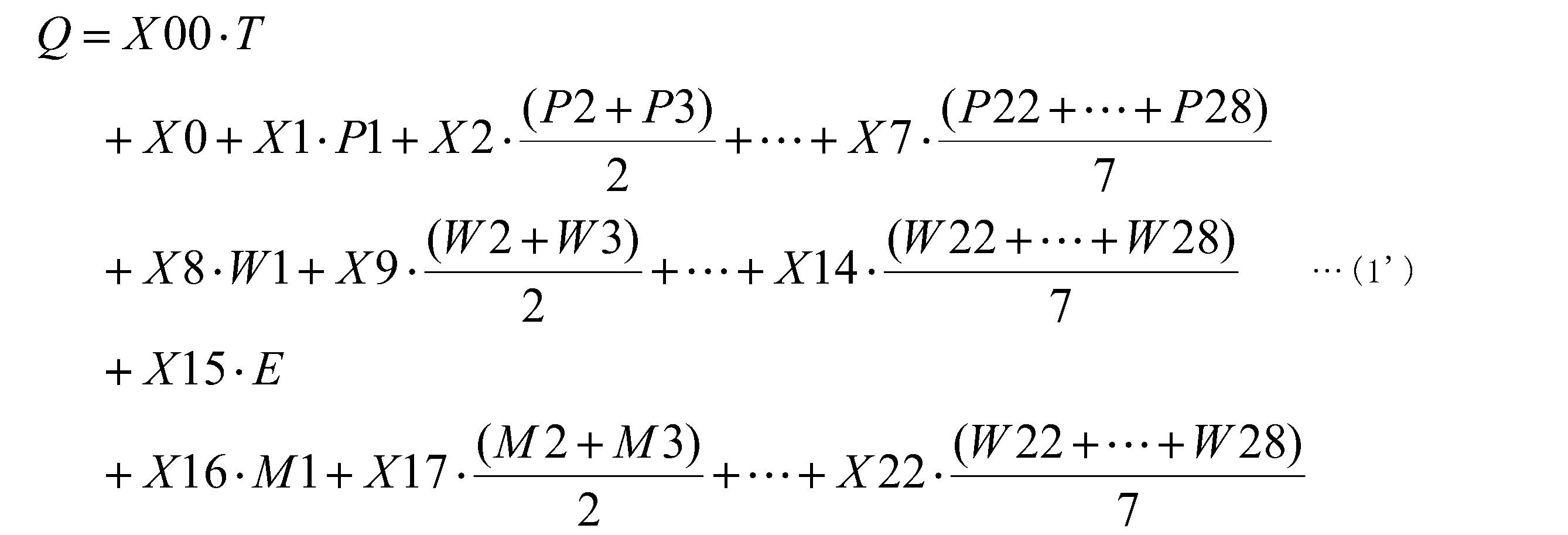
ここで、Pi(i=0~28)はi日前の真の降水量であり、Mi(i=0~28)はi日前の融雪量である。真の降水量とは、降水量から降雪量を差し引いた値である。このように融雪量を説明変数として加えることにより、融雪の影響を考慮した関係式とすることができる。これにより、漏水量の理論値の妥当性を向上することができる。
ここで、Pi(i=0~28)はi日前の真の降水量であり、Mi(i=0~28)はi日前の融雪量である。真の降水量とは、降水量から降雪量を差し引いた値である。このように融雪量を説明変数として加えることにより、融雪の影響を考慮した関係式とすることができる。これにより、漏水量の理論値の妥当性を向上することができる。
以上、本実施形態について説明したが、上記実施形態は本発明の理解を容易にするためのものであり、本発明を限定して解釈するためのものではない。本発明は、その趣旨を逸脱することなく、変更、改良され得ると共に、本発明にはその等価物も含まれる。
1 堤体
2 コア
3 フィルタ
4 ロック
111 漏水量取得部
112 漏水温取得部
113 降水量取得部
114 貯水位取得部
115 電気伝導度取得部
116 関係式作成部
117 漏水量理論値算出部
118 異常検知部
131 関係モデル記憶部
132 実績値記憶部
2 コア
3 フィルタ
4 ロック
111 漏水量取得部
112 漏水温取得部
113 降水量取得部
114 貯水位取得部
115 電気伝導度取得部
116 関係式作成部
117 漏水量理論値算出部
118 異常検知部
131 関係モデル記憶部
132 実績値記憶部
Claims (7)
- フィルダムの管理を支援する装置であって、
前記フィルダムからの漏水に含まれる溶存イオン量に応じた値であるイオン値を取得するイオン値取得部と、
前記漏水に係る漏水量を取得する漏水量取得部と、
前記イオン値および前記漏水量に応じて前記フィルダムに異常が発生したことを検知する異常検知部と、
を備えることを特徴とするフィルダム管理支援装置。 - 請求項1に記載のフィルダム管理支援装置であって、
過去の前記漏水の実績値および前記溶存イオン量の実績値を記憶する実績値記憶部と、
前記異常検知部は、前記漏水の実績値および前記溶存イオン量の実績値に基づいて、前記漏水量および前記溶存イオン量の関係を表す関係式を作成する関係式作成部と、
をさらに備え、
前記異常検知部は、前記取得したイオン値を前記関係式に適用して前記漏水量の理論値を算出し、前記取得した漏水量と前記漏水量の理論値との差に応じて前記異常が発生したことを検知すること、
を特徴とするフィルダム管理支援装置。 - 請求項2に記載のフィルダム管理支援装置であって、
前記実績値記憶部はさらに前記貯水位の実績値、前記降水量の実績値および前記漏水の温度の実績値を記憶し、
前記漏水量を目的変数とし、前記イオン値、前記フィルダムの貯水位、降水量および前記漏水の温度を説明変数として含む関係モデルを記憶する関係モデル記憶部と、
前記貯水位を取得する貯水位取得部と、
前記降水量を取得する降水量取得部と、
前記漏水の温度を取得する漏水温取得部と、
をさらに備え、
前記関係式作成部は、前記漏水量の実績値、前記イオン値の実績値、前記降水量の実績値、前記貯水位の実績値、前記降水量の実績値および前記漏水の温度の実績値と前記関係モデルとに基づいて回帰分析を行い、前記説明変数についての回帰係数を推計し、推計した前記回帰係数を前記関係モデルに設定して前記関係式を作成すること、
を特徴とするフィルダム管理支援装置。 - 請求項1ないし3のいずれか1項に記載のフィルダム管理支援装置であって、
前記イオン値は、前記溶存イオン量または前記漏水の電気伝導度であること、
を特徴とするフィルダム管理支援装置。 - 請求項1ないし4のいずれか1項に記載のフィルダム管理支援装置であって、
前記異常検知部は、前記差が所定の閾値を超えた場合に前記異常を検知すること、
を特徴とするフィルダム管理支援装置。 - フィルダムの管理を支援する方法であって、
コンピュータが、
前記フィルダムからの漏水に含まれる溶存イオン量に応じた値であるイオン値を取得するステップと、
前記漏水に係る漏水量を取得するステップと、
前記イオン値および前記漏水量に応じて前記フィルダムに異常が発生したことを検知するステップと、
を実行することを特徴とするフィルダム管理支援方法。 - フィルダムの管理を支援するためのプログラムであって、
コンピュータに、
前記フィルダムからの漏水に含まれる溶存イオン量に応じた値であるイオン値を取得するステップと、
前記漏水に係る漏水量を取得するステップと、
前記イオン値および前記漏水量に応じて前記フィルダムに異常が発生したことを検知するステップと、
を実行させるためのプログラム。
Priority Applications (2)
| Application Number | Priority Date | Filing Date | Title |
|---|---|---|---|
| JP2015516359A JP5763870B1 (ja) | 2013-10-24 | 2013-10-24 | フィルダム管理支援装置、フィルダム管理支援方法およびプログラム |
| PCT/JP2013/078827 WO2015059797A1 (ja) | 2013-10-24 | 2013-10-24 | フィルダム管理支援装置、フィルダム管理支援方法およびプログラム |
Applications Claiming Priority (1)
| Application Number | Priority Date | Filing Date | Title |
|---|---|---|---|
| PCT/JP2013/078827 WO2015059797A1 (ja) | 2013-10-24 | 2013-10-24 | フィルダム管理支援装置、フィルダム管理支援方法およびプログラム |
Publications (1)
| Publication Number | Publication Date |
|---|---|
| WO2015059797A1 true WO2015059797A1 (ja) | 2015-04-30 |
Family
ID=52992434
Family Applications (1)
| Application Number | Title | Priority Date | Filing Date |
|---|---|---|---|
| PCT/JP2013/078827 Ceased WO2015059797A1 (ja) | 2013-10-24 | 2013-10-24 | フィルダム管理支援装置、フィルダム管理支援方法およびプログラム |
Country Status (2)
| Country | Link |
|---|---|
| JP (1) | JP5763870B1 (ja) |
| WO (1) | WO2015059797A1 (ja) |
Cited By (2)
| Publication number | Priority date | Publication date | Assignee | Title |
|---|---|---|---|---|
| KR102241421B1 (ko) * | 2020-11-20 | 2021-04-15 | 이동헌 | 수평형 저수지 둑 누수 탐지 및 모니터링 장치 |
| JP2023129839A (ja) * | 2022-03-07 | 2023-09-20 | 中国電力株式会社 | ダム臨時点検システムおよびダム臨時点検プログラム |
Citations (4)
| Publication number | Priority date | Publication date | Assignee | Title |
|---|---|---|---|---|
| JPS6463835A (en) * | 1987-09-03 | 1989-03-09 | Taisei Corp | Method for detecting leaking water |
| JP2004085285A (ja) * | 2002-08-26 | 2004-03-18 | Reideikku:Kk | 漏水発生位置検出方式 |
| JP4366829B2 (ja) * | 2000-04-26 | 2009-11-18 | 株式会社大林組 | 遮水構造物の管理システム |
| JP4369065B2 (ja) * | 2001-01-05 | 2009-11-18 | 大成建設株式会社 | 漏水検知のための区画方法 |
-
2013
- 2013-10-24 JP JP2015516359A patent/JP5763870B1/ja not_active Expired - Fee Related
- 2013-10-24 WO PCT/JP2013/078827 patent/WO2015059797A1/ja not_active Ceased
Patent Citations (4)
| Publication number | Priority date | Publication date | Assignee | Title |
|---|---|---|---|---|
| JPS6463835A (en) * | 1987-09-03 | 1989-03-09 | Taisei Corp | Method for detecting leaking water |
| JP4366829B2 (ja) * | 2000-04-26 | 2009-11-18 | 株式会社大林組 | 遮水構造物の管理システム |
| JP4369065B2 (ja) * | 2001-01-05 | 2009-11-18 | 大成建設株式会社 | 漏水検知のための区画方法 |
| JP2004085285A (ja) * | 2002-08-26 | 2004-03-18 | Reideikku:Kk | 漏水発生位置検出方式 |
Cited By (3)
| Publication number | Priority date | Publication date | Assignee | Title |
|---|---|---|---|---|
| KR102241421B1 (ko) * | 2020-11-20 | 2021-04-15 | 이동헌 | 수평형 저수지 둑 누수 탐지 및 모니터링 장치 |
| JP2023129839A (ja) * | 2022-03-07 | 2023-09-20 | 中国電力株式会社 | ダム臨時点検システムおよびダム臨時点検プログラム |
| JP7810018B2 (ja) | 2022-03-07 | 2026-02-03 | 中国電力株式会社 | ダム臨時点検システムおよびダム臨時点検プログラム |
Also Published As
| Publication number | Publication date |
|---|---|
| JP5763870B1 (ja) | 2015-08-12 |
| JPWO2015059797A1 (ja) | 2017-03-09 |
Similar Documents
| Publication | Publication Date | Title |
|---|---|---|
| Wang et al. | An improved daily standardized precipitation index dataset for mainland China from 1961 to 2018 | |
| Werner et al. | A long-term, temporally consistent, gridded daily meteorological dataset for northwestern North America | |
| Mahmoodabadi et al. | WEPP calibration for improved predictions of interrill erosion in semi-arid to arid environments | |
| Wang et al. | Quantitative assessment of the impact of climate variability and human activities on runoff changes: a case study in four catchments of the Haihe River basin, China | |
| Shokrana et al. | Measurement of soil water characteristic curve using HYPROP2 | |
| Wang et al. | Spatial and temporal characteristics of reference evapotranspiration trends in the Haihe River basin, China | |
| Peng et al. | Estimating the effects of climatic variability and human activities on streamflow in the Hutuo River Basin, China | |
| Wang et al. | Identifying contributions of climate change and human activity to changes in runoff using epoch detection and hydrologic simulation | |
| JP2017002554A (ja) | 管路異常検知装置および方法 | |
| Long et al. | Is there a change from a warm‐dry to a warm‐wet climate in the inland river area of China? Interpretation and analysis through surface water balance | |
| Li et al. | Land degradation dynamic in the first decade of twenty-first century in the Beijing–Tianjin dust and sandstorm source region | |
| Chesnaux | Regional recharge assessment in the crystalline bedrock aquifer of the Kenogami Uplands, Canada | |
| Farhangi et al. | Rainfall trend analysis of hydrological subbasins in Western Iran | |
| JP5763870B1 (ja) | フィルダム管理支援装置、フィルダム管理支援方法およびプログラム | |
| Wang et al. | Applicability of the HBV model to a human-influenced catchment in northern China | |
| CN120507497A (zh) | 一种土壤碳损失动态监测方法、系统、设备和存储介质 | |
| Fang et al. | Assessment of soil redistribution and spatial pattern for a small catchment in the black soil region, Northeastern China: Using fallout 210Pbex | |
| Chen et al. | Evaluating the water level variation of a high-altitude lake in response to environmental changes on the southern Tibetan Plateau | |
| JP2011112368A (ja) | 地盤の水分変化モニタリング方法 | |
| Satyanaga et al. | Experimental and numerical approaches for assessing the stability analyses of shallow residual soil slopes | |
| Wang et al. | Investigating causes of changes in runoff using hydrological simulation approach | |
| Tarkeshdouz et al. | Remote sensing–assisted Basin-scale water resources management considering climate change and human activities impacts | |
| Shelley et al. | Removing systemic bias in bed-load transport measurements in large sand-bed rivers | |
| Guo et al. | Improved hillslope erosion module for the Digital Yellow-River Model | |
| Wu et al. | Moving correlation coefficient-based method for jump points detection in hydroclimate time series |
Legal Events
| Date | Code | Title | Description |
|---|---|---|---|
| ENP | Entry into the national phase |
Ref document number: 2015516359 Country of ref document: JP Kind code of ref document: A |
|
| 121 | Ep: the epo has been informed by wipo that ep was designated in this application |
Ref document number: 13896145 Country of ref document: EP Kind code of ref document: A1 |
|
| NENP | Non-entry into the national phase |
Ref country code: DE |
|
| 122 | Ep: pct application non-entry in european phase |
Ref document number: 13896145 Country of ref document: EP Kind code of ref document: A1 |