WO2014156558A1 - 関連情報提供システムおよびその動作制御方法 - Google Patents
関連情報提供システムおよびその動作制御方法 Download PDFInfo
- Publication number
- WO2014156558A1 WO2014156558A1 PCT/JP2014/055960 JP2014055960W WO2014156558A1 WO 2014156558 A1 WO2014156558 A1 WO 2014156558A1 JP 2014055960 W JP2014055960 W JP 2014055960W WO 2014156558 A1 WO2014156558 A1 WO 2014156558A1
- Authority
- WO
- WIPO (PCT)
- Prior art keywords
- related information
- object image
- color
- image
- smax
- Prior art date
- Legal status (The legal status is an assumption and is not a legal conclusion. Google has not performed a legal analysis and makes no representation as to the accuracy of the status listed.)
- Ceased
Links
Images










Classifications
-
- G—PHYSICS
- G06—COMPUTING OR CALCULATING; COUNTING
- G06F—ELECTRIC DIGITAL DATA PROCESSING
- G06F16/00—Information retrieval; Database structures therefor; File system structures therefor
- G06F16/50—Information retrieval; Database structures therefor; File system structures therefor of still image data
- G06F16/58—Retrieval characterised by using metadata, e.g. metadata not derived from the content or metadata generated manually
- G06F16/583—Retrieval characterised by using metadata, e.g. metadata not derived from the content or metadata generated manually using metadata automatically derived from the content
- G06F16/5838—Retrieval characterised by using metadata, e.g. metadata not derived from the content or metadata generated manually using metadata automatically derived from the content using colour
-
- G—PHYSICS
- G06—COMPUTING OR CALCULATING; COUNTING
- G06V—IMAGE OR VIDEO RECOGNITION OR UNDERSTANDING
- G06V10/00—Arrangements for image or video recognition or understanding
- G06V10/20—Image preprocessing
- G06V10/22—Image preprocessing by selection of a specific region containing or referencing a pattern; Locating or processing of specific regions to guide the detection or recognition
- G06V10/23—Image preprocessing by selection of a specific region containing or referencing a pattern; Locating or processing of specific regions to guide the detection or recognition based on positionally close patterns or neighbourhood relationships
-
- G—PHYSICS
- G06—COMPUTING OR CALCULATING; COUNTING
- G06V—IMAGE OR VIDEO RECOGNITION OR UNDERSTANDING
- G06V10/00—Arrangements for image or video recognition or understanding
- G06V10/40—Extraction of image or video features
- G06V10/56—Extraction of image or video features relating to colour
Definitions
- This invention relates to a related information providing system and its operation control method.
- the image information recognition system is widely used mainly for digital camera face recognition functions and surveillance camera face recognition functions.
- the algorithm for recognizing an object in an image basically has a very heavy calculation load, and it has been difficult to detect and provide a service with a sufficient detection speed with the conventional technology.
- matching with many databases and calculations are required, but for example, devices such as smartphones are required to be light, short and thin, with high processing capacity and extremely large capacity. It is difficult to mount a memory having the above, and it is difficult to perform such matching and calculation in the terminal.
- Patent Document 1 Known as a technique for recognizing an object from a color image using color conversion is Patent Document 1, in which a three-dimensional color space representing the color of input color image data is different from the three-dimensional color space. It is disclosed that it is converted into another three-dimensional color space, converted into a well-known Lab or Luv, and input to a recognition device. Lab or Luv space is one of the preferred means for obtaining color information by RGB imaging suitable for human eyes, but it is unclear whether it is the most preferable conversion for recognizing an object.
- Patent Document 2 discloses a method of generating a color model space by applying a statistical method to an input color image and color-converting the color image into a model image on the model space.
- principal component analysis is performed on data of 3 ⁇ pixels for a plurality of color image data, and a variance-covariance matrix is diagonalized to obtain eigenvalues and eigenvectors.
- This is a method for performing color conversion on the input color image, and the calculation of eigenvalues and eigenvectors related to the data of 3 ⁇ pixel number in the image is sometimes inefficient, and the above-mentioned
- Such a method is not necessarily an appropriate method for an application having a very high-speed processing.
- Patent Document 3 discloses a method for recognizing an object by creating target object image data with color data in advance using a learning function, recognizing a common color and defining a relative color from the color.
- the object type to be recognized in advance is not specified, the color of an arbitrary object is nearly infinite, and matching with each object is very inefficient.
- image recognition is performed preferentially assuming object recognition desired by the information acquirer, and such object images are displayed with links added before other object images. There is no mention of doing things.
- the present invention has been made in view of such a situation, and the object of the information acquirer is to recognize objects such as real-time images, a large number of image files accessed on the Internet, and images displayed on a television. It is possible to perform a high-quality item as quickly as possible, and to provide an information acquirer with efficient and comfortable means for accessing information that is not in image information or information that is not in image information. .
- the related information providing apparatus is a color target image to which related information is added, and is included in a color target image represented by color data of N (N is an integer of 2 or more, preferably an integer of 3 or more). If there is no specific object recognition request from the client terminal for at least one (two or more) object image detection means for detecting at least one object image detected by the object image detection means, N Related information search means for finding related information about an object image including a pixel having a large distance d1 from a reference line having an inclination of 1 in the spatial coordinates of M colors (two or more colors) less than the number of colors The related information is added by the related information adding means for adding the related information found by the information detecting means to the corresponding object image, and the related information adding means.
- Color target image data transmission means for transmitting the color target image data representing the color target image including the object image to the client terminal device, and the respective processes by the related information search means, the related information addition means and the color target image data transmission means
- the first control means for controlling the related information searching means, the related information adding means, and the color target image data transmitting means is provided.
- the present invention also provides an operation control method suitable for an object image related information providing system. That is, in this method, the object image detecting means is a color target image to which related information is added, and is included in at least one color target image represented by color data of N (N is an integer of 2 or more) colors.
- N is an integer of 2 or more
- the object image detecting means is a color target image to which related information is added, and is included in at least one color target image represented by color data of N (N is an integer of 2 or more) colors.
- N is an integer of 2 or more
- the related information about the object image including a pixel having a large distance d1 from the reference straight line having an inclination of 1 in spatial coordinates is found, and the related information adding means finds the related information found by the related information detecting means,
- the color object image data transmission means is added to the corresponding object image, and the color pair including the object image to which the related information is added by the related information adding means.
- the color target image data representing the image is transmitted to the client terminal device, and the first control means repeats the respective processes by the related information search means, the related information addition means, and the color target image data transmission means.
- the search means, the related information adding means, and the color target image data transmitting means are controlled.
- the distance d1 has a very important meaning as follows.
- the optical characteristics of the object are not composed of a self-luminous material, light reflected under a certain illumination light enters the image sensor as a signal. Even if it is made of the same object, it changes by adjusting the lighting.
- An example that is already well-known in the world is the luminance at the time of RGB imaging, and the luminance is increased in the brightly illuminated part. That is, even an object portion having the same optical characteristics changes depending on the shape of the object and how the illumination is illuminated. This correction is often performed in one axial direction, at most two axial directions.
- a normal imaging device often obtains color imaging in a Bayer array.
- pixel data is interpolated by demosaic processing, but if this processing is immature, a false color that is not the original color may occur.
- Such false colors can be suppressed by performing appropriate processing especially on edge portions, etc., and by analyzing pixel data, it is possible to detect in most cases that the false color is different from the original color. . Therefore, when determining an object image having a pixel with the largest value of the distance d 1 in the present invention, such a false color is not considered.
- a method using specular reflection (highlight) of an object for example, a method using a white hypothesis, a gray hypothesis, and the like are known.
- the color of the specular reflection region is estimated as the color of the illumination light.
- the white hypothesis the brightest color in the image is assumed to be white, and the color of the bright region is estimated as the color of the illumination light.
- the gray hypothesis assumes that the average color of a plurality of objects in an image is gray, and estimates the color of the entire image as the color of illumination light.
- the method using the basis function is to investigate the spectral characteristics of various illumination light and the surface reflectance of various objects, and to perform the principal component analysis to approximate the spectral function of the illumination light, the surface of the object.
- Basis functions for approximating the reflectance are obtained, and coefficients of these basis functions are estimated as illumination light.
- M 3 and a straight line is an axis for changing luminance.
- the distance d1 in the present invention has the characteristic of specifically extracting the optical characteristics of the object, and at the same time can be used as a parameter for removing the effect such as luminance very efficiently. Since the coefficient of the plane including the reference straight line and including the signal value of one point of an object can be calculated by the product of M ⁇ 1 differences, it can be calculated very efficiently as an algorithm calculation. .
- N is an integer of 3 or more
- the effect of the present invention is most easily understood when three types of signals are obtained by converting N types of signals, which is an example of the present invention, and these three types of signals correspond to (R, G, B). .
- d1 corresponds to saturation, and an object with high saturation can be extracted first, and the luminance effect and the like can be efficiently removed.
- the present invention detects an object image to which related information is added using M colors equal to or less than N for the color target image represented by the N color data. Three colors.
- the display information of the client terminal device is associated with related information regarding a highly saturated object image.
- a highly saturated object image is easy to catch the eye of the user, so the user often wants relevant information about such an object image. Since related information is first added to such highly saturated object information, the related information can be added to the object information according to the user's intention.
- the related information search means finds related information about the object image in order of pixels having a distance d1 from the reference line having a slope of 1 and passing through the origin in the M color space coordinates.
- the color target image increase data transmission means for example, outputs color target image data representing a color target image including the object image to which the related information is added by the related information adding means when a preset time has elapsed. It is transmitted to the client terminal device.
- the M color includes at least the R color, the G color, and the B color
- the ratio is preferably 80% or more for the R component, 80% or more for the G component, and 80% or more for the B component.
- the related information detecting means Information will be detected.
- the related information adding means adds a color target image displayed on a display screen provided in the client terminal device in response to the color target image data transmitting means transmitting the color target image data to the client terminal device. Adding the relevant information to the object image so that the relevant information of the designated object image is displayed on the display screen when the desired object image is designated from among the plurality of contained object images; and In response to designation of a portion where one object image overlaps with another object image, related information of an object image having a large distance d 1 between one object image and another object image is displayed on the display screen. In this way, related information of the object image is added.
- the related information adding means adds a color target image displayed on a display screen provided in the client terminal device in response to the color target image data transmitting means transmitting the color target image data to the client terminal device.
- the related information is added to the object image so that the related information of the specified object image is displayed on the display screen when the desired object image is specified among the plurality of included object images. Relevant information of one of the object images and the other object image with high saturation is displayed on the display screen when a part where one object image overlaps another object image is specified Is associated with object image related information.
- the related information detecting means will find related information about the object image including the pixel having the maximum ⁇ 1.
- RGB level calculation to calculate ⁇ 2 ⁇ [(t2-R) ⁇ (t2-R)] + ⁇ [(t2-G) ⁇ (t2-G)] + ⁇ [(t2-B) ⁇ (t2-B)] Means may further be provided.
- the related information detecting means finds an object image included in the pixel having the maximum ⁇ 2.
- the related information search means first finds related information on an object image whose value calculated by the M type level calculation means or the RGB level calculation means is within a predetermined range.
- the predetermined range is defined according to the shooting scene of the color target image.
- the maximum density of the image constituting the color target image is SMAX, and the shooting scene is in the city, it is 3 ⁇ SMAX or more and 10 ⁇ SMAX or less D1, 14 ⁇ SMAX or more and 43 ⁇ SMAX or less D2, when the scene is in the sea or in the station, D2, which is 3 ⁇ SMAX or more and 10 ⁇ SMAX or less, D1, 60 ⁇ SMAX or more and D2, which is 90 ⁇ SMAX or less, is a shopping mall
- the range from D1 to D2 defined by D1, which is 3 ⁇ SMAX or more and 10 ⁇ SMAX or less D1, 16 ⁇ SMAX or more and 47 ⁇ SMAX or less may be a predetermined range. This rule is defined for ⁇ 2, and ⁇ 1 corresponds to a number divided by M and multiplied by three.
- the predetermined range may be defined according to the type of object image.
- D1 is 0.5 ⁇ SMAX or more and 42 ⁇ SMAX or less, D1, 0.5 ⁇ SMAX or more and 42 ⁇ SMAX or less D2 (where D1 is D2 or less), and the object image is If it is a shopping mall, it is 0.5 ⁇ SMAX or more, D1, which is 5 ⁇ SMAX or less, D1, 5 ⁇ SMAX or more, D2, which is 47 ⁇ SMAX or less, D2, which is an animal, 0.5 ⁇ SMAX or more It is preferable that the range from D1 to D2 defined by D2 of 10 ⁇ SMAX or less, D1, 20 ⁇ SMAX or more and 125 ⁇ SMA
- the color target image data transmitting unit recognizes an object image whose value calculated by the M type level calculating unit or the RGB level calculating unit is within a predetermined range, and first, when a preset time has elapsed, The color target image data representing the color target image including the object image to which the related information is added is transmitted to the client terminal device.
- the changing means is to change based on (1 + t3) (S1, S2,... SM) ⁇ t3 ⁇ ⁇ Si (1,1,1,... 1) / M, where t3 is a real number. It is preferable.
- t3 is 0.25 ⁇ SMAX ⁇ ⁇ (3 / k It is preferable that 2 ⁇ SMAX ⁇ (3 / k) is satisfied.
- the inner product sum calculating means for calculating the sum of the inner products, and the sum calculated by the inner product sum calculating means
- the related information search means includes, for example, a representative distance d1 or a representative color in each of the plurality of groups divided by the group dividing means and the group dividing means for dividing the plurality of object images detected by the object image detecting means into a plurality of groups.
- a representative distance d1 or representative saturation determining means for determining the degree is provided, and related information is found in the order of object images included in the representative distance d1 or the group having the highest representative saturation determined by the representative distance d1 or the representative saturation determining means. Is.
- N is four or more.
- the four colors preferably include red, green and blue.
- the overlap of at least two spectra with respect to the four color spectra should be 80% or more.
- one spectrum may be included in the other spectrum.
- At least one of the two spectra is green.
- the related information search means first finds related information determined based on, for example, the values of four color difference signals.
- the calculation of the four color difference signals and the detection of a plurality of object images by the object image detecting means may be performed in parallel.
- the IR signal may be included in the data representing the color target image.
- the UV signal may be included in the data representing the color target image.
- the client terminal device may include request transmission means for transmitting, to the detailed information server, a detailed information request for related information to which an access instruction is given among related information displayed on the display screen.
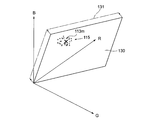
- An RGB coordinate system is shown.
- An RGB coordinate system is shown.
- the pixel of maximum saturation is shown. It is a flowchart which shows an object image recognition process procedure. It is a flowchart which shows an object image recognition process procedure. It is a flowchart which shows an object image recognition process procedure.
- the characteristics of the filter are shown. The characteristics of the filter are shown.
- FIG. 1 shows an embodiment of the present invention and shows an outline of a related information providing system.
- the related information providing system includes a smartphone (not limited to a smartphone, but may be a mobile phone, a personal computer, a tablet, a television device, a car navigation system, an electronic paper device, etc., a client terminal device) 1, a web server 2 And an image recognition server 3.
- a smartphone not limited to a smartphone, but may be a mobile phone, a personal computer, a tablet, a television device, a car navigation system, an electronic paper device, etc., a client terminal device
- a web server 2 And an image recognition server 3.
- the smartphone 1, the web server 2, and the image recognition server 3 can communicate with each other via a network such as the Internet.
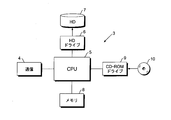
- FIG. 2 is a block diagram showing an electrical configuration of the image recognition server 3.
- the overall operation of the image recognition server 3 is controlled by the CPU 5.
- the image recognition server 3 includes a communication device 4 for communicating with the smartphone 1 or the web server 2 via the network as described above.
- a memory 8 that temporarily stores data and the like is connected to the CPU 5.
- the image recognition server 3 also includes a hard disk 7 that can be accessed by the hard disk drive 6.
- the program is often transmitted to the image recognition server 3 via a network, but any method may be used.
- a program stored in a recording medium such as the CD-ROM 10 may be read by the CD-ROM drive 9 and installed in the image recognition server 3.
- FIGS. 5 and 6 are flowcharts showing the processing procedure of the image recognition server 3.
- This processing procedure is to display a web page including an image on the display screen of the smartphone 1. If the image includes an image representing an object (object image), a link (related information) is attached to the object image. The user of the smartphone 1 is linked in the order of the object images that the user wants to obtain detailed information.
- a web browser is launched by the user of the smartphone 1, and a desired web page is requested from the web server 2 (step 21 in FIG. 3).
- step 31 in FIG. 4 data representing the requested web page (HTML (Hyper Text Markup Language) ) File) is read out from the memory of the web server 2. It is confirmed whether the image is included in the web page represented by the read data (step 32 in FIG. 4).
- HTML Hyper Text Markup Language
- the read web page data is transmitted from the web server 2 to the smartphone 1 (step 33 in FIG. 4). If the requested web page includes an image (YES in step 32 in FIG. 4), the read web page data is transmitted from the web server 2 to the image recognition server 3 (FIG. 4). Step 34).
- an object image recognition process is performed (step 42 in FIG. 5).
- an object image in an image included in a web page is recognized and a link order is determined. This process will be described in detail later.
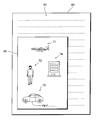
- FIG. 7 is an example of the requested web page 60.
- the web page 60 includes an image 62 in addition to the text 61.
- the image 62 includes an airplane object image 71, a person object image 72, a car object image 73, and a building object image 74.
- a web page 60 as shown in FIG. 7 is displayed on the display screen of the smartphone 1.
- the link of the object image is given priority.
- Data specifying the tapped object image is transmitted from the smartphone 1 to the image recognition server 3 as a link priority request.
- link information corresponding to the object image for which the priority request has been made is detected (step 45).
- the image of the object image tapped by the user of the smartphone 1 is recognized by the object image recognition process, and link information corresponding to the recognized object image is detected.
- the link information may be detected by using a search engine or the like, or may be found from the link information stored in advance corresponding to the object image in the image recognition server 3.
- step 43 in FIG. 5 If there is no link priority request from the smartphone 1 to the image recognition server 3 (NO in step 43 in FIG. 5), among the recognized object images, an object image in which link information is not detected and an object with high saturation Image link information is detected (step 44 in FIG. 5). In the object image recognition process, it is also detected which of the object images in the image included in the web page has high saturation.
- the detected link information is added to the object image (step 46 in FIG. 6), and web page data including the object image to which the link information is added is transmitted from the image recognition server 3 to the smartphone 1 (step in FIG. 6). 47).
- the web page 60 represented by the received web page data is displayed on the smartphone 1. It is displayed on the screen (step 23 in FIG. 3).
- FIG. 8 is an example of a web page 60 displayed on the display screen of the smartphone 1.
- the user wants some information about the object image 73 and taps the object image 73 (YES in step 24 in FIG. 3). Then, data is requested from the link destination server attached to the object image 73 (step 25 in FIG. 3).
- data is transmitted from the server in response to the request and the data is received by the smartphone 1 (step 26 in FIG. 3)
- detailed information about the object image 73 represented by the received data is displayed on the display screen of the smartphone 1. (Step 27 in FIG. 3).
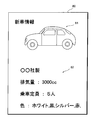
- FIG. 9 is an example of detailed information displayed on the display screen of the smartphone 1.
- the detailed information image 80 includes an object image 81 corresponding to the object image 73 of the automobile. Below the object image 81, information 82 such as the name of the automobile manufacturer represented by the object image 81 is displayed. In this way, detailed information about the tapped object image 73 is obtained.
- the object image with the link (for example, the object image 73 of the car in FIG. 8) is not tapped (YES in step 24 in FIG. 3), and the object image without the link (for example, , In FIG. 8, when an object image 71, 72 or 74) of a plane, a person or a building is tapped (YES in step 28), something is detected in the tapped object image, and the detected object image A link priority request is made (step 29 in FIG. 3).
- the link information of the object image that has been requested for priority is detected as described above (step 45 in FIG. 5).
- the detected link information is added to the object image for which priority is requested, and web page data including the object image to which the link information is added is transmitted from the image recognition server 3 to the smartphone 1 (step 47 in FIG. 6). .
- a link is established to the object image that has not been linked.
- the link destination data of the object image is requested, and the link destination data is obtained in the same manner as described above.
- FIG. 8 when an airplane object image 71 is tapped with only a car object image 73 being linked, a link is preferentially made on the airplane object image 71 as described above. Be stretched.
- the detailed information of the linked airplane can be obtained in the same manner as the detailed information of the automobile shown in FIG.
- FIG. 10 is an example of a web page 60A.
- a part of the object image 71 and a part of the object image 75 are overlapped.
- the smartphone 1 selects the object image 71 or 75 with the higher saturation. Access the link destination attached to the object image.
- the smartphone 1 determines whether both the object images 71 and 75 are linked, and when both are linked, the saturation of either of the object images 71 and 75 is determined. Is determined to be large, and the web page data 60A will be defined to access a link destination attached to an object image having a large saturation.
- a link is attached to the object image 73 or the like, but a popup that displays related information about the tapped object image when the object image is tapped without being linked. -A window may appear.
- Data may be transmitted from the image recognition server 3 to the smartphone 1, but a plurality of object images are divided into groups, a link is attached to each group, and web page data is transmitted from the image recognition server 3 to the smartphone 1. You may do it.
- the object images 71 to 74 included in the target image 62 shown in FIG. 7, the first group G1 including the object image 71 of the airplane and the object image 72 of the person, the object image 73 of the automobile, and the object image of the building 74, and the second saturation G2 is divided into the second group G2, the highest saturation of the object images belonging to each group is set as the representative saturation of the group, and the representative saturation is compared for each group. You may make it link in the order of a large group.
- the saturation of the object image 71 shown in FIG. 7 is S71
- the saturation of the object image 72 is S72
- the saturation of the object image 73 is S73
- the saturation of the object image 74 is S74. It is assumed that the saturation S71 of the object image 71 is greater than the saturation S72 of the object image 72, and the saturation S73 of the object image 73 is greater than the saturation S74 of the object image 74.
- the representative saturation of the first group G1 is S71
- the representative saturation of the second group G2 is S73.
- the linking of the object images 73 and 74 included in the second group G2 is the first This is prioritized over linking the object images 71 and 72 included in the group G1. Saturation other than the representative saturation of the group does not affect the order of linking. For example, if the representative saturation S73 of the second group G2 is greater than the representative saturation S71 of the first group G1, the first group than the saturation S74 of the object image 74 belonging to the second group G2. Even if the object image 72 belonging to G1 is larger, the linking of the object images 73 and 73 belonging to the second group G2 has priority over the linking of the object images 71 and 72 belonging to the first group G1. It becomes.
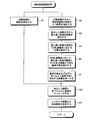
- FIG. 11 is a flowchart showing the object image recognition processing procedure (the processing procedure of step 42 in FIG. 5).
- the contour extraction process of the object image is performed from the target image 62 (see FIG. 7) included in the web page (step 91).
- FIG. 12 is an example of the contour image 110 from which the contour of the object image is extracted.
- contours 111, 112, 113, and 114 corresponding to the above-described object images 71, 72, 73, and 74 of the airplane, person, automobile, and building are extracted by the contour extraction process.
- Pixels having a saturation within a predetermined range are extracted from the target image 72 (step 92).
- FIG. 13 shows a state in which pixels having a saturation within a predetermined range are extracted from the target image 72.
- a plurality of pixel groups 111, 112, 113, and 114 are obtained by extracting pixels having saturation within a predetermined range from the target image 120. By extracting pixels having saturation within a predetermined range, pixels having high saturation by chance are excluded.
- the pixel having the highest saturation is detected from the extracted pixels (step 93 in FIG. 11). It is assumed that a pixel 113m is obtained by this detection process as shown in FIG. Then, the position of the obtained pixel 113m in the RGB coordinate system is detected (step 94). As shown in FIG. 14, the position of the pixel 113m having the highest saturation in the RGB coordinate system is detected.
- a reference plane 130 is obtained.
- the pixel group 115 existing in the expanded reference plane (reference space) 131 while the reference plane 130 is expanded in parallel is found (step 97 in FIG. 11).
- pixels near the highly saturated pixel 113m are found as the pixel group 115. If this is captured in the same coordinate system as the target image 62 shown in FIGS. 7, 13, etc., as shown in FIG. 17, the pixels 115 around the pixel 113m having the highest saturation are found.
- the pixel group 115 thus obtained and the extracted contour are subjected to matching processing (step 100), thereby detecting what kind of object the pixel group 115 is (step 101).
- an object image 73 of the automobile is detected.
- Data indicating the position of the detected object image and what kind of object is stored in the header of the file representing the target image 62.
- the object image at that position is linked as shown below.
- the object image 73 detected in this way includes the pixel with the highest saturation as described above, the object image 73 is linked first. Thereafter, the web page data including the object image 73 linked as described above is transmitted from the image recognition server 3 to the smartphone 1.
- the order of linking all the object images 71 to 74 included in the target image 62 is determined.
- FIG. 18 is a flowchart showing another example of the object image recognition processing procedure (the processing procedure of step 42 in FIG. 5).
- the outline of the object image is extracted as in the process shown in FIG. 11 (step 91).
- ⁇ is calculated according to Equation 1 for each pixel of the entire target image 62 (see FIG. 7) (step 151).
- one pixel from which the maximum value is obtained is determined from ⁇ obtained according to Equation 1 (step 152).
- the processing after step 97 in FIG. 11 is performed to determine the order of linking.
- one pixel that obtains the maximum value of ⁇ calculated according to Equation 1 is used, but ⁇ calculated according to Equation 1 is within a predetermined range of D1 to D2.
- the predetermined range of D1 to D2 is preferably determined according to the imaging scene when the target image 62 is captured.
- the maximum density of R, G, B of the pixel 62 constituting the target image is SMAX
- the shooting scene is in the city
- D1, 14 ⁇ that is 3 ⁇ SMAX or more and 10 ⁇ SMAX or less.
- D2 is greater than SMAX and 43 ⁇ SMAX or less, and the scene is in the sea or in the station, D2, greater than 3 ⁇ SMAX, less than 10 ⁇ SMAX, greater than D1, 60 ⁇ SMAX, and greater than 90 ⁇ SMAX.
- the range from D1 to D2 defined by D1 which is 3 ⁇ SMAX or more and 10 ⁇ SMAX or less D1, 16 ⁇ SMAX or more and 47 ⁇ SMAX or less, is a predetermined range. It is an example.
- a predetermined range of D1 and D2 may be defined according to the type of the object image.
- D1 which is greater than or equal to SMAX and less than or equal to 10 ⁇ SMAX
- D2 is less than 125 ⁇ SMAX
- D1 which is SMAX or more and 42 ⁇ SMAX or less
- D1, 0.5 ⁇ SMAX or more and D2 which is 42 ⁇ SMAX or less (where D1 is D2 or less)
- 0.5 ⁇ SMAX or more when the object image is a shopping mall D1, 5 ⁇ SMAX or less, D1, 5 ⁇ SMAX or more, 47 ⁇ SMAX or less
- D2 If the object image is an animal, 0.5 ⁇ SMAX or more, 10 ⁇ SMAX or less, D1, 20 ⁇ SMAX or more, 125
- the range from D1 to D2 defined by D2 below SMAX is the predetermined range.
- 19 and 20 are flowcharts showing the object image recognition processing procedure (the processing procedure of step 42 in FIG. 5).
- the outline of the target image is extracted in the same manner as the processing procedure shown in FIG. 8 (step 91).
- the following processing is performed in parallel with the contour extraction of the target image.
- each of the contours 111, 112, 113, and 114 is assumed to represent an airplane, a person, a car, and a building.
- the inner product of the normalized vector of (Ri-Rj, Gi-Gj, Bi-Bj) and the normal vector of the reference plane 130 is the pixel in the contour. (Step 165 in FIG. 20). Then, the obtained integrated value is divided by the number of pixels in the contour, and it is confirmed whether or not the divided value ⁇ is smaller than a predetermined value (step 167).
- step 168 the result of the matching process is determined (step 168). For example, in FIG. 12, when the contour 111 is estimated as an object image representing an airplane, and the division value ⁇ obtained based on the pixels in the contour 111 is smaller than a predetermined value, the contour 111 is It is determined that it represents. The same applies to other areas. If the division value ⁇ is equal to or greater than a predetermined value, the processing from step 162 described above is repeated using pixels in the vicinity of the pixel extracted in step 161 in FIG. 19 (step 171).
- step 169 Even when the predetermined time has not elapsed since the start of the object image recognition process (NO in step 169), the above-described steps are performed using pixels in the vicinity of the pixels extracted in step 161 in FIG. 19 (step 171). The process from 162 is repeated. As a result, the number of object images to be determined increases.
- the link information is set to be detected for a contour (object image) in which what kind of object is represented is determined (step 170).
- the link information about the recognized object image is detected.
- step 165 the normalized vector of (Ri-Rj, Gi-Gj, Bi-Bj) and (1, 1, 1) / in each of the detected contours 111, 112, 113 and 114, respectively.
- the inner product (equation 2) with ⁇ 3 may be integrated for the pixels in the contour.
- the integrated value thus obtained is divided by the number of pixels in the contour, and it is determined whether or not the obtained divided value ⁇ is smaller than a predetermined value.
- the target image 62 is represented by three colors of RGB, and in the RGB coordinate system of the three colors, a link is made from an object image including pixels with high saturation.
- the target image is represented by N (N is an integer of 2 or more) colors.
- Equation 2 is represented by (1 + t3) (S1, S2,... SM) ⁇ t3 ⁇ ⁇ Si (1,1,1,... 1) / M, where t3 is a real number.
- FIG. 21 is an example of color filter characteristics arranged in a Bayer array on the light receiving surface of the image sensor used to capture the above-described target image 62 (see FIG. 7).
- the horizontal axis is the wavelength, and the vertical axis is the transmittance.
- a filter having a characteristic of transmitting a blue light component, a filter having a characteristic of transmitting a green filter component, and a filter having a characteristic of transmitting a red light component are arranged in a Bayer array.
- Graph FB shows a characteristic of transmitting a blue light component, and shows a characteristic of mainly transmitting a wavelength of about 450 nm.
- the graph FG shows the characteristic of transmitting a green light component, and has a characteristic of mainly transmitting a wavelength of about 540 nm.
- the graph FR shows a characteristic of transmitting a red light component, and has a characteristic of mainly transmitting a wavelength of 620 nm or more.
- a target image is obtained by imaging a subject using a color filter having the characteristics shown in FIG. 21, but in this embodiment, a color filter having the characteristics shown in FIG. 22 is used. It is preferable that an image is taken.
- FIG. 22 also shows the characteristics of the color filters arranged in a Bayer array on the light receiving surface of the image sensor.
- the color filter includes a filter having a characteristic of transmitting a blue light component, a filter having a characteristic of transmitting a green filter component, and a filter having a characteristic of transmitting a red light component.
- a color filter that gives the characteristics shown in FIG. 20 and has a characteristic that transmits the red light component.
- some of the filters have wavelengths in the vicinity of 650 nm. The transmittance of is low. As a result, the target image is represented by blue, green, red, and pink.
- the object image recognition process described above is performed on a target image obtained by imaging a subject using a color filter having four color characteristics
- the time until the object image is specified is determined. Shorter. In this case, it is obtained by converting the red and pink image data signals to obtain a more accurate red signal and bringing it to color reproduction, and by inputting a signal with a specific wavelength around 650 nm into the recognition algorithm. The effect is considered.
- an IR signal and an ultraviolet signal may be added in addition to the data of three colors or four colors representing the target image. Object recognition can be performed using these signals.
- the characteristics of the four color filters are preferably such that at least the color spectrum overlap is 80%. Further, as described above, one spectrum (graph FP) may be included in the other spectrum (graph FR) as represented by graphs FR and FP.
- the order of linking the object images is determined based on the difference signal of the four or more colors. May be.
- the pixels constituting the object image are LB, LG, LR, and LP as light components obtained by the filters having the characteristics of graphs FB, FG, FR, and FP
- any difference signal
- are calculated, and the above-mentioned linking order is specified in the order of larger or smaller obtained signal. You may make it do.
- the link is taken as the related information of the object image and the order of linking to the object image is defined.
- a cursor is placed on the object image.
- a pop-up window such as a rectangle may be displayed, and the order in which related information is displayed in the pop-up window may be defined.
- the related information is not necessarily limited to the link, and the related information itself may be displayed.
Landscapes
- Engineering & Computer Science (AREA)
- Theoretical Computer Science (AREA)
- Physics & Mathematics (AREA)
- General Physics & Mathematics (AREA)
- Multimedia (AREA)
- Library & Information Science (AREA)
- Data Mining & Analysis (AREA)
- Databases & Information Systems (AREA)
- General Engineering & Computer Science (AREA)
- Image Processing (AREA)
- Information Retrieval, Db Structures And Fs Structures Therefor (AREA)
- Image Analysis (AREA)
Abstract
M色の空間座標において原点を通り,かつ傾きが1の基準直線からの距離の大きな画素を含む物体画像のリンクを他の物体画像よりも優先して付与する。特別な場合として、M色がR,G,B色の場合、彩度の高い物体画像が優先される。ウェブ・ページ60の対象画像62には物体画像が含まれている。これらの物体画像のM色の空間座標において原点を通り,かつ傾きが1の基準直線からの距離が検出される。検出された距離の高い順に,物体画像のリンク情報が検出される。検出されたリンク情報が物体画像のうち対応する物体画像に付けられる。リンクがつけられた物体画像を含むウェブ・ページを表わすウェブ・ページ・データが画像認識サーバからスマートフォンに送信される。
Description
この発明は,関連情報提供システムおよびその動作制御方法に関する。
画像情報の認識を行うシステムは、デジタルカメラの顔認識機能、監視カメラの顔認識機能等を中心に幅広く活躍している。
画像内の物体を認識するアルゴリズムは、基本的に計算負荷が非常に大きく、従来の技術では十分な検出速度で検知しサービスを提供することが困難であった。さまざまな物体を認識するためには、多くのデータベースとのマッチングや計算が必要となるが、例えば、スマートフォンのような端末では軽短薄小が望まれ、処理能力の高いプロセッサーや非常に大きな容量を有するメモリーを搭載することが難しく、そのようなマッチングや計算を端末内で行うことが困難である。
一方で、インターネットは普及を続けており、その通信システムは進化し続けてきている。近年では、WiFiが広がりIP接続される電子機器が増加している。そのような電子機器はサーバーとのやりとりが容易となるため、比較的付加の高いアルゴリズムでも処理が可能となり、グレー画像に変換することなく色情報から物体を認識することも試みられている。
カラー画像から色変換を用いて物体を認識する技術として知られているものは、特許文献1がありここでは入力したカラー画像データの色を表す3次元色空間を、前記3次元色空間と異なる他の3次元色空間に変換、よく知られたLabやLuvに変換して認識装置へ入力することが開示されている。LabやLuv空間は人間の目に合わせたRGB撮像による色情報を得るには好ましい手段の一つではあるが、物体を認識する上で最も好ましい変換であるかは不明である。
また、特許文献2では、入力されたカラー画像に統計的手法を施して色モデル空間を生成し、このモデル空間上のモデル画像にカラー画像を色変換する手法が開示されている。ここでの色モデルは、複数のカラー画像データに関して、3×画素数のデータに関して、主成分分析を行い、分散共分散行列を対角化して固有値、固有ベクトルを求める。これは入力されたカラー画像に対して、どのような色変換を行うかの手法であり、画像内の3×画素数のデータに関する固有値、固有ベクトルの計算は、時に非効率な計算となり、上記のような非常に高速な処理を有する用途に関して必ずしも適切な方法とは言えない。
また、特許文献3では、あらかじめ学習機能を用いて色データ付きの対象物体画像データを作成しておき、共通色を認識してその色から相対色を規定して物体を認識する方法が開示されているが、あらかじめ認識する物体種が特定できていないと、任意の物体の持つ色は無限に近いほどあり、その物体それぞれでマッチングすることは非常に非効率である。
以上のような従来技術では加えて、情報取得者が欲する物体認識を想定して優先的に画像認識を行い、そのような物体画像について,他の物体画像よりも先にリンクを付加して表示する等についても触れられていない。
本発明は、このような状況に鑑みてなされたものであり、リアルタイムの画像やネット上で膨大にアクセスされる数多くの画像ファイル、テレビで表示される画像等の物体認識を情報取得者の興味の高いものをできるだけ速く行うことを可能とし、情報取得者に画像情報内にない情報または画像情報内にない情報にアクセスするための手段を効率よく、かつ、快適に提供可能とするものである。
特に、関連情報が早く欲しいと思われる物体画像について,他の物体画像よりも先に関連情報を付加することを目的とする。その理由は、画像内に含まれている複数の物体画像のそれぞれの物体画像にリンクなどが張られている場合,ユーザはすべての物体画像についてリンク先の情報が欲しいわけではなく,興味のある物体画像についてのリンク先の情報が欲しいことが一般的である。リンク先の情報が欲しいような物体画像については,他の物体画像よりも先にリンクを付加して表示することが好ましい。しかしながら,引用文献1から3のいずれにおいてもリンク先の情報が欲しいと思われる物体画像について,他の物体画像よりも先にリンクを付加して表示することは考えられていない。
この発明による関連情報提供装置は,関連情報が付加されるカラー対象画像であって,N(Nは2以上の整数,好ましくは3以上の整数)色の色データによって表わされるカラー対象画像に含まれる少なくとも一つ(二つ以上)の物体画像を検出する物体画像検出手段,物体画像検出手段によって検出された少なくとも一つの物体画像について,クライアント端末から特定の物体認識要求が無い場合には,N色の数以下のM色(2色以上)の空間座標において原点を通り,かつ傾きが1の基準直線からの距離d1の大きな画素を含む物体画像についての関連情報を見つける関連情報検索手段,関連情報検出手段により見つけられた関連情報を,対応する物体画像に付加する関連情報付加手段,関連情報付加手段によって関連情報が付加された物体画像を含む上記カラー対象画像を表わすカラー対象画像データを,クライアント端末装置に送信するカラー対象画像データ送信手段,ならびに関連情報検索手段,関連情報付加手段およびカラー対象画像データ送信手段によるそれぞれの処理を繰り返すように,関連情報検索手段,関連情報付加手段およびカラー対象画像データ送信手段を制御する第1の制御手段を備えていることを特徴とする。
この発明は,物体画像の関連情報提供システムに適した動作制御方法も提供している。すなわち,この方法は,物体画像検出手段が,関連情報が付加されるカラー対象画像であって,N(Nは2以上の整数)色の色データによって表わされるカラー対象画像に含まれる少なくとも一つの物体画像を検出し,関連情報検索手段が,クライアント端末から特定の物体認識要求が無い場合には,物体画像検出手段によって検出された少なくとも一つの物体画像について,N色の数以下のM色の空間座標において原点を通り,かつ傾きが1の基準直線からの距離d1の大きな画素を含む物体画像についての関連情報を見つけ,関連情報付加手段が,関連情報検出手段により見つけられた関連情報を,対応する物体画像に付加し,カラー対象画像データ送信手段が,関連情報付加手段によって関連情報が付加された物体画像を含むカラー対象画像を表わすカラー対象画像データを,クライアント端末装置に送信し,第1の制御手段が,関連情報検索手段,関連情報付加手段およびカラー対象画像データ送信手段によるそれぞれの処理を繰り返すように,関連情報検索手段,関連情報付加手段およびカラー対象画像データ送信手段を制御することを特徴とする。
この発明によると,カラー対象画像に含まれる少なくとも一つの物体画像が検出される。二つ以上物体画像がある場合は、結果的にd1の大きな物体画像についての関連情報が最初に見つけられる。距離d1は、以下のような非常に重要な意味を持っている。物体の光学特性は、自発光型の物質で構成されていない限り、ある照明光の下で反射してきた光が、撮像素子内に信号として入る。この照明の加減により、同じ物体でできていても変化する。世の中で既によく知られた例であれば、RGB撮像時の輝度であり、照明が明るく照らされた部分では輝度が強くなる。すなわち、同じ光学特性を持っている物体部分であっても、物体の形や照明の照らされ方により変化する。この補正は1軸方向、多くても2軸方向で行えることが多い。
なお、上記d1に関して偽色に注意する必要がある。通常の撮像素子は、ベイヤー配列でカラー撮像が取得されることが多い。この場合、デモザイク処理により画素データが補間されるが、この処理が未熟だと本来の色ではない偽色が発生してしまうことがある。このような偽色は、特にエッジ部などについて適切な処理を行えば発生抑制可能であり、かつ、画素データを解析すれば偽色と本来の色と違うことが、ほとんどの場合検知可能である。そのため、本発明における、上記距離d1の値が最も大きな画素を持つ物体画像の判定を行う際は、このような偽色を含まず考える。
照明の効果と照明光の推定技術は、特許文献3の表現を用いると下記のように説明される。すなわち、物体表面から我々の眼に入る色L(λ)は、以下の式に示すように、物体の色ρ(λ)と照明光の色E(λ)の積で表される。
L(λ)=E(λ)×ρ(λ)
上記の式をRGB(Red Green Blue)信号に分けて書くと,LR=ER×ρR,LG=EG×ρG,LB=EB×ρBであり、我々は、反射光(即ち、LR,LG,LB)を検知している。ここから、照明光の色ER,EG,EBを推定する(照明光推定技術)。
L(λ)=E(λ)×ρ(λ)
上記の式をRGB(Red Green Blue)信号に分けて書くと,LR=ER×ρR,LG=EG×ρG,LB=EB×ρBであり、我々は、反射光(即ち、LR,LG,LB)を検知している。ここから、照明光の色ER,EG,EBを推定する(照明光推定技術)。
照明光推定技術として、従来の手法としては、例えば、物体の鏡面反射(ハイライト)を用いる方法、白色仮説や灰色仮説を用いる方法等が知られている。
鏡面反射を用いる方法は、照明が鏡面で反射することから、鏡面反射領域の色を照明光の色として推定する。また、白色仮説は、画像中で最も明るい色を白色であると仮定し、明るい領域の色を照明光の色として推定する。また、灰色仮説は、画像中にある複数の物体の色を平均すると灰色になると仮定し、画像全体の色を照明光の色として推定する。
基底関数を用いる方法は、様々な照明光の分光特性および様々な物体の表面反射率を調査し、主成分分析を行うことにより、照明光の分光特性を近似するための基底関数、物体の表面反射率を近似するための基底関数を求め、これら基底関数の係数を照明光として推定する。
本発明においては、N(Nは3以上の整数)色の色データによって表わされるカラー対象画像に含まれる照明の効果が、特に計算される傾きが1の基準直線を含む平面状に分布する。そのため、照明の効果を取り除く計算が後述するように簡易化される。そのため本発明においては、直線が画像における照明の効果を変化させる軸であることは非常に好ましい。照明の分光スペクトルが白色に近ければ近いほど、N=3でRGB信号である場合の輝度に相当した効果と同等である。本発明では、照明の分光スペクトルの強度の変化を軸にとれることがより好ましく、さらには照明の強度による分光スペクトルの違いもNを3以上に設定することにより簡易に取り除くことが最も好ましい。
本発明においては、N=3でRGB撮像の例が典型例であるため、上記Mが3であり、直線が輝度を変化させる軸であることは非常に好ましい。
本発明における距離d1は、物体の光学特性を特異的に取り出すという特徴を持つと同時に、この輝度等の効果を非常に効率的に取り除くためのパラメーターとしても用いることができる。基準直線を含み、かつ、ある物体1点の信号値を含む平面の係数は、M-1個の差分の積で計算できてしまうため、アルゴリズム計算としても非常に効率的な計算が可能となる。
なお、N(Nは3以上の整数)色の色データによって表わされるカラー対象画像から、N色の数以下のM色を得る場合に、数値変換を行うときは線形変換で得るのが、簡便で非常に好ましい。
本発明の効果は、本発明における一つの例であるN種の信号を変換して3種の信号を得て、この3種の信号が(R,G,B)に相当する場合が最もわかりやすい。この場合前記d1は彩度に相当するものであり、彩度の大きな物体を最初に抽出し、効率的に輝度の効果等を取り除くことができる。なお、本発明の下記及び実施例には、M=3でRGB信号の場合をメインに記載されるが、それが理解するのに分かりやすいため、かつ、好ましい例の一つであり、本発明はそれに限定されるものではない。
本発明は、上記N色の色データによって表わされるカラー対象画像について,N色以下のM色を利用して関連情報を付加する物体画像を検出しているが,たとえば,M色は,RGBの三色である。そのようなより好ましい例の場合クライアント端末装置の表示画面には,彩度の高い物体画像について関連情報が付加されていることとなる。彩度の高い物体画像は,ユーザの目を引きやすいので,ユーザはそのような物体画像についての関連情報が欲しいと思うことが多い。そのような彩度の高い物体情報に最初に関連情報が付加されるので,ユーザの意思に沿って関連情報を物体情報に付加できる。
関連情報検索手段は,たとえば,M色の空間座標において原点を通り,かつ傾きが1の基準直線からの距離d1が大きい画素をもつ順に物体画像についての関連情報を見つけるものである。また,カラー対象画増データ送信手段は,たとえば,あらかじめ設定された時間が経過したことにより,関連情報付加手段によって関連情報が付加された物体画像を含むカラー対象画像を表わすカラー対象画像データを,クライアント端末装置に送信するものである。
第一の制御手段に従い、カラー対象画像データを送信するごとに、それまでに関連情報が付加されていなかった物体画像の中で,上記距離d1の値が最も大きな画素を持つ物体画像が,新たに関連情報が付加されるものもよい。
加えて、本発明においては、M色が少なくともR色,G色およびB色を含む場合には,そのRGB色に関しては混色を抑えたほうが好ましいことが多く、カラー対象画像に含まれる色成分の割合が,R成分が80%以上,G成分が80%以上,かつB成分が80%以上であることが好ましい。
物体画像検出手段によって検出された複数の物体画像のうち,M色がR色,G色およびB色を含む3色の場合には,関連情報検出手段は,彩度の大きい物体画像の順に関連情報を検出するものとなろう。
関連情報付加手段は,たとえば,カラー対象画像データ送信手段によってカラー対象画像データがクライアント端末装置に送信されたことに応じて,クライアント端末装置に設けられている表示画面に表示されるカラー対象画像に含まれる複数の物体画像のうち所望の物体画像が指定されたことにより,指定された物体画像の関連情報が上記表示画面に表示されるように物体画像に関連情報を付加するものであり,かつ一の物体画像が他の物体画像と重なっている部分が指定されることに応じて一つの物体画像と他の物体画像とのうち距離d1の大きな物体画像の関連情報が表示画面に表示されるように物体画像の関連情報を付加するものである。
関連情報付加手段は,たとえば,カラー対象画像データ送信手段によってカラー対象画像データがクライアント端末装置に送信されたことに応じて,クライアント端末装置に設けられている表示画面に表示されるカラー対象画像に含まれる複数の物体画像のうち所望の物体画像が指定されたことにより,指定された物体画像の関連情報が表示画面に表示されるように物体画像に関連情報を付加するものであり,かつ一つの物体画像が他の物体画像と重なっている部分が指定されることに応じて一つの物体画像と他の物体画像とのうち彩度の大きな物体画像の関連情報が表示画面に表示されるように物体画像の関連情報を付加するものである。
カラー対象画像を構成する画素のすべてについて,上記M色のM種信号レベルをS1,S2,…SMとし,t1を,t1=ΣSi/Mとしたときに,α1=Σ[(t1-Si)・(t1-Si)]を算出するM種レベル算出手段をさらに備えてもよい。この場合,関連情報検出手段は,α1が最大である画素を含んでいる物体画像についての関連情報を見つけるものとなろう。
カラー対象画像を構成する画素のすべてについて,Rを赤色信号のレベル,Gを緑色信号のレベル,Bを青色信号のレベル,t2をt2=(R+G+B)/3としたときに,
α2=Σ[(t2-R)・(t2-R)]+Σ[(t2-G)・(t2-G)]+Σ[(t2-B)・(t2-B)]を算出するRGBレベル算出手段をさらに備えてもよい。この場合,関連情報検出手段は,α2が最大である画素が含んでいる物体画像を見つける。
α2=Σ[(t2-R)・(t2-R)]+Σ[(t2-G)・(t2-G)]+Σ[(t2-B)・(t2-B)]を算出するRGBレベル算出手段をさらに備えてもよい。この場合,関連情報検出手段は,α2が最大である画素が含んでいる物体画像を見つける。
関連情報検索手段は,たとえば,M種レベル算出手段またはRGBレベル算出手段によって算出された値が所定範囲内にある物体画像についての関連情報を最初に見つけるものである。
所定範囲は,カラー対象画像の撮影シーンに応じて規定されていることが好ましい。
カラー対象画像を構成する画像の最大濃度がSMAXとされた場合,撮影シーンが街中である場合には,3×SMAX以上であり10×SMAX以下のD1,14×SMAX以上であり43×SMAX以下のD2,撮影シーンが海または駅中である場合には,3×SMAX以上であり10×SMAX以下のD1,60×SMAX以上であり90×SMAX以下のD2,撮影シーンがショッピング・モールである場合には,3×SMAX以上であり10×SMAX以下のD1,16×SMAX以上であり47×SMAX以下のD2により規定されるD1からD2までの範囲が所定範囲であるとよい。この規定は、上記α2に対して規定されたもので、α1に対しては、Mで割って3倍した数字を対応させるものとする。
物体画像の種類に応じて,所定範囲が規定されていてもよい。
カラー対象画像を構成する画素の最大濃度がSMAXとされた場合,物体画像が自動車である場合には,SMAX以上であり10×SMAX以下のD1,75×SMAX以上であり125×SMAX以下のD2,物体画像が美術建築物である場合には,0.5×SMAX以上であり42×SMAX以下のD1,0.5×SMAX以上であり42×SMAX以下のD2(但し,D1はD2以下),物体画像がショッピング・モールである場合には,0.5×SMAX以上であり5×SMAX以下のD1,5×SMAX以上であり47×SMAX以下のD2,物体画像が動物である場合には,0.5×SMAX以上であり10×SMAX以下のD1,20×SMAX以上であり125×SMAX以下のD2により規定されるD1からD2までの範囲が所定範囲であることが好ましい。これも同様に、上記α2に対して規定されたもので、α1に対しては、Mで割って3倍した数字を対応させるものとする。
カラー対象画像データ送信手段は,たとえば,M種レベル算出手段またはRGBレベル算出手段によって算出された値が所定範囲内にある物体画像を認識し,かつあらかじめ設定された時間が経過したことにより,最初の関連情報が付加された物体画像を含むカラー対象画像を表わすカラー対象画像データを,クライアント端末装置に送信するものである。
カラー対象画像の色の割合または彩度を変更する変更手段,ならびに変更手段によって彩度が変更させられたカラー対象画像について,物体画像検出手段,関連情報検索手段,関連情報付加手段,カラー対象画像データ送信手段,および第1の制御手段の処理を行わせる第2の制御手段をさらに備えてもよい。
変更手段は,t3を実数とした場合,(1+t3)(S1,S2,・・・SM)-t3×ΣSi(1,1,1,・・・1)/Mにもとづいて変更するものであることが好ましい。
定数kを,変更手段によって算出される値または所定範囲の下限の値とし,かつSMAXを,カラー対象画像を構成する画素の最大濃度とした場合,t3は,0.25×SMAX×√(3/k)以上であり,2×SMAX√(3/k)を満たすことが好ましい。
物体画像検出手段は,カラー対象画像の輪郭画像を抽出する輪郭画像抽出手段,輪郭画像抽出手段によって抽出された輪郭画像がどのような物体画像を表わすか検出する物体画像検出手段,カラー対象画像の中から所定範囲内の距離d1または彩度または最も高い距離d1または彩度をもつ画素を抽出する画素抽出手段,画素抽出手段によって抽出された画素とS1=S2=・・・SMで規定される直線とを含む平面を決定する平面決定手段,輪郭画像抽出手段によって抽出された輪郭画像内に含まれ,かつ隣接する画素i,jについて(Si1-Sj1,Si2-Sj2,・・・SiM-SjM)の規格化ベクトルと,上記平面の法線ベクトルまたは(1,1,・・・1)/√Mと,の内積の和を算出する内積和算出手段,内積和算出手段によって算出された和を,輪郭画像抽出手段によって抽出された輪郭画像の画素数で除算した値を算出する除算手段,および除算手段により算出された値が小さい輪郭画像について上記物体画像検出手段によって検出された物体画像を確定する確定手段を備えていることが好ましい。
関連情報検索手段は,たとえば,物体画像検出手段によって検出された複数の物体画像を,複数のグループに分けるグループ分割手段,グループ分割手段によって分割された複数のグループのそれぞれにおいて代表距離d1または代表彩度を決定する代表距離d1または代表彩度決定手段を備え,代表距離d1または代表彩度決定手段によって決定された代表距離d1または代表彩度の高いグループに含まれる物体画像の順に関連情報を見つけるものである。
以下は、カラー対象画像が4色以上(Nが4以上)によって表わされる場合の好ましい記載である。
4色には,赤,緑および青が含まれていることが好ましい。
4色のスペクトルに関して少なくとも二つのスペクトルの重なりが80%以上であるとよい。
4色のうち少なくとも二つのスペクトルについて,一方のスペクトルが他方のスペクトルに含まれるものでもよい。
少なくとも二つのスペクトルのうち一つが緑色であることが好ましい。
関連情報検索手段は,たとえば,4色の差信号の値にもとづいて決められる関連情報を最初に見つけるものである。
4色の差信号の算出と物体画像検出手段における複数の物体画像の検出とが並行して行われるものでもよい。
上記カラー対象画像を表わすデータにIR信号が含まれていてもよい。
カラー対象画像を表わすデータに紫外線信号が含まれていてもよい。
クライアント端末装置は,表示画面に表示された関連情報のうち,アクセス指示が与えられた関連情報についての詳細情報リクエストを詳細情報サーバに送信するリクエスト送信手段を備えてもよい。
図1は,この発明の実施例を示すもので,関連情報提供システムの概要を示している。
関連情報提供システムには,スマートフォン(スマートフォンに限らず,携帯電話,パーソナル・コンピュータ,タブレット,テレビジョン装置,カー・ナビゲーション・システム,電子ペーパー装置などでもよい。クライアント端末装置)1,ウェブ・サーバ2および画像認識サーバ3が含まれている。
スマートフォン1,ウェブ・サーバ2および画像認識サーバ3は,インターネットなどのようなネットワークを介して互いに通信可能である。
図2は,画像認識サーバ3の電気的構成を示すブロック図である。
画像認識サーバ3の全体の動作は,CPU5によって統括される。
画像認識サーバ3には,上述のようにネットワークを介してスマートフォン1またはウェブ・サーバ2と通信するための通信装置4が含まれている。CPU5には,データ等を一時的に記憶するメモリ8が接続されている。また,画像認識サーバ3には,ハードディスク・ドライブ6によってアクセス可能なハードディスク7が含まれている。プログラムは,ネットワークを介して画像認識サーバ3に送信されることが多いが、任意の方法でよい。CD-ROM10のような記録媒体に格納されているプログラムをCD-ROMドライブ9によって読み取り,画像認識サーバ3にインストールされるようにしてもよい。
図3から図6は,関連情報提供システムの処理手順を示すフローチャートである。図3はスマートフォン1の処理手順を示すフローチャート,図4はウェブ・サーバ2の処理手順を示すフローチャート,図5および図6は画像認識サーバ3の処理手順を示すフローチャートである。
この処理手順は,スマートフォン1の表示画面上に画像を含むウェブ・ページを表示するものである。その画像に,物体を表す画像(物体画像)が含まれている場合に,その物体画像にリンク(関連情報)が張られる。スマートフォン1のユーザが詳細な情報が得たいと考えられる物体画像の順にリンク付けされる。
まず,スマートフォン1のユーザによって,ウェブ・ブラウザが立ち上げられ,所望のウェブ・ページがウェブ・サーバ2に要求される(図3ステップ21)。
スマートフォン1からのウェブ・ページの要求があったことがウェブ・サーバ2において検出されると(図4ステップ31),要求されたウェブ・ページを表すデータ(HTML(ハイパー・テキスト・マークアップ・ランゲージ)ファイル)がウェブ・サーバ2のメモリが読み出される。読み出されたデータによって表されるウェブ・ページに画像が含まれているかどうかが確認される(図4ステップ32)。
要求されたウェブ・ページに画像が含まれていなければ(図4ステップ32でNO),読み出されたウェブ・ページ・データがウェブ・サーバ2からスマートフォン1に送信される(図4ステップ33)。要求されたウェブ・ページに画像が含まれていると(図4ステップ32でYES),読み出されたウェブ・ページ・データは,ウェブ・サーバ2から画像認識サーバ3に送信される(図4ステップ34)。
ウェブ・サーバ2から送信されたウェブ・ページ・データが画像認識サーバ3において受信されると(図5ステップ41でYES),物体画像認識処理が行われる(図5ステップ42)。物体画像認識処理は,ウェブ・ページに含まれる画像中の物体画像を認識するとともにリンク付けする順番を決定するものである。この処理について詳しくは後述する。
図7は,要求されたウェブ・ページ60の一例である。
ウェブ・ページ60には,文章61のほかに画像62が含まれている。この画像62には,飛行機の物体画像71,人物の物体画像72,自動車の物体画像73およびビルの物体画像74が含まれている。
後述するように,ウェブ・ページ・データが画像認識サーバ3からスマートフォン1に送信されると,図7に示すようなウェブ・ページ60がスマートフォン1の表示画面に表示される。スマートフォン1のユーザは,表示画面に表示されている物体画像71から74のうち,詳細情報が欲しい物体画像上をタップすると,その物体画像のリンク付けが優先される。タップされた物体画像を特定するデータはリンクの優先要求として,スマートフォン1から画像認識サーバ3に送信されることとなる。
図5に戻って,スマートフォン1から画像認識サーバ3にリンクの優先要求があると(ステップ43でYES),その優先要求のあった物体画像に対応するリンク情報が検出される(ステップ45)。スマートフォン1のユーザによってタップされた物体画像がどのような画像であるかは物体画像認識処理で認識されており,その認識された物体画像に対応するリンク情報が検出される。リンク情報の検出は,検索エンジンなどを利用してもよいし,画像認識サーバ3にあらかじめ物体画像に対応して格納されているリンク情報の中から見つけ出してもよい。
スマートフォン1から画像認識サーバ3にリンクの優先要求が無ければ(図5ステップ43でNO),認識された物体画像のうち,リンク情報が検出されていない物体画像であって,彩度の高い物体画像のリンク情報が検出される(図5ステップ44)。ウェブ・ページに含まれる画像中の物体画像のうち,どの物体画像の彩度が高いかどうかも物体画像認識処理において検出される。
検出されたリンク情報が物体画像に付加されて(図6ステップ46),リンク情報が付加された物体画像を含むウェブ・ページ・データが画像認識サーバ3からスマートフォン1に送信される(図6ステップ47)。
画像認識サーバ3から送信されたウェブ・ページ・データがスマートフォン1において受信されると(図3ステップ22でYES),受信したウェブ・ページ・データによって表されるウェブ・ページ60がスマートフォン1の表示画面に表示される(図3ステップ23)。
図8は,スマートフォン1の表示画面に表示されるウェブ・ページ60の一例である。
この図において,図6に示すものと同一物については同一符号を付して説明を省略する。画像62に含まれる物体画像71から74のうち,自動車の物体画像73の彩度が高かったものとする。したがって,自動車の物体画像73に最初にリンクが付けられている。
彩度が高い物体画像73は,ユーザの目につきやすいのでユーザは物体画像73について何らかの情報が欲しいと思い,その物体画像73をタップする(図3ステップ24でYES)。すると,その物体画像73に付けられているリンク先のサーバにデータが要求される(図3ステップ25)。要求に応じてサーバからデータが送信され,そのデータがスマートフォン1において受信されると(図3ステップ26),受信したデータによって表される物体画像73についての詳細情報がスマートフォン1の表示画面に表示される(図3ステップ27)。
図9は,スマートフォン1の表示画面に表示される詳細情報の一例である。
詳細情報画像80には自動車の物体画像73に対応する物体画像81が含まれている。この物体画像81の下には,物体画像81によって表される自動車の製造会社名等の情報82が表示されている。このように,タップされた物体画像73についての詳細情報が得られる。
図3に戻って,リンクが張られている物体画像(例えば,図8において自動車の物体画像73)がタップされずに(図3ステップ24でYES),リンクが張られていない物体画像(例えば,図8において飛行機,人物またはビルの物体画像71,72または74)がタップされると(ステップ28でYES),そのタップされた物体画像が何かが検出され,その検出された物体画像のリンクの優先要求が行われる(図3ステップ29)。
画像認識サーバ3において,スマートフォン1からのリンクの優先要求があると(図5ステップ43でNO),上述のように優先要求あった物体画像のリンク情報が検出される(図5ステップ45)。検出されたリンク情報が優先要求のあった物体画像に付加され,リンク情報が付加された物体画像を含むウェブ・ページ・データが画像認識サーバ3からスマートフォン1に送信される(図6ステップ47)。
ウェブ・ページ・データが受信されると,リンクが張られていなかった物体画像にリンクが張られるようになる。スマートフォン1の表示画面に表示されている物体画像がタップされることにより,物体画像のリンク先のデータが要求され,上述したのと同様にリンク先のデータが得られる。たとえば,図8に示すように自動車の物体画像73のみにリンクが張られている状態で飛行機の物体画像71がタップされると,上述のようにして飛行機の物体画像71について優先的にリンクが張られるようになる。飛行機の物体画像71にリンクが張られ,その物体画像71がタップされると,図9に示した自動車の詳細情報と同様に,リンク先の飛行機の詳細情報が得られるようになる。
図10は,ウェブ・ページ60Aの一例である。
図10において,図7等に示すものと同一物については同一符号を付して説明を省略する。
物体画像71の一部と物体画像75の一部とが重なっている。物体画像71と75のそれぞれにリンクが張られている場合において,その重なっている部分がスマートフォンのユーザによってタップされると,スマートフォン1は,物体画像71または75のうち,彩度の高い方の物体画像に付けられているリンク先にアクセスする。
スマートフォン1には,物体画像71と75との両方にリンク付けが行われているかどうかが判断され,両方にリンク付けが行われている場合には,物体画像71と75とのどちらの彩度が大きいかどうかが判断され,大きい彩度をもつ物体画像に張られているリンク先にアクセスするようにウェブ・ページ・データ60Aが規定されることとなろう。
上述した実施例では,物体画像73などにリンクが付けられているが,リンクが付けられずに,物体画像がタップ等されることにより,そのタップされた物体画像についての関連情報を表示するポップアップ・ウインドウが現れるようにしてもよい。
また,上述した物体画像71から74のように複数の物体画像が対象画像62に含まれている場合に,物体画像の彩度の高い順にリンク検出してリンクがつけられるごとにウェブ・ページ・データを画像認識サーバ3からスマートフォン1に送信してもよいが,複数の物体画像をグループに分けて,グループごとにリンクをつけてウェブ・ページ・データを画像認識サーバ3からスマートフォン1に送信するようにしてもよい。
たとえば,図7に示す対象画像62に含まれる物体画像71から74を,飛行機の物体画像71と人物の物体画像72とを含む第1のグループG1と,自動車の物体画像73とビルの物体画像74とを含む第2のグループG2とに分け,それぞれのグループに属する物体画像の彩度の最も高い彩度をそのグループの代表彩度とし,代表彩度をグループごとに比較し,代表彩度の大きいグループ順にリンク付けをするようにしてもよい。
たとえば,図7に示す物体画像71の彩度をS71,物体画像72の彩度をS72,物体画像73の彩度をS73および物体画像74の彩度をS74とする。物体画像71の彩度S71の方が物体画像72の彩度S72よりも大きく,物体画像73の彩度S73の方が物体画像74の彩度S74よりも大きいとする。第1のグループG1の代表彩度はS71であり,第2のグループG2の代表彩度はS73となる。第2のグループG2の代表彩度S73の方が第1のグループG1の代表彩度S71より大きい場合には,第2のグループG2に含まれる物体画像73および74のリンク付けが,第1のグループG1に含まれる物体画像71および72のリンク付けよりも優先される。グループの代表彩度以外の彩度はリンク付けの順番に影響を与えない。たとえば,第2のグループG2の代表彩度S73の方が第1のグループG1の代表彩度S71より大きければ,第2のグループG2に属する物体画像74の彩度S74のよりも第1のグループG1に属する物体画像72の方が大きくとも,第2グループG2に属する物体画像73および73のリンク付けの方が,第1グループG1に属する物体画像71および72のリンク付けよりも優先されることとなる。
図11は,物体画像認識処理手順(図5ステップ42の処理手順)を示すフローチャートである。
ウェブ・ページに含まれる対象画像62(図7参照)から物体画像の輪郭抽出処理が行われる(ステップ91)。
図12は,物体画像の輪郭が抽出された輪郭画像110の一例である。
輪郭抽出処理により,上述した飛行機,人物,自動車およびビルの物体画像71,72,73および74に対応する輪郭111,112,113および114が抽出される。
また,輪郭抽出処理と並行して以下の処理が行われる。
対象画像72の中から所定範囲内の彩度をもつ画素が抽出される(ステップ92)。
図13は,対象画像72の中から所定範囲内の彩度をもつ画素が抽出された様子を示している。
対象画像120の中から所定範囲内の彩度をもつ画素が抽出されることにより,複数の画素群111,112,113および114が得られる。所定範囲内の彩度をもつ画素が抽出されることにより,偶然高い彩度をもつ画素などが排除される。
つづいて,抽出された画素の中から,もっとも高い彩度をもつ画素が検出される(図11ステップ93)。この検出処理により,図13に示すように画素113mが得られたものとする。すると,得られた画素113mのRGB座標系における位置が検出される(ステップ94)。図14に示すように,もっとも高い彩度をもつ画素113mのRGB座標系における位置が検出される。
さらに,RGB座標系において,もっとも高い彩度をもつ画素113mとR=G=Bの直線とを含む基準平面が検出される(ステップ95)。図15に示すように,そのような基準平面130が得られる。つづいて基準平面130が平行に広げられながら広げられた基準平面(基準空間)131に存在する画素群115が見つけられる(図11ステップ97)。図16に示すように,高い彩度の画素113mの近傍の画素が画素群115として見つけられる。このことは,図7,図13等に示す対象画像62と同じ座標系で捉えると,図17に示すように,もっとも高い彩度の画素113mの回りの画素115が見つけられることとなる。基準平面130が広げられ,広げられた基準平面130内に含まれる画素が見つけられていくことにより,もっとも高い彩度の画素113mを中心に,その高い彩度の画素113mを含む物体画像73が得られていくこととなる。
このようにして得られた画素群115と,抽出された輪郭とがマッチング処理されることにより(ステップ100),画素群115がどのような物体かが検出される(ステップ101)。この例では,自動車の物体画像73が検出されることとなる。検出された物体画像の位置およびどのような物体かを示す(自動車という物体だけでなく,その自動車の車種名なども含む)データは,対象画像62を表わすファイルのヘッダに格納される。その位置にある物体画像について次に示すようにリンク付けが行われる。
このようにして検出された物体画像73には,上述のように彩度がもっとも高い画素が含まれているので,その物体画像73が最初にリンク付けされる。その後は,上述のようにリンク付けされた物体画像73を含むウェブ・ページ・データが画像認識サーバ3からスマートフォン1に送信されることとなる。
このような物体認識処理が繰り返されることにより,対象画像62に含まれるすべての物体画像71から74のリンク付けの順序が決定されることとなる。
図18は,物体画像認識処理手順(図5ステップ42の処理手順)の他の一例を示すフローチャートである。
図11に示す処理と同様に物体画像の輪郭が抽出される(ステップ91)。
また,物体画像の輪郭抽出と並行して次の処理が行われる。
まず,対象画像62(図7参照)全体の画素のそれぞれについて式1にしたがったαが算出される(ステップ151)。
α=(t1-R)×(t1-R)+(t1-G)×(t1-G)+(t1-B)×(t1-B)・・・式1
つづいて,式1にしたがって得られるαの中から最大の値が得られる一つの画素が決定される(ステップ152)。たとえば,図13に示したように画素113mが決定される。このようにして決定された一つの画素とR=G=Bの直線とを含む基準平面が上述したのと同様に決定される(ステップ153)。その後は,図11等を参照して説明したように図11のステップ97以降の処理が行われてリンク付けの順番が決定される。
上述の実施例においては,式1にしたがって算出されるαが最大の値が得られる一つの画素を利用しているが,式1にしたがって算出されるαがD1以上D2以下の所定範囲内に収まるような一つの画素を決定し,そのような画素とR=G=Bの直線とを含む基準平面を決定してもよい。その後は,図11等を参照して説明したように図11のステップ97以降の処理が行われてリンク付けの順番が決定される。
また,上述のD1以上D2以下の所定範囲については,対象画像62が撮像されたものである場合には撮像シーンに応じて決定されることが好ましい。
たとえば,対象画像を構成する画素62のR,G,Bの最大濃度がSMAXとされた場合,撮影シーンが街中である場合には,3×SMAX以上であり10×SMAX以下のD1,14×SMAX以上であり43×SMAX以下のD2,撮影シーンが海または駅中である場合には,3×SMAX以上であり10×SMAX以下のD1,60×SMAX以上であり90×SMAX以下のD2,撮影シーンがショッピング・モールである場合には,3×SMAX以上であり10×SMAX以下のD1,16×SMAX以上であり47×SMAX以下のD2により規定されるD1からD2までの範囲が所定範囲の一例である。
また,物体画像の種類が分かっている場合には,その物体画像の種類に応じて,D1およびD2の所定範囲が規定されていてもよい。
たとえば,物体画像が自動車である場合には,SMAX以上であり10×SMAX以下のD1,75×SMAX以上であり125×SMAX以下のD2,物体画像が美術建築物である場合には,0.5×SMAX以上であり42×SMAX以下のD1,0.5×SMAX以上であり42×SMAX以下のD2(但し,D1はD2以下),物体画像がショッピング・モールである場合には,0.5×SMAX以上であり5×SMAX以下のD1,5×SMAX以上であり47×SMAX以下のD2,物体画像が動物である場合には,0.5×SMAX以上であり10×SMAX以下のD1,20×SMAX以上であり125×SMAX以下のD2により規定されるD1からD2までの範囲が所定範囲である。
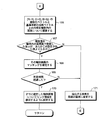
図19および図20は,物体画像認識処理手順(図5ステップ42の処理手順)を示すフローチャートである。
図8に示す処理手順と同様に対象画像の輪郭が抽出される(ステップ91)。
また,対象画像の輪郭抽出と並行して以下の処理が行われる。
まず,対象画像の中から所定範囲内の彩度または最も高い彩度をもつ画素が抽出される(ステップ161)。図13に示したように最も高い彩度をもつ画素113mが抽出されたものとする。すると,抽出された画素のRGB座標系における位置が検出される(ステップ162)。図14に示したようにRGB座標系における画素113mの位置が検出される。図15に示したように,検出された位置とR=G=Bの直線とを含む基準平面130が検出される(ステップ163)。
つづいて,対象画像の輪郭抽出処理により得られた輪郭画像について,マッチング処理が行われる(ステップ164)。このマッチング処理により,輪郭画像に含まれている物体画像がどのような物体を表わしているかが検出される。たとえば,図12に示す例では,輪郭111,112,113および114のそれぞれが,飛行機,人物,自動車およびビルを表わしているものと推測される。
つづいて,検出された輪郭111,112,113および114のそれぞれにおいて(Ri-Rj,Gi-Gj,Bi-Bj)の規格化ベクトルと基準平面130の法線ベクトルとの内積が輪郭内の画素について積算される(図20ステップ165)。すると,得られた積算値が輪郭内の画素数で除算され,その除算値γが,あらかじめ規定された値よりも小さいかどうかが確認される(ステップ167)。
除算値γがあらかじめ規定された値よりも小さければ(ステップ167でYES),マッチング処理の結果が確定する(ステップ168)。たとえば,図12において輪郭111が飛行機を表わす物体画像と推測され,かつ輪郭111内の画素にもとづいて得られた除算値γがあらかじめ規定された値よりも小さい場合には,その輪郭111は飛行機を表わしているものと確定する。その他の領域についても同様である。除算値γがあらかじめ規定された値以上であれば,図19ステップ161において抽出された画素の近傍の画素を用いて(ステップ171),上述したステップ162からの処理が繰り返される。また,物体画像認識処理の開始から所定時間が経過していない場合にも(ステップ169でNO),図19ステップ161において抽出された画素の近傍の画素を用いて(ステップ171),上述したステップ162からの処理が繰り返される。これにより,確定する物体画像の数が増加することとなる。
所定時間が経過すると(ステップ169でYES),どのような物体を表しているかが確定した輪郭(物体画像)についてリンク情報を検出するように設定される(ステップ170)。物体画像認識処理が終了すると,上述したように,認識された物体画像についてのリンク情報が検出されるようになる。
上述の実施例では,ステップ165において,検出された輪郭111,112,113および114のそれぞれにおいて(Ri-Rj,Gi-Gj,Bi-Bj)の規格化ベクトルと(1,1,1)/√3との内積(式2)が輪郭内の画素について積算されるようにしてもよい。そのようにして得られた積算値が輪郭内の画素数で除算され,得られた除算値δがあらかじめ規定された値よりも小さいかどうかが判断される。
上述した実施例では,RGBの3色により対象画像62が表わされ,その3色のRGB座標系において,高い彩度をもつ画素が含まれている物体画像からリンク付けがされているが,N(Nは2以上の整数)色により対象画像が表わされ,このN色以下のM色座標系を考え,その座標系において,原点を通り,かつ傾きが1の基準直線からの距離d1の大きな画素を含む物体画像についての関連情報を優先的に見つけるようにしてもよい。
その場合には,上記式1は,t1=ΣSi/Mとしたときに,α=Σ[(t1-Si)・(t1-Si)]で表わされる。また,上記式2は,t3を実数とした場合,(1+t3)(S1,S2,・・・SM)-t3×ΣSi(1,1,1,・・・1)/Mで表わされる。
図21は,上述した対象画像62(図7参照)を撮像するのに用いられた撮像素子の受光面上にベイヤ配列されているカラー・フィルタ特性の一例である。横軸が波長であり,縦軸が透過率である。カラー・フィルタには,青色の光成分を透過する特性を有するフィルタ,緑色のフィルタ成分を透過する特性を有するフィルタおよび赤色の光成分を透過する特性を有するフィルタがベイヤ配列されている。
グラフFBは,青色の光成分を透過する特性を示すもので,450nm程度の波長を主に透過させる特性を示している。グラフFGは緑色の光成分を透過する特性を示すもので,540nm程度の波長を主に透過させる特性を有している。グラフFRは赤色の光成分を透過する特性を示すもので,620nm以上の波長を主に透過させる特性を有している。
図21に示す特性をもつカラー・フィルタを用いて被写体を撮像することにより対象画像が得られることが一般的であるが,この実施例では,図22に示す特性をもつカラー・フィルタを用いて撮像されることが好ましい。
図22も,撮像素子の受光面上にベイヤ配列されているカラー・フィルタの特性を示している。
図21に示す例と同様に,カラー・フィルタには,青色の光成分を透過する特性を有するフィルタ,緑色のフィルタ成分を透過する特性を有するフィルタおよび赤色の光成分を透過する特性を有するフィルタがベイヤ配列されているが,図20の特性を与えるカラー・フィルタであって赤色の光成分を透過する特性を有するフィルタのうち,一部のフィルタがグラフFPで示すように,650nm近傍の波長の透過率が低くなっている。これにより,対象画像は,青色,緑色,赤色およびピンクにより表わされるようになる。
図22に示すように4色の特性を有するカラー・フィルタを用いて被写体が撮像されることにより得られる対象画像について,上述した物体画像認識処理が行われると,物体画像の特定までの時間が短くなる。なお、この場合赤色とピンクの画像データ信号を変換してより正確な赤色信号を得て色再現にもたらした効果と、650nm近辺の特異的な波長の信号を認識アルゴリズムに投入することで得られた効果とが考えられる。もちろん、650nm近辺で認識度が上がる物体と、他の波長で効果が得られる物体が存在するが、このような原理で複数の色信号を得たり、適切な波長に設定したりすることが行われる。
また,対象画像を表わす3色または4色のデータのほかにIR信号,紫外線信号が加えられてもよい。これらの信号を利用して物体認識を行うことができるようになる。
図22に示すように4色のカラー・フィルタの特性は,少なくとも色のスペクトルの重なりが80パーセントであることが好ましい。また,上述したようにグラフFRとFPとで表わされるように一方のスペクトル(グラフFP)が他方のスペクトル(グラフFR)に含まれるものでもよい。
さらに,上述のように4色またはそれ以上の色によってカラー対象画像が表現される場合には,4色またはそれ以上の色の差信号にもとづいて物体画像にリンクをつける順序を決定するようにしてもよい。たとえば,物体画像を構成する画素が,グラフFB,FG,FRおよびFPの特性のフィルタによって得られる光成分をLB,LG,LRおよびLPとすると,任意の差信号|LB-LG|,|LB-LR|,|LB-LP|,|LG-LR|,|LG-LP|または|LR-LP|を算出し,得られた信号の大きい順または小さい順に,上述したリンク付けの順番を規定するようにしてもよい。
また,上述の実施例では,物体画像の関連情報としてリンクを取り上げ,物体画像にリンク付けする順序を規定しているが,リンク付けするのではなく,物体画像上にカーソルなどが置かれることにより,矩形などのポップアップ・ウインドウが表示され,そのポップアップ・ウインドウに関連情報が表示されるような順序を規定するようにしてもよい。必ずしも,関連情報はリンクに限らず,関連情報自体が表示されるようなものでもよい。
1 スマートフォン
2 ウェブ・サーバ
3 画像認識サーバ
5 CPU
60 ウェブ・ページ
62 対象画像
71-74 物体画像
2 ウェブ・サーバ
3 画像認識サーバ
5 CPU
60 ウェブ・ページ
62 対象画像
71-74 物体画像
Claims (32)
- 関連情報が付加されるカラー対象画像であって,N(Nは2以上の整数)色の色データによって表わされるカラー対象画像に含まれる少なくとも一つの物体画像を検出する物体画像検出手段,
上記物体画像検出手段によって検出された少なくとも一つの物体画像について,クライアント端末から特定の物体認識要求が無い場合には、N色の数以下のM色の空間座標において原点を通り,かつ傾きが1の基準直線からの距離d1の大きな画素を含む物体画像についての関連情報を見つける関連情報検索手段,
上記関連情報検出手段により見つけられた関連情報を,対応する物体画像に付加する関連情報付加手段,
上記関連情報付加手段によって関連情報が付加された物体画像を含む上記カラー対象画像を表わすカラー対象画像データを,クライアント端末装置に送信するカラー対象画像データ送信手段,ならびに
上記関連情報検索手段,上記関連情報付加手段および上記カラー対象画像データ送信手段によるそれぞれの処理を繰り返すように,上記関連情報検索手段,上記関連情報付加手段および上記カラー対象画像データ送信手段を制御する第1の制御手段を備えた物体画像の関連情報提供システム。 - 上記M色は,3色であることを特徴とする請求項1に記載の関連情報提供システム。
- 上記関連情報検索手段は,
M色の空間座標において原点を通り,かつ傾きが1の基準直線からの距離d1が大きい画素をもつ順に物体画像についての関連情報を見つけるものであり,
上記カラー対象画増データ送信手段は,
あらかじめ設定された時間が経過したことにより,上記関連情報付加手段によって関連情報が付加された物体画像を含む上記カラー対象画像を表わすカラー対象画像データを,クライアント端末装置に送信するものである,
請求項1に記載の関連情報提供システム。 - 上記第一の制御手段に従い、カラー対象画像データを送信するごとに、それまでに関連情報が付加されていなかった物体画像の中で,上記距離d1の値が最も大きな画素を持つ物体画像が,新たに関連情報が付加されるものである,
請求項1から3のうち,いずれか一項に記載の関連情報提供システム。 - 上記M色が少なくともR色,G色およびB色を含む場合には,カラー対象画像に含まれる色成分の割合が,R成分が80%以上,G成分が80%以上,かつB成分が80%以上であることを特徴とする,
請求項1から4のうちいずれか一項に記載の関連情報提供システム。 - 上記物体画像検出手段によって検出された複数の物体画像のうち,N色がR色,G色およびB色を含む3色であり,
上記関連情報検出手段は,彩度の大きい物体画像の順に関連情報を検出するものである,
請求項1から5のうち,いずれか一項に記載の物体画像の関連情報提供システム。 - 上記関連情報付加手段は,
上記カラー対象画像データ送信手段によってカラー対象画像データがクライアント端末装置に送信されたことに応じて,クライアント端末装置に設けられている表示画面に表示されるカラー対象画像に含まれる複数の物体画像のうち所望の物体画像が指定されたことにより,指定された物体画像の関連情報が上記表示画面に表示されるように物体画像に関連情報を付加するものであり,かつ一の物体画像が他の物体画像と重なっている部分が指定されることに応じて一の物体画像と他の物体画像とのうち上記距離d1の大きな物体画像の関連情報が表示画面に表示されるように物体画像の関連情報を付加するものである,
請求項1から6のうち,いずれか一項に記載の関連情報提供システム。 - 上記関連情報付加手段は,
上記カラー対象画像データ送信手段によってカラー対象画像データがクライアント端末装置に送信されたことに応じて,クライアント端末装置に設けられている表示画面に表示されるカラー対象画像に含まれる複数の物体画像のうち所望の物体画像が指定されたことにより,指定された物体画像の関連情報が上記表示画面に表示されるように物体画像に関連情報を付加するものであり,かつ一の物体画像が他の物体画像と重なっている部分が指定されることに応じて一の物体画像と他の物体画像とのうち彩度の大きな物体画像の関連情報が表示画面に表示されるように物体画像の関連情報を付加するものである,
請求項1から7のうち,いずれか一項に記載の関連情報提供システム。 - カラー対象画像を構成する画素のすべてについて,上記M色のM種信号レベルをS1,S2,…SMとし,t1を,t1=Σ(Si/M)としたときに,α1=Σ[(t1-Si)・(t1-Si)]を算出するM種レベル算出手段をさらに備え,
上記関連情報検出手段は,上記α1が最大である画素を含んでいる物体画像についての関連情報を見つけるものである,
請求項1から8のうち,いずれか一項に記載の関連情報提供装置。 - カラー対象画像を構成する画素のすべてについて,Rを赤色信号のレベル,Gを緑色信号のレベル,Bを青色信号のレベル,t2をt2=(R+G+B)/3としたときに,
α2=Σ[(t2-R)・(t2-R)]+Σ[(t2-G)・(t2-G)]+Σ[(t2-B)・(t2-B)]を算出するRGBレベル算出手段をさらに備え,
上記関連情報検出手段は,上記α2が最大である画素が含んでいる物体画像を見つけるものである,
請求項1から9のうち,いずれか一項に記載の関連情報提供装置。 - 上記関連情報検索手段は,
上記M種レベル算出手段または上記RGBレベル算出手段によって算出された値が所定範囲内にある物体画像についての関連情報を最初に見つけるものである,
請求項9または10に記載の関連情報提供装置。 - 上記所定範囲は,上記カラー対象画像の撮影シーンに応じて規定されているものである,
請求項11に記載の関連情報提供装置。 - カラー対象画像を構成する画像の最大濃度がSMAXとされた場合,
上記撮影シーンが街中である場合には,3×SMAX以上であり10×SMAX以下のD1,14×SMAX以上であり43×SMAX以下のD2,
上記撮影シーンが海または駅中である場合には,3×SMAX以上であり10×SMAX以下のD1,60×SMAX以上であり90×SMAX以下のD2,
上記撮影シーンがショッピング・モールである場合には,3×SMAX以上であり10×SMAX以下のD1,16×SMAX以上であり47×SMAX以下のD2,
により規定されるD1からD2までの範囲が上記所定範囲である,
請求項12に記載の関連情報提供装置。 - 上記物体画像の種類に応じて,上記所定範囲が規定されている,
請求項9から13のうち,いずれか一項に記載の関連情報提供装置。 - カラー対象画像を構成する画素の最大濃度がSMAXとされた場合,
物体画像が自動車である場合には,SMAX以上であり10×SMAX以下のD1,75×SMAX以上であり125×SMAX以下のD2,
物体画像が美術建築物である場合には,0.5×SMAX以上であり42×SMAX以下のD1,0.5×SMAX以上であり42×SMAX以下のD2(但し,D1はD2以下),
物体画像がショッピング・モールである場合には,0.5×SMAX以上であり5×SMAX以下のD1,5×SMAX以上であり47×SMAX以下のD2,
物体画像が動物である場合には,0.5×SMAX以上であり10×SMAX以下のD1,20×SMAX以上であり125×SMAX以下のD2,
により規定されるD1からD2までの範囲が上記所定範囲である,
請求項14に記載の関連情報提供装置。 - 上記カラー対象画像データ送信手段が,
上記M種レベル算出手段または上記RGBレベル算出手段によって算出された値が所定範囲内にある物体画像を認識し,かつあらかじめ設定された時間が経過したことにより,最初の関連情報が付加された物体画像を含む上記カラー対象画像を表わすカラー対象画像データを,クライアント端末装置に送信することを特徴とする請求項3に記載の関連情報提供システム。 - 上記カラー対象画像の色の割合または彩度を変更する変更手段,ならびに
上記変更手段によって彩度が変更させられたカラー対象画像について,上記物体画像検出手段,上記関連情報検索手段,上記関連情報付加手段,上記カラー対象画像データ送信手段,および上記第1の制御手段の処理を行わせる第2の制御手段,
をさらに備えた請求項1から16のうち,いずれか一項に記載の関連情報提供装置。 - 上記変更手段は,t3を実数とした場合,(1+t3)(S1,S2,・・・SM)-t3×ΣSi(1,1,1,・・・1)/Mにもとづいて変更するものである,
請求項17に記載の関連情報提供装置。 - 定数kを,上記変更手段によって算出される値または上記所定範囲の下限の値とし,かつSMAXを,カラー対象画像を構成する画素の最大濃度とした場合,上記t3は,0.25×SMAX×√(3/k)以上であり,2×SMAX√(3/k)を満たすものである,
請求項18に記載の関連情報提供装置。 - 上記物体画像検出手段は,
カラー対象画像の輪郭画像を抽出する輪郭画像抽出手段,
上記輪郭画像抽出手段によって抽出された輪郭画像がどのような物体画像を表わすか検出する物体画像検出手段,
カラー対象画像の中から所定範囲内の距離d1または彩度または最も高い距離d1または彩度をもつ画素を抽出する画素抽出手段,
上記画素抽出手段によって抽出された画素とS1=S2=・・・SMで規定される直線とを含む平面を決定する平面決定手段,
上記輪郭画像抽出手段によって抽出された輪郭画像内に含まれ,かつ隣接する画素i,jについて(Si1-Sj1,Si2-Sj2,・・・SiM-SjM)の規格化ベクトルと,上記平面の法線ベクトルまたは(1,1,・・・1)/√Mと,の内積の和を算出する内積和算出手段,
上記内積和算出手段によって算出された和を,上記輪郭画像抽出手段によって抽出された輪郭画像の画素数で除算した値を算出する除算手段,および
上記除算手段により算出された値が小さい輪郭画像について上記物体画像検出手段によって検出された物体画像を確定する確定手段,
を備えている請求項1から19のうち,いずれか一項に記載の関連情報提供装置。 - 上記関連情報検索手段は,
上記物体画像検出手段によって検出された複数の物体画像を,複数のグループに分けるグループ分割手段,
上記グループ分割手段によって分割された複数のグループのそれぞれにおいて代表距離d1または代表彩度を決定する代表距離d1または代表彩度決定手段を備え,
上記代表距離d1または代表彩度決定手段によって決定された代表距離d1または代表彩度の高いグループに含まれる物体画像の順に関連情報を見つけるものである,
請求項1から20のうち,いずれか一項に記載の関連情報提供装置。 - 上記カラー対象画像は,N色が4色によって表わされるものである,
請求項1から21のうち,いずれか一項に記載の関連情報提供装置。 - 上記4色には,赤,緑および青が含まれている,
請求項22に記載の関連情報提供装置。 - 上記4色のスペクトルに関して少なくとも二つのスペクトルの重なりが80%以上である,
請求項22または23に記載の関連情報提供装置。 - 上記4色のうち少なくとも二つのスペクトルについて,一方のスペクトルが他方のスペクトルに含まれるものである,
請求項24に記載の関連情報提供装置。 - 上記少なくとも二つのスペクトルのうち一つが緑色である,
請求項24または25に記載の関連情報提供装置。 - 上記関連情報検索手段は,4色のデータの差信号の値にもとづいて決められる関連情報を最初に見つけるものである,
請求項22から26のうち,いずれか一項に記載の関連情報提供装置。 - 4色のデータの差信号の算出と上記物体画像検出手段における複数の物体画像の検出とが並行して行われるものである,
請求項27に記載の関連情報提供装置。 - 上記カラー対象画像を表わすデータにIR信号が含まれている,
請求項1から28のうち,いずれか一項に記載の関連情報提供装置。 - 上記カラー対象画像を表わすデータに紫外線信号が含まれている,
請求項1から29のうち,いずれか一項に記載の関連情報提供装置。 - 上記クライアント端末装置は,
上記表示画面に表示された関連情報のうち,アクセス指示が与えられた関連情報についての詳細情報リクエストを詳細情報サーバに送信するリクエスト送信手段,
を備えた請求項1から30のうち,いずれか一項に記載の関連情報提供装置。 - 物体画像検出手段が,関連情報が付加されるカラー対象画像であって,N(Nは3以上の整数)色の色データによって表わされるカラー対象画像に含まれる少なくとも一つの物体画像を検出し,
関連情報検索手段が,上記物体画像検出手段によって検出された少なくとも一つの物体画像について,N色の数以下のM色の空間座標において原点を通り,かつ傾きが1の基準直線からの距離d1の大きな画素を含む物体画像についての関連情報を見つけ,
関連情報付加手段が,上記関連情報検出手段により見つけられた関連情報を,対応する物体画像に付加し,
カラー対象画像データ送信手段が,上記関連情報付加手段によって関連情報が付加された物体画像を含む上記カラー対象画像を表わすカラー対象画像データを,クライアント端末装置に送信し,
第1の制御手段が,上記関連情報検索手段,上記関連情報付加手段および上記カラー対象画像データ送信手段によるそれぞれの処理を繰り返すように,上記関連情報検索手段,上記関連情報付加手段および上記カラー対象画像データ送信手段を制御する,
物体画像の関連情報提供システムの動作制御方法。
Applications Claiming Priority (2)
| Application Number | Priority Date | Filing Date | Title |
|---|---|---|---|
| JP2013068198A JP2014191700A (ja) | 2013-03-28 | 2013-03-28 | 関連情報提供システムおよびその動作制御方法 |
| JP2013-068198 | 2013-03-28 |
Publications (1)
| Publication Number | Publication Date |
|---|---|
| WO2014156558A1 true WO2014156558A1 (ja) | 2014-10-02 |
Family
ID=51623544
Family Applications (1)
| Application Number | Title | Priority Date | Filing Date |
|---|---|---|---|
| PCT/JP2014/055960 Ceased WO2014156558A1 (ja) | 2013-03-28 | 2014-03-07 | 関連情報提供システムおよびその動作制御方法 |
Country Status (2)
| Country | Link |
|---|---|
| JP (1) | JP2014191700A (ja) |
| WO (1) | WO2014156558A1 (ja) |
Families Citing this family (1)
| Publication number | Priority date | Publication date | Assignee | Title |
|---|---|---|---|---|
| KR102604126B1 (ko) * | 2023-01-02 | 2023-11-22 | (주) 씨이랩 | 구독형 영상분석 시스템 및 이의 운용 방법 |
Citations (4)
| Publication number | Priority date | Publication date | Assignee | Title |
|---|---|---|---|---|
| JP2006209492A (ja) * | 2005-01-28 | 2006-08-10 | Nippon Telegr & Teleph Corp <Ntt> | オブジェクト情報提供サーバ、オブジェクト情報提供システム、オブジェクト情報提供方法、及びオブジェクト情報提供プログラム |
| JP2006268799A (ja) * | 2005-03-25 | 2006-10-05 | Kitakyushu Foundation For The Advancement Of Industry Science & Technology | 画像検索方法及び画像検索装置ならびにプログラム |
| JP2009025867A (ja) * | 2007-07-17 | 2009-02-05 | Nippon Telegr & Teleph Corp <Ntt> | 色情報識別装置,色情報識別方法,色情報識別プログラム及びそのプログラムを格納した記録媒体 |
| JP2012133790A (ja) * | 2005-08-15 | 2012-07-12 | Nant Holdings Ip Llc | 画像から得られる情報のインターネットおよびその他の検索エンジンのための検索基準としての使用 |
-
2013
- 2013-03-28 JP JP2013068198A patent/JP2014191700A/ja active Pending
-
2014
- 2014-03-07 WO PCT/JP2014/055960 patent/WO2014156558A1/ja not_active Ceased
Patent Citations (4)
| Publication number | Priority date | Publication date | Assignee | Title |
|---|---|---|---|---|
| JP2006209492A (ja) * | 2005-01-28 | 2006-08-10 | Nippon Telegr & Teleph Corp <Ntt> | オブジェクト情報提供サーバ、オブジェクト情報提供システム、オブジェクト情報提供方法、及びオブジェクト情報提供プログラム |
| JP2006268799A (ja) * | 2005-03-25 | 2006-10-05 | Kitakyushu Foundation For The Advancement Of Industry Science & Technology | 画像検索方法及び画像検索装置ならびにプログラム |
| JP2012133790A (ja) * | 2005-08-15 | 2012-07-12 | Nant Holdings Ip Llc | 画像から得られる情報のインターネットおよびその他の検索エンジンのための検索基準としての使用 |
| JP2009025867A (ja) * | 2007-07-17 | 2009-02-05 | Nippon Telegr & Teleph Corp <Ntt> | 色情報識別装置,色情報識別方法,色情報識別プログラム及びそのプログラムを格納した記録媒体 |
Also Published As
| Publication number | Publication date |
|---|---|
| JP2014191700A (ja) | 2014-10-06 |
Similar Documents
| Publication | Publication Date | Title |
|---|---|---|
| US9965701B2 (en) | Image processing apparatus and method | |
| EP3268897B1 (en) | Distinguishing foreground and background with infrared imaging | |
| KR101725884B1 (ko) | 이미지들에 대한 자동 프로세싱 | |
| KR20190069457A (ko) | 이미지 기반 차량 손실 평가 방법, 장치 및 시스템, 및 전자 디바이스 | |
| US20170213330A1 (en) | Unified multi-image fusion approach | |
| CN111967477A (zh) | Rgb-d图像显著性目标检测方法、装置、设备及存储介质 | |
| KR101833943B1 (ko) | 동영상의 주요 장면을 추출 및 탐색하는 방법 및 시스템 | |
| US11375166B2 (en) | Selective colorization of thermal imaging | |
| JP2009037585A (ja) | 二次元停止画像に対して没入感を生成する方法およびシステム、または没入感を生成するためのファクタ調節方法、イメージコンテンツ分析方法およびスケーリングパラメータ予測方法 | |
| JP7138264B1 (ja) | 情報処理装置、情報処理方法、情報処理システム、およびプログラム | |
| WO2022235785A1 (en) | Neural network architecture for image restoration in under-display cameras | |
| CN106970709A (zh) | 一种基于全息成像的3d交互方法和装置 | |
| KR20210059576A (ko) | 인공 지능 기반의 영상 처리 방법 및 이를 수행하는 영상 처리 장치 | |
| WO2018111385A1 (en) | Detection of traffic light signal changes | |
| US11543644B2 (en) | Digital imaging device and method for generating a digital color image | |
| JP7351358B2 (ja) | 画像処理システム、画像処理方法および画像処理プログラム | |
| WO2014156558A1 (ja) | 関連情報提供システムおよびその動作制御方法 | |
| WO2023062668A1 (ja) | 情報処理装置、情報処理方法、情報処理システム、およびプログラム | |
| KR102757063B1 (ko) | 컬러 스테인 분석 방법 및 상기 방법을 이용하는 전자 장치 | |
| CN107392860A (zh) | 图像增强方法和设备、ar设备 | |
| CN109215090A (zh) | 用于计算色差的方法、装置及服务器 | |
| KR101849696B1 (ko) | 영상 모델링 시스템에서 조명 정보 및 재질 정보를 획득하는 방법 및 장치 | |
| EP3246878A1 (en) | Method to determine chromatic component of illumination sources of an image | |
| JP7291389B2 (ja) | 対象識別方法、情報処理装置、情報処理プログラム、および照明装置 | |
| JP5800559B2 (ja) | 被写体追尾装置、撮像装置、被写体追尾方法及びプログラム |
Legal Events
| Date | Code | Title | Description |
|---|---|---|---|
| 121 | Ep: the epo has been informed by wipo that ep was designated in this application |
Ref document number: 14774651 Country of ref document: EP Kind code of ref document: A1 |
|
| NENP | Non-entry into the national phase |
Ref country code: DE |
|
| 122 | Ep: pct application non-entry in european phase |
Ref document number: 14774651 Country of ref document: EP Kind code of ref document: A1 |