WO2014155780A1 - データ圧縮方法及びその装置並びにそのプログラム - Google Patents
データ圧縮方法及びその装置並びにそのプログラム Download PDFInfo
- Publication number
- WO2014155780A1 WO2014155780A1 PCT/JP2013/075763 JP2013075763W WO2014155780A1 WO 2014155780 A1 WO2014155780 A1 WO 2014155780A1 JP 2013075763 W JP2013075763 W JP 2013075763W WO 2014155780 A1 WO2014155780 A1 WO 2014155780A1
- Authority
- WO
- WIPO (PCT)
- Prior art keywords
- data
- bits
- predetermined number
- processing target
- same
- Prior art date
- Legal status (The legal status is an assumption and is not a legal conclusion. Google has not performed a legal analysis and makes no representation as to the accuracy of the status listed.)
- Ceased
Links
Images



Classifications
-
- H—ELECTRICITY
- H03—ELECTRONIC CIRCUITRY
- H03M—CODING; DECODING; CODE CONVERSION IN GENERAL
- H03M7/00—Conversion of a code where information is represented by a given sequence or number of digits to a code where the same, similar or subset of information is represented by a different sequence or number of digits
- H03M7/30—Compression; Expansion; Suppression of unnecessary data, e.g. redundancy reduction
- H03M7/46—Conversion to or from run-length codes, i.e. by representing the number of consecutive digits, or groups of digits, of the same kind by a code word and a digit indicative of that kind
Definitions
- the present invention relates to a data compression method and apparatus for compressing processing target data such as image data, and a program thereof, and more particularly, to a technique for continuously compressing continuous data.
- Pack Bits also called continuous length compression or run-length compression
- This Pack Bits performs lossless compression of data by recording the continuous / discontinuous length of the same data.
- the conventional example having such a configuration has the following problems. That is, the conventional method can obtain a compression effect only when a lot of identical data continues. For example, when the image data is a natural image such as a photograph, there are not many ratios where many identical data are continuous, and there are many cases in which noise is approximate data. Therefore, there is a problem that the image data cannot be efficiently compressed.
- the present invention has been made in view of such circumstances, and provides a data compression method, an apparatus thereof, and a program for the same, which can improve compression efficiency even if the continuity of the same data is low. For the purpose.
- the present invention has the following configuration. That is, the present invention provides a data compression method for compressing data to be processed, a dividing step of dividing each data constituting the data to be processed into upper bits and lower bits, and the processing divided by the dividing step Among the data of the target data, the high-order bits have the same value, and the high-order bit continuity determination step for determining whether or not a predetermined number or more continues, and the processing target data divided by the division step Among the data, the lower bits have the same value, and a lower bit continuity determining step for determining whether or not a predetermined number or more continues, the upper bit continuity determining step, and the lower bit continuity In the determination step, when the upper bits of each data are the same and continue for a predetermined number or more, and the data If the lower bits are the same and continue for a predetermined number or more, the upper bits that are common to the data are extracted, the consecutive lengths of the upper bits are listed, and the lower bits of the data are consecutively compressed. And
- the upper bits of the data to be processed divided into the upper bits and the lower bits in the division step have the same value, and It is determined whether or not a predetermined number or more continues.
- the lower bit continuity determination step it is determined whether or not the lower bits of the data to be processed divided into the upper bit and the lower bit in the division step have the same value and a predetermined number or more continues. judge.
- the upper bits of each data are the same and continue for a predetermined number or more, and the lower bits of the data If the bits are the same and continue for a predetermined number or more, the upper bits that are common to each data are extracted, the consecutive lengths of the upper bits are listed, and the lower bits of each data are continuously compressed to the consecutive length.
- Semi-identical data Therefore, even if the data is not the same data, the data having the same high-order bits is continuously compressed for each low-order bit, so that the compression efficiency can be improved even for data with low continuity of the same data. .
- the data compression method for compressing the processing target data in the data compression method for compressing the processing target data, it is determined whether or not a predetermined number or more of the data of the processing target data continues. In the determination in the continuity determination step and the determination in the continuity determination step, for data that is not identical among the data, the data is extracted from the processing target data as non-identical data, and the non-identical data, And a second encoding step for enumerating the position information together.
- the continuity determination step it is determined whether or not a predetermined number or more of each data of the processing target data continues.
- the second encoding step in the continuity determination step, non-identical data is extracted from the processing target data as non-identical data, and the non-identical data and its position information are listed together. Therefore, even if non-identical data exists between continuous data, continuous length compression can be performed except for non-identical data. As a result, it is possible to suppress a decrease in compression rate due to the presence of non-identical data.
- a division step of dividing each data constituting the processing target data into upper bits and lower bits is performed, and instead of the continuity determination step, the division Performing the upper bit continuity determining step for determining whether the upper bits of the data to be processed divided in the step have the same value and whether or not a predetermined number or more continues,
- the low order bit determines whether or not the lower bits have the same value and a predetermined number or more continues
- a bit continuity determination step is performed, and instead of the second encoding step, the upper bit continuity determination step and the lower bit continuity determination step are performed.
- the data is extracted from the processing target data as non-identical data, and the non-identical data and its position information are listed together. It is preferable to perform the second encoding step.
- the high-order bit continuity determination step it is determined whether or not the high-order bits have the same value among the data to be processed divided into the high-order bits and the low-order bits in the division step and a predetermined number or more continues. judge.
- the lower bit continuity determination step it is determined whether or not the lower bits of the data to be processed divided into the upper bit and the lower bit in the division step have the same value and a predetermined number or more continues. judge.
- the second encoding step in the upper bit continuity determining step and the lower bit continuity determining step, data having higher bits that are not identical is extracted as non-identical data from the processing target data, and the non-identical data and its position are extracted. List together with information. Therefore, even if non-identical data exists between continuous data, continuous length compression can be performed except for non-identical data. As a result, it is possible to suppress a decrease in compression rate due to the presence of non-identical data.
- the first encoding step includes a code representing run length semi-identical data, upper bits common to each data, the number of run lengths, lower bits common to the data, It is preferable to list the consecutive lengths in order.
- the code representing the semi-identical data of the run length, the upper bit common to each data, the run length number, the lower bit common to each data, and the run length number are listed, so that it can be accurately decoded during decompression. .
- the second encoding step may include a code representing insertion data, an insertion position as the position information, and the non-identical data other than non-identical data positioned before the insertion position. It is preferable to enumerate before the data.
- the code representing the insertion data, the insertion position, and the non-identical data are listed before any of the same data, semi-identical data, and run-length semi-identical data located before the insertion position. Therefore, non-identical data can be accurately returned to the original position at the time of decompression, and can be accurately decoded.
- the present invention provides a data compression apparatus for compressing processing target data, a dividing means for dividing each data constituting the processing target data into upper bits and lower bits, and the processing divided by the dividing means Of the data of the target data, the upper bits have the same value, and upper bit continuity determining means for determining whether or not a predetermined number or more continues, and the processing target data divided by the dividing means Among the data, lower bit continuity determining means for determining whether the lower bits have the same value and a predetermined number or more are continuous, the upper bit continuity determining means, and the lower bit continuity In the determination means, when the upper bits of each data are the same and continue for a predetermined number or more, and the lower bits of the data are the same and predetermined If it is continuous, the upper bits common to the data are extracted, the number of consecutive lengths of the upper bits is listed, the lower bits of the data are continuously compressed, and the length of the half-same data is obtained. And a first encoding means.
- the high-order bit continuity determining means has the same value in the high-order bits of the data to be processed divided into the high-order bits and the low-order bits by the dividing means, and It is determined whether or not a predetermined number or more continues.
- the lower bit continuity determination means determines whether or not the lower bits have the same value among the data to be processed divided into the upper bits and the lower bits by the dividing means, and a predetermined number or more continues. judge.
- the first encoding means is a case where, in the upper bit continuity determining means and the lower bit continuity determining means, the upper bits of each data are the same and continue for a predetermined number or more, and the lower bits of the data If the bits are the same and continue for a predetermined number or more, the upper bits that are common to each data are extracted, the consecutive lengths of the upper bits are listed, and the lower bits of each data are continuously compressed to the consecutive length. Semi-identical data. Therefore, even if the data is not the same data, the data having the same high-order bits is continuously compressed for each low-order bit, so that the compression efficiency can be improved even for data with low continuity of the same data. .
- the present invention provides a data compression apparatus for compressing processing target data, wherein continuity determination means for determining whether or not a predetermined number or more of the data of the processing target data continues, and the continuity determination means In the determination, the second data is extracted from the processing target data as non-identical data, and the non-identical data and the position information are listed together. And an encoding means.
- the continuity determination means determines whether or not a predetermined number or more of the data of the processing target data continues.
- the second encoding means extracts different data from the processing target data as non-identical data, and enumerates the non-identical data and its position information together. Therefore, even if non-identical data exists between continuous data, continuous length compression can be performed except for non-identical data. As a result, it is possible to suppress a decrease in compression rate due to the presence of non-identical data.
- a dividing unit that divides each data constituting the processing target data into upper bits and lower bits, and among the data of the processing target data divided by the dividing unit, lower bits And lower bit continuity determining means that determine whether or not the same value and a predetermined number or more continue, and instead of the continuity determining means, the division means Of the data to be processed, the upper bit has the same value, and has higher bit continuity determining means for determining whether or not a predetermined number or more continues, replacing the second encoding means
- the chromatography data was extracted from the processing object data as non-identical data, and the non-identical data, it is preferable to provide a second coding means for enumerated together with the position information.
- the upper bit continuity determining means determines whether or not the upper bits have the same value among the data to be processed divided into the upper bits and the lower bits by the dividing means, and a predetermined number or more continues. judge.
- the lower bit continuity determination means determines whether or not the lower bits have the same value among the data to be processed divided into the upper bits and the lower bits by the dividing means, and a predetermined number or more continues. judge.
- the second encoding means extracts data having different upper bits from the processing target data as non-identical data, and enumerates the non-identical data and its position information together. Therefore, even if non-identical data exists between continuous data, continuous length compression can be performed except for non-identical data. As a result, it is possible to suppress a decrease in compression rate due to the presence of non-identical data.
- each data constituting the processing target data is divided into upper bits and lower bits when the CPU of the computer executes in a memory.
- High-order bit continuity determination for determining whether or not the high-order bits have the same value and a predetermined number or more are continuous among the data to be processed and the data to be processed divided by the division function
- a low-order bit continuity determination function that determines whether or not a lower-order bit has the same value and a predetermined number or more of each data of the processing target data divided by the division function.
- the upper bits of the data are the same.
- the first encoding function is arranged so that the lower-order bits of the respective data are subjected to continuous length compression to make the continuous length semi-identical data.
- the high-order bit continuity determination function has the same value in the high-order bits of the data to be processed divided into the high-order bits and the low-order bits by the division function, and It is determined whether or not a predetermined number or more continues.
- the lower bit continuity determination function determines whether or not the lower bits of the data to be processed divided into upper bits and lower bits by the dividing function have the same value and a predetermined number or more continues. judge.
- the first encoding function is a case where, in the upper bit continuity determination function and the lower bit continuity determination function, the upper bits of each data are the same and continue for a predetermined number or more, and the lower bits of the data If the bits are the same and continue for a predetermined number or more, the upper bits that are common to each data are extracted, the consecutive lengths of the upper bits are listed, and the lower bits of each data are continuously compressed to the consecutive length. Semi-identical data. Therefore, even if the data is not the same data, the data having the same high-order bits is continuously compressed for each low-order bit, so that the compression efficiency can be improved even for data with low continuity of the same data. .
- the present invention provides a data compression program for compressing data to be processed by a computer, and whether or not a predetermined number or more of each data of the data to be processed continues by being executed in a memory by the CPU of the computer.
- a data compression program for compressing data to be processed by a computer, and whether or not a predetermined number or more of each data of the data to be processed continues by being executed in a memory by the CPU of the computer.
- the continuity determination function determines whether or not a predetermined number or more of the data to be processed continues.
- the second encoding function extracts different data from the processing target data as non-identical data, and enumerates the non-identical data and its position information together. Therefore, even if non-identical data exists between continuous data, continuous length compression can be performed except for non-identical data. As a result, it is possible to suppress a decrease in compression rate due to the presence of non-identical data.
- the upper bits of the data to be processed divided into the upper bits and the lower bits in the dividing step have the same value, and It is determined whether or not a predetermined number or more continues.
- the lower bit continuity determination step it is determined whether or not the lower bits of the data to be processed divided into the upper bit and the lower bit in the division step have the same value and a predetermined number or more continues. judge.
- the upper bits of each data are the same and continue for a predetermined number or more, and the lower bits of the data If the bits are the same and continue for a predetermined number or more, the upper bits that are common to each data are extracted, the consecutive lengths of the upper bits are listed, and the lower bits of each data are continuously compressed to the consecutive length.
- Semi-identical data Therefore, even if the data is not the same data, the data having the same high-order bits is continuously compressed for each low-order bit, so that the compression efficiency can be improved even for data with low continuity of the same data. .
- FIG. 1 is a block diagram illustrating a schematic configuration of the data compression apparatus according to the embodiment.
- FIG. 2 is a schematic diagram showing an example of a data format with a semi-same run length
- FIG. 3 is a schematic diagram showing an example of an insertion data format.
- the data compression apparatus receives, for example, image data as data to be processed, compresses it, and outputs it as compressed image data.
- This data compression apparatus is composed of a computer 1.
- the computer 1 includes a CPU 1a and a memory 1b.
- a disk drive 3 is connected to the computer 1.
- the disk drive 3 is configured such that the storage medium 5 is detachable.
- the storage medium 5 stores a program P described later.
- the program P is loaded from the storage medium 5 into the memory 1b of the computer 1.
- the computer 1 is configured to perform processing to be described later by executing the program P loaded in the memory 1b by the CPU 1a.
- the computer 1 includes the CPU 1a and the memory 1b. Functionally, the computer 1 includes an extended PackBits compression unit 7, a reading unit 9, a data analysis unit 11, and a first encoding processing unit 13. And a second encoding processing unit 15.
- the extended PackBits compression unit 7 executes a compression method obtained by improving PackBits compression, which is a kind of conventional continuous length compression.
- This extended PackBits compression method has already been filed by the present applicant (Japanese Patent Application No. 2012-181097).
- the compression method includes the continuity determination step for determining whether or not the same data for the processing target data is a predetermined number or more, and the determination by the continuity determination step. If the same data is continuous for a predetermined number or more, a first-stage encoding step for continuously length-compressing the plurality of the same data as a continuous of all the same data, and the continuity If it is determined by the determination step that the same data is not continuous for a predetermined number of the processing target data, a division step for dividing each data of the processing target data into upper bits and lower bits, and division by the division step It is determined whether or not the data of the upper bits among the processed data to be processed has the same value and is continuous for a predetermined number or more.
- the first-stage encoding step when the same data for the processing target data is a predetermined number or more in accordance with the determination in the continuity determination step, a plurality of the same data is determined as a sequence of all the same data.
- the first stage encoding for continuous length compression is performed.
- the dividing step when the same data as the processing target data is not a predetermined number or more, each data of the processing target data is divided into upper bits and lower bits.
- the upper bit continuity determination step it is determined whether or not the upper bit data is the same value among the data to be processed divided in the division step and is a predetermined number or more, and is continuous.
- the second-stage encoding step the upper bits of each data are continuously length-compressed as a series of semi-identical data, and the second-stage encoding is performed in which the lower bits of each data are enumerated.
- the first stage of encoding is performed as all the same data and compression is performed, so that the compression efficiency can be improved. If the same data does not continue for a predetermined number or more, the data is divided. If the upper bits are the same and continue for a predetermined number or more, compression is performed by encoding the second stage as a continuation of semi-identical data. Plan. Therefore, the compression efficiency can be improved even for data with low continuity of the same data.
- the reading unit 9 reads a part of the processing target data compressed by the extended PackBits compression unit 7.
- a part of the data is 1 byte which is the data of the minimum processing unit.
- the data analysis unit 11 includes “same data” indicating that a predetermined number or more of the same data in the upper bits and lower bits of one byte are continuous, “non-identical data” in which the upper bits and lower bits are different, It is analyzed whether it is “half-same data” indicating that a predetermined number or more of data having the same bit and different lower bits are continuous.
- This header includes a determination bit representing a code such as the same data described above and the number of data indicating how many pieces of the data are continuous.
- the upper bits have the same value, and the upper bit continuity determination for determining whether or not a predetermined number or more continues, and among the data of the processing target data, A process of lower bit continuity determination for determining whether or not the lower bits have the same value and a predetermined number or more continues is performed.
- the extended PackBits compression unit 7 described above corresponds to the “dividing means” in the present invention.
- the data analysis unit 11 divides the read data into upper bits and lower bits, and the data and the data before and after the data. An analysis is performed by comparing the upper and lower bits of the data to determine the same data as described above. In such a case, the data analysis unit 11 corresponds to “dividing means” in the present invention.
- the data analysis unit 11 corresponds to “upper bit continuity determining means” and “lower bit continuity determining means” in the present invention.
- the first encoding processing unit 13 performs encoding by analyzing whether or not the data having the same high-order bit and different low-order bits is “same-length semi-identical data” indicating that a predetermined number or more are consecutive. The analysis is performed based on the header generated by the extended PackBits compression. The details of this process will be described later. In the case of half-same data with consecutive lengths, the upper bits are the same and continue for a predetermined number or more, and the previous data and the upper bits are the same and the lower bits are different for a predetermined number or more. A series of data. In that case, as shown in the schematic diagram of the run length semi-identical format shown in FIG.
- the determination bit that is a header, 00, and upper data 00 is temporary data that only fills empty bits.
- the second encoding processing unit 15 performs compression by encoding in consideration of the insertion data.
- the analysis is performed based on the header generated by the extended PackBits compression.
- the inserted data is, for example, one non-identical data in the case of being composed of the same data that is continuous, non-identical data, and the same data that is the same data as the same data. That is, for the data whose upper bits are not the same among the data, this data is extracted from the data to be processed as non-identical data, and the non-identical data and its position information are listed together.
- the determination bit which is a code representing the insertion data, the insertion position, and the insertion data are enumerated.
- the header in the case of this insertion data is a judgment bit and an insertion position.
- the first encoding processing unit corresponds to the “first encoding unit” in the present invention
- the second encoding processing unit corresponds to the “second encoding unit” in the present invention.
- FIG. 4 is a flowchart showing the operation of the data compression apparatus.
- Step S1 An extended PackBits compression process using the concept of semi-identical data is performed on uncompressed image data.
- Step S2 Read 1 byte of image data.
- Step S3 A first encoding process is performed on the data that has undergone the extended PackBits compression process.
- Step S4 It is determined whether or not to perform the second encoding process. If the second encoding process is not performed, the process proceeds to step S6.
- Step S5 A second encoding process is performed on the data subjected to the first encoding process.
- Step S6 It is determined whether or not the processing target is final data. If not, the process returns to step S2 to read the next data.
- Step S7 Since the final data has been processed, compressed image data is output.
- step S1 corresponds to the “division step”, “upper bit continuity determination step”, and “lower bit continuity determination step” in the present invention
- step S3 corresponds to the “first encoding step” in the present invention
- step S5 corresponds to the “second encoding step” in the present invention.
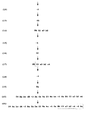
- FIG. 5 is a schematic diagram for explaining a processing example of the first encoding process, where (a) shows image data, (b) shows after extended PackBits compression, and (c) shows the first encoding process.
- the image data after an encoding process is shown.
- 6 and 7 are schematic diagrams illustrating an example of a processing process of the first encoding process.
- the image data that is the processing target data is as shown in FIG. That is, four pieces of data having the same upper bit “A” but different lower bits are arranged, three pieces of data having different upper bits are arranged, and three pieces of data having the upper bit “E” but different lower bits are arranged.
- One data with different upper bits is arranged, the upper bit is common with “G”, the lower bit is “a”, three common data are arranged, the upper bit is “G” and the lower bit is “b” Are arranged, four high-order bits are “G” and four low-order bits are “c”, and four high-order bits are “H” and low-order bits are “a”. Yes.
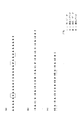
- FIGS. 6 and 7 are schematic diagrams illustrating an example of a processing process of the first encoding process.
- the numbers in parentheses in the following description correspond to the numbers in parentheses in FIGS.
- the data of (11) and (13) are semi-identical data in which the upper bits are common. Therefore, since the run length is semi-identical data, the determination bit of the header is “#”, the upper data is “G”, the lower data number is “02”, and the lower data “a” has a run length of 3. Subsequently, the consecutive length number of the lower data “b” is 2.
- the upper bits of each data are the same and continue for a predetermined number or more, and the lower bits of the data are the same and the predetermined number. If it is continuous, the upper bits that are common to each data are extracted, the number of consecutive lengths of the upper bits are listed, and the lower bits of each data are subjected to continuous length compression to obtain half-length continuous data. Therefore, even if the data is not the same data, the data having the same high-order bit is subjected to continuous length compression for each low-order bit. Therefore, even if the continuity of the same data is low, the compression efficiency can be improved.
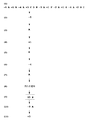
- FIG. 8 is a schematic diagram for explaining a processing example of the second encoding process, in which (a) shows image data, (b) shows after extended PackBits compression, and (c) shows the second encoding.
- the image data after processing is shown.
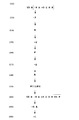
- 9 to 11 are schematic diagrams illustrating an example of a processing process of the second encoding process.
- the image data that is the processing target data is as shown in FIG. That is, 5 data “A”, 1 data “B”, 4 data “A”, 1 data “C”, 1 data “D”, 1 data Data “E”, three data “A”, one data “F”, two data “A”, one data “G”, and four data “A” One data “H” and one data “I”.
- FIGS. 9 to 11 are schematic diagrams showing an example of the process of the second encoding process.
- the numbers in parentheses in the following description correspond to the numbers in parentheses in FIGS.
- the non-identical data read in (23) is output as insertion data.
- the determination bit is set to Y, and the insertion position is set to 5 so that it can be seen after the previous five identical data.
- Non-identical data and the run length is not 1. Therefore, since it does not become insertion data, the new identical data generated in (28), the header of non-identical data in (29), and the non-identical data are output.
- non-identical data is extracted from the processing target data, and the non-identical data and its position information are combined and listed. Therefore, even if non-identical data exists between continuous data, continuous length compression can be performed except for non-identical data. As a result, it is possible to suppress a decrease in compression rate due to the presence of non-identical data.
- the present invention is not limited to the above embodiment, and can be modified as follows.
- the first encoding process and the second encoding process have been described separately. However, the first encoding process and the second encoding process are performed. Thus, the compression efficiency can be further improved. In addition, the first encoding process is performed before the second encoding process, but even if only the second encoding process is performed without performing the first encoding process, the compression efficiency is higher than the conventional one. Can be improved.
- the present invention is suitable for a data compression method and apparatus for continuous length compression of continuous data, and a program thereof.
Landscapes
- Engineering & Computer Science (AREA)
- Theoretical Computer Science (AREA)
- Compression Or Coding Systems Of Tv Signals (AREA)
- Compression Of Band Width Or Redundancy In Fax (AREA)
- Compression, Expansion, Code Conversion, And Decoders (AREA)
Abstract
本発明のデータ圧縮方法は、各データのうち上位ビットが同一かつ所定数以上連続している場合であって、かつ、データのうち下位ビットが同一かつ所定数以上連続している場合には、各データで共通する上位ビットを抽出して当該上位ビットの連長数を羅列し、各データの下位ビットを連長圧縮して連長半同一データとする。したがって、同一データでなくても上位ビットが共通する各データは下位ビットごとに連長圧縮されることになるので、同一データの連続性が低いデータであっても圧縮効率を向上できる。
Description
本発明は、画像データなどの処理対象データを圧縮するデータ圧縮方法及びその装置並びにそのプログラムに係り、特に、連続するデータを連長圧縮する技術に関する。
従来、この種の方法としては、画像データなどのデータ圧縮のために、同一データの連続性に着目したPack Bits(連長圧縮やランレングス圧縮とも呼ばれる)がある(例えば、特許文献1参照)。このPack Bitsは、同一データの連続/不連続の長さを記録することでデータの可逆圧縮を行う。
しかしながら、このような構成を有する従来例の場合には、次のような問題がある。
すなわち、従来の方法は、多くの同一データが連続する場合にしか圧縮効果が得られない。例えば、画像データが写真などの自然画像である場合には、同一のデータが多く連続する割合は多くはなく、ノイズ的に近似データ状になっていることが多くある。したがって、画像データを効率的に圧縮することができないという問題がある。
すなわち、従来の方法は、多くの同一データが連続する場合にしか圧縮効果が得られない。例えば、画像データが写真などの自然画像である場合には、同一のデータが多く連続する割合は多くはなく、ノイズ的に近似データ状になっていることが多くある。したがって、画像データを効率的に圧縮することができないという問題がある。
本発明は、このような事情に鑑みてなされたものであって、同一データの連続性が低いデータであっても圧縮効率を向上することができるデータ圧縮方法及びその装置並びにそのプログラムを提供することを目的とする。
本発明は、このような目的を達成するために、次のような構成をとる。
すなわち、本発明は、処理対象データを圧縮するデータ圧縮方法において、前記処理対象データを構成している各データを上位ビットと下位ビットに分割する分割ステップと、前記分割ステップにより分割された前記処理対象データの各データのうち、上位ビットが同一値であって、かつ、所定数以上が連続するか否かを判定する上位ビット連続性判定ステップと、前記分割ステップにより分割された前記処理対象データの各データのうち、下位ビットが同一値であって、かつ、所定数以上が連続するか否かを判定する下位ビット連続性判定ステップと、前記上位ビット連続性判定ステップ及び前記下位ビット連続性判定ステップにおいて、前記各データのうち上位ビットが同一かつ所定数以上連続している場合であって、かつ、前記データのうち下位ビットが同一かつ所定数以上連続している場合には、前記各データで共通する上位ビットを抽出して当該上位ビットの連長数を羅列し、前記各データの下位ビットを連長圧縮して連長半同一データとする第1の符号化ステップと、を有することを特徴とするものである。
すなわち、本発明は、処理対象データを圧縮するデータ圧縮方法において、前記処理対象データを構成している各データを上位ビットと下位ビットに分割する分割ステップと、前記分割ステップにより分割された前記処理対象データの各データのうち、上位ビットが同一値であって、かつ、所定数以上が連続するか否かを判定する上位ビット連続性判定ステップと、前記分割ステップにより分割された前記処理対象データの各データのうち、下位ビットが同一値であって、かつ、所定数以上が連続するか否かを判定する下位ビット連続性判定ステップと、前記上位ビット連続性判定ステップ及び前記下位ビット連続性判定ステップにおいて、前記各データのうち上位ビットが同一かつ所定数以上連続している場合であって、かつ、前記データのうち下位ビットが同一かつ所定数以上連続している場合には、前記各データで共通する上位ビットを抽出して当該上位ビットの連長数を羅列し、前記各データの下位ビットを連長圧縮して連長半同一データとする第1の符号化ステップと、を有することを特徴とするものである。
[作用・効果]本発明によれば、上位ビット連続性判定ステップでは、分割ステップにより上位ビットと下位ビットに分割された処理対象データの各データのうち、上位ビットが同一値であって、かつ、所定数以上が連続するか否かを判定する。下位ビット連続性判定ステップでは、分割ステップにより上位ビットと下位ビットに分割された処理対象データの各データのうち、下位ビットが同一値であって、かつ、所定数以上が連続するか否かを判定する。第1の符号化ステップでは、上位ビット連続性判定ステップ及び下位ビット連続性判定ステップにおいて、各データのうち上位ビットが同一かつ所定数以上連続している場合であって、かつ、データのうち下位ビットが同一かつ所定数以上連続している場合には、各データで共通する上位ビットを抽出して当該上位ビットの連長数を羅列し、各データの下位ビットを連長圧縮して連長半同一データとする。したがって、同一データでなくても上位ビットが共通する各データは下位ビットごとに連長圧縮されることになるので、同一データの連続性が低いデータであっても圧縮効率を向上することができる。
また、本発明は、処理対象データを圧縮するデータ圧縮方法において、処理対象データを圧縮するデータ圧縮方法において、前記処理対象データの各データのうち、所定数以上が連続するか否かを判定する連続性判定ステップと、前記連続性判定ステップにおける判定において、前記各データのうちが非同一であるデータについては、当該データを非同一データとして前記処理対象データから抽出し、当該非同一データと、その位置情報とをあわせて羅列する第2の符号化ステップと、を有することを特徴とするものである。
[作用・効果]本発明によれば、連続性判定ステップでは、処理対象データの各データのうち、所定数以上が連続するか否かを判定する。第2の符号化ステップでは、連続性判定ステップにおいて、処理対象データから非同一であるデータについて非同一データとして抽出し、この非同一データとその位置情報とを合わせて羅列する。したがって、連続性のあるデータの間に非同一データが存在しても、非同一データを除いて連長圧縮することができる。その結果、非同一データが介在することによる圧縮率の低下を抑制できる。
本発明において、前記連続性判定ステップの前に、前記処理対象データを構成している各データを上位ビットと下位ビットに分割する分割ステップを実施し、前記連続性判定ステップに代えて、前記分割ステップにより分割された前記処理対象データの各データのうち、上位ビットが同一値であって、かつ、所定数以上が連続するか否かを判定する上位ビット連続性判定ステップを実施し、前記第2の符号化ステップの前に、前記分割ステップにより分割された前記処理対象データの各データのうち、下位ビットが同一値であって、かつ、所定数以上が連続するか否かを判定する下位ビット連続性判定ステップを実施し、前記第2の符号化ステップに代えて、前記上位ビット連続性判定ステップ及び前記下位ビット連続性判定ステップにおける判定において、前記各データのうち上位ビットが非同一であるデータについては、当該データを非同一データとして前記処理対象データから抽出し、当該非同一データと、その位置情報とをあわせて羅列する第2の符号化ステップを実施することが好ましい。
上位ビット連続性判定ステップでは、分割ステップにより上位ビットと下位ビットに分割された処理対象データの各データのうち、上位ビットが同一値であって、かつ、所定数以上が連続するか否かを判定する。下位ビット連続性判定ステップでは、分割ステップにより上位ビットと下位ビットに分割された処理対象データの各データのうち、下位ビットが同一値であって、かつ、所定数以上が連続するか否かを判定する。第2の符号化ステップでは、上位ビット連続性判定ステップ及び下位ビット連続性判定ステップにおいて、処理対象データから上位ビットが非同一であるデータについて非同一データとして抽出し、この非同一データとその位置情報とを合わせて羅列する。したがって、連続性のあるデータの間に非同一データが存在しても、非同一データを除いて連長圧縮することができる。その結果、非同一データが介在することによる圧縮率の低下を抑制できる。
また、本発明において、前記第1の符号化ステップは、連長半同一データを表す符号と、各データで共通する上位ビットと、その連長数と、前記各データで共通する下位ビットと、その連長数とを順に羅列することが好ましい。
連長半同一データを表す符号と、各データで共通する上位ビットと、その連長数と、各データで共通する下位ビットと、その連長数とを羅列するので、伸長時に正確に復号できる。
また、本発明において、前記第2の符号化ステップは、挿入データを表す符号と、前記位置情報である挿入位置と、当該非同一データとを、前記挿入位置より前に位置する非同一データ以外のデータの前に羅列することが好ましい。
挿入データを表す符号と、挿入位置と、非同一データとを、挿入位置より前に位置する同一データ、半同一データ、連長半同一データのいずれかの前に羅列する。したがって、伸長時に非同一データを元の位置に正確に戻すことができ、正確に復号できる。
また、本発明は、処理対象データを圧縮するデータ圧縮装置において、前記処理対象データを構成している各データを上位ビットと下位ビットに分割する分割手段と、前記分割手段により分割された前記処理対象データの各データのうち、上位ビットが同一値であって、かつ、所定数以上が連続するか否かを判定する上位ビット連続性判定手段と、前記分割手段により分割された前記処理対象データの各データのうち、下位ビットが同一値であって、かつ、所定数以上が連続するか否かを判定する下位ビット連続性判定手段と、前記上位ビット連続性判定手段及び前記下位ビット連続性判定手段において、前記各データのうち上位ビットが同一かつ所定数以上連続している場合であって、かつ、前記データのうち下位ビットが同一かつ所定数以上連続している場合には、前記各データで共通する上位ビットを抽出して当該上位ビットの連長数を羅列し、前記各データの下位ビットを連長圧縮して連長半同一データとする第1の符号化手段と、を備えていることを特徴とするものである。
[作用・効果]本発明によれば、上位ビット連続性判定手段は、分割手段により上位ビットと下位ビットに分割された処理対象データの各データのうち、上位ビットが同一値であって、かつ、所定数以上が連続するか否かを判定する。下位ビット連続性判定手段は、分割手段により上位ビットと下位ビットに分割された処理対象データの各データのうち、下位ビットが同一値であって、かつ、所定数以上が連続するか否かを判定する。第1の符号化手段は、上位ビット連続性判定手段及び下位ビット連続性判定手段において、各データのうち上位ビットが同一かつ所定数以上連続している場合であって、かつ、データのうち下位ビットが同一かつ所定数以上連続している場合には、各データで共通する上位ビットを抽出して当該上位ビットの連長数を羅列し、各データの下位ビットを連長圧縮して連長半同一データとする。したがって、同一データでなくても上位ビットが共通する各データは下位ビットごとに連長圧縮されることになるので、同一データの連続性が低いデータであっても圧縮効率を向上することができる。
また、本発明は、処理対象データを圧縮するデータ圧縮装置において、前記処理対象データの各データのうち、所定数以上が連続するか否かを判定する連続性判定手段と、前記連続性判定手段における判定において、前記各データのうち非同一であるデータについては、当該データを非同一データとして前記処理対象データから抽出し、当該非同一データと、その位置情報とをあわせて羅列する第2の符号化手段と、を備えていることを特徴とするものである。
[作用・効果]本発明によれば、連続性判定手段は、処理対象データの各データのうち、所定数以上が連続するか否かを判定する。第2の符号化手段は、処理対象データから異なるデータを非同一データとして抽出し、この非同一データとその位置情報とを合わせて羅列する。したがって、連続性のあるデータの間に非同一データが存在しても、非同一データを除いて連長圧縮することができる。その結果、非同一データが介在することによる圧縮率の低下を抑制できる。
また、本発明において、前記処理対象データを構成している各データを上位ビットと下位ビットに分割する分割手段と、前記分割手段により分割された前記処理対象データの各データのうち、下位ビットが同一値であって、かつ、所定数以上が連続するか否かを判定する下位ビット連続性判定手段と、をさらに備えるとともに、前記連続性判定手段に代えて、前記分割手段により分割された前記処理対象データの各データのうち、上位ビットが同一値であって、かつ、所定数以上が連続するか否かを判定する上位ビット連続性判定手段を備え、前記第2の符号化手段に代えて、前記上位ビット連続性判定手段及び前記下位ビット連続性判定手段における判定において、前記各データのうち上位ビットが非同一であるデータについては、当該データを非同一データとして前記処理対象データから抽出し、当該非同一データと、その位置情報とをあわせて羅列する第2の符号化手段を備えていることが好ましい。
上位ビット連続性判定手段は、分割手段により上位ビットと下位ビットに分割された処理対象データの各データのうち、上位ビットが同一値であって、かつ、所定数以上が連続するか否かを判定する。下位ビット連続性判定手段は、分割手段により上位ビットと下位ビットに分割された処理対象データの各データのうち、下位ビットが同一値であって、かつ、所定数以上が連続するか否かを判定する。第2の符号化手段は、処理対象データから上位ビットが異なるデータを非同一データとして抽出し、この非同一データとその位置情報とを合わせて羅列する。したがって、連続性のあるデータの間に非同一データが存在しても、非同一データを除いて連長圧縮することができる。その結果、非同一データが介在することによる圧縮率の低下を抑制できる。
また、本発明は、処理対象データをコンピュータによって圧縮するデータ圧縮プログラムにおいて、前記コンピュータのCPUがメモリにおいて実行することにより、前記処理対象データを構成している各データを上位ビットと下位ビットに分割する分割機能と、前記分割機能により分割された前記処理対象データの各データのうち、上位ビットが同一値であって、かつ、所定数以上が連続するか否かを判定する上位ビット連続性判定機能と、前記分割機能により分割された前記処理対象データの各データのうち、下位ビットが同一値であって、かつ、所定数以上が連続するか否かを判定する下位ビット連続性判定機能と、前記上位ビット連続性判定機能及び前記下位ビット連続性判定機能において、前記各データのうち上位ビットが同一かつ所定数以上連続している場合であって、かつ、前記データのうち下位ビットが同一かつ所定数以上連続している場合には、前記各データで共通する上位ビットを抽出して当該上位ビットの連長数を羅列し、前記各データの下位ビットを連長圧縮して連長半同一データとする第1の符号化機能と、を実現させるためものである。
[作用・効果]本発明によれば、上位ビット連続性判定機能は、分割機能により上位ビットと下位ビットに分割された処理対象データの各データのうち、上位ビットが同一値であって、かつ、所定数以上が連続するか否かを判定する。下位ビット連続性判定機能は、分割機能により上位ビットと下位ビットに分割された処理対象データの各データのうち、下位ビットが同一値であって、かつ、所定数以上が連続するか否かを判定する。第1の符号化機能は、上位ビット連続性判定機能及び下位ビット連続性判定機能において、各データのうち上位ビットが同一かつ所定数以上連続している場合であって、かつ、データのうち下位ビットが同一かつ所定数以上連続している場合には、各データで共通する上位ビットを抽出して当該上位ビットの連長数を羅列し、各データの下位ビットを連長圧縮して連長半同一データとする。したがって、同一データでなくても上位ビットが共通する各データは下位ビットごとに連長圧縮されることになるので、同一データの連続性が低いデータであっても圧縮効率を向上することができる。
また、本発明は、処理対象データをコンピュータによって圧縮するデータ圧縮プログラムにおいて、前記コンピュータのCPUがメモリにおいて実行することにより、前記処理対象データの各データのうち、所定数以上が連続するか否かを判定する連続性判定機能と、前記連続性判定機能における判定において、前記各データのうち上位ビットが非同一であるデータについては、当該データを非同一データとして前記処理対象データから抽出し、当該非同一データと、その位置情報とをあわせて羅列する第2の符号化機能と、を備えていることを特徴とするものである。
[作用・効果]本発明によれば、連続性判定機能は、処理対象データの各データのうち、所定数以上が連続するか否かを判定する。第2の符号化機能は、処理対象データから異なるデータを非同一データとして抽出し、この非同一データとその位置情報とを合わせて羅列する。したがって、連続性のあるデータの間に非同一データが存在しても、非同一データを除いて連長圧縮することができる。その結果、非同一データが介在することによる圧縮率の低下を抑制できる。
本発明に係るデータ圧縮方法によれば、上位ビット連続性判定ステップでは、分割ステップにより上位ビットと下位ビットに分割された処理対象データの各データのうち、上位ビットが同一値であって、かつ、所定数以上が連続するか否かを判定する。下位ビット連続性判定ステップでは、分割ステップにより上位ビットと下位ビットに分割された処理対象データの各データのうち、下位ビットが同一値であって、かつ、所定数以上が連続するか否かを判定する。第1の符号化ステップでは、上位ビット連続性判定ステップ及び下位ビット連続性判定ステップにおいて、各データのうち上位ビットが同一かつ所定数以上連続している場合であって、かつ、データのうち下位ビットが同一かつ所定数以上連続している場合には、各データで共通する上位ビットを抽出して当該上位ビットの連長数を羅列し、各データの下位ビットを連長圧縮して連長半同一データとする。したがって、同一データでなくても上位ビットが共通する各データは下位ビットごとに連長圧縮されることになるので、同一データの連続性が低いデータであっても圧縮効率を向上することができる。
以下、図面を参照して本発明の一実施例について説明する。
図1は、実施例に係るデータ圧縮装置の概略構成を示すブロック図である。また、図2は、連長半同一データフォーマットの一例を示す模式図であり、図3は、挿入データフォーマットの一例を示す模式図である。
図1は、実施例に係るデータ圧縮装置の概略構成を示すブロック図である。また、図2は、連長半同一データフォーマットの一例を示す模式図であり、図3は、挿入データフォーマットの一例を示す模式図である。
実施例に係るデータ圧縮装置は、処理対象データとして、例えば画像データを与えられ、それを圧縮処理して圧縮画像データとして出力するものである。このデータ圧縮装置は、コンピュータ1から構成されている。コンピュータ1は、CPU1aやメモリ1bなどで構成されている。コンピュータ1には、ディスクドライブ3が接続されている。このディスクドライブ3は、記憶メディア5を着脱自在に構成されている。記憶メディア5には、後述するプログラムPが記憶されている。このプログラムPは、記憶メディア5からコンピュータ1のメモリ1bにロードへされる。コンピュータ1は、メモリ1bにロードされたプログラムPをCPU1aで実行することにより、後述する処理を行うようになっている。
コンピュータ1は、上述したようにCPU1aやメモリ1bで構成されているが、機能的には、拡張PackBits圧縮部7と、読み取り部9と、データ解析部11と、第1の符号化処理部13と、第2の符号化処理部15とを備えている。
拡張PackBits圧縮部7は、従来からある連長圧縮の一種であるPackBits圧縮を改良した圧縮方法を実行する。この拡張PackBits圧縮方法は、本出願人によって既に出願されている(特願2012-181097号)。
具体的には、前記圧縮方法は、処理対象データについて同一のデータが所定数以上の連続であるか否かを判定する連続性判定ステップと、前記連続性判定ステップによる判定により、前記処理対象データについて同一のデータが所定数以上の連続である場合には、全同一データの連続として、前記複数個の同一のデータを連長圧縮するための第1段目の符号化ステップと、前記連続性判定ステップによる判定により、前記処理対象データについて同一のデータが所定数以上の連続でない場合には、前記処理対象データの各データを上位ビットと下位ビットに分割する分割ステップと、前記分割ステップによって分割された前記処理対象データの各データのうち、上位ビットのデータが同一値であって所定数以上の連続であるか否かを判定する上位ビット連続性判定ステップと、前記上位ビット連続性判定ステップによる判定により、前記各データのうち上位ビットのデータが同一であって所定数以上の連続である場合には、半同一データの連続として、前記各データの前記上位ビットを連長圧縮し、前記各データの下位ビットを羅列する第2段目の符号化ステップと、を有するものである。
この拡張PackBits圧縮方法によると、次のような作用効果を奏する。
第1段目の符号化ステップでは、連続性判定ステップの判定により、処理対象データについて同一のデータが所定数以上の連続である場合には、全同一データの連続として、複数個の同一データを連長圧縮するための第1段目の符号化を行う。分割ステップでは、処理対象データについて同一のデータが所定数以上の連続でない場合には、処理対象データの各データを上位ビットと下位ビットに分割する。上位ビット連続性判定ステップでは、分割ステップによって分割された処理対象データの各データのうち、上位ビットのデータが同一値であって所定数以上の連続であるか否かを判定し、連続である場合には、第2段目の符号化ステップにおいて、半同一データの連続として、各データの上位ビットを連長圧縮し、各データの下位ビットを羅列する第2段目の符号化を行う。このように、同一データが所定数以上連続する場合は、全同一データとして第1段目の符号化を行って圧縮をはなるので、圧縮効率を向上できる。また、同一データが所定数以上連続しない場合にはデータを分割し、上位ビットが同一で所定数以上連続している場合は、半同一データの連続として第2の段目の符号化により圧縮を図る。したがって、同一データの連続性が低いデータであっても圧縮効率を向上することができる。
第1段目の符号化ステップでは、連続性判定ステップの判定により、処理対象データについて同一のデータが所定数以上の連続である場合には、全同一データの連続として、複数個の同一データを連長圧縮するための第1段目の符号化を行う。分割ステップでは、処理対象データについて同一のデータが所定数以上の連続でない場合には、処理対象データの各データを上位ビットと下位ビットに分割する。上位ビット連続性判定ステップでは、分割ステップによって分割された処理対象データの各データのうち、上位ビットのデータが同一値であって所定数以上の連続であるか否かを判定し、連続である場合には、第2段目の符号化ステップにおいて、半同一データの連続として、各データの上位ビットを連長圧縮し、各データの下位ビットを羅列する第2段目の符号化を行う。このように、同一データが所定数以上連続する場合は、全同一データとして第1段目の符号化を行って圧縮をはなるので、圧縮効率を向上できる。また、同一データが所定数以上連続しない場合にはデータを分割し、上位ビットが同一で所定数以上連続している場合は、半同一データの連続として第2の段目の符号化により圧縮を図る。したがって、同一データの連続性が低いデータであっても圧縮効率を向上することができる。
読み取り部9は、拡張PackBits圧縮部7により圧縮された処理対象データの一部のデータを読み取る。ここでは、その一部のデータが最小の処理単位のデータである1バイトである。
データ解析部11は、1バイトのうち上位ビットも下位ビットも同じデータが所定数以上連続していることを示す「同一データ」と、上位ビットも下位ビットも異なる「非同一データ」と、上位ビットが同一で下位ビットが異なるデータが所定数以上連続していることを表す「半同一データ」とのいずれであるかを解析する。このヘッダは、上述した同一データなどの符号を表す判断ビットと、そのデータが何個連続しているかを示すデータ数とを含む。また、処理対象データの各データのうち、上位ビットが同一値であって、かつ、所定数以上が連続するか否かを判定する上位ビット連続性判定と、処理対象データの各データのうち、下位ビットが同一値であって、かつ、所定数以上が連続するか否かを判定する下位ビット連続性判定との処理を行う。
なお、上述した拡張PackBits圧縮部7が本発明における「分割手段」に相当する。但し、圧縮を行っていない画像データ(RAWデータ)を直接的に処理する場合には、データ解析部11は、読み込まれたデータを上位ビットと下位ビットに分割し、そのデータとその前後のデータの上位ビットと下位ビットとの比較により解析を行って上述した同一データなどの判断を行う。このような場合には、データ解析部11が本発明における「分割手段」に相当する。また、データ解析部11は、本発明における「上位ビット連続性判定手段」と「下位ビット連続性判定手段」に相当する。
第1の符号化処理部13は、上位ビットが同一で下位ビットが異なるデータが所定数以上連続していることを示す「連長半同一データ」であるかを解析して符号化を行う。解析は、拡張PackBits圧縮により生成されたヘッダに基づいて行われる。この処理の詳細については後述するが、連長半同一データは、上位ビットが同一で所定個数以上連続し、さらに前のデータと上位ビットが同一で、下位ビットが異なるデータが所定個数以上連続している場合の一連のデータをいう。その場合には、図2に示す連長半同一フォーマットの模式図のように、連長半同一データを表す符号である判断ビットと、抽出された共通の上位データと、各下位データ数とその連長数とを羅列することで表す。なお、ヘッダである判断ビットと、00と、上位データとのうち、00は空きビットを埋めるだけの仮のデータである。
第2の符号化処理部15は、挿入データを考慮した符号化により圧縮を行う。解析は、拡張PackBits圧縮により生成されたヘッダに基づいて行われる。この詳細については後述するが、挿入データは、例えば、連続する同一データと、非同一データと、前記同一データと同じデータが連続する同一データとから構成されている場合の一つの非同一データのことであり、各データのうち上位ビットが非同一であるデータについては、このデータを非同一データとして処理対象データから抽出し、この非同一データと、その位置情報とをあわせて羅列する。その場合には、図3に示す挿入データフォーマットの模式図のように、挿入データを表す符号である判断ビットと、挿入位置と、挿入データを羅列することで表す。この挿入データの場合のヘッダは、判断ビットと挿入位置である。
なお、上記の第1の符号化処理部が本発明における「第1の符号化手段」に相当し、第2の符号化処理部が本発明における「第2の符号化手段」に相当する。
次に、図4を参照して上述したデータ圧縮装置の動作例について説明する。なお、図4は、データ圧縮装置の動作を示すフローチャートである。
ステップS1
圧縮されていない画像データに対して、半同一データという概念を用いた拡張PackBits圧縮処理を行う。
圧縮されていない画像データに対して、半同一データという概念を用いた拡張PackBits圧縮処理を行う。
ステップS2
画像データを1バイト読み出す。
画像データを1バイト読み出す。
ステップS3
拡張PackBits圧縮処理が行われたデータに対して第1の符号化処理を行う。
拡張PackBits圧縮処理が行われたデータに対して第1の符号化処理を行う。
ステップS4
第2の符号化処理を行うか否かを判断する。第2の符号化処理を行わない場合には、ステップS6へ処理を移行する。
第2の符号化処理を行うか否かを判断する。第2の符号化処理を行わない場合には、ステップS6へ処理を移行する。
ステップS5
第1の符号化処理が施されたデータに対して第2の符号化処理を行う。
第1の符号化処理が施されたデータに対して第2の符号化処理を行う。
ステップS6
処理対象が最終データであるか否かを判断し、最終でない場合にはステップS2に戻って次のデータを読み出す。
処理対象が最終データであるか否かを判断し、最終でない場合にはステップS2に戻って次のデータを読み出す。
ステップS7
最終データの処理を終えたので、圧縮画像データを出力する。
最終データの処理を終えたので、圧縮画像データを出力する。
なお、上記のステップS1が本発明における「分割ステップ」、「上位ビット連続性判定ステップ」、「下位ビット連続性判定ステップ」に相当し、ステップS3が本発明における「第1の符号化ステップ」に相当し、ステップS5が本発明における「第2の符号化ステップ」に相当する。
<第1の符号化処理>
ここで、図5~図7を参照して上述した第1の符号化処理について説明する。なお、図5は、第1の符号化処理の処理例を説明する模式図であり、(a)は画像データを示し、(b)は拡張PackBits圧縮後を示し、(c)は第1の符号化処理後の画像データを示す。また、図6及び図7は、第1の符号化処理の処理過程の一例を示す模式図である。
ここで、図5~図7を参照して上述した第1の符号化処理について説明する。なお、図5は、第1の符号化処理の処理例を説明する模式図であり、(a)は画像データを示し、(b)は拡張PackBits圧縮後を示し、(c)は第1の符号化処理後の画像データを示す。また、図6及び図7は、第1の符号化処理の処理過程の一例を示す模式図である。
処理対象データである画像データは、図5(a)に示すものであるとする。つまり、上位ビットが“A”で共通であるが下位ビットが異なるデータが4個並び、上位ビットが異なるデータが3個並び、上位ビットが“E”であるが下位ビットが異なるデータが3個並び、上位ビットが異なるデータが1個並び、上位ビットが“G”で共通し、下位ビットが“a”で共通するデータが3個並び、上位ビットが“G”で下位ビットが“b”であるデータが2個並び、上位ビットが“G”で下位ビットが“c”であるデータが4個並び、上位ビットが“H”で下位ビットが“a”であるデータが4個並んでいる。
上記の画像データを拡張PackBits圧縮で符号化すると、図5(b)に示すようになる。つまり、半同一データが4個あることを示す“$4”及び上位ビットとこれに続く下位ビットと(最後のXは単に下位ビットを埋めるだめのデータ)、非同一データが3個あることを示す“+3”と3個の非同一データと、半同一データが3個あることを示す“$3”及び上位ビットとこれに続く下位ビットと、非同一データが1個あることを示す”+1”及び1個の非同一データと、同一データが3個あることを示す“-3”と3個の同一データと、同一データが2個あることを示す“-2”と2個の同一データと、同一データが4個あることを示す“-4”と4個の同一データと、同一データが4個あることを示す“-4”と4個の同一データとに符号化される。
次に、拡張PackBits圧縮された画像データに対して第1の符号化を行うと、図5(c)に示すようになる。このように第1の符号化を行う過程について、図6及び図7を参照して説明する。なお、図6及び図7は、第1の符号化処理の処理過程の一例を示す模式図である。以下の説明における括弧付き数字は、図6及び図7の括弧書き数字に対応している。
(1)拡張PackBits圧縮された画像データを示す。
(2)(1)のデータを1バイト読み出す。ヘッダの情報($4)から半同一データであることがわかる。また、半同一データは、4個で構成されていることもわかる。
(3)(2)で読み出したヘッダと合わせて出力する。
(4)次の1バイトを読み出す。ヘッダの情報(+3)から非同一データであり、3個のデータである。
(5)非同一データの部分も読み出し、(4)で読み出したヘッダとともに出力する。
(6)次の1バイトを読み出す。ヘッダの情報($3)から半同一データであり、3個のデータである。
(7)半同一データの部分も読み出し、(6)で読み出したヘッダとともに出力する。
(8)次の1バイトを読み出す。ヘッダの情報(+1)から非同一データであり、1個のデータである。
(9)非同一データの部分も読み出し、(8)で読み出したヘッダとともに出力する。
(10)次の1バイトを読み出す。ヘッダの情報(-3)から同一データであり、3個のデータである。
(11)同一データの部分を読み出す。
(12)次の1バイトを読み出す。ヘッダの情報(-2)から同一データであり、2個のデータである。
(13)同一データの部分を読み出す。
(14)(11)と(13)のデータは、上位ビットが共通している半同一データである。したがって、連長半同一データであるので、ヘッダの判断ビットを“#”とし、上位データを“G”とし、下位データ数を“02”とし、下位データ“a”の連長数が3となり、それに続く下位データ“b”の連長数が2となる。
(15)次の1バイトを読み出す。ヘッダの情報(-4)から同一データであり、4個のデータである。
(16)同一データの部分を読み出す。
(17)(13)と(16)のデータは、上位ビットが共通している半同一データである。したがって、連長半同一データであるので、(14)のヘッダの下位データ数を“03”に増やし、下位データ“b”及び連長数“2”に続けて、下位データ“c”の連長数を4とする。
(18)次の1バイトを読み出す。ヘッダの情報(-4)から同一データであり、4個のデータである。
(19)同一データの部分を読み出す。
(20)(16)のデータとは上位ビットが異なり、半同一データではないので、(17)のデータを出力する。
(21)(19)で読み出したデータが最終データであるので、(18)、(19)を出力する。
以上の各処理を経て、図5(c)及び図7の(21)の圧縮画像データが得られる。
上述した第1の符号化ステップを備えたデータ圧縮方法によると、各データのうち上位ビットが同一かつ所定数以上連続している場合であって、かつ、データのうち下位ビットが同一かつ所定数以上連続している場合には、各データで共通する上位ビットを抽出して当該上位ビットの連長数を羅列し、各データの下位ビットを連長圧縮して連長半同一データとする。したがって、同一データでなくても上位ビットが共通する各データは下位ビットごとに連長圧縮されることになるので、同一データの連続性が低いデータであっても圧縮効率を向上できる。
<第2の符号化処理>
ここで、図8~図11を参照して上述した第2の符号化処理について説明する。図8は、第2の符号化処理の処理例を説明する模式図であり、(a)は画像データを示し、(b)は拡張PackBits圧縮後を示し、(c)は第2の符号化処理後の画像データを示す。図9~図11は、第2の符号化処理の処理過程の一例を示す模式図である。
ここで、図8~図11を参照して上述した第2の符号化処理について説明する。図8は、第2の符号化処理の処理例を説明する模式図であり、(a)は画像データを示し、(b)は拡張PackBits圧縮後を示し、(c)は第2の符号化処理後の画像データを示す。図9~図11は、第2の符号化処理の処理過程の一例を示す模式図である。
なお、説明の理解を容易にするために、上述した第1の符号化処理で用いた画像データとは異なるものを例にとり、第2の符号化処理についてのみ説明する。
処理対象データである画像データは、図8(a)に示すものであるとする。つまり、5個のデータ“A”と、1個のデータ“B”と、4個のデータ“A”と、1個のデータ“C”と、1個のデータ“D”と、1個のデータ“E”と、3個のデータ“A”と、1個のデータ“F”と、2個のデータ“A”と、1個のデータ“G”と、4個のデータ“A”と、1個のデータ“H”と、1個のデータ“I”である。
上記の画像データを拡張PackBits圧縮で符号化すると、図8(b)に示すようになる。つまり、同一データが5個あることを示す”-5”及びその同一データと、非同一データが1個あることを示す“+1”とその非同一データと、同一データが4個あることを示す“-4”及びその同一データと、非同一データが3個あることを示す“+3”及び3個の非同一データと、同一データが3個あることを示す“-3”とその同一データと、非同一データが1個あることを示す“+1”とその同一データと、同一データが2個あることを示す“-2”とその同一データと、非同一データが1個あることを示す“+1”とその非同一データと、同一データが4個あることを示す“-4”とその同一データと、非同一データが2個あることを示す“+2”と2個の非同一データとに符号化される。
次に、拡張PackBits圧縮された画像データに対して第2の符号化を行うと、図8(c)に示すようになる。このように第2の符号化を行う過程について、図9~図11を参照して説明する。なお、図9~図11は、第2の符号化処理の処理過程の一例を示す模式図である。以下の説明における括弧付き数字は、図9~図11の括弧書き数字に対応している。
(1)拡張PackBits圧縮された画像データを示す。
(2)(1)のデータを1バイト読み出す。ヘッダの情報(-5)から同一データであり、4個で構成されていることがわかる。
(3)同一データの部分を読み出す。
(4)次の1バイトを読み出す。ヘッダの情報(+1)から非同一データであり、1個のデータである。この場合、連長数=1であるので、挿入対象となる可能性がある。
(5)非同一データの部分を読み出す。
(6)次の1バイトを読み出す。ヘッダの情報から同一データであり、4個のデータである。
(7)同一データの部分を読み出す。
(8)(3)で読み出したデータと同一であるので、挿入を適用する。
(9)(5)で読み出した非同一データを挿入データとして出力する。ヘッダの情報における判断ビットは、挿入を表すYとし、挿入位置は前の5個の同一データの後であることがわかるように5とする。
(10)(2)と(6)の連長数を加算して、新たな同一データを生成する。
(11)次の1バイトを読み出す。ヘッダの情報(+3)から非同一データであり、3個のデータである。
(12)非同一データであり、連長数が1ではない。したがって、挿入データとはならないので、(10)で生成した新たな同一データと、(11)の非同一データのヘッダ及び非同一データを出力する。
(13)次の1バイトを読み出す。ヘッダの情報(-3)から同一データであり、3個のデータである。
(14)同一データの部分を読み出す。
(15)次の1バイトを読み出す。ヘッダの情報から非同一データであり、1個のデータである。この場合、連長数=1であるので、挿入対象となる可能性がある。
(16)非同一データの部分を読み出す。
(17)次の1バイトを読み出す。ヘッダの情報(-2)から同一データであり、2個のデータである。
(18)同一データの部分を読み出す。
(19)1個の非同一データを挟んで、その前の(14)で読み出した同一データと同じであるので、挿入を適用する。
(20)(16)で読み出した非同一データを挿入データとして出力する。ヘッダの情報では、判断ビットをYとし、挿入位置は前の3個の同一データの後であることがわかるように3とする。
(21)(13)と(17)の連長数を加算して、新たな同一データを生成する。
(22)次の1バイトを読み出す。ヘッダの情報(+1)から非同一データであり、1個のデータである。この場合、連長数=1であるので、挿入対象となる可能性がある。
(23)非同一データの部分を読み出す。
(24)次の1バイトを読み出す。ヘッダの情報(-4)から同一データであり、4個のデータである。
(25)同一データの部分を読み出す。
(26)(21)で読み出したデータと同一であるので、挿入を適用する。
(27)(23)で読み出した非同一データを挿入データとして出力する。ヘッダの情報は、判断ビットをYとし、挿入位置を前の5個の同一データの後であることがわかるように5とする。
(28)(21)と(24)の連長数を加算して、新たな同一データを生成する。
(29)次の1バイトを読み出す。ヘッダの情報(+2)から非同一データであり、2個のデータである。
(30)非同一データであり、連長数が1ではない。したがって、挿入データにはならないので、(28)で生成した新たな同一データと、(29)の非同一データのヘッダ及びその非同一データを出力する。
上述した第2の符号化ステップを備えたデータ圧縮方法によると、処理対象データから非同一データを抽出し、この非同一データとその位置情報とを合わせて羅列する。したがって、連続性のあるデータの間に非同一データが存在しても、非同一データを除いて連長圧縮することができる。その結果、非同一データが介在することによる圧縮率の低下を抑制できる。
本発明は、上記実施形態に限られることはなく、下記のように変形実施することができる。
(1)上述した実施例では、第1の符号化処理と第2の符号化処理とを別々に実施した例で説明したが、第1の符号化処理及び第2の符号化処理を行うことで、より圧縮効率を向上できる。また、第2の符号化処理の前に第1の符号化処理を行っているが、第1の符号化処理を行うことなく第2の符号化処理だけを行っても、従来よりも圧縮効率を向上できる。
(2)上述した実施例では、連長半同一データフォーマットとして図2に示す形態を例示し、挿入データフォーマットとして図3に示す形態を例示したが、本発明はこのような形態に限定されるものではない。
(3)上述した実施例では、拡張PackBits圧縮を行った画像データに対する処理を例にとって説明したが、その圧縮を行っていない画像データ(RAWデータ)を直接的に処理してもよい。その場合には、図4におけるステップS2において、圧縮されていない画像データを読み込めばよい。
以上のように、本発明は、連続するデータを連長圧縮するデータ圧縮方法及びその装置並びにそのプログラムに適している。
1 … コンピュータ
1a … CPU
1b … メモリ
3 … ディスクドライブ
5 … 記憶メディア
7 … 拡張PackBits圧縮部
9 … 読み取り部
11 … データ解析部
13 … 第1の符号化処理部
15 … 第2の符号化処理部
P … プログラム
1a … CPU
1b … メモリ
3 … ディスクドライブ
5 … 記憶メディア
7 … 拡張PackBits圧縮部
9 … 読み取り部
11 … データ解析部
13 … 第1の符号化処理部
15 … 第2の符号化処理部
P … プログラム
Claims (12)
- 処理対象データを圧縮するデータ圧縮方法において、
前記処理対象データを構成している各データを上位ビットと下位ビットに分割する分割ステップと、
前記分割ステップにより分割された前記処理対象データの各データのうち、上位ビットが同一値であって、かつ、所定数以上が連続するか否かを判定する上位ビット連続性判定ステップと、
前記分割ステップにより分割された前記処理対象データの各データのうち、下位ビットが同一値であって、かつ、所定数以上が連続するか否かを判定する下位ビット連続性判定ステップと、
前記上位ビット連続性判定ステップ及び前記下位ビット連続性判定ステップにおいて、前記各データのうち上位ビットが同一かつ所定数以上連続している場合であって、かつ、前記データのうち下位ビットが同一かつ所定数以上連続している場合には、前記各データで共通する上位ビットを抽出して当該上位ビットの連長数を羅列し、前記各データの下位ビットを連長圧縮して連長半同一データとする第1の符号化ステップと、
を有することを特徴とするデータ圧縮方法。 - 処理対象データを圧縮するデータ圧縮方法において、
前記処理対象データの各データのうち、所定数以上が連続するか否かを判定する連続性判定ステップと、
前記連続性判定ステップにおける判定において、前記各データのうちが非同一であるデータについては、当該データを非同一データとして前記処理対象データから抽出し、当該非同一データと、その位置情報とをあわせて羅列する第2の符号化ステップと、
を有することを特徴とするデータ圧縮方法。 - 請求項2に記載のデータ圧縮方法において、
前記連続性判定ステップの前に、
前記処理対象データを構成している各データを上位ビットと下位ビットに分割する分割ステップを実施し、
前記連続性判定ステップに代えて、
前記分割ステップにより分割された前記処理対象データの各データのうち、上位ビットが同一値であって、かつ、所定数以上が連続するか否かを判定する上位ビット連続性判定ステップを実施し、
前記第2の符号化ステップの前に、
前記分割ステップにより分割された前記処理対象データの各データのうち、下位ビットが同一値であって、かつ、所定数以上が連続するか否かを判定する下位ビット連続性判定ステップを実施し、
前記第2の符号化ステップに代えて、
前記上位ビット連続性判定ステップ及び前記下位ビット連続性判定ステップにおける判定において、前記各データのうち上位ビットが非同一であるデータについては、当該データを非同一データとして前記処理対象データから抽出し、当該非同一データと、その位置情報とをあわせて羅列する第2の符号化ステップを実施することを特徴とするデータ圧縮方法。 - 請求項1に記載のデータ圧縮方法において、
前記第1の符号化ステップは、連長半同一データを表す符号と、各データで共通する上位ビットと、その連長数と、前記各データで共通する下位ビットと、その連長数とを順に羅列することを特徴とするデータ圧縮方法。 - 請求項2に記載のデータ圧縮方法において、
前記第2の符号化ステップは、挿入データを表す符号と、前記位置情報である挿入位置と、当該非同一データとを、前記挿入位置より前に位置する非同一データ以外のデータの前に羅列することを特徴とするデータ圧縮方法。 - 処理対象データを圧縮するデータ圧縮装置において、
前記処理対象データを構成している各データを上位ビットと下位ビットに分割する分割手段と、
前記分割手段により分割された前記処理対象データの各データのうち、上位ビットが同一値であって、かつ、所定数以上が連続するか否かを判定する上位ビット連続性判定手段と、
前記分割手段により分割された前記処理対象データの各データのうち、下位ビットが同一値であって、かつ、所定数以上が連続するか否かを判定する下位ビット連続性判定手段と、
前記上位ビット連続性判定手段及び前記下位ビット連続性判定手段において、前記各データのうち上位ビットが同一かつ所定数以上連続している場合であって、かつ、前記データのうち下位ビットが同一かつ所定数以上連続している場合には、前記各データで共通する上位ビットを抽出して当該上位ビットの連長数を羅列し、前記各データの下位ビットを連長圧縮して連長半同一データとする第1の符号化手段と、
を備えていることを特徴とするデータ圧縮装置。 - 処理対象データを圧縮するデータ圧縮装置において、
前記処理対象データの各データのうち、所定数以上が連続するか否かを判定する連続性判定手段と、
前記連続性判定手段における判定において、前記各データのうち非同一であるデータについては、当該データを非同一データとして前記処理対象データから抽出し、当該非同一データと、その位置情報とをあわせて羅列する第2の符号化手段と、
を備えていることを特徴とするデータ圧縮装置。 - 請求項7に記載のデータ圧縮装置において、
前記処理対象データを構成している各データを上位ビットと下位ビットに分割する分割手段と、
前記分割手段により分割された前記処理対象データの各データのうち、下位ビットが同一値であって、かつ、所定数以上が連続するか否かを判定する下位ビット連続性判定手段と、
をさらに備えるとともに、
前記連続性判定手段に代えて、
前記分割手段により分割された前記処理対象データの各データのうち、上位ビットが同一値であって、かつ、所定数以上が連続するか否かを判定する上位ビット連続性判定手段を備え、
前記第2の符号化手段に代えて、
前記上位ビット連続性判定手段及び前記下位ビット連続性判定手段における判定において、前記各データのうち上位ビットが非同一であるデータについては、当該データを非同一データとして前記処理対象データから抽出し、当該非同一データと、その位置情報とをあわせて羅列する第2の符号化手段を備えていることを特徴とするデータ圧縮装置。 - 請求項6に記載のデータ圧縮装置において、
前記第1の符号化手段は、連長半同一データを表す符号と、各データで共通する上位ビットと、その連長数と、前記各データで共通する下位ビットと、その連長数とを順に羅列することを特徴とするデータ圧縮装置。 - 請求項7に記載のデータ圧縮装置において、
前記第2の符号化手段は、挿入データを表す符号と、前記位置情報である挿入位置と、当該非同一データとを、前記挿入位置より前に位置する非同一データ以外のデータの前に羅列することを特徴とするデータ圧縮装置。 - 処理対象データをコンピュータによって圧縮するデータ圧縮プログラムにおいて、
前記コンピュータのCPUがメモリにおいて実行することにより、
前記処理対象データを構成している各データを上位ビットと下位ビットに分割する分割機能と、
前記分割機能により分割された前記処理対象データの各データのうち、上位ビットが同一値であって、かつ、所定数以上が連続するか否かを判定する上位ビット連続性判定機能と、
前記分割機能により分割された前記処理対象データの各データのうち、下位ビットが同一値であって、かつ、所定数以上が連続するか否かを判定する下位ビット連続性判定機能と、
前記上位ビット連続性判定機能及び前記下位ビット連続性判定機能において、前記各データのうち上位ビットが同一かつ所定数以上連続している場合であって、かつ、前記データのうち下位ビットが同一かつ所定数以上連続している場合には、前記各データで共通する上位ビットを抽出して当該上位ビットの連長数を羅列し、前記各データの下位ビットを連長圧縮して連長半同一データとする第1の符号化機能と、
を実現させるためのデータ圧縮プログラム。 - 処理対象データをコンピュータによって圧縮するデータ圧縮プログラムにおいて、
前記コンピュータのCPUがメモリにおいて実行することにより、
前記処理対象データの各データのうち、所定数以上が連続するか否かを判定する連続性判定機能と、
前記連続性判定機能における判定において、前記各データのうち上位ビットが非同一であるデータについては、当該データを非同一データとして前記処理対象データから抽出し、当該非同一データと、その位置情報とをあわせて羅列する第2の符号化機能と、
を備えていることを特徴とするデータ圧縮プログラム。
Priority Applications (1)
| Application Number | Priority Date | Filing Date | Title |
|---|---|---|---|
| JP2015507932A JP6203823B2 (ja) | 2013-03-26 | 2013-09-24 | データ圧縮方法及びその装置並びにそのプログラム |
Applications Claiming Priority (2)
| Application Number | Priority Date | Filing Date | Title |
|---|---|---|---|
| JP2013-064146 | 2013-03-26 | ||
| JP2013064146 | 2013-03-26 |
Publications (1)
| Publication Number | Publication Date |
|---|---|
| WO2014155780A1 true WO2014155780A1 (ja) | 2014-10-02 |
Family
ID=51622820
Family Applications (1)
| Application Number | Title | Priority Date | Filing Date |
|---|---|---|---|
| PCT/JP2013/075763 Ceased WO2014155780A1 (ja) | 2013-03-26 | 2013-09-24 | データ圧縮方法及びその装置並びにそのプログラム |
Country Status (2)
| Country | Link |
|---|---|
| JP (1) | JP6203823B2 (ja) |
| WO (1) | WO2014155780A1 (ja) |
Citations (5)
| Publication number | Priority date | Publication date | Assignee | Title |
|---|---|---|---|---|
| JPH06202845A (ja) * | 1993-01-05 | 1994-07-22 | Nec Corp | 伝送データ圧縮方法および装置 |
| JP2003143016A (ja) * | 2001-11-05 | 2003-05-16 | Canon Inc | データ圧縮及び伸長方法とその装置及び画像形成装置 |
| JP2004072273A (ja) * | 2002-08-02 | 2004-03-04 | Canon Inc | 画像処理装置及び方法、並びにコンピュータプログラム及びコンピュータ可読記憶媒体 |
| JP2004080148A (ja) * | 2002-08-12 | 2004-03-11 | Denso Corp | データ圧縮方法及び装置 |
| JP2010211711A (ja) * | 2009-03-12 | 2010-09-24 | Canon Inc | 画像処理装置および方法、プログラム |
-
2013
- 2013-09-24 JP JP2015507932A patent/JP6203823B2/ja not_active Expired - Fee Related
- 2013-09-24 WO PCT/JP2013/075763 patent/WO2014155780A1/ja not_active Ceased
Patent Citations (5)
| Publication number | Priority date | Publication date | Assignee | Title |
|---|---|---|---|---|
| JPH06202845A (ja) * | 1993-01-05 | 1994-07-22 | Nec Corp | 伝送データ圧縮方法および装置 |
| JP2003143016A (ja) * | 2001-11-05 | 2003-05-16 | Canon Inc | データ圧縮及び伸長方法とその装置及び画像形成装置 |
| JP2004072273A (ja) * | 2002-08-02 | 2004-03-04 | Canon Inc | 画像処理装置及び方法、並びにコンピュータプログラム及びコンピュータ可読記憶媒体 |
| JP2004080148A (ja) * | 2002-08-12 | 2004-03-11 | Denso Corp | データ圧縮方法及び装置 |
| JP2010211711A (ja) * | 2009-03-12 | 2010-09-24 | Canon Inc | 画像処理装置および方法、プログラム |
Also Published As
| Publication number | Publication date |
|---|---|
| JPWO2014155780A1 (ja) | 2017-02-16 |
| JP6203823B2 (ja) | 2017-09-27 |
Similar Documents
| Publication | Publication Date | Title |
|---|---|---|
| CN103067022B (zh) | 一种整型数据无损压缩方法、解压缩方法及装置 | |
| CN110021369B (zh) | 基因测序数据压缩解压方法、系统及计算机可读介质 | |
| CN111061722B (zh) | 一种数据压缩、数据解压缩方法、装置及设备 | |
| CN113595557B (zh) | 一种数据处理的方法和装置 | |
| US20160342615A1 (en) | Method and device for generating pileup file from compressed genomic data | |
| US8018359B2 (en) | Conversion of bit lengths into codes | |
| JP6203823B2 (ja) | データ圧縮方法及びその装置並びにそのプログラム | |
| CN117560013A (zh) | 数据压缩方法和电子设备 | |
| CN103517022A (zh) | 一种图像数据压缩和解压缩方法、装置 | |
| CN119109463A (zh) | 一种地震数据压缩方法、解压方法和装置 | |
| JP4373230B2 (ja) | データファイルの符号化方法 | |
| CN117640966B (zh) | 图像处理方法、装置、设备及存储介质 | |
| KR101645235B1 (ko) | 정보 은닉 기법을 이용한 재압축-재압축 해제 장치, 방법 및 이를 저장한 저장매체 | |
| CN113364466A (zh) | 数据处理系统 | |
| KR101890365B1 (ko) | 압축된 데이터의 오류를 검출하는 방법 및 장치 | |
| KR102739945B1 (ko) | 압축된 게노믹 데이터로부터 파일업 파일을 생성하는 방법 및 장치 | |
| US10283094B1 (en) | Run-length compression and decompression of media tiles | |
| US12537541B2 (en) | Method and apparatus with data compression and/or decompression | |
| US20070226724A1 (en) | Method and apparatus for firmware execution and provision | |
| JP6130128B2 (ja) | 圧縮データのデータ構造、記録媒体、データ圧縮装置、データ圧縮システム、データ圧縮プログラム、およびデータ圧縮方法 | |
| JP6125808B2 (ja) | データ圧縮装置、データ圧縮プログラム、データ圧縮システム、およびデータ圧縮方法 | |
| KR102265523B1 (ko) | 유전체 데이터 압축장치 및 그 장치의 동작 방법 | |
| WO2014027429A1 (ja) | データ圧縮方法及びその装置並びにそのプログラム | |
| JP2006287862A (ja) | 復号化装置 | |
| US20250226838A1 (en) | Method and apparatus with weight encoding and decoding |
Legal Events
| Date | Code | Title | Description |
|---|---|---|---|
| 121 | Ep: the epo has been informed by wipo that ep was designated in this application |
Ref document number: 13879792 Country of ref document: EP Kind code of ref document: A1 |
|
| NENP | Non-entry into the national phase |
Ref country code: DE |
|
| ENP | Entry into the national phase |
Ref document number: 2015507932 Country of ref document: JP Kind code of ref document: A |
|
| 122 | Ep: pct application non-entry in european phase |
Ref document number: 13879792 Country of ref document: EP Kind code of ref document: A1 |