WO2014144858A1 - Therapeutic methods for treating solid tumors and related diagnostic methods - Google Patents
Therapeutic methods for treating solid tumors and related diagnostic methods Download PDFInfo
- Publication number
- WO2014144858A1 WO2014144858A1 PCT/US2014/029445 US2014029445W WO2014144858A1 WO 2014144858 A1 WO2014144858 A1 WO 2014144858A1 US 2014029445 W US2014029445 W US 2014029445W WO 2014144858 A1 WO2014144858 A1 WO 2014144858A1
- Authority
- WO
- WIPO (PCT)
- Prior art keywords
- cancer
- cells
- pi3k
- ras
- antagonist
- Prior art date
- Legal status (The legal status is an assumption and is not a legal conclusion. Google has not performed a legal analysis and makes no representation as to the accuracy of the status listed.)
- Ceased
Links
- 0 **Ic(c(*)c1*)c(*)c2c1[Mn]N=*2* Chemical compound **Ic(c(*)c1*)c(*)c2c1[Mn]N=*2* 0.000 description 2
- XILIPVSFEKSOGA-UHFFFAOYSA-N CC(c1ccccc1C(c1ccc2)=O)c1c2NN Chemical compound CC(c1ccccc1C(c1ccc2)=O)c1c2NN XILIPVSFEKSOGA-UHFFFAOYSA-N 0.000 description 1
Classifications
-
- A—HUMAN NECESSITIES
- A61—MEDICAL OR VETERINARY SCIENCE; HYGIENE
- A61K—PREPARATIONS FOR MEDICAL, DENTAL OR TOILETRY PURPOSES
- A61K38/00—Medicinal preparations containing peptides
-
- A—HUMAN NECESSITIES
- A61—MEDICAL OR VETERINARY SCIENCE; HYGIENE
- A61K—PREPARATIONS FOR MEDICAL, DENTAL OR TOILETRY PURPOSES
- A61K38/00—Medicinal preparations containing peptides
- A61K38/04—Peptides having up to 20 amino acids in a fully defined sequence; Derivatives thereof
- A61K38/05—Dipeptides
-
- A—HUMAN NECESSITIES
- A61—MEDICAL OR VETERINARY SCIENCE; HYGIENE
- A61K—PREPARATIONS FOR MEDICAL, DENTAL OR TOILETRY PURPOSES
- A61K31/00—Medicinal preparations containing organic active ingredients
- A61K31/33—Heterocyclic compounds
- A61K31/335—Heterocyclic compounds having oxygen as the only ring hetero atom, e.g. fungichromin
- A61K31/365—Lactones
- A61K31/366—Lactones having six-membered rings, e.g. delta-lactones
-
- A—HUMAN NECESSITIES
- A61—MEDICAL OR VETERINARY SCIENCE; HYGIENE
- A61K—PREPARATIONS FOR MEDICAL, DENTAL OR TOILETRY PURPOSES
- A61K31/00—Medicinal preparations containing organic active ingredients
- A61K31/33—Heterocyclic compounds
- A61K31/395—Heterocyclic compounds having nitrogen as a ring hetero atom, e.g. guanethidine or rifamycins
- A61K31/41—Heterocyclic compounds having nitrogen as a ring hetero atom, e.g. guanethidine or rifamycins having five-membered rings with two or more ring hetero atoms, at least one of which being nitrogen, e.g. tetrazole
- A61K31/415—1,2-Diazoles
- A61K31/416—1,2-Diazoles condensed with carbocyclic ring systems, e.g. indazole
-
- A—HUMAN NECESSITIES
- A61—MEDICAL OR VETERINARY SCIENCE; HYGIENE
- A61K—PREPARATIONS FOR MEDICAL, DENTAL OR TOILETRY PURPOSES
- A61K31/00—Medicinal preparations containing organic active ingredients
- A61K31/33—Heterocyclic compounds
- A61K31/395—Heterocyclic compounds having nitrogen as a ring hetero atom, e.g. guanethidine or rifamycins
- A61K31/435—Heterocyclic compounds having nitrogen as a ring hetero atom, e.g. guanethidine or rifamycins having six-membered rings with one nitrogen as the only ring hetero atom
- A61K31/47—Quinolines; Isoquinolines
- A61K31/4738—Quinolines; Isoquinolines ortho- or peri-condensed with heterocyclic ring systems
- A61K31/4745—Quinolines; Isoquinolines ortho- or peri-condensed with heterocyclic ring systems condensed with ring systems having nitrogen as a ring hetero atom, e.g. phenantrolines
-
- A—HUMAN NECESSITIES
- A61—MEDICAL OR VETERINARY SCIENCE; HYGIENE
- A61K—PREPARATIONS FOR MEDICAL, DENTAL OR TOILETRY PURPOSES
- A61K31/00—Medicinal preparations containing organic active ingredients
- A61K31/33—Heterocyclic compounds
- A61K31/395—Heterocyclic compounds having nitrogen as a ring hetero atom, e.g. guanethidine or rifamycins
- A61K31/495—Heterocyclic compounds having nitrogen as a ring hetero atom, e.g. guanethidine or rifamycins having six-membered rings with two or more nitrogen atoms as the only ring heteroatoms, e.g. piperazine or tetrazines
- A61K31/505—Pyrimidines; Hydrogenated pyrimidines, e.g. trimethoprim
- A61K31/519—Pyrimidines; Hydrogenated pyrimidines, e.g. trimethoprim ortho- or peri-condensed with heterocyclic rings
-
- A—HUMAN NECESSITIES
- A61—MEDICAL OR VETERINARY SCIENCE; HYGIENE
- A61K—PREPARATIONS FOR MEDICAL, DENTAL OR TOILETRY PURPOSES
- A61K31/00—Medicinal preparations containing organic active ingredients
- A61K31/33—Heterocyclic compounds
- A61K31/395—Heterocyclic compounds having nitrogen as a ring hetero atom, e.g. guanethidine or rifamycins
- A61K31/535—Heterocyclic compounds having nitrogen as a ring hetero atom, e.g. guanethidine or rifamycins having six-membered rings with at least one nitrogen and one oxygen as the ring hetero atoms, e.g. 1,2-oxazines
- A61K31/5375—1,4-Oxazines, e.g. morpholine
- A61K31/5377—1,4-Oxazines, e.g. morpholine not condensed and containing further heterocyclic rings, e.g. timolol
-
- A—HUMAN NECESSITIES
- A61—MEDICAL OR VETERINARY SCIENCE; HYGIENE
- A61K—PREPARATIONS FOR MEDICAL, DENTAL OR TOILETRY PURPOSES
- A61K31/00—Medicinal preparations containing organic active ingredients
- A61K31/69—Boron compounds
-
- A—HUMAN NECESSITIES
- A61—MEDICAL OR VETERINARY SCIENCE; HYGIENE
- A61K—PREPARATIONS FOR MEDICAL, DENTAL OR TOILETRY PURPOSES
- A61K31/00—Medicinal preparations containing organic active ingredients
- A61K31/70—Carbohydrates; Sugars; Derivatives thereof
- A61K31/7088—Compounds having three or more nucleosides or nucleotides
-
- A—HUMAN NECESSITIES
- A61—MEDICAL OR VETERINARY SCIENCE; HYGIENE
- A61K—PREPARATIONS FOR MEDICAL, DENTAL OR TOILETRY PURPOSES
- A61K45/00—Medicinal preparations containing active ingredients not provided for in groups A61K31/00 - A61K41/00
- A61K45/06—Mixtures of active ingredients without chemical characterisation, e.g. antiphlogistics and cardiaca
-
- C—CHEMISTRY; METALLURGY
- C12—BIOCHEMISTRY; BEER; SPIRITS; WINE; VINEGAR; MICROBIOLOGY; ENZYMOLOGY; MUTATION OR GENETIC ENGINEERING
- C12N—MICROORGANISMS OR ENZYMES; COMPOSITIONS THEREOF; PROPAGATING, PRESERVING, OR MAINTAINING MICROORGANISMS; MUTATION OR GENETIC ENGINEERING; CULTURE MEDIA
- C12N15/00—Mutation or genetic engineering; DNA or RNA concerning genetic engineering, vectors, e.g. plasmids, or their isolation, preparation or purification; Use of hosts therefor
- C12N15/09—Recombinant DNA-technology
- C12N15/11—DNA or RNA fragments; Modified forms thereof; Non-coding nucleic acids having a biological activity
- C12N15/113—Non-coding nucleic acids modulating the expression of genes, e.g. antisense oligonucleotides; Antisense DNA or RNA; Triplex- forming oligonucleotides; Catalytic nucleic acids, e.g. ribozymes; Nucleic acids used in co-suppression or gene silencing
- C12N15/1135—Non-coding nucleic acids modulating the expression of genes, e.g. antisense oligonucleotides; Antisense DNA or RNA; Triplex- forming oligonucleotides; Catalytic nucleic acids, e.g. ribozymes; Nucleic acids used in co-suppression or gene silencing against oncogenes or tumor suppressor genes
-
- G—PHYSICS
- G01—MEASURING; TESTING
- G01N—INVESTIGATING OR ANALYSING MATERIALS BY DETERMINING THEIR CHEMICAL OR PHYSICAL PROPERTIES
- G01N33/00—Investigating or analysing materials by specific methods not covered by groups G01N1/00 - G01N31/00
- G01N33/48—Biological material, e.g. blood, urine; Haemocytometers
- G01N33/50—Chemical analysis of biological material, e.g. blood, urine; Testing involving biospecific ligand binding methods; Immunological testing
- G01N33/53—Immunoassay; Biospecific binding assay; Materials therefor
- G01N33/575—Immunoassay; Biospecific binding assay; Materials therefor for cancer
- G01N33/57535—Immunoassay; Biospecific binding assay; Materials therefor for cancer of the large intestine, e.g. colon, rectum or anus
-
- C—CHEMISTRY; METALLURGY
- C12—BIOCHEMISTRY; BEER; SPIRITS; WINE; VINEGAR; MICROBIOLOGY; ENZYMOLOGY; MUTATION OR GENETIC ENGINEERING
- C12N—MICROORGANISMS OR ENZYMES; COMPOSITIONS THEREOF; PROPAGATING, PRESERVING, OR MAINTAINING MICROORGANISMS; MUTATION OR GENETIC ENGINEERING; CULTURE MEDIA
- C12N2310/00—Structure or type of the nucleic acid
- C12N2310/10—Type of nucleic acid
- C12N2310/14—Type of nucleic acid interfering nucleic acids [NA]
-
- G—PHYSICS
- G01—MEASURING; TESTING
- G01N—INVESTIGATING OR ANALYSING MATERIALS BY DETERMINING THEIR CHEMICAL OR PHYSICAL PROPERTIES
- G01N2800/00—Detection or diagnosis of diseases
- G01N2800/52—Predicting or monitoring the response to treatment, e.g. for selection of therapy based on assay results in personalised medicine; Prognosis
Definitions
- This application incorporates-by-reference nucleotide and/or amino acid sequences which are present in the file named • 140314_0028_84569_A_PCT_SequenceListing_REB.txt* , which is 64.5 kilobytes in size, and which was created March 14, 2014 in the IBM-PC machine format, having an operating system compatibility with MS-Windows, which is contained in the text file filed March 14, 2014 as part of this application.
- the present invention provides a method for treating a subject afflicted with a cancer which comprises administering to the subject (i) a proteasome antagonist and (ii) a PI3K signal transduction pathway antagonist, each of (i) and (ii) in an amount such that when both (i) and (ii) are administered, the administration is effective to treat the subject .
- the present invention provides a method for treating a subject afflicted with a cancer which comprises administering to the subject (i) a proteasome antagonist, and (ii) an oligonucleotide which decreases the amount of PI3K, mTor, TORC1, TORC2, AKT, or JNK produced by cells of the cancer, each of (i) and (ii) in an amount that when both (i) and (ii) are administered, the administration is effective to treat the subject .
- the present invention provides a pharmaceutical composition
- a pharmaceutical composition comprising (i) a proteasome antagonist and (ii) a PI3K signal transduction pathway antagonist or an oligonucleotide which decreases the amount of PI3K, mTor, TORC1 , TORC2, Akt, or JNK produced by cells of the cancer, for use in treating a subject afflicted with a cancer.
- the present invention provides a composition for treating a subject afflicted with a cancer comprising (i) a proteasome antagonist and (ii) a PI3K signal transduction pathway antagonist or an oligonucleotide which decreases the amount of PI3K, mTor, T0RC1 , T0RC2 , AKT, or JNK produced by cells of the cancer .
- the present invention provides a process for identifying whether a compound is an epithelial cancer drug candidate comprising
- the present invention provides a process for identifying whether a combination of a first compound and a second compound is likely to be useful for the treatment of an epithelial cancer comprising
- the present invention provides a process of producing a cancer drug comprising steps i) to iv) , followed by
- step iv) producing the compound identified in step iv) , thereby producing the drug.
- the present invention provides a process for identifying whether a compound is an epithelial cancer drug candidate comprising
- the epithelial cell has a cancer phenotype,- ii) contacting the epithelial cell with the compound; iii) determining whether there is a difference between the cancer phenotype of the epithelial cell of ii) and the cancer phenotype of a corresponding epithelial cell not contacted with the compound; and vi) identifying the compound as an epithelial cancer drug candidate if there is a difference between the cancer phenotype of the epithelial cell contacted with the compound and the cancer phenotype of the corresponding epithelial cell not contacted with the compound.
- the present invention provides a process for identifying whether a combination of a first compound and a second compound is likely to be useful for the treatment of an epithelial cancer comprising
- the epithelial cell has a cancer phenotype; ii ⁇ contacting the epithelial cell with each of the first compound and the second compound,- iii ) determining whether there is a difference between the cancer phenotype of the epithelial cell of ii) and the cancer phenotype of a corresponding epithelial cell not contacted with the first compound and the second compound; and
- the present invention provides a process of producing a cancer drug comprising steps i) to iv) , followed by
- step iv) producing the compound identified in step iv) , thereby producing the cancer drug.
- the present invention provides a method for identifying a cancer patient who will likely benefit from treatment with a PI3K signal transduction pathway antagonist comprising i) obtaining a biological sample comprising cancer tissue from the cancer patient;
- step (ii) identifying the cancer patient as a cancer patient who will likely benefit from treatment wi h a PI3K signal transduction pathway antagonist if in step (ii) neither
- step (ii) is detected in cancer tissue in the biological sample, and identifying the cancer patient as a cancer patient who will not likely benefit from treatment with a PI3K signal transduction pathway antagonist if in step (ii) either
- the present invention provides a method of treating a cancer patient identified to not likely benefit from treatment with a PI3K signal transduction pathway antagonist comprising the method of the invention.
- the present invention provides a kit for identifying a cancer patient who will likely benefit from treatment with a P13K signal transduction pathway antagonist comprising
- P-4EBP in a biological sample, or in protein obtained from the biological sample and/or v) at least one antibody for determining the amount of pAKT in a biological sample, or in protein obtained from the biological sample.
- Figure 1 Targatiag miltigenic colorectal cancer combinations to the adult Drosophila hindgut .
- Asterisks (f,h) indicate regions of mult: i layering . Longitudinal optical sections (l,j) and pylorus regions (k l) are shown. Abbreviations: crop (cr) , midgut (ra) , malphigian tubules (mp) , hindgut !h) , rectum (r) , pylorus (p) , and ileum !i) .
- FIG. 1 Migration phenotypes induced by quadruple combinations, a-f, control (a) and ras el2v p53 Rml pten mAi ape" 81 i ' b-f) ilea; arrows indicate migrating cells, c. Close-up view of b. d-f, Apicai-to-basal confocai sections of a migrating cell (asterisk) g,h.
- Nuclei are visualized by a nuclear dsRed transgene (nls-dsRed) .
- nls-dsRed nuclear dsRed transgene
- Figure 3 follow-up analysis of proliferation, multilayering and distant migration phenotypes .
- a-e Seven day continuous BRDU labeling (red) of hindguts with the indicated genotypes. Whole hindgut ia) or pylorus regions (b-e) are outlined with solid lines; dashed lines indicate hindgu /midgut boundary (in: midgut), f-j , Whole hindguts of indicated genotypes; asterisks indicate regions of multilayering .
- FIG. 4 Combinatorial therapy ⁇ n effective twins to overcome resistance to single agent therapy observed in multigenic models, a,b. Quantification of dissemination in ! a , an ⁇ 3 ras al2v p53 smi ptenTM 1 apeTM*' (b) animals treated with indicated compounds, c. Summary of compound effects against ras e "" and ras°” v p53 ⁇ " pten 8 "" apeTM” 1 . d. Quantification of dissemination in ras° 12v pten mA1 and ras° 12r p53 ⁇ J a eTM* 1 animals treated with BEZ235 e.
- c,d Time course of PI3K pathway activation by indicated doses of bortezomib in DLD-1 cells after 1, 4, 12, 18 and 24 hours of treatment. Each data point represents the average of 2-3 western blots. Error bars represent standard error of the mean, e, BEZ235 dose response curve of DLD-1 cells after pretreatment with DMSO (control) or indicated doses of bortezomib for 24 hours.
- FIG $ Kultigenic combinations generated in Drosophila and corresponding human tumors. Tumor IDs shown in bold are exact matches to their corresponding combinations with respect to mutated genes. Others match to their corresponding tumors with respect to the deregulated pathways but not the mutated genes.
- FIG. 7 Survival curves of multigenic combinations after induction of transgenes. Survival curves of quadruple phenotypes (a) , and of subcombinations that make up the 4 hit combination ras 0 "" p53 mfd p en ⁇ apc mAi (b) .
- Figure 8 follow-up analysis of cancer phenotypes observed in p53**u ptenTM"* apeTM”.
- a-d 7 day continuous BRDU labeling (red) of hindguts with the indicated genotypes. Pylorus region of the hindguts are outlined with solid lines; dashed lines indicate hindgut/midgut boundary (m: midgut), e-j.
- Cleaved caspase-3 staining of hindguts (outlined by solid lines) with indicated genotypes.
- Hindgut cells occasionally displayed high levels of membrane-associated cleaved caspase ( e.g. £) , though its functional significance is unclear, k.
- FIG. 9 MAPK pathway activation status in raa" 1 " and ras 81 " p53*mi pten « ⁇ ' ape 5 "" hindguts.
- dpERK dual ERK phosphorylation
- FIG. 13 PI3K pathway activity in subcombinations of rme"" v p53-su p t,a «-u apeTM”. Western blot analysis of PI3K pathway activity in hindguts from indicated genotypes as measured by AKT and 4EBP phosphorylation seven days after the induction of transgenes .
- Figure IS Increased sensitivity of DLD-1 cells to BEZ23S after pratreatment with bortezomib.
- a BBZ235 dose response curve after 3 days of BEZ235 treatment of DLD-1 cells that are pretreated with DMSO or indicated doses of bortezomib for 1 day.
- b Bortezomib pre-treatment alone does not affect the viability of DLD-1 cells.
- FIG. 16 Validation of BEZ resistance and effectiveness of combinatorial therapy in human colorectal cancer line 8CT116.
- a ⁇ 235 dose response curve of HCT116 parental (Ras and PI3K active) versus HCT116-WT (Ras active, PI3K wildtype) cell lines
- b Bortezomib pre-treatment alone does not affect the viability of HCT116 cells.
- c,d BEZ235 dose response curve after 2 (c) and 3 (d) days of treatment of HCT116 cells that are pretreated with DMSO (control) or indicated doses of bortezomib for 24 hours.
- FIG. 18 Resistance to PI3K inhibitors correlates with chronic high phoapho-AKT and low TORCl activity in response to co-actlvation of Ras/MAPK and PI3K pathways in Drosophila. a.
- FIG 20 Pretreatment with Bortezomib renders Ras and PI3K active colorectal cancer cell lines more sensitive to PI3K pathway inhibitors, a, BEZ235 dose response curve of HCT116 (a) cells after pretreatment with DMSO (control) or indicated doses of bortezomib for 24 hours, b, Bortezomib pretreatment alone has no effect on viability of DLD-1 and HCT116 cells at doses that sensitize the cells to BEZ235.
- Figure 21 Tumor growth during the course of treatment.
- Figure 22 Tumor growth during the course of treatment.
- Figure 23 ⁇ Tumor growth at the end of treatment ⁇
- Figure 24 Tumor growth at the end of treatment.
- the present invention provides a method for treating a subject afflicted with a cancer which comprises administering to the subject (i) a proteasome antagonist and (ii) a PI3K signal transduction pathway antagonist, each of (i) and (ii) in an amount such that when both (i) and (ii) are administered, the administration is effective to treat the subject.
- the subject is a mammal.
- the mammal is human .
- the cancer is in the form of a solid tumor .
- cancer is colon cancer .
- the colon cancer is resistant to treatment .
- the colon cancer is resistant to treatment with a PI3K signal transduction pathway antagonist.
- the PI3K signal transduction pathway antagonist is an organic compound having a molecular weight less than 1000 Daltons, a DNA aptamer, an RNA aptamer, or a polypeptide, which antagonist binds to PI3K, mTor, T0RC1, TORC2, AKT, or J K.
- the PI3K signal transduction pathway antagonist is a DNA aptamer, an RNA aptamer, or a polypeptide.
- the PI3 signal transduction pathway antagonist is an organic compound having a molecular weight less than 1000 Daltons.
- the organic compound has the structure:
- each R 5 and R* is independently hydrogen or Ci-e alkyl; or R 3 and R 4 are linked together to form a bond, Ci- « alkylene, Ci heteroaikylene, C 2 - 6 alkenylene, or Ca- « heteroalkenylene;
- each R 5 is independently alkyl, alkenyl, alkynyl, cycloalkyl, cycloalkyl, aryl, C7 aralkyl , heteroaryl, or heterocyclyl;
- each R 6 is independently hydrogen or -s alkyl
- each A, B, D, and E is independently (i) a bond; (ii! a nitrogen, oxygen, or sulfur atom; or (iii) CR 7 , where R 7 is hydrogen, halo, alkyl, alkenyl, or alkynyl; wherein the bonds between A, B, D, and E may be saturated or unsaturated; with the proviso that no more than one of A, B, D, and E are a bond;
- each Q is Ci alkylene, C alkenylene, alkynylene, cycloalkylene, Ce-u arylene, heteroarylene, or heterocyclylene;
- each R* is independently hydrogen, alky1 , Cj-s alkenyl , or alkynyl , ⁇ and
- X, Y, and Z are each independently a nitrogen atom or CR» , with the proviso that at least two of X, Y, and Z are nitrogen atoms; where R* is hydrogen or -e alkyl ;
- the organic compound has the structure:
- each Ri is independently C aryl, heteroaryl, or heterocyclyl ;
- each R2 is independently Ce aryl, heteroaryl, or heterocyclyl ;
- each and R 4 is independently hydrogen, lower alkyl
- each is independently halogen or -OSChRi;
- Rs is C3-7 cycloalkyl, Ce-u aryl, heteroaryl, or heterocyclyl ;
- R7 is lower alkyl , C2-6 alkenyl , C2-6 alkynyl , -7 cycloalkyl, Ce-n aryl, heteroaryl, or heterocyclyl;
- Rio is (a) hydrogen, amino, or hydroxyl; or (b) lower alkyl, lower alkylamino, di ( lower alkyl) amino, lower alkoxy, or carboxamido;
- each A, B, D, and E is independently (i) a direct bond; (ii! a nitrogen, oxygen, or sulfur atom; or (iii) CRg, where R, is hydrogen, halogen, or lower alkyl; wherein the bonds between A, B, D, and E may be saturated or unsaturated; with the proviso that no more than one of A, B, D, and E are a direct bond; wherein each alkyl, alkenyl, alkynyl, alkoxy, alkylamino, dialkylamino, carboxamido, cycloalkyl, aryl, heteroaryl, and heterocyclyl is optionally substituted with one or more groups, each independently selected from (a) cyano, halo, and nitro; (b) Ci- 6 alkyl, C 2 -s alkenyl, C 2 - 6 alkynyl, Ci- 7 cycloalkyl, Cs aryl, Ci-is aralkyl , hetero
- each R", R f ; R" , and R h is independently (i) hydrogen; (ii) Ci- « alkyl , C2 alkenyl, C2 alkynyl, C3 cycloalkyl, C aryl, ⁇ aralkyl, heteroaryl, or heterocyclyl; or (iii) R f and R 3 together with the N atom to which they are attached form heterocyclyl .
- the organic compound has the structure:
- B is a pyrazolyl, imidazolyl, or triazolyl ring fused to the benzoxepin ring and selected from the structures:
- Z 4 is CR 4 or N
- alkyl, alkenyl, alkynyl , alkylene, carbocyclyl, heterocyclyl , aryl, and heteroaryl are optionally substituted with one or more groups independently selected from Br, (0
- alkyl is selected from alkyl, C3 carbocyclyl, heterocyclyl, heteroaryl, and 20 aryl, each optionally substituted with one or more groups independently selected from Br,
- R 10 , R 11 and are independently selected from H , Ci- alkyl, — alkylene) - heterocyclyl) , — (Ci ⁇ alkylene) -- 2 o aryl ) , -(Ci-Ci 2 alkylene) - (C 3 -
- Ci 2 carbocyclyl C 2 -Ce alkenyl, C 2 -Ce alkynyl, carbocyclyl, heterocyclyl, C 6 -C 2 o aryl, and Ci- heteroaryl, each of which are optionally substituted with one or more groups independently selected from F, CI, Br, I, -C3 ⁇ 4, -CH -CH(CH 3 ) 2 , - CH 2 0H, -CH 2 CH 2 OH, -C(CH 3 ) 2 OH, (CH3 ) 2 0H, - 3 ⁇ 4CH(CH 3 )OH, , -CH 2 NH 2 , -(CH 2 2 N (CH 3 ) -C3 ⁇ 4C «H 5 , — 2 H, -C )CH 3 , -C (0) CH (OH) CH 3 , - COzCHj, , -CON ⁇ CH 3 ) 2 , (CH 3 ) 2 CONH 2 , - -
- -M0 2 , -NHS OH, oxo, -OCH 2 CH 3 , -S ) 2 NH 2 , -S ) 2 C3 ⁇ 4, -CH(CH 3 ) 2 , -CH 2 CF 3 , — and -C(CH 3 ) 2 OH; and is selected from H, F, CI, Br, I, -CHj, -C3 ⁇ 4CHj , -CN, CF 3 , -CH 2 N(C3 ⁇ 4) 2 , - HaOH, -C0 2 H, -CONH 2 , -CONiCH 3 ) 2 , -N0 2
- the organic compound has the structure:
- R l is selected from:
- P is (ii aryl or heteroaryl which is unsubstituted or substituted;
- Q is selected from -H, —OR, -SR, -Halo, -NR3R4, - OS(0) preferenceR, -OC(0)R, -OC(0)NHR, -NRC(0)R, - NRS(0) meaningR, -NRC(0)NR3R4, and -NRC (S) NR3R4 , wherein each R, and R 4 is independently selected from H, C1 alkyl, C3-C10 cycloalkyl and a 5- to 12-meitibered carbocyclic group, aryl or heteroaryl group, the group being unsubstituted or substituted; m is 1 or 2; or R 3 and which are the same or different, are each independently selected from H, Ci-Cs alkyl which is unsubstituted or substituted, -C 10 cycloalkyl which is unsubstituted or substituted, -CIO) , - C(0)N(R) 2 and -S(0)» wherein R and m are as defined
- n is 0 or an integer of 1 to 3, and is selected from H or a 5- to 12-membered carbocyclic or heterocyclic group which is unsubstituted or substituted, and a group — NR 3 R 4 wherein R 3 and are as defined above;
- Z is selected from (i) halo, -(C3 ⁇ 4) «CO0R, 2 ),CH0, - 20R, -(CHj) .CH2NR3R4 , -NR3R 4 and -O (CHj) JSRj j wherein s is 0 or an integer of 1 to 2 and wherein R, R 3 and are as defined above; (ii) substituted or unsubstituted heteroaryl, (iii) substituted or unsubstituted heterocyclyl, (iv) substituted or unsubstituted aryl, and (v) substituted or unsubstituted Ci -alkyl; and is selected from (i) .
- the organic compound has the structure:
- each R 1 is independently hydrogen, Ci-6 alkyl, -S-Ci-e alkyl, -S (0) -C --4 alkyl, or -SOj-Ci-e alkyl; each R 2 and R ! is independently (a) hydrogen, cyano, halo, ornitro; (b) Ci alkyl, Cj-s alkenyl, alkynyl, cycloalkyl , aryl, aralkyl, heteroaryl, or heterocyelyl; or (c) -C (0) R 1 ', C(O)0R lb , -C(0)NR -C ENR 1 *) NR lb R lc , -OR",
- each and is independently hydrogen or alkyl; or R 4 and R 5 are linked together to form a bond, alkylene, Ci-s heteroalkylene, C2 alkenylene, or C2 heteroalkenylene;
- each is independently aryl, aralkyl, heteroaryl, or heteroaryl-Ci-s alkyl ;
- each U is independently a bond, -C(0)-, -C(0)0-,
- each X, Y, and Z is independently N or CR 7 , with the proviso that at least two of X, and Z are nitrogen atoms; where is hydrogen or Ci-s alkyl; and
- each A, B, D, and E is independently a bond, C, 0, N, S, NR 9 , CR 9 , or CR where each R 9 and R 10 is independently hydrogen, halo, Ci-s alkyl, alkenyl, or alkynyl; wherein the bonds between A, B, D, and E may be saturated or unsaturated; with the proviso that no more than one of A, B, D, and E are a bond;
- each R la , R lb , R lc and is independently (i) hydrogen; or (ii) Ci alkyl, alkenyl, alkynyl, cycloalkyl, C «-u aryl, aralkyl, heteroaryl, or heterocyelyl ; wherein each alkyl , alkylane, heteroalkylene, alkenyl, alkenylene, heteroalkenylene, alkynyl, cycloalkyl, aryl, aralkyl, heteroaryl, and heterocyclyl in R 2 , R «, R 5 , R 5 , R 7 , R', R 1 ', R">, R lc , or R ld is optionally substituted with one or more, in one embodiment, one, two, three, or four groups, each independently selected from (a) cyano, halo, and nitro; (b) alkyl, alkenyl, alkynyl, cycloalkyl,
- each R e , R £ ; R is independently (i) hydrogen; ( ii) alkyl , alkenyl , C2 alkynyl , C3 cycloalkyl , Ce- aryl , aralkyl , heteroaryl, or heterocyclyl or (iii) and R s together with the N atom to which they a. attached form heterocyclyl , e embodiments, the organic compound has the structure:
- R 1 is phenyl substituted by one or two substituents independently selected from Ci-s alkyl , -OR 5 , halo, - CN, -COR 6 , CO2R 7 , -C0NR 8 R», -NR I0 1: , -NHCOR", -SO2R", - (CH2)mS0 2 NR"R 15 , - HSO2R16, and 5-membered heteroaryl wherein the 5-membered heteroaryl contains one or two hetaroatoms independently selected from oxygen and nitrogen; or pyridinyl optionally substituted by one or two substituents independently selected from Ci-t alkyl, -OR 17 , halo, -SO2R 18 , -S0 2 NR 19 R 20 , -NHSO2R 21 and -EiHCOR 24 ;
- R 2 is - (C3 ⁇ 4 ) n -pheny1 optionally substituted by -CN or - NR 22 R 23 ; 5- or 6-membered heteroaryl wherein the 5- or 6-membered heteroaryl contains one or two heteroatoms independently selected from oxygen, nitrogen and sulphur and is optionally substituted by Ci-s, alkyl, halo or - (CI3 ⁇ 4) ⁇ jNR 25 R 26 ; or C3 cycloalkyl optionally substituted by phenyl;
- R 3 is hydrogen or fluoro
- R 4 is hydrogen or methyl
- R 7 , R 17 , R 19 , R 2 » R 22 , R 2 ⁇ R 27 , R 28 and R 29 are each independently hydrogen or Ci ⁇ « alkyl;
- R 5 is hydrogen, Ci alkyl or -CF3;
- R 6 , R 12 , R", R 18 , R 33 and R 4 are each independently Ci-s alkyl ;
- R 8 and R 9 are each independently hydrogen or Ci-s alkyl, or R' and R', together with the nitrogen atom to which they are attached, are linked to form a 5- or 6-tnembered heterocyclyl optionally containing an oxygen atom;
- R 10 and R 11 are each independently hydrogen or Ci-j alkyl, or R" and R 11 , together with the nitrogen atom to which they are attached, are linked to form a 5- or 6-membered heterocyclyl optionally containing an oxygen atom;
- R 14 and R 15 are each independently hydrogen, Ci-s alkyl, Cj cycloalkyl or - (C3 ⁇ 4 ) p pheny1 , or R 14 and R", together with the nitrogen atom to which they are attached, are linked to form a 5- or 6-membered heterocyclyl optionally containing an oxygen atom;
- R 16 is Ci alkyl; or phenyl optionally substituted by Ci alkyl ;
- R 21 is Cj cycloalkyl; Ci-s alkyl optionally substituted by -CF 3 ; phenyl optionally substituted by one or two substituents independently selected from Ci-e alkyl, -OR 2 ', -C02R" and halo; - ⁇ €3 ⁇ 4) radical ⁇ 1 3 3 ⁇ 4 ⁇ 5 , ⁇ or 5- memberedheteroaryl wherein the 5-membered heteroaryl contains one or two heteroatoms independently selected from oxygen, nitrogen and sulphur and is optionally substituted by one or two substituents independently selected from Ci alkyl;
- R 24 is Ci alkyl optionally substituted by -OR 2 ';
- R 25 and R 26 together with the nitrogen atom to which they are attached, are linked to form a 5-, 6- or 7- membered heterocyclyl or a 10-membered bicyclic heterocyclyl wherein the 5-, 6- or 7-membered heterocyclyl or the 10-membered bicyclic heterocyclyl optionally contains an oxygen atom, a sulphur atom or a further nitrogen atom and is optionally substituted by one or two substituents independently selected from Cx-e alkyl, Cj cycloalkyl, halo, oxo, phenyl optionally substituted by halo, pyridinyl, - (CH 2 ) t R M , ⁇ ⁇ C3 ⁇ 4) ,NR 31 R 32 , -COR" and ⁇ S ⁇ 1 ⁇ 4R M ;
- R 30 is hydrogen, Ci alkyl or -(CH 2 ), henyl
- R 31 and R" together with the nitrogen atom to which they are attached, are linked to form a 6-membe ed heterocyclyl optionally containing an oxygen atom;
- R 35 and R 35 together with the nitrogen atom to which they are attached, are linked to form a 5- or 6- membered heterocyclyl wherein the 5- or 6-membered heterocyclyl optionally contains an oxygen atom or a further nitrogen atom and is optionally substituted by one or two substituents independently selected from Ci alkyl ;
- the organic compound has the structure :
- R2 is an optionally substituted ring system selected from a group consisting of: formula (A), (B) , (C) , (D) , (E) , (F) , (G) , (H) and (I) :
- Rl is selected from a group consisting of: heterocycloalkyl, substituted heterocycloalkyl, aryl, substituted aryl, heteroaryl and substituted heteroaryl; each R3 and R4 is independently selected from: hydrogen, halogen, acyl, amino, substituted amino, -ealkyl, substituted -e alkyl, cycloalkyl , substituted cycloalkyl, heterocycloalkyl, substituted heterocycloalkyl , alkylcarboxy, aminoalkyl , aryl , substituted aryl.
- heteroaryl substitutedheteroaryl, arylalkyl , substituted arylalkyl, arylcycloalkyl , substituted arylcycloalkyl , heteroarylalkyl , substituted heteroarylalkyl, cyano, hydroxyl , alkoxy, nitro, acyloxy, and aryloxy;
- n 1-2;
- X or Y is not carbon; further provided that R2 is not quinoline or substituted quinoline. s cture:
- the organic compound has the structure:
- R 2 , R* and R 5 each independently represent a hydrogen atom, a halogen atom, a hydroxy1 group, a cyano group, a nitro group, a carboxyl group, a Ci-C e alkyl group which may be substituted, a Ci-Cs alkoxy group which may be substituted, a C2 acyl group which may be substituted, -CO-NR 2» R 2b , -NR 2b CO-R 2 * or -NR 2 *R 2b , wherein R 2a and R 2b each independently represent a hydrogen atom or a Ci-C t alkyl group which may be substituted;
- L is a single bond, a C1-C6 alkylene group which may be substituted, a C2-C8 alkenylene group which may be substituted or a Ca-Ce alkynylene group which may be substituted;
- R 2 are optional substituents that are the same or different and independently represent alkyl, halogen, nitro, trifluoromethyl , sulfonyl, carboxyl, alkoxycarbonyl , alkoxy, aryl, aryloxy, arylalkyloxy, arylalkyl, cycloalkylalkyloxy, cycloalkyloxy, alkoxyalkyl, alkoxyalkoxy, aminoalkoxy, mono- or di- alkylaminoalkoxy, or a group represented by formula (a) , (b) , (c) or (d) :
- R and R ⁇ taken together represent alkylidene or a heteroatom-containing alkylidene, or Rj and R 4 are the same or different and independently represent hydrogen, alkyl , cycloalkyl, aryl , arylalkyl, cycloalkylalkyl , aryloxyaikyl , aikoxyalkyl , alkoxyamino , or alkoxy(mono- or di-alkylamino) and
- Rs represents hydrogen, alkyl, cycloalkyl, aryl, arylalkyl, cycloalkylalkyl, alkoxy, amino, mono- or di-alkylamino, arylamino, arylalkylamino, cycloalkylamino, or cycloalkylalkylamino .
- the organic compound has the structure:
- R ! is 2- ( 6-phenyl) yridinyl
- R 2 is ( 1R) - 1-hydroxys hy1
- R 3 and R 4 are H
- R 1 is 2- ( 6-phenyl ) yridinyl
- R 2 is (1R) -1-hydrox eth l
- R 3 and R 4 are methyl or
- R 1 is 2 -pyrazinyl
- R 2 is benzyl
- R ! and R' are H .
- som ic compound has the structure:
- R 9 is an oxygen atom
- Ru is a linear or branched alkyl group from 1 to 5 carbon atoms, an aryl group, possibly substituted, NHj, or NHR12 in which u is a protecting group of amine functions, such as the tertiobutyloxycarbonyl (Boc) group, or the CO-O-CH2—C 6 H S (Z) group,
- n 2 is an integer from 1 to 5
- R 1 3 and R !t independently from one another, are:
- Ei is H, or a linear or branched alkyl group from 1 to 5 carbon atoms, optionally substituted with an aryl grou ,
- Ri is H, or a protecting group of amine functions , such as Boc, or Z,
- Rs is H, or a protecting group of amine functions, such as Boc, or Z,
- Rs is a O 16 group in which is a linear or branched alkyl group from 1 to 5 carbon atoms
- Re independently from one another, are H, or a halogen atom, such as Br, I, or CI.
- the PI3K signal transduction pathway antagonist binds to PI3K and has the structure:
- the PI3 signal transduction pathway antagonist is capable of separately binding both PI3K and mTor.
- the PI3 signal transduction pathway antagonist binds to JNK and has the structure:
- the proteasome antagonist is an organic compound having a molecular weight less than 1000 Daltons, a DNA aptamer, an RNA aptamer, or a polypeptide, which antagonist inhibits proteasome function.
- the proteasome antagonist is a DNA aptamer, an RNA aptamer, or a polypeptide.
- the proteasome antagonist is an organic compound having a molecular weight less than 1000 Daltons.
- the proteasome antagonist has the structure :
- the amount of the proteasome antagonist when administered is effective to increase TORC1 activity in cells of the cancer, as measured by an increase in p-4EBP in the cells of the cancer.
- the proteasome antagonist is administered to the subject before the PI3K signal transduction pathway antagonist, such that the PI3K signal transduction pathway antagonist is administered during at least a portion of the time that the proteasome antagonist is active in the subject.
- the proteasome antagonist is administered to the subject concurrently with the PI3K signal transduction pathway antagonist.
- the amount of pAKT is increased and T0RC1 activity is decreased in cells of the cancer compared to cells from tissue of the same type.
- the Receptor Tyrosine Kinase (RTK)/Ras signal transduction pathway and the PI3K signal transduction pathway are misregulated in cells of the cancer compared to cells front tissue of the same type.
- the Ras signal transduction pathway and the P13K signal transduction pathway each have a higher level of activation in cells of the cancer compared to cells from tissue of the same type.
- Ras and PI3K each have a higher level of activation in cells of the cancer compared to cells from tissue of the same type.
- cells of the cancer have at least one activating mutant allele in Ras.
- the at least one activating mutant allele in Ras is in K-Ras.
- cells of the cancer express a K-Ras mutant protein having a G12X substitution, wherein the numbering of the K-Ras amino acid sequence is relative to the sequence set forth in SEQ ID NO: 2 or 3.
- the K-Ras mutant protein has a G12V substitution .
- the K-Ras mutant protein is a K-Ras G12v mutant protein.
- the K-Ras mutant protein has a G12D substitution.
- the K-Ras mutant protein is a K-Ras 0120 mutant protein.
- cells of the cancer express a K-Ras mutant protein having a G13X substitution, wherein the numbering of the K-Ras amino acid sequence is relative to the sequence set forth in SEQ ID NO; 2 or 3.
- cells of the cancer express a K-Ras mutant protein having a Q61X substitution, wherein the numbering of the K-Ras amino acid sequence is relative to the sequence set forth in SEQ ID NO: 2 or 3.
- the at least one activating mutant allele in Has is in N-Ras .
- cells of the cancer express a N-Ras mutant protein having a G12X substitution, wherein the numbering of the N-Ras amino acid sequence is relative to the sequence set forth in SEQ ID NO: 4.
- the N-Ras mutant protein is a N-Ras G1 v or a N-Ras G12D mutant protein.
- cells of the cancer express a N-Ras mutant protein having a G13X substitution, wherein the numbering of the N-Ras amino acid sequence is relative to the sequence set forth in SEQ ID NO: 4,
- cells of the cancer express a N-Ras mutant protein having a Q61X substitution, wherein the numbering of the N-Ras amino acid sequence is relative to the sequence set forth in SEQ ID NO: 4.
- the at least one activating mutant allele in Ras is in H-Ras.
- cells of the cancer express a H-Ras mutant protein having a G12X substitution, wherein the numbering of the H-Ras amino acid sequence is relative to the sequence set forth in SEQ ID NO: 5 or 6.
- the H-Ras mutant protein is a H-Ras el2v or a H ⁇ Ras 012D mutant protein.
- cells of the cancer express a H-Ras mutant protein having a G13X substitution, wherein the numbering of the H-Ras amino acid sequence is relative to the sequence set forth in SEQ ID NO: 5 or 6.
- cells of the cancer express a H-Ras mutant protein having a Q61X substitution, wherein the numbering of the H-Ras amino acid sequence is relative to the sequence set forth in SEQ ID NO: 5 or 6.
- cells of the cancer have at least one activating mutant allele in a subunit of PI3K.
- cells of the cancer express a PI3K mutant subunit .
- the PI3K subunit is a pllO catalytic subunit .
- the pllO catalytic subunit is a pi10a, p, or 5 catalytic subunit.
- the at least one activating mutant allele is in the PIK3CA gene, which encodes the pllOa catalytic subunit of PI3K.
- cells of the cancer express a pllOa mutant subunit having a E542K, E545K, HI047R, or H1047L substitution, relative to the sequence set forth in SEQ ID NO: 1.
- the pllOa mutant subunit has a E542K substitution . In some embodiments, the pllOa mutant subunit has a E545K substi ution .
- the pllOoc mutant subunit has a H1047R substitution .
- the pllOa mutant subunit has a H1047L substitution.
- cells of the cancer have reduced PTEN function compared to cells from tissue of the same type.
- cells of the cancer have at least one mutant allele in PTEH that is a deletion mutation, and/or is a mutation that results in the reduced or loss of PTEN protein function in cells of the cancer that express the PTEN mutant protein .
- the at least one mutant allele in PTEN results in a change at amino acid R130, R233, R130, R130, V317, R173, N323, R173, R130, P248, L318, K6 , Y76, Q214, R130, E242, 1101, G129, ⁇ 299 , or L139 relative to the amino acid sequence of PTEN set forth in SEQ ID MO: 7.
- the mutation reduces the catalytic activity of PTEN compared to PTEN not having the mutation.
- cells of the cancer have a reduced level of PTEN protein expression.
- cells of the cancer have a reduced level of PTEN protein expression and express a Ras° 12v mutant protein.
- the present invention provides a method for treating a subject afflicted with a cancer which comprises administering to the subject (i) a proteasome antagonist, and (ii) an oligonucleotide which decreases the amount of PI3K, rtiTor, TORC1, TORC2 , AKT, or JNK produced by cells of the cancer, each of ii) and (ii) in an amount that when both (i) and (ii) are administered, the administration is effective to treat the subject .
- the oligonucleotide comprises nucleotides in a sequence that is complementary to PI3K, itiTor, AKT, or JNK-encoding mRNA.
- the oligonucleotide is an antisense oligodeoxynucleotide .
- the oligonucleotide is an NA interference inducing compound.
- the oligonucleotide is a ribozyme.
- the present invention provides a pharmaceutical composition
- a pharmaceutical composition comprising (i) a proteasome antagonist and (ii) a PI3K signal transduction pathway antagonist or an oligonucleotide which decreases the amount of PI3K, iriTor, TORC1 , T0RC2 , Ak , or JNK produced by cells of the cancer, for use in treating a subject afflicted with a cancer.
- the present invention provides a composition for treating a subject afflicted with a cancer comprising (i) a proteasome antagonist and (ii) a PI3K signal transduction pathway antagonist or an oligonucleotide which decreases the amount of PI3K, raTor, T0RC1, T0RC2 , AKT, or JNK produced by cells of the cancer.
- the present invention provides a process for identifying whether a compound is an epithelial cancer drug candidate comprising
- ii) contacting the D. melanogaster with the compound; iii) determining whether there is a difference between the cancer phenotype of the D. melanogaster of ii) and the cancer phenotype of a corresponding D. melanogaster not contacted with the compound; and vi) identifying the compound as an epithelial cancer drug candidate if there is a difference between the cancer phenotype of the D. melanogaster contacted with the compound and the cancer phenotype of the corresponding D. melanogaster not contacted with the compound.
- the present invention provides a process for identifying whether a combination of a first compound and a second compound is likely to be useful for the treatment of an epithelial cancer comprising
- step ii) the D. melanogaster is contacted with the first compound and the second compound concur ently.
- step ii) the D. melanogaster is contacted with the first compound before the second compound.
- the first compound is a proteasome antagonist
- the second compound is a PI3K signal transduction pathway antagonist.
- the present invention provides a process of producing a cancer drug comprising steps i) to iv) , followed by
- step iv) producing the compound identified in step iv) , thereby producing the cancer drug.
- contacting the D. melanogaster with a compound comprises feeding the compound to the D. melanogaster
- the D. melanogaster is an adult D. melanogaster. In some embodiments , the D. melanogaster is genetically modified to have
- the D. melanogaster is genetically modified to have
- the D. melanogaster is genetically modified to have
- the difference between the cancer phenotype of the D. melanogaster contacted with the compound and the cancer phenotype of the corresponding D. melanogaster not contacted with the compound is in the colon epithelium.
- the difference in the colon epithelium comprises one or more of reduced
- the difference in the colon epithelium comprises one or more of increased
- the difference between the cancer phenotype of the D. melanogaster contacted with the first compound and the second compound and the cancer phenotype of the corresponding D. melanogaster not contacted with the first compound and the second compound is in the colon epithelium.
- the difference in the colon epithelium comprises one or more of reduced a) proliferation of epithelial cells in the colon epithelium;
- the difference between the colon epithelium of the D. melanogaster of ii) and the colon epithelium of the corresponding D. melanogaster not contacted with the compounds comprises one or more of increased
- the epithelial cell cancer is colon cancer.
- the present invention provides a process for identifying whether a compound is an epithelial cancer drug candidate comprising
- the epithelial cell has a cancer phenotype; ii) contacting the epithelial cell with the compound; iii S determining whether there is a difference between the cancer phenotype of the epithelial cell of ii) and the cancer phenotype of a corresponding epithelial cell not contacted with the compound; and vi) identifying the compound as an epithelial cancer drug candidate if there is a difference between the cancer phenotype of the epithelial cell contacted with the compound and the cancer phenotype of the corresponding epithelial cell not contacted with the compound.
- the present invention provides a process for identifying whether a combination of a first compound and a second compound is likely to be useful for the treatment of an epithelial cancer comprising
- the epithelial cell has a cancer phenotype
- iii) determining whether there is a difference between the cancer phenotype of the epithelial cell of ii) and the cancer phenotype of a corresponding epithelial cell not contacted with the first compound and the second compound;
- step ii) the epithelial cell is contacted with the first compound and the second compound concurrently.
- step ii) the epithelial cell is contacted with the first compound before the second compound.
- the first compound is a proteasome antagonist .
- the second compound is a PI3K signal transduction pathway antagonist.
- the present invention provides a process of producing a cancer drug comprising steps i) to iv) , followed by v) producing the compound identified in step iv) , thereby producing the cancer drug.
- the epithelial cell has
- the epithelial cell has
- the epithelial cell has
- the difference between the cancer phenotype of the epithelial cell contacted with the compound and the cancer phenotype of the corresponding epithelial cell not contacted with the compound comprises reduced proliferation in the epithelial cell contacted with the compound compared to the epithelium of the corresponding epithelial cell not contacted with the compound.
- the difference between the cancer phenotype of the epithelial cell contacted with the compound and the cancer phenotype of the corresponding epithelial cell not contacted with the compound comprises at least one of increased apoptosis or senescence in the epithelial cell contacted with the compound compared to the epithelium of the corresponding epithelial cell not contacted with the compound.
- the difference between the cancer phenotype of the epithelial cell contacted with the compound and the cancer phenotype of the corresponding epithelial cell not contacted with the compound comprises reduced proliferation in the epithelial cell contacted with the first compound and the second compound compared to the corresponding epithelial cell not contacted with the first compound and the second compound.
- the difference between the cancer phenotype of the epithelial cell contacted with the compound and the cancer phenotype of the corresponding epithelial cell not contacted with the compound comprises at least one of increased apoptosis or senescence in the epithelial cell contacted with the first compound and the second compound compared to the corresponding epithelial cell not contacted with the first compound and the second compound.
- the epithelial cell is an animal cell.
- the epithelial cell is a mammalian cell .
- the epithelial cell is a human cell.
- the epithelial cell has been genetically modified to have
- the epithelial cell is a cancer cell.
- the cancer cell is a colon cancer cell.
- the present invention provides a method for identifying a cancer patient who will likely benefit from treatment with a PI3K signal transduction pathway antagonist comprising
- step (ii) identifying the cancer patient as a cancer patient who will likely benefit from treatment with a PI3K signal transduction pathway antagonist if in step (ii) neither
- step (ii) is detected in cancer tissue in the biological sample, and identifying the cancer patient as a cancer patient who will not likely benefit from treatment with a PI3 signal transduction pathway antagonist if in step (ii) either
- the cancer patient is selected from the group of cancer patients having colon cancer.
- the present invention provides a method of treating a cancer patient identified to not likely benefit from treatment with a PI3K signal transduction pathway antagonist comprising the method of the invention.
- the present invention provides a kit for identifying a cancer patient who will likely benefit from treatment with a PI3K signal transduction pathway antagonist comprising
- P-4BBP in a biological sample, or in protein obtained from the biological sample and/or v) at least one antibody for determining the amount of pAKT in a biological sample, or in protein obtained from the biological sample .
- the kit further comprises instructions for use.
- the kit comprises
- the amount of the proteasome antagonist and the amount of the PI3K signal transduction pathway antagonist when administered in combination is more effective to treat the subject than would be expected based on the additive effects of each agent administered alone.
- the nt signal transduction pathway, Receptor Tyrosine Kinase (RTK) /Ras signal transduction pathway, p53 signal transduction pathway, TGF-p signal transduction pathway, or PI3K signal transduction pathway is misregulated in cells of the cancer.
- At least two of the Wnt signal transduction pathway, Receptor Tyrosine Kinase (RTK) /Ras signal transduction pathway, p53 signal transduction pathway, TGF-(J signal transduction pathway, and PI3K signal transduction pathway are misregulated in cells of the cancer.
- cells of the cancer have a reduced level of p53 , PTEN, or APC protein expression.
- cells of the cancer express p53, PTEN, or APC protein with reduced activity.
- 0.2-5 mg/kg/day is a disclosure of 0.2 mg/kg/day, 0.3 mg/kg/day, 0.4 mg/kg/day, 0.5 mg/kg/day, 0.6 mg/kg/day etc. up to 5.0 mg/kg/day.
- PI3K signal transduction pathway includes any polypeptide or complex of polypeptides that physically interacts with or is a component of PI3 in a cell, and any polypeptide or complex of polypeptides that is downstream of PI3K singaling such that its level of phosphorylation, activation, binding activity, and/or catalytic rate may be directly or indirectly modulated by PI3K catalytic activity.
- members of the PI3K signal transduction pathway are AKT, mTo , TORC1, TO C2 , AKT, and JMK.
- PI3K signal transduction pathway antagonist includes any compound that binds to and reduces the phosphorylation, activation, binding activity, and/or catalytic rate of a member of the PI3K signal transduction pathway .
- proteasome antagonist includes any compound that reduces proteasome function.
- a proteasome antagonist binds to one or more polypeptides of a proteasome .
- pllOa The amino acid sequence of pllOa is accessible in public databases by the accession numbers NP_006209.2 and P42336, and CCDS number CCDS43171.1, and is set forth herein as SEQ ID NO: 1.
- Nucleotide sequences for pllOa cDNA and the sequence of the PIK3CA gene are accessible in public databases, e.g. from the Gene ID for PIK3CA (or pllOa) , which is Gene ID 5290.
- Amino acid sequences of -Ras are accessible in public databases by the accession numbers P01116 (Isoform 2A (identifier: P01116-1) ; Isoform 2B (identifier: P01116-2)) and NP_004976.2, and CCDS number CCDS8702.1, and are set forth herein as SEQ ID NOe : 2 and 3.
- Nucleotide sequences for for K- Ras cDNA and the sequence of the K-Ras gene are accessible in public databases, e.g. from the Gene ID for K-Ras, which is Gene ID 3845.
- N-Ras The amino acid sequence of N-Ras is accessible in public databases by the accession number P01111 and NP_002515.1, and is set forth herein as SEQ ID NO: 4.
- Nucleotide sequences for for N-Ras cDNA and the sequence of the N-Ras gene are accessible in public databases, e.g. from the Gene ID for N- Ras, which is Gene ID 4893.
- H-Ras Amino acid sequences of H-Ras are accessible in public databases by the accession numbers P01112 and NP_001123914.1 (Isoform 1), and P01112-2 and (Isoforra 2), and are set forth herein as SEQ ID NOS: 5 and 6.
- Nucleotide sequences for for H- Ras cDNA and the sequence of the H-Ras gene are accessible in public databases, e.g. from the Gene ID for H-Ras, which is Gene ID 3265.
- the amino acid sequence of PTEN is accessible in public databases by the accession numbers P60484 and NP_000305.3 and is set forth herein as SEQ ID NO: 7.
- Nucleotide sequences for for PTEN cDNA and the sequence of the PTEN gene are accessible in public databases, e.g. from the Gene ID for PTEN, which is Gene ID 5728.
- amino acid sequence of mTor is accessible in public databases by the accession numbers P42345 and NP_004949.1, and is set forth herein as SEQ ID NO: 8.
- Nucleotide sequences for for mTor cDNA and the sequence of the mTor gene are accessible in public databases, e.g. from the Gene ID for mTor, which is Gene ID 2475.
- a T1 The amino acid sequence of A T1 is accessible in public databases by the accession numbers P31749 and NP_001014431.1 , ar.d is set forth herein as SEQ ID NO: 9.
- Nucleotide sequences for for AKT1 cDNA and the sequence of the A T1 gene are accessible in public databases, e.g. from the Gene ID for AKTl, which is Gena ID 207.
- AKT2 The amino acid sequence of AKT2 is accessible in public databases by the accession numbers P31751 and NP_001617.1, and is set forth herein as SEQ ID NO: 10.
- Nucleotide sequences for for AKT2 cDNA and the sequence of the AKT2 gene are accessible in public databases, e.g. from the Gene ID for AKT2, which is Gene ID 208.
- JNK Amino acid sequences of JNK are accessible in public databases by the accession numbers P4S983 (Isoform 2), P45983-2 (Isoform 1), P45983-3 (Isoform 3), P45983-4 (Isoform 4), and are set forth herein as SEQ ID NOs : 11-14, respectively.
- Nucleotide sequences for for JNK cDNA and the sequence of the JNK gene are accessible in public databases, e.g. from the Gene ID for JNK, which is Gene ID 5599.
- mutations including activating and loss of function mutations in any of Ras, AKT, JNK, itiTor, PTEN, pliGa , or any other polypeptide disclosed herein may be identified using methods that are well known in the art.
- PTEN may be inactivated by deletions and loss of function mutations.
- Kits for identifying PTEN mutants are commercially available. One kit that detects 20 most commonly observed mutations in PTEN is available from SA Biosciences (a Qiagen Company, Valencia, CA, USA) at www. sabiosciences . com/qbiomarker_product/HTML/SKH-809A.html the entire contents of this reference are incorporated herein by reference.
- PI3K signal transduction pathway antagonist having the structure:
- BEZ235 is also known as BEZ235 and NVP-BEZ235 and BEZ-235.
- BEZ235 is available from LC Labs ( oburn, MA, USA) .
- the PubChem CID number for BEZ235 is 11977753 and the CAS number for BEZ253 is 915019-65-7.
- the molecular formula for BEZ23S is C3 0 H23N5O. BEZ235 is discussed in Liu et al .
- NDP-BEZ235 a novel dual phosphatidylinositol 3-kinase/mammalian target of raparaycin inhibitor, elicits multifaceted antitumor activities in human gliomas- Mol Cancer Ther August 2009 8; 2204-2210, the entire contents of which are incorporated herein by reference.
- aspects of the present invention relate to a PI3K signal nist having the structure:
- This compound is also known as PI-(2-aminoethyl)-2-aminoethyl-N-(2-aminoethyl)-2-aminoethyl-N-(2-aminoethyl)-2-aminoethyl-N-(2-aminoethyl)-2-aminoethyl-N-(2-aminoethyl)-2-aminoethyl-N-(2-aminoethyl)-2-aminoethyl-N-(2-aminoethyl)-2-aminoethyl-N-(2-aminoethyl)-2-aminoethyl-N-(2-aminoethyl)-2-aminoethyl-N-(2-aminoethyl)-2-aminoethyl-N-(2-aminoethyl)-2-aminoethyl-N
- PI-103 is available from Tocris (Bristol, United Kingdom).
- the PubChem CID number for PI-103 is 9884685 and the CAS number for PI-103 is 371935-74-9.
- the molecular formula for PI-103 is C1 3 H16N4O3.
- PI-103 is discussed in Fan et al. (2006) *A dual PI3 kinase/mTOR inhibitor reveals emergent efficacy in glioma.” Cancer Cell, 9(5):341-9, the entire contents of which are incorporated herein by reference.
- aspects of the present invention relate to a PI3K signal transduction pathway antagonist having the structure: .
- This compound is also known as LY29 002.
- LY294002 is available from LC Labs (Woburn, MA, USA) .
- the PubChem CID number for LY 94002 is 3973 and the CAS number for LY2940Q2 is 154447-36-6.
- the molecular formula for LY294002 is .
- LY294002 is discussed in Vlahos et al . (1994) "A specific inhibitor of phosphatidylinositol 3-k.inase, 2- (4- morpholinyl ) -8-phenyl- H-l-benzopyran-4-one (LY29 002 ) " J Biol Chem, 269 (7 ⁇ : 5241-8. , and Imai et al .
- PI 3K signal transduction athway antagonist having the structure:
- Wortmannin is available from LC Labs (Woburn, MA, USA) .
- the PubChern CID number for wortmannin is 312145 and the CAS number for wortmannin is 19545-26-7.
- the molecular formula for wortmannin is .
- Wortmannin is discussed in Arca o and Wymann (1993) "Wortmannin is a potent phosphatidylinositol 3-kinase inhibitor: the role of phosphatidylinositol 3,4,5- trisphosphate in neutrophil responses.” Biochem J, 296 (Pt 2) :297-301, the entire contents of which are incorporated herein by reference.
- PI3K signal transduction pathway antagonist binds to JNK and having the structure:
- This compound is also known as SP600125.
- SP600125 is available from LC Labs ⁇ Woburn, MA, USA) .
- the PubChem CID number for SP600125 is 8515 and the CAS number for SP600125 is 129-56-6.
- the molecular formula for SP600125 is CnHeN 2 0.
- SP600125 is discussed in Bennett et al . (2001) "SP600125, an anthrapyrazolone inhibitor of Jun N-terminal kinase.” Proc Natl Acad Sci U S A, 98 (24) : 13681-6, the entire contents of which are incorporated herein by reference.
- aspects of the present invention relate to a proteasome ant
- This compound is also known as bortezomib, PS-341, and LDP-341.
- Bortezomib is available from LC Labs (Woburn, MA, USA) .
- the PubChem CID number for bortezomib is 387447 and the CAS number for bortezomib is 179324-69-7.
- the molecular formula for bortezomib is . Bortezomib is discussed in Nawrocki et al.
- Carfilzomib is available from Active Biochem (Maplewood, NJ, USA; Cat* A-1098) .
- the PubChem CID number for carfilzomib is 11556711 and the CAS number for carfilzomib is 868540-17-4.
- the molecular formula for carfilzomib is QoH vflsO?. Carf iizomifo is discussed in Kuhn et ai .
- the PI3K signal transduction pathway antagonist is an organic compound that binds PI3K having the structure la, lb, or Ic:
- Ci alkyl Ca- « alkenyl, Cj-s alkynyl , Cj cycloalkyl, Ce-ii aryl, C?-is aralkyl, heteroaryl, or heterooyclyl , each optionally substituted with one or more, in one embodiments, one two three or four, substituents Q 1 ; or
- R lb and R lc together with the N atom to which they are attached form heterooyclyl, optionally substituted with one or more, in one embodiment, one two three or four, substituents Q 1 ;
- each R 3 and R* is independently hydrogen or Ci- « alkyl ; or R 3 and R* are linked together to form a bond, Ci- « alkylene, -e heteroalkylene, Ca-e alkenylene, or C2 heteroalkenylene;
- each R 5 is independently -s alkyl, C alkenyl, Ca-s alkynyl,
- each R 6 is independently hydrogen or C 1 alkyl
- each A, B, D, and E is independently (i) a bond; (ii) a nitrogen, oxygen, or sulfur atom; or (iii) CR 7 , where R 7 is hydrogen, halo, alkyl, C2 alkenyl, or C2 alkynyl ; wherein the bonds between A, B, D, and E may be saturated or unsaturated; with the proviso that no more than one of
- A, B, D, and E are a bond
- each Q is Ci alkylene, C2 alkenylene, C2 alkynylene, cycloalkylene, arylene, heteroarylene, or heterocyclylene ;
- each T 1 is independently a bond, -0-, or -NR 8 -;
- each T 2 is independently a bond or -NR 8 -, with the proviso that the atom that is attached to -SO2R 5 is nitrogen; each R 8 is independently hydrogen, alkyl, C 2 alkenyl, or
- X, Y, and Z are each independently a nitrogen atom or CR' , with the proviso that at least two of X, Y, and Z are nitrogen atoms; where R* is hydrogen or Ci-s alkyl;
- each alkyl, alkylene, alkenyl, alkenylene, alkynyl, alkynylene, cycloalkyl, cycloalkylene, aryl, arylene, heteroaryl, heteroarylene, heterocyclyl, and heterocyclylene is optionally substituted with one or more groups, each independently selected from (a) cyano, halo, and ni ro; (b) Ci-j alkyl, C 2 -e alkenyl, C2 alkynyl, cycloalkyl , Ce-u aryl, aralkyl, heteroaryl, and heterocyclyl, each optionally substituted with one or more, in one embodiment, one, two, three, or four, substituents Q 1 ; and (c) -C(0)R*, -C(0)OR», -C(0)NR h R c , - C(NR*)NR b R c , -OR*, -OC(0)R*, -OC
- each R , R b , R e , and R d is independently (i) hydrogen; (ii) Ci- « alkyl, C2 alkenyl , Ca-e alkynyl, cycloalkyl, Cs aryl, aralkyl , heteroaryl, or heterocyclyl, each optionally substituted with one or more, in one embodiment, one, two, three, or four, substituents Q 1 ; or (iii) R b and R c together with the N atom to which they are attached form heterocyclyl, optionally substituted with one or more, in one embodiment, one, two, three, or four, substituents Q 1 ; wherein each Q 1 is independently selected from the group consisting of (a) cyano, halo, and nitro; (b) Ci alkyl, C alkenyl
- the PI3K signal transduction pathway antagonist is an organic compound that binds PI3K having the structure Ila, lib, Ila, or lid:
- each i is independently Cf-n aryl, heteroaryl, or heterocyclyl ;
- each R2 is independently Cs-u aryl, heteroaryl, or heterocyclyl
- each R3 and R4 is independently hydrogen, lower alkyl, C 2 - 6 alkenyl, C 2 -6 alkynyl, or R 5 ;
- each R5 is independently halogen or -OSO2R7;
- Rs is -7 cycloalkyl, Cs-u aryl, heteroaryl, or heterocyclyl; R7 is lower alkyl, Cj-s alkenyl, C2-6 alkynyl, Cj- 7 cycloalkyl,
- Rio is (a) hydrogen, amino, or hydroxyl; or (b) lower alkyl, lower alkylamino, di (lower alkyDamino, lower alkoxy, or carboxamido; each Q is independently absent or a linker grou ;
- each T is independently -CO- , -CS-, or - S02 - ;
- X, Y, and Z are each independently a nitrogen atom or CRs, with the proviso that at least two of X, Y, and Z are nitrogen atoms; wherein Re is hydrogen or lower alkyl; and
- each A, B, D, and E is independently (i) a direct bond; (ii) a nitrogen, oxygen, or sulfur atom; or (iii) CR9, where R9 is hydrogen, halogen, or lower alkyl; wherein the bonds between A, B, D, and E may be saturated or unsaturated; with the proviso that no more than one of A, B, D, and E are a direct bond;
- each alkyl, alkenyl, aikynyl , alkoxy, alkylamino, dialkylamino , carboxamido , cycloalkyl, aryl, heteroaryl, and heterocyclyl is optionally substituted with one or more groups , each independently selected from (a) cyano, halo, and nitro; (b) Ci-s alkyl, C2- « alkenyl, C2 aikynyl, Cj cycloalkyl.
- the PI3K signal transduction pathway antagonist is an organic compound that binds PI3K having the structure:
- B is a pyrazolyl, imidazolyl, or triazolyl ring fused to the benzoxepin ring and selected from the structures:
- alkylene - ⁇ C3 carbocyclyl) , alkylene) ⁇ (d-de heterooyclyl) ,
- alkylene alkylene
- C2-C20 heterocyclyl Ci-Cu alkyl
- NR"R 11 alkyl, alkenyl, alkynyl, alkylene, carbocyclyl, heterocyclyl , aryl, and heteroaryl are optionally substituted with one or more groups independently selected from F, CI, Br, I, R 10 , -SR 10 , -S(0) 2 R 10 , NR 10 R 11 , - NR"C(0)R 10 , -CO2R 10 , -CONR 10 R n , and -OR";
- R 5 is selected from H, and Ci-Cu alkyl, optionally substituted with one or more groups independently selected from P, CI, Br, I, -CN, -CONHCH3 , -NH 2 , -N(CHj -NHCOCHj , -NHS(0) 2 CHj, -OH, -OCH3 , - OCH2CH3, -S( 0) 2 NH 2 , and -S(0)aCH 3 ;
- R 6 is selected from alkyl, Cj-Cu carbocyclyl, C 2 - heterocyclyl, heteroaryl, and C5 aryl , each optionally substituted with one or more groups independently selected from F, CI, Br, I, -CH 3 ,
- R 5 and R 6 together with the nitrogen atom to which they are attached form heterocyclyl or heteroaryl, optionally substituted with one or more groups selected from F, CI, Br, I, C3 ⁇ 4, C(CH 3 ) 3 , -CHuCeHs, pyridin-2-yl, 6-methyl-pyridin-2-yl , pyridin-4-yl, pyridin-3-yl, pyrimidin-2-yl, pyrazin-2-yl , tetrahydro- furan-carbonyl , 2-methoxy-phenyl , benzoyl, cyclopropylmethyl, (tetrahydrofuran-2-yl)methyl, 2,6- dimethyl-morpholin-4-yl , 4-methyl-piperazine-carbonyl, pyrrolidine-l-carbonyl , cyclopropanecarbonyl , 2,4- difluoro-phenyl , pyridin-2-ylmethyl , morpholin
- R 10 , R 11 and R" are independently selected from H, alkyl, -(Ci-Cij alkylene) - heterocyclyl) , —(Ci alkylene) - (C6 aryl) , — alkylene) - carbocyclyl) , C.- alkenyl, alkynyl, carbocyclyl, Ca- heterocyclyl , aryl, and heteroaryl, each of which optionally substituted with one or more groups independently selected from P, CI, Br, I, -CH 3 , —CH2CH3 , -
- N(CH 2 S(0)2CH3, -NHCOCHj, -NHS(0) 2 CH 3 , 0 (oxo), -OH, -OCHj, -OCH 2 CH 3 , -OP (0) (OH) -SCH 3 , -S(0) 2 CH 3 , -S(0)aNH 2 , -S(0)iN(CHj>a, -CHjS (O) 2 NHC3 ⁇ 4 , —CHaS (0) 2CH2CH3, - S(0) 2 NHCH 3 , -S(0 a CH 3 , pyrrolidin-1-yl , 2-oxopyrrolidin- 1-yl, cyclopropyl, cyclopentyl, oxetanyl, 4- methylpiperazin-l-yl , and 4-morpholinyl ;
- R 10 and R 11 together with the nitrogen atom to which they are attached form a heterocyclyl ring or Ci- heteroaryl each of which are optionally substituted with one or more groups independently selected from F, CI, Br, I, -CH 3 , -C3 ⁇ 4CsH 5 , —CN, -CF 3 ,
- R 13 is selected from H, F, CI, Br, I, -CH 3 , —CN, -CF 3 , -CH 2 N(CH -CH 2 0H, -CON(CH 3 ) 2 , and - S(0) 2 CH 3 .
- Organic compounds of this structure, as well as processes of synthesizing organic compounds of this structure are described in U.S. Patent Application Publication No, US 2012/0244149, the entire contents of each of which are incorporated herein by reference.
- the PI3K signal transduction pathway antagonist is an organic compound that binds P13K having the structure :
- R 1 is selected from:
- P is (i) aryl or heteroaryl which is unsubstituted or substituted
- Q is selected from -H, -OR, -SR., -Halo, — R3R 4 , -0S(O),R, - 0C(O)R, -OC(0)NHR, -S(0! arrivingNR -NRC(0)R, -NRS ⁇ 0) interceptR, - NRC (0) NR3R , and -NRC (S) NR3R4 , wherein each R, R 3 , and R 4 is independently selected from H, Ci-Cs alkyl, C10 cycloalkyl and a 5- to 12-membered carbocyclic group, aryl or heteroaryl group, the group being unsubstituted or substituted; m is 1 or 2; or Rj and R ⁇ , which are the same or different, are each independently selected from H, Ci-Ci alkyl which is unsubstituted or substituted, Cj- C1 0 cycloalkyl which is unsubstituted or substituted,
- Y is selected from -O-(CHj).-, -S-(CH 2 ) sanction-, and -S (0)»(CH 2 )»- wherein m is 1 or 2 , n is 0 or an integer of 1 to 3, and R 2 is selected from H or a 5- to 12-membered carbocyclic or heterocyclic group which is unsubstituted or substituted, and a group — R3R4 wherein R 3 and R 4 are as defined above;
- Z is selected from (i) halo, -(C3 ⁇ 4 ⁇ s C00R, -(CH 2 ) » CH0, - (C3 ⁇ 4),CH 2 0R, -iCH 2 ),C0NR 3 R4, -(CH2) .CH2NR3R4 , -NR3R4 and - 0 (C3 ⁇ 4!
- W is selected from (i) NR5R6, wherein 5 and form, together with the M atom to which they are attached, a morpholine ring which is unsubstituted or substituted, (ii) substituted or unsubstituted heteroaryl, (iii) substituted or unsubstituted heterocyclyl, (iv) substituted or unsubstituted aryl, and (v! substituted or unsubstituted Cx-Cs-alkyl;
- the PI3K signal transduction pathway antagonist is an organic compound that binds PI3K having the structure:
- each R 1 is independently hydrogen, Ci- « alkyl, -S-Ci- ⁇ alkyl , - S(0)-Ci-6 alkyl, or -SOa-C l-6 alkyl;
- each and R 5 is independently hydrogen or Ci-6 alkyl; or and R 5 are linked together to form a bond, Ci- « alkylene, Ci heteroalkylene, C2-6 alkenylene, or heteroalkenyiene ;
- each R 5 is independently Cs-n aryl, -15 aralkyl, heteroaryl, or heteroaryl-Ci alkyl;
- each U is independently a bond, -C(0)-, -C(0)0-, -C (O)NR 1 *-, -0-, -0C(O)O-, -0C(0)NR la -, -NR 1 "-, _NR la C ⁇ 0) NR ld - , NR ⁇ SfO)-, -NR l "S(0) 2 -, -NR la SiO)NRld-, -NR l «S (0) 2 NR ld -, -S-, or-S(0) 2 -;
- each X, Y, and Z is independently N or CR 7 , with the proviso that at least two of X, Y, and Z are nitrogen atoms; where R 7 is hydrogen or Ci- ⁇ alkyl; and
- each A, B, D, and E is independently a bond, C, 0, N, S, NR 5 , CR 5 , or CR'R 10 , where each R 9 and R 10 is independently hydrogen, halo, Ci-6 alkyl, -6 alkenyl, or -6 alkynyl; wherein the bonds between A, B, D, and E may be saturated or unsaturated; with the proviso that no more than one of A, B, D, and E are a bond; each R 1 *, R lb , R lc , and R ld is independently (i! hydrogen; or (ii) Ci alkyl , C2 alkenyl, alkynyl, Ci cycloalkyl, C aryl , -15 aralkyl , heteroaryl, or heterocyelyl;
- R", R l» , R lb , R lc , or R- d is optionally substituted with one or more, in one embodiment, one, two, three, or four groups, each independently selected from (a) cyano, halo, and nitro; (b) Ci-e alkyl, Cj- « alkenyl, C.- ⁇ alkynyl, C3 cycloalkyl , aryl, Ci-is aralkyl, heteroaryl, and heterocyelyl, each of which is further optionally substituted with one or more, in one embodiment, one, two, three, or four, substituents Q; and (c) ⁇ C(0)R ⁇ -CIO) OR*, -C(0)NR b R c , -C (NR « ) NR b R c , -OR", - 0C(O)R ⁇ -OC(0)OR*, -OC(0)NR b R c , -OC ⁇ 3 ⁇ 4
- the PI3K signal transduction pathway antagonist is an organic compound that binds PI3K having the structure :
- R 1 is phenyl substituted by one or two substituents independently selected from Ci alkyl, -OR 5 , halo, COR 6 , -CONR e R», -NR"R 11 , -NHCOR",
- R 2 is - ( ) n-phenyl optionally substituted by -CN or -NR 22 R 23 ;
- 5- or 6-membered heteroaryl wherein the 5- or 6-meitibered heteroaryl contains one or two heteroatoms independently selected from oxygen, nitrogen and sulphur and is optionally substituted by d-s alkyl, halo or - (CH 2 ),NR 5 R 26 ; or cycloalkyl optionally substituted by phenyl;
- R 3 is hydrogen or fluoro;
- R' is hydrogen or methyl
- R', , RTM, R «, , R", and R 2 > are each independently hydrogen or Ci alkyl;
- R* and R 9 are each independently hydrogen or Ci alkyl, or R 8 and R', together with the nitrogen atom to which they are attached, are linked to form a 5- or 6-membered heterocyclyl optionally containing an oxygen atom;
- R 10 and R 11 are each independently hydrogen or Ci-t alkyl, or and together with the nitrogen atom to which they are attached, are linked to form a 5- or 6-membered heterocyclyl optionally containing an oxygen atom;
- R 15 are each independently hydrogen , alkyl, cycloalkyl or - (CH 2 ) phenyl , or and together with the nitrogen atom to which they are attached, are linked to form a 5- or 6-membered heterocyclyl optionally containing an oxygen atom;
- Ci-e alkyl is Ci-e alkyl; or phenyl optionally substituted by Ci alkyi ;
- alkyl optionally substituted by - CP
- phenyl optionally substituted by one or two substituents independently selected from alkyl, -C02R 2B and halo
- - or 5-memberedheteroaryl wherein the 5-membered heteroaryl contains one or two heteroatoms independently selected from oxygen, nitrogen and sulphur and is optionally substituted by one or two substituents independently selected from -e alkyl;
- Ci alkyl optionally substituted by
- R 26 together with the nitrogen atom to which they are attached, are linked to form a 5-, 6- or 7-membered heterocyclyl or a 10-membered bicyclic heterocyclyl wherein the 5-, 6- or 7-membered heterocyclyl or the 10- membered bicyclic heterocyclyl optionally contains an oxygen atom, a sulphur atom or a further nitrogen atom and is optionally substituted by one or two substituents independently selected from Ci-s alkyl, cycloalkyl, halo, oxo, phenyl optionally substituted by halo, pyridinyl, - (CHj)rR". - (C3 ⁇ 4) ,NR 31 R « , -COR" and-S0 2 R 34 ; R 30 is hydrogen, Ci-s alkyl or - (CHa) , phenyl ;
- R 31 and R 32 together with the nitrogen atom to which they are attached, are linked to form a 6-membered heterocyclyl optionally containing an oxygen atom;
- R 55 and R 36 together with the nitrogen atom to which they are attached, are linked to form a 5- or 6-membered heterocyclyl wherein the 5- or 6-membered heterocyclyl optionally contains an oxygen atom or a further nitrogen atom and is optionally substituted by one or two substituents independently selected from Ci- 6 alkyl;
- n, p, q, r, s and t are each independently 0, 1 or 2; and u is 1 or 2 ; and salts thereof.
- the PI3F. signal transduction pathway antagonist is an organic compound that binds PI3K having the structure :
- R2 is an optionally substituted ring system selected from a group consisting of: formula (A), (B) , (C) , (D) , (E) , (F), (G) , (H) and (I) :
- Rl is selected from a group consisting of: heterocycloalkyl, substituted heterocycloalkyl, aryl , substituted aryl , heteroaryl and substituted heteroaryl; each R3 and R4 is independently selected from: hydrogen, halogen, acyl, amino, substituted amino, Ci alkyl, substituted Ci alkyl , C3 cycloalkyl, substituted C3 cycloalkyl, heterocycloalkyl, substituted heterocycloalkyl, alkylcarboxy, aminoalkyl, aryl, substituted aryl, heteroaryl, substitutedheteroaryl , arylalkyl , substituted arylalkyl , arylcycloalkyl , substituted arylcycloalkyl, heteroarylalkyl , substituted heteroarylalkyl , cyano, hydroxyl, alkoxy, nitro, acyloxy, and aryloxy;
- n 1-2;
- Y is not carbon; further provided that R2 is not quinoline or substituted quinoline.
- R3 can be attached to anyone of the four open carbon positions.
- the PI3K signal transduction pathway antagonist is an organic compound that binds PI3K having the structure:
- Y is a heteroatom and Rl or R2 are unsaturated alkyl, non-linear alkyl, or substituted alkyl, including a branched alkyl or cyclic alkyl .
- the PI3K signal transduction pathway antagonist is an organic compound that binds JN having the structure :
- R 1 is a Ce-C aromatic cyclic hydrocarbon group which may be substituted or a 5- to 1 -membered aromatic heterocyclic group which may be substituted;
- R 2 , R 4 and R 5 each independently represent a hydrogen atom, a halogen atom, a hydroxyl group, a cyano group, a nitro group, a carboxyl group, a Ci-Cs alkyl group which may be substituted, a Ci-Cs alkoxy group which may be substituted, a C2 acyl group which may be substituted, -CO-NR 2 "R 2b , -NR ⁇ CO-R 2 * or - NR 2 *R !
- R 2 * and R 2 each independently represent a hydrogen atom or a Ci-Cs alkyl group which may be substituted
- L is a single bond, a Ci-Cj alkylene group which may be substituted, a Cj-Ce alkenylene group which may be substituted or a C2 alkynylene group which may be substituted;
- Y is a hydrogen atom, a halogen atom, a nitro group, a hydroxyl group, a cyano group, a carboxyl group, a Ci-Ce alkyl group which may be substituted, a Cj-Cs alkenyl group which may be substituted, a Ca-C t alkynyl group which may be substituted, a Ci-Cs alkoxy group which may be substituted, a Cj-Ci cycloalkyl group which may be substituted, a Cs-Ce cycloalkenyl group which may be substituted, a 5- to 14-membered non- aromatic heterocyclic group which may be substituted, a C.
- -Cn aromatic cyclic hydrocarbon group which may be substituted, a 5- to 14-membered aromatic heterocyclic group which may be substituted, an amino group or -W-R 15 (wherein W is -CO- or - SO 2 -; and R 1! is a Ci-C « alkyl group which may be substituted, a Cij-Cu aromatic cyclic hydrocarbon group which may foe substituted, a 5- to 14-membered aromatic heterocyclic group which may be substituted or an amino group) ) , a salt thereof or a hydrate of them.
- the PI3K signal transduction pathway antagonist is an organic compound that binds JKK having the structure:
- Ri and Rj are optional substituents that are the same or different and independently represent alkyl , halogen, nitro, trifluoromethyl , sulfonyl, carboxyi, alkoxycarbonyl , alkoxy, aryl, aryloxy, arylalkyloxy, arylalkyl, cycloalkylalkyloxy, cycloalkyloxy, alkoxyalkyl, alkoxyalkoxy , aminoalkoxy, mono- or di-alkylaminoalkoxy, or a group represented by formula (a) , (b) , (c) or (d) :
- R3 and Ri taken together represent alkylidene or a heteroatom- containing alkylidene, or R 3 and R4 are the same or different and independently represent hydrogen, alkyl, cycloalkyl, aryl, arylalkyl, cycloalkylalkyl , aryloxyalkyl , alkoxyalkyl, alkoxyamino, or alkox (mono- or di-alkylamino) ; and Rs represents hydrogen, alkyl, cycloalkyl, aryl, arylalkyl, cyoloalkylalkyl , alkoxy, amino, mono- or di-alkylamino, arylamino, arylalkylamino , cycloalkylamino, or cycloalkylalkylamino .
- the proteasome antagonist is an organic compound having the structure:
- R 1 is 2- ( 6-phenyl ) yridinyl , R 2 is ( 1R! -1-hydroxyethyl , and R 3 and R 4 are H
- R 1 is 2- (6-phenyl) pyridinyl , R 2 is ⁇ 1R) -I- hydroxyethyl , and R 3 and R 4 are methyl; or R 1 is 2-pyrazinyl, R" is benzyl, and R 3 and R 4 are H.
- R 1 is 2- ( 6-phenyl) pyridinyl
- R 2 is ⁇ 1R) -1-hydroxyethyl
- R 3 and R 4 are H.
- R 1 is 2- (6-phenyl) yridinyl
- R 2 is ( 1R) -1-hydroxyethyl
- R 3 and R 4 are methyl.
- R 1 is 2-pyrazinyl
- R 2 is benzyl
- R 3 and R 4 are H
- the roteasome antagonist is an organic compound
- n 0 is 0 or 1
- Ri is:
- Rii is a linear or branched alkyl group from 1 to 5 carbon atoms, an aryl group, possibly substituted, N3 ⁇ 4, or NHR12 in which R12 is a protecting group of amine functions, such as the tertiobutyloxycarbonyl (Boc) group, or the CO-O-CHj—CeHs (Z) group ,
- n 2 is an integer from 1 to 5 ,
- Ri Ri and R lt , independently from one another, are:
- R l5 is H or a protecting group of amine functions , such as Boc, or Z, mentioned above,
- 3 ⁇ 4 is H, or a linear or branched alkyl group from 1 to 5 carbon atoms, optionally substituted with an aryl group, is H, or a protecting group of amine functions, such as Boc, or Z,
- Rs is H, or a protecting group of amine functions, such as Boc, or Z ,
- R 6 is a OR16 group in which Ris is a linear or branched alkyl group from 1 to 5 carbon atoms,
- Re independently from one another, are H, or a halogen atom, such as Br, I, or CI.
- Ester derivatives of compounds may be generated from a carboxylic acid group in accordance with the present invention using standard esterification reactions and methods readily available and known to those having ordinary skill in the art of chemical synthesis. Ester derivatives may serve as pro- drugs that can be converted into compounds of the invention by serum esterases.
- the subject invention is also intended to include all isotopes of atoms occurring on the compounds disclosed herein.
- Isotopes include those atoms having the same atomic number but different mass numbers.
- isotopes of hydrogen include tritium and deuterium.
- isotopes of carbon include C-13 and C-1 .
- any notation of a carbon in structures throughout this application when used without further notation, are intended to represent all isotopes of carbon, such as 12 C, 13 C, or "C.
- any compounds containing 13 C or C may specifically have the structure of any of the compounds disclosed herein.
- any notation of a hydrogen in structures throughout this application when used without further notation, are intended to represent all isotopes of hydrogen, such as l H, 3 ⁇ 4, or 3 ⁇ 4, Furthermore, any compounds containing 3 H or 3 H may specifically have the structure of any of the compounds disclosed herein.
- Isotopically-labeled compounds can generally be prepared by conventional techniques known to those skilled in the art using appropriate isotopically-labeled reagents in place of the non-labeled reagents employed.
- a compound may be in a salt form.
- a “salt” is a salt of the instant compound which has been modified by making acid or base salts of the compounds.
- the salt is pharmaceutically acceptable.
- pharmaceutically acceptable salts include, but are not limited to, mineral or organic acid salts of basic residues such as amines.
- pharmaceutically acceptable salt refers to the relatively non-toxic, inorganic and organic base addition salts of compounds of the invention . These salts can be prepared in situ during the final isolation and purification of a compound, or by separately reacting a purified compound in its free acid form with a suitable organic or inorganic base, and isolating the salt thus formed.
- Antisensa oligonucleotides are nucleotide sequences which are complementary to a specific DNA or RNA sequence. Once introduced into a cell, the complementary nucleotides combine with natural sequences produced by the cell to form complexes and block either transcription or translation.
- an antisense oligonucleotide is at least 11 nucleotides in length, but can be at least 12, 15, 20, 25, 30, 35, 40, 45, or 50 or more nucleotides long. Longer sequences also can be used.
- Antisense oligonucleotide molecules can be provided in a DNA construct and introduced into a cell as described above to decrease the level of target gene products in the cell .
- Antisense oligonucleotides can be deoxyribonucleotides, ribonucleotides, or a combination of both. Oligonucleotides can be synthesized manually or by an automated synthesizer, by covalently linking the 5' end of one nucleotide with the 3' end of another nucleotide with non-phosphodiester intemucleotide linkages such alkylphosphonates , phosphorothioates , phosphorodithioates , alkylphosphonothioates alkylphosphonates, phosphoramidates, phosphate esters, carbamates, acetamidate, carboxymethyl esters, carbonates, and phosphate triesters.
- Modifications of gene expression can be obtained by designing antisense oligonucleotides which will form duplexes to the control , 5', or regulatory regions of the gene. Oligonucleotides derived from the transcription initiation site, e.g., between positions -10 and +10 from the start site, are preferred. Similarly, inhibition can be achieved using "triple helix" base-pairing methodology. Triple helix pairing is useful because it causes inhibition of the ability of the double helix to open sufficiently for the binding of polymerases, transcription factors, or chaperons. Therapeutic advances using triplex DNA have been described in the literature ⁇ Nicholls et al . , 1993, J Immunol Meth 165:81-91). An antisense oligonucleotide also can be designed to block translation of mRNA by preventing the transcript from binding to ribosomes .
- Antisense oligonucleotides which comprise, for example, 1, 2, 3, 4, or 5 or more stretches of contiguous nucleotides which are precisely complementary to a target polynucleotide, each separated by a stretch of contiguous nucleotides which are not complementary to adjacent nucleotides, can provide sufficient targeting specificity for a target mRNA.
- each stretch of complementary contiguous nucleotides is at least 4, 5, 6, 7, 8, 9, 10, 11, 12, 13, 14, IS, 16, 17, 18, 19, 20, 21, 22, 23, 24, 25, or more nucleotides in length.
- Noncomplementary intervening sequences are preferably 1, 2, 3, or 4 nucleotides in length.
- One skilled in the art can easily use the calculated melting point of an antisense-sense pair to determine the degree of mismatching which will be tolerated between a particular antisense oligonucleotide and a particular target polynucleotide sequence.
- Antisense oligonucleotides can be modified without affecting their ability to hybridize to a target polynucleotide. These modifications can be internal or at one or both ends of the antisense molecule.
- internucleoside phosphate linkages can be modified by adding cholesteryl or diamine moieties with varying numbers of carbon residues between the amino groups and terminal ribose.
- Modified bases and/or sugars such as arabinose instead of ribose, or a 3', 5 ' -substituted oligonucleotide in which the 3 ' hydroxy1 group or the 5 ' phosphate group are substituted, also can be employed in a modified antisense oligonucleotide.
- modified oligonucleotides can be prepared by me hods well known in the art .
- Ribozymes are RNA molecules with catalytic activity (Uhlmann et al. , 1987, Tetrahedron. Lett. 215, 3539-3542). Ribozymes can be used to inhibit gene function by cleaving an RNA sequence, as is known in the art. The mechanism of ribozyme action involves sequence-specific hybridization of the ribozyma molecule to complementary target RNA, followed by endonucleolytic cleavage. Examples include engineered hammerhead motif ribozyme molecules that can specifically and efficiently catalyze endonucleolytic cleavage of specific nucleotide sequences.
- the coding sequence of a polynucleotide can be used to generate ribozymes which will specifically bind to rnRNA transcribed from the polynucleotide.
- Methods of designing and constructing ribozymes which can cleave other NA molecules in trans in a highly sequence specific manner have been developed and described in the art.
- the cleavage activity of ribozymes can be targeted to specific NAs by engineering a discrete "hybridization" region into the ribozyme.
- the hybridization region contains a sequence complementary to the target RNA and thus specifically hybridizes with the target RNA.
- Specific ribozyme cleavage sites within an RNA target can be identified by scanning the target molecule for ribozyme cleavage sites which include the following sequences: GUA, GUU, and GOC . Once identified, short RNA sequences of between 15 and 20 ribonucleotides corresponding to the region of the target RNA containing the cleavage site can be evaluated for secondary structural features which may render the target inoperable. Suitability of candidate RNA targets also can be evaluated by testing accessibility to hybridization with complementary oligonucleotides using ribonuclease protection assays. Longer complementary sequences can be used to increase the affinity of the hybridization sequence for the target.
- the hybridizing and cleavage regions of the ribozyme can be integrally related such that upon hybridizing to the target RNA through the complementary regions, the catalytic region of the ribozyme can cleave the target.
- Ribozymes can be introduced into cells as part of a DNA construct. Mechanical methods, such as microinjection, liposome-mediated transfection, electroporation, or calcium phosphate precipitation, can be used to introduce a ribozyme- containing DNA construct into cells in which it is desired to decrease target gene expression. Alternatively, if it is desired that the cells stably retain the DNA construct, the construct can be supplied on a plasmid and maintained as a separate element or integrated into the genome of the cells, as is known in the art.
- a ribozyme-encoding DNA construct can include transcriptional regulatory elements, such as a promoter element, an enhancer or VAS element, and a transcriptional teminator signal, for controlling transcription of ribozymes in the cells (U.S. 5,641,673). Ribozymes also can be engineered to provide an additional level of regulation, so that destruction of mRNA occurs only when both a ribozyme and a target gene are induced in the cells .
- RNAi interfering RNA
- RNAi involves mRNA degradation.
- the use of RNAi has been described in Fire et al . , 1998, Carthew et al., 2001, and Elbashir et al., 2001, the contents of which are incorporated herein by reference.
- Interfering RNA or small inhibitory RNA (RNAi ) molecules include short interfering RNAs (siRNAs), repeat-associated siRNAs (rasiRNAs) , and micro-RNAs (miRNAs ) in all stages of processing, including shRNAs, pri-miRNAs, and pre-miRNAs .
- siRNAs are processed from double-stranded precursors (dsRNAs) with two distinct strands of base-paired RNA; siRNAs that are derived from repetitive sequences in the genome are called rasiRNAs; miRNAs are derived from a single transcript that forms base-paired hairpins.
- Base pairing of siRNAs and miRNAs can be perfect (i.e., fully complementary) or imperfect, including bulges in the duplex region.
- Interfering RNA molecules encoded by recombinase-dependent transgenes of the invention can be based on existing shRNA, siRNA, piwi-interacting RNA (piRNA) , micro RNA (miRNA) , double-stranded RNA (dsRNA) , antisense RNA, or any other RNA species that can be cleaved inside a cell to form interfering RNAs, with compatible modifications described herein.
- shRNA shRNA
- siRNA piwi-interacting RNA
- miRNA micro RNA
- dsRNA double-stranded RNA
- antisense RNA antisense RNA
- an “shRNA molecule” includes a conventional stem-loop shRNA, which forms a precursor miRNA (pre-miRNA) .
- shRNA also includes micro-RNA embedded shRNAs (miRNA-based shRNAs) , wherein the guide strand and the passenger strand of the miKNA duplex are incorporated into an existing !or natural) miRNA or into a modified or synthetic (designed) miRHA.
- a s'r.R A When transcribed, a s'r.R A may form a primary miRNA (pri-miRNA) or a structure very similar to a natural pri -miRNA
- pri-miRNA primary miRNA
- shRNA includes pri-miRNA (shRNA-mir) molecules and pre-miRNA molecules .
- a “stem-loop structure” refers to a nucleic acid having a secondary structure that includes a region of nucleotides which are known or predicted to form a double strand or duplex (stem portion) that is linked on one side by a region of predominantly single-stranded nucleotides (loop portion) .
- the terms “hairpin* and "fold-back" structures are also used herein to refer to stem-loop structures. Such structures are well known in the art and the term is used consistently with its known meaning in the art.
- the secondary structure does not require exact base-pairing.
- the stem can include one or more base mismatches or bulges.
- the base-pairing can be exact, i.e. not include any mismatches.
- RNAi-expressing construct* or "RNAi construct” is a generic term that includes nucleic acid preparations designed to achieve an RNA interference effect.
- An RNAi-expressing construct comprises an RNAi molecule that can be cleaved in vivo to form an siRNA or a mature shRNA.
- an RNAi construct is an expression vector capable of giving rise to a siRNA or a mature shRNA in vivo.
- vectors that may be used in accordance with the present invention are described herein and will be well known to a person having ordinary skill in the art. Exemplary methods of making and delivering long or short RNAi constructs can be found, for example, in WO01/68836 and WO01/75164.
- RNAi is a powerful tool for in vitro and in vivo studies of gene function in mammalian cells and for therapy in both human and veterinary contexts. Inhibition of a target gene is sequence-specific in that gene sequences corresponding to a portion of the RNAi sequence, and the target gene itself, are specifically targeted for genetic inhibition. Multiple mechanisms of utilizing RNAi in mammalian cells have been described. The first is cytoplasmic delivery of siRNA molecules, which are either chemically synthesized or generated by DICER-digestion of dsRNA. These siRNAs are introduced into cells using standard transfection methods . The siRNAs enter the RISC to silence target mRNA expression.
- shRNA short hairpin RNA
- miRNA micro interfering RNA
- Conventional shRNAs which mimic pre-miRNA, are transcribed by RNA Polymerase II or III as single-stranded molecules that form stem-loop structures. Once produced, they exit the nucleus, are cleaved by DICER, and enter the RISC as siRNAs.
- shRNAmir primary miRNA
- pre-miRNA transcripts Flewell et al., 2006
- shRNAmir primary miRNA
- itiiR-30 miRNA construct An example is the itiiR-30 miRNA construct. The use of this transcript produces a more physiological shRNA that reduces toxic effects.
- the shRNAmir is first cleaved to produce shRNA, and then cleaved again by DICER to produce siRNA. The siRNA is then incorporated into the RISC for target mRNA degradation.
- aspects of the present invention relate to RNAi molecules that do not require DICER cleavage. See, e.g., U.S. Patent No. 8,273,871, the entire contents of which are incorporated herein by reference .
- RNA Induced Silencing Complex RISC
- RLC RISC-loading complex
- the guide strand leads the RISC to cognate target mRNAs in a sequence-specific manner and the Slicer component of RISC hydrolyses the phosphod ester bound coupling the target mRNA nucleotides paired to nucleotide 10 and 11 of the RNA guide strand.
- Slicer forms together with distinct classes of small RNAs the RNAi effector complex, which is the core of RISC. Therefore, the "guide strand" is that portion of the double-stranded RNA that associates with RISC, as opposed to the "passenger strand,” which is not associated with RISC.
- the number of nucleotides which is complementary to a target sequence is 16 to 29, 18 to 23, or 21-23, or 15, 16, 17, IS, 19, 20, 21, 22, 23, 24, or 25.
- RNA molecules can mediate RNAi. That is, the isolated RNA molecules of the present invention mediate degradation or block expression of mRNA that is the transcriptional product of the gene. For convenience, such mRNA may also be referred to herein as mRNA to be degraded.
- mRNA RNA to be degraded.
- RNA, RNA molecule (s), RNA segment (s) and RNA fragment (s) may be used interchangeably to refer to RNA that mediates RNA interference.
- RNA double-stranded RNA
- small interfering RNA hairpin RNA
- single-stranded RNA isolated RNA (partially purified RNA, essentially pure RNA, synthetic RNA, recombinantly produced RNA)
- altered RNA that differs from naturally occurring RNA by the addition, deletion, substitution and/or alteration of one or more nucleotides.
- Such alterations can include addition of non-nucleotide material, such as to the end(s) of the RNA or internally (at one or more nucleotides of the RNA) .
- Nucleotides in the RNA molecules of the present invention can also comprise nonstandard nucleotides, including non-naturally occurring nucleotides or deoxyribonucleotides . Collectively, all such altered RNAi molecules are referred to as analogs or analogs of naturally-occurring RMA. RNA of the present invention need only be sufficiently similar to natural RNA that it has the ability to mediate RNAi.
- RNA molecules that mediates RNAi interacts with the RNAi machinery such that it directs the machinery to degrade particular mRNAs or to otherwise reduce the expression of the target protein.
- the present invention relates to RNA molecules that direct cleavage of specific mRNA to which their sequence corresponds. It is not necessary that there be perfect correspondence of the sequences, but the correspondence must be sufficient to enable the RNA to direct RNAi inhibition by cleavage or blocking expression of the target mRNA.
- an RNAi molecule of the invention is introduced into a mammalian cell in an amount sufficient to attenuate target gene expression in a sequence specific manner.
- the RNAi molecules of the invention can be introduced into the cell directly, or can be complexed with cationic lipids, packaged within liposomes, or otherwise delivered to the cell.
- the RNAi molecule can be a synthetic RNAi molecule, including RNAi molecules incorporating modified nucleotides, such as those with chemical modifications to the 2 ' -OH group in the ribose sugar backbone, such as 2 ' -O-methyl (2'0Me), 2'-fluoro (2'F) substitutions, and those containing 2'OMe, or 2'F, or 2 ' -deoxy, or "locked nucleic acid" (LNA) modifications.
- an RNAi molecule of the invention contains modified nucleotides that increase the stability or half-life of the RNAi molecule in vivo and/or in vitro.
- the RNAi molecule can comprise one or ittore aptamers, which interact (s) with a target of interest to form an aptamer : target complex.
- the aptamer can be at the 5' or the 3 ' end of the RNAi molecule .
- Aptamers can be developed through the SELEX screening process and chemically synthesized
- An aptamer is generally chosen to preferentially bind to a target.
- Suitable targets include small organic molecules, polynucleotides, polypeptides, and proteins. Proteins can be cell surface proteins, extracellular proteins, membrane proteins, or serum proteins, such as albumin. Such target molecules may be internalized by a cell, thus effecting cellular uptake of the shRNA.
- Other potential targets include organelles, viruses, and cells.
- RNA molecules of the present invention in general comprise an RNA portion and some additional portion, for example a deoxyribonucleotide portion.
- the total number of nucleotides in the RNA molecule is suitably less than in order to be effective mediators of RNAi.
- the number of nucleotides is 16 to 29, more preferably 18 to 23, and most preferably 21-23.
- administering the antagonists described herein can be effected or performed using any of the various methods and delivery systems known to those skilled in the art.
- the administering can be, for example, intravenous, oral, intramuscular, intravascular, intra-arterial , intracoronary, intramyocardial , intraperitoneal, and subcutaneous.
- Other non-limiting examples include topical administration, or coating of a device to be placed within the subject.
- administration is effected by injection or via a catheter.
- Injectable drug delivery systems may be employed in the methods described herein include solutions, suspensions, gels.
- Oral delivery systems include tablets and capsules. These can contain excipients such as binders (e.g. , hydroxypropylmethylcellulose, polyvinyl pyrilodone, other cellulosic materials and starch), diluents (e.g., lactose and other sugars, starch, dicalcium phosphate and cellulosic materials), disintegrating agents (e.g., starch polymers and cellulosic materials) and lubricating agents (e.g., stearates and talc) .
- binders e.g. , hydroxypropylmethylcellulose, polyvinyl pyrilodone, other cellulosic materials and starch
- diluents e.g., lactose and other sugars, starch, dicalcium phosphate and cellulosic materials
- disintegrating agents
- Solutions, suspensions and powders for reconstitutable delivery systems include vehicles such as suspending agents (e.g., gums, zanthans, cellulosics and sugars), humectants (e.g., sorbitol), solubilizers (e.g., ethanol, water, PEG and propylene glycol), surfactants (e.g., sodium lauryl sulfate, Spans, Tweens, and cetyl pyridine), preservatives and antioxidants (e.g., parabens, vitamins E and C, and ascorbic acid), anti-caking agents, coating agents, and chelating agents (e.g., EDTA) .
- suspending agents e.g., gums, zanthans, cellulosics and sugars
- humectants e.g., sorbitol
- solubilizers e.g., ethanol, water, PEG and propylene glycol
- the term "effective amount" refers to the quantity of a component that is sufficient to treat a subject without undue adverse side effects (such as toxicity, irritation, or allergic response) commensurate with a reasonable benefit/risk ratio when used in the manner of this invention, i.e. a therapeutically effective amount.
- the specific effective amount will vary with such factors as the particular condition being treated, the physical condition of the patient, the type of subject being treated, the duration of the treatment, the nature of concurrent therapy (if any), and the specific formulations employed and the structure of the compounds or its derivatives .
- the compounds used in the methods of the present invention can be administered in a pharmaceutically acceptable carrier.
- a pharmaceutically acceptable carrier is a pharmaceutically acceptable solvent, suspending agent or vehicle, for delivering the compounds to the subject.
- the carrier may be liquid or solid and is selected with the planned manner of administration in mind. Liposomes are also a pharmaceutically acceptable carrier.
- the compounds used in the methods of the present invention can be administered in - Ill - admixture with suitable pharmaceutical diluents, extenders, excipients, or carriers (collectively referred to herein as a pharmaceutically acceptable carrier) suitably selected with respect to the intended form of administration and as consistent with conventional pharmaceutical practices.
- the unit will be in a form suitable for oral, rectal, topical, intravenous or direct injection or parenteral administration.
- the compounds can be administered alone or mixed with a pharmaceutically acceptable carrier.
- This carrier can be a solid or liquid, and the type of carrier is generally chosen based on the type of administration being used.
- the active agent can be co-administered in the form of a tablet or capsule, liposome, as an agglomerated powder or in a liquid form.
- suitable solid carriers include lactose, sucrose, gelatin and agar. Capsule or tablets can be easily formulated and can be made easy to swallow or chew; other solid forms include granules, and bulk powders.
- Tablets may contain suitable binders, lubricants, diluents, disintegrating agents, coloring agents, flavoring agents, flow-inducing agents, and melting agents.
- suitable liquid dosage forms include solutions or suspensions in water, pharmaceutically acceptable fats and oils, alcohols or other organic solvents, including esters, emulsions, syrups or elixirs, suspensions, solutions and/or suspensions reconstituted from non-effervescent granules and effervescent preparations reconstituted from effervescent granules.
- Such liquid dosage forms may contain, for example, suitable solvents, preservatives, emulsifying agents, suspending agents, diluents, sweeteners, thickeners, and melting agents.
- Oral dosage forms optionally contain flavorants and coloring agents.
- Parenteral and intravenous forms may also include minerals and other materials to make them compatible with the type of injection or delivery system chosen.
- the dosage of a compound of the invention administered in treatment will vary depending upon factors such as the pharmacodynamic characteristics of the compound and its mode and route of administration; the age, sex, metabolic rate, absorptive efficiency, health and weight of the recipient; the nature and extent of the symptoms; the kind of concurrent treatment being administered; the frequency of treatment with; and the desired therapeutic effect.
- a dosage unit of the compounds of the invention may comprise a compound alone, or mixtures of a compound with additional compounds used to treat cancer.
- the compounds can be administered in oral dosage forms as tablets, capsules, pills, powders, granules, elixirs, tinctures, suspensions, syrups, and emulsions.
- the compounds may also be administered in intravenous (bolus or infusion) , intraperitoneal, subcutaneous, or intramuscular form, or introduced directly, e.g. by injection or other methods, into the eye, all using dosage forms well known to those of ordinary skill in the pharmaceutical arts.
- a compound of the invention can be administered in a mixture with suitable pharmaceutical diluents, extenders, excipients, or carriers (collectively referred to herein as a pharmaceutically acceptable carrier) suitably selected with respect to the intended form of administration and as consistent with conventional pharmaceutical practices.
- a pharmaceutically acceptable carrier suitably selected with respect to the intended form of administration and as consistent with conventional pharmaceutical practices.
- the unit will be in a form suitable for oral, rectal, topical, intravenous or direct injection or parenteral administration.
- the compounds can be administered alone but are generally mixed with a pharmaceutically acceptable carrier.
- This carrier can be a solid or liquid, and the type of carrier is generally chosen based on the type of administration being used. In one embodiment the carrier can be a monoclonal antibody.
- the active agent can be co-administered in the form of a tablet or capsule, liposome, as an agglomerated powder or in a liquid form.
- suitable solid carriers include lactose, sucrose, gelatin and agar.
- Capsule or tablets can be easily formulated and can be made easy to swallow or chew; other solid forms include granules, and bulk powders. Tablets may contain suitable binders, lubricants, diluents, disintegrating agents, coloring agents, flavoring agents, flow-inducing agents, and melting agents.
- suitable liquid dosage forms include solutions or suspensions in water, pharmaceutically acceptable fats and oils, alcohols or other organic solvents, including esters, emulsions, syrups or elixirs, suspensions, solutions and/or suspensions reconstituted from non-effervescent granules and effervescent preparations reconstituted from effervescent granules.
- Such liquid dosage forms may contain, for example, suitable solvents, preservatives, emulsifying agents, suspending agents, diluents, sweeteners, thickeners, and melting agents.
- Oral dosage forms optionally contain flavorants and coloring agents.
- Parenteral and intravenous forms may also include minerals and other materials to make them compatible with the type of injection or delivery system chosen.
- Tablets may contain suitable binders, lubricants, disintegrating agents, coloring agents, flavoring agents, flow-inducing agents, and melting agents.
- the active drug component can be combined with an oral, non-toxic, pharmaceutically acceptable, inert carrier such as lactose, gelatin, agar, starch, sucrose, glucose, methyl cellulose, magnesium stearate, dicalciura phosphate, calcium sulfate, mannitol, sorbitol and the like.
- Suitable binders include starch, gelatin, natural sugars such as glucose or beta-lactose, corn sweeteners, natural and synthetic gums such as acacia, tragacanth, or sodium alginate, carboxymethylcellulose, polyethylene glycol, waxes, and the like.
- Lubricants used in these dosage forms include sodium oleate, sodium stearate, magnesium stearate, sodium benzoate, sodium acetate, sodium chloride, and the like.
- Disintegrators include, without limitation, starch, methyl cellulose, agar, bentonite, xanthan gum, and the like.
- a compound of the invention can also be administered in the form of liposome delivery systems, such as small unilamellar vesicles, large unilamellar vesicles, and multilamellar vesicles.
- Liposomes can be formed from a variety of phospholipids, such as cholesterol, stearylamine, or phosphatidylcholines.
- the compounds may be administered as components of tissue-targeted emulsions.
- a compound of the invention may also be coupled to soluble polymers as targetable drug carriers or as a prodrug.
- soluble polymers include polyvinylpyrrolidone, pyran copolymer, polyhydroxylpropylraethacrylamide-phenol,
- a compound may be coupled to a class of biodegradable polymers useful in achieving controlled release of a drug, for example, polylactic acid, polyglycolic acid, copolymers of polylactic and polyglycolic acid, polyepsilon caprolactone, polyhydroxy butyric acid, polyorthoesters, polyacetals, polydihydropyrans , polycyanoacylates , and crosslinked or amphipathic block copolymers of hydrogels.
- biodegradable polymers useful in achieving controlled release of a drug, for example, polylactic acid, polyglycolic acid, copolymers of polylactic and polyglycolic acid, polyepsilon caprolactone, polyhydroxy butyric acid, polyorthoesters, polyacetals, polydihydropyrans , polycyanoacylates , and crosslinked or amphipathic block copolymers of hydrogels.
- Gelatin capsules may contain a compound of the invention and powdered carriers, such as lactose, starch , cellulose derivatives, magnesium stearate, stearic acid, and the like. Similar diluents can be used to make compressed tablets . Both tablets and capsules can be manufactured as immediate release products or as sustained release products to provide for continuous release of medication over a period of hours. Compressed tablets can be sugar coated or film coated to mask any unpleasant taste and protect the tablet from the atmosphere, or enteric coated for selective disintegration in the gastrointestinal tract.
- powdered carriers such as lactose, starch , cellulose derivatives, magnesium stearate, stearic acid, and the like. Similar diluents can be used to make compressed tablets . Both tablets and capsules can be manufactured as immediate release products or as sustained release products to provide for continuous release of medication over a period of hours. Compressed tablets can be sugar coated or film coated to mask any unpleasant taste and protect the tablet from the atmosphere, or enteric coated for selective disintegration in the
- a compound may be combined with any oral, non-toxic, pharmaceutically acceptable inert carrier such as ethanol, glycerol, water, and the like.
- suitable liquid dosage forms include solutions or suspensions in water, pharmaceutically acceptable fats and oils, alcohols or other organic solvents, including esters, emulsions, syrups or elixirs, suspensions, solutions and/or suspensions reconstituted from non-effervescent granules and effervescent preparations reconstituted from effervescent granules.
- Such liquid dosage forms may contain, for example, suitable solvents, preservatives, emulsifying agents, suspending agents, diluents, sweeteners, thickeners, and melting agents.
- Liquid dosage forms for oral administration can contain coloring and flavoring to increase patient acceptance.
- water a suitable oil, saline, aqueous dextrose (glucose) , and related sugar solutions and glycols such as propylene glycol or polyethylene glycols are suitable carriers for parenteral solutions.
- Solutions for parenteral administration preferably contain a water soluble salt of the active ingredient, suitable stabilizing agents, and if necessary, buffer substances.
- Antioxidizing agents such as sodium bisulfite, sodium sulfite, or ascorbic acid, either alone or combined, are suitable stabilizing agents.
- citric acid and its salts and sodium EDTA are also used.
- parenteral solutions can contain preservatives, such as benzalkonium chloride, methyl- or propyl-paraben, and chlorobutanol .
- preservatives such as benzalkonium chloride, methyl- or propyl-paraben, and chlorobutanol .
- Suitable pharmaceutical carriers are described in Remington's Pharmaceutical Sciences, Mack Publishing Company, a standard reference text in this field.
- a compound may also be administered in intranasal form via use of suitable intranasal vehicles, or via transdermal routes, using those forms of transdermal skin patches well known to those of ordinary skill in that art.
- the dosage administration will generally be continuous rather than intermittent throughout the dosage regimen.
- Parenteral and intravenous forms may also include minerals and other materials to make them compatible with the type of injection or delivery system chosen.
- the compounds and compositions thereof of the invention can be coated onto stents for temporary or permanent implantation into the cardiovascular system of a subject.
- kits comprising agents, which may include gene-specific or gene-selective probes and/or primers, for quantitating the expression of the disclosed genes, such as for predicting prognostic outcome or response to treatment.
- agents which may include gene-specific or gene-selective probes and/or primers, for quantitating the expression of the disclosed genes, such as for predicting prognostic outcome or response to treatment.
- kits may optionally contain reagents for the extraction of polypeptides or nucleic acids from biological samples.
- the kits may optionally comprise the reagent (s) with an identifying description or label or instructions relating to their use in the methods of the present invention.
- kits may comprise containers (including microliter plates suitable for use in an automated implementation of the method) , each with one or more of the various reagents (typically in concentrated form) utilized in the methods, including, for example, pre-fabricated microarrays, buffers, the appropriate nucleotide triphosphates (e.g., dATP, dCTP, dGTP and dTTP or rA P, rCTP, rGTP and OTP), reverse transcriptase, DMA polymerase, RNA polymerase, and one or more probes and primers of the present invention (e.g., appropriate length poly (T) or random primers linked to a promoter reactive with the RNA polymerase) .
- nucleotide triphosphates e.g., dATP, dCTP, dGTP and dTTP or rA P, rCTP, rGTP and OTP
- reverse transcriptase e.g., DMA polymerase, RNA
- kits comprise one or more reagents such as one or more antibodies for detecting the amount of a protein.
- an antibody may be specific for a phosphorylated form of a protein. Mathematical algorithms used to estimate or quantify prognostic or predictive information are also properly potential components of kits.
- Targeted expression in the adult hindgut Multigenic combinations were targeted to the adult hindgut using the hindgut specific gal4 line byn-gal4 (V. Hartenstein) and tub- galSO" (Bloomington) . Crosses were kept at 16°C to keep the tranagenes silent during development and adult females were transferred to 29°C to induce transgene expression. In addition, GPP and Dcr2 (Dicer 2) were co-expressed to mark the hindgut cells and to facilitate RNAi-mediated knock-down, respectively .
- Immunohistochemistry Primary antibodies used in this study were rabbit anti-Laminin (1:500, Abeam), mouse anti-MMPl (1:100, DSHB) , rabbit anti-Src-pY418 (1:100, Invitrogen) , mouse anti-BRDU (1:10, BD Biosciences) and rabbit anti-cleaved Caspase 3 (1:100, Cell Signaling). Alexa-568 or 633 conjugated goat anti-mouse and anti-rabbit antibodies were used as secondary antibodies (1-.1000, Invitrogen). Muscle labeling was performed with Alexa-568 conjugated Phalloidin (1:200, Invitrogen) SA-p-gal staining was performed using a kit from Cell Signaling (cat # 9860) .
- Compound Feeding Compound treated food was made by diluting compound stocks (made in 100% DMSO) in semi-defined Drosophila medium to achieve a final concentration of 0.5% DMSO (empirically determined as the non-toxic DMSO dose in semi- defined Drosophila medium) , Adul flies were kept on compound treated medium in standard Drosophila vials for 7 days (30 flies/vial, 1 ml food/vial) and provided with fresh compound food every other day.
- DMSO empirically determined as the non-toxic DMSO dose in semi- defined Drosophila medium
- DLD-1 WT and HCT116 WT Parental DLD-1 and HCT-116 cell lines (ATCC) and their PI3K wildtype derivatives (DLD-1 WT and HCT116 WT) (38) that were obtained from Dr. Bert Vogelstein' s laboratory were maintained using DMEM with 10% FBS. All experiments were done under low serum (2.5% FBS) conditions (38).
- Multigenic combinations were generated by standard genetic crosses using the following fly lines (chromosome locations and sources in parentheses) : UAS-ras 012v (2 »d , G . Haider), UAS-egf r (2 nd , Bloomington) , UAS-p53TM Ai (2 nd , VDRC) , UAS-pten M,Ai (3 rd , VDRC) , UAS-apclTM" 11 (3 rd , VDRC) , UAS- apc2TM Ai (X, VDRC) and OAS-dSmad4 raisi (3"», VDRC).
- Adult females used in this study were generated by crossing flies carrying these multigenic combinations to UAS-dcr2,- +; byn-gal4 UAS-GFP tub-gal80"/S-T at 16°C.
- Hindguts dissected in ice-cold PBS were fixed with 4% parafortnaldahyde, 0.3% Triton X in PBS (ice-cold) for 15 minutes at room temperature and rinsed 3 times in PBS, followed by a 15 minute PBS wash. Tissues then were blocked in 0.1% Triton X, 1% normal goat serum in PBS at room temperature for 1 hour, incubated with primary antibody at 4°C overnight, rinsed 3 times in PBS, blocked for 1 hour and incubated in secondary antibody for 2 hours at room temperature. Hindguts were mounted in Vectashield with DAPI (Vector Laboratories) . Primary and secondary antibodies were diluted in block solution.
- Tissue lysates for western analysis were made by grinding 10-20 hindguts in lysis buffer (50mM Tris-HCl, 150mM NaCl , lmM EDTA, 1% NP-40) supplemented with protease and phosphatase inhibitor cocktails (Sigma) . Lysates were boiled for 10 minutes in SDS Sample buffer and reducing agent, resolved on SDS-Page and transferred using standard protocols. Cell lysates . are prepared similarly. Protein concentrations were determined using BioRad Protein Assay Dye Reagent following manufacturer's instructions.
- MTT assay Cells were grown in sterile 25cm 2 flasks to 80% confluency, trypsinized, resuspended in lOOmL DMEM with 2.5% PBS and seeded in 96-well plates in equal numbers. After 24 hours, cells were treated with compounds diluted in DMEM with 2.5% FBS as indicated for 1, 2 or 3 days. MTT assay was performed by replacing compound containing medium with fresh DMEM with 2.5% FBS and lOmg/ml MTT reagent (Thiazoyl Blue tetrazolium Bromide, Fisher Scientific) in PBS at a ratio of 5:1 (120pl/well; 96-well plates).
- BRDU incorporation assay To label proliferating cells, adults were fed 5 mg/mi BRDU in semi-defined Drosophila medium for 7 days; animals were provided with fresh BRDO-food daily. Dissected guts were processed for antibody staining as described above with the addition of a DNAse treatment step (200 U/ml) at 37°C for 1 hr before incubation with primary antibody.
- Compound Feeding Compounds used in this study were (stock concentrations and sources in parentheses) AZD6244 (200 mM, Selleck Chemicals), SL327 (200 mM, Tocris) , GW5074 (100 mM, Tocris) , Sorafenib (200 mM, LC Labs), LY294002 (200 mM, LC Labs), Rapamycin (200 mM, LC Labs), BEZ235 (20 mM, LC Labs), Dasatinib (200 mM, LC Labs), SP600125 (200 mM, LC Labs), Bortezomib (200 raM, LC Labs), Cisplatin (200 mM, Sigma), LBH589 (200 mM, LC Labs), Wortmanriin (200 mM, LC Labs), PI- 103-HC1 (100 mM, Tocris) , Everolimus (100 mM, Ever
- Imaging and Scoring Fluorescence images were taken using a Leica ICS SPE confocal microscope and processed using the Leica LAS-AF software. Scoring and imaging of SA-p-gal staining was performed using an Olympus BX41 microscope and a Nikon DS-Ril camera. Distant migration was imaged and scored using a Leica MZ16F dissecting scope with a GFP filter under lOx magnification.
- Mutational profiling data available from colon tumors indicated that five pathways are most commonly misregulated in colon cancer: nt, Receptor Tyrosine Kinase (RTK)/Ras, p53, TGF- ⁇ and PI3K/Akt (fig la) .
- RTK Receptor Tyrosine Kinase
- p53 p53
- TGF- ⁇ TGF- ⁇
- PI3K/Akt PI3K/Akt
- Hallmarks of cancer include hyperpro1iferation, disruption of the normal tissue architecture, evasion of apoptosis and oncogene-induced senescence, migration, and metastasis (11) .
- the appropriate transgenes were targeted specifically to the adult Drosophila hindgut epithelium—the functional equivalent of the mammalian colon (12,13) (fig Id)—using the temperature sensitive Gal4/Gal80 c " system and the byn promoter to control the timing and location of transgene expression (14,15).
- the adult hindgut is a single-layer epithelium divided into three main sections along its anterior-posterior axis (12,13) (fig le) : ( i ) the pylorus is the anterior-most region of the hindgut that controls the passage of gut contents from the midgut to the hindgut, (ii) the ileum contains the differentiated enterocytes, and (iii) the rectum sits most posteriorly.
- hindgut epithelial cells carrying quadruple combinations lost their epithelial characteristics, extending membrane processes towards the basement membrane, delaminating from the epithelium, and migrating away. These changes were associated with elevated, membrane localized pSrc, activation of MP1 expression, and degradation of the basement membrane .
- Src is a key regulator of cell migration that is up-regulated in many advanced tumor types (16) .
- Control guts exhibited low uniform phospho-Src (pSrc) levels throughout the cytoplasm with weak membrane localization in some cells.
- hindguts carrying quadruple combinations displayed elevated levels of pSrc that included strong membrane localization (fig 2i,j).
- MMPs matrix metalloproteases
- hindgut epithelial cells carrying quadruple combinations lost their epithelial characteristics, extending membrane processes towards the basement membrane, delaminating from the epithelium, and migrating away. These changes were associated with elevated, membrane localized pSrc, activation of MMP1 expression, and degradation of the basement membrane.
- This dissemination phenotype was quantified by categorizing the animals based on the number of GFP-positive foci in the abdominal cavity over time (fig 2x) .
- a strong dissemination phenotype was evident with all four combinations starting at 7 days after induction, with egfr 53***' sinad4 ,aH1 ape*"** displaying the strongest phenotype.
- the migration phenotype was progressively stronger and more penetrant over time in some combinations, in others it was not. This likely reflects the consequences of constant transgene expression throughout the hindgut, which compromised tissue integrity over time and interfered with the migration process. These combinations led to increased host mortality (fig 7) and hindguts with the most severe pheno ypes may have been removed from the pool .
- EXAMPLE 6 Proliferation, inultilayering, and migration are regulated by complex gene combinations
- hindgut stem cells can be stimulated to proliferate in response to tissue damage (12) . It was reasoned herein that expansion of the pylorus region in response to the quadruple combinations could be due to proliferation of the normally quiescent stem cells. Consistent with previous work (12), BRDU-positive cells were observed in control hindguts (fig 3a, b) of animals labeled for 7 days. However, large numbers of BRDU-positive cells were observed in the pylorus of ras G12v p53 mAi ptan Ml apc mM hindguts (fig 3c) , consistent with proliferation.
- ras al2v ⁇ 53TM ⁇ pten mAi apeTM"** displayed a highly penetrant distant migration phenotype into the abdominal cavity one week after induction of the transgenes (figs 2x, 3k) .
- Removing ras' °: - !° led to a significant suppression of distant migration as SJTM 1 , pten mAi , and apeTM*- 1 —alone or in combination-displayed low levels of migration (figs 3k, 8) .
- Apoptosis is an important cellular defense against cancer, and tumor cells acquire methods to evade it (21) .
- Control tissue displayed no detectable caspase activation as assessed by Drone activity, a primary initiator caspase (22) (fig 3n) .
- Drone activity a primary initiator caspase (22) (fig 3n) .
- fig 3n a primary initiator caspase
- SA- -gal senescence-associated-p-gal
- the HDAC inhibitor LBH589 (panobinostat) was effective against ras el2 but not against ras al!v p53* mi pten mM apc ,Ji l at non-toxic doses (figs 4c, 12) .
- BEZ235 was focused on to determine the transgene(s) responsible for the emergent drug resistance observed in ras ouv p5j a p animals. It is the first PI3K/ntTor inhibitor to enter clinical trials; a phase I trial targeting a spectrum of solid tumors including colorectal is ongoing (25,28) . Removing ptenTM" from the quadruple combination (ras" 13 ' p53 msi apc m " 1 ) rendered the animals sensitive to BEZ235 (fig 4d) .
- HCT116 Ras PIK3CA CTNH1
- HCT116-WT fig 16a
- the transgenic animals provided the opportunity to explore the in situ dynamics of PI3K pathway activation in the context of a transformed gut and in the presence of candidate therapeutics.
- PI3K activation leads to phosphorylation of AKT (p-AKT) , which in turn has multiple targets that regulate key aspects of cell survival, growth and metabolism including Tor Complex 1 (T0RC1) (29,30), Seven days after transgene induction, ras al2v p53 mM pten mii a eTM 1 ' cells reached a steady state with (i) high levels of p-AKT and (ii) very low levels of T0RC1 activity over time (as indicated by 4EBP phosphorylation) (fig 4e-f, fig 13), a pattern that was recapitulated ras G12v pten mM animals (fig 18a,b) .
- this cellular state of high pAKT and low T0RC1 activity can also be induced by FoxO to maintain energy homeostasis in response to physiological stress both in mammalian cells and in Drosophila (31,32). It is possible that this steady state of PI3K pathway activity could provide an advantage to tumor cells whose energy metabolism is altered as a result of oncogenic transformation.
- the human colorectal cancer cell line DLD-1 contains mutations in Ras, p53, APC, and the PI3K pathway component PIK3CA, a mutational status similar to our four-hit Drosophila model. DLD-1 proved more resistant to BEZ235 than the derivative line DLD-l-WT, in which normal PIK3CA function is restored (38) (fig 5a) . Also similar to our observations in flies, bortezomib activated the PI3K pathway in these cell lines at doses and durations that did not affect survival (fig 5b-d, fig 15) .
- the disclosures herein demonstrate a novel two-step process of emergent pathway dependence and suppression in both Drosophila and cultured human tumor cells termed "induced dependence' .
- induced dependence' a novel two-step process of emergent pathway dependence and suppression in both Drosophila and cultured human tumor cells termed "induced dependence' .
- Developing multigenic animal models by referencing cancer genomes is an essential step towards furthering our understanding of a cancer ' s biology and towards developing ef fective targeted therapies .
- Colon cancer is the second leading cause of cancer-related death in the western world. Its high mortality rate is largely due to the resistance of late stage tumors to targeted therapies.
- Several highly conserved genes and pathways implicated in colon cancer have been extensively studied in cell culture and mouse models (5,6), but effective therapeutics remain an unmet need. Development of effective targeted therapies will require a better understanding of how genomic changes interact during malignant progression. To this end the subject invention provides a large number of multigenic combinations that target the Drosophila hindgut. These models were designed to reflect sequencing profiles of individual human colon tumors
- the disclosures herein demonstrate that targeting the quadruple combination rasfi 12v p53 M ptenTM* 1 a eTM" to the adult hindgut epithelium led to overproliferation, multilayering, evasion of apoptosis and senescence-like phenotypes, and migration. These are hallmarks of human cancer that reflect the complex and dynamic interactions between individual transgenes within (human tumor-relevant) multigenic combinations (figs 3x,w) . Some phenotypes only arose in the presence of multiple transgenes: for instance, multilayering of the hindgut epithelium was an emergent property of ras al2v plus a e*TM'.
- transgenes can change depending on the presence of other transgenes. For instance, while pten msi induced caspase activation on its own, it suppressed it in the presence of ras el2v . Finally, some transgenes had complex roles in tumor progression including p!J mi , which was required to evade activation of apoptosis and SA-p-gal but which also reduced tumor cell proliferation.
- the findings herein demonstrate that complex tumors can show resistance to compounds designed for high target specificity. Combinatorial therapy or use of less selective compounds may prove more effective against these tumors. Identifying these useful combinations is likely to require whole animal screening to account for tumor complexity. Utilizing flies and human cell lines, the data herein suggest that novel drug combinations-low dose bortezomib plus an inhibitor of the PI3K/Akt pathway such as BEZ235—can be effective against a common sub-type of colorectal cancer by promoting 'induced dependence'. The findings herein also provide a template towards future efforts that emphasize dosing to a specific biological outcome rather than maximum tolerable dose (MTD) (39) . One open question is whether each tumor sub-type will require a different therapeutic combination or whether multigenic models such as Drosophila can help identify therapeutics that act across several tumor types .
- MTD maximum tolerable dose
- the cleaved-Caspase-3 antibody is a marker of Caspase-9-like DRONC activity in Drosophila. Cell Death Differ 17, 534-539, (2010). W
Landscapes
- Health & Medical Sciences (AREA)
- Life Sciences & Earth Sciences (AREA)
- Chemical & Material Sciences (AREA)
- General Health & Medical Sciences (AREA)
- Medicinal Chemistry (AREA)
- Epidemiology (AREA)
- Pharmacology & Pharmacy (AREA)
- Veterinary Medicine (AREA)
- Animal Behavior & Ethology (AREA)
- Public Health (AREA)
- Engineering & Computer Science (AREA)
- Molecular Biology (AREA)
- Genetics & Genomics (AREA)
- Biomedical Technology (AREA)
- Bioinformatics & Cheminformatics (AREA)
- Immunology (AREA)
- Biotechnology (AREA)
- Wood Science & Technology (AREA)
- Zoology (AREA)
- General Engineering & Computer Science (AREA)
- Organic Chemistry (AREA)
- Proteomics, Peptides & Aminoacids (AREA)
- Physics & Mathematics (AREA)
- Biochemistry (AREA)
- Microbiology (AREA)
- Plant Pathology (AREA)
- Biophysics (AREA)
- Urology & Nephrology (AREA)
- Oncology (AREA)
- Hematology (AREA)
- Gastroenterology & Hepatology (AREA)
- Pathology (AREA)
- General Physics & Mathematics (AREA)
- Analytical Chemistry (AREA)
- Food Science & Technology (AREA)
- Cell Biology (AREA)
- Pharmaceuticals Containing Other Organic And Inorganic Compounds (AREA)
Abstract
The present invention provides a method for treating a subject afflicted with a cancer which comprises administering to the subject (i) a proteasome antagonist and (ii) a PI3K signal transduction pathway antagonist, each of (i) and (ii) in an amount such that when both (i) and (ii) are administered, the administration is effective to treat the subject. The present invention also provides a method for treating a subject afflicted with a cancer which comprises administering to the subject (i) a proteasome antagonist, and (ii) an oligonucleotide which decreases the amount of PI3K,mTor, TORC1, TORC2, AKT, or JNK produced by cells of the cancer. The present invention provides processes for identifying whether a compound is an epithelial cancer drug candidate. The present invention also provides a method for identifying a cancer patient who will likely benefit from treatment with a PI3K signal transduction pathway antagonist.
Description
TOEBAPEOTIC METHODS FOR TREATING SOLID TUMORS AHB REIATOP
DiAGMOSTic mmaopg
This application claims priority of O.S. Provisional Patent Application No. 61/799,595, filed March IS, 2013 and O.S. Provisional Patent Application No. 61/895,265, filed October 24, 2013, the entire contents of each of which are hereby incorporated herein by reference.
This invention was made with government support under grant numbers R01-CA109730 and R01-CA084309 awarded by the National Institutes of Health. The U.S. Government has certain rights in the invention.
This application incorporates-by-reference nucleotide and/or amino acid sequences which are present in the file named •140314_0028_84569_A_PCT_SequenceListing_REB.txt* , which is 64.5 kilobytes in size, and which was created March 14, 2014 in the IBM-PC machine format, having an operating system compatibility with MS-Windows, which is contained in the text file filed March 14, 2014 as part of this application.
Throughout this application, various publications are referenced by Arabic numerals. Full citations for these publications may be found at the end of the specification immediately preceding the claims. The disclosures of these publications in their entireties are hereby incorporated by reference into this application in order to more fully describe the state of the art to which this invention pertains.
Background of the Invention
The success rate of cancer clinical trials remains among the lowest of the major diseases (1) . One difficulty is that cancer is a multigenic and highly heterogeneous disease: individual tumors typically carry mutations in dozens of genes. Recent genome-wide mutation profiling of human tumors has provided important insights into this genetic complexity and diversity
(2). The results have highlighted the difficulties of developing effective therapeutics through models that focus on a single target, and likely explain the low success rate of drugs that have entered clinical trials based on current animal models: approval rates in colon cancer are approximately 3% (3). The discrepancy between preclinical data and clinical trials has been partially attributed to the inadequacy of currently available preclinical animal models (1,4). Use of more complex preclinical models that reflect the multigenic and heterogeneous nature of human tumors will be crucial to bridge this gap. A central challenge, then, is to develop models that reflect tumors' genetic complexities while preserving the detailed interactions between tumor and host. There is a need for such models .
Additionally, there is a need for new treatments and diagnostic methods for cancer.
Summary of the Invention
The present invention provides a method for treating a subject afflicted with a cancer which comprises administering to the subject (i) a proteasome antagonist and (ii) a PI3K signal transduction pathway antagonist, each of (i) and (ii) in an amount such that when both (i) and (ii) are administered, the administration is effective to treat the subject .
The present invention provides a method for treating a subject afflicted with a cancer which comprises administering to the subject (i) a proteasome antagonist, and (ii) an oligonucleotide which decreases the amount of PI3K, mTor, TORC1, TORC2, AKT, or JNK produced by cells of the cancer, each of (i) and (ii) in an amount that when both (i) and (ii) are administered, the administration is effective to treat the subject .
The present invention provides a pharmaceutical composition comprising (i) a proteasome antagonist and (ii) a PI3K signal transduction pathway antagonist or an oligonucleotide which decreases the amount of PI3K, mTor, TORC1 , TORC2, Akt, or JNK produced by cells of the cancer, for use in treating a subject afflicted with a cancer.
The present invention provides a composition for treating a subject afflicted with a cancer comprising (i) a proteasome antagonist and (ii) a PI3K signal transduction pathway antagonist or an oligonucleotide which decreases the amount of PI3K, mTor, T0RC1 , T0RC2 , AKT, or JNK produced by cells of the cancer .
The present invention provides a process for identifying whether a compound is an epithelial cancer drug candidate comprising
i) obtaining a D. melanogaster which is genetically modified to have
a) increased Ras activity,
b) increased PI3K activity, and/or
c) a reduced level of p53 , PTEN, or APC expression or activity,
in the colon epithelium thereof, such that there is a cancer phenotype in the colon epithelium of the D. melanogaster;
ii) contacting the D. melanogaster with the compound,- iii) determining whether there is a difference between the cancer phenotype of the D. melanogaster of ii) and the cancer phenotype of a corresponding D, melanogaster not contacted with the compound; and vi) identifying the compound as an epithelial cancer drug candidate if there is a difference between the cancer phenotype of the D. melanogaster contacted with the compound and the cancer phenotype of the corresponding D. melanogaster not contacted with the compound.
The present invention provides a process for identifying whether a combination of a first compound and a second compound is likely to be useful for the treatment of an epithelial cancer comprising
i) obtaining a D. melanogaster which is genetically modified to have
a) increased Ras activity,
b) increased PI3K activity, and/or
c) a reduced level of p53, PTEN, or APC expression or activity,
in the colon epithelium thereof, such that there is a cancer phenotype in the colon epithelium of the D. melanogaster;
ii) contacting the D. melanogaster with each of the first compound and the second compound; iii) determining whether there is a difference between the cancer phenotype of the D. melanogaster of ii) and the cancer phenotype of a corresponding D.
melanogaster not contacted with the first compound and the second compound; and
vi ) identifying the combination of the first compound and the second compound as likely to be useful for the treatment of epithelial cancer if there is a difference between the cancer phenotype of the at least one D. melanogaster contacted with the first compound and the second compound and the cancer phenotype of the corresponding D. melanogaster not contacted with the first compound and the second compound.
The present invention provides a process of producing a cancer drug comprising steps i) to iv) , followed by
v) producing the compound identified in step iv) , thereby producing the drug.
The present invention provides a process for identifying whether a compound is an epithelial cancer drug candidate comprising
i 3 obtaining an epithelial cell which has
a) increased Ras activity,
b) increased P13 activity, and/or
c) a reduced level of p53, PTEN, or APC expression or activity,
such that the epithelial cell has a cancer phenotype,- ii) contacting the epithelial cell with the compound; iii) determining whether there is a difference between the cancer phenotype of the epithelial cell of ii) and the cancer phenotype of a corresponding epithelial cell not contacted with the compound; and vi) identifying the compound as an epithelial cancer drug candidate if there is a difference between the cancer phenotype of the epithelial cell contacted with the compound and the cancer phenotype of the corresponding epithelial cell not contacted with the compound.
The present invention provides a process for identifying whether a combination of a first compound and a second compound is likely to be useful for the treatment of an epithelial cancer comprising
i) obtaining an epithelial cell which has
a) increased Ras activity,
b! increased PI3K activity, and/or
c) a reduced level of p53 , PTEN, or APC expression or activity,
such that the epithelial cell has a cancer phenotype; ii} contacting the epithelial cell with each of the first compound and the second compound,- iii ) determining whether there is a difference between the cancer phenotype of the epithelial cell of ii) and the cancer phenotype of a corresponding epithelial cell not contacted with the first compound and the second compound; and
vi) identifying the combination of the first compound and the second compound as likely to be useful for the treatment of epithelial cancer if there is a difference between the cancer phenotype of the at least one epithelial cell contacted with the first compound and the second compound and the cancer phenotype of the corresponding epithelial cell not contacted with the first compound and the second compound.
The present invention provides a process of producing a cancer drug comprising steps i) to iv) , followed by
v) producing the compound identified in step iv) , thereby producing the cancer drug.
The present invention provides a method for identifying a cancer patient who will likely benefit from treatment with a PI3K signal transduction pathway antagonist comprising
i) obtaining a biological sample comprising cancer tissue from the cancer patient;
ii) detecting whether the cancer tissue in the biological sample
a) has increased Ras activity and
a) increased PI3K activity, or
(5) reduced PTEN expression or activity, or b) has an increased amount of pAkt and a reduced level of T0RC1 activity,
compared to normal tissue of the same type; and iii) identifying the cancer patient as a cancer patient who will likely benefit from treatment wi h a PI3K signal transduction pathway antagonist if in step (ii) neither
a) increased Ras activity and
a) increased PI3K activity, or β) reduced PTEN expression or activity, nor b) an increased amount of pAkt and a reduced level of TORC1 activity,
is detected in cancer tissue in the biological sample, and identifying the cancer patient as a cancer patient who will not likely benefit from treatment with a PI3K signal transduction pathway antagonist if in step (ii) either
a) increased Ras activity and
a) increased PI3K activity, or β) reduced PTEN expression or activity, or b) an increased amount of pAkt and a reduced level of TORC1 activity,
is detected in cancer tissue in the biological sample .
The present invention provides a method of treating a cancer patient identified to not likely benefit from treatment with a PI3K signal transduction pathway antagonist comprising the method of the invention.
The present invention provides a kit for identifying a cancer patient who will likely benefit from treatment with a P13K signal transduction pathway antagonist comprising
i) at least one probe or primer for determining
a) whether PTEN expression is reduced; or b) whether there is a mutation in PTEN reduces the activity thereof,
in a biological sample, or from nucleic acid obtained from a biological sample, and/or ii) at least one probe or primer for determining whether there is a mutation in Ras that increases the activity thereof,
in a biological sample, or from nucleic acid obtained from the biological sample, and/or iii) at least one probe or primer for determining whether there is a mutation in PI3K that increases the activity thereof,
in a biological sample, or from nucleic acid obtained from the biological sample, and/or iv) at least one antibody for determining the amount of
P-4EBP in a biological sample, or in protein obtained from the biological sample, and/or v) at least one antibody for determining the amount of pAKT in a biological sample, or in protein obtained from the biological sample.
Brief Description of the Figures
Figure 1. Targatiag miltigenic colorectal cancer combinations to the adult Drosophila hindgut . a. Most frequently deregulated pathways in colon tumors and the transgenes that represent them, b. Mutation status of individual tumors with respect to the five deregulated pathways. Blue boxes indicate mutation in a pathway component. c. Quadruple mutation combinations in individual human tumors and corresponding combinations generated in Drosophila. d. The adult Drosophila digestive track. Hindgut cells are marked with byn>GFP; nuclei are in red. e-1, control (byn>GFP, dcr2) and rasS1"-' p53mu pten ape M hindguts 7 and 21 days after induction as labeled. Asterisks (f,h) indicate regions of mult: i layering . Longitudinal optical sections (l,j) and pylorus regions (k l) are shown. Abbreviations: crop (cr) , midgut (ra) , malphigian tubules (mp) , hindgut !h) , rectum (r) , pylorus (p) , and ileum !i) .
Figure 2. Migration phenotypes induced by quadruple combinations, a-f, control (a) and rasel2v p53Rml ptenmAi ape"81 i'b-f) ilea; arrows indicate migrating cells, c. Close-up view of b. d-f, Apicai-to-basal confocai sections of a migrating cell (asterisk) g,h. Surface views of rasel2v p53Jai smad4mAi ape*"011 hindguts with cells migrating on top of muscle layer, 1- j, phospho-Src staining of control and rasG1'v p53mA1 ptenmAi a e™' hindguts. k,l MMPl staining of control and rasal2v p53mAi ptensmi ape™" hindguts. k*,l", MMPl channel only, m-p. Cross sections of control and ras°12v p53Kmi ptenmAi ape™*1 hindguts. π -ρ* Laminin channel only; arrows indicate reduced/absent Laminin staining, q-w. Dissemination phenotype of quadruple combinations. Arrows indicate GFP-positive foci inside the abdominal cavity (q) , below the abdomen epidermis (r! , ovaries (a), head (t) and legs (u,v) (t: trachea, n: nephrocyte, f: fat body) . , live confocai image of a multicellular GFP foci inside the abdominal cavity. Nuclei are visualized by a nuclear dsRed transgene (nls-dsRed) . x. Quantification of dissemination into the abdominal cavity. none: no dissemination; weak: 1-3 GFP-positive foci inside the
abdominal cavity; moderate: 4-10 GFP-posit ive foci; strong: >10 GFP-poaic.ive foci (n=20-30 flies/replicate; error bars reflect standard error of the mean) .
Figure 3. Follow-up analysis of proliferation, multilayering and distant migration phenotypes . a-e. Seven day continuous BRDU labeling (red) of hindguts with the indicated genotypes. Whole hindgut ia) or pylorus regions (b-e) are outlined with solid lines; dashed lines indicate hindgu /midgut boundary (in: midgut), f-j , Whole hindguts of indicated genotypes; asterisks indicate regions of multilayering . k. Quantification of dissemination one week after induction (n=25-30 flies/replicate; error bars: standard error of the mean; *: p<0.01) . l,m, top views of rasal2v (1) and rasmsv p53Rml ten™" ape™11 (m) hindguts with migrating cells on top. Cleaved caspase-3 in-r) and SA-p-gal (s-v) staining of hindguts with indicated genotypes. Hindguts outlined by solid lines in n-r. w. Features of cancer recapitulated by our multigenic models. x. Summary of interactions between individual transgenes for each phenotype.
Figure 4. Combinatorial therapy ·· n effective twins to overcome resistance to single agent therapy observed in multigenic models, a,b. Quantification of dissemination in !a, an<3 rasal2v p53smi pten™1 ape™*' (b) animals treated with indicated compounds, c. Summary of compound effects against rase"" and ras°"v p53∞" pten8"" ape™"1. d. Quantification of dissemination in ras°12v ptenmA1 and ras°12r p53∞J a e™*1 animals treated with BEZ235 e. Western blot analysis of hindguts with indicated genotypes seven days after the induction of transgenes. Syn (Syntaxin) : loading control, f. Time course analysis of PI3K pathway activation status in control, rasG12v, ptenmM and rasel2v ρδΒ^ pten™*1 a e™1 hindguts. Each data point represents the average of 2-5 western blots. Error bars represent standard error of the mean, e. g,h. Quantification of dissemination in ras0"" p53mM ptenmAi apcmAi (g) and ras0"' ptenmAi (h) animals treated with indicated compounds. 1, Western blot analysis of rasal2v δ^"™1 ptenOTAi
a e™"1 hindguts seven days after treatment with indicated compounds, i . Schematic illustration of the mechanism of resistance to BEZ235 and LY294002 and the mechanism by which combinatorial therapy overcomes resistance, k. Quantification of dissemination in rasa2v p53mAS p tenmM ape™11 animals after sequential treatment with bortezomib and BEZ235 as indicated. ia,b,d,g,h,)c: n=30 flies/replicate; error bars: standard error of the mean *: p<0.01; **: p<0.05).
Figure 5. Validation of BEZ resistance and e fectiveness of confainatorlal therapy in human colorectal cancer line DLD-1. a,
BEZ235 dose response curve of DLD-1 parental (Ras and PI3K active) versus DLD-1 WT (Ras active, PI3K wildtype) cell lines, b, P13K pathway activation status of DLD-1 cells after 4 hour treatment with the indicated doses of bortezomib. c,d. Time course of PI3K pathway activation by indicated doses of bortezomib in DLD-1 cells after 1, 4, 12, 18 and 24 hours of treatment. Each data point represents the average of 2-3 western blots. Error bars represent standard error of the mean, e, BEZ235 dose response curve of DLD-1 cells after pretreatment with DMSO (control) or indicated doses of bortezomib for 24 hours.
Figure $. Kultigenic combinations generated in Drosophila and corresponding human tumors. Tumor IDs shown in bold are exact matches to their corresponding combinations with respect to mutated genes. Others match to their corresponding tumors with respect to the deregulated pathways but not the mutated genes.
Figure 7. Survival curves of multigenic combinations after induction of transgenes. Survival curves of quadruple phenotypes (a) , and of subcombinations that make up the 4 hit combination ras0"" p53mfd p en^ apcmAi (b) .
Figure 8. Follow-up analysis of cancer phenotypes observed in p53**u pten™"* ape™". a-d, 7 day continuous BRDU labeling (red) of hindguts with the indicated genotypes. Pylorus region of the hindguts are outlined with solid lines; dashed lines indicate hindgut/midgut boundary (m: midgut), e-j.
Cleaved caspase-3 staining of hindguts (outlined by solid lines) with indicated genotypes. Hindgut cells occasionally displayed high levels of membrane-associated cleaved caspase ( e.g. £) , though its functional significance is unclear, k. Quantification of distant migration in animals with indicated genotypes 1, 2, 3 and 4 weeks after induction (n=25-30 flies/replicate; error bars: standard error of the mean). l,m. Examples of GFP negative cells from hindguts carrying rasal2v (1) and rassl2v pten1™1 (m) . n, SA-j3-gal positive enterocytes in hindguts carrying ras°12v were also GPP negative in"), o-s, SA- β-gal staining of hindguts with indicated genotypes.
Figure 9. MAPK pathway activation status in raa"1" and ras81" p53*mi pten«∞' ape5"" hindguts. Western blot analysis of MAPK activity as measured by dual ERK phosphorylation (dpERK) in in rasel2v and ras5"" pS3mAi pten™** apcmAi hindguts 7 days after the induction of transgenes.
Figure 10. Comparison of migrating cell sizes in subcombinations of ras°"v and res'11" p53"^ pten™" ape™".
Examples of cells migrating on top of hindguts with indicated genotypes .
Figure 11. Targets, feeding doses and toxicity of compounds, a.
List of compounds used for feeding experiments along with their targets, mechanisms of actions and concentrations used in the food. Estimated amount ingested was calculated based on our observations that adult females ingest approximately 0.2 μΐ of food per day (not shown) . Estimated amount of ingested compound was also converted into mg/kg body weight/day using 1.1 mg as the average weight of an adult female, b. Survival curves of ras012' p53mmi pten™"1 a e™ animals fed the indicated compounds. At the doses used in our experiments, compounds did not have significant toxicity.
Figure 12. Toxicity and efficacy of LBH589 and Bortezomlb. a.
Survival curves of rasG12v p53mM pten i ape™*-* animals fed LBH589 or Bortezomlb at indicated doses. b,c. Quantification of distant migration phenotype of animals with indicated
genotypes after feeding different doses of bortezomib (b) and LBH589 (c) . n=30 flies/replicate; error bars; standard error of the mean *: p<0.01 **: p<0.05
Figure 13. PI3K pathway activity in subcombinations of rme""v p53-su pt,a«-u ape™". Western blot analysis of PI3K pathway activity in hindguts from indicated genotypes as measured by AKT and 4EBP phosphorylation seven days after the induction of transgenes .
Figure 14. Combinatorial treatment of remaining compounds with Bortezomib. Quantification of distant migration phenotype of rasaw p53mAi ptenmAi apcmA1 animals after feeding indicated compounds in combination with bortezomib. n=30 flies/replicate; error bars: standard error of the mean *: p<0.01; **: p<0.05
Figure IS. Increased sensitivity of DLD-1 cells to BEZ23S after pratreatment with bortezomib. a, BBZ235 dose response curve after 3 days of BEZ235 treatment of DLD-1 cells that are pretreated with DMSO or indicated doses of bortezomib for 1 day. b, Bortezomib pre-treatment alone does not affect the viability of DLD-1 cells.
Figure 16. Validation of BEZ resistance and effectiveness of combinatorial therapy in human colorectal cancer line 8CT116. a, ΒΞΖ235 dose response curve of HCT116 parental (Ras and PI3K active) versus HCT116-WT (Ras active, PI3K wildtype) cell lines, b, Bortezomib pre-treatment alone does not affect the viability of HCT116 cells. c,d, BEZ235 dose response curve after 2 (c) and 3 (d) days of treatment of HCT116 cells that are pretreated with DMSO (control) or indicated doses of bortezomib for 24 hours.
Figure 17. Tumors with coactivation of Ras/MAPK and PI3K pathways are resistant to PI3K pathway inhibitors. a.
Dissemination of tumor cells from the Drosophila colon into the abdominal cavity used as a quantitative read-out to monitor drug response. Phenotypic categories are determined by the number of disseminated foci in the abdomical cavity in each animal, b, c. Dissemination induced by rasG12v alone is
sensitive to PI3K pathway inhibitors (b) whereas dissemination phenotype observed in the four-hit model ras0121" p5J""' l en ™Λ1 ape ™' is resistant (c) . d, Summary of compound effects against ras°";-"'' and ras4-'-"-' p53mAi pten™*1 ape™"1.. a. Quantification of dissemination in rasal2v pten™*1 and rassllv animals treated with BEZ235, indicating that resistance to PI3K pathway inhibitors observed in the four-hit model is mediated by loss of pten. (b,c,e: n=30 flies/replicate; error bars: standard error of the mean *: p<0.01; **! p<0.05) .
Figure 18. Resistance to PI3K inhibitors correlates with chronic high phoapho-AKT and low TORCl activity in response to co-actlvation of Ras/MAPK and PI3K pathways in Drosophila. a.
Western blot analysis of Drosophila colons with indicated genotypes seven days after the induction of transgenes. Syn (Syntaxin) : loading control, b. Quantification of the western blot data shown in a. Each data point represents the average of 2-5 western blots. Error bars represent standard error of the mean.
Figure 19. Low-dose Bortezomib treatment overcomes resistance to PI3K pathway inhibitors in Ras and PI3K activated tumors. a,b. Quantification of dissemination phenotype in ras21-'1' p5j,JMl ten™1 ape™"1 (a) and ras™ ten™" animals (b) treated with Bortezomib and PI3K pathway inhibitors, c. Quantification of dissemination in rasiU' p53mAi ptenm&i ape™1 animals after sequential treatment with bortezomib and BEZ235 as indicated. (a,b,c: n=30 flies/replicate; error bars: standard error of the mean *: p<0.01; **: p<0.05).
Figure 20. Pretreatment with Bortezomib renders Ras and PI3K active colorectal cancer cell lines more sensitive to PI3K pathway inhibitors, a, BEZ235 dose response curve of HCT116 (a) cells after pretreatment with DMSO (control) or indicated doses of bortezomib for 24 hours, b, Bortezomib pretreatment alone has no effect on viability of DLD-1 and HCT116 cells at doses that sensitize the cells to BEZ235.
Figure 21. Tumor growth during the course of treatment. Figure 22. Tumor growth during the course of treatment. Figure 23 · Tumor growth at the end of treatment■ Figure 24. Tumor growth at the end of treatment.
Datailad Description of the Invention
The present invention provides a method for treating a subject afflicted with a cancer which comprises administering to the subject (i) a proteasome antagonist and (ii) a PI3K signal transduction pathway antagonist, each of (i) and (ii) in an amount such that when both (i) and (ii) are administered, the administration is effective to treat the subject.
In some embodiments , the subject is a mammal.
I some embodiments, the mammal is human .
In some embodiments, the cancer is in the form of a solid tumor .
In some embodiments, cancer is colon cancer .
In some embodiments, the colon cancer is resistant to treatment .
In some embodiments , the colon cancer is resistant to treatment with a PI3K signal transduction pathway antagonist.
In some embodiments, the PI3K signal transduction pathway antagonist is an organic compound having a molecular weight less than 1000 Daltons, a DNA aptamer, an RNA aptamer, or a polypeptide, which antagonist binds to PI3K, mTor, T0RC1, TORC2, AKT, or J K.
In some embodiments, the PI3K signal transduction pathway antagonist is a DNA aptamer, an RNA aptamer, or a polypeptide.
In some embodiments, the PI3 signal transduction pathway antagonist is an organic compound having a molecular weight less than 1000 Daltons.
In some embodiments, the organic compound has the structure:

or an enantioraer, a mixture of enantiomers , or a mixture of two or more diastereomers of any of I, II, or III; or a pharmaceutioally acceptable salt, solvate, hydrate, or prodrug form of any of I, II, or III;
wherein :
each R1 and R2 is independently (a) hydrogen, cyano, halo, or nitro; (b) Ci-β alkyl, C2 alkenyl, C2 alkynyl, cycloalkyl, Cs-u aryl, aralkyl,
heteroaryl, or heterocyclyl; or (c) -C iO) Rl , C(0)ORl , -C(0)NRlRlc, -C(NR*)NRlbR10, -ORla, -OC(0)Rla, -OCfOOR1*, -0C(O)NRlbRle, -0C(=NR1»)NRlbRl , -0S(0)R1*, -OSIOIJR1*, -OS(0jNRlbRlc, -OS (0) iNRlbRle, -NRlbRlc, - HRlaC (0) Rld, -NR^tOiO 13, -NR"C (0)NRlbRlc,
NR1»C(=KRl<1)NRll,Rl<:, -NR^S (0) Rld, ~NRlaS (OS 2R", NRL!S (0)NRlRlc, -NR1'S(0)2 R11>R1C, -SR1*, -S(0)Rla, S(0)2R , -S(0)NRlbRlc, or -S (O) 2NRlbR1<: ; wherein each R-', Rlb, Rlc, and Rld is independently (i) hydrogen; (ii) Ci-« alkyl, C2-6 alkenyl , Ca-« alkynyl, C3 cycloalkyl , Cs-u aryl, aralkyl , heteroaryl, or heterocyclyl, each optionally substituted with one or more, in one embodiments, one two three or four, substituents Q1; or (iii) Rlb and Rlc together with the N atom to which they are attached form heterocyclyl, optionally substituted with one or more, in one embodiment, one two three or four, substituents Q1;
each R5 and R* is independently hydrogen or Ci-e alkyl; or R3 and R4 are linked together to form a bond, Ci-« alkylene, Ci heteroaikylene, C2-6 alkenylene, or Ca-« heteroalkenylene;
each R5 is independently alkyl, alkenyl, alkynyl, cycloalkyl, cycloalkyl, aryl, C7 aralkyl , heteroaryl, or heterocyclyl;
each R6 is independently hydrogen or -s alkyl;
each A, B, D, and E is independently (i) a bond; (ii! a nitrogen, oxygen, or sulfur atom; or (iii) CR7, where R7 is hydrogen, halo, alkyl, alkenyl, or alkynyl; wherein the bonds between A, B, D, and E may be saturated or unsaturated; with the proviso that no more than one of A, B, D, and E are a bond;
each Q is Ci alkylene, C alkenylene, alkynylene, cycloalkylene, Ce-u arylene, heteroarylene, or heterocyclylene;
each T1 is independently a bond, -0-, or -NR8-;
each T2 is independently a bond or -NR'- . with the proviso that the atom that is attached to -S<¾RS is nitrogen;
each R* is independently hydrogen, alky1 , Cj-s alkenyl , or alkynyl ,· and
X, Y, and Z are each independently a nitrogen atom or CR» , with the proviso that at least two of X, Y, and Z are nitrogen atoms; where R* is hydrogen or -e alkyl ;
wherein each alkyl, alkylene, alkenyl, alkenylene, alkynyl, alkynylene, cycloalkyl, cycloalkylene, aryl, arylene, heteroaryl, heteroarylene, heterooyclyl , and heterocyclylene is optionally substituted with one or more groups, each independently selected from (a) cyano, halo, and nitro; (b) Ci-s alkyl, Ca-s alkenyl, alkynyl , cycloalkyl , Cs aryl, aralkyl, heteroaryl, and heterocyciyl, each optionally substituted with one or more, in one embodiment, one, two, three, or four, substituents Ql; and (c) -C(0)R«, -C(0)ORa, -C(0)NRbR°, C(NR«)HRbR=, -OR*, (0 -OC(0!OR«, 0)
0C{=NR»)NRhRc, -OSiOIR-, -0S(0!2R», -0S<0)NRbRc, OS !O)
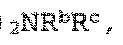 -N ¾C , -NR*C(0)Ra, -NR«C {O) 0Ra, NR*C!0)NRbRc, -NR»C(=NRd)NRR°, -NR4S(0)Rd, -NR"S(0)2Rd, -NR«S(0)NRbRc, -NR*S(0)2NRbRc, (0 -S(0 -S(0)NRbRo, and -S(0)2NRbRc, wherein each R*, Rb, Rc, and Rd is independently (i) hydrogen; (ii) Ci-e alkyl, alkenyl, alkynyl, cycloalkyl, aryl, aralkyl, heteroaryl, or heterocyciyl, each optionally substituted with one or more, in one embodiment, one, two, three, or four, substituents Q1; or (iii) Rb and Rc together with the N atom to which they are attached form heterocyciyl, optionally substituted with one or more, in one embodiment, one, two, three, or four, substituents
wherein each Q1 is independently selected from the group consisting of (a) cyano, halo, and nitro (b) Ci alkyl , alkenyl , C2-s alkynyl, cycloalkyl, -14 aryl, aralkyl, heteroaryl , and heterocyclyl ; and (c) -C(0)R*, -C(0)0R", -C (01 NRfR° , (NE») NR£R», - OR", -0C(0)R«, -0C(O)0R«, -OCiO)NR'R», -OC (=NR*)NRiR3, -0S(0)R*. -0S(O)2R«, -0S(0)N¾o, -OS (0)2NRfR», -NR£R«, -NR«C(0)Rh, -NR«C(0)0Rh, -NR«C (O) NRfRo , -NR'C ( =NRh)NRfR3, -HR«S(0)Rh, -NR«S(0)2Rh, -NR-S (0) NR£R«, -NR*S {0) 2NRfR», -SR«, -SiO)R«, ~S(0)2R«, -S(0}NR£R», and -S(0)2NR£R«; wherein each R", R£; R3, and Rh is independently !i) hydrogen; (ii) Ci-s alkyl, Cj alkenyl, alkynyl, cycloalkyl, aryl, aralkyl, heteroaryl, or heterocyclyl; or (iii) Rf and R3 together with the N atom to which they are attached form heterocyclyl .
-N ¾C , -NR*C(0)Ra, -NR«C {O) 0Ra, NR*C!0)NRbRc, -NR»C(=NRd)NRR°, -NR4S(0)Rd, -NR"S(0)2Rd, -NR«S(0)NRbRc, -NR*S(0)2NRbRc, (0 -S(0 -S(0)NRbRo, and -S(0)2NRbRc, wherein each R*, Rb, Rc, and Rd is independently (i) hydrogen; (ii) Ci-e alkyl, alkenyl, alkynyl, cycloalkyl, aryl, aralkyl, heteroaryl, or heterocyciyl, each optionally substituted with one or more, in one embodiment, one, two, three, or four, substituents Q1; or (iii) Rb and Rc together with the N atom to which they are attached form heterocyciyl, optionally substituted with one or more, in one embodiment, one, two, three, or four, substituents
wherein each Q1 is independently selected from the group consisting of (a) cyano, halo, and nitro (b) Ci alkyl , alkenyl , C2-s alkynyl, cycloalkyl, -14 aryl, aralkyl, heteroaryl , and heterocyclyl ; and (c) -C(0)R*, -C(0)0R", -C (01 NRfR° , (NE») NR£R», - OR", -0C(0)R«, -0C(O)0R«, -OCiO)NR'R», -OC (=NR*)NRiR3, -0S(0)R*. -0S(O)2R«, -0S(0)N¾o, -OS (0)2NRfR», -NR£R«, -NR«C(0)Rh, -NR«C(0)0Rh, -NR«C (O) NRfRo , -NR'C ( =NRh)NRfR3, -HR«S(0)Rh, -NR«S(0)2Rh, -NR-S (0) NR£R«, -NR*S {0) 2NRfR», -SR«, -SiO)R«, ~S(0)2R«, -S(0}NR£R», and -S(0)2NR£R«; wherein each R", R£; R3, and Rh is independently !i) hydrogen; (ii) Ci-s alkyl, Cj alkenyl, alkynyl, cycloalkyl, aryl, aralkyl, heteroaryl, or heterocyclyl; or (iii) Rf and R3 together with the N atom to which they are attached form heterocyclyl .
In some embodiments, the organic compound has the structure:


lid

or an enantiomer, a mixture of enantiortters , or a mixture of two or more diastereomers of any of Ila to lid; or a pharmaceutically acceptable salt, solvate, hydrate, or prodrug of any of Ila to lid; wherein:
each Ri is independently C aryl, heteroaryl, or heterocyclyl ;
each R2 is independently Ce aryl, heteroaryl, or heterocyclyl ;
each and R4 is independently hydrogen, lower alkyl,
C2 alkenyl, C2-6 alkynyl, or R5;
each is independently halogen or -OSChRi;
Rs is C3-7 cycloalkyl, Ce-u aryl, heteroaryl, or heterocyclyl ;
R7 is lower alkyl , C2-6 alkenyl , C2-6 alkynyl , -7 cycloalkyl, Ce-n aryl, heteroaryl, or heterocyclyl;
Rio is (a) hydrogen, amino, or hydroxyl; or (b) lower alkyl, lower alkylamino, di ( lower alkyl) amino, lower alkoxy, or carboxamido;
each Q is independently absent or a linker group; each T is independently -CO-, -CS-, or -SO2-;
X, Y, and 2 are each independen ly a nitrogen atom or CRe, with the proviso that at least two of X, Y, and Z are nitrogen atoms; wherein Re is hydrogen or lower alkyl and
each A, B, D, and E is independently (i) a direct bond; (ii! a nitrogen, oxygen, or sulfur atom; or (iii) CRg, where R, is hydrogen, halogen, or lower alkyl; wherein the bonds between A, B, D, and E may be saturated or unsaturated; with the proviso that no more than one of A, B, D, and E are a direct bond; wherein each alkyl, alkenyl, alkynyl, alkoxy, alkylamino, dialkylamino, carboxamido, cycloalkyl, aryl, heteroaryl, and heterocyclyl is optionally substituted with one or more groups, each independently selected from (a) cyano, halo, and nitro; (b) Ci-6 alkyl, C2-s alkenyl, C2-6 alkynyl, Ci-7 cycloalkyl, Cs aryl, Ci-is aralkyl , heteroaryl, and heterocyclyl, each optionally substituted with one or more, in one embodiment, one, two, three, or four, substituents Q1; and (c> -C(0)R\ -CIO) OR", C(0}NRbRc, -C (NR*5 NRbR , -OR*, -OC(0)R«, -OCiO!OR*, - OC (O)NRbR , -OC (=NRa) NR~Re, -OS (O) R*, -OS (0) 2R* , - OSfO)HRbRS -OS{0)2NRbRe, -NRbR«=, -NR*CS0)Rd, NR»C(0)0Ra, -NRaC {0)NRbRc, -NR»C ( =NRd) NRbR<=, -NR»S(0)Ra, -NR*S (0) 2Rd, -NR*S(0)NRRc, -NRaS ΐ0) 2 bRc, -SR*, S(0)R", -S(0)2R , -S(0)NRbR , and -S(0)2NRbR , wherein each Ra, Rb, Rc, and Rd is independently (i) hydrogen; (ii) Ci alkyl, C2 alkenyl, C2 alkynyl, C3 cycloalkyl, Ce aryl, C7 aralkyl, heteroaryl, or heterocyclyl, each optionally substituted with one or more, in one embodiment, one, two, three, or four, substituents Q1; or (iii) Rb and R° together with the N atom to which they are attached form heterocyclyl, optionally substituted with one or more, in one embodiment, one, two, three, or four, substituents
wherein each Ql is independently selected from the group consisting of (a) cyano, halo, and nitro,- (b) Ci alfcyl, Cj-6 alkenyl, C;-« alkynyl, cycloalkyl, Ci aryl, j.u aralkyl, heteroaryl, and heterocyclyl ; and (c) -C(0)R«, -C(0)OR«, -C(0)NRfR», -C iNR'i.R'R", - OR*, -0C(0!R*, -OC<0)OR«, -OC(0!NR¾», -OC ( =NR«) NR£R«, -OS(0)R«, -0S(0) jR', -0S(O)NR'R», -OS SO! 2NR£RS, -NR'R", -NR'C(0)Rh, -NR«C(0)0Rh, -NR«C ίθ) MR'R», -NR'C ( -NR>'» HR-'R", -NR'S(0)Rh, -NR*S(0)2Rh, -NR*S (0) NR!Ra, -NR¾ (0) 2NR¾», -SRV -S(0)R«, -S(0)2RV -S(0)NR(¾, and -S (0) 2NR¾«; wherein each R", Rf ; R" , and Rh is independently (i) hydrogen; (ii) Ci-« alkyl , C2 alkenyl, C2 alkynyl, C3 cycloalkyl, C aryl, Ο aralkyl, heteroaryl, or heterocyclyl; or (iii) Rf and R3 together with the N atom to which they are attached form heterocyclyl . embodiments, the organic compound has the structure:

a stereoisomer, geometric isomer, tautomer, or pharmaceutically acceptable salt thereof, wherein:
B is a pyrazolyl, imidazolyl, or triazolyl ring fused to the benzoxepin ring and selected from the structures:

Z2 is or
Zs is or
Z4 is CR4 or N;
R2, R3, and R4 are independently selected from F, Br, I, -CN, -COjR", -C (-0) (R10) OR11, C 1&R11, -Ct-OJNR^R11, -NOj , -NR"R", -NR1JC (-0) R10, -NR (=O)0R11, -NR12C(=0)NR"R", -NR12C(-0)
C alkylene!NR10R", MR12 (O-Cu alkylene ) 10R11, -NR 2alkylene)OR10, alkylene) C (-0) I0R", -OR", -SR10, -SiOSjR",
(-O alkylene )
-C (=0) C1-C12 alkylene ) l0C (=0
-Ci=0 alkylene) 10C (=0! R11 ,
-C(=O alkylene)R10,
alkyl,
Ca-Ce alkenyl,
alkynyl,
carbocyclyl,
heterocyclyl,
aryl,
heteroaryl,
carbocyclyl) - alkyl) ,
heterocyclyl) - alkyl),
aryl) - alkyl) ,
heteroaryl) - alkyl) ,

(=0)—
(-0 ) 0R» , (-0

(0) (=0
-C0 (=0)
(=0) (=0) (=0) (Ci-
0
-€(=G
"0 (-0)
(-0 1 =0
(-0
C3
alkylene) - carbocyclyl! ,
(=0
(=0
(=0 (=0
alkylene) alkylene) (-0 alkylene) - heterocyclyl) and alkylene) - heterocyclyl )- (Ci-Cu alkyl) where alkyl, alkenyl, alkynyl , alkylene, carbocyclyl, heterocyclyl , aryl, and heteroaryl are optionally substituted with one or more groups independently selected from Br, (0
(0 and -OR™,- is selected from H , and alkyl, optionally substituted with one or more groups independently selected from Br,
(0)2CH3, -OCH3, (0 and
is selected from alkyl, C3 carbocyclyl, heterocyclyl, heteroaryl, and 20aryl, each optionally substituted with one or more groups independently selected from Br,
(0
(0)2CH3, oxo, -OCH3, -OCH2CH3 , - (0) 2CH3, {-0 alkylene) phenyl, pyridinyl, tetrahydro-furan-2-yl , 2 , 3-dihydro- benzofuran-2 -yl , 1-isopropyl-pyrrolidin-3-ylmeth 1 , morpholin-4-yl , piperidin-l-yl , piperazinyl, piperazin-4-yl-2-one, piperazin-4-yl-3-one, pyrrolidin-l-yl, thiomorpholin-4-yl , dioxothlomorpholin-4-yl, and or and together with the nitrogen atom to which they are attached form heterocyclyl or heteroaryl, optionally substituted with one or more groups selected from F, Br, I,
-CH2C6H5, pyridin-2-yl, 6-methyl-pyridin-2-yl , pyridin-4-yl, pyridin-3-yl, pyrimidin-2-yl, pyrazin-2- yl, tetrahydro-furan-carbonyl, 2-methoxy-phenyl , benzoyl, cyclopropylmethyl , (tetrahydrofuran-2- yDmethyl, 2 , 6-dimethyl-morpholin-4-yl , 4-methyl-
piperazine-carbonyl , pyrrolidine-l-carbonyl , cyclopropanecarbonyl , 2 , 4-difluoro-phenyl , pyridin-2 - ylmethyl, morpholin-4-yl , -CF3, 2H, - Om2 , - CONHCHj, -CON(CHj) j, -COCFj, -COCH3, -NO., NHCHj, -N(CH3)i, -N(CHjCHj) j, -NHCOCHj , -NCH3COCH3, - NHS!O) jCH3, —OH, -OCHj , —
CH2S )2NHCH3, -CH2S )jCHiCH3, -S )2NHCH3, -S
-S -S )aN and -S
R10 , R11 and are independently selected from H , Ci- alkyl, — alkylene) - heterocyclyl) , — (Ci~ alkylene) -- 2o aryl ) , -(Ci-Ci2 alkylene) - (C3-
Ci2 carbocyclyl) , C2-Ce alkenyl, C2-Ce alkynyl, carbocyclyl, heterocyclyl, C6-C2o aryl, and Ci- heteroaryl, each of which are optionally substituted with one or more groups independently selected from F, CI, Br, I, -C¾, -CH -CH(CH3)2, - CH20H, -CH2CH2OH, -C(CH3)2OH, (CH3 ) 20H, - ¾CH(CH3)OH, , -CH2NH2 , -(CH2 2N (CH3) -C¾C«H5, — 2H, -C )CH3, -C (0) CH (OH) CH3 , - COzCHj, , -CON{CH3)2, (CH3)2CONH2, -NH2 , -NOa, -N(CH3)2, -N(CH5)C(CH3)jCOtlHi, -N (CH3) (0) , -NHS )2CH3, (oxo) , -OH, -OCH2CH3, - -OPiOS (OH>2, -SCH3 , -StO!jCHi, -SiOhNHj, - S )2N(CH3)2, 2S )2 HCH3, -CH2S 2C¾CH3 , -S ) NHCH3, —S )2CH pyrrolidin-l-yl, 2-oxopyrrolidin-1-yl , cyclopropyl, cyclopentyl, oxetanyl, 4-methylpiperazin- -yl, and 4-raorpholinyl ,- or R10 and R11 together with the nitrogen atom to which they are attached form a C2-C2o heterocyclyl ring or C3- heteroaryl each of which are optionally substituted with one or more groups independently selected from F, CI, Br, I, -CH3, -CH2C6H5, —CN, -CF3,
-M02, , -NHS OH, oxo, -OCH2CH3, -S )2NH2, -S )2C¾, -CH(CH3)2, -CH2CF3, — and -C(CH3)2OH; and
is selected from H, F, CI, Br, I, -CHj, -C¾CHj , -CN, CF3, -CH2N(C¾)2, - HaOH, -C02H, -CONH2, -CONiCH3)2, -N02

some embodiments, the organic compound has the structure:

wherein
Rl is selected from:
!i) a group of the following formula:

wherein
P is (ii aryl or heteroaryl which is unsubstituted or substituted;
(ii) an indazole group which is unsubstituted or substituted;
(iii) an indole group which is unsubstituted or substituted; or
(iv) a benzoimidazole group which is unsubstituted or substituted;
Q is selected from -H, —OR, -SR, -Halo, -NR3R4, - OS(0)„R, -OC(0)R, -OC(0)NHR,
 -NRC(0)R, - NRS(0)„R, -NRC(0)NR3R4, and -NRC (S) NR3R4 , wherein each R, and R4 is independently selected from H, C1 alkyl, C3-C10 cycloalkyl and a 5- to 12-meitibered carbocyclic group, aryl or heteroaryl group, the group being unsubstituted or substituted; m is 1 or 2; or R3 and which are the same or different, are each independently selected from H, Ci-Cs alkyl which is unsubstituted or substituted, -C10 cycloalkyl
which is unsubstituted or substituted, -CIO) , - C(0)N(R)2 and -S(0)» wherein R and m are as defined above, or and » together with the nitrogen atom to which they are attached form a saturated 5-, 6- or 7-membered N-containing heterocyclic group which is unsubstituted or substituted; —C (0) R, — C (OlN(R)a and -S (0)„R wherein R and m are as defined above;
-NRC(0)R, - NRS(0)„R, -NRC(0)NR3R4, and -NRC (S) NR3R4 , wherein each R, and R4 is independently selected from H, C1 alkyl, C3-C10 cycloalkyl and a 5- to 12-meitibered carbocyclic group, aryl or heteroaryl group, the group being unsubstituted or substituted; m is 1 or 2; or R3 and which are the same or different, are each independently selected from H, Ci-Cs alkyl which is unsubstituted or substituted, -C10 cycloalkyl
which is unsubstituted or substituted, -CIO) , - C(0)N(R)2 and -S(0)» wherein R and m are as defined above, or and » together with the nitrogen atom to which they are attached form a saturated 5-, 6- or 7-membered N-containing heterocyclic group which is unsubstituted or substituted; —C (0) R, — C (OlN(R)a and -S (0)„R wherein R and m are as defined above;
is selected from -O- ((¾)„-, -S-(C¾)„-, and - S(0 wherein m is 1 or 2 , n is 0 or an integer of 1 to 3, and is selected from H or a 5- to 12-membered carbocyclic or heterocyclic group which is unsubstituted or substituted, and a group — NR3R4 wherein R3 and are as defined above;
Z is selected from (i) halo, -(C¾)«CO0R, 2),CH0, - 20R, -(CHj) .CH2NR3R4 , -NR3R4 and -O (CHj) JSRj j wherein s is 0 or an integer of 1 to 2 and wherein R, R3 and are as defined above; (ii) substituted or unsubstituted heteroaryl, (iii) substituted or unsubstituted heterocyclyl, (iv) substituted or unsubstituted aryl, and (v) substituted or unsubstituted Ci -alkyl; and is selected from (i) . wherein Rs and Re form, together with the N atom to which they are attached, a morpholine ring which is unsubstituted or substituted, (ii) substituted or unsubstituted heteroaryl, (iii) substituted or unsubstituted heterocyclyl, (iv) substituted or unsubstituted aryl, and (v) substituted or unsubstituted Ci-Ce-alkyl; or a stereoisomer, or a tautomer, or an N-oxide, or a pharmaceutically acceptable salt, or an ester, or a prodrug, or a hydrate, or a solvate thereof. some embodiments, the organic compound has the structure:
Va


or an enantiomer, a mixture of enantiomers , or a mixture of two or more diastereomers of any of Va, Vb, or Vc; or a pharmaceutically acceptable salt, solvate, hydrate, or prodrug of any of Va, Vb, or Vc; wherein:
each R1 is independently hydrogen, Ci-6 alkyl, -S-Ci-e alkyl, -S (0) -C--4 alkyl, or -SOj-Ci-e alkyl;
each R2 and R! is independently (a) hydrogen, cyano, halo, ornitro; (b) Ci alkyl, Cj-s alkenyl, alkynyl, cycloalkyl , aryl, aralkyl, heteroaryl, or heterocyelyl; or (c) -C (0) R1', C(O)0Rlb, -C(0)NR -C ENR1*) NRlbRlc, -OR",
-OCiOtOR1*, -0C(0)NRlbR10, -0C -0S(0)R , -0S(0)3Rla, -0S(0)NRlbRlc, -OS (0) 2NRlbRlc, ~NRLhRlc, - NR'*C(0)Rld, -NRl4C (0) ORld, -NRlaC ί0
1«C ld)NR -NRlaS (0) -NRl*S (0) jR1", NRlaS {0} NR , -NR S(0 lbRlc, -SR1*.
-S(0)NRlbRlc, or -S(0 lbRlc;
each and is independently hydrogen or alkyl; or R4 and R5 are linked together to form a bond, alkylene, Ci-s heteroalkylene, C2 alkenylene, or C2 heteroalkenylene;
each is independently aryl, aralkyl, heteroaryl, or heteroaryl-Ci-s alkyl ;
each U is independently a bond, -C(0)-, -C(0)0-,
-0-, -0C(O)O-, -0C<0)NRla-, -NRla- , _NR1«C<0)NR1<,-( -NRl*S(0)-, (0h-, -NRl*S {0} NRld-, -NRlaSiO)2NRM-, -S- . -SCO)-, or-S(0>!-;
each X, Y, and Z is independently N or CR7 , with the proviso that at least two of X, and Z are nitrogen atoms; where is hydrogen or Ci-s alkyl; and
each A, B, D, and E is independently a bond, C, 0, N, S, NR9, CR9, or CR where each R9 and R10 is independently hydrogen, halo, Ci-s alkyl, alkenyl, or alkynyl; wherein the bonds between A, B, D, and E may be saturated or unsaturated; with the proviso that no more than one of A, B, D, and E are a bond;
each Rla, Rlb, Rlc, and is independently (i) hydrogen; or (ii) Ci alkyl, alkenyl, alkynyl, cycloalkyl, C«-u aryl, aralkyl, heteroaryl, or heterocyelyl ;
wherein each alkyl , alkylane, heteroalkylene, alkenyl, alkenylene, heteroalkenylene, alkynyl, cycloalkyl, aryl, aralkyl, heteroaryl, and heterocyclyl in R2, R«, R5, R5 , R7, R', R1', R">, Rlc, or Rld is optionally substituted with one or more, in one embodiment, one, two, three, or four groups, each independently selected from (a) cyano, halo, and nitro; (b) alkyl, alkenyl, alkynyl, cycloalkyl, - aryl, C7 aralkyl, heteroaryl, and heterocyelyl , each of which is further optionally substituted with one or more, in one embodiment, one, two, three, or four, substituents Q; and (c) -C (O) R«, -C(0)OR-, -C ί05 «)NR -OC(0)R*, - OC(0)0R*, -0C(0 -OC (=NR*}NR6RC, -0S(0)R», - OSfO R", -OS(0!NR"Rc, -OS (OhNR>>R<=, (0 -NR*C (0) 0Rd (0 -NR'C (=NRd)NR*>Rc, -NR"S(0)Rd, -NR«S (0)NR>>Rc, -S », -S(0)R», and (0 wherein each and is independently (i) hydrogen; (ii ) alkyl , alkenyl, alkynyl , cycloalkyl, aryl, C?-is aralkyl, heteroaryl, or heterocyclyl, each optionally substituted with one or more, in one embodiment, one, two, three, or four, substituents Q; or (iii) Rb and Rc together with the N atom to which they are attached form heterocyclyl, optionally substituted with one or more, in one embodiment, one, two, three, or four, substituents Q; wherein each Q is independently selected from the group consisting of (a) cyano, halo, and nitro; (b) alkyl, alkenyl, alkynyl, cycloalkyl, aryl, aralkyl, heteroaryl, and heterocyclyl; and (c) -C(0)Re, -C(0)ORe, -C (0) NR£R3, -C ( NRfR«, - 0R=, -OC<0)R», -0C(0)0R«, -0C(0)NR£R», -OC (=NRe) NR£R<>, -OS(0)Re, -OS(0)2Re, -0S(0)NR£Rs, -OS (0} 2NR -NR£Rg, -NR«C(0)Rh, *C{0)ORh, -NReC (0) NRfR«,
-C(=NRh)NR¾', -NReS{0)Rh, -NR (0
(0)Re, and (0 wherein each Re, R£; R", and is independently (i) hydrogen; ( ii) alkyl ,
alkenyl , C2 alkynyl , C3 cycloalkyl , Ce- aryl , aralkyl , heteroaryl, or heterocyclyl or (iii) and Rs together with the N atom to which they a. attached form heterocyclyl , e embodiments, the organic compound has the structure:

wherein
R1 is phenyl substituted by one or two substituents independently selected from Ci-s alkyl , -OR5, halo, - CN, -COR6, CO2R7, -C0NR8R», -NRI0 1: , -NHCOR", -SO2R", - (CH2)mS02NR"R15, - HSO2R16, and 5-membered heteroaryl wherein the 5-membered heteroaryl contains one or two hetaroatoms independently selected from oxygen and nitrogen; or pyridinyl optionally substituted by one or two substituents independently selected from Ci-t alkyl, -OR17, halo, -SO2R18, -S02NR19R20, -NHSO2R21 and -EiHCOR24 ;
R2 is - (C¾ ) n-pheny1 optionally substituted by -CN or - NR22R23; 5- or 6-membered heteroaryl wherein the 5- or 6-membered heteroaryl contains one or two heteroatoms independently selected from oxygen, nitrogen and sulphur and is optionally substituted by Ci-s, alkyl, halo or - (CI¾)<jNR25R26; or C3 cycloalkyl optionally substituted by phenyl;
R3 is hydrogen or fluoro;
R4 is hydrogen or methyl;
R7, R17, R19, R2», R22 , R2\ R27, R28 and R29 are each independently hydrogen or Ci^« alkyl;
R5 is hydrogen, Ci alkyl or -CF3;
R6, R12 , R", R18 , R33 and R4 are each independently Ci-s alkyl ;
R8 and R9 are each independently hydrogen or Ci-s alkyl, or R' and R', together with the nitrogen atom to which they are attached, are linked to form a 5- or 6-tnembered heterocyclyl optionally containing an oxygen atom;
R10 and R11 are each independently hydrogen or Ci-j alkyl, or R" and R11, together with the nitrogen atom to which they are attached, are linked to form a 5- or 6-membered heterocyclyl optionally containing an oxygen atom;
R14 and R15 are each independently hydrogen, Ci-s alkyl, Cj cycloalkyl or - (C¾ ) ppheny1 , or R14 and R", together with the nitrogen atom to which they are attached, are linked to form a 5- or 6-membered heterocyclyl optionally containing an oxygen atom;
R16 is Ci alkyl; or phenyl optionally substituted by Ci alkyl ;
R21 is Cj cycloalkyl; Ci-s alkyl optionally substituted by -CF3; phenyl optionally substituted by one or two substituents independently selected from Ci-e alkyl, -OR2', -C02R" and halo; - {€¾)„ΗΒ13¾Ϊ5,· or 5- memberedheteroaryl wherein the 5-membered heteroaryl contains one or two heteroatoms independently selected from oxygen, nitrogen and sulphur and is optionally substituted by one or two substituents independently selected from Ci alkyl;
R24 is Ci alkyl optionally substituted by -OR2';
R25 and R26 , together with the nitrogen atom to which they are attached, are linked to form a 5-, 6- or 7- membered heterocyclyl or a 10-membered bicyclic heterocyclyl wherein the 5-, 6- or 7-membered heterocyclyl or the 10-membered bicyclic heterocyclyl optionally contains an oxygen atom, a sulphur atom or a further nitrogen atom and is optionally substituted by one or two substituents independently selected from Cx-e alkyl, Cj cycloalkyl, halo, oxo, phenyl optionally substituted
by halo, pyridinyl, - (CH2)tRM, ~ {C¾) ,NR31R32, -COR" and~S<¼RM;
R30 is hydrogen, Ci alkyl or -(CH2), henyl
R31 and R" , together with the nitrogen atom to which they are attached, are linked to form a 6-membe ed heterocyclyl optionally containing an oxygen atom;
R35 and R35, together with the nitrogen atom to which they are attached, are linked to form a 5- or 6- membered heterocyclyl wherein the 5- or 6-membered heterocyclyl optionally contains an oxygen atom or a further nitrogen atom and is optionally substituted by one or two substituents independently selected from Ci alkyl ;
m, n, p, q, r, s and t are each independently 0, 1 or 2; and u is 1 or 2; or a salt thereof. some embodiments , the organic compound has the structure :

in which
R2 is an optionally substituted ring system selected from a group consisting of: formula (A), (B) , (C) , (D) , (E) , (F) , (G) , (H) and (I) :
(

(C)

Rl is selected from a group consisting of: heterocycloalkyl, substituted heterocycloalkyl, aryl, substituted aryl, heteroaryl and substituted heteroaryl; each R3 and R4 is independently selected from: hydrogen, halogen, acyl, amino, substituted amino, -ealkyl, substituted -e alkyl, cycloalkyl , substituted cycloalkyl, heterocycloalkyl,
substituted heterocycloalkyl , alkylcarboxy, aminoalkyl , aryl , substituted aryl. heteroaryl , substitutedheteroaryl, arylalkyl , substituted arylalkyl, arylcycloalkyl , substituted arylcycloalkyl , heteroarylalkyl , substituted heteroarylalkyl, cyano, hydroxyl , alkoxy, nitro, acyloxy, and aryloxy;
n is 1-2;
X is C or N; Y is C, 0, N or S;
or a pharmaceutically acceptable salt thereof, provided that in each of formula (D) to (I) at least one
X or Y is not carbon; further provided that R2 is not quinoline or substituted quinoline. s cture:

wherein Y is a heteroatom and Rl or R2 are unsaturated alkyl, non-linear alkyl, or substituted alkyl, including a branched alkyl or cyclic alkyl. some embodiments, the organic compound has the structure:

wherein
is a Cs aromatic cyclic hydrocarbon group which may be substituted or a 5- to 14-membered aromatic heterocyclic group which may be substituted;
R2, R* and R5 each independently represent a hydrogen atom, a halogen atom, a hydroxy1 group, a cyano group, a nitro group, a carboxyl group, a Ci-Ce alkyl group which may be substituted, a Ci-Cs alkoxy group which may be substituted, a C2 acyl group which may be substituted, -CO-NR2»R2b, -NR2bCO-R2* or -NR2*R2b, wherein R2a and R2b each independently represent a hydrogen atom or a Ci-Ct alkyl group which may be substituted;
L is a single bond, a C1-C6 alkylene group which may be substituted, a C2-C8 alkenylene group which may be substituted or a Ca-Ce alkynylene group which may be substituted;
X is a single bond, or a group represented by -NR6-, - 0-, -CO-, -S-, -SO-, -SO2-, -CO-NR'-V2-, -C(0)0-, - NR'-CO-V2-, -NRS-C(0)0-, -NR8-S-, -NRS-S0-, -NR»-S02- V2-, -NR3-CO-NR1Q- , -NR'-CS-NR10-, -S (0) m-NR11-^- , - C(=NR12) -NR"-, -0C(0!-, -0C(0)-N-R14- or -CH2-NR8-COR6 wherein R5, R8, R9, R", Ru, R12, R" and R14 each independently represent a hydrogen atom, a halogen atom, a hydroxy! group, a Ci-Cs alkyl group which may be substituted, a C2-C alkenyl group which may be substituted, a Cj-Ce alkynyl group which may be substituted, a Ci-Ci alkoxy group which may be substituted, a C2 alkenyloxy group which may be substituted, a Ci-Ce alkylthio group which may be substituted, a Ca-Ce alkenylthio group which may be substituted, a cycloalkyl group which may be substituted, a Cs-Ce cycloalkenyl group which may be substituted, a 5- to 14-membered non-aromatic heterocyclic group which may be substituted, a Ce-Cu aromatic cyclic hydrocarbon group which may be substituted or a 5- to 14-membered aromatic heterocyclic group which may be substituted; V2 is a single bond or a C1-C6 alkylene group which may be substituted; andm is 0, 1 or 2; and
is a hydrogen atom, a halogen atom, a nitro group, a hydroxy1 group, a cyarto group, a carboxyl group, a Ci-Ci alkyl group which may be substituted, a C2 alkenyl group which may be substituted, a Cj-Cs alkynyl group which may be substituted, a Ci-Cs alkoxy group which may be substituted, a Ci-Cs cycloalkyl group which may be substituted, a Ca-Ce cycloalkenyl group which may be substituted, a 5- to 14-membered non-aromatic heterocyclic group which may be substituted, a C aromatic cyclic hydrocarbon group which may be substituted, a 5- to 14-membered aromatic heterocyclic group which may be substituted, an amino group or -W-R15, wherein W is -CO- or -SO2-; and R15 is a Ci-Ce alkyl group which may be substituted, a Cs-Cn aromatic cyclic hydrocarbon group which may be substituted, a 5- to 14-membered aromatic heterocyclic group which may be substituted or an amino group,
a salt or a hydrate thereof. so rganic compound has the structure

pharmaceutically acceptable salt thereof, wherein: and R2 are optional substituents that are the same or different and independently represent alkyl, halogen, nitro, trifluoromethyl , sulfonyl, carboxyl, alkoxycarbonyl , alkoxy, aryl, aryloxy, arylalkyloxy, arylalkyl, cycloalkylalkyloxy, cycloalkyloxy, alkoxyalkyl, alkoxyalkoxy, aminoalkoxy, mono- or di- alkylaminoalkoxy, or a group represented by formula (a) , (b) , (c) or (d) :
(a)
-N
A,
(b)
-NH falkyi)— N
\

(d)
o
/
N
\
H
R and R< taken together represent alkylidene or a heteroatom-containing alkylidene, or Rj and R4 are the same or different and independently represent hydrogen, alkyl , cycloalkyl, aryl , arylalkyl, cycloalkylalkyl , aryloxyaikyl , aikoxyalkyl , alkoxyamino , or alkoxy(mono- or di-alkylamino) and
Rs represents hydrogen, alkyl, cycloalkyl, aryl, arylalkyl, cycloalkylalkyl, alkoxy, amino, mono- or di-alkylamino, arylamino, arylalkylamino, cycloalkylamino, or cycloalkylalkylamino . e embodiments the organic compound has the structure:

or a boronic ester thereof,
wherein
R! is 2- ( 6-phenyl) yridinyl , R2 is ( 1R) - 1-hydroxys hy1 , and R3 and R4 are H;
R1 is 2- ( 6-phenyl ) yridinyl , R2 is (1R) -1-hydrox eth l, and R3 and R4 are methyl or
R1 is 2 -pyrazinyl , R2 is benzyl, and R! and R' are H .
som ic compound has the structure:

wherein:
at least one of the bonds a and b, and only one of the bonds c or d, are present, provided that:
when the bonds a and b are present simultaneously, then Rs is H, and n5=n6 n7=n8=0,
when the bond a is present, but not the bond b, then
Γ =ϋ, and n7=ne=l,
when the bond b is present, but not the bond a, then n5=ns=l, and n7=ne=0,
when the bond c is present, and d is absent, then Rg is
H,
when the bond d is present, and c is absent, then R9 is an oxygen atom 0,
no is 0 or 1, and when n0 is 1, X=C¾ or X=NCH2C6Hs, Ri is :
OH, or a ORio group in which Rio is a linear or branched alkyl group from 1 to 5 carbon atoms,
or a group of formula NH- (CH2)ni-Rii in which:

Ru is a linear or branched alkyl group from 1 to 5 carbon atoms, an aryl group, possibly substituted,
NHj, or NHR12 in which u is a protecting group of amine functions, such as the tertiobutyloxycarbonyl (Boc) group, or the CO-O-CH2—C6HS (Z) group,
¾ is:
H, or a linear or branched alkyl group from 1 to 5 carbon atoms,
or a group of formula (CH2)n2- (CO) -NRi3 u , in which: n2 is an integer from 1 to 5,
:·.,··· 0 or 1,
R13 and R!t , independently from one another, are:
H,
or a protecting group of amine functions, such as Boc, or Z,
or a group of formula
 in which is H or a protecting group of amine functions, such as Boc, or Z, mentioned above,
or a side chain from proteogenic amino acids,
Ei is H, or a linear or branched alkyl group from 1 to 5 carbon atoms, optionally substituted with an aryl grou ,
Ri is H, or a protecting group of amine functions , such as Boc, or Z,
Rs is H, or a protecting group of amine functions, such as Boc, or Z,
Rs is a O 16 group in which is a linear or branched alkyl group from 1 to 5 carbon atoms,
and Re, independently from one another, are H, or a halogen atom, such as Br, I, or CI.
In some embodiments, the PI3K signal transduction pathway antagonist binds to PI3K and has the structure:

or a pharmaceutically acceptable salt or ester thereof .
In some embodiments, the PI3 signal transduction pathway antagonist is capable of separately binding both PI3K and mTor.
In some embodiments, the PI3 signal transduction pathway antagonist binds to JNK and has the structure:

or a pharmaceutically acceptable salt or ester thereof.
In some embodiments, the proteasome antagonist is an organic compound having a molecular weight less than 1000 Daltons, a DNA aptamer, an RNA aptamer, or a polypeptide, which antagonist inhibits proteasome function.
In some embodiments, the proteasome antagonist is a DNA aptamer, an RNA aptamer, or a polypeptide.
In some embodiments, the proteasome antagonist is an organic compound having a molecular weight less than 1000 Daltons.
In some embodiments, the proteasome antagonist has the structure :

or a pharmaceutically acceptable salt or ester thereof.
In some embodiments, the amount of the proteasome antagonist when administered is effective to increase TORC1 activity in cells of the cancer, as measured by an increase in p-4EBP in the cells of the cancer.
In some embodiments, the proteasome antagonist is administered to the subject before the PI3K signal transduction pathway antagonist, such that the PI3K signal transduction pathway antagonist is administered during at least a portion of the time that the proteasome antagonist is active in the subject.
In some embodiments, the proteasome antagonist is administered to the subject concurrently with the PI3K signal transduction pathway antagonist.
In some embodiments, the amount of pAKT is increased and T0RC1 activity is decreased in cells of the cancer compared to cells from tissue of the same type.
In some embodiments, the Receptor Tyrosine Kinase (RTK)/Ras signal transduction pathway and the PI3K signal transduction
pathway are misregulated in cells of the cancer compared to cells front tissue of the same type.
In some embodiments, the Ras signal transduction pathway and the P13K signal transduction pathway each have a higher level of activation in cells of the cancer compared to cells from tissue of the same type.
In some embodiments , Ras and PI3K each have a higher level of activation in cells of the cancer compared to cells from tissue of the same type.
In some embodiments, cells of the cancer have at least one activating mutant allele in Ras.
In some embodiments, the at least one activating mutant allele in Ras is in K-Ras.
In some embodiments, cells of the cancer express a K-Ras mutant protein having a G12X substitution, wherein the numbering of the K-Ras amino acid sequence is relative to the sequence set forth in SEQ ID NO: 2 or 3.
In some embodiments, the K-Ras mutant protein has a G12V substitution .
In some embodiments, the K-Ras mutant protein is a K-RasG12v mutant protein.
In some embodiments , the K-Ras mutant protein has a G12D substitution.
In some embodiments, the K-Ras mutant protein is a K-Ras0120 mutant protein.
In some embodiments, cells of the cancer express a K-Ras mutant protein having a G13X substitution, wherein the
numbering of the K-Ras amino acid sequence is relative to the sequence set forth in SEQ ID NO; 2 or 3.
In some embodiments, cells of the cancer express a K-Ras mutant protein having a Q61X substitution, wherein the numbering of the K-Ras amino acid sequence is relative to the sequence set forth in SEQ ID NO: 2 or 3.
In some embodiments, the at least one activating mutant allele in Has is in N-Ras .
In some embodiments, cells of the cancer express a N-Ras mutant protein having a G12X substitution, wherein the numbering of the N-Ras amino acid sequence is relative to the sequence set forth in SEQ ID NO: 4.
In some embodiments, the N-Ras mutant protein is a N-RasG1 v or a N-RasG12D mutant protein.
In some embodiments, cells of the cancer express a N-Ras mutant protein having a G13X substitution, wherein the numbering of the N-Ras amino acid sequence is relative to the sequence set forth in SEQ ID NO: 4,
In some embodiments, cells of the cancer express a N-Ras mutant protein having a Q61X substitution, wherein the numbering of the N-Ras amino acid sequence is relative to the sequence set forth in SEQ ID NO: 4.
In some embodiments, the at least one activating mutant allele in Ras is in H-Ras.
In some embodiments, cells of the cancer express a H-Ras mutant protein having a G12X substitution, wherein the numbering of the H-Ras amino acid sequence is relative to the sequence set forth in SEQ ID NO: 5 or 6.
In some embodiments, the H-Ras mutant protein is a H-Rasel2v or a H~Ras012D mutant protein.
In some embodiments, cells of the cancer express a H-Ras mutant protein having a G13X substitution, wherein the numbering of the H-Ras amino acid sequence is relative to the sequence set forth in SEQ ID NO: 5 or 6.
In some embodiments, cells of the cancer express a H-Ras mutant protein having a Q61X substitution, wherein the numbering of the H-Ras amino acid sequence is relative to the sequence set forth in SEQ ID NO: 5 or 6.
In some embodiments, cells of the cancer have at least one activating mutant allele in a subunit of PI3K.
In some embodiments, cells of the cancer express a PI3K mutant subunit .
In some embodiments, the PI3K subunit is a pllO catalytic subunit .
In some embodiments, the pllO catalytic subunit is a pi10a, p, or 5 catalytic subunit.
In some embodiments, the at least one activating mutant allele is in the PIK3CA gene, which encodes the pllOa catalytic subunit of PI3K.
In some embodiments, cells of the cancer express a pllOa mutant subunit having a E542K, E545K, HI047R, or H1047L substitution, relative to the sequence set forth in SEQ ID NO: 1.
In some embodiments, the pllOa mutant subunit has a E542K substitution .
In some embodiments, the pllOa mutant subunit has a E545K substi ution .
In some embodiments , the pllOoc mutant subunit has a H1047R substitution .
In some embodiments, the pllOa mutant subunit has a H1047L substitution.
In some embodiments, cells of the cancer have reduced PTEN function compared to cells from tissue of the same type.
In some embodiments, cells of the cancer have at least one mutant allele in PTEH that is a deletion mutation, and/or is a mutation that results in the reduced or loss of PTEN protein function in cells of the cancer that express the PTEN mutant protein .
In some embodiments, the at least one mutant allele in PTEN results in a change at amino acid R130, R233, R130, R130, V317, R173, N323, R173, R130, P248, L318, K6 , Y76, Q214, R130, E242, 1101, G129, Ξ299 , or L139 relative to the amino acid sequence of PTEN set forth in SEQ ID MO: 7.
In some embodiments, the mutation reduces the catalytic activity of PTEN compared to PTEN not having the mutation.
In some embodiments, cells of the cancer have a reduced level of PTEN protein expression.
In some embodiments, cells of the cancer have a reduced level of PTEN protein expression and express a Ras°12v mutant protein.
The present invention provides a method for treating a subject afflicted with a cancer which comprises administering to the subject (i) a proteasome antagonist, and (ii) an oligonucleotide which decreases the amount of PI3K, rtiTor,
TORC1, TORC2 , AKT, or JNK produced by cells of the cancer, each of ii) and (ii) in an amount that when both (i) and (ii) are administered, the administration is effective to treat the subject .
In some embodiments, the oligonucleotide comprises nucleotides in a sequence that is complementary to PI3K, itiTor, AKT, or JNK-encoding mRNA.
In some embodiments, the oligonucleotide is an antisense oligodeoxynucleotide .
In some embodiments, the oligonucleotide is an NA interference inducing compound.
In some embodiments, the oligonucleotide is a ribozyme.
The present invention provides a pharmaceutical composition comprising (i) a proteasome antagonist and (ii) a PI3K signal transduction pathway antagonist or an oligonucleotide which decreases the amount of PI3K, iriTor, TORC1 , T0RC2 , Ak , or JNK produced by cells of the cancer, for use in treating a subject afflicted with a cancer.
The present invention provides a composition for treating a subject afflicted with a cancer comprising (i) a proteasome antagonist and (ii) a PI3K signal transduction pathway antagonist or an oligonucleotide which decreases the amount of PI3K, raTor, T0RC1, T0RC2 , AKT, or JNK produced by cells of the cancer.
The present invention provides a process for identifying whether a compound is an epithelial cancer drug candidate comprising
i) obtaining a D. melanogaster which is genetically modified to have
a) increased Ras activity.
b) increased PI3K activity, and/or
c) a reduced level of p53, PTEN, or APC expression or activity,
in the colon epithelium thereof, such that there is a cancer phenotype in the colon epithelium of the D. melanogaster;
ii) contacting the D. melanogaster with the compound; iii) determining whether there is a difference between the cancer phenotype of the D. melanogaster of ii) and the cancer phenotype of a corresponding D. melanogaster not contacted with the compound; and vi) identifying the compound as an epithelial cancer drug candidate if there is a difference between the cancer phenotype of the D. melanogaster contacted with the compound and the cancer phenotype of the corresponding D. melanogaster not contacted with the compound.
The present invention provides a process for identifying whether a combination of a first compound and a second compound is likely to be useful for the treatment of an epithelial cancer comprising
ii obtaining a D. melanogaster which is genetically modified to have
a) increased Ras activity,
b) increased PI3K activity, and/or
c) a reduced level of p53, PTEN, or APC expression or activity,
in the colon epithelium thereof, such that there is a cancer phenotype in the colon epithelium of the D. melanogaster;
ii) contacting the D. melanogaster with each of the first compound and the second compound; iii) determining whether there is a difference between the cancer phenotype of the D. melanogaster of ii) and the cancer phenotype of a corresponding D.
melanogaster not contacted with the first compound and the second compound; and
vi ) identifying the combination of the first compound and the second compound as likely to be useful for the treatment of epithelial cancer if there is a difference between the cancer phenotype of the at least one D. melanogaster contacted with the first compound and the second compound and the cancer phenotype of the corresponding D. melanogaster not contacted with the first compound and the second compound.
In some embodiments, in step ii) the D. melanogaster is contacted with the first compound and the second compound concur ently.
In some embodiments, in step ii) the D. melanogaster is contacted with the first compound before the second compound.
In some embodiments, the first compound is a proteasome antagonist ,
In some embodiments , the second compound is a PI3K signal transduction pathway antagonist.
The present invention provides a process of producing a cancer drug comprising steps i) to iv) , followed by
v) producing the compound identified in step iv) , thereby producing the cancer drug.
In some embodiments, contacting the D. melanogaster with a compound comprises feeding the compound to the D. melanogaster
In some embodiments, the D. melanogaster is an adult D. melanogaster.
In some embodiments , the D. melanogaster is genetically modified to have
a) increased Ras activity, and
b) a reduced level of p53 , PTEN, or APC expression or activity,
in the colon epithelium thereof .
In some embodiments, the D. melanogaster is genetically modified to have
a) increased Ras activity, and
b) a reduced level of PTEN expression or activity in the colon epithelium thereof.
In some embodiments, the D. melanogaster is genetically modified to have
a) increased Ras activity, and
b) increased PI3K activity,
in the colon epithelium thereof.
In some embodiments, the difference between the cancer phenotype of the D. melanogaster contacted with the compound and the cancer phenotype of the corresponding D. melanogaster not contacted with the compound is in the colon epithelium.
In some embodiments, the difference in the colon epithelium comprises one or more of reduced
a) proliferation of epithelial cells in the colon epithelium;
b) evasion of apoptosis by epithelial cells in the colon epithelium;
c) disruption of the architecture of the colon epithelium;
d) loss of epithelial characteristics of epithelial cells in the colon epithelium;
e) extension of membrane processes toward the basement membrane of epithelial cells in the colon epithelium;
f) delamination of epithelial cells in the colon epithelium from the colon epithelium;
g! migration of epithelial cells of the colon epithelium away from the colon epithelium; h) migration of epithelial cells of the colon epithelium into the abdominal cavity;
i) migration of epithelial cells of the colon epithelium into the head or at least one leg;
j) cell membrane-localized pSrc in epithelial cells in the colon epithelium;
k) MMP1 expression in epithelial cells in the colon epithelium; or
1) degradation of the basement membrane in the colon epithelium
of the D. melanogaster contacted with the compound compared to the epithelium of the corresponding D. melanogaster not contacted with the compound.
In some embodiments, the difference in the colon epithelium comprises one or more of increased
a) epithelial cell apoptosis in the colon epithelium; b) senescence in epithelial cells in the colon epithelium; or
c) laminin expression in epithelial cells in the colon epithelium
of the D. melanogaster contacted with the compound compared to the epithelium of the corresponding D. jnelanogaster not contacted with the compound.
In some embodiments, the difference between the cancer phenotype of the D. melanogaster contacted with the first compound and the second compound and the cancer phenotype of the corresponding D. melanogaster not contacted with the first compound and the second compound is in the colon epithelium.
In some embodiments, the difference in the colon epithelium comprises one or more of reduced
a) proliferation of epithelial cells in the colon epithelium;
b) evasion of apoptosis by epithelial cells in the colon epithelium;
c) disruption of the architecture of the colon epithelium;
d) loss of epithelial characteristics of epithelial cells in the colon epithelium;
e) extension of membrane processes toward the basement membrane of epithelial cells in the colon epithelium; f) delamination of epithelial cells in the colon epithelium from the colon epithelium;
g) migration of epithelial cells of the colon epithelium away from the colon epithelium; h) migration of epithelial cells of the colon epithelium into the abdominal cavity;
i) migration of epithelial cells of the colon epithelium into the head or at least one leg;
j) cell membrane-localized pSrc in epithelial cells in the colon epithelium;
k) MMP1 expression in epithelial ceils in the colon epithelium; or
1 degradation of the basement membrane in the colon epi helium
of the D. melancgaster contacted with the first compound and the second compound compared to the corresponding D. melanogaster not contacted with the first compound and the second compound.
In some embodiments, the difference between the colon epithelium of the D. melanogaster of ii) and the colon epithelium of the corresponding D. melanogaster not contacted with the compounds comprises one or more of increased
a) epithelial cell apoptossis in the colon epithelium; b) senescence in epithelial cells in the colon epithelium; or
c) laminin expression in epithelial cells in the colon e i helium
of the D, melanogaster contacted with the first compound and the second compound compared to the corresponding D. melanogaster not contacted with the first compound and the second compound.
In some embodiments, the epithelial cell cancer is colon cancer.
The present invention provides a process for identifying whether a compound is an epithelial cancer drug candidate comprising
i) obtaining an epithelial cell which has
a) increased Ras activity,
b) increased PI3K activity, and/or
c) a reduced level of p53, PTEN, or APC expression or activity,
such that the epithelial cell has a cancer phenotype; ii) contacting the epithelial cell with the compound; iii S determining whether there is a difference between the cancer phenotype of the epithelial cell of ii) and the cancer phenotype of a corresponding epithelial cell not contacted with the compound; and vi) identifying the compound as an epithelial cancer drug candidate if there is a difference between the cancer phenotype of the epithelial cell contacted with the compound and the cancer phenotype of the corresponding epithelial cell not contacted with the compound.
The present invention provides a process for identifying whether a combination of a first compound and a second compound is likely to be useful for the treatment of an epithelial cancer comprising
i) obtaining an epithelial cell which has
a) increased Ras activity,
b) increased PI3K activity, and/or
c) a reduced level of p53 , PTEN, or APC expression or activity,
such that the epithelial cell has a cancer phenotype; ii) contacting the epithelial cell with each of the first compound and the second compound;
iii) determining whether there is a difference between the cancer phenotype of the epithelial cell of ii) and the cancer phenotype of a corresponding epithelial cell not contacted with the first compound and the second compound; and
vi ) identifying the combination of the first compound and the second compound as likely to be useful for the treatment of epithelial cancer if there is a difference between the cancer phenotype of the at least one epithelial cell contacted with the first compound and the second compound and the cancer phenotype of the corresponding epithelial cell not contacted with the first compound and the second compound.
In some embodiments, in step ii) the epithelial cell is contacted with the first compound and the second compound concurrently.
In some embodiments, in step ii) the epithelial cell is contacted with the first compound before the second compound.
In some embodiments, the first compound is a proteasome antagonist .
In some embodiments, the second compound is a PI3K signal transduction pathway antagonist.
The present invention provides a process of producing a cancer drug comprising steps i) to iv) , followed by
v) producing the compound identified in step iv) , thereby producing the cancer drug.
In some embodiments, the epithelial cell has
a) increased Ras activity, and
b) a reduced level of p53, PTEN, or APC expression or activity.
In some embodiments, the epithelial cell has
a) increased Ras activity, and
b) a reduced level of PTEN expression or activity.
In some embodiments, the epithelial cell has
a) increased Ras activity, and
b) increased PI3K activity.
In some embodiments, the difference between the cancer phenotype of the epithelial cell contacted with the compound and the cancer phenotype of the corresponding epithelial cell not contacted with the compound comprises reduced proliferation in the epithelial cell contacted with the compound compared to the epithelium of the corresponding epithelial cell not contacted with the compound.
In some embodiments, the difference between the cancer phenotype of the epithelial cell contacted with the compound and the cancer phenotype of the corresponding epithelial cell not contacted with the compound comprises at least one of increased apoptosis or senescence in the epithelial cell contacted with the compound compared to the epithelium of the corresponding epithelial cell not contacted with the compound.
In some embodiments, the difference between the cancer phenotype of the epithelial cell contacted with the compound and the cancer phenotype of the corresponding epithelial cell not contacted with the compound comprises reduced proliferation in the epithelial cell contacted with the first
compound and the second compound compared to the corresponding epithelial cell not contacted with the first compound and the second compound.
In some embodiments, the difference between the cancer phenotype of the epithelial cell contacted with the compound and the cancer phenotype of the corresponding epithelial cell not contacted with the compound comprises at least one of increased apoptosis or senescence in the epithelial cell contacted with the first compound and the second compound compared to the corresponding epithelial cell not contacted with the first compound and the second compound.
In some embodiments, the epithelial cell is an animal cell.
In some embodiments, the epithelial cell is a mammalian cell .
In some embodiments, the epithelial cell is a human cell.
In some embodiments, the epithelial cell has been genetically modified to have
a) increased Ras activity,
b) increased PI3K activity, and/or
c) a reduced level of p53, PTEN, or APC expression or activity.
In some embodiments, the epithelial cell is a cancer cell.
In some embodiments, the cancer cell is a colon cancer cell.
The present invention provides a method for identifying a cancer patient who will likely benefit from treatment with a PI3K signal transduction pathway antagonist comprising
i) obtaining a biological sample comprising cancer tissue from the cancer patient;
iiS detecting whether the cancer tissue in the biological sample
a) has increased Ras activity and
a) increased PI3K activity, or β) reduced PTEN expression or activity, or b) has an increased amount of pAkt and a reduced level of TORC1 activity,
compared to normal tissue of the same type; and iii) identifying the cancer patient as a cancer patient who will likely benefit from treatment with a PI3K signal transduction pathway antagonist if in step (ii) neither
a) increased Ras activity and
a) increased PI3K activity, or
(5 ) reduced PTEN expression or activity, nor b) an increased amount of pAkt and a reduced level of T0RC1 activity,
is detected in cancer tissue in the biological sample, and identifying the cancer patient as a cancer patient who will not likely benefit from treatment with a PI3 signal transduction pathway antagonist if in step (ii) either
a) increased Ras activity and
a) increased PI3K activity, or β ) reduced PTEN expression or activity, or b) an increased amount of pAkt and a reduced level of T0RC1 activity,
is detected in cancer tissue in the biological sample.
In some embodiments, the cancer patient is selected from the group of cancer patients having colon cancer.
The present invention provides a method of treating a cancer patient identified to not likely benefit from treatment with a PI3K signal transduction pathway antagonist comprising the method of the invention.
The present invention provides a kit for identifying a cancer patient who will likely benefit from treatment with a PI3K signal transduction pathway antagonist comprising
i) at least one probe or primer for determining
a) whether PTEN expression is reduced; or b) whether there is a mutation in PTEN reduces the activity thereof,
in a biological sample, or from nucleic acid obtained from a biological sample, and/or ii) at least one probe or primer for determining whether there is a mutation in Pas that increases the activity thereof,
in a biological sample, or from nucleic acid obtained from the biological sample, and/or iii) at least one probe or primer for determining whether there is a mutation in PI3K that increases the activity thereof,
in a biological sample, or from nucleic acid obtained from the biological sample, and/or iv) at least one antibody for determining the amount of
P-4BBP in a biological sample, or in protein obtained from the biological sample, and/or v) at least one antibody for determining the amount of pAKT in a biological sample, or in protein obtained from the biological sample .
In some embodiments, the kit further comprises instructions for use.
In some embodiments, the kit comprises
i) at least one probe or primer for determining whether there is a mutation in as that increases the activity thereof,
in a biological sample, or from nucleic acid obtained from the biological sample, and
ii) at least one antibody for determining the amount of P-4EBP in the biological sample, or in protein obtained from the biological sample.
In some embodiments , the amount of the proteasome antagonist and the amount of the PI3K signal transduction pathway antagonist when administered in combination is more effective to treat the subject than would be expected based on the additive effects of each agent administered alone.
In some embodiments , the nt signal transduction pathway, Receptor Tyrosine Kinase (RTK) /Ras signal transduction pathway, p53 signal transduction pathway, TGF-p signal transduction pathway, or PI3K signal transduction pathway is misregulated in cells of the cancer.
In some embodiments, at least two of the Wnt signal transduction pathway, Receptor Tyrosine Kinase (RTK) /Ras signal transduction pathway, p53 signal transduction pathway, TGF-(J signal transduction pathway, and PI3K signal transduction pathway are misregulated in cells of the cancer.
In some embodiments, cells of the cancer have a reduced level of p53 , PTEN, or APC protein expression.
In some embodiments, cells of the cancer express p53, PTEN, or APC protein with reduced activity.
Each embodiment disclosed herein is contemplated as being applicable to each of the other disclosed embodiments. Thus, all combinations of the various elements described herein are within the scope of the invention.
It is understood that where a parameter range is provided, all integers within that range are disclosed. For example, "0.2-5 mg/kg/day" is a disclosure of 0.2 mg/kg/day, 0.3 mg/kg/day, 0.4 mg/kg/day, 0.5 mg/kg/day, 0.6 mg/kg/day etc. up to 5.0 mg/kg/day.
Terms
"About" in the context of a numerical value or range means ±10% of the numerical value or range recited or claimed, unless the context requires a more limited range.
As used herein, "PI3K signal transduction pathway" includes any polypeptide or complex of polypeptides that physically interacts with or is a component of PI3 in a cell, and any polypeptide or complex of polypeptides that is downstream of PI3K singaling such that its level of phosphorylation, activation, binding activity, and/or catalytic rate may be directly or indirectly modulated by PI3K catalytic activity. Non-limiting examples of members of the PI3K signal transduction pathway are AKT, mTo , TORC1, TO C2 , AKT, and JMK.
As used herein, a "PI3K signal transduction pathway antagonist" includes any compound that binds to and reduces the phosphorylation, activation, binding activity, and/or catalytic rate of a member of the PI3K signal transduction pathway .
As used herein, a "proteasome antagonist" includes any compound that reduces proteasome function. In some embodiments, a proteasome antagonist binds to one or more polypeptides of a proteasome .
The amino acid sequence of pllOa is accessible in public databases by the accession numbers NP_006209.2 and P42336, and CCDS number CCDS43171.1, and is set forth herein as SEQ ID NO: 1. Nucleotide sequences for pllOa cDNA and the sequence of the PIK3CA gene are accessible in public databases, e.g. from the Gene ID for PIK3CA (or pllOa) , which is Gene ID 5290.
Amino acid sequences of -Ras are accessible in public databases by the accession numbers P01116 (Isoform 2A (identifier: P01116-1) ; Isoform 2B (identifier: P01116-2)) and
NP_004976.2, and CCDS number CCDS8702.1, and are set forth herein as SEQ ID NOe : 2 and 3. Nucleotide sequences for for K- Ras cDNA and the sequence of the K-Ras gene are accessible in public databases, e.g. from the Gene ID for K-Ras, which is Gene ID 3845.
The amino acid sequence of N-Ras is accessible in public databases by the accession number P01111 and NP_002515.1, and is set forth herein as SEQ ID NO: 4. Nucleotide sequences for for N-Ras cDNA and the sequence of the N-Ras gene are accessible in public databases, e.g. from the Gene ID for N- Ras, which is Gene ID 4893.
Amino acid sequences of H-Ras are accessible in public databases by the accession numbers P01112 and NP_001123914.1 (Isoform 1), and P01112-2 and (Isoforra 2), and are set forth herein as SEQ ID NOS: 5 and 6. Nucleotide sequences for for H- Ras cDNA and the sequence of the H-Ras gene are accessible in public databases, e.g. from the Gene ID for H-Ras, which is Gene ID 3265.
The amino acid sequence of PTEN is accessible in public databases by the accession numbers P60484 and NP_000305.3 and is set forth herein as SEQ ID NO: 7. Nucleotide sequences for for PTEN cDNA and the sequence of the PTEN gene are accessible in public databases, e.g. from the Gene ID for PTEN, which is Gene ID 5728.
The amino acid sequence of mTor is accessible in public databases by the accession numbers P42345 and NP_004949.1, and is set forth herein as SEQ ID NO: 8. Nucleotide sequences for for mTor cDNA and the sequence of the mTor gene are accessible in public databases, e.g. from the Gene ID for mTor, which is Gene ID 2475.
The amino acid sequence of A T1 is accessible in public databases by the accession numbers P31749 and NP_001014431.1 ,
ar.d is set forth herein as SEQ ID NO: 9. Nucleotide sequences for for AKT1 cDNA and the sequence of the A T1 gene are accessible in public databases, e.g. from the Gene ID for AKTl, which is Gena ID 207.
The amino acid sequence of AKT2 is accessible in public databases by the accession numbers P31751 and NP_001617.1, and is set forth herein as SEQ ID NO: 10. Nucleotide sequences for for AKT2 cDNA and the sequence of the AKT2 gene are accessible in public databases, e.g. from the Gene ID for AKT2, which is Gene ID 208.
Amino acid sequences of JNK are accessible in public databases by the accession numbers P4S983 (Isoform 2), P45983-2 (Isoform 1), P45983-3 (Isoform 3), P45983-4 (Isoform 4), and are set forth herein as SEQ ID NOs : 11-14, respectively. Nucleotide sequences for for JNK cDNA and the sequence of the JNK gene are accessible in public databases, e.g. from the Gene ID for JNK, which is Gene ID 5599.
It will be understood that mutations, including activating and loss of function mutations in any of Ras, AKT, JNK, itiTor, PTEN, pliGa , or any other polypeptide disclosed herein may be identified using methods that are well known in the art. For example, PTEN may be inactivated by deletions and loss of function mutations. Kits for identifying PTEN mutants are commercially available. One kit that detects 20 most commonly observed mutations in PTEN is available from SA Biosciences (a Qiagen Company, Valencia, CA, USA) at www. sabiosciences . com/qbiomarker_product/HTML/SKH-809A.html the entire contents of this reference are incorporated herein by reference.
Aspects of the present invention relate to a PI3K signal transduction pathway antagonist having the structure:

Aspects of the present invention relate to a PI3K signal nist having the structure:

103. PI-103 is available from Tocris (Bristol, United Kingdom). The PubChem CID number for PI-103 is 9884685 and the CAS number for PI-103 is 371935-74-9. The molecular formula for PI-103 is C13H16N4O3. PI-103 is discussed in Fan et al. (2006) *A dual PI3 kinase/mTOR inhibitor reveals emergent efficacy in glioma." Cancer Cell, 9(5):341-9, the entire contents of which are incorporated herein by reference.
Aspects of the present invention relate to a PI3K signal transduction pathway antagonist having the structure:
 . This compound is also known as LY29 002.
LY294002 is available from LC Labs (Woburn, MA, USA) . The PubChem CID number for LY 94002 is 3973 and the CAS number for LY2940Q2 is 154447-36-6. The molecular formula for LY294002 is . LY294002 is discussed in Vlahos et al . (1994) "A specific inhibitor of phosphatidylinositol 3-k.inase, 2- (4- morpholinyl ) -8-phenyl- H-l-benzopyran-4-one (LY29 002 ) " J Biol Chem, 269 (7} : 5241-8. , and Imai et al . (2012) "The PI3K/Akt inhibitor LY294002 reverses BCRP-rnediated drug resistance without affecting BCRP translocation . " Oncol Rep, 27 (6) : 1703-9, the entire contents of each of which are incorpor ted here in by reference .
Aspects of the present invention relate to a PI 3K signal transduction athway antagonist having the structure:

Aspects of the present invention relate to a PI3K signal transduction pathway antagonist binds to JNK and having the structure:

SP600125 is available from LC Labs {Woburn, MA, USA) . The PubChem CID number for SP600125 is 8515 and the CAS number for SP600125 is 129-56-6. The molecular formula for SP600125 is CnHeN20. SP600125 is discussed in Bennett et al . (2001) "SP600125, an anthrapyrazolone inhibitor of Jun N-terminal kinase." Proc Natl Acad Sci U S A, 98 (24) : 13681-6, the entire contents of which are incorporated herein by reference.
Aspects of the present invention relate to a proteasome ant


Aspects of the present invention relate to a proteasome
structure:

Organic Compound Structure I
In some embodiments, the PI3K signal transduction pathway antagonist is an organic compound that binds PI3K having the structure la, lb, or Ic:
I

or an enantiomer, a mixture of enantiomers, or a mixture of two or more diastereomers thereof; or a pharmaceutically acceptable salt, solvate, hydrate, or prodrug thereof; wherein each R1 and R2 is independently (a) hydrogen, cyano, halo, or nitro; (b) Ci-e alkyl, C2 alkenyl, C2 alkynyl, cycloalkyl, C$-n aryl, aralkyl, heteroaryl, or heterocyclyl ; or (c) -C(0)Rlil, -CiOJOR1*, -C (0)NRlhRlc , -
C (NR*) NRlbRlc, -OR1', -OCiO!R1*, -OC(0)ORl", -OC (0) NRl Rlc , - 0C(=NR1*)NRl Rlc, -OS!OR1", -OSiOlaR1*, -OS (0)NRlbRlc, OS(0)2NRlbRle, -NRlbRlc , -NR»«C (0! Rld, -NRllC (0! OR14, NR1*C {0) NRlbRlc, -NR'*C(»NR!<1}NRlsR!c. -NRl*S (0) Rld,
NR1»S(0)2RM, -NRleS (0) NRlbRl , -HRlaS (0) 2NRlbRl° , -SRla, S(0)Rl«, -SiOSaR1*, -S(0)NR"»Rte, or -S (O) 2NR">R1<!; wherein each R1*, Rl , Rlc, and Rld is independently (i) hydrogen;
(ii) Ci alkyl, Ca-« alkenyl, Cj-s alkynyl , Cj cycloalkyl, Ce-ii aryl, C?-is aralkyl, heteroaryl, or heterooyclyl , each optionally substituted with one or more, in one embodiments, one two three or four, substituents Q1; or
(iii) Rlb and Rlc together with the N atom to which they are attached form heterooyclyl, optionally substituted with one or more, in one embodiment, one two three or four, substituents Q1;
each R3 and R* is independently hydrogen or Ci-« alkyl ; or R3 and R* are linked together to form a bond, Ci-« alkylene, -e heteroalkylene, Ca-e alkenylene, or C2 heteroalkenylene;
each R5 is independently -s alkyl, C alkenyl, Ca-s alkynyl,
¾-? cycloalkyl,
 cycloalkyl, Cs-n aryl, aralkyl, heteroaryl, or heterooyclyl;
each R6 is independently hydrogen or C1 alkyl;
each A, B, D, and E is independently (i) a bond; (ii) a nitrogen, oxygen, or sulfur atom; or (iii) CR7 , where R7 is hydrogen, halo, alkyl, C2 alkenyl, or C2 alkynyl ; wherein the bonds between A, B, D, and E may be saturated or unsaturated; with the proviso that no more than one of
A, B, D, and E are a bond;
each Q is Ci alkylene, C2 alkenylene, C2 alkynylene, cycloalkylene, arylene, heteroarylene, or heterocyclylene ;
each T1 is independently a bond, -0-, or -NR8-;
each T2 is independently a bond or -NR8-, with the proviso that the atom that is attached to -SO2R5 is nitrogen; each R8 is independently hydrogen, alkyl, C2 alkenyl, or
C2 alkynyl; and
X, Y, and Z are each independently a nitrogen atom or CR' , with the proviso that at least two of X, Y, and Z are nitrogen atoms; where R* is hydrogen or Ci-s alkyl;
wherein each alkyl, alkylene, alkenyl, alkenylene, alkynyl, alkynylene, cycloalkyl, cycloalkylene, aryl, arylene, heteroaryl, heteroarylene, heterocyclyl, and heterocyclylene is optionally substituted with one or more groups, each independently selected from (a) cyano, halo, and ni ro; (b) Ci-j alkyl, C2-e alkenyl, C2 alkynyl, cycloalkyl , Ce-u aryl, aralkyl, heteroaryl, and heterocyclyl, each optionally substituted with one or more, in one embodiment, one, two, three, or four, substituents Q1; and (c) -C(0)R*, -C(0)OR», -C(0)NRhRc, - C(NR*)NRbRc, -OR*, -OC(0)R*, -OC(0)ORa, -OC(0)NR¾C, 0C(=NR*)NRbRc, -OS(0)R«, -OS(0)2R», -0S(0)NR»R=, -OS (0) 3NRbRc , -NRRc , -NR»C(0)Rd, -NR*C(0)ORa, -NRaC (0) NRbRc,
NR»C(=NRd)NRbR=, -NR*SiO)Ra, -NR»S (0) 2Rd, -NR*S (O) NRbR°, - NR»S{0)2NRbR=, - 5R«. -S(0)R\ -S(0)2R*, -S (0) NRbR=, and - S(0)2NRhR , wherein each R , Rb, Re, and Rd is independently (i) hydrogen; (ii) Ci-« alkyl, C2 alkenyl , Ca-e alkynyl, cycloalkyl, Cs aryl, aralkyl , heteroaryl, or heterocyclyl, each optionally substituted with one or more, in one embodiment, one, two, three, or four, substituents Q1; or (iii) Rb and Rc together with the N atom to which they are attached form heterocyclyl, optionally substituted with one or more, in one embodiment, one, two, three, or four, substituents Q1; wherein each Q1 is independently selected from the group consisting of (a) cyano, halo, and nitro; (b) Ci alkyl, C alkenyl, C alkynyl, cycloalkyl, C«-u aryl, aralkyl, heteroaryl, and heterocyclyl; and (c) -C(0)Re, - e<0)0R», -C(0)NRfR», -C(NR«)NRR»,-0R«,-0C(0)R«, -0C(0)0R«, -0C(0)NR¾», -OC (=NRe)NR¾a, -0S(0)R", -0S(0)jR«, -0S(0)NfR», -OS(0)2NRfR<>, -NR -NR«C{0)Rh, -NReC(0)0Rh, -NR'C (0) NR£R«, -NR«C(=NR»)NRfR», -NReS ΐ0} Rh, -NR"S(0)2Rh, -NReS {0) NRfR9, - NReS ΪΟ) NRfR3, -SR», -S(0)R», -S(0)2Re, -S (0) NRfR5r, and - S (0) 2NRfR9; wherein each Re, R£; R", and RK is independently
(i! hydrogen; (ii) Ci-5 alkyl, d-β alkenyl, C.-e alkynyl, Cj- cycloalkyl, C«- aryl, aralkyl, heteroaryl, or heterocyclyl; or (ill) Rf and R» together with the K atom to which they are attached form heterocyclyl.
Organic compounds of this structure, as well as processes of synthesizing organic compounds of this structure are described in U.S. Patent Application Publication No. US 2010/0249099, the entire contents of each of which are incorporated herein by reference.
Organic Compound Structure II
In some embodiments, the PI3K signal transduction pathway antagonist is an organic compound that binds PI3K having the structure Ila, lib, Ila, or lid:
Ila
lib

He

lid

or an enantiomer, a mixture of enantiomers , or a mixture of two or more diastereomers thereof; or a pharmaceutically acceptable salt, solvate, hydrate, or prodrug thereof; wherein: each i is independently Cf-n aryl, heteroaryl, or heterocyclyl ;
each R2 is independently Cs-u aryl, heteroaryl, or heterocyclyl;
each R3 and R4 is independently hydrogen, lower alkyl, C2-6 alkenyl, C2-6 alkynyl, or R5;
each R5 is independently halogen or -OSO2R7;
Rs is -7 cycloalkyl, Cs-u aryl, heteroaryl, or heterocyclyl; R7 is lower alkyl, Cj-s alkenyl, C2-6 alkynyl, Cj-7 cycloalkyl,
Ce-u aryl, heteroaryl, or heterocyclyl;
Rio is (a) hydrogen, amino, or hydroxyl; or (b) lower alkyl, lower alkylamino, di (lower alkyDamino, lower alkoxy, or carboxamido;
each Q is independently absent or a linker grou ;
each T is independently -CO- , -CS-, or - S02 - ;
X, Y, and Z are each independently a nitrogen atom or CRs, with the proviso that at least two of X, Y, and Z are nitrogen atoms; wherein Re is hydrogen or lower alkyl; and
each A, B, D, and E is independently (i) a direct bond; (ii) a nitrogen, oxygen, or sulfur atom; or (iii) CR9, where R9 is hydrogen, halogen, or lower alkyl; wherein the bonds between A, B, D, and E may be saturated or unsaturated; with the proviso that no more than one of A, B, D, and E are a direct bond;
wherein each alkyl, alkenyl, aikynyl , alkoxy, alkylamino, dialkylamino , carboxamido , cycloalkyl, aryl, heteroaryl, and heterocyclyl is optionally substituted with one or more groups , each independently selected from (a) cyano, halo, and nitro; (b) Ci-s alkyl, C2-« alkenyl, C2 aikynyl, Cj cycloalkyl. Cs-u aryl, aralkyl, heteroaryl, and heterocyclyl, each optionally substituted with one or more, in one embodiment, one, two, three, or four, substituents Ql; and CO -C( 0)R*, -C ( 0 } 0R" , -C ( 0)NRbRc, - C(NR«)NRbRc, -OR", -OC ( 0)Ra, -OC ( O) 0Ra , -OC (0)NRbR<=, - OC ( =NR« ) NRbR ,-OS( 0!R* , -0S(ObR*, -OS {0) NRbR<= , -OS COS 2NRfcRc, - NRbRc , -NR«C( 0)Ra, -NRaC (O) ORa, ~NRaC { 0) NRbRc ,
NRaC(=NRd)NRbRc , -NR»S( 0)Rd, -NRaS( 0)2Ra, -NR»S ( 0) NRbR<= , - NR»S( 0)2NRbR'=, -SR«, -S( 0)Ra, -S( 0)2Ra, -S( 0)NRbRc, and - S( 0)2NRhRc, wherein each Ra, Rb, R=, and Rd is independently (i) hydrogen; (ii) Ci-« alkyl, C2 alkenyl, C2 aikynyl, C3- cycloalkyl, C«-u aryl, aralkyl, heteroaryl, or heterocyclyl, each optionally substituted with one or more, in one embodiment, one, two, three, or four, substituents Q1; or (iii) Rb and Rc together with the N atom to which they are attached form heterocyclyl, optionally substituted with one or more, in one embodiment, one, two, three, or four, substituents Q1; wherein each Q1 is independently selected from the group consisting of (a) cyano, halo, and nitro; (b) Ci alkyl,
Ci-i alkenyl, C2.6 alkynyl, C3 cycloalkyl, C»-u aryl, aralkyl, heterearyl , and heterocyclyl; and (c) -C (0) R*, - C(0)0R«, -C{0)NR£R*, -C(NR«)NR¾», -OR*, -0C(0)R«, -OC(0)OR«, -0C(0)NR¾», -0C(=NR*)NR£RB, -0S(0)R«, -OS(0)2R«, -OS (0) NRfR°, -OS(0)2NRfR», -NRfR», -NR*C(0)Rh, -NR-C (O) 0Rh, -NR«C (O) NRfR«, -NReC(=NR»>)NR -NR«S(0)Rh, -NR«S(0)jRh, · NR'S (OS NRfR« , - NR'SIOhNR'R*, -SR«, -S!0)R', -S(0)2R*, -S (O)NRfRg, and - S{0)2NReRa; wherein each R*>, Rf ; R», and Rh Is independently ii) hydrogen; (ii) Ci-s alkyl, C2-j alkenyl, C2-« alkynyl, Cj- cycloalkyl, Cs-u aryl, C?-is aralkyl, heteroaryl, or heterocyclyl; or (iii) R* and R» together with the N atom to which they are attached form heterocyclyl .
Organic compounds of this structure, as well as processes of synthesizing organic compounds of this structure are described in U.S. Patent Application Publication No. US 2011/0053907, the entire contents of each of which are incorporated herein by reference.
Organic Compound Structure III
In some embodiments, the PI3K signal transduction pathway antagonist is an organic compound that binds PI3K having the structure:

stereoisomers , geometric isomers. tautomers , and pharmaceutically acceptable salts thereof, wherein:
B is a pyrazolyl, imidazolyl, or triazolyl ring fused to the benzoxepin ring and selected from the structures:

)0R",
carbocyclyl) - alkyl) , heterocyclyl) alkyl) ,
—(Cs-Cjo alkyl) ,
heteroaryl) - alkyl) ,
alkylene) - alkylene) - alkylene) - alkylene! - (=0 alkylene) - alkylene) - alkylene)
alkylene) - alkylene) (—0)—
(-0)
(-0 (=0
-{¾-¾2 alkylene)
- ( C1-C12 -HH10- S Ci-Ci2
alkylene)

(0 (0) (0 (=0
(=0
(-0 -N02, (-0) («0 !«0) (0
(-0)
(=0)
(-0
alkylene) - {C3 carbocyclyl) , alkylene) ~ (d-de heterooyclyl) ,
(C3
(=0)

(=0)
=0) (=0 -NR10-(Ci
-(C1-C12 alkylene) -NRl0-(Ci-Ci2 alkylene) -NHC(-0) - (Ci- C2oheteroaryl) ,
—(Cx-Cia alkylene) - (C2-C20 heterocyclyl) -N 11*11, and
alkylene) - (C2-C20 heterocyclyl) - (Ci-Cu alkyl) -NR"R11, where alkyl, alkenyl, alkynyl, alkylene, carbocyclyl, heterocyclyl , aryl, and heteroaryl are optionally substituted with one or more groups independently selected from F, CI, Br, I, R10, -SR10, -S(0)2R10, NR10R11 , - NR"C(0)R10, -CO2R10, -CONR10Rn, and -OR";
R5 is selected from H, and Ci-Cu alkyl, optionally substituted with one or more groups independently selected from P, CI, Br, I, -CN, -CONHCH3 , -NH2, -N(CHj -NHCOCHj , -NHS(0)2CHj, -OH, -OCH3 , - OCH2CH3, -S( 0)2NH2, and -S(0)aCH3;
R6 is selected from alkyl, Cj-Cu carbocyclyl, C2- heterocyclyl, heteroaryl, and C5 aryl , each optionally substituted with one or more groups independently selected from F, CI, Br, I, -CH3,
CHjCeHs, —CN, -CF3, -C(0)C¾, ~N02, -N(CH3)2, - NHCOCH3, -NHS( 0)2C¾, -OH, OXO, -OCH2CH3, -S(0) 2NH2 , -S(0).CHi, -C i-Oi NRi0 (C1 alkylene) NR"RU, phenyl, pyridinyl, tetrahydro-furan-2-yl , 2 , 3-dihydro-benzofuran- 2-yl, l-isopropyl-pyrrolidin-3-ylmethyl, morpholin-4-yl, piperidin-l-yl , piperazinyl, piperazin-4-yl-2-one, piperazin-4-yl-3-one, pyrrolidin-l-yl , thiomorpholin-4-yl, S-dioxothiomorpholin-4-yl, -C≡CR", -CH=CHRU, and - C(=O)NR10R ;
or R5 and R6 together with the nitrogen atom to which they are attached form heterocyclyl or heteroaryl, optionally substituted with one or more groups selected from F, CI, Br, I, C¾, C(CH3)3, -CHuCeHs, pyridin-2-yl, 6-methyl-pyridin-2-yl , pyridin-4-yl, pyridin-3-yl, pyrimidin-2-yl, pyrazin-2-yl , tetrahydro- furan-carbonyl , 2-methoxy-phenyl , benzoyl, cyclopropylmethyl, (tetrahydrofuran-2-yl)methyl, 2,6- dimethyl-morpholin-4-yl , 4-methyl-piperazine-carbonyl, pyrrolidine-l-carbonyl , cyclopropanecarbonyl , 2,4-
difluoro-phenyl , pyridin-2-ylmethyl , morpholin-4-yl , —CN, -C?,, — , -CON{CHj)2, -COCHj, - COCH(C¾)2, -N(CH3)j, ~N(C¾CH3)2,
NCH5COCH3, - HS(0)2CH3, —OH, -OCH3, -CHjOCHs , - CH2CH2OCH3, -C¾S(0 -CH2S(0 -S(0)2NHCH3, - S(0)2C¾CH3, -S(0)2NH2, -S(0)2NiCH and -S(0 CH3
R10, R11 and R" are independently selected from H, alkyl, -(Ci-Cij alkylene) - heterocyclyl) , —(Ci alkylene) - (C6 aryl) , — alkylene) - carbocyclyl) , C.- alkenyl, alkynyl, carbocyclyl, Ca- heterocyclyl , aryl, and heteroaryl, each of which optionally substituted with one or more groups independently selected from P, CI, Br, I, -CH3, —CH2CH3 , -

CH2C(CH3)2OH, -CH2CH(CH3)OH,
)2N(CH -CH2C6H5, -CN, -CF, , -CQ2H, -C(0)CH3, - C(O)CH(0H)CH3, -CO2CH3, — , -C0N(CH3)2, - C(CH3)2CONH2, -NH2, -N(CH3)2, -N (CH3) C (CH3)
N(CH 2S(0)2CH3, -NHCOCHj, -NHS(0)2CH3, =0 (oxo), -OH, -OCHj, -OCH2CH3, -OP (0) (OH) -SCH3, -S(0)2CH3, -S(0)aNH2, -S(0)iN(CHj>a, -CHjS (O) 2NHC¾ , —CHaS (0) 2CH2CH3, - S(0)2NHCH3, -S(0 aCH3, pyrrolidin-1-yl , 2-oxopyrrolidin- 1-yl, cyclopropyl, cyclopentyl, oxetanyl, 4- methylpiperazin-l-yl , and 4-morpholinyl ;
or R10 and R11 together with the nitrogen atom to which they are attached form a heterocyclyl ring or Ci- heteroaryl each of which are optionally substituted with one or more groups independently selected from F, CI, Br, I, -CH3, -C¾CsH5, —CN, -CF3,
- O2, -N(CH - HCOCH3, -NHS(0)2CH3, —OH, oxo , - -0C¾CH3, -S(0)2NH2, -S(0)2CH3, -CH(CH3)2, —CH2CF3, - and -C(CH3)20H; and
R13 is selected from H, F, CI, Br, I, -CH3, —CN, -CF3, -CH2N(CH -CH20H, -CON(CH3)2, and - S(0)2CH3.
Organic compounds of this structure, as well as processes of synthesizing organic compounds of this structure are described in U.S. Patent Application Publication No, US 2012/0244149, the entire contents of each of which are incorporated herein by reference.
Organic Compound Structure IV
In some embodiments, the PI3K signal transduction pathway antagonist is an organic compound that binds P13K having the structure :

R1 is selected from:
(i) a group of the following formula:

wherein
P is (i) aryl or heteroaryl which is unsubstituted or substituted,"
(ii) an indazole group which is unsubstituted or substituted;
(iii) an indole group which is unsubstituted or substituted; or
(iv) a benzoimidazole group which is unsubstituted or substituted;
Q is selected from -H, -OR, -SR., -Halo, — R3R4 , -0S(O),R, - 0C(O)R, -OC(0)NHR, -S(0!„NR -NRC(0)R, -NRS<0)„R, - NRC (0) NR3R , and -NRC (S) NR3R4 , wherein each R, R3, and R4 is independently selected from H, Ci-Cs alkyl, C10 cycloalkyl and a 5- to 12-membered carbocyclic group,
aryl or heteroaryl group, the group being unsubstituted or substituted; m is 1 or 2; or Rj and R< , which are the same or different, are each independently selected from H, Ci-Ci alkyl which is unsubstituted or substituted, Cj- C10 cycloalkyl which is unsubstituted or substituted, — C(0)R, -C(0)N(R)j and -S(0)»R wherein R and m are as defined above, or R3 and R4 together with the nitrogen atom to which they are attached form a saturated 5-, 6- or 7-membered N-containing heterocyclic group which is unsubstituted or substituted; -C (O)R, -C (O)N(R) 2 and - S (0) «R wherein R and m are as defined above;
Y is selected from -O-(CHj).-, -S-(CH2)„-, and -S (0)»(CH2)»- wherein m is 1 or 2 , n is 0 or an integer of 1 to 3, and R2 is selected from H or a 5- to 12-membered carbocyclic or heterocyclic group which is unsubstituted or substituted, and a group — R3R4 wherein R3 and R4 are as defined above;
Z is selected from (i) halo, -(C¾} sC00R, -(CH2)»CH0, - (C¾),CH20R, -iCH2),C0NR3R4, -(CH2) .CH2NR3R4 , -NR3R4 and - 0 (C¾! »NR3Ri wherein s is 0 or an integer of 1 to 2 and wherein R, Rj and Ri are as defined above; (ii) substituted or unsubstituted heteroaryl, (iii) substituted or unsubstituted heterocyclyl , ί iv) substituted or unsubstituted aryl, and (v) substituted or unsubstituted Ci-Ct-alkyl; and
W is selected from (i) NR5R6, wherein 5 and form, together with the M atom to which they are attached, a morpholine ring which is unsubstituted or substituted, (ii) substituted or unsubstituted heteroaryl, (iii) substituted or unsubstituted heterocyclyl, (iv) substituted or unsubstituted aryl, and (v! substituted or unsubstituted Cx-Cs-alkyl;
or a stereoisomer, or a tautomer, or an N-oxide, or a pharmaceutically acceptable salt, or an ester, or a prodrug, or a hydrate, or a solvate thereof.
Organic compounds of this structure, as well as processes of synthesizing organic compounds of this structure are described in U.S. Patent Application Publication No. US 2012/0288492, the entire contents of each of which are incorporated herein by reference.
Organic Compound Structure V
In some embodiments, the PI3K signal transduction pathway antagonist is an organic compound that binds PI3K having the structure:

or an enantiomer, a mixture of enantiomers , or mixture of two or more diastereomers thereof; or pharmaceutically acceptable salt, solvate, hydrate, or prodrug thereof; wherein :
each R1 is independently hydrogen, Ci-« alkyl, -S-Ci-β alkyl , - S(0)-Ci-6 alkyl, or -SOa-Cl-6 alkyl;
each and R3 is independently hydrogen, cyano, halo, ornltro; (b) Ci-s alkyl, C; alkenyl, Cj-( alkynyl, Cj-? cycloalkyl , aryl , aralkyl , heteroaryl , or heterocyelyl; or -C(O)0Rlb, 0) NRlbRlc , - C (NR1*) NRlbRlG , -OR1*, -OC!OI 1*, -OCiOiOR1*, -OC iOHR^R10, - 0C(=NRla)NRl Rlc, -OS(0)Rls, -OSiO R1-, -OS (0)NRlbRlc, 0S!0)2NRlbRlc, -NRlbRlc, -NRl*C<0) Rld, -NRlaC (0
NRi*C (0)NRlbR1<!, -NRl«C ( «NRld) NRlbRlc, - Rl'S (0)Rld,
N ^S (O) 2Rld, lbRlc, -NRl«S (0) 2NRlbRlc, -SR1*, SfO!R1*, -S(Q)2Rl«, -S(0}NRlbRlc, or -S (0) 2NRlbRlc;
each and R5 is independently hydrogen or Ci-6 alkyl; or and R5 are linked together to form a bond, Ci-« alkylene, Ci heteroalkylene, C2-6 alkenylene, or heteroalkenyiene ;
each R5 is independently Cs-n aryl, -15 aralkyl, heteroaryl, or heteroaryl-Ci alkyl;
each U is independently a bond, -C(0)-, -C(0)0-, -C (O)NR1*-, -0-, -0C(O)O-, -0C(0)NRla-, -NR1"-, _NRlaC ί0) NRld- , NR^SfO)-, -NRl"S(0)2-, -NRlaSiO)NRld-, -NRl«S (0) 2NRld-, -S-, or-S(0)2-;
each X, Y, and Z is independently N or CR7, with the proviso that at least two of X, Y, and Z are nitrogen atoms; where R7 is hydrogen or Ci-β alkyl; and
each A, B, D, and E is independently a bond, C, 0, N, S, NR5, CR5, or CR'R10, where each R9 and R10 is independently hydrogen, halo, Ci-6 alkyl, -6 alkenyl, or -6 alkynyl; wherein the bonds between A, B, D, and E may be saturated or unsaturated; with the proviso that no more than one of A, B, D, and E are a bond;
each R1*, Rlb, Rlc, and Rld is independently (i! hydrogen; or (ii) Ci alkyl , C2 alkenyl, alkynyl, Ci cycloalkyl, C aryl , -15 aralkyl , heteroaryl, or heterocyelyl;
wherein each alkyl, alkylene, heteroalkylene, alkenyl, alkenylene, heteroalkenylene, alkynyl, cycloalkyl, aryl, aralkyl, heteroaryl, and heterocyelyl in R1, R2, R3, R4, R5, R6, R7 , R!, R", Rl», Rlb, Rlc, or R-d is optionally substituted with one or more, in one embodiment, one, two, three, or four groups, each independently selected from (a) cyano, halo, and nitro; (b) Ci-e alkyl, Cj-« alkenyl, C.- δ alkynyl, C3 cycloalkyl , aryl, Ci-is aralkyl, heteroaryl, and heterocyelyl, each of which is further optionally substituted with one or more, in one embodiment, one, two, three, or four, substituents Q; and (c) ~C(0)R\ -CIO) OR*, -C(0)NRbRc, -C (NR«) NRbRc, -OR", - 0C(O)R\ -OC(0)OR*, -OC(0)NRbRc, -OC ΐ¾NR*)NRbKc, -0S(0)R», - OS(0)2R«, -OS(0)NRbRc, -OS (0>2NRSR°, -NRbR°, -NR*C(0)Rd, - NR*C(0)0Rd, -NR*C(0)NRR=, -NR»C (=NRd)NRbR<=, -NR*S(0)Ra, - NR«S(0)NRbRc, -SRa, -S (0) R\ and -S(0)NRbR°, wherein each R*, Rb, Rc, and R4 is independently (i) hydrogen; (ii) Ci-s alkyl, {¾-« alkenyl, Cj.« alkynyl, <¾-·» cycloalkyl, c*-i« aryl, aralkyl, heteroaryl, or heterocyelyl, each optionally substituted with one or more, in one embodimen , one, two, three, or four, substituents Q; or (iii) Rb and Rc together with the N atom to which they are attached form heterocyelyl, optionally substituted with one or more, in one embodiment, one, two, three, or four, substituents Q; wherein each Q is independently selected from the group consisting of (a) cyano, halo, and nitro; (b) Ci-e alkyl, C2-6 alkenyl, C2 alkynyl, C3 cycloalkyl, Ce-i4 aryl, aralkyl, heteroaryl, and heterocyelyl; and (c) -C(0)Re, - C(0)0R", -C(0)NR£Rs, -C(NR«)NRfRi,-0R«,-0C(0)Re, -OC(O)0R«, -0C(0!NR¾», -0C(=NR«)NRfR', -0S(0)R*, -OSiO R", -0S(0)HR£R», -0S(0)2NR -NR¾c, -MReC (0) Rh, -NR«C (0) 0Rh, -NReC (O) NR£R", -NReC (=NRh)NRfR», -NR*S(0)Rh, -NR"S (0)NR£R», -SR", -S(0)Ra, and -S(0)NR wherein each Re, R£; R^, and Rh is independently (i) hydrogen; (ii)Ci alkyl, C2 alkenyl, C2-
alkynyl, cycloalkyl, aryl , aralkyl, heteroaryl, or heterocyclyl ; or (iii) and together with the N atom to which they are attached form heterocyclyl .
Organic compounds of this structure, as well as processes of synthesizing organic compounds of this structure are described in U.S. Patent Application Publication No. US 2011/0009405, the entire contents of each of which are incorporated herein by reference.
Organic Compound Structure VI
In some embodiments, the PI3K signal transduction pathway antagonist is an organic compound that binds PI3K having the structure :
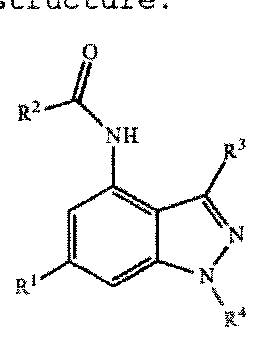
wherein
R1 is phenyl substituted by one or two substituents independently selected from Ci alkyl, -OR5, halo, COR6, -CONReR», -NR"R11, -NHCOR",
(C¾)„S02NR14R15, -NHSO2R16, and 5-membered heteroaryl wherein the 5-membered heteroaryl contains one or two heteroatoms independently selected from oxygen and nitrogen; or pyridinyl optionally substituted by one or two substituents independently selected from -e alkyl, - OR17, halo, -S02NR"R20, and -NHCOR24 ;
R2 is - ( ) n-phenyl optionally substituted by -CN or -NR22R23;
5- or 6-membered heteroaryl wherein the 5- or 6-meitibered heteroaryl contains one or two heteroatoms independently selected from oxygen, nitrogen and sulphur and is optionally substituted by d-s alkyl, halo or - (CH2),NR5R26; or cycloalkyl optionally substituted by phenyl;
R3 is hydrogen or fluoro;
R' is hydrogen or methyl;
R', , R™, R«, , R", and R2> are each independently hydrogen or Ci alkyl;
is hydrogen, » alkyl or -CF3 ;
and are each independently Ci-« alkyl;
R* and R9 are each independently hydrogen or Ci alkyl, or R8 and R', together with the nitrogen atom to which they are attached, are linked to form a 5- or 6-membered heterocyclyl optionally containing an oxygen atom;
R10 and R11 are each independently hydrogen or Ci-t alkyl, or and together with the nitrogen atom to which they are attached, are linked to form a 5- or 6-membered heterocyclyl optionally containing an oxygen atom;
and R15 are each independently hydrogen , alkyl, cycloalkyl or - (CH2 ) phenyl , or and together with the nitrogen atom to which they are attached, are linked to form a 5- or 6-membered heterocyclyl optionally containing an oxygen atom;
is Ci-e alkyl; or phenyl optionally substituted by Ci alkyi ;
is 3-s cycloalkyl; alkyl optionally substituted by - CP); phenyl optionally substituted by one or two substituents independently selected from alkyl, -C02R2B and halo; - or 5-memberedheteroaryl wherein the 5-membered heteroaryl contains one or two heteroatoms independently selected from oxygen, nitrogen and sulphur and is optionally substituted by one or two substituents independently selected from -e alkyl;
is Ci alkyl optionally substituted by
and R26, together with the nitrogen atom to which they are attached, are linked to form a 5-, 6- or 7-membered heterocyclyl or a 10-membered bicyclic heterocyclyl wherein the 5-, 6- or 7-membered heterocyclyl or the 10- membered bicyclic heterocyclyl optionally contains an oxygen atom, a sulphur atom or a further nitrogen atom and is optionally substituted by one or two substituents
independently selected from Ci-s alkyl, cycloalkyl, halo, oxo, phenyl optionally substituted by halo, pyridinyl, - (CHj)rR". - (C¾) ,NR31R« , -COR" and-S02R34; R30 is hydrogen, Ci-s alkyl or - (CHa) , phenyl ;
R31 and R32, together with the nitrogen atom to which they are attached, are linked to form a 6-membered heterocyclyl optionally containing an oxygen atom;
R55 and R36, together with the nitrogen atom to which they are attached, are linked to form a 5- or 6-membered heterocyclyl wherein the 5- or 6-membered heterocyclyl optionally contains an oxygen atom or a further nitrogen atom and is optionally substituted by one or two substituents independently selected from Ci-6 alkyl;
m, n, p, q, r, s and t are each independently 0, 1 or 2; and u is 1 or 2 ; and salts thereof.
Organic compounds of this structure, as well as processes of synthesizing organic compounds of this structure are described in U.S. Patent Ho. 8,163,743, the entire contents of each of which are incorporated herein by reference.
Organic Compound Structure VII
In some embodiments, the PI3F. signal transduction pathway antagonist is an organic compound that binds PI3K having the structure :

R2 is an optionally substituted ring system selected from a group consisting of: formula (A), (B) , (C) , (D) , (E) , (F), (G) , (H) and (I) :


Rl is selected from a group consisting of: heterocycloalkyl, substituted heterocycloalkyl, aryl , substituted aryl , heteroaryl and substituted heteroaryl; each R3 and R4 is independently selected from: hydrogen, halogen, acyl, amino, substituted amino, Ci alkyl, substituted Ci alkyl , C3 cycloalkyl, substituted C3 cycloalkyl, heterocycloalkyl, substituted heterocycloalkyl, alkylcarboxy, aminoalkyl, aryl, substituted aryl, heteroaryl, substitutedheteroaryl , arylalkyl , substituted arylalkyl , arylcycloalkyl , substituted arylcycloalkyl, heteroarylalkyl , substituted heteroarylalkyl , cyano, hydroxyl, alkoxy, nitro, acyloxy, and aryloxy;
n is 1-2;
X is C or N; Y is C, 0, N or S;
and/or a pharmaceutically acceptable salt thereof,
provided that in each of formula (D) to (I) at least one X or
Y is not carbon; further provided that R2 is not quinoline or substituted quinoline.
R3 can be attached to anyone of the four open carbon positions.
Organic compounds of this structure, as well as processes of synthesizing organic compounds of this structure are described in U.S. Patent Ho. 8,138,347, the entire contents of each of which are incorporated herein by reference.
Organic Compound Structure VIII
In some embodiments, the PI3K signal transduction pathway antagonist is an organic compound that binds PI3K having the structure:
or

wherein Y is a heteroatom and Rl or R2 are unsaturated alkyl, non-linear alkyl, or substituted alkyl, including a branched alkyl or cyclic alkyl .
Organic compounds of this structure, as well as processes of synthesizing organic compounds of this structure are described in U.S. Patent No. 7,858,657, the entire contents of each of which are incorporated herein by reference.
Organic Compound Structure IX
In some embodiments, the PI3K signal transduction pathway antagonist is an organic compound that binds JN having the structure :

(wherein R1 is a Ce-C aromatic cyclic hydrocarbon group which may be substituted or a 5- to 1 -membered aromatic heterocyclic group which may be substituted;
R2, R4 and R5 each independently represent a hydrogen atom, a halogen atom, a hydroxyl group, a cyano group, a nitro group, a carboxyl group, a Ci-Cs alkyl group which may be substituted, a Ci-Cs alkoxy group which may be substituted, a C2 acyl group which may be substituted, -CO-NR2"R2b, -NR^CO-R2* or - NR2*R! (wherein R2* and R2 each independently represent a hydrogen atom or a Ci-Cs alkyl group which may be substituted) ; L is a single bond, a Ci-Cj alkylene group which may be substituted, a Cj-Ce alkenylene group which may be substituted or a C2 alkynylene group which may be substituted;
X is a single bond, or a group represented by -NR6-, -0-, -CO-, -S-, -SO-, -SO2-, -CO-NR8-V2-, -C(O)0-, -NRH-CO-V3-, -NRS-C(0)0-, -NRe-S-, -NRS-S0-, -NR8-S02-V2-, -NR«-CO-NR10- , -NR'-CS-NR10- , - SiOl.-NR11-^-, -C(=NRl2)-NR13-, -0C(0)-, -OC (0) -N-R14- or -C¾- NR8-COR6 (wherein Rs, Re, R9, R10, R11, R12, R" and R14 each independently represent a hydrogen atom, a halogen atom, a hydroxyl group, a Ci-Ce alkyl group which may be substituted, a C2-C6 alkenyl group which may be substituted, a C2-C6 alkynyl group which may be substituted, a Ci-Cs alkoxy group which may be substituted, a C2-C6 alkenyloxy group which may be substituted, a Ci-Ce alkylthio group which may be substituted,
a Cj-Cj alkenylthio group which may be substituted, a Cj-Ce cycloalkyl group which may be substituted, a Cj-C» cycloalkenyl group which may be substituted, a 5- to 14-membered non- aromatic heterocyclic group which may be substituted, a aromatic cyclic hydrocarbon group which may be substituted or a 5- to 14-membered aromatic heterocyclic group which may be substituted; V2 is a single bond or a Ci-Ce alkylene group which may be substituted; andm is 0, 1 or 2); and
Y is a hydrogen atom, a halogen atom, a nitro group, a hydroxyl group, a cyano group, a carboxyl group, a Ci-Ce alkyl group which may be substituted, a Cj-Cs alkenyl group which may be substituted, a Ca-Ct alkynyl group which may be substituted, a Ci-Cs alkoxy group which may be substituted, a Cj-Ci cycloalkyl group which may be substituted, a Cs-Ce cycloalkenyl group which may be substituted, a 5- to 14-membered non- aromatic heterocyclic group which may be substituted, a C. -Cn aromatic cyclic hydrocarbon group which may be substituted, a 5- to 14-membered aromatic heterocyclic group which may be substituted, an amino group or -W-R15 (wherein W is -CO- or - SO2-; and R1! is a Ci-C« alkyl group which may be substituted, a Cij-Cu aromatic cyclic hydrocarbon group which may foe substituted, a 5- to 14-membered aromatic heterocyclic group which may be substituted or an amino group) ) , a salt thereof or a hydrate of them.
Organic compounds of this structure, as well as processes of synthesizing organic compounds of this structure are described in U.S. Patent No. 7,776,890, the entire contents of each of which are incorporated herein by reference.
Organic Compound Structure X
In some embodiments, the PI3K signal transduction pathway antagonist is an organic compound that binds JKK having the structure:

and pharmaceutically acceptable salts thereof, wherein:
Ri and Rj are optional substituents that are the same or different and independently represent alkyl , halogen, nitro, trifluoromethyl , sulfonyl, carboxyi, alkoxycarbonyl , alkoxy, aryl, aryloxy, arylalkyloxy, arylalkyl, cycloalkylalkyloxy, cycloalkyloxy, alkoxyalkyl, alkoxyalkoxy , aminoalkoxy, mono- or di-alkylaminoalkoxy, or a group represented by formula (a) , (b) , (c) or (d) :
(a)
/¾
N
\
R,
(b)
/
NH (alkyl) N
\
(

R3 and Ri taken together represent alkylidene or a heteroatom- containing alkylidene, or R3 and R4 are the same or different and independently represent hydrogen, alkyl, cycloalkyl, aryl, arylalkyl, cycloalkylalkyl , aryloxyalkyl , alkoxyalkyl, alkoxyamino, or alkox (mono- or di-alkylamino) ; and
Rs represents hydrogen, alkyl, cycloalkyl, aryl, arylalkyl, cyoloalkylalkyl , alkoxy, amino, mono- or di-alkylamino, arylamino, arylalkylamino , cycloalkylamino, or cycloalkylalkylamino .
Organic compounds of this structure, as well as processes of synthesizing organic compounds of this structure are described in U.S. Patent Application Publication No. 2010/0233689, the entire contents of each of which are incorporated herein by reference.
Organic•Compound Structure XI
In some embodiments, the proteasome antagonist is an organic compound having the structure:
A boronic ester of

wherein R1 is 2- ( 6-phenyl ) yridinyl , R2 is ( 1R! -1-hydroxyethyl , and R3 and R4 are H R1 is 2- (6-phenyl) pyridinyl , R2 is { 1R) -I- hydroxyethyl , and R3 and R4 are methyl; or R1 is 2-pyrazinyl, R" is benzyl, and R3 and R4 are H. In certain embodiments, R1 is 2- ( 6-phenyl) pyridinyl , R2 is { 1R) -1-hydroxyethyl , and R3 and R4 are H. In certain embodiments, R1 is 2- (6-phenyl) yridinyl, R2 is ( 1R) -1-hydroxyethyl , and R3 and R4 are methyl. In certain embodiments, R1 is 2-pyrazinyl, R2 is benzyl, and R3 and R4 are H
Organic compounds of this structure, as well as processes of synthesizing organic compounds of this structure are described in U.S. Patent Application Publication No. 2012/0270840, the
entire contents of each of which are incorporated herein by reference.
Organic Compound Structure XII
In some embodiments, the roteasome antagonist is an organic
:

wherein :
at least one of the bonds a and b, and only one of the bonds c or d, are present, provided that:
when the bonds a and b are present simultaneously, then R§

when the bond a is present, but not the bond b, then n5«n««0 ,

when the bond b is present, but not the bond a, then ns =l,

when the bond c is present, and d is absent, then Rs is H, when the bond d is present, and c is absent, then R9 is an oxygen atom 0,
n0 is 0 or 1, and when n0 is 1, X=C¾ or X=NCH2C6H5,
Ri is:
OH, or a ORio group in which Rio is a linear or branched alkyl group from 1 to 5 carbon atoms,
or a group of formula NH- (C¾) ni-Ru in which:
¾=0, or an integer from 1 to 5,
Rii is a linear or branched alkyl group from 1 to 5 carbon atoms, an aryl group, possibly substituted, N¾, or NHR12 in which R12 is a protecting group of amine
functions, such as the tertiobutyloxycarbonyl (Boc) group, or the CO-O-CHj—CeHs (Z) group ,
is :
H, or a linear or branched alkyl group from 1 to 5 carbon atoms,
or a group of formula (C¾ ) - (CO )„:>-NRnRu > n which:
n2 is an integer from 1 to 5 ,
=0 or 1,
Ri) and Rlt , independently from one another, are:
H,
or a protecting group of amine functions, such as Boc, or Z,
or a group of formula C(=NH)NHRts in which Rl5 is H or a protecting group of amine functions , such as Boc, or Z, mentioned above,
or a side chain from proteogenic amino acids,
¾ is H, or a linear or branched alkyl group from 1 to 5 carbon atoms, optionally substituted with an aryl group, is H, or a protecting group of amine functions, such as Boc, or Z,
Rs is H, or a protecting group of amine functions, such as Boc, or Z ,
R6 is a OR16 group in which Ris is a linear or branched alkyl group from 1 to 5 carbon atoms,
and Re, independently from one another, are H, or a halogen atom, such as Br, I, or CI.
Organic compounds of this structure, as well as processes of synthesizing organic compounds of this structure are described in U.S. Patent Ho. 7,919,468, the entire contents of each of which are incorporated herein by reference.
Ester derivatives of compounds may be generated from a carboxylic acid group in accordance with the present invention using standard esterification reactions and methods readily available and known to those having ordinary skill in the art of chemical synthesis. Ester derivatives may serve as pro-
drugs that can be converted into compounds of the invention by serum esterases.
The subject invention is also intended to include all isotopes of atoms occurring on the compounds disclosed herein. Isotopes include those atoms having the same atomic number but different mass numbers. By way of general example and without limitation, isotopes of hydrogen include tritium and deuterium. Isotopes of carbon include C-13 and C-1 .
It will be noted that any notation of a carbon in structures throughout this application, when used without further notation, are intended to represent all isotopes of carbon, such as 12C, 13C, or "C. Furthermore, any compounds containing 13C or C may specifically have the structure of any of the compounds disclosed herein.
Compounds used in the methods of the present invention may be prepared by techniques well know in organic synthesis and familiar to a practitioner ordinarily skilled in the art. However, these may not be the only means by which to synthesize or obtain the desired compounds .
Compounds used in the methods of the present invention may be prepared by techniques described in Vogel ' s Textbook of Practical Organic Chemistry, A.I. Vogel, A.R. Tatchell, B.S. Furnis, A.J. Hannaford, P.W.G. Smith, (Prentice Hall) 5th Edition (1996), March's Advanced Organic Chemistry: Reactions, Mechanisms, and Structure, Michael B. Smith, Jerry March, (Wiley-Interscience) 5th Edition (2007), and references therein, which are incorporated by reference herein. However, these may not be the only means by which to synthesize or obtain the desired compounds .
It will also be noted that any notation of a hydrogen in structures throughout this application, when used without further notation, are intended to represent all isotopes of
hydrogen, such as lH, ¾, or ¾, Furthermore, any compounds containing 3H or 3H may specifically have the structure of any of the compounds disclosed herein.
Isotopically-labeled compounds can generally be prepared by conventional techniques known to those skilled in the art using appropriate isotopically-labeled reagents in place of the non-labeled reagents employed.
In some embodiments, a compound may be in a salt form. As used herein, a "salt" is a salt of the instant compound which has been modified by making acid or base salts of the compounds. In the case of the use of compounds of the invention for treatment of cancer, the salt is pharmaceutically acceptable. Examples of pharmaceutically acceptable salts include, but are not limited to, mineral or organic acid salts of basic residues such as amines. The term "pharmaceutically acceptable salt" in this respect, refers to the relatively non-toxic, inorganic and organic base addition salts of compounds of the invention . These salts can be prepared in situ during the final isolation and purification of a compound, or by separately reacting a purified compound in its free acid form with a suitable organic or inorganic base, and isolating the salt thus formed.
Oligonucleotides
Antisensa oligonucleotides are nucleotide sequences which are complementary to a specific DNA or RNA sequence. Once introduced into a cell, the complementary nucleotides combine with natural sequences produced by the cell to form complexes and block either transcription or translation. Preferably, an antisense oligonucleotide is at least 11 nucleotides in length, but can be at least 12, 15, 20, 25, 30, 35, 40, 45, or 50 or more nucleotides long. Longer sequences also can be used. Antisense oligonucleotide molecules can be provided in a DNA construct and introduced into a cell as described above to decrease the level of target gene products in the cell .
Antisense oligonucleotides can be deoxyribonucleotides, ribonucleotides, or a combination of both. Oligonucleotides can be synthesized manually or by an automated synthesizer, by covalently linking the 5' end of one nucleotide with the 3' end of another nucleotide with non-phosphodiester intemucleotide linkages such alkylphosphonates , phosphorothioates , phosphorodithioates , alkylphosphonothioates alkylphosphonates, phosphoramidates, phosphate esters, carbamates, acetamidate, carboxymethyl esters, carbonates, and phosphate triesters.
Modifications of gene expression can be obtained by designing antisense oligonucleotides which will form duplexes to the control , 5', or regulatory regions of the gene. Oligonucleotides derived from the transcription initiation site, e.g., between positions -10 and +10 from the start site, are preferred. Similarly, inhibition can be achieved using "triple helix" base-pairing methodology. Triple helix pairing is useful because it causes inhibition of the ability of the double helix to open sufficiently for the binding of polymerases, transcription factors, or chaperons. Therapeutic advances using triplex DNA have been described in the literature {Nicholls et al . , 1993, J Immunol Meth 165:81-91). An antisense oligonucleotide also can be designed to block translation of mRNA by preventing the transcript from binding to ribosomes .
Precise complementarity is not required for successful complex formation between an antisense oligonucleotide and the complementary sequence of a target polynucleotide. Antisense oligonucleotides which comprise, for example, 1, 2, 3, 4, or 5 or more stretches of contiguous nucleotides which are precisely complementary to a target polynucleotide, each separated by a stretch of contiguous nucleotides which are not complementary to adjacent nucleotides, can provide sufficient targeting specificity for a target mRNA. Preferably, each
stretch of complementary contiguous nucleotides is at least 4, 5, 6, 7, 8, 9, 10, 11, 12, 13, 14, IS, 16, 17, 18, 19, 20, 21, 22, 23, 24, 25, or more nucleotides in length. Noncomplementary intervening sequences are preferably 1, 2, 3, or 4 nucleotides in length. One skilled in the art can easily use the calculated melting point of an antisense-sense pair to determine the degree of mismatching which will be tolerated between a particular antisense oligonucleotide and a particular target polynucleotide sequence. Antisense oligonucleotides can be modified without affecting their ability to hybridize to a target polynucleotide. These modifications can be internal or at one or both ends of the antisense molecule. For example, internucleoside phosphate linkages can be modified by adding cholesteryl or diamine moieties with varying numbers of carbon residues between the amino groups and terminal ribose. Modified bases and/or sugars, such as arabinose instead of ribose, or a 3', 5 ' -substituted oligonucleotide in which the 3 ' hydroxy1 group or the 5 ' phosphate group are substituted, also can be employed in a modified antisense oligonucleotide. These modified oligonucleotides can be prepared by me hods well known in the art .
Ribozymes
Ribozymes are RNA molecules with catalytic activity (Uhlmann et al. , 1987, Tetrahedron. Lett. 215, 3539-3542). Ribozymes can be used to inhibit gene function by cleaving an RNA sequence, as is known in the art. The mechanism of ribozyme action involves sequence-specific hybridization of the ribozyma molecule to complementary target RNA, followed by endonucleolytic cleavage. Examples include engineered hammerhead motif ribozyme molecules that can specifically and efficiently catalyze endonucleolytic cleavage of specific nucleotide sequences. The coding sequence of a polynucleotide can be used to generate ribozymes which will specifically bind to rnRNA transcribed from the polynucleotide. Methods of designing and constructing ribozymes which can cleave other
NA molecules in trans in a highly sequence specific manner have been developed and described in the art. For example, the cleavage activity of ribozymes can be targeted to specific NAs by engineering a discrete "hybridization" region into the ribozyme. The hybridization region contains a sequence complementary to the target RNA and thus specifically hybridizes with the target RNA.
Specific ribozyme cleavage sites within an RNA target can be identified by scanning the target molecule for ribozyme cleavage sites which include the following sequences: GUA, GUU, and GOC . Once identified, short RNA sequences of between 15 and 20 ribonucleotides corresponding to the region of the target RNA containing the cleavage site can be evaluated for secondary structural features which may render the target inoperable. Suitability of candidate RNA targets also can be evaluated by testing accessibility to hybridization with complementary oligonucleotides using ribonuclease protection assays. Longer complementary sequences can be used to increase the affinity of the hybridization sequence for the target. The hybridizing and cleavage regions of the ribozyme can be integrally related such that upon hybridizing to the target RNA through the complementary regions, the catalytic region of the ribozyme can cleave the target.
Ribozymes can be introduced into cells as part of a DNA construct. Mechanical methods, such as microinjection, liposome-mediated transfection, electroporation, or calcium phosphate precipitation, can be used to introduce a ribozyme- containing DNA construct into cells in which it is desired to decrease target gene expression. Alternatively, if it is desired that the cells stably retain the DNA construct, the construct can be supplied on a plasmid and maintained as a separate element or integrated into the genome of the cells, as is known in the art. A ribozyme-encoding DNA construct can include transcriptional regulatory elements, such as a promoter element, an enhancer or VAS element, and a
transcriptional teminator signal, for controlling transcription of ribozymes in the cells (U.S. 5,641,673). Ribozymes also can be engineered to provide an additional level of regulation, so that destruction of mRNA occurs only when both a ribozyme and a target gene are induced in the cells .
KMA Interference
Some embodiments the invention relate to an interfering RNA (RNAi) molecule. RNAi involves mRNA degradation. The use of RNAi has been described in Fire et al . , 1998, Carthew et al., 2001, and Elbashir et al., 2001, the contents of which are incorporated herein by reference.
Interfering RNA or small inhibitory RNA (RNAi ) molecules include short interfering RNAs (siRNAs), repeat-associated siRNAs (rasiRNAs) , and micro-RNAs (miRNAs ) in all stages of processing, including shRNAs, pri-miRNAs, and pre-miRNAs . These molecules have different origins: siRNAs are processed from double-stranded precursors (dsRNAs) with two distinct strands of base-paired RNA; siRNAs that are derived from repetitive sequences in the genome are called rasiRNAs; miRNAs are derived from a single transcript that forms base-paired hairpins. Base pairing of siRNAs and miRNAs can be perfect (i.e., fully complementary) or imperfect, including bulges in the duplex region.
Interfering RNA molecules encoded by recombinase-dependent transgenes of the invention can be based on existing shRNA, siRNA, piwi-interacting RNA (piRNA) , micro RNA (miRNA) , double-stranded RNA (dsRNA) , antisense RNA, or any other RNA species that can be cleaved inside a cell to form interfering RNAs, with compatible modifications described herein.
As used herein, an "shRNA molecule" includes a conventional stem-loop shRNA, which forms a precursor miRNA (pre-miRNA) . "shRNA" also includes micro-RNA embedded shRNAs (miRNA-based shRNAs) , wherein the guide strand and the passenger strand of
the miKNA duplex are incorporated into an existing !or natural) miRNA or into a modified or synthetic (designed) miRHA. When transcribed, a s'r.R A may form a primary miRNA (pri-miRNA) or a structure very similar to a natural pri -miRNA The pri-miRNA is subsequently processed by Drosha and its cofactors into pre-miRNA, Therefore, the term " shRNA" includes pri-miRNA (shRNA-mir) molecules and pre-miRNA molecules .
A "stem-loop structure" refers to a nucleic acid having a secondary structure that includes a region of nucleotides which are known or predicted to form a double strand or duplex (stem portion) that is linked on one side by a region of predominantly single-stranded nucleotides (loop portion) . The terms "hairpin* and "fold-back" structures are also used herein to refer to stem-loop structures. Such structures are well known in the art and the term is used consistently with its known meaning in the art. As is known in the art, the secondary structure does not require exact base-pairing. Thus, the stem can include one or more base mismatches or bulges. Alternatively, the base-pairing can be exact, i.e. not include any mismatches.
"RNAi-expressing construct* or "RNAi construct" is a generic term that includes nucleic acid preparations designed to achieve an RNA interference effect. An RNAi-expressing construct comprises an RNAi molecule that can be cleaved in vivo to form an siRNA or a mature shRNA. For example, an RNAi construct is an expression vector capable of giving rise to a siRNA or a mature shRNA in vivo. Non-limiting examples of vectors that may be used in accordance with the present invention are described herein and will be well known to a person having ordinary skill in the art. Exemplary methods of making and delivering long or short RNAi constructs can be found, for example, in WO01/68836 and WO01/75164.
Use of RNAi
RNAi is a powerful tool for in vitro and in vivo studies of gene function in mammalian cells and for therapy in both human and veterinary contexts. Inhibition of a target gene is sequence-specific in that gene sequences corresponding to a portion of the RNAi sequence, and the target gene itself, are specifically targeted for genetic inhibition. Multiple mechanisms of utilizing RNAi in mammalian cells have been described. The first is cytoplasmic delivery of siRNA molecules, which are either chemically synthesized or generated by DICER-digestion of dsRNA. These siRNAs are introduced into cells using standard transfection methods . The siRNAs enter the RISC to silence target mRNA expression.
Another mechanism is nuclear delivery, via viral vectors, of gene expression cassettes expressing a short hairpin RNA (shRNA) . The shRNA is modeled on micro interfering RNA (miRNA) , an endogenous trigger of the RNAi pathway (Lu et al . , 2005, Advances in Genetics 54: 117-142, Fewell et al., 2006, Drug Discovery Today 11: 975-982). Conventional shRNAs, which mimic pre-miRNA, are transcribed by RNA Polymerase II or III as single-stranded molecules that form stem-loop structures. Once produced, they exit the nucleus, are cleaved by DICER, and enter the RISC as siRNAs.
Another mechanism is identical to the second mechanism, except that the shRNA is modeled on primary miRNA (shRNAmir) , rather than pre-miRNA transcripts (Fewell et al., 2006). An example is the itiiR-30 miRNA construct. The use of this transcript produces a more physiological shRNA that reduces toxic effects. The shRNAmir is first cleaved to produce shRNA, and then cleaved again by DICER to produce siRNA. The siRNA is then incorporated into the RISC for target mRNA degradation. However, aspects of the present invention relate to RNAi molecules that do not require DICER cleavage. See, e.g., U.S. Patent No. 8,273,871, the entire contents of which are incorporated herein by reference .
For mR A degradation, translational repression, or deadenylation, mature miRNAs or siKNAs are loaded into the RNA Induced Silencing Complex (RISC) by the RISC-loading complex (RLC) . Subsequently, the guide strand leads the RISC to cognate target mRNAs in a sequence-specific manner and the Slicer component of RISC hydrolyses the phosphod ester bound coupling the target mRNA nucleotides paired to nucleotide 10 and 11 of the RNA guide strand. Slicer forms together with distinct classes of small RNAs the RNAi effector complex, which is the core of RISC. Therefore, the "guide strand" is that portion of the double-stranded RNA that associates with RISC, as opposed to the "passenger strand," which is not associated with RISC.
It is not necessary that there be perfect correspondence of the sequences, but the correspondence must be sufficient to enable the RNA to direct RNAi inhibition by cleavage or blocking expression of the target mRNA. In preferred RNA molecules, the number of nucleotides which is complementary to a target sequence is 16 to 29, 18 to 23, or 21-23, or 15, 16, 17, IS, 19, 20, 21, 22, 23, 24, or 25.
Isolated RNA molecules can mediate RNAi. That is, the isolated RNA molecules of the present invention mediate degradation or block expression of mRNA that is the transcriptional product of the gene. For convenience, such mRNA may also be referred to herein as mRNA to be degraded. The terms RNA, RNA molecule (s), RNA segment (s) and RNA fragment (s) may be used interchangeably to refer to RNA that mediates RNA interference. These terms include double-stranded RNA, small interfering RNA (siRNA) , hairpin RNA, single-stranded RNA, isolated RNA (partially purified RNA, essentially pure RNA, synthetic RNA, recombinantly produced RNA) , as well as altered RNA that differs from naturally occurring RNA by the addition, deletion, substitution and/or alteration of one or more nucleotides. Such alterations can include addition of non-nucleotide material, such as to the end(s) of the RNA or internally (at one or more nucleotides of the RNA) . Nucleotides in the RNA
molecules of the present invention can also comprise nonstandard nucleotides, including non-naturally occurring nucleotides or deoxyribonucleotides . Collectively, all such altered RNAi molecules are referred to as analogs or analogs of naturally-occurring RMA. RNA of the present invention need only be sufficiently similar to natural RNA that it has the ability to mediate RNAi.
As used herein the phrase "mediate RNAi" refers to and indicates the ability to distinguish which mRNA molecules are to be afflicted with the RNAi machinery or process. RNA that mediates RNAi interacts with the RNAi machinery such that it directs the machinery to degrade particular mRNAs or to otherwise reduce the expression of the target protein. In one embodiment, the present invention relates to RNA molecules that direct cleavage of specific mRNA to which their sequence corresponds. It is not necessary that there be perfect correspondence of the sequences, but the correspondence must be sufficient to enable the RNA to direct RNAi inhibition by cleavage or blocking expression of the target mRNA.
In some embodiments, an RNAi molecule of the invention is introduced into a mammalian cell in an amount sufficient to attenuate target gene expression in a sequence specific manner. The RNAi molecules of the invention can be introduced into the cell directly, or can be complexed with cationic lipids, packaged within liposomes, or otherwise delivered to the cell. In certain embodiments the RNAi molecule can be a synthetic RNAi molecule, including RNAi molecules incorporating modified nucleotides, such as those with chemical modifications to the 2 ' -OH group in the ribose sugar backbone, such as 2 ' -O-methyl (2'0Me), 2'-fluoro (2'F) substitutions, and those containing 2'OMe, or 2'F, or 2 ' -deoxy, or "locked nucleic acid" (LNA) modifications. In some embodiments, an RNAi molecule of the invention contains modified nucleotides that increase the stability or half-life of the RNAi molecule in vivo and/or in vitro. Alternatively, the RNAi molecule can comprise one or
ittore aptamers, which interact (s) with a target of interest to form an aptamer : target complex. The aptamer can be at the 5' or the 3 ' end of the RNAi molecule . Aptamers can be developed through the SELEX screening process and chemically synthesized An aptamer is generally chosen to preferentially bind to a target. Suitable targets include small organic molecules, polynucleotides, polypeptides, and proteins. Proteins can be cell surface proteins, extracellular proteins, membrane proteins, or serum proteins, such as albumin. Such target molecules may be internalized by a cell, thus effecting cellular uptake of the shRNA. Other potential targets include organelles, viruses, and cells.
As noted above, the RNA molecules of the present invention in general comprise an RNA portion and some additional portion, for example a deoxyribonucleotide portion. The total number of nucleotides in the RNA molecule is suitably less than in order to be effective mediators of RNAi. In preferred RNA molecules, the number of nucleotides is 16 to 29, more preferably 18 to 23, and most preferably 21-23.
Administration
"Administering" the antagonists described herein can be effected or performed using any of the various methods and delivery systems known to those skilled in the art. The administering can be, for example, intravenous, oral, intramuscular, intravascular, intra-arterial , intracoronary, intramyocardial , intraperitoneal, and subcutaneous. Other non-limiting examples include topical administration, or coating of a device to be placed within the subject. In embodiments, administration is effected by injection or via a catheter.
Injectable drug delivery systems may be employed in the methods described herein include solutions, suspensions, gels. Oral delivery systems include tablets and capsules. These can contain excipients such as binders (e.g. ,
hydroxypropylmethylcellulose, polyvinyl pyrilodone, other cellulosic materials and starch), diluents (e.g., lactose and other sugars, starch, dicalcium phosphate and cellulosic materials), disintegrating agents (e.g., starch polymers and cellulosic materials) and lubricating agents (e.g., stearates and talc) . Solutions, suspensions and powders for reconstitutable delivery systems include vehicles such as suspending agents (e.g., gums, zanthans, cellulosics and sugars), humectants (e.g., sorbitol), solubilizers (e.g., ethanol, water, PEG and propylene glycol), surfactants (e.g., sodium lauryl sulfate, Spans, Tweens, and cetyl pyridine), preservatives and antioxidants (e.g., parabens, vitamins E and C, and ascorbic acid), anti-caking agents, coating agents, and chelating agents (e.g., EDTA) .
As used herein, the term "effective amount" refers to the quantity of a component that is sufficient to treat a subject without undue adverse side effects (such as toxicity, irritation, or allergic response) commensurate with a reasonable benefit/risk ratio when used in the manner of this invention, i.e. a therapeutically effective amount. The specific effective amount will vary with such factors as the particular condition being treated, the physical condition of the patient, the type of subject being treated, the duration of the treatment, the nature of concurrent therapy (if any), and the specific formulations employed and the structure of the compounds or its derivatives .
The compounds used in the methods of the present invention can be administered in a pharmaceutically acceptable carrier. As used herein, a "pharmaceutically acceptable carrier" is a pharmaceutically acceptable solvent, suspending agent or vehicle, for delivering the compounds to the subject. The carrier may be liquid or solid and is selected with the planned manner of administration in mind. Liposomes are also a pharmaceutically acceptable carrier. The compounds used in the methods of the present invention can be administered in
- Ill - admixture with suitable pharmaceutical diluents, extenders, excipients, or carriers (collectively referred to herein as a pharmaceutically acceptable carrier) suitably selected with respect to the intended form of administration and as consistent with conventional pharmaceutical practices. The unit will be in a form suitable for oral, rectal, topical, intravenous or direct injection or parenteral administration. The compounds can be administered alone or mixed with a pharmaceutically acceptable carrier. This carrier can be a solid or liquid, and the type of carrier is generally chosen based on the type of administration being used. The active agent can be co-administered in the form of a tablet or capsule, liposome, as an agglomerated powder or in a liquid form. Examples of suitable solid carriers include lactose, sucrose, gelatin and agar. Capsule or tablets can be easily formulated and can be made easy to swallow or chew; other solid forms include granules, and bulk powders. Tablets may contain suitable binders, lubricants, diluents, disintegrating agents, coloring agents, flavoring agents, flow-inducing agents, and melting agents. Examples of suitable liquid dosage forms include solutions or suspensions in water, pharmaceutically acceptable fats and oils, alcohols or other organic solvents, including esters, emulsions, syrups or elixirs, suspensions, solutions and/or suspensions reconstituted from non-effervescent granules and effervescent preparations reconstituted from effervescent granules. Such liquid dosage forms may contain, for example, suitable solvents, preservatives, emulsifying agents, suspending agents, diluents, sweeteners, thickeners, and melting agents. Oral dosage forms optionally contain flavorants and coloring agents. Parenteral and intravenous forms may also include minerals and other materials to make them compatible with the type of injection or delivery system chosen.
Techniques and compositions for making dosage forms useful in the present invention are described in the following references: 7 Modern Pharmaceutics, Chapters 9 and 10 (Banker
& Rhodes, Editors, 1979); Pharmaceutical Dosage Forms: Tablets (Lieberitian et al . , 1981); Ansel, Introduction to Pharmaceutical Dosage Forms 2nd Edition (1976); Remington's Pharmaceutical Sciences, 17th ed. (Mack Publishing Company, Easton, Pa., 1985); Advances in Pharmaceutical Sciences (David Ganderton, Trevor Jones, Eds., 1992) Advances in Pharmaceutical Sciences Vol. 7. (David Ganderton, Trevor Jones, James McGinity, Eds., 1995); Aqueous Polymeric Coatings for Pharmaceutical Dosage Forms (Drugs and the Pharmaceutical Sciences, Series 36 (James McGinity, Ed., 1989); Pharmaceutical Particulate Carriers: Therapeutic Applications: Drugs and the Pharmaceutical Sciences, Vol 61 (Alain Rolland, Ed., 1993); Drug Delivery to the Gastrointestinal Tract (Ellis Horwood Books in the Biological Sciences. Series in Pharmaceutical Technology; J. G. Hardy, S. S. Davis, Clive G. Wilson, Eds.); Modem Pharmaceutics Drugs and the Pharmaceutical Sciences, Vol 40 (Gilbert S. Banker, Christopher T. Rhodes, Eds.). All of the aforementioned publications are incorporated by reference herein.
The dosage of a compound of the invention administered in treatment will vary depending upon factors such as the pharmacodynamic characteristics of the compound and its mode and route of administration; the age, sex, metabolic rate, absorptive efficiency, health and weight of the recipient; the nature and extent of the symptoms; the kind of concurrent treatment being administered; the frequency of treatment with; and the desired therapeutic effect.
A dosage unit of the compounds of the invention may comprise a compound alone, or mixtures of a compound with additional compounds used to treat cancer. The compounds can be administered in oral dosage forms as tablets, capsules, pills, powders, granules, elixirs, tinctures, suspensions, syrups, and emulsions. The compounds may also be administered in intravenous (bolus or infusion) , intraperitoneal, subcutaneous, or intramuscular form, or introduced directly, e.g. by
injection or other methods, into the eye, all using dosage forms well known to those of ordinary skill in the pharmaceutical arts.
A compound of the invention can be administered in a mixture with suitable pharmaceutical diluents, extenders, excipients, or carriers (collectively referred to herein as a pharmaceutically acceptable carrier) suitably selected with respect to the intended form of administration and as consistent with conventional pharmaceutical practices. The unit will be in a form suitable for oral, rectal, topical, intravenous or direct injection or parenteral administration. The compounds can be administered alone but are generally mixed with a pharmaceutically acceptable carrier. This carrier can be a solid or liquid, and the type of carrier is generally chosen based on the type of administration being used. In one embodiment the carrier can be a monoclonal antibody. The active agent can be co-administered in the form of a tablet or capsule, liposome, as an agglomerated powder or in a liquid form. Examples of suitable solid carriers include lactose, sucrose, gelatin and agar. Capsule or tablets can be easily formulated and can be made easy to swallow or chew; other solid forms include granules, and bulk powders. Tablets may contain suitable binders, lubricants, diluents, disintegrating agents, coloring agents, flavoring agents, flow-inducing agents, and melting agents. Examples of suitable liquid dosage forms include solutions or suspensions in water, pharmaceutically acceptable fats and oils, alcohols or other organic solvents, including esters, emulsions, syrups or elixirs, suspensions, solutions and/or suspensions reconstituted from non-effervescent granules and effervescent preparations reconstituted from effervescent granules. Such liquid dosage forms may contain, for example, suitable solvents, preservatives, emulsifying agents, suspending agents, diluents, sweeteners, thickeners, and melting agents. Oral dosage forms optionally contain flavorants and coloring agents. Parenteral and intravenous forms may also include minerals and
other materials to make them compatible with the type of injection or delivery system chosen.
Specific examples of pharmaceutical acceptable carriers and excipients that may be used to formulate oral dosage forms of the present invention are described in U. S. Pat- No. 3,903,297, issued Sept. 2, 1975.
Tablets may contain suitable binders, lubricants, disintegrating agents, coloring agents, flavoring agents, flow-inducing agents, and melting agents. For instance, for oral administration in the dosage unit form of a tablet or capsule, the active drug component can be combined with an oral, non-toxic, pharmaceutically acceptable, inert carrier such as lactose, gelatin, agar, starch, sucrose, glucose, methyl cellulose, magnesium stearate, dicalciura phosphate, calcium sulfate, mannitol, sorbitol and the like. Suitable binders include starch, gelatin, natural sugars such as glucose or beta-lactose, corn sweeteners, natural and synthetic gums such as acacia, tragacanth, or sodium alginate, carboxymethylcellulose, polyethylene glycol, waxes, and the like. Lubricants used in these dosage forms include sodium oleate, sodium stearate, magnesium stearate, sodium benzoate, sodium acetate, sodium chloride, and the like. Disintegrators include, without limitation, starch, methyl cellulose, agar, bentonite, xanthan gum, and the like.
A compound of the invention can also be administered in the form of liposome delivery systems, such as small unilamellar vesicles, large unilamellar vesicles, and multilamellar vesicles. Liposomes can be formed from a variety of phospholipids, such as cholesterol, stearylamine, or phosphatidylcholines. The compounds may be administered as components of tissue-targeted emulsions.
A compound of the invention may also be coupled to soluble polymers as targetable drug carriers or as a prodrug. Such polymers include polyvinylpyrrolidone, pyran copolymer,
polyhydroxylpropylraethacrylamide-phenol,
polyhydroxyathylasparta-midephenol , or polyethyleneoxide- polylysine substituted with palmitoyl residues. Furthermore, a compound may be coupled to a class of biodegradable polymers useful in achieving controlled release of a drug, for example, polylactic acid, polyglycolic acid, copolymers of polylactic and polyglycolic acid, polyepsilon caprolactone, polyhydroxy butyric acid, polyorthoesters, polyacetals, polydihydropyrans , polycyanoacylates , and crosslinked or amphipathic block copolymers of hydrogels.
Gelatin capsules may contain a compound of the invention and powdered carriers, such as lactose, starch , cellulose derivatives, magnesium stearate, stearic acid, and the like. Similar diluents can be used to make compressed tablets . Both tablets and capsules can be manufactured as immediate release products or as sustained release products to provide for continuous release of medication over a period of hours. Compressed tablets can be sugar coated or film coated to mask any unpleasant taste and protect the tablet from the atmosphere, or enteric coated for selective disintegration in the gastrointestinal tract.
For oral administration in liquid dosage form, a compound may be combined with any oral, non-toxic, pharmaceutically acceptable inert carrier such as ethanol, glycerol, water, and the like. Examples of suitable liquid dosage forms include solutions or suspensions in water, pharmaceutically acceptable fats and oils, alcohols or other organic solvents, including esters, emulsions, syrups or elixirs, suspensions, solutions and/or suspensions reconstituted from non-effervescent granules and effervescent preparations reconstituted from effervescent granules. Such liquid dosage forms may contain, for example, suitable solvents, preservatives, emulsifying agents, suspending agents, diluents, sweeteners, thickeners, and melting agents.
Liquid dosage forms for oral administration can contain coloring and flavoring to increase patient acceptance. In general, water, a suitable oil, saline, aqueous dextrose (glucose) , and related sugar solutions and glycols such as propylene glycol or polyethylene glycols are suitable carriers for parenteral solutions. Solutions for parenteral administration preferably contain a water soluble salt of the active ingredient, suitable stabilizing agents, and if necessary, buffer substances. Antioxidizing agents such as sodium bisulfite, sodium sulfite, or ascorbic acid, either alone or combined, are suitable stabilizing agents. Also used are citric acid and its salts and sodium EDTA. In addition, parenteral solutions can contain preservatives, such as benzalkonium chloride, methyl- or propyl-paraben, and chlorobutanol . Suitable pharmaceutical carriers are described in Remington's Pharmaceutical Sciences, Mack Publishing Company, a standard reference text in this field.
A compound may also be administered in intranasal form via use of suitable intranasal vehicles, or via transdermal routes, using those forms of transdermal skin patches well known to those of ordinary skill in that art. To be administered in the form of a transdermal delivery system, the dosage administration will generally be continuous rather than intermittent throughout the dosage regimen.
Parenteral and intravenous forms may also include minerals and other materials to make them compatible with the type of injection or delivery system chosen.
The compounds and compositions thereof of the invention can be coated onto stents for temporary or permanent implantation into the cardiovascular system of a subject.
Kits of the Invention
The materials for use in the methods of the present invention are suited for preparation of kits produced in accordance with
well known procedures . The invention thus provides embodiments and kits comprising agents, which may include gene-specific or gene-selective probes and/or primers, for quantitating the expression of the disclosed genes, such as for predicting prognostic outcome or response to treatment. Such kits may optionally contain reagents for the extraction of polypeptides or nucleic acids from biological samples. In addition, the kits may optionally comprise the reagent (s) with an identifying description or label or instructions relating to their use in the methods of the present invention. The kits may comprise containers (including microliter plates suitable for use in an automated implementation of the method) , each with one or more of the various reagents (typically in concentrated form) utilized in the methods, including, for example, pre-fabricated microarrays, buffers, the appropriate nucleotide triphosphates (e.g., dATP, dCTP, dGTP and dTTP or rA P, rCTP, rGTP and OTP), reverse transcriptase, DMA polymerase, RNA polymerase, and one or more probes and primers of the present invention (e.g., appropriate length poly (T) or random primers linked to a promoter reactive with the RNA polymerase) . In some embodiments, the kits comprise one or more reagents such as one or more antibodies for detecting the amount of a protein. In some embodiments, an antibody may be specific for a phosphorylated form of a protein. Mathematical algorithms used to estimate or quantify prognostic or predictive information are also properly potential components of kits.
All publications and other references mentioned herein are incorporated by reference in their entirety, as if each individual publication or reference were specifically and individually indicated to be incorporated by reference. Publications and references cited herein are not admitted to be prior ar .
This invention will be better understood by reference to the Experimental Details which follow, but those skilled in the art will readily appreciate that the specific experiments detailed
only illustrative of the invention as described more fully the claims which follow thereafter .
Experimental Details EXAMPLE 1. Methods Summary
Targeted expression in the adult hindgut: Multigenic combinations were targeted to the adult hindgut using the hindgut specific gal4 line byn-gal4 (V. Hartenstein) and tub- galSO" (Bloomington) . Crosses were kept at 16°C to keep the tranagenes silent during development and adult females were transferred to 29°C to induce transgene expression. In addition, GPP and Dcr2 (Dicer 2) were co-expressed to mark the hindgut cells and to facilitate RNAi-mediated knock-down, respectively .
Immunohistochemistry: Primary antibodies used in this study were rabbit anti-Laminin (1:500, Abeam), mouse anti-MMPl (1:100, DSHB) , rabbit anti-Src-pY418 (1:100, Invitrogen) , mouse anti-BRDU (1:10, BD Biosciences) and rabbit anti-cleaved Caspase 3 (1:100, Cell Signaling). Alexa-568 or 633 conjugated goat anti-mouse and anti-rabbit antibodies were used as secondary antibodies (1-.1000, Invitrogen). Muscle labeling was performed with Alexa-568 conjugated Phalloidin (1:200, Invitrogen) SA-p-gal staining was performed using a kit from Cell Signaling (cat # 9860) .
Western Blot Analysis: Primary antibodies used were rabbit anti-Drosophila phospho-AKT (S505) (1:1000, Cell Signaling), rabbit anti-pan-AKT (1:1000, Cell Signaling), rabbit an - phospho-4EBP (T37/46) (1:1000, Cell Signaling), rabbit anti- human phospho-AKT (Ser473) (1:1000, Cell Signaling), mouse anti-a-actin (1:1000, Cell Signaling) and mouse anti-Syntaxin (1:1000, DSHB). HRP-conjugated anti-mouse and anti-rabbit antibodies were used as secondary antibodies (1:5000, Cell Signaling) . For signal detection, Immobilon Chemiluminescent HRP Substrate (Millipore) was used.
Compound Feeding; Compound treated food was made by diluting compound stocks (made in 100% DMSO) in semi-defined Drosophila medium to achieve a final concentration of 0.5% DMSO (empirically determined as the non-toxic DMSO dose in semi-
defined Drosophila medium) , Adul flies were kept on compound treated medium in standard Drosophila vials for 7 days (30 flies/vial, 1 ml food/vial) and provided with fresh compound food every other day.
Cell culture; Parental DLD-1 and HCT-116 cell lines (ATCC) and their PI3K wildtype derivatives (DLD-1 WT and HCT116 WT) (38) that were obtained from Dr. Bert Vogelstein' s laboratory were maintained using DMEM with 10% FBS. All experiments were done under low serum (2.5% FBS) conditions (38).
EXAMPLE 2. Methods
Fly Strains: Multigenic combinations were generated by standard genetic crosses using the following fly lines (chromosome locations and sources in parentheses) : UAS-ras012v (2»d, G . Haider), UAS-egf r (2nd, Bloomington) , UAS-p53™Ai (2nd, VDRC) , UAS-ptenM,Ai (3rd, VDRC) , UAS-apcl™"11 (3rd, VDRC) , UAS- apc2™Ai (X, VDRC) and OAS-dSmad4raisi (3"», VDRC). Adult females used in this study were generated by crossing flies carrying these multigenic combinations to UAS-dcr2,- +; byn-gal4 UAS-GFP tub-gal80"/S-T at 16°C.
Immunohistochemistry: Hindguts dissected in ice-cold PBS were fixed with 4% parafortnaldahyde, 0.3% Triton X in PBS (ice-cold) for 15 minutes at room temperature and rinsed 3 times in PBS, followed by a 15 minute PBS wash. Tissues then were blocked in 0.1% Triton X, 1% normal goat serum in PBS at room temperature for 1 hour, incubated with primary antibody at 4°C overnight, rinsed 3 times in PBS, blocked for 1 hour and incubated in secondary antibody for 2 hours at room temperature. Hindguts were mounted in Vectashield with DAPI (Vector Laboratories) . Primary and secondary antibodies were diluted in block solution.
Western Blot Analysis: Tissue lysates for western analysis were made by grinding 10-20 hindguts in lysis buffer (50mM Tris-HCl, 150mM NaCl , lmM EDTA, 1% NP-40) supplemented with protease and phosphatase inhibitor cocktails (Sigma) . Lysates were boiled for 10 minutes in SDS Sample buffer and reducing
agent, resolved on SDS-Page and transferred using standard protocols. Cell lysates . are prepared similarly. Protein concentrations were determined using BioRad Protein Assay Dye Reagent following manufacturer's instructions.
MTT assay: Cells were grown in sterile 25cm2 flasks to 80% confluency, trypsinized, resuspended in lOOmL DMEM with 2.5% PBS and seeded in 96-well plates in equal numbers. After 24 hours, cells were treated with compounds diluted in DMEM with 2.5% FBS as indicated for 1, 2 or 3 days. MTT assay was performed by replacing compound containing medium with fresh DMEM with 2.5% FBS and lOmg/ml MTT reagent (Thiazoyl Blue tetrazolium Bromide, Fisher Scientific) in PBS at a ratio of 5:1 (120pl/well; 96-well plates). Cells are incubated at 37°C for 3 hours, then the medium is removed and cells are incubated in MTT solvent (4 irJM HC1, 0.1% NP40 in isopropanol) on a shaker. The amount of MTT formazan in the resulting solution is spectrophotometrically measured at 590nM (and a reference filter of 620nM) . Adjusted absorbance value for each well is calculated using the following formula: (OD5joSAMPLE - ODsssBLANK) - (ODSJOSAMPLE -ODsioBLANK) . Each experiment is done in quadruple and relative viability is expressed as fold change in adjusted absorbance compared to untreated and DMSO treated controls in each plate.
BRDU incorporation assay: To label proliferating cells, adults were fed 5 mg/mi BRDU in semi-defined Drosophila medium for 7 days; animals were provided with fresh BRDO-food daily. Dissected guts were processed for antibody staining as described above with the addition of a DNAse treatment step (200 U/ml) at 37°C for 1 hr before incubation with primary antibody.
Compound Feeding : Compounds used in this study were (stock concentrations and sources in parentheses) AZD6244 (200 mM, Selleck Chemicals), SL327 (200 mM, Tocris) , GW5074 (100 mM, Tocris) , Sorafenib (200 mM, LC Labs), LY294002 (200 mM, LC Labs), Rapamycin (200 mM, LC Labs), BEZ235 (20 mM, LC Labs), Dasatinib (200 mM, LC Labs), SP600125 (200 mM, LC Labs),
Bortezomib (200 raM, LC Labs), Cisplatin (200 mM, Sigma), LBH589 (200 mM, LC Labs), Wortmanriin (200 mM, LC Labs), PI- 103-HC1 (100 mM, Tocris) , Everolimus (100 mM, LC Labs) and Enzastaurin (50 mM, LC Labs) .
Imaging and Scoring : Fluorescence images were taken using a Leica ICS SPE confocal microscope and processed using the Leica LAS-AF software. Scoring and imaging of SA-p-gal staining was performed using an Olympus BX41 microscope and a Nikon DS-Ril camera. Distant migration was imaged and scored using a Leica MZ16F dissecting scope with a GFP filter under lOx magnification.
Statistical Analysis: Statistical significance for the distant migration assay was calculated using Fisher's exact test as this test allows the analysis of contingency tables where sample sizes are relatively small . Use of a 4x2 contingency table allowed pairwise comparisons of the distant migration phenotype, which has four phenotypic categories, between different genotypes and/or treatment conditions. Each experiment was performed in duplicate (n=25-30 for each replicate! and multiple times . Error bars indicate standard error of the mean.
EXAMPLE 3. Hultigenio models of colorectal tumors
Mutational profiling data available from colon tumors (7-9) indicated that five pathways are most commonly misregulated in colon cancer: nt, Receptor Tyrosine Kinase (RTK)/Ras, p53, TGF-β and PI3K/Akt (fig la) . To more accurately model specific human tumors in Drosophila, individual patient tumors that carried mutations in any combination of two, three or four of these pathways were identified (fig lb); no tumors were reported to contain mutations in all five pathways . Transgenic lines were then used to represent the most frequently mutated genes in each pathway (fig la), generating the most common double, triple and quadruple combinations reported for human colon tumors. The four quadruple combinations that were generated and the mutation complement of the corresponding
human colon tumors are shown in fig lc. Figure 6 contains a complete list of the 30 tumor combinations we generated in flies; of note, loss of ape was modeled by knockdown of both apcl plus apc2.
Hallmarks of cancer include hyperpro1iferation, disruption of the normal tissue architecture, evasion of apoptosis and oncogene-induced senescence, migration, and metastasis (11) . To determine which aspects of tumorigenesis were recapitulated by the multigenic combinations, the appropriate transgenes were targeted specifically to the adult Drosophila hindgut epithelium—the functional equivalent of the mammalian colon (12,13) (fig Id)—using the temperature sensitive Gal4/Gal80c" system and the byn promoter to control the timing and location of transgene expression (14,15). The adult hindgut is a single-layer epithelium divided into three main sections along its anterior-posterior axis (12,13) (fig le) : ( i ) the pylorus is the anterior-most region of the hindgut that controls the passage of gut contents from the midgut to the hindgut, (ii) the ileum contains the differentiated enterocytes, and (iii) the rectum sits most posteriorly.
The analysis was focused to one of the most frequently observed quadruple combinations in human tumors: rasal2v p53RSHi ptenmAi apcmAi . When induced, animals carrying this combination overexpressed rasal2v, an oncogenic form of ras, and targeted tumor suppresors p53 , pten and ape by NAi specifically in the adult hindgut. This four-hit model of colon cancer was found to recapitulate key aspects of human cancer: overproliferation and disruption of the epithelial architecture were observed, as well as evasion of apoptosis and oncogene-induced senescence. Furthermore, hindgut epithelial cells carrying quadruple combinations lost their epithelial characteristics, extending membrane processes towards the basement membrane, delaminating from the epithelium, and migrating away. These changes were associated with elevated, membrane localized pSrc,
activation of MP1 expression, and degradation of the basement membrane .
The fate of delaminated cells subsequent to leaving the hindgut epithelium was also investigated. Numerous disseminated foci were observed throughout the body including the head, legs, and below the epidermis of the abdomen. Large numbers of disseminated foci of varying sizes were also evident within the abdominal cavity. Many of the foci were composed of multiple cells. This dissemination pheno ype was quantified by categorizing the animals based on the number disseminated foci in the abdominal cavity over time (fig la) . A strong dissemination phenotype was evident starting at 7 days after induction. Overall, these findings indicate migrating cells were able to reach distant sites within the body as far as the head and the legs and survive in these foreign envi onments, recapitulating key early aspects of metastasis .
The quadruple combinations were targeted to the adult hindgut along with Dicer2 and GPP . One week after induction two phenotypes became apparent: regions of multilayered epithelia formed as bulges at discrete points along the hindgut (fig le- j), and the pylorus was expanded (fig Ik, 1) likely due to hyperproliferation. Interestingly, while expansion of the pylorus was observed in response to all four quadruples, the multilayering was not observed with rasal2v p53'ii ptensmi smad4mAi (fig 3g) , indicating that reduced ape is a required component .
EXAMPLE 4. Transformed cells displayed migratory behavior
A closer inspection of the hindgut epithelium in quadruple combination animals revealed numerous cells that had lost their characteristic epithelial shape and assumed a more mesenchymal appearance; these cells extended processes towards the basement membrane and the surrounding muscle layer (fig 2a-f) . Further, many epithelial cells left the hindgut
epithelium to migrate on top of the surrounding muscle layer (fig 2g,h) . These migrating cells commonly enwrapped tracheal branches, a tubular network that provides oxygen to Drosophila tissues .
Src is a key regulator of cell migration that is up-regulated in many advanced tumor types (16) . Control guts exhibited low uniform phospho-Src (pSrc) levels throughout the cytoplasm with weak membrane localization in some cells. By contrast, hindguts carrying quadruple combinations displayed elevated levels of pSrc that included strong membrane localization (fig 2i,j). During the process of migration and metastasis, tumor cells also typically secrete matrix metalloproteases (MMPs) to degrade the basement membrane during metastasis (17). While control hindguts did not show detectable MMP1 expression, hindguts carrying quadruple combinations showed strong but non-uniform MMP1 expression throughout the epithelium (fig 2k, 1). They exhibited weak, patchy and absent staining of the basement membrane component Laminin particularly in the region between the epithelium and the surrounding muscle, indicating that the integrity of the basement membrane was compromised (fig 2m-p) ,
In summary, hindgut epithelial cells carrying quadruple combinations lost their epithelial characteristics, extending membrane processes towards the basement membrane, delaminating from the epithelium, and migrating away. These changes were associated with elevated, membrane localized pSrc, activation of MMP1 expression, and degradation of the basement membrane.
EXAMPLE 5. Traasformed cells mi{prated to distant sites
Next, the fate of delaminated cells subsequent to leaving the hindgut epithelium was investigated. Animals carrying quadruple combinations displayed numerous GFP-positive foci throughout their body including the head, legs, and below the epidermis of the abdomen (fig 2r,t-v). Large numbers of GFP- positive foci of varying sizes were also evident within the
abdominal cavity, most of which were loosely associated with tracheal branches (fig 2q) . Many foci were found along the abdominal body wall near the heart tube, but hindgut cells were also occasionally observed embedded in the fat body and ovaries (fig 2q, s) . Many of the foci were composed of multiple cells (fig 2w) . These findings indicate migrating cells were able to reach distant sites within the body as far as the head and the legs and survive in these foreign environments, recapitulating key early aspects of metastasis.
This dissemination phenotype was quantified by categorizing the animals based on the number of GFP-positive foci in the abdominal cavity over time (fig 2x) . A strong dissemination phenotype was evident with all four combinations starting at 7 days after induction, with egfr 53***' sinad4,aH1 ape*"** displaying the strongest phenotype. While the migration phenotype was progressively stronger and more penetrant over time in some combinations, in others it was not. This likely reflects the consequences of constant transgene expression throughout the hindgut, which compromised tissue integrity over time and interfered with the migration process. These combinations led to increased host mortality (fig 7) and hindguts with the most severe pheno ypes may have been removed from the pool .
EXAMPLE 6. Proliferation, inultilayering, and migration are regulated by complex gene combinations
Though the Drosophila hindgut epithelium is normally quiescent, hindgut stem cells can be stimulated to proliferate in response to tissue damage (12) . It was reasoned herein that expansion of the pylorus region in response to the quadruple combinations could be due to proliferation of the normally quiescent stem cells. Consistent with previous work (12), BRDU-positive cells were observed in control hindguts (fig 3a, b) of animals labeled for 7 days. However, large numbers of BRDU-positive cells were observed in the pylorus of rasG12v
p53mAi ptanMl apcmM hindguts (fig 3c) , consistent with proliferation.
As was recently reported (18), rasal2v alone was able to induce proliferation (fig 3d) ; the remaining transgenes, alone or in combination, had no measurable effect on proliferation in the absence of rassuv (not shown) . While rasel2v ptenmAi and cas"JV ape*™1 exhibited strong proliferation phenotypes comparable to ras™ alone, the strongest proliferation phenotype was observed with the triple combination ras0" pten"""1 ape™" (fig 8) . By contrast, p53mlAi consistently inhibited proliferation (fig 3e, fig 8) . A similar reduction of self-renewal capacity of tissues without p53 function has also been reported in mammalian systems and attributed to the accumulation of persistent DMA damage over time (19,20). Overall, these findings indicate that ras8"' is necessary and sufficient to induce proliferation; ptenmi and apcmAi strongly synergize with rasslJ" while p53mAi inhibits proliferation.
A similar analysis of the multilayering phenotype was carried out. The absence of multilayering in ras lv ρ53∞·! pten*™1 smad4mAi (fig 3f,g) suggested that ape™*1 could be responsible for this phenotype, though neither ape™*1 nor the other transgenes could induce multilayering by themselves (fig 3h, i, not shown) . Analysis of double and triple combinations indicated that multilayering of the hindgut epithelium required a combination of rasG12v and ape™*1 (fig 3j) .
As described above, rasal2v ρ53™Λί ptenmAi ape™"** displayed a highly penetrant distant migration phenotype into the abdominal cavity one week after induction of the transgenes (figs 2x, 3k) . Removing ras'°:-!° led to a significant suppression of distant migration as SJ™1, ptenmAi, and ape™*-1—alone or in combination-displayed low levels of migration (figs 3k, 8) . Conversely and consistent with previous observations (18), rasal2v alone had a strong migration phenotype though less penetrant than the quadruple (fig 3k); p53mAi, pten™31 and
apc™1 each significantly enhanced this migration (fig 3k). Despite the strong proliferation and migration phenotypes induced in rsr'""' animals, rass12" overexpression in the hindgut leads to a modest 2-fold increase in MAPK activity (fig 9), ruling out the possibility that these phenotypes are caused by non-physiologically high levels of ras013v expression.
Curiously, pairing each transgene with rasG13v showed stronger migration phenotypes than rasm2v SJ™*-1 pten™81 ape™" or the various triple combinations (fig 3k) . As combining 3-4 transgenes together weakened the migration phenotype, the possibility that targeting all four pathways provide other benefits that outweigh reduction in distant migration was explored.
EXAMPLE 7. Advantages conferred to tumors by nrultigenic combinations
To better understand the role that genetic complexity plays in tumor progression, the transformed cells themselves were more carefully examined. For example, both ras01J" alone and rasal2v p53m,A1 ptenm-"Ai a e'-'4*' hindgute displayed strong distant migration phenotypes (fig 3k) . However, the migrating cells carrying these combinations were phenotypically distinct. Migrating ras°i2 cells were small and extended short processes (fig 31) . Migrating rasel2v 53™" pten™" apcmAi cells were significantly larger with long processes (fig 3m) and more extensive contacts with the overlying tracheal branches. Similar large migrating cells were observed in triple combinations but not in doubles (fig 10) . These data show that that the triple and quadruple combinations led to a more complete transformation process, yielding apparently more robust migrating cells.
Apoptosis is an important cellular defense against cancer, and tumor cells acquire methods to evade it (21) . Control tissue displayed no detectable caspase activation as assessed by Drone activity, a primary initiator caspase (22) (fig 3n) .
Within hindguts expressing single transgenes, high levels of caspase activity were observed with ras0OT alone; weaker levels were observed with ten**"' and none with p53mA1 or ape""' (figs 3p, 8; not shown). In contrast to rasal2v hindguts, no caspase activation was detected in rasal2v p53mM ptensmi ape"11 hindguts (fig 3o) , indicating that one role of reducing tumor suppressors is to block ras<::lv-aeper.dent caspase cleavage within tumors.
Specific sub-combinations were also examined. Caspase activation was not detected in ras01-" p53ml hindguts (fig 3r) , indicating that intact p53 activity is requi ed to activate the apoptosis pathway. rassuv pten™1 hindguts exhibited weak caspase activity (fig 8) indicating that reducing pten suppresses apoptosis in the context of rasG12v. rasal2v ape™*1 hindguts showed high levels of caspase activity (fig 8). Further complexity emerged within triple combinations: p53mAi failed to block caspase cleavage in the presence of rasal2v apcmA1 but p53Bmi plus pten™-^ suppressed caspase cleavage induced by rasa'lv alone or rasG12v apcmAi (fig 3w, fig 8). These data show that, in the transformation process, higher pathway complexity favors a block in apoptosis.
Oncogenic stress—induced by Ras or Raf activation or by loss of Pten—can lead to oncogene-induced senescence, another important cellular defense against malignant progression (23,24). It was found herein that subset of hindgut cells lost GFP expression, most notably those bearing ras012" or rasal2v ptenmAi or, to a lesser extent, ten™" alone (fig 8; not shown) . These same GFP-negative cells were positive for the senescence marker SA- -gal (senescence-associated-p-gal; e.g., fig 3u, 8) , indicating emergence of at least some aspects of cellular senescence.
By contrast, SA-p-gal-positive cells were rarely observed in rasG12v p53mAi pten""" apcmAi, rasaL2v p5J™Ai, rasal2v apcmAi , or ras°1 v p53mA1 apcmAi hindguts (fig. 3t, 3v, 8), indicating that
ρ53""Λ1 and ape***' oppose SA-p-gal activation. Numerous SA-p-gal positive cells were still observed in rasel v p53mM ptenmM and a few in rasG12v ptenmM apc™Ai (fig 8) , indicating that reducing pS3 plus ape is required to prevent loss of SA-p-gal in the context of rasauv ptenmAi . These results again indicate the emergent properties by which the four loci interact to promote tumorigenesis , in this case by blocking a senescence-like phenotype. The phenotypes observed in the quadruple combinations and the interactions observed between the four transgenes leading to each of these phenotypes are summarized in fig 3w,x.
EXAMPLE 8. Quadruple-hit tumors are resistant to targeted therapeutic agents
Given the low success rate of drug approvals for colorectal cancer (3) the study herein asked whether differences in genetic complexity influence a tumor model's response to drugs Sixteen compounds that target key cancer relevant pathways and cellular processes were selected (fig 11); many of these compounds are currently in cl s including for colorectal cancer (25-27) . Commencing the day of transgene induction, animals were fed compounds for one week and then scored for issemination into the abdominal cavity. Final compound concentrations in the media ranged from ΙμΜ-lmM, corresponding to approximately 10-200 ng/day/animal based on adult feeding rates (fig 11) .
In ras°12v animals, distant migration was significantly suppressed by 12/16 compounds tested, including inhibitors of Raf, MEK, PI3K, mTor, Src, and J K (fig 4a, c). Importantly, the four-hit model ras°12v p53mAi pten™*1 apcmAi exhibited a different response: none of these compounds had a statistically significant effect on distant migration (fig 4b, c). None of the compounds showed significant whole animal toxicity at effective doses (fig 11) except for the proteosome inhibitor bortezomib (velcade) , which only showed efficacy at doses that otherwise killed more than 70% of the animals (figs
S7 , 4c) . The HDAC inhibitor LBH589 (panobinostat) was effective against rasel2 but not against rasal!v p53*mi ptenmM apc,Ji l at non-toxic doses (figs 4c, 12) .
Together, the data herein indicate that drug resistance is another emergent property of muitigenic combinations: activating multiple cancer pathways can lead to resistance to a wide range of anti-cancer agents.
EXAMPLE 9. Drug response as an emergent property of multigenic combinations
BEZ235 was focused on to determine the transgene(s) responsible for the emergent drug resistance observed in rasouv p5j ap animals. It is the first PI3K/ntTor inhibitor to enter clinical trials; a phase I trial targeting a spectrum of solid tumors including colorectal is ongoing (25,28) . Removing pten™" from the quadruple combination (ras"13' p53msi apcm"1) rendered the animals sensitive to BEZ235 (fig 4d) . Conversely, adding pten∞1 to ras-'"-" (rasCIW ptenmA1) was sufficient to direct resistance to BEZ235 (fig 4d) . This study shows that resistance to the pi3K/mTor inhibitor BEZ235 is an emergent property of the rasSJ" ptenmAi combination; the results herein suggest that patients with these two pathways activated may respond more poorly to PI3K pathway inhibitors.
Whether the predictions herein regarding BEZ235 resistance based on pathway activation status were also true in human colon cancer cell lines was tested. It was found that DLD-1 cells contain mutations in Ras, p53, APC, and the PI3K pathway component PIK3CA, similar to the four-hit model herein. This human colorectal cancer cell line was more resistant to BEZ235 than the derivative line DLD-l-WT, which is restored for normal PIK3CA function (fig 5a) . Furthermore, another colorectal cancer cell line that shows coactivation of Ras/MAPK and PI3K pathways, HCT116 (Ras PIK3CA CTNH1) was also more resistant to BEZ235 than its PI3K pathway wildtype counterpart, HCT116-WT (fig 16a) .
The transgenic animals provided the opportunity to explore the in situ dynamics of PI3K pathway activation in the context of a transformed gut and in the presence of candidate therapeutics. PI3K activation leads to phosphorylation of AKT (p-AKT) , which in turn has multiple targets that regulate key aspects of cell survival, growth and metabolism including Tor Complex 1 (T0RC1) (29,30), Seven days after transgene induction, rasal2v p53mM ptenmii a e™1' cells reached a steady state with (i) high levels of p-AKT and (ii) very low levels of T0RC1 activity over time (as indicated by 4EBP phosphorylation) (fig 4e-f, fig 13), a pattern that was recapitulated rasG12v ptenmM animals (fig 18a,b) . Time course analysis of pathway activation in xasei2v p53mAi ptenmM ape*"** hindguts showed a continuous increase in p-AKT levels and a concomitant decrease in TORC1 activity (as indicated by 4EBP phosphorylation; fig 4f) , indicating that while both AKT and TORC1 were activated early on, TORC1 activity decreased over time, while AKT levels kept rising. By contrast, while single transgene rasal2v or ptenmA1 animals began with a similar activity profile, by day seven (i) p-AKT levels were very low and (ii) p-4EBP levels rose back to normal levels (rasG12V reduced AKT more rapidly than ptenRNAi (fig 4f ) .
Interestingly, this cellular state of high pAKT and low T0RC1 activity can also be induced by FoxO to maintain energy homeostasis in response to physiological stress both in mammalian cells and in Drosophila (31,32). It is possible that this steady state of PI3K pathway activity could provide an advantage to tumor cells whose energy metabolism is altered as a result of oncogenic transformation.
By contrast, while single transgene rasal2v or cen™*1 animals began with a similar activity profile, by day seven (i) p-AKT and total AKT levels were very low and (ii) p-4EBP levels rose back to normal levels (rassl2v reduced AKT more rapidly than pten™*Ai; fig 4e-f) . This altered profile likely reflects a
previously described feedback inhibitory loop that controls AKT protein stability in response to chronic PI3 pathway activation (33); the studies herein find that this feedback loop is disrupted when raa*""' and pten™" are present together. That is, the key to drug sensitivity is high (normal) TORC1 activity, with p-4EBP levels serving as a biomarker.
EXAMPLE 10. Low doae bortezomib treatment overcomes resistance to PI3K pa hway inhibitors
Signaling pathways rely on constant protein turnover to regulate their activity. It was reasoned herein that inhibiting protein degradation might alter the steady state of PI3K pathway activity we observed in our model and help overcome drug resistance in rasallv p53Kmi pten∞i apc M animals Bortezomib has been reported to both inhibit and activate the PI3K pathway depending on the cell type, dose and duration of treatment (34-36). In exploring bortezomib's effects on signaling in our model, it was noted herein that low doses directed upregulation of PI3K and TORC1 activity (fig 4i), a state the experiments herein associated with drug sensitivity. It was hypothesized that this increase in T0RC1 activity would render rasG12v pS3mA1 pterf3*1 apcmAi hindguts sensitive to PI3K/mTor inhibitors. In f ct, low non-toxic concentrations (1 μΜ, i.e. -iOng/day/animal ) of bortezomib synergized with the PI3K/mTor inhibitors BEZ235, PI103 and LY2940Q2 to inhibit dissemination within the four-hit model (fig 4g) . Dissemination induced by the rasG12v ptenJBMi double was similarly suppressed by the combination therapy (fig 4h 19a) . This indicates that sensitivity to combinatorial therapy that includes bortezomib is an emergent property of rasal2v plus ptenRHSi. Interestingly and by contrast, the mTor inhibitor rapamycin enhanced distant migration in combination with bortezomib (fig 4g 19c) , likely reflecting a previously described feedback activation of the PI3 pathway on Eas signaling (37) and suggesting this combination would not be useful as a therapeutic.
The concept of activating TORC1 activity to promote drug sensitivity was further supported by examining PI3K signaling after combinatorial therapy (fig 4i) . Bortezomib treatment alone led to an increase in p-4EBP levels, a condition that confers drug sensitivity (fig 4i,j). Indeed, combining bortezomib with either BEZ235 or LY294002 reduced p-4EBP back to baseline levels (fig 4i,j); this reduction of TORC1 activity was accompanied by efficacy against the quadruple combination (fig 4g) . If re-activating T0RC1 by bortezomib drives dependence on the pathway, thereby rendering these cells sensitive to PI3K pathway inhibition, sequential treatment of animals with bortezomib followed by BEZ235 should also be effective, but not when the order of the treatment is reversed. This is precisely what we observed (fig 4k 19c) . Indeed, sequential therapy was much more effective than concurrent feeding of bortezomib andBEZ235 (19c!. These data are consistent with the view that TORC1 activity is a key biomarker and determinant of a tumor's sensitivity to at least two PI3K pathway inhibitors. Bortezomib ' s activity in combination with other drugs is presented in fig 14.
EXAMPLE 11. Validation in human colorectal cancer cell lines
Whether the predictions herein regarding BEZ235 resistance based on pathway activation status held true in human colon cancer cell lines was tested next. The human colorectal cancer cell line DLD-1 contains mutations in Ras, p53, APC, and the PI3K pathway component PIK3CA, a mutational status similar to our four-hit Drosophila model. DLD-1 proved more resistant to BEZ235 than the derivative line DLD-l-WT, in which normal PIK3CA function is restored (38) (fig 5a) . Also similar to our observations in flies, bortezomib activated the PI3K pathway in these cell lines at doses and durations that did not affect survival (fig 5b-d, fig 15) . Importantly, doses of bortezomib that activated the PI3K pathway also rendered DLD-1 cells sensitive to BEZ235 treatment (fig 5e, fig 15), mirroring our results in flies. These observations were confirmed with HCT116 cells—another colorectal cancer cell line with co-
activation of Ras/MAPK and PI3K pathways-when compared to its PI3K pathway wild type derivative HCT116-WT (38) (fig 16) .
ΈϊΧί&ϊ&ΤΜ l_t . PI*J>-1 X*nog e£t 8tudy
OOAIii To determine efficacy of Bortezomib-BEZ235 combination in DLDl xenograft model .
EXSERH-EHT XJi Cmt
Mica: Athymic females
Calls : DLDl cells 10 million cells s.c. single flank with matrlgel
Media: DMEM, 10% FBS + P/S
Drugs; Bortezomib i.p.
BEZ235 p.o.
Vehicle : saline (bortezomib!
—10 animals /group. Start treatments when tumors are -80-100 mm1 and continue for 3 weeks. Monitor tumor growth twice a week:
1. Vehicle p.o. QD Mon-Tue-Wed-Thu-Fri
2. BEZ235 40 mg/kg p.o. Mon-Tue-Wed-Thu-Fri
3. Bortezomib ip 0.25 mg/kg ip Mon + BEZ235 40 mg/kg p.o.
Tue-Wed-Thu-Fri
4. Bortezomib ip 0.1 mg/kg ip Mon + BEZ235 40 mg/kg p.o.
Tue-Wed-Thu-Fri
5. Bortezomib ip O.Olmg/kg ip Mon + BEZ235 40 mg/kg p.o.
Tue-Wed-Thu-Fri
6. Bortezomib ip 0.25 mg/kg ip Mon
7. Bortezomib ip 0.1 mg/kg ip Mon
8. Bortezomib ip O.Olmg/kg ip Mon
CONCLUSION: The Bortezomib-BEZ235 combination is effective for reducing tumor growth in the DLDl xenograft model (Figures 21- 24) .
Discuaaion
The multigenic and heterogeneous nature of human tumors presents a fundamental challenge for cancer research. To capture this genetic complexity multigenic models of colon cancer were generated in Drosophila—double, triple and quadruple combinations of transgenes representing mutations clustered together in human colon tumors—and targeted them to the adult hindgut. These models recapitulated key features of human cancer, many of which arose as emergent properties of multigenic combinations. Further, using the quadruple combination rasal2v p53mM pten™*-1 a e""" we show that multigenic models exhibit emergent resistance to a panel of drugs; the disclosures herein identify a mechanism of resistance for BEZ235. Combinatorial therapy proved more effective against these multigenic combinations . The disclosures herein demonstrate a novel two-step process of emergent pathway dependence and suppression in both Drosophila and cultured human tumor cells termed "induced dependence' . Developing multigenic animal models by referencing cancer genomes is an essential step towards furthering our understanding of a cancer ' s biology and towards developing ef fective targeted therapies .
Colon cancer is the second leading cause of cancer-related death in the western world. Its high mortality rate is largely due to the resistance of late stage tumors to targeted therapies. Several highly conserved genes and pathways implicated in colon cancer have been extensively studied in cell culture and mouse models (5,6), but effective therapeutics remain an unmet need. Development of effective targeted therapies will require a better understanding of how genomic changes interact during malignant progression. To this end the subject invention provides a large number of multigenic combinations that target the Drosophila hindgut. These models were designed to reflect sequencing profiles of individual human colon tumors
(7-9) , taking advantage of extensive conservation of the
signaling pathways that direct colon tumors {10) . The emergent properties of progressively more complex models were then explored .
Emergent properties in complex tumors
The disclosures herein demonstrate that targeting the quadruple combination rasfi12v p53 M pten™*1 a e™" to the adult hindgut epithelium led to overproliferation, multilayering, evasion of apoptosis and senescence-like phenotypes, and migration. These are hallmarks of human cancer that reflect the complex and dynamic interactions between individual transgenes within (human tumor-relevant) multigenic combinations (figs 3x,w) . Some phenotypes only arose in the presence of multiple transgenes: for instance, multilayering of the hindgut epithelium was an emergent property of rasal2v plus a e*™'. Also, the behavior of a transgene can change depending on the presence of other transgenes. For instance, while ptenmsi induced caspase activation on its own, it suppressed it in the presence of rasel2v. Finally, some transgenes had complex roles in tumor progression including p!Jmi, which was required to evade activation of apoptosis and SA-p-gal but which also reduced tumor cell proliferation.
The findings herein also demonstrate that complex tumors can show resistance to compounds designed for high target specificity. Combinatorial therapy or use of less selective compounds may prove more effective against these tumors. Identifying these useful combinations is likely to require whole animal screening to account for tumor complexity. Utilizing flies and human cell lines, the data herein suggest that novel drug combinations-low dose bortezomib plus an inhibitor of the PI3K/Akt pathway such as BEZ235—can be effective against a common sub-type of colorectal cancer by promoting 'induced dependence'. The findings herein also provide a template towards future efforts that emphasize dosing to a specific biological outcome rather than maximum tolerable dose (MTD) (39) . One open question is whether each
tumor sub-type will require a different therapeutic combination or whether multigenic models such as Drosophila can help identify therapeutics that act across several tumor types .
Referencea
1 Ocana, A., Pandiella, A., Siu, L. L. & Tannock, I. P.
Preclinical development of molecular- targeted agents for cancer. Wat Rev Clin Oncol 8, 200-209, (2011).
2 Stratton, . Exploring the Genomes of Cancer Cells:
Progress and Promise. Science 331, 1553-1558, (2011).
3 Hay, M. , Rosenthal, J., Thomas , D. & Craighead, J. in BIO CEO & Investor Conference.
4 Caponigro, G. & Sellers, W. R. Advances in the preclinical testing of cancer therapeutic hypotheses. Nature Reviews Drug Discovery 10, 179-187, (2011).
5 Markowitz, S. D. & Bertagnolli, . M. Molecular origins of cancer: Molecular basis of colorectal cancer. The New England journal of medicine 361, 2449-2460, (2009) .
6 Sancho, E. , Batlle, E. & Clevers , H. SIGNALING PATHWAYS IN INTESTINAL DEVELOPMENT AND CANCER. Annual Review of Cell and Developmental Biology 20, 695-723, (2004).
7 Leary, R. J. et al . Integrated analysis of homozygous deletions, focal amplifications, and sequence alterations in breast and colorectal cancers . Proceedings of the National Academy of Sciences of the United States of America 105, 16224-16229, (2008) .
8 Sjoblom, T. et al. The Consensus Coding Sequences of Human Breast and Colorectal Cancers. Science 314, 268-274, (2006) .
9 Wood, L. et al . The Genomic Landscapes of Human Breast and Colorectal Cancers. Science 318, 1108-1113, (2007).
10 Molnar, C. et al . in Human Genetic Diseases (ed Dr.
Dljana Plaseska-Karafilska) (InTech, 2011) .
11 Hanahan, D. & Weinberg, R. Hallmarks of Cancer: The Next Generation. Cell 144, 646-674, (2011).
12 Fox, D. T. & Spradling, A. C. The Drosophila Hindgut Lacks Constitutively Active Adult Stem Cells but Proliferates in Response to Tissue Damage. Stem Cell 5, 290-297, (2009).
Takashima, S . , Mkrtchyan, M, , Younossi-Hartenstein, A., Merriam, J. R. & Hartenstein, V. The behaviour of Drosophila adult hindgut stem cells is controlled by tint and Hh signalling. Nature 454, 651-655, (2008) .
Brand, A. H. & Perriition, N. Targeted gene expression as a means of altering cell fates and generating dominant phenotypes. Development 118, 401-415 (1993).
McGuire, S. E. , Roman, G. & Davis, R. L. Gene expression systems in Drosophila : a synthesis of time and space. Trends in genetics : TIG 20, 384-391, (2004) .
Sen, B. & Johnson, P. M. Regulation of SRC family kinases in human cancers. J Signal Transduce 2011, 865819, doi:10.1155/2011/865819 (2011).
Kessenbrock, K. , Plaks, V. St erb, Z . Matrix metalloproteinases : regulators of the tumor microenvironment . Cell 141, 52-67, (2010).
Bangi, E . , Pitsouli, C, Rahme, L. G., Cagan, R. & Apidianakis, Y . Immune response to bacteria induces dissemination of Ras-activated Drosophila hindgut cells.
EMBO Rep,
(2012) .
Leibowitz, B. J. et al. Uncoupling p53 functions in radiation-induced intestinal damage via PUMA and p21. Mol Cancer Res 9, 616-625, (2011) .
Milyavsky, M. et al. A distinctive DNA damage response in human hematopoietic stem cells reveals an apoptosis- independent role for p53 in self-renewal. Cell Stem Cell 7, 186-197, (2010).
Indran, I. R. , Tufo, G., Pervaiz, S. & Brenner, C. Recent advances in apoptosis, mitochondria and drug resistance in cancer cells. Biochim Biophys Acta 1807, 735-745, (2011) .
Fan, Y. & Bergmann, A. The cleaved-Caspase-3 antibody is a marker of Caspase-9-like DRONC activity in Drosophila. Cell Death Differ 17, 534-539, (2010).
W
- 142 -
23 Chandeck, C. & Mooi , M. Oncogene-induced cellular senescence. Advances in anatomic pathology 17, 42-48, (2010) .
24 Collado, M. et al. Tumour biology: Senescence in premalignant tumours. Nature Cell Biology 436, 642-642, (2005) .
25 www.clinicaltrials.gov (2011).
26 Kelley, R. & Venook, A. P. Drug development in advanced colorectal cancer: challenges and opportunities. Current oncology reports 11, 175-185, (2009).
27 Ortega, J., Vigil, C. E. & Chodkiewicz, C. Current progress in targeted therapy for colorectal cancer. Cancer control : journal of the offxtt Cancer Center 17, 7-15, (2010) .
28 Peyton, J. D. et al . in ASCO Annual Meeting. Suppl;
Abstr 3066 (J Clin Oncol) .
29 Guertin, D. A. & Sabatini, D. M. Defining the role of m OR in cancer. Cancer Cell 12, 9-22, (2007).
30 Laplante, K. & Sabatini, D. M. mTOR Signaling in Growth Control and Disease. Cell 149, 274-293, (2012) .
31 Chen, C. C. et al . FoxCs inhibit mTORCi and activate Akt by inducing the expression of Sestrin3 and Rictor. Dev Cell 18, 592-604, (2010) .
32 Lee, J. H. et al. Sestrin as a feedback inhibitor of TOR that prevents age-related pathologies. Science 327, 1223- 1228, (2010).
33 Wu, Y. . et al. mTOR complex 2 targets Akt for proteasomal degradation via phosphorylation at the hydrophobic motif. J Biol Chem 286, 14190-14198, (2011).
34 Befani, C. D. et al. Bortezomib represses HIF-lalpha protein expression and nuclear accumulation by inhibiting both PI3K/Akt/T0R and MAPK pathways in prostate cancer cells. J Mol Med (Berlt 90, 45-54, (2012).
35 Huang, J. et al. Antitumor activity and drug interactions of proteasome inhibitor Bortezomib in human high-risk
myelodysplastic syndrome cells. Int J Hematol 93, 482-493, (2011) .
Yeramian, A. et al , Inhibition of activated receptor tyrosine kinases by Sunitinib induces growth arrest and sensitizes melanoma cells to Bortezomib by blocking Akt pathway. Int J Cancer 130, 967-978, (2012) .
Wan, X., Harkavy, B. , Shen, N. , Grohar, P. & Helman, L . J. Rapamycin induces feedback activation of Ak signaling through an IGF-lR-dependent mechanism. Oncogene 26, 1932- 1940, (2007).
Samuels, Y. et al. Mutant PIK3CA promotes cell growth and invasion of human cancer cells. Cancer Cell 7, 561-573, (2005) .
Al-Lazikani , B . , Banerji, U. & Workman, P. Combinatorial drug therapy for cancer in the post-genomic era. Nat Biotechnol 30, 679-692, (2012).
Claims
1. A method for treating a mammalian subject afflicted with a cancer which comprises administering to the mammalian subject (i) a proteasome antagonist and (ii) a PI3 signal transduction pathway antagonist, each of (i) and {ii ) in an amount such that when both ( ί ) and (ii) are administered, the administration is effective to treat the mammalian subject.
2. The method of claim 1, wherein the mammalian subject is a human subject.
3. The method of claim 2, wherein the cancer is in the form of a solid tumor.
4. The method of claim 3, wherein the cancer is colon cancer.
5. The method of claim 4, wherein the colon cancer is resistant to treatment .
6. The method of claim 5, wherein the colon cancer is resistant to treatment with a PI3K signal transduction pathway antagonist .
7. The method of claim 3, wherein the PI3K signal transduction pathway antagonist is an organic compound having a molecular weight less than 1000 Daltons, a DNA aptamer, an RNA aptamer, or a polypeptide, which antagonist binds to PI3K, mTor, TORC1, TORC2, AKT, or JNK.
8. The method of claim 7, wherein the PI3K signal transduction pathway antagonist is a DNA aptamer, an RNA aptamer, or a polypeptide.
9. The method of claim 7, wherein the PI3K signal transduction pathway antagonist is an organic compound having a molecular weight less than 1000 Daltons.
10. The method of claim 9, wherein the PI3K signal transduction pathway antagonist binds to PI3K and has the structure :

or a pharmaceutically acceptable salt or ester thereof.
11. The method of claim 7, wherein the PI3K signal transduction pathway antagonist is capable of separately binding both PI3K and mTor .
12. The method of claim 9, wherein the PI3K signal transduction pathway antagonist binds to JN and has the structur :

or a pharmaceutically acceptable salt or ester thereof.
1.3. The method of claim 3, wherein the proteasome antagonist is an organic compound having a molecular weight less than 1000 Daitons , a DNA aptamer, an RNA aptamer, or a polypeptide, which antagonist inhibits proteasome function .
14. The method of claim 13, wherein the proteasome antagonist is a DNA aptamer, an RNA aptamer, or a polypeptide.
15. The method of claim 13, wherein the proteasome antagonist is an organic compound having a molecular weight less than 1000 Daitons.
The method of claim 15, wherein the proteasome antagonist has the structure:
or

or a pharmaceutically acceptable salt or ester thereof.
17. The method of claim 3, wherein the proteasome antagonist and the PI3K signal transduction pathway antagonist are
each n organic compound h ing a molecular weight less than 1000 Daltons.
The method of claim 17, wherein the proteasome antagonist has the structure:

and the PI3K signal transduction pathway antagonist has the structure:

19. The method of claim 3, wherein the proteasome antagonist is administered to the mammalian subject before the PI3K signal transduction pathway antagonist, such that the PI3K signal transduction pathway antagonist is administered during at least a portion of the time that
the proteasome antagonist is active in the mammalian subj ect .
The method of claim 3, wherein the proteasome antagonist is administered to the mammalian subject concurrently with the PI3K signal transduction pathway antagonist.
The method of claim 3, wherein the Receptor Tyrosine Kinase (RTK) /Ras signal transduction p thway and the PI 3K signal transduction pathway are misregul ted in cells of the cancer compared to cells from tissue of the same type.
The method claim 21, wherein the rnisregulation is selected from the group consisting of;
i) the amount of pAKT is increased and TORC1 activity is decreased in cells of the cancer compared to cells from tissue of the same type;
ii) the Ras signal transduction pathway and the PI3 signal transduction pathway each have a higher level of activation in cells of the cancer compared to cells from tissue of the same type;
iii) Ras and PI 3K each have a higher level of activation in cells of the cancer compared to cells from tissue iv) cells of the cancer have at least one activating mu ant allele in Ras;
v) cells of the cancer have at le st one activating mutant allele in K-Ras;
vi ) cells of the cancer have at least one activating mutant allele in N-Ras ;
vii) cells of the cancer have at least one activating mutant allele in H-Ras;
viii) cells of the cancer have at least one activating mutant allele in a subunit of PI3K;
ix) cells of the cancer have reduced PTEN function compared to cells from tissue of the same type;
χj cells of the cancer have at least one mutant allele in PTEN that is a deletion mutation, and/or is a mutation that results in the reduced or loss of PTEN protein function in cells of the cancer that express the PTEN mutant protein; and
xi) cells of the cancer have a reduced level of PTEN protein expression compared to cells from tissue of the same type.
A method for treating a mammalian subject afflicted with a cancer which comprises administering to the mammalian subject (i) a proteasome antagonist, and (ii) an oligonucleotide which decreases the amount of PI3K, mTor, TORC1 , TORC2, AKT, or JNK produced by cells of the cancer, each of ( i } and (iij in an amount that when both { i ) and (ii) are administered, the administration is effective to treat the mammalian subject.
The method of claim 23, wherein the oligonucleotide is an an antisense oligodeoxynucleotide, a RNA interference inducing compound or a ribozyme that comprises nucleotides in a sequence that is complementary to PI3K, mTor, AKT, or JNK-encoding mRNA.
A pharmaceutical composition comprising { i } a proteasome antagonist and (ii) a PI3K signal transduction pathway antagonist or an oligonucleotide which decreases the amount of PI3K, mTor, TOP.C1, TORC2, AKT, or JNK produced by cells of the cancer, for use in treating a mammalian subject afflicted with a cancer.
26. A method for identifying a cancer patient who will likely benefit from treatment with a PI3K signal transduction pathway antagonist comprising
i) obtaining a biological sample comprising cancer tissue from the cancer patient;
ίί) detecting whether the cancer tissue in the biological sample
a) has increased Ras activity and
a) increased PI3K activity, or
0» reduced PTEN expression or activity, or bi has an increased amount of pAkt and a reduced level of TO C1 activity,
compared to normal tissue of the same type; and iii) identifying the cancer patient as a cancer patient who will likely benefit from treatment with a PT3K signal transduction pathway antagonist if in step
(ii) neither
a) increased Ras activity and
a) increased PI3K activity, or β) reduced PTEN expression or activity, nor b) an increased amount of pAkt and a reduced level of T0RC1 activity,
is detected in cancer tissue in the biological sample, and identifying the cancer patient as a cancer patient who will not likely benefit from treatment with a PI3K signal transduction pathway antagonist if in step iii) either
a) increased Ras activity and
a) increased P13 activity or β) reduced PTEN expression or activity, or 0} an increased amount of p-Aki and a reduced level of T0RC1 activity,
is detected in cancer tissue in the biological sample .
The method of claim 26, wherein the cancer patient is selected from the group of cancer patients having colon cancer .
28. Δ method of treating a cancer patient identified to not likely benefit from treatment with a PI3K signal transduction pathway antagonist in claim 26 comprising
- 151 - administering to the cancer patient (i) a proteasome antagonist and (ii) a PI3K signal transduction pathway antagonist, each of fi) and {ii) in an amount such that when both (i) and {ii) are administered, the administration is effective to treat the cancer patient.
Priority Applications (1)
| Application Number | Priority Date | Filing Date | Title |
|---|---|---|---|
| US14/775,472 US20160022757A1 (en) | 2013-03-15 | 2014-03-14 | Therapeutic methods for treating solid tumors and related diagnostic methods |
Applications Claiming Priority (4)
| Application Number | Priority Date | Filing Date | Title |
|---|---|---|---|
| US201361799595P | 2013-03-15 | 2013-03-15 | |
| US61/799,595 | 2013-03-15 | ||
| US201361895265P | 2013-10-24 | 2013-10-24 | |
| US61/895,265 | 2013-10-24 |
Publications (1)
| Publication Number | Publication Date |
|---|---|
| WO2014144858A1 true WO2014144858A1 (en) | 2014-09-18 |
Family
ID=51537817
Family Applications (1)
| Application Number | Title | Priority Date | Filing Date |
|---|---|---|---|
| PCT/US2014/029445 Ceased WO2014144858A1 (en) | 2013-03-15 | 2014-03-14 | Therapeutic methods for treating solid tumors and related diagnostic methods |
Country Status (2)
| Country | Link |
|---|---|
| US (1) | US20160022757A1 (en) |
| WO (1) | WO2014144858A1 (en) |
Cited By (1)
| Publication number | Priority date | Publication date | Assignee | Title |
|---|---|---|---|---|
| WO2017117386A1 (en) * | 2015-12-30 | 2017-07-06 | Icahn School Of Medicine At Mount Sinai | Methods of treating cancer using network brakes |
Citations (6)
| Publication number | Priority date | Publication date | Assignee | Title |
|---|---|---|---|---|
| US20100055711A1 (en) * | 2006-08-03 | 2010-03-04 | Giovanna Bergamini Moore | Methods for the identification of pi3k interacting molecules and for the purification of pi3k |
| US20100233164A1 (en) * | 2009-03-12 | 2010-09-16 | Ebens Jr Allen J | Combinations of phosphoinositide 3-kinase inhibitor compounds and chemotherapeutic agents for the treatment of hematopoietic malignancies |
| US20110165227A1 (en) * | 2008-05-24 | 2011-07-07 | Hai Yan | Compositions and Methods Using siRNA Molecules for Treatment of Gliomas |
| US20120128665A1 (en) * | 2010-11-18 | 2012-05-24 | Synta Pharmaceuticals Corp. | Preselection of subjects for therapeutic treatment based on hypoxic status |
| US20120141605A1 (en) * | 2007-03-22 | 2012-06-07 | The General Hospital Corporation | Pyrazoloanthrone and derivatives thereof for treatment of cancer and excess androgen states |
| US20120214757A1 (en) * | 2002-11-06 | 2012-08-23 | Dana-Farber Cancer Institute, Inc. | Methods and Compositions for Treating Cancer Using Proteasome Inhibitors |
-
2014
- 2014-03-14 WO PCT/US2014/029445 patent/WO2014144858A1/en not_active Ceased
- 2014-03-14 US US14/775,472 patent/US20160022757A1/en not_active Abandoned
Patent Citations (6)
| Publication number | Priority date | Publication date | Assignee | Title |
|---|---|---|---|---|
| US20120214757A1 (en) * | 2002-11-06 | 2012-08-23 | Dana-Farber Cancer Institute, Inc. | Methods and Compositions for Treating Cancer Using Proteasome Inhibitors |
| US20100055711A1 (en) * | 2006-08-03 | 2010-03-04 | Giovanna Bergamini Moore | Methods for the identification of pi3k interacting molecules and for the purification of pi3k |
| US20120141605A1 (en) * | 2007-03-22 | 2012-06-07 | The General Hospital Corporation | Pyrazoloanthrone and derivatives thereof for treatment of cancer and excess androgen states |
| US20110165227A1 (en) * | 2008-05-24 | 2011-07-07 | Hai Yan | Compositions and Methods Using siRNA Molecules for Treatment of Gliomas |
| US20100233164A1 (en) * | 2009-03-12 | 2010-09-16 | Ebens Jr Allen J | Combinations of phosphoinositide 3-kinase inhibitor compounds and chemotherapeutic agents for the treatment of hematopoietic malignancies |
| US20120128665A1 (en) * | 2010-11-18 | 2012-05-24 | Synta Pharmaceuticals Corp. | Preselection of subjects for therapeutic treatment based on hypoxic status |
Non-Patent Citations (1)
| Title |
|---|
| MORRISON ET AL.: "Complexity in the signaling network: insights from the use of targeted inhibitors in cancer therapy", GENES & DEVELOPMENT, vol. 26, 1 April 2012 (2012-04-01), pages 641 - 650 * |
Cited By (1)
| Publication number | Priority date | Publication date | Assignee | Title |
|---|---|---|---|---|
| WO2017117386A1 (en) * | 2015-12-30 | 2017-07-06 | Icahn School Of Medicine At Mount Sinai | Methods of treating cancer using network brakes |
Also Published As
| Publication number | Publication date |
|---|---|
| US20160022757A1 (en) | 2016-01-28 |
Similar Documents
| Publication | Publication Date | Title |
|---|---|---|
| JP7472080B2 (en) | Melanoma Treatment and Diagnosis | |
| Sun et al. | miR-133b and miR-199b knockdown attenuate TGF-β1-induced epithelial to mesenchymal transition and renal fibrosis by targeting SIRT1 in diabetic nephropathy | |
| US10676484B2 (en) | Compositions and methods for treating leukemia | |
| Wu et al. | Androgen receptor is a potential therapeutic target for bladder cancer | |
| Zheng et al. | μ-Opioid receptor agonists differentially regulate the expression of miR-190 and NeuroD | |
| TW200936139A (en) | Method for cancer therapy | |
| US10420814B2 (en) | Composition for treating cancer stem cells | |
| AU2016249567B2 (en) | Cell death inducing agent for cells having BRAF gene mutation, growth suppressing agent for same cells and pharmaceutical composition for therapy of diseases caused by growth defect of same cells | |
| JP2018531891A (en) | Mechanism of resistance to BET bromodomain inhibitors | |
| KR20130132956A (en) | Autophagy inducer and inhibitor combination therapy for the treatment of neoplasms | |
| JP2022517117A (en) | Methods and Compositions for Restoring STMN2 Levels | |
| WO2019035866A1 (en) | Compositions and methods for treating tuberous sclerosis complex | |
| US20220280590A1 (en) | Use of inhibitors of yap and sox2 for the treatment of cancer | |
| KR20140038388A (en) | Combination of anti-clusterin oligonucleotide with hsp90 inhibitor for the treatment of prostate cancer | |
| AU2019359872A1 (en) | Compositions and methods for treating vascular Ehlers Danlos Syndrome and associated disorders | |
| WO2014144858A1 (en) | Therapeutic methods for treating solid tumors and related diagnostic methods | |
| WO2009083042A1 (en) | Methods and means for the treatment of cancer | |
| AU2014247979B2 (en) | Inhibitors of metastasis | |
| US9730954B2 (en) | miRNAs as novel therapeutic adjuvants and biomarkers for the prognosis and treatment of drug resistant breast cancers | |
| Class et al. | Patent application title: THERAPEUTIC METHODS FOR TREATING SOLID TUMORS AND RELATED DIAGNOSTIC METHODS Inventors: Erdem Bangi (New York, NY, US) Ross Cagan (New York, NY, US) Assignees: Icahn School of Medicine at Mount Sinai | |
| JP2022516619A (en) | Co-administration of inhibitors to produce insulin-producing intestinal cells | |
| KR101900278B1 (en) | Method for Screening a Composition for Preventing or Treating MYC-AP4 Activated Cancers | |
| Chatterjee et al. | Ribosome Quality Control Mechanism Mitigates the Cytotoxic Impacts of Ribosome Collisions Induced by 5-Fluorouracil | |
| AU2015202666B2 (en) | Compositions and methods for treating leukemia | |
| US20240058310A1 (en) | Methods of treating diseases and disorders associated with calcium ion signaling |
Legal Events
| Date | Code | Title | Description |
|---|---|---|---|
| 121 | Ep: the epo has been informed by wipo that ep was designated in this application |
Ref document number: 14765351 Country of ref document: EP Kind code of ref document: A1 |
|
| NENP | Non-entry into the national phase |
Ref country code: DE |
|
| 122 | Ep: pct application non-entry in european phase |
Ref document number: 14765351 Country of ref document: EP Kind code of ref document: A1 |