WO2014138357A1 - Novel tashinone drugs for alzheimer disease - Google Patents
Novel tashinone drugs for alzheimer disease Download PDFInfo
- Publication number
- WO2014138357A1 WO2014138357A1 PCT/US2014/021083 US2014021083W WO2014138357A1 WO 2014138357 A1 WO2014138357 A1 WO 2014138357A1 US 2014021083 W US2014021083 W US 2014021083W WO 2014138357 A1 WO2014138357 A1 WO 2014138357A1
- Authority
- WO
- WIPO (PCT)
- Prior art keywords
- tanshinone
- derivative
- amyloid
- amyloid peptide
- binding
- Prior art date
- Legal status (The legal status is an assumption and is not a legal conclusion. Google has not performed a legal analysis and makes no representation as to the accuracy of the status listed.)
- Ceased
Links
- 0 *c1c(*)[o]c(-c(c(*)c(*)c2c(*)c(*)c(*)c(*)c22)c2C2=O)c1C2=O Chemical compound *c1c(*)[o]c(-c(c(*)c(*)c2c(*)c(*)c(*)c(*)c22)c2C2=O)c1C2=O 0.000 description 1
Classifications
-
- A—HUMAN NECESSITIES
- A61—MEDICAL OR VETERINARY SCIENCE; HYGIENE
- A61K—PREPARATIONS FOR MEDICAL, DENTAL OR TOILETRY PURPOSES
- A61K31/00—Medicinal preparations containing organic active ingredients
- A61K31/33—Heterocyclic compounds
- A61K31/335—Heterocyclic compounds having oxygen as the only ring hetero atom, e.g. fungichromin
- A61K31/34—Heterocyclic compounds having oxygen as the only ring hetero atom, e.g. fungichromin having five-membered rings with one oxygen as the only ring hetero atom, e.g. isosorbide
- A61K31/343—Heterocyclic compounds having oxygen as the only ring hetero atom, e.g. fungichromin having five-membered rings with one oxygen as the only ring hetero atom, e.g. isosorbide condensed with a carbocyclic ring, e.g. coumaran, bufuralol, befunolol, clobenfurol, amiodarone
Definitions
- One or more embodiments relate to disaggregating amyloid aggregates with a tanshinone or a tanshinone derivative.
- AD Alzheimer's disease
- ⁇ -amyloid peptide ( ⁇ ) in brain is the primary causative factor for AD pathogenesis.
- the accumulation process of ⁇ including (i) nucleation of monomeric ⁇ into heterogeneous intermediates of lower-ordered dimers to hexamers, ⁇ -amyloid- derived diffusible ligands (ADDS), globulomers, annulars, and spherical aggregates via strong hydrophobic interaction (oUgomerization), (ii) structural reorganization of these intermediates into cross ⁇ -sheet rich protofilaments driven by specific hydrogen bonds (proto-fibrillation), and (iii) elongation of these protofilaments into mature fibrils via peptide elongation and/ or thicker via lateral association of two or more proto filaments (fibrillation).
- any step along the process of ⁇ production, aggregation, and clearance can be considered as a potential therapeutic target to treat AD.
- the common inhibition strategies include interference with (1) expression of the Amyloid Precursor Protein (APP), (2) proteolytic cleavage of APP into ⁇ -amyloid peptides, (3) clearance of ⁇ -amyloid peptides from the system, and (4) aggregation of AP into soluble oligomers and insoluble amyloid fibrils.
- ⁇ -amyloid inhibitors must resist premature enzymatic degradation, target specific tissues, cross the blood-brain barrier (BBB), facilitate nucleus uptake, while not inducing inflammation, toxicity, and other adverse immune responses.
- BBB blood-brain barrier
- the cerebral vessels, especially capillary blood vessels are the common places to clear ⁇ - amyloid by transporting ⁇ -amyloid from brain tissue to circulation system. Accumulation of AP on the inner wall of capillary blood vessels has been shown to cause vessel damage, resulting in the failure of ⁇ -amyloid clearance, which in turn promotes neuroinflammation and dementia in AD.
- ⁇ - amyloid inhibitors with a vessel protective ability, despite being often neglected, could lead to a promising therapy for AD treatment.
- Such inhibitors not only prevent ⁇ -amyloid oligomerization in the extracellular fluid and around the cerebral vessels, but also protect vessels from ⁇ -amyloid -induced damage.
- U.S. Pat. App. No. 2009/0312413 discloses the mild ⁇ aggregation inhibitory effect of tashinone compounds, but at concentrations above the amount that produce neurotoxicity in cultured cells.
- U.S. Pat. App. No. 2004/0191334 discloses the use of tashinones as acetylcholinesterase inhibitors for the treatments of a wide variety of diseases, however the publication does not disclose the use of tashinones or their dirivatives for the purpose of disaggregating amyloid peptide aggregates.
- a first embodiment of this invention provides a method for disaggregating amyloid peptide aggregates comprising administering a tanshinone or a tanshinone derivative to an amyloid peptide aggregate.
- a second embodiment provides a method as in the first embodiment, where the tanshinone or a tanshinone derivative, when administered, has concentration of less than 8 ⁇ .
- a third embodiment provides a method as in either the first embodiment or the second embodiment, where the ratio of the amyloid peptide to the tanshinone or a tanshinone derivative is from 1:1 to 1:5.
- a fourth embodiment provides a method as in any of the first through third embodiments, where the ratio of the amyloid peptide to the tanshinone or a tanshinone derivative is from 1:1 to 1:3.
- a fifth embodiment provides a method as in any of the first through fourth embodiments, where the ratio of the amyloid peptide to the tanshinone or a tanshinone derivative is about 1:2.
- a sixth embodiment provides a method as in any of the first through fifth embodiments, where the tanshinone or a tanshinone derivative is selected from the group consisting of
- each R is individually selected from a hydrogen atom, alcohol, amine, ester, amide, aldehyde, carboxylic acid, alkyl group, or an alkyl group with a substituted alcohol group.
- a seventh embodiment provides a method as in any of the first through sixth embodiments, where a tashinone derivative is administered that includes one or more alkyl groups that increases the hydrophobic interactions with an amyloid peptide.
- An eighth embodiment provides a method as in any of the first through seventh embodiments, where each R is individually selected from a hydrogen atom or an alkyl group.
- a ninth embodiment provides a method as in any of the first through eighth embodiments, where each alkyl groups is a methyl group.
- a tenth embodiment provides a method as in any of the first through ninth embodiments,where the tanshinone or a tanshinone derivative is selected from the group consistin of
- An eleventh embodiment provides a method as in any of the first through tenth embodiments, where the tanshinone or a tanshinone derivative is defined by the following formula:
- a twelfth embodiment provides a method as in any of the first through eleventh embodiments, where the tanshinone or a tanshinone derivative is defined by the following formula:
- a thirteenth embodiment provides a method as in any of the first through twelfth embodiments, where the amyloid aggregates include amyloids with a ⁇ -sheet structure.
- a fourteenth embodiment provides a method as in any of the first through thirteenth embodiments, where the amyloid aggregates include ⁇ - amyloid peptides.
- a fifteenth embodiment provides a method as in any of the first through fourteenth embodiments, the tanshinone or a tanshinone derivative is administered to an amyloid peptide aggregate within a patient.
- a sixteenth embodiment provides a method for disaggregating amyloid peptide aggregates comprising administering to a patient in need of such treatment a therapeutically effective amount of a tanshinone or a tanshinone derivative.
- a seventeenth embodiment provides a method as in the sixteenth embodiment where the ratio of the amyloid peptide to the tanshinone or a tanshinone derivative is from 1:1 to 1:5.
- An eighteenth embodiment provides a method as in either the sixteenth embodiment or seventeenth embodiment where the ratio of the amyloid peptide to the tanshinone or a tanshinone derivative is from 1:1 to 1:3.
- a nineteenth embodiment provides a method as in any of the sixteenth through eighteenth embodiments, where the ratio of the amyloid peptide to the tanshinone or a tanshinone derivative is about 1:2.
- a twentieth embodiment provides the use of a tanshinone or a tanshinone derivative in the manufacture of a medicament for the treatment of an amyloid peptide aggregate.
- a twenty-first embodiment provides tanshinone or a tanshinone derivative for use in treating an amyloid peptide aggregate.
- Figure 1 A provides the chemical structure of tanshinone I.
- Figure IB provides the chemical structure of tanshinone IIA.
- Figure 2A provides a graph of the ThT fluorescence change of ⁇ aggregation in solution in compare with ⁇ incubated with tanshinone I. Data represents the average of three replicate experiments.
- Figure 2B provides a graph of the ThT fluorescence change of ⁇ aggregation in solution in compare with ⁇ incubated with (Fig. 2B) tanshione
- Figure 2C provides a graph of the ThT fluorescence change of ⁇ aggregation in solution in compare with ⁇ incubated with cryptotanshinone and liquiritigenin. Data represents the average of three replicate experiments.
- Figure 5 is a chart showing the inhibition of ⁇ -induced cell membrane disruption against SH-SY5Y cells. Cell death was determined using live/ dead assay and evaluated by fluorescence change (AF). Data points shown are the mean ⁇ SD from three independent experiments.
- Figure 6 is a chart showing the probabilities of atomic contacts between ⁇ residues and tanshinones for (a) TS1-5, (b) TSl-10, (c) TS2-5 and (d) TS2-10 systems.
- Figure 7 is a schematic model for the anti-aggregation and disassembly effects of tanshinones on ⁇ amyloid formation.
- a method for disaggregating amyloid aggregates that comprises administering a tanshinone or a tanshinone derivative to amyloid aggregates.
- a method for disaggregating amyloid peptide aggregates comprising administering to a patient in need of such treatment a therapeutically effective amount of a tanshinone or a tanshinone derivative.
- the tanshinones or tanshinone derivatives need to be administered in a quantity sufficient to disaggregate amyloid peptide aggregates without introducing neurotoxicity to cells. This amount can vary depending upon the particular disease or condition being treated, the severity of the patient's disease or condition, the patient, the particular compound being administered, the composition or presence of any excipients, the route of administration, and the presence of other underlying disease states within the patient, etc. A proper dosage of these compounds can be readily determined using a standard dose-response protocol.
- the tanshinones or tanshinone derivatives typically are effective in concentration from about 4 ⁇ to 8 ⁇ ⁇ ⁇ . It has been found that compositions greater than 8 ⁇ lead to significantly higher cell death.
- tanshinone or tanshinone derivatives can disaggregate amyloid peptide aggregates by binding to hydrophobic ⁇ -sheet groves present in amyloid oligomers.
- the amount of tanshinone or a tanshinone derivative administered may be described in reference to the amount of amyloid peptide present.
- the molar ratio of tanshinone or a tanshinone derivative to amyloid peptide may be greater than 0.01:1, in other embodiments greater than 0.1:1, and in still other embodiments greater than 1:1.
- the molar ratio of tanshinone or a tanshinone derivative to amyloid peptide may be less than 5:1, in other embodiments less than 4:1, and in still other embodiments less than 3:1. In one or more embodiments, the molar ratio of tanshinone or a tanshinone derivative to amyloid peptide may be from 0.01:1 to 5:1, in other embodiments from 0.1:1 to 4:1, and in still other embodiments from 1:1 to 3:1.
- Amyloid peptide aggregates adopt polymorphic structures including ⁇ -sheet-rich oligomers, unstructured oligomers, or fibrils. Among the structures, ⁇ -sheet-rich oligomers are likely to be the most toxic species. Tanshinones and tanshinone derivatives exhibit strong ⁇ -sheet binding and ⁇ -sheet disrupting ability to ⁇ oligomers. The strong ⁇ -sheet binding and ⁇ -sheet disrupting ability is non-specific, and allows tanshinones and tanshinone derivatives to disaggregate amyloid peptide aggregates of varying structures. Examples of amyloid peptides include ⁇ and its fragments, hIAPP and its fragments, a- synuclein, and prion.
- Tanshinones are lipophilic compounds extracted from the roots of Salvia miltionhiza Bunge (which may be referred to by its traditional Chinese herbal medicine name of danshen).
- Naturally occurring tanshinones that may be extracted from Salvia miltionhiza Bunge include tanshinone I and tanshinone IIA.
- a tanshinone derivative may be formed by replacing one or more substituents onto the base structure of a tanshinone molecule. Tanshinone derivatives may also include therapeutically acceptable salts of a tashinones or substituted tanshinone compounds. In one or more embodiments, a tanshinoderiviative may be defined by formula I or a therapeutically acceptable salt thereof:
- a tanshinone deriviative may be defined by formula II or a therapeutically acceptable salt thereof:
- a tanshinone deriviative may be defined by formula III or a therapeutically acceptable salt thereof: where each R is individually selected from a hydrogen atom, alcohol, amine, ester, amide, aldehyde, carboxylic acid, alkyl group, or an alkyl group with a substituted alcohol group.
- a tanshinone deriviative may be defined by formula IV or a therapeutically acceptable salt thereof:
- a tanshinone deriviative may be defined by formula V or a therapeutically acceptable salt thereof:
- each R is individually selected from a hydrogen atom, alcohol, amine, ester, amide, aldehyde, carboxylic acid, alkyl group, or an alkyl group with a substituted alcohol group.
- an alkyl group suitable as a substitute in formulas I, II, III, IV, or V may be a cyclic, linear, or branched alkyl groups.
- an alkyl group with a substituted alcohol group suitable as a substituent in formulas I, II, III, IV, or V may be a cyclic, linear, or branched alkyl groups with one or more hydrogen atoms replaced with an alcohol group.
- suitable alkyl groups with a substituted alcohol group include, but are not hmited to, CH30H groups.
- a tashinone derivative may be prepared with increased hydrophobicity over the naturally occurring tashinone. Increased hydrophobility will enhance hydrophobic interactions with amyloid peptides, preventing amyloid aggregation and/ or causing amyloids to disaggregate.
- tashinone or tashinone derivative may be defined by formulas I, II, III, IV, or V where each R is individually selected from a hydrogen atom or an alkyl group.
- tashinones or tanshinone derivatives include, but are not limited to
- the tanshinone or tanshinone derivative may be included in a pharmaceutical composition.
- Pharmaceutical compositions may include a tanshinone, a tanshinone derivative, or a pharmaceutically acceptable salt thereof and at least one pharmaceutically acceptable excipient.
- the pharmaceutical compositions include those suitable for subdermal, inhalation, oral, topical or parenteral use. Examples of pharmaceutical compositions include, but are not limited to, tablets, capsules, powders, granules, lozenges, or liquid preparations.
- Tablets and capsules for oral administration may be in unit dose presentation form, and may contain conventional excipients such as binding agents, for example syrup, acacia, gelatin, sorbitol, tragacanth, or polyvinylpyrollidone; fillers, for example lactose, sugar, maize-starch, calcium phosphate, sorbitol or glycine; tabletting lubricants, for example magnesium stearate, talc, polyethylene glycol or silica; disintegrants, for example potato starch; or acceptable wetting agents such as sodium lauryl sulphate.
- the tablets may be coated according to methods well known in normal pharmaceutical practice.
- Oral liquid preparations may be in the form of, for example, aqueous or oily suspensions, solutions, emulsions, syrups or elixirs, or may be presented as a dry product for reconstitution with water or other suitable vehicle before use.
- Such liquid preparations may contain conventional additives, such as suspending agents, for example sorbitol, methyl cellulose, glucose syrup, gelatin, hydroxyethyl cellulose, carboxymethyl cellulose, aluminium stearate gel or hydrogenated edible fats, emulsifying agents, for example lecithin, sorbitan monooleate, or acacia; non-aqueous vehicles (which may include edible oils), for example almond oil, oily esters such as glycerin, propylene glycol, or ethyl alcohol; preservatives, for example methyl or propyl p-hydroxybenzoate or sorbic acid, and, if desired, conventional flavoring or coloring agents.
- suspending agents for example sorbitol, methyl cellulose, glucose syrup, gelatin, hydroxyethyl cellulose, carboxymethyl cellulose, aluminium stearate gel or hydrogenated edible fats, emulsifying agents, for example lecithin, sorbitan monooleate, or
- fluid unit dosage forms are prepared utilizing the compound and a sterile vehicle, water being preferred.
- the compound depending on the vehicle and concentration used, can be either suspended or dissolved in the vehicle or other suitable solvent.
- the compound can be dissolved in water for injection and filter sterilized before filling into a suitable vial or ampoule and sealing.
- agents such as local anesthetics, preservatives and buffering agents etc. can be dissolved in the vehicle.
- the composition can be frozen after filling into the vial and the water removed under vacuum. The dry lyophilized powder is then sealed in the vial and an accompanying vial of water for injection may be supplied to reconstitute the liquid prior to use.
- Parenteral suspensions are prepared in substantially the same manner except that the compound is suspended in the vehicle instead of being dissolved and sterilization cannot be accomplished by filtration.
- the compound can be sterilized by exposure to ethylene oxide before suspending in the sterile vehicle.
- a surfactant or wetting agent is included in the composition to facilitate uniform distribution of the compound.
- compositions may contain from 0.1% to 99% by weight tanshinone, tanshinone derivative, or pharmaceutically acceptable salt thereof depending on the method of administration.
- Tanshinones inhibit amyloid formation by ⁇ in vitro
- ThT fluorescence assay has been widely used to detect the formation of amyloid fibrils because the binding of thioflavin dyes to amyloid fibrils enables to reduce self- quenching by restricting the rotation of the benzothiozole and benzaminic rings, leading to a significant increase in fluorescence quantum yield.
- the ThT-binding assay (Figs. 3A,3B) and AFM images showed that within 4 hour, fluorescence signals slightly increased, accompanying with the formation of very few short and unbranched protofibrils of 7-8 ran in height. After 24 hour reaction, a strong ThT emission was observed and remained almost unchanged within statistic errors between 24 and 48 hour incubation.
- AFM images of pure ⁇ samples without inhibitors revealed extensive long and branched fibrils with average height of 12-15 run and average length of 1.5 ⁇ .
- both TS1 and TS2 showed an increased lag time at the lag phase and a reduced maximum fluorescence intensity at the following growth phase. Specifically, within the first 4 hours, no fluorescence change and no protofibrils were observed by ThT and AFM, respectively. AFM images showed some small spherical particles of 1-3 nm in the ⁇ -TSl samples and of 1 ⁇ 6 nm in the ⁇ - ⁇ 52 samples, suggesting that TS1 has stronger inhibitory potency than TS2 at the early lag phase.
- the ThT intensity relative to ⁇ samples without inhibitors was decreased by 78.2% at 24 hour and 65.8% at 48 hour for TSl- ⁇ systems, as weU as by 44.8% at 24 hour and 34.6% at 48 hour for ⁇ 52- ⁇ systems, respectively.
- the AFM images also revealed that TSl generated very few and thin fiber-like materials, while TS2 produced more short thicker structures and some amorphous materials.
- TSl and TS2 contain an aromatic ring structure similar to other typical organic ⁇ inhibitors, it is likely that tanshinone interacts with aromatic residues of ⁇ to form n-n stacking arrangement between tanshinone and ⁇ .
- planar conformation of tanshinones also provides geometrical preference to align with the hydrophobic groove of amyloid fibrils, which possess an in-register organization of side chains in the regular cross ⁇ -sheet structure. All of these effects could be attributed to the inhibition of ⁇ aggregation.
- Tanshinones disassemble ⁇ fibrils in vitro
- AD Alzheimer's Disease
- ThT fluorescence signal tended to fall after the addition of tanshinone at the later stages of the fibril formation, suggesting that tanshinone may also act to reverse the aggregation process and to disassemble preformed ⁇ fibrils.
- ⁇ fibrils were first prepared by incubating ⁇ monomers in solution for 48 hour, which is sufficient long enough for ⁇ to grow into mature fibrils as evidenced through AFM images and ThT fluorescence (Fig. 2). Upon 48 hour incubation, ⁇ fibril solution was then co-incubated with TS1 or TS2 with different molar ratios of ⁇ : ⁇ (1:1, 1:2, and 1:5) for another 48 hour at 37 °C.
- Figure 4 shows a collection of fluorescence intensities and ⁇ morphologies of the ⁇ -tanshinone samples at the same time point of 48 hour, respectively.
- TS1 or TS2 At an equimolar ratio of ⁇ -TS (1:1), TS1 or TS2 only induced a subtle decrease in fluorescence ( ⁇ 0.8%) as compared to the untreated control of ⁇ sample (Fig. 4).
- Corresponding AFM images also confirmed the still existence of dense and branched fibrils with a similar morphology to control fibrils. This finding suggests that at the equimolar ratio of ⁇ 3: ⁇ , the dissolution process is very slow and probably only a very small fraction of ⁇ dissociates from the fibrils.
- ThT intensity was decreased by ⁇ 30% for both TS1 and TS2, mdicating the loss of the preformed amyloid fibrils that may have converted to much shorter aggregates, which did not generate an observable ThT fluorescence.
- Tanshinones protect cultured cells from ⁇ -induced toxicity
- TS1 appears to be less toxic than TS2 by 13.8%. Consistently, fluorescence microscopy showed that when treating SH-SY5Y cells with pure TS1 or pure TS2, no observable signs of cell death was observed, indicating the non-toxic effect of tanshinone compounds on cells at a 4 ⁇ level.
- ⁇ -tanshinone systems are denoted by the type of tanshinones and the number of tanshinones.
- TS1-5 indicates that five tanshinone- I (TSl) molecules interact with ⁇ pentamer
- TS2-10 indicates that ten tanshinone-IIA (TS2) molecules interact with ⁇ pentamer.
- Binding distribution population of tanshinones around ⁇ pentamer where accumulative positions of tanshinones were sampled by every 4-ps snapshots from total eight MD trajectories (Molecular dynamics trajectories).
- TSl tended to preferentially bind to two highly populated regions of ⁇ pentamer.
- the first binding region was located at the external side of the hydrophobic C-termrnal ⁇ -sheet.
- Three small G33, G37, and G38 residues sitting around M35 residues formed a kink groove, which allows TSl to strongly interact with hydrophobic C-terminal residues.
- tanshinones can directly inhibit amyloid formation by breaking the performed ⁇ aggregates
- tanshinones also enable to bind to ⁇ -sheets to prevent lateral association of ⁇ aggregates and thus to inhibit fibril growth.
- Simulation results confirm to the experimental observation that tanshinone can not only inhibit ⁇ aggregation, but also melt the mature ⁇ fibrils.
- TS1 Using 5% of contact probability as a threshold value, TS1 exhibited strong preferential interactions with 131 (10.1%), G33 (16.1%), M35 (23.4%), L34 (5.8%), F4 (9.7%), and H6 (10.3%). Particularly, the C-terminal residues near M35 interacted more strongly with TS1 than those N-terminal residues.
- TS2 favored the interactions with 141 (6.1%), V39 (6.4%), F20 (5.6%), Y10 (9.4%), H6 (10.7%), and F4 (18.5%).
- TS2 showed strong binding preference to two hydrophobic regions of ⁇ : C-terminal residues near M35 and N-terminal residues of F4, H6, and Y10. Since both TS1 and TS2 contained aromatic rings. It is not surprising that that both TS1 and TS2 had preferential interactions with hydrophobic and aromatic amino acids. Particularly, F4-H6 residues near the N-termini formed an aromatic groove, while I31-M35 at the middle of C-terminal ⁇ -sheet formed a wide hydrophobic groove.
- Such twisted ⁇ -sheet grooves provide geometrical and chemical structures to specifically interact with aromatic moieties in TS1 and TS2 via n-n stacking interactions, which enable to prevent and disrupt ⁇ peptide association.
- ⁇ inhibitors e.g. Congo red and thioflavin T
- ⁇ inhibitors that share common chemical structural features such as aromatic and/ or hydrogen-bonding groups were found to specifically bind to ⁇ with high affinity and thus to inhibit or delay ⁇ misfolding and aggregation, suggesting the importance of aromatic groups in inhibitory ability.
- tanshinone clusters with the highest occurrence probabilities.
- Structural populations for the top 5 TSl binding sites were 30.88% at I31-M35 groove, 11.06% at F4-H6 groove, 4.28% at N27 residues, 3.77% at M35 lateral side, and 3.40% at M35-V39 groove. It can be seen clearly that the first two clusters represented the primary binding sites with a total combined binding population of 41.94% of all snapshots, while the remaining clusters presented rather diverse binding sites with relative low binding populations.
- TSl was either fitted in the C-terminal ⁇ -sheet groove formed by ⁇ 31- ⁇ 35 residues or aligned to aromatic residues of F4 residues.
- the first five binding sites were the same as TSl, with binding populations of 7.67% at I31-M35 groove, 5.06% at F4-H6 groove, 4.48% at N27 residues, 2.39% at M35 lateral side, 3.13% at M35-V39 groove, while two additional binding sites were located at Y10 residues with binding population of 5.85%, and at F20 residues with binding population of 2.22%.
- the existence of negatively charged residue D22 nearby F20 created a polar environment, which may help gain more atomic contacts with TS2.
- TS2 binding to hydrophobic 131- M35 and M35-V39 grooves had 10.80% population, which was comparable to 13.13% population as TS2 bound to aromatic residues of F4, Y10, and F20. This fact suggests that although primary dominant binding mode for TS2 is lacking, both hydrophobic and aromatic interactions still play important roles.
- TSl had the most favorable binding affinities at the primary binding sites of Al and A2, while TS2 had the relatively comparable binding affinities at most of binding sites, in which the differences in binding affinities ranged from 1.4 to 7 kcal/ mol.
- binding to the ⁇ -sheet groove near M35 residues (sites 1, 4, 5) by tanshinones was the relatively stronger than binding to the aromatic residues of phenylalanine and tyrosine at sites 2, 3, 6, or 7.
- Binding to ⁇ - sheet groove regions formed by I31-M35 and M35-V39 is to prevent the lateral association between different aggregates, while binding to turn or tail region is to disturb the local secondary structure of ⁇ aggregates. Additionally, we also observed that TSl and TS2 were able to stack on the top of each other to form a dimer or a trimer structure on the groove surface, which would provide additional steric energy barrier to prevent ⁇ peptide association.
- ⁇ aggregation is a multiple step process, in which unstructured ⁇ monomers undergo a complex conformational transition and reorganization to form intermediate oligomers and final ⁇ -sheet-rich fibrils (a ⁇ b ⁇ c ⁇ d).
- ThT and AFM results show that TSs can prolong the nucleation process, suggesting that tanshinone can bind, at least in part, to ⁇ monomers to prevent peptide association (a ⁇ e) and/ or to slow down conformational transition to ⁇ -structure (e ⁇ f ⁇ d).
- TS1 interacts stronger with ⁇ monomers than TS2 during the a ⁇ e reaction, because of enhanced binding probability at the primary binding sites of hydrophobic C-terminal I31-M35 groove, which forms a steric energy barrier to prevent lateral association of ⁇ peptides.
- tanshinone could induce structural disruption to the local ⁇ -sheet of ⁇ fibrils via strong binding to the turn or ⁇ -sheet groove regions of ⁇ fibrils, leading to fibril disaggregation (d ⁇ g).
- tanshiones due to the hydrophobic aromatic nature and planar structure of tanshione, tanshiones interact with ⁇ via relatively nonspecific hydrophobic interactions with ⁇ -sheet-rich side chains. This binding mode implies that tanshione could have a general inhibition potency to prevent the aggregation of a wide range of amyloid peptides, whose aggregates adopt similar ⁇ -sheet-structures.
- TS1 has the stronger inhibition effect than TS2, but comparable disaggregate ability to TS2, which makes tanshinones as a very few small molecules that has been shown to disaggregate preformed ⁇ amyloid fibrils to date.
- the cell viability data show that the co-incubation of ⁇ with a very small amount of TSs enables to protect cultured-cells from ⁇ -induced toxicity by -57.5% for TS1 and -71.3% for TS2, respectively.
- MD simulations further reveal atomic details of tanshinones interacting with ⁇ oligomer, in which both TS1 and TS2 prefer to bind to the C-terminal ⁇ -sheet, particular hydrophobic residues 131, M35, and V39, of ⁇ pentamer.
- Increased molar ratio of from 1:1 to 1:2 has little effect on tanshinone binding sites in ⁇ pentamer, suggesting that a hydrophobic groove spanning across consecutive C-terminal ⁇ -strands of ⁇ pentamer represents primary tanshinone binding sites to interfere with lateral association of ⁇ oligomers into higher-order aggregates.
- tanshinone-derived compounds presented here constitute a new class of amyloid inhibitors with multiple advantages in amyloid inhibition, fibril disruption, and cell protection, as well as their well-known anti-inflammatory activity, which may hold great promise in treating amyloid diseases.
- tanshinones in animal tests and clinical trials, as well as other amyloid diseases.
- ⁇ 1-42 peptide was obtained in a lyophilized form and stored at -20 °C as arrived.
- ⁇ 1-42 was dissolved in HFIP for 2 h, sonicated for 30 min to remove any preexisting aggregates or seeds, and centrifuged with 14,000 rpm for 30 min at 4 °C. 75% of the top ⁇ solution was subpackaged and frozen with liquid nitrogen and then dried with a freeze-dryer. The dry ⁇ 1-42 powder was lyophilized at -80 °C and used within 2 weeks.
- Inhibition assay A homogeneous solution of ⁇ monomers was required for inhibition tests.
- the purified ⁇ 1-42 powder was aliquoted in DMSO for 1 min and sonicated for 30 sec.
- the initiation of 20 ⁇ ⁇ 1-42 [containing 1% (v/v) DMSO] aggregation in solution was accomplished by adding an aliquot of the concentrated ⁇ 50- ⁇ 1-42 solution to 10 mM PBS buffer, followed by immediate vortexing to mix thoroughly.
- ⁇ 1-42 solution was then centrifuged with 14,000 rpm for 30 min at 4 °C to remove any existing oligomers, which 75% of the top solution was removed for further incubation or inhibition experiments.
- the pure ⁇ 1-42 solution was incubated at 37 °C as control.
- 40 mM tanshinone (in DMSO) stock solution was dissolved in freshly prepared ⁇ 1-42 monomer solution to a final concentration of 20 ⁇ and 40 ⁇ (with molar ratio of 1:1 and 1:2), respectively.
- the mixed ⁇ -tanshinone samples were incubated at 37 °C.
- ⁇ 1-42 fibrils were prepared by incubating 20 ⁇ ⁇ 1-42 monomers for 48 h, which is sufficient long enough to enable ⁇ peptides to grow into mature fibrils at a saturate state. The fibril solution was then divided into aliquots for the disruption tests. To examine the effect of molar ratios on the extent of disruption of ⁇ fibrils and to determine the minimal usage of tanshinone for more effective disruption of ⁇ fibrils, 40 mM tanshinone (in DMSO) stock solution was dissolved in the ⁇ fibril solution at different ⁇ : ⁇ 3 8 ⁇ molar ratios of 1:1, 1:2, and 1:5, respectively. All the disruption samples were incubated at 37 °C.
- ThT fluorescence assay ⁇ 1-42 fibrillization and ⁇ 1-42 fibril disruption in the presence and absence of tanshinones were monitored by ThT fluorescence assay.
- the morphology change of ⁇ fibriUization and disruption in the presence and absence of tanshinones was characterized by AFM.
- a 25 pL sample used in the ⁇ 1-42 ThT fluorescence assay was taken for AFM measurement at different time points to correlate ⁇ morphology change with ⁇ grow kinetics.
- ⁇ 1-42 solution with/without tanshinones was deposited onto a freshly cleaved mica substrate for 1 min, rinsed three times with 50 mL deionized water to remove salts and loosely bound ⁇ , and dried with compressed air for 5 min before AFM imaging (atomic force microscopy imaging).
- Tapping mode AFM imaging was performed in air using a Nanoscope III multimode scanning probe microscope (Veeco Corp., Santa Barbara, CA) equipped with a 15 pm E scanner.
- Commercial Si cantilevers (NanoScience) with an elastic modulus of ⁇ 40 N mr 1 were used. All images were acquired as 512 x 512 pixel images at a typical scan rate of 1.0-2.0 Hz with a vertical tip oscillation frequency of 250-350 kHz.
- Representative AFM images were obtained by scanning at least 6 different locations of different samples.
- Opti-MEM reduced serum medium was re- suspended in Opti-MEM reduced serum medium and counted using a hemacytometer. Cells were then plated in a 24-well tissue culture plate with approximately 150,000 cells per well in 500 ⁇ of Opti-MEM reduced serum medium, and allowed to attach for 24 hours inside the incubator.
- ⁇ oligomers were prepared by mcubating a 1 mM ⁇ -PBS solution at 37 °C for 24 h. ⁇ oligomers with a molar ratio of of 1:0.2 were added to each well to reach a final concentration of 20 ⁇ . The cells were then left for 24 hours before cell toxicity tests. A live/ dead cytotoxicity assay, which determines live and dead cells with two probes by measuring intracellular esterase activity and plasma membrane integrity, was used to obtain cell viability/ toxicity data.
- Cells were stained by adding 2 ⁇ of Calcein AM (Life Technologies) to distinguish the presence of live cells with a fluorescence excitation/ emission of 494/517 nm, while by adding 5 ⁇ of Ethidium homodimer-1 (Life Technologies) to distinguish the presence of dead cells with a fluorescence excitation/ emission of 528/617 nm. The cells were incubated for 15 minutes with the live/ dead assay contents to activate the fluorescent dyes. A Zeiss Axiovert 40 CFL inverted microscope fitted with filters at 510 nm and 600 nm was used to obtain fluorescence images of the live and dead cells.
- Fluorescence readings at 494/517 nm and 528/617 nm were detected using a Synergry HI microplate reader (BioTek, Winooski, VT).
- Fi corresponds to the dead/ live fluorescence signal of cells (blank control), cells co-incubate with TS1, cells co-incubate with TS2, cells co-incubate with ⁇ and TS1, cells co-incubate W
- FAp represents the dead/live fluorescence signal of cells co-incubate with ⁇ .
- the fluorescence signals of blank dyes were calibrated first and then subtracted from the fluorescence signals of medium solution.
- D23 and K28 formed an intrastrand salt bridge to stabilize this U-bent structure. Since ⁇ 1-42 prefers to aggregate into pentamer and hexamer at the early assembly of ⁇ 42 oligomerization, ⁇ 1-42 pentamer was used as a typical and toxic oligomer to interact with TSl and TS2 to determine potential binding sites and underlying inhibition mechanism.
- An ⁇ 1-42 pentamer was constructed by longitudinally stacking ⁇ 1-42 monomers on top of each other in a parallel and register manner, with an initial peptide-peptide separation distance of ⁇ 4.7 A, corresponding to experimental data. ⁇ peptide was carboxylated and amidated at the N- and C- terrriinus, respectively, yielding a total net negative charge of -15 e for ⁇ pentamer.
- Esoiv contains polar solvation energy (Eps) and nonpolar solvation energy (E nps ) (Eq. 2).
- E ps is calculated by solving the linear Poisson-Boltzmann equation using generalized born method of the CHARMM program.
Landscapes
- Health & Medical Sciences (AREA)
- Chemical & Material Sciences (AREA)
- Medicinal Chemistry (AREA)
- Pharmacology & Pharmacy (AREA)
- Epidemiology (AREA)
- Life Sciences & Earth Sciences (AREA)
- Animal Behavior & Ethology (AREA)
- General Health & Medical Sciences (AREA)
- Public Health (AREA)
- Veterinary Medicine (AREA)
- Pharmaceuticals Containing Other Organic And Inorganic Compounds (AREA)
Abstract
A method for disaggregating amyloid peptide aggregates the method comprising administering a tanshinone or a tanshinone derivatives to an amyloid peptide aggregate. The method may be useful for disaggregating amyloid peptide aggregates in a patient in need of such treatment, such as patients with Alzheimer's disease.
Description
NOVEL TASHINONE DRUGS FOR ALZHEIMER DISEASE
CROSS-REFERENCE TO RELATED APPLICATIONS
[0001] This application claims priority to U.S. Provisional Patent Application No. 61/773,466 filed on March 6, 2013 the contents of which are incorporated herein by reference.
STATEMENT REGARDING FEDERALLY SPONSEREP RESEARCH OR DEVELOPMENT
[0002] This invention was made with Government support under grant No. CBET-0952624 awarded by the National Science Foundation. The Government has certain rights in the invention.
FIELD OF THE INVENTION
[0003] One or more embodiments relate to disaggregating amyloid aggregates with a tanshinone or a tanshinone derivative.
BACKGROUND OF THE INVENTION
[0004] Alzheimer's disease (AD) is a progressive, age-related neurodegenerative disorder, which has affected over 26 million people worldwide. This number is predicted to increase to 106 million by 2050.
[0005] According to amyloid hypothesis, accumulation of β-amyloid peptide (Αβ) in brain is the primary causative factor for AD pathogenesis. The accumulation process of Αβ including (i) nucleation of monomeric Αβ into heterogeneous intermediates of lower-ordered dimers to hexamers, β-amyloid- derived diffusible ligands (ADDS), globulomers, annulars, and spherical aggregates via strong hydrophobic interaction (oUgomerization), (ii) structural reorganization of these intermediates into cross^-sheet rich protofilaments driven by specific hydrogen bonds (proto-fibrillation), and (iii) elongation of these protofilaments into mature fibrils via peptide elongation and/ or thicker via lateral association of two or more proto filaments (fibrillation).
[0006] In principle, any step along the process of Αβ production, aggregation, and clearance can be considered as a potential therapeutic target to treat AD. The common inhibition strategies include interference with (1) expression of the Amyloid Precursor Protein (APP), (2) proteolytic cleavage of APP into β-amyloid peptides, (3) clearance of β-amyloid peptides from the system, and (4) aggregation of AP into soluble oligomers and insoluble amyloid fibrils. Although great efforts and promising progress have been made to block expression, cleavage, or clearance of β-amyloid peptides in these upstream processes, these strategies have not produced any effective pharmaceutical agent to date.
[0007] The degree of dementia and cognitive impairment in AD correlates much better with the concentration of soluble Αβ species instead of the number of insoluble amyloid fibrillar deposits. Accumulating evidences from in vivo studies have shown that soluble β-amyloid oligomers, but not monomeric Αβ, insoluble fibrils, or APP levels, are the most neurotoxic species lead to AD. Although the concrete toxic mechanism of soluble Αβ oligomers still remain elusive, it is generally accepted that the spontaneous aggregation of Αβ oligomers has deleterious effects on neuron cell functions with severe consequences for perturbing ionic homeostasis, triggering oxidative injury, and altering signaling pathways. The general inhibition of Αβ aggregation can't provide effective drugs to prevent AP toxicity due to the limit effect on the inhibition of soluble oligomeric Αβ generation.
[0008] Many inhibitors have been reported to prevent Αβ aggregation. However, the early stage oligomerization inhibitors, especially with reverse properties on the existing Αβ aggregates are merely reported.
[0009] Since neurotoxicity is mainly associated with the formation of soluble Αβ aggregates with β-sheet-rich structure, search for anti-oligomerization compounds and β-sheet-disrupting compounds provides alternative therapeutic approach to reduce, inhibit, and even reverse Αβ toxicity.
[0010] More importantly, since the misfolding and self-aggregation of amyloid peptides into β-sheet-rich amyloid fibrils is a general and characteristic process for all amyloid peptides, anti-aggregation and anti^-sheet inhibitors
against β-amyloid aggregation could potentially have a general inhibitory ability to prevent the amyloid formation of other amyloid peptides.
[0011] For clinical applications, β-amyloid inhibitors must resist premature enzymatic degradation, target specific tissues, cross the blood-brain barrier (BBB), facilitate nucleus uptake, while not inducing inflammation, toxicity, and other adverse immune responses. Additionally, it is well known that the cerebral vessels, especially capillary blood vessels, are the common places to clear β- amyloid by transporting β-amyloid from brain tissue to circulation system. Accumulation of AP on the inner wall of capillary blood vessels has been shown to cause vessel damage, resulting in the failure of β-amyloid clearance, which in turn promotes neuroinflammation and dementia in AD. Thus, search for β- amyloid inhibitors with a vessel protective ability, despite being often neglected, could lead to a promising therapy for AD treatment. Such inhibitors not only prevent β-amyloid oligomerization in the extracellular fluid and around the cerebral vessels, but also protect vessels from β-amyloid -induced damage.
[0012] U.S. Pat. App. No. 2009/0312413 discloses the mild Αβ aggregation inhibitory effect of tashinone compounds, but at concentrations above the amount that produce neurotoxicity in cultured cells.
[0013] U.S. Pat. App. No. 2004/0191334 discloses the use of tashinones as acetylcholinesterase inhibitors for the treatments of a wide variety of diseases, however the publication does not disclose the use of tashinones or their dirivatives for the purpose of disaggregating amyloid peptide aggregates.
SUMMARY OF THE INVENTION
[0014] A first embodiment of this invention provides a method for disaggregating amyloid peptide aggregates comprising administering a tanshinone or a tanshinone derivative to an amyloid peptide aggregate.
[0015] A second embodiment provides a method as in the first embodiment, where the tanshinone or a tanshinone derivative, when administered, has concentration of less than 8 μηα.
[0016] A third embodiment provides a method as in either the first embodiment or the second embodiment, where the ratio of the amyloid peptide to the tanshinone or a tanshinone derivative is from 1:1 to 1:5.
[0017] A fourth embodiment provides a method as in any of the first through third embodiments, where the ratio of the amyloid peptide to the tanshinone or a tanshinone derivative is from 1:1 to 1:3.
[0018] A fifth embodiment provides a method as in any of the first through fourth embodiments, where the ratio of the amyloid peptide to the tanshinone or a tanshinone derivative is about 1:2.
[0019] A sixth embodiment provides a method as in any of the first through fifth embodiments, where the tanshinone or a tanshinone derivative is selected from the group consisting of


[0020] A seventh embodiment provides a method as in any of the first through sixth embodiments, where a tashinone derivative is administered that includes one or more alkyl groups that increases the hydrophobic interactions with an amyloid peptide.
[0021] An eighth embodiment provides a method as in any of the first through seventh embodiments, where each R is individually selected from a hydrogen atom or an alkyl group.
[0022] A ninth embodiment provides a method as in any of the first through eighth embodiments, where each alkyl groups is a methyl group.
[0023] A tenth embodiment provides a method as in any of the first through ninth embodiments,where the tanshinone or a tanshinone derivative is selected from the group consistin of


-7-


[0024] An eleventh embodiment provides a method as in any of the first through tenth embodiments, where the tanshinone or a tanshinone derivative is defined by the following formula:


[0026] A thirteenth embodiment provides a method as in any of the first through twelfth embodiments, where the amyloid aggregates include amyloids with a β-sheet structure.
[0027] A fourteenth embodiment provides a method as in any of the first through thirteenth embodiments, where the amyloid aggregates include β- amyloid peptides.
[0028] A fifteenth embodiment provides a method as in any of the first through fourteenth embodiments, the tanshinone or a tanshinone derivative is administered to an amyloid peptide aggregate within a patient.
[0029] A sixteenth embodiment provides a method for disaggregating amyloid peptide aggregates comprising administering to a patient in need of such treatment a therapeutically effective amount of a tanshinone or a tanshinone derivative.
[0030] A seventeenth embodiment provides a method as in the sixteenth embodiment where the ratio of the amyloid peptide to the tanshinone or a tanshinone derivative is from 1:1 to 1:5.
[0031] An eighteenth embodiment provides a method as in either the sixteenth embodiment or seventeenth embodiment where the ratio of the amyloid peptide to the tanshinone or a tanshinone derivative is from 1:1 to 1:3.
[0032] A nineteenth embodiment provides a method as in any of the sixteenth through eighteenth embodiments, where the ratio of the amyloid peptide to the tanshinone or a tanshinone derivative is about 1:2.
[0033] A twentieth embodiment provides the use of a tanshinone or a tanshinone derivative in the manufacture of a medicament for the treatment of an amyloid peptide aggregate.
[0034] A twenty-first embodiment provides tanshinone or a tanshinone derivative for use in treating an amyloid peptide aggregate.
BRIEF DESCRIPTION OF THE DRAWINGS
[0035] Figure 1 A provides the chemical structure of tanshinone I.
[0036] Figure IB provides the chemical structure of tanshinone IIA.
[0037] Figure 2A provides a graph of the ThT fluorescence change of Αβ aggregation in solution in compare with Αβ incubated with tanshinone I. Data represents the average of three replicate experiments.
[0038] Figure 2B provides a graph of the ThT fluorescence change of Αβ aggregation in solution in compare with Αβ incubated with (Fig. 2B) tanshione
IIA. Data represents the average of three replicate experiments.
[0039] Figure 2C provides a graph of the ThT fluorescence change of Αβ aggregation in solution in compare with Αβ incubated with cryptotanshinone and liquiritigenin. Data represents the average of three replicate experiments.
[0040] Figure 3A is a chart showing the time-dependent ThT fluorescence changes for Αβ1-42 incubated with tanshinones at the mole ratio of Αβ:Τ8=1:1, as compared to Αβ alone. Error bars represent the average of three replicate experiments.
[0041] Figure 3B is a chart showing the time-dependent ThT fluorescence changes for Αβ1-42 incubated with tanshinones at the mole ratio of Αβ:Τ8=1:2, as compared to Αβ alone. Error bars represent the average of three replicate experiments.
[0042] Figure 4 is a chart showing the disaggregation effect of TS1 and TS2 on Αβ mature fibers at a molar ratio of Ap:TS=l:0, 1:1, 1:2, and 1:5. Error bars represent the average of three replicate experiments.
[0043] Figure 5 is a chart showing the inhibition of Αβ-induced cell membrane disruption against SH-SY5Y cells. Cell death was determined using live/ dead assay and evaluated by fluorescence change (AF). Data points shown are the mean ± SD from three independent experiments.
[0044] Figure 6 is a chart showing the probabilities of atomic contacts between Αβ residues and tanshinones for (a) TS1-5, (b) TSl-10, (c) TS2-5 and (d) TS2-10 systems.
[0045] Figure 7 is a schematic model for the anti-aggregation and disassembly effects of tanshinones on Αβ amyloid formation.
DETAILED DESCRIPTION OF ILLUSTRATIVE EMBODIMENTS
[0046] According to one or more embodiments, a method is provided for disaggregating amyloid aggregates that comprises administering a tanshinone or a tanshinone derivative to amyloid aggregates. In these or other embodiments, a method for disaggregating amyloid peptide aggregates comprising administering to a patient in need of such treatment a therapeutically effective amount of a tanshinone or a tanshinone derivative.
[0047] In order to exhibit the therapeutic effective properties, the tanshinones or tanshinone derivatives need to be administered in a quantity sufficient to disaggregate amyloid peptide aggregates without introducing neurotoxicity to cells. This amount can vary depending upon the particular disease or condition being treated, the severity of the patient's disease or condition, the patient, the particular compound being administered, the composition or presence of any excipients, the route of administration, and the presence of other underlying disease states within the patient, etc. A proper dosage of these compounds can be readily determined using a standard dose-response protocol. The tanshinones or tanshinone derivatives typically are effective in concentration from about 4 μιη to
8 μηι. It has been found that compositions greater than 8 μη lead to significantly higher cell death.
[0048] Advantageously, it has been found that tanshinone or tanshinone derivatives can disaggregate amyloid peptide aggregates by binding to hydrophobic β-sheet groves present in amyloid oligomers. The amount of tanshinone or a tanshinone derivative administered may be described in reference to the amount of amyloid peptide present. In one or more embodiments, the molar ratio of tanshinone or a tanshinone derivative to amyloid peptide may be greater than 0.01:1, in other embodiments greater than 0.1:1, and in still other embodiments greater than 1:1. In one or more embodiments, the molar ratio of tanshinone or a tanshinone derivative to amyloid peptide may be less than 5:1, in other embodiments less than 4:1, and in still other embodiments less than 3:1. In one or more embodiments, the molar ratio of tanshinone or a tanshinone derivative to amyloid peptide may be from 0.01:1 to 5:1, in other embodiments from 0.1:1 to 4:1, and in still other embodiments from 1:1 to 3:1.
[0049] Amyloid peptide aggregates adopt polymorphic structures including β-sheet-rich oligomers, unstructured oligomers, or fibrils. Among the structures, β-sheet-rich oligomers are likely to be the most toxic species. Tanshinones and tanshinone derivatives exhibit strong β-sheet binding and β-sheet disrupting ability to Αβ oligomers. The strong β-sheet binding and β-sheet disrupting ability is non-specific, and allows tanshinones and tanshinone derivatives to disaggregate amyloid peptide aggregates of varying structures. Examples of amyloid peptides include Αβ and its fragments, hIAPP and its fragments, a- synuclein, and prion.
[0050] Tanshinones are lipophilic compounds extracted from the roots of Salvia miltionhiza Bunge (which may be referred to by its traditional Chinese herbal medicine name of danshen). Naturally occurring tanshinones that may be extracted from Salvia miltionhiza Bunge include tanshinone I and tanshinone IIA.
[0051] A tanshinone derivative may be formed by replacing one or more substituents onto the base structure of a tanshinone molecule. Tanshinone derivatives may also include therapeutically acceptable salts of a tashinones or
substituted tanshinone compounds. In one or more embodiments, a tanshinoderiviative may be defined by formula I or a therapeutically acceptable salt thereof:

where each R is individually selected from a hydrogen atom, alcohol, amine, ester, amide, aldehyde, carboxylic acid, alkyl group, or an alkyl group with a substituted alcohol group. In one or more embodiments, a tanshinone deriviative may be defined by formula II or a therapeutically acceptable salt thereof:


[0052] where each R is individually selected from a hydrogen atom, alcohol, amine, ester, amide, aldehyde, carboxylic acid, alkyl group, or an alkyl group with a substituted alcohol group.
[0053] In one or more embodiments, an alkyl group suitable as a substitute in formulas I, II, III, IV, or V may be a cyclic, linear, or branched alkyl groups.
[0054] In one or more embodiments, an alkyl group with a substituted alcohol group suitable as a substituent in formulas I, II, III, IV, or V may be a cyclic, linear, or branched alkyl groups with one or more hydrogen atoms replaced with an alcohol group. Specific examples of suitable alkyl groups with a substituted alcohol group include, but are not hmited to, CH30H groups.
[0055] In one or more embodiments, a tashinone derivative may be prepared with increased hydrophobicity over the naturally occurring tashinone. Increased hydrophobility will enhance hydrophobic interactions with amyloid peptides, preventing amyloid aggregation and/ or causing amyloids to disaggregate. In these or other embodiment, the tashinone derivative may include one or more alkyl groups. Suitable alkyl groups for increasing the hydrophobic interactions include, but are not limited to, CH3 and (CH2)nCH3 where n=l-3, groups.
[0056] In one or more embodiments, tashinone or tashinone derivative may be defined by formulas I, II, III, IV, or V where each R is individually selected from a hydrogen atom or an alkyl group.
[0057] Specific examples of tashinones or tanshinone derivatives include, but are not limited to


[0058] In one or more embodiments, the tanshinone or tanshinone derivative may be included in a pharmaceutical composition. Pharmaceutical compositions may include a tanshinone, a tanshinone derivative, or a pharmaceutically acceptable salt thereof and at least one pharmaceutically acceptable excipient. The pharmaceutical compositions include those suitable for subdermal, inhalation, oral, topical or parenteral use. Examples of pharmaceutical compositions include, but are not limited to, tablets, capsules, powders, granules, lozenges, or liquid preparations.
[0059] Tablets and capsules for oral administration may be in unit dose presentation form, and may contain conventional excipients such as binding agents, for example syrup, acacia, gelatin, sorbitol, tragacanth, or polyvinylpyrollidone; fillers, for example lactose, sugar, maize-starch, calcium phosphate, sorbitol or glycine; tabletting lubricants, for example magnesium stearate, talc, polyethylene glycol or silica; disintegrants, for example potato starch; or acceptable wetting agents such as sodium lauryl sulphate. The tablets may be coated according to methods well known in normal pharmaceutical practice.
[0060] Oral liquid preparations may be in the form of, for example, aqueous or oily suspensions, solutions, emulsions, syrups or elixirs, or may be presented as a dry product for reconstitution with water or other suitable vehicle before use. Such liquid preparations may contain conventional additives, such as suspending agents, for example sorbitol, methyl cellulose, glucose syrup, gelatin, hydroxyethyl cellulose, carboxymethyl cellulose, aluminium stearate gel or hydrogenated edible fats, emulsifying agents, for example lecithin, sorbitan monooleate, or acacia; non-aqueous vehicles (which may include edible oils), for
example almond oil, oily esters such as glycerin, propylene glycol, or ethyl alcohol; preservatives, for example methyl or propyl p-hydroxybenzoate or sorbic acid, and, if desired, conventional flavoring or coloring agents.
[0061] For parenteral administration, fluid unit dosage forms are prepared utilizing the compound and a sterile vehicle, water being preferred. The compound, depending on the vehicle and concentration used, can be either suspended or dissolved in the vehicle or other suitable solvent. In preparing solutions, the compound can be dissolved in water for injection and filter sterilized before filling into a suitable vial or ampoule and sealing. Advantageously, agents such as local anesthetics, preservatives and buffering agents etc. can be dissolved in the vehicle. To enhance the stability, the composition can be frozen after filling into the vial and the water removed under vacuum. The dry lyophilized powder is then sealed in the vial and an accompanying vial of water for injection may be supplied to reconstitute the liquid prior to use. Parenteral suspensions are prepared in substantially the same manner except that the compound is suspended in the vehicle instead of being dissolved and sterilization cannot be accomplished by filtration. The compound can be sterilized by exposure to ethylene oxide before suspending in the sterile vehicle. Advantageously, a surfactant or wetting agent is included in the composition to facilitate uniform distribution of the compound.
[0062] Pharmaceutical compositions may contain from 0.1% to 99% by weight tanshinone, tanshinone derivative, or pharmaceutically acceptable salt thereof depending on the method of administration.
[0063] In light of the foregoing, it should be appreciated that the present invention significantly advances the art by providing a method for disaggregating amyloid peptide aggregates that is structurally and functionally improved in a number of ways. While particular embodiments of the invention have been disclosed in detail herein, it should be appreciated that the invention is not limited thereto or thereby inasmuch as variations on the invention herein will be readily appreciated by those of ordinary skill in the art. The scope of the invention shall be appreciated from the claims that follow.
EXAMPLES
Tanshinones inhibit amyloid formation by Αβ in vitro
[0064] To examine the inhibitory effect of TS1 and TS2 on Αβ aggregation, the kinetics and morphological changes of Αβ1-42 amyloid formation in the presence of different molar ratios (Ap:TS) of two tanshinone compounds were monitored by ThT fluorescence assay and AFM (Atomic force microscopy). 20 μΜ Αβ1-42 solution (with or without tanshinone) was incubated at 37 °C for 48 h. ThT fluorescence assay has been widely used to detect the formation of amyloid fibrils because the binding of thioflavin dyes to amyloid fibrils enables to reduce self- quenching by restricting the rotation of the benzothiozole and benzaminic rings, leading to a significant increase in fluorescence quantum yield. For Αβ aggregation only, the ThT-binding assay (Figs. 3A,3B) and AFM images showed that within 4 hour, fluorescence signals slightly increased, accompanying with the formation of very few short and unbranched protofibrils of 7-8 ran in height. After 24 hour reaction, a strong ThT emission was observed and remained almost unchanged within statistic errors between 24 and 48 hour incubation. AFM images of pure Αβ samples without inhibitors revealed extensive long and branched fibrils with average height of 12-15 run and average length of 1.5 μτη.
[0065] In the presence of equimolar ratios of tanshinone-derived compounds (i.e. Αβ:Τ5=1:1), both TS1 and TS2 showed an increased lag time at the lag phase and a reduced maximum fluorescence intensity at the following growth phase. Specifically, within the first 4 hours, no fluorescence change and no protofibrils were observed by ThT and AFM, respectively. AFM images showed some small spherical particles of 1-3 nm in the Αβ-TSl samples and of 1~6 nm in the Αβ-Τ52 samples, suggesting that TS1 has stronger inhibitory potency than TS2 at the early lag phase. As reaction time increased, the ThT intensity relative to Αβ samples without inhibitors was decreased by 78.2% at 24 hour and 65.8% at 48 hour for TSl-Αβ systems, as weU as by 44.8% at 24 hour and 34.6% at 48 hour for Τ52-Αβ systems, respectively. To confirm the ThT results, the AFM images also revealed
that TSl generated very few and thin fiber-like materials, while TS2 produced more short thicker structures and some amorphous materials.
[0066] When the molar ratio of Ap:TS increased to 1:2, inhibition effect of both compounds became even more pronounced. The lag phase times were prolonged. The final ThT fluorescence intensity at 24 hour was reduced by 88.5% for TSl and by 83.4% for TS2, and no significant fluorescence change was observed between 24 and 48 hour (Figs. 3A,3B). Consistently, the AFM images showed that with TSl treatment, neither amorphous aggregates nor detectable amyloid fibrils were observed upon 48 hour incubation. For the AP-TS2 samples, unlike the formation of arrays of fibril-like materials at 1:1 molar ratio, the presence of TS2 with a higher concentration led to some small spherical species and few thin protofibrils. Taken together, ThT and AFM data clearly demonstrates that both TSl and TS2 enable to inhibit amyloid formation by Αβ at the early lag phase and at the later growth phase, in which TSl exhibits stronger inhibition effect on Αβ aggregation than TS2. This finding suggests that both compounds are able to bind to monomers, intermediates, and mature fibrils to interfere with structural conversion from random coils to β-structures or the association of additional monomers with the existing amyloid species to form large aggregates. Since TSl and TS2 contain an aromatic ring structure similar to other typical organic Αβ inhibitors, it is likely that tanshinone interacts with aromatic residues of Αβ to form n-n stacking arrangement between tanshinone and Αβ. Moreover, the planar conformation of tanshinones also provides geometrical preference to align with the hydrophobic groove of amyloid fibrils, which possess an in-register organization of side chains in the regular cross^-sheet structure. All of these effects could be attributed to the inhibition of Αβ aggregation.
Tanshinones disassemble Αβ fibrils in vitro
[0067] The alternative potential therapeutic strategy to treat AD (Alzheimer's Disease) is to reduce the amount of the existing amyloid plaques. A very few molecules have been reported to disaggregate Αβ amyloid. During the inhibition experiments, we observed that the ThT fluorescence signal tended to fall after the
addition of tanshinone at the later stages of the fibril formation, suggesting that tanshinone may also act to reverse the aggregation process and to disassemble preformed Αβ fibrils. To determine the ability of Αβ fibril dissolution by tanshinone in vitro, we set up experiments in which tanshinone was incubated with preformed fibrils. 20 μΜ Αβ fibrils were first prepared by incubating Αβ monomers in solution for 48 hour, which is sufficient long enough for Αβ to grow into mature fibrils as evidenced through AFM images and ThT fluorescence (Fig. 2). Upon 48 hour incubation, Αβ fibril solution was then co-incubated with TS1 or TS2 with different molar ratios of Αβ:Τβ (1:1, 1:2, and 1:5) for another 48 hour at 37 °C.
[0068] Figure 4 shows a collection of fluorescence intensities and Αβ morphologies of the Αβ-tanshinone samples at the same time point of 48 hour, respectively. At an equimolar ratio of Αβ-TS (1:1), TS1 or TS2 only induced a subtle decrease in fluorescence (~0.8%) as compared to the untreated control of Αβ sample (Fig. 4). Corresponding AFM images also confirmed the still existence of dense and branched fibrils with a similar morphology to control fibrils. This finding suggests that at the equimolar ratio of Τ3:Αβ, the dissolution process is very slow and probably only a very small fraction of Αβ dissociates from the fibrils. In contrast, when Αβ fibrils were treated with a 1:2 molar ratio of Αβ-.TS, the ThT intensity was decreased by ~30% for both TS1 and TS2, mdicating the loss of the preformed amyloid fibrils that may have converted to much shorter aggregates, which did not generate an observable ThT fluorescence. Further increase of TSs concentration to Αβ:Τ5=1:5 showed almost no change in ThT intensity. Consistent with ThT results, AFM images also revealed similar Αβ morphologies upon the disaggregation of the preformed Αβ fibrils with 1:2 or 1:5 molar ratios. Most of the AFM chips were covered with different aggregates ranging from small spherical particles of 2~6 ran, amorphous aggregates of 3-15 ran, very few thin and short aggregates, as well as a few large and irregular- shaped deposits. The disaggregation results showed that TS1 and TS2 had comparable ability to disassemble the existing Αβ fibrils, although TS1 showed a better inhibitory potency to prevent Αβ aggregation than TS2. The sigmoidal-like
dose-dependent disaggregation behavior also suggests that the dissolution of the fibrils will slow down until the formation of stable Αβ-TS complexes.
Tanshinones protect cultured cells from Αβ-induced toxicity
[0069] In order to determine whether tanshinone compounds are able to protect neuronal cells from toxic Αβ species, we conducted cell viability experiments to compare the toxic effects of Αβ, TS1, TS2, Αβ-TSl, and Αβ-Τ52 on the SH-SY5Y cells using the SH-SY5Y live/ dead assay, which is widely used in studies of Αβ toxicity. Opti-MEM reduced serum medium was used to minimize the noise of fluorescence. We then set the cell death data obtained from Αβ-cell control experiment as a basis of 100% to normalize other data for comparison. As shown in Figure 6, incubation of SH-SY5Y cells with 20 μΜ Αβ for 24 hour led to significant toxicity as expected; cell death was -95% higher than untreated cells. When treated the cells with 8 μΜ TS1 or TS2 alone (Ap:TS=l:0.4), cell death was 25.3% and 20.5% (Fig. 5), respectively. Considering the physiological concentration of Αβ is as low as 10-9 M, 8 μΜ tanshinone may exceed a lethal dose to induce cell death. We thus reduced the concentation of TS1 or TS2 to a clinical trial level of 4 μΜ for cell viability tests. As expected, the use of 4 μΜ TS1 or TS2 alone only induced 9.3% and 5.8% cell death, comparable to native cell apotosis of 4.3%. We then performed Αβ-tanshione cell toxicity experiments using a 1:0.2 mixture of tanshinones (4 μΜ) and Αβ (20 μΜ). It can be seen that the presence of small amount of tanshinones greatly decreased the percentage of dead cells to -57.5% for TS1 and -71.3% for TS2 (Fig. 6). TS1 appears to be less toxic than TS2 by 13.8%. Consistently, fluorescence microscopy showed that when treating SH-SY5Y cells with pure TS1 or pure TS2, no observable signs of cell death was observed, indicating the non-toxic effect of tanshinone compounds on cells at a 4 μΜ level. However, SH-SY5Y cells treated with a 1:0.2 molar ratios of Αβ-Τ81/Τ52 showed a certain degree of cell death as indicated by cell shrinkage and cell detachment from the culture substratum, but the quantity of dead cells was still much less than that of massive dead cells induced by Αβ only. Cell- toxicity experiments demonstrate a significant level of tanshione-induced cell
protection, indicating that tanshione is an effective inhibitor of Αβ-induced in vitro toxicity.
Molecular insights into binding mode of tanshinones to Αβ oligomer
[0070] The experimental results from ThT binding assays, AFM, and live/ dead cell assay confirm that TSl and TS2 compounds exhibit different inhibitory abilities to prevent Αβ aggregation and reduce cell toxicity. However, atomic details of the interactions between tanshinone compounds and Αβ peptides are not yet well elucidated. To better distinguish binding modes, sites, and affinity between TSl-Αβ and Τ52-Αβ and to correlate binding information with their corresponding inhibitory ability, we performed all-atom explicit- solvent MD simulations to study the interactions of Αβ pentamer with TSl and TS2 compounds at different molar ratios of
 from 1:1 to 1:2. For convenience, the Αβ-tanshinone systems are denoted by the type of tanshinones and the number of tanshinones. For example, TS1-5 indicates that five tanshinone- I (TSl) molecules interact with Αβ pentamer, while TS2-10 indicates that ten tanshinone-IIA (TS2) molecules interact with Αβ pentamer.
Binding distribution
[0071] Binding distribution population of tanshinones around Αβ pentamer, where accumulative positions of tanshinones were sampled by every 4-ps snapshots from total eight MD trajectories (Molecular dynamics trajectories). In the bound state of TSl, TSl tended to preferentially bind to two highly populated regions of Αβ pentamer. The first binding region was located at the external side of the hydrophobic C-termrnal β-sheet. Three small G33, G37, and G38 residues sitting around M35 residues formed a kink groove, which allows TSl to strongly interact with hydrophobic C-terminal residues. Visual inspection of MD trajectories also showed that with TSl nestling in the major groove, the relative movement of TSl with respect to each other became much more confined. The second region was mterestingly located near the N-termini of Αβ, where was enriched with two aromatic residues of F4 and H6. Due to the restricted planar
geometry of aromatic rings in both tanshinones and aromatic residues of Αβ, such ordered aromatic interactions (i.e. n-n interactions) between tanshinones and Αβ peptides could mediate specific recognition and association process of Αβ peptides, resulting in the prevention of the further growth of amyloid aggregates. A number of studies have also reported that aromatic interactions play a key role in many cases of amyloid formation, but also in the self-assembly of complex supramolecular structures. As the molar ratio of Αβ:Τ51 increased from 1:1 to 1:2, three additional binding regions with initially less binding probability were intensified, which were located near a U-turn region, and S8-Y10, K16-P20 residues of the N-terminal β-sheet. In the case of Τ52-Αβ systems, TS2 displayed a relative broad range of binding distributions with preferential binding near the external sides of N-/ C-terminal β-sheets and U-turn region similar to TS1 binding distributions. However, the binding densities of TS2 around C-terminal region were apparently lower than those of TS1. Specifically, only limited interactions between TS2 and residues of TyrlO, Hisl4, and Phe20 were observed. Additionally, introduction of tanshinone molecules did not disturb the structural integrity of Αβ pentamer, that is, Αβ pentamer still well retained its overall and secondary structures during 40-ns simulations. As compared to experimental observation, simulation results suggest that tanshinone-induced structural disruption of Αβ oligomers should occur in a much longer timescale. Simulation results also suggest alternative Αβ inhibition pathways. Apart from that tanshinones can directly inhibit amyloid formation by breaking the performed Αβ aggregates, tanshinones also enable to bind to β-sheets to prevent lateral association of Αβ aggregates and thus to inhibit fibril growth. Simulation results confirm to the experimental observation that tanshinone can not only inhibit Αβ aggregation, but also melt the mature Αβ fibrils.
Binding residues
[0072] To further quantitatively identify whether TS1 and TS2 have binding preferences to certain Αβ residues, we calculated the averaged contact probabilities between each Αβ residue and tanshinones based on their atomic
contacts of tanshinones within 3.5 A of Αβ residues (Fig. 6). Inhomogeneous contact probability between tanshinones and Αβ residues clearly indicates that tanshinones favored interactions with several Αβ residues over others. Among them, nonpolar residues, F4, H6, Y10, 131, M35, V39, and 141 generally contributed the greater binding preference to tanshinones than polar residues. Using 5% of contact probability as a threshold value, TS1 exhibited strong preferential interactions with 131 (10.1%), G33 (16.1%), M35 (23.4%), L34 (5.8%), F4 (9.7%), and H6 (10.3%). Particularly, the C-terminal residues near M35 interacted more strongly with TS1 than those N-terminal residues. For the Τ52-Αβ systems, TS2 favored the interactions with 141 (6.1%), V39 (6.4%), F20 (5.6%), Y10 (9.4%), H6 (10.7%), and F4 (18.5%). Unlike TS1 showing preferential interactions with the C- terminal residues, TS2 showed strong binding preference to two hydrophobic regions of Αβ: C-terminal residues near M35 and N-terminal residues of F4, H6, and Y10. Since both TS1 and TS2 contained aromatic rings. It is not surprising that that both TS1 and TS2 had preferential interactions with hydrophobic and aromatic amino acids. Particularly, F4-H6 residues near the N-termini formed an aromatic groove, while I31-M35 at the middle of C-terminal β-sheet formed a wide hydrophobic groove. Such twisted β-sheet grooves, a signature of amyloid fibrils, provide geometrical and chemical structures to specifically interact with aromatic moieties in TS1 and TS2 via n-n stacking interactions, which enable to prevent and disrupt Αβ peptide association. In fact, many of Αβ inhibitors (e.g. Congo red and thioflavin T) that share common chemical structural features such as aromatic and/ or hydrogen-bonding groups were found to specifically bind to Αβ with high affinity and thus to inhibit or delay Αβ misfolding and aggregation, suggesting the importance of aromatic groups in inhibitory ability.
Binding sites
[0073] To gain a more quantitative comparison of binding sites between TS1- Αβ and Τ52-Αβ complexes, we clustered Αβ-tanshinone complexes into different binding groups using the root-mean-square deviation (RMSD) of 5 A as a cutoff. Figure 10 shows different representative binding sites derived from the top Αβ-
W
tanshinone clusters with the highest occurrence probabilities. Structural populations for the top 5 TSl binding sites were 30.88% at I31-M35 groove, 11.06% at F4-H6 groove, 4.28% at N27 residues, 3.77% at M35 lateral side, and 3.40% at M35-V39 groove. It can be seen clearly that the first two clusters represented the primary binding sites with a total combined binding population of 41.94% of all snapshots, while the remaining clusters presented rather diverse binding sites with relative low binding populations. In the primary binding sites, TSl was either fitted in the C-terminal β-sheet groove formed by Γ31-Μ35 residues or aligned to aromatic residues of F4 residues. In the secondary binding sites, the populations of the remaining clusters of, and had small values of less than 5% and were similar to each other, suggesting that despite the existence of multiple binding sites, the primary binding sites are dominant. As compared to the dominant binding sites for TSl, TS2 displayed rather diverse binding sites with similar binding populations. The top 7 clustered binding sites for TS2 accounted for a total of 30.80% of all snapshots, consistent with the binding distribution of TS2. Among the top 7 binding sites, the first five binding sites were the same as TSl, with binding populations of 7.67% at I31-M35 groove, 5.06% at F4-H6 groove, 4.48% at N27 residues, 2.39% at M35 lateral side, 3.13% at M35-V39 groove, while two additional binding sites were located at Y10 residues with binding population of 5.85%, and at F20 residues with binding population of 2.22%. The existence of negatively charged residue D22 nearby F20 created a polar environment, which may help gain more atomic contacts with TS2. TS2 binding to hydrophobic 131- M35 and M35-V39 grooves had 10.80% population, which was comparable to 13.13% population as TS2 bound to aromatic residues of F4, Y10, and F20. This fact suggests that although primary dominant binding mode for TS2 is lacking, both hydrophobic and aromatic interactions still play important roles.
Binding affinity
Table 1. The binding energies (kcal/mol) for highly populated binding sites of Αβ pentamer for TS l and TS2.
Site l Site 2 Site 3 Site 4 Site 5 Site 6 Site 7
TSl -18.9±2.4 -18.713.2 -17.2+2.4 -10.211.6 -16.7+2.8 / /
TS2 -14.7+4.2 -11.7+3.6 -10.1+2.5 -11.0±2.2 -16.1+2.8 -14.4±2.3 -9.1±1.6
[0074] To quantify binding affinities between each binding site and tanshinones (TSl and TS2), we used the GBMV method with the SASA correction to evaluate binding free energy between tanshinones and Αβ binding sites as summarized in Table 1. Comparison of binding affinities between different binding sites and between different tanshinone compounds reveals some interesting similarities and differences. First, all of binding sites provided favorable binding free energies to both TSl and TS2. Although TSl and TS2 shared the first five common binding sites, TSl generally had stronger binding free energies than TS2 at the four corresponding binding site of 1, 2, 3, and 5. Second, binding affinities between different binding sites for both TSl and TS2 were quantitatively consistent with the results obtained from binding population analysis (Fig. 6). TSl had the most favorable binding affinities at the primary binding sites of Al and A2, while TS2 had the relatively comparable binding affinities at most of binding sites, in which the differences in binding affinities ranged from 1.4 to 7 kcal/ mol. Moreover, binding to the β-sheet groove near M35 residues (sites 1, 4, 5) by tanshinones was the relatively stronger than binding to the aromatic residues of phenylalanine and tyrosine at sites 2, 3, 6, or 7. Taken together, multiple binding sites with different binding populations and binding affinities suggests different routes to inhibit amyloid formation. Binding to β- sheet groove regions formed by I31-M35 and M35-V39 is to prevent the lateral association between different aggregates, while binding to turn or tail region is to disturb the local secondary structure of Αβ aggregates. Additionally, we also observed that TSl and TS2 were able to stack on the top of each other to form a dimer or a trimer structure on the groove surface, which would provide additional steric energy barrier to prevent Αβ peptide association.
Mechanistic model for the inhibitory action of tanshinones
[0075] Based on computational and experimental results, we proposed a possible model to interpret the inhibitory and disassembling effects of tanshinones on Αβ aggregation in Fig. 11. It is generally accepted that Αβ
aggregation is a multiple step process, in which unstructured Αβ monomers undergo a complex conformational transition and reorganization to form intermediate oligomers and final β-sheet-rich fibrils (a→b→c→d). Both ThT and AFM results show that TSs can prolong the nucleation process, suggesting that tanshinone can bind, at least in part, to Αβ monomers to prevent peptide association (a→e) and/ or to slow down conformational transition to β-structure (e→f→d). TS1 interacts stronger with Αβ monomers than TS2 during the a→e reaction, because of enhanced binding probability at the primary binding sites of hydrophobic C-terminal I31-M35 groove, which forms a steric energy barrier to prevent lateral association of Αβ peptides. Meanwhile, tanshinone could induce structural disruption to the local β-sheet of Αβ fibrils via strong binding to the turn or β-sheet groove regions of Αβ fibrils, leading to fibril disaggregation (d→g). It should be noted that due to the hydrophobic aromatic nature and planar structure of tanshione, tanshiones interact with Αβ via relatively nonspecific hydrophobic interactions with β-sheet-rich side chains. This binding mode implies that tanshione could have a general inhibition potency to prevent the aggregation of a wide range of amyloid peptides, whose aggregates adopt similar β-sheet-structures.
[0076] Small heterogeneous products resulted from Αβ aggregation are thought to be toxic species pathologically linked to the death of neurons in AD. Thus, the development of multifunctional inhibitors against Αβ aggregates is very critical for AD treatment. In this work, we report that tanshinones, main components extracted from Chinese herb Danshen, can inhibit Αβ aggregation, disaggregate Αβ fibers, and reduce Αβ-induced cell toxicity in vitro. Th-T fluorescence binding assays and AFM confirm that both TS1 and TS2 compounds inhibit unseeded amyloid fibril formation and disaggregate Αβ amyloids. TS1 has the stronger inhibition effect than TS2, but comparable disaggregate ability to TS2, which makes tanshinones as a very few small molecules that has been shown to disaggregate preformed Αβ amyloid fibrils to date. The cell viability data show that the co-incubation of Αβ with a very small amount of TSs enables to protect cultured-cells from Αβ-induced toxicity by -57.5% for TS1 and -71.3% for TS2,
respectively. MD simulations (molecular dynamics simulations) further reveal atomic details of tanshinones interacting with Αβ oligomer, in which both TS1 and TS2 prefer to bind to the C-terminal β-sheet, particular hydrophobic residues 131, M35, and V39, of Αβ pentamer. Increased molar ratio of
 from 1:1 to 1:2 has little effect on tanshinone binding sites in Αβ pentamer, suggesting that a hydrophobic groove spanning across consecutive C-terminal β-strands of Αβ pentamer represents primary tanshinone binding sites to interfere with lateral association of Αβ oligomers into higher-order aggregates. Irrespective of the details, tanshinone-derived compounds presented here constitute a new class of amyloid inhibitors with multiple advantages in amyloid inhibition, fibril disruption, and cell protection, as well as their well-known anti-inflammatory activity, which may hold great promise in treating amyloid diseases. Clearly, more in vivo studies will be required to demonstrate the pharmaceutical efficacy of tanshinones in animal tests and clinical trials, as well as other amyloid diseases. METHODS
[0077] Reagents. l,l,l,3,3,3-hexafluoro-2-propanol (HFIP, >99.9%), dimethyl sulfoxide (DMSO, >99.9%), tanshinone I (TS1, >97%), tanshinone IIA (TS2, >98%), 10 mM PBS buffer (pH=7.4), and thioflavin T (ThT, 98%) were purchased from Sigma Aldrich (St. Louis, MO). Αβ1-42 peptide (>95.5%) was all purchased from American Peptide Inc. (Sunnyvale, CA).
Αβ1-42 purification.
[0078] Αβ1-42 peptide was obtained in a lyophilized form and stored at -20 °C as arrived. In order to break the preformed Αβ aggregates into monomers, Αβ1-42 was dissolved in HFIP for 2 h, sonicated for 30 min to remove any preexisting aggregates or seeds, and centrifuged with 14,000 rpm for 30 min at 4 °C. 75% of the top Αβ solution was subpackaged and frozen with liquid nitrogen and then dried with a freeze-dryer. The dry Αβ1-42 powder was lyophilized at -80 °C and used within 2 weeks.
Inhibition assay
[0079] A homogeneous solution of Αβ monomers was required for inhibition tests. The purified Αβ1-42 powder was aliquoted in DMSO for 1 min and sonicated for 30 sec. The initiation of 20 μΜ Αβ1-42 [containing 1% (v/v) DMSO] aggregation in solution was accomplished by adding an aliquot of the concentrated ϋΜ50-Αβ1-42 solution to 10 mM PBS buffer, followed by immediate vortexing to mix thoroughly. Αβ1-42 solution was then centrifuged with 14,000 rpm for 30 min at 4 °C to remove any existing oligomers, which 75% of the top solution was removed for further incubation or inhibition experiments. The pure Αβ1-42 solution was incubated at 37 °C as control. For Αβ inhibition experiments, 40 mM tanshinone (in DMSO) stock solution was dissolved in freshly prepared Αβ1-42 monomer solution to a final concentration of 20 μΜ and 40 μΜ (with
 molar ratio of 1:1 and 1:2), respectively. The mixed Αβ-tanshinone samples were incubated at 37 °C.
Disruption assay of Αβ fibrils
[0080] Αβ1-42 fibrils were prepared by incubating 20 μΜ Αβ1-42 monomers for 48 h, which is sufficient long enough to enable Αβ peptides to grow into mature fibrils at a saturate state. The fibril solution was then divided into aliquots for the disruption tests. To examine the effect of
 molar ratios on the extent of disruption of Αβ fibrils and to determine the minimal usage of tanshinone for more effective disruption of Αβ fibrils, 40 mM tanshinone (in DMSO) stock solution was dissolved in the Αβ fibril solution at different Αβ:τ3 8ηϊηοηε molar ratios of 1:1, 1:2, and 1:5, respectively. All the disruption samples were incubated at 37 °C.
Thioflavine T (ThT) fluorescence assay
[0081] Αβ1-42 fibrillization and Αβ1-42 fibril disruption in the presence and absence of tanshinones were monitored by ThT fluorescence assay. 2 mM ThT store solution was prepared by adding 0.0328g ThT powder into 50 mL DI water. 250 μί of the 2mM ThT solution was further diluted into 50 mL Tris-buffer (pH=7.4) to reach a final concentration of 10 μΜ. 60 μί of 20 μΜ Αβ with or
without tanshinone was put into 3 mL of 10 μΜ ThT-Tris solution. Fluorescence spectra were obtained using a LS-55 fluorescence spectrometer (Perkin Elmer Corp., Waltham, MA). All measurements were carried out in aqueous solution using a 1 cm x 1 cm quartz cuvette. ThT fluorescence emission intensity of each sample was recorded between 460 and 510 nm with an excitation wavelength of 450 nm. Fluorescence intensity from solution without Αβ1-42 was subtracted from solution containing Αβ1-42. Each experiment was repeated in 3 independent samples and each sample was tested quadrupled.
Tapping-mode AFM
[0082] The morphology change of Αβ fibriUization and disruption in the presence and absence of tanshinones was characterized by AFM. A 25 pL sample used in the Αβ1-42 ThT fluorescence assay was taken for AFM measurement at different time points to correlate Αβ morphology change with Αβ grow kinetics. Αβ1-42 solution with/without tanshinones was deposited onto a freshly cleaved mica substrate for 1 min, rinsed three times with 50 mL deionized water to remove salts and loosely bound Αβ, and dried with compressed air for 5 min before AFM imaging (atomic force microscopy imaging). Tapping mode AFM imaging was performed in air using a Nanoscope III multimode scanning probe microscope (Veeco Corp., Santa Barbara, CA) equipped with a 15 pm E scanner. Commercial Si cantilevers (NanoScience) with an elastic modulus of ~40 N mr1 were used. All images were acquired as 512 x 512 pixel images at a typical scan rate of 1.0-2.0 Hz with a vertical tip oscillation frequency of 250-350 kHz. Representative AFM images were obtained by scanning at least 6 different locations of different samples.
Cell culture
[0083] All chemicals for cell culture were purchased from Life Technologies unless otherwise stated. Human neuroblastoma SH-SY5Y cell (ATCC, Manassas, VA, USA ) was used as model neuron and cultured in 75 cm2 T- flasks (Corning) in sterile-filtered Eagle's Minimum Essential Medium and Ham's F-12 medium
mixed at a 1:1 ratio containing 10% fetal bovine serum (EMEM, ATCC, Manassas, VA, USA ), and 1% penicillin/ streptomycin in 37 °C, humidified air with 5% C02. Cells were cultured to confluence, and harvested using 0.25 mg/ml Trypsin/ EDTA solution (Lonza). Before adding Αβ and tanshinone, cells were re- suspended in Opti-MEM reduced serum medium and counted using a hemacytometer. Cells were then plated in a 24-well tissue culture plate with approximately 150,000 cells per well in 500 μΐ of Opti-MEM reduced serum medium, and allowed to attach for 24 hours inside the incubator.
Live/dead cell toxicity assay
[0084] Αβ oligomers were prepared by mcubating a 1 mM Αβ-PBS solution at 37 °C for 24 h. Αβ oligomers with a molar ratio of
 of 1:0.2 were added to each well to reach a final concentration of 20 μΜ. The cells were then left for 24 hours before cell toxicity tests. A live/ dead cytotoxicity assay, which determines live and dead cells with two probes by measuring intracellular esterase activity and plasma membrane integrity, was used to obtain cell viability/ toxicity data. Cells were stained by adding 2 μΜ of Calcein AM (Life Technologies) to distinguish the presence of live cells with a fluorescence excitation/ emission of 494/517 nm, while by adding 5 μΜ of Ethidium homodimer-1 (Life Technologies) to distinguish the presence of dead cells with a fluorescence excitation/ emission of 528/617 nm. The cells were incubated for 15 minutes with the live/ dead assay contents to activate the fluorescent dyes. A Zeiss Axiovert 40 CFL inverted microscope fitted with filters at 510 nm and 600 nm was used to obtain fluorescence images of the live and dead cells. Fluorescence readings at 494/517 nm and 528/617 nm were detected using a Synergry HI microplate reader (BioTek, Winooski, VT). Cell death in each incubation condition was normalized using the equation of ΔΡ=(Ρί/ΡΑβ)*100%, where AF is the percentage of cell death in different incubation conditions compared with the death of cells co-incubate with Αβ. Fi corresponds to the dead/ live fluorescence signal of cells (blank control), cells co-incubate with TS1, cells co-incubate with TS2, cells co-incubate with Αβ and TS1, cells co-incubate
W
of 1:0.2 were added to each well to reach a final concentration of 20 μΜ. The cells were then left for 24 hours before cell toxicity tests. A live/ dead cytotoxicity assay, which determines live and dead cells with two probes by measuring intracellular esterase activity and plasma membrane integrity, was used to obtain cell viability/ toxicity data. Cells were stained by adding 2 μΜ of Calcein AM (Life Technologies) to distinguish the presence of live cells with a fluorescence excitation/ emission of 494/517 nm, while by adding 5 μΜ of Ethidium homodimer-1 (Life Technologies) to distinguish the presence of dead cells with a fluorescence excitation/ emission of 528/617 nm. The cells were incubated for 15 minutes with the live/ dead assay contents to activate the fluorescent dyes. A Zeiss Axiovert 40 CFL inverted microscope fitted with filters at 510 nm and 600 nm was used to obtain fluorescence images of the live and dead cells. Fluorescence readings at 494/517 nm and 528/617 nm were detected using a Synergry HI microplate reader (BioTek, Winooski, VT). Cell death in each incubation condition was normalized using the equation of ΔΡ=(Ρί/ΡΑβ)*100%, where AF is the percentage of cell death in different incubation conditions compared with the death of cells co-incubate with Αβ. Fi corresponds to the dead/ live fluorescence signal of cells (blank control), cells co-incubate with TS1, cells co-incubate with TS2, cells co-incubate with Αβ and TS1, cells co-incubate
W
with Αβ and TS2, and cells co-incubate with Αβ, respectively. FAp represents the dead/live fluorescence signal of cells co-incubate with Αβ. The fluorescence signals of blank dyes were calibrated first and then subtracted from the fluorescence signals of medium solution.
Αβ-tanshinone simulation systems
[0085] Initial atomic structure of Αβ9-40 monomer was obtained from Dr. Tycko's lab by averaging NMR-derived Αβ 18-mer. Since the residues 1-8 are structurally disordered and residues 41-42 are missing, the structural coordinates of residues 1-8 and 41-42 were constructed as an extend conformation and then reassembled into the β-hairpin structure of Αβ9-40, yielding a full-length Αβ1-42 monomer with the U-shaped
 conformation. The Αβ1-42 monomer consisted of two β-strands, βΐ (residues V1-S26) and β2 (residues 131- A42), connected by a U-bent turn spanning four residues N27-A30. D23 and K28 formed an intrastrand salt bridge to stabilize this U-bent structure. Since Αβ1-42 prefers to aggregate into pentamer and hexamer at the early assembly of Αβ42 oligomerization, Αβ1-42 pentamer was used as a typical and toxic oligomer to interact with TSl and TS2 to determine potential binding sites and underlying inhibition mechanism. An Αβ1-42 pentamer was constructed by longitudinally stacking Αβ1-42 monomers on top of each other in a parallel and register manner, with an initial peptide-peptide separation distance of ~4.7 A, corresponding to experimental data. Αβ peptide was carboxylated and amidated at the N- and C- terrriinus, respectively, yielding a total net negative charge of -15 e for Αβ pentamer.
[0086] Initial geometrical coordinates of TSl and TS2 were determined and optimized at MP2/6-31G* level by Gaussian03. After geometry optimization, the partial charges of TSl and TS2 were derived by fitting to the gas-phase electrostatic potential using the restrained electrostatic potential (RESP) method. Then, atomic structures of TSl and TS2 obtained from Gaussian03 were subject to the ParamChem tool (https://www.paramchem.org/) to develop the force field parameters for TSl and TS2, which are compatible with the CHARMM
(Chemistry at HARvard Molecular Mechanics) general force field. The partial charges of TS1 and TS2 were further optimized by fitting the tanshinine-TIP3P water interaction energy. To validate the force field parameters of TS1 and TS2, short 2-ns MD simulations of single TS1 or TS2 in a TIP3P water box were conducted at 310 K. The bond lengths, bond angles, and torsion angles were well maintained in the MD simulations as compared to quantum mechanism structure. The topology structure, charge distribution, bonded and non-bonded parameters of TS1 and TS2 in CHARMM format were provided in Supporting Information.
[0087] Two different molar ratios of Ap:tanshinone (1:1 and 1:2) were used to examine the concentration effect of tanshinones on Αβ-tanshinone binding interactions and underlying tanshinone inhibition mechanisms. 5 or 10 tanshinones were initially and randomly placed around Αβ pentamer at a minimum distance of 10 A, which allows the tanshinones to unbiasedly search and sample binding sites around Αβ. Each Αβ-tanshinone system was solvated in a rectangular TIP3P water box. Any water molecule within a radius of 2.4 A from the non-hydrogen atoms of the solute (Αβ, TS1, or TS2) was deleted. Counter ions (Na+ and CI ) were added to the simulation box to achieve electro neutrality and ionic strength of ~100 mM.
MD simulation protocol
[0088] Simulations of Αβ-tanshinone in explicit water molecules and counter ions were performed using the NAMD (National Association of Medicaid Directors) program with CHARMM27 force fields. Each Αβ-tanshinone system was first subject to 5000 steps of steepest decent minimization with position constraints on Αβ and tanshinones, followed by additional 5000 steps of conjugate gradient minimization without any position constraint. After energy minimization, the system was then gradually heated from 50 K to 500 K in 200 ps to randomize the positions of tanshinones. The systems were then equilibrated at 310 K and 1 atm for 1 ns to adjust system size and water density under NPT ensemble with the heavy-atom coordinates of Αβ and tanshinones being constrained. Then, 40-ns MD runs were conducted to examine the mutual
structural dynamics and binding events between Αβ and tanshinone. Short-range VDW interactions were calculated by a switch function with a twin cutoff at 10 and 12 A, while long-range electrostatic interactions were calculated by the particle-mesh Ewald method with a grid size of ~1 A and a real-space cutoff of 14 A. The RATTLE algorithm was applied to constrain all covalent bonds involving hydrogen atoms, so that a time step of 2 fs was used in velocity verlet integration. Two independent simulations of each system were run to assess simulation reproducibility using different starting coordinates and velocities. MD trajectories were saved by every 2 ps for analysis.
Αβ-tanshinone binding free energy
[0089] Binding free energies of tanshinones to Αβ pentamer were evaluated on the representative clusters using the MM-GBMV (molecular mechanism- generalized born with molecular volume) method as implemented in CHARMM. In this method, the total binding free energy in water is approximately calculated by AEtot = Ecompiex - EAP - Ets. Each energy term (ECOmpiex, EAP, or Ets) is estimated as the sum of the gas phase energy (Egas) and the solvation energy (Esoiv), according to Ei = <AEgas> + <AESoi>, where brackets <...> indicate an average energy term sampled from MD trajectories. Egas contains conventional bonded (i.e. bond, angle, and torsion) and nonbonded (VDW and electrostatics) interactions, as shown Eq. 1.
AEgas = (AEbond + AEangle + AEimproper + AEdihedral)bond + (AEvdw + AEelec)nonbond
(1)
Esoiv contains polar solvation energy (Eps) and nonpolar solvation energy (Enps) (Eq. 2).
AEsoiv = AEpS + AEnps (2)
[0090] Eps is calculated by solving the linear Poisson-Boltzmann equation using generalized born method of the CHARMM program. Enps is calculated by
Enps= ySASA, where SASA (solvent-accessible surface area) is calculated using a water probe radius of 1.4 A and γ is set to 0.00542 kcal/mol. The solute and solvent dielectric constants were set to 1 and 80, respectively.
Claims
1. A method for disaggregating amyloid peptide aggregates comprising: admiriistering a tanshinone or a tanshinone derivative to an amyloid peptide aggregate.
2. The method of claim 1, where the tanshinone or a tanshinone derivative, when administered, has concentration of less than 8 μηα.
3. The method of claim 1, where the ratio of the amyloid peptide to the tanshinone or a tanshinone derivative is from 1:1 to 1:5.
4. The method of claim 1, where the ratio of the amyloid peptide to the tanshinone or a tanshinone derivative is from 1:1 to 1:3.
5. The method of claim 1, where the ratio of the amyloid peptide to the tanshinone or a tanshinone derivative is about 1:2.
6. The method of claim 1, where the tanshinone or a tanshinone derivative is selected from the


7. The method of claim 6, where a tashinone derivative is administered that includes one or more alkyl groups that increases the hydrophobic interactions with an amyloid peptide.
8. The method of claim 6, where each R is individually selected from a hydrogen atom or an alkyl group.
9. The method of claim 8, where each alkyl groups is a methyl group.
10. The method of claim 1, where the tanshinone or a tanshinone derivative is selected from the g


The method of claim 1, where the tanshinone or a tanshinone derivative defined by the following formula:
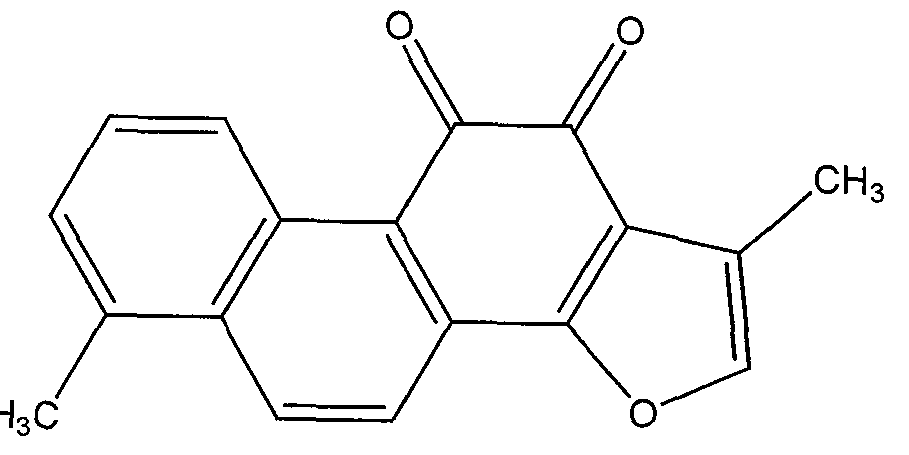
The method of claim 1, where the tanshinone or a tanshinone derivative defined by the following formula:

13. The method of claim 1, where the amyloid aggregates include amyloids with a β-sheet structure.
14. The method of claim 13, where the amyloid aggregates include β-amyloid peptides.
15. The method of claim 1, the tanshinone or a tanshinone derivative is administered to an amyloid peptide aggregate within a patient.
16. A method for disaggregating amyloid peptide aggregates comprising: administering to a patient in need of such treatment a therapeutically effective amount of a tanshinone or a tanshinone derivative.
17. The method of claim 16, where the ratio of the amyloid peptide to the tanshinone or a tanshinone derivative is from 1:1 to 1:5.
18. The method of claim 16, where the ratio of the amyloid peptide to the tanshinone or a tanshinone derivative is from 1:1 to 1:3.
19. The method of claim 16, where the ratio of the amyloid peptide to the tanshinone or a tanshinone derivative is about 1:2.
20. The use of a tanshinone or a tanshinone derivative in the manufacture of a medicament for the treatment of an amyloid peptide aggregate.
A tanshinone or a tanshinone derivative for use in treating an amyloid peptide aggregate.
Priority Applications (1)
| Application Number | Priority Date | Filing Date | Title |
|---|---|---|---|
| US14/773,536 US20160022625A1 (en) | 2013-03-06 | 2014-03-06 | Tashinones and their derivatives: novel excellent drugs for alzheimer disease |
Applications Claiming Priority (2)
| Application Number | Priority Date | Filing Date | Title |
|---|---|---|---|
| US201361773466P | 2013-03-06 | 2013-03-06 | |
| US61/773,466 | 2013-03-06 |
Publications (1)
| Publication Number | Publication Date |
|---|---|
| WO2014138357A1 true WO2014138357A1 (en) | 2014-09-12 |
Family
ID=51491940
Family Applications (1)
| Application Number | Title | Priority Date | Filing Date |
|---|---|---|---|
| PCT/US2014/021083 Ceased WO2014138357A1 (en) | 2013-03-06 | 2014-03-06 | Novel tashinone drugs for alzheimer disease |
Country Status (2)
| Country | Link |
|---|---|
| US (1) | US20160022625A1 (en) |
| WO (1) | WO2014138357A1 (en) |
Citations (9)
| Publication number | Priority date | Publication date | Assignee | Title |
|---|---|---|---|---|
| US20020077352A1 (en) * | 2000-08-03 | 2002-06-20 | Sucher Nikolaus J. | N-methyl-D-aspartate receptor antagonists |
| US20040039050A1 (en) * | 2001-01-16 | 2004-02-26 | Lianquan Gu | Cryptotanshinone for preventing and alleviating alzheimer's disease |
| US20070207989A1 (en) * | 2006-03-03 | 2007-09-06 | Savipu Pharmaceuticals | Diterpene derivatives for the treatment of cardiovascular, cancer and inflammatory diseases |
| WO2008066301A1 (en) * | 2006-11-27 | 2008-06-05 | Mazence Inc. | Anticancer composition containing naphthoquinone-based compound for intestine delivery system |
| WO2008066298A1 (en) * | 2006-11-27 | 2008-06-05 | Mazence Inc. | Compound for treatment or prevention of prostate-related diseases and pharmaceutical composition of colon delivery system containing the same |
| US20090312413A1 (en) * | 2005-10-06 | 2009-12-17 | Digital Biotech Co., Ltd. | Composition Comprising Tanshinone Compounds Isolated From The Extract Of Salviae Miltiorrhizae Radix For Treating Or Preventing Cognitive Dysfunction And The Use Thereof |
| WO2010080414A2 (en) * | 2008-12-19 | 2010-07-15 | The University Of North Carolina At Chapel Hill | Substituted fno (2-[furan-2-yl] naphthalen-1-ol) derivatives as anti-cancer agents |
| US20110002995A1 (en) * | 2007-12-31 | 2011-01-06 | Mazence Inc. | Pharmaceutical composition for the treatment and prevention of cardiac disease |
| US8263649B2 (en) * | 2006-10-02 | 2012-09-11 | Medifron Dbt Co., Ltd. | Benzofuran type derivatives, a composition comprising the same for treating or preventing cognitive dysfunction and the use thereof |
-
2014
- 2014-03-06 US US14/773,536 patent/US20160022625A1/en not_active Abandoned
- 2014-03-06 WO PCT/US2014/021083 patent/WO2014138357A1/en not_active Ceased
Patent Citations (9)
| Publication number | Priority date | Publication date | Assignee | Title |
|---|---|---|---|---|
| US20020077352A1 (en) * | 2000-08-03 | 2002-06-20 | Sucher Nikolaus J. | N-methyl-D-aspartate receptor antagonists |
| US20040039050A1 (en) * | 2001-01-16 | 2004-02-26 | Lianquan Gu | Cryptotanshinone for preventing and alleviating alzheimer's disease |
| US20090312413A1 (en) * | 2005-10-06 | 2009-12-17 | Digital Biotech Co., Ltd. | Composition Comprising Tanshinone Compounds Isolated From The Extract Of Salviae Miltiorrhizae Radix For Treating Or Preventing Cognitive Dysfunction And The Use Thereof |
| US20070207989A1 (en) * | 2006-03-03 | 2007-09-06 | Savipu Pharmaceuticals | Diterpene derivatives for the treatment of cardiovascular, cancer and inflammatory diseases |
| US8263649B2 (en) * | 2006-10-02 | 2012-09-11 | Medifron Dbt Co., Ltd. | Benzofuran type derivatives, a composition comprising the same for treating or preventing cognitive dysfunction and the use thereof |
| WO2008066301A1 (en) * | 2006-11-27 | 2008-06-05 | Mazence Inc. | Anticancer composition containing naphthoquinone-based compound for intestine delivery system |
| WO2008066298A1 (en) * | 2006-11-27 | 2008-06-05 | Mazence Inc. | Compound for treatment or prevention of prostate-related diseases and pharmaceutical composition of colon delivery system containing the same |
| US20110002995A1 (en) * | 2007-12-31 | 2011-01-06 | Mazence Inc. | Pharmaceutical composition for the treatment and prevention of cardiac disease |
| WO2010080414A2 (en) * | 2008-12-19 | 2010-07-15 | The University Of North Carolina At Chapel Hill | Substituted fno (2-[furan-2-yl] naphthalen-1-ol) derivatives as anti-cancer agents |
Also Published As
| Publication number | Publication date |
|---|---|
| US20160022625A1 (en) | 2016-01-28 |
Similar Documents
| Publication | Publication Date | Title |
|---|---|---|
| Ren et al. | HP-β-cyclodextrin as an inhibitor of amyloid-β aggregation and toxicity | |
| Lu et al. | Neuroprotective activity and evaluation of Hsp90 inhibitors in an immortalized neuronal cell line | |
| CN101406473A (en) | Use of dihydropyrimidine compound and pharmaceutical composition containing the same | |
| HUP0102752A2 (en) | Substituted anilide compounds | |
| CN102971336A (en) | Peptides for use as medicines, especially for the treatment of cancer | |
| Tomaselli et al. | Biophysical and in vivo studies identify a new natural-based polyphenol, counteracting Aβ oligomerization in vitro and Aβ oligomer-mediated memory impairment and neuroinflammation in an acute mouse model of Alzheimer’s disease | |
| JP4917889B2 (en) | Compositions for treating amyloid-related diseases and methods of use thereof | |
| Zhang et al. | Targeting NLRP3 signaling by a novel-designed sulfonylurea compound for inhibition of microglial inflammation | |
| JP2023500919A (en) | arthritis treatment | |
| Araujo et al. | Functional gallic acid-based dendrimers as synthetic nanotools to remodel amyloid-β-42 into noncytotoxic forms | |
| JP2021532041A (en) | Graphene quantum dots as a therapeutic agent for diseases associated with abnormal fibrosis or aggregation of nerve proteins | |
| WO2009008890A1 (en) | METHODS OF MODIFYING AMYLOID β OLIGOMERS USING NON-PEPTIDIC COMPOUNDS | |
| Zhu et al. | Recent studies of atomic‐resolution structures of tau protein and structure‐based inhibitors | |
| Granic et al. | LPYFDa neutralizes amyloid-β-induced memory impairment and toxicity | |
| AU2009330131A1 (en) | Compounds and methods for the treatment of pain and other diseases | |
| WO2017140212A1 (en) | Use of zn7mt3 in preventing and treating alzheimer's disease | |
| CN111494380A (en) | Application of DB-1 in the preparation of drugs for preventing and treating NLRP3 inflammasome-related diseases and its pharmaceutical composition | |
| CN108853084A (en) | Quercetin is inhibiting the application in the aggregation of Tau abnormal protein | |
| Ren et al. | Identification of a new function of cardiovascular disease drug 3-morpholinosydnonimine hydrochloride as an amyloid-β aggregation inhibitor | |
| US20160022625A1 (en) | Tashinones and their derivatives: novel excellent drugs for alzheimer disease | |
| WO2018233483A1 (en) | Preparation and use of phenylquinolinone and flavonoid derivatives | |
| US9522170B2 (en) | Methods of screening compounds for the fibril formation of Aβ peptides based on a decreased trimer/monomer ratio of a chaperone protein | |
| KR101605522B1 (en) | Compositions for prevention or treatment of Prion disease containing 2-(3-hydroxy-4-(4-(3-methoxyphenoxy)-1H-pyrazol-3-yl)phenoxy)aceto-hydrazide or pharmaceutically acceptable salts thereof as an active ingredient | |
| WO2021150871A1 (en) | Compositions and methods for treating neurodegenerative disorders with ripk1/ripk3 inhibitors | |
| CN100999546B (en) | Polypeptide compound with nitrogen-containing heterocycle modification and application thereof |
Legal Events
| Date | Code | Title | Description |
|---|---|---|---|
| 121 | Ep: the epo has been informed by wipo that ep was designated in this application |
Ref document number: 14759693 Country of ref document: EP Kind code of ref document: A1 |
|
| NENP | Non-entry into the national phase |
Ref country code: DE |
|
| WWE | Wipo information: entry into national phase |
Ref document number: 14773536 Country of ref document: US |
|
| 122 | Ep: pct application non-entry in european phase |
Ref document number: 14759693 Country of ref document: EP Kind code of ref document: A1 |