WO2013100334A1 - 통신 네트워크 원가 산출 장치 - Google Patents
통신 네트워크 원가 산출 장치 Download PDFInfo
- Publication number
- WO2013100334A1 WO2013100334A1 PCT/KR2012/008295 KR2012008295W WO2013100334A1 WO 2013100334 A1 WO2013100334 A1 WO 2013100334A1 KR 2012008295 W KR2012008295 W KR 2012008295W WO 2013100334 A1 WO2013100334 A1 WO 2013100334A1
- Authority
- WO
- WIPO (PCT)
- Prior art keywords
- network
- cost
- information
- classified
- asset
- Prior art date
- Legal status (The legal status is an assumption and is not a legal conclusion. Google has not performed a legal analysis and makes no representation as to the accuracy of the status listed.)
- Ceased
Links
Images



Classifications
-
- H—ELECTRICITY
- H04—ELECTRIC COMMUNICATION TECHNIQUE
- H04L—TRANSMISSION OF DIGITAL INFORMATION, e.g. TELEGRAPHIC COMMUNICATION
- H04L61/00—Network arrangements, protocols or services for addressing or naming
-
- H—ELECTRICITY
- H04—ELECTRIC COMMUNICATION TECHNIQUE
- H04L—TRANSMISSION OF DIGITAL INFORMATION, e.g. TELEGRAPHIC COMMUNICATION
- H04L41/00—Arrangements for maintenance, administration or management of data switching networks, e.g. of packet switching networks
- H04L41/08—Configuration management of networks or network elements
- H04L41/0803—Configuration setting
- H04L41/0823—Configuration setting characterised by the purposes of a change of settings, e.g. optimising configuration for enhancing reliability
- H04L41/0826—Configuration setting characterised by the purposes of a change of settings, e.g. optimising configuration for enhancing reliability for reduction of network costs
-
- H—ELECTRICITY
- H04—ELECTRIC COMMUNICATION TECHNIQUE
- H04L—TRANSMISSION OF DIGITAL INFORMATION, e.g. TELEGRAPHIC COMMUNICATION
- H04L41/00—Arrangements for maintenance, administration or management of data switching networks, e.g. of packet switching networks
- H04L41/14—Network analysis or design
- H04L41/145—Network analysis or design involving simulating, designing, planning or modelling of a network
Definitions
- the present invention relates to a cost information calculation system, and more particularly, to a communication network cost calculation device.
- the demand for communication services is rapidly increasing, including the generalization of information and communication services, the emergence of various multimedia services, and the emergence of high quality services.
- the mobile communication system utilizes a wide range of network devices such as base stations and core networks to support various services.
- UMTS Universal Mobile Telephone System
- a communication network may be composed of a terminal, an access network (Access network) and a core network (Core network).
- the access network may include a node-B and a radio network controller (RNC).
- the Node-B establishes a wireless physical channel necessary for data exchange with the terminal and transmits data transmitted from a higher layer protocol to the terminal in accordance with a wireless environment.
- the RNC is directly connected to the core network and serves as an access point of services for various services provided through the core network.
- the core network includes network components related to call control, session management, mobility management, and switching in a communication network.
- the core network may include a mobile switch center (MSC) and a gateway MSC (GMSC) in the circuit switched area, and may include a serving GPRS supporting node (SGSN) and a gateway GPRS supporting node (GGSM) in the packet switched area.
- MSC mobile switch center
- GMSC gateway MSC
- SGSN serving GPRS supporting node
- GGSM gateway GPRS supporting node
- each component of the UMTS communication network is widely distributed in the area providing the service to perform various mobile communication services to the user.
- 2G and 3G networks are mixed, and communication networks continue to expand.
- various communication services may be performed to a user by the operation of each component.
- a radio channel is established between the terminal and the Node-B, and the RNC may be connected to the web browsing server through the SGSN and the GGSN for packet data communication. Therefore, the user is charged a service fee for web browsing through the terminal, and each network component for service is organically connected and operated.
- the technical problem to be solved by the present invention is the Network-7 layer (OSI-7 layer model) of the open system interconnection (OSI), which is an international communication standard protocol established by the International Organization for Standardization (ISO).
- OSI-7 layer model of the open system interconnection
- ISO International Organization for Standardization
- Network assets are classified into four levels: physical layer, data link layer, network layer, and application layer by applying the classification criteria of the network layer.
- the present invention provides a communication network cost calculating device capable of calculating costs in detail for wired / wireless communication network assets that have been reclassified into a core network.
- the collecting unit for collecting input information for the cost calculation of the communication network assets includes equipment ID (identification number) information, equipment function information, and equipment use information, is classified based on a classification model, and then is assigned to an equipment attribute item and a standard service item of the classification model.
- a sorting unit disposed;
- a cost calculator configured to calculate costs of network asset data classified by the classification unit by using cost allocation information included in the input information.
- the classification model classifies the layers of an open system interconnection (OSI) 7 layer model into a physical layer, a data link layer, a network layer, and an application layer, and classifies the classified physical layer, data link layer, and network. Reclassify the layer into a network asset and the classified application layer into an information technology (IT) asset, the reclassified network asset into the equipment attribute item unit, and the reclassified IT asset into the standard service item unit It may be a model to classify.
- OSI open system interconnection
- IT information technology
- the classification model classifies the network layer into an access network, an Internet access network, and a core network based on usage, and a wireless network is generated in the access network, the Internet access network, and the core network.
- wired networks can be classified by usage, the wireless network can be classified by functional unit, and the wired network can be classified by node.
- the network asset data may further include equipment node and section information when the communication network asset is a Kornet network or an IP-Premium network.
- the equipment attribute item may include an equipment identification field, a function field, and a usage field.
- the standard service item may include a management information analysis service related to the communication network asset.
- the cost allocation information may be traffic when the communication network is a wireless service network.
- the cost calculator calculates the direct and indirect costs of the network asset data by using the direct cost information of the network asset data included in the input information and the indirect cost information which is an activity cost according to time, and calculates the direct and indirect costs of the network.
- the cost of asset data can be summed.
- the cost calculator calculates the cost of network asset data for each base station when the network asset data classified by the classifier is data of a wireless 3G access network, and the network asset data classified by the classifier is Wi In the case of a wireless fidelity access network, the cost of network asset data is calculated for each zone. If the network asset data classified by the classification unit is an IP-Premium network, the cost of network asset data for each node is calculated. Can be calculated.
- the apparatus for calculating a communication network cost may further include a utilization rate calculator configured to calculate actual utilization capacity information and operation reference capacity information of a network asset input through the collection unit and an asset utilization rate using the classification model.
- the calculation unit of the asset utilization rate may be a base station, a zone, or a node unit.
- the apparatus for calculating a communication network cost applies the classification criteria of the OSI 7 layer network model, which is an international communication standard protocol established by ISO, to convert network assets into four stages: physical layer, data link layer, network layer, and application layer.
- Classify, and the network layer reclassifies the access network, the Internet access network, and the core network on a per-use basis to calculate and display the costs of the reclassified network assets.
- a cost structure can be established that can provide visibility.
- the present invention can logically grasp the result of the cost of the consumption (consumption) of the network assets included in each layer by classifying the wired and wireless communication network assets in detail and calculating (calculating) the amount of investment in the network assets. It can track the contributions to the company and define the technical product (TP), a relatively (relatively) permanent network product, which allows the calculation of commercial product (CP) costs and pre-quotation costs regardless of market volatility.
- TP technical product
- CP commercial product
- the present invention also classifies the layers of the OSI 7 network layer model (OSI 7 layer model) into a physical layer, a data link layer, a network layer, and an application layer, and classifies the classified physical layer, data link layer, and network layer into network assets. And reclassify the classified application layer into information technology (IT) assets, convert the reclassified network assets into equipment attribute units (equipment attribute item units), and reclassify the IT assets into standard service units (standard services).
- IT information technology
- the cost of the classified network assets can be calculated by classifying the items into units, thereby enabling integrated management of wired / wireless communication network costs and improving the accuracy of cost calculation and network operation efficiency. According to the present invention, cost management can be performed up to the equipment attribute unit and the standard service unit, which are lower levels of the network asset, and thus, the cost of the network physical asset can be managed.
- FIG. 1 is a block diagram illustrating a communication network cost calculating apparatus 100 according to an embodiment of the present invention.
- FIG. 2 is a diagram for explaining an embodiment of a classification model used by the classification unit 110 of FIG. 1.
- FIG. 3 is a view for explaining an embodiment of a classification model used by the classification unit 110 of FIG. 1.
- FIG. 4 is a diagram illustrating in more detail an embodiment of an IT asset and a network asset in the embodiment of the classification model of FIG. 3.
- FIG. 5 is a diagram illustrating a method of classifying network assets by equipment attributes in the embodiment of the classification model of FIG. 3.
- FIG. 6 is a diagram illustrating a relationship between a capital expenditure cost (CAPEX) and an operating cost (OPEX) of network assets according to the classification by equipment attributes of FIG. 5.
- CAEX capital expenditure cost
- OPEX operating cost
- FIG. 7 is a diagram illustrating equipment attribute information collected by the collecting unit 105 of FIG. 1.
- FIG. 8 is a diagram illustrating a code classification system for equipment property information of FIG. 7.
- FIG. 9 is a diagram illustrating an embodiment of a cost allocation method for equipment of the network asset of FIG. 3.
- FIG. 10 is a view for explaining an example of the standard service of the IT asset of FIG.
- 11 is a flow chart illustrating a communication network cost calculation method 200 according to an embodiment of the present invention.
- the cost refers to the cost of performing a communication service in a communication network system.
- FIG. 1 is a block diagram illustrating a communication network cost calculating apparatus 100 according to an embodiment of the present invention.
- a communication network cost calculating device (communication network cost calculating system) 100 includes a collecting unit 105, a classification unit 110, a cost calculating unit 115, a database 120, and a display unit ( display unit) 125.
- the collecting unit 105 collects input information for cost calculation (calculation) of communication network assets as an input unit.
- the input information includes network asset data to be classified by a classification model based on an open system interconnection (OSI) seven-layer model, cost allocation information, direct cost information associated with network asset data, and overhead cost information of network asset data.
- Cost allocation information (cost management information) is one of the unit cost of a network asset (network equipment) (e.g., cost per line), traffic, number of call attempts, or classification criteria of network assets. And the number of subscribers of the application layer.
- Direct cost information includes outsourcing development costs of network assets, license cost, leased line usage fee (wireless is calculated by base station), rent (wireless is calculated by base station), power fee (by device, wireless is determined by base station.
- the collection unit 105 may receive input information through, for example, personal digital assistants (PDAs).
- PDAs personal digital assistants
- the classification unit 110 classifies network asset data, which is included in the input information and includes equipment ID (identification number) information, equipment function information, and equipment use information, based on a classification model (or a classification data table). It may be placed in a cost of pool (COP) item or a standard service item which is a lower level of the network asset classification stored in the classification model. Equipment ID information, equipment function information, and equipment use information are included in the equipment attribute information.
- the equipment property information may further include equipment location information.
- the classification model may be stored in a storage unit (not shown) (or database 120) inside the classification unit 110, and the layers of the OSI 7 layer model may be physical layer, data link layer, network layer, and application. Classify the classified physical layer, the data link layer, and the network layer into network assets, and classify the classified application layer into information technology (IT) assets, and classify the reclassified network assets into the equipment attribute item. It may be a model for classifying the reclassified IT assets in units of standard service items. Since the classification data table is a table for classifying wired / wireless communication network assets in detail, the classification data table may be a table that configures network elements for each investment decision unit and operation rate analysis unit.
- the method for classifying the investment decision unit and the operation rate analysis unit includes, for example, a network asset for each base station in the case of a wireless 3G access network, and a network asset for each zone in the case of a Wifi access network.
- network assets are organized by node (for example, center node, main node, or local node).
- the equipment attribute item may include an equipment identification field, a function field, and a usage field.
- the standard service item may include a management information analysis service related to a communication network asset.
- the cost allocation information may be traffic when the communication network is a wireless service network.
- the cost calculator 115 calculates the cost of the network asset data classified by the classification unit 110 using the cost allocation information included in the input information. That is, the cost calculator 115 calculates the cost of the communication network asset by using the cost allocation information on the network asset classified by the equipment attribute item unit and the IT asset classified by the standard service item unit. In addition, the cost calculator 115 calculates the direct and indirect costs of the network asset data using the direct cost information of the network asset data included in the input information and the indirect cost information which is the activity cost according to time, and calculates the calculated direct and indirect costs.
- the total cost associated with the network asset can be calculated by summing (adding) the cost of the network asset data.
- the cost calculator 115 calculates the cost of the asset data associated with the classified base station when the network asset data classified by the classifier 110 is data of a wireless generation access network. Selectively calculate the cost of the network asset data for each, and if the network asset data classified by the classification unit 110 is a Wi-Fi (wireless fidelity) access network, costs for asset data related to the classified Wi-Fi access network By selectively calculating the cost of the network asset data for each zone, and if the network asset data classified by the classification unit 110 is an IP-Premium network, the asset data associated with the classified Wi-Fi access network Selectively calculate the cost of network asset data by node (for example, center node, main node, regional node) by calculating the cost Can.
- node for example, center node, main node, regional node
- the cost calculator 115 compares the investment principal (investment capital) stored in the database 120 with the cost consumption of each of the classified hierarchies, and displays a chart or graph corresponding to the result of the comparison. Can be provided to the user.
- the database 120 is a cost or classification model of the input information collected by the collecting unit 105 or the network asset data classified by the classification unit 110 or the network asset data calculated by the cost calculating unit 115. And so on.
- the database 120 may store an investment principal for assets of each tier for comparison with cost consumption at each tier.
- the communication network cost calculating apparatus 100 may include a utilization rate calculator configured to calculate an actual usage capacity information, an operation reference capacity information of a network asset input through the collector 105, and an asset utilization rate using the classification model ( Not shown) may be further included.
- the asset utilization rate can be calculated by the equation (actual usage / operation base capacity ⁇ 100).
- the unit of analysis (calculation) of asset utilization (network operating rate) is the base station (e.g., the base station of the 3G access network), the zone (e.g., Wi-Fi access), which is a sub-individual device of the equipment attribute classified by the classification model. It may be a zone of a network or a node (for example, a node of an IP-Premium network).
- the communication network cost calculator 100 may include a controller (not shown) that controls the overall operation of the components included in the cost calculator 100, such as the collector 105 and the classifier 110. .
- FIG. 2 is a diagram for explaining an embodiment of a classification model used by the classification unit 110 of FIG. 1.
- the OSI 7 layer model shown on the left side starts with an application layer (application layer), which is a top layer (seventh layer), and presents a presentation layer, a session layer, and a transport layer. It is divided into a transport layer, a network layer, a data link layer, and a physical layer, which is a first layer. Each layer provides a specific service and protocols for the same. exist.
- the present invention classifies network assets according to the OSI 7 layer model into four levels of layers (ie, physical layer, data link layer, network layer, and application layer), and accesses the network layer based on usage. (Subscriber network), internet access network, and core network.
- the return on investment is shorter from the physical layer, which is the first layer, to the application layer, but the added value generated can be increased, and the network resource consumption (cost) at each layer increases from the physical layer to the application layer.
- Assets of the physical layer may be, for example, a line (transmission medium), a power supply, an upper surface, an internet data center (IDC), an optical facility, or a DWDM transmission network (high density wavelength division multiplexing network), and an asset of a data link layer.
- the transmission may be a transmission, a dedicated line, a virtual private network (VPN), a period transmission, or a satellite.
- the unit cost of the assets of the physical layer and the data link layer may be cost per line or cost per interval distance.
- Assets of the network layer may be, for example, an internet network such as a wireless network, an IP premium network, or a Kornet network, a switching network, or a satellite network.
- the unit cost of an asset at the network layer may be the cost per Mbps.
- the assets of the network layer are assets classified according to the type of network and the physically configured shape (type), and may be classified into a wireless network, an internet network, or a switching network.
- Assets of the application layer that directly provide communication services may be, for example, content, service platforms, or supplementary service solutions.
- the unit cost of the assets of the application layer may be the cost per subscriber or the cost per usage.
- the cost consumption (consumption amount) at each layer is based on the quantity at each layer (for example, traffic, call attempt call, or subscriber number). Allocation can be made.
- the cost consumption in each of the calculated hierarchies may be displayed on the display unit 125 of FIG. 1 of the communication network cost calculator 100 of the present invention.
- FIG. 3 is a view for explaining an embodiment of a classification model used by the classification unit 110 of FIG. 1.
- the classifier 110 classifies (classifies) a physical layer, a data link layer, and a network layer into network assets and an application layer into IT assets.
- BM business or service
- network assets and IT assets are defined (divided), network assets are managed in a common unit of equipment attributes and managed in a convergence concept and IT assets are managed in various standard service units. It can be managed in the concept of divergence (globalization or divergence of the same function).
- the detailed costing units are divided into network equipment attribute (COP) units, and in the case of IT assets, the detailed costing units are divided into standard service units.
- COP network equipment attribute
- FIG. 4 is a diagram illustrating in more detail an embodiment of an IT asset and a network asset in the embodiment of the classification model of FIG. 3.
- FIG. 5 is a diagram illustrating a method of classifying network assets by equipment attributes in the embodiment of the classification model of FIG. 3.
- the first level L1 defines a product for each function and may be, for example, wireless internet, internet (wired internet), switching, or satellite.
- the second level L2 defines a rank and classifies the network layer into an access network, an internet access network, and a core network.
- the third level L3 may classify the assets in the access network, the Internet access network, and the core network by usage criteria.
- the wireless network may be classified by generation (by LTE and 3G, etc.), and the wired network may be classified (classified) by usage.
- the access network includes equipment such as LTE and 3G, which are classified by generation, such as FTTH, VDSL, and optical telephone.
- the access network includes a corporate access network, an internet access network, a VPN access network, and the like.
- Core networks include Kornent, IP-Premium, PSTN, broadband convergence network (BcN), wireless voice, wireless data, and the like.
- the fourth level L4 may be classified into node units in the case of a wired network and functional units in the case of a wireless network in the third level L3.
- the node may be a center node, a main node, a local node, a city exchange, an intercity exchange, or the like.
- the functional unit may be a repeater, a base station, an exchange (data, voice), or the like.
- FIG. 6 is a diagram illustrating a relationship between a capital expenditure cost (CAPEX) and an operating cost (OPEX) of network assets according to the classification by equipment attributes of FIG. 5.
- CAEX capital expenditure cost
- OPEX operating cost
- the capital expenditure cost (capital expenditures) (CAPEX (capital expenditures)
- CAPEX capital expenditures
- OPEX operating cost
- the operational costs of the network organization's strategic personnel can be applied to each other in products such as wireless, internet, exchange, and transmission. It can be applied to all of these products.
- the description of the operating costs operated by the remaining technical support personnel and the network control personnel the description of the operating costs utilized by the aforementioned strategic personnel may be referred to.
- Overhead costs apply activity based costing on network assets classified by the classification model, and activity information on network assets (COPs) is based on individual activity time (input time or time required) or activity targets. Time attribute information, such as network assets, and the like.
- the overhead can be directly costed for network assets classified by the classification model.
- FIG. 7 is a diagram illustrating equipment attribute information collected by the collecting unit 105 of FIG. 1.
- equipment attribute information may be collected by, for example, a PDA, and may include device barcode information (equipment ID (identification number) information), equipment function information, and equipment purpose information. Can be.
- Equipment function information includes equipment hierarchy information (not shown).
- the device property information may further include information on a device node and a section input in the case of a Kornet (korea network) network or an IP-Premium backbone network.
- Equipment property information may further include equipment location information.
- an exchange when an exchange is input to the equipment function information, information such as an access gateway (AGW) or a BcN may be input by the user.
- AGW access gateway
- BcN BcN
- the equipment usage information is started by the user, the lower representative equipment details list may be displayed on the PDA screen.
- FIG. 8 is a diagram illustrating a code classification system for equipment property information of FIG. 7.
- the equipment function information is composed of two digits of the English letter code
- the equipment hierarchy information is composed of one digits of the English code
- the equipment use information is composed of three digits of the code.
- the information consists of four digit codes.
- FIG. 9 is a diagram illustrating an embodiment of a cost allocation method for equipment of the network asset of FIG. 3.
- a base station included in 3G or LTE of a wireless service network is mapped to a device ID (device barcode information) belonging to a fifth group of a cost evaluation group belonging to a classification model performed by a cost calculator. Therefore, the cost of the LTE product may be calculated by the conversion traffic (the amount of traffic converted in units of days or months), which is cost allocation information (cost allocation driver).
- a remote unit (RU) included in WiBro of a wireless service network is directly attributable without cost allocation information, and the cost of the WiBro product may be calculated using the unit cost of the RU.
- the cost allocation information may be a packet amount or a conversion attempt number in the case of a wireless service network.
- FIG. 10 is a view for explaining an example of the standard service of the IT asset of FIG.
- a service supported by an IT asset is a substandard service item (level) (eg, a communication network asset) corresponding to a management system, a facility system, and a business system that is largely divided into business units and the like.
- level eg, a communication network asset
- KT homepage service or management information analysis service (system) associated with the business community is shown.
- FIG. 11 is a flow chart illustrating a communication network cost calculation method 200 according to an embodiment of the present invention.
- the communication network cost calculating method 200 may be applied to the communication network cost calculating apparatus 100 of FIG. 1.
- the collecting step 205 input information for cost calculation of communication network assets is collected by the collecting unit.
- the input information includes network asset data, cost allocation information, direct cost information of network asset data, and overhead cost information of network asset data to be classified by a classification model based on the OSI 7 layer model.
- the network asset data is classified by the classification unit based on the classification model and placed in the equipment attribute item or standard service item of the classification model stored in the storage unit in the classification unit.
- the classification model classifies the layers of the OSI 7 layer model into a physical layer, a data link layer, a network layer, and an application layer, and classifies the classified physical layer, data link layer, and network layer into network assets and the classified application. It may be a model that reclassifies the hierarchy into IT assets, classifies the reclassified network assets into the equipment attribute item unit and the reclassified IT assets into the standard service item unit.
- the cost allocation information is used by the cost calculator to calculate the cost of the network asset data classified by the classification unit.
- Components or ' ⁇ ' used in this embodiment may be software such as tasks, classes, subroutines, processes, objects, execution threads, programs, or fieldprogrammable gate arrays (FPGAs) that are performed in a predetermined area on the memory. Or may be implemented in hardware, such as an application-specific integrated circuit (ASIC), or a combination of the software and hardware.
- the component or 'unit' may be included in a computer readable storage medium, or a part of the components may be distributed and distributed to a plurality of computers.
Landscapes
- Engineering & Computer Science (AREA)
- Computer Networks & Wireless Communication (AREA)
- Signal Processing (AREA)
- Mobile Radio Communication Systems (AREA)
Description
본 발명은 원가 정보 산출 시스템에 관한 것으로서, 보다 상세하게는, 통신 네트워크 원가 산출 장치에 관한 것이다.
정보 통신 서비스의 보편화와 다양한 멀티미디어 서비스들의 등장, 고품질 서비스의 출현 등 통신 서비스에 대한 요구가 급속히 증대되고 있다. 이동통신 시스템은 다양한 서비스를 지원하기 위하여 기지국 및 코어망 등의 광범위한 네트워크 기기를 활용한다.
일반적인 UMTS(Universal Mobile Telephone System) 통신망에서는 단말, 액세스망(Access 망) 및 코어망(Core network)으로 구성될 수 있다.
액세스망은 노드-B(node-B)와 RNC(Radio network controller)을 포함할 수 있다. 노드-B는 단말과 데이터 교환에 필요한 무선 물리채널을 설정하고, 상위 계층 프로토콜로부터 전달된 데이터들을 무선환경에 맞게 단말로 전송한다. RNC는 코어망과 직접적으로 연결되며, 코어망을 통해 제공되는 다양한 서비스들에 대한 서비스의 접속점(Access point) 역할을 한다.
코어망은 가입자의 호 처리(Call control), 세션 관리(Session Management), 이동성 제어(Mobility Management), 그리고 통신망 내의 스위칭 등과 관련된 망 구성 요소들을 포함한다. 코어망은 회선교환 영역에서는 MSC(Mobile switch center)와 GMSC(Gateway MSC)를 포함하며, 패킷교환 영역에서는 SGSN(Serving GPRS Supporting Node)과 GGSM(Gateway GPRS Supporting Node)을 포함할 수 있다.
이와 같이, UMTS 통신망의 각 구성요소들은 서비스를 제공하는 지역에 광범위하게 분포되어 사용자에게 다양한 이동통신 서비스를 수행한다. 국내에서는 2세대 통신망과 3세대 통신망이 혼재하고 있으며, 계속적으로 통신망이 확충되어 가고 있는 실정이다. 이러한 통신망에서는 각 구성 요소의 동작에 의하여 사용자에게 다양한 통신 서비스가 수행될 수 있다.
예를 들어, 단말을 통하여 인터넷 웹브라우징을 할 때에는 단말과 노드-B 사이에 무선채널이 설정되고, RNC는 패킷 데이터 통신을 위하여 SGSN과 GGSN을 통하여 웹브라우징 서버에 연결될 수 있다. 따라서 사용자가 단말을 통한 웹브라우징에 대한 서비스 요금이 과금되며, 이를 서비스하기 위한 각 네트워크 구성요소는 유기적으로 연결되어 작동한다.
일반적인 과금에 대하여는 음성 통화, 데이터 패킷 서비스 또는 메시지 서비스 등의 다양한 서비스에 대하여 사용자의 요금을 과금하는 시스템이 사용되어 왔다. 이러한 과금 시스템은 음성 통화, 데이터 트래픽 또는 단문 메시지 서비스 등의 이른바 테크니컬 상품(Technical product)에 대한 사용자 과금에 집중되었다.
한편, 이동통신 서비스를 위한 네트워크 기기들에 소요되는 비용을 산출하기가 쉽지 않다. 이와 함게, 수만 또는 수십만의 네트워크 기기들에 대한 비용을 산출하기 보다는 재무제표상의 계정으로부터 비용을 산출하여 이를 분석 및 관리하기가 어려웠다.
본 발명이 해결하고자 하는 기술적 과제는, ISO(국제 표준화 기구, International Organization for Standardization)가 제정한 국제통신표준 규약인 OSI(open system interconnection)의 Network-7 layer(계층)(OSI-7 계층 모델)의 분류 기준을 적용하여 네트워크 자산(자원)을 물리계층, 데이터 링크 계층, 네트워크 계층, 및 응용 계층의 4단계로 분류하고, 네트워크 계층은 용도 기준으로 액세스(access) 망, 인터넷 접속망, 및 코어(core) 망으로 재분류하여 재분류된 유무선 통신 네트워크 자산에 대해 원가를 상세히 산출할 수 있는 통신 네트워크 원가 산출 장치를 제공하는 것이다.
상기 기술적 과제를 달성하기 위하여, 본 발명의 실시예에 따른 통신 네트워크 원가 산출 장치는, 상기 통신 네트워크 자산의 원가 산출을 위한 입력 정보를 수집하는 수집부; 상기 입력 정보에 포함되고 장비ID(identification number) 정보와 장비기능 정보와 장비용도 정보를 포함하는 네트워크 자산 데이터를 분류 모델에 근거하여 분류하여 상기 분류 모델의 장비 속성 항목(item) 및 표준서비스 항목에 배치하는 분류부; 및 상기 입력 정보에 포함된 원가 배부 정보를 이용하여 상기 분류부에 의해 분류된 네트워크 자산 데이터의 원가를 산출하는 원가 산출부를 포함할 수 있다. 상기 분류 모델은, OSI(open system interconnection) 7 계층 모델의 계층들을 물리 계층, 데이터 링크 계층(data link layer), 네트워크 계층, 및 응용 계층으로 분류하고, 상기 분류된 물리 계층과 데이터 링크 계층과 네트워크 계층을 네트워크 자산으로 그리고 상기 분류된 응용 계층을 IT(information technology) 자산으로 재분류하고, 상기 재분류된 네트워크 자산을 상기 장비 속성 항목 단위로 그리고 상기 재분류된 IT 자산을 상기 표준서비스 항목 단위로 분류하는 모델일 수 있다.
상기 분류 모델은, 상기 네트워크 계층을 용도 기준으로 액세스(access) 망, 인터넷 접속망, 및 코어(core) 망으로 분류하고, 상기 액세스 망, 상기 인터넷 접속망, 및 상기 코어망에서 무선망은 세대(generation) 별로 그리고 유선망은 용도별로 분류하고, 상기 무선망은 기능 단위로 그리고 상기 유선망은 노드(node) 단위로 분류할 수 있다.
상기 네트워크 자산 데이터는 상기 통신 네트워크 자산이 Kornet망 또는 IP-Premium망일 때 장비 노드 및 구간 정보를 더 포함할 수 있다. 상기 장비 속성 항목은 장비 ID(identification number) 필드(field) 및 기능 필드 및 용도 필드를 포함할 수 있다. 상기 표준서비스 항목은 상기 통신 네트워크 자산과 관련된 경영정보분석 서비스를 포함할 수 있다. 상기 원가배부 정보는 상기 통신 네트워크가 무선 서비스망일 때 트래픽일 수 있다.
상기 원가 산출부는, 상기 입력 정보에 포함된 네트워크 자산 데이터의 직접비 정보 및 시간에 따른 활동 원가인 간접비 정보를 이용하여 상기 네트워크 자산 데이터의 직접비 및 간접비를 산출하고, 상기 산출된 직접비 및 간접비에 상기 네트워크 자산 데이터의 원가를 합산할 수 있다.
상기 원가 산출부는, 상기 분류부에 의해 분류된 네트워크 자산 데이터가 무선 3G 액세스(access) 망의 데이터인 경우 기지국 별로 네트워크 자산 데이터의 원가를 산출하고, 상기 분류부에 의해 분류된 네트워크 자산 데이터가 Wi-Fi(wireless fidelity) 액세스망인 경우 구역(zone) 마다 네트워크 자산 데이터의 원가를 산출하고, 상기 분류부에 의해 분류된 네트워크 자산 데이터가 IP-Premium망인 경우 노드(node) 별로 네트워크 자산 데이터의 원가를 산출할 수 있다.
상기 통신 네트워크 원가 산출 장치는, 상기 수집부를 통해 입력되는 네트워크 자산의 실제 사용량 용량 정보와 운영기준 용량 정보와, 상기 분류 모델을 이용하여 자산 활용률을 계산하는 활용률 계산부를 더 포함할 수 있다. 상기 자산 활용률의 계산 단위는 기지국, 구역(zone), 또는 노드 단위일 수 있다.
본 발명에 따른 통신 네트워크 원가 산출 장치는 ISO가 제정한 국제통신표준 규약인 OSI 7 계층 네트워크 모델의 분류 기준을 적용하여 네트워크 자산을 물리계층, 데이터 링크 계층, 네트워크 계층, 및 응용 계층의 4단계로 분류하고, 네트워크 계층은 용도 기준으로 액세스(access) 망, 인터넷 접속망, 및 코어(core) 망으로 재분류하여 재분류된 네트워크 자산에 대해 원가를 산출하여 디스플레이(display)하는 것에 의해 원가정보의 가시성(visibity)을 제공할 수 있는 원가구조 체계를 정립할 수 있다.
본 발명은 유무선 통신 네트워크 자산를 상세히 분류하여 원가를 산출(계산)하는 것에 의해 각 계층에 포함된 네트워크 자산이 소비(소모)하는 원가의 원인에 대한 결과를 논리적으로 파악할 수 있으므로, 네트워크 자산의 투자 금액에 대한 이익기여 내역을 추적할 수 있고, 비교적(상대적으로) 항구적인 망 상품인 TP(technical product) 정의로 시장변동성에 무관하게 CP(commercial product) 원가 및 사전 견적원가의 산출을 가능하게 한다.
또한 본 발명은 OSI 7 네트워크 계층 모델(OSI 7 계층 모델)의 계층들을 물리 계층, 데이터 링크 계층, 네트워크 계층, 및 응용 계층으로 분류하고, 상기 분류된 물리 계층과 데이터 링크 계층과 네트워크 계층을 네트워크 자산으로 그리고 상기 분류된 응용 계층을 IT(information technology) 자산으로 재분류하고, 상기 재분류된 네트워크 자산을 장비 속성 단위(장비 속성 항목 단위)로 그리고 상기 재분류된 IT 자산을 표준서비스 단위(표준서비스 항목 단위)로 분류하여 상기 분류된 네트워크 자산의 원가를 계산할 수 있으므로, 유무선 통신 네트워크 원가에 대해 통합적으로 관리할 수 있도록 하며 원가 계산의 정확성 및 망 운영 효율성을 향상시킬 수 있다. 본 발명은 네트워크 자산의 하위 레벨인 장비 속성 단위 및 표준 서비스 단위까지 원가관리가 가능할 수 있으므로, 네트워크 실물 자산의 원가를 관리하도록 할 수 있다.
본 발명의 상세한 설명에서 사용되는 도면을 보다 충분히 이해하기 위하여, 각 도면의 간단한 설명이 제공된다.
도 1은 본 발명의 실시예에 따른 통신 네트워크 원가 산출 장치(100)를 설명하는 블락 다이어그램(block diagram)이다.
도 2는 도 1의 분류부(110)에 의해 사용되는 분류 모델의 실시예를 설명하는 도면이다.
도 3은 도 1의 분류부(110)에 의해 사용되는 분류 모델의 실시예를 설명하는 도면이다.
도 4는 도 3의 분류 모델의 실시예에서의 IT 자산 및 네트워크 자산의 실시예를 보다 상세히 나타내는 도면이다.
도 5는 도 3의 분류 모델의 실시예에서의 네트워크 자산을 장비속성 별로 분류하는 방법을 나타내는 도면이다.
도 6은 도 5의 장비속성별 분류에 따른 네트워크 자산의 자본적 지출비용(CAPEX)과 운영비용(OPEX)의 관계를 설명하는 도면이다.
도 7은 도 1의 수집부(105)에 의해 수집되는 장비속성 정보를 설명하는 도면이다.
도 8은 도 7의 장비속성 정보에 대한 코드 분류 체계를 설명하는 도면이다.
도 9는 도 3의 네트워크 자산의 장비에 대해 원가 배부 방법의 실시예를 설명하는 도면이다.
도 10은 도 3의 IT 자산의 표준서비스의 예를 설명하는 도면이다.
도 11은 본 발명의 실시예에 따른 통신 네트워크 원가 산출 방법(200)을 설명하는 흐름도(flow chart)이다.
본 발명 및 본 발명의 실시에 의하여 달성되는 목적을 충분히 이해하기 위해서는, 본 발명의 실시예를 예시하는 첨부 도면 및 첨부 도면에 기재된 내용이 참조되어야 한다.
이하, 첨부한 도면을 참조하여 본 발명의 실시예를 설명하는 것에 의해, 본 발명을 상세히 설명한다. 각 도면에 제시된 동일한 참조 부호는 동일한 구성 요소를 나타낸다.
통신 네트워크의 자산들(구성요소(element))들에 대한 분류가 제대로 되지 않으면 세부적인 네트워크(망) 단위 별로 원가 분석이 불가능할 수 있다. 상기 원가는 통신 네트워크 시스템에서 통신 서비스를 수행하기 위해 소요되는 비용을 말한다.
통신 네트워크 원가를 분석할 때, 네트워크의 자산의 취득에 대한 투자 내역 및 네트워크 자산의 변경 내역을 처리하는 장치가 없으므로, 자산에 대한 투자 사후 관리가 어려울 수 있는 문제점이 있다.
네트워크 및 네트워크와 관련된 상품(사업 또는 서비스)에 대한 투자 효익(투자 이익)을 분석할 때, 종래의 통신 네트워크 원가 산출 장치에서 통신 네트워크의 설비(자산) 중 어느 설비가 이득을 제공하는 지 알 수 없으므로 특정 네트워크 자산이 제공하는 이익을 파악하지 못할 수 있다.
도 1은 본 발명의 실시예에 따른 통신 네트워크 원가 산출 장치(100)를 설명하는 블락 다이어그램(block diagram)이다.
도 1을 참조하면, 통신 네트워크 원가 산출 장치(통신 네트워크 원가 산출 시스템)(100)는 수집부(105), 분류부(110), 원가 산출부(115), 데이터베이스(120), 및 디스플레이부(display unit)(125)를 포함한다.
수집부(105)는 입력부로서 통신 네트워크 자산의 원가 산출(계산)을 위한 입력 정보를 수집한다. 상기 입력 정보는 OSI(open system interconnection) 7 계층 모델을 근거로 하는 분류 모델에 의해 분류될 네트워크 자산 데이터, 원가 배부 정보, 네트워크 자산 데이터와 관련된 직접비 정보, 및 네트워크 자산 데이터의 간접비 정보를 포함한다. 원가배부 정보(원가관리 정보)는, 네트워크 자산(네트워크 장비)의 단위 원가(예를 들어, 회선 당 원가), 트래픽(traffic), 통화시도 호(call)수, 또는 네트워크 자산의 분류기준 중 하나인 응용계층(application layer)의 가입자 수 등을 포함한다. 직접비 정보는 네트워크 자산의 외주 개발비, 라이선스(license) 비용, 전용회선 사용료(무선은 기지국별 산출), 임차료(무선은 기지국별 산출), 전력료(장비별, 무선은 기지국별 파악 가능한 것은 직접 기지국 위치 별 귀속), 네트워크 자산(COP)과 관련된 시간에 따라 감가되는 감가 상각비 등을 포함할 수 있다. 간접비 정보는 네트워크 자산에 관련된 시간(time)에 따른 활동원가 등을 포함할 수 있다. 수집부(105)는, 예를 들어, PDA(personal digital assistants)를 통해 입력 정보를 입력받을 수 있다.
분류부(110)는 입력 정보에 포함되고 장비ID(identification number) 정보와 장비기능 정보와 장비용도 정보를 포함하는 네트워크 자산 데이터를 분류 모델(또는 분류 데이터 테이블(table))에 근거하여 분류하고 상기 분류 모델에 저장된 네트워크 자산 분류의 하위 레벨인 장비 속성(COP, cost of pool) 항목(item) 또는 표준서비스 항목에 배치할 수 있다. 장비ID 정보와 장비기능 정보와 장비용도 정보는 장비속성 정보에 포함된다. 장비속성 정보에는 장비위치 정보가 더 포함될 수 있다.
상기 분류 모델은, 분류부(110) 내부의 저장부(미도시)(또는 데이터베이스(120))에 저장될 수 있고, OSI 7 계층 모델의 계층들을 물리 계층, 데이터 링크 계층, 네트워크 계층, 및 응용 계층으로 분류하고, 상기 분류된 물리 계층과 데이터 링크 계층과 네트워크 계층을 네트워크 자산으로 그리고 상기 분류된 응용 계층을 IT(information technology) 자산으로 재분류하고, 상기 재분류된 네트워크 자산을 상기 장비 속성 항목 단위로 그리고 상기 재분류된 IT 자산을 표준서비스 항목 단위로 분류하는 모델일 수 있다. 분류 데이터 테이블은 유무선 통신 네트워크 자산을 상세하게 분류하는 테이블이므로, 투자의사결정 단위 및 운영률 분석 단위별로 네트워크 자산(element)을 구성하는 테이블일 수 있다. 상기 투자의사결정 단위 및 운영률 분석 단위별로 분류되는 방법은, 예를 들어, 무선 3G 액세스(access) 망인 경우 기지국 별로 네트워크 자산을 구성하고 Wifi 액세스망인 경우 구역(zone) 마다 네트워크 자산을 구성하고, IP-Premium망인 경우 노드(node) 별(예를 들어, 센터노드, 주노드, 또는 지역노드)로 네트워크 자산을 구성한다.
상기 장비 속성 항목은 장비 ID(identification number) 필드(field) 및 기능 필드 및 용도 필드를 포함할 수 있다. 상기 표준서비스 항목은 통신 네트워크 자산과 관련된 경영정보분석 서비스를 포함할 수 있다. 상기 원가배부 정보는 상기 통신 네트워크가 무선 서비스망일 때 트래픽일 수 있다.
원가 산출부(115)는 상기 입력 정보에 포함된 원가 배부 정보를 이용하여 분류부(110)에 의해 분류된 네트워크 자산 데이터의 원가를 산출한다. 즉, 원가 산출부(115)는 장비 속성 항목 단위로 분류된 네트워크 자산 및 표준서비스 항목 단위로 분류된 IT 자산에 대해 원가배부 정보를 이용하여 통신 네트워크 자산의 원가를 산출한다. 또한 원가 산출부(115)는, 입력 정보에 포함된 네트워크 자산 데이터의 직접비 정보 및 시간에 따른 활동원가인 간접비 정보를 이용하여 상기 네트워크 자산 데이터의 직접비 및 간접비를 산출하고, 상기 산출된 직접비 및 간접비에 상기 네트워크 자산 데이터의 원가를 합산(가산)하여 네트워크 자산과 관련된 총 원가를 계산할 수 있다.
원가 산출부(115)는 분류부(110)에 의해 분류된 네트워크 자산 데이터가 무선 3G(generation) 액세스(access) 망의 데이터인 경우 분류된 기지국과 관련된 자산 데이터에 대해 원가를 계산하는 것에 의해 기지국 별로 네트워크 자산 데이터의 원가를 선택적으로 산출하고, 분류부(110)에 의해 분류된 네트워크 자산 데이터가 Wi-Fi(wireless fidelity) 액세스망인 경우 분류된 Wi-Fi 액세스망과 관련된 자산 데이터에 대해 원가를 계산하는 것에 의해 구역(zone) 마다 네트워크 자산 데이터의 원가를 선택적으로 산출하고, 분류부(110)에 의해 분류된 네트워크 자산 데이터가 IP-Premium망인 경우 분류된 Wi-Fi 액세스망과 관련된 자산 데이터에 대해 원가를 계산하는 것에 의해 노드(node) 별(예를 들어, 센터노드, 주노드, 지역노드)로 네트워크 자산 데이터의 원가를 선택적으로 산출할 수 있다.
원가 산출부(115)는 분류된 각 계층에서의 원가 소모량을 데이터베이스(120)에 저장된 투자 원금(투하자본액)을 비교하여 그 비교한 결과값에 대응하는 도표 또는 그래프를 디스플레이부(125)를 통해 사용자에게 제공할 수 있다.
데이터베이스(120)는 수집부(105)에 의해 수집되는 입력되는 입력 정보 또는 분류부(110)에 의해 분류되는 네트워크 자산 데이터 또는 원가 산출부(115)에 의해 산출되는 네트워크 자산 데이터의 원가 또는 분류 모델 등을 저장할 수 있다. 데이터베이스(120)는 각 계층에서의 원가 소비량과 비교하기 위한 각 계층의 자산에 대한 투자 원금을 저장할 수도 있다.
통신 네트워크 원가 산출 장치(100)는 수집부(105)를 통해 입력되는 네트워크 자산의 실제 사용량 용량 정보와 운영기준 용량 정보와, 상기 분류 모델을 이용하여 자산 활용률(capacity)을 계산하는 활용률 계산부(미도시)를 더 포함할 수 있다. 자산 활용률은 수학식(실제사용용량/운용기준용량×100)에 의해 계산될 수 있다. 자산 활용률(네트워크 운영률)의 분석(계산) 단위는 분류 모델에 의해 분류된 장비속성의 하위 개별 장비인 기지국(예를 들어, 3G 액세스 망의 기지국), 구역(예를 들어, Wi-Fi 액세스망의 구역(zone)), 또는 노드(예를 들어, IP-Premium망의 노드) 단위일 수 있다.
또한 통신 네트워크 원가 산출 장치(100)는 수집부(105) 및 분류부(110) 등과 같은 원가 산출 장치(100)에 포함된 구성 요소들의 전체적인 동작을 제어하는 제어부(미도시)를 포함할 수 있다.
도 2는 도 1의 분류부(110)에 의해 사용되는 분류 모델의 실시예를 설명하는 도면이다.
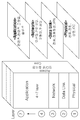
도 2를 참조하면, 좌측에 도시된 OSI 7 계층 모델은 최상위 계층(제7 계층)인 응용계층(애플리케이션 계층, application layer)으로부터 시작하여 표현계층(presentation layer), 세션계층(session layer), 전송계층(transport layer), 네트워크 계층(network layer), 데이터 링크 계층(data link layer), 및 제1 계층인 물리계층(physical layer)으로 구분되고, 각 계층마다 특정한 서비스를 제공함과 아울러 이를 위한 프로토콜들이 존재한다.
본 발명은 OSI 7 계층 모델에 따른 네트워크 자산을 4 단계의 계층들(즉, 물리 계층, 데이터 링크 계층, 네트워크 계층, 및 응용 계층)로 분류하고, 상기 네트워크 계층을 용도 기준으로 액세스(access) 망(가입자망), 인터넷 접속망, 및 코어(core) 망으로 재분류한다. 제1 계층인 물리 계층으로부터 제4 계층인 응용 계층으로 갈수록 투자회수기간이 짧아지지만 창출되는 부가가치는 커질 수 있고, 물리 계층으로부터 응용 계층으로 갈수록 각 계층에서의 네트워크 자원 소모량(원가)은 증가한다.
상기 물리 계층의 자산은, 예를 들어, 선로(전송매체), 전원, 상면, IDC(internet data center), 광 설비, 또는 DWDM 전송망(고밀도 파장 분할 다중 전송망)일 수 있고, 데이터 링크 계층의 자산은, 예를 들어, 전송, 전용회선, 가상 사설망(VPN, virtual private network), 기간 전송, 또는 위성일 수 있다. 물리 계층 및 데이터 링크 계층의 자산의 단위 원가(unit cost)는 회선 당 원가 또는 구간 거리 당 원가일 수 있다.
상기 네트워크 계층의 자산은, 예를 들어, 무선망, IP premium 망 또는 Kornet 망과 같은 인터넷 망, 교환망, 또는 위성망일 수 있다. 네트워크 계층의 자산의 단위 원가는 Mbps 당 원가일 수 있다. 네트워크 계층의 자산은 네트워크의 종류 및 물리적으로 구성된 형상(형태)에 따라 분류된 자산으로서, 무선망, 인터넷망, 또는 교환망으로 분류될 수 있다.
통신 서비스를 직접 제공하는 응용 계층의 자산은, 예를 들어, 컨텐츠, 서비스 플랫폼, 또는 부가 서비스 솔루션일 수 있다. 응용 계층의 자산의 단위 원가는 가입자수 당 원가 또는 사용량 당 원가일 수 있다.
본 발명은 전술한 각 계층에서의 수량(예를 들어, 트래픽(traffic), 통화시도 호(call)수, 또는 가입자 수)을 근거로 하여 각 계층에서의 원가 소비량(소모(consumption)량)을 산출(할당)(allocation)할 수 있다. 상기 산출된 각 계층에서의 원가 소비량은 본 발명의 통신 네트워크 원가 산출 장치(100)의 디스플레이부(도 1의 125)를 통해 표시(display)될 수 있다.
도 3은 도 1의 분류부(110)에 의해 사용되는 분류 모델의 실시예를 설명하는 도면이다.
도 3을 참조하면, 분류부(110)는 물리 계층(physical layer), 데이터 링크 계층(data link layer), 및 네트워크 계층(network layer)을 네트워크 자산으로 그리고 응용 계층을 IT 자산으로 분류(대 구분)하여 통신 네트워크의 상품(사업 또는 서비스)(BM, business model)을 정의한다. 전술한 바와 같이, 네트워크 자산과 IT 자산을 정의(구분)하고, 네트워크 자산은 공통적인 장비속성 단위로 관리되는 것에 의해 컨버전스(통합화)(convergence) 개념으로 관리되고 IT 자산은 다양한 표준 서비스 단위로 관리되는 것에 의해 다이버전스(광역화 또는 동일 기능의 개별화)(divergence) 개념으로 관리될 수 있다.
네트워크 자산(또는 네트워크 계층)의 경우 세부 원가산출 단위는 네트워크 장비의 속성(COP) 단위로 그리고 IT 자산의 경우 세부 원가산출 단위는 표준서비스 단위로 구분한다.
도 4는 도 3의 분류 모델의 실시예에서의 IT 자산 및 네트워크 자산의 실시예를 보다 상세히 나타내는 도면이다.
도 4를 참조하면, 무선, 인터넷, 및 교환의 기능 상품 별로 IT 자산 및 네트워크 자산의 실제예(예를 들어, 커머스(commerce) 또는 3G 등)가 매핑(mapping)됨을 알 수 있다.
도 5는 도 3의 분류 모델의 실시예에서의 네트워크 자산을 장비속성 별로 분류하는 방법을 나타내는 도면이다.
도 5를 참조하면, 제1 레벨(L1)은 기능별로 상품을 정의하고 예를 들어 무선 인터넷, 인터넷(유선 인터넷), 교환, 또는 위성일 수 있다.
제2 레벨(L2)은 계위(rank, 지위)를 정의하고 네트워크 계층을 액세스 망, 인터넷 접속망, 및 코어망으로 분류한다.
제3 레벨(L3)은 액세스 망, 인터넷 접속망, 및 코어망에서의 자산을 용도 기준으로 분류할 수 있다. 제3 레벨(L3)에서 무선망은 세대별(LTE 및 3G 등으로)로, 유선망은 용도별로 구분(분류)할 수 있다. 액세스 망은 세대별로 분류된 LTE 및 3G 등, 초고속(FTTH), 초고속(VDSL), 및 광 전화 등의 장비를 포함한다. 접속망은 기업접속망, 인터넷 접속망, 및 VPN 접속망 등을 포함한다. 코어망은 Kornent, IP-Premium, PSTN, BcN(broadband convergence network, 광대역통합망), 무선음성, 및 무선 데이터 등을 포함한다.
제4 레벨(L4)(미도시)은 제3 레벨(L3)에서 유선망의 경우 노드(node) 단위로 그리고 무선망의 경우는 기능 단위로 분류될 수 있다. 상기 노드는 센터노드, 주노드, 지역노드, 시내교환, 및 시외 교환 등일 수 있다. 상기 기능 단위는 중계기, 기지국, 및 교환(데이터, 음성) 등일 수 있다.
도 6은 도 5의 장비속성별 분류에 따른 네트워크 자산의 자본적 지출비용(CAPEX)과 운영비용(OPEX)의 관계를 설명하는 도면이다.
도 6을 참조하면, 네트워크 자산 데이터의 원가인 자본적 지출비용(투자지출비용)(CAPEX(capital expenditures))은 간접비인 운영비용(OPEX(operating expense))에 결합되어 네트워크 자산의 원가에 반영(합산)될 수 있다. 자본적 지출비용은 미래의 이윤을 창출하기 위해 지출된 비용을 말한다.
네트워크 조직의 전략 인력에 의해 소요되는 운영비용은 무선, 인터넷, 교환, 및 전송 등의 상품 모두에 서로 중복되어 적용될 수 있고, 네트워크 조직의 구축 인력 및 운용 인력 등에 의해 소요되는 운영비용은 무선 및 인터넷 등의 상품 모두에 적용될 수 있다. 나머지 기술지원 인력 및 망 관제 인력에 의해 운용되는 운영비용에 대한 설명은 전술한 전략 인력에 의해 소용되는 운영비용 등의 설명이 참조될 수 있다.
간접비는 분류 모델에 의해 분류된 네트워크 자산에 대한 활동원가기준 원가분석(activity based costing)을 적용하고, 네트워크 자산(COP)에 대한 활동 정보는 개인별 활동 시간(투입시간 또는 소요시간) 또는 활동 대상의 네트워크 자산 등과 같은 시간 속성 정보를 포함한다. 상기 간접비는 분류 모델에 의해 분류된 네트워크 자산에 대해 직접비 화될 수 있다.
도 7은 도 1의 수집부(105)에 의해 수집되는 장비속성 정보를 설명하는 도면이다.
도 7을 참조하면, 장비속성 정보(네트워크 자산 데이터)는 예를 들어 PDA에 의해 수집될 수 있으며, 장치바코드 정보(장비ID(identification number) 정보), 장비기능 정보, 및 장비용도 정보를 포함할 수 있다. 장비기능 정보는 장비계위 정보(미도시)를 포함한다. 장비속성 정보는 Kornet(korea network) 망 또는 IP-Premium 백본(backbone) 망의 경우 입력되는 장비 노드 및 구간 정보를 더 포함할 수 있다. 장비속성 정보는 장비위치 정보가 더 포함될 수 있다.
예를 들어, 장비기능 정보에 교환이 입력될 때 AGW(Access Gateway) 또는 BcN 등의 정보가 사용자에 의해 입력될 수 있다. 장비용도 정보가 사용자에 의해 작성되기 시작될 때 하위의 대표 장비 내역 리스트가 PDA 화면에 표시될 수 있다.
도 8은 도 7의 장비속성 정보에 대한 코드 분류 체계를 설명하는 도면이다.
도 8을 참조하면, 장비기능 정보는 영문자인 코드 2자리로 구성되고, 장비계위 정보는 영문자인 코드 1자리로 구성되고, 장비용도 정보의 경우 숫자인 코드 3자리로 구성되고, 장비 노드 및 구간 정보는 숫자인 코드 4자리로 구성된다.
도 9는 도 3의 네트워크 자산의 장비에 대해 원가 배부 방법의 실시예를 설명하는 도면이다.
도 9를 참조하면, 무선 서비스망의 3G 또는 LTE에 포함된 기지국은 원가 산출부에 의해 수행되는 분류 모델에 속한 원가 평가 그룹 중 제5 그룹에 속한 장치 ID(장치바코드 정보)로 매핑(mapping)되어 원가배부 정보(원가배부 드라이버(driver))인 환산 트래픽(일 단위 또는 월 단위로 환산되는 트래픽량)에 의해 LTE 상품의 원가로 산출될 수 있다.
원가 배부 방법의 다른 실시예에 있어서, 무선 서비스망의 WiBro에 포함된 RU(Remote Unit)는 원가배부 정보 없이 직접 귀속하여 RU의 단위 원가를 이용하여 WiBro 상품의 원가가 산출될 수 있다.
원가 배부 정보는 무선 서비스망인 경우 패킷량 또는 환산 시도호수 등일 수도 있다.
도 10은 도 3의 IT 자산의 표준서비스의 예를 설명하는 도면이다.
도 10을 참조하면, IT 자산이 지원하는 서비스는 크게 경영계, 시설계, 및 영업계로 대구분되고 대구분된 경영계 등에 대응하는 하위의 표준서비스 항목(레벨(level))(예를 들어, 통신 네트워크 자산의 경영계와 관련된 KT 홈페이지 서비스 또는 경영정보분석 서비스(시스템))이 도시되어 있다.
도 11은 본 발명의 실시예에 따른 통신 네트워크 원가 산출 방법(200)을 설명하는 흐름도(flow chart)이다. 통신 네트워크 원가 산출 방법(200)은 도 1의 통신 네트워크 원가 산출 장치(100)에 적용될 수 있다.
수집 단계(205)에 따르면, 수집부에 의해 통신 네트워크 자산의 원가 산출을 위한 입력 정보가 수집된다. 상기 입력 정보는 OSI 7 계층 모델을 근거로 하는 분류 모델에 의해 분류될 네트워크 자산 데이터, 원가 배부 정보, 네트워크 자산 데이터의 직접비 정보, 및 네트워크 자산 데이터의 간접비 정보를 포함한다.
분류 단계(210)에 따르면, 분류부에 의해 네트워크 자산 데이터가 분류 모델에 근거하여 분류되어 분류부 내의 저장부에 저장된 분류 모델의 장비 속성 항목 또는 표준서비스 항목에 배치된다. 상기 분류 모델은, OSI 7 계층 모델의 계층들을 물리 계층, 데이터 링크 계층, 네트워크 계층, 및 응용 계층으로 분류하고, 상기 분류된 물리 계층과 데이터 링크 계층과 네트워크 계층을 네트워크 자산으로 그리고 상기 분류된 응용 계층을 IT 자산으로 재분류하고, 상기 재분류된 네트워크 자산을 상기 장비 속성 항목 단위로 그리고 상기 재분류된 IT 자산을 표준서비스 항목 단위로 분류하는 모델일 수 있다.
산출 단계(215)에 따르면, 원가 산출부에 의해 원가 배부 정보가 이용되어 분류부에 의해 분류된 네트워크 자산 데이터의 원가가 산출된다.
본 실시예에서 사용되는 구성요소 또는 '~부'는 메모리 상의 소정 영역에서 수행되는 태스크, 클래스, 서브 루틴, 프로세스, 오브젝트, 실행 쓰레드, 프로그램과 같은 소프트웨어(software)나, FPGA(fieldprogrammable gate array)나 ASIC(application-specific integrated circuit)과 같은 하드웨어(hardware)로 구현될 수 있으며, 또한 상기 소프트웨어 및 하드웨어의 조합으로 이루어질 수도 있다. 상기 구성요소 또는 '~부'는 컴퓨터로 판독 가능한 저장 매체에 포함되어 있을 수도 있고, 복수의 컴퓨터에 그 일부가 분산되어 분포될 수도 있다.
이상에서와 같이, 도면과 명세서에서 실시예가 개시되었다. 여기서, 특정한 용어들이 사용되었으나, 이는 단지 본 발명을 설명하기 위한 목적에서 사용된 것이며 의미 한정이나 특허청구범위에 기재된 본 발명의 범위를 제한하기 위하여 사용된 것은 아니다. 그러므로 본 기술분야의 통상의 지식을 가진 자는 본 발명으로부터 다양한 변형 및 균등한 실시예가 가능하다는 점을 이해할 수 있을 것이다. 따라서 본 발명의 진정한 기술적 보호 범위는 첨부된 특허청구범위의 기술적 사상에 의해 정해져야 할 것이다.
Claims (11)
- 통신 네트워크 자산에 대한 원가를 산출하는 통신 네트워크 원가 산출 장치에 있어서,상기 통신 네트워크 자산의 원가 산출을 위한 입력 정보를 수집하는 수집부;상기 입력 정보에 포함되고 장비ID(identification number) 정보와 장비기능 정보와 장비용도 정보를 포함하는 네트워크 자산 데이터를 분류 모델에 근거하여 분류하고 상기 분류된 네트워크 자산 데이터를 상기 분류 모델의 장비 속성 항목(item) 및 표준서비스 항목에 배치하는 분류부; 및상기 입력 정보에 포함된 원가 배부 정보를 이용하여 상기 분류부에 의해 분류된 네트워크 자산 데이터의 원가를 산출하는 원가 산출부를 포함하며,상기 분류 모델은,OSI(open system interconnection) 7 계층 모델의 계층들을 물리 계층, 데이터 링크 계층(data link layer), 네트워크 계층, 및 응용 계층으로 분류하고, 상기 분류된 물리 계층과 데이터 링크 계층과 네트워크 계층을 네트워크 자산으로 그리고 상기 분류된 응용 계층을 IT(information technology) 자산으로 재분류하고, 상기 재분류된 네트워크 자산을 상기 장비 속성 항목 단위로 그리고 상기 재분류된 IT 자산을 상기 표준서비스 항목 단위로 분류하는 모델인 통신 네트워크 원가 산출 장치.
- 제1항에 있어서,상기 분류 모델은,상기 네트워크 계층을 용도 기준으로 액세스(access) 망, 인터넷 접속망, 및 코어(core) 망으로 분류하고,상기 액세스 망, 상기 인터넷 접속망, 및 상기 코어망에서 무선망은 세대(generation) 별로 그리고 유선망은 용도별로 분류하고,상기 무선망은 기능 단위로 그리고 상기 유선망은 노드(node) 단위로 분류하는 통신 네트워크 원가 산출 장치.
- 제1항에 있어서,상기 네트워크 자산 데이터는 상기 통신 네트워크 자산이 Kornet망 또는 IP-Premium망일 때 장비 노드 및 구간 정보를 더 포함하는 통신 네트워크 원가 산출 장치.
- 제1항에 있어서,상기 네트워크 자산 데이터는 장비위치 정보를 더 포함하는 통신 네트워크 원가 산출 장치.
- 제1항에 있어서,상기 장비 속성 항목은 장비 ID 필드(field) 및 기능 필드 및 용도 필드를 포함하는 통신 네트워크 원가 산출 장치.
- 제1항에 있어서,상기 표준서비스 항목은 상기 통신 네트워크 자산과 관련된 경영정보분석 서비스를 포함하는 통신 네트워크 원가 산출 장치.
- 제1항에 있어서,상기 원가배부 정보는 상기 통신 네트워크가 무선 서비스망일 때 트래픽(traffic)인 통신 네트워크 원가 산출 장치.
- 제1항에 있어서,상기 원가 산출부는,상기 입력 정보에 포함된 네트워크 자산 데이터의 직접비 정보 및 시간에 따른 활동원가인 간접비 정보를 이용하여 상기 네트워크 자산 데이터의 직접비 및 간접비를 산출하고, 상기 산출된 직접비 및 간접비에 상기 네트워크 자산 데이터의 원가를 합산하는 통신 네트워크 원가 산출 장치.
- 제1항에 있어서,상기 원가 산출부는,상기 분류부에 의해 분류된 네트워크 자산 데이터가 무선 3G 액세스(access) 망의 데이터인 경우 기지국 별로 네트워크 자산 데이터의 원가를 산출하고,상기 분류부에 의해 분류된 네트워크 자산 데이터가 Wi-Fi(wireless fidelity) 액세스망인 경우 구역(zone) 마다 네트워크 자산 데이터의 원가를 산출하고,상기 분류부에 의해 분류된 네트워크 자산 데이터가 IP-Premium망인 경우 노드(node) 별로 네트워크 자산 데이터의 원가를 산출하는 통신 네트워크 원가 산출 장치.
- 제1항에 있어서,상기 통신 네트워크 원가 산출 장치는,상기 수집부를 통해 입력되는 네트워크 자산의 실제 사용량 용량 정보와 운영기준 용량 정보와, 상기 분류 모델을 이용하여 자산 활용률을 계산하는 활용률 계산부를 더 포함하는 통신 네트워크 원가 산출 장치.
- 제10항에 있어서,상기 자산 활용률의 계산 단위는 기지국, 구역(zone), 또는 노드 단위인 통신 네트워크 원가 산출 장치.
Applications Claiming Priority (2)
| Application Number | Priority Date | Filing Date | Title |
|---|---|---|---|
| KR1020110142089A KR101330723B1 (ko) | 2011-12-26 | 2011-12-26 | 통신 네트워크 원가 산출 장치 |
| KR10-2011-0142089 | 2011-12-26 |
Publications (1)
| Publication Number | Publication Date |
|---|---|
| WO2013100334A1 true WO2013100334A1 (ko) | 2013-07-04 |
Family
ID=48697757
Family Applications (1)
| Application Number | Title | Priority Date | Filing Date |
|---|---|---|---|
| PCT/KR2012/008295 Ceased WO2013100334A1 (ko) | 2011-12-26 | 2012-10-12 | 통신 네트워크 원가 산출 장치 |
Country Status (2)
| Country | Link |
|---|---|
| KR (1) | KR101330723B1 (ko) |
| WO (1) | WO2013100334A1 (ko) |
Citations (3)
| Publication number | Priority date | Publication date | Assignee | Title |
|---|---|---|---|---|
| KR20010048945A (ko) * | 1999-11-30 | 2001-06-15 | 이계철 | 무선통신망의 망구축시 초기비용 자동 산출방법 |
| US20070177508A1 (en) * | 2006-01-31 | 2007-08-02 | Marian Croak | Method and apparatus for evaluating component costs in a communication network |
| KR20090015625A (ko) * | 2007-08-09 | 2009-02-12 | 주식회사 케이티프리텔 | 네트워크 원가 정보 산출 시스템 및 산출 방법 |
Family Cites Families (2)
| Publication number | Priority date | Publication date | Assignee | Title |
|---|---|---|---|---|
| KR100321150B1 (ko) * | 1999-11-30 | 2002-03-18 | 박종섭 | 램버스 디램의 출력 드라이버 회로 |
| KR100610804B1 (ko) * | 2005-04-08 | 2006-08-09 | 노키아 코포레이션 | 무선 시스템에서의 자원 최적화 방법 및 무선 시스템 |
-
2011
- 2011-12-26 KR KR1020110142089A patent/KR101330723B1/ko not_active Expired - Fee Related
-
2012
- 2012-10-12 WO PCT/KR2012/008295 patent/WO2013100334A1/ko not_active Ceased
Patent Citations (3)
| Publication number | Priority date | Publication date | Assignee | Title |
|---|---|---|---|---|
| KR20010048945A (ko) * | 1999-11-30 | 2001-06-15 | 이계철 | 무선통신망의 망구축시 초기비용 자동 산출방법 |
| US20070177508A1 (en) * | 2006-01-31 | 2007-08-02 | Marian Croak | Method and apparatus for evaluating component costs in a communication network |
| KR20090015625A (ko) * | 2007-08-09 | 2009-02-12 | 주식회사 케이티프리텔 | 네트워크 원가 정보 산출 시스템 및 산출 방법 |
Also Published As
| Publication number | Publication date |
|---|---|
| KR101330723B1 (ko) | 2013-11-20 |
| KR20130074173A (ko) | 2013-07-04 |
Similar Documents
| Publication | Publication Date | Title |
|---|---|---|
| Moscholios et al. | Efficient multirate teletraffic loss models beyond Erlang | |
| US6725249B2 (en) | Method for economically sub-optimizing interactions in data communications network environments, and a device according to the method | |
| CN103491575A (zh) | 会话感知GTPv1负载平衡 | |
| CN104079636B (zh) | 一种基于云计算的移动校园网 | |
| CN101005381B (zh) | 一种在终端上实现的基于用户业务的流量统计系统与方法 | |
| CN103516710A (zh) | 会话感知GTPv2负载平衡 | |
| WO2012141444A2 (ko) | 소셜 네트워크 분석 서비스 방법 및 장치 | |
| US7894361B1 (en) | System and method for network capacity engineering | |
| CN107301529A (zh) | 一种政务诉求受理中心系统 | |
| US9781631B2 (en) | Optimizing capacity expansion in a mobile network | |
| CN102098699B (zh) | 一种电信系统中用户数据核对的方法和装置 | |
| Schien et al. | A review of top-down models of internet network energy intensity | |
| CN101364279A (zh) | 手机卡销售渠道管理系统 | |
| CN105357694A (zh) | 4g用户数据报文处理的方法和系统 | |
| WO2011031011A2 (ko) | U-시티에서의 u-가상 센터 시스템 및 그 구동 방법 | |
| WO2013100334A1 (ko) | 통신 네트워크 원가 산출 장치 | |
| CN209767830U (zh) | 一种基于便携式卡池装置的虚拟sim卡系统 | |
| CN110891054B (zh) | 一种sip账号资源管理方法 | |
| CN106384206A (zh) | 基于云存储的云平台系统 | |
| CN102932842B (zh) | 一种应用于Gn接口的用户会话级分流方法 | |
| CN111107569A (zh) | 一种问题小区的筛选方法和装置 | |
| CN104317927B (zh) | 一种开源地图的建立方法及系统和查看方法及系统 | |
| KR100933777B1 (ko) | 네트워크 원가 정보 산출 시스템 및 산출 방법 | |
| CN207099117U (zh) | 网络轨迹跟踪管理系统 | |
| Forge et al. | ITU cost model and methodology to assist national regulatory authorities to engage with international mobile roaming |
Legal Events
| Date | Code | Title | Description |
|---|---|---|---|
| 121 | Ep: the epo has been informed by wipo that ep was designated in this application |
Ref document number: 12863322 Country of ref document: EP Kind code of ref document: A1 |
|
| NENP | Non-entry into the national phase |
Ref country code: DE |
|
| 122 | Ep: pct application non-entry in european phase |
Ref document number: 12863322 Country of ref document: EP Kind code of ref document: A1 |