WO2012137387A1 - バイオディーゼル燃料混合軽油のブレンド率、及びfameのエステル率の測定方法及び測定装置 - Google Patents
バイオディーゼル燃料混合軽油のブレンド率、及びfameのエステル率の測定方法及び測定装置 Download PDFInfo
- Publication number
- WO2012137387A1 WO2012137387A1 PCT/JP2011/077238 JP2011077238W WO2012137387A1 WO 2012137387 A1 WO2012137387 A1 WO 2012137387A1 JP 2011077238 W JP2011077238 W JP 2011077238W WO 2012137387 A1 WO2012137387 A1 WO 2012137387A1
- Authority
- WO
- WIPO (PCT)
- Prior art keywords
- fame
- ester
- ratio
- measuring
- rate
- Prior art date
- Legal status (The legal status is an assumption and is not a legal conclusion. Google has not performed a legal analysis and makes no representation as to the accuracy of the status listed.)
- Ceased
Links
Images




Classifications
-
- G—PHYSICS
- G01—MEASURING; TESTING
- G01N—INVESTIGATING OR ANALYSING MATERIALS BY DETERMINING THEIR CHEMICAL OR PHYSICAL PROPERTIES
- G01N33/00—Investigating or analysing materials by specific methods not covered by groups G01N1/00 - G01N31/00
- G01N33/26—Oils; Viscous liquids; Paints; Inks
- G01N33/28—Oils, i.e. hydrocarbon liquids
- G01N33/2835—Specific substances contained in the oils or fuels
Definitions
- the present invention relates to a measurement method and a measurement apparatus for measuring the blending ratio of FAME in “biodiesel mixed gas oil” and the ester ratio which is the ratio of triglyceride in the FAME.
- Biodiesel fuel refers to a fuel for a diesel engine that is made from biomass, that is, a biological resource.
- biomass means vegetable oil, and if it is vegetable oil, it can be used for both fresh oil and used waste cooking oil.
- Biodiesel fuel in a narrow sense is a generic term for fuels obtained by “transesterification with alcohol” and vegetable oils such as coconut oil, rapeseed oil and soybean oil, animal fats and oils, and waste cooking oils.
- FAME means “fatty acid methyl ester” obtained when “alcohol” that is symmetrical to “transesterification” is “methanol” in the above “biodiesel”. Abbreviation. In the above-described “ester exchange with alcohol”, if “ethanol” is used instead of “methanol”, “fatty acid ethyl ester” is used. If “butanol” is used, “fatty acid butyl ester” is used. It becomes.
- biomass fuel is a general term for biomass fuels obtained by “esterification with alcohol”.
- FAME which dominates, is obtained by transesterification of methanol.
- FAME is a carbon neutral fuel, it is effective in reducing carbon dioxide gas by replacing it with fossil fuel. Further, since the component contains almost no sulfur, the generation of SOx is small. Moreover, since it is an oxygen-containing fuel, the generation of soot black smoke is small. In addition, since it is biodegradable, even if fuel leakage occurs, the impact on the environment is small compared to fossil fuel. In addition, since the flash point is higher than that of fossil fuel, it is safe to handle. There are also advantages such as lubricity compared to light oil.
- FAME which is “biodiesel fuel”, alone cannot be used as fuel, and it is necessary to blend with light oil to make “biodiesel mixed gas oil”.
- “Blend ratio” of “diesel blended with biodiesel fuel” means that fuel blended with diesel fuel (generally FAME) is distributed in the market. Rate ".
- a blend ratio of 5% for “biodiesel fuel” refers to a fuel in which 5% of “biodiesel fuel” is mixed.
- a blended fuel with a blend rate of 20% is distributed in the US, and a blended fuel with a blend rate of 5-7% is distributed in Europe.
- biodiesel fuel blended light oil it is better for diesel engine side to be 100% light oil, which is petrochemical oil, so there is no problem, and “biodiesel fuel” is mixed with carbon dioxide. This is to reduce the amount of chemical oil used in order to reduce gas generation. Therefore, it is better that the ratio of “biodiesel fuel” in diesel oil is small, but knowing on-site how much it is mixed makes clear the responsibility in the event of a malfunction of the diesel engine It is necessary for this purpose.
- Methods and measuring devices are provided. Further, as a rule for determining the quality standard of “FAME” in “biodiesel fuel”, “EN14214 standard” is defined in Europe, and “ASTMD6751” is defined in the United States.
- the ester rate of FAME is also a factor that greatly influences the performance of “biodiesel fuel blended diesel oil” for diesel engines. In the above-mentioned “EN14214” in Europe, it is determined that “methyl ester content” in “FAME” satisfies 96.5% or more. In general, in “FAME”, in addition to the methyl ester obtained by “transesterification”, “triglyceride” remaining as an unreacted state in “transesterification” with “methanol” is the main component. Oils and fats and impurities such as moisture are mixed in.
- FAME is collectively referred to as “neat FAME” when used as a 100% state
- the “triglyceride” of the “neat FAME” is defined in order to define the quality standard of the “FAME”. The ratio is measured, and this is the “ester ratio” of “Neat FAME”. This “ester ratio” is the content ratio of “triglyceride” opposite to the “methyl ester content ratio” of “Neat FAME”.
- the present invention makes it possible to easily measure the blend ratio of “biodiesel fuel blended light oil” on-site. It makes negotiations easier.
- Biodiesel fuel blended light oil is what “blend rate”, “neat FAME” fuel of “ester rate” is most suitable for diesel engines, in Europe “EN14214 standard” and in the US “Biodiesel fuel-mixed diesel oil” made of “FAME” that satisfies the standard value of the “ASTMD6751” standard is suitable for diesel engines.
- the lower the mixing ratio of “biodiesel fuel” to light oil the smaller the effect on the diesel engine.
- the “blend rate” in “biodiesel mixed gas oil” and the “ester rate” of “neat FAME” mixed in the “biodiesel fuel mixed gas oil” are simply measured on-site. It is possible to present devices and methods that can be used.
- the “blend rate” of the “biodiesel fuel blended light oil” and the “ester rate” of the “neat FAME” may be measured with the same kit, or the “blend rate” and the “ester rate” may be measured separately. It is possible to measure with this kit.
- the conventional blending ratio measuring method and measuring apparatus of “biodiesel fuel blended diesel oil” are determined by the American Standard (ASTM), etc., and “GC”, that is, “ It was measured using “gas chromatography” and “FT-IR”.
- ASTM American Standard
- GC gas chromatography
- FT-IR FT-IR
- Patent Document 1 As a conventionally known “method for measuring the blend ratio of light diesel oil mixed with biodiesel fuel”, the following Patent Document 1 is known. As a method for measuring the ester ratio of “Neat FAME”, a technique such as that disclosed in Patent Document 2 is known.
- the measuring method and measuring apparatus for “blending ratio of biodiesel fuel blended fuel” and “ester ratio of neat FAME” of the present invention as a precondition, the difference in solubility of FAME, triglyceride, and light oil in various alcohol solvents Is to be used.
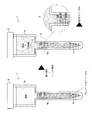
- a special analysis container as shown in FIGS. 4 and 5 is used as an analysis kit of the blend ratio measurement method and measurement apparatus of “biodiesel fuel mixed light oil”.
- an “analysis container stand” as shown in FIG. 6 is used for setting up the analysis container in the analysis.
- a reagent “reagent (A) (for blend ratio measurement)”, “reagent (B) (for ester ratio measurement)”, and “reagent (C) (container cleaning agent)” are used. .
- the technique using the “impedance spectroscopy” described above has a problem that an error due to the difference in the raw material type of the biodiesel fuel appears greatly, and the analyzer using the “impedance spectroscopy” is expensive.
- a method using “sulfuric acid” is known, but the analysis method and apparatus using the “sulfuric acid” are also difficult to handle, The problem was that a dedicated analyzer was required to measure the color change.
- this analysis container (1) is comprised with a cylindrical vertical transparent container, and this analysis container ( The upper part of 1) is the large-diameter container part (1a), which is the “reagent charging part”, and the lower part is the small-diameter container part (1b). ) Is provided with a lid (3) at the top, and "Biodiesel Fuel Mixing Light Oil” and Reagent (A), or "Neat FAME” and Reagent (B) are put into the lid (3) and shaken for a certain period of time. After standing, the “liquid level boundary” is read by a reading scale attached to the small-diameter container portion (1b).
- the reagent (A) and the reagent (injected into the analysis container (1) for the analysis of biodiesel fuel ( B) is composed of ethanol and methanol as main components.
- the tip of the small diameter container part (1b) where the “liquid level boundary” for measuring the ester ratio of FAME is located is configured so that the reading rate of the ester rate can be enlarged.
- the container which measures the blend rate of fuel-mixed light oil and the ester rate of FAME be a combined analysis container (1)
- the blend rate scale (2) for reading the blend rate of the fuel-mixed light oil and the ester rate scale (4) for reading the ester rate of FAME are shown together in one analysis container (1).
- the analysis container (1) and the analysis container (1) are covered and shaken for several minutes.
- an analysis container stand (5) is provided.
- the analytical container stand (A) is provided with a scale for reading the liquid level boundary, The background color of the analysis container can be changed by the analysis container stand (A).
- the present invention comprises a cylindrical vertical transparent container, the upper part of the analysis container (1) as a large-diameter container part (1a), a "reagent charging part", the lower part as a small-diameter container part (1b), A reading scale of “liquid level boundary” is added, a lid (3) is provided at the upper end of the large-diameter container (1a), “biodiesel fuel mixed gas oil” and reagent (A), or “neat FAME” and reagent After (B) is put in and the lid (3) is shaken and left to stand for a certain period of time, the "liquid level boundary" is read by the reading scale attached to the small diameter container part (1b).
- the analysis container (1) is a straight transparent tube having the same diameter on both the upper and lower sides, the overall length is long. Too much shape mixing of sample and reagent becomes difficult , As in the present invention, the charged portion of the reagent, by forming the large ⁇ device portion (1a), it is possible to shorten the overall length of the analysis vessel (1).
- the blend rate scale (2) and the ester rate scale (4) are arranged in the small-diameter container portion (1b), thereby widening the width at which the “liquid level boundary” is located and making the scale easy to read. It became possible to.
- the “biodiesel fuel blend ratio measurement method and measurement apparatus” of the present invention is applied to two types of analytical applications, “biodiesel fuel blend ratio measurement method” and “neat FAME ester ratio measurement”. It is possible to produce a quantitative analysis.
- the present invention relates to a method and an apparatus for measuring a blend ratio of biodiesel fuel-mixed light oil and an ester ratio of FAME, and a reagent (A) and a reagent (A) to be charged for analysis of biodiesel fuel in the analysis container (1) Since the reagent (B) is composed of ethanol and methanol as main components, it is possible to reduce the amount of reagent used by mixing ethanol, which has strong dissolving power, with methanol.
- the present invention relates to a method and an apparatus for measuring the blend ratio of biodiesel-fueled light oil and the ester ratio of FAME, and the measuring apparatus and the measuring apparatus for the small-diameter container portion (1b) where the “liquid level boundary” for measuring the ester ratio of FAME is located.
- the tip is configured to be a sharp container part (1c)
- the reading scale of the ester ratio can be expanded
- the ester ratio of FAME is 1 to 10%, which is a little of the tip of the small diameter container part (1b)
- the “liquid level boundary” is located in the portion, there is a problem that it is difficult to read the scale.
- the sharp container part (1c) is formed at the tip of the small diameter container part (1b), so Since the ester ratio scale (4) of the part of (2) can be enlarged, it is possible to accurately read the ester ratio of FAME.
- the present invention relates to a method and an apparatus for measuring the blend ratio of biodiesel fuel-mixed light oil and the ester ratio of FAME, and an analytical container (1) that also serves as a container for measuring the blend ratio of fuel-mixed light oil and the ester ratio of FAME. Since the blend ratio scale (2) for reading the blend ratio of the fuel-mixed light oil and the ester ratio scale (4) for reading the ester ratio of FAME are written together in one analysis container (1), the analysis container (1) Is used for both the blending ratio of the fuel-mixed light oil and the ester ratio of FAME, so there is no need to simplify the two types, and it can be used in either measurement by washing with the reagent (C). It is a thing. Thereby, it is possible to reduce the cost of the blending ratio of the biodiesel fuel-mixed light oil and the FAME ester ratio and the measuring device. In addition, the analysis container can be reused.
- the present invention relates to a method and an apparatus for measuring the blending ratio of biodiesel fuel-mixed light oil and the ester ratio of FAME, and a few minutes after the analysis container (1) and the analysis container (1) are covered and shaken. Since the analysis container stand (5) for standing still is provided, the horizontal state can be maintained by using the analysis container stand.
- the present invention provides a method for measuring the blending ratio of biodiesel fuel-mixed light oil and the ester ratio of FAME, and a measuring apparatus, and the analysis container stand (A) is provided with a scale for reading the liquid level boundary, and the analysis Since the background color of the analysis container can be changed by the container stand (A), there is an effect that the liquid level boundary can be easily seen by changing the back color of the analysis container.
- FIG. 10 is a diagram showing the concept of measurement when the ratio of “ethanol” and “methanol” is changed in sequence when the “ester ratio” of “neat FAME” is different from the “ester ratio”.
- FIG. 1 the cost required for measurement and the time required for measurement between the other measurement methods of “the blending ratio of biodiesel blended light oil and the ester ratio of FAME and measuring apparatus” of the present invention,
- the measurement accuracy and related positions will be described. That is, there are roughly four types of “methods and measuring devices for measuring the blending ratio of biodiesel blended light oil and the ester ratio of FAME”. That is, the first is “laboratory level analysis”, and this analysis method is the most expensive and time consuming, but the measurement accuracy is high.
- the second is “on-site analysis by skilled technicians”. This “on-site analysis by a skilled technician” is performed in front of the technician using a portable kit for measurement, but requires an expert technician, is expensive, and takes some time. However, accuracy is obtained.
- the third is “sensor analysis”. This method detects the comparison with “monitor oil” with a sensor and measures the “blend rate” and “ester rate”, and can obtain reasonable accuracy in a short time and at low cost. It is. However, accuracy can only be requested to some extent.
- the “method and apparatus for measuring the blend ratio of biodiesel blended light oil and the ester ratio of FAME” of the present invention is less expensive than that, by an unskilled person, on-site in front of the surface, with moderate accuracy. Measurement is possible.
- the “method and apparatus for measuring the blend ratio of biodiesel-mixed light oil” according to the present invention will be described with reference to FIGS. 2 and 7.
- the “biodiesel fuel mixed gas oil” in the present invention is a mixture of “biodiesel fuel” and “light oil”. And if this “biodiesel fuel” is mixed with more “light oil”, the use of natural crude oil resources can be reduced and the diesel engine can be driven by renewable “biodiesel fuel”. It becomes.
- “biodiesel fuel-mixed light oil” in which 20% or more of “biodiesel fuel” is mixed causes problems in each part of the diesel engine. Therefore, it is necessary to confirm on-site how much “biodiesel fuel mixed light oil” is “biodiesel fuel mixed light oil” mixed with “biodiesel fuel mixed light oil”.
- “biodiesel fuel mixed gas oil” is obtained by mixing “biodiesel fuel” with “light oil” and measuring the “blend ratio” which is the ratio of the “biodiesel fuel”.
- “FAME” which is “biodiesel fuel” in “biodiesel fuel mixed light oil”.
- “FAME” has the property of dissolving in “alcohol”, so add “alcohol” to “biodiesel fuel mixed light oil” to be measured.
- the mixture of “biodiesel fuel mixed gas oil” and “alcohol” is “shake”.
- “alcohol” is mixed with “biodiesel fuel-mixed light oil”, and “analysis vessel” is shaken to dissolve “FAME” in the “alcohol”.
- a “liquid level boundary” occurs between the solution of “alcohol” and “FAME” and the remaining “light oil”.
- the “blend rate” can be determined by reading the “blend rate scale (2)” described in the “analysis container (1)” for the position of the “liquid level boundary”.
- the analysis container (1) can be used for both the measurement of the “blend rate” of “biodiesel mixed gas oil” and the measurement of the “ester rate” of “FAME”. Although an example is illustrated, separately, the analysis container (1) includes two analysis containers for measuring the “blend rate” of “biodiesel mixed gas oil” and for measuring the “ester ratio” of “FAME”. It is good as (1).
- the components of the “alcohol” reagent (A) added in the measurement of the “blend ratio” and the “alcohol” reagent (A) added in the measurement of the “ester ratio” are different.
- the property that “FAME” is soluble in “alcohol” is the following, in “Table 1” showing the dissolution characteristics of “FAME”, “triglyceride” and “light oil” in various alcohols, “ethanol”, “methanol”, “ It shows about “propanol”, “isopropanol”, “butanol”, “decanol”, “acetone”, “toluene”.
- the blend ratio of the biodiesel mixed light oil of the present invention can be used as the additive reagent (A) and reagent (B).
- Other “propanol”, “isopropanol”, “butanol”, “decanol”, “acetone”, “toluene” dissolves “FAME”, “triglyceride”, and “light oil”.
- the “ester ratio” reagent (A) and reagent (B) cannot be used.
- the “blend ratio” reagent (A) and the “ester ratio” reagent (B) are both mixed solutions of “ethanol” and “methanol”. It is necessary to change the blend rate scale (2) and the ester rate scale (4) in 1) depending on where the analysis container (1) is described.
- the “blend rate” is located above the analytical container (1) because the “liquid level boundary” appears in the upper part of the separated “light oil”, but the “ester rate” is separated. Since “triglyceride” is located below “FAME” due to the specific gravity, it appears at a part of the lower end of the analysis container (1), and the rate of “ester ratio” is from 1%. Since it is about 10%, the ester rate scale (4) is in a position difficult to see.
- the analysis container (1) of the present invention has been invented. It is. That is, the analysis container (1) constitutes three types of parts: an upper large-diameter container part (1a), a lower small-diameter container part (1b), and a lower end “pointed container part 1c”. That is, the “liquid level boundary” between the remaining “light oil” and the mixture of the reagent (A) and “FAME” is not a part of the large-diameter container part (1a) but a small-diameter container part (1b). The reagent (A) is selected so as to appear at the upper end of the part.
- the sharp vessel portion 1c is configured so that the “ester ratio” can be read as clearly as possible, and the liquid level boundary of the mixed liquid of “triglyceride”, “FAME” and reagent (B) is sharpened.
- the reagent (B) is determined so as to be located in the container part 1c.
- FIG. 9 shows an embodiment of the analysis container (1).
- both the blend rate scale (2) for the “blend rate” and the ester rate scale (4) for the “ester rate” are described in the analysis container (1).
- the reagent (C) is also composed of “alcohol”.
- the “sequence measurement method” which is a measurement method for changing the ratio of “ethanol” and “methanol” of the reagent (B) in order in the measurement of the “ester ratio”
- the “ester ratio” is 3%, 4%, 5%, and 10%, with respect to the component ratio of “ethanol” and “methanol” in the reagent (B).
- the state where the liquid level boundary occurs is greatly different. Therefore, the lower the “ester ratio” is, the more the position where the liquid level boundary appears appears only at the tip of the sharp container 1c at the bottom of the analysis container (1).
- the liquid level boundary finally appears in the reagent (B) in which the ratio of “ethanol” is close to 0 and the ratio of “methanol” is high. Therefore, the ratio of the reagent (B) when the “ester ratio” is 10% is changed from the ratio of the reagent (B) when the “ester ratio” is 10%.
- the measurement of “ester ratio” by sequence control is adopted in the measurement of poor fuel whose “ester ratio” is 10% or more. That is, in FIG. 10, when the “ethanol / methanol ratio” is 0%, it can be measured somehow, but when the “ester ratio” exceeds 10%, the “ethanol / methanol ratio” is 0%. Then measurement is impossible. Therefore, in this case, the “ethanol / methanol ratio” is increased from 0.05% to 0.25% by gradually adding “ethanol” to increase the “ethanol / methanol ratio”. The optimal rate is lowered. In this way, in order to increase the “ethanol / methanol ratio”, “ethanol” is gradually added in an increased amount, and the measurement range of “neat FAME” having a high “ester ratio” is lowered to perform measurement. .
- the back color (6) of the analysis container stand (5) can be changed to an appropriate color.
- the back color (6) is attached to the analysis container stand (5), and is arranged along the analysis container (1), so that the background color of the analysis container (1) can be changed.
- the reagent (C) as a cleaning agent is put into the analysis container (1) and shaken lightly to clean the container. Again, set in the state of FIG. 5 and let stand for several minutes.
- the back color (6) of the analytical container (1) is changed to an appropriate color in the analytical container stand (A).
- the back color (6) can be changed to various colors.
- the cleaning agent which is the reagent (C) is put into the analysis container (1) and shaken lightly to wash the container.
- the ratio of the sample of the reagent (A) for measuring the blend ratio of the fuel-mixed light oil, methanol, and ethanol needs to be changed depending on the blend ratio of the “biodiesel fuel-mixed light oil”.
- Sample: Methanol: Ethanol 1: X: Y Then, 0 ⁇ X ⁇ 30, 0 ⁇ Y ⁇ 2 Can be defined.
- the ratio of the sample of the reagent (B) for measuring the ester ratio of FAME, methanol, and ethanol needs to be changed depending on the content of “triglyceride” and the type of oil.
- Sample: Methanol: Ethanol 1: ⁇ : ⁇ Then, 10 ⁇ ⁇ 20, 0 ⁇ ⁇ 10 Can be defined.
- the ratio of “ethanol” and “methanol” is gradually changed in sequence while measuring, As shown in FIG. 10 showing the concept of measurement, it is possible to measure while changing the ratio.
- an oil such as silicon can be added for the purpose of reducing the generation of bubbles during stirring.
- the component of the reagent (C), which is a cleaning agent for the analysis container (1) can be basically any “alcohol” having high solubility of “biodiesel fuel” or “neat FAME”.
- both the “Blend ratio of biodiesel blended fuel” and the “Neat FAME ester ratio” measuring sections are configured in two upper and lower stages, but this is not an essential condition.
- the “blend ratio” and the “ester ratio” may not be measured, and may be separate measurement containers or measurement kits.
- the structure of the analysis vessel (1) is the difference in specific gravity between “alcohol”, “triglyceride” and “FAME” in the “method and apparatus for measuring the blend ratio of biodiesel blended light oil and ester ratio of FAME”. Therefore, the detection unit is provided above and below, and thus such a structure is adopted.
- the diameter of the inside of the measurement container is described as ⁇ 30 ⁇ 12 ⁇ 7. However, this dimension may not be any other dimension, or the ratio may be constant.
- the cross section of the measurement container may not be a circular cylinder, but may be a square cylinder. The dimensions are not limited to this, and if the diameter is too small, the influence of surface tension increases, which is not suitable.
- the lowermost part of the measurement container which is a measurement part of the “neat FAME ester ratio”, has a sharp tip, but is not limited thereto.
- the tip is sharp, the resolution of the detection unit is increased and the accuracy is improved.
- it is difficult to create a sharp container, and it may be an arc.
- the “stand” for placing the “analysis vessel” is not an indispensable requirement, but after shaking the measurement vessel, keep standing gently until the liquid branch surface comes out clearly for a certain period of time. It takes time to leave it, and a stand should be provided so that it does not fall over or become unstable. The scale of the winning category is written on the “stand” so that the memory can be read accurately.
- each scale is likely to be a different scale.
- Ethanol and methanol are used as reagents, but other “alcohols” such as “propanol” and “butanol” described in Table 1 are suitable for this application because of their strong dissolving power. Not used.
- ethanol and methanol are used as the components of the reagent, but a liquid having antifoaming action such as silicone oil is added as an additive.
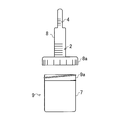
- FIGS. 11 and 12 illustrates another embodiment of the “analysis container (9)”.
- the analysis container (9) has a structure capable of separating the “large diameter container part (7)” and the “small diameter container part (8)”.
- the "large diameter container part (7)” is arranged on the bottom and the "small diameter container part (8)” is arranged on the top. It is in a state of being.
- the reagent (A) is put in the “large diameter container part (7)”, and these are mixed.
- the screw portion (8a) of the “small-diameter container portion (8)” is screwed to the screw portion (7a) of the “large-diameter container portion (7)” to be in a sealed state, and the “large-diameter container portion (7
- the “small-diameter container part (8)” is attached to “)” and inverted, and the “biodiesel fuel” to be measured is put into the “small-diameter container part (8)”.
- the analytical container (9) is returned to the normal posture as shown in FIG. In the part (8) ", a liquid level boundary is generated, and the position of the boundary is similarly described in the portion of the" small-diameter container part (8) ".
- the blend rate scale (2) and the ester rate scale ( Reading is performed by the part 4).
- the analysis container (9) is separated into the upper and lower parts by the “large diameter container part (7)” and the “small diameter container part (8)”, thereby the “large diameter container part (7)”.
- the “small-diameter container portion (8)” having a complicated shape can be easily formed by molding a synthetic resin.
- the reagent (A) or the reagent (B) is enclosed in the “large diameter container part (7)” and the reagent (A) is measured as a kit covered with the “small diameter container part (8)”. Or the reagent (B) can be used as they are.
- the present invention can be used for a measurement method and a measurement apparatus for measuring the blend ratio of FAME in “biodiesel mixed gas oil” and the ester ratio which is the ratio of triglyceride in the FAME.
Landscapes
- Chemical & Material Sciences (AREA)
- Health & Medical Sciences (AREA)
- Engineering & Computer Science (AREA)
- Life Sciences & Earth Sciences (AREA)
- Medicinal Chemistry (AREA)
- Biochemistry (AREA)
- General Chemical & Material Sciences (AREA)
- Food Science & Technology (AREA)
- Chemical Kinetics & Catalysis (AREA)
- Physics & Mathematics (AREA)
- Analytical Chemistry (AREA)
- Oil, Petroleum & Natural Gas (AREA)
- General Health & Medical Sciences (AREA)
- General Physics & Mathematics (AREA)
- Immunology (AREA)
- Pathology (AREA)
- Liquid Carbonaceous Fuels (AREA)
- Investigating Or Analysing Materials By Optical Means (AREA)
- Investigating Or Analyzing Non-Biological Materials By The Use Of Chemical Means (AREA)
Abstract
バイオディーゼル燃料混合軽油中におけるFAMEのブレンド率、及び、該FAME中におけるトリグリセライドの率であるエステル率を測定するための測定方法及び測定装置を提供することを目的とし、 バイオディーゼル燃料混合軽油のブレンド率、及びFAMEのエステル率の測定方法及び測定装置において、該分析容器(1)は、筒状縦型の透明容器により構成し、該分析容器(1)の上部を大径容器部(1a)として、「試薬投入部」とし、下部は小径容器部(1b)として、「液面境界」の読取目盛を付記し、該大径容器部(1a)の上端に蓋(3)を設け、「バイオディーゼル燃料混合軽油」と試薬(A)、または「ニートFAME」と試薬(B)を投入して蓋(3)をした後に振って、一定時間静置後に、前記小径容器部(1b)に付した読取目盛により、「液面境界」を読み取る。
Description
本発明は、「バイオディーゼル燃料混合軽油」中におけるFAMEのブレンド率、及び、該FAME中におけるトリグリセライドの率であるエステル率を測定するための測定方法及び測定装置に関するものである。
「バイオディーゼル燃料」とは、バイオマス即ち生物由来の資源を原料として作られるディーゼルエンジン用の燃料のことである。ここでバイオマスとは植物油のことを示しており、植物油であれば、新油でも使い古しの廃食油でも使うことが出来るのである。
また狭義の「バイオディーゼル燃料」は、椰子油や菜種油や大豆油などの植物油、動物油脂、廃食油と、「アルコールとのエステル交換」によって得られる燃料の総称である。
また狭義の「バイオディーゼル燃料」は、椰子油や菜種油や大豆油などの植物油、動物油脂、廃食油と、「アルコールとのエステル交換」によって得られる燃料の総称である。
そして、「FAME」とは、上記の「バイオディーゼル」の中で、「エステル交換」の対称となる「アルコール」が「メタノール」である場合に得られる、「脂肪酸メチルエステル( FattyAcid MethylEster) 」の略称である。
上述した「アルコールとのエステル交換」において、交換の対象が、「メタノール」ではなく「エタノール」が用いられたならば、「脂肪酸エチルエステル」となり、「ブタノール」を用いれば「脂肪酸ブチルエステル」となるのである。
上述した「アルコールとのエステル交換」において、交換の対象が、「メタノール」ではなく「エタノール」が用いられたならば、「脂肪酸エチルエステル」となり、「ブタノール」を用いれば「脂肪酸ブチルエステル」となるのである。
しかし、現状では、「メタノール」が最も安価で、精製工程も簡単なため、現在流通している「バイオディーゼル燃料」のほとんどがこの「FAME」である。
このように、「バイオディーゼル燃料」とは、「アルコールとのエステル交換」によって得られるバイオマス燃料の総称であるが、その中で、主流を占める「FAME」とは、メタノールのエステル交換によって得られた「脂肪酸メチルエステル( FattyAcid MethylEster) 」を指すのである。
このように、「バイオディーゼル燃料」とは、「アルコールとのエステル交換」によって得られるバイオマス燃料の総称であるが、その中で、主流を占める「FAME」とは、メタノールのエステル交換によって得られた「脂肪酸メチルエステル( FattyAcid MethylEster) 」を指すのである。
「FAME」は、カーボンニュートラルな燃料であるため、化石燃料に代替することで炭酸ガス削減に効果がある。また成分中には硫黄分を殆ど含まないので、SOxの発生も少ない。また、含酸素燃料であるため、煤である黒煙の発生が少ないのである。
また、生分解性であるので、燃料漏れを起こしても、化石燃料に比べると、環境に与える影響が小さい。また、引火点が化石燃料より高いので、取扱い上安全である。また軽油に比べて潤滑性がある等の有利な点が存在するのである。
また、生分解性であるので、燃料漏れを起こしても、化石燃料に比べると、環境に与える影響が小さい。また、引火点が化石燃料より高いので、取扱い上安全である。また軽油に比べて潤滑性がある等の有利な点が存在するのである。
しかし、逆にFAMEを使用して、実際にディーゼルエンジンを動かす場合に、次のような不具合な点があるのである。
即ち、FAMEは低温で固まり易い。即ち粘度が高い。引火点が高い。劣化しやすい。特定のゴムや樹脂や金属を腐食させる。洗浄作用がある。
故に、「バイオディーゼル燃料」である「FAME」、それのみでは、燃料とすることが出来ず、軽油とブレンドして「バイオディーゼル燃料混合軽油」とする必要があるのである。
即ち、FAMEは低温で固まり易い。即ち粘度が高い。引火点が高い。劣化しやすい。特定のゴムや樹脂や金属を腐食させる。洗浄作用がある。
故に、「バイオディーゼル燃料」である「FAME」、それのみでは、燃料とすることが出来ず、軽油とブレンドして「バイオディーゼル燃料混合軽油」とする必要があるのである。
「バイオディーゼル燃料混合軽油」の「ブレンド率」とは、バイオディーゼル燃料(一般的にFAME)を軽油に混合した燃料が市場で流通しており、この混合比率が「バイオディーゼル燃料混合軽油のブレンド率」である。
「バイオディーゼル燃料」のブレンド率5%は、「バイオディーゼル燃料」が5%混合された燃料を指す。米国ではブレンド率20%の混合燃料、欧州ではブレンド率5~7%の混合燃料が流通されている。
「バイオディーゼル燃料混合軽油」としては、化石油である軽油が100%である方が、ディーゼルエンジン側にとっては、不具合が発生しないので良いのであり、「バイオディーゼル燃料」を混合するのは、炭酸ガスの発生を減少させる為に、化石油の使用量を減らす為である。
故に、軽油中の「バイオディーゼル燃料」の比率が少ない方が良いが、どの程度、混合されているかを、オンサイトで知ることが、ディーゼルエンジンの不具合の発生した場合において、責任を明確にする為に必要なのである。
「バイオディーゼル燃料」のブレンド率5%は、「バイオディーゼル燃料」が5%混合された燃料を指す。米国ではブレンド率20%の混合燃料、欧州ではブレンド率5~7%の混合燃料が流通されている。
「バイオディーゼル燃料混合軽油」としては、化石油である軽油が100%である方が、ディーゼルエンジン側にとっては、不具合が発生しないので良いのであり、「バイオディーゼル燃料」を混合するのは、炭酸ガスの発生を減少させる為に、化石油の使用量を減らす為である。
故に、軽油中の「バイオディーゼル燃料」の比率が少ない方が良いが、どの程度、混合されているかを、オンサイトで知ることが、ディーゼルエンジンの不具合の発生した場合において、責任を明確にする為に必要なのである。
そして、本発明においては、「バイオディーゼル燃料」を「軽油」に混合した「バイオディーゼル燃料混合軽油」の中における、「バイオディーゼル燃料」即ち「FAME」の「ブレンド率」を確認するための測定方法と測定装置を提供する。
また、「バイオディーゼル燃料」の中の「FAME」の品質規格を定める規則として、欧州では「EN14214規格」が規定されており、米国では「ASTMD6751」が規定されている。
また、「バイオディーゼル燃料」の中の「FAME」の品質規格を定める規則として、欧州では「EN14214規格」が規定されており、米国では「ASTMD6751」が規定されている。
「FAMEのエステル率」も「バイオディーゼル燃料混合軽油」のディーゼルエンジンに対する性能を大きく左右する因子である。
上記の欧州の「EN14214」の中においては、「FAME」の中の「メチルエステル含有率」が96.5%以上を満たすことと、決められている。
一般的に「FAME」の中には「エステル交換」によって得られたメチルエステルの他に、「メタノール」との「エステル交換」の際において、未反応の状態として残った「トリグリセリド」が主成分の油脂や、水分などの不純物が混入しているのである。
この「トリグリセリド」は、動粘度が高く、かつ劣化して酸化生成物に変質するためエンジンに大きな悪影響を及ぼすことが知られている。この「トリグリセリド」が少ない方が良いので、FAMEのエステル率を測定するのである。
上記の欧州の「EN14214」の中においては、「FAME」の中の「メチルエステル含有率」が96.5%以上を満たすことと、決められている。
一般的に「FAME」の中には「エステル交換」によって得られたメチルエステルの他に、「メタノール」との「エステル交換」の際において、未反応の状態として残った「トリグリセリド」が主成分の油脂や、水分などの不純物が混入しているのである。
この「トリグリセリド」は、動粘度が高く、かつ劣化して酸化生成物に変質するためエンジンに大きな悪影響を及ぼすことが知られている。この「トリグリセリド」が少ない方が良いので、FAMEのエステル率を測定するのである。
故に、「FAME」が100%の状態として使用される場合の「ニートFAME」と総称されるが、該「ニートFAME」について、該「FAME」の品質規格を定めるために、該「トリグリセリド」の率を測定することが行われており、これが「ニートFAME」の「エステル率」である。
この「エステル率」は、「ニートFAME」の「メチルエステル含有率」と逆の「トリグリセリド」の含有率である。
この「エステル率」は、「ニートFAME」の「メチルエステル含有率」と逆の「トリグリセリド」の含有率である。
「バイオディーゼル燃料混合軽油のブレンド率」でどんな品質が判断できるのかというと。 現在、わが国で使用を認めているブレンド混合率は、
(1)「バイオディーゼル燃料」が5%まで混合された「バイオディーゼル燃料混合軽油」であれば、ディーゼルエンジンの側には変更される箇所が無く、ディーゼルエンジンのメンテナンスに関するインターバルも軽油利用時と同じとされている。
(2)「バイオディーゼル燃料」が5%~20%まで混合されている場合は、ディーゼルエンジンの燃料系のホースを、専用部品に交換し、かつ、メンテナンスのインターバルも軽油より短くするとされている。
(1)「バイオディーゼル燃料」が5%まで混合された「バイオディーゼル燃料混合軽油」であれば、ディーゼルエンジンの側には変更される箇所が無く、ディーゼルエンジンのメンテナンスに関するインターバルも軽油利用時と同じとされている。
(2)「バイオディーゼル燃料」が5%~20%まで混合されている場合は、ディーゼルエンジンの燃料系のホースを、専用部品に交換し、かつ、メンテナンスのインターバルも軽油より短くするとされている。
しかし、欧州では環境意識の高まりから、「バイオディーゼル燃料」混合率を、7%混合や10%混合の要求が高くなってきており、ディーゼルエンジンメーカとしてはどのように対応していくかの研究がなされている。
また、欧州の一部地域では、「バイオディーゼル混合軽油」の規格値を、最大7%までの混合を認めているので、実際の混合率がわからないのである。そのため、市場でバイオディーゼル起因の不具合が発生しても、その原因の断定が難しいという不具合があったのである。
また、欧州の一部地域では、「バイオディーゼル混合軽油」の規格値を、最大7%までの混合を認めているので、実際の混合率がわからないのである。そのため、市場でバイオディーゼル起因の不具合が発生しても、その原因の断定が難しいという不具合があったのである。
本発明は、オンサイトで、容易に「バイオディーゼル燃料混合軽油」のブレンド率が測定できるようにするものであり、「バイオディーゼル燃料混合軽油」が原因の不具合の、追究やその後のユーザーとの交渉を容易にするものである。
同様に、「バイオディーゼル燃料混合軽油」の「ブレンド率」だけではなく、「バイオディーゼル燃料混合軽油」に含まれる「FAME」中の「トリグリセリド」の率である「エステル率」も、「バイオディーゼル燃料」起因の不具合の原因ともなるのである。
本発明においては、この「ニートFAME」の「エステル率」についても、オンサイトで検証することが出来るようにするものである。
本発明においては、この「ニートFAME」の「エステル率」についても、オンサイトで検証することが出来るようにするものである。
「バイオディーゼル燃料混合軽油」はどのような「ブレンド率」、「ニートFAME」の「エステル率」の燃料が、最もディーゼルエンジンに向いているのかいうと、欧州の「EN14214規格」や、米国では「ASTMD6751」規格の規格値を満たす「FAME」で作られた「バイオディーゼル燃料混合軽油」が、ディーゼルエンジンには適しているのである。
かつ、軽油に対する「バイオディーゼル燃料」の混合率は低ければ低いほど、ディーゼルエンジンに及ぼす影響は小さいのである。
かつ、軽油に対する「バイオディーゼル燃料」の混合率は低ければ低いほど、ディーゼルエンジンに及ぼす影響は小さいのである。
本発明においては、「バイオディーゼル燃料混合軽油」における「ブレンド率」と、該「バイオディーゼル燃料混合軽油」に混合されている「ニートFAME」の「エステル率」とを、オンサイトで簡単に測定することが出来る装置と方法を提示することが出来るのである。
該「バイオディーゼル燃料混合軽油」の「ブレンド率」と、「ニートFAME」の「エステル率」の測定は、同一のキットで測定しても良いし、「ブレンド率」と「エステル率」を別々のキットで測定可能としても良いものである。
該「バイオディーゼル燃料混合軽油」の「ブレンド率」と、「ニートFAME」の「エステル率」の測定は、同一のキットで測定しても良いし、「ブレンド率」と「エステル率」を別々のキットで測定可能としても良いものである。
従来からの「バイオディーゼル燃料混合軽油」のブレンド率測定方法及び測定装置として、米国の場合は、米国規格(ASTM)などで決められており、ブレンド率を測定するのに「GC」即ち、「ガスクロマトグラフィ法」や、「FT-IR」を利用して測定していたのである。
また、その他の測定方法としては、「インピーダンス分光法」を利用した測定技術や、燃料に硫酸を添加して色の変化の違いを利用した測定技術等が知られている。
また、その他の測定方法としては、「インピーダンス分光法」を利用した測定技術や、燃料に硫酸を添加して色の変化の違いを利用した測定技術等が知られている。
また、「ニートFAME」即ち「Fatty Acid Methyl Ester(バイオディーゼル)100%燃料」のエステル率、即ち、トリグリセリド含有量を測定する方法としては、「ニートFAME」にメタノールを加えて、溶解特性から「エステル率」を判定する技術も知られている。
また、欧州規格(EN)やJISで規程されているのは、「GC」即ち「ガスクロマトグラフィ法」による分析が規定されている。
また、欧州規格(EN)やJISで規程されているのは、「GC」即ち「ガスクロマトグラフィ法」による分析が規定されている。
従来から公知とされている「バイオディーゼル燃料混合軽油のブレンド率測定方法」としては、下記の特許文献1が公知とされている。
また、「ニートFAME」のエステル率測定方法としては、特許文献2のような技術が公知とされている。
米国特許出願公開第US2009/0155922A1号
特開2010-112752号公報
特開2010-254796号公報
特開2000-314704号公報
また、「ニートFAME」のエステル率測定方法としては、特許文献2のような技術が公知とされている。
本発明の「バイオディーゼル燃料混合燃料のブレンド率」及び「ニートFAMEのエステル率」の測定方法及び測定装置において、前提条件として、各種アルコール系溶剤に対する、FAME、トリグリセライド、軽油の溶解性、の違いを利用するものである。
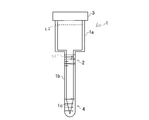
また、「バイオディーゼル燃料混合軽油」のブレンド率測定方法及び測定装置の分析キットとして、図4と図5に示す如き、特殊な分析容器を用いるものである。
また、「バイオディーゼル燃料混合軽油」のブレンド率測定方法及び測定装置の分析キットとして、図4と図5に示す如き、特殊な分析容器を用いるものである。
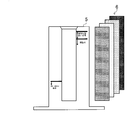
また、該分析用の容器を、分析の際において立てる為の、図6に示すような「分析容器スタンド」を用いるものである。
また、試薬としては、「試薬(A)(ブレンド率測定用)」と、「試薬(B)(エステル率測定用)」と、「試薬(C)(容器洗浄剤)」を用いるものである。
また、試薬としては、「試薬(A)(ブレンド率測定用)」と、「試薬(B)(エステル率測定用)」と、「試薬(C)(容器洗浄剤)」を用いるものである。
前述した「バイオディーゼル燃料混合燃料のブレンド率」と「ニートFAMEのエステル率」の測定方法及び測定装置における従来技術の問題点としては、「ガスクロマトグラフィ法」や、「FT-IR」による分析方法及び分析装置は、専門知識と高度な技術を必要とし、オンサイト分析ができないという不具合があったのである。
また、上記の「ガスクロマトグラフィ法」や、「FT-IR」法により分析装置、及び分析コストは、共に高額となるという不具合があったのである。
また、上記の「ガスクロマトグラフィ法」や、「FT-IR」法により分析装置、及び分析コストは、共に高額となるという不具合があったのである。
更に、前述した「インピーダンス分光法」を利用した技術は、バイオディーゼル燃料の原料種類の違いによる誤差が大きく現れ、「インピーダンス分光法」による分析装置も高額であるという不具合があったのである。
また、その他の「バイオディーゼル燃料のブレンド率測定方法及び測定装置」として、「硫酸」を利用する方法が知られているが、該「硫酸」を使用した分析方法と装置も、取り扱いが難しく、色の変化を測定するのに専用分析装置が必要となるという不具合があったのである。
また、その他の「バイオディーゼル燃料のブレンド率測定方法及び測定装置」として、「硫酸」を利用する方法が知られているが、該「硫酸」を使用した分析方法と装置も、取り扱いが難しく、色の変化を測定するのに専用分析装置が必要となるという不具合があったのである。
また、「ニートFAME」のエステル率測定については、「ニートFAME」にメタノールを溶解させ、エステル率を判定するキットがあるが、この従来技術のキットでは、定量分析ができないという不具合があったのである。
また、該キットによる分析を行う場合には、多量のメタノールを必要とするという不具合があったのである。
また、該キットによる分析を行う場合には、多量のメタノールを必要とするという不具合があったのである。
また、「ニートFAME」の分析方法として、「JIS」や「EN規格(欧州)」で規定されている分析方法は、特別な装置と専門技術を必要とするという不具合があったのである。
更に加えて、この「JIS」や「EN規格(欧州)」で規定されている分析方法は、分析時間が長く、分析費用も高額となるという不具合があったのである。
更に加えて、この「JIS」や「EN規格(欧州)」で規定されている分析方法は、分析時間が長く、分析費用も高額となるという不具合があったのである。
本願発明においては、バイオディーゼル燃料混合軽油のブレンド率、及びFAMEのエステル率の測定方法及び測定装置において、該分析容器(1)は、筒状縦型の透明容器により構成し、該分析容器(1)の上部を大径容器部(1a)として、「試薬投入部」とし、下部は小径容器部(1b)として、「液面境界」の読取目盛を付記し、該大径容器部(1a)の上端に蓋(3)を設け、「バイオディーゼル燃料混合軽油」と試薬(A)、または「ニートFAME」と試薬(B)を投入して蓋(3)をした後に振って、一定時間静置後に、前記小径容器部(1b)に付した読取目盛により、「液面境界」を読み取るものである。
また、バイオディーゼル燃料混合軽油のブレンド率、及びFAMEのエステル率の測定方法及び測定装置において、該分析容器(1)内に、バイオディーゼル燃料の分析の為に投入する試薬(A)及び試薬(B)を、エタノールとメタノールを主成分として構成したものである。
また、バイオディーゼル燃料混合軽油のブレンド率、及びFAMEのエステル率の測定方法及び測定装置において、FAMEのエステル率を測定する為の「液面境界」が位置する小径容器部(1b)の先端を、先鋭容器部(1c)に構成して、エステル率の読取目盛を拡大可能としたものである。
また、バイオディーゼル燃料混合軽油のブレンド率、及びFAMEのエステル率の測定方法及び測定装置において、燃料混合軽油のブレンド率と、FAMEのエステル率を測定する容器を兼用の分析容器(1)とし、燃料混合軽油のブレンド率を読み取るブレンド率目盛(2)と、FAMEのエステル率を読み取るエステル率目盛(4)とを、1つの分析容器(1)に併記したものである。
また、バイオディーゼル燃料混合軽油のブレンド率、及びFAMEのエステル率の測定方法及び測定装置において、前記分析容器(1)と、該分析容器(1)の蓋をして振った後に数分間静置する為の、分析容器スタンド(5)を具備したものである。
本願発明においては、バイオディーゼル燃料混合軽油のブレンド率、及びFAMEのエステル率の測定方法及び測定装置において、前記分析容器スタンド(A)に、液面境界を読み取る為の目盛りを設け、また、該分析容器スタンド(A)により、前記分析容器の背景色を変更可能に構成したものである。
本願発明は、筒状縦型の透明容器により構成し、該分析容器(1)の上部を大径容器部(1a)として、「試薬投入部」とし、下部は小径容器部(1b)として、「液面境界」の読取目盛を付記し、該大径容器部(1a)の上端に蓋(3)を設け、「バイオディーゼル燃料混合軽油」と試薬(A)、または「ニートFAME」と試薬(B)を投入して蓋(3)をした後に振って、一定時間静置後に、前記小径容器部(1b)に付した読取目盛により、「液面境界」を読み取るので、「バイオディーゼル燃料混合軽油」のサンプル量に対して、試薬(A)や試薬(B)の量が多くなるので、分析容器(1)を上下ともに同じ径のまっすぐな透明筒とすると、全体の長さが長すぎて、サンプルと試薬とのシェイプ混合がやりにくくなるのであるが、本発明の如く、試薬の投入部を、大径容器部(1a)に構成することにより、分析容器(1)の全長を短くすることができる。
また、ブレンド率目盛(2)やエステル率目盛(4)の部分は、小径容器部(1b)の部分に配置することにより、「液面境界」の位置する幅を広くして、読取易い目盛りとすることが可能となったのである。
また、本発明の「バイオディーゼル燃料のブレンド率測定方法及び測定装置」は、「バイオディーゼル燃料のブレンド率測定方法」、及び、「ニートFAMEのエステル率測定」は、2種類の分析用途に適用でき、かつ定量分析が可能となるという効果を奏するものである。
また、本発明の「バイオディーゼル燃料のブレンド率測定方法及び測定装置」は、「バイオディーゼル燃料のブレンド率測定方法」、及び、「ニートFAMEのエステル率測定」は、2種類の分析用途に適用でき、かつ定量分析が可能となるという効果を奏するものである。
本願発明は、バイオディーゼル燃料混合軽油のブレンド率、及びFAMEのエステル率の測定方法及び測定装置において、該分析容器(1)内に、バイオディーゼル燃料の分析の為に投入する試薬(A)及び試薬(B)を、エタノールとメタノールを主成分として構成したので、溶解力の強いエタノールを、メタノールに混合した事で、試薬使用量を低減出来るという効果を奏するものである。
本願発明は、バイオディーゼル燃料混合軽油のブレンド率、及びFAMEのエステル率の測定方法及び測定装置において、FAMEのエステル率を測定する為の「液面境界」が位置する小径容器部(1b)の先端を、先鋭容器部(1c)に構成して、エステル率の読取目盛を拡大可能としたので、FAMEのエステル率においては、1~10%と、小径容器部(1b)の先端の僅かな部分に「液面境界」が位置するので、目盛りの読取が困難となるという不具合があるが、小径容器部(1b)の先端に先鋭容器部(1c)を構成して、「液面境界」の部分のエステル率目盛(4)を拡大することが出来るので、正確なFAMEのエステル率の読取が可能となったものである。
本願発明は、バイオディーゼル燃料混合軽油のブレンド率、及びFAMEのエステル率の測定方法及び測定装置において、燃料混合軽油のブレンド率と、FAMEのエステル率を測定する容器を兼用の分析容器(1)とし、燃料混合軽油のブレンド率を読み取るブレンド率目盛(2)と、FAMEのエステル率を読み取るエステル率目盛(4)とを、1つの分析容器(1)に併記したので、分析容器(1)を燃料混合軽油のブレンド率とFAMEのエステル率で兼用して使用するので、2種類を容易する必要がなく、試薬(C)により洗浄して、どちらの測定においても使用することが可能となったものである。これにより、バイオディーゼル燃料混合軽油のブレンド率、及びFAMEのエステル率の測定方法及び測定装置のコストの低減を図ることが出来るのである。
また、分析容器も再利用できるという効果を奏するものである。
また、分析容器も再利用できるという効果を奏するものである。
本願発明は、バイオディーゼル燃料混合軽油のブレンド率、及びFAMEのエステル率の測定方法及び測定装置において、前記分析容器(1)と、該分析容器(1)の蓋をして振った後に数分間静置する為の、分析容器スタンド(5)を具備したので、分析容器スタンドを利用する事で水平状態を保てるという効果を奏するものである。
本願発明は、バイオディーゼル燃料混合軽油のブレンド率、及びFAMEのエステル率の測定方法及び測定装置において、前記分析容器スタンド(A)に、液面境界を読み取る為の目盛りを設け、また、該分析容器スタンド(A)により分析容器の背景色を変更可能に構成したので、分析容器の背面色を変更することで、液面境界を見やすくできるという効果を奏するものである。
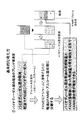
図1において、本発明の『バイオディーゼル混合軽油のブレンド率、及びFAMEのエステル率の測定方法及び測定装置』の、他の測定方法との間で、測定に要する費用と測定に要する時間と、測定の精度と関連位置について説明する。
即ち、「バイオディーゼル混合軽油のブレンド率、及びFAMEのエステル率の測定方法及び測定装置」については、大まかに分けて4種類の方法が存在する。
即ち、第1番目が「研究室レベル分析」であり、この分析方法が最も費用が掛かり、時間も要するが、測定精度が高いのである。
即ち、「バイオディーゼル混合軽油のブレンド率、及びFAMEのエステル率の測定方法及び測定装置」については、大まかに分けて4種類の方法が存在する。
即ち、第1番目が「研究室レベル分析」であり、この分析方法が最も費用が掛かり、時間も要するが、測定精度が高いのである。
第2番目は、「熟練技術者によるオンサイト分析」である。この「熟練技術者によるオンサイト分析」は、測定用のポータブルキットを使用して、当該技術者の面前で測定するのであるが、熟練技術者を必要とし、費用が掛かり、またある程度の時間が係るが、精度は得られるのである。
第3番目は、「センサー分析」である。この方法は、「モニターオイル」 との比較を、センサーで検知して、「ブレンド率」や「エステル率」を測定する方法であり、短時間で低コストで、そこそこの精度を得ることができるのである。しかし、精度はある程度しか要求できないのである。
第3番目は、「センサー分析」である。この方法は、「モニターオイル」 との比較を、センサーで検知して、「ブレンド率」や「エステル率」を測定する方法であり、短時間で低コストで、そこそこの精度を得ることができるのである。しかし、精度はある程度しか要求できないのである。
本発明の「バイオディーゼル混合軽油のブレンド率、及びFAMEのエステル率の測定方法及び測定装置」は、それよりも、低コストで、非熟練者により、面前でオンサイト状態で、そこそこの精度で測定を可能とするものである。
本発明の、「バイオディーゼル混合軽油のブレンド率の測定方法及び測定装置」について、図2と図7の図面を用いて、説明する。
本発明における「バイオディーゼル燃料混合軽油」とは、「軽油」に「バイオディーゼル燃料」を、混合したものである。そして、該「バイオディーゼル燃料」をより多く「軽油」に混合すれば、天然原油資源の利用を少なくして、再生可能な植物性の「バイオディーゼル燃料」により、ディーゼルエンジンを駆動することが可能となるのである。
しかし、「バイオディーゼル燃料」を20%以上混合した「バイオディーゼル燃料混合軽油」は、ディーゼルエンジンの各部に不具合を発生させるのである。
故に、「バイオディーゼル燃料混合軽油」がどの程度の「バイオディーゼル燃料」を混合している「バイオディーゼル燃料混合軽油」であるかを、オンサイトで確認する必要が発生するのである。
本発明における「バイオディーゼル燃料混合軽油」とは、「軽油」に「バイオディーゼル燃料」を、混合したものである。そして、該「バイオディーゼル燃料」をより多く「軽油」に混合すれば、天然原油資源の利用を少なくして、再生可能な植物性の「バイオディーゼル燃料」により、ディーゼルエンジンを駆動することが可能となるのである。
しかし、「バイオディーゼル燃料」を20%以上混合した「バイオディーゼル燃料混合軽油」は、ディーゼルエンジンの各部に不具合を発生させるのである。
故に、「バイオディーゼル燃料混合軽油」がどの程度の「バイオディーゼル燃料」を混合している「バイオディーゼル燃料混合軽油」であるかを、オンサイトで確認する必要が発生するのである。
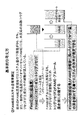
図2に示す如く、「バイオディーゼル燃料混合軽油」は、「軽油」に「バイオディーゼル燃料」を混合したものであり、その「バイオディーゼル燃料」の比率である「ブレンド率」を測定するためには、「バイオディーゼル燃料混合軽油」の中の、「バイオディーゼル燃料」である「FAME」を分離することにより、知ることができるのである。
「軽油」と「FAME」との分離をする為に、「FAME」は「アルコール」に溶解するという性質が存在するので、測定しようとする「バイオディーゼル燃料混合軽油」に、「アルコール」を添加して、「分析容器」の中で、「バイオディーゼル燃料混合軽油」と「アルコール」の混合物を「シェイク」即ち「振る」のである。
「軽油」と「FAME」との分離をする為に、「FAME」は「アルコール」に溶解するという性質が存在するので、測定しようとする「バイオディーゼル燃料混合軽油」に、「アルコール」を添加して、「分析容器」の中で、「バイオディーゼル燃料混合軽油」と「アルコール」の混合物を「シェイク」即ち「振る」のである。
上記の如く、「バイオディーゼル燃料混合軽油」に「アルコール」を混合して、「分析容器」を振ることにより、該「アルコール」の方に、「FAME」が溶解して、溶解した状態の「アルコール」と「FAME」の溶解液と、残された「軽油」との間に、「液面境界」が発生するのである。
この「液面境界」の位置を、図7に示すように、「分析容器(1)」に記載した「ブレンド率目盛(2)」を読み取ることにより、「ブレンド率」が判断できるのである。
この「液面境界」の位置を、図7に示すように、「分析容器(1)」に記載した「ブレンド率目盛(2)」を読み取ることにより、「ブレンド率」が判断できるのである。
次に、「FAMEのエステル率の測定方法及び測定装置」について図2と図8に基づいて説明する。
この場合には、「バイオディーゼル燃料混合軽油」自体から、「エステル率」を測定するのではなくて、「バイオディーゼル燃料混合軽油」から「FAME」を取り出すか、または、「バイオディーゼル燃料混合軽油」に混合する前の「FAME」を使用して、「FAME」の「エステル率」を測定するのである。
この場合には、「バイオディーゼル燃料混合軽油」自体から、「エステル率」を測定するのではなくて、「バイオディーゼル燃料混合軽油」から「FAME」を取り出すか、または、「バイオディーゼル燃料混合軽油」に混合する前の「FAME」を使用して、「FAME」の「エステル率」を測定するのである。
本発明の実施例においては、分析容器(1)を「バイオディーゼル燃料混合軽油」の「ブレンド率」の測定用と、「FAME」の「エステル率」の測定用に兼用することが可能な実施例を図示しているが、別に、該分析容器(1)は、「バイオディーゼル燃料混合軽油」の「ブレンド率」測定用と、「FAME」の「エステル率」の測定用の2つの分析容器(1)としても良いものである。
即ち、「FAME」が100%の「ニートFAME」においては、「メタノールとのエステル化」の操作の際において、完全にエステル化しないで、未反応の状態として残った「トリグリセリド」が主成分の油脂や、水分などの不純物が混入しているのである。
「FAMEのエステル率の測定方法及び測定装置」においては、この「FAME」以外の「トリグリセリド」の成分の%を簡易的に測定するものである。
「FAMEのエステル率の測定方法及び測定装置」においては、この「FAME」以外の「トリグリセリド」の成分の%を簡易的に測定するものである。
即ち、一定量の「ニートFAME」を、分析容器(1)に入れて、該分析容器(1)内に、「アルコール」を所定の量だけ入れるのである。
前記の如く、「FAME」は「アルコール」に溶解するので、該「アルコール」と「FAME」の一体的となった液と、「アルコール」に溶けなかった「トリグリセリド」との間に、「液面境界」が発生するのである。
上記の「液面境界」を、分析容器(1)に設けた「エステル率目盛(4)」により読み取って、「エステル率」を知ることができるのである。
前記の如く、「FAME」は「アルコール」に溶解するので、該「アルコール」と「FAME」の一体的となった液と、「アルコール」に溶けなかった「トリグリセリド」との間に、「液面境界」が発生するのである。
上記の「液面境界」を、分析容器(1)に設けた「エステル率目盛(4)」により読み取って、「エステル率」を知ることができるのである。
該「ブレンド率」の測定おいて添加する「アルコール」の試薬(A)と、「エステル率」の測定において添加する「アルコール」の試薬(A)とは、その成分が相違するのである。
「FAME」が「アルコール」に溶けるという性質は、次の、各種アルコールに対する「FAME」と「トリグリセリド」と「軽油」の溶解特性を示す「表1」において、「エタノール」、「メタノール」、「プロパノール」、「イソプロパノール」、「ブタノール」、「デカノール」、「アセトン」、「トルエン」について示している。

「FAME」が「アルコール」に溶けるという性質は、次の、各種アルコールに対する「FAME」と「トリグリセリド」と「軽油」の溶解特性を示す「表1」において、「エタノール」、「メタノール」、「プロパノール」、「イソプロパノール」、「ブタノール」、「デカノール」、「アセトン」、「トルエン」について示している。
「エタノール」と「メタノール」だけが、「FAME」に溶解するが、「トリグリセリド」と「軽油」には溶解しないという性質を具備しているので、本発明のバイオディーゼル混合軽油のブレンド率、及びFAMEのエステル率の測定方法及び測定装置において、その添加試薬(A)と試薬(B)として使用できるのである。
その他の「プロパノール」、「イソプロパノール」、「ブタノール」、「デカノール」、「アセトン」、「トルエン」は、「FAME」も「トリグリセリド」も「軽油」も溶解してしまうので、「ブレンド率」と「エステル率」の試薬(A)と試薬(B)としては、使用が出来ないのである。
その他の「プロパノール」、「イソプロパノール」、「ブタノール」、「デカノール」、「アセトン」、「トルエン」は、「FAME」も「トリグリセリド」も「軽油」も溶解してしまうので、「ブレンド率」と「エステル率」の試薬(A)と試薬(B)としては、使用が出来ないのである。
そして、「ブレンド率」の試薬(A)と、「エステル率」の試薬(B)は、どちらも、「エタノール」と「メタノール」との混合した液であるが、その比率は、分析容器(1)におけるブレンド率目盛(2)と、エステル率目盛(4)を、分析容器(1)のどのあたりに記載するかにより、変更する必要がある。
特に、「ブレンド率」は、分離した「軽油」の上部において、その「液面境界」が現れるので、分析容器(1)の上方の位置となるが、「エステル率」の方は、分離した「トリグリセリド」が、比重の関係で「FAME」の下方に位置することとなるので、分析容器(1)の下端の一部に現れることとなり、また、「エステル率」の率が、1%から10%程度であるので、非常にエステル率目盛(4)が見難い位置となるのである。
特に、「ブレンド率」は、分離した「軽油」の上部において、その「液面境界」が現れるので、分析容器(1)の上方の位置となるが、「エステル率」の方は、分離した「トリグリセリド」が、比重の関係で「FAME」の下方に位置することとなるので、分析容器(1)の下端の一部に現れることとなり、また、「エステル率」の率が、1%から10%程度であるので、非常にエステル率目盛(4)が見難い位置となるのである。
このような、ブレンド率目盛(2)とエステル率目盛(4)の「液面境界」との関係位置を読み取り易くする為に、本発明の分析容器(1)には、発明がなされているのである。
即ち、分析容器(1)は、上部の大径容器部(1a)と、下部の小径容器部(1b)と下端の、「先鋭容器部1c」の3種類の部分を構成している。
即ち、残った「軽油」と、試薬(A)と「FAME」との混合物との間の「液面境界」が、大径容器部(1a)の部分ではなくて、小径容器部(1b)の部分の上端部分において、現れるように試薬(A)を選定するのである。
また、同様に、出来るだけ「エステル率」が明瞭に読み取れるように、先鋭容器部1cを構成して、「トリグリセリド」と「FAME」と試薬(B)の混合液の液面境界が、該先鋭容器部1cに位置するように試薬(B)を決定するのである。
即ち、分析容器(1)は、上部の大径容器部(1a)と、下部の小径容器部(1b)と下端の、「先鋭容器部1c」の3種類の部分を構成している。
即ち、残った「軽油」と、試薬(A)と「FAME」との混合物との間の「液面境界」が、大径容器部(1a)の部分ではなくて、小径容器部(1b)の部分の上端部分において、現れるように試薬(A)を選定するのである。
また、同様に、出来るだけ「エステル率」が明瞭に読み取れるように、先鋭容器部1cを構成して、「トリグリセリド」と「FAME」と試薬(B)の混合液の液面境界が、該先鋭容器部1cに位置するように試薬(B)を決定するのである。
図9においては、分析容器(1)の一実施例について図示している。
該実施例においては、「ブレンド率」用のブレンド率目盛(2)と、「エステル率」用のエステル率目盛(4)とをどちらも、分析容器(1)に記載しており、「ブレンド率」と「エステル率」との測定を分析容器(1)で行う為に、2つの測定の間で、分析容器(1)を洗浄する必要があり、洗浄液である試薬(C)を用意している。
該試薬(C)も「アルコール」から構成されている。
該実施例においては、「ブレンド率」用のブレンド率目盛(2)と、「エステル率」用のエステル率目盛(4)とをどちらも、分析容器(1)に記載しており、「ブレンド率」と「エステル率」との測定を分析容器(1)で行う為に、2つの測定の間で、分析容器(1)を洗浄する必要があり、洗浄液である試薬(C)を用意している。
該試薬(C)も「アルコール」から構成されている。
また、図10により、「エステル率」の測定において、試薬(B)の「エタノール」と「メタノール」の比率を、順番に変更する測定方法である、「シーケンス測定方法」について説明する。
「エステル率」の測定の場合には、「エステル率」が3%と、4%と、5%と、10%とで、試薬(B)の「エタノール」と「メタノール」の成分比率に対して、液面境界の発生する状態が大きく相違するのである。
故に、特に「エステル率」が低い程、その液面境界の現れる位置が、分析容器(1)の底の先鋭容器部1cの先端部分にしか表れないのである。それも「エタノール」の比率が0に近く、「メタノール」の比率が高い試薬(B)において、やっと液面境界が表れるのである。
故に、このように、「エステル率」の低い3%の場合の試薬(B)の比率から、「エステル率」が10%の場合の試薬(B)の比率を、相違する試薬(B)を用意して、順番に測定して行くことにより、より、本発明の「エステル率」の測定の精度を向上することが可能なのである。
「エステル率」の測定の場合には、「エステル率」が3%と、4%と、5%と、10%とで、試薬(B)の「エタノール」と「メタノール」の成分比率に対して、液面境界の発生する状態が大きく相違するのである。
故に、特に「エステル率」が低い程、その液面境界の現れる位置が、分析容器(1)の底の先鋭容器部1cの先端部分にしか表れないのである。それも「エタノール」の比率が0に近く、「メタノール」の比率が高い試薬(B)において、やっと液面境界が表れるのである。
故に、このように、「エステル率」の低い3%の場合の試薬(B)の比率から、「エステル率」が10%の場合の試薬(B)の比率を、相違する試薬(B)を用意して、順番に測定して行くことにより、より、本発明の「エステル率」の測定の精度を向上することが可能なのである。
シーケンス制御による「エステル率」の測定とは、「エステル率」が10%以上の粗悪燃料の測定において採用するのである。
即ち、図10において、「エタノール/メタノール率」が0%の場合には、何とか測定できるが、「エステル率」が10%を超える粗悪燃料の場合には、「エタノール/メタノール率」が0%では、測定が不可能なのである。
故に、この場合には、「エタノール/メタノール率」を0.05%から0.25%と、「エタノール」を徐々に添加して増量させ、「エタノール/メタノール率」を高めて、測定できる「最適率」を下降させて行くのである。このように、「エタノール/メタノール率」を高める為に、「エタノール」を徐々に増量添加させて、粗悪な「エステル率」の高い「ニートFAME」の測定範囲を下げて、測定を行うのである。
即ち、図10において、「エタノール/メタノール率」が0%の場合には、何とか測定できるが、「エステル率」が10%を超える粗悪燃料の場合には、「エタノール/メタノール率」が0%では、測定が不可能なのである。
故に、この場合には、「エタノール/メタノール率」を0.05%から0.25%と、「エタノール」を徐々に添加して増量させ、「エタノール/メタノール率」を高めて、測定できる「最適率」を下降させて行くのである。このように、「エタノール/メタノール率」を高める為に、「エタノール」を徐々に増量添加させて、粗悪な「エステル率」の高い「ニートFAME」の測定範囲を下げて、測定を行うのである。
次に、「バイオディーゼル混合燃料のブレンド率測定」について説明する。
図4に示す分析容器(1)のラインL1が示す規定量まで、「ブレンドバイオディーゼル燃料」を入れる。
次に、上述の分析容器(1)に試薬(B)をラインL2が示す規定量まで入れる。
次に、該「分析容器(1)」の容器に蓋(3)をしてから軽く振り、分析容器(1)を分析容器スタンド(5)に、図5に図示する如くセットする。
次に、該分析容器(1)を分析容器スタンド(5)に立てた状態で、その後、数分間は待つ。
図7のブレンド率目盛(2)部の液面境界から「ブレンド率」を読み取る。
液面境界が確認しにくい場合は、分析容器スタンド(5)の背面色(6)を適切な色に変更することができる。背面色(6)は分析容器スタンド(5)に装着されるものであり、分析容器(1)に沿って配置されることにより、分析容器(1)の背景色を変更可能とする。
次に、分析容器(1)の洗浄を行う為に、分析容器(1)に洗浄剤である試薬(C)を入れて軽く振り、容器を洗浄する。
再度、図5の状態にセットして数分間静置する。
図4に示す分析容器(1)のラインL1が示す規定量まで、「ブレンドバイオディーゼル燃料」を入れる。
次に、上述の分析容器(1)に試薬(B)をラインL2が示す規定量まで入れる。
次に、該「分析容器(1)」の容器に蓋(3)をしてから軽く振り、分析容器(1)を分析容器スタンド(5)に、図5に図示する如くセットする。
次に、該分析容器(1)を分析容器スタンド(5)に立てた状態で、その後、数分間は待つ。
図7のブレンド率目盛(2)部の液面境界から「ブレンド率」を読み取る。
液面境界が確認しにくい場合は、分析容器スタンド(5)の背面色(6)を適切な色に変更することができる。背面色(6)は分析容器スタンド(5)に装着されるものであり、分析容器(1)に沿って配置されることにより、分析容器(1)の背景色を変更可能とする。
次に、分析容器(1)の洗浄を行う為に、分析容器(1)に洗浄剤である試薬(C)を入れて軽く振り、容器を洗浄する。
再度、図5の状態にセットして数分間静置する。
次に、「ニートFAME」の「エステル率」測定について説明する。
まず、試薬(C)により洗浄後の図8の分析容器(1)に規定量であるラインL1まで「ニートFAME」を入れる。
次に、上述の容器において、ラインL2の規定量まで、「エステル率」用の試薬(B)を入れる。
「分析容器(1)」の蓋(3)をしてから軽く振り、該分析容器(1)を図6に示す如く、分析容器スタンド(5)にセットして数分間静置する。
図8に示す如く、エステル率目盛(4)の液面境界からトリグリセライド率を読み取る。これにより、「ニートFAME」のエステル率を求めることが出来るのである。
エステル率%=100 %-トリグリセライド率%である。
まず、試薬(C)により洗浄後の図8の分析容器(1)に規定量であるラインL1まで「ニートFAME」を入れる。
次に、上述の容器において、ラインL2の規定量まで、「エステル率」用の試薬(B)を入れる。
「分析容器(1)」の蓋(3)をしてから軽く振り、該分析容器(1)を図6に示す如く、分析容器スタンド(5)にセットして数分間静置する。
図8に示す如く、エステル率目盛(4)の液面境界からトリグリセライド率を読み取る。これにより、「ニートFAME」のエステル率を求めることが出来るのである。
エステル率%=100 %-トリグリセライド率%である。
そして液面境界が確認しにくい場合は、分析容器スタンド(A)において、分析容器(1)の背面色(6)を適切な色に変更することにより、液面境界を確認しやすくなるのである。該背面色(6)は種々の色に変更することが可能である。
終了後は、該分析容器(1)に試薬(C)である洗浄剤を入れて軽く振り、容器を洗浄する。
終了後は、該分析容器(1)に試薬(C)である洗浄剤を入れて軽く振り、容器を洗浄する。
本発明において、燃料混合軽油のブレンド率を測定する為の試薬(A)のサンプルとメタノールと、エタノールの比率は、「バイオディーゼル燃料混合軽油」のブレンド率によって混合率を変える必要もある。
サンプル:メタノール:エタノール = 1:X:Y
とすると、
0<X<30 , 0<Y<2
と規定できる。
サンプル:メタノール:エタノール = 1:X:Y
とすると、
0<X<30 , 0<Y<2
と規定できる。
本発明において、FAMEのエステル率を測定する為の試薬(B)のサンプルとメタノールと、エタノールの比率は、「トリグリセリド」の含有率や油脂の種類によって混合割合を変更する必要がある。
サンプル:メタノール:エタノール = 1:α:β
とすると、
10<α<20 , 0<β<10
と規定できる。
サンプル:メタノール:エタノール = 1:α:β
とすると、
10<α<20 , 0<β<10
と規定できる。
また、燃料混合軽油のブレンド率や、FAMEのエステル率の測定をより正確なものとする為に、「エタノール」と「メタノール」の比率を、測定しながら、徐々にシーケンス的に変更して、測定する場合の考え方を示す図面10に示す如く、比率を変えながら測定することも考えられるのである。
また、攪拌時の気泡の発生を低減する目的でシリコンなどのオイルを添加することも出来る。
また、攪拌時の気泡の発生を低減する目的でシリコンなどのオイルを添加することも出来る。
また、分析容器(1)の洗浄剤である試薬(C)の構成成分は、基本的に「バイオディーゼル燃料」や「ニートFAME」の溶解性の高い「アルコール」であれば、何でも良いのである。
測定容器は、「バイオディーゼル混合燃料のブレンド率」と「ニートFAMEのエステル率」の両方の測定部が、上下2段に構成されているが、これは、必須の条件ではない。
別に一体的に、「ブレンド率」と「エステル率」が測定できなくても良いものであり、別々の測定容器または測定キットでも良いのである。
測定容器は、「バイオディーゼル混合燃料のブレンド率」と「ニートFAMEのエステル率」の両方の測定部が、上下2段に構成されているが、これは、必須の条件ではない。
別に一体的に、「ブレンド率」と「エステル率」が測定できなくても良いものであり、別々の測定容器または測定キットでも良いのである。
該分析容器(1)の構造は、本「バイオディーゼル混合軽油のブレンド率、及びFAMEのエステル率の測定方法及び測定装置」においては、「アルコール」と「トリグリセリド」と「FAME」の比重の違いによって、上方と下方に検出部が設けられるのでこのような構造としたものである。
図面において、測定容器の内部の直径がφ30・12・7と記載されているが、この寸法は、これ以外にあり得ない寸法であるのか、それとも比率が一定であれば良い。測定容器の断面は円形の筒状で無くてもよく、角筒状でも良い。
寸法についてはこれに限定されるものではなく、あまり径が小さくなると表面張力の影響が大きくなるため適しない。
寸法についてはこれに限定されるものではなく、あまり径が小さくなると表面張力の影響が大きくなるため適しない。
「ニートFAMEのエステル率」の測定部分である測定容器の最下部は、先端が先鋭に尖っているが、これに限定されるものではない。
先端が先鋭になると検出部の分解能が上がるため精度が向上する。しかし、先鋭形状の容器作成が難しく、円弧にしたものでも良い。
先端が先鋭になると検出部の分解能が上がるため精度が向上する。しかし、先鋭形状の容器作成が難しく、円弧にしたものでも良い。
「分析容器」を載置する為の「スタンド」は必須の要件ではないが、測定容器を振った後で、一定の時間、液分岐面が明瞭に出てくるまでは、静かに立てた状態で放置する時間が必要であり、倒れたり、不安定な姿勢とならないように、スタンドを設けるのが良い。 該「スタンド」に当落区分の目盛りを記載して、メモリの読み取りが正確にできるように構成しているのである。
また、該測定容器やスタンドに記載した目盛りは、地域によって混合率やエステル率の規格が異なるため、それぞれが別の目盛りとなる可能性が高いのである。
試薬として、「エタノール」と「メタノール」をしようしているが、表1に記載したその他の「アルコール」である「プロパノール」や「ブタノール」等は、溶解力が強いためこの用途には適しておらず、使用していない。
また、試薬の成分としては、「エタノール」と「メタノール」が使用されているが、添加剤としてシリコンオイルなど消泡作用のある液体を添加している。
また、試薬の成分としては、「エタノール」と「メタノール」が使用されているが、添加剤としてシリコンオイルなど消泡作用のある液体を添加している。
図11と図12に図示した実施例は、「分析容器(9)」の他の実施例を図示している。該実施例においては、分析容器(9)を「大径容器部(7)」と「小径容器部(8)」を分離可能な構成としている。
そして、「バイオディーゼル燃料」や、試薬(A)を入れる前の状態では、図12の如く、「大径容器部(7)」を下に、「小径容器部(8)」を上に配置した状態としている。「大径容器部(7)」内に試薬(A)を入れて、これらを混ぜる。そして、「小径容器部(8)」の螺子部(8a)を、「大径容器部(7)」の螺子部(7a)に螺装して、密閉状態として、「大径容器部(7)」に「小径容器部(8)」を取り付け、逆さにして、該「小径容器部(8)」内に測定対象である「バイオディーゼル燃料」を入れる。
そして、「バイオディーゼル燃料」や、試薬(A)を入れる前の状態では、図12の如く、「大径容器部(7)」を下に、「小径容器部(8)」を上に配置した状態としている。「大径容器部(7)」内に試薬(A)を入れて、これらを混ぜる。そして、「小径容器部(8)」の螺子部(8a)を、「大径容器部(7)」の螺子部(7a)に螺装して、密閉状態として、「大径容器部(7)」に「小径容器部(8)」を取り付け、逆さにして、該「小径容器部(8)」内に測定対象である「バイオディーゼル燃料」を入れる。
該「大径容器部(7)」と「小径容器部(8)」を螺子部で密閉状態とした後に、図11の如く、分析容器(9)の正常な姿勢に戻して、「小径容器部(8)」内において、液面境界を発生させて、該境界の位置を同様に「小径容器部(8)」の部分に記載された、ブレンド率目盛(2)や、エステル率目盛(4)の部分により、読み取るのである。
このように、分析容器(9)を、「大径容器部(7)」と「小径容器部(8)」により、上下に分離した構成とすることにより、「大径容器部(7)」はビンにより構成するが、複雑な形状となる「小径容器部(8)」は、合成樹脂の成形により簡単に構成するということが可能となるのである。
また、「大径容器部(7)」内に、試薬(A)や試薬(B)を封入して「小径容器部(8)」により蓋をしたキットとして、測定する時の該試薬(A)や試薬(B)をそのまま使用するということも可能である。
また、「大径容器部(7)」内に、試薬(A)や試薬(B)を封入して「小径容器部(8)」により蓋をしたキットとして、測定する時の該試薬(A)や試薬(B)をそのまま使用するということも可能である。
本発明は、「バイオディーゼル燃料混合軽油」中におけるFAMEのブレンド率、及び、該FAME中におけるトリグリセライドの率であるエステル率を測定するための測定方法及び測定装置に利用可能である。
1・9 分析容器
1a・7 大径容器部
1b・8 小径容器部
1c 先鋭容器部
2 ブレンド率目盛
3 蓋
4 エステル率目盛
5 分析容器スタンド
6 背面色
7a・8a 螺子部
1a・7 大径容器部
1b・8 小径容器部
1c 先鋭容器部
2 ブレンド率目盛
3 蓋
4 エステル率目盛
5 分析容器スタンド
6 背面色
7a・8a 螺子部
Claims (9)
- バイオディーゼル燃料混合軽油のブレンド率、及びFAMEのエステル率の測定方法及において、
該測定方法に用いる分析容器は、
筒状縦型の透明容器により構成し、
該分析容器の上部を大径容器部として、試薬投入部とし、
下部は小径容器部として、液面境界の読取目盛を付記し、
前記大径容器部の上端に蓋を設けたものであり、
バイオディーゼル燃料混合軽油とブレンド率測定用試薬とを、
または、ニートFAMEとエステル率測定用試薬とを
前記分析容器に投入して前記蓋をした後に振り、
一定時間静置後に、
前記小径容器部(1b)に付した読取目盛により、液面境界を読み取る
ことを特徴とするバイオディーゼル燃料混合軽油のブレンド率、及びFAMEのエステル率の測定方法。 - 請求項1記載のバイオディーゼル燃料混合軽油のブレンド率、及びFAMEのエステル率の測定方法及において、
前記分析容器内に、バイオディーゼル燃料の分析の為に投入する
前記ブレンド率測定用試薬及び前記エステル率測定試薬を、
エタノールとメタノールを主成分として構成した
ことを特徴とするバイオディーゼル燃料混合軽油のブレンド率、及びFAMEのエステル率の測定方法。 - 請求項1記載のバイオディーゼル燃料混合軽油のブレンド率、及びFAMEのエステル率の測定方法において、
FAMEのエステル率を測定する為の液面境界が位置する前記小径容器部の先端を、先鋭容器部に構成して、エステル率の読取目盛の間隔を拡大可能とした前記分析容器を用いる
ことを特徴とするバイオディーゼル燃料混合軽油のブレンド率、及びFAMEのエステル率の測定方法。 - バイオディーゼル燃料混合軽油のブレンド率、及びFAMEのエステル率の測定装置において、
測定に用いる分析容器は、
筒状縦型の透明容器により構成され、
該分析容器は上部に試薬投用の大径容器部を有し、
下部に小径容器部を有し、該小径容器部に液面境界の読取目盛を付記し、
前記大径容器部の上端に蓋を設けるものであり、
前記分析容器は、
バイオディーゼル燃料混合軽油とブレンド率測定用試薬とが、
または、ニートFAMEとエステル率測定用試薬とが
投入され、前記蓋をした後に該分析容器は振られ、一定時間静置された後に、
前記小径容器部に付した読取目盛により、液面境界が読み取られるものである
ことを特徴とするバイオディーゼル燃料混合軽油のブレンド率、及びFAMEのエステル率の測定装置。 - 請求項4記載のバイオディーゼル燃料混合軽油のブレンド率、及びFAMEのエステル率の測定装置において、
前記分析容器内に、バイオディーゼル燃料の分析の為に投入する
前記ブレンド率測定用試薬及び前記エステル率測定試薬を、
エタノールとメタノールを主成分として構成した
ことを特徴とするバイオディーゼル燃料混合軽油のブレンド率、及びFAMEのエステル率の測定装置。 - 請求項4記載のバイオディーゼル燃料混合軽油のブレンド率、及びFAMEのエステル率の測定装置において、
FAMEのエステル率を測定する為の液面境界が位置する前記小径容器部の先端を、先鋭容器部に構成して、
エステル率の読取目盛の間隔を拡大可能とした
ことを特徴とするバイオディーゼル燃料混合軽油のブレンド率、及びFAMEのエステル率の測定装置。 - 請求項4記載のバイオディーゼル燃料混合軽油のブレンド率、及びFAMEのエステル率の測定装置において、
燃料混合軽油のブレンド率と、FAMEのエステル率を測定する前記分析容器を兼用の分析容器とし、
燃料混合軽油のブレンド率を読み取るブレンド率目盛と、FAMEのエステル率を読み取るエステル率目盛とを、
1つの前記分析容器に併記されていることを特徴とする
ことを特徴とするバイオディーゼル燃料混合軽油のブレンド率、及びFAMEのエステル率の測定装置。 - 請求項4記載のバイオディーゼル燃料混合軽油のブレンド率、及びFAMEのエステル率の測定装置において、
前記分析容器の蓋をして振った後に数分間静置する為の、分析容器スタンドを、具備する
ことを特徴とするバイオディーゼル燃料混合軽油のブレンド率、及びFAMEのエステル率の測定装置。 - 請求項4記載のバイオディーゼル燃料混合軽油のブレンド率、及びFAMEのエステル率の測定装置において、
前記分析容器スタンドに、液面境界を読み取る為の目盛りを設け、
また、該分析容器スタンドにより、前記分析容器の背景色を変更可能に構成した
ことを特徴とするバイオディーゼル燃料混合軽油のブレンド率、及びFAMEのエステル率の測定方装置。
Priority Applications (2)
| Application Number | Priority Date | Filing Date | Title |
|---|---|---|---|
| CN2011800698164A CN103460037A (zh) | 2011-04-04 | 2011-11-25 | 生物柴油/轻油混合燃料的掺和率和fame的酯化率的测量方法和测量装置 |
| JP2013508722A JP5739520B2 (ja) | 2011-04-04 | 2011-11-25 | バイオディーゼル燃料混合軽油のブレンド率、及びfameのエステル率の測定方法及び測定装置 |
Applications Claiming Priority (2)
| Application Number | Priority Date | Filing Date | Title |
|---|---|---|---|
| MYPI2011001507A MY161999A (en) | 2011-04-04 | 2011-04-04 | Measuring method and measuring device for measuring blend ratio of biodiesel blend and measuring ester ratio in fame |
| MYPI2011001507 | 2011-04-04 |
Publications (1)
| Publication Number | Publication Date |
|---|---|
| WO2012137387A1 true WO2012137387A1 (ja) | 2012-10-11 |
Family
ID=46968809
Family Applications (1)
| Application Number | Title | Priority Date | Filing Date |
|---|---|---|---|
| PCT/JP2011/077238 Ceased WO2012137387A1 (ja) | 2011-04-04 | 2011-11-25 | バイオディーゼル燃料混合軽油のブレンド率、及びfameのエステル率の測定方法及び測定装置 |
Country Status (4)
| Country | Link |
|---|---|
| JP (1) | JP5739520B2 (ja) |
| CN (1) | CN103460037A (ja) |
| MY (1) | MY161999A (ja) |
| WO (1) | WO2012137387A1 (ja) |
Citations (1)
| Publication number | Priority date | Publication date | Assignee | Title |
|---|---|---|---|---|
| JPS58148956A (ja) * | 1982-03-02 | 1983-09-05 | Mitsubishi Oil Co Ltd | 炭化水素油中のアルコ−ル分の迅速定量法 |
Family Cites Families (3)
| Publication number | Priority date | Publication date | Assignee | Title |
|---|---|---|---|---|
| CN2079753U (zh) * | 1990-07-21 | 1991-06-26 | 四川省中药学校 | 轻、重挥发油测定仪 |
| CN201034992Y (zh) * | 2007-04-02 | 2008-03-12 | 邯郸市产品质量监督检验所 | 假劣汽油鉴别器 |
| EP2196526A1 (en) * | 2008-11-13 | 2010-06-16 | Rohm and Haas Company | Method for Esterification of Free Fatty Acids in Triglycerides |
-
2011
- 2011-04-04 MY MYPI2011001507A patent/MY161999A/en unknown
- 2011-11-25 WO PCT/JP2011/077238 patent/WO2012137387A1/ja not_active Ceased
- 2011-11-25 JP JP2013508722A patent/JP5739520B2/ja not_active Expired - Fee Related
- 2011-11-25 CN CN2011800698164A patent/CN103460037A/zh active Pending
Patent Citations (1)
| Publication number | Priority date | Publication date | Assignee | Title |
|---|---|---|---|---|
| JPS58148956A (ja) * | 1982-03-02 | 1983-09-05 | Mitsubishi Oil Co Ltd | 炭化水素油中のアルコ−ル分の迅速定量法 |
Non-Patent Citations (1)
| Title |
|---|
| GWI-TAEK JEONG ET AL.: "Production of Biodiesel Fuel by Transesterification of Rapeseed Oil", APPLIED BIOCHEMISTRY AND BIOTECHNOLOGY, vol. 114, 2004, pages 747 - 758 * |
Also Published As
| Publication number | Publication date |
|---|---|
| MY161999A (en) | 2017-05-31 |
| JP5739520B2 (ja) | 2015-06-24 |
| CN103460037A (zh) | 2013-12-18 |
| JPWO2012137387A1 (ja) | 2014-07-28 |
Similar Documents
| Publication | Publication Date | Title |
|---|---|---|
| Zhang | Review on analysis of biodiesel with infrared spectroscopy | |
| Monteiro et al. | Determination of biodiesel blend levels in different diesel samples by 1H NMR | |
| Issariyakul et al. | Comparative kinetics of transesterification for biodiesel production from palm oil and mustard oil | |
| Killner et al. | Compact NMR spectroscopy for real-time monitoring of a biodiesel production | |
| Pisarello et al. | Volumetric method for free and total glycerin determination in biodiesel | |
| Zhang et al. | Predicting the dynamic and kinematic viscosities of biodiesel–diesel blends using mid-and near-infrared spectroscopy | |
| Wang et al. | Total acid number determination of biodiesel and biodiesel blends | |
| Dunn | Effects of monoacylglycerols on the cold flow properties of biodiesel | |
| CN102221533B (zh) | 一种基于紫外光谱花生油掺伪定量检测的方法 | |
| Ng et al. | Nuclear magnetic resonance spectroscopic characterisation of palm biodiesel and its blends | |
| Noureddin et al. | Accelerated decantation of biodiesel–glycerol mixtures: Optimization of a critical stage in biodiesel biorefinery | |
| Baig et al. | A simple and green analytical method for acid number analysis of biodiesel and biodiesel blends based on potentiometric technique | |
| JP5739520B2 (ja) | バイオディーゼル燃料混合軽油のブレンド率、及びfameのエステル率の測定方法及び測定装置 | |
| Reyes-Garcia et al. | Densities and viscosities of corn oil+ n-alkanes blends from (288.15 to 343.15) K at 0.1 MPa | |
| Kanda et al. | Density, refractive index and viscosity as content monitoring tool of acylglycerols and fatty acid methyl esters in the transesterification of soybean oil | |
| Shimamoto et al. | Simultaneous determination of six quality parameters of biodiesel through 1H NMR spectroscopy and partial least squares | |
| Mousavi et al. | Development of an empirical model to represent the cetane number of biodiesel fuels, for their use instead of fossil fuels in order to reduce air pollution | |
| Selvam et al. | Feasibility study of Caesalpinia Bonduc seed methyl ester as a sustainable biodiesel for naturally aspirated diesel engines | |
| US7927877B1 (en) | Detection and analysis of biodiesel in fuels | |
| JP5872678B2 (ja) | Fameによるエンジンオイルの希釈度を決定するための測定方法及び分析容器 | |
| Shah et al. | Experimental determination and thermodynamic modeling of water content in biodiesel-diesel blends | |
| CN102181173A (zh) | 一种苏丹黑b染色液及其制备方法和用途 | |
| Couval | Scale up of a test fluid for testing the fuel system robustness against soft particles in biodiesels | |
| Phoo et al. | Physico-chemical properties of biodiesel from various feedstocks | |
| WO2016026891A1 (en) | Determination of fame content in fuel |
Legal Events
| Date | Code | Title | Description |
|---|---|---|---|
| 121 | Ep: the epo has been informed by wipo that ep was designated in this application |
Ref document number: 11863111 Country of ref document: EP Kind code of ref document: A1 |
|
| ENP | Entry into the national phase |
Ref document number: 2013508722 Country of ref document: JP Kind code of ref document: A |
|
| NENP | Non-entry into the national phase |
Ref country code: DE |
|
| 122 | Ep: pct application non-entry in european phase |
Ref document number: 11863111 Country of ref document: EP Kind code of ref document: A1 |