WO2012115235A1 - 移動通信方法及び移動局 - Google Patents
移動通信方法及び移動局 Download PDFInfo
- Publication number
- WO2012115235A1 WO2012115235A1 PCT/JP2012/054595 JP2012054595W WO2012115235A1 WO 2012115235 A1 WO2012115235 A1 WO 2012115235A1 JP 2012054595 W JP2012054595 W JP 2012054595W WO 2012115235 A1 WO2012115235 A1 WO 2012115235A1
- Authority
- WO
- WIPO (PCT)
- Prior art keywords
- mobile station
- network
- communication method
- mobile
- area
- Prior art date
- Legal status (The legal status is an assumption and is not a legal conclusion. Google has not performed a legal analysis and makes no representation as to the accuracy of the status listed.)
- Ceased
Links
Images




Classifications
-
- H—ELECTRICITY
- H04—ELECTRIC COMMUNICATION TECHNIQUE
- H04W—WIRELESS COMMUNICATION NETWORKS
- H04W48/00—Access restriction; Network selection; Access point selection
- H04W48/16—Discovering, processing access restriction or access information
-
- H—ELECTRICITY
- H04—ELECTRIC COMMUNICATION TECHNIQUE
- H04W—WIRELESS COMMUNICATION NETWORKS
- H04W48/00—Access restriction; Network selection; Access point selection
- H04W48/18—Selecting a network or a communication service
Definitions
- the present invention relates to a mobile communication method and a mobile station.
- the mobile station UE is configured to start a procedure for establishing a connection between the mobile station UE and the network by transmitting “RRC Connection Request”. .
- RRC Connection Request includes a trigger (establishment factor) for establishing a connection, for example, “Establishment Cause” which is an identifier for indicating voice transmission, emergency call transmission location registration, and the like. Yes.
- An object of the present invention is to provide a mobile communication method and a mobile station.
- a first feature of the present invention is a mobile communication method in a network that can include a radio access network of a first communication scheme and a radio access network of a second communication scheme, in an area not defined in the first communication scheme.
- a second feature of the present invention is a mobile station capable of communicating via a network that can include a radio access network of a first communication scheme and a radio access network of a second communication scheme, wherein the undefined area is the first defined area.
- a value is set in the undefined area for the network.
- the gist of the present invention is to include a transmission unit configured to transmit the predetermined message.
- a mobile communication method capable of avoiding a situation in which a predetermined message in which a value of “Establishment Cause” is set to “Spare1” that cannot be interpreted by the network can be avoided. And mobile stations can be provided.
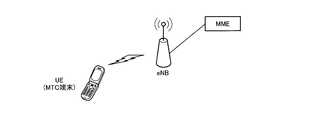
- FIG. 1 is an overall configuration diagram of a mobile communication system according to a first embodiment of the present invention.
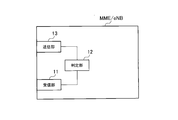
- FIG. 2 is a functional block diagram of the mobility management node / radio base station according to the first embodiment of the present invention.
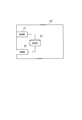
- FIG. 3 is a functional block diagram of the mobile station according to the first embodiment of the present invention.
- FIG. 4 is a sequence diagram showing an operation of the mobile communication system according to the first embodiment of the present invention.
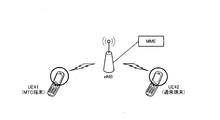
- FIG. 5 is a diagram for explaining the operation of the mobile communication system according to the first embodiment of the present invention.
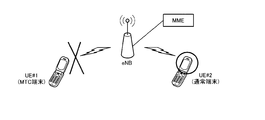
- FIG. 6 is a diagram for explaining the operation of the mobile communication system according to the first embodiment of the present invention.
- FIG. 7 is a diagram for explaining the operation of the mobile communication system according to the first embodiment of the present invention.
- FIG. 8 is a sequence diagram showing operations of the mobile communication system according to the first modification of the present invention.
- FIG. 9 is a diagram for explaining the problems of the conventional mobile communication system.
- FIG. 10 is a diagram for explaining problems of
- the mobile communication system includes a “Release (X-1) (first communication method)” wireless access network and a “Release X (second communication method)” wireless access network.
- a network that can include:
- Release (X-1) is “Release 9” of the LTE (Long Term Evolution) method specified by 3GPP
- “Release X” is “Release of the LTE method specified by 3GPP. 10 ".
- Release (X-1) may be any “Release” older than “Release X”.
- such a network is provided with a radio base station eNB, a mobility management node MME (Mobility Management Entity), and the like.
- a radio base station eNB a radio base station eNB
- a mobility management node MME Mobility Management Entity
- the mobility management node MME includes a reception unit 11, a determination unit 12, and a transmission unit 13.
- the receiving unit 11 is configured to receive a message transmitted by the mobile station UE or the radio base station eNB.
- the determination unit 12 is configured to determine whether or not the radio base station eNB under the mobility management node MME is compatible with “Release X”.
- the transmission unit 13 is configured to transmit a message to the mobile station UE and the radio base station eNB.
- the transmission unit 13 sends an arbitrary “Spare (undefined region) to the mobile station UE. ) "Indicating that the function supporting the function is supported, for example,” MTC function compatible indication "indicating that the MTC (Machine Type Communication) function is supported. Good.
- the “Spare (undefined area)” is an area not defined in “Release (X-1)” and an area defined in “Release X”, and a predetermined message (for example, This is an area provided in “Establishment Cause” in “RRC Connection Request”).
- the mobile station UE includes a transmission unit 21, a reception unit 22, and a storage unit 23.
- the transmission unit 21 is configured to transmit an AS (Access Stratum) message to the radio base station eNB and to transmit a NAS (Non Access Stratum) message to the mobility management node MME.
- AS Access Stratum
- NAS Non Access Stratum
- the receiving unit 22 is configured to receive an AS message from the radio base station eNB and a NAS message from the mobility management node MME.
- the reception unit 22 receives instruction information (for example, “MTC function compatible indication”) indicating that the function corresponding to “Spare (undefined area)” is supported from the mobility management node MME. It is configured.
- instruction information for example, “MTC function compatible indication”
- the storage unit 23 supports a function corresponding to “Spare (undefined area)” for each radio base station eNB based on the instruction information (for example, “MTC function compatible indication”) received by the receiving unit 22. It is comprised so that it may memorize
- the storage unit 23 stores that the network (for example, the radio base station eNB) is compatible with “Release X”.
- the receiving unit 21 sets a value in the “Spare (undefined area)” for the network (for example, the radio base station eNB) (for example, “Establishment Cause” in the “RRC Connection Request”). ).
- step S1001 the mobile station UE transmits “RRC Connection Request” to the radio base station eNB.
- step S1002 the radio base station eNB sends “RRC to the mobile station UE. Send "Connection Setup”.
- step S1003 the mobile station UE transmits “RRCConnection Setup Complete” including “NAS Attach Request” to the radio base station eNB.
- step S1004 the radio base station eNB transmits “S1AP UL NAS Transport” including “NAS Attach Request” to the mobility management node MME.
- step S1005 the mobility management node MME determines that the radio base station eNB supports “Release X”.
- the radio base station eNB supports the MTC function for the radio base station eNB.
- “S1AP DL NAS Transport” including “MTC Function Indication” and “NAS Attach Accept” indicating that the service is in progress.
- Step S1007 the radio base station eNB transmits “DL Information Transfer” including the “MTC function compatible indication” and the “NAS Attach Accept” to the mobile station UE.
- step S1009 the mobile station UE recognizes that it is located under the radio base station eNB supporting the MTC function, and in step S1010, the mobile station UE ends the Attach procedure and transitions to the IDLE state.
- step S1011 if the mobile station UE is an MTC terminal, the mobile station UE transmits “RRC Connection Request” including “Delay Tolerant Indication” indicating that communication delay is allowed to the radio base station eNB.
- the “Delay Tolerant Indication” is set to “Spare” of “Establishment Cause” in “RRC Connection Request”.
- the specification of the MTC terminal is being promoted by LTE “Release 10”, and in the future, many devices (for example, gas detection devices, devices installed in hospitals, bridges, etc.) It is assumed that it will be installed in security monitoring devices.
- the communication frequency of the MTC terminal is assumed to be lower than the communication frequency of the normal terminal (user terminal), but the network may be congested due to the “RRC Connection Request” from the MTC terminal, so the call of the normal terminal And MTC terminal calls are required to be distinguished.
- the priority of the call from the MTC terminal may be handled lower than the priority of the call from the normal terminal, that is, the call from the MTC terminal allows a communication delay. It is stipulated that it may be treated as
- both the mobile station UE # 1 and the network (radio base station eNB) support the MTC function, and the network is not congested.
- the mobile station UE # 1 that is an MTC terminal transmits “RRC Connection Request” including “Delay Tolerant Indication” indicating that communication delay is allowed to the radio base station eNB, and the normal terminal A certain mobile station UE also transmits “RRC Connection Request” to the radio base station eNB.
- both the mobile station UE # 1 and the network (radio base station eNB) support the MTC function, and the network is in a congestion state.
- the mobile station UE # 1 that is an MTC terminal transmits “RRC Connection Request” including “Delay Tolerant Indication” indicating that communication delay is allowed to the radio base station eNB, and the normal terminal A certain mobile station UE also transmits “RRC Connection Request” to the radio base station eNB.
- the “RRC Connection Request” from the mobile station UE # 2 is preferentially processed, and the “RRC Connection Request” from the mobile station UE # 1 is rejected.
- the network determines whether the mobile station UE is an MTC terminal or a normal terminal based on “Delay Tolerant Indication”.
- the network since the network does not transmit “MTC function compatible indication” to the mobile station UE in the Attach procedure (location registration procedure) of the mobile station UE, the mobile station UE The station eNB) recognizes that it does not support “Release X”, and transmits “RRC Connection Request” that does not include “Delay Tolerant Indication”.
- the mobile station UE does not receive “MTC function compatible indication” from the network in the Attach procedure (location registration procedure). For example, avoiding a situation in which the radio base station eNB) recognizes that it does not support “Release X” and transmits “RRC Connection Request” with a value set to “Spare” that cannot be analyzed by the network. can do.
- Modification 1 the mobile communication system according to the first modification of the present invention will be described with reference to FIG. 8 while focusing on differences from the mobile communication system according to the first embodiment.
- the radio base station eNB includes a reception unit 11, a determination unit 12, and a transmission unit 13, as illustrated in FIG.
- the receiving unit 11 is configured to receive a message transmitted by the mobile station UE or the mobility management node MME.
- the determination unit 12 is configured to determine whether or not the radio base station eNB is compatible with “Release X”.
- the transmission unit 13 is configured to transmit a message to the mobile station UE and the mobility management node MME.
- the transmission unit 13 has a function corresponding to an arbitrary “Spare (undefined area)” for the mobile station UE. For example, “MTC function compatible indication” indicating that the MTC function is supported may be transmitted.
- step S2001 the mobile station UE transmits “RRC Connection Request” to the radio base station eNB.
- step S2002 the radio base station eNB transmits “RRC to the mobile station UE. Send "Connection Setup”.
- step S2003 the mobile station UE transmits “RRCConnection Setup Complete” including “NAS Attach Request” to the radio base station eNB.
- step S2004 the radio base station eNB transmits “S1AP UL NAS Transport” including “NAS Attach Request” to the mobility management node MME.
- step S2005 the mobility management node MME transmits “S1AP DL NAS Transport” including “NAS Attach Accept” to the radio base station eNB.
- step S2006 the radio base station eNB determines that the radio base station eNB supports “Release X”.
- the radio base station eNB supports the MTC function with respect to the mobile station UE. “DL Information Transfer” including “MTC function compatible indication” and “NAS Attach Accept”.
- step S2008 the mobile station UE recognizes that it is under the radio base station eNB that supports the MTC function, and in step S2009, ends the Attach procedure and transitions to the IDLE state.
- step S2010 if the mobile station UE is an MTC terminal, the mobile station UE transmits “RRC Connection Request” including “Delay Tolerant Indication” indicating that communication delay is allowed to the radio base station eNB.
- the first feature of the present embodiment is mobile communication in a network that may include a “Release (X-1) (first communication method)” wireless access network and a “Release X (second communication method)” wireless access network.
- a method that is an area that is not defined in “Release (X-1)” and an area that is defined in “Release X” (for example, Spare1) is a predetermined message (for example, Spare1).
- the instruction information indicating that the mobile station UE supports the function corresponding to the undefined area. (For example, “Indication for MTC function”)
- the mobile station UE receives the instruction information and supports “Release X”, a predetermined message in which a value is set in the undefined area is sent to the network. And the step of transmitting.
- the function corresponding to the undefined area is an MTC (Machine Type Communication) function.
- MTC Machine Type Communication
- the network may transmit the above-described instruction information to the mobile station UE in the Attach procedure.
- step A the mobility management node MME in the network is configured as described above for the mobile station UE when the subordinate radio base station eNB is compatible with “Release X”. Instruction information indicating that the function corresponding to the undefined area is supported may be transmitted.
- step A when the radio base station eNB in the network supports “Release X”, the mobile station UE corresponds to the undefined region described above. Instruction information indicating that the function is supported may be transmitted.
- a second feature of the present embodiment is a mobile station UE that can communicate via a network that can include a “Release (X-1)” radio access network and a “Release X” radio access network, and is undefined.
- An area is an area that is not defined in “Release (X-1)”, is an area that is defined in “Release X”, and is an area provided in a predetermined message.
- the instruction information indicating that the function corresponding to the area is supported is received and the mobile station UE supports “Release X”, the network is set in the undefined area.
- the gist of the present invention is to include a transmission unit 21 configured to transmit a predetermined message in which a value is set.
- the operations of the mobility management node MME, the radio base station eNB, the mobile station UE, and the like described above may be implemented by hardware, a software module executed by a processor, or a combination of both. May be implemented.
- the software modules include RAM (Random Access Memory), flash memory, ROM (Read Only Memory), EPROM (Erasable Programmable ROM), EEPROM (Electronically Erasable and Programmable, Removable ROM, Hard Disk, and Removable ROM).
- RAM Random Access Memory
- flash memory ROM (Read Only Memory)
- EPROM Erasable Programmable ROM
- EEPROM Electrically Erasable and Programmable, Removable ROM, Hard Disk, and Removable ROM.
- it may be provided in a storage medium of an arbitrary format such as a CD-ROM.
- the storage medium is connected to the processor so that the processor can read and write information from and to the storage medium. Further, such a storage medium may be integrated in the processor. Such a storage medium and processor may be provided in the ASIC. Such an ASIC may be provided in the mobility management node MME, the radio base station eNB, the mobile station UE, or the like. Further, the storage medium and the processor may be provided as a discrete component in the mobility management node MME, the radio base station eNB, the mobile station UE, or the like.
- MME mobility management node eNB ... radio base station UE ... mobile station 11, 22 ... receiving unit 12 ... determining unit 13, 21 ... transmitting unit 23 ... storage unit
Landscapes
- Engineering & Computer Science (AREA)
- Computer Security & Cryptography (AREA)
- Computer Networks & Wireless Communication (AREA)
- Signal Processing (AREA)
- Mobile Radio Communication Systems (AREA)
- Telephone Function (AREA)
Abstract
本発明に係る移動通信方法は、ネットワークが、「Release X」に対応している場合、移動局UEに対して、その旨を示す指示情報を送信する工程Aと、移動局UEが、かかる指示情報を受信した場合で、かつ、かかる未定義領域に対応する機能をサポートしている場合に、ネットワークに対して、かかる未定義領域に値を設定した所定メッセージを送信する工程とを有する。
Description
本発明は、移動通信方法及び移動局に関する。
3GPPで規定されている移動通信システムでは、移動局UEが、「RRC Connection Request」を送信することによって、移動局UEとネットワークとの間におけるコネクションの確立手順が開始されるように構成されている。
ここで、「RRC Connection Request」内には、コネクションを確立するためのトリガー(確立要因)、例えば、音声発信や緊急呼発信位置登録等を示すための識別子である「Establishment Cause」が含まれている。
具体的な「Establishment Cause」に設定可能な値は、非特許文献1に規定されており、将来的に、新たな「Establishment Cause」の値を追加することができるように、かかる「Establishment Cause」には、未定義領域(Spare)が定義されている。
すなわち、「Release X」において「Release (X-1)」において定義されていなかった新たな機能を追加する場合、図9に示すように、かかる新たな機能に対応する新たな「Establishment Cause」の値(例えば、New Feature A Request)を「Spare1」に割り当てることができる。
ここで、移動局UE及びネットワークの双方が、「Release X」に対応している場合、かかる新たな「Establishment Cause」の値を解釈することができる。
3GPP TS25.331 Clause10.3.3.1
3GPP TS36.331 Clause6.2.1
なお、移動局UE及びネットワークが対応する「Release」の組み合わせとしては、図10に示す4つのケースが想定される。
ここで、ケース3では、移動局UEは、ネットワークが解釈することができない「Spare1」に「Establishment Cause」の値を設定した所定メッセージ(例えば、「RRC Connection Request」)を送信してしまうため、ネットワークは、かかる所定メッセージを誤って破棄してしまうという問題点があった。
そこで、本発明は、上述の課題に鑑みてなされたものであり、ネットワークが解釈することができない「Spare1」に「Establishment Cause」の値を設定した所定メッセージを送信してしまうという事態を回避することができる移動通信方法及び移動局を提供することを目的とする。
本発明の第1の特徴は、第1通信方式の無線アクセスネットワーク及び第2通信方式の無線アクセスネットワークを含み得るネットワークにおける移動通信方法であって、前記第1通信方式において定義されていない領域で、かつ、前記第2通信方式において定義されている領域である未定義領域が、所定メッセージ内に設けられており、前記ネットワークが、前記第2通信方式に対応している場合、移動局に対して、前記未定義領域に対応する機能をサポートしている旨を示す指示情報を送信する工程Aと、前記移動局が、前記指示情報を受信した場合で、かつ、前記第2通信方式に対応している場合に、前記ネットワークに対して、該未定義領域に値を設定した前記所定メッセージを送信する工程とを有することを要旨とする。
本発明の第2の特徴は、第1通信方式の無線アクセスネットワーク及び第2通信方式の無線アクセスネットワークを含み得るネットワークを介して通信可能な移動局であって、未定義領域は、前記第1通信方式において定義されていない領域で、かつ、前記第2通信方式において定義されている領域であり、かつ、所定メッセージ内に設けられる領域であり、前記ネットワークから前記未定義領域に対応する機能をサポートしている旨を示す指示情報が受信された場合で、かつ、前記移動局が前記第2通信方式に対応している場合に、該ネットワークに対して、該未定義領域に値を設定した前記所定メッセージを送信するように構成されている送信部を具備することを要旨とする。
以上説明したように、本発明によれば、ネットワークが解釈することができない「Spare1」に「Establishment Cause」の値を設定した所定メッセージを送信してしまうという事態を回避することができる移動通信方法及び移動局を提供することができる。
(本発明の第1の実施形態に係る移動通信システム)
図1乃至図7を参照して、本発明の第1の実施形態に係る移動通信システムについて説明する。
図1乃至図7を参照して、本発明の第1の実施形態に係る移動通信システムについて説明する。
図1に示すように、本実施形態に係る移動通信システムは、「Release (X-1)(第1通信方式)」の無線アクセスネットワーク及び「Release X(第2通信方式)」の無線アクセスネットワークを含み得るネットワークを具備する。
例えば、「Release (X-1)」は、3GPPで規定されているLTE(Long Term Evolution)方式の「Release 9」であり、「Release X」は、3GPPで規定されているLTE方式の「Release 10」であってもよい。
なお、「Release (X-1)」は、「Release X」よりも古い任意の「Release」であってもよい。
また、かかるネットワークには、無線基地局eNBや移動管理ノードMME(Mobility Management Entity)等が設けられている。
図2に示すように、移動管理ノードMMEは、受信部11と、判定部12と、送信部13とを具備している。
受信部11は、移動局UEや無線基地局eNBによって送信されたメッセージを受信するように構成されている。
判定部12は、移動管理ノードMME配下の無線基地局eNBが「Release X」に対応しているか否かについて判定するように構成されている。
送信部13は、移動局UEや無線基地局eNBに対してメッセージを送信するように構成されている。
ここで、送信部13は、移動管理ノードMME配下の無線基地局eNBが「Release X」に対応していると判定された場合に、移動局UEに対して、任意の「Spare(未定義領域)」に対応する機能をサポートしている旨を示す指示情報、例えば、MTC(Machine Type Communication)機能をサポートしている旨を示す「MTC機能対応Indication」を送信するように構成されていてもよい。
なお、「Spare(未定義領域)」は、「Release (X-1)」において定義されていない領域で、かつ、「Release X」において定義されている領域であり、かつ、所定メッセージ(例えば、「RRC Connection Request」)内の「Establishment Cause」に設けられる領域である。
図3に示すように、移動局UEは、送信部21と、受信部22と、記憶部23とを具備している。
送信部21は、無線基地局eNBに対してAS(Access Stratum)メッセージを送信し、移動管理ノードMMEに対してNAS(Non Access Stratum)メッセージを送信するように構成されている。
受信部22は、無線基地局eNBからASメッセージを受信し、移動管理ノードMMEからNASメッセージを受信するように構成されている。
例えば、受信部22は、移動管理ノードMMEから、「Spare(未定義領域)」に対応する機能をサポートしている旨を示す指示情報(例えば、「MTC機能対応Indication」)を受信するように構成されている。
記憶部23は、受信部22によって受信された指示情報(例えば、「MTC機能対応Indication」)に基づいて、各無線基地局eNBについて、「Spare(未定義領域)」に対応する機能をサポートしているか否かについて記憶するように構成されている。
ここで、移動局UEが「Release X」に対応している場合で、かつ、記憶部23においてネットワーク(例えば、無線基地局eNB)が「Release X」に対応していると記憶されている場合に、受信部21が、ネットワーク(例えば、無線基地局eNB)に対して、かかる「Spare(未定義領域)」に値を設定した所定メッセージ(例えば、「RRC Connection Request」内の「Establishment Cause」)を送信するように構成されている。
以下、図4乃至図7を参照して、本実施形態に係る移動通信システムの動作の一例について説明する。
第1に、図4を参照して、本実施形態に係る移動通信システムにおける移動局UEのAttach手順について説明する。
図4に示すように、ステップS1001において、移動局UEは、無線基地局eNBに対して「RRC Connection Request」を送信し、ステップS1002において、無線基地局eNBは、移動局UEに対して「RRC Connection Setup」を送信する。
ステップS1003において、移動局UEは、無線基地局eNBに対して、「NAS Attach Request」を含む「RRCConnection Setup Complete」を送信する。
ステップS1004において、無線基地局eNBは、移動管理ノードMMEに対して、「NAS Attach Request」を含む「S1AP UL NAS Transport」を送信する。
移動管理ノードMMEは、ステップS1005において、無線基地局eNBが「Release X」に対応していると判定し、ステップS1006において、かかる無線基地局eNBに対して、無線基地局eNBがMTC機能をサポートしている旨を示す「MTC機能対応Indication」及び「NAS Attach Accept」を含む「S1AP DL NAS Transport」を送信する。
ステップS1007において、無線基地局eNBは、移動局UEに対して、かかる「MTC機能対応Indication」及び「NAS Attach Accept」を含む「DL Information Transfer」を送信する。
移動局UEは、ステップS1009において、MTC機能をサポートしている無線基地局eNB配下に在圏していると認識し、ステップS1010において、Attach手順を終了し、IDLE状態に遷移する。
その後、ステップS1011において、移動局UEは、MTC端末である場合、無線基地局eNBに対して、通信遅延を許容することを示す「Delay Tolerant Indication」を含む「RRC Connection Request」を送信する。
なお、かかる「Delay Tolerant Indication」は、「RRC Connection Request」内の「Establishment Cause」の「Spare」に設定されるものである。
ここで、MTC端末は、LTE方式の「Release 10」にて仕様化が進められているものであって、将来的に、多くの装置(例えば、ガス検知装置や病院に設けられる装置や橋のセキュリティ監視装置等)に設置されることが想定されている。
かかるMTC端末の通信頻度は、通常端末(ユーザ端末)の通信頻度より少ないことが想定されるが、MTC端末からの「RRC Connection Request」によってネットワークが輻輳する可能性があるため、通常端末の呼とMTC端末の呼とを区別することが求められている。
すなわち、LTE方式の「Release 10」では、MTC端末からの呼の優先度は、通常端末からの呼の優先度よりも低く扱ってもよい、すなわち、MTC端末からの呼は、通信遅延を許容するものとして扱ってもよいと規定されている。
以上の点を考慮して、図5乃至図7を参照して、本実施形態に係る移動通信システムにおける移動局UEとネットワークとの間におけるコネクションの確立手順について説明する。
図5に示すケースでは、移動局UE#1及びネットワーク(無線基地局eNB)の双方がMTC機能をサポートしており、ネットワークが輻輳状態でないものとする。
かかるケースでは、MTC端末である移動局UE#1は、無線基地局eNBに対して、通信遅延を許容することを示す「Delay Tolerant Indication」を含む「RRC Connection Request」を送信し、通常端末である移動局UEも、無線基地局eNBに対して、「RRC Connection Request」を送信する。
ここで、ネットワークは、輻輳状態でないため、移動局UE#2からの「RRC Connection Request」と同様に、移動局UE#1からの「RRC Connection Request」を受け付ける。
図6に示すケースでは、移動局UE#1及びネットワーク(無線基地局eNB)の双方がMTC機能をサポートしており、ネットワークが輻輳状態であるものとする。
かかるケースでは、MTC端末である移動局UE#1は、無線基地局eNBに対して、通信遅延を許容することを示す「Delay Tolerant Indication」を含む「RRC Connection Request」を送信し、通常端末である移動局UEも、無線基地局eNBに対して、「RRC Connection Request」を送信する。
ここで、ネットワークは、輻輳状態であるため、移動局UE#2からの「RRC Connection Request」を優先して処理し、移動局UE#1からの「RRC Connection Request」を拒否する。
なお、ネットワークは、「Delay Tolerant Indication」に基づいて、移動局UEが、MTC端末であるか或いは通常端末であるかについて判定する。
図7に示すケースでは、移動局UE#1のみがMTC機能をサポートしており、ネットワーク(無線基地局eNB)がMTC機能をサポートしていないものとする。
かかるケースでは、ネットワークは、移動局UEのAttach手順(位置登録手順)において、移動局UEに対して「MTC機能対応Indication」を送信していないため、移動局UEは、ネットワーク(例えば、無線基地局eNB)が「Release X」に対応していないと認識し、「Delay Tolerant Indication」を含まない「RRC Connection Request」を送信する。
本発明の第1の実施形態に係る移動通信システムによれば、移動局UEは、Attach手順(位置登録手順)において、ネットワークから「MTC機能対応Indication」を受信していない場合には、ネットワーク(例えば、無線基地局eNB)が「Release X」に対応していないと認識し、ネットワークが解析することができない「Spare」に値を設定した「RRC Connection Request」を送信してしまうという事態を回避することができる。
(変更例1)
以下、図8を参照して、本発明の変更例1に係る移動通信システムについて、上述の第1の実施形態に係る移動通信システムとの相違点に着目して説明する。
以下、図8を参照して、本発明の変更例1に係る移動通信システムについて、上述の第1の実施形態に係る移動通信システムとの相違点に着目して説明する。
本変更例1に係る移動通信システムでは、無線基地局eNBが、図2に示すように、受信部11と、判定部12と、送信部13とを具備している。
受信部11は、移動局UEや移動管理ノードMMEによって送信されたメッセージを受信するように構成されている。
判定部12は、無線基地局eNBが「Release X」に対応しているか否かについて判定するように構成されている。
送信部13は、移動局UEや移動管理ノードMMEに対してメッセージを送信するように構成されている。
ここで、送信部13は、無線基地局eNBが「Release X」に対応していると判定された場合に、移動局UEに対して、任意の「Spare(未定義領域)」に対応する機能をサポートしている旨を示す指示情報、例えば、MTC機能をサポートしている旨を示す「MTC機能対応Indication」を送信するように構成されていてもよい。
次に、図8を参照して、本変呼例1に係る移動通信システムにおける移動局UEのAttach手順について説明する。
図8に示すように、ステップS2001において、移動局UEは、無線基地局eNBに対して「RRC Connection Request」を送信し、ステップS2002において、無線基地局eNBは、移動局UEに対して「RRC Connection Setup」を送信する。
ステップS2003において、移動局UEは、無線基地局eNBに対して、「NAS Attach Request」を含む「RRCConnection Setup Complete」を送信する。
ステップS2004において、無線基地局eNBは、移動管理ノードMMEに対して、「NAS Attach Request」を含む「S1AP UL NAS Transport」を送信する。
移動管理ノードMMEは、ステップS2005において、かかる無線基地局eNBに対して、「NAS Attach Accept」を含む「S1AP DL NAS Transport」を送信する。
無線基地局eNBは、ステップS2006において、無線基地局eNBが「Release X」に対応していると判定し、ステップS2007において、移動局UEに対して、無線基地局eNBがMTC機能をサポートしている旨を示す「MTC機能対応Indication」及び「NAS Attach Accept」を含む「DL Information Transfer」を送信する。
移動局UEは、ステップS2008において、MTC機能をサポートしている無線基地局eNB配下に在圏していると認識し、ステップS2009において、Attach手順を終了し、IDLE状態に遷移する。
その後、ステップS2010において、移動局UEは、MTC端末である場合、無線基地局eNBに対して、通信遅延を許容することを示す「Delay Tolerant Indication」を含む「RRC Connection Request」を送信する。
以上に述べた本実施形態の特徴は、以下のように表現されていてもよい。
本実施形態の第1の特徴は、「Release (X-1)(第1通信方式)」の無線アクセスネットワーク及び「Release X(第2通信方式)」の無線アクセスネットワークを含み得るネットワークにおける移動通信方法であって、「Release (X-1)」において定義されていない領域で、かつ、「Release X」において定義されている領域である未定義領域(例えば、Spare1)が、所定メッセージ(例えば、RRC Connection Request)内に設けられており、ネットワークが、「Release X」に対応している場合、移動局UEに対して、かかる未定義領域に対応する機能をサポートしている旨を示す指示情報(例えば、「MTC機能対応Indication」)を送信する工程Aと、移動局UEが、かかる指示情報を受信した場合で、かつ、「Release X」に対応している場合に、ネットワークに対して、かかる未定義領域に値を設定した所定メッセージを送信する工程とを有することを要旨とする。
本実施形態の第1の特徴において、未定義領域に対応する機能は、MTC(Machine Type Communication)機能であり、工程Aにおいて、ネットワークは、「Release X」に対応している場合、移動局UEに対して、MTC機能をサポートしている旨を示す指示情報を送信してもよい。
本実施形態の第1の特徴において、工程Aにおいて、ネットワークは、Attach手順において、移動局UEに対して、上述の指示情報を送信してもよい。
本実施形態の第1の特徴において、工程Aにおいて、ネットワーク内の移動管理ノードMMEは、配下の無線基地局eNBが「Release X」に対応している場合に、移動局UEに対して、上述の未定義領域に対応する機能をサポートしている旨を示す指示情報を送信してもよい。
本実施形態の第1の特徴において、工程Aにおいて、ネットワーク内の無線基地局eNBは、「Release X」に対応している場合に、移動局UEに対して、上述の未定義領域に対応する機能をサポートしている旨を示す指示情報を送信してもよい。
本実施形態の第2の特徴は、「Release (X-1)」の無線アクセスネットワーク及び「Release X」の無線アクセスネットワークを含み得るネットワークを介して通信可能な移動局UEであって、未定義領域は、「Release (X-1)」において定義されていない領域で、かつ、「Release X」において定義されている領域であり、かつ、所定メッセージ内に設けられる領域であり、ネットワークから未定義領域に対応する機能をサポートしている旨を示す指示情報が受信された場合で、かつ、移動局UEが「Release X」に対応している場合に、ネットワークに対して、かかる未定義領域に値を設定した所定メッセージを送信するように構成されている送信部21を具備することを要旨とする。
なお、上述の移動管理ノードMMEや無線基地局eNBや移動局UE等の動作は、ハードウェアによって実施されてもよいし、プロセッサによって実行されるソフトウェアモジュールによって実施されてもよいし、両者の組み合わせによって実施されてもよい。
ソフトウェアモジュールは、RAM(Random Access Memory)や、フラッシュメモリや、ROM(Read Only Memory)や、EPROM(Erasable Programmable ROM)や、EEPROM(Electronically Erasable and Programmable ROM)や、レジスタや、ハードディスクや、リムーバブルディスクや、CD-ROMといった任意形式の記憶媒体内に設けられていてもよい。
かかる記憶媒体は、プロセッサが当該記憶媒体に情報を読み書きできるように、当該プロセッサに接続されている。また、かかる記憶媒体は、プロセッサに集積されていてもよい。また、かかる記憶媒体及びプロセッサは、ASIC内に設けられていてもよい。かかるASICは、移動管理ノードMMEや無線基地局eNBや移動局UE等内に設けられていてもよい。また、かかる記憶媒体及びプロセッサは、ディスクリートコンポーネントとして移動管理ノードMMEや無線基地局eNBや移動局UE等内に設けられていてもよい。
以上、上述の実施形態を用いて本発明について詳細に説明したが、当業者にとっては、本発明が本明細書中に説明した実施形態に限定されるものではないということは明らかである。本発明は、請求の範囲の記載により定まる本発明の趣旨及び範囲を逸脱することなく修正及び変更態様として実施することができる。従って、本明細書の記載は、例示説明を目的とするものであり、本発明に対して何ら制限的な意味を有するものではない。
MME…移動管理ノード
eNB…無線基地局
UE…移動局
11、22…受信部
12…判定部
13、21…送信部
23…記憶部
eNB…無線基地局
UE…移動局
11、22…受信部
12…判定部
13、21…送信部
23…記憶部
Claims (6)
- 第1通信方式の無線アクセスネットワーク及び第2通信方式の無線アクセスネットワークを含み得るネットワークにおける移動通信方法であって、
前記第1通信方式において定義されていない領域で、かつ、前記第2通信方式において定義されている領域である未定義領域が、所定メッセージ内に設けられており、
前記ネットワークが、前記第2通信方式に対応している場合、移動局に対して、前記未定義領域に対応する機能をサポートしている旨を示す指示情報を送信する工程Aと、
前記移動局が、前記指示情報を受信した場合で、かつ、前記第2通信方式に対応している場合に、前記ネットワークに対して、該未定義領域に値を設定した前記所定メッセージを送信する工程Bとを有することを特徴とする移動通信方法。 - 前記未定義領域に対応する機能は、MTC(Machine Type Communication)機能であり、
前記工程Aにおいて、前記ネットワークは、前記第2通信方式に対応している場合、前記移動局に対して、前記MTC機能をサポートしている旨を示す前記指示情報を送信することを特徴とする請求項1に記載の移動通信方法。 - 前記工程Aにおいて、前記ネットワークは、Attach手順において、前記移動局に対して、前記指示情報を送信することを特徴とする請求項1に記載の移動通信方法。
- 前記工程Aにおいて、前記ネットワーク内の移動管理ノードは、配下の無線基地局が前記第2通信方式に対応している場合に、前記移動局に対して、前記指示情報を送信することを特徴とする請求項1に記載の移動通信方法。
- 前記工程Aにおいて、前記ネットワーク内の無線基地局は、前記第2通信方式に対応している場合に、前記移動局に対して、前記指示情報を送信することを特徴とする請求項1に記載の移動通信方法。
- 第1通信方式の無線アクセスネットワーク及び第2通信方式の無線アクセスネットワークを含み得るネットワークを介して通信可能な移動局であって、
未定義領域は、前記第1通信方式において定義されていない領域で、かつ、前記第2通信方式において定義されている領域であり、かつ、所定メッセージ内に設けられる領域であり、
前記ネットワークから前記未定義領域に対応する機能をサポートしている旨を示す指示情報が受信された場合で、かつ、前記移動局が前記第2通信方式に対応している場合に、該ネットワークに対して、該未定義領域に値を設定した前記所定メッセージを送信するように構成されている送信部を具備することを特徴とする移動局。
Applications Claiming Priority (2)
| Application Number | Priority Date | Filing Date | Title |
|---|---|---|---|
| JP2011038693A JP2012175653A (ja) | 2011-02-24 | 2011-02-24 | 移動通信方法及び移動局 |
| JP2011-038693 | 2011-02-24 |
Publications (1)
| Publication Number | Publication Date |
|---|---|
| WO2012115235A1 true WO2012115235A1 (ja) | 2012-08-30 |
Family
ID=46721007
Family Applications (1)
| Application Number | Title | Priority Date | Filing Date |
|---|---|---|---|
| PCT/JP2012/054595 Ceased WO2012115235A1 (ja) | 2011-02-24 | 2012-02-24 | 移動通信方法及び移動局 |
Country Status (2)
| Country | Link |
|---|---|
| JP (1) | JP2012175653A (ja) |
| WO (1) | WO2012115235A1 (ja) |
Families Citing this family (1)
| Publication number | Priority date | Publication date | Assignee | Title |
|---|---|---|---|---|
| WO2018216163A1 (ja) * | 2017-05-25 | 2018-11-29 | 富士通株式会社 | 基地局装置、端末装置、無線通信システム、及び無線リソース情報通知方法 |
Citations (2)
| Publication number | Priority date | Publication date | Assignee | Title |
|---|---|---|---|---|
| JP2004507187A (ja) * | 2000-08-11 | 2004-03-04 | シーメンス アクチエンゲゼルシヤフト | 無線通信システムにおける信号伝送方法 |
| JP2009253397A (ja) * | 2008-04-02 | 2009-10-29 | Nec Corp | 移動体通信システム、通信装置及びそれらに用いる仕様書のバージョン情報通知方法 |
-
2011
- 2011-02-24 JP JP2011038693A patent/JP2012175653A/ja active Pending
-
2012
- 2012-02-24 WO PCT/JP2012/054595 patent/WO2012115235A1/ja not_active Ceased
Patent Citations (2)
| Publication number | Priority date | Publication date | Assignee | Title |
|---|---|---|---|---|
| JP2004507187A (ja) * | 2000-08-11 | 2004-03-04 | シーメンス アクチエンゲゼルシヤフト | 無線通信システムにおける信号伝送方法 |
| JP2009253397A (ja) * | 2008-04-02 | 2009-10-29 | Nec Corp | 移動体通信システム、通信装置及びそれらに用いる仕様書のバージョン情報通知方法 |
Also Published As
| Publication number | Publication date |
|---|---|
| JP2012175653A (ja) | 2012-09-10 |
Similar Documents
| Publication | Publication Date | Title |
|---|---|---|
| CN108702810B (zh) | 用于第一无线电接入网络节点的方法和装置 | |
| JP5351917B2 (ja) | 移動局 | |
| CN103748920B (zh) | 移动通信方法及无线基站 | |
| CN101940007B (zh) | 移动通信方法和无线基站 | |
| RU2016149150A (ru) | Аппарат связи, узел опорной сети, система, компьютерная программа и способы для перемаршрутизации сообщений na5 | |
| WO2014181821A1 (ja) | 移動通信システム | |
| CN111356129B (zh) | 终端装置、基站装置以及使用架构确定方法 | |
| EP2852244A1 (en) | Mobile communication method, wireless base station, and mobile management node | |
| JP5508184B2 (ja) | 接続方法及び無線基地局 | |
| EP2512165B1 (en) | Mobile communication system and radio base station | |
| JP2014505446A (ja) | アップリンクメッセージにおける情報の優先順位付け方法,装置およびコンピュータプログラム | |
| RU2016151924A (ru) | Система связи | |
| CN103918312B (zh) | 移动台 | |
| CN110651523B (zh) | 用户装置 | |
| CN107277795A (zh) | 处理移动管理的装置及方法 | |
| CN103718611B (zh) | 移动通信方法以及移动台 | |
| WO2011124108A1 (zh) | 终端被叫处理、测试方法以及长期演进系统 | |
| KR101920267B1 (ko) | 제어 장치, 무선 통신 디바이스, 및 이들의 방법 | |
| WO2014181822A1 (ja) | ハンドオーバ方法 | |
| AU2012239436B2 (en) | Mobile communication method and mobile management node | |
| WO2012115235A1 (ja) | 移動通信方法及び移動局 | |
| JP6071276B2 (ja) | 移動局 | |
| US10123373B1 (en) | Transfer of WCD service-context information through the WCD to facilitate transition of the WCD to a new serving base station | |
| JP6597772B2 (ja) | 無線端末装置及びその方法 | |
| CN105872943A (zh) | D2d业务通知方法及装置 |
Legal Events
| Date | Code | Title | Description |
|---|---|---|---|
| 121 | Ep: the epo has been informed by wipo that ep was designated in this application |
Ref document number: 12749038 Country of ref document: EP Kind code of ref document: A1 |
|
| NENP | Non-entry into the national phase |
Ref country code: DE |
|
| 122 | Ep: pct application non-entry in european phase |
Ref document number: 12749038 Country of ref document: EP Kind code of ref document: A1 |