WO2012111215A1 - 日射評価装置、日射評価方法及び日射評価プログラム - Google Patents
日射評価装置、日射評価方法及び日射評価プログラム Download PDFInfo
- Publication number
- WO2012111215A1 WO2012111215A1 PCT/JP2011/077423 JP2011077423W WO2012111215A1 WO 2012111215 A1 WO2012111215 A1 WO 2012111215A1 JP 2011077423 W JP2011077423 W JP 2011077423W WO 2012111215 A1 WO2012111215 A1 WO 2012111215A1
- Authority
- WO
- WIPO (PCT)
- Prior art keywords
- solar radiation
- inclined surface
- light component
- obstacle
- sky
- Prior art date
- Legal status (The legal status is an assumption and is not a legal conclusion. Google has not performed a legal analysis and makes no representation as to the accuracy of the status listed.)
- Ceased
Links
Images




Classifications
-
- G—PHYSICS
- G01—MEASURING; TESTING
- G01W—METEOROLOGY
- G01W1/00—Meteorology
- G01W1/12—Sunshine duration recorders
-
- G—PHYSICS
- G01—MEASURING; TESTING
- G01J—MEASUREMENT OF INTENSITY, VELOCITY, SPECTRAL CONTENT, POLARISATION, PHASE OR PULSE CHARACTERISTICS OF INFRARED, VISIBLE OR ULTRAVIOLET LIGHT; COLORIMETRY; RADIATION PYROMETRY
- G01J1/00—Photometry, e.g. photographic exposure meter
- G01J1/42—Photometry, e.g. photographic exposure meter using electric radiation detectors
-
- G—PHYSICS
- G01—MEASURING; TESTING
- G01J—MEASUREMENT OF INTENSITY, VELOCITY, SPECTRAL CONTENT, POLARISATION, PHASE OR PULSE CHARACTERISTICS OF INFRARED, VISIBLE OR ULTRAVIOLET LIGHT; COLORIMETRY; RADIATION PYROMETRY
- G01J1/00—Photometry, e.g. photographic exposure meter
- G01J1/42—Photometry, e.g. photographic exposure meter using electric radiation detectors
- G01J2001/4266—Photometry, e.g. photographic exposure meter using electric radiation detectors for measuring solar light
Definitions
- the present invention relates to a solar radiation evaluation apparatus, a solar radiation evaluation method, and a solar radiation evaluation program for calculating the solar radiation intensity or solar radiation amount on an inclined surface in consideration of the influence of an obstacle.
- Predicting the expected power generation amount by simulation prior to the installation of the solar power generation system is important for determining whether or not the installation is possible. It is also important to simulate the amount of power generation that is expected to determine whether a system that has already been installed is generating power normally.
- the power generation amount simulation of the solar power generation system and the like it is effective to estimate the solar radiation intensity or solar radiation amount with respect to an inclined surface having an arbitrary azimuth and elevation angle by calculation from the solar radiation intensity or solar radiation amount on the horizontal plane. This is because data on the solar radiation intensity or the solar radiation amount on the horizontal plane is prepared for various regions.
- various models and calculation methods based thereon have been proposed.
- Non-Patent Documents 1 and 2 below solar radiation on an inclined surface is separated into three components: direct light from the sun, sky scattered light coming from the sky, and ground scattered light coming from the ground, and further sky scattered light. Is divided into three sub-components: solar ambient light coming from the sky around the sun, uniform sky light spreading uniformly from the sky, and horizontal horizontal light coming from the horizon, and based on those components, A method for estimating solar radiation intensity or solar radiation amount is disclosed.
- the decrease in solar radiation due to meteorological phenomena such as clouds is already included in the horizontal solar radiation data given in advance, but it is an obstacle that blocks solar radiation on the inclined surface considered as a target ( For example, the effects of buildings, trees, etc.) are not considered.
- the solar radiation intensity or amount of solar radiation for the horizontal plane that is the basis of the calculation was originally obtained by selecting a place where there were no obstacles blocking the solar radiation, and in the model for estimating the solar radiation intensity or amount of solar radiation on the inclined surface.
- this method has the following problems, and it is insufficient as a method for estimating the solar radiation intensity or the solar radiation amount when a shadow is present. In other words, even if there is no obstacle between the surface of interest and the sun, if there is an obstacle that blocks the sky scattered light, the solar radiation intensity or the amount of solar radiation will actually decrease. However, this method does not take into account the impact. Moreover, when an obstacle exists between the surface of interest and the sun, the solar radiation intensity or the solar radiation amount is reduced according to a preset rate. However, the influence of obstacles varies in various ways depending on the situation, for example, the ratio of direct and scattered light at that time, the solid angle at which the obstacle is estimated from the place where the intensity of solar radiation or the amount of solar radiation is estimated, etc. It is difficult to obtain an accurate value by the method of reducing by the set value.
- a method of estimating the solar radiation intensity or the solar radiation amount on the surface of interest can be considered by using the ray tracing method based on the arrangement state of the obstacle.
- the ray tracing method it is necessary to define optical properties such as BSDF (Bidirectional Scattering DistributionFactor) even for obstacle surfaces that cannot be directly desired from the surface of interest.
- the structure definition is complicated and time-consuming.
- the ray tracing method has problems such as a long calculation time even in its execution stage. Therefore, a calculation method that solves these problems has been desired.
- the present invention has been made to solve the above-described problems, and is a solar radiation evaluation apparatus and solar radiation that can easily calculate the solar radiation intensity or the solar radiation amount on an inclined surface in consideration of the influence of surrounding obstacles.
- An object is to provide an evaluation method and a solar radiation evaluation program.
- a solar radiation evaluation apparatus is a solar radiation evaluation apparatus that calculates solar radiation intensity or solar radiation amount on an inclined surface, and includes inclined surface position data that can identify a point on the earth of the inclined surface, and the inclined surface Inclined surface normal data that can specify the normal vector of the surface, horizontal surface radiation data indicating the intensity or amount of solar radiation on the horizontal surface at the point of the inclined surface, and obstacles related to the position and shape of the obstacle that blocks the solar radiation on the inclined surface
- the acquisition means for acquiring the data, the obstruction data for each predetermined solar radiation component of the solar radiation intensity or the solar radiation amount based on the inclined plane position data, the inclined plane normal data, the horizontal solar radiation data, and the obstacle data acquired by the acquiring means.
- a solar radiation evaluation method is a solar radiation evaluation method executed by a solar radiation evaluation apparatus that calculates solar radiation intensity or solar radiation amount on an inclined surface
- the solar radiation evaluation apparatus is a Inclined surface position data that can identify the point above, inclined surface normal data that can specify the normal vector of the inclined surface, horizontal surface solar radiation data that indicates the solar radiation intensity or amount of solar radiation at the point of the inclined surface, and inclination
- An acquisition step for acquiring obstacle data relating to the position and shape of an obstacle that blocks solar radiation on the surface and the solar radiation evaluation device includes inclined surface position data, inclined surface normal data, and horizontal solar radiation data acquired in the acquisition step.
- a solar radiation component calculation step that calculates the value of the solar radiation component on an inclined surface taking into account the influence of shadows from obstacles for each predetermined solar radiation component of solar radiation intensity or solar radiation amount based on the obstacle data.
- a solar radiation evaluation step in which the solar radiation evaluation device calculates the solar radiation intensity or the solar radiation amount on the inclined surface by summing up the solar radiation components calculated in the solar radiation component calculation step.
- the sky uniform light component which is a component that spreads uniformly in the sky as one of the components, and is obstructed by the inclined surface itself and obstacles from the same sky as the inclined surface based on the obstacle data Calculate the sky part that can be viewed from the slope without any problem as a non-shielded sky part, and based on the non-shielded sky part and the value of the uniform light component of the sky, to the slope that takes into account the influence of shadows due to obstacles
- the sky uniform light component calculating step for calculating the sky uniform light component is included.
- a solar radiation evaluation program is a solar radiation evaluation program for calculating the solar radiation intensity or the amount of solar radiation on an inclined surface
- the computer can identify an inclined surface that can identify a point of the inclined surface on the earth.
- Position data inclined surface normal data that can specify the normal vector of the inclined surface, horizontal surface irradiation data indicating the intensity or amount of solar radiation on the horizontal surface at the point of the inclined surface, and obstacles that block the solar radiation on the inclined surface
- Acquisition means for acquiring obstacle data related to position and shape, predetermined solar radiation of solar radiation intensity or solar radiation amount based on slope surface position data, slope normal data, horizontal solar radiation data and obstacle data acquired by the acquisition means
- the solar radiation component calculating means for calculating the value of the solar radiation component on the inclined surface taking into account the influence of the shadow by the obstacle, and the sun calculated by the solar radiation component calculating means It is operated as a solar radiation evaluation means for calculating the solar radiation intensity or the solar radiation amount on the inclined surface by summing up the components, and the solar radiation component
- Sky uniform light component calculation means that calculates the sky uniform light component to the inclined surface that takes into account the influence of shadows due to obstacles based on the unshielded sky part and the value of the sky uniform light component Is included.
- the solar radiation intensity or solar radiation amount to the inclined surface is calculated based on generally available horizontal solar radiation data, the solar radiation intensity or solar radiation amount to the inclined surface can be easily calculated.
- the value of the solar radiation component on the inclined surface taking into account the influence of the shadow by the obstacle for each solar radiation component, while considering the influence of surrounding obstacles on the solar radiation intensity or solar radiation amount on the inclined surface, It can be calculated accurately and simply for each solar radiation component.
- the sky uniform light component can be calculated accurately and easily while taking into account the influence of surrounding obstacles on the solar radiation intensity or solar radiation amount.
- a solar radiation evaluation apparatus capable of easily calculating the solar radiation intensity or the solar radiation amount on an inclined surface while considering the influence of surrounding obstacles.
- a solar radiation evaluation program capable of easily calculating the solar radiation intensity or the solar radiation amount on an inclined surface while considering the influence of surrounding obstacles.
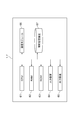
- FIG. 1 is a functional block diagram showing the configuration of the solar radiation evaluation apparatus 1 of the first embodiment.
- the solar radiation evaluation apparatus 1 is an apparatus that calculates solar radiation intensity or solar radiation amount on an inclined surface.
- the solar radiation intensity refers to the radiant energy (MJ / hm 2 ) received from the sun per unit time
- the solar radiation amount refers to the radiant energy (MJ / m 2 ) received per unit area from the sun.
- the inclined plane refers to a plane specified from the position of the central point on the earth (inclined plane point) and a normal vector.
- the first embodiment is an embodiment of calculating the solar radiation intensity or the amount of solar radiation on the inclined surface by the solar radiation evaluation apparatus 1 when the horizontal surface solar radiation data indicating the solar radiation intensity or the amount of solar radiation on the horizontal surface at the point of the inclined surface can be acquired. It is.
- the solar radiation evaluation apparatus 1 includes an acquisition unit 2 (acquisition means), a solar radiation component calculation unit 3 (a solar radiation component calculation means), and a solar radiation evaluation unit 4 (a solar radiation evaluation means) as functional configurations. It is configured. Further, as shown in FIG.
- the solar radiation component calculation unit 3 includes a direct light component calculation unit 30, a sky uniform light component calculation unit 31 (sky uniform light component calculation means), and a solar ambient light component calculation unit 32 (solar Ambient light component calculating means), a horizontal horizontal light component calculating unit 33, and a ground scattered light component calculating unit 34.
- the solar radiation evaluation apparatus 1 is composed of hardware such as a CPU.
- FIG. 2 is a hardware configuration diagram of the solar radiation evaluation apparatus 1.
- the solar radiation evaluation apparatus 1 shown in FIG. 1 physically includes, as shown in FIG. 2, a CPU 61, a RAM 62 and a ROM 63 as main storage devices, an input device 64 such as a keyboard as an input device, and an output device such as a display. 65, a computer system including a communication module 66, which is a data transmission / reception device, and an auxiliary storage device 67 such as a hard disk.
- the functions of the functional blocks shown in FIG. 1 are such that predetermined computer software is loaded on hardware such as the CPU 61 and RAM 62 shown in FIG. 2 to control the input device 64, output device 65, and communication under the control of the CPU 61. This is realized by operating the module 66 and reading and writing data in the RAM 62 and the auxiliary storage device 67.
- the acquisition unit 2 acquires various data for calculating solar radiation intensity or solar radiation amount via the input device 64 or the communication module 66.
- the acquisition unit 2 acquires inclined surface position data that can specify the position of the inclined surface on the earth (that is, the inclined surface point).
- the acquisition unit 2 acquires inclined surface normal data that can specify the normal vector of the inclined surface.
- the acquisition part 2 acquires the horizontal surface solar radiation data which show the solar radiation intensity or solar radiation amount to the horizontal surface in an inclined surface point.
- the acquisition part 2 acquires the obstacle data regarding the position, shape, size, direction, etc. of the obstacle that blocks the solar radiation on the inclined surface.
- the acquisition unit 2 acquires date / time data for specifying the calculation target period.
- the solar radiation component calculation unit 3 is a predetermined solar radiation component of the solar radiation intensity or the solar radiation amount based on the inclined surface position data, the inclined surface normal data, the horizontal solar radiation data, the obstacle data, and the date data acquired by the acquiring unit 2. Every time, the value of the solar radiation component to the inclined surface taking into account the influence of the shadow by the obstacle is calculated.
- a direct light component that is a component of light that reaches linearly from the sun, a uniform light component of the sky that is a component of light that spreads uniformly in the sky, and a light component that reaches from the sky around the sun
- a solar ambient light component which is a component, a horizon horizontal light component that is a component of light that reaches from the horizon, and a ground scattered light component that is a component of light that is scattered from the ground surface
- the direct light component calculation unit 30 calculates the value of the direct light component on the inclined surface in consideration of the influence of the shadow caused by the obstacle.
- the sky uniform light component calculation unit 31 calculates the value of the sky uniform light component on the inclined surface in consideration of the influence of the shadow by the obstacle.
- the solar ambient light component calculation unit 32 calculates the value of the solar ambient light component on the inclined surface in consideration of the influence of the shadow caused by the obstacle.
- the horizon horizontal light component calculation unit 33 calculates the value of the horizon horizontal light component on the inclined surface in consideration of the influence of the shadow by the obstacle.
- the solar radiation evaluation unit 4 calculates the solar radiation intensity or solar radiation amount on the inclined surface by summing up the solar radiation components calculated by the solar radiation component calculation unit 3.
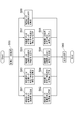
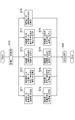
- FIG. 3 is a flowchart showing the process of the solar radiation evaluation apparatus 1.
- the acquisition unit 2 acquires inclined surface position data, inclined surface normal data, horizontal solar radiation data, date / time data, and obstacle data (S50, acquisition step).
- the direct light component calculation unit 30 calculates the direct light component to the inclined surface when there is no shadow at the inclined surface point (S51). Further, after S51, the direct light component calculation unit 30 calculates the direct light component to the inclined surface in consideration of the shadow effect by the obstacle (S52).
- the sky uniform light component calculation unit 31 calculates the sky uniform light component on the inclined surface or the horizontal surface when there is no shadow at the inclined surface point (S53). Furthermore, the sky uniform light component calculation part 31 calculates the sky uniform light component to the inclined surface which considered the influence of the shadow by an obstruction after S53 (S54).
- the solar ambient light component calculation unit 32 calculates the solar ambient light component on the inclined surface at the time of the shadow at the inclined surface point (S55). Further, after S55, the solar ambient light component calculation unit 32 calculates the solar ambient light component to the inclined surface in consideration of the influence of the shadow by the obstacle (S56).
- the horizon horizontal light component calculation unit 33 calculates the horizon horizontal light component on the inclined surface or the horizontal surface at the time of the incline at the inclined surface point (S57). Furthermore, the horizon horizontal light component calculation part 33 calculates the horizon horizontal light component to the inclined surface which considered the influence of the shadow by an obstruction after S57 (S58).
- the ground scattered light component calculation unit 34 calculates the ground scattered light component on the inclined surface when there is no shadow at the inclined surface point (S59).
- the solar radiation evaluation unit 4 applies the direct light component to the inclined surface in consideration of the shadow effect by the obstacle calculated in S52, and the inclined surface in consideration of the shadow effect by the obstacle calculated in S54.
- Uniform light component in the sky, the solar ambient light component on the inclined surface taking into account the influence of the shadow calculated in S56, and the horizon to the inclined surface in consideration of the influence of the shadow calculated in S58
- the solar radiation intensity or solar radiation amount on the inclined surface is calculated.
- any one or more of the calculation processes can be omitted. Or you may make it the structure which adds the other solar radiation component to these solar radiation components, and calculates the solar radiation intensity or solar radiation amount to the inclined surface which considered the influence of the shadow by an obstruction.
- the direct light component calculation unit 30 calculates the following three data.
- the first is a horizontal plane direct light component included in horizontal plane solar radiation data acquired by the acquisition unit 2.
- the second is the azimuth and altitude of the sun calculated based on the inclined plane position data and date / time data acquired by the acquisition unit 2.
- the third is the incident angle with respect to the inclined surface of the sunlight calculated based on the azimuth / altitude of the sun and the inclined surface normal data acquired by the acquiring unit 2.
- the solar radiation component calculation unit 3 calculates the direct light component to the inclined surface when there is no shadow, based on the above three data.
- the direct light component calculation unit 30 determines whether the direct light is blocked by the obstacle based on the azimuth and altitude of the sun calculated in S51 and the obstacle data acquired by the acquisition unit 2. Determine.
- the direct light component calculation unit 30 considers the influence of the shadow by the obstacle as 0 when the direct light is blocked by the obstacle, and as a value equal to the value when there is no shadow when the direct light is not blocked by the obstacle.
- the direct light component to the inclined surface is calculated.
- the sky uniform light component calculation unit 31 selects one of the Hay model (see References 3 and 4 below), the Perez model (see References 1 and 2 below), and any other model. According to one model, the sky uniform light component to the horizontal plane when there is no shadow at the inclined surface point is calculated. In the Hay model, the sky uniform light component on the horizontal plane when there is no shadow is calculated based on the horizontal irradiance data acquired by the acquisition unit 2 and the azimuth and altitude of the sun calculated based on the date / time data.
- the horizontal plane solar radiation data acquired by the acquisition unit 2 the azimuth and altitude of the sun calculated based on the date and time data, and the elevation of the inclined surface specified from the inclined surface position data acquired by the acquisition unit 2 Based on this, the sky uniform light component on the horizontal plane when there is no shadow is calculated.
- the sky uniform light component to the horizontal plane at the time of shadowlessness is calculated based on the horizontal solar radiation data acquired by the acquisition unit 2 and other data.
- the sky uniform light component calculation unit 31 determines the inclination surface itself of the sky desired from the same point as the inclination surface based on the inclination surface normal data and the obstacle data acquired by the acquisition unit 2.
- a sky part that can be desired from an inclined surface without being obstructed by an obstacle is calculated as an unshielded sky part.
- the sky uniform light component calculation unit 31 is based on the obstruction based on the value of the sky uniform light component on the horizontal plane calculated by the solar radiation component calculation unit 3 and the unshielded sky part. Calculate the sky uniform light component on the inclined surface taking the influence of shadows into account.
- the sky uniform light component calculation unit 31 applies the sky to the inclined surface with the influence of the shadow due to the obstacle based on the value of the sky uniform light component on the horizontal plane when there is no shadow and the unshielded sky part.
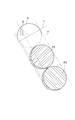
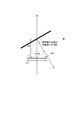
- T is an inclined surface
- H is a horizontal surface at the point of the inclined surface
- B is an obstacle that blocks solar radiation on the inclined surface
- S is the sky.
- the sky uniform light component calculation unit 31 calculates a first projection area P1 obtained by projecting the entire sky S onto the horizontal plane H and a second projection area P2 obtained by projecting the unshielded sky part on the inclined surface T.
- the sky uniform light component calculation unit 31 calculates a mixed sky ratio including a ratio P2 / P1 between the first projection area P1 and the second projection area P2.
- the sky uniform light component calculation unit 31 multiplies the value of the sky uniform light component with respect to the horizontal plane H by the mixed sky ratio P2 / P1, and thereby applies to the inclined surface T in consideration of the influence of the shadow by the obstacle B. Calculate the sky uniform light component.
- the sky uniform light component calculation unit 31 calculates the sky uniform light component on the inclined surface when there is no shadow.
- the Hay model based on the horizontal solar radiation data acquired by the acquisition unit 2, the solar altitude calculated based on the date and time data, and the inclination angle of the inclined surface calculated from the inclined surface normal data acquired by the acquisition unit 2.
- the sky uniform light component on the inclined surface when there is no shadow is calculated.
- the Perez model the horizontal plane solar radiation data acquired by the acquisition unit 2, the solar altitude calculated based on the date / time data, the inclination angle of the inclined surface, the date / time, and the inclined plane position data acquired by the acquisition unit 2 are specified. Based on the altitude of the inclined surface, the sky uniform light component to the inclined surface when there is no shadow is calculated.
- the sky uniform light component calculation unit 31 projects the portion of the sky S that can be desired from the inclined surface T without being blocked by the inclined surface T itself in the sky S shown in FIG.
- the third projected area P3 and the fourth projected area P4 obtained by projecting the unshielded sky part onto the inclined surface T are calculated.
- the sky uniform light component calculation unit 31 calculates a tilted sky ratio that is a ratio P4 / P3 of the third projection area P3 and the fourth projection area P4.
- the sky uniform light component calculation unit 31 multiplies the value of the sky uniform light component on the inclined surface T when there is no shadow by the slope sky factor P4 / P3, thereby taking into account the influence of the obstacle B.
- the sky uniform light component on the surface T is calculated.
- the solar ambient light component calculation unit 32 calculates the solar ambient light component on the tilted surface when there is no shadow, according to any one of the Hay model, the Perez model, and any other model.
- the Hay model is calculated from the horizontal solar radiation data and the inclined surface normal data acquired by the acquiring unit 2, the solar altitude / orientation calculated based on the date / time data, and the inclined surface normal data acquired by the acquiring unit 2.
- the solar ambient light component on the inclined surface at the time of shadowlessness is calculated as an integrated value (amount of solar radiation) or an instantaneous value (insolation intensity).
- the solar ambient light component on the inclined surface at the time of shadowlessness is calculated as an integrated value (amount of solar radiation) or an instantaneous value (insolation intensity).
- the solar ambient light component on the inclined surface at the time of shadowlessness is calculated as an integrated value (amount of solar radiation) or an instantaneous value (a solar radiation intensity).
- the solar ambient light component calculation unit 32 performs the sun without being obstructed by the inclined surface itself within the predetermined time Tc based on the obstacle data acquired by the acquiring unit 2 and the azimuth / altitude of the sun.
- the time T 2 during which the sun can be desired without being obstructed by the inclined surface itself or the obstacle within the predetermined time is calculated with respect to the time T 1 when the time T 1 can be desired, and the ratio T 2 / T 1 of these times is calculated. Is calculated.
- the solar ambient light component calculation unit 32 multiplies the value T 2 / T 1 of the ratio by the integrated value of the solar ambient light component on the tilted surface when there is no shadow within the predetermined time Tc.
- the solar ambient light component (integrated value) on the inclined surface taking into account the influence is calculated.
- the integrated value (irradiation amount) may be calculated as follows using the instantaneous value (irradiation intensity) when there is no shadow. That is, in S56, the solar ambient light component calculation unit 32 blocks the obstacle from the position of the inclined surface at a predetermined time t based on the obstacle data acquired by the acquisition unit 2 and the azimuth and altitude of the sun. Determine if you can see the sun without being. Next, the solar ambient light component calculation unit 32 sets 1 when the sun can be desired without being obstructed by the obstacle, 0 when the sun is not obstructed by the obstacle, and the inclination when there is no shadow.
- the solar ambient light component (instantaneous value) that takes into account the influence of the shadow due to the obstacle on the inclined surface at the time is calculated.
- the solar ambient light component calculation unit 32 integrates the solar ambient light components taking into account the influence of shadows due to obstacles on the inclined surface at a plurality (n) of times t + i ⁇ ⁇ t (1 ⁇ i ⁇ n). Then, by multiplying this by a time step value ⁇ t, a solar ambient light component (integrated value) is calculated in consideration of the influence of the shadow by the obstacle on the inclined surface within a predetermined time (n ⁇ ⁇ t).
- the integrated value may be calculated as follows using an instantaneous value when there is no shadow. That is, in S56, the solar ambient light component calculation unit 32 has a predetermined shape centered on the position of the sun in the sky at the time based on the obstacle data acquired by the acquisition unit 2 and the azimuth and altitude of the sun. solar peripheral region, and it calculates the area or solid angle can be seen from the position of the inclined surface without being blocked by the inclined surface or horizon horizontal plane first area S 1, in the time t, the inclined surface and the horizons horizontal and disorders calculating the area or solid angle can desire solar peripheral region without being blocked on the object from the inclined surface as the second area S 2.
- the solar ambient light component calculation unit 32 uses the value of the ratio (S 2 / S 1 ) of the first area S 1 and the second area S 2 to the solar periphery on the inclined surface when there is no shadow at the time t. By multiplying the light component, a solar ambient light component (instantaneous value) is calculated by taking into consideration the influence of the shadow of the obstacle on the inclined surface at the time t. Next, the solar ambient light component calculation unit 32 integrates the solar ambient light component taking into account the influence of the obstacle on the inclined surface at a plurality (n) of times t + i ⁇ ⁇ t (1 ⁇ i ⁇ n). Is multiplied by a time step value ⁇ t to calculate a solar ambient light component (integrated value) within a predetermined time (n ⁇ ⁇ t).
- the solar peripheral region is set to a circular region having a visual radius of 10 ° to 35 ° around the position of the sun in the sky.
- the horizontal horizontal light component calculation unit 33 follows the Perez model, the horizontal plane solar radiation data acquired by the acquisition unit 2, the solar altitude calculated based on the date and time, the date and time, the inclined surface acquired by the acquisition unit 2. Based on the inclination angle of the inclined surface calculated from the normal data and the elevation of the inclined surface specified from the inclined surface position data acquired by the acquisition unit 2, the horizontal horizontal light component on the inclined surface or the horizontal surface when there is no shadow Is calculated.
- the horizon horizontal light component calculation unit 33 calculates the obstruction data and the inclined surface normal data acquired by the acquisition unit 2, and the shadowless inclined surface calculated by the horizon horizontal light component calculation unit 33. Based on the horizontal horizontal light component to the horizon, the horizontal horizontal light component to the inclined surface taking into account the influence of the shadow by the obstacle is calculated.
- the ground scattered light component calculation unit 34 calculates the inclination angle of the inclined surface calculated from the horizontal plane solar radiation data acquired by the acquisition unit 2, the inclined surface normal data acquired by the acquisition unit 2, and the surface reflectance (albedo). ) To calculate the surface scattered light component on the inclined surface. Specifically, it is calculated by multiplying the value of solar radiation intensity or solar radiation amount from the whole sky with respect to the horizontal plane by albedo and (1-cos ⁇ ) / 2.
- ⁇ means the angle of the inclined surface with respect to the horizontal plane.
- the ground scattered light component calculation unit 34 uniquely determines the albedo value based on data relating to the amount of snow covered in the horizontal solar radiation data.
- ⁇ Direct light component on the inclined surface taking into account the influence of the shadow by the obstacle
- B1 Sun ambient light component on the inclined surface when there is no shadow
- ⁇ 1 Due to the obstacle B2: Sky uniform light component on the inclined surface when no shadow B2 ': Sky uniform light component on the horizontal surface when there is no shadow
- ⁇ 2 Shadow by the obstacle
- B3 Horizontal horizontal light component on the inclined surface when there is no shadow.
- Reference 1 R. Perez et al., A new simplified version of the Perez diffuse irradiance model for tilted surfaces, Sol. Energy 39 (3), 221-231 (1987).
- Reference 2 NEDO report FY 2005 Research and development on common basic technology of photovoltaic power generation system Reference 3 March, 2018 Japan Meteorological Association Reference 3: An Introduction to Solar Radiation, Iqbal, AcademicPress (1983).
- Reference 4 JE. Hay, Study of Shortwave Radiationon Non-horizontal Surface. Rep. No. 79-12, Atmospheric Environment Service, Downsview, Ontario (1979).
- This calculation example shows a calculation example in Tokyo on September 15th from 13:00 to 13:00 (hereinafter referred to as “calculation period”) on an inclined surface facing south-southeast with an inclination angle of 30 °.
- the following values are acquired as various data.
- Slope normal data unit normal vector of slope
- Upward component: cos (30 °) 0.866603 Inclined surface position data 35 degrees north latitude 41.2 minutes, 139 longitude 45.8 minutes east, altitude 6.1m Date and time data September 15th, 12:00 to 13:00
- Horizontal solar radiation data (According to METPV-3 data obtained from organizations such as the Japan Meteorological Association or NEDO, horizontal solar radiation in Tokyo on September 15th from 12:00 to 13:00 is as follows.) Horizontal solar radiation: 1.85 MJ / m 2 Amount of direct solar radiation on horizontal plane: 0.12 MJ / m 2 Horizontally scattered solar radiation: 1.73 MJ / m 2 Snow cover: 0cm
- the direct light component to the inclined surface is calculated as follows.
- A (Horizontal direct solar radiation amount) ⁇ ⁇ cos ⁇ / cos ⁇ z
- ⁇ z is the solar zenith angle (90 ° ⁇ solar altitude)
- ⁇ is the incident angle of the sunlight on the inclined surface
- ⁇ >> means calculating the average during the calculation period.
- B1 (horizontal sky scattering solar radiation amount) ⁇ (F′1 ( ⁇ c / ⁇ h))
- B2 ′ (horizontal sky scattering solar radiation amount) ⁇ (0.5 (1 + cos ⁇ ) (1-F′1))
- B3 (horizontal sky scattering solar radiation amount) ⁇ (F′2sin ⁇ )
- ⁇ means an angle (inclination angle) of the inclined surface with respect to the horizontal plane.
- F′1 and F′2 are calculated by the following equations.
- F′1 F′11 ( ⁇ ) + F′12 ( ⁇ ) ⁇ ⁇ + F′13 ( ⁇ ) ⁇ ⁇ z
- F′2 F′21 ( ⁇ ) + F′22 ( ⁇ ) ⁇ ⁇ + F′23 ( ⁇ ) ⁇ ⁇ z
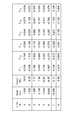
- F′11 ( ⁇ ), F′12 ( ⁇ ), F′13 ( ⁇ ), F′21 ( ⁇ ), F′22 ( ⁇ ), and F′23 ( ⁇ ) are the values of ⁇ . Accordingly, the allocation is performed according to the table shown in FIG. In this calculation example, FIG. 6 is stored in the ROM 63 shown in FIG. 2, and the CPU 61 appropriately reads and uses it.
- the normal surface direct solar radiation amount can be obtained by multiplying the horizontal surface direct solar radiation amount by «cos ⁇ z».
- ⁇ c is calculated as ⁇ h ⁇ cos ⁇ when ⁇ ⁇ / 2 ⁇ , and ⁇ h ⁇ ⁇ c ⁇ sin ( ⁇ c ⁇ ⁇ ) when ⁇ / 2 ⁇ ⁇ ⁇ ⁇ ⁇ / 2 + ⁇ .
- ⁇ h is calculated as follows according to the magnitude of the solar zenith angle ⁇ z. That is, ⁇ h is calculated as cos ⁇ z when ⁇ z ⁇ / 2 ⁇ , and is calculated as ⁇ h ⁇ sin ( ⁇ h ⁇ ⁇ ) when ⁇ z ⁇ ⁇ / 2 ⁇ .
- phi h is calculated as follows according to the size of the solar zenith angle [theta] z. That, phi h, when the ⁇ z ⁇ / 2 ⁇ , is calculated as 1, when the ⁇ / 2 ⁇ ⁇ ⁇ z, is calculated by ( ⁇ / 2- ⁇ z + ⁇ ) / 2 ⁇ .
- ⁇ c is calculated by ( ⁇ / 2 ⁇ + ⁇ ) / 2 ⁇ . Since ⁇ c / ⁇ h in this calculation period is cos ( ⁇ ) / cos ( ⁇ z), its average value is 1.112238.
- each component of the solar ambient light component B1, the sky uniform light component B2 ′, and the horizontal horizontal light component B3 is calculated as follows.
- the albedo is determined as follows according to the snow cover value acquired as the horizontal solar radiation data. That is, when the snow cover amount is 0 cm or more and less than 5 cm, 0.15 is set, and when the snow cover amount is 5 cm or more, 0.7 is set.
- the wall 90 is a wall having a width of 20 m and a height of 30 m, and is 10 m north from the point of the inclined surface as shown in FIG.
- the wall 91 is a wall having a width of 3 m and a height of 8 m, and is 4 m south from the point of the inclined surface as shown in FIG.
- calculation of the direct light component and the solar ambient light component will be described.
- the time when the sun is blocked by the wall 90 and the wall 91 which are obstacles is calculated, and for these two, the calculation time of the entire time when the sun is blocked by the obstacle is calculated. Calculate the percentage. In this calculation example, 44.3% was obstructed.
- a specific calculation method is shown below. Methods for calculating the altitude and orientation of the sun at a given latitude, longitude, date and time are well known (eg http://www.nao.ac.jp/koyomi/topics/html/topics2005.html). By these methods, the position of the inclined surface and the altitude and direction of the sun in the calculation period are calculated every minute.
- f ( ⁇ , ⁇ ) is created as a function that returns 1 if there is no obstacle such as a building at the azimuth and elevation angle from the point at which solar radiation is calculated, and 0 if there is no obstacle, and g ( ⁇ , ⁇ ) is calculated as solar radiation. It is created as a function that returns 1 if the azimuth elevation angle from a point is not hidden by the slope itself, and 0 if it is hidden by the slope itself.
- f ( ⁇ , ⁇ ) and g ( ⁇ , ⁇ ) are created by calculation of solid geometry. The unit normal vector of this slope is as follows.
- the horizontal horizontal light is calculated as follows.
- the situation from the zenith of the inclined surface is shown in FIG. Than this,
- ⁇ means an angle from an image obtained by projecting the normal vector of the inclined surface onto the horizontal plane.
- H ( ⁇ ) is created as a function that returns 1 if there is no obstacle such as a building in the direction ⁇ when viewed from the inclined surface, and returns 0 if there is no obstacle.
- h ( ⁇ ) 0 in 1.94 deg ⁇ ⁇ 43.06 deg
- h ( ⁇ ) 1 in the other cases.
- FIG. 7 is a functional block diagram showing the configuration of the solar radiation evaluation apparatus 1 ′ of the second embodiment.
- the solar radiation evaluation apparatus 1 ′ is an apparatus that calculates the solar radiation intensity or the solar radiation amount on the inclined surface, as in the first embodiment.
- the solar radiation intensity on the inclined surface by the solar radiation evaluation apparatus 1 ′ when the point of the inclined surface is different from the solar radiation measurement point where the horizontal solar radiation data indicating the solar radiation intensity or the amount of solar radiation on the horizontal surface can be obtained.
- it is embodiment of calculation of solar radiation amount. As shown in FIG.
- the solar radiation evaluation apparatus 1 ′ includes an acquisition unit 2 ′ (acquisition means), a solar radiation component calculation unit 3 ′ (solar radiation component calculation means), and a solar radiation evaluation unit 4 ′ (solar radiation evaluation means) as functional configurations. ) And a shadow influence calculation unit 5 ′ (shadow influence calculation means).
- the solar radiation evaluation apparatus 1 ′ is configured by the hardware shown in FIG. 2, and the functions of the functional blocks shown in FIG. 7 operate on the hardware shown in FIG.
- the acquisition unit 2 ′ acquires inclined surface position data that can identify the point of the inclined surface on the earth.
- the acquisition unit 2 ′ acquires inclined plane normal data that can specify the normal vector of the inclined plane.
- the acquisition unit 2 ′ acquires obstacle data related to the position, shape, size, direction, and the like of the obstacle that blocks the solar radiation on the inclined surface.
- the acquisition unit 2 ′ acquires horizontal solar radiation data indicating the solar radiation intensity or the amount of solar radiation on the horizontal plane. Further, the acquisition unit 2 ′ acquires date / time data for specifying the calculation target period.
- the acquisition unit 2 ′ acquires solar radiation measurement position data that can identify a point on the earth where horizontal plane solar radiation data is measured.
- the solar radiation component calculation unit 3 ′ is based on the solar radiation measurement position data and the horizontal solar radiation data acquired by the acquisition unit 2 ′, and is a horizontal plane or a normal surface at the solar radiation measurement point (a plane in which the normal is directed toward the sun). ) Calculate a predetermined solar radiation component included in the solar radiation intensity or solar radiation amount. Specifically, the direct light component to the normal surface at the solar radiation measurement point, the uniform light component that spreads uniformly over the sky to the horizontal surface at the solar radiation measurement point, and the sun surrounding the normal surface at the solar radiation measurement point The light component and the horizontal horizontal light component on the inclined surface at the solar radiation measurement point are calculated.
- the shadow influence calculation unit 5 ′ converts each solar radiation component at the solar radiation measurement point calculated by the solar radiation component calculation unit 3 ′ into a value to the inclined surface, and also affects the influence of the shadow by the obstacle based on the obstacle data. Convert to a value that takes into account. That is, the shadow influence calculation unit 5 ′ calculates the direct light component to the inclined surface based on the direct light component to the normal surface at the solar radiation measurement point calculated by the solar radiation component calculation unit 3 ′, and the obstacle data Based on the above, the value of the direct light component to the inclined surface is varied depending on whether the sun can be desired without being obstructed by the obstacle from the point of the inclined surface, and the influence of the shadow caused by the obstacle is taken into account.
- the direct light component to the inclined surface is calculated. Further, the shadow influence calculation unit 5 ′ calculates the sky uniform light component on the inclined surface based on the sky uniform light component on the horizontal plane at the solar radiation measurement point calculated by the solar radiation component calculation unit 3 ′. The sky part which can be desired without being obstructed by the obstacle from the inclined surface is calculated based on the obstacle data. Then, based on these calculated values, the shadow influence calculation unit 5 ′ calculates a sky uniform light component on the inclined plane taking into account the influence of the shadow caused by the obstacle. Further, the shadow influence calculation unit 5 ′ applies the slope effect to the inclined surface with the influence of the shadow by the obstacle based on the solar ambient light component to the normal surface at the solar radiation measurement point calculated by the solar radiation component calculation unit 3 ′.
- the shadow influence calculation unit 5 ′ is an inclined surface (inclined surface) that takes into account the influence of shadows due to obstacles based on the horizontal horizontal light component on the inclined surface at the solar radiation measurement point calculated by the solar radiation component calculation unit 3 ′. Horizon horizontal light component to the slope at the point) is calculated.
- the solar radiation evaluation unit 4 ′ calculates the solar radiation intensity or the solar radiation amount on the inclined surface in consideration of the influence of the shadow of the obstacle by summing up the solar radiation components calculated by the shadow influence calculation unit 5 ′.
- FIG. 8 is a flowchart showing the processing of the solar radiation evaluation apparatus 1 ′.
- the acquisition unit 2 'acquires inclined surface position data, inclined surface normal data, obstacle data, horizontal solar radiation data, date / time data, and solar radiation measurement position data (S70, acquisition step).
- the solar radiation component calculation unit 3 'calculates the direct light component to the normal surface when there is no shadow (S71).
- the shadow influence calculation unit 5 'calculates a direct light component to the inclined surface in consideration of the influence of the shadow by the obstacle (S72).
- the solar radiation component calculating unit 3 calculates the sky uniform light component on the inclined surface or the horizontal surface when there is no shadow (S73).
- the shadow influence calculation unit 5 calculates the sky uniform light component on the inclined surface in consideration of the influence of the shadow by the obstacle (S74).
- the solar radiation component calculation unit 3 calculates the solar ambient light component to the normal surface when there is no shadow (S75).
- the shadow influence calculation unit 5 calculates the solar ambient light component on the inclined surface in consideration of the shadow effect by the obstacle (S76).
- the solar radiation component calculation unit 3 calculates a horizontal horizontal light component on an inclined surface or a horizontal surface when there is no shadow (S77).
- the shadow influence calculation unit 5 calculates a horizontal horizontal light component on the inclined surface in consideration of the shadow effect by the obstacle (S78).
- the solar radiation component calculation unit 3 calculates the surface scattered light component on the inclined surface when there is no shadow (S79).
- the solar radiation evaluation unit 4 ′ is a direct light component to the inclined surface that takes into consideration the influence of the shadow caused by the obstacle calculated in S 72, and the inclined surface that takes into account the influence of the shadow caused by the obstacle calculated in S 74.
- the uniform light component of the sky, the solar ambient light component on the inclined surface taking into account the influence of the shadow by the obstacle calculated in S76, and the inclined surface taking into account the influence of the shadow by the obstacle calculated in S78 The sum of the other components, for example, the horizontal horizontal light component, and the surface scattered light component calculated in S79, calculates the solar radiation intensity or solar radiation amount on the inclined surface.
- any one or more calculation processes can be abbreviate
- the solar radiation component calculation unit 3 ′ is based on the horizontal plane direct light component included in the horizontal solar radiation data acquired by the acquisition unit 2 ′, and the solar radiation measurement position data and date / time data acquired by the acquisition unit 2 ′. The azimuth and altitude of the sun at the solar radiation measurement position are calculated.
- the solar radiation component calculation unit 3 ′ calculates a direct light component to the normal plane at the solar radiation measurement position when there is no shadow, based on the calculated data.
- the direct light component to the normal plane at the solar radiation measurement point when there is no shadow is calculated by dividing the value of the direct light component of the horizontal surface by cos ( ⁇ z).
- ⁇ z means the solar zenith angle (value obtained by subtracting the solar altitude at the solar radiation measurement point from the angle 90 °).
- the shadow influence calculation unit 5 ′ calculates the direct light component to the normal surface at the calculated solar radiation measurement position at the time of no shadow, and the solar azimuth / altitude calculated by the solar radiation component calculation unit 3 ′. Based on this, the direct light component to the inclined surface at the inclined surface point at the time of no shadow is calculated. Specifically, the direct light component to the normal surface at the solar radiation measurement point when there is no shadow is multiplied by cos ( ⁇ ) to obtain the direct light component to the inclined surface at the non-shadow inclined surface point. calculate.
- ⁇ means an angle formed by a line connecting the sun and the inclined surface point and a normal line of the inclined surface.
- the shadow influence calculating unit 5 ′ may be configured to perform the following processing. That is, based on the direct light component to the normal plane at the insolation measurement position and the solar azimuth / altitude calculated in S71, first, the direct light component to the normal plane at the tilted surface point in the shadow is calculated. The direct light component to the inclined surface at the inclined surface point at the time of shadow is calculated based on the calculated direct light component to the normal surface at the inclined surface point at the time of shadowlessness.
- the shadow influence calculation unit 5 ′ blocks the direct light by the obstacle based on the azimuth and altitude of the sun calculated by the solar radiation component calculation unit 3 ′ and the obstacle data acquired by the acquisition unit 2 ′. It is determined whether or not.
- the shadow influence calculation unit 5 ′ considers the influence of the shadow as an obstacle when the direct light is blocked by an obstacle and is set to 0 when the direct light is not blocked by the obstacle.
- the direct light component to the inclined surface is calculated.
- the process for determining whether or not the direct light is blocked by the obstacle based on the above-described obstacle data is the same as the process in S52 of the first embodiment.
- the value of the sky uniform light component which is the light component that spreads uniformly in the sky, is processed as not different between the solar radiation measurement position and the inclined surface point.
- the solar radiation component calculation unit 3 ′ is uniform in the sky to the inclined surface or horizontal plane at the solar radiation measurement point in the absence of shadow according to any one of the Hay model, the Perez model, and any other model.
- the light component is calculated.
- the Hay model the horizontal plane solar radiation data acquired by the acquisition unit 2 ′, the solar azimuth and altitude calculated based on the date and time data, and the inclined plane calculated from the inclined plane normal data acquired by the acquisition unit 2 ′. Based on the inclination angle, the sky uniform light component to the inclined surface or the horizontal surface at the solar radiation measurement point at the time of no shadow is calculated.
- the inclined plane calculated from the horizontal plane solar radiation data acquired by the acquiring unit 2 ′, the solar azimuth / altitude calculated based on the date / time data, the date / time, and the inclined plane normal data acquired by the acquiring unit 2 ′.
- the sky uniform light component to the inclined surface or the horizontal plane at the solar radiation measurement point when there is no shadow is calculated on the basis of the inclination angle and the elevation of the inclined surface specified from the inclined surface position data acquired by the acquisition unit 2 ′.
- the sky uniform light component to the inclined plane or the horizontal plane at the solar radiation measurement point in the absence of shadow is calculated based on the horizontal plane solar radiation data acquired by the acquisition unit 2 ′ and other data.
- the shadow influence calculation unit 5 ′ uses the calculated sky uniform light component value on the inclined surface or horizontal plane at the shadowless solar radiation measurement point to the inclined surface or horizontal plane at the inclined surface point when there is no shadow. As the value of the sky uniform light component.
- the shadow influence calculation unit 5 ′ based on the inclined surface normal data and the obstacle data acquired by the acquiring unit 2 ′, the inclined surface itself and the obstacle out of the sky desired from the same point as the inclined surface.
- the sky part that can be desired from the inclined surface without being obstructed by the object is calculated as the non-shielded sky part.
- the shadow influence calculation unit 5 ′ calculates the shadow caused by the obstacle based on the calculated value of the uniform light component on the sky or the horizontal plane at the slope point at the time of no shadow and the unshielded sky part.
- the sky uniform light component to the inclined surface at the inclined surface point taking into account the influence of is calculated.
- the solar radiation component calculation unit 3 ′ according to any one of the Hay model, the Perez model, and any other model, the solar ambient light component to the normal plane at the solar radiation measurement point at the time of shadowlessness. Is calculated.
- the Hay model specified from the horizontal solar radiation data and the inclined plane normal data acquired by the acquiring unit 2 ′, the solar altitude / orientation calculated based on the date / time data, and the inclined plane position data acquired by the acquiring unit 2 ′.
- the solar ambient light component to the normal surface at the solar radiation measurement point at the time of shadowlessness is calculated as an integrated value (amount of solar radiation) or an instantaneous value (a solar radiation intensity).
- the solar ambient light component to the normal surface at the solar radiation measurement point at the time of no shadow is calculated as an integrated value (amount of solar radiation) or an instantaneous value (a solar radiation intensity).
- the sun ambient light component to the normal surface at the solar radiation measurement point when there is no shadow as an integrated value (solar radiation amount) or instantaneous value (solar radiation intensity) calculate.
- the shadow influence calculation unit 5 ′ calculates the integrated value (insolation amount) of the solar ambient light component on the normal surface at the non-shadowed solar measurement point calculated by the solar component calculation unit 3 ′ or the instantaneous amount. Based on the value (intensity of solar radiation), the solar ambient light component to the inclined surface at the inclined surface point at the time of no shadow is calculated as an instantaneous value or an integrated value. Specifically, by multiplying the value of the solar ambient light component on the normal surface at the solar radiation measurement point when there is no shadow by cos ( ⁇ ), the ambient light on the slope at the inclined surface point when there is no shadow Calculate the components.
- ⁇ means an angle formed by a line connecting the sun and the inclined surface point and a normal line of the inclined surface.
- the shadow influence calculating unit 5 ′ may be configured to perform the following processing. That is, based on the solar ambient light component and the solar azimuth / altitude to the normal plane at the shadowed solar radiation measurement position calculated in S75, first, the solar ambient light to the normal plane at the tilted surface point at the time of shadowlessness The component is calculated, and the solar ambient light component to the inclined surface at the inclined surface point at the time of shadow is calculated based on the solar ambient light component to the normal surface at the inclined surface point at the time of shadowlessness.
- the solar ambient light component to the normal surface at the point of the slope when there is no shadow is calculated as an instantaneous value or an integrated value.
- the shadow influence calculation unit 5 ′ desires the sun without being interrupted by the inclined surface itself within the predetermined time Tc.
- the time T 2 at which the sun can be desired without being obstructed by the inclined surface itself or the obstacle within the predetermined time with respect to the time T 1 capable of being calculated is calculated, and the ratio (T 2 / T 1 ) of these times is calculated. calculate.
- the shadow influence calculation unit 5 ′ multiplies the value T 2 / T 1 of the ratio by the integrated value of the solar ambient light component on the inclined surface at the time of no shadow within the predetermined time Tc, thereby affecting the influence of the obstacle.
- the solar ambient light component (integrated value) on the inclined surface taking into account is calculated.
- the process which calculates the solar ambient light component to the inclined surface which added the influence of the shadow of an obstacle using the above-mentioned integrated value at the time of no shadow is the same as the process in S56 of 1st Embodiment.
- the shadow influence calculation unit 5 ′ Based on the obstacle data acquired by the acquisition unit 2 ′ and the azimuth and altitude of the sun, the shadow influence calculation unit 5 ′ detects the sun from the position of the inclined surface without being blocked by the obstacle at a predetermined time t. Determine if you can do what you want. Next, the shadow influence calculation unit 5 ′ sets 1 when the sun can be desired without being obstructed by the obstacle, 0 when the sun is not obstructed by the obstacle, and the inclined surface at the time of shadowlessness.
- the solar ambient light component (instantaneous value) is calculated by multiplying the instantaneous value of the solar ambient light component by the effect of the shadow of the obstacle on the inclined surface at that time.
- the shadow influence calculation unit 5 ′ integrates the solar ambient light component that takes into account the influence of the shadow due to the obstacle on the inclined surface at a plurality (n) of times t + i ⁇ ⁇ t (1 ⁇ i ⁇ n), By multiplying this by a time step value ⁇ t, a solar ambient light component (integrated value) is calculated in consideration of the influence of shadows by obstacles on the inclined surface within a predetermined time (n ⁇ ⁇ t).
- the process of the method of calculating the solar ambient light component to the inclined surface in consideration of the influence of the shadow of the obstacle using the instantaneous value (sunlight intensity) at the time of no shadow is the process in S56 of the first embodiment. It is the same.
- the integrated value may be calculated as follows using an instantaneous value when there is no shadow. That is, after calculating the solar ambient light component on the inclined surface at the time of no shadow as an instantaneous value, the shadow influence calculation unit 5 ′ is based on the obstacle data acquired by the acquisition unit 2 ′ and the direction and altitude of the sun.
- the area or solid angle that can be obtained from the position of the inclined surface without being obstructed by the inclined surface or the horizontal horizontal plane is defined as the first area S. calculated as 1, in the time t, it calculates the area or solid angle can desire solar peripheral region without being blocked by the inclined plane and horizon horizontal plane and the obstacle from the inclined surface as the second area S 2.
- the shadow influence calculation unit 5 ′ uses the value of the ratio S 2 / S 1 between the first area S 1 and the second area S 2 as the component of the sun ambient light on the inclined surface at the time t when there is no shadow. By multiplying, the solar ambient light component (instantaneous value) taking into account the influence of the shadow of the obstacle on the inclined surface at the time t is calculated. Next, the shadow influence calculation unit 5 ′ integrates the solar ambient light component taking into account the influence of the obstacle on the inclined surface at a plurality (n) of times t + i ⁇ ⁇ t (1 ⁇ i ⁇ n). The solar ambient light component (integrated value) within a predetermined time (n ⁇ ⁇ t) is calculated by multiplying the time step value ⁇ t. The process for calculating the integrated value using the instantaneous value at the time of no shadow is the same as the process in S56 of the first embodiment.
- the solar peripheral region is set to a circular region having a visual radius of 10 ° to 35 ° around the position of the sun in the sky.
- the solar radiation component calculation unit 3 ′ is acquired by the horizontal direction solar radiation data acquired by the acquisition unit 2 ′ and the solar azimuth / altitude calculated based on the date / time data, the date / time, and the acquisition unit 2 ′ according to the Perez model. Based on the inclination angle of the inclined surface specified from the acquired inclined surface position data and the elevation of the inclined surface specified from the inclined surface position data acquired by the acquisition unit 2 ′. Horizon horizontal light component is calculated. As described above, in the second embodiment, the value of the horizontal horizontal light component is processed as not different between the solar radiation measurement point and the inclined surface point.
- the shadow influence calculation unit 5 ′ uses the calculated horizontal horizontal light component on the inclined surface at the insolation measurement point at the time of shadowlessness as it is, and the horizontal horizontal light component on the inclined surface at the inclining point at the time of shadowlessness. As a value of.
- the shadow influence calculation unit 5 ′ calculates the obstacle horizontal data and the inclined surface normal data acquired by the acquisition unit 2 ′, and the horizontal horizontal light on the inclined surface at the calculated inclined surface point when there is no shadow. Based on the component, the horizontal horizontal light component to the inclined surface taking into account the influence of the shadow by the obstacle is calculated. In addition, the calculation process of the horizontal horizontal light component to the inclined surface in consideration of the influence of the shadow by a part of the obstacles in S78 described above is the same as the process in S58 of the first embodiment.
- ground scattered light component (Second embodiment: ground scattered light component) Next, details of the process of S79 of FIG. 8 will be described.
- the ground surface scattered light component at the time of shadowlessness is calculated by multiplying the total solar radiation intensity or the total solar radiation amount from the whole sky to the horizontal plane at the slope surface point by albedo and (1-cos ⁇ ) / 2.
- the total solar radiation intensity or the total solar radiation amount on the horizontal plane at the inclined surface point is calculated by the following method. That is, each component ((1) direct light component, (2) sky uniform light component, (3) solar ambient light component) on the horizontal plane at the solar radiation measurement position is converted into a component on the horizontal plane at the inclined surface point. Calculated by summing the components.
- the solar radiation component calculation unit 3 ′ calculates the horizontal light at the sloped surface point when there is no shadow, based on the direct light component to the normal surface at the solar radiation measurement point when there is no shadow calculated in S71.
- the direct light component is calculated.
- the solar radiation component calculation unit 3 ′ returns to the horizontal plane at the non-shadowed slope surface point based on the uniform sky light component on the slope or horizontal plane at the shadowless solar radiation measurement point calculated at S 73.
- the sky uniform light component of is calculated.
- the solar radiation component calculation unit 3 ′ is based on the instantaneous value or integrated value of the solar ambient light component on the normal surface at the solar radiation measurement point at the time of shadow calculation calculated in S75, and the slope surface point at the time of shadowlessness.
- the solar radiation component calculation unit 3 ′ adds the direct light component to the horizontal plane, the sky uniform light component, and the solar ambient light component at the calculated slope surface point when there is no shadow, Calculate the total solar radiation intensity or total solar radiation amount in the shadow.
- the solar radiation component calculating unit 3 ′ specifies the total solar radiation intensity or total solar radiation amount on the horizontal plane at the calculated slope surface point, the surface reflectance (albedo), and the slope surface position data acquired by the acquisition unit 2 ′. Based on the inclination angle of the inclined surface, the ground scattered light component to the inclined surface is calculated.
- the solar radiation component calculation unit 3 ′ uniquely determines the albedo value based on the snow cover data at the solar radiation measurement point included in the horizontal solar radiation data.
- the acquisition unit 2 ′ may acquire snow amount data at an inclined surface point, and the solar radiation component calculation unit 3 ′ may uniquely determine the albedo based on the snow amount data.
- Solar radiation measurement position data (position of Hachijojima). North latitude 33 degrees 6.1 minutes, east longitude 139 degrees 47.3 minutes Inclined surface position data (position of Izu Torishima). North latitude 30 degrees 29 minutes, east longitude 140 degrees 18 minutes Date and time data September 15, 12:00 to 13:00
- Horizontal solar radiation data (According to METPV-3 data acquired from organizations such as the Japan Meteorological Association or NEDO, horizontal solar radiation on Hachijojima from September 12:00 to 13:00 is as follows). Horizontal solar radiation: 2.61 MJ / m 2 (Solar radiation) Horizontal solar radiation: 0.99 MJ / m 2 (Solar radiation) Horizontally scattered solar radiation: 1.62 MJ / m 2 (Insolation) Snow cover: 0cm
- a ′ (Solar radiation amount on the horizontal surface) / ⁇ cos ⁇ z
- ⁇ z means the solar zenith angle (90 ° ⁇ solar altitude)
- ⁇ >> means the average during the calculation period.
- the average value of 1 / cos ⁇ z in the calculation period of Hachijojima is 1.18628.
- the solar ambient light component (B1 ′′) and the sky uniform light component (B2 ′) on the horizontal plane at the time of no shadow at the solar radiation measurement point are calculated.
- Each solar radiation component (direct light component A, solar ambient light component B1, uniform sky) from A ′, B1 ′, B2 ′, C ′ to the sloping surface at the time of the sloping surface (Izu Torishima) as follows
- the light component B2 and the ground scattered light component C) are calculated.
- the average value of cos ⁇ in Izu Torishima is 0.9140848.
- a and B1 are calculated by multiplying A ′ and B1 ′ by cos ⁇ , respectively.
- the sky uniform light component calculation means calculates the sky uniform light component with respect to the horizontal plane, the first projection area obtained by projecting the entire sky onto the horizontal plane, and the unshielded sky portion
- the second projected area projected onto the inclined surface is calculated
- the mixed sky ratio is calculated from the ratio of the first projected area and the second projected area
- the sky ratio is calculated as the sky uniform light component value for the horizontal plane. It is preferable to calculate the sky uniform light component to the inclined plane taking into account the influence of the shadow caused by the obstacle.
- the sky uniform light component on the inclined surface is calculated based on the first and second projection areas that can be easily calculated, taking into account the influence of the shadow caused by the obstacle. Therefore, it is possible to accurately and simply calculate the solar radiation intensity or the solar radiation amount on the inclined surface in consideration of the influence of surrounding obstacles.
- the sky uniform light component calculating means calculates the sky uniform light component with respect to the inclined surface, and from the inclined surface without being blocked by the inclined surface itself of the sky.
- the ratio of the third projected area to the fourth projected area is calculated by calculating the third projected area where the sky part that can be desired is projected onto the inclined surface and the fourth projected area where the unshielded sky part is projected onto the inclined surface. It is preferable to calculate the uniform sky light component to the inclined surface taking into account the influence of obstacles by calculating the inclined sky factor consisting of and multiplying the value of the uniform sky light component for the inclined surface by the inclined sky factor It is.
- the sky uniform light component on the inclined plane is calculated based on the third projection area and the fourth projection area that can be easily calculated, with the influence of the shadow caused by the obstacle. Therefore, it is possible to accurately and simply calculate the solar radiation intensity or the solar radiation amount on the inclined surface in consideration of the influence of surrounding obstacles.
- the solar radiation component calculating means calculates a solar ambient light component for the inclined surface as a component of light reaching from the sky around the sun as one of the solar radiation components, The ratio of the time during which the sun can be desired without being obstructed by the inclined surface itself or an obstacle within the predetermined time to the time when the sun can be desired without being obstructed by the inclined surface itself within the time. And calculating the solar ambient light component calculating means for calculating the solar ambient light component on the inclined surface taking into account the influence of an obstacle by multiplying the value of the ratio by the solar ambient light component on the inclined surface within a predetermined time It is preferable to have
- the solar radiation component calculating means calculates a solar ambient light component with respect to the inclined surface as a component of light reaching from the sky around the sun as one of the solar radiation components, By multiplying the solar ambient light component on the inclined surface by 1 if the sun can be desired without being obstructed by the obstacle from the position of the surface, and 0 if the sun is not obstructed by the obstacle.
- a solar ambient light component calculating means for calculating a solar ambient light component taking into account the influence of shadows due to obstacles on the inclined surface.
- the solar ambient light component is calculated by taking into account the influence of shadows due to the obstacles. Thereby, the solar radiation intensity or solar radiation amount to an inclined surface can be calculated accurately and simply, considering the influence of surrounding obstacles.
- the solar radiation component calculating means calculates a solar ambient light component for the inclined surface as a component of light reaching from the sky around the sun as one of the solar radiation components,
- the area or solid angle that can be obtained from the position of the inclined surface without being obstructed by the inclined surface or the horizontal plane is calculated as the first area, and the solar peripheral region centered on the position of the sun in Calculate the area or solid angle that can be viewed from the inclined surface without being obstructed by the horizon and obstacles as the second area, and set the ratio of the first area to the second area to the inclined surface.
- the solar ambient light component that takes into account the influence of the obstacle on the inclined surface at multiple times by calculating the solar ambient light component that takes into account the effect of the shadow due to the obstacle on the inclined surface
- a sun ambient light component calculating means for calculating a solar ambient light component within a predetermined time.
- the solar radiation intensity or the solar radiation amount on the inclined surface can be calculated accurately and easily in consideration of the influence of surrounding obstacles.
- the solar peripheral region is a circular region having a visual radius of any one of 10 ° to 35 ° centering on the position of the sun in the sky. Is preferred.
- the solar peripheral region was realized by the above aspect of the present invention.
- a solar radiation evaluation apparatus is a solar radiation evaluation apparatus for calculating solar radiation intensity or solar radiation amount on an inclined surface, and inclined surface position data capable of specifying a point on the earth of the inclined surface, and the inclined surface Inclined surface normal data that can specify the normal vector of the surface, obstacle data on the position and shape of the obstacle that blocks the solar radiation on the inclined surface, horizontal plane solar radiation data indicating the solar radiation intensity or amount of solar radiation on the horizontal plane, and horizontal plane
- An acquisition means for acquiring the solar radiation measurement position data that can identify the spot on the earth where the solar radiation data was measured, and based on the solar radiation measurement position data and horizontal plane solar radiation data acquired by the acquisition means, the horizontal plane at the solar radiation measurement point, Or a solar radiation component calculation means for calculating a predetermined solar radiation component included in the solar radiation intensity or the solar radiation amount to the normal surface which is a plane in which the normal line faces the sun, and the solar radiation component calculation
- a shadow effect calculation means for converting each solar radiation component at the solar radiation measurement point calculated by the step into
- a solar radiation evaluation method is a solar radiation evaluation method executed by a solar radiation evaluation apparatus that calculates solar radiation intensity or solar radiation amount on an inclined surface
- the solar radiation evaluation apparatus is a Inclined surface position data that can identify the upper point, inclined surface normal data that can identify the normal vector of the inclined surface, obstacle data regarding the position and shape of the obstacle that blocks solar radiation on the inclined surface, and to the horizontal plane
- the solar radiation component calculating step for calculating a predetermined solar radiation component included in the solar radiation amount, and the solar radiation evaluation device converts each solar radiation component at the solar radiation measurement point calculated in the
- the outgoing step calculates the direct light component to the inclined surface based on the direct light component to the normal surface at the solar radiation measurement point calculated in the solar radiation component calculating step, and the point of the inclined surface based on the obstacle data.
- the value of the direct light component to the inclined surface is changed, and the direct light component to the inclined surface taking into account the influence of the shadow by the obstacle
- the sky uniform light component on the inclined surface is calculated, and the obstacle is blocked from the inclined surface by the obstacle.
- the sky part that can be desired without being calculated is calculated based on the obstacle data, and the sky uniform light component to the inclined surface is calculated based on these calculated values, taking into account the influence of the shadow caused by the obstacle. .
- a solar radiation evaluation program is a solar radiation evaluation program for calculating the solar radiation intensity or the amount of solar radiation on an inclined surface
- the computer can identify an inclined surface that can identify a point of the inclined surface on the earth.
- Solar radiation measurement based on the solar radiation data and the solar radiation measurement position data that can identify the location on the earth where the horizontal solar radiation data was measured, and the solar radiation measurement position data and horizontal plane solar radiation data acquired by the acquisition means Calculates the predetermined solar radiation component included in the solar radiation intensity or solar radiation amount on the horizontal plane at the point or the normal plane in which the normal line faces the sun.
- Each solar radiation component at the solar radiation measurement point calculated by the solar radiation component calculating means and the solar radiation component calculating means is converted into a value to the inclined surface, and converted into a value taking into account the influence of the shadow due to the obstacle based on the obstacle data
- the shadow effect calculation means, and the solar radiation evaluation means for calculating the solar radiation intensity or the solar radiation amount on the inclined surface taking into account the influence of the shadow of the obstacle by summing up the solar radiation components calculated by the shadow influence calculation means
- the solar radiation component calculation means uniformly spreads from the solar radiation intensity or solar radiation amount at the solar radiation measurement point to at least the direct light component to the normal surface at the solar radiation measurement point and the sky to the horizontal plane at the solar radiation measurement point.
- the sky uniform light component is calculated, and the shadow influence calculation means is based on the direct light component to the normal surface at the solar radiation measurement point calculated by the solar radiation component calculation means.
- Calculate the direct light component to the inclined surface, and based on the obstacle data, the direct light component to the inclined surface depends on whether the sun can be desired without being blocked by the obstacle from the point of the inclined surface.
- the solar radiation intensity to the inclined surface based on the horizontal solar radiation data at the generally available solar radiation measurement position Or the amount of solar radiation can be calculated.
- the solar radiation intensity or solar radiation amount to an inclined surface can be calculated simply.
- the value of the solar radiation component on the inclined surface taking into account the influence of the shadow by the obstacle for each solar radiation component, while considering the influence of surrounding obstacles on the solar radiation intensity or solar radiation amount on the inclined surface, It can be calculated accurately and simply for each solar radiation component.
- the direct light component to the inclined surface taking into account the influence of the shadows by the obstacles.
- the solar radiation intensity or solar radiation amount to an inclined surface can be simply calculated in consideration of the influence of surrounding obstacles.
- the sky part that can be desired without being obstructed by the obstacle from the inclined surface is calculated.
- the sky uniform light component can be accurately and simply calculated for the solar radiation intensity or the solar radiation amount on the surface while taking into consideration the influence of surrounding obstacles.
- the present invention uses a solar radiation evaluation apparatus, a solar radiation evaluation method, and a solar radiation evaluation program, and it is possible to easily calculate the solar radiation intensity or the solar radiation amount on an inclined surface while considering the influence of surrounding obstacles. To do.
Landscapes
- Environmental & Geological Engineering (AREA)
- Physics & Mathematics (AREA)
- General Physics & Mathematics (AREA)
- Spectroscopy & Molecular Physics (AREA)
- Engineering & Computer Science (AREA)
- Life Sciences & Earth Sciences (AREA)
- Atmospheric Sciences (AREA)
- Biodiversity & Conservation Biology (AREA)
- Ecology (AREA)
- Environmental Sciences (AREA)
- Photometry And Measurement Of Optical Pulse Characteristics (AREA)
Abstract
傾斜面への日射強度または日射量を、周辺の障害物の影響を考慮しつつ、簡便に算出することが可能な日射評価装置、日射評価方法及び日射評価プログラムを提供することを目的とする。傾斜面への日射強度または日射量を算出する日射評価装置1は、傾斜面及び傾斜面への日射を遮る障害物に関する各種データを取得する取得部2と、取得部2によって取得された各種データに基づいて、日射強度または日射量の所定の日射成分毎に、障害物による影の影響を加味した傾斜面への日射成分の値を算出する日射成分算出部3と、日射成分算出部3において算出された日射成分を合計することにより、傾斜面への日射強度または日射量を算出する日射評価部4と、を備える。
Description
本発明は、障害物の影響を加味した、傾斜面への日射強度または日射量を算出する日射評価装置、日射評価方法及び日射評価プログラムに関する。
太陽光発電システムの設置に先立ち、期待される発電量を、シミュレーションによって予測することは、設置の可否を判断するために重要である。また、既に設置されているシステムが、正常に発電しているか否かを判断するためも期待される発電量をシミュレーションすることは重要である。
ここで、太陽光発電システムの発電量シミュレーション等においては、任意の方位、仰角を持つ傾斜面に対する日射強度または日射量を、水平面の日射強度または日射量から計算によって推定することが有効である。なぜならば、水平面の日射強度または日射量は、種々の地域に対してデータが整備されているからである。任意の方位、仰角を持つ傾斜面に対する日射強度または日射量を、水平面の日射強度または日射量から計算によって推定するため、種々のモデルとそれに基づく計算方法がこれまで提案されてきた。
例えば、下記非特許文献1及び2には、傾斜面への日射を、太陽からの直達光、天空から来る天空散乱光、及び地表から来る地表散乱光の3成分に分離し、さらに天空散乱光を、太陽周辺の空から来る太陽周辺光、天空一様に広がる天空一様光、及び地平線水平線から来る地平水平光の3サブ成分に分離して考え、それらの成分に基づき、傾斜面への日射強度または日射量を推定する方法が開示されている。
R.Perez etal., A newsimplified version of the Perez diffuse irradiance model for tiltedsurfaces,Sol. Energy 39(3),221-231(1987).
NEDO報告書 平成17年度太陽光発電システム共通基盤技術研究開発 「標準日射データの地理的分解能向上に関する調査研究」 H18年3月 (財)日本気象協会
上記の日射強度または日射量推定方法は、雲など気象現象による日射の低下は、予め与えられる水平面日射データに既に盛り込まれているが、対象として考えている傾斜面への日射を遮る障害物(たとえば建築物、樹木等)の影響は考慮されていない。すなわち、計算の基礎となる水平面に対する日射強度または日射量は、もともと日射を遮る障害物が無い場所を選択してデータが取得されており、傾斜面への日射強度または日射量を推定するモデルにおいても、日射を遮るものは存在しない前提である。
しかしながら、太陽光発電システムが実際に設置される場所において、日射を遮るものが全く無いことは例外的であり、直達光、天空散乱光の幾許かは、障害物によって遮られ、その結果太陽電池面の日射強度または日射量は低下をきたしていることが殆どである。
しかし従来、障害物による日射低下を定量的に評価して、日射強度または日射量を推定する有効かつ簡易な方法が見出されていなかったため、以下に述べる様な便宜的な手法が採られていた。すなわち、注目している面と太陽を結んだ間に、建物や樹木等の障害物が存在するか否かを判定し、存在する場合は、「影あり」存在しない場合は「影なし」と判定する。「影あり」と判定された場合は、予め設定された率に従って日射強度または日射量を減じ、「影なし」と判定された場合は、日射強度または日射量は計算値をそのまま使用する。
しかし、この方法には以下の様な問題点があり、影が存在する場合の日射強度または日射量を推定する方法としては不十分である。すなわち、注目している面と太陽を結んだ間に障害物が存在しなかった場合でも、天空散乱光を遮る障害物が存在していた場合、実際には日射強度または日射量は低下しているが、この手法ではその影響は一切考慮されていない。また、注目している面と太陽を結んだ間に障害物が存在する場合、日射強度または日射量は予め設定された率に従って減じられることになる。しかし、実際にはその状況、たとえばその時の直達光と散乱光の比率や、日射強度または日射量を推定する場所から障害物を見込む立体角等によって、障害物の影響は種々変化し、一律に設定値によって減じる方法では正確な値を得ることは困難である。
これに対して、障害物の配置状況を基に、光線追跡法を使用することで、注目している面への日射強度または日射量を推定する方法も考えることができる。しかし光線追跡方では、注目している面から直接望むことができない障害物面に対しても、光学的性質、例えばBSDF(Bidirectional Scattering DistributionFactor)を定義することが必要であり、シミュレーションを実施するための構造定義が煩雑かつ時間を要するものとなる。また、光線追跡法はその実行段階においても計算時間が長くなる等の課題があるため、これらの課題を解決した計算方法が望まれてきた。
本発明は上記課題解決のためになされたものであり、傾斜面への日射強度または日射量を、周辺の障害物の影響を考慮しつつ、簡便に算出することが可能な日射評価装置、日射評価方法及び日射評価プログラムを提供することを目的とする。
本発明の一側面に係る日射評価装置は、傾斜面への日射強度または日射量を算出する日射評価装置であって、傾斜面の地球上での地点を特定できる傾斜面位置データと、傾斜面の法線ベクトルを特定できる傾斜面法線データと、傾斜面の地点における水平面への日射強度または日射量を示す水平面日射データと、傾斜面への日射を遮る障害物の位置及び形状に関する障害物データとを取得する取得手段と、取得手段によって取得された傾斜面位置データと傾斜面法線データと水平面日射データと障害物データに基づき、日射強度または日射量の所定の日射成分毎に、障害物による影の影響を加味した傾斜面への日射成分の値を算出する日射成分算出手段と、日射成分算出手段によって算出された日射成分を合計することにより、傾斜面への日射強度または日射量を算出する日射評価手段と、を備え、日射成分算出手段は、日射成分の一つとして天空に一様に広がる成分である天空一様光成分を算出し、障害物データに基づいて、傾斜面と同一地点から望む天空のうち傾斜面自身と障害物とによって遮られることなく傾斜面から望むことができる天空の部分を非遮蔽天空部分として算出し、非遮蔽天空部分と天空一様光成分の値とに基づいて、障害物による影の影響を加味した傾斜面への天空一様光成分を算出する天空一様光成分算出手段を有している。
また、本発明の別の側面に係る日射評価方法は、傾斜面への日射強度または日射量を算出する日射評価装置により実行される日射評価方法であって、日射評価装置が、傾斜面の地球上での地点を特定できる傾斜面位置データと、傾斜面の法線ベクトルを特定できる傾斜面法線データと、傾斜面の地点における水平面への日射強度または日射量を示す水平面日射データと、傾斜面への日射を遮る障害物の位置及び形状に関する障害物データとを取得する取得ステップと、日射評価装置が、取得ステップにおいて取得された傾斜面位置データと傾斜面法線データと水平面日射データと障害物データに基づき、日射強度または日射量の所定の日射成分毎に、障害物による影の影響を加味した傾斜面への日射成分の値を算出する日射成分算出ステップと、日射評価装置が、日射成分算出ステップにおいて算出された日射成分を合計することにより、傾斜面への日射強度または日射量を算出する日射評価ステップと、を含み、日射成分算出ステップは、日射成分の一つとして天空に一様に広がる成分である天空一様光成分を算出し、障害物データに基づいて、傾斜面と同一地点から望む天空のうち傾斜面自身と障害物とによって遮られることなく傾斜面から望むことができる天空の部分を非遮蔽天空部分として算出し、非遮蔽天空部分と天空一様光成分の値とに基づいて、障害物による影の影響を加味した傾斜面への天空一様光成分を算出する天空一様光成分算出ステップを含んでいる。
また、本発明の別の側面に係る日射評価プログラムは、傾斜面への日射強度または日射量を算出する日射評価プログラムであって、コンピュータを、傾斜面の地球上での地点を特定できる傾斜面位置データと、傾斜面の法線ベクトルを特定できる傾斜面法線データと、傾斜面の地点における水平面への日射強度または日射量を示す水平面日射データと、傾斜面への日射を遮る障害物の位置及び形状に関する障害物データとを取得する取得手段、取得手段において取得された傾斜面位置データと傾斜面法線データと水平面日射データと障害物データに基づき、日射強度または日射量の所定の日射成分毎に、障害物による影の影響を加味した傾斜面への日射成分の値を算出する日射成分算出手段、及び、日射成分算出手段において算出された日射成分を合計することにより、傾斜面への日射強度または日射量を算出する日射評価手段、として動作させ、日射成分算出手段は、日射成分の一つとして天空に一様に広がる成分である天空一様光成分を算出し、障害物データに基づいて、傾斜面と同一地点から望む天空のうち傾斜面自身と障害物とによって遮られることなく傾斜面から望むことができる天空の部分を非遮蔽天空部分として算出し、非遮蔽天空部分と天空一様光成分の値とに基づいて、障害物による影の影響を加味した傾斜面への天空一様光成分を算出する天空一様光成分算出手段を含んでいる。
このような側面によれば、一般的に利用できる水平面日射データに基づいて傾斜面への日射強度または日射量を算出するため、傾斜面への日射強度または日射量を簡便に算出することができる。また、日射成分毎に障害物による影の影響を加味した傾斜面への当該日射成分の値を算出するため、傾斜面への日射強度または日射量を周辺の障害物の影響を考慮しつつ、日射成分毎に正確かつ簡便に算出することができる。さらに、非遮蔽天空部分と、傾斜面または水平面への天空一様光成分の値とに基づいて障害物による影の影響を加味した傾斜面への天空一様光成分を算出するため、傾斜面への日射強度または日射量を周辺の障害物の影響を考慮しつつ、天空一様光成分を正確かつ簡便に算出することができる。
本発明の一側面によれば、傾斜面への日射強度または日射量を、周辺の障害物の影響を考慮しつつ、簡便に算出することが可能な日射評価装置、日射評価方法及び日射評価プログラムを提供することができる。
以下、図面を参照しつつ本発明に係わる日射評価装置、日射評価方法及び日射評価プログラムの好適な実施形態について詳細に説明する。なお、図面の説明においては同一又は相当部分には同一符号を付し、重複する説明を省略する。
(第1実施形態:全体構成)
図1は、第1実施形態の日射評価装置1の構成を示す機能ブロック図である。日射評価装置1は、傾斜面への日射強度または日射量を算出する装置である。日射強度とは、単位時間に単位面積が太陽から受ける放射エネルギー(MJ/hm2)をいい、日射量とは、単位面積が太陽から受ける放射エネルギー(MJ/m2)をいう。また、傾斜面とは、その中心点の地球上の位置(傾斜面地点)と法線ベクトルとから特定される平面をいう。本第1実施形態は、傾斜面の地点における水平面への日射強度または日射量を示す水平面日射データが取得できる場合における、日射評価装置1による傾斜面への日射強度または日射量の算出の実施形態である。図1に示される通り、この日射評価装置1は、機能構成として、取得部2(取得手段)、日射成分算出部3(日射成分算出手段)及び日射評価部4(日射評価手段)を含んで構成されている。さらに、日射成分算出部3は、図1に示される通り、直達光成分算出部30、天空一様光成分算出部31(天空一様光成分算出手段)、太陽周辺光成分算出部32(太陽周辺光成分算出手段)、地平水平光成分算出部33、及び地表散乱光成分算出部34を含んで構成されている。
図1は、第1実施形態の日射評価装置1の構成を示す機能ブロック図である。日射評価装置1は、傾斜面への日射強度または日射量を算出する装置である。日射強度とは、単位時間に単位面積が太陽から受ける放射エネルギー(MJ/hm2)をいい、日射量とは、単位面積が太陽から受ける放射エネルギー(MJ/m2)をいう。また、傾斜面とは、その中心点の地球上の位置(傾斜面地点)と法線ベクトルとから特定される平面をいう。本第1実施形態は、傾斜面の地点における水平面への日射強度または日射量を示す水平面日射データが取得できる場合における、日射評価装置1による傾斜面への日射強度または日射量の算出の実施形態である。図1に示される通り、この日射評価装置1は、機能構成として、取得部2(取得手段)、日射成分算出部3(日射成分算出手段)及び日射評価部4(日射評価手段)を含んで構成されている。さらに、日射成分算出部3は、図1に示される通り、直達光成分算出部30、天空一様光成分算出部31(天空一様光成分算出手段)、太陽周辺光成分算出部32(太陽周辺光成分算出手段)、地平水平光成分算出部33、及び地表散乱光成分算出部34を含んで構成されている。
日射評価装置1は、CPU等のハードウェアから構成されているものである。図2は、日射評価装置1のハードウェア構成図である。図1に示される日射評価装置1は、物理的には、図2に示すように、CPU61、主記憶装置であるRAM62及びROM63、入力デバイスであるキーボード等の入力装置64、ディスプレイ等の出力装置65、データ送受信デバイスである通信モジュール66、及びハードディスク等の補助記憶装置67等を含むコンピュータシステムとして構成されている。図1に示す各機能ブロックの機能は、図2に示すCPU61、RAM62等のハードウェア上に所定のコンピュータソフトウェアを読み込ませることにより、CPU61の制御のもとで入力装置64、出力装置65、通信モジュール66を動作させるとともに、RAM62や補助記憶装置67におけるデータの読み出し及び書き込みを行うことで実現される。
以下、図1に示す機能ブロックに基づいて、日射評価装置1の各機能ブロックを説明する。
取得部2は、入力装置64または通信モジュール66を介して、日射強度または日射量を算出するための各種データを取得する。例えば、取得部2は、傾斜面の地球上での位置(即ち傾斜面地点)を特定できる傾斜面位置データを取得する。また、取得部2は、傾斜面の法線ベクトルを特定できる傾斜面法線データを取得する。また、取得部2は、傾斜面地点における水平面への日射強度または日射量を示す水平面日射データを取得する。また、取得部2は、傾斜面への日射を遮る障害物の位置、形状、大きさ、方向等に関する障害物データを取得する。また、取得部2は、計算対象期間を特定するための日時データを取得する。
日射成分算出部3は、取得部2によって取得された傾斜面位置データと傾斜面法線データと水平面日射データと障害物データと日時データとに基づいて、日射強度または日射量の所定の日射成分毎に、障害物による影の影響を加味した傾斜面への当該日射成分の値を算出する。
本実施形態においては、日射成分として、太陽から直線的に届く光の成分である直達光成分、天空に一様に広がる光の成分である天空一様光成分、太陽周辺の空から届く光の成分である太陽周辺光成分、地平線水平線から届く光の成分である地平水平光成分、及び地表から散乱されて届く光の成分である地表散乱光成分を算出する例を説明する。
直達光成分算出部30は、障害物による影の影響を加味した傾斜面への直達光成分の値を算出する。天空一様光成分算出部31は、障害物による影の影響を加味した傾斜面への天空一様光成分の値を算出する。太陽周辺光成分算出部32は、障害物による影の影響を加味した傾斜面への太陽周辺光成分の値を算出する。地平水平光成分算出部33は、障害物による影の影響を加味した傾斜面への地平水平光成分の値を算出する。
日射評価部4は、日射成分算出部3において算出された日射成分を合計することにより、傾斜面への日射強度または日射量を算出する。
(第1実施形態:全体処理)
次に、日射評価装置1の処理について説明する。図3は、日射評価装置1の処理を示すフローチャートである。
次に、日射評価装置1の処理について説明する。図3は、日射評価装置1の処理を示すフローチャートである。
まず、取得部2が、傾斜面位置データ、傾斜面法線データ、水平面日射データ、日時データ、及び障害物データを取得する(S50、取得ステップ)。S50の後、直達光成分算出部30が、傾斜面地点における無影時の傾斜面への直達光成分を算出する(S51)。更に直達光成分算出部30は、S51の後、障害物による影の影響を加味した傾斜面への直達光成分を算出する(S52)。
また、S50の後、天空一様光成分算出部31が、傾斜面地点における無影時の傾斜面または水平面への天空一様光成分を算出する(S53)。更に天空一様光成分算出部31は、S53の後、障害物による影の影響を加味した傾斜面への天空一様光成分を算出する(S54)。
また、S50の後、太陽周辺光成分算出部32が、傾斜面地点における無影時の傾斜面への太陽周辺光成分を算出する(S55)。更に太陽周辺光成分算出部32は、S55の後、障害物による影の影響を加味した傾斜面への太陽周辺光成分を算出する(S56)。
また、S50の後、地平水平光成分算出部33が、傾斜面地点における無影時の傾斜面または水平面への地平水平光成分を算出する(S57)。更に地平水平光成分算出部33は、S57の後、障害物による影の影響を加味した傾斜面への地平水平光成分を算出する(S58)。
また、S50の後、地表散乱光成分算出部34が、傾斜面地点における無影時の傾斜面への地表散乱光成分を算出する(S59)。
そして、日射評価部4が、S52にて算出された障害物による影の影響を加味した傾斜面への直達光成分、S54にて算出された障害物による影の影響を加味した傾斜面への天空一様光成分、S56にて算出された障害物による影の影響を加味した傾斜面への太陽周辺光成分、S58にて算出された障害物による影の影響を加味した傾斜面への地平水平光成分、及びS59にて算出された地表散乱光成分を合計することにより、傾斜面への日射強度または日射量を算出する。
なお、直達光成分の算出処理(S51及びS52)、天空一様光成分の算出処理(S53及びS54)、太陽周辺光成分の算出処理(S55及びS56)、地平水平光成分の算出処理(S57及びS58)、及び地表散乱光成分の算出処理(S59)について、いずれか一つ以上の算出処理を省略することができる。あるいは、これら日射成分に、その他の日射成分を加えて障害物による影の影響を加味した傾斜面への日射強度または日射量を算出する構成にしてもよい。
(第1実施形態:直達光成分)
次に、図3のS51及びS52の処理の詳細について説明する。まず、S51において、直達光成分算出部30は、以下の3つのデータを算出する。1つ目は、取得部2によって取得された水平面日射データに含まれる水平面直達光成分である。2つ目は、取得部2によって取得された傾斜面位置データ及び日時データに基づいて算出された太陽の方位・高度である。3つ目は、太陽の方位・高度、及び取得部2によって取得された傾斜面法線データに基づいて算出された太陽光の傾斜面に対する入射角である。日射成分算出部3は、以上の3つのデータに基づいて、無影時の傾斜面への直達光成分を算出する。
次に、図3のS51及びS52の処理の詳細について説明する。まず、S51において、直達光成分算出部30は、以下の3つのデータを算出する。1つ目は、取得部2によって取得された水平面日射データに含まれる水平面直達光成分である。2つ目は、取得部2によって取得された傾斜面位置データ及び日時データに基づいて算出された太陽の方位・高度である。3つ目は、太陽の方位・高度、及び取得部2によって取得された傾斜面法線データに基づいて算出された太陽光の傾斜面に対する入射角である。日射成分算出部3は、以上の3つのデータに基づいて、無影時の傾斜面への直達光成分を算出する。
続いて、S52において、直達光成分算出部30は、S51で算出した太陽の方位・高度、及び取得部2によって取得された障害物データに基づいて、直達光が障害物によって遮られるか否かを判定する。直達光成分算出部30は、直達光が障害物によって遮られる場合は0として、直達光が障害物によって遮られない場合は無影時の値と等しい値として、障害物による影の影響を加味した傾斜面への直達光成分を算出する。
(第1実施形態:天空一様光成分)
次に、図3のS53及びS54の処理の詳細について説明する。まず、S53において、天空一様光成分算出部31は、Hayモデル(後述の文献3及び文献4参照)、Perezモデル(後述の文献1及び文献2参照)、及びその他任意のモデルのうちいずれか1つのモデルに従い、傾斜面地点における無影時の水平面への天空一様光成分を算出する。Hayモデルでは、取得部2によって取得された水平面日射データ、日時データに基づいて算出された太陽の方位・高度に基づいて、無影時の水平面への天空一様光成分を算出する。Perezモデルでは、取得部2によって取得された水平面日射データ、日時データに基づいて算出された太陽の方位・高度、及び取得部2によって取得された傾斜面位置データから特定される傾斜面の標高に基づいて、無影時の水平面への天空一様光成分を算出する。その他任意のモデルでは、取得部2によって取得された水平面日射データ、及びその他のデータに基づいて、無影時の水平面への天空一様光成分を算出する。
次に、図3のS53及びS54の処理の詳細について説明する。まず、S53において、天空一様光成分算出部31は、Hayモデル(後述の文献3及び文献4参照)、Perezモデル(後述の文献1及び文献2参照)、及びその他任意のモデルのうちいずれか1つのモデルに従い、傾斜面地点における無影時の水平面への天空一様光成分を算出する。Hayモデルでは、取得部2によって取得された水平面日射データ、日時データに基づいて算出された太陽の方位・高度に基づいて、無影時の水平面への天空一様光成分を算出する。Perezモデルでは、取得部2によって取得された水平面日射データ、日時データに基づいて算出された太陽の方位・高度、及び取得部2によって取得された傾斜面位置データから特定される傾斜面の標高に基づいて、無影時の水平面への天空一様光成分を算出する。その他任意のモデルでは、取得部2によって取得された水平面日射データ、及びその他のデータに基づいて、無影時の水平面への天空一様光成分を算出する。
続いて、S54において、天空一様光成分算出部31は、取得部2によって取得された傾斜面法線データ及び障害物データに基づいて、傾斜面と同一地点から望む天空のうち傾斜面自身と障害物とによって遮られることなく傾斜面から望むことができる天空の部分を非遮蔽天空部分として算出する。次に、天空一様光成分算出部31は、日射成分算出部3によって算出された無影時の水平面への天空一様光成分の値と、非遮蔽天空部分とに基づいて、障害物による影の影響を加味した傾斜面への天空一様光成分を算出する。
天空一様光成分算出部31が、無影時の水平面への天空一様光成分の値と、非遮蔽天空部分とに基づいて、障害物による影の影響を加味した傾斜面への天空一様光成分を算出する際の具体例を図4を用いて説明する。図4において、Tは傾斜面、Hは傾斜面の地点における水平面、Bは傾斜面への日射を遮る障害物、Sは天空を示す。まず、天空一様光成分算出部31は、天空S全体を水平面Hに投影した第一投影面積P1と、非遮蔽天空部分を傾斜面Tに投影した第二投影面積P2とを算出する。次に、天空一様光成分算出部31は、第一投影面積P1と第二投影面積P2との比P2/P1からなる混合天空率を算出する。次に、天空一様光成分算出部31は、水平面Hに対する天空一様光成分の値に混合天空率P2/P1を乗じることにより、障害物Bによる影の影響を加味した傾斜面Tへの天空一様光成分を算出する。
上記では、無影時の水平面への天空一様光成分を用いて障害物による影の影響を加味した傾斜面への天空一様光成分の算出方法を説明した。以下では、無影時の傾斜面への天空一様光成分を用いて計算する例を、図5を用いて説明する。
まず、S53において、天空一様光成分算出部31は、無影時の傾斜面への天空一様光成分を算出する。Hayモデルでは、取得部2によって取得された水平面日射データ、日時データに基づいて算出された太陽高度、及び取得部2によって取得された傾斜面法線データから算出された傾斜面の傾斜角に基づいて、無影時の傾斜面への天空一様光成分を算出する。Perezモデルでは、取得部2によって取得された水平面日射データ、日時データに基づいて算出された太陽高度、傾斜面の傾斜角、日時、及び取得部2によって取得された傾斜面位置データから特定される傾斜面の標高に基づいて、無影時の傾斜面への天空一様光成分を算出する。
次に、S54において、天空一様光成分算出部31は、図5に示す天空Sのうち傾斜面T自身によって遮られることなく傾斜面Tから望むことのできる天空S部分を傾斜面Tに投影した第三投影面積P3と、非遮蔽天空部分を傾斜面Tに投影した第四投影面積P4とを算出する。次に、天空一様光成分算出部31は、第三投影面積P3と第四投影面積P4との比P4/P3からなる傾斜天空率を算出する。次に、天空一様光成分算出部31は、無影時の傾斜面Tへの天空一様光成分の値に傾斜天空率P4/P3を乗じることにより、障害物Bの影響を加味した傾斜面Tへの天空一様光成分を算出する。
(第1実施形態:太陽周辺光成分)
次に、図3のS55及びS56の処理の詳細について説明する。まず、S55において、太陽周辺光成分算出部32は、Hayモデル、Perezモデル、及びその他任意のモデルのうちいずれか1つのモデルに従い、無影時の傾斜面への太陽周辺光成分を算出する。Hayモデルでは、取得部2によって取得された水平面日射データ及び傾斜面法線データ、日時データに基づいて算出された太陽高度・方位、及び取得部2によって取得された傾斜面法線データから算出された傾斜面の傾斜角に基づいて、無影時の傾斜面への太陽周辺光成分を、積算値(日射量)または瞬時値(日射強度)として算出する。Perezモデルでは、取得部2によって取得された水平面日射データ及び傾斜面法線データ、日時データに基づいて算出された太陽高度・方位、日時、及び取得部2によって取得された傾斜面位置データから特定される傾斜面の標高に基づいて、無影時の傾斜面への太陽周辺光成分を、積算値(日射量)または瞬時値(日射強度)として算出する。その他任意のモデルでは、水平面日射データ及びその他のデータに基づいて、無影時の傾斜面への太陽周辺光成分を、積算値(日射量)または瞬時値(日射強度)として算出する。
次に、図3のS55及びS56の処理の詳細について説明する。まず、S55において、太陽周辺光成分算出部32は、Hayモデル、Perezモデル、及びその他任意のモデルのうちいずれか1つのモデルに従い、無影時の傾斜面への太陽周辺光成分を算出する。Hayモデルでは、取得部2によって取得された水平面日射データ及び傾斜面法線データ、日時データに基づいて算出された太陽高度・方位、及び取得部2によって取得された傾斜面法線データから算出された傾斜面の傾斜角に基づいて、無影時の傾斜面への太陽周辺光成分を、積算値(日射量)または瞬時値(日射強度)として算出する。Perezモデルでは、取得部2によって取得された水平面日射データ及び傾斜面法線データ、日時データに基づいて算出された太陽高度・方位、日時、及び取得部2によって取得された傾斜面位置データから特定される傾斜面の標高に基づいて、無影時の傾斜面への太陽周辺光成分を、積算値(日射量)または瞬時値(日射強度)として算出する。その他任意のモデルでは、水平面日射データ及びその他のデータに基づいて、無影時の傾斜面への太陽周辺光成分を、積算値(日射量)または瞬時値(日射強度)として算出する。
以下、無影時の積算値(日射量)を用いて障害物の影の影響を加味した傾斜面への太陽周辺光成分を計算する方法について説明する。S56において、太陽周辺光成分算出部32は、取得部2によって取得された障害物データ、及び太陽の方位・高度に基づいて、所定時間Tc内において傾斜面から傾斜面自身に遮られることなく太陽を望むことができる時間T1に対する、所定時間内において傾斜面から傾斜面自身または障害物に遮られることなく太陽を望むことができる時間T2を算出し、これら時間の比T2/T1を算出する。次に、太陽周辺光成分算出部32は、当該比の値T2/T1を所定時間Tc内における無影時の傾斜面への太陽周辺光成分の積算値に乗じることにより、障害物の影響を加味した傾斜面への太陽周辺光成分(積算値)を算出する。
または、無影時の瞬時値(日射強度)を用いて積算値(日射量)を次のように計算しても良い。すなわち、S56において、太陽周辺光成分算出部32は、取得部2によって取得された障害物データ、及び太陽の方位・高度に基づいて、所定時刻tにおいて、傾斜面の位置から、障害物によって遮られることなく太陽を望むことができるか否かを判定する。次に、太陽周辺光成分算出部32は、障害物によって遮られることなく太陽を望むことができる場合は1を、障害物によって太陽が遮られて望めない場合は0を、無影時の傾斜面への太陽周辺光成分の瞬時値に乗じることにより、当該時刻における傾斜面への障害物による影の影響を加味した太陽周辺光成分(瞬時値)を算出する。次に、太陽周辺光成分算出部32は、複数(n個)の時刻t+i×Δt(1≦i≦n)における傾斜面への障害物による影の影響を加味した太陽周辺光成分を積算し、これに時間刻みの値Δtを乗算することによって、所定時間(n×Δt)内の傾斜面への障害物による影の影響を加味した太陽周辺光成分(積算値)を算出する。
または、無影時の瞬時値を用いて積算値を次のように計算してもよい。すなわち、S56において、太陽周辺光成分算出部32は、取得部2によって取得された障害物データ、及び太陽の方位・高度に基づいて、当該時刻の天空における太陽の位置を中心とする所定形状の太陽周辺領域を、傾斜面または地平水平面に遮られることなく傾斜面の位置から望むことのできる面積または立体角を第一面積S1として算出し、当該時刻tにおいて、傾斜面と地平水平面と障害物とに遮られることなく太陽周辺領域を傾斜面から望むことのできる面積または立体角を第二面積S2として算出する。次に、太陽周辺光成分算出部32は、第一面積S1と第二面積S2との比(S2/S1)の値を当該時刻tにおける無影時の傾斜面への太陽周辺光成分に乗じることにより、当該時刻tにおける、傾斜面への障害物による影の影響を加味した太陽周辺光成分(瞬時値)を算出する。次に、太陽周辺光成分算出部32は、複数(n個)の時刻t+i×Δt(1≦i≦n)における傾斜面への障害物の影響を加味した太陽周辺光成分を積算し、これに時間刻みの値Δtを乗算することによって、所定時間(n×Δt)内の太陽周辺光成分(積算値)を算出する。
なお、太陽周辺領域は、天空における太陽の位置を中心に視半径が10°から35°までのいずれかの大きさを持つ円の領域に設定される。
(第1実施形態:地平水平光成分)
次に、図3のS57及びS58の処理の詳細について説明する。まず、S57において、地平水平光成分算出部33は、Perezモデルに従い、取得部2によって取得された水平面日射データ、日時に基づいて算出された太陽高度、日時、取得部2によって取得された傾斜面法線データから算出された傾斜面の傾斜角、及び取得部2によって取得された傾斜面位置データから特定される傾斜面の標高に基づき、無影時の傾斜面または水平面への地平水平光成分を算出する。続いて、S58において、地平水平光成分算出部33は、取得部2によって取得された障害物データ及び傾斜面法線データ、及び地平水平光成分算出部33によって算出された無影時の傾斜面への地平水平光成分に基づいて、障害物による影の影響を加味した傾斜面への地平水平光成分を算出する。
次に、図3のS57及びS58の処理の詳細について説明する。まず、S57において、地平水平光成分算出部33は、Perezモデルに従い、取得部2によって取得された水平面日射データ、日時に基づいて算出された太陽高度、日時、取得部2によって取得された傾斜面法線データから算出された傾斜面の傾斜角、及び取得部2によって取得された傾斜面位置データから特定される傾斜面の標高に基づき、無影時の傾斜面または水平面への地平水平光成分を算出する。続いて、S58において、地平水平光成分算出部33は、取得部2によって取得された障害物データ及び傾斜面法線データ、及び地平水平光成分算出部33によって算出された無影時の傾斜面への地平水平光成分に基づいて、障害物による影の影響を加味した傾斜面への地平水平光成分を算出する。
(第1実施形態:地表散乱光成分)
次に、図3のS59の処理の詳細について説明する。S59において、地表散乱光成分算出部34は、取得部2によって取得された水平面日射データ、取得部2によって取得された傾斜面法線データから算出された傾斜面の傾斜角、地表反射率(アルベド)に基づいて、傾斜面への地表散乱光成分を算出する。具体的には、水平面に対する全天空からの日射強度または日射量の値に、アルベドと、(1-cosβ)/2を乗じることで算出する。ここに、βは傾斜面の水平面に対する角度を意味する。なお、地表散乱光成分算出部34は、アルベドの値を、水平面日射データに含まれる積雪量に関するデータに基づき一意的に決定する。
次に、図3のS59の処理の詳細について説明する。S59において、地表散乱光成分算出部34は、取得部2によって取得された水平面日射データ、取得部2によって取得された傾斜面法線データから算出された傾斜面の傾斜角、地表反射率(アルベド)に基づいて、傾斜面への地表散乱光成分を算出する。具体的には、水平面に対する全天空からの日射強度または日射量の値に、アルベドと、(1-cosβ)/2を乗じることで算出する。ここに、βは傾斜面の水平面に対する角度を意味する。なお、地表散乱光成分算出部34は、アルベドの値を、水平面日射データに含まれる積雪量に関するデータに基づき一意的に決定する。
(第1実施形態:計算例)
以下では、第1実施形態における日射評価装置1による傾斜面への日射量の算出の計算例としてPerezモデル(後述の文献1、2)を利用して計算する場合について説明する。以下の計算において、計算は全て日射評価装置1が行う。日射評価装置1のどの機能ブロックがどの計算を行うかは上述の説明より明らかであるため、以下では計算の主体の明記を省略する。また、以下の計算では以下の記号を適宜用いる。
A:無影時の傾斜面への直達光成分
α:障害物による影の影響を加味した傾斜面への直達光成分
B1:無影時の傾斜面への太陽周辺光成分
β1:障害物による影の影響を加味した傾斜面への太陽周辺光成分
B2:無影時の傾斜面への天空一様光成分
B2’:無影時の水平面への天空一様光成分
β2:障害物による影の影響を加味した傾斜面への天空一様光成分
B3:無影時の傾斜面への地平水平光成分
β3:障害物による影の影響を加味した傾斜面への地平水平光成分
C:無影時の傾斜面への地表散乱光成分
γ:障害物による影の影響を加味した傾斜面への地表散乱光成分
また、以下の計算例において、適宜以下の4つの文献の内容を参照する。文献1:R.Perez et al., A new simplifiedversion of the Perez diffuse
irradiance model for tilted surfaces, Sol. Energy39(3),221-231(1987).文献2:NEDO報告書 平成17年度太陽光発電システム共通基盤技術研究開発 「標準日射データの地理的分解能向上に関する調査研究」 参考3 H18年3月 (財)日本気象協会文献3:An Introduction to Solar
Radiation,Iqbal, AcademicPress(1983).文献4:J.E..Hay, Study of Shortwave Radiationon Non-horizontal Surface.
Rep. No. 79-12, Atmospheric Environment Service, Downsview, Ontario(1979).
以下では、第1実施形態における日射評価装置1による傾斜面への日射量の算出の計算例としてPerezモデル(後述の文献1、2)を利用して計算する場合について説明する。以下の計算において、計算は全て日射評価装置1が行う。日射評価装置1のどの機能ブロックがどの計算を行うかは上述の説明より明らかであるため、以下では計算の主体の明記を省略する。また、以下の計算では以下の記号を適宜用いる。
A:無影時の傾斜面への直達光成分
α:障害物による影の影響を加味した傾斜面への直達光成分
B1:無影時の傾斜面への太陽周辺光成分
β1:障害物による影の影響を加味した傾斜面への太陽周辺光成分
B2:無影時の傾斜面への天空一様光成分
B2’:無影時の水平面への天空一様光成分
β2:障害物による影の影響を加味した傾斜面への天空一様光成分
B3:無影時の傾斜面への地平水平光成分
β3:障害物による影の影響を加味した傾斜面への地平水平光成分
C:無影時の傾斜面への地表散乱光成分
γ:障害物による影の影響を加味した傾斜面への地表散乱光成分
また、以下の計算例において、適宜以下の4つの文献の内容を参照する。文献1:R.Perez et al., A new simplifiedversion of the Perez diffuse
irradiance model for tilted surfaces, Sol. Energy39(3),221-231(1987).文献2:NEDO報告書 平成17年度太陽光発電システム共通基盤技術研究開発 「標準日射データの地理的分解能向上に関する調査研究」 参考3 H18年3月 (財)日本気象協会文献3:An Introduction to Solar
Radiation,Iqbal, AcademicPress(1983).文献4:J.E..Hay, Study of Shortwave Radiationon Non-horizontal Surface.
Rep. No. 79-12, Atmospheric Environment Service, Downsview, Ontario(1979).
本計算例では、南南東向き、仰傾斜角30°の傾斜面について、9月15日12~13時(以下「計算期間」という。)の東京における計算例を示す。各種データとして次の値を取得する。
傾斜面法線データ(傾斜面の単位法線ベクトル)
東向き成分:sin(30°)×sin(22.5°)=0.19134
北向き成分:-sin(30°)×cos(22.5°)=-0.46194
上向き成分:cos(30°)=0.86603
傾斜面位置データ
北緯35度41.2分、東経139度45.8分、高度6.1m
日時データ
9月15日12~13時
傾斜面法線データ(傾斜面の単位法線ベクトル)
東向き成分:sin(30°)×sin(22.5°)=0.19134
北向き成分:-sin(30°)×cos(22.5°)=-0.46194
上向き成分:cos(30°)=0.86603
傾斜面位置データ
北緯35度41.2分、東経139度45.8分、高度6.1m
日時データ
9月15日12~13時
水平面日射データ(気象協会またはNEDO等の機関から取得したMETPV-3データによれば、9月15日12時~13時の東京における水平面日射量は以下の通り。)
水平面全天日射量:1.85MJ/m2
水平面直達日射量:0.12MJ/m2
水平面天空散乱日射量:1.73MJ/m2
積雪量:0cm
水平面全天日射量:1.85MJ/m2
水平面直達日射量:0.12MJ/m2
水平面天空散乱日射量:1.73MJ/m2
積雪量:0cm
まず、傾斜面への直達光成分を次の通り算出する。
A=(水平面直達日射量)×≪cosθ/cosθz≫
ここに、θzは太陽天頂角(90°-太陽高度)を、θは太陽光の傾斜面への入射角を、≪≫は計算期間における平均を算出することをそれぞれ意味する。
本計算例において取得したデータの条件では、計算期間におけるcosθ/cosθzの平均値は、1.11238となり、従って傾斜面への直達光成分(A)は0.12MJ/m2×1.11238=0.133MJ/m2となる。
次に、傾斜面への太陽周辺光成分B1、水平面への天空一様光成分B2’、傾斜面への地平水平光成分B3の算出方法について説明する。これらの日射成分は次式により算出される。
B1=(水平面天空散乱日射量)×(F’1(χc/χh))
B2’=(水平面天空散乱日射量)×(0.5(1+cosβ)(1-F’1))
B3=(水平面天空散乱日射量)×(F’2sinβ)
ここに、βは傾斜面の水平面に対する角度(傾斜角)を意味する。また、F’1、F’2は次式で算出される。
F’1=F’11(ε)+F’12(ε)・Δ+F’13(ε)・θz
F’2=F’21(ε)+F’22(ε)・Δ+F’23(ε)・θz
ここに、F’11(ε)、F’12(ε)、F’13(ε)、F’21(ε)、F’22(ε)、F’23(ε)は、εの値に応じて、図6に示すテーブルに従い割り振られる。なお、本計算例においては、図6は図2に示すROM63に記憶され、CPU61が適宜読み出して利用する。
また、εは晴天度パラメータを意味し、ε=(水平面天空散乱日射量+法線面直達日射量)/(水平面天空散乱日射量)で算出される。また、Δは散乱光パラメータを意味し、Δ=(水平面天空散乱日射量)×(m/ION)で算出される。mはエアマスを意味し、太陽高度Hと標高Z(メートル)から算出される(m=(sinH+0.15×(H+3.885)-1.253)-1×(1-Z/44308)5.257)。また、IONは太陽定数ISCと1月1日からの通し番号nから算出される(ION=ISC×(1+0.033×cos(2π×(n-2)/365)))。
なお、法線面直達日射量は水平面直達日射量に≪cosθz≫を乗算することで得られる。以上より、
計算期間のcosθzの平均値:0.82040
法線面直達日射量:In=0.12/0.82040=0.14627
ε=(1.73+0.14627)/1.73=1.085
F’11=-0.038
F’12=1.115
F’13=-0.109
F’21=-0.023
F’22=0.106
F’23=-0.037
m=1.2167(エアマス)
Δ=0.42351
(ただし、本計算例では、ION=ISCとして計算する。)
≪太陽天頂角θz≫=0.60829(ラジアン)
これらより、
F’1=0.36791
F’2=-0.00061
さらに、χcは、太陽光の傾斜面への入射角θの大きさに応じて次の通り算出される。即ち、χcは、θ<π/2-αのとき、φh×cosθで計算され、π/2-α≦θ≦π/2+αのとき、φh×φc×sin(φc×α)で計算され、θ>π/2+αのとき、0と計算される。また、χhは、太陽天頂角θzの大きさに応じて次の通り算出される。即ち、χhは、θz<π/2-αのとき、cosθzで計算され、θz≧π/2-αのとき、φh×sin(φh×α)で計算される。ここに、αは定数で25°(=0.436ラジアン)を意味する。φhは太陽天頂角θzの大きさに応じて次の通り算出される。即ち、φhは、θz<π/2-αのとき、1と計算され、π/2-α≦θzのとき、(π/2-θz+α)/2αで計算される。また、φcは(π/2-θ+α)/2αで計算される。 この計算期間のχc/χhは、cos(θ)/cos(θz)であるため、その平均値は、1.11238
以上より、太陽周辺光成分B1、天空一様光成分B2’、地平水平光成分B3の各成分は以下の通り算出される。
太陽周辺光成分B1は、
B1=(水平面天空散乱日射量)×F’1×(χc/χh)
=0.70801(日射量)
水平面への天空一様光成分B2’、
B2’=(水平面天空散乱日射量)×(1-F’1)
=1.09352(日射量)
(なお、ここで、傾斜天空率を用いて影の影響を算出する場合(即ち、傾斜面への天空一様光成分B2を算出する場合)は、B2=(水平面天空散乱日射量)×0.5(1+cosβ)×(1-F’1)で算出される。本計算例では、β=30°、cosβ=0.866なので、B2=1.0203(日射量)となる。)
傾斜面への地平水平光成分B3は、
B3=(水平面天空散乱日射量)×F’2×sinβ
=-0.0003(日射量)
続いて、地表散乱光成分Cの算出方法について説明する。地表散乱光成分は、水平面全天日射量(1.85MJ/m2)、アルベド(0.15)、及び(1-cosβ)/2の積として、以下の通り算出される。
C=0.01859MJ/m2(日射量)・・・(1)
なお、アルベドは、水平面日射データとして取得した積雪量の値に応じて次の通り決定する。即ち、積雪量が0cm以上5cm未満の場合、0.15とし、積雪量が5cm以上の場合、0.7とする。
A=(水平面直達日射量)×≪cosθ/cosθz≫
ここに、θzは太陽天頂角(90°-太陽高度)を、θは太陽光の傾斜面への入射角を、≪≫は計算期間における平均を算出することをそれぞれ意味する。
本計算例において取得したデータの条件では、計算期間におけるcosθ/cosθzの平均値は、1.11238となり、従って傾斜面への直達光成分(A)は0.12MJ/m2×1.11238=0.133MJ/m2となる。
次に、傾斜面への太陽周辺光成分B1、水平面への天空一様光成分B2’、傾斜面への地平水平光成分B3の算出方法について説明する。これらの日射成分は次式により算出される。
B1=(水平面天空散乱日射量)×(F’1(χc/χh))
B2’=(水平面天空散乱日射量)×(0.5(1+cosβ)(1-F’1))
B3=(水平面天空散乱日射量)×(F’2sinβ)
ここに、βは傾斜面の水平面に対する角度(傾斜角)を意味する。また、F’1、F’2は次式で算出される。
F’1=F’11(ε)+F’12(ε)・Δ+F’13(ε)・θz
F’2=F’21(ε)+F’22(ε)・Δ+F’23(ε)・θz
ここに、F’11(ε)、F’12(ε)、F’13(ε)、F’21(ε)、F’22(ε)、F’23(ε)は、εの値に応じて、図6に示すテーブルに従い割り振られる。なお、本計算例においては、図6は図2に示すROM63に記憶され、CPU61が適宜読み出して利用する。
また、εは晴天度パラメータを意味し、ε=(水平面天空散乱日射量+法線面直達日射量)/(水平面天空散乱日射量)で算出される。また、Δは散乱光パラメータを意味し、Δ=(水平面天空散乱日射量)×(m/ION)で算出される。mはエアマスを意味し、太陽高度Hと標高Z(メートル)から算出される(m=(sinH+0.15×(H+3.885)-1.253)-1×(1-Z/44308)5.257)。また、IONは太陽定数ISCと1月1日からの通し番号nから算出される(ION=ISC×(1+0.033×cos(2π×(n-2)/365)))。
なお、法線面直達日射量は水平面直達日射量に≪cosθz≫を乗算することで得られる。以上より、
計算期間のcosθzの平均値:0.82040
法線面直達日射量:In=0.12/0.82040=0.14627
ε=(1.73+0.14627)/1.73=1.085
F’11=-0.038
F’12=1.115
F’13=-0.109
F’21=-0.023
F’22=0.106
F’23=-0.037
m=1.2167(エアマス)
Δ=0.42351
(ただし、本計算例では、ION=ISCとして計算する。)
≪太陽天頂角θz≫=0.60829(ラジアン)
これらより、
F’1=0.36791
F’2=-0.00061
さらに、χcは、太陽光の傾斜面への入射角θの大きさに応じて次の通り算出される。即ち、χcは、θ<π/2-αのとき、φh×cosθで計算され、π/2-α≦θ≦π/2+αのとき、φh×φc×sin(φc×α)で計算され、θ>π/2+αのとき、0と計算される。また、χhは、太陽天頂角θzの大きさに応じて次の通り算出される。即ち、χhは、θz<π/2-αのとき、cosθzで計算され、θz≧π/2-αのとき、φh×sin(φh×α)で計算される。ここに、αは定数で25°(=0.436ラジアン)を意味する。φhは太陽天頂角θzの大きさに応じて次の通り算出される。即ち、φhは、θz<π/2-αのとき、1と計算され、π/2-α≦θzのとき、(π/2-θz+α)/2αで計算される。また、φcは(π/2-θ+α)/2αで計算される。 この計算期間のχc/χhは、cos(θ)/cos(θz)であるため、その平均値は、1.11238
以上より、太陽周辺光成分B1、天空一様光成分B2’、地平水平光成分B3の各成分は以下の通り算出される。
太陽周辺光成分B1は、
B1=(水平面天空散乱日射量)×F’1×(χc/χh)
=0.70801(日射量)
水平面への天空一様光成分B2’、
B2’=(水平面天空散乱日射量)×(1-F’1)
=1.09352(日射量)
(なお、ここで、傾斜天空率を用いて影の影響を算出する場合(即ち、傾斜面への天空一様光成分B2を算出する場合)は、B2=(水平面天空散乱日射量)×0.5(1+cosβ)×(1-F’1)で算出される。本計算例では、β=30°、cosβ=0.866なので、B2=1.0203(日射量)となる。)
傾斜面への地平水平光成分B3は、
B3=(水平面天空散乱日射量)×F’2×sinβ
=-0.0003(日射量)
続いて、地表散乱光成分Cの算出方法について説明する。地表散乱光成分は、水平面全天日射量(1.85MJ/m2)、アルベド(0.15)、及び(1-cosβ)/2の積として、以下の通り算出される。
C=0.01859MJ/m2(日射量)・・・(1)
なお、アルベドは、水平面日射データとして取得した積雪量の値に応じて次の通り決定する。即ち、積雪量が0cm以上5cm未満の場合、0.15とし、積雪量が5cm以上の場合、0.7とする。
続いて、障害物による影の影響を加味した各成分の値の算出方法について説明する。
本計算例においては、障害物データとして、図9に示す2枚の壁90及び壁91を取得した場合について説明する。壁90は幅20m、高さ30mの壁であり、傾斜面の地点から図9に示すように北10mにある。壁91は幅3m、高さ8mの壁であり、傾斜面の地点から図9に示すように南4mにある。
まず、直達光成分と太陽周辺光成分の計算について説明する。直達光成分および太陽周辺光成分の計算においては、障害物である壁90及び壁91によって太陽が遮られる時間を計算し、この2者について、太陽が障害物によって遮られる時間全体の計算期間に対する割合を算出する。本計算例においては、44.3%が遮られる結果を得た。
具体的な計算方法を以下に示す。
与えられた緯度、経度、日時における太陽の高度と方位を計算する方法は公知である(たとえばhttp://www.nao.ac.jp/koyomi /topics/html/topics2005.html)。これらの方法により、傾斜面の位置および当該計算期間における太陽の高度と方位を1分毎に計算する。計算された太陽高度、方位において、影が発生するか否かを立体幾何学的計算により求める。本計算例において取得したデータに基づき、太陽が障害物によって遮られる時間全体の計算期間に対する割合を求めたところ、上記のとおり44.3%との結果を得た。この間において、傾斜面に対する直達光成分Aおよび太陽周辺光成分B1の強度が一定であるとし、直達光成分Aおよび太陽周辺光成分B1の44.3%が障害物によって遮られると計算する。従って、
α+β1
=A×(1-0.443)+B1×(1-0.443)
=(0.133+0.70801)×(1-0.443)MJ/m2(日射量)・・・(2)
本計算例においては、障害物データとして、図9に示す2枚の壁90及び壁91を取得した場合について説明する。壁90は幅20m、高さ30mの壁であり、傾斜面の地点から図9に示すように北10mにある。壁91は幅3m、高さ8mの壁であり、傾斜面の地点から図9に示すように南4mにある。
まず、直達光成分と太陽周辺光成分の計算について説明する。直達光成分および太陽周辺光成分の計算においては、障害物である壁90及び壁91によって太陽が遮られる時間を計算し、この2者について、太陽が障害物によって遮られる時間全体の計算期間に対する割合を算出する。本計算例においては、44.3%が遮られる結果を得た。
具体的な計算方法を以下に示す。
与えられた緯度、経度、日時における太陽の高度と方位を計算する方法は公知である(たとえばhttp://www.nao.ac.jp/koyomi /topics/html/topics2005.html)。これらの方法により、傾斜面の位置および当該計算期間における太陽の高度と方位を1分毎に計算する。計算された太陽高度、方位において、影が発生するか否かを立体幾何学的計算により求める。本計算例において取得したデータに基づき、太陽が障害物によって遮られる時間全体の計算期間に対する割合を求めたところ、上記のとおり44.3%との結果を得た。この間において、傾斜面に対する直達光成分Aおよび太陽周辺光成分B1の強度が一定であるとし、直達光成分Aおよび太陽周辺光成分B1の44.3%が障害物によって遮られると計算する。従って、
α+β1
=A×(1-0.443)+B1×(1-0.443)
=(0.133+0.70801)×(1-0.443)MJ/m2(日射量)・・・(2)
次に、天空一様光成分の計算について説明する。障害物が無い場合の天空を水平面に投影した面積に対する、与えられた傾斜面の設置方位、仰角および障害物配置において障害物に遮られることなく傾斜面から望める天空の部分を傾斜面に投影した面積の比(混合天空率)を計算する。本計算例においては、66.6%の結果を得た。(ここで、傾斜天空率を用いて算出する場合、障害物が無い場合の天空を傾斜面に投影した面積に対する、与えられた斜面の設置方位、仰角および障害物配置において障害物に遮られることなく傾斜面から望める天空の部分を傾斜面に投影した面積の比を計算し、71.4%の結果を得た。)
具体的な計算方法を以下に示す。
なお、以下では、傾斜面の位置を中心として東に向かう方向を正とする軸と、北に向かう方向を正とする軸と、天頂に向かう方向を正とする軸による3次元座標系に基づき説明する。天球上の任意の点の天頂からの角度(0~π/2)をθとし、天球上の任意の点を地表面上に投影した像の東からの角度(0~2π)をηとする。f(θ,η)を、日射を計算する点からその方位仰角に建物等の障害物が無ければ1、あれば0を返す関数として作成し、g(θ,η)を、日射を計算する点からその方位仰角が、斜面自身に隠されずに見えれば1、斜面自身に隠れる場合は0を返す関数として作成する。f(θ,η)およびg(θ,η)は立体幾何学の計算により作成する。
この斜面の単位法線ベクトルは以下の通り。
東向き成分:sin(30°)×sin(22.5°)=0.19134
北向き成分:-sin(30°)×cos(22.5°)=-0.46194
天頂向き成分:cos(30°)=0.86603
β2=B2’×∫∫f(θ,η)×g(θ,η)×n・m(θ,η)×sin(θ)dθdη/∫∫cos(θ)×sin(θ)dθdη
上式をθおよびηについて、1deg刻みで計算する場合を以下に例示する。

=B2’×6870.7/10312.2
=1.09352×0.666MJ/m2(日射量)・・・(3)
なお、上記(数1)における分母の式が第一投影面積に対応し、分子の式が第二投影面積に対応する。
(ここで、傾斜天空率を用いて算出する場合は、傾斜面への天空一様光成分B2を用いて、次の通り計算する。

=B2×6870.7/9621.7
=1.0203×0.714MJ/m2(日射量)・・・(3)
なお、上記(数2)における分母の式が第三投影面積に対応し、分子の式が第四投影面積に対応する。)
具体的な計算方法を以下に示す。
なお、以下では、傾斜面の位置を中心として東に向かう方向を正とする軸と、北に向かう方向を正とする軸と、天頂に向かう方向を正とする軸による3次元座標系に基づき説明する。天球上の任意の点の天頂からの角度(0~π/2)をθとし、天球上の任意の点を地表面上に投影した像の東からの角度(0~2π)をηとする。f(θ,η)を、日射を計算する点からその方位仰角に建物等の障害物が無ければ1、あれば0を返す関数として作成し、g(θ,η)を、日射を計算する点からその方位仰角が、斜面自身に隠されずに見えれば1、斜面自身に隠れる場合は0を返す関数として作成する。f(θ,η)およびg(θ,η)は立体幾何学の計算により作成する。
この斜面の単位法線ベクトルは以下の通り。
東向き成分:sin(30°)×sin(22.5°)=0.19134
北向き成分:-sin(30°)×cos(22.5°)=-0.46194
天頂向き成分:cos(30°)=0.86603
β2=B2’×∫∫f(θ,η)×g(θ,η)×n・m(θ,η)×sin(θ)dθdη/∫∫cos(θ)×sin(θ)dθdη
上式をθおよびηについて、1deg刻みで計算する場合を以下に例示する。
=1.09352×0.666MJ/m2(日射量)・・・(3)
なお、上記(数1)における分母の式が第一投影面積に対応し、分子の式が第二投影面積に対応する。
(ここで、傾斜天空率を用いて算出する場合は、傾斜面への天空一様光成分B2を用いて、次の通り計算する。
=1.0203×0.714MJ/m2(日射量)・・・(3)
なお、上記(数2)における分母の式が第三投影面積に対応し、分子の式が第四投影面積に対応する。)
続いて、地平水平光成分の計算方法について説明する。地平水平光は以下の通り計算する。傾斜面の天頂からの状況を図10に示す。
これより、

ここで、δは傾斜面の法線ベクトルを水平面に投影した像からの角度を意味する。また、h(δ)は、傾斜面から見てその方角δに建物等の障害物が無ければ1、あれば0を返す関数として作成する。本計算例における障害物の例によれば、1.94deg<δ<43.06degにおいてh(δ)=0、その他の場合はh(δ)=1 である。よって、
β3=B3×(sin(90deg)-sin(43.06deg)+sin(1.94deg)-sin(-90deg))/(sin(90deg)-sin(-90deg))
=-0.0003×(2+0.034-0.683)/2
=-0.0003×0.676
=-0.0002MJ/m2(日射量)
なお、計算の結果、値が負になる場合は、0を置くこととする。上記計算結果では、値が負であるため、
β3=0・・・(4)
(1)~(4)の結果を合計し、傾斜面への日射量として以下を得た。
(0.133+0.70801)×(1―0.443)+1.09352×0.666+0.01859
=1.215MJ/m2(日射量)
(ここで、傾斜天空率を用いて算出する場合、
(0.133+0.70801)×(1―0.443)+1.0203×0.714+0.01859
=1.215MJ/m2(日射量))
これより、
β3=B3×(sin(90deg)-sin(43.06deg)+sin(1.94deg)-sin(-90deg))/(sin(90deg)-sin(-90deg))
=-0.0003×(2+0.034-0.683)/2
=-0.0003×0.676
=-0.0002MJ/m2(日射量)
なお、計算の結果、値が負になる場合は、0を置くこととする。上記計算結果では、値が負であるため、
β3=0・・・(4)
(1)~(4)の結果を合計し、傾斜面への日射量として以下を得た。
(0.133+0.70801)×(1―0.443)+1.09352×0.666+0.01859
=1.215MJ/m2(日射量)
(ここで、傾斜天空率を用いて算出する場合、
(0.133+0.70801)×(1―0.443)+1.0203×0.714+0.01859
=1.215MJ/m2(日射量))
上記の計算例では、地平水平光成分が0となる場合を説明したが、0でない例として、東京、9月19日、朝6~7時、斜面方位仰角および障害物配置は上記の計算例と同様の場合について地平水平光の計算例を以下に示す。
気象協会またはNEDO等の機関から取得したMETPV-3データ東京において、9月19日、朝6~7時の日射データは、以下のとおり。
水平面全天日射量:0.43MJ/m2
水平面直達日射量:0.18MJ/m2
水平面天空散乱日射量:0.25MJ/m2
積雪量:0cm
当該期間のcosθzの平均値:0.22463
時間積算法線面直達日射量:In=0.18/0.22463=0.8013(日射量)
ε=(0.25+0.8013)/0.25=4.205
F’21=0.267
F’22=-0.792
F’23=0.076
太陽高度、標高より
m=4.364(エアマス)
従ってΔ=0.25×4.364/4.97=0.2195
ただし、計算を簡略化し、1+0.033cos(2π(n-1)/365)を1とする。
また、この計算期間の太陽天頂角θzの平均は、1.3438
これらより、
F’2=0.1953
従って上記の計算例と同じ斜面仰角においては、
B3=F’2・sinβ
=0.1953×0.5
=0.09765MJ/m2(日射量)
従って、上記の計算例と同じ傾斜面方位仰角、障害物配置においては、
ただし、1.94deg<δ<43.06degにおいてh(δ)=0、その他の場合はh(δ)=1である。よって、
β3=B3×(sin(90deg)-sin(43.06deg)+sin(1.94deg)-sin(-90deg))/(sin(90deg)-sin(-90deg))
=0.0660MJ/m2(日射量)
気象協会またはNEDO等の機関から取得したMETPV-3データ東京において、9月19日、朝6~7時の日射データは、以下のとおり。
水平面全天日射量:0.43MJ/m2
水平面直達日射量:0.18MJ/m2
水平面天空散乱日射量:0.25MJ/m2
積雪量:0cm
当該期間のcosθzの平均値:0.22463
時間積算法線面直達日射量:In=0.18/0.22463=0.8013(日射量)
ε=(0.25+0.8013)/0.25=4.205
F’21=0.267
F’22=-0.792
F’23=0.076
太陽高度、標高より
m=4.364(エアマス)
従ってΔ=0.25×4.364/4.97=0.2195
ただし、計算を簡略化し、1+0.033cos(2π(n-1)/365)を1とする。
また、この計算期間の太陽天頂角θzの平均は、1.3438
これらより、
F’2=0.1953
従って上記の計算例と同じ斜面仰角においては、
B3=F’2・sinβ
=0.1953×0.5
=0.09765MJ/m2(日射量)
従って、上記の計算例と同じ傾斜面方位仰角、障害物配置においては、
β3=B3×(sin(90deg)-sin(43.06deg)+sin(1.94deg)-sin(-90deg))/(sin(90deg)-sin(-90deg))
=0.0660MJ/m2(日射量)
(第2実施形態:全体構成)
図7は、第2実施形態の日射評価装置1’の構成を示す機能ブロック図である。日射評価装置1’は、第1実施形態と同様に、傾斜面への日射強度または日射量を算出する装置である。本第2実施形態は、傾斜面の地点と、水平面への日射強度または日射量を示す水平面日射データを取得できる日射計測地点とが異なる場合における、日射評価装置1’による傾斜面への日射強度または日射量の算出の実施形態である。図7に示される通り、この日射評価装置1’は、機能構成として、取得部2’(取得手段)、日射成分算出部3’(日射成分算出手段)、日射評価部4’(日射評価手段)、及び影影響算出部5’(影影響算出手段)を含んで構成されている。日射評価装置1’は、第1実施形態と同様に、図2に示すハードウェアで構成され、図7に示す各機能ブロックの機能は図2に示すハードウェア上で動作する。
図7は、第2実施形態の日射評価装置1’の構成を示す機能ブロック図である。日射評価装置1’は、第1実施形態と同様に、傾斜面への日射強度または日射量を算出する装置である。本第2実施形態は、傾斜面の地点と、水平面への日射強度または日射量を示す水平面日射データを取得できる日射計測地点とが異なる場合における、日射評価装置1’による傾斜面への日射強度または日射量の算出の実施形態である。図7に示される通り、この日射評価装置1’は、機能構成として、取得部2’(取得手段)、日射成分算出部3’(日射成分算出手段)、日射評価部4’(日射評価手段)、及び影影響算出部5’(影影響算出手段)を含んで構成されている。日射評価装置1’は、第1実施形態と同様に、図2に示すハードウェアで構成され、図7に示す各機能ブロックの機能は図2に示すハードウェア上で動作する。
以下、図7に示す機能ブロックに基づいて、日射評価装置1’の各機能ブロックを説明する。
取得部2’は、傾斜面の地球上での地点を特定できる傾斜面位置データを取得する。また、取得部2’は、傾斜面の法線ベクトルを特定できる傾斜面法線データを取得する。また、取得部2’は、傾斜面への日射を遮る障害物の位置、形状、大きさ、方向等に関する障害物データを取得する。また、取得部2’は、水平面への日射強度または日射量を示す水平面日射データを取得する。また、取得部2’は、計算対象期間を特定するための日時データを取得する。また、取得部2’は、水平面日射データを計測した地球上での地点を特定できる日射計測位置データを取得する。
日射成分算出部3’は、取得部2’によって取得された日射計測位置データと水平面日射データとに基づいて、日射計測地点における水平面または法線面(法線が太陽の方向を向いている平面)への日射強度または日射量に含まれる所定の日射成分を算出する。具体的には、日射計測地点における法線面への直達光成分と、日射計測地点における水平面への天空に一様に広がる天空一様光成分と、日射計測地点における法線面への太陽周辺光成分と、日射計測地点における傾斜面への地平水平光成分とを算出する。
影影響算出部5’は、日射成分算出部3’によって算出された日射計測地点における各日射成分を、傾斜面への値に変換すると共に、障害物データに基づいて障害物による影の影響を加味した値に変換する。すなわち、影影響算出部5’は、日射成分算出部3’によって算出された日射計測地点における法線面への直達光成分に基づいて、傾斜面への直達光成分を算出し、障害物データに基づいて、傾斜面の地点から障害物によって遮られることなく太陽を望むことができるか否かに応じて傾斜面への直達光成分の値を変動させて、障害物による影の影響を加味した傾斜面への直達光成分を算出する。また、影影響算出部5’は、日射成分算出部3’によって算出された、日射計測地点における水平面への天空一様光成分に基づいて、傾斜面への天空一様光成分を算出するとともに、傾斜面から障害物によって遮られることなく望むことができる天空部分を障害物データに基づいて算出する。そして、影影響算出部5’は、これら算出した値に基づいて、障害物による影の影響を加味した傾斜面への天空一様光成分を算出する。また、影影響算出部5’は、日射成分算出部3’によって算出された日射計測地点における法線面への太陽周辺光成分に基づいて、障害物による影の影響を加味した傾斜面への太陽周辺光成分を算出する。また、影影響算出部5’は、日射成分算出部3’によって算出された日射計測地点における傾斜面への地平水平光成分に基づいて、障害物による影の影響を加味した傾斜面(傾斜面地点における傾斜面)への地平水平光成分を算出する。
日射評価部4’は、影影響算出部5’において算出された日射成分を合計することにより、障害物の影の影響を加味した傾斜面への日射強度または日射量を算出する。
(第2実施形態:全体処理)
次に、日射評価装置1’の処理について説明する。図8は、日射評価装置1’の処理を示すフローチャートである。
次に、日射評価装置1’の処理について説明する。図8は、日射評価装置1’の処理を示すフローチャートである。
まず、取得部2’が、傾斜面位置データ、傾斜面法線データ、障害物データ、水平面日射データ、日時データ、及び日射計測位置データを取得する(S70、取得ステップ)。S70の後、日射成分算出部3’が、無影時の法線面への直達光成分を算出する(S71)。S71の後、影影響算出部5’が、障害物による影の影響を加味した傾斜面への直達光成分を算出する(S72)。
また、S70の後、日射成分算出部3’が、無影時の傾斜面または水平面への天空一様光成分を算出する(S73)。S73の後、影影響算出部5’が、障害物による影の影響を加味した傾斜面への天空一様光成分を算出する(S74)。
また、S70の後、日射成分算出部3’が、無影時の法線面への太陽周辺光成分を算出する(S75)。S75の後、影影響算出部5’が、障害物による影の影響を加味した傾斜面への太陽周辺光成分を算出する(S76)。
また、S70の後、日射成分算出部3’が、無影時の傾斜面または水平面への地平水平光成分を算出する(S77)。S77の後、影影響算出部5’が、障害物による影の影響を加味した傾斜面への地平水平光成分を算出する(S78)。
また、S70の後、日射成分算出部3’が、無影時の傾斜面への地表散乱光成分を算出する(S79)。
そして、日射評価部4’が、S72にて算出された障害物による影の影響を加味した傾斜面への直達光成分、S74にて算出された障害物による影の影響を加味した傾斜面への天空一様光成分、S76にて算出された障害物による影の影響を加味した傾斜面への太陽周辺光成分、S78にて算出された障害物による影の影響を加味した傾斜面への他の成分、例えば地平水平光成分、及びS79にて算出された地表散乱光成分を合計することにより、傾斜面への日射強度または日射量を算出する。
なお、直達光成分の算出処理(S71及びS72)、天空一様光成分の算出処理(S73及びS74)、太陽周辺光成分の算出処理(S75及びS76)、他の成分の算出処理(S77及びS78)、及び地表散乱光成分の算出処理(S79)について、いずれか一つ以上の算出処理を省略することができる。
(第2実施形態:直達光成分)
次に、図8のS71及びS72の処理の詳細について説明する。まず、S71において、日射成分算出部3’は、取得部2’によって取得された水平面日射データに含まれる水平面直達光成分と、取得部2’によって取得された日射計測位置データ及び日時データに基づいて、日射計測位置における太陽の方位と高度を算出する。次に、日射成分算出部3’は、算出されたそれらデータに基づいて、無影時の日射計測位置における法線面への直達光成分を算出する。具体的には、水平面直達光成分の値を、cos(θz)で除算することで無影時の日射計測地点における法線面への直達光成分を算出する。ここに、θzは、太陽天頂角(角度90°から日射計測地点における太陽高度を引いた値)を意味する。
次に、図8のS71及びS72の処理の詳細について説明する。まず、S71において、日射成分算出部3’は、取得部2’によって取得された水平面日射データに含まれる水平面直達光成分と、取得部2’によって取得された日射計測位置データ及び日時データに基づいて、日射計測位置における太陽の方位と高度を算出する。次に、日射成分算出部3’は、算出されたそれらデータに基づいて、無影時の日射計測位置における法線面への直達光成分を算出する。具体的には、水平面直達光成分の値を、cos(θz)で除算することで無影時の日射計測地点における法線面への直達光成分を算出する。ここに、θzは、太陽天頂角(角度90°から日射計測地点における太陽高度を引いた値)を意味する。
続いて、S72において、影影響算出部5’は、算出された無影時の日射計測位置における法線面への直達光成分、及び日射成分算出部3’によって算出された太陽方位・高度に基づいて、無影時の傾斜面地点における傾斜面への直達光成分を算出する。具体的には、無影時の日射計測地点における法線面への直達光成分の値に、cos(θ)を乗算することで無影時の傾斜面地点における傾斜面への直達光成分を算出する。ここに、θは、太陽と傾斜面地点とを結ぶ線と、傾斜面の法線の成す角を意味する。
なお、無影時の傾斜面地点における傾斜面への直達光成分をより正確に計算するために、影影響算出部5’に次の処理を行わせる構成にしても良い。即ち、S71において算出された無影時の日射計測位置における法線面への直達光成分及び太陽方位・高度に基づき、まず、無影時の傾斜面地点における法線面への直達光成分を算出し、この無影時の傾斜面地点における法線面への直達光成分に基づいて無影時の傾斜面地点における傾斜面への直達光成分を算出する。この場合、無影時の傾斜面地点における法線面への直達光成分を、日射計測位置における太陽高度に基づいて算出してもよいし、傾斜面地点における太陽高度を計算した上でこれに基づき算出してもよいし、太陽が傾斜面地点の真上にある状態(エアマス=1)における大気透過率に基づいて算出してもよい。あるいは、傾斜面地点における法線面への直達光成分を、日射計測位置における太陽高度、傾斜面地点における太陽高度、エアマス=1における大気透過率のいずれか2つ以上を加味して計算することとしても良い。
次に、影影響算出部5’は、日射成分算出部3’によって算出された太陽の方位・高度、及び取得部2’によって取得された障害物データに基づいて、直達光が障害物によって遮られるか否かを判定する。影影響算出部5’は、直達光が障害物によって遮られる場合は0として、直達光が障害物によって遮られない場合は無影時の値と等しい値として、障害物による影の影響を加味した傾斜面への直達光成分を算出する。なお、上述の障害物データに基づいて直達光が障害物によって遮られるか否かを判定する処理は、第1実施形態のS52の処理と同様である。
(第2実施形態:天空一様光成分)
次に、図8のS73及びS74の処理の詳細について説明する。本第2実施形態においては、天空一様に広がる光の成分である天空一様光成分の値は、日射計測位置と傾斜面地点とで異ならないものとして処理する。
次に、図8のS73及びS74の処理の詳細について説明する。本第2実施形態においては、天空一様に広がる光の成分である天空一様光成分の値は、日射計測位置と傾斜面地点とで異ならないものとして処理する。
まず、S73において、日射成分算出部3’は、Hayモデル、Perezモデル、及びその他任意のモデルのうちいずれか1つのモデルに従い、無影時の日射計測地点における傾斜面または水平面への天空一様光成分を算出する。Hayモデルでは、取得部2’によって取得された水平面日射データ、日時データに基づいて算出された太陽方位・高度、及び取得部2’によって取得された傾斜面法線データから算出された傾斜面の傾斜角に基づいて、無影時の日射計測地点における傾斜面または水平面への天空一様光成分を算出する。Perezモデルでは、取得部2’によって取得された水平面日射データ、日時データに基づいて算出された太陽方位・高度、日時、取得部2’によって取得された傾斜面法線データから算出された傾斜面の傾斜角、及び取得部2’によって取得された傾斜面位置データから特定される傾斜面の標高に基づいて、無影時の日射計測地点における傾斜面または水平面への天空一様光成分を算出する。その他任意のモデルでは、取得部2’によって取得された水平面日射データ、及びその他のデータに基づいて、無影時の日射計測地点における傾斜面または水平面への天空一様光成分を算出する。上述のとおり、本第2実施形態においては、天空一様光成分の値は、日射計測地点と傾斜面地点とで異ならないものとして処理する。従って、影影響算出部5’は、算出された無影時の日射計測地点における傾斜面または水平面への天空一様光成分の値を、そのまま無影時の傾斜面地点における傾斜面または水平面への天空一様光成分の値として処理する。
続いて、S74において、影影響算出部5’は、取得部2’によって取得された傾斜面法線データ及び障害物データに基づいて、傾斜面と同一地点から望む天空のうち傾斜面自身と障害物とによって遮られることなく傾斜面から望むことができる天空の部分を非遮蔽天空部分として算出する。次に、影影響算出部5’は、算出された無影時の傾斜面地点における傾斜面または水平面への天空一様光成分の値と、非遮蔽天空部分とに基づいて、障害物による影の影響を加味した傾斜面地点における傾斜面への天空一様光成分を算出する。なお、天空一様光成分の値が日射計測地点と傾斜面地点とで異ならないものとして扱う本第2実施形態においては、上述のS73およびS74の処理は、第1実施形態のS53およびS54の処理と同様である。
(第2実施形態:太陽周辺光成分)
次に、図8のS75及びS76の処理の詳細について説明する。まず、S75において、日射成分算出部3’は、Hayモデル、Perezモデル、及びその他任意のモデルのうちいずれか1つのモデルに従い、無影時の日射計測地点における法線面への太陽周辺光成分を算出する。Hayモデルでは、取得部2’によって取得された水平面日射データ及び傾斜面法線データ、日時データに基づいて算出された太陽高度・方位、及び取得部2’によって取得された傾斜面位置データから特定される傾斜面の傾斜角に基づいて、無影時の日射計測地点における法線面への太陽周辺光成分を、積算値(日射量)または瞬時値(日射強度)として算出する。Perezモデルでは、取得部2’によって取得された水平面日射データ及び傾斜面法線データ、日時データに基づいて算出された太陽高度・方位、日時、及び取得部2’によって取得された傾斜面位置データから特定される傾斜面の標高に基づいて、無影時の日射計測地点における法線面への太陽周辺光成分を、積算値(日射量)または瞬時値(日射強度)として算出する。その他任意のモデルでは、水平日射データ及びその他のデータに基づいて、無影時の日射計測地点における法線面への太陽周辺光成分を、積算値(日射量)または瞬時値(日射強度)として算出する。
次に、図8のS75及びS76の処理の詳細について説明する。まず、S75において、日射成分算出部3’は、Hayモデル、Perezモデル、及びその他任意のモデルのうちいずれか1つのモデルに従い、無影時の日射計測地点における法線面への太陽周辺光成分を算出する。Hayモデルでは、取得部2’によって取得された水平面日射データ及び傾斜面法線データ、日時データに基づいて算出された太陽高度・方位、及び取得部2’によって取得された傾斜面位置データから特定される傾斜面の傾斜角に基づいて、無影時の日射計測地点における法線面への太陽周辺光成分を、積算値(日射量)または瞬時値(日射強度)として算出する。Perezモデルでは、取得部2’によって取得された水平面日射データ及び傾斜面法線データ、日時データに基づいて算出された太陽高度・方位、日時、及び取得部2’によって取得された傾斜面位置データから特定される傾斜面の標高に基づいて、無影時の日射計測地点における法線面への太陽周辺光成分を、積算値(日射量)または瞬時値(日射強度)として算出する。その他任意のモデルでは、水平日射データ及びその他のデータに基づいて、無影時の日射計測地点における法線面への太陽周辺光成分を、積算値(日射量)または瞬時値(日射強度)として算出する。
続いて、S76において、影影響算出部5’は、日射成分算出部3’によって算出された無影時の日射計測地点における法線面への太陽周辺光成分の積算値(日射量)または瞬時値(日射強度)に基づいて、無影時の傾斜面地点における傾斜面への太陽周辺光成分を瞬時値または積算値として算出する。具体的には、無影時の日射計測地点における法線面への太陽周辺光成分の値に、cos(θ)を乗算することで無影時の傾斜面地点における傾斜面への太陽周辺光成分を算出する。ここに、θは、太陽と傾斜面地点とを結ぶ線と、傾斜面の法線の成す角を意味する。
なお、無影時の傾斜面地点における傾斜面への太陽周辺光成分をより正確に計算するために、影影響算出部5’に次の処理を行わせる構成にしても良い。即ち、S75において算出された無影時の日射計測位置における法線面への太陽周辺光成分及び太陽方位・高度に基づき、まず、無影時の傾斜面地点における法線面への太陽周辺光成分を算出し、この無影時の傾斜面地点における法線面への太陽周辺光成分に基づいて無影時の傾斜面地点における傾斜面への太陽周辺光成分を算出する。無影時の傾斜面地点における法線面への太陽周辺光成分を瞬時値または積算値として算出する。この場合、無影時の傾斜面地点における法線面への太陽周辺光成分を、太陽が傾斜面地点の真上にある状態(エアマス=1)における大気透過率に基づいて算出してもよいし、日射測定地点における太陽方位・高度に基づいて算出してもよいし、傾斜面地点における太陽方位・高度に基づいて算出してもよい。あるいは、傾斜面地点における法線面への太陽周辺光成分を、日射計測位置における太陽高度、傾斜面地点における太陽高度、エアマス=1における大気透過率のいずれか2つ以上を加味して計算することとしても良い。
次に、無影時の積算値(日射量)を用いて障害物の影の影響を加味した傾斜面への太陽周辺光成分を計算する方法を説明する。影影響算出部5’は、取得部2’によって取得された障害物データ、及び太陽の方位・高度に基づいて、所定時間Tc内において傾斜面から傾斜面自身に遮られることなく太陽を望むことができる時間T1に対する、所定時間内において傾斜面から傾斜面自身または障害物に遮られることなく太陽を望むことができる時間T2を算出し、これら時間の比(T2/T1)を算出する。次に、影影響算出部5’は、当該比の値T2/T1を所定時間Tc内における無影時の傾斜面への太陽周辺光成分の積算値に乗じることにより、障害物の影響を加味した傾斜面への太陽周辺光成分(積算値)を算出する。なお、上述の無影時の積算値を用いて障害物の影の影響を加味した傾斜面への太陽周辺光成分を算出する処理は、第1実施形態のS56における処理と同様である。
また、無影時の瞬時値(日射強度)を用いて障害物の影の影響を加味した傾斜面への太陽周辺光成分の積算値を計算する方法について説明する。影影響算出部5’は、取得部2’によって取得された障害物データ、及び太陽の方位・高度に基づいて、所定時刻tにおいて、傾斜面の位置から、障害物によって遮られることなく太陽を望むことができるか否かを判定する。次に、影影響算出部5’は、障害物によって遮られることなく太陽を望むことができる場合は1を、障害物によって太陽が遮られて望めない場合は0を、無影時の傾斜面への太陽周辺光成分の瞬時値に乗じることにより、当該時刻における傾斜面への障害物による影の影響を加味した太陽周辺光成分(瞬時値)を算出する。次に、影影響算出部5’は、複数(n個)の時刻t+i×Δt(1≦i≦n)における傾斜面への障害物による影の影響を加味した太陽周辺光成分を積算し、これに時間刻みの値Δtを乗算することによって、所定時間(n×Δt)内の傾斜面への障害物による影の影響を加味した太陽周辺光成分(積算値)を算出する。なお、上述の無影時の瞬時値(日射強度)を用いて障害物の影の影響を加味した傾斜面への太陽周辺光成分を計算する方法の処理は、第1実施形態のS56における処理と同様である。
または、無影時の瞬時値を用いて次のように積算値を計算してもよい。すなわち、無影時の傾斜面への太陽周辺光成分を瞬時値として算出した後に、影影響算出部5’は、取得部2’によって取得された障害物データ、及び太陽の方位・高度に基づいて、時刻tの天空における太陽の位置を中心とする所定形状の太陽周辺領域を、傾斜面または地平水平面に遮られることなく傾斜面の位置から望むことのできる面積または立体角を第一面積S1として算出し、当該時刻tにおいて、傾斜面と地平水平面と障害物とに遮られることなく太陽周辺領域を傾斜面から望むことのできる面積または立体角を第二面積S2として算出する。次に、影影響算出部5’は、第一面積S1と第二面積S2との比S2/S1の値を当該時刻tにおける無影時の傾斜面への太陽周辺光成分に乗じることにより、当該時刻tにおける、傾斜面への障害物による影の影響を加味した太陽周辺光成分(瞬時値)を算出する。次に、影影響算出部5’は、複数(n個)の時刻t+i×Δt(1≦i≦n)における傾斜面への障害物の影響を加味した太陽周辺光成分を積算し、これに時間刻みの値Δtを乗算することによって、所定時間(n×Δt)内の太陽周辺光成分(積算値)を算出する。なお、上述の無影時の瞬時値を用いて積算値を計算する処理は、第1実施形態のS56における処理と同様である。
なお、太陽周辺領域は、天空における太陽の位置を中心に視半径が10°から35°までのいずれかの大きさをもつ円の領域に設定される。
(第2実施形態:地平水平光成分)
次に、図8のS77及びS78の処理の詳細について説明する。本第2実施形態においては、地平線水平線からくる光の成分である地平水平光成分の値は、日射計測位置と傾斜面地点とで異ならないものとして処理する。
次に、図8のS77及びS78の処理の詳細について説明する。本第2実施形態においては、地平線水平線からくる光の成分である地平水平光成分の値は、日射計測位置と傾斜面地点とで異ならないものとして処理する。
まず、S77において、日射成分算出部3’は、Perezモデルに従い、取得部2’によって取得された水平面日射データ、日時データに基づいて算出された太陽方位・高度、日時、取得部2’によって取得された傾斜面位置データから特定される傾斜面の傾斜角、及び取得部2’によって取得された傾斜面位置データから特定される傾斜面の標高に基づき、無影時の日射計測地点における傾斜面への地平水平光成分を算出する。上述のとおり、本第2実施形態においては、地平水平光成分の値は、日射計測地点と傾斜面地点とで異ならないものとして処理する。従って、影影響算出部5’は、算出された無影時の日射計測地点における傾斜面への地平水平光成分の値を、そのまま無影時の傾斜面地点における傾斜面への地平水平光成分の値として処理する。
続いて、S78において、影影響算出部5’は、取得部2’によって取得された障害物データ及び傾斜面法線データ、算出された無影時の傾斜面地点における傾斜面への地平水平光成分に基づいて、障害物による影の影響を加味した傾斜面への地平水平光成分を算出する。なお、上述のS78の一部の障害物による影の影響を加味した傾斜面への地平水平光成分の算出処理は、第1実施形態のS58における処理と同様である。
(第2実施形態:地表散乱光成分)
次に、図8のS79の処理の詳細について説明する。無影時の地表散乱光成分は、傾斜面地点における全天から水平面への全日射強度または全日射量に、アルベド及び(1-cosβ)/2を乗算することで算出する。本第2実施形態においては、傾斜面地点における水平面への全日射強度または全日射量を次の方法で算出する。即ち、日射計測位置における水平面への各成分((1)直達光成分、(2)天空一様光成分、(3)太陽周辺光成分)を傾斜面地点における水平面への成分に変換して各成分を合計することによって算出する。
次に、図8のS79の処理の詳細について説明する。無影時の地表散乱光成分は、傾斜面地点における全天から水平面への全日射強度または全日射量に、アルベド及び(1-cosβ)/2を乗算することで算出する。本第2実施形態においては、傾斜面地点における水平面への全日射強度または全日射量を次の方法で算出する。即ち、日射計測位置における水平面への各成分((1)直達光成分、(2)天空一様光成分、(3)太陽周辺光成分)を傾斜面地点における水平面への成分に変換して各成分を合計することによって算出する。
S79において、まず、日射成分算出部3’は、S71にて算出された無影時の日射計測地点における法線面への直達光成分に基づいて、無影時の傾斜面地点における水平面への直達光成分を算出する。次に、日射成分算出部3’は、S73にて算出された無影時の日射計測地点における傾斜面または水平面への天空一様光成分に基づいて、無影時の傾斜面地点における水平面への天空一様光成分を算出する。更に、日射成分算出部3’は、S75にて算出された無影時の日射計測地点における法線面への太陽周辺光成分の瞬時値または積算値に基づいて、無影時の傾斜面地点における水平面への太陽周辺光成分を算出する。続いて、日射成分算出部3’は、算出された無影時の傾斜面地点における水平面への直達光成分、天空一様光成分並びに太陽周辺光成分とを合計して、傾斜面地点における無影時の水平面への全日射強度または全日射量を算出する。
次に、日射成分算出部3’は、算出された傾斜面地点における水平面への全日射強度または全日射量、地表反射率(アルベド)、取得部2’によって取得された傾斜面位置データから特定される傾斜面の傾斜角に基づいて、傾斜面への地表散乱光成分を算出する。なお、日射成分算出部3’は、アルベドの値を、水平面日射データに含まれる日射計測地点における積雪量データに基づき一意的に決定する。あるいは、取得部2’が、傾斜面地点における積雪量データを取得し、係る積雪量データに基づき日射成分算出部3’がアルベドを一意的に決定する構成としても良い。
(第2実施形態:計算例)
以下では、第2実施形態における日射評価装置1’による傾斜面地点における傾斜面への日射量の算出の計算例について説明する。以下では、Hayモデル(文献3及び文献4参照)を用いて計算する例を説明する。なお、以下の計算において、計算は全て日射評価装置1’が行う。日射評価装置1’のどの機能ブロックがどの計算を行うかは上述の説明より明らかであるため、以下では計算の主体の明記を省略する。
以下では、第2実施形態における日射評価装置1’による傾斜面地点における傾斜面への日射量の算出の計算例について説明する。以下では、Hayモデル(文献3及び文献4参照)を用いて計算する例を説明する。なお、以下の計算において、計算は全て日射評価装置1’が行う。日射評価装置1’のどの機能ブロックがどの計算を行うかは上述の説明より明らかであるため、以下では計算の主体の明記を省略する。
本計算例では、9月15日12時~13時の八丈島における水平面日射データに基づき、同時刻の、伊豆鳥島における、南南東向き、傾斜角30°の傾斜面への日射量を計算した例を示す。また、本計算例においては、水平面日射データとして取得される水平面天空散乱日射量を、Hayモデルにより天空一様光成分と、太陽周辺光成分の2者に分離する場合について説明する(すなわち、地平水平光成分の値を0として計算する例を説明する)。また、以下では、傾斜面の位置を中心として東に向かう方向を正とする軸と、北に向かう方向を正とする軸と、天頂に向かう方向を正とする軸による3次元座標系に基づき説明する。
なお、以下の計算では以下の記号を適宜用いる。
A:傾斜面地点における無影時の傾斜面への直達光成分
A’:日射計測地点における無影時の法線面への直達光成分
α:傾斜面地点における障害物による影の影響を加味した傾斜面への直達光成分
B1:傾斜面地点における無影時の傾斜面への太陽周辺光成分
B1’:日射計測地点における無影時の法線面への太陽周辺光成分
B1’’:日射計測地点における無影時の水平面への太陽周辺光成分
β1:傾斜面地点における障害物による影の影響を加味した傾斜面への太陽周辺光成分
B2:傾斜面地点における無影時の傾斜面への太陽周辺光成分
B2’:日射計測地点における無影時の水平面への天空一様光成分
β2:傾斜面地点における障害物による影の影響を加味した傾斜面への天空一様光成分
C:傾斜面地点における無影時の傾斜面への地表散乱光成分
γ:傾斜面地点における障害物による影の影響を加味した傾斜面への地表散乱光成分
本計算例において、まず、各種データとして次のデータを取得する。
傾斜面法線データ(傾斜面の単位法線ベクトル)。
東向き成分:sin(30°)×sin(22.5°)=0.19134
北向き成分:-sin(30°)×cos(22.5°)=-0.46194
上向き成分:cos(30°)=0.86603
日射計測位置データ(八丈島の位置)。
北緯33度6.1分、東経139度47.3分
傾斜面位置データ(伊豆鳥島の位置)。
北緯30度29分、東経140度18分
日時データ
9月15日、12時~13時
なお、以下の計算では以下の記号を適宜用いる。
A:傾斜面地点における無影時の傾斜面への直達光成分
A’:日射計測地点における無影時の法線面への直達光成分
α:傾斜面地点における障害物による影の影響を加味した傾斜面への直達光成分
B1:傾斜面地点における無影時の傾斜面への太陽周辺光成分
B1’:日射計測地点における無影時の法線面への太陽周辺光成分
B1’’:日射計測地点における無影時の水平面への太陽周辺光成分
β1:傾斜面地点における障害物による影の影響を加味した傾斜面への太陽周辺光成分
B2:傾斜面地点における無影時の傾斜面への太陽周辺光成分
B2’:日射計測地点における無影時の水平面への天空一様光成分
β2:傾斜面地点における障害物による影の影響を加味した傾斜面への天空一様光成分
C:傾斜面地点における無影時の傾斜面への地表散乱光成分
γ:傾斜面地点における障害物による影の影響を加味した傾斜面への地表散乱光成分
本計算例において、まず、各種データとして次のデータを取得する。
傾斜面法線データ(傾斜面の単位法線ベクトル)。
東向き成分:sin(30°)×sin(22.5°)=0.19134
北向き成分:-sin(30°)×cos(22.5°)=-0.46194
上向き成分:cos(30°)=0.86603
日射計測位置データ(八丈島の位置)。
北緯33度6.1分、東経139度47.3分
傾斜面位置データ(伊豆鳥島の位置)。
北緯30度29分、東経140度18分
日時データ
9月15日、12時~13時
水平面日射データ(気象協会またはNEDO等の機関から取得したMETPV-3データによれば、9月15日、12時~13時の、八丈島における水平面日射量は以下の通り)。
水平面全天日射量:2.61MJ/m2(日射量)
水平面直達日射量:0.99MJ/m2(日射量)
水平面天空散乱日射量:1.62MJ/m2(日射量)
積雪量:0cm
水平面全天日射量:2.61MJ/m2(日射量)
水平面直達日射量:0.99MJ/m2(日射量)
水平面天空散乱日射量:1.62MJ/m2(日射量)
積雪量:0cm
次に、日射計測地点(八丈島)における無影時の法線面への直達光成分(A’)を算出する。
A’=(水平面直達日射量)/≪cosθz≫
ここに、θzは太陽天頂角(90°-太陽高度)を、≪≫は計算期間における平均を意味する。八丈島の計算期間における1/cosθzの平均値は、1.18628である。
従って日射計測地点における法線面への直達光成分(A’)は
A’=0.99×1.18628=1.17442MJ/m2(日射量)
続いて、日射計測地点(八丈島)における無影時の水平面への太陽周辺光成分(B1’’)及び天空一様光成分(B2’)を算出する。この計算期間の水平面天空散乱日射量に基づく、太陽周辺光成分および天空一様光成分は、文献3(p316(11.5.8))より、β=0と置くことで、以下の通り求められる。
太陽周辺光成分:1.62×(2.61-1.62)/4.97=0.322696MJ/m2(日射量)
(∵rb≡cosθz/cosθz≡1 文献3のP316に記載の式(11.5.8)参照)
天空一様光成分:1.62×(1―(2.61-1.62)/4.97)=1.297304=B2’(日射量)
次いで、日射計測地点における法線面に対する太陽周辺光成分(B1’)を以下の通り求める。
B1’=B1’’/≪cosθz≫
=0.322696×1.18628=0.38281MJ/m2(日射量)
A’=(水平面直達日射量)/≪cosθz≫
ここに、θzは太陽天頂角(90°-太陽高度)を、≪≫は計算期間における平均を意味する。八丈島の計算期間における1/cosθzの平均値は、1.18628である。
従って日射計測地点における法線面への直達光成分(A’)は
A’=0.99×1.18628=1.17442MJ/m2(日射量)
続いて、日射計測地点(八丈島)における無影時の水平面への太陽周辺光成分(B1’’)及び天空一様光成分(B2’)を算出する。この計算期間の水平面天空散乱日射量に基づく、太陽周辺光成分および天空一様光成分は、文献3(p316(11.5.8))より、β=0と置くことで、以下の通り求められる。
太陽周辺光成分:1.62×(2.61-1.62)/4.97=0.322696MJ/m2(日射量)
(∵rb≡cosθz/cosθz≡1 文献3のP316に記載の式(11.5.8)参照)
天空一様光成分:1.62×(1―(2.61-1.62)/4.97)=1.297304=B2’(日射量)
次いで、日射計測地点における法線面に対する太陽周辺光成分(B1’)を以下の通り求める。
B1’=B1’’/≪cosθz≫
=0.322696×1.18628=0.38281MJ/m2(日射量)
以下のとおりA’,B1’,B2’,C’から、傾斜面地点(伊豆鳥島)における無影時の傾斜面への各日射成分(直達光成分A、太陽周辺光成分B1、天空一様光成分B2、地表散乱光成分C)を計算する。
太陽と計算対象地点とを結ぶ線と、傾斜面の法線の成す角度をθとすると、伊豆鳥島におけるcosθの平均値は、0.9140848
ここで、A及びB1については、A’及びB1’に対してそれぞれcosθを乗じることで算出する。また、上述の通り、天空一様光成分については、日射計測地点の値(B2’)と傾斜面地点(B2)の値は異ならない(B2’=B2)ものとして扱う。また、Cについては第1実施形態の計算例と同様に算出する。
従って、
A=A’×≪cosθ≫
=1.17442(MJ/m2)×0.9140848=1.07352(MJ/m2(日射量))
B1=B1’×≪cosθ≫
=0.38281(MJ/m2)×0.9140848=0.349921(MJ/m2(日射量))
B2=B2’
C=(1.17442×0.867691+0.38281×0.867691+1.297304)(MJ/m2)×0.15×(1-cos30°)/2(日射量)
=2.64849(MJ/m2)×0.15×(1-cos30°)/2
=0.026612 (MJ/m2(日射量))
太陽と計算対象地点とを結ぶ線と、傾斜面の法線の成す角度をθとすると、伊豆鳥島におけるcosθの平均値は、0.9140848
ここで、A及びB1については、A’及びB1’に対してそれぞれcosθを乗じることで算出する。また、上述の通り、天空一様光成分については、日射計測地点の値(B2’)と傾斜面地点(B2)の値は異ならない(B2’=B2)ものとして扱う。また、Cについては第1実施形態の計算例と同様に算出する。
従って、
A=A’×≪cosθ≫
=1.17442(MJ/m2)×0.9140848=1.07352(MJ/m2(日射量))
B1=B1’×≪cosθ≫
=0.38281(MJ/m2)×0.9140848=0.349921(MJ/m2(日射量))
B2=B2’
C=(1.17442×0.867691+0.38281×0.867691+1.297304)(MJ/m2)×0.15×(1-cos30°)/2(日射量)
=2.64849(MJ/m2)×0.15×(1-cos30°)/2
=0.026612 (MJ/m2(日射量))
続いて、障害物による影の影響を加味した各成分の値を計算する。障害物として、図9に示す2枚の壁がある場合について説明する。影の影響を計算する方法は、第1実施形態における計算例に示したものと同様である。
直達光成分および太陽周辺光成分が当該壁により遮られる時間を計算した結果、この2者は31.1%が遮られる。また、水平面への天空一様光成分については、与えられた傾斜面の設置方位、仰角および障害物配置に基づき混合天空率を計算した結果、0.666の値を得た。
これらより傾斜面日射量として以下を得る。
(1.07352+0.349921)×(1-0.311)+1.297304×0.666+0.026612
=1.871(MJ/m2(日射量))
直達光成分および太陽周辺光成分が当該壁により遮られる時間を計算した結果、この2者は31.1%が遮られる。また、水平面への天空一様光成分については、与えられた傾斜面の設置方位、仰角および障害物配置に基づき混合天空率を計算した結果、0.666の値を得た。
これらより傾斜面日射量として以下を得る。
(1.07352+0.349921)×(1-0.311)+1.297304×0.666+0.026612
=1.871(MJ/m2(日射量))
本発明の上記の側面に係る日射評価装置において、天空一様光成分算出手段は、水平面に対する天空一様光成分を算出し、天空全体を水平面に投影した第一投影面積と、非遮蔽天空部分を傾斜面に投影した第二投影面積とを算出して、第一投影面積と第二投影面積との比からなる混合天空率を算出し、水平面に対する天空一様光成分の値に混合天空率を乗じることにより、障害物による影の影響を加味した傾斜面への天空一様光成分を算出することが好適である。
このような本発明の上記の側面によれば、容易に算出できる第一投影面積と第二投影面積とに基づいて障害物による影の影響を加味した傾斜面への天空一様光成分を算出するため、傾斜面への日射強度または日射量を、周辺の障害物の影響を考慮しつつ、正確かつ簡便に算出することができる。
また、本発明の上記の側面に係る日射評価装置において、天空一様光成分算出手段は、傾斜面に対する天空一様光成分を算出し、天空のうち傾斜面自身によって遮られることなく傾斜面から望むことのできる天空部分を傾斜面に投影した第三投影面積と、非遮蔽天空部分を傾斜面に投影した第四投影面積とを算出して、第三投影面積と第四投影面積との比からなる傾斜天空率を算出し、傾斜面に対する天空一様光成分の値に傾斜天空率を乗じることにより、障害物の影響を加味した傾斜面への天空一様光成分を算出することが好適である。
このような本発明の上記の側面によれば、容易に算出できる第三投影面積と第四投影面積とに基づいて障害物による影の影響を加味した傾斜面への天空一様光成分を算出するため、傾斜面への日射強度または日射量を、周辺の障害物の影響を考慮しつつ、正確かつ簡便に算出することができる。
また、本発明の上記の側面に係る日射評価装置において、日射成分算出手段は、日射成分の一つとして、太陽周辺の空から届く光の成分として傾斜面に対する太陽周辺光成分を算出し、所定時間内において傾斜面から傾斜面自身に遮られることなく太陽を望むことができる時間に対する、所定時間内において傾斜面から傾斜面自身または障害物に遮られることなく太陽を望むことができる時間の比を算出し、当該比の値を所定時間内における傾斜面への太陽周辺光成分に乗じることにより、障害物の影響を加味した傾斜面への太陽周辺光成分を算出する太陽周辺光成分算出手段を有することが好適である。
このような本発明の上記の側面によれば、容易に算出できる所定時間内において傾斜面から傾斜面自身に遮られることなく太陽を望むことができる時間と、所定時間内において傾斜面から傾斜面自身または障害物に遮られることなく太陽を望むことができる時間とに基づいて、障害物の影響を加味した傾斜面への太陽周辺光成分を算出する。これにより、傾斜面への日射量を、周辺の障害物の影響を考慮しつつ、正確かつ簡便に算出することができる。
また、本発明の上記の側面に係る日射評価装置において、日射成分算出手段は、日射成分の一つとして、太陽周辺の空から届く光の成分として傾斜面に対する太陽周辺光成分を算出し、傾斜面の位置から、障害物によって遮られることなく太陽を望むことができる場合は1を、障害物によって太陽が遮られて望めない場合は0を、傾斜面への太陽周辺光成分に乗じることにより、傾斜面への障害物による影の影響を加味した太陽周辺光成分を算出し、複数時刻における傾斜面への障害物による影の影響を加味した太陽周辺光成分を積算することによって、所定時間内の傾斜面への障害物による影の影響を加味した太陽周辺光成分を算出する太陽周辺光成分算出手段を有することが好適である。
このような本発明の上記の側面によれば、当該時刻において、傾斜面の位置から、障害物によって遮られることなく太陽を望むことができるか否かに基づいて、所定時間内の傾斜面への障害物による影の影響を加味した太陽周辺光成分を算出する。これにより、傾斜面への日射強度または日射量を、周辺の障害物の影響を考慮しつつ、正確かつ簡便に算出することができる。
また、本発明の上記の側面に係る日射評価装置において、日射成分算出手段は、日射成分の一つとして、太陽周辺の空から届く光の成分として傾斜面に対する太陽周辺光成分を算出し、天空における太陽の位置を中心とする所定形状の太陽周辺領域を、傾斜面または地平水平面に遮られることなく傾斜面の位置から望むことのできる面積または立体角を第一面積として算出し、傾斜面と地平水平面と障害物とに遮られることなく太陽周辺領域を傾斜面から望むことのできる面積または立体角を第二面積として算出し、第一面積と第二面積との比の値を傾斜面への太陽周辺光成分に乗じることにより、傾斜面への障害物による影の影響を加味した太陽周辺光成分を算出し、複数時刻における傾斜面への障害物の影響を加味した太陽周辺光成分を積算することによって、所定時間内の太陽周辺光成分を算出する太陽周辺光成分算出手段を有することが好適である。
このような本発明の上記の側面によれば、容易に算出できる第一面積と第二面積とに基づいて障害物による影の影響を加味した傾斜面への太陽周辺光成分を算出するため、傾斜面への日射強度または日射量を、周辺の障害物の影響を考慮しつつ、正確かつ簡便に算出することができる。
また、本発明の上記の側面に係る日射評価装置において、太陽周辺領域は、天空における太陽の位置を中心に視半径が10°から35°のいずれかの大きさを持つ円の領域であることが好適である。
このような本発明の上記の側面により、太陽周辺領域が具体化された。
本発明の別の側面に係る日射評価装置は、傾斜面への日射強度または日射量を算出する日射評価装置であって、傾斜面の地球上での地点を特定できる傾斜面位置データと、傾斜面の法線ベクトルを特定できる傾斜面法線データと、傾斜面への日射を遮る障害物の位置及び形状に関する障害物データと、水平面への日射強度または日射量を示す水平面日射データと、水平面日射データを計測した地球上での地点を特定できる日射計測位置データとを取得する取得手段と、取得手段によって取得された日射計測位置データと水平面日射データとに基づいて、日射計測地点における水平面、または法線が太陽の方向を向いている平面である法線面への日射強度または日射量に含まれる所定の日射成分を算出する日射成分算出手段と、日射成分算出手段によって算出された日射計測地点における各日射成分を、傾斜面への値に変換すると共に、障害物データに基づいて障害物による影の影響を加味した値に変換する影影響算出手段と、影影響算出手段によって算出された日射成分を合計することにより、障害物の影の影響を加味した傾斜面への日射強度または日射量を算出する日射評価手段と、を備え、日射成分算出手段は、日射計測地点における日射強度または日射量から、日射成分として少なくとも、日射計測地点における法線面への直達光成分と、日射計測地点における水平面への天空に一様に広がる天空一様光成分とを算出し、影影響算出手段は、日射成分算出手段によって算出された日射計測地点における法線面への直達光成分に基づいて、傾斜面への直達光成分を算出し、障害物データに基づいて、傾斜面の地点から障害物によって遮られることなく太陽を望むことができるか否かに応じて傾斜面への直達光成分の値を変動させて、障害物による影の影響を加味した傾斜面への直達光成分を算出し、日射成分算出手段によって算出された、日射計測地点における水平面への天空一様光成分に基づいて、傾斜面への天空一様光成分を算出するとともに、傾斜面から障害物によって遮られることなく望むことができる天空部分を障害物データに基づいて算出し、これら算出した値に基づいて、障害物による影の影響を加味した傾斜面への天空一様光成分を算出する。
また、本発明の別の側面に係る日射評価方法は、傾斜面への日射強度または日射量を算出する日射評価装置により実行される日射評価方法であって、日射評価装置が、傾斜面の地球上での地点を特定できる傾斜面位置データと、傾斜面の法線ベクトルを特定できる傾斜面法線データと、傾斜面への日射を遮る障害物の位置及び形状に関する障害物データと、水平面への日射強度または日射量を示す水平面日射データと、水平面日射データを計測した地球上での地点を特定できる日射計測位置データとを取得する取得ステップと、日射評価装置が、取得ステップにおいて取得された日射計測位置データと水平面日射データとに基づいて、日射計測地点における水平面、または法線が太陽の方向を向いている平面である法線面への日射強度または日射量に含まれる所定の日射成分を算出する日射成分算出ステップと、日射評価装置が、日射成分算出ステップにおいて算出された日射計測地点における各日射成分を、傾斜面への値に変換すると共に、障害物データに基づいて障害物による影の影響を加味した値に変換する影影響算出ステップと、日射評価装置が、影影響算出ステップにおいて算出された日射成分を合計することにより、障害物の影の影響を加味した傾斜面への日射強度または日射量を算出する日射評価ステップと、を含み、日射成分算出ステップは、日射計測地点における日射強度または日射量から、日射成分として少なくとも、日射計測地点における法線面への直達光成分と、日射計測地点における水平面への天空に一様に広がる天空一様光成分とを算出し、影影響算出ステップは、日射成分算出ステップにおいて算出された日射計測地点における法線面への直達光成分に基づいて、傾斜面への直達光成分を算出し、障害物データに基づいて、傾斜面の地点から障害物によって遮られることなく太陽を望むことができるか否かに応じて傾斜面への直達光成分の値を変動させて、障害物による影の影響を加味した傾斜面への直達光成分を算出し、日射成分算出ステップにおいて算出された、日射計測地点における水平面への天空一様光成分に基づいて、傾斜面への天空一様光成分を算出するとともに、傾斜面から障害物によって遮られることなく望むことができる天空部分を障害物データに基づいて算出し、これら算出した値に基づいて、障害物による影の影響を加味した傾斜面への天空一様光成分を算出する。
また、本発明の別の側面に係る日射評価プログラムは、傾斜面への日射強度または日射量を算出する日射評価プログラムであって、コンピュータを、傾斜面の地球上での地点を特定できる傾斜面位置データと、傾斜面の法線ベクトルを特定できる傾斜面法線データと、傾斜面への日射を遮る障害物の位置及び形状に関する障害物データと、水平面への日射強度または日射量を示す水平面日射データと、水平面日射データを計測した地球上での地点を特定できる日射計測位置データとを取得する取得手段、取得手段において取得された日射計測位置データと水平面日射データとに基づいて、日射計測地点における水平面、または法線が太陽の方向を向いている平面である法線面への日射強度または日射量に含まれる所定の日射成分を算出する日射成分算出手段、日射成分算出手段において算出された日射計測地点における各日射成分を、傾斜面への値に変換すると共に、障害物データに基づいて障害物による影の影響を加味した値に変換する影影響算出手段、影影響算出手段において算出された日射成分を合計することにより、障害物の影の影響を加味した傾斜面への日射強度または日射量を算出する日射評価手段、として動作させ、日射成分算出手段は、日射計測地点における日射強度または日射量から、日射成分として少なくとも、日射計測地点における法線面への直達光成分と、日射計測地点における水平面への天空に一様に広がる天空一様光成分とを算出し、影影響算出手段は、日射成分算出手段において算出された日射計測地点における法線面への直達光成分に基づいて、傾斜面への直達光成分を算出し、障害物データに基づいて、傾斜面の地点から障害物によって遮られることなく太陽を望むことができるか否かに応じて傾斜面への直達光成分の値を変動させて、障害物による影の影響を加味した傾斜面への直達光成分を算出し、日射成分算出手段において算出された、日射計測地点における水平面への天空一様光成分に基づいて、傾斜面への天空一様光成分を算出するとともに、傾斜面から障害物によって遮られることなく望むことができる天空部分を障害物データに基づいて算出し、これら算出した値に基づいて、障害物による影の影響を加味した傾斜面への天空一様光成分を算出する。
このような本発明の上記の別の側面によれば、傾斜面の地点と日射計測位置とが異なる場合でも、一般的に利用できる日射計測位置における水平面日射データに基づいて傾斜面への日射強度または日射量を算出することができる。これにより、傾斜面への日射強度または日射量を簡便に算出することができる。また、日射成分毎に障害物による影の影響を加味した傾斜面への当該日射成分の値を算出するため、傾斜面への日射強度または日射量を周辺の障害物の影響を考慮しつつ、日射成分毎に正確かつ簡便に算出することができる。さらに、障害物データに基づいて傾斜面の地点から障害物によって遮られることなく太陽を望むことができるか否かに応じて、障害物による影の影響を加味した傾斜面への直達光成分を算出するため、傾斜面への日射強度または日射量を、周辺の障害物の影響を考慮しつつ、簡便に算出することができる。また、傾斜面から障害物によって遮られることなく望むことができる天空部分を障害物データに基づいて、障害物による影の影響を加味した傾斜面への天空一様光成分を算出するため、傾斜面への日射強度または日射量を、周辺の障害物の影響を考慮しつつ、天空一様光成分を正確かつ簡便に算出することができる。
本発明は、日射評価装置、日射評価方法及び日射評価プログラムを使用用途とし、傾斜面への日射強度または日射量を、周辺の障害物の影響を考慮しつつ、簡便に算出することを可能とするものである。
1、1’…日射評価装置、2、2’…取得部、3、3’…日射成分算出部、4、4’…日射評価部、5’…影影響算出部、30…直達光成分算出部、31…天空一様光成分算出部、32…太陽周辺光成分算出部、33…地平水平光成分算出部、34…地表散乱光成分算出部。
Claims (12)
- 傾斜面への日射強度または日射量を算出する日射評価装置であって、
前記傾斜面の地球上での地点を特定できる傾斜面位置データと、前記傾斜面の法線ベクトルを特定できる傾斜面法線データと、前記傾斜面の地点における水平面への日射強度または日射量を示す水平面日射データと、前記傾斜面への日射を遮る障害物の位置及び形状に関する障害物データとを取得する取得手段と、
前記取得手段によって取得された前記傾斜面位置データと前記傾斜面法線データと前記水平面日射データと前記障害物データに基づき、日射強度または日射量の所定の日射成分毎に、前記障害物による影の影響を加味した前記傾斜面への日射成分の値を算出する日射成分算出手段と、
前記日射成分算出手段によって算出された前記日射成分を合計することにより、前記傾斜面への日射強度または日射量を算出する日射評価手段と、を備え、
前記日射成分算出手段は、前記日射成分の一つとして天空に一様に広がる成分である天空一様光成分を算出し、前記障害物データに基づいて、前記傾斜面と同一地点から望む天空のうち前記傾斜面自身と前記障害物とによって遮られることなく前記傾斜面から望むことができる前記天空の部分を非遮蔽天空部分として算出し、前記非遮蔽天空部分と前記天空一様光成分の値とに基づいて、前記障害物による影の影響を加味した前記傾斜面への天空一様光成分を算出する天空一様光成分算出手段を有する、ことを特徴とする日射評価装置。 - 前記天空一様光成分算出手段は、前記水平面に対する天空一様光成分を算出し、前記天空全体を前記水平面に投影した第一投影面積と、前記非遮蔽天空部分を前記傾斜面に投影した第二投影面積とを算出して、前記第一投影面積と前記第二投影面積との比からなる混合天空率を算出し、前記水平面に対する天空一様光成分の値に前記混合天空率を乗じることにより、前記障害物による影の影響を加味した前記傾斜面への天空一様光成分を算出する、ことを特徴とする請求項1に記載の日射評価装置。
- 前記天空一様光成分算出手段は、前記傾斜面に対する天空一様光成分を算出し、前記天空のうち前記傾斜面自身によって遮られることなく前記傾斜面から望むことのできる天空部分を前記傾斜面に投影した第三投影面積と、前記非遮蔽天空部分を前記傾斜面に投影した第四投影面積とを算出して、前記第三投影面積と前記第四投影面積との比からなる傾斜天空率を算出し、前記傾斜面に対する天空一様光成分の値に前記傾斜天空率を乗じることにより、前記障害物の影響を加味した前記傾斜面への天空一様光成分を算出する、ことを特徴とする請求項1に記載の日射評価装置。
- 前記日射成分算出手段は、前記日射成分の一つとして、太陽周辺の空から届く光の成分として前記傾斜面に対する太陽周辺光成分を算出し、所定時間内において前記傾斜面から前記傾斜面自身に遮られることなく太陽を望むことができる時間に対する、前記所定時間内において前記傾斜面から前記傾斜面自身または前記障害物に遮られることなく太陽を望むことができる時間の比を算出し、当該比の値を前記所定時間内における前記傾斜面への太陽周辺光成分に乗じることにより、前記障害物の影響を加味した前記傾斜面への太陽周辺光成分を算出する太陽周辺光成分算出手段を有する、ことを特徴とする請求項1~3のいずれか一項に記載の日射評価装置。
- 前記日射成分算出手段は、前記日射成分の一つとして、太陽周辺の空から届く光の成分として前記傾斜面に対する太陽周辺光成分を算出し、前記傾斜面の位置から、前記障害物によって遮られることなく太陽を望むことができる場合は1を、前記障害物によって太陽が遮られて望めない場合は0を、前記傾斜面への太陽周辺光成分に乗じることにより、前記傾斜面への前記障害物による影の影響を加味した太陽周辺光成分を算出し、複数時刻における前記傾斜面への前記障害物による影の影響を加味した太陽周辺光成分を積算することによって、所定時間内の前記傾斜面への前記障害物による影の影響を加味した太陽周辺光成分を算出する太陽周辺光成分算出手段を有する、ことを特徴とする請求項1~3のいずれか一項に記載の日射評価装置。
- 前記日射成分算出手段は、前記日射成分の一つとして、太陽周辺の空から届く光の成分として前記傾斜面に対する太陽周辺光成分を算出し、天空における太陽の位置を中心とする所定形状の太陽周辺領域を、前記傾斜面または地平水平面に遮られることなく前記傾斜面の位置から望むことのできる面積または立体角を第一面積として算出し、前記傾斜面と地平水平面と前記障害物とに遮られることなく前記太陽周辺領域を前記傾斜面から望むことのできる面積または立体角を第二面積として算出し、前記第一面積と前記第二面積との比の値を前記傾斜面への前記太陽周辺光成分に乗じることにより、前記傾斜面への前記障害物による影の影響を加味した太陽周辺光成分を算出し、複数時刻における前記傾斜面への前記障害物の影響を加味した前記太陽周辺光成分を積算することによって、所定時間内の太陽周辺光成分を算出する太陽周辺光成分算出手段を有する、ことを特徴とする請求項1~3のいずれか一項に記載の日射評価装置。
- 前記太陽周辺領域は、前記天空における太陽の位置を中心に視半径が10°から35°のいずれかの大きさを持つ円の領域である、ことを特徴とする請求項6に記載の日射評価装置。
- 傾斜面への日射強度または日射量を算出する日射評価装置であって、
前記傾斜面の地球上での地点を特定できる傾斜面位置データと、前記傾斜面の法線ベクトルを特定できる傾斜面法線データと、前記傾斜面への日射を遮る障害物の位置及び形状に関する障害物データと、水平面への日射強度または日射量を示す水平面日射データと、前記水平面日射データを計測した地球上での地点を特定できる日射計測位置データとを取得する取得手段と、
前記取得手段によって取得された前記日射計測位置データと前記水平面日射データとに基づいて、前記日射計測地点における水平面、または法線が太陽の方向を向いている平面である法線面への日射強度または日射量に含まれる所定の日射成分を算出する日射成分算出手段と、
前記日射成分算出手段によって算出された前記日射計測地点における各前記日射成分を、前記傾斜面への値に変換すると共に、前記障害物データに基づいて前記障害物による影の影響を加味した値に変換する影影響算出手段と、
前記影影響算出手段によって算出された前記日射成分を合計することにより、前記障害物の影の影響を加味した前記傾斜面への日射強度または日射量を算出する日射評価手段と、を備え、
前記日射成分算出手段は、前記日射計測地点における日射強度または日射量から、前記日射成分として少なくとも、前記日射計測地点における法線面への直達光成分と、前記日射計測地点における前記水平面への天空に一様に広がる天空一様光成分とを算出し、
前記影影響算出手段は、
前記日射成分算出手段によって算出された前記日射計測地点における法線面への直達光成分に基づいて、前記傾斜面への直達光成分を算出し、前記障害物データに基づいて、前記傾斜面の地点から前記障害物によって遮られることなく太陽を望むことができるか否かに応じて前記傾斜面への直達光成分の値を変動させて、前記障害物による影の影響を加味した前記傾斜面への直達光成分を算出し、
前記日射成分算出手段によって算出された、前記日射計測地点における水平面への天空一様光成分に基づいて、前記傾斜面への天空一様光成分を算出するとともに、前記傾斜面から前記障害物によって遮られることなく望むことができる前記天空部分を前記障害物データに基づいて算出し、これら算出した値に基づいて、前記障害物による影の影響を加味した前記傾斜面への天空一様光成分を算出する、ことを特徴とする日射評価装置。 - 傾斜面への日射強度または日射量を算出する日射評価装置により実行される日射評価方法であって、
前記日射評価装置が、前記傾斜面の地球上での地点を特定できる傾斜面位置データと、前記傾斜面の法線ベクトルを特定できる傾斜面法線データと、前記傾斜面の地点における水平面への日射強度または日射量を示す水平面日射データと、前記傾斜面への日射を遮る障害物の位置及び形状に関する障害物データとを取得する取得ステップと、
前記日射評価装置が、前記取得ステップにおいて取得された前記傾斜面位置データと前記傾斜面法線データと前記水平面日射データと前記障害物データに基づき、日射強度または日射量の所定の日射成分毎に、前記障害物による影の影響を加味した前記傾斜面への日射成分の値を算出する日射成分算出ステップと、
前記日射評価装置が、前記日射成分算出ステップにおいて算出された前記日射成分を合計することにより、前記傾斜面への日射強度または日射量を算出する日射評価ステップと、を含み、
前記日射成分算出ステップは、前記日射成分の一つとして天空に一様に広がる成分である天空一様光成分を算出し、前記障害物データに基づいて、前記傾斜面と同一地点から望む天空のうち前記傾斜面自身と前記障害物とによって遮られることなく前記傾斜面から望むことができる前記天空の部分を非遮蔽天空部分として算出し、前記非遮蔽天空部分と前記天空一様光成分の値とに基づいて、前記障害物による影の影響を加味した前記傾斜面への天空一様光成分を算出する天空一様光成分算出ステップを含む、ことを特徴とする日射評価方法。 - 傾斜面への日射強度または日射量を算出する日射評価プログラムであって、コンピュータを、
前記傾斜面の地球上での地点を特定できる傾斜面位置データと、前記傾斜面の法線ベクトルを特定できる傾斜面法線データと、前記傾斜面の地点における水平面への日射強度または日射量を示す水平面日射データと、前記傾斜面への日射を遮る障害物の位置及び形状に関する障害物データとを取得する取得手段、
前記取得手段において取得された前記傾斜面位置データと前記傾斜面法線データと前記水平面日射データと前記障害物データに基づき、日射強度または日射量の所定の日射成分毎に、前記障害物による影の影響を加味した前記傾斜面への日射成分の値を算出する日射成分算出手段、
及び、前記日射成分算出手段において算出された前記日射成分を合計することにより、前記傾斜面への日射強度または日射量を算出する日射評価手段、として動作させ、
前記日射成分算出手段は、前記日射成分の一つとして天空に一様に広がる成分である天空一様光成分を算出し、前記障害物データに基づいて、前記傾斜面と同一地点から望む天空のうち前記傾斜面自身と前記障害物とによって遮られることなく前記傾斜面から望むことができる前記天空の部分を非遮蔽天空部分として算出し、前記非遮蔽天空部分と前記天空一様光成分の値とに基づいて、前記障害物による影の影響を加味した前記傾斜面への天空一様光成分を算出する天空一様光成分算出手段を含む、ことを特徴とする日射評価プログラム。 - 傾斜面への日射強度または日射量を算出する日射評価装置により実行される日射評価方法であって、
前記日射評価装置が、前記傾斜面の地球上での地点を特定できる傾斜面位置データと、前記傾斜面の法線ベクトルを特定できる傾斜面法線データと、前記傾斜面への日射を遮る障害物の位置及び形状に関する障害物データと、水平面への日射強度または日射量を示す水平面日射データと、前記水平面日射データを計測した地球上での地点を特定できる日射計測位置データとを取得する取得ステップと、
前記日射評価装置が、前記取得ステップにおいて取得された前記日射計測位置データと前記水平面日射データとに基づいて、前記日射計測地点における水平面、または法線が太陽の方向を向いている平面である法線面への日射強度または日射量に含まれる所定の日射成分を算出する日射成分算出ステップと、
前記日射評価装置が、前記日射成分算出ステップにおいて算出された前記日射計測地点における各前記日射成分を、前記傾斜面への値に変換すると共に、前記障害物データに基づいて前記障害物による影の影響を加味した値に変換する影影響算出ステップと、
前記日射評価装置が、前記影影響算出ステップにおいて算出された前記日射成分を合計することにより、前記障害物の影の影響を加味した前記傾斜面への日射強度または日射量を算出する日射評価ステップと、を含み、
前記日射成分算出ステップは、前記日射計測地点における日射強度または日射量から、前記日射成分として少なくとも、前記日射計測地点における法線面への直達光成分と、前記日射計測地点における前記水平面への天空に一様に広がる天空一様光成分とを算出し、
前記影影響算出ステップは、
前記日射成分算出ステップにおいて算出された前記日射計測地点における法線面への直達光成分に基づいて、前記傾斜面への直達光成分を算出し、前記障害物データに基づいて、前記傾斜面の地点から前記障害物によって遮られることなく太陽を望むことができるか否かに応じて前記傾斜面への直達光成分の値を変動させて、前記障害物による影の影響を加味した前記傾斜面への直達光成分を算出し、
前記日射成分算出ステップにおいて算出された、前記日射計測地点における水平面への天空一様光成分に基づいて、前記傾斜面への天空一様光成分を算出するとともに、前記傾斜面から前記障害物によって遮られることなく望むことができる前記天空部分を前記障害物データに基づいて算出し、これら算出した値に基づいて、前記障害物による影の影響を加味した前記傾斜面への天空一様光成分を算出する、ことを特徴とする日射評価方法。 - 傾斜面への日射強度または日射量を算出する日射評価プログラムであって、コンピュータを、
前記傾斜面の地球上での地点を特定できる傾斜面位置データと、前記傾斜面の法線ベクトルを特定できる傾斜面法線データと、前記傾斜面への日射を遮る障害物の位置及び形状に関する障害物データと、水平面への日射強度または日射量を示す水平面日射データと、前記水平面日射データを計測した地球上での地点を特定できる日射計測位置データとを取得する取得手段、
前記取得手段において取得された前記日射計測位置データと前記水平面日射データとに基づいて、前記日射計測地点における水平面、または法線が太陽の方向を向いている平面である法線面への日射強度または日射量に含まれる所定の日射成分を算出する日射成分算出手段、
前記日射成分算出手段において算出された前記日射計測地点における各前記日射成分を、前記傾斜面への値に変換すると共に、前記障害物データに基づいて前記障害物による影の影響を加味した値に変換する影影響算出手段、
前記影影響算出手段において算出された前記日射成分を合計することにより、前記障害物の影の影響を加味した前記傾斜面への日射強度または日射量を算出する日射評価手段、として動作させ、
前記日射成分算出手段は、前記日射計測地点における日射強度または日射量から、前記日射成分として少なくとも、前記日射計測地点における法線面への直達光成分と、前記日射計測地点における前記水平面への天空に一様に広がる天空一様光成分とを算出し、
前記影影響算出手段は、
前記日射成分算出手段において算出された前記日射計測地点における法線面への直達光成分に基づいて、前記傾斜面への直達光成分を算出し、前記障害物データに基づいて、前記傾斜面の地点から前記障害物によって遮られることなく太陽を望むことができるか否かに応じて前記傾斜面への直達光成分の値を変動させて、前記障害物による影の影響を加味した前記傾斜面への直達光成分を算出し、
前記日射成分算出手段において算出された、前記日射計測地点における水平面への天空一様光成分に基づいて、前記傾斜面への天空一様光成分を算出するとともに、前記傾斜面から前記障害物によって遮られることなく望むことができる前記天空部分を前記障害物データに基づいて算出し、これら算出した値に基づいて、前記障害物による影の影響を加味した前記傾斜面への天空一様光成分を算出する、ことを特徴とする日射評価プログラム。
Applications Claiming Priority (2)
| Application Number | Priority Date | Filing Date | Title |
|---|---|---|---|
| JP2011033714A JP5669615B2 (ja) | 2011-02-18 | 2011-02-18 | 日射評価装置、日射評価方法及び日射評価プログラム |
| JP2011-033714 | 2011-02-18 |
Publications (1)
| Publication Number | Publication Date |
|---|---|
| WO2012111215A1 true WO2012111215A1 (ja) | 2012-08-23 |
Family
ID=46672165
Family Applications (1)
| Application Number | Title | Priority Date | Filing Date |
|---|---|---|---|
| PCT/JP2011/077423 Ceased WO2012111215A1 (ja) | 2011-02-18 | 2011-11-28 | 日射評価装置、日射評価方法及び日射評価プログラム |
Country Status (2)
| Country | Link |
|---|---|
| JP (1) | JP5669615B2 (ja) |
| WO (1) | WO2012111215A1 (ja) |
Cited By (5)
| Publication number | Priority date | Publication date | Assignee | Title |
|---|---|---|---|---|
| WO2015041160A1 (ja) * | 2013-09-20 | 2015-03-26 | 株式会社 東芝 | 日射量見積装置、日射量見積方法および日射量見積プログラム |
| CN110288203A (zh) * | 2019-05-31 | 2019-09-27 | 中国计量大学 | 一种障碍物阴影区域光伏阵列的辐照量损失率动态计算方法 |
| JPWO2021193296A1 (ja) * | 2020-03-27 | 2021-09-30 | ||
| CN117647854A (zh) * | 2023-10-12 | 2024-03-05 | 中国长江三峡集团有限公司 | 太阳辐照分布的预测方法、装置、计算机设备及存储介质 |
| CN117876571A (zh) * | 2023-12-26 | 2024-04-12 | 成都大学 | 一种山区地形对太阳辐射的遮挡影响量化方法和装置 |
Families Citing this family (6)
| Publication number | Priority date | Publication date | Assignee | Title |
|---|---|---|---|---|
| KR101894406B1 (ko) * | 2017-09-19 | 2018-09-04 | 강릉원주대학교산학협력단 | 수평 대기투과도 계산을 위한 선형 대기투과도 모델 산출방법 |
| JP7073901B2 (ja) * | 2018-05-18 | 2022-05-24 | 株式会社大林組 | 熱負荷計算装置及び熱負荷計算方法 |
| JP7366556B2 (ja) * | 2019-03-07 | 2023-10-23 | Biprogy株式会社 | 太陽光線情報提供システム及び太陽光線情報提供プログラム |
| JP7407547B2 (ja) * | 2019-09-25 | 2024-01-04 | Biprogy株式会社 | 太陽光線情報提供システム、情報処理装置及び太陽光線情報提供プログラム |
| CN111596381B (zh) * | 2020-05-22 | 2022-03-22 | 天合光能股份有限公司 | 一种双辐照计推测直射辐照比例的方法 |
| JP7788804B2 (ja) * | 2021-05-26 | 2025-12-19 | Biprogy株式会社 | 暑さ指数予測システム及び暑さ指数予測プログラム |
Citations (3)
| Publication number | Priority date | Publication date | Assignee | Title |
|---|---|---|---|---|
| JP2005331320A (ja) * | 2004-05-19 | 2005-12-02 | Toudai Tlo Ltd | 天空率および日照時間算出システム、および、算出プログラム |
| JP2008091807A (ja) * | 2006-10-05 | 2008-04-17 | National Institute Of Advanced Industrial & Technology | 太陽光発電システム診断装置 |
| JP2011053168A (ja) * | 2009-09-04 | 2011-03-17 | Japan Weather Association | 日射量予測方法、装置及びプログラム |
-
2011
- 2011-02-18 JP JP2011033714A patent/JP5669615B2/ja not_active Expired - Fee Related
- 2011-11-28 WO PCT/JP2011/077423 patent/WO2012111215A1/ja not_active Ceased
Patent Citations (3)
| Publication number | Priority date | Publication date | Assignee | Title |
|---|---|---|---|---|
| JP2005331320A (ja) * | 2004-05-19 | 2005-12-02 | Toudai Tlo Ltd | 天空率および日照時間算出システム、および、算出プログラム |
| JP2008091807A (ja) * | 2006-10-05 | 2008-04-17 | National Institute Of Advanced Industrial & Technology | 太陽光発電システム診断装置 |
| JP2011053168A (ja) * | 2009-09-04 | 2011-03-17 | Japan Weather Association | 日射量予測方法、装置及びプログラム |
Non-Patent Citations (2)
| Title |
|---|
| "Taiyoko Hatsuden Field Test Jigyo ni Kansuru Unten Data no Shushu - Bunseki Shuho no Kaihatsu Oyobi Bunseki Hyoka", NEW ENERGY AND INDUSTRIAL TECHNOLOGY DEVELOPMENT ORGANIZATION (NEDO) ITAKU GYOMU SEIKA HOKOKUSHO, NATIONAL INSTITUTE OF ADVANCED INDUSTRIAL SCIENCE AND TECHNOLOGY, August 2006 (2006-08-01), pages 23 - 27, 140 - 147 * |
| TAIYOKO HATSUDENRYO ET AL., THE NIKKEI BUSINESS DAILY, 11 August 2010 (2010-08-11), pages 2 * |
Cited By (9)
| Publication number | Priority date | Publication date | Assignee | Title |
|---|---|---|---|---|
| WO2015041160A1 (ja) * | 2013-09-20 | 2015-03-26 | 株式会社 東芝 | 日射量見積装置、日射量見積方法および日射量見積プログラム |
| JP2015059923A (ja) * | 2013-09-20 | 2015-03-30 | 株式会社東芝 | 日射量見積装置、日射量見積方法および日射量見積プログラム |
| CN110288203A (zh) * | 2019-05-31 | 2019-09-27 | 中国计量大学 | 一种障碍物阴影区域光伏阵列的辐照量损失率动态计算方法 |
| CN110288203B (zh) * | 2019-05-31 | 2023-04-07 | 中国计量大学 | 一种障碍物阴影区域光伏阵列的辐照量损失率动态计算方法 |
| JPWO2021193296A1 (ja) * | 2020-03-27 | 2021-09-30 | ||
| WO2021193296A1 (ja) * | 2020-03-27 | 2021-09-30 | Agc株式会社 | 日射推定システム、空調制御システム、空調装置、車両、建造物、日射推定方法、空調制御方法、及び日射推定プログラム |
| JP7524940B2 (ja) | 2020-03-27 | 2024-07-30 | Agc株式会社 | 日射推定システム、空調制御システム、空調装置、車両、建造物、日射推定方法、空調制御方法、及び日射推定プログラム |
| CN117647854A (zh) * | 2023-10-12 | 2024-03-05 | 中国长江三峡集团有限公司 | 太阳辐照分布的预测方法、装置、计算机设备及存储介质 |
| CN117876571A (zh) * | 2023-12-26 | 2024-04-12 | 成都大学 | 一种山区地形对太阳辐射的遮挡影响量化方法和装置 |
Also Published As
| Publication number | Publication date |
|---|---|
| JP5669615B2 (ja) | 2015-02-12 |
| JP2012173057A (ja) | 2012-09-10 |
Similar Documents
| Publication | Publication Date | Title |
|---|---|---|
| JP5669615B2 (ja) | 日射評価装置、日射評価方法及び日射評価プログラム | |
| Pelaez et al. | Comparison of bifacial solar irradiance model predictions with field validation | |
| Marion et al. | A practical irradiance model for bifacial PV modules | |
| Freitas et al. | Modelling solar potential in the urban environment: State-of-the-art review | |
| Erdélyi et al. | Three-dimensional SOlar RAdiation Model (SORAM) and its application to 3-D urban planning | |
| US20120035887A1 (en) | Shading analysis software | |
| EP3853532A1 (en) | Method and system for determining solar access of a structure | |
| Moudrý et al. | Evaluation of a high resolution UAV imagery model for rooftop solar irradiation estimates | |
| Smith et al. | An all-sky radiative transfer method to predict optimal tilt and azimuth angle of a solar collector | |
| Yousuf et al. | Solar energy potential estimation by calculating sun illumination hours and sky view factor on building rooftops using digital elevation model | |
| Andres et al. | Time‐varying, ray tracing irradiance simulation approach for photovoltaic systems in complex scenarios with decoupled geometry, optical properties and illumination conditions | |
| e Silva et al. | Spatio-temporal PV forecasting sensitivity to modules’ tilt and orientation | |
| JP2006210750A (ja) | 発電量予測システムおよび発電量予測方法 | |
| Singh et al. | A visual-inertial system to determine accurate solar insolation and optimal PV panel orientation at a point and over an area | |
| Revesz et al. | SEBEpv–New digital surface model based method for estimating the ground reflected irradiance in an urban environment | |
| Bredemeier et al. | Large‐scale spatiotemporal calculation of photovoltaic capacity factors using ray tracing: A case study in urban environments | |
| CN117709060A (zh) | 一种基于全时段辐射量的光伏阵列倾角确定方法及系统 | |
| Jensen et al. | twoaxistracking–a python package for simulating self-shading of two-axis tracking solar collectors | |
| Alam et al. | Resolution in photovoltaic potential computation | |
| Xie et al. | Performance analysis of transposition models simulating solar radiation on inclined surfaces | |
| WO2022043880A2 (en) | A method for maximization of energy yield from a photovoltaic installation and a method of installing solar modules | |
| Kaňuk et al. | Testing of V3. sun module prototype for solar radiation modelling on 3D objects with complex geometric structure | |
| Mehta et al. | Novel approach of computing optimal placement of solar panel using augmented reality | |
| Wang et al. | High-resolution 3D solar potential assessment reveals significant shading-driven overestimation in dense urban areas | |
| Copper et al. | Validation of Methods Used in the APVI Solar Potential Tool |
Legal Events
| Date | Code | Title | Description |
|---|---|---|---|
| 121 | Ep: the epo has been informed by wipo that ep was designated in this application |
Ref document number: 11858527 Country of ref document: EP Kind code of ref document: A1 |
|
| NENP | Non-entry into the national phase |
Ref country code: DE |
|
| 122 | Ep: pct application non-entry in european phase |
Ref document number: 11858527 Country of ref document: EP Kind code of ref document: A1 |