WO2012051492A2 - Compounds and methods for inhibiting hiv latency - Google Patents
Compounds and methods for inhibiting hiv latency Download PDFInfo
- Publication number
- WO2012051492A2 WO2012051492A2 PCT/US2011/056284 US2011056284W WO2012051492A2 WO 2012051492 A2 WO2012051492 A2 WO 2012051492A2 US 2011056284 W US2011056284 W US 2011056284W WO 2012051492 A2 WO2012051492 A2 WO 2012051492A2
- Authority
- WO
- WIPO (PCT)
- Prior art keywords
- hiv
- patient
- group
- histone
- latent
- Prior art date
- Legal status (The legal status is an assumption and is not a legal conclusion. Google has not performed a legal analysis and makes no representation as to the accuracy of the status listed.)
- Ceased
Links
- 0 *C(C(*=*)=CN1I)N(*=C)C1=O Chemical compound *C(C(*=*)=CN1I)N(*=C)C1=O 0.000 description 1
Classifications
-
- A—HUMAN NECESSITIES
- A61—MEDICAL OR VETERINARY SCIENCE; HYGIENE
- A61K—PREPARATIONS FOR MEDICAL, DENTAL OR TOILETRY PURPOSES
- A61K31/00—Medicinal preparations containing organic active ingredients
- A61K31/70—Carbohydrates; Sugars; Derivatives thereof
- A61K31/7042—Compounds having saccharide radicals and heterocyclic rings
- A61K31/7052—Compounds having saccharide radicals and heterocyclic rings having nitrogen as a ring hetero atom, e.g. nucleosides, nucleotides
- A61K31/706—Compounds having saccharide radicals and heterocyclic rings having nitrogen as a ring hetero atom, e.g. nucleosides, nucleotides containing six-membered rings with nitrogen as a ring hetero atom
- A61K31/7064—Compounds having saccharide radicals and heterocyclic rings having nitrogen as a ring hetero atom, e.g. nucleosides, nucleotides containing six-membered rings with nitrogen as a ring hetero atom containing condensed or non-condensed pyrimidines
- A61K31/7068—Compounds having saccharide radicals and heterocyclic rings having nitrogen as a ring hetero atom, e.g. nucleosides, nucleotides containing six-membered rings with nitrogen as a ring hetero atom containing condensed or non-condensed pyrimidines having oxo groups directly attached to the pyrimidine ring, e.g. cytidine, cytidylic acid
- A61K31/7072—Compounds having saccharide radicals and heterocyclic rings having nitrogen as a ring hetero atom, e.g. nucleosides, nucleotides containing six-membered rings with nitrogen as a ring hetero atom containing condensed or non-condensed pyrimidines having oxo groups directly attached to the pyrimidine ring, e.g. cytidine, cytidylic acid having two oxo groups directly attached to the pyrimidine ring, e.g. uridine, uridylic acid, thymidine, zidovudine
-
- A—HUMAN NECESSITIES
- A61—MEDICAL OR VETERINARY SCIENCE; HYGIENE
- A61K—PREPARATIONS FOR MEDICAL, DENTAL OR TOILETRY PURPOSES
- A61K31/00—Medicinal preparations containing organic active ingredients
- A61K31/16—Amides, e.g. hydroxamic acids
- A61K31/165—Amides, e.g. hydroxamic acids having aromatic rings, e.g. colchicine, atenolol, progabide
- A61K31/167—Amides, e.g. hydroxamic acids having aromatic rings, e.g. colchicine, atenolol, progabide having the nitrogen of a carboxamide group directly attached to the aromatic ring, e.g. lidocaine, paracetamol
-
- A—HUMAN NECESSITIES
- A61—MEDICAL OR VETERINARY SCIENCE; HYGIENE
- A61K—PREPARATIONS FOR MEDICAL, DENTAL OR TOILETRY PURPOSES
- A61K31/00—Medicinal preparations containing organic active ingredients
- A61K31/70—Carbohydrates; Sugars; Derivatives thereof
- A61K31/7042—Compounds having saccharide radicals and heterocyclic rings
- A61K31/7052—Compounds having saccharide radicals and heterocyclic rings having nitrogen as a ring hetero atom, e.g. nucleosides, nucleotides
- A61K31/706—Compounds having saccharide radicals and heterocyclic rings having nitrogen as a ring hetero atom, e.g. nucleosides, nucleotides containing six-membered rings with nitrogen as a ring hetero atom
- A61K31/7064—Compounds having saccharide radicals and heterocyclic rings having nitrogen as a ring hetero atom, e.g. nucleosides, nucleotides containing six-membered rings with nitrogen as a ring hetero atom containing condensed or non-condensed pyrimidines
- A61K31/7076—Compounds having saccharide radicals and heterocyclic rings having nitrogen as a ring hetero atom, e.g. nucleosides, nucleotides containing six-membered rings with nitrogen as a ring hetero atom containing condensed or non-condensed pyrimidines containing purines, e.g. adenosine, adenylic acid
- A61K31/708—Compounds having saccharide radicals and heterocyclic rings having nitrogen as a ring hetero atom, e.g. nucleosides, nucleotides containing six-membered rings with nitrogen as a ring hetero atom containing condensed or non-condensed pyrimidines containing purines, e.g. adenosine, adenylic acid having oxo groups directly attached to the purine ring system, e.g. guanosine, guanylic acid
-
- A—HUMAN NECESSITIES
- A61—MEDICAL OR VETERINARY SCIENCE; HYGIENE
- A61K—PREPARATIONS FOR MEDICAL, DENTAL OR TOILETRY PURPOSES
- A61K45/00—Medicinal preparations containing active ingredients not provided for in groups A61K31/00 - A61K41/00
- A61K45/06—Mixtures of active ingredients without chemical characterisation, e.g. antiphlogistics and cardiaca
-
- A—HUMAN NECESSITIES
- A61—MEDICAL OR VETERINARY SCIENCE; HYGIENE
- A61P—SPECIFIC THERAPEUTIC ACTIVITY OF CHEMICAL COMPOUNDS OR MEDICINAL PREPARATIONS
- A61P31/00—Antiinfectives, i.e. antibiotics, antiseptics, chemotherapeutics
- A61P31/12—Antivirals
-
- A—HUMAN NECESSITIES
- A61—MEDICAL OR VETERINARY SCIENCE; HYGIENE
- A61P—SPECIFIC THERAPEUTIC ACTIVITY OF CHEMICAL COMPOUNDS OR MEDICINAL PREPARATIONS
- A61P31/00—Antiinfectives, i.e. antibiotics, antiseptics, chemotherapeutics
- A61P31/12—Antivirals
- A61P31/14—Antivirals for RNA viruses
- A61P31/18—Antivirals for RNA viruses for HIV
Definitions
- the present invention relates to the use of inhibitors of histone methyl transferase, including nucleoside analogs for use in the treatment or prophylaxis of HIV latency, and in particular to inhibit, reduce and/or abolish the HIV latent reservoir and/or HIV proviruses in a patient infected with HIV, alone or preferably in combination with other anti-HIV agents, among other methods.
- Methods of reducing the likelihood of a latent HIV infection becoming active by reducing latent HIV represents an additional aspect of the present invention.
- Methods of inhibiting histone methyltransferase using inhibitors alone or in combination with other anti-HIV agents in order to overcome (eliminate) HIV latency and cure HIV infection are also claimed here.
- Each of these methods utilize compounds and compositions as otherwise described herein, preferably including an additional anti-HIV agent as otherwise described herein
- the present invention was supported by funding under grant numbers AI025899, R01-AI067093, DP1-DA028869, T32-GM08056 and P30-AI036219, all from the National Institutes of Health. The government has rights in the invention.
- HIV-1 can integrate within the host cell genome and establish a latent infection.
- this latent reservoir is extremely stable, with an estimated half-life of 44 months (1). Intensification of these regimens has essentially no impact on eradicating this latent pool from the infected host, and forces the need for other forms of therapy to be developed (2). Therefore, the ongoing dilemma in HIV treatment is developing a method which will abolish the latent reservoir.
- a multitude of factors influence HIV latency (3). Many studies indicate that chromatin structure and epigenetic modifications may help to establish HIV latency, and removal of these repressive features is necessary for productive viral transcription (4).
- Integrated pro viral DNA can be subject to heterochromatin formation at the site of
- Heterochromatin is a more compacted state of DNA in which transcription becomes less permissive, whereas euchromatin is a state in which DNA becomes relaxed allowing for processive transcription. Both states are associated with various post-translation modifications of histone tails. Integration within silenced heterochromatin might explain the virus's ability to enter a transcriptionally dormant state to evade host immune responses. In fact, Jordan et al. have found that integration in heterochromatic regions is favored in latently infected cell lines (5). Others have found that integration is found predominantly in actively transcribed genes of latently infected cells, suggesting that integration within heterochromatin is an unlikely explanation for the silencing of transcription (6-8). However, extensive evidence suggests that the integrated provirus is subject to epigenetic regulation, and that removal of heterochromatic markers is necessary for productive viral transcription.
- Activation of T cell lines harboring latent pro viruses results in displacement of a nucleosome (nuc-1) positioned immediately downstream from the transcriptional start site (9, 10). Acetylation of this nucleosome is a prerequisite for transcriptional elongation after activation (1 1).
- the histone acetyl transferases (HATs) p300/CBP, p300,CBP-associated factor (PCAF) and hGCN5 have all been found to be recruited to proviral DNA after activation and are responsible for modification of this nucleosome (12-14).
- HDAC histone deacetylases
- histone methylation has been found to play a role in maintaining a transcriptionally repressive chromatin environment at an integrated provirus. Histone methylation can occur on lysine residues, however, the number of methyl groups and the lysine residues on which they are placed all contribute to the decision of repression or activation. In general, histone H3K9 and H3 27 di- and tri-methylation are considered repressive marks (17). Two enzymes, respectively, are responsible for modifying histones in this manner, SUV39H1 and Enhances of Zeste 2 (EZH2) (18, 19).
- SUV39H1 is capable of achieving transcriptional repression through a self-propagating loop, in which the histone becomes methylated through SUV39H1 , the transcriptional repressor HP1 recognizes this mark and is recruited, and in turn can help bind more SUV39H1 to the site of silencing.
- SUV39H1 has been implicated in maintaining HIV latency by recruitment through CTIP-2 and ⁇ in several cellular models (20, 21). Knockdown of either of these proteins leads to activation of HIV.
- a more recent report from the Okamoto group has proposed that the HKMT G9a, which is capable of dimethylating lysine 9 on histone H3, is responsible for maintaining latency in the T cell derived ACH2 and monocyte derived OM10.1 U2 cell lines (22).
- DNA methylation has been proposed to contribute to HIV latency.
- Two recent reports have demonstrated that hypermethylation of CpG islands near the HIV promoter coincides with silencing of HIV transcription in both Jurkat cells and primary isolates from HIV+ aviremic patients. Treatment of these cells with the DNA methylation inhibitor 5-aza-deoxycytidine (5-aza-CdR) leads to reactivation and outgrowth of silenced proviruses (23, 24).
- EZH2 is the mammalian homolog of the Drosophila E(Z) protein. It is one protein component within a complex known as Polycomb Repressive Complex 2 (PRC2), and its catalytically active SET domain is responsible for tri-methylation of lysine 27 on histone H3 (25). DNA methylation can be regulated by EZH2, as it serves as a binding platform for DNA methyltransferases (DNMT's) (26). EZH2 and its cross-species counterparts have been functionally linked to Hox gene silencing, X inactivation, maintenance of stem cell pluripotency, and cancer (19).
- PRC2 Polycomb Repressive Complex 2
- DNMT's DNA methyltransferases
- EZH2 has been found to contribute to T cell differentiation and maintaining silencing of the IL4-IL13 gene locus in TRI primed cells (27, 28).
- EZH2 is found at the HIV promoter along with the corresponding H3K27 tri-methylation marker. Knockdown of this protein reactivates silenced proviruses in a Jurkat cell model.
- DZNep has been found to be a broad spectrum inhibitor of histone methyltransferases and the EZH2 protein and has implications in cancer therapy (29). We tested whether treating latently infected cells could activate latent proviruses.
- FIG. 1 The E4 clone model for HIV latency.
- the non-replication competent HIV pro virus contains the coding region for Rev, Tat, Vpu, and Env, with a d2EGFP reporter in place of the Nef gene.
- Primers for ChIP are situated within the 5' LTR, +61 1, and +4078, where +1 is the start site of transcription.
- FIG. 1A ChIP analysis of the latent E4 clone.
- E4 cells were stimulated for 0 or 30 minutes with 10 ng/ml TNF-a.
- Cross-linked nuclei were immunoprecipitated with A) RNA polymerase II
- Recovered DNA was assessed using the primers highlighted in Figure 1A. DNA was quantified by making a five fold serial dilution of 10% total input DNA.
- FIG. 3 Knockdown of EZH2 induces transcriptional activation of latently infected cells.
- the latently infected Jurkat E4 or G4 clones or a mixed population of latently infected Jurkat cells harboring a Nef+ provirus and H13L Tat mutation were infected overnight with lenti virus carrying shRNA against SUV39H1, EZH2, or a negative (empty vector) control. Cells were washed the next day and 4 days post-infection (p.i.) were treated with either puromycin (for SUV39H1), blasticidine (for EZH2), or both for double infections. Cells were assessed via FACS 6 days p.i.
- A) Flow cytometric analysis of the latent E4 clone infected with negative, SUV39H1, or EZH2 shRNA's and stimulated overnight with 10 ng/ml TNF-a, 1 ⁇ g/ml CD3, or CD3/CD28 ( ⁇ g/ml, .125 ⁇ g/ml).
- FIG. 5 Depletion of EZH2 results in slower progression to re-establishing latency.
- MFI Mean fluorescent intensity
- FIG. 6 Treatment with DZNep transcriptionally activates the latent E4 clone.
- FIG. 7 Potentiation of proviral reactivation by SAHA with DZNep or knockdown of EZH2.
- A) E4 cells were treated for two days with 5 ⁇ DZNep and then treated overnight with 0.5, 1, or 5 ⁇ SAHA.
- FIG. 8 Shows a number of representative compounds which are useful in the present invention. Brief Description of the Invention
- the present invention relates to compounds which are inhibitors of histone lysine 27 methyltransferase EZH2, which are used to inhibit, reduce or abolish HIV latent reservoirs (latent HIV) or HIV proviruses in a patient, thus reducing the likelihood that latent HIV viruses or proviruses will mature to produce an active HIV infection.
- Successful treatment of HIV infections including cure of an HIV infection, and inhibition, reduction and/or abolition of latent HIV reservoirs and/or HIV proviruses resulting in successful prophylaxis (reduction in the likelihood) of a latent HIV infection using histone lysine 27 methyltransferase EZH2 inhibitors alone or preferably in combination with traditional anti-HIV agents represent additional aspects of the present invention.
- A is H or a moiety according to the chemical structure I, II or III:
- X is -NR A R B , O or S;
- T is N-R w or C-R WA R WB ;
- V is H, O, S, a C 1 -C3 alkyl, a NR A R B group, a halogen (F, CI, Br, I), nitro, cyano or a group;
- Y is C-R Y , N, O or S;
- R H is absent, H or a Cj- j alkyl
- R 5 is H, F, CI, Br, I, C,-C 4 alkyl (preferably CH 3 ), -C ⁇ N, -C ⁇ C-R a ,
- X 6 is H, C 1 -C4 alkyl (preferably, CH 3)) F, CI, Br or I;
- R a is H, F, CI, Br, I, or -C 1 -C4 alkyl, preferably H or CH 3 ;
- R is absent, H or a Ci-C 3 alkyl group
- R WA is H or a Ci-C 3 alkyl group
- R WB is absent, H or a Ci-C 3 alkyl group
- R Y is H, a C 1 -C3 alkyl group, a halo group (F, CI, Br or I), nitro, cyano or a
- R A and R B are each independently H, an acyl group, a C ( — C 20 alkyl or ether group or an amino acid residue (D or L);
- R la and R 2a are each independently H or a Ci-C 6 alkyl group;
- R c is H or a C 1-C3 alkyl group which is optionally substituted with from 1 to 3 halogens (when substituted, R ac is preferably substituted with 3 fluoro groups);
- Xi is O, S, CH 2 , C ⁇ C or? w hen A is H, Xj is a C group;
- Y ⁇ is O, S or CHOR (H is preferably in the beta or "up” position) with the proviso that Xi and Yi are not simultaneously S;
- Zi is CHOR 3 or CH 2 (preferably, when X t and Yi are both O or are O and S, Z ⁇ is CH 2 );
- R' and R are each independently H, an acyl group, a Ci— C 20 alkyl or ether group or an amino acid residue (D or L), a phosphate, diphosphate, triphosphate, phosphodiester or phosphamidate group or together R 1 and R 2 form a carbodiester, phosphodiester or phosphamidate group, with the oxygen atoms to which they are bonded; and
- R 3 is H, an acyl group, a C ⁇ — C 20 alkyl or ether group or an amino acid residue (D or L), or together R 2 and R 3 form a carbodiester, phosphodiester or phosphamidate group, with the oxygen atoms to which they are bonded; and
- A' is or a pharmaceutically acceptable salt, enantiomer, hydrate or solvate thereof.
- Xi is O, CH 2 or C ⁇ ⁇ other preferred aspects of the invention
- Yj is CHOR 2 and Xi is CHOR 3 and R 2 and R 3 are H or an acyl group.
- X is -NR A R B .
- Other preferred aspects according to the invention may be gleaned from the description of the invention.
- compositions comprise effective amounts of at least one compound as otherwise disclosed herein optionally in combination with a pharmaceutically acceptable carrier, additive or excipient and further optionally, in combination with another anti-HIV agent as otherwise described herein.
- Further pharmaceutical composition aspects are directed to combinations of effective amounts of an inhibitor of histone methyltransferase, especially histone lysine 27 methyltransferase EZH2, in combination with a pharmaceutically acceptable carrier, additive or excipient, optionally in combination with an additional anti-HIV agent.
- a further aspect of the invention relates to methods for inhibiting, reducing and/or abolishing latent HIV reservoirs (latent HIV) in a patient comprising administering to a patient in need thereof an effective amount of at least one compound as otherwise described herein in combination with a pharmaceutically acceptable additive, carrier or excipient, preferably in combination with at least one anti-HIV agent.
- This method proceeds by inhibiting at least in part, histone lysine 27 methyltransferase EZH2.
- An additional aspect of the invention relates to methods for reducing the likelihood that a patient with latent HIV will avoid a recurrence of active HIV, the method comprising administering to a patient in need thereof an effective amount of at least one compound according to the present invention described above, optionally in combination with a pharmaceutically acceptable additive, carrier or excipient.
- compounds according to the present invention preferably may be combined with at least one additional HIV agent in order to inhibit active HIV in the patient once the latent virus is activated.
- a further aspect of the invention relates to a method of overcoming HIV latency and cure of HIV infection comprising inhibiting histone methyltransferase, especially histone lysine 27 methyltransferase EZH2 utilizing an inhibitor of histone methyltransferase, especially an inhibitor of histone lysine 27 methyltransferase EZH2 in an effective amount, optionally and preferably in combination with an anti-HIV agent as otherwise described herein.
- the inhibitor described above activates latent HIV (which is dormant and is not normally able to be impacted by HIV agents) such that the activated HIV may be inhibited either with the inhibitor (which also may have anti-HIV activity) or with a concurrently administered anti-HIV agent.
- kits comprising a pharmaceutical composition as otherwise disclosed herein in combination with instructions to administer the pharmaceutical composition in order to inhibit, reduce and/or abolish an HIV reservoir and/or HIV proviruses in a patient and/or reduce the likelihood that latent HIV and/or HIV proviruses in a HIV positive patient will become an active HIV infection.
- the composition may comprise an EXH2 inhibitor as otherwise described herein alone or preferably in combination with at least one additional anti-HIV agent as otherwise described herein.
- compound refers to any specific chemical compound disclosed herein, generally refers to ⁇ -D nucleoside analogs, but may include, within context, tautomers, regioisomers, geometric isomers, and where applicable, optical isomers (enantiomers) thereof, as well as pharmaceutically acceptable salts thereof, solvates and/or polymorphs.
- compound generally refers to a single compound, but also may include other compounds such as stereoisomers, regioisomers and/or optical isomers (including racemic mixtures) as well as specific enantiomers or enantiomerically enriched mixtures of disclosed compounds.
- patient or “subject” is used throughout the specification to describe an animal, preferably a human, to whom treatment, including prophylactic treatment, with the compositions according to the present invention is provided.
- treatment including prophylactic treatment
- patient refers to that specific animal.
- patient refers to a human patient unless otherwise stated or implied from the context of the use of the term.
- HIV latency is used to describe the ability of HIV to lie dormant within a patient's cells, in particular, CD4-positive T cells and form one or more viral reservoirs.
- proviral latency in specific long-lived cell types is the basis for viral reservoirs, which are characterized by the persistence or longevity of the latent virus in the infected cells.
- This latent reservoir of HIV (latent HIV) may explain the inability of traditional antiretroviral treatment to eradicate or cure the HIV infection in a patient.
- the present invention serves to reduce the HIV viral reservoirs in CD4-positive cells and reduce the likelihood that an active HIV flareup will occur, as well as provide an actual cure for HIV in certain instances.
- the present invention serves to reduce, inhibit and/or eliminate the HIV viral reservoirs and HIV proviruses in a patient's cells, especially CD4-positive cells and reduce the likelihood that an active HIV flareup or infection will occur in the future. While not being limited by way of theory, it is believed that the compounds and methods according to the present invention reduce, inhibit and/or eliminate latent HIV (latent HIV reservoirs) and/or HIV proviruses, thus reducing the likelihood that latent HIV will become an active HIV infection.
- the compounds act by inhibiting histone methyltransferase and in particular, histone lysine 27 methyltransferase EZH2.
- This inhibition results in the latent HIV or proviral HIV residing in cells being acted upon by the agent which inhibited histone methyltransferase (because it also exhibits anti-HIV activity) or preferably by at least one additional anti-HIV agent which is coadministered with EZH2 inhibitor compounds.
- the result of the present method is that the latent HIV is reduced, inhibited and/or eliminated and in certain instances an actual cure of HIV can be effected because latent HIV, as well as active HIV, is eliminated from the patient, resulting in no further infection.
- HIV binds to the outer surface of CD4+ cells, enters the cells, and then remains hidden and protected from the other immune system cells. Safely inside the cell, the virus duplicates its RNA.
- the new viral DNA is integrated into the host cell's DNA where it governs the production of new HIV virions.
- the new virions leave the host cell to infect other cells, and the host CD4+ cell dies.
- the body produces about 10 billion new virions daily, and the immune system destroys and removes all but about 100 million of them, which are infectious.
- An equal number of CD4+ cells are produced and destroyed by the virions, creating a balance of power struggle between the virus and the CD4+ cells.
- the HIV life cycle in its active form requires specific enzymes, which serve as targets for anti-HIV drug therapy:
- Reverse transcriptase helps create DNA copies of HIV's R A.
- Nucleoside and non-nucleoside antiretroviral drugs block reverse transcriptase, preventing HIV from copying its RNA into DNA.
- Integrase helps integrate the viral DNA into the host cell's DNA. Integrase is a potential target for drug therapy, and scientists are hoping to find a way to block it to prevent viral DNA from being integrated into the host cell's DNA.
- Protease helps assemble the new virions. Protease inhibitors prevent protease from performing this function.
- HIV does not start replicating immediately upon entering a new host cell. Once the DNA enters the host cell's genome, HIV can persist for years inside the body without causing the symptoms that define AIDS. But even at this stage (which is called latency), the virus can still be transmitted to others. Latency is perhaps one of the greatest challenges to finding a cure or vaccine for AIDS and is why people with AIDS must take antiretoviral drugs for life. Until the present invention, there was no way to get rid of HIV once it has entered the body. The present invention serves to reduce the HIV viral reservoirs and HIV pro viruses in a patient's cells, especially CD4-positive cells and reduce the likelihood that an active HIV flareup or infection will occur.
- Compounds according to the present invention reduce, inhibit and/or eliminate latent HIV reservoirs and/or HIV proviruses alone or preferably in combination with at least one additional anti-HIV agent, thus reducing, inhibiting and/or eliminating latent HIV and thereby reducing the likelihood that latent HIV will become an active HIV infection.
- histone methyltransferase and in particular, histone lysine 27 methyltransferase EZH2 By inhibiting histone methyltransferase and in particular, histone lysine 27 methyltransferase EZH2 and exposing the activated latent HIV to traditional anti-HIV agents, in certain instances a cure of an HIV infection can be effected.
- pharmaceutically acceptable salt is used throughout the specification to describe, where applicable, a salt form of one or more of the compounds described herein which are presented to increase the solubility of the compound in the gastic juices of the patient's gastrointestinal tract in order to promote dissolution and the bioavailability of the compounds.
- Pharmaceutically acceptable salts include those derived from pharmaceutically acceptable inorganic or organic bases and acids, where applicable. Suitable salts include those derived from alkali metals such as potassium and sodium, alkaline earth metals such as calcium, magnesium and ammonium salts, among numerous other acids and bases well known in the pharmaceutical art. Sodium and potassium salts are particularly preferred as neutralization salts of the phosphates according to the present invention.
- any pharmaceutically acceptable prodrug form such as an ester, ether or amide or other prodrug group which, upon administration to a patient, provides directly or indirectly the present compound or an active metabolite of the present compound.
- a bond between atoms is a single bond or double bond according to the context of the bond's use in the compound, which depends on the atoms (and substituents) used in defining the present compounds.
- a carbon (or other) atom is used and the context of the use of the atom calls for a double bond or single bond to link that atom with an adjacent atom or with no substituent in order to maintain the appropriate valence of the atoms used, then that bond is considered a double bond or a single bond to maintain the
- alkyl shall mean within its context a Ci-C 20 , preferably a Cj-Cio linear, branch-chained or cyclic fully saturated hydrocarbon radical, which may be optionally substituted.
- ether shall mean an optionally substituted Ci to C 20 ether group, formed from an oxygen and an alkyl group, and may also contain at least one oxygen within the alkyl or alkylene chain.
- aromatic or "aryl” shall mean within its context a substituted or unsubstituted monovalent carbocyclic aromatic radical having a single ring (e.g., phenyl) or multiple condensed rings (e.g., naphthyl, anthracene, phenanthrene).
- heterocyclic aromatic ring groups (“heteroaromatic” or “heteroaryl”) having one or more nitrogen, oxygen, or sulfur atoms in the ring.
- heteroaryl optionally substituted heterocyclic aromatic ring groups having one or more nitrogen, oxygen, or sulfur atoms in the ring.
- the preferred aryl group in compounds according to the present invention is a phenyl or a substituted phenyl group.
- heterocycle shall mean an optionally substituted moiety which is cyclic and contains at least one atom other than a carbon atom, such as a nitrogen, sulfur, oxygen or other atom, which ring may be saturated and/or unsaturated.
- unsubstituted shall mean substituted only with hydrogen atoms.
- substituted shall mean, within the chemical context of the compound defined, a substituent (each of which substituents may itself be substituted) selected from a hydrocarbyl (which may be substituted itself, preferably with an optionally substituted alkyl or fluoro group, among others), preferably an alkyl (generally, no greater than about 3 carbon units in length), including CF 3 , an optionally substituted aryl, halogen (F, CI, Br, I), thiol, hydroxyl, carboxyl, CrC 3 alkoxy, alkoxycarbonyl, CN, nitro or an optionally substituted amine (e.g..).
- a substituent selected from a hydrocarbyl (which may be substituted itself, preferably with an optionally substituted alkyl or fluoro group, among others), preferably an alkyl (generally, no greater than about 3 carbon units in length), including CF 3 , an optionally substitute
- an alkyleneamine or a CpC 3 monoalkyl or dialkyl amine may be substituted with 3 or more substituents, preferably no more than 3 substituents and preferably with 1 or 2 substituents. It is noted that in instances where a compound is substituted at a particular position of a molecule, but no substitution is indicated, although the valence of the molecule requires substitution, then that substituent is H.
- acyl is used throughout the specification to describe a group on the nucleoside analog (i.e., at the free hydroxyl position in the carbocyclic moiety or on the exocyclic amino group on the base of the nucleoside) which contains a Ci to C 20 linear, branched or cyclic alkyl chain.
- the acyl group at the 5', 3 ' or even the 2' position, in combination with the hydroxyl group results in an ester whereas the acyl group in
- Acyl groups according to the present invention are represented by the structure: O R 4 C- where R 4 is a Q to C 20 linear, branched or cyclic alkyl group, alkoxyalkyl (including an ethylene oxide chain which may end in a free hydroxyl group or a CpCio alkyl group and ranges in molecular weight from about 50 to about 40,000 or about 200 to about 5,000), such as phenoxymethyl, aryl, alkoxy, alkoxycarbonyloxy groups (e.g., [(isopropoxycarbonyl)oxy]- methoxy), aryloxyalkyl, among others, all of which groups may be optionally substituted.
- R 4 is a Q to C 20 linear, branched or cyclic alkyl group, alkoxyalkyl (including an ethylene oxide chain which may end in a free hydroxyl group or a CpCio alkyl group and ranges in molecular weight from about 50 to about 40,000 or about 200 to about 5,000
- Preferred acyl groups are those where R 4 is a Q to C 10 alkyl group.
- Acyl groups according to the present invention also include, for example, those acyl groups derived from benzoic acid and related acids, 3-chlorobenzoic acid, succinic, capric and caproic, lauric, myristic, palmitic, stearic and oleic groups, among numerous others and may include such related groups as sulfone groups such as mesylate groups. All groups may be appropriately substituted within context as otherwise described herein.
- One of ordinary skill in the art will recognize the acyl groups which will have utility in the present invention, either to synthesize the target pharmaceutical compounds or as prodrug of the nucleosides according to the present invention.
- amino acid or "amino acid residue” shall mean, within context, a radical of a D- or L-amino acid which is covalently bound to a nucleoside analog at the exocyclic amine position of the base or the 5'-, 3 '- or 2'-OH position of the sugar synthon (e.g., without limitation, R A , R B , R 2 , R 1 ) through a carboxylic acid moiety of the amino acid, thus forming respectively, an amide or ester group linking the nucleoside to the amino acid.
- Representative amino acids include both natural and unnatural amino acids, preferably including, for example, alanine, ⁇ -alanine, arginine, asparagine, aspartic acid, cysteine, cystine, glutamic acid, glutamine, glycine, phenylalanine, histidine, isoleucine, lysine, leucine, methionine, proline, serine, threonine, valine, tryptophan or tyrosine, among others.
- natural and unnatural amino acids preferably including, for example, alanine, ⁇ -alanine, arginine, asparagine, aspartic acid, cysteine, cystine, glutamic acid, glutamine, glycine, phenylalanine, histidine, isoleucine, lysine, leucine, methionine, proline, serine, threonine, valine, tryptophan or tyrosine, among others.
- phosphate ester or "phosphodiester” (which term includes phosphotriester groups and phosphamidate groups in context) is used throughout the specification to describe mono-phosphate groups at the 5' position of the carboyclic sugar synthon which are mono- or diesterified (or amidated and optionally esterified in the case of a phosphamidate) such that the phosphate group is negatively charged or is rendered neutral, i.e., has a neutral charge.
- Phosphate esters, phosphodiesters and/or phosphamidate groups for use in the present invention include those represented by the structures:
- each R 5 and R 6 is independently selected from H, a C ⁇ to C 20 linear, branched or cyclic alkyl group, alkoxyalkyl, aryloxyalkyl, such as phenoxymethyl, optionally substituted aryl and alkoxy, among others, including alkoxycarbonyloxy groups (e.g.,
- each of which groups may be optionally substituted (e.g., a phenyl or other group may be optionally substituted as otherwise described herein or preferably with from one to three, Ci-C 6 alkyl groups, halogen, preferably F, CI or Br, nitro, cyano, or C 2 -C 6 carboxyester groups) with the proviso that at least one R 5 group is other than H, or the two R 5 groups together form a five- or six-membered heterocyclic group;
- groups may be optionally substituted (e.g., a phenyl or other group may be optionally substituted as otherwise described herein or preferably with from one to three, Ci-C 6 alkyl groups, halogen, preferably F, CI or Br, nitro, cyano, or C 2 -C 6 carboxyester groups) with the proviso that at least one R 5 group is other than H, or the two R 5 groups together form a five- or six-membered heterocyclic group;
- B' is a or a group obtained from an amino acid (a natural or unnatural amino acid such as, for example, alanine, ⁇ -alanine, arginine, asparagine, aspartic acid, cysteine, cystine, glutamic acid, glutamine, glycine, phenylalanine, histidine, isoleucine, lysine, leucine, methionine, proline, serine, threonine, valine, tryptophan or tyrosine, among an amino acid (a natural or unnatural amino acid such as, for example, alanine, ⁇ -alanine, arginine, asparagine, aspartic acid, cysteine, cystine, glutamic acid, glutamine, glycine, phenylalanine, histidine, isoleucine, lysine, leucine, methionine, proline, serine, threonine, valine, tryptophan or tyrosine,
- i 0, 1 , 2 or 3 (preferably 0)
- R 7 is a Ci to C 20 linear, branched or cyclic alkyl or acyl group, alkoxyalkyl, aryloxyalkyl, such as phenoxymethyl, optionally substituted aryl group (as described above) and alkoxy, among others, each of which groups may be optionally substituted;
- R 8 is sidechain of an amino acid, preferably a sidechain of an amino acid (as otherwise described herein) preferably selected from the group consisting of alanine, ⁇ -alanine, arginine, asparagine, aspartic acid, cysteine, cystine, glutamic acid, glutamine, glycine, phenylalanine, histidine, isoleucine, lysine, leucine, methionine, proline, serine, threonine, valine, tryptophan or tyrosine (preferably R 8 is derived from alanine, leucine, isoleucine or threonine), and
- R" is a Ci to C 2 o linear, branched or cyclic alkyl or a phenyl or heteroaryl group, each of which groups is optionally substituted.
- Preferred monophosphate esters for use in prodrug forms according to the present invention are those where R 5 is a C ⁇ to C 20 linear or branched chain alkyl group, more preferably a Ci to C 3 alkyl group, all of which groups may be optionally substituted.
- the term "effective amount” shall mean an amount or concentration of a compound according to the present invention which is effective within the context of its administration, which may be inhibitory, prophylactic and/or therapeutic. Within context, all active compounds which are used in the present invention are used in effective amounts.
- the present compound also relates to combinations of compounds which contain effective amounts of each of the compounds used, whether that combination is additive or synergistic in effect, provided that the overall effect of the combination of compounds is to inhibit, reduce and/or abolish latent HIV reservoirs in a patient or alternatively, inhibit the growth, reduce the likelihood of or treat viral infections in patients. Effective therapy may be measured by measuring HIV concentrations (titers) in reservoirs in a patient suspected of being infected with HIV but who exhibits no active symptomology associated with an HIV infection.
- D-configuration refers to the configuration of the nucleoside compounds according to the present invention which mimics the natural configuration of sugar moieties as opposed to the unnatural occurring nucleosides or "L" configuration.
- ⁇ or " ⁇ anomer” is used to describe nucleoside analogs according to the present invention in which the nucleoside base (in this case purine) is configured (disposed) above the plane of the carbocyclic moiety in the nucleoside analog.
- nucleoside which includes at least about 95%, preferably at least about 96%, more preferably at least about 97%, even more preferably, at least about 98%, and even more preferably at least about 100%» or more of a single enantiomer of that nucleoside.
- the purine nucleoside compounds according to the present invention are generally ⁇ -D-nucleoside analog compounds.
- nucleosides have the D-nucleoside configuration and are enantiomerically enriched (preferably, about 100% of the D- nucleoside), unless otherwise stated or construed otherwise within the context of a description of the present invention.
- coadminister and “coadministration” are used synonymously to describe the administration of at least one of the nucleoside compounds according to the present invention in combination with at least one other agent, preferably at least one additional anti- HIV agent (as otherwise described herein), including other nucleoside anti-HIV agents which are specifically disclosed herein in' amounts or at concentrations which would be considered to be effective amounts at or about the same time. While it is preferred that coadministered agents be administered at the same time, agents may be administered at times such that effective concentrations of both (or more) agents appear in the patient at the same time for at least a brief period of time.
- each coadministered agent exhibits its inhibitory effect at different times in the patient, with the ultimate result being the inhibition of HIV, as well as the reduction or inhibition in latent HIV, including elimination of HIV latency reservoirs.
- a cure of an HIV infection can also be effected with the present invention.
- the present compounds may be combined with other agents to treat that other infection or condition as required.
- a determination of a cure for an HIV infection pursuant to the present invention is evidenced when detectable levels of HIV DNA are no longer present within the patient. This can be determined using molecular biological procedures and other analytical methods well within the skillset of practitioners in the art.
- sampling an appropriate number of T cells to determine the level of HIV DNA contained therein may be sufficient to determine that latent HIV is no longer present in a patient and that the patient can be considered cured.
- a patient is considered cured of an HIV infection when the HIV DNA levels in the patient are
- human immunodeficieincy virus or "HIV” shall be used to describe human immunodeficiency viruses 1 and 2 (HIV-1 and HIV-2).
- additional anti-HIV agent shall mean a traditional anti-HIV agent (i.e., other than a compound according to the present invention) which may be co-administered to a patient along with a compound according to the present invention in treating a patient for HIV, in particular latent HIV.
- Such compounds include, for example, agents such as nucleoside reverse transcriptase inhibitors (NRTI), non-nucloeoside reverse transcriptase inhibitors, protease inhibitors and fusion inhibitors.
- Exemplary compounds include, for example, Amprenivir, Abacavir, Acemannan, Acyclovir, AD-439, AD-519, Adefovir dipivoxil, Alpha Interferon, Ansamycin, 097, AR 177, Beta-fluoro-ddA, BMS-232623 (CGP- 73547), BMS-234475 (CGP-61755), CI-1012, Cidofovir, Curdlan sulfate, Cytomegalovirus Immune globin, Ganciclovir, Dideoxyinosine, DMP-450, Efavirenz (DMP-266), EL10, Famciclovir, FTC, GS 840, HBY097, Hypericin, Recombinant Human Interferon Beta, Interferon alfa-n3, Indinavir, ISIS-2922, KNI-272, Lamivudine (3TC), Lobucavir, Nelfinavir, Nevirapine, Novapren, Pept
- GM-CSF Granulocyte Macrophage Colony Stimulating Factor
- IL-2 Interleukin-2
- Immune Globulin Intravenous IMREG-1, IMREG-2, Imuthiol Diethyl Dithio Carbamate, Alpha-2 Interferon, Methionine-Enkephalin, MTP-PE (Muramyl-Tripeptide), Granulocyte Colony Stimulating Factor (GCSF), Remune, rCD4 (Recombinant Soluble Human CD4-IgG), rCD4-IgG Hybrids, Recombinant Soluble Human CD4, Interferon Alfa 2a, SK&F 1 -6528, Soluble T4, Thymopentin, Tumor Necrosis Factor (TNF), AK602, Alovudine, Amdoxovir, AMD070, Atazanavir (Reyataz), AVX754 (apricitabine
- GW640385 (brecanavir), HG0004, HGTV43, INCB9471, KP-1461, Lopinavir, Mifepristone (VGX410), MK-0518, PPL-100, PRO 140, PRO 542, PRO 2000, Racivir, SCH-D
- Preferred anti-HIV compounds for use in the present invention include, for example, 3TC (Lamivudine), AZT (Zidovudine), (-)-FTC, ddl (Didanosine), ddC (zalcitabine), abacavir (ABC), tenofovir (PMPA), D-D4FC (Reverset), D4T (Stavudine), Racivir, L-FddC, L-FD4C, NVP (Nevirapine), DLV (Delavirdine), EFV (Efavirenz), SQVM (Saquinavir mesylate), RTV (Ritonavir), IDV (Indinavir), SQV
- fusion inhibitors such as T20, among others, fuseon and mixtures thereof.
- treat refers to any action providing a benefit to a patient at risk for HIV infection or having an HIV infection, including improvement in the condition through lessening or suppression of titers of HIV, HIV proviruses, HIV latent reservoirs (latent HIV), or at least one symptom of HIV, prevention or delay in progression of the disease, prevention or delay in the onset of disease states or conditions which occur secondary to HIV, including AIDS or ARC, among others.
- Treatment encompasses both prophylactic and therapeutic treatment.
- prophylactic when used, means to reduce the likelihood of an occurrence or the severity of an occurrence within the context of the treatment of HIV, as otherwise described hereinabove.
- the treatment of HIV pursuant to the present invention can result in a cure of an HIV infection.
- ARC and "AIDS” refer to syndromes of the immune system caused by the human immunodeficiency virus, which are characterized by susceptibility to certain diseases and T cell counts which are depressed compared to normal counts. HIV progresses from Category 1 (Asymptomatic HIV Disease) to Category 2 (ARC), to Category 3 (AIDS), with the severity of the disease.
- a Category 1 HIV infection is characterized by the patient or subject being HIV positive, asymptomatic (no symptoms) and having never had fewer than 500 CD4 cells. If the patient has had any of the AIDS-defining diseases listed for categories 2 (ARC) or 3 (AIDS), then the patient is not in this category. If the patient's t-cell count has ever dropped below 500, that patient is considered either Category 2 (ARC) or Category 3 (AIDS).
- a Category 2 (ARC) infection is characterized by the following criteria: The patient's T-cells have dropped below 500 but never below 200, and that patient has never had any Category 3 diseases (as set forth below) but have had at least one of the following defining illnesses—
- Herpes zoster shingles
- Herpes zoster involving at least two distinct episodes or more than one dermatome
- a Category 3 (AIDS) infection is characterized by the following criteria:
- T-cells have dropped below 200 or the patient has had at least one of the following defining illnesses ⁇
- Cryptosporidiosis chronic intestinal (greater than 1 month's duration)
- Cytomegalovirus disease other than liver, spleen, or nodes
- Cytomegalovirus retinitis (with loss of vision)
- Herpes simplex chronic ulcer(s) (greater than 1 month's duration); or bronchitis, pneumonitis, or esophagitis
- Lymphoma primary, of brain
- coadministration shall mean that at least two compounds or compositions are administered to the patient at the same time, such that effective amounts or concentrations of each of the two or more compounds may be found in the patient at a given point in time.
- compounds according to the present invention may be co-administered to a patient at the same time, the term embraces both administration of two or more agents at the same time or at different times, provided that effective concentrations of all coadministered compounds or compositions are found in the subject at a given time.
- one or more of the EZH2 inhibitor compounds described above are coadministered in combination with at least one additional anti-HIV agent as otherwise described herein in a cocktail for the treatment of HIV infections.
- the co-administration of compounds (EZH2 inhibitors and additional anti-HIV agents) results in the inhibition, reduction or elimination of latent HIV and active HIV in the patent, with the ultimate preferred result being the elimination of HIV from the patient, thus effecting a cure.
- pharmaceutically acceptable salt is used throughout the specification to describe a salt form of one or more of the compounds herein which are presented to increase the solubility of the compound in saline for parenteral delivery or in the gastric juices of the patient's gastrointestinal tract in order to promote dissolution and the bioavailability of the compounds.
- Pharmaceutically acceptable salts include those derived from pharmaceutically acceptable inorganic or organic bases and acids. Suitable salts include those derived from alkali metals such as potassium and sodium, alkaline earth metals such as calcium, magnesium and ammonium salts, among numerous other acids well known in the pharmaceutical art. Sodium and potassium salts may be particularly preferred as
- salts shall mean any salt consistent with the use of the compounds according to the present invention. In the case where the compounds are used in
- salt shall mean a pharmaceutically acceptable salt, consistent with the use of the compounds as pharmaceutical agents.
- compositions based upon the nucleoside compounds according to the present invention comprise one or more of the above-described compounds (which may or may not include an additional anti-HIV agent as otherwise described herein) in a therapeutically effective amount for inhibiting latent HIV, in particular in the treatment or prophylaxis of HIV or an HIV infection, including recurrence of an HIV infection and/or HIV latency, and in particular to inhibit, reduce and/or abolish the HIV latent reservoir (latent HIV) in a patient infected with HIV, optionally in combination with a pharmaceutically acceptable additive, carrier or excipient.
- a therapeutically effective amount will vary with the infection or condition to be treated, its severity, the treatment regimen to be employed, the pharmacokinetics of the agent used, as well as the patient or subject (animal or human) to be treated.
- the compound according to the present invention is formulated preferably in admixture with a
- compositions in orally-administrable form may be administered via a parenteral, intravenous, intramuscular, transdermal, buccal, subcutaneous, suppository or other route, including intranasal spray.
- Intravenous and intramuscular formulations are preferably administered in sterile saline.
- transdermal administration may be preferred.
- one of ordinary skill in the art may modify the formulations within the teachings of the specification to provide numerous formulations for a particular route of administration without rendering the compositions of the present invention unstable or compromising their therapeutic activity.
- the modification of the present compounds to render them more soluble in water or other vehicle may be easily accomplished by minor modifications (salt formulation, esterification, etc.) which are well within the ordinary skill in the art. It is also well within the routineer's skill to modify the route of administration and dosage regimen of a particular compound in order to manage the pharmacokinetics of the present compounds for maximum beneficial effect in patients.
- the pro-drug form of the compounds especially including acylated (acetylated or other) and ether (alkyl and related) derivatives, phosphate esters and various salt forms of the present compounds, are preferred.
- acylated (acetylated or other) and ether (alkyl and related) derivatives, phosphate esters and various salt forms of the present compounds are preferred.
- One of ordinary skill in the art will recognize how to readily modify the present compounds to pro-drug forms to facilitate delivery of active compounds to a targeted site within the host organism or patient. The routineer also will take advantage of favorable pharmacokinetic parameters of the pro-drug forms, where applicable, in delivering the present compounds to a targeted site within the host organism or patient to maximize the intended effect of the compound.
- the amount of compound included within therapeutically active formulations according to the present invention is an effective amount for treating the infection or condition, especially an HIV infection, reducing the likelihood of an HIV recurrence from latent HIV or the inhibition, reduction and/or abolition of reservoirs of latent HIV (Latent HIV), especially in CD4 and other cells.
- a therapeutically effective amount of the present compound in pharmaceutical dosage form usually ranges from about 0.001 mg/kg to about 100 mg/kg per day or more, more preferably, slightly less than about 0.1 mg/kg to more than about 25 mg/kg per day of the patient or considerably more, depending upon the compound used, the condition or infection treated and the route of administration.
- the active nucleoside compound according to the present invention is preferably administered in amounts ranging from about 0.1 mg/kg to about 15 mg/kg per day of the patient, depending upon the pharmacokinetics of the agent in the patient.
- This dosage range generally produces effective blood level concentrations of active compound which may range from about 0.001 to about 100, about 0.05 to about 100 micrograms/cc of blood in the patient.
- a prophylactically or preventive effective amount of the compositions according to the present invention falls within the same concentration range as set forth above for therapeutically effective amount and is usually the same as a therapeutically effective amount.
- Administration of the active compound may range from continuous (intravenous drip) to several oral or intranasal administrations per day (for example, Q.I.D.) or transdermal administration and may include oral, topical, parenteral, intramuscular, intravenous, sub-cutaneous, transdermal (which may include a penetration enhancement agent), buccal and suppository administration, among other routes of administration.
- Enteric coated oral tablets may also be used to enhance bioavailability of the compounds from an oral route of administration. The most effective dosage form will depend upon the
- a therapeutically effective amount of one or more of the compounds according to the present invention is preferably intimately admixed with a pharmaceutically acceptable carrier according to conventional pharmaceutical compounding techniques to produce a dose.
- a carrier may take a wide variety of forms depending on the form of preparation desired for administration, e.g., oral or parenteral. In preparing pharmaceutical compositions in oral dosage form, any of the usual pharmaceutical media may be used.
- suitable carriers and additives including water, glycols, oils, alcohols, flavouring agents, preservatives, colouring agents and the like may be used.
- suitable carriers and additives including starches, sugar carriers, such as dextrose, mannitol, lactose and related carriers, diluents, granulating agents, lubricants, binders, disintegrating agents and the like may be used.
- the tablets or capsules may be enteric-coated or sustained release by standard techniques. The use of these dosage forms may significantly enhance the bioavailability of the compounds in the patient.
- the carrier will usually comprise sterile water or aqueous sodium chloride solution, though other ingredients, including those which aid dispersion, also may be included.
- sterile water is to be used and maintained as sterile, the compositions and carriers must also be sterilized.
- injectable suspensions may also be prepared, in which case appropriate liquid carriers, suspending agents and the like may be employed.
- Liposomal suspensions may also be prepared by conventional methods to produce pharmaceutically acceptable carriers. This may be appropriate for the delivery of free nucleosides, acyl/alkyl nucleosides or phosphate ester pro-drug forms of the nucleoside compounds according to the present invention.
- the compounds and compositions are used to treat, prevent or delay an HIV infection or the recurrence of an HIV infection where HIV has become latent in a patient.
- the compounds and compositions may be used to reduce, inhibit or abolish latent HIV reservoirs in tissues and cells in a patient who has or has had an HIV infection.
- the present invention serves to reduce the HIV viral reservoirs in CD4-positive cells and reduce the likelihood that an active HIV flareup will occur.
- the present invention serves to reduce the HIV viral reservoirs and HIV pro viruses in a patient's cells, especially CD4-positive cells and reduce the likelihood that an active HIV flareup or infection will occur.
- the compounds according to the present invention reduce, inhibit and/or eliminate latent HIV reservoirs (latent HIV) and/or HIV proviruses, thus increasing the likelihood that latent HIV will be eliminated from the patient, resulting in reducing the likelihood of an active HIV infection and increasing the likelihood of a cure for an HIV infection.
- latent HIV latent HIV
- HIV proviruses act by inhibiting histone methyltransferase and in particular, histone lysine 27 methyltransferase EZH2.
- the compositions will be administered in oral dosage form in amounts ranging from about 250 micrograms up to about 500 mg or more at least once a day, preferably, up to four times a day.
- the present compounds are preferably administered orally, but may be administered parenterally, topically or in suppository form, as well as intranasally, as a nasal spray or as otherwise described herein.
- the amount of the nucleoside compound according to the present invention to be administered ranges from about 0.01 mg/kg. of the patient to about 500 mg/kg. or more of the patient or considerably more, depending upon the second agent to be co-administered and its potency against HIV, the condition of the patient and severity of the disease or infection to be treated and the route of administration.
- the other anti-HIV agent may be preferably administered in amounts ranging from about 0.01 mg/kg to about 500 mg/kg.
- these compounds may be preferably administered in an amount ranging from about 0.5 mg/kg to about 50 mg/kg or more (usually up to about 100 mg/kg), generally depending upon the pharmacokinetics of the two agents in the patient. These dosage ranges generally produce effective blood level concentrations of active compound in the patient.
- the compounds according to the present invention may advantageously be employed prophylactically to prevent or reduce the likelihood of an HIV infection, including a recurrence of HIV or to prevent or reduce the likelihood of the occurrence of clinical symptoms associated with the viral infection or to prevent or reduce the likelihood of the spread of a viral infection to another person.
- the present invention also encompasses methods for the prophylactic treatment of HIV and in particular, the reduction in the likelihood of a recurrence of HIV in an individual whose infection has become latent.
- the present compositions are used to prevent, reduce the likelihood of or delay the onset of a viral infection or a virus related disease or condition or the spread of infection to other people.
- This prophylactic method comprises administering to a patient in need of such treatment or who is at risk for the development of an HIV infection and in particular, a recurrence of an HIV infection where the infection has become latent, an amount of a compound according to the present invention alone or in combination with another anti-HIV agent effective for alleviating, preventing or delaying the onset of the viral infection.
- the antiviral (anti-HIV) compound utilized should be as low in toxicity and preferably non-toxic to the patient. It is particularly preferred in this aspect of the present invention that the compound which is used should be maximally effective against the virus and should exhibit a minimum of toxicity to the patient.
- these compounds may be administered within the same dosage range for therapeutic treatment (i.e., about 250 micrograms up to about 500 mg. or more from one to four times per day for an oral dosage form) as a prophylactic agent to prevent the proliferation of the viral infection or
- compounds according to the present invention may be administered alone or in combination with other agents, including other compounds of the present invention.
- Certain compounds according to the present invention may be effective for enhancing the biological activity of certain agents according to the present invention by reducing the metabolism, catabolism or inactivation of other compounds and as such, are co-administered for this intended effect.
- Jurkat E4 and G4 cells were cloned and characterized as described previously (30). Cells were maintained in Hyclone RPMI medium with L-glutamine, 10% fetal bovine serum (FBS), penicillin (100 IU/ml), streptomycin (l OOug/ml) in 5% C0 2 at 37 degrees. Cells used as the mixed population were obtained by infecting Jurkat clone E6 with lentivirus made in 293T cells by co-transfection with VSV-G, pdR8.91 , and pNL4.3 containing Nef and EGFP (41). Cells were maintained for one month after infection and loss of EGFP expression was followed. When cells had less than 5% EGFP expression, they were infected with negative, SUV39H1 , EZH2, or EZH2 and SUV39H1 shRNA.
- FBS fetal bovine serum
- penicillin 100 IU/ml
- streptomycin l OOug/ml
- the shRNA vectors were used in triple transfection of 293T cells to generate vesicular stomatitis virus G-pseudotyped virus (42).
- 1 x 10 6 Jurkat E4 cells were infected with serial dilutions of the harvested supernatant overnight and washed twice with PBS.
- Cells were resuspended in fresh RPMI medium containing 10% fetal bovine serum (FBS), penicillin (100 IU/ml) and streptomycin (lOOug/ml). Three days later, media was removed and replaced with the same media containing either puromycin (2 ug/ml), blasticidine (lOug/ml), or a combination of both.
- FACS fluorescence-activated cell sorting
- TNF-a (1 Ong ml), CD3 (.125 ug/ml), CD3/CD28 (,125ug/ml, lug/ml), trichostatin A (TSA, 500nm), hexamethylbisacetamide (HMBA, 5 mM), or suberoylanilide hydroxamic acid (SAHA, 5mM) was added to shRNA infected cells overnight. The next day, cells were analyzed via FACS.
- the histone methylation inhibitors DZNep (a gift from Dr. Chu) or BIX01294 (Sigma, cat. # B931 1) and the DNA methylation inhibitor Sinefungin (Sigma, cat. #S8559) were added to E4 cells plated at 1 million/ml in a twelve well tissue culture plate overnight. Cells were maintained in compounds for either one or three days and analyzed for d2EGFP expression via FACS.
- cells w ere activated with 10 ng/ml of TNF-a for 21 hours one week after infection. Cells were washed twice with PBS and resuspended in selective marker containing media. FACS analysis was taken every three hours up until 12 hours.
- Latent E4 Jurkat clones were activated for 0 or 30 minutes with lOng/ml TNF-a at 2.5 million cells/ml. After fixation of cells with formaldehyde (0.5%), immunoprecipatated DNA was prepared as previously described (42). The following antibodies were used: anti- histone H3, CT, pan, clone AS3(05-928, Millipore), anti-EZH2 (39639, Active Motif), ChIPAb+ Trimethyl-Histone H3, Lys27 (17-622, Millipore), ChIPAb+ Trimethyl-Histone H3, Lys9 (17-625, Millipore), RNA polymerase II (sc-???, Santa Cruz), and anti-acetyl- Histone H3 (06-599, Millipore).
- E4 cells in 2 mi's of RPMI media were treated for 1 day with 50 nM Chaetocin, 5 ⁇ BIX01294, and 5 ⁇ 5' azacytidine (Fisher), or three days with equal amounts of DMSO and ⁇ DZNep.
- Cells were collected and washed twice with phosphate buffered saline (PBS) and resuspended in 250 ⁇ _, of RIP A buffer (20 mM Tris pH 7.5, 1 % Triton X-100, 2 mM EDTA, 20 mM Tris-HCl pH 8.1 , 500 mM NaCl).
- PBS phosphate buffered saline
- RIP A buffer (20 mM Tris pH 7.5, 1 % Triton X-100, 2 mM EDTA, 20 mM Tris-HCl pH 8.1 , 500 mM NaCl).
- ChlPs chromatin immunoprecipitation assays
- RNA polymerase II is recruited to the HIV 5' LTR and to a lesser extent the downstream region in the E4 clone ( Figure 2).
- polymerase levels at the GAPDH promoter remain constant.
- histone H3 becomes hyperacetylated after activation while the total histone amount remains the same after TNF-a stimulation.
- EZH2 and H3K27 trimethylation are found present at the promoter prior to activation, however, following activation there is a dramatic decrease in the EZH2 and M3K27 levels, particularly at the nucleosome-1 region, suggesting that they are important for maintaining a silent provirus.
- Tri-methylation at H3K27 is considered a repressive transcriptional mark.
- the E4 Jurkat clone was infected with a lentiviral construct carrying shRNA against EZH2.
- E4 cells were also infected with shRNA to the histone methyltransferase SUV39H1 , which has also been shown to maintain repression of HIV transcription, or the pLKO.l vector negative control (20, 21).
- chromatin immunoprecipatation assays were performed on E4 cells with the EZH2 or negative shRNA. We found that cells had higher basal levels of RNA
- HAART Highly active anti-retroviral therapy
- E4 or G4 clones harboring negative, SUV39H1, and EZH2 shRNA were activated with TNF-a for 21 hours. After 21 hours, cells were washed twice and resuspended in fresh RPMI media. Cells were analyzed for d2EGFP expression via FACS every three hours for the first twelve hours, and then every 24 hours after that. Because the EZH2 and to some degree SUV39H1 knockdowns start off at a higher level of d2EGFP expression, levels were normalized to account for this phenomenon. For the initial phase of decline in d2EGFP expression, levels were roughly the same in all cases.
- the broad spectrum H MT inhibitor 3-deazaneplanocin A has been previously tested as an anti-HIV therapeutic agent (32, 33). It has been shown that DZNep is capable of downregulating several cellular H MT's and EZH2 (34). We wanted to test whether this drug was capable of activating our latent E4 clone in the same manner that our EZH2 knockdown did. E4 cells were plated at a concentration of .5 million cells/per mL of RPMI media in a 6 well tissue culture plate. Cells were treated for three days with increasing concentrations of DZNep or the DMSO control. We found that treatment with 50 ⁇
- DZNep led to approximately 32% of the cells expressing d2EGFP ( Figure 6a). Furthermore, 10 ⁇ of DZNep was able to reduce global H3K27 and EZH2 levels significantly ( Figure 6b).
- DZNep is capable of inducing expression of the TNF-oc gene, so, to determine that the activation effect seen is from its inhibition of methylation, and not a secondary effect of activating other genes, we blotted for the p65 and c-jun API subunit in nuclear extracts of DZNep treated cells (Figure 6e). No nuclear induction of these proteins occurred upon 3 day treatment of E4 cells with 10 ⁇ of DZNep in comparison to the TNF- cells.
- SAHA histone deacetylase inhibitor suberoylanilide hydroxamic acid
- EZH2 is essential for establishing and maintaining transcriptional silencing of HIV.
- SUV39H1 also helps to maintain silencing, but to a lesser extent than the effects seen with EZH2 knockdown ( Figure 3 a and 5).
- the histone H3 M3K27 mark is found present at nuc-1 and decreases with activation, while the M3K9 mark remains relatively constant in the promoter and nuc-1 region ( Figure 2).
- Inhibitors of the histone methyltransferase SUV39H1 and G9a fail to induce potent activation in comparison to the EZH2 inhibitor DZNep, and result in significant cell death.
- 5' azacytidine was a poor activator in comparison to loss of EZH2.
- EZH2 occupancy results in recruitment of DNMT1 , and, as DNA methylation has been shown to regulate transcription of HIV, could result in increased activation (23, 24, 26). Indeed, relief of DNA methylation in the E4 clone led to partial activation (Figure 6). This in part could also explain the loss of EZH2 in SUV39H1 knockdowns.
- DZNep has been previously tested in its effectiveness of inhibiting viral replication. It was postulated that DZNep could work as a nucleoside analog in the same manner as AZT, in which DZNep gets converted to a triphosphate and acts as a chain terminator during reverse transcription. In fact, studies showed inhibition of viral outgrowth after fresh infection of peripheral blood mononuclear cells (PBMC's) when treated with DZNep (32, 33). However, these reports also found that viral outgrowth was inhibited in the chronically infected cell lines Ul and THP-1 by demonstrating a reduction in p24 antigen after treatment with DZNep. Our approach is slightly different in that we are specifically looking at the transcriptional level in a background that lacks transcriptional activity. If in fact DZNep is capable of inhibiting reverse transcription while at the same time activating latent proviruses, it would ultimately be the perfect candidate.
- PBMC's peripheral blood mononuclear cells
- Verdin E Paras PJ, & Van Lint C (1993) Chromatin disruption in the promoter of human immunodeficiency virus type 1 during transcriptional activation.
- Van Lint C Emiliani S, Ott M, & Verdin E (1996) Transcriptional activation and chromatin remodeling of the HIV-1 promoter in response to histone acetylation.
- acetyltransferase p300 and p/CAF are coactivators for HIV-1 Tat. J. Biol. Chem. 273:24989- 24905.
- Hottiger MO & Nabel GJ (1998) Interaction of human immunodeficiency virus type 1 Tat with the transcriptional coactivators p300 and CREB binding protein. J Virol. 72:8252-8256. Marzio G, Tyagi M, Gutierrez MI, & Giacca M (1998) HIV-1 Tat transactivator recruits p300 and CREB-binding protein histone acetyltransferases to the viral promoter. Proc. Natl. Acad. Sci. USA 95:13519-13524.
- Kauder SE Bosque A, Lindqvist A, Planelles V, & Verdin E (2009) Epigenetic regulation of HIV-1 latency by cytosine methylation.
- HMBA Contreras X, Barboric M, Lenasi T, & Peterlin BM (2007) HMBA releases P-TEFb from HEXIM1 and 7SK snRNA via PI3K/Akt and activates HIV transcription.
- HIV-1 Anti-human immunodeficiency virus 1
- DZNep is a global histone methylation inhibitor that reactivates developmental genes not silenced by DNA methylation.
Landscapes
- Health & Medical Sciences (AREA)
- Life Sciences & Earth Sciences (AREA)
- Chemical & Material Sciences (AREA)
- Medicinal Chemistry (AREA)
- Pharmacology & Pharmacy (AREA)
- Animal Behavior & Ethology (AREA)
- General Health & Medical Sciences (AREA)
- Public Health (AREA)
- Veterinary Medicine (AREA)
- Epidemiology (AREA)
- Molecular Biology (AREA)
- Virology (AREA)
- Communicable Diseases (AREA)
- Oncology (AREA)
- Chemical Kinetics & Catalysis (AREA)
- General Chemical & Material Sciences (AREA)
- Nuclear Medicine, Radiotherapy & Molecular Imaging (AREA)
- Organic Chemistry (AREA)
- AIDS & HIV (AREA)
- Tropical Medicine & Parasitology (AREA)
- Pain & Pain Management (AREA)
- Pharmaceuticals Containing Other Organic And Inorganic Compounds (AREA)
Abstract
The present invention relates to inhibitors of histone mefhyltransferase, especially nucleoside analogs alone or in combination with additional anti-HIV agents for use in the treatment or prophylaxis of HIV, HIV latency, HIV proviruses and in particular to inhibit, reduce and/or abolish the latent HIV reservoir (latent HIV) in a patient infected with HIV, among other methods.
Description
Compounds and Methods for Inhibiting HIV Latency
Field of the Invention
The present invention relates to the use of inhibitors of histone methyl transferase, including nucleoside analogs for use in the treatment or prophylaxis of HIV latency, and in particular to inhibit, reduce and/or abolish the HIV latent reservoir and/or HIV proviruses in a patient infected with HIV, alone or preferably in combination with other anti-HIV agents, among other methods. Methods of reducing the likelihood of a latent HIV infection becoming active by reducing latent HIV represents an additional aspect of the present invention. Methods of inhibiting histone methyltransferase using inhibitors alone or in combination with other anti-HIV agents in order to overcome (eliminate) HIV latency and cure HIV infection are also claimed here. Each of these methods utilize compounds and compositions as otherwise described herein, preferably including an additional anti-HIV agent as otherwise described herein
Claim of Priority and Government Rights
This application claims the benefit of priority of United States provisional application no. US61/393,083, filed October 14, 2010 of identical title, which is incorporated by reference in its entirety herein.
The present invention was supported by funding under grant numbers AI025899, R01-AI067093, DP1-DA028869, T32-GM08056 and P30-AI036219, all from the National Institutes of Health. The government has rights in the invention.
Background of the Invention
After infection, HIV-1 can integrate within the host cell genome and establish a latent infection. In the face of current treatment regimens, this latent reservoir is extremely stable, with an estimated half-life of 44 months (1). Intensification of these regimens has essentially no impact on eradicating this latent pool from the infected host, and forces the need for other forms of therapy to be developed (2). Therefore, the ongoing dilemma in HIV treatment is developing a method which will abolish the latent reservoir.
A multitude of factors influence HIV latency (3). Many studies indicate that chromatin structure and epigenetic modifications may help to establish HIV latency, and removal of these repressive features is necessary for productive viral transcription (4).
Integrated pro viral DNA can be subject to heterochromatin formation at the site of
integration. Heterochromatin is a more compacted state of DNA in which transcription becomes less permissive, whereas euchromatin is a state in which DNA becomes relaxed allowing for processive transcription. Both states are associated with various post-translation modifications of histone tails. Integration within silenced heterochromatin might explain the virus's ability to enter a transcriptionally dormant state to evade host immune responses. In fact, Jordan et al. have found that integration in heterochromatic regions is favored in latently infected cell lines (5). Others have found that integration is found predominantly in actively transcribed genes of latently infected cells, suggesting that integration within heterochromatin is an unlikely explanation for the silencing of transcription (6-8). However, extensive evidence suggests that the integrated provirus is subject to epigenetic regulation, and that removal of heterochromatic markers is necessary for productive viral transcription.
Activation of T cell lines harboring latent pro viruses results in displacement of a nucleosome (nuc-1) positioned immediately downstream from the transcriptional start site (9, 10). Acetylation of this nucleosome is a prerequisite for transcriptional elongation after activation (1 1). The histone acetyl transferases (HATs) p300/CBP, p300,CBP-associated factor (PCAF) and hGCN5 have all been found to be recruited to proviral DNA after activation and are responsible for modification of this nucleosome (12-14). In comparison, when a provirus has become transcriptionally silent, histone deacetylases (HDAC) occupy regions of the 5' LTR, and treating latent cells with histone deacetylase inhibitors (HDACi) results in activation of viral gene transcription (15, 16). The importance of acetylation for activation of HIV transcription has become such a fundamental phenomenon it has led researchers to investigate therapeutic uses for some HDACi such as valproic acid and SAHA
In addition to histone deacetylation, histone methylation has been found to play a role in maintaining a transcriptionally repressive chromatin environment at an integrated provirus. Histone methylation can occur on lysine residues, however, the number of methyl groups and the lysine residues on which they are placed all contribute to the decision of repression or activation. In general, histone H3K9 and H3 27 di- and tri-methylation are considered repressive marks (17). Two enzymes, respectively, are responsible for modifying histones in
this manner, SUV39H1 and Enhances of Zeste 2 (EZH2) (18, 19). SUV39H1 is capable of achieving transcriptional repression through a self-propagating loop, in which the histone becomes methylated through SUV39H1 , the transcriptional repressor HP1 recognizes this mark and is recruited, and in turn can help bind more SUV39H1 to the site of silencing.
SUV39H1 has been implicated in maintaining HIV latency by recruitment through CTIP-2 and ΗΡΙγ in several cellular models (20, 21). Knockdown of either of these proteins leads to activation of HIV. A more recent report from the Okamoto group has proposed that the HKMT G9a, which is capable of dimethylating lysine 9 on histone H3, is responsible for maintaining latency in the T cell derived ACH2 and monocyte derived OM10.1 U2 cell lines (22). In addition to histone methylation, DNA methylation has been proposed to contribute to HIV latency. Two recent reports have demonstrated that hypermethylation of CpG islands near the HIV promoter coincides with silencing of HIV transcription in both Jurkat cells and primary isolates from HIV+ aviremic patients. Treatment of these cells with the DNA methylation inhibitor 5-aza-deoxycytidine (5-aza-CdR) leads to reactivation and outgrowth of silenced proviruses (23, 24).
EZH2 is the mammalian homolog of the Drosophila E(Z) protein. It is one protein component within a complex known as Polycomb Repressive Complex 2 (PRC2), and its catalytically active SET domain is responsible for tri-methylation of lysine 27 on histone H3 (25). DNA methylation can be regulated by EZH2, as it serves as a binding platform for DNA methyltransferases (DNMT's) (26). EZH2 and its cross-species counterparts have been functionally linked to Hox gene silencing, X inactivation, maintenance of stem cell pluripotency, and cancer (19). In T cells, EZH2 has been found to contribute to T cell differentiation and maintaining silencing of the IL4-IL13 gene locus in TRI primed cells (27, 28). Here, we demonstrate that EZH2 is found at the HIV promoter along with the corresponding H3K27 tri-methylation marker. Knockdown of this protein reactivates silenced proviruses in a Jurkat cell model. DZNep has been found to be a broad spectrum inhibitor of histone methyltransferases and the EZH2 protein and has implications in cancer therapy (29). We tested whether treating latently infected cells could activate latent proviruses. We found that treatment with DZNep leads to a global decrease in histone methylation and reactivation of silent proviruses in a Jurkat cell model and primary T cells. In comparison to inhibitors of DNA methylation, SUV39H1, and G9a, this drug shows little cell toxicity and increased transcriptional activation, making this compound a promising candidate for new therapeutic use.
Brief Description of the Figures
Figure 1. The E4 clone model for HIV latency. A) The latent HIV infected Jurkat clone E4 contains a single copy of HIV integrated within the centromere protein P gene. The non-replication competent HIV pro virus contains the coding region for Rev, Tat, Vpu, and Env, with a d2EGFP reporter in place of the Nef gene. Primers for ChIP are situated within the 5' LTR, +61 1, and +4078, where +1 is the start site of transcription. B) The E4 clone was activated overnight with 10 ng/ml TNF- . Cells were assessed the next day for d2EGFP expression via FACS.
Figure 2. ChIP analysis of the latent E4 clone. E4 cells were stimulated for 0 or 30 minutes with 10 ng/ml TNF-a. Cross-linked nuclei were immunoprecipitated with A) RNA polymerase II B) Acetylated Histone H3 C) Total histone H3 D) Histone H3 tri-methylated lysine 9 E) Histone H3 tri-methylated lysine 27 or F) EZH2 according to the procedure outlined in Materials and Methods. Recovered DNA was assessed using the primers highlighted in Figure 1A. DNA was quantified by making a five fold serial dilution of 10% total input DNA.
Figure 3. Knockdown of EZH2 induces transcriptional activation of latently infected cells. A) The latently infected Jurkat E4 or G4 clones or a mixed population of latently infected Jurkat cells harboring a Nef+ provirus and H13L Tat mutation were infected overnight with lenti virus carrying shRNA against SUV39H1, EZH2, or a negative (empty vector) control. Cells were washed the next day and 4 days post-infection (p.i.) were treated with either puromycin (for SUV39H1), blasticidine (for EZH2), or both for double infections. Cells were assessed via FACS 6 days p.i. B) RIPA whole cell extract of E4 clone infected with the negative, SUV39H1 , EZH2, or both were used for western blot. 18 μg of total protein was loaded and probed with antibodies against EZH2, SUV39H1, histone H3 tri- methylated lysine 27, or GAPDH as a loading control. C) Western blot was quantified using Image Quant. Protein levels were normalized against the GAPDH control. D) ChIP analysis of the E4 clone infected with negative or EZH2 shRNA
Figure 4. Knockdown of EZH2 activates HIV transcription through pathways independent of T cell signaling. A) Flow cytometric analysis of the latent E4 clone infected with negative, SUV39H1, or EZH2 shRNA's and stimulated overnight with 10 ng/ml TNF-a, 1 μg/ml CD3, or CD3/CD28 (^g/ml, .125 μg/ml). B) Summary of activation potential of the E4 or G4 clone infected with the various shRNA's and stimulated overnight with TNF-a, CD3, and CD3/CD28 as in Figure 4A and additionally with HMBA and TSA.
Figure 5. Depletion of EZH2 results in slower progression to re-establishing latency. A) E4 or G4 clones infected with the shRNA's were activated for 21 hours with 10 ng/ml TNF-a. Cells were washed and resuspended in fresh media and assessed via FACS at 0, 3, 6, 9, 12, 24, 48, and 72 hours after removal of stimulation. Examples shown are at 0, 24, and 72 hours after removal. B) Quantification of loss of d2EGFP expression following removal of TNF-a stimulation. Mean fluorescent intensity (MFI) of each sample was normalized against the starting MFI.
Figure 6. Treatment with DZNep transcriptionally activates the latent E4 clone. A) The E4 clone was treated overnight with increasing concentrations of 5 ' azacytidine, chaetocin, BIX01294, and SAHA B) or for three days with DZNep and assessed via flow cytometry. C) Cells were treated for 2 days with 5 μΜ DZNep and increasing
concentrations of SAHA were added overnight. Cells were assessed the next day for d2EGFP expression via flow cytometry. D) Western blot of cell treatments using 18 μg of whole cell extract. E) Western blot of nuclear extracts from DMSO, DZNep, or TNF-a treated E4 cells.
Figure 7. Potentiation of proviral reactivation by SAHA with DZNep or knockdown of EZH2. A) E4 cells were treated for two days with 5 μΜ DZNep and then treated overnight with 0.5, 1, or 5 μΜ SAHA. B) E4 clones infected with negative, SUV39H1, and EZH2 shRNA were treated overnight with 10 μΜ SAHA.
Figure 8. Shows a number of representative compounds which are useful in the present invention.
Brief Description of the Invention
The present invention relates to compounds which are inhibitors of histone lysine 27 methyltransferase EZH2, which are used to inhibit, reduce or abolish HIV latent reservoirs (latent HIV) or HIV proviruses in a patient, thus reducing the likelihood that latent HIV viruses or proviruses will mature to produce an active HIV infection. Successful treatment of HIV infections, including cure of an HIV infection, and inhibition, reduction and/or abolition of latent HIV reservoirs and/or HIV proviruses resulting in successful prophylaxis (reduction in the likelihood) of a latent HIV infection using histone lysine 27 methyltransferase EZH2 inhibitors alone or preferably in combination with traditional anti-HIV agents represent additional aspects of the present invention.
Compounds according to the present invention have the following structure:
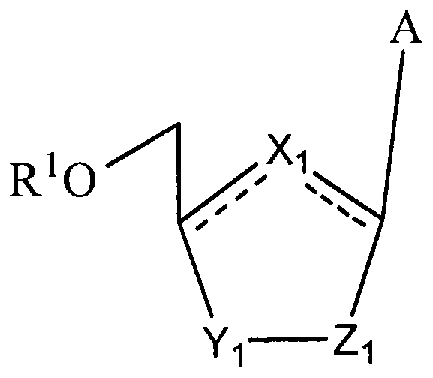
Where A is H or a moiety according to the chemical structure I, II or III:

I II

III
Wherein X is -NRARB, O or S;
T is N-Rw or C-RWA RWB;
V is H, O, S, a C1-C3 alkyl, a NRARB group, a halogen (F, CI, Br, I), nitro, cyano or a
 group;
Y is C-RY, N, O or S;
RH is absent, H or a Cj- j alkyl;
R5 is H, F, CI, Br, I, C,-C4 alkyl (preferably CH3), -C≡N, -C≡C-Ra ,
/ X6 H
H or XX6
X6 is H, C1-C4 alkyl (preferably, CH3)) F, CI, Br or I;
Ra is H, F, CI, Br, I, or -C1-C4 alkyl, preferably H or CH3;
R is absent, H or a Ci-C3 alkyl group;
RWA is H or a Ci-C3 alkyl group;
RWB is absent, H or a Ci-C3 alkyl group;
RY is H, a C1-C3 alkyl group, a halo group (F, CI, Br or I), nitro, cyano or a

group;
RA and RB are each independently H, an acyl group, a C(— C20 alkyl or ether group or an amino acid residue (D or L);
Rla and R2a are each independently H or a Ci-C6 alkyl group;
R c is H or a C 1-C3 alkyl group which is optionally substituted with from 1 to 3 halogens (when substituted, Rac is preferably substituted with 3 fluoro groups);
H A'
= /
Xi is O, S, CH2, C } C or? when A is H, Xj is a C group;
Y\ is O, S or CHOR (H is preferably in the beta or "up" position) with the proviso that Xi and Yi are not simultaneously S;
Zi is CHOR3 or CH2 (preferably, when Xt and Yi are both O or are O and S, Z{ is CH2);
1 2
R' and R are each independently H, an acyl group, a Ci— C20 alkyl or ether group or an amino acid residue (D or L), a phosphate, diphosphate, triphosphate, phosphodiester or phosphamidate group or together R1 and R2 form a carbodiester, phosphodiester or phosphamidate group, with the oxygen atoms to which they are bonded; and
R3 is H, an acyl group, a C\— C20 alkyl or ether group or an amino acid residue (D or L), or together R2 and R3 form a carbodiester, phosphodiester or phosphamidate group, with the oxygen atoms to which they are bonded; and
A' is
 or a pharmaceutically acceptable salt, enantiomer, hydrate or solvate thereof.
H
= /_
In preferred aspects of the invention, Xi is O, CH2 or C τη other preferred aspects of the invention, Yj is CHOR2 and Xi is CHOR3 and R2 and R3 are H or an acyl group. Also, in preferred aspects of the invention, T is C-RWA RWB, where C-RWA RWB represents a =C(H)- group (B is I). In still other preferred aspects of the invention,
X is -NRARB. Other preferred aspects according to the invention may be gleaned from the description of the invention.
In other aspects of the invention, pharmaceutical compositions comprise effective amounts of at least one compound as otherwise disclosed herein optionally in combination with a pharmaceutically acceptable carrier, additive or excipient and further optionally, in
combination with another anti-HIV agent as otherwise described herein. Further pharmaceutical composition aspects are directed to combinations of effective amounts of an inhibitor of histone methyltransferase, especially histone lysine 27 methyltransferase EZH2, in combination with a pharmaceutically acceptable carrier, additive or excipient, optionally in combination with an additional anti-HIV agent.
A further aspect of the invention relates to methods for inhibiting, reducing and/or abolishing latent HIV reservoirs (latent HIV) in a patient comprising administering to a patient in need thereof an effective amount of at least one compound as otherwise described herein in combination with a pharmaceutically acceptable additive, carrier or excipient, preferably in combination with at least one anti-HIV agent. This method proceeds by inhibiting at least in part, histone lysine 27 methyltransferase EZH2. An additional aspect of the invention relates to methods for reducing the likelihood that a patient with latent HIV will avoid a recurrence of active HIV, the method comprising administering to a patient in need thereof an effective amount of at least one compound according to the present invention described above, optionally in combination with a pharmaceutically acceptable additive, carrier or excipient. In each of these methods, compounds according to the present invention preferably may be combined with at least one additional HIV agent in order to inhibit active HIV in the patient once the latent virus is activated.
A further aspect of the invention relates to a method of overcoming HIV latency and cure of HIV infection comprising inhibiting histone methyltransferase, especially histone lysine 27 methyltransferase EZH2 utilizing an inhibitor of histone methyltransferase, especially an inhibitor of histone lysine 27 methyltransferase EZH2 in an effective amount, optionally and preferably in combination with an anti-HIV agent as otherwise described herein. Pursuant to the present invention, in preferred aspects, the inhibitor described above activates latent HIV (which is dormant and is not normally able to be impacted by HIV agents) such that the activated HIV may be inhibited either with the inhibitor (which also may have anti-HIV activity) or with a concurrently administered anti-HIV agent. The method of using EZH2 as described above, alone or in combination with one or more additional anti-HIV agents, results in a reduction, inhibition, treatment or prophylaxis of HIV latency, and the inhibition, reduction and/or abolition of the HIV latent reservoir and/or HIV proviruses in a patient infected with HIV. In certain instances, this effects a cure of an HIV infection, such that HIV (active, latent and proviral) is eliminated from a patient.
An additional aspect of the invention relates to a kit comprising a pharmaceutical composition as otherwise disclosed herein in combination with instructions to administer the pharmaceutical composition in order to inhibit, reduce and/or abolish an HIV reservoir and/or HIV proviruses in a patient and/or reduce the likelihood that latent HIV and/or HIV proviruses in a HIV positive patient will become an active HIV infection. The composition may comprise an EXH2 inhibitor as otherwise described herein alone or preferably in combination with at least one additional anti-HIV agent as otherwise described herein.
These and other methods of the invention may be readily gleaned from the detailed description of the invention which follows.
Detailed Description of the Invention
The following definitions are used to describe the invention. If a term is not specifically defined herein, the meaning given to the term is that which one of ordinary skill would apply to the term within the context of the term's use.
The term "compound", as used herein, unless otherwise indicated, refers to any specific chemical compound disclosed herein, generally refers to β-D nucleoside analogs, but may include, within context, tautomers, regioisomers, geometric isomers, and where applicable, optical isomers (enantiomers) thereof, as well as pharmaceutically acceptable salts thereof, solvates and/or polymorphs. Within its use in context, the term compound generally refers to a single compound, but also may include other compounds such as stereoisomers, regioisomers and/or optical isomers (including racemic mixtures) as well as specific enantiomers or enantiomerically enriched mixtures of disclosed compounds.
The term "patient" or "subject" is used throughout the specification to describe an animal, preferably a human, to whom treatment, including prophylactic treatment, with the compositions according to the present invention is provided. For treatment of those infections, conditions or disease states which are specific for a specific animal such as a human patient, the term patient refers to that specific animal. In general, in the present
invention, the term patient refers to a human patient unless otherwise stated or implied from the context of the use of the term.
The term "HIV latency" is used to describe the ability of HIV to lie dormant within a patient's cells, in particular, CD4-positive T cells and form one or more viral reservoirs. In HIV, proviral latency in specific long-lived cell types is the basis for viral reservoirs, which are characterized by the persistence or longevity of the latent virus in the infected cells. In HIV latency, the presence of replication-competent HIV in resting CD4-positive T cells, allows the virus to persist for years without evolving despite prolonged exposure to antiretroviral drugs. This latent reservoir of HIV (latent HIV) may explain the inability of traditional antiretroviral treatment to eradicate or cure the HIV infection in a patient. The present invention serves to reduce the HIV viral reservoirs in CD4-positive cells and reduce the likelihood that an active HIV flareup will occur, as well as provide an actual cure for HIV in certain instances. The present invention serves to reduce, inhibit and/or eliminate the HIV viral reservoirs and HIV proviruses in a patient's cells, especially CD4-positive cells and reduce the likelihood that an active HIV flareup or infection will occur in the future. While not being limited by way of theory, it is believed that the compounds and methods according to the present invention reduce, inhibit and/or eliminate latent HIV (latent HIV reservoirs) and/or HIV proviruses, thus reducing the likelihood that latent HIV will become an active HIV infection. The compounds act by inhibiting histone methyltransferase and in particular, histone lysine 27 methyltransferase EZH2. This inhibition results in the latent HIV or proviral HIV residing in cells being acted upon by the agent which inhibited histone methyltransferase (because it also exhibits anti-HIV activity) or preferably by at least one additional anti-HIV agent which is coadministered with EZH2 inhibitor compounds. The result of the present method is that the latent HIV is reduced, inhibited and/or eliminated and in certain instances an actual cure of HIV can be effected because latent HIV, as well as active HIV, is eliminated from the patient, resulting in no further infection.
HIV binds to the outer surface of CD4+ cells, enters the cells, and then remains hidden and protected from the other immune system cells. Safely inside the cell, the virus duplicates its RNA. The new viral DNA is integrated into the host cell's DNA where it governs the production of new HIV virions. The new virions leave the host cell to infect other cells, and the host CD4+ cell dies. The body produces about 10 billion new virions daily, and the immune system destroys and removes all but about 100 million of them, which are
infectious. An equal number of CD4+ cells are produced and destroyed by the virions, creating a balance of power struggle between the virus and the CD4+ cells.
The HIV life cycle in its active form, requires specific enzymes, which serve as targets for anti-HIV drug therapy:
• Reverse transcriptase helps create DNA copies of HIV's R A. Nucleoside and non-nucleoside antiretroviral drugs block reverse transcriptase, preventing HIV from copying its RNA into DNA.
• Integrase helps integrate the viral DNA into the host cell's DNA. Integrase is a potential target for drug therapy, and scientists are hoping to find a way to block it to prevent viral DNA from being integrated into the host cell's DNA.
• Protease helps assemble the new virions. Protease inhibitors prevent protease from performing this function.
In some cases, HIV does not start replicating immediately upon entering a new host cell. Once the DNA enters the host cell's genome, HIV can persist for years inside the body without causing the symptoms that define AIDS. But even at this stage (which is called latency), the virus can still be transmitted to others. Latency is perhaps one of the greatest challenges to finding a cure or vaccine for AIDS and is why people with AIDS must take antiretoviral drugs for life. Until the present invention, there was no way to get rid of HIV once it has entered the body. The present invention serves to reduce the HIV viral reservoirs and HIV pro viruses in a patient's cells, especially CD4-positive cells and reduce the likelihood that an active HIV flareup or infection will occur. Compounds according to the present invention reduce, inhibit and/or eliminate latent HIV reservoirs and/or HIV proviruses alone or preferably in combination with at least one additional anti-HIV agent, thus reducing, inhibiting and/or eliminating latent HIV and thereby reducing the likelihood that latent HIV will become an active HIV infection. By inhibiting histone methyltransferase and in particular, histone lysine 27 methyltransferase EZH2 and exposing the activated latent HIV to traditional anti-HIV agents, in certain instances a cure of an HIV infection can be effected.
The term "pharmaceutically acceptable salt" is used throughout the specification to describe, where applicable, a salt form of one or more of the compounds described herein which are presented to increase the solubility of the compound in the gastic juices of the patient's gastrointestinal tract in order to promote dissolution and the bioavailability of the compounds. Pharmaceutically acceptable salts include those derived from pharmaceutically acceptable inorganic or organic bases and acids, where applicable. Suitable salts include those derived from alkali metals such as potassium and sodium, alkaline earth metals such as calcium, magnesium and ammonium salts, among numerous other acids and bases well known in the pharmaceutical art. Sodium and potassium salts are particularly preferred as neutralization salts of the phosphates according to the present invention.
The term "pharmaceutically acceptable derivative" is used throughout the
specification to describe any pharmaceutically acceptable prodrug form (such as an ester, ether or amide or other prodrug group) which, upon administration to a patient, provides directly or indirectly the present compound or an active metabolite of the present compound.
The term "independently" is used herein to indicate that the variable, which is independently applied, varies independently from application to application.
The symbol is used in chemical compounds according to the present invention to signify that a bond between atoms is a single bond or double bond according to the context of the bond's use in the compound, which depends on the atoms (and substituents) used in defining the present compounds. Thus, where a carbon (or other) atom is used and the context of the use of the atom calls for a double bond or single bond to link that atom with an adjacent atom or with no substituent in order to maintain the appropriate valence of the atoms used, then that bond is considered a double bond or a single bond to maintain the
appropropriate valence of the atom(s).
The term "alkyl" shall mean within its context a Ci-C20, preferably a Cj-Cio linear, branch-chained or cyclic fully saturated hydrocarbon radical, which may be optionally substituted. The term "ether" shall mean an optionally substituted Ci to C20 ether group, formed from an oxygen and an alkyl group, and may also contain at least one oxygen within the alkyl or alkylene chain.
The term "aromatic" or "aryl" shall mean within its context a substituted or unsubstituted monovalent carbocyclic aromatic radical having a single ring (e.g., phenyl) or multiple condensed rings (e.g., naphthyl, anthracene, phenanthrene). Other examples include optionally substituted heterocyclic aromatic ring groups ("heteroaromatic" or "heteroaryl") having one or more nitrogen, oxygen, or sulfur atoms in the ring. The preferred aryl group in compounds according to the present invention is a phenyl or a substituted phenyl group.
The term "heterocycle" shall mean an optionally substituted moiety which is cyclic and contains at least one atom other than a carbon atom, such as a nitrogen, sulfur, oxygen or other atom, which ring may be saturated and/or unsaturated.
The term "unsubstituted" shall mean substituted only with hydrogen atoms. The term "substituted" shall mean, within the chemical context of the compound defined, a substituent (each of which substituents may itself be substituted) selected from a hydrocarbyl (which may be substituted itself, preferably with an optionally substituted alkyl or fluoro group, among others), preferably an alkyl (generally, no greater than about 3 carbon units in length), including CF3, an optionally substituted aryl, halogen (F, CI, Br, I), thiol, hydroxyl, carboxyl, CrC3 alkoxy, alkoxycarbonyl, CN, nitro or an optionally substituted amine (e.g.. an alkyleneamine or a CpC3 monoalkyl or dialkyl amine). Various optionally substituted moieties may be substituted with 3 or more substituents, preferably no more than 3 substituents and preferably with 1 or 2 substituents. It is noted that in instances where a compound is substituted at a particular position of a molecule, but no substitution is indicated, although the valence of the molecule requires substitution, then that substituent is H.
The term "acyl" is used throughout the specification to describe a group on the nucleoside analog (i.e., at the free hydroxyl position in the carbocyclic moiety or on the exocyclic amino group on the base of the nucleoside) which contains a Ci to C20 linear, branched or cyclic alkyl chain. The acyl group at the 5', 3 ' or even the 2' position, in combination with the hydroxyl group results in an ester whereas the acyl group in
combination with an amino group results in an amide group, which, after administration, may be cleaved to produce the free nucleoside form of the present invention. Acyl groups according to the present invention are represented by the structure:
O R4C- where R4 is a Q to C20 linear, branched or cyclic alkyl group, alkoxyalkyl (including an ethylene oxide chain which may end in a free hydroxyl group or a CpCio alkyl group and ranges in molecular weight from about 50 to about 40,000 or about 200 to about 5,000), such as phenoxymethyl, aryl, alkoxy, alkoxycarbonyloxy groups (e.g., [(isopropoxycarbonyl)oxy]- methoxy), aryloxyalkyl, among others, all of which groups may be optionally substituted. Preferred acyl groups are those where R4 is a Q to C10 alkyl group. Acyl groups according to the present invention also include, for example, those acyl groups derived from benzoic acid and related acids, 3-chlorobenzoic acid, succinic, capric and caproic, lauric, myristic, palmitic, stearic and oleic groups, among numerous others and may include such related groups as sulfone groups such as mesylate groups. All groups may be appropriately substituted within context as otherwise described herein. One of ordinary skill in the art will recognize the acyl groups which will have utility in the present invention, either to synthesize the target pharmaceutical compounds or as prodrug of the nucleosides according to the present invention.
The term "amino acid" or "amino acid residue" shall mean, within context, a radical of a D- or L-amino acid which is covalently bound to a nucleoside analog at the exocyclic amine position of the base or the 5'-, 3 '- or 2'-OH position of the sugar synthon (e.g., without limitation, RA, RB, R2, R1) through a carboxylic acid moiety of the amino acid, thus forming respectively, an amide or ester group linking the nucleoside to the amino acid.
Representative amino acids include both natural and unnatural amino acids, preferably including, for example, alanine, β-alanine, arginine, asparagine, aspartic acid, cysteine, cystine, glutamic acid, glutamine, glycine, phenylalanine, histidine, isoleucine, lysine, leucine, methionine, proline, serine, threonine, valine, tryptophan or tyrosine, among others.
The term "phosphate ester" or "phosphodiester" (which term includes phosphotriester groups and phosphamidate groups in context) is used throughout the specification to describe mono-phosphate groups at the 5' position of the carboyclic sugar synthon which are mono- or diesterified (or amidated and optionally esterified in the case of a phosphamidate) such that the phosphate group is negatively charged or is rendered neutral, i.e., has a neutral charge.
Phosphate esters, phosphodiesters and/or phosphamidate groups for use in the present invention include those represented by the structures:
0 O
Nucleoside-O-P 1-O-R »5 Nucleoside-O- P 1 -O-R ,6 OR5 B'

(isopropoxycarbonyl)oxy]-methoxy) each of which groups may be optionally substituted (e.g., a phenyl or other group may be optionally substituted as otherwise described herein or preferably with from one to three, Ci-C6 alkyl groups, halogen, preferably F, CI or Br, nitro, cyano, or C2-C6 carboxyester groups) with the proviso that at least one R5 group is other than H, or the two R5 groups together form a five- or six-membered heterocyclic group;
B' is a
 or a group obtained from an amino acid (a natural or unnatural amino acid such as, for example, alanine, β-alanine, arginine, asparagine, aspartic acid, cysteine, cystine, glutamic acid, glutamine, glycine, phenylalanine, histidine, isoleucine, lysine, leucine, methionine, proline, serine, threonine, valine, tryptophan or tyrosine, among
others) to preferably provide a group according to the structure
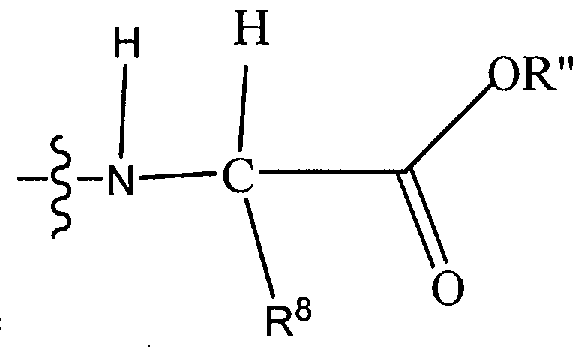 Where i is 0, 1 , 2 or 3 (preferably 0)
R7 is a Ci to C20 linear, branched or cyclic alkyl or acyl group, alkoxyalkyl, aryloxyalkyl, such as phenoxymethyl, optionally substituted aryl group (as described above) and alkoxy, among others, each of which groups may be optionally substituted;
R8 is sidechain of an amino acid, preferably a sidechain of an amino acid (as otherwise described herein) preferably selected from the group consisting of alanine, β-alanine, arginine, asparagine, aspartic acid, cysteine, cystine, glutamic acid, glutamine, glycine, phenylalanine, histidine, isoleucine, lysine, leucine, methionine, proline, serine, threonine, valine, tryptophan or tyrosine (preferably R8 is derived from alanine, leucine, isoleucine or threonine), and
R" is a Ci to C2o linear, branched or cyclic alkyl or a phenyl or heteroaryl group, each of which groups is optionally substituted.
Preferred monophosphate esters for use in prodrug forms according to the present invention are those where R5 is a C\ to C20 linear or branched chain alkyl group, more preferably a Ci to C3 alkyl group, all of which groups may be optionally substituted.
The term "effective amount" shall mean an amount or concentration of a compound according to the present invention which is effective within the context of its administration, which may be inhibitory, prophylactic and/or therapeutic. Within context, all active compounds which are used in the present invention are used in effective amounts. The present compound also relates to combinations of compounds which contain effective amounts of each of the compounds used, whether that combination is additive or synergistic in effect, provided that the overall effect of the combination of compounds is to inhibit, reduce and/or abolish latent HIV reservoirs in a patient or alternatively, inhibit the growth, reduce the likelihood of or treat viral infections in patients. Effective therapy may be measured by measuring HIV concentrations (titers) in reservoirs in a patient suspected of being infected with HIV but who exhibits no active symptomology associated with an HIV infection. Other methods for determining whether a therapy is effective use methods which are otherwise described herein including measuring HIV DNA or other indicia of a latent HIV infection as is well-known in the art and/or as otherwise described herein.
The term "D-configuration" as used in the context of the present invention refers to the configuration of the nucleoside compounds according to the present invention which mimics the natural configuration of sugar moieties as opposed to the unnatural occurring nucleosides or "L" configuration. The term "β" or "β anomer" is used to describe nucleoside analogs according to the present invention in which the nucleoside base (in this case purine) is configured (disposed) above the plane of the carbocyclic moiety in the nucleoside analog.
The term "enantiomerically enriched" is used throughout the specification to describe a nucleoside which includes at least about 95%, preferably at least about 96%, more preferably at least about 97%, even more preferably, at least about 98%, and even more preferably at least about 100%» or more of a single enantiomer of that nucleoside. The purine nucleoside compounds according to the present invention are generally β-D-nucleoside analog compounds. When the present compounds according to the present invention are referred to in this specification, it is presumed that the nucleosides have the D-nucleoside configuration and are enantiomerically enriched (preferably, about 100% of the D- nucleoside), unless otherwise stated or construed otherwise within the context of a description of the present invention.
The terms "coadminister" and "coadministration" are used synonymously to describe the administration of at least one of the nucleoside compounds according to the present invention in combination with at least one other agent, preferably at least one additional anti- HIV agent (as otherwise described herein), including other nucleoside anti-HIV agents which are specifically disclosed herein in' amounts or at concentrations which would be considered to be effective amounts at or about the same time. While it is preferred that coadministered agents be administered at the same time, agents may be administered at times such that effective concentrations of both (or more) agents appear in the patient at the same time for at least a brief period of time. Alternatively, in certain aspects of the present invention, it may be possible to have each coadministered agent exhibit its inhibitory effect at different times in the patient, with the ultimate result being the inhibition of HIV, as well as the reduction or inhibition in latent HIV, including elimination of HIV latency reservoirs. A cure of an HIV infection can also be effected with the present invention. Of course, when more than one viral or other infection or other condition is present, the present compounds may be combined with other agents to treat that other infection or condition as required. A determination of a cure for an HIV infection pursuant to the present invention is evidenced when detectable
levels of HIV DNA are no longer present within the patient. This can be determined using molecular biological procedures and other analytical methods well within the skillset of practitioners in the art. For example, sampling an appropriate number of T cells to determine the level of HIV DNA contained therein may be sufficient to determine that latent HIV is no longer present in a patient and that the patient can be considered cured. A patient is considered cured of an HIV infection when the HIV DNA levels in the patient are
undetectable using conventional techniques as understood in the art and/or as disclosed in the present application.
The term "human immunodeficieincy virus" or "HIV" shall be used to describe human immunodeficiency viruses 1 and 2 (HIV-1 and HIV-2).
The term "additional anti-HIV agent" shall mean a traditional anti-HIV agent (i.e., other than a compound according to the present invention) which may be co-administered to a patient along with a compound according to the present invention in treating a patient for HIV, in particular latent HIV. Such compounds include, for example, agents such as nucleoside reverse transcriptase inhibitors (NRTI), non-nucloeoside reverse transcriptase inhibitors, protease inhibitors and fusion inhibitors. Exemplary compounds include, for example, Amprenivir, Abacavir, Acemannan, Acyclovir, AD-439, AD-519, Adefovir dipivoxil, Alpha Interferon, Ansamycin, 097, AR 177, Beta-fluoro-ddA, BMS-232623 (CGP- 73547), BMS-234475 (CGP-61755), CI-1012, Cidofovir, Curdlan sulfate, Cytomegalovirus Immune globin, Ganciclovir, Dideoxyinosine, DMP-450, Efavirenz (DMP-266), EL10, Famciclovir, FTC, GS 840, HBY097, Hypericin, Recombinant Human Interferon Beta, Interferon alfa-n3, Indinavir, ISIS-2922, KNI-272, Lamivudine (3TC), Lobucavir, Nelfinavir, Nevirapine, Novapren, Peptide T Octapeptide Sequence, Trisodium Phosphonoformate, PNU- 140690, Probucol, RBC-CD4, Ritonavir, Saquinavir, Valaciclovir, Virazole Ribavirin, VX-478, Zalcitabine, Zidovudine (AZT), Tenofovir diisoproxil fumarate salt, Combivir, Abacavir succinate, T-20), AS-101, Bropirimine, CL246, EL10, FP-21399, Gamma
Interferon, Granulocyte Macrophage Colony Stimulating Factor (GM-CSF), HIV Core Particle Immunostimulant, Interleukin-2 (IL-2), Immune Globulin Intravenous, IMREG-1, IMREG-2, Imuthiol Diethyl Dithio Carbamate, Alpha-2 Interferon, Methionine-Enkephalin, MTP-PE (Muramyl-Tripeptide), Granulocyte Colony Stimulating Factor (GCSF), Remune, rCD4 (Recombinant Soluble Human CD4-IgG), rCD4-IgG Hybrids, Recombinant Soluble Human CD4, Interferon Alfa 2a, SK&F 1 -6528, Soluble T4, Thymopentin, Tumor Necrosis
Factor (TNF), AK602, Alovudine, Amdoxovir, AMD070, Atazanavir (Reyataz), AVX754 (apricitabine), Bevirimat, BI-201, BMS-378806, BMS-488043, BMS-707035, C31G, Carbopol 974P, Calanolide A, Carrageenan, Cellulose sulfate, Cyanovirin-N, Darunavir, Delavirdine, Didanosine (Videx), Efavirenz, Elvucitabine, Emtricitabine, Fosamprenavir (Lexiva), Fozivudine tidoxil, GS 9137, GSK-873,140 (aplaviroc), GSK- 364735,
GW640385 (brecanavir), HG0004, HGTV43, INCB9471, KP-1461, Lopinavir, Mifepristone (VGX410), MK-0518, PPL-100, PRO 140, PRO 542, PRO 2000, Racivir, SCH-D
(vicriviroc), SP01A, SPL7013, TAK-652, Tipranavir (Aptivus), TNX-355, TMC125
(etravirine), UC-781 , UK-427,857 (Maraviroc), Valproic acid, VRX496, Zalcitabine, Valganciclovir, Clindamycin with Primaquine, Fluconazole Pastille, Nystatin Pastille, Eflornithine, Pentamidine, Isethionate, Trimethoprim, Trimethoprim/sulfa, Piritrexim, Pentamidine isethionate, Spiramycin, Intraconazole-R5121 1 , Trimetrexate, Daunorubicin, Recombinant Human Erythropoietin, Recombinant Human Growth Hormone, Megestrol Acetate, Testosterone, Aldesleukin (Proleukin), Amphotericin B, Azithromycin (Zithromax), Calcium hydroxyapatite, Doxorubicin, Dronabinol, Entecavir, Epoetin alfa, Etoposide, Fluconazole, Isoniazid, Itraconazole (Sporanox), Megestrol, Paclitaxel (Taxol), Peginterferon alfa-2, Poly-L-lactic acid (Sculptra), Rifabutin (Mycobutin), Rifampin, Somatropin and Sulfamethoxazole/Trimethoprim. Preferred anti-HIV compounds for use in the present invention include, for example, 3TC (Lamivudine), AZT (Zidovudine), (-)-FTC, ddl (Didanosine), ddC (zalcitabine), abacavir (ABC), tenofovir (PMPA), D-D4FC (Reverset), D4T (Stavudine), Racivir, L-FddC, L-FD4C, NVP (Nevirapine), DLV (Delavirdine), EFV (Efavirenz), SQVM (Saquinavir mesylate), RTV (Ritonavir), IDV (Indinavir), SQV
(Saquinavir), NFV (Nelfinavir), APV (Amprenavir), LPV (Lopinavir), fusion inhibitors such as T20, among others, fuseon and mixtures thereof.
The terms "treat", "treating", and "treatment", etc., as used herein, refer to any action providing a benefit to a patient at risk for HIV infection or having an HIV infection, including improvement in the condition through lessening or suppression of titers of HIV, HIV proviruses, HIV latent reservoirs (latent HIV), or at least one symptom of HIV, prevention or delay in progression of the disease, prevention or delay in the onset of disease states or conditions which occur secondary to HIV, including AIDS or ARC, among others. Treatment, as used herein, encompasses both prophylactic and therapeutic treatment. The term "prophylactic" when used, means to reduce the likelihood of an occurrence or the severity of an occurrence within the context of the treatment of HIV, as otherwise described
hereinabove. The treatment of HIV pursuant to the present invention can result in a cure of an HIV infection.
The terms "ARC" and "AIDS" refer to syndromes of the immune system caused by the human immunodeficiency virus, which are characterized by susceptibility to certain diseases and T cell counts which are depressed compared to normal counts. HIV progresses from Category 1 (Asymptomatic HIV Disease) to Category 2 (ARC), to Category 3 (AIDS), with the severity of the disease.
A Category 1 HIV infection is characterized by the patient or subject being HIV positive, asymptomatic (no symptoms) and having never had fewer than 500 CD4 cells. If the patient has had any of the AIDS-defining diseases listed for categories 2 (ARC) or 3 (AIDS), then the patient is not in this category. If the patient's t-cell count has ever dropped below 500, that patient is considered either Category 2 (ARC) or Category 3 (AIDS).
A Category 2 (ARC) infection is characterized by the following criteria: The patient's T-cells have dropped below 500 but never below 200, and that patient has never had any Category 3 diseases (as set forth below) but have had at least one of the following defining illnesses—
Bacillary angiomatosis
Candidiasis, oropharyngeal (thrush)
Candidiasis, vulvovaginal; persistent, frequent, or poorly responsive to therapy Cervical dysplasia (moderate or severe)/cervical carcinoma in situ
Constitutional symptoms, such as fever (38.5 C) or diarrhea lasting longer than 1 month
Hairy leukoplakia, oral
Herpes zoster (shingles), involving at least two distinct episodes or more than one dermatome
Idiopathic thrombocytopenic purpura
Listeriosis
Pelvic inflammatory disease, particularly if complicated by tubo-ovarian abscess Peripheral neuropathy
According to the U.S. government, in Category 2 ARC, the immune system shows some signs of damage but it isn't life-threatening.
A Category 3 (AIDS) infection is characterized by the following criteria:
T-cells have dropped below 200 or the patient has had at least one of the following defining illnesses ~
Brain Toxoplasmosis
Candidiasis of bronchi, trachea, or lungs
Candidiasis, esophageal
Cervical cancer, invasive**
Coccidioidomycosis, disseminated or extrapulmonary
Cryptococcosis, extrapulmonary
Cryptosporidiosis, chronic intestinal (greater than 1 month's duration) Cytomegalovirus disease (other than liver, spleen, or nodes)
Cytomegalovirus retinitis (with loss of vision)
Encephalopathy, HIV-related
Herpes simplex: chronic ulcer(s) (greater than 1 month's duration); or bronchitis, pneumonitis, or esophagitis
Histoplasmosis, disseminated or extrapulmonary
Isosporiasis, chronic intestinal (greater than 1 month's duration)
Kaposi's sarcoma
Lymphoma, Burkitt's (or equivalent term)
Lymphoma, immunoblastic (or equivalent term)
Lymphoma, primary, of brain
Mycobacterium avium complex or M. kansasii, disseminated or extrapulmonary Mycobacterium tuberculosis, any site (pulmonary** or extrapulmonary) Mycobacterium, other species or unidentified species, disseminated or extrapulmonary
Pneumocystis carinii pneumonia
Pneumonia, recurrent
Progressive multifocal leukoencephalopathy
Salmonella septicemia, recurrent
Wasting syndrome due to HIV
The term "coadministration" or "combination therapy" shall mean that at least two compounds or compositions are administered to the patient at the same time, such that effective amounts or concentrations of each of the two or more compounds may be found in the patient at a given point in time. Although compounds according to the present invention may be co-administered to a patient at the same time, the term embraces both administration of two or more agents at the same time or at different times, provided that effective concentrations of all coadministered compounds or compositions are found in the subject at a given time. In certain preferred aspects of the present invention, one or more of the EZH2 inhibitor compounds described above, are coadministered in combination with at least one additional anti-HIV agent as otherwise described herein in a cocktail for the treatment of HIV infections. In particularly preferred aspects of the invention, the co-administration of compounds (EZH2 inhibitors and additional anti-HIV agents) results in the inhibition, reduction or elimination of latent HIV and active HIV in the patent, with the ultimate preferred result being the elimination of HIV from the patient, thus effecting a cure.
The term "pharmaceutically acceptable salt" is used throughout the specification to describe a salt form of one or more of the compounds herein which are presented to increase the solubility of the compound in saline for parenteral delivery or in the gastric juices of the patient's gastrointestinal tract in order to promote dissolution and the bioavailability of the compounds. Pharmaceutically acceptable salts include those derived from pharmaceutically acceptable inorganic or organic bases and acids. Suitable salts include those derived from alkali metals such as potassium and sodium, alkaline earth metals such as calcium, magnesium and ammonium salts, among numerous other acids well known in the pharmaceutical art. Sodium and potassium salts may be particularly preferred as
neutralization salts of carboxylic acid containing compositions according to the present invention. The term "salt" shall mean any salt consistent with the use of the compounds according to the present invention. In the case where the compounds are used in
pharmaceutical indications, including the treatment of HIV infections, the term "salt" shall mean a pharmaceutically acceptable salt, consistent with the use of the compounds as pharmaceutical agents.
Pharmaceutical compositions based upon the nucleoside compounds according to the present invention comprise one or more of the above-described compounds (which may or may not include an additional anti-HIV agent as otherwise described herein) in a
therapeutically effective amount for inhibiting latent HIV, in particular in the treatment or prophylaxis of HIV or an HIV infection, including recurrence of an HIV infection and/or HIV latency, and in particular to inhibit, reduce and/or abolish the HIV latent reservoir (latent HIV) in a patient infected with HIV, optionally in combination with a pharmaceutically acceptable additive, carrier or excipient. One of ordinary skill in the art will recognize that a therapeutically effective amount will vary with the infection or condition to be treated, its severity, the treatment regimen to be employed, the pharmacokinetics of the agent used, as well as the patient or subject (animal or human) to be treated.
In the pharmaceutical aspect according to the present invention, the compound according to the present invention is formulated preferably in admixture with a
pharmaceutically acceptable carrier. In general, it is preferable to administer the
pharmaceutical composition in orally-administrable form, but certain formulations may be administered via a parenteral, intravenous, intramuscular, transdermal, buccal, subcutaneous, suppository or other route, including intranasal spray. Intravenous and intramuscular formulations are preferably administered in sterile saline. In certain instances, transdermal administration may be preferred. Of course, one of ordinary skill in the art may modify the formulations within the teachings of the specification to provide numerous formulations for a particular route of administration without rendering the compositions of the present invention unstable or compromising their therapeutic activity. In particular, the modification of the present compounds to render them more soluble in water or other vehicle, for example, may be easily accomplished by minor modifications (salt formulation, esterification, etc.) which are well within the ordinary skill in the art. It is also well within the routineer's skill to modify the route of administration and dosage regimen of a particular compound in order to manage the pharmacokinetics of the present compounds for maximum beneficial effect in patients.
In certain pharmaceutical dosage forms, the pro-drug form of the compounds, especially including acylated (acetylated or other) and ether (alkyl and related) derivatives, phosphate esters and various salt forms of the present compounds, are preferred. One of ordinary skill in the art will recognize how to readily modify the present compounds to pro-drug forms to facilitate delivery of active compounds to a targeted site within the host organism or patient. The routineer also will take advantage of favorable pharmacokinetic parameters of the pro-drug forms, where applicable, in delivering the present compounds to a
targeted site within the host organism or patient to maximize the intended effect of the compound.
The amount of compound included within therapeutically active formulations according to the present invention is an effective amount for treating the infection or condition, especially an HIV infection, reducing the likelihood of an HIV recurrence from latent HIV or the inhibition, reduction and/or abolition of reservoirs of latent HIV (Latent HIV), especially in CD4 and other cells. In general, a therapeutically effective amount of the present compound in pharmaceutical dosage form usually ranges from about 0.001 mg/kg to about 100 mg/kg per day or more, more preferably, slightly less than about 0.1 mg/kg to more than about 25 mg/kg per day of the patient or considerably more, depending upon the compound used, the condition or infection treated and the route of administration. The active nucleoside compound according to the present invention is preferably administered in amounts ranging from about 0.1 mg/kg to about 15 mg/kg per day of the patient, depending upon the pharmacokinetics of the agent in the patient. This dosage range generally produces effective blood level concentrations of active compound which may range from about 0.001 to about 100, about 0.05 to about 100 micrograms/cc of blood in the patient. For purposes of the present invention, a prophylactically or preventive effective amount of the compositions according to the present invention falls within the same concentration range as set forth above for therapeutically effective amount and is usually the same as a therapeutically effective amount.
Administration of the active compound may range from continuous (intravenous drip) to several oral or intranasal administrations per day (for example, Q.I.D.) or transdermal administration and may include oral, topical, parenteral, intramuscular, intravenous, sub-cutaneous, transdermal (which may include a penetration enhancement agent), buccal and suppository administration, among other routes of administration. Enteric coated oral tablets may also be used to enhance bioavailability of the compounds from an oral route of administration. The most effective dosage form will depend upon the
bioavailability/pharmacokinetics of the particular agent chosen as well as the severity of disease in the patient. Oral dosage forms are particularly preferred, because of ease of administration and prospective favorable patient compliance.
To prepare the pharmaceutical compositions according to the present invention, a therapeutically effective amount of one or more of the compounds according to the present invention is preferably intimately admixed with a pharmaceutically acceptable carrier according to conventional pharmaceutical compounding techniques to produce a dose. A carrier may take a wide variety of forms depending on the form of preparation desired for administration, e.g., oral or parenteral. In preparing pharmaceutical compositions in oral dosage form, any of the usual pharmaceutical media may be used. Thus, for liquid oral preparations such as suspensions, elixirs and solutions, suitable carriers and additives including water, glycols, oils, alcohols, flavouring agents, preservatives, colouring agents and the like may be used. For solid oral preparations such as powders, tablets, capsules, and for solid preparations such as suppositories, suitable carriers and additives including starches, sugar carriers, such as dextrose, mannitol, lactose and related carriers, diluents, granulating agents, lubricants, binders, disintegrating agents and the like may be used. If desired, the tablets or capsules may be enteric-coated or sustained release by standard techniques. The use of these dosage forms may significantly enhance the bioavailability of the compounds in the patient.
For parenteral formulations, the carrier will usually comprise sterile water or aqueous sodium chloride solution, though other ingredients, including those which aid dispersion, also may be included. Of course, where sterile water is to be used and maintained as sterile, the compositions and carriers must also be sterilized. Injectable suspensions may also be prepared, in which case appropriate liquid carriers, suspending agents and the like may be employed.
Liposomal suspensions (including liposomes targeted to viral antigens) may also be prepared by conventional methods to produce pharmaceutically acceptable carriers. This may be appropriate for the delivery of free nucleosides, acyl/alkyl nucleosides or phosphate ester pro-drug forms of the nucleoside compounds according to the present invention.
In particularly preferred embodiments according to the present invention, the compounds and compositions are used to treat, prevent or delay an HIV infection or the recurrence of an HIV infection where HIV has become latent in a patient. In addition, the compounds and compositions may be used to reduce, inhibit or abolish latent HIV reservoirs in tissues and cells in a patient who has or has had an HIV infection. The present invention
serves to reduce the HIV viral reservoirs in CD4-positive cells and reduce the likelihood that an active HIV flareup will occur. The present invention serves to reduce the HIV viral reservoirs and HIV pro viruses in a patient's cells, especially CD4-positive cells and reduce the likelihood that an active HIV flareup or infection will occur. It is believed that the compounds according to the present invention reduce, inhibit and/or eliminate latent HIV reservoirs (latent HIV) and/or HIV proviruses, thus increasing the likelihood that latent HIV will be eliminated from the patient, resulting in reducing the likelihood of an active HIV infection and increasing the likelihood of a cure for an HIV infection. These compounds act by inhibiting histone methyltransferase and in particular, histone lysine 27 methyltransferase EZH2.
Preferably, to treat, prevent or delay the onset of these infections and/or to reduce the likelihood of a recurrence of HIV and/or reduce, inhibit or abolish latent HIV reservoirs (latent HIV) including effective a cure in a patient, the compositions will be administered in oral dosage form in amounts ranging from about 250 micrograms up to about 500 mg or more at least once a day, preferably, up to four times a day. The present compounds are preferably administered orally, but may be administered parenterally, topically or in suppository form, as well as intranasally, as a nasal spray or as otherwise described herein.
In the case of the co-administration of the present compounds in combination with another anti-HIV compound, the amount of the nucleoside compound according to the present invention to be administered ranges from about 0.01 mg/kg. of the patient to about 500 mg/kg. or more of the patient or considerably more, depending upon the second agent to be co-administered and its potency against HIV, the condition of the patient and severity of the disease or infection to be treated and the route of administration. The other anti-HIV agent may be preferably administered in amounts ranging from about 0.01 mg/kg to about 500 mg/kg. In certain preferred embodiments, these compounds may be preferably administered in an amount ranging from about 0.5 mg/kg to about 50 mg/kg or more (usually up to about 100 mg/kg), generally depending upon the pharmacokinetics of the two agents in the patient. These dosage ranges generally produce effective blood level concentrations of active compound in the patient.
The compounds according to the present invention, may advantageously be employed prophylactically to prevent or reduce the likelihood of an HIV infection, including a
recurrence of HIV or to prevent or reduce the likelihood of the occurrence of clinical symptoms associated with the viral infection or to prevent or reduce the likelihood of the spread of a viral infection to another person. Thus, the present invention also encompasses methods for the prophylactic treatment of HIV and in particular, the reduction in the likelihood of a recurrence of HIV in an individual whose infection has become latent. In this aspect according to the present invention, the present compositions are used to prevent, reduce the likelihood of or delay the onset of a viral infection or a virus related disease or condition or the spread of infection to other people. This prophylactic method comprises administering to a patient in need of such treatment or who is at risk for the development of an HIV infection and in particular, a recurrence of an HIV infection where the infection has become latent, an amount of a compound according to the present invention alone or in combination with another anti-HIV agent effective for alleviating, preventing or delaying the onset of the viral infection. In the prophylactic treatment according to the present invention, it is preferred that the antiviral (anti-HIV) compound utilized should be as low in toxicity and preferably non-toxic to the patient. It is particularly preferred in this aspect of the present invention that the compound which is used should be maximally effective against the virus and should exhibit a minimum of toxicity to the patient. In the case of compounds of the present invention for the prophylactic treatment of viral infections, these compounds may be administered within the same dosage range for therapeutic treatment (i.e., about 250 micrograms up to about 500 mg. or more from one to four times per day for an oral dosage form) as a prophylactic agent to prevent the proliferation of the viral infection or
alternatively, to prolong the onset of or reduce the likelihood of a patient contracting a virus infection which manifests itself in clinical symptoms.
In addition, compounds according to the present invention may be administered alone or in combination with other agents, including other compounds of the present invention. Certain compounds according to the present invention may be effective for enhancing the biological activity of certain agents according to the present invention by reducing the metabolism, catabolism or inactivation of other compounds and as such, are co-administered for this intended effect.
The present invention is now described, purely by way of illustration, in the following examples. It will be understood by one of ordinary skill in the art that these examples are in
no way limiting and that variations of detail can be made without departing from the spirit and scope of the present invention.
Examples
Materials and Methods
Cell lines and Tissue Culture Reagents
Jurkat E4 and G4 cells were cloned and characterized as described previously (30). Cells were maintained in Hyclone RPMI medium with L-glutamine, 10% fetal bovine serum (FBS), penicillin (100 IU/ml), streptomycin (l OOug/ml) in 5% C02 at 37 degrees. Cells used as the mixed population were obtained by infecting Jurkat clone E6 with lentivirus made in 293T cells by co-transfection with VSV-G, pdR8.91 , and pNL4.3 containing Nef and EGFP (41). Cells were maintained for one month after infection and loss of EGFP expression was followed. When cells had less than 5% EGFP expression, they were infected with negative, SUV39H1 , EZH2, or EZH2 and SUV39H1 shRNA.
shRNA constructs and infections
Negative (cat #), SUV39H1 (clone ID TRCN0000150622), and EZH2 (clone ID TRCN0000040074) vectors were purchased from Open Biosystems using the pLKO. 1 backbone. For double infections with SUV39H1 and EZH2, a blasticidine marker was subcloned into the pLKO.1 vector in place of the puromycin marker. The blasticidine gene was amplified from the pcDNA6/V5-His ABC plasmid (invitrogen cat. # V22020) using the primers BlastF (AGGTCGACATGGCCAAGCCTTTG) containing the restriction site Hindi and BlastR ( ATGGTACCTTAGCCCTCCCACAC) with a Kpnl restriction site. pLKO. l EZH2 vector was cut with Hin i and Kpnl and the backbone was religated with the blasticidine fragment.
The shRNA vectors were used in triple transfection of 293T cells to generate vesicular stomatitis virus G-pseudotyped virus (42). 1 x 10⁶ Jurkat E4 cells were infected with serial dilutions of the harvested supernatant overnight and washed twice with PBS. Cells were resuspended in fresh RPMI medium containing 10% fetal bovine serum (FBS), penicillin (100 IU/ml) and streptomycin (lOOug/ml). Three days later, media was removed and replaced with the same media containing either puromycin (2 ug/ml), blasticidine
(lOug/ml), or a combination of both. Cell viability and d2EGFP expression was assessed via fluorescence-activated cell sorting (FACS).
Activations and shutdowns
For activation experiments, shRNA infected cells were plated at .5 million/ml in selective marker containing media one week after infection. TNF-a was added at 1 Ong/ml every three hours, and d2EGFP expression was assessed via FACS. To compare different activators of transcription, TNF-a (1 Ong ml), CD3 (.125 ug/ml), CD3/CD28 (,125ug/ml, lug/ml), trichostatin A (TSA, 500nm), hexamethylbisacetamide (HMBA, 5 mM), or suberoylanilide hydroxamic acid (SAHA, 5mM) was added to shRNA infected cells overnight. The next day, cells were analyzed via FACS. The histone methylation inhibitors DZNep ( a gift from Dr. Chu) or BIX01294 (Sigma, cat. # B931 1) and the DNA methylation inhibitor Sinefungin (Sigma, cat. #S8559) were added to E4 cells plated at 1 million/ml in a twelve well tissue culture plate overnight. Cells were maintained in compounds for either one or three days and analyzed for d2EGFP expression via FACS.
For shutdowns, cells w(ere activated with 10 ng/ml of TNF-a for 21 hours one week after infection. Cells were washed twice with PBS and resuspended in selective marker containing media. FACS analysis was taken every three hours up until 12 hours.
Subsequently, samples were taken every 24 hours after removal of TNF-a.
ChIP analysis
Latent E4 Jurkat clones were activated for 0 or 30 minutes with lOng/ml TNF-a at 2.5 million cells/ml. After fixation of cells with formaldehyde (0.5%), immunoprecipatated DNA was prepared as previously described (42). The following antibodies were used: anti- histone H3, CT, pan, clone AS3(05-928, Millipore), anti-EZH2 (39639, Active Motif), ChIPAb+ Trimethyl-Histone H3, Lys27 (17-622, Millipore), ChIPAb+ Trimethyl-Histone H3, Lys9 (17-625, Millipore), RNA polymerase II (sc-???, Santa Cruz), and anti-acetyl- Histone H3 (06-599, Millipore). For shRNA infected cells, cells were prepared as previously mentioned nine days after treatment with selective marker media and immunoprecipitated with the same antibodies. 5 μΐ, of DNA was added to 12.5 of SYBR green master mix (Quanta) and 1 μΙ_. of each primer to total 25 μΐ, and analyzed through real-time PCR. The
following primer sets were used: NucO (forward ACA CAC AAG GCT ACT TCC CTG A, reverse TCT ACC TTA TCT GGC TCA ACT GGT), Promoter (forward AGC TTG CTA CAA GGG ACT TTC C, reverse ACC CAG TAC AGG CAA AAA GCA G), Nucl
(forward: CTG GGA GCT CTC TGG CTA ACT A reverse: TTA CCA GAG TCA CAC AAC AGA CG) +61 1 (forward: AGG CGT TAC TCG ACA GAG GA reverse: AGG CGT TAC TCG ACA GAG GA), +4078 (forward: AGC AGA AGA ACG GCA TCA AG, reverse: CTC CAG CAG GAC CAT GTG AT), GAPDH promoter (forward: TGA GCA GAC CGG TGT CAC TA, reverse: AGG ACT TTG GGA ACG ACT GA), and Mytl (forward: AGG CAC CTT CTG TTG GCC GA, reverse: AGG CAG CTG CCT CCC GTA CA).
Western Blots
For whole cell extracts, .5 million E4 cells in 2 mi's of RPMI media were treated for 1 day with 50 nM Chaetocin, 5 μΜ BIX01294, and 5 μΜ 5' azacytidine (Fisher), or three days with equal amounts of DMSO and ΙΟμΜ DZNep. Cells were collected and washed twice with phosphate buffered saline (PBS) and resuspended in 250 μΙ_, of RIP A buffer (20 mM Tris pH 7.5, 1 % Triton X-100, 2 mM EDTA, 20 mM Tris-HCl pH 8.1 , 500 mM NaCl). Cells were lysed on ice for ten minutes and sonicated in a Bioruptor XL for 10 minutes, 30 seconds on and 30 seconds off. DNA was removed through centrifugation at 13,000 r.p.m. for 15 minutes. Protein was quantified using Bradford assay and 18 μg of total protein was loaded.
Results
EZH2 and M3K27 are present at the HIV LTR
To determine whether trimethylation at histone H3K27 is relevant in maintaining silencing of HIV transcription, we performed chromatin immunoprecipitation assays (ChlPs) on an established clonal cell line originally isolated from Jurkat cells infected with a Nef- d2EGFP NL4.3 reporter virus (30). The E4 clone harbors an integrated provirus within an intron in the centromere protein P (CENPP) gene on chromosome 9 (Figure la). The provinces' relative positioning is in frame with read-through transcription of this actively transcribed gene. Flow cytometric analysis confirms that these cells are easily reactivable through TNF-a stimulation (Figure lb). Primers that were used for ChIP analysis span across
the provirus (Figure la). After thirty minutes of stimulation with TNF-a, RNA polymerase II is recruited to the HIV 5' LTR and to a lesser extent the downstream region in the E4 clone (Figure 2). As a control, polymerase levels at the GAPDH promoter remain constant. In addition, histone H3 becomes hyperacetylated after activation while the total histone amount remains the same after TNF-a stimulation. EZH2 and H3K27 trimethylation are found present at the promoter prior to activation, however, following activation there is a dramatic decrease in the EZH2 and M3K27 levels, particularly at the nucleosome-1 region, suggesting that they are important for maintaining a silent provirus. In contrast, no consistent pattern of occupancy is seen with histone H3 M3 9 levels, and occupancy levels roughly resemble that of the GAPDH promoter, suggesting that trimethylation at lysine 27 is the major methylation determinant of silencing at the HIV promoter during early activation.
Knockdown of EZH2 leads to activation of HIV transcription
Tri-methylation at H3K27 is considered a repressive transcriptional mark. To determine if removal of this mark leads to alleviation of transcriptional repression at the HIV provirus, the E4 Jurkat clone was infected with a lentiviral construct carrying shRNA against EZH2. As a control, E4 cells were also infected with shRNA to the histone methyltransferase SUV39H1 , which has also been shown to maintain repression of HIV transcription, or the pLKO.l vector negative control (20, 21). Infection with EZH2 shRNA led to a 40% reduction in EZH2 protein levels (Figure 3b and 3c). Further reduction of EZH2 protein levels was seen when both EZH2 and SUV39H1 were both knocked down. In EZH2 knockdowns, SUV39H1 was also reduced. However, EZH2 levels were not reduced in the SUV39H1 knockdowns. The most dramatic loss of histone H3 M3K27 was found in the EZH2 and EZH2 and SUV39H1 double knockdowns. Infecting the E4 clone with EZH2 shRNA leads to spontaneous reactivation of HIV transcription where approximately 30% of the cell population becomes d2EGFP positive. In the cells that were doubly infected and had less EZH2 protein, the percent of d2EGFP positive cells became 45%. However, cells infected with SUV39H1 shRNA, which had no reduction in EZH2 protein levels, had very little (around 5%) d2EGFP expression, and this amount may be accounted for by the slight reduction in Histone H3 M3 27 seen in the western blot (Figure 3 a). To ensure that the effect was not clonally specific, we also tested our shRNA in another latent clone, G4, and a mixed population of cells that were silenced but had an H13L tat mutation and also contained
Nef. In both cases, a nearly two fold increase in d2EGFP expression was seen over the negative and SUV39H1 controls (Figure 3a).
To show that depletion of EZH2 results in a less heterochromatic like state of the integrated provirus, chromatin immunoprecipatation assays were performed on E4 cells with the EZH2 or negative shRNA. We found that cells had higher basal levels of RNA
polymerase II across the provirus when infected with EZH2 shRNA versus the negative control. In addition, EZH2 knockdowns had exceptional levels of polymerase at points farther downstream, indicating that the transcriptional block at nuc- 1 had been partially overcome (Figure 3d). In addition, acetylated H3 levels were higher at the HIV promoter, but no difference was seen downstream, indicating that promoter acetylation is essential in transcriptional activation. Although we only detected a slight decrease in M3K27 levels at the promoter region, we did detect a two-fold decrease in levels at a M3K27 highly regulated gene, Mytl, while at the same time the GAPDH promoter had no change. This implicates that globally histone H3 M3K27 levels are decreased in the EZH2 knockdowns. We suspect that loss of the M3K27 mark would be most pronounced at the nucleosome-1 region, which when stimulated with TNF-ot has the most drastic decline in M3K27 levels. However, the infecting shRNA is delivered through HIV lentivirus, and shares sequence with the +1 to +600 region of our HIV provirus. This made us unable to amplify this region during ChIP analyses.
EZH2 knockdown enhances activation
Highly active anti-retroviral therapy (HAART) is a combinatorial therapy aimed at inhibiting virus at different points in the HIV life cycle. Currently, new approaches seek to combine HAART while activating transcription of proviruses in latently infected cells (references). In the same manner, we wanted to test if activation could be augmented through combinations of different T cell activators. The E4 and G4 clones were plated at .5 million cells/mL of RPMI in a 12 well plate. CD3 and CD3/28 are only partial activators of HIV transcription in the Jurkat clone. However, in the EZH2 knockdown and EZH2 and
SUV39H1 double knockdown cells, synergistic activation was seen when cells were stimulated with CD3 and CD3/28 (Figure 4a). In comparison, TNF- and trichostatin A (TS A) are potent activators of HIV in the Jurkat cell model and can induce dramatic changes
at the level of chromatin. Only a slight increase in activation was seen with the knockdowns under these conditions. Hexamethylbisacetamide is thought to activate HIV transcription through release of inactive P-TEFb (31). Here, we have shown that HMBA only slightly activates HIV transcription, but when combined with EZH2 knockdown, activation greatly increases. Taken together, these results suggest that the transcriptional activity seen with EZH2 knockdown is due to de-repression at a point downstream from T cell signaling, most likely at the chromatin level.
Reduction of EZH2 prevents silencing of HIV transcription
In order to determine if EZH2 contributes to the silencing of HIV transcription, E4 or G4 clones harboring negative, SUV39H1, and EZH2 shRNA were activated with TNF-a for 21 hours. After 21 hours, cells were washed twice and resuspended in fresh RPMI media. Cells were analyzed for d2EGFP expression via FACS every three hours for the first twelve hours, and then every 24 hours after that. Because the EZH2 and to some degree SUV39H1 knockdowns start off at a higher level of d2EGFP expression, levels were normalized to account for this phenomenon. For the initial phase of decline in d2EGFP expression, levels were roughly the same in all cases. We propose that this is due to a loss of transcription factors, such as NF-κΒ, from the HIV promoter. However, there clearly is a slower second phase loss of d2EGFP expression, which could be the contribution of heterochro matin formation. In this phase, we begin to see EZH2 maintain higher levels of d2EGFP over the negative and SUV39H1 controls (Figure 5). Strikingly, levels were nearly the same on day 3 after removal of activation as they were 12 hours after removal in the EZH2 knockdowns. In contrast, the d2EGFP levels on day 3 in the SUV39H1 and negative controls were markedly reduced to levels half that of the 12 hour time point. This suggests that EZH2 is necessary in establishing a latent provirus.
Treatment with DZNep leads to activation of HIV transcription
The broad spectrum H MT inhibitor 3-deazaneplanocin A (DZNep) has been previously tested as an anti-HIV therapeutic agent (32, 33). It has been shown that DZNep is capable of downregulating several cellular H MT's and EZH2 (34). We wanted to test whether this drug was capable of activating our latent E4 clone in the same manner that our
EZH2 knockdown did. E4 cells were plated at a concentration of .5 million cells/per mL of RPMI media in a 6 well tissue culture plate. Cells were treated for three days with increasing concentrations of DZNep or the DMSO control. We found that treatment with 50 μΜ
DZNep led to approximately 32% of the cells expressing d2EGFP (Figure 6a). Furthermore, 10 μΜ of DZNep was able to reduce global H3K27 and EZH2 levels significantly (Figure 6b). In breast cancer cells, it has been demonstrated that DZNep is capable of inducing expression of the TNF-oc gene, so, to determine that the activation effect seen is from its inhibition of methylation, and not a secondary effect of activating other genes, we blotted for the p65 and c-jun API subunit in nuclear extracts of DZNep treated cells (Figure 6e). No nuclear induction of these proteins occurred upon 3 day treatment of E4 cells with 10 μΜ of DZNep in comparison to the TNF- cells.
Because this drug is capable of reducing other histone methylation markers in addition to EZH2 and H3K27, we tested two inhibitors of the HKMT's SUV39H1 and G9a, both of which have been reported to maintain silencing in latently infected cells (21, 22). E4 cells were plated at .5 million cells/mL in a six well tissue culture dish and incubated overnight with chaetocin (sigma) or BIX01294 (sigma) at various concentrations. Neither drugs were able to produce significant d2EGFP expression. A three day activation with either drugs led to extensive cell death and thus made us unable evaluate their potential during this time frame (Figure 6). Western blot shows that these drugs were capable of inhibiting their respective HKMT's. Taken together, this data suggests that EZH2 is the main histone methyltransferase responsible for silencing HIV transcription.
Recent reports have suggested that DNA methylation is responsible for maintaining a transcriptionally silent pro virus and that treatment with the DNA methylation inhibitor 5-aza- 2'-deoxycytidine (5-Aza-CdR) leads to re-emergence of virus (23, 24). Overnight treatment of latent E4 cells with 5' azacytidine shows slight transcriptional activation but with the consequence of extensive cell death. Western blot analysis shows that downregulating histone methylation (Figure 5).
The histone deacetylase inhibitor suberoylanilide hydroxamic acid (SAHA) has been shown to be a potent activator of HIV transcription and is a promising new therapeutic agent considering it is currently FDA approved under the name Vorinostat (35, 36). Ultimately, a
successful regimen would be one that could fully activates all latent reservoirs. Therefore, we wanted to test if a combination of DZNep and SAHA could synergistically activate HIV transcription. E4 cells were treated for two days with 5 μΜ DZNep. After two days, SAHA was added at the following concentrations, .5 μΜ, 1 μΜ, and 5 μΜ (Figure 5e). At each additional concentration of SAHA
Discussion
We have shown here that EZH2 is essential for establishing and maintaining transcriptional silencing of HIV. As previously reported, SUV39H1 also helps to maintain silencing, but to a lesser extent than the effects seen with EZH2 knockdown (Figure 3 a and 5). In addition, the histone H3 M3K27 mark is found present at nuc-1 and decreases with activation, while the M3K9 mark remains relatively constant in the promoter and nuc-1 region (Figure 2). Inhibitors of the histone methyltransferase SUV39H1 and G9a fail to induce potent activation in comparison to the EZH2 inhibitor DZNep, and result in significant cell death. In addition, 5' azacytidine was a poor activator in comparison to loss of EZH2.
Ultimately, targeting EZH2 as an anti-HIV therapeutic could have a multi-pronged effect. EZH2 occupancy results in recruitment of DNMT1 , and, as DNA methylation has been shown to regulate transcription of HIV, could result in increased activation (23, 24, 26). Indeed, relief of DNA methylation in the E4 clone led to partial activation (Figure 6). This in part could also explain the loss of EZH2 in SUV39H1 knockdowns. The 9
methyltransferases SUV39H1 and G9a recruit DNMT's through association with HP1 proteins (37, 38). For heterochromatic gene silencing, it is proposed the H3K9 methylation can induce an epigenetic self-reinforcing cycle involving recruitment of HKMT's, DNMT's, and HDAC's (39). We propose that at some point upstream of this process, the HKMT EZH2 gets recruited through interactions with DNMT's. Loss of EZH2 destabilizes this complex, in turn affecting SUV39H1 expression. This hypothesis is additionally supported by the fact that knocking down both proteins resulted in an even greater loss of each protein (Figure 3c).
Several previous reports have found that SUV39H1 and HP1 help to maintain a transcriptionally repressed provirus (20, 21 , 40). Our results are not contrary to these
findings, and in fact support the idea that heterochromatic silencing of HIV is a multi-step process in which hierarchical modifications exist. For instance, we found that loss of SUV39H1 did result in a subtle gain of d2EGFP expression and delayed return to latency upon removal of activation (Figure 3 a and Figure 5). These findings are consistent with the idea that EZH2 and M3 27 is the dominant repressive mark, and alleviation of this is the main determinant of proviral transcriptional activation. This in fact may be the reason why treatment with the EZH2 inhibitor DZNep results in activation nearly rivaling that of the potent inducer SAHA (Figure 6) and ultimately a good candidate for HIV therapeutics.
DZNep has been previously tested in its effectiveness of inhibiting viral replication. It was postulated that DZNep could work as a nucleoside analog in the same manner as AZT, in which DZNep gets converted to a triphosphate and acts as a chain terminator during reverse transcription. In fact, studies showed inhibition of viral outgrowth after fresh infection of peripheral blood mononuclear cells (PBMC's) when treated with DZNep (32, 33). However, these reports also found that viral outgrowth was inhibited in the chronically infected cell lines Ul and THP-1 by demonstrating a reduction in p24 antigen after treatment with DZNep. Our approach is slightly different in that we are specifically looking at the transcriptional level in a background that lacks transcriptional activity. If in fact DZNep is capable of inhibiting reverse transcription while at the same time activating latent proviruses, it would ultimately be the perfect candidate.
Taken together, these results suggest that targeting EZH2 through a compound such as DZNep could provide a new clinical approach for eradicating HIV from infected patients. We suggest from this data that histone methylation has a hierarchical order, in which some marks are determine methylation effects downstream. In comparison to histone acetylation, which affects a tremendous proportion of cellular genes, histone methylation may be more specific. Taken together with the fact that DZNep works at the finer level of inhibiting EZH2, the implications for therapeutic use are promising.
References
Siliciano JD, et al. (2003) Long-term follow-up studies confirm the stability of the latent reservoir for HIV-1 in resting CD4+ T cells. Nat. Med. 9:727-728.
Dinoso JB, et al. (2009) Treatment intensification does not reduce residual HIV-1 viremia in patients on highly active antiretroviral therapy. Proc. Natl. Acad. Sci. USA 106(23):9403- 9408.
Lassen K, Han Y, Zhou Y, Siliciano J, & Siliciano RF (2004) The multifactorial nature of HIV-1 latency. Trends Mol. Med. 10(1 1):525-531.
Colin L & Van Lint C (2009) Molecular Control of HIV-1 postintegration latency:
implications for the developmentn of new therapeutic strategies. Retrovirology 6(1 1 1).
Jordan A, Bisgrove D, & Verdin E (2003) HIV reproducibly establishes a latent infection after acute infection of T cells in vitro. EMBO J. 22: 1868-1877.
Lewinski M , et al. (2006) Retroviral DNA integration: viral and cellular determinants of target-site selection. PLoS Pathog. 2(6):e60.
Han Y, et al. (2004) Resting CD4+ T cells from human immunodeficiency virus type 1 (HIV- l)-infected individuals carry integrated HIV-1 genomes within actively transcribed host genes. J/ Virol. 78(12):6122-6133.
Llano M, et al. (2006) An essential role for LEDGF/p75 in HIV integration. Science
314(5798):461-464.
Verdin E, Paras PJ, & Van Lint C (1993) Chromatin disruption in the promoter of human immunodeficiency virus type 1 during transcriptional activation. EMBO J. 12:3249-3259. Van Lint C, Emiliani S, Ott M, & Verdin E (1996) Transcriptional activation and chromatin remodeling of the HIV-1 promoter in response to histone acetylation. EMBO J. 15(5): 1 1 12- 1 120.
Lusic M, Marcello A, Cereseto A, & Giacca M (2003) Regulation of HIV-1 gene expression by histone acetylation and factor recruitment at the LTR promoter. EMBO J. 22:6550-6561. Benkirane M, et al. (1998) Activation of integrated provirus requires histone
acetyltransferase: p300 and p/CAF are coactivators for HIV-1 Tat. J. Biol. Chem. 273:24989- 24905.
Hottiger MO & Nabel GJ (1998) Interaction of human immunodeficiency virus type 1 Tat with the transcriptional coactivators p300 and CREB binding protein. J Virol. 72:8252-8256. Marzio G, Tyagi M, Gutierrez MI, & Giacca M (1998) HIV-1 Tat transactivator recruits p300 and CREB-binding protein histone acetyltransferases to the viral promoter. Proc. Natl. Acad. Sci. USA 95:13519-13524.
eedy KS, et al. (2009) A limited group of class I histone deacetylases act to repress human immunodeficiency virus type- 1 expression. J Virol. 83(10):4749-4756.
Archin N, eedy, KS, Espeseth, A., Dang, H., Hazuda, DJ., Margolis, DM. (2009)
Expression of latent human immunodeficiency type lis induced by novel and selective histone deacetylase inhibitors. AIDS 23(14): 1799-1806.
Kouzarides T (2002) Histone methylation in transcriptional control. Current Opinion in Genetics and Development 12(2): 198-209.
Cao R, et al. (2002) Role of histone H3 lysine 27 methylation in Polycomb-group silencing. Science 298(5595): 1039-1043.
Cao R & Zhang Y (2004) The functions of E(Z)/EZH2 -mediated methylation of lysine 27 in histone H#. Current Opinion in Genetics and Development 14: 155-164.
Marban C, et al. (2007) Recruitment of chromatin-modifying enzymes by CTIP2 promotes HIV-1 transcriptional silencing. EMBO J. 26(2):412-423.
du Chene I, et al. (2007) Suv39Hl and HP 1 gamma are responsible for chromatin-mediated HIV-1 transcriptional silencing and post-integration latency. EMBO J. 26(2):424-435.
Imai K, Togami H, & Okamoto T (2010) Involvement of H3 Lysine 9 (H3 9) methyl transferase G9a in the maintenance of HIV-1 latency and its reactivation by BIX01294. Journal of Biological Chemistry 285(22): 16538-16545.
Blazkova J, et al. (2009) CpG methylation controls reactivation of HIV from latency. PLoS Pathog. 5(8):el000554.
Kauder SE, Bosque A, Lindqvist A, Planelles V, & Verdin E (2009) Epigenetic regulation of HIV-1 latency by cytosine methylation. PLoS Pathog. 5(6):el000495.
Kuzmichev A NK, Erdjument-Bromage H, Tempst P, Reinberg D. (2002) Histone methyltransferase activity associated with a human mulitprotein complex containing the Enhancer of Zeste protein. Genes and Development 16:2893-2905.
Vire E BC, Deplus R, Blanchon L, Fraga M, Didelot C, Morey L, Van Eynde A, Bernard D, Vanderwinden JM, Bollen M, Esteller M, Di Croce L, de Launoit Y, Fuks F. (2006) The Polycomb group protein EZH2 directly controls DNA methylation. Nature 439:871-874. Koyanagi M BA, Martens J, Margueron R, Jenuwein T, Bix M. (2005) EZH2 and Histone 3 Trimethyl Lysine 27 Associated with 114 and 1113 Gene Silencing in Thl Cells. The Journal of Biological Chemistry 280(36):31470-31477.
Raaphorst FM OA, van Kemenade FJ, Blokzijl T, Fieret E, Hamer KM, Satijn DPE, Meijer CJLM. (2001) Distinct BMI-1 and EZH2 Expression Patterns in Thymocytes and Mature T Cells Suggest a Role for Polycomb Genes in Human T Cell Differentiation. The Journal of Immunology 166:5925-5934.
Miranda TB CC, Yoo CB, Liang G, Abe M, Kelly TK, Marquez VE, Jones PA (2009) DZNep is a global histone methylation inhibitor that reactivates developmental genes not silenced by DNA methylation. Molecular Cancer Therapeutics 8(6): 1579- 1588.
Pearson R, et al. (2008) Epigenetic silencing of human immunodeficiency virus (HIV) transcription by formation of restrictive chromatin structures at the viral long terminal repeat drives the progressive entry of HIV into latency. J. Virol. 82(24): 12291-12303.
Contreras X, Barboric M, Lenasi T, & Peterlin BM (2007) HMBA releases P-TEFb from HEXIM1 and 7SK snRNA via PI3K/Akt and activates HIV transcription. PLoS Pathog. 3(10): 1459-1469.
Mayers DL, et al. (1995) Anti-human immunodeficiency virus 1 (HIV-1) activities of 3- deazaadenosine analogs: Increased potency against 3'-azido-3'-deoxythymidine-resistant HIV-1 strains. Proceedings of the National Academy of Sciences 92:215-219.
Gordon RK, et al. (2003) Anti-HIV-1 activity of 3-deaza-adenosine analogs: Inhibition of S- adenosylhomocysteine hydrolase and nucleotide congeners. European Journal of
Biochemistry 270(3507-3517).
Miranda T, et al. (2009) DZNep is a global histone methylation inhibitor that reactivates developmental genes not silenced by DNA methylation. Molecular Cancer Therapeutics 8(6): 1579-1588.
Archin NM, et al. (2009) Expression of latent HIV induced by the potent HDAC inhibitor suberoylanilide hydroxamic acid. (Translated from eng) AIDS Res. Hum. Retroviruses 25(2):207-212 (in eng).
Burnett JC, et al. (2010) Combinatorial Latency Reactivation for HIV-1 Subtypes and Variants. Journal of Virology.
Smallwood A, Esteve P-O, Pradhan S, & Carey M (2007) Functional cooperation between HP1 and DNMT1 mediates gene silencing. Genes and Development 21 : 1169-1 178.
Fuks F, Hurd PJ, Deplus R, & Kouzarides T (2003) The DNA methy transferases associate with HP1 and the SUV39H1 histone methyltransferase. Nucleic Acids Research 31(9):2305- 2312.
Fuks F (2005) DNA methylation and histone modifications: teaming up to silence genes. Current Opinion in Genetics and Development 15:490-495.
Cherrier T, et al. (2009) p21(WAFl) gene promoter is epigenetically silenced by CTIP2 and SUV39H1. Oncogene 28(38):3380-3389.
Naldini L, et al. (1996) In vivo gene delivery and stable transduction of nondividing cells by a lentiviral vector. Science 272:263-267.
Kim YK, et al. (2006) Recruitment of TFIIH to the HIV LTR is a rate-limiting step in the emergence of HIV from latency. EMBO J. 25(15):3596-3604.
Claims
1. A compound for use in inhibiting, reducing and/or abolishing latent HIV and/or HIV proviruses in cells or for treating a latent HIV infection in a patient in need alone or in combination with another HIV agent, said compound according to the general formula:

Where A is H or a moiety according to the chemical structure:

Wherein X is -NRARB, O or S;
T is N-Rw or C-RWA RWB;
V is H, O, S, a Ci-C3 alkyl, a NRARB group, a halogen (F, CI, Br, I), nitro, cyano or a group;
Y is C-RY, N, O or S;
RH is absent, H or a C1-C3 alkyl;
R5 is H, F, CI, Br, I, CrC4 alkyl (preferably CH3), -C≡N, -C^-R, 
X6 is H, C1-C4 alkyl (preferably, CH3), F, CI, Br or I;
Ra is H, F, CI, Br, I, or -C1-C4 alkyl, preferably H or CH3;
R is absent, H or a C1-C3 alkyl group;
RWA is H or a d-C3 alkyl group;
RWB is absent, H or a C1-C3 alkyl group;
RY is H, a Ci-C3 alkyl group, a halo group (F, CI, Br or I), nitro, cyano or a 
group;
RA and RB are each independently H, an acyl group, a C\— C20 alkyl or ether group or an amino acid residue (D or L);
Rla and R2a are each independently H or a C C alkyl group;
Rac is H or a Ci-C3 alkyl group which is optionally substituted with from 1 to 3 halogens (when substituted, Rac is preferably substituted with 3 fluoro groups);
H
/
Xi is O, S, CH2, C C orj when A is H, X! is a group;
Yi is O, S or CHOR2 (H is preferably in the beta or "up" position) with the proviso that Xi and Y] are not simultaneously S;
Zi is CHOR3 or CH2 (preferably, when Xi and Yi are both O or are O and S, Zx is CH2); Rl and R2 are each independently H, an acyl group, a Q— C20 alkyl or ether group or an amino acid residue (D or L), a phosphate, diphosphate, triphosphate, phosphodiester or phosphamidate group or together R1 and R2 form a carbodiester, phosphodiester or phosphamidate group, with the oxygen atoms to which they are bonded; and R3 is H, an acyl group, a C\— C2o alkyl or ether group or an amino acid residue (D or L), or together R2 and R3 form a carbodiester, phosphodiester or phosphamidate group, with the oxygen atoms to which they are bonded; and
A' is  or a pharmaceutically acceptable salt, enantiomer, hydrate or solvate thereof.
H
= /_
2. The compound according to claim 1 wherein X] is O, CH2 or
3. The compound according to claim 1 or 2 whereinYi is CHOR2.
4. The compound according to any of claims 1-3 wherein X\ is CHOR3.
5. The compound according to any of claims 1-4 wherein R2 and R3 are H or an acyl group.
6. The compound according to any of claims 1 -5 wherein R2 and R3are both H.
7. The compound according to any of claims 1-6 wherein T is C-RWA RWB.
8. The compound according to claim 7 wherein C-RWA RWB is a =C(H)- group.
9. The compound according to any of claims 1 -8 wherein X is -NRARB.
10. The compound according to any of claims 1 -9 wherein A is

1 1. The compound according to any of claims 1-9 and 10 wherein X is O.
12. The compound according to any of claims 1-1 1 wherein Y is C-RY or N.
13. The compound according to any of claims 1-11 wherein V is O or NRARB .
14. The compound according to any of claims 1-6 wherein A is

15. The compound according to claim 1-6 wherein A is

H
16. The compound according to claim 1 wherein B is I, Xi is , Yt is CHOR2 ; X! is CHOR3 and R2 and R3 are H or an acyl group, T is C-RWA RWB, where C-RWA RWB represents a =C(H)- group; and X is -NRARB where RA is H and RB is H, an acyl group, or an amino acid residue (D or L).
17. The compound according to claim 16 wherein R2 and R3 are H and RB is H.
18. A pharmaceutical composition comprising an effective amount of a compound according to any of claims 1-17 optionally in combination with a pharmaceutically acceptable, carrier, additive or excipient.
19. The composition according to claim 18 further in combination with suberoyl analide hydro xamic acid (SAHA).
20. The composition according to claim 18 or 19 further comprising an effective amount of an additional anti-HIV agent.
21. The composition according to claim 20 wherein said additional anti-HIV agent is selected from the group consisting of nucleoside reverse transcriptase inhibitors (NRTI), non- nucloeoside reverse transcriptase inhibitors, protease inhibitors and fusion inhibitors.
22. The composition according to claim 20 wherein said additional anti-HIV agent is selected from the group consisting of Amprenivir, Abacavir, Acemannan, Acyclovir, AD- 439, AD-519, Adefovir dipivoxil, Alpha Interferon, Ansamycin, 097, AR 177, Beta-fluoro- ddA, BMS-232623 (CGP-73547), B S-234475 (CGP-61755), CI-1012, Cidofovir, Curdlan sulfate, Cytomegalovirus Immune globin, Ganciclovir, Dideoxyinosine, DMP-450, Efavirenz (DMP-266), EL10, Famciclovir, FTC, GS 840, HBY097, Hypericin, Recombinant Human Interferon Beta, Interferon alfa-n3, Indinavir, ISIS-2922, KNI-272, Lamivudine (3TC), Lobucavir, Nelfinavir, Nevirapine, Novapren, Peptide T Octapeptide Sequence, Trisodium Phosphonoformate, PNU-140690, Probucol, RBC-CD4, Ritonavir, Saquinavir, Valaciclovir, Virazole Ribavirin, VX-478, Zalcitabine, Zidovudine (AZT), Tenofovir diisoproxil fumarate salt, Combivir, Abacavir succinate, T-20), AS-101 , Bropirimine, CL246, EL10, FP-21399, Gamma Interferon, Granulocyte Macrophage Colony Stimulating Factor (GM-CSF), HIV Core Particle Immunostimulant, Interleukin-2 (IL-2), Immune Globulin Intravenous,
IMREG-1, IMREG-2, Imuthiol Diethyl Dithio Carbamate, Alpha-2 Interferon, Methionine- Enkephalin, MTP-PE (Muramyl-Tripeptide), Granulocyte Colony Stimulating Factor (GCSF), Remune, rCD4 (Recombinant Soluble Human CD4-IgG), rCD4-IgG Hybrids, Recombinant Soluble Human CD4, Interferon Alfa 2a, SK&F1-6528, Soluble T4,
Thymopentin, Tumor Necrosis Factor (TNF), AK602, Alovudine, Amdoxovir, AMD070, Atazanavir (Reyataz), AVX754 (apricitabine), Bevirimat, BI-201 , BMS-378806, BMS- 488043, BMS-707035, C31G, Carbopol 974P, Calanolide A, Carrageenan, Cellulose sulfate, Cyanovirin-N, Darunavir, Delavirdine, Didanosine (Videx), Efavirenz, Elvucitabine, Emtricitabine, Fosamprenavir (Lexiva), Fozivudine tidoxil, GS 9137, GSK-873,140
(aplaviroc), GSK- 364735, GW640385 (brecanavir), HG0004, HGTV43, INCB9471, KP- 1461, Lopinavir, Mifepristone (VGX410), MK-0518, PPL-100, PRO 140, PRO 542, PRO 2000, Racivir, SCH-D (vicriviroc), SP01A, SPL7013, TAK-652, Tipranavir (Aptivus), TNX- 355, TMC125 (etravirine), UC-781, UK-427,857 (Maraviroc), Valproic acid, VRX496, Zalcitabine, Valganciclovir, Clindamycin with Primaquine, Fluconazole Pastille, Nystatin Pastille, Eflornithine, Pentamidine, Isethionate, Trimethoprim, Trimethoprim/sulfa,
Piritrexim, Pentamidine isethionate, Spiramycin, Intraconazole-R51211, Trimetrexate, Daunorubicin, Recombinant Human Erythropoietin, Recombinant Human Growth Hormone, Megestrol Aceta.te, Testosterone, Aldesleukin (Proleukin), Amphotericin B, Azithromycin (Zithromax), Calcium hydroxyapatite, Doxorubicin, Dronabinol, Entecavir, Epoetin alfa, Etoposide, Fluconazole, Isoniazid, Itraconazole (Sporanox), Megestrol, Paclitaxel (Taxol), Peginterferon alfa-2, Poly-L-lactic acid (Sculptra), Rifabutin (Mycobutin), Rifampin, Somatropin and Sulfamethoxazole/Trimethoprim.
23. The composition according to claim 20 wherein said additional anti-HIV agent is selected from the group consisting of 3TC (Lamivudine), AZT (Zidovudine), (-)-FTC, ddl (Didanosine), ddC (zalcitabine), abacavir (ABC), tenofovir (PMPA), D-D4FC (Reverset), D4T (Stavudine), Racivir, L-FddC, L-FD4C, NVP (Nevirapine), DLV (Delavirdine), EFV (Efavirenz), SQVM (Saquinavir mesylate), RTV (Ritonavir), IDV (Indinavir), SQV
(Saquinavir), NFV (Nelfinavir), APV (Amprenavir), LPV (Lopinavir), T20, fuseon and mixtures thereof.
24. The composition according to any of claims 18-23 in oral dosage form.
25. The composition according to any of claims 18-23 in parenteral dosage form.
26. The composition according to claim 25 in intramuscular dosage form.
27. The composition according to claim 26 wherein said parenteral dosage form is an intravenous dosage form.
28. A method of treating an HIV infection in a patient in need thereof comprising administering to said patient an effective amount of a pharmaceutical composition according to any of claims 16-24.
29. The method according to claim 28 wherein said treatment inhibits, reduces or eliminates active HIV as well as latent HIV and proviral HIV.
30. A method of reducing, inhibiting or abolishing latent HIV in a patient comprising administering to a patient in need an effective amount of an inhibitor of histone
methyltransferase alone or in combination with an additional anti-HIV agent.
31. The method according to claim 30 wherein said histone methyltransferase is histone lysine 27 methyltransferase EZH2.
32. The method according to claim 30 or 31 wherein said inhibitor is included in a composition according to any of claims 18-27.
33. A method of inhibiting, reducing or abolishing a population of HIV pro viruses in a patient in need thereof comprising administering to said patient an effective amount of an inhibitor of histone methyltransferase,
34. The method according to claim 33 wherein said histone methyltransferase is histone lysine 27 methyltransferase EZH2.
35. A method of reducing, inhibiting or abolishing HIV pro viruses in a patient in need thereof comprising administering to said patient an effective amount of a composition according to any of claims 18-27.
36. The method according to claim 35 wherein said compound affects said proviruses by inhibiting methyltransferase in HIV infected CD4 cells of said patient.
37. A method of reducing the likelihood of an active HIV infection in a patient wherein said infection has become latent, comprising administering to said patient an effective amount of a histone methyltransferase inhibitor optionally in combination with an additional anti-HIV agent to said patient.
38. The method according to claim 36 wherein said histone methyltransferase inhibitor is histone lysine 27 methyltransferase EZH2.
39. Use of a composition according to any of claims 18-27 in the manufacture of a medicament for the treatment of an HIV infection.
40. Use wherein said treatment inhibits active HIV as well as latent HIV and proviral HIV.
41. Use of a composition according to any of claims 18-27 in the manufacture of a medicament for the reducing the likelihood of an active HIV infection in a patient wherein said infection has become latent.
42. Use of a composition according to any of claims 18-27 in the manufacture of a medicament for the reducing the likelihood of AIDS or ARC in a patient infected with HIV.
43. Use of a composition according to any of claims 18-27 in the manufacture of a medicament for inhibiting, reducing and/or abolishing latent HIV and/or HIV proviruses in cells or for treating a latent HIV infection in a patient in need.
44. Use of an inhibitor of histone methyltransferase optionally in combination with an additional anti-HIV agent in the manufacture of a medicament for inhibiting or abolishing latent HIV in a patient in need.
45. Use according to claim 44 wherein said histone methyltransferase is histone lysine 27 methyltransferase EZH2.
46. Use according to claim 44 or 45 wherein said inhibitor is included in a composition according to any of claims 18-27.
47. Use of an inhibitor of histone methyltransferase optionally in combination with an additional anti-HIV agent in the manufacture of a medicament for inhibiting, reducing or abolishing a population of HIV proviruses in a patient in need.
48. Use according to claim 47 wherein said histone methyltransferase is histone lysine 27 methyltransferase EZH2.
49. Use of a composition according to any of claims 18-27 in the manufacture of a medicament for reducing, inhibiting or abolishing HIV proviruses in a patient in need.
50. Use according to claim 49 wherein said composition affects said proviruses by inhibiting methyltransferase in HIV infected CD4 cells of said patient.
51. Use of a histone methyltransferase inhibitor in combination with an additional anti-HIV infection in the manufacture of a medicament for reducing the likelihood of an active HIV infection from latent HIV.
52. Use according to claim 51 wherein said histone methyltransferase inhibitor is histone lysine 27 methyltransferase EZH2.
53. Use of a composition according to any of claims 18-27 in the manufacture of a medicament for reducing the likelihood of an active HIV infection in a patient wherein said infection has become latent.
54. Use of a composition according to any of claims 18-27 in the manufacture of a medicament for reducing the likelihood of AIDS or ARC in a patient infected with HIV.
Applications Claiming Priority (2)
| Application Number | Priority Date | Filing Date | Title |
|---|---|---|---|
| US39308310P | 2010-10-14 | 2010-10-14 | |
| US61/393,083 | 2010-10-14 |
Publications (2)
| Publication Number | Publication Date |
|---|---|
| WO2012051492A2 true WO2012051492A2 (en) | 2012-04-19 |
| WO2012051492A3 WO2012051492A3 (en) | 2012-07-19 |
Family
ID=45938987
Family Applications (1)
| Application Number | Title | Priority Date | Filing Date |
|---|---|---|---|
| PCT/US2011/056284 Ceased WO2012051492A2 (en) | 2010-10-14 | 2011-10-14 | Compounds and methods for inhibiting hiv latency |
Country Status (1)
| Country | Link |
|---|---|
| WO (1) | WO2012051492A2 (en) |
Cited By (18)
| Publication number | Priority date | Publication date | Assignee | Title |
|---|---|---|---|---|
| WO2013182660A1 (en) | 2012-06-06 | 2013-12-12 | Bionor Immuno As | Hiv vaccine |
| WO2014077784A1 (en) * | 2012-11-19 | 2014-05-22 | Agency For Science, Technology And Research | Method of treating cancer |
| US9085583B2 (en) | 2012-02-10 | 2015-07-21 | Constellation—Pharmaceuticals, Inc. | Modulators of methyl modifying enzymes, compositions and uses thereof |
| US9206128B2 (en) | 2011-11-18 | 2015-12-08 | Constellation Pharmaceuticals, Inc. | Modulators of methyl modifying enzymes, compositions and uses thereof |
| WO2016005508A1 (en) | 2014-07-11 | 2016-01-14 | Bionor Immuno As | Method for reducing and/or delaying pathological effects of human immunodeficiency virus i (hiv) or for reducing the risk of developing acquired immunodeficiency syndrome (aids) |
| WO2016177833A1 (en) | 2015-05-04 | 2016-11-10 | Bionor Immuno As | Dosage regimen for hiv vaccine |
| WO2017018975A1 (en) * | 2015-07-24 | 2017-02-02 | Constellation Pharmaceuticals, Inc. | Combination therapies for modulation of histone methyl modifying enzymes |
| WO2016178987A3 (en) * | 2015-05-01 | 2017-02-16 | The United States Of America, As Represented By The Secretary., Department Of Health And Human Services | Preventing or treating viral infection by inhibition of the histone methyltransferase ezh1 or ezh2 |
| US9745305B2 (en) | 2013-03-15 | 2017-08-29 | Constellation Pharmaceuticals, Inc. | Modulators of methyl modifying enzymes, compositions and uses thereof |
| US9969716B2 (en) | 2013-08-15 | 2018-05-15 | Constellation Pharmaceuticals, Inc. | Indole derivatives as modulators of methyl modifying enzymes, compositions and uses thereof |
| EP3206751A4 (en) * | 2014-10-14 | 2018-06-13 | The J. David Gladstone Institutes | Compositions and methods for reactivating latent immunodeficiency virus |
| EP3271020A4 (en) * | 2015-03-18 | 2018-10-31 | Blood Systems, Inc. | Reversal of latency of retroviruses with a galectin protein |
| US10457640B2 (en) | 2016-10-19 | 2019-10-29 | Constellation Pharmaceuticals, Inc. | Synthesis of inhibitors of EZH2 |
| WO2020020374A1 (en) | 2018-07-27 | 2020-01-30 | 苏州信诺维医药科技有限公司 | Polysubstituted benzene compound and preparation method and use thereof |
| US10577350B2 (en) | 2015-08-28 | 2020-03-03 | Constellation Pharmaceuticals, Inc. | Crystalline forms of (R)-N-((4-methoxy-6-methyl-2-oxo-1,2-dihydropyridin-3-yl)methyl)-2-methyl-1-(1-(1-(2,2,2-trifluoroethyl)piperidin-4-yl)ethyl)-1H-indole-3-carboxamide |
| US11597744B2 (en) | 2017-06-30 | 2023-03-07 | Sirius Therapeutics, Inc. | Chiral phosphoramidite auxiliaries and methods of their use |
| US20230257383A1 (en) * | 2020-07-15 | 2023-08-17 | Chengdu Hyperway Pharmaceuticals Co., Ltd. | Compound serving as btk inhibitor, preparation method therefor, and use thereof |
| US11981703B2 (en) | 2016-08-17 | 2024-05-14 | Sirius Therapeutics, Inc. | Polynucleotide constructs |
Family Cites Families (3)
| Publication number | Priority date | Publication date | Assignee | Title |
|---|---|---|---|---|
| US6653318B1 (en) * | 1999-07-21 | 2003-11-25 | Yale University | 5-(E)-Bromovinyl uracil analogues and related pyrimidine nucleosides as anti-viral agents and methods of use |
| EP2038247A4 (en) * | 2006-06-27 | 2011-08-17 | Jncasr Bangalore | SPECIFIC SITE INHIBITORS OF HISTONE METHYLTRANSFERASE [HMTASE] AND PROCESS FOR PREPARING SAME |
| US20100166806A1 (en) * | 2008-12-29 | 2010-07-01 | Aphios Corporation | Combination therapy comprising the use of protein kinase C modulators and Histone Deacetylase inhibitors for treating HIV-1 latency |
-
2011
- 2011-10-14 WO PCT/US2011/056284 patent/WO2012051492A2/en not_active Ceased
Cited By (31)
| Publication number | Priority date | Publication date | Assignee | Title |
|---|---|---|---|---|
| US9206128B2 (en) | 2011-11-18 | 2015-12-08 | Constellation Pharmaceuticals, Inc. | Modulators of methyl modifying enzymes, compositions and uses thereof |
| US9980952B2 (en) | 2012-02-10 | 2018-05-29 | Constellation Pharmaceuticals, Inc. | Modulators of methyl modifying enzymes, compositions and uses thereof |
| US9085583B2 (en) | 2012-02-10 | 2015-07-21 | Constellation—Pharmaceuticals, Inc. | Modulators of methyl modifying enzymes, compositions and uses thereof |
| US10016405B2 (en) | 2012-02-10 | 2018-07-10 | Constellation Pharmaceuticals, Inc. | Modulators of methyl modifying enzymes, compositions and uses thereof |
| US9371331B2 (en) | 2012-02-10 | 2016-06-21 | Constellation Pharmaceuticals, Inc. | Modulators of methyl modifying enzymes, compositions and uses thereof |
| US9469646B2 (en) | 2012-02-10 | 2016-10-18 | Constellation Pharmaceuticals, Inc. | Modulators of methyl modifying enzymes, compositions and uses thereof |
| USRE47428E1 (en) | 2012-02-10 | 2019-06-11 | Constellation Pharmaceuticals, Inc. | Modulators of methyl modifying enzymes, compositions and uses thereof |
| WO2013182660A1 (en) | 2012-06-06 | 2013-12-12 | Bionor Immuno As | Hiv vaccine |
| WO2013182662A1 (en) | 2012-06-06 | 2013-12-12 | Bionor Immuno As | Vaccine |
| EP3967323A2 (en) | 2012-06-06 | 2022-03-16 | Bionor Immuno AS | Hiv vaccine |
| US9889180B2 (en) | 2012-11-19 | 2018-02-13 | Agency For Science, Technology And Research | Method of treating cancer |
| WO2014077784A1 (en) * | 2012-11-19 | 2014-05-22 | Agency For Science, Technology And Research | Method of treating cancer |
| US9745305B2 (en) | 2013-03-15 | 2017-08-29 | Constellation Pharmaceuticals, Inc. | Modulators of methyl modifying enzymes, compositions and uses thereof |
| US9969716B2 (en) | 2013-08-15 | 2018-05-15 | Constellation Pharmaceuticals, Inc. | Indole derivatives as modulators of methyl modifying enzymes, compositions and uses thereof |
| WO2016005508A1 (en) | 2014-07-11 | 2016-01-14 | Bionor Immuno As | Method for reducing and/or delaying pathological effects of human immunodeficiency virus i (hiv) or for reducing the risk of developing acquired immunodeficiency syndrome (aids) |
| US11807852B2 (en) | 2014-10-14 | 2023-11-07 | The J. David Gladstone Institutes | Compositions and methods for reactivating latent immunodeficiency virus |
| US11098309B2 (en) | 2014-10-14 | 2021-08-24 | The J. David Gladstone Institutes, A Testamentary Trust Established Under The Will Of J. David Gladstone | Compositions and methods for reactivating latent immunodeficiency virus |
| EP3206751A4 (en) * | 2014-10-14 | 2018-06-13 | The J. David Gladstone Institutes | Compositions and methods for reactivating latent immunodeficiency virus |
| US10351853B2 (en) | 2014-10-14 | 2019-07-16 | The J. David Gladstone Institutes | Compositions and methods for reactivating latent immunodeficiency virus |
| EP3271020A4 (en) * | 2015-03-18 | 2018-10-31 | Blood Systems, Inc. | Reversal of latency of retroviruses with a galectin protein |
| WO2016178987A3 (en) * | 2015-05-01 | 2017-02-16 | The United States Of America, As Represented By The Secretary., Department Of Health And Human Services | Preventing or treating viral infection by inhibition of the histone methyltransferase ezh1 or ezh2 |
| WO2016177833A1 (en) | 2015-05-04 | 2016-11-10 | Bionor Immuno As | Dosage regimen for hiv vaccine |
| WO2017018975A1 (en) * | 2015-07-24 | 2017-02-02 | Constellation Pharmaceuticals, Inc. | Combination therapies for modulation of histone methyl modifying enzymes |
| US10577350B2 (en) | 2015-08-28 | 2020-03-03 | Constellation Pharmaceuticals, Inc. | Crystalline forms of (R)-N-((4-methoxy-6-methyl-2-oxo-1,2-dihydropyridin-3-yl)methyl)-2-methyl-1-(1-(1-(2,2,2-trifluoroethyl)piperidin-4-yl)ethyl)-1H-indole-3-carboxamide |
| US11981703B2 (en) | 2016-08-17 | 2024-05-14 | Sirius Therapeutics, Inc. | Polynucleotide constructs |
| US10457640B2 (en) | 2016-10-19 | 2019-10-29 | Constellation Pharmaceuticals, Inc. | Synthesis of inhibitors of EZH2 |
| US11597744B2 (en) | 2017-06-30 | 2023-03-07 | Sirius Therapeutics, Inc. | Chiral phosphoramidite auxiliaries and methods of their use |
| US12269839B2 (en) | 2017-06-30 | 2025-04-08 | Sirius Therapeutics, Inc. | Chiral phosphoramidite auxiliaries and methods of their use |
| WO2020020374A1 (en) | 2018-07-27 | 2020-01-30 | 苏州信诺维医药科技有限公司 | Polysubstituted benzene compound and preparation method and use thereof |
| US12390472B2 (en) | 2018-07-27 | 2025-08-19 | Evopoint Biosciences Co., Ltd. | Polysubstituted benzene compound and preparation method and use thereof |
| US20230257383A1 (en) * | 2020-07-15 | 2023-08-17 | Chengdu Hyperway Pharmaceuticals Co., Ltd. | Compound serving as btk inhibitor, preparation method therefor, and use thereof |
Also Published As
| Publication number | Publication date |
|---|---|
| WO2012051492A3 (en) | 2012-07-19 |
Similar Documents
| Publication | Publication Date | Title |
|---|---|---|
| WO2012051492A2 (en) | Compounds and methods for inhibiting hiv latency | |
| ES2705709T3 (en) | Isoquinoline compounds for the treatment of HIV | |
| US11267801B2 (en) | Therapeutic compounds | |
| JP6875454B2 (en) | Toll-like receptor regulators for treating HIV | |
| EP3750544B1 (en) | Jak inhibitors for use in the prevention or treatment of a viral disease caused by a coronaviridae | |
| ES2900810T3 (en) | Quinazoline derivatives used to treat HIV | |
| ES2735087T3 (en) | Fused pyrimidine compounds for HIV treatment | |
| US20160095850A1 (en) | Methods and compositions for treatment of hiv infection | |
| US20210060051A1 (en) | Combined modalities for nucleosides and/or nadph oxidase (nox) inhibitors as myeloid-specific antiviral agents | |
| EP3356355B1 (en) | Compounds and combinations for the treatment of hiv | |
| HK1244271A1 (en) | Isoquinoline compounds for the treatment of hiv | |
| JP2018527366A (en) | Toll-like receptor modulators for treating HIV | |
| EP2830629A1 (en) | Compositions and methods for reactivating latent immunodeficiency virus | |
| CA2991209C (en) | Use of trem-1 inhibitors for treatment, elimination and eradication of hiv-1 infection | |
| US11980613B2 (en) | Methods for reversing HIV latency using BAF complex modulating compounds | |
| US20240058347A1 (en) | Dosages for hdac treatment with reduced side effects | |
| JP2017516858A (en) | Cyclic compounds having 1,3 diamino functionality for use in the treatment of HIV infection | |
| WO2018089592A1 (en) | Compositions and methods for treating hiv-1 latency | |
| JP2009536192A (en) | Combination of alovudine and zidovudine in a molar ratio of 1: 100 to 1: 350 |
Legal Events
| Date | Code | Title | Description |
|---|---|---|---|
| 121 | Ep: the epo has been informed by wipo that ep was designated in this application |
Ref document number: 11833458 Country of ref document: EP Kind code of ref document: A2 |
|
| NENP | Non-entry into the national phase |
Ref country code: DE |
|
| 122 | Ep: pct application non-entry in european phase |
Ref document number: 11833458 Country of ref document: EP Kind code of ref document: A2 |