WO2012001920A1 - 医療情報からの異常イベント抽出装置、方法及びプログラム - Google Patents
医療情報からの異常イベント抽出装置、方法及びプログラム Download PDFInfo
- Publication number
- WO2012001920A1 WO2012001920A1 PCT/JP2011/003587 JP2011003587W WO2012001920A1 WO 2012001920 A1 WO2012001920 A1 WO 2012001920A1 JP 2011003587 W JP2011003587 W JP 2011003587W WO 2012001920 A1 WO2012001920 A1 WO 2012001920A1
- Authority
- WO
- WIPO (PCT)
- Prior art keywords
- side effect
- information
- abnormal
- abnormal score
- score vector
- Prior art date
- Legal status (The legal status is an assumption and is not a legal conclusion. Google has not performed a legal analysis and makes no representation as to the accuracy of the status listed.)
- Ceased
Links
Images






Classifications
-
- G—PHYSICS
- G06—COMPUTING OR CALCULATING; COUNTING
- G06Q—INFORMATION AND COMMUNICATION TECHNOLOGY [ICT] SPECIALLY ADAPTED FOR ADMINISTRATIVE, COMMERCIAL, FINANCIAL, MANAGERIAL OR SUPERVISORY PURPOSES; SYSTEMS OR METHODS SPECIALLY ADAPTED FOR ADMINISTRATIVE, COMMERCIAL, FINANCIAL, MANAGERIAL OR SUPERVISORY PURPOSES, NOT OTHERWISE PROVIDED FOR
- G06Q10/00—Administration; Management
-
- G—PHYSICS
- G06—COMPUTING OR CALCULATING; COUNTING
- G06F—ELECTRIC DIGITAL DATA PROCESSING
- G06F16/00—Information retrieval; Database structures therefor; File system structures therefor
- G06F16/20—Information retrieval; Database structures therefor; File system structures therefor of structured data, e.g. relational data
- G06F16/22—Indexing; Data structures therefor; Storage structures
-
- G—PHYSICS
- G06—COMPUTING OR CALCULATING; COUNTING
- G06N—COMPUTING ARRANGEMENTS BASED ON SPECIFIC COMPUTATIONAL MODELS
- G06N7/00—Computing arrangements based on specific mathematical models
- G06N7/01—Probabilistic graphical models, e.g. probabilistic networks
-
- G—PHYSICS
- G16—INFORMATION AND COMMUNICATION TECHNOLOGY [ICT] SPECIALLY ADAPTED FOR SPECIFIC APPLICATION FIELDS
- G16H—HEALTHCARE INFORMATICS, i.e. INFORMATION AND COMMUNICATION TECHNOLOGY [ICT] SPECIALLY ADAPTED FOR THE HANDLING OR PROCESSING OF MEDICAL OR HEALTHCARE DATA
- G16H10/00—ICT specially adapted for the handling or processing of patient-related medical or healthcare data
- G16H10/20—ICT specially adapted for the handling or processing of patient-related medical or healthcare data for electronic clinical trials or questionnaires
-
- G—PHYSICS
- G16—INFORMATION AND COMMUNICATION TECHNOLOGY [ICT] SPECIALLY ADAPTED FOR SPECIFIC APPLICATION FIELDS
- G16H—HEALTHCARE INFORMATICS, i.e. INFORMATION AND COMMUNICATION TECHNOLOGY [ICT] SPECIALLY ADAPTED FOR THE HANDLING OR PROCESSING OF MEDICAL OR HEALTHCARE DATA
- G16H70/00—ICT specially adapted for the handling or processing of medical references
- G16H70/40—ICT specially adapted for the handling or processing of medical references relating to drugs, e.g. their side effects or intended usage
Definitions
- the present invention relates to an abnormal event extraction device, a method, and a program for extracting abnormal events from medical information.
- Drugs used in the market often have side effects that could not be found only by testing at the time of development. For this reason, it is important to conduct research to quickly find side effects that occur in the market and manage side effect information in order to manage the safety of pharmaceuticals and improve pharmaceuticals.
- Non-Patent Document 1 describes a method for detecting a pair of a drug and a side effect using a method such as Bayesian Confidence Propagation Neural Network, Gamma-Poissonshrinker, Reporting Odds Ratio.
- a method such as Bayesian Confidence Propagation Neural Network, Gamma-Poissonshrinker, Reporting Odds Ratio.
- information including a “medicine-side effect” pair is automatically extracted from a side effect DB in which a large amount of information is stored, and based on the occurrence probability of the pair, Detect side effects.
- Patent Document 1 describes a clinical trial execution management system for total management of clinical trials.
- an exclusion criterion that indicates an abnormal value of data, occurrence of a side effect, or the like is defined. Then, whether or not a side effect has occurred is determined based on whether or not an abnormal value has occurred and the findings of a doctor.
- Patent Document 2 describes a method for identifying and predicting drug side effects.
- an ADE (Advance Drug Events) rule is defined in advance.
- the inspection value is not included in the range of the normal inspection value in the ADE rule, it is determined that the inspection value is abnormal, and a warning process is performed.
- Both the system described in Patent Document 1 and the method described in Patent Document 2 detect anomalies by comparing a predefined rule with an inspection value.
- both the system described in Patent Document 1 and the method described in Patent Document 2 can detect an abnormality only in relation to a predefined rule. Therefore, it is difficult to detect a potential abnormality for an unknown rule that is not defined.
- Non-Patent Document 1 when detecting side effects of pharmaceuticals by the method described in Non-Patent Document 1, there is a problem that unknown side effects that have not been reported cannot be detected. For example, when it takes time for a side effect to be reflected in the side effect DB after the side effect is found in the market, detection of the side effect is delayed.
- an object of the present invention is to provide an abnormal event extraction device from medical information, an abnormal event extraction method from medical information, and an abnormal event extraction program from medical information that can extract unknown side effects of medicines from medical information.
- An apparatus for extracting an abnormal event from medical information includes an abnormal score calculating means for calculating an abnormal score, which is information indicating the anomaly of medical data, based on the specificity of each medical data, and information obtained by integrating the abnormal score.
- An abnormal score vector generating means for generating at least one abnormal score vector, and an abnormal score vector that determines a probability of a side effect indicated by the abnormal score vector based on a predetermined rule and satisfies the predetermined probability
- a side effect detecting means for detecting side effect as information indicating a side effect.
- the method for extracting abnormal events from medical information calculates an abnormal score, which is information indicating the anomaly of medical data, based on the specificity of each medical data, and an abnormal score vector that is information obtained by integrating the abnormal scores. At least one of the above, determining the probability of a side effect indicated by an abnormal score vector based on a predetermined rule, and detecting an abnormal score vector satisfying a predetermined condition as information indicating a side effect.
- the abnormal event extraction program from medical information integrates an abnormal score, which is information indicating abnormality of medical data, into the computer based on the specificity of each medical data, Abnormal score vector creation processing for creating at least one abnormal score vector, which is the information, and the probability of a side effect indicated by the abnormal score vector is determined based on a predetermined rule, and the probability satisfies a predetermined condition
- a side effect detection process for detecting an abnormal score vector as information indicating a side effect is executed.
- unknown side effects of medicines can be extracted from medical information.
- FIG. 5 is a flowchart showing an example of the operation of the side effect detection apparatus 100 provided with the side effect detection means 104.
- 6 is a flowchart showing an example of the operation of the side effect detection apparatus 100 including the extended side effect detection means 108.
- FIG. It is a block diagram which shows the example of the side effect detection apparatus in the 3rd Embodiment of this invention. It is explanatory drawing which shows the example of the abnormal score vector production
- the medical information includes a plurality of data, and each data is vector data having a plurality of items related to medical treatment.
- each data is vector data having a plurality of items related to medical treatment.
- each item in the data xn may be written as xnd.
- Each item xnd in the data xn can take an arbitrary value (real value, discrete value, symbol value, etc.).
- Examples of the item xnd include symbol values such as the name and sex of the administered drug, real values such as the prescription amount of the drug and test values in the blood test, and discrete values such as the number of drugs administered, age, and medical expenses.
- side effect / severity information information indicating the presence or absence of a side effect on the data xn and the severity
- yn (yn1,..., YnDy).
- Dy indicates the number of items of side effect / severity information.
- each information in the side effect / severity information yn may be written as ynd.
- Each information ynd indicating the presence / absence or severity of side effects can take any value.
- Examples of the side effect / severity information ynd include a symbol value indicating the presence or absence of a side effect, a discrete value indicating the severity of the side effect, and a real value indicating the severity of the side effect.
- FIG. FIG. 1 is a block diagram illustrating an example of an apparatus for extracting abnormal events from medical information (hereinafter, referred to as a side effect detection apparatus in the description of each embodiment) in the first embodiment of the present invention.
- the side effect detection device 100 includes an input device 101, an input data storage unit 102, an abnormal score vector generation unit 103, a side effect detection unit 104, and an output device 105.
- the input device 101 inputs input data 106. Further, the output device 105 outputs a side effect detection result 107.
- the input device 101 is a device for inputting the input data 106.
- the input device 101 stores input data 106 received from an external device in the input data storage unit 102.
- the input data 106 in addition to medical information, parameters required in the subsequent analysis processing, information indicating the presence / absence and severity of a side effect on the data xn (that is, side effect / severity information yn)
- data necessary for the operation of the side effect detection apparatus 100 is included.
- the input data storage unit 102 stores input data 106.
- the input data storage unit 102 is realized by, for example, a magnetic disk.
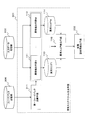
- FIG. 2 is an explanatory diagram showing an example of the abnormality score vector generation means 103 in the present embodiment.
- the abnormality score vector generation means 103 includes abnormality detection means 1_111 to abnormality detection means M_112 (hereinafter referred to as abnormality detection means) and abnormality score integration means 115.
- M represents the number of abnormality detection means.
- M is an integer of 1 or more.
- Each abnormality detection means calculates an abnormality score 1_113 to an abnormality score M_114 (hereinafter referred to as an abnormality score), which are scores calculated as a result of abnormality detection, based on the medical information in the input data 106, respectively.
- the abnormal score integrating unit 115 generates an abnormal score vector based on the plurality of calculated abnormal scores.
- the abnormality score vector is information obtained by integrating the abnormality scores calculated by the abnormality detection means.
- the operation of the abnormality detection unit and the abnormality score integration unit 115 will be described in detail.
- the anomaly detection means calculates an anomaly score of each data xn in the medical information using an arbitrary anomaly detection method. Specifically, the abnormality detection means calculates an abnormality score of xn of each data based on the specificity indicated by each data xn in the medical information.
- the anomaly score is specifically information representing the anomaly of each data xn. For example, the larger the value, the higher the anomaly, the higher the real value, the discrete value indicating the occurrence of an anomaly, It is expressed in an arbitrary format such as a symbol value representing a degree.
- Specific examples of the abnormal score include a score that represents an outlier, a score that represents a change point, a score that represents the likelihood of side effects when supervised learning is used, and the like.
- the abnormal score also includes a value indicating whether or not a predetermined pattern indicating abnormality exists (for example, 1 if present, 0 if not present).
- abnormality detection methods include outlier detection technology, change point detection technology, classification technology, regression technology, and a method for determining whether or not a specific rule is met.
- the outlier detection technique is a technique for extracting unique information from the same kind of series data. For example, it is assumed that data [x1, x2,..., X10] is receipt data related to administration of a certain medicine. Here, when only x2 indicates that the medical cost is abnormally high, a technique for extracting x2 is an outlier detection technique. Further, there is a method in which the data xn (or a part thereof) is handled as a multidimensional vector and outlier detection is performed on a plurality of items of data crossing x ⁇ N.
- the change point detection technique is a technique for detecting a rapidly changing point from time series data. For example, it is assumed that the data [x1, x2, x3] is receipt data that is continuous in time regarding the administration of a certain medicine. In such a situation, a technique for detecting that the prescription amount of the drug rapidly decreases or that the prescription amount of another drug rapidly increases is a change point detection technique.
- the classification technique is a technique for classifying other data based on a classification model.
- a classification technique for example, there is a method of creating a classification model with data x ⁇ N including the presence or absence of a certain side effect as y ⁇ N and determining the presence or absence of a side effect in the remaining data based on the classification model.
- the regression technique is a technique for determining other data based on a regression model.
- a regression technique for example, there is a method in which a regression model is created with data x ⁇ N including the severity of a certain side effect as y ⁇ N, and the severity of the side effect in the remaining data is determined based on the regression model. It is done.
- the data xn is specified as “there is a high possibility of a side effect if an emergency medical practice is performed immediately after prescription of a certain drug” What is necessary is just to judge whether it agrees with this rule.
- the data for example, receipt data relating to the administration of a pharmaceutical product
- the method for calculating the abnormality score for example, outlier detection
- one of the abnormality detection means is the abnormality detection means m, and the number of abnormality scores calculated by the abnormality detection means m for the data x ⁇ N is Km.
- tmkn 1 means that smk and xn are linked
- tmkn 0 means that smk and xn are not linked, respectively.
- the correspondence between the abnormal score and the data xn is not limited to one-to-one correspondence.
- One abnormality score may correspond to a plurality of data xn. That is, a plurality of elements in the index vector tmk may be 1.
- the abnormality detection unit m calculates one abnormality score for the plurality of data xn. For example, it is assumed that data [x1, x2, x3] is temporally continuous data about a certain person.
- the abnormality detection unit m performs abnormality detection on the d-th dimension series [x1d ⁇ x2d ⁇ x3d]
- one abnormality score is calculated for the data [x1, x2, x3]. become.
- the anomaly score integrating means 115 creates information (that is, an anomaly score vector) that integrates the anomaly scores calculated by the anomaly detection means. Specifically, when the abnormal score vector is wi, the dimension of the abnormal score vector is Dw, and the number of output abnormal score vectors is Nw, the abnormal score integrating unit 115 uses an arbitrary method to calculate the abnormal score 1_113.
- the abnormal score integrating means 115 also generates an abnormal score index vector (hereinafter referred to as ui) associated with the abnormal score vector wi.
- the abnormal score integrating means 115 may constitute the abnormal score vector wi by arranging, for example, the abnormal scores associated with the data xn as vectors. Other methods for creating the abnormal score vector will be described later.
- the side effect detection means 104 detects a side effect of each data included in the medical information. Specifically, the side effect detection unit 104 performs side effect detection on w ⁇ Dw using an arbitrary method.
- the side effect detection unit 104 may detect, as the side effect data, the data indicated by the abnormal score vector having higher abnormality from the abnormal score vector created by the abnormal score integration unit 115 as the information indicating the side effect, for example. Further, the side effect detecting means 104 may present the abnormality score vector in descending order of the probability of showing a side effect as compared with a predetermined condition.
- the side effect detection means 104 may calculate the probability of a side effect by a weighted sum of abnormal score vectors wi (hereinafter referred to as a side effect score), and present the abnormal score vector in a ranking format of the side effect score. Further, the side effect detection means 104 may detect an abnormal score vector having a side effect score larger than a predetermined threshold as information indicating a side effect.
- the data associated with the abnormal score vector wi can be identified by referring to the index vector ui of the abnormal score associated with the abnormal score vector wi and the index vector tmk of the data xn.
- the side effect detection means 104 may learn a classification model for an abnormal score vector associated with data having side effects and an abnormal score vector associated with data without side effects. At this time, the side effect detection means 104 may determine the presence or absence (probability) of side effects on the remaining data based on the classification model.
- the side effect detection means 104 labels each Dw abnormal score vector based on the associated input data. In this way, for example, with respect to the abnormal score vectors w1, w2, and w3, the abnormal score vector w1 is “with side effects”, the abnormal score vector w2 is “with no side effects”, and the abnormal score vector w3 is with or without side effects. Can be obtained.
- the side effect detection means 104 learns a classification model for determining the presence or absence of a side effect using the abnormal score vector labeled “with side effect” and the abnormal score vector labeled “without side effect”. .
- the classification model is arbitrary, and examples thereof include a logistic regression model, a naive Bayes model, and a decision tree.
- the side effect detection means 104 uses the learned classification model to determine the presence or absence of a side effect of an abnormal score vector that is not linked to the presence or absence of a side effect.
- the learning method used by the side effect detection means 104 is not limited to supervised learning.
- the side effect detection means 104 may use, for example, a semi-supervised learning method that learns a classification model by simultaneously using data labeled with or without side effects and unlabeled data. Examples of semi-supervised classification learning include Laplace support vector machines.
- the side effect detection means 104 may learn a regression model of severity for an abnormal score vector associated with data having side effects and an abnormal score vector associated with data without side effects. At this time, the side effect detection means 104 may extract an abnormal score vector in which the conditional expected value is greater than or equal to a predetermined value based on the regression model.
- the side effect detection means 104 may read input data associated with the abnormal score vector from the input data storage unit 102 and use it for side effect detection as necessary. For example, if there is a difference in the probability of occurrence of side effects depending on gender and age, the side effect detection means 104 may read information representing gender and age from the input data storage unit 102 and perform side effect detection using the read information. Good. Thus, the accuracy of the side effect detection can be improved by using the data in the input data storage unit 102 associated with the abnormality score vector.
- the side effect detection means 104 may create a basic statistic for the data xn as a side effect detection result.
- the statistics for the data xn include, for example, the gender ratio, age ratio, height and weight distribution of the input data associated with the abnormal score vector suspected of side effects, the distribution of the administered drug, the average value and variance of medical costs, etc. .
- the abnormal score integrating unit 115 creates one type of abnormal score vector according to a specific calculation method, and the side effect detecting unit 104 performs side effect detection on the generated abnormal score vector has been described.
- the abnormality score vector created by the abnormality score integration unit 115 is not limited to one type.
- the side effect detection means 104 may be not only one but multiple.
- FIG. 3 is an explanatory view showing another example of the side effect detection means.
- the extended side effect detection means 108 illustrated in FIG. 3 includes side effect detection means 1_123 to side effect detection means L_124 and a side effect detection result integration means 125.
- L indicates the number of side effect detection means.
- the abnormal score vector generation means 103 creates L types of abnormal score vectors 1_121 to L_122.
- Each of the side effect detection means 1_123 to the side effect detection means L_124 performs side effect detection by an arbitrary method based on the abnormality score vector corresponding to each created by the abnormality score integration means 115.
- the types of abnormal score vectors and the side effect detection methods targeted by the side effect detection means 1_123 to the side effect detection means L_124 may be determined in advance.
- the abnormal score integrating means 115 creates L types of abnormal score vectors
- information on the abnormal score vectors used by the side effect detecting means 1_123 to the side effect detecting means L_124 is determined in advance, and the abnormal score integrating means 115 Then, an abnormal score vector may be created based on the information.
- the method of creating the abnormal score vector is arbitrary for each of the abnormal score vector 1_121 to the abnormal score vector L_122, and may be different or the same.
- the abnormal score integrating means 115 not only creates an abnormal score vector by simply vectorizing the abnormal score, but also considers cross terms (two or more multiplication terms) of the abnormal scores 1 to M.
- An anomaly score vector may be created.
- the abnormal score integrating unit 115 may generate an abnormal score vector by applying a projection such as principal component analysis to a vector in which abnormal scores are arranged. Note that the projection method may be different for the abnormal score vector 1 to the abnormal score vector L.
- the side effect detection result integration unit 125 integrates the side effect detection results of the side effect detection unit 1_123 to the side effect detection unit L_124 to generate a final side effect detection result. Specifically, the side effect detection result integration unit 125 outputs L judgment values (hereinafter, referred to as side effect detection results 1 to L) output from the side effect detection units 1_123 to the side effect detection unit L_124. For example, a final side effect detection result is generated based on a binary value indicating whether a side effect is suspected or a value of a determination function.
- the side effect detection result integration unit 125 may calculate, for example, a weighted sum of L determination values and present the calculation result in a ranking format. Further, the side effect detection result integrating unit 125 may learn a function representing the likelihood of a side effect using a vector in which L judgment values output as the side effect detection results 1 to L are arranged and a corresponding side effect label. Good. However, in this case, the side effect label may not be present in all vectors.
- the side effect detection unit 104 illustrated in FIG. 2 and the extended side effect detection unit 108 illustrated in FIG. 3 are compared, the side effect detection unit 104 creates an abnormal score vector according to a specific calculation method, Side effects are detected for the abnormal score vector.
- the side effect detection means 1_123 to the side effect detection means L_124 perform side effect detection for each of the abnormal score vectors created by L different calculation methods.
- the side effect detection result integrating unit 125 integrates the side effect detection results to generate a final side effect detection result.
- the abnormal score integrating unit 115 generates different abnormal score vectors for each age and gender
- the side effect detection result integrating unit 125 generates the side effect detection results created by the side effect detecting unit 1_123 to the side effect detecting unit L_124 for each age and gender.
- the side effect detection result integration unit 125 creates a side effect detection result ranked from the most suspicious side effect. In this way, for example, when the method of manifesting side effects differs depending on the age and sex, it becomes possible to estimate the most suspected side effect for each age and sex.
- the output device 105 outputs the side effect detection result 107 created by the side effect detection means 104 or the extended side effect detection means 108.
- the abnormality score vector generation means 103 (more specifically, the abnormality detection means 1_111 to the abnormality detection means M_112 and the abnormality score integration means 115) and the side effect detection means 104 are a computer that operates according to a program (side effect detection program). Implemented by the CPU. Similarly, the abnormal score vector generation unit 103 and the extended side effect detection unit 108 (more specifically, the side effect detection unit 1_123 to the side effect detection unit L_124 and the side effect detection result integration unit 125) operate according to a program (side effect detection program). This is realized by the CPU of the computer.
- the program is stored in a storage unit (not shown) of the side effect detection device 100, and the CPU reads the program, and according to the program, the abnormal score vector generation unit 103 and the side effect detection unit 104, or abnormal score vector generation
- the means 103 and the extended side effect detection means 108 may operate.
- abnormality score vector generation means 103 (more specifically, the abnormality detection means 1_111 to the abnormality detection means M_112 and the abnormality score integration means 115) and the side effect detection means 104 are each realized by dedicated hardware. It may be.
- the abnormal score vector generation unit 103 and the extended side effect detection unit 108 (more specifically, the side effect detection unit 1_123 to the side effect detection unit L_124 and the side effect detection result integration unit 125) are realized by dedicated hardware, respectively. May be.
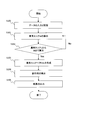
- FIG. 4 is a flowchart showing an example of the operation of the side effect detection apparatus 100 provided with the side effect detection means 104.
- the input device 101 stores the data in the input data storage unit 102 (step S100).
- each abnormality detection means calculates an abnormality score based on the input data 106 (step S101).
- the abnormality score is not calculated from 1 to M (No in step S102)
- each abnormality detection unit repeats the abnormality score calculation process.
- the abnormal score integrating unit 115 generates an abnormal score vector based on the calculated abnormal scores 1 to M (step S103).
- the side effect detection means 104 performs side effect detection on the abnormal score vector (step S104).
- the side effect detection means 104 causes the output device 105 to output a side effect detection result (step S105).
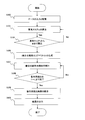
- FIG. 5 is a flowchart illustrating an example of the operation of the side effect detection apparatus 100 including the extended side effect detection unit 108 illustrated in FIG.
- the process from step S100 to S102 in which the input data 106 is input and each abnormality detection means calculates the abnormality score is the same as the process in FIG.
- the abnormal score integrating means 115 When the abnormal score is calculated, the abnormal score integrating means 115 generates L types of abnormal score vectors (step S106).
- the extended side effect detection means 108 (more specifically, each side effect detection means 1_123 to side effect detection means L_124) performs side effect detection on each abnormal score vector (step S107).
- the extended side effect detection means 108 performs side effect detection processing for the remaining abnormal score vectors.
- the side effect detection result integration unit 125 integrates the side effect detection results (step S109). Then, the side effect detection result integration unit 125 causes the output device 105 to output the side effect detection result (step S105).
- the extended side effect detection means 108 performs the first to Lth side effect detection (steps S106 to S108 in FIG. 5), and
- the side effect detection result integration unit 125 integrates the side effect detection result (step S109 in FIG. 5), and is different from the process in FIG. 4 (that is, the process performed by the side effect detection unit 104).
- the abnormality detection means calculates the abnormality score of each data xn based on the specificity of each data. Further, the abnormal score integrating means 115 integrates the abnormal scores and creates an abnormal score vector. Thereafter, the side effect detection means 104 determines the probability of the side effect indicated by the abnormal score vector based on a predetermined rule (for example, a weighted sum of abnormal scores, a classification model, or a regression model).
- a predetermined rule for example, a weighted sum of abnormal scores, a classification model, or a regression model.
- the side effect detection unit 104 detects an abnormal score vector whose probability satisfies a predetermined condition (for example, a predetermined threshold, a learning result of a classification model or a regression model) as information indicating a side effect (for example, a target Extract anomalous score vectors or present them in a ranking format).
- a predetermined condition for example, a predetermined threshold, a learning result of a classification model or a regression model
- a side effect for example, a target Extract anomalous score vectors or present them in a ranking format.
- the nature of the data common to various side effects (for example, the prescription amount changes suddenly when side effects occur, medical costs increase rapidly, Etc.) can be detected. That is, each information is characterized using an abnormal score, and side effects are detected based on the information. Therefore, not only known side effects recorded in the side effect DB but also unrecorded side effects can be detected. Therefore, for example, it is possible to detect an unknown side effect that cannot be detected only by epidemiological knowledge such as “what side effect occurs in a certain medicinal group”.
- medical record information In general, medical record information, receipt information, health checkup information, diagnosis group classification (DPC) information, etc., describe the disease that has occurred, but not whether it is a side effect. Is almost. Therefore, it is difficult to use such information for detection of side effects with a general side effect detection technique.
- DPC diagnosis group classification
- FIG. FIG. 6 is a block diagram illustrating an example of an abnormal event extraction device (side effect detection device) from medical information according to the second embodiment of the present invention.
- the side effect detection apparatus 200 in the present embodiment includes an input device 101, an input data storage unit 102, an abnormal score vector generation unit 103, a side effect detection unit 104, a feature extraction unit 201, and an output device 202.
- the input device 101 inputs input data 106. Further, the output device 202 outputs a side effect detection result 203.
- the side effect detection apparatus 200 in the present embodiment is different from the side effect detection apparatus 100 in the first embodiment in that the feature extraction unit 201 is provided. Further, the output device 105 and the side effect detection result 107 of the side effect detection device 100 in the first embodiment are different from each other in that the output device 202 and the side effect detection result 203 are replaced in the side effect detection device 200 in the present embodiment. About another structure, it is the same as that of 1st Embodiment.
- the output device 202 has a function of outputting a result extracted by the feature extraction unit 201 described later, in addition to the function of the output device 105 in the first embodiment.
- the side effect detection result 203 includes a result extracted by the feature extraction unit 201 in addition to the content of the side effect detection result 107 in the first embodiment.
- the feature extraction unit 201 performs feature extraction on the side effect detection result by an arbitrary method based on the side effect detection result detected by the side effect detection unit 104 or the input data read from the input data storage unit 102. That is, the feature extraction unit 201 extracts a characteristic element from an abnormal score vector detected as information indicating a side effect or input data specified by the abnormal score vector.
- extracting characteristic elements include an abnormal score vector in which side effects are suspected and a method of extracting characteristic elements of input data associated therewith.
- a method using principal component analysis will be described as an example of a method for extracting characteristic elements.
- the feature extraction unit 201 applies principal component analysis to an abnormal score vector in which a side effect is suspected as a side effect detection result, and extracts a vector element having a large principal component score as a characteristic element.
- the abnormal score vector in which a side effect is suspected includes an abnormal score vector determined as a side effect and an abnormal score vector having a higher ranking of the side effect detection result.
- the method by which the feature extraction unit 201 extracts characteristic elements is not limited to the above method.
- the feature extraction unit 201 includes elements that are characteristically different between an abnormal score vector in which side effects are suspected and an abnormal score vector with a low possibility of side effects, and between input data associated with these abnormal score vectors. Elements having characteristic differences may be extracted as characteristic elements.
- As a specific method of extracting elements that are characteristically different perform principal component analysis of data with suspicious side effects and data with low possibility of side effects, extract characteristic elements with high principal component scores, Furthermore, there is a method of extracting elements that are not common to both.
- the feature extraction unit 201 performs discriminant analysis between data with a suspicious side effect and data with a low possibility of a side effect, and extracts an element with a large absolute value of the projection vector, whereby a characteristic element May be extracted.
- the abnormal score vector generation means 103, the side effect detection means 104, and the feature extraction means 201 are realized by a CPU of a computer that operates according to a program (side effect detection program). Further, each of the abnormal score vector generation unit 103, the side effect detection unit 104, and the feature extraction unit 201 may be realized by dedicated hardware.
- FIG. 7 is a flowchart illustrating an example of the operation of the side effect detection apparatus 200 according to the second embodiment.
- the processing from step S100 to S104 in which the input data 106 is input and the side effect detection is performed is the same as the processing of steps S100 to S104 in FIG.
- the feature extraction unit 201 extracts a feature from the side effect detection result or the input data 106 (step S200). Then, the feature extraction unit 201 causes the output device 202 to output the side effect detection result and the feature extraction result (step S105). As described above, the operation of the side effect detection apparatus 200 is different from the operation of the side effect detection apparatus 100 only in that a process for extracting features (step S200 in FIG. 7) is included.
- the feature extraction unit 201 extracts a characteristic element from the abnormal score vector detected as information indicating a side effect or the input data 106 specified by the abnormal score vector.
- characteristic points are extracted not only from data with suspicious side effects and abnormal score vectors at that time, but also from the data. Therefore, it is possible to provide useful information for the user to finally analyze side effects. This can be said to be particularly effective when the purpose is to detect unknown side effects, since the user does not know the characteristics in advance.
- FIG. FIG. 8 is a block diagram showing an example of an abnormal event extraction device (side effect detection device) from medical information according to the third embodiment of the present invention.
- the side effect detection apparatus 300 in this embodiment includes an input device 101, an input data storage unit 102, an abnormal score vector generation unit 301, an extended side effect detection unit 302, an extended feature extraction unit 303, and a side effect detection result storage unit 304.
- the input device 101 inputs input data 106. Further, the output device 202 outputs a side effect detection result 203.
- the feedback input device 306 inputs feedback information 307.
- the side effect detection apparatus 300 in this embodiment is different from the side effect detection apparatus 200 in the second embodiment in that it includes a side effect detection result storage unit 304, a feedback storage unit 305, and a feedback input device 306.
- the abnormal score vector generation unit 103, the side effect detection unit 104, and the feature extraction unit 201 in the second embodiment are the same as the abnormal score vector generation unit 301, the extended side effect detection unit 302, and the extended feature in the side effect detection apparatus 300 in the present embodiment. They differ from each other in that the extraction means 303 is replaced.
- the side effect detection device 300 according to the third embodiment differs from the side effect detection device 200 according to the second embodiment in that the feedback input device 306 inputs the feedback information 307. About another structure, it is the same as that of 2nd Embodiment.
- the feedback information 307 is information used for analysis of side effects. For example, information based on the user's knowledge and empirical rules, information indicating a viewpoint for analyzing side effects, a processing method for calculating an abnormal score, and input Arbitrary information such as a processing method for extracting characteristic elements from the obtained information is included. Further, the information included in the feedback information 307 may include information for identifying a process in which the information is used and a means for performing the process. Specifically, the feedback information 307 is used in each process performed by the abnormal score vector generation unit 301, the extended side effect detection unit 302, and the extended feature extraction unit 303. Therefore, specific examples of the feedback information 307 will be described in the description of the abnormal score vector generation unit 301, the extended side effect detection unit 302, and the extended feature extraction unit 303, which will be described later.
- the feedback input device 306 is a device for inputting feedback information 307. Specifically, the feedback input device 306 stores, for example, feedback information 307 input by the user in the feedback storage unit 305. The feedback input device 306 also stores analysis information stored in a side effect detection result storage unit 304 (to be described later) in the feedback storage unit 305 as feedback information.
- the feedback storage unit 305 stores feedback information 307.
- the feedback storage unit 305 is realized by, for example, a magnetic disk.
- the side effect detection result storage unit 304 stores the side effect result detected by the extended side effect detection unit 302 and the characteristic elements extracted by the extended feature extraction unit 303. Note that these pieces of information stored in the side effect detection result storage unit 304 are input to the feedback input device 306 as feedback information.
- FIG. 9 is an explanatory diagram illustrating an example of the abnormality score vector generation unit 301 in the present embodiment.
- the abnormality score vector generation unit 301 includes a first feedback reflection unit 311, an abnormality detection unit 1 — 111 to an abnormality detection unit M — 112 (that is, an abnormality detection unit), and an abnormality score integration unit 115. That is, the abnormality score vector generation unit 301 in the present embodiment is different from the abnormality score vector generation unit 103 in the first embodiment in that it includes a first feedback reflection unit 311.
- the abnormality score vector generation unit 301 calculates an abnormality score for each abnormality detection unit by using both information stored in the input data storage unit 102 and information stored in the feedback storage unit 305. This is different from the first embodiment in that an instruction is given.
- the first implementation is that the first feedback reflecting means 311 reads feedback information from the feedback storage unit 305 and reflects the information to each abnormality detecting means and abnormality score integrating means 115 using an arbitrary method. Different from form. Hereinafter, the processing of the first feedback reflection means 311 will be described.
- the first feedback reflecting means 311 controls the operation of the abnormality detecting means based on the feedback information 307. Specifically, when feedback information 307 is input as information used when creating an abnormal score (for example, information that has already been analyzed or a processing method for calculating an abnormal score), the first feedback is reflected. The means 311 causes the abnormality detection means to create an abnormality score based on the information. Note that the first feedback reflecting unit 311 controlling the operation of the abnormality detecting unit based on the feedback information 307 may be described as the first feedback reflecting unit 311 reflecting the feedback information.
- Examples of a method in which the first feedback reflection means 311 reflects feedback information include addition of a new abnormality detection means and deletion of an abnormality detection means currently used.
- the addition of a new abnormality detection means means that a new process for detecting an abnormality score is added.
- the deletion of the currently used abnormality detection means means that a part of the abnormality score detection process that has been performed so far is not performed.
- the first feedback reflection unit 311 adds the abnormality detection unit.
- (1) [“definition of new abnormality detection means” and “addition”] is input to the feedback input device 306 and stored in the feedback storage unit 305.
- feedback information 307 (2) [“reflection of feedback”] is input at the same time as the additional timing or at another timing
- the first feedback reflection means 311 is triggered by this input, It is determined that an abnormality detection unit is added.
- the determination method in the case of deletion is the same as the above method.
- the feedback information 307 the information indicated by (1) is input, and when the information indicated by (2) is not input, only the information indicated by (1) is accumulated. Then, at the timing when the information shown in (2) is input, a plurality of information shown in (1) is reflected at a time. However, the information to be reflected may be selected at the timing of inputting the information shown in (2).
- the first feedback reflection unit 311 uses each of the information stored in the input data storage unit 102 and the information stored in the feedback storage unit 305 for each abnormality detection unit. You may give the instruction
- the first feedback reflecting means 311 reflects the feedback information
- information on the presence / absence of the side effect and the severity is given as feedback information for data determined to have a suspicious side effect in the side effect detection result 203.
- the accuracy of abnormality detection can be improved.
- the first feedback reflection means 311 may refer to the side effect detection result and give information on the presence or absence of the side effect and the severity to the abnormality score vector. Specifically, the first feedback reflection unit 311 may associate new side effect / severity information yn with the data xn associated with the abnormal score vector wi.
- various effects can be obtained by the first feedback reflecting means 311 reflecting the feedback information in the generation process of the abnormal score vector.
- side effect detection processing from a new viewpoint ie, detection of new side effects
- reduction of false detection rate of side effects ie, detection of new side effects
- targeted side effect detection processing for example, constructing an abnormal score vector that is effective only for a specific medicinal group Is possible.
- FIG. 10 is an explanatory diagram showing an example of the extended side effect detection means 302 in the present embodiment.
- the extended side effect detection unit 302 includes a second feedback reflection unit 321 and a side effect detection unit 104.
- the extended side effect detection unit 302 in this embodiment is different from the side effect detection unit 104 in the first embodiment in that it includes a second feedback reflection unit 321.
- the second feedback reflection unit 321 is different from the first embodiment in that the feedback information is read from the feedback storage unit 305 and reflected on the side effect detection unit 104 using an arbitrary method.
- the process of the second feedback reflecting means 321 will be described.
- the second feedback reflection unit 321 controls the operation of the side effect detection unit 104 based on the feedback information 307. Specifically, when information used when detecting a side effect (for example, information that has already been analyzed or information indicating a viewpoint for detecting a side effect) is input as feedback information 307, the second feedback reflection unit 321 is used. Causes the extended side effect detection means 302 to detect side effects based on the information. Note that the second feedback reflection unit 321 controlling the operation of the side effect detection unit 104 based on the feedback information 307 may be described as the second feedback reflection unit 321 reflecting the feedback information.
- the side effect detection result 203 determines that the side effect is suspicious (high probability), and the presence or absence of the side effect and the severity information are used as feedback information.
- the side effect detection unit 104 learns a classification model for an abnormal score vector associated with data having side effects and an abnormal score vector associated with data without side effects
- the “side effect with side effect” is set as a learning target. Data "increases. Therefore, the accuracy of the classification model can be improved.
- the second feedback reflection unit 321 may label the data for which the presence or absence of the side effect is determined.
- the data to be labeled may be a part of the data. By giving such a label, it becomes clear whether there is a side effect on each data, so that the accuracy of the classification model can be improved.
- the present invention can be similarly applied to other models such as a regression model and a ranking model that the side effect detection means 104 learns by using the side effect label and severity.
- the accuracy of the side effect detection can be improved by using the analyzed information for detecting the side effect (for example, using it as learning data for the side effect detection model and correcting the ranking of the side effect detection result). it can.
- the side effect detection means 104 stores the side effect detection result in the side effect detection result storage unit 304.
- FIG. 11 is an explanatory diagram showing an example of the extended feature extraction unit 303 in the present embodiment.
- the extended feature extraction unit 303 includes a third feedback reflection unit 331 and a feature extraction unit 201.
- the extended feature extraction unit 303 in the present embodiment is different from the feature extraction unit 201 in the second embodiment in that a third feedback reflection unit 331 is provided.
- the third feedback reflection unit 331 is different from the second embodiment in that the feedback information is read from the feedback storage unit 305 and reflected on the feature extraction unit 201 using an arbitrary method.
- the process of the third feedback reflection unit 331 will be described.
- the third feedback reflection means 331 controls the operation of the extended feature extraction means 303 based on the feedback information 307. Specifically, information used when extracting characteristic elements from input data or side effect detection results (for example, information that has already been analyzed or a processing method for extracting characteristic elements from input information) is used. When the feedback information 307 is input, the third feedback reflection unit 331 causes the extended feature extraction unit 303 to detect characteristic elements from the information based on the information. Note that the third feedback reflection unit 331 controlling the operation of the extended feature extraction unit 303 based on the feedback information 307 may be described as the third feedback reflection unit 331 reflecting the feedback information.
- Examples of a method in which the third feedback reflection means 331 reflects the feedback information include addition of a new feature extraction means and deletion of the currently used feature extraction means.
- the addition of a new feature extracting means means adding a new process for extracting a characteristic element.
- the deletion of the currently used feature extraction means means that a part of the characteristic element extraction process that has been performed so far is not performed.
- the third feedback reflection unit 331 adds a new feature extraction unit or deletes the currently used feature extraction unit.
- the first feedback reflection unit 311 adds a new abnormality detection unit or uses the current extraction unit. This is the same as the method for deleting the abnormality detecting means. For example, when a new processing method for extracting a characteristic element is input as feedback information, the third feedback reflection unit 331 may add a new feature extraction unit.
- the third feedback reflecting means 331 uses, as feedback information, information on the presence / absence of a side effect and severity (for example, information that is important or non-important for an abnormal score or a side effect detection result, contraindication information, etc.) as feature extraction means. 201 may be given.
- the feature extraction unit 201 can display the presence or absence of side effects or seriousness information. It is possible to perform feature extraction based on (for example, discriminant analysis).
- the feature extraction unit 201 when the feature extraction unit 201 performs a process of extracting a difference between data having a suspicious side effect and data having a low possibility of a side effect as a feature, the presence / absence of the side effect and the severity information are characterized as feedback information. It is effective to give to the extraction means 201.
- the feature extraction unit 201 uses data that is suspected to have side effects and that has side effects and data that has low possibility of side effects and no side effects. This makes it possible to extract features.
- the feature extraction unit 201 stores information indicating the extracted feature in the side effect detection result storage unit 304.
- the abnormal score vector generation unit 103 in the second embodiment is the abnormal score vector generation unit 301
- the side effect detection unit 104 is the extended side effect detection unit 302
- the feature extraction unit 201 is the extended feature extraction unit 303.
- the side effect detection apparatus 300 in the present embodiment may have a configuration in which at least a part of the above is replaced. In this case, if each replaced means (specifically, the abnormal score vector generation means 301, the extended side effect detection means 302, and the extended feature extraction means 303) performs the processing described in the present embodiment using the feedback information. Good.
- the abnormal score vector generating unit 103 may be replaced with the abnormal score vector generating unit 301
- the side effect detecting unit 104 may be replaced with the extended side effect detecting unit 302.
- Abnormal score vector generation means 301 (more specifically, first feedback reflection means 311, abnormality detection means 1 — 111 to abnormality detection means M — 112 (ie, abnormality detection means), abnormality score integration means 115), and extended side effect detection Means 302 (more specifically, second feedback reflection means 321 and side effect detection means 104), extended feature extraction means 303 (more specifically, third feedback reflection means 331 and feature extraction means 201), Is realized by a CPU of a computer that operates according to a program (side effect detection program). Further, each of the abnormal score vector generation unit 301, the extended side effect detection unit 302, and the extended feature extraction unit 303 may be realized by dedicated hardware.
- FIG. 12 is a flowchart illustrating an example of the operation of the side effect detection apparatus 300 according to the third embodiment.
- the operation of the side effect detection apparatus 300 in the present embodiment is different from the operation of the side effect detection apparatus 200 in the second embodiment in that it has a feedback process. That is, the processes from step S100 to S105 in which the input data 106 is input and the side effect detection is performed are the same as the processes in steps S100 to S105 in FIG.
- the first feedback reflection unit 311 determines whether feedback information for the abnormal score calculation process is stored in the feedback storage unit 305. Judgment is made (step S300). When there is feedback information for the abnormality score calculation process (Yes in Step S300), the first feedback reflection unit 311 reflects the feedback information in the abnormality detection unit (Step S301), and performs the processes after Step S101.
- the first feedback reflection unit 311 determines whether feedback information for the abnormal score vector calculation process is stored in the feedback storage unit 305 (Ste S302).
- the first feedback reflecting unit 311 reflects the feedback information in the abnormal score integrating unit 115 (step S303), and performs the processes after step S103. .
- the second feedback reflection unit 321 determines whether feedback information for the side effect detection is stored in the feedback storage unit 305 (step S304). ). If there is feedback information for detecting a side effect (Yes in step S304), the second feedback reflection unit 321 reflects the feedback information in the side effect detection unit 104 (step S305), and performs the processing after step S104.
- the third feedback reflection unit 331 determines whether feedback information for feature extraction is stored in the feedback storage unit 305 (step S306). If feedback information for feature extraction exists (Yes in step S306), the third feedback reflection unit 331 reflects the feedback information in the feature extraction unit 201 (step S307), and performs the processing from step S200 onward.
- step S306 the process is terminated without reflecting the feedback information.
- the abnormality detection means when the feedback input device 306 inputs the feedback information 307, the abnormality detection means, the extended side effect detection means 302, and the extended feature extraction means 303 are processed by each means.
- each process is performed based on the information.
- the abnormality detection unit creates an abnormality score based on the information.
- the abnormal score integrating unit 115 creates an abnormal score vector based on the information.
- the extended side effect detection unit 302 detects a side effect based on the information.
- the extended feature extraction unit 303 When the information used when performing feature extraction is input as feedback information, the extended feature extraction unit 303 performs feature extraction based on the information. As described above, by using the feedback information, it is possible to improve the efficiency of extracting a side effect from a large amount of accumulated information.
- FIG. 13 is a block diagram showing an example of the minimum configuration of the abnormal event extracting apparatus according to the present invention.
- the abnormal event extraction apparatus (for example, the side effect detection apparatus 100) according to the present invention uses an abnormal score (for example, an abnormal score smk) that is information indicating abnormality of medical data (for example, data xn), and the specificity of each medical data.
- an abnormal score for example, an abnormal score smk
- Abnormal score calculation means 81 (for example, abnormality detection means) that calculates based on the above, and abnormal score vector creation means for creating at least one abnormality score vector (for example, abnormality score vector wi) that is information obtained by integrating the abnormality scores 82 (for example, abnormal score integrating means 115) and the probability of side effects (for example, the presence or absence of side effects) indicated by the abnormal score vector based on a predetermined rule (for example, weighted sum of abnormal scores, classification model, regression model) Judgment is made and the probability is determined in advance (for example, a predetermined threshold, a learning result of a classification model or a regression model).
- a side effect detecting means 83 for detecting the information indicating the side effects (e.g., side effects detecting means 104).
- the abnormal event extraction device includes a feature extraction unit (for example, a feature extraction unit 201) that extracts an abnormal score vector detected as information indicating a side effect or a feature of medical data specified by the abnormal score vector. It may be. With such a configuration, it is possible to provide users with useful information when analyzing unknown side effects.
- a feature extraction unit for example, a feature extraction unit 201 that extracts an abnormal score vector detected as information indicating a side effect or a feature of medical data specified by the abnormal score vector. It may be.
- the abnormal event extraction device may include feedback information input means (for example, feedback input device 306) for inputting feedback information (for example, feedback information 307) that is information used for side effect analysis. Then, the feedback information input means creates, as feedback information, information used when calculating the abnormal score (for example, already analyzed information or a processing method for calculating the abnormal score) and an abnormal score vector. Information used in the event (for example, information on the presence / absence or severity of side effects) and information used in detecting the side effects (for example, information that has already been analyzed or information indicating the viewpoint for detecting side effects) When the information used when the abnormality score calculation unit 81 calculates the abnormality score is input as feedback information, the abnormality score vector is calculated based on the information.
- feedback information input means for example, feedback input device 306
- feedback information for example, feedback information 307
- the feedback information input means creates, as feedback information, information used when calculating the abnormal score (for example, already analyzed information or a processing method for calculating the abnormal score) and an abnormal score
- the feedback information input means inputs information used when extracting features as feedback information (for example, information that has already been analyzed or a processing method that extracts characteristic elements from the input information),
- the feature extraction unit may extract features based on the information.
- the feedback information input means inputs information indicating a new process for detecting an abnormal score as information used when calculating the abnormal score, and the abnormal score calculation means 81 receives the process as feedback information.
- the abnormality score may be calculated based on the processing.
- the abnormal event extraction device may include a side effect integration unit (for example, a side effect detection result integration unit 125) that integrates a plurality of pieces of information indicating side effects.
- the abnormal score vector creating unit 82 generates a plurality of abnormal score vectors (for example, abnormal score vector 1_121 to abnormal score vector L_122), and the side effect detecting unit 83 (for example, side effect detecting unit 1_123 to side effect detecting unit L_124).
- the probability of side effects is determined for each abnormality score vector based on at least one rule, and the side effect integration unit integrates the abnormal score vectors detected as information indicating side effects by the side effect detection unit 83 (for example, L Based on the determination value, a final side effect detection result may be generated).
- the abnormal score calculation unit 81 uses an outlier detection method or a change point detection method (for longitudinal series data or cross-sectional multiple item data), so that Specific medical data may be extracted from the inside.
- the side effect detection unit 83 labels the abnormal score vector based on the medical data linked to the abnormal score vector, and uses the labeled abnormal score vector to determine the probability of the side effect And the abnormal score vector classified into information indicating a side effect may be detected using the classification model.
- At least one abnormality score vector which is information obtained by integrating the abnormality score
- an abnormality score calculation unit that calculates an abnormality score that is information indicating abnormality of the medical data based on the specificity of each medical data
- Two or more abnormal score vector generating means, and the probability of the side effect indicated by the abnormal score vector is determined based on a predetermined rule, and an abnormal score vector satisfying a predetermined condition is used as information indicating a side effect.
- An apparatus for extracting abnormal events from medical information comprising: a side effect detecting means for detecting.
- Additional remark 2 The abnormal event extraction apparatus of Additional remark 1 provided with the characteristic extraction means which extracts the abnormal score vector detected as information which shows a side effect, or the characteristic of the medical data specified by the said abnormal score vector.
- the feedback information input means which inputs the feedback information which is information used for the analysis of a side effect
- the said feedback information input means The information used when calculating an abnormal score as feedback information
- An abnormal score Input at least one of information used when creating a vector and information used when detecting a side effect
- the abnormal score calculating means uses feedback information as information used when calculating the abnormal score If the information is used as feedback information, the abnormal score vector creating means calculates an abnormal score based on the information. An abnormal score vector is created, and the side effect detection means detects the side effect. If the information used to is input as feedback information, the abnormal event extraction apparatus Supplementary Note 1 or 2, wherein detecting the side effects based on the information.
- a feedback information input means inputs the information used when extracting a feature as feedback information, and the feature extraction means, when the information used when extracting a feature is input as feedback information,
- the abnormal event extraction device according to supplementary note 3, wherein features are extracted based on the information.
- a feedback information input means inputs the information which shows the new process which detects an abnormal score as information used when calculating an abnormal score
- the abnormal score calculation means inputs the said process as feedback information
- the abnormal event extraction device according to supplementary note 3 or supplementary note 4, which calculates an abnormal score based on the processing when it is performed.
- an abnormality score vector preparation means produces
- a side effect detection means is abnormal based on at least 1 or more types of rule The probability of a side effect is determined for each score vector, and the side effect integration unit integrates the abnormal score vector detected as information indicating a side effect by the side effect detection unit according to any one of appendix 1 to appendix 5.
- Abnormal event extraction device
- the abnormal score calculation means uses any one of supplementary notes 1 to 6 to extract unique medical data from the same kind of medical data by using an outlier detection method or a change point detection method.
- the side effect detection means classifies the abnormal score vector based on the medical data linked to the abnormal score vector, and uses the labeled abnormal score vector to determine the probability of the side effect
- the abnormal event extraction device according to any one of Supplementary Note 1 to Supplementary Note 7, which learns a model and detects an abnormal score vector classified into information indicating a side effect using the classification model.
- An abnormality score that is information indicating abnormality of medical data is calculated based on the specificity of each medical data, and at least one abnormality score vector that is information obtained by integrating the abnormality scores is created. From the medical information, the probability of side effects indicated by the abnormal score vector is determined based on a predetermined rule, and an abnormal score vector satisfying a predetermined condition is detected as information indicating side effects. Abnormal event extraction method.
- Additional remark 11 The abnormal event extraction method of Additional remark 10 which extracts the abnormal score vector detected as information which shows a side effect, or the characteristic of the medical data specified by the said abnormal score vector.
- the abnormal event extraction program of Additional remark 12 which makes a computer perform the characteristic extraction process which extracts the abnormal score vector detected as information which shows a side effect, or the characteristic of the medical data specified by the said abnormal score vector .
- the present invention is preferably applied to an abnormal event extraction apparatus that extracts an abnormal event from medical information.
Landscapes
- Engineering & Computer Science (AREA)
- Physics & Mathematics (AREA)
- Theoretical Computer Science (AREA)
- General Physics & Mathematics (AREA)
- Health & Medical Sciences (AREA)
- Business, Economics & Management (AREA)
- General Health & Medical Sciences (AREA)
- Primary Health Care (AREA)
- General Engineering & Computer Science (AREA)
- Data Mining & Analysis (AREA)
- Software Systems (AREA)
- Medical Informatics (AREA)
- Epidemiology (AREA)
- Public Health (AREA)
- Tourism & Hospitality (AREA)
- Strategic Management (AREA)
- Marketing (AREA)
- Human Resources & Organizations (AREA)
- Economics (AREA)
- General Business, Economics & Management (AREA)
- Operations Research (AREA)
- Entrepreneurship & Innovation (AREA)
- Quality & Reliability (AREA)
- Artificial Intelligence (AREA)
- Toxicology (AREA)
- Pharmacology & Pharmacy (AREA)
- Medicinal Chemistry (AREA)
- Bioinformatics & Cheminformatics (AREA)
- Chemical & Material Sciences (AREA)
- Mathematical Physics (AREA)
- Computing Systems (AREA)
- Pure & Applied Mathematics (AREA)
- Mathematical Optimization (AREA)
- Mathematical Analysis (AREA)
- Evolutionary Computation (AREA)
- Computational Mathematics (AREA)
- Algebra (AREA)
- Probability & Statistics with Applications (AREA)
- Databases & Information Systems (AREA)
- Information Retrieval, Db Structures And Fs Structures Therefor (AREA)
Abstract
Description
図1は、本発明の第1の実施形態における医療情報からの異常イベント抽出装置(以下、各実施形態の説明では、副作用検出装置と記す。)の例を示すブロック図である。本実施形態における副作用検出装置100は、入力装置101と、入力データ記憶部102と、異常スコアベクトル生成手段103と、副作用検出手段104と、出力装置105とを備えている。入力装置101は、入力データ106を入力する。また、出力装置105は、副作用検出結果107を出力する。
図6は、本発明の第2の実施形態における医療情報からの異常イベント抽出装置(副作用検出装置)の例を示すブロック図である。なお、第1の実施形態と同様の構成については、図1と同一の符号を付し、説明を省略する。本実施形態における副作用検出装置200は、入力装置101と、入力データ記憶部102と、異常スコアベクトル生成手段103と、副作用検出手段104と、特徴抽出手段201と、出力装置202とを備えている。入力装置101は、入力データ106を入力する。また、出力装置202は、副作用検出結果203を出力する。
図8は、本発明の第3の実施形態における医療情報からの異常イベント抽出装置(副作用検出装置)の例を示すブロック図である。なお、第2の実施形態と同様の構成については、図1と同一の符号を付し、説明を省略する。本実施形態における副作用検出装置300は、入力装置101と、入力データ記憶部102と、異常スコアベクトル生成手段301と、拡張副作用検出手段302と、拡張特徴抽出手段303と、副作用検出結果記憶部304と、フィードバック記憶部305と、フィードバック入力装置306と、出力装置202とを備えている。入力装置101は、入力データ106を入力する。また、出力装置202は、副作用検出結果203を出力する。また、フィードバック入力装置306は、フィードバック情報307を入力する。
101 入力装置
102 入力データ記憶部
103 異常スコアベクトル生成手段
104 副作用検出手段
105,202 出力装置
108 拡張副作用検出手段
111,112 異常検出手段
115 異常スコア統合手段
123,124 副作用検出手段
125 副作用検出結果統合手段
201 特徴抽出手段
301 異常スコアベクトル生成手段
302 拡張副作用検出手段
303 拡張特徴抽出手段
304 副作用検出結果記憶部
305 フィードバック記憶部
306 フィードバック入力装置
311 第一フィードバック反映手段
321 第二フィードバック反映手段
331 第三フィードバック反映手段
Claims (10)
- 医療データの異常性を示す情報である異常スコアを、各医療データの特異性に基づいて算出する異常スコア算出手段と、
前記異常スコアを統合した情報である異常スコアベクトルを少なくとも一つ以上作成する異常スコアベクトル作成手段と、
前記異常スコアベクトルが示す副作用の蓋然性を所定の規則に基づいて判断し、当該蓋然性が予め定められた条件を満たす異常スコアベクトルを、副作用を示す情報として検出する副作用検出手段とを備えた
ことを特徴とする医療情報からの異常イベント抽出装置。 - 副作用を示す情報として検出された異常スコアベクトル、または、当該異常スコアベクトルによって特定される医療データの特徴を抽出する特徴抽出手段を備えた
請求項1記載の異常イベント抽出装置。 - 副作用の分析に用いられる情報であるフィードバック情報を入力するフィードバック情報入力手段を備え、
前記フィードバック情報入力手段は、フィードバック情報として、異常スコアを算出する際に用いられる情報と、異常スコアベクトルを作成する際に用いられる情報と、副作用を検出する際に用いられる情報のうちの少なくとも一つの情報を入力し、
異常スコア算出手段は、異常スコアを算出する際に用いられる情報がフィードバック情報として入力された場合に、当該情報に基づいて異常スコアを算出し、
異常スコアベクトル作成手段は、異常スコアベクトルを作成する際に用いられる情報がフィードバック情報として入力された場合に、当該情報に基づいて異常スコアベクトルを作成し、
副作用検出手段は、副作用を検出する際に用いられる情報がフィードバック情報として入力された場合に、当該情報に基づいて副作用を検出する
請求項1または請求項2記載の異常イベント抽出装置。 - フィードバック情報入力手段は、フィードバック情報として、特徴を抽出する際に用いられる情報を入力し、
特徴抽出手段は、特徴を抽出する際に用いられる情報がフィードバック情報として入力された場合、当該情報に基づいて特徴を抽出する
請求項3記載の異常イベント抽出装置。 - フィードバック情報入力手段は、異常スコアを算出する際に用いられる情報として、異常スコアを検出する新たな処理を示す情報を入力し、
異常スコア算出手段は、前記処理がフィードバック情報として入力された場合に、当該処理に基づいて異常スコアを算出する
請求項3または請求項4記載の異常イベント抽出装置。 - 副作用を示す複数の情報を統合する副作用統合手段を備え、
異常スコアベクトル作成手段は、複数の異常スコアベクトルを生成し、
副作用検出手段は、少なくとも1種類以上の規則に基づいて異常スコアベクトルごとに副作用の蓋然性を判断し、
前記副作用統合手段は、前記副作用検出手段により副作用を示す情報として検出された異常スコアベクトルを統合する
請求項1から請求項5のうちのいずれか1項に記載の異常イベント抽出装置。 - 異常スコア算出手段は、外れ値検出手法または変化点検出手法を用いることにより、同種の医療データの中から特異な医療データを抽出する
請求項1から請求項6のうちのいずれか1項に記載の異常イベント抽出装置。 - 副作用検出手段は、異常スコアベクトルに紐づいている医療データに基づいて当該異常スコアベクトルにラベル付けを行い、ラベル付けされた異常スコアベクトルを用いて、副作用の蓋然性を判断する分類モデルを学習し、当該分類モデルを用いて副作用を示す情報に分類された異常スコアベクトルを検出する
請求項1から請求項7のうちのいずれか1項に記載の異常イベント抽出装置。 - 医療データの異常性を示す情報である異常スコアを、各医療データの特異性に基づいて算出し、
前記異常スコアを統合した情報である異常スコアベクトルを少なくとも一つ以上作成し、
前記異常スコアベクトルが示す副作用の蓋然性を所定の規則に基づいて判断し、当該蓋然性が予め定められた条件を満たす異常スコアベクトルを、副作用を示す情報として検出する
ことを特徴とする医療情報からの異常イベント抽出方法。 - コンピュータに、
医療データの異常性を示す情報である異常スコアを、各医療データの特異性に基づいて算出する異常スコア算出処理、
前記異常スコアを統合した情報である異常スコアベクトルを少なくとも一つ以上作成する異常スコアベクトル作成処理、および、
前記異常スコアベクトルが示す副作用の蓋然性を所定の規則に基づいて判断し、当該蓋然性が予め定められた条件を満たす異常スコアベクトルを、副作用を示す情報として検出する副作用検出処理
を実行させるための医療情報からの異常イベント抽出プログラム。
Priority Applications (2)
| Application Number | Priority Date | Filing Date | Title |
|---|---|---|---|
| JP2012522452A JP5900333B2 (ja) | 2010-06-28 | 2011-06-23 | 医療情報からの異常イベント抽出装置、方法及びプログラム |
| US13/806,939 US9269118B2 (en) | 2010-06-28 | 2011-06-23 | Device, method, and program for extracting abnormal event from medical information |
Applications Claiming Priority (2)
| Application Number | Priority Date | Filing Date | Title |
|---|---|---|---|
| JP2010-146680 | 2010-06-28 | ||
| JP2010146680 | 2010-06-28 |
Publications (1)
| Publication Number | Publication Date |
|---|---|
| WO2012001920A1 true WO2012001920A1 (ja) | 2012-01-05 |
Family
ID=45401664
Family Applications (1)
| Application Number | Title | Priority Date | Filing Date |
|---|---|---|---|
| PCT/JP2011/003587 Ceased WO2012001920A1 (ja) | 2010-06-28 | 2011-06-23 | 医療情報からの異常イベント抽出装置、方法及びプログラム |
Country Status (3)
| Country | Link |
|---|---|
| US (1) | US9269118B2 (ja) |
| JP (1) | JP5900333B2 (ja) |
| WO (1) | WO2012001920A1 (ja) |
Cited By (1)
| Publication number | Priority date | Publication date | Assignee | Title |
|---|---|---|---|---|
| WO2015079705A1 (ja) | 2013-11-28 | 2015-06-04 | 富士フイルム株式会社 | 診療情報処理装置および方法並びにプログラム |
Families Citing this family (5)
| Publication number | Priority date | Publication date | Assignee | Title |
|---|---|---|---|---|
| US10587487B2 (en) * | 2015-09-23 | 2020-03-10 | International Business Machines Corporation | Selecting time-series data for information technology (IT) operations analytics anomaly detection |
| JP6647824B2 (ja) * | 2015-09-25 | 2020-02-14 | 三菱重工業株式会社 | 異常診断システム及び異常診断方法 |
| US10452665B2 (en) * | 2017-06-20 | 2019-10-22 | Vmware, Inc. | Methods and systems to reduce time series data and detect outliers |
| CN113869387B (zh) * | 2021-09-18 | 2024-09-06 | 平安科技(深圳)有限公司 | 基于人工智能技术的异常医保报销识别方法及系统 |
| CN113822365B (zh) * | 2021-09-28 | 2023-09-05 | 北京恒生芸泰网络科技有限公司 | 基于区块链技术的医疗数据存储及大数据挖掘方法及系统 |
Citations (1)
| Publication number | Priority date | Publication date | Assignee | Title |
|---|---|---|---|---|
| JP2007122418A (ja) * | 2005-10-28 | 2007-05-17 | Bioinformatics Institute For Global Good Inc | 予測方法、予測装置および予測プログラム |
Family Cites Families (3)
| Publication number | Priority date | Publication date | Assignee | Title |
|---|---|---|---|---|
| JP2002015061A (ja) | 2000-04-28 | 2002-01-18 | Ifusion Technologies Inc | 臨床試験実施管理システム |
| US6993402B2 (en) | 2001-02-28 | 2006-01-31 | Vigilanz Corporation | Method and system for identifying and anticipating adverse drug events |
| US20110082867A1 (en) * | 2009-10-06 | 2011-04-07 | NeX Step, Inc. | System, method, and computer program product for analyzing drug interactions |
-
2011
- 2011-06-23 WO PCT/JP2011/003587 patent/WO2012001920A1/ja not_active Ceased
- 2011-06-23 US US13/806,939 patent/US9269118B2/en active Active
- 2011-06-23 JP JP2012522452A patent/JP5900333B2/ja active Active
Patent Citations (1)
| Publication number | Priority date | Publication date | Assignee | Title |
|---|---|---|---|---|
| JP2007122418A (ja) * | 2005-10-28 | 2007-05-17 | Bioinformatics Institute For Global Good Inc | 予測方法、予測装置および予測プログラム |
Non-Patent Citations (1)
| Title |
|---|
| YASUHIDE MIURA ET AL.: "Denshi Karute kara no Fukusayo Kankei no Jido Chushutsu", PROCEEDINGS OF THE 16TH ANNUAL MEETING OF THE ASSOCIATION FOR NATURAL LANGUAGE PROCESSING, 8 March 2010 (2010-03-08), pages 78 - 81 * |
Cited By (1)
| Publication number | Priority date | Publication date | Assignee | Title |
|---|---|---|---|---|
| WO2015079705A1 (ja) | 2013-11-28 | 2015-06-04 | 富士フイルム株式会社 | 診療情報処理装置および方法並びにプログラム |
Also Published As
| Publication number | Publication date |
|---|---|
| US9269118B2 (en) | 2016-02-23 |
| JPWO2012001920A1 (ja) | 2013-08-22 |
| US20130166572A1 (en) | 2013-06-27 |
| JP5900333B2 (ja) | 2016-04-06 |
Similar Documents
| Publication | Publication Date | Title |
|---|---|---|
| Dev et al. | A predictive analytics approach for stroke prediction using machine learning and neural networks | |
| JP5900334B2 (ja) | フィードバック情報を用いた医療情報からの異常イベント抽出装置、方法およびプログラム | |
| US11748384B2 (en) | Determining an association rule | |
| US20200161005A1 (en) | Location-based medical scan analysis system | |
| JP5900333B2 (ja) | 医療情報からの異常イベント抽出装置、方法及びプログラム | |
| US20160012544A1 (en) | Insurance claim validation and anomaly detection based on modus operandi analysis | |
| WO2022251462A1 (en) | Unsupervised anomaly detection with self-trained classification | |
| Dalakleidi et al. | Comparative assessment of statistical and machine learning techniques towards estimating the risk of developing type 2 diabetes and cardiovascular complications | |
| US20170316180A1 (en) | Behavior prediction apparatus, behavior prediction apparatus controlling method, and behavior prediction apparatus controlling program | |
| Boididou et al. | Learning to detect misleading content on twitter | |
| US20250285761A1 (en) | Clinical decision support system using phenotypic features | |
| Duggal et al. | Impact of selected pre-processing techniques on prediction of risk of early readmission for diabetic patients in India | |
| Reetz et al. | Expert system based fault diagnosis for railway point machines | |
| AU2019206078A1 (en) | Intelligent persona generation | |
| Mondal et al. | Predictive analytics for chronic disease management: A machine learning approach to early intervention and personalised treatment | |
| Janaraniani et al. | Heart attack prediction using machine learning | |
| Rogers et al. | Optimizing the implementation of clinical predictive models to minimize national costs: sepsis case study | |
| Verma et al. | A machine learning-based predictive model for 30-day hospital readmission prediction for COPD patients | |
| CN111383726B (zh) | 电子病历数据处理方法、装置、电子设备及可读介质 | |
| Sajid et al. | A new approach of anomaly detection in shopping center surveillance videos for theft prevention based on RLCNN model | |
| CN118475919B (zh) | 基于子模型性能的模型验证 | |
| Bhupalem et al. | Accurate machine learning algorithms for monkey pox detection | |
| Hisham et al. | Suicide prediction using machine learning techniques and interactive visualization of suicide information | |
| Bhatia | Digital Twin-Inspired Anxiety Detection for Smart Office Healthcare | |
| JP7349383B2 (ja) | 特性分析システム及び特性分析方法 |
Legal Events
| Date | Code | Title | Description |
|---|---|---|---|
| 121 | Ep: the epo has been informed by wipo that ep was designated in this application |
Ref document number: 11800392 Country of ref document: EP Kind code of ref document: A1 |
|
| WWE | Wipo information: entry into national phase |
Ref document number: 2012522452 Country of ref document: JP |
|
| NENP | Non-entry into the national phase |
Ref country code: DE |
|
| WWE | Wipo information: entry into national phase |
Ref document number: 13806939 Country of ref document: US |
|
| 122 | Ep: pct application non-entry in european phase |
Ref document number: 11800392 Country of ref document: EP Kind code of ref document: A1 |