WO2011114485A1 - 無線基地局、移動端末及び通信方法 - Google Patents
無線基地局、移動端末及び通信方法 Download PDFInfo
- Publication number
- WO2011114485A1 WO2011114485A1 PCT/JP2010/054661 JP2010054661W WO2011114485A1 WO 2011114485 A1 WO2011114485 A1 WO 2011114485A1 JP 2010054661 W JP2010054661 W JP 2010054661W WO 2011114485 A1 WO2011114485 A1 WO 2011114485A1
- Authority
- WO
- WIPO (PCT)
- Prior art keywords
- base station
- radio base
- radio
- mobile terminal
- uplink
- Prior art date
- Legal status (The legal status is an assumption and is not a legal conclusion. Google has not performed a legal analysis and makes no representation as to the accuracy of the status listed.)
- Ceased
Links
Images





Classifications
-
- H—ELECTRICITY
- H04—ELECTRIC COMMUNICATION TECHNIQUE
- H04W—WIRELESS COMMUNICATION NETWORKS
- H04W36/00—Hand-off or reselection arrangements
- H04W36/24—Reselection being triggered by specific parameters
- H04W36/30—Reselection being triggered by specific parameters by measured or perceived connection quality data
- H04W36/302—Reselection being triggered by specific parameters by measured or perceived connection quality data due to low signal strength
-
- H—ELECTRICITY
- H04—ELECTRIC COMMUNICATION TECHNIQUE
- H04W—WIRELESS COMMUNICATION NETWORKS
- H04W92/00—Interfaces specially adapted for wireless communication networks
- H04W92/16—Interfaces between hierarchically similar devices
- H04W92/20—Interfaces between hierarchically similar devices between access points
Definitions
- the present invention relates to, for example, a radio base station that performs radio communication with a mobile terminal, a mobile terminal that performs radio communication with the radio base station, and a communication method in the radio base station.
- a wireless communication system a plurality of wireless base stations are arranged, and wireless communication is performed between the mobile terminal and the wireless base station.
- the mobile terminal can transmit and receive various types of information via the radio base station. Since the communication area (for example, cell or sector) of each radio base station is limited in size, if the mobile terminal moves outside the communication area of a certain radio base station, the radio communication of the mobile terminal is interrupted. It might be. In this case, a handover technique for preventing wireless communication from being interrupted has been proposed. By adopting the handover technology, when the mobile terminal enters the communication area of the destination radio base station, the mobile terminal starts radio communication with the destination radio base station and Wireless communication with the base station is stopped. Alternatively, it is possible to start wireless communication with the destination wireless base station and to maintain wireless communication with the movement-source wireless base station in a redundant manner. Thereby, it is possible to realize highly reliable wireless communication without interrupting wireless communication between the mobile terminal and the wireless base station.
- the radio base station with which the mobile terminal communicates is switched based only on the channel quality of the downlink communication line (Downlink) from the radio base station to the mobile terminal.
- an FDD (Frequency Division Duplex) method in which the frequency used in the uplink communication line (Uplink) from the mobile terminal to the radio base station is different from the frequency used in the downlink communication line has been adopted.
- a wireless communication system has been proposed. When a conventional handover is applied to a wireless communication system adopting the FDD scheme, the handover is not performed as long as the line quality of the downlink communication line is good. For this reason, when only the line quality of the uplink communication line is deteriorated, it may be difficult or impossible to maintain suitable radio communication between the mobile terminal and the radio base station.
- An object of the present invention is to provide, for example, a radio base station, a mobile terminal, and a communication method that can perform handover more preferably.
- a radio base station that includes collection means and execution means.
- the collecting means collects uplink quality information indicating (i) own uplink channel quality and (ii) uplink channel quality of a radio base station adjacent or close to the radio base station itself.
- the execution means executes a handover process for switching the communication destination of the mobile terminal by determining a switching destination radio base station based on the channel quality indicated by the uplink quality information.
- a mobile terminal that performs radio communication with a radio base station that generates uplink quality information indicating uplink channel quality, and includes an acquisition unit and a transmission unit.
- the acquisition means acquires uplink quality information generated by the radio base station.
- the acquisition means acquires uplink quality information generated by the radio base station and transmitted to the mobile terminal.
- the transmission means transmits the acquired uplink quality information to the radio base station with which the mobile terminal is communicating.
- the above problem can be solved by a communication method including a collection process and an execution process.
- a collection process an operation similar to the operation performed by the collecting means described above is performed.
- the execution step an operation similar to the operation performed by the execution means described above is performed.
- the communication method is performed by a radio base station.
- the radio base station described above can recognize the uplink channel quality of the radio base station (more specifically, the own station and a radio base station (another station) adjacent to or adjacent to the own station). Therefore, the radio base station can execute a handover process for switching the communication destination of the mobile terminal to, for example, a radio base station with the best or appropriate uplink channel quality. For this reason, only the line quality of the uplink communication line deteriorates in the radio communication system adopting the FDD scheme in which the frequency used in the uplink communication line is different from the frequency used in the downlink communication line. Even if it is, the communication destination of a mobile terminal can be switched appropriately. For this reason, it is possible to maintain suitable radio communication between the mobile terminal and the radio base station.
- the mobile terminal described above can transmit uplink quality information transmitted from a large number of radio base stations to the radio base station in communication with the mobile terminal.
- the mobile terminal can collectively transmit uplink quality information transmitted from a large number of radio base stations to the radio base station in communication with the mobile terminal.
- the radio base station in communication with the mobile terminal can preferably collect uplink channel quality. Therefore, the above-described effects can be suitably enjoyed.
- 5 is a flowchart illustrating a flow of a first operation example of the wireless communication system according to the present embodiment. It is a sequence diagram which shows the flow of the 1st operation example of the radio
- 6 is a flowchart illustrating a flow of a second operation example of the wireless communication system according to the present embodiment.
- 6 is a flowchart showing a flow of a third operation example of the wireless communication system according to the present embodiment. It is a sequence diagram which shows the flow of the 3rd operation example of the radio
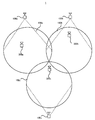
- FIG. 1 is a block diagram showing an example of the overall configuration of the wireless communication system 1 of the present embodiment.
- a radio communication system 1 includes a radio base station 100a, a radio base station 100b, a radio base station 100c, a mobile terminal 300a, a mobile terminal 300b, and a mobile terminal 300c. It has.
- the number of radio base stations 100 and the number of mobile terminals 300 shown in FIG. 1 are examples, and the number of radio base stations 100 and the number of mobile terminals 300 are not limited to the numbers shown in FIG.
- the description will be referred to as “radio base station 100”.
- the mobile terminal 300a, the mobile terminal 300b, and the mobile terminal 300c are described without being distinguished from each other, the description will be referred to as “mobile terminal 300”.
- the radio base station 100 is a radio base station (for example, eNB: evolved NodeB) that covers a cell 150 having a cell radius of approximately several kilometers to several tens of kilometers or several tens of kilometers.
- the radio base station 100a is a radio base station that covers the cell 150a
- the radio base station 100b is a radio base station that covers the cell 150b
- the radio base station 100c is a cell This is a radio base station covering 150c.
- the radio base station 100 performs radio communication with the mobile terminal 300 located in the cell 150 covered by itself.
- the radio base station 100 establishes a communication connection with the mobile terminal 300 located in the cell 150 covered by the radio base station 100 and transmits / receives data to / from the mobile terminal 300.
- the cell 150 covered by each radio base station 100 may be configured such that a part thereof overlaps a part or all of the other cell 150, or the entire cell 150 does not overlap the other cell 150. May be.
- the radio base station 100 that covers a cell (so-called macro cell) 150 having a cell radius of approximately several kilometers to several tens of kilometers or several tens of kilometers is illustrated.
- a radio base station that covers a cell (so-called micro cell) having a cell radius of approximately several hundred m to 1 km, or a cell radius of approximately several m to several tens m to several tens m
- a radio base station that covers a cell (so-called femtocell) may be arranged.
- Various radio base stations that cover cells having a cell radius other than those described above may be arranged.
- the example shown in FIG. 1 shows an example in which one cell 150 corresponds to one radio base station 100, but a configuration is made such that a plurality of cells 150 (or sectors) correspond to one radio base station 100. May be.
- the mobile terminal 300 is a mobile terminal (for example, UE: User Equipment) that establishes a connection with the radio base station 100 corresponding to the cell 150 located therein and transmits / receives data.
- Examples of the mobile terminal 300 include a mobile phone and various information terminals (for example, a PDA, a mini personal computer, a notebook personal computer, a desktop personal computer, etc.) having a wireless communication function.
- the mobile terminal 300 receives various services or applications (for example, mail service, voice call service, etc.) via the radio base station 100 (further, a core network (not shown) connected to the radio base station 100). WEB browsing service, packet communication service, etc.) can be used.
- Examples of the wireless communication system 1 include, for example, a wireless communication system compliant with LTE (Long Term Evolution) or E-UTRAN (Evolved Universal Terrestrial Radio Access Network).
- the wireless communication system 1 may conform to any standard other than LTE or E-UTRAN.
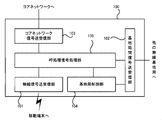
- FIG. 2 is a block diagram illustrating an example of a configuration of the radio base station 100 included in the radio communication system 1.
- the radio base station 100 includes a radio signal transmission / reception unit 101, an inter-base station signal transmission / reception unit 102, a core network signal transmission / reception unit 103, a base station control unit 104, and a call processing signal processing unit 105. And.
- the radio signal transmission / reception unit 101 transmits a radio signal to the mobile terminal 300 via a downlink radio channel (Downlink) and receives a radio signal transmitted from the mobile terminal 300 via an uplink radio channel (Uplink). .
- a downlink radio channel Downlink
- Uplink uplink radio channel
- the frequency used in the downlink radio channel and the frequency used in the uplink radio channel may be the same.
- the inter-base station signal transmission / reception unit 102 transmits an inter-base station signal to / from another radio base station (for example, an adjacent or adjacent radio base station) via, for example, an inter-base station line compliant with the X2 interface or the like. Send and receive.
- the inter-base station signal transmission / reception unit 102 included in the radio base station 100a is between the inter-base station transmission / reception unit 102 included in the radio base station 100b or 100c adjacent to the radio base station 100a. Then, signals between base stations are transmitted and received.
- the core network signal transmission / reception unit 103 transmits / receives an upper signal to / from a core network (not shown) via an upper station line compliant with, for example, the S1 interface.
- a mobility management entity MME: Mobility Management Entity
- SAE gateway SAE-GW: System Architecture Evolution, Gateway
- the base station control unit 104 controls the operation of the entire radio base station 100.
- the base station control unit 104 determines whether or not to perform a handover process (HO process) based on uplink channel quality information transmitted from another adjacent or adjacent radio base station 100 and a hand. Determine the over destination. Details of the operation of the base station control unit 104 will be described later.
- HO process handover process
- the call processing signal processing unit 105 processes a call processing signal included in a radio signal transmitted / received between the radio base station 100 and the mobile phone 300.
- the call processing signal processing unit 105 executes a handover process under the control of the base station control unit 104.
- FIG. 3 is a block diagram illustrating an example of a configuration of the mobile terminal 300 included in the wireless communication system 1.
- the mobile terminal 300 includes a radio signal transmission / reception unit 301, a terminal control unit 302, and a call processing signal processing unit 303.
- the radio signal transmission / reception unit 301 transmits a radio signal to the radio base station 100 via the uplink radio channel and receives a radio signal transmitted from the radio base station 100 via the downlink radio channel.
- the terminal control unit 302 controls the operation of the entire mobile terminal 300.
- the call processing signal processing unit 303 processes a call processing signal included in a radio signal transmitted / received between the radio base station 100 and the mobile phone 300.
- the call processing signal processing unit 303 executes a handover process under the control of the terminal control unit 302.
- FIG. 4 is a flowchart showing a flow of the first operation example of the wireless communication system 1 according to the present embodiment.
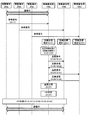
- FIG. 5 is a sequence diagram showing the flow of the first operation example of the wireless communication system 1 according to the present embodiment. 4 and 5, the mobile terminal 300a exists below the cell range of the radio base station 100a, the mobile terminal 300b exists below the cell range of the radio base station 100b, and moves below the cell range of the radio base station 100c.
- the flow of operation for executing a handover process for switching the communication destination of the mobile terminal 300a communicating with the radio base station 100a will be described.
- the call processing signal processing unit 303 provided in the mobile terminal 300a transmits a reference signal (Reference) to the wireless base station 100a in communication via the wireless signal transmitting / receiving unit 301 and the uplink wireless line. Signal) is transmitted (step S111).
- the call processing signal processing unit 303 provided in the other mobile terminal 300b transmits a reference signal to the other radio base station 100b in communication via the radio signal transmission / reception unit 301 and the uplink radio channel.
- the call processing signal processing unit 303 provided in the other mobile terminal 300c transmits a reference signal to the other radio base station 100c in communication via the radio signal transmitting / receiving unit 301 and the uplink radio channel.
- the radio signal transmission / reception unit 101 provided in the radio base station 100a receives a reference signal transmitted from the mobile terminal 300a.
- the radio signal transmission / reception unit 101 provided in the radio base station 100a measures the SIR (Signal to Interference Ratio) of the received reference signal, the out-of-synchronization of the received reference signal, etc.
- the quality (for example, the channel quality of the uplink radio channel between the radio base station 100a and the mobile terminal 300a) is measured (step S121).
- the radio signal transmitting / receiving unit 101 included in the radio base station 100a is: It may be determined that the channel quality of the uplink radio channel is “abnormal”.
- the radio signal transmitting / receiving unit 101 included in the radio base station 100 a It may be determined that the line quality of the line is “normal”.
- the radio signal transmission / reception unit 101 included in the radio base station 100a may measure the channel quality of the uplink radio channel based on the determination result of whether or not the radio base station 100a itself is out of order. For example, when the radio base station 100a itself is out of order, the radio signal transmitting / receiving unit 101 provided in the radio base station 100a may determine that the channel quality of the uplink radio channel is “abnormal”. For example, when the radio base station 100a itself has not failed, the radio signal transmission / reception unit 101 included in the radio base station 100a may determine that the channel quality of the uplink radio channel is “normal”.
- step S121 is performed not only by the radio base station 100a with which the mobile terminal 300a is communicating, but also by the other radio base stations 100b and 100c. That is, the radio signal transmitting / receiving unit 101 included in the radio base station 100b measures the channel quality of the uplink radio channel of the radio base station 100b (for example, the channel quality of the uplink radio channel between the radio base station 100b and the mobile terminal 300b). To do. The radio signal transmission / reception unit 101 included in the radio base station 100c measures the channel quality of the uplink radio channel of the radio base station 100c (for example, the channel quality of the uplink radio channel between the radio base station 100c and the mobile terminal 300c).
- the one or more mobile terminals 300 are not always located under the cell of the radio base station 100. In other words, a state where the mobile terminal 300 does not exist under the cell of the radio base station 100 is also assumed.
- the radio base station 100 receives the reference signal transmitted from the mobile terminal 300, and instead of measuring the channel quality of the uplink radio channel, the channel quality of the uplink radio channel measured in the past (that is, A past history of line quality) may be read out.
- the radio base station 100 preferably reads the channel quality of the uplink radio channel measured most recently. In order to realize the operation of reading the channel quality of the uplink radio channel measured in the past, the measured channel quality of the uplink radio channel may be stored in a memory (not shown) provided in the radio base station 100 or the like.
- the base station control unit 104 included in the radio base station 100a determines whether or not the radio base station 100a is the source radio base station 100 in the handover process (step S122). In other words, the base station control unit 104 included in the radio base station 100a determines whether or not the radio base station 100a is the radio base station 100 currently communicating with the mobile terminal 300a (step S122). The operation in step S122 is performed by the radio base station 100a with which the mobile terminal 300a is communicating.
- the base station control unit 104 included in the radio base station 100a determines that the radio base station 100a is the source radio base station 100 in the handover process (step S122: Yes). In this case, the radio base station 100a performs the operations from step S123 to step S128 described in detail below.
- the radio base station 100b or 100c is not the source radio base station 100 in the handover process. In this case, the radio base station 100b or 100c performs the operation from step S131 to step S134 described in detail below, instead of the operation from step S122 to step S128.
- the inter-base station signal transmitting / receiving unit 102 provided in the radio base station 100a that is the source radio base station 100 in the handover process determines whether or not a predetermined period has passed (step S123). As a result of the determination in step S123, when it is determined that the predetermined period has not elapsed (step S123: No), the radio signal transmitting / receiving unit 101 included in the radio base station 100a is connected to the uplink radio channel of the radio base station 100a. It is determined whether or not the line quality is deteriorated (in other words, it is abnormal) (step S124).
- step S123: No and step S124: No the radio base station 100a Returning to step S121, the operations after step S121 are repeated.
- the call provided in the radio base station 100a The processing signal processing unit 105 is configured so that the radio base stations 100b and 100c are connected to the radio base stations 100b and 100c adjacent to or close to the radio base station 100a via the inter-base station signal transmitting / receiving unit 102 and the inter-base station line.
- a request message for requesting the radio base station 100a to transmit the measured or read uplink radio channel quality to the radio base station 100a is transmitted (step S125).
- the call processing signal processing unit 105 provided in the radio base station 100b that is not the source radio base station 100 in the handover process includes the inter-base station signal transmitting / receiving unit 102 and the inter-base station line. Then, it is determined whether or not a request message requesting transmission of the channel quality of the uplink radio channel is received from the radio base station 100a adjacent to or close to the radio base station 100b (step S131).
- the call processing signal processing unit 105 provided in the radio base station 100c that is not the source radio base station 100 in the handover process is adjacent to the radio base station 100c via the inter-base station signal transmitting / receiving unit 102 and the inter-base station line, or It is determined whether a request message for transmitting the channel quality of the uplink radio channel has been received from the adjacent radio base station 100a (step S131).
- step S131 when it is determined that a request message requesting transmission of the channel quality of the uplink radio channel has not been received (step S131: No), the radio base station 100b or 100c Returning to S121, the operations after step S121 are repeated.
- step S131 when it is determined that a request message requesting transmission of the channel quality of the uplink radio channel has been received (step S131: Yes), between base stations included in the radio base station 100b
- the signal transmitting / receiving unit 102 transmits the channel quality (for example, the channel quality measured or read in step S121) of the uplink radio channel of the radio base station 100b to the radio base station 100a via the channel between the base stations. Transmit (step S132).
- the inter-base station signal transmission / reception unit 102 included in the radio base station 100a receives the channel quality of the uplink radio channel of the radio base station 100b via the inter-base station channel (step S126).
- the radio base station 100a only confirms the quality of the reference signal transmitted from the mobile terminal 300a located under the cell range of the radio base station 100a (that is, the channel quality of the uplink radio channel of the radio base station 100a). Instead, the quality of the reference signal transmitted from the mobile terminal 300b located under the cell range of the other radio base station 100b (that is, the channel quality of the uplink radio channel of the radio base station 100b) can be confirmed.
- the inter-base station signal transmission / reception unit 102 included in the radio base station 100c transmits the channel quality of the uplink radio channel of the radio base station 100c (for example, the channel quality measured or read in step S121) via the inter-base station channel. ) Is transmitted to the radio base station 100a (step S132).
- the inter-base station signal transmission / reception unit 102 included in the radio base station 100a receives the channel quality of the uplink radio channel of the radio base station 100c via the inter-base station channel (step S126). Therefore, the radio base station 100a only confirms the quality of the reference signal transmitted from the mobile terminal 300a located under the cell range of the radio base station 100a (that is, the channel quality of the uplink radio channel of the radio base station 100a). Instead, the quality of the reference signal transmitted from the mobile terminal 300c located under the cell range of the other radio base station 100c (that is, the channel quality of the uplink radio channel of the radio base station 100c) can be confirmed.
- the base station control unit 104 included in the radio base station 100a that is the source radio base station 100 in the handover process performs the handover process based on the channel quality of each uplink radio channel of the radio base stations 100a, 100b, and 100c. It is determined whether or not to execute (step S127). Specifically, when the channel quality of the uplink radio channel of the radio base station 100a is worse than the channel quality of the uplink radio channel of the radio base station 100b or 100c, the base station control included in the radio base station 100a The unit 104 may determine to execute the handover process.
- the base station control unit 104 included in the radio base station 100a performs handover. You may determine not to perform a process.
- the base station controller 104 determines whether to move to the destination (hand) based on the channel quality of each uplink radio channel of the radio base stations 100a, 100b, and 100c. It is preferable to select the radio base station 100 of the over destination). For example, the base station control unit 104 included in the radio base station 100a preferably selects the radio base station 100 with the best channel quality of the uplink radio channel as the destination radio base station 100.
- the SIR indicating the channel quality of the uplink radio channel of the radio base station 100b is “P1”
- the SIR indicating the channel quality of the uplink radio channel of the radio base station 100c is “P2”.
- the base station control unit 104 included in the radio base station 100a preferably selects the radio base station 100b as the destination radio base station 100.
- the base station control unit 104 included in the radio base station 100a preferably selects the radio base station 100c as the destination radio base station 100.
- the destination radio base station 100 may be selected based on other channel quality.
- radio base station 100b is selected as the destination radio base station 100 when the handover process is executed.
- step S127 when it is determined not to execute the handover process (step S127: No), the radio base station 100a returns to step S121 and repeats the operations after step S121.
- step S127 when it is determined to execute the handover process (step S127: Yes), the call processing signal processing unit 105 provided in the radio base station 100a is selected as the movement-destination radio base station 100. A request message requesting that the handover process is executed is transmitted to the radio base station 100b, and an instruction message instructing the mobile terminal 300a to execute the handover process is transmitted. As a result, the call processing signal processing unit 105 included in the radio base station 100a executes a handover process (step S128).
- the base station control unit 104 included in the radio base station 100b or 100c that is not the source radio base station 100 in the handover process is a radio that is the source radio base station 100 in the handover process. It is determined whether or not a request message for requesting execution of handover is transmitted from the base station 100a (step S133).
- step S133 the base station control unit 104 included in the radio base station 100c determines that a request message requesting execution of handover has not been received (step S133: No). In this case, the radio base station 100c returns to step S121 and repeats the operations after step S121.
- step S133 the base station control unit 104 included in the radio base station 100b determines that a request message requesting execution of handover has been received (step S133: Yes). In this case, the call processing signal processing unit 105 included in the radio base station 100b performs a handover process (step S128).
- the terminal control unit 202 included in the mobile terminal 300a instructs the handover to be executed from the radio base station 100a that is the source radio base station 100 in the handover process. Is determined (step S112).
- step S112 when it is determined that an instruction message instructing execution of handover has not been received (step S112: No), the mobile terminal 300a returns to step S111, and after step S111 Repeat the operation.
- step S112 when it is determined that the instruction message supporting the execution of the handover is received (step S112: Yes), the call processing signal processing unit 303 provided in the mobile terminal 300a A handover process is executed (step S113).
- a handover process is performed in which the communication destination of the mobile terminal 300a is switched from the radio base station 100a to the radio base station 100b.
- the handover process itself may be configured to be executed according to a conventional procedure. Therefore, in order to simplify the description, a detailed description of the handover process itself is omitted here.
- the source radio base station 100 in the handover process determines the channel quality of the uplink radio channel of each of the own station and other stations adjacent to or close to the own station. It can collect suitably. Therefore, the source radio base station 100 can execute a handover process for switching the communication destination of the mobile terminal 300 to the radio base station 100 with the best channel quality of the uplink radio channel. For this reason, in the wireless communication system 1 adopting the FDD scheme in which the frequency used in the uplink radio channel is different from the frequency used in the downlink radio channel, only the channel quality of the uplink radio channel is deteriorated. Also, the handover process is preferably executed. Therefore, it is possible to maintain suitable radio communication between the mobile terminal 300 and the radio base station 100.
- the source radio base station 100 directly receives the channel quality of the uplink radio channel of the adjacent or adjacent radio base station 100 from the adjacent or adjacent radio base station 100. Yes. For this reason, the source radio base station 100 can preferably recognize the channel quality of the uplink radio channel of the adjacent or adjacent radio base station 100.
- the radio base station 100 periodically transmits the channel quality of the uplink radio channel to the adjacent or adjacent radio base station 100. For this reason, the source radio base station 100 can reliably recognize the latest channel quality. Therefore, the source radio base station 100 can preferably determine whether or not to execute the handover process, and can suitably select the handover destination radio base station 100.
- the radio base station 100 transmits the line quality of the uplink radio line in response to a request from the adjacent or adjacent radio base station 100. For this reason, useless or unnecessary transmission of channel quality of the uplink radio channel can be suppressed. Therefore, it is possible to reduce a load related to transmission / reception of the channel quality of the uplink radio channel (for example, the load on the radio base station 100 or the channel between base stations).
- the source radio base station 100a in the handover process can acquire the channel quality of the uplink radio channel of the destination radio base station 100b or 100c in the handover process. For this reason, even when the mobile terminal 300 does not exist under the cell of the radio base station 100b or 100c, the radio base station 100a determines the channel quality of the uplink radio channel of the adjacent or adjacent radio base station 100b or 100c. It can be suitably recognized. Therefore, the radio base station 100a can suitably execute the handover process.
- FIG. 6 is a flowchart showing a flow of the second operation example of the wireless communication system 1 according to the present embodiment.
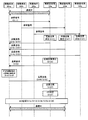
- FIG. 7 is a sequence diagram showing a flow of the second operation example of the wireless communication system 1 according to the present embodiment.
- the mobile terminal 300a exists under the cell range of the radio base station 100a
- the mobile terminal 300b exists under the cell range of the radio base station 100b
- the radio base station In the radio communication system 1 in which the mobile terminal 300c exists under the cell range of the station 100c, an operation flow for executing a handover process for switching the communication destination of the mobile terminal 300a in communication with the radio base station 100a will be described.
- the call processing signal processing unit 303 included in the mobile terminal 300a transmits a reference signal to the communicating radio base station 100a via the radio signal transmitting / receiving unit 301 and the uplink radio channel.
- the call processing signal processing unit 303 provided in the other mobile terminal 300b transmits a reference signal to the other radio base station 100b in communication via the radio signal transmission / reception unit 301 and the uplink radio channel.
- the call processing signal processing unit 303 provided in the other mobile terminal 300c transmits a reference signal to the other radio base station 100c in communication via the radio signal transmitting / receiving unit 301 and the uplink radio channel.
- the radio signal transmission / reception unit 101 provided in the radio base station 100a receives a reference signal transmitted from the mobile terminal 300a. Thereafter, the radio transmission / reception unit 101 included in the radio base station 100a measures the channel quality of the uplink radio channel of the radio base station 100a (step S121). The operation in step S121 is performed not only by the radio base station 100a with which the mobile terminal 300a is communicating, but also by the other radio base stations 100b and 100c.
- the radio base station 100 receives a reference signal transmitted from the mobile terminal 300.
- the channel quality of the uplink radio channel measured in the past that is, the past history of channel quality
- the radio signal transmission / reception unit 101 provided in the radio base station 100a determines the channel quality of the uplink radio channel measured or read in step S121 via the downlink radio channel (that is, the channel quality of the uplink radio channel of the radio base station 100a). And transmitted to the mobile terminal 300a (step S151).
- the radio signal transceiver 301 provided in the mobile terminal 300a receives the channel quality of the uplink radio channel transmitted from the radio base station 100a (step S141).
- step S151 is performed not only by the radio base station 100a with which the mobile terminal 300a is communicating, but also by the other radio base stations 100b and 100c. That is, the radio signal transmitting / receiving unit 101 included in the radio base station 100b transmits the channel quality of the uplink radio channel of the radio base station 100b to the mobile terminal 300a.
- the radio signal transmission / reception unit 301 included in the mobile terminal 300a receives the channel quality of the uplink radio channel transmitted from the radio base station 100b.
- the radio signal transmission / reception unit 101 included in the radio base station 100c transmits the channel quality of the uplink radio channel of the radio base station 100c to the mobile terminal 300a.
- the radio signal transmitting / receiving unit 301 included in the mobile terminal 300a receives the channel quality of the uplink radio channel transmitted from the radio base station 100c.
- the operation in step S141 is not necessarily performed.
- the radio base station 100a (or the radio base station 100b or 100c) performs processing similar to the first operation example instead of the second operation example, or supports reception of channel quality of the uplink radio channel. It is preferable to search for a new mobile terminal.
- the radio base station 100a In order for the radio base station 100a to determine whether or not the mobile terminal 300a is a mobile terminal that does not support reception of uplink channel quality (for example, an old mobile terminal), the mobile terminal 300a A confirmation message for confirming whether or not the reception of the line quality of the line has been completed may be transmitted to the radio base station 100a. Thereby, when the confirmation message is transmitted from the mobile terminal 300a, the radio base station 100a can determine that the mobile terminal 300a is a mobile terminal that supports reception of uplink channel quality. . If the confirmation message is not transmitted from the mobile terminal 300a, the radio base station 100a can determine that the mobile terminal 300a is a mobile terminal that does not support reception of uplink channel quality.
- the radio base station 100 performs the second operation example shown below as it is, or performs the same processing as the first operation example instead of the second operation example, or receives the channel quality of the uplink radio channel. It is possible to suitably determine whether to search for a corresponding mobile terminal anew.
- the base station control unit 104 included in the radio base station 100a determines whether or not the radio base station 100a is the source radio base station 100 in the handover process (step S122).
- the operation in step S122 is performed by the radio base station 100a with which the mobile terminal 300a is communicating.
- the base station control unit 104 included in the radio base station 100a determines that the radio base station 100a is the source radio base station 100 in the handover process (step S122: Yes). In this case, the radio base station 100a performs the operations of step S124, step S127 and step S128, and step S152 and step S153 described in detail below.
- the radio base station 100b or 100c is not the source radio base station 100 in the handover process. In this case, the radio base station 100b or 100c performs the operations of Step S133 and Step S134 described in detail below instead of the operations of Step S122, Step S124, Step S127, and Step S128.
- the radio signal transmission / reception unit 101 included in the radio base station 100a that is the source radio base station 100 in the handover process has the channel quality of the uplink radio channel of the radio base station 100a deteriorated (in other words, an abnormality has occurred). Whether or not) is determined (step S124).
- step S124 when it is determined that the channel quality of the uplink radio channel of the radio base station 100a has not deteriorated (step S124: No), the radio base station 100a returns to step S121, and the step The operations after S121 are repeated.
- step S124 When it is determined that the channel quality of the uplink radio channel of the radio base station 100a is deteriorated (step S124: Yes), the call processing signal processing unit 105 provided in the radio base station 100a A request message requesting that the channel quality of the uplink radio channel received in step S141 is transmitted to the radio base station 100a is transmitted to the mobile terminal 300a via the downlink radio channel (step S152).
- the radio signal transmitting / receiving unit 301 included in the mobile terminal 300a determines whether or not a predetermined period has elapsed (step S142). As a result of the determination in step S123, when it is determined that the predetermined period has not elapsed (step S142: No), the call processing signal processing unit 303 included in the mobile terminal 300a receives an uplink radio channel from the radio base station 100a. It is determined whether or not a request message for requesting transmission of the line quality is transmitted (step S143).
- step S142 When it is determined that the predetermined period has not elapsed and the request message for requesting transmission of the channel quality of the uplink radio channel has not been transmitted (step S142: No and step S143: No), the mobile terminal 300a returns to step S111, and repeats the operations after step S111.
- step S142 If it is determined that the predetermined period has elapsed or a request message for requesting transmission of the channel quality of the uplink radio channel is transmitted (step S142: Yes or step S143: Yes), the mobile terminal 300a
- the radio signal transmitting / receiving unit 101 included in the radio base station 100a receives the channel quality of the uplink radio channel of the radio base station 100b via the uplink radio channel (step S153).
- the radio signal transmitting / receiving unit 101 included in the mobile terminal 300a transmits the channel quality of the uplink radio channel transmitted from the radio base station 100c to the radio base station 100a via the uplink radio channel (step S144).
- the radio signal transmission / reception unit 101 included in the radio base station 100a receives the channel quality of the uplink radio channel of the radio base station 100c via the uplink radio channel (step S153).
- the radio signal transmission / reception unit 301 included in the mobile terminal 300a may transmit the channel quality of the uplink radio channel transmitted from the radio base station 100a to the radio base station 100a via the uplink radio channel.
- the radio signal transmitting / receiving unit 101 included in the radio base station 100a may receive the channel quality of the uplink radio channel of the radio base station 100a via the uplink radio channel.
- the base station control unit 104 included in the radio base station 100a that is the source radio base station 100 in the handover process performs the handover process based on the channel quality of each uplink radio channel of the radio base stations 100a, 100b, and 100c. It is determined whether or not to execute (step S127). Thereafter, similarly to the first operation example, the operations of Step S112 and Step S113, Step S127 and Step S128, and Step S133 and Step S134 are performed. As a result, a handover process is executed in which the communication destination of the mobile terminal 300a is switched from the radio base station 100a to the radio base station 100b.
- the source radio base station 100 in the handover process determines the channel quality of the uplink radio channel of each of the own station and other stations adjacent to or close to the own station. It can collect suitably. Therefore, the source radio base station 100 can execute a handover process for switching the communication destination of the mobile terminal 300 to the radio base station 100 with the best channel quality of the uplink radio channel. For this reason, in the wireless communication system 1 adopting the FDD scheme in which the frequency used in the uplink radio channel is different from the frequency used in the downlink radio channel, only the channel quality of the uplink radio channel is deteriorated. Also, the handover process is preferably executed. Therefore, it is possible to maintain suitable radio communication between the mobile terminal 300 and the radio base station 100. That is, the radio base station 100 can enjoy the same effects as those received by the first operation example described above.
- the source radio base station 100 directly receives the channel quality of the uplink radio channel of the radio base station 100 adjacent or close to the mobile terminal 300. For this reason, the source radio base station 100 can preferably recognize the channel quality of the uplink radio channel of the adjacent or adjacent radio base station 100.
- the mobile terminal 300 periodically transmits the channel quality of the uplink radio channel to the source radio base station 100.
- the source radio base station 100 can preferably determine whether or not to execute the handover process, and the handover destination radio base station 100 preferably You can choose.
- the mobile terminal 300 transmits the channel quality of the uplink radio channel in response to a request from the source radio base station 100. For this reason, similarly to the first operation example, it is possible to reduce a load related to transmission / reception of the channel quality of the uplink radio channel (for example, the load of the radio base station 100, the mobile terminal 300, and the uplink radio channel).
- FIG. 8 is a flowchart showing a flow of the third operation example of the wireless communication system 1 according to the present embodiment.
- FIG. 9 is a sequence diagram showing the flow of the third operation example of the wireless communication system 1 according to the present embodiment.
- the mobile terminal 300a exists under the cell range of the radio base station 100a
- the mobile terminal 300b exists under the cell range of the radio base station 100b
- the radio base station In the radio communication system 1 in which the mobile terminal 300c exists under the cell range of the station 100c, an operation flow for executing a handover process for switching the communication destination of the mobile terminal 300a in communication with the radio base station 100a will be described.
- the radio signal transmitting / receiving unit 301 included in the mobile terminal 300a determines whether or not the channel quality of the downlink radio channel between the radio base station 100a and the mobile terminal 300a in communication has deteriorated. Is determined (step S161). Prior to the operation in step S161, a message (for example, measurement configuration ⁇ / control message) requesting to measure the channel quality of the downlink radio channel may be transmitted from the radio base station 100a to the mobile terminal 300a. In this case, the radio signal transmission / reception unit 301 included in the mobile terminal 300a may perform the operation in step S161 after receiving a message requesting to measure the channel quality of the downlink radio channel.
- a message for example, measurement configuration ⁇ / control message
- step S161 when it is determined that the channel quality of the downlink radio channel has not deteriorated (step S161: No), the mobile terminal 300a proceeds to step S111.
- step S161 when it is determined that the channel quality of the downlink radio channel is deteriorated (step S161: Yes), the radio transmission / reception unit 301 included in the mobile terminal 300a determines that the radio base station 100a and the mobile terminal The channel quality of the downlink radio channel with 300a is measured (step S162).
- the radio transceiver 301 provided in the mobile terminal 300a transmits the measured channel quality of the downlink radio channel to the radio base station 100a (step S162).
- the radio signal transmission / reception unit 101 included in the radio base station 100a receives the channel quality of the downlink radio channel transmitted from the mobile terminal 300a (step S171).
- step S162 is performed not only for the radio base station 100a with which the mobile terminal 300a is communicating, but also for the radio base stations 100b and 100c. That is, the radio transmission / reception unit 301 included in the mobile terminal 300a measures the channel quality of the downlink radio channel between the radio base station 100b and the mobile terminal 300a, and uses the measured channel quality of the downlink radio channel to the radio base station 100a. Send to. The radio signal transmission / reception unit 101 provided in the radio base station 100a receives the channel quality of the downlink radio channel transmitted from the mobile terminal 300a.
- the radio transmission / reception unit 301 included in the mobile terminal 300a measures the channel quality of the downlink radio channel between the radio base station 100c and the mobile terminal 300a and transmits the measured channel quality of the downlink radio channel to the radio base station 100a. To send.
- the radio signal transmission / reception unit 101 provided in the radio base station 100a receives the channel quality of the downlink radio channel transmitted from the mobile terminal 300a.
- the call processing signal processing unit 303 provided in the mobile terminal 300a transmits a reference signal to the communicating radio base station 100a via the radio signal transmitting / receiving unit 301 and the uplink radio line (step S111).
- the call processing signal processing unit 303 provided in the other mobile terminal 300b transmits a reference signal to the other radio base station 100b in communication via the radio signal transmission / reception unit 301 and the uplink radio channel.
- the call processing signal processing unit 303 provided in the other mobile terminal 300c transmits a reference signal to the other radio base station 100c in communication via the radio signal transmitting / receiving unit 301 and the uplink radio channel.
- the radio signal transmission / reception unit 101 provided in the radio base station 100a receives a reference signal transmitted from the mobile terminal 300a.
- the radio transmission / reception unit 101 included in the radio base station 100a measures the channel quality of the uplink radio channel of the radio base station 100a (for example, the channel quality of the uplink radio channel between the radio base station 100a and the mobile terminal 300a) (step) S121).
- the operation in step S121 is performed not only by the radio base station 100a with which the mobile terminal 300a is communicating, but also by the other radio base stations 100b and 100c.
- the radio base station 100 receives a reference signal transmitted from the mobile terminal 300.
- the channel quality of the uplink radio channel measured in the past that is, the past history of channel quality
- the base station control unit 104 included in the radio base station 100a determines whether or not the radio base station 100a is the source radio base station 100 in the handover process (step S122).
- the operation in step S122 described above is performed by the radio base station 100a with which the mobile terminal 300a is communicating.
- the base station control unit 104 included in the radio base station 100a determines that the radio base station 100a is the source radio base station 100 in the handover process (step S122: Yes). In this case, the radio base station 100a performs the operations from step S123 to step S128 described in detail below.
- the radio base station 100b or 100c is not the source radio base station 100 in the handover process. In this case, the radio base station 100b or 100c performs the operation from step S131 to step S134 described in detail below, instead of the operation from step S122 to step S128.
- the radio base station 100a which is the source radio base station 100 in the handover process, performs the operations from step S123 to step S126 as in the first operation example.
- the radio base stations 100b and 100c that are not the source radio base station 100 in the handover process perform the operations of steps S131 and 132, as in the first operation example.
- the base station control unit 104 included in the radio base station 100a which is the source radio base station 100 in the handover process includes (i) channel quality of each uplink radio channel of the radio base stations 100a, 100b and 100c, and (ii ) It is determined whether or not to execute the handover process based on both the channel qualities of the downlink radio channels between each of the radio base stations 100a, 100b and 100c and the mobile terminal 300a (step S172). Specifically, when the channel quality of the uplink radio channel of the radio base station 100a is worse than the channel quality of the uplink radio channel of the radio base station 100b or 100c, the base station control included in the radio base station 100a The unit 104 may determine to execute the handover process.
- the base station control unit 104 included in the radio base station 100a may determine to execute the handover process.
- the base station control unit 104 included in the radio base station 100a performs handover. You may determine not to perform a process.
- the radio The base station control unit 104 included in the base station 100a may determine not to execute the handover process.
- the base station control unit 104 included in the radio base station 100a determines to execute the handover process, (i) the channel quality of the uplink radio channels of the radio base stations 100a, 100b and 100c, and (ii) the radio base station It is preferable to select the radio base station 100 as the movement destination (handover destination) based on the channel quality of the downlink radio channel between the stations 100a, 100b and 100c and the mobile terminal 300a.
- the base station control unit 104 included in the radio base station 100a preferably selects the radio base station 100 having the best channel quality for each of the uplink radio channel and the downlink radio channel as the destination radio base station 100.
- the base station control unit 104 included in the radio base station 100a may select the radio base station 100 that provides good downlink channel quality including the common channel as the destination radio base station 100.
- the base station control unit 104 included in the radio base station 100a may select the destination radio base station 100 based on a base station selection table stored in a memory (not shown) provided in the radio base station 100a.
- a base station selection table stored in a memory (not shown) provided in the radio base station 100a.
- An example of the base station selection table is shown with reference to FIG.
- FIG. 10 is a table diagram illustrating an example of a base station selection table referred to by the third operation example of the wireless communication system 1 according to the present embodiment.
- FIG. 10 shows the state of the channel quality of the uplink radio channel and the channel quality of the downlink radio channel of each of the radio base stations 100b and 100c that are not the source radio base station 100 in the handover process, and the selected radio base station.
- An example of the associated base station selection table is shown. According to the base station selection table shown in FIG. 10, the uplink radio channel of the radio base station 100b is “normal (that is, there is no degradation in channel quality)”, and the downlink radio channel of the radio base station 100b is “normal”. When the uplink radio channel of the radio base station 100c is “normal” and the downlink radio channel of the radio base station 100c is “normal”, the SIR is better among the radio base stations 100b and 100c.
- the radio base station is selected as the destination radio base station 100.
- the uplink radio channel of the radio base station 100b is “normal”, the downlink radio channel of the radio base station 100b is “normal”, the uplink radio channel of the radio base station 100c is “normal”, and the radio base station 100c
- the wireless base station 100b is designated as the movement-destination wireless base station 100 when the downlink wireless channel is “abnormal (that is, there is a degradation in channel quality or a disconnection due to loss of synchronization, etc.)”. Selected.
- the uplink radio channel of the radio base station 100b is “normal”, the downlink radio channel of the radio base station 100b is “normal”, the uplink radio channel of the radio base station 100c is “abnormal”, and the radio base station 100c
- the radio base station 100b is selected as the radio base station 100 of the movement destination.
- the uplink radio channel of the radio base station 100b is “normal”, the downlink radio channel of the radio base station 100b is “normal”, the uplink radio channel of the radio base station 100c is “abnormal”, and the radio base station 100c
- the radio base station 100 b is selected as the radio base station 100 of the movement destination.
- the uplink radio channel of the radio base station 100b is “normal”, the downlink radio channel of the radio base station 100b is “abnormal”, the uplink radio channel of the radio base station 100c is “normal”, and the radio base station 100c
- the radio base station 100c is selected as the radio base station 100 of the movement destination.
- the uplink radio channel of the radio base station 100b is “normal”, the downlink radio channel of the radio base station 100b is “abnormal”, the uplink radio channel of the radio base station 100c is “normal”, and the radio base station 100c If the downlink radio channel is “abnormal”, a radio base station having a better SIR is selected as the destination radio base station 100 among the radio base stations 100b and 100c.
- the uplink radio channel of the radio base station 100b is “normal”, the downlink radio channel of the radio base station 100b is “abnormal”, the uplink radio channel of the radio base station 100c is “abnormal”, and the radio base station 100c If the downlink radio channel is “normal”, the radio base station 100 c in which the downlink radio channel is “normal” is selected as the destination radio base station 100.
- the uplink radio channel of the radio base station 100b is “normal”, the downlink radio channel of the radio base station 100b is “abnormal”, the uplink radio channel of the radio base station 100c is “abnormal”, and the radio base station 100c
- the radio base station 100 b is selected as the radio base station 100 of the movement destination.
- the uplink radio channel of the radio base station 100b is “abnormal”, the downlink radio channel of the radio base station 100b is “normal”, the uplink radio channel of the radio base station 100c is “normal”, and the radio base station 100c
- the radio base station 100c is selected as the radio base station 100 of the movement destination.
- the uplink radio channel of the radio base station 100b is “abnormal”, the downlink radio channel of the radio base station 100b is “normal”, the uplink radio channel of the radio base station 100c is “normal”, and the radio base station 100c If the downlink radio channel is “abnormal”, the radio base station 100 b in which the downlink radio channel is “normal” is selected as the destination radio base station 100.
- the uplink radio channel of the radio base station 100b is “abnormal”, the downlink radio channel of the radio base station 100b is “normal”, the uplink radio channel of the radio base station 100c is “abnormal”, and the radio base station 100c If the downlink radio channel is “normal”, a radio base station having a better SIR is selected as the destination radio base station 100 among the radio base stations 100 b and 100 c.
- the uplink radio channel of the radio base station 100b is “abnormal”, the downlink radio channel of the radio base station 100b is “normal”, the uplink radio channel of the radio base station 100c is “abnormal”, and the radio base station 100c
- the radio base station 100b is selected as the radio base station 100 of the movement destination.
- the uplink radio channel of the radio base station 100b is “abnormal”, the downlink radio channel of the radio base station 100b is “abnormal”, the uplink radio channel of the radio base station 100c is “normal”, and the radio base station 100c
- the radio base station 100c is selected as the radio base station 100 of the movement destination.
- the uplink radio channel of the radio base station 100b is “abnormal”, the downlink radio channel of the radio base station 100b is “abnormal”, the uplink radio channel of the radio base station 100c is “normal”, and the radio base station 100c In the case where the downlink radio channel is “abnormal”, the radio base station 100 c is selected as the destination radio base station 100.
- the uplink radio channel of the radio base station 100b is “abnormal”, the downlink radio channel of the radio base station 100b is “abnormal”, the uplink radio channel of the radio base station 100c is “abnormal”, and the radio base station 100c
- the radio base station 100c is selected as the radio base station 100 of the movement destination.
- the uplink radio channel of the radio base station 100b is “abnormal”, the downlink radio channel of the radio base station 100b is “abnormal”, the uplink radio channel of the radio base station 100c is “abnormal”, and the radio base station 100c If the downlink radio channel is “abnormal”, a radio base station having a better SIR is selected as the destination radio base station 100 among the radio base stations 100b and 100c.
- Step S112 and Step S113, Step S127 and Step S128, and Step S133 and Step S134 are performed.
- a handover process is executed in which the communication destination of the mobile terminal 300a is switched from the radio base station 100a to the radio base station 100b.
- the source radio base station 100 in the handover process determines the channel quality of the uplink radio channel of each of the own station and other stations adjacent to or close to the own station. It can collect suitably. Therefore, the source radio base station 100 can execute a handover process for switching the communication destination of the mobile terminal 300 to the radio base station 100 with the best channel quality of the uplink radio channel. For this reason, in the wireless communication system 1 adopting the FDD scheme in which the frequency used in the uplink radio channel is different from the frequency used in the downlink radio channel, only the channel quality of the uplink radio channel is deteriorated. Also, the handover process is preferably executed. Therefore, it is possible to maintain suitable radio communication between the mobile terminal 300 and the radio base station 100.
Landscapes
- Engineering & Computer Science (AREA)
- Computer Networks & Wireless Communication (AREA)
- Signal Processing (AREA)
- Mobile Radio Communication Systems (AREA)
Abstract
無線基地局(100)は、(i)自身の上り方向の回線品質、及び(ii)当該無線基地局自身に隣接する又は近接する無線基地局の上り方向の回線品質を示す上り方向品質情報を収集する収集手段(101、102)と、移動端末の通信先を、上り方向品質情報が示す回線品質に基づいて切り替え先の無線基地局を決定して切り替えるハンドオーバー処理を実行する実行手段(104、105)とを備える。
Description
本発明は、例えば移動端末との間で無線通信を行う無線基地局、無線基地局との間で無線通信を行う移動端末、及び無線基地局における通信方法に関する。
無線通信システムにおいては、複数の無線基地局を配置すると共に、移動端末と無線基地局との間で無線通信が行われる。これにより、移動端末は、無線基地局を介して各種情報の送受信を行うことができる。各無線基地局の通信エリア(例えば、セルないしはセクタ)は大きさに制限があるため、ある無線基地局の通信エリア外に移動端末が移動してしまうと、移動端末の無線通信が途絶えてしまいかねない。この場合に、無線通信を途絶えさせないためのハンドオーバー技術が従来から提案されている。ハンドオーバー技術を採用することで、移動端末は、移動先の無線基地局の通信エリア内に入った場合に、移動先の無線基地局との間の無線通信を開始すると共に、移動元の無線基地局との間の無線通信を停止させている。或いは、移動先の無線基地局との間の無線通信を開始すると共に、移動元の無線基地局との間の無線通信をも冗長的に維持することもできる。これにより、移動端末と無線基地局との間の無線通信を途絶えさせること無く、信頼性の高い無線通信を実現することができる。
従来のハンドオーバーは、無線基地局から移動端末に向かう下りリンク方向の通信回線(Downlink)の回線品質のみに基づいて、移動端末が通信を行う無線基地局の切り替えを行っている。一方で、近年、移動端末から無線基地局に向かう上りリンク方向の通信回線(Uplink)において使用される周波数が下り方向の通信回線において使用される周波数とは異なるFDD(Frequency Division Duplex)方式を採用している無線通信システムが提案されている。FDD方式を採用している無線通信システムに対して従来のハンドオーバーを適用した場合には、下り方向の通信回線の回線品質が良好である限りはハンドオーバーが行われることがない。このため、上り方向の通信回線の回線品質のみが悪化している場合には、移動端末と無線基地局との間の好適な無線通信を維持することが困難又は不可能となりかねない。
本発明が解決しようとする課題には上記のようなものが一例として挙げられる。本発明は、例えばより好適にハンドオーバーを行うことが可能な無線基地局、移動端末及び通信方法を提供することを目的とする。
上記課題は、収集手段と実行手段とを備える無線基地局によって解決され得る。収集手段は、(i)自身の上り方向の回線品質、及び(ii)当該無線基地局自身に隣接する又は近接する無線基地局の上り方向の回線品質を示す上り方向品質情報を収集する。実行手段は、移動端末の通信先を、上り方向品質情報が示す回線品質に基づいて切り替え先の無線基地局を決定して切り替えるハンドオーバー処理を実行する。
上記課題は、上り方向の回線品質を示す上り方向品質情報を生成する無線基地局と無線通信を行う移動端末であって、取得手段と送信手段とを備える移動端末によっても解決され得る。取得手段は、無線基地局によって生成される上り方向品質情報を取得する。言い換えれば、取得手段は、無線基地局によって生成され且つ移動端末に対して送信される上り方向品質情報を取得する。送信手段は、取得した上り方向品質情報を、当該移動端末が通信中の無線基地局に対して送信する。
上記課題は、収集工程と実行工程とを備える通信方法によって解決され得る。収集工程では、上述の収集手段が行う動作と同様の動作が行われる。実行工程では、上述の実行手段が行う動作と同様の動作が行われる。尚、通信方法は、無線基地局により行われる。
以上説明した無線基地局は、無線基地局(より具体的には、自局及び自局に隣接する若しくは近接する無線基地局(他局))の上り方向の回線品質を認識することができる。従って、無線基地局は、移動端末の通信先を、例えば上り方向の回線品質が最良となる又は適切となる無線基地局に切り替えるハンドオーバー処理を実行することができる。このため、上り方向の通信回線において使用される周波数が下り方向の通信回線において使用される周波数と異なるFDD方式を採用している無線通信システムにおいて上り方向の通信回線の回線品質のみが悪化している場合であっても、移動端末の通信先を適切に切り替えることができる。このため、移動端末と無線基地局との間の好適な無線通信を維持することが可能となる。
以上説明した移動端末は、多数の無線基地局から送信される上り方向品質情報を、当該移動端末と通信中の無線基地局に対して送信することができる。言い換えれば、移動端末は、多数の無線基地局から送信される上り方向品質情報を、当該移動端末と通信中の無線基地局に対してまとめて送信することができる。その結果、移動端末と通信中の無線基地局は、上り方向の回線品質を好適に収集することができる。従って、上述した効果を好適に享受することができる。
以上説明した通信方法によれば、上述した無線基地局と同様の効果を享受することができる。
以下、本発明を実施するための最良の形態を、図面に基づいて説明する。
(1)無線通信システムの全体構成
図1を参照して、本実施形態の無線通信システム1の全体構成の一例について説明する。図1は、本実施形態の無線通信システム1の全体構成の一例を示すブロック図である。
図1を参照して、本実施形態の無線通信システム1の全体構成の一例について説明する。図1は、本実施形態の無線通信システム1の全体構成の一例を示すブロック図である。
図1に示すように、本実施形態に係る無線通信システム1は、無線基地局100aと、無線基地局100bと、無線基地局100cと、移動端末300aと、移動端末300bと、移動端末300cとを備えている。図1に示す無線基地局100の数及び移動端末300の数は一例であって、無線基地局100の数及び移動端末300の数が図1に示す個数に限定されることはない。以下では、説明の便宜上、無線基地局100a、無線基地局100b及び無線基地局100cを区別することなく説明する場合には、“無線基地局100”と称して説明を進める。移動端末300a、移動端末300b及び移動端末300cを区別することなく説明する場合には、“移動端末300”と称して説明を進める。
無線基地局100は、セル半径が概ね数kmから十数kmないしは数十kmとなるセル150をカバーする無線基地局(例えば、eNB:envolved NodeB)である。例えば、図1に示す例では、無線基地局100aは、セル150aをカバーする無線基地局であり、無線基地局100bは、セル150bをカバーする無線基地局であり、無線基地局100cは、セル150cをカバーする無線基地局である。無線基地局100は、自身がカバーするセル150中に位置する移動端末300との間で無線通信を行う。つまり、無線基地局100は、自身がカバーするセル150中に位置する移動端末300との間で通信コネクションを確立すると共に、移動端末300に対してデータの送受信を行う。各無線基地局100がカバーするセル150は、その一部が他のセル150の一部又は全部と重なるように構成されていてもよいし、その全部が他のセル150と重ならないように構成されていてもよい。
上述の説明では、セル半径が概ね数kmから十数kmないしは数十kmとなるセル(いわゆる、マクロセル)150をカバーする無線基地局100が例示されている。eNB100に加えて又は代えて、セル半径が概ね数百mから1kmとなるセル(いわゆる、マイクロセル)をカバーする無線基地局や、セル半径が概ね数mから十数mないしは数十mとなるセル(いわゆる、フェムトセル)をカバーする無線基地局を配置してもよい。セル半径が上述したサイズ以外のセルをカバーする各種無線基地局を配置してもよい。図1に示す例は、1つの無線基地局100に1つのセル150が対応する例を示しているが、1つの無線基地局100に複数のセル150(ないしは、セクタ)が対応するように構成してもよい。
移動端末300は、自身がその内部に位置するセル150に対応する無線基地局100との間でコネクションを確立すると共に、データの送受信を行う移動端末(例えば、UE:User Equipment)である。移動端末300の一例として、携帯電話や、無線通信機能を備える各種情報端末(例えば、PDAや、ミニパソコンや、ノートパソコンや、デスクトップパソコン等)等があげられる。移動端末300は、無線基地局100(更には、無線基地局100の上位に接続される不図示のコアネットワーク等)を介して、各種サービスないしはアプリケーション(例えば、メールサービスや、音声通話サービスや、WEB閲覧サービスや、パケット通信サービス等)を利用することができる。
無線通信システム1として、例えばLTE(Long Term Evolution)ないしはE-UTRAN(Evolved Universal Terrestrial Radio Access Network)に準拠した無線通信システムが一例としてあげられる。無線通信システム1が、LTEないいしはE-UTRAN以外の任意の規格に準拠していてもよい。
(2)ブロック図
図2及び図3を参照して、無線通信システム1が備える無線基地局100及び移動端末300の夫々の構成の一例について説明を進める。
図2及び図3を参照して、無線通信システム1が備える無線基地局100及び移動端末300の夫々の構成の一例について説明を進める。
(2-1)無線基地局のブロック図
図2を参照して、無線通信システム1が備える無線基地局100の構成の一例について説明を進める。図2は、無線通信システム1が備える無線基地局100の構成の一例を示すブロック図である。
図2を参照して、無線通信システム1が備える無線基地局100の構成の一例について説明を進める。図2は、無線通信システム1が備える無線基地局100の構成の一例を示すブロック図である。
図2に示すように、無線基地局100は、無線信号送受信部101と、基地局間信号送受信部102と、コアネットワーク信号送受信部103と、基地局制御部104と、呼処理信号処理部105とを備えている。
無線信号送受信部101は、下り無線回線(Downlink)を介して移動端末300に対して無線信号を送信すると共に、上り無線回線(Uplink)を介して移動端末300から送信される無線信号を受信する。本実施形態に係る無線通信システム1においては、下り無線回線において使用される周波数と上り無線回線において使用される周波数とが異なるFDD方式が採用されていることが好ましい。しかしながら、下り無線回線において使用される周波数と上り無線回線において使用される周波数とが同じであってもよい。
基地局間信号送受信部102は、例えばX2インタフェース等に準拠した基地局間回線を介して、他の無線基地局(例えば、隣接する又は近接する無線基地局)との間で基地局間信号を送受信する。例えば、図1に示す例で言えば、無線基地局100aが備える基地局間信号送受信部102は、無線基地局100aに隣接する無線基地局100b又は100cが備える基地局間送受信部102との間で、基地局間信号を送受信する。
コアネットワーク信号送受信部103は、例えばS1インタフェース等に準拠した上位局回線を介して、不図示のコアネットワークとの間で上位信号を送受信する。不図示のコアネットワークには、例えば、移動管理エンティティ(MME:Mobility Management Entity)やSAEゲートウェイ(SAE-GW:System Architecture Evolution Gateway)等が配置されている。
基地局制御部104は、無線基地局100全体の動作を制御する。本実施形態では、基地局制御部104は、隣接する又は近接する他の無線基地局100から送信される上り方向回線品質情報に基づいて、ハンドオーバー処理(HO処理)を行うか否か及びハンドオーバー先を決定する。基地局制御部104の動作の詳細については、後に詳述する。
呼処理信号処理部105は、無線基地局100と携帯電話300との間で送受信される無線信号に含まれる呼処理信号を処理する。呼処理信号処理部105は、基地局制御部104の制御の下に、ハンドオーバー処理を実行する。
(2-2)移動端末のブロック図
図3を参照して、無線通信システム1が備える移動端末300の構成の一例について説明を進める。図3は、無線通信システム1が備える移動端末300の構成の一例を示すブロック図である。
図3を参照して、無線通信システム1が備える移動端末300の構成の一例について説明を進める。図3は、無線通信システム1が備える移動端末300の構成の一例を示すブロック図である。
移動端末300は、無線信号送受信部301と、端末制御部302と、呼処理信号処理部303とを備えている。
無線信号送受信部301は、上り無線回線を介して無線基地局100に対して無線信号を送信すると共に、下り無線回線を介して無線基地局100から送信される無線信号を受信する。
端末制御部302は、移動端末300全体の動作を制御する。
呼処理信号処理部303は、無線基地局100と携帯電話300との間で送受信される無線信号に含まれる呼処理信号を処理する。呼処理信号処理部303は、端末制御部302の制御の下に、ハンドオーバー処理を実行する。
(3)動作説明
図4から図10を参照して、本実施形態に係る無線通信システム1の動作の流れ(ハンドオーバー処理を実行する動作の流れ)の一例について説明する。
図4から図10を参照して、本実施形態に係る無線通信システム1の動作の流れ(ハンドオーバー処理を実行する動作の流れ)の一例について説明する。
(3-1)第1動作例
図4及び図5を参照して、本実施形態に係る無線通信システム1の第1動作例の流れについて説明する。図4は、本実施形態に係る無線通信システム1の第1動作例の流れを示すフローチャートである。図5は、本実施形態に係る無線通信システム1の第1動作例の流れをシーケンス図である。図4及び図5では、無線基地局100aのセル範囲下に移動端末300aが存在し、無線基地局100bのセル範囲下に移動端末300bが存在し、且つ無線基地局100cのセル範囲下に移動端末300cが存在する無線通信システム1において、無線基地局100aと通信中の移動端末300aの通信先を切り替えるハンドオーバー処理を実行する動作の流れについて説明する。
図4及び図5を参照して、本実施形態に係る無線通信システム1の第1動作例の流れについて説明する。図4は、本実施形態に係る無線通信システム1の第1動作例の流れを示すフローチャートである。図5は、本実施形態に係る無線通信システム1の第1動作例の流れをシーケンス図である。図4及び図5では、無線基地局100aのセル範囲下に移動端末300aが存在し、無線基地局100bのセル範囲下に移動端末300bが存在し、且つ無線基地局100cのセル範囲下に移動端末300cが存在する無線通信システム1において、無線基地局100aと通信中の移動端末300aの通信先を切り替えるハンドオーバー処理を実行する動作の流れについて説明する。
図4及び図5に示すように、移動端末300aが備える呼処理信号処理部303は、無線信号送受信部301及び上り無線回線を介して、通信中の無線基地局100aに対して参照信号(Reference Signal)を送信する(ステップS111)。他の移動端末300bが備える呼処理信号処理部303は、無線信号送受信部301及び上り無線回線を介して、通信中の他の無線基地局100bに対して参照信号を送信する。他の移動端末300cが備える呼処理信号処理部303は、無線信号送受信部301及び上り無線回線を介して、通信中の他の無線基地局100cに対して参照信号を送信する。
無線基地局100aが備える無線信号送受信部101は、移動端末300aから送信される参照信号を受信する。無線基地局100aが備える無線信号送受信部101は、受信した参照信号のSIR(Signal to Interference Ratio)や受信した参照信号の同期はずれ等を測定することで、無線基地局100aの上り無線回線の回線品質(例えば、無線基地局100aと移動端末300aとの間の上り無線回線の回線品質)を測定する(ステップS121)。具体的には、例えば受信した参照信号のSIRが所定の閾値未満である場合や受信した参照信号の同期はずれが発生している場合には、無線基地局100aが備える無線信号送受信部101は、上り無線回線の回線品質が「異常」であると判定してもよい。他方で、例えば受信した参照信号のSIRが所定の閾値以上である場合や受信した参照信号の同期はずれが発生していない場合には、無線基地局100aが備える無線信号送受信部101は、上り無線回線の回線品質が「正常」であると判定してもよい。
無線基地局100aが備える無線信号送受信部101は、無線基地局100a自身が故障しているか否かの判定結果に基づいて、上り無線回線の回線品質を測定してもよい。例えば無線基地局100a自身が故障している場合には、無線基地局100aが備える無線信号送受信部101は、上り無線回線の回線品質が「異常」であると判定してもよい。例えば無線基地局100a自身が故障していない場合には、無線基地局100aが備える無線信号送受信部101は、上り無線回線の回線品質が「正常」であると判定してもよい。
ステップS121の動作は、移動端末300aが通信している無線基地局100aのみならず、他の無線基地局100b及び100cによっても行われる。つまり、無線基地局100bが備える無線信号送受信部101は、無線基地局100bの上り無線回線の回線品質(例えば、無線基地局100bと移動端末300bとの間の上り無線回線の回線品質)を測定する。無線基地局100cが備える無線信号送受信部101は、無線基地局100cの上り無線回線の回線品質(例えば、無線基地局100cと移動端末300cとの間の上り無線回線の回線品質)を測定する。
無線基地局100のセル配下に1つ以上の移動端末300が常に位置しているとは限らない。言い換えれば、無線基地局100のセル配下に移動端末300が存在しない状態も想定される。この場合、無線基地局100は、移動端末300から送信される参照信号を受信することで上り無線回線の回線品質を測定することに代えて、過去に測定した上り無線回線の回線品質(つまり、回線品質の過去の履歴)を読み出してもよい。無線基地局100は、直近に測定した上り無線回線の回線品質を読み出すことが好ましい。過去に測定した上り無線回線の回線品質を読み出す動作を実現するために、測定された上り無線回線の回線品質は、無線基地局100が備える不図示のメモリ等に格納されてもよい。
無線基地局100aが備える基地局制御部104は、無線基地局100aが、ハンドオーバー処理における移動元の無線基地局100であるか否かを判定する(ステップS122)。言い換えれば、無線基地局100aが備える基地局制御部104は、無線基地局100aが、現在移動端末300aと通信を行っている無線基地局100であるか否かを判定する(ステップS122)。ステップS122の動作は、移動端末300aが通信している無線基地局100aによって行われる。
ステップS122における判定の結果、無線基地局100aが備える基地局制御部104は、無線基地局100aがハンドオーバー処理における移動元の無線基地局100であると判定する(ステップS122:Yes)。この場合、無線基地局100aは、以下に詳述するステップS123からステップS128の動作を行う。
無線基地局100b又は100cは、ハンドオーバー処理における移動元の無線基地局100ではない。この場合、無線基地局100b又は100cは、ステップS122からステップS128の動作に代えて、以下に詳述するステップS131からステップS134の動作を行う。
ハンドオーバー処理における移動元の無線基地局100である無線基地局100aが備える基地局間信号送受信部102は、所定周期が経過したか否かを判定する(ステップS123)。ステップS123における判定の結果、所定周期が経過していないと判定された場合には(ステップS123:No)、無線基地局100aが備える無線信号送受信部101は、無線基地局100aの上り無線回線の回線品質が悪化しているか(言い換えれば、異常となっているか)否かを判定する(ステップS124)。
所定周期が経過しておらず且つ無線基地局100aの上り無線回線の回線品質が悪化していないと判定された場合には(ステップS123:No且つステップS124:No)、無線基地局100aは、ステップS121へ戻り、ステップS121以降の動作を繰り返す。
所定周期が経過しているか又は無線基地局100aの上り無線回線の回線品質が悪化していると判定された場合には(ステップS123:Yes又はステップS124:Yes)、無線基地局100aが備える呼処理信号処理部105は、基地局間信号送受信部102及び基地局間回線を介して、無線基地局100aに隣接する又は近接する無線基地局100b及び100cに対して、無線基地局100b及び100cが測定した又は読み出した上り無線回線の回線品質を無線基地局100aに対して送信することを要求する要求メッセージを送信する(ステップS125)。
ステップS123からステップS125における動作と並行して、ハンドオーバー処理における移動元の無線基地局100でない無線基地局100bが備える呼処理信号処理部105は、基地局間信号送受信部102及び基地局間回線を介して、無線基地局100bに隣接する又は近接する無線基地局100aから、上り無線回線の回線品質を送信することを要求する要求メッセージを受信したか否かを判定する(ステップS131)。ハンドオーバー処理における移動元の無線基地局100でない無線基地局100cが備える呼処理信号処理部105は、基地局間信号送受信部102及び基地局間回線を介して、無線基地局100cに隣接する又は近接する無線基地局100aから、上り無線回線の回線品質を送信する要求メッセージを受信したか否かを判定する(ステップS131)。
ステップS131における判定の結果、上り無線回線の回線品質を送信することを要求する要求メッセージを受信していないと判定された場合には(ステップS131:No)、無線基地局100b又は100cは、ステップS121へ戻り、ステップS121以降の動作を繰り返す。
ステップS131における判定の結果、上り無線回線の回線品質を送信することを要求する要求メッセージを受信していると判定された場合には(ステップS131:Yes)、無線基地局100bが備える基地局間信号送受信部102は、基地局間回線を介して、無線基地局100bの上り無線回線の回線品質(例えば、ステップS121において測定された又は読み出された回線品質)を無線基地局100aに対して送信する(ステップS132)。無線基地局100aが備える基地局間信号送受信部102は、基地局間回線を介して、無線基地局100bの上り無線回線の回線品質を受信する(ステップS126)。従って、無線基地局100aは、無線基地局100a自身のセル範囲下に位置する移動端末300aから送信される参照信号の品質(つまり、無線基地局100aの上り無線回線の回線品質)を確認するのみならず、他の無線基地局100bのセル範囲下に位置する移動端末300bから送信される参照信号の品質(つまり、無線基地局100bの上り無線回線の回線品質)を確認することができる。無線基地局100cが備える基地局間信号送受信部102は、基地局間回線を介して、無線基地局100cの上り無線回線の回線品質(例えば、ステップS121において測定された又は読み出された回線品質)を無線基地局100aに対して送信する(ステップS132)。無線基地局100aが備える基地局間信号送受信部102は、基地局間回線を介して、無線基地局100cの上り無線回線の回線品質を受信する(ステップS126)。従って、無線基地局100aは、無線基地局100a自身のセル範囲下に位置する移動端末300aから送信される参照信号の品質(つまり、無線基地局100aの上り無線回線の回線品質)を確認するのみならず、他の無線基地局100cのセル範囲下に位置する移動端末300cから送信される参照信号の品質(つまり、無線基地局100cの上り無線回線の回線品質)を確認することができる。
ハンドオーバー処理における移動元の無線基地局100である無線基地局100aが備える基地局制御部104は、無線基地局100a、100b及び100cの夫々の上り無線回線の回線品質に基づいて、ハンドオーバー処理を実行するか否かを判定する(ステップS127)。具体的には、無線基地局100aの上り無線回線の回線品質が、無線基地局100b又は100cの上り無線回線の回線品質よりも悪化している場合には、無線基地局100aが備える基地局制御部104は、ハンドオーバー処理を実行すると判定してもよい。無線基地局100aの上り無線回線の回線品質が、無線基地局100b又は100cの上り無線回線の回線品質よりも良好である場合には、無線基地局100aが備える基地局制御部104は、ハンドオーバー処理を実行しないと判定してもよい。
無線基地局100aが備える基地局制御部104は、ハンドオーバー処理を実行すると判定した場合には、無線基地局100a、100b及び100cの夫々の上り無線回線の回線品質に基づいて、移動先(ハンドオーバー先)の無線基地局100を選択することが好ましい。例えば、無線基地局100aが備える基地局制御部104は、上り無線回線の回線品質が最も良好な無線基地局100を、移動先の無線基地局100として選択することが好ましい。より具体的には、例えば、無線基地局100bの上り無線回線の回線品質を示すSIRが「P1」であり、無線基地局100cの上り無線回線の回線品質を示すSIRが「P2」であったとする。P1>P2である場合には、無線基地局100aが備える基地局制御部104は、無線基地局100bを移動先の無線基地局100として選択することが好ましい。P1<P2である場合には、無線基地局100aが備える基地局制御部104は、無線基地局100cを移動先の無線基地局100として選択することが好ましい。その他の回線品質に基づいて移動先の無線基地局100を選択してもよい。
以下の説明では、ハンドオーバー処理を実行する場合には、無線基地局100bが移動先の無線基地局100として選択される例について説明を進める。
ステップS127における判定の結果、ハンドオーバー処理を実行しないと判定された場合には(ステップS127:No)、無線基地局100aは、ステップS121へ戻り、ステップS121以降の動作を繰り返す。
ステップS127における判定の結果、ハンドオーバー処理を実行すると判定された場合には(ステップS127:Yes)、無線基地局100aが備える呼処理信号処理部105は、移動先の無線基地局100として選択された無線基地局100bに対してハンドオーバー処理を実行することを要求する要求メッセージを送信し且つ移動端末300aに対してハンドオーバー処理を実行することを指示する指示メッセージを送信する。その結果、無線基地局100aが備える呼処理信号処理部105は、ハンドオーバー処理を実行する(ステップS128)。
ステップS127における動作と並行して、ハンドオーバー処理における移動元の無線基地局100でない無線基地局100b又は100cが備える基地局制御部104は、ハンドオーバー処理における移動元の無線基地局100である無線基地局100aから、ハンドオーバーを実行することを要求する要求メッセージが送信されているか否かを判定する(ステップS133)。
ステップS133における判定の結果、無線基地局100cが備える基地局制御部104は、ハンドオーバーを実行することを要求する要求メッセージを受信していないと判定する(ステップS133:No)。この場合、無線基地局100cは、ステップS121へ戻り、ステップS121以降の動作を繰り返す。
ステップS133における判定の結果、無線基地局100bが備える基地局制御部104は、ハンドオーバーを実行することを要求する要求メッセージを受信していると判定する(ステップS133:Yes)。この場合、無線基地局100bが備える呼処理信号処理部105は、ハンドオーバー処理を実行する(ステップS128)。
ステップS127における動作と並行して、移動端末300aが備える端末制御部202は、ハンドオーバー処理における移動元の無線基地局100である無線基地局100aから、ハンドオーバーを実行することを指示する指示メッセージが送信されているか否かを判定する(ステップS112)。
ステップS112における判定の結果、ハンドオーバーを実行することを指示する指示メッセージを受信していないと判定された場合には(ステップS112:No)、移動端末300aは、ステップS111へ戻り、ステップS111以降の動作を繰り返す。
ステップS112における判定の結果、ハンドオーバーを実行することを支持する指示メッセージを受信していると判定された場合には(ステップS112:Yes)、移動端末300aが備える呼処理信号処理部303は、ハンドオーバー処理を実行する(ステップS113)。
その結果、移動端末300aの通信先が、無線基地局100aから無線基地局100bに切り替えられるハンドオーバー処理が実行される。ハンドオーバー処理そのものは、従来の手順に従って実行するように構成してもよい。従って、説明の簡略化のため、ここではハンドオーバー処理そのものの詳細な説明については省略する。
以上説明したように、第1動作例によれば、ハンドオーバー処理における移動元の無線基地局100は、自局及び自局に隣接する若しくは近接する他局の夫々の上り無線回線の回線品質を好適に収集することができる。従って、移動元の無線基地局100は、移動端末300の通信先を上り無線回線の回線品質が最良となる無線基地局100に切り替えるハンドオーバー処理を実行することができる。このため、上り無線回線において使用される周波数が下り無線回線において使用される周波数と異なるFDD方式を採用している無線通信システム1において上り無線回線の回線品質のみが悪化している場合であっても、ハンドオーバー処理が好適に実行される。従って、移動端末300と無線基地局100との間の好適な無線通信を維持することが可能となる。
第1動作例によれば、移動元の無線基地局100は、隣接する若しくは近接する無線基地局100の上り無線回線の回線品質を、当該隣接する若しくは近接する無線基地局100から直接受信している。このため、移動元の無線基地局100は、隣接する若しくは近接する無線基地局100の上り無線回線の回線品質を好適に認識することができる。
第1動作例によれば、無線基地局100は、隣接する若しくは近接する無線基地局100に対して、上り無線回線の回線品質を周期的に送信している。このため、移動元の無線基地局100は、最新の回線品質を確実に認識することができる。従って、移動元の無線基地局100は、ハンドオーバー処理を実行するか否かを好適に判定することができると共に、ハンドオーバー先の無線基地局100を好適に選択することができる。
第1動作例によれば、無線基地局100は、隣接する若しくは近接する無線基地局100からの要求に応じて、上り無線回線の回線品質を送信している。このため、上り無線回線の回線品質の無駄な又は不必要な送信を抑制することができる。従って、上り無線回線の回線品質の送受信に係る負荷(例えば、無線基地局100や基地局間回線の負荷)を低減することができる。
第1動作例によれば、ハンドオーバー処理における移動元の無線基地局100aは、ハンドオーバー処理における移動先の無線基地局100b又は100cの上り無線回線の回線品質を取得することができる。このため、無線基地局100b又は100cのセル配下に移動端末300が存在しない場合であっても、無線基地局100aは、隣接する若しくは近接する無線基地局100b又は100cの上り無線回線の回線品質を好適に認識することができる。従って、無線基地局100aは、ハンドオーバー処理を好適に実行することができる。
(3-2)第2動作例
図6及び図7を参照して、本実施形態に係る無線通信システム1の第2動作例の流れについて説明する。図6は、本実施形態に係る無線通信システム1の第2動作例の流れを示すフローチャートである。図7は、本実施形態に係る無線通信システム1の第2動作例の流れを示すシーケンス図である。図6及び図7では、第1動作例と同様に、無線基地局100aのセル範囲下に移動端末300aが存在し、無線基地局100bのセル範囲下に移動端末300bが存在し、且つ無線基地局100cのセル範囲下に移動端末300cが存在する無線通信システム1において、無線基地局100aと通信中の移動端末300aの通信先を切り替えるハンドオーバー処理を実行する動作の流れについて説明する。第1動作例と同様の動作については、同一のステップ番号を付することで詳細な説明については省略する。
図6及び図7を参照して、本実施形態に係る無線通信システム1の第2動作例の流れについて説明する。図6は、本実施形態に係る無線通信システム1の第2動作例の流れを示すフローチャートである。図7は、本実施形態に係る無線通信システム1の第2動作例の流れを示すシーケンス図である。図6及び図7では、第1動作例と同様に、無線基地局100aのセル範囲下に移動端末300aが存在し、無線基地局100bのセル範囲下に移動端末300bが存在し、且つ無線基地局100cのセル範囲下に移動端末300cが存在する無線通信システム1において、無線基地局100aと通信中の移動端末300aの通信先を切り替えるハンドオーバー処理を実行する動作の流れについて説明する。第1動作例と同様の動作については、同一のステップ番号を付することで詳細な説明については省略する。
図6及び図7に示すように、移動端末300aが備える呼処理信号処理部303は、無線信号送受信部301及び上り無線回線を介して、通信中の無線基地局100aに対して参照信号を送信する(ステップS111)。他の移動端末300bが備える呼処理信号処理部303は、無線信号送受信部301及び上り無線回線を介して、通信中の他の無線基地局100bに対して参照信号を送信する。他の移動端末300cが備える呼処理信号処理部303は、無線信号送受信部301及び上り無線回線を介して、通信中の他の無線基地局100cに対して参照信号を送信する。
無線基地局100aが備える無線信号送受信部101は、移動端末300aから送信される参照信号を受信する。その後、無線基地局100aが備える無線送受信部101は、無線基地局100aの上り無線回線の回線品質を測定する(ステップS121)。ステップS121の動作は、移動端末300aが通信している無線基地局100aのみならず、他の無線基地局100b及び100cによっても行われる。
第2動作例においても、第1動作例と同様に、無線基地局100のセル配下に移動端末300が存在しないには、無線基地局100は、移動端末300から送信される参照信号を受信することで上り無線回線の回線品質を測定することに代えて、過去に測定した上り無線回線の回線品質(つまり、回線品質の過去の履歴)を読み出してもよい。
無線基地局100aが備える無線信号送受信部101は、下り無線回線を介して、ステップS121において測定した又は読み出した上り無線回線の回線品質(つまり、無線基地局100aの上り無線回線の回線品質)を、移動端末300aに対して送信する(ステップS151)。移動端末300aが備える無線信号送受信部301は、無線基地局100aより送信される上り無線回線の回線品質を受信する(ステップS141)。
ステップS151の動作は、移動端末300aが通信している無線基地局100aのみならず、他の無線基地局100b及び100cによっても行われる。つまり、無線基地局100bが備える無線信号送受信部101は、無線基地局100bの上り無線回線の回線品質を、移動端末300aに対して送信する。移動端末300aが備える無線信号送受信部301は、無線基地局100bより送信される上り無線回線の回線品質を受信する。無線基地局100cが備える無線信号送受信部101は、無線基地局100cの上り無線回線の回線品質を、移動端末300aに対して送信する。移動端末300aが備える無線信号送受信部301は、無線基地局100cより送信される上り無線回線の回線品質を受信する。
移動端末300aが、上り無線回線の回線品質の受信に対応していない移動端末(例えば、旧式の移動端末)である場合には、ステップS141における動作は必ずしも行われなくともよい。この場合、無線基地局100a(或いは、無線基地局100b若しくは100c)は、第2動作例に代えて第1動作例と同様の処理を行うか、又は上り無線回線の回線品質の受信に対応している移動端末を新たにサーチすることが好ましい。
移動端末300aが上り無線回線の回線品質の受信に対応していない移動端末(例えば、旧式の移動端末)であるか否かを無線基地局100aが判定するために、移動端末300aは、上り無線回線の回線品質の受信が完了したか否かを確認する確認メッセージを無線基地局100aに対して送信するように構成してもよい。これにより、無線基地局100aは、確認メッセージが移動端末300aから送信された場合には、移動端末300aが上り無線回線の回線品質の受信に対応している移動端末であると判定することができる。無線基地局100aは、確認メッセージが移動端末300aから送信されていない場合には、移動端末300aが上り無線回線の回線品質の受信に対応していない移動端末であると判定することができる。これにより、無線基地局100は、以下に示す第2動作例をそのまま行うのか、又は第2動作例に代えて第1動作例と同様の処理を行うかもしくは上り無線回線の回線品質の受信に対応している移動端末を新たにサーチするかを好適に決定することができる。
無線基地局100aが備える基地局制御部104は、無線基地局100aが、ハンドオーバー処理における移動元の無線基地局100であるか否かを判定する(ステップS122)。ステップS122の動作は、移動端末300aが通信している無線基地局100aによって行われる。
ステップS122における判定の結果、無線基地局100aが備える基地局制御部104は、無線基地局100aがハンドオーバー処理における移動元の無線基地局100であると判定する(ステップS122:Yes)。この場合、無線基地局100aは、以下に詳述するステップS124、ステップS127及びステップS128並びにステップS152及びステップS153の動作を行う。
無線基地局100b又は100cは、ハンドオーバー処理における移動元の無線基地局100ではない。この場合、無線基地局100b又は100cは、ステップS122、ステップS124、ステップS127及びステップS128の動作に代えて、以下に詳述するステップS133及びステップS134の動作を行う。
ハンドオーバー処理における移動元の無線基地局100である無線基地局100aが備える無線信号送受信部101は、無線基地局100aの上り無線回線の回線品質が悪化しているか(言い換えれば、異常となっているか)否かを判定する(ステップS124)。
ステップS124における判定の結果、無線基地局100aの上り無線回線の回線品質が悪化していないと判定された場合には(ステップS124:No)、無線基地局100aは、ステップS121へと戻り、ステップS121以降の動作を繰り返す。
無線基地局100aの上り無線回線の回線品質が悪化していると判定された場合には(ステップS124:Yes)、無線基地局100aが備える呼処理信号処理部105は、無線信号送受信部101及び下り無線回線を介して、移動端末300aに対して、ステップS141において受信した上り無線回線の回線品質を無線基地局100aに対して送信することを要求する要求メッセージを送信する(ステップS152)。
ステップS124及びステップS152における動作と並行して、移動端末300aが備える無線信号送受信部301は、所定周期が経過したか否かを判定する(ステップS142)。ステップS123における判定の結果、所定周期が経過していないと判定された場合には(ステップS142:No)、移動端末300aが備える呼処理信号処理部303は、無線基地局100aから、上り無線回線の回線品質を送信することを要求する要求メッセージが送信されているか否かを判定する(ステップS143)。
所定周期が経過しておらず且つ上り無線回線の回線品質を送信することを要求する要求メッセージが送信されていないと判定された場合には(ステップS142:No且つステップS143:No)、移動端末300aは、ステップS111へ戻り、ステップS111以降の動作を繰り返す。
所定周期が経過しているか又は上り無線回線の回線品質を送信することを要求する要求メッセージが送信されていると判定された場合には(ステップS142:Yes又はステップS143:Yes)、移動端末300aが備える無線信号送受信部301は、上り無線回線を介して、無線基地局100bより送信された上り無線回線の回線品質を、無線基地局100aに対して送信する(ステップS144)。無線基地局100aが備える無線信号送受信部101は、上り無線回線を介して、無線基地局100bの上り無線回線の回線品質を受信する(ステップS153)。移動端末300aが備える無線信号送受信部101は、上り無線回線を介して、無線基地局100cより送信された上り無線回線の回線品質を無線基地局100aに対して送信する(ステップS144)。無線基地局100aが備える無線信号送受信部101は、上り無線回線を介して、無線基地局100cの上り無線回線の回線品質を受信する(ステップS153)。移動端末300aが備える無線信号送受信部301は、上り無線回線を介して、無線基地局100aより送信された上り無線回線の回線品質を、無線基地局100aに対して送信してもよい。その結果、無線基地局100aが備える無線信号送受信部101は、上り無線回線を介して、無線基地局100aの上り無線回線の回線品質を受信してもよい。
ハンドオーバー処理における移動元の無線基地局100である無線基地局100aが備える基地局制御部104は、無線基地局100a、100b及び100cの夫々の上り無線回線の回線品質に基づいて、ハンドオーバー処理を実行するか否かを判定する(ステップS127)。以降は、第1動作例と同様に、ステップS112及びステップS113、ステップS127及びステップS128、並びにステップS133及びステップS134の動作が行われる。その結果、移動端末300aの通信先が、無線基地局100aから無線基地局100bに切り替えられるハンドオーバー処理が実行される。
以上説明したように、第2動作例によれば、ハンドオーバー処理における移動元の無線基地局100は、自局及び自局に隣接する若しくは近接する他局の夫々の上り無線回線の回線品質を好適に収集することができる。従って、移動元の無線基地局100は、移動端末300の通信先を上り無線回線の回線品質が最良となる無線基地局100に切り替えるハンドオーバー処理を実行することができる。このため、上り無線回線において使用される周波数が下り無線回線において使用される周波数と異なるFDD方式を採用している無線通信システム1において上り無線回線の回線品質のみが悪化している場合であっても、ハンドオーバー処理が好適に実行される。従って、移動端末300と無線基地局100との間の好適な無線通信を維持することが可能となる。つまり、無線基地局100は、上述した第1動作例が享受する効果と同様の効果を享受することができる。
第2動作例によれば、移動元の無線基地局100は、隣接する若しくは近接する無線基地局100の上り無線回線の回線品質を、移動端末300から直接受信している。このため、移動元の無線基地局100は、隣接する若しくは近接する無線基地局100の上り無線回線の回線品質を好適に認識することができる。
第2動作例によれば、移動端末300は、移動元の無線基地局100に対して、上り無線回線の回線品質を周期的に送信している。このため、第1動作例と同様に、移動元の無線基地局100は、ハンドオーバー処理を実行するか否かを好適に判定することができると共に、ハンドオーバー先の無線基地局100を好適に選択することができる。
第2動作例によれば、移動端末300は、移動元の無線基地局100からの要求に応じて、上り無線回線の回線品質を送信している。このため、第1動作例と同様に、上り無線回線の回線品質の送受信に係る負荷(例えば、無線基地局100や移動端末300や上り無線回線の負荷)を低減することができる。
(3-3)第3動作例
図8及び図9を参照して、本実施形態に係る無線通信システム1の第3動作例の流れについて説明する。図8は、本実施形態に係る無線通信システム1の第3動作例の流れを示すフローチャートである。図9は、本実施形態に係る無線通信システム1の第3動作例の流れを示すシーケンス図である。図8及び図9では、第1動作例と同様に、無線基地局100aのセル範囲下に移動端末300aが存在し、無線基地局100bのセル範囲下に移動端末300bが存在し、且つ無線基地局100cのセル範囲下に移動端末300cが存在する無線通信システム1において、無線基地局100aと通信中の移動端末300aの通信先を切り替えるハンドオーバー処理を実行する動作の流れについて説明する。第1動作例と同様の動作については、同一のステップ番号を付することで詳細な説明については省略する。
図8及び図9を参照して、本実施形態に係る無線通信システム1の第3動作例の流れについて説明する。図8は、本実施形態に係る無線通信システム1の第3動作例の流れを示すフローチャートである。図9は、本実施形態に係る無線通信システム1の第3動作例の流れを示すシーケンス図である。図8及び図9では、第1動作例と同様に、無線基地局100aのセル範囲下に移動端末300aが存在し、無線基地局100bのセル範囲下に移動端末300bが存在し、且つ無線基地局100cのセル範囲下に移動端末300cが存在する無線通信システム1において、無線基地局100aと通信中の移動端末300aの通信先を切り替えるハンドオーバー処理を実行する動作の流れについて説明する。第1動作例と同様の動作については、同一のステップ番号を付することで詳細な説明については省略する。
図8及び図9に示すように、移動端末300aが備える無線信号送受信部301は、通信中の無線基地局100aと移動端末300aとの間の下り無線回線の回線品質が悪化しているか否かを判定する(ステップS161)。ステップS161における動作に先立って、無線基地局100aから移動端末300aに対して、下り無線回線の回線品質を測定することを要求するメッセージ(例えば、measurement configuration / controlメッセージ)が送信されてもよい。この場合、移動端末300aが備える無線信号送受信部301は、下り無線回線の回線品質を測定することを要求するメッセージを受信した後に、ステップS161における動作を行ってもよい。
ステップS161における判定の結果、下り無線回線の回線品質が悪化していないと判定された場合には(ステップS161:No)、移動端末300aは、ステップS111へ進む。
ステップS161における判定の結果、下り無線回線の回線品質が悪化していると判定された場合には(ステップS161:Yes)、移動端末300aが備える無線送受信部301は、無線基地局100aと移動端末300aとの間の下り無線回線の回線品質を測定する(ステップS162)。移動端末300aが備える無線送受信部301は、測定した下り無線回線の回線品質を、無線基地局100aに対して送信する(ステップS162)。無線基地局100aが備える無線信号送受信部101は、移動端末300aより送信される下り無線回線の回線品質を受信する(ステップS171)。
ステップS162の動作は、移動端末300aが通信している無線基地局100aのみならず、無線基地局100b及び100cを対象としても行われる。つまり、移動端末300aが備える無線送受信部301は、無線基地局100bと移動端末300aとの間の下り無線回線の回線品質を測定すると共に、測定した下り無線回線の回線品質を、無線基地局100aに対して送信する。無線基地局100aが備える無線信号送受信部101は、移動端末300aより送信される下り無線回線の回線品質を受信する。移動端末300aが備える無線送受信部301は、無線基地局100cと移動端末300aとの間の下り無線回線の回線品質を測定すると共に、測定した下り無線回線の回線品質を、無線基地局100aに対して送信する。無線基地局100aが備える無線信号送受信部101は、移動端末300aより送信される下り無線回線の回線品質を受信する。
移動端末300aが備える呼処理信号処理部303は、無線信号送受信部301及び上り無線回線を介して、通信中の無線基地局100aに対して参照信号を送信する(ステップS111)。他の移動端末300bが備える呼処理信号処理部303は、無線信号送受信部301及び上り無線回線を介して、通信中の他の無線基地局100bに対して参照信号を送信する。他の移動端末300cが備える呼処理信号処理部303は、無線信号送受信部301及び上り無線回線を介して、通信中の他の無線基地局100cに対して参照信号を送信する。
無線基地局100aが備える無線信号送受信部101は、移動端末300aから送信される参照信号を受信する。無線基地局100aが備える無線送受信部101は、無線基地局100aの上り無線回線の回線品質(例えば、無線基地局100aと移動端末300aとの間の上り無線回線の回線品質)を測定する(ステップS121)。ステップS121の動作は、移動端末300aが通信している無線基地局100aのみならず、他の無線基地局100b及び100cによっても行われる。
第3動作例においても、第1動作例と同様に、無線基地局100のセル配下に移動端末300が存在しないには、無線基地局100は、移動端末300から送信される参照信号を受信することで上り無線回線の回線品質を測定することに代えて、過去に測定した上り無線回線の回線品質(つまり、回線品質の過去の履歴)を読み出してもよい。
無線基地局100aが備える基地局制御部104は、無線基地局100aが、ハンドオーバー処理における移動元の無線基地局100であるか否かを判定する(ステップS122)。以上のステップS122の動作は、移動端末300aが通信している無線基地局100aによって行われる。
ステップS122における判定の結果、無線基地局100aが備える基地局制御部104は、無線基地局100aがハンドオーバー処理における移動元の無線基地局100であると判定する(ステップS122:Yes)。この場合、無線基地局100aは、以下に詳述するステップS123からステップS128の動作を行う。
無線基地局100b又は100cは、ハンドオーバー処理における移動元の無線基地局100ではない。この場合、無線基地局100b又は100cは、ステップS122からステップS128の動作に代えて、以下に詳述するステップS131からステップS134の動作を行う。
ハンドオーバー処理における移動元の無線基地局100である無線基地局100aは、第1動作例と同様に、ステップS123からステップS126までの動作を行う。ハンドオーバー処理における移動元の無線基地局100でない無線基地局100b及び100cは、第1動作例と同様に、ステップS131及び132の動作を行う。
ハンドオーバー処理における移動元の無線基地局100である無線基地局100aが備える基地局制御部104は、(i)無線基地局100a、100b及び100cの夫々の上り無線回線の回線品質、並びに(ii)無線基地局100a、100b及び100cの夫々と移動端末300aとの間の下り無線回線の回線品質の双方に基づいて、ハンドオーバー処理を実行するか否かを判定する(ステップS172)。具体的には、無線基地局100aの上り無線回線の回線品質が、無線基地局100b又は100cの上り無線回線の回線品質よりも悪化している場合には、無線基地局100aが備える基地局制御部104は、ハンドオーバー処理を実行すると判定してもよい。無線基地局100aと移動端末300aとの間の下り無線回線の回線品質が、無線基地局100b又は100cと移動端末300aとの間の下り無線回線の回線品質よりも悪化している場合には、無線基地局100aが備える基地局制御部104は、ハンドオーバー処理を実行すると判定してもよい。無線基地局100aの上り無線回線の回線品質が、無線基地局100b又は100cの上り無線回線の回線品質よりも良好である場合には、無線基地局100aが備える基地局制御部104は、ハンドオーバー処理を実行しないと判定してもよい。無線基地局100aと移動端末300aとの間の下り無線回線の回線品質が、無線基地局100b又は100cと移動端末300aとの間の下り無線回線の回線品質よりも良好である場合には、無線基地局100aが備える基地局制御部104は、ハンドオーバー処理を実行しないと判定してもよい。
無線基地局100aが備える基地局制御部104は、ハンドオーバー処理を実行すると判定した場合には、(i)無線基地局100a、100b及び100cの上り無線回線の回線品質、並びに(ii)無線基地局100a、100b及び100cと移動端末300aとの間の下り無線回線の回線品質に基づいて、移動先(ハンドオーバー先)の無線基地局100を選択することが好ましい。例えば、無線基地局100aが備える基地局制御部104は、上り無線回線及び下り無線回線の夫々の回線品質が最も良好な無線基地局100を、移動先の無線基地局100として選択することが好ましい。或いは、無線基地局100aが備える基地局制御部104は、共通チャンネルを含む下り無線回線の回線品質が良好となる無線基地局100を、移動先の無線基地局100として選択してもよい。
無線基地局100aが備える基地局制御部104は、無線基地局100aが備える不図示のメモリ等に格納された基地局選択用テーブルに基づいて移動先の無線基地局100を選択してもよい。図10を参照して、基地局選択用テーブルの一例を示す。図10は、本実施形態に係る無線通信システム1の第3動作例によって参照される基地局選択用テーブルの一例を示すテーブル図である。
図10は、ハンドオーバー処理における移動元の無線基地局100でない無線基地局100b及び100cの夫々の上り無線回線の回線品質及び下り無線回線の回線品質の状態と、選択される無線基地局とを対応付けた基地局選択用テーブルの一例を示す。図10に示す基地局選択用テーブルによれば、無線基地局100bの上り無線回線が「正常(つまり、回線品質の劣化がない)」であり、無線基地局100bの下り無線回線が「正常」であり、無線基地局100cの上り無線回線が「正常」であり、且つ無線基地局100cの下り無線回線が「正常」である場合には、無線基地局100b及び100cのうちSIRがより良好な無線基地局が、移動先の無線基地局100として選択される。無線基地局100bの上り無線回線が「正常」であり、無線基地局100bの下り無線回線が「正常」であり、無線基地局100cの上り無線回線が「正常」であり、且つ無線基地局100cの下り無線回線が「異常(つまり、回線品質の劣化がある又は同期はずれ等による回線断が発生している)」である場合には、無線基地局100bが、移動先の無線基地局100として選択される。無線基地局100bの上り無線回線が「正常」であり、無線基地局100bの下り無線回線が「正常」であり、無線基地局100cの上り無線回線が「異常」であり、且つ無線基地局100cの下り無線回線が「正常」である場合には、無線基地局100bが、移動先の無線基地局100として選択される。無線基地局100bの上り無線回線が「正常」であり、無線基地局100bの下り無線回線が「正常」であり、無線基地局100cの上り無線回線が「異常」であり、且つ無線基地局100cの下り無線回線が「異常」である場合には、無線基地局100bが、移動先の無線基地局100として選択される。無線基地局100bの上り無線回線が「正常」であり、無線基地局100bの下り無線回線が「異常」であり、無線基地局100cの上り無線回線が「正常」であり、且つ無線基地局100cの下り無線回線が「正常」である場合には、無線基地局100cが、移動先の無線基地局100として選択される。無線基地局100bの上り無線回線が「正常」であり、無線基地局100bの下り無線回線が「異常」であり、無線基地局100cの上り無線回線が「正常」であり、且つ無線基地局100cの下り無線回線が「異常」である場合には、無線基地局100b及び100cのうちSIRがより良好な無線基地局が、移動先の無線基地局100として選択される。無線基地局100bの上り無線回線が「正常」であり、無線基地局100bの下り無線回線が「異常」であり、無線基地局100cの上り無線回線が「異常」であり、且つ無線基地局100cの下り無線回線が「正常」である場合には、下り無線回線が「正常」となる無線基地局100cが、移動先の無線基地局100として選択される。無線基地局100bの上り無線回線が「正常」であり、無線基地局100bの下り無線回線が「異常」であり、無線基地局100cの上り無線回線が「異常」であり、且つ無線基地局100cの下り無線回線が「異常」である場合には、無線基地局100bが、移動先の無線基地局100として選択される。無線基地局100bの上り無線回線が「異常」であり、無線基地局100bの下り無線回線が「正常」であり、無線基地局100cの上り無線回線が「正常」であり、且つ無線基地局100cの下り無線回線が「正常」である場合には、無線基地局100cが、移動先の無線基地局100として選択される。無線基地局100bの上り無線回線が「異常」であり、無線基地局100bの下り無線回線が「正常」であり、無線基地局100cの上り無線回線が「正常」であり、且つ無線基地局100cの下り無線回線が「異常」である場合には、下り無線回線が「正常」となる無線基地局100bが、移動先の無線基地局100として選択される。無線基地局100bの上り無線回線が「異常」であり、無線基地局100bの下り無線回線が「正常」であり、無線基地局100cの上り無線回線が「異常」であり、且つ無線基地局100cの下り無線回線が「正常」である場合には、無線基地局100b及び100cのうちSIRがより良好な無線基地局が、移動先の無線基地局100として選択される。無線基地局100bの上り無線回線が「異常」であり、無線基地局100bの下り無線回線が「正常」であり、無線基地局100cの上り無線回線が「異常」であり、且つ無線基地局100cの下り無線回線が「異常」である場合には、無線基地局100bが、移動先の無線基地局100として選択される。無線基地局100bの上り無線回線が「異常」であり、無線基地局100bの下り無線回線が「異常」であり、無線基地局100cの上り無線回線が「正常」であり、且つ無線基地局100cの下り無線回線が「正常」である場合には、無線基地局100cが、移動先の無線基地局100として選択される。無線基地局100bの上り無線回線が「異常」であり、無線基地局100bの下り無線回線が「異常」であり、無線基地局100cの上り無線回線が「正常」であり、且つ無線基地局100cの下り無線回線が「異常」である場合には、無線基地局100cが、移動先の無線基地局100として選択される。無線基地局100bの上り無線回線が「異常」であり、無線基地局100bの下り無線回線が「異常」であり、無線基地局100cの上り無線回線が「異常」であり、且つ無線基地局100cの下り無線回線が「正常」である場合には、無線基地局100cが、移動先の無線基地局100として選択される。無線基地局100bの上り無線回線が「異常」であり、無線基地局100bの下り無線回線が「異常」であり、無線基地局100cの上り無線回線が「異常」であり、且つ無線基地局100cの下り無線回線が「異常」である場合には、無線基地局100b及び100cのうちSIRがより良好な無線基地局が、移動先の無線基地局100として選択される。
以降は、第1動作例と同様に、ステップS112及びステップS113、ステップS127及びステップS128、並びにステップS133及びステップS134の動作が行われる。その結果、移動端末300aの通信先が、無線基地局100aから無線基地局100bに切り替えられるハンドオーバー処理が実行される。
以上説明したように、第3動作例によれば、ハンドオーバー処理における移動元の無線基地局100は、自局及び自局に隣接する若しくは近接する他局の夫々の上り無線回線の回線品質を好適に収集することができる。従って、移動元の無線基地局100は、移動端末300の通信先を上り無線回線の回線品質が最良となる無線基地局100に切り替えるハンドオーバー処理を実行することができる。このため、上り無線回線において使用される周波数が下り無線回線において使用される周波数と異なるFDD方式を採用している無線通信システム1において上り無線回線の回線品質のみが悪化している場合であっても、ハンドオーバー処理が好適に実行される。従って、移動端末300と無線基地局100との間の好適な無線通信を維持することが可能となる。
第3動作例によれば、ハンドオーバー処理における移動元の無線基地局100は、上り無線回線の回線品質のみならず下り無線回線の回線品質をも考慮して、ハンドオーバー処理を実行するか否かの判定及びハンドオーバー先の選択を行っている。このため、ハンドオーバー処理を実行するか否かの判定及びハンドオーバー先の選択をより好適に行うことができる。
1 無線通信システム
100 無線基地局
101 無線信号送受信部
102 基地局間信号送受信部
103 コアネットワーク送受信部
104 基地局制御装置
105 呼処理信号処理部
150 セル
300 移動端末
301 無線信号送受信部
302 端末制御部
303 呼処理信号処理部
100 無線基地局
101 無線信号送受信部
102 基地局間信号送受信部
103 コアネットワーク送受信部
104 基地局制御装置
105 呼処理信号処理部
150 セル
300 移動端末
301 無線信号送受信部
302 端末制御部
303 呼処理信号処理部
Claims (10)
- (i)自身の上り方向の回線品質、及び(ii)当該無線基地局自身に隣接する又は近接する無線基地局の上り方向の回線品質を示す上り方向品質情報を収集する収集手段と、
移動端末の通信先を、前記上り方向品質情報が示す回線品質に基づいて切り替え先の無線基地局を決定して切り替えるハンドオーバー処理を実行する実行手段と
を備えることを特徴とする無線基地局。 - 前記移動端末から送信される無線信号に基づいて前記回線品質を測定することで前記上り方向品質情報を生成する生成手段と、
前記上り方向品質情報を隣接する又は近接する無線基地局に対して送信する送信手段と
を更に備え、
前記収集手段は、(i)前記生成手段によって生成された前記上り方向品質情報、及び(ii)隣接する又は近接する無線基地局から当該無線基地局に対して送信される前記上り方向品質情報を収集することを特徴とする請求項1に記載の無線基地局。 - 前記送信手段は、周期的に前記上り方向品質情報を送信することを特徴とする請求項2に記載の無線基地局。
- 前記送信手段は、前記移動端末と通信中の無線基地局である移動元無線基地局からの要求に応じて、前記上り方向品質情報を送信することを特徴とする請求項2に記載の無線基地局。
- 前記移動端末から送信される無線信号に基づいて前記回線品質を測定することで前記上り方向品質情報を生成する生成手段と、
前記上り方向品質情報を前記移動端末に対して送信する送信手段と
を更に備え、
前記移動端末は、前記送信手段により送信される前記上り方向品質情報を受信すると共に、当該受信した前記上り方向品質情報を当該無線基地局に対して送信し、
前記収集手段は、前記移動端末から送信される前記上り方向品質情報を収集することを特徴とする請求項1に記載の無線基地局。 - 前記移動端末は、周期的に前記上り方向品質情報を送信することを特徴とする請求項5に記載の無線基地局。
- 前記移動端末は、当該移動端末と通信中の無線基地局である移動元無線基地局からの要求に応じて、前記上り方向品質情報を送信することを特徴とする請求項5に記載の無線基地局。
- 前記収集手段は、(i)自身の下り方向の回線品質、及び(ii)当該無線基地局自身に隣接する又は近接する無線基地局の下り方向の回線品質を示す下り方向品質情報を更に収集し、
前記実行手段は、前記移動端末の通信先を、前記上り方向品質情報及び前記下り方向品質情報に基づいて切り替え先の無線基地局を決定して切り替えるハンドオーバー処理を実行することを特徴とする請求項1に記載の無線基地局。 - 上り方向の回線品質を示す上り方向品質情報を生成する無線基地局と無線通信を行う移動端末であって、
前記無線基地局によって生成される上り方向品質情報を取得する取得手段と、
前記上り方向品質情報を、当該移動端末が通信中の無線基地局に対して送信する送信手段と
を備えることを特徴とする移動端末。 - 移動端末と無線通信を行う無線基地局における通信方法であって、
(i)自身の上り方向の回線品質、及び(ii)当該無線基地局自身に隣接する又は近接する無線基地局の上り方向の回線品質を示す上り方向品質情報を収集する収集工程と、
前記移動端末の通信先を、前記上り方向品質情報が示す回線品質に基づいて切り替え先の無線基地局を決定して切り替えるハンドオーバー処理を実行する実行工程と
を備えることを特徴とする通信方法。
Priority Applications (1)
| Application Number | Priority Date | Filing Date | Title |
|---|---|---|---|
| PCT/JP2010/054661 WO2011114485A1 (ja) | 2010-03-18 | 2010-03-18 | 無線基地局、移動端末及び通信方法 |
Applications Claiming Priority (1)
| Application Number | Priority Date | Filing Date | Title |
|---|---|---|---|
| PCT/JP2010/054661 WO2011114485A1 (ja) | 2010-03-18 | 2010-03-18 | 無線基地局、移動端末及び通信方法 |
Publications (1)
| Publication Number | Publication Date |
|---|---|
| WO2011114485A1 true WO2011114485A1 (ja) | 2011-09-22 |
Family
ID=44648614
Family Applications (1)
| Application Number | Title | Priority Date | Filing Date |
|---|---|---|---|
| PCT/JP2010/054661 Ceased WO2011114485A1 (ja) | 2010-03-18 | 2010-03-18 | 無線基地局、移動端末及び通信方法 |
Country Status (1)
| Country | Link |
|---|---|
| WO (1) | WO2011114485A1 (ja) |
Cited By (1)
| Publication number | Priority date | Publication date | Assignee | Title |
|---|---|---|---|---|
| JP2016063376A (ja) * | 2014-09-17 | 2016-04-25 | 株式会社Nttドコモ | ユーザ装置、基地局、セル情報報告方法、及びセル情報制御方法 |
Citations (2)
| Publication number | Priority date | Publication date | Assignee | Title |
|---|---|---|---|---|
| JPH10500266A (ja) * | 1994-05-16 | 1998-01-06 | テレフオンアクチーボラゲツト エル エム エリクソン | ハンドオフ用にターゲット・セルの主体を確認する方法と装置 |
| WO2008066432A1 (en) * | 2006-11-30 | 2008-06-05 | Telefonaktiebolaget L M Ericsson (Publ) | Method and apparatus for reducing the signalling bandwidth load by reporting measurements in differential manner in a multicast message |
-
2010
- 2010-03-18 WO PCT/JP2010/054661 patent/WO2011114485A1/ja not_active Ceased
Patent Citations (2)
| Publication number | Priority date | Publication date | Assignee | Title |
|---|---|---|---|---|
| JPH10500266A (ja) * | 1994-05-16 | 1998-01-06 | テレフオンアクチーボラゲツト エル エム エリクソン | ハンドオフ用にターゲット・セルの主体を確認する方法と装置 |
| WO2008066432A1 (en) * | 2006-11-30 | 2008-06-05 | Telefonaktiebolaget L M Ericsson (Publ) | Method and apparatus for reducing the signalling bandwidth load by reporting measurements in differential manner in a multicast message |
Cited By (1)
| Publication number | Priority date | Publication date | Assignee | Title |
|---|---|---|---|---|
| JP2016063376A (ja) * | 2014-09-17 | 2016-04-25 | 株式会社Nttドコモ | ユーザ装置、基地局、セル情報報告方法、及びセル情報制御方法 |
Similar Documents
| Publication | Publication Date | Title |
|---|---|---|
| US9713014B2 (en) | Communication control apparatus, communication control method, program, and terminal apparatus | |
| JP5741865B2 (ja) | 通信システム | |
| US7839827B2 (en) | Method for determining handoff in a mobile communication system, and system supporting the same | |
| US9445315B2 (en) | Method and apparatus for cell reselections | |
| JP5141831B2 (ja) | 移動体通信システム、基地局装置及び無線周波数変更方法 | |
| JP5522267B2 (ja) | 無線基地局、中継基地局、移動端末、移動通信システム及び動作制御方法 | |
| JP5574310B2 (ja) | ハンドオーバ方法、基地局、およびシステム | |
| CN103843392B (zh) | 用于测量带宽配置的系统和方法 | |
| JP6467543B2 (ja) | 通信システム、ユーザ端末、プロセッサ及び通信制御方法 | |
| EP2262323A1 (en) | Mobile communication method and network device | |
| JP5198281B2 (ja) | 移動通信システムで使用される基地局装置及び方法 | |
| US20130329646A1 (en) | Wireless communication system, base station device, and wireless communication route selection method | |
| JP5516410B2 (ja) | 基地局、基地局による無線リソースの決定方法、処理装置、及びプログラム | |
| JP6026635B2 (ja) | 干渉キャンセル手順を改善する方法、装置及びコンピュータプログラム製品 | |
| JP5375579B2 (ja) | 無線基地局及び通信方法 | |
| JP2012531861A (ja) | セルラー無線システムにおいてハンドオーバーを管理する方法 | |
| US20160037407A1 (en) | Radio Network Node, a Base Station and Methods Therein | |
| WO2011114485A1 (ja) | 無線基地局、移動端末及び通信方法 | |
| KR20120081207A (ko) | 무선 통신 시스템, 고전력 기지국, 저전력 기지국, 무선 단말 및 무선 통신 방법 | |
| WO2018123084A1 (ja) | 無線通信システム、管理装置および通信経路切り替え方法 | |
| JP6006304B2 (ja) | 無線通信システムにおけるプリアンブル情報の提供方法及び装置 | |
| WO2011158398A1 (ja) | 端末装置、基地局装置、移動体通信システム及び異周波数測定方法 |
Legal Events
| Date | Code | Title | Description |
|---|---|---|---|
| 121 | Ep: the epo has been informed by wipo that ep was designated in this application |
Ref document number: 10847900 Country of ref document: EP Kind code of ref document: A1 |
|
| NENP | Non-entry into the national phase |
Ref country code: DE |
|
| 122 | Ep: pct application non-entry in european phase |
Ref document number: 10847900 Country of ref document: EP Kind code of ref document: A1 |
|
| NENP | Non-entry into the national phase |
Ref country code: JP |