WO2010140628A1 - アクセス制御システム - Google Patents
アクセス制御システム Download PDFInfo
- Publication number
- WO2010140628A1 WO2010140628A1 PCT/JP2010/059366 JP2010059366W WO2010140628A1 WO 2010140628 A1 WO2010140628 A1 WO 2010140628A1 JP 2010059366 W JP2010059366 W JP 2010059366W WO 2010140628 A1 WO2010140628 A1 WO 2010140628A1
- Authority
- WO
- WIPO (PCT)
- Prior art keywords
- policy
- attribute
- access
- access control
- evaluation
- Prior art date
- Legal status (The legal status is an assumption and is not a legal conclusion. Google has not performed a legal analysis and makes no representation as to the accuracy of the status listed.)
- Ceased
Links
Images



Classifications
-
- G—PHYSICS
- G06—COMPUTING OR CALCULATING; COUNTING
- G06F—ELECTRIC DIGITAL DATA PROCESSING
- G06F21/00—Security arrangements for protecting computers, components thereof, programs or data against unauthorised activity
- G06F21/60—Protecting data
- G06F21/62—Protecting access to data via a platform, e.g. using keys or access control rules
- G06F21/6218—Protecting access to data via a platform, e.g. using keys or access control rules to a system of files or objects, e.g. local or distributed file system or database
Definitions
- Embodiments of the present invention relate to an access control system capable of efficiently controlling access even in a distributed environment.
- an access control in the action permission / inhibition format there is a security attribute that is authority information for a document file.
- the authority information for the document file assigned to the user is described in an action permission / inhibition format such as “browsing permission” or “editing permission”.
- This type of authority information is known as an access control matrix (Access Control Matrix) or an access control list (Access Control List).
- Access Control Matrix access control matrix
- Access Control List access control list
- the access control policy is a set of access control rules, and a standard description specification is disclosed.
- this access control policy type access control it is possible to describe permitted conditions and detailed functional restrictions. For example, in access control in the access control policy format, when an access request to a document file is received, it is determined whether or not the file can be opened, and then the control is limited to the functions specified in the access control policy. It becomes possible.
- the access contents to the policy information of the access control are evaluated from the policy execution point (Policy Enforcement Point) for access control to the policy decision point (Policy Decision Point) for evaluating the access control policy. It is necessary to have you do. For example, it requests an evaluation of an access subject (subject), an access action (action), and the like. Generally, authentication of an access subject is performed before access control. At this time, an authentication policy is used as information for determining an authentication method that can prove the access subject, apart from an access control policy. Many.
- the access may not be permitted even if an access request is made.
- the access control system includes a policy execution device and a policy evaluation device for controlling access between the operator terminal and the resource device.
- the policy execution device includes an access request receiving unit that receives an access request to the resource device from the operator terminal.
- the policy execution apparatus When the policy execution apparatus receives an access request, the policy execution apparatus includes a policy attribute inquiry unit that inquires of the policy evaluation apparatus about a policy attribute necessary for access to the resource apparatus.
- the policy execution device includes a connection condition information acquisition unit for acquiring connection condition information corresponding to the policy attribute when the policy attribute is received from the policy evaluation device.
- the policy execution apparatus includes a policy evaluation request unit that, when acquiring connection condition information, transmits a policy evaluation request including the connection condition information to the policy evaluation apparatus.
- the policy execution device includes an access control unit that controls access between the operator terminal and the resource device in response to a policy evaluation response to the policy evaluation request.
- the policy evaluation device includes a policy information storage unit that stores policy information indicating a connection condition to the resource device.
- the policy evaluation apparatus includes a policy attribute analysis unit that analyzes a policy attribute corresponding to a policy attribute query from the policy execution apparatus based on the policy information.
- the policy evaluation device includes a policy attribute response unit that responds to the policy execution device with the policy attribute analyzed by the policy attribute analysis unit.
- the policy evaluation device When the policy evaluation device receives a policy evaluation request from the policy execution device, whether or not to permit access between the operator terminal and the resource device based on the connection condition information and policy information included in the policy evaluation request
- the policy evaluation response part which transmits the policy evaluation response which shows this to this policy execution apparatus is provided.
- FIG. 1 is a schematic diagram showing a configuration of an access control system 1 according to the first embodiment.
- the access control system 1 includes a policy execution device 30 and a policy evaluation device 40, and executes access control between the operator terminal 10 and the resource device 20. These devices 10 to 40 are connected to each other via a network. Further, policy information for the resource device 20 is stored in advance in the policy evaluation device 40 as a premise of access control. In the present embodiment, the policy execution device 30 is connected to the external authentication provider 50.
- the operator terminal 10 is a terminal device operated by an operator.
- the operator aims to access a specific resource device 20 via the operator terminal 10.
- an “access request” from the operator terminal 10 to the resource device 20 is transmitted to the policy execution device 30.
- the resource device 20 is an access target of the operator terminal 10.
- the resource device 20 stores “resource information” provided by various service providers.
- a connection condition is defined in advance by policy information, and only an access request that satisfies a connection condition corresponding to a specific policy attribute is permitted to access.
- the policy execution device 30 functions as a so-called policy execution point, and includes an access request reception unit 31, a policy attribute inquiry unit 32, a policy attribute query creation unit 33, a connection condition information acquisition unit 34, a policy evaluation request unit 35, and an access.
- a control unit 36 is provided.
- the access request receiving unit 31 receives an access request to the resource device 20 from the operator terminal 10. When receiving the access request, the access request receiving unit 31 sends information on the resource device 20 that the operator terminal 10 is trying to access to the policy attribute inquiry unit 32.
- the policy attribute inquiry unit 32 is used for inquiring the policy evaluation apparatus 40 of policy attributes necessary for access to the resource apparatus 20 when an access request is received from the operator terminal 10. In short, the policy attribute inquiry unit 32 inquires in advance for policy attribute information necessary for making a policy evaluation request to be described later. The policy attribute inquiry unit 32 requests the policy attribute query creation unit 33 to create a policy attribute query when inquiring about policy attributes.
- the policy attribute inquiry unit 32 inquires about “authentication method” as the policy attribute.
- authentication methods include password authentication, IC card authentication, and biometric authentication. Therefore, the policy attribute inquiry unit 32 inquires of the policy evaluation device 40 which of the above authentications is permitted to access the resource device 20.
- other conditions such as location and operation application type can be applied to the policy attribute.
- the policy attribute query creation unit 33 creates a “policy attribute query” for inquiring policy attributes.
- the policy attribute query is used by the policy evaluation device 40 to analyze a necessary policy attribute based on the policy information. Policy information will be described later.
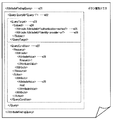
- This policy attribute query has information as shown in FIG. Specifically, the policy attribute query is expressed by an AttributeFindingQuery element e21.
- the AttributeFindingQuery element e21 has one or more Query elements e22 as child elements, and each Query element is identified by a QueryId attribute.
- the Query element e22 has a QueryTarget element e23 indicating a policy attribute which is a target to be inquired, and a QueryCondition element e27 indicating a condition for narrowing down.
- AttributeId attribute values “authentication-method” and “identity-provider-url” have Attribute elements e25, It is shown that the element value of e26 is being queried. If there is no designation in the QueryTarget element e23, it is regarded as synonymous with querying all policy attributes that may be applicable. Further, in the example of FIG. 2, it is indicated that the condition for performing the action action of “read” is inquired to the resource device 20 corresponding to “Resource-1” from the specification of the AttributeValue elements e28 and e29 of the QueryCondition element e27. Has been. This makes it possible to extract policy attributes that meet this condition from the policy information.
- connection condition information acquisition unit 34 acquires “connection condition information” corresponding to the received policy attribute.
- an authentication device is used as the connection condition information acquisition unit 34, and information based on the authentication method specified by the policy attribute is acquired as connection condition information.
- the authentication device is a device for authenticating whether or not the operator is the user, has a plurality of authentication methods, and performs authentication by a single authentication method or a composite authentication method.
- the authentication apparatus may connect to an external authentication apparatus or an authentication provider and perform authentication cooperatively.
- the authentication device may be a device for executing general authentication, and details of the device configuration are omitted.
- the policy evaluation request unit 35 transmits a “policy evaluation request” including the connection condition information to the policy evaluation device 40.
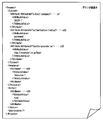
- the policy evaluation request is information having a configuration as shown in FIG. 3, for example.
- the connection condition information is indicated by Attribute elements e31, e32, and e33
- information for the access request destination is indicated by Attribute elements e34 and e35. That is, “User-1” of the Attribute element e31 is an external authentication provider of the URL “http://example1.co.jp/login” of the Attribute element e33 by the password authentication method (“password”) of the Attribute element e32.
- Authentication is written as connection condition information.
- a request for access permission for the “read” action of the Attribute element e35 is requested to “Resource-1” of the Attribute element e34.
- the access control unit 36 controls access between the operator terminal 10 and the resource device 20 in accordance with a policy evaluation response to the policy evaluation request. That is, when the policy evaluation response indicates “Permit”, the access control unit 36 permits access between the operator terminal 10 and the resource device 20 and when the policy evaluation response indicates “Deny”. Then, control for denying access between the operator terminal 10 and the resource device 20 is performed.
- the policy evaluation device 40 functions as a so-called policy evaluation point, and includes a policy information storage unit 41, a policy attribute analysis unit 42, a policy attribute response unit 43, and a policy evaluation response unit 44.
- the policy information storage unit 41 is a memory that stores “policy information” indicating a connection condition to the resource device 20.
- the policy information may be stored in an external storage device and written at any time.
- the policy information will be described using an example of handling a policy file described in XML (eXtensible Markup Language) format.
- This policy file may be a single file format or a format included in a document file.
- a format included in a document file will be described.
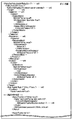
- the policy information is a policy file having a structure as shown in FIGS. 4 and 5, for example.
- a description format referring to the XACML V2.0 format shown in Non-Patent Document 1 is adopted as a standard policy description language.
- This policy file has one or more Policy elements e42.
- a PolicySet element e41 may be included as information for collecting the Policy element e42.
- the PolicySet element may be included in the PolicySet element.
- the Policy element e42 has a Rule element e47, and the basic contents of access control are described in the Rule element e47.
- the policy file indicates the basic contents of access control, and includes the components such as “subject”, “action”, “resource”, and “environment”. Contains.
- “subject” (subject) is the subject of access execution, and is indicated by a Subjects element e44.
- “resource” (resource) is an object for executing access, and is indicated by a Resources element e45.
- “Action” is an action content of access execution and is indicated by an Actions element e46.
- “environment” indicates an environment for executing access. In the policy description example exemplified in this embodiment, information such as a name space and a data type is excluded for simplification of description.
- authentication method and “connection destination of an authentication provider (implementer who authenticates the operator)” are set as an example of policy attributes for permitting access to the resource device 20. It shall be.
- an authentication method to be performed when confirming the operator and information on who should be authenticated are specified.
- the Access element e43, Resources element e45, and Actions element e46 that are the access subject, the access resource, and the access action to be targeted by the Target element e43 immediately below the Policy element e42, respectively. It is specified by.
- the authentication method and the authentication provider conditioned on the access subject specified here are specified by the Condition element e48 of the Rule element e47 whose RuleId value is “Rule-1”.
- any of the authentication providers specified by the Attribute elements e50 and e51 whose AttributeId attribute value is “identity-provider-url” authenticates by the password authentication method.
- the value for identifying the authentication service location of the authentication provider is expressed by a URL.
- the AttributeId attribute value of the Attribute element e49 indicating the authentication method is represented as “authentication-method”.
- the policy information may be provided from an external directory service or the like.
- the policy information storage unit 41 is mounted with a connector for accessing a policy store such as a directory service.
- the policy attribute response unit 42 When the policy attribute response unit 42 receives the policy attribute query from the policy execution device 30, the policy attribute response unit 42 causes the policy attribute analysis unit 43 to analyze the policy attribute and responds to the policy execution device 30 with the analysis result as “policy attribute response”. .
- the policy attribute analysis unit 43 analyzes the policy attribute corresponding to the policy attribute query from the policy execution device 30 based on the policy information.
- the policy attribute analysis unit 43 is implemented in the form of a local file access program or the like, and acquires policy information from the policy information storage unit 41.
- the policy attribute analysis unit 43 extracts the policy attribute from the policy information of the resource device 20 specified by the policy attribute query.
- the policy attribute response generated by the policy attribute analysis unit 43 is shown, for example, as shown in FIG.
- the policy attribute response is expressed by an AttributeFindingResponse element e61.
- the AttributeFindingResponse element e61 has a Response element e62.
- the Response element e62 is associated with the Query element e22 of the policy attribute query by the CorrelationId attribute.
- the Response element e62 is a set including policy attributes necessary for policy evaluation.
- the thing that does not include the policy attribute value simply indicates that the policy attribute is necessary.
- the contents including the policy attribute value indicate the policy attribute value that must be included when making the “policy evaluation request”.
- the Subject element e63 since the Attribute attribute whose attributeId attribute value is “authentication-method” is “password”, it indicates that the password authentication method must be selected. Further, when the FunctionId value of the Apply element e64 is “or”, it indicates that the value is selectable. For example, two attribute values “http://example1.co.jp/login” and “http://example2.co.jp/login” can be selected as the attribute value of the attributeId attribute “identity_provider_url” It is required to be authenticated by an authentication provider corresponding to any URL.
- the policy information it may be controlled whether to respond with a policy attribute value conforming to the policy attribute query. That is, an attribute (Quariable attribute) indicating whether or not to respond the policy attribute value may be added to the Attribute element corresponding to the policy attribute.
- the policy evaluation response unit 44 determines whether the operator terminal 10, the resource device 20, or the like is based on the connection condition information and the policy information included in the received policy evaluation request. A “policy evaluation response” indicating whether or not access is permitted is transmitted to the policy execution device 30. In short, in the policy evaluation response unit 44, the policy evaluation response indicating “access permission (Permit)” or “access denial (Deny)” from each element included in the policy evaluation request and the rule elements e47 and e52 of the policy information. Is transmitted to the policy execution device 30.
- the policy execution device 30 and the policy evaluation device 40 may be arranged on the same physical device. Further, the resource device 20 may be held inside the policy execution device 30.
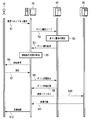
- an “access request” to the resource device 20 is transmitted to the policy execution device 30 by the operation of the operator terminal 10 by the operator (S1).
- the policy execution device 30 receives an access request from the operator terminal 10 to the resource device 20.
- the policy execution device 30 inquires the policy evaluation device 40 about the policy attribute necessary for access to the resource device 20. Specifically, the policy attribute inquiry unit 32 transmits a policy attribute query to the policy evaluation device 40 (S2). This policy attribute query is created by the policy attribute query creation unit 33, and describes the elements of the policy attribute to be inquired and the conditions for narrowing down.
- the policy evaluation device 40 receives a policy attribute query from the policy execution device 30 via the policy attribute response unit 42. Subsequently, the policy attribute analysis unit 43 analyzes the policy information stored in the policy information storage unit 41 based on the policy attribute query, and extracts necessary policy attributes (S3).
- the policy evaluation device 40 transmits a policy attribute response describing the policy attribute information analyzed by the policy attribute analysis unit 43 to the policy execution device 30 via the policy attribute response unit 42 (S4).
- the policy attribute described in the policy attribute response is read by the policy attribute inquiry unit 32.
- “password authentication” and “connection destination (URL) of external authentication provider” are read as necessary policy attributes.
- connection condition information corresponding to the policy attribute is acquired by the policy attribute inquiry unit 32 (S5).
- the connection condition information is acquired by authenticating the operator of the operator terminal 10 by password authentication by the designated external authentication provider (S6, S7).
- the policy execution device 30 transmits a policy evaluation request including the connection condition information acquired via the connection condition information acquisition unit 34 to the policy evaluation device 40 (S8).
- the policy evaluation response unit 44 uses the connection condition information included in the policy evaluation request and the policy information stored in the policy information storage unit 41. Then, it is determined whether or not access between the operator terminal 10 and the resource device 20 is permitted. This determination result is expressed as permission (Permit) or rejection (Deny). Then, the determination result determined by the policy evaluation response unit 44 is transmitted to the policy execution device 30 as a policy evaluation response (S9).
- the policy execution device 30 controls access between the operator terminal 10 and the resource device 20 according to the policy evaluation response from the policy evaluation device 40 (S10, S11).
- the operator terminal 10 can access the resource device 20 (S12).
- the policy execution device since the policy execution device does not have the policy information of the resource device, the operator is often tentatively authenticated by a password authentication method. On the other hand, depending on the resource device, authentication based on the password authentication method is not permitted, and authentication based on the PKI and the IC card may be requested.
- the policy evaluation apparatus 40 is inquired in advance about the policy attribute to be acquired by the policy execution apparatus 30, so that unnecessary processing such as retransmission of the policy evaluation request is reduced. It is possible to improve the efficiency of the policy evaluation process.
- the policy execution device 30 inquires the policy evaluation device 40 about the policy attribute. realizable.
- authentication information is used as connection condition information, but access control is also performed using GPS (Global Positioning System) information, time stamp information, and the like of the operator terminal. It is also possible.
- GPS Global Positioning System
- the method described in the above embodiment includes, as programs that can be executed by a computer, a magnetic disk (floppy (registered trademark) disk, hard disk, etc.), an optical disk (CD-ROM, DVD, etc.), a magneto-optical disk (MO). ), And can be distributed in a storage medium such as a semiconductor memory.
- a magnetic disk floppy (registered trademark) disk, hard disk, etc.
- an optical disk CD-ROM, DVD, etc.
- MO magneto-optical disk
- the storage medium can store a program and can be read by a computer
- the storage format may be any form.
- an OS operating system
- MW middleware
- database management software network software
- the storage medium in the above embodiment is not limited to a medium independent of a computer, but also includes a storage medium that downloads and stores or temporarily stores a program transmitted via a LAN, the Internet, or the like.
- the number of storage media is not limited to one, and the case where the processing in the above embodiment is executed from a plurality of media is also included in the storage medium in the above embodiment, and the medium configuration may be any configuration.
- the computer in the above embodiment executes each process in the above embodiment based on the program stored in the storage medium, and a single device such as a personal computer or a plurality of devices are connected to the network. Any configuration such as a system may be used.
- the computer in the above embodiment is not limited to a personal computer, but includes a processing unit, a microcomputer, and the like included in an information processing device. is doing.
- SYMBOLS 1 ... Access control system, 10 ... Operator terminal, 20 ... Resource apparatus, 30 ... Policy execution apparatus, 31 ... Access request receiving part, 32 ... Policy attribute inquiry part, 33 ... Policy attribute query creation unit, 34 ... Connection condition information acquisition unit, 35 ... Policy evaluation request unit, 36 ... Access control unit, 40 ... Policy evaluation device, 41 ... Policy information Storage unit 42... Policy attribute analysis unit 43 43 Policy attribute response unit 44. Policy evaluation response unit 50.
Landscapes
- Engineering & Computer Science (AREA)
- Theoretical Computer Science (AREA)
- Computer Security & Cryptography (AREA)
- Bioethics (AREA)
- General Health & Medical Sciences (AREA)
- Computer Hardware Design (AREA)
- Health & Medical Sciences (AREA)
- Software Systems (AREA)
- Physics & Mathematics (AREA)
- General Engineering & Computer Science (AREA)
- General Physics & Mathematics (AREA)
- Databases & Information Systems (AREA)
- Storage Device Security (AREA)
Abstract
1つの実施形態によれば、アクセス制御システム(1)は、ポリシ実行装置(30)が、操作者端末(10)からアクセス要求を受信した場合、資源装置(20)とのアクセスに必要なポリシ属性をポリシ評価装置(40)に問い合わせ、問い合わせた結果に基づくポリシ評価要求をポリシ評価装置(40)に送信する。
Description
本発明の実施形態は、分散環境であっても効率的にアクセス制御し得るアクセス制御システムに関する。
近年、特定の情報やアクションを、権限情報に基づいて制御するアクセス制御技術の重要性が高まっている。例えば、アクション可否形式のアクセス制御については広く利用されている。
アクション可否形式のアクセス制御としては、例えば、文書ファイルに対する権限情報をセキュリティ属性とするものがある。詳しくは、ユーザに割り当てられた、文書ファイルに対する権限情報が「閲覧許可」や「編集許可」などのアクション可否形式で記述されている。この種の権限情報は、アクセス制御マトリックス(Access Control Matrix)やアクセス制御リスト(Access Control List)として知られている。例えば、「セキュリティコンテナ」として文書ファイルに権限情報(ルール)を設定する方法が開示されている。
しかしながら、アクション可否形式のアクセス制御では、許可されるアクセス時間やアクセス場所などの条件や、詳細な機能制限などの柔軟なアクセス制御内容を記述することが困難である。
このため、近年では、アクション可否形式だけではなく、アクセス制御ポリシ形式のアクセス制御が利用されている。アクセス制御ポリシは、アクセス制御ルールの集合であり、標準的な記述仕様が公開されている。このアクセス制御ポリシ形式のアクセス制御では、許可される条件や、詳細な機能制限の記述が可能である。例えば、アクセス制御ポリシ形式のアクセス制御では、文書ファイルへのアクセス要求を受けると、ファイルを開いてよいか否かを判定した上で、アクセス制御ポリシで規定された機能に制限する等の制御が可能となる。
ところで、アクセス制御ポリシ形式のアクセス制御では、アクセス制御するポリシ実行点(Policy Enforcement Point)から、アクセス制御ポリシを評価するポリシ決定点(Policy Decision Point)へ、アクセス制御のポリシ情報に対するアクセス内容を評価してもらう必要がある。例えば、アクセス主体(サブジェクト)や、アクセス行為(アクション)などの評価を要求する。なお、一般的には、アクセス主体の認証をアクセス制御前に行うが、このときアクセス制御ポリシなどとは別に、アクセス主体を証明しうる認証方式を決定するための情報として認証ポリシを用いることが多い。
しかしながら、アクセス制御ポリシ形式のアクセス制御では、アクセス制御ポリシの評価に必要なポリシ属性の情報をポリシ実行点が有していないため、アクセス要求しても、アクセスが許可されないことがある。
したがって、このような場合であっても効率的にアクセス制御し得る仕組みが必要とされる。
Tim Moses、" eXtensible Access Control Markup Language (XACML) Version 2.0 "、[online]、 [2007年5月17日検索]、インターネット<URL:http://docs.oasis-open.org/xacml/2.0/access_control-xacml-2.0-core-spec-os.pdf>
実施形態に係るアクセス制御システムは、操作者端末と資源装置とのアクセスを制御するためのポリシ実行装置及びポリシ評価装置を備える。
ポリシ実行装置は、操作者端末から、資源装置へのアクセス要求を受信するアクセス要求受信部を備える。
ポリシ実行装置は、アクセス要求を受信した場合、資源装置とのアクセスに必要なポリシ属性をポリシ評価装置に問い合せるためのポリシ属性問合せ部を備える。
ポリシ実行装置は、ポリシ評価装置からポリシ属性を受信した場合、該ポリシ属性に対応する接続条件情報を取得するための接続条件情報取得部を備える。
ポリシ実行装置は、接続条件情報を取得した場合、該接続条件情報を含むポリシ評価要求をポリシ評価装置に送信するポリシ評価要求部を備える。
ポリシ実行装置は、ポリシ評価要求に対するポリシ評価応答に応じて、操作者端末と資源装置とのアクセスを制御するアクセス制御部を備える。
ポリシ評価装置は、資源装置への接続条件を示すポリシ情報を記憶するポリシ情報記憶部を備える。
ポリシ評価装置は、ポリシ情報に基づいて、ポリシ実行装置からのポリシ属性問合せに対応するポリシ属性を解析するポリシ属性解析部を備える。
ポリシ評価装置は、ポリシ属性解析部により解析したポリシ属性をポリシ実行装置に応答するポリシ属性応答部を備える。
ポリシ評価装置は、ポリシ実行装置からポリシ評価要求を受信した場合、該ポリシ評価要求に含まれる接続条件情報とポリシ情報とに基づいて、操作者端末と資源装置とのアクセスを許可するか否かを示すポリシ評価応答を該ポリシ実行装置に送信するポリシ評価応答部を備える。
以下、図面を参照して実施形態を説明する。
<第1の実施形態>
(アクセス制御システムの構成)
図1は第1の実施形態に係るアクセス制御システム1の構成を示す模式図である。
(アクセス制御システムの構成)
図1は第1の実施形態に係るアクセス制御システム1の構成を示す模式図である。
アクセス制御システム1は、ポリシ実行装置30とポリシ評価装置40とを有し、操作者端末10と資源装置20とのアクセス制御を実行する。なお、これらの各装置10~40はネットワークを介して互いに接続されている。また、アクセス制御の前提として、資源装置20に対するポリシ情報がポリシ評価装置40に事前に記憶されている。なお、本実施形態では、ポリシ実行装置30が外部認証プロバイダ50と接続されている。
操作者端末10は、操作者により操作される端末装置である。操作者は、この操作者端末10を介して特定の資源装置20にアクセスすることを目的とする。操作者端末10が資源装置20にアクセスする際には、操作者端末10から資源装置20への「アクセス要求」がポリシ実行装置30に送信される。
資源装置20は、操作者端末10のアクセス対象となるものである。例えば、資源装置20には、種々のサービスプロバイダにより提供される「資源情報」が格納されている。資源装置20に対しては、ポリシ情報により接続条件が予め定義されており、特定のポリシ属性に対応する接続条件を満たしたアクセス要求のみがアクセス許可されることになる。なお、分散環境システムでは、資源装置20と操作者端末10とがそれぞれ複数存在する。
ポリシ実行装置30は、いわゆるポリシ実行点として機能するものであり、アクセス要求受信部31・ポリシ属性問合せ部32・ポリシ属性クエリ作成部33・接続条件情報取得部34・ポリシ評価要求部35・アクセス制御部36を備える。
アクセス要求受信部31は、資源装置20へのアクセス要求を操作者端末10から受信するものである。アクセス要求受信部31は、アクセス要求を受信すると、操作者端末10がアクセスしようとする資源装置20の情報をポリシ属性問合せ部32に送出する。
ポリシ属性問合せ部32は、操作者端末10からアクセス要求を受信した場合、資源装置20とのアクセスに必要なポリシ属性をポリシ評価装置40に問い合わせるためのものである。要するに、このポリシ属性問合せ部32は、後述するポリシ評価要求をするために必要となるポリシ属性の情報を事前に問い合わせるものである。また、ポリシ属性問合せ部32は、ポリシ属性を問い合わせる際、ポリシ属性クエリ作成部33にポリシ属性クエリの作成を要求する。
なお、本実施形態では、ポリシ属性問合せ部32は、ポリシ属性として“認証方式”を問い合わせることとする。補足すると、認証方式には、パスワード認証やICカード認証、生体認証などがある。そこで、ポリシ属性問合せ部32は、上記のうちのいずれの認証であれば資源装置20へのアクセスが許可されるかをポリシ評価装置40に問い合わせる。ただし、認証方式以外にも、場所や操作アプリケーション種別などのその他の条件をポリシ属性に適用できることはいうまでもない。
ポリシ属性クエリ作成部33は、ポリシ属性を問い合わせるための「ポリシ属性クエリ」を作成するものである。ポリシ属性クエリは、ポリシ評価装置40がポリシ情報に基づいて、必要なポリシ属性を解析するために利用される。ポリシ情報については後述する。
このポリシ属性クエリは、例えば図2に示すような構成の情報となっている。詳しくは、ポリシ属性クエリは、AttributeFindingQuery要素e21によって表現される。AttributeFindingQuery要素e21は、一つ以上のQuery要素e22を子要素にもち、各Query要素はQueryId属性によって識別される。Query要素e22は、問い合わせたい対象であるポリシ属性を示すQueryTarget要素e23と、絞り込むための条件を示すQueryCondition要素e27とを持つ。図2の例では、QueryTarget要素e23の中で、Subject要素e24の子要素であるAttribute要素のうち、AttributeId属性値が“authentication-method”と“identity-provider-url”とを持つAttribute要素e25,e26の要素値を問い合わせていることが示されている。QueryTarget要素e23に指定がなければ、適合する可能性のあるポリシ属性の全てを問い合わせることと同義とみなされる。また、図2の例では、QueryCondition要素e27のAttributeValue要素e28,e29の指定から、“Resource-1”に対応する資源装置20に、“read”のアクション行為を行うための条件を問い合わせることが示されている。これにより、この条件に適合するポリシ属性をポリシ情報から抽出することが可能となる。
接続条件情報取得部34は、ポリシ評価装置40からポリシ属性を受信した場合、受信したポリシ属性に対応する「接続条件情報」を取得するためのものである。本実施形態では、接続条件情報取得部34として認証装置を用い、ポリシ属性が指定する認証方式による情報を接続条件情報として取得する。
認証装置は、操作者が本人か否かを認証するための装置であり、複数の認証方式を有しており、単一の認証方式または複合的な認証方式による認証を実行する。このとき、認証装置は、外部の認証装置または認証プロバイダと接続して協調的に認証を実行してもよい。なお、認証装置は、一般的な認証を実行するための装置であればよく、装置構成の詳細などについては省略する。
ポリシ評価要求部35は、接続条件情報取得部34により接続条件情報が取得された場合、その接続条件情報を含む「ポリシ評価要求」をポリシ評価装置40に送信するものである。ポリシ評価要求は、例えば図3に示すような構成の情報である。ここでは、接続条件情報がAttribute要素e31,e32,e33で示されており、アクセス要求先に対する情報がAttribute要素e34,e35で示されている。すなわち、Attribute要素e31の“User-1”が、Attribute要素e32のパスワード認証方式(“password”)により、Attribute要素e33のURL“http://example1.co.jp/login”の外部認証プロバイダで認証したことが接続条件情報として書き込まれている。そして、アクセス要求先として、Attribute要素e34の“Resource-1”へ、Attribute要素e35の“read”行為に対するアクセス許可の判定を要求している。
アクセス制御部36は、ポリシ評価要求に対するポリシ評価応答に応じて、操作者端末10と資源装置20とのアクセスを制御するものである。すなわち、アクセス制御部36は、ポリシ評価応答が“許可(Permit)”を示す場合、操作者端末10と資源装置20とのアクセスを許可し、ポリシ評価応答が“拒否(Deny)”を示す場合、操作者端末10と資源装置20とのアクセスを拒否する制御を行なう。
ポリシ評価装置40は、いわゆるポリシ評価点として機能するものであり、ポリシ情報記憶部41・ポリシ属性解析部42・ポリシ属性応答部43・ポリシ評価応答部44を備える。
ポリシ情報記憶部41は、資源装置20への接続条件を示す「ポリシ情報」を記憶するメモリである。なお、ポリシ情報は外部記憶装置に記憶されていて随時書き込まれるものであってもよい。
本実施形態では、ポリシ情報は、XML(eXtensible Markup Language)形式で記述されたポリシファイルを取り扱う例で説明する。このポリシファイルは、単独のファイル形式であってもよいし、文書ファイルに含まれる形式であってもよい。本実施形態では文書ファイルに含まれる形式について説明する。
ポリシ情報は、例えば図4及び図5に示すような構造のポリシファイルである。本実施形態では、標準的なポリシ記述言語として、非特許文献1に示したXACML V2.0形式を参考にした記述形式を採用している。このポリシファイルは、一つ以上のPolicy要素e42を持つ。また、Policy要素e42を纏める情報としてPolicySet要素e41を持っていてもよい。また、PolicySet要素をPolicySet要素に含めてもよい。Policy要素e42はRule要素e47を持ち、Rule要素e47にアクセス制御の根幹的な内容が記述される。ここでは、ポリシファイルは、アクセス制御の根幹的な内容を示すものとして、"subject"(主体)、"action"(行為)、"resource"(リソース)、"environment"(環境)といった構成要素を含んでいる。具体的には、"subject"(主体)はアクセス実行の主体であり、Subjects要素e44で示される。"resource"(資源)はアクセス実行の客体であり、Resources要素e45で示される。"action"(行為)はアクセス実行の行為内容であり、Actions要素e46で示される。"environment"(環境)はアクセス実行の環境を示す。なお、本実施形態で例示するポリシ記述例は、記載の簡略化のため名前空間やデータタイプ等の情報は、除外している。
また、ポリシ情報は、資源装置20へのアクセスが許可されるためのポリシ属性の一例として、“認証方式”と“認証プロバイダ(操作者の認証を行う実施者)の接続先”とが設定されているものとする。要するに、資源装置20にアクセス可能な操作者が誰であるかの情報以外に、操作者を確認する際に実施すべき認証方式と、誰が認証すべきかについての情報とが指定されている。例えば、図4及び図5のポリシ情報の例では、Policy要素e42直下のTarget要素e43によって、対象とすべきアクセス主体とアクセス資源とアクセス行為とがそれぞれSubjects要素e44,Resources要素e45,Actions要素e46により指定されている。ここで指定されるアクセス主体に条件付けられる認証方式と認証プロバイダとは、RuleId値が“Rule-1”であるRule要素e47のCondition要素e48によって指定されている。ここでは、AttributeId属性値が“identity-provider-url”のAttribute要素e50,e51で指定される何れかの認証プロバイダにおいて、パスワード認証方式により認証することが指定されている。なお、認証プロバイダの認証サービス場所を識別する値は、URLによって表現されている。また、認証方式を示すAttribute要素e49のAttributeId属性値は“authentication-method”と表わされる。
なお、ポリシ情報は、外部のディレクトリサービスなどから提供されるものであってもよい。この場合、ポリシ情報記憶部41は、ディレクトリサービスなどのポリシストアにアクセスするためのコネクタなどで実装される。
ポリシ属性応答部42は、ポリシ実行装置30からポリシ属性クエリを受け取ると、ポリシ属性解析部43にポリシ属性を解析させ、解析結果を「ポリシ属性応答」としてポリシ実行装置30に応答するものである。
ポリシ属性解析部43は、ポリシ情報に基づいて、ポリシ実行装置30からのポリシ属性問合せに対応するポリシ属性を解析するものである。ここでは、ポリシ属性解析部43は、ローカルなファイルへのアクセスプログラムなどの形態で実装され、ポリシ情報記憶部41からポリシ情報を取得する。
具体的には、ポリシ属性解析部43は、ポリシ属性クエリで指定される資源装置20のポリシ情報からポリシ属性を抽出する。ポリシ属性解析部43が生成するポリシ属性応答は、例えば図6のように示される。ポリシ属性応答は、AttributeFindingResponse要素e61によって表現される。AttributeFindingResponse要素e61は、Response要素e62を持つ。このResponse要素e62は、CorrelationId属性によって、ポリシ属性クエリのQuery要素e22と関連付けられている。Response要素e62は、ポリシ評価に必要なポリシ属性を含む集合である。ここで、ポリシ属性値(Attribute要素値)が含まれないものは、単純にそのポリシ属性が必要であることを示している。また、ポリシ属性値を含んでいるものは、「ポリシ評価要求」をする際に含めなければならないポリシ属性値を示している。
例えば、Subject要素e63において、AttributeId属性値が“authentication-method”のAttribute属性は、“password”であるので、パスワード認証方式を選択しなければならないことを示している。また、Apply要素e64のFunctionId値が“or”である場合は、選択可能な値であることを示している。例えば、AttributeId属性が“identity_provider_url”の属性値としては、“http://example1.co.jp/login”と“http://example2.co.jp/login”との2つが選択可能であり、何れかのURLに対応する認証プロバイダで認証を受けることが必要とされる。
また、ポリシ情報に関して、ポリシ属性クエリに適合した、ポリシ属性値を応答するか否かについて制御してもよい。すなわち、当該ポリシ属性に該当するAttribute要素に、前記ポリシ属性値を応答するか否かを示す属性(Quariable属性)を追加してもよい。
例えば、Quariable属性値をboolean型(真理値の「真 = true」と「偽 = false」という2値をとる基本データ型)で表現すると、図4の例では、Subject要素のAttribute要素についてのQuariable属性値のようになる。このSubject要素のAttribute要素のQuariable属性値が「false」なので、このポリシ属性が適合したとしても、ポリシ属性の値を応答しないものとする。Quariable属性値が存在しなければ、ポリシ属性の値を返してよいが、明示的にQuariable属性値を「true」としてもよい。なお、これらの判別条件は、前記のように明示的にポリシ内に記述してもよく、さらにポリシ属性解析部が静的な設定情報として保持してもよい。
ポリシ評価応答部44は、ポリシ実行装置30から「ポリシ評価要求」を受信した場合、受信したポリシ評価要求に含まれる接続条件情報とポリシ情報とに基づいて、操作者端末10と資源装置20とのアクセスを許可するか否かを示す「ポリシ評価応答」をポリシ実行装置30に送信するものである。要するに、ポリシ評価応答部44では、ポリシ評価要求に含まれる各要素と、ポリシ情報のrule要素e47,e52とから、 “アクセス許可(Permit)”または“アクセス拒否(Deny)”を示すポリシ評価応答をポリシ実行装置30に送信する。
なお、上記ポリシ実行装置30及びポリシ評価装置40は同一の物理装置上に配備された形態であってもよい。また、資源装置20はポリシ実行装置30の内部に保持されていてもよい。
(アクセス制御システムの動作)
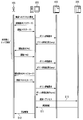
次に本実施形態に係るアクセス制御システム1の動作を図7のフローチャートを用いて説明する。
次に本実施形態に係るアクセス制御システム1の動作を図7のフローチャートを用いて説明する。
まず、操作者による操作者端末10の操作により、資源装置20への「アクセス要求」がポリシ実行装置30に送信される(S1)。これにより、ポリシ実行装置30が、操作者端末10から資源装置20へのアクセス要求を受信する。
ポリシ実行装置30が、アクセス要求を受信した場合、資源装置20とのアクセスに必要なポリシ属性が何かをポリシ評価装置40に問い合わせる。具体的には、ポリシ属性問合せ部32は、ポリシ属性クエリをポリシ評価装置40に送信する(S2)。このポリシ属性クエリは、ポリシ属性クエリ作成部33により作成され、問合わせる対象となるポリシ属性の要素と、その絞り込むための条件とが記述される。
ポリシ評価装置40はポリシ属性応答部42を介してポリシ実行装置30からポリシ属性クエリを受け取る。続いて、ポリシ属性解析部43が、ポリシ情報記憶部41に記憶されたポリシ情報をポリシ属性クエリに基づいて解析し、必要となるポリシ属性を抽出する(S3)。
そして、ポリシ評価装置40が、ポリシ属性解析部43により解析したポリシ属性の情報を記述したポリシ属性応答を、ポリシ属性応答部42を介してポリシ実行装置30に送信する(S4)。
ポリシ実行装置30によりポリシ評価装置40からポリシ属性応答が受信されると、ポリシ属性問合せ部32によりポリシ属性応答に記述されたポリシ属性が読み出される。ここでは、必要なポリシ属性として、“パスワード認証”と“外部認証プロバイダの接続先(URL)”とが読み出される。
続いて、ポリシ属性問合せ部32により、ポリシ属性に対応する接続条件情報が取得される(S5)。ここでは、指定された外部認証プロバイダによるパスワード認証により操作者端末10の操作者を認証することで、接続条件情報が取得される(S6,S7)。
次に、ポリシ実行装置30は、接続条件情報取得部34を介して取得した接続条件情報を含むポリシ評価要求をポリシ評価装置40に送信する(S8)
ポリシ評価装置40が、ポリシ実行装置30からポリシ評価要求を受信すると、ポリシ評価応答部44により、ポリシ評価要求に含まれる接続条件情報とポリシ情報記憶部41に記憶されたポリシ情報とに基づいて、操作者端末10と資源装置20とのアクセスを許可するか否かが判定される。この判定結果は、許可(Permit)または拒否(Deny)で表現される。そして、ポリシ評価応答部44により判定された判定結果がポリシ評価応答としてポリシ実行装置30に送信される(S9)。
ポリシ評価装置40が、ポリシ実行装置30からポリシ評価要求を受信すると、ポリシ評価応答部44により、ポリシ評価要求に含まれる接続条件情報とポリシ情報記憶部41に記憶されたポリシ情報とに基づいて、操作者端末10と資源装置20とのアクセスを許可するか否かが判定される。この判定結果は、許可(Permit)または拒否(Deny)で表現される。そして、ポリシ評価応答部44により判定された判定結果がポリシ評価応答としてポリシ実行装置30に送信される(S9)。
ポリシ実行装置30では、ポリシ評価装置40からのポリシ評価応答に応じて、操作者端末10と資源装置20とのアクセスを制御する(S10,S11)。
このとき、アクセス許可されている場合は、操作者端末10から資源装置20へのアクセスが可能となる(S12)。
(アクセス制御システムの効果)
以上説明したように、本実施形態に係るアクセス制御システム1では、ポリシ実行装置30が、操作者端末10からアクセス要求を受信した場合、資源装置20とのアクセスに必要なポリシ属性をポリシ評価装置40に問い合わせ、問い合わせた結果に基づくポリシ評価要求をポリシ評価装置40に送信するので、分散環境であっても効率的にアクセス制御することができる。
以上説明したように、本実施形態に係るアクセス制御システム1では、ポリシ実行装置30が、操作者端末10からアクセス要求を受信した場合、資源装置20とのアクセスに必要なポリシ属性をポリシ評価装置40に問い合わせ、問い合わせた結果に基づくポリシ評価要求をポリシ評価装置40に送信するので、分散環境であっても効率的にアクセス制御することができる。
補足すると、従来のアクセス制御システムでは、ポリシ実行装置が資源装置のポリシ情報を有していないため、暫定的にパスワード認証方式により操作者を認証することが多い。これに対し、資源装置によってはパスワード認証方式による認証は認めず、PKIとICカードに基づく認証を要求していることがある。
しかしながら、従来のアクセス制御では、ポリシ実行装置が、資源装置へのアクセスに必要とするポリシ属性を把握できず、ポリシ評価装置にアクセス可能か否かだけを問い合わせている。そのため、図8に示すように、ポリシ実行装置30Sが必要なポリシ属性に対応する接続条件情報(=PKI+ICカード)を取得するまで、何度もポリシ評価要求を実行する事態が生じる。これに対し、本実施形態に係るアクセス制御システム1では、事前にポリシ実行装置30が取得すべきポリシ属性をポリシ評価装置40に問い合わせるので、ポリシ評価要求の再送等の不要な処理を削減することができ、ポリシ評価処理の効率向上が可能となる。
なお、資源装置20のポリシ情報は複雑化しており、さらに複数のドメインに跨るような分散環境システムが構築されてきている。このような状況であっても、本実施形態に係るアクセス制御システム1によれば、アクセス制御の前提として、ポリシ実行装置30がポリシ評価装置40にポリシ属性を問い合わせるので、効率的なアクセス制御を実現できる。
なお、本実施形態に係るアクセス制御システムでは、接続条件情報として認証情報を用いているが、これ以外にも操作者端末のGPS(Global Positioning System)情報やタイムスタンプ情報等を用いてアクセス制御することも可能である。
<その他>
なお、本発明は、上記実施形態そのままに限定されるものではなく、実施段階ではその要旨を逸脱しない範囲で構成要素を変形して具体化できる。また、上記実施形態に開示されている複数の構成要素の適宜な組み合わせにより種々の発明を形成できる。例えば、実施形態に示される全構成要素から幾つかの構成要素を削除してもよい。更に、異なる実施形態に構成要素を適宜組み合わせてもよい。
なお、本発明は、上記実施形態そのままに限定されるものではなく、実施段階ではその要旨を逸脱しない範囲で構成要素を変形して具体化できる。また、上記実施形態に開示されている複数の構成要素の適宜な組み合わせにより種々の発明を形成できる。例えば、実施形態に示される全構成要素から幾つかの構成要素を削除してもよい。更に、異なる実施形態に構成要素を適宜組み合わせてもよい。
そして、上記実施形態に記載した手法は、コンピュータに実行させることのできるプログラムとして、磁気ディスク(フロッピー(登録商標)ディスク、ハードディスクなど)、光ディスク(CD-ROM、DVDなど)、光磁気ディスク(MO)、半導体メモリなどの記憶媒体に格納して頒布することもできる。
また、この記憶媒体としては、プログラムを記憶でき、かつコンピュータが読み取り可能な記憶媒体であれば、その記憶形式は何れの形態であっても良い。
また、記憶媒体からコンピュータにインストールされたプログラムの指示に基づきコンピュータ上で稼働しているOS(オペレーティングシステム)や、データベース管理ソフト、ネットワークソフト等のMW(ミドルウェア)等が上記実施形態を実現するための各処理の一部を実行しても良い。
さらに、上記実施形態における記憶媒体は、コンピュータと独立した媒体に限らず、LANやインターネット等により伝送されたプログラムをダウンロードして記憶または一時記憶した記憶媒体も含まれる。
また、記憶媒体は1つに限らず、複数の媒体から上記実施形態における処理が実行される場合も上記実施形態における記憶媒体に含まれ、媒体構成は何れの構成であっても良い。
そして、上記実施形態におけるコンピュータは、記憶媒体に記憶されたプログラムに基づき、上記実施形態における各処理を実行するものであって、パソコン等の1つからなる装置、複数の装置がネットワーク接続されたシステム等の何れの構成であっても良い。
加えて、上記実施形態におけるコンピュータとは、パソコンに限らず、情報処理機器に含まれる演算処理装置、マイコン等も含み、プログラムによって上記実施形態の機能を実現することが可能な機器、装置を総称している。
1・・・アクセス制御システム、10・・・操作者端末、20・・・資源装置、30・・・ポリシ実行装置、31・・・アクセス要求受信部、32・・・ポリシ属性問合せ部、33・・・ポリシ属性クエリ作成部、34・・・接続条件情報取得部、35・・・ポリシ評価要求部、36・・・アクセス制御部、40・・・ポリシ評価装置、41・・・ポリシ情報記憶部、42・・・ポリシ属性解析部、43・・・ポリシ属性応答部、44・・・ポリシ評価応答部、50・・・外部認証プロバイダ。
Claims (3)
- 操作者端末(10)と資源装置(20)とのアクセスを制御するためのポリシ実行装置(30)及びポリシ評価装置(40)を備えたアクセス制御システム(1)であって、
前記ポリシ実行装置は、
前記操作者端末から、前記資源装置へのアクセス要求を受信するアクセス要求受信手段(31)と、
前記アクセス要求を受信した場合、前記資源装置とのアクセスに必要なポリシ属性を前記ポリシ評価装置に問い合わせるためのポリシ属性問合せ手段(32)と、
前記ポリシ評価装置からポリシ属性を受信した場合、該ポリシ属性に対応する接続条件情報を取得するための接続条件情報取得手段(34)と、
前記接続条件情報を取得した場合、該接続条件情報を含むポリシ評価要求を前記ポリシ評価装置に送信するポリシ評価要求手段(35)と、
前記ポリシ評価要求に対するポリシ評価応答に応じて、前記操作者端末と前記資源装置とのアクセスを制御するアクセス制御手段(36)と
を備え、
前記ポリシ評価装置は、
前記資源装置への接続条件を示すポリシ情報を記憶するポリシ情報記憶手段(41)と、
前記ポリシ情報に基づいて、前記ポリシ実行装置からのポリシ属性問合せに対応するポリシ属性を解析するポリシ属性解析手段(42)と、
前記ポリシ属性解析手段により解析したポリシ属性を前記ポリシ実行装置に応答するポリシ属性応答手段(43)と、
前記ポリシ実行装置から前記ポリシ評価要求を受信した場合、該ポリシ評価要求に含まれる接続条件情報と前記ポリシ情報とに基づいて、前記操作者端末と前記資源装置とのアクセスを許可するか否かを示すポリシ評価応答を該ポリシ実行装置に送信するポリシ評価応答手段(44)と、
を備えたことを特徴とするアクセス制御システム。 - 請求項1に記載のアクセス制御システムにおいて、
前記ポリシ実行装置は、
前記ポリシ属性を問い合わせるためのポリシ属性クエリを作成する手段(33)
を更に備えたことを特徴とするアクセス制御システム。 - 請求項1又は請求項2に記載のアクセス制御システムにおいて、
前記ポリシ属性問合せ手段は、前記ポリシ属性として認証方式を問い合わせる
ことを特徴とするアクセス制御システム。
Priority Applications (1)
| Application Number | Priority Date | Filing Date | Title |
|---|---|---|---|
| CN201080024502.8A CN102804199B (zh) | 2009-06-03 | 2010-06-02 | 访问控制系统 |
Applications Claiming Priority (2)
| Application Number | Priority Date | Filing Date | Title |
|---|---|---|---|
| JP2009134267A JP4649523B2 (ja) | 2009-06-03 | 2009-06-03 | アクセス制御システム |
| JP2009-134267 | 2009-06-03 |
Publications (1)
| Publication Number | Publication Date |
|---|---|
| WO2010140628A1 true WO2010140628A1 (ja) | 2010-12-09 |
Family
ID=43297761
Family Applications (1)
| Application Number | Title | Priority Date | Filing Date |
|---|---|---|---|
| PCT/JP2010/059366 Ceased WO2010140628A1 (ja) | 2009-06-03 | 2010-06-02 | アクセス制御システム |
Country Status (3)
| Country | Link |
|---|---|
| JP (1) | JP4649523B2 (ja) |
| CN (1) | CN102804199B (ja) |
| WO (1) | WO2010140628A1 (ja) |
Cited By (1)
| Publication number | Priority date | Publication date | Assignee | Title |
|---|---|---|---|---|
| CN102223383A (zh) * | 2011-07-21 | 2011-10-19 | 北京握奇数据系统有限公司 | 一种访问控制方法和装置 |
Families Citing this family (4)
| Publication number | Priority date | Publication date | Assignee | Title |
|---|---|---|---|---|
| JP5197843B1 (ja) | 2011-12-27 | 2013-05-15 | 株式会社東芝 | 認証連携システムおよびidプロバイダ装置 |
| US8955041B2 (en) | 2012-02-17 | 2015-02-10 | Kabushiki Kaisha Toshiba | Authentication collaboration system, ID provider device, and program |
| US8839375B2 (en) * | 2012-05-25 | 2014-09-16 | Microsoft Corporation | Managing distributed operating system physical resources |
| CN111695112B (zh) * | 2019-03-15 | 2023-06-02 | 北京数聚鑫云信息技术有限公司 | 一种动态控制访问权限的方法及装置 |
Citations (6)
| Publication number | Priority date | Publication date | Assignee | Title |
|---|---|---|---|---|
| JP2001184264A (ja) * | 1999-12-16 | 2001-07-06 | Internatl Business Mach Corp <Ibm> | アクセス制御システム、アクセス制御方法、記憶媒体、及びプログラム伝送装置 |
| JP2005038372A (ja) * | 2003-06-23 | 2005-02-10 | Ricoh Co Ltd | アクセス制御判断システム及びアクセス制御執行システム |
| JP2005063400A (ja) * | 2003-07-31 | 2005-03-10 | Nippon Telegr & Teleph Corp <Ntt> | 情報資源利用制御装置及び情報資源利用制御システム |
| JP2005316515A (ja) * | 2004-04-26 | 2005-11-10 | Ricoh Co Ltd | 情報処理装置、操作許否情報生成方法、操作許否情報生成プログラム及び記録媒体 |
| JP2005535989A (ja) * | 2002-08-08 | 2005-11-24 | ナンヤン テクノロジカル ユニヴァーシティ | 分散型認証処理 |
| JP2006323535A (ja) * | 2005-05-17 | 2006-11-30 | Ricoh Co Ltd | アクセス制御装置、アクセス制御方法、アクセス制御プログラム及び記録媒体、並びにアクセス制御データ及び関係記述データ |
-
2009
- 2009-06-03 JP JP2009134267A patent/JP4649523B2/ja active Active
-
2010
- 2010-06-02 CN CN201080024502.8A patent/CN102804199B/zh active Active
- 2010-06-02 WO PCT/JP2010/059366 patent/WO2010140628A1/ja not_active Ceased
Patent Citations (6)
| Publication number | Priority date | Publication date | Assignee | Title |
|---|---|---|---|---|
| JP2001184264A (ja) * | 1999-12-16 | 2001-07-06 | Internatl Business Mach Corp <Ibm> | アクセス制御システム、アクセス制御方法、記憶媒体、及びプログラム伝送装置 |
| JP2005535989A (ja) * | 2002-08-08 | 2005-11-24 | ナンヤン テクノロジカル ユニヴァーシティ | 分散型認証処理 |
| JP2005038372A (ja) * | 2003-06-23 | 2005-02-10 | Ricoh Co Ltd | アクセス制御判断システム及びアクセス制御執行システム |
| JP2005063400A (ja) * | 2003-07-31 | 2005-03-10 | Nippon Telegr & Teleph Corp <Ntt> | 情報資源利用制御装置及び情報資源利用制御システム |
| JP2005316515A (ja) * | 2004-04-26 | 2005-11-10 | Ricoh Co Ltd | 情報処理装置、操作許否情報生成方法、操作許否情報生成プログラム及び記録媒体 |
| JP2006323535A (ja) * | 2005-05-17 | 2006-11-30 | Ricoh Co Ltd | アクセス制御装置、アクセス制御方法、アクセス制御プログラム及び記録媒体、並びにアクセス制御データ及び関係記述データ |
Cited By (1)
| Publication number | Priority date | Publication date | Assignee | Title |
|---|---|---|---|---|
| CN102223383A (zh) * | 2011-07-21 | 2011-10-19 | 北京握奇数据系统有限公司 | 一种访问控制方法和装置 |
Also Published As
| Publication number | Publication date |
|---|---|
| JP2010282362A (ja) | 2010-12-16 |
| CN102804199B (zh) | 2015-08-26 |
| CN102804199A (zh) | 2012-11-28 |
| JP4649523B2 (ja) | 2011-03-09 |
Similar Documents
| Publication | Publication Date | Title |
|---|---|---|
| US10681028B2 (en) | Controlling access to resources on a network | |
| US9686287B2 (en) | Delegating authorization to applications on a client device in a networked environment | |
| US9100398B2 (en) | Enhancing directory service authentication and authorization using contextual information | |
| US9154507B2 (en) | Automated role and entitlements mining using network observations | |
| CN104144158B (zh) | 用于基于策略的自动同意的方法和装置 | |
| US8713646B2 (en) | Controlling access to resources on a network | |
| US8479265B2 (en) | Usage based authorization | |
| US20200358615A1 (en) | Fine-grained token based access control | |
| US7200862B2 (en) | Securing uniform resource identifier namespaces | |
| US20110167479A1 (en) | Enforcement of policies on context-based authorization | |
| US9325695B2 (en) | Token caching in trust chain processing | |
| US20120144501A1 (en) | Regulating access to protected data resources using upgraded access tokens | |
| JP6064636B2 (ja) | 情報処理システム、情報処理装置、認証方法及びプログラム | |
| US20180124031A1 (en) | Flexible framework for secure search | |
| US9438629B2 (en) | Sensitive information leakage prevention system, sensitive information leakage prevention method, and computer-readable recording medium | |
| US20140109194A1 (en) | Authentication Delegation | |
| US9229700B2 (en) | Methods and systems for dynamic upgrade of an access manager | |
| JP4649523B2 (ja) | アクセス制御システム | |
| Jøsang | IAM—Identity and Access Management | |
| KR101304452B1 (ko) | 위치 기반 문서 관리 클라우드 시스템 | |
| Marillonnet et al. | An Efficient User‐Centric Consent Management Design for Multiservices Platforms | |
| JP2015184752A (ja) | 中継装置及びプログラム | |
| Dai et al. | UDDI access control | |
| KR101913012B1 (ko) | 웹 ui 기반 안전한 ons 관리 시스템 및 그 방법 | |
| Jensen et al. | Policy expression and enforcement for handheld devices |
Legal Events
| Date | Code | Title | Description |
|---|---|---|---|
| WWE | Wipo information: entry into national phase |
Ref document number: 201080024502.8 Country of ref document: CN |
|
| 121 | Ep: the epo has been informed by wipo that ep was designated in this application |
Ref document number: 10783410 Country of ref document: EP Kind code of ref document: A1 |
|
| NENP | Non-entry into the national phase |
Ref country code: DE |
|
| 122 | Ep: pct application non-entry in european phase |
Ref document number: 10783410 Country of ref document: EP Kind code of ref document: A1 |