WO2010127360A1 - Toposiomerase inhibitors - Google Patents
Toposiomerase inhibitors Download PDFInfo
- Publication number
- WO2010127360A1 WO2010127360A1 PCT/US2010/033431 US2010033431W WO2010127360A1 WO 2010127360 A1 WO2010127360 A1 WO 2010127360A1 US 2010033431 W US2010033431 W US 2010033431W WO 2010127360 A1 WO2010127360 A1 WO 2010127360A1
- Authority
- WO
- WIPO (PCT)
- Prior art keywords
- compound
- alkyl
- substituted
- alkanoyl
- self
- Prior art date
- Legal status (The legal status is an assumption and is not a legal conclusion. Google has not performed a legal analysis and makes no representation as to the accuracy of the status listed.)
- Ceased
Links
- 0 CC(NCCCN(*)C(C)=O)=O Chemical compound CC(NCCCN(*)C(C)=O)=O 0.000 description 8
- ABDSFYKQEJJGCA-UHFFFAOYSA-N CC(C)(C(NCCNC(C)=O)=O)c1ccccc1[N+]([O-])=O Chemical compound CC(C)(C(NCCNC(C)=O)=O)c1ccccc1[N+]([O-])=O ABDSFYKQEJJGCA-UHFFFAOYSA-N 0.000 description 1
- XTPFBEMGQCKVSV-IROOXBOJSA-N CCc(cc1)ccc1NC(OC([C@H](CCCNC(N)=O)NC1=[O](C)C(C)[C@@H]1NC(OC(C)(C)C)=O)=O)=O Chemical compound CCc(cc1)ccc1NC(OC([C@H](CCCNC(N)=O)NC1=[O](C)C(C)[C@@H]1NC(OC(C)(C)C)=O)=O)=O XTPFBEMGQCKVSV-IROOXBOJSA-N 0.000 description 1
Classifications
-
- C—CHEMISTRY; METALLURGY
- C07—ORGANIC CHEMISTRY
- C07D—HETEROCYCLIC COMPOUNDS
- C07D491/00—Heterocyclic compounds containing in the condensed ring system both one or more rings having oxygen atoms as the only ring hetero atoms and one or more rings having nitrogen atoms as the only ring hetero atoms, not provided for by groups C07D451/00 - C07D459/00, C07D463/00, C07D477/00 or C07D489/00
- C07D491/12—Heterocyclic compounds containing in the condensed ring system both one or more rings having oxygen atoms as the only ring hetero atoms and one or more rings having nitrogen atoms as the only ring hetero atoms, not provided for by groups C07D451/00 - C07D459/00, C07D463/00, C07D477/00 or C07D489/00 in which the condensed system contains three hetero rings
- C07D491/14—Ortho-condensed systems
-
- A—HUMAN NECESSITIES
- A61—MEDICAL OR VETERINARY SCIENCE; HYGIENE
- A61P—SPECIFIC THERAPEUTIC ACTIVITY OF CHEMICAL COMPOUNDS OR MEDICINAL PREPARATIONS
- A61P31/00—Antiinfectives, i.e. antibiotics, antiseptics, chemotherapeutics
-
- A—HUMAN NECESSITIES
- A61—MEDICAL OR VETERINARY SCIENCE; HYGIENE
- A61P—SPECIFIC THERAPEUTIC ACTIVITY OF CHEMICAL COMPOUNDS OR MEDICINAL PREPARATIONS
- A61P35/00—Antineoplastic agents
Definitions
- the invention provides a compound of the invention which is a compound of formula I:
- a and B are independently N or CH;
- W is N or CH
- R 1 is a -(C 1 -C 6 )alkyl optionally substituted with one or more solubilizing groups
- R 2 is (CrC 6 )alkyl, substituted (Ci-C 6 )alkyl, aryl, or heteroaryl;
- R c and R d are each independently H, (C 1 -C 6 ) alkyl or substituted (C 1 -C 6 ) alkyl; or R 0 and R d together with the nitrogen to which they are attached form a piperazino, pyrrolidino, or piperidino ring, which ring can optionally be substituted with one or more aryl, heteroaryl, or heterocycle; and
- R e and R f are each independently H, (C 1 -C 6 ) alkyl or substituted (C 1 -C 6 ) alkyl; or R e and Rf together with the nitrogen to which they are attached form a piperazino, pyrrolidino, or piperidino ring, which ring can optionally be substituted with one or more aryl, heteroaryl, or heterocycle; or a salt thereof.
- the invention also provides a compound of the invention that is: 5-(2-(dimethylamino)ethyl)-9-methoxy-2,3-methylenedioxy-6-oxo-5,6- dihydrodibenzo[c,h][l,6]naphthyridin-8-yl acetate,
- the invention also provides a method for modulating topoisomerase activity in a mammal (e.g. a human) comprising administering to the mammal, an amount of a compound of the invention or a pharmaceutically acceptable salt thereof, effective to provide a topoisomerase modulating effect.
- a mammal e.g. a human
- the invention also provides a method of inhibiting cancer cell growth, comprising administering to a mammal (e.g. a human) afflicted with cancer, an amount of a compound of the invention or a pharmaceutically acceptable salt thereof, effective to inhibit the growth of said cancer cells.
- a mammal e.g. a human
- an amount of a compound of the invention or a pharmaceutically acceptable salt thereof effective to inhibit the growth of said cancer cells.
- the invention also provides a compound of the invention for use in medical therapy (e.g. for use in treating cancer including solid tumors) as well as the use of a compound of the invention or a pharmaceutically acceptable salt thereof, for the manufacture of a medicament useful for the treatment of cancer (e.g. solid tumors) in a mammal (e.g. a human).
- medical therapy e.g. for use in treating cancer including solid tumors
- a compound of the invention or a pharmaceutically acceptable salt thereof for the manufacture of a medicament useful for the treatment of cancer (e.g. solid tumors) in a mammal (e.g. a human).
- the invention also provides the use of a compound of the invention or a pharmaceutically acceptable salt thereof, for the manufacture of a medicament useful for the treatment of a fungal infection in a mammal (e.g. a human).
- a mammal e.g. a human
- the invention also provides a compound of the invention or a pharmaceutically acceptable salt thereof, for use in the prophylactic or therapeutic treatment of cancer (e.g. solid tumor) or a fungal infection.
- cancer e.g. solid tumor
- a fungal infection e.g. a fungal infection
- the invention also provides processes and novel intermediates disclosed herein which are useful for preparing compounds of the invention. Some of the compounds of the invention are useful to prepare other compounds of the invention. Detailed Description
- (C 1 -C 6 )alkyl denotes both straight and branched carbon chains with one or more, for example, 1, 2, 3, 4, 5, or 6, carbon atoms, but reference to an individual radical such as “propyl” embraces only the straight chain radical, a branched chain isomer such as “isopropyl” being specifically referred to.
- Substituted (Ci-C 6 )alkyl is an alkyl group of the formula (Ci-C 6 )alkyl as defined above wherein one or more (e.g. 1 or 2) carbon atoms in the alkyl chain have been replaced with a heteroatom independently selected from -O-, -S- and NR- (where R is hydrogen or Ci-C ⁇ alkyl) and/or wherein the alkyl group is substituted with from 1 to 5 substituents independently selected from cycloalkyl, substituted cycloalkyl, (Ci-C 6 )alkoxycarbonyl (e.g.
- R a and R b may be the same or different and are chosen from hydrogen, alkyl, arylalkyl, heteroarylalkyl, heterocycloalkyl, cycloalkyl, substituted cycloalkyl, aryl, heteroaryl and heterocyclic.
- Substituted (Ci-C6)alkyl groups are exemplified by groups such as hydroxymethyl, hydroxyethyl, hydroxypropyl, 2-aminoethyl, 3-aminopropyl, 2- methylaminoethyl, 3-dimethylaminopropyl, 2-carboxyethyl, hydroxylated alkyl amines, such as 2-hydroxy-l-aminoethyl, and like groups.
- Substituted (C]-C6)alkyl groups also include (C 1 - Ce)alkyl groups substituted with one or more substituents of the formula-NRaRb where R 3 and R b together with the nitrogen to which they are attached form a nitrogen containing heterocyclic ring.
- heterocyclic rings include piperazino, pyrrolidine, piperidino, morpholino, or thiomorpholino.
- Other substituted (Ci-Ce)alkyl groups are (Ci-C 6 )alkyl groups substituted with one or more carbon-linked oxygen containing heterocyclic rings.
- oxygenated heterocyclic rings are, for example, tetrahydrofuranyl, tetrahydropyranyl, 1,4-dioxanyl, and like groups.
- substituted (C 1 -C 6 )alkyl is an alkyl group of the formula (C
- R a and R b may be the same or different and are chosen from hydrogen, alkyl, arylalkyl, heteroarylalkyl, heterocycloalkyl, cycloalkyl, substituted cycloalkyl, aryl, heteroaryl and heterocyclic.
- Substituted (Ci-Ce)alkyl groups are exemplified by groups such as hydroxymethyl, hydroxyethyl, hydroxypropyl, 2- aminoethyl, 3-aminopropyl, 2-methylaminoethyl, 3-dimethylaminopropyl, 2-carboxyethyl, hydroxylated alkyl amines, such as 2-hydroxy-l-aminoethyl, and like groups.
- Substituted (C]- Ce)alkyl groups also include (Ci-C6)alkyl groups substituted with one or more substituents of the formula-NR a R b where R 3 and R b together with the nitrogen to which they are attached form a nitrogen containing heterocyclic ring.
- heterocyclic rings include piperazino, pyrrolidino, piperidino, morpholino, or thiomorpholino.
- Other substituted (C 1 - C 6 )alkyl groups are (Q-C ⁇ alkyl groups substituted with one or more carbon-linked oxygen containing heterocyclic rings.
- oxygenated heterocyclic rings are, for example, tetrahydrofuranyl, tetrahydropyranyl, 1,4-dioxanyl, and like groups.
- M(C 1 -C 6 )alkoxy" refers to groups of the formula (C 1 -C 6 )alkylO-, where (Cj-C 6 )alkyl is as defined herein.
- Preferred alkoxy groups include, by way of example, methoxy, ethoxy, propoxy, iso-propoxy, n-butoxy, tert-butoxy, sec-butoxy, n-pentoxy, n-hexoxy, 1,2-dimethylbutoxy, and like groups.
- Substituted (C 1 -C 6 )alkoxy refers to a substituted (Q-C ⁇ ⁇ lkylO- group wherein substituted (C 1 -C 6 )alkyl is as defined above.
- Substituted (Q-C ⁇ alkoxy is exemplified by groups such as -OCH 2 CH 2 NR 3 Rb, -OCH 2 CH 2 CHR a R b , or -OCH 2 CHOHCH 2 OH, and like groups.
- Preferred substituted (C 1 -C 6 )alkoxy groups are (Q-C ⁇ alkyl substituted with one or more substituents of the formula-NR a R b where R 3 and R b together with the nitrogen to which they are attached form of a heterocyclic ring.
- Specific examples of such heterocyclic rings include piperazino, pyrrolidino, piperidino, morpholino, or thiomorpholino.
- Other preferred substituted groups are (C 1 -C 6 )alkoxy groups substituted with one or more carbon- linked oxygen containing heterocyclic rings.
- oxygenated heterocyclic ring substituents are, for example, tetrahydrofuranyl, tetrahydropyranyl, 1,4- dioxanyl, and like groups.
- oxygenated heterocyclic rings are, for example, tetrahydrofuranyl, tetrahydropyranyl, 1,4-dioxanyl, and like groups.
- (C 1 -C 6 )alkanoyloxy includes, by way of example, formyloxy, acetoxy, propanoyloxy, iso-propanoyloxy, n-butanoyloxy, tert-butanoyloxy, sec-butanoyloxy, n-pentanoyloxy, n- hexanoyloxy, 1,2-dimethylbutanoyloxy, and like groups.
- Aryl denotes a phenyl radical or an ortho-fused bicyclic carbocyclic radical having about nine to ten ring atoms in which at least one ring is aromatic.
- aryl include phenyl, indenyl, and naphthyl.
- Heteroaryl encompasses a radical attached via a ring carbon of a monocyclic aromatic ring containing five or six ring atoms consisting of carbon and one to four heteroatoms each selected from the group consisting of non-peroxide oxygen, sulfur, and N(X) wherein X is absent or is H, O, (C 1 -C 4 )alkyl, phenyl or benzyl, as well as a radical of an ortho-fused bicyclic heterocycle of about eight to ten ring atoms derived therefrom, particularly a benz-derivative or one derived by fusing a propylene, trimethylene, or tetramethylene diradical thereto.
- heteroaryl examples include furyl, imidazolyl, triazolyl, triazinyl, oxazoyl, isoxazoyl, thiazolyl, isothiazoyl, pyrazolyl, pyrrolyl, pyrazinyl, tetrazolyl, pyridyl, (or its N-oxide), thienyl, pyrimidinyl (or its N-oxide), indolyl, isoquinolyl (or its N-oxide) and quinolyl (or its N-oxide).
- heterocycle refers to a monovalent saturated or partially unsaturated cyclic non-aromatic group which contains at least one heteroatom, preferably 1 to 4 heteroatoms, selected from nitrogen (NR x , wherein R x is hydrogen, alkyl, or a direct bond at the point of attachment of the heterocycle group), sulfur, phosphorus, and oxygen within at least one cyclic ring and which may be monocyclic or multi-cyclic.
- heterocycle groups preferably contain from 3 to 10 atoms.
- the point of attachment of the heterocycle group may be a carbon or nitrogen atom.
- heterocycle groups fused to an aryl or heteroaryl group, provided the point of attachment is on a non-aromatic heteroatom-containing ring.
- Representative heterocycle groups include, by way of example, pyrrolidinyl, piperidinyl, piperazinyl, imidazolidinyl, morpholinyl, indolin-3-yl, 2-imidazolinyl, 1,2,3,4- tetrahydroisoquinolin-2-yl, quinuclidinyl and the like.
- Aryloxy refers to a group of the formula aryl-O-, where aryl is as defined herein. Examples of aryloxy groups include, phenoxy and 1-naphthyloxy.
- Heteroaryloxy refers to a group of the formula heteroaryl-O-, where heteroaryl is as defined herein.
- heteroaryloxy groups include, 3-pyridinyloxy, 3-furyloxy, and 4- imidazoyloxy.
- Heterocyclooxy refers to a group of the formula heterocycle-O-, where heterocycle is as defined herein.
- Examples of heterocyclooxy groups include, 3-morpholinooxy and 3- tetrahydrofuranyloxy.
- Arylalkyl refers to a group of the formula aryl-(C 1 -C 6 )alkyl-, where aryl and (C 1 - C 6 )alkyl are as defined herein.
- Heteroarylalkyl refers to a group of the formula heteroaryl-(d-C 6 )alkyl -, where heteroaryl and (C 1 -C 6 )alkyl are as defined herein.
- Heterocycloalkyl refers to a group of the formula heterocycle-(C 1 -C 6 )alkyl -, where heterocycle and (C 1 -C 6 )alkyl are as defined herein.
- solubilizing group(s) is a substituent that increases the water solubility of the compound of formula I compared to the corresponding compound lacking the R substituent.
- solubilizing groups include substituents independently selected from substituted (C 1 -C 6 )alkyl, (C ! -C 6 )alkoxycarbonyl (e.g.
- R 3 and R b may be the same or different and are chosen from hydrogen, alkyl, arylalkyl, heteroarylalkyl, heterocycloalkyl, cycloalkyl, substituted cycloalkyl, aryl, heteroaryl and heterocyclic.
- "ATyI(C 1 -C 6 )alkanoyl group” refers to a group of the formula aryl-(C 1 -C 6 )alkanoyl-, where aryl and are defined herein.
- Heteroaryl(C 1 -C 6 )alkanoyl group refers to a group of the formula heteroaryl-(C 1 -C 6 )alkanoyl-, where heteroaryl and (Ci-C 6 )alkanoyl are defined herein.
- (C 1 -C 6 )alkanoyl includes by way of example, formyl, acetyl, propanoyl, butanoyl, pentanoyl, hexanoyl, and like groups.
- (Cj-C 6 )alkyl can be methyl, ethyl, propyl, isopropyl, butyl, iso-butyl, sec- butyl, pentyl, 3-pentyl, or hexyl and can be methoxy, ethoxy, propoxy, isopropoxy, butoxy, iso-butoxy, sec-butoxy, pentoxy, 3-pentoxy, or hexoxy.
- a specific value for A is CH. Another specific value for A is N.
- a specific value for B is N.
- Another specific value for B is CH.
- a specific value for W is N.
- Another specific value for W is CH.
- a specific value for Y is H.
- Another specific value for Y is (C 1 -C 6 )alkyl.
- Another specific value for Y is -CH 3 .
- Another specific value for Y is substituted (Q-C ⁇ alkyl.
- Another specific value for Y is -CH 2 CH 2 OH.
- Another specific value for Y is -CH 2 CH 2 OCH 2 CH 3 .
- Another specific value for Y is -CH 2 CHOHCH 2 OH.
- Y is -CH 2 CH 2 NR 3 R b wherein R 3 and R b are hydrogen or (C 1 - C 6 )alkyl.
- R 3 and R b are hydrogen or (C 1 - C 6 )alkyl.
- Another specific value for Y is -CH 2 CH 2 NR 3 R b wherein R 3 and R b together with the nitrogen to which they are attached form a piperazino, pyrrolidino, piperidino, morpholino, or thiomorpholino ring.
- Y is (C 1 -C 6 )alkyl substituted with one or more tetrahydrofuranyl, tetrahydropyranyl, or 1,4-dioxanyl rings.
- Y 8TyI(C 1 -C 6 )alkanoyl.
- Y is heteroary ⁇ Ci-C ⁇ alkanoyl.
- Y is a cascading prodrug moiety.
- Y is a self-immolative moiety.
- Another specific value for Y is the self-immolative moiety:
- G 0 is NH 2 , NHOH or OH.
- Another specific value for Y is the self-immolative moiety: Another specific value for Y is the self-immolative moiety:
- G 1 is NH or O.
- G 2 is a peptide that is cleaved by prostate-specific antigen.
- Another specific value for Y is the self-immolative moiety:
- G 3 is a peptide that is cleaved by prostate-specific antigen.
- Another specific value for Y is the self-immolative moiety:
- G 7 is NH 2 or OH and each G 8 is independently another compound of the invention wherein the point of attachment is Y or Z.
- G 9 is a divalent, branched or unbranched, saturated or unsaturated, hydrocarbon chain, having from 2 to 25 carbon atoms, wherein one or more (e.g. 1, 2, 3, or 4) of the carbon atoms is optionally replaced by (-O-) or (-NH-) and wherein the chain is optionally substituted on carbon with one or more (e.g.
- G 10 and G 11 are each independently NH and O and m is 2 or 3.
- Y is the cascading prodrug moiety:
- R x is H or (d-C 6 )alkyl.
- Y is a self-immolative moiety.
- U is O or NR X ; and each R x is independently H or (C 1 -C 6 )alkyl.
- Another specific value for Y is the self-immolative moiety:
- U is O or NR X ; and R x is H or (Q-C ⁇ alkyl.
- Another specific value for Y is the self-immolative moiety:
- G 1 is O or NR X ; and R x is H or (C 1 -C 6 )alkyl.
- U is O or NR X ; and R x is H or (C r C 6 )alkyl.
- R x is H or (C 1 -C 6 )alkyl
- G 2 is a peptide that is cleaved by a dipeptidase or a protease, such as prostate-specific antigen, capthepsin B, plasmin, or a matrix metalloprotease.
- Y is the self-immolative moiety:
- R x is H or and G 3 is a peptide that is cleaved by a dipeptidase or a protease, such as prostate-specific antigen, capthepsin B, plasmin, or a matrix metalloprotease.
- G 3 is a peptide that is cleaved by a dipeptidase or a protease, such as prostate-specific antigen, capthepsin B, plasmin, or a matrix metalloprotease.
- Another specific value for Y is the self-immolative moiety:
- G9 is a divalent, branched or unbranched, saturated or unsaturated, hydrocarbon chain, having from 2 to 25 carbon atoms, wherein one or more (e.g. 1, 2, 3, or 4) of the carbon atoms is optionally replaced by (-O-) or (-NR X -) and wherein the chain is optionally substituted on carbon with one or more (e.g.
- G ]0 and Gn are each independently NR X or O; m is 2 or 3; and R x is H or (d-C 6 )alkyl.
- a specific value for Z is H.
- Another specific value for Z is (Ci-C ⁇ jalkyl.
- Another specific value for Z is CH 3 .
- Another specific value for Z is substituted (C 1 -C 6 )alkyl.
- Z is -CH 2 CH 2 OH.
- Z is -CH 2 CH 2 OCH 2 CH 3 .
- Z is -CH 2 CHOHCH 2 OH.
- Another specific value for Z is -CH 2 CH 2 NR 8 R b wherein R a and Rb are hydrogen or (C 1 -
- Z is -CH 2 CH 2 NR 3 R b wherein R 8 and R b together with the nitrogen to which they are attached form a piperazino, pyrrolidino, piperidino, morpholino, or thiomorpholino ring.
- R 8 and R b together with the nitrogen to which they are attached form a piperazino, pyrrolidino, piperidino, morpholino, or thiomorpholino ring.
- Z is -(Q-C ⁇ alkyl substituted with one or more tetrahydrofuranyl, tetrahydropyranyl, or 1,4-dioxanyl rings.
- Z is aryl(C 1 -C 6 )alkanoyl.
- Z is heteroaryl(C 1 -C 6 )alkanoyl.
- Z is a cascading prodrug moiety.
- Another specific value for Z is a self-immolative moiety.
- Another specific value for Z is the self-immolative moiety:
- G 0 is NH 2 , NHOH or OH.
- Gj is NH or O.
- G 2 is a peptide that is cleaved by prostate-specific antigen.
- Z is the self-immolative moiety:
- G 3 is a peptide that is cleaved by prostate-specific antigen.
- Z is the self-immolative moiety:
- G 7 is NH 2 or OH and each G 8 is independently another compound of the invention wherein the point of attachment is Y or Z.
- Another specific value for Z is the self-immolative moiety:
- G 9 is a divalent, branched or unbranched, saturated or unsaturated, hydrocarbon chain, having from 2 to 25 carbon atoms, wherein one or more (e.g. 1, 2, 3, or 4) of the carbon atoms is optionally replaced by (-O-) or (-NH-) and wherein the chain is optionally substituted on carbon with one or more (e.g.
- G 10 and G 11 are each independently NH and O and m is 2 or 3.
- Z is the cascading prodrug moiety:
- R x is H or (Ci-C 6 )alkyl.
- G 1 is O or NR X ; and R x is H or (Ci-C 6 )alkyl.
- U is O or NR X ; and R x is H or (Cj-C 6 )alkyl.
- R x is H or (d-C 6 )alkyl
- G 2 is a peptide that is cleaved by a dipeptidase or a protease, such as prostate-specific antigen, capthepsin B, plasmin, or a matrix metalloprotease.
- Z is the self-immolative moiety:
- R x is H or (d-C 6 )alkyl
- G 3 is a peptide that is cleaved by a dipeptidase or a protease, such as prostate-specific antigen, capthepsin B, plasmin, or a matrix metalloprotease.
- Another specific value for Z is the self-immolative moiety:
- G 9 is a divalent, branched or unbranched, saturated or unsaturated, hydrocarbon chain, having from 2 to 25 carbon atoms, wherein one or more (e.g. 1, 2, 3, or 4) of the carbon atoms is optionally replaced by (-O-) or (-NR X -) and wherein the chain is optionally substituted on carbon with one or more (e.g.
- G 10 and G 11 are each independently NR X or O; m is 2 or 3; and R x is H or (d-C 6 )alkyl.
- a specific value for R 3 is H.
- a specific value for R 4 is H.
- a specific group of compounds of formula I are compounds wherein R 3 and R 4 are each H.
- R 3 and R 4 together S.
- Another specific value for R 3 and R 4 together NH.
- R 3 and R 4 together N-R 2.
- R 3 and R 4 together N-R 2 where R 2 is substituted (C 1 - C 6 )alkyl.
- R 3 is N-R 2 where R 2 is substituted (C 1 - C 6 )alkyl.
- R 3 Another specific value for R 3 is substituted (C 1 -C 6 )alkyl.
- R 4 is (C 1 -C 6 )alkyl.
- R 4 Another specific value for R 4 is substituted (Q-C ⁇ alkyl.
- Another specific group of compounds of formula I are compounds wherein R 3 is H and R 4 is (d-C 6 )alkyl.
- Another specific group of compounds of formula I are compounds wherein R 3 is H and R 4 is substituted (C 1 -C 6 )alkyl.
- Another specific group of compounds of formula I are compounds wherein R 3 is (C 1 - C 6 )alkyl and R 4 is (d-C 6 )alkyl.
- Another specific group of compounds of formula I are compounds wherein R 3 is substituted (CrC 6 )alkyl and R 4 is substituted (CrC 6 )alkyl.
- R 3 is (C 1 - C 6 )alkyl and R 4 is substituted (C 1 -C 6 )alkyl.
- R 1 is a (C ! -C 6 )alkyl substituted with one or more hydroxy groups.
- R 1 is (C 1 -C 6 )alkyl substituted with one or two hydroxy groups.
- R 1 Another specific value for R 1 is (C]-C 6 )alkyl substituted with one hydroxy group.
- R 1 Another specific value for R 1 is hydroxymethyl, 2-hydroxyethyl, 3-hydroxypropyl or 2- hydroxypropyl.
- R 1 Another specific value for R 1 is (Q-C ⁇ alkyl substituted with one or more mercapto groups.
- R 1 Another specific value for R 1 is (CrC 6 )alkyl substituted with one or more carboxy groups.
- R 1 Another specific value for R 1 is (Q-C ⁇ alkyl substituted with one or two carboxy groups. Another specific value for R 1 is (C 1 -C 6 )alkyl substituted with one carboxy group.
- R 1 is (C 1 -C 6 )alkyl substituted with one or more NR 3 R b groups.
- R 1 is (C 1 -C 6 )alkyl substituted with one or two NR 3 R b groups.
- R 1 Another specific value for R 1 is (CrC 6 )alkyl substituted with one NR 3 R b group.
- a specific value for NR a R b is -NH 2 , -NHCH 3 or -N(CH 3 ) 2 .
- R 1 Another specific value for R 1 is a 2-aminoethyl, 2-(N-methylamino)ethyl or 2-(N,N- dimethylamino)ethyl.
- R 1 A specific value for R 1 is 2-hydroxyethyl.
- R 1 Another specific value for R 1 is 2-aminoethyl.
- R 1 Another specific value for R 1 is 2-(N,N-dimethylamino)ethyl.
- R 1 Another specific value for R 1 is 2-(N,N-diethylamino)ethyl. Another specific value for R 1 is 2-(N,N-diethanolamino)ethyl.
- R 1 is a (CrC 6 )alkyl substituted with one or more hydroxy, mercapto, carboxy, amino, dimethylamino, methylamino, piperazinyl, pyrrolidinyl, piperidinyl, morpholinyl, thiomorpholinyl, tetrahydrofuranyl, tetrahydropyranyl or 1 ,4-dioxanyl groups.
- R 2 is (d-C 6 )alkyl substituted with one or more hydroxy, mercapto, carboxy, amino, dimethylamino, methylamino, piperazinyl, pyrrolidinyl, piperidinyl, morpholinyl, thiomorpholinyl, tetrahydrofuranyl, tetrahydropyranyl, or 1,4-dioxanyl groups.
- R 1 is (C 2 -C 4 )alkyl substituted with one or two groups selected from hydroxy, mercapto, carboxy, amino, dimethylamino, methylamino, piperazinyl, pyrrolidinyl, piperidinyl, morpholinyl, thiomorpholinyl, tetrahydrofuranyl, tetrahydropyranyl and 1,4-dioxanyl.
- R 2 is (C 2 -C 4 )alkyl substituted with one to two groups selected from hydroxy, mercapto, carboxy, amino, dimethylamino, methylamino, piperazinyl, pyrrolidinyl, piperidinyl, morpholinyl, thiomorpholinyl, tetrahydrofuranyl, tetrahydropyranyl and 1,4-dioxanyl.
- R 1 or R 2 is -CH 2 CH 2 NR 3 R b wherein R 3 and R b are hydrogen or
- R 1 or R 2 is -CH 2 CH 2 NR 3 R b wherein R 3 and R b together with the nitrogen to which they are attached form a piperazino, pyrrolidino, piperidino, morpholino, or thiomorpholino ring.
- R 1 is hydroxymethyl, hydroxyethyl, hydroxypropyl, 2- aminoethyl, 3-aminopropyl, 2-methylaminoethyl, 3-dimethylaminopropyl, 2-carboxyethyl, or 2- hydroxyaminoethyl.
- R 1 is substituted with one or more substituents of the formula -NR 3 R b where R a and R b together with the nitrogen to which they are attached form a nitrogen containing heterocyclic ring, or a (C 1 -C 6 )alkyl group substituted with one or more oxygen containing heterocyclic rings.
- substituents of the formula -NR 3 R b where R a and R b together with the nitrogen to which they are attached form a nitrogen containing heterocyclic ring, or a (C 1 -C 6 )alkyl group substituted with one or more oxygen containing heterocyclic rings.
- heterocyclic rings include piperazino, pyrrolidino, piperidino, morpholino, or thiomorpholino.
- R 1 Another specific value for R 1 is (Q-C ⁇ alkyl substituted with one or more carbon-linked oxygen containing heterocyclic rings.
- oxygenated heterocyclic rings are, for example, tetrahydrofuranyl, tetrahydropyranyl, 1,4-dioxanyl, and like groups.
- a specific compound of formula I is a compound of formula II:
- Another specific compound of formula I is a compound of formula III:
- Another specific compound of formula I is a compound of formula IV:
- Another specific compound of formula I is a compound of formula V:
- Another specific compound of formula I is a compound of formula VI:
- Another specific compound of formula I is a compound of formula VII:
- Another specific compound of formula I is a compound of formula VIII:
- Another specific compound of formula I is any of the above compounds of formulas II-
- Another specific compound of formula I is a compound of formula X:
- Another specific compound of formula I is a compound of formula X as a pharmaceutically acceptable salt.
- a specific compound of the invention is the compound:
- a compound of the invention is a compound of formula I:
- a and B are independently N or CH;
- W is N or CH
- R 1 is a (C ! -C 6 )alkyl substituted with one or more solubilizing groups
- R 2 is (C r C 6 )alkyl or substituted (d-C 6 )alkyl; R c and R ⁇ iare each independently H, (C 1 -C 6 ) alkyl or substituted (Ci-C 6 ) alkyl; or R 0 and Rd together with the nitrogen to which they are attached form a piperazino, pyrrolidino, or piperidino ring, which ring can optionally be substituted with one or more aryl, heteroaryl, or heterocycle; and
- R e and R f are each independently H, (C]-C 6 ) alkyl or substituted (Ci-C 6 ) alkyl; or R e and R f together with the nitrogen to which they are attached form a piperazino, pyrrolidino, or piperidino ring, which ring can optionally be substituted with one or more aryl, heteroaryl, or heterocycle; or a pharmaceutically acceptable salt thereof.
- Y is not H when Z is (Ci -C 6 ) alkyl; and Y is not (Ci -C 6 ) alkyl when Z is H.
- carbon atoms in the alkyl chain have been replaced with a heteroatom independently selected from -0-, -S- and NR- (where R is hydrogen or C r C 6 alkyl) and/or wherein the alkyl group is substituted with from 1 to 5 substituents independently selected from cycloalkyl, substituted cycloalkyl, (Ci-C 6 )alkoxycarbonyl (e.g.
- R ⁇ and R bb may be the same or different and are chosen from hydrogen, alkyl, arylalkyl, heteroarylalkyl, heterocycloalkyl, cycloalkyl, substituted cycloalkyl, aryl, heteroaryl and heterocyclic; and wherein substituted alkanoyl is an alkanoyl group wherein one or more (e.g.
- carbon atoms in the alkyl chain have been replaced with a heteroatom independently selected from -0-, -S- and NR- (where R is hydrogen or Ci-C 6 alkyl) and/or wherein the alkyl group is substituted with from 1 to 5 substituents independently selected from cycloalkyl, substituted cycloalkyl, (Ci-C6)alkoxycarbonyl (e.g.
- R ⁇ and R bb may be the same or different and are chosen from hydrogen, alkyl, arylalkyl, heteroarylalkyl, heterocycloalkyl, cycloalkyl, substituted cycloalkyl, aryl, heteroaryl and heterocyclic.
- the prodrugs can be converted to the corresponding compounds of the invention as a result of spontaneous chemical reaction(s), enzyme catalyzed chemical reaction(s), photolysis, and/or metabolic chemical reaction(s), or by some other process.
- a compound of the invention such as a compound of formula I wherein Y and /or Z is 3TyI(C 1 -C 6 )alkanoyl or heteroaryl(C 1 -C 6 )alkanoyl can provide a corresponding compound of the invention wherein Y and/or Z is H following administration. Cascading Drug Moiety.
- ascading prodrug moiety is a moiety that is released from a compound of formula I when administered to a biological system to generate the drug substance, i.e. active ingredient, as a result of spontaneous chemical reaction(s), enzyme catalyzed chemical reaction(s), photolysis, and/or metabolic chemical reaction(s) or by some other process to provide a compound of formula I wherein at least one of X or Y is hydrogen.
- the cascading prodrug moiety is:
- self-immolative moiety is a moiety that is released from a compound of formula I when administered to a biological system to generate the drug substance, i.e. active ingredient, as a result of spontaneous chemical reaction(s), enzyme catalyzed chemical reaction(s), photolysis, and/or metabolic chemical reaction(s) or by some other process to provide a compound of formula I wherein at least one of X or Y is hydrogen.
- Several self-immolative moieties and methods for their synthesis are described in Tranoy-Opalinsky et al., Anti-Cancer Agents in Medicinal Chemistry, 2008, 8, 618-637, and in references therein.
- the self-immolative moiety is:
- G 0 is NH 2 , NHOH or OH.
- G 1 is NH or O.
- G 2 is a peptide that is cleaved by prostate-specific antigen.
- the self-immolative moiety is:
- G 3 is a peptide that is cleaved by prostate-specific antigen.
- the self-immolative moiety is:
- G 7 is NH 2 or OH and each G 8 is independently a compound of the invention, such as a compound of formula 1, wherein the point of attachment is Y or Z.
- the self-immolative moiety is:
- G 9 is a divalent, branched or unbranched, saturated or unsaturated, hydrocarbon chain, having from 2 to 25 carbon atoms, wherein one or more (e.g. 1, 2, 3, or 4) of the carbon atoms is optionally replaced by (-O-) or (-NH-) and wherein the chain is optionally substituted on carbon with one or more (e.g.
- G 10 and G 11 are each independently NH and O and m is 2 or 3.
- the starting materials employed in the synthetic methods described herein are commercially available, have been reported in the scientific literature, or can be prepared from readily available starting materials using procedures known in the field. It may be desirable to optionally use a protecting group during all or portions of the above described synthetic procedures. Such protecting groups and methods for their introduction and removal are well known in the art. See Greene, T. W.; Wutz, P.G.M. "Protecting Groups In Organic Synthesis” second edition, 1991, New York, John Wiley & Sons, Inc. It will be appreciated by those skilled in the art that compounds of the invention having a chiral center may exist in and be isolated in optically active and racemic forms. Some compounds may exhibit polymorphism.
- the present invention encompasses any racemic, optically-active, polymorphic, or stereoisomeric form, or mixtures thereof, of a compound of the invention, which possess the useful properties described herein, it being well known in the art how to prepare optically active forms (for example, by resolution of the racemic form by recrystallization techniques, by synthesis from optically-active starting materials, by chiral synthesis, or by chromatographic separation using a chiral stationary phase) and how to determine topoisomerase inhibition activity or cytotoxic activity using the standard tests described herein, or using other similar tests which are well known in the art.
- Compounds of the present invention can contain chiral centers, for example, the carbon atom in formula I when R.3 and R 4 are different.
- Compounds of the present invention can also contain chiral centers, for example, in any of the substituents Y, Z, R 1 , R 2 R 3 or R 4 .
- a salt of a compound of the invention can be useful as an intermediate for isolating or purifying a compound of the invention.
- administration of a compound of the invention as a pharmaceutically acceptable acid or base salt may be appropriate.
- pharmaceutically acceptable salts are organic acid addition salts formed with acids which form a physiological acceptable anion, for example, tosylate, methanesulfonate, acetate, citrate, malonate, tartrate, succinate, benzoate, ascorbate, ⁇ -ketoglutarate, and ⁇ -glycerophosphate.
- Suitable inorganic salts may also be formed, including hydrochloride, sulfate, nitrate, bicarbonate, and carbonate salts.
- Pharmaceutically acceptable salts may be obtained using standard procedures well known in the art, for example by reacting a sufficiently basic compound such as an amine with a suitable acid affording a physiologically acceptable anion.
- Alkali metal for example, sodium, potassium or lithium, or alkaline earth metal, for example calcium, salts of carboxylic acids can also be made.
- the compounds of the invention can be formulated as pharmaceutical compositions and administered to a mammalian host, such as a human patient in a variety of forms adapted to the chosen route of administration, that is, orally or parenterally, by intravenous, intramuscular, topical or subcutaneous routes. Typically the compounds will be administered by infusion.
- the present compounds may be systemically administered, for example, orally, in combination with a pharmaceutically acceptable vehicle such as an inert diluent or an assimilable edible carrier. They may be enclosed in hard or soft shell gelatin capsules, may be compressed into tablets, or may be incorporated directly with the food of the patient's diet.
- the active compound may be combined with one or more excipients and used in the form of ingestible tablets, buccal tablets, troches, capsules, elixirs, suspensions, syrups, wafers, and the like.
- Such compositions and preparations should contain at least 0.1% of active compound.
- the percentage of the compositions and preparations may, of course, be varied and may conveniently be between about 2 to about 60% of the weight of a given unit dosage form.
- the amount of active compound in such therapeutically useful compositions is such that an effective dosage level will be obtained.
- the tablets, troches, pills, capsules, and the like may also contain the following: binders such as gum tragacanth, acacia, corn starch or gelatin; excipients such as dicalcium phosphate; a disintegrating agent such as corn starch, potato starch, alginic acid and the like; a lubricant such as magnesium stearate; and a sweetening agent such as sucrose, fructose, lactose or aspartame or a flavoring agent such as peppermint, oil of wintergreen, or cherry flavoring may be added.
- a liquid carrier such as a vegetable oil or a polyethylene glycol.
- any material used in preparing any unit dosage form should be pharmaceutically acceptable and substantially non-toxic in the amounts employed.
- the active compound may be incorporated into sustained-release preparations and devices.
- the compound may also be administered intravenously or intraperitoneally by infusion or injection.
- Solutions of the compound or its salts can be prepared in water, optionally mixed with a nontoxic surfactant.
- Dispersions can also be prepared in glycerol, liquid polyethylene glycols, triacetin, and mixtures thereof and in oils. Under ordinary conditions of storage and use, these preparations contain a preservative to prevent the growth of microorganisms.
- the pharmaceutical dosage forms suitable for injection or infusion can include sterile aqueous solutions or dispersions or sterile powders comprising the active ingredient which are adapted for the extemporaneous preparation of sterile injectable or infusible solutions or dispersions, optionally encapsulated in liposomes.
- the liquid carrier or vehicle can be a solvent or liquid dispersion medium comprising, for example, water, ethanol, a polyol (for example, glycerol, propylene glycol, liquid polyethylene glycols, and the like), vegetable oils, nontoxic glyceryl esters, and suitable mixtures thereof.
- the proper fluidity can be maintained, for example, by the formation of liposomes, by the maintenance of the required particle size in the case of dispersions or by the use of surfactants.
- the prevention of the action of microorganisms can be brought about by various antibacterial and antifungal agents, for example, parabens, chlorobutanol, phenol, sorbic acid, thimerosal, and the like. In many cases, it will be preferable to include isotonic agents, for example, sugars, buffers or sodium chloride. Prolonged absorption of the injectable compositions can be brought about by the use in the compositions of agents delaying absorption, for example, aluminum monostearate and gelatin.
- Sterile injectable solutions are prepared by incorporating the active compound in the required amount in the appropriate solvent with various of the other ingredients enumerated above, as required, followed by filter sterilization.
- the preferred methods of preparation are vacuum drying and the freeze drying techniques, which yield a powder of the active ingredient plus any additional desired ingredient present in the previously sterile-filtered solutions.
- the present compounds may be applied in pure form, i.e., when they are liquids. However, it will generally be desirable to administer them to the skin as compositions or formulations, in combination with a dermatologically acceptable carrier, which may be a solid or a liquid.
- Useful solid carriers include finely divided solids such as talc, clay, microcrystalline cellulose, silica, alumina and the like.
- Useful liquid carriers include water, alcohols or glycols or water-alcohol/glycol blends, in which the present compounds can be dissolved or dispersed at effective levels, optionally with the aid of non-toxic surfactants.
- Adjuvants such as fragrances and additional antimicrobial agents can be added to optimize the properties for a given use.
- the resultant liquid compositions can be applied from absorbent pads, used to impregnate bandages and other dressings, or sprayed onto the affected area using pump-type or aerosol sprayers.
- Thickeners such as synthetic polymers, fatty acids, fatty acid salts and esters, fatty alcohols, modified celluloses or modified mineral materials can also be employed with liquid carriers to form spreadable pastes, gels, ointments, soaps, and the like, for application directly to the skin of the user.
- useful dermatological compositions which can be used to deliver the compounds of the invention to the skin are known to the art; for example, see Jacquet et al. (U.S. Pat. No. 4,608,392), Geria (U.S. Pat. No. 4,992,478), Smith et al. (U.S. Pat. No. 4,559,157) and Wortzman (U.S. Pat. No. 4,820,508).
- Useful dosages of the compounds of the invention can be determined by comparing their in vitro activity, and in vivo activity in animal models. Methods for the extrapolation of effective dosages in mice, and other animals, to humans are known to the art; for example, see U.S. Pat. No. 4,938,949.
- the concentration of the compound(s) of the invention in a liquid composition will be from about 0.1-25 wt-%, preferably from about 0.5-10 wt-%.
- concentration in a semi-solid or solid composition such as a gel or a powder will be about 0.1 -5 wt-%, preferably about 0.5-2.5 wt-%.
- the amount of the compound, or an active salt or derivative thereof, required for use in treatment will vary not only with the particular salt selected but also with the route of administration, the nature of the condition being treated and the age and condition of the patient and will be ultimately at the discretion of the attendant physician or clinician.
- a suitable dose will be in the range of from about 0.5 to about 100 mg/kg, e.g., from about 10 to about 75 mg/kg of body weight per day, such as 3 to about 50 mg per kilogram body weight of the recipient per day, preferably in the range of 6 to 90 mg/kg/day, most preferably in the range of 15 to 60 mg/kg/day.
- the compound may conveniently be administered in unit dosage form; for example, containing 5 to 1000 mg, conveniently 10 to 750 mg, most conveniently, 50 to 500 mg of active ingredient per unit dosage form.
- the active ingredient should be administered to achieve peak plasma concentrations of the active compound of from about 0.5 to about 75 ⁇ M, preferably, about 1 to 50 ⁇ M, most preferably, about 2 to about 30 ⁇ M. This may be achieved, for example, by the intravenous injection of a 0.05 to 5% solution of the active ingredient, optionally in saline, or orally administered as a bolus containing about 1-100 mg of the active ingredient. Desirable blood levels may be maintained by continuous infusion to provide about 0.01-5.0 mg/kg/hr or by intermittent infusions containing about 0.4-15 mg/kg of the active ingredient(s).
- the desired dose may conveniently be presented in a single dose or as divided doses administered at appropriate intervals, for example, as two, three, four or more sub-doses per day.
- the sub-dose itself may be further divided, e.g., into a number of discrete loosely spaced administrations; such as multiple inhalations from an insufflator or by application of a plurality of drops into the eye.
- a compound of the invention to effect topoisomerase I mediated DNA cleavage can be determined using pharmacological models that are well known to the art, for example, using a model like Test A described below.
- Test A Topoisomerase I-mediated DNA cleavage assay
- Human topoisomerase I was expressed in E. CoIi and isolated as a recombinant fusion protein using a T7 expression system as described previously, see Makhey, D. et al., Bioorg. Med Chem., 2000, 8, 1-11. DNA topoisomerase I was purified from calf thymus gland as reported previously, see Maniatis, T., et al., J. Molecular Cloning, a Laboratory Manual, Cold Spring Harbor Laboratory, Cold Spring Harbor, New York, 149-185).
- Plasmid YepG was also purified by the alkali lysis method followed by phenol deproteination and CsCl/ethidium isopycnic centrifugation method as described, see Maniatis, T.; Fritsch, E. F.; Sambrook, J. Molecular Cloning, a Laboratory Manual; Cold Spring Harbor Laboratory: Cold Spring Harbor, NY 1982; pp 149-185.
- the end-labeling of the plasmid was accomplished by digestion with a restriction enzyme followed by end-filling with Klenow polymerase as previously described, see Liu, L. F.; Rowe, T. C; Yang, L.; Tewey, K. M.; Chen, G. L., J. Biol. Chem. 1983, 258, 15365.
- cytotoxic effects of a compound of the invention can be determined using pharmacological models that are well known in the art, for example, using a model like Test B described below.
- Test B Cytotoxic assays (cancer cell lines and efflux transporter cell lines)
- the cytotoxicity was determined using the MTT-microtiter plate tetrazolinium cytotoxicity assay (MTA).
- MTA MTT-microtiter plate tetrazolinium cytotoxicity assay
- the human lymphoblast RPMI 8402 and its camptothecin-resistant variant cell line, CPT-K5 was provided by Dr. Toshiwo Andoh (Aichi Cancer Center Research Institute, Nagoya, Japan).
- the P388 mouse leukemia cell line and its CPT-resistant TOPl- deficient variant P388/CPT45 were obtained from Michael R. Mattern and Randal K. Johnson (GlaxoSmithKline, King of Prussia, PA).
- the KB3-1 cell line and its multidrug-resistant variant KBV-I were obtained from K. V. Chin (The Cancer Institute of New Jersey, New Brunswick, NJ).
- the KBH5.0 cell line as noted previously was derived from KB3-1 by stepwise selection against Hoechst 33342.
- the cytotoxicity assay was performed using 96-well microtiter plates. Cells were grown in suspension at 37 0 C in 5% CO 2 and maintained by regular passage in RPMI medium supplemented with 10% heat inactivated fetal bovine serum, L-glutamine (2 mM), penicillin (100 U/mL), and Streptomycin (0.1 mg/mL). For determination OfIC 50 , cells were exposed continuously for four days to varying concentrations of drug, and MTT assays were performed at the end of the fourth day. Each assay was performed with a control that did not contain any drug. All assays were performed at least twice in six replicate wells.
- the ability of a compound of the invention to be actively transported can be determined using pharmacological models that are well known in the art, for example, using a model like the test described below.
- cytotoxicity of the representative compounds of the invention were also tested against cell line KB3-1 (parent cell line), KBV-I (a variant that overexpresses efflux transporter MDRl) and KBH5.0 (a variant that overexpresses BCRP).
- the data is tabulated in Table 3. Differences in the relative cytotoxicity between the parent and variant cell lines may be indicative of a compound that is a substrate for an efflux transporter.
- the compounds tested may be substrates to varying degrees for MDRl and BCRP and that the compound of Example 2 is not a substrate for BCRP.
- compounds of the invention may be useful to treat tumors that are resistant to other anticancer agents, including anticancer agents that are susceptible to efflux by BCRP (e.g. anthracyclines, mitoxantrone, topotecan, irinotecan, bisanthrone, doxorubicin, daunorubicin, and epirubin.
- BCRP anticancer agents that are susceptible to efflux by BCRP
- the in vivo antitumor activity of a compound of the invention can be determined using pharmacological models that are well known in the art, for example, using a model like Test C described below.
- Test C Human tumor xenograft assay
- Bioassays are performed using female NCR/NU NU mice of approximately 9 weeks of age as obtained from Taconic Farms, Inc. (Germantown, NY, USA). Mice are housed 4 per cage in laminar flow HEPA filtered microisolator caging (Allentown Caging Equipment Co., Allentown, NJ, USA). Mice are fed Purina autoclavable breeder chow #5021 and given drinking water, purified by reverse-osmosis, ad libitum. Five days after arrival within the animal facility, the mice are inoculated on the right flank with 1.5 x 10 6 MDA-MB-435 tumor cells in 0.1 mL of RPMI 1640 Media by sc injection (25 gauge needle x 5/8").
- the MDA-MB- 435 cells are grown in 75 cm 2 flasks using RPMI 1640 Media and 10% fetal bovine serum. Tumors are of sufficient size at 19-20 days after inoculation. Tumor-bearing mice are evenly matched in each experimental group based on tumor volume. Tumor volume is calculated by measuring the tumor with a microcaliper. The length (/) is the maximum two dimensional distance of the tumor and the width (w) is the maximum distance perpendicular to this length measured in mm. Tumor volume is calculated using the formula (l * w 2 )/2. Every mouse is weighed individually on a daily basis. Dose adjustments for each experimental group can be made throughout the study based upon the effect or lack of an effect of treatment on average body weights. Tumor volume is determined for each individual mouse every other day.
- Topoisomerase inhibitors are also known to possess antifungal, antipsoritic (psoriasis), antiprotozoal, antihelmetic, and antiviral activity. Accordingly, the topoisomerase inhibitors of the invention may also be useful as antifungal, antipsoritic (psoriasis), antiprotozoal, antihelmetic, or antiviral agents.
- compounds of the invention that demonstrate little or no activity as mammalian topoisomerase I poisons because of the possibility of similar molecular mechanism of action, could be highly active and selective antifungal, antipsoritic (psoriasis), antiprotozoal, antihelmetic, or antiviral agents.
- certain compounds of the invention may be particularly useful as systemic antifungal, antipsoritic (psoriasis), antiprotozoal, antihelmetic, or antiviral agents in mammals.
- the invention also provides the use of a compound of the invention for the manufacture of a medicament useful for producing an antifungal, antipsoritic (psoriasis), antiprotozoal, antihelmetic, or antiviral effect in a mammal.
- solid mammalian tumors include cancers of the head and neck, lung, mesothelioma, mediastinum, esophagus, stomach, pancreas, hepatobiliary system, small intestine, colon, rectum, anus, kidney, ureter, bladder, prostate, urethra, penis, testis, gynecological organs, ovarian, breast, endocrine system, skin central nervous system; sarcomas of the soft tissue and bone; and melanoma of cutaneous and intraocular origin.
- hematological malignancies includes childhood leukemia and lymphomas, Hodgkin's disease, lymphomas of lymphocytic and cutaneous origin, acute and chronic leukemia, plasma cell neoplasm and cancers associated with AIDS.
- the preferred mammalian species for treatment are humans and domesticated animals.
- Example l The compound of Example l(5-(2-(dimethylamino)ethyl)-9-methoxy-2,3- methylenedioxy-6-oxo-5,6-dihydrodibenzo[c,h][l,6]naphthyridin-8-yl benzoate) was prepared following the method of Scheme A outlined above.
- Example 3 The compound of Example 3 (5-(2-(dimethylamino)ethyl)-9-methoxy-2,3- methylenedioxy-6-oxo-5,6-dihydrodibenzo[c,h][l,6]naphthyridin-8-yl acetate) was prepared following the method of Scheme A outlined above.
- Example 4 The compound of Example 4 (5-(2-(dimethylamino)ethyl)-9-methoxy-2,3- methylenedioxy-6-oxo-5,6-dihydrodibenzo[c,h][l,6]naphthyridin-8-yl pivalate) was prepared following the method of Scheme A outlined above.
- Example 5 The compound of Example 5 (5-(2-(dimemylamino)ethyl)-9-methoxy-2,3- methylenedioxy-6-oxo-5,6-dihydrodibenzo[c,h] [1 ,6]naphthyridin-8-yl (3- cyclopentyl)propionate) was prepared following the method of Scheme A outlined above.
- the compound of Example 6 (5-(2-(dimethylamino)ethyl)-9-methoxy-2,3- methylenedioxy-6-oxo-5,6-dihydrodibenzo[c,h] [1 ,6]naphthyridin-8-yl ethyl carbonate) was prepared by adding ethyl chloroformate drop-wise to a suspension of compound l(Scheme A) in dichloromethane and pyridine which was cooled in ice bath. After the temperature was allowed to increase to room temperature, the reaction mixture was stirred overnight. The reaction mixture was diluted with dichloromethane and was washed with water, IN HCl and brine.
- Example 7 The compound of Example 7 (tert-butyl 5-(2-(dimethylamino)ethyl)-9-methoxy-2,3- methylenedioxy-6-oxo-5,6-dihydrodibenzo[c,h][l,6]naphthyridin-8-yl carbonate) was prepared by mixing compound 1 (Scheme A) (1.0 mmol), dimethylaminopyridine (0.1 mmol), di-tert butyl dicarbonate (1.0 mmol) in dichloromethane. This mixture was stirred at room temperature overnight. Evaporation of the solvent and purification of the crude product by silica gel chromatography furnished the pure product in 84% yield.
- Scheme A 1.0 mmol
- dimethylaminopyridine 0.1 mmol
- di-tert butyl dicarbonate 1.0 mmol
- the compound of Example 8 (5-(2-(dimethylamino)ethyl)-9-methoxy-2,3- methylenedioxy-6-oxo-5,6-dihydrodibenzo[c,h][l,6]naphthyridin-8-yl ethylcarbamate) was prepared by treating a solution of compound 1 (Scheme 2) and triethylamine (2 equiv.) in dichloromethane with ethyl isocyanate at room temperature. The reaction mixture was stirred at room temperature overnight, quenched with water and extracted with ethyl acetate. The extracts were washed with brine and dried over sodium sulfate.
- Example 9 The compound of Example 9 (5-(2-(dimethylamino)ethyl)-9-methoxy-2,3- methylenedioxy-6-oxo-5,6-dihydrodibenzo[c,h][l,6]naphthyridin-8-yl dimethylcarbamate) was prepared by adding Me 2 NCOCl (1.2 equiv.) to a solution of 1 and K 2 CO 3 (1.2 equiv.) in DMF (1.2 equiv.) at room temperature. The reaction mixture was stirred at room temperature overnight. After dilution with water, the reaction mixture was extracted with ethyl acetate and the combined organic layer was washed with brine and was dried over Na 2 SO 4 .
- Example 11 The following illustrate representative pharmaceutical dosage forms, containing a compound of the invention ('Compound X'), for therapeutic or prophylactic use in humans.
Landscapes
- Chemical & Material Sciences (AREA)
- Organic Chemistry (AREA)
- Health & Medical Sciences (AREA)
- Chemical Kinetics & Catalysis (AREA)
- General Chemical & Material Sciences (AREA)
- Medicinal Chemistry (AREA)
- Nuclear Medicine, Radiotherapy & Molecular Imaging (AREA)
- Pharmacology & Pharmacy (AREA)
- Life Sciences & Earth Sciences (AREA)
- Animal Behavior & Ethology (AREA)
- General Health & Medical Sciences (AREA)
- Public Health (AREA)
- Veterinary Medicine (AREA)
- Oncology (AREA)
- Communicable Diseases (AREA)
- Pharmaceuticals Containing Other Organic And Inorganic Compounds (AREA)
Abstract
The invention provides compounds of formula (I): wherein A, B, W, Y, Z, R1, R3 and R4 have any of the meanings defined in the specification and their salts. The invention also provides pharmaceutical compositions comprising a compound of the invention, processes for preparing compounds of the invention, intermediates useful for preparing compounds of the invention, and therapeutic methods for treating cancer or a fungal infection using compounds of the invention.
Description
TOPOSIOMERASE INHIBITORS
Priority of Invention
This application claims priority from U.S. Provisional Application Number 61/174,882 filed 1 May 2009, which application is incorporated by reference.
Background of the Invention
International Patent Application Number PCT/US02/36901, filed November 14, 2002 and published in English on May 22, 2003 as WO 03/041660 A2 discloses toposiomerase poisons of formula XX:

that are reported to have inhibitory activity against topoisomerase I and/or topoisomerase II and to displayed anticancer activity. In spite of this disclosure, there is currently a need for agents that have an increased therapeutic window, fewer side effects, increased activity, and/or better pharmacokinetic properties, such as bioavailability or enhanced cell or tissue targeting.
Summary of the Invention
Applicant has discovered compounds that are inhibitors of topoisomerase I and/or topoisomerase II, or that function as prodrugs for the corresponding compounds of formula XX wherein at least one of Y and Z is hydroxy. Accordingly, the invention provides a compound of the invention which is a compound of formula I:

A and B are independently N or CH;
W is N or CH;
R3 and R4 are each independently H, (
 Q-C^alkyl, or substituted or R3 and R4 together are =0, =S, =NH or =N-R2; at least one of Y and Z is aryl(d-C6)alkanoyl, heteroary^CrC^alkanoyl, (C1- C6)alkoxycarbonyl, a self-immolative moiety or a cascading prodrug moiety and the other is hydrogen, (Ci-C6)alkyl, substituted (C1-C6)alkyl, (C1-C6)alkanoyl , substituted(C1-C6)alkanoyl, - C(^O)NRcRd, aryl(C1-C6)alkanoyl or heteroaryl(C1-C6)alkanoyl, wherein any aryl(Ci- C6)alkanoyl or heteroaryl(C1-C6)alkanoyl may be optionally substituted with one or more (e.g. 1, 2, 3 or 4) groups independently selected from halo, cyano, (Q-C^alkyl, carboxy, NO2, hydroxy, (d-C6)alkoxy and -NReRf;
R1 is a -(C1-C6)alkyl optionally substituted with one or more solubilizing groups;
R2 is (CrC6)alkyl, substituted (Ci-C6)alkyl, aryl, or heteroaryl;
Rc and Rd are each independently H, (C1-C6) alkyl or substituted (C1-C6) alkyl; or R0 and Rd together with the nitrogen to which they are attached form a piperazino, pyrrolidino, or piperidino ring, which ring can optionally be substituted with one or more aryl, heteroaryl, or heterocycle; and
Re and Rf are each independently H, (C1-C6) alkyl or substituted (C1-C6) alkyl; or Re and Rf together with the nitrogen to which they are attached form a piperazino, pyrrolidino, or piperidino ring, which ring can optionally be substituted with one or more aryl, heteroaryl, or heterocycle; or a salt thereof.
The invention also provides a compound of the invention that is: 5-(2-(dimethylamino)ethyl)-9-methoxy-2,3-methylenedioxy-6-oxo-5,6- dihydrodibenzo[c,h][l,6]naphthyridin-8-yl acetate,
5-(2-(dimethylamino)ethyl)-9-methoxy-2,3-methylenedioxy-6-oxo-5,6- dihydrodibenzo[c,h] [ 1 ,6]naphthyridin-8-yl pivalate, 5-(2-(dimethylamino)ethyl)-9-methoxy-2,3-methylenedioxy-6-oxo-5,6- dihydrodibenzo[c,h][l,6]naphthyridin-8-yl (3-cyclopentyl)propionate, 5-(2-(dimethylamino)ethyl)-9-methoxy-2,3-methylenedioxy-6-oxo-5,6- dihydrodibenzo[c,h][l ,6]naphthyridin-8-yl ethylcarbamate,
5-(2-(dimethylamino)ethyl)-9-methoxy-2,3-methylenedioxy-6-oxo-5,6- dihydrodibenzo[c,h][l,6]naphthyridin-8-yl dimethylcarbamate; or 5-(2-(dimethylamino)ethyl)-9-methoxy-2,3-methylenedioxy-6-oxo-5,6- dihydrodibenzo[c,h] [1 ,6]naphthyridin-8-yl 1 ,4'-bipiperidine- 1 '-carboxylate; or a salt thereof. The invention also provides a pharmaceutical composition comprising a compound of the invention or a pharmaceutically acceptable salt thereof, and a pharmaceutically acceptable diluent or carrier.
The invention also provides a method for modulating topoisomerase activity in a mammal (e.g. a human) comprising administering to the mammal, an amount of a compound of the invention or a pharmaceutically acceptable salt thereof, effective to provide a topoisomerase modulating effect.
The invention also provides a method of inhibiting cancer cell growth, comprising administering to a mammal (e.g. a human) afflicted with cancer, an amount of a compound of the invention or a pharmaceutically acceptable salt thereof, effective to inhibit the growth of said cancer cells.
The invention also provides a compound of the invention for use in medical therapy (e.g. for use in treating cancer including solid tumors) as well as the use of a compound of the invention or a pharmaceutically acceptable salt thereof, for the manufacture of a medicament useful for the treatment of cancer (e.g. solid tumors) in a mammal (e.g. a human).
The invention also provides the use of a compound of the invention or a pharmaceutically acceptable salt thereof, for the manufacture of a medicament useful for the treatment of a fungal infection in a mammal (e.g. a human).
The invention also provides a compound of the invention or a pharmaceutically acceptable salt thereof, for use in the prophylactic or therapeutic treatment of cancer (e.g. solid tumor) or a fungal infection.
The invention also provides processes and novel intermediates disclosed herein which are useful for preparing compounds of the invention. Some of the compounds of the invention are useful to prepare other compounds of the invention. Detailed Description
The following definitions are used, unless otherwise described.
"(C1-C6)alkyl" denotes both straight and branched carbon chains with one or more, for example, 1, 2, 3, 4, 5, or 6, carbon atoms, but reference to an individual radical such as "propyl"
embraces only the straight chain radical, a branched chain isomer such as "isopropyl" being specifically referred to.
"Substituted (Ci-C6)alkyl" is an alkyl group of the formula (Ci-C6)alkyl as defined above wherein one or more (e.g. 1 or 2) carbon atoms in the alkyl chain have been replaced with a heteroatom independently selected from -O-, -S- and NR- (where R is hydrogen or Ci-Cδalkyl) and/or wherein the alkyl group is substituted with from 1 to 5 substituents independently selected from cycloalkyl, substituted cycloalkyl, (Ci-C6)alkoxycarbonyl (e.g. -CO2Me), cyano, halo, hydroxy, oxo (=O), carboxy (COOH), aryloxy, heteroaryloxy, heterocyclooxy, nitro, and - NRaRb, wherein Ra and Rb may be the same or different and are chosen from hydrogen, alkyl, arylalkyl, heteroarylalkyl, heterocycloalkyl, cycloalkyl, substituted cycloalkyl, aryl, heteroaryl and heterocyclic. Substituted (Ci-C6)alkyl groups are exemplified by groups such as hydroxymethyl, hydroxyethyl, hydroxypropyl, 2-aminoethyl, 3-aminopropyl, 2- methylaminoethyl, 3-dimethylaminopropyl, 2-carboxyethyl, hydroxylated alkyl amines, such as 2-hydroxy-l-aminoethyl, and like groups. Substituted (C]-C6)alkyl groups also include (C1- Ce)alkyl groups substituted with one or more substituents of the formula-NRaRb where R3 and Rb together with the nitrogen to which they are attached form a nitrogen containing heterocyclic ring. Specific examples of such heterocyclic rings include piperazino, pyrrolidine, piperidino, morpholino, or thiomorpholino. Other substituted (Ci-Ce)alkyl groups are (Ci-C6)alkyl groups substituted with one or more carbon-linked oxygen containing heterocyclic rings. Specific examples of such oxygenated heterocyclic rings are, for example, tetrahydrofuranyl, tetrahydropyranyl, 1,4-dioxanyl, and like groups.
In one embodiment of the invention "substituted (C1-C6)alkyl" is an alkyl group of the formula (C|-C6)alkyl as defined above wherein the alkyl group is substituted with from 1 to 5 substituents independently selected from cycloalkyl, substituted cycloalkyl, (Ci- Ce)alkoxycarbonyl (e.g. -CO2Me), cyano, halo, hydroxy, carboxy (COOH), aryloxy, heteroaryloxy, heterocyclooxy, nitro, and -NRaRb, wherein Ra and Rb may be the same or different and are chosen from hydrogen, alkyl, arylalkyl, heteroarylalkyl, heterocycloalkyl, cycloalkyl, substituted cycloalkyl, aryl, heteroaryl and heterocyclic. Substituted (Ci-Ce)alkyl groups are exemplified by groups such as hydroxymethyl, hydroxyethyl, hydroxypropyl, 2- aminoethyl, 3-aminopropyl, 2-methylaminoethyl, 3-dimethylaminopropyl, 2-carboxyethyl, hydroxylated alkyl amines, such as 2-hydroxy-l-aminoethyl, and like groups. Substituted (C]- Ce)alkyl groups also include (Ci-C6)alkyl groups substituted with one or more substituents of the formula-NRaRb where R3 and Rb together with the nitrogen to which they are attached form a nitrogen containing heterocyclic ring. Specific examples of such heterocyclic rings include
piperazino, pyrrolidino, piperidino, morpholino, or thiomorpholino. Other substituted (C1- C6)alkyl groups are (Q-C^alkyl groups substituted with one or more carbon-linked oxygen containing heterocyclic rings. Specific examples of such oxygenated heterocyclic rings are, for example, tetrahydrofuranyl, tetrahydropyranyl, 1,4-dioxanyl, and like groups. M(C1-C6)alkoxy" refers to groups of the formula (C1-C6)alkylO-, where (Cj-C6)alkyl is as defined herein. Preferred alkoxy groups include, by way of example, methoxy, ethoxy, propoxy, iso-propoxy, n-butoxy, tert-butoxy, sec-butoxy, n-pentoxy, n-hexoxy, 1,2-dimethylbutoxy, and like groups.
"Substituted (C1-C6)alkoxy" refers to a substituted (Q-Cό^lkylO- group wherein substituted (C1-C6)alkyl is as defined above. Substituted (Q-C^alkoxy is exemplified by groups such as -OCH2CH2NR3Rb, -OCH2CH2CHRaRb, or -OCH2CHOHCH2OH, and like groups. Preferred substituted (C1-C6)alkoxy groups are (Q-C^alkyl substituted with one or more substituents of the formula-NRaRb where R3 and Rb together with the nitrogen to which they are attached form of a heterocyclic ring. Specific examples of such heterocyclic rings include piperazino, pyrrolidino, piperidino, morpholino, or thiomorpholino. Other preferred substituted
 groups are (C1-C6)alkoxy groups substituted with one or more carbon- linked oxygen containing heterocyclic rings. Specific examples of preferred oxygenated heterocyclic ring substituents are, for example, tetrahydrofuranyl, tetrahydropyranyl, 1,4- dioxanyl, and like groups. Specific examples of such oxygenated heterocyclic rings are, for example, tetrahydrofuranyl, tetrahydropyranyl, 1,4-dioxanyl, and like groups.
"(C1-C6)alkanoyloxy" includes, by way of example, formyloxy, acetoxy, propanoyloxy, iso-propanoyloxy, n-butanoyloxy, tert-butanoyloxy, sec-butanoyloxy, n-pentanoyloxy, n- hexanoyloxy, 1,2-dimethylbutanoyloxy, and like groups.
Aryl denotes a phenyl radical or an ortho-fused bicyclic carbocyclic radical having about nine to ten ring atoms in which at least one ring is aromatic. Examples of aryl include phenyl, indenyl, and naphthyl.
Heteroaryl encompasses a radical attached via a ring carbon of a monocyclic aromatic ring containing five or six ring atoms consisting of carbon and one to four heteroatoms each selected from the group consisting of non-peroxide oxygen, sulfur, and N(X) wherein X is absent or is H, O, (C1-C4)alkyl, phenyl or benzyl, as well as a radical of an ortho-fused bicyclic heterocycle of about eight to ten ring atoms derived therefrom, particularly a benz-derivative or one derived by fusing a propylene, trimethylene, or tetramethylene diradical thereto. Examples of heteroaryl include furyl, imidazolyl, triazolyl, triazinyl, oxazoyl, isoxazoyl, thiazolyl,
isothiazoyl, pyrazolyl, pyrrolyl, pyrazinyl, tetrazolyl, pyridyl, (or its N-oxide), thienyl, pyrimidinyl (or its N-oxide), indolyl, isoquinolyl (or its N-oxide) and quinolyl (or its N-oxide).
The term "heterocycle" or "heterocyclic" refers to a monovalent saturated or partially unsaturated cyclic non-aromatic group which contains at least one heteroatom, preferably 1 to 4 heteroatoms, selected from nitrogen (NRx, wherein Rx is hydrogen, alkyl, or a direct bond at the point of attachment of the heterocycle group), sulfur, phosphorus, and oxygen within at least one cyclic ring and which may be monocyclic or multi-cyclic. Such heterocycle groups preferably contain from 3 to 10 atoms. The point of attachment of the heterocycle group may be a carbon or nitrogen atom. This term also includes heterocycle groups fused to an aryl or heteroaryl group, provided the point of attachment is on a non-aromatic heteroatom-containing ring. Representative heterocycle groups include, by way of example, pyrrolidinyl, piperidinyl, piperazinyl, imidazolidinyl, morpholinyl, indolin-3-yl, 2-imidazolinyl, 1,2,3,4- tetrahydroisoquinolin-2-yl, quinuclidinyl and the like.
"Aryloxy" refers to a group of the formula aryl-O-, where aryl is as defined herein. Examples of aryloxy groups include, phenoxy and 1-naphthyloxy.
"Heteroaryloxy" refers to a group of the formula heteroaryl-O-, where heteroaryl is as defined herein. Examples of heteroaryloxy groups include, 3-pyridinyloxy, 3-furyloxy, and 4- imidazoyloxy.
"Heterocyclooxy" refers to a group of the formula heterocycle-O-, where heterocycle is as defined herein. Examples of heterocyclooxy groups include, 3-morpholinooxy and 3- tetrahydrofuranyloxy.
"Arylalkyl" refers to a group of the formula aryl-(C1-C6)alkyl-, where aryl and (C1- C6)alkyl are as defined herein.
"Heteroarylalkyl" refers to a group of the formula heteroaryl-(d-C6)alkyl -, where heteroaryl and (C1-C6)alkyl are as defined herein.
"Heterocycloalkyl" refers to a group of the formula heterocycle-(C1-C6)alkyl -, where heterocycle and (C1-C6)alkyl are as defined herein.
"Solubilizing group(s) " is a substituent that increases the water solubility of the compound of formula I compared to the corresponding compound lacking the R substituent. Examples of solubilizing groups include substituents independently selected from substituted (C1-C6)alkyl, (C!-C6)alkoxycarbonyl (e.g. -CO2Me), cyano, halo, hydroxy, oxo (=0), carboxy (COOH), aryloxy, heteroaryloxy, heterocyclooxy, nitro, and -NR3Rb, wherein R3 and Rb may be the same or different and are chosen from hydrogen, alkyl, arylalkyl, heteroarylalkyl, heterocycloalkyl, cycloalkyl, substituted cycloalkyl, aryl, heteroaryl and heterocyclic.
"ATyI(C1 -C6)alkanoyl group" refers to a group of the formula aryl-(C1-C6)alkanoyl-, where aryl and
 are defined herein. "Heteroaryl(C1-C6)alkanoyl group" refers to a group of the formula heteroaryl-(C1-C6)alkanoyl-, where heteroaryl and (Ci-C6)alkanoyl are defined herein. "(C1-C6)alkanoyl" includes by way of example, formyl, acetyl, propanoyl, butanoyl, pentanoyl, hexanoyl, and like groups.
"(C1-C6)alkoxycarbonyl" refers to group of the formula (C!-C6)alkoxy-C(=O)- where (C!-C6)alkoxy is as defined herein and includes by way of example, methoxycarbonyl, ethoxycarbonyl, propoxycarbonyl, isopropoxycarbonyl, butoxycarbonyl, pentoxycarbonyl, hexyloxycarbonyl and like groups.
As used herein the term "peptide" is a sequence of 2 to 100 amino acids. Specific and preferred values listed below for radicals, substituents, and ranges, are for illustration only; they do not exclude other defined values or other values within defined ranges for the radicals and substituents. Specifically, (Cj-C6)alkyl can be methyl, ethyl, propyl, isopropyl, butyl, iso-butyl, sec- butyl, pentyl, 3-pentyl, or hexyl and
 can be methoxy, ethoxy, propoxy, isopropoxy, butoxy, iso-butoxy, sec-butoxy, pentoxy, 3-pentoxy, or hexoxy. A specific value for A is CH. Another specific value for A is N. A specific value for B is N.
Another specific value for B is CH. A specific value for W is N. Another specific value for W is CH. A specific value for Y is H. Another specific value for Y is (C1-C6)alkyl.
Another specific value for Y is -CH3. Another specific value for Y is substituted (Q-C^alkyl. Another specific value for Y is -CH2CH2OH. Another specific value for Y is -CH2CH2OCH2CH3. Another specific value for Y is -CH2CHOHCH2OH.
Another specific value for Y is -CH2CH2NR3Rb wherein R3 and Rb are hydrogen or (C1- C6)alkyl.
Another specific value for Y is -CH2CH2NR3Rb wherein R3 and Rb together with the nitrogen to which they are attached form a piperazino, pyrrolidino, piperidino, morpholino, or thiomorpholino ring.
Another specific value for Y is -C(=O)CH2NRaRb.
Another specific value for Y is -C(=O)-CHOHCH2OH.
Another specific value for Y is (C1-C6)alkyl substituted with one or more tetrahydrofuranyl, tetrahydropyranyl, or 1,4-dioxanyl rings.
Another specific value for Y is 8TyI(C1 -C6)alkanoyl.
Another specific value for Y is heteroary^Ci-C^alkanoyl.
Another specific value for Y is a cascading prodrug moiety.
Another specific value for Y is the cascading prodrug moiety:

Another specific value for Y is the cascading prodrug moiety:

Another specific value for Y is the cascading prodrug moiety:

Another specific value for Y is a self-immolative moiety. Another specific value for Y is the self-immolative moiety:

wherein G0 is NH2, NHOH or OH.
Another specific value for Y is the self-immolative moiety:
 Another specific value for Y is the self-immolative moiety:

Another specific value for Y is the self-immolative moiety:

Another specific value for Y is the self-immolative moiety:
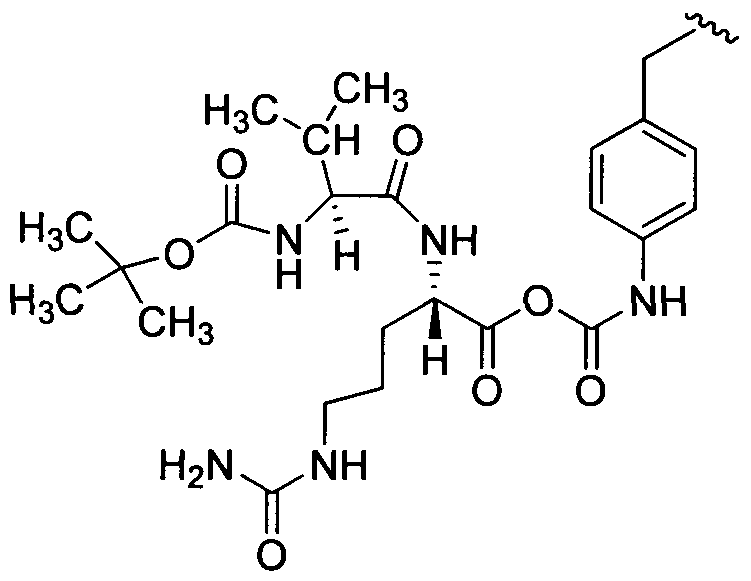
O G2-C-NH H ., o wherein G2 is a peptide that is cleaved by prostate-specific antigen.
Another specific value for Y is the self-immolative moiety:


Another specific value for Y is the self-immolative moiety:


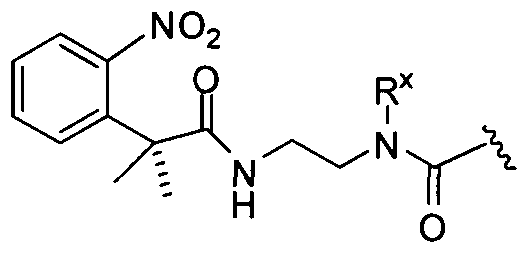
wherein Rx is H or (d-C6)alkyl.
Another specific value for Y is a self-immolative moiety.
Another specific value for Y is the self-immolative moiety:

wherein G0 is nitro, N(Rxa)Rxb, NRxbORxc, ORXC, NH2, NHOH or OH; wherein Rxa is (Ci- C6)alkanoyl, (C1-C6)alkoxycarbonyl, or RxdRxeNC(=O)-; Rxb is H or (CrC6)alkyl; Rxc is H, (C1- C6)alkanoyl, (Ci-C6)alkoxycarbonyl, or RxdRxeNC(=O)-; and Rxd and Rxe are each independently H or (d-C6)alkyl.
Another specific value for Y is the self-immolative moiety:


Another specific value for Y is the self-immolative moiety:

Another specific value for Y is the self-immolative moiety:


Another specific value for Y is the self-immolative moiety:

A specific value for Z is H. Another specific value for Z is (Ci-Cβjalkyl.
Another specific value for Z is CH3.
Another specific value for Z is substituted (C1-C6)alkyl.
Another specific value for Z is -CH2CH2OH.
Another specific value for Z is -CH2CH2OCH2CH3.
Another specific value for Z is -CH2CHOHCH2OH. Another specific value for Z is -CH2CH2NR8Rb wherein Ra and Rb are hydrogen or (C1-
C6)alkyl.
Another specific value for Z is -CH2CH2NR3Rb wherein R8 and Rb together with the nitrogen to which they are attached form a piperazino, pyrrolidino, piperidino, morpholino, or thiomorpholino ring. Another specific value for Z is -C(=O)CHOHCH2OH.
Another specific value for Z is -(Q-C^alkyl substituted with one or more tetrahydrofuranyl, tetrahydropyranyl, or 1,4-dioxanyl rings.
Another specific value for Z is -C(=0)CH2NRaRb.
Another specific value for Z is aryl(C1-C6)alkanoyl.
Another specific value for Z is heteroaryl(C1-C6)alkanoyl.
Another specific value for Z is a cascading prodrug moiety.
Another specific value for Z is the cascading prodrug moiety:

Another specific value for Z is the cascading prodrug moiety:

Another specific value for Z is the cascading prodrug moiety:

Another specific value for Z is a self-immolative moiety.
Another specific value for Z is the self-immolative moiety:

wherein G0 is NH2, NHOH or OH.
Another specific value for Z is the self-immolative moiety:

Another specific value for Z is the self-immolative moiety:

Another specific value for Z is the self-immolative moiety:

Another specific value for Z is the self-immolative moiety:

O
 wherein G2 is a peptide that is cleaved by prostate-specific antigen. Another specific value for Z is the self-immolative moiety:


wherein Rx is H or (Ci-C6)alkyl.
Another specific value for Z is the self-immolative moiety:

wherein G0 is nitro, N(R > xxaa\)nR xXbD, NR »χXtDvORXC, ORXC, NH2, NHOH or OH; wherein Rxa is (C1- C6)alkanoyl, (C1-C6)alkoxycarbonyl, or RxdRxeNC(=O)-; Rxb is H or (Ci-C6)alkyl; Rxc is H, (C1- C6)alkanoyl, (C!-C6)alkoxycarbonyl, or RxdRxeNC(=O)-; and Rxd and Rxe are each independently H or (d-C6)alkyl.
Another specific value for Z is the self-immolative moiety:


Another specific value for Z is the self-immolative moiety:

Another specific value for Z is the self-immolative moiety:


Another specific value for Z is the self-immolative moiety:

A specific value for R3 is H. A specific value for R4 is H.
A specific group of compounds of formula I are compounds wherein R3 and R4 are each H.
Another specific value for R3 and R4 together is =0.
Another specific value for R3 and R4 together is =S. Another specific value for R3 and R4 together is =NH.
Another specific value for R3 and R4 together is =N-R2.
Another specific value for R3 and R4 together is =N-R2 where R2 is (C1-C6)alkyl.
Another specific value for R3 and R4 together is =N-R2 where R2 is substituted (C1- C6)alkyl. Another specific value for R3 is

Another specific value for R3 is substituted (C1-C6)alkyl.
Another specific value for R4 is (C1-C6)alkyl.
Another specific value for R4 is substituted (Q-C^alkyl.
Another specific group of compounds of formula I are compounds wherein R3 is H and R4 is (d-C6)alkyl.
Another specific group of compounds of formula I are compounds wherein R3 is H and R4 is substituted (C1-C6)alkyl.
Another specific group of compounds of formula I are compounds wherein R3 is (C1- C6)alkyl and R4 is (d-C6)alkyl. Another specific group of compounds of formula I are compounds wherein R3 is substituted (CrC6)alkyl and R4 is substituted (CrC6)alkyl.
Another specific group of compounds of formula I are compounds wherein R3 is (C1- C6)alkyl and R4 is substituted (C1-C6)alkyl.
A specific value for R1 is a (C!-C6)alkyl substituted with one or more hydroxy groups.
Another specific value for R1 is (C1-C6)alkyl substituted with one or two hydroxy groups.
Another specific value for R1 is (C]-C6)alkyl substituted with one hydroxy group.
Another specific value for R1 is hydroxymethyl, 2-hydroxyethyl, 3-hydroxypropyl or 2- hydroxypropyl.
Another specific value for R1 is (Q-C^alkyl substituted with one or more mercapto groups.
Another specific value for R1 is (CrC6)alkyl substituted with one or more carboxy groups.
Another specific value for R1 is (Q-C^alkyl substituted with one or two carboxy groups.
Another specific value for R1 is (C1-C6)alkyl substituted with one carboxy group.
Another specific value for R1 is (C1-C6)alkyl substituted with one or more NR3Rb groups.
Another specific value for R1 is (C1-C6)alkyl substituted with one or two NR3Rb groups.
Another specific value for R1 is (CrC6)alkyl substituted with one NR3Rb group.
A specific value for NRaRb is -NH2, -NHCH3 or -N(CH3)2.
Another specific value for R1 is a 2-aminoethyl, 2-(N-methylamino)ethyl or 2-(N,N- dimethylamino)ethyl.
A specific value for R1 is 2-hydroxyethyl.
Another specific value for R1 is 2-aminoethyl.
Another specific value for R1 is 2-(N,N-dimethylamino)ethyl.
Another specific value for R1 is 2-(N,N-diethylamino)ethyl. Another specific value for R1 is 2-(N,N-diethanolamino)ethyl.
Another specific value for R1 is a (CrC6)alkyl substituted with one or more hydroxy, mercapto, carboxy, amino, dimethylamino, methylamino, piperazinyl, pyrrolidinyl, piperidinyl, morpholinyl, thiomorpholinyl, tetrahydrofuranyl, tetrahydropyranyl or 1 ,4-dioxanyl groups.
A specific value for R2 is (d-C6)alkyl substituted with one or more hydroxy, mercapto, carboxy, amino, dimethylamino, methylamino, piperazinyl, pyrrolidinyl, piperidinyl, morpholinyl, thiomorpholinyl, tetrahydrofuranyl, tetrahydropyranyl, or 1,4-dioxanyl groups.
Another specific value for R1 is (C2-C4)alkyl substituted with one or two groups selected from hydroxy, mercapto, carboxy, amino, dimethylamino, methylamino, piperazinyl, pyrrolidinyl, piperidinyl, morpholinyl, thiomorpholinyl, tetrahydrofuranyl, tetrahydropyranyl and 1,4-dioxanyl.
Another specific value for R2 is (C2-C4)alkyl substituted with one to two groups selected from hydroxy, mercapto, carboxy, amino, dimethylamino, methylamino, piperazinyl, pyrrolidinyl, piperidinyl, morpholinyl, thiomorpholinyl, tetrahydrofuranyl, tetrahydropyranyl and 1,4-dioxanyl. Another specific value for R1 or R2 is -CH2CH2NR3Rb wherein R3 and Rb are hydrogen or
(C1-C6)^yI.
Another specific value for R1 or R2 is -CH2CH2NR3Rb wherein R3 and Rb together with the nitrogen to which they are attached form a piperazino, pyrrolidino, piperidino, morpholino, or thiomorpholino ring. Another specific value for R1 is hydroxymethyl, hydroxyethyl, hydroxypropyl, 2- aminoethyl, 3-aminopropyl, 2-methylaminoethyl, 3-dimethylaminopropyl, 2-carboxyethyl, or 2- hydroxyaminoethyl.
Another specific value for R1 is
 substituted with one or more substituents of the formula -NR3Rb where Ra and Rb together with the nitrogen to which they are attached form a nitrogen containing heterocyclic ring, or a (C1-C6)alkyl group substituted with one or more oxygen containing heterocyclic rings. Specific examples of such heterocyclic rings include piperazino, pyrrolidino, piperidino, morpholino, or thiomorpholino.
Another specific value for R1 is (Q-C^alkyl substituted with one or more carbon-linked oxygen containing heterocyclic rings. Specific examples of such oxygenated heterocyclic rings are, for example, tetrahydrofuranyl, tetrahydropyranyl, 1,4-dioxanyl, and like groups.
A specific compound of formula I is a compound of formula II:

Another specific compound of formula I is a compound of formula III:

Another specific compound of formula I is a compound of formula IV:


Another specific compound of formula I is a compound of formula VI:

Another specific compound of formula I is a compound of formula VII:

Another specific compound of formula I is a compound of formula VIII:
VIII.
 Another specific compound of formula I is a compound of formula IX:

Another specific compound of formula I is any of the above compounds of formulas II-
IX as their pharmaceutically acceptable salts.
Another specific compound of formula I is a compound of formula X:

X.
Another specific compound of formula I is a compound of formula X as a pharmaceutically acceptable salt.
A specific compound of the invention is the compound:
(2-(dimethylamino)ethyl)-9-methoxy-2,3-methylenedioxy-6-oxo-5,6- dihydrodibenzo[c,h] [1 ,6]naphthyridin-8-yl benzoate,
5-(2-(dimethylamino)ethyl)-9-methoxy-2,3-methylenedioxy-6-oxo-5,6- dihydrodibenzo[c,h][l,6]naphthyridin-8-yl 2-methylbenzoate,
5-(2-(dimethylamino)ethyl)-9-methoxy-2,3-methylenedioxy-6-oxo-5,6- dihydrodibenzo[c,h][l ,6]naphthyridin-8-yl acetate,
5-(2-(dimethylamino)ethyl)-9-methoxy-2,3-methylenedioxy-6-oxo-5,6- dihydrodibenzo[c,h][l,6]naphthyridin-8-yl pivalate, 5-(2-(dimethylamino)ethyl)-9-methoxy-2,3-methylenedioxy-6-oxo-5,6- dihydrodibenzo[c,h][l,6]naphthyridin-8-yl (3-cyclopentyl)propionate,
5-(2-(dimethylamino)ethyl)-9-methoxy-2,3-methylenedioxy-6-oxo-5,6- dihydrodibenzo[c,h][l,6]naphthyridin-8-yl ethyl carbonate,
tert-butyl 5-(2-(dimethylamino)ethyl)-9-methoxy-2,3-methylenedioxy-6-oxo-5,6- dihydrodibenzo[c,h] [ 1 ,6]naphthyridin-8-yl carbonate, 5-(2-(dimethylamino)ethyl)-9-methoxy-2,3-methylenedioxy-6-oxo-5,6- dihydrodibenzo [c,h] [ 1 ,6]naphthyridin-8-yl ethylcarbamate, 5-(2-(dimethylamino)ethyl)-9-methoxy-2,3-methylenedioxy-6-oxo-5,6- dihydrodibenzo[c,h][l,6]naphthyridin-8-yl dimethylcarbamate; or
5-(2-(dimethylamino)ethyl)-9-methoxy-2,3-methylenedioxy-6-oxo-5,6- dihydrodibenzo[c,h] [ 1 ,6]naphthyridin-8-yl 1 ,4'-bipiperidine- 1 '-carboxylate; or a salt thereof.
In one embodiment, a compound of the invention is a compound of formula I:

I wherein:
A and B are independently N or CH;
W is N or CH;
R3 and R4 are each independently H, (C1-C6)alkyl, or substituted (C1-C6)alkyl, or R3 and R4 together are =0, =S, =NH or =N-R2; at least one of Y and Z is aryl(C1-C6)alkanoyl, heteroaryl(C1-C6)alkanoyl, a self- immolative moiety or a cascading prodrug moiety and the other is hydrogen, (Ct-Cδ^lkyl, substituted (C1-C6)alkyl, (C1-C6)alkanoyl , substituted^ -C6)alkanoyl, -CC=O)NR0Rd, aryl(Cr C6)alkanoyl or heteroaryl(C1-C6)alkanoyl, wherein any aryl(C1-C6)alkanoyl or heteroarylCCr C6)alkanoyl may be optionally substituted with one or more (e.g. 1, 2, 3 or 4) groups independently selected from halo, cyano, (C1-C6)alkyl, carboxy, NO2, hydroxy, (Q-C^alkoxy and -NR2Rf;
R1 is a (C!-C6)alkyl substituted with one or more solubilizing groups;
R2 is (CrC6)alkyl or substituted (d-C6)alkyl;
Rc and R<iare each independently H, (C1-C6) alkyl or substituted (Ci-C6) alkyl; or R0 and Rd together with the nitrogen to which they are attached form a piperazino, pyrrolidino, or piperidino ring, which ring can optionally be substituted with one or more aryl, heteroaryl, or heterocycle; and
Re and Rf are each independently H, (C]-C6) alkyl or substituted (Ci-C6) alkyl; or Re and Rf together with the nitrogen to which they are attached form a piperazino, pyrrolidino, or piperidino ring, which ring can optionally be substituted with one or more aryl, heteroaryl, or heterocycle; or a pharmaceutically acceptable salt thereof.
In one specific embodiment of the invention, for a compound of formula I, Y is not H when Z is (Ci -C6) alkyl; and Y is not (Ci -C6) alkyl when Z is H.
In another specific embodiment of the invention, for a compound of formula I, Y and Z are not each independently selected from H, (Cj-C6)alkyl, substituted (C]-C6)alkyl, (C1- C6)alkanoyl, substituted (Ci-C6) alkanoyl, -P(=O)(OH)2, and -C(O)NRc2Rd3; wherein R03 and Rdaare each independently (Ci-C6) alkyl or substituted (Ci-C6) alkyl; or R03 and Rd3 together with the nitrogen to which they are attached form a N'-{(Ci-C6)alkyl}piperazino, pyrrolidino, or piperidino ring, which ring can optionally be substituted with one or more aryl, heteroaryl, or heterocycle; wherein substituted alkyl is an alkyl group wherein one or more (e.g. 1 or 2) carbon atoms in the alkyl chain have been replaced with a heteroatom independently selected from -0-, -S- and NR- (where R is hydrogen or CrC6alkyl) and/or wherein the alkyl group is substituted with from 1 to 5 substituents independently selected from cycloalkyl, substituted cycloalkyl, (Ci-C6)alkoxycarbonyl (e.g. -CO2Me), cyano, halo, hydroxy, oxo (=O), carboxy (COOH), aryloxy, heteroaryloxy, heterocyclooxy, nitro, and -NRaaRbb, wherein R^ and Rbb may be the same or different and are chosen from hydrogen, alkyl, arylalkyl, heteroarylalkyl, heterocycloalkyl, cycloalkyl, substituted cycloalkyl, aryl, heteroaryl and heterocyclic; and wherein substituted alkanoyl is an alkanoyl group wherein one or more (e.g. 1 or 2) carbon atoms in the alkyl chain have been replaced with a heteroatom independently selected from -0-, -S- and NR- (where R is hydrogen or Ci-C6alkyl) and/or wherein the alkyl group is substituted with from 1 to 5 substituents independently selected from cycloalkyl, substituted cycloalkyl, (Ci-C6)alkoxycarbonyl (e.g. -CO2Me), cyano, halo, hydroxy, oxo (=0), carboxy (COOH), aryloxy, heteroaryloxy, heterocyclooxy, nitro, and -NR^R515, wherein Rω and Rbb may be the same or different and are chosen from hydrogen, alkyl, arylalkyl, heteroarylalkyl, heterocycloalkyl, cycloalkyl, substituted cycloalkyl, aryl, heteroaryl and heterocyclic.
When administered to a biological system certain compounds of the invention can function as prodrugs for corresponding compounds of the invention wherein Y and/or Z is H. The prodrugs can be converted to the corresponding compounds of the invention as a result of spontaneous chemical reaction(s), enzyme catalyzed chemical reaction(s), photolysis, and/or metabolic chemical reaction(s), or by some other process. For example, a compound of the invention such as a compound of formula I wherein Y and /or Z is 3TyI(C1 -C6)alkanoyl or heteroaryl(C1-C6)alkanoyl can provide a corresponding compound of the invention wherein Y and/or Z is H following administration. Cascading Drug Moiety. As used herein the term "cascading prodrug moiety" is a moiety that is released from a compound of formula I when administered to a biological system to generate the drug substance, i.e. active ingredient, as a result of spontaneous chemical reaction(s), enzyme catalyzed chemical reaction(s), photolysis, and/or metabolic chemical reaction(s) or by some other process to provide a compound of formula I wherein at least one of X or Y is hydrogen. In one embodiment the cascading prodrug moiety is:

In another embodiment the cascading prodrug moiety is:

In another embodiment the cascading prodrug moiety is:

Self-immolative Moiety.
As used herein the term "self-immolative moiety" is a moiety that is released from a compound of formula I when administered to a biological system to generate the drug substance, i.e. active ingredient, as a result of spontaneous chemical reaction(s), enzyme catalyzed chemical reaction(s), photolysis, and/or metabolic chemical reaction(s) or by some other process to provide a compound of formula I wherein at least one of X or Y is hydrogen. Several self-immolative
moieties and methods for their synthesis are described in Tranoy-Opalinsky et al., Anti-Cancer Agents in Medicinal Chemistry, 2008, 8, 618-637, and in references therein. In one embodiment the self-immolative moiety is:

wherein G0 is NH2, NHOH or OH.
In another embodiment the self-immolative moiety is:

In another embodiment the self-immolative moiety is:

In another embodiment the self-immolative moiety is:

In another embodiment the self-immolative moiety is:

In another embodiment the self-immolative moiety is:


Processes for preparing compounds of the invention including compounds of formula I are provided as further embodiments of the invention and are illustrated by the following procedures in which the meanings of the generic radicals are as given above unless otherwise qualified.
Representative compounds of the invention can be prepared as illustrated below in Schemes 1-2
Scheme 1


The starting materials employed in the synthetic methods described herein are commercially available, have been reported in the scientific literature, or can be prepared from readily available starting materials using procedures known in the field. It may be desirable to optionally use a protecting group during all or portions of the above described synthetic procedures. Such protecting groups and methods for their introduction and removal are well known in the art. See Greene, T. W.; Wutz, P.G.M. "Protecting Groups In Organic Synthesis" second edition, 1991, New York, John Wiley & Sons, Inc. It will be appreciated by those skilled in the art that compounds of the invention having a chiral center may exist in and be isolated in optically active and racemic forms. Some compounds may exhibit polymorphism. It is to be understood that the present invention encompasses any racemic, optically-active, polymorphic, or stereoisomeric form, or mixtures thereof, of a compound of the invention, which possess the useful properties described herein, it being well known in the art how to prepare optically active forms (for example, by resolution of the racemic form by recrystallization techniques, by synthesis from optically-active starting materials, by chiral synthesis, or by chromatographic separation using a chiral stationary phase) and how to determine topoisomerase inhibition activity or cytotoxic activity using the standard tests described herein, or using other similar tests which are well known in the art. Compounds of the present invention can contain chiral centers, for example, the carbon atom in formula I when R.3 and R4 are different. Compounds of the present invention can also contain chiral centers, for example, in any of the substituents Y, Z, R1, R2 R3 or R4.
In cases where compounds are sufficiently basic or acidic, a salt of a compound of the invention can be useful as an intermediate for isolating or purifying a compound of the invention. Additionally, administration of a compound of the invention as a pharmaceutically acceptable acid or base salt may be appropriate. Examples of pharmaceutically acceptable salts are organic acid addition salts formed with acids which form a physiological acceptable anion, for example, tosylate, methanesulfonate, acetate, citrate, malonate, tartrate, succinate, benzoate, ascorbate, α-ketoglutarate, and α-glycerophosphate. Suitable inorganic salts may also be formed, including hydrochloride, sulfate, nitrate, bicarbonate, and carbonate salts.
Pharmaceutically acceptable salts may be obtained using standard procedures well known in the art, for example by reacting a sufficiently basic compound such as an amine with a suitable acid affording a physiologically acceptable anion. Alkali metal, for example, sodium, potassium or lithium, or alkaline earth metal, for example calcium, salts of carboxylic acids can also be made.
The compounds of the invention can be formulated as pharmaceutical compositions and administered to a mammalian host, such as a human patient in a variety of forms adapted to the chosen route of administration, that is, orally or parenterally, by intravenous, intramuscular, topical or subcutaneous routes. Typically the compounds will be administered by infusion. Thus, the present compounds may be systemically administered, for example, orally, in combination with a pharmaceutically acceptable vehicle such as an inert diluent or an assimilable edible carrier. They may be enclosed in hard or soft shell gelatin capsules, may be compressed into tablets, or may be incorporated directly with the food of the patient's diet. For oral therapeutic administration, the active compound may be combined with one or more excipients and used in the form of ingestible tablets, buccal tablets, troches, capsules, elixirs, suspensions, syrups, wafers, and the like. Such compositions and preparations should contain at least 0.1% of active compound. The percentage of the compositions and preparations may, of course, be varied and may conveniently be between about 2 to about 60% of the weight of a given unit dosage form. The amount of active compound in such therapeutically useful compositions is such that an effective dosage level will be obtained.
The tablets, troches, pills, capsules, and the like may also contain the following: binders such as gum tragacanth, acacia, corn starch or gelatin; excipients such as dicalcium phosphate; a disintegrating agent such as corn starch, potato starch, alginic acid and the like; a lubricant such as magnesium stearate; and a sweetening agent such as sucrose, fructose, lactose or aspartame or a flavoring agent such as peppermint, oil of wintergreen, or cherry flavoring may be added. When the unit dosage form is a capsule, it may contain, in addition to materials of the above type, a liquid carrier, such as a vegetable oil or a polyethylene glycol. Various other materials may be present as coatings or to otherwise modify the physical form of the solid unit dosage form. For instance, tablets, pills, or capsules may be coated with gelatin, wax, shellac or sugar and the like. A syrup or elixir may contain the active compound, sucrose or fructose as a sweetening agent, methyl and propylparabens as preservatives, a dye and flavoring such as cherry or orange flavor. Of course, any material used in preparing any unit dosage form should be pharmaceutically acceptable and substantially non-toxic in the amounts employed. In
addition, the active compound may be incorporated into sustained-release preparations and devices.
The compound may also be administered intravenously or intraperitoneally by infusion or injection. Solutions of the compound or its salts can be prepared in water, optionally mixed with a nontoxic surfactant. Dispersions can also be prepared in glycerol, liquid polyethylene glycols, triacetin, and mixtures thereof and in oils. Under ordinary conditions of storage and use, these preparations contain a preservative to prevent the growth of microorganisms.
The pharmaceutical dosage forms suitable for injection or infusion can include sterile aqueous solutions or dispersions or sterile powders comprising the active ingredient which are adapted for the extemporaneous preparation of sterile injectable or infusible solutions or dispersions, optionally encapsulated in liposomes. In all cases, the ultimate dosage form must be sterile, fluid and stable under the conditions of manufacture and storage. The liquid carrier or vehicle can be a solvent or liquid dispersion medium comprising, for example, water, ethanol, a polyol (for example, glycerol, propylene glycol, liquid polyethylene glycols, and the like), vegetable oils, nontoxic glyceryl esters, and suitable mixtures thereof. The proper fluidity can be maintained, for example, by the formation of liposomes, by the maintenance of the required particle size in the case of dispersions or by the use of surfactants. The prevention of the action of microorganisms can be brought about by various antibacterial and antifungal agents, for example, parabens, chlorobutanol, phenol, sorbic acid, thimerosal, and the like. In many cases, it will be preferable to include isotonic agents, for example, sugars, buffers or sodium chloride. Prolonged absorption of the injectable compositions can be brought about by the use in the compositions of agents delaying absorption, for example, aluminum monostearate and gelatin.
Sterile injectable solutions are prepared by incorporating the active compound in the required amount in the appropriate solvent with various of the other ingredients enumerated above, as required, followed by filter sterilization. In the case of sterile powders for the preparation of sterile injectable solutions, the preferred methods of preparation are vacuum drying and the freeze drying techniques, which yield a powder of the active ingredient plus any additional desired ingredient present in the previously sterile-filtered solutions.
For topical administration, the present compounds may be applied in pure form, i.e., when they are liquids. However, it will generally be desirable to administer them to the skin as compositions or formulations, in combination with a dermatologically acceptable carrier, which may be a solid or a liquid.
Useful solid carriers include finely divided solids such as talc, clay, microcrystalline cellulose, silica, alumina and the like. Useful liquid carriers include water, alcohols or glycols
or water-alcohol/glycol blends, in which the present compounds can be dissolved or dispersed at effective levels, optionally with the aid of non-toxic surfactants. Adjuvants such as fragrances and additional antimicrobial agents can be added to optimize the properties for a given use. The resultant liquid compositions can be applied from absorbent pads, used to impregnate bandages and other dressings, or sprayed onto the affected area using pump-type or aerosol sprayers.
Thickeners such as synthetic polymers, fatty acids, fatty acid salts and esters, fatty alcohols, modified celluloses or modified mineral materials can also be employed with liquid carriers to form spreadable pastes, gels, ointments, soaps, and the like, for application directly to the skin of the user. Examples of useful dermatological compositions which can be used to deliver the compounds of the invention to the skin are known to the art; for example, see Jacquet et al. (U.S. Pat. No. 4,608,392), Geria (U.S. Pat. No. 4,992,478), Smith et al. (U.S. Pat. No. 4,559,157) and Wortzman (U.S. Pat. No. 4,820,508).
Useful dosages of the compounds of the invention can be determined by comparing their in vitro activity, and in vivo activity in animal models. Methods for the extrapolation of effective dosages in mice, and other animals, to humans are known to the art; for example, see U.S. Pat. No. 4,938,949.
Generally, the concentration of the compound(s) of the invention in a liquid composition, such as a lotion, will be from about 0.1-25 wt-%, preferably from about 0.5-10 wt-%. The concentration in a semi-solid or solid composition such as a gel or a powder will be about 0.1 -5 wt-%, preferably about 0.5-2.5 wt-%.
The amount of the compound, or an active salt or derivative thereof, required for use in treatment will vary not only with the particular salt selected but also with the route of administration, the nature of the condition being treated and the age and condition of the patient and will be ultimately at the discretion of the attendant physician or clinician.
In general, however, a suitable dose will be in the range of from about 0.5 to about 100 mg/kg, e.g., from about 10 to about 75 mg/kg of body weight per day, such as 3 to about 50 mg per kilogram body weight of the recipient per day, preferably in the range of 6 to 90 mg/kg/day, most preferably in the range of 15 to 60 mg/kg/day. The compound may conveniently be administered in unit dosage form; for example, containing 5 to 1000 mg, conveniently 10 to 750 mg, most conveniently, 50 to 500 mg of active ingredient per unit dosage form.
Ideally, the active ingredient should be administered to achieve peak plasma concentrations of the active compound of from about 0.5 to about 75 μM, preferably, about 1 to
50 μM, most preferably, about 2 to about 30 μM. This may be achieved, for example, by the intravenous injection of a 0.05 to 5% solution of the active ingredient, optionally in saline, or orally administered as a bolus containing about 1-100 mg of the active ingredient. Desirable blood levels may be maintained by continuous infusion to provide about 0.01-5.0 mg/kg/hr or by intermittent infusions containing about 0.4-15 mg/kg of the active ingredient(s).
The desired dose may conveniently be presented in a single dose or as divided doses administered at appropriate intervals, for example, as two, three, four or more sub-doses per day. The sub-dose itself may be further divided, e.g., into a number of discrete loosely spaced administrations; such as multiple inhalations from an insufflator or by application of a plurality of drops into the eye.
The ability of a compound of the invention to effect topoisomerase I mediated DNA cleavage can be determined using pharmacological models that are well known to the art, for example, using a model like Test A described below.
Test A. Topoisomerase I-mediated DNA cleavage assay
Human topoisomerase I was expressed in E. CoIi and isolated as a recombinant fusion protein using a T7 expression system as described previously, see Makhey, D. et al., Bioorg. Med Chem., 2000, 8, 1-11. DNA topoisomerase I was purified from calf thymus gland as reported previously, see Maniatis, T., et al., J. Molecular Cloning, a Laboratory Manual, Cold Spring Harbor Laboratory, Cold Spring Harbor, New York, 149-185). Plasmid YepG was also purified by the alkali lysis method followed by phenol deproteination and CsCl/ethidium isopycnic centrifugation method as described, see Maniatis, T.; Fritsch, E. F.; Sambrook, J. Molecular Cloning, a Laboratory Manual; Cold Spring Harbor Laboratory: Cold Spring Harbor, NY 1982; pp 149-185. The end-labeling of the plasmid was accomplished by digestion with a restriction enzyme followed by end-filling with Klenow polymerase as previously described, see Liu, L. F.; Rowe, T. C; Yang, L.; Tewey, K. M.; Chen, G. L., J. Biol. Chem. 1983, 258, 15365. Cleavage assays were performed as previously reported, see B. Gatto et al. Cancer Res., 1996, 56, 2795-2800. The drug and the DNA in presence of topoisomerase I was incubated for 30 minutes at 37 0C. After development of the gels, typically 24-hour exposure was used to obtain autoradiograms outlining the extent of DNA fragmentation.
The cytotoxic effects of a compound of the invention can be determined using pharmacological models that are well known in the art, for example, using a model like Test B described below.
Test B. Cytotoxic assays (cancer cell lines and efflux transporter cell lines)
The cytotoxicity was determined using the MTT-microtiter plate tetrazolinium cytotoxicity assay (MTA). The human lymphoblast RPMI 8402 and its camptothecin-resistant variant cell line, CPT-K5 was provided by Dr. Toshiwo Andoh (Aichi Cancer Center Research Institute, Nagoya, Japan). The P388 mouse leukemia cell line and its CPT-resistant TOPl- deficient variant P388/CPT45 were obtained from Michael R. Mattern and Randal K. Johnson (GlaxoSmithKline, King of Prussia, PA). The KB3-1 cell line and its multidrug-resistant variant KBV-I were obtained from K. V. Chin (The Cancer Institute of New Jersey, New Brunswick, NJ). The KBH5.0 cell line as noted previously was derived from KB3-1 by stepwise selection against Hoechst 33342. The cytotoxicity assay was performed using 96-well microtiter plates. Cells were grown in suspension at 37 0C in 5% CO2 and maintained by regular passage in RPMI medium supplemented with 10% heat inactivated fetal bovine serum, L-glutamine (2 mM), penicillin (100 U/mL), and Streptomycin (0.1 mg/mL). For determination OfIC50, cells were exposed continuously for four days to varying concentrations of drug, and MTT assays were performed at the end of the fourth day. Each assay was performed with a control that did not contain any drug. All assays were performed at least twice in six replicate wells.
Experimental results from Test B for representative compounds of the invention are shown in the Table 1 below. These results demonstrate that compounds of the invention can function as cytotoxic agents against tumor cell lines. Accordingly compounds of the invention of may be useful as therapeutic agents for the treatment of cancer (e.g. leukemia, non-small lung cancer, colon cancer, CNS cancer, melanoma, ovarian cancer, renal cancer, prostate cancer or breast cancer).
Table 1
C totoxicity Data (Single Assay except Examples 1 and 2)


The ability of a compound of the invention to be actively transported can be determined using pharmacological models that are well known in the art, for example, using a model like the test described below.
The cytotoxicity of the representative compounds of the invention were also tested against cell line KB3-1 (parent cell line), KBV-I (a variant that overexpresses efflux transporter MDRl) and KBH5.0 (a variant that overexpresses BCRP). The data is tabulated in Table 3. Differences in the relative cytotoxicity between the parent and variant cell lines may be indicative of a compound that is a substrate for an efflux transporter. These data suggest that the compounds tested may be substrates to varying degrees for MDRl and BCRP and that the compound of Example 2 is not a substrate for BCRP. Accordingly, compounds of the invention may be useful to treat tumors that are resistant to other anticancer agents, including anticancer agents that are susceptible to efflux by BCRP (e.g. anthracyclines, mitoxantrone, topotecan, irinotecan, bisanthrone, doxorubicin, daunorubicin, and epirubin.
Table 2


The in vivo antitumor activity of a compound of the invention can be determined using pharmacological models that are well known in the art, for example, using a model like Test C described below.
Test C. Human tumor xenograft assay
Bioassays are performed using female NCR/NU NU mice of approximately 9 weeks of age as obtained from Taconic Farms, Inc. (Germantown, NY, USA). Mice are housed 4 per cage in laminar flow HEPA filtered microisolator caging (Allentown Caging Equipment Co., Allentown, NJ, USA). Mice are fed Purina autoclavable breeder chow #5021 and given drinking water, purified by reverse-osmosis, ad libitum. Five days after arrival within the animal facility, the mice are inoculated on the right flank with 1.5 x 10⁶ MDA-MB-435 tumor cells in 0.1 mL of RPMI 1640 Media by sc injection (25 gauge needle x 5/8"). The MDA-MB- 435 cells are grown in 75 cm2 flasks using RPMI 1640 Media and 10% fetal bovine serum. Tumors are of sufficient size at 19-20 days after inoculation. Tumor-bearing mice are evenly matched in each experimental group based on tumor volume. Tumor volume is calculated by measuring the tumor with a microcaliper. The length (/) is the maximum two dimensional distance of the tumor and the width (w) is the maximum distance perpendicular to this length measured in mm. Tumor volume is calculated using the formula (l*w2)/2. Every mouse is weighed individually on a daily basis. Dose adjustments for each experimental group can be made throughout the study based upon the effect or lack of an effect of treatment on average body weights. Tumor volume is determined for each individual mouse every other day.
Topoisomerase inhibitors are also known to possess antifungal, antipsoritic (psoriasis), antiprotozoal, antihelmetic, and antiviral activity. Accordingly, the topoisomerase inhibitors of the invention may also be useful as antifungal, antipsoritic (psoriasis), antiprotozoal, antihelmetic, or antiviral agents. In particular, compounds of the invention that demonstrate little or no activity as mammalian topoisomerase I poisons, because of the possibility of similar
molecular mechanism of action, could be highly active and selective antifungal, antipsoritic (psoriasis), antiprotozoal, antihelmetic, or antiviral agents. Thus, certain compounds of the invention may be particularly useful as systemic antifungal, antipsoritic (psoriasis), antiprotozoal, antihelmetic, or antiviral agents in mammals. The invention also provides the use of a compound of the invention for the manufacture of a medicament useful for producing an antifungal, antipsoritic (psoriasis), antiprotozoal, antihelmetic, or antiviral effect in a mammal.
As used herein, the term "solid mammalian tumors" include cancers of the head and neck, lung, mesothelioma, mediastinum, esophagus, stomach, pancreas, hepatobiliary system, small intestine, colon, rectum, anus, kidney, ureter, bladder, prostate, urethra, penis, testis, gynecological organs, ovarian, breast, endocrine system, skin central nervous system; sarcomas of the soft tissue and bone; and melanoma of cutaneous and intraocular origin. The term "hematological malignancies" includes childhood leukemia and lymphomas, Hodgkin's disease, lymphomas of lymphocytic and cutaneous origin, acute and chronic leukemia, plasma cell neoplasm and cancers associated with AIDS. The preferred mammalian species for treatment are humans and domesticated animals.
The invention will now be illustrated by the following non-limiting Examples.
Certain compounds of the present invention were prepared in accordance with the Scheme A using, for example, the reactions and reagents illustrated.
Scheme A

To a solution of starting material (0.102 mmol) in dichloromethane (10 ML) was added DMAP (0.205 mmol) and triethylamine (0.5 mL), and the mixture was stirred at room temperature for 30 minutes. To this reaction mixture was added appropriate acid chloride (0.102 mmol) and the solution was left to stir at room temperature overnight. The reaction mixture was diluted with dichloromethane and washed with saturated sodium bicarbonate, brine, dried over Na2SO4, filtered and concentrated under vacuum to get a brown solid. Column chromatography using chloroform: methanol mixture gave the pure product. (Yield ranging from 80%-85%).
Example 1.

The compound of Example l(5-(2-(dimethylamino)ethyl)-9-methoxy-2,3- methylenedioxy-6-oxo-5,6-dihydrodibenzo[c,h][l,6]naphthyridin-8-yl benzoate) was prepared following the method of Scheme A outlined above. 1H NMR (CDCl3) δ 2.26 (s, 6H), 2.90 (m, 2H), 4.03 (s, 3H), 4.60 (m, 2H), 6.16 (s, 2H), 7.44 (s, IH), 7.50-7.67 (m, 3H), 7.76 (s, IH), 7.85 (s, IH), 8.25 (m, 3H), 9.36 (s, IH); 13C NMR (CDCl3) δ 45.8, 49.2, 56.4, 57.8, 101.4, 102.3, 103.1, 107.1, 111.4, 114.8, 119.3, 123.0, 128.8, 129.1, 130.5, 132.7, 133.9, 141.2, 142.1, 143.7, 147.8, 147.9, 150.3, 156.2, 163.7, 164.6.
Example 2.

The compound of Example 2 (5-(2-(dimethylamino)ethyl)-9-methoxy-2,3 - methylenedioxy-6-oxo-5,6-dihydrodibenzo[c,h] [ 1 ,6]naphthyridin-8-yl
2-methylbenzoate) was prepared following the method of Scheme A outlined above. 1H NMR (CDCl3) δ 2.26 (s, 6H), 2.69 (s, 3H), 2.91 (t, J= 7.0 Hz, 2H), 4.06 (s, 3H), 4.62 (t, J= 7.0 Hz, 2H), 6.17 (s, 2H), 7.31 (m, 2H), 7.51-7.46 (m, 2H), 7.78 (s, IH), 7.87 (s, IH), 8.22 (m, IH), 8.25 (s, IH), 9.39 (s, IH); 13C NMR (CDCl3) δ 20.9, 44.9, 48.2, 55.4, 56.8, 100.4, 101.3, 102.1,
106.1, 110.5, 113.9, 118.3, 122.1, 125.1, 127.4, 130.5, 131.0, 131.6, 131.9, 140.2, 140.4, 141.2, 142.7, 146.8, 146.9, 149.3, 155.2, 162.8, 164.3.
Example 3.

The compound of Example 3 (5-(2-(dimethylamino)ethyl)-9-methoxy-2,3- methylenedioxy-6-oxo-5,6-dihydrodibenzo[c,h][l,6]naphthyridin-8-yl acetate) was prepared following the method of Scheme A outlined above. 1H NMR (CDCl3) δ 2.30 (s, 6H), 2.38 (s, 3H), 2.94 (m, 2H), 4.06 (s, 3H), 4.64 (m, 2H), 6.17 (s, 2H), 7.46 (s, IH), 7.74 (s, IH), 7.84 (s, IH), 8.13 (s, IH), 9.37 (s, IH); 13C NMR (CDCl3) δ 28.8, 44.7, 48.2, 55.4, 56.8, 100.3, 101.4, 102.0, 106.1, 118.2, 121.9, 131.7, 142.6, 146.9, 149.4, 154.9, 163.1, 168.0; HRMS (ESI, M+H) calcd for C24H23N3O6 449.1587, found 450.1661 [M+H].
Example 4.

The compound of Example 4 (5-(2-(dimethylamino)ethyl)-9-methoxy-2,3- methylenedioxy-6-oxo-5,6-dihydrodibenzo[c,h][l,6]naphthyridin-8-yl pivalate) was prepared following the method of Scheme A outlined above. 1H NMR (CDCl3) δ 1.39 (s, 9H), 2.29 (s, 6H), 2.90 (m, 2H), 4.03 (s, 3H), 4.62 (m, 2H), 6.15 (s, 2H), 7.45 (s, IH), 7.69 (s, IH), 7.73 (s, IH), 8.08 (s, IH), 9.34 (s, IH) 13C NMR (CDCl3) δ 27.3, 27.4, 39.3, 45.5, 48.7, 56.4, 57.4, 101.2, 102.4, 103.0, 106.8, 111.6, 114.9, 119.2, 122.8, 132.4, 141.5, 142.1, 143.5, 147.5, 147.8, 150.4, 156.2, 163.8, 176.5; HRMS (ESI, M+H) calcd for C27H29N3O6 491.2056, found 492.2132 [M+H].
Example 5.

The compound of Example 5 (5-(2-(dimemylamino)ethyl)-9-methoxy-2,3- methylenedioxy-6-oxo-5,6-dihydrodibenzo[c,h] [1 ,6]naphthyridin-8-yl (3- cyclopentyl)propionate) was prepared following the method of Scheme A outlined above. 1H NMR (CDCl3) δ 1.57-1.86 (m, 1 IH), 2.27 (s, 6H), 2.65 (t, J = 7.6 Hz, 2H), 2.90 (t, J = 7.6 Hz, 2H), 4.04 (s, 3H), 4.60 (m, 2H), 6.16 (s, 2H), 7.45 (s, IH), 7.72 (s, IH), 7.85 (s, IH), 8.11 (s, IH), 9.36 (s, IH); 13C NMR (CDCl3) δ 24.3, 30.3, 31.6, 32.4, 38.8, 44.8, 48.1, 55.4, 56.8, 100.4, 101.3, 102.0, 106.1, 110.4, 113.8, 118.2, 121.9, 131.5, 140.1, 141.1, 142.6, 146.9, 149.3, 155.0, 162.7, 170.8; HRMS (ESI, M+H) calcd for C30H33N3O6 531.2369, found 532.2444 [M+H].
Example 6.

The compound of Example 6 (5-(2-(dimethylamino)ethyl)-9-methoxy-2,3- methylenedioxy-6-oxo-5,6-dihydrodibenzo[c,h] [1 ,6]naphthyridin-8-yl ethyl carbonate) was prepared by adding ethyl chloroformate drop-wise to a suspension of compound l(Scheme A) in dichloromethane and pyridine which was cooled in ice bath. After the temperature was allowed to increase to room temperature, the reaction mixture was stirred overnight. The reaction mixture was diluted with dichloromethane and was washed with water, IN HCl and brine. The organic layer was dried, concentrated and purification of the crude product by silica gel chromatography gave the pure product in 78% yield. 1H NMR (CDCl3) δ 1.41 (t, 3H), 2.61 (s, 6H), 2.89 (m, 2H), 4.07 (s, 3H), 4.35 (qt, 2H), 4.57 (m, 2H), 6.16 (s, 2H), 7.43 (s, IH), 7.72 (s, IH), 7.84 (s, IH), 8.21 (s, IH), 9.33 (s, IH). 13C NMR (CDCl3) δ 13.3, 44.8, 48.2, 55.5, 56.8,
64.4, 100.9, 101.3, 102.2, 106.1, 110.3, 113.8, 118.2, 121.5, 131.7, 140.1, 141.2, 142.6, 146.8, 147.0, 149.4, 151.9, 154.9, 162.6.
Example 7.

The compound of Example 7 (tert-butyl 5-(2-(dimethylamino)ethyl)-9-methoxy-2,3- methylenedioxy-6-oxo-5,6-dihydrodibenzo[c,h][l,6]naphthyridin-8-yl carbonate) was prepared by mixing compound 1 (Scheme A) (1.0 mmol), dimethylaminopyridine (0.1 mmol), di-tert butyl dicarbonate (1.0 mmol) in dichloromethane. This mixture was stirred at room temperature overnight. Evaporation of the solvent and purification of the crude product by silica gel chromatography furnished the pure product in 84% yield. 1H NMR (CDCl3) δ 1.57 (s, 9H), 2.61 (s, 6H), 2.90 (m, 2H), 4.08 (s, 3H), 4.59 (m, 2H), 6.16 (s, 2H), 7.45 (s, IH), 7.73 (s, IH), 7.86 (s, IH), 8.21 (s, IH), 9.35 (s, IH). 13C NMR (CDCl3) δ 27.7, 45.8, 49.1, 56.4, 57.8, 84.2, 101.4, 102.4, 103.1, 107.1, 111.4, 114.8, 119.1, 122.5, 132.5, 141.2, 142.1, 143.6, 147.9, 150.3, 156.0, 163.7.
Example 8.

The compound of Example 8 (5-(2-(dimethylamino)ethyl)-9-methoxy-2,3- methylenedioxy-6-oxo-5,6-dihydrodibenzo[c,h][l,6]naphthyridin-8-yl ethylcarbamate) was prepared by treating a solution of compound 1 (Scheme 2) and triethylamine (2 equiv.) in dichloromethane with ethyl isocyanate at room temperature. The reaction mixture was stirred at room temperature overnight, quenched with water and extracted with ethyl acetate. The extracts were washed with brine and dried over sodium sulfate. Purification of the crude product by silica gel chromatography afforded the pure product in 76% yield. 1H NMR (CDCl3) δ 1.2 (t,
3H), 2.61 (s, 6H), 2.89 (m, 2H), 4.06 (s, 3H), 4.41 (m, 2H), 4.59 (m, 2H), 6.15 (s, 2H), 7.44 (s, IH), 7.71 (s, IH), 7.84 (s, IH), 8.16 (s, IH), 9.34 (s, IH).
Example 9.

The compound of Example 9 (5-(2-(dimethylamino)ethyl)-9-methoxy-2,3- methylenedioxy-6-oxo-5,6-dihydrodibenzo[c,h][l,6]naphthyridin-8-yl dimethylcarbamate) was prepared by adding Me2NCOCl (1.2 equiv.) to a solution of 1 and K2CO3 (1.2 equiv.) in DMF (1.2 equiv.) at room temperature. The reaction mixture was stirred at room temperature overnight. After dilution with water, the reaction mixture was extracted with ethyl acetate and the combined organic layer was washed with brine and was dried over Na2SO4. Purification of the crude product by silica gel chromatography produced the pure product in 85% yield. 1H NMR (CDCl3) δ 2.61 (s, 6H), 2.86 (m, 2H), 3.04 (s, 3H), 3.17 (s, 3H), 4.06 (s, 3H), 4.59 (m, 2H), 6.16 (s, 2H), 7.45 (s, IH), 7.71 (s, IH), 7.85 (s, IH), 8.15 (s, IH), 9.36 (s, IH).
Example 10.

The compound of Example 10 (5-(2-(dimethylamino)ethyl)-9-methoxy-2,3- methylenedioxy-6-oxo-5 ,6-dihydrodibenzo[c,h] [ 1 ,6]naphthyridin-8-yl 1 ,4'-bipiperidine- 1 '- carboxylate) was prepared following the method of Scheme A outlined above. 1H NMR
(CDCl3) δ 1.42-1.89 (m, 1 IH), 2.24 (s, 6H), 2.48 (m, 6H), 2.86 (m, 2H), 4.04 (s, 3H), 4.2-4.5 (m, 2H), 4.58 (m, 2H), 6.15 (s, 2H), 7.44 (s, IH), 7.70 (s, IH), 7.83 (s, IH), 8.14 (s, IH), 9.34 (s, IH); 13C NMR (CDCl3) δ 24.9, 26.6, 28.0, 44.6, 45.9, 46.2, 49.1, 50.4, 56.5, 57.8, 62.6, 101.4,
102.3, 103.0, 107.1, 111.6, 114.9, 119.3, 123.1, 132.2, 141.8, 142.0, 143.7, 147.8, 147.8, 150.2, 153.1, 156.6, 163.8; HRMS (ESI, M+H) calcd for C33H39N5O6 601.29, found 602.2970 [M+H].
Example 11: The following illustrate representative pharmaceutical dosage forms, containing a compound of the invention ('Compound X'), for therapeutic or prophylactic use in humans.
(i) Tablet 1 mg/tablet
'Compound X' 100.0
Lactose 77.5
Povidone 15.0
Croscarmellose sodium 12.0
Microcrystalline cellulose 92.5
Magnesium stearate 3.0
300.0
(U) Tablet 2 mg/tablet
'Compound X' 20.0
Microcrystalline cellulose 410.0
Starch 50.0
Sodium starch glycolate 15.0
Magnesium stearate 5^0
500.0
(iii) Capsule mg/capsule
'Compound X' 10.0
Colloidal silicon dioxide 1.5
Lactose 465.5
Pregelatinized starch 120.0
Magnesium stearate 10
600.0
(iv) Injection 1 (1 mg/mD mg/ml
'Compound X' (free acid form) 1.0
Dibasic sodium phosphate 12.0
Monobasic sodium phosphate 0.7
Sodium chloride 4.5
1.0 N Sodium hydroxide solution
(pH adjustment to 7.0-7.5) q.s.
Water for injection q.s. ad 1 mL
(V) Injection 2 (10 mg/mD mg/ml
'Compound X' (free acid form) 10.0
Monobasic sodium phosphate 0.3
Dibasic sodium phosphate 1.1
Polyethylene glycol 400 200.0
01 N Sodium hydroxide solution
(pH adjustment to 7.0-7.5) q.s.
Water for injection q.s. ad 1 mL
(vi) Injection 3 (1 mg/ml) mg/ml
'Compound X' (free base form) 1.0
Citric Acid 0.1%
D5W q.s. ad 1 mL
(vii) Aerosol mg/can
'Compound X' 20.0
Oleic acid 10.0
Trichloromonofluoromethane 5,000.0
Dichlorodifiuoromethane 10,000.0
Dichlorotetrafluoroethane 5,000.0
The above formulations may be obtained by conventional procedures well known in the pharmaceutical art.
All publications, patents, and patent documents are incorporated by reference herein, as though individually incorporated by reference. The invention has been described with reference to various specific and preferred embodiments and techniques. However, it should be understood that many variations and modifications may be made while remaining within the spirit and scope of the invention.
Claims
1. A compound of formula I:

I wherein:
A and B are independently N or CH;
W is N or CH;
R3 and R4 are each independently H, (C1-C6)alkyl, or substituted (C1-C6)alkyl, or R3 and R4 together are =0, -S, =NH or =N-R2; at least one of Y and Z is aryl(Ci-C6)alkanoyl, heteroaryl(d-C6)alkanoyl, (C1- C6)alkoxycarbonyl, a self-immolative moiety or a cascading prodrug moiety and the other is hydrogen, (d-C6)alkyl, substituted (d-C6)alkyl, (CrC6)alkanoyl , substituted(C1-C6)alkanoyl, - C(=O)NRcRd, 8TyI(C1 -C6)alkanoyl or heteroaryl(C1-C6)alkanoyl wherein any aryl(d- C6)alkanoyl or heteroaryl(d-C6)alkanoyl may be optionally substituted with one or more groups independently selected from halo, cyano, (C1-C6)alkyl, carboxy, NO2, hydroxy, (d-C6)alkoxy and -NR6Rf;
R1 is a -(d-C6)alkyl optionally substituted with one or more solubilizing groups;
R2 is (d-C6)alkyl, substituted (d-C6)alkyl, aryl, or heteroaryl;
Rc and Rd are each independently H, (C1-C6) alkyl or substituted (C1-C6) alkyl; or R0 and Rd together with the nitrogen to which they are attached form a piperazino, pyrrolidino, or piperidino ring, which ring can optionally be substituted with one or more aryl, heteroaryl, or heterocycle; and
Re and Rf are each independently H, (C1-C6) alkyl or substituted (C1-C6) alkyl; or Re and Rf together with the nitrogen to which they are attached form a piperazino, pyrrolidino, or piperidino ring, which ring can optionally be substituted with one or more aryl, heteroaryl, or heterocycle; or a salt thereof; wherein Y is not H when Z is (C1-C6) alkyl; and Y is not (C1-C6) alkyl when Z is H.
2. The compound of claim 1 wherein:
A and B are independently N or CH;
W is N or CH;
R3 and R4 are each independently H, (d-C^alkyl, or substituted (C!-C6)alkyl, or R3 and R4 together are =0, =S, =NH or =N-R2; at least one of Y and Z is aryl(C1-C6)alkanoyl, heteroaryl(C1-C6)alkanoyl, a self- immolative moiety or a cascading prodrug moiety and the other is hydrogen, (C1-C6)alkyl, substituted (CrC6)alkyl, (C1-C6)alkanoyl , substituted(C1-C6)alkanoyl, -C(=O)NRcRd, aryl(d- C6)alkanoyl or heteroaryl(C1-C6)alkanoyl wherein any 8TyI(C1 -C6)alkanoyl or heteroary^d- C6)alkanoyl may be optionally substituted with one or more groups independently selected from halo, cyano, (CrC6)alkyl, carboxy, NO2, hydroxy, (Q-C^alkoxy and -NReRf;
R1 is a -(d-C6)alkyl substituted with one or more solubilizing groups;
R2 is (d-C6)alkyl or substituted (CrC6)alkyl;
Rc and Rd are each independently H, (C1-C6) alkyl or substituted (C1-C6) alkyl; or Rc and Rd together with the nitrogen to which they are attached form a piperazino, pyrrolidino, or piperidino ring, which ring can optionally be substituted with one or more aryl, heteroaryl, or heterocycle; and
Re and Rf are each independently H, (C1-C6) alkyl or substituted (C1-C6) alkyl; or Re and Rf together with the nitrogen to which they are attached form a piperazino, pyrrolidino, or piperidino ring, which ring can optionally be substituted with one or more aryl, heteroaryl, or heterocycle; or a pharmaceutically acceptable salt thereof.
3. The compound of claim 1 or claim 2 wherein A is N.
4. The compound of claim 1 or claim 2 wherein A is CH.
5. The compound of any one of claims 1-4 wherein B is N.
6. The compound of any one of claims 1-4 wherein B is CH.
7. The compound of any one of claims 1-6 wherein W is NH.
8. The compound of any one of claims 1-6 wherein W is CH.
9. The compound of any one of claims 1-8 wherein Y is aryl(C1-C6)alkanoyl or (C i -C6)alkoxycarbonyl .
10. The compound of any one of claims 1-8 wherein Y is aryl(C1-C6)alkanoyl.
11. The compound of any one of claims 1 -8 wherein Y is benzoyl or 2-methylbenzoyl.
12. The compound of any one of claims 1-8 wherein Y is (C1-C6)alkoxycarbonyl.
13. The compound of any one of claims 1-8 wherein Y is ethoxycarbonyl or tert- butoxycarbonyl.
14. The compound of any one of claims 1-8 wherein Y is a cascading prodrug moiety.
15. The compound of any one of claims 1-8 wherein Y is the cascading prodrug moiety:

wherein Rx is H or (d-C6)alkyl.
16. The compound of any one of claims 1-8 wherein Y is the cascading prodrug moiety: 
17. The compound of any one of claims 1-8 wherein Y is the cascading prodrug moiety:

18. The compound of any one of claims 1-8 wherein Y is a self-immolative moiety.
19. The compound of any one of claims 1-8 wherein Y is the self-immolative moiety: 
wherein G0 is nitro, N(Rxa)RXD, NRX°ORXC, ORXC, NH2, NHOH or OH; wherein Rxa is (C1- C6)alkanoyl, (C1-C6)alkoxycarbonyl, or RxdRxeNC(=O)-; Rxb is H or (d-C6)alkyl; Rxc is H, (C1- C6)alkanoyl, (CrC6)alkoxycarbonyl, or RxdRxeNC(=O)-; and Rxd and Rxe are each independently H or (d-C6)alkyl.
20. The compound of any one of claims 1-8 wherein Y is the self-immolative moiety:

21. The compound of any one of claims 1 -8 wherein Y is the self-immolative moiety:

22. The compound of any one of claims 1-8 wherein Y is the self-immolative moiety:

23. The compound of any one of claims 1-8 wherein Y is the self-immolative moiety:

O wherein U is O or NRX; and Rx is H or (d-C6)alkyl.
24. The compound of any one of claims 1-8 wherein Y is the self-immolative moiety:

25. The compound of any one of claims 1-8 wherein Y is the self-immolative moiety:

26. The compound of any one of claims 1-8 wherein Y is the self-immolative moiety:
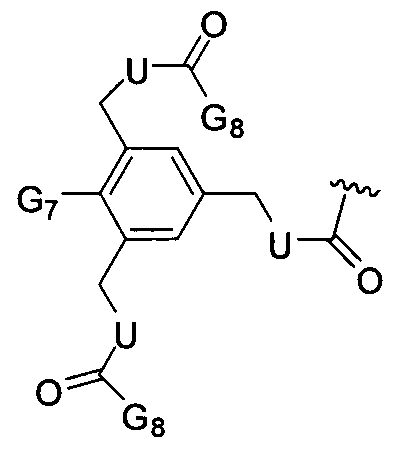
C6)alkyl; and each G8 is independently another compound of formula I attached through Y or Z.
27. The compound of any one of claims 1-8 wherein Y is the self-immolative moiety:
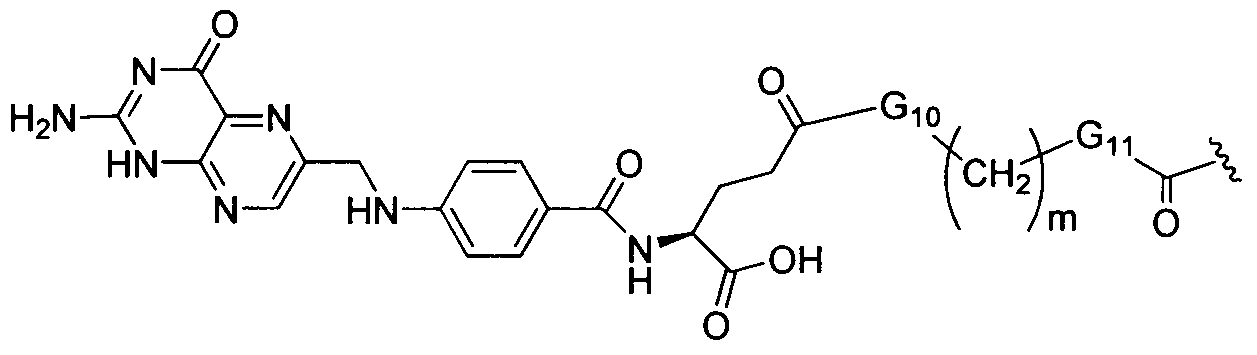
28. The compound of any one of claims 1-8 wherein Y is (CrC^alkyl.
29. The compound of any one of claims 1 -8 wherein Y is methyl.
30. The compound of any one of claims 1-27 wherein Z is (C!-C6)alkyl.
31. The compound of any one of claims 1 -27 wherein Z is methyl.
32. The compound of any one of claims 1-29 wherein Z is aryl(C1-C6)alkanoyl or (C i -C6)alkoxycarbonyl .
33. The compound of any one of claims 1-29 wherein Z is aryl(C1-C6)alkanoyl.
34. The compound of any one of claims 1-29 wherein Z is benzoyl or 2-methylbenzoyl.
35. The compound of any one of claims 1-29 wherein Z is (Ci-C6)alkoxycarbonyl.
36. The compound of any one of claims 1-29 wherein Z is ethoxycarbonyl or tert- butoxycarbonyl .
37. The compound of any one of claims 1-29 wherein Z is a cascading prodrug moiety.
38. The compound of any one of claims 1-29 wherein Z is the cascading prodrug moiety:

wherein Rx is H or (C1-C6)alkyl.
39. The compound of any one of claims 1-29 wherein Z is the cascading prodrug moiety: 
40. The compound of any one of claims 1-29 wherein Z is the cascading prodrug moiety:

41. The compound of any one of claims 1-29 wherein Z is a self-immolative moiety.
42. The compound of any one of claims 1-29 wherein Z is the self-immolative moiety: 
wherein G0 is nitro, N(Rxa)Rxb, NRxbORxc, ORXC, NH2, NHOH or OH; wherein Rxa is (C1- C6)alkanoyl, (C1-C6)alkoxycarbonyl, or RxdRxeNC(=O)-; Rxb is H or (C1-C6)^yI; Rxc is H, (C1- C6)alkanoyl, (C1-C6)alkoxycarbonyl, or RxdRxeNC(=O)-; and Rxd and Rxe are each independently H or (Ci-C6)alkyl.
43. The compound of any one of claims 1-29 wherein Z is the self-immolative moiety:


44. The compound of any one of claims 1 -29 wherein Z is the self-immolative moiety:  wherein U is O or NRX; and Rx is H or (C1-C6)alkyl.
45. The compound of any one of claims 1-29 wherein Z is the self-immolative moiety:

46. The compound of any one of claims 1-29 wherein Z is the self-immolative moiety:

O wherein U is O or NRX; and Rx is H or (d-C6)alkyl.
47. The compound of any one of claims 1-29 wherein Z is the self-immolative moiety:

48. The compound of any one of claims 1-29 wherein Z is the self-immolative moiety:

49. The compound of any one of claims 1-29 wherein Z is the self-immolative moiety:

Ge wherein G7 is nitro, N(Rxa)Rxb, NRxbORxc, ORXC, NH2, NHOH or OH; wherein Rxa is (C1- C6)alkanoyl, (d-CfOalkoxycarbonyl, or RxdRxeNC(=0)-; Rxb is H or (CrC6)alkyl; Rxc is H, (C1- C6)alkanoyl, (C1-C6)alkoxycarbonyl, or RxdRxeNC(=0)-; and Rxd and Rxe are each independently H or (d-C6)alkyl; each U is independently O or NRX; each Rx is independently H or (C1- C6)alkyl; and each G8 is independently another compound of formula I attached through Y or Z.
50. The compound of any one of claims 1-29 wherein Z is the self-immolative moiety:

51. The compound of any one of claims 1-50 wherein R1 is (Q-C^alkyl substituted with one or more hydroxy groups.
52. The compound of any one of claims 1-50 wherein R1 is (Q-Cό^lkyl substituted with one or two hydroxy groups.
53. The compound of any one of claims 1-50 wherein R1 is (C1-C6)alkyl substituted with one hydroxy group.
54. The compound of any one of claims 1-50 wherein R1 is hydroxymethyl, 2-hydroxyethyl, 3-hydroxypropyl or 2-hydroxypropyl.
55. The compound of any one of claims 1-50 wherein R1 is (Cj-C6)alkyl substituted with one or more mercapto groups.
56. The compound of any one of claims 1-50 wherein R1 is (Q-C^alkyl substituted with one or more carboxy groups.
57. The compound of any one of claims 1-50 wherein R1 is (Q-C^alkyl substituted with one or two carboxy groups.
58. The compound of any one of claims 1-50 wherein R1 is (C]-C6)alkyl substituted with one carboxy group.
59. The compound of any one of claims 1-50 wherein Rj is (C1-C6)alkyl substituted with one or more NR3Rb groups.
60. The compound of any one of claims 1-50 wherein R1 is (C1-C6)alkyl substituted with one or two NR3Rb groups.
61. The compound of any one of claims 1-50 wherein R1 is (Q-C^alkyl substituted with one NR3Rb group.
62. The compound of any one of claims 58-60 wherein NRaRb is -NH2, -NHCH3 or -N(CHa)2.
63. The compound of any one of claims 1-50 wherein R1 is a 2-aminoethyl, 2-(N- methylamino)ethyl or 2-(N,N-dimethylamino)ethyl.
64. The compound of any one of claims 1-50 wherein R1 is (Q-C^alkyl substituted with one or more hydroxy, mercapto, carboxy, amino, dimethylamino, methylamino, piperazinyl, pyrrolidinyl, piperidinyl, morpholinyl or thiomorpholinyl groups.
65. The compound of any one of claims 1-50 wherein R1 is (C2-C4)alkyl substituted with one or two solubilizing groups independently selected from hydroxy, mercapto, carboxy, amino, dimethylamino, methylamino, piperazinyl, pyrrolidinyl, piperidinyl, morpholinyl and thiomorpholinyl.
66. The compound of any one of claims 1-65 wherein R3 and R4 are each H.
67. The compound of any one of claims 1-65 wherein R3 is H and R4 is (d-C6)alkyl.
68. The compound of any one of claims 1-65 wherein R3 is H and R4 is substituted (C1- C6)alkyl.
69. The compound of any one of claims 1-65 wherein R3 and R4 are each (C!-C6)alkyl.
70. The compound of any one of claims 1-65 wherein R3 and R4 are each substituted (C1- C6)alkyl.
71. The compound of any one of claims 1-65 wherein R3 and R4 together are =0.
72. The compound of any one of claims 1-65 wherein R3 and R4 together are =S.
73. The compound of any one of claims 1-65 wherein R3 and R4 together are =NH.
74. The compound of any one of claims 1-65 wherein R3 and R4 together are =N-R2 where R2 is (CrC6)alkyl.
75. The compound of any one of claims 1-65 wherein R3 and R4 together are =N-R2 where R2is substituted (CrC^alkyl.
76. The compound of claim 1 or claim 2 which is a compound of the formula X:

77. The compound of claim 76 wherein R1 is a (d-C6)alkyl substituted with one NR3Rb group.
78. The compound 5-(2-(dimethylamino)ethyl)-9-methoxy-2,3-methylenedioxy-6-oxo-5,6- dihydrodibenzo[c,h] [ 1 ,6]naphthyridin-8-yl benzoate, 5-(2-(dimethylamino)emyl)-9-methoxy-2,3-methylenedioxy-6-oxo-5,6- dihydrodibenzo[c,h] [1 ,6]naphthyridin-8-yl 2-methylbenzoate, 5-(2-(dimethylamino)ethyl)-9-methoxy-2,3-methylenedioxy-6-oxo-5,6- dihydrodibenzo[c,h] [ 1 ,6]naphthyridin-8-yl acetate, 5-(2-(dimethylamino)ethyl)-9-methoxy-2,3-methylenedioxy-6-oxo-5,6- dihydrodibenzo[c,h][l,6]naphthyridin-8-yl pivalate, 5-(2-(dimethylamino)ethyl)-9-methoxy-2,3-methylenedioxy-6-oxo-5,6- dihydrodibenzo[c,h] [1 ,6]naphthyridin-8-yl (3-cyclopentyl)propionate, 5-(2-(dimethylamino)ethyl)-9-methoxy-2,3-methylenedioxy-6-oxo-5,6- dihydrodibenzo [c,h] [ 1 ,6]naphthyridin- 8 -yl ethyl carbonate, tert-butyl 5-(2-(dimethylamino)ethyl)-9-methoxy-2,3 -methylenedioxy-6-oxo-5 ,6- dihydrodibenzo[c,h] [1 ,6]naphthyridin-8-yl carbonate, 5-(2-(dimethylamino)ethyl)-9-methoxy-2,3-methylenedioxy-6-oxo-5,6- dihydrodibenzo[c,h][l ,6]naphthyridin-8-yl ethylcarbamate, 5-(2-(dimethylamino)ethyl)-9-methoxy-2,3-methylenedioxy-6-oxo-5,6- dihydrodibenzo[c,h][l,6]naphthyridin-8-yl dimethylcarbamate; or 5-(2-(dimethylamino)ethyl)-9-methoxy-2,3-methylenedioxy-6-oxo-5,6- dihydrodibenzo[c,h][l,6]naphthyridin-8-yl l,4'-bipiperidine-r-carboxylate; or a salt thereof.
79. A pharmaceutical composition comprising a compound of the invention or a pharmaceutically acceptable salt thereof as described any one of claims 1-78; and a pharmaceutically acceptable diluent or carrier.
80. A method of inhibiting cancer cell growth, comprising administering to a mammal afflicted with cancer, an amount of a compound of the invention or a pharmaceutically acceptable salt thereof as described in any one of claims 1-78, effective to inhibit the growth of said cancer cells.
81. A method of producing an antifungal effect in a mammal comprising administering to the mammal, an amount of a compound of the invention or a pharmaceutically acceptable salt thereof as described any one of claims 1-78, effective to provide an antifungal effect.
82. A compound of the invention as described in as described in any one of claims 1-78, or a pharmaceutically acceptable salt thereof for use in medical therapy.
83. A compound of the invention as described in any one of claims 1-78, or a pharmaceutically acceptable salt thereof, for use in the prophylactic or therapeutic treatment of a cancer or a fungal infection.
84. The use of a compound of the invention as described in any one of claims 1-78, or a pharmaceutically acceptable salt thereof for the manufacture of a medicament for the treatment of a cancer or a fungal infection in a mammal.
Applications Claiming Priority (2)
| Application Number | Priority Date | Filing Date | Title |
|---|---|---|---|
| US17488209P | 2009-05-01 | 2009-05-01 | |
| US61/174,882 | 2009-05-01 |
Publications (1)
| Publication Number | Publication Date |
|---|---|
| WO2010127360A1 true WO2010127360A1 (en) | 2010-11-04 |
Family
ID=42269315
Family Applications (1)
| Application Number | Title | Priority Date | Filing Date |
|---|---|---|---|
| PCT/US2010/033431 Ceased WO2010127360A1 (en) | 2009-05-01 | 2010-05-03 | Toposiomerase inhibitors |
Country Status (1)
| Country | Link |
|---|---|
| WO (1) | WO2010127360A1 (en) |
Cited By (1)
| Publication number | Priority date | Publication date | Assignee | Title |
|---|---|---|---|---|
| CN109071557A (en) * | 2016-02-04 | 2018-12-21 | 珀杜研究基金会 | The prodrug of anticancer agent INDOTECAN and INDIMITECAN |
Citations (2)
| Publication number | Priority date | Publication date | Assignee | Title |
|---|---|---|---|---|
| WO2003041653A2 (en) * | 2001-11-14 | 2003-05-22 | Rutgers, The State University | Cytotoxic agents |
| WO2003041660A2 (en) * | 2001-11-14 | 2003-05-22 | Rutgers, The State University | Solubilized topoisomerase poisons |
-
2010
- 2010-05-03 WO PCT/US2010/033431 patent/WO2010127360A1/en not_active Ceased
Patent Citations (2)
| Publication number | Priority date | Publication date | Assignee | Title |
|---|---|---|---|---|
| WO2003041653A2 (en) * | 2001-11-14 | 2003-05-22 | Rutgers, The State University | Cytotoxic agents |
| WO2003041660A2 (en) * | 2001-11-14 | 2003-05-22 | Rutgers, The State University | Solubilized topoisomerase poisons |
Non-Patent Citations (7)
| Title |
|---|
| B. GATTO ET AL., CANCER RES., vol. 56, 1996, pages 2795 - 2800 |
| FENG W ET AL: "Synthesis of N-substituted 5-[2-(N-alkylamino)ethyl]dibenzo[c,h][1,6] naphthyridines as novel topoisomerase I-targeting antitumor agents", BIOORGANIC & MEDICINAL CHEMISTRY, PERGAMON, GB LNKD- DOI:10.1016/J.BMC.2008.09.002, vol. 16, no. 20, 15 October 2008 (2008-10-15), pages 9295 - 9301, XP025519123, ISSN: 0968-0896, [retrieved on 20080905] * |
| LIU, L. F.; ROWE, T. C.; YANG, L.; TEWEY, K. M.; CHEN, G. L., J. BIOL. CHEM., vol. 258, 1983, pages 15365 |
| MAKHEY, D. ET AL., BIOORG. MED CHEM., vol. 8, 2000, pages 1 - 11 |
| RUCHELMAN A L ET AL: "Diaza- and triazachrysenes: potent topoisomerase-targeting agents with exceptional antitumor activity against the human tumor xenograft, MDA-MB-435", BIOORGANIC & MEDICINAL CHEMISTRY LETTERS, PERGAMON, ELSEVIER SCIENCE, GB LNKD- DOI:10.1016/S0960-894X(02)00737-0, vol. 12, 1 November 2002 (2002-11-01), pages 3333 - 3336, XP002965512, ISSN: 0960-894X * |
| RUCHELMAN ALEXANDER L ET AL: "5-(2-aminoethyl)dibenzo[c,h][1,6]naphthyridin-6-ones: variation of n-alkyl substituents modulates sensitivity to efflux transporters associated with multidrug resistance", JOURNAL OF MEDICINAL CHEMISTRY, AMERICAN CHEMICAL SOCIETY, WASHINGTON, US LNKD- DOI:10.1021/JM049447Z, vol. 48, no. 3, 10 February 2005 (2005-02-10), pages 792 - 804, XP002577540, ISSN: 0022-2623, [retrieved on 20050115] * |
| TRANOY-OPALINSKY ET AL., ANTI-CANCER AGENTS IN MEDICINAL CHEMISTRY, vol. 8, 2008, pages 618 - 637 |
Cited By (2)
| Publication number | Priority date | Publication date | Assignee | Title |
|---|---|---|---|---|
| CN109071557A (en) * | 2016-02-04 | 2018-12-21 | 珀杜研究基金会 | The prodrug of anticancer agent INDOTECAN and INDIMITECAN |
| JP2019506410A (en) * | 2016-02-04 | 2019-03-07 | パードゥ リサーチ ファウンデーション | Prodrugs of the anticancer drugs indotecan and indimitecan |
Similar Documents
| Publication | Publication Date | Title |
|---|---|---|
| US8389721B2 (en) | Solubilized topoisomerase poisons | |
| US7468366B2 (en) | Cytotoxic agents | |
| US20100240664A1 (en) | Solubilized topoisomerase poison agents | |
| AU2002363658A1 (en) | Solubilized topoisomerase poisons | |
| US6964964B2 (en) | Topoisomerase poison agents | |
| WO2010127360A1 (en) | Toposiomerase inhibitors | |
| US20120004235A1 (en) | Methods to treat cancer | |
| US9321781B2 (en) | Topoisomerase inhibitors |
Legal Events
| Date | Code | Title | Description |
|---|---|---|---|
| 121 | Ep: the epo has been informed by wipo that ep was designated in this application |
Ref document number: 10719839 Country of ref document: EP Kind code of ref document: A1 |
|
| NENP | Non-entry into the national phase |
Ref country code: DE |
|
| 122 | Ep: pct application non-entry in european phase |
Ref document number: 10719839 Country of ref document: EP Kind code of ref document: A1 |