WO2010107474A1 - Antiestrogens for breast cancer therapy - Google Patents
Antiestrogens for breast cancer therapy Download PDFInfo
- Publication number
- WO2010107474A1 WO2010107474A1 PCT/US2010/000752 US2010000752W WO2010107474A1 WO 2010107474 A1 WO2010107474 A1 WO 2010107474A1 US 2010000752 W US2010000752 W US 2010000752W WO 2010107474 A1 WO2010107474 A1 WO 2010107474A1
- Authority
- WO
- WIPO (PCT)
- Prior art keywords
- alkyl
- alkenyl
- alkynyl
- independently
- aryl
- Prior art date
- Legal status (The legal status is an assumption and is not a legal conclusion. Google has not performed a legal analysis and makes no representation as to the accuracy of the status listed.)
- Ceased
Links
- 0 CC(C(C)C=*)C1C2C(CC(C3)(C4C(C)C4)C4C3CCC4)CCC12 Chemical compound CC(C(C)C=*)C1C2C(CC(C3)(C4C(C)C4)C4C3CCC4)CCC12 0.000 description 10
- OLCDHLJHUZFSFM-SFQUDFHCSA-N CC(C)(C)OC(/C=C/c(cc1)ccc1C(c(c(O1)c2)ccc2OC)=C(c2ccccc2)C1=O)=O Chemical compound CC(C)(C)OC(/C=C/c(cc1)ccc1C(c(c(O1)c2)ccc2OC)=C(c2ccccc2)C1=O)=O OLCDHLJHUZFSFM-SFQUDFHCSA-N 0.000 description 1
- NCLVUJZUVLHFLT-SAPNQHFASA-N CC(C)(C)OC(/C=C/c1ccc(CC(c(c(O2)c3)ccc3OC)=C(c3ccccc3)C2=O)cc1)=O Chemical compound CC(C)(C)OC(/C=C/c1ccc(CC(c(c(O2)c3)ccc3OC)=C(c3ccccc3)C2=O)cc1)=O NCLVUJZUVLHFLT-SAPNQHFASA-N 0.000 description 1
- IRNBHVCHOYPRPE-UHFFFAOYSA-N COc(cc1O2)ccc1C(c(cc1)ccc1OS(C(F)(F)F)(=O)=O)=C(c1ccccc1)C2=O Chemical compound COc(cc1O2)ccc1C(c(cc1)ccc1OS(C(F)(F)F)(=O)=O)=C(c1ccccc1)C2=O IRNBHVCHOYPRPE-UHFFFAOYSA-N 0.000 description 1
- HFWFFENRVIQGQD-AWNIVKPZSA-N COc1ccc(C(C(Cc2ccc(/C=C/C(O)=O)cc2)c(c(O2)c3)ccc3O)C2=O)cc1 Chemical compound COc1ccc(C(C(Cc2ccc(/C=C/C(O)=O)cc2)c(c(O2)c3)ccc3O)C2=O)cc1 HFWFFENRVIQGQD-AWNIVKPZSA-N 0.000 description 1
- ZANVTSURXIQWPM-UHFFFAOYSA-N COc1ccc(C(Cc(cc2)ccc2OS(C(F)(F)F)(=O)=O)=C(c2ccccc2)C(O2)=O)c2c1 Chemical compound COc1ccc(C(Cc(cc2)ccc2OS(C(F)(F)F)(=O)=O)=C(c2ccccc2)C(O2)=O)c2c1 ZANVTSURXIQWPM-UHFFFAOYSA-N 0.000 description 1
- YXFVVABEGXRONW-UHFFFAOYSA-N Cc1ccccc1 Chemical compound Cc1ccccc1 YXFVVABEGXRONW-UHFFFAOYSA-N 0.000 description 1
- WAQSUYXOBJWUSB-KGVSQERTSA-N OC(/C=C/c(cc1)ccc1C(c(c(O1)c2)ccc2O)=C(c(cc2)ccc2Cl)C1=O)=O Chemical compound OC(/C=C/c(cc1)ccc1C(c(c(O1)c2)ccc2O)=C(c(cc2)ccc2Cl)C1=O)=O WAQSUYXOBJWUSB-KGVSQERTSA-N 0.000 description 1
- JVSAXCQGNOPQBC-KGVSQERTSA-N OC(/C=C/c(cc1)ccc1C(c(c(O1)c2)ccc2O)=C(c(cc2)ccc2O)C1=O)=O Chemical compound OC(/C=C/c(cc1)ccc1C(c(c(O1)c2)ccc2O)=C(c(cc2)ccc2O)C1=O)=O JVSAXCQGNOPQBC-KGVSQERTSA-N 0.000 description 1
- GNWOIHSIXVPZPA-MDWZMJQESA-N OC(/C=C/c(cc1)ccc1C(c(c(O1)c2)ccc2O)=C(c2ccccc2)C1=O)=O Chemical compound OC(/C=C/c(cc1)ccc1C(c(c(O1)c2)ccc2O)=C(c2ccccc2)C1=O)=O GNWOIHSIXVPZPA-MDWZMJQESA-N 0.000 description 1
- IDOHOCLPXMRCKY-LFYBBSHMSA-N OC(/C=C/c1ccc(CC(c(c(O2)c3)ccc3O)=C(c(cc3)ccc3Cl)C2=O)cc1)=O Chemical compound OC(/C=C/c1ccc(CC(c(c(O2)c3)ccc3O)=C(c(cc3)ccc3Cl)C2=O)cc1)=O IDOHOCLPXMRCKY-LFYBBSHMSA-N 0.000 description 1
- CFEYQKRTRNPKOO-LFYBBSHMSA-N OC(/C=C/c1ccc(CC(c(c(O2)c3)ccc3O)=C(c(cc3)ccc3O)C2=O)cc1)=O Chemical compound OC(/C=C/c1ccc(CC(c(c(O2)c3)ccc3O)=C(c(cc3)ccc3O)C2=O)cc1)=O CFEYQKRTRNPKOO-LFYBBSHMSA-N 0.000 description 1
- YGKGINZAHYHTNB-JLHYYAGUSA-N OC(/C=C/c1ccc(CC(c(c(O2)c3)ccc3O)=C(c3ccccc3)C2=O)cc1)=O Chemical compound OC(/C=C/c1ccc(CC(c(c(O2)c3)ccc3O)=C(c3ccccc3)C2=O)cc1)=O YGKGINZAHYHTNB-JLHYYAGUSA-N 0.000 description 1
Classifications
-
- A—HUMAN NECESSITIES
- A61—MEDICAL OR VETERINARY SCIENCE; HYGIENE
- A61K—PREPARATIONS FOR MEDICAL, DENTAL OR TOILETRY PURPOSES
- A61K31/00—Medicinal preparations containing organic active ingredients
- A61K31/33—Heterocyclic compounds
- A61K31/335—Heterocyclic compounds having oxygen as the only ring hetero atom, e.g. fungichromin
- A61K31/35—Heterocyclic compounds having oxygen as the only ring hetero atom, e.g. fungichromin having six-membered rings with one oxygen as the only ring hetero atom
-
- C—CHEMISTRY; METALLURGY
- C07—ORGANIC CHEMISTRY
- C07D—HETEROCYCLIC COMPOUNDS
- C07D311/00—Heterocyclic compounds containing six-membered rings having one oxygen atom as the only hetero atom, condensed with other rings
- C07D311/02—Heterocyclic compounds containing six-membered rings having one oxygen atom as the only hetero atom, condensed with other rings ortho- or peri-condensed with carbocyclic rings or ring systems
- C07D311/04—Benzo[b]pyrans, not hydrogenated in the carbocyclic ring
- C07D311/06—Benzo[b]pyrans, not hydrogenated in the carbocyclic ring with oxygen or sulfur atoms directly attached in position 2
- C07D311/08—Benzo[b]pyrans, not hydrogenated in the carbocyclic ring with oxygen or sulfur atoms directly attached in position 2 not hydrogenated in the hetero ring
- C07D311/16—Benzo[b]pyrans, not hydrogenated in the carbocyclic ring with oxygen or sulfur atoms directly attached in position 2 not hydrogenated in the hetero ring substituted in position 7
-
- C—CHEMISTRY; METALLURGY
- C07—ORGANIC CHEMISTRY
- C07D—HETEROCYCLIC COMPOUNDS
- C07D311/00—Heterocyclic compounds containing six-membered rings having one oxygen atom as the only hetero atom, condensed with other rings
- C07D311/02—Heterocyclic compounds containing six-membered rings having one oxygen atom as the only hetero atom, condensed with other rings ortho- or peri-condensed with carbocyclic rings or ring systems
- C07D311/04—Benzo[b]pyrans, not hydrogenated in the carbocyclic ring
- C07D311/06—Benzo[b]pyrans, not hydrogenated in the carbocyclic ring with oxygen or sulfur atoms directly attached in position 2
- C07D311/20—Benzo[b]pyrans, not hydrogenated in the carbocyclic ring with oxygen or sulfur atoms directly attached in position 2 hydrogenated in the hetero ring
Definitions
- Tamoxifen (TAM, Fig. Ia) is widely used as a first-line endocrine therapy for early-stage breast cancer patients with positive estrogen receptors
- TAM is a partial ER agonist in uterine tissue [17] and such estrogenic effects may promote endometrial cancer [18, 19] .
- TAM and its metabolites are ⁇ - hydroxylated and undergo O-sulfonation catalyzed by hydroxysteroid sulfotransferase, after which they react with guanine residues in cellular DNA, forming primarily dG-N 2 -TAM and dG-N 2 -N-desmethylTAM adducts [7] .
- TAM-DNA adducts were detected in the liver of rodents treated with TAM [20-22] and in several tissues of monkeys, including the ovary and uterus [23] .
- TAM-DNA adducts have been detected in the endometrium of certain women treated with TAM [12, 13, 24] and in human endometrial explants exposed to ⁇ -OHTAM [25] , although there is controversy about such findings in human tissues [26-28] .
- K-ras mutations were detected frequently in the endometria of women treated with TAM [29] and their mutational specificity was consistent with that of TAM- DNA adducts in mammalian cells [14].
- TAM carcinogenicity may be due primarily to DNA damage induced by TAM through this mechanism. Therefore, TAM alternatives free of genotoxic and estrogenic potential are required to diminish such serious side-effects and to increase clinical efficacy.
- Toremifene (TOR, Fig. 2), the chloroethyl analog of TAM, however, does not promote hepatic DNA adducts [10, 30, 31] and hepatocarcinoma in rats [10, 31], although the metabolic fate of TOR is similar to that of TAM.
- Previous studies indicate that this may be due to the steric hindrance caused by a bulky chlorine atom positioned at the ethyl moiety of TOR, which may reduce the ability of hydroxysteroid sulfotransferase to O-sulfonate ⁇ -OHTOR and consequently the amount of TOR ⁇ -sulfate available to react with DNA [32] .
- the field effect caused by the electron-withdrawing chlorine atom may also diminish the effective elimination of the ⁇ -sulfate group from the ⁇ - carbon and therefore inhibit the formation of the carbocation intermediate that reacts with DNA [32] .
- No K- ras mutation was observed in the endometria of patients receiving TOR [29] .
- the non-genotoxicity of TOR may stem from its inability to form DNA adducts.
- raloxifene and ICI 182,780 (structures shown in Fig. 2) are also currently used in the clinic for full or partial breast cancer therapy.
- TOR a chlorinated TAM derivative
- FDA Food and Drug Administration
- the estrogenic activity of TOR is similar to that of TAM and the clinical efficacy of TOR for breast cancer patients is also similar [33] . Therefore, this drug is not frequently used in the United States.
- Raloxifene (RAL) was approved by the FDA in 1998 for treating osteoporosis, but it was also found to reduce significantly the incidence of breast cancer in women at high risk of developing the disease [34] .
- ospemifene (Fig. 2) , lasofoxifene, and apeledoxifene, in addition to arzoxifene, are under clinical trials for treatment of osteoporosis.
- Clinical trials of GW5638 and SP500263 (Fig. 2) are also being considered for this purpose.
- GW5638 with its novel carboxylic side chain (see X position in Fig. 2), is a triphenylethylene compound that has been recognized as having powerful antiestrogenic activity.
- This compound is a selective estrogen receptor modulator, or SERM, that has estrogen-like actions to preserve bone density in OVX-rats but, unlike TAM, has pure antiestrogenic activity in rodent uterus.
- SERM selective estrogen receptor modulator
- GW5638 does not promote tumor growth in rodent breast or endometrial cells [57, 58] .
- SP500263 is a benzopyran derivative that has been shown to be more potent than RAL and TAM in a cell-based assay measuring inhibition of interleukin-6 release [59] and has anti-tumor potential similar to that of TAM in athymic nude mice bearing human breast cancer [60] .
- SP500263 the ethyl moiety found in TAM is replaced by a ring structure (Fig. 2) .
- osteoporosis A major health concern for postmenopausal women is osteoporosis, alluded to earlier, which results from a significant reduction in the production of estrogens by the ovaries [61]. Estrogen deficiency results in an imbalance between osteoblastic bone formation and osteoclastic bone resorption, leading to a net bone loss and increased fracture risk.
- SERM compounds have shown anti-osteoporotic potential in the OVX-rat model. Ospemifene, lasofoxifene, apeledoxifene, and arzoxifene are under clinical trials for the treatment of osteoporosis.
- idoxifene and levormeloxifene [52- 54] have been discontinued from clinical testing for osteoporosis because of their undesirable effects on the uterus as mentioned earlier.
- Estrogen has long been regarded as a beneficial factor in preventing cardiovascular diseases by keeping plasma cholesterol levels low in premenopausal women. Postmenopausal women lose this protection due to a reduction in estrogen levels as a result of natural atrophy of the ovaries, resulting in a change in blood- lipid profile. All ER agonists, including TAM, RAL, and GW5638, examined to date that protect against bone loss are effective in suppressing OVX-induced increases in serum cholesterol [62-64], suggesting that the mechanisms by which ER acts in bone and the cardiovascular system are biochemically linked.
- This invention provides a compound having the structure
- Ri/ R2/ Ri/ Rs / Re, Rv/ Ra/ R9/ Rio/ Rii/ R12/ R13/ and Ri 4 are each, independently, H, halogen, -CN, -NO 2 , Ci- 10 alkyl, C 2 -
- Ri 5 and Ri 6 are each, independently, H, Ci-1 0 alkyl, C 2 - 10 alkenyl, C 2 -io alkynyl;
- Ri7 is H, Ci-10 alkyl, C 2 -io alkenyl, C2-10 alkynyl,
- eeaacchh ooccccuurrrreennccee of Ria is, independently, H, Ci_ 4 alkyl, or aryl; and wherein R 19 and R 2 0 are each, independently, H, Ci- 5 alkyl, C 2 -5 alkenyl, or C 2 - 5 alkynyl; and wherein R 21 is H, C1-5 alkyl, C 2 - 5 alkenyl, C 2 - 5
- R 22 and R 23 are each, independently, H, Ci-5 alkyl, C 2 -5 alkenyl, C2-5 alkynyl, - (CH 2 ) 1-4-R26, wherein R 26 is -CO 2 H, -CONH 2 , -NH 2 , - SH, -SCH 3 , -OH, aryl, or heteroaryl; and wherein R 24 and R 25 are each, independently,
- R 27 is Ci- 10 alkyl or C 2 -I 0 alkenyl
- R 30 is Ci- 10 alkyl, C 2 - I0 alkenyl, C 2 - I0 alkynyl, aryl, heteroaryl, heterocyclyl, -CO 2 R 3I , or - (CH 2 ) i- 6 -CO 2 R 3 i, wherein R 31 is H, Ci_i 0 alkyl, C 2 _io alkenyl, or C 2 - I0 alkynyl;
- q is an integer from 0 to 6;
- R 33 is, independently, H, C 1 - 4 alkyl, or aryl; and wherein R 34 and R 35 are each, independently, H, Ci- 5 alkyl, C 2 _ 5 alkenyl, or C 2 _ 5 alkynyl; and wherein R36 is H, C1-5 alkyl, C2-5 alkenyl, C2-5
- R 42 is C 1 -I 0 alkyl or C 2 -I 0 alkenyl
- alkyl, alkenyl, and alkynyl is substituted or unsubstituted, branched or unbranched;
- This invention provides a process for preparing a compound having the structure
- Ri, R 2 , R 4 , R 5 , Re/ R7/ Ra, R9, Rio, Rn, R12, R13, and Ri 4 are each, independently, H, halogen, -CN, -NO 2 , Ci- 10 alkyl, C 2 - 1 0 alkenyl, C 2 -I 0 alkynyl, -CO 2 Ri 5 , -CONRi 5 Ri 6 , -SRi 5 , -NRi 5 Ri 6 , -SO 2 Ri 5 , or -ORi 7 , wherein Ri 5 and Ri 6 are each, independently, H, Ci- I0 alkyl, C 2 - 10 alkenyl, C 2 -io alkynyl;
- Ri 7 is H, Ci- 10 alkyl, C 2 - I0 alkenyl, C 2 - I0 alkynyl,
- each occurrence of Ris is, independently, H, Ci_ 4 alkyl, or aryl; and wherein R 19 and R 20 are each, independently, H, Ci- 5 alkyl, C 2 - 5 aikenyl, or C 2 - 5 alkynyi; and wherein R 2 i is H, Ci- 5 alkyl, C 2 _ 5 alkenyl, C 2 _ 5
- R 22 and R 23 are each, independently, H, Ci_ 5 alkyl, C 2 - 5 alkenyl, C 2 - 5 alkynyl, - (CH 2 ) i- 4 -R 26 , wherein R 26 is -CO 2 H, -CONH 2 , -NH 2 , - - - - - - SH ⁇ -SCH 3 , -OH, aryl, or heteroaryl; and wherein R 24 and R 25 are each, independently,
- R 27 is Ci_i 0 alkyl or C 2 - I0 alkenyl
- R 31 is H, Ci- I0 alkyl, C 2 -I 0 alkenyl, or C 2 - I0 alkynyl; q is an integer from 0 to 6;
- R 33 alkynyl, Si (R 33 ) 3, wherein each occurrence of R 33 is, independently, H, C 1 - 4 alkyl, or aryl; and wherein R 34 and R 35 are each, independently, H, Ci- 5 alkyl, C 2 - 5 alkenyl, or C2-5 alkynyl; and wherein R 36 is H, C1-5 alkyl, C2-5 alkenyl, C2-5
- R 37 and R 3 s are each, independently, H, C1- 5 alkyl, C2- 5 alkenyl, C2-5 alkynyl, - wherein R 41 is -CO 2 H, -CONH 2 , -NH 2 , -
- R 42 is C 1 - 0 alkyl or C 2 - 10 alkenyl ;
- alkyl, alkenyl, and alkynyl is substituted or unsubstituted, branched or unbranched;
- Ri 4 are each, independently, H, halogen, -CN, -NO2, "
- Ci- I0 alkyl C2-10 alkenyl, C2-10 alkynyl, -CO2R15,
- Ri 5 and Ri 6 are each, independently, H,
- Ri 7 is H, Ci- I0 alkyl, C 2 - I0 alkenyl, C 2 - I0 alkynyl,
- each occurrence of Ri 8 IS, independently, H, C 1 -4 alkyl, or aryl; and wherein Ri 9 and R 20 are each, independently, H, Ci- 5 alkyl, C 2 _ 5 alkenyl, or C 2 _ 5 alkynyl; and wherein R 21 is H, C1-5 alkyl, C 2 - 5 alkenyl, C 2 _ 5
- R 22 and R 23 are each, independently, H, Ci- 5 alkyl, C 2 - 5 alkenyl, C 2 - 5 alkynyl, -
- R 27 is Ci-io alkyl or C 2 -I 0 alkenyl ;
- q is an integer from 0 to 6 ;
- R 33 is, independently, H, Ci_ 4 alkyl, or aryl; and wherein R 34 and R 35 are each, independently, H, Ci- 5 alkyl, C 2 _ 5 alkenyl, or C 2 _ 5 alkynyl; and wherein R 36 is H, Ci_ 5 . alkyl, C 2 _ 5 alkenyl,
- R 37 and R 3 s are each, independently, H, C 1 - 5 alkyl, C 2 _ 5 alkenyl, C 2 - 5 alkynyl, - (CH 2 ) 1 - 4 -R 41 , wherein R 4i is -CO 2 H, -CONH 2 ,
- R39 and R 40 are each, independently, H or wherein R 42 is Ci-10 alkyl or C2-10 alkenyl ;
- alkyl , alkenyl , and alkynyl is substituted or unsubstituted, branched or unbranched;
- This invention provides a pharmaceutical composition
- a pharmaceutical composition comprising any one of the above compounds, or a pharmaceutically acceptable salt thereof, and a pharmaceutically acceptable carrier.
- This invention provides a method of inhibiting tumor proliferation in a mammal comprising administering to the mammal a therapeutically effective amount of any one of the above compounds, or a salt thereof, so as to inhibit tumor proliferation.
- This invention provides a method of inducing apoptosis of mammary carcinoma cells in a mammal comprising administering to the mammal a therapeutically effective amount of any one of the above compounds, or a salt thereof, so as to induce apoptosis.
- FIG. 1a Formation of TAM-DNA adducts via ⁇ - hydroxylation followed by O-sulfonation of TAM metabolites.
- FIG. 1b Formation of TAM-DNA adducts via O- sulfonated TAM metabolites.
- Figure 7 Anti-tumor potential of SS5020 on nude mice bearing MCF-7 human breast cancer xenograft.
- Figure 8. Cell-cycle stages and apoptosis induced by SS5020 in DMBA-induced rat mammary carcinoma. Ml, apoptosis; M2, Gl; M3, S; M4, G2/M.
- FIG. 9 Antitumor potential of SS5020 against DMBA- induced mammary carcinoma. Rats (5 rats/dose) bearing DMBA-induced mammary carcinomas were treated orally for 4 weeks (A) with TAM, RAL, SP500263, or SS5020 at a molar equivalent dose of TAM [1.0 mg (2.7 mmol) /kg/day] and (B) with
- TAM or SS5020 at a molar equivalent dose of TAM [0.33 mg (0.9 mmol) /kg/day] .
- Controls received vehicle only.
- the size of the tumors (TV) was recorded once a week, using the two perpendicular dimensions, as described herein.
- the RTV (%) was calculated as the ratio of the TV on day n to that on day 1. Based on the F- test, the relative tumor volumes were compared at each time point. Pairwise comparison results (p-values) were obtained based on Tukey' s adjustment and using least-square means.
- A *, p ⁇ 0.05, ***, p ⁇ 0.001 and ****, p ⁇ 0.0001 vs control, a) p ⁇ 0.05 vs SP500263, p ⁇ 0.0001 vs TAM or RAL; b) p ⁇ 0.0001 vs TAM, RAL or SP500263; c) p ⁇ 0.05 vs RAL, p ⁇ 0.01 vs
- FIG. 10 Antitumor potential of SS5020 against human MCF-7 breast cancer xenograft.
- OVX-nude mice bearing MCF-7 xenograft (4 mice/dose) were treated orally for 4 weeks with SS5020, TAM or SP500263 at a dose molar equivalent to TAM [3.0 mg (8.1 mmol) or 10 mg (27 ⁇ unol) /kg/day] .
- the control received vehicle only.
- the relative tumor volumes were compared at each time point. Pairwise comparison results (p-values) were obtained based on Tukey' s adjustment and using least-square means. *, p ⁇ 0.05 vs control. a) p ⁇ 0.05 vs TAM or SP500263.
- This invention provides a compound having the structure
- Ri, R2, R4, Rs, Re, R?, Rs, R9, Rio, Rn, R12, R13, and R i4 are each, independently, H, halogen, -CN, -NO 2 , Ci- 1 0 alkyl, C 2 -
- Ri 5 and Ri 6 are each, independently, H, Ci- 1 0 alkyl , C 2 - I0 alkenyl , C 2 - I0 alkynyl ;
- Ri 7 is H, Ci-io alkyl , C 2 - 10 alkenyl , C 2 - I0 alkynyl ,
- each occurrence of Ris is, independently, H, C 1 - 4 alkyl, or aryl; and wherein Ri 9 and R 20 are each, independently, H, Ci- 5 alkyl, C 2 - 5 alkenyl, or C 2 - 5 alkynyl; and wherein R 2 i is H, Ci- 5 alkyl, C 2 - 5 alkenyl, C 2 - 5
- R 22 and R 23 are each, independently,
- Ci- 5 alkyl C 2 -5 alkenyl, C2-5 alkynyl, -
- R 26 is -CO 2 H, -CONH 2 , -NH 2 , - SH, -SCH 3 , -OH, aryl, or heteroaryl; and wherein R 24 and R 25 are each, independently, wherein R 27 is C 1 -I 0 alkyl or C 2 -I 0 al kenyl ;
- R 30 is Ci- I0 alkyl, C 2 - I0 alkenyl, C 2 - I0 alkynyl, aryl, heteroaryl, heterocyclyl, -CO 2 R 3I , or - (CH 2 ) 1 - 6 -CO 2 R 31 , wherein R 3 i is H, Ci_i 0 alkyl, C 2 - I0 alkenyl, or C 2 - I0 alkynyl;
- q is an integer from 0 to 6;
- R 33 alkynyl, Si (R 33 ) 3 , wherein each occurrence of R 33 is, independently, H, C 1 - 4 alkyl, or aryl; and wherein R 34 and R 35 are each, independently, H, Ci- 5 alkyl, C 2 _ 5 alkenyl, or C 2 - 5 alkynyl; and wherein R36 is H, C 1 - 5 alkyl, C 2 - 5 alkenyl, C 2 -5
- R 37 and R38 are each, independently, H, Ci- 5 alkyl, C 2 - 5 alkenyl, C 2 - 5 alkynyl, - wherein R 4 i is -CO 2 H, -CONH 2 , -NH 2 , - SH, -SCH 3 , -OH, aryl, or heteroaryl; and wherein R 39 and R 40 are each, independently,
- R 42 is Ci-10 alkyl or C 2 -io alkenyl
- alkyl, alkenyl, and alkynyl is substituted or unsubstituted, branched or unbranched;
- R 3 is -OSO 2 H or -OSO 2 R 3 O, wherein R30 is Ci_i 0 alkyl, C 2 - I0 alkenyl, C 2 - I0 alkynyl, aryl, heteroaryl, or heterocyclyl, or a salt thereof.
- the compound has the structure
- R 1 , R 2 , R 4 , R 5 , Re/ R?, Rs, R9, Rio, Rn, R12, R13, and Ri 4 are each, independently, H, halogen, -CN, -NO 2 / Ci- 1 0 alkyl, C2- io alkenyl, C 2 -io alkynyl, -CO 2 Ri 5 , -CONRi 5 Ri 6 , -SRi 5 , -NRi 5 Ri 6 , -SO 2 Ri 5 , or -ORi 7 , wherein R i5 and Ri 6 are each, independently, H, Ci- 1 0 alkyl, C 2 -io alkenyl, C2-10 alkynyl;
- Ri 7 is H, Ci- 1 0 alkyl, C 2 -I 0 alkenyl, C 2 -io alkynyl,
- R i8 is, independently, H, C 1 - 4 alkyl, or aryl; and wherein R 1 9 and R 2 o are each, independently, H, Ci- 5 alkyl, C 2 - 5 alkenyl, or C 2 - 5 alkynyl; and wherein R 21 is H, Ci_ 5 alkyl, C 2 - 5 alkenyl, C 2 - 5
- R 22 and R23 are each, independently,
- R 26 is -CO 2 H, -CONH 2 , -NH 2 , - SH, -SCH 3 , -OH, aryl, or heteroaryl; and wherein R 24 and R 25 are each, independently,
- R 31 is H, Ci- 10 alkyl , C 2 -io al kenyl , or C 2 -io al kynyl ;
- q is an integer from 0 to 6 ;
- X i s C O or CHOR 32 wherein R 32 is H , Ci- 10 alkyl , C 2 - 10 alkenyl , C 2 -I 0
- R 33 is, independently, H, C 1 - 4 alkyl, or aryl; and wherein R 34 and R 35 are each, independently, H, Ci- 5 alkyl, C 2 - 5 alkenyl, or C 2 - 5 alkynyl; and wherein R 36 is H, C 1 - 5 alkyl, C 2 _ 5 alkenyl, C 2 - 5
- Ci- 5 alkyl C 2 - 5 alkenyl, C 2 _ 5 alkynyl, -
- R 41 is -CO 2 H, -CONH 2 , -NH 2 , - SH, -SCH 3 , -OH, aryl, or heteroaryl; and wherein R 39 and R 40 are each, independently,
- R 42 is Ci-io alkyl or C 2 -I 0 alkenyl
- alkyl, alkenyl, and alkynyl is substituted or unsubstituted, branched or unbranched;
- the compound has the structure
- R 8 i s H , Cl , -OH , or -OCH 3 ;
- Ri 7 is H or -CH 3 ; and q is an integer from 0 or 1, or a salt thereof.
- R 3 is -OSO 2 CF 3 , or a salt thereof.
- the compound has the structure
- the compound has the structure
- This invention provides a process for preparing a compound having the structure
- Ri, R2, R4, R 5 , Re, R?, Rs, R9, Rio, Rn, R12, R13, and Ri 4 are " each, independently, H, halogen, -CN, -NO 2 , Ci- 10 alkyl, C 2 - 1 0 alkenyl, C 2 -io alkynyl, -CO 2 Ri 5 , -CONRi 5 Ri 6 , -SRi 5 , -NR 15 R 16 , -SO 2 R 15 , or -OR 17 , wherein R 15 and R 16 are each, independently, H, C 1 - 0 alkyl, C 2 _ lo alkenyl, C 2 - lo alkynyl; R 17 is H, Ci-iQ alkyl, C 2 - I0 alkenyl, C 2 - 10 alkynyl,
- R 1 S is, independently, H, Ci- 4 alkyl, or aryl; and wherein R 19 and R 20 are each, independently, H, Ci-5 alkyl, C 2 - 5 alkenyl, or C 2 -5 alkynyl; and wherein R 21 is H, C 1 - 5 alkyl, C 2 - 5 alkenyl, C2-5
- R 22 and R 23 are each, independently,
- R 26 is -CO 2 H, -CONH 2 , -NH 2 , - SH, -SCH 3 , -OH, aryl, or heteroaryl; and wherein R 24 and R 25 are each, independently,
- R 27 is Ci- 1 0 alkyl or C 2 -io alkenyl ;
- R3 1 is. H, Ci- 1 0 alkyl , C 2 - I0 alkenyl , or C 2 -10 alkynyl ;
- q is an integer from 0 to 6 ;
- R 33 alkynyl, Si (R 33 ) 3 , , or wherein each occurrence of R 33 is, independently, H, C 1 - 4 alkyl, or aryl; and wherein R 34 and R 35 are each, independently, H,
- R 37 and R 38 are each, independently, H, Ci- 5 alkyl, C 2 - 5 alkenyl, C 2 -5 alkynyl, -
- R 4 1 is -CO 2 H, -CONH 2 , -NH 2 , - SH, -SCH 3 , -OH, aryl, or heteroaryl; and wherein R 39 and R 40 are each, independently,
- R 42 is Ci-10 alkyl or C 2 -io alkenyl
- alkyl, alkenyl, and alkynyl is substituted or unsubstituted, branched or unbranched;
- Ri, R2, Ri, Rs, Re, R?, Rs, Rg, Rio, Ru, R12, R13, and Ri 4 are each, independently, H, halogen, -CN, -NO 2 , Ci-10 alkyl, C 2 -1 0 alkenyl, C2-10 alkynyl, -CO 2 Ri 5 , CONRi 5 Ri 6 , -SRi 5 , -NRi 5 Ri 6 , -SO 2 Ri 5 , or -ORi 7 , wherein Ri 5 and Ri 6 are each, independently, H,
- Ri7 is H, Ci-10 alkyl, C 2 -io alkenyl, C 2 -io alkynyl,
- each occurrence of Ris is, independently, H, Ci_ 4 alkyl, or aryl; and wherein R 19 and R 2 o are each, independently, H, Ci- 5 alkyl, C 2 - 5 alkenyl, or C 2 - 5 alkynyl; and wherein R 2 i is H, Ci- 5 alkyl, C 2 _ 5 alkenyl, C 2 - 5
- R 22 and R 23 are each, independently,
- Ci- 5 alkyl C 2 - 5 alkenyl, C 2 - 5 alkynyl, -
- R 26 is -CO 2 H, -CONH 2 , -NH 2 , - SH, -SCH 3 , -OH, aryl, or heteroaryl; and wherein R 24 and R 25 are each, independently,
- R 33 alkynyl, Si (R 33 ) 3, , or wherein each occurrence of R 33 is, independently, H, C 1 - 4 alkyl, or aryl; and wherein R 34 and R 35 are each, independently,
- R 37 and R 3 ⁇ are each, independently, H, C 1 -5 alkyl, C 2 -5 alkenyl, C 2 -5 alkynyl, - (CH 2 ) 1-4-R41, wherein R 41 is -CO 2 H, -CONH 2 , NH 2 , -SH, -SCH 3 , -OH, aryl, or heteroaryl; and wherein R 39 and R 40 are each,
- V ⁇ R 42 independently, H or , wherein R42 is Ci-1 0 alkyl or C 2 -io alkenyl;
- the compound prepared has the structure
- This invention provides a method of inhibiting tumor proliferation in a mammal comprising administering to the mammal a therapeutically effective amount of any one of the above compounds, or a salt thereof, so as to inhibit tumor proliferation.
- the tumor is an estrogen-induced tumor.
- This invention provides a method of inducing apoptosis'of mammary carcinoma cells in a mammal comprising administering to the mammal a therapeutically effective amount of any one of the above compounds, or a salt thereof, so as to induce apoptosis.
- the compounds disclosed herein are used in inhibiting tumor proliferation in a mammal.
- the compounds of the present invention include all hydrates, solvates, and complexes of the compounds used by this invention. If a chiral center or another form of an isomeric center is present in a compound of the present invention, all forms of such isomer or isomers, including enantiomers and diastereomers, are intended to be covered herein.
- Compounds containing a chiral center may be used as a racemic mixture, an enantiomerically enriched mixture, or the racemic mixture may be separated using well-known techniques and an individual enantiomer may be used alone.
- the compounds described in the present invention are in racemic form or as individual enantiomers.
- enantiomers can be separated using known techniques, such as those described in Pure and Applied Chemistry 69, 1469-1474, (1997) IUPAC. In cases in which compounds have unsaturated carbon-carbon double bonds, both the cis (Z) and trans (E) isomers are within the scope of this invention. In cases wherein compounds may exist in tautomeric forms, such as keto-enol tautomers, each tautomeric form is contemplated as being included within this invention whether existing in equilibrium or predominantly in one form.
- hydrogen atoms are not shown for carbon atoms having less than four bonds to non-hydrogen atoms. However, it is understood that enough hydrogen atoms exist on said carbon atoms to satisfy the octet rule.
- alkyl includes both branched and straight-chain saturated aliphatic hydrocarbon groups having the specified number of carbon atoms and may be unsubstituted or substituted.
- Ci-C n as in “Ci-C n alkyl” is defined to include groups having 1, 2, ...., n- 1 or n carbons in a linear or branched arrangement.
- alkenyl refers to a non-aromatic hydrocarbon radical, straight or branched, containing at least 1 carbon to carbon double bond, and up to the maximum possible number of non-aromatic carbon-carbon double bonds may be present, and may be unsubstituted or substituted.
- C 2 -C 6 alkenyl means an alkenyl radical having 2, 3, 4, 5, or 6 carbon atoms, and up to 1, 2, 3, 4, or 5 carbon-carbon double bonds respectively.
- Alkenyl groups include ethenyl, propenyl, butenyl and cyclohexenyl .
- alkynyl refers to a hydrocarbon radical straight or branched, containing at least 1 carbon to carbon triple bond, and up to the maximum possible number of non-aromatic carbon-carbon triple bonds may be present, and may be unsubstituted or substituted.
- C 2 -C 6 alkynyl means an alkynyl radical having 2 or 3 carbon atoms and 1 carbon-carbon triple bond, or having 4 or 5 carbon atoms and up to 2 carbon-carbon triple bonds, or having 6 carbon atoms and up to 3 carbon-carbon triple bonds.
- Alkynyl groups include ethynyl, propynyl and butynyl .
- Alkylene alkenylene and alkynylene shall mean, respectively, a divalent alkane, alkene and alkyne radical, respectively. It is understood that an alkylene, alkenylene, and alkynylene may be straight or branched. An alkylene, alkenylene, and alkynylene may be unsubstituted or substituted.
- aryl is intended to mean any stable monocyclic, bicyclic or polycyclic carbon ring of up to 10 atoms in each ring, wherein at least one ring is aromatic, and may be unsubstituted or substituted.
- aryl elements include phenyl, p-toluenyl (4-methylphenyl) , naphthyl, tetrahydro-naphthyl, indanyl, biphenyl, phenanthryl, anthryl or acenaphthyl .
- the aryl substituent is bicyclic and one ring is non-aromatic, it is understood that attachment is via the aromatic ring.
- arylalkyl refers to alkyl groups as described above wherein one or more bonds to hydrogen contained therein are replaced by a bond to an aryl group as described above. It is understood that an "arylalkyl” group is connected to a core molecule through a bond from the alkyl group and that the aryl group acts as a substituent on the alkyl group.
- arylalkyl moieties include, but are not limi'ted to, benzyl (phenylmethyl) , p-trifluoromethylbenzyl (4- trifluoromethylphenylmethyl) , 1-phenylethyl, 2- phenylethyl, 3-phenylpropyl, 2-phenylpropyl and the like.
- heteroaryl represents a stable monocyclic, bicyclic or polycyclic ring of up to 10 atoms in each ring, wherein at least one ring is aromatic and contains from 1 to 4 heteroatoms selected from the group consisting of 0, N and S.
- Bicyclic aromatic heteroaryl groups include phenyl, pyridine, pyrimidine or pyridizine rings that are (a) fused to a 6- membered aromatic (unsaturated) heterocyclic ring having one nitrogen atom; (b) fused to a 5- or 6-membered aromatic (unsaturated) heterocyclic ring having two nitrogen atoms; (c) fused to a 5-membered aromatic (unsaturated) heterocyclic ring having one nitrogen atom together with either one oxygen or one sulfur atom; or (d) fused to a 5-membered aromatic (unsaturated) heterocyclic ring having one heteroatom selected from O, N or S.
- Heteroaryl' groups within the scope of this definition include but are not limited to: benzoimidazolyl, benzofuranyl, benzofurazanyl, benzopyrazolyl, benzotriazolyl, benzothiophenyl, benzoxazolyl, carbazolyl, carbolinyl, cinnolinyl, furanyl, indolinyl, indolyl, indolazinyl, indazolyl, isobenzofuranyl, isoindolyl, isoquinolyl, isothiazolyl, isoxazolyl, naphthpyridinyl, oxadiazolyl, oxazolyl, oxazoline, isoxazoline, oxetanyl, pyranyl, pyrazinyl, pyrazolyl, pyridazinyl, pyridopyridinyl, pyridazinyl, pyridyl,
- heteroaryl substituent is bicyclic and one ring is non-aromatic or contains no heteroatoms, it is understood that attachment is via the aromatic ring or via the heteroatom containing ring, respectively. If the heteroaryl contains nitrogen atoms, it is understood that the corresponding N-oxides thereof are also encompassed by this definition.
- heterocycle refers to a mono- or poly-cyclic ring system which can be saturated or contains one or more degrees of unsaturation and contains one or more heteroatoms.
- Preferred heteroatoms include N, O, and/or S, including N-oxides, sulfur oxides, and dioxides.
- the ring is three to ten-membered and is either saturated or has one or more degrees of unsaturation .
- the heterocycle may be unsubstituted or substituted, with multiple degrees of substitution being allowed.
- Such rings may be optionally fused to one or more of another "heterocyclic" ring(s), heteroaryl ring(s), aryl ring(s), or cycloalkyl ring(s).
- heterocycles include, but are not limited to, tetrahydrofuran, pyran, 1,4-dioxane, 1,3-dioxane, piperidine, piperazine, pyrrolidine, morpholine, thiomorpholine, tetrahydrothiopyran, tetrahydrothiophene, 1, 3-oxathiolane, and the like.
- alkyl, alkenyl, alkynyl, aryl, heterocyclyl and heteroaryl groups can be further substituted by replacing one or more hydrogen atoms with alternative non-hydrogen groups .
- alternative non-hydrogen groups include, but are not limited to, halo, hydroxy, mercapto, amino, carboxy, cyano and carbamoyl.
- halogen refers to F, Cl, Br, and I .
- substituted refers to a functional group as described above in which one or more bonds to a hydrogen atom contained therein are replaced by a bond to non- hydrogen or non-carbon atoms, provided that normal valencies are maintained and that the substitution results in a stable compound.
- Substituted groups also include groups in which one or more bonds to a carbon (s) or hydrogen (s) atom are replaced by one or more bonds, including double or triple bonds, to a heteroatom. Examples of substituents include the functional groups described above, and, in particular, halogens (i.e., F,
- alkyl groups such as methyl, ethyl, n- propyl, isopropryl, n-butyl, tert-butyl, and trifluoromethyl
- hydroxyl alkoxy groups, such as methoxy, ethoxy, n-propoxy, and isopropoxy
- aryloxy groups such as phenoxy
- arylalkyloxy such as benzyloxy
- substituted compound can be independently substituted by one or more of the disclosed or claimed substituent moieties, singly or plurally.
- independently substituted it is meant that the (two or more) substituents can be the same or different.
- substituents and substitution patterns on the compounds of the instant invention can be selected by one of ordinary skill in the art to provide compounds that are chemically stable and that can be readily synthesized by techniques known in the art, as well as those methods set forth below, from readily available starting materials. If a substituent is itself substituted with more than one group, it is understood that these multiple groups may be on the same carbon or on different carbons, so long as a stable structure results .
- a "titanium reagent” refers to elemental titanium, titanium salts and their complexes wherein the titanium atom can exist at various oxidation states. Suitable titanium reagents include, but are not limited to, TiCl 3 , TiCl 4 , TiCl 3 -THF, and TiCl 3 (DME) 1.5.
- reducing agent refers to an agent capable of reducing the oxidation state of another compound.
- reducing agents include, but are not limited to, aluminium hydrides, such as (i-Bu) 2 AlH, (i-Bu)3Al, LiAlH 4 , LiAlH(OMe) 3 , LiAlH(Ot-Bu) 3 , and NaAlH 2 (OCH 2 CH 2 OCHs) 2 ; boron hydrides such as 9-BBN, NaBH 4 , NaBH 4 -CeCl 3 , LiBH 4 , LiEt 3 BH, Li(S-Bu) 3 BH, K(S-Bu) 3 BH, Na(s- Bu) 3 BH, KPh 3 BH, (Ph 3 P) 2 CuBH 4 , Zn(BH 4 J 2 , Ca (BH 4 ) 2 , Li (n- Bu)BH 3 , NaBH(OMe) 3 , NaBH(OAc) 3 , NaBH 3 CN
- palladium catalyst refers to elemental palladium and complexes thereof, wherein the palladium atom can be at various oxidation states and can possess one or more ligands.
- Suitable palladium catalysts include, but are not limited to, tetrakis (triphenylphosphine) palladium (0), bis(tri-t- butylphosphine) palladium (0) , palladium (II) acetate, bis (tricyclohexylphosphine) palladium (0) , palladium(II) chloride, bis (triphenylphosphine) palladium (II) chloride, tris (dibenzylideneacetone) dipalladium (0) , bis (dibenzylideneacetone) palladium, (1,1'- bis (triphenylphosphino) ferrocene) palladium (II) chloride, and bis (triphenylphosphine
- EDC N-ethyl-N' - (3-dimethylaminopropyl) carbodiimide
- TBAF tetra-n-butylammonium fluoride
- TBS tert-butyldimethylsilyl
- TMS trimethylsilyl
- Tf trifluoromethanesulfonyl
- KHMDS potassium bis (trimethylsilyl) amide or potassium hexamethyldisilazide
- AIBN 1, 1 ' -azobisisobutyronitrile
- DNA deoxyribonucleic acid
- RNA ribonucleic acid
- the compounds of the instant invention may be in a salt form.
- a “salt” is the salt of the instant compounds which has been modified by making acid or base salts of the compounds.
- the salt is pharmaceutically acceptable.
- pharmaceutically acceptable salts include, but are not limited to, mineral or organic acid salts of basic residues such as amines; alkali or organic salts of acidic residues such as phenols.
- the salts can be made using an organic or inorganic acid.
- Such acid salts are chlorides, bromides, sulfates, nitrates, phosphates, sulfonates, formates, tartrates, maleates, malates, citrates, benzoates, salicylates, ascorbates, and the like.
- Phenolate salts are the alkaline earth metal salts, sodium, potassium or lithium.
- pharmaceutically acceptable salt in this respect, refers to the relatively non-toxic, inorganic and organic acid or base addition salts of compounds of the present invention.
- salts can be prepared in situ during the final isolation and purification of the compounds of the invention, or by separately reacting a purified compound of the invention in its free base or free acid form with a suitable organic or inorganic acid or base, and isolating the salt thus formed.
- Representative salts include the hydrobromide, hydrochloride, sulfate, bisulfate, phosphate, nitrate, acetate, valerate, oleate, palmitate, stearate, laurate, benzoate, lactate, phosphate, tosylate, citrate, maleate, fumarate, succinate, tartrate, napthylate, mesylate, glucoheptonate, lactobionate, and laurylsulphonate salts and the like. (See, e.g., Berge et al . (1977) "Pharmaceutical Salts", J. Pharm. Sci . 66:1-19) .
- compositions of this invention may be administered in various forms, including those detailed herein.
- the treatment with the compound may be a component of a combination therapy or an adjunct therapy, i.e. the subject or patient in need of the drug is treated or given another drug for the disease in conjunction with one or more of the instant compounds .
- This combination therapy can be sequential therapy where the patient is treated first with one drug and then the other or the two drugs are given simultaneously.
- These can be administered independently by the same route or by two or more different routes of administration depending on the dosage forms employed.
- a "pharmaceutically acceptable carrier” is a pharmaceutically acceptable solvent, suspending agent or vehicle, for delivering the instant compounds to the animal or human.
- the carrier may be liquid or solid and is selected with the planned manner of administration in mind.
- Liposomes are also a pharmaceutically acceptable carrier.
- the dosage of the compounds administered in treatment will vary depending upon factors such as the pharmacodynamic characteristics of a specific chemotherapeutic agent and its mode and route of administration; the age, sex, metabolic rate, absorptive efficiency, health and weight of the recipient; the nature and extent of the symptoms; the kind of concurrent treatment being administered; the frequency of treatment with; and the desired therapeutic effect.
- a dosage unit of the compounds may comprise a single compound or mixtures thereof with anti-cancer compounds, or tumor growth inhibiting compounds, or with other compounds also used to treat osteoporosis or cardiovascular disease.
- the compounds can be administered in oral dosage forms as tablets, capsules, pills, powders, granules, elixirs, tinctures, suspensions, syrups, and emulsions.
- the compounds may also be administered in intravenous (bolus or infusion) , intraperitoneal, subcutaneous, or intramuscular form,- or introduced directly, e.g. by injection or other methods, into the cancer, all using dosage forms well known to those of ordinary skill in the pharmaceutical arts.
- the compounds can be administered in admixture with suitable pharmaceutical diluents, extenders, excipients, or carriers (collectively referred to herein as a pharmaceutically acceptable carrier) suitably selected with respect- to the intended form of administration and as consistent with conventional pharmaceutical practices.
- a pharmaceutically acceptable carrier suitably selected with respect- to the intended form of administration and as consistent with conventional pharmaceutical practices.
- the unit will be in a form suitable for oral, rectal, topical, intravenous or direct injection or parenteral administration.
- the compounds can be administered alone but are generally mixed with a pharmaceutically acceptable carrier.
- This carrier can be a solid or liquid, and the type of carrier is generally chosen based on the type of administration being used. In one embodiment the carrier can be a monoclonal antibody.
- the active agent can be co-administered in the form of a tablet or capsule, liposome, as an agglomerated powder or in a liquid form.
- suitable solid carriers include lactose, sucrose, gelatin and agar.
- Capsule or tablets can be easily formulated and can be made easy to swallow or chew; other solid forms include granules, and bulk powders. Tablets may contain suitable binders, lubricants, diluents, disintegrating agents, coloring agents, flavoring agents, flow-inducing agents, and melting agents.
- suitable liquid dosage forms include solutions or suspensions in water, pharmaceutically acceptable fats and oils, alcohols or other organic solvents, including esters, emulsions, syrups or elixirs, suspensions, solutions and/or suspensions reconstituted from non-effervescent granules and effervescent preparations reconstituted from effervescent granules.
- Such liquid dosage forms may contain, for example, suitable solvents, preservatives, emulsifying agents, suspending agents, diluents, sweeteners, thickeners, and melting agents.
- Oral dosage forms optionally contain flavorants and coloring agents.
- Parenteral and intravenous forms may also include minerals and other materials to make them compatible with the type of injection or delivery system chosen.
- Tablets may contain suitable binders, lubricants, disintegrating agents, coloring agents, flavoring agents, flow-inducing agents, and melting agents.
- the active drug component can be combined with an oral, non-toxic, pharmaceutically acceptable, inert carrier such as lactose, gelatin, agar, starch, sucrose, glucose, methyl cellulose, magnesium stearate, dicalcium phosphate, calcium sulfate, mannitol, sorbitol and the. like.
- Suitable binders include starch, gelatin, natural sugars such as glucose or beta-lactose, corn sweeteners, natural and synthetic gums such as acacia, tragacanth, ' or sodium alginate, carboxymethylcellulose, polyethylene glycol, waxes, and the like.
- Lubricants used in these dosage forms include sodium oleate, sodium stearate, magnesium stearate, sodium benzoate, sodium acetate, sodium chloride, and the like.
- Disintegrators include, without limitation, starch, methyl cellulose, agar, bentonite, xanthan gum, and the like.
- the compounds can also be administered in the form of liposome delivery systems, such as small unilamellar vesicles, large unilamallar vesicles, and multilamellar vesicles.
- Liposomes can be formed from a variety of phospholipids, such as cholesterol, stearylamine, or phosphatidylcholines.
- the compounds may be administered as components of tissue-targeted emulsions.
- the compounds- may also- be- -coupled to soluble polymers as targetable drug carriers or as a prodrug.
- soluble polymers include polyvinylpyrrolidone, pyran copolymer, polyhydroxylpropylmethacrylamide-phenol, polyhydroxyethylasparta-midephenol, or polyethyleneoxide- polylysine substituted with palmitoyl residues.
- the compounds may be coupled to a class of biodegradable polymers useful in achieving controlled release of a drug, for example, polylactic acid, polyglycolic acid, copolymers of polylactic and polyglycolic acid, polyepsilon caprolactone, polyhydroxy butyric acid, polyorthoesters, polyacetals, polydihydropyrans, polycyanoacylates, and crosslinked or amphipathic block copolymers of hydrogels.
- a class of biodegradable polymers useful in achieving controlled release of a drug
- a drug for example, polylactic acid, polyglycolic acid, copolymers of polylactic and polyglycolic acid, polyepsilon caprolactone, polyhydroxy butyric acid, polyorthoesters, polyacetals, polydihydropyrans, polycyanoacylates, and crosslinked or amphipathic block copolymers of hydrogels.
- prodrug refers to any compound that when administered to a biological system generates the compound of the invention, as a result of spontaneous chemical reaction (s), enzyme catalyzed chemical reaction (s), photolysis, and/or metabolic chemical reaction (s).
- a prodrug is thus a covalently modified analog or latent form of a compound of the invention.
- the compounds of the subject invention can be converted to prodrugs to optimize absorption and bioavailability.
- Formation of a prodrug include, but is not limited to, reaction of a free hydroxyl group with a carboxylic acid to form an ester, reaction of a free hydroxyl group with phosphorus oxychloride followed by hydrolysis to form a phosphate, or reaction of a free hydroxyl group with an amino acid to form an amino acid ester.
- the substituents are chosen and resulting analogs are evaluated according to principles well known in the art of medicinal and pharmaceutical chemistry, such as quantification of structure-activity - relationships, optimization- of biological activity and ADMET (absorption, distribution, metabolism, excretion, and toxicity) properties.
- the active ingredient can be administered orally in solid dosage forms, such as capsules, tablets, and powders, or in liquid dosage forms, such as elixirs, syrups, and suspensions. It can also be administered parentally, in sterile liquid dosage forms.
- Gelatin capsules may contain the active ingredient compounds and powdered carriers, such as lactose, starch, cellulose derivatives, magnesium stearate, stearic acid, and the like. Similar diluents can be used to make compressed tablets. Both tablets and capsules can be manufactured as immediate release products or as sustained release products to provide for continuous release of medication over a period of hours.
- Compressed tablets can be sugar coated or film coated to mask any unpleasant taste and protect the tablet from the atmosphere, or enteric coated for selective disintegration in the gastrointestinal tract.
- liquid dosage form For oral administration in liquid dosage form, the oral drug components are combined with any oral, non-toxic, pharmaceutically acceptable inert carrier such as ethanol, glycerol, water, and the like.
- suitable liquid dosage forms include solutions or suspensions in water, pharmaceutically acceptable fats and oils, alcohols or other organic solvents, including esters, emulsions, syrups or elixirs, suspensions, solutions and/or suspensions reconstituted from non- effervescent granules and effervescent preparations reconstituted from- - effervescent granules .
- Such liquid dosage forms may contain, for example, suitable solvents, preservatives, emulsifying agents, suspending agents, diluents, sweeteners, thickeners, and melting agents.
- Liquid dosage forms for oral administration can contain coloring and flavoring to increase patient acceptance.
- water a suitable oil, saline, aqueous dextrose (glucose) , and related sugar solutions and glycols such as propylene glycol or polyethylene glycols are suitable carriers for parenteral solutions.
- Solutions for parenteral administration preferably contain a water soluble salt of the active ingredient, suitable stabilizing agents, and if necessary, buffer substances.
- Antioxidizing agents such as sodium bisulfite, sodium sulfite, or ascorbic acid, either alone or combined, are suitable stabilizing agents.
- citric acid and its salts and sodium EDTA are also used.
- parenteral solutions can contain preservatives, such as benzalkonium chloride, methyl- or propyl-paraben, and chlorobutanol .
- preservatives such as benzalkonium chloride, methyl- or propyl-paraben, and chlorobutanol .
- Suitable pharmaceutical carriers are described in Remington's Pharmaceutical Sciences, Mack Publishing Company, a standard reference text in this field.
- the compounds of the instant invention may also be administered in intranasal form via use of suitable intranasal vehicles, or via transdermal routes, using those forms of transdermal skin patches well known to those of ordinary skill in that art.
- the dosage administration will generally be continuous rather than intermittent throughout the dosage regimen.
- Parenteral and intravenous forms may also include minerals- and other- materials- to make them compatible with the type of injection or delivery system chosen.
- the compounds and compositions of the invention can be coated onto stents for temporary or permanent implantation into the cardiovascular system of a subject.
- tumor refers to an uncontrolled growth of cells.
- a tumor may be benign or malignant. Benign tumors are not dangerous to health and are not considered cancerous. Malignant tumors are cancerous; they invade surrounding tissue, are usually capable of producing metastases, may recur after attempted removal, and are likely to cause death of the host unless adequately treated. Left unchecked, malignant cells can eventually spread beyond the original tumor to other parts of the body.
- Various cancers result in the formation of tumors, including, but not limited to, prostate cancer, breast cancer, endometrial cancer, and colon cancer. In particular, breast cancer is thought to be due to exogenous and endogenous factors. Typical exogenous factors are environmental mutagens and carcinogens that induce DNA damage.
- Typical endogenous factors may be hormones, such as estrogen, that have estrogenic action and induce DNA damage. Such tumors are said to be estrogen-induced tumors.
- breast cancer tumors may express ERa and/or ER ⁇ . Tumors expressing any isoform of ER, i.e. ERa or ER ⁇ , are said to be ER-positive and tumors not expressing any isoform of ER are said to be ER-negative. Similarly, tumors expressing ERa are said to be ER ⁇ -positive and tumors not expressing ERa are said to be ER ⁇ -negative. Tumors expressing ER ⁇ are said to be ER ⁇ -positive and tumors not expressing ER ⁇ are said to be ER ⁇ -negative.
- SP500263 is a benzopyran derivative that has been shown to be more potent than RAL and TAM in a cell-based assay measuring inhibition of interleukin-6 release [59] and has anti-tumor potential similar to that of TAM in athymic nude mice bearing human breast cancer [60] .
- the ethyl moiety found in TAM is replaced by a ring structure (Fig. 2) .
- GW5638 posesses a novel carboxylic side chain (see X position in Fig. 2) and has been recognized as having powerful antiestrogenic activity. This compound has estrogen-like actions to preserve bone density in OVX- rats but, unlike TAM, has pure antiestrogenic activity in rodent uterus. Moreover, GW5638 does not promote tumor growth in rodent breast or endometrial cells [57, 58] . However, it was recently found that GW5638 does show estrogenic (uterotrophic) activity equivalent to that of RAL (see Fig. 3) . Like TAM, GW5638 has an ethyl moiety that could potentially undergo ⁇ -hydroxylation followed by O-sulfonation to produce an intermediate capable of reacting with DNA, thereby potentially leading to genotoxicity .
- Benzopyran derivatives are made according to the general procedure shown in Scheme 1.
- step a the desired phenol is acylated with a 4-hydroxyphenyl alkanoic acid of desired length, indicated by q, under Fries reaction conditions (POCI3 and ZnCl2) to produce the desired benzophenone intermediate.
- Reaction of the benzophenone intermediate with a phenylacetic acid in the presence of carbonyldiimidazole (CDI) yields a chromen-2-one intermediate.
- CDI carbonyldiimidazole
- chromen-2-one intermediates are then triflated using triflic anhydride (trifluoromethanesulfonyl anhydride) .
- triflic anhydride trifluoromethanesulfonyl anhydride
- the subsequent palladium-catalyzed coupling with an alkyl acrylate is achieved in the presence of Pd(O) or Pd(II) .
- Hydrolysis of the coupled product yields the desired acrylic acid- functionalized benzopyran.
- step a the requisite phenol may be obtained commercially with the desired substituents already in place.
- substituents are installed onto the phenyl ring of the molecule using standard aryl substitution reactions well known in organic synthesis.
- the 4- hydroxyphenyl alkanoic acid may be purchased or synthesized with the desired chain length and substituents using standard methods well known in organic synthesis .
- step b additional substituent diversity is introduced by varying the substituents on the phenyl ring in phenylacetic acid.
- Substituted phenylacetic acids may be purchased or synthesized -using standard methods well known in organic synthesis.
- the acrylic acid ester may be replaced by other unsaturated compounds capable of engaging in palladium-catalyzed coupling reactions.
- unsaturated compounds capable of engaging in palladium-catalyzed coupling reactions.
- terminal alkenes and alkynes of varying length and substitution may be used.
- the resulting coupled product may be reduced using well- known reduction chemistry to yield the corresponding saturated or partially saturated product.
- the benzopyrans described above can be converted to prodrugs.
- Formation of a prodrug include, but is not limited to, reaction of a free hydroxyl group with a carboxylic acid to form an ester, reaction of a free ⁇ hydroxyl group with phosphorus oxychloride followed by hydrolysis to form a phosphate, which may be further alkylated, or reaction of a free hydroxyl group with an amino acid to form an amino acid ester, the reagents and process of which have been described previously by Chandran in WO 2005/046575, which is hereby incorporated by reference.
- the compounds of the subject invention are evaluated for activity against breast cancer, osteoporosis, and cardiovascular disease using various in vitro and in vivo assays and experiments, some of which are briefly described hereinafter.
- Safer antiestrogen alternatives to TAM and RAL should have little or no estrogenic activity in order to minimize the risks of developing uterine and endometrial cancers.
- the compounds of the invention are subjected to an animal uterotrophic assay for evaluating their estrogenic potential.
- OVX-rats Sprague Dawley, 6-week-old females
- the uterine weight is measured 1 day after the final treatment, following an established protocol [62, 65].
- a dose molar equivalent to TAM (0.33-0.66 mg/kg/day) is human equivalent (20-40 mg/60 kg woman/day)
- a high dose at a ⁇ molar equivalent to TAM [10 mg (27 ⁇ mol) /kg/day] suspended in 1.0 ml of corn oil is applied to ensure detection of estrogenic activity of each compound (8 rats/group) .
- the results are compared with those observed with their counterpart antiestrogens (TAM, TOR, GW5638, GW7064, ICI 182,780, and SP500263) .
- Control rats (8 rats) receive only corn oil orally. The animals are euthanized 1 day after the final treatment by CO 2 asphyxiation.
- the uterine cervix is cut away from the vagina fornix. Since fluid imbibition is an estrogen response, care is taken to retain all uterine luminal fluid.
- the uterus is then removed by gently lifting tissue anteriorly and trimming away the mesometrium. Uterine wet weights and body weights are then measured, and uterine wet weight/body-weight ratios calculated and compared with those obtained for OVX-rats treated subcutaneously with E 2 (8 rats, 0.3 ⁇ g/100 ⁇ l corn oil/rat/day for 3 days) as a positive control. Statistical analyses are performed to evaluate the difference. Values of p ⁇ 0.05 are considered statistically significant. After weighing the uterus, the tissue is then fixed in 10% formalin solution for pathological determination. A cross-section of each uterine horn is processed, embedded in paraffin, sectioned into 5 ⁇ m slices and stained with hematoxylin and eosin for histological and morphometric evaluation. Anti-uterotrophic activity
- Anti-uterotrophic activity is determined by measuring the inhibitory effect of the compounds on the uterine weight of OVX-rats treated with E 2 [62, 65] .
- OXV-rats (Sprague- Dawley OVX 6-week-old females) are treated subcutaneously with E 2 (0.3 ⁇ g/100 ⁇ l corn oil/rat) for 3 days and simultaneously treated orally for 3 days with the selected compounds (8 rats/group) at doses molar equivalent to TAM (0.1, 1.0, and 10 mg/kg/day) .
- Antiestrogens TAM, RAL, GW5638, and SP500263 are used as comparisons.
- the control OVX-rats (8 rats) are treated orally with corn oil.
- the animals are euthanized by CO 2 asphyxiation one day after the final treatment. Uterine wet weights and body weights are then measured to determine the uterine wet-weight/body-weight ratios, as described above for the uterotrophic assay. The data are compared with those obtained from the OVX-rats (8 rats) treated subcutaneously with E 2 (0.3 ⁇ g/100 ⁇ l corn oil/rat, 8 rats) as a positive control.
- the genotoxic potential of the compounds selected by uterotrophic evaluation is determined by measuring DNA damage in rodents.
- Rat liver contains a high level of hydroxysteroid sulfotransferase (HST) that actively converts ⁇ -hydroxylated TAM metabolites to their O- sulfate forms, which in turn react with cellular DNA [15] .
- HST hydroxysteroid sulfotransferase
- the enzymatic activity of rat HST is at least one order of magnitude higher than that of human HST (SULT 2Al) ; therefore, the rat is a good model animal to evaluate the genotoxicity of antiestrogens .
- the selected compounds are administered orally to rats for 7 days, as reported previously [17, 22].
- TAM is used as a positive control [22] .
- Control animals receive corn oil only. Since 20 mg/kg of TAM induce large amounts of hepatic DNA adducts in rats [22], the molar equivalent dose of TAM is applied for the selected compounds (5 rats/group) . Five hours after the final treatment, the animals are then euthanized by CO2 asphyxiation. The liver is removed quickly, frozen in liquid nitrogen, and stored at -8O 0 C until DNA extraction. DNA adduct analysis using 32 P- postlabeling methods have been established [1, 13] .
- the anti-breast cancer potential of the compounds of the subject invention that lack both estrogenic and genotoxic activities are determined using rats bearing DMBA-induced mammary carcinoma. Selected compounds displaying antitumor activity superior to TAM and RAL are subjected to further evaluation against human MCF-7 breast cancer xenograft in nude mice.
- DMBA-induced mammary carcinoma in the rat is a widely used animal model to study the factors which control hormone-sensitive breast cancer in humans [62, 65]. Using this model, the antitumor activity of the selected compounds is determined. The results are compared with those observed for antiestrogens (TAM, RAL and ICI 182,780) currently in clinical use or GW5638 and SP500263 as counterparts of compounds of the invention. Following an established protocol [65, 66], mammary carcinoma is induced by treating rats (Sprague-Dawley, 8-week-old females) with a single oral dose (50 mg/kg) of DMBA in corn oil and an approximately 8-mm diameter tumor is expected to develop in 8 weeks.
- the rats are then treated orally for 4 weeks with each compound.
- Athymic nude mice implanted with human mammary tumor xenograft are widely used to evaluate the antitumor efficacy of antiestrogens against human breast cancer [65, 67].
- OVX- nude mice (nu/nu-BALB/c, 8-week-old females) supplemented with an estrogen pellet (E 2 , 0.72 mg/pellet) given subcutaneously are injected with MCF-7 cells (2 x 10 7 cells in 0.2 ml saline) subcutaneously into the shoulder region; the tumors are then allowed to grow for 6 weeks
- mice (up to ⁇ 6 mm in diameter) .
- the nude mice (8 mice/group) are then treated orally for 4 weeks with the selected compounds. Body weight is also measured twice a week to monitor the growth of the animals. Since it is often observed that drug metabolism in mice is faster than in rats, a dose (10 mg/kg) higher than that applied to the rat tumor model is used.
- a dose (10 mg/kg) higher than that applied to the rat tumor model is used.
- the efficacy of lower molar doses equivalent to TAM (1.0 and 3.0 mg/kg/day, p.o.) are also examined for the selected compounds, and the results are compared with those for TAM and RAL. Mice from which the estrogen pellets are removed before starting antiestrogen treatment are used as negative controls. As a further control, 8 mice receive corn oil only.
- Aromatase inhibitory activity of derivatives comprising 4'-Cl, 4'-OH and 4'-0Me substituents may be determined (see Fig. 4) . Since all 4' -substituted phenylacetate or 4' -benzoicacetate are commercially available, derivatives comprising those substituents can be synthesized following Scheme 1. The aromatase inhibitory activity of each compound is determined by established protocols [70, 71]. The 4'-Cl-phenyl substituent may potentially have strong aromatase inhibitory activity, in addition to antiestrogenic activity, thus enhancing its anti-tumor potential .
- Estrogen receptor binding assay ER ⁇ may play an important role in the antitumor action of the selected compounds. Other mechanisms such as apoptosis and cell arfest may also be involved in enhancing their antitumor potential.
- ER-binding specificity of the compounds of the invention is determined using an ER binding assay. The level of cell- cycle arrest and apoptosis induced by the compounds is also determined.
- the differential binding affinity of antiestrogen to ERa and ER ⁇ may affect transcriptional regulation [57]; thereby, the antitumor activity of antiestrogens may vary.
- RBA relative binding affinity
- results are compared with those observed for other antiestrogens (TAM, 4-OHTAM, TOR, RAL, ICI 182,780, GW5638, GW7604, and SP500263) .
- the results obtained from this assay may suggest the contribution of ERa and ER ⁇ to the antitumor potency of antiestrogens.
- certain antiestrogens could act as estrogen agonists or antagonists to mimic estrogen's positive effects, depending on the specific tissue.
- human and mouse genetic studies suggest a predominant role for ERa in bone metabolism [72, 73] . Different affinities of antiestrogen to ERa and ER ⁇ may also affect the results of anti-osteoporotic efficacy tests.
- a mechanism other than an antiestrogenic one may also contribute to improving the antitumor potential of antiestrogens.
- weak cell-cycle arrest and apoptosis have been observed in cultured breast cancer cells exposed to TAM [74, 75].
- flow cytometric analysis and other techniques the stages of the cell- cycle and apoptosis in cultured human breast cancer cells exposed to the compounds of the invention as well as in mammary tumors of rodents treated with the compounds are determined.
- MDA-MB-231 cells Human MCF-7 breast cancer cells express both ERa and ER ⁇ but not the apoptotic factor caspase-3; in contrast, MDA- MB-231 cells do not express ERa but they do express caspase-3. Therefore, if the compounds of the invention do have an apoptotic effect, it should be observable in MDA-MB-231 cells.
- TAM as a positive control, alterations to the cell-cycle and apoptosis generated by the compounds with varying exposure times (1, 3, and 5 days) and several doses (0.01, 0.1, 1.0, 10, 25, 50 and 100 ⁇ M) are evaluated. Cell viability is determined by using a trypan blue exclusion assay to measure the percentage of viable cells under a field microscope.
- both types of human breast cancer cells exposed to antiestrogens are harvested from culture media, fixed in paraformaldehyde, incubated with DNA-labeling solution, and stained using propidium iodide (PI) working solution with RNase type2A. If the cell-cycle and apoptosis stages in mammary tumors taken from rodents treated with antiestrogens can be determined, a more precise effect of the compounds could be investigated.
- mammary tumors are collected from rats bearing DMBA- induced mammary carcinoma or from nude mice bearing MCF-7 human breast tumor xenograft.
- Caspase-3 functions as a major mediator of apoptotic execution [76] . Involvement of caspase-3 in antiestrogen- induced anti-breast cancer potential is determined using Western-blot analysis [77] and immunohistochemical analysis. Immunohistochemical analysis is performed on BrdU-labeled (brown-stained nuclei) cells using caspase-3 antibody and an ABC kit. The slides are counter-stained with hematoxylin for identification of tumor morphology. The percentage of caspase-3 positive nuclei in the mammary tumor is determined using a semiquantitative histomorphometric evaluation.
- MDA-MB-231 cells expressing caspase-3 are also implanted in nude mice for exploring the contribution of apoptosis to the antitumor potential of antiestrogens. Since MDA- MB-231 cells are ER ⁇ -negative, OVX and estrogen pellet implantation are not required for this experiment. Intact nude mice are injected with MDA-MB-231 cells (2 x 10 7 cells in 0.2 ml saline) subcutaneously into the shoulder region for the implantation, following an established protocol [79] .
- MDA-MB-231 xenograft collected from nude mice are determined using flow cytometry and Western-blot analysis, as described earlier. If apoptosis is a major factor in suppressing the growth of mammary tumors, then it should be induced more in MDA-MB-231 xenograft expressing caspase-3, as compared with MCF-7. Results obtained from studies determining apoptotic potential provide insight into the anti-breast cancer mechanism.
- Hormone (E 2 )- induced mammary tumor in rats is used as a model to evaluate the preventive effect against a typical endogenous factor.
- the incidence of mammary tumors may parallel the frequency of carcinogen-induced DNA adducts in the mammary gland, as observed with ⁇ -NF [80].
- treatment with TAM prior to a single DMBA injection has been shown to reduce the formation of mammary DMBA- DNA adducts in rats [80] .
- Such treatment lowered the incidence of mammary carcinoma in mice [81, 82] .
- the carcinogen-induced rodent mammary tumor model has been widely used to explore the preventive effects of many compounds, including antiestrogens .
- antiestrogens include antiestrogens, antiestrogens, antiestrogens, antiestrogens, antiestrogens, antiestrogens, antiestrogens, antiestrogens, antiestrogens .
- ⁇ -NF post-initiation (promotion) stage in DMBA-induced carcinogenesis
- Rats (10 rats/dose) are treated orally with the compounds of the invention at molar equivalent doses to TAM (1.0, 3.0, or 10 mg/kg/day) 7 days prior to oral treatment with a single dose- (50 mg/kg) of DMBA.-- Since DMBA is not rapidly excreted from the rat body, the antiestrogen treatment is continued 7 days after the DMBA injection; b) The second protocol is used to determine the effect of antiestrogen on the post-initiation stage of carcinogenesis. Oral treatment with compounds at molar equivalent doses to TAM (1.0, 3.0. or 10 mg/kg/day) of rats (10 rats/dose) start 3 weeks after a single dose (50 mg/kg) of DMBA and continue for 3 weeks.
- TAM 1.0, 3.0, or 10 mg/kg/day
- the control rats receive a vehicle (corn oil) only.
- TAM 1.0, 3.0, 10 mg/kg/day
- RAL will be used as a negative control [82] .
- Pretreatment with ⁇ -NF [83] or ⁇ -NF [80] reduced the formation of DMBA-DNA adducts in rodents and/or the incidence of DMBA-induced mammary tumor; therefore, ⁇ -NF or ⁇ -NF (29 or 73 mg/kg/day) at doses molar equivalent to TAM (40 or 100 mg/kg/day) are also used.
- the development, of mammary tumor is monitored weekly; the number of tumors is recorded.
- rats are given a phytoestrogen-free AIN-76A diet ad libitum.
- the level of DMBA-DNA- adducts in the- mammary- gland may- correlate with the incidence of mammary tumors [80] . If pretreatment with the compounds of the invention shows a preventive effect against DMBA-induced mammary tumor formation, the level of DMBA-DNA adducts in the mammary gland (as a target organ) and the liver (as a major organ metabolizing DMBA) are determined as an end-point marker using 32 P-postlabeling analysis. Procedures for DNA extraction and 32 P-postlabeling analysis have been established [85] . Rats (5 rats/dose) are treated orally with the compounds at doses molar equivalent to TAM (1.0, 3.0, or 10 mg/kg/day) 7 days prior to a single oral dose
- Negative controls (5 rats) receive corn oil only without DMBA treatment. The results are compared with those observed with TAM or RAL (1.0, 3.0, or 10 mg/kg/day) .
- ⁇ -NF or ⁇ -NF 29 or 73 mg/kg/day
- TAM 40 or 100 mg/kg/day
- the rats are euthanized one day after the DMBA treatment by CO 2 asphyxiation. Mammary gland and liver are collected for analysis of DMBA-DNA adducts.
- DNA is isolated from mammary gland or liver using phenol/chloroform extraction or a commercially available kit and digested using micrococcal nuclease and spleen phosphodiesterase to produce normal (dN3'P) and adducted deoxynucleoside 3' -monophosphate (dX3'P) .
- dN3'P normal
- dX3'P deoxynucleoside 3' -monophosphate
- DMBA-DNA adducts are used as markers for 32 P- postlabeling analysis.
- the limit of detection for a 5 ⁇ g DNA sample is approximately 3 adducts in 10 9 nucleotides for 32 P-postlabeling/PAGE and 3 adducts in 10 10 nucleotides for 32 P-postlabeling/HPLC.
- LC/MS/MS liquid chromatography electrospray tandem mass spectrometry
- LC/MS/MS LC/MS/MS
- DNA is digested using micrococcal nuclease and spleen phosphodiesterase and incubated with alkaline phosphatase.
- the resulting nucleosides are subjected to LC/MS/MS.
- the detection limit is approximately 1 adduct in 10 8 bases using 25 ⁇ g of DNA. If the amount of DMBA-DNA adduct formed in the mammary gland parallels the incidence of developing mammary tumors generated by antiestrogens, this assay can be used to predict the preventive efficacy of compounds and also used as a screening system to find highly effective preventive agents .
- CYP 1 family enzymes CYPlAl, 1A2 and IBl
- AhR aryl hydrocarbon receptor
- pretreatment with ⁇ -NF a potent inhibitor of CYP 1 family enzymes, reduced the formation of DMBA- DNA adducts in rodents [89] . If pretreatment with the selected compounds shows a preventive effect against DMBA-induced mammary tumor, then expression of CYPl enzymes is determined.
- a fraction of mammary gland (as a target organ) and liver (primary site of DMBA metabolism) collected for studies for DMBA-DNA adduct formation are used for determination of CYP 1 and AhR expression using Western-blot analysis and relative reverse transcriptase-polymerase chain reaction (RT-PCR) .
- ⁇ -NF a potent inducer of phase II enzymes
- the expression of GSTs and UDP-GT, typical phase II enzymes [90] is also determined.
- RNA/DNA/protein isolation reagent such as TRI REAGENT® (MRC) , a monophase solution comprising phenol and guanidine thiocyanate, according to the manufacturer's instructions [91]. Briefly, proteins are resolved on polyacrylamide gels and transferred to a hydrophobic polyvinylidene difluoride membrane, such as HYBONDTM-P membrane (Amersham Pharmacia Biotech) .
- Membranes are blocked 8 h at room temperature with shaking in Tris-buffered saline plus Tween (TBST) and then incubated with antibody to CYPlAl, CYP1A2, CYPlBl, AhR, GSTs, or UDP-GT in TBST plus milk powder overnight at 4 0 C with shaking.
- ⁇ -Actin is used as a loading control. After washing, the membranes is incubated in TBST plus milk powder containing horseradish peroxidase-conjugated secondary - IgG A.
- Membranes are washed three times in TBST, and the proteins are visualized using an enhanced chemiluminescence system, such as ECL PLUSTM (Amersham Pharmacia Biotech) , and detected by autoradiography. Immunoquantitation is obtained by densitometric scanning of the resulting autoradiographs using a molecular imager.
- RNA/DNA/protein isolation reagent such as TRI REAGENT® (MRC)
- MRC TRI REAGENT®
- cDNAs First- strand complementary DNAs
- PCR is performed using the primer sequences for CYPlAl, CYP1A2, CYPlBl, ⁇ -actin [91], for AhR [92], and for GSTs and UDP-GT [90, 93] .
- the PCR products are fractionated through an agarose gel and visualized by dual staining with ethidium bromide and SYBR green.
- the bands are analyzed by video densitometry; the areas of the peaks are calculated in arbitrary units.
- the relative value is generated by calculating the ratio of the arbitrary units of each enzyme amplicon to that of ⁇ - actin .
- hormone (E 2 ) -induced mammary tumor ACI rats have been used as model animals for studying human sporadic breast cancer [94] .
- mammary tumors Following this protocol [94], mammary tumors have been successfully induced in approx. 3 months in ACI rats implanted under the skin with a- pellet containing 2.5 mg- of E 2 .
- Oral treatment with selected compounds at molar equivalent doses to TAM (1.0, 3.0, or 10 mg/kg/day) of rats (10 rats per dose) are started 7 days prior to implanting the estrogen pellet under light isoflurane anesthesia and continue until the experiment is completed. Controls (10 rats) receive a placebo pellet. Tumor size and number are recorded once a week during the course of the study. The results are then compared with those observed with TAM or RAL (1.0, 3.0, or 10 mg/kg/day). If a preventive effect is observed against E 2 -induced rat mammary tumors, the expression of mammary CYP 1, AhR, and PR is monitored during the period of antiestrogen treatment.
- Rats (10 rats/dose) are treated orally with selected compounds at doses molar equivalent to TAM (1.0, 3.0, or 10 mg/kg/day) prior to being implanted with an E 2 pellet.
- Controls (10 rats) receive a placebo pellet.
- Five rats are then euthanized 1.5 and 3.0 months after the pellet implantaion by CO 2 asphyxiation.
- the fourth mammary gland is collected for analysis of CYP 1, AhR, and PR expression using Western blot and RT-PCR, as described earlier. The results are compared with those observed with TAM or RAL (1.0, 3.0, or 10 mg/kg/day) .
- the preventive activity may be associated with the inhibitory effect of antiestrogen on CYP 1, AhR, and/or PR expression.
- Expression of ERa and ER ⁇ in ACI rats treated with selected compounds are also monitored using Western-blot analysis [77] .
- the skin containing the third mammary gland is -collected from ACI rats 1.5 and 3 months after the E 2 - or placebo-pellet implantation.
- the mammary gland is fixed in 10% neutral buffered formalin for 3 days and then dissected free from the skin and processed as a whole mount.
- the gland is defatted in ethanol, acetone, chloroform and ethanol again, 3 days for each solvent.
- the gland is stained with hematoxylin and washed with distilled water. The stained gland is cleaned up under a stereomicroscope, dehydrated in ethanol, cleared in xylene and mounted.
- Photographs are taken using a digital color camera mounted on a microscope. If antiestrogens have the capability of inhibiting the development of E 2 ⁇ stimulated mammary gland, then the increase in size and number of end buds by E2 treatment observed in normal mammary gland
- Antiestrogens act as selective estrogen receptor modulators (SERMs), exerting a broad spectrum of effects on tissues, including maintenance of bone density and cardiovascular protection [99] .
- SERM selective estrogen receptor modulators
- TAM a first-generation SERM
- RAL Several other antiestrogens, including RAL, were more effective than TAM in preventing bone loss (35, 39, 62, 103] . If the compounds of the
- serum cholesterol levels are also determined as a biomarker in the cardiovascular system.
- the OVX-rat is widely used as an osteopenic animal model that mimics the development of estrogendeficiency-induced osteopenia in humans [109, HO] .
- OVX-rats have been known to lose bone minera.l content (BMC) [65].
- BMC bone minera.l content
- OVX-rats aged 13 weeks (Sprague- Dawley, females) are treated orally once daily for 3 months with each compound.
- Doses molar equivalent to TAM 1.0, 3.0, or 10 mg/kg/day in corn oil) are used for the compounds evaluated. To minimize the data variation for statistical analysis, 10 rats per a dose are used.
- TAM and- RAL are- used as the positive control.
- E 2 (0.0073 ⁇ mol/kg/day) is administered subcutaneously to one group of OVX-rats as a positive control. Sham rats are treated with corn oil as a control. The vehicle volume is adjusted to 1.0 ml/kg rat body weight. Body weight is measured weekly. Three-dimensional bone quantity, quality, and architecture are monitored once every month for 3 months under a light anesthesia using a ⁇ CT. Blood is also taken from the tail before treatment of the compound and then once every month for 3 months to determine the serum alkaline phosphatase activity and total cholesterols . The animals are euthanized by CO 2 asphyxiation one day after the final treatment. Blood and tissues are taken and stored in a -80 °C deep freezer.
- uteri are dissected free of fat, and the wet weights measured for determination of uterotrophic potential. A portion of each uterus is used for preparation of formalin-fixed tissue for pathological determination .
- normal Sprague-Dawley rats (10 rats per dose) are also treated orally once daily for 3 months with the selected compounds at doses molar equivalent to TAM (3.0 or 10 mg/kg/day) .
- the body weight is measured twice a week to monitor the growth of the animals.
- the animals are then euthanized by CO 2 asphyxiation one day after the final treatment.
- Liver and uteri are dissected and subjected to pathological evaluation. The final pathological evaluation is performed. If abnormal effects are found in comparison with the control, such compounds are excluded from the candidate compounds .
- a ⁇ CT scanner provides a high resolution imaging technique to quantify changes in bone morphology over time, including bone mineral density (BMD) and BMC [111]. Since bone metabolism is more active in trabecular bone than cortical bone, osteopenic abnormality generally appears on trabecular bone earlier than cortical bone [104]. Using this system, cortical and trabecular bone quantity and quality, and micro-architecture of the distal femur and the femoral diaphysis are measured. Three-dimensional images are also acquired and a Gaussian filter is used to partly suppress noise in the volumes
- TMD tissue mineralization
- alkaline phosphatase levels have been used as a biomarker of bone turnover [108] .
- alkaline phosphatase levels increase in both OVX- rats [114] and postmenopausal women [115], indicating an increase in bone turnover.
- Blood is taken from OVX-rats once every month during the 3 months of antiestrogen treatment.
- Serum total alkaline phosphatase activity is determined by commercially available kits [114] .
- both hepatic and bone alkaline phosphatases can be measured together.
- changes in bone-specific alkaline phosphatase in serum are determined electrophoretically using a commercially available kit. If long-term treatment with any of the antiestrogens does not increase the level of serum alkaline phosphatase, then such compounds may help prevent bone loss.
- Serum cholesterol levels increase in postmenopausal women and can be reversed by hormone replacement therapy [116] . Serum cholesterol levels also increase in OVX-rats [62]. Therefore, serum cholesterol level is accepted as a biomarker of estrogen action in the cardiovascular system.
- E 2 , TAM and RAL suppress the rise in serum cholesterol associated with ovariectomy [117, 118] .
- E 2 lowers cholesterol by upregulating the hepatic low- density lipoprotein (LDL) receptor, resulting in an increased removal of serum cholesterol from the circulation [119] .
- LDL low- density lipoprotein
- HDL rat high-density lipoprotein
- serum HDL and LDL cholesterols are also determined. Serum total cholesterol, LDL and HDL levels in OVX-rats treated with selected compounds are determined once every month by commercially available kits [118]. If antiestrogen treatment does not increase the serum cholesterol- level, such compounds may help prevent cardiovascular disease.
- the compounds and compositions of the invention are useful for inhibiting the proliferation of tumors, particularly estrogen-induced tumors.
- SS5020 was synthesized according to the procedure shown in scheme 4.
- the synthesis of SS5020 commenced with the acylation of commercially available 3-methoxyphenol with 4-hydroxyphenylacetic acid under Fries reaction conditions (POCl 3 and ZnCl 2 ) to produce the desired benzophenone 1.
- Reaction of benzophenone 1 with phenylacetic acid in the presence of carbonyldiimidazole furnished the chromen-2-one intermediate 3.
- the synthesis of intermediate 3 has previously been described by McKie and co-workers [59] .
- Intermediate 3 was subsequently exposed to triflic anhydride (trifluoromethanesulfonyl anhydride) to form desired triflate 5.
- Example 1 The compounds of Example 1 (SS5020) and 2 (SS5030) were tested in one or more of the following assays.
- the uterotrophic potential of antiestrogens was determined using ovariectomized (OVX) rats and compared with those of antiestrogens being used clinically or considered for clinical trials.
- OVX-rats Sprague-Dawley, 6-week old females) were treated orally for 3 days with each compound and the uterine wet weight [mg/g body weight (B.W.)] was measured one day after the final treatment.
- a dose molar equivalent of TAM [10 mg (27 ⁇ mol) /kg/day] suspended in 0.5 ml of corn oil was used for each antiestrogen (4 rats/group) .
- the uterine weight of the untreated OVX-rats was 0.255 mg/g B.W. and the uterine weight of OVX-rats treated subcutaneously with E 2 (0.3 ⁇ g/day for 3 days) was 1.074 mg/g B.W.
- TAM had high uterotrophic activity, showing 54% of that observed for E 2 -treated OVX-rats; even using 0.1 and 1.0 mg/kg TAM, the uterotrophic activities were still 33% and 34%, respectively.
- 4-OHTAM recognized as a principal antiestrogenic TAM metabolite, showed uterotrophic activity (45%) similar to TAM.
- TOR The uterotrophic potentials of TOR (46%), idoxifene (47%) and ospemifene (41%) were also similar to that of TAM.
- RAL showed partial estrogenic activity (14%) similar to that observed with GW5638 (16), GW7604 (17%), or SP500263 (15%) , indicating that these antiestrogens still have weak estrogenic activity.
- the uterotrophic activity of SS5020 was lower than that of RAL or SP500263. SS5020 did not have significant uterotrophic activity, indicating that it lacks estrogenic function.
- Sensitive 32 P postlabeling/PAGE analysis [85] has been used for determination of the level of DNA adducts generated by antiestrogens .
- TAM three rats were treated orally for 7 days with SS5020 or TOR at a dose molar equivalent to TAM (20 mg/kg/day) . Rats receiving corn oil only were used as the control.
- a high level ( ⁇ 1 adduct/10 5 nucleotides) of hepatic DNA adducts was observed with TAM while no DNA adducts were detected with SS5020 or TOR (Fig. 5) and the control.
- SS5020 may be free of genotoxic effects.
- mammary carcinoma was successfully induced in rats treated with DMBA (7,12- dimethylbenz [a] anthracene) (50 mg/kg, p.o.) .
- Rats bearing mammary tumors (5 rats per a dose) were treated orally for 4 weeks with TAM or SS5020 at the equivalent molar dose of TAM (1.0 mg/kg body weight/day) .
- Controls (8 rats) received vehicle only. Tumor volume was recorded, using the two perpendicular dimensions and normalized to 100% on the first day of dosing. With SS5020, the tumor volume did not increase; rather it decreased to 70% (**, p ⁇ 0.01 and ***, p ⁇ 0.001 versus the control) .
- Rats (5 rats/dose) bearing DMBA-induced mammary carcinomas were treated orally for 4 weeks (A) with TAM, RAL, SP500263, or SS5020 at a molar equivalent dose of TAM [1.0 mg (2.7 mmol) /kg/day] and (B) with TAM or SS5020 at a molar equivalent dose of TAM [0.33 mg (0.9 mmol) /kg/day] .
- Controls received vehicle only.
- the size of the tumors (TV) was recorded once a week, using the two perpendicular dimensions, as described herein.
- the RTV (%) was calculated as the ratio of the TV on day n to that on day 1. Based on the F-test, the relative tumor volumes were compared at each time point. Pairwise comparison results (p-values) were obtained based on Tukey's adjustment and using least-square means. (A); *, p ⁇ 0.05, ***, p ⁇ 0.001 and ****, p ⁇ 0.0001 vs control.
- SS5020 was administered orally for 4 weeks to athymic nude mice bearing MCF-7 human breast cancer xenograft.
- the tumor volume of - the untreated mice (control) became approximately 7 times larger in 4 weeks (Fig. 7)
- SS5020 showed potentially effective activity against human breast cancer.
- OVX-nude mice bearing MCF-7 xenograft (4 mice/dose) were treated orally for 4 weeks with SS5020, TAM or SP500263 at a dose molar equivalent to TAM [3.0 mg (8.1 mmol) or 10 mg (27 itunol) /kg/day] .
- the control received vehicle only.
- the relative tumor volumes were compared at each time point. Pai'rwise comparison results (p-values) were obtained based on Tukey' s adjustment and using least-square means. *, p ⁇ 0.05 vs control, a) p ⁇ 0.05 vs TAM or SP500263.
- SS5020 strongly inhibited tumor growth during the period of treatment (Fig. 10) .
- SS5020 has strong pro-apoptotic and cell arrest activities in DMBA-induced mammary tumor, resulting in inhibition of tumor growth.
- the benzopyrans described can be further evaluated for ER binding, and prevention against breast cancer, osteoporosis, and cardiovascular disease using the assays and methods described above.
- pretreatment with selected compounds may suppress the expression of CYP 1 and/or AhR involved in activating DMBA and/or enhance the expression of GSTs and UDP-GT involved in detoxifying DMBA, resulting in decreased DMBA-DNA adduct formation in mammary tissues. If selected compounds have inhibitory potential higher than that of TAM and/or RAL, such greater preventive effects may improve breast cancer prevention in women.
Landscapes
- Chemical & Material Sciences (AREA)
- Organic Chemistry (AREA)
- Health & Medical Sciences (AREA)
- Medicinal Chemistry (AREA)
- Pharmacology & Pharmacy (AREA)
- Epidemiology (AREA)
- Life Sciences & Earth Sciences (AREA)
- Animal Behavior & Ethology (AREA)
- General Health & Medical Sciences (AREA)
- Public Health (AREA)
- Veterinary Medicine (AREA)
- Pharmaceuticals Containing Other Organic And Inorganic Compounds (AREA)
Abstract
This invention provides a compound having the structure wherein α, q, X, and R1-R14 are defined herein, or a salt thereof. This invention also provides a process for preparing the above compound, a pharmaceutical composition comprising the above compound, and a method of inhibiting tumor proliferation in a mammal.
Description
Dkt. No. 2238/79893-A-PCT/GJG/RC/WS
ANTIESTROGENS FOR BREAST CANCER THERAPY
This application claims the benefit of U.S. Provisional Application No. 61/210,323, filed March 16, 2009, the content of which is hereby incorporated by reference in its entirety.
The invention disclosed herein was made with government support under grant number ESO 9418 awarded by the National Institute of Environmental Health Sciences. Accordingly, the U.S. Government has certain rights in this invention.
Throughout this application, certain publications are referenced in brackets. Full citations for these publications may be found immediately preceding the claims. The disclosures of these publications in their entireties are hereby incorporated by reference into this application in order to describe more fully the state of the art to which this invention relates.
Background of the Invention Breast cancer constitutes 32% of all female cancers in the United States [1] . Tamoxifen (TAM, Fig. Ia) is widely used as a first-line endocrine therapy for early-stage breast cancer patients with positive estrogen receptors
(ERs) [2] and also as a prophylactic agent for women at high risk of developing this disease [3] . Besides the significant benefit, long-term administration of TAM has serious side effects, including endometrial cancer [3-6] . The carcinogenic effect is thought to involve initiation and/or promotion. Studies of the genotoxic mechanism of
TAM [7] together with studies performed by other laboratories [8] established that TAM produces DNA adducts in rodent liver [9-11] and in the endometrium of women treated with TAM [12, 13] . Since TAM-DNA adducts are highly mutagenic [14] and not rapidly repaired [15, 16] , the DNA adducts likely contribute to the initiation of endometrial cancer. Like estrogens, TAM is a partial ER agonist in uterine tissue [17] and such estrogenic effects may promote endometrial cancer [18, 19] .
The genotoxic mechanism of TAM in animals and humans [7, 8] has been elucidated by several laboratories. As shown in Fig. Ia and Ib, TAM and its metabolites are α- hydroxylated and undergo O-sulfonation catalyzed by hydroxysteroid sulfotransferase, after which they react with guanine residues in cellular DNA, forming primarily dG-N2-TAM and dG-N2-N-desmethylTAM adducts [7] . TAM-DNA adducts were detected in the liver of rodents treated with TAM [20-22] and in several tissues of monkeys, including the ovary and uterus [23] . In humans, TAM-DNA adducts have been detected in the endometrium of certain women treated with TAM [12, 13, 24] and in human endometrial explants exposed to α-OHTAM [25] , although there is controversy about such findings in human tissues [26-28] . K-ras mutations were detected frequently in the endometria of women treated with TAM [29] and their mutational specificity was consistent with that of TAM- DNA adducts in mammalian cells [14]. TAM carcinogenicity may be due primarily to DNA damage induced by TAM through this mechanism. Therefore, TAM alternatives free of genotoxic and estrogenic potential are required to diminish such serious side-effects and to increase clinical efficacy.
Toremifene (TOR, Fig. 2), the chloroethyl analog of TAM, however, does not promote hepatic DNA adducts [10, 30, 31] and hepatocarcinoma in rats [10, 31], although the metabolic fate of TOR is similar to that of TAM. Previous studies indicate that this may be due to the steric hindrance caused by a bulky chlorine atom positioned at the ethyl moiety of TOR, which may reduce the ability of hydroxysteroid sulfotransferase to O-sulfonate α-OHTOR and consequently the amount of TOR α-sulfate available to react with DNA [32] . The field effect caused by the electron-withdrawing chlorine atom may also diminish the effective elimination of the α-sulfate group from the α- carbon and therefore inhibit the formation of the carbocation intermediate that reacts with DNA [32] . No K- ras mutation was observed in the endometria of patients receiving TOR [29] . The non-genotoxicity of TOR may stem from its inability to form DNA adducts.
Toremifene, raloxifene (RAL) and ICI 182,780 (structures shown in Fig. 2) are also currently used in the clinic for full or partial breast cancer therapy. TOR, a chlorinated TAM derivative, was approved in 1998 by the Food and Drug Administration (FDA) for breast cancer therapy. However, the estrogenic activity of TOR is similar to that of TAM and the clinical efficacy of TOR for breast cancer patients is also similar [33] . Therefore, this drug is not frequently used in the United States. Raloxifene (RAL) was approved by the FDA in 1998 for treating osteoporosis, but it was also found to reduce significantly the incidence of breast cancer in women at high risk of developing the disease [34] . Unlike for TAM, an increased incidence of endometrial cancer was not observed in women treated with RAL [35, 36] . In addition, hyperplasia and the incidences of
thromboembolia and cataracts were significantly lower than in RAL-treated patients than in TAM-treated patients [37] . Therefore, the FDA approved RAL in 2007 as a chemopreventive agent for postmenopausal women at high risk for invasive breast cancer [38] . However, RAL retains a weak proliferative effect on the uterus in postmenopausal women [39] . Moreover, venous thromboembolic events and liver dysfunction were still observed as adverse effects in patients treated with RAL [40] . Other adverse effects such as hot flashes, leg cramps and peripheral edema were also reported [41]. ICI 182,780 (Fig. 2) blocks the tropic action of 17β-estradiol (E2) in the rat uterus and is free of estrogen agonist activity [42]. This drug has shown high response rates for advanced breast cancer [43] and was approved for treatment of post-menopausal breast cancer patients who fail to respond to TAM therapy [44] . However, since both RAL and ICI 182,780 have two hydroxyl moieties, the hydroxylated compounds can be conjugated rapidly through phase II metabolism and excreted [45, 46] . Moreover, ICI 182,780 is highly lipophilic and does not ionize under physiological conditions [47] . This makes it difficult to achieve adequate bioavailability by oral administration in- humans [48] . As a result, higher doses must be administered to obtain an efficacy equivalent to that achieved with TAM [49] . Therefore, new alternative compounds having improved bioavailability and less harmful side-effects are required to provide better clinical efficacy.
More than seventy molecules classified by five chemical groups (triphenylethylene, benzothiophene, tetrahydronaphthylene, indole, and benzopyran) have been developed in the last four decades [50, 51]. Among them,
several compounds have been applied in clinical studies for treatment of breast cancer or osteoporosis [52-54]. However, TAT-59 (Fig. 2) was dropped because of anti- breast cancer efficacy inferior to that of TAM. Idoxifene (Fig. 2) and levormeloxifene [55] have been discontinued from clinical testing due to undesirable effects on the uterus. In a phase III trial, arzoxifene did not show significant clinical benefit beyond TAM against advanced and metastatic breast cancer [56] . At present, ospemifene (Fig. 2) , lasofoxifene, and bazedoxifene, in addition to arzoxifene, are under clinical trials for treatment of osteoporosis. Clinical trials of GW5638 and SP500263 (Fig. 2) are also being considered for this purpose.
GW5638, with its novel carboxylic side chain (see X position in Fig. 2), is a triphenylethylene compound that has been recognized as having powerful antiestrogenic activity. This compound is a selective estrogen receptor modulator, or SERM, that has estrogen-like actions to preserve bone density in OVX-rats but, unlike TAM, has pure antiestrogenic activity in rodent uterus. Moreover, GW5638 does not promote tumor growth in rodent breast or endometrial cells [57, 58] .
SP500263 is a benzopyran derivative that has been shown to be more potent than RAL and TAM in a cell-based assay measuring inhibition of interleukin-6 release [59] and has anti-tumor potential similar to that of TAM in athymic nude mice bearing human breast cancer [60] . In SP500263, the ethyl moiety found in TAM is replaced by a ring structure (Fig. 2) .
A major health concern for postmenopausal women is osteoporosis, alluded to earlier, which results from a
significant reduction in the production of estrogens by the ovaries [61]. Estrogen deficiency results in an imbalance between osteoblastic bone formation and osteoclastic bone resorption, leading to a net bone loss and increased fracture risk. Several SERM compounds have shown anti-osteoporotic potential in the OVX-rat model. Ospemifene, lasofoxifene, bazedoxifene, and arzoxifene are under clinical trials for the treatment of osteoporosis. However, idoxifene and levormeloxifene [52- 54] have been discontinued from clinical testing for osteoporosis because of their undesirable effects on the uterus as mentioned earlier.
Estrogen has long been regarded as a beneficial factor in preventing cardiovascular diseases by keeping plasma cholesterol levels low in premenopausal women. Postmenopausal women lose this protection due to a reduction in estrogen levels as a result of natural atrophy of the ovaries, resulting in a change in blood- lipid profile. All ER agonists, including TAM, RAL, and GW5638, examined to date that protect against bone loss are effective in suppressing OVX-induced increases in serum cholesterol [62-64], suggesting that the mechanisms by which ER acts in bone and the cardiovascular system are biochemically linked. Although it is not clear whether the observed suppression of serum cholesterol levels is sufficient to explain the decrease in mortality from cardiovascular disease in postmenopausal women receiving estrogen replacement therapy, cholesterol is accepted as a biomarker of estrogen action in the cardiovascular system [64] . A safer antiestrogen should have the capability of preventing osteoporosis and cardiovascular disease.
In light of the genotoxic and estrogenic potential of currently available compounds used for the treatment of breast cancer, osteoporosis, and some cardiovascular diseases as described above, alternatives free of genotoxic and estrogenic potential are required to diminish the serious side-effects associated with currently available compounds. Furthermore, while freedom from genotoxic and estrogenic potential is important, new alternatives should also possess improved bioavailability and significant clinical benefits beyond those of currently available compounds, such as TAM and RAL, for the treatment and prevention of breast cancer.
Summary of the Invention
This invention provides a compound having the structure

Ri/ R2/ Ri/ Rs / Re, Rv/ Ra/ R9/ Rio/ Rii/ R12/ R13/ and Ri4 are each, independently, H, halogen, -CN, -NO2, Ci-10 alkyl, C2-
10 alkenyl, C2-io alkynyl, -CO2Ri5/ -CONRi5Ri6, -SRi5, -NRi5Ri6,
 wherein Ri5 and Ri6 are each, independently, H, Ci-10 alkyl, C2-10 alkenyl, C2-io alkynyl;
Ri7 is H, Ci-10 alkyl, C2-io alkenyl, C2-10 alkynyl,

alkynyl, or
 ,
wherein R22 and R23 are each, independently, H, Ci-5 alkyl, C2-5 alkenyl, C2-5 alkynyl, - (CH2) 1-4-R26, wherein R26 is -CO2H, -CONH2, -NH2, - SH, -SCH3, -OH, aryl, or heteroaryl; and wherein R24 and R25 are each, independently,
,
wherein R22 and R23 are each, independently, H, Ci-5 alkyl, C2-5 alkenyl, C2-5 alkynyl, - (CH2) 1-4-R26, wherein R26 is -CO2H, -CONH2, -NH2, - SH, -SCH3, -OH, aryl, or heteroaryl; and wherein R24 and R25 are each, independently,

R3 is - (CR28R2C)) 2-R30, -CR28=CR29-R30, -OSO2H, -OSO2R30, or - C=C-R30, wherein R28 and R29 are each, independently, H, Ci-I0 alkyl, C2-I0 alkenyl, or C2-I0 alkynyl; and
R30 is Ci-10 alkyl, C2-I0 alkenyl, C2-I0 alkynyl, aryl, heteroaryl, heterocyclyl, -CO2R3I, or - (CH2) i-6-CO2R3i, wherein R31 is H, Ci_i0 alkyl, C2_io alkenyl, or C2-I0 alkynyl;
q is an integer from 0 to 6;
X is C=O or CHOR32 wherein R32 is H, Ci-i0 alkyl, C2-io alkenyl, C2_io
alkynyl, Si(R33J3,
 wherein each occurrence of R33 is, independently, H, C1-4 alkyl, or aryl; and wherein R34 and R35 are each, independently, H, Ci-5 alkyl, C2_5 alkenyl, or C2_5 alkynyl; and
wherein R36 is H, C1-5 alkyl, C2-5 alkenyl, C2-5
wherein each occurrence of R33 is, independently, H, C1-4 alkyl, or aryl; and wherein R34 and R35 are each, independently, H, Ci-5 alkyl, C2_5 alkenyl, or C2_5 alkynyl; and
wherein R36 is H, C1-5 alkyl, C2-5 alkenyl, C2-5
alkynyl, or
 wherein R37 and R38 are each, independently, H, Ci-5 alkyl, C2-5 alkenyl, C2-5 alkynyl, - (CH2) 1-4-R41, wherein R4i is -CO2H, -CONH2, -NH2, - SH, -SCH3, -OH, aryl, or heteroaryl; and wherein R39 and R40 are each, independently,

wherein each occurrence of alkyl, alkenyl, and alkynyl is substituted or unsubstituted, branched or unbranched;
or a salt thereof.
This invention provides a process for preparing a compound having the structure

Ri, R2, R4, R5, Re/ R7/ Ra, R9, Rio, Rn, R12, R13, and Ri4 are each, independently, H, halogen, -CN, -NO2, Ci-10 alkyl, C2- 10 alkenyl, C2-I0 alkynyl, -CO2Ri5, -CONRi5Ri6, -SRi5, -NRi5Ri6, -SO2Ri5, or -ORi7, wherein Ri5 and Ri6 are each, independently, H, Ci-I0 alkyl, C2-10 alkenyl, C2-io alkynyl;
Ri7 is H, Ci-10 alkyl, C2-I0 alkenyl, C2-I0 alkynyl,

alkynyl, or
 , wherein R22 and R23 are each, independently, H, Ci_5 alkyl, C2-5 alkenyl, C2-5 alkynyl, - (CH2) i-4-R26, wherein R26 is -CO2H, -CONH2, -NH2, - - - - - - SH^ -SCH3, -OH, aryl, or heteroaryl; and wherein R24 and R25 are each, independently,

R31 is H, Ci-I0 alkyl, C2-I0 alkenyl, or C2-I0 alkynyl;
q is an integer from 0 to 6;
X is C=O or CHOR32 wherein R32 is H , Ci-10 alkyl , C2-10 alkenyl , C2-10
alkynyl, Si (R33) 3,
 wherein each occurrence of R33 is, independently, H, C1-4 alkyl, or aryl; and wherein R34 and R35 are each, independently, H, Ci-5 alkyl, C2-5 alkenyl, or C2-5 alkynyl; and wherein R36 is H, C1-5 alkyl, C2-5 alkenyl, C2-5
alkynyl, or
 ^ wherein R37 and R3s are each, independently, H, C1-5 alkyl, C2-5 alkenyl, C2-5 alkynyl, -
 wherein R41 is -CO2H, -CONH2, -NH2, -
SH, -SCH3, -OH, aryl, or heteroaryl; and wherein R39 and R40 are each, independently,

wherein each occurrence of alkyl, alkenyl, and alkynyl is substituted or unsubstituted, branched or unbranched;
comprising: contacting a compound having the structure
 wherein α is present or absent;
Ri, R2, R4, Rs, Re, R?, Rs, Rg, Rio, Rn, R12, R13, and
Ri4 are each, independently, H, halogen, -CN, -NO2,"
Ci-I0 alkyl, C2-10 alkenyl, C2-10 alkynyl, -CO2R15,
CONRi5Ri6, -SRi5, -NR15R16, -SO2Ri5, or -ORi7, wherein Ri5 and Ri 6 are each, independently, H,
Ci-10 alkyl, C2-I0 alkenyl, C2-I0 alkynyl;
Ri7 is H, Ci-I0 alkyl, C2-I0 alkenyl, C2-I0 alkynyl,

alkynyl, or
 ^ wherein R22 and R23 are each, independently, H, Ci-5 alkyl, C2-5 alkenyl, C2-5 alkynyl, -
(CH2) l-4~R26,
wherein R26 is -CO2H, -CONH2, -NH2, - SH, -SCH3, -OH, aryl, or heteroaryl; and wherein R24 and R25 are each, independently,

q is an integer from 0 to 6 ;
X is C=O or CHOR32 wherein R32 is H, Ci-io alkyl, C2-I0 alkenyl, C2_10
alkynyl, Si(R33J3,
 , or wherein each occurrence of R33 is, independently, H, Ci_4 alkyl, or aryl; and wherein R34 and R35 are each, independently, H, Ci-5 alkyl, C2_5 alkenyl, or C2_5 alkynyl; and wherein R36 is H, Ci_5. alkyl, C2_5 alkenyl,
C2-S alkynyl, or
 , wherein R37 and R3s are each, independently, H, C1-5 alkyl, C2_5 alkenyl, C2-5 alkynyl, - (CH2) 1-4-R41, wherein R4i is -CO2H, -CONH2,
NH2, -SH, -SCH3, -OH, aryl, or heteroaryl; and
wherein R39 and R40 are each,
 independently, H or wherein R42 is Ci-10 alkyl or C2-10 alkenyl ; and
wherein each occurrence of alkyl , alkenyl , and alkynyl is substituted or unsubstituted, branched or unbranched;
with CH2=CH-CO2R3i, wherein R31 is Ci-10 alkyl, C2-io alkenyl, or C2_i0 alkynyl; in the presence of a palladium catalyst so as to form a product having the structure

This invention provides a pharmaceutical composition comprising any one of the above compounds, or a pharmaceutically acceptable salt thereof, and a pharmaceutically acceptable carrier.
This invention provides a method of inhibiting tumor proliferation in a mammal comprising administering to the mammal a therapeutically effective amount of any one of
the above compounds, or a salt thereof, so as to inhibit tumor proliferation.
This invention provides a method of inducing apoptosis of mammary carcinoma cells in a mammal comprising administering to the mammal a therapeutically effective amount of any one of the above compounds, or a salt thereof, so as to induce apoptosis.
Brief Description of the Figures
Figure Ia. Formation of TAM-DNA adducts via α- hydroxylation followed by O-sulfonation of TAM metabolites.
Figure Ib. Formation of TAM-DNA adducts via O- sulfonated TAM metabolites.
Figure 2. Structures of antiestrogens .
Figure 3. Uterotrophic potential of antiestrogens.
Student t-test; p < 0.05 (SS5020 vs. RAL or
SP500263) .
Figure 4. Structures of 4' -substituted antiestrogens.
Figure 5. Formation of DNA adducts induced by antiestrogens in the liver of rats.
Figure 6. Antitumor potential of SS5020 on DMBA-induced mammary carcinoma, t-test; **, p < 0.01 and ***, p < 0.001 [SS5020 versus (vs) Control], a) p < 0.05 (SS5020 vs. GW5638) ; b) p < 0.05 (SS5020 vs. TAM, RAL or GW5638); c) p < 0.01 (SS5020 vs. RAL or GW5638), p < 0.001 (SS5020 vs. TAM); d) p < 0.01 (SS5020 vs. GW5638), p < 0.001 (SS5020 vs. TAM or RAL) .
Figure 7. Anti-tumor potential of SS5020 on nude mice bearing MCF-7 human breast cancer xenograft.
Figure 8. Cell-cycle stages and apoptosis induced by SS5020 in DMBA-induced rat mammary carcinoma. Ml, apoptosis; M2, Gl; M3, S; M4, G2/M.
Figure 9. Antitumor potential of SS5020 against DMBA- induced mammary carcinoma. Rats (5 rats/dose) bearing DMBA-induced mammary carcinomas were treated orally for 4 weeks (A) with TAM, RAL, SP500263, or SS5020 at a molar equivalent dose of TAM [1.0 mg (2.7 mmol) /kg/day] and (B) with
TAM or SS5020 at a molar equivalent dose of TAM [0.33 mg (0.9 mmol) /kg/day] . Controls received vehicle only. The size of the tumors (TV) was recorded once a week, using the two perpendicular dimensions, as described herein.
The RTV (%) was calculated as the ratio of the TV on day n to that on day 1. Based on the F- test, the relative tumor volumes were compared at each time point. Pairwise comparison results (p-values) were obtained based on Tukey' s adjustment and using least-square means. (A); *, p < 0.05, ***, p < 0.001 and ****, p < 0.0001 vs control, a) p < 0.05 vs SP500263, p < 0.0001 vs TAM or RAL; b) p < 0.0001 vs TAM, RAL or SP500263; c) p < 0.05 vs RAL, p < 0.01 vs
TAM; d) p < 0.001 vs TAM, p < 0.0001 vs RAL. (B); ****, p < 0.0001 vs control, e) p < 0.05 vs TAM.
Figure 10. Antitumor potential of SS5020 against human MCF-7 breast cancer xenograft. OVX-nude mice bearing MCF-7 xenograft (4 mice/dose) were treated orally for 4 weeks with SS5020, TAM or SP500263 at a dose molar equivalent to TAM [3.0
mg (8.1 mmol) or 10 mg (27 πunol) /kg/day] . The control received vehicle only. Based on the F- test, the relative tumor volumes were compared at each time point. Pairwise comparison results (p-values) were obtained based on Tukey' s adjustment and using least-square means. *, p < 0.05 vs control. a) p < 0.05 vs TAM or SP500263.
Dβtailed Description of the Invention
This invention provides a compound having the structure

Ri, R2, R4, Rs, Re, R?, Rs, R9, Rio, Rn, R12, R13, and Ri4 are each, independently, H, halogen, -CN, -NO2, Ci-10 alkyl, C2-
10 alkenyl, C2-io alkynyl, -CO2Ri5, -CONRi5R16, -SRi5, -NRi5Ri6,
-SO2Ri5, or -ORi7, wherein Ri5 and Ri6 are each, independently, H, Ci-10 alkyl , C2-I0 alkenyl , C2-I0 alkynyl ;
Ri7 is H, Ci-io alkyl , C2-10 alkenyl , C2-I0 alkynyl ,

alkynyl, or
 ,
wherein R22 and R23 are each, independently,
,
wherein R22 and R23 are each, independently,
H, Ci-5 alkyl, C2-5 alkenyl, C2-5 alkynyl, -
(CH2) 1-4-R26, wherein R26 is -CO2H, -CONH2, -NH2, - SH, -SCH3, -OH, aryl, or heteroaryl; and wherein R24 and R25 are each, independently,
 wherein R27 is C1-I0 alkyl or C2-I0 al kenyl ;
R3 i s - (CR28R29 ) 2-R30 , -CR28=CR29-R30 , -OSO2H , -OSO2R30 , or - C=C-R30 , wherein R28 and R29 are each, independently, H, Ci_i0 alkyl, C2-I0 alkenyl, or C2-I0 alkynyl; and
R30 is Ci-I0 alkyl, C2-I0 alkenyl, C2-I0 alkynyl, aryl, heteroaryl, heterocyclyl, -CO2R3I, or - (CH2) 1-6-CO2R31, wherein R3i is H, Ci_i0 alkyl, C2-I0 alkenyl, or C2-I0 alkynyl;
q is an integer from 0 to 6;
X is C=O or CHOR32 wherein R32 is H, Ci-I0 alkyl , C2-I0 al kenyl , C2-I0
alkynyl, Si (R33) 3,
 wherein each occurrence of R33 is, independently, H, C1-4 alkyl, or aryl; and wherein R34 and R35 are each, independently, H, Ci-5 alkyl, C2_5 alkenyl, or C2-5 alkynyl; and
wherein R36 is H, C1-5 alkyl, C2-5 alkenyl, C2-5
wherein each occurrence of R33 is, independently, H, C1-4 alkyl, or aryl; and wherein R34 and R35 are each, independently, H, Ci-5 alkyl, C2_5 alkenyl, or C2-5 alkynyl; and
wherein R36 is H, C1-5 alkyl, C2-5 alkenyl, C2-5
alkynyl, or
 wherein R37 and R38 are each, independently, H, Ci-5 alkyl, C2-5 alkenyl, C2-5 alkynyl, -
 wherein R4i is -CO2H, -CONH2, -NH2, - SH, -SCH3, -OH, aryl, or heteroaryl; and wherein R39 and R40 are each, independently,

wherein each occurrence of alkyl, alkenyl, and alkynyl is substituted or unsubstituted, branched or unbranched;
or a salt thereof.
In an embodiment, R3 is -OSO2H or -OSO2R3O, wherein R30 is Ci_i0 alkyl, C2-I0 alkenyl, C2-I0 alkynyl, aryl, heteroaryl, or heterocyclyl, or a salt thereof.
In an embodiment, R3 is - (CR2sR29) 2~R30r -CR28=CR2g-R3o, or - C≡C-R30, wherein R2a and R29 are each, independently, H, Ci-10 alkyl, C2-I0 alkenyl, or C2-I0 alkynyl; and R30 is Ci-I0 alkyl, C2-I0 alkenyl, C2-10 alkynyl, aryl, heteroaryl, heterocyclyl, -CO2R31, or - (CH2) i-6-CO2R3i,
wherein R31 i s H, Ci-10 al kyl , C2-10 al kenyl , or
C2-10 alkynyl , or a salt thereof.
In an embodiment, the compound has the structure

Ri7 is H, Ci-10 alkyl, C2-I0 alkenyl, C2-io alkynyl,

alkynyl, or
 wherein R22 and R23 are each, independently,
H, Ci-5 alkyl, C2-5 alkenyl, C2-5 alkynyl, -
 wherein R26 is -CO2H, -CONH2, -NH2, - SH, -SCH3, -OH, aryl, or heteroaryl; and wherein R24 and R25 are each, independently,

R31 is H, Ci-10 alkyl , C2-io al kenyl , or C2-io al kynyl ;
q is an integer from 0 to 6 ;
X i s C=O or CHOR32 wherein R32 is H , Ci-10 alkyl , C2-10 alkenyl , C2-I0
alkynyl, Si(R33J3,
 , or wherein each occurrence of R33 is, independently, H, C1-4 alkyl, or aryl; and wherein R34 and R35 are each, independently, H, Ci-5 alkyl, C2-5 alkenyl, or C2-5 alkynyl; and wherein R36 is H, C1-5 alkyl, C2_5 alkenyl, C2-5
alkynyl, or
 , wherein R37 and R3s are each, independently,
H, Ci-5 alkyl, C2-5 alkenyl, C2_5 alkynyl, -
(CH2) 1-4~R41/
wherein R41 is -CO2H, -CONH2, -NH2, - SH, -SCH3, -OH, aryl, or heteroaryl; and wherein R39 and R40 are each, independently,

wherein each occurrence of alkyl, alkenyl, and alkynyl is substituted or unsubstituted, branched or unbranched;
or a salt thereof.
In an embodiment, X is C=O, or a salt thereof.
In an embodiment, the compound has the structure

R8 i s H , Cl , -OH , or -OCH3 ;
R3 is -CH=CH-R30 or -OSO2R30 wherein R30 is -CF3 or -CO2R3I , wherein R31 is H or t-butyl ;
Ri7 is H or -CH3 ; and
q is an integer from 0 or 1, or a salt thereof.
In an embodiment, R3 is -CH=CH-CO2R3i, wherein R31 is H or t-butyl, or a salt thereof.
In an embodiment, R3 is -OSO2CF3, or a salt thereof.
In an embodiment, the compound has the structure


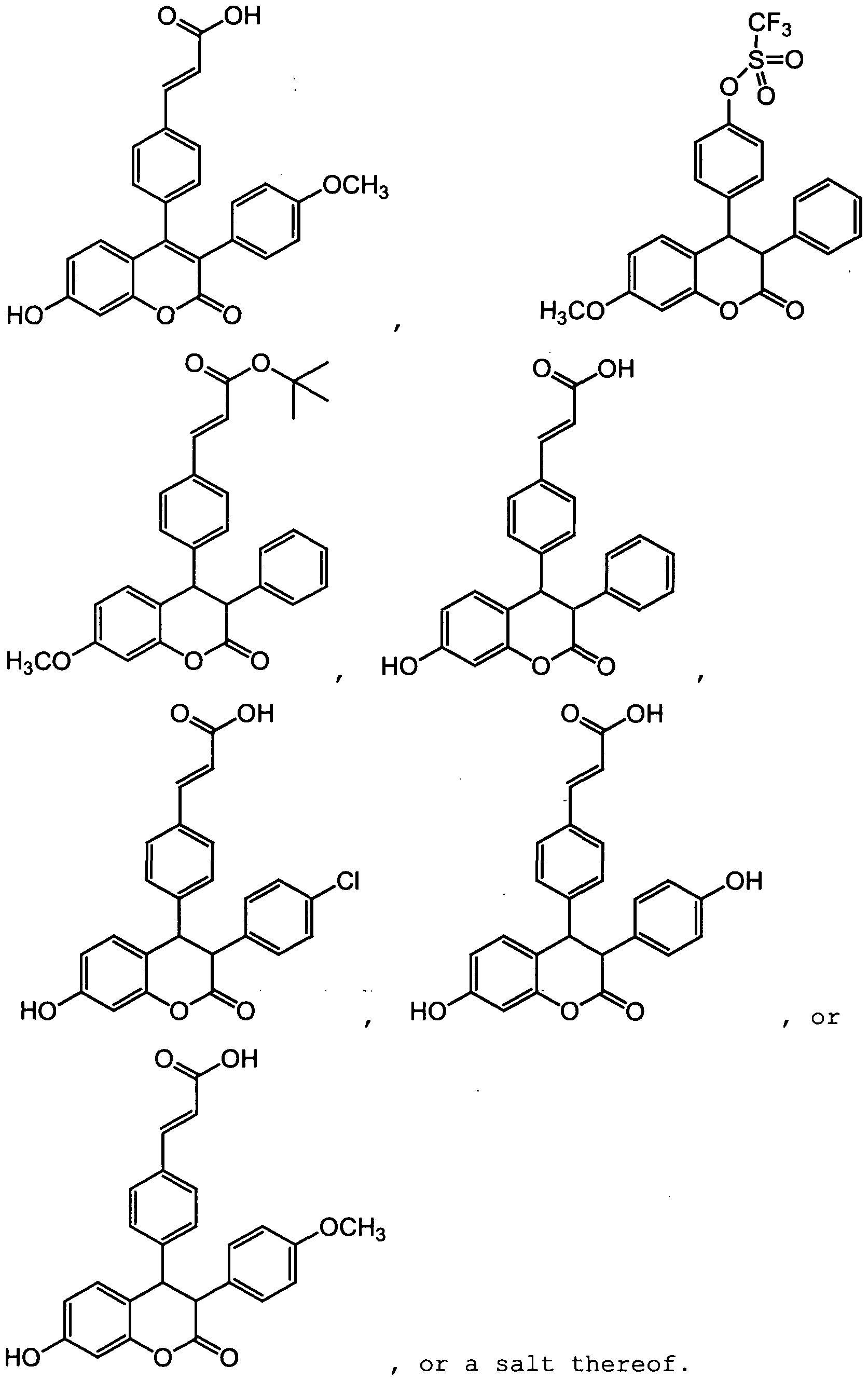


This invention provides a process for preparing a compound having the structure

Ri, R2, R4, R5, Re, R?, Rs, R9, Rio, Rn, R12, R13, and Ri4 are " each, independently, H, halogen, -CN, -NO2, Ci-10 alkyl, C2- 10 alkenyl, C2-io alkynyl, -CO2Ri5, -CONRi5Ri6, -SRi5, -NR15R16, -SO2R15, or -OR17, wherein R15 and R16 are each, independently, H, C1- 0 alkyl, C2_lo alkenyl, C2-lo alkynyl; R17 is H, Ci-iQ alkyl, C2-I0 alkenyl, C2-10 alkynyl,

alkynyl, or
 , wherein R22 and R23 are each, independently,
H, Ci-5 alkyl, C2-5 alkenyl, C2-5 alkynyl, -
 wherein R26 is -CO2H, -CONH2, -NH2, - SH, -SCH3, -OH, aryl, or heteroaryl; and wherein R24 and R25 are each, independently,

R31 is. H, Ci-10 alkyl , C2-I0 alkenyl , or C2-10 alkynyl ;
q is an integer from 0 to 6 ;
X is C=O or CHOR32 wherein R32 is H, Ci-10 alkyl, C2_io alkenyl, C2-I0
alkynyl, Si (R33) 3,
 , or wherein each occurrence of R33 is, independently, H, C1-4 alkyl, or aryl; and wherein R34 and R35 are each, independently, H,
Ci-5 alkyl, C2_5 alkenyl, or C2_5 alkynyl; and
wherein R36 is H, C1-5 alkyl, C2-5 alkenyl, C2-5
alkynyl, or
 , wherein R37 and R38 are each, independently, H, Ci-5 alkyl, C2-5 alkenyl, C2-5 alkynyl, -
(CH2) l-4-R4l, wherein R41 is -CO2H, -CONH2, -NH2, - SH, -SCH3, -OH, aryl, or heteroaryl; and wherein R39 and R40 are each, independently,

wherein each occurrence of alkyl, alkenyl, and alkynyl is substituted or unsubstituted, branched or unbranched;
comprising: contacting a compound having the structure

Ci-10 alkyl, C2-I0 alkenyl, C2-10 alkynyl;
Ri7 is H, Ci-10 alkyl, C2-io alkenyl, C2-io alkynyl,

alkynyl, or
 , wherein R22 and R23 are each, independently,
H, Ci-5 alkyl, C2-5 alkenyl, C2-5 alkynyl, -
(CH2) 1-4-R26, wherein R26 is -CO2H, -CONH2, -NH2, - SH, -SCH3, -OH, aryl, or heteroaryl; and wherein R24 and R25 are each, independently,

q is an integer from 0 to 6;
X is C=O or CHOR32 wherein R32 is H, Ci-10 alkyl , C2-10 alkenyl, C2-10
alkynyl, Si (R33) 3,
 , or wherein each occurrence of R33 is, independently, H, C1-4 alkyl, or aryl; and wherein R34 and R35 are each, independently,
H, Ci-5 alkyl, C2-5 alkenyl, or C2-5 alkynyl; and wherein R36 is H, C1-5 alkyl, C2-5 alkenyl,
C2-5 alkynyl, or
 wherein R37 and R3β are each, independently, H, C1-5 alkyl, C2-5 alkenyl, C2-5 alkynyl, - (CH2) 1-4-R41, wherein R41 is -CO2H, -CONH2, NH2, -SH, -SCH3, -OH, aryl, or heteroaryl; and wherein R39 and R40 are each,
O
V ^R42 independently, H or , wherein R42 is Ci-10 alkyl or C2-io alkenyl; and
wherein each occurrence of alkyl, alkenyl, and alkynyl is substituted or unsubstituted, branched or unbranched;
with CH2=CH-CO2R3I, wherein R3x is Ci-10 alkyl, C2-I0 alkenyl, or C2-I0 alkynyl; in the presence of a
palladium catalyst so as to form a product having the structure


This invention provides a pharmaceutical composition comprising any one of the above compounds, or a pharmaceutically acceptable salt thereof, and a pharmaceutically acceptable carrier.
This invention provides a method of inhibiting tumor proliferation in a mammal comprising administering to the mammal a therapeutically effective amount of any one of
the above compounds, or a salt thereof, so as to inhibit tumor proliferation.
In an embodiment, the tumor is an estrogen-induced tumor.
This invention provides a method of inducing apoptosis'of mammary carcinoma cells in a mammal comprising administering to the mammal a therapeutically effective amount of any one of the above compounds, or a salt thereof, so as to induce apoptosis.
The compounds disclosed herein are used in inhibiting tumor proliferation in a mammal.
The compounds disclosed herein are also used in inducing apoptosis of mammary carcinoma cells in a mammal.
The compounds of the present invention include all hydrates, solvates, and complexes of the compounds used by this invention. If a chiral center or another form of an isomeric center is present in a compound of the present invention, all forms of such isomer or isomers, including enantiomers and diastereomers, are intended to be covered herein. Compounds containing a chiral center may be used as a racemic mixture, an enantiomerically enriched mixture, or the racemic mixture may be separated using well-known techniques and an individual enantiomer may be used alone. The compounds described in the present invention are in racemic form or as individual enantiomers. The enantiomers can be separated using known techniques, such as those described in Pure and Applied Chemistry 69, 1469-1474, (1997) IUPAC. In cases in which compounds have unsaturated carbon-carbon double bonds, both the cis (Z) and trans (E) isomers are within the
scope of this invention. In cases wherein compounds may exist in tautomeric forms, such as keto-enol tautomers, each tautomeric form is contemplated as being included within this invention whether existing in equilibrium or predominantly in one form.
In the compound structures depicted herein, hydrogen atoms are not shown for carbon atoms having less than four bonds to non-hydrogen atoms. However, it is understood that enough hydrogen atoms exist on said carbon atoms to satisfy the octet rule.
As used herein, "alkyl" includes both branched and straight-chain saturated aliphatic hydrocarbon groups having the specified number of carbon atoms and may be unsubstituted or substituted. Thus, Ci-Cn as in "Ci-Cn alkyl" is defined to include groups having 1, 2, ...., n- 1 or n carbons in a linear or branched arrangement. For example, Ci-C6, as in "Ci-C6 alkyl" is defined to include groups having 1, 2, 3, 4, 5, or 6 carbons in a linear or branched arrangement, and specifically includes methyl, ethyl, n-propyl, isopropyl, n-butyl, t-butyl, pentyl, hexyl, and octyl .
As used herein, "alkenyl" refers to a non-aromatic hydrocarbon radical, straight or branched, containing at least 1 carbon to carbon double bond, and up to the maximum possible number of non-aromatic carbon-carbon double bonds may be present, and may be unsubstituted or substituted. For example, "C2-C6 alkenyl" means an alkenyl radical having 2, 3, 4, 5, or 6 carbon atoms, and up to 1, 2, 3, 4, or 5 carbon-carbon double bonds respectively. Alkenyl groups include ethenyl, propenyl, butenyl and cyclohexenyl .
The term "alkynyl" refers to a hydrocarbon radical straight or branched, containing at least 1 carbon to carbon triple bond, and up to the maximum possible number of non-aromatic carbon-carbon triple bonds may be present, and may be unsubstituted or substituted. Thus, "C2-C6 alkynyl" means an alkynyl radical having 2 or 3 carbon atoms and 1 carbon-carbon triple bond, or having 4 or 5 carbon atoms and up to 2 carbon-carbon triple bonds, or having 6 carbon atoms and up to 3 carbon-carbon triple bonds. Alkynyl groups include ethynyl, propynyl and butynyl .
"Alkylene", "alkenylene" and "alkynylene" shall mean, respectively, a divalent alkane, alkene and alkyne radical, respectively. It is understood that an alkylene, alkenylene, and alkynylene may be straight or branched. An alkylene, alkenylene, and alkynylene may be unsubstituted or substituted.
As used herein, "aryl" is intended to mean any stable monocyclic, bicyclic or polycyclic carbon ring of up to 10 atoms in each ring, wherein at least one ring is aromatic, and may be unsubstituted or substituted. Examples of such aryl elements include phenyl, p-toluenyl (4-methylphenyl) , naphthyl, tetrahydro-naphthyl, indanyl, biphenyl, phenanthryl, anthryl or acenaphthyl . In cases where the aryl substituent is bicyclic and one ring is non-aromatic, it is understood that attachment is via the aromatic ring.
The term "arylalkyl" refers to alkyl groups as described above wherein one or more bonds to hydrogen contained therein are replaced by a bond to an aryl group as
described above. It is understood that an "arylalkyl" group is connected to a core molecule through a bond from the alkyl group and that the aryl group acts as a substituent on the alkyl group. Examples of arylalkyl moieties include, but are not limi'ted to, benzyl (phenylmethyl) , p-trifluoromethylbenzyl (4- trifluoromethylphenylmethyl) , 1-phenylethyl, 2- phenylethyl, 3-phenylpropyl, 2-phenylpropyl and the like.
The term "heteroaryl", as used herein, represents a stable monocyclic, bicyclic or polycyclic ring of up to 10 atoms in each ring, wherein at least one ring is aromatic and contains from 1 to 4 heteroatoms selected from the group consisting of 0, N and S. Bicyclic aromatic heteroaryl groups include phenyl, pyridine, pyrimidine or pyridizine rings that are (a) fused to a 6- membered aromatic (unsaturated) heterocyclic ring having one nitrogen atom; (b) fused to a 5- or 6-membered aromatic (unsaturated) heterocyclic ring having two nitrogen atoms; (c) fused to a 5-membered aromatic (unsaturated) heterocyclic ring having one nitrogen atom together with either one oxygen or one sulfur atom; or (d) fused to a 5-membered aromatic (unsaturated) heterocyclic ring having one heteroatom selected from O, N or S. Heteroaryl' groups within the scope of this definition include but are not limited to: benzoimidazolyl, benzofuranyl, benzofurazanyl, benzopyrazolyl, benzotriazolyl, benzothiophenyl, benzoxazolyl, carbazolyl, carbolinyl, cinnolinyl, furanyl, indolinyl, indolyl, indolazinyl, indazolyl, isobenzofuranyl, isoindolyl, isoquinolyl, isothiazolyl, isoxazolyl, naphthpyridinyl, oxadiazolyl, oxazolyl, oxazoline, isoxazoline, oxetanyl, pyranyl, pyrazinyl, pyrazolyl, pyridazinyl, pyridopyridinyl, pyridazinyl,
pyridyl, pyrimidyl, pyrrolyl, quinazolinyl, quinolyl, quinoxalinyl, tetrazolyl, tetrazolopyridyl, thiadiazolyl, thiazolyl, thienyl, triazolyl, azetidinyl, aziridinyl, 1, 4-dioxanyl, hexahydroazepinyl, dihydrobenzoimidazolyl, dihydrobenzofuranyl, dihydrobenzothiophenyl, dihydrobenzoxazolyl, dihydrofuranyl, dihydroimidazolyl, dihydroindolyl, dihydroisooxazolyl, dihydroisothiazolyl, dihydrooxadiazolyl, dihydrooxazolyl, dihydropyrazinyl, dihydropyrazolyl, dihydropyridinyl, dihydropyrimidinyl, dihydropyrrolyl, dihydroquinolinyl, dihydrotetrazolyl, dihydrothiadiazolyl, dihydrothiazolyl, dihydrothienyl, dihydrotriazolyl, dihydroazetidinyl, methylenedioxybenzoyl , tetrahydrofuranyl , tetrahydrothienyl, acridinyl, carbazolyl, cinnolinyl, quinoxalinyl, pyrrazolyl, indolyl, benzotriazolyl, benzothiazolyl, benzoxazolyl, isoxazolyl, isothiazolyl, furanyl, thienyl, benzothienyl, benzofuranyl, quinolinyl, isoquinolinyl, oxazolyl, isoxazolyl, indolyl, pyrazinyl, pyridazinyl, pyridinyl, pyrimidinyl, pyrrolyl, tetra- hydroquinoline . In cases where the heteroaryl substituent is bicyclic and one ring is non-aromatic or contains no heteroatoms, it is understood that attachment is via the aromatic ring or via the heteroatom containing ring, respectively. If the heteroaryl contains nitrogen atoms, it is understood that the corresponding N-oxides thereof are also encompassed by this definition.
The term "heterocycle" or "heterocyclyl" refers to a mono- or poly-cyclic ring system which can be saturated or contains one or more degrees of unsaturation and contains one or more heteroatoms. Preferred heteroatoms include N, O, and/or S, including N-oxides, sulfur oxides, and dioxides. Preferably the ring is three to ten-membered and is either saturated or has one or more
degrees of unsaturation . The heterocycle may be unsubstituted or substituted, with multiple degrees of substitution being allowed. Such rings may be optionally fused to one or more of another "heterocyclic" ring(s), heteroaryl ring(s), aryl ring(s), or cycloalkyl ring(s). Examples of heterocycles include, but are not limited to, tetrahydrofuran, pyran, 1,4-dioxane, 1,3-dioxane, piperidine, piperazine, pyrrolidine, morpholine, thiomorpholine, tetrahydrothiopyran, tetrahydrothiophene, 1, 3-oxathiolane, and the like.
The alkyi, alkenyl, alkynyl, aryl, heteroaryl and heterocyclyl substituents may be substituted or unsubstituted, unless specifically defined otherwise.
In the compounds of the present invention, alkyl, alkenyl, alkynyl, aryl, heterocyclyl and heteroaryl groups can be further substituted by replacing one or more hydrogen atoms with alternative non-hydrogen groups . These include, but are not limited to, halo, hydroxy, mercapto, amino, carboxy, cyano and carbamoyl.
As used herein, the term "halogen" refers to F, Cl, Br, and I .
The term "substituted" refers to a functional group as described above in which one or more bonds to a hydrogen atom contained therein are replaced by a bond to non- hydrogen or non-carbon atoms, provided that normal valencies are maintained and that the substitution results in a stable compound. Substituted groups also include groups in which one or more bonds to a carbon (s) or hydrogen (s) atom are replaced by one or more bonds, including double or triple bonds, to a heteroatom.
Examples of substituents include the functional groups described above, and, in particular, halogens (i.e., F,
Cl, Br, and I) ; alkyl groups, such as methyl, ethyl, n- propyl, isopropryl, n-butyl, tert-butyl, and trifluoromethyl; hydroxyl; alkoxy groups, such as methoxy, ethoxy, n-propoxy, and isopropoxy; aryloxy groups, such as phenoxy; arylalkyloxy, such as benzyloxy
(phenylmethoxy) and p-trifluoromethylbenzyloxy (4- trifluoromethylphenylmethoxy) ; heteroaryloxy groups; sulfonyl groups, such as trifluoromethanesulfonyl, methanesulfonyl, and p-toluenesulfonyl; nitro, nitrosyl; mercapto; sulfanyl groups, such as methylsulfanyl, ethylsulfanyl and propylsulfanyl; cyano; amino groups, such as amino, methylamino, dimethylamino, ethylamino, and diethylamino; and carboxyl . Where multiple substituent moieties are disclosed or claimed, the substituted compound can be independently substituted by one or more of the disclosed or claimed substituent moieties, singly or plurally. By independently substituted, it is meant that the (two or more) substituents can be the same or different.
It is understood that substituents and substitution patterns on the compounds of the instant invention can be selected by one of ordinary skill in the art to provide compounds that are chemically stable and that can be readily synthesized by techniques known in the art, as well as those methods set forth below, from readily available starting materials. If a substituent is itself substituted with more than one group, it is understood that these multiple groups may be on the same carbon or on different carbons, so long as a stable structure results .
/ As used herein, a "titanium reagent" refers to elemental titanium, titanium salts and their complexes wherein the titanium atom can exist at various oxidation states. Suitable titanium reagents include, but are not limited to, TiCl3, TiCl4, TiCl3-THF, and TiCl3 (DME) 1.5.
The term "reducing agent" refers to an agent capable of reducing the oxidation state of another compound. Examples of reducing agents include, but are not limited to, aluminium hydrides, such as (i-Bu)2AlH, (i-Bu)3Al, LiAlH4, LiAlH(OMe)3, LiAlH(Ot-Bu)3, and NaAlH2(OCH2CH2OCHs)2; boron hydrides such as 9-BBN, NaBH4, NaBH4-CeCl3, LiBH4, LiEt3BH, Li(S-Bu)3BH, K(S-Bu)3BH, Na(s- Bu)3BH, KPh3BH, (Ph3P)2CuBH4, Zn(BH4J2, Ca (BH4) 2, Li (n- Bu)BH3, NaBH(OMe)3, NaBH(OAc)3, NaBH3CN, Et4NBH4, Me4NBH(OAc)3, (n-Bu) 4NBH3CN, and (n-Bu) 4NBH (OAc) 3; (3) silicon hydrides such as Et3SiH, PhMe2SiH, Ph2SiH2, and PhSiH3-Mo (CO) 6/ (4) alkali and alkaline earth metals, such as Na, K, K/graphite, Li, Mg, and (5) transition metals and amalgams thereof, such as Zn and Zn(Cu) amalgam.
As used herein, the term "palladium catalyst" refers to elemental palladium and complexes thereof, wherein the palladium atom can be at various oxidation states and can possess one or more ligands. Suitable palladium catalysts include, but are not limited to, tetrakis (triphenylphosphine) palladium (0), bis(tri-t- butylphosphine) palladium (0) , palladium (II) acetate, bis (tricyclohexylphosphine) palladium (0) , palladium(II) chloride, bis (triphenylphosphine) palladium (II) chloride, tris (dibenzylideneacetone) dipalladium (0) , bis (dibenzylideneacetone) palladium, (1,1'- bis (triphenylphosphino) ferrocene) palladium (II) chloride, and bis (triphenylphosphine) palladium(II) acetate.
As used herein, abbreviations are defined as follows:
Ac = acetyl
4-DMAP = 4- (dimethylamino) pyridine DMF = N, N-dimethylformamide
EDC = N-ethyl-N' - (3-dimethylaminopropyl) carbodiimide
TBAF = tetra-n-butylammonium fluoride
TBS = tert-butyldimethylsilyl
TMS = trimethylsilyl Tf = trifluoromethanesulfonyl
KHMDS = potassium bis (trimethylsilyl) amide or potassium hexamethyldisilazide
AIBN = 1, 1 ' -azobisisobutyronitrile
9-BBN = 9-borabicyclo[3.3.1]nonane DIBAL = diisobutylaluminum
THF = tetrahydrofuran
MeOH = methanol
DCE = 1,2-dichloroethane
DME = dimethoxyethane Ph = phenyl
Me = methyl
Et = ethyl iPr = isopropyl n-Bu = n-butyl - - - i-Bu = isobutyl s-Bu = sec-butyl t-Bu = tert-butyl
Ms = methanesulfonyl
Ts = p-toluenesulfonyl SET = single electron transfer
DNA = deoxyribonucleic acid
RNA = ribonucleic acid
DMBA = 7, 12-dimethylbenz [a] anthracene
Tris = tris (hydroxymethyl) aminomethane
OVX = ovariectomized
In choosing the compounds of the present invention, one of ordinary skill in the art will recognize that the various substituents, i.e. Ri, R2, etc. are to be chosen in conformity with well-known principles of chemical structure connectivity.
The various R groups attached to the aromatic rings of the compounds disclosed herein may be added to the rings by standard procedures, for example those set forth in Advanced Organic Chemistry: Part B: Reaction and Synthesis, Francis Carey and Richard Sundberg, (Springer) 5th ed. Edition. (2007), the content of which is hereby incorporated by reference.
The compounds of the instant invention may be in a salt form. As used herein, a "salt" is the salt of the instant compounds which has been modified by making acid or base salts of the compounds. In the case of compounds used for treatment of cancer, the salt is pharmaceutically acceptable. Examples of pharmaceutically acceptable salts include, but are not limited to, mineral or organic acid salts of basic residues such as amines; alkali or organic salts of acidic residues such as phenols. The salts can be made using an organic or inorganic acid. Such acid salts are chlorides, bromides, sulfates, nitrates, phosphates, sulfonates, formates, tartrates, maleates, malates, citrates, benzoates, salicylates, ascorbates, and the like. Phenolate salts are the alkaline earth metal salts, sodium, potassium or lithium. The term "pharmaceutically acceptable salt" in this respect, refers to the relatively non-toxic, inorganic and organic
acid or base addition salts of compounds of the present invention. These salts can be prepared in situ during the final isolation and purification of the compounds of the invention, or by separately reacting a purified compound of the invention in its free base or free acid form with a suitable organic or inorganic acid or base, and isolating the salt thus formed. Representative salts include the hydrobromide, hydrochloride, sulfate, bisulfate, phosphate, nitrate, acetate, valerate, oleate, palmitate, stearate, laurate, benzoate, lactate, phosphate, tosylate, citrate, maleate, fumarate, succinate, tartrate, napthylate, mesylate, glucoheptonate, lactobionate, and laurylsulphonate salts and the like. (See, e.g., Berge et al . (1977) "Pharmaceutical Salts", J. Pharm. Sci . 66:1-19) .
The compositions of this invention may be administered in various forms, including those detailed herein. The treatment with the compound may be a component of a combination therapy or an adjunct therapy, i.e. the subject or patient in need of the drug is treated or given another drug for the disease in conjunction with one or more of the instant compounds . This combination therapy can be sequential therapy where the patient is treated first with one drug and then the other or the two drugs are given simultaneously. These can be administered independently by the same route or by two or more different routes of administration depending on the dosage forms employed.
As used herein, a "pharmaceutically acceptable carrier" is a pharmaceutically acceptable solvent, suspending agent or vehicle, for delivering the instant compounds to the animal or human. The carrier may be liquid or solid
and is selected with the planned manner of administration in mind. Liposomes are also a pharmaceutically acceptable carrier.
The dosage of the compounds administered in treatment will vary depending upon factors such as the pharmacodynamic characteristics of a specific chemotherapeutic agent and its mode and route of administration; the age, sex, metabolic rate, absorptive efficiency, health and weight of the recipient; the nature and extent of the symptoms; the kind of concurrent treatment being administered; the frequency of treatment with; and the desired therapeutic effect.
A dosage unit of the compounds may comprise a single compound or mixtures thereof with anti-cancer compounds, or tumor growth inhibiting compounds, or with other compounds also used to treat osteoporosis or cardiovascular disease. The compounds can be administered in oral dosage forms as tablets, capsules, pills, powders, granules, elixirs, tinctures, suspensions, syrups, and emulsions. The compounds may also be administered in intravenous (bolus or infusion) , intraperitoneal, subcutaneous, or intramuscular form,- or introduced directly, e.g. by injection or other methods, into the cancer, all using dosage forms well known to those of ordinary skill in the pharmaceutical arts.
The compounds can be administered in admixture with suitable pharmaceutical diluents, extenders, excipients, or carriers (collectively referred to herein as a pharmaceutically acceptable carrier) suitably selected with respect- to the intended form of administration and as consistent with conventional pharmaceutical practices.
The unit will be in a form suitable for oral, rectal, topical, intravenous or direct injection or parenteral administration. The compounds can be administered alone but are generally mixed with a pharmaceutically acceptable carrier. This carrier can be a solid or liquid, and the type of carrier is generally chosen based on the type of administration being used. In one embodiment the carrier can be a monoclonal antibody. The active agent can be co-administered in the form of a tablet or capsule, liposome, as an agglomerated powder or in a liquid form. Examples of suitable solid carriers include lactose, sucrose, gelatin and agar. Capsule or tablets can be easily formulated and can be made easy to swallow or chew; other solid forms include granules, and bulk powders. Tablets may contain suitable binders, lubricants, diluents, disintegrating agents, coloring agents, flavoring agents, flow-inducing agents, and melting agents. Examples of suitable liquid dosage forms include solutions or suspensions in water, pharmaceutically acceptable fats and oils, alcohols or other organic solvents, including esters, emulsions, syrups or elixirs, suspensions, solutions and/or suspensions reconstituted from non-effervescent granules and effervescent preparations reconstituted from effervescent granules. Such liquid dosage forms may contain, for example, suitable solvents, preservatives, emulsifying agents, suspending agents, diluents, sweeteners, thickeners, and melting agents. Oral dosage forms optionally contain flavorants and coloring agents. Parenteral and intravenous forms may also include minerals and other materials to make them compatible with the type of injection or delivery system chosen.
Specific examples of pharmaceutical acceptable carriers and excipients that may be used to formulate oral dosage forms of the present invention are described in U.S. Pat. No. 3,903,297 to Robert, issued Sept. 2, 1975. Techniques and compositions for making dosage forms useful in the present invention are described-in the following references: 7 Modern Pharmaceutics, Chapters 9 and 10 (Banker & Rhodes, Editors, 1979) ; Pharmaceutical Dosage Forms: Tablets (Lieberman et al . , 1981); Ansel, Introduction to Pharmaceutical Dosage Forms 2nd Edition (1976); Remington's Pharmaceutical Sciences, 17th ed. (Mack Publishing Company, Easton, Pa., 1985); Advances in Pharmaceutical Sciences (David Ganderton, Trevor Jones, Eds., 1992); Advances in Pharmaceutical Sciences VoI 7. (David Ganderton, Trevor Jones, James McGinity, Eds., 1995) ; Aqueous Polymeric Coatings for Pharmaceutical Dosage Forms (Drugs and the Pharmaceutical Sciences, Series 36 (James McGinity, Ed., 1989); Pharmaceutical Particulate Carriers: Therapeutic Applications: Drugs and the Pharmaceutical Sciences, VoI 61 (Alain Rolland, Ed., 1993) ; Drug Delivery to the Gastrointestinal Tract (Ellis Horwood Books in the Biological Sciences . Series in Pharmaceutical Technology; J. G. Hardy, S. S. Davis, Clive G. Wilson, - Eds .); Modem- Pharmaceutics Drugs and the Pharmaceutical Sciences, VoI 40 (Gilbert S. Banker, Christopher T. Rhodes, Eds.) . All of the aforementioned publications are incorporated by reference herein.
Tablets may contain suitable binders, lubricants, disintegrating agents, coloring agents, flavoring agents, flow-inducing agents, and melting agents. For instance, for oral administration in the dosage unit form of a tablet or capsule, the active drug component can be combined with an oral, non-toxic, pharmaceutically
acceptable, inert carrier such as lactose, gelatin, agar, starch, sucrose, glucose, methyl cellulose, magnesium stearate, dicalcium phosphate, calcium sulfate, mannitol, sorbitol and the. like. Suitable binders include starch, gelatin, natural sugars such as glucose or beta-lactose, corn sweeteners, natural and synthetic gums such as acacia, tragacanth, ' or sodium alginate, carboxymethylcellulose, polyethylene glycol, waxes, and the like. Lubricants used in these dosage forms include sodium oleate, sodium stearate, magnesium stearate, sodium benzoate, sodium acetate, sodium chloride, and the like. Disintegrators include, without limitation, starch, methyl cellulose, agar, bentonite, xanthan gum, and the like.
The compounds can also be administered in the form of liposome delivery systems, such as small unilamellar vesicles, large unilamallar vesicles, and multilamellar vesicles. Liposomes can be formed from a variety of phospholipids, such as cholesterol, stearylamine, or phosphatidylcholines. The compounds may be administered as components of tissue-targeted emulsions.
The compounds- may also- be- -coupled to soluble polymers as targetable drug carriers or as a prodrug. Such polymers include polyvinylpyrrolidone, pyran copolymer, polyhydroxylpropylmethacrylamide-phenol, polyhydroxyethylasparta-midephenol, or polyethyleneoxide- polylysine substituted with palmitoyl residues. Furthermore, the compounds may be coupled to a class of biodegradable polymers useful in achieving controlled release of a drug, for example, polylactic acid, polyglycolic acid, copolymers of polylactic and polyglycolic acid, polyepsilon caprolactone, polyhydroxy
butyric acid, polyorthoesters, polyacetals, polydihydropyrans, polycyanoacylates, and crosslinked or amphipathic block copolymers of hydrogels.
The term "prodrug" as used herein refers to any compound that when administered to a biological system generates the compound of the invention, as a result of spontaneous chemical reaction (s), enzyme catalyzed chemical reaction (s), photolysis, and/or metabolic chemical reaction (s). A prodrug is thus a covalently modified analog or latent form of a compound of the invention.
The compounds of the subject invention can be converted to prodrugs to optimize absorption and bioavailability. Formation of a prodrug include, but is not limited to, reaction of a free hydroxyl group with a carboxylic acid to form an ester, reaction of a free hydroxyl group with phosphorus oxychloride followed by hydrolysis to form a phosphate, or reaction of a free hydroxyl group with an amino acid to form an amino acid ester. The substituents are chosen and resulting analogs are evaluated according to principles well known in the art of medicinal and pharmaceutical chemistry, such as quantification of structure-activity - relationships, optimization- of biological activity and ADMET (absorption, distribution, metabolism, excretion, and toxicity) properties.
The active ingredient can be administered orally in solid dosage forms, such as capsules, tablets, and powders, or in liquid dosage forms, such as elixirs, syrups, and suspensions. It can also be administered parentally, in sterile liquid dosage forms.
Gelatin capsules may contain the active ingredient compounds and powdered carriers, such as lactose, starch, cellulose derivatives, magnesium stearate, stearic acid, and the like. Similar diluents can be used to make compressed tablets. Both tablets and capsules can be manufactured as immediate release products or as sustained release products to provide for continuous release of medication over a period of hours. Compressed tablets can be sugar coated or film coated to mask any unpleasant taste and protect the tablet from the atmosphere, or enteric coated for selective disintegration in the gastrointestinal tract.
For oral administration in liquid dosage form, the oral drug components are combined with any oral, non-toxic, pharmaceutically acceptable inert carrier such as ethanol, glycerol, water, and the like. Examples of suitable liquid dosage forms include solutions or suspensions in water, pharmaceutically acceptable fats and oils, alcohols or other organic solvents, including esters, emulsions, syrups or elixirs, suspensions, solutions and/or suspensions reconstituted from non- effervescent granules and effervescent preparations reconstituted from- - effervescent granules . Such liquid dosage forms may contain, for example, suitable solvents, preservatives, emulsifying agents, suspending agents, diluents, sweeteners, thickeners, and melting agents.
Liquid dosage forms for oral administration can contain coloring and flavoring to increase patient acceptance. In general, water, a suitable oil, saline, aqueous dextrose (glucose) , and related sugar solutions and glycols such as propylene glycol or polyethylene glycols are suitable carriers for parenteral solutions. Solutions for
parenteral administration preferably contain a water soluble salt of the active ingredient, suitable stabilizing agents, and if necessary, buffer substances. Antioxidizing agents such as sodium bisulfite, sodium sulfite, or ascorbic acid, either alone or combined, are suitable stabilizing agents. Also used are citric acid and its salts and sodium EDTA. In addition, parenteral solutions can contain preservatives, such as benzalkonium chloride, methyl- or propyl-paraben, and chlorobutanol . Suitable pharmaceutical carriers are described in Remington's Pharmaceutical Sciences, Mack Publishing Company, a standard reference text in this field.
The compounds of the instant invention may also be administered in intranasal form via use of suitable intranasal vehicles, or via transdermal routes, using those forms of transdermal skin patches well known to those of ordinary skill in that art. To be administered in the form of a transdermal delivery system, the dosage administration will generally be continuous rather than intermittent throughout the dosage regimen.
Parenteral and intravenous forms may also include minerals- and other- materials- to make them compatible with the type of injection or delivery system chosen.
The compounds and compositions of the invention can be coated onto stents for temporary or permanent implantation into the cardiovascular system of a subject.
As used herein, the term "tumor" refers to an uncontrolled growth of cells. A tumor may be benign or malignant. Benign tumors are not dangerous to health and are not considered cancerous. Malignant tumors are
cancerous; they invade surrounding tissue, are usually capable of producing metastases, may recur after attempted removal, and are likely to cause death of the host unless adequately treated. Left unchecked, malignant cells can eventually spread beyond the original tumor to other parts of the body. Various cancers result in the formation of tumors, including, but not limited to, prostate cancer, breast cancer, endometrial cancer, and colon cancer. In particular, breast cancer is thought to be due to exogenous and endogenous factors. Typical exogenous factors are environmental mutagens and carcinogens that induce DNA damage. Typical endogenous factors may be hormones, such as estrogen, that have estrogenic action and induce DNA damage. Such tumors are said to be estrogen-induced tumors. In addition, breast cancer tumors may express ERa and/or ERβ . Tumors expressing any isoform of ER, i.e. ERa or ERβ, are said to be ER-positive and tumors not expressing any isoform of ER are said to be ER-negative. Similarly, tumors expressing ERa are said to be ERα-positive and tumors not expressing ERa are said to be ERα-negative. Tumors expressing ERβ are said to be ERβ-positive and tumors not expressing ERβ are said to be ERβ-negative.
Design of safer antiestrogens
The results of studies of genotoxic mechanisms conducted over the last 10 years [7], combined with the structures and biological profiles of other new antiestrogens developed by other laboratories [50, 51], have now made it possible to design safer and more effective benzopyran alternatives .
As mentioned earlier, SP500263 is a benzopyran derivative that has been shown to be more potent than RAL and TAM in
a cell-based assay measuring inhibition of interleukin-6 release [59] and has anti-tumor potential similar to that of TAM in athymic nude mice bearing human breast cancer [60] . In SP500263, the ethyl moiety found in TAM is replaced by a ring structure (Fig. 2) .
GW5638 posesses a novel carboxylic side chain (see X position in Fig. 2) and has been recognized as having powerful antiestrogenic activity. This compound has estrogen-like actions to preserve bone density in OVX- rats but, unlike TAM, has pure antiestrogenic activity in rodent uterus. Moreover, GW5638 does not promote tumor growth in rodent breast or endometrial cells [57, 58] . However, it was recently found that GW5638 does show estrogenic (uterotrophic) activity equivalent to that of RAL (see Fig. 3) . Like TAM, GW5638 has an ethyl moiety that could potentially undergo α-hydroxylation followed by O-sulfonation to produce an intermediate capable of reacting with DNA, thereby potentially leading to genotoxicity .
Below, new antiestrogen, benzopyran compounds are synthesized according to the general procedure shown in Scheme 1. The R groups shown in Scheme 1 denote any number of generic substituent groups. . .

b. CDI, base


Scheme 1
Synthesis of benzopyran derivatives Benzopyran derivatives are made according to the general procedure shown in Scheme 1. In step a, the desired phenol is acylated with a 4-hydroxyphenyl alkanoic acid of desired length, indicated by q, under Fries reaction conditions (POCI3 and ZnCl2) to produce the desired benzophenone intermediate. Reaction of the benzophenone intermediate with a phenylacetic acid in the presence of carbonyldiimidazole (CDI) yields a chromen-2-one intermediate. The synthesis of two chromen-2-one intermediates has previously been described by McKie and co-workers [59] . The chromen-2-one intermediates are then triflated using triflic anhydride (trifluoromethanesulfonyl anhydride) . The subsequent
palladium-catalyzed coupling with an alkyl acrylate is achieved in the presence of Pd(O) or Pd(II) . Hydrolysis of the coupled product yields the desired acrylic acid- functionalized benzopyran.
Those having ordinary skill in the art of organic synthesis will appreciate that modifications to the general procedure shown in scheme 1 can be made to yield structurally diverse benzopyrans. In step a, the requisite phenol may be obtained commercially with the desired substituents already in place. When the desired substituted phenol is not commercially available, substituents are installed onto the phenyl ring of the molecule using standard aryl substitution reactions well known in organic synthesis. Similarly, the 4- hydroxyphenyl alkanoic acid may be purchased or synthesized with the desired chain length and substituents using standard methods well known in organic synthesis .
In step b, additional substituent diversity is introduced by varying the substituents on the phenyl ring in phenylacetic acid. Substituted phenylacetic acids may be purchased or synthesized -using standard methods well known in organic synthesis.
Further structural diversity is introduced by reduction of the or, β-unsaturated carbonyl portion of the triflated chromen-2-one intermediate using well known techniques for 1, 2-reduction or 1, 4-reduction . 1, 4-reduction should potentially result in the formation of a non-planar compound having two chiral centers, which may impact the molecule's biological profile. For example, the product
of scheme 1, step c can be reduced in a 1, 4-reduction to yield the corresponding saturated compound (Scheme 2) .


Scheme 2
In addition, 1, 2-reduction of the triflated chromen-2-one intermediate should result in the formation of a hydroxyl group, which can be further alkylated and derivatized (Scheme 3) .


Scheme 3
In the palladium-catalyzed coupling reaction, the acrylic acid ester may be replaced by other unsaturated compounds capable of engaging in palladium-catalyzed coupling reactions. For example, terminal alkenes and alkynes of varying length and substitution may be used. Furthermore, the resulting coupled product may be reduced using well- known reduction chemistry to yield the corresponding saturated or partially saturated product.
The benzopyrans described above can be converted to prodrugs. Formation of a prodrug include, but is not limited to, reaction of a free hydroxyl group with a carboxylic acid to form an ester, reaction of a free ^ hydroxyl group with phosphorus oxychloride followed by hydrolysis to form a phosphate, which may be further alkylated, or reaction of a free hydroxyl group with an amino acid to form an amino acid ester, the reagents and process of which have been described previously by Chandran in WO 2005/046575, which is hereby incorporated by reference.
Following synthesis, the compounds of the subject invention are evaluated for activity against breast cancer, osteoporosis, and cardiovascular disease using various in vitro and in vivo assays and experiments, some of which are briefly described hereinafter.
Biological evaluation Uterotrophic potential
Safer antiestrogen alternatives to TAM and RAL should have little or no estrogenic activity in order to minimize the risks of developing uterine and endometrial cancers. The compounds of the invention are subjected to
an animal uterotrophic assay for evaluating their estrogenic potential. To measure the uterotrophic potential, OVX-rats (Sprague Dawley, 6-week-old females) are treated orally for 3 days with an antiestrogen and the uterine weight is measured 1 day after the final treatment, following an established protocol [62, 65]. Although a dose molar equivalent to TAM (0.33-0.66 mg/kg/day) is human equivalent (20-40 mg/60 kg woman/day) , a high dose at a~ molar equivalent to TAM [10 mg (27 μmol) /kg/day] suspended in 1.0 ml of corn oil is applied to ensure detection of estrogenic activity of each compound (8 rats/group) . The results are compared with those observed with their counterpart antiestrogens (TAM, TOR, GW5638, GW7064, ICI 182,780, and SP500263) . Control rats (8 rats) receive only corn oil orally. The animals are euthanized 1 day after the final treatment by CO2 asphyxiation. The uterine cervix is cut away from the vagina fornix. Since fluid imbibition is an estrogen response, care is taken to retain all uterine luminal fluid. The uterus is then removed by gently lifting tissue anteriorly and trimming away the mesometrium. Uterine wet weights and body weights are then measured, and uterine wet weight/body-weight ratios calculated and compared with those obtained for OVX-rats treated subcutaneously with E2 (8 rats, 0.3 μg/100 μl corn oil/rat/day for 3 days) as a positive control. Statistical analyses are performed to evaluate the difference. Values of p < 0.05 are considered statistically significant. After weighing the uterus, the tissue is then fixed in 10% formalin solution for pathological determination. A cross-section of each uterine horn is processed, embedded in paraffin, sectioned into 5 μm slices and stained with hematoxylin and eosin for histological and morphometric evaluation.
Anti-uterotrophic activity
Anti-uterotrophic activity is determined by measuring the inhibitory effect of the compounds on the uterine weight of OVX-rats treated with E2 [62, 65] . OXV-rats (Sprague- Dawley OVX 6-week-old females) are treated subcutaneously with E2 (0.3 μg/100 μl corn oil/rat) for 3 days and simultaneously treated orally for 3 days with the selected compounds (8 rats/group) at doses molar equivalent to TAM (0.1, 1.0, and 10 mg/kg/day) . Antiestrogens (TAM, RAL, GW5638, and SP500263) are used as comparisons. The control OVX-rats (8 rats) are treated orally with corn oil. The animals are euthanized by CO2 asphyxiation one day after the final treatment. Uterine wet weights and body weights are then measured to determine the uterine wet-weight/body-weight ratios, as described above for the uterotrophic assay. The data are compared with those obtained from the OVX-rats (8 rats) treated subcutaneously with E2 (0.3 μg/100 μl corn oil/rat, 8 rats) as a positive control.
Genotoxicity
The genotoxic potential of the compounds selected by uterotrophic evaluation is determined by measuring DNA damage in rodents. Rat liver contains a high level of hydroxysteroid sulfotransferase (HST) that actively converts α-hydroxylated TAM metabolites to their O- sulfate forms, which in turn react with cellular DNA [15] . The enzymatic activity of rat HST is at least one order of magnitude higher than that of human HST (SULT 2Al) ; therefore, the rat is a good model animal to evaluate the genotoxicity of antiestrogens . The selected compounds are administered orally to rats for 7 days, as reported previously [17, 22]. TAM is used as a positive control [22] . Control animals receive corn oil only.
Since 20 mg/kg of TAM induce large amounts of hepatic DNA adducts in rats [22], the molar equivalent dose of TAM is applied for the selected compounds (5 rats/group) . Five hours after the final treatment, the animals are then euthanized by CO2 asphyxiation. The liver is removed quickly, frozen in liquid nitrogen, and stored at -8O0C until DNA extraction. DNA adduct analysis using 32P- postlabeling methods have been established [1, 13] .
Anti-breast cancer potential
The anti-breast cancer potential of the compounds of the subject invention that lack both estrogenic and genotoxic activities are determined using rats bearing DMBA-induced mammary carcinoma. Selected compounds displaying antitumor activity superior to TAM and RAL are subjected to further evaluation against human MCF-7 breast cancer xenograft in nude mice.
DMBA-induced mammary carcinoma in the rat is a widely used animal model to study the factors which control hormone-sensitive breast cancer in humans [62, 65]. Using this model, the antitumor activity of the selected compounds is determined. The results are compared with those observed for antiestrogens (TAM, RAL and ICI 182,780) currently in clinical use or GW5638 and SP500263 as counterparts of compounds of the invention. Following an established protocol [65, 66], mammary carcinoma is induced by treating rats (Sprague-Dawley, 8-week-old females) with a single oral dose (50 mg/kg) of DMBA in corn oil and an approximately 8-mm diameter tumor is expected to develop in 8 weeks. The rats are then treated orally for 4 weeks with each compound. The growth of animals is monitored twice a week as a marker of the host health. Since 20 or 40 mg TAM is generally used as a
daily dose for women undergoing breast cancer chemotherapy and chemoprevention (20 and 40 mg/60 kg woman = 0.33 and 0.66 mg/kg/day, respectively), similar or slightly higher doses molar equivalent to that used for TAM (0.33, 1.0, or 3.0 mg/kg/day, p.o. for 4 weeks) are used. TAM and RAL are used as the positive controls. Controls receive corn oil only. The volume of the tumors is recorded twice a week, using the two perpendicular dimensions. The volume of the tumors (TV) are estimated from equation 1 [TV (mm3) = (length) x (width)2 /2], calculated by measuring the width (defined as whichever is the smaller dimension) and the length of the tumor. The relative tumor volume (RTV) is calculated as the ratio of TV on day n to that on day 1, according to equation 2 [RTV = (TV on day n) / (TV on day 1) ] . Since tumors in the control rats grow rapidly to approximately 20~25 mm in diameter and/or promote necrosis after 4 weeks' treatment, such animals are euthanized according to established animal care regulations. Appropriate statistical analyses are performed. As the effect differences and variability for most of these experiments are unknown, some pilot experiments are initially run with 8 animals per group. Based on the results of these pilot experiments, needed sample sizes to achieve certain statistical power are then calculated and a confirmatory set of experiments is then conducted, if necessary.
Athymic nude mice implanted with human mammary tumor xenograft are widely used to evaluate the antitumor efficacy of antiestrogens against human breast cancer [65, 67]. Following an established protocol [65], OVX- nude mice (nu/nu-BALB/c, 8-week-old females) supplemented with an estrogen pellet (E2, 0.72 mg/pellet) given subcutaneously are injected with MCF-7 cells (2 x 10⁷
cells in 0.2 ml saline) subcutaneously into the shoulder region; the tumors are then allowed to grow for 6 weeks
(up to ~6 mm in diameter) . The nude mice (8 mice/group) are then treated orally for 4 weeks with the selected compounds. Body weight is also measured twice a week to monitor the growth of the animals. Since it is often observed that drug metabolism in mice is faster than in rats, a dose (10 mg/kg) higher than that applied to the rat tumor model is used. To explore the dose response effects, the efficacy of lower molar doses equivalent to TAM (1.0 and 3.0 mg/kg/day, p.o.) are also examined for the selected compounds, and the results are compared with those for TAM and RAL. Mice from which the estrogen pellets are removed before starting antiestrogen treatment are used as negative controls. As a further control, 8 mice receive corn oil only. Following an established protocol [68], as described for the DMBA- rats, the volume of the tumors are measured twice a week. TV and RTV are estimated from equations 1 and 2 above, respectively. Because studies using nude mice have previously been performed [69], the anti-breast cancer potential of the compounds of the invention are readily determined.
Aromatase inhibitory activity of derivatives comprising 4'-Cl, 4'-OH and 4'-0Me substituents may be determined (see Fig. 4) . Since all 4' -substituted phenylacetate or 4' -benzoicacetate are commercially available, derivatives comprising those substituents can be synthesized following Scheme 1. The aromatase inhibitory activity of each compound is determined by established protocols [70, 71]. The 4'-Cl-phenyl substituent may potentially have strong aromatase inhibitory activity, in addition to
antiestrogenic activity, thus enhancing its anti-tumor potential .
Estrogen receptor binding assay ERβ may play an important role in the antitumor action of the selected compounds. Other mechanisms such as apoptosis and cell arfest may also be involved in enhancing their antitumor potential. Thus, ER-binding specificity of the compounds of the invention is determined using an ER binding assay. The level of cell- cycle arrest and apoptosis induced by the compounds is also determined.
The differential binding affinity of antiestrogen to ERa and ERβ may affect transcriptional regulation [57]; thereby, the antitumor activity of antiestrogens may vary. To explore the ERa- and ERβ-binding properties of antiestrogens, the relative binding affinity (RBA) of each compound to ERa and ERβ are determined using a spin column assay with a commercially available full-length form of either ERa or ERβ (PanVera Corp.), following a widely used the method [57] . Briefly, a range of concentrations of each compound (10~n - 10~4 M) is incubated in buffer containing ER (15 nM) and 3H-labeled 17β-estradiol (E2, 3 nM) . The mixture is then be applied to a micro spin column containing G-25 Sephadex according to the manufacturer's instructions. Bound E2 is separated from free ligand by spinning. A fraction of the filtrate is used for counting in a liquid scintillation counter. A binding curve is then fitted using a single-binding-site competition model and statistical analysis software. Percent RBA is then determined by dividing the IC5O for unlabeled E2 by the ligand IC50 and multiplying that value by 100. To evaluate the relative antiestrogenic potential
and ERa or ERβ specificity of each of the compounds, the results are compared with those observed for other antiestrogens (TAM, 4-OHTAM, TOR, RAL, ICI 182,780, GW5638, GW7604, and SP500263) . The results obtained from this assay may suggest the contribution of ERa and ERβ to the antitumor potency of antiestrogens. In addition, certain antiestrogens could act as estrogen agonists or antagonists to mimic estrogen's positive effects, depending on the specific tissue. Although the relative abundance of ERa and ERβ in bone cells has not been determined, human and mouse genetic studies suggest a predominant role for ERa in bone metabolism [72, 73] . Different affinities of antiestrogen to ERa and ERβ may also affect the results of anti-osteoporotic efficacy tests.
Cell-cycle and apoptosis
A mechanism other than an antiestrogenic one may also contribute to improving the antitumor potential of antiestrogens. In fact, weak cell-cycle arrest and apoptosis have been observed in cultured breast cancer cells exposed to TAM [74, 75]. Using flow cytometric analysis and other techniques, the stages of the cell- cycle and apoptosis in cultured human breast cancer cells exposed to the compounds of the invention as well as in mammary tumors of rodents treated with the compounds are determined.
Human MCF-7 breast cancer cells express both ERa and ERβ but not the apoptotic factor caspase-3; in contrast, MDA- MB-231 cells do not express ERa but they do express caspase-3. Therefore, if the compounds of the invention do have an apoptotic effect, it should be observable in MDA-MB-231 cells. With TAM as a positive control,
alterations to the cell-cycle and apoptosis generated by the compounds with varying exposure times (1, 3, and 5 days) and several doses (0.01, 0.1, 1.0, 10, 25, 50 and 100 μM) are evaluated. Cell viability is determined by using a trypan blue exclusion assay to measure the percentage of viable cells under a field microscope. Briefly, both types of human breast cancer cells exposed to antiestrogens are harvested from culture media, fixed in paraformaldehyde, incubated with DNA-labeling solution, and stained using propidium iodide (PI) working solution with RNase type2A. If the cell-cycle and apoptosis stages in mammary tumors taken from rodents treated with antiestrogens can be determined, a more precise effect of the compounds could be investigated. At one day after 4 weeks of oral antiestrogen treatment, mammary tumors are collected from rats bearing DMBA- induced mammary carcinoma or from nude mice bearing MCF-7 human breast tumor xenograft. Immediately after collecting the tumors, part of each tumor are homogenized and centrifuged to isolate the cell fraction, and then cultured overnight to harvest the attached cancer cells. The methods for analyzing the cell-cycle and apoptosis follow the procedures described above for the cultured cells. Taken together with results from the cultured cell experiments, involvement of mechanisms other than estrogenic effects on antitumor potential can be explored.
Caspase-3 functions as a major mediator of apoptotic execution [76] . Involvement of caspase-3 in antiestrogen- induced anti-breast cancer potential is determined using Western-blot analysis [77] and immunohistochemical analysis. Immunohistochemical analysis is performed on BrdU-labeled (brown-stained nuclei) cells using caspase-3
antibody and an ABC kit. The slides are counter-stained with hematoxylin for identification of tumor morphology. The percentage of caspase-3 positive nuclei in the mammary tumor is determined using a semiquantitative histomorphometric evaluation. To confirm the effect of caspase-3 on antiestrogen-induced apoptosis, the cleavage of PARP, a common proteolytic marker of apoptosis [78], in mammary cells exposed to antiestrogens is also detected. When apoptosis is induced, a significant increase in PARP cleavage, as indicated by the production of the p85 subunit, should be detected, suggesting that caspase-3 sensitizes breast cancer cells to antiestrogen by inducing enhanced apoptosis. PARP cleavage is detected using Western-blot [77] and immunohistochemical analyses. β-Actin is used as a loading control.
MDA-MB-231 cells expressing caspase-3 are also implanted in nude mice for exploring the contribution of apoptosis to the antitumor potential of antiestrogens. Since MDA- MB-231 cells are ERα-negative, OVX and estrogen pellet implantation are not required for this experiment. Intact nude mice are injected with MDA-MB-231 cells (2 x 10⁷ cells in 0.2 ml saline) subcutaneously into the shoulder region for the implantation, following an established protocol [79] . When the tumors grow to ~6 mm in diameter, the nude mice are treated orally for 4 weeks with compounds of the invention at a dose molar equivalent to TAM (1.0, 3.0 or 10 mg/kg/day, 8 mice/dose) . TAM (1.0, 3.0, and 10 mg/kg/day) are used as a positive control. Eight control mice receive corn oil only. If apoptosis is primarily involved in the antitumor potential, then growth of MDA-MB-231 xenograft should be reduced more effectively than that of MCF-7 xenograft.
In addition, the stages of apoptosis and the cell cycle in MDA-MB-231 xenograft collected from nude mice are determined using flow cytometry and Western-blot analysis, as described earlier. If apoptosis is a major factor in suppressing the growth of mammary tumors, then it should be induced more in MDA-MB-231 xenograft expressing caspase-3, as compared with MCF-7. Results obtained from studies determining apoptotic potential provide insight into the anti-breast cancer mechanism.
Cancer Preventive Potency
The recent increased incidence of breast cancer is thought to be due to exogenous and endogenous factors . Typical exogenous factors are environmental mutagens and carcinogens that induce DNA damage. Typical endogenous factors may be hormones that have estrogenic action and induce DNA damage. Such factors may be involved in initiating and/or promoting mammary tumor. Compounds having the capability of preventing development of mammary tumors could be used as preventive agents. Therefore, the preventive activities of the selected compounds are determined in the following two animal models. Chemical carcinogen (DMBA) -induced mammary tumor in rats -is used as a- model- to evaluate the preventive effect against a typical exogenous factor. Hormone (E2)- induced mammary tumor in rats is used as a model to evaluate the preventive effect against a typical endogenous factor. The incidence of mammary tumors may parallel the frequency of carcinogen-induced DNA adducts in the mammary gland, as observed with β-NF [80]. In fact, treatment with TAM prior to a single DMBA injection has been shown to reduce the formation of mammary DMBA- DNA adducts in rats [80] . Such treatment lowered the incidence of mammary carcinoma in mice [81, 82] . TAM or
its metabolite is thought to inhibit the bioactivation of DMBA and/or to increase its rate of detoxification, thus lowering the level of adduct formation, as demonstrated by α-NF and β-NF [80,83] . However, RAL, with its higher antiestrogenic activity, did not show such a preventive effect on mammary tumor in mice [82], although this drug significantly reduced the incidence of breast cancer in women at high risk of developing the disease [34]. Thus, the preventive mechanism of each antiestrogen has not been extensively explored.
The carcinogen-induced rodent mammary tumor model has been widely used to explore the preventive effects of many compounds, including antiestrogens . To determine whether the preventive effect of antiestrogen is involved in the initiation stage or post-initiation (promotion) stage in DMBA-induced carcinogenesis, the following two experimental protocols are carried out, as demonstrated with β-NF [80] : a) The first protocol is used to evaluate the contribution of antiestrogen to the initiation stage. Rats (10 rats/dose) are treated orally with the compounds of the invention at molar equivalent doses to TAM (1.0, 3.0, or 10 mg/kg/day) 7 days prior to oral treatment with a single dose- (50 mg/kg) of DMBA.-- Since DMBA is not rapidly excreted from the rat body, the antiestrogen treatment is continued 7 days after the DMBA injection; b) The second protocol is used to determine the effect of antiestrogen on the post-initiation stage of carcinogenesis. Oral treatment with compounds at molar equivalent doses to TAM (1.0, 3.0. or 10 mg/kg/day) of rats (10 rats/dose) start 3 weeks after a single dose (50 mg/kg) of DMBA and continue for 3 weeks. For both protocols, the control rats receive a vehicle (corn oil) only. TAM (1.0, 3.0, 10 mg/kg/day) is used as a positive
control [80,84] and RAL will be used as a negative control [82] . Pretreatment with α-NF [83] or β-NF [80] reduced the formation of DMBA-DNA adducts in rodents and/or the incidence of DMBA-induced mammary tumor; therefore, α-NF or β-NF (29 or 73 mg/kg/day) at doses molar equivalent to TAM (40 or 100 mg/kg/day) are also used. The development, of mammary tumor is monitored weekly; the number of tumors is recorded. To avoid exposure to dietary phytoestrogens having estrogenic activity, rats are given a phytoestrogen-free AIN-76A diet ad libitum.
If pretreatment with the compounds of the invention reduce the incidence of mammary tumor formation, this would indicate that the preventive mechanism involves the initiation stage of DMBA-induced carcinogenesis. Alternatively, if post-treatment with the antiestrogen lowers the tumor incidence, then the post-initiation .(promotion) stage is likely to be important to the prevention.
If interfering with the initiation process is involved in reducing DMBA-induced carcinogenesis, then the level of DMBA-DNA- adducts in the- mammary- gland -may- correlate with the incidence of mammary tumors [80] . If pretreatment with the compounds of the invention shows a preventive effect against DMBA-induced mammary tumor formation, the level of DMBA-DNA adducts in the mammary gland (as a target organ) and the liver (as a major organ metabolizing DMBA) are determined as an end-point marker using 32P-postlabeling analysis. Procedures for DNA extraction and 32P-postlabeling analysis have been established [85] . Rats (5 rats/dose) are treated orally with the compounds at doses molar equivalent to TAM (1.0,
3.0, or 10 mg/kg/day) 7 days prior to a single oral dose
(50 mg/kg) of DMBA. Positive controls (5 rats) receive corn oil only prior to a single oral dose of DMBA.
Negative controls (5 rats) receive corn oil only without DMBA treatment. The results are compared with those observed with TAM or RAL (1.0, 3.0, or 10 mg/kg/day) .
Since pretreatment with α-NF [83] or β-NF [80] has been shown to reduce the formation of DMBA-DNA adducts in rodents, α-NF or β-NF (29 or 73 mg/kg/day) at doses molar equivalent to TAM (40 or 100 mg/kg/day) are used as a positive control. The rats are euthanized one day after the DMBA treatment by CO2 asphyxiation. Mammary gland and liver are collected for analysis of DMBA-DNA adducts. Briefly, DNA is isolated from mammary gland or liver using phenol/chloroform extraction or a commercially available kit and digested using micrococcal nuclease and spleen phosphodiesterase to produce normal (dN3'P) and adducted deoxynucleoside 3' -monophosphate (dX3'P) . By incubating with nuclease Pl, dN3'P is 3' -dephosphorylated to form deoxynucleosides (dN) whereas dX3'P is generally resistant to the enzyme. Therefore, adducted nucleotides are enriched during this process (nuclease Pl enrichment), labeled with 32P using [γ-32P]ATP and T4 polynucleotide -kinase, and resolved by 30% non-denaturing polyacrylamide gel electrophoresis (PAGE) or by using an HPLC/radioisotope detector. Active diol epoxide forms of DMBA [ (±)anti-DMBADE and (±) syn-DMBADE] are prepared, following an established method [86], and reacted with 2' -deoxyguanosine monophosphate (dGMP) or 2'- 'deoxyadenosine monophosphate (dAMP) in a buffer [87] . The resulting DMBA-DNA adducts are used as markers for 32P- postlabeling analysis. With this assay, the limit of detection for a 5 μg DNA sample is approximately 3 adducts in 109 nucleotides for 32P-postlabeling/PAGE and 3
adducts in 1010 nucleotides for 32P-postlabeling/HPLC. These methods have successfully been used to detect and quantify DNA adducts in rodents [33] . Alternatively, DMBA-DNA adducts can be determined using liquid chromatography electrospray tandem mass spectrometry (LC/MS/MS) [33] . Use of LC/MS/MS has the significant benefit of being able to identify the DMBA-induced DNA adducts. DNA is digested using micrococcal nuclease and spleen phosphodiesterase and incubated with alkaline phosphatase. The resulting nucleosides are subjected to LC/MS/MS. The detection limit is approximately 1 adduct in 108 bases using 25 μg of DNA. If the amount of DMBA-DNA adduct formed in the mammary gland parallels the incidence of developing mammary tumors generated by antiestrogens, this assay can be used to predict the preventive efficacy of compounds and also used as a screening system to find highly effective preventive agents .
The mechanism involved in reducing the level of DMBA-DNA adduct formation by antiestrogens, including TAM [84], has not yet been investigated. CYP 1 family enzymes (CYPlAl, 1A2 and IBl), regulated by the aryl hydrocarbon receptor (AhR) [88] , are responsible for bioactivation of DMBA. In fact, pretreatment with α-NF, a potent inhibitor of CYP 1 family enzymes, reduced the formation of DMBA- DNA adducts in rodents [89] . If pretreatment with the selected compounds shows a preventive effect against DMBA-induced mammary tumor, then expression of CYPl enzymes is determined. A fraction of mammary gland (as a target organ) and liver (primary site of DMBA metabolism) collected for studies for DMBA-DNA adduct formation (see above) are used for determination of CYP 1 and AhR expression using Western-blot analysis and relative
reverse transcriptase-polymerase chain reaction (RT-PCR) . Surprisingly, β-NF, a potent inducer of phase II enzymes, has also been shown to reduce the formation of DMBA-DNA adducts, indicating that rapid DMBA detoxification may be involved in reducing adduct formation [80] . The expression of GSTs and UDP-GT, typical phase II enzymes [90] , is also determined.
Expression of CYPl, AhR, GSTs, and UDP-GT is measured in total mammary protein prepared using an RNA/DNA/protein isolation reagent, such as TRI REAGENT® (MRC) , a monophase solution comprising phenol and guanidine thiocyanate, according to the manufacturer's instructions [91]. Briefly, proteins are resolved on polyacrylamide gels and transferred to a hydrophobic polyvinylidene difluoride membrane, such as HYBOND™-P membrane (Amersham Pharmacia Biotech) . Membranes are blocked 8 h at room temperature with shaking in Tris-buffered saline plus Tween (TBST) and then incubated with antibody to CYPlAl, CYP1A2, CYPlBl, AhR, GSTs, or UDP-GT in TBST plus milk powder overnight at 40C with shaking. β-Actin is used as a loading control. After washing, the membranes is incubated in TBST plus milk powder containing horseradish peroxidase-conjugated secondary - IgG A. Membranes are washed three times in TBST, and the proteins are visualized using an enhanced chemiluminescence system, such as ECL PLUS™ (Amersham Pharmacia Biotech) , and detected by autoradiography. Immunoquantitation is obtained by densitometric scanning of the resulting autoradiographs using a molecular imager.
For RT-PCR, total mammary gland RNA is extracted using an RNA/DNA/protein isolation reagent, such as TRI REAGENT® (MRC), according to the manufacturer's directions. First-
strand complementary DNAs (cDNAs) are synthesized from total RNA using the Reverse Transcription System
(Promega) . PCR is performed using the primer sequences for CYPlAl, CYP1A2, CYPlBl, β-actin [91], for AhR [92], and for GSTs and UDP-GT [90, 93] . The PCR products are fractionated through an agarose gel and visualized by dual staining with ethidium bromide and SYBR green. The bands are analyzed by video densitometry; the areas of the peaks are calculated in arbitrary units. The relative value is generated by calculating the ratio of the arbitrary units of each enzyme amplicon to that of β- actin .
With regards to hormone (E2) -induced mammary tumor, ACI rats have been used as model animals for studying human sporadic breast cancer [94] . The metabolic activation of human estrogen (E2) by CYP' IAl and IBl [95], the same enzymes that metabolize DMBA, may be related to the carcinogenicity [95]. Therefore, a hormone-induced rat mammary tumor model is also used to explore the preventive effect of antiestrogens . Following this protocol [94], mammary tumors have been successfully induced in approx. 3 months in ACI rats implanted under the skin with a- pellet containing 2.5 mg- of E2. Oral treatment with selected compounds at molar equivalent doses to TAM (1.0, 3.0, or 10 mg/kg/day) of rats (10 rats per dose) are started 7 days prior to implanting the estrogen pellet under light isoflurane anesthesia and continue until the experiment is completed. Controls (10 rats) receive a placebo pellet. Tumor size and number are recorded once a week during the course of the study. The results are then compared with those observed with TAM or RAL (1.0, 3.0, or 10 mg/kg/day).
If a preventive effect is observed against E2-induced rat mammary tumors, the expression of mammary CYP 1, AhR, and PR is monitored during the period of antiestrogen treatment. Rats (10 rats/dose) are treated orally with selected compounds at doses molar equivalent to TAM (1.0, 3.0, or 10 mg/kg/day) prior to being implanted with an E2 pellet. Controls (10 rats) receive a placebo pellet. Five rats are then euthanized 1.5 and 3.0 months after the pellet implantaion by CO2 asphyxiation. The fourth mammary gland is collected for analysis of CYP 1, AhR, and PR expression using Western blot and RT-PCR, as described earlier. The results are compared with those observed with TAM or RAL (1.0, 3.0, or 10 mg/kg/day) . If the development of E2-induced mammary tumor is reduced by the antiestrogen treatment, then the preventive activity may be associated with the inhibitory effect of antiestrogen on CYP 1, AhR, and/or PR expression. TAM treatment of ACI rats implanted with an E2-pellet down-regulated ER expression in addition to PR [94]. Expression of ERa and ERβ in ACI rats treated with selected compounds are also monitored using Western-blot analysis [77] .
In parallel with Western-blot and RT-PCR studies, the skin containing the third mammary gland is -collected from ACI rats 1.5 and 3 months after the E2- or placebo-pellet implantation. Following an established ;protocol [96, 97], the mammary gland is fixed in 10% neutral buffered formalin for 3 days and then dissected free from the skin and processed as a whole mount. The gland is defatted in ethanol, acetone, chloroform and ethanol again, 3 days for each solvent. After dehydration, the gland is stained with hematoxylin and washed with distilled water. The stained gland is cleaned up under a stereomicroscope, dehydrated in ethanol, cleared in xylene and mounted.
Photographs are taken using a digital color camera mounted on a microscope. If antiestrogens have the capability of inhibiting the development of E2~stimulated mammary gland, then the increase in size and number of end buds by E2 treatment observed in normal mammary gland
[98] should be reduced. Taken together with results obtained from the DMBA-induced mammary tumor model, the preventive potential of compounds of the invention, and the preventive mechanism are evaluated. If the compounds protect against development of mammary tumors induced by the endogenous or exogenous carcinogen, such antiestrogens could provide potential benefits for women in preventing the disease.
Preventive potency against osteoporosis
Antiestrogens act as selective estrogen receptor modulators (SERMs), exerting a broad spectrum of effects on tissues, including maintenance of bone density and cardiovascular protection [99] . TAM, a first-generation SERM, revealed the efficacy of estrogen in preventing bone loss [100-102] . Several other antiestrogens, including RAL, were more effective than TAM in preventing bone loss (35, 39, 62, 103] . If the compounds of the
• invention have - a similar or higher- preventive effect than RAL, such drugs could provide more benefits for patients to protect against osteoporosis. Three-dimensional high- resolution (20 micron) micro-computed tomography (μCT) has been used to monitor changes in bone morphology and micro-architecture, including those induced by osteoporosis [104] . Importantly, fully-automated customized algorithms are available for time-efficient analysis of bone morphology [105] . Thus, changes in bone architecture in rats can be longitudinally monitored using the μCT to determine the anti-osteoporotic
potential of the selected compounds and compare the changes to those observed with RAL or TAM. Precise and accurate μCT measures of bone quantity and quality are used as surrogate markers of bone strength. If necessary, the mechanical properties of the bone are computed directly via finite element modeling [106, 107] . To support these results, serum alkaline phosphatase level is determined as a biomarker of bone turnover [108] .
To determine the cardiovascular protection, serum cholesterol levels are also determined as a biomarker in the cardiovascular system.
The OVX-rat is widely used as an osteopenic animal model that mimics the development of estrogendeficiency-induced osteopenia in humans [109, HO] . OVX-rats have been known to lose bone minera.l content (BMC) [65]. Following a general protocol [68], OVX-rats, aged 13 weeks (Sprague- Dawley, females) are treated orally once daily for 3 months with each compound. Doses molar equivalent to TAM (1.0, 3.0, or 10 mg/kg/day in corn oil) are used for the compounds evaluated. To minimize the data variation for statistical analysis, 10 rats per a dose are used. TAM and- RAL are- used as the positive control. E2 (0.0073 μmol/kg/day) is administered subcutaneously to one group of OVX-rats as a positive control. Sham rats are treated with corn oil as a control. The vehicle volume is adjusted to 1.0 ml/kg rat body weight. Body weight is measured weekly. Three-dimensional bone quantity, quality, and architecture are monitored once every month for 3 months under a light anesthesia using a μCT. Blood is also taken from the tail before treatment of the compound and then once every month for 3 months to determine the serum alkaline phosphatase activity and
total cholesterols . The animals are euthanized by CO2 asphyxiation one day after the final treatment. Blood and tissues are taken and stored in a -80 °C deep freezer. To evaluate any long-term effects of the compounds on estrogenic potential, uteri are dissected free of fat, and the wet weights measured for determination of uterotrophic potential. A portion of each uterus is used for preparation of formalin-fixed tissue for pathological determination .
In parallel with the 3-month osteological experiments, to evaluate any long-term side-effects of the compounds on liver and uterus, normal Sprague-Dawley rats (10 rats per dose) are also treated orally once daily for 3 months with the selected compounds at doses molar equivalent to TAM (3.0 or 10 mg/kg/day) . The body weight is measured twice a week to monitor the growth of the animals. The animals are then euthanized by CO2 asphyxiation one day after the final treatment. Liver and uteri are dissected and subjected to pathological evaluation. The final pathological evaluation is performed. If abnormal effects are found in comparison with the control, such compounds are excluded from the candidate compounds .
A μCT scanner provides a high resolution imaging technique to quantify changes in bone morphology over time, including bone mineral density (BMD) and BMC [111]. Since bone metabolism is more active in trabecular bone than cortical bone, osteopenic abnormality generally appears on trabecular bone earlier than cortical bone [104]. Using this system, cortical and trabecular bone quantity and quality, and micro-architecture of the distal femur and the femoral diaphysis are measured. Three-dimensional images are also acquired and a Gaussian
filter is used to partly suppress noise in the volumes
[105] . The following parameters are calculated according to the manufacturer's software [112] for evaluation of bone loss: tissue volume (TV), bone volume, (BV), bone volume fraction (BV/TV) , bone surface (BS) , the structure model index (SMI, an estimation of the plate-rod characteristic of the structure) , connectivity density
(Conn. D), mean trabecular thickness (Tb. Th), mean trabecular separation (Tb. Sp), mean trabecular number (Tb.N) and the geometrical degree of anisotropy (DA, ratio between the maximal and minimal radii of the mean intercept length ellipsoid) , and tissue mineral density
(TMD, a measure of tissue mineralization) . For example, trabecular bone loss has been successfully monitored in a mouse subjected to 3 weeks of bone disuse [113] .
Since the level of serum alkaline phosphatase increases in parallel with bone loss, alkaline phosphatase levels have been used as a biomarker of bone turnover [108] . In fact, alkaline phosphatase levels increase in both OVX- rats [114] and postmenopausal women [115], indicating an increase in bone turnover. Blood is taken from OVX-rats once every month during the 3 months of antiestrogen treatment. Serum total alkaline phosphatase activity is determined by commercially available kits [114] . Since this assay is based on colorimetric estimation of p- nitrophenol formed after the breakdown of p- nitrophenylphosphate by the enzyme, both hepatic and bone alkaline phosphatases can be measured together. To obtain an accurate measure of bone turnover, changes in bone- specific alkaline phosphatase in serum are determined electrophoretically using a commercially available kit. If long-term treatment with any of the antiestrogens does not increase the level of serum alkaline phosphatase,
then such compounds may help prevent bone loss. These data support the results derived from the μCT study to evaluate the protective efficacy of new compounds against osteoporosis .
Serum cholesterol levels increase in postmenopausal women and can be reversed by hormone replacement therapy [116] . Serum cholesterol levels also increase in OVX-rats [62]. Therefore, serum cholesterol level is accepted as a biomarker of estrogen action in the cardiovascular system. In fact, E2, TAM and RAL suppress the rise in serum cholesterol associated with ovariectomy [117, 118] . E2 lowers cholesterol by upregulating the hepatic low- density lipoprotein (LDL) receptor, resulting in an increased removal of serum cholesterol from the circulation [119] . Since, unlike human, rat high-density lipoprotein (HDL) contains apoprotein E that binds to the LDL receptor, both HDL and LDL cholesterols are reduced in estrogen-treated rats [120] . ^Therefore, serum HDL and LDL cholesterols are also determined. Serum total cholesterol, LDL and HDL levels in OVX-rats treated with selected compounds are determined once every month by commercially available kits [118]. If antiestrogen treatment does not increase the serum cholesterol- level, such compounds may help prevent cardiovascular disease.
The compounds and compositions of the invention are useful for inhibiting the proliferation of tumors, particularly estrogen-induced tumors.
This invention will be better understood by reference to the Experimental Details which follow, but those skilled in the art will readily appreciate that the specific experiments detailed are only illustrative of the
invention as described more fully in the claims which follow thereafter.
Experimental Details
Example 1
Synthesis of SS5020

4-OH-phenylacetic acid (q = 1) 1(q = 1) 4-OH-benzoic acid (q = 0) 2 (q = 0)

7 (q = 1) SS5020 (q = 1) 8 (q = 0) SS5030 (q = 0)
Scheme 4
SS5020 was synthesized according to the procedure shown in scheme 4. The synthesis of SS5020 commenced with the acylation of commercially available 3-methoxyphenol with 4-hydroxyphenylacetic acid under Fries reaction conditions (POCl3 and ZnCl2) to produce the desired benzophenone 1. Reaction of benzophenone 1 with phenylacetic acid in the presence of carbonyldiimidazole furnished the chromen-2-one intermediate 3. The synthesis of intermediate 3 has previously been described by McKie and co-workers [59] .
Intermediate 3 was subsequently exposed to triflic anhydride (trifluoromethanesulfonyl anhydride) to form desired triflate 5. A palladium-catalyzed coupling reaction between triflate 5 and t-butylacrylate furnished acrylate 7. Standard hydrolysis of the t-butyl ester and deprotection of the methyl ether resulted in the formation of SS5020 in good overall yield (-75%) .
SS5020: 1H-NMR (CD3OD) : 4.09 (s, 2H); 6.41 (d, IH, J=16 Hz); 6.69 (dd, IH, J=2.4 & 8.8Hz); 6.77 (d, IH, J=2.4
Hz); 7.13 (d, 2H, J=8.4Hz); 7.25-7.27 (m, 2H); 7.29-7.41
(m, 3H); 7.44 (d, IH, J=8.8Hz); 7.47 (d, 2H, J=8.4 Hz);
7.59 (d, IH, J=16 Hz) . 13C-NMR (CD3OD) : 36.25, 103.57,
113.41, 114.52, 119.48, 126.12, 129.15, 129.34, 129.58, 129.67, 129.81, 131.16, 134.37, 136.07, 142.26, 145.75,
151.43, 156.39, 162.74, 163.78, 170.61. m/z: 399 (M++l) ; melting point: 212-215°C.
Example 2 Synthesis of SS5030
The synthesis of SS5030 was carried out according to the procedure depicted in Scheme 4. 4-hydroxybenzoic acid was used in place of 4-hydroxyphenylacetic acid through the same -synthetic sequence- to furnish SS5030. -Similar to the synthesis of intermediate 3, the synthesis of intermediate 4 en route to SS5030 has previously been described [59] .
SS5030: 1H-NMR (CD3OD) : 6.48 (d, IH, J=16 Hz); 6.72 (dd, IH, J=2.4 Hz & 8.8 Hz); 6.82 (d, IH, J= 2.4 Hz); 7.02 (d, IH, J=8.8 Hz); 7.10-7.17 (m, 5H); 7.20 (d, 2H, J=8.1 Hz); 7.54 (d, 2H, J= 8.0Hz); 7.61 (d, IH, J=16.4 Hz) . 13C-NMR (DMSO-d6) : 102.37, 112.29, 113.39, 120.41, 122.46, 127.34, 127.62, 128.00, 128.76, 129.85, 130.80, 134.09, 134.54,
136.53, ■ 142.97, 151.17, 154.52, 160.75, 161.29, 167.76. m/z: 385 (M+-I); melting point: 256-260°C.
Example 3 Synthesis of other benzopyrans


SS5050 (q = 1) SS5060 (q = 0)
Scheme 5
Further structural diversity is introduced by reduction of the oc, β-unsaturated carbonyl portion of the triflated chromen-2-one intermediate using well known techniques for 1, 4-reduction as shown in scheme 5. 1, 4-reduction should result in the formation of a non-planar compounds having two chi'ral centers, SS5050 and SS5060.
The compounds of Example 1 (SS5020) and 2 (SS5030) were tested in one or more of the following assays.
Determination of the uterotrophic potential of antiestrogens
The uterotrophic potential of SS5020 was determined using ovariectomized (OVX) rats and compared with those of antiestrogens being used clinically or considered for clinical trials. OVX-rats (Sprague-Dawley, 6-week old females) were treated orally for 3 days with each compound and the uterine wet weight [mg/g body weight (B.W.)] was measured one day after the final treatment. A dose molar equivalent of TAM [10 mg (27 μmol) /kg/day] suspended in 0.5 ml of corn oil was used for each antiestrogen (4 rats/group) . The uterine weight of the untreated OVX-rats was 0.255 mg/g B.W. and the uterine weight of OVX-rats treated subcutaneously with E2 (0.3 μg/day for 3 days) was 1.074 mg/g B.W. As shown in Fig. 3, TAM had high uterotrophic activity, showing 54% of that observed for E2-treated OVX-rats; even using 0.1 and 1.0 mg/kg TAM, the uterotrophic activities were still 33% and 34%, respectively. Surprisingly, 4-OHTAM, recognized as a principal antiestrogenic TAM metabolite, showed uterotrophic activity (45%) similar to TAM. The uterotrophic potentials of TOR (46%), idoxifene (47%) and ospemifene (41%) were also similar to that of TAM. RAL showed partial estrogenic activity (14%) similar to that observed with GW5638 (16), GW7604 (17%), or SP500263 (15%) , indicating that these antiestrogens still have weak estrogenic activity. The uterotrophic activity of SS5020 was lower than that of RAL or SP500263. SS5020 did not have significant uterotrophic activity, indicating that it lacks estrogenic function.
Determination of DNA adducts induced by antiestrogens in rats
Sensitive 32P postlabeling/PAGE analysis [85] has been used for determination of the level of DNA adducts generated by antiestrogens . As studied previously with
TAM [33], three rats were treated orally for 7 days with SS5020 or TOR at a dose molar equivalent to TAM (20 mg/kg/day) . Rats receiving corn oil only were used as the control. A high level (~1 adduct/105 nucleotides) of hepatic DNA adducts was observed with TAM while no DNA adducts were detected with SS5020 or TOR (Fig. 5) and the control. Thus, SS5020 may be free of genotoxic effects.
Antitumor effect of antiestrogens to DMBA-induced mammary tumor
Following an established protocol [65], mammary carcinoma was successfully induced in rats treated with DMBA (7,12- dimethylbenz [a] anthracene) (50 mg/kg, p.o.) . Rats bearing mammary tumors (5 rats per a dose) were treated orally for 4 weeks with TAM or SS5020 at the equivalent molar dose of TAM (1.0 mg/kg body weight/day) . Controls (8 rats) received vehicle only. Tumor volume was recorded, using the two perpendicular dimensions and normalized to 100% on the first day of dosing. With SS5020, the tumor volume did not increase; rather it decreased to 70% (**, p <0.01 and ***, p < 0.001 versus the control) . In contrast, using the same molar dose for TAM, RAL or GW5638, tumor growth tended to be inhibited; but no statistical significance was observed - versus - the control (Fig. 6) . A statistical significance was observed with SS5020 (p <0.001 for SS5020 vs. TAM or RAL, and p < 0.01 for SS5020 vs. GW5638 at day 28) . Thus, the antitumor potential of SS5020 was much stronger than those of other antiestrogens (TAM, RAL and GW5638) . SS5030 also inhibited the growth of mammary tumor; but its inhibitory effect was weaker than that observed with SS5020.
Similarly, the antitumor potential of SS5020 was stronger than that of SP500263 (Fig. 9) . Rats (5 rats/dose)
bearing DMBA-induced mammary carcinomas were treated orally for 4 weeks (A) with TAM, RAL, SP500263, or SS5020 at a molar equivalent dose of TAM [1.0 mg (2.7 mmol) /kg/day] and (B) with TAM or SS5020 at a molar equivalent dose of TAM [0.33 mg (0.9 mmol) /kg/day] . Controls received vehicle only. The size of the tumors (TV) was recorded once a week, using the two perpendicular dimensions, as described herein. The RTV (%) was calculated as the ratio of the TV on day n to that on day 1. Based on the F-test, the relative tumor volumes were compared at each time point. Pairwise comparison results (p-values) were obtained based on Tukey's adjustment and using least-square means. (A); *, p < 0.05, ***, p < 0.001 and ****, p < 0.0001 vs control. a) p < 0.05 vs SP500263, p < 0.0001 vs TAM or RAL; b) p < 0.0001 vs TAM, RAL or SP500263; c) p < 0.05 vs RAL, p < 0.01 vs TAM; d) p < 0.001 vs TAM, p < 0.0001 vs RAL. (B); ****, p < 0.0001 vs control, e) p < 0.05 vs TAM.
Anti-tumor effect of SS5020 in athymic nude mice bearing MCF- 7 human breast cancer
SS5020 was administered orally for 4 weeks to athymic nude mice bearing MCF-7 human breast cancer xenograft. The tumor volume of - the untreated mice (control) became approximately 7 times larger in 4 weeks (Fig. 7) In contrast, with SS5020 at the molar equivalent dose of TAM
(3.0 mg/kg/day) , tumor growth was strongly inhibited during the period of the treatment. Thus, SS5020 showed potentially effective activity against human breast cancer.
Similarly, OVX-nude mice bearing MCF-7 xenograft (4 mice/dose) were treated orally for 4 weeks with SS5020, TAM or SP500263 at a dose molar equivalent to TAM [3.0 mg
(8.1 mmol) or 10 mg (27 itunol) /kg/day] . The control received vehicle only. Based on the F-test, the relative tumor volumes were compared at each time point. Pai'rwise comparison results (p-values) were obtained based on Tukey' s adjustment and using least-square means. *, p < 0.05 vs control, a) p < 0.05 vs TAM or SP500263. Compared to SP500263, SS5020 strongly inhibited tumor growth during the period of treatment (Fig. 10) .
The cell-cycle and apoptosis in mammary tumor from rats treated with SS5020
The cell-cycle and apoptotic stages in DMBA-induced mammary carcinoma obtained from rats treated with SS5020
(Fig. 8) were analyzed by flow cytometry. A high level of apoptosis (12%) was induced by SS5020, as compared with the control (0%) (Fig. 8) . G2/M and S arrests were also observed. Thus, SS5020 has strong pro-apoptotic and cell arrest activities in DMBA-induced mammary tumor, resulting in inhibition of tumor growth.
As shown in the foregoing experiments, the compounds and compositions of the invention are useful for inhibiting the proliferation of tumors, particularly estrogen- induced tumors. The compounds and compositions - of the invention may also prove to be useful for preventing and/or inhibiting other cancers, such as prostate cancer.
The benzopyrans described can be further evaluated for ER binding, and prevention against breast cancer, osteoporosis, and cardiovascular disease using the assays and methods described above.
In the context of breast cancer, pretreatment with selected compounds may suppress the expression of CYP 1
and/or AhR involved in activating DMBA and/or enhance the expression of GSTs and UDP-GT involved in detoxifying DMBA, resulting in decreased DMBA-DNA adduct formation in mammary tissues. If selected compounds have inhibitory potential higher than that of TAM and/or RAL, such greater preventive effects may improve breast cancer prevention in women.
References
1. Harris, J. R., Lippman, M. E., Veronesi, U., and Willett, W. Breast Cancer (Part 1) . New Eng. J. Med. 327 , 319-328 (1992); (Part 2) 327, 390-398 (1992); (Part 3) 327, 473-480 (1992).
2. Jordan, V. C, A current view of tamoxifen for the treatment and prevention of breast cancer. Br. J. Pharmacol. 110, 507-517 (1993) .
3. Fischer, B., Costantino, J. P., Wickerham, L., Redmond, C. K., Kavanah, M., Cronin, W. M., Botel, V., Robidoux, A., Dimitrov, N., Atkins, J., Daly, M., Wieand, S., Tan-Chiu, E., Ford, L., Wormark, N. et al . Tamoxifen for prevention of breast cancer: report of the National Surgical Adjuvant Breast and Bowel Project P-I Study. J. Natl. Cancer Inst. 90, 1371-1388 (1998) .
4. Killackey, M., Hakes, T. B., and Pierce, V. K. Endometrial adenocarcinoma in breast cancer patients receiving antiestrogens . Cancer Treat. Rep. 69, 237-238 (1985) .
5. van Leeuwen, F. E., Benraadt, J., Coebergh, J. W. W., Kiemeney, L. A. L. M., Diepenhorst, F. W., van den BeIt- Dusebout, A. W., and van Tinteren, H. Risk of endometrial cancer after tamoxifen treatment of breast cancer. Lancet 343, 448-452 (1994) .
6. Bernstein L., Deapen, D., Cerhan, J. R., Schwartz, S. M., Liff, J, McGann-Maloney, E., Perlman, J. A., and Ford, L. Tamoxifen therapy for breast cancer and
endometrial cancer risk. J. Natl. Cancer Institute 91, 1654-1662 (1999).
7. Kim, S. Y., Suzuki, N., Y. R. Santosh Laxmi, and Shibutani, S. Genotoxic mechanism of tamoxifen in developing endometrial cancer. Drug Metab. Rev. 36, 199- 218 (2004) .
8. Phillips, D. H. Understanding the genotoxicity of tamoxifen? Carcinogenesis 22, 839-849 (2001) .
9. Han, X., and Liehr, J. G. Induction of covalent DNA adducts in rodents by tamoxifen. Cancer Res. 52, 1360- 1363 (1992) .
10. White, I. N. H., de Matteis, F., Davies, A., Smith, L. L., Crofton-Sleigh, C, Venitt, S., Hewer, A., and Phillips, D. H. Genotoxic potential of tamoxifen and analogues in female Fischer F344/n rats, DBA/2 and C57B1/6 mice and in human MCL-5 cells. Carcinogenesis 13, 2197-2203 (1992) .
11. Osborne, M. R., Hewer, A., Hardcastle, I. R., Carmichael, P. L., and Phillips, D. H. Identification of the major tamoxifen-deoxyguanosine adduct formed in the liver DNA of rats treated with tamoxifen. Cancer Res. 56, 66-71 (1996) .
12. Shibutani, S., Ravindernath, A., Suzuki, N., Terashima, I., Sugarman, S. M., Grollman, A. P., and Pearl, M. L. Identification of tamoxifen-DNA adducts in the endometrium of women treated with tamoxifen. Carcinogenesis 21, 1461-1467 (2000) .
13. Martin, E. A., Brown, K., Gaskell, M., Al-Azzawi, F., Garner, R. C, Boocock, D. J., Mattock, E., Pring, D. W., Dingley, K., Turteltaub, K. W., Smith, L. L., and White, I. N. Tamoxifen DNA damage detected in human endometrium using accelerator mass spectrometry. Cancer Res. 63, 8461-8465 (2003) .
14. Terashima, I., Suzuki, N., and Shibutani, S. Mutagenic potential of α- (N2- deoxyguanosinyl) tamoxifen lesions: the major DNA adducts detected in endometrial tissues of patients treated with tamoxifen. Cancer Res. 59, 2091-2095 (1999) .
15. Kim, S. Y., Suzuki, N., Y. R. Santosh Laxmi, and Shibutani, S. Inefficient repair of tamoxifen-DNA adducts in rats and mice. Drug. Metab. Dispos. 34, 311-317 (2006) .
16. Shibutani, S., Reardon, J. T., Suzuki, N., and Sancar, A. Excision of tamoxifen-DNA adducts by the human nucleotide excision repair system. Cancer Res. 60, 2607- 2610 (2000) .
17. Kangas, L. Review- of the pharmacological properties of toremifene. J. Steroid Biochem. 36, 191-195 (1990) .
18. Routledge, E. J., and Sumpter, J. P. Structural features of alkylphenolic chemicals associated with estrogenic activity. J. Biol. Chem. 272, 3280-3288 (1997) .
19. O'Regan, R. M., Cisneros, A., England, G. M., MacGregor, J. I., Muenzner, H. D., Assikis, V. J., Bilimoria, M. M., Piette, M., Dragan, Y. P., Pitot, H.
C, Chatterton, R., and Jordan, V. C. Effects of the antiestrogens tamoxifen, toremifene, and ICI 182,780 on endometrial cancer growth. J. Natl. Cancer Inst. 90, 1552-1558 (1998) .
20. Kim, S. Y., Y. R. Santosh Laxmi, Suzuki, N., Ogura, K., Watabe, T., Duffel, M. W., and Shibutani, S. Formation of tamoxifen-DNA adducts via O-sulfonation, not O-acetylation, of α-hydroxytamoxifen in rat and human livers. Drug Metab. Dispos. 33, 1673-1678 (2005) .
21. Umemoto, A., Komaki, K., Monden, Y., Suwa, M., Kanno, Y., Kitagawa, M., Suzuki, M., Lin, C-X., Ueyama, Y., Momen, M. A., Ravindernath, A., and Shibutani, S. Identification and quantification of tamoxifen-DNA adducts in the liver of rats and mice. Chem. Res. Toxicol. 14,1006-1013 (2001) .
22. Rajaniemi, H., Rasanen, I., Koivisto, P., Peltonen, K., and Hemminki, K. Identification of the major tamoxifen-DNA adducts in rats liver by mass spectroscopy. Carcinogenesis 20, 305-309 (1999) .
23. Shibutani, S., Suzuki, N., Y. R. Santosh Laxmi, Schild, L. J., Divi, R. L., Grollman, A. P., and Poirier, M. C. Identification of tamoxifen-DNA adducts in monkeys treated with tamoxifen. Cancer Res. 63, 4402-4406 (2003).
24. Shibutani, S. Tamoxifen is a genotoxic carcinogen. Chem. Res. Toxicol. 18, 1509-1511 (2005) .
25. Kim. S. Y., Suzuki, N., Santosh Laxmi, Y. R., Barbara P. McGarrigle, B. P., Olson, J. R., Sharma, M., Sharma, M., and Shibutani S. Formation of tamoxifen-DNA adducts
in human endometrial explants exposed to α- hydroxytamoxifen. Chem. Res. Toxicol. 18, 889-895 (2005) .
26. Carmichael, P. L., Ugwumadu, A. H., Neven, P., Hewer, A. J., Poon, G. K., and Phillips, D. H. Lack of genotoxicity of tamoxifen in human endometrium. Cancer Res. 56, 1475-1479 (1996) .
27. Beland, F. A., Churchwell, M. I., Doerge, D. R., Parkin, D. R., Malejka-Giganti, D., Hewer, A., Phillips, D. H., Carmichael, P. L., Gamboa da Costa, G., and Marques, M. M. Electrospray ionization-tandem mass spectrometry and 32P-postlabeling analyses of tamoxifen- DNA adducts in humans. J. Natl. Cancer Inst. 96, 1099- 1104 (2004) .
28. Beland, F. A., Marques, M. M., Gamboa da Costa, G., and Phillips, D. H. Tamoxifen-DNA adduct formation in human endometrium. Chem. Res. Toxicol. 18, 1507 -1509
(2005) .
29. Hachisuga, T., Tsujioka, H., Horiuchi, S., Udou, T., Emoto, M., and Kawarabayashi, T. K-ras mutation in the endometrium of tamoxifen-treated breast cancer patients, with a comparison of tamoxifen and toremifene. Br. J. Cancer. 92, 1098-1103 (2005) .
30. Kim, S. Y., Suzuki, N., Y. R. Santosh Laxmi, Umemoto, A., Matsuda, T., and Shibutani, S. Antiestrogens and the formation of DNA damage in rats: A comparison. Chem. Res. Toxicol. 19, 852-858 (2006) .
31. Hard, G. C, Iatropoulos, M. J., Jordan, K., Radi, L., Kaltenberg, O. P., Imondi, A. R., and Williams, G. M.
Major difference in the hepatocarcinogenicity and DNA adduct forming ability between toremifene and tamoxifen in female Crl:CD(BR) rats. Cancer Res. 53, 4534-4541 (1993) .
32. Shibutani, S., Ravindernath, A., Terashima, I., Suzuki, N., Santosh Laxmi, Y. R., Kanno, Y., Suzuki, M., Apak, T. I., Sheng, J. J., and Duffel, M. W. Mechanism of lower genotoxicity of toremifene compared with tamoxifen. Cancer Res. 61, 3925-3931 (2001) .
33. Buzdar, A., and Hortobagyi, G. N. Tamoxifen and toremifene in breast cancer comparison of safety and efficacy. J. Clin. Oncol. 16, 348-353 (1998) .
34. Vogel, V. G., Costantino, J. P., Wickerham, D. L., Cronin, W. M., and Wolmark, N. The study of amoxifen and raloxifene: Preliminary enrollment data from a randomized breast cancer risk reduction trial. Clin. Breast Cancer 3, 153-159 (2002).
35. Commings, S. R., Eckert, S., Krueger, K. A., Grady, D., Powles, T. J., Cauley, J. A., Norton, L., Nickelsen, T., Bjarnason, N. H., Morrow, M., Lippman, M., Black, D., Glusman, J. E., Costa, A., and Jordan, V. C. The effect of raloxifene on risk of breast cancer in postmenopausal women. Results from the more randomized trial. JAMA 281, 2189-2197 (1999) .
36. Cauley, J. A., Norton, L., Lippman, M. E., Eckert, S., Krueger, K. A., Purdie, D. W., Farrerons, J., Karasik, A., Mellstrom, D., Ng, K. W., Stepan, J. J., Powles, T. J., Morrow, M., Costa, A., Silfen, S. L., Walls, E. L., Schmitt, H., Muchmore, D. B., Jordan, V.
C, and Ste-Marie, L. G. Continued breast cancer risk, reduction in postmenopausal women treated with raloxifene: 4-Year results from the MORE trial. Multiple outcomes of raloxifene evaluation. Breast Cancer Res. Treat. 65, 125-134 (2001) .
37. Vogel, V. G., Costantino, J. P., Wickerham, D. L., Cronin, W. M., Cecchini, R. S., Atkins, J. N., Bevers, T. B., Fehrenbacher, L. F., Pajon, E. R., Wade, J. L., Robidoux, A. R., Margolese, R. G., James, J., Lippman, S. M., Runowicz, C. D., Ganz, P. A., Reis, S. E., McCaskill- Stevens, W., Ford, L. G., Jordan, V. C, Wolmark, N. for the National Surgical Adjuvant Breast and Bowel Project
(NSABP) . Effects of tamoxifen vs raloxifene on the risk of developing invasive breast cancer and other disease outcomes: the NSABP Study of Tamoxifen and Raloxifene
(STAR) P-2 trial. JAMA 295, 2727-2741 (2006) .
38. FDA: FDA approves new uses for Evista. Available at http://www.fda.gov/bbs/topics/NEWS/2007/NEW01698.html. Accessed September 14, 2007.
39. Delmas, P. D., Bjarnason, N. H., Mitlak, B. H., Ravoux, A. C, Shah, A. S., Huster, W. J., Draper, M., and Christiansen, C. Effects of raloxifene on bone mineral density, serum cholesterol concentrations, and uterine endometrium in postmenopausal women. N. Engl. J. Med. 337, 1641-1647 (1997) .
40. Land, S. R., Wickerham, D. L., Costantino, J. P., Ritter, M. W., Vogel, V. G., Lee, M., Pajon, E. R., Wade, J. L., Dakhil, S., Lockhart, J. B., Wolmark, N., Ganz, P. A. Patient-reported symptoms and quality of life during treatment with tamoxifen or raloxifene for breast cancer
prevention: the NSABP Study of Tamoxifen and Raloxifene (STAR) P-2 trial. JAMA 295, 2742-2751 (2006) .
41. Barrett-Connor, E., Mosca, L., Collins, P., Geiger, M. J., Grady, D., Kornitzer, M., McNabb, M. A., Wenger, N. K. for the Raloxifene Use for the Heart (RUTH) Trial Investigators. Effects of raloxifene on cardiovascular events and breast cancer in postmenopausal women. N. Engl. J. Med. 355, 125-137 (2006) .
42. Bowler, J., Lilley, T. J., Pittam, J. D., and Wakeling, A. E. Novel steroidal pure antiestrogens . Steroids 54, 71-99 (1989) .
43. Howell, A., DeFriend, D. J., Robertson, J. F., Blarney, R. W., Anderson, L., Anderson, E., Sutcliffe, F. A., and Walton, P. Pharmacokinetics, pharmacological and anti-tumour effects of the specific anti-oestrogen ICI 182780 in women with advanced breast cancer. Br. J. Cancer. 74, 300-308 (1996) .
44. Howell, A., DeFriend, D., Robertson, J., Blarney, R., and Walton, P. Response to a specific antioestrogen (ICI 182,780) in tamoxifen-resistant breast cancer. Lancet 345, 29-30 (1995) .
45. Kemp, D. C, Fan, P. W., and Stevens, J. C. Characterization of raloxifene glucuronidation in vitro: contribution of intestinal metabolism to presystemic clearance. Drug Metab. Dispos. 30, 694-700 (2002) .
46. Jeong, E. J., Liu, Y., Lin, H., and Hu, M. Species- and disposition model-dependent metabolism of raloxifene
in gut and liver: role of UGTlAlO. Drug Metab. Dispos. 33, 785-794 (2005) .
47. Howell, A., Osborne, C. K., Morris, C, and Wakeling, A. E. ICI 182,780 (Faslodex) : Development of a novel, "pure" antiestrogen. Cancer 89, 817-825 (2000) .
48. Snyder, K. R., Sparano, N., and Malinowski, J. M. Raloxifene hydrochloride. Am. J. Health Syst. Pharm. 57, 1669-1675 quiz 1676-1678 (2000) .
49. Gottardis, M. M., and Jordan, V. C. Antitumor actions of keoxifene and tamoxifen in the N-nitrosomethylurea- induced rat mammary carcinoma model. Cancer Res. 47, 4020-4024 (1987) .
50. Jordan, V. C. Antiestrogens and selective estrogen receptor modulators as multifunctional medicines. 1. Receptor interactions. J. Med. Chem. 46, 883-908 (2003) .
51. Jordan, V. C. (2003) Antiestrogens and selective estrogen receptor modulators as multifunctional medicines. 2. Clinical considerations and new agents. J. Med. Chem. 46, 1081-1110 (2003) .
52. Diez-Perez, A. Selective estrogen receptor modulators (SERMS) . Arq. Bras. Endocrinol. Metab. 50, 720-734 (2006) .
53. Gennari, L., Merlotti, D., Valleggi, F., Martini, G., and Nuti, R. Selective estrogen receptor modulators for postmenopausal osteoporosis: current state of development. Drugs Aging 24, 361-379 (2007).
54. Shelly, W., Draper, M. W., Krishnan, V., Wong, M., and Jaffe, R. B. Selective estrogen receptor modulators: an update on recent clinical findings. Obstet. Gynecol. Surv. 63, 163-181 (2008) .
55. Goldstein, S. R., and Nanavati, N. Adverse events that are associated with the selective estrogen receptor modulator levormeloxifene in an aborted phase III osteoporosis treatment study. Am. J. Obstet. Gynecol. 187, 521-527 (2002) .
56. Deshmane, V., Krishnamurthy, S., Melemed, A. S., Peterson, P., and Buzdar, A. U. Phase III double-blind trial of arzoxifene compared with tamoxifen for locally advanced or metastatic breast cancer. J. Clin. Oncol. 25, 4967-4973 (2007) .
57. Weatherman, R. V. Clegg, N. J., and Scanlan, T. S. Differential SERM activation of the estrogen receptors
(ERa and ERβ) at AP-I sites. Chem. Biol. 8, 427-436
(2001) .
58. Wijayaratne A. L., Nagel, S. C, Paige, L. A., Christensen, D. J.,- Norris, J. D., Fowlkes, D.- M., and McDonnell, D. P. Comparative analysis of mechanistic differences among antiestrogens . Endocrinology 140, 5828- 5840 (1999) .
59. McKie, J. A., Bhagwat, S. S., Brady, H., Doudleday, M., Gayo, L., Hickman, M., Jalluri, R. K., Khammungkhune, S., Kois, A., Mortensen, D., Richard, N., Sapienza, J., Shevlin, G., Stein, B., and Sutherland, M. Lead identification of a potent benzopyranone selective
estrogen receptor modulator. Bioorg. Med. Chem. Lett. 14, 3407-3410 (2004) .
60. Brady, H., Desai, S., Gayo-Fung, L. M., Khammungkhune, S., McKi'e, J. A., O'Leary, E., Pascasio, L., Sutherland, M. K., Anderson, D. W., Bhagwat, S. S., and Stein, B. Effects of SP500263, a novel, potent antiestrogen, on breast cancer cells and in xenograft models. Cancer Res. 62, 1439-1442 (2002).
61 . Foresta, C, Ruzza, G., Mioni, R., Guarneri, G.,
Gribaldo, R., Meneghello, A., and Mastrogiacomo, I.
Osteoporosis and decline of gonadal function in the elderly male. Horm. Res. 19, 18-22 (1984) .
62. Willson, T. M., Norris, J. D., Wagner, B. L., Asplin, I., Baer, P., Brown, H. R., Jones, S. A., Henke, B., Sauls, H., Wolfe, S., Morris, D. C, and Mcdonnell, D. P. Dissection of the molecular mechanism of action of GW5638, a novel estrogen receptor ligand, provides insights into the role of estrogen receptor in bone. Endocrinology 138, 3901 3911 (1997) .
63. Nayfield, S. G., Kay, -J. E., Forll, L. G.,- Dorr, F. A., and Kramer, B. S. Potential role of tamoxifen in prevention of breast cancer. J. Nat. Cancer Inst. 83, 1450-1459 (1991) .
64. Sata, M., McClintock, B., Kim, J., Turner, C. H., Bryant, H. U., Mage, D., and Slemenda, C. W. Dual-energy x-ray absorptiometry of raloxifene effects on the lumbar vertebrae and femora of ovariectominized rats. J. Bone Miner. Res. 9, 715-724 (1994) .
65. Yamamoto, Y., Shibata, J., Yonekura, K., Sato, K., Hashimoto, A., Aoyagi, Y., Wierzba, K., Yano, S., Asano, T., Buzdar, A. U., and Terada, T. TAS-108, a novel oral steroidal antiestrogenic agent, is a pure antagonist on estrogen receptor α and a partial agonist on estrogen receptor β with low uterotrophic effect. Clin. Cancer Res. 11, 315-322 (2005) .
66. Toko, T., Shibata, J., Sugimoto, Y., Yamada, H., Yoshida, M., Ogawa, K., and Matsushima, E. Comparative pharmacodynamic analysis of TAT-59 and tamoxifen in rats bearing DMBA-induced mammary carcinoma. Cancer Chemother. Pharmacol. 37, 7-13 (1995) .
67. Dardes, R. C, O' Regan, R. M., Gajdos, C, Robinson, S. P., Bentrem, D., De Los Reyes, A., and Jordan, V. C. Effects of a new clinically relevant antiestrogen (GW5638) related to tamoxifen on breast and endometrial cancer growth in vivo. Clin. Cancer Res. 8, 1995-2001 (1995) .
68. Willson T. M., Henke, B. R., Momtahen, T. M., Charifson, P. S., Batchelor, K. W., Lubahn, D. B., Moore,
-L. B., Oliver, B. B., Sauls, H. R., Triantafillou, J. A., Wolfe, S. G., and Baer, P. G. 3- [4- (1, 2-Diphenylbut-l- enyl) phenyl] acrylic acid: A non-steroidal estrogen with functional selectivity for bone over uterus in rats. J. Med. Chem. 37, 1550-1552 (1994) .
69. Okamoto, Y., Liu, X., Suzuki, N., Okamoto, K., Sekimoto, M., Laxmi, Y. R. S., and Shibutani, S. Increased antitumor potential of the raloxifene prodrug, raloxifene diphosphate. Int. J. Cancer 122, 2142-2147 (2008).
70. Chen, S., Cho, M., Karlsberg, K., Zhou, D., and Yuan, Y. -C. Biochemical and biological characterization of a novel anti-aromatase coumarin derivative. J. Biol. Chem. 279, 48071-48078 (2004) .
71. Thompson, E. A., and Siiteri, P. K. Utilization of oxygen and reduced nicotinamide adenine dinucleotide phosphate by human placental microsomes during aromatization of androstenedione. J. Biol. Chem. 249, 5364-5372 (1974) .
72. Windahl, S. H., Hollberg, K., Vidal, O., Gustafsson, J. A., Ohlsson, C, and Andersson, G. "Female estrogen receptor beta-/- mice are partially protected against age-related trabecular bone loss." J. Bone Miner. 16, 1388-1398 (2001) .
73. Vidal, O., Lindberg, M. K., Hollberg, K., Baylink, D. J., Andersson, G., Lubahn, D. B., Mohan, S., Gustafsson, J. A., and Ohlsson, C. Estrogen receptor specificity in the regulation of skeletal growth and maturation in male mice. Proc. Natl. Acad. Sci. USA 97, 5474-5479 (2000) .
74. Hodges-Gallagher, L., Valentine, C. D., Bader, S. E., and Kushner, P. L. Estrogen receptor beta increases the efficacy of antiestrogens by effects on apoptosis and cell cycling in breast cancer cells. Breast Cancer Res Treat. 109, 241-250 (2008).
75. Sutherland, R. L., Green, M. D., Hall, R. E., Reddel, R. R., and Taylor, I. W. Tamoxifen induces accumulation of MCF 7 human mammary carcinoma cells in the G0/G1 phase
of the cell cycle. Eur. J. Cancer Clin. Oncol. 19, 615- 621 (1983) .
76. Porter, A. G., and Janicke, R. U. Emerging roles of caspase-3 in apoptosis. Cell Death Differ 6, 99-104 (1999) .
77. Yang, S., Zhou, Q., and Yang, X. Caspase-3 status is a determinant of the differential responses to genistein between MDA-MB-231 and MCF-7 breast cancer cells. Biochim. Biophys . Acta. 1773, 903-911 (2007) .
78. Smulson, M. E., Simbulan-Rosenthal, C. M., Boulares, A. H., Yakovlev, A., Stoica, B., Iyer, S., Luo, R., Haddad, B., Wang, Z. Q., Pang, T., Jung, M., Dritschilo, A., and Rosenthal, D. S. Roles of poly (ADP-ribosyl) ation and PARP in apoptosis, DNA repair, genomic stability and functions of p53 and E2F-1. Adv. Enzyme Regul. 40, 183- 215 (2000) .
79. Santell, R. C, Kieu, N., and Helferich, W. G. Genistein inhibits growth of estrogen-independent human breast cancer cells in culture but not in athymic mice. J. Nutr. 130, 1665-1669 (2000) .
80. Malejka-Giganti, D., Bennett, K. K., CuIp, S. J., Beland, F. A., Shinozuka, H., and Bliss, R. L. Suppression of 7, 12-dimethylbenz [a] anthracene-induced mammary carcinogenesis by preinitiation treatment of rats with beta-naphthoflavone coincides with decreased levels of the carcinogen-derived DNA adducts in the mammary gland. Cancer Detect Prev. 29, 338-347 (2005) .
81. Wattenberg, L. W., and Leong, J. L. Inhibition of the carcinogenic action of 7, 12-dimethylbenz [a] anthracene by β-naphthoflavone. Proc. Soc. Exp. Biol. Med. 128, 940-943 (1968) .
82. Wurz, G. T., Read, K. C, Marchisano-Karpman, C, Gregg, J. P., Beckett, L. A., Yu, Q., and Degregorio, M. W. Ospemifene inhibits the growth of dimethylbenzanthracene-induced mammary tumors in Senear mice. J. Steroid Biochem. MoI. Biol. 97, 230-240 (2005) .
83. Prince, M., Campbell, C. T., Robertson, T. A., Wells, A. J., and Kleiner, H. E. Naturally occurring coumarins inhibit 7, 12-dimethylbenz [a] anthracene DNA adduct formation in mouse mammary gland. Carcinogenesis 27, 1204-1213 (2006) .
84. Warshawsky, D., Dowty, H. V., LaDow, K., Succop, P., and Talaska, G. Reduction of a 7, 12- dimethylbenz [a] anthracene DNA adduct in rat mammary tissue in vivo when pretreated with tamoxifen. Toxicol. Lett. 132, 71-79 (2002) .
85. a. Shibutani, S., Kim, S. Y., and Suzuki, N. 32P- Postlabeling DNA damage assays: PAGE, TLC and HPLC. In: DNA Repair Protocols: Eukaryoic System, Second Edition, Henderson, D. S. (Ed) . Humana Press Inc. New Jersey, USA pp307-321 (2005); b. Terashima, I., Suzuki, N., and Shibutani, S. 32P-Postlabeling/polyacrylamide gel electrophoresis analysis: application to the detection of DNA adducts. Chem. Res. Toxicol. 15, 305-311 (2002) .
86. Lee, H., and Harvey, R. G. Synthesis of the active diol epoxide metabolites of the potent carcinogenic
-I l l-
hydrocarbon 7, 12-dimethylbenz [a] anthrene . J. Org. Chem. 51, 3502-3507 (1986) .
87. Tang, M. S., Vulimiri, S. V., Viaje, A., Chen, J. X., Bilolikar, D. S., Morris, R. J., Harvey, R. G., Slaga, T. J., and DiGiovanni, J. Both (+/-) syn- and (+/-) anti-1 , 12- dimethylbenz [a] anthracene-3, 4-diol-l, 2-epoxides initiate tumors in mouse skin that possess -CAA- to -CTA- mutations at Codon 61 of c-H-ras. Cancer Res. 60, 5688- 5695 (2000) .
88. Christou, M., Savas, U., Spink, D. C, Gierthy, J. F., and Jefcoate, C. R. Co-expression of human CYPlAl and a human analog of cytochrome P450-EF in response to 2, 3, 7, 8-tetrachloro-dibenzo-p-dioxin in the human mammary carcinoma-derived MCF-7 cells. Carcinogenesis 15, 725-732 (1994) .
89. Dertinger, S. D., Lantum, H. B., Silverstone, A. E., and Gasiewicz, T. A. Effect of 3 -methoxy-4 ' -nitroflavone on benzo [a] pyrene toxicity. Aryl hydrocarbon receptor- dependent and -independent mechanisms. Biochem. Pharmacol. 60, 189-196 (2000) .
90. Hayes, J. D., and Pulford, D. J. The glutathione S- transferase supergene family: regulation of GST and the contribution of the isoenzymes to cancer chemoprotection and drug resistance. Crit. Rev. Biochem. MoI. Biol. 30, 445-600 (1995) .
91. Rowlands, J. C, He, L., Hakkak, R., Ronis, M. J. J., and Badger, T. M. Soy and whey proteins downregulate DMBA-induced liver and mammary gland CYPl expression in female rats. J. Nutr. 131, 3281-3287 (2001) .
92. Walker, N. J., Portier, C. J., Lax, S. F., Crofts, F. G., Li, Y., Lucier, G. W., and Sutter, T. R. Characterization of the dose-response of CYPlBl, CYPlAl, and CYP1A2 in the liver of female Sprague-Dawley rats following chronic exposure to 2, 3, 7, 8-tetrachlorodibenzo- p-dioxin. Toxicol. Appl . Pharmacol. 154, 279-286 (1999) .
93. Krajka-Kuzniak, V., Kaczmarek, J., and Baer-Dubowska, W. Effect of naturally occurring phenolic acids on the expression of glutathione S-transferase isozymes in the rat. Food and Chem. Toxicol. 46, 1097-1102 (2008).
94. Turan, V. K., Sanchez, R. I., Li, J. J., Li, S. A., Reuhl, K. R., Thomas, P. E., Conney, A. H., Gallo, M. A., Kauffman, F. C, and Mesia-Vela, S. The effects of steroidal estrogens in ACI rat mammary carcinogenesis: 17β-estradiol, 2-hydroxyestradiol, 4-hydroxyestradiol, 16α-hydroxyestradiol, and 4-hydroxyestrone. J. Endocrinology 183, 91-99' (2004) .
95. Mueck, A. 0., Seeger, H., and Lippert, T. H. Estradiol metabolism and malignant disease. Maturitas 43, 1-10 (2002) .
96. Cotroneo, M. S., Wang, J., Fritz, W. A., Eltoum, I. E., and Lamartiniere, C. A. Genistein action in the prepubertal mammary gland in a chemoprevention model. Carcinogenesis 23, 1467-1474 (2002) .
97. Saunier, E., Dif, F., Kelly, P. A., and Edery, M. Targeted expression of the dominant-negative prolactin receptor in the mammary gland of transgenic mice results
in impaired lactation. Endocrinology 144, 2669-2675 (2003) .
98. Hsieh, C. Y., Santell, R. C, Haslam, S. Z., and Helferich, W. G. Estrogenic effects of genistein on the growth of estrogen receptor-positive human breast cancer (MCF-7) cells in vitro and in vivo. Cancer Res. 58, 3833- 3838 (1998).
99. MacGregor, J. I., and Jordan, V. C. Basic guide to the mechanisms of antiestrogen action. Pharmacol Rev. 50, 151-196 (1998) .
100. Dhingra, K. "Antiestrogens—tamoxifen, SERMs and beyond." Invest. New Drugs 17, 285-311 (1999).
101. McDonnell, D. P. "The molecular pharmacology of SERMs." Trends. Endocrinol. Metab. 10, 301-311 (1999).
102. Miller, C. P., and Komm, B. S. "Targeting the estrogen receptor with SERMs." In: Dohrety, A.M. Eds., Annual reports in medicinal chemistry. Academic Press, San Diego, pp 149-158 (2001) .
103. Sutherland, M. K., Brady, H., Gayo-Fung, L. M. Leisten, J., Lipps, S. G., McKie, J. A., O Leary, E., Patnaik, N., Anderson, D. W., Bhagwat, S. S., and Stein, B. Effects of SP500263, a novel selective estrogen receptor modulator, on bone, uterus, and serum cholesterol in the ovariectomized rat. Calcif. Tissue Int. 72, 710-716 (2003) .
104. Borah B, Gross GJ, Dufresne TE, Smith TS, Cockman MD, Chmielewski PA, Lundy MW, Hartke JR, Sod EW. Three-
dimensional microimaging (MRmicroI and microCT) , finite element modeling, and rapid prototyping provide unique insights into bone architecture in osteoporosis. Anat. Rec. 265, 101-110 (2001) .
105. Lublinsky, S., Ozcivici, E., and Judex, S. An automated algorithm to detect the trabecularcortical bone interface in micro-computed tomographic images. Calcif. Tissue Int. 81, 285-293 (2007) .
106. Judex, S., Boyd, S. K., Qin, Y. X., Turner, S., Ye, K., Mϋller, R., and Rubin, CT. Adaptations of trabecular bone to low magnitude vibrations result in more uniform stress and strain under load. Annals of Biomedical Engineering 31, 12-20 (2003) .
107. Ozcivici, E., Garman, R., and Judex, S. High- frequency oscillatory motions enhance the simulated mechanical properties of non-weight bearing trabecular bone. J. Biomechanics 40, 3404-3011 (2007).
108. Sultana, S., Choudhury, S., and Choudhury, S. A. Serum alkaline phosphatase and bone mineral density: to assess bone loss in oral contraceptive pill user. Mymensingh Med. J. 11, 107-109 (2002) .
109. Wronski, T. J., and Yen, C-F. The ovariectominized rat as an animal model for postmenopausal bone loss. Cells Mater, suppl . 1, 69-74 (1991) .
110. KaIu, D. N. The ovariectomized rat model of postmenopausal bone loss. Bone Miner. 15, 175- 191
(1991) .
111. Miller, L. M., Little, W., Schirmer, A., Sheik, F., Busa, B., and Judex, S. Accretion of Bone Quantity and Quality in the Developing Mouse Skeleton. J. Bone Miner. Res. 22, 1037-1045 (2007) .
112. Hildebrand, T., Laib, A., Muller, R., Dequeker, J., and Ruegsegger, P. Direct three-dimensional morphometric analysis of human cancellous bone: microstructural data from spine, femur, iliac crest, and calcaneus. J. Bone Miner. Res. 14, 1167-1174 (1999) .
113. Judex, S., Garman, R., Squire, M., Busa, B., Donahue, L. R., and Rubin, C. Genetically linked site- specificity of disuse osteoporosis. J. Bone Miner. Res. 19, 607-613 (2004) .
114. Arshad, M., Sengupta, S., Sharma, S., Ghosh, R., Sawlani, V., and Singh, M. M. In vitro antiresorptive activity and prevention of ovariectomy-induced osteoprosis in female Sprague-Dawley rats by ormeloxifene, a selective receptor modulator. J. Steroid Biochem. MoI. Biol. 91, 67-78 (2004).
115. Falch, J. A., and Gautvik, K. M. A longitudinal study of pre- and postmenopausal changes in calcium metabolism. Bone 9, 15-19 (1988) .
116. Godsland, I. F. Effects of postmenopausal' hormone replacement therapy on lipid, lipoprotein, and apolipoprotein (a) concentrations: analysis of studies published from 1974-2000. Fertil. Steril. 75, 898-915
(2001) .
117. Love, R. R., Wiebe, D. A., Newcombe, P. A., Cameron, L., Leventhal, H., Jordan, V. C, Feyzi, J., and DeMets, D. L. Effects of tamoxifen on cardiovascular risk factors in postmenopausal women. Ann. Intern. Med. 115, 860-864 (1991) .
118. Black, L. J., Sato, M., Rowley, E. R., Magee, D. E., Bekele, A., Williams, D. C, Cullinan, G. J., Bendele, R., Kaufman, F. R., Bensch, W. R., Frolick, C. A., Termine, J. D., and Bryant, H. U. Raloxifene (LY139481 HCI) prevents bone loss and reduces serum cholesterol without causing uterine hypertrophy in ovariectomized rats. J. Clin. Invest. 93, 63-69 (1994) .
119. Brown, M. S., and Goldstein, J. L. The estradiol stimulated lipoprotein receptor of rat liver. J. Biol. Chem. 254, 10454-10471 (1980) .
120. Chao, Y. S., Windier, E. E., Chen, G. C, and Havel, R. J. Hepatic catabolism of rat and human lipoproteins in rats treated with 17α-ethinyl estradiol. J. Biol. Chem. 254, 11360-11366 (1979) .
Claims
1. A compound having the structure

Ri, R2, R4, R5, Re, R7/ Rs, R9, Rio, Rn, R12, R13, and Ri4 are each, independently, H, halogen, -CN, -NO2, Ci-10 alkyl, C2-
10 alkenyl, C2-I0 alkynyl, -CO2Ri5, -CONRi5Ri6, -SRi5, -NRi5Ri6,
-SO2Ri5, or -ORi7, wherein Ri5 and Ri6 are each , independently, H , Ci-10 alkyl , C2-I0 alkenyl , C2-I0 alkynyl ;
Ri7 is H, Ci-iQ al kyl , C2-I0 alkenyl , C2-I0 al kynyl ,

alkynyl, or  5, wherein R22 and R23 are each, independently, H, Ci-5 alkyl, C2-5 alkenyl, C2-5 alkynyl, -
  wherein R26 is -CO2H, -CONH2, -NH2, - SH, -SCH3, -OH, aryl, or heteroaryl; and wherein R24 and R25 are each, independently,

R3 is - (CR28R29) 2-R30/ -CR28=CR29-R30, -OSO2H, -OSO2R30, or - C≡C-R30, wherein R28 and R29 are each, independently, H, Ci-10 alkyl, C2-10 alkenyl, or C2-I0 alkynyl; and
R30 is Ci-10 alkyl, C2_10 alkenyl, C2-I0 alkynyl, aryl, heteroaryl, heterocyclyl, -CO2R3I, or - (CH2) i-6-CO2R3i, wherein R31 is H, Ci-10 alkyl, C2-1C1 alkenyl, or C2-10 alkynyl;
q is an integer from 0 to 6;
X is C=O or CHOR32 wherein R32 is H, Ci_i0 alkyl, C2-io alkenyl, C2-I0
alkynyl, Sx (R33J3,  , wherein each occurrence of R33 is, independently, H, Ci_4 alkyl, or aryl; and wherein R34 and R35 are each, independently, H, Ci_5 alkyl, C2_5 alkenyl, or C2-5 alkynyl; and wherein R36 is H, C1-5 alkyl, C2-5 alkenyl, C2-5
alkynyl, or  ^ wherein R37 and R38 are each, independently, H, Ci-5 alkyl, C2-5 alkenyl, C2-5 alkynyl, -
  wherein R4i is -CO2H, -CONH2, -NH2, - SH, -SCH3, -OH, aryl, or heteroaryl; and wherein R39 and R40 are each, independently,

wherein each occurrence of alkyl, alkenyl, and alkynyl is substituted or unsubstituted, branched or unbranched;
or a salt thereof.
2. The compound of claim 1 wherein R3 is -OSO2H or - OSO2R30, wherein R30 is Ci-10 alkyl, C2-I0 alkenyl, C2-10 alkynyl, aryl, heteroaryl, or heterocyclyl, or a salt thereof.
3. The compound of claim 1 wherein R3 is - (CR28R29) 2-R30/ ~ CR28=CR29-R30, or -C≡C-R30, wherein R28 and R29 are each, independently, H, Ci-10 alkyl, C2-10 alkenyl, or C2-I0 alkynyl; and
R30 is Ci-10 alkyl, C2-I0 alkenyl, C2-I0 alkynyl, aryl, heteroaryl, heterocyclyl, -CO2R31, or - (CH2) 1-6-CO2R31, wherein R3i is H, Ci-io alkyl, C2-io alkenyl, or
C2-10 alkynyl, or a salt thereof.
4. The compound of claim 3 having the structure

Ri, R2/ R4f Rs, Re, R?, Rs, Rg, Rio, Rn, R12, R13, and Ri4 are each, independently, H, halogen, -CN, -NO2, Ci-10 alkyl, C2-
10 alkenyl, C2-I0 alkynyl, -CO2R15, -CONRi5Ri6, -SRi5, -NRi5R16,
-SO2Ri5, or -ORi7, wherein Ri5 and Ri6 are each, independently, H, Ci-10 alkyl, C2-10 alkenyl, C2-io alkynyl;
Ri 7 is H, Ci-10 alkyl, C2-I0 alkenyl, C2-I0 alkynyl,

alkynyl, or  , wherein R22 and R23 are each, independently,
H, Ci-5 alkyl, C2-5 alkenyl, C2-5 alkynyl, -
(CH2) 1-4-R26, wherein R26 is -CO2H, -CONH2, -NH2, - SH, -SCH3, -OH, aryl, or heteroaryl; and wherein R24 and R25 are each, independently,

R31 is H, Ci-10 alkyl, C2-10 alkenyl, or C2-I0 alkynyl;
q is an integer from 0 to 6;
X is C=O or CHOR32 wherein R32 is H, Ci-10 alkyl, C2-10 alkenyl, C2-I0
alkynyl, Si (R33) 3,  wherein each occurrence of R33 is, independently, H, C1-4 alkyl, or aryl; and wherein R34 and R35 are each, independently, H, Ci-5 alkyl, C2_5 alkenyl, or C2_5 alkynyl; and wherein R36 is H, C1-5 alkyl, C2_5 alkenyl, C2_5
alkynyl, or 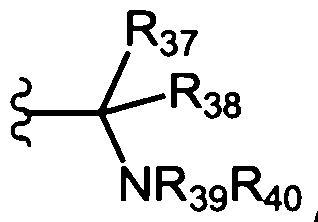 f wherein R37 and R3s are each, independently, H, Ci_5 alkyl, C2_5 alkenyl, C2.5 alkynyl, - (CH2) 1-4-R41, wherein R41 is -CO2H, -CONH2, -NH2, - SH, -SCH3, -OH, aryl, or heteroaryl; and wherein R39 and R40 are each, independently,

wherein each occurrence of alkyl, alkenyl, and alkynyl is substituted or unsubstituted, branched or unbranched;
or a salt thereof.
5. The compound of any one of claims 1-4 wherein X is C=O, or a salt thereof.
6. The compound of claim 1 having the structure

R8 is H, Cl, -OH, or -OCH3;
R3 is -CH=CH-R30 or -OSO2R30 wherein R30 is -CF3 or -CO2R3I , wherein R31 is H or t-butyl ; Ri7 is H or -CH3 ; and
q is an integer from 0 or 1, or a salt thereof.
7. The compound of claim 6 wherein R3 is -CH=CH-CO2R3i, wherein R31 is H or t-butyl, or a salt thereof.
8. The compound of claim 6 wherein R3 is -OSO2CF3, or a salt thereof.
9. The compound of claim 1 having the structure


10. The compound of claim 9 having the structure


11. A process for preparing a compound having the structure

Ri, R2f Ri, Rs, Re, R7, Rs, R9, Rio, Rn, R12, R13, and Ri4 are each, independently, H, halogen, -CN, -NO2, Ci-10 alkyl, C2-
10 alkenyl, C2-io alkynyl, -CO2Ri5, -CONRi5Ri6, -SRi5, -NRi5Ri6,
-SO2Ri5, or -ORi7, wherein Ri5 and Ri6 are each, independently, H, Ci_i0 alkyl, C2-io alkenyl, C2-10 alkynyl;
Ri7 is H, Ci-10 alkyl, C2-io alkenyl, C2-10 alkynyl,

alkynyl, or  , wherein R22 and R23 are each, independently, H, Ci-5 alkyl, C2-5 alkenyl, C2-5 alkynyl, - (CH2) 1-4-R26, wherein R26 is -CO2H, -CONH2, -NH2, - SH, -SCH3, -OH, aryl, or heteroaryl; and wherein R24 and R25 are each, independently,

R31 is H, Ci-I0 alkyl , C2-I0 alkenyl , or C2-I0 alkynyl ;
q is an integer from 0 to 6 ;
X is C=O or CHOR32- wherein R32 is H, Ci-10 alkyl , C2-I0 alkenyl , C2-I0
alkynyl , Si (R33) 3,  , or wherein each occurrence of R33 is, independently, H, C1-4 alkyl, or aryl; and wherein R34 and R35 are each, independently, H, Ci-5 alkyl, C2_5 alkenyl, or C2-5 alkynyl; and wherein R36 is H, Ci_5 alkyl, C2-5 alkenyl, C2-5
alkynyl, or  wherein R37 and R38 are each, independently, H, Ci-5 alkyl, C2-5 alkenyl, C2-5 alkynyl, - (CH2) 1-4-R41, wherein R4i is -CO2H, -CONH2, -NH2, - SH, -SCH3, -OH, aryl, or heteroaryl; and wherein R39 and R40 are each, independently,

wherein each occurrence of alkyl, alkenyl, and alkynyl is substituted or unsubstituted, branched or unbranched;
comprising: contacting a compound having the structure

Ci-10 alkyl, C2-I0 alkenyl, C2-I0 alkynyl;
Ri7 is H, Ci-10 alkyl, C2-10 alkenyl, C2-I0 alkynyl,

alkynyl, or  , wherein R22 and R23 are each, independently, H, C1-S alkyl, C2_5 alkenyl, C2-5 alkynyl, - (CH2) i-4-R26, wherein R26 is -CO2H, -CONH2, -NH2, - SH, -SCH3, -OH, aryl, or heteroaryl; and wherein R24 and R25 are each, independently,

q is an integer from 0 to 6; X i s C=O or CHOR32 wherein R32 i s H , Ci-10 al kyl , C2-10 al kenyl , C2-10
alkynyl, Si (R33) 3,  , or wherein each occurrence of R33 is, independently, H, C1-4 alkyl, or aryl; and wherein R34 and R35 are each, independently,
H, Ci-5 alkyl, C2-5 alkenyl, or C2-5 alkynyl; and wherein R36 is H, C1-5 alkyl, C2-5 alkenyl,
C2-5 alkynyl, or  wherein R37 and R3β are each, independently, H, C1-5 alkyl, C2-5 alkenyl, C2-5 alkynyl, - (CH2) i-4-R4i, wherein R4i is -CO2H, -CONH2, NH2, -SH, -SCH3, -OH, aryl, or heteroaryl; and wherein R39 and R40 are each,
independently, H or  , wherein R42 is Ci-I0 alkyl or C2-I0 alkenyl; and
wherein each occurrence of alkyl, alkenyl, and alkynyl is substituted or unsubstituted, branched or unbranched;
with CH2=CH-CO2R3I, wherein R31 is Ci-10 alkyl, C2-I0 alkenyl, or C2-I0 alkynyl; in the presence of a palladium catalyst so as to form a product having the structure

12. The process of claim 11 wherein the compound prepared has the structure


13. A pharmaceutical composition comprising a compound of any one of claims 1-10, or a pharmaceutically acceptable salt thereof, and a pharmaceutically acceptable carrier.
14. A method of inhibiting tumor proliferation in a mammal comprising administering to the mammal a therapeutically effective amount of a compound of any one of claims 1-10, or a salt thereof, so as to inhibit tumor proliferation .
15. The method of claim 14 wherein the tumor is an estrogen-induced tumor.
16. A method of inducing apoptosis of mammary carcinoma cells in a mammal comprising administering to the mammal a therapeutically effective amount of a compound of any one of claims 1-10, or a salt thereof, so as to induce apoptosis .
17. The compound of any one of claims 1-10 for use in inhibiting tumor proliferation in a mammal.
18. The compound of any one of claims 1-10 for use in inducing apoptosis of mammary carcinoma cells in a mammal .
Applications Claiming Priority (2)
| Application Number | Priority Date | Filing Date | Title |
|---|---|---|---|
| US21032309P | 2009-03-16 | 2009-03-16 | |
| US61/210,323 | 2009-03-16 |
Publications (1)
| Publication Number | Publication Date |
|---|---|
| WO2010107474A1 true WO2010107474A1 (en) | 2010-09-23 |
Family
ID=42739912
Family Applications (1)
| Application Number | Title | Priority Date | Filing Date |
|---|---|---|---|
| PCT/US2010/000752 Ceased WO2010107474A1 (en) | 2009-03-16 | 2010-03-12 | Antiestrogens for breast cancer therapy |
Country Status (1)
| Country | Link |
|---|---|
| WO (1) | WO2010107474A1 (en) |
Cited By (8)
| Publication number | Priority date | Publication date | Assignee | Title |
|---|---|---|---|---|
| US9078871B2 (en) | 2010-06-10 | 2015-07-14 | Seragon Pharmaceuticals, Inc. | Estrogen receptor modulators and uses thereof |
| US9187460B2 (en) | 2011-12-14 | 2015-11-17 | Seragon Pharmaceuticals, Inc. | Estrogen receptor modulators and uses thereof |
| US9399646B2 (en) | 2010-09-16 | 2016-07-26 | Genentech, Inc. | Estrogen receptor modulators and uses thereof |
| US9499538B2 (en) | 2012-03-20 | 2016-11-22 | Seragon Pharmaceuticals, Inc. | Estrogen receptor modulators and uses thereof |
| CN106715446A (en) * | 2014-07-02 | 2017-05-24 | 路易斯安那泽维尔大学 | Boron-based prodrug strategy for increased bioavailability and lower-dosage requirements for drug molecules containing at least one phenol (or aromatic hydroxyl) group |
| WO2017192991A1 (en) | 2016-05-06 | 2017-11-09 | Xavier University Of Louisiana | Selective estrogen receptor down-regulators (serds) |
| CN115300493A (en) * | 2022-07-12 | 2022-11-08 | 厦门大学 | Application of nuclear receptor RXRα ligands and antitumor drugs |
| CN116969983A (en) * | 2018-09-12 | 2023-10-31 | 路易斯安那泽维尔大学 | estrogen receptor targeting antagonist |
Citations (2)
| Publication number | Priority date | Publication date | Assignee | Title |
|---|---|---|---|---|
| WO2003016270A2 (en) * | 2001-08-11 | 2003-02-27 | Bristol-Myers Squibb Pharma Company | Selective estrogen receptor modulators |
| WO2005028472A1 (en) * | 2003-09-15 | 2005-03-31 | Signal Pharmaceuticals, Llc | Benzopyranone compounds, compositions thereof, and methods of treatment therewith |
-
2010
- 2010-03-12 WO PCT/US2010/000752 patent/WO2010107474A1/en not_active Ceased
Patent Citations (2)
| Publication number | Priority date | Publication date | Assignee | Title |
|---|---|---|---|---|
| WO2003016270A2 (en) * | 2001-08-11 | 2003-02-27 | Bristol-Myers Squibb Pharma Company | Selective estrogen receptor modulators |
| WO2005028472A1 (en) * | 2003-09-15 | 2005-03-31 | Signal Pharmaceuticals, Llc | Benzopyranone compounds, compositions thereof, and methods of treatment therewith |
Non-Patent Citations (1)
| Title |
|---|
| RUFF ET AL.: "Estrogen receptor transcription and transactivation: Structure-function relationship in DNA- and ligand-binding domains of estrogen receptors.", BREAST CANCER RES., vol. 2, no. 5, 2000, pages 1 - 7, 353-359, XP055073057, DOI: doi:10.1186/bcr80 * |
Cited By (13)
| Publication number | Priority date | Publication date | Assignee | Title |
|---|---|---|---|---|
| US9078871B2 (en) | 2010-06-10 | 2015-07-14 | Seragon Pharmaceuticals, Inc. | Estrogen receptor modulators and uses thereof |
| US9399646B2 (en) | 2010-09-16 | 2016-07-26 | Genentech, Inc. | Estrogen receptor modulators and uses thereof |
| US9187460B2 (en) | 2011-12-14 | 2015-11-17 | Seragon Pharmaceuticals, Inc. | Estrogen receptor modulators and uses thereof |
| US9193714B2 (en) | 2011-12-14 | 2015-11-24 | Seragon Pharmaceuticals, Inc. | Fluorinated estrogen receptor modulators and uses thereof |
| US9499538B2 (en) | 2012-03-20 | 2016-11-22 | Seragon Pharmaceuticals, Inc. | Estrogen receptor modulators and uses thereof |
| CN106715446A (en) * | 2014-07-02 | 2017-05-24 | 路易斯安那泽维尔大学 | Boron-based prodrug strategy for increased bioavailability and lower-dosage requirements for drug molecules containing at least one phenol (or aromatic hydroxyl) group |
| WO2017192991A1 (en) | 2016-05-06 | 2017-11-09 | Xavier University Of Louisiana | Selective estrogen receptor down-regulators (serds) |
| CN109415388A (en) * | 2016-05-06 | 2019-03-01 | 路易斯安那泽维尔大学 | Selective estrogen receptor downregulators (SERDS) |
| JP2019514955A (en) * | 2016-05-06 | 2019-06-06 | ザビエル・ユニバーシティ・オブ・ルイジアナXavier University Of Louisiana | Selective estrogen receptor downregulator (SERDS) |
| EP3452486A4 (en) * | 2016-05-06 | 2020-03-04 | Xavier University Of Louisiana | Selective estrogen receptor down-regulators (serds) |
| JP7064772B2 (en) | 2016-05-06 | 2022-05-11 | ザビエル・ユニバーシティ・オブ・ルイジアナ | Selective Estrogen Receptor Down Regulator (SERDS) |
| CN116969983A (en) * | 2018-09-12 | 2023-10-31 | 路易斯安那泽维尔大学 | estrogen receptor targeting antagonist |
| CN115300493A (en) * | 2022-07-12 | 2022-11-08 | 厦门大学 | Application of nuclear receptor RXRα ligands and antitumor drugs |
Similar Documents
| Publication | Publication Date | Title |
|---|---|---|
| WO2010107474A1 (en) | Antiestrogens for breast cancer therapy | |
| RU2648959C2 (en) | Method for treatment of androgen receptor (ar)-positive forms of breast cancer using selective androgen receptor modulators (sarm) | |
| Jiang et al. | Potent antiandrogen and androgen receptor activities of an Angelica gigas–containing herbal formulation: Identification of decursin as a novel and active compound with implications for prevention and treatment of prostate cancer | |
| US10005750B2 (en) | Developing potent urate transporter inhibitors: compounds designed for their uricosuric action | |
| US9540361B2 (en) | N-substituted azetidine derivatives | |
| AU2013203600B9 (en) | A method of treating androgen receptor (AR)-positive breast cancers with selective androgen receptor modulator (SARMS) | |
| AU2006318400C1 (en) | Nuclear receptor binding agents | |
| EA029017B1 (en) | Dual selective pi3 delta and gamma kinase inhibitors | |
| EP3830103B1 (en) | Fluorinated bile acid derivatives | |
| JP2018537517A (en) | Compounds effective for the treatment of hepatotoxicity and fatty liver disease and uses thereof | |
| KR20210018460A (en) | Selective estrogen receptor degrading agents | |
| WO2012112670A1 (en) | Novel lipogenic inhibitors and uses thereof | |
| WO2010107475A1 (en) | Pure antiestrogens for breast cancer therapy | |
| Suzuki et al. | Anti‐breast cancer potential of SS5020, a novel benzopyran antiestrogen | |
| CN104592091B (en) | A kind of compound and its application containing heteroauxin core texture | |
| US9890106B2 (en) | Anti-cancer lead molecule | |
| US9669004B2 (en) | Daidzein analogs as treatment for cancer | |
| JPWO2009008461A1 (en) | Pharmaceutical composition for diseases caused by sex hormone-sensitive cell proliferation | |
| Eisenbrand et al. | Synthesis of N-acetyl-S-(3-coumarinyl)-cysteine methyl ester and HPLC analysis of urinary coumarin metabolites | |
| Laxmi et al. | Anti‐breast cancer potential of SS1020, a novel antiestrogen lacking estrogenic and genotoxic actions | |
| EP2909171B1 (en) | N-substituted 3,4-bis(catechol)pyrrole compounds, their preparation and use in the treatment of cancer | |
| Shen et al. | Detection of phenolic metabolites of styrene in mouse liver and lung microsomal incubations | |
| KR102463786B1 (en) | Composition for preventing or treating chronic kidney disease comprising compounds that induces the expression of anti-aging gene klotho | |
| Sato et al. | Symmetric 4, 4′-(piperidin-4-ylidenemethylene) bisphenol derivatives as novel tunable estrogen receptor (ER) modulators | |
| JP2022544943A (en) | Heterocyclic THR-β receptor agonist compounds and methods of preparation and use thereof |
Legal Events
| Date | Code | Title | Description |
|---|---|---|---|
| 121 | Ep: the epo has been informed by wipo that ep was designated in this application |
Ref document number: 10753801 Country of ref document: EP Kind code of ref document: A1 |
|
| NENP | Non-entry into the national phase |
Ref country code: DE |
|
| 122 | Ep: pct application non-entry in european phase |
Ref document number: 10753801 Country of ref document: EP Kind code of ref document: A1 |