MIGRASTATIN ANALOGS CELL MIGRATION INHIBITORS
Government Funding The invention described in this application was made with funds from the National Institute of Health, Grant Number GM056904. The United States government has certain rights in the invention. Field of the Invention The invention relates to novel compositions and methods for inhibiting cell migration. Such compositions and methods can be used for treating and preventing metastasis in vivo. Background of the Invention Malignant cancer tumors shed cells which migrate to new tissues and create secondary tumors; a benign tumor does not generate secondary tumors. The process of generating secondary tumors is called metastasis and is a complex process in which tumor cells colonize sites distant from the primary tumor. Tumor metastasis remains the major cause of morbidity and death for patients with cancer. One of the greatest challenges in cancer research is to understand the basis of metastasis, i.e., what controls the spread of tumor cells through the blood and lymphatic systems and what allows tumor cells to populate and flourish in new locations. While surgery and chemotherapy are routinely used for treating cancer, such treatments typically involve removal or ablation of significant tissue giving rise to undesirable side effects. Moreover, the surgeon is rarely certain that all malignant tissues are removed. Hence, new compositions and methods for halting the spread, or metastasis of cancer cells are needed.
Summary of the Invention The present invention provides compounds that act as potent inhibitors of cell migration and can be used for treating and preventing metastasis in vivo. Accordingly there is provided a compound of the invention, which is a compound of formula I:
CRF D-3406 1
wherein: X is CH, N, NH or O; Ri is OH, CZ3 or R\ and R2 together are -C=O, wherein Z is halo; R2 is OH, CZ3 or R] and R2 together are -C=O, wherein Z is halo; R3 is H or lower alkyl; R-i is H or lower alkyl; Rsis OH; R6is alkoxy; Yi and Y2 are separately -CH2- or Y] and Y2 together form -C=C-; or a pharmaceutically acceptable salt thereof. The invention also provides a pharmaceutical composition comprising a compound of formula I, or a pharmaceutically acceptable salt thereof, in combination with a pharmaceutically acceptable diluent or carrier. The invention also provides a pharmaceutical composition comprising a combination of compounds, each of formula I, or pharmaceutically acceptable salts thereof, in combination with a pharmaceutically acceptable diluent or carrier. The invention further provides a method for inhibiting migration of mammalian cells either in vitro or in vivo, such as a human, comprising contacting the mammalian cells with an effective amount of a compound of formula I, or a pharmaceutically acceptable salt thereof.
CRF D-3406
Additionally, the invention provides a therapeutic method for preventing or treating metastasis in a mammal, such as a human, comprising administering to a mammal in need of such therapy, an effective amount of a compound of formula I, or a pharmaceutically acceptable salt thereof. The invention provides a compound of formula I for use in medical therapy
(e.g. for use in treating or preventing metastatic cancer), as well as the use of a compound of formula I for the manufacture of a medicament useful for the treatment of metastatic cancer in a mammal, such as a human. The invention also provides processes and intermediates disclosed herein that are useful for preparing compounds of formula (I) or salts thereof.
Brief Description of the Figures FIG. 1 illustrates that treatment of mice with compounds of the invention almost completely blocked 4T1 tumor lung metastasis. 4T1 tumor cells (105) were injected subcutaneously into the abdominal mammary gland using 0.1 ml of a single-cell suspension. Macroketone (14) or macrolactam (13) at 10 mg/kg or 20 mg/kg was given i.p. on Day 7 when the tumor size was about 5 mm in diameter, and every day until Day 25. On Day 28, the mice were sacrificed. Each group was comprised of five mice. Lung metastasis was measured by the 6-thioguanine clonogenic assay. The mean and standard deviation are presented in the figure. As shown, the compounds substantially reduced metastasis of tumor cells.
Detailed Description of the Invention The following definitions are used, unless otherwise described: halo is fluoro, chloro, bromo, or iodo. Alkyl, alkoxy, alkenyl, alkynyl, etc. denote both straight and branched groups; but reference to an individual radical such as "propyl" embraces only the straight chain radical, a branched chain isomer such as "isopropyl" being specifically referred to. It will be appreciated by those skilled in the art that compounds of the invention having a chiral center may exist in and be isolated in optically active and racemic forms. Some compounds may exhibit polymorphism. It is to be CRF D-3406 3
understood that the present invention encompasses any racemic, optically-active, polymorphic, or stereoisomeric form, or mixtures thereof, of a compound of the invention, which possess the useful properties described herein, it being well known in the art how to prepare optically active forms (for example, by resolution of the racemic form by recrystallization techniques, by synthesis from optically-active starting materials, by chiral synthesis, or by chromatographic separation using a chiral stationary phase) and how to determine the cell migration inhibitory activity of such forms using the standard tests described herein, or using other similar tests which are well known in the art. Specific and preferred values listed below for radicals, substiruents, and ranges, are for illustration only; they do not exclude other defined values or other values within defined ranges for the radicals and substituents. Specifically, (Ci-Cβjalkyl can be methyl, ethyl, propyl, isopropyl, butyl, iso- butyl, sec-butyl, pentyl, 3-pentyl, or hexyl; (C3-Ce)cycloalkyl can be cyclopropyl, cyclobutyl, cyclopentyl, or cyclohexyl; (C3-C6)cycloalkyl(C1-C6)alkyl can be cyclopropylmethyl, cyclobutylmethyl, cyclopentylmethyl, cyclohexylmethyl, 2- cyclopropylethyl, 2-cyclobutylethyl, 2-cyclopentylethyl, or 2-cyclohexylethyl; (Ci- C6)alkoxy can be methoxy, ethoxy, propoxy, isopropoxy, butoxy, iso-butoxy, sec- butoxy, pentoxy, 3-pentoxy, or hexyloxy. A preferred group of compounds are compounds of formula I having the following structures, or pharmaceutically acceptable salts thereof.
CRF D-3406
Procedures available in the art can be used for synthesizing the compounds of the invention. For example, the compounds of the invention can be made as described inNjardarson et al., J. Am. Chem. Soc. 2004, 126, 1038-1040. Further details on synthesizing organic compounds can be found in the art, for example, in Greene, T.W.; Wutz, P.G.M. "Protecting Groups In Organic Synthesis" second edition, 1991, New York, John Wiley & sons, Inc. The Examples provided herein further illustrate synthetic procedures for the compounds of formula I. In cases where compounds are sufficiently basic or acidic to form stable nontoxic acid or base salts, administration of the compounds as salts may be CRF D-3406 5
appropriate. Examples of pharmaceutically acceptable salts are organic acid addition salts formed with acids which form a physiological acceptable anion, for example, tosylate, methanesulfonate, acetate, citrate, malonate, tartarate, succinate, benzoate, ascorbate, a-ketoglutarate, and a-glycerophosphate. Suitable inorganic 5 salts may also be formed, including hydrochloride, sulfate, nitrate, bicarbonate, and carbonate salts. Pharmaceutically acceptable salts may be obtained using standard procedures well known in the art, for example, by reacting a sufficiently basic compound such as an amine with a suitable acid affording a physiologically0 acceptable anion. Alkali metal (for example, sodium, potassium or lithium) or alkaline earth metal (for example calcium) salts of carboxylic acids can also be made. The compounds of formula I can be formulated as pharmaceutical compositions and administered to a mammalian host, such as a human patient in a5 variety of forms adapted to the chosen route of administration, i.e., orally or parenterally, by intravenous, intramuscular, topical or subcutaneous routes. Thus, the present compounds may be systemically administered, e.g., orally, in combination with a pharmaceutically acceptable vehicle such as an inert diluent or an assimilable edible carrier. They may be enclosed in hard or soft shell gelatin0 capsules, may be compressed into tablets, or may be incorporated directly with the food of the patient's diet. For oral therapeutic administration, the active compound may be combined with one or more excipients and used in the form of ingestible tablets, buccal tablets, troches, capsules, elixirs, suspensions, syrups, wafers, and the like. Such compositions and preparations should contain at least 0.1% of active5 compound. The percentage of the compositions and preparations may, of course, be varied and may conveniently be between about 2 to about 60% of the weight of a given unit dosage form. The amount of active compound in such therapeutically useful compositions is such that an effective dosage level will be obtained. The tablets, troches, pills, capsules, and the like may also contain the following: binders such as gum tragacanth, acacia, corn starch or gelatin; excipients such as dicalcium phosphate; a disintegrating agent such as corn starch, potato starch, alginic acid CRF D-3406 6
and the like; a lubricant such as magnesium stearate; and a sweetening agent such as sucrose, fructose, lactose or aspartame or a flavoring agent such as peppermint, oil of wintergreen, or cherry flavoring may be added. When the unit dosage form is a capsule, it may contain, in addition to materials of the above type, a liquid carrier, such as a 5 vegetable oil or a polyethylene glycol. Various other materials may be present as coatings or to otherwise modify the physical form of the solid unit dosage form. For instance, tablets, pills, or capsules may be coated with gelatin, wax, shellac or sugar and the like. A syrup or elixir may contain the active compound, sucrose or fructose as a sweetening agent, methyl and propylparabens as preservatives, a dye and flavoring such 10 as cherry or orange flavor. Of course, any material used in preparing any unit dosage form should be pharmaceutically acceptable and substantially non-toxic in the amounts employed. In addition, the active compound may be incorporated into sustained-release preparations and devices. The active compound may also be administered intravenously or intraperitoneally 15 by infusion or injection. Solutions of the active compound or its salts can be prepared in water, optionally mixed with a nontoxic surfactant. Dispersions can also be prepared in glycerol, liquid polyethylene glycols, triacetin, and mixtures thereof and in oils. Under ordinary conditions of storage and use, these preparations contain a preservative to prevent the growth of microorganisms. 20 The pharmaceutical dosage forms suitable for injection or infusion can include sterile aqueous solutions or dispersions or sterile powders comprising the active ingredient which are adapted for the extemporaneous preparation of sterile injectable or infusible solutions or dispersions, optionally encapsulated in liposomes. In all cases, the ultimate dosage form should be sterile, fluid and stable under the conditions of 25 manufacture and storage. The liquid carrier or vehicle can be a solvent or liquid dispersion medium comprising, for example, water, ethanol, a polyol (for example, glycerol, propylene glycol, liquid polyethylene glycols, and the like), vegetable oils, nontoxic glyceryl esters, and suitable mixtures thereof. The proper fluidity can be maintained, for example, by the formation of liposomes, by the maintenance of the 30 required particle size in the case of dispersions or by the use of surfactants. The prevention of the action of microorganisms can be brought about by various antibacterial
CRF D-3406 7
and antifungal agents, for example, parabens, chlorobutanol, phenol, sorbic acid, thimerosal, and the like. In many cases, it will be preferable to include isotonic agents, for example, sugars, buffers or sodium chloride. Prolonged absorption of the injectable compositions can be brought about by the use in the compositions of agents delaying 5 absorption, for example, aluminum monostearate and gelatin. Sterile injectable solutions are prepared by incorporating the active compound in the required amount in the appropriate solvent with several of the other ingredients enumerated above, as required, followed by filter sterilization. In the case of sterile powders for the preparation of sterile injectable solutions, the preferred methods of 10 preparation are vacuum drying and the freeze drying techniques, which yield a powder of the active ingredient plus any additional desired ingredient present in the previously sterile-filtered solutions. For topical administration, the present compounds may be applied in pure form, i.e., when they are liquids. However, it will generally be desirable to administer them to 15 the skin as compositions or formulations, in combination with a dermatologically acceptable carrier, which may be a solid or a liquid. Useful solid carriers include finely divided solids such as talc, clay, microcrystalline cellulose, silica, alumina and the like. Useful liquid carriers include water, alcohols or glycols or water-alcohol/glycol blends, in which the present 20 compounds can be dissolved or dispersed at effective levels, optionally with the aid of non-toxic surfactants. Adjuvants such as fragrances and additional antimicrobial agents can be added to optimize the properties for a given use. The resultant liquid compositions can be applied from absorbent pads, used to impregnate bandages and other dressings, or sprayed onto the affected area using pump-type or aerosol sprayers. 25 Thickeners such as synthetic polymers, fatty acids, fatty acid salts and esters, fatty alcohols, modified celluloses or modified mineral materials can also be employed with liquid carriers to form spreadable pastes, gels, ointments, soaps, and the like, for application directly to the skin of the user. Examples of useful dermatological compositions which can be used to deliver the 30 compounds of formula I to the skin are known to the art; for example, see Jacquet et al.
CRF D-3406
(U.S. Pat. No. 4,608,392), Geria (U.S. Pat. No. 4,992,478), Smith et al. (U.S. Pat. No. 4,559,157) and Wortzman (U.S. Pat. No. 4,820,508). Useful dosages of the compounds of formula I can be determined by comparing their in vitro activity, and in vivo activity in animal models. Methods for the 5 extrapolation of effective dosages in mice, and other animals, to humans are known to the art; for example, see U.S. Pat. No. 4,938,949. Generally, the concentration of the compound(s) of formula I in a liquid composition, such as a lotion, will be from about 0.01-25 wt-%, preferably from about 0.1-10 wt-%. The concentration in a semi-solid or solid composition such as a gel or a 10 powder will be about 0.01-10 wt-%, preferably about 0.1 -5 wt-%. The amount of the compound, or an active salt or derivative thereof, required for use in treatment will vary not only with the particular salt selected but also with the route of administration, the nature of the condition being treated and the age and condition of the patient and will be ultimately at the discretion of the attendant physician or clinician. 15 In general, however, a suitable dose will be in the range of from about 1.0 to about 200 mg/kg, e.g., from about 2.0 to about 100 mg/kg of body weight per day, such as about 3.0 to about 50 mg per kilogram body weight of the recipient per day, preferably in the range of about 5 to 20 mg/kg/day. Alternatively, the compositions can be administered five times a week on five consecutive days with a two day rest, or four 20 times a week on four consecutive days with a three day rest, or every other day. The compound is conveniently administered in unit dosage form; for example, containing 45 to 3000 mg, conveniently 90 to 2250 mg, most conveniently, 450 to 1500 mg of active ingredient per unit dosage form. Ideally, the active ingredient should be administered to achieve peak plasma 25 concentrations of the active compound of from about 0.5 nM to about 10 μM, preferably, about 1 nM to 1 μM, most preferably, about 10 nM to about 0.5 μM. This may be achieved, for example, by the intravenous injection of a 0.05 to 5% solution of the active ingredient, optionally in saline, or orally administered as a bolus containing about 20- 2000 mg of the active ingredient. Desirable blood levels may be maintained by 30 continuous infusion to provide about 0.2 to 1.0 mg/kg/hr or by intermittent infusions containing about 0.4 to 20 mg/kg of the active ingredient(s).
CRF D-3406 9
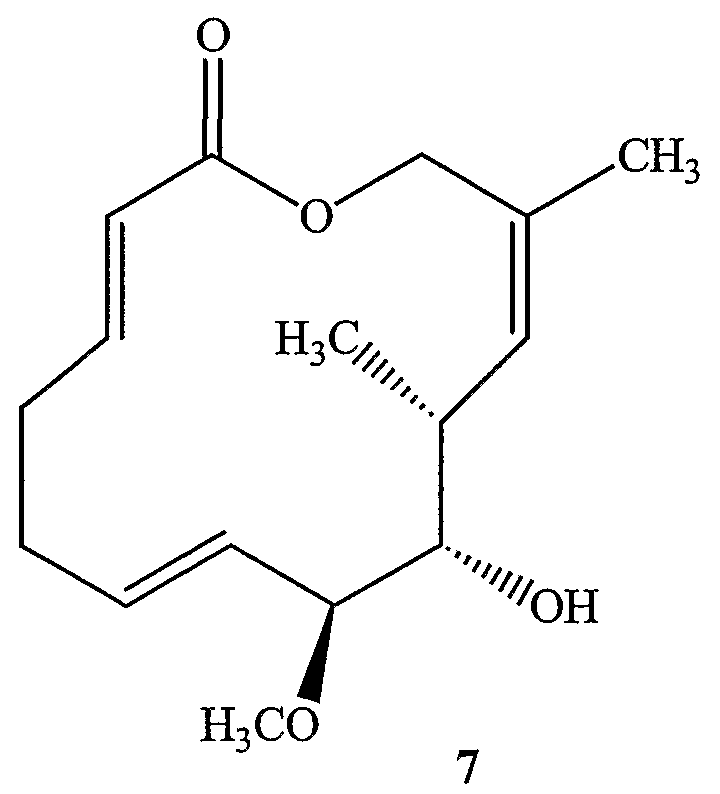
The desired dose may conveniently be presented in a single dose or as divided doses administered at appropriate intervals, for example, as two, three, four or more sub- doses per day. The sub-dose itself may be further divided, e.g., into a number of discrete loosely spaced administrations; such as multiple inhalations from an insufflator or by 5 application of a plurality of drops into the eye. The ability of a compound of the invention to act as an inhibitor of cell migration or metastasis may be determined using pharmacological models that are well known to the art, or using the wound healing, chamber cell migration assay or tumor metastasis assays described below. 10 The Wound-Healing Assay involves observing whether confluent cells can migrate across a scrape or wound in the cell layer. For example, tumor cells can be plated in standard media containing 10% fetal bovine serum (FBS). After the cells grow to confluence, wounds are made in the confluent layer of cell using a sterile instrument such as a sterile pipette tip. The cells can be washed with Phosphate Buffered Saline 15 (PBS) or other sterile solutions and then growth medium can be added that contains different concentrations of the compounds to be tested. After overnight incubation at 37°C, cells can be fixed and the plates can be photographed. Compounds that inhibit the migration of cells into the wound area at low concentrations are useful for inhibiting cell migration and treating metastatic cancer. 20 The Chamber Cell Migration Assay assesses whether cell can migrate through a filter having pores of known sizes. For example, cell migrations can be assayed with Boyden chambers having filters with about 8.0 μm pore size. Briefly, cells in serum-free medium are added to the first chamber and 500 μl of medium with 10% fetal bovine serum (FBS) is added to the second chamber. The chamber is incubated for about 6-8 25 hours at 37°C with different concentrations of chemical compounds in both of the two chambers. Cells in the first chamber are removed with a cotton swab, and cells in the other chamber or on the other side of the filter are fixed and stained. Photographs several random regions of the filter facing the second chamber are taken and the number of cells counted to calculate the average number of cells that had transmigrated. 30 Experimental results from these types of tests for representative compounds of the invention are shown in Tables 1 and 2. These results demonstrate that compounds of the
CRF D-3406 10
invention can inhibit cell migration at lower concentrations than currently available compounds, including migrastatin. Moreover, the compounds of the invention can be tested in appropriate animal models. For example, the compounds of the invention can be tested in animals with 5 known tumors, or animals that have been injected with tumor cells into a localized area. The degree or number of secondary tumors that form over time is a measure of metastasis and the ability of the compounds to inhibit such metastasis can be evaluated relative to control animals that have the primary tumor but receive no test compounds. Experimental results from this type of in vivo testing are shown in FIG. 1 and further 10 described in the Examples. These results demonstrate that the compounds of the invention substantially reduce or eliminate tumor metastasis. Accordingly compounds of the invention are useful as therapeutic agents for inhibition of cell migration and treatment of metastatic cancer. Such cancers include but are not limited to, cancers involving the animal's head, neck, lung, mesothelioma, 15 mediastinum, esophagus, stomach, pancreas, hepatobihary system, small intestine, colon, colorectal, rectum, anus, kidney, ureter, bladder, prostate, urethra, penis, testis, gynecological organs, ovaries, breast, endocrine system, skin, or central nervous system. Thus, for example, the cancer can be a breast cancer, a leukemia, a lung cancer, a colon cancer, a central nervous system cancer, a melanoma, an ovarian cancer, a renal cancer, 20 or a prostate cancer. Additionally, compounds of the invention may be useful as pharmacological tools for the further investigation of the inhibition of cell migration. The compounds of the invention can also be administered in combination with other therapeutic agents that are effective for treating or controlling the spread cancerous 25 cells or rumor cells. The invention will now be illustrated by the following non-limiting Examples.
CRF D-3406 11
Example 1: Chemical Synthesis and Characterization This Example describes the synthesis as well as the chemical and physical characterization of compounds.
Synthesis: Compounds of the invention can be synthesized as shown below.
CRF D-3406 12
compound 4
CRF D-3406 13
The reagents and conditions employed were as follows: (a) Yamaguchi acylation (48%); (b) Et3N, DMAP, 6-heptenoyl chloride (89%); (c) Grubbs catalyst, toluene and reflux (47 and 73%); (d) HF-pyridine, THF (78 and 90%); (e) diphenylphosphoryl azide (87%); (f) PPh3, H2O (90%); (g) CBr4, PPh3 (95%); (h) EDCI, 6-heptenioc acid (70%); (i) 1- 5 benzenesulfonyl-oct-7-en-one, DBU (75%); (j) Na/Hg (79%); (k) Grubbs catalyst, toluene, reflux (70 and 75%); (1) HF-pyridine, THF (90 and 95%).
Analytical Equipment: Optical rotations were measured on a JASCO DIP-370 digital polarimeter at rt. Concentration (c) in g/100 ml and solvent are given in parentheses. 10 Infrared spectra were obtained on a Perkin-Elmer 1600 FT-IR spectrophotometer neat or as a film in CHC13 (NaCl plates). Absorption bands are noted in cm-i. 1H- and 13C-NMR spectra were recorded on a Bruker AMX-400 MHz or a Bruker Advance DRX-500 MHz spectrometer in CDC13 (referenced to 7.26 ppm (d) for Η-NMR and 77.0 ppm for 13C- NMR). Coupling constants (J) (H,H) are given in Hz, spectral splitting patterns were 15 designated as singlet (s), doublet (d), triplet (t), quadruplet (q), multiplet or more overlapping signals (m), apparent (app), broad signal (br). Low resolution mass spectra (ionspray, a variation of electrospray) were acquired on a Perkin-Elmer Sciex API 100 spectrometer. Samples were introduced by direct infusion. High resolution mass spectra (fast atom bombardment, FAB) were acquired on a Micromass 70-SE-4F spectrometer. 20 Migrastatin core 7: [a]D +106.0° (c 0.50, CHC13); IR (CHC13) 3567, 2933, 2881, 1716, 1602, 1448, 1393, 1255, 1107, 1052; 1H-NMR (500 MHz, CDC13) d 6.81-6.75 (m, IH), 5.73 (d, J= 15.9, IH), 5.62-5.55 (m, 2H), 5.14 (dd, J- 15.2, 6.8, IH), 4.72 (d, J= 15.6, IH), 4.63 (d, J= 15.6, IH), 3.42-3.38 (m, 2H), 3.28 (s, 3H), 3.03-2.97 (m, IH), 2.69 (br 25 s, IH), 2.47-2.38 (m, 2H), 2.32-2.18 (m, 2H), 1.68 (s, 3H), 0.88 (d, J= 6.9, 3H); I3C- NMR (125 MHz, CDC13) d 165.36, 149.52, 133.85, 129.79, 129.51, 127.50, 122.15, 84.62, 76.09, 65.40, 56.25, 32.20, 31.34, 29.99, 22.27, 12.66; MS (ESI) 303 [M+Na+]; HRMS (FAB) calcd. for C16H24O4 [M+Na+] 303.1571, found 303.1572. 2,3-Dihydro-migrastatin core 8: [a]D +115.3° (c 1.00, CHC13); LR (CHC13) 3567, 3016, 30 2933, 2858, 1724, 1450, 1387, 1317, 1258, 1145, 1115, 979; Η-NMR (500 MHz, CDC13) d 5.74-5.67 (m, 2H), 5.23 (dd, J= 15.7, 7.7, IH), 4.54 (d, J= 13.1, IH), 4.29 (d,
CRF D-3406 14
J= 13.1, IH), 3.46-3.39 (m, 2H), 3.30 (s, 3H), 2.82-2.77 (m, IH), 2.44-2.39 (m, IH), 2.26-2.15 (m, 2H), 2.03-1.97 (m, IH), 1.74 (d, J= 0.9, 3H), 1.74-1.70 (m, IH), 1.60-1.52 (m, 2H), 1.36-1.32 (m, IH), 0.93 (d, J= 6.9, 3H); 13C-NMR (125 MHz, CDC13) d 173.69, 135.19, 134.39, 129.02, 127.14, 83.82, 75.91, 64.76, 56.34, 34.23, 32.06, 29.88, 27.20, 5 23.40, 23.27, 12.81; MS (ESI) 305 [M+Na+]; HRMS (FAB) calcd. for C16H26O4 [M+Na+] 305.1719, found 305.1729.
Migrastatin lactam 13: [a]D +101.3° (c 1.00, CHC13); IR (CHC13) 3566, 3444, 3021, 2936, 2828, 1658, 1504, 1478, 1398, 1229, 1088, 979; 1H-NMR (500 MHz, CDC13) a 10 5.79-5.73 (m, IH), 5.66 (d, J= 10.2, IH), 5.24 (dd, J= 15.8, 7.5, IH), 5.12 (br s, IH), 3.91 (dd, J= 13.7, 4.1, IH), 3.50-3.46 (m, 2H), 3.34-3.30 (m, IH), 3.31 (s, 3H), 2.89 (br s, IH), 2.56-2.52 (m, IH), 2.32-2.25 (m, 2H), 2.16-2.11 (m, IH), 1.96-1.89 (m, IH), 1.77 (d, J= 1.1, 3H), 1.73-1.51 (m, 3H), 1.37-1.32 (m, IH), 0.94 (d, J= 6.9, 3H); 13C-NMR (125 MHz, CDC13) d 173.36, 135.52, 133.77, 129.89, 128.73, 83.21, 76.38, 56.45, 41.40, 15 35.95, 32.27, 29.86, 27.00, 24.82, 24.42, 13.03; MS (ESI) 304 [M+Na+]; HRMS (FAB) calcd. for C16H27N03 [M+Na+] 304.1888, found 304.1889.
Migrastatin ketone (14): [a]D +77.0° (c 0.5, CHC13); IR (neat) 3566, 3022, 3015, 2975, 2937, 2879, 1700, 1448, 1384, 1237, 1109, 1085, 979 cm-1; 1H-NMR (500 MHz, CDC13) 20 a 5.72 (ddd, J= 15.0, 8.5, 6.0, IH), 5.37 (dd, J= 10.0, 0.9 IH), 5.31 (dd, J= 15.6, 7.8, IH), 3.47 (t, J= 8.5, IH), 3.36 (dd, J= 9.2, 1.2, IH), 3.31 (s, 3H), 2.78 (br s, IH), 2,51- 2,45 (m, 2H), 2,37-2.32 (m, 2H), 2,26-2,16 (m, 5H), 1.69 (d, J= 1.3, 3H), 1.69-1.59 (m, 2H), 1.53-1.50 (m, 2H), 0.95 (d, J= 6.8, 3H); 13C-NMR (125 MHz, CDC13) d 212.10, 135.23, 132.91, 130.26, 129.22, 83.69, 77.62, 56.45, 42.08, 40.67, 32.57, 30.33, 28.57, 25 27.01, 23.22, 23.14, 12.61; MS (ESI) 303 [M+Na+]; HRMS (FAB) calcd. for C17H28O3Na [M+Na+] 303.1936, found 303.1938.
(R)-Isopropyl migrastatin (17): [a]D +21.3° (c 0.09, CHC13); IR (neat) 3499, 2967, 2926, 2866, 1729, 1453, 1383, 1257, 1111, 981 cm-1; Η-NMR (500 MHz, CDC13) a 30 5.65 (dt, J= 15.5, 7.5, IH), 5.58 (dd, J= 10.7, 1.3, IH), 5.35 (dd, J- 15.5, 6.0, IH), 4.87 (d, J= 7.6, IH), 3.49 (dd, J= 9.1, 6.0, IH), 3.34 (s, 3H), 3.27 (br d, J= 8.8, IH), 3.13-
CRF D-3406 15
3.07 (m, IH), 2.86, (br s, IH), 2.34-2.15 (m, 4H), 2.06-1.99 (m, IH), 1.76 (d, J= 1.6, 3H), 1.75-1.58 (m, 3H), 1.47-1.41 (m, IH), 0.98 (d, J= 7.0, 3H), 0.93 (d, J= 6.7, 3H), 0.92 (d, J= 6.7, 3H); 13C-NMR (125 MHz, CDC13) d 172.50, 132.45, 132.08, 131.58, 128.26, 82.45, 80.74, 77.44, 33.00, 32.66, 31.76, 30.56, 25.57, 24.91, 22.44, 19.02, 18.96, 5 13.20; MS (ESI) 324 [M+Na+]; HRMS (FAB) calcd. for C19H32O4Na [M+Na+] 347.2198, found 347.2196. (S)-Isopropyl migrastatin (18): [a]D +25.1° (c 0.32, CHC13); IR (neat) 3479, 2967, 2926, 2876, 1724, 1448, 1373, 1257, 1237, 1091, 976 cm-1; 1H-NMR (500 MHz, CDC13) a 5.70 (ddd, J= 15.4, 8.5, 5.3, IH), 5.33 (dd, J= 10.0, 0.9, IH), 5.30 (d, J= 7.0, IH) 10 5.19-5.13 (m, IH), 3.40-3.30 (m, 2H), 3.28 (s, 3H), 2.99-2.96 (m, IH), 2.76 (s, IH), 2.36- 2.24 (m, 2H), 2.20-2.08 (m, 2H), 1.99 (dt, J= 7.0, 6.9, IH) 1.69 (d, J= 1.3, 3H), 1.62- 1.52 (m, 4H), 0.94 (d, J= 7.0, 3H), 0.91 (d, J= 6.6, 3H), 0.86 (d, J= 6.9, 3H); 13C-NMR (125 MHz, CDC13) d 172.97, 135.94, 133.83, 130.09, 127.75, 86.47, 78.70, 55.98, 33.99, 32.80, 30.38, 29.82, 27.34, 22.57, 21.38, 19.09, 18.05, 15.20; MS (ESI) 324 [M+Na+]; 15 HRMS (FAB) calcd. for C 19H32O4Na [M+Na+] 347.2198, found 347.2187.
Example 2: In Vitro Assay Procedures 20 The efficacy of the compounds of the invention for inhibiting cell migration was initially assessed using two procedures, a wound healing assay and a chamber cell migration assay.
Wound-Healing Assay. 4T1 mouse breast tumor cells in RPMI-1640 medium containing 25 10% fetal bovine serum (FBS) were seeded into wells of 24-multiwell plates (Becton- Dickinson). After cells grew to confluence, wounds were made with sterile pipette tips. Cells were washed with Phosphate Buffered Saline (PBS) and refreshed with growth medium containing different concentrations of chemical compounds. After overnight incubation at 37°C, cells were fixed and photographed. 30
CRF D-3406 16
Chamber Cell Migration Assay. Cell migrations were assayed with Boyden chambers [8.0 μm pore size, polyethylene terephthalate membrane, FALCON cell culture insert (Becton-Dickinson)]. Cells were trypisinized and counted. 300 μl of 5-10 x 104 cells in serum-free medium was added to the upper chamber and 500 μl of medium with 10% 5 fetal bovine serum (FBS) was added to the lower chamber. Transwells were incubated for 6-8 hours at 37°C with different concentrations of chemical compounds in both upper and lower chambers. Cells on the inside of the transwell inserts were removed with a cotton swab, and cells on the underside of the insert were fixed and stained. Photographs of three random regions were taken and the number of cells was counted to calculate the 10 average number of cells that had transmigrated.
Cell Proliferation Assay. 4 x 1044T1 mouse breast tumor cells in RPMI-1640 medium containing 10% FBS were seeded into wells of 96-multiwell plates (Becton-Dickinson) in the presence or absence of chemical compounds and then incubated at 37°C for 48 hours. 15 MTT kit (Cell Proliferation Kit I, Roche) (a colorimetric assay) was used to quantify cell proliferation and viability. The number of living cells, thus the total metabolic activity, directly correlated to the amount of purple formazan crystals formed (monitored by absorbance).
20 Example 3: Compounds of the Invention are Potent Cell Migration Inhibitors This Example provides the results of cell migration assays performed as described above, illustrating that several of the compounds of the invention are more potent cell migration inhibitors than previously available compounds like migrastatin. 25 The results of a Chamber Cell Migration Assay for several compounds are provided in Table 1. Table 1
RF D-3406 17
Average of three experiments. Each experiment consists of nine data points (nine different concentrations).
As shown in Table 1, some of the compounds of the invention are better cell migration inhibitors than several currently available tumor cell migration inhibitors, including migrastatin and evodiamine. Migrastatin (1) is a known inhibitor of cell migration. Nakae et al., J. Antibiot. 2000, 53, 1130; Nakae et al., J. Antibiot. 2000, 53, 1228; Takemoto et al., J Antibiot. 2001, 54, 1104; Nakamura et al., J. Antibiot. 2002, 55, 442; Woo et al. J. Antibiot. 2002, 10 55, 141. The structure of migrastatin is provided below.
CRF D-3406 18
The effects on cell migration exhibited by the compounds of the invention were compared with those of two recently discovered natural products with potent anti- angiogenic properties, epoxyquinol A and evodiamine. Epoxyquinols A and B can be isolated as described in Kakeya et al., J. Am. Chem. Soc. 2002, 124, 3496; Kakeya et al., J. Antibiot. 2002, 55, 829. Epoxyquinols A and B can be synthesized as described in Shoji et al., Angew. Chem., Int. Ed. 2002, 41, 3192; Chaomin et al. Org. Lett. 2002, 4, 3267; Mehta, G.; Islam, K. Tetrahedron Lett. 2003, 44, 3569. Evodiamine is a potent anti-invasive and anti-metastatic agent: Ogasawara et al., Biol. Pharm. Bull. 2001, 24, 720; Ogasawara et al., Biol. Pharm. Bull. 2001, 24, 917; 10 Ogasawara et al, Biol. Pharm. Bull.20 2, 25, 1491. Evodiamine is commercially available from Wako Pharmaceuticals. The structures of epoxyquinol A and evodiamine are provided below.
epoxyquinol A evodiamine 15 The chamber cell migration assay described above was also conducted with HUVECs (human umbilical vein endothelial cells) and used for the evaluation of several of the most potent compounds, together with migrastatin as a reference. The IC
50 values obtained from this study are listed in Table 2. Table 2. Chamber Cell Migration Assay with Human Endothelial Cells (HUVECs) compound ICso (HUVEC)
1 migrastatin (1) 65 μM migrastatin core (7) 150 nM 2,3-dihydro-migrastatin core (8) 125 nM macrolactam (13) 18 μM
CRF D-3406 19
macroketone (14) 12 μM Average of three experiments. Each experiment consists of nine data points (nine different concentrations).
These results indicate that the compounds of the invention can inhibit cell 5 migration in vitro at very low concentrations.
Example 4: Compounds of the Invention Inhibit Tumor Metastasis In Vivo This Example illustrates that the compounds of the invention inhibit metastasis of 10 breast tumors in mice.
Materials and Methods: 4T1 mouse breast tumor cells were employed for in vivo testing of the compounds of the invention. The 4T1 mouse breast tumor cell line was isolated from a single 15 spontaneously arising mammary tumor from a BALB/BfC3H mouse (MMTV+). See, Miller, F.R., Miller, B.E., and Heppner, G.H. 1983. Characterization of metastatic heterogeneity among subpopulations of a single mouse mammary tumor: heterogeneity in phenotypic stability. Invasion Metastasis 33: 22-31. The 4T1 tumor closely mimics human breast cancer in its anatomical site, immunogenecity, growth characteristics, and 20 metastatic properties. Pulaski, B.A., and Ostrand-Rosenberg, S. 1998. Reduction of established spontaneous mammary carcinoma metastases following immunotherapy with major histocompatibility complex class II and B7.1 cell-based tumor vaccines. Cancer res 58: 1486-1493. From the mammary gland, 4T1 tumor spontaneously metastasizes to a variety of target organs including the lung, bone, brain, and liver through primarily a 25 hematogenous rout. Aslakson, C.J., and Miller, F.R. 1992. Selective events in the metastatic process defined by analysis of the sequential dissemination of subpopulations of a mouse mammary tumor. Cancer Research 52; 1399-1405. To assess the efficacy of therapeutic application of the compounds of the invention in the 4T1 murine mammary carcinoma models, macroketone (14) and 30 macrolactam (13) were administered to BALB/c mice carrying the 4T1 tumors.
CRF D-3406 20
Female BALB/c mice (6-8 week old) were purchased from the Jackson Laboratory (Bar Harbor, Maine). All mice were housed at the Weill Medical College of Cornell University Animal Facilities in accordance with the Principles of Animal Care. 4T1 tumor cells (1 x 10s) were injected subcutaneously into the abdominal mammary 5 gland area of mice using 0.1 ml of a single-cell suspension in phosphate buffered saline (PBS) on Day 0. The dosage of rumor implantation was empirically determined to give rise to tumor of about 10 mm in diameter in untreated wild type mice within 21-23 days. On Day 7, when the tumors averaged about 4-5 mm in diameter, test compounds or control PBS saline were given every day by intraperitoneal injection at 10 mg/kg or 20 10 mg/kg per mouse until Day 25. On Day 28, the mice were sacrificed. This dosage regiment employed of the compounds was well tolerated with no signs of overt toxicity. Every group included five mice. Primary tumors were measured using electronic calipers on the day when the mice were sacrificed. Tumor size was the square root of the product of two perpendicular 15 diameters. Numbers of metastatic 4T 1 cells in lung were determined by the clonogenic assay as described in Pulaski, B.A., and Ostrand-Rosenberg, S. 1998. Reduction of established spontaneous mammary carcinoma metastases following immunotherapy with major histocompatibility complex class II and B7.1 cell-based tumor vaccines. Cancer res 58: 1486-1493. In brief, lungs were removed from each mouse on Day 28, finely 20 minced and digested in 5 ml of enzyme cocktail containing lxPBS and 1 mg/ml collagenase type IV for 2 hours at 37°C on a platform rocker. After incubation, samples were filtered through 70 uM nylon cell strainers and washed twice with PBS. Resulting cells were suspended and plated serially diluted in 10 cm tissue culture dishes in medium RPMI1640 containing 60 μM thioguanine for clonogenic growth. 6-Thioguanine- 25 resistant tumor cells formed foci after 14 days, at which time they were fixed with methanol and stained with 0.03% methylene blue for counting. The results are provided in FIG. 1. The compounds had only a small, rather insignificant effect on tumor size. However, as illustrated in FIG. 1, both the macroketone (14) and the macrolactam (13) substantially reduced the number of 30 metastatic tumors. In particular, in the control group (daily PBS injection), there were 61300 ± 18900 colonies. In the group treated with 10 mg/kg of macroketone, there were
CRF D-3406 21
3875 ± 2525 colonies (-94% inhibition of lung metastasis). In the group treated with 20 mg/kg of macroketone, there were 650 ± 575 colonies (~99% inhibition of lung metastasis). In the group treated with 10 mg/kg of macrolactam, there were 5333 ± 1778 colonies (~91% inhibition of lung metastasis). In the group treated with 20 mg/kg of 5 macrolactam, there were 5675 ± 6263 colonies (~91% inhibition of lung metastasis). These results demonstrate that the compounds of the invention are highly effective inhibitors of metastasis. References Fenteany, G.; Zhu, S. Curr. Top. Med. Chem. 2003, 3, 593. 10 Lauffenburger, D. A.; Horwitz, A. F. Cell 1996, 84, 359. Carmeliet, P. Nat. Med. 2003, P, 653. Brower, V. Nat. Biotechnol. 1999, 17, 963. Klohs, W. D.; Hamby, J. M. Curr. Opin. Biotechnol. 1999, 10, 544. Deplanque, G; Harris, A. L. Eur. J. Cancer 2000, 36, 1713. 15 Scappaticci, F. A. J. Clin. Oncol. 2002, 20, 3906. CristofaniUi, M.; Chamsangavej, C; Hortobagyi, G. N. Nat. Rev. Drug Discovery 2002, 7, 415. Kerbel, R.; Folkman, J. Nat. Rev. Cancer 2003, 2, 727. Woodhouse, E. C; Chuaqui, R. F.; Liotta, L. A. Cancer 1997, 80 (S8), 1529. 20 Harris, C. R.; Danishefsky, S. J. J. Org. Chem. 1999, 64, 8434. Stachel, S. J.; Biswas, K.; Danishefsky, S. J. Curr. Pharm. Des. 2001, 7, 1277. Danishefsky, S. J.; Masters, J. J.; Young, W. B.; Link, J. T.; Snyder, L. B.; Magee, T. V.; Jung, D. K.; Isaacs, R. C. A.; Bornmann, W. G.; Alaimo, C. A.; Coburn, C. A.; DiGrandi, M. J. J. Am. Chem. Soc. 1996, 118, 2843. 25 Garbaccio, R. M.; Stachel, S. J.; Baeschlin, D. K.; Danishefsky, S. J. J. Am. Chem. Soc. 2001, 123, 10903. Yamamoto, K.; Garbaccio, R. M.; Stachel, S. J.; Solit, D. B.; Chiosis, G.; Rosen, N.; Danishefsky, S. J. Angew. Chem. Int. Ed. 2003, 42, 1280.
CRF D-3406 22
Yang, Z. Q.; Danishefsky, S. J. J. Am. Chem. Soc. 2003, 125, 9602. Lin, S.; Danishefsky, S. 1. Angew. Chem. Int. Ed. 2001, 40, 512; Yang, Z. Q.; Kwok, B. H.; Lin, S.; Koldobskiy, M. A.; Crews, C. M.; Danishefsky, S. J. Chembiochem 2003, 6, 508. 5 Rivkin, A.; Yoshimura, F.; Gabarda, A. E.; Chou, T. C; Dong, H.; Tong, W. P.; Danishefsky, S. J. J. Am. Chem. Soc. 2003, 125, 2899. Yoshimura, F.; Rivkin, A.; Gabarda, A. E.; Chou, T. C; Dong, H.;Sukenick, G.; Morel, F. F.; Taylor, R. E.; Danishefsky, S. J. Angew. Chem. Int. Ed. 2003, 42, 2518. Kakeya, H.; Onose, R.; Koshino, H.; Yoshida, A.; Kobayashi, K.; Kageyama, S. I.; 10 Osada, H. J. Am. Chem. Soc. 2002, 124, 3496. Kakeya, H.; Onose, R.; Yoshida, A.; Koshino, H.; Osada, H. J. Antibiot. 2002, 55, 829. Shoji, M.; Yamaguchi, J.; Kakeya, H.; Osada, H.; Hayashi, Y. Angew. Chem. Int. Ed. 2002, 47, 3192. Chaomin, L.; Bardhan, S.; Pace, E. A.; Liang, M. C; Gilmore, T. D.; Porco Jr., J. A. Org. 15 Lett. 2002, 4, 3267. Mehta, G.; Islam, K. Tetrahedron Lett. 2003, 44, 3569. Shiozawa, H.; Takahashi, M.; Takatsu, T.; Kinoshita, T.; Tanzawa, K.; Hosoya, T.; Furuya, K.; Furihata, K.; Seto, H. J. Antibiot. 1995, 48, 357. Hirai, K.; Ooi, H.; Esumi, T.; Iwabuchi, Y.; Hatakeyama, S. Org. Lett. 2003, 5, 857. 20 Asami, Y.; Kakeya, H.; Onose, R.; Yoshida, A.; Matsuzaki, H.; Osada, H. Org. Lett. 2002, 4, 2845. Hayashi, Y.; Shoji, M.; Yamaguchi, J.; Sato, K.; Yamaguchi, S.; Mukaiyama, T.; Sakai, K.; Asami, Y.; Kakeya, H.; Osada, H. J. Am. Chem. Soc. 2002, 124, 12078. Ogasawara, M.; Matsubara, T.; Suzuki, H. Biol. Pharm. Bull. 2001, 24, 720. 25 Ogasawara, M.; Matsubara, T.; Suzuki, H. Biol. Pharm. Bull. 2001, 24, 917. Ogasawara, M.; Matsunaga, T.; Takahashi, S.; Saiki, I.; Suzuki, H. Biol. Pharm. Bull. 2002, 25, 1491.
CRF D-3406 23
Williams, D. E.; Lassota, P.; Andersen, R. J. J. Org. Chem. 1998, 63, 4838. Roskelley, C. D.; Williams, D. E.; McHardy, L. M.; Leong, K. G.; Troussard, A.; Karsan, A.; Andersen, R. J.; Dedhar, S.; Roberge, M. Cancer Res. 2001, 61, 6788. Williams, D. E.; Craig, K. S.; Patrick, B.; McHardy, L. M.; van Soest, R.; Roberge, M.; 5 Andersen, R. J. J. Org. Chem. 2002, 67, 245. Wakabayashi, T.; Kageyama, R.; Naruse, N.; Tsukahara, N.; Funahashi, Y.; Kitoh, K.; Watanabe, Y. J. Antibiot. 1997, 50, 671. Duffey, M. O.; LeTiran, A.; Morken, J. P. J. Am. Chem. Soc. 2003, 125, 1458. Jung, H. J.; Lee, H. B.; Kim, C. J.; Rho, J. R.; Shin, J.; Kwon, H. J. J. Antibiot. 2003, 56, 10 492. Tatsuta, K.; Masuda, N. J. Antibiot. 1998, 51, 602. Myers, A. G.; Siu, M.; Ren, F. J. Am. Chem. Soc. 2002, 124, 4230. Chan, J.; Jamison, T. F. J. Am. Chem. Soc. 2003, 125, 11514. Nakae, K.; Yoshimoto, Y.; Sawa, T.; Homma, Y.; Hamada, M.; Takeuchi, T.; Imoto, M. 15 J. Antibiot. 2000, 53, 1130. Nakae, K.; Yoshimoto, Y.; Ueda, M.; Sawa, T.; Takahashi, Y.; Naganawa, H.; Takeuchi, T.; Imoto, M. J. Antibiot. 2000, 53, 1228. Takemoto, Y.; Nakae, K.; Kawatani, M.; Takahashi, Y.; Naganawa, H.; Imoto, M. J. Antibiot. 2001, 54, 1104. 20 Nakamura, H.; Takahashi, Y.; Naganawa, H.; Nakae, K.; Imoto, M.; Shiro, M.; Matsumura, K.; Watanabe, H.; Kitahara, T. J. Antibiot. 2002, 55, 442. Woo, E. J.; Starks, C. M.; Carney, J. R.; Arslanian, R.; Cadapan, L.; Zavala, S.; Licari, P. J. Antibiot. 2002, 55, 141. Mattson, M. P.; Furukawa, K.Apoptosis 1997, 2, 257. 25 Kondo, H.; Oritani, T.; Kiyota, H. Eur. J. Org. Chem. 2000, 3459. D'Amato, R. J.; Loughnan, M. S.; Flynn, E.; Folkman, J. Proc. Natl. Acad. Sci. 1994, 91, 4082.
CRF D-3406 24
Thomas, D. A.; Kantarjian, H. M. Curr. Opin. Oncol. 2000, 12, 635. Raje, N.; Anderson, K. C. Curr. Opin. Oncol. 2002, 14, 635. Dredge, K; Dalgleish, A. G.; Marriott, J. B. Anti-Cancer Drugs 2003, 14, 331. Capitosti, S. M; Hansen, T. P.; Brown, M. L. Bioorg. Med. Chem. 2004, 12, 327. 5 Sugawara, K.; Nishiyama, Y.; Toda, S.; Komiyama, N; Hatori, M.; Moriyama, T.; Sawada, Y.; Kamei, H.; Konishi, M.; Oki, T. J. Antibiot. 1992, 45, 1433. Karwowski, J. P.; Jackson, M.; Sunga, G.; Sheldon, P.; Poddig, J. B.; Kohl, W. L.; Adam, S. J. Antibiot. 1994, 47, 862. Hochlowski, J. E.; Whittern, D. N.; Hill, P.; McAlpine, J. B. J. Antibiot. 1994, 47, 870; 10 Kadam, S.; McAlpine, J. B. J. Antibiot. 1994, 47, 875. Takayasu, Y.; Tsuchiya, K.; Aoyama, T.; Sukenaga, Y. J. Antibiot. 2001, 54, 1111. Takayasu, Y.; Tsuchiya, K.; Sukenaga, Y. J. Antibiot. 2002, 55, 337. Gaul, C; Njardarson, J. T.; Danishefsky, S. J. J. Am. Chem. Soc. 2003, 125, 6042. Njardarson, J. T.; Gaul, C; Shan, D.; Huang, X. Y.; Danishefsky, S. J. J. Am. Chem. Soc. 15 2004, 126, 1038. Danishefsky, S. J.; Kitahara, T. J. Am. Chem. Soc. 1974, 96, 7807. Danishefsky, S. J. Aldrichimica Ada 1986, 19, 59; Danishefsky, S. J. Chemtracts 1989, 2, 273. Gaul, C; Danishefsky, S. J. Tetrahedron Lett. 2002, 43, 9039. 20 Xiang, G.; McLaughlin, L. W. Tetrahedron 1998, 54, 375. Kitaori, K.; Furukawa, Y.; Yoshimoto, H.; Otera, J. Tetrahedron 1999, 55, 14381. Reetz, M. T.; Kessler, K. J. Org. Chem. 1985, 50, 5434. Danishefsky, S. J.; Yan, C. F.; Singh, R. K.; Gammill, R. B.; McCurry Jr., P. M.; Fritsch, N.; Clardy, J. J. Am. Chem. Soc. 1979, 101, 7001. 25 Danishefsky, S. J.; Pearson, W. H.; Harvey, D. F.; Maring, C. J.; Springer, J. P. J. Am. Chem. Soc. 1985, 107, 1256.
CRF D-3406 25
Luche, J. L.; Gemal, A. L. J. Am. Chem. Soc. 1979, 101, 5848. Ferrier, R. J. J. Chem. Soc. 1964, 5443. Katzenellenbogen, J. A.; Crumrine, A. L. J. Am. Chem. Soc. 1976, 98, 4925. Ahmar, M.; Duyck, C; Fleming I. J. Chem. Soc, Perkin Trans. 1 1998, 2721. 5 Tebbe, F. N.; Parshall, G. W.; Reddy, G. S. J. Am. Chem. Soc. 1978, 100, 3611. Scholl, M.; Trnka, T. M.; Morgan, J. P.; Grubbs, R. H Tetrahedron Lett. 1999, 40, 2247. Scholl, M.; Ding, S.; Lee, C. W.; Grubbs, R. H. Org. Lett. 1999, 1, 953. Yamamoto, K.; Biswas, K.; Gaul, C; Danishefsky, S. J. Tetrahedron Lett. 2003, 44, 3297. 10 Biswas, K.; Lin, H.; Njardarson, J. T.; Chappell, M. D.; Chou, T. C; Guan, Y.; Tong, W. P.; He, L.; Horwitz, S. B.; Danishefsky, S. J. J. Am. Chem. Soc. 2002, 124, 9825. Jorgensen, M.; Iversen, E. H.; Paulsen, A. L.; Madsen, R. J. Org. Chem. 2001, 66, 4630. Lee, W. W.; Chang, S. Tetrahedron: Asymmetry 1999, 10, 4473. Danishefsky, S. J.; Kato, N.; Askin, D.; Kerwin Jr., J. F. J. Am. Chem. Soc. 1982, 104, 15 360. Eng, H. M.; Myles, D. C. Tetrahedron Lett. 1999, 40, 2279. Dess, D. B.; Martin, J. C. J. Am. Chem. Soc. 1991, 113, 7277. Abiko, A.; Liu, J. F.; Masamune, S. J. Am. Chem. Soc. 1997, 119, 2586. Evans, D. A.; Tedrow, J. S.; Shaw, J. T.; Downey, C. W. J. Am. Chem. Soc. 2002, 124, 20 392. Edmonds, M. K.; Abell, A. D. J. Org. Chem. 2001, 66, 31 Al; Smith III, A. B.; Frohn, M. Org. Lett. 2001, 3, 3979. Egawa, Y.; Suzuki, M.; Okuda, T. Chem. Pharm. Bull. 1963, 11, 589. Blanchette, M. A.; Choy, W.; Davis, J. T.; Essenfeld, A. M.; Masamune, S.; Roush, W. 25 R.; Sakai, T. Tetrahedron Lett. 1984, 25, 2183. Mahoney, W. S.; Brestensky, D. M.; Stryker, J. M. J. Am. Chem. Soc. 1988, 110, 291.
CRF D-3406 26
Inanaga, J.; Hirata, K.; Saeki, H.; Katsuki, T.; Yamaguchi, M. Bull. Chem. Soc. Jpn. 1979, 52, 1989. Song, F.; Fidanze, S.; Benowitz, A. B.; Kishi, Y. Org. Lett. 2002, 4, 647. Mukaiyama, T., Usui, M.; Shimada, E.; Saigo, K. Chem. Lett. 1975, 1045. 5 Mukaiyama, T. Angew. Chem. Int. Ed. 1979, 18, 707. Boden, E. P.; Keck, G. E. J. Org. Chem. 1985, 50, 2394. Stachel, S. J.; Lee, C. B.; Spassova, M.; Chappell, M. D.; Bornmann, W. G.; Danishefsky, S. J. J. Org. Chem. 2001, 66, 4369. Chun, J.; Li, G.; Byun, H. S.; Bittman, R. J. Org. Chem. 2002, 67, 2600. 10 Dixon, D. J.; Krause, L.; Ley, S. V. J. Chem. Soc, Perkin Trans. 1, 2001, 2516. Trost, B. M.; Bunt, R. C; Pulley, S. R. J. Org. Chem. 1994, 59, 4202. Seco, J. M.; Latypov, S. K.; Quinoa, E.; Riguera, R. Tetrahedron 1997, 53, 8541. Seco, J. M.; Quinoa, E.; Riguera, R. Tetrahedron: Asymmetiγ 2000, 11, 2781. Li, D. R.; Xia, W. J.; Shi, L.; Tu, Y. Q. Synthesis 2004, 41. 15 Prakash, G. K. S.; Krishnamurti, R.; Olah, G. A. J. Am. Chem. Soc. 1989, 111, 393. All patents and publications referenced or mentioned herein are indicative of the levels of skill of those skilled in the art to which the invention pertains, and each such referenced patent or publication is hereby incorporated by reference to the same extent as if it had been incorporated by reference in its entirety individually or set forth herein in its 20 entirety. Applicants reserve the right to physically incorporate into this specification any and all materials and information from any such cited patents or publications. The specific methods and compositions described herein are representative of preferred embodiments and are exemplary and not intended as limitations on the scope of the invention. Other objects, aspects, and embodiments will occur to those skilled in the 25 art upon consideration of this specification, and are encompassed within the spirit of the invention as defined by the scope of the claims. It will be readily apparent to one skilled in the art that varying substitutions and modifications may be made to the invention disclosed herein without departing from the scope and spirit of the invention. The
CRF D-3406 27
invention illustratively described herein suitably may be practiced in the absence of any element or elements, or limitation or limitations, which is not specifically disclosed herein as essential. The methods and processes illustratively described herein suitably may be practiced in differing orders of steps, and that they are not necessarily restricted 5 to the orders of steps indicated herein or in the claims. As used herein and in the appended claims, the singular forms "a," "an," and "the" include plural reference unless the context clearly dictates otherwise. Thus, for example, a reference to "a host cell" includes a plurality (for example, a culture or population) of such host cells, and so forth. Under no circumstances may the patent be interpreted to be limited to the specific 10 examples or embodiments or methods specifically disclosed herein. Under no circumstances may the patent be interpreted to be limited by any statement made by any Examiner or any other official or employee of the Patent and Trademark Office unless such statement is specifically and without qualification or reservation expressly adopted in a responsive writing by Applicants. 15 The terms and expressions that have been employed are used as terms of description and not of limitation, and there is no intent in the use of such terms and expressions to exclude any equivalent of the features shown and described or portions thereof, but it is recognized that various modifications are possible within the scope of the invention as claimed. Thus, it will be understood that although the present invention 20 has been specifically disclosed by preferred embodiments and optional features, modification and variation of the concepts herein disclosed may be resorted to by those skilled in the art, and that such modifications and variations are considered to be within the scope of this invention as defined by the appended claims. The invention has been described broadly and genetically herein. Each of the narrower 25 species and subgeneric groupings falling within the generic disclosure also form part of the invention. This includes the generic description of the invention with a proviso or negative limitation removing any subject matter from the genus, regardless of whether or not the excised material is specifically recited herein. Other embodiments are within the following claims. In addition, where features or 30 aspects of the invention are described in terms of Markush groups, those skilled in the art will recognize that the invention is also thereby described in terms of any individual member or subgroup of members of the Markush group.
CRF D-3406 28