USRE38046E1 - Enhancement of the cellular immune response - Google Patents
Enhancement of the cellular immune response Download PDFInfo
- Publication number
- USRE38046E1 USRE38046E1 US09/644,662 US64466200A USRE38046E US RE38046 E1 USRE38046 E1 US RE38046E1 US 64466200 A US64466200 A US 64466200A US RE38046 E USRE38046 E US RE38046E
- Authority
- US
- United States
- Prior art keywords
- determinant
- antigen
- carbohydrate
- mammal
- cells
- Prior art date
- Legal status (The legal status is an assumption and is not a legal conclusion. Google has not performed a legal analysis and makes no representation as to the accuracy of the status listed.)
- Expired - Fee Related
Links
- 230000024932 T cell mediated immunity Effects 0.000 title claims abstract description 16
- 239000000427 antigen Substances 0.000 claims abstract description 72
- 102000036639 antigens Human genes 0.000 claims abstract description 72
- 108091007433 antigens Proteins 0.000 claims abstract description 72
- 206010028980 Neoplasm Diseases 0.000 claims abstract description 45
- 150000001720 carbohydrates Chemical class 0.000 claims abstract description 45
- 239000012636 effector Substances 0.000 claims abstract description 37
- 101001133088 Homo sapiens Mucin-21 Proteins 0.000 claims abstract description 10
- 102100034260 Mucin-21 Human genes 0.000 claims abstract description 10
- 238000000034 method Methods 0.000 claims description 68
- 230000000890 antigenic effect Effects 0.000 claims description 22
- 241000124008 Mammalia Species 0.000 claims description 20
- 201000011510 cancer Diseases 0.000 claims description 11
- 108010063954 Mucins Proteins 0.000 claims description 10
- 230000004044 response Effects 0.000 claims description 9
- 108090000288 Glycoproteins Proteins 0.000 claims description 7
- 102000003886 Glycoproteins Human genes 0.000 claims description 7
- 230000036039 immunity Effects 0.000 claims description 7
- 230000001404 mediated effect Effects 0.000 claims description 5
- 239000002671 adjuvant Substances 0.000 claims description 4
- 102000004169 proteins and genes Human genes 0.000 claims description 4
- 108090000623 proteins and genes Proteins 0.000 claims description 4
- 241000233866 Fungi Species 0.000 claims description 3
- 229930186217 Glycolipid Natural products 0.000 claims description 3
- 150000004676 glycans Chemical class 0.000 claims description 3
- 244000045947 parasite Species 0.000 claims description 3
- 229920001282 polysaccharide Polymers 0.000 claims description 3
- 239000005017 polysaccharide Substances 0.000 claims description 3
- 241000700605 Viruses Species 0.000 claims description 2
- 201000008274 breast adenocarcinoma Diseases 0.000 claims description 2
- 230000007969 cellular immunity Effects 0.000 claims 5
- 230000002708 enhancing effect Effects 0.000 claims 5
- 230000001747 exhibiting effect Effects 0.000 claims 5
- 230000002163 immunogen Effects 0.000 claims 5
- 208000009956 adenocarcinoma Diseases 0.000 claims 3
- 230000028996 humoral immune response Effects 0.000 claims 3
- 108090000765 processed proteins & peptides Proteins 0.000 claims 3
- HVCOBJNICQPDBP-UHFFFAOYSA-N 3-[3-[3,5-dihydroxy-6-methyl-4-(3,4,5-trihydroxy-6-methyloxan-2-yl)oxyoxan-2-yl]oxydecanoyloxy]decanoic acid;hydrate Chemical compound O.OC1C(OC(CC(=O)OC(CCCCCCC)CC(O)=O)CCCCCCC)OC(C)C(O)C1OC1C(O)C(O)C(O)C(C)O1 HVCOBJNICQPDBP-UHFFFAOYSA-N 0.000 claims 2
- 125000000600 disaccharide group Chemical group 0.000 claims 2
- 125000001483 monosaccharide substituent group Chemical group 0.000 claims 2
- 244000052769 pathogen Species 0.000 claims 2
- 230000001717 pathogenic effect Effects 0.000 claims 2
- 125000003473 lipid group Chemical group 0.000 claims 1
- 238000011321 prophylaxis Methods 0.000 abstract description 2
- 238000002560 therapeutic procedure Methods 0.000 abstract description 2
- 210000004027 cell Anatomy 0.000 description 79
- 208000027930 type IV hypersensitivity disease Diseases 0.000 description 56
- 238000006243 chemical reaction Methods 0.000 description 20
- 241000699670 Mus sp. Species 0.000 description 17
- 206010042674 Swelling Diseases 0.000 description 13
- 230000008961 swelling Effects 0.000 description 13
- 210000001744 T-lymphocyte Anatomy 0.000 description 11
- 235000014633 carbohydrates Nutrition 0.000 description 11
- 238000002474 experimental method Methods 0.000 description 10
- 210000004881 tumor cell Anatomy 0.000 description 10
- 102000000588 Interleukin-2 Human genes 0.000 description 7
- 108010002350 Interleukin-2 Proteins 0.000 description 7
- 230000000295 complement effect Effects 0.000 description 7
- 241001465754 Metazoa Species 0.000 description 6
- 102000015728 Mucins Human genes 0.000 description 6
- 206010003445 Ascites Diseases 0.000 description 5
- SHZGCJCMOBCMKK-UHFFFAOYSA-N D-mannomethylose Natural products CC1OC(O)C(O)C(O)C1O SHZGCJCMOBCMKK-UHFFFAOYSA-N 0.000 description 5
- SHZGCJCMOBCMKK-DHVFOXMCSA-N L-fucopyranose Chemical compound C[C@@H]1OC(O)[C@@H](O)[C@H](O)[C@@H]1O SHZGCJCMOBCMKK-DHVFOXMCSA-N 0.000 description 5
- 238000002347 injection Methods 0.000 description 5
- 239000007924 injection Substances 0.000 description 5
- 230000037452 priming Effects 0.000 description 5
- 238000012546 transfer Methods 0.000 description 5
- 230000004614 tumor growth Effects 0.000 description 5
- 241000699666 Mus <mouse, genus> Species 0.000 description 4
- 101000934342 Mus musculus T-cell surface glycoprotein CD5 Proteins 0.000 description 4
- 210000004989 spleen cell Anatomy 0.000 description 4
- 238000011282 treatment Methods 0.000 description 4
- PNNNRSAQSRJVSB-SLPGGIOYSA-N Fucose Natural products C[C@H](O)[C@@H](O)[C@H](O)[C@H](O)C=O PNNNRSAQSRJVSB-SLPGGIOYSA-N 0.000 description 3
- 229920002684 Sepharose Polymers 0.000 description 3
- 108010008038 Synthetic Vaccines Proteins 0.000 description 3
- 101150052863 THY1 gene Proteins 0.000 description 3
- 230000036755 cellular response Effects 0.000 description 3
- 239000012530 fluid Substances 0.000 description 3
- 210000004698 lymphocyte Anatomy 0.000 description 3
- 239000004005 microsphere Substances 0.000 description 3
- 239000000203 mixture Substances 0.000 description 3
- 230000004083 survival effect Effects 0.000 description 3
- 230000009885 systemic effect Effects 0.000 description 3
- 230000001225 therapeutic effect Effects 0.000 description 3
- 229920000936 Agarose Polymers 0.000 description 2
- 235000017060 Arachis glabrata Nutrition 0.000 description 2
- 241001553178 Arachis glabrata Species 0.000 description 2
- 235000010777 Arachis hypogaea Nutrition 0.000 description 2
- 235000018262 Arachis monticola Nutrition 0.000 description 2
- 201000009030 Carcinoma Diseases 0.000 description 2
- 206010061218 Inflammation Diseases 0.000 description 2
- 102000008072 Lymphokines Human genes 0.000 description 2
- 108010074338 Lymphokines Proteins 0.000 description 2
- 101100438957 Mus musculus Cd8a gene Proteins 0.000 description 2
- 208000036142 Viral infection Diseases 0.000 description 2
- 239000002246 antineoplastic agent Substances 0.000 description 2
- 210000004369 blood Anatomy 0.000 description 2
- 239000008280 blood Substances 0.000 description 2
- 230000001413 cellular effect Effects 0.000 description 2
- 238000005119 centrifugation Methods 0.000 description 2
- 230000003111 delayed effect Effects 0.000 description 2
- 229930182830 galactose Natural products 0.000 description 2
- 230000012010 growth Effects 0.000 description 2
- 230000008348 humoral response Effects 0.000 description 2
- 230000028993 immune response Effects 0.000 description 2
- 210000000987 immune system Anatomy 0.000 description 2
- 238000002649 immunization Methods 0.000 description 2
- 230000003053 immunization Effects 0.000 description 2
- 238000001727 in vivo Methods 0.000 description 2
- 230000004054 inflammatory process Effects 0.000 description 2
- 230000005764 inhibitory process Effects 0.000 description 2
- 238000007911 parenteral administration Methods 0.000 description 2
- 235000020232 peanut Nutrition 0.000 description 2
- 230000000069 prophylactic effect Effects 0.000 description 2
- 210000004988 splenocyte Anatomy 0.000 description 2
- 238000009482 thermal adhesion granulation Methods 0.000 description 2
- 238000002054 transplantation Methods 0.000 description 2
- 230000009385 viral infection Effects 0.000 description 2
- 241000894006 Bacteria Species 0.000 description 1
- 208000035143 Bacterial infection Diseases 0.000 description 1
- 102000004506 Blood Proteins Human genes 0.000 description 1
- 108010017384 Blood Proteins Proteins 0.000 description 1
- 108700031361 Brachyury Proteins 0.000 description 1
- 102100032985 CCR4-NOT transcription complex subunit 7 Human genes 0.000 description 1
- 108050006912 CCR4-NOT transcription complex subunit 7 Proteins 0.000 description 1
- 241000700199 Cavia porcellus Species 0.000 description 1
- 206010053567 Coagulopathies Diseases 0.000 description 1
- 241000283074 Equus asinus Species 0.000 description 1
- 229920002306 Glycocalyx Polymers 0.000 description 1
- 208000001718 Immediate Hypersensitivity Diseases 0.000 description 1
- 108010090054 Membrane Glycoproteins Proteins 0.000 description 1
- 102000012750 Membrane Glycoproteins Human genes 0.000 description 1
- 101100342977 Neurospora crassa (strain ATCC 24698 / 74-OR23-1A / CBS 708.71 / DSM 1257 / FGSC 987) leu-1 gene Proteins 0.000 description 1
- 239000004677 Nylon Substances 0.000 description 1
- 239000006146 Roswell Park Memorial Institute medium Substances 0.000 description 1
- 206010045240 Type I hypersensitivity Diseases 0.000 description 1
- 206010053613 Type IV hypersensitivity reaction Diseases 0.000 description 1
- 241000251539 Vertebrata <Metazoa> Species 0.000 description 1
- 230000001154 acute effect Effects 0.000 description 1
- 208000038016 acute inflammation Diseases 0.000 description 1
- 230000006022 acute inflammation Effects 0.000 description 1
- -1 asialo-GM1 disaccharide Chemical class 0.000 description 1
- 208000010216 atopic IgE responsiveness Diseases 0.000 description 1
- 230000001363 autoimmune Effects 0.000 description 1
- 230000006472 autoimmune response Effects 0.000 description 1
- 210000003719 b-lymphocyte Anatomy 0.000 description 1
- 230000001580 bacterial effect Effects 0.000 description 1
- 208000022362 bacterial infectious disease Diseases 0.000 description 1
- 239000006285 cell suspension Substances 0.000 description 1
- 238000012512 characterization method Methods 0.000 description 1
- 230000001684 chronic effect Effects 0.000 description 1
- 208000037976 chronic inflammation Diseases 0.000 description 1
- 230000006020 chronic inflammation Effects 0.000 description 1
- 230000035602 clotting Effects 0.000 description 1
- 230000000052 comparative effect Effects 0.000 description 1
- 238000012790 confirmation Methods 0.000 description 1
- 230000002498 deadly effect Effects 0.000 description 1
- 230000007123 defense Effects 0.000 description 1
- 230000001419 dependent effect Effects 0.000 description 1
- 230000000694 effects Effects 0.000 description 1
- 210000003743 erythrocyte Anatomy 0.000 description 1
- 238000000605 extraction Methods 0.000 description 1
- 230000008014 freezing Effects 0.000 description 1
- 238000007710 freezing Methods 0.000 description 1
- 210000004517 glycocalyx Anatomy 0.000 description 1
- 210000000224 granular leucocyte Anatomy 0.000 description 1
- 230000004727 humoral immunity Effects 0.000 description 1
- 238000000338 in vitro Methods 0.000 description 1
- 238000011534 incubation Methods 0.000 description 1
- 239000000411 inducer Substances 0.000 description 1
- 230000008595 infiltration Effects 0.000 description 1
- 238000001764 infiltration Methods 0.000 description 1
- 230000004941 influx Effects 0.000 description 1
- 230000003834 intracellular effect Effects 0.000 description 1
- 238000007918 intramuscular administration Methods 0.000 description 1
- 238000007912 intraperitoneal administration Methods 0.000 description 1
- 238000001990 intravenous administration Methods 0.000 description 1
- 238000010253 intravenous injection Methods 0.000 description 1
- 210000000265 leukocyte Anatomy 0.000 description 1
- 230000021633 leukocyte mediated immunity Effects 0.000 description 1
- 230000001926 lymphatic effect Effects 0.000 description 1
- 210000004324 lymphatic system Anatomy 0.000 description 1
- 210000002540 macrophage Anatomy 0.000 description 1
- 238000005259 measurement Methods 0.000 description 1
- 230000007246 mechanism Effects 0.000 description 1
- 239000002609 medium Substances 0.000 description 1
- 230000004048 modification Effects 0.000 description 1
- 238000012986 modification Methods 0.000 description 1
- 239000013642 negative control Substances 0.000 description 1
- 229920001778 nylon Polymers 0.000 description 1
- 238000002616 plasmapheresis Methods 0.000 description 1
- 239000004033 plastic Substances 0.000 description 1
- 230000001681 protective effect Effects 0.000 description 1
- 230000009257 reactivity Effects 0.000 description 1
- 230000002441 reversible effect Effects 0.000 description 1
- 230000001235 sensitizing effect Effects 0.000 description 1
- 239000002002 slurry Substances 0.000 description 1
- 210000000952 spleen Anatomy 0.000 description 1
- 238000003756 stirring Methods 0.000 description 1
- 239000000126 substance Substances 0.000 description 1
- 238000010189 synthetic method Methods 0.000 description 1
- 230000009897 systematic effect Effects 0.000 description 1
- 238000010257 thawing Methods 0.000 description 1
- 231100000331 toxic Toxicity 0.000 description 1
- 230000002588 toxic effect Effects 0.000 description 1
- 230000001875 tumorinhibitory effect Effects 0.000 description 1
- 230000005951 type IV hypersensitivity Effects 0.000 description 1
- XLYOFNOQVPJJNP-UHFFFAOYSA-N water Substances O XLYOFNOQVPJJNP-UHFFFAOYSA-N 0.000 description 1
Images



Classifications
-
- C—CHEMISTRY; METALLURGY
- C07—ORGANIC CHEMISTRY
- C07K—PEPTIDES
- C07K14/00—Peptides having more than 20 amino acids; Gastrins; Somatostatins; Melanotropins; Derivatives thereof
- C07K14/435—Peptides having more than 20 amino acids; Gastrins; Somatostatins; Melanotropins; Derivatives thereof from animals; from humans
- C07K14/705—Receptors; Cell surface antigens; Cell surface determinants
-
- A—HUMAN NECESSITIES
- A61—MEDICAL OR VETERINARY SCIENCE; HYGIENE
- A61K—PREPARATIONS FOR MEDICAL, DENTAL OR TOILETRY PURPOSES
- A61K39/00—Medicinal preparations containing antigens or antibodies
- A61K39/0005—Vertebrate antigens
- A61K39/0011—Cancer antigens
- A61K39/001169—Tumor associated carbohydrates
-
- A—HUMAN NECESSITIES
- A61—MEDICAL OR VETERINARY SCIENCE; HYGIENE
- A61K—PREPARATIONS FOR MEDICAL, DENTAL OR TOILETRY PURPOSES
- A61K45/00—Medicinal preparations containing active ingredients not provided for in groups A61K31/00 - A61K41/00
- A61K45/05—Immunological preparations stimulating the reticulo-endothelial system, e.g. against cancer
-
- A—HUMAN NECESSITIES
- A61—MEDICAL OR VETERINARY SCIENCE; HYGIENE
- A61K—PREPARATIONS FOR MEDICAL, DENTAL OR TOILETRY PURPOSES
- A61K47/00—Medicinal preparations characterised by the non-active ingredients used, e.g. carriers or inert additives; Targeting or modifying agents chemically bound to the active ingredient
- A61K47/50—Medicinal preparations characterised by the non-active ingredients used, e.g. carriers or inert additives; Targeting or modifying agents chemically bound to the active ingredient the non-active ingredient being chemically bound to the active ingredient, e.g. polymer-drug conjugates
- A61K47/51—Medicinal preparations characterised by the non-active ingredients used, e.g. carriers or inert additives; Targeting or modifying agents chemically bound to the active ingredient the non-active ingredient being chemically bound to the active ingredient, e.g. polymer-drug conjugates the non-active ingredient being a modifying agent
- A61K47/62—Medicinal preparations characterised by the non-active ingredients used, e.g. carriers or inert additives; Targeting or modifying agents chemically bound to the active ingredient the non-active ingredient being chemically bound to the active ingredient, e.g. polymer-drug conjugates the non-active ingredient being a modifying agent the modifying agent being a protein, peptide or polyamino acid
- A61K47/64—Drug-peptide, drug-protein or drug-polyamino acid conjugates, i.e. the modifying agent being a peptide, protein or polyamino acid which is covalently bonded or complexed to a therapeutically active agent
- A61K47/646—Drug-peptide, drug-protein or drug-polyamino acid conjugates, i.e. the modifying agent being a peptide, protein or polyamino acid which is covalently bonded or complexed to a therapeutically active agent the entire peptide or protein drug conjugate elicits an immune response, e.g. conjugate vaccines
Definitions
- Vertebrates have two basic immune responses: humoral or cellular.
- Humoral immunity is provided by the special class of cells produced by B lymphocytes. These cells produce antibodies which circulate in the blood and lymphatic fluid.
- cell mediated immunity is provided by the T cells of the lymphatic system.
- the cellular immune response is particularly effective against fungi, parasites, intracellular viral infections, cancer cells and foreign matter, whereas the humoral response primarily defends against the extracellular phases of bacterial and viral infections.
- Acute inflammation is characterized by the influx of plasma proteins and polymorphonuclear leukocytes.
- Chronic inflammation is characterized by the infiltration of T-lymphocytes and macrophages.
- Epiglycanin (epi) is the major cell surface glycoprotein produced by the mammary adenocarcinoma transplantable cell line TA3Ha. Friberg, Jr., J.N.C.I., 48:1463 (1972); Codington, et al., Cancer Res. 43:4373 (1983).
- the TA3Ha carcinoma cells are covered by a mucin-like glycocalix composed mainly of epiglycanin. Codington, et al., J.N.C.I., 60:811 (1978); Miller, et al., J.N.C.I., 68:981 (1982).
- Epi is mainly carbohydrate in composition, and expresses multiple T and Tn determinants T and Tn are general carcinoma autoantigens. Springer, Science, 224:1198 (1984).
- Synthetic T and Tn antigens have been prepared, and used in DTH diagnostics. Lemieuax, EP Appl. 44,188. However, their therapeutic or prophylactic use has not been disclosed.
- IL-2 induces a general immune response. It thus places a heavy burden on the immune system, diverting resources from the desired cellular response. High, possibly toxic levels of IL-2 are required to induce a cellular response. At these levels, it may unintentionally induce an autoimmune response.
- Our procedure induces a response which is specific, because the cells recognize a cancer-associated carbohydrates markers. Only a low level of our inducer is required to stimulate the cellular immune system.
- the cell-mediated immune response to cancer cells is enhanced by parenteral administration of natural and synthetic cancer-associated carbohydrate antigens or by parenteral administration of DTH effector cells primed by such antigens.
- This enhancement is likely to be advantageous for both therapy and prophylaxis when the body's primary defense against a challenge is a cellular immune response, e.g., against tumors.
- the use of other specific carbohydrate antigens, including polysaccharides, glycolipids and glycoproteins, may be useful in protecting a subject against other threats controlled by T cells. It is known that parasites, viruses, bacteria and fungi bear surface carbohydrate determinants.
- lymphokines e.g., IL-2
- lymphokines may be used in conjunction with the specific antigens or primed DTH-Effector cells of this invention to enhance the specific CMI response.
- FIG. 1 shows that epi-primed splenocytes induce local DTH swellings in the presence of epi, while unprimed spleen cells, irradiated tumor cells, and primed cells in the absence of antigen do not.
- FIG. 2 shows that this reaction is specific to cancer cell lines bearing the primer as a surface antigen.
- FIG. 3 shows that the reaction was with the T alpha, T beta and Tn determinants of epi.
- FIG. 4 shows that the phenotype of the anti-carbohydrate DTH effector cells is Thy-1+, Lyt-1+, Lyt-2 ⁇ .
- FIG. 5 shows systematic transfer of DTH by a DTH reaction to irradiated tumor cells after IV administration of effectors.
- FIG. 6 shows inhibition of tumor growth after local transfer of DTH-Effector cells mixed with tumor cells.
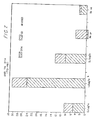
- FIG. 7 shows the importance of the priming dose.
- FIG. 8 shows that at lower doses of antigen the cellular response predominated.
- Synthetic tumor-associated glycoproteins S-TAGS and other carbohydrate antigens are known in the art and may be prepared by any convenient technique. T and Tn antigens are preferred.
- S-TAGS synthetic tumor-associated glycoproteins
- T and Tn antigens are preferred.
- For synthetic methods see Kaifu and Osawa, Carbohydr. Res., 58:235 (1977); Ratcliffe, et al., 93:35 (1981); Paulsen, et al., 104:195 (1982); Bencomo and Sinay, 116:69 (1983).
- Soluble S-Tags or their aggregates are mixed with an adjuvant for intradermal intravenous, intramuscular or intraperitoneal administration.
- mice at a time were primed with specific doses of T-alpha (TF) (Ta), T-beta (Tb) (asialo-GM1 disaccharide) and Tn S-Tags. After 2-3 days, they were challenged with 3 ⁇ 10 3 live TA3Ha cells. Markedly increased survival was noted in mice receiving about 1 ug of synthetic antigen.
- Ta T-alpha
- Tb T-beta
- Tn S-Tags Tn S-Tags
- TA3Ha is very deadly.
- the normal post-transplantation life expectancy of a mouse is only 15-20 days.
- mice from our animal unit were immunized with 30 ug Epi (or 2 ug of any synthetic antigen), in 50% complete Freund's adjuvant, intraperitoneally, boosted one week later with a similar injection. 7-10 days after the last injection the animals were sacrificed, their spleens removed and passed through a nylon mesh to make a single cell suspension. The cells were washed and cultured in a COSTAR® well at 1.5 ⁇ 10 7 cells/8 ml. (RPMI+P.S.+10% FCS)/well. Each well received 10 ug epi (or 1-2 ug of any of the synthetic antigens).
- the cells were cultured at 37° C. and 5% CO 2 for 6 days and then harvested by gently dissociating them from the plastic with a rubber policeman. The primed cells were then tested for DTH reactivity with a number of antigens, and for their ability to inhibit the growth of the TA3Ha cell line in vivo.
- Lymphocytes are removed from blood of a living subject by plasmapheresis.
- the lymphocytes are cultured with a specific antigen, such as cancer-associated glycoprotein (epiglycanin or a T or Tn S-TAG).
- a specific antigen such as cancer-associated glycoprotein (epiglycanin or a T or Tn S-TAG).
- epiglycanin or a T or Tn S-TAG cancer-associated glycoprotein
- IL-2 lymphokine
- the human lymphocytes are cultured in suitable media for 6 days at a preferred concentration of about 10 6 cells/ml.
- the cells are washed to remove antigen.
- the cells may then be returned to the patient, intravenously, for therapeutic or prophylactic purposes.
- a DTH effector cell population was generated as in Example I and tested with a) TA3Ha; b) Epi-M (epi linked to a SEPHAROSE® microspheres); c) mKSA; and d) no antigen. All the DTH values are presented as net DTH swellings, i.e., [swelling of primed cells +Ag.]—[swelling of primed cells alone]. The result was that the immunization with the epi mucin induced a specific DTH response to the mucin and to the cells which bear the mucin (TA3Ha) but not against those that do not bear the mucin (mKSA).
- T cells were primed with epi and were co-injected with a series of potential triggering antigens (TA3Ha, Tn, T-alpha, T-beta, Epi, Fucose (“Fuc”), HSA, BSA, SEPHAROSE microspheres, and no antigen). All soluble antigens were linked to SEPHAROSE microspheres and used at 12 ug/foot pad except epi which was used at 50 ug/foot pad. All DTH results are net DTH measurements.
- T cells were primed with other antigens (T-alpha, T-beta, Tn) and the cells were co-injected with various potential triggering antigens (Epi, Tn, T-alpha, T-beta, Fucose, BSA) with the results shown in the table below.
- Thy-1 is an antigen found on all mouse T cells. See Roitt, et al., IMMUNOLOGY FIG. 2.5 (1985). Lyt-1 is a mouse helpter T cell antigen of 67 KD believed to be equivalent to the human antigen detected by the Ortho monoclonal antibody, T1. Similarly, Lyt 2 (Ly2) is equivalent to the human T cell antigen recognized by Ortho monoclonal antibody T8 or Becton Dickinson monoclonal antibody Leu2a.
- the designation CD5 is the preferred scientific term for cell types marked by the antibodies T1 /Leu1, or Lyt-1.
- CD8 is the preferred scientific term for the cell types marked by T8/Leu2 or Lyt-2,3.
- the DTH effector cells of the present invention are preferably described as T cells of the CD5 phenotype and not of the CD8 phenotype. See “Note on Nomenclature, Nature 325:660 (Feb.
- the protocol for this comparison was as follows. A primed cell population was obtained, washed, counted, and divided into separate tubes for treatment. The cells were gently pelleted and resuspended in Leibowitz media containing 1) and Thy 1.2 antibody (at ⁇ fraction (1/1000) ⁇ diln., obtained from NEN), 2) anti Lyt 1.2 antibody (at ⁇ fraction (1/1000) ⁇ diln., obtained from NEN) or 3) anti Lyt 2.2 antibody (at ⁇ fraction (1/1000) ⁇ diln., obtained from NEN) at 2 ⁇ 10 7 cells/ml., and incubated at 4° C. for 45 min.
- the cells were then spun down and resuspended in guinea pig complement ( ⁇ fraction (1/10) ⁇ diln.) in Leibowitz medium at 2 ⁇ 10 7 cells/ml., and incubated for 30 min. in a 37° C. water bath. After incubation, cells were washed with Leibowitz+10% FCS and counted.
- DTH effector cells were injected together with TA3Ha and the reaction was compared with reactions in other mice injected with only the DTH effector Cells or only the TA3Ha. It was found that the reaction peaked in 48 h and had disappeared by 96 h. No DTH (emphasis on delayed) was found with the other two immunogens.
- DTH effector cells were administered intravenously to the host animal. Four hours later, irradiated TA3Ha cells were injected into the footpad. At 6, 24, 48 and 72 hours, the DTH reaction was measured (open boxes) and compared with a negative control (plusses) (FIG. 5 ).
- the irradiated tumor cells used in the above-described experiments will not proliferate. In the next experiments, however, untreated tumor cells were employed.
- DTH primed cells were induced as described above, 5 ⁇ 10 7 primed cells plus 5 ⁇ 10 5 live tumor cells were injected s.c. into the foot pad.
- the control mice were injected with normal spleen cells plus tumor cells.
- the foot pad swelling was typically measured at 12, 24, 48, and 72 hours and every two days thereafter, to determine the component of the swelling which was due to a DTH reaction, as opposed to a combination of DTH and tumor growth, mice were injected with primed or normal cells irradiated tumor cells.
- the swelling was attributed only to the DTH reaction. Tumor growth was measured every 2 days starting 48 hours after the peak DTH swelling.
- the DTH and the tumor size were measured using calipers in order to estimate the increase in foot pad thickness.
- FIG. 6 shows that the primed cells inhibited the growth of the TA3Ha tumor.
- DTH-Effector cells were primed with epi as previously described.
- the TA3Ha tumor was transplanted into the footpads of mice. Mice with tumors transplanted at the same time were used as controls and tumor growth was determined by measuring the swelling of the footpads (in mm) with calipers. The size of the footpad of each mouse at the times stated is given in the tables below:
- EXPERIMENT 1 Day 6, post iv Day 8, post iv Systemic Transfer 10, 12, 12, 10, 15 50, 15, 80, 80, 50 Effector Cells Control Animals 140, 25, 35 190, 200, 220 (3 mice)
- EXPERIMENT 2 Day 5, Day 6, Day 8, Day 10, post iv post iv post iv post iv Systemic Transfer 10, 20 15, 55, 20, 15, 100, 140, 300, 360, Effector Cells 10 20 80, 60 340, 380 Control Animals 60, 75, 60, 170, 160, 340, 300, greater than (4 mice) 110 170 110 320, 340 500 (3 mice), 410
- the IV-administered epi-primed DTH-Effector cells exerted a tumor-inhibitory effect at the footpad site of tumor transplantation.
- Epiglycanin (epi) was extracted from the ascites fluid of TA3Ha tumor-bearing mice.
- Ascites from outbred TA3Ha ip tumors was collected and cells were removed by centrifugation. The samples were stored frozen. Before extraction, the ascites was thawed and incubated at 37° C. for 2 hours, and any aggregates were removed by centrifugation. The freezing, thawing and clotting procedure was performed twice before peanut a gglutinin (PNA).
- PNA peanut a gglutinin
- mice Groups of five mice were primed with specific doses of epi. After 2-3 days they were challenged with 3′10 3 live TA3Ha cells. Table 2 below shows the relationship between the priming dose and survival.
- mice were still alive. These mice were sacrificed on day 88 to continue the experiment.
- the preferred priming dose was 1 ⁇ g, and this dosage appeared to confer protective immunity against TA3Ha cells.
- G/c-GSA/HSA represents a carbohydrate which is not expressed on the surface of the TA3Ha tumor cells
- administration of that substance did not provide protection Epi, which is the predominant surface carbohydrate antigen on TA3Ha cells, and T-alpha, which is one of the Epi determinants, did provide protection.
Landscapes
- Health & Medical Sciences (AREA)
- Life Sciences & Earth Sciences (AREA)
- Chemical & Material Sciences (AREA)
- General Health & Medical Sciences (AREA)
- Immunology (AREA)
- Molecular Biology (AREA)
- Medicinal Chemistry (AREA)
- Public Health (AREA)
- Veterinary Medicine (AREA)
- Proteomics, Peptides & Aminoacids (AREA)
- Pharmacology & Pharmacy (AREA)
- Epidemiology (AREA)
- Animal Behavior & Ethology (AREA)
- Bioinformatics & Cheminformatics (AREA)
- Engineering & Computer Science (AREA)
- Organic Chemistry (AREA)
- Oncology (AREA)
- Genetics & Genomics (AREA)
- Zoology (AREA)
- Gastroenterology & Hepatology (AREA)
- Biochemistry (AREA)
- Biophysics (AREA)
- Cell Biology (AREA)
- Virology (AREA)
- Toxicology (AREA)
- Microbiology (AREA)
- Mycology (AREA)
- Medicines Containing Antibodies Or Antigens For Use As Internal Diagnostic Agents (AREA)
- Medicines Containing Material From Animals Or Micro-Organisms (AREA)
Abstract
Description
| TRIGGERING Ag | ||
| PRIMING Ag: | Epi | Tn | Ta | Tb | Fuc | BSA | ||
| Epi: | + | + | + | + | − | − | ||
| Tn: | + | + | + | − | − | − | ||
| Ta: | + | + | + | + | − | − | ||
| Tb: | + | + | + | + | − | − | ||
| None: | − | − | ND | ND | ND | |||
| EXPERIMENT 1 |
| | Day | 8, post iv | |
| |
10, 12, 12, 10, 15 | 50, 15, 80, 80, 50 | |
| Effector | |||
| Control Animals | |||
| 140, 25, 35 | 190, 200, 220 | ||
| (3 mice) | |||
| |
| |
|
|
|
|
| post iv | post iv | post iv | post iv | |
| |
10, 20 15, | 55, 20, 15, | 100, 140, | 300, 360, |
| |
10 | 20 | 80, 60 | 340, 380 |
| |
60, 75, 60, | 170, 160, | 340, 300, | greater than |
| (4 mice) | 110 | 170 110 | 320, 340 | 500 (3 mice), |
| 410 | ||||
| TABLE 2 | ||||
| No. alive | ||||
| Priming duse: | Survival: (days) | ave. | s.e. | (at d. 9) |
| 0.2 |
19, 25, 27, 49, 49 | 33.8 | 6.3 | 2/5 |
| 1 |
25, 49, 49, 49, 49 | 44.2 | 4.8 | 4/5 |
| 2 |
14, 19, 19, 25, 49 | 25.2 | 6.2 | 4/5 |
| 10 |
20, 22, 22, 25 | 22.3 | .9 | 0/4 |
| 20 |
20, 22, 25, 49, | 29.0 | 6.0 | 1/5 |
| 100 |
19, 19, 20, 25, 49 | 25.5 | 5.3 | 1/5 |
| |
19, 19, 20, 20 | 20 | 0.3 | 0/4 |
| TABLE 3 |
| In Vivo Protection: |
| Number of animals alive at 4 weeks. |
| Dose of Ag | Epi | T-apha/HSA | Glu-BSA/HSA | ||
| 0.1 ug | 1/20 | 4/15 | 0/10 |
| 0.5 |
5/20 | 7/15 | 0/10 |
| 1.0 |
8/20 | 5/15 | 0/10 |
| 5.0 |
8/15 | 6/15 | 0/10 |
| 10.0 ug | 7/20 | 3/15 | 0/10 |
| cont. | 0/20 | 0/15 | 0/10 |
Claims (63)
Priority Applications (1)
| Application Number | Priority Date | Filing Date | Title |
|---|---|---|---|
| US09/644,662 USRE38046E1 (en) | 1986-07-08 | 2000-08-25 | Enhancement of the cellular immune response |
Applications Claiming Priority (6)
| Application Number | Priority Date | Filing Date | Title |
|---|---|---|---|
| US88326686A | 1986-07-08 | 1986-07-08 | |
| US07/222,390 US4971795A (en) | 1986-07-08 | 1988-07-21 | Enhancement of the cellular immune response using carbohydrate primed DTH effector cells expressing the CD5+/CD8- phenotype |
| US52431090A | 1990-05-17 | 1990-05-17 | |
| US88323492A | 1992-05-07 | 1992-05-07 | |
| US08/394,431 US5798090A (en) | 1986-07-08 | 1995-02-24 | Enhancement of the cellular immune response |
| US09/644,662 USRE38046E1 (en) | 1986-07-08 | 2000-08-25 | Enhancement of the cellular immune response |
Related Parent Applications (1)
| Application Number | Title | Priority Date | Filing Date |
|---|---|---|---|
| US08/394,431 Reissue US5798090A (en) | 1986-07-08 | 1995-02-24 | Enhancement of the cellular immune response |
Publications (1)
| Publication Number | Publication Date |
|---|---|
| USRE38046E1 true USRE38046E1 (en) | 2003-03-25 |
Family
ID=26916748
Family Applications (5)
| Application Number | Title | Priority Date | Filing Date |
|---|---|---|---|
| US07/222,390 Expired - Lifetime US4971795A (en) | 1986-07-08 | 1988-07-21 | Enhancement of the cellular immune response using carbohydrate primed DTH effector cells expressing the CD5+/CD8- phenotype |
| US08/394,431 Ceased US5798090A (en) | 1986-07-08 | 1995-02-24 | Enhancement of the cellular immune response |
| US09/022,025 Expired - Fee Related US6326009B1 (en) | 1986-07-08 | 1998-02-11 | Enhancement of the cellular immune response |
| US09/644,662 Expired - Fee Related USRE38046E1 (en) | 1986-07-08 | 2000-08-25 | Enhancement of the cellular immune response |
| US09/986,049 Expired - Fee Related US6582697B2 (en) | 1986-07-08 | 2001-11-07 | Enhancement of the cellular immune response |
Family Applications Before (3)
| Application Number | Title | Priority Date | Filing Date |
|---|---|---|---|
| US07/222,390 Expired - Lifetime US4971795A (en) | 1986-07-08 | 1988-07-21 | Enhancement of the cellular immune response using carbohydrate primed DTH effector cells expressing the CD5+/CD8- phenotype |
| US08/394,431 Ceased US5798090A (en) | 1986-07-08 | 1995-02-24 | Enhancement of the cellular immune response |
| US09/022,025 Expired - Fee Related US6326009B1 (en) | 1986-07-08 | 1998-02-11 | Enhancement of the cellular immune response |
Family Applications After (1)
| Application Number | Title | Priority Date | Filing Date |
|---|---|---|---|
| US09/986,049 Expired - Fee Related US6582697B2 (en) | 1986-07-08 | 2001-11-07 | Enhancement of the cellular immune response |
Country Status (1)
| Country | Link |
|---|---|
| US (5) | US4971795A (en) |
Cited By (6)
| Publication number | Priority date | Publication date | Assignee | Title |
|---|---|---|---|---|
| US20030083235A1 (en) * | 1997-04-16 | 2003-05-01 | Danishefsky Samuel J. | Alpha-o-linked glycoconjugates, methods of preparation and uses thereof |
| US20040102607A1 (en) * | 1998-03-25 | 2004-05-27 | Danishefsky Samuel J. | Trimeric antigenic O-linked glycopeptide conjugates, methods of preparation and uses thereof |
| US20050222398A1 (en) * | 1997-04-16 | 2005-10-06 | Danishefsky Samuel J | Glycopeptide conjugates and uses thereof |
| US7824687B2 (en) | 1999-08-20 | 2010-11-02 | Sloan-Kettering Institute For Cancer Research | Clustered multi-antigenic carbohydrate constructs, methods for their preparation, and uses thereof |
| US7854934B2 (en) | 1999-08-20 | 2010-12-21 | Sloan-Kettering Institute For Cancer Research | Glycoconjugates, glycoamino acids, intermediates thereto, and uses thereof |
| US7879335B1 (en) | 1999-08-20 | 2011-02-01 | Sloan-Kettering Institute For Cancer Research | Glycoconjugates, glycoamino acids, intermediates thereto, and uses thereof |
Families Citing this family (9)
| Publication number | Priority date | Publication date | Assignee | Title |
|---|---|---|---|---|
| US4971795A (en) * | 1986-07-08 | 1990-11-20 | Biomira, Inc. | Enhancement of the cellular immune response using carbohydrate primed DTH effector cells expressing the CD5+/CD8- phenotype |
| JP2984366B2 (en) * | 1989-04-05 | 1999-11-29 | バイオミラ、インコーポレーテッド | Active specific immunotherapy of adenocarcinoma producing immunosuppressive mucin |
| US5332575A (en) * | 1991-10-03 | 1994-07-26 | Parfums Christian Dior | Method of targeting melanocytes with a compound containing a fucose residue |
| US20020182730A1 (en) * | 1995-07-26 | 2002-12-05 | Micheal L. Gruenberg | Autologous immune cell therapy: cell compositions, methods and applications to treatment of human disease |
| FR2821947B1 (en) * | 2001-03-12 | 2003-05-16 | Canon Kk | METHOD AND DEVICE FOR VALIDATING IMAGE DEFINING PARAMETERS |
| US20030134341A1 (en) * | 2001-09-19 | 2003-07-17 | Medcell Biologics, Llc. | Th1 cell adoptive immunotherapy |
| US20030134415A1 (en) * | 2001-09-19 | 2003-07-17 | Gruenberg Micheal L. | Th1 cell adoptive immunotherapy |
| US20030175272A1 (en) * | 2002-03-07 | 2003-09-18 | Medcell Biologics, Inc. | Re-activated T-cells for adoptive immunotherapy |
| US20050067272A1 (en) * | 2003-09-29 | 2005-03-31 | Seagate Technology Llc | System method and collimator for oblique deposition |
Citations (4)
| Publication number | Priority date | Publication date | Assignee | Title |
|---|---|---|---|---|
| US4180627A (en) * | 1978-08-17 | 1979-12-25 | The United States Of America As Represented By The Secretary Of Agriculture | Process for in vivo transfer of cell-mediated immunity in mammals with alcoholic precipitates of Bovine Transfer factor |
| GB2106935A (en) * | 1981-10-01 | 1983-04-20 | Otsuka Pharma Co Ltd | Cancer cell-combatting lymphocytes process, for the production thereof, and anticancer agents containing said lymphocytes |
| US4690915A (en) * | 1985-08-08 | 1987-09-01 | The United States Of America As Represented By The Department Of Health And Human Services | Adoptive immunotherapy as a treatment modality in humans |
| US4971795A (en) * | 1986-07-08 | 1990-11-20 | Biomira, Inc. | Enhancement of the cellular immune response using carbohydrate primed DTH effector cells expressing the CD5+/CD8- phenotype |
Family Cites Families (1)
| Publication number | Priority date | Publication date | Assignee | Title |
|---|---|---|---|---|
| US5660834A (en) | 1988-03-11 | 1997-08-26 | The Biomembrane Institute | Monoclonal antibodies and vaccine development directed to human cancer-associated antigens by immunization with carbohydrate-carrier conjugates |
-
1988
- 1988-07-21 US US07/222,390 patent/US4971795A/en not_active Expired - Lifetime
-
1995
- 1995-02-24 US US08/394,431 patent/US5798090A/en not_active Ceased
-
1998
- 1998-02-11 US US09/022,025 patent/US6326009B1/en not_active Expired - Fee Related
-
2000
- 2000-08-25 US US09/644,662 patent/USRE38046E1/en not_active Expired - Fee Related
-
2001
- 2001-11-07 US US09/986,049 patent/US6582697B2/en not_active Expired - Fee Related
Patent Citations (4)
| Publication number | Priority date | Publication date | Assignee | Title |
|---|---|---|---|---|
| US4180627A (en) * | 1978-08-17 | 1979-12-25 | The United States Of America As Represented By The Secretary Of Agriculture | Process for in vivo transfer of cell-mediated immunity in mammals with alcoholic precipitates of Bovine Transfer factor |
| GB2106935A (en) * | 1981-10-01 | 1983-04-20 | Otsuka Pharma Co Ltd | Cancer cell-combatting lymphocytes process, for the production thereof, and anticancer agents containing said lymphocytes |
| US4690915A (en) * | 1985-08-08 | 1987-09-01 | The United States Of America As Represented By The Department Of Health And Human Services | Adoptive immunotherapy as a treatment modality in humans |
| US4971795A (en) * | 1986-07-08 | 1990-11-20 | Biomira, Inc. | Enhancement of the cellular immune response using carbohydrate primed DTH effector cells expressing the CD5+/CD8- phenotype |
Non-Patent Citations (19)
| Title |
|---|
| Benjamini et al; Charpter 15 in Basic and Clinical Immunology, Shtes et al eds, 1984 (5.sup.th Edition), Los Altos, CA.* * |
| Bianchi, et al, 1981 "Clones of T Cells Mediate Antigen-Specific . . . " Nature 290: 62-63.* * |
| Bretscher, PA, "In vitro Induction of delayed-type hypersensitivity", Eur. J. Immunol. 9:311-316 (1979). * |
| Chemical Abstract, 78, 27836z (for Cooper, Scand. J. Immunol, 1(3), 1972, pp. 237-45).* * |
| Codington, JF et al., "Cell Surface Characteristics of an Allotransplantable TA3 Ascites Subline Resulting from a Process of Immunoselection", Cancer Research 43:4373-4381 (Sep. 1983).* * |
| Codington, JF et al., "Further Studies on the Relationship Between Large Glycoprotein Molecules and Allotransplantability in the TA3 Tumor of the Mouse: Studies on Segregating TA3-Ha Hybrids", J. Natl. Cancer Inst.6(4):811-818 (Apr. 1978).* * |
| Ertl, Cell. Immnunol, 62, 38-49, (1981).* * |
| Friberg, S et al., "Comparison of an Immunoresistant and an Immunosusceptible Ascites Subline From Murine Tumor TA3. I. Transplantability, Morphology, and Some Physiochemical Characteristics", J. Nat. Cancer Inst. 48:1463-1476 (1972).* * |
| Goldstein et al, J. Exp. Med., 162, pp. 1381-1386, (1985).* * |
| Goldstein, et al., J. Exp. Med., 162:1381 (1985).* * |
| Greene, et al, 1984, "Delayed Hypersensitivity" In Fundamental Immunology, W.E. Paul, Ed. pp. 685-696.* * |
| Havelle et al, J. Immunol, 137(5), 1448-54, 1986.* * |
| Henningsson et al., Induction of Immunity to a Mammary Adenocarcinoma using Purified shed Cancer Antigen and Synthetic Carbohydrates, Journal of Leukocyte Biology, vol. 38, abstract No. 70, Jul. 1985.* * |
| Klein, ed., Immunology: The Science of Self-Nonself Discrimination 465 (1982).* * |
| Lefford, Immunology, 41, 635, (1980).* * |
| Leung, et al, 1980, "Specificity, Ly Phenotype and H-2 . . . " J. Exp. Med. 151: 815-826.* * |
| Moreno, "Carbohydrates as Immunogens and Tolerogens: Antibody versus Cell-Mediated Immune Responses", in Towards Better Carbohydrates Vaccines, Chapter 19 (1987) at pp. 263, 267.* * |
| Myrvik, et al., Fundamentals of Immunology 134-41 (1985).* * |
| Springer, et al, 1984, "T and Tn General . . . " Science 224: 1198-1206.* * |
Cited By (10)
| Publication number | Priority date | Publication date | Assignee | Title |
|---|---|---|---|---|
| US20030083235A1 (en) * | 1997-04-16 | 2003-05-01 | Danishefsky Samuel J. | Alpha-o-linked glycoconjugates, methods of preparation and uses thereof |
| US20050222398A1 (en) * | 1997-04-16 | 2005-10-06 | Danishefsky Samuel J | Glycopeptide conjugates and uses thereof |
| US7160856B2 (en) | 1997-04-16 | 2007-01-09 | Sloan-Kettering Institute For Cancer Research | α-O-linked glycoconjugates, methods of preparation and uses thereof |
| US7550146B2 (en) | 1997-04-16 | 2009-06-23 | Sloan-Kettering Institute For Cancer Research | Glycopeptide conjugates and uses thereof |
| US20040102607A1 (en) * | 1998-03-25 | 2004-05-27 | Danishefsky Samuel J. | Trimeric antigenic O-linked glycopeptide conjugates, methods of preparation and uses thereof |
| US7824687B2 (en) | 1999-08-20 | 2010-11-02 | Sloan-Kettering Institute For Cancer Research | Clustered multi-antigenic carbohydrate constructs, methods for their preparation, and uses thereof |
| US7854934B2 (en) | 1999-08-20 | 2010-12-21 | Sloan-Kettering Institute For Cancer Research | Glycoconjugates, glycoamino acids, intermediates thereto, and uses thereof |
| US7879335B1 (en) | 1999-08-20 | 2011-02-01 | Sloan-Kettering Institute For Cancer Research | Glycoconjugates, glycoamino acids, intermediates thereto, and uses thereof |
| US8623378B2 (en) | 1999-08-20 | 2014-01-07 | Sloan-Kettering Institute For Cancer Research | Glycoconjugates, glycoamino acids, intermediates thereto, and uses thereof |
| US9464116B2 (en) | 1999-08-20 | 2016-10-11 | Sloan-Kettering Institute For Cancer Research | Glycoconjugates, glycoamino acids, intermediates thereto, and uses thereof |
Also Published As
| Publication number | Publication date |
|---|---|
| US20020068071A1 (en) | 2002-06-06 |
| US6582697B2 (en) | 2003-06-24 |
| US6326009B1 (en) | 2001-12-04 |
| US4971795A (en) | 1990-11-20 |
| US5798090A (en) | 1998-08-25 |
Similar Documents
| Publication | Publication Date | Title |
|---|---|---|
| USRE38046E1 (en) | Enhancement of the cellular immune response | |
| Fung et al. | Specific immunosuppressive activity of epiglycanin, a mucin-like glycoprotein secreted by a murine mammary adenocarcinoma (TA3-HA) | |
| Bloch | Induced cell differentiation in cancer therapy | |
| Oldham | Biologicals and Biological Response Modifiers: Fourth Modality of Cancer | |
| Mandelboim et al. | Regression of established murine carcinoma metastases following vaccination with tumour-associated antigen peptides | |
| Dummer et al. | T cell homeostatic proliferation elicits effective antitumor autoimmunity | |
| JP4723722B2 (en) | Use of MHC class II ligands as vaccine adjuvants and use of LAG-3 in cancer therapy | |
| Mitchell et al. | Resistance and abrogation of resistance to cutaneous leishmaniasis in reconstituted BALB/c nude mice | |
| Freedman et al. | Tumor immunity induced by preimmunization with BALB/c mouse myeloma protein | |
| JP2002504334A (en) | COMPOSITIONS COMPRISING OX-40 RECEPTOR BINDING FACTOR OR NUCLEIC ACID ENCODING THEREOF AND METHODS FOR ENHANCED ANTIGEN-SPECIFIC IMMune RESPONSE | |
| Bhan et al. | The role of T cell sets in the rejection of a methylcholanthrene-induced sarcoma (S1509a) in syngeneic mice | |
| Stripecke et al. | Immune response to Philadelphia chromosome-positive acute lymphoblastic leukemia induced by expression of CD80, interleukin 2, and granulocyte-macrophage colony-stimulating factor | |
| DECKERS et al. | Transfer of immunity to tumour isografts by the systemic administration of xenogeneic “immune” RNA | |
| Xiang et al. | Induction of persistent tumor-protective immunity in mice cured of established colon carcinoma metastases | |
| Shier | Preparation of a “chemical vaccine” against tumor progression | |
| Renner et al. | Cure of disseminated xenografted human Hodgkin's tumors by bispecific monoclonal antibodies and human T cells: the role of human T-cell subsets in a preclinical model | |
| Zighelboim et al. | Antibody-Mediated In Vivo Suppression of EL4 Leukemia in a Syngeneic Hos | |
| Rakhmilevich et al. | Elimination of CD4+ T cells in mice bearing an advanced sarcoma augments the antitumor action of interleukin-2 | |
| Hawrylko | Immunopotentiation With BeG: Dimensions of a Specific Antitumor Response | |
| EP0313569B1 (en) | Enhancement of the cellular immune response | |
| CN101072582B (en) | Alpha thymosin peptides as cancer vaccine adjuvants | |
| CA1339494E (en) | Enhancement of the cellular immune response | |
| Rondinone et al. | Effect of fractional cyclophosphamide dosage on sheep red blood cell-delayed-type hypersensitivity response in mice. | |
| Law et al. | Immunologic enhancement of allogeneic tumor growth with soluble histocompatibility-2 antigens | |
| Osborne Jr et al. | The Allogeneic Effect on Tumor Growth: I. Inhibition of a Murine Plasmacytoma, MOPC 315, by the Graft-Vs-Host Reaction |
Legal Events
| Date | Code | Title | Description |
|---|---|---|---|
| FPAY | Fee payment |
Year of fee payment: 8 |
|
| AS | Assignment |
Owner name: ONCOTHYREON CANADA INC.,CANADA Free format text: MERGER;ASSIGNOR:BIOMIRA INC.;REEL/FRAME:022420/0251 Effective date: 20071210 Owner name: ONCOTHYREON INC.,WASHINGTON Free format text: ASSIGNMENT OF ASSIGNORS INTEREST;ASSIGNOR:ONCOTHYREON CANADA INC.;REEL/FRAME:022420/0075 Effective date: 20090316 Owner name: ONCOTHYREON CANADA INC., CANADA Free format text: MERGER;ASSIGNOR:BIOMIRA INC.;REEL/FRAME:022420/0251 Effective date: 20071210 Owner name: ONCOTHYREON INC., WASHINGTON Free format text: ASSIGNMENT OF ASSIGNORS INTEREST;ASSIGNOR:ONCOTHYREON CANADA INC.;REEL/FRAME:022420/0075 Effective date: 20090316 |
|
| REMI | Maintenance fee reminder mailed | ||
| LAPS | Lapse for failure to pay maintenance fees |