USRE36068E - Methods for treatment of sundamaged human skin with retinoids - Google Patents
Methods for treatment of sundamaged human skin with retinoids Download PDFInfo
- Publication number
- USRE36068E USRE36068E US08/630,872 US63087296A USRE36068E US RE36068 E USRE36068 E US RE36068E US 63087296 A US63087296 A US 63087296A US RE36068 E USRE36068 E US RE36068E
- Authority
- US
- United States
- Prior art keywords
- skin
- acid
- tetramethyl
- tetrahydro
- methyl
- Prior art date
- Legal status (The legal status is an assumption and is not a legal conclusion. Google has not performed a legal analysis and makes no representation as to the accuracy of the status listed.)
- Expired - Lifetime
Links
- 238000000034 method Methods 0.000 title claims description 20
- 238000011282 treatment Methods 0.000 title abstract description 32
- 150000004492 retinoid derivatives Chemical class 0.000 claims abstract description 16
- 102000008186 Collagen Human genes 0.000 claims abstract description 12
- 108010035532 Collagen Proteins 0.000 claims abstract description 12
- 230000002159 abnormal effect Effects 0.000 claims abstract description 12
- 229920001436 collagen Polymers 0.000 claims abstract description 12
- 230000007794 irritation Effects 0.000 claims abstract description 10
- 210000004204 blood vessel Anatomy 0.000 claims abstract description 9
- 239000000835 fiber Substances 0.000 claims abstract description 9
- 230000001815 facial effect Effects 0.000 claims abstract description 7
- 210000004177 elastic tissue Anatomy 0.000 claims abstract description 5
- 230000006866 deterioration Effects 0.000 claims abstract description 4
- SHGAZHPCJJPHSC-YCNIQYBTSA-N all-trans-retinoic acid Chemical class OC(=O)\C=C(/C)\C=C\C=C(/C)\C=C\C1=C(C)CCCC1(C)C SHGAZHPCJJPHSC-YCNIQYBTSA-N 0.000 claims description 32
- SHGAZHPCJJPHSC-NUEINMDLSA-N Isotretinoin Chemical compound OC(=O)C=C(C)/C=C/C=C(C)C=CC1=C(C)CCCC1(C)C SHGAZHPCJJPHSC-NUEINMDLSA-N 0.000 claims description 25
- 229960005280 isotretinoin Drugs 0.000 claims description 24
- WPYMKLBDIGXBTP-UHFFFAOYSA-N benzoic acid Chemical compound OC(=O)C1=CC=CC=C1 WPYMKLBDIGXBTP-UHFFFAOYSA-N 0.000 claims description 22
- 229930002330 retinoic acid Natural products 0.000 claims description 22
- 239000006071 cream Substances 0.000 claims description 18
- 229960001727 tretinoin Drugs 0.000 claims description 16
- 239000005711 Benzoic acid Substances 0.000 claims description 12
- 235000010233 benzoic acid Nutrition 0.000 claims description 11
- FPIPGXGPPPQFEQ-OVSJKPMPSA-N all-trans-retinol Chemical compound OC\C=C(/C)\C=C\C=C(/C)\C=C\C1=C(C)CCCC1(C)C FPIPGXGPPPQFEQ-OVSJKPMPSA-N 0.000 claims description 8
- 239000002253 acid Substances 0.000 claims description 7
- 239000003974 emollient agent Substances 0.000 claims description 7
- FPIPGXGPPPQFEQ-UHFFFAOYSA-N 13-cis retinol Natural products OCC=C(C)C=CC=C(C)C=CC1=C(C)CCCC1(C)C FPIPGXGPPPQFEQ-UHFFFAOYSA-N 0.000 claims description 6
- WVDDGKGOMKODPV-UHFFFAOYSA-N Benzyl alcohol Chemical compound OCC1=CC=CC=C1 WVDDGKGOMKODPV-UHFFFAOYSA-N 0.000 claims description 6
- 239000000203 mixture Substances 0.000 claims description 6
- 238000002560 therapeutic procedure Methods 0.000 claims description 6
- 238000009115 maintenance therapy Methods 0.000 claims description 5
- IHUNBGSDBOWDMA-AQFIFDHZSA-N all-trans-acitretin Chemical compound COC1=CC(C)=C(\C=C\C(\C)=C\C=C\C(\C)=C\C(O)=O)C(C)=C1C IHUNBGSDBOWDMA-AQFIFDHZSA-N 0.000 claims description 4
- 230000000979 retarding effect Effects 0.000 claims description 4
- 231100000252 nontoxic Toxicity 0.000 claims description 3
- 230000003000 nontoxic effect Effects 0.000 claims description 3
- 125000001997 phenyl group Chemical group [H]C1=C([H])C([H])=C(*)C([H])=C1[H] 0.000 claims description 3
- PZGWJKNRUMKVBF-SNQZJYSLSA-N (2e,4e,6e)-3,7-dimethyl-9-(2,6,6-trimethylcyclohexen-1-yl)nona-2,4,6-trien-8-ynoic acid Chemical compound OC(=O)\C=C(/C)\C=C\C=C(/C)C#CC1=C(C)CCCC1(C)C PZGWJKNRUMKVBF-SNQZJYSLSA-N 0.000 claims description 2
- -1 5,6,7,8-tetrahydro-5,5,8,8-tetramethyl-2-naphthalenyl Chemical group 0.000 claims description 2
- FOIVPCKZDPCJJY-JQIJEIRASA-N arotinoid acid Chemical compound C=1C=C(C(CCC2(C)C)(C)C)C2=CC=1C(/C)=C/C1=CC=C(C(O)=O)C=C1 FOIVPCKZDPCJJY-JQIJEIRASA-N 0.000 claims description 2
- 235000019445 benzyl alcohol Nutrition 0.000 claims description 2
- DQJPDLNVSUAFON-NSJODCKMSA-N ethyl (2E,4E)-9-(2,6-dichloro-4-methoxy-3-methylphenyl)-3,7-dimethylnona-2,4,6,8-tetraenoate Chemical compound CCOC(=O)\C=C(/C)\C=C\C=C(C)C=Cc1c(Cl)cc(OC)c(C)c1Cl DQJPDLNVSUAFON-NSJODCKMSA-N 0.000 claims description 2
- 239000002674 ointment Substances 0.000 claims description 2
- 229960003471 retinol Drugs 0.000 claims description 2
- 235000020944 retinol Nutrition 0.000 claims description 2
- 239000011607 retinol Substances 0.000 claims description 2
- XAETVFCFSFGPDL-ZLLKFVMWSA-N (2e,4e,6e)-3-methyl-7-(1,1,3,3-tetramethyl-2h-inden-5-yl)octa-2,4,6-trienoic acid Chemical compound OC(=O)\C=C(/C)\C=C\C=C(/C)C1=CC=C2C(C)(C)CC(C)(C)C2=C1 XAETVFCFSFGPDL-ZLLKFVMWSA-N 0.000 claims 1
- HGGVUZHIUHCATB-OOUGZNGESA-N (2e,4e,6e)-3-methyl-7-(5,5,8,8-tetramethyl-6,7-dihydronaphthalen-2-yl)octa-2,4,6-trienoic acid Chemical compound CC1(C)CCC(C)(C)C=2C1=CC(C(/C)=C/C=C/C(/C)=C/C(O)=O)=CC=2 HGGVUZHIUHCATB-OOUGZNGESA-N 0.000 claims 1
- MUJQTAMVZYFLCR-BMRADRMJSA-N 1,1,4,4-tetramethyl-6-[(e)-1-phenylprop-1-en-2-yl]-2,3-dihydronaphthalene Chemical compound C=1C=C(C(CCC2(C)C)(C)C)C2=CC=1C(/C)=C/C1=CC=CC=C1 MUJQTAMVZYFLCR-BMRADRMJSA-N 0.000 claims 1
- UHFICAKXFHFOCN-UHFFFAOYSA-N 6-(5,5,8,8-tetramethyl-6,7-dihydronaphthalen-2-yl)naphthalene-2-carboxylic acid Chemical compound C1=C(C(O)=O)C=CC2=CC(C=3C=C4C(C)(C)CCC(C4=CC=3)(C)C)=CC=C21 UHFICAKXFHFOCN-UHFFFAOYSA-N 0.000 claims 1
- IYIYMCASGKQOCZ-UHFFFAOYSA-N n-ethyl-9-(4-methoxy-2,3,6-trimethylphenyl)-3,7-dimethylnona-2,4,6,8-tetraenamide Chemical compound CCNC(=O)C=C(C)C=CC=C(C)C=CC1=C(C)C=C(OC)C(C)=C1C IYIYMCASGKQOCZ-UHFFFAOYSA-N 0.000 claims 1
- 150000004508 retinoic acid derivatives Chemical class 0.000 claims 1
- 125000000391 vinyl group Chemical group [H]C([*])=C([H])[H] 0.000 claims 1
- 210000003491 skin Anatomy 0.000 abstract description 76
- 230000032683 aging Effects 0.000 abstract description 17
- 210000002615 epidermis Anatomy 0.000 abstract description 17
- 210000004207 dermis Anatomy 0.000 abstract description 12
- 230000006378 damage Effects 0.000 abstract description 11
- 230000000694 effects Effects 0.000 abstract description 11
- 208000027418 Wounds and injury Diseases 0.000 abstract description 9
- 230000004069 differentiation Effects 0.000 abstract description 7
- 208000014674 injury Diseases 0.000 abstract description 7
- 230000002829 reductive effect Effects 0.000 abstract description 7
- 230000037303 wrinkles Effects 0.000 abstract description 7
- 206010051246 Photodermatosis Diseases 0.000 abstract description 6
- 230000008472 epithelial growth Effects 0.000 abstract description 5
- 208000000069 hyperpigmentation Diseases 0.000 abstract description 3
- 230000003810 hyperpigmentation Effects 0.000 abstract description 3
- 230000008845 photoaging Effects 0.000 abstract description 3
- 230000002500 effect on skin Effects 0.000 abstract description 2
- 210000002919 epithelial cell Anatomy 0.000 abstract description 2
- 230000008833 sun damage Effects 0.000 abstract description 2
- 210000000601 blood cell Anatomy 0.000 abstract 1
- 230000006735 deficit Effects 0.000 abstract 1
- 230000002085 persistent effect Effects 0.000 abstract 1
- 210000004027 cell Anatomy 0.000 description 14
- 230000015572 biosynthetic process Effects 0.000 description 9
- 239000000126 substance Substances 0.000 description 9
- 239000003981 vehicle Substances 0.000 description 9
- 230000017531 blood circulation Effects 0.000 description 8
- 210000000245 forearm Anatomy 0.000 description 7
- XUMBMVFBXHLACL-UHFFFAOYSA-N Melanin Chemical compound O=C1C(=O)C(C2=CNC3=C(C(C(=O)C4=C32)=O)C)=C2C4=CNC2=C1C XUMBMVFBXHLACL-UHFFFAOYSA-N 0.000 description 6
- 230000002962 histologic effect Effects 0.000 description 6
- 230000000699 topical effect Effects 0.000 description 6
- 150000001875 compounds Chemical class 0.000 description 5
- 230000012010 growth Effects 0.000 description 5
- 206010003694 Atrophy Diseases 0.000 description 4
- 206010028980 Neoplasm Diseases 0.000 description 4
- 206010040844 Skin exfoliation Diseases 0.000 description 4
- FPIPGXGPPPQFEQ-BOOMUCAASA-N Vitamin A Natural products OC/C=C(/C)\C=C\C=C(\C)/C=C/C1=C(C)CCCC1(C)C FPIPGXGPPPQFEQ-BOOMUCAASA-N 0.000 description 4
- 230000005856 abnormality Effects 0.000 description 4
- 206010000496 acne Diseases 0.000 description 4
- 230000004075 alteration Effects 0.000 description 4
- 230000037444 atrophy Effects 0.000 description 4
- 230000036770 blood supply Effects 0.000 description 4
- 230000007423 decrease Effects 0.000 description 4
- 230000003247 decreasing effect Effects 0.000 description 4
- 210000002950 fibroblast Anatomy 0.000 description 4
- 230000035876 healing Effects 0.000 description 4
- 239000000049 pigment Substances 0.000 description 4
- 230000036561 sun exposure Effects 0.000 description 4
- 235000019155 vitamin A Nutrition 0.000 description 4
- 239000011719 vitamin A Substances 0.000 description 4
- 229940045997 vitamin a Drugs 0.000 description 4
- 206010052428 Wound Diseases 0.000 description 3
- 208000009621 actinic keratosis Diseases 0.000 description 3
- 210000000270 basal cell Anatomy 0.000 description 3
- 238000012937 correction Methods 0.000 description 3
- 230000006872 improvement Effects 0.000 description 3
- 238000012423 maintenance Methods 0.000 description 3
- 238000011160 research Methods 0.000 description 3
- 230000001225 therapeutic effect Effects 0.000 description 3
- XLYOFNOQVPJJNP-UHFFFAOYSA-N water Substances O XLYOFNOQVPJJNP-UHFFFAOYSA-N 0.000 description 3
- CSCPPACGZOOCGX-UHFFFAOYSA-N Acetone Chemical compound CC(C)=O CSCPPACGZOOCGX-UHFFFAOYSA-N 0.000 description 2
- 208000002874 Acne Vulgaris Diseases 0.000 description 2
- 208000005440 Basal Cell Neoplasms Diseases 0.000 description 2
- WSFSSNUMVMOOMR-UHFFFAOYSA-N Formaldehyde Chemical compound O=C WSFSSNUMVMOOMR-UHFFFAOYSA-N 0.000 description 2
- 229920002683 Glycosaminoglycan Polymers 0.000 description 2
- 239000004264 Petrolatum Substances 0.000 description 2
- 201000004681 Psoriasis Diseases 0.000 description 2
- 238000010306 acid treatment Methods 0.000 description 2
- 230000009286 beneficial effect Effects 0.000 description 2
- 230000008901 benefit Effects 0.000 description 2
- 230000004071 biological effect Effects 0.000 description 2
- 201000011510 cancer Diseases 0.000 description 2
- 230000015556 catabolic process Effects 0.000 description 2
- 238000006243 chemical reaction Methods 0.000 description 2
- 230000001010 compromised effect Effects 0.000 description 2
- 239000002537 cosmetic Substances 0.000 description 2
- 238000006731 degradation reaction Methods 0.000 description 2
- 238000001035 drying Methods 0.000 description 2
- 210000001339 epidermal cell Anatomy 0.000 description 2
- 229960002199 etretinate Drugs 0.000 description 2
- HQMNCQVAMBCHCO-DJRRULDNSA-N etretinate Chemical compound CCOC(=O)\C=C(/C)\C=C\C=C(/C)\C=C\C1=C(C)C=C(OC)C(C)=C1C HQMNCQVAMBCHCO-DJRRULDNSA-N 0.000 description 2
- 238000004299 exfoliation Methods 0.000 description 2
- 238000002474 experimental method Methods 0.000 description 2
- 231100000021 irritant Toxicity 0.000 description 2
- 239000002085 irritant Substances 0.000 description 2
- 230000000622 irritating effect Effects 0.000 description 2
- 210000002510 keratinocyte Anatomy 0.000 description 2
- 230000001050 lubricating effect Effects 0.000 description 2
- 210000002752 melanocyte Anatomy 0.000 description 2
- 201000001441 melanoma Diseases 0.000 description 2
- 230000001613 neoplastic effect Effects 0.000 description 2
- 231100000344 non-irritating Toxicity 0.000 description 2
- 239000003883 ointment base Substances 0.000 description 2
- 235000019271 petrolatum Nutrition 0.000 description 2
- 229940066842 petrolatum Drugs 0.000 description 2
- 230000001855 preneoplastic effect Effects 0.000 description 2
- 230000002062 proliferating effect Effects 0.000 description 2
- 230000035755 proliferation Effects 0.000 description 2
- 235000020945 retinal Nutrition 0.000 description 2
- 239000011604 retinal Substances 0.000 description 2
- 230000035945 sensitivity Effects 0.000 description 2
- 208000017572 squamous cell neoplasm Diseases 0.000 description 2
- 230000002459 sustained effect Effects 0.000 description 2
- 230000008719 thickening Effects 0.000 description 2
- 239000003053 toxin Substances 0.000 description 2
- 231100000765 toxin Toxicity 0.000 description 2
- 108700012359 toxins Proteins 0.000 description 2
- 230000024883 vasodilation Effects 0.000 description 2
- NCYCYZXNIZJOKI-UHFFFAOYSA-N vitamin A aldehyde Natural products O=CC=C(C)C=CC=C(C)C=CC1=C(C)CCCC1(C)C NCYCYZXNIZJOKI-UHFFFAOYSA-N 0.000 description 2
- 230000029663 wound healing Effects 0.000 description 2
- 238000004383 yellowing Methods 0.000 description 2
- SHGAZHPCJJPHSC-CDMOMSTLSA-N 9,13-cis-Retinoic acid Chemical compound OC(=O)\C=C(\C)/C=C/C=C(/C)\C=C\C1=C(C)CCCC1(C)C SHGAZHPCJJPHSC-CDMOMSTLSA-N 0.000 description 1
- 206010000503 Acne cystic Diseases 0.000 description 1
- 206010002983 Apocrine miliaria Diseases 0.000 description 1
- 208000005080 Benign Migratory Glossitis Diseases 0.000 description 1
- 206010008570 Chloasma Diseases 0.000 description 1
- 208000032544 Cicatrix Diseases 0.000 description 1
- 208000002506 Darier Disease Diseases 0.000 description 1
- 206010013786 Dry skin Diseases 0.000 description 1
- 206010058314 Dysplasia Diseases 0.000 description 1
- LFQSCWFLJHTTHZ-UHFFFAOYSA-N Ethanol Chemical compound CCO LFQSCWFLJHTTHZ-UHFFFAOYSA-N 0.000 description 1
- 208000035874 Excoriation Diseases 0.000 description 1
- 208000014771 Fox-Fordyce Disease Diseases 0.000 description 1
- 101000975474 Homo sapiens Keratin, type I cytoskeletal 10 Proteins 0.000 description 1
- 206010061218 Inflammation Diseases 0.000 description 1
- 208000002260 Keloid Diseases 0.000 description 1
- 102100023970 Keratin, type I cytoskeletal 10 Human genes 0.000 description 1
- 206010023347 Keratoacanthoma Diseases 0.000 description 1
- 206010023369 Keratosis follicular Diseases 0.000 description 1
- 239000004166 Lanolin Substances 0.000 description 1
- 206010027145 Melanocytic naevus Diseases 0.000 description 1
- 208000003351 Melanosis Diseases 0.000 description 1
- 206010027480 Metastatic malignant melanoma Diseases 0.000 description 1
- CERQOIWHTDAKMF-UHFFFAOYSA-M Methacrylate Chemical compound CC(=C)C([O-])=O CERQOIWHTDAKMF-UHFFFAOYSA-M 0.000 description 1
- 208000034179 Neoplasms, Glandular and Epithelial Diseases 0.000 description 1
- 208000007256 Nevus Diseases 0.000 description 1
- 206010033554 Palmoplantar keratoderma Diseases 0.000 description 1
- 206010067155 Reactive perforating collagenosis Diseases 0.000 description 1
- NCYCYZXNIZJOKI-OVSJKPMPSA-N Retinaldehyde Chemical compound O=C\C=C(/C)\C=C\C=C(/C)\C=C\C1=C(C)CCCC1(C)C NCYCYZXNIZJOKI-OVSJKPMPSA-N 0.000 description 1
- 208000009163 Sebaceous of Jadassohn Nevus Diseases 0.000 description 1
- 208000000453 Skin Neoplasms Diseases 0.000 description 1
- 206010043957 Tongue geographic Diseases 0.000 description 1
- XSQUKJJJFZCRTK-UHFFFAOYSA-N Urea Chemical compound NC(N)=O XSQUKJJJFZCRTK-UHFFFAOYSA-N 0.000 description 1
- 230000001594 aberrant effect Effects 0.000 description 1
- 238000005299 abrasion Methods 0.000 description 1
- 201000010272 acanthosis nigricans Diseases 0.000 description 1
- 238000009825 accumulation Methods 0.000 description 1
- 229960005339 acitretin Drugs 0.000 description 1
- 239000004480 active ingredient Substances 0.000 description 1
- HSFWRNGVRCDJHI-UHFFFAOYSA-N alpha-acetylene Natural products C#C HSFWRNGVRCDJHI-UHFFFAOYSA-N 0.000 description 1
- 230000004888 barrier function Effects 0.000 description 1
- 239000008280 blood Substances 0.000 description 1
- 210000004369 blood Anatomy 0.000 description 1
- 239000000969 carrier Substances 0.000 description 1
- 230000024245 cell differentiation Effects 0.000 description 1
- 230000010261 cell growth Effects 0.000 description 1
- 230000004663 cell proliferation Effects 0.000 description 1
- 230000007012 clinical effect Effects 0.000 description 1
- 239000008294 cold cream Substances 0.000 description 1
- 230000001186 cumulative effect Effects 0.000 description 1
- 208000035250 cutaneous malignant susceptibility to 1 melanoma Diseases 0.000 description 1
- 230000001066 destructive effect Effects 0.000 description 1
- 238000011161 development Methods 0.000 description 1
- 230000018109 developmental process Effects 0.000 description 1
- 208000037265 diseases, disorders, signs and symptoms Diseases 0.000 description 1
- 208000035475 disorder Diseases 0.000 description 1
- 239000006185 dispersion Substances 0.000 description 1
- 239000003814 drug Substances 0.000 description 1
- 230000037336 dry skin Effects 0.000 description 1
- 230000008030 elimination Effects 0.000 description 1
- 238000003379 elimination reaction Methods 0.000 description 1
- 239000000839 emulsion Substances 0.000 description 1
- 230000007613 environmental effect Effects 0.000 description 1
- 230000009786 epithelial differentiation Effects 0.000 description 1
- 210000000981 epithelium Anatomy 0.000 description 1
- 125000002534 ethynyl group Chemical group [H]C#C* 0.000 description 1
- 210000003414 extremity Anatomy 0.000 description 1
- 230000003328 fibroblastic effect Effects 0.000 description 1
- 201000003860 geographic tongue Diseases 0.000 description 1
- 239000008311 hydrophilic ointment Substances 0.000 description 1
- 230000001969 hypertrophic effect Effects 0.000 description 1
- 206010021198 ichthyosis Diseases 0.000 description 1
- 230000001771 impaired effect Effects 0.000 description 1
- 208000015181 infectious disease Diseases 0.000 description 1
- 230000004054 inflammatory process Effects 0.000 description 1
- 230000028709 inflammatory response Effects 0.000 description 1
- 210000001117 keloid Anatomy 0.000 description 1
- 230000003780 keratinization Effects 0.000 description 1
- 201000004607 keratosis follicularis Diseases 0.000 description 1
- 229940039717 lanolin Drugs 0.000 description 1
- 235000019388 lanolin Nutrition 0.000 description 1
- 201000011486 lichen planus Diseases 0.000 description 1
- 230000000670 limiting effect Effects 0.000 description 1
- 238000011866 long-term treatment Methods 0.000 description 1
- 230000007774 longterm Effects 0.000 description 1
- 230000014759 maintenance of location Effects 0.000 description 1
- 230000003211 malignant effect Effects 0.000 description 1
- 238000004519 manufacturing process Methods 0.000 description 1
- 239000011159 matrix material Substances 0.000 description 1
- 229940056960 melamin Drugs 0.000 description 1
- JDSHMPZPIAZGSV-UHFFFAOYSA-N melamine Chemical compound NC1=NC(N)=NC(N)=N1 JDSHMPZPIAZGSV-UHFFFAOYSA-N 0.000 description 1
- 230000004060 metabolic process Effects 0.000 description 1
- 208000021039 metastatic melanoma Diseases 0.000 description 1
- 238000000386 microscopy Methods 0.000 description 1
- 231100000067 mild irritant Toxicity 0.000 description 1
- 238000012986 modification Methods 0.000 description 1
- 230000004048 modification Effects 0.000 description 1
- 230000003020 moisturizing effect Effects 0.000 description 1
- 208000008588 molluscum contagiosum Diseases 0.000 description 1
- 239000007764 o/w emulsion Substances 0.000 description 1
- IAAPVNQZSBLWKH-UHFFFAOYSA-N octatrienoic acid Natural products CC=CC=CC=CC(O)=O IAAPVNQZSBLWKH-UHFFFAOYSA-N 0.000 description 1
- 210000000056 organ Anatomy 0.000 description 1
- 230000001151 other effect Effects 0.000 description 1
- 201000008743 palmoplantar keratosis Diseases 0.000 description 1
- 239000012188 paraffin wax Substances 0.000 description 1
- 230000035515 penetration Effects 0.000 description 1
- 239000002304 perfume Substances 0.000 description 1
- 230000008832 photodamage Effects 0.000 description 1
- 229920001296 polysiloxane Polymers 0.000 description 1
- 239000011148 porous material Substances 0.000 description 1
- 230000034918 positive regulation of cell growth Effects 0.000 description 1
- 230000003389 potentiating effect Effects 0.000 description 1
- 230000002265 prevention Effects 0.000 description 1
- 230000000069 prophylactic effect Effects 0.000 description 1
- 238000011321 prophylaxis Methods 0.000 description 1
- 238000007388 punch biopsy Methods 0.000 description 1
- 230000008439 repair process Effects 0.000 description 1
- 230000004044 response Effects 0.000 description 1
- 230000002207 retinal effect Effects 0.000 description 1
- 238000012552 review Methods 0.000 description 1
- 231100000241 scar Toxicity 0.000 description 1
- 230000037387 scars Effects 0.000 description 1
- 230000001953 sensory effect Effects 0.000 description 1
- 238000007086 side reaction Methods 0.000 description 1
- 230000009759 skin aging Effects 0.000 description 1
- 201000010153 skin papilloma Diseases 0.000 description 1
- 239000000344 soap Substances 0.000 description 1
- 238000010186 staining Methods 0.000 description 1
- 230000004936 stimulating effect Effects 0.000 description 1
- 230000000638 stimulation Effects 0.000 description 1
- 238000005728 strengthening Methods 0.000 description 1
- 238000003786 synthesis reaction Methods 0.000 description 1
- 230000009885 systemic effect Effects 0.000 description 1
- 210000001519 tissue Anatomy 0.000 description 1
- 238000012876 topography Methods 0.000 description 1
- 231100000167 toxic agent Toxicity 0.000 description 1
- 239000003440 toxic substance Substances 0.000 description 1
- 230000009466 transformation Effects 0.000 description 1
- 230000001052 transient effect Effects 0.000 description 1
- 230000008733 trauma Effects 0.000 description 1
- 230000002792 vascular Effects 0.000 description 1
- 208000030057 verrucous nevus Diseases 0.000 description 1
- 150000002266 vitamin A derivatives Chemical class 0.000 description 1
Images

Classifications
-
- A—HUMAN NECESSITIES
- A61—MEDICAL OR VETERINARY SCIENCE; HYGIENE
- A61K—PREPARATIONS FOR MEDICAL, DENTAL OR TOILETRY PURPOSES
- A61K8/00—Cosmetics or similar toiletry preparations
- A61K8/18—Cosmetics or similar toiletry preparations characterised by the composition
- A61K8/30—Cosmetics or similar toiletry preparations characterised by the composition containing organic compounds
- A61K8/67—Vitamins
- A61K8/671—Vitamin A; Derivatives thereof, e.g. ester of vitamin A acid, ester of retinol, retinol, retinal
-
- A—HUMAN NECESSITIES
- A61—MEDICAL OR VETERINARY SCIENCE; HYGIENE
- A61Q—SPECIFIC USE OF COSMETICS OR SIMILAR TOILETRY PREPARATIONS
- A61Q19/00—Preparations for care of the skin
- A61Q19/004—Aftersun preparations
-
- A—HUMAN NECESSITIES
- A61—MEDICAL OR VETERINARY SCIENCE; HYGIENE
- A61Q—SPECIFIC USE OF COSMETICS OR SIMILAR TOILETRY PREPARATIONS
- A61Q19/00—Preparations for care of the skin
- A61Q19/08—Anti-ageing preparations
-
- H—ELECTRICITY
- H03—ELECTRONIC CIRCUITRY
- H03K—PULSE TECHNIQUE
- H03K19/00—Logic circuits, i.e. having at least two inputs acting on one output; Inverting circuits
- H03K19/003—Modifications for increasing the reliability for protection
- H03K19/00346—Modifications for eliminating interference or parasitic voltages or currents
- H03K19/00361—Modifications for eliminating interference or parasitic voltages or currents in field effect transistor circuits
-
- H—ELECTRICITY
- H03—ELECTRONIC CIRCUITRY
- H03K—PULSE TECHNIQUE
- H03K19/00—Logic circuits, i.e. having at least two inputs acting on one output; Inverting circuits
- H03K19/02—Logic circuits, i.e. having at least two inputs acting on one output; Inverting circuits using specified components
- H03K19/08—Logic circuits, i.e. having at least two inputs acting on one output; Inverting circuits using specified components using semiconductor devices
- H03K19/094—Logic circuits, i.e. having at least two inputs acting on one output; Inverting circuits using specified components using semiconductor devices using field-effect transistors
- H03K19/0952—Logic circuits, i.e. having at least two inputs acting on one output; Inverting circuits using specified components using semiconductor devices using field-effect transistors using Schottky type FET MESFET
Definitions
- This invention relates to methods using retinoids to retard the effects of aging of the skin and generally improve the quality of the skin, particularly human facial skin.
- Retinoids e.g. Vitamin A and its derivatives
- Retinoids are substances which are known to have a broad spectrum of biological activity. Most specifically, these substances affect cell growth, differentiation and proliferation. Retinoids affect the differentiation, maintenance, and proliferation of many types of cells whether they are of ectodermal, endodermal or mesodermal origin; whether they are epithelial, fibroblastic or mesenchymal; or whether they are neoplastic, preneoplastic or non-neoplastic.
- retinoids have found clinical utility in the treatment of severe cystic acne, psoriasis, and other disorders of keratinization. Possible uses of retinoids are being explored in the prophylaxis and treatment of cancer. For a review of developments in retinoid therapy, see Pawson, B. A. et al. "Retinoids at the Threshold: Their Biological Significance and Therapeutic Potential", Journal of Medicinal Chemistry 25:1269-1277 (1982).
- vitamin A acid retinoids
- Other known topical uses of vitamin A acid were reviewed by Thomas, J. R., et al, "The Therapeutic uses of Topical Vitamin A Acid", Journal of American Academy of Dermatology 4:505-516 (1981) include, in addition to acne treatment, treatment of senile comedones, nevus comedonicus, linear verrucous nevus, plantar warts, pseudofollicultis, keratoacanthoma, solar keratosis of extremities, callosites, keratosis palmaris et plantaris.
- Darier's disease ichthyosis, psoriasis, acanthosis nigricans, lichen planus, molluscum contagiosum, reactive perforating collagenosis, melasma, corneal epithelial abrasion, geographic tongue, Fox-Fordyce disease, cutaneous metastatic melanoma and keloids or hypertrophic scars.
- retinoids influence ultrastructural and proliferative properties of epidermal cells.
- these prior art uses of vitamin A acid have generally involved short term treatments in which relatively high concentrations retinoic acid are applied (i.e. sufficient to cause significant irritation and often peeling) in order to obtain a quick therapeutic effect of the particular condition, such as removal of comedones, as opposed to long-term treatment of normal aging or photographing skin.
- My copending application Ser. No. 759,505 discloses methods for treating sundamaged human skin topically with vitamin A acid in an emollient vehicle in such amounts as to be essentially non-irritating to the skin.
- This treatment causes the skin, particularly human facial skin, to substantially regain and maintain its firmness, turgor and elasticity by retarding and reversing the skin's loss of collagen fibers, abnormal changes in elastic fibers, deterioration of small blood vessels, epidermal atrophy and formation of abnormal epithelial growths.
- the present invention relates to the use of other retinoids, as hereinafter defined, in moderating and preventing the aging changes of the exposed (sundamaged) areas of the skin, especially the face.
- the methods of the present invention retard the effects of photoaging of the skin due to thinning and abnormal differentiation of the epidermis, inter alia.
- the present invention relates to methods for retarding and reversing the loss of collagen fibers, abnormal changes in elastic fibers, deterioration of small blood vessels, and formation of abnormal epithelial growths in sundamaged human skin, comprising applying topically to the surface of the skin a composition comprising effective amounts of a retinoid in an emollient vehicle in a program of maintenance therapy, whereby the skin substantially regains and maintains its firmness, turgor and elasticity during the therapy, the composition and amounts of retinoid therein being selected so as to provide a sub-irritating dose for application.
- the methods comprise the topical application to the surface of the skin of effective amounts of retinoids in a program of maintenance therapy, whereby epithelial neoplasms (basal and squamous cell cancers) and pre-neoplastic growths (actinic keratoses) are substantially prevented. Also, the skin significantly regains and maintains its firmness, turgor and elasticity during the therapy. Effacement of fine wrinkles is an important clinical effect. Generally, the maintenance therapy is begun in adult life when epithelial growths and other aging changes begin to appear clinically. Pigmentary blotching and mottling are also alleviated.
- the retinoids may be applied to the skin in any non-toxic, dermatologically acceptable vehicle, preferably a nonvolatile, emollient or lubricating vehicle, in an amount and at a frequency which are insufficient to cause irritation of the skin.
- concentrations are low but may be suitably varied depending on the relative strength of the applied retinoid.
- the purpose of this invention is to moderate and retard the aging changes in the skin by topical application of retinoids beginning in young adult life when aging characters (sundamage) first become evident clinically. Certain anatomic alterations can be corrected and at least partially reversed, accompanied by improvement in the appearance of the skin.
- the invention accomplishes two goals. First, a prophylactic effect in preventing progression and worsening of the damage with the passage of time. Secondly, various abnormalities are corrected and modified to the extent that the structure and function of the skin acquires the characteristics of younger (undamaged) skin.
- the surface temperature of the skin in older people is lower than the skin temperature in younger people, so that they often feel cold. This is one reason why the elderly retire to the sun-belt. Anatomically there is a great loss of small blood vessels so that physiologically the blood flow through the skin is greatly reduced. The skin becomes paler and cooler. Furthermore, the decreased blood supply decreases the rate at which irritants and toxins are cleared from the skin. Dangerous build-up of toxic agents can result.
- the skin of older people is more easily torn than that of younger people, since both the epidermis and dermis become thinner with age and the fibrous matrix becomes structurally inferior. As a result, there is less bulk to protect underlying organs and therefore more risk of serious injury. Moreover, when wounds or injuries are sustained, healing of the wounds is much slower in older people.
- melanocytes Aberrant differentiation results in numerous foci of abnormal epithelial growths or tumors, the most frequent of which are actinic keratoses. After many years these can transform into frank skin cancers called basal cell and squamous cell cancers. Pigment producing cells (melanocytes) can also become altered, forming flat, dark growths (lentigo melanoma) which may progress to malignant melanoma. The cells which make up these permalignant growths are eliminated by topical application of retinoids.
- the cells which make up the fibers of the dermis become smaller and sparser with increasing age, usually in sundamaged facial skin. There is a great loss of collagen fibers resulting in looseness and easy stretchability of the skin; elastic fibers become abnormal so that the skin does not promptly snap back after being stretched. Since the fibrous components comprise more than 90% of the bulk of skin of which 95% is collagen, the degradation of these fibers, especially collagen, is mainly responsible for wrinkling, laxness and loss of elasticity.
- Fibroblasts synthesize the fibers of the dermis; new collagen is laid down, strengthening the physical foundation of the skin. Fibroblasts also make the ground substance which exists between the fibers, allowing these to glide past each other.
- the ground substance known as acid mucopolysaccharides, is also responsible for the turgor and bounce of the skin. Retinoids stimulate the formation of new acid mucopolysaccharides.
- retinoids promote the formation of a more normal dermis. Because of this activity, they have been found to promote and accelerate the healing of wounds in compromised tissue, of which aged dermis is an example. Further, the production of a new collagen layer not only repairs damaged skin but results in the effacement and prevention of fine wrinkles and lines.
- Vascularity is increased. Retinoids stimulate blood flow and promote the formation of new vessels. Blood flow is greatly reduced in aged, sundamaged skin. A brisker blood supply improves the physiologic competence of the skin and imparts a livelier, glowing appearance. Patients often say their skin feels "more alive”.
- treatment with retinoids raises the surface temperature of the skin by about 1/2 degree centigrade due to greater flow of blood.
- the increased blood flow also increases acuity to pain and irritation, and the skin becomes more reactive to chemical insults.
- experiments with highly drying and irritating cosmetics, soaps, perfumes, etc. have shown that young people will experience severe irritation within 3 or 4 days whereas it may take 2 to 3 weeks for an older person to note the same irritation.
- the increased sensitivity of the skin treated with retinoids provides an early warning system to older people so that too much damage is not done before the pain or irritation is felt.
- Retinoids have been defined narrowly as comprising simply vitamin A (retinol) and its derivatives such as vitamin A aldehyde (retinal), vitamin A acid (retinoic acid), comprising the so called natural retinoids.
- vitamin A vitamin A aldehyde
- retinoic acid vitamin A acid
- Compounds useful in the present invention include all natural and/or synthetic analogues of vitamin A or retinol-like compounds which possess the biological activity of vitamin A in the skin, such as the control of epithelial cell differentiation of keratinocytes in the epidermis and/or stimulation of fibroplasia or new collagen synthesis in the dermis among other effects.
- retinoid will be understood to include any of the foregoing compounds.
- suitable retinoids for use in the present invention are set forth in Table I, although it will be understood that the invention is not limited thereto.
- retinoid also encompassed within the term “retinoid” are geometric and stereoisomers of the retinoids.
- tretinoin all-trans retinoic acid
- isotretinoin 13-cis-retinoic acid
- Retinoids may be formulated in bland, moisturizing bases, such as creams or ointments, usually in low concentrations, although higher concentrations may be used for darker skins.
- isotretinoin may be used in concentrations of about 0.01% to 0.3% and preferably about 0.04% to 0.1% by weight of the base.
- emollient or lubricating vehicles such as oleaginous substances, which help hydrate the skin are preferred.
- emollient will be understood to refer to the non-irritating character of the composition as a whole. That is, the nature of the vehicle and amount of retinoid therein should be selected so as to provide a sub-irritating dose for topical application. Volatile vehicles which dry or otherwise harm the skin, such as alcohol and acetone, should be avoided.
- An ointment base (without water) is preferred in the winter and in subjects with very dry skin.
- suitable ointment bases are petrolatum, petrolatum plus volatile silicones, lanolin, and water in oil emulsions, such as Eucerin (Beiersdorf).
- cream bases In warm weather and often for younger persons, oil in water emulsion (cream) bases, are preferred.
- suitable cream bases are Nivea Cream (Beiersdorf), cold cream (USP), Purpose Cream (Johnson & Johnson), hydrophilic ointment (USP), and Lubriderm (Warner-Lambert).
- Some retinoids are mild irritants and may cause redness and scaling, which may be accompanied by some tenderness and tightness. These reactions are transient and quickly disappear when the applications are stopped. However, the skin rapidly accommodates, and even when retinoids are applied excessively to produce visible inflammation, the reaction slowly disappears leaving no permanent sequellae. Systemic side reactions are unknown and are not to be expected from such low concentrations according to the present invention. Selection of an appropriate emollient vehicle will more readily allow the use of a highly effective but sub-irritating dose of the retinoid.
- the length of treatment according to the present invention may best be described as indefinite. That is, compared to the short term prior art treatments of various conditions with retinoids in which the treatments were terminated as soon as the condition cleared, the present invention requires treatment to be continued indefinitely since the aging process continues indefinitely. Also, the benefits of treatment slowly fade after the treatment is stopped.
- the treatment of the present invention may be considered to be intervention therapy in decelerating the aging process. If the intervention is stopped, there is regression to the original state. Hence, a maintenance regimen is required.
- Example 1 Applications were made in the same way as Example 1 with 0.25% 13-cis-retinoic acid in Purpose Cream to the faces of eight women with photodamaged skin.
- the treatment was better tolerated (less irritancy was noted) than similar treatments of 0.05% tretinoin in a cream base as disclosed in my co-pending application.
- the treatment resulted in the obvious elimination of fine wrinkles.
- the skin appeared to have greater turgor to the palpating finger.
- the subjects of the study expressed satisfaction with the results of the treatment.
- the experimental results indicate that the application of 0.25% 13-cis-retinoic acid in Purpose Cream to be about as effective as 0.05% tretinoin in a cream base.
- 13-cis-retinoic acid has the capacity to achieve the same beneficial effects as retinoic acid on photoaged skin. Since the 13-cis-retinoic acid is apparently less effective at equal concentrations, biological equivalence can be obtained by increasing the concentration of 13-cis-retinoic acid 4 to 5 fold.
- a histologic study was conducted on male and female subjects 45 to 60 years of age, with a history of excessive sun exposure and clinical evidence of photodamaged skin, to compare the two retinoids 0.05% 13-cis-retinoic acid in Purpose Cream and 0.05% tretinoin in cream base.
- Each of the seven subjects received a once daily application for three months of 0.05% 13-cis-retinoic acid in Purpose Cream to one dorsal forearm and 0.05% tretinoin cream to the other dorsal forearm.
- a 4 millimeter punch biopsy was obtained from the forearms of each subject. The specimens obtained were fixed in formalin and prepared for light microscopy both by paraffin and methacrylate embedding.
- a histologic study was conducted on male and female subjects 45 to 0 years of age with a history of excessive sun exposure and clinical evidence of photodamaged skin to compare two retinoids, 0.025% 13-cis-retinoic acid in Purpose Cream and 0.05% tretinoin in cream base. Each of the six subjects received a once daily application for three months of the two retinoids, 13-cis-retinoic acid and all-trans retinoic acid, to opposite forearms. The procedures used in this study and the parameters analyzed are identical to those described in Example 3.
Landscapes
- Health & Medical Sciences (AREA)
- Life Sciences & Earth Sciences (AREA)
- Veterinary Medicine (AREA)
- Engineering & Computer Science (AREA)
- Animal Behavior & Ethology (AREA)
- General Health & Medical Sciences (AREA)
- Public Health (AREA)
- Dermatology (AREA)
- Physics & Mathematics (AREA)
- Computer Hardware Design (AREA)
- Computing Systems (AREA)
- General Engineering & Computer Science (AREA)
- Mathematical Physics (AREA)
- Epidemiology (AREA)
- Birds (AREA)
- Power Engineering (AREA)
- Gerontology & Geriatric Medicine (AREA)
- Logic Circuits (AREA)
- Acyclic And Carbocyclic Compounds In Medicinal Compositions (AREA)
Abstract
Various effects of photoaging or sundamage of skin including impairment of differentiation of epidermal epithelial cells and loss of collagen fibers, abnormal changes in elastic fibers and deterioration of small blood vessels in the dermis of the skin are retarded by applying topically to the epidermis in a maintenance therapy program effective amounts of retinoids including retinoid derivatives and stereoisomers thereof such that epithelial growths are substantially reduced and prevented and the skin substantially regains and maintains its firmness, turgor and elasticity. Moreover, with persistent treatment dermal blood cells and vessels increase and the epidermis and dermis thicken, resulting in improved ability of the skin to sense, resist and recover from irritation or injury. Further, hyperpigmentation, lines and wrinkles due to aging are reduced and prevented. The treatment is particularly useful for human facial skin and preferably applied in amounts insufficient to cause excessive irritation.
Description
This application is a continuation of application Ser. No. 886,595, filed July 16, 1986, now abandoned, which in turn is a continuation-in-part of my U.S. Pat. Application Ser. No. 759,505, filed July 26, 1985, entitled, "Methods for Retarding the Effects of Aging of the Skin," now U.S. Pat. No. 4,603,146, which was a continuation of application Ser. No. 610,711, filed May 16, 1984, now abandoned, which, in turn, was a continuation-in-part of application Ser. No. 297,388, filed Aug. 28, 1981, entitled "Composition and Method for Improving the Quality of Human Skin and Skin Aging Retardant", now abandoned.
This invention relates to methods using retinoids to retard the effects of aging of the skin and generally improve the quality of the skin, particularly human facial skin.
Caucasians who have had a good deal of sun exposure in childhood will show the following gross cutaneous alterations in adult life: wrinkling, leatheriness, yellowing, looseness, roughness, dryness, mottling (hyperpigmentation) and various premalignant growths (often subclinical). These changes are most prominent in light-skinned persons who burn easily and tan poorly. The baleful effects of sunlight are cumulative, increasing with time often referred to as "photoaging". Although the anatomic degradation of the skin is most advanced in the elderly, the destructive effects of excessive sun exposure are already evident by the second decade. Serious microscopic alterations of the epidermis and dermis occur decades before these become clinically visible. Wrinkling, yellowing, leatheriness, loss of elasticity are very late changes.
Retinoids (e.g. Vitamin A and its derivatives) are substances which are known to have a broad spectrum of biological activity. Most specifically, these substances affect cell growth, differentiation and proliferation. Retinoids affect the differentiation, maintenance, and proliferation of many types of cells whether they are of ectodermal, endodermal or mesodermal origin; whether they are epithelial, fibroblastic or mesenchymal; or whether they are neoplastic, preneoplastic or non-neoplastic. At present, retinoids have found clinical utility in the treatment of severe cystic acne, psoriasis, and other disorders of keratinization. Possible uses of retinoids are being explored in the prophylaxis and treatment of cancer. For a review of developments in retinoid therapy, see Pawson, B. A. et al. "Retinoids at the Threshold: Their Biological Significance and Therapeutic Potential", Journal of Medicinal Chemistry 25:1269-1277 (1982).
The present status of retinoids in research and clinical medicine can be found in the publication of a symposium held in Geneva: J. H. Saurat. Editor, "Retinoids: New Trends in Research and Therapy," Karger Publishing Co. (1985).
It is known to use certain retinoids, particularly vitamin A acid, topically for treatment of acne as set forth in my U.S. Pat. No. 3,729,568. Other known topical uses of vitamin A acid were reviewed by Thomas, J. R., et al, "The Therapeutic uses of Topical Vitamin A Acid", Journal of American Academy of Dermatology 4:505-516 (1981) include, in addition to acne treatment, treatment of senile comedones, nevus comedonicus, linear verrucous nevus, plantar warts, pseudofollicultis, keratoacanthoma, solar keratosis of extremities, callosites, keratosis palmaris et plantaris. Darier's disease, ichthyosis, psoriasis, acanthosis nigricans, lichen planus, molluscum contagiosum, reactive perforating collagenosis, melasma, corneal epithelial abrasion, geographic tongue, Fox-Fordyce disease, cutaneous metastatic melanoma and keloids or hypertrophic scars.
It is believed that retinoids influence ultrastructural and proliferative properties of epidermal cells. However, these prior art uses of vitamin A acid have generally involved short term treatments in which relatively high concentrations retinoic acid are applied (i.e. sufficient to cause significant irritation and often peeling) in order to obtain a quick therapeutic effect of the particular condition, such as removal of comedones, as opposed to long-term treatment of normal aging or photographing skin.
My copending application Ser. No. 759,505 discloses methods for treating sundamaged human skin topically with vitamin A acid in an emollient vehicle in such amounts as to be essentially non-irritating to the skin. This treatment causes the skin, particularly human facial skin, to substantially regain and maintain its firmness, turgor and elasticity by retarding and reversing the skin's loss of collagen fibers, abnormal changes in elastic fibers, deterioration of small blood vessels, epidermal atrophy and formation of abnormal epithelial growths.
The present invention relates to the use of other retinoids, as hereinafter defined, in moderating and preventing the aging changes of the exposed (sundamaged) areas of the skin, especially the face. In particular, the methods of the present invention retard the effects of photoaging of the skin due to thinning and abnormal differentiation of the epidermis, inter alia. In general, the present invention relates to methods for retarding and reversing the loss of collagen fibers, abnormal changes in elastic fibers, deterioration of small blood vessels, and formation of abnormal epithelial growths in sundamaged human skin, comprising applying topically to the surface of the skin a composition comprising effective amounts of a retinoid in an emollient vehicle in a program of maintenance therapy, whereby the skin substantially regains and maintains its firmness, turgor and elasticity during the therapy, the composition and amounts of retinoid therein being selected so as to provide a sub-irritating dose for application.
More specifically, the methods comprise the topical application to the surface of the skin of effective amounts of retinoids in a program of maintenance therapy, whereby epithelial neoplasms (basal and squamous cell cancers) and pre-neoplastic growths (actinic keratoses) are substantially prevented. Also, the skin significantly regains and maintains its firmness, turgor and elasticity during the therapy. Effacement of fine wrinkles is an important clinical effect. Generally, the maintenance therapy is begun in adult life when epithelial growths and other aging changes begin to appear clinically. Pigmentary blotching and mottling are also alleviated.
The retinoids may be applied to the skin in any non-toxic, dermatologically acceptable vehicle, preferably a nonvolatile, emollient or lubricating vehicle, in an amount and at a frequency which are insufficient to cause irritation of the skin. Generally, the concentrations are low but may be suitably varied depending on the relative strength of the applied retinoid.
The purpose of this invention is to moderate and retard the aging changes in the skin by topical application of retinoids beginning in young adult life when aging characters (sundamage) first become evident clinically. Certain anatomic alterations can be corrected and at least partially reversed, accompanied by improvement in the appearance of the skin.
The invention accomplishes two goals. First, a prophylactic effect in preventing progression and worsening of the damage with the passage of time. Secondly, various abnormalities are corrected and modified to the extent that the structure and function of the skin acquires the characteristics of younger (undamaged) skin.
Although many of the effects of the aging of the human skin are the result of underlying structural changes which build up over a period of years and can only be detected histologically prior to young adult life, these changes and effects begin to appear clinically in young adults, namely those between about 20 and 30 years of age, and are generally evident about middle age, namely between about 35 and 45 years of age, and become more and more evident and pronounced thereafter, especially in persons excessively exposed to sunlight. The more apparent effects of aging have already been referred to above; and each is associated with one or more underlying structural changes in the skin. For example, blotchiness or mottling (hyperpigmentation) is due to accumulation of melanin in the basal cells of the epidermis. This happens because the reproduction of the cells slows down greatly with aging, allowing them much longer time to receive melanin from the surrounding pigment-producing melanocytes. By stimulating the proliferation of basal cells, pigment retention is prevented.
In addition to obvious cosmetic improvements in the skin, there are a number of other changes which are more important though less apparent, including loss of sensory acuity, reduced wound healing, decreased blood flow and decrease in the thickness of the skin. Older people have less sensitivity to pain and a longer response time. Thus, pain due to irritation or injury is not felt as soon or to the same extent as in young people with the result that superficially minor but potentially serious injuries may be sustained without the individual being aware of the injury until serious damage has occurred.
The surface temperature of the skin in older people is lower than the skin temperature in younger people, so that they often feel cold. This is one reason why the elderly retire to the sun-belt. Anatomically there is a great loss of small blood vessels so that physiologically the blood flow through the skin is greatly reduced. The skin becomes paler and cooler. Furthermore, the decreased blood supply decreases the rate at which irritants and toxins are cleared from the skin. Dangerous build-up of toxic agents can result.
Still further, the skin of older people is more easily torn than that of younger people, since both the epidermis and dermis become thinner with age and the fibrous matrix becomes structurally inferior. As a result, there is less bulk to protect underlying organs and therefore more risk of serious injury. Moreover, when wounds or injuries are sustained, healing of the wounds is much slower in older people.
The underlying causes of the above gross skin effects may be understood more readily from the following discussion of the specific changes in the epidermis and dermis as aging progress
1. Epidermis
With increasing age and exposure of a human to sun and other environmental traumas, cells divide at a slower rate (decreased capacity to renew themselves). They show marked irregularities in size, shape and staining properties; orderliness (polarity) from below to above is lost. The thickness of the epidermis decreases (atrophy). The horny layer which comprises the barrier against water loss and penetration of chemicals becomes abnormal due to the shedding (exfoliation) of cells in large groups or clusters instead of as individual cells, resulting in roughness, scaling and dryness. There is loss of the orderly transformation of living epithelial cells into cornified dead cells which are shed at the surface, that is, differentiation is impaired. Aberrant differentiation results in numerous foci of abnormal epithelial growths or tumors, the most frequent of which are actinic keratoses. After many years these can transform into frank skin cancers called basal cell and squamous cell cancers. Pigment producing cells (melanocytes) can also become altered, forming flat, dark growths (lentigo melanoma) which may progress to malignant melanoma. The cells which make up these permalignant growths are eliminated by topical application of retinoids.
2. Dermis
The cells which make up the fibers of the dermis become smaller and sparser with increasing age, usually in sundamaged facial skin. There is a great loss of collagen fibers resulting in looseness and easy stretchability of the skin; elastic fibers become abnormal so that the skin does not promptly snap back after being stretched. Since the fibrous components comprise more than 90% of the bulk of skin of which 95% is collagen, the degradation of these fibers, especially collagen, is mainly responsible for wrinkling, laxness and loss of elasticity.
Small blood vessels become thin walled, dilated and often ruptured. Vascular supply thereby becomes compromised.
(a) Increased proliferative activity of epidermal cells. This results in thickening of the epidermis with correction of atrophy. Cell renewal is quickened so that cells divide at a rate typical of younger skin. Treatment with retinoids in accordance with the invention can double the thickness of the epidermis. The stimulation of cell growth also results in faster wound healing. Experiments have been performed wherein blisters have been raised and the roofs cut off of the skins of individuals of various ages. Healing takes place in 2 or 3 weeks in young people, but takes much longer in older persons. Application of the retinoid tretinoin, vitamin A acid or all-trans retinoic acid before raising the blister halves the healing time.
(b) Correction of abnormalities of differentiation. Retinoids regulate and control the physiologic behavior of epithelial tissue, assuring its stability and integrity. They correct and normalize abnormalities of differentiation. In sundamaged skin, the numerous foci of abnormal growth and segments of atypical, abnormal epidermis are corrected, reversed or eliminated. Fewer growths appear and progression to cancer is halted. Normalizing of the epidermis results in a smoother, less dry and rough skin, since cells are not only produced more rapidly, but exfoliation occurs by individual cells rather than in clusters or scales, thus improving the topography of the skin. Moreover, hyperpigmentary blotches and splotches are reduced by retinoids, eliminating the mottled appearance of sundamaged skin.
(c) The metabolism of fibroblasts is increased. Fibroblasts synthesize the fibers of the dermis; new collagen is laid down, strengthening the physical foundation of the skin. Fibroblasts also make the ground substance which exists between the fibers, allowing these to glide past each other. The ground substance, known as acid mucopolysaccharides, is also responsible for the turgor and bounce of the skin. Retinoids stimulate the formation of new acid mucopolysaccharides.
Accordingly, retinoids promote the formation of a more normal dermis. Because of this activity, they have been found to promote and accelerate the healing of wounds in compromised tissue, of which aged dermis is an example. Further, the production of a new collagen layer not only repairs damaged skin but results in the effacement and prevention of fine wrinkles and lines.
(d) Vascularity is increased. Retinoids stimulate blood flow and promote the formation of new vessels. Blood flow is greatly reduced in aged, sundamaged skin. A brisker blood supply improves the physiologic competence of the skin and imparts a livelier, glowing appearance. Patients often say their skin feels "more alive".
Several of the prior art treatments using retinoic acid as referred to above have claimed there is an increase in the blood flow in the skin. However, the increased blood flow from such short term treatments could result simply from vasodilation caused by the irritating effects of high concentrations of the acid. In contrast, the low sub-irritating concentrations of retinoids according to the present invention do not cause significant vasodilation. Over the long term there occurs formation of many new small blood vessels, markedly increasing the functional blood supply to the skin. As a result, the skin can react more effectively to external sources of damage and can then mount a more normal inflammatory response to fight infection. The increased blood supply allows the skin to clear irritants and toxins more quickly.
Still further, treatment with retinoids according to the present invention raises the surface temperature of the skin by about 1/2 degree centigrade due to greater flow of blood. The increased blood flow also increases acuity to pain and irritation, and the skin becomes more reactive to chemical insults. For example, experiments with highly drying and irritating cosmetics, soaps, perfumes, etc. have shown that young people will experience severe irritation within 3 or 4 days whereas it may take 2 to 3 weeks for an older person to note the same irritation. The increased sensitivity of the skin treated with retinoids provides an early warning system to older people so that too much damage is not done before the pain or irritation is felt.
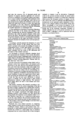
Retinoids have been defined narrowly as comprising simply vitamin A (retinol) and its derivatives such as vitamin A aldehyde (retinal), vitamin A acid (retinoic acid), comprising the so called natural retinoids. However, subsequent research has resulted in a much larger class of chemical compounds that are termed retinoids due to their biological similarity to vitamin A and its derivatives. Compounds useful in the present invention include all natural and/or synthetic analogues of vitamin A or retinol-like compounds which possess the biological activity of vitamin A in the skin, such as the control of epithelial cell differentiation of keratinocytes in the epidermis and/or stimulation of fibroplasia or new collagen synthesis in the dermis among other effects. Accordingly, as used herein for purposes of the present invention, the term "retinoid" will be understood to include any of the foregoing compounds. Examples of suitable retinoids for use in the present invention are set forth in Table I, although it will be understood that the invention is not limited thereto.
              TABLE 1
______________________________________
Chemical, Common and/or Commercial Name
______________________________________
       Isotretinoin
       13-cis-retinoic acid
       ACCUTANE
       Etretinate
       TEGISON
       (all-E)-9-(4-methoxy-2,3,6-
       trimethylphenyl)-3,7-dimethyl-2,4,6,8-
       nonatetraenoic acid ethyl ester
       Etretin
       (all-E)-9-(4-methoxy-2,3,6-tri-
       methylphenyl)-3,7-dimethyl-2,4,6,8-
       nonatetraenoic acid
       Motretinate
       N-ethyl-9-(4-methoxy-2,3,6-trimethyl-
       phenyl)-3,7-dimethyl-2,4,6,8-mono-
       tetraenamide
       (E,E)-9-(2,6-dichloro-4-methoxy-3-
       methylphenyl)-3,7-dimethyl-2,4,6,8-
       nonatetraenoic acid ethyl ester
       7,8-didehydroretinoic acid
       (E,E)-4- 2-methyl-4-(2,6,6-trimethyl-
       1-cyclohexane-1-yl)-1,3-butadiamyl!
       benzoic acid
       (E,E)-4- 4-methyl-6-(2,6,6-trimethyl-
       1-cyclohexane-1-yl)-1,3,5-hexatrienyl!
       benzoic acid
       (all-E)-3,7-dimethyl-9-(3-thienyl)-2-
       4,6,8-nonatetraenoic acid
       (E,E,E)-3-methyl-7-(5,6,7,8-tetrahy-
       dro-5,5,8,8-tetramethyl-2-naphthalenyl)-
       2,4,6-octatrienoic acid
       (E)-6-(2,6,6-trimethyl-1-cyclohexen-
       1-yl)ethenyl)-2-naphthalenecarboxylic
       acid
       (E,E,E)-7-(2,3-dihydro-1,1,3,3-tetra-
       methyl-1H-inden-5-yl)-3-methyl-2,4,6-
       octatrenoic acid
       (E)-4- 2-(2,3-dihydro-1,1,3,3-tetra-
       methyl-1H-inden-5-yl)-1-propenyl)
       benzoic acid
       TTNPB
       (E)-4- 2-(5,6,7,8-tetrahydro-5,5,8,8-
       tetramethyl-2-naphthalenyl-1-propenyl!
       benzoic acid
       (E)-4- 2-(5,6,7,8-tetrahydro-3-methyl-
       5,5,8,8-tetramethyl-2-naphthalenyl-1-
       propenyl! benzoic acid
       (E)-1,2,3,4-tetrahydro-1,1,4,4,-tetra-
       methyl-6-(1-methyl-2-phenylethenyl)
       naphthalene
       6-(1,2,3,4-tetrahydro-1,1,4,4-tetra-
       methyl-6-naphthyl)2-naphthalene-
       carboxylic acid
       (E)-6- 2- 4-(ethylsulfonyl)phenyl!-
       1-methylethenyl!-1,2,3,4-tetrahydro-
       1,1,4,4,-tetramethylnaphthalene
       4- (5,6,7,8-tetrahydro-5,5,8,8-
       tetramethyl-2-naphthalenyl)ethynyl!
       benzoic acid
       (E)-2-(1,1,4,4-tetramethyl-1,2,3,4-
       tetrahydronaphth-7-yl)-!-i- 4-
       tetrazol-5-yl)phenyl)-1-propene
       (E)-4- 2-(5,6,7,8-tetrahydro-7-
       hydroxy-5,5,8,8-tetramethyl-2-
       naphthalenyl)-1-propenyl!
       benzyl alcohol
______________________________________
Also encompassed within the term "retinoid" are geometric and stereoisomers of the retinoids. For example, in my co-pending application Ser. No 759,505 in which vitamin A acid was used as the active ingredient, the specific examples used tretinoin (all-trans retinoic acid). However, according to the present invention it has been found that isotretinoin (13-cis-retinoic acid) may also be used, although somewhat higher concentrations are needed to obtain equivalent results.
Retinoids may be formulated in bland, moisturizing bases, such as creams or ointments, usually in low concentrations, although higher concentrations may be used for darker skins. For example, isotretinoin may be used in concentrations of about 0.01% to 0.3% and preferably about 0.04% to 0.1% by weight of the base.
Other non-toxic, dermatologically acceptable vehicles or carriers in which retinoids are stable will be evident to those of ordinary skill in the art. In general, emollient or lubricating vehicles, such as oleaginous substances, which help hydrate the skin are preferred. As used herein, the term "emollient" will be understood to refer to the non-irritating character of the composition as a whole. That is, the nature of the vehicle and amount of retinoid therein should be selected so as to provide a sub-irritating dose for topical application. Volatile vehicles which dry or otherwise harm the skin, such as alcohol and acetone, should be avoided.
An ointment base (without water) is preferred in the winter and in subjects with very dry skin. Examples of suitable ointment bases are petrolatum, petrolatum plus volatile silicones, lanolin, and water in oil emulsions, such as Eucerin (Beiersdorf).
In warm weather and often for younger persons, oil in water emulsion (cream) bases, are preferred. Examples of suitable cream bases are Nivea Cream (Beiersdorf), cold cream (USP), Purpose Cream (Johnson & Johnson), hydrophilic ointment (USP), and Lubriderm (Warner-Lambert).
Some retinoids are mild irritants and may cause redness and scaling, which may be accompanied by some tenderness and tightness. These reactions are transient and quickly disappear when the applications are stopped. However, the skin rapidly accommodates, and even when retinoids are applied excessively to produce visible inflammation, the reaction slowly disappears leaving no permanent sequellae. Systemic side reactions are unknown and are not to be expected from such low concentrations according to the present invention. Selection of an appropriate emollient vehicle will more readily allow the use of a highly effective but sub-irritating dose of the retinoid.
The length of treatment according to the present invention may best be described as indefinite. That is, compared to the short term prior art treatments of various conditions with retinoids in which the treatments were terminated as soon as the condition cleared, the present invention requires treatment to be continued indefinitely since the aging process continues indefinitely. Also, the benefits of treatment slowly fade after the treatment is stopped. The treatment of the present invention may be considered to be intervention therapy in decelerating the aging process. If the intervention is stopped, there is regression to the original state. Hence, a maintenance regimen is required.
Usually, there is little point in beginning the treatments of the present invention until young adult life or, more typically, in middle age, when the effects of aging begin to appear. The particular program of maintenance therapy according to the present invention will vary depending upon the individual and conditions being treated. Generally, depending upon the age and state of the skin when treatments begin, it has been found that once a day applications of retinoids for up to 6 to 8 months may be necessary to reduce and control the effects of aging which have already occurred. Once a stabilized skin control has been obtained, the frequency of application of the retinoids may be reduced, for example to two or three times a week, and in some cases only once a week for the rest of the person's life. That is, once the aging process has been controlled, a maintenance dose on the order of two applications per week is generally sufficient to maintain that state.
The invention will now be illustrated in more detail by reference to the following specific, non-limiting examples:
Twenty-six middle-aged women, 35 to 55 years old, with actinically damaged skin, received once daily applications to the entire face of 0.05% 13-cis-retinoic acid in Purpose Cream for a period of 4 to 6 months. All had wrinkles, blotches and elastosis. The treatment caused neither redness nor drying of the skin. The treatment also was better tolerated than similar treatments with 0.05% all-trans retinoic acid in a cream base as disclosed in my co-pending application. The application f 13-cis-retinoic acid resulted in smoother skin in which fine wrinkles were moderately effaced.
Applications were made in the same way as Example 1 with 0.25% 13-cis-retinoic acid in Purpose Cream to the faces of eight women with photodamaged skin. The treatment was better tolerated (less irritancy was noted) than similar treatments of 0.05% tretinoin in a cream base as disclosed in my co-pending application. The treatment resulted in the obvious elimination of fine wrinkles. In addition, the skin appeared to have greater turgor to the palpating finger. The subjects of the study expressed satisfaction with the results of the treatment. The experimental results indicate that the application of 0.25% 13-cis-retinoic acid in Purpose Cream to be about as effective as 0.05% tretinoin in a cream base. Thus, 13-cis-retinoic acid has the capacity to achieve the same beneficial effects as retinoic acid on photoaged skin. Since the 13-cis-retinoic acid is apparently less effective at equal concentrations, biological equivalence can be obtained by increasing the concentration of 13-cis-retinoic acid 4 to 5 fold.
A histologic study was conducted on male and female subjects 45 to 60 years of age, with a history of excessive sun exposure and clinical evidence of photodamaged skin, to compare the two retinoids 0.05% 13-cis-retinoic acid in Purpose Cream and 0.05% tretinoin in cream base. Each of the seven subjects received a once daily application for three months of 0.05% 13-cis-retinoic acid in Purpose Cream to one dorsal forearm and 0.05% tretinoin cream to the other dorsal forearm. Following the three month treatment period a 4 millimeter punch biopsy was obtained from the forearms of each subject. The specimens obtained were fixed in formalin and prepared for light microscopy both by paraffin and methacrylate embedding.
The specimens of the forearms were compared in regard to the following histological features.
(1) Thickening of the epidermis.
(2) Correction of epidermal atypia and cytologic abnormalities.
(3) New blood vessels.
(4) Dispersion of melamin pigment.
(5) Decrease in number of horny cells.
(6) Expansion of the sub-epidermal Grenz zone, reflecting new collagen formation.
The results of the histological study are summarized as follows. In five of the seven subjects, histologic changes characteristic of 0.05% retinoic acid were evident on the forearm treated with tretinoin cream. Similar changes were observed in only three of the 0.05% 13-cis-retinoic acid-treated forearms and in each case were of substantially lesser magnitude. The epidermal alterations of the 13-cis-retinoic acid treatment were more noticeable than retinoic acid especially in improvement of cytologic irregularities. The dermis, by contrast, was scarcely altered with the 13-cis-retinoic acid treatment. The results of the study indicate that 0.05% 13-cis-retinoic acid is inferior to 0.05% retinoic acid in correcting photodamage.
A histologic study was conducted on male and female subjects 45 to 0 years of age with a history of excessive sun exposure and clinical evidence of photodamaged skin to compare two retinoids, 0.025% 13-cis-retinoic acid in Purpose Cream and 0.05% tretinoin in cream base. Each of the six subjects received a once daily application for three months of the two retinoids, 13-cis-retinoic acid and all-trans retinoic acid, to opposite forearms. The procedures used in this study and the parameters analyzed are identical to those described in Example 3.
The results of the histologic study indicate that all six individuals responded adequately to the 0.05% all-trans retinoic acid with marked thickneing of both the epidermis and the Grenz zone. Equivalent histologic changes were observed in the 0.25% 13-cis-retinoic acid treated specimens. Thus the two treatments were histologically indistinguishable. Therefore, the difference between the two retinoids is merely quantitative in that 13-cis-retinoic acid is less potent than all-trans retinoic acid. The difference between the two retinoids can be overcome by increasing the concentration of 13-cis-retinoic acid to make both compounds biologically equivalent.
From the foregoing embodiments, and the disclosure of my co-pending application incorporated herein by reference it will be seen that the invention has the following advantages inter alia:
A. Clinical
Effacement of fine wrinkles
Smoother surface
Lightens pigmented blotches
Skin has more turgor
Large pores less noticeable
Skin feels livelier
B. Histologic
Thicker epidermis
Normalizes atypia and pre-malignant changes
Atrophy and dysplasia corrected
Stimulates blood flow; new vessels formed
Stimulates fibroblasts with new collagen formation
Increases ground substance
Melanin within keratinocytes is decreased
It will be recognized by those skilled in the art that changes may be made to the above-described embodiments of the invention without departing from the broad inventive concepts thereof. It is understood, therefore, that this invention is not limited to the particular embodiments disclosed, but it is intended to cover all modifications which are within the scope and spirit of the invention as defined by the appended claims.
Claims (11)
1. A method for retarding and reversing the loss of collagen fibers, abnormal changes in elastic fibers, and deterioration of small blood vessels in sundamaged human skin, comprising applying topically to the surface of the skin a composition comprising effective amounts of a retinoid in a nontoxic, dermatologically acceptable vehicle in a program of maintenance therapy, whereby the skin substantially regains and maintains its firmness, turgor and elasticity during said therapy, said composition and amounts of retinoid therein being selected so as to provide a dose for application which is insufficient to cause excessive irritation.
2. A method according to claim 1 wherein said retinoid is selected from the group consisting of retinoic acids, retinoic acid derivatives and stereoisomers thereof.
3. A method according to claim 2 wherein said retinoic acid, retinoic acid derivatives is selected from the group consisting of 13-cis-retinoic acid, 13cis-retinoic acid derivatives and thereof.
4. A method according to claim 1 wherein said retinoid is selected from the group consisting of (E)-4- 4-methyl-6-(2,6,6-trimethyl-1-cyclohexen-1-yl)-! benzoic acid; 4- (5,6,7,8-tetrahydro-5,5,8,8-tetramethyl-2-naphthalenyl)ethylnyl!-benzoic acid; and (E)-4- 2-(5,6,7,8-tetrahydro-7-hydroxy-5,5,8,8-tetramethyl-2-naphthalenyl-1-propenyl! benzyl alcohol.
5. A method according to claim 1 wherein said retinoid is selected from the group consisting of 13-cis-retinoic acid; (all-E)-9-(4-methoxy-2,3,6-trimethylphenyl)-3,7-dimethyl-2,4,6,8-nonatetraenoic acid ethyl ester; (all-E)-9-(4-methoxy2,3,6,-trimethylphenyl)-3,7-dimethyl-2,4,6,8,-nonatetraenoic acid; N-ethyl-9-(4-methoxy-2,3,6-trimethylphenyl)-3,7-dimethyl2,4,6,8-nonatetraenamide; (E,E)-9-(2,6-dichloro-4-methoxy-3-methylphenyl)-3,7-dimethyl-2,4,6,8-nonatetraenoic acid ethyl ester; 7,8-didehydroretinoic acid; (E,E)-4- 2-methyl-4-(2,6,6-trimethyl-1-cyclohexen-1-yl)-1,3-butadienyl!benzoic acid; (all-E)-3,7-dimethyl-(3-thienyl)-2,4,6,8-nonatetraconic acid; (E,E,E)-3-methyl-7-(5,6,7,8-tetrahydro-5,5,8,8-tetramethyl-2-naphthalenyl)-2,4,6-octatrienoic acid; (E)-6- 2-(2,6,6-trimethyl-1-cyclohexen-1-yl)ethenyl!-2-naphthalenecarboxylic acid; (E,E,E)-7-(2,3-dihydro-1,1,3,3-tetramethyl-1H-inden-5-yl)-3-methyl-2,4,6-octatrienoic acid; (E)-4- 2-(2,3-dihydro-1,1,3,3-tetramethyl-1H-inden-5-yl)-1-propenyl!benzoic acid; TTNPB (E)-4- 2-(5,6,7,8-tetrahydro-5,5,8,8-tetramethyl-2-naphthalenyl-1propenyl!benzoic acid; (E)-4- 2-(5,6,7,8-tetrahydro-3-methyl-5,5,8,8-tetramethyl-2-naphthalenyl)-1-propenyl!benzoic acid; (E)-1,2,3,4-tetrahydro-1,1,4,4-tetramethyl-6-(1-methyl-2phenylethenyl) naphthalene; 6-(1,2,3,4-tetrahydro-1,1,4,4-tetra-methyl-6-naphthyl)-2-naphthalene-carboxylic acid; . .(E)-6- 2-(4-(ethylsulfonyl)phenyl!-1-methylethenyl!-1,2,3,4-tetrahydro-1,2,3,4-tetrahydronaphth-7-yl)-1- 4-tetrazol-5-yl)phenyl!-1-propene.!. .Iadd.(E)-2-(1,1,4,4-tetramethyl-1,2,3,4-tetrahydronaphth-7-yl)-1-(4-tetrazol-5-yl)phenyl)-1-propene.Iaddend..
6. A method according to claim 1 wherein said skin is human facial skin.
7. A method according to claim 2 wherein said skin is human facial skin.
8. A method according to claim 3 wherein said skin is human facial skin.
9. A method according to claim 1 wherein said vehicle is a cream ointment.
10. A method according to claim 1 wherein said vehicle is an emollient vehicle.
11. A method according to claim 1 wherein said retinoid is retinol.
Priority Applications (1)
| Application Number | Priority Date | Filing Date | Title |
|---|---|---|---|
| US08/630,872 USRE36068E (en) | 1981-08-28 | 1996-04-02 | Methods for treatment of sundamaged human skin with retinoids |
Applications Claiming Priority (6)
| Application Number | Priority Date | Filing Date | Title |
|---|---|---|---|
| US29738881A | 1981-08-28 | 1981-08-28 | |
| US61071184A | 1984-05-16 | 1984-05-16 | |
| US06/759,505 US4603146A (en) | 1984-05-16 | 1985-07-26 | Methods for retarding the effects of aging of the skin |
| US06/886,596 US4698524A (en) | 1986-07-16 | 1986-07-16 | MESFET logic using integral diode level shifting |
| US07/205,057 US4877805A (en) | 1985-07-26 | 1988-06-03 | Methods for treatment of sundamaged human skin with retinoids |
| US08/630,872 USRE36068E (en) | 1981-08-28 | 1996-04-02 | Methods for treatment of sundamaged human skin with retinoids |
Related Parent Applications (2)
| Application Number | Title | Priority Date | Filing Date |
|---|---|---|---|
| US06/886,596 Continuation US4698524A (en) | 1981-08-28 | 1986-07-16 | MESFET logic using integral diode level shifting |
| US07/205,057 Reissue US4877805A (en) | 1981-08-28 | 1988-06-03 | Methods for treatment of sundamaged human skin with retinoids |
Publications (1)
| Publication Number | Publication Date |
|---|---|
| USRE36068E true USRE36068E (en) | 1999-01-26 |
Family
ID=25389343
Family Applications (2)
| Application Number | Title | Priority Date | Filing Date |
|---|---|---|---|
| US06/886,596 Expired - Fee Related US4698524A (en) | 1981-08-28 | 1986-07-16 | MESFET logic using integral diode level shifting |
| US08/630,872 Expired - Lifetime USRE36068E (en) | 1981-08-28 | 1996-04-02 | Methods for treatment of sundamaged human skin with retinoids |
Family Applications Before (1)
| Application Number | Title | Priority Date | Filing Date |
|---|---|---|---|
| US06/886,596 Expired - Fee Related US4698524A (en) | 1981-08-28 | 1986-07-16 | MESFET logic using integral diode level shifting |
Country Status (1)
| Country | Link |
|---|---|
| US (2) | US4698524A (en) |
Cited By (5)
| Publication number | Priority date | Publication date | Assignee | Title |
|---|---|---|---|---|
| US6696069B2 (en) * | 2000-06-30 | 2004-02-24 | Unilever Home & Personal Care Usa, Division Of Conopco, Inc. | Skin care cosmetic compositions containing phosphates and/or sulfates of branched alcohols and/or ethoxylates thereof |
| US6982284B1 (en) | 1999-09-10 | 2006-01-03 | Applied Genetics Incorporated Dermatics | Compositions and methods for modification of skin lipid content |
| US20060122282A1 (en) * | 2004-12-03 | 2006-06-08 | Todd Leonard | Method for treating skin disorders with xanthophylls |
| US20090053290A1 (en) * | 2006-03-08 | 2009-02-26 | Sand Bruce J | Transdermal drug delivery compositions and topical compositions for application on the skin |
| US20100247692A1 (en) * | 2001-01-31 | 2010-09-30 | Maes Daniel H | Cholesterol Sulfate And Amino Sugar Compositions For Enhancement Of Stratum Corneum Function |
Families Citing this family (9)
| Publication number | Priority date | Publication date | Assignee | Title |
|---|---|---|---|---|
| US4912745A (en) * | 1987-05-19 | 1990-03-27 | Gazelle Microcircuits, Inc. | Logic circuit connecting input and output signal lines |
| US4800303A (en) * | 1987-05-19 | 1989-01-24 | Gazelle Microcircuits, Inc. | TTL compatible output buffer |
| US4812683A (en) * | 1987-05-19 | 1989-03-14 | Gazelle Microcircuits, Inc. | Logic circuit connecting input and output signal leads |
| JP2751422B2 (en) * | 1988-06-27 | 1998-05-18 | 日本電気株式会社 | Semiconductor device |
| US4885480A (en) * | 1988-08-23 | 1989-12-05 | American Telephone And Telegraph Company, At&T Bell Laboratories | Source follower field-effect logic gate (SFFL) suitable for III-V technologies |
| US4970415A (en) * | 1989-07-18 | 1990-11-13 | Gazelle Microcircuits, Inc. | Circuit for generating reference voltages and reference currents |
| JPH04105420A (en) * | 1990-08-27 | 1992-04-07 | Mitsubishi Electric Corp | Semiconductor integrated circuit |
| US6429492B1 (en) | 1999-06-23 | 2002-08-06 | Bae Systems Information And Electronic Systems Integration, Inc. | Low-power CMOS device and logic gates/circuits therewith |
| US9755645B1 (en) * | 2015-12-11 | 2017-09-05 | The United States Of America As Represented By The Administrator Of National Aeronautics And Space Administration | Current source logic gate |
Citations (8)
| Publication number | Priority date | Publication date | Assignee | Title |
|---|---|---|---|---|
| US3729568A (en) * | 1969-09-23 | 1973-04-24 | Johnson & Johnson | Acne treatment |
| US3856934A (en) * | 1970-06-24 | 1974-12-24 | A Kligman | Skin depigmentation |
| US3906108A (en) * | 1973-10-12 | 1975-09-16 | Johnson & Johnson | Stabilized tretinoin cream emulsion |
| US4247547A (en) * | 1979-03-19 | 1981-01-27 | Johnson & Johnson | Tretinoin in a gel vehicle for acne treatment |
| US4396553A (en) * | 1981-02-13 | 1983-08-02 | Hoffmann-La Roche Inc. | Tetrahydronaphthalene and indane compounds useful as anti-tumor agents |
| US4603146A (en) * | 1984-05-16 | 1986-07-29 | Kligman Albert M | Methods for retarding the effects of aging of the skin |
| US4877805A (en) * | 1985-07-26 | 1989-10-31 | Kligman Albert M | Methods for treatment of sundamaged human skin with retinoids |
| US4888342A (en) * | 1984-05-16 | 1989-12-19 | Kligman Albert M | Methods for treatment of sundamaged human skin with retinoids |
Family Cites Families (7)
| Publication number | Priority date | Publication date | Assignee | Title |
|---|---|---|---|---|
| SU953733A1 (en) * | 1980-11-14 | 1982-08-23 | Московский институт электронной техники | Logic inverter |
| US4400636A (en) * | 1980-12-05 | 1983-08-23 | Ibm Corporation | Threshold voltage tolerant logic |
| JPS5819033A (en) * | 1981-07-27 | 1983-02-03 | Nec Corp | Basic logical circuit |
| US4410815A (en) * | 1981-09-24 | 1983-10-18 | Sperry Corporation | Gallium arsenide to emitter coupled logic level converter |
| DE3276988D1 (en) * | 1981-09-30 | 1987-09-17 | Toshiba Kk | Logic circuit operable by a single power voltage |
| US4404480A (en) * | 1982-02-01 | 1983-09-13 | Sperry Corporation | High speed-low power gallium arsenide basic logic circuit |
| US4558235A (en) * | 1983-08-31 | 1985-12-10 | Texas Instruments Incorporated | MESFET logic gate having both DC and AC level shift coupling to the output |
-
1986
- 1986-07-16 US US06/886,596 patent/US4698524A/en not_active Expired - Fee Related
-
1996
- 1996-04-02 US US08/630,872 patent/USRE36068E/en not_active Expired - Lifetime
Patent Citations (8)
| Publication number | Priority date | Publication date | Assignee | Title |
|---|---|---|---|---|
| US3729568A (en) * | 1969-09-23 | 1973-04-24 | Johnson & Johnson | Acne treatment |
| US3856934A (en) * | 1970-06-24 | 1974-12-24 | A Kligman | Skin depigmentation |
| US3906108A (en) * | 1973-10-12 | 1975-09-16 | Johnson & Johnson | Stabilized tretinoin cream emulsion |
| US4247547A (en) * | 1979-03-19 | 1981-01-27 | Johnson & Johnson | Tretinoin in a gel vehicle for acne treatment |
| US4396553A (en) * | 1981-02-13 | 1983-08-02 | Hoffmann-La Roche Inc. | Tetrahydronaphthalene and indane compounds useful as anti-tumor agents |
| US4603146A (en) * | 1984-05-16 | 1986-07-29 | Kligman Albert M | Methods for retarding the effects of aging of the skin |
| US4888342A (en) * | 1984-05-16 | 1989-12-19 | Kligman Albert M | Methods for treatment of sundamaged human skin with retinoids |
| US4877805A (en) * | 1985-07-26 | 1989-10-31 | Kligman Albert M | Methods for treatment of sundamaged human skin with retinoids |
Non-Patent Citations (454)
| Title |
|---|
| 20 USPQ2d 1401. |
| 32 F3d 690. |
| 33 PDR 927-8 (1979). |
| 38 PDR 1437-8, 1984. |
| 798 F.Supp. 219 (D.N.J. 1992). |
| Amended Complaint and Demand for Jury Trial University Patents v. Kligman et al., Oct. 3, 1989. |
| Amendment After Interview from U.S.P. 4,603,146, Nov. 7, 1985. |
| Amendment and Statement of Prior Art S.N. 944,119, Apr. 21, 1988. |
| Amendment And Supplemental Response Request for Interference from S.N. 520,166, May 8, 1991. |
| Amendment from S.N. 205,057, Mar. 29, 1989. |
| Amendment S.N. 205,057, Apr. 3, 1989. |
| Amendment S.N. 610,711, Feb. 13, 1985. |
| Amendment Taken from File History of Kligman, S.N. 610,711 Abandoned, Feb. 13, 1985. |
| Appeal of Office Action from European Patent Office, Aug. 9, 1993. |
| Armstrong et al., "Clinical Panel Assessment of Photodamaged Skin Treated with Isotretinoin using Photographs," Arch. Dermatol. 128:352-356 (1992). |
| Armstrong et al., Arch Dermatol 128:352-356 (1992). |
| Ashton, et al., "Histologic Changes in the Skin of the Rhino Mouse Induced by Retinoids," Journal of Investigative Dermatology, vol. 82, No. 6, pp. 632-635, 1984. |
| Ashton, et al., Histologic Changes in the Skin of the Rhino Mouse Induced by Retinoids, Journal of Investigative Dermatology , vol. 82, No. 6, pp. 632 635, 1984. * |
| Associate Power of Attorney, Bryce, Jan. 27, 1992. * |
| Background of Invention for U.S.P. 4,396,553. |
| Background of Invention form File History of U.S.P. 4,826,828 (CIP), Mar. 1986. |
| Background of Invention from File History of U.S.P. 4,826,828 (CIP), Apr. 22, 1985. |
| Background of Invention from File History of U.S.P. 4,826,828, Feb. 15, 1985. |
| Background of the Invention of U.S.P. 4,396,553, Aug. 19, 1987. |
| BE 877,713 Nov. 1979. * |
| Bhawan et al., "Effects of Tretinoin on Photodameged Skin," Arch. Dermatol, vol. 127, pp. 666-672, May 1991. |
| Bollag (Saurat editor), Retinoids: New Trends in Research and Therapy (1985), pp. 274 288. * |
| Bollag (Saurat editor), Retinoids: New Trends in Research and Therapy (1985), pp. 274-288. |
| Bollag: Experimental Data on New Retinoids. Psoriasis: Proceedings of the Fourth International Symposium, Stanford Univeristy, Jul. 6-11, 1986. |
| Bryce Citation of in Re Van Geuns, Bryce, Apr. 5, 1993. |
| Bryce et al Motion I. for Benefit of Earlier Filing Dates, II. to Deny Kligman Benefit of Earlier Filing Dates, Bryce, Mar. 3, 1992. * |
| Bryce et al. JID 90,549 (1988). |
| Bryce et al. JID 96,585 (1991). |
| Bryce et al. Motion for Extension of Time 37 CFR 1.645 and 1.635 Granted, PTO, Jan. 22, 1996. |
| Bryce et al. Motion for Extension of Time 37 CFR 1.645 and 1.635, Bryce, Feb. 2, 1996. |
| Bryce et al. Motion for Extension of Time 37 CFR 1.645 and 1.635, Bryce, Jan. 11, 1996. |
| Bryce et al. Motion for Extension of Time 37 CFR 1.645, Bryce, Nov. 2, 1995. |
| Bryce et al., "A Comparative Study of the Induction of Epidermal Hyperplasia by Natural and Synthetic Retinoids," The Jouranal of Pharmacology and Experimental Therapeutics, vol. 237, pp. 31-33, Apr. 1986. |
| Bryce et al., "Retinoic Acids Promote the Repair of the Dermal Damage and the Effacement of Wrinkles in the UVB-Irradiated Hairless Mouse," The Journal of Investigative Dermatology, vol. 91, pp. 175-180, 1988. |
| Bryce et al., "Selective Effect of Retinoids on The Repair of Dermal Damage and Effacement of Wrinklers in the Skin of UVB-Irradiated Hairless Mice". |
| Bryce et al., "Selective Effect of Retinoids on the Repair of Dermal Damage and Effacement of Wrinkles in the Skin of UVB-Irradiated Hairless Mice." JID 90,549 (1988). |
| Bryce et al., "The Effect of Retinoids on the Repair Of UVB-Induced Dermal Damage in the Hairless Mouse". |
| Bryce et al., "The Irreversibility of Wrinkle Effacement by Retinoids in the UVB-Irradiated Hairless Mouse". |
| Bryce et al., "The Irreversibility of Wrinkle Effacement by Retinoids in the UVB-Irradiated Hairless Mouse," JID 96,585 (1991). |
| Bryce Motion for Consideration of Newly Discovered Evidence in Connection with its Motion to Redifine, Bryce, Sep. 29, 1993. |
| Bryce Motion for Leave to File Unredacted Kligman Exhibits and for Expedited in Camera Hearing, Bryce, Apr. 8, 1994. |
| Bryce Motion to Refuse Consideration of Portions of Kligman Opposition or to Compel Disclosure by Kligman, Bryce, Dec. 1, 1993. |
| Bryce Motion to Supplement Second Bryce Motion for Consideration of newly Discovered Evidence, Bryce, Dec. 23, 1993. |
| Bryce Notice of Intent to Rely upon Previously Filed Documents, Bryce, Mar. 6, 1996. |
| Bryce Opposition to Kligman "Contingent" Abandonment of Contest, Bryce, Mar. 4, 1996. |
| Bryce Opposition to Kligman Motion for to Leave to Fie Surreply, Bryce, Jul. 31, 1992. |
| Bryce Opposition to Kligman Motion to Strike, Bryce, Jul. 31, 1992. |
| Bryce Preliminary Motion I, Bryce, Mar. 6, 1996. |
| Bryce Preliminary Motion II, Bryce, Mar. 6, 1996. |
| Bryce Preliminary Motion III, Bryce, Mar. 6, 1996. |
| Bryce Preliminary Motion IV, Bryce, Mar. 6, 1996. |
| Bryce Preliminary Motion V, Bryce, Mar. 6, 1996. |
| Bryce Preliminary Motion VI, Bryce, Mar. 6, 1996. |
| Bryce Preliminary Motion VII, Bryce, Mar. 6, 1996. |
| Bryce Reply Anent in Re Van Geuns, Bryce, May 5, 1993. |
| Bryce Reply to Kligman "Statement" Regarding Bryce Response to Order to Show Cause, Bryce, Jun. 26, 1992. |
| Bryce Reply to Kligman Opposition in Part to Bryce Motion for Leave to File Unredaccted Kligman Exhibits, Bryce, May 3, 1994. |
| Bryce Reply to Kligman Opposition to Bryce Motion for Consideration of Newly Discovered Evidence, Bryce, Dec. 1, 1993. |
| Bryce Reply to Kligman Opposition to Bryce Motion to Redefine, Bryce, Jun. 26, 1992. |
| Bryce Reply to Kligman Opposition to Bryce Motion to Refuse Consideration of Portions of Kligman Opposition or to Compel Disclosure by Kligman, Bryce, Jan. 18, 1994. |
| Bryce Reply to Kligman Opposition to Second Bryce Motion for Consideration of Newly Discovered Evidence and Bryce Motion to Supplement Second Bryce Motion for Consideration of Newly Discovered Evidence, Bryce, May 2, 1994. |
| Bryce U.S.P. 5,061,733, Oct. 29, 1991. |
| Bryce U.S.P. 5,075,333, Dec. 24, 1991. |
| Bryce, et al. Motion to Redefine the Interfering Subject Matter, Bryce, Mar. 3, 1992. * |
| Bryce, et al. Response to Order to Show Cause and Request for Final Hearing, Bryce, Mar. 3, 1992. * |
| Byrce's (I) Opposition to Kligman Rule 635 Motion and (II)Response to Kligman Request for Entry of Adverse Judgment, Byrce, Apr. 4, 1996. |
| Change of Lead Attorney and Associate Power of Attorney, Kligman, Jan. 24, 1992. * |
| Cirriculum Vitae of Albert M. Kligman, M.D., Ph.D. |
| Cirriculum Vitae of Lorraine CT Lesnik Kligman, Jan. 10, 1992. |
| Cirriculum Vitae of Nicholas J. Lowe, M.D. * |
| Clinical Research 35, 672A(1987), 1987. |
| Clinical Research 35, 672A(1987). |
| Communication from the Examiner In Chief, Declaring the Captioned Interference, Dec. 31, 1991. * |
| Communication from the Examiner-In Chief, Declaring the Captioned Interference, Dec. 31, 1991. |
| Communication, Bryce, Mar. 2, 1993. |
| Communication, PTO, Dec. 6, 1996. |
| Communication, PTO, Jan. 6, 1997. |
| Complaint for Trademark Infringement, Sep. 7, 1988. |
| Conner: Study Report--Retinoic Acid Formatting in Human Epidermis from Retinal and Retinyl Palmitate Offer Multiple Applications in a Cream Vehicle. |
| Connor, et al. "A Comparative Study of the Induction of Epidermal Hyperplasia by Natural and Synthetic Retinoids," Journal of Pharmacology and Experimental Therapeutic, vol. 237, No. 1, pp. 31-35, 1986. |
| Connor, et al. A Comparative Study of the Induction of Epidermal Hyperplasia by Natural and Synthetic Retinoids, Journal of Pharmacology and Experimental Therapeutic , vol. 237, No. 1, pp. 31 35, 1986. * |
| Contingent Abandonment of Contest, Kligman, Feb. 28, 1996. |
| Copy of Stiefel U.S.P. 4,483,096. * |
| Correspondence from British Patent Agents to European Patent Office, May 19, 1993. |
| Curriculum Vitae for Graeme Bryce. |
| Curriculum Vitae of James A. Mezick. |
| Curriculum Vitae of Stanley S. Shapiro, PH.D. |
| Dawson et al, "Synthesis and Pharmacological Activity of 6- (E)-2-(2,6,6-Trimethyl-1-Cyclohexen-1-YL)Ethen-1-YL!- and 6-(1,2,3,4-Tetrahydro-1,1,4,4-Tetramethyl-6-Naphthy)-2-Naphthalenecarboxylic Acids," Journal of Medicinal Chemistry, 1983, vol. 26, No. 11. |
| Decl 37 CFR 1.132 of Dr. James A. Mezick, Nov. 30, 1987. |
| Declaration from a Kligman, M.D., Taken from File History of Kligman, U.S.P.4,603,146, Mar. 5, 1985. |
| Declaration of Albert Kligman, Jul. 19, 1986. |
| Declaration of Albert M. Kligman, from File History of Mezick U.S.P. 4,487,782, Jul. 19, 1986. * |
| Declaration of Albert M. Kligman, Jul. 19, 1986. |
| Declaration of Albert M. Kligman, M.D. PH.D., Kligman, May 8, 1992. |
| Declaration of Corine Brown, 1996. * |
| Declaration Of Dr. Graeme Bryce, Bryce, Mar. 3, 1992. |
| Declaration of Dr. Graeme Bryce. * |
| Declaration of Dr. Stanley Shapiro, 1996. * |
| Declaration of Dr. Stanley Shapiro, Bryce, Mar. 3, 1992. |
| Declaration of Graeme F. Bryce, Bryce, Mar. 6, 1996. |
| Declaration of Howard Maibach, M.D. For "Ortho" Case, Oct. 24, 1988. |
| Declaration of James A. Mezick, PH.D. Under 37 C.F.R. 1.132, Taken from the File History of Kligman, U.S.P. 4,877,805, Nov. 30, 1987. * |
| Declaration of James A. Mezick, PH.D., Mezick, May 8, 1992. |
| Declaration of James A. Mezick, Ph.D., Nov. 30, 1987. |
| Declaration of Lorraine H. Kligman, PH.D., Kligman, May 8, 1992. |
| Declaration of Madonna M. Malin for "Ortho" Case, Nov. 14, 1988. |
| Declaration of Madonna M. Malin, Esq., Kligman, Nov. 2, 1993. |
| Declaration of Nancy Bogdan, 1996. * |
| Declaration of Nancy Bogdan, Bryce, Mar. 6, 1996. |
| Declaration of Nicholas J. Lowe, Jan. 28, 1987. |
| Declaration of Nicholas J. Lowe, M.D., Bryce, Mar. 3, 1992. * |
| Declaration of Peter M. Elias, Jan. 20, 1987. |
| Declaration of Peter M. Elias, Jan. 28, 1987. |
| Declaration of Peter M. Elias, Taken from the File history of Mezick, U.S.P. 4,487,782, Jan. 20, 1987. * |
| Declaration of Stanley C. Bell, Ph.D., Nov. 30, 1987. |
| Declaration of Stanley C. Bell, PH.D., Taken from the File History of U.S.P. 4,487,782, Nov. 30, 1987. |
| Declaration of William H. Epstein, Bryce, Mar. 3, 1992. * |
| Declaration of William W. Schwartze, with Exhibits, Mar. 17, 1994. |
| Declaration Under 37 CFR 1.132 of Dr. Jamie A Mezick, Nov. 30, 1987. |
| Declaration, Power of Attorney, Dec. 16, 1986. |
| Declaration, Power of Attorney, Jul. 16, 1986. |
| Defendants' Amended Answer and Counterclaim, Dec. 13, 1983. |
| Defendants' Memorandum in Opposition to UPI Motion for Discovery and in Reply to the University Statute of Limitation Memo, Mar. 23, 1990. |
| Defendant's Memorandum in Opposition to UPI' Motion for Discovery and in Reply to the University's Statute of Limitations Memo., Univ. Patents, Inc., v. Kligman, et al. No. 89-3525 (E. D. PA. 1990). |
| Deposition Excerpts--Lavker Direct, 1995. |
| Deposition Excerpts--Lavker Direct. |
| Docket as of 02/1192, Feb. 11, 1992. |
| Doran, et al., "Retinoid Effects on Subocyte Proliferation," Methods in Enzymology, vol. 190, pp. 334-338. |
| Dr. Nicholas J. Lowe Biographical Resume. |
| Dr. Nicholas J. Lowe--Biographical Resume. |
| Duplicate of #12C. |
| Duplicate of #12CC. |
| Duplicate of #12DD. |
| Duplicate of #12E. |
| Duplicate of #12F. |
| Duplicate of #12G. |
| Duplicate of #12H. |
| Duplicate of #12J. |
| Duplicate of #12K. |
| Duplicate of #12L. |
| Duplicate of #12M. |
| Duplicate of #12N. |
| Duplicate of #12P. |
| Duplicate of #12Q. |
| Duplicate of #12Z, Jul. 1980. |
| Duplicate of #12Z. |
| Duplicate of #16J. |
| Duplicate of #16K. |
| Duplicate of #16L. |
| Duplicate of #16M. |
| Duplicate of #16N. |
| Duplicate of #17H. |
| Duplicate of #17I. |
| Duplicate of #18F. |
| Duplicate of #18L. |
| Duplicate of #24A. |
| Duplicate of #29B, 1984. |
| Duplicate of #31A. |
| Duplicate of #31D. |
| Duplicate of #6J. |
| Duplicate of #95J. |
| Duplicate of #96F. |
| Duplicate of 12C. * |
| Duplicate of 12CC. * |
| Duplicate of 12DD. * |
| Duplicate of 12E. * |
| Duplicate of 12J. * |
| Elias et al. (editors), Topical Retinoids: An Update Proceedings of a Symposium held Apr. 19 20, 1986 , pp. 748 156. * |
| Elias et al. (editors), Topical Retinoids: An Update--Proceedings of a Symposium held Apr. 19-20, 1986, pp. 748-156. |
| Ellis et al. "Sustained Improvement with Prolonged Topical Tretinoin (Retinoic Acid) for Photoaged Skin." Journal of the American Academy of Dermatology, vol. 23, No. 4, Part 1, 1990. |
| Ellis et al., "Sustained Improvement with Prolonged Topical Tretinoin (Retinoic Acid) for Photoaged Skin," Journal of the American Academy of Dermatology, vol. 23, No. 4, Part 1, pp. 629-637, Oct. 1990. |
| EP 0 176 034 A2. |
| EP 0 379 367 A2, 1987. |
| EP 0 379 367 A2. |
| EPA 253,393, Jan. 1988. * |
| European Office Action Appl No. 90 300 521.3, Jul. 27, 1992. |
| European Office Action Patent No. 90300521.3-2114, Jan. 19, 1993. |
| European Patent Application 0 176 032. |
| European Patent Application 0 176 034. |
| European Patent Application 0 176 035. |
| European Patent Application 0 274 104. |
| European Patent Application 0 379 367. |
| European Patents Handbook Chartered Institute of Patent Agents, Second Ed, vol. 1, 1993. |
| Examiner Interview Summary from File History of Kligman, S.N. 205,057, Jan. 1984. |
| Examiner Interview Summary Record from U.S.P. 4,603,146, Oct. 17, 1985. |
| Examiner Interview Summary Record, Jan. 27, 1989. |
| Excerpts of Stenographers' Minutes Before Hon. Charles H. Tenney Dec. 16-17, 1992 Ortho V. Cosprophar. |
| Exhibits Accompanying Bryce Preliminary Motions I-VII, Bryce, Mar. 6, 1996. |
| First Amended & Supplemental Complaint Party: Ortho, Apr. 30, 1992. |
| First Amended and Supplemental Complaint Ortho et al. v. Cosprophar, Apr. 30, 1992. |
| First Amended and Supplemental Complaint, Apr. 30, 1992. |
| FR 1,297,730 May, 1972. * |
| FR 2,405,068 Oct. 1977. * |
| GB 1,466,062. |
| German 2,240,187 Feb. 1974. * |
| Great Britain Patent Specification 906,000. * |
| Griffiths, "To Concentrations of Topical Tretinoin (Retinoic Acid) Cause Similar Improvement of Photoaging But Different Degrees of Irritation," Arch. Dermatal. 131:1037-1044 (1995), Sep. 1995. |
| Identification of Lead Attorney, Bryce, Jan. 14, 1992. * |
| Illustrated Stedman's Medical Dictionary 24ed P.929. |
| Industry Happenings, Drug & Cosmetic, Industries (1985), p. 86. * |
| Information Disclosure Statement Re: USSN 886,595 Dec. 17, 1993. |
| Information Disclosure Statement Taken from File History of Kligman, U.S.P. 4,877,805. * |
| International Application WO/86/06275 for "Composition and Method for Reducing Wrinkles", Nov. 6, 1986. |
| Johnson & Johnson Memo to Bodine, Re: Retinoic Acid in Aged Skin, Feb. 28, 1974. |
| Joint Filing of Interference Settlement Agreement and Request to Keep Separate from Interference File, Nov. 26, 1996. |
| Judgment, PTO, Sep. 30, 1996. |
| Kistler: Structure-Activity Relationship of Retinoids on the Differentiation of Cultured Chick Foot Skin, Retinoids: New Trends in Research and Therapy, Retinoid Symp. Geneva 1984, pp. 309-312 (Karger, Basel) 1985. |
| Klaus et al., "Sulfur-Containing Arotinoids, a New Class of Retinoid," Eur. J. Med. Chem. 1983, pp. 425-429. |
| Klaus U.S.P. 4,396,553. * |
| Klaus, et al., "Sulfur-Containing Arontinoids, a New Class of Retinoids," European Journal of Medicine and Chemistry, vol. 18, No. 5, pp. 425-429 (1983). |
| Klaus, et al., Sulfur Containing Arontinoids, a New Class of Retinoids, European Journal of Medicine and Chemistry , vol. 18, No. 5, pp. 425 429 (1983). * |
| Kligman et al. "Topical Retinoic Acid Enhances the Repair of Ultraviolet Damaged Dermal Connective Tissue." Connective Tissue Research, 1984, vol. 12, pp. 139-150. |
| Kligman et al., "Enhanced Repair of UV-Induced Dermal Damage by Retinoic Acid." Retinoids: New Trends in Research and Therapy, Retinoid Symp. Geneva 1984, pp. 309-312 (Karger, Basel) 1985. |
| Kligman et al., "Topical Retinoic Acid Enhances the Repair of Ultraviolet Damaged Dermal Connective Tissue," Connective Tissue Research, 1984, vol. 12, pp. 139-150. |
| Kligman et al., "Topical Tretinion for Photoaged Skin," Journal of the American Academy of Dermatology, vol. 15, No. 4, Part 2, pp. 836-859, Oct. 1986. |
| Kligman et al., Archives of Dermatology (Jan., 1975), vol. 111, pp. 40 48. * |
| Kligman et al., Archives of Dermatology (Jan., 1975), vol. 111, pp. 40-48. |
| Kligman et al., Archives of Dermatology (Oct., 1971), vol. 104, pp. 420 and 421. * |
| Kligman et al., Journal of Investigative Dermatology (1979), vol. 73, pp. 354 358. * |
| Kligman et al., Journal of Investigative Dermatology (1979), vol. 73, pp. 354-358. |
| Kligman Motion for Extension Of Time 37 CFR 1,645, Kligman, Dec. 4, 1995. |
| Kligman Motion for Extension of Time 37 CFR 1.645 Granted, PTO, Dec. 8, 1995. |
| Kligman Notice of Filing Reissue Application--37 CFR § 1.662(b)Submitted with Copies of Request for Title Report, Offer to Surrender Letters Patent under 37 CFR § 1.178, Reissue Filing Letter and Reissue Specification, Kligman, Apr. 2, 1996. |
| Kligman Opposition in Part to Bryce Motion for Leave to File Unredacted Kligman Exhibits and for Expedited in Camera Hearing, Kligman, Apr. 18, 1994. |
| Kligman Opposition to Bryce Motion to Refuse Consideration of Portions of Kligman Opposition or to Compel Disclosure by Kligman, Kligman, Dec. 28, 1993. |
| Kligman Opposition to Second Bryce Motion for Consideration of Newly Discovered Evidence and Bryce Motion to Supplement Second Bryce Motion for Consideration of Newly Discovered Evidence, Kligman, Mar. 18, 1994. |
| Kligman Replies to Bryce Oppositions to Kligman Motion to File Surreply and Motion to Strike, Kligman, Aug. 11, 1992. |
| Kligman Reply in Support of its Motion under 37 C.F.R. § 1.635, Kligman, Apr. 15, 1996. |
| Kligman Response to "Bryce Citation of in Re Van Geuns", Kligman, Apr. 26, 1993. |
| Kligman Response to "Bryce Reply Anent in Re Van Geuns", Kligman, May 12, 1993. |
| Kligman Response to Bryce et al. Communication, Kligman, Mar. 12, 1993. |
| Kligman Response to Bryce et al. Motion (I) for Benefit of Earlier Filing Dates, and (II) to Deny Kligman Benefit Of Earlier Filing Dates, Kligman, May 8, 1992. |
| Kligman U.S.P. 3,856,934. * |
| Kligman U.S.P. 4,888,342. |
| Kligman, "Early Destructive Effect of Sunlight on Human Skin," JAMA, vol. 210, No. 13, pp. 2377-2380, Dec. 1969. |
| Kligman, "The Hairless Mouse and Photoaging," Pharm. and Pharm. 54:1109-1118. |
| Kligman, Early Destructive Effect of Sunlight on Human Skin, JAMA , vol. 210, No. 13, pp. 2377 2380, Dec. 1969. * |
| Kligman, et al. "Topically Applied Tretinoin for Senile (Solar) Comedones," Arch. Derm., vol. 104, pp. 420-421, Oct. 1971. |
| Kligman, et al. Topically Applied Tretinoin for Senile (Solar) Comedones, Arch. Derm. , vol. 104, pp. 420 421, Oct. 1971. * |
| Kligman, et al., "Enhanced Repair of UV-Induced Dermal Damage by Topical Retinoic Acid", Retinoids: New Trends in Research and Therapy, Saurat (Ed.,) (Karger, Basel 1985). |
| Kligman, et al., "The Effect on Rhino Mouse Skin of Agents Which Influence Keratinization and Exfoliation," The Journal of Investigative Dermatology, vol. 73, No. 5, Part 1, pp. 354-358, 1979. |
| Kligman, et al., "Topical Retinoic Acid Enhances the Repair of Ultraviolet Damaged Dermal Connective Tissue," Connective Tissue Research, vol. 12, pp. 139-150, 1984, Kligman. |
| Kligman, et al., Enhanced Repair of UV Induced Dermal Damage by Topical Retinoic Acid , Retinoids: New Trends in Research and Therapy , Saurat (Ed.,) (Karger, Basel 1985). * |
| Kligman, et al., The Effect on Rhino Mouse Skin of Agents Which Influence Keratinization and Exfoliation, The Journal of Investigative Dermatology , vol. 73, No. 5, Part 1, pp. 354 358, 1979. * |
| Kligman, et al., Topical Retinoic Acid Enhances the Repair of Ultraviolet Damaged Dermal Connective Tissue, Connective Tissue Research , vol. 12, pp. 139 150, 1984, Kligman. * |
| Kligman, JAMA 210:2377-2380 (1969). |
| Kligman's Motion Under 37CFR § 1.635, Kligman, Mar. 26, 1996. |
| Knight Great Britain Patent Specification 1,466,062. * |
| L. Kligman, "Photoaging Manifestations, Prevention, and Treatment," Dermatologic Clinics, vol. 4, No. 3, pp. 517-528, Jul. 1986. |
| L. Kligman, Photoaging Manifestations, Prevention, and Treatment, Dermatologic Clinics , vol. 4, No. 3, pp. 517 528, Jul. 1986. * |
| Lab Notebook #13976P.87-98, Effect of Ro4-3780 and UV-B . . . Mice. |
| Lab Notebook #15521P.15-26, Effect of Ro4-3780 and Ro15-0778 UV-B . . . Mice. |
| Letter to Counsel for Kligman from Haracz, Mar. 24, 1994. |
| Letter to Dr. Gerald S. Lazarus, Oct. 16, 1985. |
| Letter to Dr. James Mezick, Nov. 3, 1986. |
| Letter to Dr. Kligman from Johnson & Johnson's Director of Medical Affairs, Mar. 15, 1984. |
| Letter to Dr. Kligman, Jul. 11, 1986. |
| Letter to Dr. Kligman, Jul. 18, 1986. |
| Letter to Dr. Kligman, Jun. 23, 1986. |
| Letter to Dr. Kligman, Mar. 26, 1986. |
| Letter to Dr. Kligman, May 15, 1974. |
| Letter to EPO from A.J. Fisher Re: European Patent Appl. No. 90300521.3, Dec. 4, 1992. |
| Letter to Hatacz from Counsel for Kligman, Mar. 30, 1994. |
| Letter to J Frank Osha, Nov. 10, 1993. |
| Letter to J. Frank Osha Re: Unredacted Documents, Apr. 4, 1994. |
| Letter to J. Frank Osha, Apr. 5, 1994. |
| Letter to J.Frank Osha, Apr. 25, 1994. |
| Letter to J.Frank Osha, Apr. 4, 1994. |
| Letter to Stephen Haracz, Apr. 22, 1994. |
| Letter to Stephen Haracz, Apr. 5, 1994. |
| Letter to Stephen M Haracz, Nov. 17, 1993. |
| Letter to Stephen M. Haracz, Apr. 5, 1994. |
| Letter to the Examiner with Copy of Associate Power of Attorney, Kligman, Mar. 3, 1992. |
| Letter to: F. Osha, from: S. Haracz, Re: Int. No. 102,638, Nov. 10, 1993. |
| Letter to: S. Haracz, from: F. Osha, Re: Int. No. 102,638, Nov. 17, 1993. |
| License Agreement Between Dr. Albert M. Kligman and Johnson & Johnson, Jul. 18, 1984. |
| Loeliger et al., European Journal of Medicinal Chemistry Chimica Therapeutica (Jan. Feb. 1980), vol. 15, No. 1, pp. 9 15. * |
| Loeliger et al., European Journal of Medicinal Chemistry--Chimica Therapeutica (Jan.-Feb. 1980), vol. 15, No. 1, pp. 9-15. |
| Lowe, "Topical Retinoids: In Vivo Predictive Assays," Journal of the America Academy of Dermatology, vol. 15, No. 4, Part 2, pp. 766-772, Oct. 1986. |
| Lowe, Topical Retinoids: In Vivo Predictive Assays, Journal of the America Academy of Dermatology , vol. 15, No. 4, Part 2, pp. 766 772, Oct. 1986. * |
| Mayer et al., Experientia (1978), vol. 34. * |
| Mezick et al., "Topical and Systematic Effects of Retinoids on Horn-Filled Utriculus Size in the Rhino Mouse. A Model to Quantify Antikeratinizing' Effects of Retinoids," Journal Of Investigative Dermatology, 1984, vol. 83, No. 2. |
| Mezick et al., "Topical Effects of Various Retinoids on Utriculus Reduction and Cytoskelatal Protein Expression in Rhino Mouse Epidermis." R.W. Johnson Pharmaceutical Research Institute at Ortho Pharmaceutical Corporation, Raritan, NJ. |
| Missing. |
| Motion By the Party Kligman Pursuant To 37 C.F.R. §1.635 For An Extension Of Time To File Kligmans's Opposition (Granted), PTO, Dec. 20, 1993. |
| Motion for Extension of Time (Approved), PTO, May 4, 1992. |
| Motion for Extension of Time (Granted), PTO, Feb. 22, 1994. |
| Motion for Extension of Time (Granted), PTO, Jan. 10, 1994. |
| Motion for Extension of Time (Granted), PTO, Jan. 14, 1994. |
| Motion for Extension of Time (Granted), PTO, Jan. 24, 1994. |
| Motion for Extension of Time, Kligman, Apr. 29, 1992. |
| Motion for Extension of Time, Kligman, Feb. 17, 1994. |
| Motion for Extension of Time, Kligman, Jan. 13, 1994. |
| Motion for Extension of Time, Kligman, Jan. 24, 1994. |
| Motion for Extension of Time, Kligman, Jan. 5, 1994. |
| Motion for Extension of Time, Kligman, Mar. 30, 1992. |
| Motion for Unopposed Extension of Time (Granted), Bryce, Nov. 15, 1993. |
| Motion for Unopposed Extension of Time (Granted), PTO, Jan. 12, 1994. |
| Motion for Unopposed Extension of Time, Bryce, Jan. 12, 1994. |
| Motion for Unopposed Extension of Time, Bryce, Nov. 12, 1993. |
| Motion For Unopposed Extension of Time, Kligman, Oct. 14, 1993. |
| Motions of Kligman for Leave to File Surreply and to Strike Portions of Bryce Reply to Kligman Opposition to Bryce Motion to Redefine, Kligman, Jul. 17, 1992. |
| Nair et al., "BMY 30047: A Novel Topically Active Retinoid with Low Local and Systemic Toxicity," The Journal of Pharmacology and Experimental Therapeutics, vol. 256, No. 1, pp. 365-370, 1990. |
| New Application S.N. 944,119. |
| Notes Form Experiment 104 Hr. |
| Notes from Meeting with Dr. Kligman, Apr. 10, 1986. |
| Notice Case Has Been Forwarded to the Board of Patent Appeals and Ints, PTO, Dec. 31, 1991. * |
| Notice of Abandonment for S.N. 944,119, May 17, 1989. |
| Notice of Allowability Taken Form the File History of Kligman, U.S.P. 4,877,805. * |
| Notice of Allowance and Issue Fee Due S.N. 886,575, Mar. 4, 1988. |
| Notice of Alowability and References Cited from U.S.P. 4,877,805, Mar. 1988. |
| Notice of Filing Preliminary Statement, Kligman, Mar. 6, 1996. |
| Notice of Filing the Bryce Preliminary Statement, Bryce, Mar. 6, 1996. |
| Notice of Party In Interest Under 37 C.F.R. Section 1.602, Kligman, Feb. 7, 1992. * |
| Notice of Party-In-Interest Under 37 C.F.R. Section 1.602, Kligman, Feb. 7, 1992. |
| Notice of Service of Bryce Rule 608(B) Submission, Bryce, Mar. 3, 1992. * |
| Notice of Settlement of Interference and Withdrawal of Bryce Opposition Paper Filed Apr. 4, 1996, Jun. 6, 1996. |
| Notice: Interference Assigned to EIC Downey, PTO, Dec. 31, 1991. * |
| Notice--Case Has Been Forwarded to the Board of Patent Appeals and Ints, PTO, Dec. 31, 1991. |
| Office Action (886,595), Jun. 2, 1987. |
| Office Action from the File History of Kligman, S.N. 205,057, Dec. 2, 1988. |
| Office Action from the File History of U.S.P. 4,603,146. * |
| Office Action from U.S.P. 4,603,146, May 31, 1985. |
| Office Action S.N. 205,057, Nov. 29, 1988. |
| Office Action S.N. 886,595, Jun. 2, 1987. |
| Office Action S.N. 944,119, Oct. 17, 1988. |
| Opinion and Order Party: Ortho, Sep. 23, 1993. |
| Opposition of Kligman to Bryce et al.'s Motion for Consideration of Newly Discovered Evidence in Connection with its Motion to Redefine, Kligman, Nov. 2, 1993. |
| Opposition of Kligman to Bryce et al.'s Motion to Redefine the Interfering Subject Matter, Kligman, May 8, 1992. |
| Order to Show Cause, PTO, Dec. 31, 1991. * |
| Order, PTO, Feb. 16, 1996. |
| Order, PTO, Mar. 25, 1996. |
| Order, PTO, Sep. 26, 1995. |
| Order: Bryce Request for One Day Extentsion of Time is Granted, PTO, Mar. 4, 1992. |
| Order: Party Bryce Request for Permission to Obtain Subpoena to Take Testimony of a Witness Concerning Public Use Denied, PTO, Feb. 6, 1992. * |
| Ortho & J&J v. St. Ives Motion, Nov. 25, 1988. |
| Ortho Pharmaceutical Corp. and Johnson & Johnson v. St. Ives Laboratories--Compliant for Trademark Infringement, Sep. 1988. |
| Ortho's Sur-Reply Memorandum to Korff's Post-Trial Reply Memorandum Party: Ortho, Apr. 8, 1993. |
| Palermo, "Retinoids" Symposium Poster, Oct., 1991, Oct. 21-24, 1991. |
| Pawson (Deluca et al. editors), Annals of the New York Academy of Sciences (1981), vol. 359, pp. 1 13. * |
| Pawson (Deluca et al. editors), Annals of the New York Academy of Sciences (1981), vol. 359, pp. 1-13. |
| Pawson et al., Journal of Medicinal Chemistry (1982), vol. 25, pp. 1269 1277. * |
| Pawson et al., Journal of Medicinal Chemistry (1982), vol. 25, pp. 1269-1277. |
| Petition Under 37 C.F.R. §1.28(C)(2) to Accept Late Payment of Large Entity Fees, Sep. 29, 1986. |
| Preliminary Amendment and Supplemental Disclosure Statement (205,057), Sep. 20, 1988. |
| Preliminary Amendment and Supplemental Disclosure Statement for Continuation Taken from the File History of Kligman, U.S.P. 4,877,805. |
| Preliminary Amendment and Supplemental Disclosure Statement from Continuation of S.N. 886,595. |
| Preliminary Amendment and Supplemental Disclosure Statement S.N. 205,057, Sep. 20, 1988. |
| Preliminary Amendment and Supplemental Disclosure Statement Taken from U.S.P. 4,877,805, Jun. 3, 1988. |
| Preliminary Amendment S.N. 753,505. |
| Preliminary Statement of Senior Party Kligman Under 37 CFR § 1.622 and 1.623, Kligman, Mar. 6, 1996. |
| Publications of Albert M. Kligman, M.D., Ph.D. |
| Redeclaration, PTO, Sep. 30, 1996. |
| Reply Affidavit of Albert M. Kligman, Mar. 23, 1990. |
| Reply Declaration of Dr. Graeme Bryce, Bryce, Jun. 26, 1992. |
| Reply Declaration of Dr. Stanley Shapiro, Bryce, Jun. 26, 1992. |
| Request for Extension of Time (Papers Due Jun. 26, 1992), Bryce, May 22, 1992. |
| Request for FWC, Jun. 3, 1988. |
| Request for One Day Extension of Time, Bryce, Mar. 2, 1992. * |
| Request for Reconsideration form the File History of U.S.P. 4,877,805, Dec. 23, 1987. |
| Response and Request for Declaration of Interference From S.N. 520,166, Oct. 19, 1990. |
| Robinson et al., British Journal of Dermatology (1975), vol. 92, pp. 703 706. * |
| Robinson et al., British Journal of Dermatology (1975), vol. 92, pp. 703-706. |
| Robinson, et al., "Treatment of Solar Keratoses of the Extremities with Retinoic Acid and 5-Flourouracil," British Journal of Dermatology, vol. 92, pp. 703-706. |
| Robinson, et al., Treatment of Solar Keratoses of the Extremities with Retinoic Acid and 5 Flourouracil, British Journal of Dermatology , vol. 92, pp. 703 706. * |
| Saline, "Adventures in the Skin Trade," Philadelphia Magazine, vol. 71, pp. 102-133, Jul., 1980, Saline. |
| Saline, Adventures in the Skin Trade, Philadelphia Magazine , vol. 71, pp. 102 133, Jul., 1980, Saline. * |
| Saline, Philadelphia Magazine (1980), pp. 102 133. * |
| Saline, Philadelphia Magazine (1980), pp. 102-133. |
| Saurat (editor), Symposium Publication Karger Publishing Company (1985) ( Retinoids: New Trends in Research and Therapy ). * |
| Saurat (editor), Symposium Publication--Karger Publishing Company (1985) ("Retinoids: New Trends in Research and Therapy"). |
| Second Bryce Motion for Consideration of Newly Discovered Evidence in Connection with its Motion to Redefine, Bryce, Dec. 17, 1993. |
| Second Declaration of Albert Kligman, M.D., Ph.D., Mar. 18, 1994. |
| Second Declaration of Albert M. Kligman, M.D., PH.D., Kligman, Nov. 2, 1993. |
| Second Declaration of Albert M. Kligman, Oct. 29, 1993. |
| Second Declaration of James A Mezick PH. D., Nov. 1, 1993. |
| Second Declaration of James A. Mezick, PH.D, Kligman, Nov. 2, 1993. |
| Second Declaration of Lorraine Kligman, Ph.D., With Exhibits, Mar. 17, 1994. |
| Second Declaration of Nicholas J. Lowe, Bryce, Mar. 6, 1996. |
| Second Supplement Disclosure Statement from S.N. 205,057, Apr. 28, 1989. |
| See Attachment Part I, Listing of Infomration from Kligman and Bryce File Histories (3 pages). * |
| See Attachment Part II, Record of Interference No. 102,638 (22 pages). * |
| See Attachment--Part I, Listing of Infomration from Kligman and Bryce File Histories (3 pages). |
| See Attachment--Part II, Record of Interference No. 102,638 (22 pages). |
| Sendagorta et al., "Topical Isotretinoin for Photodamaged Skin," J.AM. Acad. Dermatol. 1992;27:S15-S18, 1992. |
| Shapiro et al., "Effect of Retinoids on Sabaceous Glands," Methods in Enzymology, vol. 190, pp. 326-333. |
| Shapiro et al., "Evaluation of Potential Therapeutic Entities for the Treatment of Acne," Pharmacology of Retinoids in the Skin, vol. 3, pp. 104-112, 1989. |
| Sherman, et al., "Effects of Arotinoids upon Murine Embryonal Carcinoma Cells," Cancer Research, vol. 43, pp. 4283-4290 Sep. 1983. |
| Sherman, et al., Effects of Arotinoids upon Murine Embryonal Carcinoma Cells, Cancer Research , vol. 43, pp. 4283 4290 Sep. 1983. * |
| Specifications/Abstract S.N. 297,388, Aug. 28, 1981. |
| Specifications/Abstract S.N. 610,711. |
| Specifications/Abstract S.N.205,157, Jul. 16, 1986. |
| Sporn et al. (editors), The Retinoids (1984), vol. 1, pp. 393 413; Newton et al., Cancer Research (1980), vol. 40, pp. 3413 3425. * |
| Sporn et al. (editors), The Retinoids (1984), vol. 1, pp. 393-413; Newton et al., Cancer Research (1980), vol. 40, pp. 3413-3425. |
| Sporn et al., 1985 Retinoids, Differentiation and Disease , vol. 113, pp. 1 5. * |
| Sporn et al., 1985 Retinoids, Differentiation and Disease, vol. 113, pp. 1-5. |
| Statement of Kligman Regarding the Bryce et al. Response to Order to Show Cause, Kligman, May 8, 1992. |
| Stenographer's Minutes, Mar. 17, 1993. |
| Stover, et al. v. Tsai, et al., Interference No. 101,640 (Final Decision), Mar. 8, 1988. |
| Summary of the Invention. |
| Surreply of Kligman to Bryce Reply to Kligman Opposition to Bryce Motion to Redefine, Kligman, Jul. 17, 1992. |
| The 1979 Physician s Desk Reference, pp. 927 928. * |
| The 1979 Physician's Desk Reference, pp. 927-928. |
| The Declaration of Dr. Albert M. Kligman, Taken from the File History of Kligman, U.S.P. 4,603,146, Aug. 26, 1982. * |
| The Declaration of Nicholas J. Lowe, from the File History of Mezick, U.S.P. 4,487,782, Jan. 1987. * |
| The Great Britain Patent Specification 1,335,867. * |
| The Order to Show Cause, Dec. 31, 1997. * |
| Thomas et al., Journal of American Academy of Dermatology (May 1981), vol. 4, No. 5, pp. 505 513. * |
| Thomas et al., Journal of American Academy of Dermatology (May 1981), vol. 4, No. 5, pp. 505-513. |
| To 37 C.F.R. § 1.635 for an Extension of Time to File Kligman's Opposition, Kligman, Dec. 17, 1993. |
| Trown, Cancer Research (1980), vol. 40, p. 212. * |
| U.K. 1,466,062, Mar. 1977. * |
| U.K. 906,000, Sep. 1962. * |
| U.S. 4,603,146, Jul. 1986, 514/559. * |
| U.S. Ser. No. 205,057 (issued as the 805 Patent). * |
| U.S. Ser. No. 219,616 (Abandoned). * |
| U.S. Ser. No. 228,212 (issued as the '342 Patent): no additional art cited!. |
| U.S. Ser. No. 228,212 (issued as the 342 Patent): no additional art cited . * |
| U.S. Ser. No. 297,388 (Abandoned). * |
| U.S. Ser. No. 520,166 (Pending) 1995. * |
| U.S. Ser. No. 759,505 (Issued as the 146 Patent). * |
| U.S. Ser. No. 86,992 (Abandoned). * |
| U.S. Ser. No. 886,595 (Abandoned). * |
| U.S. Serial No. 610,711 (Abandoned). * |
| U.S.P. 4,396,553. |
| U.S.P. 4,487,782. * |
| U.S.P. 4,603,146. * |
| U.S.P. 4,877,805. * |
| UK 1 335 867, Oct. 17, 1988. |
| UK 1 466 062. |
| UK 1,239,965, Jul. 1981. * |
| UK 1,335,867, Oct. 1973. * |
| UK Application 906,000, Sep. 1962. * |
| Unopposed Motion for Extension of Time, Bryce, Mar. 30, 1994. |
| Unopposed Request for Extension of Time (Approved Jan. 29, 1992, Mailed Jan. 30, 1992), Bryce, Jan. 29, 1992. * |
| Unredacted Copy of Johnson & Johnson Memo, Mar. 18, 1994. |
| USP 3,932,665. |
| USP 4,603,146. |
| USP 4,760,174. |
| USP 4,806,558. |
| USP 4,826,828. |
| USP 4,843,096. |
| USP 4,877,805. |
| W. Bollag, "New Retinoids with Potential Use in Humans," Retinoids: New Trends in Research and Therapy, Saurat (Ed.), Retinoid Symposium, Geneva 1984, pp. 274-288, (Karger, Basel 1985). |
| W. Bollag, New Retinoids with Potential Use in Humans, Retinoids: New Trends in Research and Therapy , Saurat (Ed.), Retinoid Symposium, Geneva 1984, pp. 274 288, (Karger, Basel 1985). * |
| Wilmott U.S.P. 4,826,828, May 2, 1989. |
| Woodley et al., "Treatment of Photoaged Skin With Topical Tretinoin Increases Epidermal-Dermal Anchoring Fibrils," JAMA, Jun. 13, 1990, vol. 263, No. 22 Shroot: Pharmacology of Topical Retinoids, Journal of the American Academy of Dermatology, 1986, vol. 15, No. 4. |
| Yu et al. U.S.P. 5,093,360, Mar. 3, 1992. |
| Zelickson et al., "Topical Tretinoin in Photoaging: An Ultrastructural Study," Journal of Cutaneous Aging & Cosmetic Dermatology, 1988, vol. 1, No. 1. |
Cited By (6)
| Publication number | Priority date | Publication date | Assignee | Title |
|---|---|---|---|---|
| US6982284B1 (en) | 1999-09-10 | 2006-01-03 | Applied Genetics Incorporated Dermatics | Compositions and methods for modification of skin lipid content |
| US6696069B2 (en) * | 2000-06-30 | 2004-02-24 | Unilever Home & Personal Care Usa, Division Of Conopco, Inc. | Skin care cosmetic compositions containing phosphates and/or sulfates of branched alcohols and/or ethoxylates thereof |
| US20100247692A1 (en) * | 2001-01-31 | 2010-09-30 | Maes Daniel H | Cholesterol Sulfate And Amino Sugar Compositions For Enhancement Of Stratum Corneum Function |
| US20110183018A9 (en) * | 2001-01-31 | 2011-07-28 | Maes Daniel H | Cholesterol Sulfate And Amino Sugar Compositions For Enhancement Of Stratum Corneum Function |
| US20060122282A1 (en) * | 2004-12-03 | 2006-06-08 | Todd Leonard | Method for treating skin disorders with xanthophylls |
| US20090053290A1 (en) * | 2006-03-08 | 2009-02-26 | Sand Bruce J | Transdermal drug delivery compositions and topical compositions for application on the skin |
Also Published As
| Publication number | Publication date |
|---|---|
| US4698524A (en) | 1987-10-06 |
Similar Documents
| Publication | Publication Date | Title |
|---|---|---|
| US4877805A (en) | Methods for treatment of sundamaged human skin with retinoids | |
| US4888342A (en) | Methods for treatment of sundamaged human skin with retinoids | |
| AU599135B2 (en) | Methods for treatment of sundamaged human skin with retinoids | |
| US4603146A (en) | Methods for retarding the effects of aging of the skin | |
| Ramos-e-Silva et al. | Hydroxy acids and retinoids in cosmetics | |
| AU598454B2 (en) | Compositions and methods for retarding the effects of aging of the skin | |
| US6008254A (en) | Method of treating skin disorders with high-strength tretinoin | |
| DE69227306T2 (en) | TREATMENT OF TISSUE IGNITION WITH RETINOIDS | |
| CA3032291A1 (en) | Skin care products and uses thereof | |
| US5468495A (en) | Methods of preventing and reducing the size of Striae distensae lesions | |
| Bagatin et al. | Hydroxy Acids | |
| Chudzinska | Does bakuchiol deserve to be called plant-based retinol? Advantages and disadvantages of bakuchiol and retinol | |
| WO2020201377A1 (en) | Cream for treatment of skin injured by the sun | |
| CA1338840E (en) | Compositions and Methods for Retarding the Effects of Aging of the Skin | |
| IE920623A1 (en) | Methods for treatment of scarring fibrotic alopecia | |
| WO2002034210A2 (en) | Use of the association of at least a carotenoid and vitamin c for treating cutaneous symptoms of ageing | |
| CA1324962C (en) | Compositions and methods for retarding the effects of aging of the skin | |
| Steinsapir | The chemical peel | |
| Kligman et al. | The treatment of photoaged skin with topical retinoic acid | |
| Langar | Jessner’s and Resorcinol Peels | |
| NZ214997A (en) | Skin treatment composition containing vitamin a acid | |
| SE1950416A1 (en) | Cream for treatment of skin injured by the sun |