US9950037B2 - Enhancing progenitor cell numbers - Google Patents
Enhancing progenitor cell numbers Download PDFInfo
- Publication number
- US9950037B2 US9950037B2 US14/947,722 US201514947722A US9950037B2 US 9950037 B2 US9950037 B2 US 9950037B2 US 201514947722 A US201514947722 A US 201514947722A US 9950037 B2 US9950037 B2 US 9950037B2
- Authority
- US
- United States
- Prior art keywords
- cells
- cell
- cultures
- thymocytes
- bone marrow
- Prior art date
- Legal status (The legal status is an assumption and is not a legal conclusion. Google has not performed a legal analysis and makes no representation as to the accuracy of the status listed.)
- Active
Links
Images




Classifications
-
- A—HUMAN NECESSITIES
- A61—MEDICAL OR VETERINARY SCIENCE; HYGIENE
- A61K—PREPARATIONS FOR MEDICAL, DENTAL OR TOILETRY PURPOSES
- A61K38/00—Medicinal preparations containing peptides
- A61K38/16—Peptides having more than 20 amino acids; Gastrins; Somatostatins; Melanotropins; Derivatives thereof
- A61K38/17—Peptides having more than 20 amino acids; Gastrins; Somatostatins; Melanotropins; Derivatives thereof from animals; from humans
- A61K38/19—Cytokines; Lymphokines; Interferons
- A61K38/20—Interleukins [IL]
-
- A—HUMAN NECESSITIES
- A61—MEDICAL OR VETERINARY SCIENCE; HYGIENE
- A61K—PREPARATIONS FOR MEDICAL, DENTAL OR TOILETRY PURPOSES
- A61K35/00—Medicinal preparations containing materials or reaction products thereof with undetermined constitution
- A61K35/12—Materials from mammals; Compositions comprising non-specified tissues or cells; Compositions comprising non-embryonic stem cells; Genetically modified cells
- A61K35/28—Bone marrow; Haematopoietic stem cells; Mesenchymal stem cells of any origin, e.g. adipose-derived stem cells
-
- A—HUMAN NECESSITIES
- A61—MEDICAL OR VETERINARY SCIENCE; HYGIENE
- A61K—PREPARATIONS FOR MEDICAL, DENTAL OR TOILETRY PURPOSES
- A61K38/00—Medicinal preparations containing peptides
- A61K38/16—Peptides having more than 20 amino acids; Gastrins; Somatostatins; Melanotropins; Derivatives thereof
- A61K38/17—Peptides having more than 20 amino acids; Gastrins; Somatostatins; Melanotropins; Derivatives thereof from animals; from humans
- A61K38/19—Cytokines; Lymphokines; Interferons
- A61K38/20—Interleukins [IL]
- A61K38/2046—IL-7
-
- A—HUMAN NECESSITIES
- A61—MEDICAL OR VETERINARY SCIENCE; HYGIENE
- A61K—PREPARATIONS FOR MEDICAL, DENTAL OR TOILETRY PURPOSES
- A61K2300/00—Mixtures or combinations of active ingredients, wherein at least one active ingredient is fully defined in groups A61K31/00 - A61K41/00
Definitions
- IL-18 Interleukin-18 was originally described as IFN- ⁇ -inducing factor because it was able to augment the production of IFN- ⁇ from T cells and NK cells.
- IL-18 is a multi-functional component of both the innate and the acquired immune response.
- the IL-18R1 and IL-18RAP IL-18 Receptor Accessory Protein
- IL-18 has been shown to work in synergy with other cytokines, including IL-12 and IL-4 and has been broadly implicated in autoimmune and inflammatory diseases as well as chronic allergic rhinitis and asthma.
- IL-18 In the periphery, IL-18 is known to exert an influence on numerous and diverse T cell processes. It increases Fas ligand-mediated cytotoxicity on T cells and stimulates the development of CD8 effector T cells. IL-18 also promotes chemotaxis of T cells. Furthermore, IL-18 drives CD4 T cell effector responses; inducing IFN- ⁇ production by Th1 cells and promoting production of IL-4, IL-5 and IL-13 in Th2 cells. IL-18 can also enhance Th2 responses (with IL-2) and is indispensable for Th17 responses.
- FIGS. 1A-1C show enhanced ETP and DN2 thymocyte expansion in the presence of IL-18.
- FIGS. 2A-2B show enhanced proliferation and survival of ETP in the presence of IL-7 and IL-18.
- Sort-purified ETPs were co-cultured with OP9-DL4 stromal cells in media supplemented with IL-18 or IL-7 alone or in combination.
- A) Survival of cells after 7 days of culture was assessed using Annexin V and 7AAD binding (percentages of cells in each quadrant are represented as the mean ⁇ SEM of 3 replicates wells).
- FIGS. 3A-3D show that IL-7 and IL-18 accelerate ETP differentiation without skewing to a particular subset.
- Sort purified ETP or DN2 thymocytes were co-cultured with OP9-DL4 stromal cells in media supplemented with IL-18 or IL-7 alone or in combination.
- Differentiation of ETP and DN2 cells into more mature thymocytes were assessed by discriminating cells in the cultures using standard phenotypic markers.
- Thymocyte subsets identified in ETP/OP9-DL4 (A) or DN2/OP9-DL4 (B) co-cultures on day 7 under indicated conditions are shown.
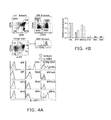
- FIGS. 4A-4B demonstrate the IL-18 receptor is differentially expressed on thymocyte subsets.
- FIG. 5 shows IL-18 induced increase in ETP expansion requires IL-18 receptor expression.
- Sort purified ETPs from wildtype or IL-18R1 ⁇ / ⁇ mouse thymocytes were co-cultured with OP9-DL4 stromal cells in media supplemented with IL-18 or IL-7 alone or in combination and cell yields from day 7 co-cultures were measured using a hemocytometer. Data are presented as means ⁇ SEM of three replicates wells from each experimental condition and are representative of three experiments with similar results. ***p ⁇ 0.001.
- FIGS. 6A-6B show IL-18 induced upregulation of c-kit and IL-7 R ⁇ surface expression on ETP-OP9DL4 co-cultures.
- Sort purified ETPs from C57BL/6 mouse thymocytes were co-cultured for 7 days with OP9-DL4 stromal cells supplemented with IL-18 or IL-7 alone or in combination.
- DN2 and DN3 cell surface of (A) c-Kit (CD117) and (B) IL-7R ⁇ (CD127) was analyzed by flow cytometry. Histograms are representative of three replicates in each treatment. Numbers in the histograms represent geometrical mean fluorescence intensity of CD117 or CD127 or their respective isotype control (ISO) staining. Bars represent mean ⁇ SEM of receptor expression, as determined by fluorescence intensity, from 3 replicate wells in each treatment. Data here are representative of three experiments with similar results. ***p ⁇ 0.001.
- FIG. 7 shows IL-18 promotes expansion of HSCs and CLPs in OP9-DL4 co-cultures.
- Sort purified HSC (1 ⁇ 10 4 cells) and CLP (500 cells) from C57BL/6 mouse bone marrow were co-cultured with OP9-DL4 stromal cells in media supplemented with IL-18 or IL-7 alone or in combination and cell yields from day 7 co-cultures were measured using a hemocytometer.
- Data are presented as means ⁇ SEM of three replicate wells from each experimental condition and are representative of three experiments with similar results. **Significant with p ⁇ 0.05 compared to controls and ## significant with p ⁇ 0.05 compared to IL-7 or IL-18.
- FIG. 8 shows that treatment in vivo with IL-18 in combination with IL-7 boosted human hematopoietic stem numbers in engrafted mice. Bars represent the mean percentages of duplicate mice with the exception of the IL-7 alone treatment, which represents one mouse. Stars represent each individual mouse value.
- the present disclosure is directed to novel therapies using IL-18 alone or in combination with IL-7 for rebuilding weakened immune systems by increasing cell yields from bone marrow stem cells and/or increasing stem cell engraftment in bone marrow.
- the novel therapies can be used, for example, to treat patients who are leukopenic or lymphopenic to boost their white blood cell counts, can be used to treat bone marrow cells taken from patients to grow these cells in vitro for subsequent re-introduction into the body, and/or can be used to enhance numbers of successfully engrafted hematopoietic stem cells after engraftment procedures.
- compositions and methods of the present disclosure have been described in terms of particular embodiments, it will be apparent to those of skill in the art that variations may be applied to the compositions and/or methods and in the steps or in the sequence of steps of the methods described herein without departing from the concept, spirit, and scope of the inventive concepts.
- At least one may extend up to 100 or 1000 or more, depending on the term to which it is attached; in addition, the quantities of 100/1000 are not to be considered limiting, as higher limits may also produce satisfactory results.
- the use of the term “at least one of X, Y and Z” will be understood to include X alone, Y alone, and Z alone, as well as any combination of X, Y and Z.
- the words “comprising” (and any form of comprising, such as “comprise” and “comprises”), “having” (and any form of having, such as “have” and “has”), “including” (and any form of including, such as “includes” and “include”) or “containing” (and any form of containing, such as “contains” and “contain”) are inclusive or open-ended and do not exclude additional, unrecited elements or method steps.
- A, B, C, or combinations thereof refers to all permutations and combinations of the listed items preceding the term.
- “A, B, C, or combinations thereof” is intended to include at least one of: A, B, C, AB, AC, BC, or ABC, and if order is important in a particular context, also BA, CA, CB, CBA, BCA, ACB, BAC, or CAB.
- expressly included are combinations that contain repeats of one or more item or term, such as BB, AAA, AAB, BBC, AAABCCCC, CBBAAA, CABABB, and so forth.
- BB BB
- AAA AAA
- AAB BBC
- AAABCCCCCC CBBAAA
- CABABB CABABB
- the term “about” is used to indicate that a value includes the inherent variation of error for the composition, the method used to administer the composition, or the variation that exists among the study subjects.
- the qualifiers “about” or “approximately” are intended to include not only the exact value, amount, degree, orientation, or other qualified characteristic or value, but are intended to include some slight variations due to measuring error, manufacturing tolerances, stress exerted on various parts or components, observer error, wear and tear, and combinations thereof, for example.
- the term “about” or “approximately”, where used herein when referring to a measurable value such as an amount, a temporal duration, and the like, is meant to encompass, for example, variations of ⁇ 20% or ⁇ 10%, or ⁇ 5%, or ⁇ 1%, or ⁇ 0.1% from the specified value, as such variations are appropriate to perform the disclosed methods and as understood by persons having ordinary skill in the art.
- the term “substantially” means that the subsequently described event or circumstance completely occurs or that the subsequently described event or circumstance occurs to a great extent or degree.
- the term “substantially” means that the subsequently described event or circumstance occurs at least 90% of the time, or at least 95% of the time, or at least 98% of the time.
- any reference to “one embodiment” or “an embodiment” means that a particular element, feature, structure, or characteristic described in connection with the embodiment is included in at least one embodiment.
- the appearances of the phrase “in one embodiment” in various places in the specification are not necessarily all referring to the same embodiment.
- pharmaceutically acceptable refers to compounds and compositions which are suitable for administration to humans and/or animals without undue adverse side effects such as toxicity, irritation and/or allergic response commensurate with a reasonable benefit/risk ratio.
- biologically active is meant the ability to modify the physiological system of an organism without reference to how the active agent has its physiological effects.
- pure or “substantially pure” means an object species is the predominant species present (i.e., on a molar basis it is more abundant than any other object species in the composition thereof), and particularly a substantially purified fraction is a composition wherein the object species comprises at least about 50 percent (on a molar basis) of all macromolecular species present.
- a substantially pure composition will comprise more than about 80% of all macromolecular species present in the composition, more particularly more than about 85%, more than about 90%, more than about 95%, or more than about 99%.
- the term “pure” or “substantially pure” also refers to preparations where the object species (e.g., the peptide compound) is at least 60% (w/w) pure, or at least 70% (w/w) pure, or at least 75% (w/w) pure, or at least 80% (w/w) pure, or at least 85% (w/w) pure, or at least 90% (w/w) pure, or at least 92% (w/w) pure, or at least 95% (w/w) pure, or at least 96% (w/w) pure, or at least 97% (w/w) pure, or at least 98% (w/w) pure, or at least 99% (w/w) pure, or 100% (w/w) pure.
- the object species e.g., the peptide compound
- subject and “patient” are used interchangeably herein and will be understood to refer to a warm blooded animal, particularly a mammal.
- animals within the scope and meaning of this term include dogs, cats, rats, mice, guinea pigs, chinchillas, horses, goats, cattle, sheep, zoo animals, Old and New World monkeys, non-human primates, and humans.
- Treatment refers to therapeutic treatments. “Prevention” refers to prophylactic or preventative treatment measures. The term “treating” refers to administering the composition to a patient for therapeutic purposes and/or for prevention.
- compositions of the present disclosure may be designed to provide delayed, controlled, extended, and/or sustained release using formulation techniques which are well known in the art.
- the term “effective amount” refers to an amount of an active agent which is sufficient to exhibit a detectable therapeutic effect in a subject without excessive adverse side effects (such as toxicity, irritation and allergic response) commensurate with a reasonable benefit/risk ratio when used in the manner of the present disclosure.
- the effective amount for a patient will depend upon the type of patient, the patient's size and health, the nature and severity of the condition to be treated, the method of administration, the duration of treatment, the nature of concurrent therapy (if any), the specific formulations employed, and the like. Thus, it is not possible to specify an exact effective amount in advance. However, the effective amount for a given situation can be determined by one of ordinary skill in the art using routine experimentation based on the information provided herein.
- expansion refers to an increase in numbers or quantity of for example, progenitor cells.
- IL-18 and IL-7 where used herein are intended to include all mutants and variants of wild type IL-18 and IL-7 that have activity similar to wild type IL-18 and IL-7.
- kits comprising (a) a container that contains one or more components or pharmaceutical compositions as described herein (e.g., comprising IL-18 and/or IL-7), in solution or in lyophilized form; (b) optionally, a second container containing a diluent or reconstituting solution for the lyophilized formulation; and (c) optionally, instructions for (i) use of the solution or (ii) reconstitution and/or use of the lyophilized formulation.
- the kit may further comprise one or more of (iii) a buffer, (iv) a diluent, (v) a filter, (vi) a needle, or (v) a syringe.
- the container is preferably a bottle, a vial, a syringe or test tube; and it may be a multi-use container.
- the container may be formed from a variety of materials such as glass or plastic.
- the kit and/or container may contains instructions on or associated with the container that indicates directions for reconstitution and/or use.
- the label may indicate that the lyophilized formulation is to be reconstituted to protein concentrations or dosages as described elsewhere herein.
- the container holding the formulation may be a multi-use vial, which allows for repeat administrations (e.g., from 2-6 administrations) of the reconstituted formulation.
- the kit may further comprise a second container comprising a suitable diluent (e.g., sodium bicarbonate solution).
- the kit may further include other materials desirable from a commercial and user standpoint, including other buffers, diluents, filters, needles, syringes, and package inserts with instructions for use.
- CLPs common lymphoid progenitors
- CFSE carboxyfluorescein succinimidyl ester
- DL Delta-like
- DN Double Negative
- DN1 double negative 1
- DN2 double negative 2
- DN3 double negative 3
- DN4 double negative 4
- DP Double Positive Thymocyte
- ETPs Early Thymic Progenitors (also known as “early T lineage progenitors” and “early thymocyte progenitors”)
- HSCs hematopoietic stem cells
- IL-18 Interleukin-18
- IL-7 Interleukin-7
- IL18RAP IL18 Receptor Accessory Protein
- IL18r1 IL-18 receptor 1
- IL-7R ⁇ IL-7 receptor subunit alpha
- ISP Immature Single Positive
- SP Single Positive
- SP Single Positive
- SP Single Positive
- SP Single Positive
- SP Single Positive
- SP
- IL-18 is a member of the IL-1 cytokine family that has been extensively characterized as a mediator of inflammatory immune responses. However, IL-18 has not previously been shown to promote hematopoiesis.
- T lymphopoiesis we sort-purified mouse bone marrow progenitors such as CLPs, HSCs, ETPs and DN2 thymocytes and cultured these populations on OP9-DL4 stromal layers in the presence or absence of IL-18 and/or IL-7. After one week of culture, IL-18 promoted proliferation and accelerated differentiation of ETPs to the DN3 stage, similar in efficiency to IL-7.
- IL-18 acted synergistically with IL-7 and greatly enhanced the proliferation of thymus derived progenitor cells as well as bone marrow derived CLPs (Lin ⁇ c-kit + CD127 + ) and HSCs. This synergistic effect correlated with increased surface expression of c-Kit and IL-7 receptors on the IL-18-treated cells.
- mice were bred and housed at the University of Oklahoma-Tulsa Comparative Medicine satellite facility under the oversight of the University of Oklahoma Health Science Center Comparative Medicine Facility (Oklahoma City, Okla.), an Association for Assessment and Accreditation of Laboratory Animal Care (AAALAC) approved animal facility. Animal husbandry and all experiments were performed in accordance with procedures outlined in the Guide for the Care and Use of Laboratory Animals (National Research Council). Protocols were reviewed and approved by the Institutional Animal Care and Use Committee of the University of Oklahoma Health Science Center. Mice used in this study were females ranging from 6 to 12 weeks of age. IL18r1-deficient mice (Strain B6.129P2-I118r1 tm1AK1 /J) on a C57BL/6 background (26) were purchased from the Jackson Laboratory (Bar Harbor, Me.).
- Thymuses were harvested and placed into complete tumor media (CTM) as previously described (27). Thymuses were crushed through 70- ⁇ m nylon cell strainers to produce single thymocyte suspensions. Cells were treated with RBC lysis buffer (Sigma-Aldrich, St. Louis, Mo.) and washed into CTM prior to counting.
- CTM complete tumor media
- thymocytes were incubated with mAb against mouse CD16/CD32 (Fc Block) (BD Biosciences, San Jose, Calif.) to block potential Fc-mediated binding and then stained at a density of 1 ⁇ 10 8 cell/ml with primary mAbs for DN3a, DN3b and DN4a sorts: CD4-bio, CD8-bio, TCR ⁇ -bio, TCR- ⁇ -bio, Lin-bio (28), CD25-PE, CD44-APC-Cy7, CD28-FITC for 45 minutes at 4° C. in the dark. After two washes, the cells were further stained with SA-PE Texas Red for 30 minutes at 4° C. in the dark.
- ISP (CD4 ⁇ CD8 + CD24 hi TCR- ⁇ ⁇ ) cells were sorted-purified by staining with CD4-APC, CD8-FITC, TCR- ⁇ -PE-Cy7, and CD24-PE.
- ETP and DN2 cells were sorted-purified, as shown in FIG. 1A , by staining with the following fluorochrome and biotin coupled mAbs followed by SA-PE Texas Red: CD4-bio, CD8-bio, TCR ⁇ -bio, TCR- ⁇ -bio Lin-bio (28), CD25-PE, CD44-APC-Cy7, c-kit-FITC.
- ETPs were labeled with CFSE (Life Technologies, Grand Island, N.Y.) prior to placing in co-culture.
- CFSE labeling was performed by incubating cells at room temperature for 10 min in PBS solution containing 1% FBS and 5 ⁇ M CFSE and removing excess CFSE by washing cells with culture media. 1000 cells from each population were cultured in replicate wells in a 24-well plate containing confluent OP9-DL4 stromal cells with/without cytokine(s). All cytokines were obtained from R&D Systems (Minneapolis, Minn.). Unless otherwise indicated cytokine concentrations were as follows: IL-7 (5 ng/ml), and IL-18 (100 ng/ml).
- HSCs Long ⁇ Kit + CD127 ⁇
- CLPs Long ⁇ Kit + CD127 +
- Bone marrow cells (1 ⁇ 10 8 cells/ml) were then stained with biotin conjugated lineage cocktail (CD45RA (clone:14.8), Gr1 (clone:RB6-8C5), CD11b (clone: M1/70), Ter119 (clone: TER-119), CD45/B220 (clone: RA3-6B2), CD2 (clone RM2-5), CD3 (clone: 145-2C11), Cd8 (clone: 53.6.7), CD49b (clone: DX5), and CD19 (clone:1D3)), c-kit-APC, and CD127-PE anti-mouse mAb followed by staining with SA-PE Texas Red for sort purifying HSCs and CLPs.
- biotin conjugated lineage cocktail CD45RA (clone:14.8), Gr1 (clone:RB6-8C5), CD11b (clone: M1/70), Ter119 (clone: TER-
- the co-cultured cells were harvested by aspirating and discarding half the culture volume then re-suspending the co-cultured cells by forceful pipetting in the remaining culture volume followed by straining through a 30 ⁇ m mesh to remove any detached OP9-DL4 monolayer cell aggregates from the plate. Any remaining OP9-DL4 cells were further discriminated from thymocytes by gating using forward and side scatter; gating out the much larger OP9 cells. The cells were stained with CD4-APC, CD8-Pacific Blue, CD25-PE, CD44-APC-Cy7, CD28-FITC, TCR- ⁇ -PE-Cy7, TCR ⁇ -bio, Lin-bio (28), followed by SA-PE Texas Red.
- IL-18R1, CD117, and CD127 surface expression were stained with FITC-conjugated anti-IL-18R1 (R&D system; clone 112614), APC conjugated anti-CD117 (Biolegend; clone 2B8), or PE conjugated anti-CD127 (eBioscience; clone A7R34) and the geometric mean fluorescence intensity for IL-18R1, CD117, and CD127 staining on gated population was compared with respective isotype control staining intensities.
- Freshly isolated thymocytes were stained as described above to discriminate the DN, DP, SP4, SP8, DN1-4, and the DN3/DN4 subsets (29) to establish gating parameters for cells harvested from OP9-DL4 co-cultures.
- a MoFlo cell sorter with Summit v4.3 software (Beckman Coulter, Fullerton, Calif.) was used for the experiments that included sorted populations. Cells were analyzed using a BD LSRII 4-laser flow cytometer and FACS Diva (BD Biosciences, San Jose, Calif.) and FlowJo software (Tree Star, Ashland, Oreg.).
- the OP9-DL4 cell line was kindly provided by Juan Carlos Z ⁇ iga-Pflücker and maintained according to protocols from his laboratory (30). For each experiment a fresh vial was thawed and grown to 60-80% confluence on treated plates; cells were then split and grown again to 60-80% confluence before the final plating on experimental 24-well treated plates. Sorted thymocyte subsets were co-cultured in plates with the OP9-DL4 stromal cells in ⁇ MEM (Invitrogen, N.Y.) supplemented with 16.5% FBS (Sigma-Aldrich) and penicillin-streptomycin (Sigma-Aldrich) (culture media) and the cytokines indicated in the figures.
- ⁇ MEM Invitrogen, N.Y.
- FBS Sigma-Aldrich
- penicillin-streptomycin Sigma-Aldrich
- Recombinant human IL-7 is available under the name CYT107TM, manufactured by Cytheris SA.
- Recombinant human IL-18 is available under the name SB-485232TM, manufactured by GlaxoSmithKline.
- Flow cytometry data was analyzed using FACS Diva (BD Biosciences, San Jose, Calif.) and FlowJo software (Tree Star, Ashland, Oreg.). Statistical analysis was performed using Graphpad Prism 6 Software and statistical significance between variables was estimated by performing One-way ANOVA and Fischer's test for multiple comparisons.
- IL-18 Acts in Synergy with IL-7 to Induce Expansion of ETPs on OP9-DL4 Stromal Cells
- IL-18 dose-response was performed in order to determine the effect of IL-18 on immature thymocytes in culture.
- Sort purified ETPs were cultured for one week on OP9-DL4 stroma with IL-7 added at a constant 5 ng/ml in conjunction with IL-18 at concentrations ranging from 0.1 ng/ml to 100 ng/ml.
- Supplementing co-cultures with IL-18 significantly enhanced the expansion of ETPs, as determined by total cell yields on day 7, compared to control treatments ( FIG. 1B ).
- FIG. 1B We observed that the magnitude of ETP expansion in the presence of IL-18 alone was comparable to the ETP expansion observed in the presence of IL-7 alone.
- IL-7 and IL-18 together to the co-cultures greatly increased the cell yields when compared to cultures containing either IL-7 or IL-18 alone.
- the synergetic effects of IL-18 and IL-7 were evident only at higher doses of IL-18 ( ⁇ 10 ng/ml). Requirement of a higher IL-18 dose for cell response is not unusual as relatively higher concentrations of IL-18 are known to be required to activate cells in vitro.
- IL-18 influenced expansion of other immature thymocyte subsets including DN1d/e, DN2, and DN3 populations.
- IL-7/IL-18 Co-Stimulation Enhances the Proliferation Rate of ETPs in OP9-DL4 Co-Cultures
- ETPs, DN2s, or DN3s were co-cultured with OP9-DL4 stromal cells in the presence of IL-7 or IL-18 alone or in combination. After 7 days, differentiation of thymocytes in the co-cultures was analyzed by discriminating thymocyte populations using surface markers. Both ETP and DN2 co-cultures supplemented with recombinant IL-7 showed an increase in total cell number after 7 days without any notable changes in the percentages of different thymocyte populations in comparison to untreated co-cultures ( FIGS. 3A and 3B ).
- ETP and DN2 co-cultures treated with either IL-18 alone or in combination with IL-7 showed an increase in total cell number without skewing the percentages of any particular thymocyte population as compared with IL-7 alone or untreated cultures.
- FIG. 3C we saw that the differentiation of ETPs into DN2 and DN3 subsets occurred at a faster rate in IL-7 and IL-18-stimulated cultures compared to unstimulated controls.
- the CFSE profiles also showed no preferential expansion or differentiation of a particular thymocyte population in co-cultures stimulated in presence of IL18 (data not shown).
- IL-18R1 surface expression of the IL-18R1 (CD218a) was assessed on the four main thymocyte populations, DN, DP, SP4 and SP8 ( FIG. 4A ). Only a small percentage of the DN population and the SP4 population stained positively for the IL-18R1. Subdivision of the DN compartment revealed that only the DN1 population contained IL-18R1 expressing cells. Further parsing of the DN1 compartment by CD24 and c-Kit staining showed IL-18R1 surface expression to be restricted to the DN1e population. This is somewhat surprising given that the DN1a/b population (ETPs) expanded in the presence of IL-18 as did both ETPs and DN2 cells with the combination of both IL-7 and IL-18 as shown in FIG. 1C .
- ETPs DN1a/b population
- IL-18 receptor expression was not detectible in the IL-18 responsive ETP and DN2 populations using flow cytometry.
- the OP9-DL4 stromal cells did not express IL-18 receptor either at transcript level or at surface expression (data not shown).
- the IL-18R1 null mice did not show expansion in response to IL-18.
- the synergy between IL-18 and IL-7 was also absent in the null mice. This indicated that the IL-18 effects were mediated through the IL-18 receptor even though we were unable to detect IL-18R1 on the surface of the ETPs via flow cytometry.
- IL-18 had a synergistic effect with IL-7
- stimulating ETPs with IL-18 caused a significant upregulation of surface IL-7R in differentiating thymocytes after seven days of co-culture FIG. 6B .
- IL-18 Promotes the Expansion of Immature Progenitor Cells in OP9-DL4 Co-Cultures
- NOD-Rag1 null IL-2R null (NRG) mice were injected I.P. with 0.5 mg busulfan in DMSO/RPMI medium to allow for subsequent human stem cell engraftment in the bone marrow.
- each mouse was injected I.V. with 125,000 human bone marrow CD34 + stem cells.
- mice were injected subcutaneously with 4 ⁇ g per mouse recombinant human IL-18 or media control and/or 0.99 ⁇ g per mouse I.P. with recombinant human IL-7 or media control.
- mice bone marrow was harvested and the number of human hematopoietic stem cells was assessed by flow cytometry using monoclonal antibodies specific for human CD34 and CD38. Results are shown in FIG. 8 .
- the experiment demonstrates that a combination treatment of IL-18 and IL-7 enhances the quantity of HSCs engrafted in the bone marrow in vivo. Furthermore, it indicates that an IL-18/IL-7 combination treatment can enhance the quantity of HSC engraftment in human bone marrow as would be predicted from the mouse bone marrow HSC in vitro experiments.
- IL-18 dramatically influenced T cell development.
- IL-18 augmented thymocyte proliferation, accelerated differentiation capacity, and in combination with IL-7 enhanced numbers of human HSCs engrafted in bone marrow in vivo.
- the proliferative effects of IL-18 are not restricted to T cells progenitors but also seen in more immature progenitor cells such as HSC, and CLPs in bone marrow that give raise to all lymphoid derived cells, indicating that IL-18 influences lymphopoiesis in general. While IL-18 has well-established roles in a number of other processes, its involvement in early T cell development has not been well defined.
- IL-18 alone, or in combination with IL-7 can be used therapeutically to enhance progenitor cell proliferation and/or engraftment in, for example (but not limited to), patients subjected to organ transplant or chemotherapy who have diminished white blood cell production in the bone marrow.
- Administration of recombinant IL-7 has been used in clinical trials intended to promote lymphopoiesis under lymphopenic conditions.
- use of IL-7 has limitations such as its bias towards homeostatic expansion of peripheral lymphocytes and its marginal effects on enhancing progenitor cell populations that give rise to lymphocyte diversity.
- the duration and dose of IL-7 necessary for effect poses a risk of graft versus host disease (GVHD) due to its ability to enhance T cell functions.
- GVHD graft versus host disease
- IL-18 can overcome the limitations of IL-7 alone.
- IL-18 enhances the effects of IL-7 on progenitor cells and decreases the dose and duration of IL-7 needed for lymphocyte reconstitution in clinical scenarios of lymphodepletion.
- the term “in combination” means that the active agents (e.g., IL-18 and IL-7) can be administered before, after, or at the same time.
- the quantity of IL-18 can be administered before, after, or at the same time as the quantity of IL-7.
- IL-18 alone, or in combination with IL-7 can be used therapeutically in reversing lymphopenic conditions, for example those caused by treatment regimens that cause leukopenia, including but not limited to chemotherapies and irradiation.
- Additional conditions that result in leukopenia that can be treated by administering IL-18, or IL-18 and IL-7 in combination include but are not limited to HIV infections and other chronic infections, congenital hematopoietic deficiencies, and toxin exposures.
- Recombinant human IL-18 can be administered to a subject at a dose ranging, for example, from about 1 ⁇ g to about 1000 ⁇ g IL-18/kg body weight (e.g., as administrated through subcutaneous, intravenous, or intramuscular injection or other suitable method).
- recombinant human IL-7 can be administered at a dose ranging, for example, from about 1 ⁇ g to about 1000 ⁇ g IL-7/kg body weight, together with the IL-18 (e.g., as administrated through subcutaneous or intravenous or intramuscular injection or other suitable method).
- IL-18 may be administered at a dose ranging, for example, from about 25 ⁇ g to about 500 ⁇ g IL-18/kg body weight. More particularly, IL-18 may be administered at a dose ranging, for example, from about 50 ⁇ g to about 300 ⁇ g IL-18/kg body weight. More particularly, IL-18 may be administered at a dose ranging, for example, from about 75 ⁇ g to about 200 ⁇ g IL-18/kg body weight. More particularly, IL-18 may be administered at a dose ranging, for example, from about 100 ⁇ g to about 150 ⁇ g IL-18/kg body weight.
- IL-7 may be administered at a dose ranging, for example, from about 5 ⁇ g to about 500 ⁇ g IL-7/kg body weight. More particularly, IL-7 may be administered at a dose ranging, for example, from about 10 ⁇ g to about 250 ⁇ g IL-7/kg body weight. More particularly, IL-7 may be administered at a dose ranging, for example, from about 20 ⁇ g to about 100 ⁇ g IL-7/kg body weight. More particularly, IL-7 may be administered at a dose ranging, for example, from about 30 ⁇ g to about 75 ⁇ g IL-7/kg body weight.
- IL-18 alone, or IL-7 and IL-18 in combination, can be adjusted by the attending physician to obtain optimal therapeutic use with minimal side effects.
- Existing clinical trials have already demonstrated the safety and efficacy of the IL-7 and IL-18 in humans as therapeutic targets. Based on these data, the combination of IL-7 and IL-18 poses minimal risk and significant benefits by mitigating the limitation of IL-7 used alone as a therapy for treating lymphopenia or for any condition benefiting from enhanced hematopoiesis or enhanced HSC engraftment.
- the present disclosure is directed in at least one embodiment to a method of providing a hematopoietic therapy to a subject in need of such therapy, comprising administering an effective amount of an IL-18 to the subject.
- the hematopoietic therapy may enhance lymphopoiesis in the subject and/or bone marrow engraftment of hematopoietic stem cells and/or survival or proliferation of hematopoietic stem cells administered to the subject.
- the subject may be undergoing concurrent therapy for a cancer, an infection, and/or an organ transplant.
- the IL-18 may be administered in combination with IL-7.
- the present disclosure is also directed in at least one embodiment to a method of enhancing production of hematopoietic progenitor cells, comprising exposing a quantity of bone marrow cells to an effective amount of an IL-18 under conditions suitable for growth of the bone marrow cells.
- the IL-18 may be administered in combination with IL-7.
- the present disclosure is also directed in at least one embodiment to a method of providing a hematopoietic therapy to a subject in need of such therapy, comprising injecting the subject with a quantity of CD34+ hematopoietic stem cells, and administering to the subject an amount of IL-18 in combination with an amount of IL-7, whereby the engraftment and/or growth of the hematopoietic stem cells is enhanced.
- the present disclosure is also directed in at least one embodiment to a method of providing a hematopoietic therapy to a subject in need of such therapy, comprising introducing a quantity of bone marrow cells into the subject, wherein the bone marrow cells were derived from the subject and treated ex vivo with an amount of an IL-18 under conditions suitable for growth and/or differentiation of the bone marrow cells.
- the IL-18 may be administered to the bone marrow cells in combination with an IL-7.
- the cell types of these methods that may be enhanced by improved survival, proliferation, or engraftment may include, but are not limited to CLPs (common lymphoid progenitors), DN (double negative) 1, 2, 3, and 4 thymocyte cells.
- DP double positive thymocytes
- ETPs early thymic progenitors
- HSCs hematopoietic stem cells at any stage along the development pathway
- SP4s single positive 4 thymocytes
- SP8s single positive 8 thymocytes
- B lymphocytes B cells
- NK natural killer cells
Landscapes
- Health & Medical Sciences (AREA)
- Life Sciences & Earth Sciences (AREA)
- Immunology (AREA)
- Veterinary Medicine (AREA)
- Animal Behavior & Ethology (AREA)
- Engineering & Computer Science (AREA)
- Zoology (AREA)
- Public Health (AREA)
- Medicinal Chemistry (AREA)
- Pharmacology & Pharmacy (AREA)
- General Health & Medical Sciences (AREA)
- Epidemiology (AREA)
- Chemical & Material Sciences (AREA)
- Proteomics, Peptides & Aminoacids (AREA)
- Gastroenterology & Hepatology (AREA)
- Bioinformatics & Cheminformatics (AREA)
- Cell Biology (AREA)
- Developmental Biology & Embryology (AREA)
- Hematology (AREA)
- Biomedical Technology (AREA)
- Biotechnology (AREA)
- Virology (AREA)
- Medicines That Contain Protein Lipid Enzymes And Other Medicines (AREA)
Abstract
Description
- 1. Wren, J. D. 2009. A global meta-analysis of microarray expression data to predict unknown gene functions and estimate the literature-data divide. Bioinformatics 25: 1694-1701.
- 2. Wren, J. D. 2004. Extending the mutual information measure to rank inferred literature relationships. BMC bioinformatics 5: 145.
- 3. Wren, J. D., R. Bekeredjian, J. A. Stewart, R. V. Shohet, and H. R. Garner. 2004. Knowledge discovery by automated identification and ranking of implicit relationships. Bioinformatics 20: 389-398.
- 4. Wren, J. D., and H. R. Garner. 2004. Shared relationship analysis: ranking set cohesion and commonalities within a literature-derived relationship network. Bioinformatics 20: 191-198.
- 5. Daum, J. R., J. D. Wren, J. J. Daniel, S. Sivakumar, J. N. McAvoy, T. A. Potapova, and G. J. Gorbsky. 2009. Ska3 is required for spindle checkpoint silencing and the maintenance of chromosome cohesion in mitosis. Current biology: CB 19: 1467-1472.
- 6. Towner, R. A., R. L. Jensen, H. Colman, B. Vaillant, N. Smith, R. Casteel, D. Saunders, D. L. Gillespie, R. Silasi-Mansat, F. Lupu, C. B. Giles, and J. D. Wren. 2013. ELTD1, a potential new biomarker for gliomas. Neurosurgery 72: 77-90; discussion 91.
- 7. Clemmensen, S. N., C. T. Bohr, S. Rorvig, A. Glenthoj, H. Mora-Jensen, E. P. Cramer, L. C. Jacobsen, M. T. Larsen, J. B. Cowland, J. T. Tanassi, N. H. Heegaard, J. D. Wren, A. N. Silahtaroglu, and N. Borregaard. 2012.
Olfactomedin 4 defines a subset of human neutrophils. Journal of leukocyte biology 91: 495-500. - 8. Lupu, C., H. Zhu, N. I. Popescu, J. D. Wren, and F. Lupu. 2011. Novel protein ADTRP regulates TFPI expression and function in human endothelial cells in normal conditions and in response to androgen. Blood 118: 4463-4471.
- 9. Towner, R. A., R. L. Jensen, B. Vaillant, H. Colman, D. Saunders, C. B. Giles, and J. D. Wren. 2013. Experimental validation of 5 in-silico predicted glioma biomarkers. Neuro-oncology 15: 1625-1634.
- 10. Okamura, H., H. Tsutsi, T. Komatsu, M. Yutsudo, A. Hakura, T. Tanimoto, K. Torigoe, T. Okura, Y. Nukada, K. Hattori, and et al. 1995. Cloning of a new cytokine that induces IFN-gamma production by T cells. Nature 378: 88-91.
- 11. Gracie, J. A., S. E. Robertson, and I. B. McInnes. 2003. Interleukin-18. Journal of leukocyte biology 73: 213-224.
- 12. Arend, W. P., G. Palmer, and C. Gabay. 2008. IL-1, IL-18, and IL-33 families of cytokines. Immunological reviews 223: 20-38.
- 13. Dao, T., K. Ohashi, T. Kayano, M. Kurimoto, and H. Okamura. 1996. Interferon-gamma-inducing factor, a novel cytokine, enhances Fas ligand-mediated cytotoxicity of
murine T helper 1 cells. Cellular immunology 173: 230-235. - 14. Okamoto, I., K. Kohno, T. Tanimoto, H. Ikegami, and M. Kurimoto. 1999. Development of CD8+ effector T cells is differentially regulated by IL-18 and IL-12. Journal of immunology 162: 3202-3211.
- 15. Komai-Koma, M., J. A. Gracie, X. Q. Wei, D. Xu, N. Thomson, I. B. McInnes, and F. Y. Liew. 2003. Chemoattraction of human T cells by IL-18. Journal of immunology 170: 1084-1090.
- 16. Hoshino, T., R. T. Winkler-Pickett, A. T. Mason, J. R. Ortaldo, and H. A. Young. 1999. IL-13 production by NK cells: IL-13-producing NK and T cells are present in vivo in the absence of IFN-gamma. Journal of immunology 162: 51-59.
- 17. Nakanishi, K., T. Yoshimoto, H. Tsutsui, and H. Okamura. 2001. Interleukin-18 is a unique cytokine that stimulates both Th1 and Th2 responses depending on its cytokine milieu. Cytokine & growth factor reviews 12: 53-72.
- 18. Yoshimoto, T., H. Mizutani, H. Tsutsui, N. Noben-Trauth, K. Yamanaka, M. Tanaka, S. Izumi, H. Okamura, W. E. Paul, and K. Nakanishi. 2000. IL-18 induction of IgE: dependence on CD4+ T cells, IL-4 and STAT6. Nature immunology 1: 132-137.
- 19. Gutcher, I., E. Urich, K. Wolter, M. Prinz, and B. Becher. 2006. Interleukin 18-independent engagement of
interleukin 18 receptor-alpha is required for autoimmune inflammation. Nature immunology 7: 946-953. - 20. Finotto, S., J. Siebler, M. Hausding, M. Schipp, S. Wirtz, S. Klein, M. Protschka, A. Doganci, H. A. Lehr, C. Trautwein, R. Khosravi-Far, D. Strand, A. Lohse, P. R. Galle, M. Blessing, and M. F. Neurath. 2004. Severe hepatic injury in interleukin 18 (IL-18) transgenic mice: a key role for IL-18 in regulating hepatocyte apoptosis in vivo. Gut 53: 392-400.
- 21. Hoshino, T., Y. Kawase, M. Okamoto, K. Yokota, K. Yoshino, K. Yamamura, J. Miyazaki, H. A. Young, and K. Oizumi. 2001. Cutting edge: IL-18-transgenic mice: in vivo evidence of a broad role for IL-18 in modulating immune function. Journal of immunology 166: 7014-7018.
- 22. Ito, H., E. Esashi, T. Akiyama, J. Inoue, and A. Miyajima. 2006. IL-18 produced by thymic epithelial cells induces development of dendritic cells with CD11b in the fetal thymus. International immunology 18: 1253-1263.
- 23. Youm, Y. H., T. D. Kanneganti, B. Vandanmagsar, X. Zhu, A. Ravussin, A. Adijiang, J. S. Owen, M. J. Thomas, J. Francis, J. S. Parks, and V. D. Dixit. 2012. The Nlrp3 inflammasome promotes age-related thymic demise and immunosenescence. Cell reports 1: 56-68.
- 24. Rodriguez-Galan, M. C., J. H. Bream, A. Farr, and H. A. Young. 2005. Synergistic effect of IL-2, IL-12, and IL-18 on thymocyte apoptosis and Th1/Th2 cytokine expression. Journal of immunology 174: 2796-2804.
- 25. Holmes, R., and J. C. Zuniga-Pflucker. 2009. The OP9-DL1 system: generation of T-lymphocytes from embryonic or hematopoietic stem cells in vitro. Cold Spring Harbor protocols 2009: pdb prot5156.
- 26. Hoshino, K., H. Tsutsui, T. Kawai, K. Takeda, K. Nakanishi, Y. Takeda, and S. Akira. 1999. Cutting edge: generation of IL-18 receptor-deficient mice: evidence for IL-1 receptor-related protein as an essential IL-18 binding receptor. Journal of immunology 162: 5041-5044.
- 27. Teague, T. K., B. C. Schaefer, D. Hildeman, J. Bender, T. Mitchell, J. W. Kappler, and P. Marrack. 2000. Activation-induced inhibition of interleukin 6-mediated T cell survival and signal transducer and activator of
transcription 1 signaling. The Journal of experimental medicine 191: 915-926. - 28. Van de Wiele, C. J., J. H. Marino, C. Tan, H. A. Kneale, J. Weber, J. N. Morelli, B. K. Davis, A. A. Taylor, and T. K. Teague. 2007. Impaired thymopoiesis in interleukin-7 receptor transgenic mice is not corrected by Bcl-2. Cellular immunology 250: 31-39.
- 29. Tan, C., A. A. Taylor, M. Z. Coburn, J. H. Marino, C. J. Van De Wiele, and T. K. Teague. 2011. Ten-color flow cytometry reveals distinct patterns of expression of CD124 and CD126 by developing thymocytes. BMC immunology 12: 36.
- 30. Schmitt, T. M., and J. C. Zuniga-Pflucker. 2002. Induction of T cell development from hematopoietic progenitor cells by delta-like-1 in vitro. Immunity 17: 749-756.
- 31. Dinarello, C. A., D. Novick, S. Kim, and G. Kaplanski. 2013. Interleukin-18 and IL-18 Binding Protein. Frontiers in immunology 4: 289.
- 32. Huang, J., K. P. Garrett, R. Pelayo, J. C. Zuniga-Pflucker, H. T. Petrie, and P. W. Kincade. 2005. Propensity of adult lymphoid progenitors to progress to DN2/3 stage thymocytes with Notch receptor ligation. Journal of immunology 175: 4858-4865.
- 33. Massa, S., G. Balciunaite, R. Ceredig, and A. G. Rolink. 2006. Critical role for c-kit (CD117) in T cell lineage commitment and early thymocyte development in vitro. European journal of immunology 36: 526-532.
- 34. Zhou, J., J. Shang, J. Song, and F. Ping. 2013. Interleukin-18 augments growth ability of primary human melanocytes by PTEN inactivation through the AKT/NF-kappaB pathway. The international journal of biochemistry & cell biology 45: 308-316.
- 35. Takeda, K., H. Tsutsui, T. Yoshimoto, O. Adachi, N. Yoshida, T. Kishimoto, H. Okamura, K. Nakanishi, and S. Akira. 1998. Defective NK cell activity and Th1 response in IL-18-deficient mice. Immunity 8: 383-390.
- 36. Walsh, M. C., E. L. Pearce, P. J. Cejas, J. Lee, L. S. Wang, and Y. Choi. 2014. IL-18 Synergizes with IL-7 To Drive Slow Proliferation of Naive CD8 T Cells by Costimulating Self-Peptide-Mediated TCR Signals. Journal of immunology.
- 37. Iwai, Y., H. Hemmi, O. Mizenina, S. Kuroda, K. Suda, and R. M. Steinman. 2008. An IFN-gamma-IL-18 signaling loop accelerates memory CD8+ T cell proliferation. PloS one 3: e2404.
- 38. Billard, M. J., A. L. Gruver, and G. D. Sempowski. 2011. Acute endotoxin-induced thymic atrophy is characterized by intrathymic inflammatory and wound healing responses. PloS one 6: e17940.
- 39. Wang, S. D., K. J. Huang, Y. S. Lin, and H. Y. Lei. 1994. Sepsis-induced apoptosis of the thymocytes in mice. Journal of immunology 152: 5014-5021.
- 40. Gruver, A. L., and G. D. Sempowski. 2008. Cytokines, leptin, and stress-induced thymic atrophy. Journal of leukocyte biology 84: 915-923.
- 41. Moore, A. J., J. Sarmiento, M. Mohtashami, M. Braunstein, J. C. Zuniga-Pflucker, and M. K. Anderson. 2012. Transcriptional priming of intrathymic precursors for dendritic cell development. Development 139: 373-384.
- 42. Shah, D. K., and J. C. Zuniga-Pflucker. 2012. Notch receptor-ligand interactions during T cell development, a ligand endocytosis-driven mechanism. Current topics in microbiology and immunology 360: 19-46.
- 43. Gonzalez-Garcia, S., M. Garcia-Peydro, J. Alcain, and M. L. Toribio. 2012. Notch1 and IL-7 receptor signalling in early T-cell development and leukaemia. Current topics in microbiology and immunology 360: 47-73.
- 44. von Freeden-Jeffry, U., P. Vieira, L. A. Lucian, T. McNeil, S. E. Burdach, and R. Murray. 1995. Lymphopenia in interleukin (IL)-7 gene-deleted mice identifies IL-7 as a nonredundant cytokine. The Journal of experimental medicine 181: 1519-1526.
- 45. Maki, K., S. Sunaga, Y. Komagata, Y. Kodaira, A. Mabuchi, H. Karasuyama, K. Yokomuro, J. I. Miyazaki, and K. Ikuta. 1996.
Interleukin 7 receptor-deficient mice lack gammadelta T cells. Proceedings of the National Academy of Sciences of the United States of America 93: 7172-7177. - 46. Jahn, T., S. Sindhu, S. Gooch, P. Seipel, P. Lavori, E. Leifheit, and K. Weinberg. 2007. Direct interaction between Kit and the interleukin-7 receptor. Blood 110: 1840-1847.
- 47. Capitini, C. M., A. A. Chisti, and C. L. Mackall. 2009. Modulating T-cell homeostasis with IL-7: preclinical and clinical studies. Journal of internal medicine 266: 141-153.
- 48. Sasson, S. C., J. J. Zaunders, and A. D. Kelleher. 2006. The IL-7/IL-7 receptor axis: understanding its central role in T-cell homeostasis and the challenges facing its utilization as a novel therapy. Current drug targets 7: 1571-1582.
- 49. Chu, Y. W., S. A. Memon, S. O. Sharrow, F. T. Hakim, M. Eckhaus, P. J. Lucas, and R. E. Gress. 2004. Exogenous IL-7 increases recent thymic emigrants in peripheral lymphoid tissue without enhanced thymic function. Blood 104: 1110-1119.
- 50. Broers, A. E., S. J. Posthumus-van Sluijs, H. Spits, B. van der Holt, B. Lowenberg, E. Braakman, and J. J. Cornelissen. 2003. Interleukin-7 improves T-cell recovery after experimental T-cell-depleted bone marrow transplantation in T-cell-deficient mice by strong expansion of recent thymic emigrants. Blood 102: 1534-1540.
- 51. Goldberg, G. L., J. L. Zakrzewski, M. A. Perales, and M. R. van den Brink. 2007. Clinical strategies to enhance T cell reconstitution. Seminars in immunology 19: 289-296.
- 52. Srivastava, S., N. Salim, and M. J. Robertson. 2010. Interleukin-18: biology and role in the immunotherapy of cancer. Current medicinal chemistry 17: 3353-3357.
- 53. Tarhini, A. A., M. Millward, P. Mainwaring, R. Kefford, T. Logan, A. Pavlick, S. J. Kathman, K. H. Laubscher, M. M. Dar, and J. M. Kirkwood. 2009. A phase 2, randomized study of SB-485232, rhIL-18, in patients with previously untreated metastatic melanoma. Cancer 115: 859-868.
- 54. Simpkins, F., A. Flores, C. Chu, J. S. Berek, J. Lucci, 3rd, S. Murray, J. Bauman, H. Struemper, F. Germaschewski, Z. Jonak, O. Gardner, J. Toso, and G. Coukos. 2013. Chemoimmunotherapy using pegylated liposomal Doxorubicin and interleukin-18 in recurrent ovarian cancer: a phase I dose-escalation study. Cancer immunology research 1: 168-178.
Claims (3)
Priority Applications (1)
| Application Number | Priority Date | Filing Date | Title |
|---|---|---|---|
| US14/947,722 US9950037B2 (en) | 2014-11-21 | 2015-11-20 | Enhancing progenitor cell numbers |
Applications Claiming Priority (2)
| Application Number | Priority Date | Filing Date | Title |
|---|---|---|---|
| US201462082816P | 2014-11-21 | 2014-11-21 | |
| US14/947,722 US9950037B2 (en) | 2014-11-21 | 2015-11-20 | Enhancing progenitor cell numbers |
Publications (2)
| Publication Number | Publication Date |
|---|---|
| US20160143997A1 US20160143997A1 (en) | 2016-05-26 |
| US9950037B2 true US9950037B2 (en) | 2018-04-24 |
Family
ID=56009145
Family Applications (1)
| Application Number | Title | Priority Date | Filing Date |
|---|---|---|---|
| US14/947,722 Active US9950037B2 (en) | 2014-11-21 | 2015-11-20 | Enhancing progenitor cell numbers |
Country Status (1)
| Country | Link |
|---|---|
| US (1) | US9950037B2 (en) |
Families Citing this family (1)
| Publication number | Priority date | Publication date | Assignee | Title |
|---|---|---|---|---|
| KR20210108363A (en) * | 2018-11-02 | 2021-09-02 | 오클라호마 메디컬 리써치 화운데이션 | Monoclonal antibodies to ELTD1 and uses thereof |
-
2015
- 2015-11-20 US US14/947,722 patent/US9950037B2/en active Active
Non-Patent Citations (63)
Also Published As
| Publication number | Publication date |
|---|---|
| US20160143997A1 (en) | 2016-05-26 |
Similar Documents
| Publication | Publication Date | Title |
|---|---|---|
| JP6920644B2 (en) | How to regulate the immunomodulatory effects of stem cells | |
| Alpdogan et al. | IL-7 enhances peripheral T cell reconstitution after allogeneic hematopoietic stem cell transplantation | |
| Feng et al. | Exogenous IFN‐γ ex vivo shapes the alloreactive T‐cell repertoire by inhibition of Th17 responses and generation of functional Foxp3+ regulatory T cells | |
| US9301979B2 (en) | Method for attenuating immune response using mesenchymal stem cells and cytokines | |
| TWI572718B (en) | Immunosuppressive cells, methods for producing the same, and compositions | |
| EP4034639A1 (en) | Compositions comprising regulatory t cells and methods of making and using the same | |
| Gandhapudi et al. | IL-18 acts in synergy with IL-7 to promote ex vivo expansion of T lymphoid progenitor cells | |
| Wu et al. | Protosappanin A protects against experimental autoimmune myocarditis, and induces metabolically reprogrammed tolerogenic DCs | |
| US9950037B2 (en) | Enhancing progenitor cell numbers | |
| KR20220164001A (en) | Stem Cell Immunomodulatory Therapy for COVID-19 Infection | |
| JP2019508056A (en) | Method of T cell expansion and activation | |
| EP4058063A1 (en) | Methods for treating diseases | |
| KR100735083B1 (en) | CD8 T cell activation method | |
| Vrooman et al. | Local delivery of SBRT and IL-12 to Murine PDAC Tumors Modulates Hematopoiesis | |
| WO2024054527A1 (en) | Genetically engineered bone marrow derived myeloid cells for treatment of central nervous system tumors | |
| Lee | Defining the distinct functional roles of hematopoietic and stromal antigen presenting cells in the thymus | |
| Johnson | Regulation of cluster of differentiation eight positive (CD8+) T cell homeostatic proliferation | |
| HK40008045A (en) | Methods modulating immunoregulatory effect of stem cells | |
| Wang et al. | Jun Wei, Siyuan Xia, Huayan Sun, Song Zhang, Jingya | |
| HK1217211B (en) | Methods modulating immunoregulatory effect of stem cells |
Legal Events
| Date | Code | Title | Description |
|---|---|---|---|
| AS | Assignment |
Owner name: OKLAHOMA MEDICAL RESEARCH FOUNDATION, OKLAHOMA Free format text: ASSIGNMENT OF ASSIGNORS INTEREST;ASSIGNOR:WREN, JONATHAN D.;REEL/FRAME:038186/0652 Effective date: 20160317 Owner name: THE BOARD OF REGENTS OF THE UNIVERSITY OF OKLAHOMA Free format text: ASSIGNMENT OF ASSIGNORS INTEREST;ASSIGNORS:TEAGUE, TRACY KENT;GANDHAPUDI, SIVA KUMAR;MARINO, JULIE HARRIS;AND OTHERS;SIGNING DATES FROM 20160106 TO 20160119;REEL/FRAME:038186/0605 |
|
| STCF | Information on status: patent grant |
Free format text: PATENTED CASE |
|
| MAFP | Maintenance fee payment |
Free format text: PAYMENT OF MAINTENANCE FEE, 4TH YR, SMALL ENTITY (ORIGINAL EVENT CODE: M2551); ENTITY STATUS OF PATENT OWNER: SMALL ENTITY Year of fee payment: 4 |
|
| FEPP | Fee payment procedure |
Free format text: MAINTENANCE FEE REMINDER MAILED (ORIGINAL EVENT CODE: REM.); ENTITY STATUS OF PATENT OWNER: SMALL ENTITY |