US9882409B2 - System and method for correcting SOC of battery - Google Patents

System and method for correcting SOC of battery Download PDF

Info

Publication number
US9882409B2
US9882409B2 US14/917,346 US201514917346A US9882409B2 US 9882409 B2 US9882409 B2 US 9882409B2 US 201514917346 A US201514917346 A US 201514917346A US 9882409 B2 US9882409 B2 US 9882409B2
Authority
US
United States
Prior art keywords
operation range
battery
soc
charging
range
Prior art date
Legal status (The legal status is an assumption and is not a legal conclusion. Google has not performed a legal analysis and makes no representation as to the accuracy of the status listed.)
Active, expires
Application number
US14/917,346
Other versions
US20160301234A1 (en
Inventor
Jeong Seok Park
Sung Yul YOON
Tae Shin CHO
Young Bo CHO
Current Assignee (The listed assignees may be inaccurate. Google has not performed a legal analysis and makes no representation or warranty as to the accuracy of the list.)
LG Energy Solution Ltd
Original Assignee
LG Chem Ltd
Priority date (The priority date is an assumption and is not a legal conclusion. Google has not performed a legal analysis and makes no representation as to the accuracy of the date listed.)
Filing date
Publication date
Priority claimed from KR1020140142609A external-priority patent/KR101749383B1/en
Priority claimed from KR1020140142610A external-priority patent/KR20160046550A/en
Application filed by LG Chem Ltd filed Critical LG Chem Ltd
Assigned to LG CHEM, LTD. reassignment LG CHEM, LTD. ASSIGNMENT OF ASSIGNORS INTEREST (SEE DOCUMENT FOR DETAILS). Assignors: CHO, TAE SHIN, CHO, YOUNG BO, PARK, JEONG SEOK, YOON, Sung Yul
Publication of US20160301234A1 publication Critical patent/US20160301234A1/en
Application granted granted Critical
Publication of US9882409B2 publication Critical patent/US9882409B2/en
Assigned to LG ENERGY SOLUTION, LTD. reassignment LG ENERGY SOLUTION, LTD. ASSIGNMENT OF ASSIGNOR'S INTEREST Assignors: LG CHEM, LTD.
Active legal-status Critical Current
Adjusted expiration legal-status Critical

Links

Images

Classifications

    • H02J7/0075
    • H02J7/933
    • H02J7/865
    • B60L11/1862
    • BPERFORMING OPERATIONS; TRANSPORTING
    • B60VEHICLES IN GENERAL
    • B60LPROPULSION OF ELECTRICALLY-PROPELLED VEHICLES; SUPPLYING ELECTRIC POWER FOR AUXILIARY EQUIPMENT OF ELECTRICALLY-PROPELLED VEHICLES; ELECTRODYNAMIC BRAKE SYSTEMS FOR VEHICLES IN GENERAL; MAGNETIC SUSPENSION OR LEVITATION FOR VEHICLES; MONITORING OPERATING VARIABLES OF ELECTRICALLY-PROPELLED VEHICLES; ELECTRIC SAFETY DEVICES FOR ELECTRICALLY-PROPELLED VEHICLES
    • B60L3/00Electric devices on electrically-propelled vehicles for safety purposes; Monitoring operating variables, e.g. speed, deceleration or energy consumption
    • B60L3/0023Detecting, eliminating, remedying or compensating for drive train abnormalities, e.g. failures within the drive train
    • B60L3/0046Detecting, eliminating, remedying or compensating for drive train abnormalities, e.g. failures within the drive train relating to electric energy storage systems, e.g. batteries or capacitors
    • BPERFORMING OPERATIONS; TRANSPORTING
    • B60VEHICLES IN GENERAL
    • B60LPROPULSION OF ELECTRICALLY-PROPELLED VEHICLES; SUPPLYING ELECTRIC POWER FOR AUXILIARY EQUIPMENT OF ELECTRICALLY-PROPELLED VEHICLES; ELECTRODYNAMIC BRAKE SYSTEMS FOR VEHICLES IN GENERAL; MAGNETIC SUSPENSION OR LEVITATION FOR VEHICLES; MONITORING OPERATING VARIABLES OF ELECTRICALLY-PROPELLED VEHICLES; ELECTRIC SAFETY DEVICES FOR ELECTRICALLY-PROPELLED VEHICLES
    • B60L58/00Methods or circuit arrangements for monitoring or controlling batteries or fuel cells, specially adapted for electric vehicles
    • B60L58/10Methods or circuit arrangements for monitoring or controlling batteries or fuel cells, specially adapted for electric vehicles for monitoring or controlling batteries
    • B60L58/12Methods or circuit arrangements for monitoring or controlling batteries or fuel cells, specially adapted for electric vehicles for monitoring or controlling batteries responding to state of charge [SoC]
    • B60L58/13Maintaining the SoC within a determined range
    • G01R31/3606
    • GPHYSICS
    • G01MEASURING; TESTING
    • G01RMEASURING ELECTRIC VARIABLES; MEASURING MAGNETIC VARIABLES
    • G01R31/00Arrangements for testing electric properties; Arrangements for locating electric faults; Arrangements for electrical testing characterised by what is being tested not provided for elsewhere
    • G01R31/36Arrangements for testing, measuring or monitoring the electrical condition of accumulators or electric batteries, e.g. capacity or state of charge [SoC]
    • G01R31/382Arrangements for monitoring battery or accumulator variables, e.g. SoC
    • HELECTRICITY
    • H01ELECTRIC ELEMENTS
    • H01MPROCESSES OR MEANS, e.g. BATTERIES, FOR THE DIRECT CONVERSION OF CHEMICAL ENERGY INTO ELECTRICAL ENERGY
    • H01M10/00Secondary cells; Manufacture thereof
    • H01M10/42Methods or arrangements for servicing or maintenance of secondary cells or secondary half-cells
    • H01M10/44Methods for charging or discharging
    • HELECTRICITY
    • H01ELECTRIC ELEMENTS
    • H01MPROCESSES OR MEANS, e.g. BATTERIES, FOR THE DIRECT CONVERSION OF CHEMICAL ENERGY INTO ELECTRICAL ENERGY
    • H01M10/00Secondary cells; Manufacture thereof
    • H01M10/42Methods or arrangements for servicing or maintenance of secondary cells or secondary half-cells
    • H01M10/44Methods for charging or discharging
    • H01M10/446Initial charging measures
    • HELECTRICITY
    • H01ELECTRIC ELEMENTS
    • H01MPROCESSES OR MEANS, e.g. BATTERIES, FOR THE DIRECT CONVERSION OF CHEMICAL ENERGY INTO ELECTRICAL ENERGY
    • H01M10/00Secondary cells; Manufacture thereof
    • H01M10/42Methods or arrangements for servicing or maintenance of secondary cells or secondary half-cells
    • H01M10/48Accumulators combined with arrangements for measuring, testing or indicating the condition of cells, e.g. the level or density of the electrolyte
    • HELECTRICITY
    • H02GENERATION; CONVERSION OR DISTRIBUTION OF ELECTRIC POWER
    • H02JCIRCUIT ARRANGEMENTS OR SYSTEMS FOR SUPPLYING OR DISTRIBUTING ELECTRIC POWER; SYSTEMS FOR STORING ELECTRIC ENERGY
    • H02J3/00Circuit arrangements for AC mains or AC distribution networks
    • H02J3/28Arrangements for balancing of the load in a network by storage of energy
    • H02J3/32Arrangements for balancing of the load in a network by storage of energy using batteries with converting means
    • HELECTRICITY
    • H02GENERATION; CONVERSION OR DISTRIBUTION OF ELECTRIC POWER
    • H02JCIRCUIT ARRANGEMENTS OR SYSTEMS FOR SUPPLYING OR DISTRIBUTING ELECTRIC POWER; SYSTEMS FOR STORING ELECTRIC ENERGY
    • H02J7/00Circuit arrangements for charging or depolarising batteries or for supplying loads from batteries
    • H02J7/82
    • H02J7/875
    • HELECTRICITY
    • H01ELECTRIC ELEMENTS
    • H01MPROCESSES OR MEANS, e.g. BATTERIES, FOR THE DIRECT CONVERSION OF CHEMICAL ENERGY INTO ELECTRICAL ENERGY
    • H01M10/00Secondary cells; Manufacture thereof
    • H01M10/05Accumulators with non-aqueous electrolyte
    • H01M10/052Li-accumulators
    • H01M10/0525Rocking-chair batteries, i.e. batteries with lithium insertion or intercalation in both electrodes; Lithium-ion batteries
    • HELECTRICITY
    • H01ELECTRIC ELEMENTS
    • H01MPROCESSES OR MEANS, e.g. BATTERIES, FOR THE DIRECT CONVERSION OF CHEMICAL ENERGY INTO ELECTRICAL ENERGY
    • H01M2220/00Batteries for particular applications
    • H01M2220/20Batteries in motive systems, e.g. vehicle, ship, plane
    • H02J2105/37
    • YGENERAL TAGGING OF NEW TECHNOLOGICAL DEVELOPMENTS; GENERAL TAGGING OF CROSS-SECTIONAL TECHNOLOGIES SPANNING OVER SEVERAL SECTIONS OF THE IPC; TECHNICAL SUBJECTS COVERED BY FORMER USPC CROSS-REFERENCE ART COLLECTIONS [XRACs] AND DIGESTS
    • Y02TECHNOLOGIES OR APPLICATIONS FOR MITIGATION OR ADAPTATION AGAINST CLIMATE CHANGE
    • Y02EREDUCTION OF GREENHOUSE GAS [GHG] EMISSIONS, RELATED TO ENERGY GENERATION, TRANSMISSION OR DISTRIBUTION
    • Y02E60/00Enabling technologies; Technologies with a potential or indirect contribution to GHG emissions mitigation
    • Y02E60/10Energy storage using batteries
    • YGENERAL TAGGING OF NEW TECHNOLOGICAL DEVELOPMENTS; GENERAL TAGGING OF CROSS-SECTIONAL TECHNOLOGIES SPANNING OVER SEVERAL SECTIONS OF THE IPC; TECHNICAL SUBJECTS COVERED BY FORMER USPC CROSS-REFERENCE ART COLLECTIONS [XRACs] AND DIGESTS
    • Y02TECHNOLOGIES OR APPLICATIONS FOR MITIGATION OR ADAPTATION AGAINST CLIMATE CHANGE
    • Y02TCLIMATE CHANGE MITIGATION TECHNOLOGIES RELATED TO TRANSPORTATION
    • Y02T10/00Road transport of goods or passengers
    • Y02T10/60Other road transportation technologies with climate change mitigation effect
    • Y02T10/70Energy storage systems for electromobility, e.g. batteries
    • Y02T10/7011
    • Y02T10/7044
    • Y02T10/705

Definitions

  • the present invention relates to a system and method for correcting a state-of-charging (SOC) of a battery, and more particularly, to a system and method for maintaining an SOC value to a predetermined range while a battery is charged and discharged.
  • SOC state-of-charging
  • secondary batteries include nickel-cadmium batteries, nickel-hydrogen batteries, lithium ion batteries, and lithium ion polymer batteries.
  • Such secondary batteries are classified into lithium based batteries and nickel-hydrogen based batteries.
  • Lithium-based batteries are mainly used for small products such as digital cameras, P-DVDs, MP3Ps, cellular phones, PDAs, portable game devices, power tools, and E-bikes, and nickel hydrogen-based batteries are mainly applied to and used for large products such as electric vehicles or hybrid electric vehicles, which need high output.
  • a motor To drive electric vehicles or hybrid electric vehicles, a motor has to be driven, which requires high output. Also, in case of the power storage devices for supplying power to buildings or certain areas, a large amount of power that is enough to satisfy power demands has to be supplied. As described above, to provide power having high output or large capacity, a plurality of batteries, each of which is composed of a unit cell assembly, are connected in series or parallel to each other to supply desired output or power.
  • the difference in charging capacity may cause the overcharging or overdischarging of some of the unit cells.
  • power may not be stably supplied to a load (e.g., an electric motor, a power grid, and the like).
  • An object of the present invention is to provide a system and method for correcting a battery SOC, which is capable of more efficiently correcting a battery SOC value to a predetermined range by adjusting a dead band in charging/discharging directions or adjusting charging/discharging power while charging/discharging a battery.
  • a system for correcting a state-of-charging (SOC) of a battery including: an SOC measuring unit measuring an SOC value of the battery; a storage unit storing preset operation ranges to determine whether charging/discharging of the battery is compensated; a determining unit determining an operation range corresponding to the SOC value of the battery among the preset operation ranges; and an SOC correcting unit adjusting a dead band in charging/discharging directions or charging/discharging power according to the result determined in the determining unit to correct the SOC value of the battery.
  • SOC state-of-charging
  • a method for correcting a state-of-charging (SOC) of a battery including: measuring an SOC value of the battery; comparing the SOC value to preset operation ranges to determine an operation range corresponding to the SOC value; and adjusting a dead band in charging/discharging directions or charging/discharging power according to conditions corresponding to the operation range which corresponds to the SOC value to correct the SOC value of the battery.
  • the SOC correction may be performed by adjusting the dead band section in the charging/discharging directions or adjusting the charging/discharging power while charging/discharging the battery to maintain the SOC value of the battery within a predetermined range.
  • the probability that the SOC value of the battery reaches about 100% or about 0% may be reduced, and the battery may be reduced in capacity when the battery is designed.
  • FIG. 1 is a block diagram of a system for correcting an SOC of a battery according to an embodiment of the present invention.
  • FIG. 2 is a flowchart of a method for correcting the SOC of the battery according to an embodiment of the present invention.
  • FIG. 3 is a graph of a variation in SOC depending on charging/discharging sections of the battery according to an embodiment of the present invention.
  • FIGS. 4A to 4C are graphs of the method for correcting the SOC of the battery according to an embodiment of the present invention.
  • FIG. 5 is a block diagram of a system for correcting an SOC of a battery according to another embodiment of the present invention.
  • FIG. 6 is a flowchart of a method for correcting the SOC of the battery according to another embodiment of the present invention.
  • FIG. 7 is a graph of a variation in SOC depending on charging/discharging sections of the battery according to another embodiment of the present invention.
  • FIGS. 8A to 8C, 9A to 9C, and 10A to 10C are graphs of the method for correcting the SOC of the battery according to another embodiment of the present invention.
  • FIG. 1 is a block diagram of a system for correcting a state-of-charging (SOC) of a battery according to an embodiment of the present invention.
  • SOC state-of-charging
  • a system 100 for correcting an SOC of a battery includes an SOC measuring unit 110 , a storage unit 120 , a determining unit 130 , and an SOC correcting unit 140 .
  • the SOC measuring unit 110 measures an SOC value of the battery which is charged through power supplied from a power producing device of a battery energy storage system (BESS).
  • BESS battery energy storage system
  • the SOC measuring unit 110 may measure the SOC value of the battery at every preset unit time.
  • the SOC value of the battery which is measured in the SOC measuring unit 110 , is stored in the storage unit 120 .
  • a plurality of operation ranges corresponding to SOC values of the battery are stored in the storage unit 120 .
  • the plurality of operation ranges may be previously set to determine whether the charging/discharging of the battery is compensated.
  • the operation range corresponding to the SOC value of the battery may be set to an operation range that are adequate for a lifecycle of the BESS.
  • the operation ranges may be set to operation ranges for a reference value.
  • an operation range is about 70% to about 100% of the SOC value of the battery, which is measured in the SOC measuring unit 110 , the operation range may be defined as a first operation range.
  • the operation range may be defined as a second operation range, and if an operation range is about 0% to about 30% of the SOC value, the operation range may be defined as a third operation range.
  • the second operation range may be determined as a normal range.
  • the value of each of the operation ranges is set as described above, the present invention is not limited thereto.
  • the values of the operation ranges may be changed according to a state of the battery or surrounding environments.
  • the determining unit 130 may compare the measured SOC value of the battery to the plurality of operation ranges stored in the storage unit 120 to determine an operation range corresponding to the measured SOC value of the battery among the plurality of operation ranges.
  • the SOC correcting unit 140 stores correction values corresponding to the plurality of operation ranges.
  • the correction values may be set to correction values different from each other according to the operation ranges.
  • the first correction value corresponding to the first operation range may include conditions for increasing a dead band in a charging direction or decreasing the dead band in a discharging direction.
  • the second correction value corresponding to the second operation range may include conditions for increasing the dead band in the charging/discharging directions or maintaining the present state
  • the third correction value corresponding to the third operation range may include conditions for decreasing the dead band in the charging direction or increasing the dead band in the discharging direction.
  • the SOC correcting unit 140 adjusts the dead band section according to the result determined in the determining unit 130 to correct the SOC value of the battery.
  • the SOC correcting unit 140 increases the dead band in the charging direction or decreases the dead band in the discharging direction. Since the second operation range corresponds to the normal range, when it is determined that the measured SOC value of the battery corresponds to the second operation range, the present state is maintained. Here, even through the measured SOC value of the battery corresponds to the normal range, the dead band may be increased in the charging direction in consideration of efficiency of the battery.
  • the dead band is decreased in the charging direction or increased in the discharging direction.
  • the dead band section in the charging/discharging directions may be adjusted to correct the SOC value of the battery while charging/discharging the battery, thereby maintaining the SOC value within a predetermined range.
  • FIG. 2 is a flowchart of a method for correcting the SOC of the battery according to an embodiment of the present invention.
  • the SOC measuring unit 110 measures an SOC value of a battery which is charged through power supplied from the power producing device of the BESS (S 100 ).
  • the SOC value of the battery may be measured at every preset unit time.
  • FIG. 3 is a graph of SOC values of the battery, which are measured at every unit time. Referring to FIG. 3 , it is seen that an SOC value of the battery is frequently changed in a range of about 0% to about 100%.
  • the determining unit ( 130 ) compares the measured SOC value of the battery to the plurality of operation ranges stored in the storage unit (see reference numeral 120 of FIG. 1 ) to determine an operation range corresponding to the measured SOC value among the plurality of operation ranges (S 110 ).
  • the plurality of operation ranges corresponding to the SOC values of the battery are stored in the storage unit 120 .
  • the plurality of operation ranges may be previously set to determine whether the charging/discharging of the battery is compensated.
  • an x-axis in the graph may denote a time
  • a y-axis in the graph may denote an SOC value of the battery.
  • the SOC value of the battery may be partitively set to ranges of about 70% to about 100% (a first operation range: a), about 30% to about 70% (a second operation range: b), and about 0% to about 30% (a third operation range: c).
  • the first operation state a is defined as an overcharged state
  • the second operation range b is defined as a normal range
  • the third operation range c is defined as an overcharged state.
  • the value of each of the operation ranges is set as described above, the present invention is not limited thereto.
  • the values of the operation ranges may be changed in consideration of capacity, charging efficiency, discharging resistance, and the like of the battery.
  • the SOC correcting unit 140 performs SOC correction by using a correction value corresponding to the operation range which corresponds to the measured SOC value (S 120 ).
  • the SOC correction may adjust the dead band section in the charging/discharging directions according to the result determined in the operation S 110 .
  • the SOC correction value will be described with reference to the graphs of FIG. 4A to 4C .
  • FIG. 4A illustrates a case in which the SOC value of the battery, which is measured in the SOC measuring unit corresponds to the first operation range a of about 70% to about 100%.
  • the dead band is increased in the charging direction or decreased in the discharging direction.
  • a range of the dead band in the charging direction is expanded to reduce a frequency correction signal range corresponding to the range of the dead band. Also, the number of power signal applied to the battery is decreased. Also, probability that the SOC value of the battery reaches about 100% is reduced.
  • the range of the dead band in the discharging direction is decreased, and the frequency correction signal range corresponding to the range of the dead band is increased. Also, the number of power signal applied to the battery is increased. Also, probability that the SOC value of the battery reaches about 100% is reduced.
  • the range of the dead band is decreased, and the frequency correction signal range corresponding to the range of the dead band is increased. Also, the number of power signal applied to the battery is increased, and probability that the SOC value of the battery reaches about 0% is reduced.
  • the SOC value of the battery may be measured, and the operation range corresponding to the measured SOC value may be determined. Then, the dead band section may be adjusted by using the correction value corresponding to the operation range to maintain the SOC value within a predetermined range.
  • FIG. 5 is a block diagram of a system 200 for correcting an SOC of a battery according to another embodiment of the present invention.
  • a system 200 for correcting an SOC of a battery includes an SOC measuring unit 210 , a storage unit 220 , a determining unit 230 , and an SOC correcting unit 240 .
  • the SOC measuring unit 210 measures an SOC value of the battery which is charged through power supplied from a power producing device of a battery energy storage system (BESS).
  • BESS battery energy storage system
  • the SOC value of the battery may be measured at every preset unit time.
  • the SOC value of the battery which is measured in the SOC measuring unit 210 , is stored in the storage unit 220 .
  • a plurality of operation ranges corresponding to SOC values of the battery are stored in the storage unit 220 .
  • the plurality of operation ranges may be previously set to determine whether the charging/discharging of the battery is compensated.
  • the operation ranges corresponding to the SOC value of the battery may be set to operation ranges that are adequate for a lifecycle of the BESS.
  • the operation ranges may be set to operation ranges for a reference value.
  • an operation range is about 70% to about 100% of the SOC value of the battery, which is measured in the SOC measuring unit 210 .
  • the operation range may be set to a first operation range.
  • the operation range may be set to a second operation range, and if an operation range is about 0% to about 30% of the SOC value, the operation range may be set to a third operation range.
  • the second operation range may be determined as a normal range.
  • the value of each of the operation ranges is set as described above, the present invention is not limited thereto.
  • the values of the operation ranges may be changed according to a state of the battery or surrounding environments.
  • the determining unit 230 determines an operation range corresponding to the measured SOC value of the battery among the plurality of operation ranges.
  • the SOC correcting unit 240 stores correction values corresponding to the plurality of operation ranges, respectively.
  • the SOC correcting unit 240 includes a first correcting part 240 a , a second correcting part 240 b , and a third correcting part 240 c .
  • the correcting parts have correction values obtained by using charging/discharging power adjusting manners different from each other, respectively.
  • the first correcting part 240 a includes conditions for increasing or decreasing charging/discharging power in an exponential form.
  • the second correcting part 240 b includes conditions for increasing or decreasing the charging/discharging power in a stepped form.
  • a third correcting part 240 c includes conditions for increasing or decreasing the charging/discharging power at a predetermined ratio.
  • the SOC correcting unit 240 adjusts the charging/discharging power according to the result determined in the determining unit 230 to correct the SOC value of the battery.
  • one correcting part of the SOC correcting unit 240 is selected to perform the SOC correction by using the correction value of the selected correcting part, which corresponds to the first operation range.
  • the charging power is decreased, or the discharging power is increased.
  • the charging/discharging power may be increased or decreased in the exponential or stepped form or at the predetermined ratio.
  • the present state is maintained.
  • the charging power is increased, or the discharging power is decreased.
  • the charging/discharging power may be increased or decreased in the exponential or stepped form or at the predetermined ratio.
  • the SOC value of the battery may be maintained within a predetermined range.
  • the probability that the SOC value of the battery reaches about 100% or about 0% may be reduced, and the battery may be reduced in capacity when the battery is designed.
  • FIG. 6 is a flowchart of a method for correcting the SOC of the battery according to another embodiment of the present invention.
  • an SOC value of the battery which is charged through power supplied from a power producing device of a battery energy storage system (BESS) is measured (S 200 ).
  • the SOC value of the battery may be measured at every preset unit time.
  • FIG. 3 is a graph of SOC values of the battery, which is measured at every unit time. Referring to FIG. 3 , it is seen that an SOC value of the battery is frequently changed in a range of about 0% to about 100%.
  • the measured SOC value of the battery is compared to the plurality of operation ranges stored in the storage unit (see reference numeral 220 of FIG. 5 ) to determine an operation range corresponding to the measured SOC value among the plurality of operation ranges (S 210 ).
  • the plurality of operation ranges corresponding to the SOC values of the battery are stored in the storage unit 220 .
  • the plurality of operation ranges may be previously set to determine whether the charging/discharging of the battery is compensated.
  • an x-axis in the graph may denote a time
  • a y-axis in the graph may denote an SOC value of the battery.
  • the SOC value of the battery may be partitively set to ranges of about 70% to about 100% (a first operation range: a), about 30% to about 70% (a second operation range: b), and about 0% to about 30% (a third operation range: c). Since there are many demands to match the present SOC value of the battery to a level of about 50%, it may be determined that the first operation state is defined as an overcharged state, the second operation range is defined as a normal range, and the third operation range is defined as an overcharged state.
  • the value of each of the operation ranges is set as described above, the present invention is not limited thereto.
  • the values of the operation ranges may be changed in consideration of capacity, charging efficiency, discharging resistance, and the like of the battery.
  • the SOC correcting unit 240 includes a first correcting part 240 a , a second correcting part 240 b , and a third correcting part 240 c .
  • the correcting parts are operated by using charging/discharging power adjusting manners different from each other, respectively.
  • the first correcting part 240 a includes conditions for increasing or decreasing charging/discharging power in an exponential form.
  • the second correcting part 240 b includes conditions for increasing or decreasing the charging/discharging power in a stepped form.
  • a third correcting part 240 c includes conditions for increasing or decreasing the charging/discharging power at a predetermined ratio.
  • the SOC correction is performed by using the correction value corresponding to the operation range which corresponds to the measured SOC value of the battery (S 220 ).
  • the SOC correction may adjust the charging/discharging power according to the result determined in the operation S 210 .
  • a method for adjusting the charging/discharging power may include various methods set in the SOC correcting unit 240 and will be described with reference to embodiments.
  • FIGS. 8A to 8C are graphs of a method for increasing or decreasing the charging/discharging power in the exponential form.
  • FIG. 8A illustrates a case in which the SOC value of the battery, which is measured in the SOC measuring unit corresponds to the first operation range a of about 70% to about 100%.
  • a correction value by which the charging power is decreased in the exponential form, and the discharging power is increased in the exponential form is applied.
  • the probability that the SOC value of the battery reaches about 100% may be reduced, and the battery may be reduced in capacity when the battery is designed.
  • FIG. 8B illustrates a case in which the SOC value of the battery, which is measured in the SOC measuring unit corresponds to the second operation range b of about 30% to about 70%. In this case, it is determined as the normal range to maintain the present state.
  • FIG. 8C illustrates a case in which the SOC value of the battery, which is measured in the SOC measuring unit corresponds to the third operation range c of about 0% to about 30%.
  • a correction value by which the charging power is increased in the exponential form, and the discharging power is decreased in the exponential form is applied.
  • FIGS. 9A to 9C are graphs of a method for increasing or decreasing the charging/discharging power in the stepped form.
  • FIG. 9A illustrates a case in which the SOC value of the battery, which is measured in the SOC measuring unit corresponds to the first operation range a of about 70% to about 100%.
  • a correction value by which the charging power is decreased in the stepped form, and the discharging power is increased in the stepped form is applied.
  • FIG. 9B illustrates a case in which the SOC value of the battery, which is measured in the SOC measuring unit corresponds to the second operation range b of about 30% to about 70%. In this case, it is determined as the normal range to maintain the present state.
  • FIG. 9C illustrates a case in which the SOC value of the battery, which is measured in the SOC measuring unit corresponds to the third operation range c of about 0% to about 30%.
  • a correction value by which the charging power is increased in the stepped form, and the discharging power is decreased in the stepped form is applied.
  • FIGS. 10A to 10C are graphs of a method for increasing or decreasing the charging/discharging power at a predetermined ratio.
  • FIG. 10A illustrates a case in which the SOC value of the battery, which is measured in the SOC measuring unit corresponds to the first operation range a of about 70% to about 100%.
  • a correction value by which the charging power is decreased at a predetermined ratio is applied.
  • FIG. 10B illustrates a case in which the SOC value of the battery, which is measured in the SOC measuring unit corresponds to the second operation range b of about 30% to about 70%. In this case, it is determined as the normal range to maintain the present state.
  • FIG. 10C illustrates a case in which the SOC value of the battery, which is measured in the SOC measuring unit corresponds to the third operation range c of about 0% to about 30%.
  • a correction value by which the discharging power is decreased at a predetermined ratio in comparison to the existing discharging power is applied.
  • the SOC value of the battery may be maintained within a predetermined range.
  • the probability that the SOC value of the battery reaches about 100% or about 0% may be reduced, and the battery may be reduced in capacity when the battery is designed.

Landscapes

  • Engineering & Computer Science (AREA)
  • Manufacturing & Machinery (AREA)
  • General Chemical & Material Sciences (AREA)
  • Electrochemistry (AREA)
  • Chemical Kinetics & Catalysis (AREA)
  • Chemical & Material Sciences (AREA)
  • Power Engineering (AREA)
  • Mechanical Engineering (AREA)
  • Transportation (AREA)
  • Life Sciences & Earth Sciences (AREA)
  • Sustainable Energy (AREA)
  • Sustainable Development (AREA)
  • Physics & Mathematics (AREA)
  • General Physics & Mathematics (AREA)
  • Charge And Discharge Circuits For Batteries Or The Like (AREA)
  • Secondary Cells (AREA)

Abstract

Provided are system and method for correcting a state-of-charging (SOC) of a battery. The system for correcting the SOC of the battery includes an SOC measuring unit measuring an SOC value of the battery, a storage unit storing preset operation ranges to determine whether charging/discharging of the battery is compensated, a determining unit determining an operation range corresponding to the SOC value of the battery among the preset operation ranges, and an SOC correcting unit adjusting a dead band in charging/discharging directions or charging/discharging power according to the result determined in the determining unit to correct the SOC value of the battery.

Description

CROSS-REFERENCE TO RELATED APPLICATIONS
This application claims the benefit of Korean Patent Application Nos. 10-2014-0142609, filed on Oct. 21, 2014, and 10-2014-0142610, filed on Oct. 21, 2014, in the Korean Intellectual Property Office, the disclosure of which is incorporated herein in its entirety by reference.
TECHNICAL FIELD
The present invention relates to a system and method for correcting a state-of-charging (SOC) of a battery, and more particularly, to a system and method for maintaining an SOC value to a predetermined range while a battery is charged and discharged.
BACKGROUND ART
Recently, due to the exhaustion of fossil energy and environmental pollution, the interest in electric products which are capable of being driven by using electric energy without the use of fossil energy is growing more and more.
Accordingly, with the increasing development and demand of mobile device, electric vehicles, hybrid vehicles, power storage devices, uninterrupted power supplies, and the like, the demands of second batteries as energy sources are rapidly increasing, and also demand forms are being diversified.
Thus, more studies on secondary batteries are being actively carried out to cope with such diverse demands. In general, secondary batteries include nickel-cadmium batteries, nickel-hydrogen batteries, lithium ion batteries, and lithium ion polymer batteries.
Such secondary batteries are classified into lithium based batteries and nickel-hydrogen based batteries. Lithium-based batteries are mainly used for small products such as digital cameras, P-DVDs, MP3Ps, cellular phones, PDAs, portable game devices, power tools, and E-bikes, and nickel hydrogen-based batteries are mainly applied to and used for large products such as electric vehicles or hybrid electric vehicles, which need high output.
To drive electric vehicles or hybrid electric vehicles, a motor has to be driven, which requires high output. Also, in case of the power storage devices for supplying power to buildings or certain areas, a large amount of power that is enough to satisfy power demands has to be supplied. As described above, to provide power having high output or large capacity, a plurality of batteries, each of which is composed of a unit cell assembly, are connected in series or parallel to each other to supply desired output or power.
However, in case of the battery in which a plurality of battery cells are connected to each other, there may be made differences among charge capacities of the unit cells after the unit cells are repeatedly charged and discharged. If the discharging of the battery is continued in the state where the difference in charging capacity exists, it may be difficult to stably operate the battery because a specific unit cell having low charging capacity is overdischarged. On the other hand, if the charging of the battery is continued in the state where the difference in charging capacity exists, a specific unit cell may be overcharged to disturb the safety of the battery.
The difference in charging capacity may cause the overcharging or overdischarging of some of the unit cells. As a result, due to the above-described problem, power may not be stably supplied to a load (e.g., an electric motor, a power grid, and the like).
To solve this problem, various methods for continuously monitoring the charge capacity of the battery cells to balance the charge capacity of the battery cells to a constant level are required.
DISCLOSURE OF THE INVENTION Technical Problem
An object of the present invention is to provide a system and method for correcting a battery SOC, which is capable of more efficiently correcting a battery SOC value to a predetermined range by adjusting a dead band in charging/discharging directions or adjusting charging/discharging power while charging/discharging a battery.
The object of the present invention is not limited to the aforesaid, but other objects not described herein will be clearly understood by those skilled in the art from descriptions below.
Technical Solution
According to an aspect of the present invention, there is provided a system for correcting a state-of-charging (SOC) of a battery, the system including: an SOC measuring unit measuring an SOC value of the battery; a storage unit storing preset operation ranges to determine whether charging/discharging of the battery is compensated; a determining unit determining an operation range corresponding to the SOC value of the battery among the preset operation ranges; and an SOC correcting unit adjusting a dead band in charging/discharging directions or charging/discharging power according to the result determined in the determining unit to correct the SOC value of the battery.
According to another aspect of the present invention, there is provided a method for correcting a state-of-charging (SOC) of a battery, the method including: measuring an SOC value of the battery; comparing the SOC value to preset operation ranges to determine an operation range corresponding to the SOC value; and adjusting a dead band in charging/discharging directions or charging/discharging power according to conditions corresponding to the operation range which corresponds to the SOC value to correct the SOC value of the battery.
Advantageous Effects
According to the present invention, the SOC correction may be performed by adjusting the dead band section in the charging/discharging directions or adjusting the charging/discharging power while charging/discharging the battery to maintain the SOC value of the battery within a predetermined range. In addition, the probability that the SOC value of the battery reaches about 100% or about 0% may be reduced, and the battery may be reduced in capacity when the battery is designed.
BRIEF DESCRIPTION OF THE DRAWINGS
FIG. 1 is a block diagram of a system for correcting an SOC of a battery according to an embodiment of the present invention.
FIG. 2 is a flowchart of a method for correcting the SOC of the battery according to an embodiment of the present invention.
FIG. 3 is a graph of a variation in SOC depending on charging/discharging sections of the battery according to an embodiment of the present invention.
FIGS. 4A to 4C are graphs of the method for correcting the SOC of the battery according to an embodiment of the present invention.
FIG. 5 is a block diagram of a system for correcting an SOC of a battery according to another embodiment of the present invention.
FIG. 6 is a flowchart of a method for correcting the SOC of the battery according to another embodiment of the present invention.
FIG. 7 is a graph of a variation in SOC depending on charging/discharging sections of the battery according to another embodiment of the present invention.
FIGS. 8A to 8C, 9A to 9C, and 10A to 10C are graphs of the method for correcting the SOC of the battery according to another embodiment of the present invention.
MODE FOR CARRYING OUT THE INVENTION
Terms or words used in the specification and claims should not be construed as limited to a lexical meaning, and should be understood as appropriate notions by the inventor based on that he/she is able to define terms to describe his/her invention in the best way to be seen by others.
Therefore, the embodiments described in this specification and the constructions illustrated in the drawings are only preferred embodiments of the present invention, and may not describe the technical spirit thoroughly. Accordingly, it should be understood that various equivalents and modifications which can substitute the embodiments may be provided at a point of application time of this specification. Moreover, detailed descriptions related to well-known functions or configurations will be ruled out in order not to unnecessarily obscure subject matters of the present invention.
Hereinafter, a system and method for correcting an SOC of a battery according to a preferred embodiment of the present invention will be described in detail with reference to the accompanying drawings.
FIG. 1 is a block diagram of a system for correcting a state-of-charging (SOC) of a battery according to an embodiment of the present invention.
Referring to FIG. 1, a system 100 for correcting an SOC of a battery includes an SOC measuring unit 110, a storage unit 120, a determining unit 130, and an SOC correcting unit 140.
First, the SOC measuring unit 110 measures an SOC value of the battery which is charged through power supplied from a power producing device of a battery energy storage system (BESS). The SOC measuring unit 110 may measure the SOC value of the battery at every preset unit time.
Also, the SOC value of the battery, which is measured in the SOC measuring unit 110, is stored in the storage unit 120.
A plurality of operation ranges corresponding to SOC values of the battery are stored in the storage unit 120. The plurality of operation ranges may be previously set to determine whether the charging/discharging of the battery is compensated. The operation range corresponding to the SOC value of the battery may be set to an operation range that are adequate for a lifecycle of the BESS.
For example, if an operation range that is discussed with the company of customer is about 20% to about 80% of the SOC value, and an operation range adequate for the lifecycle of the BESS is about 40% to about 60% of the SOC value, the operation ranges may be set to operation ranges for a reference value. Here, if an operation range is about 70% to about 100% of the SOC value of the battery, which is measured in the SOC measuring unit 110, the operation range may be defined as a first operation range. If an operation range is about 30% to about 70% of the SOC value, the operation range may be defined as a second operation range, and if an operation range is about 0% to about 30% of the SOC value, the operation range may be defined as a third operation range. Since there are many demands to match the SOC value of the battery to a level of about 50%, the second operation range may be determined as a normal range. In this specification, although the value of each of the operation ranges is set as described above, the present invention is not limited thereto. For example, the values of the operation ranges may be changed according to a state of the battery or surrounding environments.
The determining unit 130 may compare the measured SOC value of the battery to the plurality of operation ranges stored in the storage unit 120 to determine an operation range corresponding to the measured SOC value of the battery among the plurality of operation ranges.
The SOC correcting unit 140 stores correction values corresponding to the plurality of operation ranges.
The correction values may be set to correction values different from each other according to the operation ranges. The first correction value corresponding to the first operation range may include conditions for increasing a dead band in a charging direction or decreasing the dead band in a discharging direction.
The second correction value corresponding to the second operation range may include conditions for increasing the dead band in the charging/discharging directions or maintaining the present state, and the third correction value corresponding to the third operation range may include conditions for decreasing the dead band in the charging direction or increasing the dead band in the discharging direction.
The SOC correcting unit 140 adjusts the dead band section according to the result determined in the determining unit 130 to correct the SOC value of the battery.
For example, when the measured SOC value of the battery corresponds to the first operation range, the SOC correcting unit 140 increases the dead band in the charging direction or decreases the dead band in the discharging direction. Since the second operation range corresponds to the normal range, when it is determined that the measured SOC value of the battery corresponds to the second operation range, the present state is maintained. Here, even through the measured SOC value of the battery corresponds to the normal range, the dead band may be increased in the charging direction in consideration of efficiency of the battery.
When the measured SOC value of the battery corresponds to the third operation range, the dead band is decreased in the charging direction or increased in the discharging direction.
As described above, the dead band section in the charging/discharging directions may be adjusted to correct the SOC value of the battery while charging/discharging the battery, thereby maintaining the SOC value within a predetermined range.
FIG. 2 is a flowchart of a method for correcting the SOC of the battery according to an embodiment of the present invention.
Referring to FIG. 2, the SOC measuring unit 110 measures an SOC value of a battery which is charged through power supplied from the power producing device of the BESS (S100). The SOC value of the battery may be measured at every preset unit time.
FIG. 3 is a graph of SOC values of the battery, which are measured at every unit time. Referring to FIG. 3, it is seen that an SOC value of the battery is frequently changed in a range of about 0% to about 100%.
The determining unit (130) compares the measured SOC value of the battery to the plurality of operation ranges stored in the storage unit (see reference numeral 120 of FIG. 1) to determine an operation range corresponding to the measured SOC value among the plurality of operation ranges (S110).
The plurality of operation ranges corresponding to the SOC values of the battery are stored in the storage unit 120. The plurality of operation ranges may be previously set to determine whether the charging/discharging of the battery is compensated.
The plurality of operation ranges will be described with reference to the graph of FIG. 3. Here, an x-axis in the graph may denote a time, and a y-axis in the graph may denote an SOC value of the battery.
Referring to FIG. 3, the SOC value of the battery may be partitively set to ranges of about 70% to about 100% (a first operation range: a), about 30% to about 70% (a second operation range: b), and about 0% to about 30% (a third operation range: c).
Since there are many demands to match the present SOC value of the battery to a level of about 50%, it may be determined that the first operation state a is defined as an overcharged state, the second operation range b is defined as a normal range, and the third operation range c is defined as an overcharged state. In this specification, although the value of each of the operation ranges is set as described above, the present invention is not limited thereto. For example, the values of the operation ranges may be changed in consideration of capacity, charging efficiency, discharging resistance, and the like of the battery.
Next, the SOC correcting unit 140 performs SOC correction by using a correction value corresponding to the operation range which corresponds to the measured SOC value (S120). The SOC correction may adjust the dead band section in the charging/discharging directions according to the result determined in the operation S110.
The SOC correction value will be described with reference to the graphs of FIG. 4A to 4C.
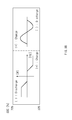
FIG. 4A illustrates a case in which the SOC value of the battery, which is measured in the SOC measuring unit corresponds to the first operation range a of about 70% to about 100%. When the measured SOC value of the battery corresponds to the first operation range, the dead band is increased in the charging direction or decreased in the discharging direction.
When the dead band is increased in the charging direction, a range of the dead band in the charging direction is expanded to reduce a frequency correction signal range corresponding to the range of the dead band. Also, the number of power signal applied to the battery is decreased. Also, probability that the SOC value of the battery reaches about 100% is reduced.
When the dead band in the discharging direction is decreased, the range of the dead band in the discharging direction is decreased, and the frequency correction signal range corresponding to the range of the dead band is increased. Also, the number of power signal applied to the battery is increased. Also, probability that the SOC value of the battery reaches about 100% is reduced.
Referring to FIG. 4B, when the SOC value of the battery, which is measured in the SOC measuring unit 110 corresponds to the second operation range b of about 30% to about 70%, the present state is maintained, or the dead band in the charging/discharging directions is increased in consideration of the efficiency of the battery, as illustrated in FIG. 4B.
Referring to FIG. 4C, when the SOC value of the battery, which is measured in the SOC measuring unit 110 corresponds to the third operation range c of about 0% to about 30%, the dead band in the charging direction is decreased, the dead band in the discharging direction is increased, as illustrated FIG. 4C.
When the dead band in the charging direction is decreased, the range of the dead band is decreased, and the frequency correction signal range corresponding to the range of the dead band is increased. Also, the number of power signal applied to the battery is increased, and probability that the SOC value of the battery reaches about 0% is reduced.
As described above, the SOC value of the battery may be measured, and the operation range corresponding to the measured SOC value may be determined. Then, the dead band section may be adjusted by using the correction value corresponding to the operation range to maintain the SOC value within a predetermined range.
FIG. 5 is a block diagram of a system 200 for correcting an SOC of a battery according to another embodiment of the present invention.
Referring to FIG. 5, a system 200 for correcting an SOC of a battery includes an SOC measuring unit 210, a storage unit 220, a determining unit 230, and an SOC correcting unit 240.
First, the SOC measuring unit 210 measures an SOC value of the battery which is charged through power supplied from a power producing device of a battery energy storage system (BESS). The SOC value of the battery may be measured at every preset unit time.
The SOC value of the battery, which is measured in the SOC measuring unit 210, is stored in the storage unit 220.
A plurality of operation ranges corresponding to SOC values of the battery are stored in the storage unit 220. The plurality of operation ranges may be previously set to determine whether the charging/discharging of the battery is compensated. The operation ranges corresponding to the SOC value of the battery may be set to operation ranges that are adequate for a lifecycle of the BESS.
For example, if an operation range that is discussed with the company of customer is about 20% to about 80% of the SOC value, and an operation range adequate for a lifecycle of the BESS is about 40% to about 60% of the SOC value, the operation ranges may be set to operation ranges for a reference value. Here, if an operation range is about 70% to about 100% of the SOC value of the battery, which is measured in the SOC measuring unit 210, the operation range may be set to a first operation range. If an operation range is about 30% to about 70% of the SOC value, the operation range may be set to a second operation range, and if an operation range is about 0% to about 30% of the SOC value, the operation range may be set to a third operation range. Since there are many demands to match the SOC value of the battery to a level of about 50%, the second operation range may be determined as a normal range. In this specification, although the value of each of the operation ranges is set as described above, the present invention is not limited thereto. For example, the values of the operation ranges may be changed according to a state of the battery or surrounding environments.
The determining unit 230 determines an operation range corresponding to the measured SOC value of the battery among the plurality of operation ranges.
The SOC correcting unit 240 stores correction values corresponding to the plurality of operation ranges, respectively.
The SOC correcting unit 240 includes a first correcting part 240 a, a second correcting part 240 b, and a third correcting part 240 c. The correcting parts have correction values obtained by using charging/discharging power adjusting manners different from each other, respectively.
The first correcting part 240 a includes conditions for increasing or decreasing charging/discharging power in an exponential form. The second correcting part 240 b includes conditions for increasing or decreasing the charging/discharging power in a stepped form. Also, a third correcting part 240 c includes conditions for increasing or decreasing the charging/discharging power at a predetermined ratio.
The SOC correcting unit 240 adjusts the charging/discharging power according to the result determined in the determining unit 230 to correct the SOC value of the battery.
For example, when it is determined that the SOC value of the battery corresponds to the first operation range by the determining unit 230, one correcting part of the SOC correcting unit 240 is selected to perform the SOC correction by using the correction value of the selected correcting part, which corresponds to the first operation range.
When the measured SOC value of the battery corresponds to the first operation range, the charging power is decreased, or the discharging power is increased. Here, the charging/discharging power may be increased or decreased in the exponential or stepped form or at the predetermined ratio.
Since the second operation range corresponds to the normal range, when it is determined that the measured SOC value of the battery corresponds to the second operation range, the present state is maintained.
When the measured SOC value of the battery corresponds to the third operation range, the charging power is increased, or the discharging power is decreased. Here, the charging/discharging power may be increased or decreased in the exponential or stepped form or at the predetermined ratio.
As described above, since the charging/discharging power is adjusted according to the various conditions to perform the SOC correction, the SOC value of the battery may be maintained within a predetermined range. In addition, the probability that the SOC value of the battery reaches about 100% or about 0% may be reduced, and the battery may be reduced in capacity when the battery is designed.
FIG. 6 is a flowchart of a method for correcting the SOC of the battery according to another embodiment of the present invention.
Referring to FIG. 6, an SOC value of the battery which is charged through power supplied from a power producing device of a battery energy storage system (BESS) is measured (S200). The SOC value of the battery may be measured at every preset unit time. FIG. 3 is a graph of SOC values of the battery, which is measured at every unit time. Referring to FIG. 3, it is seen that an SOC value of the battery is frequently changed in a range of about 0% to about 100%.
The measured SOC value of the battery is compared to the plurality of operation ranges stored in the storage unit (see reference numeral 220 of FIG. 5) to determine an operation range corresponding to the measured SOC value among the plurality of operation ranges (S210).
The plurality of operation ranges corresponding to the SOC values of the battery are stored in the storage unit 220. The plurality of operation ranges may be previously set to determine whether the charging/discharging of the battery is compensated.
The plurality of operation ranges will be described with reference to the graph of FIG. 7. Here, an x-axis in the graph may denote a time, and a y-axis in the graph may denote an SOC value of the battery.
Referring to FIG. 7, the SOC value of the battery may be partitively set to ranges of about 70% to about 100% (a first operation range: a), about 30% to about 70% (a second operation range: b), and about 0% to about 30% (a third operation range: c). Since there are many demands to match the present SOC value of the battery to a level of about 50%, it may be determined that the first operation state is defined as an overcharged state, the second operation range is defined as a normal range, and the third operation range is defined as an overcharged state. In this specification, although the value of each of the operation ranges is set as described above, the present invention is not limited thereto. For example, the values of the operation ranges may be changed in consideration of capacity, charging efficiency, discharging resistance, and the like of the battery.
Next, one correcting part of the SOC correcting unit is selected.
The SOC correcting unit 240 includes a first correcting part 240 a, a second correcting part 240 b, and a third correcting part 240 c. The correcting parts are operated by using charging/discharging power adjusting manners different from each other, respectively.
The first correcting part 240 a includes conditions for increasing or decreasing charging/discharging power in an exponential form. The second correcting part 240 b includes conditions for increasing or decreasing the charging/discharging power in a stepped form. Also, a third correcting part 240 c includes conditions for increasing or decreasing the charging/discharging power at a predetermined ratio.
Then, the SOC correction is performed by using the correction value corresponding to the operation range which corresponds to the measured SOC value of the battery (S220). The SOC correction may adjust the charging/discharging power according to the result determined in the operation S210.
A method for adjusting the charging/discharging power may include various methods set in the SOC correcting unit 240 and will be described with reference to embodiments.
First, FIGS. 8A to 8C are graphs of a method for increasing or decreasing the charging/discharging power in the exponential form.
FIG. 8A illustrates a case in which the SOC value of the battery, which is measured in the SOC measuring unit corresponds to the first operation range a of about 70% to about 100%. When the measured SOC value of the battery corresponds to the first operation range, a correction value by which the charging power is decreased in the exponential form, and the discharging power is increased in the exponential form is applied. The probability that the SOC value of the battery reaches about 100% may be reduced, and the battery may be reduced in capacity when the battery is designed.
FIG. 8B illustrates a case in which the SOC value of the battery, which is measured in the SOC measuring unit corresponds to the second operation range b of about 30% to about 70%. In this case, it is determined as the normal range to maintain the present state.
Next, FIG. 8C illustrates a case in which the SOC value of the battery, which is measured in the SOC measuring unit corresponds to the third operation range c of about 0% to about 30%. In this case, a correction value by which the charging power is increased in the exponential form, and the discharging power is decreased in the exponential form is applied.
FIGS. 9A to 9C are graphs of a method for increasing or decreasing the charging/discharging power in the stepped form.
FIG. 9A illustrates a case in which the SOC value of the battery, which is measured in the SOC measuring unit corresponds to the first operation range a of about 70% to about 100%. When the measured SOC value of the battery corresponds to the first operation range, a correction value by which the charging power is decreased in the stepped form, and the discharging power is increased in the stepped form is applied.
FIG. 9B illustrates a case in which the SOC value of the battery, which is measured in the SOC measuring unit corresponds to the second operation range b of about 30% to about 70%. In this case, it is determined as the normal range to maintain the present state.
Next, FIG. 9C illustrates a case in which the SOC value of the battery, which is measured in the SOC measuring unit corresponds to the third operation range c of about 0% to about 30%. In this case, a correction value by which the charging power is increased in the stepped form, and the discharging power is decreased in the stepped form is applied.
FIGS. 10A to 10C are graphs of a method for increasing or decreasing the charging/discharging power at a predetermined ratio.
FIG. 10A illustrates a case in which the SOC value of the battery, which is measured in the SOC measuring unit corresponds to the first operation range a of about 70% to about 100%. When the measured SOC value of the battery corresponds to the first operation range, a correction value by which the charging power is decreased at a predetermined ratio is applied.
FIG. 10B illustrates a case in which the SOC value of the battery, which is measured in the SOC measuring unit corresponds to the second operation range b of about 30% to about 70%. In this case, it is determined as the normal range to maintain the present state.
Next, FIG. 10C illustrates a case in which the SOC value of the battery, which is measured in the SOC measuring unit corresponds to the third operation range c of about 0% to about 30%. In this case, a correction value by which the discharging power is decreased at a predetermined ratio in comparison to the existing discharging power is applied.
As described above, since the charging/discharging power is adjusted according to the various conditions to perform the SOC correction, the SOC value of the battery may be maintained within a predetermined range. In addition, the probability that the SOC value of the battery reaches about 100% or about 0% may be reduced, and the battery may be reduced in capacity when the battery is designed.
The above-disclosed subject matter is to be considered illustrative, and not restrictive, and the appended claims are intended to cover all such modifications, enhancements, and other embodiments, which fall within the true spirit and scope of the present invention.
Thus, the embodiment of the present invention is to be considered illustrative, and not restrictive, and the technical spirit of the present invention is not limited to the foregoing embodiment.
Therefore, the scope of the invention is defined not by the detailed description of the invention but by the appended claims, and all differences within the scope will be construed as being included in the present invention.

Claims (20)

The invention claimed is:
1. A system for correcting a state-of-charging (SOC) of a battery, the system comprising:
an SOC measuring unit configured to measure an SOC value of the battery;
a storage unit configured to store preset operation ranges to determine whether charging/discharging of the battery is compensated;
a determining unit configured to determine an operation range corresponding to the SOC value of the battery among the preset operation ranges, the determined operation range being a range on which a dead band in charging/discharging directions is based, a frequency correction signal range corresponding to a range of the dead band in charging/discharging directions being used to adjust an amount of a power signal applied to the battery; and
an SOC correcting unit configured to selectively adjust the charging/discharging directions and charging/discharging power according to the range of the dead band and the frequency correction signal range, based on the operation range determined in the determining unit to correct the SOC value of the battery.
2. The system of claim 1, wherein the storage unit comprises a first operation range, a second operation range, and a third operation range.
3. The system of claim 2, wherein the first operation range is about 70% to about 100% of the SOC value, the second operation range is about 30% to about 70% of the SOC value, and the third operation range is about 0% to about 30% of the SOC value.
4. The system of claim 2, wherein the SOC correcting unit is set to correction values different from each other according to the operation ranges.
5. The system of claim 4, wherein, when the operation range is determined as the first operation range in the determining unit, a first correction value by which a dead band is increased in the charging direction is applied.
6. The system of claim 4, wherein, when the operation range is determined as the second operation range in the determining unit, a second correction value by which a dead band is increased in the charging direction, or the present state is maintained is applied.
7. The system of claim 4, wherein, when the operation range is determined as the third operation range in the determining unit, a third correction value by which a dead band is decreased in the charging direction or increased in the discharging direction is applied.
8. The system of claim 2, wherein the SOC correcting unit adjusts the charging/discharging power in an exponential or stepped form or at a predetermined ratio.
9. The system of claim 8, wherein, when the operation range is determined as the first operation range in the determining unit, a correction value by which the charging power is decreased, and the discharging power is increased is applied.
10. The system of claim 8, wherein, when the operation range is determined as the second operation range in the determining unit, a correction value by which the present state is maintained is applied.
11. The system of claim 8, wherein, when the operation range is determined as the third operation range in the determining unit, a correction value by which the charging power is increased, and the discharging power is decreased is applied.
12. A method for correcting an SOC of a battery, the method comprising:
measuring an SOC value of the battery;
comparing the SOC value to preset operation ranges to determine an operation range corresponding to the SOC value, the determined operation range being a range on which a dead band in charging/discharging directions is based, a frequency correction signal range corresponding to a range of the dead band in charging/discharging directions being used to adjust an amount of a power signal applied to the battery; and
selectively adjusting the charging/discharging directions and charging/discharging power according to the range of the dead band and the frequency correction signal range, based on the operation range which corresponds to the SOC value to correct the SOC value of the battery.
13. The method of claim 12, wherein the preset operation ranges comprise a first operation range, a second operation range, and a third operation range, and
wherein the first operation range is about 70% to about 100% of the SOC value, the second operation range is about 30% to about 70% of the SOC value, and the third operation range is about 0% to about 30% of the SOC value.
14. The method of claim 13, wherein, when the operation range is determined as the first operation range, a first correction value by which a dead band is increased in the charging direction is applied.
15. The method of claim 13, wherein when the operation range is determined as the second operation range, a second correction value by which a dead band is increased in the charging/discharging directions, or the present state is maintained is applied.
16. The method of claim 13, wherein, when the operation range is determined as the third operation range, a third correction value by which a dead band is decreased in the charging direction or increased in the discharging direction is applied.
17. The method of claim 13, wherein the correcting of the SOC value of the battery comprises adjusting the charging/discharging power in an exponential or stepped form or at a predetermined ratio.
18. The method of claim 17, wherein, when the operation range is determined as the first operation range, a correction value by which the charging power is decreased, and the discharging power is increased is applied.
19. The method of claim 17, wherein, when the operation range is determined as the second operation range, a correction value by which the present state is maintained is applied.
20. The method of claim 17, wherein, when the operation range is determined as the third operation range, a correction value by which the charging power is increased, and the discharging power is decreased is applied.
US14/917,346 2014-10-21 2015-10-20 System and method for correcting SOC of battery Active 2036-02-03 US9882409B2 (en)

Applications Claiming Priority (5)

Application Number Priority Date Filing Date Title
KR10-2014-0142610 2014-10-21
KR10-2014-0142609 2014-10-21
KR1020140142609A KR101749383B1 (en) 2014-10-21 2014-10-21 System and method for adjusting the battery soc
KR1020140142610A KR20160046550A (en) 2014-10-21 2014-10-21 System and method for adjusting the battery soc
PCT/KR2015/011098 WO2016064171A1 (en) 2014-10-21 2015-10-20 System and method for correcting soc of battery

Publications (2)

Publication Number Publication Date
US20160301234A1 US20160301234A1 (en) 2016-10-13
US9882409B2 true US9882409B2 (en) 2018-01-30

Family

ID=55761142

Family Applications (1)

Application Number Title Priority Date Filing Date
US14/917,346 Active 2036-02-03 US9882409B2 (en) 2014-10-21 2015-10-20 System and method for correcting SOC of battery

Country Status (6)

Country Link
US (1) US9882409B2 (en)
EP (1) EP3051656B1 (en)
CN (1) CN105745811A (en)
ES (1) ES2988721T3 (en)
HU (1) HUE068575T2 (en)
WO (1) WO2016064171A1 (en)

Cited By (1)

* Cited by examiner, † Cited by third party
Publication number Priority date Publication date Assignee Title
US11456610B2 (en) * 2019-02-20 2022-09-27 Samsung Sdi Co., Ltd. Internal short sensing battery control apparatus and battery control method

Families Citing this family (9)

* Cited by examiner, † Cited by third party
Publication number Priority date Publication date Assignee Title
CN107627872B (en) * 2017-08-29 2020-01-14 广州小鹏汽车科技有限公司 Battery charging control method and system based on electric vehicle travel mode
CN110549900B (en) * 2018-03-30 2021-06-18 比亚迪股份有限公司 Parameter update method and device for electric vehicle and power battery after standing still
CN111220919B (en) * 2018-11-26 2021-04-20 北汽福田汽车股份有限公司 Battery electric quantity detection method and device and vehicle
KR102685558B1 (en) * 2019-01-04 2024-07-15 주식회사 엘지에너지솔루션 Battery management method, battery device, and vehicle comprising battery device
KR102785786B1 (en) 2019-03-21 2025-03-26 주식회사 엘지에너지솔루션 Apparatus and method for controlling battery bank
CN110190649B (en) * 2019-06-01 2020-12-29 深圳市永航新能源技术有限公司 A battery capacity evaluation and correction charging and discharging device and correction method
CN113049961B (en) * 2021-02-26 2022-07-19 佛山职业技术学院 DZSOC algorithm of lithium iron phosphate battery
WO2022198564A1 (en) * 2021-03-25 2022-09-29 华为数字能源技术有限公司 Energy storage system control method and energy storage system
CN113848484B (en) * 2021-09-09 2025-03-25 华为数字能源技术有限公司 Energy storage system and parameter calibration method

Citations (17)

* Cited by examiner, † Cited by third party
Publication number Priority date Publication date Assignee Title
US6868318B1 (en) * 2003-10-14 2005-03-15 General Motors Corporation Method for adjusting battery power limits in a hybrid electric vehicle to provide consistent launch characteristics
EP2055587A2 (en) 2007-11-04 2009-05-06 GM Global Technology Operations, Inc. Method for controlling output power of an energy storage device in a powertrain system
US20090250277A1 (en) 2007-01-12 2009-10-08 Grand Kerry E Battery Equalization Using a Plug-In Charger in a Hybrid Electric Vehicle
EP2145808A1 (en) 2007-05-15 2010-01-20 Toyota Jidosha Kabushiki Kaisha Vehicle and its control method
US20110115439A1 (en) 2009-11-17 2011-05-19 Hyundai Motor Company Battery's state-of-charge balancing control method for hybrid vehicle
US20110273129A1 (en) * 2010-05-04 2011-11-10 Xtreme Power Inc. Managing Renewable Power Generation
US20120161707A1 (en) 2010-12-28 2012-06-28 Samsung Sdi Co., Ltd Balancing method and balancing system of battery pack
US20130113433A1 (en) * 2010-07-13 2013-05-09 Honda Motor Co., Ltd. Storage capacity management system
DE102012208464B3 (en) 2012-05-21 2013-07-04 Deere & Company Conditioning device for self-propelled forage harvester, for harvesting plants or parts of plants, has crop residues removing element whose surface is adjacent to roller and arcuately-extended around part of circumference of roller
KR101337576B1 (en) 2012-06-14 2013-12-06 이엔테크놀로지 주식회사 Method and system for state of charge management
KR20140073627A (en) 2012-11-30 2014-06-17 주식회사 포스코아이씨티 Apparatus and Method for Managing Battery
JP2014112980A (en) 2011-03-25 2014-06-19 Sanyo Electric Co Ltd Battery module, battery system, power-supply device, and mobile body
US20140292080A1 (en) 2011-11-10 2014-10-02 Evonik Industries Ag Method for providing control power using an energy store having variable deadband width when providing the control power
US20150015213A1 (en) * 2012-03-28 2015-01-15 Aerovironment, Inc. Frequency responsive charging system and method
US20150142236A1 (en) 2012-05-21 2015-05-21 Robert Bosch Gmbh Method and device for controlling an internal combustion engine
US20160079778A1 (en) * 2013-04-29 2016-03-17 Welsengen Limited Apparatus and method for managing stored energy
US20160254683A1 (en) * 2013-10-16 2016-09-01 Toyota Jidosha Kabushiki Kaisha Electric storage system

Family Cites Families (1)

* Cited by examiner, † Cited by third party
Publication number Priority date Publication date Assignee Title
DE102013206808A1 (en) * 2013-04-16 2014-10-16 Younicos Ag Method and device for controlling the state of charge of a battery power plant

Patent Citations (20)

* Cited by examiner, † Cited by third party
Publication number Priority date Publication date Assignee Title
US6868318B1 (en) * 2003-10-14 2005-03-15 General Motors Corporation Method for adjusting battery power limits in a hybrid electric vehicle to provide consistent launch characteristics
US20090250277A1 (en) 2007-01-12 2009-10-08 Grand Kerry E Battery Equalization Using a Plug-In Charger in a Hybrid Electric Vehicle
EP2145808A1 (en) 2007-05-15 2010-01-20 Toyota Jidosha Kabushiki Kaisha Vehicle and its control method
US20100152938A1 (en) 2007-05-15 2010-06-17 Takanori Aoki Vehicle and control method of vehicle
EP2055587A2 (en) 2007-11-04 2009-05-06 GM Global Technology Operations, Inc. Method for controlling output power of an energy storage device in a powertrain system
US20090118962A1 (en) 2007-11-04 2009-05-07 Gm Global Technology Operations, Inc. Method for controlling output power of an energy storage device in a powertrain system
US20110115439A1 (en) 2009-11-17 2011-05-19 Hyundai Motor Company Battery's state-of-charge balancing control method for hybrid vehicle
KR20110054135A (en) 2009-11-17 2011-05-25 현대자동차주식회사 Soc band strategy for hev
US20110273129A1 (en) * 2010-05-04 2011-11-10 Xtreme Power Inc. Managing Renewable Power Generation
US20130113433A1 (en) * 2010-07-13 2013-05-09 Honda Motor Co., Ltd. Storage capacity management system
US20120161707A1 (en) 2010-12-28 2012-06-28 Samsung Sdi Co., Ltd Balancing method and balancing system of battery pack
JP2014112980A (en) 2011-03-25 2014-06-19 Sanyo Electric Co Ltd Battery module, battery system, power-supply device, and mobile body
US20140292080A1 (en) 2011-11-10 2014-10-02 Evonik Industries Ag Method for providing control power using an energy store having variable deadband width when providing the control power
US20150015213A1 (en) * 2012-03-28 2015-01-15 Aerovironment, Inc. Frequency responsive charging system and method
DE102012208464B3 (en) 2012-05-21 2013-07-04 Deere & Company Conditioning device for self-propelled forage harvester, for harvesting plants or parts of plants, has crop residues removing element whose surface is adjacent to roller and arcuately-extended around part of circumference of roller
US20150142236A1 (en) 2012-05-21 2015-05-21 Robert Bosch Gmbh Method and device for controlling an internal combustion engine
KR101337576B1 (en) 2012-06-14 2013-12-06 이엔테크놀로지 주식회사 Method and system for state of charge management
KR20140073627A (en) 2012-11-30 2014-06-17 주식회사 포스코아이씨티 Apparatus and Method for Managing Battery
US20160079778A1 (en) * 2013-04-29 2016-03-17 Welsengen Limited Apparatus and method for managing stored energy
US20160254683A1 (en) * 2013-10-16 2016-09-01 Toyota Jidosha Kabushiki Kaisha Electric storage system

Non-Patent Citations (2)

* Cited by examiner, † Cited by third party
Title
Extended European Search Report for Appl. No. 15837076.7 dated Dec. 21, 2016.
Liu, H. et al, "Decentralized Vehicle-to-Grid Control for Primary Frequency Regulation Considering Charging Demands," IEEE Transactions on Power Systems, Aug. 2013, vol. 28, No. 3, pp. 3480-3489.

Cited By (1)

* Cited by examiner, † Cited by third party
Publication number Priority date Publication date Assignee Title
US11456610B2 (en) * 2019-02-20 2022-09-27 Samsung Sdi Co., Ltd. Internal short sensing battery control apparatus and battery control method

Also Published As

Publication number Publication date
WO2016064171A1 (en) 2016-04-28
EP3051656B1 (en) 2024-09-11
US20160301234A1 (en) 2016-10-13
EP3051656A1 (en) 2016-08-03
HUE068575T2 (en) 2025-01-28
ES2988721T3 (en) 2024-11-21
CN105745811A (en) 2016-07-06
EP3051656A4 (en) 2017-01-18

Similar Documents

Publication Publication Date Title
US9882409B2 (en) System and method for correcting SOC of battery
US9142980B2 (en) Apparatus and method for controlling charge capacity balancing operation of secondary battery cell
US9475398B2 (en) Optimization-based predictive method for battery charging
US9166257B2 (en) Method for charging and method for determining an end-of-charge criterion of a nickel-based battery
US10211651B2 (en) Device and method for managing SOC and SOH of parallel-connected battery pack
KR101500547B1 (en) Apparatus and method for balancing of battery cell's charging capacity
US20170104350A1 (en) Device and method for controlling a plurality of cells of a battery
KR20150054464A (en) Charging method of battery and battery charging system
US20140132202A1 (en) Method and apparatus for controlling charging of secondary battery
KR20210056301A (en) Apparatus and method for processing voltage data of battery cell
US20150042351A1 (en) Method and System for Characterizing Battery Cells for Use in Battery Packs
KR101614046B1 (en) Apparatus for managing battery system
KR20110117992A (en) Battery charging system and its charging method
KR102020044B1 (en) Battery charging system, and method for controlling maximum capacity charging in battery module using the same
KR20190078092A (en) Apparatus for managing battery
KR101491460B1 (en) Active cell balancing method of battery and system thereof
KR102895821B1 (en) Battery managing apparatus and method thereof
KR102895834B1 (en) Battery managing apparatus and method thereof
US9466990B2 (en) Method for enhancing a battery management system, battery management system, battery system and motor vehicle
KR101749383B1 (en) System and method for adjusting the battery soc
CN120936892A (en) Battery management device and method thereof
CN121127755A (en) Battery management device and method thereof
KR101915183B1 (en) Apparatus and method for setting and operating reference SOC of active cell balancing using common bus
KR102911276B1 (en) Data management apparatus for energy storage apparatus and apparatus for predicting life
KR20100077141A (en) Battery charging system

Legal Events

Date Code Title Description
AS Assignment

Owner name: LG CHEM, LTD., KOREA, REPUBLIC OF

Free format text: ASSIGNMENT OF ASSIGNORS INTEREST;ASSIGNORS:PARK, JEONG SEOK;YOON, SUNG YUL;CHO, TAE SHIN;AND OTHERS;REEL/FRAME:037924/0156

Effective date: 20160223

STCF Information on status: patent grant

Free format text: PATENTED CASE

MAFP Maintenance fee payment

Free format text: PAYMENT OF MAINTENANCE FEE, 4TH YEAR, LARGE ENTITY (ORIGINAL EVENT CODE: M1551); ENTITY STATUS OF PATENT OWNER: LARGE ENTITY

Year of fee payment: 4

AS Assignment

Owner name: LG ENERGY SOLUTION, LTD., KOREA, REPUBLIC OF

Free format text: ASSIGNMENT OF ASSIGNORS INTEREST;ASSIGNOR:LG CHEM, LTD.;REEL/FRAME:058295/0068

Effective date: 20211027

Owner name: LG ENERGY SOLUTION, LTD., KOREA, REPUBLIC OF

Free format text: ASSIGNMENT OF ASSIGNOR'S INTEREST;ASSIGNOR:LG CHEM, LTD.;REEL/FRAME:058295/0068

Effective date: 20211027

MAFP Maintenance fee payment

Free format text: PAYMENT OF MAINTENANCE FEE, 8TH YEAR, LARGE ENTITY (ORIGINAL EVENT CODE: M1552); ENTITY STATUS OF PATENT OWNER: LARGE ENTITY

Year of fee payment: 8