US9833437B2 - Small molecule inhibitor of MYD88 for therapeutic treatment against alphavirus and staphylococcal enterotoxin infections and toxin exposure - Google Patents
Small molecule inhibitor of MYD88 for therapeutic treatment against alphavirus and staphylococcal enterotoxin infections and toxin exposure Download PDFInfo
- Publication number
- US9833437B2 US9833437B2 US15/369,004 US201615369004A US9833437B2 US 9833437 B2 US9833437 B2 US 9833437B2 US 201615369004 A US201615369004 A US 201615369004A US 9833437 B2 US9833437 B2 US 9833437B2
- Authority
- US
- United States
- Prior art keywords
- myd88
- compound
- ifn
- small molecule
- infections
- Prior art date
- Legal status (The legal status is an assumption and is not a legal conclusion. Google has not performed a legal analysis and makes no representation as to the accuracy of the status listed.)
- Expired - Fee Related
Links
- 231100000655 enterotoxin Toxicity 0.000 title claims abstract description 25
- 150000003384 small molecules Chemical class 0.000 title claims abstract description 25
- 208000015181 infectious disease Diseases 0.000 title claims description 42
- 102100024134 Myeloid differentiation primary response protein MyD88 Human genes 0.000 title claims 6
- 230000001225 therapeutic effect Effects 0.000 title abstract description 19
- 238000011282 treatment Methods 0.000 title description 44
- 239000003112 inhibitor Substances 0.000 title description 31
- 241000710929 Alphavirus Species 0.000 title description 14
- 239000003053 toxin Substances 0.000 title description 2
- 231100000765 toxin Toxicity 0.000 title description 2
- 101150053046 MYD88 gene Proteins 0.000 title 1
- 108090000467 Interferon-beta Proteins 0.000 claims abstract description 58
- 102100026720 Interferon beta Human genes 0.000 claims abstract description 57
- 230000000840 anti-viral effect Effects 0.000 claims abstract description 53
- 241000722910 Burkholderia mallei Species 0.000 claims abstract description 37
- 230000009385 viral infection Effects 0.000 claims abstract description 29
- 241000589602 Francisella tularensis Species 0.000 claims abstract description 27
- 208000036142 Viral infection Diseases 0.000 claims abstract description 23
- 206010040070 Septic Shock Diseases 0.000 claims abstract description 20
- 208000007887 Alphavirus Infections Diseases 0.000 claims abstract description 13
- 101000867232 Escherichia coli Heat-stable enterotoxin II Proteins 0.000 claims abstract description 11
- 206010044248 Toxic shock syndrome Diseases 0.000 claims abstract description 10
- 231100000650 Toxic shock syndrome Toxicity 0.000 claims abstract description 10
- 230000036303 septic shock Effects 0.000 claims abstract description 9
- 229940118764 francisella tularensis Drugs 0.000 claims abstract description 6
- 208000027136 gram-positive bacterial infections Diseases 0.000 claims abstract description 6
- 102100031153 Growth arrest and DNA damage-inducible protein GADD45 beta Human genes 0.000 claims abstract description 5
- 101001066164 Homo sapiens Growth arrest and DNA damage-inducible protein GADD45 beta Proteins 0.000 claims abstract description 5
- 229940074375 burkholderia mallei Drugs 0.000 claims abstract description 5
- 210000004027 cell Anatomy 0.000 claims description 99
- 102100029843 Interferon regulatory factor 3 Human genes 0.000 claims description 57
- 101001011382 Homo sapiens Interferon regulatory factor 3 Proteins 0.000 claims description 51
- 230000011542 interferon-beta production Effects 0.000 claims description 49
- 241000700605 Viruses Species 0.000 claims description 38
- 230000011664 signaling Effects 0.000 claims description 32
- 238000000034 method Methods 0.000 claims description 31
- 241000588724 Escherichia coli Species 0.000 claims description 27
- 230000000770 proinflammatory effect Effects 0.000 claims description 22
- 230000016396 cytokine production Effects 0.000 claims description 20
- 238000006366 phosphorylation reaction Methods 0.000 claims description 16
- 230000026731 phosphorylation Effects 0.000 claims description 15
- 230000023385 chemokine (C-C motif) ligand 5 production Effects 0.000 claims description 14
- 230000001105 regulatory effect Effects 0.000 claims description 14
- 230000002401 inhibitory effect Effects 0.000 claims description 12
- MZOFCQQQCNRIBI-VMXHOPILSA-N (3s)-4-[[(2s)-1-[[(2s)-1-[[(1s)-1-carboxy-2-hydroxyethyl]amino]-4-methyl-1-oxopentan-2-yl]amino]-5-(diaminomethylideneamino)-1-oxopentan-2-yl]amino]-3-[[2-[[(2s)-2,6-diaminohexanoyl]amino]acetyl]amino]-4-oxobutanoic acid Chemical compound OC[C@@H](C(O)=O)NC(=O)[C@H](CC(C)C)NC(=O)[C@H](CCCN=C(N)N)NC(=O)[C@H](CC(O)=O)NC(=O)CNC(=O)[C@@H](N)CCCCN MZOFCQQQCNRIBI-VMXHOPILSA-N 0.000 claims description 8
- 108060008682 Tumor Necrosis Factor Proteins 0.000 claims description 8
- 102000000852 Tumor Necrosis Factor-alpha Human genes 0.000 claims description 8
- 239000000147 enterotoxin Substances 0.000 claims description 8
- 238000002560 therapeutic procedure Methods 0.000 claims description 7
- 241000894006 Bacteria Species 0.000 claims description 6
- 108090001005 Interleukin-6 Proteins 0.000 claims description 6
- 239000000126 substance Substances 0.000 claims description 5
- 230000007416 antiviral immune response Effects 0.000 claims description 4
- 210000005260 human cell Anatomy 0.000 claims description 4
- 241000124008 Mammalia Species 0.000 claims description 3
- 108010002350 Interleukin-2 Proteins 0.000 claims description 2
- 230000028709 inflammatory response Effects 0.000 claims description 2
- 241000283073 Equus caballus Species 0.000 claims 6
- 101710112096 Myeloid differentiation primary response protein MyD88 Proteins 0.000 claims 5
- 241001136175 Burkholderia pseudomallei Species 0.000 claims 3
- 231100000699 Bacterial toxin Toxicity 0.000 claims 2
- 239000000688 bacterial toxin Substances 0.000 claims 2
- 208000027096 gram-negative bacterial infections Diseases 0.000 claims 2
- 239000000729 antidote Substances 0.000 claims 1
- 150000001875 compounds Chemical class 0.000 abstract description 176
- 241000699670 Mus sp. Species 0.000 abstract description 58
- 102000014150 Interferons Human genes 0.000 abstract description 31
- 108010050904 Interferons Proteins 0.000 abstract description 31
- 229940079322 interferon Drugs 0.000 abstract description 30
- 230000003827 upregulation Effects 0.000 abstract description 19
- 230000008685 targeting Effects 0.000 abstract description 10
- 230000003834 intracellular effect Effects 0.000 abstract description 9
- 238000013459 approach Methods 0.000 abstract description 7
- 206010040047 Sepsis Diseases 0.000 abstract description 6
- 108091005764 adaptor proteins Proteins 0.000 abstract description 6
- 102000035181 adaptor proteins Human genes 0.000 abstract description 6
- 230000002757 inflammatory effect Effects 0.000 abstract description 5
- 230000001960 triggered effect Effects 0.000 abstract description 4
- 206010069747 Burkholderia mallei infection Diseases 0.000 abstract description 3
- 201000003641 Glanders Diseases 0.000 abstract description 3
- 208000034784 Tularaemia Diseases 0.000 abstract description 3
- 208000011580 syndromic disease Diseases 0.000 abstract description 3
- 239000003124 biologic agent Substances 0.000 abstract description 2
- 239000002158 endotoxin Substances 0.000 description 73
- 229920006008 lipopolysaccharide Polymers 0.000 description 66
- 230000005764 inhibitory process Effects 0.000 description 59
- 102000004127 Cytokines Human genes 0.000 description 44
- 108090000695 Cytokines Proteins 0.000 description 44
- 108091036414 Polyinosinic:polycytidylic acid Proteins 0.000 description 37
- 241000710959 Venezuelan equine encephalitis virus Species 0.000 description 33
- 102100038070 Interferon regulatory factor 7 Human genes 0.000 description 31
- 101001032342 Homo sapiens Interferon regulatory factor 7 Proteins 0.000 description 30
- 230000000638 stimulation Effects 0.000 description 30
- 230000006698 induction Effects 0.000 description 27
- 229940125904 compound 1 Drugs 0.000 description 25
- 238000003556 assay Methods 0.000 description 23
- 231100000673 dose–response relationship Toxicity 0.000 description 23
- 230000000694 effects Effects 0.000 description 23
- 239000012228 culture supernatant Substances 0.000 description 22
- 230000004044 response Effects 0.000 description 22
- 230000014509 gene expression Effects 0.000 description 21
- 230000001404 mediated effect Effects 0.000 description 21
- 210000003819 peripheral blood mononuclear cell Anatomy 0.000 description 21
- 101000831496 Homo sapiens Toll-like receptor 3 Proteins 0.000 description 20
- 102100024324 Toll-like receptor 3 Human genes 0.000 description 19
- 239000013612 plasmid Substances 0.000 description 19
- 239000012528 membrane Substances 0.000 description 17
- 102000002689 Toll-like receptor Human genes 0.000 description 15
- 108020000411 Toll-like receptor Proteins 0.000 description 15
- 108090000623 proteins and genes Proteins 0.000 description 15
- 230000036039 immunity Effects 0.000 description 14
- 241000699666 Mus <mouse, genus> Species 0.000 description 13
- 230000015572 biosynthetic process Effects 0.000 description 13
- 238000004113 cell culture Methods 0.000 description 13
- 230000001419 dependent effect Effects 0.000 description 13
- 238000004519 manufacturing process Methods 0.000 description 13
- 230000019491 signal transduction Effects 0.000 description 13
- 210000004989 spleen cell Anatomy 0.000 description 13
- 102000004169 proteins and genes Human genes 0.000 description 12
- 230000002829 reductive effect Effects 0.000 description 12
- 238000011160 research Methods 0.000 description 12
- 230000029812 viral genome replication Effects 0.000 description 12
- 238000011740 C57BL/6 mouse Methods 0.000 description 11
- 241001465754 Metazoa Species 0.000 description 11
- 238000002474 experimental method Methods 0.000 description 11
- 239000003446 ligand Substances 0.000 description 11
- 238000012360 testing method Methods 0.000 description 11
- 238000001890 transfection Methods 0.000 description 11
- 239000000463 material Substances 0.000 description 10
- 239000011324 bead Substances 0.000 description 9
- 230000034994 death Effects 0.000 description 9
- 238000001727 in vivo Methods 0.000 description 9
- 230000002018 overexpression Effects 0.000 description 9
- 108010032038 Interferon Regulatory Factor-3 Proteins 0.000 description 8
- 230000001086 cytosolic effect Effects 0.000 description 8
- 238000003119 immunoblot Methods 0.000 description 8
- 231100000518 lethal Toxicity 0.000 description 8
- 230000001665 lethal effect Effects 0.000 description 8
- 230000037361 pathway Effects 0.000 description 8
- 229920000936 Agarose Polymers 0.000 description 7
- 241001115402 Ebolavirus Species 0.000 description 7
- 101000959820 Homo sapiens Interferon alpha-1/13 Proteins 0.000 description 7
- 102100040019 Interferon alpha-1/13 Human genes 0.000 description 7
- 210000003169 central nervous system Anatomy 0.000 description 7
- 239000000539 dimer Substances 0.000 description 7
- 201000010099 disease Diseases 0.000 description 7
- 208000037265 diseases, disorders, signs and symptoms Diseases 0.000 description 7
- 244000052769 pathogen Species 0.000 description 7
- 102000005962 receptors Human genes 0.000 description 7
- 108020003175 receptors Proteins 0.000 description 7
- 238000002415 sodium dodecyl sulfate polyacrylamide gel electrophoresis Methods 0.000 description 7
- 239000003656 tris buffered saline Substances 0.000 description 7
- 210000003501 vero cell Anatomy 0.000 description 7
- IAZDPXIOMUYVGZ-UHFFFAOYSA-N Dimethylsulphoxide Chemical compound CS(C)=O IAZDPXIOMUYVGZ-UHFFFAOYSA-N 0.000 description 6
- 102000006354 HLA-DR Antigens Human genes 0.000 description 6
- 108010058597 HLA-DR Antigens Proteins 0.000 description 6
- MHAJPDPJQMAIIY-UHFFFAOYSA-N Hydrogen peroxide Chemical compound OO MHAJPDPJQMAIIY-UHFFFAOYSA-N 0.000 description 6
- 108010047761 Interferon-alpha Proteins 0.000 description 6
- 102000006992 Interferon-alpha Human genes 0.000 description 6
- 108010057466 NF-kappa B Proteins 0.000 description 6
- 102000003945 NF-kappa B Human genes 0.000 description 6
- 238000004458 analytical method Methods 0.000 description 6
- 239000003814 drug Substances 0.000 description 6
- 230000015788 innate immune response Effects 0.000 description 6
- 230000003993 interaction Effects 0.000 description 6
- OHDXDNUPVVYWOV-UHFFFAOYSA-N n-methyl-1-(2-naphthalen-1-ylsulfanylphenyl)methanamine Chemical compound CNCC1=CC=CC=C1SC1=CC=CC2=CC=CC=C12 OHDXDNUPVVYWOV-UHFFFAOYSA-N 0.000 description 6
- 229940115272 polyinosinic:polycytidylic acid Drugs 0.000 description 6
- 239000002904 solvent Substances 0.000 description 6
- 239000000758 substrate Substances 0.000 description 6
- 239000006228 supernatant Substances 0.000 description 6
- 238000003786 synthesis reaction Methods 0.000 description 6
- 231100000419 toxicity Toxicity 0.000 description 6
- 230000001988 toxicity Effects 0.000 description 6
- 229960005486 vaccine Drugs 0.000 description 6
- 230000003612 virological effect Effects 0.000 description 6
- 108091003079 Bovine Serum Albumin Proteins 0.000 description 5
- 241000282412 Homo Species 0.000 description 5
- 101001082073 Homo sapiens Interferon-induced helicase C domain-containing protein 1 Proteins 0.000 description 5
- 102100037850 Interferon gamma Human genes 0.000 description 5
- 108010074328 Interferon-gamma Proteins 0.000 description 5
- 102100027353 Interferon-induced helicase C domain-containing protein 1 Human genes 0.000 description 5
- 241000713124 Rift Valley fever virus Species 0.000 description 5
- 241000710951 Western equine encephalitis virus Species 0.000 description 5
- 239000000872 buffer Substances 0.000 description 5
- 238000000749 co-immunoprecipitation Methods 0.000 description 5
- 238000012761 co-transfection Methods 0.000 description 5
- 244000000058 gram-negative pathogen Species 0.000 description 5
- 230000001939 inductive effect Effects 0.000 description 5
- 230000010468 interferon response Effects 0.000 description 5
- 210000002569 neuron Anatomy 0.000 description 5
- 230000001717 pathogenic effect Effects 0.000 description 5
- 230000009467 reduction Effects 0.000 description 5
- 230000010076 replication Effects 0.000 description 5
- 238000001262 western blot Methods 0.000 description 5
- NHBKXEKEPDILRR-UHFFFAOYSA-N 2,3-bis(butanoylsulfanyl)propyl butanoate Chemical compound CCCC(=O)OCC(SC(=O)CCC)CSC(=O)CCC NHBKXEKEPDILRR-UHFFFAOYSA-N 0.000 description 4
- CSCPPACGZOOCGX-UHFFFAOYSA-N Acetone Chemical compound CC(C)=O CSCPPACGZOOCGX-UHFFFAOYSA-N 0.000 description 4
- 102100037435 Antiviral innate immune response receptor RIG-I Human genes 0.000 description 4
- 101710127675 Antiviral innate immune response receptor RIG-I Proteins 0.000 description 4
- 238000011725 BALB/c mouse Methods 0.000 description 4
- YMWUJEATGCHHMB-UHFFFAOYSA-N Dichloromethane Chemical compound ClCCl YMWUJEATGCHHMB-UHFFFAOYSA-N 0.000 description 4
- 238000002965 ELISA Methods 0.000 description 4
- 102000004190 Enzymes Human genes 0.000 description 4
- 108090000790 Enzymes Proteins 0.000 description 4
- 101001054334 Homo sapiens Interferon beta Proteins 0.000 description 4
- 101000669447 Homo sapiens Toll-like receptor 4 Proteins 0.000 description 4
- -1 IL-1β Proteins 0.000 description 4
- 102000043138 IRF family Human genes 0.000 description 4
- 108091054729 IRF family Proteins 0.000 description 4
- 102000043131 MHC class II family Human genes 0.000 description 4
- 108091054438 MHC class II family Proteins 0.000 description 4
- 102000010168 Myeloid Differentiation Factor 88 Human genes 0.000 description 4
- 108010077432 Myeloid Differentiation Factor 88 Proteins 0.000 description 4
- 239000000020 Nitrocellulose Substances 0.000 description 4
- 102100039360 Toll-like receptor 4 Human genes 0.000 description 4
- HEDRZPFGACZZDS-MICDWDOJSA-N Trichloro(2H)methane Chemical compound [2H]C(Cl)(Cl)Cl HEDRZPFGACZZDS-MICDWDOJSA-N 0.000 description 4
- 230000009286 beneficial effect Effects 0.000 description 4
- 239000003153 chemical reaction reagent Substances 0.000 description 4
- 210000000805 cytoplasm Anatomy 0.000 description 4
- 210000004443 dendritic cell Anatomy 0.000 description 4
- 239000000284 extract Substances 0.000 description 4
- 239000000710 homodimer Substances 0.000 description 4
- 230000035987 intoxication Effects 0.000 description 4
- 231100000566 intoxication Toxicity 0.000 description 4
- 239000006166 lysate Substances 0.000 description 4
- 230000007246 mechanism Effects 0.000 description 4
- 239000002609 medium Substances 0.000 description 4
- 230000007302 negative regulation of cytokine production Effects 0.000 description 4
- 229920001220 nitrocellulos Polymers 0.000 description 4
- AICOOMRHRUFYCM-ZRRPKQBOSA-N oxazine, 1 Chemical compound C([C@@H]1[C@H](C(C[C@]2(C)[C@@H]([C@H](C)N(C)C)[C@H](O)C[C@]21C)=O)CC1=CC2)C[C@H]1[C@@]1(C)[C@H]2N=C(C(C)C)OC1 AICOOMRHRUFYCM-ZRRPKQBOSA-N 0.000 description 4
- 239000008188 pellet Substances 0.000 description 4
- 238000002203 pretreatment Methods 0.000 description 4
- 230000007112 pro inflammatory response Effects 0.000 description 4
- 230000008741 proinflammatory signaling process Effects 0.000 description 4
- 239000000243 solution Substances 0.000 description 4
- 238000001179 sorption measurement Methods 0.000 description 4
- 238000001228 spectrum Methods 0.000 description 4
- OHASGVNHEVSHOG-KRWDZBQOSA-N (2S)-3-methyl-2-(3-phenylpropylamino)-1-pyrrolidin-1-ylbutan-1-one Chemical compound CC([C@@H](C(=O)N1CCCC1)NCCCC1=CC=CC=C1)C OHASGVNHEVSHOG-KRWDZBQOSA-N 0.000 description 3
- 102000002260 Alkaline Phosphatase Human genes 0.000 description 3
- 108020004774 Alkaline Phosphatase Proteins 0.000 description 3
- IIXXPNYRTUXBBR-YKKXUYLKSA-N CC(C)[C@@H](C(=O)N1CCCC1)N(CCCC1=CC=CC=C1)C(=O)[C@H]1CC[C@H](C(=O)N(CCCC2=CC=CC=C2)[C@H](C(=O)N2CCCC2)C(C)C)CC1 Chemical compound CC(C)[C@@H](C(=O)N1CCCC1)N(CCCC1=CC=CC=C1)C(=O)[C@H]1CC[C@H](C(=O)N(CCCC2=CC=CC=C2)[C@H](C(=O)N2CCCC2)C(C)C)CC1 IIXXPNYRTUXBBR-YKKXUYLKSA-N 0.000 description 3
- 101710146739 Enterotoxin Proteins 0.000 description 3
- XEKOWRVHYACXOJ-UHFFFAOYSA-N Ethyl acetate Chemical compound CCOC(C)=O XEKOWRVHYACXOJ-UHFFFAOYSA-N 0.000 description 3
- 101000595548 Homo sapiens TIR domain-containing adapter molecule 1 Proteins 0.000 description 3
- 239000012097 Lipofectamine 2000 Substances 0.000 description 3
- 102000004160 Phosphoric Monoester Hydrolases Human genes 0.000 description 3
- 108090000608 Phosphoric Monoester Hydrolases Proteins 0.000 description 3
- 229920001213 Polysorbate 20 Polymers 0.000 description 3
- 108700008625 Reporter Genes Proteins 0.000 description 3
- HEMHJVSKTPXQMS-UHFFFAOYSA-M Sodium hydroxide Chemical compound [OH-].[Na+] HEMHJVSKTPXQMS-UHFFFAOYSA-M 0.000 description 3
- 239000006180 TBST buffer Substances 0.000 description 3
- 102100036073 TIR domain-containing adapter molecule 1 Human genes 0.000 description 3
- 230000004913 activation Effects 0.000 description 3
- 239000000427 antigen Substances 0.000 description 3
- 239000003443 antiviral agent Substances 0.000 description 3
- 229940121357 antivirals Drugs 0.000 description 3
- 238000003149 assay kit Methods 0.000 description 3
- 239000003795 chemical substances by application Substances 0.000 description 3
- 230000002596 correlated effect Effects 0.000 description 3
- 230000003247 decreasing effect Effects 0.000 description 3
- 230000002950 deficient Effects 0.000 description 3
- 229940042399 direct acting antivirals protease inhibitors Drugs 0.000 description 3
- 230000003828 downregulation Effects 0.000 description 3
- 230000009977 dual effect Effects 0.000 description 3
- 206010014599 encephalitis Diseases 0.000 description 3
- 239000012091 fetal bovine serum Substances 0.000 description 3
- 239000000499 gel Substances 0.000 description 3
- 244000000059 gram-positive pathogen Species 0.000 description 3
- 238000003384 imaging method Methods 0.000 description 3
- 238000001114 immunoprecipitation Methods 0.000 description 3
- 231100000636 lethal dose Toxicity 0.000 description 3
- 239000012139 lysis buffer Substances 0.000 description 3
- 230000014759 maintenance of location Effects 0.000 description 3
- 238000010172 mouse model Methods 0.000 description 3
- 210000003061 neural cell Anatomy 0.000 description 3
- 230000008506 pathogenesis Effects 0.000 description 3
- 239000000137 peptide hydrolase inhibitor Substances 0.000 description 3
- 238000002962 plaque-reduction assay Methods 0.000 description 3
- 239000000256 polyoxyethylene sorbitan monolaurate Substances 0.000 description 3
- 235000010486 polyoxyethylene sorbitan monolaurate Nutrition 0.000 description 3
- 238000000746 purification Methods 0.000 description 3
- 238000001644 13C nuclear magnetic resonance spectroscopy Methods 0.000 description 2
- 238000005160 1H NMR spectroscopy Methods 0.000 description 2
- JKMHFZQWWAIEOD-UHFFFAOYSA-N 2-[4-(2-hydroxyethyl)piperazin-1-yl]ethanesulfonic acid Chemical compound OCC[NH+]1CCN(CCS([O-])(=O)=O)CC1 JKMHFZQWWAIEOD-UHFFFAOYSA-N 0.000 description 2
- 206010003571 Astrocytoma Diseases 0.000 description 2
- 241000283707 Capra Species 0.000 description 2
- 241000282994 Cervidae Species 0.000 description 2
- 108020004414 DNA Proteins 0.000 description 2
- 241000725619 Dengue virus Species 0.000 description 2
- 238000008157 ELISA kit Methods 0.000 description 2
- 208000032163 Emerging Communicable disease Diseases 0.000 description 2
- 239000007995 HEPES buffer Substances 0.000 description 2
- 101000914484 Homo sapiens T-lymphocyte activation antigen CD80 Proteins 0.000 description 2
- JGFZNNIVVJXRND-UHFFFAOYSA-N N,N-Diisopropylethylamine (DIPEA) Chemical compound CCN(C(C)C)C(C)C JGFZNNIVVJXRND-UHFFFAOYSA-N 0.000 description 2
- 241000269979 Paralichthys olivaceus Species 0.000 description 2
- UIIMBOGNXHQVGW-UHFFFAOYSA-M Sodium bicarbonate Chemical compound [Na+].OC([O-])=O UIIMBOGNXHQVGW-UHFFFAOYSA-M 0.000 description 2
- 102100027222 T-lymphocyte activation antigen CD80 Human genes 0.000 description 2
- 238000002835 absorbance Methods 0.000 description 2
- 238000010521 absorption reaction Methods 0.000 description 2
- 238000009825 accumulation Methods 0.000 description 2
- 230000006978 adaptation Effects 0.000 description 2
- 101150063416 add gene Proteins 0.000 description 2
- 239000000443 aerosol Substances 0.000 description 2
- 238000010171 animal model Methods 0.000 description 2
- 230000003110 anti-inflammatory effect Effects 0.000 description 2
- 239000012298 atmosphere Substances 0.000 description 2
- 230000003190 augmentative effect Effects 0.000 description 2
- 238000004166 bioassay Methods 0.000 description 2
- 230000033228 biological regulation Effects 0.000 description 2
- 229940098773 bovine serum albumin Drugs 0.000 description 2
- 239000013592 cell lysate Substances 0.000 description 2
- 230000003833 cell viability Effects 0.000 description 2
- 230000005754 cellular signaling Effects 0.000 description 2
- 238000005119 centrifugation Methods 0.000 description 2
- 230000004186 co-expression Effects 0.000 description 2
- 238000011490 co-immunoprecipitation assay Methods 0.000 description 2
- 230000001276 controlling effect Effects 0.000 description 2
- 230000005860 defense response to virus Effects 0.000 description 2
- 230000006735 deficit Effects 0.000 description 2
- 230000003111 delayed effect Effects 0.000 description 2
- 238000000326 densiometry Methods 0.000 description 2
- 239000003085 diluting agent Substances 0.000 description 2
- 239000013024 dilution buffer Substances 0.000 description 2
- 238000006471 dimerization reaction Methods 0.000 description 2
- 241001493065 dsRNA viruses Species 0.000 description 2
- 238000005516 engineering process Methods 0.000 description 2
- 238000006911 enzymatic reaction Methods 0.000 description 2
- 238000001502 gel electrophoresis Methods 0.000 description 2
- 208000005017 glioblastoma Diseases 0.000 description 2
- 230000028993 immune response Effects 0.000 description 2
- 238000011534 incubation Methods 0.000 description 2
- 238000013101 initial test Methods 0.000 description 2
- 210000005007 innate immune system Anatomy 0.000 description 2
- 238000011081 inoculation Methods 0.000 description 2
- 230000000670 limiting effect Effects 0.000 description 2
- 238000004895 liquid chromatography mass spectrometry Methods 0.000 description 2
- 210000002540 macrophage Anatomy 0.000 description 2
- 239000006148 magnetic separator Substances 0.000 description 2
- 238000004949 mass spectrometry Methods 0.000 description 2
- 238000012544 monitoring process Methods 0.000 description 2
- 210000001616 monocyte Anatomy 0.000 description 2
- 239000000178 monomer Substances 0.000 description 2
- 238000001556 precipitation Methods 0.000 description 2
- 230000007126 proinflammatory cytokine response Effects 0.000 description 2
- 230000005180 public health Effects 0.000 description 2
- 208000019539 pyogenic bacterial infections due to MyD88 deficiency Diseases 0.000 description 2
- 238000012552 review Methods 0.000 description 2
- 239000000523 sample Substances 0.000 description 2
- 239000012723 sample buffer Substances 0.000 description 2
- 231100000735 select agent Toxicity 0.000 description 2
- 230000035945 sensitivity Effects 0.000 description 2
- 238000000926 separation method Methods 0.000 description 2
- DAEPDZWVDSPTHF-UHFFFAOYSA-M sodium pyruvate Chemical compound [Na+].CC(=O)C([O-])=O DAEPDZWVDSPTHF-UHFFFAOYSA-M 0.000 description 2
- 239000012089 stop solution Substances 0.000 description 2
- 230000004083 survival effect Effects 0.000 description 2
- FYSNRJHAOHDILO-UHFFFAOYSA-N thionyl chloride Chemical compound ClS(Cl)=O FYSNRJHAOHDILO-UHFFFAOYSA-N 0.000 description 2
- 210000001519 tissue Anatomy 0.000 description 2
- 239000012096 transfection reagent Substances 0.000 description 2
- 238000005406 washing Methods 0.000 description 2
- 230000004580 weight loss Effects 0.000 description 2
- 108091032973 (ribonucleotides)n+m Proteins 0.000 description 1
- 102000040650 (ribonucleotides)n+m Human genes 0.000 description 1
- PXGZQGDTEZPERC-UHFFFAOYSA-N 1,4-cyclohexanedicarboxylic acid Chemical compound OC(=O)C1CCC(C(O)=O)CC1 PXGZQGDTEZPERC-UHFFFAOYSA-N 0.000 description 1
- 102100032814 ATP-dependent zinc metalloprotease YME1L1 Human genes 0.000 description 1
- 235000011330 Armoracia rusticana Nutrition 0.000 description 1
- 240000003291 Armoracia rusticana Species 0.000 description 1
- 208000035143 Bacterial infection Diseases 0.000 description 1
- 241001453380 Burkholderia Species 0.000 description 1
- IHPLZCUHXIIVGX-YCSZDGRPSA-N CC(C)[C@@H](C(N1CCCC1)=O)N(CCCc1ccccc1)[C@@H]1OCC11CCC(CC(N(CCCc2ccccc2)C(C(N2CCCC2)=O)=C(C)C)=O)CC1 Chemical compound CC(C)[C@@H](C(N1CCCC1)=O)N(CCCc1ccccc1)[C@@H]1OCC11CCC(CC(N(CCCc2ccccc2)C(C(N2CCCC2)=O)=C(C)C)=O)CC1 IHPLZCUHXIIVGX-YCSZDGRPSA-N 0.000 description 1
- OKTJSMMVPCPJKN-UHFFFAOYSA-N Carbon Chemical group [C] OKTJSMMVPCPJKN-UHFFFAOYSA-N 0.000 description 1
- HEDRZPFGACZZDS-UHFFFAOYSA-N Chloroform Chemical group ClC(Cl)Cl HEDRZPFGACZZDS-UHFFFAOYSA-N 0.000 description 1
- 208000000419 Chronic Hepatitis B Diseases 0.000 description 1
- 208000006154 Chronic hepatitis C Diseases 0.000 description 1
- 208000035473 Communicable disease Diseases 0.000 description 1
- 206010010904 Convulsion Diseases 0.000 description 1
- 241000709687 Coxsackievirus Species 0.000 description 1
- 241000709675 Coxsackievirus B3 Species 0.000 description 1
- 208000028399 Critical Illness Diseases 0.000 description 1
- XDTMQSROBMDMFD-UHFFFAOYSA-N Cyclohexane Chemical compound C1CCCCC1 XDTMQSROBMDMFD-UHFFFAOYSA-N 0.000 description 1
- 208000005156 Dehydration Diseases 0.000 description 1
- 239000006144 Dulbecco’s modified Eagle's medium Substances 0.000 description 1
- 239000006145 Eagle's minimal essential medium Substances 0.000 description 1
- 208000006825 Eastern Equine Encephalomyelitis Diseases 0.000 description 1
- 201000005804 Eastern equine encephalitis Diseases 0.000 description 1
- 201000011001 Ebola Hemorrhagic Fever Diseases 0.000 description 1
- 206010014587 Encephalitis eastern equine Diseases 0.000 description 1
- 206010014824 Endotoxic shock Diseases 0.000 description 1
- 208000005176 Hepatitis C Diseases 0.000 description 1
- 101000797762 Homo sapiens C-C motif chemokine 5 Proteins 0.000 description 1
- 101000598002 Homo sapiens Interferon regulatory factor 1 Proteins 0.000 description 1
- 108010001336 Horseradish Peroxidase Proteins 0.000 description 1
- 102000031927 Host cell factor Human genes 0.000 description 1
- 108091010040 Host cell factor Proteins 0.000 description 1
- 206010061218 Inflammation Diseases 0.000 description 1
- 101710125507 Integrase/recombinase Proteins 0.000 description 1
- 102000001617 Interferon Receptors Human genes 0.000 description 1
- 108010054267 Interferon Receptors Proteins 0.000 description 1
- 108010032036 Interferon Regulatory Factor-7 Proteins 0.000 description 1
- 102100036981 Interferon regulatory factor 1 Human genes 0.000 description 1
- 102000019223 Interleukin-1 receptor Human genes 0.000 description 1
- 108050006617 Interleukin-1 receptor Proteins 0.000 description 1
- ZDXPYRJPNDTMRX-VKHMYHEASA-N L-glutamine Chemical compound OC(=O)[C@@H](N)CCC(N)=O ZDXPYRJPNDTMRX-VKHMYHEASA-N 0.000 description 1
- 229930182816 L-glutamine Natural products 0.000 description 1
- 241000712902 Lassa mammarenavirus Species 0.000 description 1
- 206010024264 Lethargy Diseases 0.000 description 1
- 241000966621 Megalocytivirus Species 0.000 description 1
- 239000007832 Na2SO4 Substances 0.000 description 1
- 206010033799 Paralysis Diseases 0.000 description 1
- 208000007542 Paresis Diseases 0.000 description 1
- OAICVXFJPJFONN-UHFFFAOYSA-N Phosphorus Chemical compound [P] OAICVXFJPJFONN-UHFFFAOYSA-N 0.000 description 1
- 101800000795 Proadrenomedullin N-20 terminal peptide Proteins 0.000 description 1
- 206010037660 Pyrexia Diseases 0.000 description 1
- 239000012980 RPMI-1640 medium Substances 0.000 description 1
- 102100038192 Serine/threonine-protein kinase TBK1 Human genes 0.000 description 1
- 101710106944 Serine/threonine-protein kinase TBK1 Proteins 0.000 description 1
- VYPSYNLAJGMNEJ-UHFFFAOYSA-N Silicium dioxide Chemical compound O=[Si]=O VYPSYNLAJGMNEJ-UHFFFAOYSA-N 0.000 description 1
- PMZURENOXWZQFD-UHFFFAOYSA-L Sodium Sulfate Chemical compound [Na+].[Na+].[O-]S([O-])(=O)=O PMZURENOXWZQFD-UHFFFAOYSA-L 0.000 description 1
- 210000001744 T-lymphocyte Anatomy 0.000 description 1
- WYURNTSHIVDZCO-UHFFFAOYSA-N Tetrahydrofuran Chemical compound C1CCOC1 WYURNTSHIVDZCO-UHFFFAOYSA-N 0.000 description 1
- 241000710924 Togaviridae Species 0.000 description 1
- 108700019146 Transgenes Proteins 0.000 description 1
- 206010044565 Tremor Diseases 0.000 description 1
- 108091079639 Type I family Proteins 0.000 description 1
- 241000251539 Vertebrata <Metazoa> Species 0.000 description 1
- 230000003213 activating effect Effects 0.000 description 1
- 210000005006 adaptive immune system Anatomy 0.000 description 1
- 230000004721 adaptive immunity Effects 0.000 description 1
- 230000000240 adjuvant effect Effects 0.000 description 1
- SHGAZHPCJJPHSC-YCNIQYBTSA-N all-trans-retinoic acid Chemical compound OC(=O)\C=C(/C)\C=C\C=C(/C)\C=C\C1=C(C)CCCC1(C)C SHGAZHPCJJPHSC-YCNIQYBTSA-N 0.000 description 1
- 230000003321 amplification Effects 0.000 description 1
- 230000003042 antagnostic effect Effects 0.000 description 1
- 230000008485 antagonism Effects 0.000 description 1
- 230000000845 anti-microbial effect Effects 0.000 description 1
- 108091007433 antigens Proteins 0.000 description 1
- 102000036639 antigens Human genes 0.000 description 1
- 125000003118 aryl group Chemical group 0.000 description 1
- 230000001580 bacterial effect Effects 0.000 description 1
- 208000022362 bacterial infectious disease Diseases 0.000 description 1
- 244000052616 bacterial pathogen Species 0.000 description 1
- 230000004071 biological effect Effects 0.000 description 1
- 229960000074 biopharmaceutical Drugs 0.000 description 1
- 210000004556 brain Anatomy 0.000 description 1
- 210000004899 c-terminal region Anatomy 0.000 description 1
- 229910052799 carbon Chemical group 0.000 description 1
- 238000001460 carbon-13 nuclear magnetic resonance spectrum Methods 0.000 description 1
- 230000000747 cardiac effect Effects 0.000 description 1
- 239000013553 cell monolayer Substances 0.000 description 1
- 238000003570 cell viability assay Methods 0.000 description 1
- 230000001413 cellular effect Effects 0.000 description 1
- 230000008878 coupling Effects 0.000 description 1
- 238000010168 coupling process Methods 0.000 description 1
- 238000005859 coupling reaction Methods 0.000 description 1
- 125000000113 cyclohexyl group Chemical group [H]C1([H])C([H])([H])C([H])([H])C([H])(*)C([H])([H])C1([H])[H] 0.000 description 1
- 230000006378 damage Effects 0.000 description 1
- 230000007423 decrease Effects 0.000 description 1
- 230000007812 deficiency Effects 0.000 description 1
- 230000018044 dehydration Effects 0.000 description 1
- 238000006297 dehydration reaction Methods 0.000 description 1
- 238000000432 density-gradient centrifugation Methods 0.000 description 1
- 238000013461 design Methods 0.000 description 1
- 238000010790 dilution Methods 0.000 description 1
- 239000012895 dilution Substances 0.000 description 1
- 229940079593 drug Drugs 0.000 description 1
- 239000012636 effector Substances 0.000 description 1
- 230000003511 endothelial effect Effects 0.000 description 1
- 230000002708 enhancing effect Effects 0.000 description 1
- 238000001704 evaporation Methods 0.000 description 1
- 230000008020 evaporation Effects 0.000 description 1
- 230000017188 evasion or tolerance of host immune response Effects 0.000 description 1
- 238000011124 ex vivo culture Methods 0.000 description 1
- 231100000573 exposure to toxins Toxicity 0.000 description 1
- 210000002950 fibroblast Anatomy 0.000 description 1
- 238000003818 flash chromatography Methods 0.000 description 1
- 238000000684 flow cytometry Methods 0.000 description 1
- 239000006260 foam Substances 0.000 description 1
- 125000000524 functional group Chemical group 0.000 description 1
- 208000002672 hepatitis B Diseases 0.000 description 1
- 208000010710 hepatitis C virus infection Diseases 0.000 description 1
- 125000000623 heterocyclic group Chemical group 0.000 description 1
- 230000005745 host immune response Effects 0.000 description 1
- 230000007236 host immunity Effects 0.000 description 1
- 102000045341 human CCL5 Human genes 0.000 description 1
- 102000045716 human TLR3 Human genes 0.000 description 1
- 210000002865 immune cell Anatomy 0.000 description 1
- 230000001900 immune effect Effects 0.000 description 1
- 238000002649 immunization Methods 0.000 description 1
- 230000003053 immunization Effects 0.000 description 1
- 238000003018 immunoassay Methods 0.000 description 1
- 229940127121 immunoconjugate Drugs 0.000 description 1
- 230000001771 impaired effect Effects 0.000 description 1
- 230000001976 improved effect Effects 0.000 description 1
- 238000000338 in vitro Methods 0.000 description 1
- 230000002779 inactivation Effects 0.000 description 1
- 230000004054 inflammatory process Effects 0.000 description 1
- 230000000977 initiatory effect Effects 0.000 description 1
- 239000002054 inoculum Substances 0.000 description 1
- 229940047124 interferons Drugs 0.000 description 1
- 230000002427 irreversible effect Effects 0.000 description 1
- 238000002955 isolation Methods 0.000 description 1
- 210000003734 kidney Anatomy 0.000 description 1
- 210000000265 leukocyte Anatomy 0.000 description 1
- 210000003563 lymphoid tissue Anatomy 0.000 description 1
- 238000005259 measurement Methods 0.000 description 1
- DAZSWUUAFHBCGE-KRWDZBQOSA-N n-[(2s)-3-methyl-1-oxo-1-pyrrolidin-1-ylbutan-2-yl]-3-phenylpropanamide Chemical compound N([C@@H](C(C)C)C(=O)N1CCCC1)C(=O)CCC1=CC=CC=C1 DAZSWUUAFHBCGE-KRWDZBQOSA-N 0.000 description 1
- 230000002276 neurotropic effect Effects 0.000 description 1
- 239000012299 nitrogen atmosphere Substances 0.000 description 1
- 238000003199 nucleic acid amplification method Methods 0.000 description 1
- PIRWNASAJNPKHT-SHZATDIYSA-N pamp Chemical compound C([C@@H](C(=O)N[C@@H](CCCNC(N)=N)C(=O)N[C@@H](CCCCN)C(=O)N[C@@H](CCCCN)C(=O)N[C@@H](CC=1C2=CC=CC=C2NC=1)C(=O)N[C@@H](CC(N)=O)C(=O)N[C@@H](CCCCN)C(=O)N[C@@H](CC=1C2=CC=CC=C2NC=1)C(=O)N[C@@H](C)C(=O)N[C@@H](CC(C)C)C(=O)N[C@@H](CO)C(=O)N[C@@H](CCCNC(N)=N)C(N)=O)NC(=O)[C@H](CCC(O)=O)NC(=O)[C@H](CO)NC(=O)[C@H](C)NC(=O)[C@@H](NC(=O)[C@H](CC(O)=O)NC(=O)[C@H](CC(C)C)NC(=O)[C@H](CCCNC(N)=N)NC(=O)[C@H](C)N)C(C)C)C1=CC=CC=C1 PIRWNASAJNPKHT-SHZATDIYSA-N 0.000 description 1
- 239000002245 particle Substances 0.000 description 1
- 102000007863 pattern recognition receptors Human genes 0.000 description 1
- 108010089193 pattern recognition receptors Proteins 0.000 description 1
- 210000005259 peripheral blood Anatomy 0.000 description 1
- 239000011886 peripheral blood Substances 0.000 description 1
- 150000002978 peroxides Chemical class 0.000 description 1
- 239000013641 positive control Substances 0.000 description 1
- 230000008092 positive effect Effects 0.000 description 1
- 231100000683 possible toxicity Toxicity 0.000 description 1
- 239000002244 precipitate Substances 0.000 description 1
- 230000002265 prevention Effects 0.000 description 1
- 108090000765 processed proteins & peptides Proteins 0.000 description 1
- 230000001737 promoting effect Effects 0.000 description 1
- 238000000425 proton nuclear magnetic resonance spectrum Methods 0.000 description 1
- 238000000275 quality assurance Methods 0.000 description 1
- 238000003908 quality control method Methods 0.000 description 1
- 239000011541 reaction mixture Substances 0.000 description 1
- 229930002330 retinoic acid Natural products 0.000 description 1
- 230000009291 secondary effect Effects 0.000 description 1
- 230000009919 sequestration Effects 0.000 description 1
- 108091006024 signal transducing proteins Proteins 0.000 description 1
- 102000034285 signal transducing proteins Human genes 0.000 description 1
- 239000000741 silica gel Substances 0.000 description 1
- 229910002027 silica gel Inorganic materials 0.000 description 1
- 229910000030 sodium bicarbonate Inorganic materials 0.000 description 1
- 229940054269 sodium pyruvate Drugs 0.000 description 1
- 229910052938 sodium sulfate Inorganic materials 0.000 description 1
- 125000006850 spacer group Chemical group 0.000 description 1
- 238000010186 staining Methods 0.000 description 1
- 230000004936 stimulating effect Effects 0.000 description 1
- 239000011550 stock solution Substances 0.000 description 1
- 229960005322 streptomycin Drugs 0.000 description 1
- 230000008093 supporting effect Effects 0.000 description 1
- 208000024891 symptom Diseases 0.000 description 1
- 108700012359 toxins Proteins 0.000 description 1
- 238000013518 transcription Methods 0.000 description 1
- 230000035897 transcription Effects 0.000 description 1
- 229960001727 tretinoin Drugs 0.000 description 1
- PQDJYEQOELDLCP-UHFFFAOYSA-N trimethylsilane Chemical compound C[SiH](C)C PQDJYEQOELDLCP-UHFFFAOYSA-N 0.000 description 1
- 230000010472 type I IFN response Effects 0.000 description 1
- 239000012646 vaccine adjuvant Substances 0.000 description 1
- 229940124931 vaccine adjuvant Drugs 0.000 description 1
- 244000052613 viral pathogen Species 0.000 description 1
- 208000016261 weight loss Diseases 0.000 description 1
Images




Classifications
-
- A—HUMAN NECESSITIES
- A61—MEDICAL OR VETERINARY SCIENCE; HYGIENE
- A61K—PREPARATIONS FOR MEDICAL, DENTAL OR TOILETRY PURPOSES
- A61K31/00—Medicinal preparations containing organic active ingredients
- A61K31/33—Heterocyclic compounds
- A61K31/395—Heterocyclic compounds having nitrogen as a ring hetero atom, e.g. guanethidine or rifamycins
- A61K31/40—Heterocyclic compounds having nitrogen as a ring hetero atom, e.g. guanethidine or rifamycins having five-membered rings with one nitrogen as the only ring hetero atom, e.g. sulpiride, succinimide, tolmetin, buflomedil
- A61K31/4025—Heterocyclic compounds having nitrogen as a ring hetero atom, e.g. guanethidine or rifamycins having five-membered rings with one nitrogen as the only ring hetero atom, e.g. sulpiride, succinimide, tolmetin, buflomedil not condensed and containing further heterocyclic rings, e.g. cromakalim
-
- A—HUMAN NECESSITIES
- A61—MEDICAL OR VETERINARY SCIENCE; HYGIENE
- A61P—SPECIFIC THERAPEUTIC ACTIVITY OF CHEMICAL COMPOUNDS OR MEDICINAL PREPARATIONS
- A61P31/00—Antiinfectives, i.e. antibiotics, antiseptics, chemotherapeutics
- A61P31/04—Antibacterial agents
-
- A—HUMAN NECESSITIES
- A61—MEDICAL OR VETERINARY SCIENCE; HYGIENE
- A61P—SPECIFIC THERAPEUTIC ACTIVITY OF CHEMICAL COMPOUNDS OR MEDICINAL PREPARATIONS
- A61P31/00—Antiinfectives, i.e. antibiotics, antiseptics, chemotherapeutics
- A61P31/12—Antivirals
-
- A—HUMAN NECESSITIES
- A61—MEDICAL OR VETERINARY SCIENCE; HYGIENE
- A61P—SPECIFIC THERAPEUTIC ACTIVITY OF CHEMICAL COMPOUNDS OR MEDICINAL PREPARATIONS
- A61P39/00—General protective or antinoxious agents
-
- C—CHEMISTRY; METALLURGY
- C07—ORGANIC CHEMISTRY
- C07D—HETEROCYCLIC COMPOUNDS
- C07D295/00—Heterocyclic compounds containing polymethylene-imine rings with at least five ring members, 3-azabicyclo [3.2.2] nonane, piperazine, morpholine or thiomorpholine rings, having only hydrogen atoms directly attached to the ring carbon atoms
- C07D295/16—Heterocyclic compounds containing polymethylene-imine rings with at least five ring members, 3-azabicyclo [3.2.2] nonane, piperazine, morpholine or thiomorpholine rings, having only hydrogen atoms directly attached to the ring carbon atoms acylated on ring nitrogen atoms
- C07D295/18—Heterocyclic compounds containing polymethylene-imine rings with at least five ring members, 3-azabicyclo [3.2.2] nonane, piperazine, morpholine or thiomorpholine rings, having only hydrogen atoms directly attached to the ring carbon atoms acylated on ring nitrogen atoms by radicals derived from carboxylic acids, or sulfur or nitrogen analogues thereof
- C07D295/182—Radicals derived from carboxylic acids
- C07D295/185—Radicals derived from carboxylic acids from aliphatic carboxylic acids
-
- C—CHEMISTRY; METALLURGY
- C07—ORGANIC CHEMISTRY
- C07D—HETEROCYCLIC COMPOUNDS
- C07D403/00—Heterocyclic compounds containing two or more hetero rings, having nitrogen atoms as the only ring hetero atoms, not provided for by group C07D401/00
- C07D403/02—Heterocyclic compounds containing two or more hetero rings, having nitrogen atoms as the only ring hetero atoms, not provided for by group C07D401/00 containing two hetero rings
- C07D403/12—Heterocyclic compounds containing two or more hetero rings, having nitrogen atoms as the only ring hetero atoms, not provided for by group C07D401/00 containing two hetero rings linked by a chain containing hetero atoms as chain links
Definitions
- This invention is in the field of therapeutic use against virus infection especially New World alphaviruses such as Venezuelan equine encephalitis virus (VEEV) and other alphavirus infections (EEEV and WEEV (Category B select agents). These alpha viruses represent a significant public health threat as both emerging infectious diseases and potential bio-terror agents due to their morbidity and mortality in humans, high infectivity in aerosols ease of production and considerable stability.
- VEEV Venezuelan equine encephalitis virus
- EEEV and WEEV Category B select agents
- This invention also relates to the field of immunization for gram positive bacterial infections, especially for treating staphylococcal enterotoxins (SE) intoxication.
- SE staphylococcal enterotoxins
- the invention described herein provides a therapeutic use of a synthetic small molecule 4210 for treating viral infections, especially encephalitic alphavirus infections.
- the compound 4210 showed antiviral efficacy by up regulation type 1 interferon (IFN) Specifically IFN- ⁇ .
- IFN up regulation type 1 interferon
- the compound 4210 was designed and synthesized by a structure-based approach targeting adaptor protein, myeloid differentiation primary response protein 88 (MyD88). Besides having an antiviral effect, the compound 4210 also demonstrated therapeutic efficacy for treating inflammatory syndrome associated with Gram positive bacterial infections such as exposure to staphylococcal enterotoxin B (SEB) induced toxic shock syndrome (TSS) in mice and can potentially be used in clinical set up for treating sepsis and septic shock.
- SEB staphylococcal enterotoxin B
- TSS toxic shock syndrome
- molecule 4210 can treat sepsis and septic shock triggered by exposure to other biological agents such as Francisella tularensis or Burkholderia mallei known to cause tularemia and glanders, respectively.
- the molecule 4210 has the potential for a broad-spectrum therapeutic use.
- FIG. 1A is the chemical structure of molecule 4210
- FIG. 1B shows the synthesis of molecule 4210
- FIG. 1C is a graph series showing dose dependent inhibition of pro-inflammatory cytokine production by compound 4210 in primary PBMCs culture stimulated with SEB;
- FIG. 2A is a graph of the inhibition of pro-inflammatory cytokines with exposure to SEB, data being presented as IC 50 ,
- FIG. 2B is a graph of the inhibition of pro-inflammatory cytokines with exposure to LPS extracted from F. tularensis or E. coli or Irradiated B. mallei, data being presented as IC 50 ,
- FIG. 2C is a series of graphs showing pro-inflammatory cytokine inhibition by compound 1 and compound 4210 in primary culture of PBMCs stimulated with SEB;
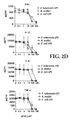
- FIG. 2D is a series of graphs showing dose dependent inhibition of pro-inflammatory cytokine production by compound 4210 in primary PBMC culture stimulated with LPS ( F. tularensis or E. coli ) or irradiated B. mallei;
- LPS F. tularensis or E. coli
- B. mallei irradiated B. mallei
- FIG. 3A is a graph showing MyD88-specific signaling inhibited by compound 4210; data being presented as IC 50 ,
- FIG. 3B is a graph showing dose dependent inhibition SEAP expression (inhibition of MyD88-specific signaling of SEAP reporter expression) by compound 4210 in cell culture stimulated with LPS ( F. tularensis or E. coli ) or irradiated B. mallei;
- LPS F. tularensis or E. coli
- B. mallei irradiated B. mallei
- FIG. 4A is a graph showing inhibition of MyD88 homodimer formation from newly expressed MyD88 in the presence of compound 4210 with immunoblot probed with anti-MyD88;
- FIG. 4B is a graph showing inhibition of MyD88 homodimer formation from newly expressed MyD88 in the presence of compound 4210 with immunoblot probed with anti-HA antibody;
- FIG. 5A is a graph series showing cytokine response (pg/ml) in mouse spleen cells with exposure to B. mallei or LPS in C57BL/6 (wild type) and MyD88 ⁇ / ⁇ mice;
- FIG. 5B is a graph series showing cytokine inhibition in mouse spleen cell culture of BALB/c mice as IC 50 concentration
- FIG. 5C is a graph series showing cytokine response in C57BL/6 mice in the presence of compound 4210 as IC 50 concentration
- FIG. 5D is a graph showing inhibition of SEAP reporter activity by compound 1 and compound 4210 stimulated with LPS ( F. tularensis or E. coli ) or B. mallei;
- FIG. 6A is a graph showing survivability of mice with pre-treatment of compound 4210
- FIG. 6B is a graph showing survivability of mice with post-exposure to SEB
- p FIG. 6C is a graph showing survivability of mice with pre-treatment of compound 4210 to lethal LPS (120 ⁇ g) exposure
- FIG. 6D is a graph showing consistent biological results (QA/QC) of different batches of compound 4210 synthesized at different times;
- FIG. 7A is a graph showing an induction of IFN- ⁇ production in the presence of compound 4210 upon LPS stimulation of U937 cells;
- FIG. 7B is a graph showing an induction of RANTES production in the presence of compound 4210 upon LPS stimulation of U937 cells;
- FIG. 8A is a graph showing TLR3-dependent induction of IFN- ⁇ with compound 4210 treatment
- FIG. 8B is a graph showing TLR3-dependent induction of RANTES with compound 4210 treatment
- FIG. 8C is a graph showing TLR3-dependent IFN- ⁇ was induced by MyD88 inhibitor 4210, an intracellular effect on MyD88 and not by MyD88 antibody;
- FIG. 9A is a graph showing Poly I: C stimulation of U87 cells in the presence of 4210 increased INF- ⁇ production;
- FIG. 9B is a graph showing Poly I: C stimulation of U87 cells in the presence of 4210 increased RANTES production;
- FIG. 10A is a graph showing MyD88/-deficiency augmented IFN- ⁇ production and over expression of MyD88 inhibited IFN- ⁇ production upon stimulation with poly I:C;
- FIG. 10B is a digital photograph of an immuloblot analysis of MyD88 up regulation after poly I: C stimulation of HEK293-TLR3 cells at 4 hours, 8 hours and 16 hours;
- FIG. 11 is a graph showing Stimulation of HEK293-TRL3 cell with poly I: C in the presence of compound 4210 (100 ⁇ M) pre-incubated with different dose of recombinant TIR domain of MyD88 protein reduced IFN- ⁇ production;
- FIG. 12 is a digital image showing compound 4210 increased phosphorylation of IRF3 in HEK293-TLR3 cells stimulated with poly I:C;
- FIG. 13 is a graph showing over expression of IRF3 and/or IRF7 in MyD88 deficiency increased TLR3-dependent IFN- ⁇ induction and over expression of MyD88 decreased IFN- ⁇ production;
- FIG. 14A is a series of graphs showing experiment #1 and experiment #2 relating to the association of MyD88 and IRF3/IRF7 upon co-transfection of HEK-TLR3 cells with Flag-MyD88/IRF-HA plasmids and stimulated with poly I:C, immune-precipitation of cell lysates IP by HA-Agarose and immunoblot analysis;
- FIG. 14B is digital photograph of Inhibition of MyD88 and IRF3 interaction in the presence of compound 4210 in HEK-TLR3 cells co-transfected with Flag-MyD88 and IRF3-HA and immune-precipitation and immune-blot analysis;
- FIG. 15 is a series of graphs showing antiviral activity of compound 4210 and analog 4211 against VEEV and EEEV where virus replication correlates with IFN- ⁇ production;
- FIG. 16 is a series of graphs showing therapeutic efficacy of compound 4210 against VEEV infection in mice.
- FIG. 17 is a graph showing anti-viral activity IC 50 values of 4210 against VEEV, RFVF, EBOV, LASA and DENV;
- FIG. 18 is a flow chart showing a possible mechanism of anti-viral activity of compound 4210.
- the invention described herein provides a small molecule and a therapeutic use of a synthetic small molecule 4210 (Mol. Wt. 713) for treating staphylococcal enterotoxin intoxication and viral infections, especially encephalitic alphavirus infections.
- the compound 4210 showed antiviral efficacy by up regulation type 1 interferon (IFN) specifically IFN- ⁇ .
- IFN up regulation type 1 interferon
- the compound 4210 was designed and synthesized by structure-based approach targeting host adaptor protein, myeloid differentiation primary response protein 88 (MyD88).
- the compound 4210 also demonstrated therapeutic efficacy for treating inflammatory syndrome associated with Gram positive bacterial infections such as exposure to staphylococcal enterotoxin B (SEB) induced toxic shock syndrome (TSS) in mice and can potentially be used in clinical set up for sepsis and septic shock.
- SEB staphylococcal enterotoxin B
- TSS toxic shock syndrome
- compound 4210 has therapeutic applications for treatment of sepsis and septic shock triggered by exposure to other biological threat agents such as Francisella tularensis or Burkholderia mullei known to cause tularemia and glanders respectively.
- Compound 4210 has potential for a broad spectrum therapeutic use.
- alphaviruses which are in the family of Togaviridae, contain three viruses: Venezuelan equine encephalitis virus (VEEV), Eastern equine encephalitis (EEEV) and Western equine encephalitis virus (WEEV). They are plus-strand RNA viruses that represent a significant public health threat as both emerging infectious diseases and possible agents for bioterrorism due to their morbidity and mortality in humans, high infectivity in aerosols, ease of production and considerate stability. As a result, these encephalitic alphaviruses are defined as Category B select agents by the Centers for Disease Control and Prevention.
- IFN- ⁇ type I family of interferons
- IFN- ⁇ interferons
- indirect effects i.e., immune-stimulation
- IFN- ⁇ for clinical use (e.g., treatment of chronic hepatitis B or C).
- host directed induction of type 1 response is an extreme powerful antiviral response that is cable of controlling most, if not all, virus infections in the absence of adaptive immunity.
- viruses can still replicate and cause diseases in vivo, because they have some strategy for at least partially circumventing the IFN response. Therefore, up regulation of type 1 IFN response through host immune signaling component is a novel approach for antiviral therapy.
- TLRs host toll-like receptors
- RLRs retinoic acid inducible receptors
- MDA-5 melanoma differentiation-associated gene-5
- TLR signaling intracellular adaptor protein MyD88 plays a critical role for the activation of all TLRs except TLR3 for inducing host pro-inflammatory response.
- MyD88 enhances TLR3-dependent IFN- ⁇ (TLR3/Toll-interleukin receptor (RIR) domain containing adaptor-inducing IFN-I (RRIF) mediated signaling) suggesting that MyD88 negatively regulates anti-viral immune response.
- TLR3/Toll-interleukin receptor (RIR) domain containing adaptor-inducing IFN-I (RRIF) mediated signaling suggesting that MyD88 negatively regulates anti-viral immune response.
- MyD88 can associate directly or indirectly with other signaling proteins that are involved in pro-inflammatory signaling.
- reaction mixture was diluted with ethyl acetate (0.15 L), extracted with NaOH 1.0 M (50 mL), HCl 1.2 M (50 mL) and sat. NaHCO 3 (50 mL) and dried over Na 2 SO 4 . After evaporation of the solvents, the residue was purified by silica gel flash chromatography (acetone/CH 2 Cl 2 : 3 ⁇ 6%) affording compound 4210 (1.44 g , 67.0%) as a white foam.
- Compound 4210 was synthesized from Compound 1 (Hydrocinnamoyl-L-valyl-pyrrolidine) by covalent linkage via nonpolar cyclohexane See FIG. 1B .
- molecule 4210 was shown to be beneficial in the treatment of bacterial infections, especially in treating staphylococcal enterotoxin B intoxication.
- Staphylococcal enterotoxin B (SEB) and SEA was purchased from Porton Down,
- the Meso Scale Discovery (MSD) multi spot array ultra-sensitive cytokine assay kit was purchased from MSD (Gaithersburg, Md.). Ficoll-Hypaque was purchased from GE Healthcare Biosciences (Piscataway, N.J.). Primary anti-MyD88 antibody was obtained from AnaSpec, Inc., (San Jose, Calif.) and Alexis Biochemicals (San Diego, Calif.). Anti- ⁇ -actin antibody was purchased from Cell Signaling Technology (Danvers, Mass.). Plasmid 12287 (pCMV-HA-MyD88) and plasmid 13093 (MyD88-flag) were purchased through an MTA agreement with Addgene (Cambridge, Mass.).
- HEK 293-SEAP-TLR4 cell was obtained from Invivogen (San Diego, Calif.).
- the transfection reagent lipofectamine 2000 was purchased from Invitrogen (Carlsbad, Calif.). All chemical reagents were purchased from Aldrich and used without further purification.
- the solvents were purchased from Fisher or J.T. Baker. All deuterated solvents were purchased from Cambridge Isotope Laboratories, Inc.
- PBMCs Peripheral blood mononuclear cells
- the transfected cells were chilled on ice for 5 min before being pelleted into fresh 1.5 ml centrifuge tubes.
- Membrane and cytoplasm separation was done by suspending the pellets in 50 ⁇ l of lysis buffer (Active Motif) in the presence of DTT, protease inhibitors and phosphatase inhibitors and incubated on ice for 30-60 min.
- the membrane fraction was collected by centrifuging the lysates at 14000 ⁇ g for 20 min.
- the supernatant contained the cytoplasmic fraction.
- Samples containing 10 ⁇ g of total cytoplasmic proteins were separated by gel electrophoresis and transferred to nitrocellulose membranes.
- the membranes were blocked overnight in 1 ⁇ Tris-buffered saline (TBS) containing 0.1% Tween-20 (TBST) and 3% bovine serum albumin at 4° C.
- TBS Tris-buffered saline
- TBST 0.1% Tween-20
- bovine serum albumin 3% bovine serum albumin
- the membranes were washed extensively with 1 ⁇ TBST buffer and then probed with anti-MyD88 polyclonal antibody followed by horseradish peroxidase-conjugated secondary antibody (goat anti-rabbit).
- the membranes were exposed to a chemiluminescent substrate in the presence of hydrogen peroxide, using Immun-Star WesternC Chemiluminescence kit (Bio-Rad).
- a VersaDoc Model 4000 (BioRad) imaging system was used to capture the image.
- HEK 293-SEAP-TLR4 cells were cultured in EMEM, supplemented with 10% fetal bovine serum (FBS) (Invitrogen, Carlsbad, Calif.), and grown in a 37° C. humidified atmosphere of 5% CO 2 .
- FBS fetal bovine serum
- HEK293-SEAP-TLR4 cells were cultured in 6-well plates and transfected by lipofectamine 2000 (Invitrogen) method with 4 ⁇ g of the appropriate plasmids according to the manufacturer's instructions. The compound 4210 was added to the medium 6 h after transfection. Six h after transfection, cells were cultured with LPS in the presence or absence of compound 4210.
- HEK293-SEAP-TLR4 cells (transfected or Mock) were collected 48 h after transfection, washed with 2 ml of ice-cold PBS, and lysed in 80 ⁇ l of buffer (50mM HEPES, pH7.4). Cells were pelleted by centrifugation at 10,000 ⁇ g for 10 min at 4° C., and cytosolic fractions were collected for immunoprecipitation. Cell extracts (1 mg total proteins) were incubated with 2 ⁇ g of mouse anti-Flag M2 conjugated with agarose attached to magnetic beads (Sigma-Aldrich) for 16 h under constant shaking at 4° C. Agarose bead-bound immunocomplexes were separated by a magnetic separator, washed three times, and eluted in SDS-PAGE sample buffer for western blot analysis.
- buffer 50mM HEPES, pH7.4
- SEAP Secreted Alkaline Phosphatase
- TLR4/MD-2/NF-kB/SEAPorter HEK 293 cells (5 ⁇ 10 5 cells/ml/well) were cultured with LPS (1 ⁇ g/ml), with varying concentrations of compound 4210 in a 96-well plate and incubated at 37° C. for 16 h. The culture supernatant was collected and centrifuged to remove any cell debris. The Great EscAPe SEAP assay from Clonetech was used to determine the amount of alkaline phosphatase secreted into the supernatant. A 1 ⁇ dilution buffer was prepared from a 5 ⁇ stock solution and 75 ⁇ l of the 1 ⁇ dilution buffer was mixed with 25 ⁇ l of the supernatant, incubated for 30 min at 65° C.
- PBMCs peripheral blood mononuclear cells
- SEB SEB
- LPS LPS from F. tularensis or E. coli
- whole B. mallei whole B. mallei
- the cultures were incubated for 16 h and culture supernatants were collected for measuring cytokines.
- the release of pro-inflammatory cytokines such as IL-1 ⁇ , IL-6, IL-2, TNF- ⁇ and INF- ⁇ in culture supernatant was inhibited in a dose dependent manner in the presence of the compound 4210 ( FIG. 1C ).
- the average inhibitory concentration (IC 50 ) of compound 4210 appeared to be 1 ⁇ M to 50 ⁇ M for most of the pro-inflammatory cytokines tested with some variation in response from donor to donor ( FIG. 2A ).
- the compound 4210 was upgraded from compound 1.
- TIR domain constitutive association of dimer formation is essential for MyD88-mediated signaling with ligand binding to TLRs.
- MHC class II plays a fundamental role in driving TLR-mediated inflammatory responses and MHC class II negative cells do not up regulate MyD88 when stimulated with MHC class II ligands. It has been reported that deficiency in MHC class II impaired TLR-triggered production of inflammatory cytokines in macrophages and DCs, and this protected mice from lethal challenge with TLR ligands and live gram-negative bacteria.
- TLR-2 was proposed to be associated with HLA-DR.
- TLR-2 and HLA-DR interact physically has yet to be determined.
- Clinical results have shown that HLA-DR expression in peripheral blood monocytes is much lower in patients with septic shock than in normal subjects. Such patients release much less TNF- ⁇ and IL-1 ⁇ than do normal subjects in response to LPS.
- compound 4210 appeared to be effective in inhibiting pro-inflammatory response to endotoxin exposure of gram-negative pathogens, such as F. tularensis or E. coli or B. mallei in primary cultures of mice and humans.
- gram-negative pathogens such as F. tularensis or E. coli or B. mallei
- the combinations of endotoxins and enterotoxins exposure have been shown to have severe consequences.
- Critically ill patients may be exposed to endotoxin from gram-negative organisms and enterotoxin from toxin-producing gram-positive organisms, even if the organisms are simply colonizing the patients.
- the dual exposure is intimately involved in the genesis of endotoxin-enterotoxin double hit, which would lead to profound clinical consequences.
- compound 4210 was found to be equally effective in limiting pro-inflammatory response to both endotoxin as well as enterotoxin exposure. In a clinical scenario compound 4210 is effective in restricting amplification of the MyD88-mediated pro-inflammatory signaling cascade. Compound 4210 has been shown to have broad-spectrum use.
- FIG. 1C Dose Dependent Inhibition of Pro-Inflammatory Cytokine Production by Compound 4210 in Primary PBMCs Culture Stimulated with SEB
- PBMCs (1 ⁇ 10 6 ) from two normal donors (donor 2 and donor 3 as shown in FIG. 2A ) were cultured for 20 h with SEB (200 ng) with or without compound 4210 (250 to 0.5 ⁇ M) treatment.
- the culture supernatants were collected and measured for cytokine by CBA assay as described in materials and methods.
- the data presented as dose dependent inhibition of cytokine production (pg/ml) and IC 50 was calculated as the concentration required for inhibition of cytokine production in MNCs by 50% relative to the control (treated with SEB only, without compound 4210 treatment) shown in FIG. 2A .
- FIGS. 2A and 2B Inhibition of Pro-Inflammatory Cytokines with Exposure to SEB, LPS or B. mallei in Primary Cultures by Compound 4210
- PBMCs (1 ⁇ 10 6 ) from three normal donors were cultured for 20 h with SEB (200 ng/ml) with or without compound 4210 (250 ⁇ M to 0.5 ⁇ M). The culture supernatants were collected and measured for cytokine by CBA assay.
- PBMCs (1 ⁇ 10 6 ) from a normal donor was stimulated with LPS extracted from F. tularensis (10 ⁇ g) or E. coli (1 ⁇ g) or irradiated B. mallei (10 ⁇ g) in the absence or presence of various concentrations of 4210 by MSD assay as described in materials and methods.
- the data presented as IC 50 calculated as the concentration required for inhibition of cytokine production in MNCs by 50% relative to the control.
- FIG. 2A IC 50 to SEB
- FIG. 2B IC 50 to LPS extracted from F. tularensis or E. coli or Irradiated B. mallei. Data presented representative of three independent experiments.
- FIG. 2C Pro-Inflammatory Cytokine Inhibition by Compound 1 and Compound 4210 in Primary Culture of PBMCs Stimulated with SEB
- PBMCs (1 ⁇ 10 6 ) from two normal donors were cultured for 20 h with SEB (200 ng) with or without compound 1 (500 ⁇ M to 1 ⁇ M) or compound 4210 (500 ⁇ M to 0.01 ⁇ M) treatment under the same experimental condition.
- the culture supernatants were collected and measured for cytokines by MSD assay as described in materials and methods.
- IC 50 The dose dependent inhibition of IFN- ⁇ , IL-1 ⁇ , and TNF- ⁇ by compound 1 and compound 4210 of donor 1 and donor 2 was used to calculate IC 50 as the concentration required for cytokine inhibition by 50% relative to the control (without inhibitor). IC 50 of compound 1 and compound 4210 are shown below.
- FIG. 2D Pro-Inflammatory Cytokine Inhibition by Compound 4210 in Primary Culture of PBMCs Stimulated with F. tularensis or E. coli or B. mallei
- PBMCs (1 ⁇ 10 6 ) were cultured for 20 h with F. tularensis or E. coli or B. mallei (irradiated, 10 ⁇ g) (500 ⁇ M to 1 ⁇ M) or compound 4210 (500 ⁇ M to 0.01 ⁇ M).
- the culture supernatants were collected and measured for cytokines by MSD assay as described in materials and methods.
- FIG. 3A MyD88-Specific Signaling Inhibited by Compound 4210
- Compound 4210 was tested for MyD88-specific signaling by monitoring LPS-induced SEAP activity by a NF-kB driven signaling pathway for reporter gene expression.
- HEK 293 stable transfected cell line TLR4-MD2-NF-kB-SEAP
- LPS TLR-4 ligand
- Culture supernatants were tested for SEAP activity and compared to levels in the absence of compounds (positive control).
- IC 50 calculated as the concentration required for inhibition of cytokine production in MNCs by 50% relative to the control.
- FIG. 3B MyD88-Specific Signaling of SEAP Reporter Expression Inhibited by Compound 4210
- Compound 4210 tested for MyD88-specific signaling by monitoring SEAP activity by a NF-kB driven signaling pathway for reporter gene expression HEK 293 stable transfected (TLR4-MD2-NF-kB-SEAP) cells (5 ⁇ 10 5 cells/ml) was stimulated with LPS [ F. tularensis (10 ⁇ g) or E. coli (1 ⁇ g) or irradiated B. mallei (10 ⁇ g)] in the absence or presence of various concentrations of 4210 (500 ⁇ M to 0.01 ⁇ M). Culture supernatants were tested for SEAP activity. The data presented as dose dependent inhibition as SEAP response unit ⁇ SEM and IC 50 was calculated as the concentration required for inhibition of SEAP activity by 50% relative to the control (without compound 4210 treatment) shown in FIG. 3 .
- FIGS. 4A and 4B Inhibition of MyD88 Homodimer Formation from Newly Expressed MyD88 in the Presence of Compound 4210
- HEK 293-SEAP-TLR4 cells were co-transfected with plasmids MyD88-Flag or pCMV-HA-MyD88. Six hours after transfection, cells were incubated for 40 h with or without the compound 4210 (100 ⁇ M, 10 ⁇ M to 0.1 ⁇ M). Cell extracts were immunoprecipitated (IP) with anti-Flag antibody, and immune-precipitated proteins were analyzed in Western blot by probing with anti-MyD88 antibody. The blot was stripped in stripping buffer and then reprobed with anti-HA antibody. Relative level of MyD88 was determined by densitometry.
- FIG. 4A Immunoblot probed with anti-MyD88
- FIG. 4B Immunoblot with probed with anti-HA antibody. Lower panels represent densitometry analyses of the results shown in ( FIG. 4A ) and ( FIG. 4B ). The results presented as representative data of two independent experiments.
- FIGS. 5A, 5B and 5C Cytokine Inhibition by Compound 4210 with Exposure to SEB, LPS or B. mallei in Mouse Spleen Cell Cultures
- Spleen cells (2 ⁇ 10 6 )/well from BALB/c, C57BL/6 and MyD88 ⁇ / ⁇ mice were cultured in a 48-well (300 ⁇ l/well) plate for 20 h with SEB (200 ng/ml), E. coli LPS (1 ⁇ g/m) or B. mallei (10 ⁇ g/ml) with or without 4210 (100 ⁇ M to 0.1 ⁇ M) treatment 30 min before antigen exposure as indicated in the figures.
- the culture supernatants were collected and measured for cytokine by MSD assay as described in materials and methods.
- FIG. 5A Cytokine response to B. mallei or LPS in C57BL/6 (wild type) and MyD88 ⁇ / ⁇ mice.
- FIG. 5A Cytokine response to B. mallei or LPS in C57BL/6 (wild type) and MyD88 ⁇ / ⁇ mice.
- FIG. 5B Cytokine inhibition in spleen cell cultures of BALB/c mice, and ( FIG. 5C ) C57BL/6 mice in the presence of compound 4210.
- FIG. 5B Cytokine inhibition in spleen cell cultures of BALB/c mice
- FIG. 5C C57BL/6 mice in the presence of compound 4210.
- FIG. 5D Inhibition of SEAP Reporter Activity by Compound 1 and Compound 4210 Stimulated with LPS ( F. tularensis or E. coli ) or B. mallei
- HEK 293 stable transfected cells (TLR4-MD2-NF-kB-SEAP) was stimulated with LPS (10 ⁇ g) extracted from F. tularensis or E. coli, or irradiated B. mallei (10 ⁇ g) with or without varying concentrations of 4210 (500 ⁇ M to 0.01 ⁇ M) or compound 1(500 ⁇ M to 1 ⁇ M), respectively. Culture supernatants were tested for SEAP activity. Data presented as SEAP response unit ⁇ SEM. The dose dependent SEAP inhibition by compound 1 and compound 4210 was used to calculate IC 50 as the concentration required for inhibition of SEAP expression activity by 50% relative to the control (without inhibitor). IC 50 of compound 1 stimulated with F. tularensis LPS, E.
- coli LPS and B. mallei were 87 ⁇ M, 180 ⁇ M and 270 ⁇ M, respectively.
- IC 50 of compound 4210 stimulated with F. tularensis LPS, E. coli LPS and B. mallei were 1 ⁇ M, 6 ⁇ M and 0.47 ⁇ M, respectively.
- FIG. 6A, 6B and 6C In Vivo Efficacy of Compound 4210: Attenuation of SEB or LPS-Induced Toxic Shock in Mice.
- FIG. 6A Survivability of mice with pre-treatment of compound 4210
- FIG. 6B Survivability of mice with post-exposure to SEB
- FIG. 6C Survivability of mice with pre-treatment of compound 4210 to lethal LPS (120 ⁇ g) exposure.
- FIG. 6D Consistent Biological Results (QA/QC) of Different Batches of Compound 4210 Synthesized at Different Times
- the compound 4210 synthesized at different batches were tested for QA/QC in biological assay for MyD88-inhibitory activity by SEAP reporter assay.
- Three different batches of the compound 4210 synthesized as described in materials and methods section were tested for LPS-ligand induced SEAP inhibitory effect in HEK 293 stable transfected cells (TLR4-MD2-NF-kB-SEAP) under the same experimental condition.
- molecule 4210 has been shown to be beneficial in the treatment of most viruses, especially alphaviruses.
- the IFN- ⁇ ultra-sensitive cytokine assay kit was purchased from.
- Primary anti-MyD88 antibody was obtained from AnaSpec, Inc., (San Jose, Calif.) and Alexis Biochemicals (San Diego, Calif.).
- Anti- ⁇ -actin antibody was purchased from Cell Signaling technology (Danvers, Mass.).
- Plasmid IRF3-HA-MyD88) and plasmid 13093 (MyD88-flag) were purchased through an MTA agreement with Addgene (Cambridge, Mass.).
- the HEK 293-TLR3 cell line was obtained from In Vivogen.
- the transfection reagent lipofectamine was purchased from Invitrogen (Carlsbad, Calif.).
- MyD88 KO HEK293 cell line (HEK293-I3A) was a kind gift from G. Stark (Dept. of Molecular Genetics, Lerner Research Institute, Cleveland Clinic, Ohio). All chemical reagents were purchased from Aldrich and used without further purification. The solvents were purchased from Fisher or J.T. Baker. All deuterated solvents to synthesize 4210 were purchased from Cambridge Isotope Laboratories, Inc. IFN- ⁇ (h IFN- ⁇ ) ELISA kit was purchased from (Piscataway, N.J.).
- Human glioblastoma astrocytoma cell (ATCC number HTB-14) was purchased from ATCC (Manassas, Va.). Human U87 cells, Vero cells, were obtained from USAMRIID (virology division). MyD88 KO HEK293 cell line (HEK293-I3A) was a kind gift from G. Stark (Dept. of Molecular Genetics, Lerner Research Institute, Cleveland Clinic, Ohio).
- the MyD88 inhibitor, compound 4210 was synthesized as described above.
- the human TLR3/NF-kB/SEAPorter HEK 293 cells (1 ⁇ 10 6 cells/ml) were cultured in 6 well plate containing DMEM, supplemented with 2.5% FBS (Invitrogen, Carlsbad, Calif.), Sodium Pyruvate (1 mM), L-Glutamine (4 mM), Penicillin-Streptomycin (1%), Blasticidine (10 ⁇ g/ml), G418 (500 ⁇ g/ml) and grown in a 37° C. humidified atmosphere of 5% CO 2 .
- the cells were transfected with 4 ⁇ g of Flag-MyD88 plasmid DNA with Lipofectamine 2000 (Invitrogen) method according to the manufacturer's instructions.
- HEK293T cells transfected or Mock were collected 48 h after transfection, washed with 2 ml of ice-cold PBS, and lysed in 80 ⁇ l of buffer [50 mM HEPES, pH7.4]. Cells were pelleted by centrifugation at 10, 000 ⁇ g for 10 min at 4° C., and cytosolic fractions were collected for immunoprecipitation. Cell extracts (1 mg total proteins) were incubated with 2 ⁇ g of mouse anti-Flag M2 conjugated with agarose attached to magnetic beads (Sigma-Aldrich) or HA-conjugated agarose beads for 16 h under constant shaking at 4° C.
- Agarose bead-bound immunocomplexes were separated by a magnetic separator, washed three times, and eluted in SDS-PAGE sample buffer used for co-masse blue staining to cut appropriate band for LC/MS or western blot analysis.
- the transfected cells were chilled on ice for 5 min before being pelleted into fresh 1.5 ml centrifuge tubes.
- Membrane and cytoplasm separation was done by suspending the pellets in 50 ⁇ l of lysis buffer (Active Motif) in the presence of DTT, protease inhibitors and phosphatase inhibitors and incubated on ice for 30-60 min.
- the membrane fraction was collected by centrifuging the lysates at 14000 ⁇ g for 20 min.
- the supernatant contained the cytoplasmic fraction.
- Samples containing 10 ⁇ g of total cytoplasmic proteins were separated by gel electrophoresis and transferred to nitrocellulose membranes.
- the membranes were blocked overnight in 1 ⁇ Tris-buffered saline (TBS) containing 0.1% Tween-20 and 3% bovine serum albumin at 4° C.
- TBS Tris-buffered saline
- the membranes were washed extensively with 1 ⁇ TBS buffer and then probed with anti-MyD88 polyclonal antibody followed by horseradish peroxide-conjugated secondary antibody (goat anti-rabbit). After additional rinsing with 1 ⁇ TBS buffer, the membranes were exposed to a chemiluminescent substrate in the presence of hydrogen peroxide, using Immun-Star Western C Chemiluminescent kit (BioRad). A VersaDoc Model 4000 (BioRad) imaging system was used to capture the image.
- IFN- ⁇ (h IFN- ⁇ ,) ELISA (kit (VeriKineTM Human IFN- ⁇ ELISA Kit, PBL Interferon source, Piscataway, N.J.) was used to measure IFN- ⁇ in the culture supernatant by a sandwich immunoassay technique, according to the manufacturers' protocol. Human IFN- ⁇ standards and culture supernatants (100 ⁇ l) were added to the pre-coated wells containing polyclonal antibody to h-IFN- ⁇ and incubated for 1 hr.
- the enzyme (HRP)-labeled anti-h IFN- ⁇ monoclonal antibody 100 ⁇ l was added to form an antibody-antigen complex where the h IFN- ⁇ is sandwiched between the primary and the enzyme-labeled secondary antibody.
- a color developer substrate TMB, 100 ⁇ l was used to activate the enzyme reaction.
- stop solution was added to each well and the plate absorbance was read in a spectrophotometer at 450 nm. The amount IFN- ⁇ was determined from the plot of standard curve of human IFN- ⁇ standards.
- the human RANTES (Regulated upon Activation, Normal T cell Expressed and presumably Secreted) in cell culture supernatants were measured by a quantitative sandwich enzyme immune-assay ELISA (R & D System, Minneapolis, Minn.) according to the manufacturers' protocol.
- Standards and culture supernatants 100 ⁇ l were added to the pre-coated wells containing monoclonal antibody specific to h-RANTES. After washing 3 ⁇ , the enzyme (HRP)-labeled antibody conjugate (200 ⁇ l) was added to form an antibody-antigen complex. After 1 h (room temperature), a substrate solution (200 ⁇ l) was used to activate the enzyme reaction. After 20 min incubation stop solution (50 ⁇ l) was added to each well and the plate absorbance was read in a spectrophotometer at 450 nm. The amount RANTES was determined from the plot of standard curve.
- Viral replication in ex vivo cell culture based assay was performed with infection.
- U87 or Vero cells were infected at a multiplicity of infection (MOI) equal to 10 with VEE Trinidad virus and EEEV for 1 h, cell monolayers were washed twice with medium to remove residual virus, added complete medium containing 4210 or 4211 compound (33 ⁇ M to 3 ⁇ M). Cells were incubated for 24 hrs and supernatants were harvested for IFN- ⁇ assay and virus measured by standard plaque assay.
- MOI multiplicity of infection
- the C3H/HeN mice were purchased from Charles River Laboratories (Wilmington, Mass.). All studies were carried out in BSL-3 and were approved by the Institutional Animal Care and Use Committee (IACUC) at the USAMRIID
- mice For antiviral efficacy, ten six to eight week old C3H/HeN mice were randomly assigned to one of four treatment groups: Group 1—Compound 4210 0.5 mg/mouse, Group 2—0.25 mg/mouse, Group 3—Vehicle control (diluent) and Group 4—untreated. Treatments were conducted for five days, beginning 2 hours prior to virus challenge. Mice were infected with intranasal (i.n.) inoculation with vaccine strain of VEEV (TC-83) (1 ⁇ 10 5 pfu) (day 0) diluted in 20 ⁇ l of PBS. For vehicle control, DMSO in PBS was used. Mice were weighed from D0-D14 and checked twice a day for mortality and morbidity.
- Group 1 Compound 4210 0.5 mg/mouse
- Group 2 0.25 mg/mouse
- Group 3 Vehicle control (diluent)
- Group 4 untreated. Treatments were conducted for five days, beginning 2 hours prior to virus challenge. Mic
- Type I IFN is generally induced by LPS (TLR4 ligand), double stranded RNA (TLR3 ligand) and viral infections (Kawai, T et. al, 2001 J. Immunol 167, 5887-5894; Hemmi, H et al., 2004, J. exp. Med. 199,1641-1650; Hoshhino, K et al., 2002, Int. Immunol, 14 1225-1231) wherein IRF3/IRF7 plays a crucial role in the primary activation of IFN- ⁇ .
- MyD88 deficiency has been reported to increase IFN- ⁇ production upon poly I: C or virus infection (Siednienko J. et al., 2010, J. Eur. Immunol. 40:3150-3160; 2011, J. Immunol. 186:2514-2522).
- MyD88 inhibitor compound 4210 would increase antiviral IFN- ⁇ and RANTES production. The results showed a dose dependent increase in IFN- ⁇ production by U937 cells (over 3 fold increased at 100 ⁇ M concentration) when stimulated with LPS in the presence of a MyD88 inhibitor compound 4210 compared to without treatment ( FIG. 7A ).
- Poly I C Stimulation of Human Glioblastoma Astrocytoma U87 Cells in the Presence of 4210 Augmented IFN- ⁇ and RANTES Production.
- Type I IFNs are generally produced by almost every cell type, such as leucocytes, fibroblasts, endothelial including neuronal cells upon virus infections.
- Alpha virus infections cause efficient and rapid spread of virus throughout the neurons of the central nervous system (CNS) resulting in pathogenesis and death of neural cells.
- CNS central nervous system
- IFN evasion is likely an important determinant of VEEV and other alpha virus dissemination and cause disease within the hosts
- C stimulation demonstrated that over expression of MyD88 reduced IFN- ⁇ production compared to (Flag-MyD88) non-transfected HEK293 cells stimulated with poly I: C ( FIG. 10A ).
- HEK293-TLR3 cells as a consequence of poly I: C stimulation induced MyD88 we examined for MyD88 after treating with different concentration poly I: C. Our results showed that indeed after poly I: C stimulation MyD88 was up regulated ( FIG. 10B ).
- results shown in FIG. 11 demonstrate that pre-adsorption of compound 4210 (100 ⁇ M) with different concentration of TIR domain protein decreased IFN- ⁇ production in a dose dependent manner compared to compound 4210 without pre-absorption. As non-specific control pre-adsorption of 4210 with BSA did not reduce IFN- ⁇ production ( FIG. 11 ). These results suggest that 4210 binding to TIR domain of MyD88 during pre-absorption reduced inhibitory activity of 4210, thereby, reduced IFN- ⁇ production. The specificity of 4210 interaction with MyD88 was also confirmed by a ligand induced cell based reporter assay where compound 4210 treatment inhibited MyD88-mediated signaling of SEAP reporter gene expression described elsewhere (Alam et al., 2014). These results suggest that binding of 4210 with MyD88 limited MyD88 availability for negative effect, thus, annulment of negative effect allowed increased production of IFN- ⁇ .
- IRF3 and IRF7 seem to be most critically involved in virus-induced IFN responses (Honda, K and Taniguchi, T. 2006, Nat. Rev. Immunol. 6, 644-658). It has been demonstrated that IRF3 is phosphorylated by TANK-binding kinase-1 and IkB kinase-e in a TRIF-mediated signaling cascades downstream of TLR3/4 (Fitzgerald, K. A. et al., 2003, Nat. Immunol. 4:491-496). IRF-3 is expressed constitutively in a variety of cells and localizes in the cytoplasm as an inactive monomer (Wathelet, M.
- IRF3 has potential virus-mediated phosphorylation sites in the C-terminal region (Ser385, 386, 396,398,402,405, and Thr404 of human IRF-3). Phosphorylation of ser396 was first reported by using phosphor-specific antibody (Servant, M. J., et al. 2003, J. Biol. Chem. 278:9441).
- IRF3 and IRF7 are downstream effectors of PRR/PAMP interactions that lead to IFN ⁇ / ⁇ expression.
- a number of viruses make a disruptive effort to disable IRF3/7-activated antiviral pathways of IFN- ⁇ production, sequestration of molecules such as IRF3 and IRF7 in the IFN circuit by host cell factor has not been clearly delineated.
- virus like infection Poly I: C stimulation
- MyD88 ⁇ / ⁇ cells such as HEK 293-I3A cells that were transfected with either plasmid Puno-TLR3-GFP, Puno-TLR3-GFP and plasmid P-IRF3-HA, or Puno-TLR3-GFP and plasmid P-IRF7-HA, or Puno-TLR3-GFP, plasmid P-IRF3-HA, plasmid P-IRF7-HA and Flag-MyD88.
- Results shown in FIG. 13 clearly demonstrate that while IRF3 or IRF7 or IRF3 and IRF7 together increased IFN- ⁇ production in the absence of MyD88, in contrast, overexpression of MyD88 reduced poly I: C induced IFN- ⁇ production.
- HA-tagged IRF3 or IRF7 and Flag-tagged MyD88 plasmids were used for co-transfection of HEK293-TLR3 and co-immunoprecipitated from cell lysates using HA-conjugated agarose bead.
- FIG. 14A Exp#1(a)
- the gel was reprobed with anti-pIRF3 as well as ant-IRF7 antibody and anti-HA antibody demonstrated the presence of IRF3 and IRF7 band suggesting an association of MyD88 with IRF3 and IRF7 ( FIG. 14A , Expt #1 (b-d)).
- FIG. 14A expt#2, (a) and (b)).
- mice have been used extensively to study alphaviruses. Following infection, mice display human like disease with progression from infection of the lymphoid tissues and ultimate destruction of CNS tissues. Clinical symptoms in mice include: lethargy, huddling, dehydration, weight loss, tremors, and paralysis or paresis with a minority of animals developing seizures. Intranasal administration of TC83 in C3H/HeN mice closely mimics virulent VEEV encephalitis in murine models and has been used as a model to evaluate antivirals for alphavirus infection (Julander J. G.
- mice were pretreated with 4210 (0.5 mg/mouse or 0.25 mg/mouse) or with diluent or without treatment. Compound was administered two times per day by i.p. from D0 to D4. On D0, dosing started at 8 hours post virus challenge. All animals were weighed and observed for clinical signs twice daily from D0 to D14.
- the median time-to-death for the group challenged with VEEV was 9-10 days.
- the treatment of 4210 significantly prevented weight loss, less clinical diseases score and increased survival of mice as compared to without treatment ( FIG. 16 ).
- the experiment is underway with higher virus inoculum (10LD50; 2 ⁇ 107 pfu) and virulent strain of VEEV (Trinidad virus).
- RFVF Rift Valley Fever Virus
- DEV Dengue Virus
- LASV Lasa Fever Virus
- EBOV Ebola Virus
- IFN is one of the most crucial molecules in the innate immune response and acts as the primary switch for initiating antiviral immunity in vertebrates. Due to the significance of IFN in the host cells to restrict viral infections and as MyD88 is involved negatively in regulating or controlling the host anti-viral immunity, we evaluated whether it happens with other viral infections besides VEEV or EEEV infections. For this we examined whether 4210 treatment would increase antiviral immunity as tested with VEEV and EEEV and will reduce the viral replication such as RFVF, DENY, LASV and EBOV, infection. We tested in ELISA based assay of virus protein expression in infected cells and cell viability in the presence of 4210.
- IFNs have long been recognized as essential components of the innate immune response to viral infections (Baron, S. et al. 1991.JAMA 266:1375-1383), and specifically, IFN- ⁇ / ⁇ are known to be important determinant in protecting viral infections including alpha viral diseases (Grieder, F. B. and S. N. Vogel 1999, Virology 257:106-118). Throughout the course of viral infection type IIFN constantly monitors the virus through immune battle.
- IFN-I interferon stimulating genes
- TLR adaptors namely intracellular MyD88 and MyD88-adaptor-like (MAL) in the negative regulation of viral immunity
- MAL MyD88-adaptor-like
- type I IFN- ⁇ gene induction was significantly enhanced in MyD88 and Mal deficient cells following poly I: C stimulation and following treatment of cells with Mal-inhibitory peptide (Siednienko J et al., 2010, 2011). Also, absence of MyD88 results in enhanced TLR-dependent phosphorylation of IRF3 and increased IFN- ⁇ and RANTES production.
- MyD88/Mal has the ability to differentially regulate various signals emanating from TLRs and upon sensing viral infections, MyD88/Mal contributes to inhibitory host immune response due to their ability to sequester IRF3/IRF7 away from TLR3/ (TIR) domain-containing adaptor-inducing IFN- ⁇ (TRIF) and/or RIG-I/MDA-5 receptor mediated signaling. By doing so, MyD88 or Mal impairs host directed IFN-induction which is critical to clear the infection.
- Induction of Innate immunity and it's regulation is distinctly a combination of signaling pathways which may co-operate or interfere with one another in a ways that might be beneficial or antagonistic to shape the host immunity (7, Negishi, H et al., 2013, Beneficial innate signaling interference for antimicrobial responses by a toll-like receptor-mediated enhancement of the MKP-IRF3 axis. Proc. Natl. Aca. Sci. 110, 19884-19889).
- Cell-intrinsic innate immune responses are essential for pathogen control and cell survival after infection (Daffis, S et al., 2007, Plos pathog. 3:1106; Detje, C N et al. 2009; J. Immunol.
- IFN-I induction is subject to negative regulation by both viral and cellular factors.
- IFN is a key regulator of the innate immune response and has been used for treating infectious diseases (Keam S J and Cvetkovic R S (2008) Drugs 68::1273-1317; Bergman S J et al. 2011) Infect Dis Clin North Am 25:819-834). Any molecule with the ability to modulate the innate immune system by promoting the synthesis of IFN would have potentially dual application as both an antiviral and a vaccine adjuvant.
- Virus or virus-like infections are known to up regulate MyD88. Up regulation of MyD88 impairs anti-viral type I IFN induction and antiviral immunity.
- MyD88 inhibition i.e., the annulment of negative effect of MyD88 by compound 4210) disables IRF3/IRF7 sequestering capacity of MyD88, thus, allows more IRF-phosphorylation and an increase in antiviral type 1 IFN and RANTES response.
- MyD88 inhibition up regulates anti-viral immune response, and reveals a novel approach of host directed anti-viral therapy.
- the compound 4210 is stable at room temperature for two years. It can be administered intraperitoneally. For administration, it is dissolved in DMSO, then diluted to PBS and 5% BSA and injected only as described above (100 microliter volume).
Landscapes
- Chemical & Material Sciences (AREA)
- Organic Chemistry (AREA)
- Health & Medical Sciences (AREA)
- Life Sciences & Earth Sciences (AREA)
- Public Health (AREA)
- Pharmacology & Pharmacy (AREA)
- Medicinal Chemistry (AREA)
- Veterinary Medicine (AREA)
- General Health & Medical Sciences (AREA)
- Animal Behavior & Ethology (AREA)
- Chemical Kinetics & Catalysis (AREA)
- General Chemical & Material Sciences (AREA)
- Nuclear Medicine, Radiotherapy & Molecular Imaging (AREA)
- Epidemiology (AREA)
- Communicable Diseases (AREA)
- Oncology (AREA)
- Toxicology (AREA)
- Virology (AREA)
- Medicines That Contain Protein Lipid Enzymes And Other Medicines (AREA)
- Pharmaceuticals Containing Other Organic And Inorganic Compounds (AREA)
- Peptides Or Proteins (AREA)
Abstract
Description
| | | ||
| IC50 [μM] | IC50 [μM] | ||
| IFN-γ | IL-1β | IL-6 | TNF-α | IFN-γ | IL-1β | IL-6 | TNF-α | ||
| Com- | 41 | 35 | 14 | 19 | 40 | 24 | 35 | 14 |
| | ||||||||
| 1 | ||||||||
| Com- | 0.3 | 0.37 | 0.4 | 0.37 | 0.9 | 0.73 | 0.17 | 0.27 |
| | ||||||||
| 4210 | ||||||||
Claims (20)


Priority Applications (1)
| Application Number | Priority Date | Filing Date | Title |
|---|---|---|---|
| US15/369,004 US9833437B2 (en) | 2014-06-11 | 2016-12-05 | Small molecule inhibitor of MYD88 for therapeutic treatment against alphavirus and staphylococcal enterotoxin infections and toxin exposure |
Applications Claiming Priority (3)
| Application Number | Priority Date | Filing Date | Title |
|---|---|---|---|
| US201462010628P | 2014-06-11 | 2014-06-11 | |
| PCT/US2015/000068 WO2015191111A2 (en) | 2014-06-11 | 2015-06-05 | A small molecule inhibitor of myd88 for therapeutic treatment against alphavirus and staphylococcal enterotoxin infections and toxin exposure |
| US15/369,004 US9833437B2 (en) | 2014-06-11 | 2016-12-05 | Small molecule inhibitor of MYD88 for therapeutic treatment against alphavirus and staphylococcal enterotoxin infections and toxin exposure |
Related Parent Applications (1)
| Application Number | Title | Priority Date | Filing Date |
|---|---|---|---|
| PCT/US2015/000068 Continuation WO2015191111A2 (en) | 2014-06-11 | 2015-06-05 | A small molecule inhibitor of myd88 for therapeutic treatment against alphavirus and staphylococcal enterotoxin infections and toxin exposure |
Publications (2)
| Publication Number | Publication Date |
|---|---|
| US20170079952A1 US20170079952A1 (en) | 2017-03-23 |
| US9833437B2 true US9833437B2 (en) | 2017-12-05 |
Family
ID=54834524
Family Applications (1)
| Application Number | Title | Priority Date | Filing Date |
|---|---|---|---|
| US15/369,004 Expired - Fee Related US9833437B2 (en) | 2014-06-11 | 2016-12-05 | Small molecule inhibitor of MYD88 for therapeutic treatment against alphavirus and staphylococcal enterotoxin infections and toxin exposure |
Country Status (5)
| Country | Link |
|---|---|
| US (1) | US9833437B2 (en) |
| EP (1) | EP3154938B1 (en) |
| AU (1) | AU2015272048B2 (en) |
| CA (1) | CA2952065A1 (en) |
| WO (1) | WO2015191111A2 (en) |
Citations (1)
| Publication number | Priority date | Publication date | Assignee | Title |
|---|---|---|---|---|
| WO2010011325A2 (en) | 2008-07-23 | 2010-01-28 | The Scripps Research Institute | Synthesis and utilization of small molecules for the treatment of inflammation associated with interleukin-1 signaling |
-
2015
- 2015-06-05 EP EP15806407.1A patent/EP3154938B1/en active Active
- 2015-06-05 WO PCT/US2015/000068 patent/WO2015191111A2/en not_active Ceased
- 2015-06-05 CA CA2952065A patent/CA2952065A1/en not_active Abandoned
- 2015-06-05 AU AU2015272048A patent/AU2015272048B2/en not_active Ceased
-
2016
- 2016-12-05 US US15/369,004 patent/US9833437B2/en not_active Expired - Fee Related
Patent Citations (1)
| Publication number | Priority date | Publication date | Assignee | Title |
|---|---|---|---|---|
| WO2010011325A2 (en) | 2008-07-23 | 2010-01-28 | The Scripps Research Institute | Synthesis and utilization of small molecules for the treatment of inflammation associated with interleukin-1 signaling |
Non-Patent Citations (84)
| Title |
|---|
| Aguilar, et al., Structural and Nonstructural Protein Genome Regions . . . (2008), J. Virology, vol. 82, No. 10, pp. 4920-4930. |
| Aikira, et al., Toll-Like Receptor Signalling (2004), Nat. Reviews Immunology, vol. 4, pp. 499-511. |
| Akira et al., Functios of Toll-like receptors . . . (2004)C.R. Biologies vol. 327, pp. 581-589. |
| Alam et al., Structure-based Design and Synthesis of a Small Molecule that Exhibits Anti-inflammatory . . . , Chemical biology & drug design [Epub.] 2014, vol. 86, No. 2, p. 200-209. |
| Alam, et al., Structure Based Design and Synthesis of a small molecule . . . , (2015), Chem Biol. Drug Des, vol. 86, pp. 200-2009. |
| Alam, et al., Structure-Based Design and Synthesis of a small Molecule . . . , (2015) Chem Biol. Drug Des. 86:200-2009. |
| Atkins ("The Pathogenesis of Alphaviruses", ISRN Virology, 2013, p. 1-22). * |
| Ayithan, et al., Ebola Virus-Like Particles Stimulate Type I Interfereons . . . , (2014), J. of Interferons&Cytokine Res, vol. 34, No. 2, pp. 79-89. |
| Barnes, et al., Virus-specific Activation of a Novel Interferon . . . , (2001), J of Biolog. Chem., vol. 276, No. 26, pp. 23382-23390. |
| Baron, et al., The Interferons Mechanisms of Action . . . , (1991), JAMA, vol. 266, No. 10, pp. 1375-1383. |
| Barton, et al., Toll-Like Receptor Signaling Pathways, (2003), Science, vol. 300, pp. 1524-1525. |
| Cannon ("Analog Design" in Burger's Medicinal Chemistry and Drug Discovery, 6th ed. 2003, Wiley, pp. 687-714). * |
| Cook, et al., Toll-like receptors in the pathogenesis of human disease (2004), Nat. Immunology, vol. 5, No. 10, pp. 974-979. |
| Daffis, et al., Cell-specific IRF-3 Responses . . . , (2007), PLOS Pathogens vol. 3 , issue 7, e106. |
| Davis, et al., MyD88-dependent and independent signaling . . . , (2006), PNAS, vol. 103, No. 8, pp. 2953-2958. |
| Davis, et al., MyD88-dependent and independent signaling . . . , Proceedings of the National Academy of Sciences of the USA, 2006, vol. 103, No. 8, pp. 2953-2958. |
| Deonarian, et al., Impaired Antiviral Response and Alpha/Beta Interferon . . . , (2000), J. Virology, vol. 74, No. 7, pp. 3404-3409. |
| Detje, et al., Local Type I IFN Receptor Signaling Protects . . . , (2009), J Immunol., 182:2297-2304. |
| Dupuy, et al., Directed molecular evolution improves the Immunogenicity . . . , (2009), Vaccine 27, pp. 4152-4160. |
| Durbin, et al., Targeted Disruption of the Mouse Stat1 Gene . . . , (1996), Cell, vol. 84, pp. 443-450. |
| Fitzgerald, et al, IKKE and TBKI are essential components of the IRF3 sinnaling pathway (2003)Nature Immunology, vol. 4, No. 5, pp. 491-496. |
| Fitzgerald, et all, LPS-TLR4 Signaling to IRF-3/7 . . . , (2003), J. Exp. Med, vol. 198, No. 7, pp. 1043-1055. |
| Frei, et al., MHC Class Molecules Enhance Toll-Like . . . , (2010), PLos One, vol. 5, issue 1. |
| Fuse, et all, Myeloid Differentiation Factor-88 Plays a crucial . . . , (2005), Circulation, 112, pp. 2276-2285. |
| Garcia-Sastre, et al., The Role of Interferon in Influenze Virus . . . , (1998), J. of Virology, vol. 72, No. 11, pp. 8550-8558. |
| Greider, at al., Specific Restrictions in the Progression of Venezuelan . . . (1995), Virology, No. 206, pp. 994-1006. |
| Grieder, et al., Role of Interferon and Interferon Regulatory . . . (1999) Virology, vol. 257, pp. 106-118. |
| Griffin, Immune responses to RNA-Virus Infections of the CNS, (2003), Nature Review/Immunol., vol. 3, pp. 493-502. |
| Griflin, Immune Responses to RNA-Virus Infections of the CNS, (2003), Nat. Reviews, vol. 3, pp. 493-503. |
| Harton, et al., Length and Sequence Requirements of the Cytoplasmic Domain . . . (1993), J. of Immunology, vol. 151, No. 10, pp. 5282-5289. |
| Harton. et al., The Cytoplasmic and Transmembrane Domains of MHC . . . , (1995), Immunity, vol. 3, pp. 349-358. |
| Hassan, et al. An unexpected role of MHC class, (2011), Nat. Immun. vol. 12, No. 5, pp. 375-376. |
| Hemmi, et al., The Roles of Two IkB Kinase-related Kinases . . . (2004), J. Exp. Med, vol. 199, No. 12, pp. 1641-1650. |
| Honda, et al., Regulation of the Type I IFN induction . . . , (2005), Intern. Immun. vol. 17, No. 11, pp. 1367-1378. |
| Honda, et al., Roll of a transductional transcriptional . . . , (2004), PNAS, vol. 101, No. 43, pp. 15416-16421. |
| Honda, IRFs: master regulators of signalling by Toll-like receptors . . . , (2006), Nature Review, vol. 6, pp. 644-658. |
| Hoshino, et al., Differential involvement of IFN-B in Toll-like receptor . . . , (2002), Internat. Immun. vol. 14, No. 10, pp. 1225-1231. |
| Iliev, et al., MyD88 interacts with Interferon Regulation Factor . . . , (2011) J. Biol. Chem. vol. 286, No. 49, pp. 427715-427724. |
| Jeffereies, et al., Bruton's Tyrosine Kinase . . . , (2003) J.Biol. Chem, vol. 278, No. 28, pp. 26258-26264. |
| Johnson, et all., MyD88 Functions as a Negative Regulator . . . , (2008), J. Biol. Chem., vol. 283, No. 7, pp. 3988-3996. |
| Kawai, et al., Lipopolysaccharide Stimulates teh MyD88-Independent Pathway . . . , (2001), J Immunol, vol. 167, pp. 5887-5894. |
| Kenny, et al., MyD88 Adaptor-Like is Not Essential for TLR2 . . . , (2009), J. Immunoo. 183:3642-3651. |
| Kiesner, etal., (2010) MyD88-dependent pro-inflammatory cytokine response contributes to lethal toxicity of staphylococcal enterotoxin B in mice., Innate Immun; 14(5) 451-462. |
| Kissner et al. (The Journal of Biological Chemistry, 2011, v. 286, p. 31385-31396). * |
| Kissner, Activation of MyD88 Signaling upon Staphyloccal . . . , (2011), PLos One, vol. 6, Issue 1. |
| Kissner, et al., A small Molecule That mimics the BB-loop. . . , (2011), Jour of Biological chem, vol. 286, No. 36, pp. 31385-31396. |
| Kissner, et al., Staphyloccal enterotoxin A induction of Pro-inflammatory cytokines, (2010) Immunology, vol. 130, p. 516-526. |
| Kissner, et al., Therapeutic inhibition of pro inflammatory signaling and toxicity . . . , PLoS ONE, 2012, vol. 7, No. 7, e40773, internal pages 1-12. |
| Kissner, et al., Therapeutic Inhibition of Pro-Inflammatory Signaling . . . , (2012), PLOS One, vol. 7, issue 7. |
| LeBon, et al., Links between innate and adaptive immunity . . . , (2002) Current Opinion in Imm., 14:432-436. |
| Leib, et al., Interferons regulate the Phenotype of Wild-type . . . , (1999), J. Exp. Med., vol. 189, No. 4, pp. 663-672. |
| Lin, et al., Virus-Dependent Phosphorylaton of the IRF-3 . . . , (1998), Mol. and Cell. Biol., vol. 18, No. 5, pp. 2986-2996. |
| Liu, et al., Intracellular MHC class II molecules promote TLR-triggered innate immune responses by maintaining activiation of the kinase Btk, (2011), Nat Imm v12 #5, p. 416-425. |
| Loiarro, et al., Pivital Advance: inhibition of MyD88 dimerization and recruitment . . . , J. of leukocyte biology, 2007, vol. 82, No. 4, pp. 801-810. |
| Mamane, et al., Interferon Regulatory factors: the next generation, (1999), Gene 237, pp. 1-14. |
| Miyamoto, et al., Regulated Expression of a Gene Encoding a Nuclear Factor, IRF-1 . . . (1988), Cell, vol. 54,, pp. 903-913. |
| Mrkic, et al., Lymphatic Dissemination and comparative Pathology of . . . , (2000), J. of Virology, bol. 74, No. 3, pp. 1364-1372. |
| Negishi, et al., Beneficial innate signaling interference for antibacterial respones . . . , (2013), PNAS, vol. 110, No. 49, 19884-19889. |
| Nguyen, et al., The growing Family of Interferon Regulatory Factors, (1997), Cytokine&Growth Factor Rev., vol. 8, No. 4, pp. 293-312. |
| Noisakran, et al., Extopic Expression of DNA Encoding IFN-a1 in the Cornea . . . , (1999), J. of Immun., vol. 162, pp. 4184-4190. |
| Ojaniemi, Phosphatidlyinositol 3-kinase is involved in Toll-like receptor . . . , (2003), Eur.J. Immunol, 33: 597-605. |
| O'Neill, (2003) The role of MyD88-like adapters in Toll-like receptor signal transductions, Biochem Soc. Trans.; 31: 643-647. |
| Richter, et al., Predictive compound accumulation rules yield a broad-sprectrum antiotic, Nature, vol. 545, p. 299-307. |
| Ryman, et al., Alpha/Beta Interferon Protects Adult Mice from Fatal Sindbis . . . , (2000), J. Virology, vol. 74, No. 7, pp. 3366-3378. |
| Sato, et al., Involvement of teh IRF family transcription . . . , (1998), FEBS Letters vol. 425, pp. 112-116. |
| Servant, at al. Indentification of the Minimal Phosphoacceptor Site . . . , (2003), J. of Biol. Chem., vol. 278, pp. 9441-9447. |
| Servant, et al., Multiple signaling pathways leading to the activation . . . , (2002), Biochem Pharm., vo. 64, pp. 985-992. |
| Sharma, et al., Oligonucleotide array analysis of Toll-like . . . , (2009), J. General Virol, vol. 90, pp. 1836-1847. |
| Siednieko, et al., Absence of MyD88 Results in Enhances . . . , (2011), J. Immunol, 186:2514-2522. |
| Siednienko et al. (J Immunol 2011; 186:2514-2522). * |
| Siednienko, et al., TLR30-mediated IFN-B gene . . . , (2010), Eur. J. Immun. 40:3150-3160. |
| Simmons, et al., Venezuelan Equine Encephalitis Virus Disrupts STAT1, (2009), J. Voirology, vol. 83, No. 20, pp. 10571-10581. |
| Spotts, et al., Resistance to Alpha/Beta Interferons Correlates with the Epizootic and virulence Potential . . . , (1998), J. Virology, vol. 72, No. 12, pp. 10286-10291. |
| Steele, et al., Pathology of Animal Models of Alphavirus Encephalitis, (2010), Veterinary Pathology, 47(5) 790-805. |
| Stiles, et al., Toxicity of Staphylococcal Entertoxins..(1993), Infection&Immun., vol. 61, No. 12, pp. 5333-5338. |
| Sun, et al., MyD88-mediated stabilization of interferon-y-induced cytokine and chemokine mRNA, (2006)Nat. Immunol., vol. 7, No. 4, pp. 375-381. |
| Takeda et all, Toll-Like Receptors, (2003), Annu. Rev. Immunol., 21:335-76. |
| Taniguchi, et al., IRF Family of Transcription Factors as Regulatos of Host Defence, (2001), Ann. Rev. Immunol. vol. 19, 623-655. |
| Theofilopoulos, et al. Type I Interferons (a/B) In Immuity and Autoimmunity, (2005), Annu. rev. Immunol. 23:307-36. |
| Van Den Broek, et al., Immune Defence in Mice Lacking Type I . . . (1995), Immunol. Reviews, No. 148, p. 5-18. |
| Waag, et al., Cwell-Mediated and Humoral Immune Responses . . . , (1995), Clinical and Diag. Lab. Imm. vol. 2, No. 2, pp. 143-148. |
| Wathelet, et al., Virus Infection Induces the Assembly of Coordinately . . . (1998), Molec, Cell., vol. 1, pp. 507-518. |
| Weighardt et al. (J Immunol 2002; 169:2823-2827). * |
| Yeow, Antiviral Actibities of Individual Murine IFN-a Subtupes . . . , (1998), J. Immunol., vol. 160, pp. 2932-2939. |
Also Published As
| Publication number | Publication date |
|---|---|
| EP3154938A2 (en) | 2017-04-19 |
| US20170079952A1 (en) | 2017-03-23 |
| AU2015272048A1 (en) | 2017-01-05 |
| AU2015272048B2 (en) | 2019-08-29 |
| WO2015191111A2 (en) | 2015-12-17 |
| CA2952065A1 (en) | 2015-12-17 |
| WO2015191111A3 (en) | 2016-05-19 |
| EP3154938A4 (en) | 2018-04-18 |
| EP3154938B1 (en) | 2019-12-11 |
Similar Documents
| Publication | Publication Date | Title |
|---|---|---|
| Ma et al. | SARS‐CoV‐2 nucleocapsid suppresses host pyroptosis by blocking Gasdermin D cleavage | |
| Liu et al. | SIRT5 impairs aggregation and activation of the signaling adaptor MAVS through catalyzing lysine desuccinylation | |
| Madeira et al. | MSRV envelope protein is a potent, endogenous and pathogenic agonist of human toll-like receptor 4: relevance of GNbAC1 in multiple sclerosis treatment | |
| Zhu et al. | TRAF3IP3 mediates the recruitment of TRAF3 to MAVS for antiviral innate immunity | |
| Dell'Oste et al. | Innate nuclear sensor IFI16 translocates into the cytoplasm during the early stage of in vitro human cytomegalovirus infection and is entrapped in the egressing virions during the late stage | |
| Chathuranga et al. | Negative regulation of NEMO signaling by the ubiquitin E3 ligase MARCH2 | |
| Alam et al. | Structure‐Based Design and Synthesis of a Small Molecule that Exhibits Anti‐inflammatory Activity by Inhibition of MyD88‐mediated Signaling to Bacterial Toxin Exposure | |
| Carter et al. | Dengue activates mTORC2 signaling to counteract apoptosis and maximize viral replication | |
| Maurya et al. | Decoding NLRP3 inflammasome activation in Alzheimer’s disease: a focus on receptor dynamics | |
| Li et al. | RNF144B negatively regulates antiviral immunity by targeting MDA5 for autophagic degradation | |
| Kissner et al. | Therapeutic inhibition of pro-inflammatory signaling and toxicity to staphylococcal enterotoxin B by a synthetic dimeric BB-loop mimetic of MyD88 | |
| Chen et al. | DDX20 positively regulates the interferon pathway to inhibit viral infection | |
| Yang et al. | IFI 16 regulates HTLV‐1 replication through promoting HTLV‐1 RTI‐induced innate immune responses | |
| Cai et al. | MEKK3 activates IRF7 to trigger a potent type I interferon induction in response to TLR7/9 signaling | |
| EP3154938B1 (en) | A small molecule inhibitor of myd88 for therapeutic treatment against alphavirus and staphylococcal enterotoxin infections and toxin exposure | |
| Li et al. | RNF213 Is an Interferon‐Stimulated Gene That Targets Influenza A Virus NP and Activates MDA5 to Restrict Infection | |
| Suchy et al. | The influence of ezetimibe on classical and alternative activation pathways of monocytes/macrophages isolated from patients with hypercholesterolemia | |
| Zhang et al. | CREG1 restricts ALV-J replication via the mitochondrial dysfunction–driven activation of innate immunity and apoptosis | |
| Maurmann | Targeting Mitochondrial Fitness to Restore Immune Balance in Aging: The Role of Urolithin A | |
| Moura Maurmann | TARGETING MITOCHONDRIAL FITNESS TO RESTORE IMMUNE BALANCE IN AGING: THE ROLE OF UROLITHIN A | |
| Montecchi | Molecular characterization of the differential outcome of Rai modulation in astrocytes and T lymphocytes leading to context-specific cellular dysfunction | |
| Qiao | Investigating SAMD9/9L Activity in Cellular Defense and Growth Control | |
| Ocone | Crucial role of CXCL4 and type I interferon in early Systemic sclerosis: ways to block them via new pharmacological intervention by drug repositioning (Hydroxychloroquine) and experimental small molecules | |
| Jena et al. | Autoimmunity risk gene IRGM is a master negative regulator of interferon response by controlling the activation of cGAS-STING and RIG-I-MAVS signaling pathways | |
| Stark | Host DNA damage responses to the typhoid toxin of Salmonella enterica |
Legal Events
| Date | Code | Title | Description |
|---|---|---|---|
| AS | Assignment |
Owner name: THE GOVERNMENT OF THE UNITED STATES AS REPRESENTED BY THE SECRETARY OF THE ARMY, MARYLAND Free format text: ASSIGNMENT OF ASSIGNORS INTEREST;ASSIGNOR:SAIKH, KAMAL;REEL/FRAME:040616/0876 Effective date: 20161107 |
|
| AS | Assignment |
Owner name: THE SCRIPPS RESEARCH INSTITUTE, CALIFORNIA Free format text: ASSIGNMENT OF ASSIGNORS INTEREST;ASSIGNOR:REBEK, JULIUS;REEL/FRAME:042842/0813 Effective date: 20170626 |
|
| STCF | Information on status: patent grant |
Free format text: PATENTED CASE |
|
| AS | Assignment |
Owner name: THE GOVERNMENT OF THE UNITED STATES, AS REPRESENTE Free format text: ASSIGNMENT OF ASSIGNORS INTEREST;ASSIGNORS:SAIKH, KAMAL U.;GLASS, PAMELA J.;SIGNING DATES FROM 20180510 TO 20180511;REEL/FRAME:045792/0336 |
|
| FEPP | Fee payment procedure |
Free format text: MAINTENANCE FEE REMINDER MAILED (ORIGINAL EVENT CODE: REM.); ENTITY STATUS OF PATENT OWNER: LARGE ENTITY |
|
| AS | Assignment |
Owner name: THE GOVERNMENT OF THE UNITED STATES, AS REPRESENTED BY THE SECRETARY OF THE ARMY, MARYLAND Free format text: CORRECTIVE ASSIGNMENT TO CORRECT THE APPLICATION SERIAL NUMBER 14/999,952 PREVIOUSLY RECORDED AT REEL: 040616 FRAME: 0876. ASSIGNOR(S) HEREBY CONFIRMS THE ASSIGNMENT;ASSIGNOR:SAIKH, KAMAL;REEL/FRAME:057145/0712 Effective date: 20161107 |
|
| AS | Assignment |
Owner name: THE GOVERNMENT OF THE UNITED STATES, AS REPRESENTED BY THE SECRETARY OF THE ARMY, MARYLAND Free format text: CORRECTIVE ASSIGNMENT TO CORRECT THE APPLICATION NUMBER 14999852 PREVIOUSLY RECORDED AT REEL: 040616 FRAME: 0876. ASSIGNOR(S) HEREBY CONFIRMS THE ASSIGNMENT;ASSIGNOR:SAIKH, KAMAL;REEL/FRAME:057890/0614 Effective date: 20161107 |
|
| AS | Assignment |
Owner name: THE GOVERNMENT OF THE UNITED STATES, AS REPRESENTED BY THE SECRETARY OF THE ARMY, MARYLAND Free format text: CORRECTIVE ASSIGNMENT TO CORRECT THE APPLICATION NUMBER 14999852 PREVIOUSLY RECORDED AT REEL: 057145 FRAME: 0712. ASSIGNOR(S) HEREBY CONFIRMS THE ASSIGNMENT;ASSIGNOR:SAIKH, KAMAL;REEL/FRAME:057907/0713 Effective date: 20161107 |
|
| LAPS | Lapse for failure to pay maintenance fees |
Free format text: PATENT EXPIRED FOR FAILURE TO PAY MAINTENANCE FEES (ORIGINAL EVENT CODE: EXP.); ENTITY STATUS OF PATENT OWNER: LARGE ENTITY |
|
| STCH | Information on status: patent discontinuation |
Free format text: PATENT EXPIRED DUE TO NONPAYMENT OF MAINTENANCE FEES UNDER 37 CFR 1.362 |
|
| FP | Lapsed due to failure to pay maintenance fee |
Effective date: 20211205 |