US9809634B2 - Composition comprising branched multipeptide vaccine and vaccine comprising the same - Google Patents

Composition comprising branched multipeptide vaccine and vaccine comprising the same Download PDF

Info

Publication number
US9809634B2
US9809634B2 US14/985,660 US201514985660A US9809634B2 US 9809634 B2 US9809634 B2 US 9809634B2 US 201514985660 A US201514985660 A US 201514985660A US 9809634 B2 US9809634 B2 US 9809634B2
Authority
US
United States
Prior art keywords
peptide
branched
seq
vaccine
tumor
Prior art date
Legal status (The legal status is an assumption and is not a legal conclusion. Google has not performed a legal analysis and makes no representation as to the accuracy of the status listed.)
Expired - Fee Related, expires
Application number
US14/985,660
Other versions
US20170037154A1 (en
Inventor
Tae-Young Jung
Young-Hee Kim
Current Assignee (The listed assignees may be inaccurate. Google has not performed a legal analysis and makes no representation or warranty as to the accuracy of the list.)
Industry Foundation of Chonnam National University
Original Assignee
Industry Foundation of Chonnam National University
Priority date (The priority date is an assumption and is not a legal conclusion. Google has not performed a legal analysis and makes no representation as to the accuracy of the date listed.)
Filing date
Publication date
Application filed by Industry Foundation of Chonnam National University filed Critical Industry Foundation of Chonnam National University
Assigned to INDUSTRY FOUNDATION OF CHONNAM NATIONAL UNIVERSITY reassignment INDUSTRY FOUNDATION OF CHONNAM NATIONAL UNIVERSITY ASSIGNMENT OF ASSIGNORS INTEREST (SEE DOCUMENT FOR DETAILS). Assignors: JUNG, TAE-YOUNG, KIM, YOUNG-HEE
Publication of US20170037154A1 publication Critical patent/US20170037154A1/en
Application granted granted Critical
Publication of US9809634B2 publication Critical patent/US9809634B2/en
Expired - Fee Related legal-status Critical Current
Adjusted expiration legal-status Critical

Links

Images

Classifications

    • CCHEMISTRY; METALLURGY
    • C07ORGANIC CHEMISTRY
    • C07KPEPTIDES
    • C07K14/00Peptides having more than 20 amino acids; Gastrins; Somatostatins; Melanotropins; Derivatives thereof
    • C07K14/435Peptides having more than 20 amino acids; Gastrins; Somatostatins; Melanotropins; Derivatives thereof from animals; from humans
    • C07K14/46Peptides having more than 20 amino acids; Gastrins; Somatostatins; Melanotropins; Derivatives thereof from animals; from humans from vertebrates
    • C07K14/47Peptides having more than 20 amino acids; Gastrins; Somatostatins; Melanotropins; Derivatives thereof from animals; from humans from vertebrates from mammals
    • C07K14/4701Peptides having more than 20 amino acids; Gastrins; Somatostatins; Melanotropins; Derivatives thereof from animals; from humans from vertebrates from mammals not used
    • C07K14/4747Apoptosis related proteins
    • AHUMAN NECESSITIES
    • A61MEDICAL OR VETERINARY SCIENCE; HYGIENE
    • A61KPREPARATIONS FOR MEDICAL, DENTAL OR TOILETRY PURPOSES
    • A61K39/00Medicinal preparations containing antigens or antibodies
    • A61K39/0005Vertebrate antigens
    • A61K39/0011Cancer antigens
    • AHUMAN NECESSITIES
    • A61MEDICAL OR VETERINARY SCIENCE; HYGIENE
    • A61KPREPARATIONS FOR MEDICAL, DENTAL OR TOILETRY PURPOSES
    • A61K39/00Medicinal preparations containing antigens or antibodies
    • A61K39/0005Vertebrate antigens
    • A61K39/0011Cancer antigens
    • A61K39/001102Receptors, cell surface antigens or cell surface determinants
    • A61K39/001103Receptors for growth factors
    • A61K39/001106Her-2/neu/ErbB2, Her-3/ErbB3 or Her 4/ErbB4
    • AHUMAN NECESSITIES
    • A61MEDICAL OR VETERINARY SCIENCE; HYGIENE
    • A61KPREPARATIONS FOR MEDICAL, DENTAL OR TOILETRY PURPOSES
    • A61K39/00Medicinal preparations containing antigens or antibodies
    • A61K39/0005Vertebrate antigens
    • A61K39/0011Cancer antigens
    • A61K39/001152Transcription factors, e.g. SOX or c-MYC
    • A61K39/001153Wilms tumor 1 [WT1]
    • CCHEMISTRY; METALLURGY
    • C07ORGANIC CHEMISTRY
    • C07KPEPTIDES
    • C07K14/00Peptides having more than 20 amino acids; Gastrins; Somatostatins; Melanotropins; Derivatives thereof
    • C07K14/435Peptides having more than 20 amino acids; Gastrins; Somatostatins; Melanotropins; Derivatives thereof from animals; from humans
    • C07K14/44Peptides having more than 20 amino acids; Gastrins; Somatostatins; Melanotropins; Derivatives thereof from animals; from humans from protozoa
    • C07K14/445Plasmodium
    • CCHEMISTRY; METALLURGY
    • C07ORGANIC CHEMISTRY
    • C07KPEPTIDES
    • C07K14/00Peptides having more than 20 amino acids; Gastrins; Somatostatins; Melanotropins; Derivatives thereof
    • C07K14/435Peptides having more than 20 amino acids; Gastrins; Somatostatins; Melanotropins; Derivatives thereof from animals; from humans
    • C07K14/46Peptides having more than 20 amino acids; Gastrins; Somatostatins; Melanotropins; Derivatives thereof from animals; from humans from vertebrates
    • C07K14/47Peptides having more than 20 amino acids; Gastrins; Somatostatins; Melanotropins; Derivatives thereof from animals; from humans from vertebrates from mammals
    • C07K14/4701Peptides having more than 20 amino acids; Gastrins; Somatostatins; Melanotropins; Derivatives thereof from animals; from humans from vertebrates from mammals not used
    • C07K14/4702Regulators; Modulating activity
    • C07K14/4703Inhibitors; Suppressors
    • CCHEMISTRY; METALLURGY
    • C07ORGANIC CHEMISTRY
    • C07KPEPTIDES
    • C07K14/00Peptides having more than 20 amino acids; Gastrins; Somatostatins; Melanotropins; Derivatives thereof
    • C07K14/435Peptides having more than 20 amino acids; Gastrins; Somatostatins; Melanotropins; Derivatives thereof from animals; from humans
    • C07K14/46Peptides having more than 20 amino acids; Gastrins; Somatostatins; Melanotropins; Derivatives thereof from animals; from humans from vertebrates
    • C07K14/47Peptides having more than 20 amino acids; Gastrins; Somatostatins; Melanotropins; Derivatives thereof from animals; from humans from vertebrates from mammals
    • C07K14/4701Peptides having more than 20 amino acids; Gastrins; Somatostatins; Melanotropins; Derivatives thereof from animals; from humans from vertebrates from mammals not used
    • C07K14/4748Tumour specific antigens; Tumour rejection antigen precursors [TRAP], e.g. MAGE
    • CCHEMISTRY; METALLURGY
    • C07ORGANIC CHEMISTRY
    • C07KPEPTIDES
    • C07K14/00Peptides having more than 20 amino acids; Gastrins; Somatostatins; Melanotropins; Derivatives thereof
    • C07K14/435Peptides having more than 20 amino acids; Gastrins; Somatostatins; Melanotropins; Derivatives thereof from animals; from humans
    • C07K14/705Receptors; Cell surface antigens; Cell surface determinants
    • C07K14/70596Molecules with a "CD"-designation not provided for elsewhere
    • CCHEMISTRY; METALLURGY
    • C07ORGANIC CHEMISTRY
    • C07KPEPTIDES
    • C07K7/00Peptides having 5 to 20 amino acids in a fully defined sequence; Derivatives thereof
    • C07K7/04Linear peptides containing only normal peptide links
    • C07K7/06Linear peptides containing only normal peptide links having 5 to 11 amino acids
    • AHUMAN NECESSITIES
    • A61MEDICAL OR VETERINARY SCIENCE; HYGIENE
    • A61KPREPARATIONS FOR MEDICAL, DENTAL OR TOILETRY PURPOSES
    • A61K39/00Medicinal preparations containing antigens or antibodies
    • A61K2039/62Medicinal preparations containing antigens or antibodies characterised by the link between antigen and carrier
    • A61K2039/627Medicinal preparations containing antigens or antibodies characterised by the link between antigen and carrier characterised by the linker
    • AHUMAN NECESSITIES
    • A61MEDICAL OR VETERINARY SCIENCE; HYGIENE
    • A61KPREPARATIONS FOR MEDICAL, DENTAL OR TOILETRY PURPOSES
    • A61K39/00Medicinal preparations containing antigens or antibodies
    • A61K2039/64Medicinal preparations containing antigens or antibodies characterised by the architecture of the carrier-antigen complex, e.g. repetition of carrier-antigen units
    • A61K2039/645Dendrimers; Multiple antigen peptides
    • AHUMAN NECESSITIES
    • A61MEDICAL OR VETERINARY SCIENCE; HYGIENE
    • A61KPREPARATIONS FOR MEDICAL, DENTAL OR TOILETRY PURPOSES
    • A61K39/00Medicinal preparations containing antigens or antibodies
    • A61K2039/70Multivalent vaccine
    • CCHEMISTRY; METALLURGY
    • C07ORGANIC CHEMISTRY
    • C07KPEPTIDES
    • C07K2319/00Fusion polypeptide

Definitions

  • the following disclosure relates to a branched multi-peptide composition and a vaccine including the same, and more particularly, to a branched multi-peptide composition including a tumor antigen peptide and a vaccine for cancer immunotherapy including the same.
  • the annual incidence of brain tumor is 5 to 15.8 per 100,000 people, which is lower than other cancers.
  • the rate of brain cancer is still gradually increasing.
  • incurable malignant brain tumors easily recur to have a low survival rate even though various treatments such as surgery, chemotherapy, radiation therapy, etc., are performed.
  • a glioblastoma consumes a large amount of time and cost in the initial treatment with standard therapy concurrently performing surgery, radiation therapy and chemotherapy; however, an average life span is merely 15 months due to recurrence. Accordingly, development into novel therapy to compensate for the radiation standard therapy has been urgently demanded. However, a new drug treatment of which effects have not been proven yet, increases economic burden of patients due to high costs.
  • a peptide vaccine may be simply produced at a low cost, may have low toxicity, and may be produced by combining various tumor antigens even though the peptide vaccine has a slightly deteriorated efficiency as compared to the immunotherapy using dendritic cells or natural killer cells.
  • An embodiment of the present invention is directed to providing a branched multi-peptide composition capable of having lasting effects in vivo by synthesizing and using various tumor antigens to overcome tumor cell heterogeneity of a malignant brain tumor, and a vaccine including the same.
  • each of A, B and C is a subsequence residue of any one peptide selected from the group consisting of brain tumor antigens: CD99, BIRC5, ERBB2, WT-1 and PanDR epitope;
  • Sp is a spacer that links the subsequence residue to lysine
  • Lys is lysine
  • A, B and C may have any one amino acid sequence selected from SEQ ID NOs: 1 to 17.
  • A may have any one amino acid sequence selected from SEQ ID NOs: 1 to 5
  • B may have any one amino acid sequence selected from SEQ ID NOs: 6 to 9
  • C may have any one amino acid sequence selected from SEQ ID NOs: 10 to 13.
  • A may have an amino acid sequence of SEQ ID NO: 1
  • B may have an amino acid sequence of SEQ ID NO: 9
  • C may have an amino acid sequence of SEQ ID NO: 10.
  • Sp is a spacer, and is not limited, but may be 8-amino-3,6-dioxa-octanoic acid (mini-PEG2).
  • a vaccine for cancer immunotherapy including the multi-peptide composition as described above.
  • Interferon which is the first discovered cytokine, was identified as a material having an antiviral activity in the early days.
  • the interferon is identified as a glycoprotein having immunomodulatory action, cell proliferation inhibitory action, etc., in addition to the antiviral activity.
  • An important mechanism in tumor therapy with interferon is to stimulate cytotoxic T-lymphocytes to activate major histocompatibility complex antigens.
  • the interferon has immunity enhancement effects of stimulating natural killer cells and macrophages, shows endothelial cell proliferation and angiogenesis inhibitory effect, and has direct antiproliferative act on tumor cells.
  • Interferon is divided into three types such as alpha ( ⁇ ), beta ( ⁇ ), gamma ( ⁇ ), wherein alpha ( ⁇ ) and beta ( ⁇ ) interferons are created in most of cells infected with the virus, and gamma ( ⁇ ) interferon is synthesized only in T-lymphocytes and natural killer cells (NK cells).
  • alpha ( ⁇ ) and beta ( ⁇ ) interferons are created in most of cells infected with the virus
  • gamma ( ⁇ ) interferon is synthesized only in T-lymphocytes and natural killer cells (NK cells).
  • the branched multi-peptide of the present invention when administered, a secretion capacity of the interferon gamma is remarkably increased, and it may be appreciated that the branched multi-peptide of the present invention may be effectively utilized for immunotherapy on tumors.
  • FIGS. 1(A) and 1(B) show expression aspects of tumor antigens from 32 glioblastoma tissues and from 7 normal brain tissues.
  • FIG. 2 shows screening of the tumor antigens expressed only in the glioblastoma tissues while not being expressed in the normal brain tissues.
  • FIGS. 3(A), 3(B) , and 3 (C) show a binding capacity to T-lymphocyte, of each of the subsequence residues.
  • FIG. 4 shows a binding capacity to T-lymphocyte of branched multi-peptide, and stability after binding the branched multi-peptide.
  • FIG. 5 shows interferon gamma secretion capacity of cytotoxic T-lymphocyte stimulated with branched multi-peptide.
  • mini-PEG2 (8-Amino-3,6-Dioxa-Octanoic acid)
  • tumor antigens from 32 glioblastoma (one of malignant brain tumor) tissues and from 7 normal brain tissues were analyzed by general reverse transcription-polymerase chain reaction (RT-PCR) and western blot ( FIG. 1 ).
  • RT-PCR general reverse transcription-polymerase chain reaction
  • FIG. 2 the tumor antigens expressed only in the glioblastoma tissues while not being expressed in the normal brain tissue were screened and used as a candidate tumor antigen for producing a multi-peptide.
  • T2 cell line (Korea Cell Line Bank) is a mixture of T cells and B cells expressing HLA-A2. The peptide and beta2-microglobulin on T2 cells were cultured overnight, and the T2 cells were stained with antihuman HLA-A2-FITCmAb, and analyzed by a FACS Caliber flow cytometer and WinMDI software.
  • the binding capacity of subsequence residue was calculated from mean fluorescence with the peptide and mean fluorescence without the peptide according to the following Equation:
  • a structure of the branched multi-peptide obtained by the synthesis is represented by the following Chemical Formula II:
  • the binding capacity to T-lymphocyte of the branched multi-peptide was measured by culturing T2 cells with the produced branched multi-peptide and beta2-microglobulin overnight, and staining the T2 cells with antihuman HLA-A2-FITCmAb, and analyzing the T2 cells by a FACS Caliber flow cytometer and WinMDI software. Further, stability between T-lymphocyte and branched multi-peptide was measured by culturing T2 cells with the produced branched multi-peptide and beta2-microglobulin on the T2 cells overnight, and treating the T2 cells with Brefeldin A. Then, the binding capacities were measured at each of 0, 2, 4, 8, and 24 hours to confirm the stability.
  • mixture of oligopeptides each having subsequence residues of ERBB2 of SEQ ID NO: 1, BIRC5 of SEQ ID NO: 9, and CD99 of SEQ ID NO: 10, was set as a Comparative Example.
  • the measurement results were compared between the multipeptide-cocktail and the branched multi-peptide. The results were shown in FIG. 4 .
  • Cytotoxic lymphocytes produced through dendritic cells (DC) stimulated by the above-produced branched multi-peptide were treated in T2 target cells each having compositions of Table 2 below.
  • T-lymphocyte 1 T-lymphocyte in which peptide is not expressed 2 T-lymphocyte in which oligopeptides each having subsequence residues of ERBB2 of SEQ ID NO: 1, BIRC5 of SEQ ID NO: 9, and CD99 of SEQ ID NO: 10 are separately expressed in T2 3 T-lymphocyte in which oligopeptides each having subsequence residue of ERBB2 of SEQ ID NO: 1, BIRC5 of SEQ ID NO: 9 and CD99 of SEQ ID NO: 10 are mixed and expressed in T2 4 T-lymphocyte in which branched multi- peptide is expressed in T2 5 T-lymphocyte in which HIV is expressed
  • T-lymphocyte of each experimental group was a target cell and branched DC-CTLs (cytotoxic lymphocytes produced through dendritic cells (DC) with the branched multi-peptide as an antigen) were reaction cells.
  • a ratio between the reaction cell and the target cell was 1:10, and the number of interferon-gamma was measured by an automatic CTL immunospot analyzer, and the data was expressed by Mean number of spots ⁇ standard deviation per 10 5 CD8 + T cells.
  • the cytotoxic lymphocyte had largely increased secretion capacity of the interferon gamma, and particularly, the case of expressing the branched multi-peptide (Branched T2 in FIG. 5 ) had the largest increase of secretion capacity. Accordingly, it is expected that the branched multi-peptide vaccine according to the present invention is possible to be utilized as a vaccine for immunotherapy.
  • the branched multi-peptide vaccine according to the present invention is easy to be produced and utilized, thereby being easily applied to the treatment, and is capable of maintaining stable reaction in vivo, such that it is expected that the branched multi-peptide vaccine according to the present invention acts as an effective vaccine.
  • the present invention may select an antigen that is largely expressed in a malignant brain tumor.
  • tumor antigens having a large expression level may be analyzed depending on tumor characteristics of an individual patient, such that the branched multi-peptide vaccine according to the present invention may be utilized for producing personalized branched peptides and vaccines using the same.

Landscapes

  • Health & Medical Sciences (AREA)
  • Chemical & Material Sciences (AREA)
  • Life Sciences & Earth Sciences (AREA)
  • Organic Chemistry (AREA)
  • General Health & Medical Sciences (AREA)
  • Medicinal Chemistry (AREA)
  • Biochemistry (AREA)
  • Proteomics, Peptides & Aminoacids (AREA)
  • Genetics & Genomics (AREA)
  • Biophysics (AREA)
  • Molecular Biology (AREA)
  • Gastroenterology & Hepatology (AREA)
  • Zoology (AREA)
  • Immunology (AREA)
  • Toxicology (AREA)
  • Epidemiology (AREA)
  • Animal Behavior & Ethology (AREA)
  • Oncology (AREA)
  • Veterinary Medicine (AREA)
  • Public Health (AREA)
  • Pharmacology & Pharmacy (AREA)
  • Mycology (AREA)
  • Microbiology (AREA)
  • Cell Biology (AREA)
  • Tropical Medicine & Parasitology (AREA)
  • Peptides Or Proteins (AREA)
  • Engineering & Computer Science (AREA)
  • Bioinformatics & Cheminformatics (AREA)
  • Medicines That Contain Protein Lipid Enzymes And Other Medicines (AREA)

Abstract

Provided are a branched multi-peptide composition and a vaccine including the same. The branched multi-peptide vaccine according to the present invention is easy to be produced and utilized, thereby being easily applied to the treatment, and is capable of maintaining stable reaction in vivo, such that it is expected that the branched multi-peptide vaccine according to the present invention acts as an effective vaccine. Further, for the tumor antigen peptide, the present invention may select an antigen that is largely expressed in a malignant brain tumor. In addition, from now on, it is expected that tumor antigens having a large expression level may be analyzed depending on tumor characteristics of an individual patient, such that the branched multi-peptide vaccine according to the present invention may be utilized for producing personalized branched peptides and vaccines using the same.

Description

CROSS-REFERENCE TO RELATED APPLICATIONS
This application claims priority under 35 U.S.C. §119 to Korean Patent Application No. 10-2015-0109936, filed on Aug. 4, 2015, in the Korean Intellectual Property Office, the disclosure of which is incorporated herein by reference in its entirety.
TECHNICAL FIELD
The following disclosure relates to a branched multi-peptide composition and a vaccine including the same, and more particularly, to a branched multi-peptide composition including a tumor antigen peptide and a vaccine for cancer immunotherapy including the same.
BACKGROUND
The annual incidence of brain tumor is 5 to 15.8 per 100,000 people, which is lower than other cancers. However, due to the population aging, development of cancer diagnosis, and an increase in health benefits, the rate of brain cancer is still gradually increasing. Among the brain tumors, incurable malignant brain tumors easily recur to have a low survival rate even though various treatments such as surgery, chemotherapy, radiation therapy, etc., are performed. Among the malignant brain tumors, a glioblastoma consumes a large amount of time and cost in the initial treatment with standard therapy concurrently performing surgery, radiation therapy and chemotherapy; however, an average life span is merely 15 months due to recurrence. Accordingly, development into novel therapy to compensate for the radiation standard therapy has been urgently demanded. However, a new drug treatment of which effects have not been proven yet, increases economic burden of patients due to high costs.
In order to overcome the above-described limitations of the general methods used in cancer therapy, various treatments have been researched. Among them, cancer immunotherapy having cancer-specific treatment effects and no side effects, has recently received attention. Immunotherapy using dendritic cells or natural killer cells among cancer immunotherapy requires a large amount of time and costs to reach a practical step. However, a peptide vaccine may be simply produced at a low cost, may have low toxicity, and may be produced by combining various tumor antigens even though the peptide vaccine has a slightly deteriorated efficiency as compared to the immunotherapy using dendritic cells or natural killer cells. One example of producing a multi-peptide by using tumor antigens variously expressed in the malignant brain tumor, and performing clinical trials for the produced multi-peptide, is also known (Dutoit et al., 2012).
RELATED ART DOCUMENT
  • (Patent Document 1) Dutoit V. et al., Brain 135:1042-1054, 2012.
  • (Patent Document 2) Jung T. Y. et al., Anticancer Research 33:2525-2534, 2013.
SUMMARY
An embodiment of the present invention is directed to providing a branched multi-peptide composition capable of having lasting effects in vivo by synthesizing and using various tumor antigens to overcome tumor cell heterogeneity of a malignant brain tumor, and a vaccine including the same.
In one general aspect, there is provided a multi-peptide composition for cancer immunotherapy, represented by Chemical Formula I below:
Figure US09809634-20171107-C00001
in Chemical Formula I,
each of A, B and C is a subsequence residue of any one peptide selected from the group consisting of brain tumor antigens: CD99, BIRC5, ERBB2, WT-1 and PanDR epitope;
Sp is a spacer that links the subsequence residue to lysine; and
Lys is lysine.
Each of A, B and C may have any one amino acid sequence selected from SEQ ID NOs: 1 to 17. Preferably, A may have any one amino acid sequence selected from SEQ ID NOs: 1 to 5, B may have any one amino acid sequence selected from SEQ ID NOs: 6 to 9, and C may have any one amino acid sequence selected from SEQ ID NOs: 10 to 13. More preferably, A may have an amino acid sequence of SEQ ID NO: 1, B may have an amino acid sequence of SEQ ID NO: 9, and C may have an amino acid sequence of SEQ ID NO: 10.
In the present invention, Sp is a spacer, and is not limited, but may be 8-amino-3,6-dioxa-octanoic acid (mini-PEG2).
In another general aspect, there is provided a vaccine for cancer immunotherapy including the multi-peptide composition as described above.
Interferon, which is the first discovered cytokine, was identified as a material having an antiviral activity in the early days. Presently, the interferon is identified as a glycoprotein having immunomodulatory action, cell proliferation inhibitory action, etc., in addition to the antiviral activity. An important mechanism in tumor therapy with interferon is to stimulate cytotoxic T-lymphocytes to activate major histocompatibility complex antigens. Further, it is known that the interferon has immunity enhancement effects of stimulating natural killer cells and macrophages, shows endothelial cell proliferation and angiogenesis inhibitory effect, and has direct antiproliferative act on tumor cells.
Interferon is divided into three types such as alpha (α), beta (β), gamma (γ), wherein alpha (α) and beta (β) interferons are created in most of cells infected with the virus, and gamma (γ) interferon is synthesized only in T-lymphocytes and natural killer cells (NK cells).
According to an exemplary embodiment of the present invention, it may be confirmed that when the branched multi-peptide of the present invention is administered, a secretion capacity of the interferon gamma is remarkably increased, and it may be appreciated that the branched multi-peptide of the present invention may be effectively utilized for immunotherapy on tumors.
BRIEF DESCRIPTION OF THE DRAWINGS
FIGS. 1(A) and 1(B) show expression aspects of tumor antigens from 32 glioblastoma tissues and from 7 normal brain tissues.
FIG. 2 shows screening of the tumor antigens expressed only in the glioblastoma tissues while not being expressed in the normal brain tissues.
FIGS. 3(A), 3(B), and 3(C) show a binding capacity to T-lymphocyte, of each of the subsequence residues.
FIG. 4 shows a binding capacity to T-lymphocyte of branched multi-peptide, and stability after binding the branched multi-peptide.
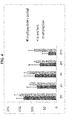
FIG. 5 shows interferon gamma secretion capacity of cytotoxic T-lymphocyte stimulated with branched multi-peptide.
DETAILED DESCRIPTION OF MAIN ELEMENTS
  • TAA: tumor-associated antigen, tumor antigen
  • Multipeptide-cocktail: mixture of three single peptides of BIRC5 96 methionine, CD99 9, and ERBB2 369
  • Branched-multipeptide: branched peptide structure produced from three peptides of BIRC5 96 methionine, CD99 9, and ERBB2 369, using mini-PEG2
  • Branched DC-CTLs: cytotoxic lymphocytes produced through dendritic cells (DC) stimulated by branched multi-peptide
  • Unpulsed T2: T-lymphocyte in which peptide is not expressed
  • A,B,C T2: T-lymphocyte in which peptides of BIRC5 96 methionine, CD99 9, ERBB2 369 are separated and expressed in T2
  • A/B/C T2: T-lymphocyte in which peptides of BIRC5 96 methionine, CD99 9, ERBB2 369 are mixed and expressed in T2
  • Branched T2: T-lymphocyte in which branched multi-peptide is expressed in T2.
  • HIV T2: T-lymphocyte in which HIV is expressed
DETAILED DESCRIPTION OF EMBODIMENTS
Hereinafter, embodiments of the present invention will be described in detail with reference to the accompanying drawings. However, the detailed description is to help a specific understanding of the present invention, and the protection scope of the present invention is not limited to the following Examples.
[Chemical Material]
Spacer: mini-PEG2 (8-Amino-3,6-Dioxa-Octanoic acid)
Figure US09809634-20171107-C00002
[Test Example 1] Screening of Tumor Antigen for Producing Multi-Peptide
Expression aspects of tumor antigens from 32 glioblastoma (one of malignant brain tumor) tissues and from 7 normal brain tissues were analyzed by general reverse transcription-polymerase chain reaction (RT-PCR) and western blot (FIG. 1). Among them, the tumor antigens expressed only in the glioblastoma tissues while not being expressed in the normal brain tissue were screened and used as a candidate tumor antigen for producing a multi-peptide (FIG. 2).
As a result after the screening, three antigens such as BIRC5, ERBB2 and CD99 satisfied the above conditions, and were used to produce the multi-peptide.
[Test Example 2] Measurement of Binding Capacity to T-Lymphocyte, of Each of the Subsequence Residues of Tumor Antigens for Synthesizing Multi-Peptide
Relevant subsequence residues of the tumor antigens for synthesizing multi-peptide were summarized in Table 1 below.
TABLE 1
Tumor SEQ ID Start Subsequence
antigen NO: position residue list
ERBB2
 1 369 KIFGSLAFL
ERBB2
 2 106 QLFEDNYAL
ERBB2
 3 689 RLLQETTELV
ERBB2
 4  789 CLTSTVQLV
ERBB2
 5  63 TYLPTNASL
BIRC5
 6   5 TLPPAWQPEL
BIRC5
 7  95 ELTGEFLKL
BIRC5
 8  96 leucine LLLGEFLKL
BIRC5
 9  96 methionine LMLGEFLKL
CD99
10   9 LLLFGLLGV
CD99
11   6 ALALLLFGL
CD99
12  13 GLLGVLVAA
CD99
13  10 LLFGLLGVL
WT-1 14 126 RMFPNAPYL
WT-1 15 235 CYTWNQMNL
WT-1 16 235 modified CYTWNQMNL
PanDR
17 aKXVAAWTLKAAaZC
epitope (X: cyclohexylala
nine,
Z: aminocarproic
acid)
The binding capacity to T-lymphocyte, of each of the subsequence residues shown in Table 1 above, was measured (FIG. 3).
Measurement of binding capacity between T-lymphocyte and each of the subsequence residues
T2 cell line (Korea Cell Line Bank) is a mixture of T cells and B cells expressing HLA-A2. The peptide and beta2-microglobulin on T2 cells were cultured overnight, and the T2 cells were stained with antihuman HLA-A2-FITCmAb, and analyzed by a FACS Caliber flow cytometer and WinMDI software.
The binding capacity of subsequence residue was calculated from mean fluorescence with the peptide and mean fluorescence without the peptide according to the following Equation:
mean fluorescence with the peptide - mean fluorescence without the peptide mean fluorescence without the peptide × 100 [ Equation 1 ]
[Example] Synthesis of Branched Multi-Peptide
From the binding capacities measured by the above method and shown in FIG. 3, subsequence residues of ERBB2 of SEQ ID NO: 1, BIRC5 of SEQ ID NO: 9, and CD99 of SEQ ID NO: 10 each having the most excellent binding capacity, were selected. In addition, at the time of synthesizing a branched multi-peptide, mini-PEG2 (8-amino-3,6-dioxa-octanoic acid) was used as a spacer. Synthesis for the branched multi-peptide was performed by Peptron (37-24, Yuseong-daero 1628 beon-gil, Yuseong-gu, Daejeon, Korea).
A structure of the branched multi-peptide obtained by the synthesis is represented by the following Chemical Formula II:
Figure US09809634-20171107-C00003
[Test Example 3] Measurement of Binding Capacity to T-Lymphocyte of Branched Multi-Peptide, and Stability after Binding the Branched Multi-Peptide
The binding capacity to T-lymphocyte and stability after binding, were measured on the branched multi-peptide having the structure of Chemical Formula II synthesized by above.
The binding capacity to T-lymphocyte of the branched multi-peptide was measured by culturing T2 cells with the produced branched multi-peptide and beta2-microglobulin overnight, and staining the T2 cells with antihuman HLA-A2-FITCmAb, and analyzing the T2 cells by a FACS Caliber flow cytometer and WinMDI software. Further, stability between T-lymphocyte and branched multi-peptide was measured by culturing T2 cells with the produced branched multi-peptide and beta2-microglobulin on the T2 cells overnight, and treating the T2 cells with Brefeldin A. Then, the binding capacities were measured at each of 0, 2, 4, 8, and 24 hours to confirm the stability.
For comparison with the measurement results of the binding capacity to T-lymphocyte of the branched multi-peptide synthesized by the above method, and stability after binding of the branched multi-peptide, mixture of oligopeptides (multipeptide-cocktail) each having subsequence residues of ERBB2 of SEQ ID NO: 1, BIRC5 of SEQ ID NO: 9, and CD99 of SEQ ID NO: 10, was set as a Comparative Example. The measurement results were compared between the multipeptide-cocktail and the branched multi-peptide. The results were shown in FIG. 4.
It was confirmed from the above results that as compared to the mixture of single oligopeptides, the binding capacity to T-lymphocyte of the branched multi-peptide was remarkably and stably maintained over time.
[Test Example 4] Interferon Gamma Secretion Capacity of Cytotoxic T-Lymphocyte Stimulated with Branched Multi-Peptide
Cytotoxic lymphocytes produced through dendritic cells (DC) stimulated by the above-produced branched multi-peptide were treated in T2 target cells each having compositions of Table 2 below.
TABLE 2
Experimental
Group T-lymphocyte
1 T-lymphocyte in which peptide is not
expressed
2 T-lymphocyte in which oligopeptides each
having subsequence residues of ERBB2 of
SEQ ID NO: 1, BIRC5 of SEQ ID NO: 9, and
CD99 of SEQ ID NO: 10 are separately
expressed in T2
3 T-lymphocyte in which oligopeptides each
having subsequence residue of ERBB2 of SEQ
ID NO: 1, BIRC5 of SEQ ID NO: 9 and CD99
of SEQ ID NO: 10 are mixed and expressed
in T2
4 T-lymphocyte in which branched multi-
peptide is expressed in T2
5 T-lymphocyte in which HIV is expressed
Measurement of the secretion capacity of interferon gamma-specific to each experimental group was performed by an enzyme-linked immunosorbent spot (ELISPOT, BD Biosciences). T-lymphocyte of each experimental group was a target cell and branched DC-CTLs (cytotoxic lymphocytes produced through dendritic cells (DC) with the branched multi-peptide as an antigen) were reaction cells. A ratio between the reaction cell and the target cell was 1:10, and the number of interferon-gamma was measured by an automatic CTL immunospot analyzer, and the data was expressed by Mean number of spots±standard deviation per 105CD8+T cells.
The measurement results on each experimental group were shown in FIG. 5.
It could be confirmed from the above results that in the experimental group 2-4, the cytotoxic lymphocyte had largely increased secretion capacity of the interferon gamma, and particularly, the case of expressing the branched multi-peptide (Branched T2 in FIG. 5) had the largest increase of secretion capacity. Accordingly, it is expected that the branched multi-peptide vaccine according to the present invention is possible to be utilized as a vaccine for immunotherapy.
The branched multi-peptide vaccine according to the present invention is easy to be produced and utilized, thereby being easily applied to the treatment, and is capable of maintaining stable reaction in vivo, such that it is expected that the branched multi-peptide vaccine according to the present invention acts as an effective vaccine. Further, for the tumor antigen peptide, the present invention may select an antigen that is largely expressed in a malignant brain tumor. In addition, from now on, it is expected that tumor antigens having a large expression level may be analyzed depending on tumor characteristics of an individual patient, such that the branched multi-peptide vaccine according to the present invention may be utilized for producing personalized branched peptides and vaccines using the same.

Claims (3)

What is claimed is:
1. A multi-peptide composition for cancer immunotherapy, represented by Chemical Formula I below:
Figure US09809634-20171107-C00004
in Chemical Formula I,
each of A, B and C is independently a subsequence residue of any one brain tumor antigen selected from the group consisting of: CD99, BIRC5, ERBB2, WT-1 and PanDR epitope;
Sp is a spacer that links the subsequence residue to lysine; and
Lys is lysine,
wherein A has any one amino acid sequence selected from SEQ ID NOs: 1 to 5, B has any one amino acid sequence selected from SEQ ID NOs: 6 to 9, and C has any one amino acid sequence selected from SEQ ID NOs: 10 to 13.
2. The multi-peptide composition for cancer immunotherapy of claim 1, wherein A has an amino acid sequence of SEQ ID NO: 1, B has an amino acid sequence of SEQ ID NO: 9, and C has an amino acid sequence of SEQ ID NO: 10.
3. The multi-peptide composition for cancer immunotherapy of claim 1, wherein Sp is 8-amino-3,6-dioxa-octanoic acid.
US14/985,660 2015-08-04 2015-12-31 Composition comprising branched multipeptide vaccine and vaccine comprising the same Expired - Fee Related US9809634B2 (en)

Applications Claiming Priority (2)

Application Number Priority Date Filing Date Title
KR10-2015-0109936 2015-08-04
KR1020150109936A KR101769025B1 (en) 2015-08-04 2015-08-04 Composition comprising branched multipeptide vaccine and vaccine comprising the same

Publications (2)

Publication Number Publication Date
US20170037154A1 US20170037154A1 (en) 2017-02-09
US9809634B2 true US9809634B2 (en) 2017-11-07

Family

ID=58052355

Family Applications (1)

Application Number Title Priority Date Filing Date
US14/985,660 Expired - Fee Related US9809634B2 (en) 2015-08-04 2015-12-31 Composition comprising branched multipeptide vaccine and vaccine comprising the same

Country Status (2)

Country Link
US (1) US9809634B2 (en)
KR (1) KR101769025B1 (en)

Families Citing this family (3)

* Cited by examiner, † Cited by third party
Publication number Priority date Publication date Assignee Title
WO2020132366A2 (en) * 2018-12-19 2020-06-25 Cue Biopharma, Inc. T-cell modulatory multimeric polypeptides with conjugation sites and methods of use thereof
WO2021188743A2 (en) * 2020-03-20 2021-09-23 Neo7Logix, Llc Precision-based immuno-molecular augmentation (pbima) computerized system, method and therapeutic vaccine
US12525329B2 (en) * 2020-03-20 2026-01-13 Neo7Bioscience, Inc. Precision-based immuno-molecular augmentation (PBIMA) computerized system, method, and therapeutic vaccine

Citations (2)

* Cited by examiner, † Cited by third party
Publication number Priority date Publication date Assignee Title
US20040210035A1 (en) * 2002-01-30 2004-10-21 Straten Eivind Per Thor Survivin-derived peptides and use thereof
US20090017000A1 (en) * 2006-10-04 2009-01-15 Zeling Cai Preparation of inactivated artificial antigen presenting cells and their use in cell therapies

Patent Citations (2)

* Cited by examiner, † Cited by third party
Publication number Priority date Publication date Assignee Title
US20040210035A1 (en) * 2002-01-30 2004-10-21 Straten Eivind Per Thor Survivin-derived peptides and use thereof
US20090017000A1 (en) * 2006-10-04 2009-01-15 Zeling Cai Preparation of inactivated artificial antigen presenting cells and their use in cell therapies

Non-Patent Citations (11)

* Cited by examiner, † Cited by third party
Title
"14th Asian Australian Congress of Neurological Surgeons," Final Program Book, Presentation dates: Apr. 15-18, 2015, Presented by: Young-Hee Kim, 3 pages.
Autio 2011 "mini-peg spacering of VAP-1 targeting 68ga-dotavap-p1 peptide improves pet imaging of inflammation" ejnmmi research 1:10. *
Ciesielski 2005 "cellular antitumor immune response to a branched lysine multiple antigenic peptide containing epitopes of a common tumor-specific antigen in a rat glioma" Cancer Immunol Immunother 54:107-119. *
Korean Intellectual Property Office: Communication dated Mar. 8, 2017 in counterpart application No. 10-2015-0109936.
Patricia Antunes et al. "Influence of Different Spacers on the Biological Profile of a DOTA-Somatostatin Analogue" Bioconjugate Chem. 2007, vol. 18, No. 1 (pp. 84-92).
Patricia Antunes et al. "Influence of Different Spacers on the Biological Profile of a DOTA—Somatostatin Analogue" Bioconjugate Chem. 2007, vol. 18, No. 1 (pp. 84-92).
Tae-Young Jung et al., "Immunological Characterization of Glioblastoma Cells for Immunotherapy," Anticancer Research, 2013, pp. 2525-2534, vol. 33.
Uniprot 2017 "P14209 (CD99-Human)" accessed from uniprot.org on Mar. 22, 2017. *
Uniprot 2017 "P14209 (CD99—Human)" accessed from uniprot.org on Mar. 22, 2017. *
Valerie Dutoit et al., "Exploiting the glioblastoma peptidome to discover novel tumour-associated antigens for immunotherapy," BRAIN, Mar. 14, 2012, pp. 1042-1054, vol. 135.
Wang 2011 "multiple antigenic peptides of human heparanase elicit a much more potent immune response against tumors" Cancer Prev Research 4(8):1285-1295. *

Also Published As

Publication number Publication date
KR101769025B1 (en) 2017-08-17
US20170037154A1 (en) 2017-02-09
KR20170016621A (en) 2017-02-14

Similar Documents

Publication Publication Date Title
KR101284237B1 (en) PROTEINS BELONGING TO THE Bcl-2 FAMILY AND FRAGMENTS THEREOF, AND THEIR USE IN CANCER PATIENTS
KR101592855B1 (en) Cancer vaccine composition
KR101391561B1 (en) HLA-A * 3303 binding WT1 peptide, and a pharmaceutical composition comprising same
EP2162149B1 (en) Vaccine for the prevention of breast cancer relapse
EP3112378B1 (en) Wt1 antigenic polypeptide, and anti-tumor agent containing said polypeptide
KR20180012865A (en) Combinations of novel cell epitopes and cell epitopes for use in immunotherapy of myeloma and other cancers
IL309003A (en) New peptides and a combination of peptides and supports for use in immunotherapy in different types of cancer
US9809634B2 (en) Composition comprising branched multipeptide vaccine and vaccine comprising the same
US20230190899A1 (en) Immune inducer
WO2010040882A1 (en) Oncostatin m as promoter of immunostimulatory activity of human epithelial cells
KR102753585B1 (en) Pharmaceutical Composition For Preventing Or Treating Lung Papillary Adenocarcinoma Comprising K-ras Specific Activated T Cell And Manufacturing Method Thereof
KR102732910B1 (en) Pharmaceutical Composition For Preventing Or Treating Colorectal Cancer Comprising K-ras Specific Activated T Cell And Manufacturing Method Thereof
KR102732913B1 (en) Pharmaceutical Composition For Preventing Or Treating Melanoma Comprising K-ras Specific Activated T Cell And Manufacturing Method Thereof
US20260034201A1 (en) Combination therapy with neoantigen vaccine
CN108697757B (en) immune inducer
KR20230101286A (en) Pharmaceutical Composition For Preventing Or Treating Lung Adenocarcinoma Comprising K-ras Specific Activated T Cell And Manufacturing Method Thereof
CA2993427C (en) Immune inducer
JP2020147551A (en) Immunopotentiator containing MHC class II restrictive epitope peptide
AU2014201488B2 (en) Vaccine for the Prevention of Breast Cancer Relapse
Jahrsdorfer et al. Activated Human B Cells can Secrete Granzyme B and Gain Cytotoxic Potential in Response to Interleukin 21
HK1196970A (en) Vaccine for the prevention of breast cancer relapse

Legal Events

Date Code Title Description
AS Assignment

Owner name: INDUSTRY FOUNDATION OF CHONNAM NATIONAL UNIVERSITY

Free format text: ASSIGNMENT OF ASSIGNORS INTEREST;ASSIGNORS:JUNG, TAE-YOUNG;KIM, YOUNG-HEE;REEL/FRAME:037390/0037

Effective date: 20151109

STCF Information on status: patent grant

Free format text: PATENTED CASE

MAFP Maintenance fee payment

Free format text: PAYMENT OF MAINTENANCE FEE, 4TH YR, SMALL ENTITY (ORIGINAL EVENT CODE: M2551); ENTITY STATUS OF PATENT OWNER: SMALL ENTITY

Year of fee payment: 4

FEPP Fee payment procedure

Free format text: MAINTENANCE FEE REMINDER MAILED (ORIGINAL EVENT CODE: REM.); ENTITY STATUS OF PATENT OWNER: SMALL ENTITY

LAPS Lapse for failure to pay maintenance fees

Free format text: PATENT EXPIRED FOR FAILURE TO PAY MAINTENANCE FEES (ORIGINAL EVENT CODE: EXP.); ENTITY STATUS OF PATENT OWNER: SMALL ENTITY

STCH Information on status: patent discontinuation

Free format text: PATENT EXPIRED DUE TO NONPAYMENT OF MAINTENANCE FEES UNDER 37 CFR 1.362

FP Lapsed due to failure to pay maintenance fee

Effective date: 20251107