US9783629B2 - Loop-route production method and system for polyvinyl chloride - Google Patents

Loop-route production method and system for polyvinyl chloride Download PDF

Info

Publication number
US9783629B2
US9783629B2 US14/904,499 US201314904499A US9783629B2 US 9783629 B2 US9783629 B2 US 9783629B2 US 201314904499 A US201314904499 A US 201314904499A US 9783629 B2 US9783629 B2 US 9783629B2
Authority
US
United States
Prior art keywords
oxygen
loop
calcium carbide
route
reactor
Prior art date
Legal status (The legal status is an assumption and is not a legal conclusion. Google has not performed a legal analysis and makes no representation as to the accuracy of the status listed.)
Expired - Fee Related, expires
Application number
US14/904,499
Other versions
US20160168297A1 (en
Inventor
Weimin Yang
Hua Yan
Dongsheng Liu
Jinguang Zhong
Current Assignee (The listed assignees may be inaccurate. Google has not performed a legal analysis and makes no representation or warranty as to the accuracy of the list.)
Beijing University of Chemical Technology
Original Assignee
Beijing University of Chemical Technology
Priority date (The priority date is an assumption and is not a legal conclusion. Google has not performed a legal analysis and makes no representation as to the accuracy of the date listed.)
Filing date
Publication date
Application filed by Beijing University of Chemical Technology filed Critical Beijing University of Chemical Technology
Assigned to BEIJING UNIVERSITY OF CHEMICAL TECHNOLOGY reassignment BEIJING UNIVERSITY OF CHEMICAL TECHNOLOGY ASSIGNMENT OF ASSIGNORS INTEREST (SEE DOCUMENT FOR DETAILS). Assignors: LIU, DONGSHENG, YAN, HUA, YANG, WEIMIN, ZHONG, Jinguang
Publication of US20160168297A1 publication Critical patent/US20160168297A1/en
Application granted granted Critical
Publication of US9783629B2 publication Critical patent/US9783629B2/en
Expired - Fee Related legal-status Critical Current
Adjusted expiration legal-status Critical

Links

Images

Classifications

    • CCHEMISTRY; METALLURGY
    • C08ORGANIC MACROMOLECULAR COMPOUNDS; THEIR PREPARATION OR CHEMICAL WORKING-UP; COMPOSITIONS BASED THEREON
    • C08FMACROMOLECULAR COMPOUNDS OBTAINED BY REACTIONS ONLY INVOLVING CARBON-TO-CARBON UNSATURATED BONDS
    • C08F259/00Macromolecular compounds obtained by polymerising monomers on to polymers of halogen containing monomers as defined in group C08F14/00
    • C08F259/02Macromolecular compounds obtained by polymerising monomers on to polymers of halogen containing monomers as defined in group C08F14/00 on to polymers containing chlorine
    • C08F259/04Macromolecular compounds obtained by polymerising monomers on to polymers of halogen containing monomers as defined in group C08F14/00 on to polymers containing chlorine on to polymers of vinyl chloride
    • CCHEMISTRY; METALLURGY
    • C07ORGANIC CHEMISTRY
    • C07CACYCLIC OR CARBOCYCLIC COMPOUNDS
    • C07C21/00Acyclic unsaturated compounds containing halogen atoms
    • C07C21/02Acyclic unsaturated compounds containing halogen atoms containing carbon-to-carbon double bonds
    • C07C21/04Chloro-alkenes
    • C07C21/06Vinyl chloride
    • CCHEMISTRY; METALLURGY
    • C01INORGANIC CHEMISTRY
    • C01BNON-METALLIC ELEMENTS; COMPOUNDS THEREOF; METALLOIDS OR COMPOUNDS THEREOF NOT COVERED BY SUBCLASS C01C
    • C01B32/00Carbon; Compounds thereof
    • C01B32/90Carbides
    • C01B32/914Carbides of single elements
    • C01B32/942Calcium carbide
    • CCHEMISTRY; METALLURGY
    • C04CEMENTS; CONCRETE; ARTIFICIAL STONE; CERAMICS; REFRACTORIES
    • C04BLIME, MAGNESIA; SLAG; CEMENTS; COMPOSITIONS THEREOF, e.g. MORTARS, CONCRETE OR LIKE BUILDING MATERIALS; ARTIFICIAL STONE; CERAMICS; REFRACTORIES; TREATMENT OF NATURAL STONE
    • C04B7/00Hydraulic cements
    • C04B7/24Cements from oil shales, residues or waste other than slag
    • CCHEMISTRY; METALLURGY
    • C07ORGANIC CHEMISTRY
    • C07CACYCLIC OR CARBOCYCLIC COMPOUNDS
    • C07C17/00Preparation of halogenated hydrocarbons
    • C07C17/07Preparation of halogenated hydrocarbons by addition of hydrogen halides
    • C07C17/08Preparation of halogenated hydrocarbons by addition of hydrogen halides to unsaturated hydrocarbons
    • CCHEMISTRY; METALLURGY
    • C07ORGANIC CHEMISTRY
    • C07CACYCLIC OR CARBOCYCLIC COMPOUNDS
    • C07C17/00Preparation of halogenated hydrocarbons
    • C07C17/25Preparation of halogenated hydrocarbons by splitting-off hydrogen halides from halogenated hydrocarbons
    • CCHEMISTRY; METALLURGY
    • C08ORGANIC MACROMOLECULAR COMPOUNDS; THEIR PREPARATION OR CHEMICAL WORKING-UP; COMPOSITIONS BASED THEREON
    • C08FMACROMOLECULAR COMPOUNDS OBTAINED BY REACTIONS ONLY INVOLVING CARBON-TO-CARBON UNSATURATED BONDS
    • C08F114/00Homopolymers of compounds having one or more unsaturated aliphatic radicals, each having only one carbon-to-carbon double bond, and at least one being terminated by a halogen
    • C08F114/02Monomers containing chlorine
    • C08F114/04Monomers containing two carbon atoms
    • C08F114/06Vinyl chloride
    • CCHEMISTRY; METALLURGY
    • C10PETROLEUM, GAS OR COKE INDUSTRIES; TECHNICAL GASES CONTAINING CARBON MONOXIDE; FUELS; LUBRICANTS; PEAT
    • C10HPRODUCTION OF ACETYLENE BY WET METHODS
    • C10H15/00Acetylene gas generators with carbide feed, with or without regulation by the gas pressure
    • CCHEMISTRY; METALLURGY
    • C10PETROLEUM, GAS OR COKE INDUSTRIES; TECHNICAL GASES CONTAINING CARBON MONOXIDE; FUELS; LUBRICANTS; PEAT
    • C10JPRODUCTION OF PRODUCER GAS, WATER-GAS, SYNTHESIS GAS FROM SOLID CARBONACEOUS MATERIAL, OR MIXTURES CONTAINING THESE GASES; CARBURETTING AIR OR OTHER GASES
    • C10J3/00Production of combustible gases containing carbon monoxide from solid carbonaceous fuels
    • CCHEMISTRY; METALLURGY
    • C10PETROLEUM, GAS OR COKE INDUSTRIES; TECHNICAL GASES CONTAINING CARBON MONOXIDE; FUELS; LUBRICANTS; PEAT
    • C10JPRODUCTION OF PRODUCER GAS, WATER-GAS, SYNTHESIS GAS FROM SOLID CARBONACEOUS MATERIAL, OR MIXTURES CONTAINING THESE GASES; CARBURETTING AIR OR OTHER GASES
    • C10J2300/00Details of gasification processes
    • C10J2300/09Details of the feed, e.g. feeding of spent catalyst, inert gas or halogens
    • C10J2300/0953Gasifying agents
    • C10J2300/0959Oxygen
    • CCHEMISTRY; METALLURGY
    • C10PETROLEUM, GAS OR COKE INDUSTRIES; TECHNICAL GASES CONTAINING CARBON MONOXIDE; FUELS; LUBRICANTS; PEAT
    • C10JPRODUCTION OF PRODUCER GAS, WATER-GAS, SYNTHESIS GAS FROM SOLID CARBONACEOUS MATERIAL, OR MIXTURES CONTAINING THESE GASES; CARBURETTING AIR OR OTHER GASES
    • C10J2300/00Details of gasification processes
    • C10J2300/09Details of the feed, e.g. feeding of spent catalyst, inert gas or halogens
    • C10J2300/0983Additives
    • C10J2300/0996Calcium-containing inorganic materials, e.g. lime
    • CCHEMISTRY; METALLURGY
    • C10PETROLEUM, GAS OR COKE INDUSTRIES; TECHNICAL GASES CONTAINING CARBON MONOXIDE; FUELS; LUBRICANTS; PEAT
    • C10JPRODUCTION OF PRODUCER GAS, WATER-GAS, SYNTHESIS GAS FROM SOLID CARBONACEOUS MATERIAL, OR MIXTURES CONTAINING THESE GASES; CARBURETTING AIR OR OTHER GASES
    • C10J2300/00Details of gasification processes
    • C10J2300/16Integration of gasification processes with another plant or parts within the plant
    • C10J2300/164Integration of gasification processes with another plant or parts within the plant with conversion of synthesis gas
    • C10J2300/1656Conversion of synthesis gas to chemicals
    • C10J2300/1665Conversion of synthesis gas to chemicals to alcohols, e.g. methanol or ethanol

Definitions

  • the present invention relates to a method for producing polyvinyl chloride and system (device) using the same, and more particularly, to a green loop-route synthesis method and system for producing polyvinyl chloride having the advantages in environmental protection, energy saving and high efficiency, which belong to the intersecting fields of coal chemicals, polymer materials and chemical machinery.
  • PVC Polyvinyl chloride
  • the process route for PVC production by ethylene method takes ethylene as raw material, and commonly uses ferric trichloride as a catalyst. Ethylene and chlorine are reacted in gas or liquid phase to generate dichloroethane, which is pyrolyzed in the pyrolyzer into vinyl chloride and hydrogen chloride, wherein the hydrogen chloride is recycled by reacting with ethylene and oxygen to generate dichloroethane again, and the vinyl chloride is polymerized to generate PVC.
  • This method named as ethylene-oxychlorination method, becomes the most widely used production method for PVC around the world, as shown in the process procedure thereof in FIG. 2 .
  • Ethylene method for PVC production has advantages in low contamination and relatively low energy consumption, but indispensably depends on petroleum resources, further involves in huge investment on equipments and high production cost.
  • the method solves the problem of mercury contamination and high energy consumption incurred with current calcium carbide method for PVC, so as to achieve green production for environmental protection and energy saving.
  • the present invention provides a loop-route production method for polyvinyl chloride, a process for PVC production named as “loop-route method” for short, shown as the procedure thereof in FIG. 3 , wherein the double-line arrow indicates a main process route presenting a closed-loop structure, which is capable of constructing a complete process by itself.
  • the process for PVC production via “loop-route method” according to the present invention is completely different from the open-loop mode production process of “calcium carbide method” or “ethylene method” in the prior art.
  • the actual production is started from a high-temperature reaction furnace with oxygen-enriched calcium carbide, the oxygen-enriched calcium carbide composed of limestone plus carbon material plus oxygen gas as raw materials is reacted in the high-temperature reaction furnace to obtain calcium carbide as a solid product and CO syngas, and the subsequent process is divided into two branches: one branch (see leftward extension in FIG. 3 ) can obtain acetylene from calcium carbide; and the other (see rightward extension in FIG.
  • VCM vinyl chloride monomer
  • the detailed routes consist in as follows: 1) ethanol is produced from CO syngas, and ethylene is produced from ethanol and directly chloridized or oxychloridized to obtain dichloroethane; 2) ethanol is produced from CO syngas and directly chloridized to obtain dichloroethane; 3) methanol is produced from CO syngas, acetic acid is produced from methanol, ethanol is produced from acetic acid, and ethylene is produced from ethanol and directly chloridized or oxychloridized to obtain dichloroethane; 4) methanol is produced from CO syngas, and ethylene is synthesized through methanol-to-olefin (MTO) method to further obtain dichloroethane; and 5) methanol is prepared from carbon monoxide, methane chloride is prepared from methanol and hydrogen chloride and dehydrogenized to prepare dichloroethane. All of these are commonly known mature technologies.
  • each production unit of the process may further acquire or be complemented with desired products from external, or provide intermediate products to external as per actual requirement.
  • the reaction process thereof avoids the path of the reaction between acetylene and hydrogen chloride using mercury accelerant (catalyst) to generate vinyl chloride, instead, it allows the reaction between acetylene and dichloroethane to produce vinyl chloride, during which mercury-free catalyst (usually no-polluting barium chloride catalyst) can be used as a novel catalyst, thereby thoroughly solving the environmental problem associated with mercury-contamination in the industry of polyvinyl chloride via “calcium carbide method”.
  • mercury accelerant catalyst
  • dichloroethane mercury-free catalyst
  • the present invention further provides a production system for PVC via “loop-route method”, mainly including a device for pulverizing (crushing) and mixing solid raw materials, a device for conveying solid materials, an oxygen-enriched calcium carbide furnace, an oxygen-enriched air-blowing device, a tube-shell thermostatic reactor, a fixed bed tubular reactor, a fluidized bed reactor, an acetylene generator having a heat exchanger, a fixed bed reactor and a polymerization reactor.
  • a homogeneous mixture of limestone powder and carbon material powder is delivered into the oxygen-enriched calcium carbide furnace by the device for pulverizing and mixing raw materials and the device for conveying solid materials.
  • the production process is divided into two branches: in one branch, the oxygen-enriched calcium carbide furnace is sequentially connected with the acetylene generator having a heat exchanger and the fixed bed reactor for producing acetylene, and in the other branch, the oxygen-enriched calcium carbide furnace is sequentially connected with the tube-shell thermostatic reactor, the fixed bed tubular reactor and the fluidized bed reactor for producing dichloroethane.
  • the two branches are combined at the fixed bed reactor to complete the preparation of vinyl chloride monomer, and the fixed bed reactor is connected with the polymerization reactor, so that materials therein are reacted to finally obtain PVC.
  • the oxygen-enriched calcium carbide furnace is a shaft furnace, into which a homogeneous mixture of limestone powder and carbon material powder under strict proportioning requirement (i.e., in a proportion desired for achieving complete reaction) is delivered by a device for pulverizing and mixing solid raw materials and a device for conveying solid materials.
  • the oxygen-enriched calcium carbide furnace is provided with a plasma ignition combustion-supporting device and a furnace temperature detection and control device, and a solid material inlet and an oxygen inlet. Oxygen is feed into the oxygen-enriched calcium carbide furnace by an oxygen-enriched air-blowing device through the gas inlet.
  • the solid materials are reacted stably at a predetermined reaction temperature under the conditions under which oxygen is involved (the optimized process conditions, such as reaction temperature and the conditions under which oxygen is involved can be selected according to the prior art which the technical field belongs to).
  • the shaft furnace of the oxygen-enriched calcium carbide furnace is provided with a first gas outlet of syngas at upper portion thereof, and a solid material outlet for discharging calcium carbide at bottom portion thereof.
  • the materials discharged from the oxygen-enriched calcium carbide furnace pass into the next step of procedure in two routes respectively.
  • the material supplying device on the basis of thermal power boiler feeding system, is further provided with a specialized metering device for supplying and mixing materials controlled by a computer, which, together with detection elements for critical process parameters such as furnace temperature, yield and the like, constitutes a closed-loop system, so as to provide equipment support for product quality control and process optimization.
  • the feeding ratio between limestone and carbon powder can be adjusted depending on the contents of effective components in the raw materials. According to common test results, the ratio between limestone and carbon powder is 1:1 to 3. The higher the amount of carbon powder is, the more the heat is provided, and the more sufficiently the limestone reacts. If an electric furnace is employed, the amount of carbon powder (material) used can be appropriately reduced.
  • calcium carbide exits from the solid material outlet of the oxygen-enriched calcium carbide furnace, and the acetylene generator having a heat exchanger is provided with a first material inlet, a second gas outlet and a first material outlet, and sequentially connected to a screw conveyer, which can be a ceramic screw conveyer, and a post-treatment device, wherein the calcium carbide enters into the acetylene generator having a heat exchanger through the first material inlet, and reacted with water to generate acetylene, which is discharged through the second gas outlet as starting material for the next step of reaction. Meanwhile, the residual heat is exported and utilized.
  • the carbide slag discharged from the first material outlet is converted to construction materials through said screw conveyer and post-treatment device, so as to achieve green production without “three wastes” (waste gas, waste water, industrial residual) during the whole process.
  • syngas discharged from the first gas outlet one at the upper portion of the oxygen-enriched calcium carbide furnace enters into the tube-shell thermostatic reactor, and is fully reacted in the shell thermostatic reactor to obtain ethanol under the condition of making full use of the residual heat.
  • the ethanol is passed into the fixed bed tubular reactor and reacted to prepare ethylene therein (alternatively, the reaction starts from methanol to obtain ethylene via an ethanol route), and ethylene is chloridized through a fluidized bed reactor to prepare dichloroethane as starting material for the next step of reaction.
  • the fixed bed tubular reactor is provided with an ethanol inlet, an ethylene outlet, a first heat carrying medium inlet and a first heat carrying medium outlet
  • the fluidized bed reactor is provided with an ethylene inlet, dichloroethane outlet, a second heat carrying medium inlet and a second heat carrying medium outlet, wherein the heat carrying medium is imported into the fixed bed tubular reactor and the fluidized bed reactor through the first heat carrying medium inlet and the second heat carrying medium inlet respectively, so as to provide the reaction with necessary heat energy, and then discharged from the first heat carrying medium outlet and the second heat carrying medium outlet.
  • the fixed bed reactor is provided with a second material inlet, a third material inlet and a second material outlet, wherein the acetylene prepared by the acetylene generator having a heat exchanger enters into the fixed bed reactor through the second gas outlet and the second material inlet, the dichloroethane from the fluidized bed reactor enters into the fixed bed reactor through the third material inlet, and the acetylene and dichloroethane are reacted to produce vinyl chloride monomers (VCM) under the action of a novel mercury-free catalyst in the fixed bed reactor.
  • VCM vinyl chloride monomers
  • the resulting vinyl chloride monomers enter into a polymerization reactor through the second material inlet and polymerized to obtain the suspended particulate matter of PVC, which can be processed through a separation and drying equipment to acquire packaged PVC powder products, or can be further processed to achieve in-mold or out-of-mold laminated calculus mixing granulation of PVC polymer melts by means of a screw extrusion device driven by a driving unit and a device for in-mold or out-of-mold laminated calculus mixing granulation, to completely expand PVC aggregates, so as to obtain high-strength, high-transparency and high-barrier-performance PVC products with high added value.
  • the novel catalyst used in the reaction is a mercury-free catalyst, and generally active substances such as barium chloride, stannic chloride, and chlorides of rare earth elements or other noble metals, all of which pertain to the prior art pertinent to the technical field.
  • the “loop-route method” of the present invention is not only superior in abundant raw materials, but also avoids use of mercury catalyst, which is replaced with mercury-free catalyst such as barium chloride as a novel catalyst, such that the environmental problem resulting from mercury-contamination facing the industry of polyvinyl chloride can be more thoroughly solved over the solution using low mercury catalyst developed broadly in the prior art;
  • the “loop-route method” of the present invention is not only superior in environmental protection, but also free from dependence on petroleum resources. Moreover, said method only retains the most simple one among the three units of the “ethylene method”, i.e., chloridization of ethylene to produce dichloroethane, so as to leave out the dichloroethane pyrolysis unit with high energy consumption and the oxychlorination unit requiring complicated equipments, thereby not only dramatically reducing the investment on equipments, but also rendering the production process more energy-efficient;
  • the “loop-route method” of the present invention adopts a closed-loop process route.
  • the solid resultant carbide slag produced after the preparation of acetylene from calcium carbide can be used to produce cement, and at the top portion of the smelting furnace (see rightward extended process in FIG. 3 ), CO syngas participates completely in the subsequent reactions, thereby not only substantially decreasing the discharge of CO, but also shortening the procedure and self-offsetting partial energy of endothermal reactions and exothermal reactions, so as to dramatically reduce the energy consumption during production, which presents outstanding advantages of environmental protection and energy saving over the prior art;
  • the “loop-route method” of the present invention is a green production process, and meanwhile, each production unit of the process may further acquire desired products from external, or provide intermediate products to external as per actual requirement.
  • bioethanol which is produced from biomass raw materials or carbon monoxide raw materials through biochemical methods
  • acetylene equivalent of acetylene raw materials can be acquired through methods using shale gas, natural gas or coal plasma for example, so as to achieve multi-functional and multi-effective co-production operation;
  • an intelligently-controlled and high-efficient oxygen-enriched calcium carbide furnace is employed as a generator for calcium carbide and CO, so as to allow improved conversion of target products and availability of raw materials;
  • a package plant for utilization of residual heat from an acetylene generator having a function of high efficient heat exchange is provided, such that a great quantity of heat energy encompassed in calcium carbide exported from shaft furnace and that released from the reaction of carbide with water to generate acetylene can be cycled to use, thereby saving energy resources and lowering production cost;
  • the application of the unit for nano-laminated calculus mixing granulation can substantially improve the operational performance of PVC products and increase their added values
  • the production process for PVC via “loop-route method” of the present invention can tremendously improve natural balance ability of materials, avoid the problem of redundant intermediate products and have advantages in low energy saving and high efficiency, thereby allowing both of reduced production cost and environmental protection.
  • the self-offsetting of partial energy of endothermal reactions and exothermal reactions is realized during the process of chemical reactions inside the whole system, and enhanced heat transfer and mass transfer and high-efficiency reaction are inventively achieved through integration of system equipments.
  • the core devices of said system provide multiple supporting measures for lean production, such as refining and homogeneously mixing particles of raw materials, forming closed loop for reaction material flow, strictly controlling reaction conditions, recycling residual heat energy during production, thereby achieving a comprehensive effect of environmental protection, energy saving and high efficiency.
  • FIG. 1 is a schematic diagram of the process procedure (open loop) according to calcium carbide method for PVC production in the prior art.
  • FIG. 2 is a schematic diagram of the process procedure (open loop) according to ethylene method for PVC production in the prior art.
  • FIG. 3 is a schematic diagram of the process procedure (closed loop) according to the loop-route production method for polyvinyl chloride of the present invention.
  • FIG. 4 is a flowchart of the production process for PVC via basic loop-route method according to one particular embodiment of the present invention.
  • FIG. 5 is a flowchart of the production process for PVC via basic loop-route method according to another particular embodiment of the present invention.
  • FIG. 6 is a flowchart of the production process for PVC via extended loop-route method according to another particular embodiment of the present invention.
  • FIG. 7 is a schematic diagram of the production system for PVC via basic loop-route method according to the loop-route production system for polyvinyl chloride of the present invention.
  • FIG. 8 is a schematic diagram of the production system for PVC via extended loop-route method according to the loop-route production system for polyvinyl chloride of the present invention.
  • the production system for polyvinyl chloride via basic loop-route method of the present invention applies a “loop-route” production process for PVC.
  • the system mainly comprises a device for pulverizing and mixing solid raw materials 11 , a device for conveying solid materials 12 , an oxygen-enriched calcium carbide furnace 13 , an oxygen-enriched air-blowing device 14 , a tube-shell thermostatic reactor 31 , a fixed bed tubular reactor 32 , a fluidized bed reactor 33 , an acetylene generator having a heat exchanger 21 , a fixed bed reactor 41 and a reactor 42 .
  • a homogeneous mixture of limestone powder and carbon material powder is delivered by the device for pulverizing and mixing solid raw materials 11 and the device for conveying solid materials 12 into the oxygen-enriched calcium carbide furnace 13 .
  • the production process is then divided into two branches: in one branch, the oxygen-enriched calcium carbide furnace 13 is sequentially connected with the acetylene generator having a heat exchanger 21 and the fixed bed reactor 41 for producing acetylene, and in the other branch, the oxygen-enriched calcium carbide furnace 13 is sequentially connected with the tube-shell thermostatic reactor 31 , the fixed bed tubular reactor 32 and the fluidized bed reactor 33 for producing dichloroethane.
  • the fixed bed reactor 41 is connected with a polymerization reactor 42 , so that materials therein are reacted to finally prepare PVC.
  • This example relates to a basic loop-route method process procedure for polyvinyl chloride via an ethanol route, as shown in FIG. 4 .
  • the specific embodiment of process and equipments is illustrated as follows:
  • acetylene prepared from the left route and the dichloroethane prepared from the right route were reacted under the action of mercury-free catalyst such as barium chloride or stannic chloride at temperatures from 200° C. to 300° C. to produce vinyl chloride monomer, which was imported into a polymerization reactor and polymerized through initiators such as peroxide at temperatures from 50° C. to 70° C. to obtain PVC suspended particulate matter.
  • mercury-free catalyst such as barium chloride or stannic chloride
  • the PVC suspended particulate matter can be processed through a separation and drying equipment to give PVC powder products, and can further be processed to achieve in-mold or out-of-mold laminated calculus mixing granulation of PVC polymer melts by means of the equipments of the present invention, to fully expand PVC aggregates, so as to obtain high-performance and high-added-value PVC products.
  • mercury-free catalysts such as stannic chloride, chlorides of rare earth or other noble metals, can be used as catalyst, thereby preventing the contamination problem resulting from mercury catalyst adopted in the traditional industry of polyvinyl chloride.
  • This example relates to a basic loop-route method process procedure for polyvinyl chloride via a methanol route, and a transition unit associated with preparation of ethanol via methanol is added to the procedure as shown in FIG. 4 .
  • the specific embodiment of process and equipments is illustrated as follows:
  • the ethanol was dehydrated to produce ethylene under the action of Al 2 O 3 at 300° C. to 400° C., after that ethylene was further chloridized or oxychloridized to obtain dichloroethane (the ethanol can also be chloridized directly to prepare dichloroethane) as starting material for the next step of reaction.
  • the PVC suspended particulate matters were processed through a separation and drying equipment to give PVC powder products, and can further be processed to achieve in-mold or out-of-mold laminated calculus mixing granulation of PVC polymer melts by means of the equipments of the present invention, to fully expand PVC aggregates, so as to obtain high-performance and high-added-value PVC products.
  • This example relates to another embodiment of a basic loop-route method process procedure for polyvinyl chloride via a methanol route, as shown in FIG. 5 , in which the right route of the procedure as shown in FIG. 4 is converted into the route of preparation of methanol from CO syngas and then passing through methane chloride to dichloroethane.
  • the specific embodiment of process and equipments is illustrated as follows:
  • the PVC suspended particulate matters were processed through a separation and drying equipment to give PVC powder products, and can further be processed to achieve in-mold or out-of-mold laminated calculus mixing granulation of PVC polymer melts by means of the equipments of the present invention, to fully expand PVC aggregates, so as to obtain high-performance and high-added-value PVC products.
  • the extended loop route for polyvinyl chloride as described below in this example is designed to set open window in the intermediate step of the basic loop route to allow addition of intermediate starting materials from external, in order to adapt to diversity of resource structures in various countries and regions.
  • the specific embodiment is illustrated as follows:
  • acetylene prepared from the left route can be conveniently supplemented or replaced with natural gas or shale gas depending on actual resource conditions in different regions
  • acetylene can be produced by means of commonly known techniques, such as natural gas (methane) partial oxidation process, and the right route can be complemented with supporting equipment for bioethanol from natural resource.
  • This example provides a basic loop-route method production system for polyvinyl chloride and the corresponding production process thereof, as shown in FIG. 7 .
  • the specific embodiment is illustrated as follows:
  • an oxygen-enriched calcium carbide furnace 13 was a shaft furnace, into which a homogeneous mixture of limestone powder and carbon material powder under strict proportioning requirement obtained by a device for pulverizing and mixing solid raw materials 11 was fed through a device for conveying solid materials 12 .
  • the oxygen-enriched calcium carbide furnace 13 was provided with a solid material inlet 15 and an oxygen gas inlet 17 , wherein oxygen was charged therein by an oxygen-enriched air-blowing device 14 through the gas inlet 17 and solid materials were reacted stably under the conditions of determined optimized process conditions and oxygen involved in.
  • the shaft furnace of the oxygen-enriched calcium carbide furnace 13 was provided with a first gas outlet 18 for syngas at the upper portion thereof, and a solid material outlet 16 for exporting calcium carbide at the bottom portion thereof.
  • the materials exported from the oxygen-enriched calcium carbide furnace 13 passed into the next step of procedure in two routes respectively.
  • the material supplying device on the basis of thermal power boiler feeding system, can be further provided with a specialized metering device for supplying and mixing materials controlled by computer (feasibly using a device for supplying and mixing materials in the prior art as part of the oxygen-enriched calcium carbide furnace 13 , not separately shown in FIG. 7 ), which, together with detection elements for critical process parameters such as furnace temperature, yield and the like, constitutes a closed-loop system, so as to provide equipment support for product quality control and process optimization.
  • the heat exchanger as a high temperature fluid heat pipe heat exchanger with specified working medium selected upon reaction temperature, can make full use of a great quantity of heat energy encompassed in calcium carbide exported from the shaft furnace and that released from the reaction of calcium carbide with water to generate acetylene.
  • the heat energy was available to preheat reaction materials fed into the oxygen-enriched calcium carbide furnace 13 or oxygen-enriched gas (for instance oxygen) blown by the oxygen-enriched air-blowing device 14 , and meanwhile the residual heat was fully used and the carbide slag discharged through the first material outlet 24 is converted to construction materials through a ceramic screw conveyer 25 and a post-treatment device 26 .
  • the fixed bed tubular reactor 32 was provided with an ethanol inlet, an ethylene outlet, a first heat carrying medium inlet 34 and a first heat carrying medium outlet 35
  • the fluidized bed reactor 33 was provided with an ethylene inlet, a dichloroethane outlet, a second heat carrying medium inlet 36 and a second heat carrying medium outlet 37 , wherein the heat carrying medium was imported into the fixed bed tubular reactor 32 and the fluidized bed reactor 33 through the first heat carrying medium inlet 34 and the second heat carrying medium inlet 36 respectively, so as to provide necessary heat energy for reaction, and then discharged from the first heat carrying medium outlet 35 and the second heat carrying medium outlet 37 .
  • acetylene prepared from the acetylene generator having a heat exchanger 21 at the left route entered into a fixed bed reactor 41 through the second gas outlet 23 and the second material inlet 43 , and dichloroethane prepared from the right route entered into the fixed bed reactor 41 from the fluidized bed reactor 33 through the third material inlet 44 .
  • the acetylene and the dichloroethane were reacted in the fixed bed reactor 41 to produce vinyl chloride monomers, which were imported into a polymerization reactor 42 through a second material outlet 45 and polymerized to obtain PVC suspended particulate matters.
  • the PVC suspended particulate matters were processed through a separation and drying equipment to acquire packaged PVC powder products, and can be further processed to achieve in-mold or out-of-mold laminated calculus mixing granulation of PVC polymer melts by means of a screw extrusion device 51 driven by a driving unit 53 and a device for in-mold or out-of-mold laminated calculus mixing granulation 52 , to fully expand PVC aggregates, so as to obtain high-performance and high-added-value PVC products.
  • This example provides an extended loop-route production system for polyvinyl chloride and the corresponding process thereof, which are designed to set open window in the intermediate step of the basic loop route, to allow addition of of intermediate starting materials from external, in order to extend the loop-route production system for polyvinyl chloride of the present invention and render it adaptive to the diversity of resource structures in various countries and regions.
  • the specific embodiment in accordance with the extended loop-route production system is illustrated as follows:
  • a natural gas processing equipment 27 was additionally provided adjacent to the acetylene generator having a heat exchanger 21 , for preparing acetylene.
  • the natural gas processing equipment 27 was interconnected with the acetylene generator having a heat exchanger 21 through the first material inlet 22 or directly.
  • a bioethanol processing equipment 38 was additionally provided adjacent to the fixed bed tubular reactor 32 in which ethanol was dehydrated to produce ethylene.
  • the bioethanol processing equipment 38 was interconnected with the material inlet of the fixed bed tubular reactor 32 .
  • acetylene can be conveniently supplemented with resource of natural gas
  • acetylene prepared through the natural gas processing equipment 27 was fed into the acetylene generator having a heat exchanger 21 or the fixed bed reactor 41 .
  • ethanol prepared from CO syngas can be supplemented with bioethanol from natural resource wherein, the bioethanol was processed through the bioethanol processing equipment 38 to produce ethanol, which was then fed into the fixed bed tubular reactor 32 , so as to achieve material balance.

Landscapes

  • Chemical & Material Sciences (AREA)
  • Organic Chemistry (AREA)
  • Oil, Petroleum & Natural Gas (AREA)
  • Engineering & Computer Science (AREA)
  • Polymers & Plastics (AREA)
  • Health & Medical Sciences (AREA)
  • Chemical Kinetics & Catalysis (AREA)
  • Medicinal Chemistry (AREA)
  • Combustion & Propulsion (AREA)
  • Inorganic Chemistry (AREA)
  • Ceramic Engineering (AREA)
  • Materials Engineering (AREA)
  • Structural Engineering (AREA)
  • Organic Low-Molecular-Weight Compounds And Preparation Thereof (AREA)
  • Separation, Recovery Or Treatment Of Waste Materials Containing Plastics (AREA)
  • Addition Polymer Or Copolymer, Post-Treatments, Or Chemical Modifications (AREA)

Abstract

The present invention relates to a loop-route production method and system for polyvinyl chloride, and belongs to the intersecting fields of coal chemicals, polymer materials and chemical machinery. Limestone and carbon materials such as coal are reacted in an oxygen-enriched high temperature furnace to obtain calcium carbide and carbon monoxide, and then acetylene and carbon monoxide are respectively produced from calcium carbide and dichloroethane (obtaining ethylene, etc., through methanol or ethanol); both of the end products are combined to form a closed-loop; acetylene and dichloroethane are reacted to produce a vinyl chloride monomer, which is polymerized to obtain polyvinyl chloride. The system of the present invention mainly includes a device for pulverizing and mixing solid raw materials, a device for conveying solid materials, an oxygen-enriched calcium carbide furnace, an oxygen-enriched air-blowing device, a tube-shell thermostatic reactor, a fixed bed tubular reactor, a fluidized bed reactor, an acetylene generator having a heat exchanger, a fixed bed reactor and a polymerization reactor. The present invention has the advantages of not only removing the dependence on oil resources during the production of polyvinyl chlorides, but also totally eliminating the mercury pollution.

Description

This application is a national stage of PCT International Application No. PCT/CN2013/089907 filed on Dec. 19, 2013, which claims priority to and incorporates by reference the entire contents of China Patent Application No. 2013-10300933.8 filed on Jul. 17, 2013.
FIELD OF THE INVENTION
The present invention relates to a method for producing polyvinyl chloride and system (device) using the same, and more particularly, to a green loop-route synthesis method and system for producing polyvinyl chloride having the advantages in environmental protection, energy saving and high efficiency, which belong to the intersecting fields of coal chemicals, polymer materials and chemical machinery.
BACKGROUND OF THE INVENTION
Polyvinyl chloride (hereinafter referred to as “PVC” for short), one of the varieties having the largest production and sales volumes among polymer materials, is widely applied to a number of fields such as architecture, traffic, aviation and aerospace, national defense and military industry, etc., and plays a very important role in national economy and social development. Taking building materials as an example, PVC is more energy efficient during the process of production and usage in comparison with traditional materials, therefore PVC doors and windows have been popularized around developed western countries for a long time, and PVC ranks as highly recommended chemical building material for usage in China. Currently, there are mainly two production processes of PVC raw materials, i.e., “ethylene method” and “acetylene method”. The route of “ethylene method”, broadly used in the vast majority of countries around the world, has a limited development in China because of resource structure features of being “lack of oil, poor in gas and rich in coal”. Instead, the “calcium carbide acetylene method”, also named as “calcium carbide method”, becomes a principal method in China, by means of which the produced PVC currently accounts for about 80% of the nationwide total output. The advantages and disadvantages of the above mentioned two traditional process routes for PVC production are respectively set forth in brief as follows:
In the process route for PVC production by calcium carbide method, coal, limestone and hydrogen chloride are used as raw materials. Coke and limestone are reacted to yield calcium carbide in high temperature melting state, and then calcium carbide is reacted with water to generate acetylene gas. Through an additional reaction between the resulting acetylene and hydrogen chloride, vinyl chloride (VCM) is generated, which is finally polymerized to obtain PVC, as shown in the process procedure thereof in FIG. 1. It is well-known that the production of calcium carbide involves in high energy consumption, and meanwhile the production of VCM monomer by calcium carbide method for PVC requires to use mercuric chloride catalyst as a catalyst, with about 1.2 kg of mercury catalyst consumed for producing per ton of PVC. Accordingly, for producing 10 million tons of PVC, about 12 thousand tons of catalyst will be consumed, which requires an input of 1.32 thousand tons of mercuric chloride. Thus, this route will cause problems of both high energy consumption and high contamination.
The process route for PVC production by ethylene method takes ethylene as raw material, and commonly uses ferric trichloride as a catalyst. Ethylene and chlorine are reacted in gas or liquid phase to generate dichloroethane, which is pyrolyzed in the pyrolyzer into vinyl chloride and hydrogen chloride, wherein the hydrogen chloride is recycled by reacting with ethylene and oxygen to generate dichloroethane again, and the vinyl chloride is polymerized to generate PVC. This method, named as ethylene-oxychlorination method, becomes the most widely used production method for PVC around the world, as shown in the process procedure thereof in FIG. 2. Ethylene method for PVC production has advantages in low contamination and relatively low energy consumption, but indispensably depends on petroleum resources, further involves in huge investment on equipments and high production cost.
SUMMARY OF THE INVENTION
It is an object of the present invention to provide a method for producing PVC, which has advantages in environmental protection, energy saving and high efficiency, and particularly, is not dependent on petroleum resources, but on rich-resourced coal and limestone to prepare PVC. In addition, the method solves the problem of mercury contamination and high energy consumption incurred with current calcium carbide method for PVC, so as to achieve green production for environmental protection and energy saving.
It is another object of the present invention to provide a method and system (device) for achieving the above mentioned preparation of PVC based on coal and limestone.
To achieve the above objects, in one aspect, the present invention provides a loop-route production method for polyvinyl chloride, a process for PVC production named as “loop-route method” for short, shown as the procedure thereof in FIG. 3, wherein the double-line arrow indicates a main process route presenting a closed-loop structure, which is capable of constructing a complete process by itself.
The process for PVC production via “loop-route method” according to the present invention is completely different from the open-loop mode production process of “calcium carbide method” or “ethylene method” in the prior art. The actual production is started from a high-temperature reaction furnace with oxygen-enriched calcium carbide, the oxygen-enriched calcium carbide composed of limestone plus carbon material plus oxygen gas as raw materials is reacted in the high-temperature reaction furnace to obtain calcium carbide as a solid product and CO syngas, and the subsequent process is divided into two branches: one branch (see leftward extension in FIG. 3) can obtain acetylene from calcium carbide; and the other (see rightward extension in FIG. 3) can firstly produce methanol or ethanol from CO syngas, and then produce dichloroethane by chloridization of methanol or ethanol; after that the two branches (the leftward and rightward two processes) are combined to form a closed loop after reactions, and acetylene and dichloroethane as two end products are reacted to produce vinyl chloride monomer (VCM), from which PVC can be obtained through existing technologies.
In the process of loop-route production method for polyvinyl chloride according to the present invention, there are multiple routes feasible to obtain dichloroethane from CO syngas, including not only obtaining dichloroethane from CO syngas via path of ethanol, but also obtaining dichloroethane by synthesizing ethylene via methanol-to-olefin (MTO) method. The detailed routes, for instance, consist in as follows: 1) ethanol is produced from CO syngas, and ethylene is produced from ethanol and directly chloridized or oxychloridized to obtain dichloroethane; 2) ethanol is produced from CO syngas and directly chloridized to obtain dichloroethane; 3) methanol is produced from CO syngas, acetic acid is produced from methanol, ethanol is produced from acetic acid, and ethylene is produced from ethanol and directly chloridized or oxychloridized to obtain dichloroethane; 4) methanol is produced from CO syngas, and ethylene is synthesized through methanol-to-olefin (MTO) method to further obtain dichloroethane; and 5) methanol is prepared from carbon monoxide, methane chloride is prepared from methanol and hydrogen chloride and dehydrogenized to prepare dichloroethane. All of these are commonly known mature technologies.
According to the loop-route production method for polyvinyl chloride of the present invention, each production unit of the process may further acquire or be complemented with desired products from external, or provide intermediate products to external as per actual requirement.
According to the production method for PVC via “loop-route method” of the present invention, compared with traditional “calcium carbide method”, the reaction process thereof avoids the path of the reaction between acetylene and hydrogen chloride using mercury accelerant (catalyst) to generate vinyl chloride, instead, it allows the reaction between acetylene and dichloroethane to produce vinyl chloride, during which mercury-free catalyst (usually no-polluting barium chloride catalyst) can be used as a novel catalyst, thereby thoroughly solving the environmental problem associated with mercury-contamination in the industry of polyvinyl chloride via “calcium carbide method”.
The present invention further provides a production system for PVC via “loop-route method”, mainly including a device for pulverizing (crushing) and mixing solid raw materials, a device for conveying solid materials, an oxygen-enriched calcium carbide furnace, an oxygen-enriched air-blowing device, a tube-shell thermostatic reactor, a fixed bed tubular reactor, a fluidized bed reactor, an acetylene generator having a heat exchanger, a fixed bed reactor and a polymerization reactor. A homogeneous mixture of limestone powder and carbon material powder is delivered into the oxygen-enriched calcium carbide furnace by the device for pulverizing and mixing raw materials and the device for conveying solid materials. Starting from the oxygen-enriched calcium carbide furnace, the production process is divided into two branches: in one branch, the oxygen-enriched calcium carbide furnace is sequentially connected with the acetylene generator having a heat exchanger and the fixed bed reactor for producing acetylene, and in the other branch, the oxygen-enriched calcium carbide furnace is sequentially connected with the tube-shell thermostatic reactor, the fixed bed tubular reactor and the fluidized bed reactor for producing dichloroethane. After that the two branches are combined at the fixed bed reactor to complete the preparation of vinyl chloride monomer, and the fixed bed reactor is connected with the polymerization reactor, so that materials therein are reacted to finally obtain PVC.
According to the production system for PVC via “loop-route method” of the present invention, the oxygen-enriched calcium carbide furnace is a shaft furnace, into which a homogeneous mixture of limestone powder and carbon material powder under strict proportioning requirement (i.e., in a proportion desired for achieving complete reaction) is delivered by a device for pulverizing and mixing solid raw materials and a device for conveying solid materials. The oxygen-enriched calcium carbide furnace is provided with a plasma ignition combustion-supporting device and a furnace temperature detection and control device, and a solid material inlet and an oxygen inlet. Oxygen is feed into the oxygen-enriched calcium carbide furnace by an oxygen-enriched air-blowing device through the gas inlet. The solid materials are reacted stably at a predetermined reaction temperature under the conditions under which oxygen is involved (the optimized process conditions, such as reaction temperature and the conditions under which oxygen is involved can be selected according to the prior art which the technical field belongs to). The shaft furnace of the oxygen-enriched calcium carbide furnace is provided with a first gas outlet of syngas at upper portion thereof, and a solid material outlet for discharging calcium carbide at bottom portion thereof. The materials discharged from the oxygen-enriched calcium carbide furnace pass into the next step of procedure in two routes respectively. Since the materials fed into the oxygen-enriched calcium carbide furnace by the production system for PVC via “loop-route method” according to the invention are not merely powder coal fuel, but the homogeneous mixture of limestone powder and coal powder under strict proportioning requirement, the material supplying device, on the basis of thermal power boiler feeding system, is further provided with a specialized metering device for supplying and mixing materials controlled by a computer, which, together with detection elements for critical process parameters such as furnace temperature, yield and the like, constitutes a closed-loop system, so as to provide equipment support for product quality control and process optimization. In the specific implementation, the feeding ratio between limestone and carbon powder can be adjusted depending on the contents of effective components in the raw materials. According to common test results, the ratio between limestone and carbon powder is 1:1 to 3. The higher the amount of carbon powder is, the more the heat is provided, and the more sufficiently the limestone reacts. If an electric furnace is employed, the amount of carbon powder (material) used can be appropriately reduced.
According to the production system for PVC via “loop-route method” of the present invention, calcium carbide exits from the solid material outlet of the oxygen-enriched calcium carbide furnace, and the acetylene generator having a heat exchanger is provided with a first material inlet, a second gas outlet and a first material outlet, and sequentially connected to a screw conveyer, which can be a ceramic screw conveyer, and a post-treatment device, wherein the calcium carbide enters into the acetylene generator having a heat exchanger through the first material inlet, and reacted with water to generate acetylene, which is discharged through the second gas outlet as starting material for the next step of reaction. Meanwhile, the residual heat is exported and utilized. The carbide slag discharged from the first material outlet is converted to construction materials through said screw conveyer and post-treatment device, so as to achieve green production without “three wastes” (waste gas, waste water, industrial residual) during the whole process.
According to the production system for PVC via “loop-route method” of the present invention, syngas discharged from the first gas outlet one at the upper portion of the oxygen-enriched calcium carbide furnace enters into the tube-shell thermostatic reactor, and is fully reacted in the shell thermostatic reactor to obtain ethanol under the condition of making full use of the residual heat. The ethanol is passed into the fixed bed tubular reactor and reacted to prepare ethylene therein (alternatively, the reaction starts from methanol to obtain ethylene via an ethanol route), and ethylene is chloridized through a fluidized bed reactor to prepare dichloroethane as starting material for the next step of reaction. The fixed bed tubular reactor is provided with an ethanol inlet, an ethylene outlet, a first heat carrying medium inlet and a first heat carrying medium outlet, and the fluidized bed reactor is provided with an ethylene inlet, dichloroethane outlet, a second heat carrying medium inlet and a second heat carrying medium outlet, wherein the heat carrying medium is imported into the fixed bed tubular reactor and the fluidized bed reactor through the first heat carrying medium inlet and the second heat carrying medium inlet respectively, so as to provide the reaction with necessary heat energy, and then discharged from the first heat carrying medium outlet and the second heat carrying medium outlet.
According to the production system for PVC via “loop-route method” of the present invention, the fixed bed reactor is provided with a second material inlet, a third material inlet and a second material outlet, wherein the acetylene prepared by the acetylene generator having a heat exchanger enters into the fixed bed reactor through the second gas outlet and the second material inlet, the dichloroethane from the fluidized bed reactor enters into the fixed bed reactor through the third material inlet, and the acetylene and dichloroethane are reacted to produce vinyl chloride monomers (VCM) under the action of a novel mercury-free catalyst in the fixed bed reactor. The resulting vinyl chloride monomers enter into a polymerization reactor through the second material inlet and polymerized to obtain the suspended particulate matter of PVC, which can be processed through a separation and drying equipment to acquire packaged PVC powder products, or can be further processed to achieve in-mold or out-of-mold laminated calculus mixing granulation of PVC polymer melts by means of a screw extrusion device driven by a driving unit and a device for in-mold or out-of-mold laminated calculus mixing granulation, to completely expand PVC aggregates, so as to obtain high-strength, high-transparency and high-barrier-performance PVC products with high added value. The novel catalyst used in the reaction is a mercury-free catalyst, and generally active substances such as barium chloride, stannic chloride, and chlorides of rare earth elements or other noble metals, all of which pertain to the prior art pertinent to the technical field.
In the present invention, the process conditions which are not detailed above can be all performed according to the prior art pertinent to the technical field.
The beneficial effects from the production system and method for PVC via “loop-route method” of the present invention can be summarized as follows:
1) compared with traditional “calcium carbide method”, the “loop-route method” of the present invention is not only superior in abundant raw materials, but also avoids use of mercury catalyst, which is replaced with mercury-free catalyst such as barium chloride as a novel catalyst, such that the environmental problem resulting from mercury-contamination facing the industry of polyvinyl chloride can be more thoroughly solved over the solution using low mercury catalyst developed broadly in the prior art;
2) compared with “ethylene method”, the “loop-route method” of the present invention is not only superior in environmental protection, but also free from dependence on petroleum resources. Moreover, said method only retains the most simple one among the three units of the “ethylene method”, i.e., chloridization of ethylene to produce dichloroethane, so as to leave out the dichloroethane pyrolysis unit with high energy consumption and the oxychlorination unit requiring complicated equipments, thereby not only dramatically reducing the investment on equipments, but also rendering the production process more energy-efficient;
3) the “loop-route method” of the present invention adopts a closed-loop process route. At the bottom portion of the smelting furnace (see leftward extended process in FIG. 3), the solid resultant carbide slag produced after the preparation of acetylene from calcium carbide can be used to produce cement, and at the top portion of the smelting furnace (see rightward extended process in FIG. 3), CO syngas participates completely in the subsequent reactions, thereby not only substantially decreasing the discharge of CO, but also shortening the procedure and self-offsetting partial energy of endothermal reactions and exothermal reactions, so as to dramatically reduce the energy consumption during production, which presents outstanding advantages of environmental protection and energy saving over the prior art;
4) the “loop-route method” of the present invention is a green production process, and meanwhile, each production unit of the process may further acquire desired products from external, or provide intermediate products to external as per actual requirement. For instance, at the step of ethanol, bioethanol, which is produced from biomass raw materials or carbon monoxide raw materials through biochemical methods, can be provided from external, and at the step of acetylene, equivalent of acetylene raw materials can be acquired through methods using shale gas, natural gas or coal plasma for example, so as to achieve multi-functional and multi-effective co-production operation;
5) an intelligently-controlled and high-efficient oxygen-enriched calcium carbide furnace is employed as a generator for calcium carbide and CO, so as to allow improved conversion of target products and availability of raw materials;
6) a package plant for utilization of residual heat from an acetylene generator having a function of high efficient heat exchange is provided, such that a great quantity of heat energy encompassed in calcium carbide exported from shaft furnace and that released from the reaction of carbide with water to generate acetylene can be cycled to use, thereby saving energy resources and lowering production cost;
7) the application of the unit for nano-laminated calculus mixing granulation can substantially improve the operational performance of PVC products and increase their added values;
8) the production process for PVC via “loop-route method” of the present invention can tremendously improve natural balance ability of materials, avoid the problem of redundant intermediate products and have advantages in low energy saving and high efficiency, thereby allowing both of reduced production cost and environmental protection.
According to the production system and method for PVC via “loop-route method” of the present invention, the self-offsetting of partial energy of endothermal reactions and exothermal reactions is realized during the process of chemical reactions inside the whole system, and enhanced heat transfer and mass transfer and high-efficiency reaction are inventively achieved through integration of system equipments. The core devices of said system provide multiple supporting measures for lean production, such as refining and homogeneously mixing particles of raw materials, forming closed loop for reaction material flow, strictly controlling reaction conditions, recycling residual heat energy during production, thereby achieving a comprehensive effect of environmental protection, energy saving and high efficiency.
BRIEF DESCRIPTION OF THE DRAWINGS
FIG. 1 is a schematic diagram of the process procedure (open loop) according to calcium carbide method for PVC production in the prior art.
FIG. 2 is a schematic diagram of the process procedure (open loop) according to ethylene method for PVC production in the prior art.
FIG. 3 is a schematic diagram of the process procedure (closed loop) according to the loop-route production method for polyvinyl chloride of the present invention.
FIG. 4 is a flowchart of the production process for PVC via basic loop-route method according to one particular embodiment of the present invention.
FIG. 5 is a flowchart of the production process for PVC via basic loop-route method according to another particular embodiment of the present invention.
FIG. 6 is a flowchart of the production process for PVC via extended loop-route method according to another particular embodiment of the present invention.
FIG. 7 is a schematic diagram of the production system for PVC via basic loop-route method according to the loop-route production system for polyvinyl chloride of the present invention.
FIG. 8 is a schematic diagram of the production system for PVC via extended loop-route method according to the loop-route production system for polyvinyl chloride of the present invention.
The references in the figures are described as follows:
11 - device for pulverizing and 12 - device for conveying solid
mixing solid raw materials, materials,
13 - oxygen-enriched calcium 14 - oxygen-enriched air-blowing
carbide furnace, device,
15 - solid material inlet, 16 - solid material outlet,
17 - gas inlet, 18 - first gas outlet,
21 - acetylene generator having a 22 - first material inlet,
heat exchanger,
23 - second gas outlet, 24 - first material outlet,
25 - ceramic screw conveyer, 26 - post-treatment device,
31 - a tube-shell thermostatic 32 - fixed bed tubular reactor,
reactor,
33 - a fluidized bed reactor, 34 - first heat carrying medium inlet,
35 - first heat carrying medium 36 - second heat carrying medium
outlet, inlet,
37 - second heat carrying medium 41 - fixed bed reactor,
outlet,
42 - reactor, 43 - second material inlet,
44 - third material inlet, 45 - second material outlet,
51 - screw extrusion device, 52 - device for in-mold or
out-of-mold laminated calculus
mixing granulation,
53 - driving unit, 27 - natural gas processing
equipment,
38 - bioethanol processing
equipment for.
DETAILED DESCRIPTION OF THE EMBODIMENTS
The technical solutions of the present invention will now be further detailedly illustrated in conjunction with examples and figures, in order to more clearly understand the technical features, objectives and effects of the present invention, but the invention is not limited thereto in any way.
The production system for polyvinyl chloride via basic loop-route method of the present invention applies a “loop-route” production process for PVC. As shown in FIGS. 6 and 7, the system mainly comprises a device for pulverizing and mixing solid raw materials 11, a device for conveying solid materials 12, an oxygen-enriched calcium carbide furnace 13, an oxygen-enriched air-blowing device 14, a tube-shell thermostatic reactor 31, a fixed bed tubular reactor 32, a fluidized bed reactor 33, an acetylene generator having a heat exchanger 21, a fixed bed reactor 41 and a reactor 42. A homogeneous mixture of limestone powder and carbon material powder is delivered by the device for pulverizing and mixing solid raw materials 11 and the device for conveying solid materials 12 into the oxygen-enriched calcium carbide furnace 13. Starting from the oxygen-enriched calcium carbide furnace 13, the production process is then divided into two branches: in one branch, the oxygen-enriched calcium carbide furnace 13 is sequentially connected with the acetylene generator having a heat exchanger 21 and the fixed bed reactor 41 for producing acetylene, and in the other branch, the oxygen-enriched calcium carbide furnace 13 is sequentially connected with the tube-shell thermostatic reactor 31, the fixed bed tubular reactor 32 and the fluidized bed reactor 33 for producing dichloroethane. After that the two branches are combined at the fixed bed reactor 41 to complete the preparation of vinyl chloride monomer. The fixed bed reactor 41 is connected with a polymerization reactor 42, so that materials therein are reacted to finally prepare PVC. The invention is now illustrated according to examples of two methods and two systems in conjunction with the production process.
Example 1: Production Process for PVC Via Basic “Loop-Route” Method (Via Ethanol)
This example relates to a basic loop-route method process procedure for polyvinyl chloride via an ethanol route, as shown in FIG. 4. The specific embodiment of process and equipments is illustrated as follows:
1) Start: a shaft furnace was used as the oxygen-enriched calcium carbide furnace. Limestone powder and coal powder were prepared by a device for preprocessing and mixing raw materials. The homogeneous mixture of limestone powder and coal powder under strict proportioning requirement was fed into the furnace and reacted stably with oxygen under the determined optimized process conditions. CO syngas was discharged from the upper portion of the furnace, and calcium carbide was exported from the bottom portion thereof, as shown in FIG. 4, both of which were passed into the next step of procedure from the left and right sides respectively. The strict proportioning requirement refers to the proportioning requirement on starting materials desired for achieving complete reaction, which is specifically determined depending on test results of active ingredients of starting materials. The optimized process conditions can be selected under any feasible operation in the prior art. The stable reaction with oxygen was usually performed under the condition of 800° C. to 1,200° C.
2) Left route: calcium carbide was exported from the shaft furnace reactants, and reacted with water through a high-efficient acetylene generator by using residual heat to generate acetylene as starting material for the next step of reaction, and meanwhile the residual heat was fully used, and carbide slag was converted into construction materials through a conveyer and post-treatment device.
3) Right route: the CO syngas discharged from the upper portion of the shaft furnace was reacted to obtain ethanol under the condition of making full use of the residual heat, and then the ethanol was dehydrated to prepare ethylene, which was further chloridized to prepare dichloroethane (the ethanol can also be chloridized directly to prepare dichloroethane) as starting material for the next step of reaction. More specifically, CO syngas can be reacted to obtain ethanol under the action of rhodium catalyst at temperatures from 200° C. to 300° C. that was maintained by the residual heat released from the heat exchanger, then the ethanol was dehydrated to produce ethylene under the action of Al2O3 catalyst at 300° C. to 400° C., after that the ethylene was further chloridized or oxychloridized to obtain dichloroethane (the ethanol can also be chloridized directly to prepare dichloroethane) as starting material for the next step of reaction.
4) Combination: the acetylene prepared from the left route and the dichloroethane prepared from the right route were reacted by means of existing techniques to produce vinyl chloride monomers, which were subsequently imported into a polymerization reactor and polymerized to obtain PVC suspended matters. The PVC suspended matters can be processed through a separation and drying equipment to acquire PVC powder products, and can further be processed to achieve in-mold or out-of-mold laminated calculus mixing granulation of PVC polymer melts by means of the equipments of the present invention, to fully expand PVC aggregates, so as to obtain high-performance and high-added-value PVC products.
More specifically, the acetylene prepared from the left route and the dichloroethane prepared from the right route were reacted under the action of mercury-free catalyst such as barium chloride or stannic chloride at temperatures from 200° C. to 300° C. to produce vinyl chloride monomer, which was imported into a polymerization reactor and polymerized through initiators such as peroxide at temperatures from 50° C. to 70° C. to obtain PVC suspended particulate matter. The PVC suspended particulate matter can be processed through a separation and drying equipment to give PVC powder products, and can further be processed to achieve in-mold or out-of-mold laminated calculus mixing granulation of PVC polymer melts by means of the equipments of the present invention, to fully expand PVC aggregates, so as to obtain high-performance and high-added-value PVC products.
In the above process of this example, mercury-free catalysts, such as stannic chloride, chlorides of rare earth or other noble metals, can be used as catalyst, thereby preventing the contamination problem resulting from mercury catalyst adopted in the traditional industry of polyvinyl chloride.
Example 2: Production Process for PVC Via Basic “Loop-Route” Method (Preparation of Ethanol Via Methanol)
This example relates to a basic loop-route method process procedure for polyvinyl chloride via a methanol route, and a transition unit associated with preparation of ethanol via methanol is added to the procedure as shown in FIG. 4. The specific embodiment of process and equipments is illustrated as follows:
1) Start: a shaft furnace was used as the oxygen-enriched calcium carbide furnace. Limestone powder and coal powder were prepared by a device for preprocessing and mixing raw materials. The homogeneous mixture of limestone powder and coal powder was fed into the furnace under proportioning requirement on starting materials desired for achieving complete reaction depending on test results of active ingredients of starting materials, and reacted stably with oxygen under the determined condition of 1,200° C. to 2,000° C. The CO syngas was discharged from the upper portion of the furnace, and calcium carbide was exported from the bottom portion thereof, both of which were passed into the next step of procedure from left and right sides respectively, as shown in FIG. 4.
2) Left route: the calcium carbide was exported from the shaft furnace reactants, and reacted with water through a high-efficient acetylene generator by using residual heat to generate acetylene as starting material for the next step of reaction, and meanwhile the residual heat was fully used, and carbide slag was converted into construction materials through a conveyer and post-treatment device.
3) Right route: the CO syngas discharged from the upper portion of the shaft furnace was reacted under the pressure condition of 9.8 MPa to 12 MPa at 240° C. to 270° C. maintained by the residual heat released from the heat exchanger to obtain methanol, which was subsequently reacted using tertiary organophosphine-cobalt hydrocarbonyl catalyst under the pressure condition of 9.8 MPa to 14.7 MPa at 200° C. to obtain ethanol. The methanol can also be reacted to prepare acetic acid in presence of rhodium catalyst under the condition of 150° C. to 220° C., and the acetic acid was then reacted in presence of platinum or tin catalyst to obtain ethanol. Then, the ethanol was dehydrated to produce ethylene under the action of Al2O3 at 300° C. to 400° C., after that ethylene was further chloridized or oxychloridized to obtain dichloroethane (the ethanol can also be chloridized directly to prepare dichloroethane) as starting material for the next step of reaction.
4) Combination: the acetylene prepared from the left route and the dichloroethane prepared from the right route were reacted under the action of mercury-free catalyst such as barium chloride or stannic chloride at temperatures from 200° C. to 300° C. to produce vinyl chloride monomers, which were subsequently imported into a polymerization reactor and polymerized through initiators such as peroxide at temperatures from 50° C. to 70° C. to obtain PVC suspended particulate matters. The PVC suspended particulate matters were processed through a separation and drying equipment to give PVC powder products, and can further be processed to achieve in-mold or out-of-mold laminated calculus mixing granulation of PVC polymer melts by means of the equipments of the present invention, to fully expand PVC aggregates, so as to obtain high-performance and high-added-value PVC products.
Example 3: Production Process for PVC Via Basic “Loop-Route” Method (Preparation of Methane Chloride Via Methanol)
This example relates to another embodiment of a basic loop-route method process procedure for polyvinyl chloride via a methanol route, as shown in FIG. 5, in which the right route of the procedure as shown in FIG. 4 is converted into the route of preparation of methanol from CO syngas and then passing through methane chloride to dichloroethane. The specific embodiment of process and equipments is illustrated as follows:
1) Start: a shaft furnace was used as the oxygen-enriched calcium carbide furnace. Limestone powder and coal powder were prepared by a device for preprocessing and mixing raw materials. The homogeneous mixture of limestone powder and coal powder was fed into the furnace under proportioning requirement on starting materials desired for achieving complete reaction depending on test results of active ingredients of starting materials, and reacted stably with oxygen under the determined condition of 1,200° C. to 2,000° C. The CO syngas was discharged from the upper portion of the furnace, and calcium carbide was exported from the bottom portion thereof, both of which were passed into the next step of procedure from left and right sides respectively, as shown in FIG. 5.
2) Left route: the calcium carbide was exported from the shaft furnace reactants, and reacted with water through a high-efficient acetylene generator by using residual heat to generate acetylene as starting material for the next step of reaction, and meanwhile the residual heat was fully used, and carbide slag was converted into construction materials through a conveyer and post-treatment device.
3) Right route: the CO syngas discharged from the upper portion of the shaft furnace was reacted under the pressure condition of 9.8 MPa to 12 MPa at 240° C. to 270° C. maintained by the residual heat released from the heat exchanger to obtain methanol, which was reacted to obtain methane chloride by gas phase method (with addition of chlorine gas under the condition of 300° C. to 350° C.) or liquid phase method (with addition of hydrochloric acid under the condition of 130° C. to 150° C.), after that the methane chloride was reacted in presence of catalyst of oxides of ferrum or stibium at 400° C. to 450° C. to obtain dichloroethane as starting material for the next step of reaction.
4) Combination: the acetylene prepared from the left route and the dichloroethane prepared from the right route were reacted under the action of mercury-free catalyst such as barium chloride or stannic chloride at temperatures from 200° C. to 300° C. to produce vinyl chloride monomer, which were subsequently imported into a polymerization reactor and polymerized through initiators such as peroxide at temperatures from 50° C. to 70° C. to obtain PVC suspended particulate matters. The PVC suspended particulate matters were processed through a separation and drying equipment to give PVC powder products, and can further be processed to achieve in-mold or out-of-mold laminated calculus mixing granulation of PVC polymer melts by means of the equipments of the present invention, to fully expand PVC aggregates, so as to obtain high-performance and high-added-value PVC products.
Example 4: Production Process for PVC Via Extended “Loop-Route” Method (Natural Gas or Shale Gas and Starting Materials of Bioethanol)
The extended loop route for polyvinyl chloride as described below in this example is designed to set open window in the intermediate step of the basic loop route to allow addition of intermediate starting materials from external, in order to adapt to diversity of resource structures in various countries and regions. As shown in FIG. 6, the specific embodiment is illustrated as follows:
In the above basic loop route process procedure as shown in FIG. 4, in case that acetylene prepared from the left route can be conveniently supplemented or replaced with natural gas or shale gas depending on actual resource conditions in different regions, acetylene can be produced by means of commonly known techniques, such as natural gas (methane) partial oxidation process, and the right route can be complemented with supporting equipment for bioethanol from natural resource.
Example 5: Basic “Loop-Route” Method Production System
This example provides a basic loop-route method production system for polyvinyl chloride and the corresponding production process thereof, as shown in FIG. 7. The specific embodiment is illustrated as follows:
1) Start: an oxygen-enriched calcium carbide furnace 13 was a shaft furnace, into which a homogeneous mixture of limestone powder and carbon material powder under strict proportioning requirement obtained by a device for pulverizing and mixing solid raw materials 11 was fed through a device for conveying solid materials 12. The oxygen-enriched calcium carbide furnace 13 was provided with a solid material inlet 15 and an oxygen gas inlet 17, wherein oxygen was charged therein by an oxygen-enriched air-blowing device 14 through the gas inlet 17 and solid materials were reacted stably under the conditions of determined optimized process conditions and oxygen involved in. The shaft furnace of the oxygen-enriched calcium carbide furnace 13 was provided with a first gas outlet 18 for syngas at the upper portion thereof, and a solid material outlet 16 for exporting calcium carbide at the bottom portion thereof. The materials exported from the oxygen-enriched calcium carbide furnace 13 passed into the next step of procedure in two routes respectively. As the materials delivered into the oxygen-enriched calcium carbide furnace by the device of the present invention are not merely fuel braize, but the homogeneous mixture of limestone powder and carbon material powder under strict proportioning requirement, the material supplying device, on the basis of thermal power boiler feeding system, can be further provided with a specialized metering device for supplying and mixing materials controlled by computer (feasibly using a device for supplying and mixing materials in the prior art as part of the oxygen-enriched calcium carbide furnace 13, not separately shown in FIG. 7), which, together with detection elements for critical process parameters such as furnace temperature, yield and the like, constitutes a closed-loop system, so as to provide equipment support for product quality control and process optimization.
2) Left route: calcium carbide was exported from the solid material outlet 16 of the oxygen-enriched calcium carbide furnace 13. The acetylene generator having a heat exchanger 21 was provided with a first material inlet 22, a second gas outlet 23 and a first material outlet 24, wherein the calcium carbide entered into the acetylene generator having a heat exchanger 21 through the first material inlet 22, and reacted with water to generate acetylene, which is discharged through the second gas outlet 23 as starting material for the next step of reaction. The heat exchanger, as a high temperature fluid heat pipe heat exchanger with specified working medium selected upon reaction temperature, can make full use of a great quantity of heat energy encompassed in calcium carbide exported from the shaft furnace and that released from the reaction of calcium carbide with water to generate acetylene. The heat energy was available to preheat reaction materials fed into the oxygen-enriched calcium carbide furnace 13 or oxygen-enriched gas (for instance oxygen) blown by the oxygen-enriched air-blowing device 14, and meanwhile the residual heat was fully used and the carbide slag discharged through the first material outlet 24 is converted to construction materials through a ceramic screw conveyer 25 and a post-treatment device 26.
3) Right route: the CO syngas discharged from the first gas outlet 18 at the upper portion of the oxygen-enriched calcium carbide furnace 13 entered into a tube-shell thermostatic reactor 31, in which the CO syngas was reacted to obtain ethanol under the condition of making full use of the residual heat at 250° C. to 300° C. The ethanol entered into a fixed bed tubular reactor 32, in which ethylene was prepared from ethanol, and the ethylene was chloridized through a fluidized bed reactor 33 to prepare dichloroethane as starting material for the next step of reaction. The fixed bed tubular reactor 32 was provided with an ethanol inlet, an ethylene outlet, a first heat carrying medium inlet 34 and a first heat carrying medium outlet 35, and the fluidized bed reactor 33 was provided with an ethylene inlet, a dichloroethane outlet, a second heat carrying medium inlet 36 and a second heat carrying medium outlet 37, wherein the heat carrying medium was imported into the fixed bed tubular reactor 32 and the fluidized bed reactor 33 through the first heat carrying medium inlet 34 and the second heat carrying medium inlet 36 respectively, so as to provide necessary heat energy for reaction, and then discharged from the first heat carrying medium outlet 35 and the second heat carrying medium outlet 37.
4) Combination: acetylene prepared from the acetylene generator having a heat exchanger 21 at the left route entered into a fixed bed reactor 41 through the second gas outlet 23 and the second material inlet 43, and dichloroethane prepared from the right route entered into the fixed bed reactor 41 from the fluidized bed reactor 33 through the third material inlet 44. The acetylene and the dichloroethane were reacted in the fixed bed reactor 41 to produce vinyl chloride monomers, which were imported into a polymerization reactor 42 through a second material outlet 45 and polymerized to obtain PVC suspended particulate matters. The PVC suspended particulate matters were processed through a separation and drying equipment to acquire packaged PVC powder products, and can be further processed to achieve in-mold or out-of-mold laminated calculus mixing granulation of PVC polymer melts by means of a screw extrusion device 51 driven by a driving unit 53 and a device for in-mold or out-of-mold laminated calculus mixing granulation 52, to fully expand PVC aggregates, so as to obtain high-performance and high-added-value PVC products.
Example 6: Extended Loop-Route Method Production System
This example provides an extended loop-route production system for polyvinyl chloride and the corresponding process thereof, which are designed to set open window in the intermediate step of the basic loop route, to allow addition of of intermediate starting materials from external, in order to extend the loop-route production system for polyvinyl chloride of the present invention and render it adaptive to the diversity of resource structures in various countries and regions. Referring to FIG. 8, the specific embodiment in accordance with the extended loop-route production system is illustrated as follows:
In the basic loop-route process system as shown in FIG. 7, at the units for utilization of residual heat from the acetylene generator and post-treatment of carbide slag, a natural gas processing equipment 27 was additionally provided adjacent to the acetylene generator having a heat exchanger 21, for preparing acetylene. As shown in FIG. 8, the natural gas processing equipment 27 was interconnected with the acetylene generator having a heat exchanger 21 through the first material inlet 22 or directly. Accordingly, at the unit for preparing dichloroethane from the syngas, a bioethanol processing equipment 38 was additionally provided adjacent to the fixed bed tubular reactor 32 in which ethanol was dehydrated to produce ethylene. The bioethanol processing equipment 38 was interconnected with the material inlet of the fixed bed tubular reactor 32. In case that acetylene can be conveniently supplemented with resource of natural gas, acetylene prepared through the natural gas processing equipment 27 was fed into the acetylene generator having a heat exchanger 21 or the fixed bed reactor 41. To match up thereto, ethanol prepared from CO syngas can be supplemented with bioethanol from natural resource wherein, the bioethanol was processed through the bioethanol processing equipment 38 to produce ethanol, which was then fed into the fixed bed tubular reactor 32, so as to achieve material balance.

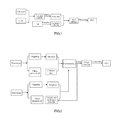
Claims (10)

What is claimed is:
1. A loop-route production method for polyvinyl chloride, characterized in that, comprising:
1) start: starting from an oxygen-enriched calcium carbide high temperature reaction furnace, reacting limestone, carbon material and oxygen as basic starting materials in the high temperature furnace to obtain solid resultant calcium carbide and carbon monoxide syngas;
2) first route: producing acetylene from the calcium carbide;
3) second route: producing dichloroethane from the carbon monoxide syngas; and
4) combination: combining acetylene from the first route and dichloroethane from the second route to form a closed loop, reacting the acetylene with the dichloroethane to produce vinyl chloride monomers, and finally polymerizing the vinyl chloride monomers to obtain polyvinyl chloride.
2. The loop-route production method for polyvinyl chloride according to claim 1, characterized in that, mercury-free catalyst is used during the reaction process.
3. The loop-route production method for polyvinyl chloride according to claim 1, characterized in that, producing dichloroethane from the carbon monoxide syngas consists in:
producing dichloroethane from the carbon monoxide syngas via reactions from methanol to ethanol and from the ethanol to ethylene sequentially, or
producing dichloroethane directly via a reaction from methanol to olefin (MTO) from the carbon monoxide syngas.
4. The loop-route production method for polyvinyl chloride according to claim 1, characterized in that, carbide slag at a bottom portion of the furnace, as residue from preparation of the acetylene from the solid resultant calcium carbide, is used for cement production.
5. The loop-route production method for polyvinyl chloride according to claim 1, characterized in that, each production unit can acquire or be supplemented with desired products from external, or provide intermediate products to external.
6. The loop-route production method for polyvinyl chloride according to claim 5, characterized in that, acetylene used as complementary or substituted starting material is prepared by a partial oxidation process from natural gas or shale gas, and accordingly ethanol is produced from biomass or carbon monoxide as raw materials by a biological fermentation process.
7. A system for realizing the loop-route production method for polyvinyl chloride according to claim 1, characterized in that, the system mainly comprises:
a device for pulverizing and mixing solid raw materials, a device for conveying solid materials, an oxygen-enriched calcium carbide furnace, an oxygen-enriched air-blowing device, a tube-shell thermostatic reactor, a fixed bed tubular reactor, a fluidized bed reactor, an acetylene generator having a heat exchanger, a fixed bed reactor and a polymerization reactor; wherein:
a homogeneous mixture of limestone powder and carbon material powder is fed by the device for pulverizing and mixing solid raw materials and the device for conveying solid materials into the oxygen-enriched calcium carbide furnace;
one branch of product outlet of the oxygen-enriched calcium carbide furnace is sequentially connected with the acetylene generator having a heat exchanger and the fixed bed reactor, and the other branch is sequentially connected with the tube-shell thermostatic reactor, the fixed bed tubular reactor and the fluidized bed reactor to produce dichloroethane, and both of the two branches are combined at the fixed bed reactor, which is connected with the polymerization reactor;
the oxygen-enriched calcium carbide furnace is provided with a plasma ignition combustion-supporting device and a furnace temperature detection and control device; and the oxygen-enriched calcium carbide furnace is further provided with a solid material inlet and an oxygen-enriched gas inlet, wherein oxygen is input therein by the oxygen-enriched air-blowing device through the gas inlet; and shaft furnace of the oxygen-enriched calcium carbide furnace is provided with a first syngas outlet at the upper portion thereof, and a solid material outlet for exporting calcium carbide at the bottom portion thereof;
the acetylene generator having a heat exchanger is provided with a first material inlet, a second gas outlet and a first material outlet, and sequentially connected to a screw conveyer and a post-treatment device;
the fixed bed tubular reactor is provided with an ethanol inlet, an ethylene outlet, a first heat carrying medium inlet and a first heat carrying medium outlet;
the fluidized bed reactor is provided with an ethylene inlet, dichloroethane outlet, a second heat carrying medium inlet and a second heat carrying medium outlet; and
the fixed bed reactor is provided with a second material inlet, a third material inlet and a second material outlet.
8. The loop-route production system for polyvinyl chloride according to claim 7, characterized in that, the polymerization reactor is subsequently connected with a separation and drying equipment, or with a screw extrusion device driven by a driving unit, or with a device for in-mold or out-of-mold laminated calculus mixing granulation driven by a driving unit.
9. The loop-route production system for polyvinyl chloride according to claim 7, characterized in that, a natural gas processing equipment is additionally provided adjacent to the acetylene generator having a heat exchanger, and interconnected with the acetylene generator having a heat exchanger through the first material inlet or directly.
10. The loop-route production system for polyvinyl chloride according to claim 7, characterized in that, a bioethanol processing device is additionally provided adjacent to the fixed bed tubular reactor, and interconnected with the material inlet of the fixed bed tubular reactor.
US14/904,499 2013-07-17 2013-12-19 Loop-route production method and system for polyvinyl chloride Expired - Fee Related US9783629B2 (en)

Applications Claiming Priority (4)

Application Number Priority Date Filing Date Title
CN201310300933.8A CN103408393B (en) 2013-07-17 2013-07-17 Polyvinyl chloride loop route production method
CN201310300933.8 2013-07-17
CN201310300933 2013-07-17
PCT/CN2013/089907 WO2015007059A1 (en) 2013-07-17 2013-12-19 Loop-route production method and system for polyvinyl chloride

Publications (2)

Publication Number Publication Date
US20160168297A1 US20160168297A1 (en) 2016-06-16
US9783629B2 true US9783629B2 (en) 2017-10-10

Family

ID=49601452

Family Applications (1)

Application Number Title Priority Date Filing Date
US14/904,499 Expired - Fee Related US9783629B2 (en) 2013-07-17 2013-12-19 Loop-route production method and system for polyvinyl chloride

Country Status (4)

Country Link
US (1) US9783629B2 (en)
CN (1) CN103408393B (en)
RU (1) RU2634898C2 (en)
WO (1) WO2015007059A1 (en)

Families Citing this family (9)

* Cited by examiner, † Cited by third party
Publication number Priority date Publication date Assignee Title
AU2012284946A1 (en) * 2011-07-19 2014-02-27 Mitsubishi Hitachi Power Systems, Ltd. Drying conveyer, and thermal electric power generation system provided with same
CN103408393B (en) 2013-07-17 2014-05-14 北京化工大学 Polyvinyl chloride loop route production method
WO2017065224A1 (en) * 2015-10-15 2017-04-20 株式会社カネカ Chlorinated vinyl chloride resin production method
CN107936157A (en) * 2017-11-17 2018-04-20 李瑞雪 The method for manufacturing polyvinyl chloride
CN111921347B (en) * 2020-08-11 2024-07-26 中国成达工程有限公司 Acetylene method vinyl chloride feed gas drying system and method
CN114163299B (en) * 2021-10-23 2023-04-14 新疆天业(集团)有限公司 Production system and method for co-production of polyvinyl chloride by coal-based ethylene method and calcium carbide acetylene method
CN116459750A (en) * 2023-03-27 2023-07-21 山东东临新材料股份有限公司 A PVC weather-resistant and corrosion-resistant chlorinated polyethylene thermoplastic elastomer additive production device
CN119386782B (en) * 2024-09-18 2026-02-06 上海巽田科技股份有限公司 A method and apparatus for continuous preparation of CaC2
CN119303520B (en) * 2024-12-16 2025-04-04 内蒙古伊东集团东兴化工有限责任公司 Closed circulation device of dry acetylene-generating water system

Citations (7)

* Cited by examiner, † Cited by third party
Publication number Priority date Publication date Assignee Title
US2779804A (en) * 1953-11-03 1957-01-29 Belge Produits Chimiques Sa Process for the manufacture of vinyl chloride from 1, 2-dichloroethane and acetylene
CN1116846A (en) 1993-01-27 1996-02-14 赫彻斯特股份公司 Method and device for preparing 1,2-dichloroethane by direct chlorination method
CN101336218A (en) 2005-11-29 2008-12-31 英国石油化学品有限公司 method of making ethylene
CN102153085A (en) 2010-12-03 2011-08-17 中国五环工程有限公司 Method for preparing calcium carbide and synthesis gas through thermal oxidation reaction and calcium carbide reactor
CN103408394A (en) 2013-07-17 2013-11-27 北京化工大学 Polyvinyl chloride circular route production system
CN103408393A (en) 2013-07-17 2013-11-27 北京化工大学 Polyvinyl chloride loop route production method
CN103408392A (en) 2013-07-17 2013-11-27 北京化工大学 Polyvinyl chloride loop route production method

Family Cites Families (1)

* Cited by examiner, † Cited by third party
Publication number Priority date Publication date Assignee Title
FR2939132B1 (en) * 2008-11-28 2011-11-11 Arkema France MANUFACTURE OF MONOMERIC VINYL CHLORIDE FROM RENEWABLE MATERIALS, MONOMERIC VINYL CHLORIDE OBTAINED AND USE THEREOF

Patent Citations (7)

* Cited by examiner, † Cited by third party
Publication number Priority date Publication date Assignee Title
US2779804A (en) * 1953-11-03 1957-01-29 Belge Produits Chimiques Sa Process for the manufacture of vinyl chloride from 1, 2-dichloroethane and acetylene
CN1116846A (en) 1993-01-27 1996-02-14 赫彻斯特股份公司 Method and device for preparing 1,2-dichloroethane by direct chlorination method
CN101336218A (en) 2005-11-29 2008-12-31 英国石油化学品有限公司 method of making ethylene
CN102153085A (en) 2010-12-03 2011-08-17 中国五环工程有限公司 Method for preparing calcium carbide and synthesis gas through thermal oxidation reaction and calcium carbide reactor
CN103408394A (en) 2013-07-17 2013-11-27 北京化工大学 Polyvinyl chloride circular route production system
CN103408393A (en) 2013-07-17 2013-11-27 北京化工大学 Polyvinyl chloride loop route production method
CN103408392A (en) 2013-07-17 2013-11-27 北京化工大学 Polyvinyl chloride loop route production method

Non-Patent Citations (2)

* Cited by examiner, † Cited by third party
Title
Jiang et al., New Synthesis Process of Vinyl Chloride: ‘Jiangzhong Method’ Polyvinyl Chloride, No. 4, vol. 41, Apr. 25, 2013, 4 pages, English abstract enclosed.
Jiang et al., New Synthesis Process of Vinyl Chloride: 'Jiangzhong Method' Polyvinyl Chloride, No. 4, vol. 41, Apr. 25, 2013, 4 pages, English abstract enclosed.

Also Published As

Publication number Publication date
RU2634898C2 (en) 2017-11-08
US20160168297A1 (en) 2016-06-16
CN103408393A (en) 2013-11-27
WO2015007059A1 (en) 2015-01-22
CN103408393B (en) 2014-05-14
RU2016102801A (en) 2017-08-22

Similar Documents

Publication Publication Date Title
US9783629B2 (en) Loop-route production method and system for polyvinyl chloride
CN102153085B (en) Method for preparing calcium carbide and synthesis gas through thermal oxidation reaction and calcium carbide reactor
Fernández et al. Conceptual design of a Ni-based chemical looping combustion process using fixed-beds
CN102066248A (en) Method and system for the production of calcium carbide
CN101508924A (en) Catalysis deoxidization process for coal bed gas of coal mine zone
CN104004119B (en) A kind of polrvinyl chloride cleaning loop production Apparatus for () and method therefor
CN1412114A (en) New process for preparing anhydrous magnesium chloride
CN102994185A (en) Process of catalytic deoxidation of oxygen-containing coal bed methane and comprehensive utilization of reaction heat
CN103101913B (en) System and method for producing trichlorosilane by cold hydrogenation of silicon tetrachloride
CN105016953A (en) Device and method for preparing alkene from methanol
CN103408394A (en) Polyvinyl chloride circular route production system
CN103408392A (en) Polyvinyl chloride loop route production method
CN110862323A (en) Synthesis method of diaminodiphenylethane compound
CN110204512B (en) Process for producing epichlorohydrin by direct oxidation of phase transfer catalyst
CN104478738B (en) Reaction method for continuously synthesizing diphenylamine from aniline
CN109694077B (en) Device and method for converting silicon tetrachloride into trichlorosilane
CN203976418U (en) A kind ofly take Repone K, Sweet natural gas and realize the production system of comprehensive utilization of resources as raw material
CN101818265A (en) Method for preparing metallic lithium by using lithium hydroxide
CN206204178U (en) A kind of continuous chlorination reaction unit
CN110256320A (en) The synthetic method of dicetyl peroxydicarbonate two (2- ethylhexyl) ester
CN117304165A (en) Continuous preparation method and device of tetrafluoroethane-beta-sultone
CN104178234A (en) Method and system for preparing natural gas from coke oven gas and generator gas and utilizing waste heat
CN203269817U (en) Improved production device for preparing isobutene from isobutane through dehydrogenation
CN111943804B (en) Methyl chloride synthesis reaction heat gradient comprehensive utilization process
CN103508457B (en) Production equipment containing multiple stage polycrystalline silicon decomposing furnace and working method

Legal Events

Date Code Title Description
AS Assignment

Owner name: BEIJING UNIVERSITY OF CHEMICAL TECHNOLOGY, CHINA

Free format text: ASSIGNMENT OF ASSIGNORS INTEREST;ASSIGNORS:YANG, WEIMIN;YAN, HUA;LIU, DONGSHENG;AND OTHERS;REEL/FRAME:037468/0471

Effective date: 20160112

STCF Information on status: patent grant

Free format text: PATENTED CASE

MAFP Maintenance fee payment

Free format text: PAYMENT OF MAINTENANCE FEE, 4TH YR, SMALL ENTITY (ORIGINAL EVENT CODE: M2551); ENTITY STATUS OF PATENT OWNER: SMALL ENTITY

Year of fee payment: 4

FEPP Fee payment procedure

Free format text: MAINTENANCE FEE REMINDER MAILED (ORIGINAL EVENT CODE: REM.); ENTITY STATUS OF PATENT OWNER: SMALL ENTITY

LAPS Lapse for failure to pay maintenance fees

Free format text: PATENT EXPIRED FOR FAILURE TO PAY MAINTENANCE FEES (ORIGINAL EVENT CODE: EXP.); ENTITY STATUS OF PATENT OWNER: SMALL ENTITY

STCH Information on status: patent discontinuation

Free format text: PATENT EXPIRED DUE TO NONPAYMENT OF MAINTENANCE FEES UNDER 37 CFR 1.362

FP Lapsed due to failure to pay maintenance fee

Effective date: 20251010