US9717746B2 - Use of edelfosine and other synthetic ether alkyl-lysophospholipids (APLs) for seizures and related diseases - Google Patents
Use of edelfosine and other synthetic ether alkyl-lysophospholipids (APLs) for seizures and related diseases Download PDFInfo
- Publication number
- US9717746B2 US9717746B2 US14/571,511 US201414571511A US9717746B2 US 9717746 B2 US9717746 B2 US 9717746B2 US 201414571511 A US201414571511 A US 201414571511A US 9717746 B2 US9717746 B2 US 9717746B2
- Authority
- US
- United States
- Prior art keywords
- seizures
- edelfosine
- apls
- lysophospholipids
- ether alkyl
- Prior art date
- Legal status (The legal status is an assumption and is not a legal conclusion. Google has not performed a legal analysis and makes no representation as to the accuracy of the status listed.)
- Expired - Fee Related
Links
- MHFRGQHAERHWKZ-HHHXNRCGSA-N (R)-edelfosine Chemical compound CCCCCCCCCCCCCCCCCCOC[C@@H](OC)COP([O-])(=O)OCC[N+](C)(C)C MHFRGQHAERHWKZ-HHHXNRCGSA-N 0.000 title claims abstract description 24
- 229950011461 edelfosine Drugs 0.000 title claims abstract description 24
- 206010010904 Convulsion Diseases 0.000 title claims abstract description 22
- 229960005536 Alkyl-lysophospholipid Drugs 0.000 title claims abstract description 14
- RTZKZFJDLAIYFH-UHFFFAOYSA-N Diethyl ether Chemical compound CCOCC RTZKZFJDLAIYFH-UHFFFAOYSA-N 0.000 title claims abstract description 14
- 201000010099 disease Diseases 0.000 title 1
- 208000037265 diseases, disorders, signs and symptoms Diseases 0.000 title 1
- 239000000126 substance Substances 0.000 claims abstract description 6
- 239000003795 chemical substances by application Substances 0.000 claims abstract description 5
- 210000005036 nerve Anatomy 0.000 claims abstract description 5
- 206010015037 epilepsy Diseases 0.000 claims description 7
- SZFPYBIJACMNJV-UHFFFAOYSA-N perifosine Chemical compound CCCCCCCCCCCCCCCCCCOP([O-])(=O)OC1CC[N+](C)(C)CC1 SZFPYBIJACMNJV-UHFFFAOYSA-N 0.000 claims description 7
- 238000000034 method Methods 0.000 claims description 6
- 229950010632 perifosine Drugs 0.000 claims description 5
- 150000003839 salts Chemical class 0.000 claims description 3
- 230000000694 effects Effects 0.000 abstract description 12
- 230000001713 cholinergic effect Effects 0.000 abstract description 4
- 238000011282 treatment Methods 0.000 abstract description 4
- 239000002917 insecticide Substances 0.000 abstract 1
- QCHFTSOMWOSFHM-WPRPVWTQSA-N (+)-Pilocarpine Chemical compound C1OC(=O)[C@@H](CC)[C@H]1CC1=CN=CN1C QCHFTSOMWOSFHM-WPRPVWTQSA-N 0.000 description 9
- QCHFTSOMWOSFHM-UHFFFAOYSA-N SJ000285536 Natural products C1OC(=O)C(CC)C1CC1=CN=CN1C QCHFTSOMWOSFHM-UHFFFAOYSA-N 0.000 description 9
- 229960001416 pilocarpine Drugs 0.000 description 9
- 102000014384 Type C Phospholipases Human genes 0.000 description 8
- 108010079194 Type C Phospholipases Proteins 0.000 description 8
- LUFAORPFSVMJIW-ZRJUGLEFSA-N U-73122 Chemical compound N([C@@H]1[C@@]2(C)CC[C@@H]3C4=CC=C(C=C4CC[C@H]3[C@@H]2CC1)OC)CCCCCCN1C(=O)C=CC1=O LUFAORPFSVMJIW-ZRJUGLEFSA-N 0.000 description 7
- 108091006146 Channels Proteins 0.000 description 6
- 102000014415 Muscarinic acetylcholine receptor Human genes 0.000 description 6
- 108050003473 Muscarinic acetylcholine receptor Proteins 0.000 description 6
- OIPILFWXSMYKGL-UHFFFAOYSA-N acetylcholine Chemical compound CC(=O)OCC[N+](C)(C)C OIPILFWXSMYKGL-UHFFFAOYSA-N 0.000 description 6
- 229960004373 acetylcholine Drugs 0.000 description 6
- 239000000729 antidote Substances 0.000 description 6
- 230000003551 muscarinic effect Effects 0.000 description 6
- 230000002887 neurotoxic effect Effects 0.000 description 6
- 229910052700 potassium Inorganic materials 0.000 description 6
- 239000011591 potassium Substances 0.000 description 6
- 229930003347 Atropine Natural products 0.000 description 5
- RKUNBYITZUJHSG-UHFFFAOYSA-N Hyosciamin-hydrochlorid Natural products CN1C(C2)CCC1CC2OC(=O)C(CO)C1=CC=CC=C1 RKUNBYITZUJHSG-UHFFFAOYSA-N 0.000 description 5
- JUUFBMODXQKSTD-UHFFFAOYSA-N N-[2-amino-6-[(4-fluorophenyl)methylamino]-3-pyridinyl]carbamic acid ethyl ester Chemical compound N1=C(N)C(NC(=O)OCC)=CC=C1NCC1=CC=C(F)C=C1 JUUFBMODXQKSTD-UHFFFAOYSA-N 0.000 description 5
- ZLMJMSJWJFRBEC-UHFFFAOYSA-N Potassium Chemical compound [K] ZLMJMSJWJFRBEC-UHFFFAOYSA-N 0.000 description 5
- RKUNBYITZUJHSG-SPUOUPEWSA-N atropine Chemical compound O([C@H]1C[C@H]2CC[C@@H](C1)N2C)C(=O)C(CO)C1=CC=CC=C1 RKUNBYITZUJHSG-SPUOUPEWSA-N 0.000 description 5
- 229960000396 atropine Drugs 0.000 description 5
- 230000003492 excitotoxic effect Effects 0.000 description 5
- 231100000063 excitotoxicity Toxicity 0.000 description 5
- 229960003667 flupirtine Drugs 0.000 description 5
- 239000003112 inhibitor Substances 0.000 description 5
- RMHMFHUVIITRHF-UHFFFAOYSA-N pirenzepine Chemical compound C1CN(C)CCN1CC(=O)N1C2=NC=CC=C2NC(=O)C2=CC=CC=C21 RMHMFHUVIITRHF-UHFFFAOYSA-N 0.000 description 5
- 229960004633 pirenzepine Drugs 0.000 description 5
- 102000012440 Acetylcholinesterase Human genes 0.000 description 4
- 108010022752 Acetylcholinesterase Proteins 0.000 description 4
- WHUUTDBJXJRKMK-VKHMYHEASA-N L-glutamic acid Chemical compound OC(=O)[C@@H](N)CCC(O)=O WHUUTDBJXJRKMK-VKHMYHEASA-N 0.000 description 4
- FAPWRFPIFSIZLT-UHFFFAOYSA-M Sodium chloride Chemical compound [Na+].[Cl-] FAPWRFPIFSIZLT-UHFFFAOYSA-M 0.000 description 4
- 229940022698 acetylcholinesterase Drugs 0.000 description 4
- 229940075522 antidotes Drugs 0.000 description 4
- 238000002224 dissection Methods 0.000 description 4
- 229930195712 glutamate Natural products 0.000 description 4
- 230000005764 inhibitory process Effects 0.000 description 4
- XLYOFNOQVPJJNP-UHFFFAOYSA-N water Chemical compound O XLYOFNOQVPJJNP-UHFFFAOYSA-N 0.000 description 4
- 102000017927 CHRM1 Human genes 0.000 description 3
- 101150073075 Chrm1 gene Proteins 0.000 description 3
- 206010029350 Neurotoxicity Diseases 0.000 description 3
- 206010044221 Toxic encephalopathy Diseases 0.000 description 3
- 230000004913 activation Effects 0.000 description 3
- 239000012190 activator Substances 0.000 description 3
- 230000006378 damage Effects 0.000 description 3
- 230000000971 hippocampal effect Effects 0.000 description 3
- 231100000228 neurotoxicity Toxicity 0.000 description 3
- 230000007135 neurotoxicity Effects 0.000 description 3
- 208000005809 status epilepticus Diseases 0.000 description 3
- 230000001225 therapeutic effect Effects 0.000 description 3
- 108010009685 Cholinergic Receptors Proteins 0.000 description 2
- CSNNHWWHGAXBCP-UHFFFAOYSA-L Magnesium sulfate Chemical compound [Mg+2].[O-][S+2]([O-])([O-])[O-] CSNNHWWHGAXBCP-UHFFFAOYSA-L 0.000 description 2
- 208000012902 Nervous system disease Diseases 0.000 description 2
- 208000025966 Neurological disease Diseases 0.000 description 2
- 239000004677 Nylon Substances 0.000 description 2
- UIIMBOGNXHQVGW-UHFFFAOYSA-M Sodium bicarbonate Chemical compound [Na+].OC([O-])=O UIIMBOGNXHQVGW-UHFFFAOYSA-M 0.000 description 2
- 102000034337 acetylcholine receptors Human genes 0.000 description 2
- 230000001154 acute effect Effects 0.000 description 2
- 238000002474 experimental method Methods 0.000 description 2
- 230000002102 hyperpolarization Effects 0.000 description 2
- 238000000338 in vitro Methods 0.000 description 2
- 238000011534 incubation Methods 0.000 description 2
- 230000002427 irreversible effect Effects 0.000 description 2
- 230000010534 mechanism of action Effects 0.000 description 2
- 239000012528 membrane Substances 0.000 description 2
- 239000000472 muscarinic agonist Substances 0.000 description 2
- 239000012244 neurotoxicant Substances 0.000 description 2
- 231100000421 neurotoxicant Toxicity 0.000 description 2
- 230000001682 neurotoxicant effect Effects 0.000 description 2
- 229920001778 nylon Polymers 0.000 description 2
- 102000004169 proteins and genes Human genes 0.000 description 2
- 108090000623 proteins and genes Proteins 0.000 description 2
- 238000011160 research Methods 0.000 description 2
- 239000011780 sodium chloride Substances 0.000 description 2
- 238000012360 testing method Methods 0.000 description 2
- 231100000331 toxic Toxicity 0.000 description 2
- 230000002588 toxic effect Effects 0.000 description 2
- 231100000419 toxicity Toxicity 0.000 description 2
- 230000001988 toxicity Effects 0.000 description 2
- MHFRGQHAERHWKZ-UHFFFAOYSA-N 1-octadecyl-2-methylglycero-3-phosphocholine Chemical compound CCCCCCCCCCCCCCCCCCOCC(OC)COP([O-])(=O)OCC[N+](C)(C)C MHFRGQHAERHWKZ-UHFFFAOYSA-N 0.000 description 1
- CNWINRVXAYPOMW-FCNJXWMTSA-N 1-stearoyl-2-arachidonoyl-sn-glycero-3-phospho-1D-myo-inositol 4,5-biphosphate Chemical compound CCCCC\C=C/C\C=C/C\C=C/C\C=C/CCCC(=O)O[C@H](COC(=O)CCCCCCCCCCCCCCCCC)COP(O)(=O)O[C@@H]1[C@H](O)[C@H](O)[C@@H](OP(O)(O)=O)[C@H](OP(O)(O)=O)[C@H]1O CNWINRVXAYPOMW-FCNJXWMTSA-N 0.000 description 1
- 229940124596 AChE inhibitor Drugs 0.000 description 1
- 206010001497 Agitation Diseases 0.000 description 1
- 208000024827 Alzheimer disease Diseases 0.000 description 1
- UXVMQQNJUSDDNG-UHFFFAOYSA-L Calcium chloride Chemical compound [Cl-].[Cl-].[Ca+2] UXVMQQNJUSDDNG-UHFFFAOYSA-L 0.000 description 1
- 102000004190 Enzymes Human genes 0.000 description 1
- 108090000790 Enzymes Proteins 0.000 description 1
- 108091006027 G proteins Proteins 0.000 description 1
- 102000030782 GTP binding Human genes 0.000 description 1
- 108091000058 GTP-Binding Proteins 0.000 description 1
- WQZGKKKJIJFFOK-GASJEMHNSA-N Glucose Natural products OC[C@H]1OC(O)[C@H](O)[C@@H](O)[C@@H]1O WQZGKKKJIJFFOK-GASJEMHNSA-N 0.000 description 1
- 238000012404 In vitro experiment Methods 0.000 description 1
- 238000001282 Kruskal–Wallis one-way analysis of variance Methods 0.000 description 1
- 102000004882 Lipase Human genes 0.000 description 1
- 108090001060 Lipase Proteins 0.000 description 1
- 239000004367 Lipase Substances 0.000 description 1
- 241001465754 Metazoa Species 0.000 description 1
- 229940121948 Muscarinic receptor antagonist Drugs 0.000 description 1
- 206010028980 Neoplasm Diseases 0.000 description 1
- 229910019142 PO4 Inorganic materials 0.000 description 1
- 102000007074 Phospholipase C beta Human genes 0.000 description 1
- 108010047834 Phospholipase C beta Proteins 0.000 description 1
- DYAHQFWOVKZOOW-UHFFFAOYSA-N Sarin Chemical compound CC(C)OP(C)(F)=O DYAHQFWOVKZOOW-UHFFFAOYSA-N 0.000 description 1
- 229940124639 Selective inhibitor Drugs 0.000 description 1
- 102000003734 Voltage-Gated Potassium Channels Human genes 0.000 description 1
- 108090000013 Voltage-Gated Potassium Channels Proteins 0.000 description 1
- NIXOWILDQLNWCW-UHFFFAOYSA-N acrylic acid group Chemical group C(C=C)(=O)O NIXOWILDQLNWCW-UHFFFAOYSA-N 0.000 description 1
- 230000000202 analgesic effect Effects 0.000 description 1
- 238000000540 analysis of variance Methods 0.000 description 1
- 239000005557 antagonist Substances 0.000 description 1
- 230000003556 anti-epileptic effect Effects 0.000 description 1
- 230000000259 anti-tumor effect Effects 0.000 description 1
- 238000011394 anticancer treatment Methods 0.000 description 1
- 239000001961 anticonvulsive agent Substances 0.000 description 1
- 210000001130 astrocyte Anatomy 0.000 description 1
- 230000008901 benefit Effects 0.000 description 1
- 230000008499 blood brain barrier function Effects 0.000 description 1
- 210000001218 blood-brain barrier Anatomy 0.000 description 1
- 210000004556 brain Anatomy 0.000 description 1
- 208000029028 brain injury Diseases 0.000 description 1
- 239000001110 calcium chloride Substances 0.000 description 1
- 229910001628 calcium chloride Inorganic materials 0.000 description 1
- 201000011510 cancer Diseases 0.000 description 1
- 230000015556 catabolic process Effects 0.000 description 1
- 210000001175 cerebrospinal fluid Anatomy 0.000 description 1
- OEYIOHPDSNJKLS-UHFFFAOYSA-N choline Chemical compound C[N+](C)(C)CCO OEYIOHPDSNJKLS-UHFFFAOYSA-N 0.000 description 1
- 229960001231 choline Drugs 0.000 description 1
- 230000001684 chronic effect Effects 0.000 description 1
- 150000001875 compounds Chemical class 0.000 description 1
- 238000007405 data analysis Methods 0.000 description 1
- 238000011161 development Methods 0.000 description 1
- 239000003814 drug Substances 0.000 description 1
- 229940000406 drug candidate Drugs 0.000 description 1
- 229940088598 enzyme Drugs 0.000 description 1
- 150000002170 ethers Chemical class 0.000 description 1
- 239000003777 experimental drug Substances 0.000 description 1
- PCOBBVZJEWWZFR-UHFFFAOYSA-N ezogabine Chemical compound C1=C(N)C(NC(=O)OCC)=CC=C1NCC1=CC=C(F)C=C1 PCOBBVZJEWWZFR-UHFFFAOYSA-N 0.000 description 1
- 239000007792 gaseous phase Substances 0.000 description 1
- 239000011521 glass Substances 0.000 description 1
- 239000008103 glucose Substances 0.000 description 1
- 238000001727 in vivo Methods 0.000 description 1
- 230000002779 inactivation Effects 0.000 description 1
- 235000019421 lipase Nutrition 0.000 description 1
- -1 lipid phosphatidylinositol-4,5-bis phosphate Chemical class 0.000 description 1
- 150000002632 lipids Chemical class 0.000 description 1
- 239000007788 liquid Substances 0.000 description 1
- 229910052943 magnesium sulfate Inorganic materials 0.000 description 1
- 230000007246 mechanism Effects 0.000 description 1
- 230000028161 membrane depolarization Effects 0.000 description 1
- PQLXHQMOHUQAKB-UHFFFAOYSA-N miltefosine Chemical compound CCCCCCCCCCCCCCCCOP([O-])(=O)OCC[N+](C)(C)C PQLXHQMOHUQAKB-UHFFFAOYSA-N 0.000 description 1
- 229960003775 miltefosine Drugs 0.000 description 1
- 239000003149 muscarinic antagonist Substances 0.000 description 1
- 230000001537 neural effect Effects 0.000 description 1
- 210000002569 neuron Anatomy 0.000 description 1
- 230000016273 neuron death Effects 0.000 description 1
- 230000008587 neuronal excitability Effects 0.000 description 1
- 231100000189 neurotoxic Toxicity 0.000 description 1
- 239000002858 neurotransmitter agent Substances 0.000 description 1
- 230000037361 pathway Effects 0.000 description 1
- 230000010412 perfusion Effects 0.000 description 1
- 239000010452 phosphate Substances 0.000 description 1
- 150000003904 phospholipids Chemical class 0.000 description 1
- 231100000572 poisoning Toxicity 0.000 description 1
- 230000000607 poisoning effect Effects 0.000 description 1
- 238000010149 post-hoc-test Methods 0.000 description 1
- 238000002360 preparation method Methods 0.000 description 1
- 230000008569 process Effects 0.000 description 1
- 238000011084 recovery Methods 0.000 description 1
- 230000004044 response Effects 0.000 description 1
- 229960003312 retigabine Drugs 0.000 description 1
- 229910000030 sodium bicarbonate Inorganic materials 0.000 description 1
- AJPJDKMHJJGVTQ-UHFFFAOYSA-M sodium dihydrogen phosphate Chemical compound [Na+].OP(O)([O-])=O AJPJDKMHJJGVTQ-UHFFFAOYSA-M 0.000 description 1
- 229910000162 sodium phosphate Inorganic materials 0.000 description 1
- 238000013222 sprague-dawley male rat Methods 0.000 description 1
- 229910001220 stainless steel Inorganic materials 0.000 description 1
- 239000010935 stainless steel Substances 0.000 description 1
- 230000000638 stimulation Effects 0.000 description 1
- 238000012353 t test Methods 0.000 description 1
- 230000008685 targeting Effects 0.000 description 1
- 229940124597 therapeutic agent Drugs 0.000 description 1
- 238000002560 therapeutic procedure Methods 0.000 description 1
Images




Classifications
-
- A—HUMAN NECESSITIES
- A61—MEDICAL OR VETERINARY SCIENCE; HYGIENE
- A61K—PREPARATIONS FOR MEDICAL, DENTAL OR TOILETRY PURPOSES
- A61K31/00—Medicinal preparations containing organic active ingredients
- A61K31/66—Phosphorus compounds
- A61K31/661—Phosphorus acids or esters thereof not having P—C bonds, e.g. fosfosal, dichlorvos, malathion or mevinphos
-
- A—HUMAN NECESSITIES
- A61—MEDICAL OR VETERINARY SCIENCE; HYGIENE
- A61K—PREPARATIONS FOR MEDICAL, DENTAL OR TOILETRY PURPOSES
- A61K31/00—Medicinal preparations containing organic active ingredients
- A61K31/66—Phosphorus compounds
- A61K31/683—Diesters of a phosphorus acid with two hydroxy compounds, e.g. phosphatidylinositols
- A61K31/685—Diesters of a phosphorus acid with two hydroxy compounds, e.g. phosphatidylinositols one of the hydroxy compounds having nitrogen atoms, e.g. phosphatidylserine, lecithin
-
- A—HUMAN NECESSITIES
- A61—MEDICAL OR VETERINARY SCIENCE; HYGIENE
- A61K—PREPARATIONS FOR MEDICAL, DENTAL OR TOILETRY PURPOSES
- A61K31/00—Medicinal preparations containing organic active ingredients
- A61K31/075—Ethers or acetals
-
- A—HUMAN NECESSITIES
- A61—MEDICAL OR VETERINARY SCIENCE; HYGIENE
- A61K—PREPARATIONS FOR MEDICAL, DENTAL OR TOILETRY PURPOSES
- A61K31/00—Medicinal preparations containing organic active ingredients
- A61K31/075—Ethers or acetals
- A61K31/08—Ethers or acetals acyclic, e.g. paraformaldehyde
-
- A—HUMAN NECESSITIES
- A61—MEDICAL OR VETERINARY SCIENCE; HYGIENE
- A61K—PREPARATIONS FOR MEDICAL, DENTAL OR TOILETRY PURPOSES
- A61K31/00—Medicinal preparations containing organic active ingredients
- A61K31/13—Amines
- A61K31/14—Quaternary ammonium compounds, e.g. edrophonium, choline
-
- A—HUMAN NECESSITIES
- A61—MEDICAL OR VETERINARY SCIENCE; HYGIENE
- A61K—PREPARATIONS FOR MEDICAL, DENTAL OR TOILETRY PURPOSES
- A61K31/00—Medicinal preparations containing organic active ingredients
- A61K31/66—Phosphorus compounds
-
- A—HUMAN NECESSITIES
- A61—MEDICAL OR VETERINARY SCIENCE; HYGIENE
- A61K—PREPARATIONS FOR MEDICAL, DENTAL OR TOILETRY PURPOSES
- A61K31/00—Medicinal preparations containing organic active ingredients
- A61K31/66—Phosphorus compounds
- A61K31/675—Phosphorus compounds having nitrogen as a ring hetero atom, e.g. pyridoxal phosphate
Definitions
- Edelfosine is a well-known compound that has been researched and studied predominately for anti-cancer treatments for many years. Edelfosine has not, however, been the subject of study to see its effects on seizures and other neurological disorders and diseases. What we have found through research and study is that edelfosine surprisingly has good results in alleviating seizures, in particular cholinergic seizures, which result from overstimulation of muscarinic receptors.
- Cholinergic muscarinic overstimulation can be achieved by irreversible inhibitors of acetylcholinesterase, like chemical warfare nerve agents (CWNA) (de Araujo Furtado, M. et al., 2012), or muscarinic agonists.
- CWNA chemical warfare nerve agents
- Pilocarpine a muscarinic agonist, overstimulates M1 muscarinic receptors causing acute seizures followed days later by chronic seizures that emulate clinical epilepsy.
- SE status epilepticus
- Cerriere J. L. El-Fakahany, E. E., 2000, Costa, L. G. Murphy, S.
- edelfosine can effectively prevent the effects of seizures, which may be particularly useful for subjects suffering from epilepsy or chemical nerve agent exposure. It also appears that edelfosine may be helpful for seizures relating to Alzheimer's disease, as about 20% of Alzheimer's patients develop unprovoked late onset seizures. Further, other synthetic ether alkyl-lysophospholipids (APLs) show promise in similarly reducing seizures. Such molecules include perifosine.
- Nonlimiting uses include treating seizures caused by epilepsy or exposure to warfare chemical nerve agents or other chemicals that indirectly stimulate the muscarinic receptors.
- FIG. 1 Photograph of chamber containing hippocampal slices used for experiments.
- FIG. 2 Graph showing Atropine 0.1 and 1 ⁇ M applied 30 minutes after DFP protects against 10 min. 100 ⁇ M DFP.
- FIG. 3 Graph showing Pirenzepine 1 or 10 ⁇ M applied after DFP prevents a neurotoxic effect.
- FIG. 4 Graph showing 10 ⁇ M edelfosine applied 30 minutes after 100 ⁇ M DFP prevents the neurotoxic effect of DFP.
- FIG. 5 Graph showing U73122 protection against DFP toxicity.
- FIG. 6 Graph showing flupirtine preventing neurotoxic effect of DFP.
- FIG. 7 Graph showing that high potassium concentration increases the excitability and thus recruits more neurons as shown in the first bar. The comparison of the second and third bars show that the neurotoxicity of pilocarpine increases at high potassium concentration.
- FIG. 8 Graph showing atropine and pirenzepine protecting against pilocarpine in the ex vivo pilocarpine epilepsy model.
- FIG. 9 Graph showing that 1 and 10 ⁇ M edelfosine applied after pilocarpine in 7.5 mM potassium protects against neurotoxicity.
- FIG. 10 Illustration showing the link between inhibition of AChE and excitotoxicity and the proposed mechanism of action for edelfosine.
- the chamber contains three lanes with independent perfusion lines exposed to the same gaseous phase ( FIG. 1 ).
- the lower part of the chamber was filled with H 2 O kept at 37.4 ⁇ 1° C. and continuously bubbled with 95% O 2 , 5% CO 2 .
- the ACSF was continuously bubbled with 95% O 2 , 5% CO 2 and warmed by flowing through a stainless steel capillary immersed in the lower part of the chamber.
- FIG. 1 shows the incubation chamber without the lid exposing the three lanes with hippocampal slices.
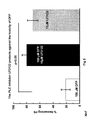
- the bar in the graphs show the percentage area of the PS recovered. Except for FIG. 7 , the white bars correspond to the neurotoxicants alone and represent the damage without antidotes applied. Black bars represent the PS recovered after application of the neurotoxic stimulus followed by the antidote applied 15-30 min later. Grey dotted bars correspond to the PS recovered after 1 hour application of an antidote without any neurotoxicants.
- the areas of the PS were acquired and analyzed with the Labman program (gift from Dr. T. J. Teyler WWAMI Medical Education Program, University of Idaho, Moscow, Id.). We statistically analyzed the data using SigmaPlot version 12.5 (SYSTAT Software). Analysis of variance was used whenever the data were distributed normally; otherwise, we used Kruskal-Wallis one-way analysis of variance on ranks followed in each case by the appropriate post hoc test. When two groups were compared, the t test was used.
- FIG. 2 The muscarinic nature of the neurotoxic effect of DFP is confirmed in FIG. 2 . Applying atropine after exposure of slices to DFP precludes the neurotoxic effect of this surrogate of the CWNA sarin.
- FIG. 3 pirenzepine, a more selective antagonist for M1 muscarinic receptor, was applied after DFP.
- FIG. 4 clearly shown that 10 ⁇ M edelfosine applied 30 min after DFP protects and edelfosine per se is innocuous.
- Another PLC inhibitor, U73122 precludes the damage of DFP as edelfosine did ( FIG. 5 ).
- the advantage of edelfosine is that is more selective than U73122.
- Flupirtine is an activator of M channels and acts downstream from the target of edelfosine. Flupirtine also prevents the toxic effect of DFP ( FIG. 6 ).
- FIG. 10 puts in context all the data and confirms the proposed mechanism of action of edelfosine.
- Acetylcholinesterase (AChE) inhibitors prevent the breakdown of acetylcholine (ACh) and cause a toxic built up of this neurotransmitter.
- the increase concentration of ACh increases its binding to the cholinergic receptors, which become overstimulated.
- the most pertinent cholinergic receptor in the present case is the M1 muscarinic subtype.
- the M1 receptor is a membrane-embedded protein coupled to a G protein composed of three subunits alpha q/11 , beta, and gamma.
- the alpha subunit releases GDP, binds GTP, and dissociates from the beta and gamma subunits.
- the GTP-alpha q/11 complex binds and activates the phospholipase C (PLC) which hydrolyzes the membrane lipid phosphatidylinositol-4,5-bis phosphate.
- PLC phospholipase C
- This phospholipid is required for the activity of the Kv7.2-7.5 channels.
- the Kv7.2-7.5 also known as KCNQ2-5) voltage gated potassium channel mediates the hyperpolarizing M-current Inhibition of the activity of these channels leads to uncontrolled neuronal depolarization that results in glutamate release, seizures, and excitotoxicity.
- the ether lipid 1-O-octadecyl-2-O-methyl-rac-glycero-3-phosphocholine, or ET-18-OCH(3), commonly known as edelfosine is the prototype molecule of a heterogeneous group of synthetic ether alkyl-lysophospholipids (APLs) sometimes referred to as antitumor ether lipids.
- APLs synthetic ether alkyl-lysophospholipids
- Examples of other clinically promising APLs include octadecyl-(1,1-dimethyl-piperidinio-4-yl)-phosphate usually named perifosine and less frequently D-21266 or KRX-0401. Perifosine is being developed for possible cancer indications. Perifosine is structurally related to miltefosine.
- APLs inhibit phospholipase C beta, therefore, all APLs potentially could exert the same therapeutic effect as edelfosine.
- 1-[6-[[(17 ⁇ )-3-Methoxyestra-1,3,5(10)-trien-17-yl]amino]hexyl]-1H-pyrrole-2,5-dione (U73122) which is not an APL also inhibits PLC.
- U73122 causes untoward side effects, one or more of its analogues could be a useful therapeutic tool.
Landscapes
- Health & Medical Sciences (AREA)
- Chemical & Material Sciences (AREA)
- Medicinal Chemistry (AREA)
- Pharmacology & Pharmacy (AREA)
- Epidemiology (AREA)
- Life Sciences & Earth Sciences (AREA)
- Animal Behavior & Ethology (AREA)
- General Health & Medical Sciences (AREA)
- Public Health (AREA)
- Veterinary Medicine (AREA)
- Pharmaceuticals Containing Other Organic And Inorganic Compounds (AREA)
Abstract
Synthetic ether alkyl-lysophospholipids (APLs) provide an effective treatment for subjects suffering from cholinergic seizures. Among other uses, APLs may be used to treat the effects of epileptic seizures in particular cholinergic seizures caused by exposure to insecticides or chemical warfare nerve agent exposure. Edelfosine, an APL, has been show to be particularly effective in these areas.
Description
Edelfosine is a well-known compound that has been researched and studied predominately for anti-cancer treatments for many years. Edelfosine has not, however, been the subject of study to see its effects on seizures and other neurological disorders and diseases. What we have found through research and study is that edelfosine surprisingly has good results in alleviating seizures, in particular cholinergic seizures, which result from overstimulation of muscarinic receptors.
Cholinergic muscarinic overstimulation can be achieved by irreversible inhibitors of acetylcholinesterase, like chemical warfare nerve agents (CWNA) (de Araujo Furtado, M. et al., 2012), or muscarinic agonists. Pilocarpine, a muscarinic agonist, overstimulates M1 muscarinic receptors causing acute seizures followed days later by chronic seizures that emulate clinical epilepsy. It is possible that status epilepticus (SE) naturally increases brain acetylcholine and choline (Carriere, J. L. El-Fakahany, E. E., 2000, Costa, L. G. Murphy, S. D., 1984), which overstimulates M1 receptors (Jope, R. S. Gu, X., 1991). In all cases, muscarinic hyper-stimulation enhances the release of glutamate, causes seizures, excitotoxicity, astrocytes activation, neuronal death and brain injury. Interestingly the link between muscarinic hyper-stimulation and the resulting glutamate excitotoxicity was heretofore unknown. This gap of knowledge is an impediment for the development of novel therapeutic interventions targeting early steps of CWNA toxicity and yet unexplored processes leading to SE.
Based on our research and study of these mechanisms, we have found surprisingly that edelfosine can effectively prevent the effects of seizures, which may be particularly useful for subjects suffering from epilepsy or chemical nerve agent exposure. It also appears that edelfosine may be helpful for seizures relating to Alzheimer's disease, as about 20% of Alzheimer's patients develop unprovoked late onset seizures. Further, other synthetic ether alkyl-lysophospholipids (APLs) show promise in similarly reducing seizures. Such molecules include perifosine.
Therefore, it is an object of the present invention to treat subjects suffering from seizures by administering to that subject an effective amount of edelfosine or a pharmaceutically acceptable salt thereof. It is a further object of the invention to treat subjects suffering from seizures by administering to that subject an effective amount of a different APL or a pharmaceutically acceptable salt thereof. Nonlimiting uses include treating seizures caused by epilepsy or exposure to warfare chemical nerve agents or other chemicals that indirectly stimulate the muscarinic receptors.
We have learned that the activation of M1 muscarinic receptors coupled to protein Gq/11 activates the phospholipase C (PLC3β). This lipase depletes the pool of membrane phosphatidylinositol 4,5-bisphosphate required for the activity of the Kv7.2-7.5 (Kv7.x or KCNQ) potassium voltage gated channels, which mediate the hyperpolarizing M-current (Delmas, P. Brown, D. A., 2005). FIG. 10 further illustrates this. The inactivation of M-current lowers the threshold of neuronal excitability, enhances the release of glutamate, and causes seizures and excitotoxicity. This pathway is supported by the fact that two activators of Kv7.2-7.5 channels, retigabine and flupirtine, are being tested or marketed (in Europe, India and other countries) as antiepileptic, analgesic, or for other similar applications.
Methods of Slice Preparation and Electrophysiological Recordings.
We have conducted in vitro experiments. We used male Sprague-Dawley rats (120-200 g) from our colony for preparing acute hippocampal slices. We used a standard artificial cerebrospinal fluid (ACSF), containing (in mM) 125 NaCl, 3.3 KCl, 1.25 NaH2PO4, 2 MgSO4, 2 CaCl2, 25 NaHCO3, and 10 glucose, for dissection and incubation. We performed the dissections at ice temperature; transverse slices were cut 400 μm in thickness with a manual slicer and immediately transferred to the recording chamber. Recording of extracellular field potentials or population spikes (PSs) was done as described (Ferchmin, P. A. et al., 2000).
Briefly, the chamber contains three lanes with independent perfusion lines exposed to the same gaseous phase (FIG. 1 ). The lower part of the chamber was filled with H2O kept at 37.4±1° C. and continuously bubbled with 95% O2, 5% CO2. We kept the slices at the gas-liquid interface, on an acrylic plate covered with nylon mesh (Hanes) located above the H2O perfused with ACSF and kept at 34±1° C. Before entering the chamber, the ACSF was continuously bubbled with 95% O2, 5% CO2 and warmed by flowing through a stainless steel capillary immersed in the lower part of the chamber. We kept the chamber's exterior at 30±1° C. Strict control of the temperatures at the three levels (outside, nylon mesh, and water bath) was indispensable to avoid variability of results in this system.
One hour after dissection, we recovered and stabilized the electrophysiological activity of the slices. At that time, we determined the PSs in each slice. We used a concentric bipolar electrode placed in stratum radiatum of the CA1 area to stimulate the slices with a constant current for 0.2 ms. The population spikes (PSs) were recorded in stratum pyramidale with a glass micropipette filled with 2 M NaCl and impedance ranging from 1 to 5 MΩ. FIG. 1 shows the incubation chamber without the lid exposing the three lanes with hippocampal slices.
Procedure for Testing Neurotoxicity
We based the procedure on that described in (Schurr, A. et al., 1995a, Schurr, A. et al., 1995b) as modified by us (Ferchmin, P. A., Perez, D. Biello, M., 2000) We distributed 10 to 30 slices among the three lanes; since slices from two animals were used, they were equally distributed among the lanes. Testing of slices started 1 h after dissection. A stimulus strength twice that required for eliciting a threshold population spike (PS) stimulated each slice. We recorded this initial PS and compared it with the response elicited by the same stimulus, recorded from the same position, after the completion of the corresponding experimental treatment. We used the percentage difference between the final and the initial PS remaining as a measure of recovery.
For FIGS. 2 to 9 , the bar in the graphs show the percentage area of the PS recovered. Except for FIG. 7 , the white bars correspond to the neurotoxicants alone and represent the damage without antidotes applied. Black bars represent the PS recovered after application of the neurotoxic stimulus followed by the antidote applied 15-30 min later. Grey dotted bars correspond to the PS recovered after 1 hour application of an antidote without any neurotoxicants.
Data Analysis
The areas of the PS (millivolts per millisecond) were acquired and analyzed with the Labman program (gift from Dr. T. J. Teyler WWAMI Medical Education Program, University of Idaho, Moscow, Id.). We statistically analyzed the data using SigmaPlot version 12.5 (SYSTAT Software). Analysis of variance was used whenever the data were distributed normally; otherwise, we used Kruskal-Wallis one-way analysis of variance on ranks followed in each case by the appropriate post hoc test. When two groups were compared, the t test was used.
Results
The In Vitro DFP Model. Edelfosine Reverses the Effect of DFP.
The experiments' goal was to study possible antidotes for the damage muscarinic hyper-stimulation inflicted. We applied all antidotes or experimental drugs after either DFP or the pilocarpine-high-potassium treatment.
The muscarinic nature of the neurotoxic effect of DFP is confirmed in FIG. 2 . Applying atropine after exposure of slices to DFP precludes the neurotoxic effect of this surrogate of the CWNA sarin. In FIG. 3 , pirenzepine, a more selective antagonist for M1 muscarinic receptor, was applied after DFP. FIG. 4 clearly shown that 10 μM edelfosine applied 30 min after DFP protects and edelfosine per se is innocuous. Another PLC inhibitor, U73122, precludes the damage of DFP as edelfosine did (FIG. 5 ). The advantage of edelfosine is that is more selective than U73122. Flupirtine is an activator of M channels and acts downstream from the target of edelfosine. Flupirtine also prevents the toxic effect of DFP (FIG. 6 ).
The In Vitro Pilocarpine Model. Edelfosine Reverses the Effect of the Pilocarpine Treatment.
The in vivo pilocarpine model of epilepsy (Scorza, F. A. et al., 2009, Turski, L. et al., 1989, Voutsinos-Porche, B. et al., 2004) was used for decades. We developed an ex vivo pilocarpine high potassium model in our lab based on (Rutecki, P. A. Yang, Y., 1998). FIG. 7 shows that this epilepsy model lowers the areas of PS. The role of M1 muscarinic receptor is evidenced by the efficacy of atropine and pirenzepine to avoid the loss of PS area (See FIG. 8 ). The effectiveness of 1 μM edelfosine is demonstrated in FIG. 9 .
There are other antidotes against M1 stimulation. The most obvious is the routine clinical use of atropine, a nonselective muscarinic antagonist. Pirenzepine, a selective M1 inhibitor that does not cross the blood brain barrier was used here for experimental purposes. Activators of Kv7.2-7.5 channels, like flupirtine, also ameliorate the effect of M1 overstimulation.
Other Inhibitors of Phospholipase C as Putative Therapeutic Agents
The ether lipid 1-O-octadecyl-2-O-methyl-rac-glycero-3-phosphocholine, or ET-18-OCH(3), commonly known as edelfosine is the prototype molecule of a heterogeneous group of synthetic ether alkyl-lysophospholipids (APLs) sometimes referred to as antitumor ether lipids. Examples of other clinically promising APLs include octadecyl-(1,1-dimethyl-piperidinio-4-yl)-phosphate usually named perifosine and less frequently D-21266 or KRX-0401. Perifosine is being developed for possible cancer indications. Perifosine is structurally related to miltefosine. APLs inhibit phospholipase C beta, therefore, all APLs potentially could exert the same therapeutic effect as edelfosine. On the other hand 1-[6-[[(17β)-3-Methoxyestra-1,3,5(10)-trien-17-yl]amino]hexyl]-1H-pyrrole-2,5-dione (U73122) which is not an APL also inhibits PLC. Although U73122 causes untoward side effects, one or more of its analogues could be a useful therapeutic tool.
Claims (2)
1. A method for treating a subject suffering from seizures comprising administrating, to a person in need thereof, an effective amount of synthetic ether alkyl-lysophospholipid or a pharmaceutically acceptable salt thereof wherein said synthetic ether alkyl-lysophospholipid is edelfosine or perifosine.
2. The method of claim 1 , wherein said seizures are caused from one or more of the group consisting of: Epilepsy or chemical nerve agents.
Priority Applications (1)
| Application Number | Priority Date | Filing Date | Title |
|---|---|---|---|
| US14/571,511 US9717746B2 (en) | 2014-12-16 | 2014-12-16 | Use of edelfosine and other synthetic ether alkyl-lysophospholipids (APLs) for seizures and related diseases |
Applications Claiming Priority (1)
| Application Number | Priority Date | Filing Date | Title |
|---|---|---|---|
| US14/571,511 US9717746B2 (en) | 2014-12-16 | 2014-12-16 | Use of edelfosine and other synthetic ether alkyl-lysophospholipids (APLs) for seizures and related diseases |
Publications (2)
| Publication Number | Publication Date |
|---|---|
| US20160166588A1 US20160166588A1 (en) | 2016-06-16 |
| US9717746B2 true US9717746B2 (en) | 2017-08-01 |
Family
ID=56110108
Family Applications (1)
| Application Number | Title | Priority Date | Filing Date |
|---|---|---|---|
| US14/571,511 Expired - Fee Related US9717746B2 (en) | 2014-12-16 | 2014-12-16 | Use of edelfosine and other synthetic ether alkyl-lysophospholipids (APLs) for seizures and related diseases |
Country Status (1)
| Country | Link |
|---|---|
| US (1) | US9717746B2 (en) |
Families Citing this family (1)
| Publication number | Priority date | Publication date | Assignee | Title |
|---|---|---|---|---|
| US20230190714A1 (en) * | 2017-05-11 | 2023-06-22 | Richard Postrel | Primary methods and processes for life extension in modern-day humans |
Citations (2)
| Publication number | Priority date | Publication date | Assignee | Title |
|---|---|---|---|---|
| US20070027184A1 (en) * | 2005-07-29 | 2007-02-01 | Kalypsys, Inc. | Multicyclic sulfonamide compounds as inhibitors of histone deacetylase for the treatment of disease |
| US20160060260A1 (en) * | 2014-08-29 | 2016-03-03 | Board Of Regents, The University Of Texas System | Bromodomain inhibitors for treating disease |
-
2014
- 2014-12-16 US US14/571,511 patent/US9717746B2/en not_active Expired - Fee Related
Patent Citations (2)
| Publication number | Priority date | Publication date | Assignee | Title |
|---|---|---|---|---|
| US20070027184A1 (en) * | 2005-07-29 | 2007-02-01 | Kalypsys, Inc. | Multicyclic sulfonamide compounds as inhibitors of histone deacetylase for the treatment of disease |
| US20160060260A1 (en) * | 2014-08-29 | 2016-03-03 | Board Of Regents, The University Of Texas System | Bromodomain inhibitors for treating disease |
Also Published As
| Publication number | Publication date |
|---|---|
| US20160166588A1 (en) | 2016-06-16 |
Similar Documents
| Publication | Publication Date | Title |
|---|---|---|
| Sluka et al. | Increased release of serotonin in the spinal cord during low, but not high, frequency transcutaneous electric nerve stimulation in rats with joint inflammation | |
| Klein et al. | Evaluation of cannabidiol in animal seizure models by the Epilepsy Therapy Screening Program (ETSP) | |
| Massa et al. | Vanilloid receptor (TRPV1)-deficient mice show increased susceptibility to dinitrobenzene sulfonic acid induced colitis | |
| Lorke et al. | Entry of oximes into the brain: a review | |
| Wahlman et al. | Chemotherapy-induced pain is promoted by enhanced spinal adenosine kinase levels through astrocyte-dependent mechanisms | |
| Joseph et al. | Oxaliplatin acts on IB4-positive nociceptors to induce an oxidative stress-dependent acute painful peripheral neuropathy | |
| Zochodne | Diabetes mellitus and the peripheral nervous system: manifestations and mechanisms | |
| Shih et al. | Anticonvulsants for nerve agent-induced seizures: the influence of the therapeutic dose of atropine | |
| US20110230473A1 (en) | Methods and Compositions for Treating Status Epilepticus and Seizures Causing Status Epilepticus | |
| US9675591B2 (en) | Methods for treating seizure disorders and pain | |
| Hijioka et al. | α7 Nicotinic acetylcholine receptor agonist attenuates neuropathological changes associated with intracerebral hemorrhage in mice | |
| US8980223B2 (en) | Methods of preventing ischemic injury using peripheral nociceptive stimulation | |
| Schultz et al. | The anticholinergic and antiglutamatergic drug caramiphen reduces seizure duration in soman-exposed rats: synergism with the benzodiazepine diazepam | |
| Jedema et al. | Sensitization of norepinephrine release in medial prefrontal cortex: effect of different chronic stress protocols | |
| Apland et al. | Higher susceptibility of the ventral versus the dorsal hippocampus and the posteroventral versus anterodorsal amygdala to soman-induced neuropathology | |
| Lumley et al. | Combination of antiseizure medications phenobarbital, ketamine, and midazolam reduces soman‐induced epileptogenesis and brain pathology in rats | |
| Neubert et al. | Peripheral targeting of the trigeminal ganglion via the infraorbital foramen as a therapeutic strategy | |
| Ghoreishi-Haack et al. | NYX-2925 is a novel N-Methyl-d-Aspartate receptor modulator that induces rapid and long-lasting analgesia in rat models of neuropathic pain | |
| Zhao et al. | Effects of uridine in models of epileptogenesis and seizures | |
| Shimizu et al. | Intrathecal lithium reduces neuropathic pain responses in a rat model of peripheral neuropathy | |
| US20160166588A1 (en) | USE OF EDELFOSINE AND OTHER SYNTHETIC ETHER ALKYL-LYSOPHOSPHOLIPIDS (APLs) FOR SEIZURES AND RELATED DISEASES | |
| WO2012060845A1 (en) | Methods of preventing ischemic injury using peripheral nociceptive stimulation | |
| Cador et al. | Interaction between neuropeptide FF and opioids in the ventral tegmental area in the behavioral response to novelty | |
| Ding et al. | The antiallodynic action of pregabalin may depend on the suppression of spinal neuronal hyperexcitability in rats with spared nerve injury | |
| Szulczyk et al. | Valproic acid potently inhibits interictal-like epileptiform activity in prefrontal cortex pyramidal neurons |
Legal Events
| Date | Code | Title | Description |
|---|---|---|---|
| STCF | Information on status: patent grant |
Free format text: PATENTED CASE |
|
| FEPP | Fee payment procedure |
Free format text: MAINTENANCE FEE REMINDER MAILED (ORIGINAL EVENT CODE: REM.); ENTITY STATUS OF PATENT OWNER: SMALL ENTITY |
|
| LAPS | Lapse for failure to pay maintenance fees |
Free format text: PATENT EXPIRED FOR FAILURE TO PAY MAINTENANCE FEES (ORIGINAL EVENT CODE: EXP.); ENTITY STATUS OF PATENT OWNER: SMALL ENTITY |
|
| STCH | Information on status: patent discontinuation |
Free format text: PATENT EXPIRED DUE TO NONPAYMENT OF MAINTENANCE FEES UNDER 37 CFR 1.362 |
|
| FP | Lapsed due to failure to pay maintenance fee |
Effective date: 20210801 |