US9604926B2 - Highly selective sigma receptor radioligands - Google Patents
Highly selective sigma receptor radioligands Download PDFInfo
- Publication number
- US9604926B2 US9604926B2 US13/151,084 US201113151084A US9604926B2 US 9604926 B2 US9604926 B2 US 9604926B2 US 201113151084 A US201113151084 A US 201113151084A US 9604926 B2 US9604926 B2 US 9604926B2
- Authority
- US
- United States
- Prior art keywords
- optionally substituted
- receptor
- alkyl
- sigma
- receptors
- Prior art date
- Legal status (The legal status is an assumption and is not a legal conclusion. Google has not performed a legal analysis and makes no representation as to the accuracy of the status listed.)
- Expired - Fee Related, expires
Links
- 0 C.[1*]CCN1C(=C)[Y]([6*])C2=C([5*])C(C)=C([2*])C([4*])=C21.[1*]CCN1C(=C)[Y]([6*])C2=CC(C)=C([2*])C([4*])=C21 Chemical compound C.[1*]CCN1C(=C)[Y]([6*])C2=C([5*])C(C)=C([2*])C([4*])=C21.[1*]CCN1C(=C)[Y]([6*])C2=CC(C)=C([2*])C([4*])=C21 0.000 description 27
- CADFCIVZOGTRRX-UHFFFAOYSA-N CC(C)N1CCN(C2CCCCC2)CC1 Chemical compound CC(C)N1CCN(C2CCCCC2)CC1 CADFCIVZOGTRRX-UHFFFAOYSA-N 0.000 description 11
- VGDFDVKDWFJQHD-UHFFFAOYSA-N CC(=O)C1=CC=C2C(=C1)OC(=O)N2CCCCN1CCN(C2=CC=C(F)C=C2)CC1 Chemical compound CC(=O)C1=CC=C2C(=C1)OC(=O)N2CCCCN1CCN(C2=CC=C(F)C=C2)CC1 VGDFDVKDWFJQHD-UHFFFAOYSA-N 0.000 description 3
- OUNADMZDANCSEJ-UHFFFAOYSA-N C1=CC2=C(C=C1)OC(SCCCCN1CCN(C3CCCCC3)CC1)=N2 Chemical compound C1=CC2=C(C=C1)OC(SCCCCN1CCN(C3CCCCC3)CC1)=N2 OUNADMZDANCSEJ-UHFFFAOYSA-N 0.000 description 2
- XQHZYDSGAKUASD-UHFFFAOYSA-N C1=CC=C(C2=CN(CCCCN3CCN(C4CCCCC4)CC3)C3=CC=CC=C23)C=C1 Chemical compound C1=CC=C(C2=CN(CCCCN3CCN(C4CCCCC4)CC3)C3=CC=CC=C23)C=C1 XQHZYDSGAKUASD-UHFFFAOYSA-N 0.000 description 2
- QTVZKXTYXRRYBK-UHFFFAOYSA-N C1=CC=C2C(=C1)C=CN2CCCCN1CCN(C2CCCCC2)CC1 Chemical compound C1=CC=C2C(=C1)C=CN2CCCCN1CCN(C2CCCCC2)CC1 QTVZKXTYXRRYBK-UHFFFAOYSA-N 0.000 description 2
- LXKIXCJVBQNCJZ-UHFFFAOYSA-N CC(=O)C1=CC2=C(C=C1)N(CCCC(C)N1CCN(C3=CC=C(F)C=C3)CC1)C(=O)O2 Chemical compound CC(=O)C1=CC2=C(C=C1)N(CCCC(C)N1CCN(C3=CC=C(F)C=C3)CC1)C(=O)O2 LXKIXCJVBQNCJZ-UHFFFAOYSA-N 0.000 description 2
- FYRMUNUDXHUNNW-UHFFFAOYSA-N CC(=O)C1=CC2=C(C=C1)N(CCCCN1CCN(C3=C(N)C=C(F)C=C3)CC1)C(=O)O2 Chemical compound CC(=O)C1=CC2=C(C=C1)N(CCCCN1CCN(C3=C(N)C=C(F)C=C3)CC1)C(=O)O2 FYRMUNUDXHUNNW-UHFFFAOYSA-N 0.000 description 2
- JJCWLBKZYNWCIX-HDICACEKSA-N CC(=O)C1=CC2=C(C=C1)N(CCCCN1[C@@H](C)CN(C3=CC=C(F)C=C3)C[C@H]1C)C(=O)O2 Chemical compound CC(=O)C1=CC2=C(C=C1)N(CCCCN1[C@@H](C)CN(C3=CC=C(F)C=C3)C[C@H]1C)C(=O)O2 JJCWLBKZYNWCIX-HDICACEKSA-N 0.000 description 2
- TWJRWGAHYVAQID-UHFFFAOYSA-N CC(=O)C1=CC=C2C(=C1)C=CN2CCCCN1CCN(C2=C(F)C=C(F)C=C2)CC1 Chemical compound CC(=O)C1=CC=C2C(=C1)C=CN2CCCCN1CCN(C2=C(F)C=C(F)C=C2)CC1 TWJRWGAHYVAQID-UHFFFAOYSA-N 0.000 description 2
- QFJNLLJDFUKWGC-UHFFFAOYSA-N CC(=O)C1=CC=C2C(=C1)OC(=O)N2CC#CCN1CCN(C2=CC=C(F)C=C2)CC1.[H]Cl.[H]Cl Chemical compound CC(=O)C1=CC=C2C(=C1)OC(=O)N2CC#CCN1CCN(C2=CC=C(F)C=C2)CC1.[H]Cl.[H]Cl QFJNLLJDFUKWGC-UHFFFAOYSA-N 0.000 description 2
- LELXHAKZPFZQRO-UHFFFAOYSA-N CC(=O)C1=CC=C2C(=C1)OC(=O)N2CCCCN1CCN(C2=CC=C(C)C=C2)CC1.[H]Cl.[H]Cl Chemical compound CC(=O)C1=CC=C2C(=C1)OC(=O)N2CCCCN1CCN(C2=CC=C(C)C=C2)CC1.[H]Cl.[H]Cl LELXHAKZPFZQRO-UHFFFAOYSA-N 0.000 description 2
- FDLZIGLVMSJOTM-UHFFFAOYSA-N CC(=O)C1=CC=C2C(=C1)OC(=O)N2CCCCN1CCN(C2=CC=CC=C2)CC1.[H]Cl.[H]Cl Chemical compound CC(=O)C1=CC=C2C(=C1)OC(=O)N2CCCCN1CCN(C2=CC=CC=C2)CC1.[H]Cl.[H]Cl FDLZIGLVMSJOTM-UHFFFAOYSA-N 0.000 description 2
- ZUBWWAYWXHIZJS-UHFFFAOYSA-N CC(=O)C1=CC=CC2=C1OC(=O)N2CCCCN1CCN(C2=CC=C(F)C=C2)CC1 Chemical compound CC(=O)C1=CC=CC2=C1OC(=O)N2CCCCN1CCN(C2=CC=C(F)C=C2)CC1 ZUBWWAYWXHIZJS-UHFFFAOYSA-N 0.000 description 2
- LMOVZOZZYHGUME-UHFFFAOYSA-N CC(CCCN1C(=S)SC2=CC(F)=CC=C21)N1CCN(C2CCCCC2)CC1 Chemical compound CC(CCCN1C(=S)SC2=CC(F)=CC=C21)N1CCN(C2CCCCC2)CC1 LMOVZOZZYHGUME-UHFFFAOYSA-N 0.000 description 2
- CAGWCOVLXCGQCX-UHFFFAOYSA-N CC1=CC=C(N2CCN(CCCCN3C(=O)OC4=CC=CC=C43)CC2)C=C1.[H]Cl.[H]Cl Chemical compound CC1=CC=C(N2CCN(CCCCN3C(=O)OC4=CC=CC=C43)CC2)C=C1.[H]Cl.[H]Cl CAGWCOVLXCGQCX-UHFFFAOYSA-N 0.000 description 2
- HWLXQCIHHQWINI-UHFFFAOYSA-N CCC(=O)C1=CC=C2C(=C1)SC(=O)N2CCN1CCCCCC1.Cl Chemical compound CCC(=O)C1=CC=C2C(=C1)SC(=O)N2CCN1CCCCCC1.Cl HWLXQCIHHQWINI-UHFFFAOYSA-N 0.000 description 2
- QMBKEBNPQNCTNQ-UHFFFAOYSA-N CCC1=CC=C2OC(=O)N(CCCCN3CCN(C4CCCCC4)CC3)C2=C1 Chemical compound CCC1=CC=C2OC(=O)N(CCCCN3CCN(C4CCCCC4)CC3)C2=C1 QMBKEBNPQNCTNQ-UHFFFAOYSA-N 0.000 description 2
- VSSPJTUERPIYEF-UHFFFAOYSA-N CCCC1=CC=C2C(=C1)OC(=O)N2CCN1CCN(C2CCCCC2)CC1 Chemical compound CCCC1=CC=C2C(=C1)OC(=O)N2CCN1CCN(C2CCCCC2)CC1 VSSPJTUERPIYEF-UHFFFAOYSA-N 0.000 description 2
- WXRWOFMBHBZQKX-UHFFFAOYSA-N CCCOCCC1OC2=CC=CC=C2N(CCCCN2CCN(C3=CC=C(F)C=C3)CC2)C1=O Chemical compound CCCOCCC1OC2=CC=CC=C2N(CCCCN2CCN(C3=CC=C(F)C=C3)CC2)C1=O WXRWOFMBHBZQKX-UHFFFAOYSA-N 0.000 description 2
- DGOOFSQXVLVUDR-UHFFFAOYSA-N COC1=CC2=C(C=C1)N(CCCCN1CCN(C3=CC=C(F)C=C3)CC1)C(=O)O2 Chemical compound COC1=CC2=C(C=C1)N(CCCCN1CCN(C3=CC=C(F)C=C3)CC1)C(=O)O2 DGOOFSQXVLVUDR-UHFFFAOYSA-N 0.000 description 2
- AEDVKCYNTTVWSP-UHFFFAOYSA-N COC1=CC2=C(C=C1)N(CCCCN1CCN(C3CCCCC3)CC1)C(=O)O2 Chemical compound COC1=CC2=C(C=C1)N(CCCCN1CCN(C3CCCCC3)CC1)C(=O)O2 AEDVKCYNTTVWSP-UHFFFAOYSA-N 0.000 description 2
- VRGQMAYHVPBPRJ-UHFFFAOYSA-N COC1=CC2=C(C=C1OC)CN(CCCCN1C(=O)OC3=C1C=CC(OCC1=CC=CC=C1)=C3)CC2 Chemical compound COC1=CC2=C(C=C1OC)CN(CCCCN1C(=O)OC3=C1C=CC(OCC1=CC=CC=C1)=C3)CC2 VRGQMAYHVPBPRJ-UHFFFAOYSA-N 0.000 description 2
- RJOLCJAZFJGNAH-UHFFFAOYSA-N COC1=CC2=C(C=C1OC)CN(CCCCN1C(=O)OC3=CC=CC=C31)CC2 Chemical compound COC1=CC2=C(C=C1OC)CN(CCCCN1C(=O)OC3=CC=CC=C31)CC2 RJOLCJAZFJGNAH-UHFFFAOYSA-N 0.000 description 2
- MVHUACWVEDRYEH-UHFFFAOYSA-N COCCCC1=CC2=C(C=C1)N(CCN1CCCCCC1)C(=O)S2 Chemical compound COCCCC1=CC2=C(C=C1)N(CCN1CCCCCC1)C(=O)S2 MVHUACWVEDRYEH-UHFFFAOYSA-N 0.000 description 2
- NWWVQLXFFWHTEV-UHFFFAOYSA-N CS(=O)(=O)C1=CC2=C(C=C1)N(CCCCN1CCN(C3CCCCC3)CC1)C(=O)O2 Chemical compound CS(=O)(=O)C1=CC2=C(C=C1)N(CCCCN1CCN(C3CCCCC3)CC1)C(=O)O2 NWWVQLXFFWHTEV-UHFFFAOYSA-N 0.000 description 2
- KRXYVKJBVSRNHI-UHFFFAOYSA-N FC1=CC=C(N2CCN(CCCCN3C=CC4=CC=CC=C43)CC2)C=C1 Chemical compound FC1=CC=C(N2CCN(CCCCN3C=CC4=CC=CC=C43)CC2)C=C1 KRXYVKJBVSRNHI-UHFFFAOYSA-N 0.000 description 2
- AGDUPRGRBJBLDA-UHFFFAOYSA-N FC1=CC=C2N=C(SCCCCN3CCN(C4CCCCC4)CC3)SC2=C1 Chemical compound FC1=CC=C2N=C(SCCCCN3CCN(C4CCCCC4)CC3)SC2=C1 AGDUPRGRBJBLDA-UHFFFAOYSA-N 0.000 description 2
- NTEIKGNKDLPTSJ-UHFFFAOYSA-N NC1=CC2=C(C=C1)N(CCCCN1CCN(C3=CC=C(F)C=C3)CC1)C(=O)O2 Chemical compound NC1=CC2=C(C=C1)N(CCCCN1CCN(C3=CC=C(F)C=C3)CC1)C(=O)O2 NTEIKGNKDLPTSJ-UHFFFAOYSA-N 0.000 description 2
- MJMXJZFLUXHFDF-UHFFFAOYSA-N O=C1C(CCOC2=CC=C(I)C=C2)OC2=CC=CC=C2N1CCCCN1CCN(C2=CC=C(F)C=C2)CC1 Chemical compound O=C1C(CCOC2=CC=C(I)C=C2)OC2=CC=CC=C2N1CCCCN1CCN(C2=CC=C(F)C=C2)CC1 MJMXJZFLUXHFDF-UHFFFAOYSA-N 0.000 description 2
- CMXSXFICBACTNY-UHFFFAOYSA-N O=C1OC2=CC(Br)=CC=C2N1CCCCN1CCN(C2=CC=C(F)C=C2)CC1.[H]Cl.[H]Cl Chemical compound O=C1OC2=CC(Br)=CC=C2N1CCCCN1CCN(C2=CC=C(F)C=C2)CC1.[H]Cl.[H]Cl CMXSXFICBACTNY-UHFFFAOYSA-N 0.000 description 2
- IJZLASYIUNWQNL-UHFFFAOYSA-N O=C1OC2=CC(C3=CC=CC=C3)=CC=C2N1CCCCN1CCN(C2=CC=C(F)C=C2)CC1 Chemical compound O=C1OC2=CC(C3=CC=CC=C3)=CC=C2N1CCCCN1CCN(C2=CC=C(F)C=C2)CC1 IJZLASYIUNWQNL-UHFFFAOYSA-N 0.000 description 2
- NKKHRTPRYPIIOL-UHFFFAOYSA-N O=C1OC2=CC=CC=C2N1CCCCN1CCC2(CC1)OCC1=C2C=CC=C1 Chemical compound O=C1OC2=CC=CC=C2N1CCCCN1CCC2(CC1)OCC1=C2C=CC=C1 NKKHRTPRYPIIOL-UHFFFAOYSA-N 0.000 description 2
- NWVUMZVZGLWRNH-UHFFFAOYSA-N O=C1SC2=C(C(Br)=CC(CCCF)=C2)N1CCN1CCCCCC1 Chemical compound O=C1SC2=C(C(Br)=CC(CCCF)=C2)N1CCN1CCCCCC1 NWVUMZVZGLWRNH-UHFFFAOYSA-N 0.000 description 2
- IZPZSAXEBNPWOM-UHFFFAOYSA-N O=C1SC2=C(C=CC(CC3=CC=CC=C3)=C2)N1CCN1CCCCCC1.[H]Cl Chemical compound O=C1SC2=C(C=CC(CC3=CC=CC=C3)=C2)N1CCN1CCCCCC1.[H]Cl IZPZSAXEBNPWOM-UHFFFAOYSA-N 0.000 description 2
- RBFYCCBQEYXNHK-UHFFFAOYSA-N O=C1SC2=C(C=CC=C2)N1CCN1CCCCCC1 Chemical compound O=C1SC2=C(C=CC=C2)N1CCN1CCCCCC1 RBFYCCBQEYXNHK-UHFFFAOYSA-N 0.000 description 2
- KUIPFHRLGGNMLR-UHFFFAOYSA-N O=C1SC2=CC=CC=C2N1CCCN1CCN(C2CCCCC2)CC1.[H]Cl.[H]Cl Chemical compound O=C1SC2=CC=CC=C2N1CCCN1CCN(C2CCCCC2)CC1.[H]Cl.[H]Cl KUIPFHRLGGNMLR-UHFFFAOYSA-N 0.000 description 2
- FIQKIWMXLKEGEM-UHFFFAOYSA-N S=C1OC2=C(C=CC=C2)N1CCCCN1CCN(C2CCCCC2)CC1 Chemical compound S=C1OC2=C(C=CC=C2)N1CCCCN1CCN(C2CCCCC2)CC1 FIQKIWMXLKEGEM-UHFFFAOYSA-N 0.000 description 2
- ZHCKVQGGVTXXPO-UHFFFAOYSA-N C.C.C.C.C.C.C.C.CC(C)C1CC(C)(C)NC(C)(C)C1.CC(C)C1CCCN1C.CC(C)C1CCN(C)CC1.CC(C)C1CCNCC1.CC(C)C1CN2CCC1CC2.CC1CC(O)CN1.CCCCN1CCC(C(C)C)CC1.CCN1CCC(C(C)C)CC1.CCN1CCCC(C(C)C)C1 Chemical compound C.C.C.C.C.C.C.C.CC(C)C1CC(C)(C)NC(C)(C)C1.CC(C)C1CCCN1C.CC(C)C1CCN(C)CC1.CC(C)C1CCNCC1.CC(C)C1CN2CCC1CC2.CC1CC(O)CN1.CCCCN1CCC(C(C)C)CC1.CCN1CCC(C(C)C)CC1.CCN1CCCC(C(C)C)C1 ZHCKVQGGVTXXPO-UHFFFAOYSA-N 0.000 description 1
- CHSWQLTWGWOZKQ-UHFFFAOYSA-N C.C.C.C.C.C.CN1CC2CCC(C1)C21OCC2=C1C=CC=C2.CN1CCC2(CC1)OCC1=C2C=CC=C1.CN1CCC2=C(C=CC=C2)C1.CN1CCCCCC1.CN1CCN(C2CCCCC2)CC1.COC1=C/C2=C(\C=C/1OC)CN(C)CC2.COC1=CC=C(N2CCN(C)CC2)C=C1 Chemical compound C.C.C.C.C.C.CN1CC2CCC(C1)C21OCC2=C1C=CC=C2.CN1CCC2(CC1)OCC1=C2C=CC=C1.CN1CCC2=C(C=CC=C2)C1.CN1CCCCCC1.CN1CCN(C2CCCCC2)CC1.COC1=C/C2=C(\C=C/1OC)CN(C)CC2.COC1=CC=C(N2CCN(C)CC2)C=C1 CHSWQLTWGWOZKQ-UHFFFAOYSA-N 0.000 description 1
- DXFYQLVTVSEALO-FARCUNLSSA-N C/C=C/C1=CC2=C(C=C1)N(CCN1CCCCCC1)C(=O)S2 Chemical compound C/C=C/C1=CC2=C(C=C1)N(CCN1CCCCCC1)C(=O)S2 DXFYQLVTVSEALO-FARCUNLSSA-N 0.000 description 1
- LCIPPUOTHXMYMD-UHFFFAOYSA-N C1=CC=C2C(=C1)C(C1=COC=C1)=CN2CCCCN1CCN(C2CCCCC2)CC1 Chemical compound C1=CC=C2C(=C1)C(C1=COC=C1)=CN2CCCCN1CCN(C2CCCCC2)CC1 LCIPPUOTHXMYMD-UHFFFAOYSA-N 0.000 description 1
- JTIUCQVZVARGSL-UHFFFAOYSA-N CC(=O)C1=CC(O)=C(NCCCCN2CCN(C3=CC=C(F)C=C3)CC2)C=C1 Chemical compound CC(=O)C1=CC(O)=C(NCCCCN2CCN(C3=CC=C(F)C=C3)CC2)C=C1 JTIUCQVZVARGSL-UHFFFAOYSA-N 0.000 description 1
- GRNPRAGRVJMAIU-UHFFFAOYSA-N CC(=O)C1=CC2=C(C=C1)N(CC1CCCC(N3CCN(C4=CC=C(F)C=C4)CC3)C1)C(=O)O2 Chemical compound CC(=O)C1=CC2=C(C=C1)N(CC1CCCC(N3CCN(C4=CC=C(F)C=C4)CC3)C1)C(=O)O2 GRNPRAGRVJMAIU-UHFFFAOYSA-N 0.000 description 1
- YRJIBMRWYQKMLK-UHFFFAOYSA-N CC(=O)C1=CC2=C(C=C1)N(CCC(O)CN1CCN(C3=CC=C(F)C=C3)CC1)C(=O)O2 Chemical compound CC(=O)C1=CC2=C(C=C1)N(CCC(O)CN1CCN(C3=CC=C(F)C=C3)CC1)C(=O)O2 YRJIBMRWYQKMLK-UHFFFAOYSA-N 0.000 description 1
- MTCHHIDNPPFHDV-UHFFFAOYSA-N CC(=O)C1=CC2=C(C=C1)N(CCCCN1CCC3=C(C=CC=C3)C1)C(=O)O2 Chemical compound CC(=O)C1=CC2=C(C=C1)N(CCCCN1CCC3=C(C=CC=C3)C1)C(=O)O2 MTCHHIDNPPFHDV-UHFFFAOYSA-N 0.000 description 1
- BLOZVXHAPDKRNW-UHFFFAOYSA-N CC(=O)C1=CC2=C(C=C1)N(CCCCN1CCCN(C3=CC=C(F)C=C3)CC1)C(=O)O2 Chemical compound CC(=O)C1=CC2=C(C=C1)N(CCCCN1CCCN(C3=CC=C(F)C=C3)CC1)C(=O)O2 BLOZVXHAPDKRNW-UHFFFAOYSA-N 0.000 description 1
- FLBAWBZNDRPUPX-UHFFFAOYSA-N CC(=O)C1=CC2=C(C=C1)N(CCCCN1CCN(C3=C(Br)C=C(F)C=C3)CC1)C(=O)O2 Chemical compound CC(=O)C1=CC2=C(C=C1)N(CCCCN1CCN(C3=C(Br)C=C(F)C=C3)CC1)C(=O)O2 FLBAWBZNDRPUPX-UHFFFAOYSA-N 0.000 description 1
- ADLKSCRDZHOWLZ-UHFFFAOYSA-N CC(=O)C1=CC2=C(C=C1)N(CCCCN1CCN(C3=C(Cl)C(Cl)=CC=C3)CC1)C(=O)O2 Chemical compound CC(=O)C1=CC2=C(C=C1)N(CCCCN1CCN(C3=C(Cl)C(Cl)=CC=C3)CC1)C(=O)O2 ADLKSCRDZHOWLZ-UHFFFAOYSA-N 0.000 description 1
- YHNWWOUWKSLFOO-UHFFFAOYSA-N CC(=O)C1=CC2=C(C=C1)N(CCCCN1CCN(C3=C(F)C=CC=C3)CC1)C(=O)O2 Chemical compound CC(=O)C1=CC2=C(C=C1)N(CCCCN1CCN(C3=C(F)C=CC=C3)CC1)C(=O)O2 YHNWWOUWKSLFOO-UHFFFAOYSA-N 0.000 description 1
- HRGJDFKYSIVUTO-UHFFFAOYSA-N CC(=O)C1=CC2=C(C=C1)N(CCCCN1CCN(C3=C(F)C=CC=C3)CC1)C(=O)S2 Chemical compound CC(=O)C1=CC2=C(C=C1)N(CCCCN1CCN(C3=C(F)C=CC=C3)CC1)C(=O)S2 HRGJDFKYSIVUTO-UHFFFAOYSA-N 0.000 description 1
- LOKVEEWYENWHFL-UHFFFAOYSA-N CC(=O)C1=CC2=C(C=C1)N(CCCCN1CCN(C3=C(N=C=S)C=C(F)C=C3)CC1)C(=O)O2 Chemical compound CC(=O)C1=CC2=C(C=C1)N(CCCCN1CCN(C3=C(N=C=S)C=C(F)C=C3)CC1)C(=O)O2 LOKVEEWYENWHFL-UHFFFAOYSA-N 0.000 description 1
- NQJRPNRKBNKLET-UHFFFAOYSA-N CC(=O)C1=CC2=C(C=C1)N(CCCCN1CCN(C3=C(N=[N+]=[N-])C=C(F)C=C3)CC1)C(=O)O2 Chemical compound CC(=O)C1=CC2=C(C=C1)N(CCCCN1CCN(C3=C(N=[N+]=[N-])C=C(F)C=C3)CC1)C(=O)O2 NQJRPNRKBNKLET-UHFFFAOYSA-N 0.000 description 1
- AWYWOBZBICTPAQ-UHFFFAOYSA-N CC(=O)C1=CC2=C(C=C1)N(CCCCN1CCN(C3=C([N+](=O)[O-])C=C(F)C=C3)CC1)C(=O)O2 Chemical compound CC(=O)C1=CC2=C(C=C1)N(CCCCN1CCN(C3=C([N+](=O)[O-])C=C(F)C=C3)CC1)C(=O)O2 AWYWOBZBICTPAQ-UHFFFAOYSA-N 0.000 description 1
- OQEGLZOYMMYASC-UHFFFAOYSA-N CC(=O)C1=CC2=C(C=C1)N(CCCCN1CCN(C3=CC(F)=CC=C3)CC1)C(=O)O2 Chemical compound CC(=O)C1=CC2=C(C=C1)N(CCCCN1CCN(C3=CC(F)=CC=C3)CC1)C(=O)O2 OQEGLZOYMMYASC-UHFFFAOYSA-N 0.000 description 1
- QSYJEDXYRVNKEK-UHFFFAOYSA-N CC(=O)C1=CC2=C(C=C1)N(CCCCN1CCN(C3=CC=C(F)C=C3)CC1)C(=O)CO2 Chemical compound CC(=O)C1=CC2=C(C=C1)N(CCCCN1CCN(C3=CC=C(F)C=C3)CC1)C(=O)CO2 QSYJEDXYRVNKEK-UHFFFAOYSA-N 0.000 description 1
- AAFBAMILUOOTOX-UHFFFAOYSA-N CC(=O)C1=CC2=C(C=C1)N(CCCCN1CCN(C3=CC=C(F)C=C3)CC1)C(=O)N2C1=CC=C(F)C=C1 Chemical compound CC(=O)C1=CC2=C(C=C1)N(CCCCN1CCN(C3=CC=C(F)C=C3)CC1)C(=O)N2C1=CC=C(F)C=C1 AAFBAMILUOOTOX-UHFFFAOYSA-N 0.000 description 1
- JHGSSHFZEAXZJA-UHFFFAOYSA-N CC(=O)C1=CC2=C(C=C1)N(CCCCN1CCN(C3=CC=C(F)C=C3)CC1)C(=O)S2.[H]Cl.[H]Cl Chemical compound CC(=O)C1=CC2=C(C=C1)N(CCCCN1CCN(C3=CC=C(F)C=C3)CC1)C(=O)S2.[H]Cl.[H]Cl JHGSSHFZEAXZJA-UHFFFAOYSA-N 0.000 description 1
- GDSIBFBXKKBDCC-UHFFFAOYSA-N CC(=O)C1=CC2=C(C=C1)N(CCCCN1CCN(C3=CC=C(F)C=C3)CC1)C(=S)O2 Chemical compound CC(=O)C1=CC2=C(C=C1)N(CCCCN1CCN(C3=CC=C(F)C=C3)CC1)C(=S)O2 GDSIBFBXKKBDCC-UHFFFAOYSA-N 0.000 description 1
- GLQQUGUBVVQXQF-UHFFFAOYSA-N CC(=O)C1=CC=C2C(=C1)C=CN2CCCCN1CCN(C2=CC=C(F)C=C2)CC1 Chemical compound CC(=O)C1=CC=C2C(=C1)C=CN2CCCCN1CCN(C2=CC=C(F)C=C2)CC1 GLQQUGUBVVQXQF-UHFFFAOYSA-N 0.000 description 1
- VKNQVKGJLRHBSN-UHFFFAOYSA-N CC(=O)C1=CC=C2C(=C1)C=CN2CCCCN1CCN(C2CCCCC2)CC1 Chemical compound CC(=O)C1=CC=C2C(=C1)C=CN2CCCCN1CCN(C2CCCCC2)CC1 VKNQVKGJLRHBSN-UHFFFAOYSA-N 0.000 description 1
- TYBMZBKEUIOMDP-UHFFFAOYSA-N CC(=O)C1=CC=C2C(=C1)N(C)C(=O)N2CCCCN1CCN(C2=CC=C(F)C=C2)CC1 Chemical compound CC(=O)C1=CC=C2C(=C1)N(C)C(=O)N2CCCCN1CCN(C2=CC=C(F)C=C2)CC1 TYBMZBKEUIOMDP-UHFFFAOYSA-N 0.000 description 1
- CUKPSZSAUDMBHU-UHFFFAOYSA-N CC(=O)C1=CC=C2C(=C1)NC(=O)N2CCCCN1CCN(C2=CC=C(F)C=C2)CC1 Chemical compound CC(=O)C1=CC=C2C(=C1)NC(=O)N2CCCCN1CCN(C2=CC=C(F)C=C2)CC1 CUKPSZSAUDMBHU-UHFFFAOYSA-N 0.000 description 1
- DXTKWQFMIQLLCM-NSCUHMNNSA-N CC(=O)C1=CC=C2C(=C1)OC(=O)N2C/C=C/CN1CCN(C2=CC=C(F)C=C2)CC1.[H]Cl.[H]Cl Chemical compound CC(=O)C1=CC=C2C(=C1)OC(=O)N2C/C=C/CN1CCN(C2=CC=C(F)C=C2)CC1.[H]Cl.[H]Cl DXTKWQFMIQLLCM-NSCUHMNNSA-N 0.000 description 1
- QTXROIYHFXGFOW-AATRIKPKSA-N CC(=O)C1=CC=C2C(=C1)OC(=O)N2C/C=C/CN1CCN(C2CCCCC2)CC1.[H]Cl.[H]Cl Chemical compound CC(=O)C1=CC=C2C(=C1)OC(=O)N2C/C=C/CN1CCN(C2CCCCC2)CC1.[H]Cl.[H]Cl QTXROIYHFXGFOW-AATRIKPKSA-N 0.000 description 1
- DXTKWQFMIQLLCM-IHWYPQMZSA-N CC(=O)C1=CC=C2C(=C1)OC(=O)N2C/C=C\CN1CCN(C2=CC=C(F)C=C2)CC1.[H]Cl.[H]Cl Chemical compound CC(=O)C1=CC=C2C(=C1)OC(=O)N2C/C=C\CN1CCN(C2=CC=C(F)C=C2)CC1.[H]Cl.[H]Cl DXTKWQFMIQLLCM-IHWYPQMZSA-N 0.000 description 1
- RMTJTBWNCWHNAB-UHFFFAOYSA-N CC(=O)C1=CC=C2C(=C1)OC(=O)N2CCCC(=O)N1CCN(C2=CC=C(F)C=C2)CC1.[H]Cl.[H]Cl Chemical compound CC(=O)C1=CC=C2C(=C1)OC(=O)N2CCCC(=O)N1CCN(C2=CC=C(F)C=C2)CC1.[H]Cl.[H]Cl RMTJTBWNCWHNAB-UHFFFAOYSA-N 0.000 description 1
- QEGWSQXCPANJBW-UHFFFAOYSA-N CC(=O)C1=CC=C2C(=C1)OC(=O)N2CCCCCCN1CCN(C2=CC=C(F)C=C2)CC1.[H]Cl.[H]Cl Chemical compound CC(=O)C1=CC=C2C(=C1)OC(=O)N2CCCCCCN1CCN(C2=CC=C(F)C=C2)CC1.[H]Cl.[H]Cl QEGWSQXCPANJBW-UHFFFAOYSA-N 0.000 description 1
- JZDLOHNZRFGKSN-UHFFFAOYSA-N CC(=O)C1=CC=C2C(=C1)OC(=O)N2CCCCCN1CCN(C2=CC=C(F)C=C2)CC1.[H]Cl.[H]Cl Chemical compound CC(=O)C1=CC=C2C(=C1)OC(=O)N2CCCCCN1CCN(C2=CC=C(F)C=C2)CC1.[H]Cl.[H]Cl JZDLOHNZRFGKSN-UHFFFAOYSA-N 0.000 description 1
- DIWIOERUEWEFBJ-UHFFFAOYSA-N CC(=O)C1=CC=C2C(=C1)OC(=O)N2CCCCN1CC=C(C2=CC=C(F)C=C2)CC1 Chemical compound CC(=O)C1=CC=C2C(=C1)OC(=O)N2CCCCN1CC=C(C2=CC=C(F)C=C2)CC1 DIWIOERUEWEFBJ-UHFFFAOYSA-N 0.000 description 1
- XLGJTVLQPKATNL-UHFFFAOYSA-N CC(=O)C1=CC=C2C(=C1)OC(=O)N2CCCCN1CCN(C2=C(F)C=C(F)C=C2)CC1.[H]Cl.[H]Cl Chemical compound CC(=O)C1=CC=C2C(=C1)OC(=O)N2CCCCN1CCN(C2=C(F)C=C(F)C=C2)CC1.[H]Cl.[H]Cl XLGJTVLQPKATNL-UHFFFAOYSA-N 0.000 description 1
- JCHAFSVURNFPKU-UHFFFAOYSA-N CC(=O)C1=CC=C2C(=C1)OC(=O)N2CCCCN1CCN(C2=CC=C(Cl)C=C2)CC1.[H]Cl.[H]Cl Chemical compound CC(=O)C1=CC=C2C(=C1)OC(=O)N2CCCCN1CCN(C2=CC=C(Cl)C=C2)CC1.[H]Cl.[H]Cl JCHAFSVURNFPKU-UHFFFAOYSA-N 0.000 description 1
- JHGQDZFZMDZXSQ-UHFFFAOYSA-N CC(=O)C1=CC=C2C(=C1)OC(=O)N2CCCCN1CCN(C2=CC=C(N)C=C2)CC1.[H]Cl.[H]Cl Chemical compound CC(=O)C1=CC=C2C(=C1)OC(=O)N2CCCCN1CCN(C2=CC=C(N)C=C2)CC1.[H]Cl.[H]Cl JHGQDZFZMDZXSQ-UHFFFAOYSA-N 0.000 description 1
- JBVLLCAEJVKUOD-UHFFFAOYSA-N CC(=O)C1=CC=C2C(=C1)OC(=O)N2CCCCN1CCN(C2=CC=C([N+](=O)[O-])C=C2)CC1.[H]Cl.[H]Cl Chemical compound CC(=O)C1=CC=C2C(=C1)OC(=O)N2CCCCN1CCN(C2=CC=C([N+](=O)[O-])C=C2)CC1.[H]Cl.[H]Cl JBVLLCAEJVKUOD-UHFFFAOYSA-N 0.000 description 1
- UZOFLFVNXWNTRG-UHFFFAOYSA-N CC(=O)C1=CC=C2C(=C1)OC(=O)N2CCCCN1CCN(C2=CC=NC=C2)CC1.[H]Cl.[H]Cl Chemical compound CC(=O)C1=CC=C2C(=C1)OC(=O)N2CCCCN1CCN(C2=CC=NC=C2)CC1.[H]Cl.[H]Cl UZOFLFVNXWNTRG-UHFFFAOYSA-N 0.000 description 1
- MWZDRLGFCJIJTG-UHFFFAOYSA-N CC(=O)C1=CC=C2C(=C1)OC(=O)N2CCCCN1CCN(C2CCCCC2)CC1 Chemical compound CC(=O)C1=CC=C2C(=C1)OC(=O)N2CCCCN1CCN(C2CCCCC2)CC1 MWZDRLGFCJIJTG-UHFFFAOYSA-N 0.000 description 1
- GLURKXXEOVDBIQ-UHFFFAOYSA-N CC(=O)C1=CC=C2C(=C1)OC(=O)N2CCCCN1CCN(C2CCCCC2)CC1.O=C1OC2=CC=CC=C2N1CCCCN1CCN(C2=CC=C(F)C=C2)CC1.O=C1OC2=CC=CC=C2N1CCCCN1CCN(C2CCCCC2)CC1 Chemical compound CC(=O)C1=CC=C2C(=C1)OC(=O)N2CCCCN1CCN(C2CCCCC2)CC1.O=C1OC2=CC=CC=C2N1CCCCN1CCN(C2=CC=C(F)C=C2)CC1.O=C1OC2=CC=CC=C2N1CCCCN1CCN(C2CCCCC2)CC1 GLURKXXEOVDBIQ-UHFFFAOYSA-N 0.000 description 1
- FEJFPWYHHOMYQQ-UHFFFAOYSA-N CC(=O)C1=CC=C2C(=C1)OC(=O)N2CCCCN1CCN(CC2=CC=C(F)C=C2)CC1.[H]Cl.[H]Cl Chemical compound CC(=O)C1=CC=C2C(=C1)OC(=O)N2CCCCN1CCN(CC2=CC=C(F)C=C2)CC1.[H]Cl.[H]Cl FEJFPWYHHOMYQQ-UHFFFAOYSA-N 0.000 description 1
- JAOYNQPGWOLFTF-UHFFFAOYSA-N CC(=O)C1=CC=C2C(=C1)OC(=O)N2CCCN1CCN(C2=CC=C(F)C=C2)CC1.[H]Cl.[H]Cl Chemical compound CC(=O)C1=CC=C2C(=C1)OC(=O)N2CCCN1CCN(C2=CC=C(F)C=C2)CC1.[H]Cl.[H]Cl JAOYNQPGWOLFTF-UHFFFAOYSA-N 0.000 description 1
- PSXCNMIHWYMVTJ-UHFFFAOYSA-N CC(=O)C1=CC=C2C(=C1)OC(=O)N2CCN1CCN(C2=CC=C(F)C=C2)CC1.[H]Cl.[H]Cl Chemical compound CC(=O)C1=CC=C2C(=C1)OC(=O)N2CCN1CCN(C2=CC=C(F)C=C2)CC1.[H]Cl.[H]Cl PSXCNMIHWYMVTJ-UHFFFAOYSA-N 0.000 description 1
- PFBSAYASZHTETC-UHFFFAOYSA-N CC(=O)C1=CC=C2NC(=O)N(CCCCN3CCN(C4=CC=C(F)C=C4)CC3)C2=C1 Chemical compound CC(=O)C1=CC=C2NC(=O)N(CCCCN3CCN(C4=CC=C(F)C=C4)CC3)C2=C1 PFBSAYASZHTETC-UHFFFAOYSA-N 0.000 description 1
- GAJFHRHATMLERE-UHFFFAOYSA-N CC(=O)C1=CC=C2OC(=O)N(CCCCN3CCN(C4CCCCC4)CC3)C2=C1 Chemical compound CC(=O)C1=CC=C2OC(=O)N(CCCCN3CCN(C4CCCCC4)CC3)C2=C1 GAJFHRHATMLERE-UHFFFAOYSA-N 0.000 description 1
- KCHLRVRRSNUJHG-UHFFFAOYSA-N CC(=O)C1=CC=CC2=C1N(CCCCN1CCN(C3=CC=C(F)C=C3)CC1)C(=O)O2 Chemical compound CC(=O)C1=CC=CC2=C1N(CCCCN1CCN(C3=CC=C(F)C=C3)CC1)C(=O)O2 KCHLRVRRSNUJHG-UHFFFAOYSA-N 0.000 description 1
- GKLZWWHTWOFOFN-UHFFFAOYSA-N CC(=O)C1=CC=CC2=C1N(CCCCN1CCN(C3CCCCC3)CC1)C(=O)O2 Chemical compound CC(=O)C1=CC=CC2=C1N(CCCCN1CCN(C3CCCCC3)CC1)C(=O)O2 GKLZWWHTWOFOFN-UHFFFAOYSA-N 0.000 description 1
- FKQMTAFNNQNWOG-UHFFFAOYSA-N CC(=O)C1=CC=CC2=C1OC(=O)N2CCCCN1CCN(C2CCCCC2)CC1 Chemical compound CC(=O)C1=CC=CC2=C1OC(=O)N2CCCCN1CCN(C2CCCCC2)CC1 FKQMTAFNNQNWOG-UHFFFAOYSA-N 0.000 description 1
- PEKABUBXGHOCBL-UHFFFAOYSA-N CC(=O)NC1=CC=C2C(=C1)OC(=O)N2CCCCN1CCN(C2=CC=C(F)C=C2)CC1.[H]Cl.[H]Cl Chemical compound CC(=O)NC1=CC=C2C(=C1)OC(=O)N2CCCCN1CCN(C2=CC=C(F)C=C2)CC1.[H]Cl.[H]Cl PEKABUBXGHOCBL-UHFFFAOYSA-N 0.000 description 1
- BCTXRMGNXBXPPE-UHFFFAOYSA-N CC(=O)NC1=CC=C2C(=C1)OC(=O)N2CCCCN1CCN(C2CCCCC2)CC1 Chemical compound CC(=O)NC1=CC=C2C(=C1)OC(=O)N2CCCCN1CCN(C2CCCCC2)CC1 BCTXRMGNXBXPPE-UHFFFAOYSA-N 0.000 description 1
- VCHQGXHSSRUENU-UHFFFAOYSA-N CC(=O)NCCC1OC2=CC=CC=C2N(CCCCN2CCN(C3=CC=C(F)C=C3)CC2)C1=O Chemical compound CC(=O)NCCC1OC2=CC=CC=C2N(CCCCN2CCN(C3=CC=C(F)C=C3)CC2)C1=O VCHQGXHSSRUENU-UHFFFAOYSA-N 0.000 description 1
- SBFAELIZWBQUGR-UHFFFAOYSA-N CC(=O)OCCC1OC2=CC=CC=C2N(CCCCN2CCN(C3=CC=C(F)C=C3)CC2)C1=O Chemical compound CC(=O)OCCC1OC2=CC=CC=C2N(CCCCN2CCN(C3=CC=C(F)C=C3)CC2)C1=O SBFAELIZWBQUGR-UHFFFAOYSA-N 0.000 description 1
- SYHUYEGRQMTVPQ-UHFFFAOYSA-N CC(CCCN1C(=O)CSC2=CC=CC=C21)N1CCN(C2CCCCC2)CC1 Chemical compound CC(CCCN1C(=O)CSC2=CC=CC=C21)N1CCN(C2CCCCC2)CC1 SYHUYEGRQMTVPQ-UHFFFAOYSA-N 0.000 description 1
- AXVCFARJNXIHLD-UHFFFAOYSA-N CC(CCCN1C(=O)SC2=CC(F)=CC=C21)N1CCN(C2CCCCC2)CC1 Chemical compound CC(CCCN1C(=O)SC2=CC(F)=CC=C21)N1CCN(C2CCCCC2)CC1 AXVCFARJNXIHLD-UHFFFAOYSA-N 0.000 description 1
- BQHJGXHDAJCZAP-UHFFFAOYSA-N CC(CCCN1C(=O)SC2=CC=CC=C21)N1CCN(C2CCCCC2)CC1 Chemical compound CC(CCCN1C(=O)SC2=CC=CC=C21)N1CCN(C2CCCCC2)CC1 BQHJGXHDAJCZAP-UHFFFAOYSA-N 0.000 description 1
- VUBGRMFNMXNMMF-UHFFFAOYSA-N CC(CCCN1C(=S)SC2=CC=CC=C21)N1CCN(C2CCCCC2)CC1 Chemical compound CC(CCCN1C(=S)SC2=CC=CC=C21)N1CCN(C2CCCCC2)CC1 VUBGRMFNMXNMMF-UHFFFAOYSA-N 0.000 description 1
- UMJNFIRBSVNJKV-UHFFFAOYSA-N CC(F)C1=CC=C2C(=C1)OC(=O)N2CCCCN1CCN(C2=CC=C(F)C=C2)CC1.[H]Cl.[H]Cl Chemical compound CC(F)C1=CC=C2C(=C1)OC(=O)N2CCCCN1CCN(C2=CC=C(F)C=C2)CC1.[H]Cl.[H]Cl UMJNFIRBSVNJKV-UHFFFAOYSA-N 0.000 description 1
- ZSRILWBMVIIECS-UHFFFAOYSA-N CC(O)C1=CC=C2C(=C1)OC(=O)N2CCCCN1CCC(C2=CC=C(F)C=C2)CC1 Chemical compound CC(O)C1=CC=C2C(=C1)OC(=O)N2CCCCN1CCC(C2=CC=C(F)C=C2)CC1 ZSRILWBMVIIECS-UHFFFAOYSA-N 0.000 description 1
- DIVQRWSMHKWJJF-UHFFFAOYSA-N CC(O)C1=CC=C2C(=C1)OC(=O)N2CCCCN1CCN(C2=CC=C(F)C=C2)CC1.[H]Cl.[H]Cl Chemical compound CC(O)C1=CC=C2C(=C1)OC(=O)N2CCCCN1CCN(C2=CC=C(F)C=C2)CC1.[H]Cl.[H]Cl DIVQRWSMHKWJJF-UHFFFAOYSA-N 0.000 description 1
- FUUKSUJWLQEHGN-UHFFFAOYSA-N CC1=CC=C(S(=O)(=O)OCCCC2=CC3=C(C=C2)N(CCN2CCCCCC2)C(=O)S3)C=C1 Chemical compound CC1=CC=C(S(=O)(=O)OCCCC2=CC3=C(C=C2)N(CCN2CCCCCC2)C(=O)S3)C=C1 FUUKSUJWLQEHGN-UHFFFAOYSA-N 0.000 description 1
- YBAORTUOWKJZCC-XNIURFIXSA-N CC1=CC=C(S(=O)(=O)OCCCC2=CC3=C(C=C2)N(CCN2CCCCCC2)C(=O)S3)C=C1.O=C1CC2=C(C=C(CCCCl)C=C2)S1.O=C1CC2=C(C=C(CCCOC(=O)C3=CC=CC=C3)C=C2)S1.O=C1CC2=C(C=C(CCCOC(=O)C3=CC=CC=C3)C=C2)S1.O=C1SC2=C(C=CC(CCCO)=C2)N1CCN1CCCCCC1.O=C1SC2=C(C=CC(CCC[18F])=C2)N1CCN1CCCCCC1 Chemical compound CC1=CC=C(S(=O)(=O)OCCCC2=CC3=C(C=C2)N(CCN2CCCCCC2)C(=O)S3)C=C1.O=C1CC2=C(C=C(CCCCl)C=C2)S1.O=C1CC2=C(C=C(CCCOC(=O)C3=CC=CC=C3)C=C2)S1.O=C1CC2=C(C=C(CCCOC(=O)C3=CC=CC=C3)C=C2)S1.O=C1SC2=C(C=CC(CCCO)=C2)N1CCN1CCCCCC1.O=C1SC2=C(C=CC(CCC[18F])=C2)N1CCN1CCCCCC1 YBAORTUOWKJZCC-XNIURFIXSA-N 0.000 description 1
- QTGALCQFNHCSTI-UHFFFAOYSA-N CC1C=CC(COc(cc2)cc(O3)c2N(CCCCN(CC2)CCN2C2CCCCC2)C3=O)=CC1 Chemical compound CC1C=CC(COc(cc2)cc(O3)c2N(CCCCN(CC2)CCN2C2CCCCC2)C3=O)=CC1 QTGALCQFNHCSTI-UHFFFAOYSA-N 0.000 description 1
- ZVGOHHZGFYKHNZ-UHFFFAOYSA-N CC1C=CC=C(COc(cc2)cc(O3)c2N(CCCCN(CC2)CCN2c(cc2)ccc2F)C3=O)C1 Chemical compound CC1C=CC=C(COc(cc2)cc(O3)c2N(CCCCN(CC2)CCN2c(cc2)ccc2F)C3=O)C1 ZVGOHHZGFYKHNZ-UHFFFAOYSA-N 0.000 description 1
- QFTTVAGCWMNDSO-UHFFFAOYSA-N CCC(=O)C1=CC2=C(C=C1)OC(=O)N2CCN1CCCCCC1.[H]Cl Chemical compound CCC(=O)C1=CC2=C(C=C1)OC(=O)N2CCN1CCCCCC1.[H]Cl QFTTVAGCWMNDSO-UHFFFAOYSA-N 0.000 description 1
- WMGOGQQUYCBJLB-UHFFFAOYSA-N CCC(=O)C1=CC=C2C(=C1)OC(=O)N2CCCCN1CCN(C2=CC=C(F)C=C2)CC1.[H]Cl.[H]Cl Chemical compound CCC(=O)C1=CC=C2C(=C1)OC(=O)N2CCCCN1CCN(C2=CC=C(F)C=C2)CC1.[H]Cl.[H]Cl WMGOGQQUYCBJLB-UHFFFAOYSA-N 0.000 description 1
- DEKKFSRXTOSUBQ-UHFFFAOYSA-N CCC(=O)C1=CC=C2C(=C1)OC(=O)N2CCN1CCN(C2CCCCC2)CC1 Chemical compound CCC(=O)C1=CC=C2C(=C1)OC(=O)N2CCN1CCN(C2CCCCC2)CC1 DEKKFSRXTOSUBQ-UHFFFAOYSA-N 0.000 description 1
- OGDKVNWJXRUPKX-UHFFFAOYSA-N CCC(=O)C1=CC=C2C(=C1)SC(=O)N2CCN1CCN(C2CCCCC2)CC1 Chemical compound CCC(=O)C1=CC=C2C(=C1)SC(=O)N2CCN1CCN(C2CCCCC2)CC1 OGDKVNWJXRUPKX-UHFFFAOYSA-N 0.000 description 1
- AJWVTQCMTSENFP-UHFFFAOYSA-N CCC1=CC=C2C(=C1)OC(=O)N2CCCCN1CCN(C2=CC=C(F)C=C2)CC1.[H]Cl.[H]Cl Chemical compound CCC1=CC=C2C(=C1)OC(=O)N2CCCCN1CCN(C2=CC=C(F)C=C2)CC1.[H]Cl.[H]Cl AJWVTQCMTSENFP-UHFFFAOYSA-N 0.000 description 1
- MXIAAICULRZYEO-UHFFFAOYSA-N CCC1=CC=C2C(=C1)OC(=O)N2CCCCN1CCN(C2CCCCC2)CC1 Chemical compound CCC1=CC=C2C(=C1)OC(=O)N2CCCCN1CCN(C2CCCCC2)CC1 MXIAAICULRZYEO-UHFFFAOYSA-N 0.000 description 1
- TWFWKLVRNDTBQS-UHFFFAOYSA-N CCCC1=CC2=C(C(Br)=C1)N(CCN1CCCCCC1)C(=O)S2 Chemical compound CCCC1=CC2=C(C(Br)=C1)N(CCN1CCCCCC1)C(=O)S2 TWFWKLVRNDTBQS-UHFFFAOYSA-N 0.000 description 1
- GMJFRVHXCHVFBO-UHFFFAOYSA-N CCCC1=CC2=C(C=C1)OC(=O)N2CCN1CCCCCC1.[H]Cl Chemical compound CCCC1=CC2=C(C=C1)OC(=O)N2CCN1CCCCCC1.[H]Cl GMJFRVHXCHVFBO-UHFFFAOYSA-N 0.000 description 1
- JVLFWGNDYIUBEZ-UHFFFAOYSA-N CCCC1=CC=C2C(=C1)SC(=O)N2CCN1CCN(C2CCCCC2)CC1 Chemical compound CCCC1=CC=C2C(=C1)SC(=O)N2CCN1CCN(C2CCCCC2)CC1 JVLFWGNDYIUBEZ-UHFFFAOYSA-N 0.000 description 1
- OBFIIMSBGOVSLO-UHFFFAOYSA-N CCCCCCC(=O)C1=CC=C2C(=C1)SC(=O)N2CCCCN1CCN(C2CCCCC2)CC1 Chemical compound CCCCCCC(=O)C1=CC=C2C(=C1)SC(=O)N2CCCCN1CCN(C2CCCCC2)CC1 OBFIIMSBGOVSLO-UHFFFAOYSA-N 0.000 description 1
- AFKAGWACOLTCDM-UHFFFAOYSA-N CCCCCCCC1=CC=C2C(=C1)SC(=O)N2CCCCN1CCN(C2CCCCC2)CC1 Chemical compound CCCCCCCC1=CC=C2C(=C1)SC(=O)N2CCCCN1CCN(C2CCCCC2)CC1 AFKAGWACOLTCDM-UHFFFAOYSA-N 0.000 description 1
- UGMGXTOWONKYNE-UHFFFAOYSA-N CCCCCCCCCCN1C(=O)N(CCCCN2CCN(C3=CC=C(F)C=C3)CC2)C2=C1C=CC=C2 Chemical compound CCCCCCCCCCN1C(=O)N(CCCCN2CCN(C3=CC=C(F)C=C3)CC2)C2=C1C=CC=C2 UGMGXTOWONKYNE-UHFFFAOYSA-N 0.000 description 1
- RSKSDAIMHBJJPQ-UHFFFAOYSA-N CCCCCCCCCCN1C(=O)N(CCCCN2CCN(C3=CC=C(F)C=C3)CC2)C2=CC=C(C(C)=O)C=C21 Chemical compound CCCCCCCCCCN1C(=O)N(CCCCN2CCN(C3=CC=C(F)C=C3)CC2)C2=CC=C(C(C)=O)C=C21 RSKSDAIMHBJJPQ-UHFFFAOYSA-N 0.000 description 1
- CYNRAFPHCBCEFW-UHFFFAOYSA-N CCCCCN1C(=O)N(CCCCN2CCN(C3=CC=C(F)C=C3)CC2)C2=C1C=CC=C2 Chemical compound CCCCCN1C(=O)N(CCCCN2CCN(C3=CC=C(F)C=C3)CC2)C2=C1C=CC=C2 CYNRAFPHCBCEFW-UHFFFAOYSA-N 0.000 description 1
- ULKTZRNXNTWCEU-UHFFFAOYSA-N CCCCCN1C(=O)N(CCCCN2CCN(C3=CC=C(F)C=C3)CC2)C2=CC=C(C(C)=O)C=C21 Chemical compound CCCCCN1C(=O)N(CCCCN2CCN(C3=CC=C(F)C=C3)CC2)C2=CC=C(C(C)=O)C=C21 ULKTZRNXNTWCEU-UHFFFAOYSA-N 0.000 description 1
- GELXFTWJEJTZKW-UHFFFAOYSA-N CCCCCOCCC1OC2=CC=CC=C2N(CCCCN2CCN(C3=CC=C(F)C=C3)CC2)C1=O Chemical compound CCCCCOCCC1OC2=CC=CC=C2N(CCCCN2CCN(C3=CC=C(F)C=C3)CC2)C1=O GELXFTWJEJTZKW-UHFFFAOYSA-N 0.000 description 1
- OBZIHNKDBMLVDG-UHFFFAOYSA-N CCCN1C(=O)N(CCCCN2CCN(C3=CC=C(F)C=C3)CC2)C2=C1C=CC=C2 Chemical compound CCCN1C(=O)N(CCCCN2CCN(C3=CC=C(F)C=C3)CC2)C2=C1C=CC=C2 OBZIHNKDBMLVDG-UHFFFAOYSA-N 0.000 description 1
- GZZXMLXPYYBSCY-UHFFFAOYSA-N CCCN1C(=O)N(CCCCN2CCN(C3=CC=C(F)C=C3)CC2)C2=CC=C(C(C)=O)C=C21 Chemical compound CCCN1C(=O)N(CCCCN2CCN(C3=CC=C(F)C=C3)CC2)C2=CC=C(C(C)=O)C=C21 GZZXMLXPYYBSCY-UHFFFAOYSA-N 0.000 description 1
- MIPSBCYWLWFHMA-UHFFFAOYSA-N CCN1C(=O)N(CCCCN2CCN(C3=CC=C(F)C=C3)CC2)C2=CC=C(C(C)=O)C=C21 Chemical compound CCN1C(=O)N(CCCCN2CCN(C3=CC=C(F)C=C3)CC2)C2=CC=C(C(C)=O)C=C21 MIPSBCYWLWFHMA-UHFFFAOYSA-N 0.000 description 1
- MLXVJDQJCYTILS-UHFFFAOYSA-N CN1C(=O)N(CCCCN2CCC3(CC2)OCC2=C3C=CC=C2)C2=C1C=CC=C2 Chemical compound CN1C(=O)N(CCCCN2CCC3(CC2)OCC2=C3C=CC=C2)C2=C1C=CC=C2 MLXVJDQJCYTILS-UHFFFAOYSA-N 0.000 description 1
- FRIPHIUOBUVILL-UHFFFAOYSA-N CN1C(=O)N(CCCCN2CCN(C3=C(N)C=C(F)C=C3)CC2)C2=C1C=CC=C2 Chemical compound CN1C(=O)N(CCCCN2CCN(C3=C(N)C=C(F)C=C3)CC2)C2=C1C=CC=C2 FRIPHIUOBUVILL-UHFFFAOYSA-N 0.000 description 1
- ZTXGSRSHZWNCQH-UHFFFAOYSA-N CN1C(=O)N(CCCCN2CCN(C3=C(N=C=S)C=C(F)C=C3)CC2)C2=C1C=CC=C2 Chemical compound CN1C(=O)N(CCCCN2CCN(C3=C(N=C=S)C=C(F)C=C3)CC2)C2=C1C=CC=C2 ZTXGSRSHZWNCQH-UHFFFAOYSA-N 0.000 description 1
- ISJFLJLQDSWQTB-UHFFFAOYSA-N CN1C(=O)N(CCCCN2CCN(C3=C([N+](=O)[O-])C=C(F)C=C3)CC2)C2=C1C=CC=C2 Chemical compound CN1C(=O)N(CCCCN2CCN(C3=C([N+](=O)[O-])C=C(F)C=C3)CC2)C2=C1C=CC=C2 ISJFLJLQDSWQTB-UHFFFAOYSA-N 0.000 description 1
- LCTGDRRANFAVAK-UHFFFAOYSA-N CN1C(=O)N(CCCCN2CCN(C3=CC=C(F)C=C3)CC2)C2=C1C=CC(N)=C2 Chemical compound CN1C(=O)N(CCCCN2CCN(C3=CC=C(F)C=C3)CC2)C2=C1C=CC(N)=C2 LCTGDRRANFAVAK-UHFFFAOYSA-N 0.000 description 1
- DFQLEJJYALGTST-UHFFFAOYSA-N CN1C(=O)N(CCCCN2CCN(C3=CC=C(F)C=C3)CC2)C2=C1C=CC(N=C=S)=C2 Chemical compound CN1C(=O)N(CCCCN2CCN(C3=CC=C(F)C=C3)CC2)C2=C1C=CC(N=C=S)=C2 DFQLEJJYALGTST-UHFFFAOYSA-N 0.000 description 1
- YMIVBHVDZAVBCA-UHFFFAOYSA-N CN1C(=O)N(CCCCN2CCN(C3=CC=C(F)C=C3)CC2)C2=C1C=CC([N+](=O)[O-])=C2 Chemical compound CN1C(=O)N(CCCCN2CCN(C3=CC=C(F)C=C3)CC2)C2=C1C=CC([N+](=O)[O-])=C2 YMIVBHVDZAVBCA-UHFFFAOYSA-N 0.000 description 1
- ZHOKGRSOBIVAGC-UHFFFAOYSA-N CN1C(=O)N(CCCCN2CCN(C3=CC=C(F)C=C3)CC2)C2=CC=CC=C21 Chemical compound CN1C(=O)N(CCCCN2CCN(C3=CC=C(F)C=C3)CC2)C2=CC=CC=C21 ZHOKGRSOBIVAGC-UHFFFAOYSA-N 0.000 description 1
- WSCMDSDVNPOTBT-UHFFFAOYSA-N CN1C(=O)N(CCCCN2CCN(C3CCCCC3)CC2)C2=CC=CC=C21 Chemical compound CN1C(=O)N(CCCCN2CCN(C3CCCCC3)CC2)C2=CC=CC=C21 WSCMDSDVNPOTBT-UHFFFAOYSA-N 0.000 description 1
- NOKYFQVRRSCSOB-UHFFFAOYSA-N CN1CC2CCC(C1)C21OCC2=C1C=CC=C2.CN1CCC2(CC1)OCC1=C2C=CC=C1.CN1CCC2=C(C=CC=C2)C1.CN1CCCCCC1.CN1CCN(C2CCCCC2)CC1.COC1=CC2=C(C=C1OC)CN(C)CC2.COC1=CC=C(N2CCN(C)CC2)C=C1 Chemical compound CN1CC2CCC(C1)C21OCC2=C1C=CC=C2.CN1CCC2(CC1)OCC1=C2C=CC=C1.CN1CCC2=C(C=CC=C2)C1.CN1CCCCCC1.CN1CCN(C2CCCCC2)CC1.COC1=CC2=C(C=C1OC)CN(C)CC2.COC1=CC=C(N2CCN(C)CC2)C=C1 NOKYFQVRRSCSOB-UHFFFAOYSA-N 0.000 description 1
- DXHHQSNRWKORQC-UHFFFAOYSA-N CN1CCN(CCCCN2C(=O)OC3=CC=CC=C32)CC1 Chemical compound CN1CCN(CCCCN2C(=O)OC3=CC=CC=C32)CC1 DXHHQSNRWKORQC-UHFFFAOYSA-N 0.000 description 1
- VQNNGIJPQLYNPH-UHFFFAOYSA-N COC(=O)C1=CC=C(OCCC2OC3=CC=CC=C3N(CCCCN3CCN(C4=CC=C(F)C=C4)CC3)C2=O)C=C1 Chemical compound COC(=O)C1=CC=C(OCCC2OC3=CC=CC=C3N(CCCCN3CCN(C4=CC=C(F)C=C4)CC3)C2=O)C=C1 VQNNGIJPQLYNPH-UHFFFAOYSA-N 0.000 description 1
- OYRXTDJDTMULAS-UHFFFAOYSA-N COC1=CC2=C(C=C1)N(CCCCN1CCC3=C(C=C(OC)C(OC)=C3)C1)C(=O)O2 Chemical compound COC1=CC2=C(C=C1)N(CCCCN1CCC3=C(C=C(OC)C(OC)=C3)C1)C(=O)O2 OYRXTDJDTMULAS-UHFFFAOYSA-N 0.000 description 1
- VWUTUXPKWGXHEC-UHFFFAOYSA-N COC1=CC2=C(C=C1)N(CCN1CCCCCC1)C(=O)O2 Chemical compound COC1=CC2=C(C=C1)N(CCN1CCCCCC1)C(=O)O2 VWUTUXPKWGXHEC-UHFFFAOYSA-N 0.000 description 1
- KCQOYXPNJLRBCL-UHFFFAOYSA-N COC1=CC2=C(C=C1OC)CN(CCCCN1C(=O)C(CCO)OC3=CC=CC=C31)CC2 Chemical compound COC1=CC2=C(C=C1OC)CN(CCCCN1C(=O)C(CCO)OC3=CC=CC=C31)CC2 KCQOYXPNJLRBCL-UHFFFAOYSA-N 0.000 description 1
- UJZRCVUHNQDHQT-UHFFFAOYSA-N COC1=CC2=C(C=C1OC)CN(CCCCN1C(=O)C3=CC=CC=C3C1=O)CC2.Cl Chemical compound COC1=CC2=C(C=C1OC)CN(CCCCN1C(=O)C3=CC=CC=C3C1=O)CC2.Cl UJZRCVUHNQDHQT-UHFFFAOYSA-N 0.000 description 1
- FKMMUKDTVNOKQD-UHFFFAOYSA-N COC1=CC2=C(C=C1OC)CN(CCCCN1C(=O)N(C)C3=CC=CC=C31)CC2 Chemical compound COC1=CC2=C(C=C1OC)CN(CCCCN1C(=O)N(C)C3=CC=CC=C31)CC2 FKMMUKDTVNOKQD-UHFFFAOYSA-N 0.000 description 1
- DIYXMFKPHLCFOA-UHFFFAOYSA-N COC1=CC2=C(C=C1OC)CN(CCCCN1C(=O)N(C3=CC=C(F)C=C3)C3=CC=CC=C31)CC2 Chemical compound COC1=CC2=C(C=C1OC)CN(CCCCN1C(=O)N(C3=CC=C(F)C=C3)C3=CC=CC=C31)CC2 DIYXMFKPHLCFOA-UHFFFAOYSA-N 0.000 description 1
- ZJEKKJCQYRYMHI-UHFFFAOYSA-N COC1=CC2=C(C=C1OC)CN(CCCCN1C(=O)OC3=C1C=CC([N+](=O)[O-])=C3)CC2 Chemical compound COC1=CC2=C(C=C1OC)CN(CCCCN1C(=O)OC3=C1C=CC([N+](=O)[O-])=C3)CC2 ZJEKKJCQYRYMHI-UHFFFAOYSA-N 0.000 description 1
- MHHZSBWTGAAIGY-UHFFFAOYSA-N COC1=CC2=C(C=C1OC)CN(CCCCN1C(=O)OC3=CC(C(C)=O)=CC=C31)CC2 Chemical compound COC1=CC2=C(C=C1OC)CN(CCCCN1C(=O)OC3=CC(C(C)=O)=CC=C31)CC2 MHHZSBWTGAAIGY-UHFFFAOYSA-N 0.000 description 1
- AAUSJRPYEJRBNA-UHFFFAOYSA-N COC1=CC2=C(C=C1OC)CN(CCCCN1C(=O)OC3=CC=C(C(C)=O)C=C31)CC2 Chemical compound COC1=CC2=C(C=C1OC)CN(CCCCN1C(=O)OC3=CC=C(C(C)=O)C=C31)CC2 AAUSJRPYEJRBNA-UHFFFAOYSA-N 0.000 description 1
- XGOHTBBPROHTRG-UHFFFAOYSA-N COC1=CC2=C(C=C1OC)CN(CCCCN1C(=S)SC3=CC=CC=C31)CC2 Chemical compound COC1=CC2=C(C=C1OC)CN(CCCCN1C(=S)SC3=CC=CC=C31)CC2 XGOHTBBPROHTRG-UHFFFAOYSA-N 0.000 description 1
- SAUWBVJOXSKPQX-UHFFFAOYSA-N COC1=CC2=C(C=C1OC)CN(CCCCN1C=C(C3=CC=C(F)C=C3)C3=CC=CC=C31)CC2 Chemical compound COC1=CC2=C(C=C1OC)CN(CCCCN1C=C(C3=CC=C(F)C=C3)C3=CC=CC=C31)CC2 SAUWBVJOXSKPQX-UHFFFAOYSA-N 0.000 description 1
- NZHTXBSKWVCFQC-UHFFFAOYSA-N COC1=CC2=C(C=C1OC)CN(CCCCN1C=C(C3=CC=CC=C3)C3=CC=CC=C31)CC2 Chemical compound COC1=CC2=C(C=C1OC)CN(CCCCN1C=C(C3=CC=CC=C3)C3=CC=CC=C31)CC2 NZHTXBSKWVCFQC-UHFFFAOYSA-N 0.000 description 1
- VVSUMXAACBWRKL-UHFFFAOYSA-N COC1=CC2=C(C=C1OC)CN(CCCCN1C=CC3=CC(C(C)=O)=CC=C31)CC2 Chemical compound COC1=CC2=C(C=C1OC)CN(CCCCN1C=CC3=CC(C(C)=O)=CC=C31)CC2 VVSUMXAACBWRKL-UHFFFAOYSA-N 0.000 description 1
- HDRNEAMIVJIRBJ-UHFFFAOYSA-N COC1=CC2=C(C=C1OC)CN(CCCCN1C=CC3=CC=CC=C31)CC2 Chemical compound COC1=CC2=C(C=C1OC)CN(CCCCN1C=CC3=CC=CC=C31)CC2 HDRNEAMIVJIRBJ-UHFFFAOYSA-N 0.000 description 1
- PYFMSZVGSYBGCZ-UHFFFAOYSA-N COC1=CC=C(N2CCN(CCCCN3C(=O)OC4=C3C=CC(C(C)=O)=C4)CC2)C=C1 Chemical compound COC1=CC=C(N2CCN(CCCCN3C(=O)OC4=C3C=CC(C(C)=O)=C4)CC2)C=C1 PYFMSZVGSYBGCZ-UHFFFAOYSA-N 0.000 description 1
- PLSLEDUGHYBGPW-UHFFFAOYSA-N COC1=CC=C(N2CCN(CCCCN3C(=O)OC4=C3C=CC=C4)CC2)C=C1 Chemical compound COC1=CC=C(N2CCN(CCCCN3C(=O)OC4=C3C=CC=C4)CC2)C=C1 PLSLEDUGHYBGPW-UHFFFAOYSA-N 0.000 description 1
- WYUYFXYIJLJMSN-UHFFFAOYSA-N COC1=CC=CC(N2CCN(CCCCN3C(=O)OC4=C3C=CC=C4)CC2)=C1 Chemical compound COC1=CC=CC(N2CCN(CCCCN3C(=O)OC4=C3C=CC=C4)CC2)=C1 WYUYFXYIJLJMSN-UHFFFAOYSA-N 0.000 description 1
- GJKNFGJLBXGLKS-UHFFFAOYSA-N COCCC1OC2=CC=CC=C2N(CCCCN2CCN(C3=CC=C(F)C=C3)CC2)C1=O Chemical compound COCCC1OC2=CC=CC=C2N(CCCCN2CCN(C3=CC=C(F)C=C3)CC2)C1=O GJKNFGJLBXGLKS-UHFFFAOYSA-N 0.000 description 1
- REXCDIREFJIAPZ-UHFFFAOYSA-N CS(=O)(=O)C1=CC2=C(C=C1)N(CCCCN1CCN(C3=CC=C(F)C=C3)CC1)C(=O)O2 Chemical compound CS(=O)(=O)C1=CC2=C(C=C1)N(CCCCN1CCN(C3=CC=C(F)C=C3)CC1)C(=O)O2 REXCDIREFJIAPZ-UHFFFAOYSA-N 0.000 description 1
- CKWPEEZOHZXTFK-UHFFFAOYSA-N Cl.O=C1C2=CC=CC=C2C(=O)N1CCCCN1CCCC1 Chemical compound Cl.O=C1C2=CC=CC=C2C(=O)N1CCCCN1CCCC1 CKWPEEZOHZXTFK-UHFFFAOYSA-N 0.000 description 1
- DOYNKPLLGVVYDX-UHFFFAOYSA-N Cl.O=C1C2=CC=CC=C2C(=O)N1CCCCN1CCCCCC1 Chemical compound Cl.O=C1C2=CC=CC=C2C(=O)N1CCCCN1CCCCCC1 DOYNKPLLGVVYDX-UHFFFAOYSA-N 0.000 description 1
- LDPKMABDAPRXMH-UHFFFAOYSA-N FC1=CC=C(C2=CN(CCCCN3CCC4(CC3)OCC3=C4C=CC=C3)C3=CC=CC=C23)C=C1 Chemical compound FC1=CC=C(C2=CN(CCCCN3CCC4(CC3)OCC3=C4C=CC=C3)C3=CC=CC=C23)C=C1 LDPKMABDAPRXMH-UHFFFAOYSA-N 0.000 description 1
- CMLNSXADDBXCGP-UHFFFAOYSA-N FC1=CC=C(C2=CN(CCCCN3CCN(C4=CC=C(F)C=C4)CC3)C3=CC=CC=C23)C=C1 Chemical compound FC1=CC=C(C2=CN(CCCCN3CCN(C4=CC=C(F)C=C4)CC3)C3=CC=CC=C23)C=C1 CMLNSXADDBXCGP-UHFFFAOYSA-N 0.000 description 1
- KCRWYMDZCWQGNF-UHFFFAOYSA-N FC1=CC=C(C2=CN(CCCCN3CCN(C4CCCCC4)CC3)C3=CC=CC=C23)C=C1 Chemical compound FC1=CC=C(C2=CN(CCCCN3CCN(C4CCCCC4)CC3)C3=CC=CC=C23)C=C1 KCRWYMDZCWQGNF-UHFFFAOYSA-N 0.000 description 1
- CLNRTWNVTWWMNH-UHFFFAOYSA-N FC1=CC=C(N2CCN(CCCCN3C(=S)OC4=C3C=CC=C4)CC2)C=C1 Chemical compound FC1=CC=C(N2CCN(CCCCN3C(=S)OC4=C3C=CC=C4)CC2)C=C1 CLNRTWNVTWWMNH-UHFFFAOYSA-N 0.000 description 1
- OGDZYJBIYQQXEO-UHFFFAOYSA-N FC1=CC=C(N2CCN(CCCCN3C(=S)SC4=CC=CC=C43)CC2)C=C1 Chemical compound FC1=CC=C(N2CCN(CCCCN3C(=S)SC4=CC=CC=C43)CC2)C=C1 OGDZYJBIYQQXEO-UHFFFAOYSA-N 0.000 description 1
- ZKDZDSMZQJYIGS-UHFFFAOYSA-N FC1=CC=C(N2CCN(CCCCN3C=C(C4=CC=CC=C4)C4=CC=CC=C43)CC2)C=C1 Chemical compound FC1=CC=C(N2CCN(CCCCN3C=C(C4=CC=CC=C4)C4=CC=CC=C43)CC2)C=C1 ZKDZDSMZQJYIGS-UHFFFAOYSA-N 0.000 description 1
- PEMATLYHNQVAPX-UHFFFAOYSA-N FC1=CC=C(N2CCN(CCCCN3C=C(C4=COC=C4)C4=CC=CC=C43)CC2)C=C1 Chemical compound FC1=CC=C(N2CCN(CCCCN3C=C(C4=COC=C4)C4=CC=CC=C43)CC2)C=C1 PEMATLYHNQVAPX-UHFFFAOYSA-N 0.000 description 1
- MKSZBOQEADPBIB-UHFFFAOYSA-N FC1=CC=C2C(=C1)SC(=S)N2CCCCN1CCN(C2CCCCC2)CC1 Chemical compound FC1=CC=C2C(=C1)SC(=S)N2CCCCN1CCN(C2CCCCC2)CC1 MKSZBOQEADPBIB-UHFFFAOYSA-N 0.000 description 1
- UILZHMMSNHROGK-UHFFFAOYSA-N NC1=CC=C(OCCC2OC3=CC=CC=C3N(CCCCN3CCN(C4=CC=C(F)C=C4)CC3)C2=O)C=C1 Chemical compound NC1=CC=C(OCCC2OC3=CC=CC=C3N(CCCCN3CCN(C4=CC=C(F)C=C4)CC3)C2=O)C=C1 UILZHMMSNHROGK-UHFFFAOYSA-N 0.000 description 1
- MIXBIDHBPWCXET-UHFFFAOYSA-N NCCC1OC2=CC=CC=C2N(CCCCN2CCN(C3=CC=C(F)C=C3)CC2)C1=O Chemical compound NCCC1OC2=CC=CC=C2N(CCCCN2CCN(C3=CC=C(F)C=C3)CC2)C1=O MIXBIDHBPWCXET-UHFFFAOYSA-N 0.000 description 1
- ODJDLXNZYFZSNP-UHFFFAOYSA-N O=C(C1=CC=CC=C1)C1=CC2=C(C=C1)N(CCN1CCCCCC1)C(=O)O2.[H]Cl Chemical compound O=C(C1=CC=CC=C1)C1=CC2=C(C=C1)N(CCN1CCCCCC1)C(=O)O2.[H]Cl ODJDLXNZYFZSNP-UHFFFAOYSA-N 0.000 description 1
- FPZWWWRFHVQZLY-UHFFFAOYSA-N O=C(C1=CC=CC=C1)C1=CC=C2C(=C1)OC(=O)N2CCCCN1CCN(C2=CC=C(F)C=C2)CC1 Chemical compound O=C(C1=CC=CC=C1)C1=CC=C2C(=C1)OC(=O)N2CCCCN1CCN(C2=CC=C(F)C=C2)CC1 FPZWWWRFHVQZLY-UHFFFAOYSA-N 0.000 description 1
- YRISGSVNDKTMHH-UHFFFAOYSA-N O=C(O)C1=CC=C(OCCC2OC3=CC=CC=C3N(CCCCN3CCN(C4=CC=C(F)C=C4)CC3)C2=O)C=C1 Chemical compound O=C(O)C1=CC=C(OCCC2OC3=CC=CC=C3N(CCCCN3CCN(C4=CC=C(F)C=C4)CC3)C2=O)C=C1 YRISGSVNDKTMHH-UHFFFAOYSA-N 0.000 description 1
- REJABKIDHFKIFB-UHFFFAOYSA-N O=C(OCCC1OC2=CC=CC=C2N(CCCCN2CCN(C3=CC=C(F)C=C3)CC2)C1=O)C1=CC=CC=C1 Chemical compound O=C(OCCC1OC2=CC=CC=C2N(CCCCN2CCN(C3=CC=C(F)C=C3)CC2)C1=O)C1=CC=CC=C1 REJABKIDHFKIFB-UHFFFAOYSA-N 0.000 description 1
- VGSSDDUBUQFLSP-UHFFFAOYSA-N O=C(OCCCC1=CC=C2C(=C1)SC(=O)N2CCN1CCCCCC1)C1=CC=CC=C1 Chemical compound O=C(OCCCC1=CC=C2C(=C1)SC(=O)N2CCN1CCCCCC1)C1=CC=CC=C1 VGSSDDUBUQFLSP-UHFFFAOYSA-N 0.000 description 1
- GFDGWFVQYILWLP-UHFFFAOYSA-N O=C1=OC2=CC(C3=CC=C(F)C=C3)=CC=C2N1CCCCN1CCN(C2CCCCC2)CC1 Chemical compound O=C1=OC2=CC(C3=CC=C(F)C=C3)=CC=C2N1CCCCN1CCN(C2CCCCC2)CC1 GFDGWFVQYILWLP-UHFFFAOYSA-N 0.000 description 1
- YGFOTDWZNBXHLW-UHFFFAOYSA-N O=C1C(CCBr)OC2=CC=CC=C2N1CCCCN1CCN(C2=CC=C(F)C=C2)CC1 Chemical compound O=C1C(CCBr)OC2=CC=CC=C2N1CCCCN1CCN(C2=CC=C(F)C=C2)CC1 YGFOTDWZNBXHLW-UHFFFAOYSA-N 0.000 description 1
- RBRJUXHYUHDSJG-UHFFFAOYSA-N O=C1C(CCF)OC2=CC=CC=C2N1CCCCN1CCN(C2=CC=C(F)C=C2)CC1 Chemical compound O=C1C(CCF)OC2=CC=CC=C2N1CCCCN1CCN(C2=CC=C(F)C=C2)CC1 RBRJUXHYUHDSJG-UHFFFAOYSA-N 0.000 description 1
- BGGCBOXBCAAAMY-UHFFFAOYSA-N O=C1C(CCN2CCCC2)OC2=CC=CC=C2N1CCCCN1CCN(C2=CC=C(F)C=C2)CC1 Chemical compound O=C1C(CCN2CCCC2)OC2=CC=CC=C2N1CCCCN1CCN(C2=CC=C(F)C=C2)CC1 BGGCBOXBCAAAMY-UHFFFAOYSA-N 0.000 description 1
- BTIKVGBBEBDONA-UHFFFAOYSA-N O=C1C(CCN2CCCCCC2)OC2=CC=CC=C2N1CCCCN1CCN(C2=CC=C(F)C=C2)CC1 Chemical compound O=C1C(CCN2CCCCCC2)OC2=CC=CC=C2N1CCCCN1CCN(C2=CC=C(F)C=C2)CC1 BTIKVGBBEBDONA-UHFFFAOYSA-N 0.000 description 1
- YYTDQENCTGZKDD-UHFFFAOYSA-N O=C1C(CCN2CCN(C3=CC=C(F)C=C3)CC2)OC2=CC=CC=C2N1CCCCN1CCN(C2=CC=C(F)C=C2)CC1 Chemical compound O=C1C(CCN2CCN(C3=CC=C(F)C=C3)CC2)OC2=CC=CC=C2N1CCCCN1CCN(C2=CC=C(F)C=C2)CC1 YYTDQENCTGZKDD-UHFFFAOYSA-N 0.000 description 1
- GMCQGGQQJIDNAZ-UHFFFAOYSA-N O=C1C(CCN=C=S)OC2=CC=CC=C2N1CCCCN1CCN(C2=C(F)C=C(F)C=C2)CC1 Chemical compound O=C1C(CCN=C=S)OC2=CC=CC=C2N1CCCCN1CCN(C2=C(F)C=C(F)C=C2)CC1 GMCQGGQQJIDNAZ-UHFFFAOYSA-N 0.000 description 1
- QNPMLZZZDXAHMK-UHFFFAOYSA-N O=C1C(CCN=C=S)OC2=CC=CC=C2N1CCCCN1CCN(C2=CC=C(F)C=C2)CC1 Chemical compound O=C1C(CCN=C=S)OC2=CC=CC=C2N1CCCCN1CCN(C2=CC=C(F)C=C2)CC1 QNPMLZZZDXAHMK-UHFFFAOYSA-N 0.000 description 1
- HAVJAOROHFDWPA-UHFFFAOYSA-N O=C1C(CCO)OC2=CC=CC=C2N1CCCCN1CCCC1 Chemical compound O=C1C(CCO)OC2=CC=CC=C2N1CCCCN1CCCC1 HAVJAOROHFDWPA-UHFFFAOYSA-N 0.000 description 1
- KCDYNUDFYMNZTG-UHFFFAOYSA-N O=C1C(CCO)OC2=CC=CC=C2N1CCCCN1CCCCCC1 Chemical compound O=C1C(CCO)OC2=CC=CC=C2N1CCCCN1CCCCCC1 KCDYNUDFYMNZTG-UHFFFAOYSA-N 0.000 description 1
- IUUSLCMHTPSUTG-UHFFFAOYSA-N O=C1C(CCO)OC2=CC=CC=C2N1CCCCN1CCN(C2=CC=C(F)C=C2)CC1 Chemical compound O=C1C(CCO)OC2=CC=CC=C2N1CCCCN1CCN(C2=CC=C(F)C=C2)CC1 IUUSLCMHTPSUTG-UHFFFAOYSA-N 0.000 description 1
- YBLUSEQYRYZUAF-UHFFFAOYSA-N O=C1C(CCO)OC2=CC=CC=C2N1CCCCN1CCN(C2CCCCC2)CC1 Chemical compound O=C1C(CCO)OC2=CC=CC=C2N1CCCCN1CCN(C2CCCCC2)CC1 YBLUSEQYRYZUAF-UHFFFAOYSA-N 0.000 description 1
- JKAWILCRMYWFEB-UHFFFAOYSA-N O=C1C(CCOC2=CC=C([N+](=O)[O-])C=C2)OC2=CC=CC=C2N1CCCCN1CCN(C2=CC=C(F)C=C2)CC1 Chemical compound O=C1C(CCOC2=CC=C([N+](=O)[O-])C=C2)OC2=CC=CC=C2N1CCCCN1CCN(C2=CC=C(F)C=C2)CC1 JKAWILCRMYWFEB-UHFFFAOYSA-N 0.000 description 1
- HDVPNRKGOXKCQS-UHFFFAOYSA-N O=C1C(CCOC2=CC=CC=C2)OC2=CC=CC=C2N1CCCCN1CCN(C2=CC=C(F)C=C2)CC1 Chemical compound O=C1C(CCOC2=CC=CC=C2)OC2=CC=CC=C2N1CCCCN1CCN(C2=CC=C(F)C=C2)CC1 HDVPNRKGOXKCQS-UHFFFAOYSA-N 0.000 description 1
- ZZTCFOFXVVQVRW-UHFFFAOYSA-N O=C1C(CCOC2=CC=CC=C2[N+](=O)[O-])OC2=CC=CC=C2N1CCCCN1CCN(C2=CC=C(F)C=C2)CC1 Chemical compound O=C1C(CCOC2=CC=CC=C2[N+](=O)[O-])OC2=CC=CC=C2N1CCCCN1CCN(C2=CC=C(F)C=C2)CC1 ZZTCFOFXVVQVRW-UHFFFAOYSA-N 0.000 description 1
- QBQFVQYUCZGQCD-UHFFFAOYSA-N O=C1C(CCOCC2=CC=CC=C2)OC2=CC=CC=C2N1CCCCN1CCN(C2=CC=C(F)C=C2)CC1 Chemical compound O=C1C(CCOCC2=CC=CC=C2)OC2=CC=CC=C2N1CCCCN1CCN(C2=CC=C(F)C=C2)CC1 QBQFVQYUCZGQCD-UHFFFAOYSA-N 0.000 description 1
- LBEJNWLVFONODC-UHFFFAOYSA-N O=C1C2=C(C=CC=C2)C(=O)N1CCC1OC2=CC=CC=C2N(CCCCN2CCN(C3=CC=C(F)C=C3)CC2)C1=O Chemical compound O=C1C2=C(C=CC=C2)C(=O)N1CCC1OC2=CC=CC=C2N(CCCCN2CCN(C3=CC=C(F)C=C3)CC2)C1=O LBEJNWLVFONODC-UHFFFAOYSA-N 0.000 description 1
- SBPBJKBIJBOHDT-UHFFFAOYSA-N O=C1C2=CC=CC=C2C(=O)N1CCCCN1CCN(C2=CC=C(F)C=C2)CC1 Chemical compound O=C1C2=CC=CC=C2C(=O)N1CCCCN1CCN(C2=CC=C(F)C=C2)CC1 SBPBJKBIJBOHDT-UHFFFAOYSA-N 0.000 description 1
- MMHXMIRRNPJGLB-UHFFFAOYSA-N O=C1CC2=C(C=C(C(=O)CCCl)C=C2)S1.O=C1CC2=C(C=C(CCCCl)C=C2)S1.O=C1CC2=C(C=C(CCCF)C=C2)S1.O=C1CC2=C(C=CC=C2)S1.O=C1SC2=C(C=CC(CCCF)=C2)N1CCN1CCCCCC1 Chemical compound O=C1CC2=C(C=C(C(=O)CCCl)C=C2)S1.O=C1CC2=C(C=C(CCCCl)C=C2)S1.O=C1CC2=C(C=C(CCCF)C=C2)S1.O=C1CC2=C(C=CC=C2)S1.O=C1SC2=C(C=CC(CCCF)=C2)N1CCN1CCCCCC1 MMHXMIRRNPJGLB-UHFFFAOYSA-N 0.000 description 1
- XSCWNDBNMGIQFC-UHFFFAOYSA-N O=C1CC2=C(C=CC=C2)O1.O=C1CC2=C(C=CC=C2)S1 Chemical compound O=C1CC2=C(C=CC=C2)O1.O=C1CC2=C(C=CC=C2)S1 XSCWNDBNMGIQFC-UHFFFAOYSA-N 0.000 description 1
- QHZRNNCTVWAOND-UHFFFAOYSA-N O=C1CCN(CCCCN2C(=O)OC3=C\C=C/C=C\32)CC1 Chemical compound O=C1CCN(CCCCN2C(=O)OC3=C\C=C/C=C\32)CC1 QHZRNNCTVWAOND-UHFFFAOYSA-N 0.000 description 1
- VHIKQKFFJISKEC-UHFFFAOYSA-N O=C1CSC2=CC(F)=CC=C2N1CCCCN1CCN(C2CCCCC2)CC1 Chemical compound O=C1CSC2=CC(F)=CC=C2N1CCCCN1CCN(C2CCCCC2)CC1 VHIKQKFFJISKEC-UHFFFAOYSA-N 0.000 description 1
- HQFUMVQMUFRCMD-UHFFFAOYSA-N O=C1N(CCCCN2CCC3(CC2)OCC2=C3C=CC=C2)C2=CC=CC=C2N1C1=CC=C(F)C=C1 Chemical compound O=C1N(CCCCN2CCC3(CC2)OCC2=C3C=CC=C2)C2=CC=CC=C2N1C1=CC=C(F)C=C1 HQFUMVQMUFRCMD-UHFFFAOYSA-N 0.000 description 1
- YFVYXOMNKQVQEX-UHFFFAOYSA-N O=C1N(CCCCN2CCN(C3=CC=C(F)C=C3)CC2)C2=C(C=CC=C2)N1C1=CC=CC=C1 Chemical compound O=C1N(CCCCN2CCN(C3=CC=C(F)C=C3)CC2)C2=C(C=CC=C2)N1C1=CC=CC=C1 YFVYXOMNKQVQEX-UHFFFAOYSA-N 0.000 description 1
- SCQNOLDXMNRMIV-UHFFFAOYSA-N O=C1N(CCCCN2CCN(C3=CC=C(F)C=C3)CC2)C2=CC=CC=C2N1C1=CC=C(F)C=C1 Chemical compound O=C1N(CCCCN2CCN(C3=CC=C(F)C=C3)CC2)C2=CC=CC=C2N1C1=CC=C(F)C=C1 SCQNOLDXMNRMIV-UHFFFAOYSA-N 0.000 description 1
- PPSCVSOKTJZTIE-UHFFFAOYSA-N O=C1N(CCCCN2CCN(C3CCCCC3)CC2)C2=CC=CC=C2N1C1=CC=C(F)C=C1 Chemical compound O=C1N(CCCCN2CCN(C3CCCCC3)CC2)C2=CC=CC=C2N1C1=CC=C(F)C=C1 PPSCVSOKTJZTIE-UHFFFAOYSA-N 0.000 description 1
- OEIIOVCBHYALEP-UHFFFAOYSA-N O=C1NC2=C(C=CC=C2)N1CCCCN1CCN(C2=CC=C(F)C=C2)CC1 Chemical compound O=C1NC2=C(C=CC=C2)N1CCCCN1CCN(C2=CC=C(F)C=C2)CC1 OEIIOVCBHYALEP-UHFFFAOYSA-N 0.000 description 1
- GVNCWGDZUIXPOE-UHFFFAOYSA-N O=C1NC2=CC=C(C3=CC=C(F)C=C3)C=C2N1CCCCN1CCN(C2CCCCC2)CC1 Chemical compound O=C1NC2=CC=C(C3=CC=C(F)C=C3)C=C2N1CCCCN1CCN(C2CCCCC2)CC1 GVNCWGDZUIXPOE-UHFFFAOYSA-N 0.000 description 1
- LRKFNBHZVQJDLH-UHFFFAOYSA-N O=C1OC2=C(C=C(Br)C=C2)N1CCCCN1CCN(C2=CC=C(F)C=C2)CC1 Chemical compound O=C1OC2=C(C=C(Br)C=C2)N1CCCCN1CCN(C2=CC=C(F)C=C2)CC1 LRKFNBHZVQJDLH-UHFFFAOYSA-N 0.000 description 1
- KPGLSOIKOIJTIF-UHFFFAOYSA-N O=C1OC2=C(C=C(C3=CC=C(F)C=C3)C=C2)N1CCCCN1CCN(C2=CC=C(F)C=C2)CC1 Chemical compound O=C1OC2=C(C=C(C3=CC=C(F)C=C3)C=C2)N1CCCCN1CCN(C2=CC=C(F)C=C2)CC1 KPGLSOIKOIJTIF-UHFFFAOYSA-N 0.000 description 1
- GMDKRSGIJNEPIP-UHFFFAOYSA-N O=C1OC2=C(C=CC(N=C=S)=C2)N1CCCCN1CCN(C2=CC=C(F)C=C2)CC1 Chemical compound O=C1OC2=C(C=CC(N=C=S)=C2)N1CCCCN1CCN(C2=CC=C(F)C=C2)CC1 GMDKRSGIJNEPIP-UHFFFAOYSA-N 0.000 description 1
- LZMRTUOEDJYPGA-UHFFFAOYSA-N O=C1OC2=C(C=CC(OCC3=CC=CC=C3)=C2)N1CCCCN1CCN(C2=CC=C(F)C=C2)CC1 Chemical compound O=C1OC2=C(C=CC(OCC3=CC=CC=C3)=C2)N1CCCCN1CCN(C2=CC=C(F)C=C2)CC1 LZMRTUOEDJYPGA-UHFFFAOYSA-N 0.000 description 1
- XBOXWVCJACOUDL-UHFFFAOYSA-N O=C1OC2=C(C=CC(OCC3=CC=CC=C3)=C2)N1CCCCN1CCN(C2CCCCC2)CC1 Chemical compound O=C1OC2=C(C=CC(OCC3=CC=CC=C3)=C2)N1CCCCN1CCN(C2CCCCC2)CC1 XBOXWVCJACOUDL-UHFFFAOYSA-N 0.000 description 1
- KPFYYRHZCXBLBZ-UHFFFAOYSA-N O=C1OC2=C(C=CC(S(=O)(=O)N3CCCC3)=C2)N1CCCCN1CCN(C2=CC=C(F)C=C2)CC1 Chemical compound O=C1OC2=C(C=CC(S(=O)(=O)N3CCCC3)=C2)N1CCCCN1CCN(C2=CC=C(F)C=C2)CC1 KPFYYRHZCXBLBZ-UHFFFAOYSA-N 0.000 description 1
- PWQWXHWFWIKTJQ-UHFFFAOYSA-N O=C1OC2=C(C=CC([N+](=O)[O-])=C2)N1CCCCN1CCN(C2=CC=C(F)C=C2)CC1 Chemical compound O=C1OC2=C(C=CC([N+](=O)[O-])=C2)N1CCCCN1CCN(C2=CC=C(F)C=C2)CC1 PWQWXHWFWIKTJQ-UHFFFAOYSA-N 0.000 description 1
- CHGUXOKMBZASPV-ARJAWSKDSA-N O=C1OC2=C(C=CC=C2)N1C/C=C\CN1CCN(C2=CC=C(F)C=C2)CC1.[H]Cl.[H]Cl Chemical compound O=C1OC2=C(C=CC=C2)N1C/C=C\CN1CCN(C2=CC=C(F)C=C2)CC1.[H]Cl.[H]Cl CHGUXOKMBZASPV-ARJAWSKDSA-N 0.000 description 1
- IKXKGNKEODNFRB-UHFFFAOYSA-N O=C1OC2=C(C=CC=C2)N1CCCCCN1CCN(C2CCCCC2)CC1 Chemical compound O=C1OC2=C(C=CC=C2)N1CCCCCN1CCN(C2CCCCC2)CC1 IKXKGNKEODNFRB-UHFFFAOYSA-N 0.000 description 1
- BRFWWELHJAVRBL-UHFFFAOYSA-N O=C1OC2=C(C=CC=C2)N1CCCCN1CC=C(C2=CC=C(F)C=C2)CC1 Chemical compound O=C1OC2=C(C=CC=C2)N1CCCCN1CC=C(C2=CC=C(F)C=C2)CC1 BRFWWELHJAVRBL-UHFFFAOYSA-N 0.000 description 1
- IJUATJKBMRWAFC-UHFFFAOYSA-N O=C1OC2=C(C=CC=C2)N1CCCCN1CCC2=C(C=CC=C2)C1 Chemical compound O=C1OC2=C(C=CC=C2)N1CCCCN1CCC2=C(C=CC=C2)C1 IJUATJKBMRWAFC-UHFFFAOYSA-N 0.000 description 1
- LFNRULZBGKMEAZ-UHFFFAOYSA-N O=C1OC2=C(C=CC=C2)N1CCCCN1CCN(C2=C(Cl)C(Cl)=CC=C2)CC1 Chemical compound O=C1OC2=C(C=CC=C2)N1CCCCN1CCN(C2=C(Cl)C(Cl)=CC=C2)CC1 LFNRULZBGKMEAZ-UHFFFAOYSA-N 0.000 description 1
- DDIWZITUFBYTBP-UHFFFAOYSA-N O=C1OC2=C(C=CC=C2)N1CCCCN1CCN(C2=C(F)C=C(F)C=C2)CC1 Chemical compound O=C1OC2=C(C=CC=C2)N1CCCCN1CCN(C2=C(F)C=C(F)C=C2)CC1 DDIWZITUFBYTBP-UHFFFAOYSA-N 0.000 description 1
- WVLWRGOGIBEQPD-UHFFFAOYSA-N O=C1OC2=C(C=CC=C2)N1CCCCN1CCN(C2=C(F)C=CC=C2)CC1 Chemical compound O=C1OC2=C(C=CC=C2)N1CCCCN1CCN(C2=C(F)C=CC=C2)CC1 WVLWRGOGIBEQPD-UHFFFAOYSA-N 0.000 description 1
- UPMNIUMPNZPAPK-UHFFFAOYSA-N O=C1OC2=C(C=CC=C2)N1CCCCN1CCN(C2=CC(F)=CC=C2)CC1 Chemical compound O=C1OC2=C(C=CC=C2)N1CCCCN1CCN(C2=CC(F)=CC=C2)CC1 UPMNIUMPNZPAPK-UHFFFAOYSA-N 0.000 description 1
- CKIRCWNMBOKGBF-UHFFFAOYSA-N O=C1OC2=C(C=CC=C2)N1CCN1CCN(C2CCCCC2)CC1 Chemical compound O=C1OC2=C(C=CC=C2)N1CCN1CCN(C2CCCCC2)CC1 CKIRCWNMBOKGBF-UHFFFAOYSA-N 0.000 description 1
- BJAXWYVPFRXNEM-UHFFFAOYSA-N O=C1OC2=CC(Br)=CC=C2N1CCCCN1CCN(C2CCCCC2)CC1 Chemical compound O=C1OC2=CC(Br)=CC=C2N1CCCCN1CCN(C2CCCCC2)CC1 BJAXWYVPFRXNEM-UHFFFAOYSA-N 0.000 description 1
- MEUSLJZCKMAUMM-UHFFFAOYSA-N O=C1OC2=CC([N+](=O)[O-])=CC=C2N1CCCCN1CCN(C2CCCCC2)CC1 Chemical compound O=C1OC2=CC([N+](=O)[O-])=CC=C2N1CCCCN1CCN(C2CCCCC2)CC1 MEUSLJZCKMAUMM-UHFFFAOYSA-N 0.000 description 1
- BFHPWXJYFHFFCS-UHFFFAOYSA-N O=C1OC2=CC=C(Br)C=C2N1CCCCN1CCN(C2CCCCC2)CC1 Chemical compound O=C1OC2=CC=C(Br)C=C2N1CCCCN1CCN(C2CCCCC2)CC1 BFHPWXJYFHFFCS-UHFFFAOYSA-N 0.000 description 1
- CHGUXOKMBZASPV-ONEGZZNKSA-N O=C1OC2=CC=CC=C2N1C/C=C/CN1CCN(C2=CC=C(F)C=C2)CC1.[H]Cl.[H]Cl Chemical compound O=C1OC2=CC=CC=C2N1C/C=C/CN1CCN(C2=CC=C(F)C=C2)CC1.[H]Cl.[H]Cl CHGUXOKMBZASPV-ONEGZZNKSA-N 0.000 description 1
- BHEFIIJECZFXNQ-VOTSOKGWSA-N O=C1OC2=CC=CC=C2N1C/C=C/CN1CCN(C2CCCCC2)CC1.[H]Cl.[H]Cl Chemical compound O=C1OC2=CC=CC=C2N1C/C=C/CN1CCN(C2CCCCC2)CC1.[H]Cl.[H]Cl BHEFIIJECZFXNQ-VOTSOKGWSA-N 0.000 description 1
- WPZCHALBHCESQX-UHFFFAOYSA-N O=C1OC2=CC=CC=C2N1CCCCCCN1CCN(C2CCCCC2)CC1 Chemical compound O=C1OC2=CC=CC=C2N1CCCCCCN1CCN(C2CCCCC2)CC1 WPZCHALBHCESQX-UHFFFAOYSA-N 0.000 description 1
- BYEKAOHFTIAERU-UHFFFAOYSA-N O=C1OC2=CC=CC=C2N1CCCCCCN1CCN(CC2=CC=CC=C2)CC1 Chemical compound O=C1OC2=CC=CC=C2N1CCCCCCN1CCN(CC2=CC=CC=C2)CC1 BYEKAOHFTIAERU-UHFFFAOYSA-N 0.000 description 1
- XNNAJBXRFLZCOU-UHFFFAOYSA-N O=C1OC2=CC=CC=C2N1CCCCCCN1CCN(CCCCCCN2C(=O)OC3=C2C=CC=C3)CC1 Chemical compound O=C1OC2=CC=CC=C2N1CCCCCCN1CCN(CCCCCCN2C(=O)OC3=C2C=CC=C3)CC1 XNNAJBXRFLZCOU-UHFFFAOYSA-N 0.000 description 1
- VDGMVXUNVYTGAA-UHFFFAOYSA-N O=C1OC2=CC=CC=C2N1CCCCCN1CCN(CCCCCN2C(=O)OC3=C2C=CC=C3)CC1 Chemical compound O=C1OC2=CC=CC=C2N1CCCCCN1CCN(CCCCCN2C(=O)OC3=C2C=CC=C3)CC1 VDGMVXUNVYTGAA-UHFFFAOYSA-N 0.000 description 1
- HJLXZSLXEIWJEV-UHFFFAOYSA-N O=C1OC2=CC=CC=C2N1CCCCN1CC2CCC(C1)C21OCC2=C1C=CC=C2 Chemical compound O=C1OC2=CC=CC=C2N1CCCCN1CC2CCC(C1)C21OCC2=C1C=CC=C2 HJLXZSLXEIWJEV-UHFFFAOYSA-N 0.000 description 1
- PBVJQSODSXQLEY-UHFFFAOYSA-N O=C1OC2=CC=CC=C2N1CCCCN1CC=C(C2=CC=C(Cl)C=C2)CC1 Chemical compound O=C1OC2=CC=CC=C2N1CCCCN1CC=C(C2=CC=C(Cl)C=C2)CC1 PBVJQSODSXQLEY-UHFFFAOYSA-N 0.000 description 1
- YTYIYWWXYTYCHB-UHFFFAOYSA-N O=C1OC2=CC=CC=C2N1CCCCN1CCC(C2=CC=CC=C2)CC1 Chemical compound O=C1OC2=CC=CC=C2N1CCCCN1CCC(C2=CC=CC=C2)CC1 YTYIYWWXYTYCHB-UHFFFAOYSA-N 0.000 description 1
- MAGIUPBMVDMCFE-UHFFFAOYSA-N O=C1OC2=CC=CC=C2N1CCCCN1CCCCC1.[H]Cl Chemical compound O=C1OC2=CC=CC=C2N1CCCCN1CCCCC1.[H]Cl MAGIUPBMVDMCFE-UHFFFAOYSA-N 0.000 description 1
- OBMUXGXYWUSAQQ-UHFFFAOYSA-N O=C1OC2=CC=CC=C2N1CCCCN1CCN(C2=CC=C(Cl)C=C2)CC1 Chemical compound O=C1OC2=CC=CC=C2N1CCCCN1CCN(C2=CC=C(Cl)C=C2)CC1 OBMUXGXYWUSAQQ-UHFFFAOYSA-N 0.000 description 1
- SEWPEAQTAQNDFW-UHFFFAOYSA-N O=C1OC2=CC=CC=C2N1CCCCN1CCN(C2=CC=C(F)C=C2)CC1 Chemical compound O=C1OC2=CC=CC=C2N1CCCCN1CCN(C2=CC=C(F)C=C2)CC1 SEWPEAQTAQNDFW-UHFFFAOYSA-N 0.000 description 1
- FLCVNIBSPSJCMV-UHFFFAOYSA-N O=C1OC2=CC=CC=C2N1CCCCN1CCN(C2=CC=C([N+](=O)[O-])C=C2)CC1 Chemical compound O=C1OC2=CC=CC=C2N1CCCCN1CCN(C2=CC=C([N+](=O)[O-])C=C2)CC1 FLCVNIBSPSJCMV-UHFFFAOYSA-N 0.000 description 1
- CRQMQCDWCBHDSI-UHFFFAOYSA-N O=C1OC2=CC=CC=C2N1CCCCN1CCN(C2=CC=CC=C2)CC1.[H]Cl.[H]Cl Chemical compound O=C1OC2=CC=CC=C2N1CCCCN1CCN(C2=CC=CC=C2)CC1.[H]Cl.[H]Cl CRQMQCDWCBHDSI-UHFFFAOYSA-N 0.000 description 1
- ILKJKAKLGLEFPD-UHFFFAOYSA-N O=C1OC2=CC=CC=C2N1CCCCN1CCN(C2=NC=CC=C2)CC1 Chemical compound O=C1OC2=CC=CC=C2N1CCCCN1CCN(C2=NC=CC=C2)CC1 ILKJKAKLGLEFPD-UHFFFAOYSA-N 0.000 description 1
- WWPDOXILIDUTHY-UHFFFAOYSA-N O=C1OC2=CC=CC=C2N1CCCCN1CCN(C2CCCCC2)CC1 Chemical compound O=C1OC2=CC=CC=C2N1CCCCN1CCN(C2CCCCC2)CC1 WWPDOXILIDUTHY-UHFFFAOYSA-N 0.000 description 1
- MYJQFJPJDQDZII-UHFFFAOYSA-N O=C1OC2=CC=CC=C2N1CCCCN1CCN(CC2=CC=CC=C2)CC1 Chemical compound O=C1OC2=CC=CC=C2N1CCCCN1CCN(CC2=CC=CC=C2)CC1 MYJQFJPJDQDZII-UHFFFAOYSA-N 0.000 description 1
- VYKDCSVQKRYGFX-UHFFFAOYSA-N O=C1OC2=CC=CC=C2N1CCCCN1CCN(CC2CC2)CC1 Chemical compound O=C1OC2=CC=CC=C2N1CCCCN1CCN(CC2CC2)CC1 VYKDCSVQKRYGFX-UHFFFAOYSA-N 0.000 description 1
- MFDQZXJQNRUGNV-UHFFFAOYSA-N O=C1OC2=CC=CC=C2N1CCCCN1CCN(CC2CCCCC2)CC1 Chemical compound O=C1OC2=CC=CC=C2N1CCCCN1CCN(CC2CCCCC2)CC1 MFDQZXJQNRUGNV-UHFFFAOYSA-N 0.000 description 1
- NTXNQXHENQWIED-UHFFFAOYSA-N O=C1OC2=CC=CC=C2N1CCCCN1CCN(CCC2=CC=CC=C2)CC1 Chemical compound O=C1OC2=CC=CC=C2N1CCCCN1CCN(CCC2=CC=CC=C2)CC1 NTXNQXHENQWIED-UHFFFAOYSA-N 0.000 description 1
- JBQGRXMHTYRMCR-UHFFFAOYSA-N O=C1OC2=CC=CC=C2N1CCCCN1CCN(CCCCN2C(=O)OC3=C2C=CC=C3)CC1 Chemical compound O=C1OC2=CC=CC=C2N1CCCCN1CCN(CCCCN2C(=O)OC3=C2C=CC=C3)CC1 JBQGRXMHTYRMCR-UHFFFAOYSA-N 0.000 description 1
- JWHSVWAPKZRWGX-UHFFFAOYSA-N O=C1OC2=CC=CC=C2N1CCCN1CCN(C2CCCCC2)CC1 Chemical compound O=C1OC2=CC=CC=C2N1CCCN1CCN(C2CCCCC2)CC1 JWHSVWAPKZRWGX-UHFFFAOYSA-N 0.000 description 1
- KVFMBRAUHSDHDQ-UHFFFAOYSA-N O=C1OC2=CC=CC=C2N1CCCN1CCN(CCCN2C(=O)OC3=C2C=CC=C3)CC1 Chemical compound O=C1OC2=CC=CC=C2N1CCCN1CCN(CCCN2C(=O)OC3=C2C=CC=C3)CC1 KVFMBRAUHSDHDQ-UHFFFAOYSA-N 0.000 description 1
- FGZJPJFNCSHDFL-UHFFFAOYSA-N O=C1OC2=CC=CC=C2N1CCN1CC=C(C2=CC=C(Cl)C=C2)CC1 Chemical compound O=C1OC2=CC=CC=C2N1CCN1CC=C(C2=CC=C(Cl)C=C2)CC1 FGZJPJFNCSHDFL-UHFFFAOYSA-N 0.000 description 1
- DSXGXHVTSKGARP-UHFFFAOYSA-N O=C1OC2=CC=CC=C2N1CCN1CCC(C2=CC=CC=C2)CC1 Chemical compound O=C1OC2=CC=CC=C2N1CCN1CCC(C2=CC=CC=C2)CC1 DSXGXHVTSKGARP-UHFFFAOYSA-N 0.000 description 1
- XUONGGFXKKCBKN-UHFFFAOYSA-N O=C1OC2=CC=CC=C2N1CCN1CCN(C2=CC=C(Cl)C=C2)CC1 Chemical compound O=C1OC2=CC=CC=C2N1CCN1CCN(C2=CC=C(Cl)C=C2)CC1 XUONGGFXKKCBKN-UHFFFAOYSA-N 0.000 description 1
- DIGYAOVNWSEWNC-UHFFFAOYSA-N O=C1OC2=CC=CC=C2N1CCN1CCN(C2=NC=CC=C2)CC1 Chemical compound O=C1OC2=CC=CC=C2N1CCN1CCN(C2=NC=CC=C2)CC1 DIGYAOVNWSEWNC-UHFFFAOYSA-N 0.000 description 1
- TZNNOXAZJZLDTJ-UHFFFAOYSA-N O=C1OC2=CC=CC=C2N1CCN1CCN(CC2CCCCC2)CC1 Chemical compound O=C1OC2=CC=CC=C2N1CCN1CCN(CC2CCCCC2)CC1 TZNNOXAZJZLDTJ-UHFFFAOYSA-N 0.000 description 1
- ZRPLYYBNVMGQJA-UHFFFAOYSA-N O=C1OC2=CC=CC=C2N1CCN1CCN(CCC2=CC=CC=C2)CC1 Chemical compound O=C1OC2=CC=CC=C2N1CCN1CCN(CCC2=CC=CC=C2)CC1 ZRPLYYBNVMGQJA-UHFFFAOYSA-N 0.000 description 1
- GDUWSBUTXRBOKH-UHFFFAOYSA-N O=C1OC2=CC=CC=C2N1CCN1CCN(CCCCCN2C(=O)OC3=C2C=CC=C3)CC1 Chemical compound O=C1OC2=CC=CC=C2N1CCN1CCN(CCCCCN2C(=O)OC3=C2C=CC=C3)CC1 GDUWSBUTXRBOKH-UHFFFAOYSA-N 0.000 description 1
- YSMJVLOUKNJHJV-UHFFFAOYSA-N O=C1OC2=CC=CC=C2N1CCN1CCN(CCCCN2C(=O)OC3=C2C=CC=C3)CC1 Chemical compound O=C1OC2=CC=CC=C2N1CCN1CCN(CCCCN2C(=O)OC3=C2C=CC=C3)CC1 YSMJVLOUKNJHJV-UHFFFAOYSA-N 0.000 description 1
- OUPSPBPXZASAGY-UHFFFAOYSA-N O=C1OC2=CC=CC=C2N1CCN1CCN(CCCN2C(=O)OC3=C2C=CC=C3)CC1 Chemical compound O=C1OC2=CC=CC=C2N1CCN1CCN(CCCN2C(=O)OC3=C2C=CC=C3)CC1 OUPSPBPXZASAGY-UHFFFAOYSA-N 0.000 description 1
- OKPXGLNGKBGUMU-UHFFFAOYSA-N O=C1OC2=CC=CC=C2N1CCN1CCN(CCN2C(=O)OC3=C2C=CC=C3)CC1 Chemical compound O=C1OC2=CC=CC=C2N1CCN1CCN(CCN2C(=O)OC3=C2C=CC=C3)CC1 OKPXGLNGKBGUMU-UHFFFAOYSA-N 0.000 description 1
- FPVKQYYICGFSIO-UHFFFAOYSA-N O=C1SC2=C(C=CC(Br)=C2)N1CCN1CCCCCC1 Chemical compound O=C1SC2=C(C=CC(Br)=C2)N1CCN1CCCCCC1 FPVKQYYICGFSIO-UHFFFAOYSA-N 0.000 description 1
- ABRWZQBRPDGTKL-UHFFFAOYSA-N O=C1SC2=C(C=CC(CCCBr)=C2)N1CCN1CCCCCC1 Chemical compound O=C1SC2=C(C=CC(CCCBr)=C2)N1CCN1CCCCCC1 ABRWZQBRPDGTKL-UHFFFAOYSA-N 0.000 description 1
- WAFURAOAPIYYOH-UHFFFAOYSA-N O=C1SC2=C(C=CC(CCCCl)=C2)N1CCN1CCCCCC1 Chemical compound O=C1SC2=C(C=CC(CCCCl)=C2)N1CCN1CCCCCC1 WAFURAOAPIYYOH-UHFFFAOYSA-N 0.000 description 1
- DHPSNZMSULXNBM-UHFFFAOYSA-N O=C1SC2=CC(CCCO)=CC=C2N1CCN1CCCCCC1 Chemical compound O=C1SC2=CC(CCCO)=CC=C2N1CCN1CCCCCC1 DHPSNZMSULXNBM-UHFFFAOYSA-N 0.000 description 1
- SAQHBLFOCZKWMT-UHFFFAOYSA-N O=C1SC2=CC(F)=CC=C2N1CCCCN1CCN(C2CCCCC2)CC1 Chemical compound O=C1SC2=CC(F)=CC=C2N1CCCCN1CCN(C2CCCCC2)CC1 SAQHBLFOCZKWMT-UHFFFAOYSA-N 0.000 description 1
- UZTWFCZMLAYKQA-UHFFFAOYSA-N O=C1SC2=CC=CC=C2N1CCCCCCN1CCN(C2CCCCC2)CC1.[H]Cl.[H]Cl Chemical compound O=C1SC2=CC=CC=C2N1CCCCCCN1CCN(C2CCCCC2)CC1.[H]Cl.[H]Cl UZTWFCZMLAYKQA-UHFFFAOYSA-N 0.000 description 1
- MKTMTTALPIYYMB-UHFFFAOYSA-N O=C1SC2=CC=CC=C2N1CCCCN1CCN(C2=CC=C(F)C=C2)CC1.[H]Cl.[H]Cl Chemical compound O=C1SC2=CC=CC=C2N1CCCCN1CCN(C2=CC=C(F)C=C2)CC1.[H]Cl.[H]Cl MKTMTTALPIYYMB-UHFFFAOYSA-N 0.000 description 1
- ZACKDLLCPUTVQK-UHFFFAOYSA-N O=C1SC2=CC=CC=C2N1CCCCN1CCN(C2CCCCC2)CC1 Chemical compound O=C1SC2=CC=CC=C2N1CCCCN1CCN(C2CCCCC2)CC1 ZACKDLLCPUTVQK-UHFFFAOYSA-N 0.000 description 1
- DIBZOKFDPDYODL-UHFFFAOYSA-N O=C1SC2=CC=CC=C2N1CCN1CCN(C2CCCCC2)CC1.[H]Cl.[H]Cl Chemical compound O=C1SC2=CC=CC=C2N1CCN1CCN(C2CCCCC2)CC1.[H]Cl.[H]Cl DIBZOKFDPDYODL-UHFFFAOYSA-N 0.000 description 1
- SJPNCRRYCUGOKW-UHFFFAOYSA-N S=C1SC2=CC=CC=C2N1CCCCN1CCC2(CC1)OCC1=C2C=CC=C1 Chemical compound S=C1SC2=CC=CC=C2N1CCCCN1CCC2(CC1)OCC1=C2C=CC=C1 SJPNCRRYCUGOKW-UHFFFAOYSA-N 0.000 description 1
- FJGOTAJCEJCFEV-UHFFFAOYSA-N S=C1SC2=CC=CC=C2N1CCCCN1CCN(C2CCCCC2)CC1 Chemical compound S=C1SC2=CC=CC=C2N1CCCCN1CCN(C2CCCCC2)CC1 FJGOTAJCEJCFEV-UHFFFAOYSA-N 0.000 description 1
- CXOVPAXALBTSPF-UHFFFAOYSA-N [N-]=[N+]=NCCC1OC2=CC=CC=C2N(CCCCN2CCN(C3=CC=C(F)C=C3)CC2)C1=O Chemical compound [N-]=[N+]=NCCC1OC2=CC=CC=C2N(CCCCN2CCN(C3=CC=C(F)C=C3)CC2)C1=O CXOVPAXALBTSPF-UHFFFAOYSA-N 0.000 description 1
Images


Classifications
-
- C—CHEMISTRY; METALLURGY
- C07—ORGANIC CHEMISTRY
- C07D—HETEROCYCLIC COMPOUNDS
- C07D209/00—Heterocyclic compounds containing five-membered rings, condensed with other rings, with one nitrogen atom as the only ring hetero atom
- C07D209/02—Heterocyclic compounds containing five-membered rings, condensed with other rings, with one nitrogen atom as the only ring hetero atom condensed with one carbocyclic ring
- C07D209/04—Indoles; Hydrogenated indoles
- C07D209/08—Indoles; Hydrogenated indoles with only hydrogen atoms or radicals containing only hydrogen and carbon atoms, directly attached to carbon atoms of the hetero ring
-
- A—HUMAN NECESSITIES
- A61—MEDICAL OR VETERINARY SCIENCE; HYGIENE
- A61K—PREPARATIONS FOR MEDICAL, DENTAL OR TOILETRY PURPOSES
- A61K51/00—Preparations containing radioactive substances for use in therapy or testing in vivo
- A61K51/02—Preparations containing radioactive substances for use in therapy or testing in vivo characterised by the carrier, i.e. characterised by the agent or material covalently linked or complexing the radioactive nucleus
- A61K51/04—Organic compounds
- A61K51/041—Heterocyclic compounds
- A61K51/044—Heterocyclic compounds having nitrogen as a ring hetero atom, e.g. guanethidine, rifamycins
- A61K51/0453—Heterocyclic compounds having nitrogen as a ring hetero atom, e.g. guanethidine, rifamycins having five-membered rings with two or more ring hetero atoms, at least one of which being nitrogen, e.g. tetrazole
-
- A—HUMAN NECESSITIES
- A61—MEDICAL OR VETERINARY SCIENCE; HYGIENE
- A61K—PREPARATIONS FOR MEDICAL, DENTAL OR TOILETRY PURPOSES
- A61K51/00—Preparations containing radioactive substances for use in therapy or testing in vivo
- A61K51/02—Preparations containing radioactive substances for use in therapy or testing in vivo characterised by the carrier, i.e. characterised by the agent or material covalently linked or complexing the radioactive nucleus
- A61K51/04—Organic compounds
- A61K51/041—Heterocyclic compounds
- A61K51/044—Heterocyclic compounds having nitrogen as a ring hetero atom, e.g. guanethidine, rifamycins
- A61K51/0455—Heterocyclic compounds having nitrogen as a ring hetero atom, e.g. guanethidine, rifamycins having six-membered rings with one nitrogen as the only ring hetero atom
-
- A—HUMAN NECESSITIES
- A61—MEDICAL OR VETERINARY SCIENCE; HYGIENE
- A61K—PREPARATIONS FOR MEDICAL, DENTAL OR TOILETRY PURPOSES
- A61K51/00—Preparations containing radioactive substances for use in therapy or testing in vivo
- A61K51/02—Preparations containing radioactive substances for use in therapy or testing in vivo characterised by the carrier, i.e. characterised by the agent or material covalently linked or complexing the radioactive nucleus
- A61K51/04—Organic compounds
- A61K51/041—Heterocyclic compounds
- A61K51/044—Heterocyclic compounds having nitrogen as a ring hetero atom, e.g. guanethidine, rifamycins
- A61K51/0459—Heterocyclic compounds having nitrogen as a ring hetero atom, e.g. guanethidine, rifamycins having six-membered rings with two nitrogen atoms as the only ring hetero atoms, e.g. piperazine
-
- A—HUMAN NECESSITIES
- A61—MEDICAL OR VETERINARY SCIENCE; HYGIENE
- A61K—PREPARATIONS FOR MEDICAL, DENTAL OR TOILETRY PURPOSES
- A61K51/00—Preparations containing radioactive substances for use in therapy or testing in vivo
- A61K51/02—Preparations containing radioactive substances for use in therapy or testing in vivo characterised by the carrier, i.e. characterised by the agent or material covalently linked or complexing the radioactive nucleus
- A61K51/04—Organic compounds
- A61K51/041—Heterocyclic compounds
- A61K51/044—Heterocyclic compounds having nitrogen as a ring hetero atom, e.g. guanethidine, rifamycins
- A61K51/0468—Heterocyclic compounds having nitrogen as a ring hetero atom, e.g. guanethidine, rifamycins having seven-membered rings, e.g. azelastine, pentylenetetrazole
-
- A—HUMAN NECESSITIES
- A61—MEDICAL OR VETERINARY SCIENCE; HYGIENE
- A61P—SPECIFIC THERAPEUTIC ACTIVITY OF CHEMICAL COMPOUNDS OR MEDICINAL PREPARATIONS
- A61P25/00—Drugs for disorders of the nervous system
- A61P25/30—Drugs for disorders of the nervous system for treating abuse or dependence
-
- C—CHEMISTRY; METALLURGY
- C07—ORGANIC CHEMISTRY
- C07D—HETEROCYCLIC COMPOUNDS
- C07D209/00—Heterocyclic compounds containing five-membered rings, condensed with other rings, with one nitrogen atom as the only ring hetero atom
- C07D209/02—Heterocyclic compounds containing five-membered rings, condensed with other rings, with one nitrogen atom as the only ring hetero atom condensed with one carbocyclic ring
- C07D209/04—Indoles; Hydrogenated indoles
- C07D209/10—Indoles; Hydrogenated indoles with substituted hydrocarbon radicals attached to carbon atoms of the hetero ring
-
- C—CHEMISTRY; METALLURGY
- C07—ORGANIC CHEMISTRY
- C07D—HETEROCYCLIC COMPOUNDS
- C07D209/00—Heterocyclic compounds containing five-membered rings, condensed with other rings, with one nitrogen atom as the only ring hetero atom
- C07D209/02—Heterocyclic compounds containing five-membered rings, condensed with other rings, with one nitrogen atom as the only ring hetero atom condensed with one carbocyclic ring
- C07D209/44—Iso-indoles; Hydrogenated iso-indoles
- C07D209/48—Iso-indoles; Hydrogenated iso-indoles with oxygen atoms in positions 1 and 3, e.g. phthalimide
-
- C—CHEMISTRY; METALLURGY
- C07—ORGANIC CHEMISTRY
- C07D—HETEROCYCLIC COMPOUNDS
- C07D235/00—Heterocyclic compounds containing 1,3-diazole or hydrogenated 1,3-diazole rings, condensed with other rings
- C07D235/02—Heterocyclic compounds containing 1,3-diazole or hydrogenated 1,3-diazole rings, condensed with other rings condensed with carbocyclic rings or ring systems
- C07D235/04—Benzimidazoles; Hydrogenated benzimidazoles
- C07D235/24—Benzimidazoles; Hydrogenated benzimidazoles with hetero atoms or with carbon atoms having three bonds to hetero atoms with at the most one bond to halogen, e.g. ester or nitrile radicals, directly attached in position 2
- C07D235/26—Oxygen atoms
-
- C—CHEMISTRY; METALLURGY
- C07—ORGANIC CHEMISTRY
- C07D—HETEROCYCLIC COMPOUNDS
- C07D263/00—Heterocyclic compounds containing 1,3-oxazole or hydrogenated 1,3-oxazole rings
- C07D263/52—Heterocyclic compounds containing 1,3-oxazole or hydrogenated 1,3-oxazole rings condensed with carbocyclic rings or ring systems
- C07D263/54—Benzoxazoles; Hydrogenated benzoxazoles
- C07D263/58—Benzoxazoles; Hydrogenated benzoxazoles with hetero atoms or with carbon atoms having three bonds to hetero atoms with at the most one bond to halogen, e.g. ester or nitrile radicals, directly attached in position 2
-
- C—CHEMISTRY; METALLURGY
- C07—ORGANIC CHEMISTRY
- C07D—HETEROCYCLIC COMPOUNDS
- C07D265/00—Heterocyclic compounds containing six-membered rings having one nitrogen atom and one oxygen atom as the only ring hetero atoms
- C07D265/28—1,4-Oxazines; Hydrogenated 1,4-oxazines
- C07D265/34—1,4-Oxazines; Hydrogenated 1,4-oxazines condensed with carbocyclic rings
- C07D265/36—1,4-Oxazines; Hydrogenated 1,4-oxazines condensed with carbocyclic rings condensed with one six-membered ring
-
- C—CHEMISTRY; METALLURGY
- C07—ORGANIC CHEMISTRY
- C07D—HETEROCYCLIC COMPOUNDS
- C07D277/00—Heterocyclic compounds containing 1,3-thiazole or hydrogenated 1,3-thiazole rings
- C07D277/60—Heterocyclic compounds containing 1,3-thiazole or hydrogenated 1,3-thiazole rings condensed with carbocyclic rings or ring systems
- C07D277/62—Benzothiazoles
- C07D277/68—Benzothiazoles with hetero atoms or with carbon atoms having three bonds to hetero atoms with at the most one bond to halogen, e.g. ester or nitrile radicals, directly attached in position 2
-
- C—CHEMISTRY; METALLURGY
- C07—ORGANIC CHEMISTRY
- C07D—HETEROCYCLIC COMPOUNDS
- C07D277/00—Heterocyclic compounds containing 1,3-thiazole or hydrogenated 1,3-thiazole rings
- C07D277/60—Heterocyclic compounds containing 1,3-thiazole or hydrogenated 1,3-thiazole rings condensed with carbocyclic rings or ring systems
- C07D277/62—Benzothiazoles
- C07D277/68—Benzothiazoles with hetero atoms or with carbon atoms having three bonds to hetero atoms with at the most one bond to halogen, e.g. ester or nitrile radicals, directly attached in position 2
- C07D277/70—Sulfur atoms
-
- C—CHEMISTRY; METALLURGY
- C07—ORGANIC CHEMISTRY
- C07D—HETEROCYCLIC COMPOUNDS
- C07D279/00—Heterocyclic compounds containing six-membered rings having one nitrogen atom and one sulfur atom as the only ring hetero atoms
- C07D279/10—1,4-Thiazines; Hydrogenated 1,4-thiazines
- C07D279/14—1,4-Thiazines; Hydrogenated 1,4-thiazines condensed with carbocyclic rings or ring systems
- C07D279/16—1,4-Thiazines; Hydrogenated 1,4-thiazines condensed with carbocyclic rings or ring systems condensed with one six-membered ring
-
- C—CHEMISTRY; METALLURGY
- C07—ORGANIC CHEMISTRY
- C07D—HETEROCYCLIC COMPOUNDS
- C07D295/00—Heterocyclic compounds containing polymethylene-imine rings with at least five ring members, 3-azabicyclo [3.2.2] nonane, piperazine, morpholine or thiomorpholine rings, having only hydrogen atoms directly attached to the ring carbon atoms
- C07D295/04—Heterocyclic compounds containing polymethylene-imine rings with at least five ring members, 3-azabicyclo [3.2.2] nonane, piperazine, morpholine or thiomorpholine rings, having only hydrogen atoms directly attached to the ring carbon atoms with substituted hydrocarbon radicals attached to ring nitrogen atoms
- C07D295/12—Heterocyclic compounds containing polymethylene-imine rings with at least five ring members, 3-azabicyclo [3.2.2] nonane, piperazine, morpholine or thiomorpholine rings, having only hydrogen atoms directly attached to the ring carbon atoms with substituted hydrocarbon radicals attached to ring nitrogen atoms substituted by singly or doubly bound nitrogen atoms
- C07D295/125—Heterocyclic compounds containing polymethylene-imine rings with at least five ring members, 3-azabicyclo [3.2.2] nonane, piperazine, morpholine or thiomorpholine rings, having only hydrogen atoms directly attached to the ring carbon atoms with substituted hydrocarbon radicals attached to ring nitrogen atoms substituted by singly or doubly bound nitrogen atoms with the ring nitrogen atoms and the substituent nitrogen atoms attached to the same carbon chain, which is not interrupted by carbocyclic rings
- C07D295/13—Heterocyclic compounds containing polymethylene-imine rings with at least five ring members, 3-azabicyclo [3.2.2] nonane, piperazine, morpholine or thiomorpholine rings, having only hydrogen atoms directly attached to the ring carbon atoms with substituted hydrocarbon radicals attached to ring nitrogen atoms substituted by singly or doubly bound nitrogen atoms with the ring nitrogen atoms and the substituent nitrogen atoms attached to the same carbon chain, which is not interrupted by carbocyclic rings to an acyclic saturated chain
-
- C—CHEMISTRY; METALLURGY
- C07—ORGANIC CHEMISTRY
- C07D—HETEROCYCLIC COMPOUNDS
- C07D403/00—Heterocyclic compounds containing two or more hetero rings, having nitrogen atoms as the only ring hetero atoms, not provided for by group C07D401/00
- C07D403/02—Heterocyclic compounds containing two or more hetero rings, having nitrogen atoms as the only ring hetero atoms, not provided for by group C07D401/00 containing two hetero rings
- C07D403/06—Heterocyclic compounds containing two or more hetero rings, having nitrogen atoms as the only ring hetero atoms, not provided for by group C07D401/00 containing two hetero rings linked by a carbon chain containing only aliphatic carbon atoms
-
- C—CHEMISTRY; METALLURGY
- C07—ORGANIC CHEMISTRY
- C07D—HETEROCYCLIC COMPOUNDS
- C07D405/00—Heterocyclic compounds containing both one or more hetero rings having oxygen atoms as the only ring hetero atoms, and one or more rings having nitrogen as the only ring hetero atom
- C07D405/02—Heterocyclic compounds containing both one or more hetero rings having oxygen atoms as the only ring hetero atoms, and one or more rings having nitrogen as the only ring hetero atom containing two hetero rings
- C07D405/04—Heterocyclic compounds containing both one or more hetero rings having oxygen atoms as the only ring hetero atoms, and one or more rings having nitrogen as the only ring hetero atom containing two hetero rings directly linked by a ring-member-to-ring-member bond
-
- C—CHEMISTRY; METALLURGY
- C07—ORGANIC CHEMISTRY
- C07D—HETEROCYCLIC COMPOUNDS
- C07D413/00—Heterocyclic compounds containing two or more hetero rings, at least one ring having nitrogen and oxygen atoms as the only ring hetero atoms
- C07D413/02—Heterocyclic compounds containing two or more hetero rings, at least one ring having nitrogen and oxygen atoms as the only ring hetero atoms containing two hetero rings
- C07D413/06—Heterocyclic compounds containing two or more hetero rings, at least one ring having nitrogen and oxygen atoms as the only ring hetero atoms containing two hetero rings linked by a carbon chain containing only aliphatic carbon atoms
-
- C—CHEMISTRY; METALLURGY
- C07—ORGANIC CHEMISTRY
- C07D—HETEROCYCLIC COMPOUNDS
- C07D413/00—Heterocyclic compounds containing two or more hetero rings, at least one ring having nitrogen and oxygen atoms as the only ring hetero atoms
- C07D413/02—Heterocyclic compounds containing two or more hetero rings, at least one ring having nitrogen and oxygen atoms as the only ring hetero atoms containing two hetero rings
- C07D413/12—Heterocyclic compounds containing two or more hetero rings, at least one ring having nitrogen and oxygen atoms as the only ring hetero atoms containing two hetero rings linked by a chain containing hetero atoms as chain links
-
- C—CHEMISTRY; METALLURGY
- C07—ORGANIC CHEMISTRY
- C07D—HETEROCYCLIC COMPOUNDS
- C07D417/00—Heterocyclic compounds containing two or more hetero rings, at least one ring having nitrogen and sulfur atoms as the only ring hetero atoms, not provided for by group C07D415/00
- C07D417/02—Heterocyclic compounds containing two or more hetero rings, at least one ring having nitrogen and sulfur atoms as the only ring hetero atoms, not provided for by group C07D415/00 containing two hetero rings
- C07D417/06—Heterocyclic compounds containing two or more hetero rings, at least one ring having nitrogen and sulfur atoms as the only ring hetero atoms, not provided for by group C07D415/00 containing two hetero rings linked by a carbon chain containing only aliphatic carbon atoms
-
- C—CHEMISTRY; METALLURGY
- C07—ORGANIC CHEMISTRY
- C07D—HETEROCYCLIC COMPOUNDS
- C07D491/00—Heterocyclic compounds containing in the condensed ring system both one or more rings having oxygen atoms as the only ring hetero atoms and one or more rings having nitrogen atoms as the only ring hetero atoms, not provided for by groups C07D451/00 - C07D459/00, C07D463/00, C07D477/00 or C07D489/00
- C07D491/02—Heterocyclic compounds containing in the condensed ring system both one or more rings having oxygen atoms as the only ring hetero atoms and one or more rings having nitrogen atoms as the only ring hetero atoms, not provided for by groups C07D451/00 - C07D459/00, C07D463/00, C07D477/00 or C07D489/00 in which the condensed system contains two hetero rings
- C07D491/10—Spiro-condensed systems
- C07D491/107—Spiro-condensed systems with only one oxygen atom as ring hetero atom in the oxygen-containing ring
-
- C—CHEMISTRY; METALLURGY
- C07—ORGANIC CHEMISTRY
- C07D—HETEROCYCLIC COMPOUNDS
- C07D491/00—Heterocyclic compounds containing in the condensed ring system both one or more rings having oxygen atoms as the only ring hetero atoms and one or more rings having nitrogen atoms as the only ring hetero atoms, not provided for by groups C07D451/00 - C07D459/00, C07D463/00, C07D477/00 or C07D489/00
- C07D491/12—Heterocyclic compounds containing in the condensed ring system both one or more rings having oxygen atoms as the only ring hetero atoms and one or more rings having nitrogen atoms as the only ring hetero atoms, not provided for by groups C07D451/00 - C07D459/00, C07D463/00, C07D477/00 or C07D489/00 in which the condensed system contains three hetero rings
- C07D491/20—Spiro-condensed systems
Definitions
- the present invention relates to the field of compounds which are sigma receptor ligands and methods of use thereof as sigma receptor ligands as well as radioligands and the use of radioligands.
- Sigma receptors have received much attention from the drug discovery field due to their possible involvement in schizophrenia, regulation of motor behavior, convulsions, anxiety, and the psychostimulant effects of drugs of abuse including cocaine, methamphetamine and 3,4-methylenedioxymethamphetamine (MDMA).
- MDMA 3,4-methylenedioxymethamphetamine
- 1,2 In addition to a host of neurological and psychiatric areas of interest, sigma receptors are promising drug development targets for, oncological, immunological, cardiovascular, opthalmological, developmental, gastrointestinal and metabolic disorders as well as those affecting the endocrine system. They are structurally unique proteins that are distinct from classical G protein-coupled receptors, ionotropic receptors, or receptor tyrosine kinases. With two subtypes currently known, they modulate cell survival and excitability, and subserve many critical functions in the body. Endogenous ligands for these receptors are unknown, though current clues point to neurosteroids. 3
- the 223 amino acid ⁇ -1 protein with two transmembrane spanning regions has been purified and cloned from several animal species including mouse, rat, guinea pig, and human. 4-8
- the ⁇ -1 receptor is well studied and known because of the receptor sequence information and availability of selective ⁇ -1 ligands. But, the protein corresponding to ⁇ -2 sites has not yet been cloned.
- ⁇ -2 receptor-selective ligands are less common, with tritiated DTG (1,3-di(2-tolyl)guanidine) being accepted as a radioligand in the presence of (+)-pentazocine (to block binding to ⁇ -1 sites). Due to the lack of availability of detailed protein structural information and truly selective ⁇ -2 ligands, the pharmacological characterization of the ⁇ -2 subtype has been very limited. There is clearly a need for a selective ⁇ -2 ligand which can not only act as a probe to explore unknown biochemical mechanisms, but also be used as a radioligand in ⁇ -2 receptor binding assays.
- Cocaine use and abuse has been reported as early as the late 1500 s. 9 The historical use has been associated with the chewing of leaves from the Erythroxylon coca bush, from which cocaine was isolated in 1860, 10 to eliminate fatigue in workers. Indeed, cocaine is a powerful and addictive psychostimulant. Cocaine abuse is widespread and is responsible for more serious intoxications and deaths than any other illicit drug. However, the invigorating effects of cocaine have caused it to become a major recreational drug of abuse throughout the world with an estimated 13 million people using the drug. In 2004, 34.2 million Americans aged 12 and over reported lifetime use of cocaine with approximately 5.6 million reporting annual use and an estimated 2 million reporting current use of the drug. In 2004 alone, there were an estimated 1 million new users of cocaine amounting to ⁇ 2,700 per day.
- Radioligands selective for ⁇ -1 receptors have the potential to non-invasively detect and monitor various pathologies, including neurodegenerative diseases and cancer.
- Applicants herein report the synthesis, radiofluorination and evaluation of a new 18 F fluorinated ⁇ -1 receptor ligands including 6-(3-fluoropropyl)-3-(2-(azapan-1-yl)ethyl)benzo[d]thiazol-2(3H)-one (18, [ 18 F]FTC-146).
- [ 18 F]FTC-146 displays superior in vitro affinity and selectivity compared to other reported ⁇ -1 receptor compounds.
- the new 18 F fluorinated ⁇ -1 receptor ligands can be synthesized by nucleophilic fluorination using an automated module.
- RCP radiochemical purity
- SA specific activity
- Cell uptake studies revealed that [ 18 F]FTC-146 accumulation correlated with levels of ⁇ -1 receptor protein.
- the binding profile of [ 18 F]FTC-146 was comparable to that of known high affinity ⁇ -1 receptor ligand (+)-[ 3 H] pentazocine in the same cell uptake assay.
- PET images of [ 18 F]FTC-146 in normal mice showed high uptake of the radioligand in the brain which is known to contain high levels of ⁇ -1 receptors.
- Time activity curves (TACs) showed rapid, high initial uptake of [ 18 F]FTC-146 in the mouse brain.
- Pre-treatment with non-radioactive CM304 (1 mg/kg) reduced the binding of [ 18 F]FTC-146 in the brain at 60 min by 83% denoting that [ 18 F]FTC-146 accumulation in mouse brain represents specific binding to ⁇ -1 receptors.
- the sigma receptor was thought to belong to the opioid class of receptors; 15 however, further studies classified it as a distinct molecular entity, resulting in its recognition as a separate family of receptors. 16 There are at least two a receptor subtypes, the ⁇ -1 and ⁇ -2 receptors. 17 The ⁇ -1 receptor is the best characterized of the two at present. 18, 19
- ⁇ -1 receptors Mainly located at the endoplasmic reticulum of cells, ⁇ -1 receptors have been implicated in a host of biochemical processes and pathological conditions including neurodegenerative diseases, psychiatric disorders, drug addiction, digestive function, regulation of smooth muscle contraction and ischemia. 20, 22-24 ⁇ -1 receptors are also highly expressed in most known human cancers (e.g., breast, lung, colon, ovarian, prostate, brain). 24,25 Agonists for ⁇ -1 receptors influence intracellular and extracellular Ca2+ levels and thus have a broad range of neuromodulatory effects.
- ⁇ -1 receptor agonists have been shown to regulate endothelial cell proliferation, 28 improve cognition, 29,30 provide neuroprotection, 31 and act as anti-depressant agents, 18,32 while antagonists inhibit/attenuate cocaine-induced seizures, 33 highlighting the potential of ⁇ -1 receptors as both a diagnostic and therapeutic target.
- PET radioligands specific for ⁇ -1 receptors could potentially provide a non-invasive means of 1) visualizing and investigating the machinery of these sites, 2) assessing receptor occupancy (to help determine optimal doses of therapeutic drugs), 3) early detection and staging of ⁇ -1 receptor-related disease(s), and 4) monitoring therapeutic response.
- Some existing ⁇ -1 receptor radioligands include: [ 11 C]SA4503, 43 [ 18 F]FM-SA4503, 44 [ 18 F]FPS, 45 [ 18 F]SFE, 46,47 [ 18 F]FBFPA, 48 [ 18 F]fluspidine 49 and [ 11 C]13 39 ( FIG. 1 ).
- the high affinity ⁇ -1 receptor radioligand [ 11 C]SA4503 has demonstrated promising results in rodents, 43 felines 50 and non-human primates, 51 and is currently the only ⁇ -1 receptor radioligand being routinely used in clinical research; 52, 53 however, it is far from ideal for several reasons including its high non-specific binding, affinity for other sites such as emopamil binding protein (EBP), 54 and suboptimal kinetic profile (indicative of irreversible binding).
- EBP emopamil binding protein
- the fluorinated derivative of [ 11 C]SA4503 (known as [ 18 F]FM-SA4503) has demonstrated similar disadvantages in rodents and non-human primates, and is yet to be evaluated in humans.
- the present invention relates to compounds useful as sigma receptors of the following formula I:
- R 1 can be an optionally substituted nitrogen-containing heterocycle radical such as, for example, radicals of optionally substituted piperidines, optionally substituted piperazines, optionally substituted tetrahydropyridines, optionally substituted azepanes, tertiary amines (cyclic or acyclic), isoindoline-1,3-dione, or optionally substituted tetrahydroisoquinolones (aromatically substituted):
- R 2,3,4,5,6 can each independently be any one or combinations of the following moieties, such as, for example, cyano, nitro, acyl, alkyl, amido, azido, isothiocyanate, isocyanate anilino (unsubstituted or substituted), halogens (such as fluorine, chlorine, bromine and iodine), ethers, sulfonamides, thioacyl, nitro, aromatic, heterocyclic, olefinic,
- Z can be either H, O, S, S—R or NR.
- R groups can be either H, aryls, alkyls, or cycloalkyls.
- “n” can be 1 to 5 carbons in length and stereoisomers, analogs, and pharmaceutically acceptable salts thereof as well as compositions comprising said compounds.
- the moiety bridging R 1 and N in the formula I can be an optionally substituted C 1 -C 6 alkylene, C 1 -C 6 alkenylene or C 1 -C 6 alkynylene group wherein the alkylene group can have inserted into its chain a C 3 -C 5 cycloalkyl group, aromatic, and heterocyclic group.
- the present invention further relates to compounds useful as sigma receptors of the following formula II:
- R 1 can be an optionally substituted nitrogen-containing heterocycle radical such as, for example, radicals of optionally substituted piperidines, optionally substituted piperazines, optionally substituted tetrahydropyridines, optionally substituted azepanes, tertiary amines (cyclic or acyclic), isoindoline-1,3-dione, or optionally substituted tetrahydroisoquinolones (aromatically substituted):
- R 2,4,5,6 can each independently be any one or combinations of the following moieties, such as, for example, cyano, nitro, acyl, alkyl, amido, azido, isothiocyanate, isocyanate anilino (unsubstituted or substituted), halogens (such as fluorine, chlorine, bromine and iodine), ethers, sulfonamides, thioacyl, nitro, aromatic, heterocyclic, olefinic,
- Z can be either H, O, S, S—R or NR.
- R groups can be either H, aryls, alkyls, or cycloalkyls.
- “n” can be 1 to 5 carbons in length and stereoisomers, analogs, and pharmaceutically acceptable salts thereof as well as compositions comprising said compounds.
- the moiety bridging R 1 and N in the formula II can be a substituted C 1 -C 6 alkylene, C 1 -C 6 alkenylene wherein the alkylene group can have inserted into its chain a C 3 -C 5 cycloalkyl group, aromatic, and heterocyclic group.
- the present invention relates to still yet further compounds useful as sigma receptors of the following formula III:
- R 1, R 2,4,5,6 and “n” can be the options provided for formula II, above and wherein X 1 is halogen, or C 1 -C 4 haloalkyl.
- the present invention relates to a still yet further series of compounds useful as sigma receptors of the following formula IV:
- R 1 can be an optionally substituted nitrogen-containing heterocycle radical such as, for example, radicals of optionally substituted piperidines, optionally substituted piperazines, optionally substituted tetrahydropyridines, optionally substituted azepanes, tertiary amines (cyclic or acyclic), isoindoline-1,3-dione, or optionally substituted tetrahydroisoquinolones (aromatically substituted):
- R 2,4,6 can each independently be any one or combinations of the following moieties, such as, for example, cyano, nitro, acyl, alkyl, amido, azido, isothiocyanate, isocyanate anilino (unsubstituted or substituted), halogens (such as fluorine, chlorine, bromine and iodine), ethers, sulfonamides, thioacyl, nitro, aromatic, heterocyclic, olefinic, ace
- Z can be either H, O, S, S—R or NR.
- R groups can be either H, aryls, alkyls, or cycloalkyls.
- n can be 1 to 5 carbons in length and stereoisomers, analogs, and pharmaceutically acceptable salts thereof as well as compositions comprising said compounds.
- the moiety bridging R 1 and N in the formula IV can be a substituted C 1 -C 6 alkylene having the formula —(CHR x —(CH 2 )—CH 2 )— wherein the —CHR x — moiety is attached to R 1 and the alkylene group can have inserted into its chain a C 3 -C 5 cycloalkyl group, aromatic, and heterocyclic group and wherein the R x is a C 1 -C 5 straight chain or branched chain alkyl or a C 1 -C 4 straight chain or branched chain haloalkyl.
- the present invention further relates to compounds useful as sigma receptors of the following formula V:
- R 2,3,4,5,6 can each independently be any one or combinations of the following moieties, such as, for example, cyano, nitro, acyl, alkyl, amido, azido, isothiocyanate, isocyanate anilino (unsubstituted or substituted), halogens (such as fluorine, chlorine, bromine and iodine), ethers, sulfonamides, thioacyl, nitro, aromatic, heterocyclic, olefinic, acetylenic, deuterium, or tritium;
- Y can be either CH, CH 2 , O, S, OCH 2 , N—R, N—Ar, C—R, C—Ar where Ar is an optionally substituted aryl.
- Z can be either H, O, S, S—R or NR.
- R groups can be either H, aryls, alkyls, or cycloalkyls.
- “n” can be 1 to 5 carbons in length and stereoisomers, analogs, and pharmaceutically acceptable salts thereof as well as compositions comprising said compounds.
- the R 1 bridging moiety in the formula V can be an optionally substituted C 1 -C 6 alkylene, C 1 -C 6 alkenylene or C 1 -C 6 alkynylene group wherein the alkylene group can have inserted into its chain a C 3 -C 5 cycloalkyl group, aromatic, and heterocyclic group.
- the present invention comprising another embodiment which relates to 18F fluorinated ⁇ -1 receptor ligands from the benzothiazolone class of compounds as possible ⁇ -1 receptor ligands.
- SN56 may be a favorable alternative to the ⁇ -1 receptor radioligand [ 3 H](+)-pentazocine.
- Applicants devised a strategy for modifying SN56 in a way that would allow incorporation of a fluorine-18 radiolabel without greatly altering the structure of the molecule in the hope of maintaining its high affinity and selectivity for the ⁇ -1 receptor.
- the target molecule, 6-(3-fluoropropyl)-3-(2-(piperidin-1-yl)ethyl)benzo[d]thiazol-2(3H)-one (CM304) FIG. 1 ) contains a fluoropropyl, in place of the propyl group on SN56. This is the only structural difference.
- FIG. 1 Select sigma-1 receptor ligands and radioligands
- FIG. 2 SN79 attenuates the convulsive effects of cocaine (***P ⁇ 0.005)
- FIG. 3 SN79 pretreatment attenuates cocaine-induced locomotor activity (*P ⁇ 0.05, **P ⁇ 0.01)
- FIG. 4 SN79 pretreatment attenuates the development of cocaine-induced sensitization (*P ⁇ 0.05, #P ⁇ 0.05)
- FIG. 5 SN79 pretreatment attenuates the expression of cocaine-induced sensitization (**P ⁇ 0.05 vs sensitized, ##P ⁇ 0.05 vs acute cocaine)
- FIG. 6 CM156 attenuates the convulsive effects of cocaine (***P ⁇ 0.005)
- FIG. 7 CM156 pretreatment attenuates cocaine-induced locomotor activity (*P ⁇ 0.05)
- FIG. 8 CM156 pretreatment attenuates the expression of cocaine-induced sensitization (*P ⁇ 0.05 vs sensitized, #P ⁇ 0.05 vs acute cocaine)
- FIG. 9 CM156 pretreatment attenuates methamphetamine-induced locomotor activity (#P ⁇ 0.05)
- FIG. 10 CM156 pretreatment attenuates methamphetamine-induced dopamine depletions (**P ⁇ 0.05, ##P ⁇ 0.05)
- FIG. 11 Table 1: Metabolic stability of AZ_66 by Rat liver microsomes (1 mg/ml)
- FIG. 12 Metal stability of AZ_66 by Rat liver microsomes (1 mg/ml)
- FIG. 13 Table 2: In vitro Half-life and Intrinsic clearance
- FIG. 14 Table 3: Incubation of CM_156 (10 ⁇ M) with rat liver microsomes (1 mg/ml)
- FIG. 15 [ 18 F]FTC-146 uptake in CHO cells. Uptake of either [ 18 F]FTC-146 (left) or (+)-[ 3 H]pentazocine (right) in control CHO cells and CHO cells transfected with sigma-1 receptor ( ⁇ -1 receptor) cDNA following incubation for either 30 or 120 minutes. Results are expressed as counts per minute (CPM) recorded in a sample from a particular well/CPM recorded in medium/amount of protein ( ⁇ g) present in a sample from that well.
- CPM counts per minute
- FIG. 16 Western blot analysis of ⁇ -1 receptor expression in CHO cells.
- Cell lysates 50 ug of protein were subjected to gel electrophoresis followed by immunoblot analysis with ⁇ -1 receptor specific antibody S-18 (400:1).
- Lane 1 control CHO cells (transfected with empty ⁇ -1 receptor vector); lane 2: CHO cells over-expressing ⁇ -1 receptor (transfected with vector containing ⁇ -1 receptor cDNA); and lane 3: positive control cell lysate for ⁇ -1 receptor as su lied b Santa Cruz Biotech JAR cells Blot was also stained for ⁇ -tubulin as a protein loading control.
- FIG. 17 [ 18 F]FTC-146 PET study in mice
- FIG. 18 [ 18 F]FTC-146 time activity curves.
- Baseline studies involved i.v. administration of [ 18 F]FTC-146 (95-125 ⁇ Ci), whereas blocking studies involved pre-treatment of mice with CM304 (1 mg/kg) 10 minutes prior to i.v. administration of [ 18 F]FTC-146 (95-125 ⁇ Ci).
- Representative brain PET images one baseline and one blocking
- summed over the last 30 minutes are also shown.
- the generic structures of Formulae I, II, III, IV and V encompasses a diverse range of heterocycles.
- Embodiments within this genus include 2(3H)-benzoxazolone (Y ⁇ O, Z ⁇ O) and 2(3H)-benzothiazolone (Y ⁇ S, Z ⁇ O) compounds and the sigma receptor affinity shown by these heterocycles.
- the 2(3H)-benzoxazolone (BOA) and its bioisosteric surrogate 2(3H)-benzothiazolone (BTA) heterocycle is a bicyclic ring system which promotes high versatility in organic synthesis involving N-substitution (either N-alkylation or N-acylation) and aromatic ring electrophilic substitution reactions.
- the present invention relates to compounds having the general formula I
- R 1 can be a radical of an optionally substituted C-4 to C-7 N-containing heterocycle or a radical of an optionally substituted cyclic or acyclic tertiary amine, or isoindoline-1,3-dione
- R 2,3,4,5,6 can each independently be any one or combinations of the following moieties, cyano, nitro, acyl, alkyl, amido, azido, isothiocyanates, isocyanates, optionally substituted anilino, halogens, ethers, sulfonamides, thioacyl, nitro, aromatic, heterocyclic, olefinic, acetylene, deuterium, or tritium
- Y can be either CH, CH 2 , O, S, OCH 2 , N—R, N—Ar, C—R, C—Ar
- Z can be either H, O, S, S—R or NR.
- R groups can be either H, aryls, alkyls, or cycloalkyls; “n” can be 1 to 5 carbons in length and stereoisomers, functional analogs, and pharmaceutically acceptable salts thereof and wherein the moiety bridging R 1 and N can be optionally substituted alkylene, optionally substituted alkenylene or optionally substituted alkynylene and where the alkylene group can include an inserted C 3 -C 5 cycloalkyl group, aromatic and heterocycle group.
- the optionally substituted N-containing heterocyclic radical can be for example optionally substituted piperidine, optionally substituted tetrahydropiperidine, optionally substituted piperazine, optionally substituted tetrahydropyridine, optionally substituted azepanes or optionally substituted tetrahydroisoquinoline in which the optional substituents are on the aromatic moiety.
- the present invention further relates to compounds useful as sigma receptors of the following formula II:
- R 1 can be an optionally substituted nitrogen-containing heterocycle radical such as, for example, radicals of optionally substituted piperidines, optionally substituted piperazines, optionally substituted tetrahydropyridines, optionally substituted azepanes, tertiary amines (cyclic or acyclic), isoindoline-1,3-dione, or optionally substituted tetrahydroisoquinolones (aromatically substituted):
- R 2,4,5,6 can each independently be any one or combinations of the following moieties, such as, for example, cyano, nitro, acyl, alkyl, amido, azido, isothiocyanate, isocyanate anilino (unsubstituted or substituted), halogens (such as fluorine, chlorine, bromine and iodine), ethers, sulfonamides, thioacyl, nitro, aromatic, heterocyclic, olefinic,
- Z can be either H, O, S, S—R or NR.
- R groups can be either H, aryls, alkyls, or cycloalkyls.
- “n” can be 1 to 5 carbons in length and stereoisomers, analogs, and pharmaceutically acceptable salts thereof as well as compositions comprising said compounds.
- the moiety bridging R 1 and N in the formula II can be a substituted C 1 -C 6 alkylene, C 1 -C 6 alkenylene wherein the alkylene group can have inserted into its chain a C 3 -C 5 cycloalkyl group, aromatic, and heterocyclic group.
- Formulae I and II differ from each other only in the definition of the moiety bridging R1 and N.
- the present invention relates to still yet further compounds useful as sigma receptors of the following formula III:
- R 1, R 2,4,5,6 and “n” can be the options provided for formula II, above and wherein X 1 is halogen, or C 1 -C 4 haloalkyl.
- the present invention relates to a still yet further series of compounds useful as sigma receptors of the following formula IV:
- R 1 can be an optionally substituted nitrogen-containing heterocycle radical such as, for example, radicals of optionally substituted piperidines, optionally substituted piperazines, optionally substituted tetrahydropyridines, optionally substituted azepanes, tertiary amines (cyclic or acyclic), isoindoline-1,3-dione, or optionally substituted tetrahydroisoquinolones (aromatically substituted):
- R 2,4,6 can each independently be any one or combinations of the following moieties, such as, for example, cyano, nitro, acyl, alkyl, amido, azido, isothiocyanate, isocyanate anilino (unsubstituted or substituted), halogens (such as fluorine, chlorine, bromine and iodine), ethers, sulfonamides, thioacyl, nitro, aromatic, heterocyclic, olefinic, ace
- Z can be either H, O, S, S—R or NR.
- R groups can be either H, aryls, alkyls, or cycloalkyls.
- n can be 1 to 5 carbons in length and stereoisomers, analogs, and pharmaceutically acceptable salts thereof as well as compositions comprising said compounds.
- the moiety bridging R 1 and N in the formula IV can be a substituted C 1 -C 6 alkylene having the formula —(CHR x —(CH 2 )—CH 2 )— wherein the —CHR x — moiety is attached to R 1 and the alkylene group can have inserted into its chain a C 3 -C 5 cycloalkyl group, aromatic, and heterocyclic group and wherein the R x is a C 1 -C 4 straight chain or branched chain alkyl or a C 1 -C 4 straight chain or branched chain haloalkyl.
- the present invention relates to compounds useful as sigma receptors of the following formula V:
- R 2,3,4,5,6 can each independently be any one or combinations of the following moieties, such as, for example, cyano, nitro, acyl, alkyl, amido, azido, isothiocyanate, isocyanate anilino (unsubstituted or substituted), halogens (such as fluorine, chlorine, bromine and iodine), ethers, sulfonamides, thioacyl, nitro, aromatic, heterocyclic, olefinic, acetylenic, deuterium, or tritium;
- Y can be either CH, CH 2 , O, S, OCH 2 , N—R, N—Ar, C—R, C—Ar where Ar is an optionally substituted aryl.
- Z can be either H, O, S, S—R or NR.
- R groups can be either H, aryls, alkyls, or cycloalkyls.
- “n” can be 1 to 5 carbons in length and stereoisomers, analogs, and pharmaceutically acceptable salts thereof as well as compositions comprising said compounds.
- the R 1 bridging moiety in the formula V can be an optionally substituted C 1 -C 6 alkylene, C 1 -C 6 alkenylene or C 1 -C 6 alkynylene group wherein the alkylene group can have inserted into its chain a C 3 -C 5 cycloalkyl group, aromatic, and heterocyclic group.
- exemplary compounds of the invention are compounds where Y ⁇ O and Z ⁇ O; or Y ⁇ S and Z ⁇ S; or where Y ⁇ CH 2 or Y ⁇ CH.
- R 1 for example is optionally substituted
- lower refers to a group having between one and six carbons.
- alkyl refers to a straight or branched chain hydrocarbon having from one to ten carbon atoms, optionally substituted with substituents selected from the group consisting of lower alkyl, lower alkoxy, lower alkylsulfanyl, lower alkylsulfenyl, lower alkylsulfonyl, oxo, hydroxy, mercapto, azido, isothiocyanate, isocyanate, amino optionally substituted by alkyl, carboxy, carbamoyl optionally substituted by alkyl, aminosulfonyl optionally substituted by alkyl, silyloxy optionally substituted by alkoxy, alkyl, or aryl, silyl optionally substituted by alkoxy, alkyl, or aryl, nitro, cyano, halogen, or lower perfluoroalkyl, multiple degrees of substitution being allowed.
- alkyl may contain one or more O, S, S(O), or S(O) 2 atoms.
- alkyl as used herein include, but are not limited to, methyl, n-butyl, t-butyl, n-pentyl, isobutyl, and isopropyl, and the like.
- haloalkyl refers to a straight or branched chain alkyl having one to four carbon atoms in which at least one H up to all of the H's of the alkyl is substituted with a halo moiety wherein halo includes fluoro, chloro, bromo or iodo.
- alkylene refers to a straight or branched chain divalent hydrocarbon radical having from one to ten carbon atoms, optionally substituted with substituents selected from the group consisting of lower alkyl, lower alkoxy, lower alkylsulfanyl, lower alkylsulfenyl, lower alkylsulfonyl, oxo, hydroxy, mercapto, amino optionally substituted by alkyl, carboxy, carbamoyl optionally substituted by alkyl, aminosulfonyl optionally substituted by alkyl, silyloxy optionally substituted by alkoxy, alkyl, or aryl, silyl optionally substituted by alkoxy, alkyl, or aryl, nitro, cyano, halogen, or lower perfluoroalkyl, multiple degrees of substitution being allowed.
- Such an “alkylene” group may contain one or more O, S, S(O), or S(O) 2 atoms. Examples
- alkenyl refers to a hydrocarbon radical having from two to ten carbons and at least one carbon-carbon double bond, optionally substituted with substituents selected from the group consisting of lower alkyl, lower alkoxy, lower alkylsulfanyl, lower alkylsulfenyl, lower alkylsulfonyl, oxo, hydroxy, mercapto, amino optionally substituted by alkyl, carboxy, carbamoyl optionally substituted by alkyl, aminosulfonyl optionally substituted by alkyl, silyloxy optionally substituted by alkoxy, alkyl, or aryl, silyl optionally substituted by alkoxy, alkyl, or aryl, nitro, cyano, halogen, or lower perfluoroalkyl, multiple degrees of substitution being allowed.
- Such an “alkenyl” group may contain one or more O, S, S(O), or S(O) 2 atoms.
- alkenylene refers to a straight or branched chain divalent hydrocarbon radical having from two to ten carbon atoms and one or more carbon-carbon double bonds, optionally substituted with substituents selected from the group consisting of lower alkyl, lower alkoxy, lower alkylsulfanyl, lower alkylsulfenyl, lower alkylsulfonyl, oxo, hydroxy, mercapto, amino optionally substituted by alkyl, carboxy, carbamoyl optionally substituted by alkyl, aminosulfonyl optionally substituted by alkyl, silyloxy optionally substituted by alkoxy, alkyl, or aryl, silyl optionally substituted by alkoxy, alkyl, or aryl, nitro, cyano, halogen, or lower perfluoroalkyl, multiple degrees of substitution being allowed.
- alkenylene may contain one or more O, S, S(O), or S(O) 2 atoms.
- alkenylene as used herein include, but are not limited to, ethene-1,2-diyl, propene-1,3-diyl, methylene-1,1-diyl, and the like.
- alkynyl refers to a hydrocarbon radical having from two to ten carbons and at least one carbon-carbon triple bond, optionally substituted with substituents selected from the group consisting of lower alkyl, lower alkoxy, lower alkylsulfanyl, lower alkylsulfenyl, lower alkylsulfonyl, oxo, hydroxy, mercapto, amino optionally substituted by alkyl, carboxy, carbamoyl optionally substituted by alkyl, aminosulfonyl optionally substituted by alkyl, silyloxy optionally substituted by alkoxy, alkyl, or aryl, silyl optionally substituted by alkoxy, alkyl, or aryl, nitro, cyano, halogen, or lower perfluoroalkyl, multiple degrees of substitution being allowed.
- Such an “alkynyl” group may contain one or more O, S, S(O), or S(O) 2 atom
- alkynylene refers to a straight or branched chain 5 divalent hydrocarbon radical having from two to ten carbon atoms and one or more carbon-carbon triple bonds, optionally substituted with substituents selected from the group consisting of lower alkyl, lower alkoxy, lower alkylsulfanyl, lower alkylsulfenyl, lower alkylsulfonyl, oxo, hydroxy, mercapto, amino optionally substituted by alkyl, carboxy, carbamoyl optionally substituted by alkyl, aminosulfonyl optionally substituted by alkyl, silyloxy optionally substituted by alkoxy, alkyl, or aryl, silyl optionally substituted by alkoxy, alkyl, or aryl, nitro, cyano, halogen, or lower perfluoroalkyl, multiple degrees of substitution being allowed.
- alkynylene may contain one or more O, S, S(O), or S(O) 2 atoms.
- alkynylene as used herein include, but are not limited to, ethyne-1,2-diyl, propyne-1,3-diyl, and the like.
- cycloalkyl refers to an alicyclic hydrocarbon group optionally possessing one or more degrees of unsaturation, having from three to twelve carbon atoms, optionally substituted with substituents selected from the group consisting of lower alkyl, lower alkoxy, lower alkylsulfanyl, lower alkylsulfenyl, lower alkylsulfonyl, oxo, hydroxy, mercapto, amino optionally substituted by alkyl, carboxy, carbamoyl optionally substituted by alkyl, aminosulfonyl optionally substituted by alkyl, nitro, cyano, halogen, or lower perfluoroalkyl, multiple degrees of substitution being allowed.
- Cycloalkyl includes by way of example cyclopropyl, cyclobutyl, cyclopentyl, cyclohexyl, cycloheptyl, or cyclooctyl, and the like.
- cycloalkylene refers to a non-aromatic alicyclic divalent hydrocarbon radical having from three to twelve carbon atoms and optionally possessing one or more degrees of unsaturation, optionally substituted with substituents selected from the group consisting of lower alkyl, lower alkoxy, lower alkylsulfanyl, lower alkylsulfenyl, lower alkylsulfonyl, oxo, hydroxy, mercapto, amino optionally substituted by alkyl, carboxy, carbamoyl optionally substituted by alkyl, aminosulfonyl optionally substituted by alkyl, nitro, cyano, halogen, or lower perfluoroalkyl, multiple degrees of substitution being allowed.
- cycloalkylene examples include, but are not limited to, cyclopropyl-1,1-diyl, cyclopropyl-1,2-diyl, cyclobutyl-1,2-diyl, cyclopentyl-1,3-diyl, cyclohexyl-1,4-diyl, cycloheptyl-1,4-diyl, or cyclooctyl-1,5-diyl, and the like.
- heterocyclic or the term “heterocyclyl” refers to a three to twelve-membered heterocyclic ring optionally possessing one or more degrees of unsaturation, containing one or more heteroatomic substitutions selected from S, SO, SO 2 , O, or N, optionally substituted with substituents selected from the group consisting of lower alkyl, lower alkoxy, lower alkylsulfanyl, lower alkylsulfenyl, lower alkylsulfonyl, oxo, hydroxy, mercapto, amino optionally substituted by alkyl, carboxy, carbamoyl optionally substituted by alkyl, aminosulfonyl optionally substituted by alkyl, nitro, cyano, halogen, or lower perfluoroalkyl, multiple degrees of substitution being allowed.
- Such a ring may be optionally fused to one or more of another “heterocyclic” ring(s) or cycloalkyl ring(s).
- heterocyclic include, but are not limited to, tetrahydrofuran, 1,4-dioxane, 1,3-dioxane, piperidine, pyrrolidine, morpholine, piperazine, tetrahydropyridine, hexahydroazepine and the like.
- heterocyclyl containing at least one basic nitrogen atom refers to a “heterocyclic” or “heterocyclyl” group as defined above, wherein said heterocyclyl group contains at least one nitrogen atom flanked by 20 hydrogen, alkyl, alkylene, or alkylyne groups, wherein said alkyl and/or alkylene groups are not substituted by oxo.
- heterocyclyl containing at least one basic nitrogen atom include, but are not limited to, piperazine-2-yl, pyrrolidine-2-yl, azepine-4-yl,
- heterocyclylene refers to a three to twelve-membered heterocyclic ring diradical optionally having one or more degrees of unsaturation containing one or more heteroatoms selected from S, SO, SO 2 , O, or N, optionally substituted with substituents selected from the group consisting of lower alkyl, lower alkoxy, lower alkylsulfanyl, lower alkylsulfenyl, lower alkylsulfonyl, oxo, hydroxy, mercapto, amino optionally substituted by alkyl, carboxy, carbamoyl optionally substituted by alkyl, aminosulfonyl optionally substituted by alkyl, nitro, cyano, halogen, or lower perfluoroalkyl, multiple degrees of substitution being allowed.
- Such a ring may be optionally fused to one or more benzene rings or to one or more of another “heterocyclic” rings or cycloalkyl rings.
- heterocyclylene include, but are not limited to, tetrahydrofuran-2,5-diyl, morpholine-2,3-diyl, pyran-2,4-diyl, 1,4-dioxane-2,3-diyl, 1,3-dioxane-2,4-diyl, piperidine-2,4-diyl, piperidine-1,4-diyl, pyrrolidine-1,3-diyl, morpholine-2,4-diyl, piperazine-1,4-diyl, and the like.
- aryl refers to a benzene ring or to an optionally substituted benzene ring system fused to one or more optionally substituted benzene rings, optionally substituted with substituents selected from the group consisting of lower alkyl, lower alkoxy, lower alkylsulfanyl, lower alkylsulfenyl, lower alkylsulfonyl, oxo, hydroxy optionally substituted by acyl, mercapto, azido, isothiocyanate, isocyanate, amino optionally substituted by alkyl, carboxy, tetrazolyl, carbamoyl optionally substituted by alkyl, aminosulfonyl optionally substituted by alkyl, acyl, aroyl, heteroaroyl, acyloxy, aroyloxy, heteroaroyloxy, alkoxycarbonyl, silyloxy optionally substituted by alkoxy, alkyl, or ary
- arylene refers to a benzene ring diradical or to a benzene ring system diradical fused to one or more optionally substituted benzene rings, optionally substituted with substituents selected from the group consisting of lower alkyl, lower alkoxy, lower alkylsulfanyl, lower alkylsulfenyl, lower alkylsulfonyl, oxo, hydroxy, mercapto, amino optionally substituted by alkyl, carboxy, tetrazolyl, carbamoyl optionally substituted by alkyl, aminosulfonyl optionally substituted by alkyl, acyl, aroyl, heteroaroyl, acyloxy, aroyloxy, heteroaroyloxy, alkoxycarbonyl, silyloxy optionally substituted by alkoxy, alkyl, or aryl, silyl optionally substituted by alkoxy, alkyl, or aryl, silyl optionally
- heteroaryl refers to a five- to seven-membered aromatic ring, or to a polycyclic heterocyclic aromatic ring, containing one or more nitrogen, oxygen, or sulfur heteroatoms, where N-oxides and sulfur monoxides and sulfur dioxides are permissible heteroaromatic substitutions, optionally substituted with substituents selected from the group consisting of lower alkyl, lower alkoxy, lower alkylsulfanyl, lower alkylsulfenyl, lower alkylsulfonyl, oxo, hydroxy, mercapto, amino optionally substituted by alkyl, carboxy, tetrazolyl, carbamoyl optionally substituted by alkyl, aminosulfonyl optionally substituted by alkyl, acyl, aroyl, heteroaroyl, acyloxy, aroyloxy, heteroaroyloxy, alkoxycarbonyl, silyloxy optionally substituted by
- one or more of the rings may contain one or more heteroatoms.
- heteroaryl used herein are furan, thiophene, pyrrole, imidazole, pyrazole, triazole, tetrazole, thiazole, oxazole, isoxazole, oxadiazole, thiadiazole, isothiazole, pyridine, pyridazine, pyrazine, pyrimidine, quinoline, isoquinoline, quinazoline, benzofuran, benzothiophene, indole, and indazole, and the like.
- heteroarylene refers to a five- to seven-membered aromatic ring diradical, or to a polycyclic heterocyclic aromatic ring diradical, containing one or more nitrogen, oxygen, or sulfur heteroatoms, where N-oxides and sulfur monoxides and sulfur dioxides are permissible heteroaromatic substitutions, optionally substituted with substituents selected from the group consisting of lower alkyl, lower alkoxy, lower alkylsulfanyl, lower alkylsulfenyl, lower alkylsulfonyl, oxo, hydroxy, mercapto, amino optionally substituted by alkyl, carboxy, tetrazolyl, carbamoyl optionally substituted by alkyl, aminosulfonyl optionally substituted by alkyl, acyl, aroyl, heteroaroyl, acyloxy, aroyloxy, heteroaroyloxy, alkoxycarbonyl, silyl
- heteroarylene used herein are furan-2,5-diyl, thiophene-2,4-diyl, 1,3,4-oxadiazole-2,5-diyl, 1,3,4-thiadiazole-2,5-diyl, 1,3-thiazole-2,4-diyl, 1,3-thiazole-2,5-diyl, pyridine-2,4-diyl, pyridine-2,3-diyl, pyridine-2,5-diyl, pyrimidine-2,4-diyl, quinoline-2,3-diyl, and the like.
- halo includes fluoro, bromo and iodo.
- CM121 showed a six fold preference for the ⁇ -2 subtype, suggesting that a four methylene spacer between the piperazine ring and the heterocycle may favor ⁇ -2 affinity (Table 1, Scheme 1).
- compound CM170 was found to have an 11 fold preference for the ⁇ -2 subtype, suggesting a 4-fluoropiperazine moiety may favor ⁇ -2 affinity (Scheme 1).
- CM142 having a 6-acetyl group in the 2(3H)-benzoxazolone heterocycle increased the preference for ⁇ -2 receptors by 7 fold (Scheme 1).
- SN79 (Scheme 2) showed the high selectivity (>16,500 fold) for the ⁇ -2 subtype suggesting that a four methylene linker, a 6-acetyl group in the 2(3H)-benzoxazolone heterocycle and a 4-fluoropiperazine moiety favor ⁇ -2 affinity over the ⁇ -1 subtype.
- CM156 (Scheme 3), where the 2-oxo is replaced with a sulfur, demonstrated the highest affinity for both subtypes and was therefore examined in several non-sigma binding assays as shown in table 4. CM156 had much weaker affinity for other proteins of interest, confirming preferential affinity for sigma receptors.
- CM156 was further investigated in vivo for antagonizing effects in cocaine treated mice. Pretreatment of mice with CM156 led to a significant attenuation of cocaine-induced convulsions, locomotor activity and behavioral sensitization as seen in FIGS. 6-8 . Compound CM156 was additionally investigated for its ability to attenuate methamphetamine-induced locomotor stimulation and neurotoxicity in mice. As seen in FIGS. 9 and 10 , CM156 attenuated the locomotor stimulant effects of methamphetamine as well as the neurotoxic effects resulting from methamphetamine exposures. Together, these data demonstrate that CM156 with high affinity for both a subtypes can mitagate a variety of drug-induced effects, both from cocaine and methamphetamine, in vivo.
- AIM To study the metabolic stability of AZ_66 in Rat liver microsomes.
- the detection of the analyte was carried out using ESI+ve mode.
- the MS conditions were as follows: Capillary voltage 4.88V, Cone voltage 46V, Extractor voltage 3V, RF lens voltage 0.5V.
- the source and Desolvation temperatures were 120° C. and 250° C. respectively, and the Desolvation and cone gas flows were 500 and 60 L/hr respectively.
- the selected mass-to-charge (m/z) ratio transition of AZ-66 ions [M+H] + used in the single ion reaction (SIR) was m/z: 406.2
- Metabolic stability of AZ_66 (1 ⁇ M) was performed in Ammonium acetate buffer (50 mM, pH 7.4) with Rat liver microsomes (0.5 mg) at 37° C. in 0.5 ml of incubation mixture.
- the incubation mixture composed of Ammonium acetate buffer (50 mM, pH 7.4), Magnesium chloride (3 mM), NADPH regenerating system consisting of NADP (1 mM), glucose-6-phosphate (5 mM), and glucose-6-phosphate dehydrogenase (1 Unit/mL).
- the Substrate and microsomes were pre incubated at 37° C. for 5 min before starting the reaction. The reactions were started by the addition of regenerating system and carried out at 37° C.
- the metabolism of AZ_66 was investigated in vitro using rat liver microsomes for 60-min.
- the estimated t 1/2 for disappearance of AZ_66 in rat liver microsomes was 115.56 ⁇ 15 min.
- Linear part of the Concentration vs Time graph was selected for the half-life calculations i.e. from 0-30 min.
- the estimated CLint from microsomes was 0.006 ml/min/mg.
- the CLint whole liver of AZ_66 1 ⁇ M was 0.002434 L/min. There is no loss of substrate in the absence of cofactor indicating that the loss of AZ_66 is through metabolism by NADPH-dependent enzymes.
- AZ_66 was found to be stable in rat liver microsomes even after 60 min of incubation. Microsomes metabolized about 25% of the added substrate by 60 min. The results revealed that the metabolism was slow and continued at a linear rate for 30 min with an apparent departure from linearity after 30 min. The deviation from linearity may be due to limiting amounts of substrate or known organic and inorganic cofactors.
- the substantial stability of the compound may be attributed to the C—F bond and oxygen in the thiazole ring.
- the other possible reason for higher stability could be the presence of methyl group preventing the N-dealkylation.
- the compounds of the present invention are for use as novel radioligands and agents for treatment of drugs of abuse including cocaine- and methamphetamine-induced abuse and toxicities.
- the radioligands to label the sites of interest and compounds to define non-specific binding were as follows: dopamine transporters (0.5 nM [ 3 H]WIN35,428, 50 ⁇ M cocaine), serotonin transporters (0.2 nM [ 3 H]paroxetine, 1.5 ⁇ M imipramine), norepinephrine transporters (0.5 nM [ 3 H]nisoxetine, 4 ⁇ M desipramine), opioid receptors (2 nM [ 3 H]bremazocine, 10 ⁇ M levollorphan), NMDA receptors (5 nM [ 3 H]TCP, 10 ⁇ M cyclazocine), dopamine D 2 receptors (5 nM [ 3 H]( ⁇ )-sulpiride, 1 ⁇ M haloperidol), and 5-HT 2 receptors (2 nM [ 3 H]ketanserin, 1 ⁇ M mianserin). The results were reported as K i in nM. If after three independent replications of the assay, the 10,000 nM concentration of the
- mice Male, Swiss Webster mice were pretreated (i.p.) with saline or compound (0.1-10 mg/kg), then challenged 15 min later with a convulsive dose of cocaine (70 mg/kg, i.p.). Mice were observed for the next 30 min for convulsions, which were defined as a loss of righting reflexes for at least 5 sec combined with the presence of clonic limb movements or popcorn jumping. Fisher's exact test was used to determine whether the effect produced by pretreatment with a particular drug dose differed significantly from pretreatment with the saline control.
- mice Male, Swiss Webster mice were acclimated to the treatment room and then to the chambers of the automated activity monitoring system (San Diego Instruments, San Diego, Calif.). They were injected (i.p.) with saline or compound (0.1-20 mg/kg), then challenged 15 min later with cocaine (20 mg/kg, i.p.) or saline (i.p). The total locomotor activity (ambulatory, fine and rearing movements) of the mice was recorded for the next 30 min as the number of disruptions made by them in the 16 ⁇ 16 photobeam grid of their testing chamber.
- automated activity monitoring system San Diego Instruments, San Diego, Calif.
- mice Male, Swiss Webster mice were acclimated as detailed above. For five consecutive days (Days 1-5), the mice were pretreated (i.p.) with saline or compound (0.1-20 mg/kg), then challenged 15 min later with cocaine (10 mg/kg, i.p.) or saline (i.p.). The total locomotor activity (ambulatory, fine and rearing movements) of the mice was recorded for the next 30 min as the number of disruptions made by them in the 16 ⁇ 16 photobeam grids of their testing chamber on each of the five days. A 10 day drug-free period followed. On Day 15, all of the mice were pre-administered (i.p.) saline followed by cocaine (10 mg/kg, i.p.), and locomotor activity quantified for the next 30 min.
- cocaine mg/kg, i.p.
- mice Male, Swiss Webster mice were acclimated as detailed above. For five consecutive days (Days 1-5), the mice were pretreated (i.p) with saline, then challenged 15 min later with cocaine (10 mg/kg, i.p.). The total locomotor activity (ambulatory, fine and rearing movements) of the mice was recorded for the next 30 min. A 10 day drug free period followed and on Day 15, the mice were administered saline (i.p.) or compound (0.1-20 mg/kg), followed 15 min later with cocaine (10 mg/kg, i.p.). Locomotor activity was then recorded for the next 30 min.
- mice Male, Swiss Webster mice were acclimated as detailed above. They were injected (i.p.) with saline or compound (0.1-20 mg/kg), then challenged 15 min later with methamphetamine (1 mg/kg, i.p.) or saline (i.p). The total locomotor activity (ambulatory, fine and rearing movements) of the mice was recorded for the next 30 min as the number of disruptions made by them in the 16 ⁇ 16 photobeam grids surrounding their testing chambers.
- mice Male, Swiss Webster mice were injected (i.p.) with saline or compound (0-20 mg/kg), followed 15 min later with either saline (-METH) or methamphetamine (5 mg/kg) at 2 hr intervals, a total of four times. Striatal dopamine levels were measured one week later.
- the present invention comprises a method of treating a subject for alleviation of affects in the subject resulting from drug intake or drug abuse by the subject comprising administering to the subject a therapeutically effective amount of at least one compound according to the invention.
- the drug abuse or drug intake can result from methamphetamine intake or methamphetamine abuse by the subject or from cocaine abuse or cocaine intake by the subject.
- the present invention further comprises a method of treating a subject having a need for therapy involving sigma receptors comprising administering to the subject an effective amount of at least one compound of the present invention and additionally comprises treating a subject to prevent neurotoxic effects resulting from drug abuse or drug intake by the subject comprising administering to the subject a therapeutically effective amount of at least one compound according to the invention.
- the invention further comprises radioligand compositions comprising at least one compound according to the invention wherein at least one compound contains a radioactive element.
- compositions according to the invention are those which are suitable for enteral, such as oral, administration and for parenteral, such as subcutaneous, administration to warm-blooded animals, especially humans, and which contain the pharmacologically active substance on its own or together with a pharmaceutically acceptable carrier.
- enteral such as oral, administration and for parenteral, such as subcutaneous, administration to warm-blooded animals, especially humans, and which contain the pharmacologically active substance on its own or together with a pharmaceutically acceptable carrier.
- the dosage of the active substance depends on the species of warm-blooded animal and on the age and individual condition, the illness to be treated and also on the mode of administration. Such dosage can be readily determined by those practicing in the relevant art area.
- novel pharmaceutical preparations contain from approximately 10% to approximately 95%, and preferably from approximately 20% to approximately 90%, of the active substance.
- Pharmaceutical compositions according to the invention can, for example, be in unit dose form, such as dragees, tablets, capsules, suppositories or ampoules.
- compositions of the present invention are manufactured in a manner known per se, for example, by means of conventional mixing, granulating, confectioning, dissolving or lyophilizing processes.
- Pharmaceutical compositions for oral use can be obtained by combining the active substance with one or more solid carriers, if desired, granulating a resulting mixture and processing the mixture or granulate, if desired or necessary after the addition of suitable adjuncts, to form tablets or dragee cores. In so doing, they can also be incorporated into plastics carriers which release the active substances or allow them to diffuse in controlled amounts.
- Suitable carriers are especially fillers such as sugars, for example, lactose, saccharose, mannitol or sorbitol, cellulose preparations and/or calcium phosphates, for example, tricalcium phosphate or calcium hydrogen phosphate, also binders such as starches, for example, corn, wheat, rice or potato starch, gelatine, tragacanth, methylcellulose, hydroxypropylmethylcellulose, sodium carboxymethylcellulose and/or polyvinylpyrrolidone, and/or, if desired, disintegrators such as the above-mentioned starches, also carboxymethyl starch, cross-linked polyvinylpyrrolidone, agar, alginic acid or a salt thereof such as sodium alginate.
- fillers such as sugars, for example, lactose, saccharose, mannitol or sorbitol, cellulose preparations and/or calcium phosphates, for example, tricalcium phosphate or calcium hydrogen phosphate, also
- Adjuncts are especially flow-regulating and lubricating agents, for example, silica, talc, stearic acid or salts thereof such as magnesium or calcium stearate, and/or polyethylene glycol.
- Dragee cores are provided with suitable coatings that are, if desired, resistant to gastric juice, there being used, inter alia, concentrated sugar solutions which optionally contain gum arabic, talc, polyvinylpyrrolidone, polyethylene glycol and/or titanium dioxide, lacquer solutions in suitable organic solvents or solvent mixtures or, for the manufacture of coatings that are resistant to gastric juice, solutions of suitable cellulose preparations such as acetylcellulose phthalate or hydroxypropylmethylcellulose phthalate. Coloring substances or pigments can be added to the tablets or dragee coatings, for example for the purpose of identification or for indicating different doses of active substance.
- compositions are dry-filled capsules made of gelatin and also soft, sealed capsules made of gelatin and a plasticizer such as glycerol or sorbitol.
- the dry-filled capsules may contain the active ingredient in the form of a granulate, for example, in admixture with fillers such as corn starch, binders and/or glidants such as talc or magnesium stearate and optionally stabilizers.
- the active ingredient is preferably dissolved or suspended in suitable liquids or wax-like substances such as fatty oils, paraffin oil or polyethylene glycols, it being possible also for stabilizers to be added.
- oral administration are, for example, syrups prepared in a customary manner that contain the active ingredient in, for example, suspended form in a concentration that provides a suitable single dose when administered.
- Suitable dosage forms for parenteral administration are sterile aqueous solutions of an active ingredient in water-soluble form, for example, a water-soluble salt, or sterile aqueous injection suspensions which contain substances increasing the viscosity, for example, sodium, carboxymethyl cellulose, sorbitol and/or dextran, and optionally stabilizers.
- the active ingredient, with or without adjuvants can also be in lyophilized form and brought into solution prior to parenteral administration by the addition of suitable solvents.
- the invention also relates to a method of treatment of pathological conditions in a mammal, especially human, which as has been described hereinabove, which method comprises administering, a therapeutically effective amount of a compound of the formula I or of a pharmaceutically acceptable salt thereof.
- the present invention relates to radioligands selective for sigma-1 receptors ( ⁇ -1 receptors) compounds useful as sigma receptors of the following formula III′:
- R 1 can be an optionally substituted nitrogen-containing heterocycle radical, such as, for example, radicals of optionally substituted piperidines, optionally substituted piperazines, optionally substituted tetrahydropyridines, optionally substituted azepanes, tertiary amines (cyclic or acyclic), isoindoline-1,3-dione, or optionally substituted tetrahydroisoquinolones (aromatically substituted):
- R 2,4,5,6 can each independently be any one or combinations of the following moieties, such as, for example, cyano, nitro, acyl, alkyl, amido, azido, isothiocyanate, isocyanate anilino (unsubstituted or substituted), halogens (such as fluorine, chlorine, bromine and iodine), ethers, sulfonamides, thioacyl, nitro, aromatic, heterocyclic, olefinic,
- R groups can be either H, aryls, alkyls, or cycloalkyls, “n” can be 1 to 5 carbons in length and stereoisomers, analogs, and pharmaceutically acceptable salts thereof as well as compositions comprising said compounds.
- the moiety bridging R 1 and N in the formula II can be a substituted C 1 -C 6 alkylene, C 1 -C 6 alkenylene wherein the alkylene group can have inserted into its chain a C 3 -C 5 cycloalkyl group, aromatic, and heterocyclic group and wherein X is C 1 -C 4 radiohaloalkyl.
- the present invention relates to a still yet further series of compounds useful as sigma receptors of the following formula IV′:
- R 1 can be an optionally substituted nitrogen-containing heterocycle radical such as, for example, radicals of optionally substituted piperidines, optionally substituted piperazines, optionally substituted tetrahydropyridines, optionally substituted azepanes, tertiary amines (cyclic or acyclic), isoindoline-1,3-dione, or optionally substituted tetrahydroisoquinolones (aromatically substituted):
- R 2,4,6 can each independently be any one or combinations of the following moieties, such as, for example, cyano, nitro, acyl, alkyl, amido, azido, isothiocyanate, isocyanate anilino (unsubstituted or substituted), halogens (such as fluorine, chlorine, bromine and iodine), ethers, sulfonamides, thioacyl, nitro, aromatic, heterocyclic, olefinic, ace
- Z can be either H, O, S, S—R or NR.
- R groups can be either H, aryls, alkyls, or cycloalkyls.
- n can be 1 to 5 carbons in length and stereoisomers, analogs, and pharmaceutically acceptable salts thereof as well as compositions comprising said compounds.
- the moiety bridging R 1 and N in the formula IV can be a substituted C 1 -C 6 alkylene having the formula —(CHRx-(CH 2 )—CH 2 )— wherein the —CHRx-moiety is attached to R 1 and the alkylene group can have inserted into its chain a C 3 -C 5 cycloalkyl group, aromatic, and heterocyclic group and wherein the Rx is a C 1 -C 5 straight chain or branched chain alkyl or a C 1 -C 4 straight chain or branched chain haloalkyl; X is C 1 -C 4 radiohaloalkyl.
- the present invention further comprises a method of preparing a compound according to formulas III′, IV′, V′, VI′, VII′, XII′ or XIII′ comprising radio-halogenating a compound according to formulas III′, IV′, V′, VI′, VII′, XII′ or XIII′ wherein X is an alkyl tosylate in the presence of a polar aprotic solvent.
- the present invention further relates to compounds useful as sigma receptors of the following formula V′:
- R 2,4,5,6 can each independently be any one or combinations of the following moieties, such as, for example, cyano, nitro, acyl, alkyl, amido, azido, isothiocyanate, isocyanate anilino (unsubstituted or substituted), halogens (such as fluorine, chlorine, bromine and iodine), ethers, sulfonamides, thioacyl, nitro, aromatic, heterocyclic, olefinic, acetylenic, deuterium, or tritium; Y is S. Z can be either H, O, S, S—R or NR.
- R groups can be either H, aryls, alkyls, or cycloalkyls. “n” can be 1 to 5 carbons in length and stereoisomers, analogs, and pharmaceutically acceptable salts thereof as well as compositions comprising said compounds.
- the R 1 bridging moiety in the formula V can be an optionally substituted C 1 -C 6 alkylene, C 1 -C 6 alkenylene or C 1 -C 6 alkynylene group wherein the alkylene group can have inserted into its chain a C 3 -C 5 cycloalkyl group, aromatic, and heterocyclic group.
- X is C 1 -C 4 radiohaloalkyl.
- the cold ligand was prepared according to Scheme 6.
- Compounds 10 and 11 were synthesized using known procedures. 50
- the fluoro compound was then successfully prepared from 11 via a halogen exchange using t-butylammonium fluoride and potassium fluoride.
- the fluorinated intermediate 12 was finally alkylated with 2-(hexamethyleneimino)ethylchloride in the presence of potassium carbonate in DMF to give 3-(2-(azepan-1-yl)ethyl)-6-(3-fluoropropyl)benzo[d]thiazol-2(3H)-one (13, CM304).
- CM304 was determined to be slightly higher than the calculated pKa value (9.36) while the experimental Log P O/W ⁇ SD ⁇ 0.15 ⁇ 0.05 was significantly lower than the calculated Log P value (5.02).
- CM304 displayed >100.000-fold selectivity for ⁇ -1 receptor compared to other tested targets.
- CM304 exhibited >50% displacement of the radioligand at a 10,000 nM screening concentration and ⁇ 20% displacement at a 100 nM screening concentration for nine targets, including: ⁇ 2-adrenoceptors; histamine H2 receptors; muscarinic M2 receptors; peripheral muscarinic receptors; neuronal ( ⁇ -bungarotoxin insensitive) nicotinic receptors; nor epinephrine transporters; calcium L type channels; sodium, site 2 channels; acetylcholine esterase, suggesting it had 10,000-fold greater selectivity for sigma-1 compared to these targets.
- the design strategy for generating [ 18 F]FTC-146 involved the preparation of a tosylate precursor 17 and its subsequent radiolabeling with fluorine-18 (Scheme 2).
- Compound II was reacted with benzoic acid to give 14 which was then alkylated with 2-(hexamethyleneimino) ethylchloride. Hydrolysis of the intermediate 15 yielded the corresponding alcohol 16.
- the tosylate precursor was then prepared by reacting the alcohol with p-toluenesulfonyl chloride in the presence of triethylamine.
- [ 18 F]FTC-146 was successfully synthesized via nucleophilic substitution using an automated GE TRACERlab FX-FN radiosynthesis module.
- Uptake of [ 18 F]FTC-146 in Chinese hamster ovarian (CHO) cells was compared to the uptake of the known ⁇ -1 receptor ligand (+)-[ 3 H] pentazocine.
- Control CHO cells transfected with a vector not containing the ⁇ -1 receptor gene—to serve as a negative control
- CHO cells transfected with a vector containing ⁇ -1 receptor cDNA to serve as a positive control for ⁇ -1 receptor expression in cells
- Cells were exposed to [ 18 F]FTC-146 or (+)-[ 3 H] pentazocine for 30 and 120 min (triplicate for each time point). The incubated cells were subsequently washed, lysed and counted for radioactivity.
- the percentage of intact [ 18 F]FTC-146 in mouse serum was assessed over time via HPLC. It was found that the percentage of intact [ 18 F]FTC-146 remained at 100% throughout the entire time course of the study (5-120 min).
- FIG. 17 shows the same coronal and sagittal PET slices from one of the baseline mouse studies summed over 0-5 minutes, 20-25 minutes and 52-62 minutes. These images provide visual evidence that [ 18 F]FTC-146 rapidly crossed the blood brain barrier and began to slowly wash out over the course of the imaging study. There was also accumulation in the snout and spine that increased over time.
- FIG. 5 Graphs depicting uptake of [ 18 F]FTC-146 in whole mouse brain as a function of time for baseline and blocking studies are displayed in FIG. 5 .
- the baseline time activity curve (TAC) ( FIG. 18 ) demonstrated that [ 18 F]FTC-146 entered the brain rapidly, peaked within the first few minutes and then gradually decreased over the remaining time of the scan; however, it did not completely wash out of the brain over the duration of scanning
- Pre-treatment with CM304 (1 mg/kg) 10 minutes prior to radioligand administration reduced the binding of [ 18 F]FTC-146 in the brain at 60 min by 83% ( FIG. 18 ).
- CM304 The metabolic stability of CM304 was evaluated in mouse and rat liver microsomes.
- CM304 was incubated in the presence of an NADPH-generating system at 37° C. for 60 min in test tubes. The reaction was initiated by adding cofactors and quenched at designated time points (0, 5, 10, 15, 30, 45, 60 min) by addition of an equal volume of ice-cold acetonitrile (ACN).
- ACN ice-cold acetonitrile
- CM304 was evaluated for its ability to inhibit/attenuate cocaine-induced convulsions (associated with cocaine overdose) by pre-treating normal mice with either saline or CM304 (0.001, 0.01, 0.1, 1.0 or 10 mg/kg i.p.) 15 minutes prior to administering cocaine (70 mg/kg, i.p.). Subjects were continuously monitored for the onset of convulsions up to 30 min following administration of cocaine. Fisher's exact tests indicated that the following doses of CM304 significantly attenuated cocaine-induced convulsions: 0.001 mg/kg (p ⁇ 0.005), 0.01 mg/kg (p ⁇ 0.005), 0.1 mg/kg (p ⁇ 0.05), 1 mg/kg (p ⁇ 0.05), 10 mg/kg (p ⁇ 0.005).
- the present invention further comprises a method of differentiating between sigma-1 and sigma-2 receptors in a subject comprising using PET and an imaging agent wherein the imaging agent comprises at least one sigma 1 receptor ligand according to formulas III′, IV′, V′, VI′, VII′, XII′ or XIII′.
- ⁇ -1 receptors are intimately associated with numerous human cancers, neurodegenerative diseases, and psychiatric conditions, 10 radioligands specific for ⁇ -1 receptors have the potential to serve as novel diagnostic tools and may be useful in assessing treatment effectiveness.
- the present study describes the synthesis and radiolabeling of a new ⁇ -1 receptor PET radioligand together with its preliminary in vitro and in vivo characterization using cell uptake studies, metabolic stability tests and PET imaging of mice.
- Radiosynthesis of [ 18 F]FTC-146 was achieved by nucleophilic aliphatic radiofluorination of compound 17 (Scheme 7).
- this type of reaction the use of a polar aprotic solvent is mandatory in order to take advantage of the nucleophilicity of the 18 F anion.
- factors such as precursor concentration, reaction temperature and time can be crucial in influencing the final radiochemical yield (RCY), and thus need to be considered.
- DMSO a commonly used solvent in this type of labeling reactions
- PET images of [ 18 F]FTC-146 in anaesthetized mice show high uptake of the radioligand in brain and also spine ( FIG. 17 ).
- Baseline TACs FIG. 18
- BBB blood brain barrier
- Pre-treating mice with CM304 (1 mg/kg) 10 minutes prior to radioligand administration led to a marked reduction of [ 18 F]FTC-146 binding in the brain (83% reduction at 60 min) ( FIG. 5 ).
- [ 18 F]FTC-146 reached its maximum uptake in mouse brain within the first few minutes of imaging and then gradually began to wash out of the brain to a level 65% of its maximum at 60 minutes post injection, whereas [ 18 F]FM-SA4503 and reached its maximum uptake in the brain at 30 minutes post injection and did not experience significant washout over the remainder of the study (120 minutes post injection).
- Biodistribution studies with [ 18 F]fluspidine demonstrated that it reached maximum uptake in the mouse brain at 30 minutes post injection and then washed out to a level 81% of its maximum at 60 minutes post injection.
- CM304 non-radioactive compound
- the UPLC system consisted of Water's Acquity UPLC (Milford, Mass., USA) equipped with a binary solvent manager, vacuum degasser, thermostatted column compartment, and an autosampler. Chromatographic separations were performed on a Waters Acquity UPLCTM BEH C18 column (1.7 ⁇ m, 2.1 ⁇ 50 mm). For the metabolism studies an isocratic method was developed using the mobile phase consisted of 0.1% formic acid in water: 0.1% formic acid in methanol (50:50, v/v). For the metabolite separation, a linear gradient method was developed with a mobile phase containing 0.1% formic acid in water (A) and 0.1% formic acid in ACN (B).
- the linear gradient elution program was as follows: 0-80% B over 6 min, followed by an isocratic hold at 80% B for another 4 min. At 10 min, B was returned to 0% in 2 min and the column was equilibrated for 3 min before the next injection. The total run time for each injection was 15 min. The flow rate was 0.2 mL/min. The column temperature was maintained at 25° C. and the injection volume was 10 ⁇ L.
- the mass spectrophotometer consisted of a Waters Micromass Quattro MicroTM triple-quadrupole system (Manchester, UK). The system was controlled by MassLynx software version 4.0. Ionization was performed in the positive electrospray mode.
- the MS/MS parameters for the analysis were as follows: capillary voltage 4.95 kV, cone voltage 31V, extractor voltage 5V, RF lens voltage 0.5V.
- the source and desolvation temperatures were 110° C. and 400° C., respectively, and the desolvation and cone gas flows were 252 and 76 L/hr, respectively.
- the selected mass-to-charge (m/z) ratio transition of CM304 ion [M+H]+ used in the single ion recording (SIR) was m/z 337.03
- the dwell time was set at 500 ms.
- Triethylsilane (4.2 mL, 26 mmol) was added to a stirred solution of 10 (2.73 g, 11.3 mmol) in trifluoroacetic acid (15 mL) and the reaction mixture was stirred for 4 h at room temperature.
- Tosylate precursor 8 3-(2-oxo-3-(2-(piperidin-1-yl)ethyl)-2,3-dihydrobenzo[d]thiazol-6-yl)propyl 4-methylbenzenesulfonate (1 mg) was dissolved in dimethylsulfoxide (0.5 mL) and added to the dry Kryptofix-222/K + [ 18 F]F ⁇ complex. The mixture was allowed to react at 150° C. for 15 minutes. Upon completion, the reaction mixture was diluted with sterile water (8 mL) and passed through a C18 Sep-Pak cartridge.
- the C18-trapped-radiolabelled-product was then eluted from the C18 Sep-Pak with ACN (1.5 mL) and sterile water (1.5 mL).
- the resulting crude mixture was then injected onto two serial HPLC Phenomenex Gemini C-18, 5 ⁇ m (10 ⁇ 250 mm) semi-preparative reversed-phase column.
- a mobile phase of H 2 O (0.1% TEA):ACN (0.1% TEA), (pH 8):(20/80, v:v)
- the retention time (tR) of [ 18 F]FTC-146 was 13 min.
- the radioactive fraction corresponding to [ 18 F]FTC-146 was collected in a round bottom flask containing sterile water (15 mL) and then passed through a C18 Sep-Pak. A further 10 mL of sterile water was passed through the C18 Sep-Pak.
- the trapped, purified radiolabelled product was eluted from the C18 Sep-Pak using ethanol (1 mL) and saline (9 mL).
- the formulated solution was then filtered through a sterile 13 mm Millipore GV 0.22 ⁇ m filter into a sterile pyrogen free evacuated 30 mL vial. Solutions in saline containing no more than 10% ethanol by volume were used for the studies described in this article.
- CM304 The pKa of CM304 was determined using the potentiometric titration method. A solution of 0.01M sodium hydroxide was prepared and the pH measured as 11.9. Similarly, 0.01M hydrochloric acid solution was prepared and the pH measured as 2.07. To 50 mL of a 1 mM CM304 solution, 0.1 mL volumes of sodium hydroxide were added and pH recorded (Mettler Toledo SevenEasyTM pH meter S20) until the pH of the solution became constant. To the same sample, 0.1 mL portions of hydrochloric acid were added and pH recorded until it became constant. A titration curve was then plotted as pH versus volume of base/acid added. The intersection point of these two curves was noted as the pKa value of CM304.
- n-Octanol and water/PBS, pH 7.4 were added to a glass vial (25 ml). The contents were sealed and stirred continuously for 24 h at 25° C. to achieve mutual saturation of the phases.
- Water/PBS, pH 7.4 phase was brought into a vessel together with a Teflon-coated magnetic stirring bar.
- the n-octanol phase containing the known quantity of test substance was poured very carefully on top of the aqueous phase in order to avoid emulsion formation as far as possible.
- the vessel was not shaken; instead the system was stirred for an extended period of time (at least 36 h) allowing equilibrium to be reached.
- the contents were allowed to separate on standing and then centrifuged. An aliquot of aqueous layer was taken and diluted (1000 times) for quantitative analysis by UPLC/MS/MS.
- CM304 was evaluated at a screening concentration of 10,000 nM. If ⁇ 50% displacement was observed, then the results are reported as Ki>10,000 nM. For assays run by NovaScreen, a single additional screening concentration of CM304 was tested at 100 nM. For full competition binding assays which were run in-house, 10 concentrations of CM304 were tested to generated IC50 values, which were converted to Ki values using the Cheng Prusoff equation.
- CHO cells were grown in Ham's F-12 medium.
- CHO cells were transfected using Lipofectamine 2000 (Invitrogen, Carlsbad, Calif., USA) and either pcDNA (empty vector, negative control) or ⁇ -1 receptor gene (OPRS1, accession number NM_005866.2, OriGene, Rockville, Md., USA) following manufacturers directions.
- the cells were harvested and 2 ⁇ 105 cells were seeded per well in 24 well plates. Twenty-four hours later, CHO cells were transfected with either 0.8 ⁇ g pcDNA (empty vector, control), or 0.8 ⁇ g sigma-1 DNA. Media was refreshed 12 hours later.
- Cell lysates from 1 ⁇ 10 6 cells were prepared by scraping cells into ice-cold harvesting buffer (Lysis Buffer). The lysates were boiled for 5 min and supernatants were collected after centrifugation in an Eppendorf microcentrifuge (14,000 rpm, 5 min) at 4° C. The protein concentration of the supernatant was determined by Bradford assay. Equal amounts of protein (50 ⁇ g) were loaded onto 10% SDS-polyacrylamide mini-gels and after gel electrophoresis proteins were transferred to a nitrocellulose membrane and blocked at room temperature using 5% non-fat milk blocking buffer (15 mL 1 ⁇ TBST, 0.01% Tween 20 and 0.75 g milk powder). Following this, membrane was incubated overnight at 4° C.
- 5% non-fat milk blocking buffer 15 mL 1 ⁇ TBST, 0.01% Tween 20 and 0.75 g milk powder.
- the supernatant from each sample was separated from the pelleted cells and 100 ⁇ L was assessed via analytical HPLC.
- a small volume (50 ⁇ L) from each supernatant was removed for activity measurement in a gamma-counter. Pelleted cells were washed once with 0.5 mL ACN and then counted, and the activity in the supernatant was compared to that in the pellet to afford the percentage of the tracer bound to serum proteins.
- mice 25-35 g were anaesthetized using isoflurane gas (3% for induction and 2% for maintenance). Acquisition of the PET data in list mode was commenced just prior to iv administration of [ 18 F]FTC-146 (95-125 ⁇ Ci in 100 uL 0.9% saline) via the tail vein, and was continued for a period of 62 min. Following dynamic scanning, two subsequent 5 minute static scans were performed. Blocking studies involved pre-treatment of mice with different doses of CM304 (0.1 mg/kg, 1 mg/kg, 2 mg/kg) ten minutes prior to tracer administration.
- CM304 0.1 mg/kg, 1 mg/kg, 2 mg/kg
- CM304 was incubated in the presence of an NADPH-generating system at 37° C. for 60 min in test tubes.
- the basic incubation mixture consisted of 5 mM substrate, 1 mg/mL microsomal protein, 3 mM MgCl 2 , 1 mM NADP, 5 mM glucose-6-phosphate, 1 IU/mL glucose-6-phosphate dehydrogenase, 100 mM Tris HCl buffer (pH 7.4) in a final volume of 1 mL.
- the reaction was initiated by adding cofactors and quenched at designated time points (0, 5, 10, 15, 30, 45, 60 min) by addition of an equal volume of ice-cold ACN.
- the mixture was centrifuged at 3000 rpm for 10 min, and the supernatant was analysed by UPLC/MS/MS.
- mice Male Swiss Webster mice were pretreated (i.p.) with saline or CM304 (0.001, 0.01, 0.1, 1.0, or 10 mg/kg) and challenged 15 min later with a convulsive dose of cocaine (70 mg/kg, i.p.). The mice were continuously monitored for the next 30 min for the onset of convulsions, which were operationally defined as the loss of righting reflexes for at least 5 sec combined with the presence of clonic or tonic limb movements. Fisher's exact tests were used to determine whether there was a significant difference between the ratios of mice exhibiting convulsions and not, at each tested dose.
- the present radioligands can be used for radioligand binding assays and PET imaging.
- the present sigma-1 receptors and radioligands can be applied to both imaging and therapeutics in the following areas related to sigma-1 receptors:
- Drug addiction e.g., Cocaine & Methamphetamine
- therapy 54, 55
- the radioligands can be used in an injectable form and can be formulated using sterile injectable formulating media such as, for example, saline or ethanolic saline. Such formulation and the dosage used for imaging can be readily determined by those skilled in the art.
Landscapes
- Chemical & Material Sciences (AREA)
- Organic Chemistry (AREA)
- Health & Medical Sciences (AREA)
- Life Sciences & Earth Sciences (AREA)
- Public Health (AREA)
- Medicinal Chemistry (AREA)
- Pharmacology & Pharmacy (AREA)
- Animal Behavior & Ethology (AREA)
- General Health & Medical Sciences (AREA)
- Veterinary Medicine (AREA)
- Physics & Mathematics (AREA)
- Optics & Photonics (AREA)
- Epidemiology (AREA)
- Proteomics, Peptides & Aminoacids (AREA)
- Psychiatry (AREA)
- Addiction (AREA)
- Engineering & Computer Science (AREA)
- Bioinformatics & Cheminformatics (AREA)
- Biomedical Technology (AREA)
- Neurology (AREA)
- Neurosurgery (AREA)
- Chemical Kinetics & Catalysis (AREA)
- General Chemical & Material Sciences (AREA)
- Nuclear Medicine, Radiotherapy & Molecular Imaging (AREA)
- Pharmaceuticals Containing Other Organic And Inorganic Compounds (AREA)
Abstract

wherein R1 can be a radical of an optionally substituted C-4 to C-7 N-containing heterocycle or a radical of an optionally substituted cyclic or acyclic tertiary amine or isoindoline-1,3-dione: R2,4,5,6 can each independently be any one or combinations of the following moieties, cyano, nitro, acyl, alkyl, amido, azido, isothiocyanate, isocyanate, optionally substituted anilino, halogens, ethers, sulfonamides, thioacyl, nitro, aromatic, heterocyclic, olefinic, acetylene, deuterium, or tritium; Y is S; Z can be either H, O, S, S—R or NR where R groups can be either H, aryls, alkyls, or cycloalkyls; “n” can be 1 to 5 carbons in length and stereoisomers, functional analogs, and pharmaceutically acceptable salts thereof and wherein the moiety bridging R1 and N can be a substituted alkylene, optionally substituted alkenylene or optionally substituted alkynylene and where the alkylene group can include an inserted C3-C5 cycloalkyl group, aromatic, and heterocyclic group; and wherein X is C1-C4 radiohaloalkyl.
Description

Wherein R1 can be an optionally substituted nitrogen-containing heterocycle radical such as, for example, radicals of optionally substituted piperidines, optionally substituted piperazines, optionally substituted tetrahydropyridines, optionally substituted azepanes, tertiary amines (cyclic or acyclic), isoindoline-1,3-dione, or optionally substituted tetrahydroisoquinolones (aromatically substituted): R2,3,4,5,6 can each independently be any one or combinations of the following moieties, such as, for example, cyano, nitro, acyl, alkyl, amido, azido, isothiocyanate, isocyanate anilino (unsubstituted or substituted), halogens (such as fluorine, chlorine, bromine and iodine), ethers, sulfonamides, thioacyl, nitro, aromatic, heterocyclic, olefinic, acetylenic, deuterium, or tritium; Y can be either CH, CH2, O, S, OCH2, N—R, N—Ar, C—R, C—Ar where Ar is an optionally substituted aryl. Z can be either H, O, S, S—R or NR. R groups can be either H, aryls, alkyls, or cycloalkyls. “n” can be 1 to 5 carbons in length and stereoisomers, analogs, and pharmaceutically acceptable salts thereof as well as compositions comprising said compounds. The moiety bridging R1 and N in the formula I can be an optionally substituted C1-C6 alkylene, C1-C6 alkenylene or C1-C6 alkynylene group wherein the alkylene group can have inserted into its chain a C3-C5 cycloalkyl group, aromatic, and heterocyclic group.

Wherein R1 can be an optionally substituted nitrogen-containing heterocycle radical such as, for example, radicals of optionally substituted piperidines, optionally substituted piperazines, optionally substituted tetrahydropyridines, optionally substituted azepanes, tertiary amines (cyclic or acyclic), isoindoline-1,3-dione, or optionally substituted tetrahydroisoquinolones (aromatically substituted): R2,4,5,6 can each independently be any one or combinations of the following moieties, such as, for example, cyano, nitro, acyl, alkyl, amido, azido, isothiocyanate, isocyanate anilino (unsubstituted or substituted), halogens (such as fluorine, chlorine, bromine and iodine), ethers, sulfonamides, thioacyl, nitro, aromatic, heterocyclic, olefinic, acetylenic, deuterium, or tritium; Y can be either CH, CH2, O, S, OCH2, N—R, N—Ar, C—R, C—Ar where Ar is an optionally substituted aryl. Z can be either H, O, S, S—R or NR. R groups can be either H, aryls, alkyls, or cycloalkyls. “n” can be 1 to 5 carbons in length and stereoisomers, analogs, and pharmaceutically acceptable salts thereof as well as compositions comprising said compounds. The moiety bridging R1 and N in the formula II can be a substituted C1-C6 alkylene, C1-C6 alkenylene wherein the alkylene group can have inserted into its chain a C3-C5 cycloalkyl group, aromatic, and heterocyclic group.

Wherein R1,R2,4,5,6 and “n” can be the options provided for formula II, above and wherein X1 is halogen, or C1-C4 haloalkyl.

Wherein R1 can be an optionally substituted nitrogen-containing heterocycle radical such as, for example, radicals of optionally substituted piperidines, optionally substituted piperazines, optionally substituted tetrahydropyridines, optionally substituted azepanes, tertiary amines (cyclic or acyclic), isoindoline-1,3-dione, or optionally substituted tetrahydroisoquinolones (aromatically substituted): R2,4,6 can each independently be any one or combinations of the following moieties, such as, for example, cyano, nitro, acyl, alkyl, amido, azido, isothiocyanate, isocyanate anilino (unsubstituted or substituted), halogens (such as fluorine, chlorine, bromine and iodine), ethers, sulfonamides, thioacyl, nitro, aromatic, heterocyclic, olefinic, acetylenic, deuterium, or tritium; Y can be either CH, CH2, O, S, OCH2, N—R, N—Ar, C—R, C—Ar where Ar is an optionally substituted aryl. Z can be either H, O, S, S—R or NR. R groups can be either H, aryls, alkyls, or cycloalkyls. “n” can be 1 to 5 carbons in length and stereoisomers, analogs, and pharmaceutically acceptable salts thereof as well as compositions comprising said compounds. The moiety bridging R1 and N in the formula IV can be a substituted C1-C6 alkylene having the formula —(CHRx—(CH2)—CH2)— wherein the —CHRx— moiety is attached to R1 and the alkylene group can have inserted into its chain a C3-C5 cycloalkyl group, aromatic, and heterocyclic group and wherein the Rx is a C1-C5 straight chain or branched chain alkyl or a C1-C4 straight chain or branched chain haloalkyl.

Wherein R2,3,4,5,6 can each independently be any one or combinations of the following moieties, such as, for example, cyano, nitro, acyl, alkyl, amido, azido, isothiocyanate, isocyanate anilino (unsubstituted or substituted), halogens (such as fluorine, chlorine, bromine and iodine), ethers, sulfonamides, thioacyl, nitro, aromatic, heterocyclic, olefinic, acetylenic, deuterium, or tritium; Y can be either CH, CH2, O, S, OCH2, N—R, N—Ar, C—R, C—Ar where Ar is an optionally substituted aryl. Z can be either H, O, S, S—R or NR. R groups can be either H, aryls, alkyls, or cycloalkyls. “n” can be 1 to 5 carbons in length and stereoisomers, analogs, and pharmaceutically acceptable salts thereof as well as compositions comprising said compounds. The R1 bridging moiety in the formula V can be an optionally substituted C1-C6 alkylene, C1-C6 alkenylene or C1-C6 alkynylene group wherein the alkylene group can have inserted into its chain a C3-C5 cycloalkyl group, aromatic, and heterocyclic group.


wherein R1 can be a radical of an optionally substituted C-4 to C-7 N-containing heterocycle or a radical of an optionally substituted cyclic or acyclic tertiary amine, or isoindoline-1,3-dione R2,3,4,5,6 can each independently be any one or combinations of the following moieties, cyano, nitro, acyl, alkyl, amido, azido, isothiocyanates, isocyanates, optionally substituted anilino, halogens, ethers, sulfonamides, thioacyl, nitro, aromatic, heterocyclic, olefinic, acetylene, deuterium, or tritium; Y can be either CH, CH2, O, S, OCH2, N—R, N—Ar, C—R, C—Ar; Z can be either H, O, S, S—R or NR. R groups can be either H, aryls, alkyls, or cycloalkyls; “n” can be 1 to 5 carbons in length and stereoisomers, functional analogs, and pharmaceutically acceptable salts thereof and wherein the moiety bridging R1 and N can be optionally substituted alkylene, optionally substituted alkenylene or optionally substituted alkynylene and where the alkylene group can include an inserted C3-C5 cycloalkyl group, aromatic and heterocycle group.

Wherein R1 can be an optionally substituted nitrogen-containing heterocycle radical such as, for example, radicals of optionally substituted piperidines, optionally substituted piperazines, optionally substituted tetrahydropyridines, optionally substituted azepanes, tertiary amines (cyclic or acyclic), isoindoline-1,3-dione, or optionally substituted tetrahydroisoquinolones (aromatically substituted): R2,4,5,6 can each independently be any one or combinations of the following moieties, such as, for example, cyano, nitro, acyl, alkyl, amido, azido, isothiocyanate, isocyanate anilino (unsubstituted or substituted), halogens (such as fluorine, chlorine, bromine and iodine), ethers, sulfonamides, thioacyl, nitro, aromatic, heterocyclic, olefinic, acetylenic, deuterium, or tritium; Y can be either CH, CH2, O, S, OCH2, N—R, N—Ar, C—R, C—Ar where Ar is an optionally substituted aryl. Z can be either H, O, S, S—R or NR. R groups can be either H, aryls, alkyls, or cycloalkyls. “n” can be 1 to 5 carbons in length and stereoisomers, analogs, and pharmaceutically acceptable salts thereof as well as compositions comprising said compounds. The moiety bridging R1 and N in the formula II can be a substituted C1-C6 alkylene, C1-C6 alkenylene wherein the alkylene group can have inserted into its chain a C3-C5 cycloalkyl group, aromatic, and heterocyclic group.

Wherein R1,R2,4,5,6 and “n” can be the options provided for formula II, above and wherein X1 is halogen, or C1-C4 haloalkyl.

Wherein R1 can be an optionally substituted nitrogen-containing heterocycle radical such as, for example, radicals of optionally substituted piperidines, optionally substituted piperazines, optionally substituted tetrahydropyridines, optionally substituted azepanes, tertiary amines (cyclic or acyclic), isoindoline-1,3-dione, or optionally substituted tetrahydroisoquinolones (aromatically substituted): R2,4,6 can each independently be any one or combinations of the following moieties, such as, for example, cyano, nitro, acyl, alkyl, amido, azido, isothiocyanate, isocyanate anilino (unsubstituted or substituted), halogens (such as fluorine, chlorine, bromine and iodine), ethers, sulfonamides, thioacyl, nitro, aromatic, heterocyclic, olefinic, acetylenic, deuterium, or tritium; Y can be either CH, CH2, O, S, OCH2, N—R, N—Ar, C—R, C—Ar where Ar is an optionally substituted aryl. Z can be either H, O, S, S—R or NR. R groups can be either H, aryls, alkyls, or cycloalkyls. “n” can be 1 to 5 carbons in length and stereoisomers, analogs, and pharmaceutically acceptable salts thereof as well as compositions comprising said compounds. The moiety bridging R1 and N in the formula IV can be a substituted C1-C6 alkylene having the formula —(CHRx—(CH2)—CH2)— wherein the —CHRx— moiety is attached to R1 and the alkylene group can have inserted into its chain a C3-C5 cycloalkyl group, aromatic, and heterocyclic group and wherein the Rx is a C1-C4 straight chain or branched chain alkyl or a C1-C4 straight chain or branched chain haloalkyl.

Wherein R2,3,4,5,6 can each independently be any one or combinations of the following moieties, such as, for example, cyano, nitro, acyl, alkyl, amido, azido, isothiocyanate, isocyanate anilino (unsubstituted or substituted), halogens (such as fluorine, chlorine, bromine and iodine), ethers, sulfonamides, thioacyl, nitro, aromatic, heterocyclic, olefinic, acetylenic, deuterium, or tritium; Y can be either CH, CH2, O, S, OCH2, N—R, N—Ar, C—R, C—Ar where Ar is an optionally substituted aryl. Z can be either H, O, S, S—R or NR. R groups can be either H, aryls, alkyls, or cycloalkyls. “n” can be 1 to 5 carbons in length and stereoisomers, analogs, and pharmaceutically acceptable salts thereof as well as compositions comprising said compounds. The R1 bridging moiety in the formula V can be an optionally substituted C1-C6 alkylene, C1-C6 alkenylene or C1-C6 alkynylene group wherein the alkylene group can have inserted into its chain a C3-C5 cycloalkyl group, aromatic, and heterocyclic group.


and the like.

| TABLE 1 |
| Initial series 2(3H)-benzoxazolones to explore the effects of linker length on sigma |
| receptor affinity |
| σ-1 | σ-2 | |||||
| Compd. | R1 | R2-R5 | n | (Ki, nM) | (Ki, nM) | σ-1/σ-2 |
| CM-129 |
 |
|
2 | 6.90 ± 0.37 | 5.43 ± 0.78 | 1.3 |
| CM-124 |
 |
|
3 | 5.22 ± 1.11 | 8.74 ± 2.30 | 0.6 |
| CM-121 |
 |
|
4 | 11.3 ± 1.25 | 1.83 ± 0.17 | 6.2 |
| CM-126 |
 |
|
5 | 10.5 ± 2.52 | 5.89 ± 1.31 | 1.8 |
| SN-48 |
 |
|
6 | 4.60 ± 1.08 | 3.06 ± 0.45 | 1.5 |

| TABLE 2 |
| Initial series 2(3H)-benzothiazolones to explore the effects of linker length on sigma |
| receptor affinity |
| σ-1 | σ-2 | |||||
| Compd. | R1 | R2-R5 | n | (Ki, nM) | (Ki, nM) | σ-1/σ-2 |
| SN-97 |
 |
|
2 | 4.66 ± 0.74 | 2.25 ± 0.37 | 2.1 |
| SN-98 |
 |
|
3 | 5.61 ± 0.74 | 3.05 ± 0.41 | 1.84 |
| CM-145 |
 |
|
4 | 4.17 ± 0.62 | 0.39 ± 0.06 | 10.69 |
| SN-99 |
 |
|
5 | 4.98 ± 0.42 | 2.44 ± 0.26 | 2.04 |
| SN-102 |
 |
|
6 | 6.55 ± 0.25 | 1.49 ± 0.18 | 4.40 |


| TABLE 3 |
| Non-sigma binding affinity of SN79 |
| Monoamine | Other | ||||
| transporters | Ki, nM | Receptors | Ki, nM | ||
| DAT | 2615 ± 62 | Opioid | >10,000 | ||
| SERT | 159 ± 15 | NMDA | >10,000 | ||
| NET | 177 ± 14 | Dopamine (D2) | >10,000 | ||
| 5-HT2 | 320 ± 16 | ||||

| TABLE 4 |
| Non-sigma binding affinity of CM156 |
| Monoamine | Other | ||||
| transporters | Ki, nM | Receptors | Ki, nM | ||
| DAT | 1175 ± 10 | Opioid | >10,000 | ||
| SERT | 1402 ± 152 | NMDA | >10,000 | ||
| NET | >10,000 | Dopamine (D2) | 1041 ± 9 | ||
| 5-HT2 | 1326 ± 159 | ||||
[V] is the incubation volume in μl and [P] is the amount of microsomal protein in the incubation.

Sigma Compounds—Synthetic Scheme

| Ki | ||
| Compd. | Structure | (nM) |
| SN-48 |
 |
σ1 = 4.60 ± 1.08 σ2 = 3.06 ± 0.45 |
| SN-55 |
 |
σ1 = 34.12 ± 8.09 σ2 = 31.39 ± 6.87 |
| SN-57 |
 |
σ1 = 43.76 ± 6.12 σ2 = 29.29 ± 2.83 |
| SN-60 |
 |
σ1 = 12.06 ± 1.54 σ2 = 212.67 ± 11.81 |
| SN-61 |
 |
σ1 = 4.68 ± 1.37 σ2 = 107.1 ± 32.59 |
| SN-71 |
 |
σ1 = 114.74 ± 25.91 σ2 = 2342 ± 229.80 |
| SN-72 |
 |
σ1 = 3.33 ± 0.41 σ2 = 1810.66 ± 83.76 |
| SN-78 |
 |
σ1 = 88.31 ± 8.59 σ2 = 859.66 ± 86.59 |
| SN-79 |
 |
σ1 = >100,000 σ2 = 6.06 ± 0.74 |
| SN-81 |
 |
σ1 = 7.42 ± 3.21 σ2 = 224.56 ± 46.88 |
| SN-97 |
 |
σ1 = 4.66 ± 0.74 σ2 = 2.25 ± 0.37 |
| SN-98 |
 |
σ1 = 5.61 ± 0.74 σ2 = 3.05 ± 0.41 |
| SN-99 |
 |
σ1 = 4.98 ± 0.42 σ2 = 2.44 ± 0.26 |
| SN-102 |
 |
σ1 = 6.55 ± 0.25 σ2 = 1.49 ± 0.18 |
| SN-123 |
 |
|
| SN-124 |
 |
|
| SN-125 |
 |
|
| SN-126 |
 |
|
| SN-127 |
 |
|
| SN-136 |
 |
|
| SN-137 |
 |
|
| SN-138 |
 |
|
| SN-139 |
 |
|
| SN-140 |
 |
|
| SN-147 |
 |
|
| SN-148 |
 |
|
| SN-150 |
 |
|
| SN-158 |
 |
|
| SN-167 |
 |
|
| SN-168 |
 |
|
| SN-169 |
 |
|
| SN-170 |
 |
|
| SN-196 |
 |
|
| SN-197 |
 |
|
| SN-198 |
 |
|
| SN-199 |
 |
|
| SN-203 |
 |
|
| SN-204 |
 |
|
| SN-205 |
 |
|
| SN-212 |
 |
|
| SN-213 |
 |
|
| SN-214 |
 |
|
| SN-230 |
 |
|
| SN-231 |
 |
|
| SN-232 |
 |
|
| CMPD | STRUCTURE | Ki (nM) σ1 | Ki (nM) σ2 |
| CM 121 |
 |
11.26 ± 1.25 | 1.83 ± 0.17 |
| CM 124 |
 |
5.22 ± 1.11 | 8.74 ± 2.30 |
| CM 126 |
 |
10.55 ± 2.52 | 5.89 ± 1.31 |
| CM 129 |
 |
6.90 ± 0.37 | 5.43 ± 0.78 |
| CM 135 |
 |
3.37 ± 0.28 | 3.77 ± 0.35 |
| CM 138 |
 |
7.87 ± 0.19 | 4.47 ± 0.42 |
| CM 142 |
 |
46.4 ± 8.06 | 7.04 ± 0.79 |
| CM 145 |
 |
4.17 ± 0.62 | 0.39 ± 0.06 |
| |
 |
2.18 ± 0.14 | 2.56 ± 1.22 |
| CM 152 |
 |
19.3 ± 0.90 | 78.5 ± 39.6 |
| CM 156 |
 |
1.28 ± 0.38 | 0.55 ± 0.08 |
| CM 159 |
 |
4.44 ± 0.88 | 46.41 ± 12.61 |
| CM 160 |
 |
91.69 ± 11.52 | 2382.33 ± 142.94 |
| CM 162 |
 |
10.83 ± 1.00 | 46.75 ± 10.18 |
| CM 165 |
 |
2.40 ± 0.38 | 14.44 ± 3.09 |
| CM 166 |
 |
3.15 ± 0.37 | 92.71 ± 14.14 |
| CM 167 |
 |
259.07 ± 33.45 | 226.00 ± 17.50 |
| CM 168 |
 |
311.93 ± 33.22 | 128.10 ± 16.26 |
| CM 169 |
 |
25.44 ± 4.72 | 241.5 ± 28.98 |
| CM 170 |
 |
7.59 ± 0.08 | 0.70 ± 0.11 |
| CM 171 |
 |
0.94 ± 0.13 | 13.94 ± 2.86 |
| CM 172 |
 |
0.58 ± 0.22 | 17.22 ± 1.04 |
| CM 174 |
 |
4.04 ± 0.35 | 58.24 ± 11.48 |
| CM 175 |
 |
21.37 ± 3.68 | 616.33 ± 77.47 |
| CM 176 |
 |
1.43 ± 0.26 | 21.73 ± 2.79 |
| CM 178 |
 |
>10,000 | >10,000 |
| CM 179 |
 |
1426.33 ± 185.09 | 2260 ± 96.08 |
| CM 181 |
 |
2.36 ± 0.38 | 8.83 ± 1.17 |
| CM 182 |
 |
14.08 ± 2.84 | 777.26 ± 72.47 |
| CM 184 |
 |
40.82 ± 6.21 | 10.41 ± 1.54 |
| CM 188 |
 |
11.11 ± 1.61 | 2.46 ± 0.18 |
| CM 191 |
 |
213.87 ± 55.33 | 77.37 ± 14.22 |
| CM 295 |
 |
74.31 ± 3.77 | 1.52 ± 0.64 |
| CM 307 |
 |
6.27 ± 0.78 | 6.61 ± 1.42 |
| CM 308 |
 |
9.11 ± 1.31 | 0.56 ± 0.12 |
| CM 322 |
 |
118.46 ± 48.37 | 1.67 ± 0.16 |
| CM 325 |
 |
5.04 ± 0.66 | 2.12 ± 0.75 |
| CM 328 |
 |
||
| CM 329 |
 |
||
| CM 330 |
 |
||
| CM 338 |
 |
169.8 ± 5.68 | 1.09 ± 0.03 |
| CM 339 |
 |
||
| CM 341 |
 |
3.28 ± 0.32 | 1.90 ± 0.16 |
| CM 343 |
 |
17.6 ± 0.82 | 38.13 ± 1.42 |
| CM 347 |
 |
||
| CM 349 |
 |
90.87 ± 12.30 | 22.55 ± 1.13 |
| CM 350 |
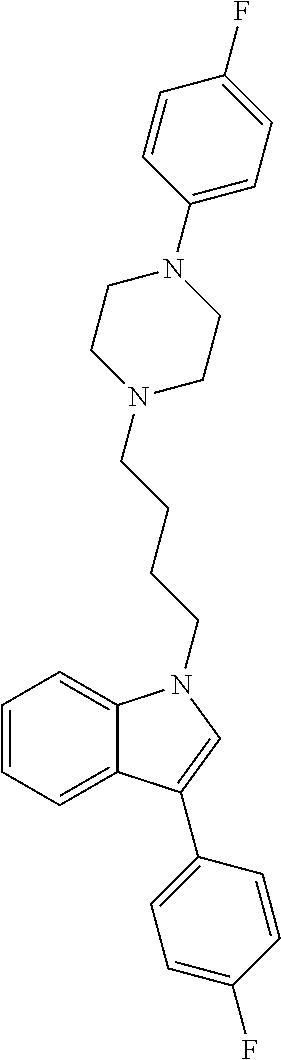 |
1202 ± 73.89 | 83.33 ± 3.96 |
| CM 353 |
 |
||
| CM 355 |
 |
||
| CM 356 |
 |
27.82 ± 4.14 | 1.21 ± 0.20 |
| CM 357 |
 |
||
| CM 360 |
 |
73.25 ± 5.58 | 0.21 ± 0.020 |
| CM 361 |
 |
4713 ± 449.50 | 4.37 ± 0.33 |
| CM 362 |
 |
17.64 ± 3.34 | 2.79 ± 0.49 |
| CM 365 |
 |
5.94 ± 0.35 | 0.055 ± 0.0063 |
| CM 366 |
 |
22.55 ± 1.14 | 0.0061 ± 0.00096 |
| CM 372 |
 |
4.90 ± 1.70 | 0.77 ± 0.06 |
| CM 373 |
 |
||
| CM 393 |
 |
||
| CM 394 |
 |
||
| CM 396 |
 |
50.22 ± 7.59 | 2.57 ± 0.47 |
| CM 397 |
 |
414.83 ± 26.12 | 0.46 ± 0.03 |
| CM 398 |
 |
||
| CM 401 |
 |
2.89 ± 0.23 | 0.66 ± 0.08 |
| CM 406 |
 |
||
| CM 407 |
 |
||
| CM 408 |
 |
||
| CM 418 |
 |
||
| CM 422 |
 |
||
| CM 423 |
 |
||
| CM 433 |
 |
||
| CM 435 |
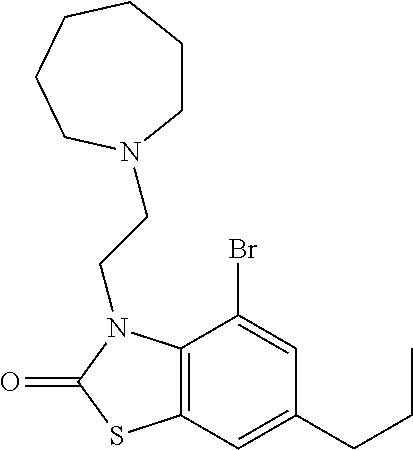 |
||
| CM 436 |
 |
||
| CM 442 |
 |
||
| CM 444 |
 |
||
| CM 449 |
 |
||
| CM 450 |
 |
||
| CM 454 |
 |
||
| CM 458 |
 |
||
| CM 459 |
 |
||
| CM 461 |
 |
||
| CM 464 |
 |
||
| CM 465 |
 |
||
| CM 466 |
 |
||
| CM 471 |
 |
||
| CM 483 |
 |
||
| CM 484 |
 |
||
| CM 485 |
 |
||
| CM 490 |
 |
||
| CM 491 |
 |
||
| CM 498 |
 |
||
| |
 |
||
| CM 504 |
 |
||
| CM 528 |
 |
||
| CM 538 |
 |
||
| CM 539 |
 |
||
| CM 540 |
 |
||
| CM 563 |
 |
||
| CM 564 |
 |
||
| CM 566 |
 |
||
| CM 567 |
 |
||
| CM 569 |
 |
||
| CM 571 |
 |
||
| CM 572 |
 |
||
| CM 585 |
 |
||
| CM 592 |
 |
369.1 ± 14.2 | 6.30 ± 0.39 |
| CM 599 |
 |
215.7 ± 11.8 | 3.59 ± 0.12 |
| CM 600 |
 |
27.1 ± 2.32 | 2.15 ± 0.09 |
| CM 608 |
 |
15.5 ± 1.75 | 4.72 ± 0.42 |
| CM 609 |
 |
23.4 ± 2.63 | 26.6 ± 2.74 |
| CM 617 |
 |
97.4 ± 6.20 | 30.1 ± 3.42 |
| CM 621 |
 |
96.5 ± 5.80 | 12.60 ± 1.01 |
| CM 623 |
 |
29.4 ± 3.93 | 44.1 ± 3.40 |
| CM 624 |
 |
14.8 ± 0.71 | 1.96 ± 0.11 |
| CM 625 |
 |
10.8 ± 0.78 | 1.88 ± 0.13 |
| CM 627 |
 |
25.5 ± 1.11 | 6.34 ± 0.17 |
| CM 657 |
 |
12.7 ± 1.06 | 5.99 ± 0.59 |
| CM 666 |
 |
21.2 ± 2.34 | 14.9 ± 0.52 |
| CM 673 |
 |
104.1 ± 8.06 | 50.6 ± 4.32 |
| CM 697 |
 |
||
| CM 699 |
 |
||
| CM 711 |
 |
||
| CM 728 |
 |
186.2 ± 11.8 | 29.6 ± 1.51 |
| CM 764 |
 |
||
| CM 768 |
 |
||
| CM 769 |
 |
||
| CM 775 |
 |
||
| CM 777 |
 |
||
| CM 778 |
 |
||
| CM 781 |
 |
||
| CM 782 |
 |
||
| CMPD | STRUCTURE | Ki (nm) σ1 | Ki (nm) σ2 |
| NF6 |
 |
||
| NF7 |
 |
||
| NF8 |
 |
||
| NF9 |
 |
||
| NF10 |
 |
||
| NF12 |
 |
||
| EA2 |
 |
||
| EA6 |
 |
||
| EA7 |
 |
||
| EA8 |
 |
||
| EA12 |
 |
||
| EA13 |
 |
||
| EA14 |
 |
||
| EA18 |
 |
||
| EA21 |
 |
||
| SN-228 |
 |
>10000 | 177.47 ± 10.16 |
| SN-248 |
 |
88.43 ± 12.72 | 48.13 ± 5.68 |
| SN-249 |
 |
608.9 ± 39.75 | 8.68 ± 0.57 |
| SN-250 |
 |
87.58 ± 8.77 | 98.81 ± 1.08 |
| SN-251 |
 |
18.35 ± 1.46 | 11.44 ± 1.15 |
| SN-252 |
 |
212.8 ± 22.24 | 107.02 ± 8.21 |
| SN-253 |
 |
162.3 ± 11.45 | 6.12 ± 0.37 |
| SC-5 |
 |
6.75 ± 0.6 | 3.73 ± 0.43 |
| SC-6 |
 |
2.15 ± 0.25 | 2.43 ± 0.09 |
| SC-10 |
 |
14.3 ± 0.34 | 4.85 ± 0.31 |
| SC-12 |
 |
7.50 ± 0.59 | 4.02 ± 0.23 |
| CMPD | STRUCTURE | Ki (nm) σ1 | Ki (nm) σ2 |
| AZ-57 |
 |
8.73 ± 1.32 | 3.15 ± 0.19 |
| AZ-59 |
 |
8.94 ± 1.64 | 0.99 ± 0.178 |
| AZ-60 |
 |
92.36 ± 9.76 | 5.49 ± 1.10 |
| AZ-66 |
 |
0.31 ± 0.09 | 1.76 ± 0.34 |
| AZ-68 |
 |
2.01 ± 0.44 | 0.22 ± 0.09 |
| AZ-70 |
 |
||
| AZ-71 |
 |
||
| AZ-72 |
 |
||
| AZ-73 |
 |
||
| AZ-74 |
 |
||
| AZ-77 |
 |
||
| AZ-78 |
 |
7.21 ± 1.20 | 0.50 ± 0.30 |
| AZ-81 |
 |
14.3 ± 1.35 | 13.8 ± 1.34 |
| AZ-87 |
 |
6.24 ± 1.97 | 6.45 ± 0.94 |
| AZ-93 |
 |
||
| AZ-94 |
 |
||
| AZ-95 |
 |
||
| AZ-96 |
 |
||
| AZ-97 |
 |
||
| AZ-98 |
 |
||
| AZ-99 |
 |
||
| AZ-100 |
 |
||
| AZ-101 |
 |
||
| AZ-102 |
 |
||
| AZ-103 |
 |
||
| AZ-104 |
 |
||
| AZ-105 |
 |
||
| AZ-106 |
 |
||
| AZ-107 |
 |
||
| AZ-108 |
 |
||
| AZ-109 |
 |
||
| AZ-110 |
 |
||
| AZ-112 |
 |
||
| AZ-113 |
 |
||
| AZ-114 |
 |
||
| AZ-115 |
 |
||
| AZ-116 |
 |
||
| AZ-117 |
 |
||
| AZ-118 |
 |
||
| AZ-119 |
 |
||
| AZ-120 |
 |
||
| AZ-121 |
 |
||
| AZ-122 |
 |
||
| CMPD | STRUCTURE |
| AZ-9 |
 |
| AZ-10 |
 |
| AZ-2 |
 |
| AZ-7 |
 |
| AZ-8 |
 |
| AZ-16 |
 |
| AZ-17 |
 |
| AZ-18 |
 |

Wherein R1 can be an optionally substituted nitrogen-containing heterocycle radical, such as, for example, radicals of optionally substituted piperidines, optionally substituted piperazines, optionally substituted tetrahydropyridines, optionally substituted azepanes, tertiary amines (cyclic or acyclic), isoindoline-1,3-dione, or optionally substituted tetrahydroisoquinolones (aromatically substituted): R2,4,5,6 can each independently be any one or combinations of the following moieties, such as, for example, cyano, nitro, acyl, alkyl, amido, azido, isothiocyanate, isocyanate anilino (unsubstituted or substituted), halogens (such as fluorine, chlorine, bromine and iodine), ethers, sulfonamides, thioacyl, nitro, aromatic, heterocyclic, olefinic, acetylenic, deuterium, or tritium; Y can be S, Z can be either H, O, S, S—R or NR. R groups can be either H, aryls, alkyls, or cycloalkyls, “n” can be 1 to 5 carbons in length and stereoisomers, analogs, and pharmaceutically acceptable salts thereof as well as compositions comprising said compounds. The moiety bridging R1 and N in the formula II can be a substituted C1-C6 alkylene, C1-C6 alkenylene wherein the alkylene group can have inserted into its chain a C3-C5 cycloalkyl group, aromatic, and heterocyclic group and wherein X is C1-C4 radiohaloalkyl.

Wherein R1 can be an optionally substituted nitrogen-containing heterocycle radical such as, for example, radicals of optionally substituted piperidines, optionally substituted piperazines, optionally substituted tetrahydropyridines, optionally substituted azepanes, tertiary amines (cyclic or acyclic), isoindoline-1,3-dione, or optionally substituted tetrahydroisoquinolones (aromatically substituted): R2,4,6 can each independently be any one or combinations of the following moieties, such as, for example, cyano, nitro, acyl, alkyl, amido, azido, isothiocyanate, isocyanate anilino (unsubstituted or substituted), halogens (such as fluorine, chlorine, bromine and iodine), ethers, sulfonamides, thioacyl, nitro, aromatic, heterocyclic, olefinic, acetylenic, deuterium, or tritium; Y is S. Z can be either H, O, S, S—R or NR. R groups can be either H, aryls, alkyls, or cycloalkyls. “n” can be 1 to 5 carbons in length and stereoisomers, analogs, and pharmaceutically acceptable salts thereof as well as compositions comprising said compounds. The moiety bridging R1 and N in the formula IV can be a substituted C1-C6 alkylene having the formula —(CHRx-(CH2)—CH2)— wherein the —CHRx-moiety is attached to R1 and the alkylene group can have inserted into its chain a C3-C5 cycloalkyl group, aromatic, and heterocyclic group and wherein the Rx is a C1-C5 straight chain or branched chain alkyl or a C1-C4 straight chain or branched chain haloalkyl; X is C1-C4 radiohaloalkyl.

Wherein R2,4,5,6 can each independently be any one or combinations of the following moieties, such as, for example, cyano, nitro, acyl, alkyl, amido, azido, isothiocyanate, isocyanate anilino (unsubstituted or substituted), halogens (such as fluorine, chlorine, bromine and iodine), ethers, sulfonamides, thioacyl, nitro, aromatic, heterocyclic, olefinic, acetylenic, deuterium, or tritium; Y is S. Z can be either H, O, S, S—R or NR. R groups can be either H, aryls, alkyls, or cycloalkyls. “n” can be 1 to 5 carbons in length and stereoisomers, analogs, and pharmaceutically acceptable salts thereof as well as compositions comprising said compounds. The R1 bridging moiety in the formula V can be an optionally substituted C1-C6 alkylene, C1-C6 alkenylene or C1-C6 alkynylene group wherein the alkylene group can have inserted into its chain a C3-C5 cycloalkyl group, aromatic, and heterocyclic group. X is C1-C4 radiohaloalkyl.


- (1) Matsumoto, R. R.; McCracken, K. A.; Pouw, B.; Miller, J.; Bowen, W. D.; Williams, W.; De Costa, B. R. N-alkyl substitute analogs of the σ receptor ligand BD1008 and traditional σ receptor ligands affect cocaine-induced convulsions and lethality in mice. Eur. J. Pharmacol. 2001, 411, 261-273.
- (2) Maurice, T.; Lockhart, B. P. Neuroprotective and anti-amnesic prtentials of sigma (σ) receptor ligands. Prog. Neuropsychopharmacol. Biol. Psychiatry 1997, 21, 69-102.
- (3) Matsumoto, R. R.; Bowen, W. D.; Su, T. P., eds. Sigma receptors: chemistry, cell biology and clinical implications. New York: Springer, 2007.
- (4) Hanner, M.; Moebus, F. F.; Flandorfer, A.; Knaus, H-G.; Striessing, J.; Kempner, E.; Glossmann, H. Purification, molecular cloning, and expression of the mammalian sigma1-binding site. Proc. Natl. Acad. Sci. USA, 1996, 93, 8072-8077.
- (5) Kekuda, R.; Prasad, P. D.; Fei, Y-J.; Leibach, F. H.; Ganapathy, V. Cloning and functional expression of the
human type 1 sigma receptor (hSigmaR1). Biochem. Biophys. Res. Commun. 1996, 229, 553-558. - (6) Seth, P.; Leibach, F. H.; Ganapathy, V. Cloning and structural analysis of the cDNA and the gene encoding the
murine type 1 sigma receptor. Biochem. Biophys. Res. Commun. 1997, 241, 535-540. - (7) Seth, P.; Fei, Y-J.; Li, H. W.; Huang, W.; Leibach, F. H.; Ganapathy, V. Cloning and functional characterization of a σ receptor from rat brain. J. Neurochem. 1998, 70, 922-931.
- (8) Mei, J.; Pasternak, G. W. Molecular cloning and pharmaceutical characterization of the rat sigma1 receptor. Biochem. Pharmacol. 2001, 62, 349-355.
- (9) Perrine, D. M. The Chemistry of Mind-Altering Drugs. Washington, D.C.: American Chemical Society, 1996.
- (10) Wohler, V. Fortsetzung der Untersuchungen uber die Coca and das Cocain. Justus Liebigs Annalen der Chemie 1862, 121, 372, 372.
- (11) National Survey on Drug Use and Health—http://www.sambsa.gov
- (12) Carroll, F. I.; Howell, L. L.; Kuhar, M. J. Pharmacotherapies for treatment of cocaine abuse: preclinical aspects. J. Med. Chem. 1999, 42, 2721-2736.
- (13) Sharkey, J.; Glen, K. A.; Wolfe, S.; Kuhar, M. J. Cocaine binding at sigma receptors. Eur. J. Pharmacol. 1988, 149, 171-174.
- (14) Mittleman, R.; Wetli, C. V. Death caused by recreational cocaine use: an update. JAMA 1984, 252, 1889-1893.
- (15) Martin, W. R.; Eades, C. G.; Thompson, J. A.; Huppler, R. E.; Gilbert, P. E. The effects of morphine- and nalorphine-like drugs in the nondependent and morphine-dependent chronic spinal dog. J Pharmacol Exp Ther. 1976, 197, 517-32.
- (16) Martin, W. R. A steric theory of opioid agonists, antagonists, agonist-antagonists, and partial agonists. NIDA Res Monogr. 1984, 49, 16-23.
- (17) Hellewell, S. B.; Bruce, A.; Feinstein, G.; Orringer, J.; Williams, W.; Bowen, W. D. Rat liver and kidney contain high densities of
sigma 1 andsigma 2 receptors: characterization by ligand binding and photoaffinity labeling. Eur J Pharmacol. 1994, 268, 9-18. - (18) Maurice, T.; Su, T. P. The pharmacology of sigma-1 receptors. Pharmacol Ther. 2009, 124, 195-206.
- (19) Quirion, R.; Bowen, W. D.; Itzhak, Y.; Junien, J. L.; Musacchio, J. M.; Rothman, R. B.; Su, T. P.; Tam, S. W.; Taylor, D. P. A proposal for the classification of sigma binding sites. Trends Pharmacol Sci. 1992, 13, 85-6.
- (20) Guitart, X.; Codony, X.; Monroy, X. Sigma receptors: biology and therapeutic potential. Psychopharmacology (Berl). 2004, 174, 301-19.
- (21) Walker, J. M.; Bowen, W. D.; Walker, F. O.; Matsumoto, R. R.; De Costa, B.; Rice, K. C. Sigma receptors: biology and function. Pharmacol Rev. 1990, 42, 355-402.
- (22) Maurice, T.; Phan, V. L.; Privat, A. The anti-amnesic effects of sigma1 (sigma1) receptor agonists confirmed by in vivo antisense strategy in the mouse. Brain Res. 2001, 898, 113-21.
- (23) Su, T. P. Delineating biochemical and functional properties of sigma receptors: emerging concepts. Crit Rev Neurobiol. 1993, 7, 187-203.
- (24) Vilner, B. J.; John, C. S.; Bowen, W. D. Sigma-1 and sigma-2 receptors are expressed in a wide variety of human and rodent tumor cell lines. Cancer Res. 1995, 55, 408-13.
- (25) Wang, B.; Rouzier, R.; Albarracin, C. T.; Sahin, A.; Wagner, P.; Yang, Y.; Smith, T. L.; Meric-Bernstam, F.; Marcelo Aldaz, C.; Hortobagyi, G. N.; Pusztai, L. Expression of
sigma 1 receptor in human breast cancer. Breast Cancer Res Treat. 2004, 87, 205-14. - (26) Gonzalez, G. M.; Werling, L. L. Release of [3H]dopamine from guinea pig striatal slices is modulated by sigma1 receptor agonists. Naunyn Schmiedebergs Arch Pharmacol. 1997, 356, 455-61.
- (27) Kobayashi, T.; Matsuno, K.; Nakata, K.; Mita, S. Enhancement of acetylcholine release by SA4503, a
novel sigma 1 receptor agonist, in the rat brain. J Pharmacol Exp Ther. 1996, 279, 106-13. - (28) Collier, T. L.; Waterhouse, R. N.; Kassiou, M. Imaging sigma receptors: applications in drug development. Curr Pharm Des. 2007, 13, 51-72.
- (29) Maurice, T. Improving Alzheimer's Disease-Related Cognitive Deficits with sigma1 Receptor Agonists. Drug News Perspect. 2002, 15, 617-625.
- (30) Senda, T.; Matsuno, K.; Kobayashi, T.; Nakazawa, M.; Nakata, K.; Mita, S. Ameliorative effect of SA4503, a novel cognitive enhancer, on the basal forebrain lesion-induced impairment of the spatial learning performance in rats. Pharmacol Biochem Behav. 1998, 59, 129-34.
- (31) Harukuni, I.; Bhardwaj, A.; Shaivitz, A. B.; DeVries, A. C.; London, E. D.; Hurn, P. D.; Traystman, R. J.; Kirsch, J. R.; Faraci, F. M. sigma(1)-receptor ligand 4-phenyl-1-(4-phenylbutyl)-piperidine affords neuroprotection from focal ischemia with prolonged reperfusion. Stroke. 2000, 31, 976-82.
- (32) Volz, H. P.; Stoll, K. D. Clinical trials with sigma ligands. Pharmacopsychiatry. 2004, 37
Suppl 3, S214-20. - (33) Xu, Y. T.; Kaushal, N.; Shaikh, J.; Wilson, L. L.; Mesangeau, C.; McCurdy, C. R.; Matsumoto, R. R. A novel substituted piperazine, CM156, attenuates the stimulant and toxic effects of cocaine in mice. J Pharmacol Exp Ther. 2010, 333, 491-500.
- (34) Ucar, H.; Cacciaguerra, S.; Spampinato, S.; Van derpoorten, K.; Isa, M.; Kanyonyo, M.; Poupaert, J. H. 2(3H)-benzoxazolone and 2(3H)-benzothiazolone derivatives: novel, potent and selective sigma1 receptor ligands. Eur J Pharmacol. 1997, 335, 267-73.
- (35) Berardi, F.; Ferorelli, S.; Abate, C.; Pedone, M. P.; Colabufo, N. A.; Contino, M.; Perrone, R. Methyl substitution on the piperidine ring of N-[omega-(6-methoxynaphthalen-1-yl)alkyl] derivatives as a probe for selective binding and activity at the sigma(1) receptor. J Med Chem. 2005, 48, 8237-44.
- (36) Hudkins, R. L.; Mailman, R. B.; DeHaven-Hudkins, D. L. RLH-033, a novel, potent and selective ligand for the
sigma 1 recognition site. Eur J Pharmacol. 1994, 271, 235-6. - (37) Maestrup, E. G.; Fischer, S.; Wiese, C.; Schepmann, D.; Hiller, A.; Deuther-Conrad, W.; Steinbach, J.; Wunsch, B.; Brust, P. Evaluation of spirocyclic 3-(3-fluoropropyl)-2-benzofurans as sigma1 receptor ligands for neuroimaging with positron emission tomography. J Med Chem. 2009, 52, 6062-72.
- (38) Matsuno, K.; Nakazawa, M.; Okamoto, K.; Kawashima, Y.; Mita, S. Binding properties of SA4503, a novel and
selective sigma 1 receptor agonist. Eur J Pharmacol. 1996, 306, 271-9. - (39) Moussa, I. A.; Banister, S. D.; Beinat, C.; Giboureau, N.; Reynolds, A. J.; Kassiou, M. Design, synthesis, and structure-affinity relationships of regioisomeric N-benzyl alkyl ether piperazine derivatives as sigma-1 receptor ligands. J Med Chem. 2010, 53, 6228-39.
- (40) Piergentili, A.; Amantini, C.; Del Bello, F.; Giannella, M.; Mattioli, L.; Palmery, M.; Perfumi, M.; Pigini, M.; Santoni, G.; Tucci, P.; Zotti, M.; Quaglia, W. Novel highly potent and
selective sigma 1 receptor antagonists related to spipethiane. J Med Chem. 2010, 53, 1261-9. - (41) Quaglia, W.; Giannella, M.; Piergentili, A.; Pigini, M.; Brasili, L.; Di Toro, R.; Rossetti, L.; Spampinato, S.; Melchiorre, C. 1′-Benzyl-3,4-dihydrospiro[2H-1-benzothiopyran-2,4′-piperidine] (spipethiane), a potent and highly selective sigma1 ligand. J Med Chem. 1998, 41, 1557-60.
- (42) Yous, S.; Wallez, V.; Belloir, M.; Caignard, D. H.; McCurdy, C. R. Novel 2(3H)-Benzothiazolones as Highly Potent and Selective Sigma-1 Receptor Ligands. Med Chem Res. 2005, 14, 158-168.
- (43) Kawamura, K.; Ishiwata, K.; Tajima, H.; Ishii, S.; Matsuno, K.; Homma, Y.; Senda, M. In vivo evaluation of [11C]SA4503 as a PET ligand for mapping CNS sigma(1) receptors. Nucl Med Biol. 2000, 27, 255-61.
- (44) Kawamura, K.; Tsukada, H.; Shiba, K.; Tsuji, C.; Harada, N.; Kimura, Y.; Ishiwata, K. Synthesis and evaluation of fluorine-18-labeled SA4503 as a selective sigma1 receptor ligand for positron emission tomography. Nucl Med Biol. 2007, 34, 571-7.
- (45) Waterhouse, R. N.; Collier, T. L. In vivo evaluation of [18F]1-(3-fluoropropyl)-4-(4-cyanophenoxymethyl)piperidine: a selective sigma-1 receptor radioligand for PET. Nucl Med Biol. 1997, 24, 127-34.
- (46) Waterhouse, R. N.; Chang, R. C.; Zhao, J.; Carambot, P. E. In vivo evaluation in rats of [18F]1-(2-fluoroethyl)-4-[(4-cyanophenoxy)methyl]piperidine as a potential radiotracer for PET assessment of CNS sigma-1 receptors. Nucl Med Biol. 2006, 33, 211-5.
- (47) Waterhouse, R. N.; Zhao, J.; Stabin, M. G.; Ng, H.; Schindler-Horvat, J.; Chang, R. C.; Mirsalis, J. C. Preclinical acute toxicity studies and dosimetry estimates of the novel sigma-1 receptor radiotracer, [18F]SFE. Mol Imaging Biol. 2006, 8, 284-91.
- (48) Mach, R. H.; Gage, H. D.; Buchheimer, N.; Huang, Y.; Kuhner, R.; Wu, L.; Morton, T. E.; Ehrenkaufer, R. L. N-[18F]4′-fluorobenzylpiperidin-4yl-(2-fluorophenyl) acetamide ([18F]FBFPA): a potential fluorine-18 labeled PET radiotracer for imaging sigma-1 receptors in the CNS. Synapse. 2005, 58, 267-74.
- (49) Fischer, S.; Wiese, C.; Grosse Maestrup, E.; Hiller, A.; Deuther-Conrad, W.; Scheunemann, M.; Schepmann, D.; Steinbach, J.; Wunsch, B.; Brust, P. Molecular imaging of sigma receptors: synthesis and evaluation of the potent sigma(1) selective radioligand [18F]fluspidine. Eur J Nucl Med Mol Imaging. 2010.
- (50) Fishback, J. A.; Mesangeau, C.; Poupaert, J. H.; McCurdy, C. R.; Matsumoto, R. R. Synthesis and characterization of [3H]—SN56, a novel radioligand for the al receptor. European Journal of Pharmacology. In Press.
- (51) Bowen, W. D.; Tolentino, P. J.; Kirschner, B. N.; Varghese, P.; de Costa, B. R.; Rice, K. C. Sigma receptors and signal transduction: negative modulation of signaling through phosphoinositide-linked receptor systems. NIDA Res Monogr. 1993, 133, 69-93.
- (52) Loening, A. M.; Gambhir, S. S. AMIDE: a free software tool for multimodality medical image analysis. Mol Imaging. 2003, 2, 131-7.
- (53) Kronauge, J. F.; Noska, M. A.; Davison, A.; Holman, B. L.; Jones, A. G. Interspecies variation in biodistribution of technetium (2-carbomethoxy-2-isocyanopropane)6+. J Nucl Med. 1992, 33, 1357-65.
- (54) Rodvelt, K. R.; Lever, S. Z.; Lever, J. R.; Blount, L. R.; Fan, K.-H.; Miller, D. K. SA 4503 attenuates cocaine-induced hyperactivity and enhances methamphetamine substitution for a cocaine discriminative stimulus. Pharmacology, Biochemistry and Behavior. 2011, 97, 676-682.
- (55) Matsumoto, R. R.; Liu, Y.; Lerner, M.; Howard, E. W.; Brackett, D. J. Sigma receptors: potential medications development target for anti-cocaine agents. Eur. J. Phamracol., 2003, 469, 1-12.
- (56) Su, T.-P.; Hayashi, T.; Maurice, T.; Buch, S.; Ruoho, A. E. The sigma-1 receptor chaperone as an inter-organelle signaling modulator. Trends in Pharmacological Sciences. 2010, 31,557-566
- (57) Roh, D.-H.; Kim, H.-W.; Yoon, S.-Y.; Seo, H.-S.; Kwon, Y.-B.; Kim, K.-W.; Han, H.-J.; Beitz, A. J.; Lee, J.-H. Intrathecal Administration of Sigma-1 Receptor Agonists Facilitates Nociception: Involvement of a Protein Kinase C-development Pathway. Journal of Neuroscience Research. 2008, 86, 3644-3654.
- (58) Roh, D.-H.; Kim, H.-W.; Yoon, S.-Y.; Seo, H.-S.; Kwon, Y.-B.; Kim, K.-W.; Han, H.-J.; Beitz, A. J.; Na, H.-S.; Lee, J.-H. Intrathecal injection of the al receptor antagonist BD1047 blocks both mechanical allodynia and increases in spinal NR1 expression during the induction phase of rodent neuropathic pain. Anesthesiology. 2008, 109, 879-889.
- (59) Kibaly, C.; Meyer, L.; Patte-Mensah, C.; Mensah-Nyagan, A. G. Biochemical and functional evidence for the control of pain mechanisms by dehydroepiandrosterone endogenously synthesized in the spinal cord. The FASEB Journal. 2008, 22, 93-104.
- (60) de la Puente, B.; Nadal, X.; Portillo-Salido, E.; Sanchez-Arroyos, R.; Ovalle, S.; Palacios, G.; Nuro, A.; Romero, L.; Entrena, J. M.; Baeyens, J. M.; Lopez-Garcia, J. A.; Maldonado, R.; Zamanillo, D.; Vela, J. M. Sigma-1 receptors regulate activity-induced spinal sensitization and neuropathic pain after peripheral nerve injury. Pain. 2009, 145, 294-303.
- (61) Rybczynska, A. A.; Elisinga, P. H.; Sijbesma, J. W.; Ishiwata, K.; de Jong, J. R.; de Vries, E. F.; Dierckx, R. A.; van Waarde, A. Steroid hormones affect binding of the sigma ligand 11C-5A4503 in tumour cells and tumour-bearing rats. Eur. J. Nucl Med Mol Imaging. 2009, 36, 1167-1175.
- (62) van Waarde, A.; Rybczynska, A. A.; Ramakrishnan, N.; Ishiwata, K.; Elsinga, P. H.; Dierckx, R. A. Sigma receptors in oncology: therapeutic and diagnostic applications of sigma ligands. Curr Pharm Des. 2010, 16, 3519-1537.
- (63) Jansen, K. L. R.; Faull, R. L. M.; Storey, P.; Leslie, R. A. Loss of sigma binding sites in the CA1 area of the anterior hippocampus in Alzheimer's disease correlates with CA1 pyramidal cell loss. Brain Research. 1993, 623, 299-302.
- (64) Mishina, M.; Ohyama, M.; Ishii, K.; Kitamura, S.; Kimura, Y.; Oda, K.-i.; Kawamura, K.; Sasaki, T.; Kobayashi, S.; Katayama, Y.; Ishiwata, K. Low density of sigma1 receptors in early Alzheimer's disease. Ann. Nucl. Med. 2008, 22, 151-156.
- (65) Mishina, M.; Ishiwata, K.; Ishii, K.; Kitamura, S.; Kimura, Y.; Kawamura, K.; Oda, K.; Sasaki, T.; Sakayori, O.; Hamamoto, M.; Kobayashi, S.; Katayama, Y. Function of sigma1 receptors in Parkinsons's disease. Acta Neurol Scand. 2005, 112, 103-107.
- (66) Weissman, A. D.; Casanova, M. F.; Kleinman, J. E.; London, E. D.; de Souza, E. B. Selective loss of cerebral cortical Sigma, but not PCP binding sites in schizophrenia. Biol Psychiatry. 1991, 29, 41-54.
- (67) Shibuya, H.; Mori, H.; Toni, M. Sigma receptors in schizophrenic cerebral cortices. Neurochem Res. 1992, 17, 983-990.
- (68) Silver, H.; Barash, I.; Aharon, N.; Kaplan, A.; Poyurovsky, M. Fluvoxamine augmentation of antipsychotics improves negative symptoms in psychotic chronic schizophrenic patients: a placebo-controlled study. Int. Clin. Psychopharmacol. 2000, 15, 257-261.
- (69) Iyo, M.; Shirayama, Y.; Watanabe, H.; Fujisaki, M.; Miyatake, R.; Fukami, G.; Shiina, A.; Nakazato, M.; Shiraishi, T. Letter to the Editor (Case Report): Fluvoxamine as a sigma-1 receptor agonist improved cognitive impairments in a patient with schizophrenia. Prog. Neuropsych. Biol. Psych. 2008, 32, 1072-1073.
- (70) Gatti, F.; Bellini, L.; Gasperini, M.; Perez, J.; Zanardi, R.; Smeraldi, E. Fluvoxamine alone in the treatment of delusional depression. Am. J. Psychiatry, 1996, 153, 414-416.
- (71) Narita, N.; Hashimoto, K.; Tomitaka, S.-i.; Minabe, Y. Interactions of selective serotonin reuptake inhibitors with subtypes of σ receptors in rat brain. Eur. J. Pharmacol. 1996, 307, 117-119.
- (72) Zanardi, R.; Franchini, L.; Gasperini, M.; Lucca, A.; Smeraldi, E.; Perez, J. Faster Onset of Action of Fluvoxamine in Combination with Pindolol in the Treatment of Delusional Depression: A controlled study. J. Clin. Psychopharmacol. 1998, 18, 441-446.
- (73) Haiman, G.; Pratt, H.; Miller, A. Effects of dextromethorphan/quinidine on auditory event-related potentials in multiple sclerosis patients with pseudobulbar affect. J. Clin. Psychopharmacol. 2009, 29, 444-452.
- (74) Cottraux, J.; Mollard, E.; Bouvard, M.; Marks, I. Exposure therapy, fluvoxamine, or combination treatment in obsessive-compulsive disorder: one-year follow up. Psychiatry Research. 1993, 49, 63-75.
- (75) Hohagen, F.; Berger, M. New perspectives in research and treatment of obsessive-compulsive disorder. Br. J. Psychiatry Suppl. 1998, 35, 1.
- (76) Dell'Osso, B.; Allen, A.; Hollander, E. Fluvoxamine: a selective serotonin re-uptake inhibitor for the treatment of obsessive-compulsive disorder. Expert Opinion on Pharmacotherapy. 2005, 6, 2727-2740.
Claims (8)


Priority Applications (2)
| Application Number | Priority Date | Filing Date | Title |
|---|---|---|---|
| US13/151,084 US9604926B2 (en) | 2007-08-16 | 2011-06-01 | Highly selective sigma receptor radioligands |
| US14/196,483 US9724435B2 (en) | 2007-08-16 | 2014-03-04 | Highly selective sigma receptor ligands and radioligands as probes in nociceptive processing and the pathphysiological study of memory deficits and cognitive disorders |
Applications Claiming Priority (5)
| Application Number | Priority Date | Filing Date | Title |
|---|---|---|---|
| US95624907P | 2007-08-16 | 2007-08-16 | |
| PCT/US2008/073478 WO2009026227A2 (en) | 2007-08-16 | 2008-08-18 | Highly selective sigma receptor ligands |
| US12/673,486 US8809381B2 (en) | 2007-08-16 | 2008-08-18 | Highly selective sigma receptor ligands |
| US12/785,217 US8686008B2 (en) | 2007-08-16 | 2010-05-21 | Highly selective sigma receptor ligands |
| US13/151,084 US9604926B2 (en) | 2007-08-16 | 2011-06-01 | Highly selective sigma receptor radioligands |
Related Parent Applications (1)
| Application Number | Title | Priority Date | Filing Date |
|---|---|---|---|
| US12/785,217 Continuation-In-Part US8686008B2 (en) | 2007-08-16 | 2010-05-21 | Highly selective sigma receptor ligands |
Related Child Applications (1)
| Application Number | Title | Priority Date | Filing Date |
|---|---|---|---|
| US14/196,483 Continuation-In-Part US9724435B2 (en) | 2007-08-16 | 2014-03-04 | Highly selective sigma receptor ligands and radioligands as probes in nociceptive processing and the pathphysiological study of memory deficits and cognitive disorders |
Publications (2)
| Publication Number | Publication Date |
|---|---|
| US20110280804A1 US20110280804A1 (en) | 2011-11-17 |
| US9604926B2 true US9604926B2 (en) | 2017-03-28 |
Family
ID=44914641
Family Applications (1)
| Application Number | Title | Priority Date | Filing Date |
|---|---|---|---|
| US13/151,084 Expired - Fee Related US9604926B2 (en) | 2007-08-16 | 2011-06-01 | Highly selective sigma receptor radioligands |
Country Status (1)
| Country | Link |
|---|---|
| US (1) | US9604926B2 (en) |
Families Citing this family (3)
| Publication number | Priority date | Publication date | Assignee | Title |
|---|---|---|---|---|
| JP6510539B2 (en) * | 2014-01-09 | 2019-05-08 | ザ ジェイ. デヴィッド グラッドストーン インスティテューツ, ア テスタメンタリー トラスト エスタブリッシュド アンダー ザ ウィル オブ ジェイ. デヴィッド グラッドストーン | Substituted benzoxazines and related compounds |
| JP6591431B2 (en) * | 2014-03-04 | 2019-10-16 | ザ ユニヴァーシティー オブ ミシシッピ | Highly selective sigma receptor and radioligands as probes in pathophysiological studies of nociceptive processing and memory impairment and cognitive abnormalities |
| US11677969B2 (en) | 2019-03-22 | 2023-06-13 | Tencent America LLC | Method and apparatus for video coding |
Citations (6)
| Publication number | Priority date | Publication date | Assignee | Title |
|---|---|---|---|---|
| US4215119A (en) | 1976-03-09 | 1980-07-29 | Boehringer Ingelheim Gmbh | Aminoalkyl-substituted benzimidazolidin-2-ones |
| US4371388A (en) * | 1980-01-25 | 1983-02-01 | Monsanto Company | 3-Substituted aminoalkyl-2-benzothiazolinones as plant growth regulants |
| WO1987002359A1 (en) | 1985-10-14 | 1987-04-23 | Maggioni-Winthrop S.P.A. | Dihydrobenzothiophene and thiochromane aminoalcohols |
| US4791104A (en) | 1986-06-25 | 1988-12-13 | Maggioni-Winthrop S.P.A. | Dihydrobenzothiophene and thiochromane aminoalcohols |
| US5473066A (en) * | 1993-01-27 | 1995-12-05 | Shionogi & Co., Ltd. | Process for preparing benzothiazepine derivatives |
| EP1043319A1 (en) | 1997-11-05 | 2000-10-11 | Mitsubishi Chemical Corporation | Novel alkylamino derivatives |
-
2011
- 2011-06-01 US US13/151,084 patent/US9604926B2/en not_active Expired - Fee Related
Patent Citations (6)
| Publication number | Priority date | Publication date | Assignee | Title |
|---|---|---|---|---|
| US4215119A (en) | 1976-03-09 | 1980-07-29 | Boehringer Ingelheim Gmbh | Aminoalkyl-substituted benzimidazolidin-2-ones |
| US4371388A (en) * | 1980-01-25 | 1983-02-01 | Monsanto Company | 3-Substituted aminoalkyl-2-benzothiazolinones as plant growth regulants |
| WO1987002359A1 (en) | 1985-10-14 | 1987-04-23 | Maggioni-Winthrop S.P.A. | Dihydrobenzothiophene and thiochromane aminoalcohols |
| US4791104A (en) | 1986-06-25 | 1988-12-13 | Maggioni-Winthrop S.P.A. | Dihydrobenzothiophene and thiochromane aminoalcohols |
| US5473066A (en) * | 1993-01-27 | 1995-12-05 | Shionogi & Co., Ltd. | Process for preparing benzothiazepine derivatives |
| EP1043319A1 (en) | 1997-11-05 | 2000-10-11 | Mitsubishi Chemical Corporation | Novel alkylamino derivatives |
Non-Patent Citations (83)
| Title |
|---|
| Bars, D.L. "Fluorine-18 and medical imaging: Radiopharmaceuticals for positron emission tomography" Journal of Florine Chemistry, 2006, vol. 127, pp. 1488-1493. * |
| Berardi, F.; Ferorelli, S.; Abate, C.; Pedone, M. P.; Colabufo, N. A.; Contino, M.; Perrone, R. Methyl substitution on the piperidine ring of N-[omega-(6-methoxynaphthalen-1-yl)alkyl] derivatives as a probe for selective binding and activity at the sigma(1) receptor. J Med Chem. 2005, 48, 8237-44. |
| Bowen, W. D.; Tolentino, P. J.; Kirschner, B. N.; Varghese, P.; de Costa, B. R.; Rice, K. C. Sigma receptors and signal transduction: negative modulation of signaling through phosphoinositide-linked receptor systems. NIDA Res Monogr. 1993, 133, 69-93. |
| Carroll, F.I.; Howell, L.L.; Kuhar, M.J. Pharmacotherapies for treatment of cocaine abuse: preclinical aspects. J. Med. Chem. 1999, 42, 2721-2736. |
| Collier, T. L.; Waterhouse, R. N.; Kassiou, M. Imaging sigma receptors: applications in drug development. Curr Pharm Des. 2007, 13, 51-72. |
| Costa et al. "Synthesis and Receptor Binding Properties of Fluoro-and lodo-Substituted High Affinity Sigma Receptor Ligands: Identification of Potential PET and SPECT sigma Receptor Imaging Agents" .Journal of Medicinal Chemistry, 1992, vol. 35, No. 12, pp. 2221-2230. * |
| Costa et al. "Synthesis and Receptor Binding Properties of Fluoro—and lodo-Substituted High Affinity Sigma Receptor Ligands: Identification of Potential PET and SPECT sigma Receptor Imaging Agents" .Journal of Medicinal Chemistry, 1992, vol. 35, No. 12, pp. 2221-2230. * |
| Cottraux, J.; Mollard, E.; Bouvard, M.; Marks, I. Exposure therapy, fluvoxamine, or combination treatment in obsessive-compulsive disorder: one-year followup. Psychiatry Research. 1993, 49, 63-75. |
| De la Puente, B.; Nadal, X.; Portillo-Salido, E.; Sanchez-Arroyos, R.; Ovalle, S.; Palacios, G.; Num, A.; Romero, L.; Entrena, J. M.; Baeyens, J. M.; Lopez-Garcia, J. A.; Maldonado, R.; Zamanillo, D.; Vela, J. M. Sigma-1 receptors regulate activity-induced spinal sensitization and neuropathic pain after peripheral nerve injury. Pain. 2009, 145, 294-303. |
| Dell'Osso, B.; Allen, A.; Hollander, E. Fluvoxamine: a selective serotonin re-uptake inhibitor for the treatment of obsessive-compulsive disorder. Expert Opinion on Pharmacotherapy. 2005, 6, 2727-2740. |
| Fischer, S.; Wiese, C.; Grosse Maestrup, E.; Hiller, A.; Deuther-Conrad, W.; Scheunemann, M.; Schepmann, D.; Steinbach, J.; Wunsch, B.; Brust, P. Molecular imaging of sigma receptors: synthesis and evaluation of the potent sigma(1) selective radioligand [18F]fluspidine. Eur J Nucl Med Mol Imaging. 2010. |
| Fishback, J. A.; Mesangeau, C.; Poupaert, J. H.; McCurdy, C. R.; Matsumoto, R. R. Synthesis and characterization of [3H]-SN56, a novel radioligand for the σ1 receptor. European Journal of Pharmacology. In Press. |
| Gatti, F.; Bellini, L.; Gasperini, M.; Perez, J.; Zanardi, R.; Smeraldi, E. Fluvoxamine alone in the treatment of delusional depression. Am. J. Psychiatry, 1996, 153, 414-416. |
| Gonzalez, G. M.; Werling, L. L. Release of [3H]dopamine from guinea pig striatal slices is modulated by sigmal receptor agonists. Naunyn Schmiedebergs Arch Pharmacol. 1997, 356, 455-61. |
| Guitart, X.; Codony, X.; Monroy, X. Sigma receptors: biology and therapeutic potential. Psychopharmacology (Berl). 2004, 174, 301-19. |
| Haiman, G.; Pratt, H.; Miller, A. Effects of dextromethorphan/quinidine on auditory event-related potentials in multiple sclerosis patients with pseudobulbar affect. J. Clin. Psychopharmacol. 2009, 29, 444-452. |
| Hanner, M.; Moebus, F. F.; Flandorfer, A.; Knaus, H-G.; Striessing, J.; Kempner, E.; Glossmann, H. Purification, molecular cloning, and expression of the mammalian sigma1-binding site. Proc. Natl. Acad. Sci. USA, 1996, 93, 8072-8077. |
| Hanner, M.; Moebus, F. F.; Flandorfer, A.; Knaus, H-G.; Striessing, J.; Kempner, E.; Glossmann, H. Purification, molecular cloning, and expression of the mammalian sigma1—binding site. Proc. Natl. Acad. Sci. USA, 1996, 93, 8072-8077. |
| Harukuni, I.; Bhardwaj, A.; Shaivitz, A. B.; DeVries, A. C.; London, E. D.; Hurn, P. D.; Traystman, R. J.; Kirsch, J. R.; Faraci, F. M. sigma(1)-receptor ligand 4-pheny1-1-(4-phenylbuty1)-piperidine affords neuroprotection from focal ischemia with prolonged reperfusion. Stroke. 2000, 31, 976-82. |
| Hellewell, S. B.; Bruce, A.; Feinstein, G.; Orringer, J.; Williams, W.; Bowen, W. D. Rat liver and kidney contain high densities of sigma 1 and sigma 2 receptors: characterization by ligand binding and photoaffinity labeling. Eur J Pharmacol. 1994, 268, 9-18. |
| Hohagen, F.; Berger, M. New perspectives in research and treatment of obsessive-compulsive disorder. Br. J. Psychiatry Suppl. 1998, 35, 1. |
| Hudkins, R. L.; Mailman, R. B.; DeHaven-Hudkins, D. L. RLH-033, a novel, potent and selective ligand for the sigma 1 recognition site. Eur J Pharmacol. 1994, 271, 235-6. |
| International Search Report issued Feb. 9, 2009 corresponding to PCT/US2008/073478. |
| Iyo, M.; Shirayama, Y.; Watanabe, H.; Fujisaki, M.; Miyatake, R.; Fukami, G.; Shiina, A.; Nakazato, M.; Shiraishi, T. Letter to the Editor (Case Report): Fluvoxamine as a sigma-1 receptor agonist improved cognitive impairments in a patient with schizophrenia. Prog. Neuropsych. Biol. Psych. 2008, 32, 1072-1073. |
| J. G. Cannon Chapter Nineteen in Burger's Medicinal Chemistry and Drug Discovery, Fifth Edition, vol. I: Principles and Practice, Wiley-Interscience 1995, pp. 783-802, 784. * |
| Jansen, K. L. R.; Faull, R. L. M.; Storey, P.; Leslie, R. A. Loss of sigma binding sites in the CA1 area of the anterior hippocampus in Alzheimer's disease correlates with CA1 pyramidal cell loss. Brain Research. 1993, 623, 299-302. |
| Kawamura, K.; Ishiwata, K.; Tajima, H.; Ishii, S.; Matsuno, K.; Homma, Y.; Senda, M. In vivo evaluation of [11C]SA4503 as a PET ligand for mapping CNS sigma(1) receptors. Nucl Med Biol. 2000, 27, 255-61. |
| Kawamura, K.; Tsukada, H.; Shiba, K.; Tsuji, C.; Harada, N.; Kimura, Y.; Ishiwata, K. Synthesis and evaluation of fluorine-18-labeled SA4503 as a selective sigmal receptor ligand for positron emission tomography. Nucl Med Biol. 2007, 34,571-7. |
| Kekuda, R.; Prasad, P. D.; Fei, Y-J.; Leibach, F. H.; Ganapathy, V. Cloning and functional expression of the human type 1 sigma receptor (hSigmaR1). Biochem. Biophys. Res. Commun. 1996, 229, 553-558. |
| Kibaly, C.; Meyer, L.; Patte-Mensah, C.; Mensah-Nyagan, A. G. Biochemical and functional evidence for the control of pain mechanisms by dehydroepiandrosterone endogenously synthesized in the spinal cord. The FASEB Journal. 2008, 22, 93-104. |
| Kobayashi, T.; Matsuno, K.; Nakata, K.; Mita, S. Enhancement of acetylcholine release by SA4503, a novel sigma 1 receptor agonist, in the rat brain. J Pharmacol Exp Ther. 1996, 279, 106-13. |
| Kronauge, J. F.; Noska, M. A.; Davison, A.; Holman, B. L.; Jones, A. G. Interspecies variation in biodistribution of technetium (2-carbomethoxy-2-isocyanopropane)6+. J Nucl Med. 1992, 33, 1357-65. |
| Loening, A. M.; Gambhir, S. S. AMIDE: a free software tool for multimodality medical image analysis. Mol Imaging. 2003, 2, 131-7. |
| Mach, R. H.; Gage, H. D.; Buchheimer, N.; Huang, Y.; Kuhner, R.; Wu, L.; Morton, T. E.; Ehrenkaufer, R. L. N-[18F]4′-fluorobenzylpiperidin-4y1-(2-fluorophenyl) acetamide ([18F]FBFPA): a potential fluorine-18 labeled PET radiotracer for imaging sigma-1 receptors in the CNS. Synapse. 2005, 58, 267-74. |
| Maestrup, E. G.; Fischer, S.; Wiese, C.; Schepmann, D.; Hiller, A.; Deuther-Conrad, W.; Steinbach, J.; Wunsch, B.; Brust, P. Evaluation of spirocyclic 3-(3-fluoropropy1)-2-benzofurans as sigmal receptor ligands for neuroimaging with positron emission tomography. J Med Chem. 2009, 52, 6062-72. |
| Martin, W. R. A steric theory of opioid agonists, antagonists, agonist-antagonists, and partial agonists. NIDA Res Monogr. 1984, 49, 16-23. |
| Martin, W. R.; Eades, C. G.; Thompson, J. A.; Huppler, R. E.; Gilbert, P. E. The effects of morphine-and nalorphine-like drugs in the nondependent and morphine-dependent chronic spinal dog. J Pharmacol Exp Ther. 1976, 197, 517-32. |
| Martin, W. R.; Eades, C. G.; Thompson, J. A.; Huppler, R. E.; Gilbert, P. E. The effects of morphine—and nalorphine—like drugs in the nondependent and morphine—dependent chronic spinal dog. J Pharmacol Exp Ther. 1976, 197, 517-32. |
| Matsumoto, R. R.; Bowen, W. D.; Su, T. P., eds. Sigma receptors: chemistry, cell biology and clinical implications. New York: Springer, 2007. |
| Matsumoto, R. R.; Liu, Y.; Lerner, M.; Howard, E. W.; Brackett, D. J. Sigma receptors: potential medications development target for anti-cocaine agents. Eur. J. Phamracol., 2003, 469,1-12. |
| Matsumoto, R. R.; McCracken, K. A.; Pouw, B.; Miller, J.; Bowen, W. D.; Williams, W.; De Costa, B. R. N-alkyl substitute analogs of the σ receptor ligand BD1008 and traditional σ receptor ligands affect cocaine-induced convulsions and lethality in mice. Eur. J. Pharmacol. 2001, 411, 261-273. |
| Matsuno, K.; Nakazawa, M.; Okamoto, K.; Kawashima, Y.; Mita, S. Binding properties of SA4503, a novel and selective sigma 1 receptor agonist. Eur J Pharmacol. 1996, 306, 271-9. |
| Maurice, T.; Lockhart, B. P. Neuroprotective and anti-amnesic prtentials of sigma (σ) receptor ligands. Prog. Neuropsychopharmacol. Biol. Psychiatry 1997, 21, 69-102. |
| Maurice, T.; Phan, V. L.; Privat, A. The anti-amnesic effects of sigmal (sigmal) receptor agonists confirmed by in vivo antisense strategy in the mouse. Brain Res. 2001, 898, 113-21. |
| Maurice, T.; Su, T. P. The pharmacology of sigma-1 receptors. Pharmacol Ther. 2009, 124, 195-206. |
| Mei, J.; Pasternak, G. W. Molecular cloning and pharmaceutical characterization of the rat sigma1 receptor. Biochem. Pharmacol. 2001, 62, 349-355. |
| Mishina, M.; Ishiwata, K.; Ishii, K.; Kitamura, S.; Kimura, Y.; Kawamura, K.; Oda, K.; Sasaki, T.; Sakayori, O.; Hamamoto, M.; Kobayashi, S.; Katayama, Y. Function of sigma1 receptors in Parkinsons's disease. Acta Neurol Scand. 2005, 112, 103-107. |
| Mishina, M.; Ohyama, M.; Ishii, K.; Kitamura, S.; Kimura, Y.; Oda, K.-i.; Kawamura, K.; Sasaki, T.; Kobayashi, S.; Katayama, Y.; Ishiwata, K. Low density of sigmas receptors in early Alzheimer's disease. Ann. Nucl. Med. 2008, 22, 151-156. |
| Mittleman, R.; Wetli, C.V. Death caused by recreational cocaine use: an update. JAMA 1984, 252, 1889-1893. |
| Moussa, I. A.; Banister, S. D.; Beinat, C.; Giboureau, N.; Reynolds, A. J.; Kassiou, M. Design, synthesis, and structure-affinity relationships of regioisomeric N-benzyl alkyl ether piperazine derivatives as sigma-1 receptor ligands. J Med Chem. 2010, 53, 6228-39. |
| Narita, N.; Hashimoto, K.; Tomitaka, S.-i.; Minabe, Y. Interactions of selective serotonin reuptake inhibitors with subtypes of σ receptors in rat brain. Eur. J. Pharmacol. 1996, 307, 117-119. |
| Perrine, D. M. The Chemistry of Mind-Altering Drugs. Washington, D.C.: American Chemical Society, 1996. |
| Piergentili, A.; Amantini, C.; Del Bello, F.; Giannella, M.; Mattioli, L.; Palmery, M.; Perfumi, M.; Pigini, M.; Santoni, G.; Tucci, P.; Zotti, M.; Quaglia, W. Novel highly potent and selective sigma 1 receptor antagonists related to spipethiane. J Med Chem. 2010, 53, 1261-9. |
| Quaglia, W.; Giannella, M.; Piergentili, A.; Pigini, M.; Brasili, L.; Di Toro, R.; Rossetti, L.; Spampinato, S.; Melchiorre, C. 1′-Benzy1-3,4-dihydrospiro[2H-1-benzothiopyran-2,4′-piperidine] (spipethiane), a potent and highly selective sigmal ligand. J Med Chem. 1998, 41, 1557-60. |
| Quirion, R.; Bowen, W. D.; Itzhak, Y.; Junien, J. L.; Musacchio, J. M.; Rothman, R. B.; Su, T. P.; Tam, S. W.; Taylor, D. P. A proposal for the classification of sigma binding sites. Trends Pharmacol Sci. 1992, 13, 85-6. |
| Rodvelt, K. R.; Lever, S. Z.; Lever, J. R.; Blount, L. R.; Fan, K.-H.; Miller, D. K. SA 4503 attenuates cocaine-induced hyperactivity and enhances methamphetamine substitution for a cocaine discriminative stimulus. Pharmacology, Biochemistry and Behavior. 2011, 97, 676-682. |
| Roh, D.-H.; Kim, H.-W.; Yoon, S.-Y.; Seo, H.-S.; Kwon, Y.-B.; Kim, K.-W.; Han, H.-J.; Beitz, A. J.; Lee, J.-H. Intrathecal Administration of Sigma-1 Receptor Agonists Facilitates Nociception: Involvement of a Protein Kinase C-development Pathway. Journal of Neuroscience Research. 2008, 86, 3644-3654. |
| Roh, D.-H.; Kim, H.-W.; Yoon, S.-Y.; Seo, H.-S.; Kwon, Y.-B.; Kim, K.-W.; Han, H.-J.; Beitz, A. J.; Na, H.-S.; Lee, J.-H. Intrathecal injection of the σ1 receptor antagonist BD1047 blocks both mechanical allodynia and increases in spinal NR1 expression during the induction phase of rodent neuropathic pain. Anesthesiology. 2008, 109, 879-889. |
| Rybczynska, A. A.; Elisinga, P. H.; Sijbesma, J. W.; Ishiwata, K.; de Jong, J. R.; de Vries, E. F.; Dierckx, R. A.; van Waarde, A. Steroid hormones affect binding of the sigma ligand 11C-SA4503 in tumour cells and tumour-bearing rats. Eur. J. Nucl Med Mol Imaging. 2009, 36, 1167-1175. |
| Senda, T.; Matsuno, K.; Kobayashi, T.; Nakazawa, M.; Nakata, K.; Mita, S. Ameliorative effect of SA4503, a novel cognitive enhancer, on the basal forebrain lesion-induced impairment of the spatial learning performance in rats. Pharmacol Biochem Behav. 1998, 59, 129-34. |
| Seth, P.; Fei, Y-J.; Li, H. W.; Huang, W.; Leibach, F. H.; Ganapathy, V. Cloning and functional characterization of a σ receptor from rat brain. J. Neurochem. 1998, 70, 922-931. |
| Seth, P.; Leibach, F. H.; Ganapathy, V. Cloning and structural analysis of the cDNA and the gene encoding the murine type 1 sigma receptor. Biochem. Biophys. Res. Commun. 1997, 241, 535-540. |
| Sharkey, J.; Glen, K. A.; Wolfe, S.; Kuhar, M.J. Cocaine binding at sigma receptors. Eur. J. Pharmacol. 1988, 149, 171-174. |
| Sheridan, R.P. "The Most Common Chemical Replacements in Drug-like Compounds", J. Chem. Inf. Comput. Sci., 2002, vol. 42, pp. 103-108. * |
| Shibuya, H.; Mori, H.; Toru, M. Sigma receptors in schizophrenic cerebral cortices. Neurochem Res. 1992, 17, 983-990. |
| Silver, H.; Barash, I.; Aharon, N.; Kaplan, A.; Poyurovsky, M. Fluvoxamine augmentation of antipsychotics improves negative symptoms in psychotic chronic schizophrenic patients: a placebo-controlled study. Int. Clin. Psychopharmacol. 2000, 15, 257-261. |
| Su, T. P. Delineating biochemical and functional properties of sigma receptors: emerging concepts. Crit Rev Neurobiol. 1993, 7, 187-203. |
| Su, T.-P.; Hayashi, T.; Maurice, T.; Buch, S.; Ruoho, A. E. The sigma-1 receptor chaperone as an inter-organelle signaling modulator. Trends in Pharmacological Sciences. 2010, 31, 557-566. |
| Ucar, H.; Cacciaguerra, S.; Spampinato, S.; Van derpoorten, K.; Isa, M.; Kanyonyo, M.; Poupaert, J. H. 2(3H)-benzoxazolone and 2(3H)-benzothiazolone derivatives: novel, potent and selective sigmal receptor ligands. Eur J Pharmacol. 1997, 335, 267-73. |
| Ucar, Huseyin et al., "2(3H)-benzoxazolone and 2(3H)-benzothiazolone derivatives: Novel, potent and selective sigma 1 receptor ligands" European Journal of Pharmacology, 1997, vol. 335, No. 2/3, pp. 267-273. |
| Ucar, Huseyin et al., "Synthesis and Anticonvulsant Activity of 2(3H)-benzoxazolone and 2(3H)-benzothiazolone derivatives" Journal of Medicinal Chemistry, 1998, vol. 41, No. 7, pp. 1138-1145. |
| van Waarde, A.; Rybczynska, A. A.; Ramakrishnan, N.; Ishiwata, K.; Elsinga, P. H.; Dierckx, R. A. Sigma receptors in oncology: therapeutic and diagnostic applications of sigma ligands. Curr Pharm Des. 2010, 16, 3519-1537. |
| Vilner, B. J.; John, C. S.; Bowen, W. D. Sigma-1 and sigma-2 receptors are expressed in a wide variety of human and rodent tumor cell lines. Cancer Res. 1995, 55, 408-13. |
| Volz, H. P.; Stoll, K. D. Clinical trials with sigma ligands. Pharmacopsychiatry. 2004, 37 Suppl 3, S214-20. |
| Wang, B.; Rouzier, R.; Albarracin, C. T.; Sabin, A.; Wagner, P.; Yang, Y.; Smith, T. L.; Meric-Bernstam, F.; Marcelo Aldaz, C.; Hortobagyi, G. N.; Pusztai, L. Expression of sigma 1 receptor in human breast cancer. Breast Cancer Res Treat. 2004, 87, 205-14. |
| Waterhouse, R. N.; Chang, R. C.; Zhao, J.; Carambot, P. E. In vivo evaluation in rats of [18F]1-(2-fluoroethyl)-4-[(4-cyanophenoxy)methyl]piperidine as a potential radiotracer for PET assessment of CNS sigma-1 receptors. Nucl Med Biol. 2006, 33, 211-5. |
| Waterhouse, R. N.; Collier, T. L. In vivo evaluation of [18F]1-(3-fluoropropy1)-4-(4-cyanophenoxymethyl)piperidine: a selective sigma-1 receptor radioligand for PET. Nucl Med Biol. 1997, 24, 127-34. |
| Waterhouse, R. N.; Zhao, J.; Stabin, M. G.; Ng, H.; Schindler-Horvat, J.; Chang, R. C.; Mirsalis, J. C. Preclinical acute toxicity studies and dosimetry estimates of the novel sigma-1 receptor radiotracer, [18F]SFE. Mol Imaging Biol. 2006, 8, 284-91. |
| Weissman, A. D.; Casanova, M. F.; Kleinman, J. E.; London, E. D.; de Souza, E. B. Selective loss of cerebral cortical Sigma, but not PCP binding sites in schizophrenia. Biol Psychiatry. 1991, 29, 41-54. |
| Xu, Y. T.; Kaushal, N.; Shaikh, J.; Wilson, L. L.; Mesangeau, C.; McCurdy, C. R.; Matsumoto, R. R. A novel substituted piperazine, CM156, attenuates the stimulant and toxic effects of cocaine in mice. J Pharmacol Exp Ther. 2010, 333, 491-500. |
| Yous, S.; Wallez, V.; Belloir, M.; Caignard, D. H.; McCurdy, C. R. Novel 2(3H)-Benzothiazolones as Highly Potent and Selective Sigma-1 Receptor Ligands. Med Chem Res. 2005, 14, 158-168. |
| Yous, Said et al., "Novel 2(3H)-benzothiazolones as highly potent and selective sigma-1 receptor ligands" Medicinal Chemistry Research, 2005, vol. 14, No. 3, pp. 158-1683. |
| Zanardi, R.; Franchini, L.; Gasperini, M.; Lucca, A.; Smeraldi, E.; Perez, J. Faster Onset of Action of Fluvoxamine in Combination with Pindolol in the Treatment of Delusional Depression: A controlled study. J. Clin. Psychopharmacol. 1998, 18, 441-446. |
Also Published As
| Publication number | Publication date |
|---|---|
| US20110280804A1 (en) | 2011-11-17 |
Similar Documents
| Publication | Publication Date | Title |
|---|---|---|
| James et al. | A new positron emission tomography (PET) radioligand for imaging sigma-1 receptors in living subjects | |
| US8658131B2 (en) | Compounds comprising 4-benzoylpiperidine as a sigma-1-selective ligand | |
| Tu et al. | Fluorine-18-labeled benzamide analogues for imaging the σ2 receptor status of solid tumors with positron emission tomography | |
| US8686008B2 (en) | Highly selective sigma receptor ligands | |
| Dileep Kumar et al. | PET tracers for serotonin receptors and their applications | |
| PL187769B1 (en) | Derivatives of 2,4-diaminopyrimidine as inhibitors of dopaminergic receptor d | |
| US20240327361A1 (en) | Radiolabeled compositions and methods of use thereof | |
| Li et al. | Synthesis and evaluation of novel 18F-labeled spirocyclic piperidine derivatives as σ1 receptor ligands for positron emission tomography imaging | |
| Xie et al. | 18F-labeled 1, 4-dioxa-8-azaspiro [4.5] decane derivative: Synthesis and biological evaluation of a σ1 receptor radioligand with low lipophilicity as potent tumor imaging agent | |
| US9724435B2 (en) | Highly selective sigma receptor ligands and radioligands as probes in nociceptive processing and the pathphysiological study of memory deficits and cognitive disorders | |
| JP7617134B2 (en) | Substituted 3-phenoxyazetidin-1-yl-pyrazines with GPR52 agonist activity - Patent Application 20070123333 | |
| US7887784B2 (en) | 1-[(2′-substituted)-piperazin-1′ -yl]-isoquinolines as norepinephrine transporter inhibitor therapeutics and positron emission tomography imaging agents | |
| TW201026336A (en) | Benzothiazole amides for detection of amyloid beta | |
| JP2025531352A (en) | Hexahydro-2H-pyrido[2,1-A]isoquinoline VMAT2 inhibitors and methods of use | |
| US20110280804A1 (en) | Highly selective sigma receptor radioligands | |
| US20140315919A1 (en) | Highly selective sigma receptor ligands | |
| US9908890B2 (en) | Selective inhibitors of constitutive androstane receptor | |
| WO2021132311A1 (en) | Aliphatic acid amide derivative | |
| Lacivita et al. | Design, synthesis, radiolabeling and in vivo evaluation of carbon-11 labeled N-[2-[4-(3-cyanopyridin-2-yl) piperazin-1-yl] ethyl]-3-methoxybenzamide, a potential Positron Emission Tomography tracer for the dopamine D4 receptors | |
| EP3102204B1 (en) | Highly selective sigma 1 receptor ligands and radioligands as probes in nociceptive processing and the pathophysiological study of memory deficits and cognitive disorders | |
| US20140120036A1 (en) | Radiolabeled 5-ht6 ligands | |
| Padakanti et al. | Syntheses and radiosyntheses of two carbon-11 labeled potent and selective radioligands for imaging vesicular acetylcholine transporter | |
| Class et al. | Patent application title: HIGHLY SELECTIVE SIGMA RECEPTOR LIGANDS AND RADIOLIGANDS AS PROBES IN NOCICEPTIVE PROCESSING AND THE PATHPHYSIOLOGICAL STUDY OF MEMORY DEFICITS AND COGNITIVE DISORDERS Inventors: Christopher R. Mccurdy (Oxford, MS, US) Christophe Mesangeau (Hellemmes, FR) Frederick T. Chin (Sunnyvale, CA, US) Michelle L. James (Menlo Park, CA, US) Bin Shen (Mountain View, CA, US) Sanjiv Gambhir (Portola Valley, CA, US) Sandip Biswal (Stanford, CA, US) Deepak Behera (Fremont, CA, US) | |
| Li et al. | Synthesis and biological evaluation of novel 4-benzylpiperazine ligands for sigma-1 receptor imaging | |
| Willmann et al. | Radiosynthesis and evaluation of 18F-labeled dopamine D4-receptor ligands |
Legal Events
| Date | Code | Title | Description |
|---|---|---|---|
| AS | Assignment |
Owner name: THE UNIVERSITY OF MISSISSIPPI, MISSISSIPPI Free format text: ASSIGNMENT OF ASSIGNORS INTEREST;ASSIGNORS:MCCURDY, CHRISTOPHER R.;MESANGEAU, CHRISTOPHE;CHIN, FREDERICK T.;AND OTHERS;SIGNING DATES FROM 20110622 TO 20110707;REEL/FRAME:026609/0535 Owner name: THE BOARD OF TRUSTEES OF THE LELAND STANFORD JUNIO Free format text: ASSIGNMENT OF ASSIGNORS INTEREST;ASSIGNORS:MCCURDY, CHRISTOPHER R.;MESANGEAU, CHRISTOPHE;CHIN, FREDERICK T.;AND OTHERS;SIGNING DATES FROM 20110622 TO 20110707;REEL/FRAME:026609/0535 |
|
| STCF | Information on status: patent grant |
Free format text: PATENTED CASE |
|
| MAFP | Maintenance fee payment |
Free format text: PAYMENT OF MAINTENANCE FEE, 4TH YR, SMALL ENTITY (ORIGINAL EVENT CODE: M2551); ENTITY STATUS OF PATENT OWNER: SMALL ENTITY Year of fee payment: 4 |
|
| FEPP | Fee payment procedure |
Free format text: MAINTENANCE FEE REMINDER MAILED (ORIGINAL EVENT CODE: REM.); ENTITY STATUS OF PATENT OWNER: SMALL ENTITY |
|
| LAPS | Lapse for failure to pay maintenance fees |
Free format text: PATENT EXPIRED FOR FAILURE TO PAY MAINTENANCE FEES (ORIGINAL EVENT CODE: EXP.); ENTITY STATUS OF PATENT OWNER: SMALL ENTITY |
|
| STCH | Information on status: patent discontinuation |
Free format text: PATENT EXPIRED DUE TO NONPAYMENT OF MAINTENANCE FEES UNDER 37 CFR 1.362 |
|
| FP | Lapsed due to failure to pay maintenance fee |
Effective date: 20250328 |