US9457052B2 - Allograft tolerance induction - Google Patents
Allograft tolerance induction Download PDFInfo
- Publication number
- US9457052B2 US9457052B2 US14/210,701 US201414210701A US9457052B2 US 9457052 B2 US9457052 B2 US 9457052B2 US 201414210701 A US201414210701 A US 201414210701A US 9457052 B2 US9457052 B2 US 9457052B2
- Authority
- US
- United States
- Prior art keywords
- cells
- cell
- donor
- stem
- progenitor
- Prior art date
- Legal status (The legal status is an assumption and is not a legal conclusion. Google has not performed a legal analysis and makes no representation as to the accuracy of the status listed.)
- Active
Links
Images




Classifications
-
- A—HUMAN NECESSITIES
- A61—MEDICAL OR VETERINARY SCIENCE; HYGIENE
- A61K—PREPARATIONS FOR MEDICAL, DENTAL OR TOILETRY PURPOSES
- A61K35/00—Medicinal preparations containing materials or reaction products thereof with undetermined constitution
- A61K35/12—Materials from mammals; Compositions comprising non-specified tissues or cells; Compositions comprising non-embryonic stem cells; Genetically modified cells
- A61K35/28—Bone marrow; Haematopoietic stem cells; Mesenchymal stem cells of any origin, e.g. adipose-derived stem cells
-
- A—HUMAN NECESSITIES
- A61—MEDICAL OR VETERINARY SCIENCE; HYGIENE
- A61K—PREPARATIONS FOR MEDICAL, DENTAL OR TOILETRY PURPOSES
- A61K31/00—Medicinal preparations containing organic active ingredients
- A61K31/21—Esters, e.g. nitroglycerine, selenocyanates
- A61K31/255—Esters, e.g. nitroglycerine, selenocyanates of sulfoxy acids or sulfur analogues thereof
-
- A—HUMAN NECESSITIES
- A61—MEDICAL OR VETERINARY SCIENCE; HYGIENE
- A61K—PREPARATIONS FOR MEDICAL, DENTAL OR TOILETRY PURPOSES
- A61K39/00—Medicinal preparations containing antigens or antibodies
- A61K39/0005—Vertebrate antigens
- A61K39/001—Preparations to induce tolerance to non-self, e.g. prior to transplantation
-
- A—HUMAN NECESSITIES
- A61—MEDICAL OR VETERINARY SCIENCE; HYGIENE
- A61K—PREPARATIONS FOR MEDICAL, DENTAL OR TOILETRY PURPOSES
- A61K45/00—Medicinal preparations containing active ingredients not provided for in groups A61K31/00 - A61K41/00
- A61K45/06—Mixtures of active ingredients without chemical characterisation, e.g. antiphlogistics and cardiaca
-
- C—CHEMISTRY; METALLURGY
- C12—BIOCHEMISTRY; BEER; SPIRITS; WINE; VINEGAR; MICROBIOLOGY; ENZYMOLOGY; MUTATION OR GENETIC ENGINEERING
- C12N—MICROORGANISMS OR ENZYMES; COMPOSITIONS THEREOF; PROPAGATING, PRESERVING, OR MAINTAINING MICROORGANISMS; MUTATION OR GENETIC ENGINEERING; CULTURE MEDIA
- C12N5/00—Undifferentiated human, animal or plant cells, e.g. cell lines; Tissues; Cultivation or maintenance thereof; Culture media therefor
- C12N5/06—Animal cells or tissues; Human cells or tissues
- C12N5/0602—Vertebrate cells
- C12N5/0603—Embryonic cells ; Embryoid bodies
- C12N5/0605—Cells from extra-embryonic tissues, e.g. placenta, amnion, yolk sac, Wharton's jelly
-
- C—CHEMISTRY; METALLURGY
- C12—BIOCHEMISTRY; BEER; SPIRITS; WINE; VINEGAR; MICROBIOLOGY; ENZYMOLOGY; MUTATION OR GENETIC ENGINEERING
- C12N—MICROORGANISMS OR ENZYMES; COMPOSITIONS THEREOF; PROPAGATING, PRESERVING, OR MAINTAINING MICROORGANISMS; MUTATION OR GENETIC ENGINEERING; CULTURE MEDIA
- C12N5/00—Undifferentiated human, animal or plant cells, e.g. cell lines; Tissues; Cultivation or maintenance thereof; Culture media therefor
- C12N5/06—Animal cells or tissues; Human cells or tissues
- C12N5/0602—Vertebrate cells
- C12N5/0652—Cells of skeletal and connective tissues; Mesenchyme
- C12N5/0662—Stem cells
- C12N5/0667—Adipose-derived stem cells [ADSC]; Adipose stromal stem cells
-
- C—CHEMISTRY; METALLURGY
- C12—BIOCHEMISTRY; BEER; SPIRITS; WINE; VINEGAR; MICROBIOLOGY; ENZYMOLOGY; MUTATION OR GENETIC ENGINEERING
- C12N—MICROORGANISMS OR ENZYMES; COMPOSITIONS THEREOF; PROPAGATING, PRESERVING, OR MAINTAINING MICROORGANISMS; MUTATION OR GENETIC ENGINEERING; CULTURE MEDIA
- C12N5/00—Undifferentiated human, animal or plant cells, e.g. cell lines; Tissues; Cultivation or maintenance thereof; Culture media therefor
- C12N5/06—Animal cells or tissues; Human cells or tissues
- C12N5/0602—Vertebrate cells
- C12N5/0652—Cells of skeletal and connective tissues; Mesenchyme
- C12N5/0662—Stem cells
- C12N5/0668—Mesenchymal stem cells from other natural sources
-
- A—HUMAN NECESSITIES
- A61—MEDICAL OR VETERINARY SCIENCE; HYGIENE
- A61K—PREPARATIONS FOR MEDICAL, DENTAL OR TOILETRY PURPOSES
- A61K35/00—Medicinal preparations containing materials or reaction products thereof with undetermined constitution
- A61K35/12—Materials from mammals; Compositions comprising non-specified tissues or cells; Compositions comprising non-embryonic stem cells; Genetically modified cells
- A61K2035/122—Materials from mammals; Compositions comprising non-specified tissues or cells; Compositions comprising non-embryonic stem cells; Genetically modified cells for inducing tolerance or supression of immune responses
Definitions
- the inventive subject matter relates to a method of inducing immune allograft tolerance and chimerism.
- T-cells orchestrate the rejection of vascularized allografts unless multiple components of an alloimmune response are indefinitely attenuated.
- These in vivo corrections are typically achieved through the long-term administration of potent immunosuppressive drugs that nonspecifically block T-cell activation, proliferation and function while trying to avoid the deleterious consequences of over immunosuppression (1, 2).
- therapies to induce tolerance which exploit the immune system's endogenous regulatory mechanisms through clonal deletion of alloreactive T-cells and the induction of donor CD4 + regulatory cell populations (T regs ) (3-5), have been more difficult to achieve.
- T-cell depletion In various experimental animal models, T-cell depletion, T-cell costimulation blockade, and/or donor hematopoietic cell infusion/chimerism have been shown to promote organ specific immune tolerance after transplantation (1, 4, 6). However, clinical success has been limited and unpredictable (5, 7).
- hAECs Human amnion epithelial cells derived from the embryonic epiblast, are immunologically tolerated cells suppress T-cell allogeneic proliferation responses in mixed lymphocyte reaction (MLR) cultures wherein hypo-responsiveness is mediated via cell-to-cell contact with target immune cells and secretion of soluble mediators (PGE-2 and TGF ⁇ 1) plus the inhibition of the differentiation and maturation of monocytes into dendritic cells (DCs) resulting in an impaired allostimulation function on T-cells (8-21).
- MLR mixed lymphocyte reaction
- the current invention relates to a method of inducing chimerism and allograft tolerance in graft verses host responses by administration of stem/progenitor-like cells and donor cells.
- donor, unfractionated bone marrow cells are co-infused with stem/progenitor-like cells, although other sources of donor cells are envisioned.
- CD4 + and CD8 + cells are depleted prior to infusion of stem/progenitor-like cells and BMCs. Depletion of CD4 + and CD8 + can be accompanied with other chemotherapeutic drugs, including anti-neoplastic agents or other chemotherapeutic drugs, including those used in transplantation procedures, including bone marrow transplantation. As an example, depletion of CD4 + and CD8 + can be accompanied by administration of busulfan.
- Stem/progenitor-like cells can be derived from a number of different functional cell types or cellular lineages.
- the stem/progenitor-like cells are derived from adipose cells.
- FIG. 1 Experimental protocol for inducing skin allograft tolerance.
- C57BL/6 mice H-2 b
- skin graft BALB/c
- H-2 d skin allograft
- Injections of anti-mouse CD4 and anti-CD8 (mAbs) were given i.p. on days 0, +2, +5, +7, and +14.
- Mice were treated with a single dose of busulfan (Bu) i.p. on day +5.
- progenitor cells 5 ⁇ 10 6
- BMCs 5 ⁇ 10 5
- FIG. 2 AMPs inhibit allo-MLR lymphocyte proliferation.
- A Naive C57BL/6 splenocytes (as responders cells) were cultured 1:1 with irradiated (3 Gy) na ⁇ ve BALB/c stimulatory cells. AMPs were added to the MLR at the onset of culture at the indicated responder to AMP cell ratios. Cell proliferation was analyzed by 3H-thymidine incorporation during the last 18 h of a 5 day culture. Results are expressed as the mean percent alloproliferation inhibition of quadruplicate cultures. Data are representative of two independent experiments.
- C Representative flow cytometric analysis of splenic T regs following 5 days of alto-MLR culture in the absence and presence of AMP co-culture.
- Contour plots show gated CD45 + CD4 + T-cells stained with anti-CD25, anti-CD152, anti-GITR and then intracellularly with anti-Foxp3.
- Left panels are gated on CD45 + CD4 + cells, middle panels gated on CD45 + CD25 ⁇ Foxp3 + cells and right panels gated on CD45 + CD25 + Foxp3 + cells. The number indicates the percentage of cells in the corresponding quadrant. Quadrants are set according to isotype controls. Results shown are representative of three separate experiments.
- FIG. 3 Effect of IFN ⁇ on production of immunoregulatory molecules by AMPs.
- (B) Representative flow cytometry histograms showing mHLA-G1 expression (median fluorescent intensity, MFI) on untreated and IFN ⁇ -treated AMPs after 48 h of culture (n 5 different cultures)
- Naive C57BL/6 splenocytes (as responders cells) were cultured 1:1 with irradiated (3 Gy) na ⁇ ve BALB/c stimulatory cells.
- Cell proliferation was analyzed by 3 H-thymidine incorporation during the last 18 h of a 5 day culture. Results are expressed as the mean percent alloproliferation inhibition of quadruplicate cultures.
- FIG. 4 Limited number of BMCs+AMPs induces indefinite skin allograft survival and mixed donor-recipient macrochimerism.
- mice with anti-CD4/CD8 mAbs (10 mg/kg) occurred on day 0, +2, +5, +7, and +14 relative to skin grafting on day 0.
- Mice were treated with a single dose of busulfan (5 mg/kg).
- Control groups (no treatment, isotype controls) rapidly rejected donor allograft skin grafts (MST 10-13 days).
- FIG. 5 Degree of stable multilineage hematopoietic cell macrochimerism in the peripheral blood.
- FIG. 6 The level and distribution of donor cell chimerism in the BM and spleen of allograft tolerant chimeric mice.
- C57BL/6 recipients received skin allografts (BALB/c, H-2 d ) on day 0.
- Only treatment with CD4/CD8 mAb, low dose Bu, BMCs, and AMPs infusion promoted detectable chimerism (>1.0% donor cells) via flow cytometeric analysis.
- Data points represent the mean ⁇ SD for each lineage cell compartment at day 300 post skin grafting.
- FIG. 7 Deletion of alloreactive T-cell clones expressing specific TCR V ⁇ families.
- Peripheral blood and BMC from chimeric and allograft recipient tolerant mice on day 300 post skin transplantation were stained with specific flurochome-conjugated Abs against CD3, V ⁇ 5.1./5.2, V ⁇ 8.1/8.2 and V ⁇ 11 or isotype control Abs.
- FIG. 8 ASCs were added to primary mixed lymphocyte reaction (MLR) cultures between C57BL/6 (responder cells) and irradiated BALB/c (stimulatory cells). ASC strongly suppressed alloreactive T-cell proliferation when added at the initiation of culture.
- MLR primary mixed lymphocyte reaction
- Splenocytes from chimeric-tolerant C57BL/6 recipient mice were cocultured with irradiated na ⁇ ve C57BL/6, BALB/c and C3H/HeJ spelencoytes. After 4 days the co-cultures, the cells were pulsed for 18 h with BrdU, after which BrdU incorporporation into newly synthesized DNA was measured. The data were expressed as the mean absorbance ⁇ SD.
- splenocytes isolated from na ⁇ ve and chimeric-tolerant C57BL/6 mice were stained with anti-CD4-V500, anti-CD25-PE-CY7 and anti-Foxp3-PB and analyzed by flow cytometry.
- the frequency of each T-regulatory cell population is expressed as the mean ⁇ SD of three mice. * p ⁇ 0.05 significant difference compared with na ⁇ ve controls.
- FIG. 9 Cell trafficking and biodistribution of AMPs following intravenous infusion in skin allograft transplanted mice treated with the full conditioning regimen.
- A Quantitatve RT-PCR analysis of human ⁇ -actin expression in lung tissues at various times post AMPs infusion (4 h and days 1, 2, 3, 6, 7, 12 and 14); results are shown relative to the mouse housekeeping gene beta-actin (mu ⁇ actin).
- MFI fluorescent intensity
- FIG. 11 Degree of stable multileneage hematopoietic cell macrochimerism in the peripheral blood following administration of adipose-derived stem cells and donor cells. Shown are flow cytometric analysis of specific cell markers of chimeric mice with time after skin graft. Flow cytometric analysis was conducted on peripheral blood from mice at 30, 60 and 90 days after skin grafts from BALB/c were transplanted onto C57BL/6 mice.
- FIG. 12 Deletion of alloractive T-cell clones following administration of adipose-derived stem cells and donor cells.
- Peripheral blood and BMC from chimeric and allograft recipient tolerant mice on day 300 post skin transplantation were stained with specific flurochome-conjugated Abs against CD3, V ⁇ 5.1./5.2, V ⁇ 8.1/8.2 and V ⁇ 11 or isotype control Abs.
- FIG. 13 Adipose stem cells (ASC) inhibit allo-MLR lymphocyte proliferation.
- Naive C57BL/6 splenocytes (as responder cells) were cultured 1:1 with irradiated (3 Gy) na ⁇ ve BALB/c stimulatory cells.
- ASCs were added to the MLR at the onset of culture at the indicated ASC to responder cell ratios.
- Cell proliferation was analyzed by 3 H-thymidine incorporation during the last 18 h of a 5 day culture. Results are expressed as the mean percent alloproliferation of quadruplicate cultures. Control represents only responder (C57BL/6) and irradiated stimulatory cells (BALB/c). Data are representative of two independent experiments.
- stem/progenitor-like cells refer to cells that are capable of giving rise to specialized cells with specific functional properties. Stem/progenitor-like cells can be derived from a number of sources. The important property is that they be capable of differentiating into multiple cell types and functions. Examples include, but are not limited to: mesenchymal stem cells, adipose-derived stem cells, cord blood stem cells, placental stem cells, bone marrow cells, circulating peripheral blood stem cells, and cytokine mobilized stem cells.
- Donor cells refers to cells capable of developing an immunologically functional chimera.
- Bone marrow cells can also include: stem cells, committed progenitor cells, differentiated cells, bone marrow cells, cells derived from cord blood or mobilized stem cell.
- Bone marrow cells for example, can be derived from cord blood, vertebral body bone marrow cells, marrow cells isolated from ribs, iliac crest, long bones, umbilical cord blood, or mobilized stem cells.
- the current inventive method provides a means for survival of allografts or tissue transplants, through the induction of macrochimerism and transplantation tolerance through the administration of human stem/progenitor-like cells and donor cells.
- stem/progenitor-like cells can be used. Examples of acceptable cells include, but are not limited to: mesenchymal stem cells, adipose-derived stem cells, cord blood stem cells, placental stem cells, bone marrow cells, circulating peripheral blood stem cells, and cytokine mobilized stem cells. Therefore, embodiments of the invention include the use of human stem/progenitor-like cells derived from different sources.
- the inventive method comprises induction of tolerance through the administration of the human stem/progenitor-like cells generally according to the method depicted in FIG. 1 , although variations in the general scheme are envisioned including the human stem/progenitor-like cells type used, donor cells used, and when the cells are administered relative to the transplantation of the tissue.
- the method can also comprise depletion of CD4 + and CD8 + cells.
- the inventive method comprises the administration of chemotherapeutic agents.
- An example, for illustration, the chemotherapeutic agent busulfan is administered.
- MLR mixed lymphocyte responses
- Cells were cultured U-bottom 96-well plates in complete culture medium consisting of RPMI 1640 supplemented with 10% FBS, 10 mM HEPES, 1% nonessential amino acids, 2 mM L-glutamine, 100 U/ml penicillin, 100 ⁇ g/ml streptomycin (all from Invitrogen), and 5 ⁇ g/mL 2-mercaptoethanol (Sigma-Aldrich) at 37° in a humidified atmosphere of 5% CO 2 /95% air for 5 days. Irradiated AMPs were added at 5 ⁇ 10 5 /well for standard assays or in graded numbers in titration experiments in the presence or absence of 20 ⁇ M indomethacin (Sigma Aldrich, St.
- Fluorochrome labeled antibodies to the following markers were used to determine chimerism and to enumerate T regs ; H2D d , CD3, CD4, CD8, CD11b, CD11c, CD19, CD25, CD45, CD31, CD49b, CD152, PAN-NK, NKT, Foxp3, V ⁇ 11, V ⁇ 5.1/2, V ⁇ 8.1/2, ⁇ TCR, GITR and MHC II. Irrelevant isotype-matched antibodies were used as negative controls. Polychromatic flow cytometric analysis was performed using a BD FACS Aria II flow cytometer (Becton Dickinson, San Jose, Calif.).
- Irradiated splenocytes from tolerant recipients were added to allo-MLR cultures in graded numbers in titration experiments with a fixed number of responder cells (5 ⁇ 10 5 ). BrdU incorporation was detected by ELISA (Roche, San Francisco, Calif., USA). The results are expressed as net absorbance of stimulated cells minus absorbance of unstimulated cells.
- AMPs Amnion-Derived Multipotent Progenitor Cells
- AMPs were obtained from Stemnion, Inc (Pittsburgh, Pa., USA). The cells were stored in liquid nitrogen until infusion (17, 22). For some experiments AMPs were thawed, and immediately fluorescently pre-labeled prior to infusion using CFSE (Molecular Probes/Invitrogen, Gaithersburg, Md., USA).
- mice Skin transplanted mice were co-infused with BMC+CFSE-labeled AMPs on day-7 post grafting. Mice were killed at 0 and 4 h and at days 1, 2, 3, 6, 7, 12 and 14 post infusion. Lungs, liver ( ⁇ 1 ⁇ 3), spleen, lymph nodes (pooled brachial, axillary and inguinal), thymus, bone marrow, kidney, mesenteric intestine, and parietal peritoneum were harvested and stored in RNALATERTM (QIAGEN Science, Germantown, Md.).
- RT PCR Reverse transcriptase polymerase chain reaction
- qRT-PCR for human ⁇ -actin was used to detect xenogeneic human AMPs.
- Time to skin graft rejection was represented by Kaplan-Meier survival curves, and comparison of graft survival was calculated using log-rank assessment. Additional statistical analysis was performed using a two-tailed unpaired Student t test. A p value of ⁇ 0.05 was considered significant for all tests (GRAPHPADTM Software, San Diego, Calif., USA).
- Control groups (no treatment, isotype controls) rapidly rejected donor allograft skin grafts (MST 10-13 days) (23).
- Flow cytometic analysis of splenocytes and BMCs from six chimeras on day 300 showed a similar level of donor chimerism observed among lymphoid and myeloid cell lineages ( FIGS. 5 and 6 ).
- CD3 + T-cells from BALB/c (H-2 d , Thy1.2, I-E + ) donors do not express TCR-V ⁇ 5.1/5.2 (0.9%) and TCR-V ⁇ 11 (0.9%)
- CD3 + T cells from C57BL/5 (H-2 b , Thy1.2, I-E ⁇ ) recipients express TCR-V ⁇ 5.1/5.2 (9.9%) and TCR-V ⁇ 11 (8.7%) and comparable levels of TCR-V ⁇ 8.1/8.2 (21%).
- BALB/c mice express I-E, which is required to present superantigens derived from endogenous retroviruses encoded in the BALB/c genome.
- T-cells expressing TCRs containing TCR V ⁇ 5.1/5.2 or TCR-V ⁇ 11, which can bind to these superantigens are deleted in I-E positive BALB/c mice (and in chimeric C57BL/6 containing engrafted BALB/c cells after bone marrow transplantation), but not in C57BL/6 mice lacking I-E expression (25, 27). As shown in FIG.
- Lymphocytes in the spleen of chimeras at day 300 post skin grafting were functionally tolerant to host and donor-strain alloantigens, yet competent to respond to third-party alloantigens ( FIG. 8A ).
- AMPs engraftment in the lungs at day-3 was confirmed by histological detection of 3-7 CFSE positive cells per 5 ⁇ m tissue section. Migration and redistribution to the spleen, thymus, liver, bone marrow, lymph node, mesenteric intestine, parietal peritoneum and within the skin margin and donor skin graft was not detectable by RT-PCR for human ⁇ -actin mRNA.
- Mouse mRNA transcripts for tumor necrosis factor (TNF- ⁇ )-induced protein 6 (TSG-6) increased 2.1-3.2 fold in both treatment groups. However mRNA transcripts for human IDO, sHLA-G5 and PGE-2 expression were undetectable.
- CD4 + splenocytes In comparison to na ⁇ ve mice, the number of CD4 + splenocytes was reduced ⁇ 98% in both treatment groups due to the anti-CD4/CD8 mAb therapy.
- the proportion of resident CD4 + CD25 + Foxp3 + CD152 + T regs , in the spleen was greater in the AMP plus BMC treated mice with 20-30% of the cells GITR positive.
- most of the CD4 + CD25 ⁇ Foxp3 + cells in both treatment groups were CD152 + but GITR.
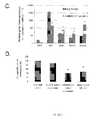
- FIG. 10 (A) Also shown is the representative flow cytometric analysis showing mHLA-G1 expression on untreated AMP co-infusion ( FIG. 10 (A)). Also shown is a representative flow cytometric analysis of splenic T regs ( FIG. 10 (B)) at day 10 post skin grafting and day 3 post BMC and BMC plus AMP infusion.
- hAECs human amnion epithelial cells
- AMPs Amnion-derived Multipotent Progenitor cells
- AMPs may, therefore, be a pro-tolerogenic cellular therapeutic that could have clinical efficacy for both solid organ and hematopoietic stem cell transplant applications.
- T regs donor regulatory T-cells
- mice treated with hAECs following bleomycin-induced lung injury reduced inflammation and attenuated cytokine expression resulting in decreased fibrosis without any significant engraftment of hAECs in injured lung, or other tissues (33) (34).
- Liu et al (21) demonstrated that hAECs had long lasting immunosuppressive effects in a murine model of multiple sclerosis, were transiently detectable in the lung but not found in either the CNS or lymphoid tissues.
- AMPs constitutively express low levels of the immunomodulatory mHLA-G1 (38), which we confirm can be increased with IFN- ⁇ stimulation (17).
- MSC-derived from human fetal liver demonstrated longer-lasting immunomodulatory properties compared to adult BM-MSC due to the expression of mHLA-G1, and were more efficient at inducing T-cell apoptosis and secretion of the immunosuppressive cytokine IL-10 (39).
- Roelen et al (40) reported similar differential immunomodulatory effects using fetal-derived multipotent MSCs in comparison to maternal-derived MSCs.
- HLA-G has been shown to inhibit T-cell proliferation, promote IFN- ⁇ production, and expansion of CD4 + CD25 + Foxp3 + T regs (45) and several others hypothesize that HLA-G may play a immune regulatory role in solid organ transplants (heart, liver-kidney) (46-51) by dampening allograft inflammatory responses and providing an escape mechanism used by malignant cells to avoid immune surveillance (52). Therefore, HLA-G expression at the time of BMC transplantation and AMP infusion may be advantageous for xenogenic and allogeneic cells that are potential targets for cytotoxic effector cells, and be a potential immune escape mechanism in the short term.
- AMP-mediated immunosuppression requires an initial cell-contact dependent mechanism involving direct interaction with other immune cells, the production of soluble factors derived from activated AMPs, differential cytokine production, and increases in the proportion of adaptive mature CD4 + CD25 + Foxp3 + CD152 + and immature CD4 + CD25 + Foxp3 + CD152 + T regs cells.
- allo-MLR/AMP co-culture AMPs constitutively secrete and express increased mRNA transcripts for a number of key IFN ⁇ inducible immunoregulatory molecules such as PGE-2, IDO, iNOS, PD1L2 and sHLA G5. These factors suppress T-cell and NK cell function either directly or indirectly though modulation of immature DCs (53, 54), support the expansion of adaptive CD4 + CD25 + Foxp3 + T regs and play important roles as negative regulators in immune suppression and T-cell anergy (45, 55). Furthermore, we found that a modest amount of supernatant collected from allo-MRL/AMP co-cultures had profound suppressive effects on allo-MLR T-cell proliferation.
- Th1 ⁇ IFN ⁇ IDO ⁇ Th1 ⁇ axis resulting in a negative feedback regulatory loop to self-limit Th1 responses, inhibit antigen-specific T-cell proliferation and cytotoxicity and promote the generation of T regs (59).
- PGE-2 has been shown to inhibit T-cell proliferation and IL-2 production, increase macrophage IL-10 production, induce Tregs and inhibit monocyte to DC differentiation (63).
- Our in vitro studies using indomethacin to block AMP-derived PGE-2 were inconclusive as allo-MLR T-cell proliferation alone was significantly inhibited. This result was unexpected and inconsistent with a recent study conducted by Liu et al (21) demonstrating indomethacin significantly counteracted hAEC-mediated suppression of T-cell activation.
- AMP-treatment results in a marked increase in a CD4 + CD25 ⁇ Foxp3 + T reg cell population, which expresses high level of both CD152 and GITR in the apparent absence of IL-2 production.
- IL-2 has been shown to be required for the development, expansion, and/or function of CD4 + CD25 + T regs however when they undergo homeostatic expansion in vivo, they lose expression of CD25 but retain potent Treg functional activity (66, 67). Consequently, AMPs may exert their immunosuppressive function directly through release of regulatory mediators and/or amplified regulatory signaling.
- CD152/CTLA4 is a distinct signaling pathway capable of deleting activated T cells when TCR signaling is not accompanied by significant IL-2 (68). Therefore, one is tempted to hypothesize that AMP-induced Tregs may down regulate immune responses through direct interaction of membrane CD152 (CTLA4) with costimulatory molecules (CD80, CD86) on APCs/DCs leading to activation of IDO-induced Tregs resulting in increased catabolism of free extracellular tryptophan and accumulation of toxic tryptophan metabolites, and subsequent inhibition of T-cell proliferation (58, 62, 69).
- CTLA4 membrane CD152
- CD80, CD86 costimulatory molecules
- Adipose-Derived Stem Cells ASC
- ASC adipose-derived stems cells
- the cells were isolated from fresh human subcutaneous adipose lipoaspirate according to published methods (70, 71), with some minor modifications and characterized as described in references (72-75).
- the lipoaspirate tissue was washed extensively with warm phosphate-buffered solution (PBS) to remove erythrocytes and then digested in PBS supplemented with 0.1% collagenase type I (Worthington Biochemical Corporation, Lakewood, N.J., USA), 1% bovine serum albumin (BSA) and 2 mM CaCl2 for 1 h at 37° C.
- PBS phosphate-buffered solution
- BSA bovine serum albumin
- stromal medium Dulbecco's modified Eagle medium (DMEM)/Hams F-12 medium supplemented with 10% FBS (HYCLONETM, Logan, Utah, USA) and 1% antibiotic/antimycotic
- DMEM Dulbecco's modified Eagle medium
- FBS HYCLONETM, Logan, Utah, USA
- antibiotic/antimycotic the stromal vascular pellet was plated at a density of 35 mL lipoaspirate digest/T175 flask (0.2 mL/cm2). After 24 h of incubation at 37° C., 5% CO 2 , the adherent cells were washed with warm PBS and maintained in stromal medium until 80-90% confluent.
- the adherent population was harvested by digestion with trypsin (0.05%)/ethylene diaminetetra acetic acid (EDTA; 1 mM) at 37° C. for 5 min, washed in stromal medium and replated at 5 ⁇ 10 3 ASC/cm2 (passage 1; P1) or used in flow cytometric analyzes or cryopreserved for future use and/or intravenous transplantaiton. After isolation, cells had minimally expressed the following phenotypic markers: CD45 ⁇ , CD73 + , CD90 + and CD105 + .
- Skin grafting was conducted as above. In the studies, full thickness trunk skin grafts, approximately 4 cm 2 from BALB/c and C3H/HEJ mice were transplanted onto the dorsal flanks of C57BL/6 recipient mice. The grafts were secured with an adhesive bandage for 7 days.
- Immunoconditioning is depicted (generally) in the diagram in FIG. 1 .
- Five doses of a cocktail of CD4- ⁇ (YTS 191.1, 10 mg/Kg) and CD8- ⁇ mAbs (YTS 169.4, 10 mg/Kg) were administered (i.p) on day 0, +2, +5, +7, and +14 relative to skin grafting on day 0 (23, 24).
- a single nonmyeloablative low dose of busulfan (5 mg/kg, i.p; Sigma-Aldrich) was given on day +5 (23).
- donor bone marrow cells (5 ⁇ 10 5 ) were infused i.v. with or without AMPs (5 ⁇ 10 6 cells i.v.
- FIG. 11 illustrates the induction of stable multi-lineage lymphoid and myeloid hematopoietic chimerism 30 to 90 days after application of the tissue allograft and following anti-CD4/CD8 immunotherapy and intravenous co-infusion of limited numbers of unfractionated donor bone marrow plus adipose-derived stem cells. Shown in FIG. 11 is flow cytometric analysis of peripheral blood cell surface markers. The results indicate that the mice were chimeric, exhibiting 34-72% donor cells by day 90 in all lymphoid cell and myeloid cell types evaluated. Also illustrated in FIG.
- mice in FIG. 11 all accepted skin allografts from their marrow donors in the absence of any long-term immunosuppression. As such, the ASC play a key role in promoting the long-term stable donor cell chimerism.
- FIG. 12 The reduction of alloreactive T cells in chimeric skin allograft recipient mice, following anti-CD4/CD8 immunotherapy and intravenous co-infusion of limited numbers of unfractionated donor bone marrow plus ASC is illustrated in FIG. 12 .
- the extent of deletion of T cells reactive to the MHC Class II antigen I-E was determined by flow cytometry using anti-CD3 and the monoclonal antibodies specific for V ⁇ 5.1/5.2 or V ⁇ 11 T-cell receptor. As illustrated in FIG.
- transplantation of limited numbers of I-E + donor unfractioned bone marrow plus ASC resulted in significant deletion of V ⁇ 5.1/5.2 or V ⁇ 11 CD3 + alloractive T-cells in the peripheral blood of allograft teolerant chimeric mice. Therefore, these results indicate that in vivo infusion of ASC can significant modulate in vivo alloreactivity. Removal of the alloreactive cells was either through thymic deletion or deletion/anergy in the periphery in the chimeric mice (skin allograft recipients).
- ASC were included in a mixed lymphocyte response analysis, in vitro.
- ASCs were added to primary cultures of C57BL/6 responder cells and irradiated BALB/c stimulator cells.
- the results of the study are shown in FIG. 13 where ASC strongly suppressed, in a dose-dependent fashion, alloreactive T-cell proliferation.
- ASC/responder ratio greater than 90% of the alloreactivity was suppressed. Therefore, the results show that ASC have a significant immunosuppressive effect on T-cell alloreactivity.
- the method provides a means for survival of allografts or transplanted tissue through the administration of human stem/progenitor-like cells.
- the inventive method contemplates the use of stem/progenitor-like cells derived from any number of cell types or possessing any number of cellular lineages. The important property is that they be capable of differentiating into multiple cell types and functions. Illustrations of types of stem/progenitor-like cells that can be used in the inventive method are given in Examples 1 and 2, which include amnion-derived stem cells and adipose-derived stem cells.
- the inventive method provides a means of treating or reducing immunological and hematopoietic disease, including transplantation rejection, end organ failure, skin transplants, hematopoietic cell transplants, allograft rejection, inflammatory diseases of the skin, composite tissue transplantation, malignancies (i.e., cancer), hematologic diseases, immunodeficiencies, congenital diseases and autoimmune diseases.
- the method can also be used to treat patients who have been exposed to agents, toxins or radiation capable of marrow ablation. As such, the method can be used for bone marrow hematopoietic reconstitution.
- the inventive method can comprise graft transplantation of tissues or organs that are autologous, allogeneic, xenogenic, or chimeric to the individual being treated. An aspect of the current inventive method but that the immune system is not systemically suppressed.
- the inventive method comprises the administration of stem/progenitor-like cells concomitant or shortly prior to or after the administration of donor bone marrow cells, wherein the donor bone marrow cells are immunologically compatible with the anticipated transplanted organ or tissue.
- donor cells and transplanted organ or tissue are immunological compatibility if donor cells and cells from transplanted organ or tissues are non-responsive in mixed lymphocyte reactions (MLR).
- MLR mixed lymphocyte reactions
- the method comprises administration of stem/progenitor-like cells, such as adipose-derived stem cells, and donor cells in order to induce allograft tolerance.
- stem/progenitor-like cells such as adipose-derived stem cells
- donor cells in order to induce allograft tolerance.
- the stem/progenitor-like cells are co-administered at the same time.
- the inventive method also contemplates administering the progenitor cells before or after the administration of donor cells.
- Other embodiments comprise administration of the stem/progenitor-like cells (e.g., ASC) and donor cells, in one or more doses, before or after allograft or tissue transplantation.
- the progenitor cells and donor cells are administered up to ten (10) days, before or after the administration of organ or tissue transplantation.
- administration of stem/progenitor-like cells and donor cells are administered within 7 days post skin grafting.
- administration of stem/progenitor-like cells and donor cells are administered long before administration of an allograft or transplant tissue, for example, one year or more prior to transplantation.
- the inventive method contemplates the use of donor cells, which are unfractionated cells derived bone marrow.
- the sources of the donor cells can be from cadavers or other cell libraries.
- donor cells are administered, as described above, before, after or simultaneous to administration of stem/progenitor-like cells.
- Doses of stem/progenitor-like cells are typically from 2-10 ⁇ 10 7 cells/kg.
- the stem/progenitor-like cells can be administered prior to or after multiple in vitro culture passages for expansion.
- Administration of cellular components can be administered intravenously, subcutaneously or intradermally.
- the donor cells can consist of cells derived from or that have a variety of characteristics.
- the donor cells can be stem cells, committed progenitor cells or differentiated cells.
- the donor cells can be unprocessed bone marrow, low density bone marrow cells, lineage negative bone marrow cells, hematopoietic stem/progenitor cells (CD34 + ), and side population stem cells, Similarly, for cord blood and mobilized stem cells.
- Bone marrow cells for example, can be derived from cord blood, vertebral body bone marrow cells, marrow cells isolated from ribs, iliac crest, long bones, umbilical cord blood, or mobilized stem cells.
- human stem/progenitor-like cells can be from a number of sources, including, but not limited to: mesenchymal stem cells, adipose-derived stem cells, cord blood stem cells, placental stem cells, bone marrow cells, circulating peripheral blood stem cells, and cytokine mobilized stem cells.
- Human bone marrow cells can be derived from any source.
- Adipose-derived cells can be isolated by any number of means. As an example, they can be isolated from human subcutaneous adipose lipoaspirate according to published methods (72-75), by washing the lipoaspirate tissue extensively with warm phosphate-buffered solution (PBS) to remove erythrocytes and then digested in PBS supplemented with 0.1% collagenase type I (Worthington Biochemical Corporation, Lakewood, N.J., USA), 1% bovine serum albumin (BSA) and 2 mM CaCl2 for 1 h at 37° C.
- PBS phosphate-buffered solution
- BSA bovine serum albumin
- stromal medium Dulbecco's modified Eagle medium (DMEM)/Hams F-12 medium supplemented with 10% FBS (Hyclone, Logan, Utah, USA) and 1% antibiotic/antimycotic
- DMEM Dulbecco's modified Eagle medium
- FBS FBS
- 1% antibiotic/antimycotic the stromal vascular pellet was plated at a density of 35 mL lipoaspirate digest/T175 flask (0.2 mL/cm2). After 24 h of incubation at 37° C., 5% CO 2 , the adherent cells were washed with warm PBS and maintained in stromal medium until 80-90% confluent.
- the adherent population was harvested by digestion with trypsin (0.05%)/ethylene diaminetetra acetic acid (EDTA; 1 mM) at 37° C. for 5 min, washed in stromal medium and replated at 5 ⁇ 10 3 ASC/cm2 (passage 1; P1) or used in flow cytometric analyzes or cryopreserved for future use and/or intravenous transplantation. After isolation, cells had minimally expressed the following phenotypic markers: CD45 ⁇ , CD73 + , CD90 + and CD105 + .
- the inventive method comprises immune-conditioning, wherein CD4 + and CD8 + cells are depleted.
- Depletion of CD4 + and CD8 + cells can be conducted by any means, including, in a preferred embodiment, by administration of one or more doses (1 to 10 mg/kg) of anti-CD4 + and anti-CD8 + cells antibody.
- immune-conditioning is conducted prior to administration of donor cells.
- nonmyeloablative low dose of chemotherapeutic agents for example anti-neoplastic agents
- chemotherapeutic agents for example anti-neoplastic agents
- An illustrative example of a contemplated anti-neoplastic agents includes alkylating anti-neoplastic agents, for example the alkylating neoplastic agent busulfan.
- busulfan is administered at a single dose of 5 mg/kg one to two days prior to administration of AMPs and donor cells.
- Embodied in the inventive method is a means for expansion of pre-existing T reg cell population of the donor and/or host. Also embodied in the method is the establishment of a stable donor cell multilineage cell chimerism. Additionally, one embodiment is the expression of human leukocyte antigen G (i.e., HLA-G) wherein HLA-G may enhance xenogenic and allogenic tolerance. A further embodiment is induction of tolerance by increases in the proportion of adaptive mature CD4 + CD25 + Foxp3 + CD152 + and immature CD4 + CD25 + Foxp3 + CD152 + T regs cells.
- HLA-G human leukocyte antigen G
- a further embodiment is induction of tolerance by increases in the proportion of adaptive mature CD4 + CD25 + Foxp3 + CD152 + and immature CD4 + CD25 + Foxp3 + CD152 + T regs cells.
- a further embodiment is the induction of allograft tolerance by the expression of IFN ⁇ -inducible immunoregulatory molecules such as PGE-2, Indoleamine 3,5-dioxygenase-1 (IDO-1), inducible nitric oxide synthetase (iNOS), PD1L2 and sHLA-G5 or other factors that suppress T-cell and NK cell function either directly or indirectly through modulation of immature dendritic cells and expansion of CD4 + CD25 + Foxp3 + T regs .
- IFN ⁇ -inducible immunoregulatory molecules such as PGE-2, Indoleamine 3,5-dioxygenase-1 (IDO-1), inducible nitric oxide synthetase (iNOS), PD1L2 and sHLA-G5 or other factors that suppress T-cell and NK cell function either directly or indirectly through modulation of immature dendritic cells and expansion of CD4 + CD25 + Foxp3 + T regs .
Landscapes
- Health & Medical Sciences (AREA)
- Life Sciences & Earth Sciences (AREA)
- Engineering & Computer Science (AREA)
- Chemical & Material Sciences (AREA)
- Biomedical Technology (AREA)
- Developmental Biology & Embryology (AREA)
- General Health & Medical Sciences (AREA)
- Biotechnology (AREA)
- Zoology (AREA)
- Cell Biology (AREA)
- Bioinformatics & Cheminformatics (AREA)
- Genetics & Genomics (AREA)
- Wood Science & Technology (AREA)
- Organic Chemistry (AREA)
- Pharmacology & Pharmacy (AREA)
- Veterinary Medicine (AREA)
- Medicinal Chemistry (AREA)
- Public Health (AREA)
- Animal Behavior & Ethology (AREA)
- Epidemiology (AREA)
- Microbiology (AREA)
- Immunology (AREA)
- General Engineering & Computer Science (AREA)
- Biochemistry (AREA)
- Gynecology & Obstetrics (AREA)
- Rheumatology (AREA)
- Reproductive Health (AREA)
- Hematology (AREA)
- Virology (AREA)
- Transplantation (AREA)
- Emergency Medicine (AREA)
- Mycology (AREA)
- Pregnancy & Childbirth (AREA)
- Medicines Containing Material From Animals Or Micro-Organisms (AREA)
Abstract
Description
- 1. Webber A, Hirose R, Vincenti F. Novel strategies in immunosuppression: issues in perspective. Transplantation. 2011; 91(10):1057-64. Epub 2011 Mar. 18.
- 2. Girlanda R, Kirk A D. Frontiers in nephrology: immune tolerance to allografts in humans. Journal of the American Society of Nephrology: JASN. 2007; 18(8):2242-51. Epub 2007 Jul. 20.
- 3. Rothstein D M. Immunosuppression and regulation: cast in new light? Journal of the American Society of Nephrology: JASN. 2006; 17(10):2644-6. Epub 2006 Sep. 15.
- 4. Ferrer I R, Wagener M E, Song M, Kirk A D, Larsen C P, Ford M L. Antigen-specific induced Foxp3+ regulatory T cells are generated following CD40/CD154 blockade. Proceedings of the National Academy of Sciences of the United States of America. 2011; 108(51):20701-6. Epub 2011 Dec. 7.
- 5. Newell K A. Clinical transplantation tolerance. Seminars in immunopathology. 2011; 33(2):91-104. Epub 2011 Feb. 18.
- 6. Page A, Srinivasan S, Singh K, Russell M, Hamby K, Deane T, et al. CD40 blockade combines with CTLA4Ig and sirolimus to produce mixed chimerism in an MHC-defined rhesus macaque transplant model. American journal of transplantation: official journal of the American Society of Transplantation and the American Society of Transplant Surgeons. 2012; 12(1):115-25. Epub 2011 Sep. 21.
- 7. Kirk A D. Clinical tolerance 2008. Transplantation. 2009; 87(7):953-5. Epub 2009 Apr. 9.
- 8. Parolini O, Soncini M, Evangelista M, Schmidt D. Amniotic membrane and amniotic fluid-derived cells: potential tools for regenerative medicine? Regenerative medicine. 2009; 4(2):275-91. Epub 2009 Mar. 26.
- 9. Soncini M, Vertua E, Gibelli L, Zorzi F, Denegri M, Albertini A, et al. Isolation and characterization of mesenchymal cells from human fetal membranes. Journal of tissue engineering and regenerative medicine. 2007; 1(4):296-305. Epub 2007 Nov. 27.
- 10. Manuelpillai U, Moodley Y, Borlongan C V, Parolini O. Amniotic membrane and amniotic cells: potential therapeutic tools to combat tissue inflammation and fibrosis? Placenta. 2011; 32 Suppl 4:S320-5. Epub 2011 May 17.
- 11. Cargnoni A, Di Marcello M, Campagnol M, Nassuato C, Albertini A, Parolini O. Amniotic membrane patching promotes ischemic rat heart repair. Cell transplantation. 2009; 18(10):1147-59. Epub 2009 Aug. 5.
- 12. Cargnoni A, Ressel L, Rossi D, Poli A, Arienti D, Lombardi G, et al. Conditioned medium from amniotic mesenchymal tissue cells reduces progression of bleomycin-induced lung fibrosis. Cytotherapy. 2012; 14(2):153-61. Epub 2011 Oct. 1.
- 13. Cargnoni A, Gibelli L, Tosini A, Signoroni P B, Nassuato C, Arienti D, et al. Transplantation of allogeneic and xenogeneic placenta-derived cells reduces bleomycin-induced lung fibrosis. Cell transplantation. 2009; 18(4):405-22. Epub 2009 Jul. 23.
- 14. Chen Z, Tortella F C, Dave J R, Marshall V S, Clarke D L, Sing G, et al. Human amnion-derived multipotent progenitor cell treatment alleviates traumatic brain injury-induced axonal degeneration. Journal of neurotrauma. 2009; 26(11):1987-97. Epub 2009 Nov. 6.
- 15. Tsuji H, Miyoshi S, Ikegami Y, Hida N, Asada H, Togashi I, et al. Xenografted human amniotic membrane-derived mesenchymal stem cells are immunologically tolerated and transdifferentiated into cardiomyocytes. Circulation research. 2010; 106(10):1613-23. Epub 2010 May 29.
- 16. Zhang D, Jiang M, Miao D. Transplanted human amniotic membrane-derived mesenchymal stem cells ameliorate carbon tetrachloride-induced liver cirrhosis in mouse. PloS one. 2011; 6(2):e16789. Epub 2011 Feb. 18.
- 17. Banas R A, Trumpower C, Bentlejewski C, Marshall V, Sing G, Zeevi A. Immunogenicity and immunomodulatory effects of amnion-derived multipotent progenitor cells. Human immunology. 2008; 69(6):321-8. Epub 2008 Jun. 24.
- 18. Wolbank S, Peterbauer A, Fahrner M, Hennerbichler S, van Griensven M, Stadler G, et al. Dose-dependent immunomodulatory effect of human stem cells from amniotic membrane: a comparison with human mesenchymal stem cells from adipose tissue. Tissue engineering. 2007; 13(6):1173-83. Epub 2007 May 24.
- 19. Magatti M, De Munari S, Vertua E, Gibelli L, Wengler G S, Parolini O. Human amnion mesenchyme harbors cells with allogeneic T-cell suppression and stimulation capabilities. Stem cells. 2008; 26(1):182-92. Epub 2007 Jul. 29.
- 20. Magatti M, De Munari S, Vertua E, Nassauto C, Albertini A, Wengler G S, et al. Amniotic mesenchymal tissue cells inhibit dendritic cell differentiation of peripheral blood and amnion resident monocytes. Cell transplantation. 2009; 18(8):899-914. Epub 2009 Jun. 16.
- 21. Liu Y H, Vaghjiani V, Tee J Y, To K, Cui P, Oh D Y, et al. Amniotic epithelial cells from the human placenta potently suppress a mouse model of multiple sclerosis. PloS one. 2012; 7(4):e35758. Epub 2012 May 9.
- 22. Steed D L, Trumpower C, Duffy D, Smith C, Marshall V, Rupp R, et al. Amnion-derived cellular cytokine solution: a physiological combination of cytokines for wound healing. Eplasty. 2008; 8:
el 8. Epub 2008 May 8. - 23. Anam K, Amare M F, Zins S R, Davis T A. Infusion of Lin-bone marrow cells results in multilineage macrochimerism and skin allograft tolerance in minimally conditioned recipient mice. Transplant immunology. 2010; 24(1):69-75. Epub 2010 Oct. 19.
- 24. Anam K, Akpinar E, Craighead N, Black A T, Hale D A. Targeted T-cell depletion or CD154 blockade generates mixed hemopoietic chimerism and donor-specific tolerance in mice treated with sirolimus and donor bone marrow. Transplantation. 2004; 78(9):1290-8. Epub 2004 Nov. 19.
- 25. Pilat N, Baranyi U, Klaus C, Jaeckel E, Mpofu N, Wrba F, et al. Treg-therapy allows mixed chimerism and transplantation tolerance without cytoreductive conditioning. American journal of transplantation: official journal of the American Society of Transplantation and the American Society of Transplant Surgeons. 2010; 10(4):751-62. Epub 2010 Feb. 13.
- 26. Dyson P J, Knight A M, Fairchild S, Simpson E, Tomonari K. Genes encoding ligands for deletion of V beta 11 T cells cosegregate with mammary tumour virus genomes. Nature. 1991; 349(6309):531-2. Epub 1991 Feb. 7.
- 27. Bill J, Kanagawa O, Woodland D L, Palmer E. The MHC molecule I-E is necessary but not sufficient for the clonal deletion of V beta 11-bearing T cells. The Journal of experimental medicine. 1989; 169(4):1405-19. Epub 1989 Apr. 1.
- 28. Domenig C, Sanchez-Fueyo A, Kurtz J, Alexopoulos S P, Mariat C, Sykes M, et al. Roles of deletion and regulation in creating mixed chimerism and allograft tolerance using a nonlymphoablative irradiation-free protocol. Journal of immunology. 2005; 175(1):51-60. Epub 2005 Jun. 24.
- 29. Xu H, Chilton P M, Huang Y, Schanie C L, Ildstad S T. Production of donor T cells is critical for induction of donor-specific tolerance and maintenance of chimerism. Journal of immunology. 2004; 172(3):1463-71. Epub 2004 Jan. 22.
- 30. Akpinar E, Craighead N, Smoot D, Hale D A. Potent skin allograft survival prolongation using a committed progenitor fraction of bone marrow in mice. Transplantation. 2004; 78(3):383-91. Epub 2004 Aug. 19.
- 31. Wells A D, Li X C, Li Y, Walsh M C, Zheng X X, Wu Z, et al. Requirement for T-cell apoptosis in the induction of peripheral transplantation tolerance. Nature medicine. 1999; 5(11):1303-7. Epub 1999 Nov. 5.
- 32. Velasquez-Lopera M M, Eaton V L, Lerret N M, Correa L A, Decresce R P, Garcia L F, et al. Induction of transplantation tolerance by allogeneic donor-derived CD4(+)CD25(+)Foxp3(+) regulatory T cells. Transplant immunology. 2008; 19(2):127-35. Epub 2008 May 28.
- 33. Hodges R J, Lim R, Jenkin G, Wallace E M. Amnion epithelial cells as a candidate therapy for acute and chronic lung injury. Stem cells international. 2012; 2012:709763. Epub 2012 May 12.
- 34. Murphy S, Lim R, Dickinson H, Acharya R, Rosli S, Jenkin G, et al. Human amnion epithelial cells prevent bleomycin-induced lung injury and preserve lung function. Cell transplantation. 2011; 20(6):909-23. Epub 2010 Nov. 26.
- 35. Lee R H, Pulin A A, Seo M J, Kota D J, Ylostalo J, Larson B L, et al. Intravenous hMSCs improve myocardial infarction in mice because cells embolized in lung are activated to secrete the anti-inflammatory protein TSG-6. Cell stem cell. 2009; 5(1):54-63. Epub 2009 Jul. 3.
- 36. Danchuk S, Ylostalo J H, Hossain F, Sorge R, Ramsey A, Bonvillain R W, et al.
- 37. Doom J, Moll G, Le Blanc K, van Blitterswijk C, de Boer J. Therapeutic applications of mesenchymal stromal cells: paracrine effects and potential improvements. Tissue engineering Part B, Reviews. 2012; 18(2):101-15. Epub 2011 Oct. 15.
- 38. Carosella E D, Moreau P, Le Maoult J, Le Discorde M, Dausset J, Rouas-Freiss N. HLA-G molecules: from maternal-fetal tolerance to tissue acceptance. Advances in immunology. 2003; 81:199-252. Epub 2004 Jan. 9.
- 39. Giuliani M, Fleury M, Vernochet A, Ketroussi F, Clay D, Azzarone B, et al. Long-lasting inhibitory effects of fetal liver mesenchymal stem cells on T-lymphocyte proliferation. PloS one. 2011; 6(5):e19988. Epub 2011 Jun. 1.
- 40. Roelen D L, van der Mast B J, in't Anker P S, Kleijburg C, Eikmans M, van Beelen E, et al. Differential immunomodulatory effects of fetal versus maternal multipotent stromal cells. Human immunology. 2009; 70(1):16-23. Epub 2008 Nov. 18.
- 41. Liang S, Horuzsko A. Mobilizing dendritic cells for tolerance by engagement of immune inhibitory receptors for HLA-G. Human immunology. 2003; 64(11):1025-32. Epub 2003 Nov. 7.
- 42. Liang S, Ristich V, Arase H, Dausset J, Carosella E D, Horuzsko A. Modulation of dendritic cell differentiation by HLA-G and ILT4 requires the IL-6-STAT3 signaling pathway. Proceedings of the National Academy of Sciences of the United States of America. 2008; 105(24):8357-62. Epub 2008 Jun. 14.
- 43. Naji A, Durrbach A, Carosella E D, Rouas-Freiss N. Soluble HLA-G and HLA-G1 expressing antigen-presenting cells inhibit T-cell alloproliferation through ILT-2/ILT-4/FasL-mediated pathways. Human immunology. 2007; 68(4):233-9. Epub 2007 Apr. 3.
- 44. LeMaoult J, Zafaranloo K, Le Danff C, Carosella E D. HLA-G up-regulates ILT2, ILT3, ILT4, and KIR2D L4 in antigen presenting cells, N K cells, and T cells. FASEB journal: official publication of the Federation of American Societies for Experimental Biology. 2005; 19(6):662-4. Epub 2005 Jan. 27.
- 45. Selmani Z, Naji A, Zidi I, Favier B, Gaiffe E, Obert L, et al. Human leukocyte antigen-G5 secretion by human mesenchymal stem cells is required to suppress T lymphocyte and natural killer function and to induce CD4+CD25highFOXP3+ regulatory T cells. Stem cells. 2008; 26(1):212-22. Epub 2007 Oct. 13.
- 46. Lila N, Amrein C, Guillemain R, Chevalier P, Latremouille C, Fabiani J N, et al. Human leukocyte antigen-G expression after heart transplantation is associated with a reduced incidence of rejection. Circulation. 2002; 105(16):1949-54. Epub 2002 May 9.
- 47. Deschaseaux F, Delgado D, Pistoia V, Giuliani M, Morandi F, Durrbach A. HLA-G in organ transplantation: towards clinical applications. Cellular and molecular life sciences: CMLS. 2011; 68(3):397-404. Epub 2010 Nov. 26.
- 48. Le Rond S, Azema C, Krawice-Radanne I, Durrbach A, Guettier C, Carosella E D, et al. Evidence to support the role of HLA-G5 in allograft acceptance through induction of immunosuppressive/regulatory T cells. Journal of immunology. 2006; 176(5):3266-76. Epub 2006 Feb. 24.
- 49. Creput C, Durrbach A, Menier C, Guettier C, Samuel D, Dausset J, et al. Human leukocyte antigen-G (HLA-G) expression in biliary epithelial cells is associated with allograft acceptance in liver-kidney transplantation. Journal of hepatology. 2003; 39(4):587-94. Epub 2003 Sep. 16.
- 50. Creput C, Durrbach A, Samuel D, Eschwege P, Amor M, Kriaa F, et al. Incidence of renal and liver rejection and patient survival rate following combined liver and kidney transplantation. American journal of transplantation: official journal of the American Society of Transplantation and the American Society of Transplant Surgeons. 2003; 3(3):348-56. Epub 2003 Mar. 5.
- 51. Creput C, Le Friec G, Bahri R, Amiot L, Charpentier B, Carosella E, et al. Detection of HLA-G in serum and graft biopsy associated with fewer acute rejections following combined liver-kidney transplantation: possible implications for monitoring patients. Human immunology. 2003; 64(11):1033-8. Epub 2003 Nov. 7.
- 52. Agaugue S, Carosella E D, Rouas-Freiss N. Role of HLA-G in tumor escape through expansion of myeloid-derived suppressor cells and cytokinic balance in favor of Th2 versus Th1/Th17. Blood. 2011; 117(26):7021-31. Epub 2011 Apr. 13.
- 53. Francois M, Romieu-Mourez R, Li M, Galipeau J. Human MSC suppression correlates with cytokine induction of
indoleamine 2,3-dioxygenase and bystander M2 macrophage differentiation. Molecular therapy: the journal of the American Society of Gene Therapy. 2012; 20(1):187-95. Epub 2011 Sep. 22. - 54. Ren G, Su J, Zhang L, Zhao X, Ling W, L'Huillie A, et al. Species variation in the mechanisms of mesenchymal stem cell-mediated immunosuppression. Stem cells. 2009; 27(8):1954-62. Epub 2009 Jun. 23.
- 55. Hass R, Kasper C, Bohm S, Jacobs R. Different populations and sources of human mesenchymal stem cells (MSC): A comparison of adult and neonatal tissue-derived MSC. Cell communication and signaling: CCS. 2011; 9:12. Epub 2011 May 17.
- 56. Sheng H, Wang Y, Jin Y, Zhang Q, Zhang Y, Wang L, et al. A critical role of IFNgamma in priming MSC-mediated suppression of T cell proliferation through up-regulation of B7-H1. Cell research. 2008; 18(8):846-57. Epub 2008 Jul. 9.
- 57. Kronsteiner B, Wolbank S, Peterbauer A, Hackl C, Redl H, van Griensven M, et al. Human mesenchymal stem cells from adipose tissue and amnion influence T-cells depending on stimulation method and presence of other immune cells. Stem cells and development. 2011; 20(12):2115-26. Epub 2011 Mar. 9.
- 58. Ryan J M, Barry F, Murphy J M, Mahon B P. Interferon-gamma does not break, but promotes the immunosuppressive capacity of adult human mesenchymal stem cells. Clinical and experimental immunology. 2007; 149(2):353-63. Epub 2007 May 25.
- 59. Xu H, Zhang G X, Ciric B, Rostami A. IDO: a double-edged sword for T(H)1/T(H)2 regulation. Immunology letters. 2008; 121(1):1-6. Epub 2008 Oct. 1.
- 60. Grohmann U, Fallarino F, Puccetti P. Tolerance, DCs and tryptophan: much ado about IDO. Trends in immunology. 2003; 24(5):242-8. Epub 2003 May 10.
- 61. Mellor A L, Munn D H. IDO expression by dendritic cells: tolerance and tryptophan catabolism. Nature reviews Immunology. 2004; 4(10):762-74. Epub 2004 Oct. 2.
- 62. Chen W, Liang X, Peterson A J, Munn D H, Blazar B R. The
indoleamine 2,3-dioxygenase pathway is essential for human plasmacytoid dendritic cell-induced adaptive T regulatory cell generation. Journal of immunology. 2008; 181(8):5396-404. Epub 2008 Oct. 4. - 63. Baratelli F, Lin Y, Zhu L, Yang S C, Heuze-Vourc′h N, Zeng G, et al. Prostaglandin E2 induces FOXP3 gene expression and T regulatory cell function in human CD4+T cells. Journal of immunology. 2005; 175(3):1483-90. Epub 2005 Jul. 22.
- 64. Krause P, Bruckner M, Uermosi C, Singer E, Groettrup M, Legler D F. Prostaglandin E(2) enhances T-cell proliferation by inducing the costimulatory molecules OX40L, CD70, and 4-1BBL on dendritic cells. Blood. 2009; 113(11):2451-60. Epub 2008 Nov. 26.
- 65. Jonuleit H, Kuhn U, Muller G, Steinbrink K, Paragnik L, Schmitt E, et al. Proinflammatory cytokines and prostaglandins induce maturation of potent immunostimulatory dendritic cells under fetal calf serum-free conditions. European journal of immunology. 1997; 27(12):3135-42. Epub 1998 Feb. 17.
- 66. Gavin M A; Clarke S R, Negrou E, Gallegos A, Rudensky A. Homeostasis and anergy of CD4(+)CD25(+) suppressor T cells in vivo. Nature immunology. 2002; 3(1):33-41. Epub 2001 Dec. 12.
- 67. Bach J F. Regulatory T cells under scrutiny. Nature reviews Immunology. 2003; 3(3):189-98. Epub 2003 Mar. 27.
- 68. Gribben J G, Freeman G J, Boussiotis V A, Rennert P, Jellis C L, Greenfield E, et al. CTLA4 mediates antigen-specific apoptosis of human T cells. Proceedings of the National Academy of Sciences of the United States of America. 1995; 92(3):811-5. Epub 1995 Jan. 31.
- 69. Meisel R, Zibert A, Laryea M, Gobel U, Daubener W, Dilloo D. Human bone marrow stromal cells inhibit allogeneic T-cell responses by
indoleamine 2,3-dioxygenase-mediated tryptophan degradation. Blood. 2004; 103(12):4619-21. Epub 2004 Mar. 6. - 70. Aust L, Devlin B, Foster S J, Halvorsen Y D, Hicok K, et al. (2004) Yield of human adipose-derived adult stem cells from liposuction aspirates. Cytotherapy 6: 7-14.
- 71. Dubois S G, Floyd E Z, Zvonic S, Kilroy G, Wu X, et al. (2008) Isolation of human adipose-derived stem cells from biopsies and liposuction specimens. Methods Mol Biol 449: 69-79.
- 72. Yu G, Wu X, Dietrich M A, Polk P, Scott L K, et al. (2010) Yield and characterization of subcutaneous human adipose-derived stem cells by flow cytometric and adipogenic mRNA analyzes. Cytotherapy 12: 538-546.
- 73. Bourin P, Bunnell B A, Casteilla L, Dominici M, Katz A J, et al. (2013) Stromal cells from the adipose tissue-derived stromal vascular fraction and culture expanded adipose tissue-derived stromal/stem cells: a joint statement of the International Federation for Adipose Therapeutics and Science (IFATS) and the International Society for Cellular Therapy (ISCT). Cytotherapy 15: 641-648.
- 74. Gimble J M, Bunnell B A, Frazier T, Rowan B, Shah F, et al. (2013) Adipose-derived stromal/stem cells: a primer. Organogenesis 9: 3-10.
- 75. McIntosh K R, Frazier T, Rowan B G, Gimble J M (2013) Evolution and future prospects of adipose-derived immunomodulatory cell therapeutics. Expert Rev Clin Immunol 9: 175-184.
Claims (10)
Priority Applications (1)
| Application Number | Priority Date | Filing Date | Title |
|---|---|---|---|
| US14/210,701 US9457052B2 (en) | 2013-03-15 | 2014-03-14 | Allograft tolerance induction |
Applications Claiming Priority (2)
| Application Number | Priority Date | Filing Date | Title |
|---|---|---|---|
| US201361788407P | 2013-03-15 | 2013-03-15 | |
| US14/210,701 US9457052B2 (en) | 2013-03-15 | 2014-03-14 | Allograft tolerance induction |
Publications (3)
| Publication Number | Publication Date |
|---|---|
| US20150258144A1 US20150258144A1 (en) | 2015-09-17 |
| US20160256489A9 US20160256489A9 (en) | 2016-09-08 |
| US9457052B2 true US9457052B2 (en) | 2016-10-04 |
Family
ID=54067782
Family Applications (1)
| Application Number | Title | Priority Date | Filing Date |
|---|---|---|---|
| US14/210,701 Active US9457052B2 (en) | 2013-03-15 | 2014-03-14 | Allograft tolerance induction |
Country Status (1)
| Country | Link |
|---|---|
| US (1) | US9457052B2 (en) |
Families Citing this family (1)
| Publication number | Priority date | Publication date | Assignee | Title |
|---|---|---|---|---|
| CN106929474B (en) * | 2017-03-31 | 2021-09-14 | 北京恒峰铭成生物科技有限公司 | M2 macrophage inducer |
Citations (2)
| Publication number | Priority date | Publication date | Assignee | Title |
|---|---|---|---|---|
| US20100150947A1 (en) * | 2002-05-22 | 2010-06-17 | The Cleveland Clinic Foundation | Tolerance induction and maintenance in hematopoietic stem cell allografts |
| US20110064709A1 (en) * | 2009-09-16 | 2011-03-17 | Northwestern University | Use of ecdi-fixed cell tolerance as a method for preventing allograft rejection |
-
2014
- 2014-03-14 US US14/210,701 patent/US9457052B2/en active Active
Patent Citations (2)
| Publication number | Priority date | Publication date | Assignee | Title |
|---|---|---|---|---|
| US20100150947A1 (en) * | 2002-05-22 | 2010-06-17 | The Cleveland Clinic Foundation | Tolerance induction and maintenance in hematopoietic stem cell allografts |
| US20110064709A1 (en) * | 2009-09-16 | 2011-03-17 | Northwestern University | Use of ecdi-fixed cell tolerance as a method for preventing allograft rejection |
Non-Patent Citations (48)
| Title |
|---|
| Akpinar E, Craighead N, Smkoot D, Hale DA. Potent skin allograft survival prolongation using a committed progenitor fraction of bone marrow in mice. Transplantation. 2004;78(3):383-91. Epub Aug. 19, 2004. |
| Anam K, Akpinar E, Craighead N, Black AT, Hale DA. Targeted T-cell depletion or CD154 blockade generates mixed hemopoietic chimerism and donor-specific tolerance in mice treated with sirolimus and donor bone marrow. Transplantation. 2004;78(9)1290-8. Epub Nov. 19, 2004. |
| Anam K. et al. Amnion Derived Multipotent Progenitor Cells Support Allograft Tolerance Induction. Am J Transplantation 13(6)1416-1428, Jun. 2013. * |
| Anam K. et al. Infusion of Lin-Bone Marrow Cells Results in Multilineage Macrochimerism . . . Transplant Immunology 24:69-75, 2010. * |
| Banas RA, Trumpower C, Bentlejewski C, Marshall V, Sing G, Zeevi A. Immunogenicity and immunomodulatory effects of amnion-derived multipotent progenitor cells. Human immunology. 2008;69(6):321-8. Epub Jun. 24, 2008. |
| Cargnoni A, Di Marcello M, Campagnol M, Nassuato C, Albertini A, Parolini O. Amniotic membrane patching promotes ischemic rat heart repair. Cell transplantation. 2009;18(10):1147-59. Epub Aug. 5, 2009. |
| Cargnoni A, Gibelli L, Tosini A, Signoroni PB, Nassuato C, Arienti D, et al. Transplantation of allogeneic and xenogeneic placenta-derived cells reduces bleomycin-induced lung fibrosis. Cell transplantation. 2009;18 (4):405-22. Epub Jul. 23, 2009. |
| Cargnoni A, Ressel L, Rossi D, Poli A, Arienti D, Lombardi G, et al. Conditioned medium from amniotic mesenchymal tissue cells reduces progression of bleomycin-induced lung fibrosis. Cytotherapy. 2012;14(2):153-61. Epub Oct. 1, 2011. |
| Carosella ED, Moreau P, Le Maoult J, Le Discorde M, Dausset J, Rouas-Freiss N. HLA-G molecules: from maternal-fetal tolerance to tissue acceptance. Advances in immunology. 2003;81:199-252. Epub Jan. 9, 2004. |
| Chen Z, Tortella FC, Dave JR, Marshall VS, Clarke DL, Sing G, et al. Human amnion-derived multipotent progenitor cell treatment alleviates traumatic brain injury-induced axonal degeneration. Journal of neurotrauma. 2009;26(11)1987-97. Epub Nov. 6, 2009. |
| Danchuk S, Ylostalo JH, Hossain F, Sorge R, Ramsey A, Bonvillain RW, et al. Human multipotent stromal cells attenuate lipopolysaccharide-induced acute lung injury in mice via secretion of tumor necrosis factor-alpha-induced protein 6. Stem cell research & therapy. 2011;2(3):27. Epub May 17, 2011. |
| Domenig C, Sanchez-Fueyo A, Kurtz J, Alexopoulos SP, Mariat C, Sykes M, et al. Roles of deletion and regulation in creating mixed chimerism and allograft tolerance using a nonlymphoablative irradiation-free protocol. Journal of immunology. 2005;175(1):51-60. Epub Jun. 24, 2005. |
| Francois M, Romieu-Mourez R, Li M, Galipeau J. Human MSC suppression correlates with cytokine induction of indoleamine 2,3-dioxygenase and bystander M2 macrophage differentiation. Molecular therapy : the journal of the American Society of Gene Therapy. 2012;20(1)187-95. Epub Sep. 22, 2011. |
| Fu, F. et al. Costimulatory Molecule Deficient Dendritic Cell Progenitors Prolong Cardiac Allograft Survival . . . Transplantation 62(5)659-665, Sep. 1996. * |
| Gimble JM, Bunnell BA, Frazier T, Rowan B, Shah F, et al. (2013) Adipose-derived stromal/stem cells: a primer. Organogenesis 9: 3-10. |
| Girlanda R, Kirk AD. Frontiers in nephrology: immune tolerance to allografts in humans. Journal of the American Society of Nephrology : JASN. 2007;18(8):2242-51. Epub Jul. 20, 2007. |
| Giuliani M, Fleury M, Vernochet A, Ketroussi F, Clay D, Azzarone B, et al. Long-lasting inhibitory effects of fetal liver mesenchymal stem cells on T-lymphocyte proliferation. PloS one. 2011;6(5):e19988. Epub Jun. 1, 2011. |
| Hass R, Kasper C, Bohm S, Jacobs R. Different populations and sources of human mesenchymal stem cells (MSC): A comparison of adult and neonatal tissue-derived MSC. Cell communication and signaling : CCS. 2011;9:12. Epub May 17, 2011. |
| Hodges RJ, Lim R, Jenkin G, Wallace EM. Amnion epithelial cells as a candidate therapy for acute and chronic lung injury. Stem cells international. 2012;2012:709763. Epub May 12, 2012. |
| Kirk AD. Clinical tolerance 2008. Transplantation. 2009;87(7):953-5. Epub Apr. 9, 2009. |
| Kronsteiner B, Wolbank S, Peterbauer A, Hackl C, Redl H, Van Griensven M, et al. Human mesenchymal stem cells from adipose tissue and amnion influence T-cells depending on stimulation method and presence of other immune cells. Stem cells and development. 2011;20(12):2115-26. Epub Mar. 9, 2011. |
| Le Rond S, Azema C, Krawice-Radanne I, Durrbach A, Guettier C, Carosella ED, et al. Evidence to support the role of HLA-G5 in allograft acceptance through induction of immunosuppressive/ regulatory T cells. Journal of immunology. 2006;176(5):3266-76. Epub Feb. 24, 2006. |
| Li J. et al. Prolongation of Cardiac Allograft Survival by Syngeneic Hematopoietic Stem/Progenitor Cell Transplantation in Mice. Advances in Therapy 25(9)935-942, Sep. 2008. * |
| Liang S, Horuzsko A. Mobilizing dendritic cells for tolerance by engagement of immune inhibitory receptors for HLA-G. Human immunology. 2003;64(11):1025-32. Epub Nov. 7, 2003. |
| Liang S, Ristich V, Arase H, Dausset J, Carosella ED, Horuzsko A. Modulation of dendritic cell differentiation by HLA-G and ILT4 requires the IL-6-STAT3 signaling pathway. Proceedings of the National Academy of Sciences of the United States of America. 2008;105(24):8357-62. Epub Jun. 14, 2008. |
| Liu YH, Vaghjiani V, Tee JY, To K, Cui P, Oh DY, et al. Amniotic epithelial cells from the human placenta potently suppress a mouse model of multiple sclerosis. PloS one. 2012;7(4):e35758. Epub May 9, 2012. |
| Magatti M, De Munari S, Vertua E, Gibelli L, Wengler GS, Parolini O. Human amnion mesenchyme harbors cells with allogeneic T-cell suppression and stimulation capabilities. Stem cells. 2008;26(1):182-92. Epub Sep. 29, 2007. |
| Magatti M, De Munari S, Vertua E, Nassauto C, Albertini A, Wengler GS, et al. Amniotic mesenchymal tissue cells inhibit dendritic cell differentiation of peripheral blood and amnion resident monocytes. Cell transplantation. 2009;18(8):899-914. Epub Jun. 16, 2009. |
| Manuelpillai U, Moodley Y, Borlongan CV, Parolini O. Amniotic membrane and amniotic cells: potential therapeutic tools to combat tissue inflammation and fibrosis? Placenta. 2011;32 Suppl 4:S320-5. Epub May 17, 2011. |
| McIntosh KR, Frazier T, Rowan BG, Gimble JM (2013) Evolution and future prospects of adipose-derived immunomodulatory cell therapeutics. Expert Rev Clin Immunol 9: 175-184. |
| Meisel R, Zibert A, Laryea M, Gobel U, Daubener W, Dilloo D. Human bone marrow stromal cells inhibit allogeneic T-cell responses by indoleamine 2,3-dioxygenase-mediated tryptophan degradation. Blood. 2004;103 (12):4619-21. Epub Mar. 6, 2004. |
| Murphy S, Lim R, Dickinson H, Acharya R, Rosli S, Jenkin G, et al. Human amnion epithelial cells prevent bleomycin-induced lung injury and preserve lung function. Cell transplantation. 2011;20(6):909-23. Epub Nov. 26, 2010. |
| Parolini O, Soncini M, Evangelista M, Schmidt D. Amniotic membrane and amniotic fluid-derived cells: potential tools for regenerative medicine? Regenerative medicine. 2009;4(2):275-91. Epub Mar. 26, 2009. |
| Pilat N, Baranyi U, Klaus C, Jaeckel E, Mpofu N, Wrba F, et al. Treg-therapy allows mixed chimerism and transplantation tolerance without cytoreductive conditioning. American journal of transplantation : official journal of the American Society of Transplantation and the American Society of Transplant Surgeons. 2010;10(4):751-62. Epub Feb. 13, 2010. |
| Rachamim N. et al. Tolerance Induction by Megadose Hematopoietic Transplants. Transplantation 65(10)1386-1393, May 27, 1998. * |
| Ren G, Su J, Zhang L, Zhao X, Ling W, L'Huillie A, et al. Species variation in the mechanisms of mesenchymal stem cell-mediated immunosuppression. Stem cells. 2009;27(8):1954-62. Epub Jun. 23, 2009. |
| Roelen DL, Van Der Mast BJ, in't Anker PS, Kleijburg C, Eikmans M, van Beelen E, et al. Differential immunomodulatory effects of fetal versus maternal multipotent stromal cells. Human immunology. 2009;70(1):16-23. Epub Nov. 18, 2008. |
| Ryan JM, Barry F, Murphy JM, Mahon BP. Interferon-gamma does not break, but promotes the immunosuppressive capacity of adult human mesenchymal stem cells. Clinical and experimental immunology. 2007;149(2):353-63. Epub May 25, 2007. |
| Selmani Z, Naji A, Zidi I, Favier B, Gaiffe E, Obert L, et al. Human leukocyte antigen-G5 secretion by human mesenchymal stem cells is required to suppress T lymphocyte and natural killer function and to induce CD4 +CD25highFOXP3+ regulatory T cells. Stem cells. 2008;26(1):212-22. Epub Oct. 13, 2007. |
| Sheng H, Wang Y, Jin Y, Zhang Q, Zhang Y, Wang L, et al. A critical role of IFNgamma in priming MSC-mediated suppression of T cell proliferation through up-regulation of B7-H1. Cell research. 2008;18(8):846-57. Epub Jul. 9, 2008. |
| Soncini M, Vertua E, Gibelli L, Zorzi F, Denegri M, Albertini A, et al. Isolation and characterization of mesenchymal cells from human fetal membranes. Journal of tissue engineering and regenerative medicine. 2007;1 (4):296-305. Epub Nov. 27, 2007. |
| Steed DL, Trumpower C, Duffy D, Smith C, Marshall V, Rupp R, et al. Amnion-derived cellular cytokine solution: a physiological combination of cytokines for wound healing. Eplasty. 2008;8:e18. Epub May 8, 2008. |
| Tsuji H, Miyoshi S, Ikegami Y, Hida N, Asada H, Togashi I, et al. Xenografted human amniotic membrane-derived mesenchymal stem cells are immunologically tolerated and transdifferentiated into cardiomyocytes. Circulation research. 2010;106(10):1613-23. Epub May 29, 2010. |
| Velasquez-Lopera MM, Eaton VL, Lerret NM, Correa LA, Decresce RP, Garcia LF, et al. Induction of transplantation tolerance by allogeneic donor-derived CD4(+)CD25(+)Foxp3(+) regulatory T cells. Transplant immunology. 2008;19(2):127-35. Epub May 28, 2008. |
| Webber A, Hirose R, Vincenti F, Novel strategies in immunosuppression: issues in perspective. Transplantation. 2011;91(10):1057-64. Epub Mar. 18, 2011. |
| Wolbank S, Peterbauer A, Fahrner M, Hennerbichler S, Van Griensven M, Stadler G, et al. Dose-dependent immunomodulatory effect of human stem cells from amniotic membrane: a comparison with human mesenchymal stem cells from adipose tissue. Tissue engineering. 2007;13(6):1173-83. Epub May 24, 2007. |
| Xu H, Chilton PM, Huang Y, Schanie CL, Ildstad ST. Production of donor T cells is critical for induction of donor-specific tolerance and maintenance of chimerism. Journal of immunology. 2004;172(3):1463-71. Epub Jan. 22, 2004. |
| Zhang D, Jiang M, Miao D. Transplanted human amniotic membrane-derived mesenchymal stem cells ameliorate carbon tetrachloride-induced liver cirrhosis in mouse. PloS one. 2011;6(2):e16789. Epub Feb. 18, 2011. |
Also Published As
| Publication number | Publication date |
|---|---|
| US20150258144A1 (en) | 2015-09-17 |
| US20160256489A9 (en) | 2016-09-08 |
Similar Documents
| Publication | Publication Date | Title |
|---|---|---|
| JP6920644B2 (en) | How to regulate the immunomodulatory effects of stem cells | |
| Badillo et al. | Murine bone marrow stromal progenitor cells elicit an in vivo cellular and humoral alloimmune response | |
| Bordignon et al. | Cell therapy: achievements and perspectives | |
| Rasmusson | Immune modulation by mesenchymal stem cells | |
| EP3322424B1 (en) | Use of anti third party central memory t cells | |
| Bézie et al. | Advances on CD8+ Treg cells and their potential in transplantation | |
| Haldar et al. | Mesenchymal stromal cells and liver fibrosis: a complicated relationship | |
| Barrett et al. | New developments in allotransplant immunology | |
| AU2013225721B2 (en) | Expansion of alloantigen-reactive regulatory T cells | |
| Anam et al. | Amnion-derived multipotent progenitor cells support allograft tolerance induction | |
| EP3091991B1 (en) | Immunomodulatory compositions | |
| EP2613801B1 (en) | Use of anti third party central memory t cells for anti-leukemia/lymphoma treatment | |
| Flutter et al. | Nonhematopoietic antigen blocks memory programming of alloreactive CD8+ T cells and drives their eventual exhaustion in mouse models of bone marrow transplantation | |
| Pan et al. | Mesenchymal stem cells enhance the induction of mixed chimerism and tolerance to rat hind-limb allografts after bone marrow transplantation | |
| KR20250006881A (en) | Allogeneic T cells for the treatment of blood cancers | |
| EP1883414B1 (en) | Preventing rejection of transplanted tissue using regulatory t cells | |
| CN113454209A (en) | Preparation and therapeutic use of universal double negative T cells | |
| JP2022505199A (en) | Induction of transplant tolerance with a carbodiimide-treated tolerant vaccine | |
| Romieu-Mourez et al. | The immune plasticity of mesenchymal stromal cells from mice and men: concordances and discrepancies | |
| US20160256489A9 (en) | Allograft tolerance induction | |
| US20250375520A1 (en) | Production of immune cells | |
| US20220233592A1 (en) | Treatment of kidney failure using ex vivo reprogrammed immune cells | |
| Trivedi et al. | Mesenchymal stem cells and solid organ transplantation | |
| Highfill | Advancing novel cell-based therapies for the prevention of graft versus host disease (GVHD) and improvement of engraftment following bone marrow transplantation. | |
| Or-Geva | induction of immune tolerance by veto cells |
Legal Events
| Date | Code | Title | Description |
|---|---|---|---|
| AS | Assignment |
Owner name: THE UNITED STATES OF AMERICA AS REPRESENTED BY THE Free format text: ASSIGNMENT OF ASSIGNORS INTEREST;ASSIGNORS:ELSTER, ERIC;TADAKI, DOUGLAS;THE HENRY M. JACKSON FOUNDATION FOR THE ADVANCEMENT OF MILITARY MEDICINE, INC.;SIGNING DATES FROM 20130211 TO 20140129;REEL/FRAME:032463/0111 Owner name: THE HENRY M. JACKSON FOUNDATION FOR THE ADVANCEMEN Free format text: ASSIGNMENT OF ASSIGNORS INTEREST;ASSIGNORS:DAVIS, THOMAS A.;ANAM, KHAIRUL;REEL/FRAME:032463/0202 Effective date: 20130228 |
|
| AS | Assignment |
Owner name: UNITED STATES OF AMERICA AS REPRESENTED BY THE SEC Free format text: ASSIGNMENT OF ASSIGNORS INTEREST;ASSIGNOR:THE HENRY M. JACKSON FOUNDATION FOR THE ADVANCEMENT OF MILITARY MEDICINE;REEL/FRAME:039421/0079 Effective date: 20130301 |
|
| STCF | Information on status: patent grant |
Free format text: PATENTED CASE |
|
| MAFP | Maintenance fee payment |
Free format text: PAYMENT OF MAINTENANCE FEE, 4TH YEAR, LARGE ENTITY (ORIGINAL EVENT CODE: M1551); ENTITY STATUS OF PATENT OWNER: LARGE ENTITY Year of fee payment: 4 |
|
| MAFP | Maintenance fee payment |
Free format text: PAYMENT OF MAINTENANCE FEE, 8TH YEAR, LARGE ENTITY (ORIGINAL EVENT CODE: M1552); ENTITY STATUS OF PATENT OWNER: LARGE ENTITY Year of fee payment: 8 |