US9416121B2 - Compounds for the treatment of mycobacterial infections - Google Patents
Compounds for the treatment of mycobacterial infections Download PDFInfo
- Publication number
- US9416121B2 US9416121B2 US14/227,372 US201414227372A US9416121B2 US 9416121 B2 US9416121 B2 US 9416121B2 US 201414227372 A US201414227372 A US 201414227372A US 9416121 B2 US9416121 B2 US 9416121B2
- Authority
- US
- United States
- Prior art keywords
- compound
- pharmaceutically acceptable
- substituted
- alkyl
- acceptable salt
- Prior art date
- Legal status (The legal status is an assumption and is not a legal conclusion. Google has not performed a legal analysis and makes no representation as to the accuracy of the status listed.)
- Ceased
Links
- 0 *C1=C([3*])C2=C(C=C1)OC(=O)C=C2[1*].CC.CC Chemical compound *C1=C([3*])C2=C(C=C1)OC(=O)C=C2[1*].CC.CC 0.000 description 16
- VNXSFEPARVOVGI-UHFFFAOYSA-N CCOC(=O)NC1=CC(C2=CC(=O)OC3=C2C(C)=C(C2=CC=C(CN4CCOCC4)C=C2)C(C)=C3)=CC=C1 Chemical compound CCOC(=O)NC1=CC(C2=CC(=O)OC3=C2C(C)=C(C2=CC=C(CN4CCOCC4)C=C2)C(C)=C3)=CC=C1 VNXSFEPARVOVGI-UHFFFAOYSA-N 0.000 description 5
- AJMIMQDXTBDANZ-UHFFFAOYSA-N CC1=CC2=C(C(C3=CC=CC(NS(C)(=O)=O)=C3)=CC(=O)O2)C(C)=C1C1=CC=C(CN2CCOCC2)C=C1 Chemical compound CC1=CC2=C(C(C3=CC=CC(NS(C)(=O)=O)=C3)=CC(=O)O2)C(C)=C1C1=CC=C(CN2CCOCC2)C=C1 AJMIMQDXTBDANZ-UHFFFAOYSA-N 0.000 description 4
- KUXWORKQNWWGEM-UHFFFAOYSA-N CC1=CC2=C(C(C3=CC=CC=C3)=CC(=O)O2)C(C)=C1C1=CC=C(CN2CCN(C)CC2)C=C1 Chemical compound CC1=CC2=C(C(C3=CC=CC=C3)=CC(=O)O2)C(C)=C1C1=CC=C(CN2CCN(C)CC2)C=C1 KUXWORKQNWWGEM-UHFFFAOYSA-N 0.000 description 4
- HVHQUMUSBPWBOU-UHFFFAOYSA-N CC(=O)NC1=CC(C2=CC(=O)OC3=C2C(C)=C(C2=CC=C(CN4CCOCC4)C=C2)C(C)=C3)=CC=C1 Chemical compound CC(=O)NC1=CC(C2=CC(=O)OC3=C2C(C)=C(C2=CC=C(CN4CCOCC4)C=C2)C(C)=C3)=CC=C1 HVHQUMUSBPWBOU-UHFFFAOYSA-N 0.000 description 3
- GTDODOPAQAXONR-UHFFFAOYSA-N CC1=CC2=C(C(C3=CC=C(N)C=C3)=CC(=O)O2)C(C)=C1C1=CC=C(CN2CCOCC2)C=C1 Chemical compound CC1=CC2=C(C(C3=CC=C(N)C=C3)=CC(=O)O2)C(C)=C1C1=CC=C(CN2CCOCC2)C=C1 GTDODOPAQAXONR-UHFFFAOYSA-N 0.000 description 3
- XWADCLUSCORFLM-UHFFFAOYSA-N CC1=CC2=C(C(C3=CC=CC([N+](=O)[O-])=C3)=CC(=O)O2)C(C)=C1C1=CC=C(CN2CCOCC2)C=C1 Chemical compound CC1=CC2=C(C(C3=CC=CC([N+](=O)[O-])=C3)=CC(=O)O2)C(C)=C1C1=CC=C(CN2CCOCC2)C=C1 XWADCLUSCORFLM-UHFFFAOYSA-N 0.000 description 3
- KUCNWOMZBNNBMS-UHFFFAOYSA-N CC1=CC2=C(C(C3=CC=CC=C3)=CC(=O)O2)C(C)=C1C1=CC=C(CN2CCCCC2)C=C1 Chemical compound CC1=CC2=C(C(C3=CC=CC=C3)=CC(=O)O2)C(C)=C1C1=CC=C(CN2CCCCC2)C=C1 KUCNWOMZBNNBMS-UHFFFAOYSA-N 0.000 description 3
- BCYLZRSBTBGTMC-UHFFFAOYSA-N CC1=CC2=C(C(C3=CC=CC=C3)=CC(=O)O2)C(C)=C1C1=CC=C(CN2CCOCC2)C=C1 Chemical compound CC1=CC2=C(C(C3=CC=CC=C3)=CC(=O)O2)C(C)=C1C1=CC=C(CN2CCOCC2)C=C1 BCYLZRSBTBGTMC-UHFFFAOYSA-N 0.000 description 3
- IIEKXSBTLYVEPW-UHFFFAOYSA-N CC1=CC2=C(C(C3=CC=CC=C3)=CC(=O)O2)C(C)=C1C1=CC=C(CNC2CCCCC2)C=C1 Chemical compound CC1=CC2=C(C(C3=CC=CC=C3)=CC(=O)O2)C(C)=C1C1=CC=C(CNC2CCCCC2)C=C1 IIEKXSBTLYVEPW-UHFFFAOYSA-N 0.000 description 3
- HDJFSGAJOLMWTO-UHFFFAOYSA-N CC1=CC2=C(C(C3=CC=CN=C3)=CC(=O)O2)C(C)=C1C1=CC=C(CN2CCOCC2)C=C1 Chemical compound CC1=CC2=C(C(C3=CC=CN=C3)=CC(=O)O2)C(C)=C1C1=CC=C(CN2CCOCC2)C=C1 HDJFSGAJOLMWTO-UHFFFAOYSA-N 0.000 description 3
- HFMBORHMCZTHAY-UHFFFAOYSA-N COC(=O)C1=CC(C2=CC(=O)OC3=C2C(C)=C(C2=CC=C(CN4CCOCC4)C=C2)C(C)=C3)=CC=C1 Chemical compound COC(=O)C1=CC(C2=CC(=O)OC3=C2C(C)=C(C2=CC=C(CN4CCOCC4)C=C2)C(C)=C3)=CC=C1 HFMBORHMCZTHAY-UHFFFAOYSA-N 0.000 description 3
- YPQNZMSVZYWEFI-UHFFFAOYSA-N Cc(c(-c1ccc(CN2CCOCC2)cc1)c1C)cc(O2)c1C(c1cccc(N)c1)=CC2=O Chemical compound Cc(c(-c1ccc(CN2CCOCC2)cc1)c1C)cc(O2)c1C(c1cccc(N)c1)=CC2=O YPQNZMSVZYWEFI-UHFFFAOYSA-N 0.000 description 3
- TVRILXLKKVYSTO-UHFFFAOYSA-N C.CC1=C(C2=CC=C(CN3CCOCC3)C=C2)C(C)=C2C(=C1)OC(=O)C=C2C1=CC(N)=CC=C1 Chemical compound C.CC1=C(C2=CC=C(CN3CCOCC3)C=C2)C(C)=C2C(=C1)OC(=O)C=C2C1=CC(N)=CC=C1 TVRILXLKKVYSTO-UHFFFAOYSA-N 0.000 description 2
- QIZMIMLUTNOUKG-UHFFFAOYSA-N C=CC1=CC=C(C2=C(C)C3=C(C=C2C)OC(=O)C=C3C2=CC=CC=C2)C=C1 Chemical compound C=CC1=CC=C(C2=C(C)C3=C(C=C2C)OC(=O)C=C3C2=CC=CC=C2)C=C1 QIZMIMLUTNOUKG-UHFFFAOYSA-N 0.000 description 2
- WWANKQXORWBIML-UHFFFAOYSA-N CC1=CC(OC(=O)C#CC2=CC=CN=C2)=CC(C)=C1Br Chemical compound CC1=CC(OC(=O)C#CC2=CC=CN=C2)=CC(C)=C1Br WWANKQXORWBIML-UHFFFAOYSA-N 0.000 description 2
- BOHWRHXXFARMFO-UHFFFAOYSA-N CC1=CC2=C(C(C3=CC=CC=C3)=CC(=O)O2)C(C)=C1Br Chemical compound CC1=CC2=C(C(C3=CC=CC=C3)=CC(=O)O2)C(C)=C1Br BOHWRHXXFARMFO-UHFFFAOYSA-N 0.000 description 2
- ADRBEBBSCZRBOP-UHFFFAOYSA-N CC1=CC2=C(C(C3=CC=CC=C3)=CC(=O)O2)C(C)=C1C1=CC=C(CO)C=C1 Chemical compound CC1=CC2=C(C(C3=CC=CC=C3)=CC(=O)O2)C(C)=C1C1=CC=C(CO)C=C1 ADRBEBBSCZRBOP-UHFFFAOYSA-N 0.000 description 2
- HIBARLIPGJPGHH-UHFFFAOYSA-N CC1=CC2=C(C(C3=CC=CC=C3)=CC(=O)O2)C(C)=C1C1=CC=C(CS)C=C1 Chemical compound CC1=CC2=C(C(C3=CC=CC=C3)=CC(=O)O2)C(C)=C1C1=CC=C(CS)C=C1 HIBARLIPGJPGHH-UHFFFAOYSA-N 0.000 description 2
- LVVNSYKVOMUXHK-UHFFFAOYSA-N CC1=CC2=C(C(C3=CC=CC=C3)=CC(=O)O2)C(C)=C1C1=CN=CN=C1 Chemical compound CC1=CC2=C(C(C3=CC=CC=C3)=CC(=O)O2)C(C)=C1C1=CN=CN=C1 LVVNSYKVOMUXHK-UHFFFAOYSA-N 0.000 description 2
- PGIFPMVASZUWRS-UHFFFAOYSA-N CC1=CC=C(C2=CC3=C(C=C2)OC(=O)C=C3C2=CC=CC=C2)C=C1 Chemical compound CC1=CC=C(C2=CC3=C(C=C2)OC(=O)C=C3C2=CC=CC=C2)C=C1 PGIFPMVASZUWRS-UHFFFAOYSA-N 0.000 description 2
- BSFDQVHWODAIRE-UHFFFAOYSA-L C#CC(=O)OC(C)(C)C.C1CCOC1.CC(=O)O[Pd]OC(C)=O.CC1=CC(/C2=C/C(=O)OC3=C2C(C)=C(Br)C(C)=C3)=CC=C1.CC1=CC(C#CC(=O)OC2=CC(C)=C(Br)C(C)=C2)=CC=C1.CC1=CC(O)=CC(C)=C1Br.CC1=CC=CC(I)=C1.COC(=O)C1=CC=CC(C#CC(=O)O)=C1.COC(=O)C1=CC=CC(C#CC(=O)O)=C1.COC(=O)C1=CC=CC(C#CC(=O)OC(C)(C)C)=C1.ClCCl.ClCCl.O=C(O)C(F)(F)F.O=C=O.O=C=O.O=C=O Chemical compound C#CC(=O)OC(C)(C)C.C1CCOC1.CC(=O)O[Pd]OC(C)=O.CC1=CC(/C2=C/C(=O)OC3=C2C(C)=C(Br)C(C)=C3)=CC=C1.CC1=CC(C#CC(=O)OC2=CC(C)=C(Br)C(C)=C2)=CC=C1.CC1=CC(O)=CC(C)=C1Br.CC1=CC=CC(I)=C1.COC(=O)C1=CC=CC(C#CC(=O)O)=C1.COC(=O)C1=CC=CC(C#CC(=O)O)=C1.COC(=O)C1=CC=CC(C#CC(=O)OC(C)(C)C)=C1.ClCCl.ClCCl.O=C(O)C(F)(F)F.O=C=O.O=C=O.O=C=O BSFDQVHWODAIRE-UHFFFAOYSA-L 0.000 description 1
- UEWYSQNOTRZJLU-LUNUEHRPSA-N C/C=C/C1=C(/C(C)=C/C2=CC=C(CN(CC)CCO)C=C2)C(C2=CC=CC=C2)=CC(=O)O1 Chemical compound C/C=C/C1=C(/C(C)=C/C2=CC=C(CN(CC)CCO)C=C2)C(C2=CC=CC=C2)=CC(=O)O1 UEWYSQNOTRZJLU-LUNUEHRPSA-N 0.000 description 1
- XTHXRRFKRKYZGF-DWJDNLEBSA-N C/C=C/C1=C(/C(C)=C/C2=CC=C(CNCCCCCC)C=C2)C(C2=CC=CC=C2)=CC(=O)O1 Chemical compound C/C=C/C1=C(/C(C)=C/C2=CC=C(CNCCCCCC)C=C2)C(C2=CC=CC=C2)=CC(=O)O1 XTHXRRFKRKYZGF-DWJDNLEBSA-N 0.000 description 1
- KIAFIURCCPFBNS-UHFFFAOYSA-L C1CCOC1.C1COCCN1.CC(=O)O[Pd]OC(C)=O.CC1=C(Br)C(C)=C2C(=C1)OC(=O)C=C2C1=CC(N)=CC=C1.CC1=C(Br)C(C)=C2C(=C1)OC(=O)C=C2C1=CC([N+](=O)[O-])=CC=C1.CC1=CC(O)=CC(C)=C1Br.CC1=CC(OC(=O)C#CC2=CC([N+](=O)[O-])=CC=C2)=CC(C)=C1Br.ClCCl.O=[N+]([O-])C1=CC=CC(I)=C1.OBOC1=CC=C(CBr)C=C1.[Fe].[H]C#CC(=O)O.[H]C#CC(=O)OC1=CC(C)=C(Br)C(C)=C1 Chemical compound C1CCOC1.C1COCCN1.CC(=O)O[Pd]OC(C)=O.CC1=C(Br)C(C)=C2C(=C1)OC(=O)C=C2C1=CC(N)=CC=C1.CC1=C(Br)C(C)=C2C(=C1)OC(=O)C=C2C1=CC([N+](=O)[O-])=CC=C1.CC1=CC(O)=CC(C)=C1Br.CC1=CC(OC(=O)C#CC2=CC([N+](=O)[O-])=CC=C2)=CC(C)=C1Br.ClCCl.O=[N+]([O-])C1=CC=CC(I)=C1.OBOC1=CC=C(CBr)C=C1.[Fe].[H]C#CC(=O)O.[H]C#CC(=O)OC1=CC(C)=C(Br)C(C)=C1 KIAFIURCCPFBNS-UHFFFAOYSA-L 0.000 description 1
- XGBFUGUBEDEJIN-UHFFFAOYSA-L C1CCOC1.C1COCCN1.CC(=O)O[Pd]OC(C)=O.CC1=C(Br)C(C)=C2C(=C1)OC(=O)C=C2C1=CC=C(N)C=C1.CC1=C(Br)C(C)=C2C(=C1)OC(=O)C=C2C1=CC=C([N+](=O)[O-])C=C1.CC1=C(C2=CC=C(CN3CCOCC3)C=C2)C(C)=C2C(=C1)OC(=O)C=C2C1=CC=C(N)C=C1.CC1=CC(OC(=O)C#CC2=CC=C([N+](=O)[O-])C=C2)=CC(C)=C1Br.O=[N+]([O-])C1=CC=C(I)C=C1.OBOC1=CC=C(CBr)C=C1.[Fe].[H]C#CC(=O)OC1=CC(C)=C(Br)C(C)=C1 Chemical compound C1CCOC1.C1COCCN1.CC(=O)O[Pd]OC(C)=O.CC1=C(Br)C(C)=C2C(=C1)OC(=O)C=C2C1=CC=C(N)C=C1.CC1=C(Br)C(C)=C2C(=C1)OC(=O)C=C2C1=CC=C([N+](=O)[O-])C=C1.CC1=C(C2=CC=C(CN3CCOCC3)C=C2)C(C)=C2C(=C1)OC(=O)C=C2C1=CC=C(N)C=C1.CC1=CC(OC(=O)C#CC2=CC=C([N+](=O)[O-])C=C2)=CC(C)=C1Br.O=[N+]([O-])C1=CC=C(I)C=C1.OBOC1=CC=C(CBr)C=C1.[Fe].[H]C#CC(=O)OC1=CC(C)=C(Br)C(C)=C1 XGBFUGUBEDEJIN-UHFFFAOYSA-L 0.000 description 1
- LCLCRBAFHMPQCU-UHFFFAOYSA-L C1CCOC1.C1COCCN1.CC(=O)O[Pd]OC(C)=O.CC1=C(Br)C(C)=C2C(=C1)OC(=O)C=C2C1=CC=CN=C1.CC1=C(C2=CC=C(CN3CCOCC3)C=C2)C(C)=C2C(=C1)OC(=O)C=C2C1=CC=CN=C1.CC1=CC(OC(=O)C#CC2=CC=CN=C2)=CC(C)=C1Br.IC1=CN=CC=C1.OBOC1=CC=C(CBr)C=C1.[H]C#CC(=O)OC1=CC(C)=C(Br)C(C)=C1 Chemical compound C1CCOC1.C1COCCN1.CC(=O)O[Pd]OC(C)=O.CC1=C(Br)C(C)=C2C(=C1)OC(=O)C=C2C1=CC=CN=C1.CC1=C(C2=CC=C(CN3CCOCC3)C=C2)C(C)=C2C(=C1)OC(=O)C=C2C1=CC=CN=C1.CC1=CC(OC(=O)C#CC2=CC=CN=C2)=CC(C)=C1Br.IC1=CN=CC=C1.OBOC1=CC=C(CBr)C=C1.[H]C#CC(=O)OC1=CC(C)=C(Br)C(C)=C1 LCLCRBAFHMPQCU-UHFFFAOYSA-L 0.000 description 1
- MFBQOANKPXJOSZ-UHFFFAOYSA-N C1COCCN1.CC1=C(Br)C(C)=C2C(=C1)OC(=O)C=C2C1=CC([N+](=O)[O-])=CC=C1.CC1=C(C2=CC=C(CN3CCOCC3)C=C2)C(C)=C2C(=C1)OC(=O)C=C2C1=CC([N+](=O)[O-])=CC=C1.OBOC1=CC=C(CBr)C=C1 Chemical compound C1COCCN1.CC1=C(Br)C(C)=C2C(=C1)OC(=O)C=C2C1=CC([N+](=O)[O-])=CC=C1.CC1=C(C2=CC=C(CN3CCOCC3)C=C2)C(C)=C2C(=C1)OC(=O)C=C2C1=CC([N+](=O)[O-])=CC=C1.OBOC1=CC=C(CBr)C=C1 MFBQOANKPXJOSZ-UHFFFAOYSA-N 0.000 description 1
- DIDYOKUYMGPSRT-UHFFFAOYSA-N C1COCCN1.COC(=O)C1=CC=CC(C2=CC(=O)OC3=CC(C)=C(Br)C(C)=C32)=C1.COC(=O)C1=CC=CC(C2=CC(=O)OC3=CC(C)=C(C4=CC=C(CN5CCOCC5)C=C4)C(C)=C32)=C1.OBOC1=CC=C(CBr)C=C1 Chemical compound C1COCCN1.COC(=O)C1=CC=CC(C2=CC(=O)OC3=CC(C)=C(Br)C(C)=C32)=C1.COC(=O)C1=CC=CC(C2=CC(=O)OC3=CC(C)=C(C4=CC=C(CN5CCOCC5)C=C4)C(C)=C32)=C1.OBOC1=CC=C(CBr)C=C1 DIDYOKUYMGPSRT-UHFFFAOYSA-N 0.000 description 1
- OGNZVMBOUJSIGK-UHFFFAOYSA-N CC(=O)C1=CC=C(C2=C(C)C3=C(C=C2C)OC(=O)C=C3C2=CC=CC=C2)C=C1 Chemical compound CC(=O)C1=CC=C(C2=C(C)C3=C(C=C2C)OC(=O)C=C3C2=CC=CC=C2)C=C1 OGNZVMBOUJSIGK-UHFFFAOYSA-N 0.000 description 1
- DSDLHHJAFRNRDC-UHFFFAOYSA-N CC1=C(Br)C(C)=C2C(=C1)OC(=O)/C=C\2C1=CC=C(N)C=C1.CC1=C(Br)C(C)=C2C(=C1)OC(=O)/C=C\2C1=CC=C([N+](=O)[O-])C=C1 Chemical compound CC1=C(Br)C(C)=C2C(=C1)OC(=O)/C=C\2C1=CC=C(N)C=C1.CC1=C(Br)C(C)=C2C(=C1)OC(=O)/C=C\2C1=CC=C([N+](=O)[O-])C=C1 DSDLHHJAFRNRDC-UHFFFAOYSA-N 0.000 description 1
- WNYUIYGNBVWENN-UHFFFAOYSA-N CC1=C(Br)C(C)=C2C(=C1)OC(=O)C=C2C1=CC(N)=CC=C1 Chemical compound CC1=C(Br)C(C)=C2C(=C1)OC(=O)C=C2C1=CC(N)=CC=C1 WNYUIYGNBVWENN-UHFFFAOYSA-N 0.000 description 1
- AQUXBCLRKAWOGL-UHFFFAOYSA-N CC1=C(Br)C(C)=C2C(=C1)OC(=O)C=C2C1=CC([N+](=O)[O-])=CC=C1 Chemical compound CC1=C(Br)C(C)=C2C(=C1)OC(=O)C=C2C1=CC([N+](=O)[O-])=CC=C1 AQUXBCLRKAWOGL-UHFFFAOYSA-N 0.000 description 1
- LAAAIEQXCYCHFY-UHFFFAOYSA-N CC1=C(Br)C(C)=C2C(=C1)OC(=O)C=C2C1=CC=CN=C1 Chemical compound CC1=C(Br)C(C)=C2C(=C1)OC(=O)C=C2C1=CC=CN=C1 LAAAIEQXCYCHFY-UHFFFAOYSA-N 0.000 description 1
- AOVAWOYEMMOISD-UHFFFAOYSA-N CC1=C(C2=CC=C(CN3CCOCC3)C=C2)C(C)=C2C(=C1)OC(=O)C=C2C1=CC(N)=CC=C1.CC1=C(C2=CC=C(CN3CCOCC3)C=C2)C(C)=C2C(=C1)OC(=O)C=C2C1=CC(N)=CC=C1 Chemical compound CC1=C(C2=CC=C(CN3CCOCC3)C=C2)C(C)=C2C(=C1)OC(=O)C=C2C1=CC(N)=CC=C1.CC1=C(C2=CC=C(CN3CCOCC3)C=C2)C(C)=C2C(=C1)OC(=O)C=C2C1=CC(N)=CC=C1 AOVAWOYEMMOISD-UHFFFAOYSA-N 0.000 description 1
- OUXWXLPBZGEVDW-UHFFFAOYSA-N CC1=C(C2=CC=C(CO)C=C2)C=CC2=C1C(C1=CC=CC=C1)=CC(=O)O2 Chemical compound CC1=C(C2=CC=C(CO)C=C2)C=CC2=C1C(C1=CC=CC=C1)=CC(=O)O2 OUXWXLPBZGEVDW-UHFFFAOYSA-N 0.000 description 1
- SIMUBOCASUPAJJ-UHFFFAOYSA-N CC1=CC(C#CC(=O)OC2=CC(C)=C(Br)C(C)=C2)=CC=C1.O=C=O Chemical compound CC1=CC(C#CC(=O)OC2=CC(C)=C(Br)C(C)=C2)=CC=C1.O=C=O SIMUBOCASUPAJJ-UHFFFAOYSA-N 0.000 description 1
- PAGBSWRBTOBWJI-UHFFFAOYSA-N CC1=CC(C2=CC(=O)OC3=C2C(C)=C(Br)C(C)=C3)=CC=C1.O=C=O Chemical compound CC1=CC(C2=CC(=O)OC3=C2C(C)=C(Br)C(C)=C3)=CC=C1.O=C=O PAGBSWRBTOBWJI-UHFFFAOYSA-N 0.000 description 1
- BSXRDDQFPVCRHK-UHFFFAOYSA-N CC1=CC(OC(=O)C#CC2=CC([N+](=O)[O-])=CC=C2)=CC(C)=C1Br Chemical compound CC1=CC(OC(=O)C#CC2=CC([N+](=O)[O-])=CC=C2)=CC(C)=C1Br BSXRDDQFPVCRHK-UHFFFAOYSA-N 0.000 description 1
- MCRVXFVPSKVGKR-UHFFFAOYSA-N CC1=CC(OC(=O)C#CC2=CC=C([N+](=O)[O-])C=C2)=CC(C)=C1Br Chemical compound CC1=CC(OC(=O)C#CC2=CC=C([N+](=O)[O-])C=C2)=CC(C)=C1Br MCRVXFVPSKVGKR-UHFFFAOYSA-N 0.000 description 1
- REXUDXYQWDYAHI-UHFFFAOYSA-N CC1=CC(OC(=O)C#CC2=CC=CC=C2)=CC(C)=C1Br Chemical compound CC1=CC(OC(=O)C#CC2=CC=CC=C2)=CC(C)=C1Br REXUDXYQWDYAHI-UHFFFAOYSA-N 0.000 description 1
- XIWUFZZFPQYGPY-UHFFFAOYSA-N CC1=CC2=C(C(C3=CC=CC=C3)=CC(=O)O2)C(C)=C1C1=C(C)C=C(CO)C=C1 Chemical compound CC1=CC2=C(C(C3=CC=CC=C3)=CC(=O)O2)C(C)=C1C1=C(C)C=C(CO)C=C1 XIWUFZZFPQYGPY-UHFFFAOYSA-N 0.000 description 1
- HQKHSDBLPHVITO-UHFFFAOYSA-N CC1=CC2=C(C(C3=CC=CC=C3)=CC(=O)O2)C(C)=C1C1=C(Cl)C=CC=C1 Chemical compound CC1=CC2=C(C(C3=CC=CC=C3)=CC(=O)O2)C(C)=C1C1=C(Cl)C=CC=C1 HQKHSDBLPHVITO-UHFFFAOYSA-N 0.000 description 1
- IPMCYMMTHCXUCZ-UHFFFAOYSA-N CC1=CC2=C(C(C3=CC=CC=C3)=CC(=O)O2)C(C)=C1C1=CC(Cl)=CC=C1 Chemical compound CC1=CC2=C(C(C3=CC=CC=C3)=CC(=O)O2)C(C)=C1C1=CC(Cl)=CC=C1 IPMCYMMTHCXUCZ-UHFFFAOYSA-N 0.000 description 1
- DPFJWWIDJWAUQD-UHFFFAOYSA-N CC1=CC2=C(C(C3=CC=CC=C3)=CC(=O)O2)C(C)=C1C1=CC(F)=CC=C1 Chemical compound CC1=CC2=C(C(C3=CC=CC=C3)=CC(=O)O2)C(C)=C1C1=CC(F)=CC=C1 DPFJWWIDJWAUQD-UHFFFAOYSA-N 0.000 description 1
- XWSGSLRGEVICRZ-UHFFFAOYSA-N CC1=CC2=C(C(C3=CC=CC=C3)=CC(=O)O2)C(C)=C1C1=CC=C(C#N)C=C1 Chemical compound CC1=CC2=C(C(C3=CC=CC=C3)=CC(=O)O2)C(C)=C1C1=CC=C(C#N)C=C1 XWSGSLRGEVICRZ-UHFFFAOYSA-N 0.000 description 1
- RMNUOCJSKSTSEA-UHFFFAOYSA-N CC1=CC2=C(C(C3=CC=CC=C3)=CC(=O)O2)C(C)=C1C1=CC=C(C(C)O)C=C1 Chemical compound CC1=CC2=C(C(C3=CC=CC=C3)=CC(=O)O2)C(C)=C1C1=CC=C(C(C)O)C=C1 RMNUOCJSKSTSEA-UHFFFAOYSA-N 0.000 description 1
- PMSBBKZIDYRWKD-UHFFFAOYSA-N CC1=CC2=C(C(C3=CC=CC=C3)=CC(=O)O2)C(C)=C1C1=CC=C(C(F)(F)F)C=C1 Chemical compound CC1=CC2=C(C(C3=CC=CC=C3)=CC(=O)O2)C(C)=C1C1=CC=C(C(F)(F)F)C=C1 PMSBBKZIDYRWKD-UHFFFAOYSA-N 0.000 description 1
- STOLJQNAWOSACU-UHFFFAOYSA-N CC1=CC2=C(C(C3=CC=CC=C3)=CC(=O)O2)C(C)=C1C1=CC=C(Cl)C=C1 Chemical compound CC1=CC2=C(C(C3=CC=CC=C3)=CC(=O)O2)C(C)=C1C1=CC=C(Cl)C=C1 STOLJQNAWOSACU-UHFFFAOYSA-N 0.000 description 1
- DOBWTOWZBBFHAY-UHFFFAOYSA-N CC1=CC2=C(C(C3=CC=CC=C3)=CC(=O)O2)C(C)=C1C1=CC=C(F)C=C1 Chemical compound CC1=CC2=C(C(C3=CC=CC=C3)=CC(=O)O2)C(C)=C1C1=CC=C(F)C=C1 DOBWTOWZBBFHAY-UHFFFAOYSA-N 0.000 description 1
- KZUXZSFZKWQYQT-UHFFFAOYSA-N CC1=CC2=C(C(C3=CC=CC=C3)=CC(=O)O2)C(C)=C1C1=CC=C(O)C=C1 Chemical compound CC1=CC2=C(C(C3=CC=CC=C3)=CC(=O)O2)C(C)=C1C1=CC=C(O)C=C1 KZUXZSFZKWQYQT-UHFFFAOYSA-N 0.000 description 1
- GRZSFQCFJNWHAF-UHFFFAOYSA-N CC1=CC2=C(C(C3=CC=CC=C3)=CC(=O)O2)C(C)=C1C1=CC=CC(C(F)(F)F)=C1 Chemical compound CC1=CC2=C(C(C3=CC=CC=C3)=CC(=O)O2)C(C)=C1C1=CC=CC(C(F)(F)F)=C1 GRZSFQCFJNWHAF-UHFFFAOYSA-N 0.000 description 1
- PKPPOHCJCZCXSG-UHFFFAOYSA-N CC1=CC2=C(C(C3=CC=CC=C3)=CC(=O)O2)C(C)=C1C1=CC=NC=C1 Chemical compound CC1=CC2=C(C(C3=CC=CC=C3)=CC(=O)O2)C(C)=C1C1=CC=NC=C1 PKPPOHCJCZCXSG-UHFFFAOYSA-N 0.000 description 1
- LLGZUGDPQQDJFD-UHFFFAOYSA-N CC1=CC2=C(C(C3=CC=CC=C3)=CC(=O)O2)C(C)=C1C1=CN=C(C)C2=CC=CC=C21 Chemical compound CC1=CC2=C(C(C3=CC=CC=C3)=CC(=O)O2)C(C)=C1C1=CN=C(C)C2=CC=CC=C21 LLGZUGDPQQDJFD-UHFFFAOYSA-N 0.000 description 1
- KXNGHKZLRMTDCJ-UHFFFAOYSA-N CC1=CC2=C(C(C3=CC=CC=C3)=CC(=O)O2)C(C)=C1C1=CN=CC=C1 Chemical compound CC1=CC2=C(C(C3=CC=CC=C3)=CC(=O)O2)C(C)=C1C1=CN=CC=C1 KXNGHKZLRMTDCJ-UHFFFAOYSA-N 0.000 description 1
- IMSWIRJWGQEMLN-UHFFFAOYSA-N CC1=CC2=C(C=C1C1=C(C)C=C(CO)C=C1C)C(C1=CC=CC=C1)=CC(=O)O2 Chemical compound CC1=CC2=C(C=C1C1=C(C)C=C(CO)C=C1C)C(C1=CC=CC=C1)=CC(=O)O2 IMSWIRJWGQEMLN-UHFFFAOYSA-N 0.000 description 1
- KQGPBPLRNIRFAY-UHFFFAOYSA-N CC1=CC2=C(C=C1C1=CC=C(CO)C=C1)C(C1=CC=CC=C1)=CC(=O)O2 Chemical compound CC1=CC2=C(C=C1C1=CC=C(CO)C=C1)C(C1=CC=CC=C1)=CC(=O)O2 KQGPBPLRNIRFAY-UHFFFAOYSA-N 0.000 description 1
- SZBBRTSTTJMRPI-BUHFOSPRSA-N CC1=CC=C(/C=C/C2=C(C)C3=C(C=C2C)OC(=O)C=C3C2=CC=CC=C2)C=C1 Chemical compound CC1=CC=C(/C=C/C2=C(C)C3=C(C=C2C)OC(=O)C=C3C2=CC=CC=C2)C=C1 SZBBRTSTTJMRPI-BUHFOSPRSA-N 0.000 description 1
- TXDLAOFFCMWTRP-UHFFFAOYSA-N CC1=CC=C(C2=C(C)C3=C(C=C2C)OC(=O)C=C3C2=CC=CC=C2)C=C1 Chemical compound CC1=CC=C(C2=C(C)C3=C(C=C2C)OC(=O)C=C3C2=CC=CC=C2)C=C1 TXDLAOFFCMWTRP-UHFFFAOYSA-N 0.000 description 1
- UJFAOFQGAQCYCA-UHFFFAOYSA-N CC1=CN=CC=C1C1=C(C)C2=C(C=C1C)OC(=O)C=C2C1=CC=CC=C1 Chemical compound CC1=CN=CC=C1C1=C(C)C2=C(C=C1C)OC(=O)C=C2C1=CC=CC=C1 UJFAOFQGAQCYCA-UHFFFAOYSA-N 0.000 description 1
- QIJRFSHMXKHDJL-UHFFFAOYSA-N CCC1=CC=C(C2=C(C)C3=C(C=C2C)OC(=O)C=C3C2=CC=CC=C2)C=C1 Chemical compound CCC1=CC=C(C2=C(C)C3=C(C=C2C)OC(=O)C=C3C2=CC=CC=C2)C=C1 QIJRFSHMXKHDJL-UHFFFAOYSA-N 0.000 description 1
- FMTDOQUVJAQZBS-UHFFFAOYSA-N CCCCCCNCC1=CC=C(C2=C(C)C3=C(C=C2C)OC(=O)C=C3C2=CC=CC=C2)C=C1 Chemical compound CCCCCCNCC1=CC=C(C2=C(C)C3=C(C=C2C)OC(=O)C=C3C2=CC=CC=C2)C=C1 FMTDOQUVJAQZBS-UHFFFAOYSA-N 0.000 description 1
- NPWSTQYGJQAQJH-UHFFFAOYSA-N CNC(=O)C1=CC=C(C2=C(C)C3=C(C=C2C)OC(=O)C=C3C2=CC=CC=C2)C=C1 Chemical compound CNC(=O)C1=CC=C(C2=C(C)C3=C(C=C2C)OC(=O)C=C3C2=CC=CC=C2)C=C1 NPWSTQYGJQAQJH-UHFFFAOYSA-N 0.000 description 1
- CVUDRTSNIMPNKB-UHFFFAOYSA-N COC(=O)C1=CC=CC(C#CC(=O)O)=C1 Chemical compound COC(=O)C1=CC=CC(C#CC(=O)O)=C1 CVUDRTSNIMPNKB-UHFFFAOYSA-N 0.000 description 1
- REUNVXLEGHEZNN-UHFFFAOYSA-N COC(=O)C1=CC=CC(C#CC(=O)OC(C)(C)C)=C1 Chemical compound COC(=O)C1=CC=CC(C#CC(=O)OC(C)(C)C)=C1 REUNVXLEGHEZNN-UHFFFAOYSA-N 0.000 description 1
- DFPPRRGBMNCAAA-UHFFFAOYSA-N COC1=CC(C2=C(C)C3=C(C=C2C)OC(=O)C=C3C2=CC=CC=C2)=CC=C1 Chemical compound COC1=CC(C2=C(C)C3=C(C=C2C)OC(=O)C=C3C2=CC=CC=C2)=CC=C1 DFPPRRGBMNCAAA-UHFFFAOYSA-N 0.000 description 1
- NSTNECYNRLISOO-UHFFFAOYSA-N COC1=CC=C(C2=C(C)C3=C(C=C2C)OC(=O)C=C3C2=CC=CC=C2)C=C1 Chemical compound COC1=CC=C(C2=C(C)C3=C(C=C2C)OC(=O)C=C3C2=CC=CC=C2)C=C1 NSTNECYNRLISOO-UHFFFAOYSA-N 0.000 description 1
- IGFLRRPFWNCECO-UHFFFAOYSA-N COC1=CC=C(C2=CC(=O)OC3=C2C(C)=C(C2=CC=C(CN4CCCCC4)C=C2)C(C)=C3)C=C1 Chemical compound COC1=CC=C(C2=CC(=O)OC3=C2C(C)=C(C2=CC=C(CN4CCCCC4)C=C2)C(C)=C3)C=C1 IGFLRRPFWNCECO-UHFFFAOYSA-N 0.000 description 1
- KWWHYGCOEHRLAQ-UHFFFAOYSA-N COC1=CC=C(C2=CC(=O)OC3=C2C(C)=C(C2=CC=C(CN4CCOCC4)C=C2)C(C)=C3)C=C1 Chemical compound COC1=CC=C(C2=CC(=O)OC3=C2C(C)=C(C2=CC=C(CN4CCOCC4)C=C2)C(C)=C3)C=C1 KWWHYGCOEHRLAQ-UHFFFAOYSA-N 0.000 description 1
- RPUOTRKOAXWGJT-UHFFFAOYSA-N COC1=CC=CC=C1C1=C(C)C2=C(C=C1C)OC(=O)C=C2C1=CC=CC=C1 Chemical compound COC1=CC=CC=C1C1=C(C)C2=C(C=C1C)OC(=O)C=C2C1=CC=CC=C1 RPUOTRKOAXWGJT-UHFFFAOYSA-N 0.000 description 1
- HEOJRMVEQINFNU-UHFFFAOYSA-N COC1=NC=C(C2=C(C)C3=C(C=C2C)OC(=O)C=C3C2=CC=CC=C2)C(OC)=N1 Chemical compound COC1=NC=C(C2=C(C)C3=C(C=C2C)OC(=O)C=C3C2=CC=CC=C2)C(OC)=N1 HEOJRMVEQINFNU-UHFFFAOYSA-N 0.000 description 1
- XFZWFCRRISWFDT-UHFFFAOYSA-N COC1=NC=C(C2=C(C)C3=C(C=C2C)OC(=O)C=C3C2=CC=CC=C2)C=N1 Chemical compound COC1=NC=C(C2=C(C)C3=C(C=C2C)OC(=O)C=C3C2=CC=CC=C2)C=N1 XFZWFCRRISWFDT-UHFFFAOYSA-N 0.000 description 1
- SIGGFWNHDMPTKW-UHFFFAOYSA-N O=C1C=C(C2=CC=CC=C2)C2=C(C=CC(C3=CC=C(CO)C=C3)=C2)O1 Chemical compound O=C1C=C(C2=CC=CC=C2)C2=C(C=CC(C3=CC=C(CO)C=C3)=C2)O1 SIGGFWNHDMPTKW-UHFFFAOYSA-N 0.000 description 1
- OZTXITRFNLNOMZ-UHFFFAOYSA-N [H]C#CC(=O)OC1=CC(C)=C(Br)C(C)=C1 Chemical compound [H]C#CC(=O)OC1=CC(C)=C(Br)C(C)=C1 OZTXITRFNLNOMZ-UHFFFAOYSA-N 0.000 description 1
Classifications
-
- C—CHEMISTRY; METALLURGY
- C07—ORGANIC CHEMISTRY
- C07D—HETEROCYCLIC COMPOUNDS
- C07D311/00—Heterocyclic compounds containing six-membered rings having one oxygen atom as the only hetero atom, condensed with other rings
- C07D311/02—Heterocyclic compounds containing six-membered rings having one oxygen atom as the only hetero atom, condensed with other rings ortho- or peri-condensed with carbocyclic rings or ring systems
- C07D311/04—Benzo[b]pyrans, not hydrogenated in the carbocyclic ring
- C07D311/06—Benzo[b]pyrans, not hydrogenated in the carbocyclic ring with oxygen or sulfur atoms directly attached in position 2
- C07D311/08—Benzo[b]pyrans, not hydrogenated in the carbocyclic ring with oxygen or sulfur atoms directly attached in position 2 not hydrogenated in the hetero ring
- C07D311/16—Benzo[b]pyrans, not hydrogenated in the carbocyclic ring with oxygen or sulfur atoms directly attached in position 2 not hydrogenated in the hetero ring substituted in position 7
-
- A—HUMAN NECESSITIES
- A61—MEDICAL OR VETERINARY SCIENCE; HYGIENE
- A61K—PREPARATIONS FOR MEDICAL, DENTAL OR TOILETRY PURPOSES
- A61K31/00—Medicinal preparations containing organic active ingredients
- A61K31/33—Heterocyclic compounds
- A61K31/335—Heterocyclic compounds having oxygen as the only ring hetero atom, e.g. fungichromin
- A61K31/365—Lactones
- A61K31/366—Lactones having six-membered rings, e.g. delta-lactones
- A61K31/37—Coumarins, e.g. psoralen
-
- A—HUMAN NECESSITIES
- A61—MEDICAL OR VETERINARY SCIENCE; HYGIENE
- A61K—PREPARATIONS FOR MEDICAL, DENTAL OR TOILETRY PURPOSES
- A61K31/00—Medicinal preparations containing organic active ingredients
- A61K31/33—Heterocyclic compounds
- A61K31/395—Heterocyclic compounds having nitrogen as a ring hetero atom, e.g. guanethidine or rifamycins
- A61K31/435—Heterocyclic compounds having nitrogen as a ring hetero atom, e.g. guanethidine or rifamycins having six-membered rings with one nitrogen as the only ring hetero atom
- A61K31/44—Non condensed pyridines; Hydrogenated derivatives thereof
- A61K31/445—Non condensed piperidines, e.g. piperocaine
- A61K31/4523—Non condensed piperidines, e.g. piperocaine containing further heterocyclic ring systems
- A61K31/453—Non condensed piperidines, e.g. piperocaine containing further heterocyclic ring systems containing a six-membered ring with oxygen as a ring hetero atom
-
- A—HUMAN NECESSITIES
- A61—MEDICAL OR VETERINARY SCIENCE; HYGIENE
- A61K—PREPARATIONS FOR MEDICAL, DENTAL OR TOILETRY PURPOSES
- A61K31/00—Medicinal preparations containing organic active ingredients
- A61K31/33—Heterocyclic compounds
- A61K31/395—Heterocyclic compounds having nitrogen as a ring hetero atom, e.g. guanethidine or rifamycins
- A61K31/495—Heterocyclic compounds having nitrogen as a ring hetero atom, e.g. guanethidine or rifamycins having six-membered rings with two or more nitrogen atoms as the only ring heteroatoms, e.g. piperazine or tetrazines
- A61K31/496—Non-condensed piperazines containing further heterocyclic rings, e.g. rifampin, thiothixene or sparfloxacin
-
- A—HUMAN NECESSITIES
- A61—MEDICAL OR VETERINARY SCIENCE; HYGIENE
- A61K—PREPARATIONS FOR MEDICAL, DENTAL OR TOILETRY PURPOSES
- A61K31/00—Medicinal preparations containing organic active ingredients
- A61K31/33—Heterocyclic compounds
- A61K31/395—Heterocyclic compounds having nitrogen as a ring hetero atom, e.g. guanethidine or rifamycins
- A61K31/535—Heterocyclic compounds having nitrogen as a ring hetero atom, e.g. guanethidine or rifamycins having six-membered rings with at least one nitrogen and one oxygen as the ring hetero atoms, e.g. 1,2-oxazines
- A61K31/5375—1,4-Oxazines, e.g. morpholine
- A61K31/5377—1,4-Oxazines, e.g. morpholine not condensed and containing further heterocyclic rings, e.g. timolol
-
- C—CHEMISTRY; METALLURGY
- C07—ORGANIC CHEMISTRY
- C07D—HETEROCYCLIC COMPOUNDS
- C07D311/00—Heterocyclic compounds containing six-membered rings having one oxygen atom as the only hetero atom, condensed with other rings
- C07D311/02—Heterocyclic compounds containing six-membered rings having one oxygen atom as the only hetero atom, condensed with other rings ortho- or peri-condensed with carbocyclic rings or ring systems
- C07D311/04—Benzo[b]pyrans, not hydrogenated in the carbocyclic ring
- C07D311/06—Benzo[b]pyrans, not hydrogenated in the carbocyclic ring with oxygen or sulfur atoms directly attached in position 2
- C07D311/08—Benzo[b]pyrans, not hydrogenated in the carbocyclic ring with oxygen or sulfur atoms directly attached in position 2 not hydrogenated in the hetero ring
- C07D311/18—Benzo[b]pyrans, not hydrogenated in the carbocyclic ring with oxygen or sulfur atoms directly attached in position 2 not hydrogenated in the hetero ring substituted otherwise than in position 3 or 7
-
- C—CHEMISTRY; METALLURGY
- C07—ORGANIC CHEMISTRY
- C07D—HETEROCYCLIC COMPOUNDS
- C07D405/00—Heterocyclic compounds containing both one or more hetero rings having oxygen atoms as the only ring hetero atoms, and one or more rings having nitrogen as the only ring hetero atom
- C07D405/02—Heterocyclic compounds containing both one or more hetero rings having oxygen atoms as the only ring hetero atoms, and one or more rings having nitrogen as the only ring hetero atom containing two hetero rings
- C07D405/04—Heterocyclic compounds containing both one or more hetero rings having oxygen atoms as the only ring hetero atoms, and one or more rings having nitrogen as the only ring hetero atom containing two hetero rings directly linked by a ring-member-to-ring-member bond
Definitions
- Tuberculosis is a disease caused by the bacterium Mycobacterium tuberculosis (Mtb), and is spread from person to person through the air. It is estimated that one-third of world's population are latently infected by Mtb. Despite the availability of effective anti-TB drugs, such as isoniazide and rifampin, TB is still one of the world's deadliest diseases. According to World Health Organization, there were 9.4 million new TB cases and 1.7 million people died from TB in 2009. [Global tuberculosis control: WHO report 2010.WHO//HTM/TB/2010.7]. Development of new agents that reduce the duration and complexity of current therapies, as well as effectively kill emerging resistant mutants, multiple drug resistant TB and extensively drug resistant TB, would have a major impact on the TB therapy.
- Mtb Mycobacterium tuberculosis
- the invention relates to compounds of Formula I or a pharmaceutically acceptable salt, ester or prodrug thereof:
- the invention further relates to the use of a compound of Formula I in the manufacture of a medicament.
- the invention further relates to the use of a compound of Formula I for the treatment of a bacterial infection, in particular, mycobacterial infection.
- the compounds of the invention can be used for anti-mycobacterial activity against clinically sensitive as well as resistant strains of Mycobacterium tuberculosis .
- Compounds of Formula I are useful for the treatment of mycobacterial diseases, particularly those caused by pathogenic mycobacteria.
- the invention relates to compounds of Formula I or a pharmaceutically acceptable salt, ester or prodrug thereof:
- n 0, 1, or 2;
- R 1 is alkyl, aryl, substituted aryl, heteroaryl or substituted heteroaryl.
- R 2 is selected from:
- n 0, 1, 2, 3, 4, 5, 6, 7, 8, 9, 10, 11 or 12;
- w is 0, 1, 2, 3, 4, 5, 6, 7, 8, 9 or 10;
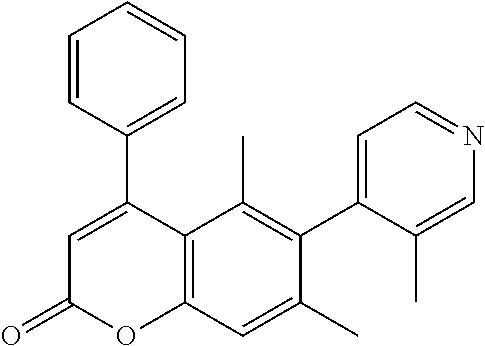
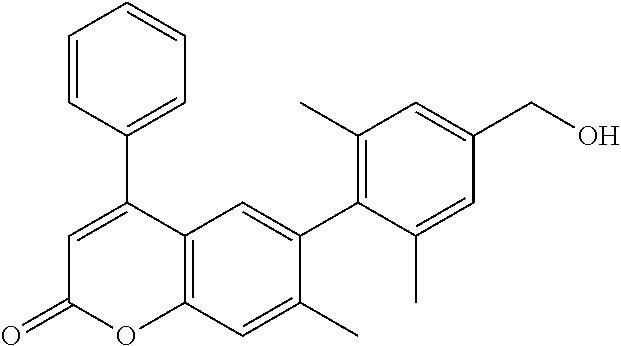
- the invention relates to a compound selected from Table A:
- the antitubercular activity of Compounds 1-50 was evaluated against Mtb strain H37Rv.
- the inhibitory activity (IC 90 ) of the compounds is reported in Table A.
- the inhibitory activity is characterized based on the following scale:
- the invention further relates to the use of a compound of Formula I for the treatment of a mycobacterial infection.
- the compounds of the invention can be used for anti-mycobacterial activity against mycobacterium infection, in particular against infection caused by resistant strains of mycobacterium tuberculosis .
- Compounds of Formula I are useful for the treatment of mycobacterial diseases, particularly those caused by pathogenic mycobacteria.
- the invention further relates to the use of a compound of Formula I in the manufacture of a medicament.
- the invention further relates to combination therapy using compounds of Formula I with antibacterial agents, in particular anti-mycobacterial agents.
- the compounds of Formula I can be combined with antibacterial agents such as rifampicin, rifampin, isoniazid, pyrazinamide, amikacin, ethionamide, moxifloxacin, ethambutol, streptomycin, para-aminosalicylic acid, cycloserine, capreomycin, kanamycin, thiacetazone, PA-824, quinolones/fluoroquinolones such as for example ofloxacin, ciprofloxacin, sparfloxacin; macrolides such as for example clarithromycin, clofazimine, amoxycillin with clavulanic acid, rifamycins, rifabutin, rifapentine.
- aliphatic group refers to a non-aromatic moiety that may be saturated (e.g. single bond) or contain one or more units of unsaturation, e.g., double and/or triple bonds.
- An aliphatic group may be straight chained, branched or cyclic, contain carbon, hydrogen or, optionally, one or more heteroatoms and may be substituted or unsubstituted.
- aliphatic groups include, for example, polyalkoxyalkyls, such as polyalkylene glycols, polyamines, and polyimines, for example. Such aliphatic groups may be further substituted.
- aliphatic groups may include alkyl, substituted alkyl, alkenyl, substituted alkenyl, alkynyl, substituted alkynyl, and substituted or unsubstituted cycloalkyl groups as described herein.
- acyl refers to a carbonyl substituted with hydrogen, alkyl, partially saturated or fully saturated cycloalkyl, partially saturated or fully saturated heterocycle, aryl, or heteroaryl.
- acyl includes groups such as (C 1 -C 6 ) alkanoyl (e.g., formyl, acetyl, propionyl, butyryl, valeryl, caproyl, t-butylacetyl, etc.), (C 3 -C 6 )cycloalkylcarbonyl (e.g., cyclopropylcarbonyl, cyclobutylcarbonyl, cyclopentylcarbonyl, cyclohexylcarbonyl, etc.), heterocyclic carbonyl (e.g., pyrrolidinylcarbonyl, pyrrolid-2-one-5-carbonyl, piperidinylcarbonyl, piperazinylcarbonyl, tetrahydrofuranylcarbony
- alkyl, cycloalkyl, heterocycle, aryl and heteroaryl portion of the acyl group may be any one of the groups described in the respective definitions.
- the acyl group may be unsubstituted or optionally substituted with one or more substituents (typically, one to three substituents) independently selected from the group of substituents listed below in the definition for “substituted” or the alkyl, cycloalkyl, heterocycle, aryl and heteroaryl portion of the acyl group may be substituted as described above in the preferred and more preferred list of substituents, respectively.
- alkyl is intended to include both branched and straight chain, substituted or unsubstituted saturated aliphatic hydrocarbon radicals/groups having the specified number of carbons.
- Preferred alkyl groups comprise about 1 to about 24 carbon atoms (“C 1 -C 24 ”).
- Other preferred alkyl groups comprise at about 1 to about 8 carbon atoms (“C 1 -C 8 ”) such as about 1 to about 6 carbon atoms (“C 1 -C 6 ”), or such as about 1 to about 3 carbon atoms (“C 1 -C 3 ”).
- C 1 -C 6 alkyl radicals include, but are not limited to, methyl, ethyl, propyl, isopropyl, n-butyl, tert-butyl, n-pentyl, neopentyl and n-hexyl radicals.
- alkenyl refers to linear or branched radicals having at least one carbon-carbon double bond. Such radicals preferably contain from about two to about twenty-four carbon atoms (“C 2 -C 24 ”). Other preferred alkenyl radicals are “lower alkenyl” radicals having two to about ten carbon atoms (“C 2 -C 10 ”) such as ethenyl, allyl, propenyl, butenyl and 4-methylbutenyl. Preferred lower alkenyl radicals include 2 to about 6 carbon atoms (“C 2 -C 6 ”). The terms “alkenyl”, and “lower alkenyl”, embrace radicals having “cis” and “trans” orientations, or alternatively, “E” and “Z” orientations.
- alkynyl refers to linear or branched radicals having at least one carbon-carbon triple bond. Such radicals preferably contain from about two to about twenty-four carbon atoms (“C 2 -C 24 ”). Other preferred alkynyl radicals are “lower alkynyl” radicals having two to about ten carbon atoms such as propargyl, 1-propynyl, 2-propynyl, 1-butyne, 2-butynyl and 1-pentynyl. Preferred lower alkynyl radicals include 2 to about 6 carbon atoms (“C 2 -C 6 ”).
- cycloalkyl refers to saturated carbocyclic radicals having three to about twelve carbon atoms (“C 3 -C 12 ”).
- cycloalkyl embraces saturated carbocyclic radicals having three to about twelve carbon atoms. Examples of such radicals include cyclopropyl, cyclobutyl, cyclopentyl and cyclohexyl.
- cycloalkenyl refers to partially unsaturated carbocyclic radicals having three to twelve carbon atoms. Cycloalkenyl radicals that are partially unsaturated carbocyclic radicals that contain two double bonds (that may or may not be conjugated) can be called “cycloalkyldienyl”. More preferred cycloalkenyl radicals are “lower cycloalkenyl” radicals having four to about eight carbon atoms. Examples of such radicals include cyclobutenyl, cyclopentenyl and cyclohexenyl.
- alkylene refers to a divalent group derived from a straight chain or branched saturated hydrocarbon chain having the specified number of carbons atoms.
- alkylene groups include, but are not limited to, ethylene, propylene, butylene, 3-methyl-pentylene, and 5-ethyl-hexylene.
- alkenylene denotes a divalent group derived from a straight chain or branched hydrocarbon moiety containing the specified number of carbon atoms having at least one carbon-carbon double bond.
- Alkenylene groups include, but are not limited to, for example, ethenylene, 2-propenylene, 2-butenylene, 1-methyl-2-buten-1-ylene, and the like.
- alkynylene denotes a divalent group derived from a straight chain or branched hydrocarbon moiety containing the specified number of carbon atoms having at least one carbon-carbon triple bond.
- Representative alkynylene groups include, but are not limited to, for example, propynylene, 1-butynylene, 2-methyl-3-hexynylene, and the like.
- alkoxy refers to linear or branched oxy-containing radicals each having alkyl portions of one to about twenty-four carbon atoms or, preferably, one to about twelve carbon atoms. More preferred alkoxy radicals are “lower alkoxy” radicals having one to about ten carbon atoms and more preferably having one to about eight carbon atoms. Examples of such radicals include methoxy, ethoxy, propoxy, butoxy and tert-butoxy.
- alkoxyalkyl refers to alkyl radicals having one or more alkoxy radicals attached to the alkyl radical, that is, to form monoalkoxyalkyl and dialkoxyalkyl radicals.
- aryl alone or in combination, means an aromatic system containing one, two or three rings wherein such rings may be attached together in a pendent manner or may be fused.
- aryl embraces aromatic radicals such as phenyl, naphthyl, tetrahydronaphthyl, indane furanyl, quinazolinyl, pyridyl and biphenyl.
- heterocyclyl refers to saturated, partially unsaturated and unsaturated heteroatom-containing ring-shaped radicals, which can also be called “heterocyclyl”, “heterocycloalkenyl” and “heteroaryl” correspondingly, where the heteroatoms may be selected from nitrogen, sulfur and oxygen.
- saturated heterocyclyl radicals include saturated 3 to 6-membered heteromonocyclic group containing 1 to 4 nitrogen atoms (e.g.
- pyrrolidinyl imidazolidinyl, piperidino, piperazinyl, etc.
- saturated 3 to 6-membered heteromonocyclic group containing 1 to 2 oxygen atoms and 1 to 3 nitrogen atoms e.g. morpholinyl, etc.
- saturated 3 to 6-membered heteromonocyclic group containing 1 to 2 sulfur atoms and 1 to 3 nitrogen atoms e.g., thiazolidinyl, etc.
- partially unsaturated heterocyclyl radicals include dihydrothiophene, dihydropyran, dihydrofuran and dihydrothiazole.
- Heterocyclyl radicals may include a pentavalent nitrogen, such as in tetrazolium and pyridinium radicals.
- the term “heterocycle” also embraces radicals where heterocyclyl radicals are fused with aryl or cycloalkyl radicals. Examples of such fused bicyclic radicals include benzofuran, benzothiophene, and the like.
- heteroaryl refers to unsaturated aromatic heterocyclyl radicals.
- heteroaryl radicals include unsaturated 3 to 6 membered heteromonocyclic group containing 1 to 4 nitrogen atoms, for example, pyrrolyl, pyrrolinyl, imidazolyl, pyrazolyl, pyridyl, pyrimidyl, pyrazinyl, pyridazinyl, triazolyl (e.g., 4H-1,2,4-triazolyl, 1H-1,2,3-triazolyl, 2H-1,2,3-triazolyl, etc.) tetrazolyl (e.g.
- unsaturated condensed heterocyclyl group containing 1 to 5 nitrogen atoms for example, indolyl, isoindolyl, indolizinyl, benzimidazolyl, quinolyl, isoquinolyl, indazolyl, benzotriazolyl, tetrazolopyridazinyl (e.g., tetrazolo[1,5-b]pyridazinyl, etc.), etc.
- unsaturated 3 to 6-membered heteromonocyclic group containing an oxygen atom for example, pyranyl, furyl, etc.
- unsaturated 3 to 6-membered heteromonocyclic group containing a sulfur atom for example, thienyl, etc.
- unsaturated 3- to 6-membered heteromonocyclic group containing 1 to 2 oxygen atoms and 1 to 3 nitrogen atoms for example,
- benzoxazolyl, benzoxadiazolyl, etc. unsaturated 3 to 6-membered heteromonocyclic group containing 1 to 2 sulfur atoms and 1 to 3 nitrogen atoms, for example, thiazolyl, thiadiazolyl (e.g., 1,2,4-thiadiazolyl, 1,3,4-thiadiazolyl, 1,2,5-thiadiazolyl, etc.) etc.; unsaturated condensed heterocyclyl group containing 1 to 2 sulfur atoms and 1 to 3 nitrogen atoms (e.g., benzothiazolyl, benzothiadiazolyl, etc.) and the like.
- heterocycloalkyl refers to heterocyclo-substituted alkyl radicals. More preferred heterocycloalkyl radicals are “lower heterocycloalkyl” radicals having one to six carbon atoms in the heterocyclo radical.
- alkylthio refers to radicals containing a linear or branched alkyl radical, of one to about ten carbon atoms attached to a divalent sulfur atom.
- Preferred alkylthio radicals have alkyl radicals of one to about twenty-four carbon atoms or, preferably, one to about twelve carbon atoms. More preferred alkylthio radicals have alkyl radicals which are “lower alkylthio” radicals having one to about ten carbon atoms. Most preferred are alkylthio radicals having lower alkyl radicals of one to about eight carbon atoms. Examples of such lower alkylthio radicals include methylthio, ethylthio, propylthio, butylthio and hexylthio.
- aralkyl or “arylalkyl” refer to aryl-substituted alkyl radicals such as benzyl, diphenylmethyl, triphenylmethyl, phenylethyl, and diphenylethyl.
- aryloxy refers to aryl radicals attached through an oxygen atom to other radicals.
- aralkoxy or “arylalkoxy” refer to aralkyl radicals attached through an oxygen atom to other radicals.
- aminoalkyl refers to alkyl radicals substituted with amino radicals.
- Preferred aminoalkyl radicals have alkyl radicals having about one to about twenty-four carbon atoms or, preferably, one to about twelve carbon atoms. More preferred aminoalkyl radicals are “lower aminoalkyl” that have alkyl radicals having one to about ten carbon atoms. Most preferred are aminoalkyl radicals having lower alkyl radicals having one to eight carbon atoms. Examples of such radicals include aminomethyl, aminoethyl, and the like.
- alkylamino denotes amino groups which are substituted with one or two alkyl radicals.
- Preferred alkylamino radicals have alkyl radicals having about one to about twenty carbon atoms or, preferably, one to about twelve carbon atoms. More preferred alkylamino radicals are “lower alkylamino” that have alkyl radicals having one to about ten carbon atoms. Most preferred are alkylamino radicals having lower alkyl radicals having one to about eight carbon atoms.
- Suitable lower alkylamino may be monosubstituted N-alkylamino or disubstituted N,N-alkylamino, such as N-methylamino, N-ethylamino, N,N-dimethylamino, N,N-diethylamino or the like.
- substituted refers to the replacement of one or more hydrogen radicals in a given structure with the radical of a specified substituent including, but not limited to: halo, alkyl, alkenyl, alkynyl, aryl, heterocyclyl, thiol, alkylthio, arylthio, alkylthioalkyl, arylthioalkyl, alkylsulfonyl, alkylsulfonylalkyl, arylsulfonylalkyl, alkoxy, aryloxy, aralkoxy, aminocarbonyl, alkylaminocarbonyl, arylaminocarbonyl, alkoxycarbonyl, aryloxycarbonyl, haloalkyl, amino, trifluoromethyl, cyano, nitro, alkylamino, arylamino, alkylaminoalkyl, arylaminoalkyl, aminoalkylamino, hydroxy
- chemical moieties that are defined and referred to throughout can be univalent chemical moieties (e.g., alkyl, aryl, etc.) or multivalent moieties under the appropriate structural circumstances clear to those skilled in the art.
- an “alkyl” moiety can be referred to a monovalent radical (e.g.
- a bivalent linking moiety can be “alkyl,” in which case those skilled in the art will understand the alkyl to be a divalent radical (e.g., —CH 2 —CH 2 —), which is equivalent to the term “alkylene.”
- divalent moieties are required and are stated as being “alkoxy”, “alkylamino”, “aryloxy”, “alkylthio”, “aryl”, “heteroaryl”, “heterocyclic”, “alkyl” “alkenyl”, “alkynyl”, “aliphatic”, or “cycloalkyl”
- alkoxy”, “alkylamino”, “aryloxy”, “alkylthio”, “aryl”, “heteroaryl”, “heterocyclic”, “alkyl”, “alkenyl”, “alkynyl”, “aliphatic”, or “cycloalkyl” refer to the terms “alkoxy”, “alkylamino”, “aryloxy”, “alkylthio”, “ary
- halogen refers to an atom selected from fluorine, chlorine, bromine and iodine.
- drug and “prodrug” as used herein all include pharmaceutically acceptable salts, co-crystals, solvates, hydrates, polymorphs, enantiomers, diastereoisomers, racemates and the like of the compounds, drugs and prodrugs having the formulas as set forth herein.
- Substituents indicated as attached through variable points of attachments can be attached to any available position on the ring structure.
- the term “effective amount of the subject compounds,” with respect to the subject method of treatment, refers to an amount of the subject compound which, when delivered as part of desired dose regimen, brings about management of the disease or disorder to clinically acceptable standards.
- Treatment refers to an approach for obtaining beneficial or desired clinical results in a patient.
- beneficial or desired clinical results include, but are not limited to, one or more of the following: alleviation of symptoms, diminishment of extent of a disease, stabilization (i.e., not worsening) of a state of disease, preventing spread of disease, preventing occurrence or recurrence of disease, delay or slowing of disease progression, amelioration of the disease state, and remission (whether partial or total).
- compositions of the present invention comprise a therapeutically effective amount of a compound of the present invention formulated together with one or more pharmaceutically acceptable carriers or excipients.
- the term “pharmaceutically acceptable carrier or excipient” means a non-toxic, inert solid, semi-solid, gel or liquid filler, diluent, encapsulating material or formulation auxiliary of any type.
- materials which can serve as pharmaceutically acceptable carriers are sugars such as lactose, glucose and sucrose; cyclodextrins such as alpha-( ⁇ ), beta-( ⁇ ) and gamma-( ⁇ ) cyclodextrins; starches such as corn starch and potato starch; cellulose and its derivatives such as sodium carboxymethyl cellulose, ethyl cellulose and cellulose acetate; powdered tragacanth; malt; gelatin; talc; excipients such as cocoa butter and suppository waxes; oils such as peanut oil, cottonseed oil, safflower oil, sesame oil, olive oil, corn oil and soybean oil; glycols such as propylene glycol; esters such as ethylene glycol; est
- compositions of this invention may be administered orally, parenterally, by inhalation spray, topically, rectally, nasally, buccally, vaginally or via an implanted reservoir.
- administration is parenteral administration by injection.
- compositions of this invention may contain any conventional non-toxic pharmaceutically-acceptable carriers, adjuvants or vehicles.
- pH of the formulation may be adjusted with pharmaceutically acceptable acids, bases or buffers to enhance the stability of the formulated compound or its delivery form.
- parenteral as used herein includes subcutaneous, intracutaneous, intravenous, intramuscular, intraarticular, intraarterial, intrasynovial, intrasternal, intrathecal, intralesional and intracranial injection or infusion techniques.
- Liquid dosage forms for oral administration include pharmaceutically acceptable emulsions, microemulsions, solutions, suspensions, syrups and elixirs.
- the liquid dosage forms may contain inert diluents commonly used in the art such as, for example, water or other solvents, solubilizing agents and emulsifiers such as ethyl alcohol, isopropyl alcohol, ethyl carbonate, ethyl acetate, benzyl alcohol, benzyl benzoate, propylene glycol, 1,3-butylene glycol, dimethylformamide, oils (in particular, cottonseed, groundnut, corn, germ, olive, castor, and sesame oils), glycerol, tetrahydrofurfuryl alcohol, polyethylene glycols and fatty acid esters of sorbitan, and mixtures thereof.
- the oral compositions can also include adjuvants such as wetting agents, e
- Injectable preparations for example, sterile injectable aqueous or oleaginous suspensions, may be formulated according to the known art using suitable dispersing or wetting agents and suspending agents.
- the sterile injectable preparation may also be a sterile injectable suspension or emulsion, such as INTRALIPID®, LIPOSYN® or OMEGAVEN®, or solution, in a nontoxic parenterally acceptable diluent or solvent, for example, as a solution in 1,3-butanediol.
- INTRALIPID® is an intravenous fat emulsion containing 10-30% soybean oil, 1-10% egg yolk phospholipids, 1-10% glycerin and water.
- LIPOSYN® is also an intravenous fat emulsion containing 2-15% safflower oil, 2-15% soybean oil, 0.5-5% egg phosphatides 1-10% glycerin and water.
- OMEGAVEN® is an emulsion for infusion containing about 5-25% fish oil, 0.5-10% egg phosphatides, 1-10% glycerin and water.
- acceptable vehicles and solvents that may be employed are water, Ringer's solution, USP and isotonic sodium chloride solution.
- sterile, fixed oils are conventionally employed as a solvent or suspending medium.
- any bland fixed oil can be employed including synthetic mono- or diglycerides.
- fatty acids such as oleic acid are used in the preparation of injectables.
- the injectable formulations can be sterilized, for example, by filtration through a bacterial-retaining filter, or by incorporating sterilizing agents in the form of sterile solid compositions which can be dissolved or dispersed in sterile water or other sterile injectable medium prior to use.
- compositions for rectal or vaginal administration are preferably suppositories which can be prepared by mixing the compounds of this invention with suitable non-irritating excipients or carriers such as cocoa butter, polyethylene glycol or a suppository wax which are solid at ambient temperature but liquid at body temperature and therefore melt in the rectum or vaginal cavity and release the active compound.
- suitable non-irritating excipients or carriers such as cocoa butter, polyethylene glycol or a suppository wax which are solid at ambient temperature but liquid at body temperature and therefore melt in the rectum or vaginal cavity and release the active compound.
- Solid dosage forms for oral administration include capsules, tablets, pills, powders, and granules.
- the active compound is mixed with at least one inert, pharmaceutically acceptable excipient or carrier such as sodium citrate or dicalcium phosphate and/or: a) fillers or extenders such as starches, lactose, sucrose, glucose, mannitol, and silicic acid, b) binders such as, for example, carboxymethylcellulose, alginates, gelatin, polyvinylpyrrolidinone, sucrose, and acacia, c) humectants such as glycerol, d) disintegrating agents such as agar-agar, calcium carbonate, potato or tapioca starch, alginic acid, certain silicates, and sodium carbonate, e) solution retarding agents such as paraffin, f) absorption accelerators such as quaternary ammonium compounds, g) wetting agents such as, for example, cetyl alcohol and g
- compositions of a similar type may also be employed as fillers in soft and hard-filled gelatin capsules using such excipients as lactose or milk sugar as well as high molecular weight polyethylene glycols and the like.
- the solid dosage forms of tablets, dragees, capsules, pills, and granules can be prepared with coatings and shells such as enteric coatings and other coatings well known in the pharmaceutical formulating art. They may optionally contain opacifying agents and can also be of a composition that they release the active ingredient(s) only, or preferentially, in a certain part of the intestinal tract, optionally, in a delayed manner. Examples of embedding compositions that can be used include polymeric substances and waxes.
- Dosage forms for topical or transdermal administration of a compound of this invention include ointments, pastes, creams, lotions, gels, powders, solutions, sprays, inhalants or patches.
- the active component is admixed under sterile conditions with a pharmaceutically acceptable carrier and any needed preservatives or buffers as may be required.
- Ophthalmic formulation, ear drops, eye ointments, powders and solutions are also contemplated as being within the scope of this invention.
- the ointments, pastes, creams and gels may contain, in addition to an active compound of this invention, excipients such as animal and vegetable fats, oils, waxes, paraffins, starch, tragacanth, cellulose derivatives, polyethylene glycols, silicones, bentonites, silicic acid, talc and zinc oxide, or mixtures thereof.
- excipients such as animal and vegetable fats, oils, waxes, paraffins, starch, tragacanth, cellulose derivatives, polyethylene glycols, silicones, bentonites, silicic acid, talc and zinc oxide, or mixtures thereof.
- Powders and sprays can contain, in addition to the compounds of this invention, excipients such as lactose, talc, silicic acid, aluminum hydroxide, calcium silicates and polyamide powder, or mixtures of these substances.
- Sprays can additionally contain customary propellants such as chlorofluorohydrocarbons.
- Transdermal patches have the added advantage of providing controlled delivery of a compound to the body.
- dosage forms can be made by dissolving or dispensing the compound in the proper medium.
- Absorption enhancers can also be used to increase the flux of the compound across the skin.
- the rate can be controlled by either providing a rate controlling membrane or by dispersing the compound in a polymer matrix or gel.
- a therapeutic composition of the invention is formulated and administered to the patient in solid or liquid particulate form by direct administration e.g., inhalation into the respiratory system.
- Solid or liquid particulate forms of the active compound prepared for practicing the present invention include particles of respirable size: that is, particles of a size sufficiently small to pass through the mouth and larynx upon inhalation and into the bronchi and alveoli of the lungs. Delivery of aerosolized therapeutics is known in the art (see, for example U.S. Pat. No. 5,767,068 to VanDevanter et al., U.S. Pat. No. 5,508,269 to Smith et al., and WO 98/43650 by Montgomery).
- the antitubercular activity was evaluated against Mtb strain H37Rv.
- the inhibitory activity (IC 90 ) of the compounds is reported in Table A.
Landscapes
- Chemical & Material Sciences (AREA)
- Health & Medical Sciences (AREA)
- Organic Chemistry (AREA)
- Medicinal Chemistry (AREA)
- Pharmacology & Pharmacy (AREA)
- Epidemiology (AREA)
- Life Sciences & Earth Sciences (AREA)
- Animal Behavior & Ethology (AREA)
- General Health & Medical Sciences (AREA)
- Public Health (AREA)
- Veterinary Medicine (AREA)
- Pharmaceuticals Containing Other Organic And Inorganic Compounds (AREA)
Abstract

Description

-
- Wherein, n is 0, 1, or 2;
- t is 0 or 1;
- R1 is hydrogen, halogen, —OR20, —SR20, —NR20R21, —CF3, —CN, —NO2, —N3, —C(O)OR20, —C(O)R20, —C(O)NR20R21, acyl, alkyl, substituted alkyl, alkenyl, substituted alkenyl, alkynyl, substituted alkynyl, aryl, substituted aryl, heteroaryl or substituted heteroaryl;
- Wherein each R20 and R21 is independently hydrogen, halogen, alkyl, aliphatic, substituted aliphatic, aryl or substituted aryl;
- R3 is hydrogen, halogen, —OR20, —SR20, —NR20R21, —CF3, —CN, —NO2, —N3, —C(O)OR20, —C(O)R20, —C(O)NR20R21, acyl, alkyl, alkoxy, substituted alkoxy, alkylamino, substituted alkylamino, dialkylamino, substituted dialkylamino, substituted or unsubstituted alkylthio, substituted or unsubstituted alkylsulfonyl, aliphatic, substituted aliphatic, aryl or substituted aryl;
- Each R4 is independently selected from hydrogen, halogen, —OR20, —SR20, —NR20R21, —CF3, —CN, —NO2, —N3, —C(O)OR20, —C(O)R20, —C(O)NR20R21, acyl, alkyl, alkoxy, substituted alkoxy, alkylamino, substituted alkylamino, dialkylamino, substituted dialkylamino, substituted or unsubstituted alkylthio, substituted or unsubstituted alkylsulfonyl, aliphatic, substituted aliphatic, aryl or substituted aryl; alternatively two R4 groups together with the atoms to which they are attached and any intervening atoms may form an additional optionally substituted, 3, 4, 5, 6 or 7 membered ring;
- R2 is aryl, substituted aryl, heterocyclic, substituted heterocyclic, alkyl substituted with aryl, alkenyl substituted with aryl, alkynyl substituted aryl, —[C(R20)(R21)]a-Cy, —[C(R20)(R21)]a═[C(R20)(R21)]a-Cy, —O[C(R20)(R21)]a-Cy, —S[C(R20)(R21)]a-Cy, or —N(R20)[C(R20)(R21)]a-Cy;
- Wherein Cy is aryl, substituted aryl, heterocyclic, substituted heterocyclic, carbocyclic or substituted carbocyclic;
- Each a is independently 0, 1, 2, 3, 4, 5, 6, 7, 8, 9, 10, 11, 12, 13, 14, 15, 16, 17, 18, 19 or 20.

Wherein, n is 0, 1, or 2;
- t is 0 or 1;
- R1 is hydrogen, halogen, —OR20, —SR20, —NR20R21, —CF3, —CN, —NO2, —N3, —C(O)OR20, —C(O)R20, —C(O)NR20R21, —S(O)R20, —S(O)NR20, —S(O)2R20, acyl, alkyl, substituted alkyl, alkenyl, substituted alkenyl, alkynyl, substituted alkynyl, aryl, substituted aryl, heteroaryl or substituted heteroaryl;
- Wherein each R20 and R21 is independently hydrogen, halogen, alkyl, aliphatic, substituted aliphatic, aryl or substituted aryl;
- R3 is hydrogen, halogen, —OR20, —SR20, —NR20R21, —CF3, —CN, —NO2, —N3, —C(O)OR20, —C(O)R20, —C(O)NR20R21, acyl, alkyl, alkoxy, substituted alkoxy, alkylamino, substituted alkylamino, dialkylamino, substituted dialkylamino, substituted or unsubstituted alkylthio, substituted or unsubstituted alkylsulfonyl, aliphatic, substituted aliphatic, aryl or substituted aryl;
- Each R4 and R9 is independently selected from hydrogen, halogen, —OR20, —SR20, —NR20R21, —CF3, —CN, —NO2, —N3, —C(O)OR20, —C(O)R20, —C(O)NR20R21, acyl, alkyl, alkoxy, substituted alkoxy, alkylamino, substituted alkylamino, dialkylamino, substituted dialkylamino, substituted or unsubstituted alkylthio, substituted or unsubstituted alkylsulfonyl, aliphatic, substituted aliphatic, aryl or substituted aryl; alternatively two R4 groups together with the atoms to which they are attached and any intervening atoms may form an additional optionally substituted, 3, 4, 5, 6 or 7 membered ring;
- R2 is aryl, substituted aryl, heterocyclic, substituted heterocyclic, —[C(R20)(R21)]a-Cy, —[C(R20)(R21)]a[C(R20)(R21)]a-Cy, —O[C(R20)(R21)]a-Cy, —S[C(R20)(R21)]a-Cy, —N(R20)[C(R20)(R21)]b-Cy;
- Wherein Cy is aryl, substituted aryl, heterocyclic, substituted heterocyclic, carbocyclic or substituted carbocyclic;
- Each a is independently 0, 1, 2, 3, 4, 5, 6, 7, 8, 9, 10, 11, 12, 13, 14, 15, 16, 17, 18, 19 or 20.


Wherein m is 0, 1, 2, 3, 4, 5, 6, 7, 8, 9, 10, 11 or 12;
- q is 0, 1, 2, 3 or 4;
- Each R6, R7, R10 and R11 is independently selected from absent, hydrogen, halogen, —OR20, —SR20, —NR20R21, —CF3, —CN, —NO2, —N3, —OH, —SH, —C(O)OR20, —C(O)R20, —C(O)NR20R21, —S(O)R20, —S(O)NR20, —S(O)2R20, acyl, alkyl, alkenyl, alkoxy, oxo, substituted alkoxy, alkylamino, substituted alkylamino, dialkylamino, substituted dialkylamino, substituted or unsubstituted alkylthio, substituted or unsubstituted alkylsulfonyl, aliphatic, substituted aliphatic, aryl or substituted aryl; alternatively two R10 and R11 groups together with the atoms to which they are attached and any intervening atoms may form an additional optionally substituted, 3, 4, 5, 6 or 7 membered ring;
- R5 is selected from absent, hydrogen, halogen, —NR20R21, OR20, SR20, —CF3, —CN, —NO2, —N3, —C(O)OR20, —C(O)R20, —C(O)NR20R21, —S(O)R20, —S(O)NR20, —S(O)2R20, alkyl, substituted alkyl, aryl, substituted aryl, heterocyclic and substituted heterocyclic;
- Wherein when R21 is hydrogen, R20 is other than H, CH3 or —C(O)CH3;
- R8 is absent, —O—, —S—, —NR10—, —C(O)—, —C(O)O—, alkyl, substituted alkyl, alkenyl, substituted alkenyl, alkynyl or substituted alkynyl alkynyl.
- In a preferred embodiment, R5 is NR22R23;
- Wherein R22 is selected from hydrogen, C1-C20 alkyl, substituted C1-C20 alkyl, C2-C20 alkenyl, substituted C2-C20 alkenyl, C2-C20 alkynyl, substituted C2-C20 alkynyl, C3-C20 cycloalkyl; substituted C3-C20 cycloalkyl;
- Wherein R23 is selected from absent, C2-C20 alkyl, substituted C2-C20 alkyl, C2-C20 alkenyl, substituted C2-C20 alkenyl, C2-C20 alkynyl, substituted C2-C20 alkynyl, C3-C20 cycloalkyl; substituted C3-C20 cycloalkyl;
- Alternatively R22 and R23 together with the nitrogen atom to which they are attached may form an additional optionally substituted, 3, 4, 5, 6 or 7 membered ring;
- Wherein when R22 is hydrogen, R23 is other than —C(O)CH3.
In a more preferred embodiment, R5 is selected from:

Wherein w is 0, 1, 2, 3, 4, 5, 6, 7, 8, 9 or 10;
- R100 is hydrogen, halogen, —NR20R21, OR20, SR20, —CF3, —CN, —NO2, —N3, —C(O)OR20, —C(O)R20, —C(O)NR20R21, —S(O)R20, —S(O)NR20, —S(O)2R20, alkyl, substituted alkyl, aryl, substituted aryl, heterocyclic or substituted heterocyclic;
- Each R101 and R102 is independently selected from hydrogen, alkyl, substituted alkyl, aryl, substituted aryl, heterocyclic or substituted heterocyclic.
| TABLE A | ||
| IC90 | ||
| No | Structure | (μM) |
| 1 |
 |
I |
| 2 |
 |
II |
| 3 |
 |
I |
| 4 |
 |
I |
| 5 |
 |
I |
| 6 |
 |
I |
| 7 |
 |
II |
| 8 |
 |
I |
| 9 |
 |
III |
| 10 |
 |
II |
| 11 |
 |
III |
| 12 |
 |
II |
| 13 |
 |
I |
| 14 |
 |
IV |
| 15 |
 |
II |
| 16 |
 |
IV |
| 17 |
 |
NA |
| 18 |
 |
II |
| 19 |
 |
IV |
| 20 |
 |
I |
| 21 |
 |
II |
| 22 |
 |
IV |
| 23 |
 |
IV |
| 24 |
 |
IV |
| 25 |
 |
III |
| 26 |
 |
IV |
| 27 |
 |
II |
| 28 |
 |
II |
| 29 |
 |
II |
| 30 |
 |
II |
| 31 |
 |
NA |
| 32 |
 |
IV |
| 33 |
 |
I |
| 34 |
 |
I |
| 35 |
 |
I |
| 36 |
 |
II |
| 37 |
 |
III |
| 38 |
 |
NA |
| 39 |
 |
II |
| 40 |
 |
NA |
| 41 |
 |
I |
| 42 |
 |
III |
| 43 |
 |
NA |
| 44 |
 |
NA |
| 45 |
 |
IV |
| 46 |
 |
NA |
| 47 |
 |
IV |
| 48 |
 |
III |
| 49 |
 |
III |
| 50 |
 |
IV. |
-
- I=0.001 μM-10 μM
- II=10 μM-50 μM
- III=50 μM-100 μM
- IV=>100 μM
- NA=No Activity


Claims (19)


Priority Applications (4)
| Application Number | Priority Date | Filing Date | Title |
|---|---|---|---|
| US14/227,372 US9416121B2 (en) | 2011-09-29 | 2014-03-27 | Compounds for the treatment of mycobacterial infections |
| US15/215,895 US9682064B2 (en) | 2011-09-29 | 2016-07-21 | Compounds for the treatment of mycobacterial infections |
| US15/610,545 US10766872B2 (en) | 2011-09-29 | 2017-05-31 | Compounds for the treatment of mycobacterial infections |
| US16/103,823 USRE48105E1 (en) | 2011-09-29 | 2018-08-14 | Compounds for the treatment of mycobacterial infections |
Applications Claiming Priority (3)
| Application Number | Priority Date | Filing Date | Title |
|---|---|---|---|
| US201161540943P | 2011-09-29 | 2011-09-29 | |
| PCT/US2012/057913 WO2013049567A1 (en) | 2011-09-29 | 2012-09-28 | Compounds for the treatment of mycobacterial infections |
| US14/227,372 US9416121B2 (en) | 2011-09-29 | 2014-03-27 | Compounds for the treatment of mycobacterial infections |
Related Parent Applications (1)
| Application Number | Title | Priority Date | Filing Date |
|---|---|---|---|
| PCT/US2012/057913 Continuation WO2013049567A1 (en) | 2011-09-29 | 2012-09-28 | Compounds for the treatment of mycobacterial infections |
Related Child Applications (2)
| Application Number | Title | Priority Date | Filing Date |
|---|---|---|---|
| US15/215,895 Division US9682064B2 (en) | 2011-09-29 | 2016-07-21 | Compounds for the treatment of mycobacterial infections |
| US16/103,823 Reissue USRE48105E1 (en) | 2011-09-29 | 2018-08-14 | Compounds for the treatment of mycobacterial infections |
Publications (2)
| Publication Number | Publication Date |
|---|---|
| US20140296232A1 US20140296232A1 (en) | 2014-10-02 |
| US9416121B2 true US9416121B2 (en) | 2016-08-16 |
Family
ID=47996433
Family Applications (4)
| Application Number | Title | Priority Date | Filing Date |
|---|---|---|---|
| US14/227,372 Ceased US9416121B2 (en) | 2011-09-29 | 2014-03-27 | Compounds for the treatment of mycobacterial infections |
| US15/215,895 Active US9682064B2 (en) | 2011-09-29 | 2016-07-21 | Compounds for the treatment of mycobacterial infections |
| US15/610,545 Active US10766872B2 (en) | 2011-09-29 | 2017-05-31 | Compounds for the treatment of mycobacterial infections |
| US16/103,823 Active USRE48105E1 (en) | 2011-09-29 | 2018-08-14 | Compounds for the treatment of mycobacterial infections |
Family Applications After (3)
| Application Number | Title | Priority Date | Filing Date |
|---|---|---|---|
| US15/215,895 Active US9682064B2 (en) | 2011-09-29 | 2016-07-21 | Compounds for the treatment of mycobacterial infections |
| US15/610,545 Active US10766872B2 (en) | 2011-09-29 | 2017-05-31 | Compounds for the treatment of mycobacterial infections |
| US16/103,823 Active USRE48105E1 (en) | 2011-09-29 | 2018-08-14 | Compounds for the treatment of mycobacterial infections |
Country Status (2)
| Country | Link |
|---|---|
| US (4) | US9416121B2 (en) |
| WO (1) | WO2013049567A1 (en) |
Cited By (1)
| Publication number | Priority date | Publication date | Assignee | Title |
|---|---|---|---|---|
| US20170327481A1 (en) * | 2011-09-29 | 2017-11-16 | The Broad Institute, Inc. | Compounds for the treatment of mycobacterial infections |
Families Citing this family (10)
| Publication number | Priority date | Publication date | Assignee | Title |
|---|---|---|---|---|
| CN103896895A (en) * | 2013-12-31 | 2014-07-02 | 浙江工业大学 | Method for preparing coumarin derivative |
| GB201506658D0 (en) | 2015-04-20 | 2015-06-03 | Cellcentric Ltd | Pharmaceutical compounds |
| GB201506660D0 (en) | 2015-04-20 | 2015-06-03 | Cellcentric Ltd | Pharmaceutical compounds |
| EP3317294B1 (en) * | 2015-07-02 | 2023-03-15 | Dana-Farber Cancer Institute, Inc. | Stabilized anti-microbial peptides |
| CN105085458B (en) * | 2015-08-20 | 2017-04-05 | 孙金霞 | A kind of synthetic method of coumarin derivatives |
| CA3014442A1 (en) | 2016-02-29 | 2017-09-08 | Dana-Farber Cancer Institute, Inc. | Stapled intracellular-targeting antimicrobial peptides to treat infection |
| US11324719B2 (en) * | 2016-07-18 | 2022-05-10 | Kcl Therapeutics, Inc. | Small molecule agonists and antagonists of NR2F6 activity in humans |
| AU2018304230A1 (en) | 2017-07-19 | 2020-02-06 | Dana-Farber Cancer Institute, Inc. | Stabilized anti-microbial peptides for the treatment of antibiotic-resistant bacterial infections |
| CN113493433B (en) * | 2020-03-18 | 2023-12-01 | 泰州医药城国科化物生物医药科技有限公司 | Benzopyrone derivative capable of serving as GPR35 receptor agonist, preparation method and application thereof |
| WO2023034339A1 (en) * | 2021-08-30 | 2023-03-09 | Pretzel Therapeutics, Inc. | Hydroxy and alkoxy coumarins as modulators of polrmt |
Citations (3)
| Publication number | Priority date | Publication date | Assignee | Title |
|---|---|---|---|---|
| US5656644A (en) | 1994-07-20 | 1997-08-12 | Smithkline Beecham Corporation | Pyridyl imidazoles |
| WO2009157020A1 (en) | 2008-06-23 | 2009-12-30 | Delhi University | Coumarin compounds for the treatment of cardiovascular diseases and process for preparing the same |
| US20100331400A1 (en) | 2008-02-05 | 2010-12-30 | Fibrogen, Inc. | Chromene derivatives and use thereof as hif hydroxylase activity inhibitors |
Family Cites Families (1)
| Publication number | Priority date | Publication date | Assignee | Title |
|---|---|---|---|---|
| WO2013049567A1 (en) * | 2011-09-29 | 2013-04-04 | The Broad Institute, Inc. | Compounds for the treatment of mycobacterial infections |
-
2012
- 2012-09-28 WO PCT/US2012/057913 patent/WO2013049567A1/en not_active Ceased
-
2014
- 2014-03-27 US US14/227,372 patent/US9416121B2/en not_active Ceased
-
2016
- 2016-07-21 US US15/215,895 patent/US9682064B2/en active Active
-
2017
- 2017-05-31 US US15/610,545 patent/US10766872B2/en active Active
-
2018
- 2018-08-14 US US16/103,823 patent/USRE48105E1/en active Active
Patent Citations (3)
| Publication number | Priority date | Publication date | Assignee | Title |
|---|---|---|---|---|
| US5656644A (en) | 1994-07-20 | 1997-08-12 | Smithkline Beecham Corporation | Pyridyl imidazoles |
| US20100331400A1 (en) | 2008-02-05 | 2010-12-30 | Fibrogen, Inc. | Chromene derivatives and use thereof as hif hydroxylase activity inhibitors |
| WO2009157020A1 (en) | 2008-06-23 | 2009-12-30 | Delhi University | Coumarin compounds for the treatment of cardiovascular diseases and process for preparing the same |
Non-Patent Citations (13)
| Title |
|---|
| Ananthan, et al., "High Throughput Screening for Inhibitors of Mycobacterium tuberculosis H37Rv," Tuberculosis (Edinb). Sep. 2009; 89(5): 334-353. Downloaded from http://www.ncbi.nlm.nih.gov/pmc/articles/PMC3255569/. |
| Ananthan, NIH article 2009 89(5):334-353. * |
| Dorwald F. A. Side Reactions in Organic Synthesis, 2005, Wiley: VCH, Weinheim p. IX of Preface p. 1-15. * |
| Li, Journal of Organic Chemistry (2005), 70(16), 6515-6518. * |
| Mashelkar et al. Indian Journal of Chemistry, Section B: Organic Chemistry Including Medicinal Chemistry (2011),50B(3), 315-320. * |
| Moskvina et al. Synthesis (2009), (8), 1279-1286. * |
| Moskvina et al. Synthesis 2009(8): 1279-1286. * |
| PUBCHEM CID 6540169 (Create date May 12, 2006) p. 1. |
| Shi et al. Journal of Organic Chemistry (2004), 69(11), 3669-3671. * |
| Stanely et al. ACS Chem. Biol. 2012, 7, 1377-1384. * |
| STN Abstrct of KUMGM (University of Kansas Molecular Graphics and Modeling Laboratory), Dec. 19, 2007. * |
| Venkatesh et al., J. Pharm. Sci. 89, 145-54 (2000). * |
| Wolff, Burger's medicinal Chemistry and Drug Discovery, vol. 1, Principles and Practice, John Wiley & sons, New York, 1997. * |
Cited By (3)
| Publication number | Priority date | Publication date | Assignee | Title |
|---|---|---|---|---|
| US20170327481A1 (en) * | 2011-09-29 | 2017-11-16 | The Broad Institute, Inc. | Compounds for the treatment of mycobacterial infections |
| USRE48105E1 (en) | 2011-09-29 | 2020-07-21 | The Broad Institute, Inc. | Compounds for the treatment of mycobacterial infections |
| US10766872B2 (en) * | 2011-09-29 | 2020-09-08 | The Board Institute, Inc. | Compounds for the treatment of mycobacterial infections |
Also Published As
| Publication number | Publication date |
|---|---|
| US9682064B2 (en) | 2017-06-20 |
| US20170327481A1 (en) | 2017-11-16 |
| US20140296232A1 (en) | 2014-10-02 |
| US20170014378A1 (en) | 2017-01-19 |
| WO2013049567A1 (en) | 2013-04-04 |
| USRE48105E1 (en) | 2020-07-21 |
| US10766872B2 (en) | 2020-09-08 |
Similar Documents
| Publication | Publication Date | Title |
|---|---|---|
| USRE48105E1 (en) | Compounds for the treatment of mycobacterial infections | |
| US11104689B2 (en) | Influenza virus replication inhibitor and use thereof | |
| US11225477B2 (en) | Inhibitors of influenza virus replication, application methods and uses thereof | |
| US9771327B2 (en) | Compounds and methods for the treatment of cystic fibrosis | |
| US9120810B2 (en) | Compounds and methods for the treatment of isocitrate dehydrogenase related diseases | |
| US10730863B2 (en) | Bridged bicyclic compounds as farnesoid X receptor modulators | |
| CA2858787C (en) | Prodrugs of tertiary amine compounds | |
| TWI510481B (en) | Benzimidazole proline derivative | |
| US9422262B2 (en) | Compounds and methods for treating diseases mediated by protease activated receptors | |
| JP7034162B2 (en) | Influenza virus replication inhibitors and their use | |
| WO2014031872A2 (en) | Small molecule inhibitors for treating parasitic infections | |
| CN110117285B (en) | Inhibitors of influenza virus replication and uses thereof | |
| CN114585616A (en) | Amide derivatives and their application in medicine | |
| US20140045860A1 (en) | Small molecule inhibitors for treating parasitic infections | |
| JP2781073B2 (en) | Novel quinoline derivative and anticancer drug effect enhancer containing the same as active ingredient | |
| CN107141299A (en) | A kind of substituted azole chromogen ketone compounds and its application | |
| HK1245776B (en) | Inhibitors of influenza virus replication, application methods and uses thereof |
Legal Events
| Date | Code | Title | Description |
|---|---|---|---|
| AS | Assignment |
Owner name: MASSACHUSETTS GENERAL HOSPITAL, MASSACHUSETTS Free format text: ASSIGNMENT OF ASSIGNORS INTEREST;ASSIGNOR:HUNG, DEBORAH;REEL/FRAME:037342/0307 Effective date: 20140527 Owner name: MASSACHUSETTS GENERAL HOSPITAL, MASSACHUSETTS Free format text: ASSIGNMENT OF ASSIGNORS INTEREST;ASSIGNOR:KAWATE, TOMOHIKO;REEL/FRAME:037342/0366 Effective date: 20140605 Owner name: THE BROAD INSTITUTE, INC., MASSACHUSETTS Free format text: ASSIGNMENT OF ASSIGNORS INTEREST;ASSIGNOR:HUNG, DEBORAH;REEL/FRAME:037342/0307 Effective date: 20140527 Owner name: THE BROAD INSTITUTE, INC., MASSACHUSETTS Free format text: ASSIGNMENT OF ASSIGNORS INTEREST;ASSIGNORS:STANLEY, SARAH;IWASE, NORIAKIE;SHIMIZU, MOTOHISA;SIGNING DATES FROM 20140522 TO 20150505;REEL/FRAME:037342/0325 |
|
| STCF | Information on status: patent grant |
Free format text: PATENTED CASE |
|
| CC | Certificate of correction | ||
| AS | Assignment |
Owner name: THE GENERAL HOSPITAL CORPORATION, MASSACHUSETTS Free format text: CORRECTIVE ASSIGNMENT TO CORRECT THE SECOND ASSIGNEE NAME PREVIOUSLY RECORDED ON REEL 037342 FRAME 0307. ASSIGNOR(S) HEREBY CONFIRMS THE ASSIGNMENT;ASSIGNOR:HUNG, DEBORAH;REEL/FRAME:046313/0529 Effective date: 20140527 Owner name: THE GENERAL HOSPITAL CORPORATION, MASSACHUSETTS Free format text: CORRECTIVE ASSIGNMENT TO CORRECT THE ASSIGNEE NAME PREVIOUSLY RECORDED ON REEL 037342 FRAME 0366. ASSIGNOR(S) HEREBY CONFIRMS THE ASSIGNMENT;ASSIGNOR:KAWATE, TOMOHIKO;REEL/FRAME:046313/0593 Effective date: 20140605 Owner name: THE BROAD INSTITUTE, INC., MASSACHUSETTS Free format text: CORRECTIVE ASSIGNMENT TO CORRECT THE SECOND ASSIGNEE NAME PREVIOUSLY RECORDED ON REEL 037342 FRAME 0307. ASSIGNOR(S) HEREBY CONFIRMS THE ASSIGNMENT;ASSIGNOR:HUNG, DEBORAH;REEL/FRAME:046313/0529 Effective date: 20140527 |
|
| RF | Reissue application filed |
Effective date: 20180814 |
|
| MAFP | Maintenance fee payment |
Free format text: PAYMENT OF MAINTENANCE FEE, 4TH YR, SMALL ENTITY (ORIGINAL EVENT CODE: M2551); ENTITY STATUS OF PATENT OWNER: SMALL ENTITY Year of fee payment: 4 |