US9365597B2 - Mitochondria-targeted inhibitors of cytochrome c peroxidase for protection from apoptosis - Google Patents
Mitochondria-targeted inhibitors of cytochrome c peroxidase for protection from apoptosis Download PDFInfo
- Publication number
- US9365597B2 US9365597B2 US13/675,208 US201213675208A US9365597B2 US 9365597 B2 US9365597 B2 US 9365597B2 US 201213675208 A US201213675208 A US 201213675208A US 9365597 B2 US9365597 B2 US 9365597B2
- Authority
- US
- United States
- Prior art keywords
- tpp
- ioa
- apoptosis
- cells
- compound
- Prior art date
- Legal status (The legal status is an assumption and is not a legal conclusion. Google has not performed a legal analysis and makes no representation as to the accuracy of the status listed.)
- Active, expires
Links
- 0 [2*]C([1*]C(=O)OCC)N1C=CN=C1.[CH3-] Chemical compound [2*]C([1*]C(=O)OCC)N1C=CN=C1.[CH3-] 0.000 description 10
- JFQKRMCMWSZDTJ-UHFFFAOYSA-N CCCCOC(=O)CCCCCCCCCCCCC(CCCC)N1C=CN=C1.[Br-] Chemical compound CCCCOC(=O)CCCCCCCCCCCCC(CCCC)N1C=CN=C1.[Br-] JFQKRMCMWSZDTJ-UHFFFAOYSA-N 0.000 description 3
- KABFFIXUVBKYFK-UHFFFAOYSA-N CCCCCC(CCCCCCCCCCCC(=O)OCCCC)N1C=CN=C1.[Br-] Chemical compound CCCCCC(CCCCCCCCCCCC(=O)OCCCC)N1C=CN=C1.[Br-] KABFFIXUVBKYFK-UHFFFAOYSA-N 0.000 description 2
- DGBRCRONRNBZQD-UHFFFAOYSA-N CCCCCCC(CCCCCCCCCCC(=O)OCCCC)N1C=CN=C1.[Br-] Chemical compound CCCCCCC(CCCCCCCCCCC(=O)OCCCC)N1C=CN=C1.[Br-] DGBRCRONRNBZQD-UHFFFAOYSA-N 0.000 description 2
- MTTXHAVLPLQFPF-UHFFFAOYSA-N CCCCCCCCC(CCCCCCCCC(=O)OCCCC)N1C=CN=C1.[Br-] Chemical compound CCCCCCCCC(CCCCCCCCC(=O)OCCCC)N1C=CN=C1.[Br-] MTTXHAVLPLQFPF-UHFFFAOYSA-N 0.000 description 2
- IDELBJCAAWOZBY-UHFFFAOYSA-N CCCCCCCCC(CCCCCCCCCOCC1=CC=CC=C1)N1C=CN=C1 Chemical compound CCCCCCCCC(CCCCCCCCCOCC1=CC=CC=C1)N1C=CN=C1 IDELBJCAAWOZBY-UHFFFAOYSA-N 0.000 description 2
- UFKOYHPLUCHZMV-UHFFFAOYSA-N CCCCCCCCCCC(CCCCCCC(=O)OCCCC)N1C=CN=C1.CCCCCCCCCCCCC(CCCCC(=O)OCCCC)N1C=CN=C1.[Br-].[Br-] Chemical compound CCCCCCCCCCC(CCCCCCC(=O)OCCCC)N1C=CN=C1.CCCCCCCCCCCCC(CCCCC(=O)OCCCC)N1C=CN=C1.[Br-].[Br-] UFKOYHPLUCHZMV-UHFFFAOYSA-N 0.000 description 2
- MBSVNRSVTFWPEK-UHFFFAOYSA-N CCCCCCCCCCC(CCCCCCC(=O)OCCCC)N1C=CN=C1.[Br-] Chemical compound CCCCCCCCCCC(CCCCCCC(=O)OCCCC)N1C=CN=C1.[Br-] MBSVNRSVTFWPEK-UHFFFAOYSA-N 0.000 description 2
- CGSLECMOPZZWLY-UHFFFAOYSA-N CCCCCCCCCCCCC(CCCCC(=O)OCCCC)N1C=CN=C1.[Br-] Chemical compound CCCCCCCCCCCCC(CCCCC(=O)OCCCC)N1C=CN=C1.[Br-] CGSLECMOPZZWLY-UHFFFAOYSA-N 0.000 description 2
- CHCQSFCENAFNGL-IDAOLZPSSA-N CCCCCC[C@@H](C/C=C\CCCCCCCC(=O)OCCCC)N1C=CN=C1.CCCCCC[C@@H](CCCCCCCCCCC(=O)OCCCC)N1C=CN=C1.[Br-].[Br-] Chemical compound CCCCCC[C@@H](C/C=C\CCCCCCCC(=O)OCCCC)N1C=CN=C1.CCCCCC[C@@H](CCCCCCCCCCC(=O)OCCCC)N1C=CN=C1.[Br-].[Br-] CHCQSFCENAFNGL-IDAOLZPSSA-N 0.000 description 2
- MEHVPDXOIJVALY-UHFFFAOYSA-N O=CCCCCCCCCCOCC1=CC=CC=C1 Chemical compound O=CCCCCCCCCCOCC1=CC=CC=C1 MEHVPDXOIJVALY-UHFFFAOYSA-N 0.000 description 2
- RCSBWYBBPVLFSL-UHFFFAOYSA-N CCCCC(CCCCCCCCCCCC(CC)C(=O)OCC)N1C=CN=C1.O=C=O Chemical compound CCCCC(CCCCCCCCCCCC(CC)C(=O)OCC)N1C=CN=C1.O=C=O RCSBWYBBPVLFSL-UHFFFAOYSA-N 0.000 description 1
- SYUOUWIBJRELRG-UHFFFAOYSA-N CCCCC(O)CCCCCCCCCCCC(CC)C(=O)OCC.O=C=O Chemical compound CCCCC(O)CCCCCCCCCCCC(CC)C(=O)OCC.O=C=O SYUOUWIBJRELRG-UHFFFAOYSA-N 0.000 description 1
- PXXDRJUUXPMMGP-UHFFFAOYSA-N CCCCCC(CCCCCCCCCCCC(=O)O)N1C=CN=C1 Chemical compound CCCCCC(CCCCCCCCCCCC(=O)O)N1C=CN=C1 PXXDRJUUXPMMGP-UHFFFAOYSA-N 0.000 description 1
- CPNBZTUQCXNNHQ-QUOJDVFJSA-N CCCCCC(CCCCCCCCCCCC(=O)OCCCC)N1C=CN=C1.CCCCCCC(C/C=C\CCCCCCCC(=O)OCCCC)N1C=CN=C1.CCCCCCC(CCCCCCCCCCC(=O)OCCCC)N1C=CN=C1.CCCCCCCCC(CCCCCCCCC(=O)OCCCC)N1C=CN=C1.CCCCCCCCCCC(CCCCCCC(=O)OCCCC)N1C=CN=C1.CCCCCCCCCCCCC(CCCCC(=O)OCCCC)N1C=CN=C1.CCCCOC(=O)CCCCCCCCCCCCC(CCCC)N1C=CN=C1.[Br-].[Br-].[Br-].[Br-].[Br-].[Br-].[Br-] Chemical compound CCCCCC(CCCCCCCCCCCC(=O)OCCCC)N1C=CN=C1.CCCCCCC(C/C=C\CCCCCCCC(=O)OCCCC)N1C=CN=C1.CCCCCCC(CCCCCCCCCCC(=O)OCCCC)N1C=CN=C1.CCCCCCCCC(CCCCCCCCC(=O)OCCCC)N1C=CN=C1.CCCCCCCCCCC(CCCCCCC(=O)OCCCC)N1C=CN=C1.CCCCCCCCCCCCC(CCCCC(=O)OCCCC)N1C=CN=C1.CCCCOC(=O)CCCCCCCCCCCCC(CCCC)N1C=CN=C1.[Br-].[Br-].[Br-].[Br-].[Br-].[Br-].[Br-] CPNBZTUQCXNNHQ-QUOJDVFJSA-N 0.000 description 1
- XVIWHJZNDDDLSP-WHLDJFGHSA-N CCCCCC(CCCCCCCCCCCC(=O)OCCCC)N1C=CN=C1.CCCCCCC(C/C=C\CCCCCCCC(=O)OCCCC)N1C=CN=C1.CCCCCCC(CCCCCCCCCCC(=O)OCCCC)N1C=CN=C1.CCCCCCCCC(CCCCCCCCC(=O)OCCCC)N1C=CN=C1.CCCCCCCCCCC(CCCCCCC(=O)OCCCC)N1C=CN=C1.CCCCCCCCCCCCC(CCCCC(=O)OCCCC)N1C=CN=C1.[Br-].[Br-].[Br-].[Br-].[Br-].[Br-] Chemical compound CCCCCC(CCCCCCCCCCCC(=O)OCCCC)N1C=CN=C1.CCCCCCC(C/C=C\CCCCCCCC(=O)OCCCC)N1C=CN=C1.CCCCCCC(CCCCCCCCCCC(=O)OCCCC)N1C=CN=C1.CCCCCCCCC(CCCCCCCCC(=O)OCCCC)N1C=CN=C1.CCCCCCCCCCC(CCCCCCC(=O)OCCCC)N1C=CN=C1.CCCCCCCCCCCCC(CCCCC(=O)OCCCC)N1C=CN=C1.[Br-].[Br-].[Br-].[Br-].[Br-].[Br-] XVIWHJZNDDDLSP-WHLDJFGHSA-N 0.000 description 1
- OWKQRSUCVRJMLB-UHFFFAOYSA-N CCCCCC(O)CCCCCCCCCCCBr Chemical compound CCCCCC(O)CCCCCCCCCCCBr OWKQRSUCVRJMLB-UHFFFAOYSA-N 0.000 description 1
- BOQSGIAHOZSUEI-XFXZXTDPSA-N CCCCCCC(C/C=C\CCCCCCCC(=O)CO)N1C=CN=C1 Chemical compound CCCCCCC(C/C=C\CCCCCCCC(=O)CO)N1C=CN=C1 BOQSGIAHOZSUEI-XFXZXTDPSA-N 0.000 description 1
- JGHVNUVXNMNVMK-XFXZXTDPSA-N CCCCCCC(C/C=C\CCCCCCCC(=O)O)N1C=CN=C1 Chemical compound CCCCCCC(C/C=C\CCCCCCCC(=O)O)N1C=CN=C1 JGHVNUVXNMNVMK-XFXZXTDPSA-N 0.000 description 1
- PLQDOBGTWXXJCD-QINSGFPZSA-N CCCCCCC(C/C=C\CCCCCCCC(=O)OCCCC)N1C=CN=C1.[Br-] Chemical compound CCCCCCC(C/C=C\CCCCCCCC(=O)OCCCC)N1C=CN=C1.[Br-] PLQDOBGTWXXJCD-QINSGFPZSA-N 0.000 description 1
- KVNQSIDLJPEPBS-RAXLEYEMSA-N CCCCCCC(C/C=C\CCCCCCCC(OC)=O)[n]1cncc1 Chemical compound CCCCCCC(C/C=C\CCCCCCCC(OC)=O)[n]1cncc1 KVNQSIDLJPEPBS-RAXLEYEMSA-N 0.000 description 1
- CSHQRZCNDLOTMX-UVTDQMKNSA-N CCCCCCC(C/C=C\CCCCCCCC(OCCC[P+](c1ccccc1)=C)=O)[n]1cncc1 Chemical compound CCCCCCC(C/C=C\CCCCCCCC(OCCC[P+](c1ccccc1)=C)=O)[n]1cncc1 CSHQRZCNDLOTMX-UVTDQMKNSA-N 0.000 description 1
- FUTQKHMQTKOQSV-UHFFFAOYSA-N CCCCCCC(CCCCCCCCCCC(=O)CO)N1C=CN=C1 Chemical compound CCCCCCC(CCCCCCCCCCC(=O)CO)N1C=CN=C1 FUTQKHMQTKOQSV-UHFFFAOYSA-N 0.000 description 1
- HDHQOZFTTCOJAS-UHFFFAOYSA-N CCCCCCC(CCCCCCCCCCC(=O)CO)OS(C)(=O)=O Chemical compound CCCCCCC(CCCCCCCCCCC(=O)CO)OS(C)(=O)=O HDHQOZFTTCOJAS-UHFFFAOYSA-N 0.000 description 1
- QYWCNWONADBXTA-UHFFFAOYSA-N CCCCCCC(CCCCCCCCCCC(=O)O)N1C=CN=C1 Chemical compound CCCCCCC(CCCCCCCCCCC(=O)O)N1C=CN=C1 QYWCNWONADBXTA-UHFFFAOYSA-N 0.000 description 1
- IPTGJSBBHWWDSH-UHFFFAOYSA-N CCCCCCCCC(CCCCCCCCC(=O)O)N1C=CN=C1 Chemical compound CCCCCCCCC(CCCCCCCCC(=O)O)N1C=CN=C1 IPTGJSBBHWWDSH-UHFFFAOYSA-N 0.000 description 1
- NBMIGONDZMISLE-UHFFFAOYSA-N CCCCCCCCC(CCCCCCCCCO)N1C=CN=C1 Chemical compound CCCCCCCCC(CCCCCCCCCO)N1C=CN=C1 NBMIGONDZMISLE-UHFFFAOYSA-N 0.000 description 1
- WAOFAVWZKZAEBA-UHFFFAOYSA-N CCCCCCCCC(O)CCCCCCCCCOCC1=CC=CC=C1 Chemical compound CCCCCCCCC(O)CCCCCCCCCOCC1=CC=CC=C1 WAOFAVWZKZAEBA-UHFFFAOYSA-N 0.000 description 1
- HANGVHYUFVCCLW-UHFFFAOYSA-N CCCCCCCCCCC(CCCCCCC(=O)O)N1C=CN=C1 Chemical compound CCCCCCCCCCC(CCCCCCC(=O)O)N1C=CN=C1 HANGVHYUFVCCLW-UHFFFAOYSA-N 0.000 description 1
- KGJDMZUXANXDKG-UHFFFAOYSA-N CCCCCCCCCCC(CCCCCCC(=O)OC)N1C=CN=C1 Chemical compound CCCCCCCCCCC(CCCCCCC(=O)OC)N1C=CN=C1 KGJDMZUXANXDKG-UHFFFAOYSA-N 0.000 description 1
- OFFVBZNJDHOKFQ-UHFFFAOYSA-N CCCCCCCCCCC(CCCCCCC(OCCC[P+](c1ccccc1)=C)=O)[n]1cncc1 Chemical compound CCCCCCCCCCC(CCCCCCC(OCCC[P+](c1ccccc1)=C)=O)[n]1cncc1 OFFVBZNJDHOKFQ-UHFFFAOYSA-N 0.000 description 1
- DTTDAPSJWLASGE-UHFFFAOYSA-N CCCCCCCCCCC(O)CCCCCCC(=O)OC Chemical compound CCCCCCCCCCC(O)CCCCCCC(=O)OC DTTDAPSJWLASGE-UHFFFAOYSA-N 0.000 description 1
- VWPSUNAARYNSOO-UHFFFAOYSA-N CCCCCCCCCCCCC(CCCCC(=O)O)N1C=CN=C1 Chemical compound CCCCCCCCCCCCC(CCCCC(=O)O)N1C=CN=C1 VWPSUNAARYNSOO-UHFFFAOYSA-N 0.000 description 1
- XFASZGHGKJGHNT-UHFFFAOYSA-N CCCCCCCCCCCCC(CCCCC(=O)OC)N1C=CN=C1 Chemical compound CCCCCCCCCCCCC(CCCCC(=O)OC)N1C=CN=C1 XFASZGHGKJGHNT-UHFFFAOYSA-N 0.000 description 1
- LCFAELUIVWCIJF-UHFFFAOYSA-N CCCCCCCCCCCCC(O)CCCCC(=O)OC Chemical compound CCCCCCCCCCCCC(O)CCCCC(=O)OC LCFAELUIVWCIJF-UHFFFAOYSA-N 0.000 description 1
- KFHUGEWSRUQYEN-HINURFBFSA-N CCCCCC[C@@H](C/C=C\CCCCCCCC(=O)OCCCC)N1C=CN=C1.S.[Br-] Chemical compound CCCCCC[C@@H](C/C=C\CCCCCCCC(=O)OCCCC)N1C=CN=C1.S.[Br-] KFHUGEWSRUQYEN-HINURFBFSA-N 0.000 description 1
- LRHPLDYGYMQRHN-UHFFFAOYSA-N CCCCO.[Br-] Chemical compound CCCCO.[Br-] LRHPLDYGYMQRHN-UHFFFAOYSA-N 0.000 description 1
- IPYKIVZKMGMNAY-UHFFFAOYSA-N CCOC(=O)C(CC)CCCCCCCCCCCC=O.O=C=O Chemical compound CCOC(=O)C(CC)CCCCCCCCCCCC=O.O=C=O IPYKIVZKMGMNAY-UHFFFAOYSA-N 0.000 description 1
- KCFWYBXJBUKJIN-UHFFFAOYSA-N CCOC(=O)C(CC)CCCCCCCCCCCCO.O=C=O Chemical compound CCOC(=O)C(CC)CCCCCCCCCCCCO.O=C=O KCFWYBXJBUKJIN-UHFFFAOYSA-N 0.000 description 1
- FDNFXHCDOASWAY-UHFFFAOYSA-N COC(=O)CCCCC=O Chemical compound COC(=O)CCCCC=O FDNFXHCDOASWAY-UHFFFAOYSA-N 0.000 description 1
- HVAXGLYKECRETN-UHFFFAOYSA-N COC(=O)CCCCCCC=O Chemical compound COC(=O)CCCCCCC=O HVAXGLYKECRETN-UHFFFAOYSA-N 0.000 description 1
- JOHMTXQHMLJUMV-UHFFFAOYSA-N O=C=O.[H]CCCCCCCCCCCCC(CCCC)N1C=CN=C1 Chemical compound O=C=O.[H]CCCCCCCCCCCCC(CCCC)N1C=CN=C1 JOHMTXQHMLJUMV-UHFFFAOYSA-N 0.000 description 1
- XJJGDTAEHIUQDD-UHFFFAOYSA-N O=CCCCCCCCCCCCBr Chemical compound O=CCCCCCCCCCCCBr XJJGDTAEHIUQDD-UHFFFAOYSA-N 0.000 description 1
- ASIDMJNTHJYVQJ-UHFFFAOYSA-N OCCCCCCCCCCCCBr Chemical compound OCCCCCCCCCCCCBr ASIDMJNTHJYVQJ-UHFFFAOYSA-N 0.000 description 1
- BPFYMFDSWHAWCE-UHFFFAOYSA-N OCCCCCCCCCCOCC1=CC=CC=C1 Chemical compound OCCCCCCCCCCOCC1=CC=CC=C1 BPFYMFDSWHAWCE-UHFFFAOYSA-N 0.000 description 1
- KPCXZEKXHOYMNM-UHFFFAOYSA-N [C-]#[N+]CCCCCCCCCCCC(CCCCC)N1C=CN=C1 Chemical compound [C-]#[N+]CCCCCCCCCCCC(CCCCC)N1C=CN=C1 KPCXZEKXHOYMNM-UHFFFAOYSA-N 0.000 description 1
- HVGNSHGROOZEQR-UHFFFAOYSA-N [C-]#[N+]CCCCCCCCCCCC(O)CCCCC Chemical compound [C-]#[N+]CCCCCCCCCCCC(O)CCCCC HVGNSHGROOZEQR-UHFFFAOYSA-N 0.000 description 1
Images


Classifications
-
- C07F9/65061—
-
- C—CHEMISTRY; METALLURGY
- C07—ORGANIC CHEMISTRY
- C07F—ACYCLIC, CARBOCYCLIC OR HETEROCYCLIC COMPOUNDS CONTAINING ELEMENTS OTHER THAN CARBON, HYDROGEN, HALOGEN, OXYGEN, NITROGEN, SULFUR, SELENIUM OR TELLURIUM
- C07F9/00—Compounds containing elements of Groups 5 or 15 of the Periodic Table
- C07F9/02—Phosphorus compounds
- C07F9/547—Heterocyclic compounds, e.g. containing phosphorus as a ring hetero atom
- C07F9/645—Heterocyclic compounds, e.g. containing phosphorus as a ring hetero atom having two nitrogen atoms as the only ring hetero atoms
- C07F9/6503—Five-membered rings
- C07F9/6506—Five-membered rings having the nitrogen atoms in positions 1 and 3
-
- A—HUMAN NECESSITIES
- A61—MEDICAL OR VETERINARY SCIENCE; HYGIENE
- A61P—SPECIFIC THERAPEUTIC ACTIVITY OF CHEMICAL COMPOUNDS OR MEDICINAL PREPARATIONS
- A61P39/00—General protective or antinoxious agents
-
- C—CHEMISTRY; METALLURGY
- C07—ORGANIC CHEMISTRY
- C07D—HETEROCYCLIC COMPOUNDS
- C07D233/00—Heterocyclic compounds containing 1,3-diazole or hydrogenated 1,3-diazole rings, not condensed with other rings
- C07D233/54—Heterocyclic compounds containing 1,3-diazole or hydrogenated 1,3-diazole rings, not condensed with other rings having two double bonds between ring members or between ring members and non-ring members
- C07D233/56—Heterocyclic compounds containing 1,3-diazole or hydrogenated 1,3-diazole rings, not condensed with other rings having two double bonds between ring members or between ring members and non-ring members with only hydrogen atoms or radicals containing only hydrogen and carbon atoms, attached to ring carbon atoms
- C07D233/60—Heterocyclic compounds containing 1,3-diazole or hydrogenated 1,3-diazole rings, not condensed with other rings having two double bonds between ring members or between ring members and non-ring members with only hydrogen atoms or radicals containing only hydrogen and carbon atoms, attached to ring carbon atoms with hydrocarbon radicals, substituted by oxygen or sulfur atoms, attached to ring nitrogen atoms
-
- C—CHEMISTRY; METALLURGY
- C07—ORGANIC CHEMISTRY
- C07D—HETEROCYCLIC COMPOUNDS
- C07D233/00—Heterocyclic compounds containing 1,3-diazole or hydrogenated 1,3-diazole rings, not condensed with other rings
- C07D233/54—Heterocyclic compounds containing 1,3-diazole or hydrogenated 1,3-diazole rings, not condensed with other rings having two double bonds between ring members or between ring members and non-ring members
- C07D233/64—Heterocyclic compounds containing 1,3-diazole or hydrogenated 1,3-diazole rings, not condensed with other rings having two double bonds between ring members or between ring members and non-ring members with substituted hydrocarbon radicals attached to ring carbon atoms, e.g. histidine
Definitions
- the present application relates to novel compounds that inhibit cytochrome c (cyt c) peroxidase, compositions comprising these compounds and various uses thereof, for example for protection of cells from apoptosis.
- the present application relates to novel imidazole-substituted fatty acids and their use as cyt c peroxidase inhibitors.
- Acute radiation syndrome is associated with damage to the haematopoietic system and gastrointestinal tract due to massive cell loss in radiosensitive tissues occurring largely via apoptosis 1,2,3 .
- ROS reactive oxygen species
- ROS production has been identified as a required step in selective peroxidation of a mitochondria-specific phospholipid, cardiolipin (CL), whose oxidation products are essential for the outer membrane permeabilization and release of pro-apoptotic factors 4,9 .
- the catalyst of the peroxidation reaction is cytochrome c (cyt c) that forms a high-affinity complex with CL exhibiting potent peroxidase activity towards polyunsaturated CLs 9 .
- CL and cyt c are spatially separated; the former is confined almost exclusively to the inner mitochondrial membrane, whereas the latter is located in the intermembrane space 10 .
- CL migrates from the inner to the outer mitochondrial membrane—a process likely facilitated by one of the four candidate mitochondrial proteins: scramblase-3, nucleoside diphosphate kinase (NDPK-D), mitochondrial isoforms of creatine kinase (m-CPK) and t-Bid 11,12,13 .
- NDPK-D nucleoside diphosphate kinase
- m-CPK mitochondrial isoforms of creatine kinase
- t-Bid 11,12,13 mitochondrial isoforms of creatine kinase
- Trans-membrane re-distribution of CL makes physical interaction of CL and cyt c possible resulting in the formation of cyt c/CL complexes 9 .
- Cyt-c-mediated apoptosis has also been associated with apoptosis in freeze-thaw treatment of cells (i.e. cryopreservation).
- ischemic stroke the border region of less severely affected brain tissue that surrounds the core necrotic area remains metabolically active following the ischemic event 16 .
- Many neurons in this region undergo apoptosis in the hours or days following the stroke event, thus there is potential to save such neurons through some form of post-stroke therapy that can suppress apoptosis.
- 16 Myocardial infarctions are another type of ischemic event that results in a similar manner of cell death.
- Ischemia is pathological condition in which blood flow to cells of an organ or tissue is restricted for a period of time, subsequently followed by restoral of perfusion and associated reoxygenation. 17
- the reduction in blood flow limits the supply of oxygen and glucose to cells and gradually leads to hypoxia/anoxia, resulting in an ultimate disruption of cellular homeostasis.
- Re-establishment of blood flow restores oxygen and nutrient supply to cells, but causes further damage to cells. 17
- the burst of oxygen to cells after blood supply has been restored can cause an increased production of harmful reactive oxygen species (ROS) within mitochondria that may oxidize and damage macromolecules within the cell. 18
- ROS harmful reactive oxygen species
- Apoptosis is among the modes of cell death that occur in response to I/R. 17 Mitochondrial events appear to have important contributions to the apoptotic pathway associated with many kinds of I/R events, such as cerebral I/R and myocardial infarction. 19,20 Pro-apoptotic tBid appears to be an early activator of the mitochondrial pathway of apoptosis in both neuronal and focal cerebral I/R. 21 Cyt c and Smac/Diablo release from mitochondria, as well as caspase-9 and caspase-3 activation have also been reported to occur in response to cerebral I/R. 19
- Oxygen-glucose deprivation appears to be an accepted model for in vitro studies of cerebral ischemia that is commonly used. This model was first developed by Goldberg and Choi 22 , and involves the combined deprivation of oxygen and glucose followed by restoration of normal culture conditions to cultured neural cells roughly approximating the conditions of in vivo cerebral ischemia/reperfusion (I/R). Exposure of neural-like cells to OGD leads to patterns of cell death associated with cerebral ischemia 22 , and so it can be used for the study of cell death mechanisms associated with cerebral ischemia or the effectiveness of potential protective strategies.
- SH-SY5Y cells a human neuroblastoma cell line
- Fordel et al. 23 found that cell viability was 54% after 32 hour recovery from 16 hour OGD exposure, and a pattern of cell death just like that of in vivo cerebral ischemia was observed. That is, necrotic cell death predominantly occurred during OGD, while apoptotic death was greater following restoration of oxygen and glucose 23 .
- Wang et al. 24 exposed SH-SY5Y cells to varying times of OGD, and found that a 10-16 hour exposure decreased viability to cells to below 50% after 72 hours of recovery. Serra-Perez et al.
- Agudo-Lopez et al. 26 exposed SH-SY5Y cells to a much shorter period of OGD, lasting 3 hours in duration. After 16 hours of recovery, a 33% decrease in viability compared to cells not exposed to OGD was observed, along with a small percentage of cells at early apoptotic stages.
- the ‘pro-oxidant’ enzymatic activity of cyt c/CL complexes represents a target for anti-apoptotic drugs.
- the peroxidase activity is due to CL-induced partial unfolding of the protein in the complex resulting in a ‘loosened’ liganding capacity of haem-iron by a distal Met 80 27 .
- the ‘locking’ of the haem-iron coordination bond with a strong ligand delivered through the hydrophobic channel to the immediate proximity of the haem catalytic site blocks the peroxidase activity, inhibiting CL peroxidation and preventing the progression of apoptosis.
- TPP-IFAs mitochondria-targeted 3-hydroxypropyl-triphenylphosphonium
- R 1 and R 2 are independently selected from C 1-20 alkylene and C 2-20 alkenylene, provided that R 1 and R 2 , together, comprise at least 10 carbon atoms; and X is a counteranion, or a stereoisomer or a solvate thereof.
- the present application also includes a composition comprising one or more compounds of the application and a carrier.
- a composition comprising one or more compounds of the application and a carrier.
- the composition is a pharmaceutical composition and the carrier is pharmaceutically acceptable.
- cytochrome c (cyt c) peroxidase comprising administering an effective amount of one or more compounds of the application to a cell or subject in need thereof.
- the present application also includes a use of one or more compounds of the application to inhibit cyt c peroxidase as well as a use of one or more compounds of the application to prepare a medicament to inhibit cyt c peroxidase. Also included are one or more compounds of the application for use to inhibit cyt c peroxidase.
- the compounds of the application are able to protect cells from apoptosis. Accordingly, the present application also includes a method to prevent or treat apoptosis comprising administering an effective amount of one or more compounds of the application to a cell or subject in need thereof.
- the present application also includes a use of one or more compounds of the application to prevent or treat apoptosis as well as a use of one or more compounds of the application to prepare a medicament to prevent or treat apoptosis. Also included are one or more compounds of the application for use to prevent or treat apoptosis.
- FIG. 1 shows a general synthetic method for synthesis of the compounds IEOA, IOA and TPP-IOA starting from ricinoleic acid as well as structures for ISA, TPP-ISA and IDA.
- FIG. 2 shows the inhibition of peroxidase activity of cyt c/TOOL complexes.
- FIG. 2B shows a typical EPR spectrum of etoposide phenoxyl radicals (left panel), and assessments of peroxidase activity of cyt c/TOOL by H 2 O 2 -induced oxidation of etoposide using EPR spectroscopy (right panel).
- FIG. 2C shows a typical low-temperature EPR spectrum of protein-immobilized (tyrosine) radicals (left panel), and assessments of protein-immobilized (tyrosine) radicals by low-temperature (77 K) EPR spectroscopy (right panel).
- FIG. 2D shows a typical low-temperature (77 K) EPR spectrum of cyt c/TOOL complexes in the presence of Angeli's salt (left panel), and effects of ISA and IEOA on haem-nitrosylation of cyt c/TOOL induced by nitroxyl (HNO) generated from Angeli's salt (right panel).
- ISA and IEOA limit accessibility of haem to small molecules.
- FIG. 2E shows liquid-He EPR evidence for ligation change in cyt c haem-iron.
- X-band liquid-He (20 K) EPR spectra of cyt c.
- FIG. 4 shows HPLC and ESI-MS analysis of hydrolysis of TPP-IOA and its hydrolysis products in mitochondria and cytosol of mouse embryonic cells.
- FIG. 4A shows an HPLC-UV profile (solid lines) of mitochondrial extract from cells exposed to TPP-IOA (10 ⁇ M; incubation time, 30 min); dashed lines, standard solution of TPP-IOA (50 ⁇ M).
- FIG. 4B shows ESI-MS analysis of products formed during the hydrolysis of TPP-IOA in mitochondria.
- FIG. 4C shows compartmentalization of TPP-IOA in mouse embryonic cells.
- FIG. 4D shows the time course of TPP-IOA hydrolysis (closed circles) and accumulation of (Ph) 3 P + C 3 H 7 OH (open circles) by cytosol (left panel) (1 mg protein/ml) and mitochondrial homogenates (right panel) (1 mg protein/ml).
- Incubations were carried out in 0.1 M phosphate buffer (pH 7.0) for 25 min at 37° C.; and reaction was stopped with CH 3 CN denatured proteins were centrifuged, and the supernatant was subjected to HPLC analysis. The volume of samples was 1 ml.
- FIG. 5 shows assessments of superoxide generation in mouse embryonic cells after treatment with TPP-IOA and TPP-ISA.
- Cells were ⁇ -irradiated at a dose of 10 Gy and then incubated with different concentrations of TPP-IOA or TPP-ISA (2.5 and 5 ⁇ M) for 18 hrs.
- TPP-IOA or TPP-ISA 2.5 and 5 ⁇ M
- FIG. 6 shows inhibition of H 2 O 2 -induced TLCL (tetra-linoleoyl-cardiolipin) peroxidation.
- FIG. 6A shows typical ESI mass spectra of doubly charged molecular ions of non-oxidized TLCL and TLCL oxidized by CL/cyt c and H 2 O 2 .
- Mass-to-charge (m/z; negative MS mode) values of 723.5 and 731.5, 739.5, 747.5, 755.5, 763.5, 771.5 and 779.5 were assigned to molecular clusters of non-oxidized TLCL and TLCL enriched with 1-7 oxygen atoms, respectively.
- FIG. 7 shows mitigative effects of TPP-ISA and TPP-IOA against apoptosis.
- FIG. 7A shows the effect of TPP-ISA and TPP-IOA on ⁇ -irradiation induced PS externalization (dark colour—Annexin V-positive, PI-positive cells; light colour—Annexin V-positive, PI negative cells) in mouse embryonic cells.
- TPP-ISA or TPP-IOA was added to cells 30 min after ⁇ -radiation.
- FIG. 7B shows the effect of TPP-ISA and TPP-IOA on ⁇ -irradiation induced caspase 3/7 activation in mouse embryonic cells.
- TPP-ISA or TPP-IOA was added to cells 30 min after ⁇ -radiation.
- FIG. 7C shows the effect of TPP-ISA and TPP-IOA on ⁇ -irradiation induced cyt c release from mitochondria into the cytosol (anti-cyt c antibody, 0.2 ⁇ g ml ⁇ 1 , 1:3,000, Pharmmingen) in mouse embryonic cells.
- TPP-ISA or TPP-IOA was added to cells 30 min after ⁇ -radiation.
- FIG. 7D shows the effect of IEOA and ISA on actinomycin D-induced cell death in mouse embryonic cells.
- IEOA or ISA were incubated in the presence of fatty acid-free bovine serum albumin (BSA) (Sigma) at a molar ratio of 5:1 at 37° C. for 30 min.
- BSA bovine serum albumin
- Mouse embryonic cells were incubated with IEOA/BSA or ISA/BSA (100 ⁇ M) complexes for 30 min before the addition of 100 ng ml ⁇ 1 actinomycin D (ActD). After 18-h incubation with ActD, cell viability was analysed by flow cytometry using an Annexin V/PI kit. ActD-induced cell death in ⁇ 34.2% of cells.
- FIG. 7G shows the effect of TPP-ISA and TPP-IOA on clonogenic survival of mouse embryonic cells after ⁇ -irradiation.
- TPP-IOA or TPP-ISA was added to cells 30 min after ⁇ -radiation.
- FIG. 8A shows radiation protection and mitigation by TPP-IOA and TPP-ISA.
- the mice were irradiated and injected i.p. with TPP-IOA or TPP-ISA (5 mg per kg body weight in 100 ⁇ l of water containing 25% ethanol) 10 min after irradiation.
- TPP-ISA 5 mg per kg body weight
- TPP-IOA 5 mg per kg body weight
- mice exposed to total body irradiation only For assessments of significance see Table 1.
- FIG. 8B shows radiation protection and mitigation by TPP-IOA and TPP-ISA.
- the mice were injected i.p. with TPP-IOA (5 mg per kg body weight in 100 ⁇ l of water containing 25% ethanol) at 1 h or 10 min before irradiation or 10 min, 5 or 24 h after irradiation.
- FIG. 9 shows selective reaction monitoring (SRM) analysis of TPP-IOA.
- TPP-IOA was quantitated by SRM analysis.
- a plasma sample (10 min after i.p. injection of TPP-IOA, 5 mg/kg body weight) containing TPP-IOA was chromatographed on a C18 column and exhibited a retention time of 9.4 min (left panel).
- the transition m/z 651 ⁇ 303 was measured (right panel) corresponding to TPP-IOA to TPP-propyl minus water.
- FIG. 10 shows multiple reaction monitoring (MRM) analysis of products formed during TPP-IOA hydrolysis.
- TPP-IOA hydrolysis was measured by the presence of the TPP-propyl group by MRM analysis.
- a small intestine sample (10 min time point) containing TPP-IOA hydrolysis products was chromatographed on a C18 column.
- the TPP-propyl group exhibited a retention time of 4.17 min (left panel).
- the transitions m/z 321 ⁇ 303 corresponding to TPP-propyl to TPP-propyl minus water (middle panel) and m/z 303 ⁇ 262 corresponding to TPP-propyl minus water to TPP, were measured (right panel).
- FIG. 11 is a schematic showing the synthesis of TPP-conjugated, C-18 fatty acids with an imidazole substitution at carbons 6 and 8 of the carbon chain by an ozonolysis methodology.
- FIG. 12 is a schematic showing the synthesis of TPP-conjugated, C-18 fatty acids with an imidazole substitution at carbons 13 and 14 of the carbon chain.
- FIG. 12A shows the synthesis of TPP-13-ISA. Reaction Conditions: (i) 48% HBr in H 2 O, toluene and reflux, 3h, 78%; (ii) PCC, DCM, 4h, 72%; (iii) 1-bromopentane, Mg, THF, cat. I 2 , 58%; (iv) NaCN, dry DMF, 90° C. 16 hr, 92%; (v) CH 3 SO 2 C1, TEA, DMAP, DCM, 0° C.
- FIG. 12B shows the synthesis of TPP-14-ISA.
- Reaction Conditions (i) K 2 CO 3 , KI, CH 2 (COOEt) 2 , acetonitrile, 90° C., 48h, 63%; (ii) PCC, DCM, 3h, 73%; (iii) 1-bromobutane, Mg, THF, 4h, 62.5%; (iv) methane sulfonyl chloride, TEA, DMAP, DCM, 3h; (v) imidazole, 75° C., 16h, 32.5%; (vi) NaOH, NeOH:H 2 O (3:1), 3h; & 170° C., 20 mins, 68%; (vii) TPP propanol, DCC, DMAP, DCM, 16h, 71%.
- FIG. 14A shows the effect of selected TPP-imidazole-stearic acid derivatives on peroxidase activity of cyt-c/TOCL complexes assessed by H 2 O 2 -dependent oxidation of Amplex Red.
- Experiments were performed in 20 mM HEPES buffer (pH 7.4) containing DTPA (100 ⁇ M), cyt c was incubated with DOPC/TOCL liposomes (1:1) at a ratio of TOCL:cyt c of 25:1.
- FIG. 14B shows the effect of TPP-10-ISA on peroxidase activity of cyt c/TOCL complexes.
- the second component as used herein is chemically different from the other components or first component.
- a “third” component is different from the other, first, and second components, and further enumerated or “additional” components are similarly different.
- suitable means that the selection of the particular compound or conditions would depend on the specific synthetic manipulation to be performed, and the identity of the molecule(s) to be transformed, but the selection would be well within the skill of a person trained in the art. All process/method steps described herein are to be conducted under conditions sufficient to provide the desired product. A person skilled in the art would understand that all reaction conditions, including, for example, reaction solvent, reaction time, reaction temperature, reaction pressure, reactant ratio and whether or not the reaction should be performed under an anhydrous or inert atmosphere, can be varied to optimize the yield of the desired product and it is within their skill to do so.
- the term “comprising” and its derivatives, as used herein, are intended to be open ended terms that specify the presence of the stated features, elements, components, groups, integers, and/or steps, but do not exclude the presence of other unstated features, elements, components, groups, integers and/or steps.
- the foregoing also applies to words having similar meanings such as the terms, “including”, “having” and their derivatives.
- the term “consisting” and its derivatives, as used herein, are intended to be closed terms that specify the presence of the stated features, elements, components, groups, integers, and/or steps, but exclude the presence of other unstated features, elements, components, groups, integers and/or steps.
- alkyl as used herein means straight or branched chain, saturated alkyl groups, that is a saturated carbon chain.
- C 1-6 alkyl means an alkyl group having 1, 2, 3, 4, 5, or 6 carbon atoms.
- acyl as used herein means straight or branched chain, saturated acyl groups, that is a C(O)alkyl group.
- C 1-20 alkyl means an alkyl group having 1, 2, 3, 4, 5, 6, 7, 8, 9, 10, 11, 12, 13, 14, 15, 16, 17, 18, 19 or 20 carbon atoms.
- alkylene as used herein means straight or branched chain, saturated alkylene group, that is a saturated carbon chain that contains substituents on two of its termini.
- C 1-20 alkylene means an alkylene group having 1, 2, 3, 4, 5, 6, 7, 8, 9, 10, 11, 12, 13, 14, 15, 16, 17, 18, 19 or 20 carbon atoms.
- alkenylene as used herein means straight or branched chain, unsaturated alkenylene group, that is an unsaturated carbon chain that contains substituents on two of its termini.
- C 2-20 alkylene means an alkylene group having 2, 3, 4, 5, 6, 7, 8, 9, 10, 11, 12, 13, 14, 15, 16, 17, 18, 19 or 20 carbon atoms and at least 1, for example, 1-8, 1-5, 1-4, 1-3, 1-2 or 1, double bonds.
- counteranion means an atom or molecule having a negative charge that forms an ionic relationship with the positively charged phosphorus in the compounds of the application. The selection of counteranions would be well within the skill of a person in the art. If the compound of the application is to be used in therapy then the counteranion is pharmaceutically acceptable. Any counteranion that is compatible with the cationic portion of the compounds of the application is used.
- protecting group or “protecting group” or the like as used herein refer to a chemical moiety which protects or masks a reactive portion of a molecule to prevent side reactions in those reactive portions of the molecule, while manipulating or reacting a different portion of the molecule. After the manipulation or reaction is complete, the protecting group is removed under conditions that do not degrade or decompose the remaining portions of the molecule.
- suitable protecting group can be made by a person skilled in the art. Many conventional protecting groups are known in the art, for example as described in “Protective Groups in Organic Chemistry” McOmie, J. F. W. Ed., Plenum Press, 1973, in Greene, T. W. and Wuts, P. G.
- protecting groups include but are not limited to t-BOC, Ts, Ms, TBDMS, TBDPS, TMS, Tf, Ns, Bn, allyl, Fmoc, C 1-16 acyl, C 1-6 alkyl and the like.
- t-Boc refers to the group t-butyloxycarbonyl.
- Ts (tosyl) refers to the group p-toluenesulfonyl.
- Ms refers to the group methanesulfonyl.
- TBDMS refers to the group t-butyldimethylsilyl.
- TBDPS refers to the group t-butyldiphenylsilyl.
- TMS refers to the group trimethylsilyl.
- Tf refers to the group trifluoromethanesulfonyl.
- Ns refers to the group naphthalene sulphonyl.
- Bn refers to the group benzyl.
- Fmoc refers to the group fluorenylmethoxycarbonyl.
- Allyl refers to the group with the structural formula CH 2 ⁇ CH—CH 2 —.
- subject includes all members of the animal kingdom including mammals, and suitably refers to humans.
- cell means a single cell or a plurality of cells.
- pharmaceutically acceptable means compatible with the treatment of subjects, in particular humans.
- solvate as used herein means a compound wherein molecules of a suitable solvent are incorporated in the crystal lattice.
- a suitable solvent is physiologically tolerable at the dosage administered. Examples of suitable solvents are ethanol, water and the like. When water is the solvent, the molecule is referred to as a “hydrate”.
- solvates will vary depending on the compound and the solvate. In general, solvates are formed by dissolving the compound in the appropriate solvent and isolating the solvate by cooling or using an antisolvent. The solvate is typically dried or azeotroped under ambient conditions.
- stereoisomers refer to compounds which have their atoms connected in the same sequence but differ in the way the atoms are oriented in space—i.e. the difference between two stereoisomers lies only in the three dimensional arrangement of atoms.
- Stereoisomers can be classed as cis-trans isomers or optical isomers.
- the compounds described herein have at least one asymmetric centre giving optical isomers. Where compounds possess one asymmetric centre, they may exist as enantiomers. Where compounds possess more than one asymmetric centre, they may exist as diastereomers. It is to be understood that all such isomers and mixtures thereof in any proportion are encompassed within the scope of the present application. It is to be further understood that while the stereochemistry of the compounds may be as shown in any given compound listed herein, such compounds may also contain certain amounts (e.g. less than 20%, suitably less than 10%, more suitably less than 5%) of compounds of the application having alternate stereochemistry.
- cis-trans isomers which are sometimes referred to as geometrical isomers, occur when double bonds prevent rotation of atoms around a bond.
- a cis-isomer both of the larger groups lie on the same side of the molecule.
- the trans-isomer the larger groups are on opposite sides of the molecule.
- treating means an approach for obtaining beneficial or desired results, including clinical results.
- beneficial or desired clinical results can include, but are not limited to, alleviation or amelioration of one or more symptoms or conditions, diminishment of extent of disease, stabilized (i.e. not worsening) state of disease, preventing spread of disease, delay or slowing of disease progression, amelioration or palliation of the disease state, diminishment of the reoccurrence of disease, and remission (whether partial or total), whether detectable or undetectable.
- Treating and “Treatment” can also mean prolonging survival as compared to expected survival if not receiving treatment.
- “Treating” and “treatment” as used herein also include prophylactic treatment. For example, a subject to be treated with radiation can be treated to prevent damage caused by the radiation. Treatment also includes in vivo, in vitro and ex vivo treatment methods.
- an effective amount means an amount effective, at dosages and for periods of time necessary to achieve the desired result.
- an effective amount is an amount that, for example, reduces the amount of apoptosis compared to the amount of apoptosis without administration of the compound. Effective amounts may vary according to factors such as the cause of the apoptosis, the disease state, age, sex and/or weight of the subject.
- the amount of a given compound that will correspond to such an amount will vary depending upon various factors, such as the given drug or compound, the pharmaceutical formulation, the route of administration, the cause of the apotosis, the type of condition, disease or disorder, the identity of the subject being treated, and the like, but can nevertheless be routinely determined by one skilled in the art.
- TPP-6-imidazole-stearic acid and “TPP-6-ISA” refer to a compound of the following structure:
- TPP-8-imidazole-stearic acid and “TPP-8-ISA” refer to a compound of the following structure:
- TPP-10-imidazole-stearic acid and “TPP-10-ISA” refer to a compound of the following structure:
- TPP-12-imidazole-stearic acid As used herein, the terms “TPP-12-imidazole-stearic acid”, “TPP-12-ISA” and “TPP-ISA” refer to a compound of the following structure:
- TPP-13-imidazole-stearic acid and “TPP-13-ISA” refer to a compound of the following structure:
- TPP-14-imidazole-stearic acid and “TPP-14-ISA” refer to a compound of the following structure:
- TPP-IOA refers to a compound of the following structure:
- IFA Imidazole fatty acid
- the TPP-IFA compounds of the present application exerted strong radioprotective/radiomitigative effects in vivo against lethal doses of irradiation of mice (from 1 h before through 24 h after the irradiation).
- the TPP-IFA compounds were also found to protect cells from cell death due to oxygen-glucose deprivation, a known model for ischemia.
- R 1 and R 2 are independently selected from C 1-20 alkylene and C 2-20 alkenylene, provided that R 1 and R 2 , together, comprise at least 10 carbon atoms; and X is a counteranion, or a stereoisomer or a solvate thereof.
- n is 2, 3 or 4. In a further embodiment, m is 3.
- R 1 and R 2 are independently selected from C 4-15 alkylene and C 4-15 alkenylene, provided that R 1 and R 2 , together, comprise at least 12 carbon atoms.
- R 1 is selected from C 4-15 alkylene and C 4-15 alkenylene and R 2 is selected from C 4-15 alkylene.
- the group, —R 1 —C-(imidazole)-R 2 contains 17 carbons in the longest contiguous carbon chain. In another embodiment, this longest contiguous carbon chain is unbranched.
- the group, —C(O)—R 1 —C-(imidazole)-R 2 is from oleic acid or stearic acid.
- X ⁇ is any suitable counteranion including both inorganic and organic anions.
- this counteranion is pharmaceutically acceptable.
- suitable counteranions include, but are not limited to, the anions of hydrochloric acid, hydrobromic acid, sulfuric acid phosphoric acid, sodium monohydrogen orthophosphate, potassium hydrogen sulfate, glycolic acid, lactic acid, pyruvic acid, malonic acid, succinic acid, glutaric acid, fumaric acid, malic acid, tartaric acid, citric acid, ascorbic acid, maleic acid, benzoic acid, phenylacetic acid, cinnamic acid, salicylic acid and sulfonic acids such as p-toluene sulfonic and methanesulfonic acids.
- the resulting salts may exist in either a hydrated, solvated or substantially anhydrous form.
- the counteranion is a halide, such as chloride or bromide.
- the compounds of the application contain at least one asymmetric center where the imidazole is attached to the carbon chain and where the compound of Formula I contains at least one double bond, so there is the possibility for cis and trans regioisomers around that double bond.
- the asymmetric center is substantially (e.g. greater than about 50%, about 60%, about 70%, about 80%, about 90%, about 95% or about 99%) in the S configuration and the double bond is in the cis or Z-configuration.
- the compound of Formula I is selected from:
- the compound of Formula I is selected from:
- the compound of Formula I is selected from:
- the compounds of the application may be formulated into compositions comprising the compound and at least one carrier.
- the compounds of the application are formulated into pharmaceutical compositions for administration to subjects or cells in a biologically compatible form suitable for administration in vivo.
- the present application also includes a pharmaceutical composition comprising one or more compounds of the application and at least one pharmaceutically acceptable carrier.
- the compounds of the application may be administered to a subject in a variety of forms depending on the selected route of administration, as will be understood by those skilled in the art.
- a compound of Formula I may be administered, for example, by oral, parenteral, buccal, sublingual, nasal, rectal, patch, pump or transdermal administration and the pharmaceutical compositions formulated accordingly.
- Conventional procedures and ingredients for the selection and preparation of suitable compositions are described, for example, in Remington's Pharmaceutical Sciences (2000-20th edition) and in The United States Pharmacopeia The National Formulary (USP 24 NF19) published in 1999.
- a compound of Formula I may be orally administered, for example, with an inert diluent or with an assimilable edible carrier, or it may be enclosed in hard or soft shell gelatin capsules, or it may be compressed into tablets, or it may be incorporated directly with the food of the diet.
- the compound may be incorporated with excipient and used in the form of ingestible tablets, buccal tablets, troches, capsules, elixirs, suspensions, syrups, wafers, and the like.
- Oral dosage forms also include modified release, for example immediate release and timed-release, formulations.
- modified-release formulations include, for example, sustained-release (SR), extended-release (ER, XR, or XL), time-release or timed-release, controlled-release (CR), or continuous-release (CR or Contin), employed, for example, in the form of a coated tablet, an osmotic delivery device, a coated capsule, a microencapsulated microsphere, an agglomerated particle, e.g., as of molecular sieving type particles, or, a fine hollow permeable fiber bundle, or chopped hollow permeable fibers, agglomerated or held in a fibrous packet.
- Timed-release compositions can be formulated, e.g.
- Liposome delivery systems include, for example, small unilamellar vesicles, large unilamellar vesicles and multilamellar vesicles. Liposomes can be formed from a variety of phospholipids, such as cholesterol, stearylamine or phosphatidylcholines.
- a compound of Formula I may also be administered parenterally.
- Parenteral administration includes intravenous, intraperitoneal, subcutaneous, intramuscular, transepithelial, nasal, intrapulmonary, intrathecal, rectal and topical modes of administration.
- Parenteral administration may be by continuous infusion over a selected period of time.
- Solutions of the compound can be prepared in water suitably mixed with a surfactant such as hydroxypropylcellulose.
- Dispersions can also be prepared in glycerol, liquid polyethylene glycols, DMSO and mixtures thereof with or without alcohol, and in oils. Under ordinary conditions of storage and use, these preparations contain a preservative to prevent the growth of microorganisms. A person skilled in the art would know how to prepare suitable formulations.
- the pharmaceutical forms suitable for injectable use include sterile aqueous solutions or dispersions and sterile powders for the extemporaneous preparation of sterile injectable solutions or dispersions. In all cases, the form must be sterile and must be fluid to the extent that easy syringability exists.
- compositions for nasal administration may conveniently be formulated as aerosols, drops, gels and powders.
- Aerosol formulations typically comprise a solution or fine suspension of the active substance in a physiologically acceptable aqueous or non-aqueous solvent and are usually presented in single or multidose quantities in sterile form in a sealed container, which can take the form of a cartridge or refill for use with an atomising device.
- the sealed container may be a unitary dispensing device such as a single dose nasal inhaler or an aerosol dispenser fitted with a metering valve which is intended for disposal after use.
- the dosage form comprises an aerosol dispenser, it will contain a propellant which can be a compressed gas such as compressed air or an organic propellant such as fluorochlorohydrocarbon.
- the aerosol dosage forms can also take the form of a pump-atomizer.
- compositions suitable for buccal or sublingual administration include tablets, lozenges, and pastilles, wherein the active ingredient is formulated with a carrier such as sugar, acacia, tragacanth, or gelatin and glycerine.
- Compositions for rectal administration are conveniently in the form of suppositories containing a conventional suppository base such as cocoa butter.
- Compounds of the application may also be delivered by the use of monoclonal antibodies as individual carriers to which the compound molecules are coupled.
- Compounds of the application may also be coupled with soluble polymers as targetable drug carriers.
- Such polymers can include polyvinylpyrrolidone, pyran copolymer, polyhydroxypropylmethacrylamide-phenol, polyhydroxy-ethylaspartamide-phenol, or polyethyleneoxide-polylysine substituted with palmitoyl residues.
- compounds of the application may be coupled to a class of biodegradable polymers useful in achieving controlled release of a drug, for example, polylactic acid, polyglycolic acid, copolymers of polylactic and polyglycolic acid, polyepsilon caprolactone, polyhydroxy butyric acid, polyorthoesters, polyacetals, polydihydropyrans, polycyanoacrylates and crosslinked or amphipathic block copolymers of hydrogels. Still further the compounds of the application may be delivered by the use of nanoparticles.
- the compounds of the application may be prepared using methods generally known in the art from commercially available starting materials.
- compounds of Formula I are available by reacting a compound of Formula II, wherein X is as defined in Formula I, with a compound of Formula III, wherein R 1 and R 2 are as defined in Formula I, under standard, carboxylic acid activation, nucleophilic substitution reaction conditions as shown in Scheme 1.
- the carboxylic acid of the compound of Formula III is activated by conversion to an acid chloride, or by reaction with coupling reagents such as dicyclohexylcarbodiimide (DCC) and the like, and then reacted with the compound of Formula II, optionally in the presence of a non-nucleophilic base.
- DCC dicyclohexylcarbodiimide
- Compounds of Formula III wherein R 1 and R 2 are as defined in Formula I are, in one embodiment, derivable from hydroxyl substituted fatty acids, for example, ricinoleic acid.
- the carboxylic acid functional group is typically protected, for example as an ester, and the hydroxyl converted to a leaving group which is displaced by imidazole, either neat or in solution in the presence of a base. Removal of the carboxylic acid protecting group is then performed using known methods.
- compounds of Formula I are available by cleaving a corresponding cycloalkenyl compound, for example with ozone, to obtain the corresponding aldehydic ester or derivative thereof.
- the compounds of the application are new, accordingly the present application includes all uses of these compounds, including their use as therapeutics, diagnostics or in screening assays.
- the present application includes a method to inhibit cytochrome c (cyt c) peroxidase comprising administering an effective amount of one or more compounds of the application to a cell or subject in need thereof.
- the present application also includes a use of one or more compounds of the application to inhibit cyt c peroxidase as well as a use of one or more compounds of the application to prepare a medicament to inhibit cyt c peroxidase. Also included are one or more compounds of the application for use to inhibit cyt c peroxidase.
- the compounds of the application are able to protect cells from apoptosis. Accordingly, the present application also includes a method to prevent or treat apoptosis comprising administering an effective amount of one or more compounds of the application to a cell or subject in need thereof.
- the present application also includes a use of one or more compounds of the application to prevent or treat apoptosis as well as a use of one or more compounds of the application to prepare a medicament to prevent or treat apoptosis. Also included are one or more compounds of the application for use to prevent or treat apoptosis.
- the apoptosis is mitochondria-dependent apoptosis.
- the apoptosis is induced by exposure of the subject or cell to radiation (i.e. radiation induced apoptosis).
- the compounds of the application are effective radioprotectants or radiomitigators. Therefore the present application also includes a method of preventing or treating radiation induced apoptosis comprising administering an effective amount of one or more compounds of the application to a subject or cell in need thereof.
- the present application also includes a use of one or more compounds of the application to prevent or treat radiation induced apoptosis as well as a use of one or more compounds of the application to prepare a medicament to prevent or treat radiation induced apoptosis. Also included are one or more compounds of the application for use to prevent or treat radiation induced apoptosis.
- the present application also includes a method of preventing or treating radiation damage comprising administering an effective amount of one or more compounds of the application to a subject or cell in need thereof.
- the present application also includes a use of one or more compounds of the application to prevent or treat radiation damage as well as a use of one or more compounds of the application to prepare a medicament to prevent or treat radiation damage. Also included are one or more compounds of the application for use to prevent or treat radiation damage.
- the radiation damage is caused by exposure of the subject or cell to full-body irradiation (for example, for bone marrow transplantation), clinical radiation therapy (for example, for cancer therapy to protect healthy cells) or accidental radiation exposure.
- the apoptosis is induced by subjecting a cell to a freeze/thaw cycle, for example, for cryopreservation.
- the present application also includes a method of treating or preventing freeze/thaw induced apoptosis comprising administering an effective amount of one or more compounds of the application to a cell in need thereof.
- the present application also includes a use of one or more compounds of the application to prevent or treat freeze/thaw induced apoptosis as well as a use of one or more compounds of the application to prepare a medicament to prevent or treat freeze/thaw induced apoptosis. Also included are one or more compounds of the application for use to prevent or treat freeze/thaw induced apoptosis.
- the apoptosis is induced by ischemia, for example, cerebral ischemia such as ischemic stroke or cardiac ischemia such as myocardial infarction and also ischemia affecting other vital organs (for example, the liver, kidney and gastrointestinal tract).
- ischemia for example, cerebral ischemia such as ischemic stroke or cardiac ischemia such as myocardial infarction and also ischemia affecting other vital organs (for example, the liver, kidney and gastrointestinal tract).
- the present application also includes a method of treating or preventing ischemia induced apoptosis comprising administering an effective amount of one or more compounds of the application to a subject or cell in need thereof.
- the present application also includes a use of one or more compounds of the application to prevent or treat ischemia induced apoptosis as well as a use of one or more compounds of the application to prepare a medicament to prevent or treat ischemia induced apoptosis. Also included are one or more compounds of the application for use to prevent or treat ischemia induced apoptosis.
- apoptosis-causing factors or stimuli that can be targeted using the compounds of the application, include, but are not limited to, traumatic brain injury, organ failure during sepsis, acute lung injury (e.g. hypoxia) and aging.
- treatment or prevention methods and uses disclosed herein also comprise assessing a subject for a condition or need for the treatment or prevention and administering the compound of the invention if the condition or need is present in the subject.
- Treatment or prevention methods comprise administering to a subject or a cell, a therapeutically effective amount of one or more of the compounds of the application, and optionally consists of a single administration, or alternatively comprises a series of administrations.
- the one or more compounds of the application are administered in a single administration any time prior to or following the apoptosis-inducing factor.
- the one or more compounds of the application are administered immediately prior to the apoptosis-inducing factor or about 24 hours prior to the apoptosis-inducing factor, or any time in between, for example about 1 minute, about 10 minutes, about 30 minutes, about 1 hour, about 5 hours, about 10 hours or about 20 hours prior to the apoptosis-inducing factor.
- the one or more compounds of the application are administered immediately following the apoptosis-inducing factor or about 48 hours following the apoptosis-inducing factor, or any time in between, for example about 1 minute, about 10 minutes, about 30 minutes, about 1 hour, about 5 hours, about 10 hours, about 20 hours, about 24 hours, about 30 hours or about 36 hours, following the apoptosis-inducing factor.
- the compounds may be administered to the subject or cell in a series of administrations, for example about 1, 2, 3, 4, 5 or 6 times daily for 1 day to about 10 days either before or after the apoptosis-inducing factor.
- the length of the treatment period depends on a variety of factors, such as the cause of the apoptosis, severity of the condition, the age of the subject, the concentration of the compound, the activity of the compound, and/or a combination thereof.
- the effective dosage of the compound used for the treatment or prevention may increase or decrease over the course of a particular treatment or prevention regime. Changes in dosage may result and become apparent by standard diagnostic assays known in the art. In some instances, chronic administration may be required.
- the compounds are administered to the subject in an amount and for a duration sufficient to treat the subject.
- the dosage of compounds of the application can vary depending on many factors such as the pharmacokinetic properties of the compound, the mode of administration, the age, health and weight of the recipient, the nature and extent of the symptoms, the frequency of the treatment and the type of concurrent treatment, if any, and the clearance rate of the compound in the subject to be treated.
- One of skill in the art can determine the appropriate dosage based on the above factors.
- Compounds of the application may be administered initially in a suitable dosage that may be adjusted as required, depending on the clinical response.
- oral dosages of one or more compounds of the application range between about 1 mg per day to about 1000 mg per day for an adult, suitably about 1 mg per day to about 500 mg per day, more suitably about 1 mg per day to about 200 mg per day.
- compositions are formulated for oral administration and the compounds are suitably in the form of tablets containing 0.25, 0.5, 0.75, 1.0, 5.0, 10.0, 20.0, 25.0, 30.0, 40.0, 50.0, 60.0, 70.0, 75.0, 80.0, 90.0, 100.0, 150, 200, 250, 300, 350, 400, 450, 500, 550, 600, 650, 700, 750, 800, 850, 900, 950 or 1000 mg of active ingredient per tablet.
- Compounds of the application may be used alone or in combination with other known agents useful for treating or preventing diseases, disorders or conditions mediated by cyt c, including apoptosis. When used in combination with other agents, it is an embodiment that the compounds of the application are administered contemporaneously with those agents.
- “contemporaneous administration” of two substances to a subject means providing each of the two substances so that they are both biologically active in the individual at the same time. The exact details of the administration will depend on the pharmacokinetics of the two substances in the presence of each other, and can include administering the two substances within a few hours of each other, or even administering one substance within 24 hours of administration of the other, if the pharmacokinetics are suitable.
- two substances will be administered substantially simultaneously, i.e., within minutes of each other, or in a single composition that contains both substances. It is a further embodiment of the present application that a combination of agents is administered to a subject in a non-contemporaneous fashion.
- Mouse embryonic cells (courtesy of Dr X. Wang, University of Texas, Dallas) were cultured in Dulbecco's Modified Eagle Medium (DMEM) supplemented with 15% fetal bovine serum (FBS), 25 mM Hepes, 50 mg per liter uridine, 110 mg per liter pyruvate, 2 mM glutamine, 1 ⁇ nonessential amino acids, 50 ⁇ M ⁇ -mercaptoethanol, 0.5 ⁇ 10 6 Upper liter mouse leukaemia inhibitory factor, 100 Upper liter penicillin, and 100 mg per liter streptomycin in a humidified atmosphere of 5% CO 2 , 95% air at 37° C. Mouse lung endothelial cells were obtained as previously described 29 .
- lungs were flushed with Hank's balanced salt solution (HBSS) containing 10 U ml ⁇ 1 heparin, then homogenized and digested in type I collagenase using a gentle MACs dissociator (Miltenyi).
- HBSS Hank's balanced salt solution
- Pulmonary endothelial cells were isolated by magnetic beads coated with antibody (rat anti-mouse) to PECAM-1 (BD Pharmingen), and seeded for subculture (passage 1). At approximately passage 2, cells were incubated with fluorescently labelled diacetylated low-density lipoprotein (LDL) followed by fluorescence-activated cell sorting (FACS) for further purification.
- LDL fluorescently labelled diacetylated low-density lipoprotein
- the enriched PECAM and diacetylated LDL population was sub-cultured on a collagen/gelatin matrix in 2% O 2 , 5% CO 2 , 93% nitrogen in a Coy Hypoxic Glove Box/Chamber in Opti-MEM (Gibco), 10% FBS, 2 mM glutamine, 0.2% retinal-derived growth factor (Vec Technologies), 10 U ml ⁇ 1 heparin, 0.1 mM non-essential amino acid supplement (Gibco) and 55 ⁇ M ⁇ -mercaptoethanol (Counted as passage 3). Cells at passage 4-6 were applied to do the experiments.
- Mitochondrial fractions were isolated by differential centrifugation. Briefly, cells were suspended in mitochondria isolation buffer (pH 7.4; MIB) containing mannitol (210 mM), sucrose (70 mM), HEPES (10 mM), EDTA (1 mM) and protease inhibitor cocktail. Cells were lysed by Dounce homogenization. Unbroken cells, nuclei and debris were removed by 5 min centrifugation at 600 ⁇ g at 4° C. Mitochondria, obtained by centrifugation at 10,000 ⁇ g (10 min), were washed once with MIB.
- mitochondria isolation buffer pH 7.4; MIB
- Peroxidase activity of cyt c was assessed by oxidation of Amplex Red, etoposide or TLCL (tetra-linoleoyl-cardiolipin). Measurements of Amplex Red oxidation were performed using fluorescence of its oxidation product resorufin. Cyt c (1 ⁇ M) was incubated with tetra-oleoyl-cardiolipin (TOCL) containing liposomes (CL/cyt c ratio 25:1). Then 50 ⁇ M Amplex Red and 50 ⁇ M H 2 O 2 were added, and the incubation proceeded for an additional 20 min.
- TOCL tetra-oleoyl-cardiolipin
- EPR spectra of etoposide phenoxyl radicals were recorded at 25° C. in gas permeable Teflon tubings (inner diameter, 0.8 mm; thickness, 0.013; Alpha Wire Corp., Elizabeth, N.J.). Volume of samples was 60 ⁇ L.
- the spectra were recorded under the following conditions: 335.3 mT, center field; 2 mT, sweep width; 0.04 mT, field modulation; 10 mW, microwave power; 0.1 s, time constant; 2 min, time scan.
- the time course of the etoposide radical EPR signal was obtained by repeated scanning of the field (0.15 mT, sweep width; 335.3 mT, center field) corresponding to a part of the EPR signal.
- Peroxidase activity of mitochondria was determined by the formation of resorufin from Amplex Red. Isolated mouse liver mitochondria (0.6 mg/ml) were incubated in the presence of 100 ⁇ M Amplex Red and 2 mM tert-butyl hydroperoxide (tBOOH). After incubation at room temperature for 20 min, fluorescence of resurufin was measured.
- cyt c (4 ⁇ M) was incubated with TLCL (100 ⁇ M) containing liposomes (TLCL/cyt c ratio-20:1) and H 2 O 2 (80 ⁇ M) for 10 min at 37° C. The reaction was stopped by catalase (150 units/ml) and CL was extracted using Folch procedure 37 . Analysis of (hydroperoxy- and hydroxy-) oxidized phospholipid species was performed as described 30 . TLCL and its oxidized molecular species were extracted by the Folch procedure 37 and separated on a normal phase column (Luna 3 ⁇ m Silica 100A, 150 ⁇ 2 mm, Phenomenex, Torrance Calif.).
- electro-spray-ionization-liquid chromatography mass-spectrometry was performed using a Dionex UltimateTM 3000 HPLC coupled on-line to an ESI ion source and a linear ion trap mass spectrometer (LXQ Thermo-Fisher) with the Xcalibur operating system (Thermo Fisher Scientific, San Jose, Calif.).
- the ESI probe was operated at a voltage differential of 3.5-5.0 kV in the negative ion mode.
- Capillary temperature was maintained at 150° C.
- range zoom 200-2000 m/z
- Small unilamellar liposomes were prepared from dioleoylphosphatidylcholine (DOPC) and TOCL (1:1 ratio) or DOPC and TLCL (4:1 ratio) by sonication in HEPES buffer (20 mM with 100 ⁇ M diethylene triamine pentaacetic acid (DTPA) (pH 7.4) 3 ⁇ 60 sec, relaxation time 2 min, 4° C.).
- DOPC dioleoylphosphatidylcholine
- TOCL DOPC and TLCL (4:1 ratio
- HEPES buffer 20 mM with 100 ⁇ M diethylene triamine pentaacetic acid (DTPA) (pH 7.4) 3 ⁇ 60 sec, relaxation time 2 min, 4° C.
- FIG. 1 A general synthetic method is shown for synthesis of conjugates starting from ricinoleic acid in FIG. 1 , which is identical to that used for the reduced form (12-hydroxystearic acid).
- Methyl (12-methanesulfonyloxy)-dihydroricinoleate (5.94 g, 14.5 mmol) was combined with imidazole 2.01 g (29.5 mmol) in a round bottom flask. The solventless mixture was left to stir overnight at 70° C. The material was purified via column chromatography on silica (hexane:ethyl acetate, 1:1) to yield 2.22 g (6.09 mmol, 42.0%) of a dark yellow oil.
- Methyl 12-imidazol-1-yl-dihydroricinoleate (1.43 g, 3.92 mmol) was combined with 10 mL 2N NaOH/MeOH in 50 mL dichloromethane. The mixture was left to stir for 3 days at room temperature. Solvent was removed under reduced pressure. 50 mL of water was added and the mixture was extracted with 50 mL ether. The aqueous layer was removed and acidified to pH 5 with 1N HCl. The aqueous layer was then extracted with 3 ⁇ 50 mL dichloromethane. Both the dichloromethane and ether layers were collected and washed with 50 mL saturated NaCl solution and again with 50 mL water.
- Methyl 12-methanesulfonyloxy-(Z)-octadec-9-enoate (16.12 g, 40.9 mmol) was combined with imidazole (5.40 g, 29.5 mmol) in a round bottom flask. The mixture was left to stir overnight at 70° C. The material was purified via column chromatography (hexane:ethyl acetate 1:1) to yield 4.88 g (13.5 mmol, 33.0%) of a dark yellow oil.
- Methyl 12-(imidazol-1yl)-(Z)-octadec-9-enoate) 4.8 g (13.5 mmol) was combined with 10 mL 2N NaOH/MeOH in 75 mL dichloromethane. The mixture was left to stir for 3 days at room temperature. Solvent was removed under reduced pressure. 50 mL of water was added and the mixture was extracted with 50 mL ether. The aqueous layer was removed and acidified to pH 5 with 1N HCl. The aqueous layer was then extracted with 3 ⁇ 50 mL dichloromethane.
- Triphenylphosphine (5.66 g, 0.022 mmol) and 3-bromopropanol (0.53 mL, 0.022 mmol) were dissolved in 50 mL of 95% ethanol. The flask was flushed with nitrogen and allowed to reflux at 100° C. for 90 minutes. Ethanol was decanted, 50 mL of toluene was added and the mixture was allowed to reflux for a further 90 minutes at 110° C. Toluene was decanted and the mixture was filtered using toluene as a rinsing solvent. The compound was collected under reduced pressure to yield a crude white powder (5.98 g, 0.0186 mmol, 86%).
- Peroxidase activity of cyt c was assessed by oxidation of Amplex Red, etoposide or TLCL as described above.
- the truncated derivative IDA did not exert any inhibitory effect ( FIG. 2A ).
- TPP-ISA and TPP-IOA were as effective as non-conjugated ISA and IOA in inhibiting peroxidase activity of cyt c/TOOL complexes ( FIG. 2 ).
- EPR spectra of protein-immobilized (tyrosyl) radicals were recorded after the addition of H 2 O 2 (500 ⁇ M) to cyt c (100 ⁇ M) incubated with tetra-oleoyl-cardiolipin (TOOL) liposomes at room temperature. After incubation for 20 s, the reaction was stopped by freezing the samples in liquid nitrogen. EPR spectra were obtained on a JEOL-REIX spectrometer with 100 kHz modulation (JEOL, Kyoto, Japan).
- EPR spectra from frozen samples were recorded at 77 K under the following conditions: center field, 3230 G; sweep width, 100 G; field modulation, 5 G; microwave power, 1 mW; receiver gain, 10 3 ; time constant, 0.1 s; time scan, 4 min.
- Heme nitrosylation Cyt c (100 ⁇ M) was incubated with a nitroxyl donor, Angeli's salt (500 ⁇ M), for 30 min at room temperature. The reaction was stopped by freezing the samples in liquid nitrogen. The EPR spectra of heme-nitrosylated cyt c were measured at 77 K under the following instrumental settings: center field, 3200 G; scan range, 500 G; field modulation, 5 G; microwave power, 10 mW; time constant, 0.1 s; scan time, 4 min; receiver gain, 10 3 .
- the microwave frequency was calibrated by a frequency counter and the magnetic field was calibrated with a gaussmeter.
- the temperature was calibrated with carbon-glass resistors (CGR-1-1000) from LakeShore. This instrument and the software (SpinCount) to analyse the EPR spectra were provided by Professor Mike Hendrich, Carnegie Mellon University.
- the present studies demonstrate that imidazole fatty acids specifically interact with partially unfolded cyt c and not with intact cyt c. While it is possible that imidazole fatty acids may interact with other hemoproteins—for example, cytochromes P450 Error! Bookmark not defined. , their effects on the oxygenase/peroxidase activity of the hemoproteins might depend on several parameters such as redox potential, heme-coordination state, spin states.
- the results of the low-temperature (He) EPR experiments indicate that liganding of heme-iron in cyt c by IOA was specifically dependent on the presence of CL. Notably, many hemoproteins with peroxidase function—cytochromes P450, myeloperoxidase, cyclooxygenase—do not require anionic (phospho)lipids for their activation.
- TPP-IOA 10 ⁇ M
- PBS PBS (2 ⁇ 5 mL)
- Mitochondria were isolated as described above.
- TPP-IOA was analyzed by HPLC after precipitation of proteins with CH 3 CN (final concentration, 70%; incubation time, 15 min at 4° C.; centrifugation, 5 min at 10,000 ⁇ g).
- TPP-IOA from cytosolic fractions was extracted by following the protocol of Folch et al. 37 and then re-dissolved in a minimal volume of methanol.
- ATP levels in cells were measured using ATP bioluminescent somatic cell assay kit (St. Louis, Mo.) according to the manufacturer's instructions.
- DHE dihydroethidium
- Phosphatidylserine externalization was determined by an Annexin V-FITC apoptosis detection kit (Biovision) according to the manufacturer's instructions.
- Caspase-3/7 activity was measured using a luminescence Caspase-Glo 3/7 assay kit (Promega) according to the manufacturer's instructions.
- the cytosol extracts (S100) of mouse embryonic cells were obtained as described previously 38 with minor modifications. Briefly, the cells were washed twice in cold phosphate-buffered saline, pH 7.4, and the resulting pellet was resuspended in buffer containing 25 mM HEPES-KOH, pH 7.0, 10 mM KCl, 1.5 mM MgCl 2 , 1 mM EDTA, 1 mM EGTA, 1 mM DTT, 0.1 mM phenylmethylsulfonyl fluoride, 0.05% digitonin, and 1% protease inhibitor mixture for 2 min at 4° C. Cells were centrifuged at 4° C. for 10 min at 10,000 ⁇ g.
- the resulting supernatant was further centrifuged at 4° C. for 50 min at 100,000 ⁇ g.
- the supernatant was collected as S-100 and kept at ⁇ 80° C. until further use.
- S100 (5 ⁇ g of protein/ ⁇ l) was incubated with 1 mM dATP and 1 ⁇ M cyt c for 90 min at 37° C.
- the caspase-3 activity was evaluated using Enzchek caspase-3 assay kit as described in the manufacturer's manual (Invitrogen, Carlsbad, Calif.).
- Mouse lung endothelial cells were maintained in 2% O 2 , 5% CO 2 , 93% nitrogen in Opti-MEM containing 10% FBS, 2 mM glutamine, 0.2% retinal derived growth factor, 10 U/mL heparin, 0.1 mM non-essential amino acid supplement and 55 ⁇ M ⁇ -mercaptoethanol.
- Cells at passage 4 to passage 6 were seeded on collagen/gelatin coated plates and incubated with 2 ⁇ M rotenone in growth factor depleted medium together with TPP-IOA (2.5, 5 ⁇ M) for 48 h, then cells were collected by trypsinization.
- TPP-ISA 2.5 ⁇ M
- TPP-IOA 2.5 ⁇ M
- D 0 the dose needed to reduce cell surviving fraction to 37% (1/e)—was estimated from the curves fitted to evaluate the radiomitigative effects of TPP-ISA and TPP-IOA.
- TPP-ISA and TPP-IOA were found to be as effective as non-conjugated ISA and IOA in inhibiting peroxidase activity of cyt c/TOOL complexes ( FIG. 2 ).
- the amounts of accumulated TPP-IOA in mitochondria of mouse embryonic cells were estimated using high-performance liquid chromatography (HPLC) and electrospray ionization mass spectrometry (ESI-MS) ( FIG. 4 ). It was found that most of the TPP-IOA was present in mitochondria ( FIG. 4 ). Assuming that the volume of mitochondria constitutes ⁇ 15-25% of the total volume of a cell, the mitochondrial enrichment factor becomes even greater such that the concentration of TPP-IOA in mitochondria may be as high as ⁇ 5 mM.
- TPP-conjugated imidazole-substituted fatty acids effectively partition into mitochondria, it was examined whether they affected bioenergetic functions, particularly ATP production. Neither TPP-IOA nor TPP-ISA had any effect on ATP levels in mouse embryonic cells.
- mitochondria are the major source of superoxide radicals in mouse embryonic cells 40,41 .
- Assessments of intracellular superoxide production using dihydroethidium showed that neither TPP-IOA nor TPP-ISA had any effect on superoxide production in cells with or without radiation treatment ( FIG. 5 ).
- TLCL oxidizable tetra-linoleoyl-cardiolipin
- TPP-IOA and TPP-ISA had similar radiation mitigating effects on mouse embryonic cells as evidenced by phosphatidylserine (PS) externalization ( FIG. 7A ), caspase 3/7 activation ( FIG. 7B ) and cyt c release ( FIG. 7C ).
- PS phosphatidylserine
- FIG. 7C caspase 3/7 activation
- FIG. 7C cyt c release
- TPP-ISA were added to the in vitro ‘caspase activation system’ containing S100 fraction from mouse embryonic cells 38 .
- Caspase activation caused by exogenously added cyt c was completely insensitive to TPP-ISA and TPP-IOA ( FIG. 7E ) thus confirming that anti-apoptotic effects of TPP-IOA and TPP-ISA were realized in mitochondria.
- the anti-apoptotic activity was neither cell-nor stimulus-specific, as TPP-IOA effectively inhibited apoptosis, induced by a mitochondrial complex I inhibitor, rotenone, in cultured mouse lung endothelial cells ( FIG. 7F ).
- Mitochondria are believed to be involved in orchestration of different cell death pathways 42,43 . It was found that necrotic cells (propidium iodide (PI)-positive, Annexin V-positive) represented 12.9% while apoptotic cells (PI-negative, Annexin V-positive) were accountable for 28.9% of total PS-positive cells detectable after irradiation. Treatment with TPP-IOA caused a twofold decrease in the number of apoptotic cells (to 14.8%) and 1.6-fold reduction in the number of necrotic cells (to 8.2%). Similarly, TPP-ISA protected via both anti-apoptotic and anti-necrotic mechanisms (to 13.9% of apoptotic and 7.8% necrotic cells, respectively). Overall, these results suggest that TPP-IOA and TPP-ISA afforded the radiomitigation in mouse embryonic cells acting through both anti-apoptotic and anti-necrotic pathways.
- mitotic cell death can be also triggered in irradiated cells.
- TPP-ISA or TPP-IOA post-irradiation treatment of mouse embryonic cells with TPP-ISA or TPP-IOA resulted in a significant protection.
- TPP-ISA or TPP-IOA increased D 0 —the dose needed to reduce cell surviving fraction to 37% (1/e)—to 1.67 ⁇ 0.06 and 1.71 ⁇ 0.05, respectively, compared with 1.33 ⁇ 0.08 in untreated cells ( FIG. 7G ).
- TPP-IOA and TPP-ISA Given the ability of TPP-IOA and TPP-ISA to act as radiomitigators in vitro, their potential to act as radioprotectors/radiomitigators in vivo was assessed.
- C57BL/6NTac female mice were anaesthetized with Nembutal (1 mg per 20 g mouse), irradiated to a total body dose of 9.25 Gy using either a Shepherd Mark 1 Model 68 cesium irradiator at a dose rate of 80 cGy min ⁇ 1 (31-35 mice per group) or a Varian TrueBeam linear accelerator (Varian Medical Systems) at 100 monitor units or 100 cGy min ⁇ 1 using 6 MV photons with a 40 cm ⁇ 40 cm field at 100 SSD (10-23 mice per group).
- a Shepherd Mark 1 Model 68 cesium irradiator at a dose rate of 80 cGy min ⁇ 1 (31-35 mice per group) or a Varian TrueBeam linear accelerator (Varian Medical Systems) at 100 monitor units or 100 cGy min ⁇ 1 using 6 MV photons with a 40 cm ⁇ 40 cm field at 100 SSD (10-23 mice per group).
- mice were injected intraperitoneally (i.p.) with 5 mg per kg body weight of TPP-IOA in a 100 ⁇ l volume of water containing 25% ethanol at 1 h before irradiation, 10 min before irradiation, 10 min after irradiation, 5 h after irradiation and 24 h after irradiation.
- Other groups were injected i.p. with 2.5 mg per kg body weight of TPP-IOA or 5 mg per kg body weight of TPP-ISA 10 min after irradiation.
- the mice were followed for the development of haematopoietic syndrome (at which time they were killed). The health of the non-irradiated mice was unexceptional and no adverse side effects were noticed over the period of study (52 days) after i.p. injection of either TPP-IOA or TPP-ISA (5 mg per kg body weight).
- the log-rank test was used for three analyses: the comparison of overall survival that is defined as the time from the date of radiation to the date of death for all mice under study; the comparison of short-term survival over the first 20 days, that is, the overall survival count at 20 days; and the comparison of conditional survival in mice surviving 20 or more days, that is, the time from the date of radiation to the date of death for all mice who survived 20 days or longer after radiation. All these comparisons were made between each of the treated groups and the radiation-only control group. All procedures were pre-approved and performed according to the protocols established by the Institutional Animal Care and Use Committee of the University of Pittsburgh.
- SRM Selective Reaction Monitoring
- MRM Multiple Reaction Monitoring
- TPP-IOA and its hydrolysis products were extracted from plasma, small intestine and bone marrow tissue 10 min after TPP-IOA i.p. injection into animals (5 mg/kg body weight), using a standard Folch procedure for extraction of lipids 37 .
- intact TPP-IOA was assessed by SRM as described below.
- hydrolyzed TPP-IOA in the form of the TPP moiety, see below was assessed by a different mass spectrometric method, MRM, as described below.
- TPP-IOA (m/z 651) was assessed by SRM in a LCQ-Duo ion trap mass spectrometer (Thermo, Inc., Waltham, Mass.). Chromatography was performed on an Eclipse XDB reverse phase C18 column (4.6 mm ⁇ 15 cm, Agilent Technologies, Santa Clara, Calif.) using an isocratic solvent system consisting of acetonitrile:water:triethylamine:acetic acid (450:50:2.5:2.5, v/v/v/v) and a flow rate of 0.4 ml/min. The transition measured was 651>303 (TPP-IOA to TPP-propyl moiety—water) within a 0.5 Da window.
- Instrument conditions were as follows: spray voltage, 4.5 kV, positive mode; sheath gas, 30; capillary temperature, 250° C.; tube lens, 20; capillary voltage, 26.
- the instrument was tuned for the appropriate parent ion and all parameters were optimized to maximize the transition during the SRM including tuning under appropriate flow conditions.
- MRM conditions for assessment of hydrolyzed TPP-IOA utilized the same LC conditions. Transitions measured during MRM were as follows: 321 to 303 and 303 to 262 (TPP-propyl to TPP-propyl minus water to TPP, respectively). Instrument conditions were as follows: spray voltage, 4.5 kV, positive mode; sheath gas 20; capillary temperature, 300° C.; tube lens, 20; capillary voltage, 26.
- the hydrolysis measured the appearance of the TPP-propyl/TPP group and not the appearance of the IOA. Based on studies using IOA standard it was concluded that measurements at the pg level could not be attained due to IOA's poor ionization efficiency.
- a clinical linear accelerator was also used to deliver the radiation dose.
- mice (10 per group) were irradiated and administered 2.5 mg per kg body weight (10 min after irradiation), there was a trend towards a greater survival that, however, did not reach the level of significance (P 0.0525, a two-sided log-rank test) (Table 1).
- TPP-IOA was protective if given at later time points (than 10 min) after irradiation (10 mice per group). Administration of TPP-IOA at 5 or 24 h after irradiation resulted in a significant increase in survival ( FIG. 8B , Table 1). TPP-IOA was also protective if given 10 min or 1 h before irradiation ( FIG. 8B ; Table 1).
- TPP-IOA Given the high radioprotective/radiomitigative activity of TPP-IOA, the extent to which it would be absorbed to reach radiosensitive tissues was determined. This required the development of new LC-MS/MS protocols to quantitate TPP-IOA in tissue samples. These involved the establishment of a selective reaction monitoring protocol for TPP-IOA that provides high selectivity and sensitivity. The direct assessments clearly demonstrated the presence of TPP-IOA in plasma ( FIG. 9 ) as well as in the two most important radiosensitive tissues; bone marrow and small intestine.
- TPP-IOA levels were highest in plasma (54.0 ng ml ⁇ 1 of plasma), followed by small intestine (1.5 ng per g of tissue) and bone marrow (0.2 ng per g of tissue), at the 10 min time point after i.p. injection.
- the levels measured in plasma are consistent with those found for decyl-TPP; a related compound, as seen in the study by Porteous et al. 44
- the present study showed that, after intravenous injection, the TPP-compounds are distributed rapidly to various tissues and less than 1% remains in plasma after 15 min.
- FIG. 11 A schematic for the synthesis of TPP-conjugated, C-18 fatty acids with an imidazole substitution at carbons 6 and 8 of the carbon chain by an ozonolysis methodology is shown in FIG. 11 .
- Cyclohexene (6.16 g, 75.02 mmol) and NaHCO 3 (2.0 g, 24.01 mmol) were added in 250 ml of dichloromethane, cooled to ⁇ 78° C., then ozone gas was bubbled through the solution until a light blue color appeared. The ozone outlet was removed from the mixture and nitrogen gas bubbled through the solution to remove excess ozone, then the solution was allowed to warm to room temperature and filtered. 80 ml of benzene was added to the mixture and the volume reduced to 50 ml.
- the solution was diluted with another 225 ml of dichloromethane, cooled to 0° C., to which was added triethylamine (22 ml, 112.5 mmol) and acetic anhydride (19.63 ml, 225.1 mmol). The mixture was warmed to room temperature and stirring continued overnight. The mixture was diluted with 100 ml of dichloromethane, washed with 150 ml of 0.1N HCl, 150 ml of 10% NaOH solution, brine solution, dried on anhydrous MgSO 4 , and concentrated. Crude compound was distilled at 60° C. under 0.1 mm vacuum to obtain a colorless liquid (6.8 g, 63%).
- Methanesulfonyl chloride (0.39 ml, 4.99 mmol) was added dropwise to a stirred solution of methyl 6-hydroxyoctadecanoate (1.55 g, 4.94 mmol) and triethylamine (0.89 ml, 6.42 mmol) in dry dichloromethane (30 ml) at 0° C.
- the reaction mixture was warmed to room temperature after the addition, and stirred for 2 h.
- the reaction mixture was quenched with water, diluted with 50 ml of dichloromethane, and the organic layer was washed with water and brine solution, dried on anhydrous MgSO 4 , concentrated and evaporated under vacuum.
- 6-(1H-imidazol-1-yl)octadecanoic acid 300 mg, 0.857 mmol
- (3-hydroxypropyl)triphenylphosphonium bromide 344 mg, 0.858 mmol
- DCC 177 mg, 0.858 mmol
- the mixture was warmed to room temperature and stirring continued for another 16 h.
- the mixture was filtered and concentrated, then purified by silica gel column (6% methanol in dichloromethane) to obtain a gummy liquid (420 mg, 67%).
- FIG. 11 A schematic for the synthesis of TPP-conjugated, C-18 fatty acids with an imidazole substitution at carbons 6 and 8 of the carbon chain by an ozonolysis methodology is shown in FIG. 11 .
- Cis-cyclooctene (10 g, 90.74 mmol) and NaHCO 3 (2.44 g, 29.05 mmol) were suspended in 400 ml of dichloromethane, cooled to ⁇ 78° C., then ozone gas was bubbled through the solution until a light blue color appeared. The ozone outlet was removed from the mixture and nitrogen gas bubbled through the solution to remove excess ozone, and it was allowed to warm to room temperature and filtered. 100 ml of benzene was added to the mixture and the volume reduced by evaporation to 100 ml.
- the solution was diluted with another 400 ml of dichloromethane, cooled to 0° C., triethylamine (18.94 ml, 136.1 mmol) and acetic anhydride (25.7 ml, 272.2 mmol) were added, the ice bath removed, and stirring continued overnight at room temperature.
- the mixture was diluted with 200 ml of dichloromethane, washed with 200 ml of 0.1N HCl, 200 ml of 10% NaOH solution, brine solution, dried on anhydrous MgSO 4 , and concentrated. Crude compound was distilled at 96° C. under 0.1 mm vacuum to obtain a colorless liquid (10.9 g, 70%).
- FIG. 12A A schematic for the synthesis of TPP-conjugated, C-18 fatty acids with an imidazole substitution at carbon 13 of the carbon chain is shown in FIG. 12A .
- 12-bromododecan-1-ol (6 g, 22.62 mmol) was dissolved in dry DCM (90 ml) and cooled to 0° C., to which was then added PCC (7.32 g, 33.93 mmol) portion wise. The solution was warmed to room temperature and stirring continued another 4 h. The reaction mixture was concentrated and purified by silica gel column (6% EtOAc in hexane) to offer 12-bromododecanal as a colorless liquid (4.3 g, 72%).
- This crude compound was mixed with imidazole (2.18 g, 31.97 mmol) and heated at 70° C. for 16 hours under N 2 .
- the crude product was purified by silica gel column (2% MeOH in DCM) to give 13-(1H-imidazol-1-yl)octadecanenitrile as a light yellow liquid (1.64 g, 32%).
- 12-bromododecan-1-ol (6.54 g, 24.658 mmol), K 2 CO 3 (8.52 g, 61.645 mmol), KI (0.409 g, 2.466 mmol) and diethylmalonate (7.52 ml, 48.316 mmol) were added to dry acetonitrile (100 ml), then the mixture was heated at 90° C. for 48 h. The reaction mixture was filtered to remove the solid materials and the filtrate was concentrated. The crude compound was purified by silica gel column (7-10% EtOAc in hexane) to give diethyl 2-(12-hydroxydodecyl)malonate (5.35 g, 63%) as a colorless compound.
- the reaction mixture was slowly warmed to room temperature and stirring continued for another one hour.
- the reaction was quenched with saturated ammonium chloride solution (10 ml), diluted with water (20 ml), extracted with diethyl ether (3 ⁇ 50 ml), dried on anhydrous MgSO 4 and concentrated.
- the crude product was purified by silica gel column (4-6% EtOAc in hexane) and provided diethyl 2-(12-hydroxyhexadecyl)malonate (1.94 g, 62.5%) as a colorless liquid.
- the crude compound was mixed with imidazole (595 mg, 8.737 mmol) and stirred at 75° C. for 16 h.
- the crude compound was purified by silica gel column (2% MeOH in DCM) to give diethyl 2-(12-(1H-imidazol-1-yl)hexadecyl)malonate (640 mg, 32.5%) as a light brown coloured liquid.
- TPP-IOA oxygen-glucose deprivation
- the human neuronal-like SH-SY5Y cell line was exposed to an 8 hour period of OGD, and then incubated with TPP-IOA upon restoration of normal growth conditions. Viability was assessed using the WST-1 cell proliferation assay after 24 and 48 hours of recovery. TPP-IOA was found to be effective at improving survival after OGD.
- neuronal-like SH-SY5Y human neuroblastoma cells were subjected to a period of OGD to mimic cerebral ischemia. Following OGD exposure, cells were incubated in the presence of TPP-IOA. Cell viability was then assessed by the WST-1 cell proliferation assay after 24 and 48 hours of recovery.
- DMSO Dimethylsulfoxide
- RPMI Roswell Park Memorial Institute
- HEPES L-glutamic acid
- sodium phosphate purchased from BioShop (Burlington, ON, Canada).
- High glucose Dulbecco's Modified Eagle Medium (DMEM), fetal bovine serum, isopropanol, non-essential amino acids solution, penicillin/streptomycin solution, potassium phosphate, 0.25% trypsin solution with EDTA, and TritonTM 100 ⁇ were purchased from Fisher Scientific (Mississauga, ON, Canada; including HyClone).
- tissue culture-treated, nonpyrogenic, polystyrene, culture plates were purchased from Corning Inc. (Corning, N.Y., USA). Potassium chloride, sodium chloride, and 6-well and 96-well tissue-culture treated, polystyrene, flat bottom culture plates were purchased from VWR (Mississauga, ON, Canada). 2 mL cryogenic vials were purchased from Simport (Beloeil, QC, Canada). TPP-IOA was prepared by a method disclosed in the present application.
- the SH-SY5Y (human neuroblastoma; ATCC, Manassas, Va., USA) cell line was used.
- SH-SY5Y cells were grown in high glucose DMEM supplemented with 10% fetal bovine serum, 4 mM L-glutamine, 584 mg/L glutamate, 25 mM HEPES, phenol red, and 50 I.U./mL penicillin & 50 ⁇ g/mL streptomycin solution.
- the cell line was cultured at 37° C. in a humidified atmosphere containing 5% CO 2 .
- SH-SY5Y cells were cultured at atmospheric O 2 levels.
- the cell line was incubated in Thermo Form a Series II water-jacketed CO 2 incubators, HEPA Class 100. All cell culture work was performed under sterile conditions inside of a Class II Type A2 biological safety cabinet (Fisher Scientific, Mississauga, ON, Canada & Esco Inc., Hatboro, Pa., USA).
- Cells were grown and expanded in culture on 100 mm diameter culture plates. Once approximately 75-80% confluence was reached, cells were subcultured at the following ratio: 1:5 for SH-SY5Y cells. For subculturing, growth medium was removed from the culture plates, and the plates were then rinsed with 1 ⁇ phosphate-buffered saline buffer (PBS; 137 mM NaCl, 2.7 mM KCl, 10 mM Na 2 HPO 4 , 2 mM KH 2 PO 4 , pH 7.4). Cells were then incubated with 0.25% Trypsin/EDTA solution at 37° C. for 5 minutes to detach them from the plates. Once cells were visibly detached, growth media was added to stop trypsin action.
- PBS phosphate-buffered saline buffer
- any buffers, solutions, or media used were pre-warmed at 37° C. in an Isotemp 110 water bath (Fisher Scientific, Mississauga, ON, Canada) for at least 30 minutes prior to use.
- cell densities for seeding onto culture plates were determined by trypan blue exclusion (see below for protocol).
- TPP-IOA was stored in a ⁇ 20° C. freezer throughout the duration of the present study. 1000 ⁇ stock solutions of TPP-IOA dissolved in sterile DMSO were made in the following manner: TPP-IOA was first obtained using a microspatula (VWR, Mississauga, ON, Canada) and weighed out in a microcentrifuge tube. Once the correct mass was obtained, TPP-IOA was thoroughly dissolved in sterile DMSO by resuspending using a micropipette, and the resulting solution was filtered through a Fisherbrand syringe filter containing a 0.2 ⁇ m pore size nylon membrane (Fisher Scientific, Mississauga, ON, Canada). Different concentrations of TPP-IOA stock solutions were then made by a set of serial dilutions into sterile microcentrifuge tubes. All TPP-IOA stock solutions were stored at ⁇ 20° C.
- TPP-IOA TPP-IOA
- SH-SY5Y cells were harvested from 100 mm diameter culture plates once 70-80% confluence was reached, and were then seeded on 96-well plates at a density of 3.0 ⁇ 10 4 cells per well in normal growth media. The cells were then incubated overnight (approximately 16 hours) under normal growth conditions to allow for attachment to plates. During this time, DMEM (supplemented with 25 mM HEPES, 4 mM L-glutamine, and 584 mg/L glutamate) with no glucose or serum to be used for OGD was incubated on a culture plate in the 3% oxygen, 5% carbon dioxide, 37° C. incubator to reduce the oxygen levels within the media.
- DMEM supplied with 25 mM HEPES, 4 mM L-glutamine, and 584 mg/L glutamate
- this plate of media was placed inside of a custom-built anoxic chamber that was continuously pumped with 95% nitrogen-5% carbon dioxide gas mixture from Praxair Canada (St. Catharines, ON, Canada) to further reduce/eliminate the amount of oxygen present in the media. 0.2% oxygen level within the chamber was reached within approximately 10 minutes, and the plate of media was incubated for 30 minutes under these conditions. After this period, the growth media on the 96-well plates of SH-SY5Y cells was removed, and carefully replaced with the de-oxygenated DMEM containing no glucose or serum. The plates of cells were then incubated in the anoxia chamber at 0.2% oxygen for 8 hours, continuously pumped with the 95% nitrogen-5% carbon dioxide gas mixture.
- An oxygen sensor was kept inside of the chamber, and the 0.2% oxygen level was monitored and maintained by a Roxy-1 universal regulator/controller (Sable Systems Int., Las Vegas, Nev., USA). Throughout the duration of the media de-oxygenation and OGD, the anoxic chamber was kept inside of a 37° C. Isotemp incubator (Fisher Scientific, Mississauga, ON, Canada). The lid of the chamber was also tightly sealed with tape for the duration of the experiment. A small hole present at the back of the chamber to allow for the oxygen to be released was sealed off with tape once the 0.2% oxygen level was reached, which took approximately ten minutes.
- the glucose/serum-free DMEM was carefully removed from the wells, and replaced with normal growth media containing TPP-IOA.
- the cells were incubated at their normal growth conditions, and viability was assessed after 24 and 48 hours of recovery with the use of the WST-1 cell proliferation assay.
- the amount of cells per mL was multiplied by the total volume of the cell suspension.
- the Premixed WST-1 Cell Proliferation Reagent from Clontech Laboratories, Inc. was used to assess the viability of oxygen/glucose-deprived SH-SY5Y cells after 24 and 48 hours recovery.
- This assay is based on the cleavage of the water-soluble tetrazolium salt WST-1 by mitochondrial dehydrogenases, which are active in viable cells, to formazan dye (Scheme 2; Clontech Laboratories, Inc.). Manufacturer's protocols were followed.
- Scheme 2 shows the cleavage of the tetrazolium salt WST-1 to formazan by mitochondrial succinate dehydrogenase. Activity of this enzyme increases proportionally with the number of viable cells. This leads to an increased production of formazan dye conversion from WST-1. The amount of formazan dye produced is quantified by absorbance at 420-480 nm.
- EC electron coupling reagent
- RS mitochondrial succinate-tetrazolium reductase system
- WST-1 cell proliferation reagent was added to the wells of cells (ratio of 1:10 with growth media) cultured on 96-well flat bottomed plates. A background control of growth media with no cells was used for each time point and TPP-IOA treatment.
- the plate was shaken for 1 minute on a plate shaker (Vortex-Genie 2, Scientific Industries), and then incubated in the proper growth incubator.
- SH-SY5Y cells were incubated for 4 hours.
- the plate was then shaken thoroughly for 1 minute on a plate shaker, and then absorbance at 450 nm, with a reference wavelength of 650 nm, was measured using a microplate reader (BioTek, Winooski, Vt., USA).
- the background control and reference wavelength absorbance readings were subtracted from the 450 nm reading for each sample.
- the average absorbance reading for the 0 ⁇ M TPP-IOA treatment was then set equal to 1, and all sample readings were divided by the mean absorbance of the 0 ⁇ M TPP-IOA treatment to obtain a measure of fold change in viability compared to the control.
- the human neuronal-like cell line SH-SY5Y was used to assess the effectiveness of TPP-IOA at protecting against cell death that occurs following a period of OGD, which is an in vitro model of cerebral ischemia.
- OGD experiments are also performed on cultured neural cells/tissues from rodents that are particularly sensitive to impairments induced by stroke.
- the hippocampus is one part of the brain that commonly shows impairment following stroke in rodents and humans 48 and cultures of hippocampal slices are commonly used for ex vivo studies of brain pathophysiology. 49 Hippocampal slices have been used in many OGD studies, 49 and would be an appropriate model.
- the effectiveness of TPP-IFAs at reducing apoptotic cell death in vivo following stroke are studied using rodent models.
- the most frequently used model to mimic cerebral ischemia/stroke in rodents is the middle coronary artery occlusion (MCAO) method.
- MCAO middle coronary artery occlusion
- TPP-IFAs are administered to the animals after a period of transient MCAO, and measures of apoptotic markers and infarct size are evaluated in brain tissue to determine the effectiveness of TPP-IFAs. Also, behavioral deficits are typically observed following MCAO and stroke, 50 and the effectiveness of TPP-IFAs at ameliorating these are evaluated through a variety of behavioral assessment tests.
- TPP-6-imidazole-stearic acid TPP-8-imidazole-stearic acid and TPP-10-imidazole-stearic acid were prepared and their activity compared with TPP-ISA (TPP-12-imidazole-stearic acid).
- TPP-13-imidazole-stearic acid TPP-13-ISA; Example 8
- TPP-14-imidazole-stearic acid TPP-14-ISA; Example 9
- the effect of TPP-13-imidazole-stearic acid on peroxidase activity of cyt c/TOCL complexes has also been assessed via H 2 O 2 -dependent oxidation of Amplex Red ( FIG. 14A ).
- mice were irradiated to 9.25 Gy using a Varian TrueBeam linear accelerator (Varian Medical Systems) and injected i.p. with either TPP-ISA or TPP-IOA (2.5 or 5 mg per kg body weight in 100 ⁇ l of water containing 25% ethanol) at 1 h or 10 min before irradiation or 10 min, 5 or 24 h after irradiation.
- TPP-IOA and TPP-ISA versus irradiated mice.
- TPP-IOA 5 mg per kg body weight 10 min after irradiation
- TPP-ISA 5 mg per kg body weight 10 min after irradiation
Landscapes
- Chemical & Material Sciences (AREA)
- Organic Chemistry (AREA)
- Health & Medical Sciences (AREA)
- General Health & Medical Sciences (AREA)
- Life Sciences & Earth Sciences (AREA)
- Molecular Biology (AREA)
- Biochemistry (AREA)
- Pharmacology & Pharmacy (AREA)
- Nuclear Medicine, Radiotherapy & Molecular Imaging (AREA)
- Medicinal Chemistry (AREA)
- Animal Behavior & Ethology (AREA)
- General Chemical & Material Sciences (AREA)
- Public Health (AREA)
- Veterinary Medicine (AREA)
- Chemical Kinetics & Catalysis (AREA)
- Toxicology (AREA)
- Pharmaceuticals Containing Other Organic And Inorganic Compounds (AREA)
Abstract
Description

wherein:
m is 1, 2, 3, 4, 5, or 6;
R1 and R2 are independently selected from C1-20alkylene and C2-20alkenylene, provided that R1 and R2, together, comprise at least 10 carbon atoms; and
X is a counteranion, or
a stereoisomer or a solvate thereof.


wherein:
m is 1, 2, 3, 4, 5, or 6;
R1 and R2 are independently selected from C1-20alkylene and C2-20alkenylene, provided that R1 and R2, together, comprise at least 10 carbon atoms; and
X is a counteranion, or
a stereoisomer or a solvate thereof.


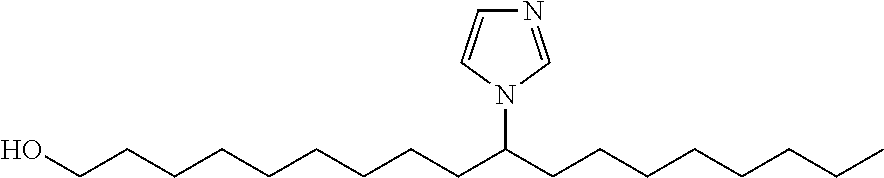


Cells/mL=average number of cells per square×dilution factor×10000.

- 1 Paris, F. et al. Endothelial apoptosis as the primary lesion initiating intestinal radiation damage in mice. Science 293, 293-297 (2001).
- 2 Merritt, A. J. et al. The role of p53 in spontaneous and radiation-induced apoptosis in the gastrointestinal tract of normal and p53-deficient mice. Cancer Res. 54, 614-617 (1994).
- 3 Komarova, E. A. et al. Dual effect of p53 on radiation sensitivity in vivo: p53 promotes hematopoietic injury, but protects from gastro-intestinal syndrome in mice. Oncogene 23, 3265-3271 (2004).
- 4 Ott, M., Gogvadze, V., Orrenius, S. & Zhivotovsky, B. Mitochondria, oxidative stress and cell death.
Apoptosis 12, 913-922 (2007). - 5 Giorgio, M., Trinei, M., Migliaccio, E. & Pelicci, P. G. Hydrogen peroxide: a metabolic by-product or a common mediator of ageing signals? Nat. Rev. Mol. Cell. Biol. 8, 722-728 (2007).
- 6 Weiss, J. F. & Landauer, M. R. Protection against ionizing radiation by antioxidant nutrients and phytochemicals. Toxicology 189, 1-20 (2003).
- 7 Dziegielewski, J. et al. WR-1065, the active metabolite of amifostine, mitigates radiation-induced delayed genomic instability. Free Radic. Biol. Med. 45, 1674-1681 (2008).
- 8 Dorr, R. T. Radioprotectants: pharmacology and clinical applications of amifostine. Semin. Radiat. Oncol. 8, 10-13 (1998).
- 9 Belikova, N. A. et al. Peroxidase activity and structural transitions of cytochrome c bound to cardiolipin-containing membranes. Biochemistry 45, 4998-5009 (2006).
- 10 Krebs, J. J., Hauser, H. & Carafoli, E. Asymmetric distribution of phospholipids in the inner membrane of beef heart mitochondria. J. Biol. Chem. 254, 5308-5316 (1979).
- 11 Liu, J. et al. Phospholipid scramblase 3 controls mitochondrial structure, function, and apoptotic response. Mol. Cancer. Res. 1, 892-902 (2003).
- 12 Schlattner, U. et al. Mitochondrial kinases and their molecular interaction with cardiolipin. Biochim. Biophys. Acta 1788, 2032-2047 (2009).
- 13 Sorice, M. et al. Cardiolipin and its metabolites move from mitochondria to other cellular membranes during death receptor-mediated apoptosis. Cell. Death Differ. 11, 1133-1145 (2004).
- 14 Tyurina, Y. Y. et al. Oxidative lipidomics of hyperoxic acute lung injury: mass spectrometric characterization of cardiolipin and phosphatidylserine peroxidation. Am. J. Physiol. Lung Cell. Mol. Physiol. 299, L73-L85 (2010).
- 15 Hanai, A., Yang, W. L., & Ravikumar, T. S. Induction of apoptosis in human colon carcinoma cells HT29 by sublethal cryo-injury: mediation by cytochrome c release International Journal of Cancer, 93(4), 526-533 (2001).
- 16 Broughton B R, Reutens D C, Sobey C G. Apoptotic mechanisms after cerebral ischemia. Stroke. 2009 May; 40 (5):e331-9. PubMed PMID:19182083.
- 17 Eltzschig H K, Eckle T. Ischemia and reperfusion—from mechanism to translation. Nat. Med. 2011 Nov. 7; 17 (11):1391-401. PubMed PMID:22064429.
- 18 Lopez-Neblina F, Toledo A H, Toledo-Pereyra LH. Molecular biology of apoptosis in ischemia and reperfusion. J Invest Surg. 2005 November-December; 18 (6):335-50. PubMed PMID:16319055.
- 19 Kroemer G, Galluzzi L, Brenner C. Mitochondrial membrane permeabilization in cell death. Physiol Rev. 2007 January; 87 (1):99-163. PubMed PMID:17237344.
- 20 Niizuma K, Yoshioka H, Chen H, Kim G S, Jung J E, Katsu M, Okami N, Chan P H. Mitochondrial and apoptotic neuronal death signaling pathways in cerebral ischemia. Biochim Biophys Acta. 2010 January; 1802 (1):92-9. PubMed PMID:19751828; PubMed Central PMCID: PMC2790539.
- 21 Yin X M, Luo Y, Cao G, Bai L, Pei W, Kuharsky D K, Chen J. Bid-mediated mitochondrial pathway is critical to ischemic neuronal apoptosis and focal cerebral ischemia. J Biol. Chem. 2002 Nov. 1; 277 (44):42074-81. PubMed PMID:12200426.
- 22 Goldberg M P, Choi D W. Combined oxygen and glucose deprivation in cortical cell culture: calcium-dependent and calcium-independent mechanisms of neuronal injury. J. Neurosci. 1993 August; 13 (8):3510-24. PubMed PMID:8101871.
- 23 Fordel E, Thijs L, Martinet W, Schrijvers D, Moens L, Dewilde S. Anoxia or oxygen and glucose deprivation in SH-SY5Y cells: a step closer to the unraveling of neuroglobin and cytoglobin functions. Gene. 2007 Aug. 15; 398 (1-2):114-22. PubMed PMID:17532579.
- 24 Wang C, Nguyen H N, Maguire J L, Perry D C. Role of intracellular calcium stores in cell death from oxygen-glucose deprivation in a neuronal cell line. J Cereb Blood Flow Metab. 2002 February; 22 (2):206-14. PubMed PMID:11823718.
- 25 Serra-Pérez A, Verdaguer E, Planas A M, Santalucia T. Glucose promotes caspase-dependent delayed cell death after a transient episode of oxygen and glucose deprivation in SH-SY5Y cells. J. Neurochem. 2008 August; 106 (3):1237-47. PubMed PMID:18466326.
- 26 Agudo-López A, Miguel B G, Fernández I, Martínez A M. Involvement of mitochondria on neuroprotective effect of sphingosine-1-phosphate in cell death in an in vitro model of brain ischemia. Neurosci Lett. 2010 Feb. 12; 470 (2):130-3. PubMed PMID:20045720.
- 27 Kagan, V. E. et al. Cytochrome c acts as a cardiolipin oxygenase required for release of proapoptotic factors. Nat. Chem. Biol. 1, 223-232 (2005).
- 28 Ross, M. F. et al. Lipophilic Triphenylphosphonium Cations as Tools in Mitochondrial Bioenergetics and Free Radical Biology. Biochemistry (Moscow), 70, 222-230 (2005).
- 29 Tang, Z. L. et al. Roles for metallothionein and zinc in mediating the protective effects of nitric oxide on lipopolysaccharide-induced apoptosis. Mol. Cell. Biochem. 234/235, 211-217 (2002).
- 38 Tyurin, V. A., Tyurina, Y. Y., Kochanek, P. M., Hamilton, R., DeKosky, S. T., Greenberger, J. S., Bayir, H., & Kagan, V. E. Oxidative lipidomics of programmed cell death, Methods Enzymol. 442, 375-393 (2008).
- 31 Malavolta, M., Bocci, F., Boselli, E. & Frega, N. G. Normal phase liquid chromatography-electrospray ionization tandem mass spectrometry analysis of phospholipids molecular species in blood mononuclear cells: application to cyctic fibrosis. J. Chromatogr. B 810, 173-176 (2004).
- 32 Qian, S. Y. et al. Identification of protein-derived tyrosyl radical in the reaction of cytochrome c and hydrogen peroxide: characterization by ESR spin-trapping, HPLC and MS. Biochem. J. 363, 281-288 (2002).
- 33 Kon, H. Paramagnetic resonance study of Nitric Oxide hemoglobin. J. Biol. Chem. 243, 4350-4357 (1968).
- 34 Gadsby, P. M., Peterson, J., Foote, N., Greenwood, C. & Thomson, A. J. Identification of the ligand-exchange process in the alkaline transition of horse heart cytochrome c. Biochem. J. 246, 43-54 (1987).
- 35 Brautigan, D. L. et al. Multiple low spin forms of the cytochrome c ferrihemochrome. EPR spectra of various eukaryotic and prokaryotic cytochromes c. J. Biol. Chem. 252, 574-582 (1977).
- 36 Carraway, A. D., Miller, G. T., Pearce, L. L. & Peterson, J. The Alkaline Transition of Bis(N-acetylated) Heme Undecapeptide. Inorg. Chem. 37, 4654-4661 (1998).
- 37 Folch, J., Lees, M., & Sloane Stanley G. H. A simple method for the isolation and purification of total lipides from animal tissues, J. Biol. Chem. 226, 497-509 (1957).
- 38 Liu, X., Kim, C. N., Yang, J., Jemmerson, R. & Wang, X. Induction of apoptotic program in cell-free extracts: requirement for dATP and cytochrome c. Cell 86, 147-157 (1996).
- 39 Murphy, M. P. & Smith, R. A. Targeting antioxidants to mitochondria by conjugation to lipophilic cations. Annu. Rev. Pharmacol. Toxicol. 47, 629-656 (2007).
- 40 Du, C. et al. Mitochondrial ROS and radiation induced transformation in mouse embryonic fibroblasts. Cancer Biol. Ther. 8, 1962-1971 (2009).
- 41 Zhang, Y. et al. Loss of manganese superoxide dismutase leads to abnormal growth and signal transduction in mouse embryonic fibroblasts. Free Radic. Biol. Med. 49, 1255-1262 (2010).
- 42 Duprez, L., Wirawan, E., Vanden Berghe, T. & Vandenabeele, P. Major cell death pathways at a glance. Microbes Infect. 11, 1050-1062 (2009).
- 43 Nagley, P., Higgins, G. C., Atkin, J. D. & Beart, P. M. Multifaceted deaths orchestrated by mitochondria in neurones. Biochim. Biophys. Acta. 1802, 167-185 (2010).
- 44 Porteous, C. M. et al. Rapid uptake of lipophilic triphenylphosphonium cations by mitochondria in vivo following intravenous injection: implications for mitochondria-specific therapies and probes. Biochim. Biophys. Acta. 1800, 1009-1017 (2010).
- 45 Clontech Laboratories, Inc. 2007. Premixed WST-1 Cell Proliferation Reagent User Manual.
- 46 Eguchi Y, Shimizu S, Tsujimoto Y. Intracellular ATP levels determine cell death fate by apoptosis or necrosis. Cancer Res. 1997 May 15; 57 (10):1835-40. PubMed PMID:9157970.
- 47 Encinas M, Iglesias M, Liu Y, Wang H, Muhaisen A, Ceña V, Gallego C, Comella J X. Sequential treatment of SH-SY5Y cells with retinoic acid and brain-derived neurotrophic factor gives rise to fully differentiated, neurotrophic factor-dependent, human neuron-like cells. J. Neurochem. 2000 September; 75 (3):991-1003. PubMed PMID:10936180.
- 48 Abe K, Aoki M, Kawagoe J, Yoshida T, Hattori A, Kogure K, Itoyama Y. Ischemic delayed neuronal death A mitochondrial hypothesis. Stroke. 1995 August; 26 (8):1478-89. PubMed PMID:7631357.
- 49 Cho S, Wood A, Bowlby MR. Brain slices as models for neurodegenerative disease and screening platforms to identify novel therapeutics. Curr Neuropharmacol. 2007 March; 5 (1):19-33. PubMed PMID:18615151; PubMed Central PMCID: PMC2435340.
- 50 Chiang T, Messing R O, Chou W H. Mouse model of middle cerebral artery occlusion. J V is Exp. 2011 Feb. 13; PubMed PMID:21372780; PubMed Central PMCID: PMC3197421.
| TABLE 1 | ||||
| Overall Survival | Survival Over First | |||
| (52 days) | 20 Days | |||
| Median | Median | ||||
| Survival | Survival | ||||
| (95% | (95% | ||||
| Confidence | Confidence | ||||
| Treatment Group | Interval) | p* | Interval) | p* | N |
| 9.25Gy | 13 (11, 14) | 13 (11, 14) | 22 | ||
| TPP-IOA | — (12, —) | 0.0230 | — (12, —) | 0.0230 | 10 |
| 5 mg/kg body | |||||
| weight, 1 hr | |||||
| before 9.25Gy | |||||
| TPP-IOA | — (18, —) | 0.0009 | — (18, —) | 0.0009 | 10 |
| 5 mg/kg body | |||||
| weight, 10 min | |||||
| before 9.25Gy | |||||
| TPP-IOA | — (—, —) | <0.0001 | — (—, —) | <0.0001 | 23 |
| 5 mg/kg body | 0.4567† | ||||
| weight, 10 min | |||||
| after 9.25Gy | |||||
| TPP-IOA | — (17, —) | 0.0030 | — (17, —) | 0.0030 | 10 |
| 5 mg/kg body | |||||
| weight, 5 hr | |||||
| after 9.25Gy | |||||
| TPP-IOA | 18 (13, —) | 0.0416 | 18 (13, —) | 0.0416 | 10 |
| 5 mg/kg body | |||||
| weight, 24 hr | |||||
| after 9.25Gy | |||||
| TPP-IOA | 17 (14, —) | 0.0525 | 17 (14, —) | 0.0525 | 10 |
| 2.5 mg/kg body | |||||
| weight, 10 min | |||||
| after 9.25 Gy | |||||
| TPP-ISA | — (13, —) | 0.0114 | — (13, —) | 0.0114 | 22 |
| 5.0 mg/kg body | |||||
| weight | |||||
| 10 min after | |||||
| 9.25 Gy | |||||
| The two-sided log-rank test was used to examine the differences between irradiated mice with or without treatment with TPP-ISA or TPP-IOA. | |||||
| Mice were irradiated to 9.25 Gy using a Varian TrueBeam linear accelerator (Varian Medical Systems) and injected i.p. with either TPP-ISA or TPP-IOA (2.5 or 5 mg per kg body weight in 100 μl of water containing 25% ethanol) at 1 h or 10 min before irradiation or 10 min, 5 or 24 h after irradiation. | |||||
| *TPP-IOA and TPP-ISA versus irradiated mice. | |||||
| †TPP-IOA (5 mg per |
|||||
Claims (21)


Priority Applications (1)
| Application Number | Priority Date | Filing Date | Title |
|---|---|---|---|
| US13/675,208 US9365597B2 (en) | 2011-11-10 | 2012-11-13 | Mitochondria-targeted inhibitors of cytochrome c peroxidase for protection from apoptosis |
Applications Claiming Priority (4)
| Application Number | Priority Date | Filing Date | Title |
|---|---|---|---|
| US201161558235P | 2011-11-10 | 2011-11-10 | |
| CA2757917 | 2011-11-10 | ||
| CA2757917A CA2757917C (en) | 2011-11-10 | 2011-11-10 | Mitochondria-targeted inhibitors of cytochrome c peroxidase for protection from apoptosis |
| US13/675,208 US9365597B2 (en) | 2011-11-10 | 2012-11-13 | Mitochondria-targeted inhibitors of cytochrome c peroxidase for protection from apoptosis |
Publications (2)
| Publication Number | Publication Date |
|---|---|
| US20130203829A1 US20130203829A1 (en) | 2013-08-08 |
| US9365597B2 true US9365597B2 (en) | 2016-06-14 |
Family
ID=48239843
Family Applications (1)
| Application Number | Title | Priority Date | Filing Date |
|---|---|---|---|
| US13/675,208 Active 2034-02-11 US9365597B2 (en) | 2011-11-10 | 2012-11-13 | Mitochondria-targeted inhibitors of cytochrome c peroxidase for protection from apoptosis |
Country Status (2)
| Country | Link |
|---|---|
| US (1) | US9365597B2 (en) |
| CA (2) | CA2757917C (en) |
Citations (2)
| Publication number | Priority date | Publication date | Assignee | Title |
|---|---|---|---|---|
| US20070161544A1 (en) | 2006-01-06 | 2007-07-12 | Peter Wipf | Selective targeting agents for mitcochondria |
| US20140018317A1 (en) | 2011-02-18 | 2014-01-16 | University Of Pittsburgh-Of The Commonwealth System Of Higher Education | Targeted nitroxide agents |
-
2011
- 2011-11-10 CA CA2757917A patent/CA2757917C/en active Active
-
2012
- 2012-11-13 US US13/675,208 patent/US9365597B2/en active Active
- 2012-11-13 CA CA2795416A patent/CA2795416A1/en not_active Abandoned
Patent Citations (2)
| Publication number | Priority date | Publication date | Assignee | Title |
|---|---|---|---|---|
| US20070161544A1 (en) | 2006-01-06 | 2007-07-12 | Peter Wipf | Selective targeting agents for mitcochondria |
| US20140018317A1 (en) | 2011-02-18 | 2014-01-16 | University Of Pittsburgh-Of The Commonwealth System Of Higher Education | Targeted nitroxide agents |
Non-Patent Citations (14)
Also Published As
| Publication number | Publication date |
|---|---|
| CA2757917A1 (en) | 2013-05-10 |
| CA2757917C (en) | 2019-05-07 |
| US20130203829A1 (en) | 2013-08-08 |
| CA2795416A1 (en) | 2013-05-10 |
Similar Documents
| Publication | Publication Date | Title |
|---|---|---|
| US20210371460A1 (en) | Targeted nitroxide agents | |
| US11084779B2 (en) | Cationic lipids for therapeutic agent delivery formulations | |
| EP1313695B1 (en) | Esters of 5-aminolevulinic acid as photosensitizing agents in photochemotherapy | |
| US8822541B2 (en) | Use of targeted nitroxide agents in mitigating or treating radiation injury | |
| US9732105B2 (en) | Targeted nitroxide agents | |
| Fu et al. | Hybrid molecule from O 2-(2, 4-dinitrophenyl) diazeniumdiolate and oleanolic acid: A glutathione S-transferase π-activated nitric oxide prodrug with selective anti-human hepatocellular carcinoma activity and improved stability | |
| Jiang et al. | A mitochondria-targeted nitroxide/hemigramicidin S conjugate protects mouse embryonic cells against gamma irradiation | |
| CN101300014A (en) | Method for acting on organisms by targeted transport of biologically active substances into mitochondria, pharmaceutical composition for carrying out the method and compounds for this purpose | |
| JP2004523496A (en) | ABCA-1 Elevating Compound | |
| US20120207687A1 (en) | Topical formulations of targeted nitroxide agents | |
| AU2012232670A1 (en) | Treatment of proliferative disorders with a chemiluminescent agent | |
| EP3863632B1 (en) | Quinolylnitrone for use in the treatment and prevention of a cerebral stroke or ischaemia | |
| Battah et al. | Hydroxypyridinone and 5-aminolaevulinic acid conjugates for photodynamic therapy | |
| KR20190132622A (en) | Hydroxybenzoic Acid Derivatives, and Processes and Uses of the Same | |
| WO2018039077A1 (en) | Therapeutic compounds | |
| Oliveira et al. | Design, synthesis and antileishmanial activity of naphthotriazolyl-4-oxoquinolines | |
| US20130203829A1 (en) | Mitochondria-Targeted Inhibitors of Cytochrome C Peroxidase for Protection from Apoptosis | |
| US9580452B2 (en) | Antioxidant compound having anti atherosclerotic effect and preparation thereof | |
| CA2856217C (en) | Apocynin-lipoic acid conjugates and uses thereof | |
| EP2139465B1 (en) | Composition comprising s-allylmercapto-n-acetylcysteine (assnac) for up-regulation of cellular glutathione level | |
| De et al. | Cinnamic derivatives in tuberculosis | |
| EP2337775A1 (en) | New 5-aminolevulinic acid prodrugs for use in photodynamic therapy and photodynamic diagnosis | |
| US20210093617A1 (en) | Method of Treating Cancer With Atpenin A5 Derviatives | |
| CN115298159A (en) | Treatment of disorders associated with oxidative stress and compounds therefor | |
| WO2020193431A1 (en) | Novel inhibitors of histone deacetylase 10 |
Legal Events
| Date | Code | Title | Description |
|---|---|---|---|
| AS | Assignment |
Owner name: UNIVERSITY OF PITTSBURGH - OF THE COMMONWEALTH SYS Free format text: ASSIGNMENT OF ASSIGNORS INTEREST;ASSIGNORS:EPPERLY, MICHAEL;GREENBERGER, JOEL;KAGAN, VALERIAN;AND OTHERS;SIGNING DATES FROM 20150501 TO 20150514;REEL/FRAME:036077/0001 |
|
| AS | Assignment |
Owner name: UNIVERSITY OF PITTSBURGH - OF THE COMMONWEALTH SYS Free format text: CORRECTIVE ASSIGNMENT TO CORRECT THE EXECUTION DATE AND ATTORNEY DOCKET NUMBER PREVIOUSLY RECORDED AT REEL: 036077 FRAME: 0001. ASSIGNOR(S) HEREBY CONFIRMS THE ASSIGNMENT;ASSIGNORS:EPPERLY, MICHAEL;GREENBERGER, JOEL S.;KAGAN, VALERIAN;AND OTHERS;SIGNING DATES FROM 20150501 TO 20150514;REEL/FRAME:036485/0438 |
|
| AS | Assignment |
Owner name: BROCK UNIVERSITY, CANADA Free format text: ASSIGNMENT OF ASSIGNORS INTEREST;ASSIGNORS:ATKINSON, JEFFREY KEITH;STUART, JEFFREY A.;REEL/FRAME:036749/0646 Effective date: 20150827 |
|
| FEPP | Fee payment procedure |
Free format text: PAYOR NUMBER ASSIGNED (ORIGINAL EVENT CODE: ASPN); ENTITY STATUS OF PATENT OWNER: SMALL ENTITY |
|
| AS | Assignment |
Owner name: UNIVERSITY OF PITTSBURGH - OF THE COMMONWEALTH SYS Free format text: ASSIGNMENT OF ASSIGNORS INTEREST;ASSIGNOR:BAYIR, HULYA;REEL/FRAME:037272/0409 Effective date: 20151210 |
|
| STCF | Information on status: patent grant |
Free format text: PATENTED CASE |
|
| CC | Certificate of correction | ||
| MAFP | Maintenance fee payment |
Free format text: PAYMENT OF MAINTENANCE FEE, 4TH YR, SMALL ENTITY (ORIGINAL EVENT CODE: M2551); ENTITY STATUS OF PATENT OWNER: SMALL ENTITY Year of fee payment: 4 |
|
| MAFP | Maintenance fee payment |
Free format text: PAYMENT OF MAINTENANCE FEE, 8TH YR, SMALL ENTITY (ORIGINAL EVENT CODE: M2552); ENTITY STATUS OF PATENT OWNER: SMALL ENTITY Year of fee payment: 8 |