US9320756B2 - UCP1 (thermogenin)—inducing agents for use in the treatment of a disorder of the energy homeostasis - Google Patents
UCP1 (thermogenin)—inducing agents for use in the treatment of a disorder of the energy homeostasis Download PDFInfo
- Publication number
- US9320756B2 US9320756B2 US13/696,406 US201113696406A US9320756B2 US 9320756 B2 US9320756 B2 US 9320756B2 US 201113696406 A US201113696406 A US 201113696406A US 9320756 B2 US9320756 B2 US 9320756B2
- Authority
- US
- United States
- Prior art keywords
- mir
- ucp1
- seq
- polynucleotide
- expression
- Prior art date
- Legal status (The legal status is an assumption and is not a legal conclusion. Google has not performed a legal analysis and makes no representation as to the accuracy of the status listed.)
- Expired - Fee Related, expires
Links
Images



Classifications
-
- C—CHEMISTRY; METALLURGY
- C12—BIOCHEMISTRY; BEER; SPIRITS; WINE; VINEGAR; MICROBIOLOGY; ENZYMOLOGY; MUTATION OR GENETIC ENGINEERING
- C12N—MICROORGANISMS OR ENZYMES; COMPOSITIONS THEREOF; PROPAGATING, PRESERVING, OR MAINTAINING MICROORGANISMS; MUTATION OR GENETIC ENGINEERING; CULTURE MEDIA
- C12N15/00—Mutation or genetic engineering; DNA or RNA concerning genetic engineering, vectors, e.g. plasmids, or their isolation, preparation or purification; Use of hosts therefor
- C12N15/09—Recombinant DNA-technology
- C12N15/11—DNA or RNA fragments; Modified forms thereof; Non-coding nucleic acids having a biological activity
- C12N15/113—Non-coding nucleic acids modulating the expression of genes, e.g. antisense oligonucleotides; Antisense DNA or RNA; Triplex- forming oligonucleotides; Catalytic nucleic acids, e.g. ribozymes; Nucleic acids used in co-suppression or gene silencing
-
- A—HUMAN NECESSITIES
- A61—MEDICAL OR VETERINARY SCIENCE; HYGIENE
- A61K—PREPARATIONS FOR MEDICAL, DENTAL OR TOILETRY PURPOSES
- A61K31/00—Medicinal preparations containing organic active ingredients
- A61K31/70—Carbohydrates; Sugars; Derivatives thereof
- A61K31/7088—Compounds having three or more nucleosides or nucleotides
- A61K31/7105—Natural ribonucleic acids, i.e. containing only riboses attached to adenine, guanine, cytosine or uracil and having 3'-5' phosphodiester links
-
- A—HUMAN NECESSITIES
- A61—MEDICAL OR VETERINARY SCIENCE; HYGIENE
- A61K—PREPARATIONS FOR MEDICAL, DENTAL OR TOILETRY PURPOSES
- A61K31/00—Medicinal preparations containing organic active ingredients
- A61K31/70—Carbohydrates; Sugars; Derivatives thereof
- A61K31/7088—Compounds having three or more nucleosides or nucleotides
- A61K31/713—Double-stranded nucleic acids or oligonucleotides
-
- A—HUMAN NECESSITIES
- A61—MEDICAL OR VETERINARY SCIENCE; HYGIENE
- A61K—PREPARATIONS FOR MEDICAL, DENTAL OR TOILETRY PURPOSES
- A61K45/00—Medicinal preparations containing active ingredients not provided for in groups A61K31/00 - A61K41/00
- A61K45/06—Mixtures of active ingredients without chemical characterisation, e.g. antiphlogistics and cardiaca
-
- C—CHEMISTRY; METALLURGY
- C12—BIOCHEMISTRY; BEER; SPIRITS; WINE; VINEGAR; MICROBIOLOGY; ENZYMOLOGY; MUTATION OR GENETIC ENGINEERING
- C12N—MICROORGANISMS OR ENZYMES; COMPOSITIONS THEREOF; PROPAGATING, PRESERVING, OR MAINTAINING MICROORGANISMS; MUTATION OR GENETIC ENGINEERING; CULTURE MEDIA
- C12N2310/00—Structure or type of the nucleic acid
- C12N2310/10—Type of nucleic acid
- C12N2310/11—Antisense
- C12N2310/113—Antisense targeting other non-coding nucleic acids, e.g. antagomirs
-
- C—CHEMISTRY; METALLURGY
- C12—BIOCHEMISTRY; BEER; SPIRITS; WINE; VINEGAR; MICROBIOLOGY; ENZYMOLOGY; MUTATION OR GENETIC ENGINEERING
- C12N—MICROORGANISMS OR ENZYMES; COMPOSITIONS THEREOF; PROPAGATING, PRESERVING, OR MAINTAINING MICROORGANISMS; MUTATION OR GENETIC ENGINEERING; CULTURE MEDIA
- C12N2310/00—Structure or type of the nucleic acid
- C12N2310/10—Type of nucleic acid
- C12N2310/14—Type of nucleic acid interfering nucleic acids [NA]
- C12N2310/141—MicroRNAs, miRNAs
-
- C—CHEMISTRY; METALLURGY
- C12—BIOCHEMISTRY; BEER; SPIRITS; WINE; VINEGAR; MICROBIOLOGY; ENZYMOLOGY; MUTATION OR GENETIC ENGINEERING
- C12N—MICROORGANISMS OR ENZYMES; COMPOSITIONS THEREOF; PROPAGATING, PRESERVING, OR MAINTAINING MICROORGANISMS; MUTATION OR GENETIC ENGINEERING; CULTURE MEDIA
- C12N2320/00—Applications; Uses
- C12N2320/30—Special therapeutic applications
Definitions
- the present invention relates to agents that are capable of inducing and/or up-regulating the expression of UCP1 (“uncoupling protein 1”, also known as thermogenin) for use in treating or preventing a disorder of the energy homeostasis such as obesity, overweight, adiposity, metabolic syndrome, or diseases or disorders related to energy homeostasis disorders such as diabetes (e.g., diabetes type II), hypercholesterolemia or hypertension.
- UCP1 also known as thermogenin
- the present invention also relates to a method of treating or preventing a disorder of the energy homeostasis such as obesity, overweight, adiposity, metabolic syndrome, or diseases or disorders related to energy homeostasis disorders such as diabetes (e.g., diabetes type II), hypercholesterolemia or hypertension in a subject comprising administrating a composition comprising a polynucleotide which induces or upregulates expression of UCP1.
- a disorder of the energy homeostasis such as obesity, overweight, adiposity, metabolic syndrome, or diseases or disorders related to energy homeostasis disorders such as diabetes (e.g., diabetes type II), hypercholesterolemia or hypertension
- a composition comprising a polynucleotide which induces or upregulates expression of UCP1.
- Obesity has emerged as a global health problem with more than 1.1 billion adults to be classified as overweight or obese (Oh, Curr Top Med Chem (2009), 9: 466-481). Overweight and obesity are the consequence of a disproportionate fat mass relative to height. This situation then leads to various metabolic disturbances (such as insulin resistance, type 2 diabetes, high blood pressure, dyslipidemia and the like) and is now considered as a major health issue. Unfortunately, obesity treatment is so far not satisfactory.
- BAT brown adipose tissue
- brown adipocytes could emerge from different origins as BMP7 triggers commitment of murine mesenchymal progenitor cells to a brown adipocyte lineage in vitro and in vivo (Tseng, Nature (2008), 454: 1000-1004; Seale, Nature (2008), 454: 961-967) whereas white adipocytes can be converted to brown adipocytes through transgenesis (Tiraby, J Biol Chem (2003), 178: 33370-33376).
- no primary or clonal precursor cells of human brown adipocytes have been obtained so far. If existing, such tool could be used to develop therapeutic drugs and to gain further insights into the molecular mechanisms of brown adipogenesis (Cannon, Meth Mol Biol (2001), 155: 213-224).
- hMADS cells Once differentiated into adipocytes, hMADS cells exhibit the molecular and functional properties of human white fat cells that include potent release of adiponectin and leptin as well as responsiveness to insulin, to ⁇ -adrenergic receptor (ADRB) agonists and, specific of primates, to atrial natriuretic peptide (Rodriguez, Biochem Biophys Res Comm (2004), 315: 255-263).
- ADRB ⁇ -adrenergic receptor
- the hMADS cell model has represented a unique human cell model to examine whether, in response to appropriate stimuli, conversion to functional brown adipocytes could also take place.
- hMADS cell-derived white adipocytes are able to switch to a functional brown adipocyte phenotype (Elabd, Stem Cells (2009) 27: 2753-2760).
- brown adipocytes fulfill most key criteria of brown adipocytes by expressing genes encoding uncoupling protein 1 (UCP1), cell death-inducing DFFA-like effector a (CIDEA), peroxisome proliferator-activated receptor gamma, coactivator 1 ⁇ (PPARGC1A, PGC1A), peroxisome proliferator-activated receptor gamma, coactivator 1 ⁇ (PGC1B), and PR domain containing 16 (PRDM16) as well as key members of the peroxisome proliferator-activated receptor (PPAR) family.
- UCP1 uncoupling protein 1
- CIDEA cell death-inducing DFFA-like effector a
- PPARGC1A, PGC1A peroxisome proliferator-activated receptor gamma
- PDC1B peroxisome proliferator-activated receptor gamma
- PRDM16 PR domain containing 16
- hMADS cell derived brown adipocytes express UCP1 protein and are metabolically active as the acquisition of a brown fat cell phenotype is accompanied by a dramatic increase in respiratory activity and uncoupled respiration.
- this striking enhancement of uncoupling activity appears mainly, if not all, due to an increase in UCP1 expression whereas induction of uncoupling protein 2 (UCP2) is weak and no change in of uncoupling protein 3 (UCP3) expression is observed.
- UCP2 uncoupling protein 2
- UCP3 uncoupling protein 3
- hMADS cells thus represent an invaluable human cell model to screen for drugs able to stimulate the formation and/or the energy-dissipating capacity of brown adipocytes (Elabd, Stem Cells (2009) 27: 2753-2760).
- C-terminal-binding protein 1 C-terminal-binding protein 1 (CTBP1) gene
- CBP1 C-terminal-binding protein 1
- miRNAs act through complementary target sites in mRNAs and prevent translation of transcripts and/or accelerate their decay.
- miRNAs have been shown to modulate adipogenesis (Xie, Expert Opin Ther Targets (2009), 13: 1227-1238), to be expressed in human abdominal and subcutaneous WAT (Klöting, PLoS ONE (2009), 4: e4699), and to circulate in blood as stable compounds (Gilad, PLoS ONE (2008), 3: e3148).
- miRNAs can be differentially expressed between white and brown adipocytes, as shown for miR-455 in mouse (Walden, loc cit).
- the present invention provides for agents and compounds that are capable of inducing and/or up-regulating the expression and/or biological activity of UCP1 (“uncoupling protein 1”, also known as thermogenin).
- UCP1 UCP1
- thermogenin also known as thermogenin
- agents like the herein provided microRNAs, that are capable of negatively interfering with the expression of UCP1 suppressors and/or inhibitors (suppressors) of the UCP1-promoting insulin signalling pathway.
- composition is provided herein that comprises (a) polynucleotide(s) which induce(s) or upregulate(s) the biological function of UCP1 and/or is/are capable of inducing or upregulating the expression of UCP1.
- SEQ ID NO: 1 (miR-26a) which interferes with retinoblastoma 1 (RB1; NCBI Reference Sequence: NM_000321.2), nuclear receptor interacting protein 1 (NRIP1, also known as RIP140, NCBI Reference Sequence: NM_003489.3) and ribosomal protein S6 kinase, 70 kDa, polypeptide 1 (RPS6KB1, also known as S6K1, NCBI Reference Sequence: NM_003161.2). Therefore, SEQ ID NO: 1 (miR-26a), inter alia, and related polynucleotides target the corresponding mRNA of RB1, NR1P1 and RPS6KB1 as described herein. These targets are shown herein to be concomitantly and independently down-expressed by the agents described herein.
- the agents e.g., polynucleotides
- Such agents are capable of inducing transdifferentiation from white (UCP1-negative) to thermogenic (UCP1-positive) adipocytes.
- Such agents may be polynucleotides which comprise the common seed sequence of miR-26a, miR-26b and miR-1297 as represented in SEQ ID NO: 6 (cf. FIG. 8 ).
- the present invention relates to a composition
- a composition comprising an agent which induces or upregulates expression of UCP1 and which negatively interferes concomitantly and independently with at least two UCP1 suppressors and/or suppressors of the UCP1-promoting insulin signalling pathway for use in treating or preventing disorders of the energy homeostasis such as obesity, overweight, adiposity, metabolic syndrome, or diseases or disorders related to energy homeostasis disorders such as diabetes (e.g., diabetes type II), hypercholesterolemia or hypertension in a subject.
- disorders of the energy homeostasis such as obesity, overweight, adiposity, metabolic syndrome, or diseases or disorders related to energy homeostasis disorders such as diabetes (e.g., diabetes type II), hypercholesterolemia or hypertension in a subject.
- disorders of the energy homeostasis such as obesity, overweight, adiposity, metabolic syndrome, or diseases or disorders related to energy homeostasis disorders such as diabetes (e.g., diabetes type II), hypercholesterolemia or hypertension in a subject
- said method comprising administering an effective amount of a composition comprising an agent which induces or up-regulates expression of UCP1 and which negatively interferes concomitantly and
- the term “concomitantly and independently” means that agents such as polynucleotides to be employed in context of the present invention may negatively interfere or interact with at least two, or at least three UCP1-suppressors and/or suppressors of the UCP1-promoting insulin signalling pathway at the same time and independently from each other in vivo.
- the agents described herein may be capable of inducing transdifferentiation from white (UCP1-negative) to thermogenic (UCP1-positive) adipocytes, thus effectively transforming, in a subject administered the composition comprising the agent, existing energy storing adipose tissue (WAT) into thermogenic (UCP1-positive), energy dissipating adipose tissue (BAT).
- WAT adipose tissue
- BAT energy dissipating adipose tissue
- the agent to be used in the inventive composition and method is a polynucleotide.
- Said polynucleotide hybridizes preferably to the mRNA of a UCP1-suppressor and/or the mRNA of a suppressor of the UCP1-promoting insulin signalling pathway, thereby inducing degradation or preventing translation of said mRNAs and thereby inhibits the expression of at least two or even at least three UCP1 suppressors and/or suppressors of the UCP1-promoting insulin signalling pathway.
- Said polynucleotide may be a microRNA, a precursor of a microRNA, or a mimic microRNA or a precursor thereof.
- the present invention also provides for modifying nucleic acid molecules/polynucleotides, in particular microRNAs, mimic microRNAs or (a) precursor(s) of such nucleic acid molecules/polynucleotides that are capable of trans-differentiating white adipocytes to thermogenic adipocytes, which are named brown if localized in brown adipose tissue (BAT) or brite if localized in white adipose tissue (WAT).
- BAT brown if localized in brown adipose tissue
- WAT white adipose tissue
- other agents that are specifically capable of up-regulating or inducing UCP1 are envisaged in the medical intervention of energy homestasis-disorders.
- Such agents may comprise, but are not limited to siRNAs, long non-coding RNAs, snRNAs (small/short hairpin RNAs), stRNAs (small temporal RNAs), fRNAs (functional RNAs), snRNAs (small nuclear RNAs), snoRNAs (small nucleolar RNAs), piRNAs (piwi-interacting RNAs), tasiRNAs (trans-acting small/short interfering RNAs), aRNAs (antisense RNAs) or (a) precursor(s) of such nucleic acid molecules/polynucleotides
- the compounds and agents of the present invention are, accordingly, useful in the process of brown adipocyte differentiation and conversion from white to brown adipocytes.
- the findings documented herein and the present invention are based on the following technical teaching:
- UCP1 induction may be illustrated by the following:
- nucleic acid molecules/polynucleotides in particular microRNAs, mimic microRNAs or (a) precursor(s) of such nucleic acid molecules/polynucleotides are capable of interfering with at least two UCP1 suppressors and/or inhibitors of the UCP1-promoting insulin signalling pathway and thereby efficiently induce and/or up-regulate the expression and biological function of UCP1.
- such compounds are even capable of interfering with at least three UCP1 suppressors and/or inhibitors/suppressors of the UCP1-promoting insulin signalling pathway, like RB1 (NCBI Reference Sequence: NM_000321.2), NRIP1 (NCBI Reference Sequence: NM_003489.3) and RPS6KB1 (NCBI Reference Sequence: NM_003161.2).
- RB1 NCBI Reference Sequence: NM_000321.2
- NRIP1 NCBI Reference Sequence: NM_003489.3
- RPS6KB1 NCBI Reference Sequence: NM_003161.2
- miR-26a SEQ ID NO: 1
- miR-26b SEQ ID NO: 2
- miR-1297 SEQ ID NO: 3
- these sequences share the same seed sequence (as illustrated in appended FIG. 8 and SEQ ID NO: 6) and a high overall sequence homology. Therefore, the latter two are envisaged to bind to the same validated miR-26a binding sites in the 3′UTRs of RB1, NRIP1, and RPS6KB1, and thus can also be able to induce UCP1 expression.
- the interfering nucleic acid molecule for at least two UCP1 suppressors of the present invention is a molecule, like a miR/microRNA, that comprises the sequence as shown in SEQ ID NO: 6, i.e. the sequence UCAAGU.
- a miR/microRNA that comprises the sequence as shown in SEQ ID NO: 6, i.e. the sequence UCAAGU.
- Particular examples of such sequences are miR-26a (SEQ ID NO: 1), miR-26b (SEQ ID NO: 2), and miR-1297 (SEQ ID NO: 3).
- SEQ ID NO: 6 miR-26a
- miR-26b SEQ ID NO: 2
- miR-1297 SEQ ID NO: 3
- a set of miRNAs are differentially expressed between white and brown adipocytes of hMADS cells, thereby putative regulators of the conversion between white and brown adipocytes; see appended Table 1. Further miRNAs which are expressed in brown adipocytes but not in white adipocytes are described in Xie, Expert Opin Ther Targets (2009), 13: 1227-1238.
- miR/micro RNA that comprises the sequence UCAAGU (SEQ ID NO: 6), like miR-26a (SEQ ID NO: 1), miR-26b (SEQ ID NO: 2), and miR-1297 (SEQ ID NO: 3) appeared in gene expression studies using microarrays not to be differentially expressed between WAT and BAT as well as between white and brown human adipocyte differentiation, as documented in Table 1 below and in Xie, loc cit.
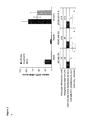
- miR-26a was determined to be about 80% higher in mouse brown adipose tissue compared to mouse white adipose tissue as shown in appended FIG. 1 for exemplarily miR-26a.
- miRNA profiling using microarrays it was found that an miR/micro RNA that comprises the sequence UCAAGU (SEQ ID NO: 6), like miR-26a (SEQ ID NO: 1), appeared not to be differentially expressed between WAT and BAT.
- miR-26 has been described to be expressed to three cell lineages (adipocytes, chondrocytes and osteoblasts), thus not playing a role in cell fate determination and lineage differentiation (Xie, Diabetes (2009), 58: 1050-1057).
- a polynucleotide molecule that comprises the sequence UCAAGU (SEQ ID NO: 6) like miR-26a (i) is expressed at higher levels in murine BAT compared to murine WAT ( FIG. 1 ), (ii) is able to induce undifferentiated hMADS cells to differentiate into brown adipocytes as indicated by increased UCP1 expression when added to the differentiation medium for white adipocytes ( FIGS. 2A and 2B ), (iii) silencing leads to down-regulation of UCP1 expression ( FIG.
- miRNAs are differentially expressed between white and brown human adipocytes (Table 1) indicating a role in maintaining an energy utilizing “brown” phenotype.
- these miRNAs may also be able to regulate the expression of the key target UCP1 and thus to increase energy expenditure in order to combat disorders of energy homeostasis such as obesity, overweight, adiposity, metabolic syndrome, or diseases or disorders related to energy homeostasis disorders such as diabetes diabetes type II), hypercholesterolemia or hypertension.
- the appended Examples and Figures provide even more data on miR/microRNA that comprises the sequence as shown in SEQ ID NO: 6, i.e.
- expression of polynucleotides as described herein such as miR-26a and, consequently, of UCP1 increases in murine WAT upon cold exposure, while at the same time, expression of UCP1-suppressors and inhibitors (suppressors) of the UCP1-promoting insulin signalling pathway as described herein such as RB1, NRIP1 and RPS6KB1 decreases; see Examples 7 and 8 and FIGS. 9 and 10 herein.
- agents such as polynucleotides (exemplarily shown for miR-26a) as described herein are induced upon ⁇ 3 -adrenergic stimulation, the signalling pathway that mediates cold stress to adipocytes; see Example 9 and FIG. 11 herein.
- the expression of UCP1 increases upon transfection with agents such as polynucleotides (exemplarily shown for miR-26a); see Example 11 and FIG. 13 herein.
- UCP1 decreases upon neutralizing agents such as polynucleotides, e.g., as shown by transfection with LNA-based miR-26a antisense oligonucleotides in hMADS adipocytes; see Example 10 and FIG. 12 herein.
- agents such as polynucleotides (exemplarily shown for miR-26a) has been exemplarily demonstrated in hMADS adipocytes; see Example 12 and FIG. 14 herein.
- agents e.g., polynucleotides
- UCP1-suppressors such as, e.g., RB1, NRIP1 and RPS6KB1 as described herein
- polynucleotides comprising the sequence of SEQ ID NO: 6 (i.e. the seed sequence of e.g., miR-26a/SEQ ID NO: 1, miR-26b/SEQ ID NO: 2 and miR-1297/SEQ ID NO: 3) such as polynucleotides comprising or consisting of the sequence of SEQ ID NOs.
- a disorder of the energy homeostasis such as obesity, overweight, adiposity, metabolic syndrome, or diseases or disorders related to energy homeostasis disorders such as diabetes (e.g., diabetes type II), hypercholesterolemia or hypertension.
- hMADS cells were treated with rosiglitazone until day 9 of differentiation for white adipogenesis and harvested at day 9 (R9d9) and day 17 (R9d17) and treated with rosiglitazone permanently for brown adipogenesis until day17 (R17d17).
- Indicated values are log 2 ratios (NaN: not a number).
- Selected miRNAs are differentially expressed by log 2 ratio >
- RB1 is the founding member of the RB family which plays important roles in cell cycle control and cellular differentiation. Intriguingly, RB1 expression in vitro and in vivo leads to white adipocyte differentiation whereas RB1 deficiency triggers the switch from white to brown adipocytes (Hansen, Proc Natl Acad Sci USA (2004), 101: 4112-4117; Dali-Youcef, Proc Natl Acad Sci (2007), 104: 10703-10708).
- RB1 acts as transcriptional repressor of PCG-1 ⁇ (Scimè, Cell Metab (2005), 283-295), which is a potent co-activator of PPAR ⁇ and TR ⁇ on the UCP1 promoter (Puigserver, Cell (1998), 92: 829-839).
- RB1 is a suppressor of mitochondrial biogenesis and UCP1 expression in white adipocytes (Tiraby, loc cit, Puigserver, loc cit, Wu, Cell (1999), 98: 115-124), and at least in mouse models examined so far, no adaptative thermogenesis can emanate from the activity of any protein or mechanism other than that of UCP1 in brown adipose tissue, thereby making UCP1 expression a key marker and target to increase energy expenditure and thus combat obesity (Feldmann, Cell Metab (2009), 9: 203-209).
- NRIP1 is a ligand dependent nuclear receptor corepressor that plays a key role in the regulated transcription of genes involved in energy homeostasis (Hallberg, Mol Cell Biol (2008), 28: 6785-6795). NRIP1 ⁇ / ⁇ mice are leaner than their control littermates, even when challenged by high-fat feeding (Leonardsson, loc cit). Interestingly, this phenotype is not linked to a defect in adipogenesis and the WAT of these animals expresses high levels of UCP1 (Leonardsson, Proc. Natl. Acad. Sci. USA (2004), 101: 8437-8442).
- NRIP1 This effect on UCP1 expression is due to a direct inhibition of the UCP1 promoter by NRIP1 (Christian, Mol Cell Biol (2005), 25: 9383-9391).
- NRIP1 inhibits other aspects of energy expenditure in the adipose tissue by repressing genes implicated in fatty acid oxidation, mitochondrial biogenesis and oxidative phosphorylation, resulting in increased mitochondrial density in adipocytes lacking NRIP1 (Powelka, J Clin Invest (2006), 116: 125-136).
- RPS6KB1 (S6K1) is activated by insulin through a canonical signal transduction pathway and is implicated in a negative feedback loop to suppress insulin signalling via inhibition of IRS1 (Um, Cell Metab (2006), 3: 393-402; Ho, loc cit; Harrington, J Cell Biol (2004), 166: 213-223). Beside its role as mediator of insulin-stimulated glucose uptake, IRS1 has been shown to promote UCP1 expression in brown adipocytes (Fasshauer, Mol Cell Biol (2001), 21: 319-329). In line with these findings, S6K1 ⁇ / ⁇ mice maintained on a high-fat diet (HFD) remain insulin sensitive, are protected against diet-induced obesity, and express UCP1 in WAT (Um, Nature (2004), 431: 200-205).
- HFD high-fat diet
- miR-26a leads to induction of UCP1 expression in murine WAT tissue as well as in hMADS cells of undifferentiated or mature white adipocyte status.
- miR-26a acts via direct repression of RB1, thereby being able to derepress the expression of PGC1A, and NRIP1, which in turn activates UCP1, the responsible factor for brown fat thermogenesis (Scimè, loc cit; Hallberg, loc cit).
- miR-26a-mediated repression of RPS6KB1 may activate IRS1, resulting in enhanced insulin sensitivity and stimulation of UCP1 expression.
- miR-26a may trigger the regulatory cascade leading to brown adipogenesis at the front end.
- miRNAs e.g., miR-26b and miR-1297 share a high degree of sequence homology at positions 1-10 and 12-15 including the miRNA seed (position 2-7), the core sequence for target mRNA identification (Bartel, Cell (2009), 136: 215-233).
- these miRNAs may directly target a very similar set of genes resulting in very similar regulatory functions.
- miR-26a which is present at low levels in tumours compared to control tissues has been shown to suppress tumorigenesis in a murine liver cancer model with no reported side effects (Kota, Cell (2009), 137: 1005-1017), demonstrating the feasibility of this technique for treatment.
- in vivo administration of miR-26a allows to recruit new brown fat cells, therefore to increase the oxidative capacity of the human body through controlled BAT expansion and thus to combat disorders of energy homeostasis such as obesity, overweight, adiposity, metabolic syndrome, or diseases or disorders related to energy homeostasis disorders such as diabetes (e.g., diabetes type II), hypercholesterolemia or hypertension.
- the present invention relates to pharmaceutical compositions comprising an agent that induces or up-regulates the expression of UCP1, for example and in particular by inhibiting/negatively interfering with and/or suppressing the expression of UCP1 suppressors and/or inhibitors of the UCP1-promoting insulin signalling pathway.
- an agent that induces or up-regulates the expression of UCP1 for example and in particular by inhibiting/negatively interfering with and/or suppressing the expression of UCP1 suppressors and/or inhibitors of the UCP1-promoting insulin signalling pathway.
- polynucleotides that concomitantly and individually are able to negatively interfere with at least two UCP1 suppressors and/or inhibitors (suppressors) of the UCP1-promoting insulin signalling pathway.
- Such agents and polynucleotides are particularly useful in treating or preventing disorders of the energy homeostasis, like for example obesity, overweight, adiposity, metabolic syndrome, or diseases or disorders related to energy homeostasis disorders such as diabetes (e.g., diabetes type II), hypercholesterolemia or hypertension in a subject.
- disorders of the energy homeostasis like for example obesity, overweight, adiposity, metabolic syndrome, or diseases or disorders related to energy homeostasis disorders such as diabetes (e.g., diabetes type II), hypercholesterolemia or hypertension in a subject.
- Such polynucleotides may comprise miR/micro RNA that comprise or consist of the sequence UCAAGU (SEQ ID NO: 6), like miR-26a (SEQ ID NO: 1), miR-26b (SEQ ID NO: 2), and miR-1297 (SEQ ID NO: 3).
- the present invention further relates to a method of treating or preventing disorders of energy homeostasis, like obesity, overweight, adiposity, metabolic syndrome, or diseases or disorders related to energy homeostasis disorders such as diabetes (e.g., diabetes type II), hypercholesterolemia or hypertension in a subject, said method comprising administering an effective amount of a composition comprising (a) polynucleotide(s) which induce(s) or upregulate(s) expression of UCP1.
- a composition comprising (a) polynucleotide(s) which induce(s) or upregulate(s) expression of UCP1.
- Such a method in accordance with the present invention may comprise the medical administration of an agent, like the herein disclosed polynucleotides, in particular a miRNA or a precursor or a mimic thereof, that is able to negatively interfere concomitantly and independently with at least two UCP-1 suppressors and/or inhibitors of the UCP1-promoting insulin signalling pathway.
- agents like the herein disclosed polynucleotides, in particular a miRNA or a precursor or a mimic thereof, that is able to negatively interfere concomitantly and independently with at least two UCP-1 suppressors and/or inhibitors of the UCP1-promoting insulin signalling pathway.
- Such molecules are provided herein and comprise, inter alia, miR/micro RNA that comprises the sequence UCAAGU (SEQ ID NO: 6), like miR-26a (SEQ ID NO: 1), miR-26b (SEQ ID NO: 2), and miR-1297 (SEQ ID NO: 3).
- miR/micro RNA that comprises the sequence UC
- the present invention further relates to compositions comprising (an) agent(s) which is/are capable of inducing transdifferentiation from white (UCP1-negative) to thermogenic (UCP1-positive) adipocytes.
- Such compositions may induce or upregulate expression of UCP1 and negatively interfere concomitantly and independently with at least two UCP1-suppressors and/or suppressors of the UCP1-promoting insulin signalling pathway.
- such compositions may be used in treating or preventing diseases or disorders of the energy homeostasis or related diseases or disorders in a subject.
- the invention also provides a method of treating or preventing diseases or disorders of the energy homeostasis or related diseases or disorders in a subject, the method comprising administering to a subject in need thereof an effective amount of a composition comprising (an) agent(s) which is/are capable of inducing transdifferentiation from white (UCP1-negative) to thermogenic (UCP1-positive) adipocytes.
- a composition comprising (an) agent(s) which is/are capable of inducing transdifferentiation from white (UCP1-negative) to thermogenic (UCP1-positive) adipocytes.
- Such compositions may induce or upregulate expression of UCP1 and negatively interfere concomitantly and independently with at least two UCP1-suppressors and/or suppressors of the UCP1-promoting insulin signalling pathway.
- the disease or disorder of the energy homeostasis may be selected from the group consisting of obesity, overweight, hyperglycemia, adiposity and metabolic syndrome. Diseases or disorders related to homeostasis may be selected from the group consisting of diabetes (e.g., diabetes type II), hypercholesterolemia and hypertension.
- the agent may be a polynucleotide.
- the polynucleotide may hybridize to the mRNA of a UCP1-suppressor and/or a suppressor of the UCP1-promoting insulin signalling pathway, thereby inducing degradation or preventing translation of said mRNA.
- the polynucleotide may be a microRNA, a precursor of a microRNA, or a mimic microRNA or a precursor thereof.
- the polynucleotide may be about 15 to about 100 nucleotides in length.
- a composition comprising an agent, like a polynucleotide which induces or upregulates expression of UCP1 may not only be used for the treatment of disorders of energy homeostasis such as obesity, overweight, adiposity, metabolic syndrome, or diseases or disorders related to energy homeostasis disorders such as diabetes (e.g., diabetes type II), hypercholesterolemia or hypertension.
- disorders of energy homeostasis such as obesity, overweight, adiposity, metabolic syndrome, or diseases or disorders related to energy homeostasis disorders such as diabetes (e.g., diabetes type II), hypercholesterolemia or hypertension.
- diabetes e.g., diabetes type II
- hypercholesterolemia e.g., hypercholesterolemia or hypertension.
- UCP1 can be induced or upregulated by polynucleotides described herein, e.g., by hybridizing to the mRNA of UCP1-suppressors, thereby inducing degradation or preventing translation of said mRNA.
- UCP1-suppressors examples include RB1, NRIP1, RPS6KB1, twist homolog 1 ( Drosophila ) (TWIST1), nuclear receptor coactivator 2 (NCOA2, TIF2), eukaryotic translation initiation factor 4E binding protein 1 (EIF4EBP1, 4E-BP1), similar to integrin, alpha M (complement component receptor 3, alpha; also known as CD11 b (p170), macrophage antigen alpha polypeptide) ( H.
- UCP1-suppressors as used herein, e.g., those which are negatively interfered with or whose degradation is induced or whose translation is prevented by the agents, compositions and polynucleotides described herein may either directly suppress UCP1 (e.g., transcription, translation, expression or activity of UCP1) by directly negatively interfering with UCP1 (e.g., UCP1-DNA, UCP1-RNA, UCP1-mRNA or UCP1-protein), or may indirectly suppress UCP1 (e.g., transcription, translation, expression or activity of UCP1) by indirectly negatively interfering with a UCP1-activator (e.g., DNA, RNA, mRNA or protein of said UCP1-activator).
- UCP1-activator e.g., DNA, RNA, mRNA or protein of said UCP1-activator
- RB1 is negatively interfering with the UCP1-activator PGC1A
- RB1 is an indirect UCP-1-suppressor in context with the present invention.
- NRIP1 is an example of a direct UCP1-suppressor since it directly negatively interferes with UCP1.
- UCP1-suppressors may be suppressors/inhibitors of the UCP1-promoting insulin signalling pathway.
- An example of such a suppressor/inhibitor of the UCP1-promoting insulin signalling pathway is RPS6KB1.
- the polynucleotides described herein may also hybridize to the mRNA of (a) UCP1-activator(s), thereby inducing stabilization or translation of said mRNA.
- UCP1-activators are PGC1A, PGC1B, PPARG, sirtuin 3 (SIRT3), cAMP responsive element binding protein 1 (CREB), mitogen-activated protein kinase 14 (MAPK14), protein arginine methyltransferase 1 (PRMT1) and insulin signalling (Hansen and Kristiansen, Biochem J (2006), 398: 153-168).
- the prevention of autophagy in vitro and in vivo reveals brown-like characteristics in adipocytes (Singh, JCI (2009), 458(7242): 1131-1135; Zhang, PNAS (2009), 106(47):19860-19865).
- Autophagy is an intracellular catabolic process involving the degradation of a cell's own components through the lysosomal machinery.
- Autophagy is mediated by an unique organelle called the autophagosome which engulfs the portion of the cytoplasm that should degraded. Autophagy can be subdivided in three main steps.
- phagophore precursor of the autophagosome
- ATG13 autophagy related 13 homolog ATG13 autophagy related 13 homolog
- ULK1, ATG1 unc-51-like kinase 1
- RB1-inducible coiled-coil 1 ATG11, RB1CC1, FIP200.
- canonical autophagy used the pathway of beclin 1, autophagy related (BECN1, ATG6) and phosphoinositide-3-kinase, class 3 (PIK3C3, VPS34).
- ATG9 autophagy related 9 homolog A (ATG9A) and homolog B (ATG9B) and ATG11 are also necessary to stabilize the phagophore.
- ATG4 autophagy related 4 homolog A, B, C, and D (ATG4A, ATG4B, ATG4C, ATG4D)- and ATG16L facilitate ATG3 autophagy related 3 homolog (ATG3)-dependent conjugation of phosphatidylethanolamine to microtubule-associated protein 1 light chain 3 alpha (MAP1LC3A, ATG8E, LC3) by forming a complex with ATG12 and ATG5.
- LAMP-2 lysosomal-associated membrane protein 2
- ATG1 ATG2a, ATG2b, ATG5, ATG6, ATG10, ATG11, ATG12, ATG14, ATG15, and ATG16L1; cf. Table 2 herein.
- miR-106a (SEQ ID NO: 9), miR-17 (SEQ ID NO: 10) and miR-20a (SEQ ID NO: 11) as well as other polynucleotides comprising the seed sequences of these miRNAs (SEQ ID NO: 33) may be used for the medical purposes as described herein, i.e. particularly for the treatment of disorders of energy homeostasis such as obesity, overweight, adiposity, metabolic syndrome, or diseases or disorders related to energy homeostasis disorders such as diabetes (e.g., diabetes type II), hypercholesterolemia or hypertension.
- disorders of energy homeostasis such as obesity, overweight, adiposity, metabolic syndrome, or diseases or disorders related to energy homeostasis disorders such as diabetes (e.g., diabetes type II), hypercholesterolemia or hypertension.
- microRNA-mediated activation i.e. inducing transcription, stabilization or translation of a mRNA
- the polynucleotide which induces or upregulates expression of UCP1 to be employed in context of this invention is a microRNA (also abbreviated herein as miRNA or miR) or a precursor thereof, a mimic microRNA or a precursor thereof.
- miRNA also abbreviated herein as miRNA or miR
- other agents or molecules that target for example at least two at least two UCP1 suppressors and/or inhibitors of the UCP1-promoting insulin signalling pathway are employed in the medical intervention of disorders of the energy homeostasis like obesity, overweight, metabolic syndrome and the like or diseases or disorders related to energy homeostasis disorders such as diabetes (e.g., diabetes type II), hypercholesterolemia or hypertension.
- Such molecules may comprise an siRNA or a precursor thereof, a long non-coding RNA or a precursor thereof, an snRNA (small/short hairpin RNA) or a precursor thereof, an stRNA (small temporal RNA) or a precursor thereof, an fRNA (functional RNA) or a precursor thereof, an snRNA (small nuclear RNA) or a precursor thereof, a snoRNA (small nucleolar RNA) or a precursor thereof, a piRNA (piwi-interacting RNA) or a precursor thereof, a tasiRNA (trans-acting small/short interfering RNA) or a precursor thereof, an aRNA (antisense RNA) or a precursor thereof, or a small non-coding RNA or a precursor thereof.
- precursors of the polynucleotides described in and to be employed in context with the present invention may be forms of the respective polynucleotides as they occur during maturation of the respective polynucleotides.
- precursors of a microRNA or a mimic microRNA may be primary miRNAs (pri-miRNAs) or precursor miRNAs (pre-miRNAs) as occurring during maturation of miRNAs. Both are single transcripts (i.e. ssRNA) that fold into a characteristic intramolecular secondary structure, the so-called “hairpin loop”, which contains a stretch of about 20 base pairs, which is often interrupted by mismatches.
- the polynucleotide is a microRNA or a precursor thereof or a mimic microRNA or a precursor thereof.
- the polynucleotides of the present invention may be of any length.
- the polynucleotide should be, in one embodiment, capable of interfering with at least two UCP1 suppressors in order to, for example induce the degradation of the corresponding mRNA encoding such UCP1 suppressors and/or prevent, for example the translation of such an mRNA encoding for these UCP1 suppressors.
- such a polynucleotide is preferably capable of negatively interfering concomitantly and independently with at least two UCP1 suppressors and/or inhibitors of the UCP1-promoting insulin signalling pathway.
- the polynucleotide is about 15 to about 100 nucleotides in length, more preferably about 15 to about 30 nucleotides and most preferably about 15 to about 25 nucleotides, specifically, e.g., about 21 nucleotides. It is believed that about 21 nt long RNA oligonucleotides act as the only functional entities in RNA interference (RNAi), guiding the RNA-induced silencing complex (RISC) to target transcripts.
- RNA interference RNA interference
- RISC RNA-induced silencing complex
- microRNA molecules are provided. Such molecules are also provided in Table 2 herein below and are also identified in the appended sequence listing. Such microRNAs to be employed in the treatment and/or prevention may also comprise miR-106a (SEQ ID NO: 9), miR-17 (SEQ ID NO. 10), miR-20a (SEQ ID NO: 11) or a polynucleotide that comprises the common seed sequence of these three miRs, namely the sequence AAAGUG (SEQ ID NO: 33).
- miR452 SEQ ID NO: 7, human, and SEQ ID NO: 8, murine
- a polynucleotide like an miR/microRNA that comprises the sequence SEQ ID NO: 34, namely UGUUUGCAGAGGAAACUGA.
- the polynucleotide to be employed in context of this invention i.e. in the medical intervention of a diseased energy homeostasis, like obesity, overweight, adiposity, obesity, metabolic syndrome, or diseases or disorders related to energy homeostasis disorders such as diabetes (e.g., diabetes type II), hypercholesterolemia or hypertension) may be selected from the group consisting of:
- polynucleotides e.g., miRNAs
- polynucleotides e.g., miRNAs
- identity levels of nucleotide sequences may refer to the entire length of nucleotide sequence of the referred to SEQ ID NOs. and may be assessed pair-wise, wherein each gap may be counted as one mismatch.
- identity may be used herein in the context of a polynucleotide to be employed in context with the present invention which has a nucleic acid sequence with an identity of at least 25%, 30%, 35%, 40%, 45%, 50%, 55%, 60%, 65%, 70%, 75%, 80%, 85%, 90%, 95%, 97%, 98% or 99% to a polynucleotide comprising or consisting of the nucleotide sequence of any one of SEQ ID NO: 1 (miR-26a), SEQ ID NO: 2 (miR-26b), SEQ ID NO: 3 (miR-1297), SEQ ID NO: 4 (miR-222*), SEQ ID NO: 5 (miR-335), SEQ ID NO: 6 (seed sequence of SEQ ID NOs.
- SEQ ID NO: 7 (miR-452 human), SEQ ID NO: 8 (miR-452 murine), SEQ ID NO: 9 (miR-106a), SEQ ID NO: 10 (miR-17), SEQ ID NO: 11 (miR-20a), SEQ ID NO: 33 (seed sequence of SEQ ID NOs. 9 to 11), SEQ ID NO: 34 (consensus sequence of SEQ ID NOs. 7 and 8), or any other SEQ ID NO. or consensus or seed sequence as shown in Table 2 herein, respectively, for example over the entire length.
- envisaged for the medical intervention in context of the present invention are polynucleotides as provided with miR-106a (SEQ ID NO.
- miR-17 SEQ ID NO. 10
- miR-20a SEQ ID NO. 11
- a polynucleotide that comprises the common seed sequence of these three miRNAs namely the sequence AAAGUG (SEQ ID NO: 33).
- miR-452 SEQ ID NO. 7, human, and SEQ ID NO. 8, murine
- a polynucleotide like an miR/microRNA that comprises the sequence SEQ ID NO: 34, namely UGUUUGCAGAGGAAACUGA.
- a polynucleotide to be employed in context with the present invention may also have a nucleic acid sequence with an identity of at least 25%, 30%, 35%, 40%, 45%, 50%, 55%, 60%, 65%, 70%, 75%, 80%, 85%, 90%, 95%, 97%, 98% or 99% to a polynucleotide comprising or consisting of the nucleotide sequence of any one of the consensus or seed sequences as shown in Table 2 including one or two nucleotide(s) of the corresponding mature sequence at the 5′-end and/or the 3′-end of the respective consensus or seed sequence.
- a polynucleotide to be employed in context with the present invention may have a nucleic acid sequence with an identity of at least 25%, 30%, 35%, 40%, 45%, 50%, 55%, 60%, 65%, 70%, 75%, 80%, 85%, 90%, 95%, 97%, 98% or 99% to a polynucleotide comprising or consisting of the nucleotide sequence U UCAAGU A (i.e. the seed sequence of SEQ ID NO: 1 plus one nucleotide of the corresponding mature sequence at the 5′-end and one nucleotide of the corresponding mature sequence at the 3′-end).
- the term “identity” refers to the shorter sequence and to the part of the longer sequence that matches said shorter sequence. Therefore, when the sequences which are compared do not have the same length, the degree of identity preferably either refers to the percentage of nucleotide residues in the shorter sequence which are identical to consecutive nucleotide residues contained in the longer sequence or to the percentage of consecutive nucleotides contained in the longer sequence which are identical to the nucleotide sequence of the shorter sequence. Of course, as described above, a gap as “part of consecutive nucleotides” may be counted as a mismatch.
- sequence comparisons e.g., establishment of “identity” values
- miRNAs miRBase ID (miRBase: http://www.mirbase.org, Release 14 (September 2009), mature sequences (consensus sequences in bold; seed sequences under- scored) and targets in accordance with algorithms (based on miRNA response elements (MREs) (also called miRNA binding sites (MBS)) in their 3′UTR). miRNAs are clustered according to their sequence similarity in seed sequence thereby with similarities in their predicted targets. miRNA* denotes the small RNA processed from the hairpin arm opposite of the mature miRNA. SEQ target ID mRNA in accordance miRNA miRBase ID Sequence NO.
- miRNA-target interactions are in accordance with the following algorithms: miR-26a/RB1: B, C, E, G; miR-26a/NRIP1: B, C, D, E, G; miR-26a/RPS6KB1: B, C; miR-26b/RB1: B, C, E, G; miR-26b/NRIP1: B, C, D, E, G; miR-26b/RPS6KB1: B, C; miR-1297/RB1: B, C; miR-1297/NRIP1: B, C; miR-1297/RPS6KB1: B, C; miR-106a/RB1: B, C, E, G; miR-106a/NRIP1: C, G; miR-106a/RPS6KB1: C; miR-106a/ATG1: C, E, G; miR-106a/ATG2A: C, E; miR-106a/ATG2B: B, C, E, G
- nucleic acid sequences having the given identity levels to the particular nucleic acid sequences of the polynucleotides of the present invention may represent derivatives/variants of these sequences which, preferably, have the same biological function.
- the biological function of a polynucleotide described herein to be employed in context with the present invention is the ability to induce or upregulate expression of UCP1, e.g., by hybridizing to the mRNA of a UCP1-suppressor, thereby inducing degradation or preventing translation of the UCP1-suppressor mRNA, or, e.g., by hybridizing to the promoter or mRNA of a UCP1-activator or of UCP1 itself, thereby inducing stabilization or translation of the UCP1-activator mRNA or UCP1 mRNA itself.
- UCP1 Whether the expression of UCP1 has been induced or upregulated can be easily tested by methods well known in the art and as also described herein.
- methods suitable to determine whether the expression of UCP1 protein is induced or upregulated are polyacrylamide gel electrophoresis and related blotting techniques such as Western Blot paired with chromogenic dye-based protein detection techniques (such as silver or coomassie blue staining) or with fluorescence- and luminescence-based detection methods for proteins in solutions and on gels, blots and microarrays, such as immunostaining, as well as immunoprecipitation, ELISA, microarrays, and mass spectrometry.
- polyacrylamide gel electrophoresis and related blotting techniques such as Western Blot paired with chromogenic dye-based protein detection techniques (such as silver or coomassie blue staining) or with fluorescence- and luminescence-based detection methods for proteins in solutions and on gels, blots and microarrays, such as immuno
- reporter gene assays in which commonly used reporter genes are fluorescent proteins such as Green Fluorescent Protein (GFP), enhanced GFP (eGFP), Yellow Fluorescent Protein (YFP), enhanced YFP (eYFP), Blue Fluorescent Protein (BFP), enhanced BFP (eBFP), luminescent proteins such as the enzymes Renilla or firefly luciferase, and (3-galactosidase encoded by the lacZ gene (Inui, Nat Rev Mol Cell Biol (2010), 11: 252-63).
- GFP Green Fluorescent Protein
- eGFP enhanced GFP
- YFP Yellow Fluorescent Protein
- eYFP enhanced YFP
- BFP Blue Fluorescent Protein
- eBFP enhanced BFP
- luminescent proteins such as the enzymes Renilla or firefly luciferase
- Whether the mRNA of a UCP1-suppressor is degraded or its translation is prevented can also be tested by methods known in the art and as also described herein. Examples for methods suitable to determine whether an mRNA is degraded are qPCR, RT-PCR, qRT-PCR, RT-qPCR, Light Cycler®, TaqMan® Platform and Assays, Northern blot, dot blot, microarrays, next generation sequencing (VanGuilder, Biotechniques (2008), 44(5): 619-26; Elvidge, Pharmacogenomics (2006), 7: 123-134; Metzker, Nat Rev Genet (2010), 11: 31-46; Kafatos, NAR (1979), 7: 1541-1552).
- the polynucleotides to be employed in context with the present invention may be either naturally occurring variations, for instance sequences from other varieties, species, etc., or mutations, and said mutations may have formed naturally or may have been produced by deliberate mutagenesis. Furthermore, the variations may be synthetically produced sequences.
- the allelic variants may be naturally occurring variants or synthetically produced variants or variants produced by recombinant DNA, RNA, PNA, GNA, TNA or LNA techniques known in the art. Deviations from the above-described nucleic acid sequences may have been produced, e.g., by deletion, substitution, addition, insertion of nucleotides and/or by recombination.
- addition refers to adding at least one nucleic acid residue to one or both ends of the given sequence
- insertion refers to inserting at least one nucleic acid residue within a given nucleotide sequence.
- deletion refers to deleting or removal of at least one nucleic acid residue in a given nucleotide sequence.
- substitution refers to the replacement of at least one nucleic acid residue in a given nucleotide sequence.
- nucleic acid molecule in context with the present invention and may refer to DNA, RNA, PNA or LNA or hybrids thereof or any modification thereof that is known in the art (see, e.g., U.S. Pat. No. 5,525,711, U.S. Pat. No. 4,711,955, U.S. Pat. No. 5,792,608 or EP 302175 for examples of modifications).
- Nucleic acid residues comprised by the polynucleotides described in and to be employed in context with the present invention may be naturally occurring nucleic acid residues or artificially produced nucleic acid residues.
- nucleic acid residues examples are adenine (A), guanine (G), cytosine (C), thymine (T), uracil (U), xanthine (X), and hypoxanthine (HX).
- thymine (T) and uracil (U) may be used interchangeably depending on the respective type of polynucleotide.
- a thymine (T) as part of a DNA corresponds to an uracil (U) as part of the corresponding transcribed mRNA.
- precursors of the polynucleotides described in and to be employed in context with the present invention may be forms of the respective polynucleotides as they occur during maturation of the respective polynucleotides.
- precursors of a microRNA or a mimic microRNA may be primary miRNAs (pri-miRNAs) or precursor miRNAs (pre-miRNAs) as occurring during maturation of miRNAs. Both are single transcripts (i.e. ssRNA) that fold into a characteristic intramolecular secondary structure, the so-called “hairpin loop”, which contains a stretch of about 20 base pairs, which is often interrupted by mismatches.
- precursors of siRNAs may be long dsRNA molecules or shorter “hairpin loop” ssRNA molecules. Both types of these siRNA precursors may contain a stretch of base pairs without any mismatch.
- the current model for maturation of mammalian miRNAs is nuclear cleavage of the primary miRNA (pri-miRNA) which liberates a 60-70 nt stem loop intermediate, known as the miRNA precursor or pre-miRNA.
- the mature about 18-23 nt long miRNA is yielded from one arm of the stem loop precursor (Bartel, Cell (2004), 116: 281-297; Lee, EMBO J (2002), 21: 4663-4670; Zeng and Cullen, RNA (2003), 9: 112-123).
- Said polynucleotides may be in the form of a plasmid or of viral DNA or RNA.
- the polynucleotide described in and to be employed in context with the present invention is a microRNA or a mimic microRNA.
- SEQ ID NO: 7 (miR-452 human), SEQ ID NO: 8 (miR-452 murine), SEQ ID NO: 9 (miR-106a), SEQ ID NO: 10 (miR-17), SEQ ID NO: 11 (miR-20a), SEQ ID NO: 33 (seed sequence of SEQ ID NOs. 9 to 11), SEQ ID NO: 34 (consensus sequence of SEQ ID NOs. 7 and 8), or any other SEQ ID NO. or consensus or seed sequence as shown in Table 2 herein.
- a polynucleotide to be employed in context with the present invention may also have a nucleic acid sequence comprising or consisting of the nucleotide sequence of any one of the consensus or seed sequences as shown in Table 2 including one or two nucleotide(s) of the corresponding mature sequence at the 5′-end and/or the 3′-end of the respective consensus or seed sequence.
- a polynucleotide to be employed in context with the present invention may have a nucleic acid sequence comprising or consisting of the nucleotide sequence AC UGUUUGCAGAGGAAACUGA (i.e.
- the present invention also describes polynucleotides to be employed in context with the present invention (i.e.
- polynucleotides which induces or upregulates expression of UCP1 for use in treating or preventing disorders of energy homeostasis such as obesity, overweight, adiposity, metabolic syndrome, or diseases or disorders related to energy homeostasis disorders such as diabetes (e.g., diabetes type II), hypercholesterolemia or hypertension) which comprise or consist of the nucleotide sequence shown in any one of SEQ ID NO: 1 (miR-26a), SEQ ID NO: 2 (miR-26b), SEQ ID NO: 3 (miR-1297), SEQ ID NO: 4 (miR-222*), SEQ ID NO: 5 (miR-335), SEQ ID NO: 6 (seed sequence of SEQ ID NOs.
- diabetes e.g., diabetes type II
- a polynucleotide to be employed in context with the present invention may also have a nucleic acid sequence comprising or consisting of the nucleotide sequence of any one of the consensus or seed sequences as shown in Table 2 including one or two nucleotide(s) of the corresponding mature sequence at the 5′-end and/or the 3′-end of the respective consensus or seed sequence, wherein one, two, three, four, five or more nucleotides are added, deleted or substituted.
- polynucleotide described in and to be employed in context with the present invention may comprise or consist of a polynucleotide being at least 25%, 30%, 35%, 40%, 45%, 50%, 55%, 60%, 65%, 70%, 75%, 80%, 85%, 90%, 95%, 97%, 98% or 99% identical to a polynucleotide comprising or consisting of the nucleotide sequence of any one of SEQ ID NO: 1 (miR-26a), SEQ ID NO: 2 (miR-26b), SEQ ID NO: 3 (miR-1297), SEQ ID NO: 4 (miR-222*), SEQ ID NO: 5 (miR-335), SEQ ID NO: 6 (seed sequence of SEQ ID NOs.
- miR452 SEQ ID NO: 7, human, and SEQ ID NO: 8, murine
- a polynucleotide like an miR/microRNA that comprises the sequence SEQ ID NO: 34, namely UGUUUGCAGAGGAAACUGA.
- a polynucleotide comprising the nucleic acid sequence of a respective SEQ ID NO. may also be a polynucleotide consisting of the nucleic acid sequence of a respective SEQ ID NO.
- a polynucleotide described in and to be employed in context with the present invention hybridizes to an mRNA of a UCP1-suppressor, to the mRNA of a UCP1-activator, to the promoter of UCP1, or to the promoter of a UCP1-activator
- the hybridization may occur and be detected under physiological or artificial conditions, under stringent or non-stringent conditions.
- Said hybridization conditions may be established according to conventional protocols described, for example, in Sambrook, Russell “Molecular Cloning, A Laboratory Manual”, Cold Spring Harbor Laboratory, N.Y. (2001); Ausubel, “Current Protocols in Molecular Biology”, Green Publishing Associates and Wiley Interscience, N.Y.
- Polynucleotides to be employed in context with the present invention which hybridize to the mRNA of a UCP1-suppressor or to the mRNA of a UCP1-activator also comprise fragments of the above described polynucleotides which are to be employed in context with the present invention.
- Such fragments preferably are polynucleotides which are able to induce or upregulate expression of UCP1 and can be used in treating or preventing disorders of the energy homeostasis, like, inter alia, obesity, overweight, adiposity, metabolic syndrome, or diseases or disorders related to energy homeostasis disorders such as diabetes (e.g., diabetes type II), hypercholesterolemia or hypertension as described herein.
- a hybridization complex refers to a complex between two nucleic acid sequences by virtue of the formation of hydrogen bonds between complementary G and C bases and between complementary A and T (or U, respectively) bases; these hydrogen bonds may be further stabilized by base stacking interactions.
- a hybridization complex may be formed in solution (e.g., Cot or Rot analysis) or between one nucleic acid sequence present in solution and another nucleic acid sequence immobilized on a solid support (e.g., membranes, filters, chips, pins or glass slides to which, e.g., cells have been fixed).
- a solid support e.g., membranes, filters, chips, pins or glass slides to which, e.g., cells have been fixed.
- complementary or complementarity refer to the natural binding of polynucleotides under permissive salt and temperature conditions by base-pairing. For example, the sequence “A-G-T (or U, respectively)” binds to the complementary sequence “T (or U, respectively)-C-A”.
- Complementarity between two single-stranded molecules may be “partial”, in which only some of the nucleic acids bind, or it may be complete when total complementarity exists between single-stranded molecules.
- the degree of complementarity between nucleic acid strands has significant effects on the efficiency and strength of hybridization between nucleic acid strands.
- reporter gene assays in which common reporter genes are used such as fluorescent proteins (e.g., GFP, eGFP, YFP, eYFP, BFP, or eBFP), or luminescent proteins (e.g., Renilla or firefly luciferase, or ⁇ -galactosidase encoded by the lacZ gene).
- fluorescent proteins e.g., GFP, eGFP, YFP, eYFP, BFP, or eBFP
- luminescent proteins e.g., Renilla or firefly luciferase, or ⁇ -galactosidase encoded by the lacZ gene.
- degradation of mRNA or the level of the respective translation product can easily be examined by methods known in the art.
- Examples for methods suitable to examine degradation or stabilization of mRNA are qPCR, RT-PCR, qRT-PCR, RT-qPCR, Light Cycler®, TaqMan® Platform and Assays, Northern blot, dot blot, microarrays, next generation sequencing (VanGuilder, Biotechniques (2008), 44: 619-26; Elvidge, Pharmacogenomics (2006), 7: 123-134; Metzker, Nat Rev Genet (2010), 11: 31-46).
- Examples for methods suitable to examine whether the translation of a mRNA has been prevented or induced are polyacrylamide gel electrophoresis and related blotting techniques such as Western.
- Blot paired with chromogenic dye-based protein detection techniques such as silver or coomassie blue staining
- fluorescence- and luminescence-based detection methods for proteins in solutions and on gels blots and microarrays, such as immunostaining, as well as immunoprecipitation, ELISA, microarrays, and mass spectrometry (Western Blot (Burnette, Anal Biochem (1981) 112: 195-203) or ELISA (Crowther, J A. The ELISA Guidebook. Humana Press; Totowa, N.J.: 2001).
- the level of expressed UCP1 can be easily detected.
- an agent for example a polynucleotide, like a microRNA
- an agent may be assessed for its capability of inducing or upregulating the expression or biological function of UCP1 when the detected level of expressed UCP1 in a test sample which was contacted with an agent (or example, a polynucleotide like a microRNA) to be tested is at least 1.5 fold, preferably at least 1.75 fold, more preferably at least 2.0 fold, and most preferably at least 2.5 fold higher than the UCP1 expression level of a control sample which was not contacted with said agent.
- a Western blot analysis may be performed for UCP1 protein detection.
- whole cell extracts can, inter alia, be prepared as follows: hMADS cells are washed with PBS (pre-cooled to 4° C.) and subsequently harvested using a buffer (pre-cooled to 4° C.) consisting of 25 mM TRIS-HCl (pH 7.4), 100 mM NaCl, 1 mM EDTA, 0.5% Triton X-100, 0.5% NP40, 20 ⁇ l/ml PIC (Protease Inhibitor Cocktail from Roche), 0.5 mM Na-orthovanadate, 10 mM NaF and 10 mM ⁇ -glycerophosphate.
- a buffer pre-cooled to 4° C.
- PIC Protease Inhibitor Cocktail from Roche
- polynucleotide(s) described in and to be employed in context with the present invention may hybridize to the 3′UTR of the mRNA of a UCP1-suppressor described herein.
- UCP1-suppressors are RB1, NRIP1, RPS6KB1, TWIST1, NCOA2 (TIF2), EIF4EBP1 (4E-BP1), p170, WNT10B, CIDEA, NR2F1 (COUP-TFI), NR2F2 (COUP-TFII), and NR1H3 (LXR) (Hansen and Kristiansen, Biochem J (2006), 398: 153-168).
- UCP1-suppressor which suppresses/inhibits the UCP1-promoting insulin signalling pathway
- RB1 is an indirect UCP1-suppressor
- NRIP1 is a direct UCP1-suppressor in the context of the present invention.
- the polynucleotide molecule to be employed in context of this invention inhibits or interferes with at least two UCP1 suppressors and/or an inhibitor/suppressor of the UCP1-promoting insulin signalling pathway.
- said agent inhibits or interferes with at least three UCP1-suppressors.
- UCP1-suppressors and/or “suppressors of the UCP1-promoting insulin signalling pathway”, in one embodiment, may be selected from the group consisting of RB1, NRIP1, RPS6KB1, TWIST1, NCOA2 (TIF2), EIF4EBP1 (4E-BP1), p170, WNT10B, CIDEA, NR2F1 (COUP-TFI), NR2F2 (COUP-TFII), and NR1H3 (LXR). More preferably, said “UCP1-suppressors” which should be interfered with the agents of the present invention are selected from the group consisting of RB1, NRIP1 and RPS6KB1.
- interfering agents are miRNAs, like the herein described SEQ ID NO: 1 (miR-26a), SEQ ID NO: 2 (miR-26b), SEQ ID NO: 3 (miR-1297) or a miRNA comprising the consensus or seed sequence as shown in SEQ ID NO: 6 (UCAAGU).
- miRNAs like the herein described SEQ ID NO: 1 (miR-26a), SEQ ID NO: 2 (miR-26b), SEQ ID NO: 3 (miR-1297) or a miRNA comprising the consensus or seed sequence as shown in SEQ ID NO: 6 (UCAAGU).
- agents e.g. polynucleotides like miRNAs
- UCP1-suppressors or suppressors of the UCP-1-promoting insulin signalling pathway like RB1, NR1PI and/or RPS6KB6
- they interfere with the expression and biological function of autophagy-related genes which drive a intracellular catabolic process involving the degradation of a cell's own components through the lysosomal machinery.
- the polynucleotide(s) described in and to be employed in context with the present invention may hybridize to the 3′UTR of the mRNA of an autophagy related gene (ATG) described herein.
- ATGs are ATG1, ATG2a, ATG2b, ATG5, ATG6, ATG10, ATG11, ATG12, ATG14, ATG15, and ATG16L1.
- these 11 autophagy-related genes were identified as targets for the miRNAs miR-106a (SEQ ID NO: 9), miR-17 (SEQ ID NO: 10), and miR-20a (SEQ ID NO: 11); cf. also Table 2 herein.
- other useful agents that interfere with the undesired molecules i.e. polynucleotides that hybridize to the 3′UTR of a corresponding mRNA may be miR-106a (SEQ ID NO: 9), miR-17 (SEQ ID NO: 10), miR-20a (SEQ ID NO: 11) or a polynucleotide that comprises the common seed sequence of these three miRNAs, namely the sequence AAAGUG (SEQ ID NO: 33).
- microRNAs can be employed that target at least two, preferably at least three UCP1-suppressors.
- An example of such an miR/micro RNA is provided with miR-452, as shown in its human form in SEQ ID NO: 7 and in its murine form in SEQ ID NO: 8.
- microRNAs are used to treat negative effects of energy homeostasis, like, e.g., obesity, which are capable of stabilizing UCP1 activators as mentioned above.
- Hybridization between a polynucleotide described in and to be employed in context with the present invention and the 3′UTR of the mRNA of (a) UCP1-suppressor(s)/(an) inhibitor(s) of the UCP1-promoting insulin signalling pathway or of an ATG as described herein can easily be tested as described herein above. However, also other test systems may be employed.
- the vector as provided is an expression vector.
- expression vectors have been widely described in the literature. As a rule, they may not only contain a selection marker gene and a replication-origin ensuring replication in the host selected, but also a promoter, and in most cases a termination signal for transcription. Between the promoter and the termination signal there is preferably at least one restriction site or a polylinker which enables the insertion of a nucleic acid sequence/molecule desired to be expressed.
- the vector provided herein is generated by taking advantage of an expression vector known in the prior art that already comprises a promoter suitable to be employed in context of this invention, for example expression of a polynucleotide as described hereinabove, the nucleic acid construct is inserted into that vector in a manner the resulting vector comprises only one promoter suitable to be employed in context of this invention.
- the promoter can be excised either from the nucleic acid construct or from the expression vector prior to ligation.
- the vector into which a polynucleotide described herein and to be employed in context with the present invention i.e. which induces or upregulates UCP1-expression for use in treating or preventing disorders of energy homeostasis such as obesity, overweight, adiposity, metabolic syndrome, or diseases or disorders related to energy homeostasis disorders such as diabetes (e.g., diabetes type II), hypercholesterolemia or hypertension in a subject) is cloned are adenoviral, adeno-associated viral (AAV), lentiviral, HIV-based lentiviral, or nonviral minicircle-vectors.
- AAV adeno-associated viral
- vectors suitable to comprise the polynucleotide described in and to be employed in context with the present invention to form the vector described herein are known in the art and are, for example, other vectors for bacterial and eukaryotic expression systems such as pBABE vectors (Addgene Plasmid Repository), or pMSCV (Clontech), or Lenti-miR (SBI System Biosciences).
- the agent in a particular the polynucleotides described in and to employed in context with the present invention and/or the vector into which the polynucleotide described herein is cloned may be transduced, transformed or transfected or otherwise introduced into a host cell.
- the host cell is a prokaryotic cell, for example, a bacterial cell.
- the host cell is preferably a mammalian cell: The host cell described herein is intended to be particularly useful for generating the polynucleotide described in and to be employed in context with the present invention.
- the host cell described hereinabove may be a prokaryotic or eukaryotic cell, comprising the polynucleotide described in and to be employed in context with the present invention or the vector described herein or a cell derived from such a cell and containing the nucleic acid construct or the vector described herein.
- the host cell comprises, i.e. is genetically modified with the polynucleotide described in and to be employed in context with the present invention or the vector described herein in such a way that it contains the polynucleotide described in and to be employed in context with the present invention integrated into the genome.
- such host cell described herein may be a bacterial, yeast, or fungus cell.
- the host cell is capable to express or expresses a polynucleotide which induces or upregulates expression of UCP1 in context with the present invention.
- a polynucleotide which induces or upregulates expression of UCP1 in context with the present invention.
- An overview of examples of different corresponding expression systems to be used for generating the host cell described herein is for instance contained in Methods in Enzymology 153 (1987), 385-516, in Bitter (Methods in Enzymology 153 (1987), 516-544), in Sawers (Applied Microbiology and Biotechnology 46 (1996), 1-9), Billman-Jacobe (Current Opinion in Biotechnology 7 (1996), 500-4), Hockney (Trends in Biotechnology 12 (1994), 456-463), and in Griffiths, (Methods in Molecular Biology 75 (1997), 427-440).
- transformation or genetically engineering of the host cell with a polynucleotide described in and to be employed in context with the present invention or vector described herein can be carried out by standard methods, as for instance described in Sambrook and Russell (2001), Molecular Cloning: A Laboratory Manual, CSH Press, Cold Spring Harbor, N.Y., USA; Methods in Yeast Genetics, A Laboratory Course Manual, Cold Spring Harbor Laboratory Press, 1990.
- the present invention also relates to a composition
- a composition comprising (a) polynucleotide(s) as described herein, i.e. which induce(s)/upregulate(s) expression of UCP1 for use in treating or preventing disorders of the energy homeostasis like obesity, overweight, adiposity, metabolic syndrome, or diseases or disorders related to energy homeostasis disorders such as diabetes (e.g., diabetes type II), hypercholesterolemia or hypertension in a subject.
- diabetes e.g., diabetes type II
- hypercholesterolemia hypercholesterolemia
- composition comprising UCP1-promoting agent like the herein provided polynucleotide(s)/nucleic acid molecule(s) may be administered to a subject in need of medical intervention in an amount of about 1 ng/kg body weight to about 100 mg/kg body weight.
- a subject may be a human who is in need to be treated or in which disorders of energy homeostasis such as obesity, overweight, adiposity, metabolic syndrome, or diseases or disorders related to energy homeostasis disorders such as diabetes (e.g., diabetes type II), hypercholesterolemia or hypertension are to be prevented.
- the composition comprises the UCP1 up-regulating agent/compound (like the herein described polynucleotides) in an amount of about 1 ⁇ g/kg body weight to about 20 mg/kg body weight, more preferably 1 mg/kg body weight to about 10 mg/kg body weight.
- compositions comprising agent like (a) polynucleotide(s)/nucleic acid molecule(s) described in and to be employed in context with the present invention may further comprise a pharmaceutically acceptable carrier.
- the present invention also relates to a pharmaceutical composition comprising a polynucleotide described in and to be employed in context with the present invention and further comprising a pharmaceutically acceptable carrier, excipient and/or diluent.
- suitable pharmaceutical carriers are well known in the art and include phosphate buffered saline solutions, water, emulsions, such as oil/water emulsions, various types of wetting agents, sterile solutions etc. Compositions comprising such carriers can be formulated by well known conventional methods.
- compositions can be administered to the subject at a suitable dose, i.e. about 1 ng/kg body weight to about 100 mg/kg body weight of the subject which is to be treated or in which homeostasis disorders such as obesity, overweight, adiposity, metabolic syndrome, or diseases or disorders related to energy homeostasis disorders such as diabetes (e.g., diabetes type II), hypercholesterolemia or hypertension are to be prevented.
- a suitable dose i.e. about 1 ng/kg body weight to about 100 mg/kg body weight of the subject which is to be treated or in which homeostasis disorders such as obesity, overweight, adiposity, metabolic syndrome, or diseases or disorders related to energy homeostasis disorders such as diabetes (e.g., diabetes type II), hypercholesterolemia or hypertension are to be prevented.
- the composition comprising a polynucleotide described in and to be employed in context with the present invention comprises the polynucleotide in an amount of about 1 ⁇ g/kg body weight to about 20 mg/kg body weight, more preferably 1 mg/kg body weight to about 10 mg/kg body weight.
- compositions comprising a polynucleotide described in and to be employed in context with the present invention may be effected or administered by different ways, e.g., enterally, orally (e.g., pill, tablet (buccal, sublingual, orally, disintegrating, capsule, thin film, liquid solution or suspension, powder, solid crystals or liquid), rectally (e.g., suppository, enema), via injection (e.g., intravenously, subcutaneously, intramuscularly, intraperitoneally, intradermally) via inhalation (e.g., intrabronchially), topically, vaginally, epicutaneously, or intranasally.
- enterally e.g., orally (e.g., pill, tablet (buccal, sublingual, orally, disintegrating, capsule, thin film, liquid solution or suspension, powder, solid crystals or liquid), rectally (e.g., suppository, enema), via injection (e.g., intravenously,
- compositions comprising a polynucleotide described in and to be employed in context with the present invention may be administered locally or systemically. Administration will preferably be parenterally, e.g., intravenously.
- compositions comprising a polynucleotide described in and to be employed in context with the present invention may also be administered directly to the target site, e.g., by biolistic delivery to an internal or external target site or by catheter to a site in an artery.
- Preparations for parenteral administration include sterile aqueous or non-aqueous solutions, suspensions, and emulsions.
- non-aqueous solvents are propylene glycol, polyethylene glycol, vegetable oils such as olive oil, and injectable organic esters such as ethyl oleate.
- Aqueous carriers include water, alcoholic/aqueous solutions, emulsions or suspensions, including saline and buffered media.
- Parenteral vehicles include sodium chloride solution, Ringer's dextrose, dextrose and sodium chloride, lactated Ringer's, or fixed oils.
- Intravenous vehicles include fluid and nutrient replenishers, electrolyte replenishers (such as those based on Ringer's dextrose), and the like. Preservatives and other additives may also be present such as, for example, antimicrobials, anti-oxidants, chelating agents, and inert gases and the like. Furthermore, also doses below or above of the exemplary ranges described hereinabove are envisioned, especially considering the aforementioned factors.
- the effective amount of pharmaceutical composition administered to an individual will, inter alia, depend on the nature of the compound.
- the total pharmaceutically effective amount of pharmaceutical composition administered parenterally per dose will be in the range of about 1 ⁇ g/kg/day to 100 mg/kg/day of patient body weight, although, as noted above, this will be subject to therapeutic discretion. More preferably, this dose is at least 0.01 mg/kg/day, and most preferably for humans between about 0.01 and 1 mg/kg/day.
- the presently recommended dose for polynucleotide molecules lies in a range of between 8 and 80 mg/kg/day.
- this dose may be further decreased subject to therapeutic discretion, in particular if concomitantly certain lipids are applied or if the polynucleotide molecule is subject to certain chemical modifications.
- the pharmaceutical composition is typically administered at a dose rate of about 1 ⁇ g/kg/hour to about 40 ⁇ g/kg/hour, either by 1-4 injections per day or by continuous subcutaneous infusions, for example, using a mini-pump.
- An intravenous bag solution may also be employed.
- the length of treatment needed to observe changes and the interval following treatment for responses to occur appears to vary depending on the desired effect. The particular amounts may be determined by conventional tests which are well known to the person skilled in the art.
- agents e.g., polynucleotide molecules
- a preferred application form is a drug eluting stent system.
- This system may be a polymer based drug delivering system or a polymer coated drug delivering system.
- the agents such as polynucleotide molecules as described herein are applied to the drug delivering system in combination with (a) polymer(s). Therefore, the drug component (the active ingredient) is embedded in a non-erodible polymer carrier (base coat formulation) which is surrounded by a suitable topcoat layer to control the release of the embedded drug.
- a possible application form would be a system containing parylene C and the following two non-erodible polymers: polyethylene-co-vinyl acetate (PEVA) and poly n-butyl methacrylate (PBMA).
- PEVA polyethylene-co-vinyl acetate
- PBMA poly n-butyl methacrylate
- a combination of the two polymers (67%/33%) mixed with polynucleotide molecules makes up the basecoat formulation which is applied to a parylene C treated stent.
- a drug-free topcoat of PBMA polymer is applied to the stent surface to control the release kinetics of the nucleic acid molecule.
- a single layer polymer e.g. a Translute® polymer carrier, might be used as drug delivering matrix.
- the drug/polymer coating is preferably adhered to the entire surface (i.e. luminal and abluminal) of the stent.
- compositions of the invention may be administered parenterally, orally, rectally, intracistemally, intravaginally, intraperitoneally, topically (as by powders, ointments, drops or transdermal patch), bucally, or as an oral or nasal spray.
- the pharmaceutical compositions of the invention are administered parenterally.
- parenteral refers to modes of administration which include inter alia intravenous, intramuscular, intraperitoneal, intrasternal, subcutaneous and intraarticular injection and infusion.
- the pharmaceutical composition may be formulated generally by mixing it at the desired degree of purity, in a unit dosage injectable form (solution, suspension, or emulsion), with a pharmaceutically acceptable carrier, i.e. one that is non-toxic to recipients at the dosages and concentrations employed and is compatible with other ingredients of the formulation.
- a pharmaceutically acceptable carrier i.e. one that is non-toxic to recipients at the dosages and concentrations employed and is compatible with other ingredients of the formulation.
- sustained-release compositions include semi-permeable polymer matrices in the form of shaped articles, e.g., films, or mirocapsules.
- Sustained-release matrices include polylactides (U.S. Pat. No.
- Liposomes containing the pharmaceutical composition may be prepared by methods known in the art, such as described in DE 3218121; Epstein, Proc Natl Acad Sci USA (1985), 82: 3688-3692; Hwang, Proc Natl Acad Sci USA 77: 4030-4034 (1980); EP-A1 52322; EP-A1 36676; EP-A1 88046; EP-A1 143949; EP-A1 142641; Japanese Pat. Appl. 83-118008; U.S. Pat. Nos. 4,485,045 and 4,544,545; and EP-A1 102324. Ordinarily, the liposomes may be of the small (about 200-800 ⁇ (Angstroms)) unilamellar type in which the lipid content is greater than about 30 mol percent cholesterol, the selected proportion being adjusted for the optimal therapy.
- the liposomes may be of the small (about 200-800 ⁇ (Angstroms)) unilamellar type in which the lipid content is greater than
- the formulations described herein may be prepared by contacting the components of the pharmaceutical composition uniformly and intimately with liquid carriers or finely divided solid carriers or both. Then, if necessary, the product may be shaped into the desired formulation.
- the carrier is a parenteral carrier, more preferably a solution that is isotonic with the blood of the recipient. Examples of such carrier vehicles include water, saline, Ringer's solution, and dextrose solution. Non-aqueous vehicles such as fixed oils and ethyl oleate may also be useful herein, as well as liposomes as described herein.
- the carrier may suitably contain minor amounts of additives such as substances that enhance isotonicity and chemical stability.
- Such materials are preferably non-toxic to recipients at the dosages and concentrations employed, and may include buffers such as phosphate, citrate, succinate, acetic acid, and other organic acids or their salts; antioxidants such as ascorbic acid; low molecular weight (less than about ten residues) (poly)peptides, e.g., polyarginine or tripeptides; proteins, such as serum albumin, gelatin, or immunoglobulins; hydrophilic polymers such as polyvinylpyrrolidone; amino acids, such as glycine, glutamic acid, aspartic acid, or arginine; monosaccharides, disaccharides, and other carbohydrates including cellulose or its derivatives, glucose, manose, or dextrins; chelating agents such as EDTA; sugar alcohols such as mannitol or sorbitol; counterions such as sodium; and/or nonionic surfactants such as polysorbates, poloxamers, or PEG.
- buffers such
- the components of the pharmaceutical composition to be used for therapeutic administration are preferably sterile. Sterility may readily be accomplished by, e.g., filtration through sterile filtration membranes (e.g., 0.2 micron membranes).
- Therapeutic components of the pharmaceutical composition may be placed into a container having a sterile access port, for example, an intravenous solution bag or vial having a stopper pierceable by a hypodermic injection needle.
- the components of the pharmaceutical composition ordinarily may be stored in unit or multi-dose containers, for example, sealed ampoules or vials, as an aqueous solution or as a lyophilized formulation for reconstitution.
- a lyophilized formulation 10-ml vials are filled with 5 ml of sterile-filtered 1% (w/v) aqueous solution, and the resulting mixture is lyophilized.
- the infusion solution is prepared by reconstituting the lyophilized compound(s) using bacteriostatic Water-for-Injection.
- siRNA for administration of polynucleotides, e.g. miRNAs as described herein, techniques as employed and known for other polynucleotides used in silencing target gene expression such as siRNA may be carried out.
- Such techniques comprise, e.g., chemically modified siRNA, viral siRNA vectors and nonviral siRNA carriers.
- various molecular positions in siRNA may be chemically replaced or modified, mainly to resist enzymatic hydrolysis, e.g.
- Nonviral carriers comprise polymers, peptides, and liposome-based nanoparticles.
- Liposome-based nanoparticles may be of special interest as they are produced by natural phospholipids which diminish toxic effects, they encapsulate the polynucleotide to be delivered, thereby protecting the polynucleotide from degradation, and they have already been shown to deliver antibiotics and chemotherapeutics.
- the properties of liposome-based nanoparticles size, shape, charge, structure
- the surface may be modified and functionalized and polymer wrapping of the liposomes can stabilize the nanoparticles and can make them biocompatible.
- liposome-based delivery systems may fulfill several functions such as delivery, targeting, and imaging of polynucleotides (e.g., miRNAs) as described herein (Shim, FEBS J. (2010), 277: 4818-4827; Samad, Curr Drug Deliv (2007)m 4: 297-305; Baker, Nature (2010), 464: 1225-1228).
- polynucleotides e.g., miRNAs
- the techniques described herein may also be employed for administration of the polynucleotides (e.g., miRNAs) as described herein.
- Enhanced specificity and efficiency of miRNAs in vivo via selective accumulations in desired tissues, specific binding to target cells and facilitated intracellular trafficking may also be achieved by utilizing targeting moieties, cell-penetrating peptides, fusogenic peptides or stimuli-responsive polymers.
- polynucleotide molecules as described herein and to be employed in context with the present invention into a cell may include use of delivery vehicles, such as dendrimers, biodegradable polymers, polymers of amino acids, polymers of sugars, and oligonucleotide-binding- and/or liposome-based nanoparticles as described herein.
- delivery vehicles such as dendrimers, biodegradable polymers, polymers of amino acids, polymers of sugars, and oligonucleotide-binding- and/or liposome-based nanoparticles as described herein.
- pluoronic gel as a depot reservoir may be used to deliver the anti-microRNA oligonucleotide molecules over a prolonged period.
- polynucleotide molecules can be conjugated to an antibody or ligand specifically recognized by receptors on the cell.
- the ligand can be DDR2 (discoid domain receptor 2) expressed on fibrotic cells.
- an antibody to DDR2 (discoid domain receptor 2) may be employed.
- compositions described herein comprising an agent like the herein described polynucleotide(s) which induce(s) or upregulate(s) expression of UCP1 can be used to treat or prevent disorders of energy homeostasis like obesity, overweight, adiposity, metabolic syndrome, or related diseases or disorders related to energy homeostasis disorders such as diabetes (e.g., diabetes type II), hypercholesterolemia or hypertension in a subject.
- the composition may comprise two, three or more agents, e.g., polynucleotides described herein and to be employed in context of this invention.
- Obsity mutations such as in the “ob-gene” (leptin), “fat-gene” (carboxypeptidase E) or “tubby-gene” (tubby protein).
- the “human obesity gene map” comprises entries for more than 40 genes and 15 chromosomal regions in which published studies indicate a possible relationship to adiposity or a related phenotype (Barsh, Nature (2000), 404: 644-650; Perusse, Obes Res (1999), 7: 111-129).
- the epidemic of obesity is largely responsible for the high prevalence of the metabolic syndrome in the industrialized world. Since 2001, with the development of the metabolic syndrome classification, simple pragmatic criteria have been available that can be applied in primary care across all continents to diagnose the syndrome (Table 3).
- the metabolic syndrome also known as syndrome X or insulin resistance syndrome, is characterized by a cluster of related biochemical and anthropometric features that include central obesity, glucose intolerance or diabetes, hypertension and dyslipidaemia (Strazzullo, Metabolism (2008), 57: 355-61). It is now clear that the metabolic syndrome represents a condition of insulin resistance and ectopic fat accumulation.
- the methods and the compositions comprising a polynucleotide as described in and to be employed in context with the present invention can inter alia be used to treat, prevent or ameliorate the characteristic manifestations of the metabolic syndrome which includes obesity, fat tissue redistribution as observed in Cushing's disease and during highly active anti-retroviral therapy of HIV patients, insulin resistance, type 2 diabetes, hypertension and dyslipidemia.
- polynucleotides e.g., miRNAs
- the polynucleotides described herein to be employed in the medical uses described and provided herein may be administered by different routes and in dosages as described herein above.
- FIG. 1 miR-26a expression in murine white (WAT) and brown (BAT) adipose tissue.
- WAT murine white
- BAT brown adipose tissue.
- miR-26a levels of white and brown adipose tissue were measured by qRT-PCR using the TaqMan miRNA Assay (ABI) with snoRNA-202 as housekeeping reference. miR-26a expression is around 80% higher in BAT compared to WAT.
- WAT white adipose tissue
- BAT brown adipose tissue.
- FIG. 2 A. UCP1 mRNA level in hMADS-3 cells during adipocyte differentiation. miR-26a mimics were transfected two days before induction of adipogenic differentiation as described in Example 1 (final concentration: 5 nM), and UCP1 mRNA (NCBI Reference Sequence: NM_021833.4) levels were determined by qRT-PCR as described in Example 1, using TBP mRNA (NCBI Reference Sequence: NM_003194.4) as internal reference, and are presented normalized to the non-targeting control (miR-NTC) at brown adipocyte differentiation ((B)AD) with 16 days of rosiglitazone treatment.
- miR-NTC non-targeting control
- (B)AD) brown adipocyte differentiation
- Primer sequences used for qRT-PCR are provided in Table 4 (primer names: hUCP1, hTBP).
- miR-26a overexpression significantly increased UCP1 expression at day 9 and 16 of white adipocyte differentiation ((W)AD: rosiglitazone treatment until day 9). 16 days of rosiglitazone treatment strikingly induced UCP1 mRNA levels, and on top of that, miR-26a mimic transfection 2 days before induction of differentiation increased UCP1 mRNA levels additionally by ⁇ 60% (notably 18 days after miR-26a transfection).
- R9/R16 rosiglitazone treatment until day 9/16 of differentiation; d9/d16: cell harvesting at day 9/16; NTC: non-targeting control; CO: untreated cells (‘cells only’); AD: adipocyte differentiation; (W)AD: white adipocyte differentiation; (B)AD: brown adipocyte differentiation.
- UCP1 protein levels in hMADS-3 cells during adipocyte differentiation miR-26a mimic transfection 2 days before differentiation (as described in FIG. 2A and Example 1) induced UCP1 mRNA and protein expression at day 9 and 16 of adipocyte differentiation.
- Rosiglitazone treatment until day 16 strongly induced UCP1 mRNA and protein expression (Elabd, Stem Cells (2009), 27: 2753-2760), but interestingly, miR-26a overexpression even enforced that already strong UCP1 protein expression.
- the inducing effect of miR-26a (in combination with continuous rosiglitazone treatment) on UCP1 is similar on mRNA and protein level.
- R9/R16 rosiglitazone treatment until day 9/16 of differentiation; d9/d16: cell harvesting at day 9/16; NTC: non-targeting control; CO: untreated cells (‘cells only’); AD: adipocyte differentiation; Rosi: rosiglitazone; (W)AD: white adipocyte differentiation; (B)AD: brown adipocyte differentiation.
- FIG. 3 UCP1 mRNA levels at day 9 (A) and 11 (B) of adipogenic differentiation upon miR-26a silencing.
- hMADS-3 cells were transfected at day-2 with various concentrations of miR-26a ASO (final concentration between 5 and 25 nM), followed by induction of adipogenic differentiation at day 0, and cells were harvested for RNA extraction at day 9 and 11.
- Relative UCP1 mRNA (NCBI Reference Sequence: NM_021833.4) levels were measured by qRT-PCR using TBP gene as housekeeping reference. Primer sequences used for qRT-PCR are provided in Table 4 (primer names: hUCP1, hTBP). All procedures were performed as described in Example 1.
- ASO antisense oligonucleotide
- NTC non-targeting control.
- FIG. 4 Induction of UCP1 RNA levels in mature human adipocytes.
- hMADS-3 cells were differentiated to the adipogenic lineage with rosiglitazone treatment until day 9 followed by miR-NTC/26a transfection (final concentration: 5 nM) at day 12 with two different transfection systems (HPF: HiPerFect, IFN: Interferin) as described in Example 1.
- HPF HiPerFect, IFN: Interferin
- adipocytes were harvested to isolate total RNA for analysis of UCP1 mRNA (NCBI Reference Sequence: NM_021833.4) by qRT-PCR as described in Example 1, using TBP mRNA (NCBI Reference Sequence: NM_003194.4) as internal reference.
- miR-26a was able to increase UCP1 mRNA expression.
- Primer sequences used for qRT-PCR are provided in Table 4 (primer names: hUCP1, hTBP).
- FIG. 5 Direct miR-26a binding to the 3′UTR of RB1.
- the psiCHECK-2 vector construct containing the RB1 3′UTR was generated and co-transfected into HEK293 cells with 50 nM miR-NTC or miR-26a mimic as described in Example 1. Renilla luciferase activity was normalized to firefly luciferase. Data shown as mean value ⁇ SEM are derived from three independent experiments and are presented relative to transfection with miR-NTC.
- FIG. 6 Direct miR-26a binding to the 3′UTR of NRIP1.
- FIG. 7 Direct miR-26a binding to the 3′UTR of RPS6KB1.
- the psiCHECK-2 vector construct containing the RPS6KB1 3′UTR was generated and co-transfected into HEK293 cells with 50 nM miR-NTC or miR-26a mimic as described in Example 1. Renilla luciferase activity was normalized to firefly luciferase. Data shown as mean value ⁇ SEM are derived from three independent experiments and are presented relative to transfection with miR-NTC.
- FIG. 8 Consensus sequence for miR-26a, miR-26b, and miR-1297.
- miR-26a, miR-26b, and miR-1297 share a consensus sequence at nucleotide positions 1-10 and 12-15 (in bold) including the miRNA seed (position 2-7, underscored), the core sequence for target mRNA identification.
- UCP1 mRNA (NCBI Reference Sequence: NM_009463.3) levels were quantified relative to ubiquitously expressed transcript (Uxt, NCBI Reference Sequence: NM_013840.3) as reference RNA by qRT-PCR as described in Example 1, using self-designed primers (primer names: mUcp1, mUxt; see Table 4). Data is presented as means ⁇ SEM and relative to mice at 23° C. Differences in means between mice at 23° C. and 5° C. were analyzed by Student's t-test; **p ⁇ 0.01; ***p ⁇ 0.001. miR-26a levels were significantly elevated in vivo in murine WAT upon cold exposure, in parallel to UCP1 as positive control confirming the physiological response of murine WAT to cold stress.
- FIG. 10 Diminished gene expression levels of direct miR-26a targets RB1, NRIP1, RPS6LB1 in murine WAT upon cold exposure.
- WAT white adipose tissue
- Rb1 NCBI Reference Sequence: NM_009029.2
- Nrip1 NCBI Reference Sequence: NM_173440.2
- Rps6kb1 NCBI Reference Sequence: NM_028259.4
- mRNA levels were quantified relative to ubiquitously expressed transcript (Uxt, NCBI Reference Sequence: NM_013840.3) as reference RNA by qRT-PCR as described in Example 1, using self-designed primers (primer names: mRb1, mNrip1, mRps6kb1, mUxt; see Table 4).
- Data is presented as means ⁇ SEM and relative to mice at 23° C. Differences in means between mice at 23° C. and 5° C.
- miR-26a levels were quantified by qRT-PCR relative to U5G small nuclear RNA (RNU5G, NCBI Reference Sequence: NR_002852.2) as reference RNA using the miRCURY LNA Universal RT microRNA System (Exiqon) as described in Example 1.
- FIG. 12 Repressed mRNA levels and depleted protein levels of UCP1 in hMADS adipocytes upon miR-26a inhibition.
- hMADS-2 cells were transfected at confluence with 25 nM LNA-based miR-26a antisense oligonucleotide (ASO-26a) or control oligonucleotide (ASO-NTC) as described in Example 1.
- Brown adipocyte differentiation (with continuous rosiglitazone treatment) was induced 2 days later as described in Example 1.
- FIG. 13 Increased UCP1 mRNA levels in hPASCs of adult donors upon miR-26a overexpression.
- Human primary adipose derived stromal cells hPASCs
- SVF stromal vascular fraction
- WAT human subcutaneous white adipose tissue
- FIG. 14 Increased basal and uncoupled respiration of hMADS adipocytes upon miR-26a overexpression.
- hMADS-2 cells were transfected at confluence with 5 nM miR-26a mimic or non-targeting control (miR-NTC) as described in Example 1. Brown adipocyte differentiation (with continuous rosiglitazone treatment) was induced 2 days later. At day 16, respiration of adipocytes (5 ⁇ 10 5 cells per measurement) was determined using a luminescent oxygen microsensor as described in Example 1.
- Basal respiration was defined as antimycin A-sensitive respiration.
- Uncoupled respiration was measured after addition of oligomycin and is expressed relative to basal respiration.
- hMADS Human multipotent adipose-derived stem cells were isolated from the stromal-vascular fraction of white adipose tissue of young donors (Rodriguez, Biochem Biophys Res Comm (2004), 315: 255-263). Two cell populations, termed hMADS-2 and hMADS-3 cells respectively, were used for cell culture experiments which were proliferated in 100 mm cell culture dishes (Greiner Bio-One, Cat. no. 664160). Cells were cultivated in proliferation medium (PM), consisting of Dulbecco's modified Eagle's medium (Lonza, Cat. no. BE12-707F), 10 mM HEPES (Invitrogen, Cat. no.
- PM proliferation medium
- PM Dulbecco's modified Eagle's medium
- 10 mM HEPES Invitrogen, Cat. no.
- DM differentiation medium
- DMEM DMEM/Ham's F12
- HEPES 5 mM HEPES
- 2 mM L-Glutamine 100 ⁇ g/ml Normocin
- 5 ⁇ g/m1 human Insulin Sigma, Cat. no. 19278
- 10 ⁇ g/ml apo-Transferrin Sigma, Cat. no.
- HEK293 cells were cultivated in DMEM supplemented with 4 mM L-Glutamine, 10% FBS and Normocin. During transfection experiments, Normocin was omitted from the medium.
- MiRNA microarrays were produced by spotting the miRCURYTM LNA microRNA Array ready-to-spot probe set 208010-A (Exiqon) on epoxy-coated glass slides (Nexterion, Schott, ordered by Peqlab, #39-1125813) with eight replicate spots for each sequence using the microarrayer MicroGrid II (Zinsser Analytic). Microarray production was performed according to the supplier's instruction manual and recommendations provided by Exiqon. RNA was isolated with TRIzol reagent from hMADS cells that were differentiated to white or brown adipocytes (see below for RNA isolation procedure).
- hMADS cells were transfected with miRIDIAN microRNA mimics (hsa-miR-26a, Cat. no. C-300499-05-0005, or Negative Control #1, Cat. no. CN-001000-01-20; Dharmacon) or miRIDIAN microRNA Hairpin Inhibitors (hsa-miR-26a, Cat. no. IH-300499-06, or Negative Control #2, Cat. no. IH-300000-05; Dharmacon), or LNA antisense oligonucleotides (anti-hsa-miR-26a Exiqon, Cat. no. 138463-00, control oligonucleotide, Cat. no.
- EQ 866923, Exiqon using HiPerFect Transfection Reagent (QIAGEN, Cat. no. 301707) or Interferin (Polyplus, Cat. no. 409-01) based on manufacturer's instructions. Briefly, medium was changed one hour before transfection. Subsequently, 20 ⁇ M oligonucleotide stock solutions were diluted with RNase-free water to reach the desired concentrations, and for each well (12-well plate), 3 ⁇ l oligonucleotide solution was mixed with 97 ⁇ l DMEM (without FBS and antibiotics) and 6 ⁇ l HiPerFect or Interferin. After incubation at room temperature for 10 min, transfection mixture was added dropwise on the cells. Transfection mixture was removed after 2 days by regular medium changes.
- HiPerFect Transfection Reagent QIAGEN, Cat. no. 301707
- Interferin Polyplus, Cat. no. 409-01
- TRIzol reagent Invitrogen, Cat. no. 15596018
- medium was aspirated, cells were washed once with Phosphate buffered saline (PBS, Invitrogen Cat. no. 10010015), and 400 ⁇ L TRIzol Reagent were added to each well of a 12-well-plate (3 ml per 100 mm cell culture dish).
- PBS Phosphate buffered saline
- TRIzol Reagent 400 ⁇ L TRIzol Reagent were added to each well of a 12-well-plate (3 ml per 100 mm cell culture dish).
- tissue was placed in 15 mL PP centrifuge tubes and immediately frozen in liquid N2.
- the upper (aqueous) phase was pipetted into new 1.5 mL Safe-Lock tubes (Eppendorf, Cat. no. 0030 123.328), and 0.5 mL 2-propanol (Roth, Cat. no. 7343.1) per mL TRIzol Reagent were added. Samples were mixed and incubated for 10 min at room temperature before centrifugation for 20 min at 4° C. and 1.2 ⁇ 10 4 g. The supernatant was decanted and 1 mL 75% Ethanol (AustrAlco, Cat. no. UN1770, diluted with DEPC-treated H2O) per mL TRIzol reagent were added to the RNA pellet.
- Ethanol AustrAlco, Cat. no. UN1770, diluted with DEPC-treated H2O
- RNA was brought to a volume of 6.2 ⁇ L with DEPC-treated H2O, and 0.8 ⁇ L 10 ⁇ reaction buffer and 1 ⁇ L ( 1 U) of DNase enzyme were added before incubation at 37° C. for 30 min. The reaction was terminated by addition of 1 ⁇ L Stop Buffer and incubation at 65° C. for 10 min.
- cDNA synthesis was performed with random hexamer primers (Invitrogen, Cat. no. 48190011) using SuperScript II Reverse Transcriptase (Invitrogen, Cat. no. 18064014) according to the manufacturer's protocol.
- the qRT-PCR volume was 18 ⁇ l, consisting of 4.5 ng reverse transcribed RNA in water, 200 nM forward and reverse primer (synthesized by Invitrogen) and Platinum SYBR Green qPCR SuperMix-UDG with ROX (Invitrogen, Cat. no. 11744500).
- the TATA box binding protein (TBP, NCBI Reference Sequence: NM_003194.4) gene was used as endogenous control for human samples, while the Ubiquitously expressed transcript (Uxt, NCBI Reference Sequence: NM_013840.3) gene was used as endogenous control for mouse samples.
- Primer sequences are listed in Table 4.
- miRNA expression levels were analyzed using TaqMan microRNA Assays (Applied Biosystems) for menu-miR-26a (Cat. no. 000405) and small nucleolar RNA 202 (snoRNA202, Cat. no. 4380914), which served as endogenous control in combination with the TaqMan MicroRNA Reverse Transcription (RT) Kit.
- RT TaqMan MicroRNA Reverse Transcription
- two RT reactions were performed by combining 10 ng total RNA (in a volume of 5 ⁇ L ddH2O) with 3 ⁇ L 5 ⁇ RT primer solution (hsa-miR-26a or snoRNA202) and 7 ⁇ L of an RT MasterMix (Applied Biosystems, Cat. no.
- RT reactions were placed into the PTC-225 PCR cycler (MS Research) and incubated at 16° C. for 30 min, at 42° C. for 30 min and at 85° C. for 5 min. Subsequent qRT-PCR reactions were pipetted into MicroAmp Optical 96-well Reaction Plates (Applied Biosystems, Cat. no.
- RNA of each sample were brought to a volume of 14 ⁇ L with nuclease-free H 2 O, and after addition of 4 ⁇ L 5 ⁇ reaction buffer and 2 ⁇ L of Enzyme Mix (Exiqon, Cat. no. 203300), the reactions were incubated in the PTC-225 PCR cycler (MS Research) at 42° C. for 60 min, followed by heat inactivation at 95° C. for 5 min. These RT reactions were then diluted 1:80 with a solution containing 381 nM ROX reference dye (Roche, Cat. no. 04673549001) in nuclease-free H 2 O. Primer pairs for detection of miR-26a (Exiqon, Cat. no.
- hMADS cells were harvested using a buffer consisting of 25 mM TRIS (Roth, Cat. no. Roth/5429.3)-HCl (Roth, Cat. no. K025.1) (pH 7.4), 100 mM NaCl Roth, Cat. no. 3957.2), 1 mM EDTA (Roth, Cat. no. R80431), 0.5% Triton X-100 (Roth, Cat. no 3051.2), 0.5% NP40 (Roche, Cat. no. 13269300), 0.5 mM Na-orthovanadate (Sigma, Cat. no. S6508), 10 mM NaF (Merck, Cat. no.
- a BCA Protein Assay reagent was prepared by diluting Reagent B 1:50 with Reagent A, and reactions were initiated by addition of 200 ⁇ L BCA Protein Assay Reagent to each well containing sample or standard solution. Subsequently, the 96-well plate was incubated at 37° C. for 30 min before absorbance at 562 nm was recorded on a SPECTRAmax PLUS384 absorbance microplate reader (Molecular Devices).
- the 3′UTRs of homo sapiens retinoblastoma 1 mRNA (RB1, NCBI Reference Sequence: NM_000321.2), nuclear receptor interacting protein 1 (NRIP1, NCBI Reference Sequence: NM_003489.3) and ribosomal protein S6 kinase (RPS6KB1, NCBI Reference Sequence: NM_003161.2) were amplified from human genomic DNA by PCR (primers synthesized by Invitrogen, primer names: RB1-Luc, NRIP1-Luc, and RPS6KB1-Luc; see Table 4). PCR was performed using High Fidelity PCR Enzyme Mix (Fermentas, Cat. no. K0192) according to the manufacturer's instructions.
- PCR was performed using High Fidelity PCR Enzyme Mix (Fermentas, Cat. no. K0192) according to the manufacturer's instructions.
- Each reaction consisted of 5 ⁇ L High Fidelity PCR Buffer (5 ⁇ ), 1 ⁇ L 10 mm dNTP mix, 2 ⁇ L of a mix containing 12.5 ⁇ M of the respective forward and reverse primer in DEPC-treated H 2 O and 200 ng of genomic DNA (isolated from hMADS cells).
- the PCR conditions for amplification of the RB1 3′UTR fragment were as follows: 5 min/94° C.; 10 cycles of 30 s/94° C.—30 s/58° C.—1 min 50 s/72° C. (where the temperature of the second step was reduced by 0.5° C.
- the PCR conditions for amplification of the NRIP1 3′UTR fragment were as follows: 5 min/94° C.; 35 cycles of 30 s/94° C.—30 s/55° C.—2 min 40 s/72° C.; 10 min/72° C.
- the PCR conditions for amplification of the RPS6KB1 3′UTR fragment were as follows: 5 min/94° C.; 10 cycles of 30 s/94° C.—30 s/52° C.—4 min/68° C.; 10 min/72° C.; 25 cycles of 30 s/94° C.—30 s/52° C.—4 min 10 s/68° C. (where the length of the second step was increased by 10 s with every cycle); 10 min/68° C. All PCRs were performed using the PTC-225 PCR cycler (MS Research). After PCR, reactions were mixed with 10 ⁇ L 6 ⁇ loading dye (Fermentas, Cat. no.
- the flowthrough was once again pipetted onto the column and incubation and centrifugation were performed as before to yield the XhoI and NotI digested DNA fragments.
- Digestions of psiCHECK-2 vector (Promega, Cat. no. C8021) with XhoI and NotI restriction enzymes were performed similar to digestions of PCR-amplified 3′UTR DNA fragments with 1 ⁇ g of plasmid DNA as input. After digestion, the solutions were applied to a 1% agarose gel, electrophoresis was carried out as described above and bands containing the double-digested DNA backbone were cut under UV light. Subsequently, plasmid DNA was purified with the PureLink Quick Gel Extraction Kit as described above.
- colony PCRs were performed using Taq polymerase (Fermentas, Cat. no. EP0402) and a primer pair homologous to 2 regions up- and downstream of the psiCHECK-2 multiple cloning site (primer name: psiCHECK-2_seq; see Table 4 for sequences).
- colonies on the LB-Agar-plates were touched with a sterile 200 ⁇ L pipette tip which was then dipped into the PCR reactions.
- PCR was performed using the PTC-225 PCR cycler (MS Research). Reactions were then applied to a 1% agarose gel and electrophoresis was performed as described above. Colonies corresponding to reactions that yielded the expected DNA fragment were used for inoculation of 5 mL LB Medium (prepared as LB Agar plates described above, except that no Agar was added) containing 100 ⁇ g/mL Ampicillin, which was subsequently incubated at 37° C.
- plasmid purification was performed using the QIAprep Spin Miniprep Kit (QIAGEN, Cat. no. 21706) as described by the manufacturer. Briefly, suspensions were centrifuged at 4500 g and 4° C. for 10 min, the supernatant was decanted and the bacterial pellet was resuspended in 250 ⁇ L Buffer P1 and transferred into a 1.5 mL microcentrifuge tube. 250 ⁇ L Buffer P2 were added, the reactions were mixed by inverting the tube several times, and 350 ⁇ L Buffer N3 were added. Samples were mixed again and centrifuged at 1.6 ⁇ 10 4 g for 10 min.
- HEK293 cells were seeded in 96-well plates at a density of 2 ⁇ 10 4 cells per well. After 20 h, transfections were performed using 0.2 ⁇ L. DharmaFECT Duo (Dharmacon, Cat. no. T-2010), 100 ng vector, and either 50 nM of Negative Control #1 (NTC) or miR-26a microRNA mimic (Dharmacon) in a final volume of 100 ⁇ L (80 ⁇ L HEK medium+20 ⁇ L transfection mix according to the recommendations by Dharmacon) per well.
- DharmaFECT Duo Dharmacon, Cat. no. T-2010
- NTC Negative Control #1
- miR-26a microRNA mimic miR-26a microRNA mimic
- firefly luciferase (FL) activity was measured by addition of 25 ⁇ L LARII reagent per well, with 2 s pre-measurement delay and a subsequent photon flux integration time of 10 s.
- 25 ⁇ L Stop&Glo reagent per well were added and Renilla luciferase (RL) activity was recorded with identical settings as before.
- RL activities were normalized to FL activities, followed by averaging of technical replicates and comparison between different samples. The statistical significance of differences in Renilla normalized to firefly luciferase activity was assessed using an unpaired t-test (p ⁇ 0.05).
- adipose tissue was cut into small pieces. Pieces were then transferred to “Medium B” (3 mL per g tissue), consisting of 200 U/mL Collagenase Type I (Worthington, Cat. no. CLS 1) and 20 mg/mL fatty acid-free Bovine Serum Albumin (BSA, PAA, Cat. no. K31-002) in Medium A, and incubated for 45 min at 37° C. with mild agitation. Collagenase digested suspensions were diluted 1:5 with “Medium C”, consisting of Medium A with 8% FBS, and filtered through a 250 ⁇ m mesh (VWR, Cat. no. 510-9526).
- “Medium B” 3 mL per g tissue
- BSA Bovine Serum Albumin
- the filtrate was centrifuged for 5 min at 600 ⁇ g. Subsequently, the supernatant was filtered through a 100 ⁇ m (BD Falcon, Cat. no. 952360) and a 40 ⁇ m BD Falcon, Cat. no. 352340) mesh and centrifuged as above. The cell pellets obtained from both centrifugation steps were then resuspended in 10 mL Medium C, combined, filtered through a 100 ⁇ m mesh and again centrifuged as above. The cell pellet was resuspended in 1 mL red blood cell lysis buffer (Sigma, Cat. no.
- cell concentration and viability were determined to calculate the volume of cell suspension corresponding to 5 ⁇ 10 5 living cells, which was carefully pipetted into a 1.8 mL chromatography vial (Knauer, Cat. no. A0637) containing a magnetic stirrer bar.
- the remaining volume of the vial was filled with 1 ⁇ measurement medium (a 1:2 dilution of 2 ⁇ measurement medium with ddH 2 O), and a screw cap with septum was used to close the measurement chamber.
- a needle containing the oxygen microsensor (PreSens, Cat. no. 200000045) was inserted through the septum into the cell suspension and the vial was placed in 37° C.-tempered H 2 O above a magnetic stirrer set to 500 rpm.
- antimycin A Sigma, Cat. no. A8674, 200 ⁇ g/mL stock solution in ethanol
- antimycin A-insensitive respiration was recorded before the measurement was terminated.
- adipocytes from three cell culture dishes were measured serially as technical replicates.
- luminescence decay time was calculated according to the equation
- O 2 consumption rates were calculated by fitting a linear regression function over time intervals of 30 sec to 2 min. Basal respiration was defined as antimycin A-sensitive respiration. Likewise, respiration rates after addition of oligomycin were corrected for antimycin A-insensitive oxygen consumption rates to quantify uncoupled respiration.
- miR-26a Quantification of miR-26a was performed using the TaqMan microRNA Assay System as described in Example 1; miR-26a levels were normalized to small nucleolar RNA 202 (snRNA202) as internal reference.
- Expression profiling for miR-26a in mouse tissues revealed miR-26a as differentially expressed between white (WAT) and brown adipose tissue (BAT). miR-26a expression increased by 80% from white to brown adipose tissue ( FIG. 1 ).
- miRNA profiling using microarrays revealed no differential expression for miR-26a, miR-26b, miR-1297, which is in line with no observed differential expression in hMADS cells differentiated to brown adipocytes by continuous rosiglitazone treatment, as shown in Table 1.
- miR-106a, miR-17, miR-20a, as well as hsa-miR-452 and mmu-miR-452 did not demonstrate any differential expression between WAT and BAT.
- polynucleotides e.g., miRNAs
- adipocyte differentiation to the brown phenotype.
- undifferentiated WADS cells of two donors were transiently transfected with 5 nM miR-26a mimics or non-targeting control before adipogenic differentiation and treated the cells with rosiglitazone for 9 or 16 days as described in Example 1.
- rosiglitazone treatment for only the first 9 days of differentiation led to white hMADS adipocytes whereas continuous rosiglitazone treatment until day 16 (final harvesting) led to the conversion from white to brown hMADS adipocytes, as previously published (Elabd, Stem cells (2009), 27: 2753-2760).
- miR-26a overexpression in undifferentiated hMADS-3 cells followed by adipogenic stimulation to white adipocytes yielded strongly increased UCP1 expression at mRNA and protein level at day 9 and 16 of differentiation ( FIGS. 2A and 2B , determined by qRT-PCR and Western blot as described in Example 1). Whereas rosiglitazone treatment until day 9 of differentiation did not induce UCP1 expression at day 9 and 16 of differentiation (light grey bar in the left and mid panel), miR-26a overexpression yielded strongly increased UCP1 expression (dark grey bar in the left and mid panel).
- hMADS-3 cells were first differentiated to white adipocytes, transfected with miR-26a mimics or non-targeting control (NTC) at day 12 using two different transfection reagents (i.e. HiPerFect and Interferin), harvested at day 17 and analyzed for UCP1 expression levels by qRT-PCR. All procedures were performed as described in Example 1. As was revealed, miR-26a overexpression was able to double UCP1 expression on mRNA level indicating that miR-26a promotes the conversion of white adipocytes to the brown phenotype ( FIG. 4 ).
- Retinoblastoma 1 (RB1, NCBI Reference Sequence: NM_000321.2), a repressor of mitochondrial biogenesis and UCP1 expression in white adipocytes (Tiraby, J Biol Chem (2003), 278: 33370-33376; Puigserver, Cell (1998), 92: 829-839; Wu, Cell (1999), 98: 115-124), ‘nuclear receptor interacting protein 1’ (NRIP1, NCBI Reference Sequence: NM_003489.3), another key player in the regulation of energy homeostasis also known as repressor of UCP1 expression (Powelka, J Clin Invest (2006), 116: 125-136; Parker, Biochem Soc Trans (2006), 34: 1103-1106; Kiskinis, EMBO J (2007), 26: 4831-4840; Christian, Mol Cell Biol (2005), 25: 9383-9391), and ‘ribosomal protein S6 kinase’ (RPS6KB1, NCBI
- a predicted miR-26a target site was found in the 3′UTR of RB1, NRIP1, and RPS6KB1 ( FIGS. 5A, 6A, 7A ). At least those for RB1 and NRIP1 are highly conserved among mammals ( FIGS. 5B, 6B ).
- luciferase reporter gene assays were performed as described in Example 1.
- Renilla luciferase activity significantly decreased by 35% for the RB1 ( FIG. 5C ), 20% for the NRIP1 ( FIG. 6C ), and 19% for the RPS6KB1 ( FIG. 7B ) assay compared with non-targeting control transfected cells.
- miR-26a indeed directly binds to the 3′UTR of RB1, NRIP1, and RPS6KB1 and inhibits these genes which in turn allows (i) expression of UCP1, a key marker and target to increase energy expenditure as well as allows (ii) elevated insulin sensitivity, thus combat obesity and the metabolic syndrome (Feldmann, Cell Metab (2009), 9: 203-209; Soliman, Curr Opin Lipidol (2005), 16: 317-323).
- miR-26a, miR-26b and miR-1297 share the same miRNA seed sequence (nucleotide position 2-8) ( FIG. 8 ) and a high overall sequence homology. Therefore, these miRNAs are also all predicted to bind to the miR-26a binding sites in the 3′UTR of RB1, NRIP1, and RPS6KB1 suggesting that they are able to induce UCP1 expression.
- differentially expressed microRNAs was based on a cut-off for differential expression of 1.3 fold (log 2 ratio>
- miR-455-5p served as positive control because it has already been described in mouse to be expressed at higher levels in brown compared to white adipocytes (Walden, J Cell Physiol (2009), 218: 444-449).
- the identified human miR-452 has a sequence overlap for the last 19 nucleotides with the murine miR-452, and the murine miR-322 has been identified so far only in mouse without excluding its existence in human (Table 2).
- miR-26a levels were quantified in WAT of cold (5° C.) exposed mice compared to mice housed at 23° C. using the miRCURY LNA Universal RT microRNA PCR system (Exiqon) as described in Example 1. Indeed, it was found herein that miR-26a levels were approximately 3-fold higher in WAT upon cold exposure. To ensure that mice reacted to cold stress as expected, UCP1 mRNA levels were monitored as positive control by qRT-PCR as described in Example 1.
- miR-26a Inhibition Diminished UCP1 Induction on mRNA Level and Abolished UCP1 Induction on Protein Level
- adipocyte differentiation was induced as described in Example 1.
- Cells were analyzed at day 16 of adipogenesis by qRT-PCR and Western blots for UCP1 mRNA and protein levels as described in Example 1.
- hMADS-2 cells Upon rosiglitazone stimulated brown adipocyte differentiation ((B)AD), hMADS-2 cells had detectable UCP1 mRNA and protein levels if treated with the control oligonucleotide ASO-NTC (left panel in FIGS. 12A and 12B , respectively).
- rosiglitazone is a thiazolidinedione (TZD), a class of anti-diabetic drugs which work as insulin sensitizers, treatment with polynucleotides (e.g., miRNAs such as miR-26a) are of therapeutic use for the medical interventions as described and provided herein.
- ZD thiazolidinedione
- polynucleotides e.g., miRNAs such as miR-26a
- Body mass index (BMI), percentage of body fat, and age have an inverse correlation with the existence of brown adipose tissue (van With Lichtenbelt, NEJM (2009), 360(15):1500-8; Cypess, NEJM (2009), 360(15):1509-17).
- BMI Body mass index
- hPASCs human primary adipose derived stromal cells
- miR-26a the ability of miR-26a to induce UCP1 during adipocyte differentiation of hMADS cells of infants could be congruently reproduced in hPASCs of four independent middle-aged adult donors ( FIG. 13 ).
- the “fat browning” by polynucleotides described herein such as miR-26a appears as a general mechanism in both, young and adult, as well as middle-aged individuals.
- these results allow treatment of diseases and disorders of the energy homeostasis such as obesity, overweight, adiposity, metabolic syndrome, or diseases or disorders related to energy homeostasis disorders such as diabetes (e.g., diabetes type II), hypercholesterolemia or hypertension by using an agent (e.g., a polynucleotide, such as miR-26a, miR-26b or miR-1297) as described herein.
- diseases and disorders of the energy homeostasis such as obesity, overweight, adiposity, metabolic syndrome, or diseases or disorders related to energy homeostasis disorders such as diabetes (e.g., diabetes type II), hypercholesterolemia or hypertension
- an agent e.g., a polynucleotide, such as miR-26a, miR-26b or miR-1297
- miR-26a was able to augment energy expenditure, reflected by an increased respiratory rate, of hMADS cells subjected to brown adipocyte differentiation by approximately 40% ( FIG. 14A ). This effect was due to increased UCP1 expression, as miR-26a transfection also increased uncoupled respiration ( FIG. 14B ).
- agents such as polynucleotides as described herein (e.g., miR-26a) as agents that are able to switch adipocyte differentiation from energy storing white to energy dissipating thermogenic adipocytes.
Landscapes
- Health & Medical Sciences (AREA)
- Life Sciences & Earth Sciences (AREA)
- Chemical & Material Sciences (AREA)
- Molecular Biology (AREA)
- General Health & Medical Sciences (AREA)
- Engineering & Computer Science (AREA)
- Genetics & Genomics (AREA)
- Epidemiology (AREA)
- Veterinary Medicine (AREA)
- Pharmacology & Pharmacy (AREA)
- Medicinal Chemistry (AREA)
- Public Health (AREA)
- Animal Behavior & Ethology (AREA)
- Biomedical Technology (AREA)
- Biochemistry (AREA)
- Zoology (AREA)
- Wood Science & Technology (AREA)
- Bioinformatics & Cheminformatics (AREA)
- Organic Chemistry (AREA)
- General Engineering & Computer Science (AREA)
- Biotechnology (AREA)
- Physics & Mathematics (AREA)
- Microbiology (AREA)
- Plant Pathology (AREA)
- Biophysics (AREA)
- Pharmaceuticals Containing Other Organic And Inorganic Compounds (AREA)
- Medicines That Contain Protein Lipid Enzymes And Other Medicines (AREA)
Abstract
Description
-
- Expression of an exemplified modifying nucleic acid molecule/polynucleotide (microRNA-26a; miR-26a) in murine brown adipose tissue is about 80% higher than in white adipose tissue as, e.g., measured by qRT-PCR; see also
FIG. 1 appended hereto; - Switch from white to brown adipocyte differentiation is mediated by an exemplified modifying nucleic acid molecule/polynucleotide:
- (a) miR-26a overexpression in undifferentiated hMADS cells followed by adipogenic stimulation to white adipocytes results in an important expression of UCP1 on mRNA level and on protein level which indicates a switch from white to brown adipogenesis into human mesenchymal stem cells; illustrated in appended
FIG. 2 ; - (b) miR-26a inhibition in undifferentiated hMADS cells followed by adipogenic stimulation results in reduced UCP1 expression, further emphasizing that UCP1 is under the control of miR-26a; see appended
FIG. 3 ; - Conversion from white to brown adipocytes is mediated by an exemplified modifying nucleic acid molecule/polynucleotide:
- miR-26a overexpression in hMADS adipocytes increases the expression of UCP1 indicating a conversion from white to brown adipocytes; see appended
FIG. 4 .
- Expression of an exemplified modifying nucleic acid molecule/polynucleotide (microRNA-26a; miR-26a) in murine brown adipose tissue is about 80% higher than in white adipose tissue as, e.g., measured by qRT-PCR; see also
-
- (a) RB1 (retinoblastoma protein, pRb, also known from Dali-Youcef, PNAS (2007), 104: 10703-10708) is a suppressor of mitochondrial biogenesis and UCP1 expression in white adipocytes by targeting the UCP1 activator PGC1A (Hansen, PNAS (2004), 101: 4112-4117). In context with the present invention, we have identified RB1 to be a direct target of miR-26a, and luciferase reporter assays demonstrated herein and in accordance with the present invention show that miR-26a indeed directly binds to the
RB1 3′UTR and thereby represses RB1 expression; see appendedFIG. 5 ; - (b) NRIP1 is also a known repressor of UCP1 expression in white adipocytes (Leonardsson, PNAS (2004), 101: 8437-8442). In context with the present invention, we have identified NRIP1 to be a direct target of miR-26a, and luciferase reporter assays demonstrated herein and in accordance with the present invention show that miR-26a indeed directly binds to the
NRIP1 3′UTR and thereby represses NRIP1 expression; illustrated in appended.FIG. 6 ; - (c) RPS6KB1 is a mediator of obesity and insulin resistance. Furthermore, RPS6KB1 knockout mice show UCP1 expression in WAT (Um, Nature (2004), 431: 200-205). In context with the present invention, we have identified RPS6KB1 to be a direct target of miR-26a, and luciferase reporter assays demonstrated herein and in accordance with the present invention show that miR-26a indeed directly binds to the
RPS6KB1 3′UTR and thereby represses RPS6KB1 expression; see appendedFIG. 7 .
- (a) RB1 (retinoblastoma protein, pRb, also known from Dali-Youcef, PNAS (2007), 104: 10703-10708) is a suppressor of mitochondrial biogenesis and UCP1 expression in white adipocytes by targeting the UCP1 activator PGC1A (Hansen, PNAS (2004), 101: 4112-4117). In context with the present invention, we have identified RB1 to be a direct target of miR-26a, and luciferase reporter assays demonstrated herein and in accordance with the present invention show that miR-26a indeed directly binds to the
| TABLE 1 |
| Differentially expressed miRNAs between white and brown hMADS |
| adipocytes. hMADS cells were treated with rosiglitazone until day 9 |
| of differentiation for white adipogenesis and harvested at day 9 (R9d9) |
| and day 17 (R9d17) and treated with rosiglitazone permanently for brown |
| adipogenesis until day17 (R17d17). Indicated values are log2 ratios |
| (NaN: not a number). Selected miRNAs are differentially expressed by |
| log2 ratio > |0.378| between R9d17 and R17d17. |
| Name | R9d9 | R9d17 | R17d17 | ||
| hsa-miR-106a | −0.02 | −0.41 | 0.15 | ||
| hsa-miR-125b-1* | −1.85 | −1.68 | −0.86 | ||
| hsa-miR-140-5p | −0.05 | −0.11 | 0.39 | ||
| hsa-miR-143 | 0.20 | 1.07 | 1.48 | ||
| hsa-miR-145* | −0.83 | −1.23 | −0.09 | ||
| hsa-miR-146b-5p | 0.67 | 1.09 | 0.62 | ||
| hsa-miR-17 | 0.01 | −0.38 | 0.12 | ||
| hsa-miR-185* | NaN | −0.82 | −0.16 | ||
| hsa-miR-186 | 0.66 | 0.36 | 0.83 | ||
| hsa-miR-18a | 0.68 | 0.07 | 1.02 | ||
| hsa-miR-18b | 0.60 | 0.24 | 0.99 | ||
| hsa-miR-20a | 0.25 | −0.19 | 0.26 | ||
| hsa-miR-222 | −2.21 | −2.32 | −2.71 | ||
| hsa-miR-222* | −2.57 | −1.85 | −1.45 | ||
| hsa-miR-301a | −0.03 | 0.52 | 0.91 | ||
| hsa-miR-32 | NaN | 1.38 | 2.21 | ||
| hsa-miR-335 | 2.17 | 2.93 | 3.41 | ||
| hsa-miR-424 | 0.53 | 1.30 | 0.81 | ||
| hsa-miR-452 | 0.57 | 0.59 | 0.20 | ||
| hsa-miR-455-3p | 0.27 | 1.08 | 1.63 | ||
| hsa-miR-455-5p | 0.32 | 1.22 | 1.85 | ||
| hsa-miR-496 | NaN | −0.99 | −0.38 | ||
| hsa-miR-744 | 0.08 | −0.10 | 0.49 | ||
| miRPlus_17896 | −0.34 | −0.42 | −2.30 | ||
| miRPlus_27560 | 0.87 | −0.10 | 0.31 | ||
| miRPlus_28454 | 1.75 | 2.73 | 3.26 | ||
| miRPlus_30317 | −0.74 | −0.41 | 0.69 | ||
| mmu-miR-322 | 0.47 | 1.36 | 0.60 | ||
| mmu-miR-452 | 0.24 | 0.41 | 1.19 | ||
| mmu-miR-697 | −0.91 | −0.67 | −0.22 | ||
| mmu-miR-708 | 0.20 | 1.47 | 2.01 | ||
| mmu-miR-715 | 1.28 | 1.04 | 0.40 | ||
-
- (i) a polynucleotide comprising the nucleotide sequence of SEQ ID NO: 1 (i.e. miR-26a);
- (ii) a polynucleotide comprising the nucleotide sequence of SEQ ID NO: 2 (i.e. miR-26b);
- (iii) a polynucleotide comprising the nucleotide sequence of SEQ ID NO: 3 (i.e. miR-1297);
- (iv) a polynucleotide which is at least 25%, 30%, 35%, 40%, 45%, 50%, 55%, 60%, 65%, 70%, 75%, 80%, 85%, 90%, 95%, 97%, 98% or 99% identical to any one of (i) to (iii); and
- (v) a polynucleotide according to (iv), which comprises the nucleotide sequence of SEQ ID NO: 6 (i.e. seed sequence of SEQ ID NOs. 1 to 3),
whereby said polynucleotide of (iv) and/or (v) is able to induce or upregulate expression of UCP1.
-
- (i) a polynucleotide comprising the nucleotide sequence of SEQ ID NO: 9 (i.e. miR-106a);
- (ii) a polynucleotide comprising the nucleotide sequence of SEQ ID NO: 10 (i.e. miR-17);
- (iii) a polynucleotide comprising the nucleotide sequence of SEQ ID NO: 11 (i.e. miR-20a);
- (iv) a polynucleotide which is at least 25%, 30%, 35%, 40%, 45%, 50%, 55%, 60%, 65%, 70%, 75%, 80%, 85%, 90%, 95%, 97%, 98% or 99% identical to any one of (i) to (iii); and
- (v) a polynucleotide according to (iv), which comprises the nucleotide sequence of SEQ ID NO: 33 (i.e. seed sequence of SEQ ID NOs. 9 to 11),
whereby said polynucleotide of (iv) and/or (v) is able to induce or upregulate expression of UCP1. Especially, without being bound by theory, the above polynucleotides, particularly those comprising SEQ ID NO: 9, 10, 11 or 33, are able to induce or upregulate mitochondrial function or are able to induce or upregulate energy expenditure.
-
- (i) a polynucleotide comprising the nucleotide sequence of SEQ ID NO: 7 (i.e. miR-452, human);
- (ii) a polynucleotide comprising the nucleotide sequence of SEQ ID NO: 8 (i.e. miR-452, murine);
- (iii) a polynucleotide which is at least 25%, 30%, 35%, 40%, 45%, 50%, 55%, 60%, 65%, 70%, 75%, 80%, 85%, 90%, 95%, 97%, 98% or 99% identical to a (i) or (ii); and
- (iv) a polynucleotide according to (iii), which comprises the nucleotide sequence of SEQ ID NO: 34 (i.e. consensus sequence of SEQ ID NOs. 7 and 8),
whereby said polynucleotide of (iii) and/or (iv) is able to induce or upregulate expression of UCP1.
| TABLE 2 |
| miRNAs, miRBase ID (miRBase: http://www.mirbase.org, Release 14 (September |
| 2009), mature sequences (consensus sequences in bold; seed sequences under- |
| scored) and targets in accordance with algorithms (based on miRNA response |
| elements (MREs) (also called miRNA binding sites (MBS)) in their 3′UTR). |
| miRNAs are clustered according to their sequence similarity in seed sequence |
| thereby with similarities in their predicted targets. miRNA* denotes the |
| small RNA processed from the hairpin arm opposite of the mature miRNA. |
| SEQ | target | |||
| ID | mRNA in accordance | |||
| miRNA | miRBase ID | Sequence | NO. | with algorithms* |
| hsa-miR-26a | MIMAT0000082 | U UCAAGU AAUCCAGGAUAGGCU | 1 | RB1, NRIP1, RPS6KB1 |
| hsa-miR-26b | MIMAT0000083 | U UCAAGU AAUUCAGGAUAGGU | 2 | RB1, NRIP1, RPS6KB1 |
| hsa-miR-1297 | MIMAT0005886 | U UCAAGU AAUUCAGGUG | 3 | RB1, NRIP1, RPS6KB1 |
| hsa-miR-106a | MIMAT0000103 | A AAAGUG CUUACAGUGCAGGUAG | 9 | RB1, NRIP1, RPS6KB1, |
| ATG1, ATG2A, ATG2B, ATG5, | ||||
| ATG6, ATG10, ATG11, ATG12, | ||||
| ATG14, ATG15, ATG16L1 | ||||
| hsa-miR-17 | MIMAT0000070 | C AAAGUG CUUACAGUGCAGGUAG | 10 | RB1, NRIP1, RPS6KB1, ATG1, |
| ATG2A, ATG2B, ATG5, ATG6, | ||||
| ATG10, ATG11, ATG12, | ||||
| ATG14, ATG15, ATG16L1 | ||||
| hsa-miR-20a | MIMAT0000075 | U AAAGUG CUUAUAGUGCAGGUAG | 11 | RB1, NRIP1, RPS6KB1, ATG1, |
| ATG2A, ATG2B, ATG5, ATG6, | ||||
| ATG10, ATG11, ATG12, | ||||
| ATG14, ATG15, ATG16L1 | ||||
| hsa-miR-452 | MIMAT0001635 | AACUGUUUGCAGAGGAAACUGA | 7 | RB1, NRIP1, RPS6KB1 |
| mmu-miR-452 | MIMAT0001637 | UGUUUGCAGAGGAAACUGAGAC | 8 | RB1, RPS6KB1 |
| hsa-miR-18a | MIMAT0000072 | U AAGGUG CAUCUAGUGCAGAUAG | 12 | |
| hsa-miR-18b | MIMAT0001412 | U AAGGUG CAUCUAGUGCAGUUAG | 13 | |
| hsa-miR-424 | MIMAT0001341 | C AGCAGC AAUUCAUGUUUUGAA | 17 | |
| mmu-miR-322 | MIMAT0000548 | C AGCAGC AAUUCAUGUUUUGAA | 18 | |
| hsa-miR-140-5p | MIMAT0000431 | CAGUGGUUUUACCCUAUGGUAG | 14 | PGC-1a |
| hsa-miR-301a | MIMAT0000688 | CAGUGCAAUAGUAUUGUCAAAGC | 15 | PGC-1a, V-type ATPase |
| (neg. regulator of in- | ||||
| sulin-responsive GLUT4 | ||||
| vesicle biogenesis) | ||||
| hsa-miR-32 | MIMAT0000090 | UAUUGCACAUUACUAAGUUGCA | 16 | V-type ATPase (neg. |
| regulator of insulin- | ||||
| responsive GLUT4 vesicle | ||||
| biogenesis) | ||||
| hsa-miR-125b-1* | MIMAT0004592 | ACGGGUUAGGCUCUUGGGAGCU | 19 | |
| hsa-miR-222* | MIMAT0004569 | CUCAGUAGCCAGUGUAGAUCCU | 4 | |
| hsa-miR-335 | MIMAT0000765 | UCAAGAGCAAUAACGAAAAAUGU | 5 | |
| hsa-miR-143 | MIMAT0000435 | UGAGAUGAAGCACUGUAGCUC | 20 | |
| hsa-miR-145* | MIMAT0004601 | GGAUUCCUGGAAAUACUGUUCU | 21 | |
| hsa-miR-146b-5p | MIMAT0002809 | UGAGAACUGAAUUCCAUAGGCU | 22 | |
| hsa-miR-185* | MIMAT0004611 | AGGGGCUGGCUUUCCUCUGGUC | 23 | |
| hsa-miR-186 | MIMAT0000456 | CAAAGAAUUCUCCUUUUGGGCU | 24 | |
| hsa-miR-222 | MIMAT0000279 | AGCUACAUCUGGCUACUGGGU | 25 | |
| hsa-miR-455-3p | M1MAT0004784 | GCAGUCCAUGGGCAUAUACAC | 26 | |
| hsa-miR-455-5p | MIMAT0003150 | UAUGUGCCUUUGGACUACAUCG | 27 | |
| hsa-miR-496 | MIMAT0002818 | UGAGUAUUACAUGGCCAAUCUC | 28 | |
| hsa-miR-744 | MIMAT0004945 | UGCGGGGCUAGGGCUAACAGCA | 29 | |
| mmu-miR-697 | MIMAT0003487 | AACAUCCUGGUCCUGUGGAGA | 30 | |
| mmu-miR-708 | MIMAT0004828 | AAGGAGCUUACAAUCUAGCUGGG | 31 | |
| mmu-miR-715 | MIMAT0003506 | CUCCGUGCACACCCCCGCGUG | 32 | |
| *The following ten publicly available target algorithms were used: (A) miRBase Targets (Griffiths-Jones, Nucleic Acids Res (2008), 36: D154-D158; URL: http://microrna.sanger.ac.uk), (B) miRanda (Betel, Nucleic Acids Res (2008), 36: D149-D153; URL: http://www.microrna.org), (C) PITA (Kertesz, Nat Genet (2007), 39: 1278-1284; URL: http://genie.weizmann.ac.il/pubs/mir07/mir07_data.html), (D) PicTar (two algorithms; Grün, PLoS Comput Biol (2005), 1: el3; Krek, Nat Gen (2005), 37: 495-500; URL: http://pictar.mdc-berlin.de), (E) TargetScan (two algorithms; Friedman, Genome Res (2008), 19: 92-105; URL: http://targetscan.org), (F) DIANA-microT (Hatzigeorgiou, Nucleic Acids Res (2009), 37(suppl 2): W273-W276.; URL: http://diana.cslab.ece.ntua.gr/microT), (G) E1MMo (Gaidatzis, BMC Bioinformatics | ||||
| (2007), 8: 69; URL: http://www.mirz.unibas.ch/E1MMo2) (H) rna22 (Miranda Cell (2006), 126: 1203-1217; URL: http://cbcsrv.watson.ibm.com/rna22.html). Individual miRNA-target interactions are in accordance with the following algorithms: miR-26a/RB1: B, C, E, G; miR-26a/NRIP1: B, C, D, E, G; miR-26a/RPS6KB1: B, C; miR-26b/RB1: B, C, E, G; miR-26b/NRIP1: B, C, D, E, G; miR-26b/RPS6KB1: B, C; miR-1297/RB1: B, C; miR-1297/NRIP1: B, C; miR-1297/RPS6KB1: B, C; miR-106a/RB1: B, C, E, G; miR-106a/NRIP1: C, G; miR-106a/RPS6KB1: C; miR-106a/ATG1: C, E, G; miR-106a/ATG2A: C, E; miR-106a/ATG2B: B, C, E, G; miR-106a/ATG5: B, C, E, G; miR-106a/ATG6: C, E; miR-106a/ATG10: A, C, E, H; miR-106a/ATG11: B, C, D, G; miR-106a/ATG12: C, E, H; miR-106a/ATG14: C, E, G, H; miR-106a/ATG15: C, E; miR-106a/ATG16L1: C, E, G; miR-17/RB1: B, C, G; miR-17/NRIP1: C; miR-17/RPS6KB1: C; miR-17/ATG1: C, G; miR-17/ATG2A: C, G; miR-17/ATG2B: B, C, G; miR-17/ATG5: B, C; miR-17/ATG6: C; miR-17/ATG10: A, C; miR-17/ATG11: B, C, G; miR-17/ATG12: A, C; miR-17/ATG14: C, G; miR-17/ATG15: C; miR-17/ATG16L1: C, G; miR-20a/RB1: B, C, D, E, G; miR-20a/NRIP1: A, B, C; miR-20a/RPS6KB1: B, C; miR-20a/ATG1: C, D, E, G; miR-20a/ATG2A: C, E, G; miR-20a/ATG2B: B, C, E, G; miR-20a/ATG5: B, C, E; miR-20a/ATG6: C, E, G; miR-20a/ATG10: A, C, E, H; miR-20a/ATG11: B, C, D, G; miR-20a/ATG12: C, E, H; miR-20a/ATG14: C, E, G, H; miR-20a/ATG15: C, E; miR-20a/ATG16L1: C, D, E, G; hsa-miR-452/RB1: B; hsa-miR-452/NRIP1: B, C, E; hsa-miR-452/RPS6KB1: C, E; mmu-miR-452/RB1: C; mmu-miR-452/RPS6KB1: B, C, E | ||||
| TABLE 3 |
| NCEP ATPIII, National Cholesterol Education Program, third |
| Adult Treatment Panel (2004); WHO, World Health Organization |
| (1999); IDF, International Diabetes Federation (2005) |
| NCEP | |||
| Criteria | ATPIII | WHO | IDF |
| Central obesity | >102 cm | waist:hip-ratio: | ≧94 cm |
| (waist circumference | (men); | >0.9 (men); | (men); |
| or hip:waist-ratio) | >88 cm | >0.85 (women); | ≧80 cm |
| (women) | and/or BMI >30 | (women) | |
| kg/m2 | |||
| Fasting plasma | >5.6 mmol/l | ≧6.1 mmol/l | ≧5.6 mmol/l or |
| glucose concentration | (>110 mg/dl) | (≧120 mg/dl) or | previously |
| (mmol/l) | ≧7.8 mmol/l | diagnosed | |
| (2 hour plasma | type 2 diabetes | ||
| glucose or | |||
| previously | |||
| diagnosed type 2 | |||
| diabetes) | |||
| Blood pressure | >130/85 | ≧140/90 | ≧130/85 |
| (mm Hg) | |||
| Fasting triglyceride | ≧1.7 mmol/l | ≧1.7 mmol/l | ≧1.7 mmol/l |
| concentration | (150 mg/dl) | ||
| (mmol/l) | |||
| HDL cholesterol | <1.0 mmol/l | ≦0.9 mmol/l | <1.03 mmol/l |
| concentration | (men) | (men) | (men); |
| (mmol/l) | (<45 mg/dl); | (35 mg/dl); | <1.29 mmol/l |
| <1.3 mmol/l | ≦1.0 mmol/l | (women) | |
| (women) | (women) | ||
| (<50 mg/dl) | (39 mg/dl) | ||
where Φ is the phase shift and f is the frequency of modulation (i.e., 4520 Hz for the used device). Subsequently, the O2 concentration was calculated according to the Stern-Volmer equation
where τ0 is the luminescence decay time in a solution without O2, τ is the actual luminescence decay time in the solution, and KSV is the Stern-Volmer constant, which is calculated from luminescence decay times of the two calibration solutions and the known molar concentrations of O2 in ddH2O at 100% and 0% oxygen saturation (i.e. 207 μm and 0 μm at 37° C.) according to the formula:
| TABLE 4 |
| Primer sequences |
| Sequences of self-designed primers for qRT-PCR, or for |
| establishment of luciferase reporter vectors, are listed below. |
| Primer name | gene | forward primer (5′→3′) | reverse primer (5′→3′) |
| hUCP1 | UCP1 | GTGTGCCCAACTGTGCAATG | CCAGGATCCAAGTCGCAAGA |
| (NM_021833.4) | (SEQ ID NO: 35) | (SEQ ID NO: 36) | |
| hTBP | TBP | ACGCCAGCTTCGGAGAGTTC | CAAACCGCTTGGGATTATATTCG |
| (NM_003194.4) | (SEQ ID NO: 37) | (SEQ ID NO: 38) | |
| mUcp1 | UCP1 | TGAACCCGACAACTTCCGAA | GGCCTTCACCTTGGATCTGAA |
| (NM_009463.3) | (SEQ ID NO: 39) | (SEQ ID NO: 40) | |
| mUxt | Uxt | CTCACAGAGCTCAGCGACAGC | AAATTCTGCAGGCCTTGTAGTTCTC |
| (NM_013840.3) | (SEQ ID NO: 41) | (SEQ ID NO: 42) | |
| mRb1 | RB1 | TGAGAGACCGACATTTGGAC | AACACGTTTAAAGGTCTCCTGGGC |
| (NM_009029.2) | CAGA (SEQ ID NO: 43) | (SEQ ID NO: 44) | |
| mNrip1 | NRIP1 | TCAGGCTGAGGCAGACGATAC | CCTCGCAACTTCCTTAGCACA |
| (NM_173440.2) | (SEQ ID NO: 45) | (SEQ ID NO: 46) | |
| mRps6kb1 | RPS6KB1 | TGGACCATGGGGGAGTTGGACC | AGCCCCCTTTACCAAGTACCCGA |
| (NM_028259.4) | (SEQ ID NO: 47) | (SEQ ID NO: 48) | |
| mPtgs2 | Ptgs2 | CGCAAACGCTTCTCCCTGAAGCC | TTTTCCACCAGCAGGGCAGGGT |
| (NM_011198.3) | (SEQ ID NO: 49) | (SEQ ID NO: 50) | |
| RB1-Luc | RB1 | CATCAGCTCGAGATCTCAGG | CGGATCGCGGCCGCAGAACA |
| (NM_000321.2) | ACCTTGGTGG | CAACATCAGACCATT | |
| (SEQ ID NO: 51) | (SEQ ID NO: 52) | ||
| NRIP1-Luc | NRIP1 | CATCAGCTCGAGCTGGGAAG | CGGATCGCGGCCGCACAAAG |
| (NM_003489.3) | CGTGCTAACGATAAAGA | TGAATCTGTGGATGTATGCCC | |
| (SEQ ID NO: 53) | (SEQ ID NO: 54) | ||
| RPS6KB1-Luc | RPS6KB1 | CATCAGCTCGAGCAGAGCAA | CGGATCGCGGCCGCTTTACA |
| (NM_003161.2) | TGCTTTTAATGA | TTCATTCAATCCGAA | |
| (SEQ ID NO: 55) | (SEQ ID NO: 56) | ||
| psiCHECK- | — | TAAGAAGTTCCCTAACACCG | CGAGGTCCGAAGACTCATTTAG |
| 2_seq | (SEQ ID NO: 57) | (SEQ ID NO: 58) | |
Claims (13)
Applications Claiming Priority (4)
| Application Number | Priority Date | Filing Date | Title |
|---|---|---|---|
| EP10162363 | 2010-05-07 | ||
| EP10162363.5 | 2010-05-07 | ||
| EP10162363 | 2010-05-07 | ||
| PCT/EP2011/057361 WO2011138457A1 (en) | 2010-05-07 | 2011-05-06 | Ucp1 (thermogenin) - inducing agents for use in the treatment of a disorder of the energy homeostasis |
Related Parent Applications (1)
| Application Number | Title | Priority Date | Filing Date |
|---|---|---|---|
| PCT/EP2011/057361 A-371-Of-International WO2011138457A1 (en) | 2010-05-07 | 2011-05-06 | Ucp1 (thermogenin) - inducing agents for use in the treatment of a disorder of the energy homeostasis |
Related Child Applications (1)
| Application Number | Title | Priority Date | Filing Date |
|---|---|---|---|
| US15/077,837 Division US20160298115A1 (en) | 2010-05-07 | 2016-03-22 | Ucp1 (thermogenin) - inducing agents for use in the treatment of a disorder of the energy homeostasis |
Publications (2)
| Publication Number | Publication Date |
|---|---|
| US20130331440A1 US20130331440A1 (en) | 2013-12-12 |
| US9320756B2 true US9320756B2 (en) | 2016-04-26 |
Family
ID=44454590
Family Applications (2)
| Application Number | Title | Priority Date | Filing Date |
|---|---|---|---|
| US13/696,406 Expired - Fee Related US9320756B2 (en) | 2010-05-07 | 2011-05-06 | UCP1 (thermogenin)—inducing agents for use in the treatment of a disorder of the energy homeostasis |
| US15/077,837 Abandoned US20160298115A1 (en) | 2010-05-07 | 2016-03-22 | Ucp1 (thermogenin) - inducing agents for use in the treatment of a disorder of the energy homeostasis |
Family Applications After (1)
| Application Number | Title | Priority Date | Filing Date |
|---|---|---|---|
| US15/077,837 Abandoned US20160298115A1 (en) | 2010-05-07 | 2016-03-22 | Ucp1 (thermogenin) - inducing agents for use in the treatment of a disorder of the energy homeostasis |
Country Status (3)
| Country | Link |
|---|---|
| US (2) | US9320756B2 (en) |
| EP (2) | EP3181692A1 (en) |
| WO (1) | WO2011138457A1 (en) |
Families Citing this family (13)
| Publication number | Priority date | Publication date | Assignee | Title |
|---|---|---|---|---|
| CN107083385A (en) * | 2012-04-20 | 2017-08-22 | 艾珀特玛治疗公司 | The miRNA conditioning agents of heat production |
| US9034839B2 (en) | 2012-04-20 | 2015-05-19 | Aptamir Therapeutics, Inc. | miRNA modulators of thermogenesis |
| WO2014058301A1 (en) | 2012-10-12 | 2014-04-17 | N.V. Nutricia | Infant nutrition with lipid globules to increase energy expenditure and metabolic flexibility later in life |
| WO2014201314A1 (en) * | 2013-06-14 | 2014-12-18 | Joslin Diabetes Center, Inc. | Microrna and uses in brown fat differentiation |
| CN103432595B (en) * | 2013-08-19 | 2015-06-10 | 南京市妇幼保健院 | Application of human miR-26b in preparation of drugs for inhibiting fat cell proliferation |
| CN103417989B (en) * | 2013-08-19 | 2015-08-19 | 南京市妇幼保健院 | People miR-26b is preparing the application improved in insulin sensitivity medicine |
| EP2860255A1 (en) | 2013-10-14 | 2015-04-15 | Technische Universität Graz | Compositions comprising cationic and neutral lipids for transfecting nucleic acid molecules into eukaryotic cells |
| DK3091973T3 (en) | 2013-11-01 | 2018-11-05 | Nutricia Nv | LIPID COMPOSITION FOR IMPROVING BODY COMPOSITION DURING GROWTH |
| CN103947606B (en) * | 2014-04-11 | 2015-09-30 | 中国科学院广州生物医药与健康研究院 | Knock in the non-human mammal model of uncoupling proteins 1-luciferase gene and construction method thereof and application |
| PL3574771T3 (en) | 2015-10-15 | 2023-03-13 | N.V. Nutricia | Infant formula with special lipid architecture for promoting healthy growth |
| EP3449001B1 (en) | 2016-04-29 | 2021-12-08 | Aptamir Therapeutics, Inc. | Inhibition of mir-22 mirna by apt-110 |
| BR112019011809B1 (en) | 2016-12-09 | 2023-02-28 | N.V. Nutricia | USE OF LIPIDS IN THE FORM OF FILTER GLOBULES |
| CN118995914A (en) * | 2024-08-15 | 2024-11-22 | 河南农业大学 | Application of microRNA-455-5p in preparation of kit for detecting varus and valgus deformity of limbs of broiler chickens |
Citations (2)
| Publication number | Priority date | Publication date | Assignee | Title |
|---|---|---|---|---|
| WO2005013901A2 (en) | 2003-07-31 | 2005-02-17 | Isis Pharmaceuticals, Inc. | Oligomeric compounds and compositions for use in modulation of small non-coding rnas |
| WO2008036765A2 (en) | 2006-09-19 | 2008-03-27 | Asuragen, Inc. | Micrornas differentially expressed in pancreatic diseases and uses thereof |
Family Cites Families (18)
| Publication number | Priority date | Publication date | Assignee | Title |
|---|---|---|---|---|
| US3773919A (en) | 1969-10-23 | 1973-11-20 | Du Pont | Polylactide-drug mixtures |
| US4263428A (en) | 1978-03-24 | 1981-04-21 | The Regents Of The University Of California | Bis-anthracycline nucleic acid function inhibitors and improved method for administering the same |
| DE3169595D1 (en) | 1980-11-10 | 1985-05-02 | Gersonde Klaus | Method of preparing lipid vesicles by ultrasonic treatment, the use of this method and apparatus for its application |
| IE52535B1 (en) | 1981-02-16 | 1987-12-09 | Ici Plc | Continuous release pharmaceutical compositions |
| US4711955A (en) | 1981-04-17 | 1987-12-08 | Yale University | Modified nucleotides and methods of preparing and using same |
| US4485045A (en) | 1981-07-06 | 1984-11-27 | Research Corporation | Synthetic phosphatidyl cholines useful in forming liposomes |
| JPS58118008A (en) | 1982-01-06 | 1983-07-13 | Nec Corp | Data processor |
| EP0088046B1 (en) | 1982-02-17 | 1987-12-09 | Ciba-Geigy Ag | Lipids in the aqueous phase |
| DE3218121A1 (en) | 1982-05-14 | 1983-11-17 | Leskovar, Peter, Dr.-Ing., 8000 München | Pharmaceutical compositions for tumour treatment |
| CA1223831A (en) | 1982-06-23 | 1987-07-07 | Dean Engelhardt | Modified nucleotides, methods of preparing and utilizing and compositions containing the same |
| EP0102324A3 (en) | 1982-07-29 | 1984-11-07 | Ciba-Geigy Ag | Lipids and surfactants in an aqueous medium |
| US4544545A (en) | 1983-06-20 | 1985-10-01 | Trustees University Of Massachusetts | Liposomes containing modified cholesterol for organ targeting |
| HUT35524A (en) | 1983-08-02 | 1985-07-29 | Hoechst Ag | Process for preparing pharmaceutical compositions containing regulatory /regulative/ peptides providing for the retarded release of the active substance |
| DE3486459D1 (en) | 1983-09-26 | 1997-12-11 | Udo Dr Med Ehrenfeld | Means and product for the diagnosis and therapy of tumors and for the treatment of weaknesses in cellular and humoral immune defense |
| EP0143949B1 (en) | 1983-11-01 | 1988-10-12 | TERUMO KABUSHIKI KAISHA trading as TERUMO CORPORATION | Pharmaceutical composition containing urokinase |
| US5792608A (en) | 1991-12-12 | 1998-08-11 | Gilead Sciences, Inc. | Nuclease stable and binding competent oligomers and methods for their use |
| US5525711A (en) | 1994-05-18 | 1996-06-11 | The United States Of America As Represented By The Secretary Of The Department Of Health And Human Services | Pteridine nucleotide analogs as fluorescent DNA probes |
| EP2428570B1 (en) * | 2001-09-28 | 2018-05-23 | Max-Planck-Gesellschaft zur Förderung der Wissenschaften e.V. | Microrna molecules |
-
2011
- 2011-05-06 EP EP16194259.4A patent/EP3181692A1/en not_active Withdrawn
- 2011-05-06 US US13/696,406 patent/US9320756B2/en not_active Expired - Fee Related
- 2011-05-06 WO PCT/EP2011/057361 patent/WO2011138457A1/en not_active Ceased
- 2011-05-06 EP EP11723890.7A patent/EP2566964B1/en not_active Not-in-force
-
2016
- 2016-03-22 US US15/077,837 patent/US20160298115A1/en not_active Abandoned
Patent Citations (2)
| Publication number | Priority date | Publication date | Assignee | Title |
|---|---|---|---|---|
| WO2005013901A2 (en) | 2003-07-31 | 2005-02-17 | Isis Pharmaceuticals, Inc. | Oligomeric compounds and compositions for use in modulation of small non-coding rnas |
| WO2008036765A2 (en) | 2006-09-19 | 2008-03-27 | Asuragen, Inc. | Micrornas differentially expressed in pancreatic diseases and uses thereof |
Non-Patent Citations (19)
Also Published As
| Publication number | Publication date |
|---|---|
| US20130331440A1 (en) | 2013-12-12 |
| US20160298115A1 (en) | 2016-10-13 |
| EP3181692A1 (en) | 2017-06-21 |
| WO2011138457A1 (en) | 2011-11-10 |
| EP2566964A1 (en) | 2013-03-13 |
| EP2566964B1 (en) | 2016-10-19 |
Similar Documents
| Publication | Publication Date | Title |
|---|---|---|
| EP2566964B1 (en) | Ucp1 (thermogenin) - inducing agents for use in the treatment of a disorder of the energy homeostasis | |
| Sun et al. | Mammalian target of rapamycin regulates miRNA-1 and follistatin in skeletal myogenesis | |
| CN103210085B (en) | Composition for treating or diagnosing bone disorders and/or cardiovascular disorder | |
| Wang et al. | miR-9 and NFATc3 regulate myocardin in cardiac hypertrophy | |
| Zhou et al. | miR-30a negatively regulates TGF-β1–induced epithelial-mesenchymal transition and peritoneal fibrosis by targeting Snai1 | |
| Ke et al. | MicroRNA-183 increases osteoclastogenesis by repressing heme oxygenase-1 | |
| Huang et al. | MicroRNA-21: a central regulator of fibrotic diseases via various targets | |
| Shao et al. | MicroRNA‐133a alleviates airway remodeling in asthtama through PI3K/AKT/mTOR signaling pathway by targeting IGF1R | |
| CN104011208B (en) | MiRNA-212/132 family as therapeutic targets | |
| US20220133774A1 (en) | Modulation of micrornas against myotonic dystrophy type 1 and antagonists of micrornas therefor | |
| US9322015B2 (en) | Methods of using microRNA-26a to promote angiogenesis | |
| US9334498B2 (en) | Methods and compositions for modulating MIR-204 activity | |
| US20230287427A1 (en) | Inhibition of lncExACT1 to Treat Heart Disease | |
| US10260067B2 (en) | Enhancing dermal wound healing by downregulating microRNA-26a | |
| US20100113577A1 (en) | Isolated nucleic acid molecules corresponding to micro rna 145 (mirna-145) and their use in treating colon cancer | |
| Xie et al. | Effect of adipose‐derived exosome and exosomal miRNA on glycolipid metabolism | |
| US9976140B2 (en) | Microrna and uses in brown fat differentiation | |
| CN112725436A (en) | Application of human circMKLN1 gene and related product | |
| WO2015038593A1 (en) | Targeting microrna-26a/b for the treatment of neurodegenerative disease | |
| Torrini | Regulation of Cardiomyocyte Proliferation by microRNAs and Small Molecules | |
| WO2014106012A1 (en) | Methods of modulating proliferation and uses thereof |
Legal Events
| Date | Code | Title | Description |
|---|---|---|---|
| AS | Assignment |
Owner name: TECHNISCHE UNIVERSITAET GRAZ, AUSTRIA Free format text: ASSIGNMENT OF ASSIGNORS INTEREST;ASSIGNORS:SCHEIDELER, MARCEL;KARBIENER, MICHAEL;AMRI, EZ-ZOUBIR;AND OTHERS;SIGNING DATES FROM 20150526 TO 20150527;REEL/FRAME:035975/0558 |
|
| ZAAA | Notice of allowance and fees due |
Free format text: ORIGINAL CODE: NOA |
|
| ZAAB | Notice of allowance mailed |
Free format text: ORIGINAL CODE: MN/=. |
|
| AS | Assignment |
Owner name: L'UNIVERSITE NICE SOPHIA ANTIPOLIS, FRANCE Free format text: ASSIGNMENT OF ASSIGNORS INTEREST;ASSIGNOR:TECHNISCHE UNIVERSITAET GRAZ;REEL/FRAME:037914/0240 Effective date: 20150702 Owner name: CENTRE NATIONAL DE LA RECHERCHE SCIENTIFIQUE, FRAN Free format text: ASSIGNMENT OF ASSIGNORS INTEREST;ASSIGNOR:KARBIENER, MICHAEL;REEL/FRAME:037914/0366 Effective date: 20151008 Owner name: KARBIENER, MICHAEL, AUSTRIA Free format text: ASSIGNMENT OF ASSIGNORS INTEREST;ASSIGNOR:TECHNISCHE UNIVERSITAET GRAZ;REEL/FRAME:037914/0317 Effective date: 20151016 Owner name: CENTRE NATIONAL DE LA RECHERCHE SCIENTIFIQUE, FRAN Free format text: ASSIGNMENT OF ASSIGNORS INTEREST;ASSIGNOR:TECHNISCHE UNIVERSITAET GRAZ;REEL/FRAME:037914/0240 Effective date: 20150702 Owner name: CENTRE NATIONAL DE LA RECHERCHE SCIENTIFIQUE, FRAN Free format text: ASSIGNMENT OF ASSIGNORS INTEREST;ASSIGNOR:SCHEIDELER, MARCEL;REEL/FRAME:037914/0403 Effective date: 20151006 Owner name: SCHEIDELER, MARCEL, GERMANY Free format text: ASSIGNMENT OF ASSIGNORS INTEREST;ASSIGNOR:TECHNISCHE UNIVERSITAET GRAZ;REEL/FRAME:037914/0317 Effective date: 20151016 Owner name: TECHNISCHE UNIVERSITAET GRAZ, AUSTRIA Free format text: ASSIGNMENT OF ASSIGNORS INTEREST;ASSIGNOR:TECHNISCHE UNIVERSITAET GRAZ;REEL/FRAME:037914/0240 Effective date: 20150702 |
|
| STCF | Information on status: patent grant |
Free format text: PATENTED CASE |
|
| MAFP | Maintenance fee payment |
Free format text: PAYMENT OF MAINTENANCE FEE, 4TH YEAR, LARGE ENTITY (ORIGINAL EVENT CODE: M1551); ENTITY STATUS OF PATENT OWNER: LARGE ENTITY Year of fee payment: 4 |
|
| FEPP | Fee payment procedure |
Free format text: ENTITY STATUS SET TO UNDISCOUNTED (ORIGINAL EVENT CODE: BIG.); ENTITY STATUS OF PATENT OWNER: LARGE ENTITY |
|
| FEPP | Fee payment procedure |
Free format text: MAINTENANCE FEE REMINDER MAILED (ORIGINAL EVENT CODE: REM.); ENTITY STATUS OF PATENT OWNER: LARGE ENTITY |
|
| LAPS | Lapse for failure to pay maintenance fees |
Free format text: PATENT EXPIRED FOR FAILURE TO PAY MAINTENANCE FEES (ORIGINAL EVENT CODE: EXP.); ENTITY STATUS OF PATENT OWNER: LARGE ENTITY |
|
| STCH | Information on status: patent discontinuation |
Free format text: PATENT EXPIRED DUE TO NONPAYMENT OF MAINTENANCE FEES UNDER 37 CFR 1.362 |
|
| FP | Lapsed due to failure to pay maintenance fee |
Effective date: 20240426 |