US9315534B2 - Radiologic agents for monitoring alzheimer's disease progression and Evaluating a Response to Therapy and processes for the preparation of such agents - Google Patents
Radiologic agents for monitoring alzheimer's disease progression and Evaluating a Response to Therapy and processes for the preparation of such agents Download PDFInfo
- Publication number
- US9315534B2 US9315534B2 US12/188,641 US18864108A US9315534B2 US 9315534 B2 US9315534 B2 US 9315534B2 US 18864108 A US18864108 A US 18864108A US 9315534 B2 US9315534 B2 US 9315534B2
- Authority
- US
- United States
- Prior art keywords
- bche
- compound
- brain
- radioactive
- fluoro
- Prior art date
- Legal status (The legal status is an assumption and is not a legal conclusion. Google has not performed a legal analysis and makes no representation as to the accuracy of the status listed.)
- Active, expires
Links
- 0 *C1=CN(C2CC([RaH])C(COP3(=O)OCc4c(C)c([Y])cc(C)c4O3)O2)C(=O)NC1=O Chemical compound *C1=CN(C2CC([RaH])C(COP3(=O)OCc4c(C)c([Y])cc(C)c4O3)O2)C(=O)NC1=O 0.000 description 4
- ARUWOVULAGIWOY-OWCVGKBJSA-N CC(C)(C)C1=CC(C(C)(C)C)=C(F)C2=C1OP(Cl)OC2.CC1=CN(C2CC(C)C(COP3(=O)OCC4=C(O3)C(C(C)(C)C)=CC(C(C)(C)C)=C4F)O2)C(=O)NC1=O.CC1=CN(C2CC(C)C(COP3(=O)OCC4=C(O3)C(C(C)(C)C)=CC(C(C)(C)C)=C4F)O2)C(=O)[N-](C(=O)OC(C)(C)C)C1=O.CC1=CN(C2CC([18F])C(COP3(=O)OCC4=C(O3)C(C(C)(C)C)=CC(C(C)(C)C)=C4F)O2)C(=O)NC1=O.CC1=CN2C3CC(OC2NC1=O)C(COP1(=O)OCC2=C(O1)C(C(C)(C)C)=CC(C(C)(C)C)=C2F)O3.COC1=CC=C(CN2C(=O)C(C)=CN(C3CC(C)C(COP4(=O)OCC5=C(O4)C(C(C)(C)C)=CC(C(C)(C)C)=C5F)O3)C2=O)C=C1OC Chemical compound CC(C)(C)C1=CC(C(C)(C)C)=C(F)C2=C1OP(Cl)OC2.CC1=CN(C2CC(C)C(COP3(=O)OCC4=C(O3)C(C(C)(C)C)=CC(C(C)(C)C)=C4F)O2)C(=O)NC1=O.CC1=CN(C2CC(C)C(COP3(=O)OCC4=C(O3)C(C(C)(C)C)=CC(C(C)(C)C)=C4F)O2)C(=O)[N-](C(=O)OC(C)(C)C)C1=O.CC1=CN(C2CC([18F])C(COP3(=O)OCC4=C(O3)C(C(C)(C)C)=CC(C(C)(C)C)=C4F)O2)C(=O)NC1=O.CC1=CN2C3CC(OC2NC1=O)C(COP1(=O)OCC2=C(O1)C(C(C)(C)C)=CC(C(C)(C)C)=C2F)O3.COC1=CC=C(CN2C(=O)C(C)=CN(C3CC(C)C(COP4(=O)OCC5=C(O4)C(C(C)(C)C)=CC(C(C)(C)C)=C5F)O3)C2=O)C=C1OC ARUWOVULAGIWOY-OWCVGKBJSA-N 0.000 description 1
- ZEYXTDDSRXWHNQ-GLUJHXOGSA-N CC1=CC([Y])=C(C)C2=C1OP(=O)(OCC1OC(N3C=C([125I])C(=O)NC3=O)CC1O)OC2 Chemical compound CC1=CC([Y])=C(C)C2=C1OP(=O)(OCC1OC(N3C=C([125I])C(=O)NC3=O)CC1O)OC2 ZEYXTDDSRXWHNQ-GLUJHXOGSA-N 0.000 description 1
- PWPJRFSMXSEMHL-SMJANSRBSA-N CC1=CN(C2CC(C)C(COP3(=O)OCC4=C(O3)C(C(C)(C)C)=CC(C(C)(C)C)=C4F)O2)C(=O)NC1=O.CC1=CN(C2CC(C)C(COP3(=O)OCC4=C(O3)C(C(C)(C)C)=CC(C(C)(C)C)=C4F)O2)C(=O)[N-](C(=O)OC(C)(C)C)C1=O.CC1=CN(C2CC(O)C(CO)O2)C(=O)NC1=O.CC1=CN(C2CC([18F])C(COP3(=O)OCC4=C(O3)C(C(C)(C)C)=CC(C(C)(C)C)=C4F)O2)C(=O)NC1=O.CC1=CN2C3CC(OC2NC1=O)C(CO)O3.CCC1OC(N2C=C(C)C(=O)NC2=O)CC1C Chemical compound CC1=CN(C2CC(C)C(COP3(=O)OCC4=C(O3)C(C(C)(C)C)=CC(C(C)(C)C)=C4F)O2)C(=O)NC1=O.CC1=CN(C2CC(C)C(COP3(=O)OCC4=C(O3)C(C(C)(C)C)=CC(C(C)(C)C)=C4F)O2)C(=O)[N-](C(=O)OC(C)(C)C)C1=O.CC1=CN(C2CC(O)C(CO)O2)C(=O)NC1=O.CC1=CN(C2CC([18F])C(COP3(=O)OCC4=C(O3)C(C(C)(C)C)=CC(C(C)(C)C)=C4F)O2)C(=O)NC1=O.CC1=CN2C3CC(OC2NC1=O)C(CO)O3.CCC1OC(N2C=C(C)C(=O)NC2=O)CC1C PWPJRFSMXSEMHL-SMJANSRBSA-N 0.000 description 1
- SIUXMRRXRDRIAT-UHFFFAOYSA-N CC1=CN(C2CC(O)C(CO)O2)C(=O)NC1=O.CC1=CN(C2CC3OC(C)(C)OCC3O2)C(=O)NC1=O.CCC1OC(N2C=C(C)C(=O)N(CC3=C(OC)C=C(OC)C=C3)C2=O)CC1C.COC1=CC(OC)=C(CN2C(=O)C(C)=CN(C3CC4OC(C)(C)OCC4O3)C2=O)C=C1 Chemical compound CC1=CN(C2CC(O)C(CO)O2)C(=O)NC1=O.CC1=CN(C2CC3OC(C)(C)OCC3O2)C(=O)NC1=O.CCC1OC(N2C=C(C)C(=O)N(CC3=C(OC)C=C(OC)C=C3)C2=O)CC1C.COC1=CC(OC)=C(CN2C(=O)C(C)=CN(C3CC4OC(C)(C)OCC4O3)C2=O)C=C1 SIUXMRRXRDRIAT-UHFFFAOYSA-N 0.000 description 1
- TXYFLHKHCTYBST-NDQYWNEBSA-N CC1=CN(C2CC([18F])C(COP3(=O)OCC4=C(O3)C(C(C)(C)C)=CC(C(C)(C)C)=C4F)O2)C(=O)NC1=O.COC1=CC(OC)=C(CN2C(=O)C(C)=CN(C3CC(C)C(COP4(=O)OCC5=C(O4)C(C(C)(C)C)=CC(C(C)(C)C)=C5F)O3)C2=O)C=C1 Chemical compound CC1=CN(C2CC([18F])C(COP3(=O)OCC4=C(O3)C(C(C)(C)C)=CC(C(C)(C)C)=C4F)O2)C(=O)NC1=O.COC1=CC(OC)=C(CN2C(=O)C(C)=CN(C3CC(C)C(COP4(=O)OCC5=C(O4)C(C(C)(C)C)=CC(C(C)(C)C)=C5F)O3)C2=O)C=C1 TXYFLHKHCTYBST-NDQYWNEBSA-N 0.000 description 1
Images




Classifications
-
- C—CHEMISTRY; METALLURGY
- C07—ORGANIC CHEMISTRY
- C07H—SUGARS; DERIVATIVES THEREOF; NUCLEOSIDES; NUCLEOTIDES; NUCLEIC ACIDS
- C07H19/00—Compounds containing a hetero ring sharing one ring hetero atom with a saccharide radical; Nucleosides; Mononucleotides; Anhydro-derivatives thereof
- C07H19/02—Compounds containing a hetero ring sharing one ring hetero atom with a saccharide radical; Nucleosides; Mononucleotides; Anhydro-derivatives thereof sharing nitrogen
- C07H19/04—Heterocyclic radicals containing only nitrogen atoms as ring hetero atom
- C07H19/06—Pyrimidine radicals
- C07H19/073—Pyrimidine radicals with 2-deoxyribosyl as the saccharide radical
-
- A—HUMAN NECESSITIES
- A61—MEDICAL OR VETERINARY SCIENCE; HYGIENE
- A61K—PREPARATIONS FOR MEDICAL, DENTAL OR TOILETRY PURPOSES
- A61K51/00—Preparations containing radioactive substances for use in therapy or testing in vivo
- A61K51/02—Preparations containing radioactive substances for use in therapy or testing in vivo characterised by the carrier, i.e. characterised by the agent or material covalently linked or complexing the radioactive nucleus
- A61K51/04—Organic compounds
- A61K51/041—Heterocyclic compounds
- A61K51/044—Heterocyclic compounds having nitrogen as a ring hetero atom, e.g. guanethidine, rifamycins
- A61K51/0459—Heterocyclic compounds having nitrogen as a ring hetero atom, e.g. guanethidine, rifamycins having six-membered rings with two nitrogen atoms as the only ring hetero atoms, e.g. piperazine
Definitions
- the present invention relates to certain cycloSalingenyl pyrimidine nucleoside monophosphates comprising positron emitters or gamma-emitting radiohalides, to uses thereof for monitoring Alzheimer's disease progression and evaluating response to therapy and to process for their preparation.
- AD dementia Alzheimer's disease
- AD extracellular insoluble amyloid plaques of the ⁇ -amyloid peptide (A ⁇ ) is regarded as the central common factor for the pathogenesis of AD.
- a ⁇ ⁇ -amyloid peptide
- the accumulation of amyloid deposits is also an ever-present event in the aging brain, whether demented or not.
- One factor that distinguishes plaques present in AD is their ability to produce neuritic degeneration and neurofibrillary tangles (McKee et al. (1991) Ann. Neurol., 30:156-165; Arriagada et al. (1992) Neurology, 42:631-639; Cummings et al. (1996) Neurobiol. Aging, 17:921-933; Knopman et al. (2003) J. Neuropathol.
- BChE co-localization within the amyloid plaques correlates with the conversion of benign plaques to form pathogenic structures associated with neuritic degeneration and dementia.
- BChE becomes associated with amyloid plaques at approximately the same time that the A ⁇ deposits assume a compact ⁇ -pleated conformation.
- BChE appears to participate in the change of these plaques from an initially benign form to a malignant form characterized by the neuronal loss and clinical dementia.
- AD brains Among the earliest and most consistently reported observations in AD brains are profound reduction in the activity of acetylcholinesterase (AChE) and the relationship of AChE levels to the severity of dementia (Sch Kunststoffs et al. (2006) J. Neur. Trans., 113:1625-44; Francis et al. (1999) J. Neurol. Neurosurg. Psych., 66:137-47; Davies et al. (1976) Lancet, 2:1403; Coyle et al. (1983) Science, 219:1184-1190).
- AChE acetylcholinesterase
- AChE is the enzyme involved in the synaptic function.
- AChE activity declines in the progressing AD (AChE is lost early by up to 85% in specific AD brain regions (Perry et al. (1978) Neuropathol. Appl. Neurobiol., 4:273-7; Perry et al. (1980) Age Ageing., 9:9-16)) whereas the activity of BChE progressively increases as the severity of dementia advances (Atack et al. (1987) J. Neurochem., 48:1687-92).
- BChE is better suited as the marker of the AD progression and responses to treatment.
- the ratio of BChE to AChE increases from within the range of about 0.2-0.5 in normal brain to as high as 11 in regions affected by AD (Giacobini, E. (2001) Drugs Aging, 18:891-8; Giacobini, E. (2003) Int. J. Geriatr. Psychiatry, 18:S1-S5).
- Advanced plaques show >93% BChE activity, compared with ⁇ 20% in early diffuse plaques (Perry et al. (1978) Neuropathol. Appl. Neurobiol., 4:273-7; Perry et al. (1980) Age Ageing., 9:9-16; Guillozet et al. (1997) Ann.
- the cognitive and the daily activity assessments are done using several of the available impairment evaluation methods, all of which are descriptive and carry the risk of some degree of subjectivity.
- Concerns such as this instigated research into the noninvasive imaging methods that can quantify changes occurring in the AD brain as it deteriorates or responses to the therapeutic intervention (Irie et al. (1996) J. Nucl. Med., 37:649-655; Kilbourn et al. (1996) Synapse, 22:123-131; Kuhl et al. (1996) J. Nucl. Med., 37:21P; Iyo et al. (1997) Lancet, 349:1805-1809; Bencherif et al. (2002) Synapse, 45:1-9; Reed et al.
- imaging agents designed and tested to date target either amyloid plaques or are substrates for AChE. Because the cerebral amyloidosis precedes AD and does not appear to correlate with clinical or pathological criteria of AD (Wegiel et al. (2007) Acta Neuropathol (Berl)), imaging agents designed to visualize amyloid plaques may not be the best of candidates for imaging of the AD progression. For the same reason these agents are also probably not a good choice as the method to monitor effects of therapy. Radioactive drugs such as for example Pittsburgh Compound-B (Klunk et al. (2004) Ann. Neurol., 55:306-19; U.S. Pat. No. 7,270,800) or FDDNP (Small et al. (2006) N. Engl. J.
- Med., 355:2652-683 can differentiate between the AD brain and the brain of older individuals with normal cognitive function, even individuals with the mild cognitive impairment, by showing more binding to the brains of patients with AD than in healthy people.
- imaging of the AD progression in a specific patient during the anti-AD therapy using these imaging agents is not expected to be informative.
- the present inventors have designed and synthesized a new class of BChE-selective radiologic agent based on the cycloSaligenyl triesters of 2′-deoxy-3′-fluorothymidine.
- the affinity of the agents tested to date is directed only towards BChE. There is no detectable cross-reactivity with AChE even at mM levels of these reagents.
- radioactive agents with specificity and high reactivity to BChE a key neuropathological marker of AD, will be valuable in the AD diagnosis, staging and follow-up during the course of therapy.
- R represents a substituted or unsubstituted, straight or branched chain, saturated or unsaturated, hydrocarbyl (C 1 -C 15 , particularly C 1 -C 8 ), radioactive halogen, non-radioactive halogen;
- R a represents radioactive halogen, non-radioactive halogen, hydroxyl
- X represents hydrogen, non-radioactive halogen, radioactive halogen
- Y represents hydrogen, a straight or branched chain, substituted or unsubstituted, saturated or unsaturated, hydrocarbyl (C 1 -C 4 ), and 11 C-containing analogues thereof;
- Z represents hydrogen, straight or branched chain, substituted or unsubstituted saturated or unsaturated, hydrocarbyl (C 1 -C 4 ), and 11 C-containing analogues thereof.
- compositions comprising compounds of formula I and at least one pharmaceutically acceptable carrier medium.
- a method for making an ante mortem diagnosis of Alzheimer's disease comprising administering to a patient suspected of having Alzheimer's disease a compound of the above formula in an amount effective to bind to butyrylcholinesterase (BChE) present in the brain of said patient; and detecting the amount of BChE bound by said compound.
- BChE butyrylcholinesterase
- the present invention also provides a number of synthetic routes for making the compounds of formula (I) above. These syntheses are set forth in the detailed description that follows.
- the radioactive compounds of this invention have the unique ability to bind very specifically and irreversibly to BChE, making them highly efficient radiologic imaging agents. These agents are effective for measuring changes in the levels of BChE as AD progresses and as it responds to therapeutic intervention. Obtaining this information noninvasively and at every step in the course of therapy is expected to hasten the development of new improved drugs for the treatment of AD.
- FIG. 1 provides autoradiograms of nondenaturing SDS-PAGE gels run in absence (—SH) or the presence (+SH) of mercaptoethanol.
- FIG. 2 provides an autoradiogram of the reducing SDS-PAGE of 2, 3, and 4, incubated for 30 minutes with BChE- and AChE-containing mouse serum at 37° C.
- FIG. 3 provides an autoradiogram of SDS-PAGE of 2a incubated with BChE-positive mouse serum and in AChE-positive bovine serum showing specific and strong binding of 2a to BChE.
- Lanes 1, 2 BChE-containing mouse serum incubated with 2a in (1) PBS+DMSO; (2) PBS+0.1% Triton X100+DMSO.
- Lanes 3-5 AChE-only containing bovine serum incubated with 2a in (3) DMSO; (4) PBS+DMSO; (5) PBS+0.1% Triton X-100+DMSO.
- FIG. 4 provides planar images of AD mice acquired 1 hour after IV dose of either 2a or 2b.
- FIG. 4A shows only head areas and FIG. 4B is the whole body image.
- FIG. 5 provides a graph demonstrating the brain clearance curves of 2a (solid squares) and 2b (open squares) in AD mice after IV injection.
- FIG. 6 provides SPECT images of head of 7 months old AD mouse injected IV with 2a 48 hours before the imaging. Left: transverse; right: sagittal view. At 48 hours there is persistent retention of 2a in BChE present in the dorsal ear skin of mice.
- FIG. 7 provides images of microautoradiography of brain sections of AD mouse treated with IV dose of 0.5 mCi 3. Mouse was killed 48 hours after the administration of 3. Counterstained H&E; 10 ⁇ .
- FIG. 8 provides a microautoradiography of brain sections of the matching control mouse also treated with IV doses of 0.5 mCi 3. Mouse was killed 48 hours after the administration of 3. Counterstained H&E; 10 ⁇ .
- FIG. 9 provides an image of a section of brain from control mouse treated with 3 48 hours before necropsy. 100 ⁇ ; H&E.
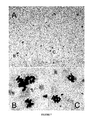
- FIG. 10 provides images of brain sections from AD mouse 48 hours after IV dose of 0.5 mCi 3. 100 ⁇ ; H&E.
- FIGS. 10 A,B,C In addition to individual silver grains seen in control brain ( FIG. 9 ), clusters of silver grains associated with BChE are seen.
- FIG. 10D Cross-section of a blood vessel containing red blood cells surrounded by silver grains corresponding to circulating 3.
- the compounds of the instant invention are of formula (I) above, wherein R represents straight or branched chain alkyl (C 1 -C 8 ) or aryl; R a represents 18F; X represents F; Y represents branched chain alkyl (C 1 -C 4 ); Z represents branched chain alkyl (C 1 -C 4 ).
- the compound is 5′-O—[cycloSaligenyl-3,5-di(tert-butyl)-6-fluoro]-3′-[ 18 F]fluorothymidine monophosphate or 5′-O-[cycloSaligenyl-3,5-di(tert-butyl)-6-fluoro-2′,3′-deoxy-3′-fluoro-5-[ 125 I]iodouridine monophosphate.
- the compounds of the instant invention comprise radioisotopes, which are preferably gamma-emitting isotopes or positron-emitting isotopes.
- the radionuclide is a positron emitting isotope of carbon, oxygen, phosphorus, fluorine, chlorine, bromine, or iodine, such as 10 C, 11 C, 13 N, 13 O, 14 O, 15 O, 30 P, 17 F, 18 F, 32 Cl, 33 Cl, 34 Cl, 74 Br, 75 Br, 76 Br, 77 Br, 78 Br, 117 I, 118 I, 119 I, 120 I, 121 I, 122 I, 124 I, 126 I, and 128 I.
- Gamma radiation-emitting isotopes useful with the method include, but are not limited to, for example, 77 Br, 80m Br, 123 I, 130 I, 131 I and 125 I.
- Preferred radioisotopes for in vivo positron emission tomography (PET) imaging are 11 C and 18 F.
- Preferred radioisotope for in vivo single photon emission computed tomography (SPECT) imaging is 123 I.
- the diagnostic methods of the invention comprise administering to a patient at least one of the compounds described herein, preferably in a pharmaceutically acceptable carrier.
- the compound of the instant invention is administered to the patient in an amount of up to 20 mCi (up to 740 MBq).
- the methods further comprise detecting the binding of the compound to BChE present in the brain of the patient.
- the diagnostic method may also include the step of comparing the amount of BChE detected to a positive or negative control.
- the detection of the compound is carried out by gamma imaging, such as positron emission tomography (PET) or single photon emission computed tomography (SPECT).
- PET positron emission tomography
- SPECT single photon emission computed tomography
- the method of diagnosing Alzheimer's disease further comprises administering the compound of the instant invention to the patient at least one additional time after a prescribed time interval, the length of which is typically determined by attending medical personnel, and detecting the presence of the compound. Increased binding of the compound is indicative of the progression of Alzheimer's disease in the patient.
- the compound of the instant invention is administered and detected after the patient has undergone therapeutic treatment for Alzheimer's disease. In this way, the efficacy of the therapeutic treatment can be assessed.
- compositions of the present invention can be administered by any suitable route, for example, by injection (e.g., intravenously and intramuscularly), by oral, pulmonary, nasal, rectal, or other modes of administration.
- the compositions of the instant invention are administered intravenously or via the carotid artery.
- nonradioactive forms of the compounds of the instant invention of formula (I) can be used as a therapeutic agent for the treatment of Alzheimer's disease.
- At least one compound of the instant invention can be administered to a patient, preferably in a composition comprising at least one pharmaceutically acceptable carrier and, optionally, at least one other therapeutic agent for treating Alzheimer's disease.
- the nonradioactive compounds of the instant invention can be administered to a patient with Alzheimer's disease in order to inhibit the progression of the disease and/or lessen the severity of the disease.
- the nonradioactive form of the compound may be administered to a patient who has not yet been diagnosed with Alzheimer's disease, particularly a patient at risk for Alzheimer's disease, in order to prevent or inhibit the onset of Alzheimer's disease.
- hydrocarbyl refers to an unsubstituted or substituted, saturated or unsaturated hydrocarbon radical containing from about 1 to 15 carbon atoms, which may be an aliphatic, cycloaliphatic or aromatic hydrocarbon group. When substituted, hydrocarbyl groups may be substituted at any available point of attachment. When the hydrocarbyl group is said to be substituted with a hydrocarbyl group, this is used interchangeably with “branched hydrocarbyl group”.
- Exemplary unsubstituted hydrocarbon radicals include alkyl groups such as methyl, ethyl, propyl, isopropyl, n-butyl, t-butyl, isobutyl, pentyl, hexyl, isohexyl, heptyl, 4,4-dimethylpentyl, octyl, 2,2,4-trimethylpentyl, nonyl, decyl, undecyl, dodecyl, octadecyl, nonadecyl, eicosyl, heneicosyl, docosyl, tricosyl, tetracosyl, pentacosyl, and the like; alkenyl groups such as vinyl, allyl and the like; aromatic groups such as phenyl, tolyl, xylyl, napthyl, biphenyl, and the like; aralkyl groups such as benzyl, phenethyl
- substituents may include but are not limited to one or more of the following groups: halo (such as F, Cl, Br, I), alkoxy, alkylthio, hydroxy, carboxy (—COOH), amino (—NH 2 ), monoalkylamine (—NHR), dialkylamine (—NR 2 ), or thiol (—SH), wherein R in the aforementioned substituents represents a hydrocarbyl radical.
- Hydrocarbyl groups may also be interrupted with at least one oxygen, nitrogen, or sulfur atom.
- halogen refers to chlorine, bromine, fluorine or iodine.
- diagnosis refers to providing any type of diagnostic information, including, but not limited to, whether a subject is likely to have a condition, information related to the nature or classification of the condition, information related to prognosis and/or information useful in selecting an appropriate treatment.
- diagnostic information or information for use in diagnosis is any information that is useful in determining whether a patient has a disease or condition and/or in classifying the disease or condition into a phenotypic category or any category having significance with regards to the prognosis of or likely response to treatment (either treatment in general or any particular treatment) of the disease or condition.
- positive control refers to a sample or image of the brain of a patient diagnosed with Alzheimer's disease. Multiple positive controls representing varying degrees of severity of the Alzheimer's disease can be used in the instant diagnostic methods.
- negative control refers to a sample or image of the brain of a normal or healthy patient who has not been diagnosed with Alzheimer's disease.
- “Pharmaceutically acceptable” indicates approval by a regulatory agency of the Federal or a state government or listed in the U.S. Pharmacopeia or other generally recognized pharmacopeia for use in animals, and more particularly in humans.
- a “carrier” refers to, for example, a diluent, adjuvant, preservative (e.g., Thimersol, benzyl alcohol), anti-oxidant (e.g., ascorbic acid, sodium metabisulfite), solubilizer (e.g., Tween 80, Polysorbate 80), emulsifier, buffer (e.g., Tris HCl, acetate, phosphate), antimicrobial, bulking substance (e.g., lactose, mannitol), excipient, auxilliary agent or vehicle with which an active agent of the present invention is administered.
- Pharmaceutically acceptable carriers can be sterile liquids, such as water and oils, including those of petroleum, animal, vegetable or synthetic origin.
- Water or aqueous saline solutions and aqueous dextrose and glycerol solutions are preferably employed as carriers, particularly for injectable solutions.
- Suitable pharmaceutical carriers are described in “Remington's Pharmaceutical Sciences” by E. W. Martin (Mack Publishing Co., Easton, Pa.); Gennaro, A. R., Remington: The Science and Practice of Pharmacy, 20th Edition, (Lippincott, Williams and Wilkins), 2000; Liberman, et al., Eds., Pharmaceutical Dosage Forms, Marcel Decker, New York, N.Y., 1980; and Kibbe, et al., Eds., Handbook of Pharmaceutical Excipients (3 rd Ed.), American Pharmaceutical Association, Washington, 1999.
- leaving group refers to an atom or substituent capable of being displaced by a nucleophile.
- exemplary leaving groups include, without limitation, halogen (e.g., chloro, fluoro, bromo, iodo), alkylsulfonyl, substituted alkylsulfonyl, arylsulfonyl, substituted arylsulfonyl, heterocyclcosulfonyl, and trichloroacetimidate, p-(2,4-dinitroanilino)benzenesulfonyl, benzenesulfonyl, methylsulfonyl (mesylate), p-methylbenzenesulfonyl (tosylate), nosyl, p-bromobenzenesulfonyl, trifluoromethylsulfonyl (triflate), trichloroacetimidate, acyloxy, 2,2,2-trifluor
- protecting group refers to an atom or a substituent that reduces or prevents the reactivity of a reactive group in a molecule. Examples of protecting groups can be found in T. W. Greene and P. G. Futs, Protective Groups in Organic Chemistry, (Wiley, 2nd ed. 1999); Beaucage, et al. (1992) Tetrahedron, 12:2223; and Harrison and Harrison et al., Compendium of Synthetic Organic Methods, Vols. 1-8 (John Wiley and Sons. 1971-1996).
- Exemplary protecting groups include, without limitation, t-butyldimethylsilyl (TBDMS), t-butyldiphenylsilyl (TBDPS), dimethoxytrityl (DMT), monomethoxytrityl (MMT), 2,4-dimethoxybenzyl, and t-butyloxycarbonyl.
- nonradioactive [ 127 I]iodo-analogs were synthesized in a phosphorus(III) route as follows: cyclic chlorophosphites, prepared from the appropriate salicyl alcohols (Meier et al. (1998) Eur. J. Org. Chem., 837-846; Meier et al. (1999) J. Med. Chem., 42:1615-1624), were reacted with 5-iodo-3′-O-levulinyl-2′-deoxyuridine in the presence of diisopropylethyl amine (DIPEA) followed by a direct, one-pot oxidation with t-BuOOH to give phosphates.
- DIPEA diisopropylethyl amine
- Radiochemical yields of 11 obtained via a direct coupling of 7 with chlorophosphite allows for the prediction that similarly good yields can be obtained in the synthesis of 18 F-labeled 1, which can be prepared under the same set of conditions.
- the top overall radiochemical yield of 11 when prepared from 7 ( ⁇ 40%) was routinely obtained when crude saligenyl chlorophosphite was first treated with diisopropylamine (DIPA) to generate corresponding saligenyl N,N-diisopropylaminophosphoramidite and when the subsequent coupling with 7 was activated with 1 H-tetrazole.
- DIPA diisopropylamine
- This non-radioactive standard of target compound 1 was prepared using thymidine and conditions suitable for radiofluorination as follows: after protection of the 5′-hydroxyl with the dimethoxytrityl group, the configuration at the 3′-position was inverted by mesylation and the subsequent hydrolysis of a crude mesylate analog. Next, the treatment with N,N′-diethylaminosulfur trifluoride (DAST) in a mixture of CH 2 Cl 2 -THF and detritylation with HCl in CH 3 CN afforded 3′-deoxy-3′-fluorothymidine in 52% overall yield.
- DAST N,N′-diethylaminosulfur trifluoride
- thymidine protected with the 4,4′-dimethoxytrityl group (DMTr) at the 5′-position, was reacted with levulinic acid and DCC in the presence of 4-dimethylaminopyridine (DMAP) in CH 2 Cl 2 .
- DMAP 4-dimethylaminopyridine
- mice serum which has high levels of BChE (Doctor et al. (1990) FEBS Lett., 266:123-7; Arpagaus et al. (1991) J. Biol. Chem., 266:6966-74) and very low levels of AChE was used for this study. All new drugs were tested in a similar manner. Data for 3a and 3b is shown. Aliquots of serum were placed in tubes and nonradioactive 127 I-3a and 127 I-3b was added (0, 5 and 25 nmole). Selected duplicate tubes received either 1 ⁇ Ci 3a or 1 ⁇ Ci 3b. One ⁇ Ci of no-carrier-added drug is equal to 0.45 pmole.
- Samples were process either by TCA precipitation or gel electrophoresis ( FIG. 1 ).
- TCA precipitation tubes were placed in an ice bath and incubated on for 20 minutes. Ice-cold 20% TCA was added to each tube. Protein pellets were separated by centrifugation. Radioactivity associated with the protein pellet, i.e., BChE-bound 3a and 3b, was measured in a ⁇ counter. The recovery of >90% radioactivity in the protein pellet containing BChE indicated that binding of 3a and 3b to BChE is strong.
- treated mouse serum samples were also analyzed using SDS-PAGE. Samples were either subjected to mercaptoethanol (+SH) or were left unreduced ( ⁇ SH). The —SH panel of FIG.
- FIG. 2 shows the interactions of BChE from mouse serum with certain prepared derivatives and analyzed on the same gel after 30 minutes incubation with mouse serum.
- Diastereomers that bind to BChE in mouse serum do not bind to bovine serum, which has very high levels of AChE but no detectable BChE (data for compounds 2a and 2b is shown in FIG. 3 ).
- Cholinesterase purified from fetal bovine serum has in its N-terminal sequence of the catalytic subunit no amino acids matching the same sequence of human or mouse BChE (Doctor et al. (1990) FEBS Lett., 266:123-7).
- Lockridge et al. (Arpagaus et al. (1991) J. Biol. Chem., 266:6966-74) analyzed BChE levels in plasma and serum from various vertebrates and found no BChE activity in serum of cow and sheep.
- FIG. 3 supports their conclusion and underscores the extraordinarily selectivity of 2a for BChE as evidenced by the complete absence of 2a binding to bovine serum (lanes 3, 4, 5 in FIG. 3 ), which has very high levels of AChE, is often used as an excellent source of AChE but lacks BChE.
- FIG. 3 also illustrates that the addition of 0.1%-0.5% DMSO does not interfere with binding of 2a to BChE.
- the solubility of 2a in buffers and other physiologically appropriate solvents is low and requires the addition of co-solvents.
- 3a the S P stereoisomer, binds BChE dimers and monomers present in mouse serum ( FIG. 1 ) whereas the R P stereoisomer 3b binds only the monomer. It was also found that 2a, the S P stereoisomer, binds to monomer and to what may be a tetramer (or some other large form) of BChE, whereas 2b does not bind to BChE at all providing an excellent control reagent ( FIG. 3 ).
- B6C3-Tg(APPswe,PSEN1dE9) 85 Dbo/J is a double transgenic mice expressing chimeric mouse/human amyloid precursor protein(Mo/Hu APP695swe) and a mutant human presenilin 1(PS1-dE9) both directed to CNS neurons. Both mutations are associated with the early onset AD. A ⁇ plaques are produced in these mice in hippocampus and cortex by 9 months of age with the occasional deposits found in mice as young as 6 months of age (Jankowsky et al. (2004) Hum. Mol. Genet., 13:159-70; Garcia-Alloza et al. (2006) Neurobiol. Dis., 24:516-524). Planar imaging was done using a pinhole gamma camera.
- FIG. 4 shows the image of AD mouse acquired 1 hour after the tail vein IV administration of 0.5 mCi 2a or 2b.
- mice are positioned with the dorsal surface of the mouse facing the pinhole collimator.
- the most noteworthy difference is the accumulation of 2a in the head of the AD mouse ( FIG. 4A , left).
- the head of AD mouse treated with 2b shows only the background level of activity.
- Diastereomer 2b binds BChE whereas 2b does not ( FIG. 2 ).
- Brain clearance curves for 2a or 2b are shown in FIG. 5 .
- FIG. 6 shows transverse and sagittal views of the head and neck area of 7-months old AD mouse 24 hours after IV administration of 2a (23.4 MBq).
- SPECT resolution allowed for the clear identification of the uptake of 2a in ears.
- the transverse view in FIG. 6 shows the retention of 2a in both ears. The significance of the 2a uptake in ears comes from studies by Fitzgerald et al. (McLoughlin et al. (1989) J. Anat., 167:215-23; Cunningham et al.
- FIG. 7 shows the brain section of AD mouse treated with 3.
- FIG. 8 is the corresponding section of a brain from a matched control mouse treated in the same manner.
- AD brain shows numerous large clusters of silver grains (black deposits in this photograph). Similar structures are missing from the brain of a control mouse.
- FIGS. 9 and 10 The examination of the same sections at a higher magnification reveals multiple individual black silver grains in both brains ( FIGS. 9 and 10 ), however, only AD brain has in addition to the individual silver grains also large intense masses of the deposited silver ( FIGS. 10A ,B,C). These groupings of deposited silver grains correspond to 3 bound to BChE associated with amyloid plaques.
- FIGS. 8 and 10D multiple grains can be seen associated with the blood vessel in brains of the control and AD mouse, respectively, which correspond to 3 in blood. Imperfections in focus are because brain sections and silver grains are in different planes, tissue section vs. emulsion.
- Microautoradiography studies in combination with the imaging and biodistribution studies indicate that the new derivatives selectively recognize and target BChE in brains of AD mice.
- 18 F-labeled reagents for PET should provide more sensitivity than radioiodinated drugs.
- PET systems also provide better spatial resolution. They also allow for the quantification of tracer concentration in absolute units and recording the changes in expression of specific receptors or metabolic sites, which may prove invaluable in the evaluation of the AD response to treatments or in longitudinal studies of the AD progression.
- BChE one of the AD companion molecule clearly associated with the risk of developing dementia of the Alzheimer's type.
- the changes in BChE activity in response to anti-AD therapies are already firmly established.
- Brains of people with AD show a positive relation between the BChE levels and the A ⁇ plaque load.
- selective inhibition of brain BChE have been shown to improve cognition, to lead to increases in cerebral acetylcholine levels compared with controls, and to stimulate the memory-forming systems.
- Grieg et al. (Greig et al. (2005) Proc. Natl. Acad. Sci., 102:17213-8) also noted significantly lower Alzheimer beta-amyloid peptide load after treatment with the BChE inhibitor.
- the PET imaging drugs which can track changes in the BChE activity in the brain of AD patients, will open a unique and innovative path to measuring AD-related neurodegeneration as well as the response to therapeutic interventions. It is also likely that based on these studies new and even more effective BChE-directed therapies can be developed.
- Radiosynthesis of target compound 1 utilizes precursor 13 with 3′-O-nosyl-substituent as a good leaving group and its 3′-O-nosyl-3-N-t-Boc analogue 14.
- the proposed synthesis of both compounds is depicted in Scheme 5.
- There are several reports of successful synthesis of 18 F-thymidines using similar substrates Grierson et al. (1999) J. Labelled Comp. Radiopharm., 42:5525-5526; Griersn et al. (1997) J. Labelled Compd. Radiopharm., 40:60-62; Shields et al. (1998) Nat. Med., 4:1334-1336; Grierson et al. (2000) Nucl. Med.
- this pathway features the use of cyloSal-triester 15.
- the approach is modeled on the 3′-O-nosyl precursor to 18 FLT used in radiofluorination, which gives in the routine production of 18FLT radiochemically pure doses of >10 mCi within 100 minutes with specific activities >1 Ci/ ⁇ mole at the end of synthesis.
- the 3-N-position is masked with N-2,4-dimethoxybenzyl group and the 3′-O-nosylate is the leaving group.
- the Grieson's synthesis (Grierson et al. (2000) Nucl. Med.
- Biol., 27:143-156) can be adopted and modified to accommodate the introduction of the 5′-O-[cycloSaligenyl-3,5-di(tert-butyl)-6-fluoro]-unit in the preparation of 15 (step g in Scheme 6).
Landscapes
- Health & Medical Sciences (AREA)
- Chemical & Material Sciences (AREA)
- Life Sciences & Earth Sciences (AREA)
- Organic Chemistry (AREA)
- General Health & Medical Sciences (AREA)
- Medicinal Chemistry (AREA)
- Veterinary Medicine (AREA)
- Pharmacology & Pharmacy (AREA)
- Epidemiology (AREA)
- Animal Behavior & Ethology (AREA)
- Physics & Mathematics (AREA)
- Public Health (AREA)
- Optics & Photonics (AREA)
- Engineering & Computer Science (AREA)
- Biochemistry (AREA)
- Biotechnology (AREA)
- Genetics & Genomics (AREA)
- Molecular Biology (AREA)
- Proteomics, Peptides & Aminoacids (AREA)
- Medicines Containing Antibodies Or Antigens For Use As Internal Diagnostic Agents (AREA)
Abstract
Description


Syntheses of 125I-Labeled BChE-Binding Compounds.

| TABLE 1 |
| Partition coefficient determined by the shake-tube |
| method using 1-octanol and water layers. |
| P | |||
| avg (std dev) | |
||
| 3a | 4.19 (0.12) | 0.623 |
| 3b | 4.49 (0.25) | 0.652 |
| 4a | 7.19 (0.37) | 0.857 |
| 4b | 7.02 (0.34) | 0.846 |


Claims (11)

Priority Applications (1)
| Application Number | Priority Date | Filing Date | Title |
|---|---|---|---|
| US12/188,641 US9315534B2 (en) | 2007-08-10 | 2008-08-08 | Radiologic agents for monitoring alzheimer's disease progression and Evaluating a Response to Therapy and processes for the preparation of such agents |
Applications Claiming Priority (3)
| Application Number | Priority Date | Filing Date | Title |
|---|---|---|---|
| US96425107P | 2007-08-10 | 2007-08-10 | |
| US1012908P | 2008-01-04 | 2008-01-04 | |
| US12/188,641 US9315534B2 (en) | 2007-08-10 | 2008-08-08 | Radiologic agents for monitoring alzheimer's disease progression and Evaluating a Response to Therapy and processes for the preparation of such agents |
Publications (2)
| Publication Number | Publication Date |
|---|---|
| US20090117041A1 US20090117041A1 (en) | 2009-05-07 |
| US9315534B2 true US9315534B2 (en) | 2016-04-19 |
Family
ID=40588270
Family Applications (1)
| Application Number | Title | Priority Date | Filing Date |
|---|---|---|---|
| US12/188,641 Active 2034-05-23 US9315534B2 (en) | 2007-08-10 | 2008-08-08 | Radiologic agents for monitoring alzheimer's disease progression and Evaluating a Response to Therapy and processes for the preparation of such agents |
Country Status (1)
| Country | Link |
|---|---|
| US (1) | US9315534B2 (en) |
Families Citing this family (5)
| Publication number | Priority date | Publication date | Assignee | Title |
|---|---|---|---|---|
| US9315534B2 (en) | 2007-08-10 | 2016-04-19 | Board Of Regents Of The University Of Nebraska | Radiologic agents for monitoring alzheimer's disease progression and Evaluating a Response to Therapy and processes for the preparation of such agents |
| WO2011079245A1 (en) * | 2009-12-23 | 2011-06-30 | Board Of Regents Of The University Of Nebraska | Targeted radiolabeled compounds and their use for the treatment and diagnosis of cancer |
| CN102344476B (en) * | 2010-07-30 | 2016-04-06 | 医影生物纳米技术(苏州)有限公司 | Thymidine cyclic phosphate compound and anticancer usage thereof |
| US20130343994A1 (en) * | 2012-06-25 | 2013-12-26 | The University Of Montana | Cholinesterase Inhibitors |
| CN105273022A (en) * | 2014-06-16 | 2016-01-27 | 深圳翰宇药业股份有限公司 | Sofosbuvir intermediate and method for preparing Sofosbuvir from Sofosbuvir intermediate |
Citations (7)
| Publication number | Priority date | Publication date | Assignee | Title |
|---|---|---|---|---|
| US20040138170A1 (en) | 2002-03-06 | 2004-07-15 | Montgomery John A. | Nucleosides, preparation thereof and use as inhibitors of rna viral polymerases |
| US20050069495A1 (en) | 2003-09-25 | 2005-03-31 | Janina Baranowska-Kortylewicz | Cancer specific radiolabeled conjugates regulated by the cell cycle for the treatment and diagnosis of cancer |
| US20050136040A1 (en) | 2001-10-11 | 2005-06-23 | Imperial College Innovations Limited | Control of gene expression using a complex of an oligonucleotide and a regulatory peptide |
| US20050222185A1 (en) | 2004-04-01 | 2005-10-06 | Rexahn Corporation | Nucleoside derivatives and therapeutic uses therof |
| WO2006096757A2 (en) | 2005-03-07 | 2006-09-14 | The University Of North Carolina At Chapel Hill | Inhibitors of reca activities for control of antibiotic-resistant bacterial pathogens |
| US7270800B2 (en) | 2000-08-24 | 2007-09-18 | University Of Pittsburgh | Thioflavin derivatives for use in antemortem diagnosis of Alzheimer's disease and in vivo imaging and prevention of amyloid deposition |
| US20090117041A1 (en) | 2007-08-10 | 2009-05-07 | Kortylewicz Zbigniew P | Radiologic Agents for Monitoring Alzheimer's Disease Progression and Evaluating a Response to Therapy and Processes for the Preparation of Such Agents |
-
2008
- 2008-08-08 US US12/188,641 patent/US9315534B2/en active Active
Patent Citations (7)
| Publication number | Priority date | Publication date | Assignee | Title |
|---|---|---|---|---|
| US7270800B2 (en) | 2000-08-24 | 2007-09-18 | University Of Pittsburgh | Thioflavin derivatives for use in antemortem diagnosis of Alzheimer's disease and in vivo imaging and prevention of amyloid deposition |
| US20050136040A1 (en) | 2001-10-11 | 2005-06-23 | Imperial College Innovations Limited | Control of gene expression using a complex of an oligonucleotide and a regulatory peptide |
| US20040138170A1 (en) | 2002-03-06 | 2004-07-15 | Montgomery John A. | Nucleosides, preparation thereof and use as inhibitors of rna viral polymerases |
| US20050069495A1 (en) | 2003-09-25 | 2005-03-31 | Janina Baranowska-Kortylewicz | Cancer specific radiolabeled conjugates regulated by the cell cycle for the treatment and diagnosis of cancer |
| US20050222185A1 (en) | 2004-04-01 | 2005-10-06 | Rexahn Corporation | Nucleoside derivatives and therapeutic uses therof |
| WO2006096757A2 (en) | 2005-03-07 | 2006-09-14 | The University Of North Carolina At Chapel Hill | Inhibitors of reca activities for control of antibiotic-resistant bacterial pathogens |
| US20090117041A1 (en) | 2007-08-10 | 2009-05-07 | Kortylewicz Zbigniew P | Radiologic Agents for Monitoring Alzheimer's Disease Progression and Evaluating a Response to Therapy and Processes for the Preparation of Such Agents |
Non-Patent Citations (115)
Also Published As
| Publication number | Publication date |
|---|---|
| US20090117041A1 (en) | 2009-05-07 |
Similar Documents
| Publication | Publication Date | Title |
|---|---|---|
| Gulyás et al. | Activated MAO-B in the brain of Alzheimer patients, demonstrated by [11C]-L-deprenyl using whole hemisphere autoradiography | |
| US9315534B2 (en) | Radiologic agents for monitoring alzheimer's disease progression and Evaluating a Response to Therapy and processes for the preparation of such agents | |
| CA3161376A1 (en) | Methods for improving neurological diseases and disorders | |
| ES2427963T3 (en) | Use of radiolabeled thioflavin derivatives in amyloid imaging for evaluation of antiamyloid therapies | |
| Ono et al. | Novel 18F-labeled benzofuran derivatives with improved properties for positron emission tomography (PET) imaging of β-amyloid plaques in Alzheimer’s brains | |
| US20210251559A1 (en) | Methods for diagnosing, monitoring and treating neurological diseases and disorders | |
| US20220055991A1 (en) | Synthesis of the radiolabeled prostate-specific membrane antigen (psma) inhibitor [18f]dcfpyl | |
| Paul et al. | Adenosine A1 receptors in the central nervous system: their functions in health and disease, and possible elucidation by PET imaging | |
| CA3100848A1 (en) | Methods for improving neurological diseases and disorders | |
| Chen et al. | Comparison of radiolabeled isatin analogs for imaging apoptosis with positron emission tomography | |
| US20230263749A1 (en) | Compositions and methods for improving neurological diseases and disorders | |
| JP2023179435A (en) | Multiple myeloma treatment | |
| US9233178B2 (en) | TSPO-targeting compounds and uses thereof | |
| Guilarte et al. | Glutamate carboxypeptidase II levels in rodent brain using [125I] DCIT quantitative autoradiography | |
| Yang et al. | Preliminary evaluation of fluoro-pegylated benzyloxybenzenes for quantification of β-amyloid plaques by positron emission tomography | |
| WO2006127842A2 (en) | Tracers for monitoring the activity of sodium/glucose cotransporters in health and disease | |
| Jia et al. | Development of [18F] Thiazolylacylaminopyridine-based glycogen synthase kinase-3β ligands for positron emission tomography imaging | |
| Mori et al. | Radiosynthesis and evaluation of 4-(6-[18 F] Fluoro-4-(5-isopropoxy-1 H-indazol-3-yl) pyridin-2-yl) morpholine as a novel radiotracer candidate targeting leucine-rich repeat kinase 2 | |
| US12616667B2 (en) | Compositions and methods for improving neurological diseases and disorders | |
| US10098975B2 (en) | Labeled pkg-1-alpha-binding compounds and their use in imaging and quantifying pain | |
| WO2025188807A1 (en) | Combination compositions and methods of use | |
| US20210251923A1 (en) | Methods for improving neurological diseases and disorders | |
| Huang et al. | Investigation of brain tumors using 18F-fluorobutyl ethacrynic amide and its metabolite with positron emission tomography | |
| Ueda et al. | In Vivo imaging of nicotinic acetylcholine receptors in the central nervous system | |
| US20230357154A1 (en) | Butyrylcholinesterase compounds and use in diseases of the nervous system |
Legal Events
| Date | Code | Title | Description |
|---|---|---|---|
| AS | Assignment |
Owner name: BOARD OF REGENTS OF THE UNIVERSITY OF NEBRASKA, NE Free format text: ASSIGNMENT OF ASSIGNORS INTEREST;ASSIGNORS:BARANOWSKA-KORTYLEWICZ, JANINA;KORTYLEWICZ, ZBIGNIEW P.;REEL/FRAME:022646/0502 Effective date: 20080421 |
|
| AS | Assignment |
Owner name: US ARMY, SECRETARY OF THE ARMY, MARYLAND Free format text: CONFIRMATORY LICENSE;ASSIGNOR:UNIVERSITY OF NEBRASKA MEDICAL CENTER;REEL/FRAME:023701/0500 Effective date: 20090601 |
|
| AS | Assignment |
Owner name: US ARMY, SECRETARY OF THE ARMY, MARYLAND Free format text: CONFIRMATORY LICENSE;ASSIGNOR:UNIVERSITY OF NEBRASKA MEDICAL CENTER;REEL/FRAME:027281/0070 Effective date: 20090601 |
|
| STCF | Information on status: patent grant |
Free format text: PATENTED CASE |
|
| FEPP | Fee payment procedure |
Free format text: MAINTENANCE FEE REMINDER MAILED (ORIGINAL EVENT CODE: REM.); ENTITY STATUS OF PATENT OWNER: SMALL ENTITY |
|
| FEPP | Fee payment procedure |
Free format text: SURCHARGE FOR LATE PAYMENT, SMALL ENTITY (ORIGINAL EVENT CODE: M2554); ENTITY STATUS OF PATENT OWNER: SMALL ENTITY |
|
| MAFP | Maintenance fee payment |
Free format text: PAYMENT OF MAINTENANCE FEE, 4TH YR, SMALL ENTITY (ORIGINAL EVENT CODE: M2551); ENTITY STATUS OF PATENT OWNER: SMALL ENTITY Year of fee payment: 4 |
|
| FEPP | Fee payment procedure |
Free format text: 7.5 YR SURCHARGE - LATE PMT W/IN 6 MO, SMALL ENTITY (ORIGINAL EVENT CODE: M2555); ENTITY STATUS OF PATENT OWNER: SMALL ENTITY |
|
| MAFP | Maintenance fee payment |
Free format text: PAYMENT OF MAINTENANCE FEE, 8TH YR, SMALL ENTITY (ORIGINAL EVENT CODE: M2552); ENTITY STATUS OF PATENT OWNER: SMALL ENTITY Year of fee payment: 8 |