US9273284B2 - Method for generating potent dendritic cells - Google Patents
Method for generating potent dendritic cells Download PDFInfo
- Publication number
- US9273284B2 US9273284B2 US14/111,479 US201214111479A US9273284B2 US 9273284 B2 US9273284 B2 US 9273284B2 US 201214111479 A US201214111479 A US 201214111479A US 9273284 B2 US9273284 B2 US 9273284B2
- Authority
- US
- United States
- Prior art keywords
- cells
- nod2l
- cd1b
- tlr2
- monocytes
- Prior art date
- Legal status (The legal status is an assumption and is not a legal conclusion. Google has not performed a legal analysis and makes no representation as to the accuracy of the status listed.)
- Expired - Fee Related, expires
Links
- 210000004443 dendritic cell Anatomy 0.000 title claims abstract description 247
- 238000000034 method Methods 0.000 title claims description 42
- 230000003389 potentiating effect Effects 0.000 title abstract description 19
- 102100033501 Interleukin-32 Human genes 0.000 claims abstract description 138
- 210000004027 cell Anatomy 0.000 claims abstract description 88
- 239000002243 precursor Substances 0.000 claims abstract description 19
- 101000998139 Homo sapiens Interleukin-32 Proteins 0.000 claims abstract description 10
- 210000001616 monocyte Anatomy 0.000 claims description 118
- 239000000427 antigen Substances 0.000 claims description 62
- 108091007433 antigens Proteins 0.000 claims description 61
- 102000036639 antigens Human genes 0.000 claims description 61
- 230000004069 differentiation Effects 0.000 claims description 42
- 230000001939 inductive effect Effects 0.000 claims description 8
- 230000001965 increasing effect Effects 0.000 claims description 7
- 210000003819 peripheral blood mononuclear cell Anatomy 0.000 claims description 6
- 230000000735 allogeneic effect Effects 0.000 claims description 5
- 230000024245 cell differentiation Effects 0.000 claims description 4
- 230000004043 responsiveness Effects 0.000 claims description 3
- 239000012472 biological sample Substances 0.000 claims description 2
- 102000046616 human IL32 Human genes 0.000 claims description 2
- 238000001727 in vivo Methods 0.000 abstract description 11
- 101710181615 Interleukin-32 Proteins 0.000 description 130
- 102100024333 Toll-like receptor 2 Human genes 0.000 description 108
- 101000831567 Homo sapiens Toll-like receptor 2 Proteins 0.000 description 107
- 230000014509 gene expression Effects 0.000 description 83
- 108090000623 proteins and genes Proteins 0.000 description 70
- 102100039620 Granulocyte-macrophage colony-stimulating factor Human genes 0.000 description 55
- 108010017213 Granulocyte-Macrophage Colony-Stimulating Factor Proteins 0.000 description 54
- 210000001744 T-lymphocyte Anatomy 0.000 description 41
- 230000006698 induction Effects 0.000 description 39
- 108090000765 processed proteins & peptides Proteins 0.000 description 39
- 101001125026 Homo sapiens Nucleotide-binding oligomerization domain-containing protein 2 Proteins 0.000 description 38
- 150000001413 amino acids Chemical class 0.000 description 38
- 102100029441 Nucleotide-binding oligomerization domain-containing protein 2 Human genes 0.000 description 37
- 230000004913 activation Effects 0.000 description 32
- 208000037265 diseases, disorders, signs and symptoms Diseases 0.000 description 31
- 201000010099 disease Diseases 0.000 description 30
- 230000037361 pathway Effects 0.000 description 29
- 230000003902 lesion Effects 0.000 description 28
- 206010024229 Leprosy Diseases 0.000 description 27
- 108020004999 messenger RNA Proteins 0.000 description 27
- 238000000692 Student's t-test Methods 0.000 description 26
- 239000003446 ligand Substances 0.000 description 26
- 102000004169 proteins and genes Human genes 0.000 description 26
- 230000030741 antigen processing and presentation Effects 0.000 description 25
- 230000004044 response Effects 0.000 description 25
- 102000004196 processed proteins & peptides Human genes 0.000 description 24
- 238000000684 flow cytometry Methods 0.000 description 23
- 210000002540 macrophage Anatomy 0.000 description 21
- 229920001184 polypeptide Polymers 0.000 description 21
- 239000002609 medium Substances 0.000 description 20
- 102000004127 Cytokines Human genes 0.000 description 18
- 108090000695 Cytokines Proteins 0.000 description 18
- 150000001875 compounds Chemical class 0.000 description 17
- 239000000203 mixture Substances 0.000 description 16
- 208000015181 infectious disease Diseases 0.000 description 15
- 102000007863 pattern recognition receptors Human genes 0.000 description 15
- 108010089193 pattern recognition receptors Proteins 0.000 description 15
- 241000186362 Mycobacterium leprae Species 0.000 description 14
- 101000716149 Homo sapiens T-cell surface glycoprotein CD1b Proteins 0.000 description 12
- 108010074328 Interferon-gamma Proteins 0.000 description 12
- 102000003810 Interleukin-18 Human genes 0.000 description 12
- 108090000171 Interleukin-18 Proteins 0.000 description 12
- 206010028980 Neoplasm Diseases 0.000 description 12
- 238000007792 addition Methods 0.000 description 12
- 230000001419 dependent effect Effects 0.000 description 12
- 230000015788 innate immune response Effects 0.000 description 12
- 230000004048 modification Effects 0.000 description 12
- 238000012986 modification Methods 0.000 description 12
- 108010042708 Acetylmuramyl-Alanyl-Isoglutamine Proteins 0.000 description 11
- 101000980827 Homo sapiens T-cell surface glycoprotein CD1a Proteins 0.000 description 11
- 101000716124 Homo sapiens T-cell surface glycoprotein CD1c Proteins 0.000 description 11
- 102000003814 Interleukin-10 Human genes 0.000 description 11
- 108090000174 Interleukin-10 Proteins 0.000 description 11
- 108700018351 Major Histocompatibility Complex Proteins 0.000 description 11
- 102100036014 T-cell surface glycoprotein CD1c Human genes 0.000 description 11
- 210000000612 antigen-presenting cell Anatomy 0.000 description 11
- 239000003795 chemical substances by application Substances 0.000 description 11
- 230000000694 effects Effects 0.000 description 11
- 230000006870 function Effects 0.000 description 11
- BSOQXXWZTUDTEL-ZUYCGGNHSA-N muramyl dipeptide Chemical compound OC(=O)CC[C@H](C(N)=O)NC(=O)[C@H](C)NC(=O)[C@@H](C)O[C@H]1[C@H](O)[C@@H](CO)O[C@@H](O)[C@@H]1NC(C)=O BSOQXXWZTUDTEL-ZUYCGGNHSA-N 0.000 description 11
- 230000020382 suppression by virus of host antigen processing and presentation of peptide antigen via MHC class I Effects 0.000 description 11
- 102100037850 Interferon gamma Human genes 0.000 description 10
- 108091054438 MHC class II family Proteins 0.000 description 10
- 230000007246 mechanism Effects 0.000 description 10
- 244000052769 pathogen Species 0.000 description 10
- 150000003839 salts Chemical class 0.000 description 10
- 230000001225 therapeutic effect Effects 0.000 description 10
- 108010059013 Chaperonin 10 Proteins 0.000 description 9
- 108091054437 MHC class I family Proteins 0.000 description 9
- 102000043129 MHC class I family Human genes 0.000 description 9
- 102000043131 MHC class II family Human genes 0.000 description 9
- 230000005867 T cell response Effects 0.000 description 9
- 108060008682 Tumor Necrosis Factor Proteins 0.000 description 9
- 102000000852 Tumor Necrosis Factor-alpha Human genes 0.000 description 9
- 238000002474 experimental method Methods 0.000 description 9
- 206010022000 influenza Diseases 0.000 description 9
- 230000001404 mediated effect Effects 0.000 description 9
- -1 polyethyleneoxy group Polymers 0.000 description 9
- 210000001519 tissue Anatomy 0.000 description 9
- 101150013553 CD40 gene Proteins 0.000 description 8
- 108020004459 Small interfering RNA Proteins 0.000 description 8
- 102100040245 Tumor necrosis factor receptor superfamily member 5 Human genes 0.000 description 8
- 150000002148 esters Chemical class 0.000 description 8
- 238000009472 formulation Methods 0.000 description 8
- 238000000338 in vitro Methods 0.000 description 8
- 150000007523 nucleic acids Chemical class 0.000 description 8
- 230000001717 pathogenic effect Effects 0.000 description 8
- 239000000546 pharmaceutical excipient Substances 0.000 description 8
- 102000005962 receptors Human genes 0.000 description 8
- 108020003175 receptors Proteins 0.000 description 8
- 229960000814 tetanus toxoid Drugs 0.000 description 8
- 108010028921 Lipopeptides Proteins 0.000 description 7
- 238000004458 analytical method Methods 0.000 description 7
- 210000004369 blood Anatomy 0.000 description 7
- 239000008280 blood Substances 0.000 description 7
- 230000035800 maturation Effects 0.000 description 7
- 238000002493 microarray Methods 0.000 description 7
- 230000000813 microbial effect Effects 0.000 description 7
- 108020004707 nucleic acids Proteins 0.000 description 7
- 102000039446 nucleic acids Human genes 0.000 description 7
- 230000035755 proliferation Effects 0.000 description 7
- 208000024891 symptom Diseases 0.000 description 7
- 238000003786 synthesis reaction Methods 0.000 description 7
- 108091032973 (ribonucleotides)n+m Proteins 0.000 description 6
- 238000010600 3H thymidine incorporation assay Methods 0.000 description 6
- IJGRMHOSHXDMSA-UHFFFAOYSA-N Atomic nitrogen Chemical compound N#N IJGRMHOSHXDMSA-UHFFFAOYSA-N 0.000 description 6
- 108020004414 DNA Proteins 0.000 description 6
- IAZDPXIOMUYVGZ-UHFFFAOYSA-N Dimethylsulphoxide Chemical compound CS(C)=O IAZDPXIOMUYVGZ-UHFFFAOYSA-N 0.000 description 6
- 238000002826 magnetic-activated cell sorting Methods 0.000 description 6
- 238000004519 manufacturing process Methods 0.000 description 6
- 239000003550 marker Substances 0.000 description 6
- 238000000746 purification Methods 0.000 description 6
- 239000000523 sample Substances 0.000 description 6
- 210000002966 serum Anatomy 0.000 description 6
- 239000000126 substance Substances 0.000 description 6
- 101001046686 Homo sapiens Integrin alpha-M Proteins 0.000 description 5
- 102100022338 Integrin alpha-M Human genes 0.000 description 5
- 102000004388 Interleukin-4 Human genes 0.000 description 5
- 108090000978 Interleukin-4 Proteins 0.000 description 5
- 102000012064 NLR Proteins Human genes 0.000 description 5
- 108091005686 NOD-like receptors Proteins 0.000 description 5
- 108010029485 Protein Isoforms Proteins 0.000 description 5
- 102000001708 Protein Isoforms Human genes 0.000 description 5
- 102000002689 Toll-like receptor Human genes 0.000 description 5
- 108020000411 Toll-like receptor Proteins 0.000 description 5
- 239000002671 adjuvant Substances 0.000 description 5
- 238000003556 assay Methods 0.000 description 5
- 230000015572 biosynthetic process Effects 0.000 description 5
- 230000008777 canonical pathway Effects 0.000 description 5
- 230000008859 change Effects 0.000 description 5
- 238000001514 detection method Methods 0.000 description 5
- 230000028993 immune response Effects 0.000 description 5
- 230000002163 immunogen Effects 0.000 description 5
- 239000000411 inducer Substances 0.000 description 5
- 229940028885 interleukin-4 Drugs 0.000 description 5
- 230000003472 neutralizing effect Effects 0.000 description 5
- 230000008569 process Effects 0.000 description 5
- 238000012545 processing Methods 0.000 description 5
- 206010040882 skin lesion Diseases 0.000 description 5
- 231100000444 skin lesion Toxicity 0.000 description 5
- 238000004448 titration Methods 0.000 description 5
- 241000588724 Escherichia coli Species 0.000 description 4
- 108090001005 Interleukin-6 Proteins 0.000 description 4
- 108090001007 Interleukin-8 Proteins 0.000 description 4
- 241000124008 Mammalia Species 0.000 description 4
- 102100035982 T-cell surface glycoprotein CD1b Human genes 0.000 description 4
- 208000036142 Viral infection Diseases 0.000 description 4
- 125000000539 amino acid group Chemical group 0.000 description 4
- 210000003719 b-lymphocyte Anatomy 0.000 description 4
- 230000027455 binding Effects 0.000 description 4
- 201000011510 cancer Diseases 0.000 description 4
- 238000012512 characterization method Methods 0.000 description 4
- 239000003153 chemical reaction reagent Substances 0.000 description 4
- 230000001684 chronic effect Effects 0.000 description 4
- 239000002158 endotoxin Substances 0.000 description 4
- 238000001802 infusion Methods 0.000 description 4
- 238000002372 labelling Methods 0.000 description 4
- 239000007788 liquid Substances 0.000 description 4
- 210000001165 lymph node Anatomy 0.000 description 4
- 244000000010 microbial pathogen Species 0.000 description 4
- 229910052757 nitrogen Inorganic materials 0.000 description 4
- 210000005259 peripheral blood Anatomy 0.000 description 4
- 239000011886 peripheral blood Substances 0.000 description 4
- 229920000642 polymer Polymers 0.000 description 4
- 239000000047 product Substances 0.000 description 4
- 230000028327 secretion Effects 0.000 description 4
- 238000001228 spectrum Methods 0.000 description 4
- 238000010186 staining Methods 0.000 description 4
- 238000012360 testing method Methods 0.000 description 4
- 230000003612 virological effect Effects 0.000 description 4
- 102100024341 10 kDa heat shock protein, mitochondrial Human genes 0.000 description 3
- QTBSBXVTEAMEQO-UHFFFAOYSA-N Acetic acid Chemical compound CC(O)=O QTBSBXVTEAMEQO-UHFFFAOYSA-N 0.000 description 3
- 208000035473 Communicable disease Diseases 0.000 description 3
- 238000002965 ELISA Methods 0.000 description 3
- 102000016355 Granulocyte-Macrophage Colony-Stimulating Factor Receptors Human genes 0.000 description 3
- 108010092372 Granulocyte-Macrophage Colony-Stimulating Factor Receptors Proteins 0.000 description 3
- 102100036242 HLA class II histocompatibility antigen, DQ alpha 2 chain Human genes 0.000 description 3
- 102000006354 HLA-DR Antigens Human genes 0.000 description 3
- 108010058597 HLA-DR Antigens Proteins 0.000 description 3
- 101000930801 Homo sapiens HLA class II histocompatibility antigen, DQ alpha 2 chain Proteins 0.000 description 3
- 101000934372 Homo sapiens Macrosialin Proteins 0.000 description 3
- 101000763579 Homo sapiens Toll-like receptor 1 Proteins 0.000 description 3
- 101000638255 Homo sapiens Tumor necrosis factor ligand superfamily member 8 Proteins 0.000 description 3
- 108010002350 Interleukin-2 Proteins 0.000 description 3
- 108090001030 Lipoproteins Proteins 0.000 description 3
- 102000004895 Lipoproteins Human genes 0.000 description 3
- 102100025136 Macrosialin Human genes 0.000 description 3
- 206010062207 Mycobacterial infection Diseases 0.000 description 3
- 239000006146 Roswell Park Memorial Institute medium Substances 0.000 description 3
- 102100024219 T-cell surface glycoprotein CD1a Human genes 0.000 description 3
- 102100027010 Toll-like receptor 1 Human genes 0.000 description 3
- 102100032100 Tumor necrosis factor ligand superfamily member 8 Human genes 0.000 description 3
- 230000002378 acidificating effect Effects 0.000 description 3
- 230000003213 activating effect Effects 0.000 description 3
- 230000033289 adaptive immune response Effects 0.000 description 3
- 230000000890 antigenic effect Effects 0.000 description 3
- 238000013459 approach Methods 0.000 description 3
- 230000001580 bacterial effect Effects 0.000 description 3
- 229910052799 carbon Inorganic materials 0.000 description 3
- 210000002421 cell wall Anatomy 0.000 description 3
- KRKNYBCHXYNGOX-UHFFFAOYSA-N citric acid Chemical compound OC(=O)CC(O)(C(O)=O)CC(O)=O KRKNYBCHXYNGOX-UHFFFAOYSA-N 0.000 description 3
- 230000000875 corresponding effect Effects 0.000 description 3
- 230000007123 defense Effects 0.000 description 3
- 238000010201 enrichment analysis Methods 0.000 description 3
- 108020001507 fusion proteins Proteins 0.000 description 3
- 102000037865 fusion proteins Human genes 0.000 description 3
- 230000013595 glycosylation Effects 0.000 description 3
- 238000006206 glycosylation reaction Methods 0.000 description 3
- 238000009169 immunotherapy Methods 0.000 description 3
- 108010061181 influenza matrix peptide (58-66) Proteins 0.000 description 3
- 238000002347 injection Methods 0.000 description 3
- 239000007924 injection Substances 0.000 description 3
- 210000005007 innate immune system Anatomy 0.000 description 3
- 230000011103 interleukin-32 production Effects 0.000 description 3
- 230000003834 intracellular effect Effects 0.000 description 3
- 210000000265 leukocyte Anatomy 0.000 description 3
- 150000002632 lipids Chemical class 0.000 description 3
- 208000027531 mycobacterial infectious disease Diseases 0.000 description 3
- 239000002773 nucleotide Substances 0.000 description 3
- 125000003729 nucleotide group Chemical group 0.000 description 3
- 102000054765 polymorphisms of proteins Human genes 0.000 description 3
- 238000011002 quantification Methods 0.000 description 3
- 230000000284 resting effect Effects 0.000 description 3
- 210000000952 spleen Anatomy 0.000 description 3
- 230000004936 stimulating effect Effects 0.000 description 3
- 238000001890 transfection Methods 0.000 description 3
- 201000008827 tuberculosis Diseases 0.000 description 3
- 210000004881 tumor cell Anatomy 0.000 description 3
- 230000009385 viral infection Effects 0.000 description 3
- HZAXFHJVJLSVMW-UHFFFAOYSA-N 2-Aminoethan-1-ol Chemical compound NCCO HZAXFHJVJLSVMW-UHFFFAOYSA-N 0.000 description 2
- 102100022416 Aminoacyl tRNA synthase complex-interacting multifunctional protein 1 Human genes 0.000 description 2
- 241000894006 Bacteria Species 0.000 description 2
- 208000035143 Bacterial infection Diseases 0.000 description 2
- 102100036301 C-C chemokine receptor type 7 Human genes 0.000 description 2
- 210000001266 CD8-positive T-lymphocyte Anatomy 0.000 description 2
- OKTJSMMVPCPJKN-UHFFFAOYSA-N Carbon Chemical compound [C] OKTJSMMVPCPJKN-UHFFFAOYSA-N 0.000 description 2
- 108010014414 Chemokine CXCL2 Proteins 0.000 description 2
- 102000016951 Chemokine CXCL2 Human genes 0.000 description 2
- 102100039550 Chemokine-like factor Human genes 0.000 description 2
- 150000008574 D-amino acids Chemical class 0.000 description 2
- 102000004190 Enzymes Human genes 0.000 description 2
- 108090000790 Enzymes Proteins 0.000 description 2
- 102100022887 GTP-binding nuclear protein Ran Human genes 0.000 description 2
- 108090000079 Glucocorticoid Receptors Proteins 0.000 description 2
- 102100033417 Glucocorticoid receptor Human genes 0.000 description 2
- 206010018691 Granuloma Diseases 0.000 description 2
- 241000282412 Homo Species 0.000 description 2
- 101000755762 Homo sapiens Aminoacyl tRNA synthase complex-interacting multifunctional protein 1 Proteins 0.000 description 2
- 101000716065 Homo sapiens C-C chemokine receptor type 7 Proteins 0.000 description 2
- 101000888518 Homo sapiens Chemokine-like factor Proteins 0.000 description 2
- 101001018034 Homo sapiens Lymphocyte antigen 75 Proteins 0.000 description 2
- 206010061218 Inflammation Diseases 0.000 description 2
- 102100022297 Integrin alpha-X Human genes 0.000 description 2
- 108010064593 Intercellular Adhesion Molecule-1 Proteins 0.000 description 2
- 102100037877 Intercellular adhesion molecule 1 Human genes 0.000 description 2
- 102000008070 Interferon-gamma Human genes 0.000 description 2
- 102000000589 Interleukin-1 Human genes 0.000 description 2
- 108010002352 Interleukin-1 Proteins 0.000 description 2
- LRQKBLKVPFOOQJ-YFKPBYRVSA-N L-norleucine Chemical group CCCC[C@H]([NH3+])C([O-])=O LRQKBLKVPFOOQJ-YFKPBYRVSA-N 0.000 description 2
- 206010024227 Lepromatous leprosy Diseases 0.000 description 2
- 102100033486 Lymphocyte antigen 75 Human genes 0.000 description 2
- 241001465754 Metazoa Species 0.000 description 2
- AFVFQIVMOAPDHO-UHFFFAOYSA-N Methanesulfonic acid Chemical compound CS(O)(=O)=O AFVFQIVMOAPDHO-UHFFFAOYSA-N 0.000 description 2
- MSFSPUZXLOGKHJ-UHFFFAOYSA-N Muraminsaeure Natural products OC(=O)C(C)OC1C(N)C(O)OC(CO)C1O MSFSPUZXLOGKHJ-UHFFFAOYSA-N 0.000 description 2
- 108091034117 Oligonucleotide Proteins 0.000 description 2
- 239000012980 RPMI-1640 medium Substances 0.000 description 2
- 238000010240 RT-PCR analysis Methods 0.000 description 2
- 230000006044 T cell activation Effects 0.000 description 2
- 230000003044 adaptive effect Effects 0.000 description 2
- 150000001412 amines Chemical class 0.000 description 2
- 230000000845 anti-microbial effect Effects 0.000 description 2
- 208000022362 bacterial infectious disease Diseases 0.000 description 2
- 239000002585 base Substances 0.000 description 2
- 210000001185 bone marrow Anatomy 0.000 description 2
- 125000003178 carboxy group Chemical group [H]OC(*)=O 0.000 description 2
- 239000000969 carrier Substances 0.000 description 2
- 230000001413 cellular effect Effects 0.000 description 2
- 230000008614 cellular interaction Effects 0.000 description 2
- 238000006243 chemical reaction Methods 0.000 description 2
- 230000000295 complement effect Effects 0.000 description 2
- 239000002299 complementary DNA Substances 0.000 description 2
- 238000007796 conventional method Methods 0.000 description 2
- 238000007405 data analysis Methods 0.000 description 2
- 230000007850 degeneration Effects 0.000 description 2
- 238000011161 development Methods 0.000 description 2
- 230000018109 developmental process Effects 0.000 description 2
- 230000003292 diminished effect Effects 0.000 description 2
- 238000009826 distribution Methods 0.000 description 2
- 239000003814 drug Substances 0.000 description 2
- 210000002919 epithelial cell Anatomy 0.000 description 2
- 238000011124 ex vivo culture Methods 0.000 description 2
- 230000005714 functional activity Effects 0.000 description 2
- 125000000524 functional group Chemical group 0.000 description 2
- 230000012010 growth Effects 0.000 description 2
- 239000001963 growth medium Substances 0.000 description 2
- 230000036541 health Effects 0.000 description 2
- 238000009396 hybridization Methods 0.000 description 2
- 229910052739 hydrogen Inorganic materials 0.000 description 2
- 239000001257 hydrogen Substances 0.000 description 2
- 238000002649 immunization Methods 0.000 description 2
- 230000003053 immunization Effects 0.000 description 2
- 230000001506 immunosuppresive effect Effects 0.000 description 2
- 230000002757 inflammatory effect Effects 0.000 description 2
- 230000004054 inflammatory process Effects 0.000 description 2
- 230000003993 interaction Effects 0.000 description 2
- 229960003130 interferon gamma Drugs 0.000 description 2
- 102000008625 interleukin-18 receptor activity proteins Human genes 0.000 description 2
- 108040002014 interleukin-18 receptor activity proteins Proteins 0.000 description 2
- 238000011835 investigation Methods 0.000 description 2
- 229920006008 lipopolysaccharide Polymers 0.000 description 2
- 210000004072 lung Anatomy 0.000 description 2
- 210000004698 lymphocyte Anatomy 0.000 description 2
- 210000003563 lymphoid tissue Anatomy 0.000 description 2
- 239000006166 lysate Substances 0.000 description 2
- MYWUZJCMWCOHBA-VIFPVBQESA-N methamphetamine Chemical compound CN[C@@H](C)CC1=CC=CC=C1 MYWUZJCMWCOHBA-VIFPVBQESA-N 0.000 description 2
- 238000000386 microscopy Methods 0.000 description 2
- DAZSWUUAFHBCGE-KRWDZBQOSA-N n-[(2s)-3-methyl-1-oxo-1-pyrrolidin-1-ylbutan-2-yl]-3-phenylpropanamide Chemical compound N([C@@H](C(C)C)C(=O)N1CCCC1)C(=O)CCC1=CC=CC=C1 DAZSWUUAFHBCGE-KRWDZBQOSA-N 0.000 description 2
- 210000000822 natural killer cell Anatomy 0.000 description 2
- 229930014626 natural product Natural products 0.000 description 2
- 150000007530 organic bases Chemical class 0.000 description 2
- 150000002894 organic compounds Chemical class 0.000 description 2
- 238000002823 phage display Methods 0.000 description 2
- BZQFBWGGLXLEPQ-REOHCLBHSA-N phosphoserine Chemical compound OC(=O)[C@@H](N)COP(O)(O)=O BZQFBWGGLXLEPQ-REOHCLBHSA-N 0.000 description 2
- 238000002360 preparation method Methods 0.000 description 2
- 230000002265 prevention Effects 0.000 description 2
- 230000000750 progressive effect Effects 0.000 description 2
- 230000000770 proinflammatory effect Effects 0.000 description 2
- 210000001236 prokaryotic cell Anatomy 0.000 description 2
- 108010005597 ran GTP Binding Protein Proteins 0.000 description 2
- 230000006798 recombination Effects 0.000 description 2
- 230000009467 reduction Effects 0.000 description 2
- 230000002829 reductive effect Effects 0.000 description 2
- 230000001105 regulatory effect Effects 0.000 description 2
- 238000011160 research Methods 0.000 description 2
- 238000012552 review Methods 0.000 description 2
- 238000007423 screening assay Methods 0.000 description 2
- 239000004017 serum-free culture medium Substances 0.000 description 2
- 239000007787 solid Substances 0.000 description 2
- 230000002269 spontaneous effect Effects 0.000 description 2
- 210000000130 stem cell Anatomy 0.000 description 2
- 239000006228 supernatant Substances 0.000 description 2
- 230000008685 targeting Effects 0.000 description 2
- 230000002103 transcriptional effect Effects 0.000 description 2
- 238000012546 transfer Methods 0.000 description 2
- 230000001960 triggered effect Effects 0.000 description 2
- 229960005486 vaccine Drugs 0.000 description 2
- DMWMUMWKGKGSNW-OPMCLZTFSA-N (2S)-6-amino-2-[[(2S)-2-[[(2S)-6-amino-2-[[(2S)-2-[[(2S)-2-[[(2S,3S)-2-[[(2S)-4-amino-2-[[(2S)-2-[[(2S)-2-[[(2S)-2-[[(2S)-4-amino-2-[[(2S)-4-amino-2-[[2-[[(2R)-2-amino-3-[(2R)-2,3-di(hexadecanoyloxy)propyl]sulfanylpropanoyl]amino]acetyl]amino]-4-oxobutanoyl]amino]-4-oxobutanoyl]amino]-3-carboxypropanoyl]amino]-4-carboxybutanoyl]amino]-3-hydroxypropanoyl]amino]-4-oxobutanoyl]amino]-3-methylpentanoyl]amino]-3-hydroxypropanoyl]amino]-3-phenylpropanoyl]amino]hexanoyl]amino]-4-carboxybutanoyl]amino]hexanoic acid Chemical compound CCCCCCCCCCCCCCCC(=O)OC[C@H](CSC[C@H](N)C(=O)NCC(=O)N[C@@H](CC(N)=O)C(=O)N[C@@H](CC(N)=O)C(=O)N[C@@H](CC(O)=O)C(=O)N[C@@H](CCC(O)=O)C(=O)N[C@@H](CO)C(=O)N[C@@H](CC(N)=O)C(=O)N[C@@H]([C@@H](C)CC)C(=O)N[C@@H](CO)C(=O)N[C@@H](Cc1ccccc1)C(=O)N[C@@H](CCCCN)C(=O)N[C@@H](CCC(O)=O)C(=O)N[C@@H](CCCCN)C(O)=O)OC(=O)CCCCCCCCCCCCCCC DMWMUMWKGKGSNW-OPMCLZTFSA-N 0.000 description 1
- MZOFCQQQCNRIBI-VMXHOPILSA-N (3s)-4-[[(2s)-1-[[(2s)-1-[[(1s)-1-carboxy-2-hydroxyethyl]amino]-4-methyl-1-oxopentan-2-yl]amino]-5-(diaminomethylideneamino)-1-oxopentan-2-yl]amino]-3-[[2-[[(2s)-2,6-diaminohexanoyl]amino]acetyl]amino]-4-oxobutanoic acid Chemical compound OC[C@@H](C(O)=O)NC(=O)[C@H](CC(C)C)NC(=O)[C@H](CCCN=C(N)N)NC(=O)[C@H](CC(O)=O)NC(=O)CNC(=O)[C@@H](N)CCCCN MZOFCQQQCNRIBI-VMXHOPILSA-N 0.000 description 1
- 125000004169 (C1-C6) alkyl group Chemical group 0.000 description 1
- UKAUYVFTDYCKQA-UHFFFAOYSA-N -2-Amino-4-hydroxybutanoic acid Natural products OC(=O)C(N)CCO UKAUYVFTDYCKQA-UHFFFAOYSA-N 0.000 description 1
- MSFSPUZXLOGKHJ-PGYHGBPZSA-N 2-amino-3-O-[(R)-1-carboxyethyl]-2-deoxy-D-glucopyranose Chemical compound OC(=O)[C@@H](C)O[C@@H]1[C@@H](N)C(O)O[C@H](CO)[C@H]1O MSFSPUZXLOGKHJ-PGYHGBPZSA-N 0.000 description 1
- 108010088751 Albumins Proteins 0.000 description 1
- 102000009027 Albumins Human genes 0.000 description 1
- 102100023635 Alpha-fetoprotein Human genes 0.000 description 1
- 108091003079 Bovine Serum Albumin Proteins 0.000 description 1
- 102100031172 C-C chemokine receptor type 1 Human genes 0.000 description 1
- 101710149814 C-C chemokine receptor type 1 Proteins 0.000 description 1
- 102100031151 C-C chemokine receptor type 2 Human genes 0.000 description 1
- 101710149815 C-C chemokine receptor type 2 Proteins 0.000 description 1
- 101710149863 C-C chemokine receptor type 4 Proteins 0.000 description 1
- 102100035875 C-C chemokine receptor type 5 Human genes 0.000 description 1
- 101710149870 C-C chemokine receptor type 5 Proteins 0.000 description 1
- 102100025074 C-C chemokine receptor-like 2 Human genes 0.000 description 1
- 102100036166 C-X-C chemokine receptor type 1 Human genes 0.000 description 1
- 102100028989 C-X-C chemokine receptor type 2 Human genes 0.000 description 1
- 102100031650 C-X-C chemokine receptor type 4 Human genes 0.000 description 1
- 102100028667 C-type lectin domain family 4 member A Human genes 0.000 description 1
- 102100028681 C-type lectin domain family 4 member K Human genes 0.000 description 1
- 101710183165 C-type lectin domain family 4 member K Proteins 0.000 description 1
- 102100032976 CCR4-NOT transcription complex subunit 6 Human genes 0.000 description 1
- 102100036008 CD48 antigen Human genes 0.000 description 1
- 102100035793 CD83 antigen Human genes 0.000 description 1
- 102100037904 CD9 antigen Human genes 0.000 description 1
- 102000000905 Cadherin Human genes 0.000 description 1
- 108050007957 Cadherin Proteins 0.000 description 1
- 101100314454 Caenorhabditis elegans tra-1 gene Proteins 0.000 description 1
- OYPRJOBELJOOCE-UHFFFAOYSA-N Calcium Chemical compound [Ca] OYPRJOBELJOOCE-UHFFFAOYSA-N 0.000 description 1
- 108010022366 Carcinoembryonic Antigen Proteins 0.000 description 1
- 102100025475 Carcinoembryonic antigen-related cell adhesion molecule 5 Human genes 0.000 description 1
- 102000000844 Cell Surface Receptors Human genes 0.000 description 1
- 108010001857 Cell Surface Receptors Proteins 0.000 description 1
- 108010012236 Chemokines Proteins 0.000 description 1
- 102000019034 Chemokines Human genes 0.000 description 1
- 108091026890 Coding region Proteins 0.000 description 1
- 108700010070 Codon Usage Proteins 0.000 description 1
- 208000011231 Crohn disease Diseases 0.000 description 1
- 108010037897 DC-specific ICAM-3 grabbing nonintegrin Proteins 0.000 description 1
- 102000053602 DNA Human genes 0.000 description 1
- 108010014303 DNA-directed DNA polymerase Proteins 0.000 description 1
- 102000016928 DNA-directed DNA polymerase Human genes 0.000 description 1
- 206010011968 Decreased immune responsiveness Diseases 0.000 description 1
- 102000000541 Defensins Human genes 0.000 description 1
- 108010002069 Defensins Proteins 0.000 description 1
- 229920001917 Ficoll Polymers 0.000 description 1
- 241000233866 Fungi Species 0.000 description 1
- 102000040452 GAGE family Human genes 0.000 description 1
- 108091072337 GAGE family Proteins 0.000 description 1
- 102100041003 Glutamate carboxypeptidase 2 Human genes 0.000 description 1
- 102000003886 Glycoproteins Human genes 0.000 description 1
- 108090000288 Glycoproteins Proteins 0.000 description 1
- 102100028972 HLA class I histocompatibility antigen, A alpha chain Human genes 0.000 description 1
- 108010075704 HLA-A Antigens Proteins 0.000 description 1
- 102000018713 Histocompatibility Antigens Class II Human genes 0.000 description 1
- 101000716068 Homo sapiens C-C chemokine receptor type 6 Proteins 0.000 description 1
- 101000947174 Homo sapiens C-X-C chemokine receptor type 1 Proteins 0.000 description 1
- 101000922348 Homo sapiens C-X-C chemokine receptor type 4 Proteins 0.000 description 1
- 101000766908 Homo sapiens C-type lectin domain family 4 member A Proteins 0.000 description 1
- 101000716130 Homo sapiens CD48 antigen Proteins 0.000 description 1
- 101000946856 Homo sapiens CD83 antigen Proteins 0.000 description 1
- 101000738354 Homo sapiens CD9 antigen Proteins 0.000 description 1
- 101000892862 Homo sapiens Glutamate carboxypeptidase 2 Proteins 0.000 description 1
- 101000746373 Homo sapiens Granulocyte-macrophage colony-stimulating factor Proteins 0.000 description 1
- 101001139130 Homo sapiens Krueppel-like factor 5 Proteins 0.000 description 1
- 101001063392 Homo sapiens Lymphocyte function-associated antigen 3 Proteins 0.000 description 1
- 101001018258 Homo sapiens Macrophage receptor MARCO Proteins 0.000 description 1
- 101000578784 Homo sapiens Melanoma antigen recognized by T-cells 1 Proteins 0.000 description 1
- 101000946889 Homo sapiens Monocyte differentiation antigen CD14 Proteins 0.000 description 1
- 101001128431 Homo sapiens Myeloid-derived growth factor Proteins 0.000 description 1
- 101600119072 Homo sapiens Nucleotide-binding oligomerization domain-containing protein 2 (isoform 1) Proteins 0.000 description 1
- 101000873418 Homo sapiens P-selectin glycoprotein ligand 1 Proteins 0.000 description 1
- 101001043564 Homo sapiens Prolow-density lipoprotein receptor-related protein 1 Proteins 0.000 description 1
- 101000884271 Homo sapiens Signal transducer CD24 Proteins 0.000 description 1
- 101000633780 Homo sapiens Signaling lymphocytic activation molecule Proteins 0.000 description 1
- 101000831496 Homo sapiens Toll-like receptor 3 Proteins 0.000 description 1
- 101000669447 Homo sapiens Toll-like receptor 4 Proteins 0.000 description 1
- 101000669460 Homo sapiens Toll-like receptor 5 Proteins 0.000 description 1
- 101000669406 Homo sapiens Toll-like receptor 6 Proteins 0.000 description 1
- 101000679851 Homo sapiens Tumor necrosis factor receptor superfamily member 4 Proteins 0.000 description 1
- 101000851370 Homo sapiens Tumor necrosis factor receptor superfamily member 9 Proteins 0.000 description 1
- 108091006905 Human Serum Albumin Proteins 0.000 description 1
- 102000008100 Human Serum Albumin Human genes 0.000 description 1
- 241000701044 Human gammaherpesvirus 4 Species 0.000 description 1
- 241000701806 Human papillomavirus Species 0.000 description 1
- CPELXLSAUQHCOX-UHFFFAOYSA-N Hydrogen bromide Chemical class Br CPELXLSAUQHCOX-UHFFFAOYSA-N 0.000 description 1
- PMMYEEVYMWASQN-DMTCNVIQSA-N Hydroxyproline Chemical compound O[C@H]1CN[C@H](C(O)=O)C1 PMMYEEVYMWASQN-DMTCNVIQSA-N 0.000 description 1
- 108091058560 IL8 Proteins 0.000 description 1
- DGAQECJNVWCQMB-PUAWFVPOSA-M Ilexoside XXIX Chemical compound C[C@@H]1CC[C@@]2(CC[C@@]3(C(=CC[C@H]4[C@]3(CC[C@@H]5[C@@]4(CC[C@@H](C5(C)C)OS(=O)(=O)[O-])C)C)[C@@H]2[C@]1(C)O)C)C(=O)O[C@H]6[C@@H]([C@H]([C@@H]([C@H](O6)CO)O)O)O.[Na+] DGAQECJNVWCQMB-PUAWFVPOSA-M 0.000 description 1
- 108010043496 Immunoglobulin Idiotypes Proteins 0.000 description 1
- 102100026018 Interleukin-1 receptor antagonist protein Human genes 0.000 description 1
- 101710144554 Interleukin-1 receptor antagonist protein Proteins 0.000 description 1
- 108010018951 Interleukin-8B Receptors Proteins 0.000 description 1
- 150000008575 L-amino acids Chemical class 0.000 description 1
- UKAUYVFTDYCKQA-VKHMYHEASA-N L-homoserine Chemical group OC(=O)[C@@H](N)CCO UKAUYVFTDYCKQA-VKHMYHEASA-N 0.000 description 1
- FFEARJCKVFRZRR-BYPYZUCNSA-N L-methionine Chemical group CSCC[C@H](N)C(O)=O FFEARJCKVFRZRR-BYPYZUCNSA-N 0.000 description 1
- QEFRNWWLZKMPFJ-ZXPFJRLXSA-N L-methionine (R)-S-oxide Chemical group C[S@@](=O)CC[C@H]([NH3+])C([O-])=O QEFRNWWLZKMPFJ-ZXPFJRLXSA-N 0.000 description 1
- QEFRNWWLZKMPFJ-UHFFFAOYSA-N L-methionine sulphoxide Chemical group CS(=O)CCC(N)C(O)=O QEFRNWWLZKMPFJ-UHFFFAOYSA-N 0.000 description 1
- 238000011050 LAL assay Methods 0.000 description 1
- 108090001090 Lectins Proteins 0.000 description 1
- 102000004856 Lectins Human genes 0.000 description 1
- 241000713666 Lentivirus Species 0.000 description 1
- 241000239218 Limulus Species 0.000 description 1
- 102100030984 Lymphocyte function-associated antigen 3 Human genes 0.000 description 1
- 108010009489 Lysosomal-Associated Membrane Protein 3 Proteins 0.000 description 1
- 102100038213 Lysosome-associated membrane glycoprotein 3 Human genes 0.000 description 1
- 102000034655 MIF Human genes 0.000 description 1
- 108010048043 Macrophage Migration-Inhibitory Factors Proteins 0.000 description 1
- 102100037791 Macrophage migration inhibitory factor Human genes 0.000 description 1
- 102100033272 Macrophage receptor MARCO Human genes 0.000 description 1
- FYYHWMGAXLPEAU-UHFFFAOYSA-N Magnesium Chemical compound [Mg] FYYHWMGAXLPEAU-UHFFFAOYSA-N 0.000 description 1
- 108010031099 Mannose Receptor Proteins 0.000 description 1
- 102100028389 Melanoma antigen recognized by T-cells 1 Human genes 0.000 description 1
- 102100035877 Monocyte differentiation antigen CD14 Human genes 0.000 description 1
- 101100346932 Mus musculus Muc1 gene Proteins 0.000 description 1
- 241000186359 Mycobacterium Species 0.000 description 1
- 241000204031 Mycoplasma Species 0.000 description 1
- 102100031789 Myeloid-derived growth factor Human genes 0.000 description 1
- CLMZMILVSHKNLI-HONWWXKESA-N N-Glycolyl-Muramic Acid Chemical compound OC(=O)[C@@H](C)O[C@H]1[C@H](O)[C@@H](CO)OC(O)[C@@H]1NC(=O)CO CLMZMILVSHKNLI-HONWWXKESA-N 0.000 description 1
- MNLRQHMNZILYPY-MDMHTWEWSA-N N-acetyl-alpha-D-muramic acid Chemical compound OC(=O)[C@@H](C)O[C@H]1[C@H](O)[C@@H](CO)O[C@H](O)[C@@H]1NC(C)=O MNLRQHMNZILYPY-MDMHTWEWSA-N 0.000 description 1
- MBBZMMPHUWSWHV-BDVNFPICSA-N N-methylglucamine Chemical compound CNC[C@H](O)[C@@H](O)[C@H](O)[C@H](O)CO MBBZMMPHUWSWHV-BDVNFPICSA-N 0.000 description 1
- 101150083031 Nod2 gene Proteins 0.000 description 1
- 102000007399 Nuclear hormone receptor Human genes 0.000 description 1
- 102300033867 Nucleotide-binding oligomerization domain-containing protein 2 isoform 1 Human genes 0.000 description 1
- BZQFBWGGLXLEPQ-UHFFFAOYSA-N O-phosphoryl-L-serine Natural products OC(=O)C(N)COP(O)(O)=O BZQFBWGGLXLEPQ-UHFFFAOYSA-N 0.000 description 1
- 108010038807 Oligopeptides Proteins 0.000 description 1
- 102000015636 Oligopeptides Human genes 0.000 description 1
- 108700020796 Oncogene Proteins 0.000 description 1
- 102000043276 Oncogene Human genes 0.000 description 1
- 102000004264 Osteopontin Human genes 0.000 description 1
- 108010081689 Osteopontin Proteins 0.000 description 1
- 102100040557 Osteopontin Human genes 0.000 description 1
- 102100034925 P-selectin glycoprotein ligand 1 Human genes 0.000 description 1
- 108010013639 Peptidoglycan Proteins 0.000 description 1
- 241000577979 Peromyscus spicilegus Species 0.000 description 1
- 208000037581 Persistent Infection Diseases 0.000 description 1
- ZLMJMSJWJFRBEC-UHFFFAOYSA-N Potassium Chemical compound [K] ZLMJMSJWJFRBEC-UHFFFAOYSA-N 0.000 description 1
- 102100021923 Prolow-density lipoprotein receptor-related protein 1 Human genes 0.000 description 1
- OFOBLEOULBTSOW-UHFFFAOYSA-N Propanedioic acid Natural products OC(=O)CC(O)=O OFOBLEOULBTSOW-UHFFFAOYSA-N 0.000 description 1
- 108010072866 Prostate-Specific Antigen Proteins 0.000 description 1
- 102000007066 Prostate-Specific Antigen Human genes 0.000 description 1
- 102100035703 Prostatic acid phosphatase Human genes 0.000 description 1
- 238000011529 RT qPCR Methods 0.000 description 1
- 108020004511 Recombinant DNA Proteins 0.000 description 1
- 241000283984 Rodentia Species 0.000 description 1
- 102100038081 Signal transducer CD24 Human genes 0.000 description 1
- 102100029215 Signaling lymphocytic activation molecule Human genes 0.000 description 1
- 101710168942 Sphingosine-1-phosphate phosphatase 1 Proteins 0.000 description 1
- 230000024932 T cell mediated immunity Effects 0.000 description 1
- 230000006052 T cell proliferation Effects 0.000 description 1
- 102000016266 T-Cell Antigen Receptors Human genes 0.000 description 1
- 108010092262 T-Cell Antigen Receptors Proteins 0.000 description 1
- 108010017842 Telomerase Proteins 0.000 description 1
- 206010043376 Tetanus Diseases 0.000 description 1
- 108010034949 Thyroglobulin Proteins 0.000 description 1
- 102000009843 Thyroglobulin Human genes 0.000 description 1
- 102000008235 Toll-Like Receptor 9 Human genes 0.000 description 1
- 108010060818 Toll-Like Receptor 9 Proteins 0.000 description 1
- 108010060889 Toll-like receptor 1 Proteins 0.000 description 1
- 108010060888 Toll-like receptor 2 Proteins 0.000 description 1
- 102100024324 Toll-like receptor 3 Human genes 0.000 description 1
- 102100039360 Toll-like receptor 4 Human genes 0.000 description 1
- 102100039357 Toll-like receptor 5 Human genes 0.000 description 1
- 102100039387 Toll-like receptor 6 Human genes 0.000 description 1
- 102000004338 Transferrin Human genes 0.000 description 1
- 108090000901 Transferrin Proteins 0.000 description 1
- GSEJCLTVZPLZKY-UHFFFAOYSA-N Triethanolamine Chemical compound OCCN(CCO)CCO GSEJCLTVZPLZKY-UHFFFAOYSA-N 0.000 description 1
- 102100022153 Tumor necrosis factor receptor superfamily member 4 Human genes 0.000 description 1
- 102100036856 Tumor necrosis factor receptor superfamily member 9 Human genes 0.000 description 1
- 102000003425 Tyrosinase Human genes 0.000 description 1
- 108060008724 Tyrosinase Proteins 0.000 description 1
- 241000700605 Viruses Species 0.000 description 1
- JLCPHMBAVCMARE-UHFFFAOYSA-N [3-[[3-[[3-[[3-[[3-[[3-[[3-[[3-[[3-[[3-[[3-[[5-(2-amino-6-oxo-1H-purin-9-yl)-3-[[3-[[3-[[3-[[3-[[3-[[5-(2-amino-6-oxo-1H-purin-9-yl)-3-[[5-(2-amino-6-oxo-1H-purin-9-yl)-3-hydroxyoxolan-2-yl]methoxy-hydroxyphosphoryl]oxyoxolan-2-yl]methoxy-hydroxyphosphoryl]oxy-5-(5-methyl-2,4-dioxopyrimidin-1-yl)oxolan-2-yl]methoxy-hydroxyphosphoryl]oxy-5-(6-aminopurin-9-yl)oxolan-2-yl]methoxy-hydroxyphosphoryl]oxy-5-(6-aminopurin-9-yl)oxolan-2-yl]methoxy-hydroxyphosphoryl]oxy-5-(6-aminopurin-9-yl)oxolan-2-yl]methoxy-hydroxyphosphoryl]oxy-5-(6-aminopurin-9-yl)oxolan-2-yl]methoxy-hydroxyphosphoryl]oxyoxolan-2-yl]methoxy-hydroxyphosphoryl]oxy-5-(5-methyl-2,4-dioxopyrimidin-1-yl)oxolan-2-yl]methoxy-hydroxyphosphoryl]oxy-5-(4-amino-2-oxopyrimidin-1-yl)oxolan-2-yl]methoxy-hydroxyphosphoryl]oxy-5-(5-methyl-2,4-dioxopyrimidin-1-yl)oxolan-2-yl]methoxy-hydroxyphosphoryl]oxy-5-(5-methyl-2,4-dioxopyrimidin-1-yl)oxolan-2-yl]methoxy-hydroxyphosphoryl]oxy-5-(6-aminopurin-9-yl)oxolan-2-yl]methoxy-hydroxyphosphoryl]oxy-5-(6-aminopurin-9-yl)oxolan-2-yl]methoxy-hydroxyphosphoryl]oxy-5-(4-amino-2-oxopyrimidin-1-yl)oxolan-2-yl]methoxy-hydroxyphosphoryl]oxy-5-(4-amino-2-oxopyrimidin-1-yl)oxolan-2-yl]methoxy-hydroxyphosphoryl]oxy-5-(4-amino-2-oxopyrimidin-1-yl)oxolan-2-yl]methoxy-hydroxyphosphoryl]oxy-5-(6-aminopurin-9-yl)oxolan-2-yl]methoxy-hydroxyphosphoryl]oxy-5-(4-amino-2-oxopyrimidin-1-yl)oxolan-2-yl]methyl [5-(6-aminopurin-9-yl)-2-(hydroxymethyl)oxolan-3-yl] hydrogen phosphate Polymers Cc1cn(C2CC(OP(O)(=O)OCC3OC(CC3OP(O)(=O)OCC3OC(CC3O)n3cnc4c3nc(N)[nH]c4=O)n3cnc4c3nc(N)[nH]c4=O)C(COP(O)(=O)OC3CC(OC3COP(O)(=O)OC3CC(OC3COP(O)(=O)OC3CC(OC3COP(O)(=O)OC3CC(OC3COP(O)(=O)OC3CC(OC3COP(O)(=O)OC3CC(OC3COP(O)(=O)OC3CC(OC3COP(O)(=O)OC3CC(OC3COP(O)(=O)OC3CC(OC3COP(O)(=O)OC3CC(OC3COP(O)(=O)OC3CC(OC3COP(O)(=O)OC3CC(OC3COP(O)(=O)OC3CC(OC3COP(O)(=O)OC3CC(OC3COP(O)(=O)OC3CC(OC3COP(O)(=O)OC3CC(OC3COP(O)(=O)OC3CC(OC3CO)n3cnc4c(N)ncnc34)n3ccc(N)nc3=O)n3cnc4c(N)ncnc34)n3ccc(N)nc3=O)n3ccc(N)nc3=O)n3ccc(N)nc3=O)n3cnc4c(N)ncnc34)n3cnc4c(N)ncnc34)n3cc(C)c(=O)[nH]c3=O)n3cc(C)c(=O)[nH]c3=O)n3ccc(N)nc3=O)n3cc(C)c(=O)[nH]c3=O)n3cnc4c3nc(N)[nH]c4=O)n3cnc4c(N)ncnc34)n3cnc4c(N)ncnc34)n3cnc4c(N)ncnc34)n3cnc4c(N)ncnc34)O2)c(=O)[nH]c1=O JLCPHMBAVCMARE-UHFFFAOYSA-N 0.000 description 1
- SWPYNTWPIAZGLT-UHFFFAOYSA-N [amino(ethoxy)phosphanyl]oxyethane Chemical compound CCOP(N)OCC SWPYNTWPIAZGLT-UHFFFAOYSA-N 0.000 description 1
- 230000021736 acetylation Effects 0.000 description 1
- 238000006640 acetylation reaction Methods 0.000 description 1
- 239000002253 acid Substances 0.000 description 1
- 230000009471 action Effects 0.000 description 1
- 230000010933 acylation Effects 0.000 description 1
- 238000005917 acylation reaction Methods 0.000 description 1
- 239000000443 aerosol Substances 0.000 description 1
- 238000001042 affinity chromatography Methods 0.000 description 1
- 230000009824 affinity maturation Effects 0.000 description 1
- 229910052783 alkali metal Inorganic materials 0.000 description 1
- 150000001340 alkali metals Chemical class 0.000 description 1
- 230000029936 alkylation Effects 0.000 description 1
- 238000005804 alkylation reaction Methods 0.000 description 1
- 239000013566 allergen Substances 0.000 description 1
- 108010026331 alpha-Fetoproteins Proteins 0.000 description 1
- 229910052782 aluminium Inorganic materials 0.000 description 1
- XAGFODPZIPBFFR-UHFFFAOYSA-N aluminium Chemical compound [Al] XAGFODPZIPBFFR-UHFFFAOYSA-N 0.000 description 1
- 230000009435 amidation Effects 0.000 description 1
- 238000007112 amidation reaction Methods 0.000 description 1
- 125000003277 amino group Chemical group 0.000 description 1
- 230000005875 antibody response Effects 0.000 description 1
- 230000007503 antigenic stimulation Effects 0.000 description 1
- 230000001640 apoptogenic effect Effects 0.000 description 1
- 125000003118 aryl group Chemical group 0.000 description 1
- 102000004441 bcr-abl Fusion Proteins Human genes 0.000 description 1
- 108010056708 bcr-abl Fusion Proteins Proteins 0.000 description 1
- 239000011324 bead Substances 0.000 description 1
- 230000008901 benefit Effects 0.000 description 1
- SRSXLGNVWSONIS-UHFFFAOYSA-N benzenesulfonic acid Chemical compound OS(=O)(=O)C1=CC=CC=C1 SRSXLGNVWSONIS-UHFFFAOYSA-N 0.000 description 1
- 229940092714 benzenesulfonic acid Drugs 0.000 description 1
- 239000011230 binding agent Substances 0.000 description 1
- 238000004166 bioassay Methods 0.000 description 1
- 238000003766 bioinformatics method Methods 0.000 description 1
- 239000006177 biological buffer Substances 0.000 description 1
- 230000004071 biological effect Effects 0.000 description 1
- 238000001574 biopsy Methods 0.000 description 1
- 230000000903 blocking effect Effects 0.000 description 1
- 239000007975 buffered saline Substances 0.000 description 1
- 239000011575 calcium Substances 0.000 description 1
- 229910052791 calcium Inorganic materials 0.000 description 1
- 239000001506 calcium phosphate Substances 0.000 description 1
- 229910000389 calcium phosphate Inorganic materials 0.000 description 1
- 235000011010 calcium phosphates Nutrition 0.000 description 1
- 150000001720 carbohydrates Chemical class 0.000 description 1
- 125000002915 carbonyl group Chemical group [*:2]C([*:1])=O 0.000 description 1
- UHBYWPGGCSDKFX-UHFFFAOYSA-N carboxyglutamic acid Chemical compound OC(=O)C(N)CC(C(O)=O)C(O)=O UHBYWPGGCSDKFX-UHFFFAOYSA-N 0.000 description 1
- 230000021523 carboxylation Effects 0.000 description 1
- 238000006473 carboxylation reaction Methods 0.000 description 1
- 230000007910 cell fusion Effects 0.000 description 1
- 239000013592 cell lysate Substances 0.000 description 1
- 230000011748 cell maturation Effects 0.000 description 1
- 238000001516 cell proliferation assay Methods 0.000 description 1
- 238000002659 cell therapy Methods 0.000 description 1
- 238000005119 centrifugation Methods 0.000 description 1
- 125000003636 chemical group Chemical group 0.000 description 1
- 238000007385 chemical modification Methods 0.000 description 1
- 230000003399 chemotactic effect Effects 0.000 description 1
- 210000000349 chromosome Anatomy 0.000 description 1
- 238000010367 cloning Methods 0.000 description 1
- 238000002648 combination therapy Methods 0.000 description 1
- 238000013329 compounding Methods 0.000 description 1
- 239000000356 contaminant Substances 0.000 description 1
- 230000002596 correlated effect Effects 0.000 description 1
- 210000004748 cultured cell Anatomy 0.000 description 1
- 210000000805 cytoplasm Anatomy 0.000 description 1
- 108091007930 cytoplasmic receptors Proteins 0.000 description 1
- 230000001086 cytosolic effect Effects 0.000 description 1
- 230000007423 decrease Effects 0.000 description 1
- 230000002950 deficient Effects 0.000 description 1
- 238000012217 deletion Methods 0.000 description 1
- 230000037430 deletion Effects 0.000 description 1
- 210000001787 dendrite Anatomy 0.000 description 1
- 238000001212 derivatisation Methods 0.000 description 1
- 229950006137 dexfosfoserine Drugs 0.000 description 1
- 238000003745 diagnosis Methods 0.000 description 1
- 238000010586 diagram Methods 0.000 description 1
- 235000014113 dietary fatty acids Nutrition 0.000 description 1
- ZBCBWPMODOFKDW-UHFFFAOYSA-N diethanolamine Chemical compound OCCNCCO ZBCBWPMODOFKDW-UHFFFAOYSA-N 0.000 description 1
- 230000009274 differential gene expression Effects 0.000 description 1
- 239000003085 diluting agent Substances 0.000 description 1
- 230000003467 diminishing effect Effects 0.000 description 1
- BFMYDTVEBKDAKJ-UHFFFAOYSA-L disodium;(2',7'-dibromo-3',6'-dioxido-3-oxospiro[2-benzofuran-1,9'-xanthene]-4'-yl)mercury;hydrate Chemical compound O.[Na+].[Na+].O1C(=O)C2=CC=CC=C2C21C1=CC(Br)=C([O-])C([Hg])=C1OC1=C2C=C(Br)C([O-])=C1 BFMYDTVEBKDAKJ-UHFFFAOYSA-L 0.000 description 1
- 208000035475 disorder Diseases 0.000 description 1
- 238000002224 dissection Methods 0.000 description 1
- PMMYEEVYMWASQN-UHFFFAOYSA-N dl-hydroxyproline Natural products OC1C[NH2+]C(C([O-])=O)C1 PMMYEEVYMWASQN-UHFFFAOYSA-N 0.000 description 1
- 231100000673 dose–response relationship Toxicity 0.000 description 1
- 229940079593 drug Drugs 0.000 description 1
- 239000003937 drug carrier Substances 0.000 description 1
- 239000012636 effector Substances 0.000 description 1
- 238000004520 electroporation Methods 0.000 description 1
- 230000008030 elimination Effects 0.000 description 1
- 238000003379 elimination reaction Methods 0.000 description 1
- 210000001163 endosome Anatomy 0.000 description 1
- 108010072542 endotoxin binding proteins Proteins 0.000 description 1
- 230000002708 enhancing effect Effects 0.000 description 1
- 230000032050 esterification Effects 0.000 description 1
- 238000005886 esterification reaction Methods 0.000 description 1
- 210000003527 eukaryotic cell Anatomy 0.000 description 1
- 238000011156 evaluation Methods 0.000 description 1
- 238000002270 exclusion chromatography Methods 0.000 description 1
- 238000010195 expression analysis Methods 0.000 description 1
- 239000013604 expression vector Substances 0.000 description 1
- 239000000284 extract Substances 0.000 description 1
- 230000006126 farnesylation Effects 0.000 description 1
- 229930195729 fatty acid Natural products 0.000 description 1
- 239000000194 fatty acid Substances 0.000 description 1
- 150000004665 fatty acids Chemical class 0.000 description 1
- 210000004700 fetal blood Anatomy 0.000 description 1
- 239000012894 fetal calf serum Substances 0.000 description 1
- 210000003495 flagella Anatomy 0.000 description 1
- 239000012634 fragment Substances 0.000 description 1
- 230000002538 fungal effect Effects 0.000 description 1
- 230000004927 fusion Effects 0.000 description 1
- QIFGMZZTJRULMA-XLPZGREQSA-N gamma-D-glutamyl-meso-diaminopimelic acid Chemical compound OC(=O)[C@@H](N)CCC[C@H](C(O)=O)NC(=O)CC[C@@H](N)C(O)=O QIFGMZZTJRULMA-XLPZGREQSA-N 0.000 description 1
- 238000001502 gel electrophoresis Methods 0.000 description 1
- 238000011223 gene expression profiling Methods 0.000 description 1
- 238000001415 gene therapy Methods 0.000 description 1
- 230000002068 genetic effect Effects 0.000 description 1
- 230000001279 glycosylating effect Effects 0.000 description 1
- 210000003714 granulocyte Anatomy 0.000 description 1
- 238000003505 heat denaturation Methods 0.000 description 1
- 125000000623 heterocyclic group Chemical group 0.000 description 1
- 239000000833 heterodimer Substances 0.000 description 1
- 238000004128 high performance liquid chromatography Methods 0.000 description 1
- 230000005745 host immune response Effects 0.000 description 1
- 210000005260 human cell Anatomy 0.000 description 1
- 210000004408 hybridoma Anatomy 0.000 description 1
- 125000004435 hydrogen atom Chemical group [H]* 0.000 description 1
- 125000002887 hydroxy group Chemical group [H]O* 0.000 description 1
- 229960002591 hydroxyproline Drugs 0.000 description 1
- 229960002751 imiquimod Drugs 0.000 description 1
- DOUYETYNHWVLEO-UHFFFAOYSA-N imiquimod Chemical compound C1=CC=CC2=C3N(CC(C)C)C=NC3=C(N)N=C21 DOUYETYNHWVLEO-UHFFFAOYSA-N 0.000 description 1
- 230000001900 immune effect Effects 0.000 description 1
- 230000008088 immune pathway Effects 0.000 description 1
- 230000008105 immune reaction Effects 0.000 description 1
- 238000010166 immunofluorescence Methods 0.000 description 1
- 238000003125 immunofluorescent labeling Methods 0.000 description 1
- 238000003364 immunohistochemistry Methods 0.000 description 1
- 239000000367 immunologic factor Substances 0.000 description 1
- 230000004957 immunoregulator effect Effects 0.000 description 1
- 230000002458 infectious effect Effects 0.000 description 1
- 230000002401 inhibitory effect Effects 0.000 description 1
- 108091005434 innate immune receptors Proteins 0.000 description 1
- 150000007529 inorganic bases Chemical class 0.000 description 1
- 238000003780 insertion Methods 0.000 description 1
- 230000037431 insertion Effects 0.000 description 1
- 230000000968 intestinal effect Effects 0.000 description 1
- 210000000936 intestine Anatomy 0.000 description 1
- 238000007918 intramuscular administration Methods 0.000 description 1
- 238000007912 intraperitoneal administration Methods 0.000 description 1
- 238000001990 intravenous administration Methods 0.000 description 1
- 238000002955 isolation Methods 0.000 description 1
- 239000004816 latex Substances 0.000 description 1
- 229920000126 latex Polymers 0.000 description 1
- 239000002523 lectin Substances 0.000 description 1
- 239000002502 liposome Substances 0.000 description 1
- 230000004807 localization Effects 0.000 description 1
- 231100000053 low toxicity Toxicity 0.000 description 1
- 230000001926 lymphatic effect Effects 0.000 description 1
- 210000004324 lymphatic system Anatomy 0.000 description 1
- 239000011777 magnesium Substances 0.000 description 1
- 229910052749 magnesium Inorganic materials 0.000 description 1
- VZCYOOQTPOCHFL-UPHRSURJSA-N maleic acid Chemical compound OC(=O)\C=C/C(O)=O VZCYOOQTPOCHFL-UPHRSURJSA-N 0.000 description 1
- 239000011976 maleic acid Substances 0.000 description 1
- 238000013507 mapping Methods 0.000 description 1
- 239000000463 material Substances 0.000 description 1
- 230000037353 metabolic pathway Effects 0.000 description 1
- 229940098779 methanesulfonic acid Drugs 0.000 description 1
- 229930182817 methionine Chemical group 0.000 description 1
- LSDPWZHWYPCBBB-UHFFFAOYSA-O methylsulfide anion Chemical compound [SH2+]C LSDPWZHWYPCBBB-UHFFFAOYSA-O 0.000 description 1
- 239000011325 microbead Substances 0.000 description 1
- 244000005700 microbiome Species 0.000 description 1
- 238000013508 migration Methods 0.000 description 1
- 230000005012 migration Effects 0.000 description 1
- 230000003278 mimic effect Effects 0.000 description 1
- 150000007522 mineralic acids Chemical class 0.000 description 1
- 239000003226 mitogen Substances 0.000 description 1
- ZAHQPTJLOCWVPG-UHFFFAOYSA-N mitoxantrone dihydrochloride Chemical compound Cl.Cl.O=C1C2=C(O)C=CC(O)=C2C(=O)C2=C1C(NCCNCCO)=CC=C2NCCNCCO ZAHQPTJLOCWVPG-UHFFFAOYSA-N 0.000 description 1
- 108091005601 modified peptides Proteins 0.000 description 1
- 230000003990 molecular pathway Effects 0.000 description 1
- 230000035772 mutation Effects 0.000 description 1
- 239000013642 negative control Substances 0.000 description 1
- 238000006386 neutralization reaction Methods 0.000 description 1
- 231100000252 nontoxic Toxicity 0.000 description 1
- 230000003000 nontoxic effect Effects 0.000 description 1
- 210000001331 nose Anatomy 0.000 description 1
- 210000000056 organ Anatomy 0.000 description 1
- 150000007524 organic acids Chemical class 0.000 description 1
- 235000005985 organic acids Nutrition 0.000 description 1
- 230000002018 overexpression Effects 0.000 description 1
- 230000000242 pagocytic effect Effects 0.000 description 1
- 244000045947 parasite Species 0.000 description 1
- 230000036961 partial effect Effects 0.000 description 1
- 230000008506 pathogenesis Effects 0.000 description 1
- 238000003068 pathway analysis Methods 0.000 description 1
- 208000015521 paucibacillary leprosy Diseases 0.000 description 1
- 230000002093 peripheral effect Effects 0.000 description 1
- 239000003614 peroxisome proliferator Substances 0.000 description 1
- 210000001539 phagocyte Anatomy 0.000 description 1
- 239000008194 pharmaceutical composition Substances 0.000 description 1
- 239000002831 pharmacologic agent Substances 0.000 description 1
- 230000000144 pharmacologic effect Effects 0.000 description 1
- 150000004713 phosphodiesters Chemical class 0.000 description 1
- 230000026731 phosphorylation Effects 0.000 description 1
- 238000006366 phosphorylation reaction Methods 0.000 description 1
- USRGIUJOYOXOQJ-GBXIJSLDSA-N phosphothreonine Chemical compound OP(=O)(O)O[C@H](C)[C@H](N)C(O)=O USRGIUJOYOXOQJ-GBXIJSLDSA-N 0.000 description 1
- DCWXELXMIBXGTH-UHFFFAOYSA-N phosphotyrosine Chemical compound OC(=O)C(N)CC1=CC=C(OP(O)(O)=O)C=C1 DCWXELXMIBXGTH-UHFFFAOYSA-N 0.000 description 1
- 230000001766 physiological effect Effects 0.000 description 1
- 238000006116 polymerization reaction Methods 0.000 description 1
- 229910052700 potassium Inorganic materials 0.000 description 1
- 239000011591 potassium Substances 0.000 description 1
- 230000013823 prenylation Effects 0.000 description 1
- 239000003755 preservative agent Substances 0.000 description 1
- 208000037920 primary disease Diseases 0.000 description 1
- 208000037821 progressive disease Diseases 0.000 description 1
- 230000000069 prophylactic effect Effects 0.000 description 1
- 108010043671 prostatic acid phosphatase Proteins 0.000 description 1
- 230000017854 proteolysis Effects 0.000 description 1
- 210000001938 protoplast Anatomy 0.000 description 1
- 150000003212 purines Chemical class 0.000 description 1
- 150000003230 pyrimidines Chemical class 0.000 description 1
- 238000003753 real-time PCR Methods 0.000 description 1
- 238000010188 recombinant method Methods 0.000 description 1
- 238000005215 recombination Methods 0.000 description 1
- 230000010076 replication Effects 0.000 description 1
- 230000003362 replicative effect Effects 0.000 description 1
- 108091008146 restriction endonucleases Proteins 0.000 description 1
- 238000003118 sandwich ELISA Methods 0.000 description 1
- 238000012216 screening Methods 0.000 description 1
- 210000005212 secondary lymphoid organ Anatomy 0.000 description 1
- 230000001235 sensitizing effect Effects 0.000 description 1
- 239000012679 serum free medium Substances 0.000 description 1
- 238000007390 skin biopsy Methods 0.000 description 1
- 229910052708 sodium Inorganic materials 0.000 description 1
- 239000011734 sodium Substances 0.000 description 1
- 241000894007 species Species 0.000 description 1
- 230000009870 specific binding Effects 0.000 description 1
- 238000007619 statistical method Methods 0.000 description 1
- 238000011476 stem cell transplantation Methods 0.000 description 1
- 150000003431 steroids Chemical class 0.000 description 1
- 230000000638 stimulation Effects 0.000 description 1
- 210000002784 stomach Anatomy 0.000 description 1
- 238000006467 substitution reaction Methods 0.000 description 1
- 208000036959 susceptibility to 3 leprosy Diseases 0.000 description 1
- 238000010189 synthetic method Methods 0.000 description 1
- 230000009885 systemic effect Effects 0.000 description 1
- 238000010257 thawing Methods 0.000 description 1
- 229940124597 therapeutic agent Drugs 0.000 description 1
- 229960002175 thyroglobulin Drugs 0.000 description 1
- 230000003614 tolerogenic effect Effects 0.000 description 1
- FGMPLJWBKKVCDB-UHFFFAOYSA-N trans-L-hydroxy-proline Natural products ON1CCCC1C(O)=O FGMPLJWBKKVCDB-UHFFFAOYSA-N 0.000 description 1
- VZCYOOQTPOCHFL-UHFFFAOYSA-N trans-butenedioic acid Natural products OC(=O)C=CC(O)=O VZCYOOQTPOCHFL-UHFFFAOYSA-N 0.000 description 1
- 239000012581 transferrin Substances 0.000 description 1
- 238000013519 translation Methods 0.000 description 1
- QORWJWZARLRLPR-UHFFFAOYSA-H tricalcium bis(phosphate) Chemical compound [Ca+2].[Ca+2].[Ca+2].[O-]P([O-])([O-])=O.[O-]P([O-])([O-])=O QORWJWZARLRLPR-UHFFFAOYSA-H 0.000 description 1
- LENZDBCJOHFCAS-UHFFFAOYSA-N tris Chemical compound OCC(N)(CO)CO LENZDBCJOHFCAS-UHFFFAOYSA-N 0.000 description 1
- 229960000281 trometamol Drugs 0.000 description 1
- 201000006382 tuberculoid leprosy Diseases 0.000 description 1
- 230000006107 tyrosine sulfation Effects 0.000 description 1
- 241001529453 unidentified herpesvirus Species 0.000 description 1
- 241001430294 unidentified retrovirus Species 0.000 description 1
- 230000003827 upregulation Effects 0.000 description 1
- 239000013598 vector Substances 0.000 description 1
- 239000011782 vitamin Substances 0.000 description 1
- 229930003231 vitamin Natural products 0.000 description 1
- 229940088594 vitamin Drugs 0.000 description 1
- 235000013343 vitamin Nutrition 0.000 description 1
- 150000003722 vitamin derivatives Chemical class 0.000 description 1
Images




Classifications
-
- C—CHEMISTRY; METALLURGY
- C12—BIOCHEMISTRY; BEER; SPIRITS; WINE; VINEGAR; MICROBIOLOGY; ENZYMOLOGY; MUTATION OR GENETIC ENGINEERING
- C12N—MICROORGANISMS OR ENZYMES; COMPOSITIONS THEREOF; PROPAGATING, PRESERVING, OR MAINTAINING MICROORGANISMS; MUTATION OR GENETIC ENGINEERING; CULTURE MEDIA
- C12N5/00—Undifferentiated human, animal or plant cells, e.g. cell lines; Tissues; Cultivation or maintenance thereof; Culture media therefor
- C12N5/06—Animal cells or tissues; Human cells or tissues
- C12N5/0602—Vertebrate cells
- C12N5/0634—Cells from the blood or the immune system
- C12N5/0639—Dendritic cells, e.g. Langherhans cells in the epidermis
-
- A—HUMAN NECESSITIES
- A61—MEDICAL OR VETERINARY SCIENCE; HYGIENE
- A61K—PREPARATIONS FOR MEDICAL, DENTAL OR TOILETRY PURPOSES
- A61K35/00—Medicinal preparations containing materials or reaction products thereof with undetermined constitution
- A61K35/12—Materials from mammals; Compositions comprising non-specified tissues or cells; Compositions comprising non-embryonic stem cells; Genetically modified cells
- A61K35/14—Blood; Artificial blood
- A61K35/15—Cells of the myeloid line, e.g. granulocytes, basophils, eosinophils, neutrophils, leucocytes, monocytes, macrophages or mast cells; Myeloid precursor cells; Antigen-presenting cells, e.g. dendritic cells
-
- A—HUMAN NECESSITIES
- A61—MEDICAL OR VETERINARY SCIENCE; HYGIENE
- A61K—PREPARATIONS FOR MEDICAL, DENTAL OR TOILETRY PURPOSES
- A61K38/00—Medicinal preparations containing peptides
- A61K38/16—Peptides having more than 20 amino acids; Gastrins; Somatostatins; Melanotropins; Derivatives thereof
- A61K38/17—Peptides having more than 20 amino acids; Gastrins; Somatostatins; Melanotropins; Derivatives thereof from animals; from humans
- A61K38/19—Cytokines; Lymphokines; Interferons
- A61K38/20—Interleukins [IL]
-
- A—HUMAN NECESSITIES
- A61—MEDICAL OR VETERINARY SCIENCE; HYGIENE
- A61K—PREPARATIONS FOR MEDICAL, DENTAL OR TOILETRY PURPOSES
- A61K39/00—Medicinal preparations containing antigens or antibodies
- A61K39/39—Medicinal preparations containing antigens or antibodies characterised by the immunostimulating additives, e.g. chemical adjuvants
-
- A—HUMAN NECESSITIES
- A61—MEDICAL OR VETERINARY SCIENCE; HYGIENE
- A61K—PREPARATIONS FOR MEDICAL, DENTAL OR TOILETRY PURPOSES
- A61K40/00—Cellular immunotherapy
- A61K40/10—Cellular immunotherapy characterised by the cell type used
- A61K40/19—Dendritic cells
-
- A—HUMAN NECESSITIES
- A61—MEDICAL OR VETERINARY SCIENCE; HYGIENE
- A61K—PREPARATIONS FOR MEDICAL, DENTAL OR TOILETRY PURPOSES
- A61K40/00—Cellular immunotherapy
- A61K40/20—Cellular immunotherapy characterised by the effect or the function of the cells
- A61K40/24—Antigen-presenting cells [APC]
-
- A—HUMAN NECESSITIES
- A61—MEDICAL OR VETERINARY SCIENCE; HYGIENE
- A61K—PREPARATIONS FOR MEDICAL, DENTAL OR TOILETRY PURPOSES
- A61K40/00—Cellular immunotherapy
- A61K40/40—Cellular immunotherapy characterised by antigens that are targeted or presented by cells of the immune system
- A61K40/41—Vertebrate antigens
- A61K40/42—Cancer antigens
- A61K40/4231—Cytokines
- A61K40/4234—Interleukins [IL]
-
- A—HUMAN NECESSITIES
- A61—MEDICAL OR VETERINARY SCIENCE; HYGIENE
- A61K—PREPARATIONS FOR MEDICAL, DENTAL OR TOILETRY PURPOSES
- A61K40/00—Cellular immunotherapy
- A61K40/40—Cellular immunotherapy characterised by antigens that are targeted or presented by cells of the immune system
- A61K40/45—Bacterial antigens
- A61K40/453—Clostridium, e.g. Clostridium tetani
-
- A—HUMAN NECESSITIES
- A61—MEDICAL OR VETERINARY SCIENCE; HYGIENE
- A61K—PREPARATIONS FOR MEDICAL, DENTAL OR TOILETRY PURPOSES
- A61K40/00—Cellular immunotherapy
- A61K40/40—Cellular immunotherapy characterised by antigens that are targeted or presented by cells of the immune system
- A61K40/46—Viral antigens
-
- A—HUMAN NECESSITIES
- A61—MEDICAL OR VETERINARY SCIENCE; HYGIENE
- A61K—PREPARATIONS FOR MEDICAL, DENTAL OR TOILETRY PURPOSES
- A61K39/00—Medicinal preparations containing antigens or antibodies
- A61K2039/51—Medicinal preparations containing antigens or antibodies comprising whole cells, viruses or DNA/RNA
- A61K2039/515—Animal cells
- A61K2039/5154—Antigen presenting cells [APCs], e.g. dendritic cells or macrophages
-
- A—HUMAN NECESSITIES
- A61—MEDICAL OR VETERINARY SCIENCE; HYGIENE
- A61K—PREPARATIONS FOR MEDICAL, DENTAL OR TOILETRY PURPOSES
- A61K39/00—Medicinal preparations containing antigens or antibodies
-
- C—CHEMISTRY; METALLURGY
- C12—BIOCHEMISTRY; BEER; SPIRITS; WINE; VINEGAR; MICROBIOLOGY; ENZYMOLOGY; MUTATION OR GENETIC ENGINEERING
- C12N—MICROORGANISMS OR ENZYMES; COMPOSITIONS THEREOF; PROPAGATING, PRESERVING, OR MAINTAINING MICROORGANISMS; MUTATION OR GENETIC ENGINEERING; CULTURE MEDIA
- C12N2501/00—Active agents used in cell culture processes, e.g. differentation
- C12N2501/20—Cytokines; Chemokines
- C12N2501/23—Interleukins [IL]
- C12N2501/2332—Interleukin-32 (IL-32)
Definitions
- DCs Dendritic cells
- CD1c+ myeloid DCs CD141+ myeloid DCs
- CD303+ plasmacytoid DCs CD1c+ myeloid DCs
- Dendritic cells that circulate in blood do not have all the typical features of their counterparts in tissue, i.e. they are less mature and have no dendrites.
- Immature dendritic cells constantly sample the surrounding environment for pathogens through pattern recognition receptors (PRRs) such as the toll-like receptors (TLRs).
- PRRs pattern recognition receptors
- TLRs toll-like receptors
- Immature dendritic cells constantly sample the surrounding environment for pathogens through pattern recognition receptors (PRRs) such as the toll-like receptors (TLRs).
- PRRs pattern recognition receptors
- TLRs toll-like receptors
- the upregulate cell-surface receptors that act as co-receptors in T-cell activation such as CD80 (B7.1), CD86 (B7.2), and CD40, greatly enhancing their ability to activate T-cells. They also upregulate CCR7, a chemotactic receptor that induces the dendritic cell to travel through the blood stream to the spleen or through the lymphatic system to a lymph node where they act as antigen-presenting cells.
- dendritic cells can activate na ⁇ ve T cells through the T cell antigen receptor—a function of the co-stimulatory molecules they express upon maturation, of which CD40, ICAM-1 (CD54), B7-1 (CD80) and B7-2 (CD86) are examples.
- Myeloid dendritic cells are believed to arise from monocytes, which in turn are formed from stem cells in the bone marrow.
- Monocyte-derived dendritic cells are conventionally generated in vitro from monocytes or peripheral blood mononuclear cells (PBMCs) by treatment with interleukin 4 (IL-4) and granulocyte-macrophage colony stimulating factor (GM-CSF), leading to differentiation to immature dendritic cells (iDCs), and subsequent treatment with tumor necrosis factor (TNF) to differentiate into mature dendritic cells.
- IL-4 interleukin 4
- GM-CSF granulocyte-macrophage colony stimulating factor
- iDCs immature dendritic cells
- TNF tumor necrosis factor
- dendritic cells hold for use in a therapeutic setting makes their culture and analysis of great interest for clinical and research purposes.
- a precursor of dendritic cells e.g. monocytes, PBMCs, or the like that are not themselves dendritic cells
- a dose of IL-32 that is effective in inducing precursors to differentiate into dendritic cells.
- the exposure is optionally performed in the absence of cytokines such as IL-4 and GM-CSF.
- the dendritic cells thus generated may be characterized by expression of dendritic cell markers, such as CD86, CD1b, etc.
- Dendritic cells induced by activation of precursors with IL-32 are potent antigen presenting cells, particularly for Class I restricted antigens, and find use, for example, in the activation of resting or na ⁇ ve T cells.
- IL-32 is used to generate potent DC ex vivo for clinical or research purposes, e.g. infusion into patients, studying antigen presentation pathways, etc.
- the ex vivo cultures may be exposed to IL-32 for a period of at least about one day, at least about 2 days, at least about 3 days or more. Exposure may be in the absence or presence of an effective dose of an antigen of interest, which antigens include without limitation pathogen antigens, such as mycobacterial antigens; tumor cell antigens; and the like.
- the dendritic cells may be autologous relative to a patient, or may be allogeneic, xenogeneic, etc.
- the cells are optionally purified prior to infusion into patients, e.g. sorted by any suitable affinity method, such as flow cytometry, magnetic sorting, affinity columns, and the like.
- the cells are sorted for expression of markers associated with dendritic cells, which can include CD1b, CD40, MHC class I, MHC class II, CD80 and CD86CD11b.
- markers associated with dendritic cells can include CD1b, CD40, MHC class I, MHC class II, CD80 and CD86CD11b.
- CD11b + cells can be selected for infusion into a patient.
- a effective dose of IL-32 is delivered to an individual, optionally in combination with antigen, to differentiate precursors into dendritic cells.
- the IL-32 may be delivered locally or systemically, and over a period of time sufficient to provide for the dendritic cell differentiation.
- Individuals of interest may benefit from the enhanced activation of T cells, e.g. for treatment of cancer; treatment of infectious diseases, including without limitation mycobacterial infections, chronic viral infections, and the like.
- IL-32 in the differentiation of monocytes into DCs provides a new mechanism of innate immunity, e.g. to microbial pathogens, cancer antigens, etc. In addition to inducing monocytes to differentiate into DCs, IL-32 also contributes to the maturation of DCs.
- FIG. 1 NOD2L and TLR2/1L induce functionally divergent DC-specific pathways.
- Human monocytes activated with either NOD2L (1 ⁇ g ml ⁇ 1 ) or TLR2/1L (1 ⁇ g ml ⁇ 1 ), were analyzed for their gene expression profiles using Affymetrix microarrays.
- RAN ras-related nuclear protein
- TC T cell
- GR glucocorticoid receptor
- PPAR peroxisome proliferator—associated receptor
- NF- ⁇ B nuclear receptor- ⁇ B.
- FIG. 2 NOD2L is a potent inducer of functional CD1b + DCs.
- Purified human monocytes activated with either NOD2L (1 ⁇ g ml ⁇ 1 ) or TLR2/1L (1 ⁇ g ml ⁇ 1 ) for 48 h analyzed by flow cytometry for the expression of CD1b (DCs) and CD209 (macrophages).
- DCs CD1b
- CD209 macrophages.
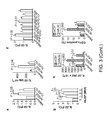
- FIG. 3 NOD2L induces an IL-32-dependent DC program.
- (a,b) Induction of GM-CSF mRNA and protein (a) and GM-CSF receptor (GM-CSFRA, GM-CSFRB) (b) by NOD2L (1 ⁇ g ml ⁇ 1 ) and TLR2/1L (1 ⁇ g ml ⁇ 1 ) in human monocytes, mean ⁇ s.e.m., n 5.
- (c) Gene expression profile data analysis for genes coding for secreted molecules that were enhanced by NOD2L but not TLR2/1 L (NOD2L>TLR2/1L).
- FIG. 4 IL-32-induced DCs are potent antigen-presenting cells for MHC class I-restricted antigens.
- (b) Surface expression of markers involved in antigen presentation, gated on CD1b + DCs induced by either recombinant IL-32 (50 ng ml ⁇ 1) or recombinant GM-CSF (1 U ml ⁇ 1 ); data are indicated as mean ⁇ s.e.m., n 6.
- FIG. 5 IL-32 activates a DC program in leprosy.
- (a) Comparison of gene expression profiles of the microbial ligand-activated monocytes with their differential expression in leprosy skin lesions using an integrative bioinformatics approach. The relative gene expression of NOD2L-versus TLR2/1L-activated monocytes ((log 2) ratio) is shown on the x axis, and the relative expression in T-lep versus L-lep lesions ((log 2) ratio) is shown on the y axis (hypergeometric distribution P 0.004, genes ranked on minimal fold change in the two data sets).
- (e) Quantification of IL-32- and NOD2-positive cells in T-lep and L-lep lesions, n 4.
- FIG. 6 Monocytes from patients with L-lep show reduced induction of CD1b + DCs in response to NOD2L compared to healthy controls.
- (b) Spontaneous IL-10 release in monocytes from patients with L-lep (left), effect of addition of recombinant IL-10 (rIL-10) to normal monocytes on NOD2L-induced CD1b induction (middle) and effect of blocking IL-10 on NOD2L-induced CD1b induction in monocytes from patients with L-lep (right), n 6.
- FIG. 7 Principle component analysis (PCA).
- FIG. 10 Dose titration of NOD2L and TLR2/1L for induction of DC and M ⁇ .
- Purified human monocytes were activated with either NOD2L or TLR2/1L at various concentrations ( ⁇ g ml ⁇ 1 ) for 48 hours and analyzed by flow cytometry for the expression of CD1b (DC) and CD209 (M ⁇ ). Data are shown as mean+/ ⁇ SEM, n ⁇ 4.
- FIG. 11 Expression of key markers involved in antigen presentation in NOD2L-vs TLR2/1L induced CD1b + DC.
- Purified human monocytes were activated with either NOD2L (1 ⁇ g ml ⁇ 1 ) or TLR2/1L (1 ⁇ g ml ⁇ 1 ) for 48 hours.
- FIG. 13 Phenotypic characterization of purified NOD2L- and TLR2/1L-induced DC.
- FIG. 14 Functional differences between the NOD2L- and TLR2/1L-induced DC at supraoptimal doses.
- NOD2L (10 ⁇ g ml ⁇ 1 ) or TLR2/1L (10 ⁇ g ml ⁇ 1 ) induced purified CD1b + DC were tested to stimulate a T cell response in the context of tetanus toxoid and Influenza peptide M1 and autologous CD8 + T-cells. Proliferation is measured as 3 H-thymidine incorporation and IFN- ⁇ secretion. Data are representative of triplicate wells of three independent experiments +/ ⁇ SEM. Statistical significance was calculated by two-tailed Students t-test.
- FIG. 15 NOD2L induction of CD1b + DC is only partially GM-CSF dependent.
- Purified human monocytes were activated with either NOD2L (1 ⁇ g ml ⁇ 1 ) or TLR2/1L (1 ⁇ g ml ⁇ 1 ) in the absence (media) or presence of neutralizing anti-GMCSF mAb (10 ⁇ g ml ⁇ 1 ) or control IgG2a (10 ⁇ g ml ⁇ 1 ).
- FIG. 16 siRNA knockdown of IL32 does not directly affect NOD2L- and TLR2/1L-induced cytokine mRNA levels.
- FIG. 17 siRNA knockdown of NOD2 blocks response to NOD2L.
- Monocytes were transfected with siRNA for NOD2 or ctrl siRNA (left panel) and subsequently analyzed for NOD2L (1 ⁇ g ml ⁇ 1 ) induction of IL-32 (middle panel) and CD1b (right panel).
- Statistical significance was calculated by two-tailed Students t-test.
- FIG. 18 NOD2L induction of CD1b + DC is not significantly blocked by neutralizing IL-18.
- Purified human monocytes were activated with NOD2L (1 ⁇ g ml ⁇ 1 ) in the absence (media) or presence of neutralizing anti-IL-18 mAb (10 ⁇ g ml ⁇ 1 ) or control IgG1 (10 ⁇ g ml ⁇ 1 ).
- NOD2L 1 ⁇ g ml ⁇ 1
- IgG1 10 ⁇ g ml ⁇ 1
- FIG. 18 NOD2L induction of CD1b + DC is not significantly blocked by neutralizing IL-18.
- Purified human monocytes were activated with NOD2L (1 ⁇ g ml ⁇ 1 ) in the absence (media) or presence of neutralizing anti-IL-18 mAb (10 ⁇ g ml ⁇ 1 ) or control IgG1 (10 ⁇ g ml ⁇ 1 ).
- At 48 hours cells were harvested and analyzed by flow cytometry
- FIG. 19 IL-18 alone is not sufficient to induce DC differentiation.
- FIG. 20 IL-32-induced DC morphology is not serum dependent. Human monocytes were activated with either NOD2L (1 ⁇ g ml ⁇ 1 ), IL-32 (50 ng ml ⁇ 1 ) or GM-CSF (1 U ml ⁇ 1 ) in either serum free media or in 10% FCS. At day 3 cell morphology was investigated. Two representative donors for each condition are shown.
- FIG. 21 IL-32-induced CD1b + DC differentiation is not serum dependent.
- Human monocytes were activated with either NOD2L (1 ⁇ g ml ⁇ 1 ), IL-32 (50 ng ml ⁇ 1 ) or GM-CSF (1 U ml ⁇ 1 ) in either serum free media or in 10% FCS.
- NOD2L 1 ⁇ g ml ⁇ 1
- IL-32 50 ng ml ⁇ 1
- GM-CSF (1 U ml ⁇ 1 )
- FIG. 22 Dose titration of IL-32 and GM-CSF for induction of CD1b + DC.
- FIG. 23 IL-32 is a potent inducer of functional CD1b + DC.
- Purified human monocytes were activated with either IL-32 (50 ng ml ⁇ 1 ) or GM-CSF (1 U ml ⁇ 1 ) for 48 hours.
- Two-tailed Students t test showed no statistical significant differences between the IL-32 and GM-CSF-induced DC in percentage marker positive cells.
- FIG. 25 Phenotypic characterization of purified NOD2L- and TLR2/1L-induced DC. Induction of DC was performed at 50 ng ml ⁇ 1 for IL-32 and 1 U ml ⁇ 1 for GM-CSF.
- a representative flow cytometry staining for CD1b is shown before and after MACS purification for CD1b + DC.
- FIG. 26 Functional differences between the IL-32- and GM-CSF-induced DC at supraoptimal doses.
- IL-32 200 ng ml ⁇ 1
- GM-CSF 50 U ml ⁇ 1
- induced purified CD1b + DC were tested to stimulate a T cell response in the context of tetanus toxoid and Influenza peptide M1 and autologous CD8 + T-cells. Proliferation is measured as 3 H-thymidine incorporation and IFN- ⁇ secretion. Data are representative of triplicate wells of three independent experiments +/ ⁇ SEM. Statistical significance was calculated by two-tailed Students t-test.
- FIG. 27 Functional differences between the IL-32- and GM-CSF-induced DC at supraoptimal doses.
- IL-32 200 ng ml ⁇ 1
- GM-CSF 50 U ml ⁇ 1
- induced purified CD1b + DC were tested to stimulate a T cell response in the context of Influenza peptide M1 (GILGFVFTL) and autologous CD8 + T-cells.
- CD8 + T-cells were analyzed by staining using specific tetramers (PE-HLA-A*0201 Influenza-M1 (GILGFVFTL), Beckman Coulter) as recommended by the manufacturer.
- FIG. 28 Isotype controls for Immunolabeling of IL-32 and NOD2. Immunoperoxidase labeling on leprosy skin lesions was performed using isotype controls for monoclonal antibodies against IL-32 (IgG2a, A11C9, YbdYbiotech) and NOD2 (IgG1, 2D9, Thermo Scientific).
- FIG. 30 Monocytes from L-lep but not Tlep patients show reduced induction of CD1b + DC in response to NOD2L.
- Monocytes from T-lep and L-lep patients were compared to healthy donors for their response to NOD2L (1 ⁇ g ml ⁇ 1 ).
- Cells were harvested at 48 h and analyzed by flow cytometry for the expression of CD1b. Data are shown as mean+/ ⁇ SEM, n ⁇ 6. Statistical significance was calculated by two-tailed Students t-test.
- FIG. 31 Induction of cytokines in monocytes from L-lep patients in response to NOD2L.
- Monocytes from L-lep patients were compared to healthy donors for their cytokine response to NOD2L (1 ⁇ g ml ⁇ 1 ).
- Supernatants were harvested at 24 h and protein levels of GM-CSF, IL-1 ⁇ and TNF- ⁇ were determined. data are shown as mean+/ ⁇ SEM, n ⁇ 6. Statistical significance was calculated by two-tailed Students t-test.
- Dendritic cells are provided for the generation in vivo or ex vivo of highly potent dendritic cells by exposing suitable precursor cells, usually monocytes or precursors thereof, to an effective dose of IL-32.
- suitable precursor cells usually monocytes or precursors thereof
- the dendritic cells thus generated may be characterized by expression of dendritic cell markers, such as CD86, CD1b, etc.
- Dendritic cells induced by activation of precursors with IL-32 are potent antigen presenting cells, particularly for Class I restricted antigens, and find use, for example, in the activation of resting or na ⁇ ve T cells.
- subject refers to a mammal being assessed for treatment and/or being treated.
- the mammal is a human.
- subject thus encompass individuals having a condition in which increased immune responsiveness is desirable, including infection, e.g. chronic infection, cancer, and the like.
- Subjects may be human, but also include other mammals, particularly those mammals useful as laboratory models for human disease, e.g. mouse, rat, etc.
- treatment refers to administering an agent, or carrying out a procedure (e.g., immunization, infusion of dendritic cells, etc.), for the purposes of obtaining an effect.
- the effect may be prophylactic in terms of completely or partially preventing a disease or symptom thereof and/or may be therapeutic in terms of effecting a partial or complete cure for a disease and/or symptoms of the disease.
- Treatment includes: (a) preventing the disease or a symptom of a disease from occurring in a subject which may be predisposed to the disease but has not yet been diagnosed as having it (e.g., including diseases that may be associated with or caused by a primary disease; (b) inhibiting the disease, i.e., arresting its development; and (c) relieving the disease, i.e., causing regression of the disease.
- Treating may refer to any indicia of success in the treatment or amelioration or prevention of a condition, including any objective or subjective parameter such as abatement; remission; diminishing of symptoms or making the disease condition more tolerable to the patient; slowing in the rate of degeneration or decline; or making the final point of degeneration less debilitating.
- the treatment or amelioration of symptoms can be based on objective or subjective parameters; including the results of an examination by a physician.
- treating includes the administration of the compounds or agents of the present invention to prevent or delay, to alleviate, or to arrest or inhibit development of the symptoms or conditions.
- therapeutic effect refers to the reduction, elimination, or prevention of the disease, symptoms of the disease, or side effects of the disease in the subject.
- “In combination with”, “combination therapy” and “combination products” refer, in certain embodiments, to the concurrent administration to a patient of a first therapeutic and the compounds as used herein.
- each component can be administered at the same time or sequentially in any order at different points in time.
- each component can be administered separately but sufficiently closely in time so as to provide the desired therapeutic effect.
- Interleukin-32 is a recently described cytokine produced mainly by NK cells, T lymphocytes, epithelial cells, and blood monocytes stimulated by IL-2 or IFN- ⁇ , that is a strong inducer of pro-inflammatory cytokines such as tumor necrosis factor (TNF)- ⁇ , IL-1 ⁇ , IL-6, and IL-8, and macrophage inflammatory protein-2 (MIP-2). More recently, it was shown that IL-32 increases IFN- ⁇ production by PBMCs. All 4 isoforms of IL32 have been shown to be active in multiple bioassays, and for the purposes of the invention any of the IL-32 isoforms, i.e. IL-32 ⁇ , IL-32 ⁇ , IL-32 ⁇ , IL-32 ⁇ or variants, derivatives, or fragments thereof may find use.
- the reference sequence for the human gene may be accessed at Genbank, number NG — 029254.
- the IL-32 protein contains a tyrosine sulfation site, 3 potential N-myristoylation sites, multiple putative phosphorylation sites, and an RGD cell-attachment sequence. Expression of this protein is increased after the activation of T-cells by mitogens or the activation of NK cells by IL-2. This protein induces the production of TNF ⁇ from macrophage cells. Alternate transcriptional splice variants, encoding different isoforms, have been characterized.
- polypeptide “peptide” and “protein” are used interchangeably herein to refer to a polymer of amino acid residues.
- the terms apply to amino acid polymers in which one or more amino acid residue is an artificial chemical mimetic of a corresponding naturally occurring amino acid, as well as to naturally occurring amino acid polymers and non-naturally occurring amino acid polymer.
- amino acid refers to naturally occurring and synthetic amino acids, as well as amino acid analogs and amino acid mimetics that function in a manner similar to the naturally occurring amino acids.
- Naturally occurring amino acids are those encoded by the genetic code, as well as those amino acids that are later modified, e.g., hydroxyproline, gamma-carboxyglutamate, and O-phosphoserine.
- Amino acid analogs refers to compounds that have the same basic chemical structure as a naturally occurring amino acid, i.e., an .alpha.
- amino acid mimetics refers to chemical compounds that have a structure that is different from the general chemical structure of an amino acid, but that functions in a manner similar to a naturally occurring amino acid. All single letters used in the present invention to represent amino acids are used according to recognized amino acid symbols routinely used in the field.
- a therapeutic form of IL-32 is the portion of the polypeptide that is sufficient to bind to its receptor and induce differentiation of monocytes to dendritic cells.
- Any of the known isoforms may be used, or a truncated version thereof that retains the biological activity of the native mature protein, e.g. truncated by from 1 to 100 amino acids at the C or N terminus.
- IL-32 variants useful in the present invention include one or more amino acid modifications within a native IL-32 protein, e.g., one or more amino acid modifications. According to the present invention, amino acid modifications include any naturally occurring or man-made amino acid modifications known or later discovered in the field.
- amino acid modifications include any naturally occurring mutation, e.g., substitution, deletion, addition, insertion, etc.
- amino acid modifications include replacing existing amino acid with another amino acid, e.g., a conservative equivalent thereof.
- amino acid modifications include replacing one or more existing amino acids with non-natural amino acids or inserting one or more non-natural amino acids.
- IL-32 variants also include various post-translation or post-expression modifications. For example, by employing the appropriate coding sequences, one may provide farnesylation or prenylation.
- the IL-32 variants of the present invention can be PEGylated, where the polyethyleneoxy group provides for enhanced lifetime in the blood stream.
- the IL-32 variants of the present invention can also be combined with other proteins, such as the Fc of an IgG isotype, which can be complement binding, or with specific binding agents that allow targeting to specific moieties on a target cell.
- IL-32 variants of the present invention is a fusion protein, e.g., fused in frame with a second polypeptide.
- the second polypeptide is capable of increasing the size of the fusion protein, e.g., so that the fusion protein will not be cleared from the circulation rapidly.
- the second polypeptide is part or whole of Fc region.
- the second polypeptide is any suitable polypeptide that is substantially similar to Fc, e.g., providing increased size and/or additional binding or interaction with Ig molecules.
- the second polypeptide is part or whole of an albumin protein, e.g., a human serum albumin protein.
- the second polypeptide is useful for handling IL-32 variants, e.g., purification of IL-32 variants or for increasing its stability in vitro or in vivo.
- the second polypeptide is a marker sequence, such as a peptide which facilitates purification of the fused polypeptide.
- IL-32 variants of the present invention can also include one or more modifications that do not alter primary sequences of the IL-32 variants of the present invention.
- modifications can include chemical derivatization of polypeptides, e.g., acetylation, amidation, carboxylation, etc.
- modifications can also include modifications of glycosylation, e.g. those made by modifying the glycosylation patterns of a polypeptide during its synthesis and processing or in further processing steps; e.g. by exposing the polypeptide to enzymes which affect glycosylation, such as mammalian glycosylating or deglycosylating enzymes.
- IL-32 variants of the present invention include IL-32 variant having phosphorylated amino acid residues, e.g. phosphotyrosine, phosphoserine, or phosphothreonine.
- IL-32 variants of the present invention include IL-32 variants further modified to improve their resistance to proteolytic degradation or to optimize solubility properties or to render them more suitable as a therapeutic agent.
- IL-32 variants of the present invention further include analogs of a IL-32 variant containing residues other than naturally occurring L-amino acids, e.g. D-amino acids or non-naturally occurring synthetic amino acids. D-amino acids may be substituted for some or all of the amino acid residues.
- IL-32 variants of the present invention can be produced by any suitable means known or later discovered in the field, e.g., produced from eukaryotic or prokaryotic cells, synthesized in vitro, etc.
- the protein may be further processed by unfolding, e.g. heat denaturation, DTT reduction, etc. and may be further refolded, using methods known in the art.
- polypeptides may be prepared by in vitro synthesis, using conventional methods as known in the art.
- Various commercial synthetic apparatuses are available, for example, automated synthesizers by Applied Biosystems, Inc., Foster City, Calif., Beckman, etc.
- synthesizers By using synthesizers, naturally occurring amino acids may be substituted with unnatural amino acids.
- the particular sequence and the manner of preparation will be determined by convenience, economics, purity required, and the like.
- the polypeptides may also be isolated and purified in accordance with conventional methods of recombinant synthesis.
- a lysate may be prepared of the expression host and the lysate purified using HPLC, exclusion chromatography, gel electrophoresis, affinity chromatography, or other purification technique.
- the compositions which are used will comprise at least 20% by weight of the desired product, more usually at least about 75% by weight, preferably at least about 95% by weight, and for therapeutic purposes, usually at least about 99.5% by weight, in relation to contaminants related to the method of preparation of the product and its purification. Usually, the percentages will be based upon total protein.
- RNA capable of encoding the polypeptides of interest may be chemically synthesized.
- One of skill in the art can readily utilize well-known codon usage tables and synthetic methods to provide a suitable coding sequence for any of the polypeptides of the invention.
- Direct chemical synthesis methods include, for example, the phosphotriester method of Narang et al. (1979) Meth. Enzymol.
- the nucleic acids may be isolated and obtained in substantial purity. Usually, the nucleic acids, either as DNA or RNA, will be obtained substantially free of other naturally-occurring nucleic acid sequences, generally being at least about 50%, usually at least about 90% pure and are typically “recombinant,” e.g., flanked by one or more nucleotides with which it is not normally associated on a naturally occurring chromosome.
- the nucleic acids of the invention can be provided as a linear molecule or within a circular molecule, and can be provided within autonomously replicating molecules (vectors) or within molecules without replication sequences. Expression of the nucleic acids can be regulated by their own or by other regulatory sequences known in the art.
- nucleic acids of the invention can be introduced into suitable host cells using a variety of techniques available in the art, such as transferrin polycation-mediated DNA transfer, transfection with naked or encapsulated nucleic acids, liposome-mediated DNA transfer, intracellular transportation of DNA-coated latex beads, protoplast fusion, viral infection, electroporation, gene gun, calcium phosphate-mediated transfection, and the like.
- Dosage unit refers to physically discrete units suited as unitary dosages for the particular individual to be treated. Each unit can contain a predetermined quantity of active compound(s) calculated to produce the desired therapeutic effect(s) in association with the required pharmaceutical carrier.
- the specification for the dosage unit forms can be dictated by (a) the unique characteristics of the active compound(s) and the particular therapeutic effect(s) to be achieved, and (b) the limitations inherent in the art of compounding such active compound(s).
- “Pharmaceutically acceptable excipient” means an excipient that is useful in preparing a pharmaceutical composition that is generally safe, non-toxic, and desirable, and includes excipients that are acceptable for veterinary use as well as for human pharmaceutical use. Such excipients can be solid, liquid, semisolid, or, in the case of an aerosol composition, gaseous.
- “Pharmaceutically acceptable salts and esters” means salts and esters that are pharmaceutically acceptable and have the desired pharmacological properties. Such salts include salts that can be formed where acidic protons present in the compounds are capable of reacting with inorganic or organic bases. Suitable inorganic salts include those formed with the alkali metals, e.g. sodium and potassium, magnesium, calcium, and aluminum. Suitable organic salts include those formed with organic bases such as the amine bases, e.g., ethanolamine, diethanolamine, triethanolamine, tromethamine, N methylglucamine, and the like.
- Such salts also include acid addition salts formed with inorganic acids (e.g., hydrochloric and hydrobromic acids) and organic acids (e.g., acetic acid, citric acid, maleic acid, and the alkane- and arene-sulfonic acids such as methanesulfonic acid and benzenesulfonic acid).
- Pharmaceutically acceptable esters include esters formed from carboxy, sulfonyloxy, and phosphonoxy groups present in the compounds, e.g., C 1-6 alkyl esters.
- a pharmaceutically acceptable salt or ester can be a mono-acid-mono-salt or ester or a di-salt or ester; and similarly where there are more than two acidic groups present, some or all of such groups can be salified or esterified.
- Compounds named in this invention can be present in unsalified or unesterified form, or in salified and/or esterified form, and the naming of such compounds is intended to include both the original (unsalified and unesterified) compound and its pharmaceutically acceptable salts and esters.
- certain compounds named in this invention may be present in more than one stereoisomeric form, and the naming of such compounds is intended to include all single stereoisomers and all mixtures (whether racemic or otherwise) of such stereoisomers.
- compositions, carriers, diluents and reagents are used interchangeably and represent that the materials are capable of administration to or upon a human without the production of undesirable physiological effects to a degree that would prohibit administration of the composition.
- a “therapeutically effective amount” means the amount that, when administered to a subject for treating a disease, is sufficient to effect treatment for that disease.
- dendritic cells are generated from precursor cells, usually monocytes, by contacting the precursor cells with an effective dose of IL-32.
- the precursor cells may be isolated from a suitable biological sample by methods known in the art, and may be isolated, or provided in a complex cell population.
- the cells may be contacted in vivo, or ex vivo.
- the effective dose of IL-32 may be from about 0.1 ng/ml in culture medium, from about 0.5 ng/ml, from about 1 ng/ml, from about 5 ng/ml, from about 10 ng/ml. Utilization of a supra-optimal dose, as shown in the examples, is also effective, e.g.
- the dose is about 200 ng/ml, about 500 ng/ml or more.
- Contacting may be from a period of time from about 6 hours, about 12 hours, about 24 hours, about 48 hours, or more.
- the cells may be maintained in ex vivo culture for 1, 2, 3, 4, 5, 6, 7, or more days.
- Precursor cells can be obtained from lymphoid tissue, including bone marrow, blood, mobilized peripheral blood, spleen, lymph node, and cord blood.
- the precursors e.g. monocytes, monocyte precursors, or complex populations comprising monocytes and/or monocyte precursors can be in a variety of developmental states such as stem cells, myeloid committed progenitors, monocytes, etc.
- the dose may vary according to the route of delivery, patient size, condition, antigen, and the like, for example ranging from about 1 ⁇ g, 10 ⁇ g, 100 ⁇ g, 1 mg, 10 mg. 100 mg, or more.
- Administration may be targeted, e.g. to infected lesions, tumors, lungs, skin, etc., or maybe systemic, e.g. intramuscular, intravenous, intraperitoneal, intradermal, oral, etc.
- the administration may be combined with an antigen of interest, in a co-formulation or in separate, concurrent formulations.
- Administration of the IL-32 may be repeated as necessary, for example semi-daily, daily, semi-weekly, etc., for from 1, 2, 3, 4, 5, 6, or more administrations.
- DC dendritic cell
- CD4 + and/or CD8 + T cells are characterized by their distinctive morphology, high levels of surface MHC-class II expression and ability to present antigen to CD4 + and/or CD8 + T cells, particularly to na ⁇ ve T cells.
- the cell surface of DCs is unusual, with characteristic veil-like projections, and is characterized by expression of the cell surface markers CD11c and MHC class II. Most DCs are negative for markers of other leukocyte lineages, including T cells, B cells, monocytes/macrophages, and granulocytes.
- Subpopulations of dendritic cells may also express additional markers including 33D1, CCR1, CCR2, CCR4, CCR5, CCR6, CCR7, CD1a-d, CD4, CD5, CD8alpha, CD9, CD11b, CD24, CD40, CD48, CD54, CD58, CD80, CD83, CD86, CD91, CD117, CD123 (IL3R ⁇ ), CD134, CD137, CD150, CD153, CD162, CXCR1, CXCR2, CXCR4, DCIR, DC-LAMP, DC-SIGN, DEC205, E-cadherin, Langerin, mannose receptor, MARCO, TLR2, TLR3 TLR4, TLR5, TLR6, TLR9, and several lectins.
- the patterns of expression of these cell surface markers may vary along with the maturity of the dendritic cells, their tissue of origin, and/or their species of origin.
- Immature DCs express low levels of MHC class II, but are capable of endocytosing antigenic proteins and processing them for presentation in a complex with MHC class II molecules.
- Activated DCs express high levels of MHC class II, ICAM-1 and CD86, and are capable of stimulating the proliferation of na ⁇ ve allogeneic T cells, e.g. in a mixed leukocyte reaction (MLR).
- MLR mixed leukocyte reaction
- DCs may be identified by any convenient assay for determination of antigen presentation.
- assays may include testing the ability to stimulate antigen-primed and/or na ⁇ ve T cells by presentation of a test antigen, followed by determination of T cell proliferation, release of IL-2, and the like.
- DCs of interest are autologous, meaning that they derived from the subject to be treated.
- the DCs are from a donor (i.e., allogeneic).
- the allogeneic DCs are from a compatible donor, i.e., HLA typed so that they are histocompatible with the subject into which they will be transplanted.
- DCs generated by the methods of the invention are enriched or isolated as is known in the art.
- DCs are enriched based on the cell surface expression of specific molecules (e.g., those noted above) using marker-specific monoclonal antibodies (e.g., sorting by flow cytometry, immunobead selection, immunopanning, etc.).
- the DCs generated by the methods of the invention are frozen in liquid nitrogen (or equivalent) prior to use. If frozen, the cells may be stored in a 10% DMSO, 50% FCS, 40% RPMI 1640 medium in liquid nitrogen, or other suitable medium known in the art.
- Dendritic cells of the invention have functional activities and phenotypes that are specifically associated with the maturity of the cell.
- Cell surface markers useful in the characterization of and classification of dendritic cells include: CD1, CD11a; CD11b; CD11c; F4/80; Fc.gamma. RII/III receptor (FcR); MHC class I; MHC class II; CD80; CD86; CD54; CD40; and CD117. Expression of CD1b is of particular interest.
- Analyses of the cell surface using monoclonal antibodies are made using a flow cytometer, magnetic sorting, and the like. Briefly, the cells are either combined with monoclonal antibodies directly conjugated to fluorochromes, or with unconjugated primary antibody and subsequently with commercially available secondary antibodies conjugated to fluorochromes. The stained cells are analyzed using, for example, a flow cytometer (for example as available from Becton Dickinson, Mountain View, Calif.). Additional phenotypic characteristics of dendritic cells can be characterized by gene expression profiling e.g. by reverse-transcriptase polymerase chain reaction (RT-PCR).
- RT-PCR reverse-transcriptase polymerase chain reaction
- DCs generated ex vivo by the methods of the invention are administered to a subject in any physiologically acceptable medium, normally intravascularly, although they may also be introduced into the targeted site, where the cells home to the site of inflammation.
- the number of cells administered may vary widely depending on the nature of the disease being treated and/or the antigen of interest.
- the number of DCs administered can include at least about 1 ⁇ 10 5 DCs, at least about 1 ⁇ 10 6 DCs, at least about 1 ⁇ 10 7 DCs, at least about 1 ⁇ 10 8 DCs, at least about 1 ⁇ 10 9 DCs or more.
- the DCs can be administered in a single dose or at timed intervals.
- cells are transferred to a recipient in any physiologically acceptable excipient comprising an isotonic excipient prepared under sufficiently sterile conditions for human administration.
- any physiologically acceptable excipient comprising an isotonic excipient prepared under sufficiently sterile conditions for human administration.
- Cell Therapy Stem Cell Transplantation, Gene Therapy, and Cellular Immunotherapy, by G. Morstyn & W. Sheridan eds, Cambridge University Press, 1996.
- Choice of the cellular excipient and any accompanying elements of the composition will be adapted in accordance with the route and device used for administration.
- the cells may be introduced by injection, catheter, or the like.
- the cells may be frozen at liquid nitrogen temperatures and stored for long periods of time, being capable of use on thawing. If frozen, the cells will usually be stored in a 10% DMSO, 50% FCS, 40% RPMI 1640 medium.
- An antigen of interest may be delivered along with the DCs, and may be given as a combined formulation, or as separate formulations.
- the antigen may be further provided in a booster dose, in combination with other adjuvants as known in the art, etc.
- the activation and antigenic stimulation in the peripheral tissues activates the DC precursors to mature into functional DC, which are then able to take-up and process the antigen of interest.
- the DC are competent to migrate to lymphatic organs, particularly T cell rich regions of the lymph nodes, where T cell activation occurs. Therefore, although the administration of antigen and activating agent is localized, the resulting immune response is not limited to that tissue.
- Conditions of particular interest for use with the present methods involve a lack of T cell mediated response to antigen, for example chronic viral or bacterial infection, a lack of immune response to tumor antigens, and the like.
- the antigen is a tumor antigen, and is used to enhance the host immune response to tumor cells present in the body.
- Antigens of interest include polypeptides and other immunogenic biomolecules, which may be isolated or derived from natural sources, produced by recombinant methods, etc., as known in the art. Alternatively complex antigens may be used, for example cell lysates, virus which may be inactivated, bacterial cells or fractions derived therefrom, and the like.
- the dendritic cells of the invention are also useful when used in conjunction with vaccines such as, but not limited to, those for treating chronic bacterial infections, e.g. tuberculosis, leprosy, etc.; chronic viral infections such as those associated with herpesvirus, lentivirus and retrovirus, etc.
- Antigens of interest may also include allergens, e.g. for the conversion of a Th2 to a Th1 type response.
- the antigens which may be incorporated into the present formulations include viral, prokaryotic and eukaryotic antigens, including but not limited to antigens derived from bacteria, fungi, protozoans, parasites and tumor cells.
- tumor antigens for immunotherapy include tumor specific antigens, e.g. immunoglobulin idiotypes and T cell antigen receptors; oncogenes, such as p21/ras, p53, p210/bcr-abl fusion product; etc.; developmental antigens, e.g. MART-1/Melan A; MAGE-1, MAGE-3; GAGE family; telomerase; etc.; viral antigens, e.g. human papilloma virus, Epstein Barr virus, etc.; tissue specific self-antigens, e.g.
- tyrosinase gp100
- prostatic acid phosphatase prostate specific antigen
- prostate specific membrane antigen thyroglobulin
- ⁇ -fetoprotein ⁇ -fetoprotein
- self antigens e.g. her-2/neu; carcinoembryonic antigen, muc-1, and the like.
- endogenous tissues expressing antigen can be used as an endogenous source of antigen.
- tumors that express a tumor antigen maybe injected with the DCs to serve as the source of tumor antigen.
- Antigenic formulations will typically contain from about 0.1 ⁇ g to 1000 ⁇ g, more preferably 1 ⁇ g to 100 ⁇ g, of the selected antigen.
- the antigen composition may additionally contain biological buffers, excipients, preservatives, and the like.
- the antigen is administered to the host in the manner conventional for the particular immunogen, generally as a single unit dose of an antigen in buffered saline, combined with the adjuvant formulation, where booster doses, typically one to several weeks later, may additionally be delivered enterally or parenterally, e.g., subcutaneously, intramuscularly, intradermally, intravenously, intraarterially, intraperitoneally, intranasally, orally, etc.
- the subject cultured cells may also be used in a wide variety of ways, e.g. in gene discovery, the generation of dendritic cell subset-specific antibodies and probes; defining stages of dendritic cell differentiation and maturation; for induction of antigen specific responses in T and/or B lymphocytes; for dissection of antigen specific anergy or tolerance in T and/or B lymphocytes; for characterization of dendritic cell-natural killer cell interactions; for in vitro and in vivo analyses of dendritic cell-endothelial cell interactions; for screening assays, and for therapeutic purposes.
- the cells of the present invention may also be used for screening biological response modifiers, i.e. compounds and factors that affect the various metabolic pathways of dendritic cells.
- the subject cells may be used to screen for molecules that enhance or inhibit dendritic growth or differentiation or antigen presentation itself.
- the candidate compound will be added to the dendritic cells, and the response of the dendritic cells monitored through evaluation of cell surface phenotype, functional activity such as ability to present antigen, patterns of gene expression, and the like.
- screening assays for agents that have a low toxicity for human cells are particularly useful for screening biological response modifiers, i.e. compounds and factors that affect the various metabolic pathways of dendritic cells.
- the subject cells may be used to screen for molecules that enhance or inhibit dendritic growth or differentiation or antigen presentation itself.
- the candidate compound will be added to the dendritic cells, and the response of the dendritic cells monitored through evaluation of cell surface phenotype, functional activity such as ability to present antigen, patterns of gene expression, and
- agent as used herein describes any molecule, e.g. protein or pharmaceutical, with the capability of altering the phenotype of a dendritic cell.
- agent e.g. protein or pharmaceutical, with the capability of altering the phenotype of a dendritic cell.
- a plurality of assay mixtures are run in parallel with different agent concentrations to obtain a differential response to the various concentrations.
- one of these concentrations serves as a negative control, i.e. at zero concentration or below the level of detection.
- Candidate agents encompass numerous chemical classes, including polypeptides, nucleic acids, and small organic compounds, e.g. having a molecular weight of more than 50 and less than about 2,500 daltons.
- Candidate agents comprise functional groups necessary for structural interaction with proteins, particularly hydrogen bonding, and typically include at least an amine, carbonyl, hydroxyl or carboxyl group, preferably at least two of the functional chemical groups.
- the candidate agents often comprise cyclical carbon or heterocyclic structures and/or aromatic or polyaromatic structures substituted with one or more of the above functional groups.
- Candidate agents are also found among biomolecules including peptides, saccharides, fatty acids, steroids, purines, pyrimidines, derivatives, structural analogs or combinations thereof.
- Candidate agents are obtained from a wide variety of sources including libraries of synthetic or natural compounds. For example, numerous means are available for random and directed synthesis of a wide variety of organic compounds and biomolecules, including expression of randomized oligonucleotides and oligopeptides. Alternatively, libraries of natural compounds in the form of bacterial, fungal, plant and animal extracts are available or readily produced. Additionally, natural or synthetically produced libraries and compounds are readily modified through conventional chemical, physical and biochemical means, and may be used to produce combinatorial libraries. Known pharmacological agents may be subjected to directed or random chemical modifications, such as acylation, alkylation, esterification, amidification, etc. to produce structural analogs.
- the cells of the present invention may be used to generate antibodies for cell-specific proteins.
- antibodies to cell-surface markers may be generated and used to purify a subpopulation from a heterogenous population of cells using a cell sorting system.
- Antibodies are prepared in accordance with conventional ways, where the expressed polypeptide or protein is used as an immunogen, by itself or conjugated to known immunogenic carriers, e.g. KLH, pre-S HBsAg, other viral or eukaryotic proteins, or the like.
- Various adjuvants may be employed, with a series of injections, as appropriate.
- the spleen is isolated, the lymphocytes immortalized by cell fusion, and then screened for high affinity antibody binding.
- the immortalized cells, i.e. hybridomas, producing the desired antibodies may then be expanded.
- the mRNA encoding the heavy and light chains may be isolated and mutagenized by cloning in E. coli , and the heavy and light chains mixed to further enhance the affinity of the antibody.
- Phage display is particularly useful for poorly immunogenic cell surface molecules and can be conducted using subtraction-based approaches to preferentially select for molecules expressed by, for example, either activated or tolerogenic dendritic cells.
- dendritic cells can take up, process and present exogenous antigen (including proteins, glycoproteins and peptides), these cells are valuable tools that can be used to identify dominant epitopes of a particular antigen. Dendritic cells naturally process and present exogenous protein, permitting epitope mapping studies that better mimic the in vivo process.
- IL-32 was sufficient to induce monocytes to rapidly differentiate into DCs, which were more efficient than granulocyte-macrophage colony-stimulating factor (GM-CSF)-derived DCs in presenting antigen to major histocompatibility complex (MHC) class I-restricted CD8 + T cells.
- GM-CSF granulocyte-macrophage colony-stimulating factor
- MHC major histocompatibility complex
- PRRs germline-encoded PRRs
- PRRs are located in different subcellular compartments, including at the cell surface, in the cytoplasm and within endosomes. Some pathogens contain several PAMPs that activate distinct PRRs; however, many studies have indicated that these PAMP-PRR complexes trigger overlapping immune programs.
- Key functions of the innate immune response include direct phagocytic and antimicrobial activity against the pathogen by macrophages and the instruction of the adaptive T cell response by DCs. We hypothesized that distinct PAMPs through activation of their respective PRRs might differentially activate the pathways by which monocytes differentiate into macrophages and DCs to regulate the host response against microbial infection.
- Leprosy caused by the intracellular pathogen Mycobacterium leprae , offers an attractive model to investigate innate immune responses to infection.
- the disease not only is a major health and economic burden in developing countries but also presents as a spectrum in which the clinical manifestations correlate with the type of immune response to the pathogen.
- T-lep tuberculoid leprosy
- L-lep lepromatous leprosy
- T helper type 1 cytokines
- TH1 T helper type 1
- antibody responses and TH2 cytokines are more prevalent in lesions from patients with L-lep.
- the frequency of DCs at the site of disease correlates with the clinical form of the disease, as it is higher in T-lep than in L-lep lesions, providing further rationale for investigating mechanisms of macrophage and DC differentiation by individual PAMPs and PRRs.
- TLR2/1 is a cell surface heterodimer that detects mycobacterial lipoproteins and requires a triacyl group for its activity.
- the distribution of TLR2 and TLR1 in leprosy lesions correlates with host resistance to the pathogen, and polymorphisms in the TLR2 and TLR1 genes have been associated with leprosy and its spectrum of immune reactions.
- NOD2 is a cytoplasmic receptor belonging to the NOD-like receptor family. NOD2 recognizes muramyl dipeptide (MDP), part of the peptidoglycan of the mycobacterial cell wall. NOD2 polymorphisms are associated with susceptibility to leprosy. Together, NOD2 and TLR2 activation act synergistically to induce monocyte cytokine responses 3 , suggesting that they promote overlapping pathways in innate immunity. In the present study, found that activation of specific PRRs, NOD2 or TLR2/1, triggers induction of distinct innate immune responses, in particular macrophage and DC differentiation pathways, in leprosy.
- MDP muramyl dipeptide
- NOD2L and TLR2/1L There were 3,388 common gene probes induced by NOD2L and TLR2/1L. NOD2L and TLR2/1L also activated distinct gene sets, 1,482 genes specifically by NOD2L and 1,100 specifically by TLR2/1L ( FIG. 9 ).
- IPA Ingenuity pathways analysis
- NOD2L-induced genes were associated with canonical pathways specific for DC function prompted a comparison of all four listed canonical DC pathways in the Ingenuity database. Both the lipid antigen presentation by CD1 and antigen presentation pathways were specifically associated with the NOD2L-induced gene sets as compared to the TLR2/1L-induced gene sets. In contrast, the two other canonical DC pathways, DC maturation and DC crosstalk, were significantly associated with both NOD2 and TLR2/1 activation ( FIG. 1 b ).
- the lipid antigen presentation by CD1 pathway includes the group I CD1 antigen presentation molecules CD1A, CD1B, and CD1C, all preferentially upregulated by NOD2L compared to TLR2/1L activation of monocytes, with the ratio of NOD2L versus TLR2/1L induction being more than 2 s.d. from the mean for each ( FIG. 1 c ).
- Activation of monocytes by NOD2L induces CD1b + DCs.
- TLR2/1L induces both CD1b + DCs and CD209 + macrophages and our bioinformatics finding that NOD2 preferentially triggers DC functional pathways.
- CD209 is expressed on DCs derived by treatment of monocytes with GM-CSF plus IL-4, it is not expressed on DCs derived by GM-CSF treatment alone.
- CD209 is expressed on macrophages, not DCs, in a variety of human tissues and diseases.
- TLR2/1-induced CD209 + cells were previously shown to express macrophage but not DC markers.
- low levels of CD1b are induced in monocytes cultured in medium containing 10% human serum, we performed additional experiments using fetal calf serum, with which there is minimal background induction of CD1b24.
- the frequency of CD1b + DCs was twofold greater from NOD2L versus TLR2/1L activation ( FIG. 2 a,b ), whereas CD209 + macrophages were induced only by TLR2/1L ( FIG. 2 a,b ) across a wide range of ligand concentrations ( FIG. 10 ).
- CD1a and CD1c were also greater on NOD2L-versus TLR2/1L-activated monocytes, consistent with the microarray results.
- the percentages of CD40 + , human leukocyte antigen-ABC + (HLA-ABC + ), HLA-DR + , CD86 + and CD80 + cells were similar ( FIG. 11 ).
- MFIs mean fluorescence intensities
- NOD2L-versus TLR2/1L-differentiated CD1b + DCs we performed standard MHC class I and MHC class II antigen presentation assays.
- NOD2L- and TLR2/1L-induced CD1b + DCs were generated and then isolated by immunomagnetic sorting with CD1b-specific monoclonal antibody (mAb).
- the sorted cells were ⁇ 95% CD1b + and reflected the phenotypic pattern of unsorted CD1b + cells ( FIG. 13 ).
- NOD2L-induced CD1b + DCs were more potent antigen-presenting cells than TLR2/1L-induced CD1b + DCs in terms of presentation of tetanus toxoid to CD8 + T cells, as assessed by both 3H-thymidine incorporation and interferon- ⁇ (IFN- ⁇ ) production ( FIG. 2 d ). These differences were consistent at a tenfold higher concentration of each ligand ( FIG. 14 ).
- IL-32 encode secreted proteins that are part of a common pathway reported to be involved in the host response to mycobacteria.
- IL-32 has been shown to contribute to the pathogenesis of several infectious, autoimmune 31 and immunoregulatory disorders, including inflammatory bowel disease 32 and cancer.
- the human IL-32 receptor has not been identified, and no rodent orthologs of IL-32 have been reported.
- IL-18 mRNA was induced greater than twofold after NOD2L activation of monocytes but not induced by TLR2/1L, whereas IL-18R mRNA was induced equally by both NOD2L and TLR2/1L ( FIG. 3 d ). Additionally, IL-32 was more strongly induced in monocytes treated with NOD2L as compared to TLR2/1L, both at the mRNA and the protein levels ( FIG. 3 e ). IL-32 mRNA was significantly induced in monocytes by NOD2L and TLR4L but not by other ligands ( FIG. 3 f ). Finally, infection of monocytes with live M. leprae at increasing multiplicities of infection induced IL-32 mRNA ( FIG. 3 g ).
- siRNA knockdown Transfection of siRNA targeting IL-32 mRNA (silL32) into primary human monocytes knocked down IL-32 mRNA by >90% in cultures containing medium, NOD2L and TLR2/1L ( FIG. 3 h ).
- the ability of NOD2L to induce CD1b expression was blocked by >80% by silL32, whereas, in contrast, the ability of TLR2/1L to induce CD1b expression, although at a lower level of induction, was not affected by silL32 ( FIG. 3 h ).
- IL-18 and IL-32 are sufficient to induce monocytes to differentiate into DCs.
- the addition of recombinant IL-32 to primary monocytes induced CD1b expression in a dose-dependent manner ( FIG. 4 a ); however, IL-18 did not induce CD1b expression ( FIG. 19 ).
- IL-32-differentiated cells had a dendritic morphology similar to that of NOD2L- and GM-CSF-differentiated cells ( FIG. 20 ) and expressed CD1b whether cultured with 10% FCS or serum-free medium ( FIG. 21 ).
- GM-CSF-derived DCs without the addition of IL-4 are immature DCs that more closely resemble circulating and tissue DCs by cell surface phenotype.
- Dose titration experiments revealed that treatment of monocytes with GM-CSF induced a greater percentage of CD1b + cells as compared to treatment with IL-32 ( FIG. 22 ).
- the effect of the cytokines at optimal and supraoptimal doses indicated that both IL-32- and GM-CSF-derived CD1b + DCs expressed similar percentages of the other DC markers ( FIG. 23 ).
- the MFIs of HLA-ABC and CD86 were significantly higher on IL-32-derived versus GM-CSF-derived CD1b + DCs ( FIG. 4 b and FIGS. 24 and 25 ).
- IL-32-derived DCs Given the differential expression of MHC class I on IL-32-versus GM-CSF-derived DCs, we investigated the potential of the different DCs to present antigen. We found IL-32-derived DCs to be more potent than GM-CSF-derived DCs in presenting tetanus toxoid and influenza peptide M1 to CD8 + T cells in terms of proliferation and IFN- ⁇ release ( FIG. 4 c,d and FIG. 26 ). We also verified the potency of IL-32-derived DCs in stimulating MHC class I-restricted T cell responses by tetramer labeling, using HLA-A*0201-influenza-M1 (GILGFVFTL) tetramers ( FIG. 27 ).
- the relative induction of all the genes in NOD2L-versus TLR2/1L-activated monocytes was compared to their differential expression at the site of disease in T-lep versus L-lep leprosy ( FIG. 5 a ).
- the group I CD1 antigen presentation molecules CD1A, CD1B, and CD1C clustered together, with a high relative expression in both NOD2L- and TLR2/1L-activated monocytes and in T-lep and L-lep lesions.
- CD1b + DCs are potent antigen-presenting cells that induce an adaptive immune response in leprosy. Furthermore, the frequency of CD1b+ DCs at the site of disease correlates with clinical form of the disease, as it is higher in T-lep than in L-lep lesions. Examination of the microarray data indicated that the expression of both CD1b and IL-32 mRNA was significantly greater in T-lep versus L-lep lesions ( FIG. 5 b ). In contrast, the gene expression of the DC marker CD205 and the myeloid marker CD11b was similar in the two disease types ( FIG. 5 b ).
- IL-10 is known to be differentially expressed in L-lep versus T-lep lesions and to inhibit immune responses to mycobacteria.
- Monocytes from patients with L-lep but not healthy controls spontaneously secreted IL-10 into the culture medium ( FIG. 6 b ).
- the addition of recombinant IL-10 to monocytes from healthy donors inhibited NOD2L-induced CD1b expression ( FIG. 6 b ).
- the addition of IL-10-specific neutralizing antibodies to monocytes from donors with L-lep restored NOD2L-induced CD1b expression ( FIG. 6 b ).
- NOD2L-mediated induction of IL-32 was defective in donors with L-lep.
- NOD2L induced IL-32 and IL-18 mRNA expression in normal monocytes, but the response was significantly diminished in monocytes from patients with L-lep ( FIG. 6 c ), whereas GM-CSF mRNA was induced to similar levels in monocytes from both normal donors and patients with L-lep ( FIG. 6 c ).
- NOD2L-mediated induction of GM-CSF and IL-1 ⁇ proteins was statistically equivalent in normal donors and subjects with L-lep, although NOD2L-mediated induction of tumor necrosis factor- ⁇ was greater in monocytes from normal donors than patients with L-lep ( FIG.
- NOD2L did not induce appreciable CD1b expression in monocytes from patients with L-lep ( FIG. 6 d )
- NOD2L and recombinant IL-32 acted synergistically in the induction of CD1b expression in patients with L-lep ( FIG. 6 d ).
- NOD2L induces an IL-32-dependent DC program in monocytes with relevance to innate and acquired immune responses in human infectious disease.
- PRRs of the innate immune system provides redundancy in the detection of a given microbe, in that two or more PRRs are activated by a single pathogen, raising the question of whether such activation facilitates detection and determines the magnitude of the innate response or differentially contributes to host defense.
- TLR2/1L triacylated lipopeptide
- NOD2L MDP
- TLR2/1- and NOD2 genes have implicated these PRRs as key innate immune receptors that contribute to host defense in leprosy.
- Our data indicate a great redundancy in the TLR2/1- and NOD2-induced responses, in that 3,388 common probes were induced by ligands activating both receptors. Therefore, a single nucleotide polymorphism affecting activation of a particular PRR would not completely block activation of common immune pathways.
- NOD2L and TLR2/1L activate distinct gene sets, with 1,482 genes specific to NOD2L and 1,100 genes specific to TLR2/1L.
- TLR2/1L inducing an IL-15-dependent macrophage antimicrobial pathway as well as a GM-CSF-dependent DC program and NOD2L inducing a previously unknown IL-32-dependent DC differentiation pathway. Therefore, activation of monocytes via TLR2/1 and NOD2 triggered distinct cell differentiation pathways in addition to their common roles in innate immunity, with TLR2/1 activation contributing to the direct effector functions of the innate immune response via macrophage differentiation and NOD2 activation contributing to the instructive role of the innate immune system on adaptive T cell responses by potently inducing DC differentiation.
- the ability of NOD2L and IL-32 to enhance MHC class I antigen presentation may be relevant to leprosy.
- the identification of the NOD2-IL-32 axis in the differentiation of monocytes into DCs provides a new mechanism of innate immunity to microbial pathogens.
- IL-32 also contributes to the maturation of DCs, which was demonstrated using mouse DCs.
- the identification of MDP as a mycobacterial ligand that triggers production of IL-32 provides insight into mechanisms by which bacteria and bacterial cell walls are powerful adjuvants in vaccines.
- the adjuvant activity of MDP may be related to its ability to enhance DC differentiation and function via the NOD2 and IL-32 pathway.
- the overexpression of IL-32 in the mucosal epithelial cells of individuals with Crohn's disease, a disease with a major susceptibility locus in the NOD2 gene may contribute to intestinal inflammation.
- IL-10 is a potent immunosuppressive cytokine, and it blocked NOD2-induced CD1b expression in monocytes from healthy donors.
- the addition of IL-10-neutralizing antibody or recombinant IL-32 restored DC differentiation.
- the present studies identify NOD2L-induced IL-32 as a distinct pathway of DC differentiation in humans and provide evidence for the potential use of IL-32 and/or IL-32-derived DCs as immunotherapy for human infectious disease.
- Microbial ligands and cytokines For activation via NOD2 and TLR2/1, muramyl dipeptide (MDP, Invivogen) and the mycobacterial 19-kDa lipopeptide (EMC Microcollections) were used at 1 ⁇ g ml ⁇ 1 each or as indicated.
- MDP muramyl dipeptide
- EMC Microcollections the mycobacterial 19-kDa lipopeptide
- IL-32 50 ng ml ⁇ 1 , R&D Systems
- NLR and TLR ligands used were NOD1L (iE-DAP, 10 mg ml ⁇ 1 ), TLR2/6L (mycoplasma macrophage-activating lipopeptide-2 kDa, 1 ⁇ g ml ⁇ 1 ), TLR4L (lipopolysaccharide, 10 ng ml ⁇ 1 ), TLR5L (flagellum, 1 ⁇ g ml ⁇ 1 ), TLR7L (imiquimod, 5 ⁇ g ml ⁇ 1 ), TLR8L (single-stranded RNA, 0.5 ⁇ g ml ⁇ 1 ), M. leprae sonicate (10 ⁇ g ml ⁇ 1 ), M. leprae cell wall (10 ⁇ g ml ⁇ 1 ).
- Monocyte isolation, DC differentiation and enrichment We obtained whole blood from healthy donors (UCLA Institutional Review Board 92-10-591-31) with informed consent. PBMCs were isolated using Ficoll (GE Healthcare) gradient centrifugation, and monocytes were further enriched using Percoll density gradient (GE Healthcare) and subsequent adherence in 1% FCS for 2 h. Monocyte purity was found to be >80%, as measured by CD14 expression. Cells were cultured for 48 h in RPMI and 10% serum, either FCS (Omega Scientific) or human serum.
- CD1b + DCs cells were cultured with the NOD2L, TLR2/1L, recombinant GM-CSF or rIL-32 for 48 h in RPMI with 10% FCS (Omega Scientific), labeled with a CD1b-specific antibody (Bcd3.1, American Type Culture Collection) followed by a microbead-coupled IgG1-specific secondary antibody (Miltenyi Biotec, 130-047-101, 1:5).
- the positive population was collected using magnetic-activated cell sorting (MACS) according to the manufacturer's recommendations (Miltenyi Biotec). Purity was confirmed to be generally >90% by flow cytometry.
- MCS magnetic-activated cell sorting
- Cell surface labeling and ELISA Cell surface labeling and ELISA.
- Cell surface expression of antigenic determinants was determined using epitope-specific antibodies, and cells were acquired and analyzed as described. Fluorochrome-coupled monoclonal antibodies to the following proteins were used: CD40 (BD, 555588, 1:10), HLA-ABC (BD, 555553, 1:10), HLA-DR (BD, 555560, 1:10), CD80 (BD, 557226, 1:10), CD86 (BD, 555658, 1:10) and CD209 (BD, Clone DCN46, 1:10)).
- a monoclonal primary antibody (Bcd3.1, American Type Culture Collection) was used, followed by an IgG1-specific secondary antibody (Invitrogen, A10541, 1:50).
- IgG1-specific secondary antibody Invitrogen, A10541, 1:50.
- Secreted IL-32 protein in the supernatant was measured using an IL-32 Sandwich ELISA kit (SEL101, YbdYbiotech, Korea).
- T cell assays For investigation of MHC class II-restricted antigen presentation to T cells, monocytes were differentiated into immature DCs and enriched for CD1b + cells (as described above). Purified DCs were cultured with the MHC class II-restricted T cell clone derived from a patient with T-lep (1 ⁇ 10 5 , BCD4.9) that recognized the M. leprae GroES protein and a defined peptide spanning amino acids 28-39 in an HLA-DR15-restricted manner. IFN- ⁇ was measured by ELISA (BD Pharmingen), and proliferation was measured using 3H-thymidine incorporation as described.
- CD1b + DCs were prepared as above from tetanus toxoid-immunized healthy donors, under informed consent and approval from the UCLA IRB and the potential to present tetanus toxoid antigen (10 ⁇ g ml ⁇ 1 ) to autologous CD8 + T cells was assessed (see above).
- the efficiency of antigen presentation by DCs was evaluated by performing titrations, varying the number of antigen-presenting cells, using an optimal concentration of antigen. The control without antigen performed at the highest concentration of CD1b + DCs is shown for each experiment.
- the mean values from proliferation assays and IFN- ⁇ ELISA were always more than sevenfold greater in cultures with antigen versus medium control.
- Immunoperoxidase and immunofluorescence Immunoperoxidase and immunofluorescence. Immunoperoxidase and double immunofluorescence labeling on leprosy skin lesions was performed and examined as described. Monoclonal antibodies against IL-32 (A11C9, YbdYbiotech, 1:200), CD1b (Bcd3.1, ATCC, 1:50), CD68 (EBM11, Dako, 1:100) and NOD2 (2D9, Thermo Scientific, 1:20) were used.
- Mycobacterial ligands The in vitro system studied here involves the exogenous addition of ligands as opposed to the in vivo intracellular infection. However, the differences between NOD2L vs. TLR2/1L responses were consistent over a range of ligand doses.
- the E. coli MDP is glycolated and known to more potently stimulate TNF responses as compared to the non-glycolated forms present in some mycobacteria. However, unlike other Mycobacterium spp. the muramic acid of mLEP is exclusively N-acetylated.
- mLEP lacks a functional namH gene responsible for N-glycolylmuramic acid biosynthesis. Differences do occur between the peptides linked to the N-acetyl muramic acid of E. coli and mLEP.
- the TLR2/1 ligand employed was a synthetic triacylated lipopeptide containing the first six amino acids of the M. tuberculosis 19 kD lipoprotein. Previous studies indicate that the mLEP and M. tuberculosis lipoproteins are equally potent inducers of monocyte cytokine responses. Diacylated lipopeptides activate TLR2/6 and are equipotent as triacylated lipopeptides in activating monocyte cytokine responses and differentiation.
Landscapes
- Health & Medical Sciences (AREA)
- Life Sciences & Earth Sciences (AREA)
- General Health & Medical Sciences (AREA)
- Veterinary Medicine (AREA)
- Animal Behavior & Ethology (AREA)
- Public Health (AREA)
- Engineering & Computer Science (AREA)
- Epidemiology (AREA)
- Immunology (AREA)
- Chemical & Material Sciences (AREA)
- Zoology (AREA)
- Biomedical Technology (AREA)
- Hematology (AREA)
- Biotechnology (AREA)
- Bioinformatics & Cheminformatics (AREA)
- Medicinal Chemistry (AREA)
- Pharmacology & Pharmacy (AREA)
- Cell Biology (AREA)
- Genetics & Genomics (AREA)
- Wood Science & Technology (AREA)
- Organic Chemistry (AREA)
- Microbiology (AREA)
- General Engineering & Computer Science (AREA)
- Virology (AREA)
- Developmental Biology & Embryology (AREA)
- Biochemistry (AREA)
- Gastroenterology & Hepatology (AREA)
- Proteomics, Peptides & Aminoacids (AREA)
- Chemical Kinetics & Catalysis (AREA)
- General Chemical & Material Sciences (AREA)
- Mycology (AREA)
- Micro-Organisms Or Cultivation Processes Thereof (AREA)
- Medicines That Contain Protein Lipid Enzymes And Other Medicines (AREA)
Abstract
Description
Claims (6)
Priority Applications (1)
| Application Number | Priority Date | Filing Date | Title |
|---|---|---|---|
| US14/111,479 US9273284B2 (en) | 2011-04-19 | 2012-04-16 | Method for generating potent dendritic cells |
Applications Claiming Priority (3)
| Application Number | Priority Date | Filing Date | Title |
|---|---|---|---|
| US201161476786P | 2011-04-19 | 2011-04-19 | |
| US14/111,479 US9273284B2 (en) | 2011-04-19 | 2012-04-16 | Method for generating potent dendritic cells |
| PCT/US2012/033811 WO2012142597A1 (en) | 2011-04-15 | 2012-04-16 | A method for generating potent dendritic cells |
Publications (2)
| Publication Number | Publication Date |
|---|---|
| US20140056845A1 US20140056845A1 (en) | 2014-02-27 |
| US9273284B2 true US9273284B2 (en) | 2016-03-01 |
Family
ID=50148173
Family Applications (1)
| Application Number | Title | Priority Date | Filing Date |
|---|---|---|---|
| US14/111,479 Expired - Fee Related US9273284B2 (en) | 2011-04-19 | 2012-04-16 | Method for generating potent dendritic cells |
Country Status (1)
| Country | Link |
|---|---|
| US (1) | US9273284B2 (en) |
Families Citing this family (1)
| Publication number | Priority date | Publication date | Assignee | Title |
|---|---|---|---|---|
| US12214038B2 (en) | 2014-07-22 | 2025-02-04 | The Trustees Of The University Of Pennsylvania | Compositions and methods for cancer immunotherapy |
Citations (3)
| Publication number | Priority date | Publication date | Assignee | Title |
|---|---|---|---|---|
| US20040037807A1 (en) | 2000-11-14 | 2004-02-26 | Michel Goldman | Generation and use of dendritic cells |
| US20070071719A1 (en) | 2003-11-12 | 2007-03-29 | The Regents Of The University Of Colorado, A Body Corporate | Compositions and methods for regulation of tumor necrosis factor-alpha |
| WO2010117848A1 (en) | 2009-03-31 | 2010-10-14 | East Carolina University | Cytokines and neuroantigens for treatment of immune disorders |
-
2012
- 2012-04-16 US US14/111,479 patent/US9273284B2/en not_active Expired - Fee Related
Patent Citations (3)
| Publication number | Priority date | Publication date | Assignee | Title |
|---|---|---|---|---|
| US20040037807A1 (en) | 2000-11-14 | 2004-02-26 | Michel Goldman | Generation and use of dendritic cells |
| US20070071719A1 (en) | 2003-11-12 | 2007-03-29 | The Regents Of The University Of Colorado, A Body Corporate | Compositions and methods for regulation of tumor necrosis factor-alpha |
| WO2010117848A1 (en) | 2009-03-31 | 2010-10-14 | East Carolina University | Cytokines and neuroantigens for treatment of immune disorders |
Non-Patent Citations (7)
| Title |
|---|
| Andreesen et al., 1998, Exp. Approaches Novel Ther. pp. 700-708. * |
| Netea et al., 2005, PNAS vol. 102: 16309-14. * |
| O'Neill et al., 2004, J. Leuk. Biol. VOI. 75: 600-603. * |
| Schenk et al., 2012, Nat. Med. vol. 4: 555-564. * |
| Son, "IL-32Upsiloninduces maturation of dendritic cells through a NF-kB/p38 MAPK signalling pathway", Day 3: 14th International Congress of Immunology Kobe, Japan, vol. 22 Suppl 1, Aug. 2010, Abstract No. PP-046-32 (p. iii30 Wednesday). |
| Son, "IL-32Υinduces maturation of dendritic cells through a NF-kB/p38 MAPK signalling pathway", Day 3: 14th International Congress of Immunology Kobe, Japan, vol. 22 Suppl 1, Aug. 2010, Abstract No. PP-046-32 (p. iii30 Wednesday). |
| van de Loosdrecht et al., 1992, Canc. Immunother. vol. 34: 393-398. * |
Also Published As
| Publication number | Publication date |
|---|---|
| US20140056845A1 (en) | 2014-02-27 |
Similar Documents
| Publication | Publication Date | Title |
|---|---|---|
| Cabeza-Cabrerizo et al. | Dendritic cells revisited | |
| Sheng et al. | Dendritic cells: activation and maturation-applications for cancer immunotherapy | |
| Palucka et al. | Cancer immunotherapy via dendritic cells | |
| Steinman et al. | Features of the dendritic cell lineage. | |
| Qu et al. | Monocyte-derived dendritic cells: targets as potent antigen-presenting cells for the design of vaccines against infectious diseases | |
| Kowalczyk et al. | Self-adjuvanted mRNA vaccines induce local innate immune responses that lead to a potent and boostable adaptive immunity | |
| Peng et al. | Characterization of IL-17+ interphotoreceptor retinoid-binding protein-specific T cells in experimental autoimmune uveitis | |
| Palucka et al. | Taming cancer by inducing immunity via dendritic cells | |
| Sancho et al. | Tumor therapy in mice via antigen targeting to a novel, DC-restricted C-type lectin | |
| Wu et al. | Antigen presenting cells in a non-mammalian model system, the chicken | |
| Schuurhuis et al. | Ins and outs of dendritic cells | |
| CN111433355A (en) | Activation method of T cells for cancer therapy | |
| TW201136602A (en) | Dendritic cell vaccines | |
| Jiang et al. | Regulatory role of TLR ligands on the activation of autoreactive T cells by retinal astrocytes | |
| US20140004079A1 (en) | In vivo dendritic cell therapeutic adjuvant | |
| Mirsanei et al. | Optimized dose of dendritic cell-based vaccination in experimental model of tumor using artificial neural network | |
| Reschner et al. | The ester‐bonded palmitoyl side chains of Pam3CysSerLys4 lipopeptide account for its powerful adjuvanticity to HLA class I‐restricted CD8+ T lymphocytes | |
| US20140056845A1 (en) | Method for Generating Potent Dendritic Cells | |
| Chiang et al. | Delivery of antigen to CD8+ dendritic cells by fusing antigen with formyl peptide receptor-like 1 inhibitor protein induces antitumor immunity | |
| O’Neill et al. | Exploiting dendritic cells for active immunotherapy of cancer and chronic infection | |
| WO2012142597A1 (en) | A method for generating potent dendritic cells | |
| Teunissen | Langerhans cells and other skin dendritic cells | |
| Proskurina et al. | Features of monocyte-derived dendritic cells encompassing a rare subpopulation of cells that are capable of natural internalization of extracellular dsDNA | |
| Ishioka et al. | Dendritic cells generated in vivo by a chimeric hematopoietic growth factor, progenipoietin-4, demonstrate potent immunological function | |
| Stepanek et al. | Effects of 5-azacytidine and trichostatin A on dendritic cell maturation |
Legal Events
| Date | Code | Title | Description |
|---|---|---|---|
| AS | Assignment |
Owner name: THE REGENTS OF THE UNIVERSITY OF CALIFORNIA, CALIF Free format text: ASSIGNMENT OF ASSIGNORS INTEREST;ASSIGNORS:MODLIN, ROBERT LAZARUS;SCHENK, MIRJAM;SIGNING DATES FROM 20120430 TO 20120501;REEL/FRAME:030713/0939 |
|
| AS | Assignment |
Owner name: THE REGENTS OF THE UNIVERSITY OF CALIFORNIA, CALIF Free format text: ASSIGNMENT OF ASSIGNORS INTEREST;ASSIGNORS:MODLIN, ROBERT LAZARUS;SCHENK, MIRJAM;SIGNING DATES FROM 20120430 TO 20120501;REEL/FRAME:031616/0666 |
|
| ZAAA | Notice of allowance and fees due |
Free format text: ORIGINAL CODE: NOA |
|
| ZAAB | Notice of allowance mailed |
Free format text: ORIGINAL CODE: MN/=. |
|
| AS | Assignment |
Owner name: NATIONAL INSTITUTES OF HEALTH (NIH), U.S. DEPT. OF Free format text: CONFIRMATORY LICENSE;ASSIGNOR:UNIVERSITY OF CALIFORNIA LOS ANGELES;REEL/FRAME:037277/0191 Effective date: 20151209 |
|
| STCF | Information on status: patent grant |
Free format text: PATENTED CASE |
|
| MAFP | Maintenance fee payment |
Free format text: PAYMENT OF MAINTENANCE FEE, 4TH YR, SMALL ENTITY (ORIGINAL EVENT CODE: M2551); ENTITY STATUS OF PATENT OWNER: SMALL ENTITY Year of fee payment: 4 |
|
| FEPP | Fee payment procedure |
Free format text: MAINTENANCE FEE REMINDER MAILED (ORIGINAL EVENT CODE: REM.); ENTITY STATUS OF PATENT OWNER: SMALL ENTITY |
|
| LAPS | Lapse for failure to pay maintenance fees |
Free format text: PATENT EXPIRED FOR FAILURE TO PAY MAINTENANCE FEES (ORIGINAL EVENT CODE: EXP.); ENTITY STATUS OF PATENT OWNER: SMALL ENTITY |
|
| STCH | Information on status: patent discontinuation |
Free format text: PATENT EXPIRED DUE TO NONPAYMENT OF MAINTENANCE FEES UNDER 37 CFR 1.362 |
|
| FP | Lapsed due to failure to pay maintenance fee |
Effective date: 20240301 |