US8987493B2 - Process for synthesis of silane dipeptide analogs - Google Patents
Process for synthesis of silane dipeptide analogs Download PDFInfo
- Publication number
- US8987493B2 US8987493B2 US13/698,605 US201113698605A US8987493B2 US 8987493 B2 US8987493 B2 US 8987493B2 US 201113698605 A US201113698605 A US 201113698605A US 8987493 B2 US8987493 B2 US 8987493B2
- Authority
- US
- United States
- Prior art keywords
- substituted
- alkyl
- aryl
- compound
- formula
- Prior art date
- Legal status (The legal status is an assumption and is not a legal conclusion. Google has not performed a legal analysis and makes no representation as to the accuracy of the status listed.)
- Expired - Fee Related, expires
Links
- 0 *[Si](C1=CC=CC=C1)(C1=CC=CC=C1)[C@H](C)CS([1*])=O.*[Si](Cl)(C1=CC=CC=C1)C1=CC=CC=C1.*[Si]([H])(C1=CC=CC=C1)C1=CC=CC=C1.*[Si]([Li])(C1=CC=CC=C1)C1=CC=CC=C1.CC(C)CC(=O)[C@H](C)C[Si](C1=CC=CC=C1)(C1=CC=CC=C1)[C@H](C)CC(=O)C(C)C.CC(C)CC(=O)[C@H](C)C[Si](O)(O)[C@H](C)CC(=O)C(C)C.[1*]S(=O)/N=C\C Chemical compound *[Si](C1=CC=CC=C1)(C1=CC=CC=C1)[C@H](C)CS([1*])=O.*[Si](Cl)(C1=CC=CC=C1)C1=CC=CC=C1.*[Si]([H])(C1=CC=CC=C1)C1=CC=CC=C1.*[Si]([Li])(C1=CC=CC=C1)C1=CC=CC=C1.CC(C)CC(=O)[C@H](C)C[Si](C1=CC=CC=C1)(C1=CC=CC=C1)[C@H](C)CC(=O)C(C)C.CC(C)CC(=O)[C@H](C)C[Si](O)(O)[C@H](C)CC(=O)C(C)C.[1*]S(=O)/N=C\C 0.000 description 21
- RATROQREAPPNHT-YAKCIDESSA-N C.C.CC(C)C/C=N/S(=O)C(C)(C)C.CC(C)C[C@H](CS(=O)C(C)(C)C)[Si](C[C@@H](C)CO)(C1=CC=CC=C1)C1=CC=CC=C1.CC(C)C[C@H](CS(=O)C(C)(C)C)[Si](C[C@H](C)CO)(C1=CC=CC=C1)C1=CC=CC=C1.CC1CO[Si](C2=CC=CC=C2)(C2=CC=CC=C2)C1 Chemical compound C.C.CC(C)C/C=N/S(=O)C(C)(C)C.CC(C)C[C@H](CS(=O)C(C)(C)C)[Si](C[C@@H](C)CO)(C1=CC=CC=C1)C1=CC=CC=C1.CC(C)C[C@H](CS(=O)C(C)(C)C)[Si](C[C@H](C)CO)(C1=CC=CC=C1)C1=CC=CC=C1.CC1CO[Si](C2=CC=CC=C2)(C2=CC=CC=C2)C1 RATROQREAPPNHT-YAKCIDESSA-N 0.000 description 1
- HCNJYPUJLZYSTI-UHFFFAOYSA-N C.CO[Si](C)(C)C.C[SiH](C)C[Si](C)(C1=CC=CC=C1)C1=CC=CC=C1.C[Si](C)(C)Cl.C[Si](C)(C1=CC=CC=C1)C1=CC=CC=C1.[LiH].[Li]OC.[Li][Si](C)(C1=CC=CC=C1)C1=CC=CC=C1 Chemical compound C.CO[Si](C)(C)C.C[SiH](C)C[Si](C)(C1=CC=CC=C1)C1=CC=CC=C1.C[Si](C)(C)Cl.C[Si](C)(C1=CC=CC=C1)C1=CC=CC=C1.[LiH].[Li]OC.[Li][Si](C)(C1=CC=CC=C1)C1=CC=CC=C1 HCNJYPUJLZYSTI-UHFFFAOYSA-N 0.000 description 1
- XRTYRHBTESKNDF-ABZIOOPMSA-M CC(C)C(=O)C[C@@H](C)C(=O)[O-].CC(C)CC(=O)[C@H](C)C[Si](O)(O)[C@H](C)CC(=O)C(C)C.CC(C)CC(=O)[C@H](C)N.CC(C)CC(=O)[C@H](C)NC(O)(O)[C@H](C)CC(=O)C(C)C Chemical compound CC(C)C(=O)C[C@@H](C)C(=O)[O-].CC(C)CC(=O)[C@H](C)C[Si](O)(O)[C@H](C)CC(=O)C(C)C.CC(C)CC(=O)[C@H](C)N.CC(C)CC(=O)[C@H](C)NC(O)(O)[C@H](C)CC(=O)C(C)C XRTYRHBTESKNDF-ABZIOOPMSA-M 0.000 description 1
- LNLKEIOJEOJLHB-UHFFFAOYSA-N CC(CO[Si](C)(C)C)C[Si](C[SiH](C)C)(C1=CC=CC=C1)C1=CC=CC=C1.CC1CO[Si](C2=CC=CC=C2)(C2=CC=CC=C2)C1.C[Si](C)(C)Cl.[LiH].[Li]OCC(C)C[Si]([Li])(C1=CC=CC=C1)C1=CC=CC=C1 Chemical compound CC(CO[Si](C)(C)C)C[Si](C[SiH](C)C)(C1=CC=CC=C1)C1=CC=CC=C1.CC1CO[Si](C2=CC=CC=C2)(C2=CC=CC=C2)C1.C[Si](C)(C)Cl.[LiH].[Li]OCC(C)C[Si]([Li])(C1=CC=CC=C1)C1=CC=CC=C1 LNLKEIOJEOJLHB-UHFFFAOYSA-N 0.000 description 1
Images

Classifications
-
- C—CHEMISTRY; METALLURGY
- C07—ORGANIC CHEMISTRY
- C07F—ACYCLIC, CARBOCYCLIC OR HETEROCYCLIC COMPOUNDS CONTAINING ELEMENTS OTHER THAN CARBON, HYDROGEN, HALOGEN, OXYGEN, NITROGEN, SULFUR, SELENIUM OR TELLURIUM
- C07F7/00—Compounds containing elements of Groups 4 or 14 of the Periodic Table
- C07F7/02—Silicon compounds
- C07F7/08—Compounds having one or more C—Si linkages
- C07F7/0803—Compounds with Si-C or Si-Si linkages
- C07F7/0825—Preparations of compounds not comprising Si-Si or Si-cyano linkages
- C07F7/0827—Syntheses with formation of a Si-C bond
-
- C—CHEMISTRY; METALLURGY
- C07—ORGANIC CHEMISTRY
- C07F—ACYCLIC, CARBOCYCLIC OR HETEROCYCLIC COMPOUNDS CONTAINING ELEMENTS OTHER THAN CARBON, HYDROGEN, HALOGEN, OXYGEN, NITROGEN, SULFUR, SELENIUM OR TELLURIUM
- C07F7/00—Compounds containing elements of Groups 4 or 14 of the Periodic Table
- C07F7/02—Silicon compounds
- C07F7/08—Compounds having one or more C—Si linkages
- C07F7/0803—Compounds with Si-C or Si-Si linkages
- C07F7/081—Compounds with Si-C or Si-Si linkages comprising at least one atom selected from the elements N, O, halogen, S, Se or Te
-
- C07F7/0818—
Definitions
- the invention relates to a method of preparing silane dipeptide analogs useful as protease inhibitors.
- Protease inhibitors inhibit proteases, which are proteins responsible for hydrolyzing peptides or proteins into their carboxylic acid and amine components. Protease inhibitors have been used to prevent or treat viral infections, including HIV and Hepatitis C, both of which require protease activity for the infection process. In the case of HIV, protease inhibitors prevent replication by inhibiting the activity of HIV-1 protease, a viral enzyme that cleaves nascent proteins for final assembly of new virions.
- Protease inhibitors have been developed or are presently undergoing testing for treating various viral infections, such as HIV infections.
- anti-HIV protease inhibitors are saquinavir (FortovaseTM, InviraseTM, Hoffman-La Roche), ritonavir (NorvirTM, Abbott), indinavir (CrixivanTM, Merck), nelfinavir (ViraceptTM, Agouron), amprenavir (AgeneraseTM, GlaxoSmithKline), lopinavir (KaletraTM, Abbott), atazanavir (ReyatazTM, Bristol-Myers Squibb), fosamprenavir (LexivaTM, TelzirTM, GlaxoSmithKline), tipranavir (AptivusTM, Boehringer-Ingelheim) and darunavir (PrezistaTM, Tibotec).
- protease inhibitors experimentally used for hepatitis C treatment are BILN 2061 (Bohringer Ingleheim), VX 950 (TelaprevirTM, Vertex and Johnson & Johnson), and SCH 503034 (Schering-Plough).
- Protease inhibitors have been further evaluated in the treatment of cancer. For example, nelfinavir and atazanavir are able to kill tumor cells in culture (Gills et al., 2007, Clin. Cancer Res. 13(17):5183-94; Pyrko et al., Cancer Res. 67(22):10920-28).
- Proteasome inhibitors such as VelcadeTM, are now front-line drugs for the treatment of various cancers, notably multiple myeloma.
- silanediol-based dipeptide analogs such as (1).
- the structure of (1) mimics the structure of the hydrated carbonyl compound (2), which is an intermediate of the hydrolysis reaction of a peptide to the carboxylic acid fragment (3) and amine fragment (4).
- compound (1) binds to the protease active site and inhibits its activity.
- Compounds such as (1) have been prepared by a process involving approximately 15 steps, which is far too long a synthetic route to be practical.
- the final step of the synthesis is treatment of diphenylsilane (5) with acid, whereby a silanediol (1) is formed.
- Compound (5) could in principle be prepared by a condensation reaction analogous to the addition of a silyl anion (8) to a sulfinimine (7) (Nielsen & Skrydstrup, 2008, J. Am. Chem. Soc. 130:13145-51).
- Silyl anion (8) may be formed by treating a chlorosilane (9) with lithium metal or a lithium salt.
- Chlorosilanes are cheap and readily available but are extremely moisture sensitive and fume when exposed to air. Less commonly, a proteosilane (10) is used as a precursor to (8). Proteosilane (10) is easier to manipulate but is generally prepared from a moisture-sensitive chlorosilane.
- the present invention relates to the unexpected discovery that a substituted 1,2-oxasilolane may be efficiently converted to the dilithium salt of a substituted 3-hydroxypropylsilanol using lithium metal, which reductively cleaves the Si—O bond in high yields.
- the substituted 1,2-oxasilolane starting material is easy to prepare and purify and does not present the same handling problems as chlorosilanes, which have been previously utilized in the synthesis of silyl lithium compounds.
- the dilithium salt of the 3-hydroxypropylsilanol may be reacted with various nucleophiles.
- the chemistry disclosed herein may be used to synthesize a silanediol-based dipeptide analog of formula (1) in high yield and in fewer synthetic steps than previously reported.
- the invention includes a process for preparing a compound of formula (15):
- the reaction is conducted in a solvent comprising tetrahydrofuran, diethyl ether or 1,4-dioxane. In another embodiment, the reaction is run at about 0° C. In yet another embodiment, R 2 and R 3 are H. In yet another embodiment, R 1 is methyl. In yet another embodiment, R 4 and R 5 are phenyl. In yet another embodiment, the compound of formula (11) is (S)-4-methyl-2,2-diphenyl-1,2-oxasilolane.
- the invention further includes a process for preparing a compound of formula (17):
- the reaction in step (a) is conducted in a solvent comprising tetrahydrofuran, diethyl ether or 1,4-dioxane.
- R 2 and R 3 are H.
- R 1 is methyl.
- R 4 and R 5 are phenyl.
- the compound of formula (11) is (S)-4-methyl-2,2-diphenyl-1,2-oxasilolane.
- R 7 is p-methylphenyl-sulfinyl.
- the invention further includes a process for preparing a compound of formula (19):
- the reaction is conducted in a solvent comprising tetrahydrofuran, diethyl ether or 1,4-dioxane. In another embodiment, the reaction is run at about 0° C. In yet another embodiment, R 11 is methyl. In yet another embodiment, R 4 and R 5 are phenyl. In yet another embodiment, the compound of formula (18) is methoxy(methyl)diphenylsilane.
- the embodiments of the invention comprise the components and/or steps disclosed therein.
- the embodiments of the invention consist essentially of the components and/or steps disclosed therein.
- the embodiments of the invention consist of the components and/or steps disclosed therein.
- FIG. 1 shows the 1 H NMR spectra obtained at different time points for the reaction mixture of Example 1.
- the spectra reproduced were acquired, from top to bottom, at 1.0 h, 1.5 h, 2.5 h and 3.5 h reaction times.
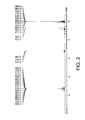
- FIG. 2 shows the 1 H NMR spectrum of compound (25).
- peptide As used herein, the terms “peptide,” “polypeptide,” or “protein” are used interchangeably, and refer to a compound comprised of amino acid residues covalently linked by peptide bonds.
- a protein or peptide must contain at least two amino acids, and no limitation is placed on the maximum number of amino acids that may comprise the sequence of a protein or peptide.
- Polypeptides include any peptide or protein comprising two or more amino acids joined to each other by peptide bonds.
- the term refers to both short chains, which also commonly are referred to in the art as peptides, oligopeptides and oligomers, for example, and to longer chains, which generally are referred to in the art as proteins, of which there are many types.
- Polypeptides include, for example, biologically active fragments, substantially homologous polypeptides, oligopeptides, homodimers, heterodimers, variants of polypeptides, modified polypeptides, derivatives, analogs and fusion proteins, among others.
- the polypeptides include natural peptides, recombinant peptides, synthetic peptides or a combination thereof.
- a peptide that is not cyclic has an N-terminus and a C-terminus. The N-terminus will have an amino group, which may be free (i.e., as a NH 2 group) or appropriately protected (for example, with a BOC or a Fmoc group).
- the C-terminus will have a carboxylic group, which may be free (i.e., as a COOH group) or appropriately protected (for example, as a benzyl or a methyl ester).
- a cyclic peptide does not necessarily have free N- or C-termini, since they are covalently bonded through an amide bond to form the cyclic structure.
- the term “peptide bond” means a covalent amide linkage formed by loss of a molecule of water between the carboxyl group of one amino acid and the amino group of a second amino acid.
- amino acids and their abbreviations can be found in the chemical literature, such as in Stryer, 1988, “Biochemistry”, 3rd Ed., W. H. Freeman & Co., NY, N.Y.
- the natural ⁇ -amino acids are alanine, arginine, asparagine, aspartic acid, cysteine, cystine, glutamic acid, glutamine, glycine, histidine, isoleucine, leucine, lysine, methionine, phenylalanine, proline, serine, threonine, tryptophan, tyrosine and valine.
- carboxyl-linked amino acid refers to an amino acid that is covalently bound to the molecule through the carboxyl group of the amino acid. Therefore, a “carboxyl-linked amino acid” substituent attached to an amino group indicates that the amino acid is linked through a peptide bond to the amino group.
- the side-chains of the carboxyl-linked amino acid may be protected with protective groups commonly used in peptide chemistry, such as Fmoc (fluorenylmethyloxycarbonyl) or tBoc (N-tert-butoxycarbonyl) for amine groups and t-butyl, methyl or benzyl esters for carboxylic groups.
- protective groups commonly used in peptide chemistry, such as Fmoc (fluorenylmethyloxycarbonyl) or tBoc (N-tert-butoxycarbonyl) for amine groups and t-butyl, methyl or benzyl esters for carboxylic groups.
- carboxyl-linked peptide refers to a peptide that is covalently bound to the molecule through the C-terminus carboxyl group or a side chain carboxyl group of the peptide. Therefore, a “carboxyl-linked peptide acid” substituent attached to an amino group indicates that the C-terminus carboxyl group or a side chain carboxyl group of the peptide is linked through a peptide bond to the amino group.
- the side-chains of the carboxyl-linked peptide may be protected with protective groups commonly used in peptide chemistry, such as Fmoc (fluorenylmethyloxycarbonyl) or tBoc (N-tert-butoxycarbonyl) for amine groups and methyl, benzyl or t-butyl esters for carboxylic groups. These groups may be deprotected according to the methods known to those skilled in the art.
- alkyl by itself or as part of another substituent means, unless otherwise stated, a straight, branched or cyclic chain hydrocarbon having the number of carbon atoms designated (i.e. C 1 -C 10 means one to ten carbon atoms) and includes straight, branched chain or cyclic groups. Examples include methyl, ethyl, propyl, isopropyl, butyl, isobutyl, tert-butyl, pentyl, neopentyl, hexyl, cyclohexyl and cyclopropylmethyl. Most preferred is (C 1 -C 3 )alkyl, particularly ethyl, methyl and isopropyl.
- alkenyl means, unless otherwise stated, a stable mono-unsaturated or di-unsaturated straight chain, branched chain or cyclic hydrocarbon group having the stated number of carbon atoms. Examples include vinyl, propenyl (allyl), crotyl, isopentenyl, butadienyl, 1,3-pentadienyl, 1,4-pentadienyl, cyclopentenyl, cyclopentadienyl and the higher homologs and isomers.
- a functional group representing an alkene is exemplified by —CH ⁇ CH—CH 2 —.
- substituted alkyl or “substituted alkenyl” means alkyl or alkenyl, as defined above, substituted by one, two or three substituents selected from the group consisting of halogen, —OH, alkoxy, —NH 2 , —N(CH 3 ) 2 , —C( ⁇ O)OH, trifluoromethyl, —C( ⁇ O)O(C 1 -C 4 )alkyl, —C( ⁇ O)NH 2 , —SO 2 NH 2 , —C( ⁇ NH)NH 2 , —C ⁇ N and —NO 2 , preferably containing one or two substituents selected from halogen, —OH, alkoxy, —NH 2 , trifluoromethyl, —N(CH 3 ) 2 , and —C( ⁇ O)OH, more preferably selected from halogen, alkoxy and —OH.
- substituted alkyls include, but are
- alkoxy employed alone or in combination with other terms means, unless otherwise stated, an alkyl group having the designated number of carbon atoms, as defined above, connected to the rest of the molecule via an oxygen atom, such as, for example, methoxy, ethoxy, 1 -propoxy, 2-propoxy (isopropoxy) and the higher homologs and isomers.
- oxygen atom such as, for example, methoxy, ethoxy, 1 -propoxy, 2-propoxy (isopropoxy) and the higher homologs and isomers.
- halo or “halogen” by themselves or as part of another substituent mean, unless otherwise stated, a fluorine, chlorine, bromine, or iodine atom, preferably, fluorine, chlorine, or bromine, more preferably, fluorine or chlorine.
- heteroalkyl by itself or in combination with another term means, unless otherwise stated, a stable straight or branched chain alkyl group consisting of the stated number of carbon atoms and one or two heteroatoms selected from the group consisting of O, N, and S, and wherein the nitrogen and sulfur atoms may be optionally oxidized and the nitrogen heteroatom may be optionally quaternized.
- the heteroatom(s) may be placed at any position of the heteroalkyl group, including between the rest of the heteroalkyl group and the fragment to which it is attached, as well as attached to the most distal carbon atom in the heteroalkyl group.
- Examples include: —O—CH 2 —CH 2 —CH 3 , —CH 2 —CH 2 CH 2 —OH, —CH 2 —CH 2 —NH—CH 3 , —CH 2 —S—CH 2 —CH 3 , and —CH 2 CH 2 —S( ⁇ O)—CH 3 .
- Up to two heteroatoms may be consecutive, such as, for example, —CH 2 —NH—OCH 3 , or —CH 2 —CH 2 —S—S—CH 3
- heteroalkenyl by itself or in combination with another term means, unless otherwise stated, a stable straight or branched chain monounsaturated or di-unsaturated hydrocarbon group consisting of the stated number of carbon atoms and one or two heteroatoms selected from the group consisting of O, N, and S, and wherein the nitrogen and sulfur atoms may optionally be oxidized and the nitrogen heteroatom may optionally be quaternized. Up to two heteroatoms may be placed consecutively.
- Examples include —CH ⁇ CH—O—CH 3 , —CH ⁇ CH—CH 2 —OH, —CH 2 —CH ⁇ N—OCH 3 , —CH ⁇ CH—N(CH 3 )—CH 3 , and —CH 2 —CH ⁇ CH—CH 2 —SH.
- aromatic refers to a carbocycle or heterocycle having one or more polyunsaturated rings having aromatic character (i.e. having (4n+2) delocalized ⁇ (pi) electrons where n is an integer).
- aryl employed alone or in combination with other terms, means, unless otherwise stated, a carbocyclic aromatic system containing one or more rings (typically one, two or three rings) wherein such rings may be attached together in a pendent manner, such as a biphenyl, or may be fused, such as naphthalene.
- rings typically one, two or three rings
- naphthalene such as naphthalene.
- examples include phenyl, anthracyl, and naphthyl. Preferred are phenyl and naphthyl, most preferred is phenyl.
- aryl-(C 1 -C 3 )alkyl means a functional group wherein a one to three carbon alkylene chain is attached to an aryl group, e.g., —CH 2 CH 2 -phenyl. Preferred is aryl(CH 2 )— and aryl(CH(CH 3 ))—.
- substituted aryl-(C 1 -C 3 )alkyl means an aryl-(C 1 -C 3 )alkyl functional group in which the aryl group is substituted. Preferred is substituted aryl(CH 2 )—.
- heteroaryl-(C 1 -C 3 )alkyl means a functional group wherein a one to three carbon alkylene chain is attached to a heteroaryl group, e.g., —CH 2 CH 2 -pyridyl. Preferred is heteroaryl(CH 2 )—.
- substituted heteroaryl-(C 1 -C 3 )alkyl means a heteroaryl-(C 1 -C 3 )alkyl functional group in which the heteroaryl group is substituted. Preferred is substituted heteroaryl(CH 2 )—.
- heterocycle or “heterocyclyl” or “heterocyclic” by itself or as part of another substituent means, unless otherwise stated, an unsubstituted or substituted, stable, mono- or multi-cyclic heterocyclic ring system which consists of carbon atoms and at least one heteroatom selected from the group consisting of N, O, and S, and wherein the nitrogen and sulfur heteroatoms may be optionally oxidized, and the nitrogen atom may be optionally quaternized.
- the heterocyclic system may be attached, unless otherwise stated, at any heteroatom or carbon atom that affords a stable structure.
- a heterocycle may be aromatic or non-aromatic in nature. In one embodiment, the heterocycle is a heteroaryl.
- heteroaryl or “heteroaromatic” refers to a heterocycle having aromatic character.
- a polycyclic heteroaryl may include one or more rings that are partially saturated. Examples include tetrahydroquinoline and 2,3-dihydrobenzofuryl.
- non-aromatic heterocycles include monocyclic groups such as aziridine, oxirane, thiirane, azetidine, oxetane, thietane, pyrrolidine, pyrroline, imidazoline, pyrazolidine, dioxolane, sulfolane, 2,3-dihydrofuran, 2,5-dihydrofuran, tetrahydrofuran, thiophane, piperidine, 1,2,3,6-tetrahydropyridine, 1,4-dihydropyridine, piperazine, morpholine, thiomorpholine, pyran, 2,3-dihydropyran, tetrahydropyran, 1,4-dioxane, 1,3-dioxane, homopiperazine, homopiperidine, 1,3-dioxepane, 4,7-dihydro-1,3-dioxepin and hexamethyleneoxide.
- heteroaryl groups include pyridyl, pyrazinyl, pyrimidinyl, particularly 2- and 4-pyrimidinyl, pyridazinyl, thienyl, furyl, pyrrolyl, particularly 2-pyrrolyl, imidazolyl, thiazolyl, oxazolyl, pyrazolyl, particularly 3- and 5-pyrazolyl, isothiazolyl, 1,2,3-triazolyl, 1,2,4-triazolyl, 1,3,4-triazolyl, tetrazolyl, 1,2,3-thiadiazolyl, 1,2,3-oxadiazolyl, 1,3,4-thiadiazolyl and 1,3,4-oxadiazolyl.
- polycyclic heterocycles include indolyl, particularly 3-, 4-, 5-, 6- and 7-indolyl, indolinyl, quinolyl, tetrahydroquinolyl, isoquinolyl, particularly 1- and 5-isoquinolyl, 1,2,3,4-tetrahydroisoquinolyl, cinnolinyl, quinoxalinyl, particularly 2- and 5-quinoxalinyl, quinazolinyl, phthalazinyl, 1,8-naphthyridinyl, 1,4-benzodioxanyl, coumarin, dihydrocoumarin, benzofuryl, particularly 3-, 4-, 1,5-naphthyridinyl, 5-, 6- and 7-benzofuryl, 2,3-dihydrobenzofuryl, 1,2-benzisoxazolyl, benzothienyl, particularly 3-, 4-, 5-, 6-, and 7-benzothienyl, benzoxazolyl, benzthiazo
- heterocyclyl and heteroaryl moieties are intended to be representative and not limiting.
- hydrocarbyl refers to any moiety comprising only hydrogen and carbon atoms.
- Preferred hydrocarbyl groups are (C 1 -C 12 )hydrocarbyl, more preferred are (C 1 -C 7 )hydrocarbyl, and most preferred are benzyl and (C1-C6) alkyl.
- substituted means that an atom or group of atoms has replaced hydrogen as the substituent attached to another group.
- substituted refers to any level of substitution, namely mono-, di-, tri-, tetra-, or penta-substitution, where such substitution is permitted.
- the substituents are independently selected, and substitution may be at any chemically accessible position. In one embodiment, the substituents vary in number between one and four. In another embodiment, the substituents vary in number between one and three. In yet another embodiment, the substituents vary in number between one and two.
- the substituents are independently selected from the group consisting of C 1-6 alkyl, —OH, C 1-6 alkoxy, halo, amino, acetamido and nitro. In yet another embodiment, the substituents are independently selected from the group consisting of C 1-6 alkyl, C 1-6 alkoxy, halo, acetamido, and nitro. As used herein, where a substituent is an alkyl or alkoxy group, the carbon chain may be branched, straight or cyclic, with straight being preferred.
- the present invention relates to the unexpected discovery that a substituted 1,2-oxasilolane may be efficiently converted to the dilithium salt of a substituted 3-hydroxypropylsilanol using lithium metal, which reductively cleaves the Si—O bond in high yields.
- the dilithium salt of the 3-hydroxypropylsilanol may be reacted with various nucleophiles to form silicon-containing products.
- the present invention further relates to the unexpected discovery that a substituted silyloxy compound may be efficiently converted to a silyl lithium compound using lithium metal, which reductively cleaves the Si—O bond in high yields.
- the silyl lithium compound may be reacted with various nucleophiles to form silicon-containing products.
- the compounds useful within the methods of the invention may be prepared by synthetic methods known to those skilled in the art of peptide and organic synthesis.
- the 1,2-oxasilolane (11) is useful within the methods of the invention:
- Compound (11) may be prepared by methods known to those skilled in organic chemistry.
- (11) may be prepared in a two-step procedure as illustrated below.
- the substituted allylic alcohol (12) may be reacted with the substituted chlorosilane (13) in the presence of a base, such as, but not limited to, triethylamine, diisopropylethylamine or pyridine, in an inert solvent, such as dichloromethane or tetrahydrofuran.
- a base such as, but not limited to, triethylamine, diisopropylethylamine or pyridine
- an inert solvent such as dichloromethane or tetrahydrofuran.
- the substituted silyloxy compound (14) may be cyclized to the corresponding substituted 1,2-oxasilolane, using in a non-limiting example a catalytic amount of rhodium (I) complexed with commercially available (S,S)-Et-ferrotane, also known as ( ⁇ )-1,1′-bis[(2S,4S)-2,4-diethylphosphotano]ferrocene, as the ligand.
- S,S commercially available
- S,S Et-ferrotane
- ⁇ -1,1′-bis[(2S,4S)-2,4-diethylphosphotano]ferrocene
- the Si—O bond in (11) may be reductively cleaved by treatment with lithium metal in an inert solvent, such as but not limited to tetrahydrofuran, diethyl ether or 1,4-dioxane.
- the reaction should be run under an inert atmosphere, such as argon or nitrogen gas, and under anhydrous conditions.
- the reaction may be run at temperatures ranging from ⁇ 78° C. to room temperature. More preferably the reaction may be run at about 0° C. Ring opening in (11) yields the dilithium intermediate (15), which may be used as such in the next synthetic step.
- the reaction of compound (15) with a nucleophile should be run in an inert solvent, such as but not limited to tetrahydrofuran, diethyl ether or 1,4-dioxane.
- the reaction should be run under an inert atmosphere, such as argon or nitrogen gas, and under anhydrous conditions.
- the reaction may be run at temperatures ranging from ⁇ 78° C. to 0° C.
- the solution of (15) is added dropwise to the chilled solution of (16).
- the solution of (16) is added dropwise to the chilled solution of (15).
- the reaction may be monitored by methods that are known to those skilled in the art, such as 1 H NMR, 13 C NMR, thin-layer chromatography, analytical HPLC or mass spectrometry. After the reaction is ruled to be sufficiently complete, the reaction mixture may be quenched with a mildly acidic aqueous solution, such as an ammonium chloride solution or an ammonium bisulfate solution.
- a mildly acidic aqueous solution such as an ammonium chloride solution or an ammonium bisulfate solution.
- the desired product (17) may be isolated by methods such as silica gel chromatography, preparative chromatography, fractional crystallography or precipitation.
- Compound (17) may be further derivatized using methods known to those skilled in the art.
- the primary alcohol in (17) may be oxidized to the corresponding carboxylic acid, using reagents such as but not limited to potassium permanganate or potassium dichromate, and coupled to amine via a peptide bond.
- the group R 7 may be removed using a method that preserves the integrity of the rest of the molecule.
- sulfinamide (17) may be hydrolyzed to the corresponding primary amine.
- sulfinamines may be hydrolyzed to the corresponding amine by stirring with 4 equivalents of trifluoroacetic acid in methanol (0.25 M in methanol) at 0° C., warming to room temperature for 4 hours (Fanelli et al., “Organic Syntheses,” Collected Vol. 10, pp 47-53). The resulting amine may then be coupled to a carboxylic acid via a peptide bond.
- groups R 4 and R 5 may be hydrolyzed to yield the corresponding silanediol. Hydrolysis of such compound may be achieved by treatment with trifluoromethanesulfonic (triflic) acid in dichloromethane at low temperature, such as 0° C.
- triflic trifluoromethanesulfonic
- R 7 in compound (16) is a protected carboxyl-linked peptide
- the corresponding peptide may be synthesized de novo using peptide synthesis methods.
- the peptide chain is prepared by a series of coupling reactions in which the constituent amino acids are added to the growing peptide chain in the desired sequence.
- N-protecting groups e.g., the carbobenzoxy (CBZ) group or the t-butoxycarbonyl (tBoc) group
- various coupling reagents e.g., dicyclohexylcarbodiimide (DCC) or carbonyldiimidazole (CDI)
- various active esters e.g., esters of N-hydroxyphthalimide or N-hydroxy-succinimide
- various cleavage reagents e.g., trifluoroacetic acid (TFA), HCl in dioxane, boron tris(trifluoroacetate) and cyanogen bromide
- reaction in solution with isolation and purification of intermediates are methods well-known to those of ordinary skill in the art.
- the reaction may be carried out with the peptide either in solution or attached to a solid-phase support. In the solid phase method, the peptide is released from the solid-phase support following completion of the synthesis.
- peptide synthesis method may follow Merrifield solid-phase procedures. See Merrifield, 1963, J. Am. Chem. Soc. 85: 2149-54 and Merrifield, 1965, Science 50: 178-85. Additional information about the solid-phase synthetic procedure can be obtained from the treatises: Atherton & Sheppard, 1989, “Solid Phase Peptide Synthesis: A Practical Approach”, Oxford. University Press, NY, N.Y.; Stewart & Young, 1984, “Solid phase peptide synthesis”, 2nd edition, Pierce Chemical Company, Rockford, Ill.; and the review chapters by R. Merrifield, 1969, Adv. Enzymol. 32: 221-296, and by B. W. Erickson and R. Merrifield, 1976, in “The Proteins”, Vol.
- Peptide synthesis may follow synthetic techniques such as those set forth in Fields et al., 2008, “Introduction to Peptide Synthesis”, in “Current Protocols in Molecular Biology”, Chapter 11, Unit 11.15, John Wiley and Sons, Hoboken, N.J., and Amblard et al., 2006, Molecular Biotechnology 33: 239-254.
- the invention should not be construed to be limited solely to the assays and methods described herein, but should be construed to include other methods and assays as well.
- One of skill in the art will know that other assays and methods are available to perform the procedures described herein.
- NMR spectra were obtained using a Bruker WM-400 (400 MHz 1 H, 125 MHz 13 C) spectrometer.
- HPLC-MS was acquired using a Hewlett-Packard Series 1200 instrument with a Waters Xterra MS C 18 column (3 ⁇ m packing, 4.6 ⁇ 150 mm) with a solvent system of H 2 O/acetonitrile with 0.1% formic acid at a flow rate of 0.8 mL/min.
- Methoxy(methyl)diphenylsilane (20) (0.34 g, 1.49 mmol) was added and the mixture stirred at 0° C. Aliquots of the mixture were removed after 1.0 hour, 1.5 hours, 2.5 hours and 3.5 hours of reaction time, and added to a flask containing a large excess of chlorotrimethylsilane. The resulting mixture was stirred for 10 minutes, evaporated, and analyzed by 1 H NMR spectroscopy to monitor the disappearance of (20) and the formation of (22). Based on these spectra, the silyl ether (20) was completely converted to the silyllithium reagent (21) after 3.5 hours.
Landscapes
- Chemical & Material Sciences (AREA)
- Organic Chemistry (AREA)
- Organic Low-Molecular-Weight Compounds And Preparation Thereof (AREA)
Abstract
Description


wherein:
-
- R1, R2 and R3 are independently selected from the group consisting of H, C1-10 alkyl, substituted C1-10 alkyl, C1-10 alkenyl, substituted C1-10 alkenyl, heteroalkyl, heteroalkenyl, heterocyclyl, substituted heterocyclyl, aryl, substituted aryl, aryl-(C1-3)alkyl, substituted aryl-(C1-3)alkyl, formyl, alkyl-carbonyl, aryl-carbonyl, and heteroaryl-carbonyl; and,
- R4 and R5 are independently selected from the group consisting of aryl, substituted aryl, heteroaryl and substituted heteroaryl,
the process comprising the step of reacting lithium metal with a compound of formula (11):

to form the compound of formula (15).

wherein:
-
- R1, R2 and R3 are independently selected from the group consisting of H, C1-10 alkyl, substituted C1-10 alkyl, C1-10 alkenyl, substituted C1-10 alkenyl, heteroalkyl, heteroalkenyl, heterocyclyl, substituted heterocyclyl, aryl, substituted aryl, aryl-(C1-3)alkyl, substituted aryl-(C1-3)alkyl, formyl, alkyl-carbonyl, aryl-carbonyl, and heteroaryl-carbonyl;
- R4 and R5 are independently selected from the group consisting of aryl, substituted aryl, heteroaryl and substituted heteroaryl,
- R7 is —S(O)R8, —S(O)2R8, —S(O)2NR9R10, —C(O)R9, —C(O)NR9R10, a protected carboxyl-linked amino acid or a protected carboxyl-linked peptide;
- R6, R9 and R10 are independently selected from the group consisting of H, C1-10 alkyl, substituted C1-10 alkyl, C1-10 alkenyl, substituted C1-10 alkenyl, heteroalkyl, heteroalkenyl, heterocyclyl, substituted heterocyclyl, aryl, substituted aryl, aryl-(C1-3)alkyl, and substituted aryl-(C1-3)alkyl; and,
- R8 is C1-10 alkyl, substituted C1-10 alkyl, C1-10 alkenyl, substituted C1-10 alkenyl, heteroalkyl, heteroalkenyl, heterocyclyl, substituted heterocyclyl, aryl, substituted aryl, aryl-(C1-3)alkyl, or substituted aryl-(C1-3)alkyl;
the process comprising the steps of: - (a) reacting lithium metal with a compound of formula (11):

to form a compound of formula (15):

-
- (b) reacting the compound of formula (15) with a compound of formula (16):

to form a reaction mixture; and,
-
- (c) neutralizing the reaction mixture to form the compound of formula (17).

wherein:
-
- R11 is C1-10 alkyl, substituted C1-10 alkyl, C1-10 alkenyl, substituted C1-10 alkenyl, heteroalkyl, heteroalkenyl, heterocyclyl, substituted heterocyclyl, aryl, substituted aryl, aryl-(C1-3)alkyl, substituted aryl-(C1-3)alkyl, formyl, alkyl-carbonyl, aryl-carbonyl, or heteroaryl-carbonyl; and,
- R4 and R5 are independently selected from the group consisting of aryl, substituted aryl, heteroaryl and substituted heteroaryl;
the process comprising the step of reacting lithium metal with a compound of formula (18):

wherein:
-
- R8 is C1-10 alkyl, substituted C1-10 alkyl, C1-10 alkenyl, substituted C1-10 alkenyl, heteroalkyl, heteroalkenyl, heterocyclyl, substituted heterocyclyl, aryl, substituted aryl, aryl-(C1-3)alkyl, substituted aryl-(C1-3)alkyl, formyl, alkyl-carbonyl, aryl-carbonyl, or heteroaryl-carbonyl;
to form a solution of the compound of formula (19).
- R8 is C1-10 alkyl, substituted C1-10 alkyl, C1-10 alkenyl, substituted C1-10 alkenyl, heteroalkyl, heteroalkenyl, heterocyclyl, substituted heterocyclyl, aryl, substituted aryl, aryl-(C1-3)alkyl, substituted aryl-(C1-3)alkyl, formyl, alkyl-carbonyl, aryl-carbonyl, or heteroaryl-carbonyl;

wherein:
-
- R1, R2 and R3 are independently selected from the group consisting of H, C1-10 alkyl, substituted C1-10 alkyl, C1-10 alkenyl, substituted C1-10 alkenyl, heteroalkyl, heteroalkenyl, heterocyclyl, substituted heterocyclyl, aryl, substituted aryl, aryl-(C1-3)alkyl, substituted aryl-(C1-3)alkyl, formyl, alkyl-carbonyl, aryl-carbonyl, and heteroaryl-carbonyl; and
- R4 and R5 are independently selected from the group consisting of aryl, substituted aryl, heteroaryl and substituted heteroaryl.


wherein:
-
- R7 is —S(O)R8, —S(O)2R8, —S(O)2NR9R10, —C(O)R9, —C(O)NR9R10, a protected carboxyl-linked amino acid or a protected carboxyl-linked peptide;
- R6, R9 and R10 are independently selected from the group consisting of H, C1-10 alkyl, substituted C1-10 alkyl, C1-10 alkenyl, substituted C1-10 alkenyl, heteroalkyl, heteroalkenyl, heterocyclyl, substituted heterocyclyl, aryl, substituted aryl, aryl-(C1-3)alkyl, and substituted aryl-(C1-3)alkyl; and
- R8 is C1-10 alkyl, substituted C1-10 alkyl, C1-10 alkenyl, substituted C1-10 alkenyl, heteroalkyl, heteroalkenyl, heterocyclyl, substituted heterocyclyl, aryl, substituted aryl, aryl-(C1-3)alkyl, or substituted aryl-(C1-3)alkyl;
whereby compound (17) is formed.


wherein:
-
- R8 and R11 are independently selected from the group consisting of C1-10 alkyl, substituted C1-10 alkyl, C1-10 alkenyl, substituted C1-10 alkenyl, heteroalkyl, heteroalkenyl, heterocyclyl, substituted heterocyclyl, aryl, substituted aryl, aryl-(C1-3)alkyl, substituted aryl-(C1-3)alkyl, formyl, alkyl-carbonyl, aryl-carbonyl, and heteroaryl-carbonyl; and,
- R4 and R5 are independently selected from the group consisting of aryl, substituted aryl, heteroaryl and substituted heteroaryl;
may be converted to the corresponding silyl lithium compound (19) by treatment with lithium metal in an inert solvent, such as but not limited to tetrahydrofuran, diethyl ether or 1,4-dioxane. The reaction should be run under an inert atmosphere, such as argon or nitrogen gas, and under anhydrous conditions. The reaction may be run at temperatures ranging from −78° C. to room temperature. More preferably the reaction may be run at about 0° C. Compound (19) may be further reacted with nucleophiles, as appropriate.


Claims (20)


Priority Applications (1)
| Application Number | Priority Date | Filing Date | Title |
|---|---|---|---|
| US13/698,605 US8987493B2 (en) | 2010-05-20 | 2011-05-20 | Process for synthesis of silane dipeptide analogs |
Applications Claiming Priority (3)
| Application Number | Priority Date | Filing Date | Title |
|---|---|---|---|
| US34651610P | 2010-05-20 | 2010-05-20 | |
| PCT/US2011/037352 WO2011146842A1 (en) | 2010-05-20 | 2011-05-20 | Process for synthesis of silane dipeptide analogs |
| US13/698,605 US8987493B2 (en) | 2010-05-20 | 2011-05-20 | Process for synthesis of silane dipeptide analogs |
Publications (2)
| Publication Number | Publication Date |
|---|---|
| US20130096335A1 US20130096335A1 (en) | 2013-04-18 |
| US8987493B2 true US8987493B2 (en) | 2015-03-24 |
Family
ID=44992077
Family Applications (1)
| Application Number | Title | Priority Date | Filing Date |
|---|---|---|---|
| US13/698,605 Expired - Fee Related US8987493B2 (en) | 2010-05-20 | 2011-05-20 | Process for synthesis of silane dipeptide analogs |
Country Status (2)
| Country | Link |
|---|---|
| US (1) | US8987493B2 (en) |
| WO (1) | WO2011146842A1 (en) |
Families Citing this family (2)
| Publication number | Priority date | Publication date | Assignee | Title |
|---|---|---|---|---|
| US8946159B2 (en) | 2011-12-22 | 2015-02-03 | California Northstate College Of Pharmacy, Llc | Administration of an antagonist of α5β1 for anti-angiogenesis and cancer treatment |
| JP6918280B2 (en) * | 2017-03-07 | 2021-08-11 | 有二 成瀬 | Manufacturing method of polysilane |
Citations (1)
| Publication number | Priority date | Publication date | Assignee | Title |
|---|---|---|---|---|
| US20030096793A1 (en) | 1996-07-12 | 2003-05-22 | Research Foundation Of State University Of New York | Silanol enzyme inhibitors |
-
2011
- 2011-05-20 US US13/698,605 patent/US8987493B2/en not_active Expired - Fee Related
- 2011-05-20 WO PCT/US2011/037352 patent/WO2011146842A1/en not_active Ceased
Patent Citations (1)
| Publication number | Priority date | Publication date | Assignee | Title |
|---|---|---|---|---|
| US20030096793A1 (en) | 1996-07-12 | 2003-05-22 | Research Foundation Of State University Of New York | Silanol enzyme inhibitors |
Non-Patent Citations (14)
| Title |
|---|
| Alonso et al., Tetrahedron, 1997, 53(42):14355-14368. * |
| Alonso, et al., "Reductive Deprotection of Allyl, Benzyl and Sulfonyl Substituted Alcohols, Amines and Amides Using a Naphthalene-Catalysed Lithiation", Tetrahedron, vol. 53, No. 42, pp. 143355-14368, 1997. |
| Behloul, et al., "Desilylation procedure via a naphthalene-catalysed lithiation reaction", Tetrahedron 61 (2005) 6908-6915. |
| Benkeser, et al., "The Formation of Arylsilylpotassium Compounds", Contribution from the Chemical Laboratories of Purdue University, received Aug. 9, 1951. |
| Harloff, et al., "Reactions of trimethylsiloxychlorosilanes with lithium metal-On the mechanism of the formation of trimethylsiloxysilyllithium compounds LiSiRR' (OSime3)", Journal of Organometallic Chemistry, vol. 693, Issue 7, Apr. 1, 2008, pp. 1283-1291. |
| Harloff, et al., "Reactions of trimethylsiloxychlorosilanes with lithium metal—On the mechanism of the formation of trimethylsiloxysilyllithium compounds LiSiRR' (OSime3)", Journal of Organometallic Chemistry, vol. 693, Issue 7, Apr. 1, 2008, pp. 1283-1291. |
| Hernandez, et al., "Further Studies toward the Stereocontrolled Synthesis of Silicon-Containing Peptide Mimics", J. Org. Chem., 2010, 75, 3283-3293. |
| Mudryk, et al., "Synthetically useful dianions via reductive lithiation of tetrahydrofurans by aromatic radical anions", J. Am. Chem. Soc. 1991, 113(5), pp. 1866-1867. |
| Nielsen, et al., "Sequential C-Si Bond Formations from Diphenylsilane: Application to Silanediol Peptide Isostere Precursors", J. Am. Chem. Soc. 2008, 130, 13145-13151. |
| Nielsen, et al., "Sequential C—Si Bond Formations from Diphenylsilane: Application to Silanediol Peptide Isostere Precursors", J. Am. Chem. Soc. 2008, 130, 13145-13151. |
| Nielsen, et al., "Stereocontrolled Synthesis of Methyl Silanediol Peptide Mimics", J. Org. Chem. 2007, 72, 10035-10044. |
| Suginome, "Bis-silylation of Unsaturated Compounds Catalyzed by Palladium-Isocyanide Complex", Doctoral Thesis, Kyoto University, Mar. 23, 1993, pp. 1-116, Scheme IV-p. 57, downloaded from http://repository.kulib.kyoto-u.ac.jp/dspace/bitstream/2433/74624/1/D-Suginome-Michinori.pdf. |
| Suginome, "Bis-silylation of Unsaturated Compounds Catalyzed by Palladium-Isocyanide Complex", Doctoral Thesis, Kyoto University, Mar. 23, 1993, pp. 1-116, Scheme IV—p. 57, downloaded from http://repository.kulib.kyoto-u.ac.jp/dspace/bitstream/2433/74624/1/D—Suginome—Michinori.pdf. |
| Tamao, et al., "Recent developments in silicon interelement linkage: the case of Functionalized silyllithium, silylenoid and sila-ylide", Pure Appl. Chem., vol. 71, No. 3, pp. 393-400, 1999. |
Also Published As
| Publication number | Publication date |
|---|---|
| US20130096335A1 (en) | 2013-04-18 |
| WO2011146842A1 (en) | 2011-11-24 |
Similar Documents
| Publication | Publication Date | Title |
|---|---|---|
| JP6560382B2 (en) | Amatoxin building block and method for synthesizing amatoxin | |
| WO2006098444A1 (en) | Process for production of fluoro derivative | |
| Sydnes et al. | Synthesis of glutamic acid and glutamine peptides possessing a trifluoromethyl ketone group as SARS-CoV 3CL protease inhibitors | |
| WO2008001718A1 (en) | Dehydroxylated fluorinating agent | |
| Citarella et al. | Synthesis of SARS-CoV-2 Mpro inhibitors bearing a cinnamic ester warhead with in vitro activity against human coronaviruses | |
| CN111491941A (en) | A new type of alkyl diphenylmethane protective agent | |
| JP2025013917A (en) | Method for producing peptide compounds | |
| Hattori et al. | Trimethylaluminum-mediated one-pot peptide elongation | |
| US20130096335A1 (en) | Process for synthesis of silane dipeptide analogs | |
| CN101195598A (en) | Efficient production method of mugineic acids | |
| JP5951613B2 (en) | Method for assaying enzyme activity | |
| Climie et al. | 13C-Nuclear Magnetic Resonance spectroscopy as a probe of enzyme environment—II: Effect of solvent and pH on 13C-chemical shifts in derivatized amino-acid models | |
| JPH069628A (en) | Hiv protease inhibitor containing hydroxyethylene equivalentweight type ditholanylglycine | |
| Hamzé et al. | Solid-phase synthesis of arginine-containing peptides and fluorogenic substrates using a side-chain anchoring approach | |
| Kaljuste et al. | A novel on-resin synthesis of C-terminally amidated peptides | |
| US20050171059A1 (en) | Silanol enzyme inhibitors | |
| Olma et al. | An efficient synthesis of optically active 3-amino-3-alkyl-2-oxetanones | |
| WO2023275410A1 (en) | Peptide synthesis method involving sterically hindered mixed anhydride intermediate | |
| Camerino et al. | (+)-Fluorenylethylchloroformate (FLEC)–improved synthesis for application in chiral analysis and peptidomimetic synthesis | |
| CN119751564B (en) | Cyclic peptide compound synthesis method and application thereof | |
| Rajagopalan et al. | A Simple Procedure for the Preparation of 4-(α-Mercaptobenzyl) Phenoxyacetic Acid, A Thiol Linker Unit Used in Solid Phase Synthesis of Peptide-α-Thioacids | |
| CN109134511A (en) | Largazole analog, the preparation method and use of C19 fluoro | |
| Kim et al. | Theoretical analysis and prediction of catalysts for oxidative decarboxylation of melanin-concentrating hormone | |
| KR20030009903A (en) | A preparation method of p-Nitrophenylsulfonylethoxycarbonyl protected PNA monomer as the amino protected group of 2-aminoethylglycine backbone | |
| KR20020091905A (en) | Alkyl or arylsulfonylethoxycarbonyl protected pna monomer as the amino protected group of backbone, 2-aminoethylglycine and preparation method of thereof |
Legal Events
| Date | Code | Title | Description |
|---|---|---|---|
| AS | Assignment |
Owner name: NATIONAL INSTITUTES OF HEALTH (NIH), U.S. DEPT. OF Free format text: CONFIRMATORY LICENSE;ASSIGNOR:TEMPLE UNIVERSITY;REEL/FRAME:026787/0085 Effective date: 20110809 |
|
| AS | Assignment |
Owner name: TEMPLE UNIVERSITY - OF THE COMMONWEALTH SYSTEM OF Free format text: ASSIGNMENT OF ASSIGNORS INTEREST;ASSIGNORS:SIEBURTH, SCOTT MCNEILL;BO, YINGJIAN;SIGNING DATES FROM 20110802 TO 20110804;REEL/FRAME:029315/0778 |
|
| STCF | Information on status: patent grant |
Free format text: PATENTED CASE |
|
| FEPP | Fee payment procedure |
Free format text: MAINTENANCE FEE REMINDER MAILED (ORIGINAL EVENT CODE: REM.); ENTITY STATUS OF PATENT OWNER: SMALL ENTITY |
|
| LAPS | Lapse for failure to pay maintenance fees |
Free format text: PATENT EXPIRED FOR FAILURE TO PAY MAINTENANCE FEES (ORIGINAL EVENT CODE: EXP.); ENTITY STATUS OF PATENT OWNER: SMALL ENTITY |
|
| STCH | Information on status: patent discontinuation |
Free format text: PATENT EXPIRED DUE TO NONPAYMENT OF MAINTENANCE FEES UNDER 37 CFR 1.362 |
|
| FP | Lapsed due to failure to pay maintenance fee |
Effective date: 20190324 |
|
| AS | Assignment |
Owner name: NATIONAL INSTITUTES OF HEALTH, MARYLAND Free format text: GOVERNMENT RIGHTS LICENSE AGREEMENT;ASSIGNOR:TEMPLE UNIVERSITY - OF THE COMMONWEALTH SYSTEM OF HIGHER EDUCATION;REEL/FRAME:066341/0167 Effective date: 20231222 |