US8883134B2 - Human interleukin-1 receptor antagonist—hybrid Fc fusion protein - Google Patents
Human interleukin-1 receptor antagonist—hybrid Fc fusion protein Download PDFInfo
- Publication number
- US8883134B2 US8883134B2 US13/880,175 US201113880175A US8883134B2 US 8883134 B2 US8883134 B2 US 8883134B2 US 201113880175 A US201113880175 A US 201113880175A US 8883134 B2 US8883134 B2 US 8883134B2
- Authority
- US
- United States
- Prior art keywords
- fusion protein
- hybrid
- receptor antagonist
- cells
- ctg
- Prior art date
- Legal status (The legal status is an assumption and is not a legal conclusion. Google has not performed a legal analysis and makes no representation as to the accuracy of the status listed.)
- Active
Links
Images





Classifications
-
- A—HUMAN NECESSITIES
- A61—MEDICAL OR VETERINARY SCIENCE; HYGIENE
- A61P—SPECIFIC THERAPEUTIC ACTIVITY OF CHEMICAL COMPOUNDS OR MEDICINAL PREPARATIONS
- A61P37/00—Drugs for immunological or allergic disorders
-
- C—CHEMISTRY; METALLURGY
- C07—ORGANIC CHEMISTRY
- C07K—PEPTIDES
- C07K19/00—Hybrid peptides, i.e. peptides covalently bound to nucleic acids, or non-covalently bound protein-protein complexes
-
- C—CHEMISTRY; METALLURGY
- C07—ORGANIC CHEMISTRY
- C07K—PEPTIDES
- C07K16/00—Immunoglobulins [IG], e.g. monoclonal or polyclonal antibodies
- C07K16/18—Immunoglobulins [IG], e.g. monoclonal or polyclonal antibodies against material from animals or humans
-
- A—HUMAN NECESSITIES
- A61—MEDICAL OR VETERINARY SCIENCE; HYGIENE
- A61K—PREPARATIONS FOR MEDICAL, DENTAL OR TOILETRY PURPOSES
- A61K38/00—Medicinal preparations containing peptides
- A61K38/16—Peptides having more than 20 amino acids; Gastrins; Somatostatins; Melanotropins; Derivatives thereof
- A61K38/17—Peptides having more than 20 amino acids; Gastrins; Somatostatins; Melanotropins; Derivatives thereof from animals; from humans
-
- C—CHEMISTRY; METALLURGY
- C07—ORGANIC CHEMISTRY
- C07K—PEPTIDES
- C07K14/00—Peptides having more than 20 amino acids; Gastrins; Somatostatins; Melanotropins; Derivatives thereof
- C07K14/435—Peptides having more than 20 amino acids; Gastrins; Somatostatins; Melanotropins; Derivatives thereof from animals; from humans
- C07K14/46—Peptides having more than 20 amino acids; Gastrins; Somatostatins; Melanotropins; Derivatives thereof from animals; from humans from vertebrates
- C07K14/47—Peptides having more than 20 amino acids; Gastrins; Somatostatins; Melanotropins; Derivatives thereof from animals; from humans from vertebrates from mammals
- C07K14/4701—Peptides having more than 20 amino acids; Gastrins; Somatostatins; Melanotropins; Derivatives thereof from animals; from humans from vertebrates from mammals not used
- C07K14/4702—Regulators; Modulating activity
- C07K14/4705—Regulators; Modulating activity stimulating, promoting or activating activity
-
- C—CHEMISTRY; METALLURGY
- C07—ORGANIC CHEMISTRY
- C07K—PEPTIDES
- C07K14/00—Peptides having more than 20 amino acids; Gastrins; Somatostatins; Melanotropins; Derivatives thereof
- C07K14/435—Peptides having more than 20 amino acids; Gastrins; Somatostatins; Melanotropins; Derivatives thereof from animals; from humans
- C07K14/52—Cytokines; Lymphokines; Interferons
- C07K14/54—Interleukins [IL]
-
- C—CHEMISTRY; METALLURGY
- C07—ORGANIC CHEMISTRY
- C07K—PEPTIDES
- C07K14/00—Peptides having more than 20 amino acids; Gastrins; Somatostatins; Melanotropins; Derivatives thereof
- C07K14/435—Peptides having more than 20 amino acids; Gastrins; Somatostatins; Melanotropins; Derivatives thereof from animals; from humans
- C07K14/705—Receptors; Cell surface antigens; Cell surface determinants
- C07K14/715—Receptors; Cell surface antigens; Cell surface determinants for cytokines; for lymphokines; for interferons
- C07K14/7155—Receptors; Cell surface antigens; Cell surface determinants for cytokines; for lymphokines; for interferons for interleukins [IL]
-
- C—CHEMISTRY; METALLURGY
- C12—BIOCHEMISTRY; BEER; SPIRITS; WINE; VINEGAR; MICROBIOLOGY; ENZYMOLOGY; MUTATION OR GENETIC ENGINEERING
- C12N—MICROORGANISMS OR ENZYMES; COMPOSITIONS THEREOF; PROPAGATING, PRESERVING, OR MAINTAINING MICROORGANISMS; MUTATION OR GENETIC ENGINEERING; CULTURE MEDIA
- C12N15/00—Mutation or genetic engineering; DNA or RNA concerning genetic engineering, vectors, e.g. plasmids, or their isolation, preparation or purification; Use of hosts therefor
- C12N15/09—Recombinant DNA-technology
- C12N15/11—DNA or RNA fragments; Modified forms thereof; Non-coding nucleic acids having a biological activity
- C12N15/62—DNA sequences coding for fusion proteins
-
- C—CHEMISTRY; METALLURGY
- C07—ORGANIC CHEMISTRY
- C07K—PEPTIDES
- C07K2319/00—Fusion polypeptide
- C07K2319/30—Non-immunoglobulin-derived peptide or protein having an immunoglobulin constant or Fc region, or a fragment thereof, attached thereto
Definitions
- the present disclosure relates to a fusion protein comprising human interleukin-1 receptor antagonist and hybrid Fc.
- TNF- ⁇ tumor necrosis factor- ⁇
- IL-1 interleukin-1
- IL-6 receptor activator for nuclear factor ⁇ B ligand
- RNKL receptor activator for nuclear factor ⁇ B ligand
- TNF- ⁇ inhibitors are leading the market at the present.
- its therapeutic applications have been limited by some problems, which include that all patients are not respond to TNF-alpha inhibitors and even if patients were respond to TNF-alpha inhibitors, the patients will not respond to TNF-alpha inhibitors after treatments of long period.
- TNF- ⁇ plays an important role in a defense mechanism against bacterial and viral infections, the use of TNF- ⁇ blocker puts the patients at increased risk of serious infection, opportunistic infection and a recurrence of pneumonia. Therefore, there are needs for the development of new therapeutic agents for inflammatory autoimmune disease based on a novel mechanism of action that can replace the existing TNF-blockers.
- IL-1 receptor antagonist is a natural IL-1 blocker found in the body and exerts their effects by competitively binding of IL-1 to its receptor (Fredericks, Zoey L et al., Protein Engineering, Design&Selection (2004) 17 (1): 95-106).
- human recombinant IL-1 receptor antagonist for example anakinra
- anakinra has been developed and found to be effective in treating patients suffering from rheumatoid arthritis who do not respond to TNF- ⁇ inhibitors (Bresnihan, Ann. Rhem. Dis (2002); St. Clair, E. W. J. Rheumatol. (2002)).
- possibility of immunogenicity due to having extra methionine to produce in bacterial cells and short half-life around 2 ⁇ 3 hours requiring a daily injection remain to be the problems.
- IL-1 receptor antagonist Fc fusion proteins had been expected to be effective in treating autoimmune disease by suppressing the activity of IL-1 which is the key factor in maintaining the inflammatory response.
- conventionally used for the construction of the fusion protein was the Fc derived from IgG1, and this caused antibody-dependent cell-mediated cytotoxicity (ADCC) and complement-dependent cytotoxicity (CDC), which led to the death of target cells. The resulting elimination of target cells may cause other safety concern of therapeutic agents.
- the present inventors have found that the hybrid Fc fusion protein disclosed herein had have the increased half-life resulted from the FcRn binding, without compromising the activity of the therapeutic protein while the ADCC and CDC functions being eliminated.
- the present disclosure is to provide a fusion protein of IL-1 receptor antagonist and hybrid Fc which is qualified for clinical development as therapeutic agents to treat inflammatory diseases.
- the present disclosure is to provide a fusion protein comprising a human Interleukin 1-receptor antagonist fused to an immunoglobulin (Ig) hybrid Fc fragment derived from human.
- Ig immunoglobulin
- the Fc fragment includes fragments derived from IgD and IgG4.
- the present disclosure is to provide a pharmaceutical composition comprising the fusion protein according to the present disclosure.
- the composition of the present disclosure is useful for treating inflammatory diseases, for example, such as rheumatoid arthritis, inflammatory bowel disease (for example Crohn's disease, ulcerative colitis), psoriasis and diabetes.
- inflammatory diseases for example, such as rheumatoid arthritis, inflammatory bowel disease (for example Crohn's disease, ulcerative colitis), psoriasis and diabetes.
- the present disclosure is to provide a nucleic acid molecule encoding a fusion protein comprising Interleukin 1-receptor antagonist fused to an immunoglobulin (Ig) hybrid Fc fragment derived from human having a sequence comprising SEQ ID NO: 6.
- Ig immunoglobulin
- the present disclosure is to provide a fusion protein comprising Interleukin 1-receptor antagonist fused to an immunoglobulin (Ig) hybrid Fc fragment derived from human having a sequence comprising SEQ ID NO: 7.
- Ig immunoglobulin
- the present IL-1 receptor antagonist-hybrid Fc fusion proteins have the advantages compared to the conventional recombinant human IL-1 receptor antagonist and IL-1 receptor antagonist type/Fc fusion proteins, which include an increased stability and bioavailability in vivo, less toxicity to cells and low immunogenicity.
- FIG. 1 is an illustrative schematic diagram of a human IL-1 receptor antagonist (IL-1Ra) fused to the Fc portion of an immunoglobulin molecule derived from human (hybrid Fc).
- IL-1Ra human IL-1 receptor antagonist
- FIG. 2 is an illustrative recombinant plasmid map according to one embodiment of the present disclosure where DNA encoding IL-1 receptor antagonist-hybrid Fc fusion protein was inserted.
- FIG. 3 is a immunobloting result showing the expression of IL-1 receptor antagonist-hybrid Fc fusion protein according to one embodiment of the present disclosure in CHO DG44 cells.
- FIG. 4 is a result showing the productivity of the cells selected for the production of IL-1 receptor antagonist-hybrid Fc fusion protein according to one embodiment of the present disclosure.
- FIG. 5 is a immunoblotting result showing quantitative and qualitative analysis of IL-1 receptor antagonist-hybrid Fc fusion proteins produced from the cells selected.
- FIG. 6 is a chromatogram result from antibody affinity column chromatography of IL-1 receptor antagonist-hybrid Fc fusion proteins according to one embodiment of the present disclosure.
- FIG. 7 is a PAGE result showing quantitative and qualitative analysis of the peaks identified in FIG. 6 .
- the PAGEs of FIGS. 7 a and 7 b were performed on a 12% SDS-PAGE under a reducing condition and a non-reducing condition, respectively.
- FIG. 8 a is a chromatogram from anion exchange column chromatography analysis and FIG. 8 b is a PAGE result showing quantitative and qualitative analysis of the peaks identified in FIG. 8 a.
- FIG. 9 a is a chromatogram result from hydroxy apatite column chromatography analysis and FIG. 9 b is a PAGE result showing quantitative and qualitative analysis of the peaks identified in FIG. 9 a.
- FIG. 10 a is a non-denaturing electrophoresis result and FIG. 10 b is an immunoblot result from denaturing PAGE, performed on IL-1 receptor antagonist-hybrid Fc fusion proteins according to one embodiment of the present disclosure.
- FIG. 11 is an isoelectric electrophoresis result performed on IL-1 receptor antagonist-hybrid Fc fusion proteins according to one embodiment of the present disclosure.
- FIG. 12 is a chromatogram result of SE-HPLC chromatography performed on a purified IL-1 receptor antagonist-hybrid Fc fusion protein according to one embodiment of the present disclosure.
- FIG. 13 is an affinity analysis result in which a purified IL-1 receptor antagonist-hybrid Fc fusion protein according to one embodiment of the present disclosure or IL-1 receptor antagonist fused to IgG1 Fc as a control binds to an IL-1 receptor.
- FIG. 14 is a result showing that IL-1 receptor antagonist-hybrid Fc fusion protein according to one embodiment of the present disclosure inhibits the T cell proliferation or production of inflammatory cytokines in peripheral blood monocytes.
- FIG. 15 is a rat pharmacokinetic result performed on IL-1 receptor antagonist-hybrid Fc fusion protein according to one embodiment of the present disclosure and Anakinra, an IL-1 receptor antagonist, as a control which is available in Europe.
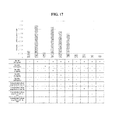
- FIGS. 16 and 17 are results showing the inhibitory effect of IL-1 receptor antagonist-hybrid Fc fusion protein in NF-kB activation up on IL-1 stimulation according to one embodiment of the present disclosure.
- FIG. 18 is a result showing the inhibitory effect of IL-1 receptor antagonist-hybrid Fc fusion protein in NF-kB activation up on IL-1 stimulation according to one embodiment of the present disclosure.
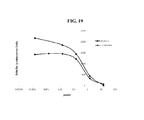
- FIG. 19 is a result showing the inhibitory effect of IL-1 receptor antagonist-hybrid Fc fusion protein in NF-kB activation up on IL-1 stimulation according to one embodiment of the present disclosure.
- FIG. 20 is a result a result showing the inhibitory effect of IL-1 receptor antagonist-hybrid Fc fusion protein in production of Interleukin-8 up on IL-1 stimulation according to one embodiment of the present disclosure.
- FIG. 21 is a result showing the inhibitory effect of IL-1 receptor antagonist-hybrid Fc fusion protein in production of Interleukin-8 up on IL-1 stimulation according to one embodiment of the present disclosure.
- FIG. 22 is a result showing the therapeutic effect of IL-1 receptor antagonist-hybrid Fc fusion protein on the progress of collagen induced arthritis on various concentrations according to one embodiment of the present disclosure.
- the present disclosure relates to a fusion protein comprising a human IL-1 receptor antagonist (IL-1Ra) and a human immunoglobulin hybrid Fc fragment (hybrid Fc) (Refer to FIG. 1 ).
- the IL-1Ra of the present disclosure is a whole protein, which is linked to hybrid Fc through a linker.
- the linker which may be used for the present disclosure includes a synthetic linker, which for example consists of Glycine and Serine amino acids.
- the linker is composed of GGS.
- the hybrid Fc includes from N-terminal to C-terminal, a hinge region, CH2 domain and CH3 domain.
- the hinge region includes a region from IgD
- CH2 domain includes regions derived at least from human IgD and IgG4, and CH3 domain include a region derived at least from human IgG4 CH3 domain.
- Interleukin-1 acts as a crucial inflammatory mediator in amplifying an inflammatory response in the development of autoimmune inflammatory disease. Also IL-1 recruits neutrophils to inflammatory sites and activates macrophages, and activates the growth and differentiation of T and B cells.
- IL-1 receptor antagonist IL-1Ra is a protein naturally found in body that suppresses the IL-1 activity via competitively binding of IL-1 to its receptor.
- Fc derived from IgG1 has been used for the generation of fusion protein with IL-1Ra.
- ADCC antibody dependent cell-mediated cytotoxicity
- CDC Commission-dependent cytotoxicity
- the fusion protein of the present disclosure contains a hybrid Fc which comprises Fc region selected from IgG4 and IgD.
- Fc region selected from IgG4 and IgD The characteristics of the subclasses of IgG and IgD are described in Table 1 below.
- the hybrid Fc of the present disclosure has an favorable conformation resulted from the flexibility of the hinge region derived from IgD and also a reduced side effect due to the lack of Fc gamma Receptor binding region, which acts as a receptor for Fc present in neutrophils.
- IgG4 does not have an effector function such as CDC and thus is able to reduce the unwanted immune responses and also shows an increased half-life and stability resulted from the excellent ability to bind FcRn which is related to recycling of proteins in cells.
- IgG1, IgG2 and IgG4 have a half-life of 21 days compared to other immunoglobulines which have a relatively short half-life of less than a week.
- the fusion protein of the present disclosure comprising Fc selected from IgD and IgG4 shows a favorable efficacy in activity and an increased half-life while having a reduced side effect.
- the IL-1 receptor antagonist-hybrid Fc fusion protein which was produced in mammalian cells such as CHO cells, has a reduced immunogenicity due to glycosylation and absence of abnormal amino acids in contrast to anakinra which are normally produced in Escherichia coli.
- DNA fragment encoding Human IL-1Ra was codon optimized and synthesized in several fragments as indicated below and combined into a full length hIL-1Ra DNA by sewing PCR.
- a DNA encoding IL-1 receptor antagonist-hybrid Fc fusion protein (IL-1Ra-hyFc) was generated by PCR-combining DNA encoding hybrid Fc (hyFc) was provided by Genexine (Korea) and DNA fragment with hIL-1Ra prepared above.
- pAD15 vector containing expression cassette for beta-lactamase and dihydrofolate reductase (DHFR). Both the vector and the DNA fragment encoding IL1-Ra-hyFc as prepared above were digested with EcoRI and XbaI and purified, which were then ligated to obtain a final construct, IL-1Ra-hyFc/pAD15. The ligated product was then transformed into DH5 alpha competent cells and the transformed cells were selected on a plate containing ampicillin. The selected colonies were then used for the DNA sequencing analysis for confirmation.
- DHFR dihydrofolate reductase
- the plasmid constructed in Example 1 was transfected into a mammalian cell line CHO DG44 to confirm the expression of fusion protein.
- CHO DG44 cells were seeded on to a 6 well culture plate. One day after, culture media was changed with fresh media (Minimum Essential Medium Alpha). The DNA and liposomal mixture, PEI (Polyethylenimine) and expression plasmid, IL-1Ra-hyFc/pAD15, were then added into the culture media of CHO DG44 cells as prepared above. The culture media were replaced with fresh one, after 12 hours.
- PEI Polyethylenimine
- expression IL-1Ra-hyFc/pAD15 were then added into the culture media of CHO DG44 cells as prepared above. The culture media were replaced with fresh one, after 12 hours.
- CHO DG44 cells expressing IL1Ra-hyFc fusion protein were selected based on the Hypoxanthine (HT) system.
- CHO DG44 cells transfected with a vector, IL1Ra-hyFc/pAD15 were screened with media lacking HT at 24 hours after the transfection. The media were replaced with fresh one every 3-4 days until colonies were formed, the colonies were picked and transferred into new plates.
- FIG. 3 is a result of western blot analysis with anti-IL1Ra antibody to confirm the expression of IL1Ra-hyFc fusion protein in the selected cells.
- FIG. 3 shows that the cells selected as above successfully expressed and secreted the protein into media as shown in lane 2, and 4. However, the control cells did not produce the protein (lane 1, and 3).
- the clones expressing IL1Ra-hyFc fusion protein were incubated in fresh media for 24 hours, the media of which were then collected and the number of cells was counted.
- the unit cell production of protein was determined by ELISA quantitation kit (Bethyl lab., Inc., E80-104).
- the proteins expressed were confirmed by western blot with anti-IL1ra antibody (abcam, USA).
- the proteins of culture supernatant of the selected clones were separated on 12% SDS-PAGE, then transferred on to the nitrocellulose membrane.
- the Il1ra-hyFc and Il1ra protein was detected with anti-IL1ra antibody. Results are shown in FIG. 5 .
- the fusion protein expressed in each of the cell lines, has a molecular weight of about 55 kDa. When it was compared to hIL-1RA, its molecular weight has increased 30 kDa due to the fusion with the hybrid Fc.
- the supernatant containing IL1Ra-hyFc fusion protein obtained from suspension cell culture was filtered through a cellulose filter (pore size 0.2 ⁇ m) to remove impurities and the filtrated protein were stored at 4° C. or on ice.
- IL1Ra-hyFc protein was purified by affinity chromatography.
- Mobile phase was prepared by loading the Mabselect Sure(GE) into column, a type of antibody affinity column resin which is labeled with Protein A. First of all, buffer A which is used for equilibrating column and composed of 50 mM NaH 2 PO 4 (pH8.0) and 0.1M NaCl was prepared.
- buffer B for elution of bound proteins under acidic condition was composed of 50 mM NaH 2 PO 4 (pH8.0) and 0.1M NaCl (pH3.0).
- buffer C for elution of proteins that remained after the elution with buffer B was composed of 0.5M arginine (pH3.0) and 0.1M NaCl.
- the last buffer D for CIP was composed of 0.5N NaOH.
- Each line of the chromatography system (AKTA Purifier, GE healthcare) was washed with each of buffer A ⁇ D as prepared above and then the antibody affinity chromatography column which was loaded with 20 ml of Mabselect Sure was equipped with the chromatography system, The column was equilibrated with 10 CV (column volume).
- the supernatant contained IL1Ra-hyFc fusion protein was loaded onto the column for purification.
- the bound proteins were eluted using buffer B and collected as an aliquot of 3 ml.
- the purified proteins were electrophoresed on a 12% SDS-PAGE (Sodium Dodecyl-Sulfate Poly Acrylamide Gel Electrophoresis under reducing condition and confirmed the bands corresponding to 50 kDa. And then the fusion protein was quantitated using Bradford protein assay ( FIGS. 6 and 7 ).
- FIG. 6 indicates the chromatogram of the antibody affinity column chromatography as above, and shows that the eluted fusion proteins using buffer B are present in peaks numbered from 30 to 40.
- FIG. 7 a the purified protein sample was analyzed as quantitative and qualitative using 12% SDS-PAGE. The results show that the purified fusion protein which exists in 50 KDa position was obtained almost from eluted peak fraction. The purity was confirmed to be at least 95%.
- FIG. 7 b shows that band position of the fusion protein was confirmed in 150 KDa by using 12% SDS-PAGE under non reducing condition, due to the dimer formation of the fusion protein through disulfide bonds.
- Protein solution obtained from the antibody affinity column chromatography was prepared in 50 mM Tris-HCl (pH8.0) using 1M Tirs-HCl (pH8.0) and incubated at RT for 30 min. Then two volumes of 50 mM Tris-HCl (pH8.0) solution were added to the protein preparation to reduce the NaCl concentration for loading onto the anion exchange chromatography column.
- Equilibration buffer A of 50 mM Tris-HCl (pH8.0) and elution buffer B 50 mM Tris-HCl (pH8.0) of 1M NaCl was added to fill the Anion exchange resin (AKTA Purifier, Q HP, GE) and the protein prepared as above was loaded on the anion exchange column.
- Dimers and multimers of IL-1 receptor antagonist-hybrid Fc fusion protein were eluted with buffer B using a NaCl concentration gradient.
- the dimers were present in the peaks eluting around 300 mM of NaCl ( FIG. 8 a , peak 1) and heterogeneous mixture of dimers and multimers are present in the peaks eluting NaCl concentration above 500 mM ( FIG. 8 a , peak 2).
- Proteins from peaks 1 and 2 show SDS-PAGE analysis under non-reducing condition as shown in FIG. 8 .
- FIG. 9 a shows the result of SDS-PAGE analysis of the peaks from the hydroxyapatite column purification under non reducing condition to confirm the proteins contained in each peaks.
- the purified proteins were quantified using Bradford method and concentrated using ultrafiltration.
- FIGS. 10 to 12 Native gel electrophoresis, western blot, isoelectric focusing, and size exclusion HPLC (SE-HPLC) were performed to characterize the protein purified as above. Results are shown in FIGS. 10 to 12 .
- FIG. 10 a in the non-denaturing electrophoresis using 10% polyacrylamide gel, IL1Ra-hyFc fusion proteins was confirmed to be present as dimer by the 150 kDa band position judged by the molecular weight marker (GE Healthcare, AmershamTM HMW Calibration Kit For Native Electrophoresis).
- FIG. 10 b IL-1Ra-hyFc fusion proteins were confirmed in the western blot analysis using anti-hIL-1RA antibody.
- Theoretical value of isoelectric point of IL-1Ra-hyFc fusion protein is 6.01. In the experiment, the value was in the range from pI 5.3 to 6.0 at the beginning of the purification and became close to the one value as the purification progressed. This indicates the increasing homogeneity in the form.
- SPR surface plasmon resonance
- PBS Phosphate buffered saline
- EDC 1-ethyl-3-dimethylaminopropyl carbodiimide
- NHS N-hydroxy succinimide
- IL1Ra-hyFc fusion protein or hIL-1RA fused with Fc from IgG1 was introduced to the chip to fix the proteins via covalent linkage with the activated amine group followed by additional fixation using ethanol amine.
- hIL-1RI protein was introduced into the chip to measure the resonance unit (RU), which represent the binding affinity. From this results dissociation constant (Kd) was calculated.
- RU resonance unit
- the IL1Ra-hyFc fusion protein has a dissociation constant of 186 pM in comparison to the control which has a dissociation constant of 1.02 nM.
- the results indicate that the present protein has better affinity than that of the control.
- the suppression of T cell proliferation and the secretion of inflammatory cytokines were measured.
- peripheral blood mononuclear cells were isolated from blood. After the PBMC was diluted with RPMI-1640 medium as the concentration of 1 ⁇ 10 5 cells/ml, the cells were stimulated with 100 ng/ml of LPS (lipopolysaccharide) or 1 ⁇ g/ml of anti-CD3 antibody for 3 days in the absence or in the presence of various concentrations of the IL1Ra-hyFc fusion proteins.
- LPS lipopolysaccharide
- the cells were incubated in the presence of 1 mCi [ 3 H]thymidine (NEN, Boston, Ma., USA). After the cells were then transferred onto a nitrocellulose membrane followed by washing, the amount of radioactivity remained on the membrane was measured.
- PBMC peripheral blood mononuclear cells
- PBMC peripheral blood mononuclear cells
- TNF-alpha Tumor necrosis factor-alpha
- RANKL Receptor Activator of Nuclear factor k-B ligand
- VEGF Vascular Endothelial Growth Factor
- FIG. 14 presents that the IL1Ra-hyFc fusion protein suppress the immune response in human T cell or PBMC.
- T cell proliferation was effectively suppressed in the presence of the fusion protein.
- the fusion protein was effectively suppressed the inflammatory cytokines and cytokines which is involved in osteoclasia.
- TBST Tris-Buffered Saline Tween-20
- BSA Bovine serum albumin
- the plate was washed 5 times with TBST and 400 ng/ml of biotin conjugated anti-hIL-1RA polyclonal detection antibody was added to each well and the plate was incubated for 1 hour at 20-25° C. The plate was then washed 5 times with TBST and incubated with 100 ⁇ l of Streptavidin HRP conjugated antibody diluted at a ratio of 1:50000 for 1 hour at 20-25° C. Then the plate was washed 5 times with TBST and 100 ⁇ l of TMB substrate was added to each well and the plate was incubated in the dark for 15 min at RT. The reaction was terminated by adding 100 ⁇ l of stop buffer and the absorbance was measured in a plate reader at 450 nm. The concentration of the protein was calculated as ng/ml by multiplying the value obtained from ELISA by dilution factor.
- FIG. 15 presents the pharmacokinetic data using the fusion protein or anakinra which is commercially available in Europe. As shown in FIG. 15 , the fusion protein remains longer period of time in the blood than that of anakinra.
- Luciferase assay was performed to measure the effect of the fusion protein on blocking the hIL-1beta signal transduction pathway.
- Human IL-1beta activates NFkB by binding to hIL-1 receptor 1 through signal transduction.
- cells expressing hIL-1 receptor 1 were transfected with a luciferase vector having a NFkB binding site.
- the cells treated with hIL-1beta followed by measuring the luciferase expression as the results of NFkB activation.
- the addition of IL-1 RA blocks the luciferase expression by competitive binding to hIL-1 receptor 1 with hIL-1beta.
- the function of the fusion protein in cells was tested on the basis of this scheme.
- HeLa cells (2 ⁇ 10 4 ) were seeded in each well of 48 well plate at 24 hours prior to transfection. Next day, the cells were co-transfected with a firefly luciferase plasmid having a NFkB binding site and a renilla luciferase plasmid having CMV promoter which is used to normalize the result. Three hours after the transfection, cells were replaced with fresh media and stabilized for 24 hours. The varying concentrations of hIL-1 ⁇ were treated alone or co-treated with hIL-1RA (R&D systems) or with anti IL1 Ra-hyFc fusion protein for 6 hours. After that the media was removed and the cells were washed with PBS. After complete removal of PBS, luminescence was measured using Dual-luciferase reporter assay system (Promega, E1960) according to the manufacturer's instruction.
- Dual-luciferase reporter assay system Promega, E1960
- FIGS. 16 and 17 media from the cells that were not treated with any protein and treated with hILRA alone was used as a negative control, and media from the cells treated with hIL-1 ⁇ was used as a positive control.
- FIG. 16 shows that the fusion protein obtained from various cell lines which express the fusion protein exerts comparable or better effect of blocking the signal transduction than that of commercially available hIL1RA.
- FIG. 17 shows that the blocking effect was increased by using the concentrated media derived from cells expressing the fusion protein.
- anakinra protein or hIL-1RI hybrid Fc fusion protein which bind to hIL-1 ⁇ and the present fusion protein was used to compare their effect on suppressing the transduction signaling via hIL-1 ⁇ .
- HeLa cells (2 ⁇ 10 4 ) were seeded in each well of 48 well plate at 24 hours prior to transfection. Next day, the cells were co-transfected with a firefly luciferase plasmid having a NFkB binding site and a renilla luciferase plasmid having CMV promoter which is used to normalize the result. Three hours after the transfection, cells were replaced with fresh media and stabilized for 24 hours. The varying concentrations of hIL-1 ⁇ were treated alone or co-treated with anakinra protein or with hIL-1RI hybrid Fc fusion protein which bind to hIL-1 ⁇ or with the present fusion protein for 6 hours. After that the medium was removed and the cells were washed with PBS. After complete removal of PBS, the luminescence was measured using Dual-luciferase reporter assay system (Promega, E1960) as instructed.
- Dual-luciferase reporter assay system Promega, E1960
- FIGS. 18 and 19 show that the present fusion protein has better effect on blocking the signal transduction than that of hIL-1RI hybrid Fc control. Also FIG. 19 shows that the present fusion protein exerts a better blocking effect compared to that of commercially available hIL-1 RA in cells.
- the level of IL-8 was measured using ELISA to compare the effect of the present fusion protein on inhibiting IL-8 secretion with the effect of anakinra and hIL1RA fused to IgG1 Fc.
- HeLa cells (2 ⁇ 10 4 ) were seeded in each well of 48 well plate at 24 hours prior to transfection. Then the hIL-1 ⁇ were treated alone or co-treated with anakinra or with hIL1RA fused to IgG1 Fc or with the present fusion protein at various concentrations for 24 hours. After the incubation, the media were collected and the amount of IL-8 was measured in each medium using Duoset ELISA development quantitation kit (R&D systems., Inc., DY208) according to the manufacturer's instruction. 100 ⁇ l of coating antibody diluted with coating buffer was added to each well of 96 well plate and the plate was incubated at RT.
- Duoset ELISA development quantitation kit R&D systems., Inc., DY208
- the plate was washed 3 times with TBST and 300 ⁇ l of blocking buffer containing 1% BSA was added to each well and the plate was incubated for 1 hour at RT.
- the plate was then washed 3 times with TBST and 100 ⁇ l of standard solution in two fold serial dilution from 500 pg/ml to 0 pg/ml or the diluted sample were added to each well and the plate was incubated for 2 hour at RT.
- the plate was washed 3 times with TBST and 100 ⁇ l of biotin conjugated anti-hIL-8 detection antibody was added to each well and the plate was incubated for 2 hours. The plate was then washed 3 times with TBST and incubated with 100 ⁇ l of Streptavidin HRP conjugated antibody at a ratio of 1:200 for 20 min at RT. Then the plate was washed 3 times with TBST and 100 ⁇ l of TMB substrate was added to each well and incubated in the dark for 20 min at RT. The reaction was terminated by adding 50 ⁇ l of stop solution and the absorbance was measured in a plate reader at 450 nm. The concentration of IL-8 was calculated as ng/ml by multiplying the value obtained from ELISA by dilution factor.
- FIGS. 20 and 21 show that the present fusion protein has blocking effect of the IL-8 production, a proinflammatory cytokine, by blocking hIL-1beta in cells.
- anakinra and IL-1RA fused to IgG1 Fc were used for comparison.
- FIG. 20 when co-treated with hIL-1beta the present fusion protein exerted a better blocking activity of IL-8 secretion than that of commercially available anakinra.
- FIG. 21 shows that the present fusion protein has better blocking activity than that of the IL-1RA fused to IgG1 Fc.
- mice Six weeks old DBA-1 mouse was treated with 100 mg of bovine type II collagen (CII) and complete Freund's adjuvant (CFA) (Arthrogen-CIA, Redmond, Wash., USA) by subcutaneous injection into the part of the tail for inducing arthritis. After 2 weeks, 100 mg CII and incomplete Freund's adjuvant (DIFCO, Detroit, Mich.) were injected into the hind limb.
- CII bovine type II collagen
- CFA complete Freund's adjuvant
- DIFCO incomplete Freund's adjuvant
- mice was treated with various concentrations of anakinra or the present hIL1RA-hyFc fusion protein every other day for 4 weeks by peritoneal injection.
- To evaluation of the effect on arthritis two independent persons performed the evaluation 3 times a week for 7 weeks after the first injection on the four limbs. The evaluation was rated on a scale of 0-4 and the averaged values were used.
- FIG. 22 shows the effect of the present fusion protein on the arthritis in a collagen induced arthritis mouse model.
- negative control mouse was not treated with the protein and the positive control mouse was treated with IL-1RA, anakinra.
- the present fusion protein successfully suppressed the development of arthritis at the lower concentration than that of hIL-1RA.
Landscapes
- Health & Medical Sciences (AREA)
- Chemical & Material Sciences (AREA)
- Life Sciences & Earth Sciences (AREA)
- Organic Chemistry (AREA)
- Genetics & Genomics (AREA)
- General Health & Medical Sciences (AREA)
- Biochemistry (AREA)
- Medicinal Chemistry (AREA)
- Molecular Biology (AREA)
- Biophysics (AREA)
- Proteomics, Peptides & Aminoacids (AREA)
- Zoology (AREA)
- Gastroenterology & Hepatology (AREA)
- Engineering & Computer Science (AREA)
- Toxicology (AREA)
- Immunology (AREA)
- Bioinformatics & Cheminformatics (AREA)
- Biomedical Technology (AREA)
- Cell Biology (AREA)
- General Engineering & Computer Science (AREA)
- Pharmacology & Pharmacy (AREA)
- Animal Behavior & Ethology (AREA)
- Public Health (AREA)
- Veterinary Medicine (AREA)
- Wood Science & Technology (AREA)
- Biotechnology (AREA)
- Epidemiology (AREA)
- Plant Pathology (AREA)
- Microbiology (AREA)
- Physics & Mathematics (AREA)
- Chemical Kinetics & Catalysis (AREA)
- General Chemical & Material Sciences (AREA)
- Nuclear Medicine, Radiotherapy & Molecular Imaging (AREA)
- Peptides Or Proteins (AREA)
Abstract
Description
| Potential | |||||||
| IgG1 | IgG2 | IgG3 | IgG4 | IgD | Effect | ||
| Flexibility of | +++ | ++ | ++++ | ++ | ++++ | Increase |
| hinge | efficacy | |||||
| Binding | ++++ | +/− | ++++ | ++ | − | Reduced |
| ability of | side | |||||
| macrophages | effects | |||||
| to Fc gamma | ||||||
| receptor | ||||||
| Activation | ++ | + | +++ | − | − | Reduced |
| of | side | |||||
| complement | effects | |||||
| system | ||||||
| Binding | ++++ | ++++ | − | ++++ | − | Increased |
| activity to | half life | |||||
| FcRn | ||||||
| In vivo half | 21 | 21 | 7 | 21 | 3 | — |
| life (Days) | ||||||
| F-1: | |
| gcc acc atg gag atc tgc agg ggc ctg agg tcc cac ctg atc acc ctg ctg ctg ttc ctg ttc cac | |
| tcc gag acc atc tgc agg ccc tcc ggc agg aag tcc tcc aag atg cag gcc | |
| R-2: | |
| gat ggg cac cac gtc gat ctt ctc ctc cag gtt cac gtt ggg gcc ctg cag gta gcc ggc cac | |
| cag ctg gtt gtt cct cag gta gaa ggt ctt ctg gtt cac gtc cca gat cct gaa ggc ctg cat ctt gga | |
| gga ctt | |
| F-3: | |
| aag atc gac gtg gtg ccc atc gag ccc cac gcc ctg ttc ctg ggc atc cac ggc ggc aag atg | |
| tgc ctg tcc tgc gtg aag tcc ggc gac gag acc agg ctg cag ctg gag gcc gtg aac atc acc gac | |
| ctg tcc gag aac agg aag | |
| R-4: | |
| gga cac ggg ctg gtc ggc ctc cat ggc ggt gca cag gaa cca gcc ggg gca ggc ggc gga | |
| ctc gaa gga ggt ggt ggg gcc gga gtc gga cct gat gaa ggc gaa cct ctt gtc ctg ctt cct att ctc | |
| gga cag gtc | |
| F-5: | |
| gcc gac cag ccc gtg tcc ctg acc aac atg ccc gac gag ggc gtg atg gtg acc aag ttc tac | |
| ttc cag gag gac gag ggc ggc tcc cgc aac acc ggc cgc ggc |
- The Sequences F-1 to F-5 encoding part of hIL-1Ra indicated as above are disclosed as SEQ ID NOs: 1 to 5, respectively.
- The entire sequences of final IL-1 RA synthesized are indicated as below, which is disclosed as SEQ ID NO: 7.
| atg gag atc tgc agg ggc ctg agg tcc cac ctg atc acc ctg ctg ctg ttc ctg ttc cac tcc gag acc | |
| atc tgc agg ccc tcc ggc agg aag tcc tcc aag atg cag gcc ttc agg atc tgg gac gtg aac cag | |
| aag acc ttc tac ctg agg aac aac cag ctg gtg gcc ggc tac ctg cag ggc ccc aac gtg aac ctg | |
| gag gag aag atc gac gtg gtg ccc ate gag ccc cac gcc ctg ttc ctg ggc atc cac ggc ggc aag | |
| atg tgc ctg tcc tgc gtg aag tcc ggc gac gag acc agg ctg cag ctg gag gcc gtg aac atc acc | |
| gac ctg tcc gag aat agg aag cag gac aag agg ttc gcc ttc atc agg tcc gac tcc ggc ccc acc | |
| acc tcc ttc gag tcc gcc gcc tgc ccc ggc tgg ttc ctg tgc acc gcc atg gag gcc gac cag ccc gtg | |
| tcc ctg acc aac atg ccc gac gag ggc gtg atg gtg acc aag ttc tac ttc cag gag gac gag ggc | |
| ggc tcc cgc aac acc ggc cgc ggc ggc gag gag aag aag aag gag aag gag aag gag gag cag | |
| gag gag cgc gag acc aag ace ccc gag tgc ccc agc cac ace cag ccc ctg ggc gtg ttc ctg ttc | |
| ccc ccc aag ccc aag gac acc ctg atg atc agc cgc acc ccc gag gtg acc tgc gtg gtc gtg gat | |
| gtg agc cag gaa gat ccc gaa gtg cag ttc aac tgg tac gtg gat ggc gtg gaa gtg cac aac gcc | |
| aag acc aag ccc aga gaa gag cag ttc aac tcc acc tac aga gtg gtg agc gtg ctg acc gtg ctg | |
| cac cag gac tgg ctg aac ggc aag gag tac aag tgc aag gtg tcc aac aaa ggc ctg ccc agc tcc | |
| atc gag aag acc atc agc aaa gcc aaa ggc cag ccc aga gaa ccc cag gtg tac acc ctg cct ccc | |
| agc cag gaa gag atg acc aag aac cag gtg tcc ctg ace tgc ctg gtg aaa ggc ttc tac ccc agc | |
| gac atc gcc gtg gag |
- The amino acid sequence of the present IL-1 receptor antagonist-hybrid Fc fusion protein is disclosed as SEQ ID NO:7.
-
FIG. 2 shows a map of the plasmid IL-1Ra-hyFc/pAD15 constructed herein having 6610 bps in size.
Claims (4)
Applications Claiming Priority (5)
| Application Number | Priority Date | Filing Date | Title |
|---|---|---|---|
| KR20100102492 | 2010-10-20 | ||
| KR10-2010-0102492 | 2010-10-20 | ||
| PCT/KR2011/007809 WO2012053828A2 (en) | 2010-10-20 | 2011-10-19 | Human interleukin-1 receptor antagonist - hybrid fc fusion protein |
| KR10-2011-0107194 | 2011-10-19 | ||
| KR1020110107194A KR101333958B1 (en) | 2010-10-20 | 2011-10-19 | Human Interleukin-1 receptor antagonist-hybrid Fc fusion protein |
Publications (2)
| Publication Number | Publication Date |
|---|---|
| US20130217864A1 US20130217864A1 (en) | 2013-08-22 |
| US8883134B2 true US8883134B2 (en) | 2014-11-11 |
Family
ID=46140807
Family Applications (1)
| Application Number | Title | Priority Date | Filing Date |
|---|---|---|---|
| US13/880,175 Active US8883134B2 (en) | 2010-10-20 | 2011-10-19 | Human interleukin-1 receptor antagonist—hybrid Fc fusion protein |
Country Status (2)
| Country | Link |
|---|---|
| US (1) | US8883134B2 (en) |
| KR (1) | KR101333958B1 (en) |
Cited By (17)
| Publication number | Priority date | Publication date | Assignee | Title |
|---|---|---|---|---|
| WO2017142331A1 (en) * | 2016-02-17 | 2017-08-24 | Genexine, Inc. | Pharmaceutical composition comprising recombinant hgh for the treatment of growth hormone deficiency |
| WO2018175993A1 (en) * | 2017-03-24 | 2018-09-27 | Orpheus Bioscience Inc. | Pantids for treatment of autoimmune disorders |
| US10654887B2 (en) | 2016-05-11 | 2020-05-19 | Ge Healthcare Bio-Process R&D Ab | Separation matrix |
| US10711035B2 (en) | 2016-05-11 | 2020-07-14 | Ge Healthcare Bioprocess R&D Ab | Separation matrix |
| US10730908B2 (en) | 2016-05-11 | 2020-08-04 | Ge Healthcare Bioprocess R&D Ab | Separation method |
| WO2020231199A1 (en) * | 2019-05-14 | 2020-11-19 | 주식회사 프로젠 | Novel modified immunoglobulin fc-fusion protein and use thereof |
| US10889615B2 (en) | 2016-05-11 | 2021-01-12 | Cytiva Bioprocess R&D Ab | Mutated immunoglobulin-binding polypeptides |
| US11566082B2 (en) | 2014-11-17 | 2023-01-31 | Cytiva Bioprocess R&D Ab | Mutated immunoglobulin-binding polypeptides |
| US11623941B2 (en) | 2016-09-30 | 2023-04-11 | Cytiva Bioprocess R&D Ab | Separation method |
| US11708390B2 (en) | 2016-05-11 | 2023-07-25 | Cytiva Bioprocess R&D Ab | Method of storing a separation matrix |
| US11753438B2 (en) | 2016-05-11 | 2023-09-12 | Cytiva Bioprocess R&D Ab | Method of cleaning and/or sanitizing a separation matrix |
| RU2821896C1 (en) * | 2023-12-19 | 2024-06-27 | Общество с ограниченной ответственностью "Пальмира Биофарма" (ООО Пальмира Биофарма") | NUCLEOTIDE SEQUENCE CODING FUSED PROTEIN CONSISTING OF FUNCTIONAL FRAGMENT OF HUMAN IL-1RA AND CONSTANT PART OF HEAVY CHAIN OF HUMAN IgG4 |
| US12134633B2 (en) | 2016-05-11 | 2024-11-05 | Cytiva Bioprocess R&D Ab | Separation matrix |
| US12233113B2 (en) | 2016-02-17 | 2025-02-25 | Genexine, Inc. | Pharmaceutical composition comprising recombinant hGH for the treatment of growth hormone deficiency |
| WO2025136138A1 (en) * | 2023-12-19 | 2025-06-26 | Общество с ограниченной ответственностью "Пальмира Биофарма" | Fusion protein consisting of a fragment of il-ra and the fc fragment of igg4 |
| US12427186B2 (en) | 2016-08-30 | 2025-09-30 | Genexine, Inc. | Method for treating growth hormone deficiency employing hGH fusion protein |
| US12448411B2 (en) | 2016-09-30 | 2025-10-21 | Cytiva Bioprocess R&D Ab | Separation method |
Families Citing this family (18)
| Publication number | Priority date | Publication date | Assignee | Title |
|---|---|---|---|---|
| AR096890A1 (en) * | 2013-07-12 | 2016-02-03 | Hanmi Pharm Ind Co Ltd | CONJUGATING FC OF IMMUNOGLOBULINA, THAT MAINTAINS THE UNION AFFINITY OF THE FC FRAGMENT OF THE IMMUNOGLOBULIN TO FCRN |
| KR20150135148A (en) * | 2014-05-23 | 2015-12-02 | 주식회사 제넥신 | PD-L1 Fused protein and use thereof |
| AU2015364396B2 (en) * | 2014-12-19 | 2018-08-09 | Alkermes, Inc. | Single chain Fc fusion proteins |
| KR101825048B1 (en) * | 2014-12-31 | 2018-02-05 | 주식회사 제넥신 | Fusion Polypeptide Comprising GLP and Immunoglobulin Hybrid Fc and use thereof |
| CN114853873B (en) | 2015-06-11 | 2025-01-28 | 格纳西尼有限公司 | Modified interleukin-7 protein and its use |
| KR102147997B1 (en) * | 2015-10-23 | 2020-08-25 | 주식회사 제넥신 | Composition for improving skin wrinkle |
| KR102386735B1 (en) | 2015-11-06 | 2022-04-14 | 주식회사 제넥신 | Formulation for modified interleukin-7 fusion protein |
| US11357827B2 (en) | 2015-12-04 | 2022-06-14 | Genexine, Inc. | Method for preventing or treating influenza virus infection using pharmaceutical composition comprising immunoglobulin Fc-fused interleukin-7 fusion protein |
| US11708399B2 (en) | 2015-12-04 | 2023-07-25 | Genexine, Inc. | Pharmaceutical composition comprising immunoglobulin Fc-fused interleukin-7 fusion protein for preventing or treating human papillomavirus-caused diseases |
| WO2018005226A2 (en) | 2016-06-22 | 2018-01-04 | Alkermes, Inc. | Compositions and methods for modulating il-10 immunostimulatory and anti-inflammatory properties |
| JP7165410B2 (en) * | 2016-08-19 | 2022-11-04 | ユニバーシティ オブ フロリダ リサーチ ファウンデーション,インコーポレイティド | Methods and compositions for treating disease using recombinant self-complementary adeno-associated viruses |
| KR20190088561A (en) | 2016-12-07 | 2019-07-26 | 유니버시티 오브 플로리다 리서치 파운데이션, 인코포레이티드 | Interleukin-1 receptor antagonist (IL-1RA) cDNA |
| CN110799534B (en) * | 2017-04-18 | 2023-05-12 | 古德T细胞有限公司 | Specific binding molecule of LRIG-1 protein and use thereof |
| KR102561135B1 (en) | 2019-07-08 | 2023-07-31 | (주)지아이이노베이션 | POLYPEPTIDE DIMER COMPRISING EXTRACELLULAR DOMAIN OF ALPHA SUBUNIT OF IgE Fc RECEPTOR WITH HIGH CONTENT OF SIALIC ACID AND PHARMACEUTICAL COMPOSITION COMPRISING THE SAME |
| JP2023502712A (en) * | 2019-11-21 | 2023-01-25 | インサーム(インスティテュ ナシオナル ドゥ ラ サンテ エ ドゥ ラ ルシェルシェ メディカル) | Novel PD-1-targeted immunotherapy with anti-PD-1/IL-15 immunocytokines |
| FI4065585T3 (en) | 2019-11-25 | 2025-09-26 | Alkermes Inc | Substituted macrocyclic compounds and related methods of treatment |
| US11760747B2 (en) | 2020-12-21 | 2023-09-19 | Alkermes, Inc. | Substituted piperidino compounds and related methods of treatment |
| US20250099548A1 (en) * | 2022-01-10 | 2025-03-27 | Gi Innovation, Inc. | Pharmaceutical composition for preventing or treating degenerative brain diseases, containing glucagon-like peptide-1 and interleukin-1 receptor antagonist |
Citations (13)
| Publication number | Priority date | Publication date | Assignee | Title |
|---|---|---|---|---|
| US5116964A (en) * | 1989-02-23 | 1992-05-26 | Genentech, Inc. | Hybrid immunoglobulins |
| US6294170B1 (en) * | 1997-08-08 | 2001-09-25 | Amgen Inc. | Composition and method for treating inflammatory diseases |
| US6337072B1 (en) * | 1998-04-03 | 2002-01-08 | Hyseq, Inc. | Interleukin-1 receptor antagonist and recombinant production thereof |
| WO2004060911A2 (en) * | 2002-12-30 | 2004-07-22 | Amgen Inc. | Combination therapy with co-stimulatory factors |
| KR20050047032A (en) | 2003-11-13 | 2005-05-19 | 한미약품 주식회사 | Protein complex using an immunoglobulin fragment and method for the preparation thereof |
| US7148321B2 (en) | 2001-03-07 | 2006-12-12 | Emd Lexigen Research Center Corp. | Expression technology for proteins containing a hybrid isotype antibody moiety |
| WO2007056812A1 (en) * | 2005-11-16 | 2007-05-24 | Apollo Life Sciences Limited | A molecule and chimeric molecules thereof |
| KR20070086896A (en) | 2004-12-02 | 2007-08-27 | 도만티스 리미티드 | Anti-il-1r1 single domain antibodies and therapeutic uses |
| KR20080077237A (en) | 2005-12-01 | 2008-08-21 | 도만티스 리미티드 | Competitive domain antibody format that binds interleukin 1 receptor type 1 |
| US20100330108A1 (en) | 2003-11-13 | 2010-12-30 | Hanmi Pharmaceutical Co., Ltd. | Pharmaceutical composition for treating obesity-related disease comprising insulinotropic peptide conjugate |
| US20110091416A1 (en) | 2007-05-30 | 2011-04-21 | Genexine Co., Ltd | Immunoglobulin fusion proteins |
| US8110665B2 (en) | 2003-11-13 | 2012-02-07 | Hanmi Holdings Co., Ltd. | Pharmaceutical composition comprising an immunoglobulin FC region as a carrier |
| US20120114651A1 (en) | 2005-10-24 | 2012-05-10 | De Wildt Rudolf M T | Methods for targeting pulmonary diseases with agents that bind a target in pulmonary tissue |
-
2011
- 2011-10-19 US US13/880,175 patent/US8883134B2/en active Active
- 2011-10-19 KR KR1020110107194A patent/KR101333958B1/en active Active
Patent Citations (17)
| Publication number | Priority date | Publication date | Assignee | Title |
|---|---|---|---|---|
| US5116964A (en) * | 1989-02-23 | 1992-05-26 | Genentech, Inc. | Hybrid immunoglobulins |
| US6294170B1 (en) * | 1997-08-08 | 2001-09-25 | Amgen Inc. | Composition and method for treating inflammatory diseases |
| US6337072B1 (en) * | 1998-04-03 | 2002-01-08 | Hyseq, Inc. | Interleukin-1 receptor antagonist and recombinant production thereof |
| US8066994B2 (en) | 2001-03-07 | 2011-11-29 | Merck Patent Gmbh | Proteins comprising an IgG2 domain |
| US7148321B2 (en) | 2001-03-07 | 2006-12-12 | Emd Lexigen Research Center Corp. | Expression technology for proteins containing a hybrid isotype antibody moiety |
| EP1366067B1 (en) | 2001-03-07 | 2012-09-26 | Merck Patent GmbH | Expression technology for proteins containing a hybrid isotype antibody moiety |
| WO2004060911A2 (en) * | 2002-12-30 | 2004-07-22 | Amgen Inc. | Combination therapy with co-stimulatory factors |
| KR20050047032A (en) | 2003-11-13 | 2005-05-19 | 한미약품 주식회사 | Protein complex using an immunoglobulin fragment and method for the preparation thereof |
| US20100330108A1 (en) | 2003-11-13 | 2010-12-30 | Hanmi Pharmaceutical Co., Ltd. | Pharmaceutical composition for treating obesity-related disease comprising insulinotropic peptide conjugate |
| US8110665B2 (en) | 2003-11-13 | 2012-02-07 | Hanmi Holdings Co., Ltd. | Pharmaceutical composition comprising an immunoglobulin FC region as a carrier |
| KR20070086896A (en) | 2004-12-02 | 2007-08-27 | 도만티스 리미티드 | Anti-il-1r1 single domain antibodies and therapeutic uses |
| US20120114651A1 (en) | 2005-10-24 | 2012-05-10 | De Wildt Rudolf M T | Methods for targeting pulmonary diseases with agents that bind a target in pulmonary tissue |
| WO2007056812A1 (en) * | 2005-11-16 | 2007-05-24 | Apollo Life Sciences Limited | A molecule and chimeric molecules thereof |
| KR20080077237A (en) | 2005-12-01 | 2008-08-21 | 도만티스 리미티드 | Competitive domain antibody format that binds interleukin 1 receptor type 1 |
| US20080311111A1 (en) | 2005-12-01 | 2008-12-18 | Drew Philip D | Competitive Domain Antibody Formats That Bind Interleukin 1 Receptor Type 1 |
| US20110091416A1 (en) | 2007-05-30 | 2011-04-21 | Genexine Co., Ltd | Immunoglobulin fusion proteins |
| US20120276097A1 (en) | 2007-05-30 | 2012-11-01 | Postech Academy-Industry Foundation Of Pohang University Of Science And Technology (Postech) | Immunoglobulin fusion proteins |
Non-Patent Citations (6)
| Title |
|---|
| Alain Beck and Janice M Reichert "Therapeutic Fc-fusion proteins and peptides as successful alternatives to antibodies" Landes Bioscience, mAbs 3:5, 415-416; Sep./Oct. 2011. |
| B Bresnihan "Effects of anakinra on clinical and radiological outcomes in rheumatoid arthritis" Ann Rheum Dis 2002;61(Suppl II):ii74-ii77. |
| Bresnihan, "Effects of anakinra on clinical and radiological outcomes in rheumatoid arthritis", Ann Rheum Dis, vol. 61, Suppl II, pp. ii74-ii77, (2002). |
| E. William St. Clair "Tides of Inflammation: Impact of Biologics" The Journal of Rheumatology 2002, vol. 29, Supplement 65. |
| Mohammed F. Shamji "Development and Characterization of a Fusion Protein Between Thermally Responsive Elastin-like Polypeptide and Interleukin-1 Receptor Antagonist" 2007, American College of Rheumatology. Arthritis & Rheumatism vol. 56, No. 11, Nov. 2007, pp. 3650-3661. |
| Zoey L. Fredericks et al. "Identification of potent human anti-IL-1RI antagonist antibodies" Protein Engineering, Design & Selection vol. 17 No. 1 pp. 95-06, 2004. |
Cited By (26)
| Publication number | Priority date | Publication date | Assignee | Title |
|---|---|---|---|---|
| US12221492B2 (en) | 2014-11-17 | 2025-02-11 | Cytiva Bioprocess R&D Ab | Mutated immunoglobulin-binding polypeptides |
| US11566082B2 (en) | 2014-11-17 | 2023-01-31 | Cytiva Bioprocess R&D Ab | Mutated immunoglobulin-binding polypeptides |
| WO2017142331A1 (en) * | 2016-02-17 | 2017-08-24 | Genexine, Inc. | Pharmaceutical composition comprising recombinant hgh for the treatment of growth hormone deficiency |
| US12233113B2 (en) | 2016-02-17 | 2025-02-25 | Genexine, Inc. | Pharmaceutical composition comprising recombinant hGH for the treatment of growth hormone deficiency |
| US10711035B2 (en) | 2016-05-11 | 2020-07-14 | Ge Healthcare Bioprocess R&D Ab | Separation matrix |
| US10730908B2 (en) | 2016-05-11 | 2020-08-04 | Ge Healthcare Bioprocess R&D Ab | Separation method |
| US11753438B2 (en) | 2016-05-11 | 2023-09-12 | Cytiva Bioprocess R&D Ab | Method of cleaning and/or sanitizing a separation matrix |
| US10889615B2 (en) | 2016-05-11 | 2021-01-12 | Cytiva Bioprocess R&D Ab | Mutated immunoglobulin-binding polypeptides |
| US10995113B2 (en) | 2016-05-11 | 2021-05-04 | Cytiva Bioprocess R&D Ab | Separation matrix |
| US12134633B2 (en) | 2016-05-11 | 2024-11-05 | Cytiva Bioprocess R&D Ab | Separation matrix |
| US12037359B2 (en) | 2016-05-11 | 2024-07-16 | Cytiva Bioprocess R&D Ab | Mutated immunoglobulin-binding polypeptides |
| US10654887B2 (en) | 2016-05-11 | 2020-05-19 | Ge Healthcare Bio-Process R&D Ab | Separation matrix |
| US11667671B2 (en) | 2016-05-11 | 2023-06-06 | Cytiva Bioprocess R&D Ab | Separation method |
| US11685764B2 (en) | 2016-05-11 | 2023-06-27 | Cytiva Bioprocess R&D Ab | Separation matrix |
| US11708390B2 (en) | 2016-05-11 | 2023-07-25 | Cytiva Bioprocess R&D Ab | Method of storing a separation matrix |
| US12427186B2 (en) | 2016-08-30 | 2025-09-30 | Genexine, Inc. | Method for treating growth hormone deficiency employing hGH fusion protein |
| US11623941B2 (en) | 2016-09-30 | 2023-04-11 | Cytiva Bioprocess R&D Ab | Separation method |
| US12448411B2 (en) | 2016-09-30 | 2025-10-21 | Cytiva Bioprocess R&D Ab | Separation method |
| JP2020515289A (en) * | 2017-03-24 | 2020-05-28 | オルフェウス バイオサイエンス インコーポレイテッド | PANTID for treatment of autoimmune disorders |
| WO2018175993A1 (en) * | 2017-03-24 | 2018-09-27 | Orpheus Bioscience Inc. | Pantids for treatment of autoimmune disorders |
| KR20220080221A (en) * | 2019-05-14 | 2022-06-14 | 주식회사 프로젠 | A novel modified immunoglobulin Fc fusion protein and use thereof |
| KR20210155395A (en) * | 2019-05-14 | 2021-12-22 | 주식회사 프로젠 | Novel modified immunoglobulin FC fusion protein and uses thereof |
| WO2020231199A1 (en) * | 2019-05-14 | 2020-11-19 | 주식회사 프로젠 | Novel modified immunoglobulin fc-fusion protein and use thereof |
| US12545713B2 (en) | 2019-05-14 | 2026-02-10 | Progen Co., Ltd. | Modified immunoglobulin Fc-fusion protein and use thereof |
| RU2821896C1 (en) * | 2023-12-19 | 2024-06-27 | Общество с ограниченной ответственностью "Пальмира Биофарма" (ООО Пальмира Биофарма") | NUCLEOTIDE SEQUENCE CODING FUSED PROTEIN CONSISTING OF FUNCTIONAL FRAGMENT OF HUMAN IL-1RA AND CONSTANT PART OF HEAVY CHAIN OF HUMAN IgG4 |
| WO2025136138A1 (en) * | 2023-12-19 | 2025-06-26 | Общество с ограниченной ответственностью "Пальмира Биофарма" | Fusion protein consisting of a fragment of il-ra and the fc fragment of igg4 |
Also Published As
| Publication number | Publication date |
|---|---|
| KR101333958B1 (en) | 2013-11-27 |
| US20130217864A1 (en) | 2013-08-22 |
| KR20120041139A (en) | 2012-04-30 |
Similar Documents
| Publication | Publication Date | Title |
|---|---|---|
| US8883134B2 (en) | Human interleukin-1 receptor antagonist—hybrid Fc fusion protein | |
| US11357826B2 (en) | IL-10 EGFR antibody fusion protein and uses thereof | |
| JP7827324B2 (en) | Interleukin-2 variants and methods of use thereof | |
| EP2697257B1 (en) | Fc fusion proteins comprising novel linkers or arrangements | |
| US11667704B2 (en) | Anti-IL-17 antibody/TNFR ECD fusion protein and use thereof | |
| CA3193654A1 (en) | Methods of using activin receptor type ii variants | |
| JP2022514187A (en) | Multimer hybrid Fc protein for the replacement of IVIG | |
| CN107207623A (en) | Fc merges high-cutting slope along road α chains | |
| CA3251039A1 (en) | Novel cd200 fusion proteins | |
| JP2025540182A (en) | TACI-FC fusion protein for multifunctional inhibition of BAFF, APRIL, and neonatal FC receptors - Patent Application 20070122999 | |
| WO2012053828A9 (en) | Human interleukin-1 receptor antagonist - hybrid fc fusion protein | |
| US20220332847A1 (en) | RECOMBINANT IgG Fc MULTIMERS FOR THE TREATMENT OF IMMUNE COMPLEX-MEDIATED KIDNEY DISORDERS | |
| CN121605120A (en) | CD200 fusion proteins | |
| CN111100211A (en) | Fc fusion protein and application thereof | |
| HK1244016B (en) | Fc fusion high affinity ige receptor α-chain |
Legal Events
| Date | Code | Title | Description |
|---|---|---|---|
| AS | Assignment |
Owner name: HANDOK PHARMACEUTICALS CO., LTD., KOREA, REPUBLIC Free format text: ASSIGNMENT OF ASSIGNORS INTEREST;ASSIGNORS:CHO, YOUNG GYU;SHIN, HYE JEONG;LEE, WOON YOUNG;AND OTHERS;SIGNING DATES FROM 20130218 TO 20130220;REEL/FRAME:030242/0507 |
|
| AS | Assignment |
Owner name: GENEXINE CO., LTD. (20%), KOREA, REPUBLIC OF Free format text: ASSIGNMENT OF ASSIGNORS INTEREST;ASSIGNOR:HANDOK PHARMACEUTICALS CO., INC.;REEL/FRAME:033463/0383 Effective date: 20140801 Owner name: HANDOK PHARMACEUTICALS CO., INC. (80%), KOREA, REP Free format text: ASSIGNMENT OF ASSIGNORS INTEREST;ASSIGNOR:HANDOK PHARMACEUTICALS CO., INC.;REEL/FRAME:033463/0383 Effective date: 20140801 Owner name: HANDOK PHARMACEUTICALS CO., INC., KOREA, REPUBLIC Free format text: CHANGE OF NAME;ASSIGNORS:CHO, YOUNG GYU;SHIN, HYE JEONG;LEE, WOON YOUNG;AND OTHERS;SIGNING DATES FROM 20130218 TO 20130220;REEL/FRAME:033463/0223 |
|
| AS | Assignment |
Owner name: HANDOK PHARMACEUTICALS, INC. (80%), KOREA, REPUBLI Free format text: CORRECTIVE ASSIGNMENT TO CORRECT THE ASSIGNOR NAME AND THE FIRST ASSIGNEE NAME PREVIOUSLY RECORDED AT REEL: 033463 FRAME: 0383. ASSIGNOR(S) HEREBY CONFIRMS THE ASSIGNMENT;ASSIGNOR:HANDOK PHARMACEUTICALS, INC.;REEL/FRAME:033523/0256 Effective date: 20140801 Owner name: GENEXINE CO., LTD. (20%), KOREA, REPUBLIC OF Free format text: CORRECTIVE ASSIGNMENT TO CORRECT THE ASSIGNOR NAME AND THE FIRST ASSIGNEE NAME PREVIOUSLY RECORDED AT REEL: 033463 FRAME: 0383. ASSIGNOR(S) HEREBY CONFIRMS THE ASSIGNMENT;ASSIGNOR:HANDOK PHARMACEUTICALS, INC.;REEL/FRAME:033523/0256 Effective date: 20140801 Owner name: HANDOK PHARMACEUTICALS, INC., KOREA, REPUBLIC OF Free format text: CORRECTIVE ASSIGNMENT TO CORRECT THE ASSIGNEE NAME PREVIOUSLY RECORDED AT REEL: 033463 FRAME: 0223. ASSIGNOR(S) HEREBY CONFIRMS THE ASSIGNMENT;ASSIGNORS:CHO, YOUNG GYU;SHIN, HYE JEONG;LEE, WOON YOUNG;AND OTHERS;SIGNING DATES FROM 20130218 TO 20130220;REEL/FRAME:033523/0198 |
|
| AS | Assignment |
Owner name: GENEXINE, INC. (20%), KOREA, REPUBLIC OF Free format text: CHANGE OF NAME AND ADDRESS OF SECOND ASSIGNEE;ASSIGNOR:HANDOK PHARMACEUTICALS, INC.;REEL/FRAME:033569/0812 Effective date: 20140801 Owner name: HANDOK PHARMACEUTICALS, INC. (80%), KOREA, REPUBLI Free format text: CHANGE OF NAME AND ADDRESS OF SECOND ASSIGNEE;ASSIGNOR:HANDOK PHARMACEUTICALS, INC.;REEL/FRAME:033569/0812 Effective date: 20140801 |
|
| STCF | Information on status: patent grant |
Free format text: PATENTED CASE |
|
| FEPP | Fee payment procedure |
Free format text: PAYOR NUMBER ASSIGNED (ORIGINAL EVENT CODE: ASPN); ENTITY STATUS OF PATENT OWNER: LARGE ENTITY |
|
| MAFP | Maintenance fee payment |
Free format text: PAYMENT OF MAINTENANCE FEE, 4TH YEAR, LARGE ENTITY (ORIGINAL EVENT CODE: M1551) Year of fee payment: 4 |
|
| MAFP | Maintenance fee payment |
Free format text: PAYMENT OF MAINTENANCE FEE, 8TH YEAR, LARGE ENTITY (ORIGINAL EVENT CODE: M1552); ENTITY STATUS OF PATENT OWNER: LARGE ENTITY Year of fee payment: 8 |
|
| MAFP | Maintenance fee payment |
Free format text: PAYMENT OF MAINTENANCE FEE, 12TH YEAR, LARGE ENTITY (ORIGINAL EVENT CODE: M1553); ENTITY STATUS OF PATENT OWNER: LARGE ENTITY Year of fee payment: 12 |