US8822539B2 - Combination therapies: inhibitors of GABA transaminase and NKCC1 - Google Patents
Combination therapies: inhibitors of GABA transaminase and NKCC1 Download PDFInfo
- Publication number
- US8822539B2 US8822539B2 US13/069,311 US201113069311A US8822539B2 US 8822539 B2 US8822539 B2 US 8822539B2 US 201113069311 A US201113069311 A US 201113069311A US 8822539 B2 US8822539 B2 US 8822539B2
- Authority
- US
- United States
- Prior art keywords
- vigabatrin
- nkcc1
- bumetanide
- inhibitor
- gaba
- Prior art date
- Legal status (The legal status is an assumption and is not a legal conclusion. Google has not performed a legal analysis and makes no representation as to the accuracy of the status listed.)
- Expired - Fee Related, expires
Links
- MNAOBSYJFSZXSX-UHFFFAOYSA-N C#CC(N)CCC(=O)O.C=CC(N)CCC(=O)O.CCCC(CCC)C(=O)O.NCCCC(=O)O.NCCOS(=O)(=O)O.NOCC(=O)O Chemical compound C#CC(N)CCC(=O)O.C=CC(N)CCC(=O)O.CCCC(CCC)C(=O)O.NCCCC(=O)O.NCCOS(=O)(=O)O.NOCC(=O)O MNAOBSYJFSZXSX-UHFFFAOYSA-N 0.000 description 1
- VAZWWLRYJHIUFY-UXLCJKOSSA-N C=C1C[C@H](C(=O)O)C[C@@H]1N.C=C1C[C@H](C(=O)O)C[C@H]1N.N[C@@H]1C[C@@H](C(=O)O)CC1=C(F)F.N[C@H]1C[C@@H](C(=O)O)C/C1=C/F.N[C@H]1C[C@@H](C(=O)O)C/C1=C\F.N[C@H]1C[C@@H](C(=O)O)CC1=C(F)F Chemical compound C=C1C[C@H](C(=O)O)C[C@@H]1N.C=C1C[C@H](C(=O)O)C[C@H]1N.N[C@@H]1C[C@@H](C(=O)O)CC1=C(F)F.N[C@H]1C[C@@H](C(=O)O)C/C1=C/F.N[C@H]1C[C@@H](C(=O)O)C/C1=C\F.N[C@H]1C[C@@H](C(=O)O)CC1=C(F)F VAZWWLRYJHIUFY-UXLCJKOSSA-N 0.000 description 1
- UTFGVLKVPOMEEU-UHFFFAOYSA-N C=CC(=O)C1=CC=C(O)C=C1.O=C(CCCl)C1=CC=C(O)C=C1.O=CC1=CC=C(O)C=C1 Chemical compound C=CC(=O)C1=CC=C(O)C=C1.O=C(CCCl)C1=CC=C(O)C=C1.O=CC1=CC=C(O)C=C1 UTFGVLKVPOMEEU-UHFFFAOYSA-N 0.000 description 1
- APTISCNWHNYPDY-UHFFFAOYSA-N NC(C#CF)CCC(=O)O.NC(C=C(F)F)CCC(=O)O Chemical compound NC(C#CF)CCC(=O)O.NC(C=C(F)F)CCC(=O)O APTISCNWHNYPDY-UHFFFAOYSA-N 0.000 description 1
Classifications
-
- A—HUMAN NECESSITIES
- A61—MEDICAL OR VETERINARY SCIENCE; HYGIENE
- A61K—PREPARATIONS FOR MEDICAL, DENTAL OR TOILETRY PURPOSES
- A61K31/00—Medicinal preparations containing organic active ingredients
- A61K31/185—Acids; Anhydrides, halides or salts thereof, e.g. sulfur acids, imidic, hydrazonic or hydroximic acids
- A61K31/19—Carboxylic acids, e.g. valproic acid
- A61K31/195—Carboxylic acids, e.g. valproic acid having an amino group
- A61K31/197—Carboxylic acids, e.g. valproic acid having an amino group the amino and the carboxyl groups being attached to the same acyclic carbon chain, e.g. gamma-aminobutyric acid [GABA], beta-alanine, epsilon-aminocaproic acid or pantothenic acid
-
- A—HUMAN NECESSITIES
- A61—MEDICAL OR VETERINARY SCIENCE; HYGIENE
- A61K—PREPARATIONS FOR MEDICAL, DENTAL OR TOILETRY PURPOSES
- A61K31/00—Medicinal preparations containing organic active ingredients
- A61K31/33—Heterocyclic compounds
- A61K31/395—Heterocyclic compounds having nitrogen as a ring hetero atom, e.g. guanethidine or rifamycins
- A61K31/435—Heterocyclic compounds having nitrogen as a ring hetero atom, e.g. guanethidine or rifamycins having six-membered rings with one nitrogen as the only ring hetero atom
- A61K31/44—Non condensed pyridines; Hydrogenated derivatives thereof
-
- A—HUMAN NECESSITIES
- A61—MEDICAL OR VETERINARY SCIENCE; HYGIENE
- A61K—PREPARATIONS FOR MEDICAL, DENTAL OR TOILETRY PURPOSES
- A61K31/00—Medicinal preparations containing organic active ingredients
- A61K31/63—Compounds containing para-N-benzenesulfonyl-N-groups, e.g. sulfanilamide, p-nitrobenzenesulfonyl hydrazide
- A61K31/635—Compounds containing para-N-benzenesulfonyl-N-groups, e.g. sulfanilamide, p-nitrobenzenesulfonyl hydrazide having a heterocyclic ring, e.g. sulfadiazine
-
- A—HUMAN NECESSITIES
- A61—MEDICAL OR VETERINARY SCIENCE; HYGIENE
- A61K—PREPARATIONS FOR MEDICAL, DENTAL OR TOILETRY PURPOSES
- A61K45/00—Medicinal preparations containing active ingredients not provided for in groups A61K31/00 - A61K41/00
- A61K45/06—Mixtures of active ingredients without chemical characterisation, e.g. antiphlogistics and cardiaca
-
- A—HUMAN NECESSITIES
- A61—MEDICAL OR VETERINARY SCIENCE; HYGIENE
- A61P—SPECIFIC THERAPEUTIC ACTIVITY OF CHEMICAL COMPOUNDS OR MEDICINAL PREPARATIONS
- A61P25/00—Drugs for disorders of the nervous system
- A61P25/08—Antiepileptics; Anticonvulsants
-
- A—HUMAN NECESSITIES
- A61—MEDICAL OR VETERINARY SCIENCE; HYGIENE
- A61P—SPECIFIC THERAPEUTIC ACTIVITY OF CHEMICAL COMPOUNDS OR MEDICINAL PREPARATIONS
- A61P35/00—Antineoplastic agents
Definitions
- the field of the invention is combination therapies of inhibitors of ⁇ -amino butyric acid (GABA) transaminase and Na—K—Cl cotransporter (NKCC1).
- GABA ⁇ -amino butyric acid
- NKCC1 Na—K—Cl cotransporter
- Na—K—Cl cotransporter antagonists have been proposed to treat seizures (e.g. Hochman: US2009/0258844; U.S. Pat. Nos. 7,214,711; and 6,495,601), and in particular, Bumetanide has been proposed to be useful to treat neonatal seizures (Dzhala et al. Nat. Med. 2005 November; 11(11): 1205-13), and has been reported to enhance Phenobarbital efficacy in neonatal seizure model (Dzhala et al. Ann Neurol 2008, 632:222-235)
- Vigabatrin is a known anticonvulsant that acts as an irreversible inhibitor of gamma-aminobutyric acid (GABA) transaminase, the enzyme responsible for the catabolism of the inhibitory neurotransmitter GABA.
- GABA gamma-aminobutyric acid
- the resultant increase in brain GABA levels is thought to be the mechanism of its anticonvulsant actions in infantile spasms and for refractory seizures.
- Vigabatrin is associated with well documented retinal toxicity resulting in peripheral visual field deficits and also animal models that suggest intramyelinic edema in white matter areas, and in 1998 the FDA issued a “not approvable action” on vigabatrin because of its high incidence (30%) of permanent vision loss. Hence, since at least 1998 vigabatrin has been known to be effectively contraindicated for all pharmaceutical use in the United States, including use as an anticonvulsant. On Aug. 21, 2009 the FDA provided limited approval of vigabatrin for treatment seizure and infantile spasms, but required a black box warning for permanent vision loss.
- inhibitors of NKCC1 such as bumetanide
- GABA transaminase such as vigabatrin
- the invention provides methods and compositions for treating infantile spasms or refractory adult seizures.
- the invention provides pharmaceutical compositions comprising a ⁇ -amino butyric acid (GABA) transaminase inhibitor associated with vision loss such as peripheral visual field deficits, and a Na—K—Cl cotransporter (NKCC1) inhibitor.
- GABA ⁇ -amino butyric acid
- NKCC1 Na—K—Cl cotransporter
- the GABA transaminase inhibitor is a GABA analog selected from ethanolamine-O-sulfate, gamma-acetylenic-GABA, gamma-vinyl-GABA (vigabatrin), aminooxyacetic acid, valproate, and structural analogs thereof.
- the GABA transaminase inhibitor is an optionally conformationally-constrained vigabatrin analog
- the GABA transaminase inhibitor is gamma-vinyl-GABA (vigabatrin);
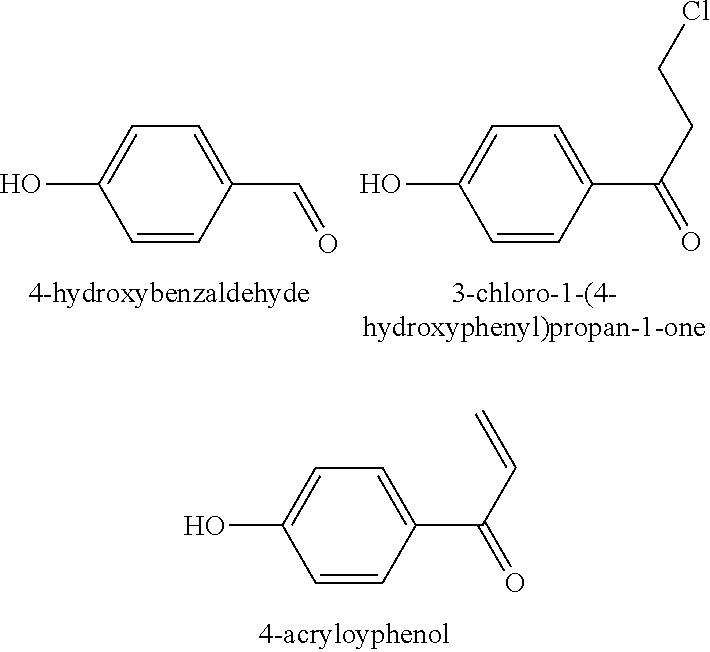
- the GABA transaminase inhibitor is 4-hydroxybenzaldehyde or a 4-hydroxybenzaldehyde analogue
- the GABA transaminase inhibitor is a 4-hydroxybenzaldehyde analogue selected from 3-chloro-1-(4-hydroxyphenyl)propan-1-one, and 4-acryloylphenol;
- the NKCC1 inhibitor is selected from: Bumetanide, Furosemide, Ethacrynic acid and Torsemide;
- the GABA transaminase inhibitor is vigabatrin
- the NKCC1 inhibitor is selected from: Bumetanide, Furosemide, Ethacrynic acid and Torsemide; and/or
- the GABA transaminase inhibitor is vigabatrin
- the NKCC1 inhibitor is Bumetanide
- the invention provides an effective unit dosage of a subject composition further comprising a pharmaceutically-acceptable excipient.
- the invention provides a subject composition wherein the transaminase inhibitor and the NKCC1 inhibitor are contained in a unit dosage form.
- the invention provides a subject composition wherein the transaminase inhibitor and the NKCC1 inhibitor are copackaged.
- the invention provides a subject composition wherein the transaminase inhibitor and the NKCC1 inhibitor are coformulated.
- the invention provides a subject composition wherein the transaminase inhibitor and the NKCC1 inhibitor are coformulated and in a unit dosage form.
- the invention provides a method of treating a person in need thereof comprising administering an effective amount of a subject composition.
- the person is determined to have had infantile spasms or refractory seizures as an adult.
- the invention provides a method of treating a person in need thereof comprising coadministering to the person effective amounts of a ⁇ -amino butyric acid
- GABA GABA transaminase inhibitor
- NKCC1 Na—K—Cl cotransporter
- the person is determined to have had infantile spasms or refractory seizures as an adult.
- the invention provides a method of treating a person treated or being treated with a ⁇ -amino butyric acid (GABA) transaminase inhibitor, comprising administering to the person an effective amount of an NKCC1 inhibitor.
- GABA ⁇ -amino butyric acid
- the GABA transaminase inhibitor is gamma-vinyl-GABA (vigabatrin), and the NKCC1 inhibitor is selected from: Bumetanide, Furosemide, Ethacrynic acid and Torsemide;
- the GABA transaminase inhibitor is gamma-vinyl-GABA (vigabatrin), and the NKCC1 inhibitor is Bumetanide; and/or
- the person is determined to have had infantile spasms or refractory seizures as an adult.
- the invention provides methods and compositions for treating infantile spasms or refractory adult seizures.
- the invention provides pharmaceutical compositions comprising a ⁇ -amino butyric acid (GABA) transaminase inhibitor and a Na—K—Cl cotransporter (NKCC1) inhibitor.
- GABA ⁇ -amino butyric acid
- NKCC1 Na—K—Cl cotransporter
- the GABA transaminase inhibitor component is typically a competitive inhibitor of the GABA transaminase, and typically also a structural analog or isomer of GABA, though it may be further conformationally-constrained, such as with stearically-hindered moieties, or additional bonding, particularly ring bonding.
- the GABA transaminase inhibitor is a GABA analog such as ethanolamine-O-sulfate, gamma-vinyl-GABA (vigabatrin), gamma-acetylenic GABA, aminooxyacetic acid, valproate, or a structural analog or isomer thereof.
- the GABA transaminase inhibitor is a conformationally-constrained vigabatrin analogue having a structure, e.g.:
- the GABA transaminase inhibitor is 4-hydroxybenzaldehyde or a 4-hydroxybenzaldehyde analog such as 3-chloro-1-(4-hydroxyphenyl)propan-1-one, or 4-acryloylphenol:
- the NKCC1 inhibitor component is typically a competitive inhibitor of the Na—K—Cl cotransporter, commonly known as NKCC1 inhibiting loop diuretics.
- NKCC1 inhibiting loop diuretics Well-known examples include Bumetanide, Furosemide, Ethacrynic acid and Torsemide; however, the invention may be practiced with analogs of these drugs, or alternative pharmaceutically-acceptable NKCC1 inhibitors.
- the subject compositions may be provided in effective unit dosages, typically further comprising a pharmaceutically-acceptable excipient.
- both the transaminase inhibitor and the NKCC1 inhibitor components are contained in the unit dosage form.
- unit dosage forms refers to physically discrete units suitable as unitary dosages for human subjects, each unit containing a predetermined quantity of active material calculated to produce the desired therapeutic effect, in association with a suitable pharmaceutical excipient.
- Typical unit dosage forms include prefilled, premeasured ampules or syringes of the liquid compositions or pills, tablets, capsules, lozenges or the like in the case of solid compositions.
- the compound may be a major or minor component with the remainder being various vehicles or carriers and processing aids helpful for forming the desired dosing form.
- compositions may be administered separately, jointly, or combined in a single dosage unit.
- Dosages depend on the compounds formulation, route of administration, etc. and are established for many of the constituent GABA transaminase and NKCC1 inhibitors, or are otherwise generally empirically determined in routine trials, and variations will necessarily occur depending on the target, the host, and the route of administration, etc.
- fixed-dose tablets or capsules comprising 10-1000 mg vigabatrin, such as 10-100, 100-1000, 200-800, 200, 300, 400, 500, 600, or 700 mg, and 0.01-10 mg bumetanide, such as 0.01-0.1, 0.1-1, 0.1-0.5, 0.25-3, 0.1, 0.2, 0.3, 0.4 and 0.5 mg, formulated using standard excipients.
- Such dosages may also be administered in solution, such as IV, 1M or oral, particularly with pediatric patients.
- the subject combination therapies By reducing side-effects otherwise associated with use of GABA transaminase inhibitors, particularly vigabatrin, the subject combination therapies actually permit use of increased dosages and treatment durations, beyond that safe or considered in the art to be safe or recommended if not coadministered.
- the combination therapies can also surprisingly, synergistically increase the potency of the component inhibitors, particularly vigabatrin and/or the NKCC1 inhibitor, particularly bumetanide, and thereby also permit use reduced dosages, and even dosages subtherapeutic, or considered in the art to be subtherapeutic, if not coadministered, while maintaining efficacy.
- one or both of the inhibitor components are administered and/or packaged at an atypical dosage—a dosage significantly outside of the previously recommended dosages of the component drugs, wherein the GABA transaminase inhibitor, particularly vigabatrin, may be in excess (e.g. at least 150%, 200%, 300%, 400%, 600%, or 1000%) of its recommended (or the above recited) dosages (e.g. unit or daily dosage) or more typically, less than (e.g. at or less than 60%, 50%, 40%, 30%, 20%, 10%, 5% or 1% of) its recommended (or the above recited) dosages, and/or the NKCC1 inhibitor, particularly bumetanide, is typically less than (e.g.
- the invention provides adjuvants to GABA transaminase inhibitor therapy, wherein the adjuvant comprises an amount of an NKCC1 inhibitor sufficient to reduce, prevent or attenuate one or more otherwise adverse side effects (such as retinal toxicity and intramyelinic edema) of the transaminase inhibitor, which amount may be significantly less than the recommended amount of the NKCC1 inhibitor as a diuretic, and may be subtherapeutic, if used alone, for that purpose.
- the adjuvant comprises an amount of an NKCC1 inhibitor sufficient to reduce, prevent or attenuate one or more otherwise adverse side effects (such as retinal toxicity and intramyelinic edema) of the transaminase inhibitor, which amount may be significantly less than the recommended amount of the NKCC1 inhibitor as a diuretic, and may be subtherapeutic, if used alone, for that purpose.
- effective unit dosage combination therapies of vigabatrin with an atypical adjuvant dosage of an NKCC1 inhibitor include a 500 mg vigabatrin dose combined with a bumetanide adjuvant at 0.2, 0.1, 0.05, 0.02, 0.01 mg, or a furosemide adjuvant at 8, 4, 2, 0.8, or 0.4 mg.
- the foregoing dosages are bases on adult, and pediatric dosages are typically adjusted (reduced) there from, according to body weight. Prior to this report no effective use of bumetanide in pediatric patients had been established, particularly infants more than 1, 2, 3 or 4 weeks old, and preferably under 36, 24 or 18 months.
- the subject compositions may present the transaminase inhibitor and the NKCC1 inhibitor copackaged together, such as in a kit.
- unit dosage forms may be copackaged in a multipack adapted for sequential use, such as blisterpack, comprising sheets of at least 6, 9 or 12 unit dosage forms.
- the transaminase inhibitor and the NKCC1 inhibitor components may also be coformulated, particularly in unit dosage form.
- the invention also encompasses methods of treating a person in need thereof comprising administering an effective amount of a subject composition.
- the person is determined to have had infantile spasms or refractory seizures as an adult.
- Infantile spasms a clinically distinct syndrome from neonatal seizures, typically occur between 1 and 24 months after birth, and have a specific hypsarrhythmic EEG pattern and whole body “jack-knife” seizure pattern; hence, the target person for infantile spasms is typically more than 1, 2, 3 or 4 weeks old, and preferably under 36, 24 or 18 months.
- the target person is typically at least 4, 6, 12, 16, 17 or 18 years old.
- the invention provides a method of treating a person in need thereof comprising coadministering to the person effective amounts of a ⁇ -amino butyric acid (GABA) transaminase inhibitor and a Na—K—Cl cotransporter (NKCC1) inhibitor.
- GABA ⁇ -amino butyric acid
- NKCC1 Na—K—Cl cotransporter
- the person is determined to have had infantile spasms or refractory seizures as an adult.
- Coadministering means administering proximate in time, such that the NKCC1 inhibitor can reduce, prevent or attenuate one or more otherwise adverse side effects (such as retinal toxicity and intramyelinic edema) of the transaminase inhibitor.
- the NKCC1 inhibitor administration is coincident with, overlapping, or within 30, 10, 5, 3 or 1 day of transaminase inhibitor administration.
- the invention provides a method of treating a person treated or being treated with a ⁇ -amino butyric acid (GABA) transaminase inhibitor, comprising administering to the person an effective amount of an NKCC1 inhibitor.
- GABA ⁇ -amino butyric acid
- the person is determined to have had infantile spasms or refractory seizures as an adult.
- the NKCC1 is administered proximate in time to the transaminase pre-treatment such that the NKCC1 inhibitor can reduce, prevent or attenuate one or more otherwise adverse side effects (such as retinal toxicity and intramyelinic edema) of the transaminase inhibitor.
- the NKCC1 inhibitor administration is coincident with, overlapping, or within 360, 180, 90, 30, 10, 5, 3 or 1 day of transaminase inhibitor administration.
- ERGs are variably correlated with histopathology in animal models, and for this reason we will concentrate on the pathologic lesion. Subsequent experiments evaluating ERG function confirm our results.
- Duboc, et al (12) that recommend 30 days of treatment in juvenile rats to induce a lesion. Rats are treated with vehicle, VGB alone, or VGB+bumetanide, then eye cups prepared for histopathologic analysis, immunocytochemistry, and electron microscopy.
- VGB is administered to young adult/juvenile Sprague Dawley rats between 6-7 weeks of age for a period of 30 days.
- VGB is dissolved in 0.9% NaCl at 100 mg/mL and injected intraperitoneally (i.p.) daily for 30 days at doses of 5 and 3 mg/day as described for treatment of animal epilepsy (26).
- doses 250 or 150 mg/kg are in the same range or lower than those prescribed to children (100 mg/kg, Bialer et al., 2001) or infants (250 mg/kg; 400 mg/kg) (27, 28).
- Treatment groups We use of 15 animals per group. Vehicle only, VGB alone, or VGB and bumetanide. The doses are daily. VGB is 5 mg/day and Bumetanide is applied i.p. at a dose of 0.1 mg/kg.
- the 0.1 mg/kg is dose is that which we found effective in the treatment of seizures in the immature brain, and is the same range per weight as that used in humans for diuresis.
- Sections are mounted with Fluorsave reagent (Calbiochem, San Diego, Calif.). PNA-stained cone inner/outer segments are counted on retinal sections in eight consecutive 300 ⁇ m-wide optical windows on each side of the optic nerve under the 40 ⁇ objective. Areas with a disorganized outer nuclear layer are specifically excluded from this count. Vertical sections are stained with hematoxylin and eosin.
- NKCC1/KCC2 immunocytochemistry As per our published methods (4), serial sections from retina are labeled with NKCC1 (1:100, Chemicon International) and KCC2 (1:200, Upstate) antibodies. To block nonspecific binding, sections were first incubated for 1 h at RT in a solution containing 0.1% Triton X-100 and 5% normal goat serum in PBS (Invitrogen). The sections were then exposed to primary antibodies overnight at 4° C. After 3 ⁇ 10 min wash in PBS, slides were incubated at RT with the secondary antibodies. For NeuN staining slides were incubated for 1 h with a secondary antibody solution containing Alexa Fluor 568 goat antimouse IgG (1:1000, Molecular Probes).
- NKCC1 and KCC2 staining slides were incubated for 1 h with a biotinylated anti-rabbit IgG (1:200, Vector Laboratories), washed 3 ⁇ 10 min in PBS followed by 1 h incubation with an avidin-FITC conjugate (1:2000, Vector Laboratories). After secondary antibody incubation, sections were washed 3 ⁇ 10 min in PBS and cover-slipped with an anti-fade medium (Fluoromount-G, Southern Biotechnology).
- NKCC1 and KCC2 To identify cell types expressing NKCC1 and KCC2, we use double labeling with a neuronal marker NeuN (1:100, Chemicon International), a glial marker (GFAP), and peanut agglutinin for cone photoreceptors. Control sections are incubated with omission of one or both primary antibodies, adding only both secondary antibodies to exclude false-positive labeling. Slides are analyzed using a fluorescence microscope (Zeiss Axioscope). The expression pattern of each antibody is analyzed on tissue sections processed in the same run.
- NeuN neuronal marker
- GFAP glial marker
- peanut agglutinin peanut agglutinin
- Validation of animal work demonstrating NKCC1 as a target for treatment of retinal injury determining the distribution of NKCC1 and KCC2 in human retina from eye bank samples.
- NKCC1 and KCC2 Immunocytochemical labeling for NKCC1 and KCC2.
- NKCC1 and KCC2 We perform this as described above, but evaluate in more detail the subcellular localization of NKCC1, similar to that of Li et al (10).
- PSD-95 for the post synaptic terminals of photoreceptors and also SV2 for the presynaptic terminals. The presence of these further confirm that the NKCC1 transporter is functional in human retina.
- Bumetanide decreases white matter injury and vacuolation in the rodent model of VGB-induced IME.
- VBG VGB-induced IME.
- Rats are sacrificed at P25 and perfused with 4% paraformaldehyde. Brains are cryoprotected in sucrose for frozen sectioning.
- Treatment groups We use an n of 15 animals per group. Vehicle only, VGB alone, or VGB and bumetanide. The doses are daily. VGB is 50 mg/kg/day and Bumetanide is applied i.p. at a dose of 0.1 mg/kg/day.
- the 0.1 mg/kg dose is that which we have found effective in the treatment of seizures in the immature brain, and is the same range per weight as that used in humans for diuresis.
- mice monoclonal antibodies to MBP/SMI-99, and glial fibrillary acidic protein (GFAP)/SMI-22 (Sternberger Monoclonals/Covance Lutherville, Md.)
- mouse monoclonal IgM antibodies to O4 and O1 giftss of Dr. S. Pfeiffer, Farmington, Conn.
- mouse monoclonal antibody to CD68/MCA341GA and CD11b/MCA275G (Serotec Raleigh, N.C.)
- mouse monoclonal antibody to NeuN/MAB 377 and rabbit polyclonal antibody to NR1/AB1516 (Chemicon International/Millipore). Sections are blocked and incubated overnight at 4° C. with the primary antibody.
- Fluorescent goat Alexa Fluor 488 or 568 secondary antibodies (Molecular Probes/Invitrogen Carlsbad, Calif.) appropriate to the primary antibody species are applied for 1 hr at room temperature.
- a biotinylated anti-rabbit IgG followed by an avidin-FITC conjugate (Vector Laboratories, Burlingame, Calif.) was applied.
- O4 marker Double labeling was performed sequentially with O4 (detergent free). Slides were coverslipped with an antifade medium (Fluoromount-G; Southern Biotechnology, Birmingham, Ala.) or a mounting medium containing nuclear stain DAPI (Vector Laboratories).
- White matter samples from corpus callosum and cerebellum are fixed overnight at 4° C. in cacodylate 0.1M (Merck) containing 2% paraformaldehyde, 2.5% glutaraldehyde (Electron Microscopy Sciences, Hatfield, Pa.) and CaCl2 2.5 mM at pH 7.4.
- the tissue is rinsed in cacodylate 0.15M and postfixed in 1% osmium tetroxide (Electron Microscopy Sciences) for 1 hour. After dehydration in ethanol, and propylene oxide, the tissue is embedded in epon.
- Semi-thin sections are stained with methylene blue and ultrathin sections (80 nm) contrasted with lead citrate and uranyl acetate.
- NKCC1 and KCC2 expression in brain white matter were studied.
- MBP double labeling for mature (MBP) and immature oligodendrocytes (O4) markers (29).
- Fluorescence images are obtained on a Zeiss Axioscope, using a Spot digital camera and Advanced 4.5 software (Diagnostic Instruments). Coronal sections in the region of the mid-dorsal hippocampus are examined for alterations in cortical, hippocampal, corpus callosal and thalamic white matter. A posterior section in the region of the cerebellum is used for analysis of brainstem and cerebellar myelination. ImageJ software is used to quantitate MBP and O4 immunostaining as a proportion of the white matter capsule area (29). This methodology was validated with ImageJ software quantitation of total area of MBP immunostaining within each 2.4 mm2 field.
- ImageJ analysis of immunocytochemical staining is represented as a ratio of ipsilateral (to ischemia) to contralateral staining to take account of inter-animal developmental variations.
- Treatment groups are compared by a one way ANOVA.
Landscapes
- Health & Medical Sciences (AREA)
- General Health & Medical Sciences (AREA)
- Chemical & Material Sciences (AREA)
- Veterinary Medicine (AREA)
- Medicinal Chemistry (AREA)
- Public Health (AREA)
- Pharmacology & Pharmacy (AREA)
- Life Sciences & Earth Sciences (AREA)
- Animal Behavior & Ethology (AREA)
- Epidemiology (AREA)
- Nuclear Medicine, Radiotherapy & Molecular Imaging (AREA)
- Organic Chemistry (AREA)
- General Chemical & Material Sciences (AREA)
- Chemical Kinetics & Catalysis (AREA)
- Pain & Pain Management (AREA)
- Engineering & Computer Science (AREA)
- Bioinformatics & Cheminformatics (AREA)
- Biomedical Technology (AREA)
- Neurology (AREA)
- Neurosurgery (AREA)
- Pharmaceuticals Containing Other Organic And Inorganic Compounds (AREA)
- Acyclic And Carbocyclic Compounds In Medicinal Compositions (AREA)
- Medicines That Contain Protein Lipid Enzymes And Other Medicines (AREA)
Abstract
Description


| A1. ethanolamine-O-sulfate, bumetanide | A2. ethanolamine-O-sulfate, |
| furosemide | |
| B1. γ-acetylenic-GABA, bumetanide | B2. γ-acetylenic-GABA, |
| furosemide | |
| C1. aminooxyacetic acid, bumetanide | C2. aminooxyacetic acid, |
| furosemide | |
| D1. vigabatrin, bumetanide | D2. vigabatrin, furosemide |
| D3. vigabatrin, ethacrynic acid | D4. vigabatrin, torsemide |
| E1. valproate, bumetanide | E2. valproate, furosemide |
| F1. 4-hydroxybenzaldehyde, bumetanide | F2. 4-hydroxybenzaldehyde, |
| furosemide | |
| G1. 3-chloro-1-(4-hydroxyphenyl)propan- | G2. 3-chloro-1-(4- |
| 1-one, bumetanide | hydroxyphenyl)propan-1-one, |
| furosemide | |
| H1. 4-acryloylphenol, bumetanide | H2. 4-acryloylphenol, |
| furosemide | |
Claims (11)
Priority Applications (1)
| Application Number | Priority Date | Filing Date | Title |
|---|---|---|---|
| US13/069,311 US8822539B2 (en) | 2010-03-28 | 2011-03-22 | Combination therapies: inhibitors of GABA transaminase and NKCC1 |
Applications Claiming Priority (2)
| Application Number | Priority Date | Filing Date | Title |
|---|---|---|---|
| US31835210P | 2010-03-28 | 2010-03-28 | |
| US13/069,311 US8822539B2 (en) | 2010-03-28 | 2011-03-22 | Combination therapies: inhibitors of GABA transaminase and NKCC1 |
Publications (2)
| Publication Number | Publication Date |
|---|---|
| US20110237554A1 US20110237554A1 (en) | 2011-09-29 |
| US8822539B2 true US8822539B2 (en) | 2014-09-02 |
Family
ID=44657139
Family Applications (1)
| Application Number | Title | Priority Date | Filing Date |
|---|---|---|---|
| US13/069,311 Expired - Fee Related US8822539B2 (en) | 2010-03-28 | 2011-03-22 | Combination therapies: inhibitors of GABA transaminase and NKCC1 |
Country Status (2)
| Country | Link |
|---|---|
| US (1) | US8822539B2 (en) |
| WO (1) | WO2011126733A2 (en) |
Families Citing this family (4)
| Publication number | Priority date | Publication date | Assignee | Title |
|---|---|---|---|---|
| EP2887806B1 (en) * | 2012-07-20 | 2019-11-13 | University Of Rochester | Method of treating and preventing brain impairment using na+-k+ -2ci- cotransporter isoform 1 inhibitors |
| WO2018195055A1 (en) * | 2017-04-17 | 2018-10-25 | Baylor College Of Medicine | Therapies for treating infantile spasms and other treatment-resistant epilepsies |
| CL2017003465A1 (en) * | 2017-12-28 | 2018-08-17 | Univ Santiago Chile | Combined use of bumetanide with valproic acid or one of its pharmaceutically acceptable salts to restore cl-homeostasis and thereby allow the preparation of an effective drug in the treatment of epilepsy, and especially in the treatment of refractory epilepsy. |
| CN116621720B (en) * | 2023-07-21 | 2023-10-27 | 成都硕德药业有限公司 | Preparation method of vigabatrin |
Citations (5)
| Publication number | Priority date | Publication date | Assignee | Title |
|---|---|---|---|---|
| US6495601B1 (en) | 1998-12-23 | 2002-12-17 | Cytoscan Sciences Llc | Methods and compositions for treating conditions of the central and peripheral nervous systems using non-synaptic mechanisms |
| US20050187205A1 (en) | 1999-12-01 | 2005-08-25 | Yves Lamberty | Pyrrolidineacetamide derivative alone or in combination for treatment of CNS disorders |
| US20060025387A1 (en) | 1998-12-23 | 2006-02-02 | Cytoscan Sciences Llc | Compositions and methods for the treatment of disorders of the central and peripheral nervous systems |
| US7214711B2 (en) | 1998-12-23 | 2007-05-08 | Neurotherapeutics Pharma Llc | Method of treating migraine headache without aura |
| US20080206324A1 (en) | 2007-02-22 | 2008-08-28 | Evonik Roehm Gmbh | Pellets having an active compound matrix and a polymer coating, and a process for the production of the pellets |
-
2011
- 2011-03-22 US US13/069,311 patent/US8822539B2/en not_active Expired - Fee Related
- 2011-03-22 WO PCT/US2011/029467 patent/WO2011126733A2/en not_active Ceased
Patent Citations (6)
| Publication number | Priority date | Publication date | Assignee | Title |
|---|---|---|---|---|
| US6495601B1 (en) | 1998-12-23 | 2002-12-17 | Cytoscan Sciences Llc | Methods and compositions for treating conditions of the central and peripheral nervous systems using non-synaptic mechanisms |
| US20060025387A1 (en) | 1998-12-23 | 2006-02-02 | Cytoscan Sciences Llc | Compositions and methods for the treatment of disorders of the central and peripheral nervous systems |
| US7214711B2 (en) | 1998-12-23 | 2007-05-08 | Neurotherapeutics Pharma Llc | Method of treating migraine headache without aura |
| US20090258844A1 (en) | 1998-12-23 | 2009-10-15 | Neurotherapeutics Pharma, Inc. | Compositions and methods for the treatment of disorders of the central and peripheral nervous systems |
| US20050187205A1 (en) | 1999-12-01 | 2005-08-25 | Yves Lamberty | Pyrrolidineacetamide derivative alone or in combination for treatment of CNS disorders |
| US20080206324A1 (en) | 2007-02-22 | 2008-08-28 | Evonik Roehm Gmbh | Pellets having an active compound matrix and a polymer coating, and a process for the production of the pellets |
Non-Patent Citations (31)
Also Published As
| Publication number | Publication date |
|---|---|
| US20110237554A1 (en) | 2011-09-29 |
| WO2011126733A2 (en) | 2011-10-13 |
| WO2011126733A3 (en) | 2012-04-05 |
Similar Documents
| Publication | Publication Date | Title |
|---|---|---|
| Cummings et al. | Alzheimer’s disease: novel targets and investigational drugs for disease modification | |
| Mallah et al. | Anti-inflammatory and neuroprotective agents in clinical trials for CNS disease and injury: where do we go from here? | |
| Sivak | The aging eye: common degenerative mechanisms between the Alzheimer's brain and retinal disease | |
| JP6360552B6 (en) | Sobetilom in the treatment of myelinating diseases | |
| Leung et al. | Ceftriaxone ameliorates motor deficits and protects dopaminergic neurons in 6-hydroxydopamine-lesioned rats | |
| US20220000866A1 (en) | Therapeutic agent composition and method of use, for treatment of mild congnitive impairment, depression, and psychological disorders | |
| ME02060B (en) | Use of biotin for the treatment of multiple sclerosis | |
| US20160158166A1 (en) | Methods of reducing brain cell apoptosis | |
| US20230146896A1 (en) | Composition and method for treating alzheimer's disease | |
| US8822539B2 (en) | Combination therapies: inhibitors of GABA transaminase and NKCC1 | |
| Festa et al. | Protease inhibitors, saquinavir and darunavir, inhibit oligodendrocyte maturation: implications for lysosomal stress | |
| Cao et al. | Mulberrin attenuates 1-methyl-4-phenyl-1, 2, 3, 6-tetrahydropyridine (MPTP)-induced Parkinson’s disease by promoting Wnt/β-catenin signaling pathway | |
| US20230078820A1 (en) | Fenfluramine for treatment of demyelinating diseases and conditions | |
| Upīte et al. | Subchronic administration of auranofin reduced amyloid-β plaque pathology in a transgenic APPNL-GF/NL-GF mouse model | |
| Bhatti et al. | Exploring novel therapeutic approaches for depressive disorders: the role of allopregnanolone agonists | |
| CN120826223A (en) | Scyllo-inositol combined with immunotherapeutic agents for the treatment of Alzheimer's disease | |
| Stuppaeck et al. | Carbamazepine monotherapy in the treatment of alcohol withdrawal | |
| EP2604265A1 (en) | P2x7 antagonists as frontline or adjunctive treatment against status epilepticus | |
| Rogawski | What is the rationale for new treatment strategies in Alzheimer's disease? | |
| JP2022523919A (en) | Substances and methods for treating neurodegenerative diseases | |
| RS66337B1 (en) | Dose regimens for use of ly3154207 in the treatment of dopaminergic cns disorders | |
| CN115919835A (en) | Application of Proanthocyanidins in the Preparation of Drugs Promoting Central Nervous Inflammatory Demyelination and Regeneration | |
| van Toorn et al. | Iron status in children with recurrent episodes of tumefactive cerebral demyelination | |
| US8642566B2 (en) | Therapeutic approaches for treating neuroinflammatory conditions | |
| Alves et al. | Adenosine A2A receptor and glial glutamate transporter GLT-1 are synergistic targets to reduce brain hyperexcitability after traumatic brain injury in mice |
Legal Events
| Date | Code | Title | Description |
|---|---|---|---|
| AS | Assignment |
Owner name: CHILDREN'S MEDICAL CENTER CORPORATION, MASSACHUSET Free format text: ASSIGNMENT OF ASSIGNORS INTEREST;ASSIGNOR:JENSEN, FRACES E.;REEL/FRAME:026001/0613 Effective date: 20100328 |
|
| STCF | Information on status: patent grant |
Free format text: PATENTED CASE |
|
| AS | Assignment |
Owner name: CHILDREN'S MEDICAL CENTER CORPORATION, MASSACHUSET Free format text: CORRECTIVE ASSIGNMENT TO CORRECT THE ASSIGNOR'S NAME PREVIOUSLY RECORDED AT REEL: 026001 FRAME: 0613. ASSIGNOR(S) HEREBY CONFIRMS THE ASSIGNMENT;ASSIGNOR:JENSEN, FRANCES E;REEL/FRAME:033534/0198 Effective date: 20100328 |
|
| CC | Certificate of correction | ||
| AS | Assignment |
Owner name: NATIONAL INSTITUTES OF HEALTH (NIH), U.S. DEPT. OF Free format text: CONFIRMATORY LICENSE;ASSIGNOR:BOSTON CHILDREN'S HOSPITAL;REEL/FRAME:042611/0103 Effective date: 20170516 |
|
| MAFP | Maintenance fee payment |
Free format text: PAYMENT OF MAINTENANCE FEE, 4TH YR, SMALL ENTITY (ORIGINAL EVENT CODE: M2551) Year of fee payment: 4 |
|
| CC | Certificate of correction | ||
| FEPP | Fee payment procedure |
Free format text: MAINTENANCE FEE REMINDER MAILED (ORIGINAL EVENT CODE: REM.); ENTITY STATUS OF PATENT OWNER: SMALL ENTITY |
|
| LAPS | Lapse for failure to pay maintenance fees |
Free format text: PATENT EXPIRED FOR FAILURE TO PAY MAINTENANCE FEES (ORIGINAL EVENT CODE: EXP.); ENTITY STATUS OF PATENT OWNER: SMALL ENTITY |
|
| STCH | Information on status: patent discontinuation |
Free format text: PATENT EXPIRED DUE TO NONPAYMENT OF MAINTENANCE FEES UNDER 37 CFR 1.362 |
|
| FP | Lapsed due to failure to pay maintenance fee |
Effective date: 20220902 |