US8772463B2 - Fluorescent dye-labeled glucose bioprobe, synthesis method and usage thereof - Google Patents
Fluorescent dye-labeled glucose bioprobe, synthesis method and usage thereof Download PDFInfo
- Publication number
- US8772463B2 US8772463B2 US12/876,520 US87652010A US8772463B2 US 8772463 B2 US8772463 B2 US 8772463B2 US 87652010 A US87652010 A US 87652010A US 8772463 B2 US8772463 B2 US 8772463B2
- Authority
- US
- United States
- Prior art keywords
- glucose
- cells
- fluorescent
- glc
- uptake
- Prior art date
- Legal status (The legal status is an assumption and is not a legal conclusion. Google has not performed a legal analysis and makes no representation as to the accuracy of the status listed.)
- Active, expires
Links
- 0 [2*]C(=[Y])[1*]OC1OC(CO)C(O)C(O)C1O.[2*]C(=[Y])[1*]OC1OC(CO)C(O)C(O)C1O Chemical compound [2*]C(=[Y])[1*]OC1OC(CO)C(O)C(O)C1O.[2*]C(=[Y])[1*]OC1OC(CO)C(O)C(O)C1O 0.000 description 2
- MUTOFFXCYDGMBV-UHFFFAOYSA-O C.C.C.C.C.C.CCC1OC(OCCBr)C(C)C(C)C1C.CCC1OC(OCCBr)C(C)C(C)C1C.CCC1OC(OCCNCCOCCOCCNC(=O)OC(C)(C)C)C(C)C(C)C1C.CCC1OC(OCCNCCOCCOCCNC(=O)OC(C)(C)C)C(C)C(C)C1C.C[N+]1=C(/C=C/C=C2/N(CCCCC(=O)CCCOCCOCCNCCOC3OC(CO)C(O)C(O)C3O)C3=C(C=CC=C3)C2(C)C)C(C)(C)C2=CC=CC=C21.C[N+]1=C(/C=C/C=C2/N(CCCCC(=O)NCCOCCOCCNCCOC3OC(CO)C(O)C(O)C3O)C3=C(C=CC=C3)C2(C)C)C(C)(C)C2=CC=CC=C21.OCC1OC(O)C(O)C(O)C1O Chemical compound C.C.C.C.C.C.CCC1OC(OCCBr)C(C)C(C)C1C.CCC1OC(OCCBr)C(C)C(C)C1C.CCC1OC(OCCNCCOCCOCCNC(=O)OC(C)(C)C)C(C)C(C)C1C.CCC1OC(OCCNCCOCCOCCNC(=O)OC(C)(C)C)C(C)C(C)C1C.C[N+]1=C(/C=C/C=C2/N(CCCCC(=O)CCCOCCOCCNCCOC3OC(CO)C(O)C(O)C3O)C3=C(C=CC=C3)C2(C)C)C(C)(C)C2=CC=CC=C21.C[N+]1=C(/C=C/C=C2/N(CCCCC(=O)NCCOCCOCCNCCOC3OC(CO)C(O)C(O)C3O)C3=C(C=CC=C3)C2(C)C)C(C)(C)C2=CC=CC=C21.OCC1OC(O)C(O)C(O)C1O MUTOFFXCYDGMBV-UHFFFAOYSA-O 0.000 description 1
- LJVIJVVMWBYWTG-UHFFFAOYSA-N C.C.CC1C(COC(=O)C2=CC=CC=C2)OC(OCCBr)C(C)C1C.CC1C(COC(=O)C2=CC=CC=C2)OC(OCCN2CCN(C(=O)OC(C)(C)C)CC2)C(C)C1C.C[N+]1=C(/C=C/C=C2/N(CCCCC(=O)N3CCN(CCOC4OC(CO)C(O)C(O)C4O)CC3)C3=C(C=CC=C3)C2(C)C)C(C)(C)C2=CC=CC=C21.OCC1OC(O)C(O)C(O)C1O Chemical compound C.C.CC1C(COC(=O)C2=CC=CC=C2)OC(OCCBr)C(C)C1C.CC1C(COC(=O)C2=CC=CC=C2)OC(OCCN2CCN(C(=O)OC(C)(C)C)CC2)C(C)C1C.C[N+]1=C(/C=C/C=C2/N(CCCCC(=O)N3CCN(CCOC4OC(CO)C(O)C(O)C4O)CC3)C3=C(C=CC=C3)C2(C)C)C(C)(C)C2=CC=CC=C21.OCC1OC(O)C(O)C(O)C1O LJVIJVVMWBYWTG-UHFFFAOYSA-N 0.000 description 1
- NITQGVSLIHAPAW-UHFFFAOYSA-N C.C.CC1C(COC(=O)C2=CC=CC=C2)OC(OCCBr)C(C)C1C.CC1C(COC(=O)C2=CC=CC=C2)OC(OCCNC2CCC(NC(=O)OC(C)(C)C)CC2)C(C)C1C.C[N+]1=C(/C=C/C=C2/N(CCCCC(=O)CC3CCC(NCCOC4OC(CO)C(O)C(O)C4O)CC3)C3=C(C=CC=C3)C2(C)C)C(C)(C)C2=CC=CC=C21.OCC1OC(O)C(O)C(O)C1O Chemical compound C.C.CC1C(COC(=O)C2=CC=CC=C2)OC(OCCBr)C(C)C1C.CC1C(COC(=O)C2=CC=CC=C2)OC(OCCNC2CCC(NC(=O)OC(C)(C)C)CC2)C(C)C1C.C[N+]1=C(/C=C/C=C2/N(CCCCC(=O)CC3CCC(NCCOC4OC(CO)C(O)C(O)C4O)CC3)C3=C(C=CC=C3)C2(C)C)C(C)(C)C2=CC=CC=C21.OCC1OC(O)C(O)C(O)C1O NITQGVSLIHAPAW-UHFFFAOYSA-N 0.000 description 1
- YKVJFILFCITMLJ-UHFFFAOYSA-N C.C.CCN1CN(C)C1 Chemical compound C.C.CCN1CN(C)C1 YKVJFILFCITMLJ-UHFFFAOYSA-N 0.000 description 1
- UBRBCGIMNWTRNM-UHFFFAOYSA-O CC1C(COC(=O)C2=CC=CC=C2)OC(OCCBr)C(C)C1C.CC1C(COC(=O)C2=CC=CC=C2)OC(OCCNCC2=CC=C(NC(=O)OC(C)(C)C)C=C2)C(C)C1C.C[N+]1=C(/C=C/C=C2/N(CCCCC(=O)NC3=CC=C(CNCCOC4OC(CO)C(O)C(O)C4O)C=C3)C3=C(C=CC=C3)C2(C)C)C(C)(C)C2=CC=CC=C21.OCC1OC(O)C(O)C(O)C1O Chemical compound CC1C(COC(=O)C2=CC=CC=C2)OC(OCCBr)C(C)C1C.CC1C(COC(=O)C2=CC=CC=C2)OC(OCCNCC2=CC=C(NC(=O)OC(C)(C)C)C=C2)C(C)C1C.C[N+]1=C(/C=C/C=C2/N(CCCCC(=O)NC3=CC=C(CNCCOC4OC(CO)C(O)C(O)C4O)C=C3)C3=C(C=CC=C3)C2(C)C)C(C)(C)C2=CC=CC=C21.OCC1OC(O)C(O)C(O)C1O UBRBCGIMNWTRNM-UHFFFAOYSA-O 0.000 description 1
- GFCXFIVCSCYMFT-UHFFFAOYSA-O C[N+]1=C(/C=C/C=C2/N(CCCCC(=O)CC3CCC(NCCOC4OC(CO)C(O)C(O)C4O)CC3)C3=C(C=CC=C3)C2(C)C)C(C)(C)C2=C1C=CC=C2.C[N+]1=C(/C=C/C=C2/N(CCCCC(=O)CCCOCCOCCNCCOC3OC(CO)C(O)C(O)C3O)C3=C(C=CC=C3)C2(C)C)C(C)(C)C2=CC=CC=C21.C[N+]1=C(/C=C/C=C2/N(CCCCC(=O)N3CCN(CCOC4OC(CO)C(O)C(O)C4O)CC3)C3=C(C=CC=C3)C2(C)C)C(C)(C)C2=C1C=CC=C2.C[N+]1=C(/C=C/C=C2/N(CCCCC(=O)NCCOCCOCCCCCOC3OC(CO)C(O)C(O)C3O)C3=C(C=CC=C3)C2(C)C)C(C)(C)C2=CC=CC=C21 Chemical compound C[N+]1=C(/C=C/C=C2/N(CCCCC(=O)CC3CCC(NCCOC4OC(CO)C(O)C(O)C4O)CC3)C3=C(C=CC=C3)C2(C)C)C(C)(C)C2=C1C=CC=C2.C[N+]1=C(/C=C/C=C2/N(CCCCC(=O)CCCOCCOCCNCCOC3OC(CO)C(O)C(O)C3O)C3=C(C=CC=C3)C2(C)C)C(C)(C)C2=CC=CC=C21.C[N+]1=C(/C=C/C=C2/N(CCCCC(=O)N3CCN(CCOC4OC(CO)C(O)C(O)C4O)CC3)C3=C(C=CC=C3)C2(C)C)C(C)(C)C2=C1C=CC=C2.C[N+]1=C(/C=C/C=C2/N(CCCCC(=O)NCCOCCOCCCCCOC3OC(CO)C(O)C(O)C3O)C3=C(C=CC=C3)C2(C)C)C(C)(C)C2=CC=CC=C21 GFCXFIVCSCYMFT-UHFFFAOYSA-O 0.000 description 1
- RLBUVYYZFNWSID-UHFFFAOYSA-N C[N+]1=C(/C=C/C=C2/N(CCCCC(=O)N3CCN(CCOC4OC(CO)C(O)C(O)C4O)CC3)C3=C(C=CC=C3)C2(C)C)C(C)(C)C2=C1C=CC=C2 Chemical compound C[N+]1=C(/C=C/C=C2/N(CCCCC(=O)N3CCN(CCOC4OC(CO)C(O)C(O)C4O)CC3)C3=C(C=CC=C3)C2(C)C)C(C)(C)C2=C1C=CC=C2 RLBUVYYZFNWSID-UHFFFAOYSA-N 0.000 description 1
- ZOMUNYVUAHQFLZ-UHFFFAOYSA-O C[N+]1=C(/C=C/C=C2/N(CCCCC(=O)NC3=CC=C(CNCCOC4OC(CO)C(O)C(O)C4O)C=C3)C3=C(C=CC=C3)C2(C)C)C(C)(C)C2=C1C=CC=C2 Chemical compound C[N+]1=C(/C=C/C=C2/N(CCCCC(=O)NC3=CC=C(CNCCOC4OC(CO)C(O)C(O)C4O)C=C3)C3=C(C=CC=C3)C2(C)C)C(C)(C)C2=C1C=CC=C2 ZOMUNYVUAHQFLZ-UHFFFAOYSA-O 0.000 description 1
- GVEBOQDOPLERMC-UHFFFAOYSA-N O=[N+]([O-])C1=CC=C(NC2C(O)OC(CO)C(O)C2O)C2=NON=C12 Chemical compound O=[N+]([O-])C1=CC=C(NC2C(O)OC(CO)C(O)C2O)C2=NON=C12 GVEBOQDOPLERMC-UHFFFAOYSA-N 0.000 description 1
Images




Classifications
-
- C—CHEMISTRY; METALLURGY
- C07—ORGANIC CHEMISTRY
- C07H—SUGARS; DERIVATIVES THEREOF; NUCLEOSIDES; NUCLEOTIDES; NUCLEIC ACIDS
- C07H15/00—Compounds containing hydrocarbon or substituted hydrocarbon radicals directly attached to hetero atoms of saccharide radicals
- C07H15/26—Acyclic or carbocyclic radicals, substituted by hetero rings
Definitions
- the present invention relates to a fluorescent dye-labeled glucose analogue, and a synthesis method and usage of the same, and more particularly, to a novel fluorescent glucose analogue labeled with fluorescent dye by O-1-glycosylation and via various linkers, a method for the synthesis thereof, and application thereof to molecular bioimaging and screening curative or preventive drugs for glucose metabolism-related diseases.
- Glucose is the most important energy source for cell growth; therefore, a fast-growing cancer cell requires more glucose than a normal cell.
- One of the biochemical markers of tumor malignancy is enhanced glycolysis due to the overexpression of glucose transporters (GLUTs) and the increased activity of hexokinases (phosphorylation catalytic enzyme of hexose) in tumors [M. Zhang, Z. Zhang, D. Blessington, H. Li, T. M. Busch, V. Madrak, J. Miles, B. Chance, J. D. Glickson, G. Zheng, Bioconjugate Chem. 2003, 14, 709-714].
- GLUTs glucose transporters
- hexokinases phosphorylation catalytic enzyme of hexose
- PET with 18 FDG is a molecular imaging modality that monitors metabolic perturbation in tumor cells and allows the imaging of the exact positions of tumors in the human body; therefore, it is widely applied in the diagnosis of various tumors [P. S. Conti, D. L. Lilien, K. Hawley, J. Keppler, S. T. Grafton, J. R. Bading, Nucl, Med, Biol. 1996, 23, 717-735; J. Czernin, M. E. Phelps, Annu. Rev. Med. 2002, 53, 89-112.].
- a fluorescent 2-deoxyglucose analogue i.e., 2-[N-(7-nitrobenz-2-oxa-1,3-diazol-4-yl)amino]-2-deoxy-D-glucose (2-NBDG)
- 2-NBDG N-(7-nitrobenz-2-oxa-1,3-diazol-4-yl)amino]-2-deoxy-D-glucose
- these analogues are all N-2-glycosylated analogues, and are disadvantageous in that a difference according to the type of ⁇ and ⁇ anomers of glucose cannot be confirmed, and that while D-glucose is an important energy source the cellular uptake of the analogues occurs only in a D-glucose-free medium, thus, it cannot be applied to test a cell in practice. Therefore, known 2-NBDG or N-2-glycosylated analogues cannot be used for screening anti-cancer drugs or therapeutics for obesity- or glucose metabolism-related diseases (e.g. diabetes).
- the present inventors designed and synthesized novel glucose analogues labeled with fluorescent dye by O-1-glycosylation and via various linkers, unlike the known N-2-glycosylated glucose analogues.
- an object of the present invention is to provide a novel fluorescent glucose analogue for analysis of the intracellular glucose uptake.
- Another object of the present invention is to provide a method for the synthesis of the glucose analogue.
- Yet another object of the present invention is to provide the use of the glucose analogue as a bioprobe and a method therefor.
- the present invention provides a fluorescent glucose analogue labeled with fluorescent dye by O-1-glycosylation and via various linkers including aliphatic, aromatic and heterocyclic rings.
- the present invention provides a method for the asymmetric synthesis of the fluorescent glucose analogue.
- the present invention provides a bioprobe comprising the fluorescent glucose analogue.
- the present invention provides a molecular bioimaging method using the fluorescent glucose analogue as a bioprobe.
- the present invention provides a FACS (fluorescent activated cell sorting) method using the fluorescent glucose analogue as a bioprobe.
- the present invention provides a method for screening curative or preventive drugs for glucose metabolism-related diseases, using the fluorescent glucose analogue as a bioprobe.
- FIG. 1 illustrates 1 H NMR data of a (2-bromoethyl)-2,3,4,6-tetra-O-benzoyl- ⁇ -D-glucoside (5a) compound that is an intermediate obtained in Example 1.
- FIG. 2 illustrates 13 C NMR data of a (2-bromoethyl)-2,3,4,6-tetra-O-benzoyl- ⁇ -D-glucoside (5a) compound that is an intermediate obtained in Example 1.
- FIG. 3 illustrates 1 H NMR data of a (2-bromoethyl)-2,3,4,6-tetra-O-benzoyl- ⁇ -D-glucoside (5b) compound that is an intermediate obtained in Example 1.
- FIG. 4 illustrates 13 NMR data of a (2-bromoethyl)-2,3,4,6-tetra-O-benzoyl- ⁇ -D-glucoside (5b) compound that is an intermediate obtained in Example 1.
- FIG. 5 illustrates 1 H NMR data of a 2-(N-boc-3,6-dioxaoctane-1,8-diaminoethyl)]-2,3,4,6-tetra-O-benzoyl- ⁇ -D-glucoside (6a) compound that is an intermediate obtained in Example 1.
- FIG. 6 illustrates 13 C NMR data of a 2-(N-boc-3,6-dioxaoctane-1,8-diaminoethyl)]-2,3,4,6-tetra-O-benzoyl- ⁇ -D-glucoside (6a) compound that is an intermediate obtained in Example 1.
- FIG. 7 illustrates 1 H NMR data of a 2-(N-boc-3,6-dioxaoctane-1,8-diaminoethyl)]-2,3,4,6-tetra-O-benzoyl- ⁇ -D-glucoside (6b) compound that is an intermediate obtained in Example 1.
- FIG. 8 illustrates 13 C NMR data of a 2-(N-boc-3,6-dioxaoctane-1,8-diaminoethyl)]-2,3,4,6-tetra-O-benzoyl- ⁇ -D-glucoside (6b) compound that is an intermediate obtained in Example 1.
- FIG. 9 illustrates 1 H NMR data of [2-(N-Cy3-3,6-dioxaoctane-1,8-diaminoethyl)]- ⁇ -D-glucose (3) that is a final product obtained in Example 1.
- FIG. 10 illustrates 13 C NMR data of [2-(N-Cy3-3,6-dioxaoctane-1,8-diaminoethyl)]- ⁇ -D-glucose (3) that is a final product obtained in Example 1.
- FIG. 11 illustrates 1 H NMR data of (2-[(N-Cy3-3,6-dioxaoctane-1,8-diaminoethyl)]- ⁇ -D-glucose (4) that is a final product obtained in Example 1.
- FIG. 12 illustrates 13 C NMR data of [2-(N-Cy3-3,6-dioxaoctane-1,8-diaminoethyl)]- ⁇ -D-glucose (4) that is a final product obtained in Example 1.
- FIG. 13 illustrates pictures of uptake efficiency in A549 cells according to the concentration of an ⁇ glucose anomer (Cy3-Glc- ⁇ ) which was taken by using a confocal laser scanning microscope (CLSM) [a) 100 ⁇ M, b) 50 ⁇ M, c) 25 ⁇ M, d) 12.5 ⁇ M, and e) 6 ⁇ M].
- CLSM confocal laser scanning microscope
- FIG. 14 illustrates the measurements of the uptake efficiency in A549 cells according to the incubation time of an ⁇ glucose anomer (Cy3-Glc- ⁇ ).
- FIG. 14A is a graph that illustrates Cy3-Glc- ⁇ uptake by A549 cells, and the fluorescence intensities are expressed as arbitrary unit (a.u.) determined by continuous measurement from ROIs (Regions of Interest) in five independent cells marked on B based on unbiased selection.
- ROIs Region of Interest
- CLSM confocal laser scanning microscope
- FIG. 15A is a graph that illustrates the Cy3-Glc- ⁇ and Cy3-Glc- ⁇ uptake by A549 cells.
- the fluorescence intensities are expressed as an arbitrary unit (a.u.) determined by fluorometry, and data are the mean of 30-50 cells from an experimental representative of at least two independent experiments.
- FIG. 15B is a graph that illustrates the efficiency of Cy3-Glc- ⁇ uptake in cancer cells (A549, HeLa) and normal cells (WI-38, NIH/3T3).
- 15C illustrates pictures showing the Cy3-Glc- ⁇ uptake by A549 cells (a, e), HeLa cells (b, f), WI-38 cells (c, g) and NIH/3T3 cells (d, h).
- (a-d) are phase-contrast images
- FIG. 16 is a graph that illustrates dose-dependent Cy3-Glc- ⁇ uptake inhibition in A549 cells when there is no D-glucose, 10 mM D-glucose or 50 mM D-glucose.
- an identical experiment was performed in the presence of 50 mM L-glucose, which does not result in uptake inhibition.
- the fluorescence intensities are expressed as arbitrary units (a.u.) determined by the fluorometry, and the data are the mean of 35-50 cells from an experimental representative of at least two independent experiments.
- FIG. 17 is a graph that illustrates the uptake of Cy3-Glc- ⁇ using A549 cells in the absence or presence of 55 mM alanine.
- FIG. 18 illustrates the uptake image of 2-NBDG and Cy3-Glc- ⁇ by the A549 cells with different conditions.
- (a, d) are pictures that illustrate 12.5 ⁇ M of Cy3-Glc- ⁇ with a 500 ms lens exposure of the CCD camera.
- (b, e) are pictures that illustrate 12.5 ⁇ M of 2-NBDG with a 500 ms lens exposure of the CCD camera.
- (c, f) are pictures that illustrate 125 ⁇ M of 2-NBDG with a 11000 ms lens exposure of CCD camera.
- (a, b, c) illustrate the phase-contrast images in the A549 cells.
- FIG. 19A is a graph that illustrates the Cy3-Glc- ⁇ uptake by A549 cells measured after 0, 3, 6, 12, and 24 h of treatment with taxol (9.8 ⁇ M) at 37° C.
- the fluorescence intensities are expressed as an arbitrary unit (a.u.) determined by fluorometry and the data are the mean of 35-50 cells from an experimental representative of at least two independent experiments.
- FIG. 19B illustrates images showing the Cy3-Glc- ⁇ uptake by A549 cells after treatment with taxol (9.8 ⁇ M) at 37° C.
- FIG. 20 is a graph that illustrates the measurement of the viability of cells treated with Cy3-Glc- ⁇ (12.5 ⁇ M) by using a CCK-8 kit.
- FIG. 21 is of FACS diagram plots showing the fluorescent intensities of NIH/3T3 cells treated respectively with GB2-Cy3 (5 ⁇ M), Cy3-Glc- ⁇ (5 ⁇ M), and 2-NBDG (5 ⁇ M and 50 ⁇ M) in the presence or absence of D-glucose a), a histogram showing fluorescent intensity of cells treated with GB2-Cy3, Cy3-Glc- ⁇ and 2-NBDG b), and a graph showing fluorescent intensities, with the normalization of D-glucose-depleted cells to c). (Black line: in the absence of glucose/red line: in the presence of 11 mM D-glucose)
- FIG. 23 is of fluorescence images showing competitive uptake of fluorescent glucose analogues (a:Cy3-Glc- ⁇ , b:GB2-Cy3, each 12.5 ⁇ M) in A549 lung carcinoma cells at various concentrations of D-glucose.
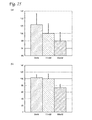
- FIG. 24 is a histogram showing the comparison of fluorescent intensity between fluorescent glucose analogues introduced into cells in FIG. 23 .
- FIG. 25 is of graphs showing fluorescent intensities of FIG. 23 , with the fluorescent intensity of each test group measured in the presence of 11 mM D-glucose normalized to 100 (a:Cy3-Glc- ⁇ , b:GB2-Cy3),
- FIG. 26 is of optical microphotographs showing a change in GB2-Cy3 uptake by 3T3/L1 preadipocytes (left) and of FACS diagram plots showing the fluorescent intensity of 3T3/L1 (right) during their differentiation.
- FIG. 27 is of graphs showing glucose competition and insulin response in C2C12 muscle cells treated with GB2-Cy3. a) Fluorescence intensity as analyzed by flow cytometry; b) Fluorescence intensity was normalized with the C2C12 cells cultured in the absence of D-glucose and insulin.
- FIG. 28 is of histograms showing the cellular uptake of insulin, AICAR, and dexamethasone monitored by GB2-Cy3. Fluorescence intensity was normalized with untreated cells. a) 3T3/L1 adipocyte; b) C2C12 muscle cells
- FIG. 29 is a graph and images showing the cellular uptake of insulin and AICAR monitored by GB2-Cy3 in C2C12 muscle cells by using confocal microscope. Fluorescence intensity was normalized with untreated cells. a) untreated cells; b) insulin-treated cells; c) AICAR-treated cells.
- the present invention provides a fluorescent glucose analogue labeled with fluorescent dye by O-1-glycosylation and via various linkers including aliphatic, aromatic and heterocyclic rings.
- the present invention provides a method for the asymmetric synthesis of the fluorescent glucose analogue.
- the present invention provides a bioprobe comprising the fluorescent glucose analogue.
- the present invention provides a molecular bioimaging method using the fluorescent glucose analogue as a bioprobe.
- the present invention provides a FACS (fluorescent activated cell sorting) method using the fluorescent glucose analogue as a bioprobe.
- the present invention provides a method for screening curative or preventive drugs of glucose metabolism-related diseases, using the fluorescent glucose analogue as a bioprobe.
- the fluorescent glucose analogue of the present invention is represented by the following Formula 1 or Formula 2:
- R 1 is —(CH 2 ) n —NH—, —(CH 2 ) n —NH—(C 2 H 4 X) m —NH—, —(CH 2 ) n -A- or —(CH 2 ) n —NH—(CH 2 ) x1 —B—(CH 2 ) x2 —NH— wherein n is an integer of from 1 to 10, m is an integer of from 1 to 100, and x1 and x2 may be the same or different and are an integer of from 0 to 10;
- X is CH 2 , O or a single bond, with the proviso that when m is 2 or more, Xs may be the same or different;
- A is heterocycloalkylene of C2-C20 or heteroarylene of C2-C20, containing at least one heteroatom selected from among nitrogen, oxygen and sulfur therein;
- B is cycloalkylene of C3-C20 or arylene of C6-C20;
- R 2 is a fluorescent dye or a low-molecular weight organic compound capable of selectively binding to a fluorescent dye-labeled substance
- Y is O or S.
- fluorescent dye useful in the glucose analogue of the present invention examples include Cy3, Cy5, fluorescein isothiocyanate (FITC), tetramethylrhodamine isothiocyanate (RITC), Alexa, 4,4-difluoro-4-boro-3a,4a-diaza-s-indacene (BODIPY), Texas Red, and the two-photon dye 2-acetyl-6-dimethylaminonaphthalene (Acedan), but are not limited thereto. Selection may be made of avidin or streptavidin for the fluorescent dye-labeled substance and biotin for the low-molecular weight organic compound, but the present invention is not limited thereto.
- avidin or streptavidin may be labeled with a fluorescent dye by an immobilization means known in the art (e.g., a linker) or a chemical bond between functional groups thereof.
- an immobilization means known in the art (e.g., a linker) or a chemical bond between functional groups thereof.
- the glucose analogue of Formula 1 is an ⁇ anomer, while the glucose analogue of Formula 2 is a ⁇ anomer.
- heteroatoms such as nitrogen, oxygen, sulfur may be contained one or more in a ring.
- Two or more of the same or different heteroatoms e.g., nitrogen atom and oxygen atom may be contained in one ring.
- R 1 is —(CH 2 ) n -A- wherein A is a heterocycloalkylene of C2-C20 containing therein one or more nitrogen atoms or oxygen atoms.
- R 1 is
- n, m 1 and m 2 are independently an integer of from 1 to 10, m 1 and m 2 being the same or different.
- R 1 is —(CH 2 ) x1 —NH—(CH 2 ) x2 —B—NH— wherein B is a cycloalkylene of C3-C20 or an arylene of C6-C20, and x1 and x2 may be the same or different, being an integer of from 0 to 10.
- glucose analogue of the present invention may be represented by one of the following Chemical Formulas 3 to 7:
- the fluorescent glucose analogue may be synthesized by labeling glucose with fluorescent dye by O-1-glycosylation at the C-1 anomeric carbon position.
- the fluorescent glucose analogue may be prepared according to a method comprising:
- step (b) protecting the resulting reactants of step (a) with benzoyl group in pyridine, followed by separation into ⁇ and ⁇ anomers by column chromatography;
- step (c) reacting the resulting benzoyl group-protected ⁇ or ⁇ anomer of step (b) with a Boc group-containing compound in an organic solvent at 40 to 80° C., followed by purification; and
- step (d) deprotecting the purified product of step (c), basifying the deprotected product and reacting with a fluorescent dye solution, followed by purification to afford a fluorescent glucose analogue represented by Chemical Formula 1 or 2.
- This method makes it possible to asymmetrically synthesize glucose analogues in the form of the alpha anomer of Chemical Formula 1 and the beta anomer of Chemical Formula 2 at the same time.
- D-glucose is recognized to be pyranose, which is hemiacetal. Due to the special reactivity of the anomeric hydroxyl group, 2-bromoethanol can be regioselectively introduced into the anomeric position by acid-catalyzed Fischer glycosylation with a 2:1 ( ⁇ : ⁇ ) ratio.
- the reflux is performed at a temperature in the range of 50 to 70° C., and preferably 60 to 80° C., to regioselectively introduce 2-bromoethanol into the ⁇ and ⁇ anomeric positions.
- NMR nuclear magnetic resonance spectroscopy
- the obtained reaction mixture is filtered to remove the ion exchange resin and then concentrated in vacuo, and the glycosylated compound is purified by using column chromatography.
- step a the reactants obtained in step a are reacted with, for example, halogenated benzoyl such as benzoyl chloride in pyridine to achieve the protection by a benzoyl group and then separate them into the ⁇ and ⁇ anomers by using column chromatography.
- halogenated benzoyl such as benzoyl chloride in pyridine
- the ⁇ anomer and the ⁇ anomer may be separated at the ratio of 2:1.
- the mixture was quenched with the addition of alkyl alcohol (for example, methyl alcohol) and the mixture was diluted, preferably with ethyl acetate followed by washing, drying, filtering, and condensing under reduced pressure of the organic layer.
- alkyl alcohol for example, methyl alcohol
- the ⁇ and ⁇ anomers that are protected by using the benzoyl group obtained in step b are reacted with compounds containing Boc groups in an organic solvent at a temperature in the range of 40 to 80° C., preferably 40 to 50° C. for the compounds of Chemical Formulas 3 and 4, and 70 to 80° C. for the compounds of Chemical Formulas 5 to 7, and then perform purification by using column chromatography.
- the obtained solution is diluted (preferably, ddH 2 O is used), extracted (preferably, ethyl acetate as used), washed (preferably, brine is used), and condensed under reduced pressure according to a typical method.
- a typical organic solvent may be used as the above organic solvent.
- the organic solvent is dimethyl formamide (DMF) and triethyl amine (TEA).
- the compound containing the Boc group includes an amine connection group and the Boc groups, and preferably N-Boc-3,6-dioxaoctane-1,8-diamine having the amine connection group.
- the compound is not limited thereto.
- step c the product obtained in step c is deprotected, basified and then reacted with a fluorescent dye solution, followed by purification by a conventional technique, for example, HPLC, to afford the fluorescent dye-labeled glucose of Chemical Formula 1 or 2.
- the deprotection of the product of Step C may be performed in the following two manners.
- the debenzoylation may be carried out by reacting sodium methoxide with the compound to be deprotected in methyl alcohol.
- sodium methoxide may be added to a solution of the compound in methyl alcohol.
- the removal of the Boc group may be performed by adding a 50% solution of trifluoroacetic acid (TFA) in dichloromethane to the compound to be deprotected and purging with N 2 to give a concentrate.
- TFA trifluoroacetic acid
- the basification is performed.
- the basification may be performed by reacting a dimethylformamide (DMF) solution in which the deprotected compound is dissolved with diisopropylethylamine (DIPEA). Through the basification treatment, chiral glucoside having primary amine is obtained.
- DMF dimethylformamide
- DIPEA diisopropylethylamine
- fluorescent dye useful in the present invention examples include Cy3, Cy5, fluorescein isothiocyanate (FITC), tetramethylrhodamin isothiocyanate (RITC), Alexa, 4,4-difluoro-4-boro-3a,4a-diaza-s-indacen (BODIPY), Texas Red and the two-photon dye, with preference for Cy3 because of stability to high-density light sources such as a laser and the like and extensive application to various types of bioassay systems.
- FITC fluorescein isothiocyanate
- RITC tetramethylrhodamin isothiocyanate
- Alexa Alexa
- BODIPY 4,4-difluoro-4-boro-3a,4a-diaza-s-indacen
- Texas Red the two-photon dye
- the fluorescent dye solution is preferably a solution of Cy3-COOH and the reaction agent, 1-(3-dimethylaminopropyl)-3-ethylcarbodiimide (EDC) or (7-azabonzotriazol-1-yloxy)tripyrrolidinophosphinium hexafluorophosphate (PyAOP) in dimethylformamide (DMF).
- EDC 1-(3-dimethylaminopropyl)-3-ethylcarbodiimide
- PyAOP (7-azabonzotriazol-1-yloxy)tripyrrolidinophosphinium hexafluorophosphate
- DMF dimethylformamide
- an organic compound such as biotin, or an inorganic compound such as nanoparticles may be employed according to the usage.
- biotin itself is not fluorescent, it may be used as a mediator of fluorescence in conjugation with fluorescent-labeled avidin or streptavidin that can bind thereto with high
- a glucose moiety is labeled with fluorescent dye such as Cy3 at C-1 anomeric position of glucoside through an amide bond with EDC, and subsequent HPLC allows the separation of the fluorescent dye-labeled glucose analogue according to the present invention.
- the final products may be completely identified using 1 H, 13 C NMR, MALDI-TOF mass spectrometry, high resolution mass spectrometry or the like.
- the fluorescent glucose analogue prepared according to the synthesis method of the present invention competes with D-glucose in a time- and dose-dependent manner for intracellular uptake whereas L-glucose has no influences on the intracellular uptake of the fluorescent glucose analogue of the present invention.
- the fluorescent glucose analogue of the present invention is observed to have higher uptake into glucose metabolism-enhanced cells such as cancer cells, e.g., lung cancer, melanoma, etc., than normal cells, which indicates that the fluorescent glucose analogue of the present invention is transported into cells by a glucose-specific transport system (e.g., GLUT4) and that the fluorescent glucose analogue of the present invention can be used as a means for glucose metabolism monitoring.
- a glucose-specific transport system e.g., GLUT4
- the compound of Chemical Formula 1, e.g., the compound of Chemical Formula 3 or 5 shows a higher performance as a glucose uptake probe than does the known compound of the following Formula 8, that is, 2-NBDG, which can be obtained by the N-2-glycosylation of the fluorescent dye NBD.
- 2-NBDG a conventional fluorescent glucose analogue
- 2-NBDG a conventional fluorescent glucose analogue
- the cellular uptake of the compound of Chemical Formula 5 greatly fluctuates according to glucose concentration, so that it can be used for sensitively monitoring the cellular uptake of glucose.
- 3T3/L1 preadipocytes into which the compound of Chemical Formula 5 was introduced were found to increase in fluorescence intensity with the advance of differentiation, as measured by flow cytometry.
- the compound can be used as a probe for monitoring the differentiation of 3T3/L1 cells into mature adipocytes.
- the fluorescent glucose analogue provided by the present invention may act as a bioprobe and be efficiently applied to bioimaging, molecular bioimaging, bioassay, novel medicine screening or the like.
- the fluorescent glucose analogue according to the present invention may be applied to cancer or tumor imaging or molecular bioimaging for studies on glucose transporters-related cell metabolism.
- a confocal laser scanning microscope (CLSM), an inverted fluorescent microscope, a fluorescent activated cell sorter (FACS), a microplate reader, a high content screening and the like may be used in the molecular bioimaging method.
- CLSM confocal laser scanning microscope
- FACS fluorescent activated cell sorter
- microplate reader a microplate reader
- high content screening and the like may be used in the molecular bioimaging method.
- the fluorescent glucose analogue of the present invention may be used as a bioprobe in screening therapeutics and preventives for glucose metabolism-related diseases by FACS (Fluorescence Activated Cell Sorting).
- FACSCaliburTM (BD BioScience) may be suitable as a flow cytometer. This apparatus may allow accurate quantitative analysis which is difficult to achieve with molecular bioimaging.
- the fluorescent glucose analogue of the present invention When employing the conventional glucose analogue 2-NBDG (50 ⁇ M), cells in 11 mM glucose-containing media were found to differ in fluorescence intensity from those in glucose-depleted media by 30% reduction, as measured by FACS. On the other hand, it was observed through the difference of fluorescence intensity that the cellular uptake of the fluorescent glucose analogue of the present invention (5 ⁇ M) in 11 mM glucose-containing media was reduced by about 60% than the cellular uptake in glucose-depleted media. That means the fluorescent glucose analogue of the present invention enters the cell through glucose transporter (GLUT) system via a competition with glucose in the media. Therefore, the fluorescent glucose analogue of the present invention can serve as a more sensitive probe for screening therapeutic and preventive drugs for glucose metabolism-related diseases, under a practical cellular environment, than can the conventional analogue.
- GLUT glucose transporter
- the analogue may be used at a concentration of from 1 to 100 ⁇ M, preferably from 1 to 20 ⁇ M, and more preferably from 3 to 10 ⁇ M. It takes 40 min or less and preferably 25 to 35 min to culture cells to the maximal intracellular uptake of the probe.
- the present invention provides a method for screening curative or preventive drugs for glucose metabolism-related disease, using the fluorescent glucose analogue as a bioprobe.
- the fluorescent glucose analogue of the present invention may be applied to a method for screening anti-cancer agents.
- the anti-cancer agents may preferably include curative or preventive agents for lung cancer, stomach to cancer, liver cancer, or colon cancer.
- the fluorescent glucose analogue according to the present invention has a high probability as a novel bioprobe used to screen an efficient novel biomedicines used to cure diseases directly related to glucose metabolism, that is, diabetes which is caused by inefficient glucose metabolism and/or uptake in cells, and obesity which is caused by the excessively active glucose metabolism.
- the fluorescent glucose analogue of the present invention is used as a probe when the intracellular uptake of glucose is analyzed after 3T3/L1 adipocytes and C2C12 myoblasts are treated with insulin and ATCAR.
- the fluorescent glucose analogue of the present invention can be used for screening diabetes therapeutics.
- the analogue according to the present invention may be used for evaluating the performance of substances which regulate physiological activities relevant to glucose metabolism and for screening drug candidates.
- Glucose (1 g, 5.55 mmol) was dissolved in 2-bromoethanol (6 mL, 85 mmol) with Dowex 50WX8-400 ion exchange resin. The reaction mixture was refluxed at 70° C. overnight and the reaction completion was monitored by TLC [F. Fazio, M. C. Bryan, O. Blixt, J. C. Paulson, C.-H. Wong, J. Am. Chem. Soc, 2002, 124, 14397-14402]. Subsequently, the reaction mixture was filtered to remove the resin and concentrated in vacuo.
- N-Boc-3,6-dioxaoctane-1,8-diamine [a) M. Trester-Zedlitz, K. Kamada, S. K. Burley, D. Fenyo, B. T. Chait, T. W. Muir, J. Am. Chem. Soc. 2003, 125, 2416-2425; b) Y. Li, Y.-M. Zhu, H.-J. Jiang, J.-P. Pan, G.-S. Wu, J.-M. Wu, Y.-L. Shi, J.-D.
- Glucose (1 g, 5.55 mmol) was dissolved in 2-bromoethanol (6 mL, 85 mmol) with Dowex 50WX8-400 ion exchange resin. The reaction mixture was refluxed at 70° C. overnight and the reaction completion was monitored by TLC [F. Fazio, M. C. Bryan, O. Blixt, J. C. Paulson, C.-H. Wong, J. Am. Chem. Soc, 2002, 124, 14397-14402]. Subsequently, the reaction mixture was filtered to remove the resin and concentrated in vacuo.
- the concentrate was dissolved in 1 mL of methanol to which sodium methoxide (0.5 M in Metanol, 290 ⁇ L, 0.145 mmol) was then added for debenzoylation. After the reaction was completed, the mixture was neutralized with methanolic HCl and subjected to HPLC to elute a fraction of the debenzoylated compound.
- the elution protocol for analytical HPLC is following: (1) 95% water and 5% acetonitrile for 1 min, (2) a linear gradient to 60% water and 40% acetonitrile over 4 min, (3) a linear gradient to 50% water and 50% acetonitrile over 10 min, (4) a linear gradient to 0% water and 100% acetonitrile over 5 min, (5) 0% water and 100% acetonitrile for 10 min, (6) 95% water and 5% acetonitrile for 10 min. Purification by prep-HPLC afforded the desired compound (4) (22 mg, 85%) (retention time: 12 min).
- the compound (6) was prepared in the same manner as in Example 2-3, with the exception that the compound (5) was used instead of the compound (3) (3 mg, yield: 16%).
- the compound (8) was prepared in the same manner as in Example 2-3 with the exception that the compound (7) was used instead of the compound (3) (6 mg, yield: 35%).
- D-(+)-glucose, acetic anhydride, sodium methoxide (0.5 M solution in methanol), fluorescein isothiocyanate, benzoyl chloride, piperazine, pyridine, dimethylformamide (DMF), dimethyl sulfoxide (DMSO), and the trifluoroacetic acid (TFA) were purchased from Sigma-Aldrich (St. Louis, Mo., USA).
- N,N-diisopropylethylamine, triethylamine, and 2-bromoethanol were purchased from TCI (Japan).
- Density gradient reverse phase HPLC analysis was performed on a VP-ODS C-18 column (150 ⁇ 4.6 mm) at a flow rate of 1.0 mL/min for analysis, and PRC-ODS C-18 column (250 ⁇ 20 mm) at a flow rate of 10.0 mL/min for preparation, Shimadzu LC-6AD pump, SPD-10A detector (Japan).
- HPLC solvents consisted of deionized water containing 0.1% TFA (eluent A) and acetonitrile containing 0.1% TFA (eluent B).
- High-glucose DMEM, low-glucose DMEM, glucose-depleted DMEM, RPMI1640, glucose-depleted RPMI1640, fetal bovine serum (FBS), horse serum, heat-inactivated bovine bovine serum, antibiotic-antimycotic solutions were purchased from GIBCO [Carlsbad, Calif., USA].
- PBS and glucose solution were purchased from Welgene Inc. (Seoul, South Korea).
- Insulin and dexamethasone were purchased from SIGMA (USA). Rosiglitazone was purchased from Alexis (USA).
- AICAR aminoimidazole carboxamide ribonucleotide
- Microscope cover glasses were purchased from Marlenfeld GmbH & Co., KG (Germany). Images of fluorescence microscope were obtained with Olympus IX71 Fluorescence Microscope (Japan). Images of confocal laser scanning microscopy (CLSM) were obtained with a Carl Zeiss-LSM510 Microscope. FACS tabes were purchased from BD Biosciences (USA). Flow cytometric analysis was performed at FACSCaliburTM of BD Biosciences.
- A549 human lung melanoma cells, HeLa human cervical carcinoma cells, NIH/3T3 murine fibroblast cells, WI-38 human lung fibroblast cells, 3T3/L1 mouse fibroblast cells (preadipocyte) and C2C12 mouse myoblast cells were obtained from American Type Culture Collection (ATCC, Manassas, Va., USA).
- NIH/3T3 cells were maintained in DMEM (United Search Partners, Austin, Tex., USA) supplemented with heat-inactivated 10% (v/v) fetal bovine serum (FBS, United Search Partners, Austin, Tex., USA) and 1% (v/v) antibiotic-antimycotic solution.
- A549 cells, HeLa cells and WI-38 cells were maintained in RPMI 1640 (United Search Partners, Austin, Tex., USA) supplemented with heat-inactivated 10% (v/v) fetal bovine serum and 1% (v/v) antibiotic-antimycotic solution.
- 3T3/L1 mouse fibroblast cells were maintained in DMEM supplemented with 10% heat-inactivated bovine serum and 1% antibiotic-antimycotic solution.
- C2C12 cells were maintained in DMEM supplemented with 10% FBS and 1% antibiotic-antimycotic solution.
- All cell lines were maintained in a humidified atmosphere of 5% CO 2 and 95% air at 37° C., and cultured in T75 Flask (Nalge Nunc International, Naperville, Ind., USA) in order to observe fluorescence emission by confocal laser scanning microscopy (CLSM). All cell lines were maintained between 5 ⁇ 10 5 and 1 ⁇ 10 6 cells/mL according to the ATCC culture guide lines.
- 3T3/L1 fibroblast cells were cultured using the above mentioned culture protocol.
- 3T3/L1 fibroblast cells reached to 100% confluency, the differentiation toward mature adipocytes was induced by changing media with DMEM containing 10% FBS, 5 ⁇ g/mL insulin, 10 ⁇ M rosiglitazone, and 1 ⁇ M dexamethasone. After the 2-day incubation, the culture medium was changed to DMEM containing only FBS and insulin in every two days. When the cells start to generate lipid drops as an indication of the differentiation toward mature adipocytes, insulin was removed from the culture media. Mature adipocytes can be achieved by 8- to 12-day differentiation, and used for flow cytometric analysis and fluorescent bioimaging microscopy.
- C2C12 mouse myoblast cells were maintained in DMEM supplemented with 10% FBS and 1% antibiotic-antimycotic solution. When the cells reached to 100% confluency, the medium was changed to DMEM containing 2% horse serum in every two days. Experiments for flow cytometric analysis and flow cytometric analysis were carried out with cells after 3 to 5-days differentiation.
- 1 ⁇ 10 4 cells were cultured on a Lab-Tek glass chamber slide (Nalge Nunc International, Naperville, Ind., USA) in 35 mm cell culture dish. After 24 h, the glass chamber slide was taken from culture dish and loaded on chamber. Then, the chamber was attached to the microscope. The temperature of the chamber was maintained at 37° C. After injection of 12.5 ⁇ M of Cy3-Glc- ⁇ in RPMI 1640 in the chamber, the fluorescent image was taken every 60 sec, digitized, and saved on a computer for later analysis.
- C2C12 cells and 3T3/L1 cells were cultured and differentiated on respective microscope cover glasses [Marlenfeld GmbH&Co., KG (Germany)] in 35 mm cell culture dishes.
- FBS-free DMEM media containing 5.5 mM glucose were added to maintained a serum-free condition for 4 hrs.
- insulin 100 nM
- AICAR 1 mM
- 1 ⁇ 10 4 cells were cultured on a Lab-Tek glass chamber slide (Nalge Nunc International, Naperville, Ind., USA) in 35 mm cell culture dish. After 24 h, the cells were treated for each experimental purpose. Then, the medium was replaced with RPMI 1640 medium containing 12.5 ⁇ M of Cy3-Glc- ⁇ . The cells were exposed to Cy3-Glc- ⁇ for 40 min, then washed with PBS 3 times. Finally, the glass chamber slide was taken from culture dish and loaded on the fluorescence microscope (Axiovert 200, Carl Zeiss, Germany).
- Fluorescence images of 35-50 cells were taken by CCD camera (Axiocam MRm, Germany) and fluorescence intensity of each cell was measured by Axiovision (program for data analysis).
- An area as ROIs (regions of interest) which contains a cell in phase-contrast image was drawn using Axiovision.
- Axiovision analyzed CCD camera images and provided the digitized mean of fluorescence intensity in the ROIs that the present inventors had established.
- the present inventors subtracted the background intensity from the fluorescence intensity to get the fluorescence intensity value that a cell contained. With the method described above, the present inventors digitized fluorescence intensity and performed various experiments.
- NIH/3T3, A549, C2C12 and 3T3/L1 cells were cultured on 35 mm cell culture dishes (BD FalconTM Cell Culture Dish; BD Bioscience, CA, USA). Two days later, the cell culture medium was replaced with a glucose-depleted medium (DMEM, glucose free, GIBCO) supplemented with 0 mM, 11 mM or 55 mM D-glucose and 10 ⁇ M GB2-Cy3. After incubation at 37° C.
- DMEM glucose-depleted medium
- the cells on the cover slips in the 35-mm cell culture dishes were washed twice with cold PBS and the cover slips were mounted on the caster of a fluorescence microscope (Olympus IX71). During observation under the fluorescence microscope, the cells were maintained at 37° C. in the chamber. Fluorescence images of 35-50 cells were taken by CCD camera (Axiocam MRm, Germany) and each cell was measured for fluorescence intensity using the image data analysis program Image-Pro® Plus (MediaCybernetics, USA). As ROIs (regions of interest), areas which encompassed cells within phase-contrast images were drawn using Image-Pro® Plus.
- Example 1 To evaluate the applicability of the fluorescent glucose analogue (Cy3-Glc- ⁇ ) of the present invention, finally obtained in Example 1, as a bioprobe, the intracellular uptake efficiency of Cy3-Glc- ⁇ was measured by using a confocal laser scanning microscope (CLSM). That is, in order to decide the optimum concentration of the analogue, A549 cells (non-small cell lung cancer cell in human lung carcinoma) were allowed to incorporate the analogue at a concentration of 6 ⁇ M, 12.5 ⁇ M, 25 ⁇ M, 50 ⁇ M, and 100 ⁇ M.
- CLSM confocal laser scanning microscope
- the bioprobe according to the present invention is an O-1-glycosylated glucose analogue at the C-1 position; therefore, both anomers were asymmetrically synthesized simultaneously under the assumption that the behavior of these anomers would be different, because the molecular conformations of Cy3-Glc- ⁇ and ⁇ glucose anomer (hereinafter, referred to as “Cy3-Glc- ⁇ ”) are quite distinct from each other.
- Cy3-Glc- ⁇ uptake in NIH/3T3 was only 30% that of A549 cells. Accordingly, the selective uptake of Cy3-Glc- ⁇ in cancer cells with enhanced glucose-metabolism was confirmed.
- This data demonstrated that the cellular uptake of Cy3-Glc- ⁇ depends on the higher glucose metabolism in cancer cells, which in turn relies on the ATP generated from glycolysis in order to meet the energy requirements of rapidly replicating tissue. Therefore, glucose metabolism is strongly correlated with the GLUT/hexokinase expression levels. From the data, it could be seen that Cy3-Glc- ⁇ according to the present invention was capable of being applied to molecular bioimaging and bioassay in cancer studies.
- FIG. 15C is a picture that illustrates the uptake of Cy3-Glc- ⁇ by A549 cells (a, e), HeLa cells (b, f), WI-38 cells (c, g) and NIH/3T3 cells (d, h).
- Cy3-Glc- ⁇ decreased as the concentration of D-glucose in the medium increased.
- the uptake of Cy3-Glc- ⁇ was not influenced by the concentration of L-glucose in the medium. This suggests that Cy3-Glc- ⁇ is taken up by the cell through a glucose-specific transport system, not by passive diffusion. Therefore, Cy3-Glc- ⁇ can function as a D-glucose analogue and can be applied as a research tool in the study of glucose metabolism.
- Cy3-Glc- ⁇ acted as a D-glucose analogue
- Cy3-Glc- ⁇ was compared to a fluorescent analogue of 2-deoxyglucose, for example, 2-NBDG [M. Zhang, Z. Zhang, D. Blessington, H. Li, T. M. Busch, V. Madrak, J. Miles, B. Chance, J. D. Glickson, G. Zheng, Bioconjugate Chem. 2003, 14, 7097; K. Yoshioka, H. Takahashi, T. Homma, M. Saito, K. B. Oh, Y. Nemoto, H. Matsuoka, Biochim. Biophys. Acta.
- the cellular uptake of 2-NBDG was not detected under identical experimental conditions used for Cy3-Glc- ⁇ . Even when 125 ⁇ M of 2-NBDG was exposed to the lens of a CCD camera for 500 ms, the fluorescence was not detected. To achieve the fluorescence intensity with 2-NBDG to 80% that of Cy3-Glc- ⁇ , a 10 fold increase in 2-NBDG concentration and a 20 fold increase in the lens exposure time in D-glucose-depleted medium were needed.
- Cy3-Glc- ⁇ could be taken up by cells as a D-glucose analogue through a D-glucose specific transport mechanism in normal glucose-containing medium
- Cy3-Glc- ⁇ was applied to the screening of small molecular modulators involved in cellular metabolism. The application was performed under the postulation that the depression of perturbed cellular metabolism in cancer cells was caused by anticancer agents, which was closely related to the reduction of glucose uptake.
- the present inventors intended to monitor this phenomenon by the fluorescent bioprobe according to the present invention, that is, Cy3-Glc- ⁇ .
- Cy3-Glc- ⁇ As a proof-of-principle experiment, after A549 cancer cells were treated with taxol (9.8 ⁇ M), an anticancer agent, and the uptake of Cy3-Glc- ⁇ was measured at 3, 6, 12, and 24 h after the treatment.
- Cy3-Glc- ⁇ should not affect cell viability.
- the viability of cells treated with Cy3-Glc- ⁇ (12.5 ⁇ M) by using a CCK-8 kit (Cell Counting Kit-8, Dojindo, Japan) was measured by using an ELISA plate reader (ELx800TM, BioTex, USA) DP.
- CCK-8 is a colorimetric assay for determining the number of viable cells in cell proliferation and cytotoxicity assays.
- the principle of measuring cell viability of CCK-8 is the same as that of MTT. However, CCK-8 is more sensitive than MTT.
- the present inventors selected CCK-8 for the cell viability test. With the results given by CCK-8, as shown in FIG. 20 , the present inventors could conclude that Cy3-Glc- ⁇ treatment does not affect cell viability in the present incubation condition.
- Taxol (9.8 ⁇ M) 54.8% 50.2% Taxol (490 nM) 88.4% 61.8% Taxol (49 nM) 96.5% 86.9% Combretastatin (2 ⁇ M) 57.4% 45.0%
- Cy3-Glc- ⁇ can be used to evaluate the behavior of bioactive small molecules in cells in a manner similar to the MTT assay [T. Mosmann, J. Immunol. Methods. 1983, 65, 55-63], which measures mitochondrial function.
- MTT assay MTT assay
- the advantages of a screening system with Cy3-Glc- ⁇ over an MTT assay are as follows. First, the measurement time is short. MTT assays usually take 24 hours and up to 72 hours in many cases, e.g. when taxol and combretastatin are used; whereas the screening system with Cy3-Glc- ⁇ showed significant difference in that it takes 6 hours to 12 hours.
- fluorescent glucose analogues than Cy3-Glc- ⁇ were examined for acting efficiently as bioprobes for analyzing the cellular uptake of glucose.
- the fluorescent glucose analogues were examined for competition with glucose for cellular uptake when typical glucose uptake routes were used, and analyzed for uptake efficiency.
- FACS Fluorescence Activated Cell Sorting
- NIH/3T3 cells were cultured on 10 cm cell culture dishes and transferred in a volume of 3 ⁇ 10 5 cells into each FACS tube (5 mL, BD). They were washed once with cold PBS before incubation at 37° C. for 30 min in 11 mM D-glucose-containing PBS or glucose-free PBS in the presence of the bioprobe [GB2-Cy3 (5 ⁇ M), 2-NBDG (5 ⁇ M or 50 ⁇ M) or Cy3-Glc- ⁇ (5 ⁇ M)]. Cells that were incubated without the bioprobes were used as a negative control.
- NIH/3T3 cells were treated independently with 5 ⁇ M of the three glucose probes (Cy3-Glc- ⁇ , GB2-Cy3, and 2-NBDG) in the presence or absence of 11 mM D-glucose.
- the numerical values obtained from the flow cytometric histogram plots showed that 2-NBDG did not compete with D-glucose for cellular uptake, and that the fluorescent intensity of 2-NBDG remained constant at the basal level.
- the fluorescent intensity of 2-NBDG can be made comparable to that of GBs-Cy3 according to the present invention by using a concentration of 2-NBDG (50 ⁇ M) that is 10 times higher than that of GBs-Cy3 (5 ⁇ M).
- the average fluorescence intensity corresponding to the cellular uptake of Cy3-Glc- ⁇ , GB2-Cy3 (5 ⁇ M) and 2-NBDG (50 ⁇ M) under glucose-depleted condition was obtained from the histogram and normalized to 100; the reduction in the cellular uptake of 2-NBDG due to the competitive effect of 11 mM D-glucose was noted to be only 30%.
- the cellular uptake of GB2-Cy3 demonstrated a drastic reduction of about 60% and it is higher than the reduction in the cellular uptake of Cy3-Glc- ⁇ , about 50%. (See FIG. 21( c )). Therefore, the sensitivity of the probes Cy3-Glc- ⁇ and GB2-Cy3 according to the present invention is 10-times higher than that of the typical probe 2-NBDG.
- GB2-Cy3 is a probe which is very effective for monitoring the cellular uptake of glucose through a glucose uptake system.
- NIH/3T3 and A549 cells were cultured on microscope cover glasses in 35 mm cell culture dishes and subjected to fluorescence imaging analysis according to the protocol. The fluorescence images of the cells were taken and are given in FIG. 22 .
- the fluorescent glucose analogue of the present invention is a very effective probe for monitoring the intracellular uptake of glucose in a glucose-uptake system.
- both of the cell groups treated respectively with Cy3-Glc- ⁇ and GB2-Cy3 were decreased in the cellular uptake of the glucose analogues in D-glucose dose-dependent manners.
- the cells treated with GB2-Cy3 were visualized to have fluorescent intensity far higher than that of the other cell group.
- the fluorescent intensity of the cells treated with GB2-Cy3 was normalized to 100, as seen in FIG. 24 , the fluorescent intensity of the cells treated with Cy3-Glc- ⁇ was found to correspond to as low as 4.
- D-glucose changed in concentration from 10 mM to 55 mM as shown in FIG.
- Cy3-Glc- ⁇ induced only a small change in the fluorescent intensity of ROIs (approximately 5%) whereas GB2-Cy3 allowed a significant change in the fluorescent intensity of ROIs (approximately 27%). Accordingly, the inventive fluorescent glucose analogue GB2-Cy3 can be used as a more sensitive probe for monitoring glucose uptake of A549 cells.
- GB2-Cy3 is more sensitive and effective in monitoring the cellular uptake of glucose in a glucose uptake system, particularly in monitoring the introduction of glucose into cancer cells, than is Cy3-Glc- ⁇ .
- the fluorescent glucose analogue of the present invention was measured for cellular uptake in order to determine whether the fluorescent glucose analogue of the present invention acts as a bioprobe with regard to the glucose uptake of adipocytes and thus can be used for effectively monitoring the differentiation.
- the changes in cellular glucose uptake from 3T3/L1 pre-adipocytes (day 0 of differentiation) toward more than 50% differentiation of mature adipocytes (day 8 of differentiation) were measured by FACS-based flow cytometric analysis using GB2-Cy3.
- the differentiation procedure was followed as described above. 1 ⁇ 10 4 cells were analyzed at FL2 channel of the flow cytometry. As the differentiation progressed, the fluorescent intensity detected by FL2 channel was increased, which indicates that the cellular uptake of glucose was effectively monitored by the fluorescent glucose analogue GB3-Cy3 (see FIG. 26 ).
- the glucose analogue GB2-Cy3 of the present invention is useful for monitoring the differentiation of 3T3/L1 cells into mature adipocytes.
- the present inventors examined the effect of competitive inhibition of D-glucose in combination with the insulin response test on C2C12 muscle cells using the reported procedures for the differentiation of C2C12 cells and the insulin stimulation (G. Portier, A. Benders, A. Oosterhof, J. Veerkamp, T. van Kuppevelt, In Vitro Cell. Dev. Biol .- Animal 1999, 35, 219-227; C. Wilson, Y. Mitsumoto, F. Maher, A. Klip, FEBS Lett. 1995, 368, 19-22].
- the cells Prior to insulin-stimulation, the cells were serum-starved with low glucose DMEM for 24 h, which was followed by 30-min incubation with insulin (170 nM). The resulting cells were incubated with 5 ⁇ M GB2-Cy3 for 15 min in the absence/presence of 11 mM D-glucose. They were washed with cold PBS, collected and analyzed using FACSCaliburTM. After detection of GB2-Cy3 by FL2 channels, mean fluorescent intensity values were calculated. Fluorescence intensity was normalized with the C2C12 cells cultured in the absence of D-glucose and insulin for direct comparison, and shown in FIG. 27( b ).
- GLUT4 is responsible for the insulin response in those cells, and its translocation from the intracellular compartments to the plasma membrane is predominantly controlled by insulin stimulation.
- GLUT1 is constitutively expressed on the plasma membrane even in the absence of insulin stimulation, and it maintains a basal level of glucose concentration in the cytoplasm of not only in adipocytes and muscle cells but also many other cell types.
- the present inventors confirmed the GLUT-specific uptake of GB2-Cy3 by increasing the concentration of D-glucose (competitive inhibition of GB2-Cy3) and observing the enhanced intracellular uptake of GB2-Cy3 by C2C12 muscle cells in response to the insulin treatment.
- the present inventors investigated whether GB2-Cy3 can be used to monitor the insulin-independent enhancement of glucose uptake in cells.
- the present inventors selected a small-molecule activator of AMPK (AMP-activated kinase) for studying the insulin-independent mechanism.
- AMPK regulates ATP concentration in the cytoplasm by monitoring the ATP/AMP ratio. If the ATP/AMP-ratio is disturbed, AMPK is phosphorylated at Thr172; this phosphorylation can increase the cellular glucose uptake for ATP production via translocation of GLUT4 to plasma membrane. Therefore, AMPK serves as a potential target for diabetes treatment, and small-molecule activators of AMPK have been investigated for the development of therapeutics for diabetes.
- AICAR 5-aminoimidazole-4-carboxyamide
- dexamethasone inhibits the translocation of GLUT4 in adipocytes and muscle cells, and it was reported that the incubation of 3T3/L1 adipocytes with 1 ⁇ M dexamethasone for 24 h causes a 50% reduction in the cellular uptake of 2-deoxyglucose (2-DG) both at the basal level and under the insulin-stimulated condition. It was also reported that dexamethasone inhibits the cellular uptake of 2-DG under insulin-independent stimulation by 2 mM AICAR.
- GB2-Cy3 can be used to monitor the enhanced cellular uptake of glucose in the presence of insulin (170 nM) and AICAR (1 mM) or the reduced cellular uptake of glucose in the presence of dexamethasone (1 ⁇ M).
- 3T3/L1 preadipocyte cells and C2C12 fibroblast cells were cultured in 24-well plates. When the cells reached 100% confluency, they started to differentiate. After the differentiation progressed sufficiently, the cells were serum-starved with low glucose DMEM (5.5 mM). They were incubated at 37° C. for 24 hrs with 1 ⁇ M dexamethasone and then for 1 hr with 170 nM insulin or 1 mM AICAR.
- the cells were incubated with 10 ⁇ M (3T3/L1) or 5 ⁇ M (C2C12) GB2-Cy3 for 15 min in the presence or absence of 11 mM D-glucose.
- the cells were washed with cold PBS and collected.
- 2 ⁇ 10 5 (3T3/L1) or 1 ⁇ 10 5 (C2C12) cells were analyzed using FACSCaliburTM and a confocal laser scanning microscope. After detection of GB2-Cy3 by FL2 channels, mean values of the fluorescent intensity were calculated and are given in FIG. 28 . Confocal laser scanning microscope images are shown in FIG. 29 .
- GB2-Cy3 as a fluorescent bioprobe clearly demonstrated the enhanced cellular uptake under insulin- and AICAR-stimulated conditions in both 3T3/L1 adipocytes and C2C12 muscle cells.
- the fluorescent glucose analogue according to the present invention is a novel material that has excellent performance as a glucose uptake probe as compared to known 2-NBDG and that can monitor glucose uptake in a normal medium environment, unlike the 2-NBDG or N-2-glycosylated analogue.
- the fluorescent glucose analogue of the present invention can be applied to the monitoring of the intracellular uptake of glucose and screening of curative or preventive drugs for glucose metabolism-related diseases.
Landscapes
- Chemical & Material Sciences (AREA)
- Organic Chemistry (AREA)
- Engineering & Computer Science (AREA)
- Health & Medical Sciences (AREA)
- Biochemistry (AREA)
- Biotechnology (AREA)
- General Health & Medical Sciences (AREA)
- Genetics & Genomics (AREA)
- Molecular Biology (AREA)
- Life Sciences & Earth Sciences (AREA)
- Measuring Or Testing Involving Enzymes Or Micro-Organisms (AREA)
- Medicines Containing Antibodies Or Antigens For Use As Internal Diagnostic Agents (AREA)
- Investigating Or Analysing Biological Materials (AREA)
Abstract
Description


wherein n, m1 and m2 are independently an integer of from 1 to 10, m1 and m2 being the same or different.


| TABLE 1 | |||
| 6 |
12 h | ||
| Taxol (9.8 μM) | 54.8% | 50.2% | ||
| Taxol (490 nM) | 88.4% | 61.8% | ||
| Taxol (49 nM) | 96.5% | 86.9% | ||
| Combretastatin (2 μM) | 57.4% | 45.0% | ||
Claims (3)


Priority Applications (1)
| Application Number | Priority Date | Filing Date | Title |
|---|---|---|---|
| US12/876,520 US8772463B2 (en) | 2007-03-26 | 2010-09-07 | Fluorescent dye-labeled glucose bioprobe, synthesis method and usage thereof |
Applications Claiming Priority (9)
| Application Number | Priority Date | Filing Date | Title |
|---|---|---|---|
| KR10-2007-0029334 | 2007-03-26 | ||
| KR1020070029334A KR100874761B1 (en) | 2007-03-26 | 2007-03-26 | Glucose analogs labeled with fluorescent dyes, synthetic methods thereof and uses thereof |
| PCT/KR2007/006713 WO2008117918A1 (en) | 2007-03-26 | 2007-12-21 | Fluorescent dye-labeled glucose bioprobe, synthesis method and usage thereof |
| KR10-2009-0084068 | 2009-09-07 | ||
| KR1020090084068A KR101101304B1 (en) | 2009-09-07 | 2009-09-07 | Two-photon tracer, preparation method thereof and anticancer drug screening method using the same |
| US53291309A | 2009-09-24 | 2009-09-24 | |
| KR1020100024274A KR101150967B1 (en) | 2010-03-18 | 2010-03-18 | Fluorescent glucose analogue and usage thereof |
| KR10-2010-0024274 | 2010-03-18 | ||
| US12/876,520 US8772463B2 (en) | 2007-03-26 | 2010-09-07 | Fluorescent dye-labeled glucose bioprobe, synthesis method and usage thereof |
Related Parent Applications (3)
| Application Number | Title | Priority Date | Filing Date |
|---|---|---|---|
| US12/532,913 Continuation-In-Part US8679854B2 (en) | 2007-03-26 | 2007-12-21 | Fluorescent dye-labeled glucose bioprobe, synthesis method and usage thereof |
| PCT/KR2007/006713 Continuation-In-Part WO2008117918A1 (en) | 2007-03-26 | 2007-12-21 | Fluorescent dye-labeled glucose bioprobe, synthesis method and usage thereof |
| US53291309A Continuation-In-Part | 2007-03-26 | 2009-09-24 |
Publications (2)
| Publication Number | Publication Date |
|---|---|
| US20110059477A1 US20110059477A1 (en) | 2011-03-10 |
| US8772463B2 true US8772463B2 (en) | 2014-07-08 |
Family
ID=43648078
Family Applications (1)
| Application Number | Title | Priority Date | Filing Date |
|---|---|---|---|
| US12/876,520 Active 2028-04-30 US8772463B2 (en) | 2007-03-26 | 2010-09-07 | Fluorescent dye-labeled glucose bioprobe, synthesis method and usage thereof |
Country Status (1)
| Country | Link |
|---|---|
| US (1) | US8772463B2 (en) |
Cited By (1)
| Publication number | Priority date | Publication date | Assignee | Title |
|---|---|---|---|---|
| WO2016073737A1 (en) * | 2014-11-05 | 2016-05-12 | The Regents Of The University Of California | Methods of selecting and isolating cancer stem cells |
Families Citing this family (1)
| Publication number | Priority date | Publication date | Assignee | Title |
|---|---|---|---|---|
| CN110669084A (en) * | 2019-10-21 | 2020-01-10 | 中国科学院长春应用化学研究所 | Small molecular probe for super-resolution fluorescence imaging and preparation method thereof |
Citations (1)
| Publication number | Priority date | Publication date | Assignee | Title |
|---|---|---|---|---|
| US20100105149A1 (en) | 2007-03-26 | 2010-04-29 | Snu R&Db Foundation | Fluorescent dye-labeled glucose bioprobe, synthesis method and usage thereof |
-
2010
- 2010-09-07 US US12/876,520 patent/US8772463B2/en active Active
Patent Citations (1)
| Publication number | Priority date | Publication date | Assignee | Title |
|---|---|---|---|---|
| US20100105149A1 (en) | 2007-03-26 | 2010-04-29 | Snu R&Db Foundation | Fluorescent dye-labeled glucose bioprobe, synthesis method and usage thereof |
Non-Patent Citations (26)
Cited By (2)
| Publication number | Priority date | Publication date | Assignee | Title |
|---|---|---|---|---|
| WO2016073737A1 (en) * | 2014-11-05 | 2016-05-12 | The Regents Of The University Of California | Methods of selecting and isolating cancer stem cells |
| US10509036B2 (en) | 2014-11-05 | 2019-12-17 | The Regents Of The University Of California | Methods of selecting and isolating cancer stem cells |
Also Published As
| Publication number | Publication date |
|---|---|
| US20110059477A1 (en) | 2011-03-10 |
Similar Documents
| Publication | Publication Date | Title |
|---|---|---|
| US8679854B2 (en) | Fluorescent dye-labeled glucose bioprobe, synthesis method and usage thereof | |
| US8435491B2 (en) | Quantification method for remaining liver function and novel liver receptor imaging agent | |
| Maschauer et al. | A series of 2-O-trifluoromethylsulfonyl-D-mannopyranosides as precursors for concomitant 18F-labeling and glycosylation by click chemistry | |
| Park et al. | Development of a Cy3‐Labeled Glucose Bioprobe and Its Application in Bioimaging and Screening for Anticancer Agents | |
| US8772463B2 (en) | Fluorescent dye-labeled glucose bioprobe, synthesis method and usage thereof | |
| EP3130596B1 (en) | Glucose derivative, and cell imaging method and imaging agent using said derivative | |
| US20140271474A1 (en) | Inhibitor probes for imaging sodium-glucose cotransporters in health and disease | |
| Nahrjou et al. | Targeting of GLUT5 for transporter-mediated drug-delivery is contingent upon substrate hydrophilicity | |
| US8501154B2 (en) | Fluorinated fructose derivatives for PET imaging | |
| US20150168415A1 (en) | Compounds and methods for analysis and synthesis of saccharide compounds | |
| KR101150967B1 (en) | Fluorescent glucose analogue and usage thereof | |
| US20190227066A1 (en) | Compositions and methods for detecting cancer cells in a tissue sample | |
| US8632749B2 (en) | Two photon tracer, method for the preparation thereof and the use thereof in screening anticancer agents | |
| US10890588B2 (en) | Compositions and methods for detecting cancer cells in a tissue sample | |
| CN100506822C (en) | A [18F] fluorine-labeled purine compound and its preparation method and application | |
| CN116640114A (en) | PD-L1 targeted molecular probe and preparation method and application thereof | |
| Chapleur et al. | Toward imaging glycotools by click coupling | |
| CN113398284A (en) | Molecular probe for tumor targeted nuclide diagnosis and treatment, preparation method and application | |
| Kuziv et al. | Fluorescent conjugates of D-glucosamine with 3-thiazolylcoumarins: synthesis, characterization and potential use as cell imaging agents | |
| Tian et al. | Dual-labeled glycoclusters: synthesis and their application in monitoring lectin-mediated endocytosis | |
| Murrin | N-glycosyl aza-ylides as intermediates in the synthesis of novel N-glycosides | |
| Rana | Synthesis, biological evaluation, and screening of 2, 5-anhydro-D-mannitol derivatives towards selective targeting and imaging of GLUT5 transporter protein | |
| Paolillo et al. | Optimization of precursor synthesis, formulation and stability of 1′-[18 F] fluoroethyl-β-D-lactose ([18 F] FEL) for preclinical studies in detection of pancreatic cancer | |
| Brown | Synthesis of Muramyl Peptidoglycan Probes for a Systematic Investigation of Bacterial-Host Interactions | |
| JP3704173B2 (en) | Glucose derivatives |
Legal Events
| Date | Code | Title | Description |
|---|---|---|---|
| AS | Assignment |
Owner name: SNU R&DB FOUNDATION, KOREA, DEMOCRATIC PEOPLE'S RE Free format text: ASSIGNMENT OF ASSIGNORS INTEREST;ASSIGNORS:PARK, SEUNG BUM;LEE, HYANG YEON;PARK, JONG MIN;REEL/FRAME:024947/0675 Effective date: 20100902 |
|
| AS | Assignment |
Owner name: SNU R&DB FOUNDATION, KOREA, REPUBLIC OF Free format text: CORRECTIVE ASSIGNMENT TO CORRECT THE ASSIGNEE'S COUNTRY OF RESIDENCE PREVIOUSLY RECORDED ON REEL 024947 FRAME 0675. ASSIGNOR(S) HEREBY CONFIRMS THE ASSIGNEE'S COUNTRY OF RESIDENCE IS REPUBLIC OF KOREA;ASSIGNORS:PARK, SEUNG BUM;LEE, HYANG YEON;PARK, JONG MIN;REEL/FRAME:029135/0731 Effective date: 20100902 |
|
| STCF | Information on status: patent grant |
Free format text: PATENTED CASE |
|
| FEPP | Fee payment procedure |
Free format text: PAYOR NUMBER ASSIGNED (ORIGINAL EVENT CODE: ASPN); ENTITY STATUS OF PATENT OWNER: SMALL ENTITY |
|
| MAFP | Maintenance fee payment |
Free format text: PAYMENT OF MAINTENANCE FEE, 4TH YR, SMALL ENTITY (ORIGINAL EVENT CODE: M2551) Year of fee payment: 4 |
|
| FEPP | Fee payment procedure |
Free format text: MAINTENANCE FEE REMINDER MAILED (ORIGINAL EVENT CODE: REM.); ENTITY STATUS OF PATENT OWNER: SMALL ENTITY |
|
| FEPP | Fee payment procedure |
Free format text: 7.5 YR SURCHARGE - LATE PMT W/IN 6 MO, SMALL ENTITY (ORIGINAL EVENT CODE: M2555); ENTITY STATUS OF PATENT OWNER: SMALL ENTITY |
|
| MAFP | Maintenance fee payment |
Free format text: PAYMENT OF MAINTENANCE FEE, 8TH YR, SMALL ENTITY (ORIGINAL EVENT CODE: M2552); ENTITY STATUS OF PATENT OWNER: SMALL ENTITY Year of fee payment: 8 |
|
| MAFP | Maintenance fee payment |
Free format text: PAYMENT OF MAINTENANCE FEE, 12TH YR, SMALL ENTITY (ORIGINAL EVENT CODE: M2553); ENTITY STATUS OF PATENT OWNER: SMALL ENTITY Year of fee payment: 12 |