US8653032B2 - Pharmaceutical composition for preventing / treating TRPV1 activity-related and inflammation-related diseases or conditions containing maillard peptide separated from well-aged traditional soy sauce as active ingredient - Google Patents
Pharmaceutical composition for preventing / treating TRPV1 activity-related and inflammation-related diseases or conditions containing maillard peptide separated from well-aged traditional soy sauce as active ingredient Download PDFInfo
- Publication number
- US8653032B2 US8653032B2 US13/508,482 US201013508482A US8653032B2 US 8653032 B2 US8653032 B2 US 8653032B2 US 201013508482 A US201013508482 A US 201013508482A US 8653032 B2 US8653032 B2 US 8653032B2
- Authority
- US
- United States
- Prior art keywords
- trpv1
- maillard
- peptides
- activity
- diseases
- Prior art date
- Legal status (The legal status is an assumption and is not a legal conclusion. Google has not performed a legal analysis and makes no representation as to the accuracy of the status listed.)
- Active - Reinstated
Links
Images



Classifications
-
- A—HUMAN NECESSITIES
- A61—MEDICAL OR VETERINARY SCIENCE; HYGIENE
- A61K—PREPARATIONS FOR MEDICAL, DENTAL OR TOILETRY PURPOSES
- A61K38/00—Medicinal preparations containing peptides
- A61K38/16—Peptides having more than 20 amino acids; Gastrins; Somatostatins; Melanotropins; Derivatives thereof
- A61K38/168—Peptides having more than 20 amino acids; Gastrins; Somatostatins; Melanotropins; Derivatives thereof from plants
-
- A—HUMAN NECESSITIES
- A61—MEDICAL OR VETERINARY SCIENCE; HYGIENE
- A61K—PREPARATIONS FOR MEDICAL, DENTAL OR TOILETRY PURPOSES
- A61K38/00—Medicinal preparations containing peptides
-
- A—HUMAN NECESSITIES
- A61—MEDICAL OR VETERINARY SCIENCE; HYGIENE
- A61K—PREPARATIONS FOR MEDICAL, DENTAL OR TOILETRY PURPOSES
- A61K36/00—Medicinal preparations of undetermined constitution containing material from algae, lichens, fungi or plants, or derivatives thereof, e.g. traditional herbal medicines
- A61K36/18—Magnoliophyta (angiosperms)
- A61K36/185—Magnoliopsida (dicotyledons)
- A61K36/47—Euphorbiaceae (Spurge family), e.g. Ricinus (castorbean)
-
- A—HUMAN NECESSITIES
- A61—MEDICAL OR VETERINARY SCIENCE; HYGIENE
- A61P—SPECIFIC THERAPEUTIC ACTIVITY OF CHEMICAL COMPOUNDS OR MEDICINAL PREPARATIONS
- A61P1/00—Drugs for disorders of the alimentary tract or the digestive system
-
- A—HUMAN NECESSITIES
- A61—MEDICAL OR VETERINARY SCIENCE; HYGIENE
- A61P—SPECIFIC THERAPEUTIC ACTIVITY OF CHEMICAL COMPOUNDS OR MEDICINAL PREPARATIONS
- A61P1/00—Drugs for disorders of the alimentary tract or the digestive system
- A61P1/02—Stomatological preparations, e.g. drugs for caries, aphtae, periodontitis
-
- A—HUMAN NECESSITIES
- A61—MEDICAL OR VETERINARY SCIENCE; HYGIENE
- A61P—SPECIFIC THERAPEUTIC ACTIVITY OF CHEMICAL COMPOUNDS OR MEDICINAL PREPARATIONS
- A61P1/00—Drugs for disorders of the alimentary tract or the digestive system
- A61P1/04—Drugs for disorders of the alimentary tract or the digestive system for ulcers, gastritis or reflux esophagitis, e.g. antacids, inhibitors of acid secretion, mucosal protectants
-
- A—HUMAN NECESSITIES
- A61—MEDICAL OR VETERINARY SCIENCE; HYGIENE
- A61P—SPECIFIC THERAPEUTIC ACTIVITY OF CHEMICAL COMPOUNDS OR MEDICINAL PREPARATIONS
- A61P1/00—Drugs for disorders of the alimentary tract or the digestive system
- A61P1/10—Laxatives
-
- A—HUMAN NECESSITIES
- A61—MEDICAL OR VETERINARY SCIENCE; HYGIENE
- A61P—SPECIFIC THERAPEUTIC ACTIVITY OF CHEMICAL COMPOUNDS OR MEDICINAL PREPARATIONS
- A61P1/00—Drugs for disorders of the alimentary tract or the digestive system
- A61P1/12—Antidiarrhoeals
-
- A—HUMAN NECESSITIES
- A61—MEDICAL OR VETERINARY SCIENCE; HYGIENE
- A61P—SPECIFIC THERAPEUTIC ACTIVITY OF CHEMICAL COMPOUNDS OR MEDICINAL PREPARATIONS
- A61P1/00—Drugs for disorders of the alimentary tract or the digestive system
- A61P1/18—Drugs for disorders of the alimentary tract or the digestive system for pancreatic disorders, e.g. pancreatic enzymes
-
- A—HUMAN NECESSITIES
- A61—MEDICAL OR VETERINARY SCIENCE; HYGIENE
- A61P—SPECIFIC THERAPEUTIC ACTIVITY OF CHEMICAL COMPOUNDS OR MEDICINAL PREPARATIONS
- A61P11/00—Drugs for disorders of the respiratory system
-
- A—HUMAN NECESSITIES
- A61—MEDICAL OR VETERINARY SCIENCE; HYGIENE
- A61P—SPECIFIC THERAPEUTIC ACTIVITY OF CHEMICAL COMPOUNDS OR MEDICINAL PREPARATIONS
- A61P11/00—Drugs for disorders of the respiratory system
- A61P11/02—Nasal agents, e.g. decongestants
-
- A—HUMAN NECESSITIES
- A61—MEDICAL OR VETERINARY SCIENCE; HYGIENE
- A61P—SPECIFIC THERAPEUTIC ACTIVITY OF CHEMICAL COMPOUNDS OR MEDICINAL PREPARATIONS
- A61P11/00—Drugs for disorders of the respiratory system
- A61P11/06—Antiasthmatics
-
- A—HUMAN NECESSITIES
- A61—MEDICAL OR VETERINARY SCIENCE; HYGIENE
- A61P—SPECIFIC THERAPEUTIC ACTIVITY OF CHEMICAL COMPOUNDS OR MEDICINAL PREPARATIONS
- A61P11/00—Drugs for disorders of the respiratory system
- A61P11/14—Antitussive agents
-
- A—HUMAN NECESSITIES
- A61—MEDICAL OR VETERINARY SCIENCE; HYGIENE
- A61P—SPECIFIC THERAPEUTIC ACTIVITY OF CHEMICAL COMPOUNDS OR MEDICINAL PREPARATIONS
- A61P13/00—Drugs for disorders of the urinary system
- A61P13/02—Drugs for disorders of the urinary system of urine or of the urinary tract, e.g. urine acidifiers
-
- A—HUMAN NECESSITIES
- A61—MEDICAL OR VETERINARY SCIENCE; HYGIENE
- A61P—SPECIFIC THERAPEUTIC ACTIVITY OF CHEMICAL COMPOUNDS OR MEDICINAL PREPARATIONS
- A61P13/00—Drugs for disorders of the urinary system
- A61P13/10—Drugs for disorders of the urinary system of the bladder
-
- A—HUMAN NECESSITIES
- A61—MEDICAL OR VETERINARY SCIENCE; HYGIENE
- A61P—SPECIFIC THERAPEUTIC ACTIVITY OF CHEMICAL COMPOUNDS OR MEDICINAL PREPARATIONS
- A61P15/00—Drugs for genital or sexual disorders; Contraceptives
-
- A—HUMAN NECESSITIES
- A61—MEDICAL OR VETERINARY SCIENCE; HYGIENE
- A61P—SPECIFIC THERAPEUTIC ACTIVITY OF CHEMICAL COMPOUNDS OR MEDICINAL PREPARATIONS
- A61P15/00—Drugs for genital or sexual disorders; Contraceptives
- A61P15/02—Drugs for genital or sexual disorders; Contraceptives for disorders of the vagina
-
- A—HUMAN NECESSITIES
- A61—MEDICAL OR VETERINARY SCIENCE; HYGIENE
- A61P—SPECIFIC THERAPEUTIC ACTIVITY OF CHEMICAL COMPOUNDS OR MEDICINAL PREPARATIONS
- A61P15/00—Drugs for genital or sexual disorders; Contraceptives
- A61P15/14—Drugs for genital or sexual disorders; Contraceptives for lactation disorders, e.g. galactorrhoea
-
- A—HUMAN NECESSITIES
- A61—MEDICAL OR VETERINARY SCIENCE; HYGIENE
- A61P—SPECIFIC THERAPEUTIC ACTIVITY OF CHEMICAL COMPOUNDS OR MEDICINAL PREPARATIONS
- A61P17/00—Drugs for dermatological disorders
-
- A—HUMAN NECESSITIES
- A61—MEDICAL OR VETERINARY SCIENCE; HYGIENE
- A61P—SPECIFIC THERAPEUTIC ACTIVITY OF CHEMICAL COMPOUNDS OR MEDICINAL PREPARATIONS
- A61P17/00—Drugs for dermatological disorders
- A61P17/02—Drugs for dermatological disorders for treating wounds, ulcers, burns, scars, keloids, or the like
-
- A—HUMAN NECESSITIES
- A61—MEDICAL OR VETERINARY SCIENCE; HYGIENE
- A61P—SPECIFIC THERAPEUTIC ACTIVITY OF CHEMICAL COMPOUNDS OR MEDICINAL PREPARATIONS
- A61P17/00—Drugs for dermatological disorders
- A61P17/04—Antipruritics
-
- A—HUMAN NECESSITIES
- A61—MEDICAL OR VETERINARY SCIENCE; HYGIENE
- A61P—SPECIFIC THERAPEUTIC ACTIVITY OF CHEMICAL COMPOUNDS OR MEDICINAL PREPARATIONS
- A61P17/00—Drugs for dermatological disorders
- A61P17/06—Antipsoriatics
-
- A—HUMAN NECESSITIES
- A61—MEDICAL OR VETERINARY SCIENCE; HYGIENE
- A61P—SPECIFIC THERAPEUTIC ACTIVITY OF CHEMICAL COMPOUNDS OR MEDICINAL PREPARATIONS
- A61P17/00—Drugs for dermatological disorders
- A61P17/14—Drugs for dermatological disorders for baldness or alopecia
-
- A—HUMAN NECESSITIES
- A61—MEDICAL OR VETERINARY SCIENCE; HYGIENE
- A61P—SPECIFIC THERAPEUTIC ACTIVITY OF CHEMICAL COMPOUNDS OR MEDICINAL PREPARATIONS
- A61P19/00—Drugs for skeletal disorders
- A61P19/02—Drugs for skeletal disorders for joint disorders, e.g. arthritis, arthrosis
-
- A—HUMAN NECESSITIES
- A61—MEDICAL OR VETERINARY SCIENCE; HYGIENE
- A61P—SPECIFIC THERAPEUTIC ACTIVITY OF CHEMICAL COMPOUNDS OR MEDICINAL PREPARATIONS
- A61P19/00—Drugs for skeletal disorders
- A61P19/06—Antigout agents, e.g. antihyperuricemic or uricosuric agents
-
- A—HUMAN NECESSITIES
- A61—MEDICAL OR VETERINARY SCIENCE; HYGIENE
- A61P—SPECIFIC THERAPEUTIC ACTIVITY OF CHEMICAL COMPOUNDS OR MEDICINAL PREPARATIONS
- A61P23/00—Anaesthetics
-
- A—HUMAN NECESSITIES
- A61—MEDICAL OR VETERINARY SCIENCE; HYGIENE
- A61P—SPECIFIC THERAPEUTIC ACTIVITY OF CHEMICAL COMPOUNDS OR MEDICINAL PREPARATIONS
- A61P25/00—Drugs for disorders of the nervous system
-
- A—HUMAN NECESSITIES
- A61—MEDICAL OR VETERINARY SCIENCE; HYGIENE
- A61P—SPECIFIC THERAPEUTIC ACTIVITY OF CHEMICAL COMPOUNDS OR MEDICINAL PREPARATIONS
- A61P25/00—Drugs for disorders of the nervous system
- A61P25/02—Drugs for disorders of the nervous system for peripheral neuropathies
-
- A—HUMAN NECESSITIES
- A61—MEDICAL OR VETERINARY SCIENCE; HYGIENE
- A61P—SPECIFIC THERAPEUTIC ACTIVITY OF CHEMICAL COMPOUNDS OR MEDICINAL PREPARATIONS
- A61P25/00—Drugs for disorders of the nervous system
- A61P25/04—Centrally acting analgesics, e.g. opioids
-
- A—HUMAN NECESSITIES
- A61—MEDICAL OR VETERINARY SCIENCE; HYGIENE
- A61P—SPECIFIC THERAPEUTIC ACTIVITY OF CHEMICAL COMPOUNDS OR MEDICINAL PREPARATIONS
- A61P25/00—Drugs for disorders of the nervous system
- A61P25/06—Antimigraine agents
-
- A—HUMAN NECESSITIES
- A61—MEDICAL OR VETERINARY SCIENCE; HYGIENE
- A61P—SPECIFIC THERAPEUTIC ACTIVITY OF CHEMICAL COMPOUNDS OR MEDICINAL PREPARATIONS
- A61P25/00—Drugs for disorders of the nervous system
- A61P25/18—Antipsychotics, i.e. neuroleptics; Drugs for mania or schizophrenia
-
- A—HUMAN NECESSITIES
- A61—MEDICAL OR VETERINARY SCIENCE; HYGIENE
- A61P—SPECIFIC THERAPEUTIC ACTIVITY OF CHEMICAL COMPOUNDS OR MEDICINAL PREPARATIONS
- A61P25/00—Drugs for disorders of the nervous system
- A61P25/22—Anxiolytics
-
- A—HUMAN NECESSITIES
- A61—MEDICAL OR VETERINARY SCIENCE; HYGIENE
- A61P—SPECIFIC THERAPEUTIC ACTIVITY OF CHEMICAL COMPOUNDS OR MEDICINAL PREPARATIONS
- A61P25/00—Drugs for disorders of the nervous system
- A61P25/28—Drugs for disorders of the nervous system for treating neurodegenerative disorders of the central nervous system, e.g. nootropic agents, cognition enhancers, drugs for treating Alzheimer's disease or other forms of dementia
-
- A—HUMAN NECESSITIES
- A61—MEDICAL OR VETERINARY SCIENCE; HYGIENE
- A61P—SPECIFIC THERAPEUTIC ACTIVITY OF CHEMICAL COMPOUNDS OR MEDICINAL PREPARATIONS
- A61P27/00—Drugs for disorders of the senses
- A61P27/02—Ophthalmic agents
-
- A—HUMAN NECESSITIES
- A61—MEDICAL OR VETERINARY SCIENCE; HYGIENE
- A61P—SPECIFIC THERAPEUTIC ACTIVITY OF CHEMICAL COMPOUNDS OR MEDICINAL PREPARATIONS
- A61P27/00—Drugs for disorders of the senses
- A61P27/02—Ophthalmic agents
- A61P27/14—Decongestants or antiallergics
-
- A—HUMAN NECESSITIES
- A61—MEDICAL OR VETERINARY SCIENCE; HYGIENE
- A61P—SPECIFIC THERAPEUTIC ACTIVITY OF CHEMICAL COMPOUNDS OR MEDICINAL PREPARATIONS
- A61P27/00—Drugs for disorders of the senses
- A61P27/16—Otologicals
-
- A—HUMAN NECESSITIES
- A61—MEDICAL OR VETERINARY SCIENCE; HYGIENE
- A61P—SPECIFIC THERAPEUTIC ACTIVITY OF CHEMICAL COMPOUNDS OR MEDICINAL PREPARATIONS
- A61P29/00—Non-central analgesic, antipyretic or antiinflammatory agents, e.g. antirheumatic agents; Non-steroidal antiinflammatory drugs [NSAID]
-
- A—HUMAN NECESSITIES
- A61—MEDICAL OR VETERINARY SCIENCE; HYGIENE
- A61P—SPECIFIC THERAPEUTIC ACTIVITY OF CHEMICAL COMPOUNDS OR MEDICINAL PREPARATIONS
- A61P29/00—Non-central analgesic, antipyretic or antiinflammatory agents, e.g. antirheumatic agents; Non-steroidal antiinflammatory drugs [NSAID]
- A61P29/02—Non-central analgesic, antipyretic or antiinflammatory agents, e.g. antirheumatic agents; Non-steroidal antiinflammatory drugs [NSAID] without antiinflammatory effect
-
- A—HUMAN NECESSITIES
- A61—MEDICAL OR VETERINARY SCIENCE; HYGIENE
- A61P—SPECIFIC THERAPEUTIC ACTIVITY OF CHEMICAL COMPOUNDS OR MEDICINAL PREPARATIONS
- A61P3/00—Drugs for disorders of the metabolism
- A61P3/04—Anorexiants; Antiobesity agents
-
- A—HUMAN NECESSITIES
- A61—MEDICAL OR VETERINARY SCIENCE; HYGIENE
- A61P—SPECIFIC THERAPEUTIC ACTIVITY OF CHEMICAL COMPOUNDS OR MEDICINAL PREPARATIONS
- A61P3/00—Drugs for disorders of the metabolism
- A61P3/08—Drugs for disorders of the metabolism for glucose homeostasis
- A61P3/10—Drugs for disorders of the metabolism for glucose homeostasis for hyperglycaemia, e.g. antidiabetics
-
- A—HUMAN NECESSITIES
- A61—MEDICAL OR VETERINARY SCIENCE; HYGIENE
- A61P—SPECIFIC THERAPEUTIC ACTIVITY OF CHEMICAL COMPOUNDS OR MEDICINAL PREPARATIONS
- A61P31/00—Antiinfectives, i.e. antibiotics, antiseptics, chemotherapeutics
-
- A—HUMAN NECESSITIES
- A61—MEDICAL OR VETERINARY SCIENCE; HYGIENE
- A61P—SPECIFIC THERAPEUTIC ACTIVITY OF CHEMICAL COMPOUNDS OR MEDICINAL PREPARATIONS
- A61P31/00—Antiinfectives, i.e. antibiotics, antiseptics, chemotherapeutics
- A61P31/12—Antivirals
-
- A—HUMAN NECESSITIES
- A61—MEDICAL OR VETERINARY SCIENCE; HYGIENE
- A61P—SPECIFIC THERAPEUTIC ACTIVITY OF CHEMICAL COMPOUNDS OR MEDICINAL PREPARATIONS
- A61P31/00—Antiinfectives, i.e. antibiotics, antiseptics, chemotherapeutics
- A61P31/12—Antivirals
- A61P31/14—Antivirals for RNA viruses
- A61P31/16—Antivirals for RNA viruses for influenza or rhinoviruses
-
- A—HUMAN NECESSITIES
- A61—MEDICAL OR VETERINARY SCIENCE; HYGIENE
- A61P—SPECIFIC THERAPEUTIC ACTIVITY OF CHEMICAL COMPOUNDS OR MEDICINAL PREPARATIONS
- A61P31/00—Antiinfectives, i.e. antibiotics, antiseptics, chemotherapeutics
- A61P31/12—Antivirals
- A61P31/14—Antivirals for RNA viruses
- A61P31/18—Antivirals for RNA viruses for HIV
-
- A—HUMAN NECESSITIES
- A61—MEDICAL OR VETERINARY SCIENCE; HYGIENE
- A61P—SPECIFIC THERAPEUTIC ACTIVITY OF CHEMICAL COMPOUNDS OR MEDICINAL PREPARATIONS
- A61P31/00—Antiinfectives, i.e. antibiotics, antiseptics, chemotherapeutics
- A61P31/12—Antivirals
- A61P31/20—Antivirals for DNA viruses
- A61P31/22—Antivirals for DNA viruses for herpes viruses
-
- A—HUMAN NECESSITIES
- A61—MEDICAL OR VETERINARY SCIENCE; HYGIENE
- A61P—SPECIFIC THERAPEUTIC ACTIVITY OF CHEMICAL COMPOUNDS OR MEDICINAL PREPARATIONS
- A61P35/00—Antineoplastic agents
-
- A—HUMAN NECESSITIES
- A61—MEDICAL OR VETERINARY SCIENCE; HYGIENE
- A61P—SPECIFIC THERAPEUTIC ACTIVITY OF CHEMICAL COMPOUNDS OR MEDICINAL PREPARATIONS
- A61P37/00—Drugs for immunological or allergic disorders
- A61P37/08—Antiallergic agents
-
- A—HUMAN NECESSITIES
- A61—MEDICAL OR VETERINARY SCIENCE; HYGIENE
- A61P—SPECIFIC THERAPEUTIC ACTIVITY OF CHEMICAL COMPOUNDS OR MEDICINAL PREPARATIONS
- A61P43/00—Drugs for specific purposes, not provided for in groups A61P1/00-A61P41/00
-
- A—HUMAN NECESSITIES
- A61—MEDICAL OR VETERINARY SCIENCE; HYGIENE
- A61P—SPECIFIC THERAPEUTIC ACTIVITY OF CHEMICAL COMPOUNDS OR MEDICINAL PREPARATIONS
- A61P9/00—Drugs for disorders of the cardiovascular system
-
- A—HUMAN NECESSITIES
- A61—MEDICAL OR VETERINARY SCIENCE; HYGIENE
- A61P—SPECIFIC THERAPEUTIC ACTIVITY OF CHEMICAL COMPOUNDS OR MEDICINAL PREPARATIONS
- A61P9/00—Drugs for disorders of the cardiovascular system
- A61P9/10—Drugs for disorders of the cardiovascular system for treating ischaemic or atherosclerotic diseases, e.g. antianginal drugs, coronary vasodilators, drugs for myocardial infarction, retinopathy, cerebrovascula insufficiency, renal arteriosclerosis
Definitions
- the present invention relates to a composition for preventing or treating TRPV1 activity-related diseases or inflammation-related diseases.
- Vanilloid receptor-1 also known as capsaicin receptors
- capsaicin receptors refer to the receptors on nerve membrane which are activated by the stimulating compounds such as capsaicin receptor (8-methyl-N-vanillyl-6-nonenamide) which is the pungent ingredient of pepper.
- the molecular biological cloning of these receptors was reported in 1997 (Caterina et al., Nature, 1997, 389, 816-824).
- the receptors are non-selective cation channel consisting of 6 transmembrane domains, are known for selective influx of calcium (Ca 2+ ), and belong to TrP channel family.
- TRPV1 is either activated or sensitized in response to simuli such as capsaicin, resiniferatoxin (RTX), heat (>43° C.), low pH, anandamide, lipid metabolites, etc., to play an important role as a molecular integrator in the bio-chemical noxious stimulus (Tominaga et al., Neuron, 1998, 21, 531-543; Hwang et al., PNAS, 2000, 97, 6155-6160).
- simuli such as capsaicin, resiniferatoxin (RTX), heat (>43° C.), low pH, anandamide, lipid metabolites, etc.
- TRPV1 is highly expressed in the primary afferent sensory neuron, and reports say that this is also expressed in various other organs and tissues including bladder, kidney, lung, intestine, skin, central nervous system (CNS) and non-neuronal tissues (Mezey et al., PNAS, 2000, 97, 3655-3660; Stander et al., Exp. Dermatol. 2004, 13, 129-139; Cortright et al., BBRC, 2001, 281, 1183-1189). Further, TRPV1 proteins increase in diseases accompoanied with severe pains.
- TRPV1 Activation of TRPV1 in response to endogenous/exogenous stimuli induce neurogenic inflammation by not only transmitting noxious stimuli, but also isolating neuropeptides such as P(substance P), CGRP (Calcitonin Gene-Related Peptide).
- P(substance P) a neuropeptide that influences neurogenic inflammation
- CGRP Calcitonin Gene-Related Peptide
- vanilloids decrease pain reaction and esthesia to thermal stimulus
- hyperalgesia to thermal stimulus almost does not appear even in inflammatory condition (Caterina et al., Science, 2000, 288, 306-313; Davis et al., Nature, 2000, 405, 183-187; Karai et al., J. Clin. Invest., 2004, 113, 1344-1352).
- the TRPV1 knockout mouse has reduced responsiveness to heat or noxious stimulus, suggesting increased possibility of using the TRPV1 antagonist for the purpose of preventing or treating a variety of pain conditions.
- capsazepine which is the known TRPV1 antagonist, reduces hyperalgesia induced by physical stimuli in inflammatory and neuropathic pain models (Walker et al., JPET, 2003, 304, 56-62; Garcia-Martinez et al., PNAS, 2002, 99, 2374-2379).
- the primary afferent sensory neuron is treated with the TRPV1 agonist such as capsaicin, neuronal function is further damaged, leading into neuronal cell death.
- the TRPV1 antagonist was reported to act against the neuronal function damage and cell death (Holzer P., Pharmacological Reviews, 43, 143-201; Mezey et al., PNAS, 2000, 97, 3655-3660).
- TRPV1 is known to be expressed in the sensory neuron distributed over the entire area of the gastrointestinal tract, and particularly highly expressed in the inflammatory diseases including irritable bowel syndrome and inflammatory bowel disease (Chan et al., Lancet, 2003, 361, 385-391; Yiangou et al., Lancet, 2001, 357, 1338-1339). Further, it was reported that TRPV1 activation stimulates sensory neuron to thus induce secretion of neuropeptides which are well known for playing a decisive role of inducing gastrointestinal disorder such as gastro-esophageal reflux disease (GERD) and stomach duodenal ulcer (DU) (Holzer P., Eur. J.
- GERD gastro-esophageal reflux disease
- DU stomach duodenal ulcer
- TRPV1 antagonist is expected to be effective in the prevention and treatment of the above-mentioned gastrointestinal disorders.
- the efferent nerve which expresses TRPV1
- the bronchial hyper-responsiveness has a very similar mechanism as the hyperalgesia, and protons and lipoxygenase (LOX) products as the endogenous ligand for TRPV1 are well known as the main cause of asthma and chronic obstructive bronchitis (Hwang et al., Curr. Opin. Pharmacol., 2002, 235-242; Spina et al., Curr. Opin. Pharmacol. 2002, 264-272).
- LOX lipoxygenase
- TRPV1 antagonist capsazepine
- Overacted bladder and urinary incontinence are caused by a variety of central/peripheral nerve impairment or damages and TRPV1 expressed in the efferent nerves and urinary bladder epithelial cells play critical role in the bladder inflammation (Birder et al., PNAS, 2001, 98, 13396-13401).
- TRPV1 knockout mouse is anatomically normal, but exhibits non-voiding bladder contracts compared to the low contracts of a normal mouse, thereby suggesting possible influence of TRPV1 on the function of bladder (Birder et al., Nat. Neuroscience, 2002, 5, 856-860).
- TRPV1 TRPV1 agonists have been developed for treatment of bladder disorders.
- TRPV1 is distributed not only in the primary efferent sensory neurons, but also on human epidermal keratinocytes (Denda et al., Biochem. Biophys. Res. Commun., 2001, 291, 1250-1250; Inoue et al., Biochem Biophys Res Commun., 2002, 291, 124-129), involves in various noxious stimulus transmission and pains such as skin irritations and itching, and closed related with skin diseases and disorder due to neurogenic/non-neurogenic factors such as cause of skin inflammation.
- capsazepin i.e., TRPV1 antagonist
- TRPV1 antagonist suppresses inflammatory mediators in human skin cells
- TRPV1 knockout mouse shows less anxiety-related behavior than a litter of normal mouse (Marsch et al., J. Neurosci., 2007, 27(4), 832-839).
- TRPV1 agonist as pain reliever was also reported (Korean Patent No. 556157).
- the pain relieving effect by the TRPV1 agonist has mechanism of action based on the desensitization of capsaicin-sensitive sensory neurons. That is, in the early treatment of TRPV1 agonist, temporary pain and stimulations are induced due to influx of cation by the activation of TRPV1, but then the desensitization is induced to block pain with respect to not only the agonist itself, but also the other noxious stimuli.
- TRPV1 agonist has drawbacks of initial stimulant actions including pains and stimulations.
- Korean Patent No. 707123 discloses 4-(methylsulfonylamino)phenyl analog as TRPV1 antagonist having strong pain relieving effect and a pharmaceutical composition containing the same.
- Korean Patent Publication No. 2008-67361 discloses indazole analog as TRPV1 antagonist.
- Korean Patent Publication No. 2009-35701 discloses benzimidazole analog as TRPV1 antagonist and a preparation method thereof.
- Korean Patent Publication No. 2009-90386 discloses benzimidazole as TRPV1 antagonist, a pharmacological composition containing the same, and a treatment method using the same.
- Korean Patent Publication No. 2009-90347 discloses 0-substituted dibenzyl urea derivative as TRPV1 antagonist.
- US Patent Publication No. 2005-277631 discloses substituted monocyclic heteroaryl TRPV1 ligand and use thereof for various treatments.
- Korean Patent No. 556157 discloses leciniferatoxin analog of simple structure as TRPV1 agonist which provides strong pain relieving effect, and a pharmaceutical composition containing the same.
- TRPV1 modulator having biphenyl partial structure
- Korean Patent Publication No. 2009-6098 discloses tetrahydropyrimidoazepin derivative as TRPV1 modulator.
- most conventional TRPV1 agonist and antagonists are produced by organic synthesis, and no report has been made so far regarding the naturally occurring substance which provides biological stability.
- TRPV1 agonist i.e., glyceryl nonivamide suppress COX-2 expression b LPS and production of prostaglandin through NF- ⁇ B as transcription factor (Lin Y et al., J. Pharmacol. Exp. Ther., 2007), and that expression of COX-2 and production of prostaglandin by TPA is meaningfully suppressed by the TRPV1 agonist (i.e., capsaicin) (Chen C W et al., Br. J. Pharmacol, 2003).
- TRPV1 agonist is gaining increasing attention as inflammation treatment (Helyes Z et al., Am. J. Physiol. Lung. Cell. Mol. Physiol., 2007; Huang W et al., Hypertension, 2009).
- TRPV1 signalling is directly related with arachidonic acid homeostasis and COX-2 metabolism, it will be possible to investigate the possibility of using COX-2 regulation by food-derived protein metabolite for a novel agonist of TRPV1 channel.
- the present inventor was confirmed that the Maillard peptides separated from well-aged traditional soy sauce can act both as agonist and antagonist for TRPV1 and thus used as a modulator for modulating TRPV1 activity, and additionally, based on the ability to suppress COX-2 activity, can be efficaciously used as a pharmaceutical composition for preventing or treating inflammation-related diseases including pain, neurological diseases, urgent defecation, inflammatory bowel disease, respiratory diseases, urinary incontinence, overactive bladder, neurogenic/allergic/inflammatory skin diseases, skin, eye or mucosal irritation, hyperacusis, tinnitus, vestibular hypersensitivity, heart disease, etc.
- inflammation-related diseases including pain, neurological diseases, urgent defecation, inflammatory bowel disease, respiratory diseases, urinary incontinence, overactive bladder, neurogenic/allergic/inflammatory skin diseases, skin, eye or mucosal irritation, hyperacusis, tinnitus, vestibular hypersensitivity, heart disease, etc.
- the Maillard peptide of the present invention can inhibit COX-2 activity, and therefore can be effectively used as a pharmaceutical composition for preventing or treating inflammation-related diseases or conditions such as rheumatic fever, influenza, cold, throat pain, headaches, toothaches, sprains, neuralgia, synovitis, rheumatoid arthritis, degenerative arthropathies, gout, ankylosing spondylitis, psoriasis, dermatitis, etc., and completed the present invention.
- inflammation-related diseases or conditions such as rheumatic fever, influenza, cold, throat pain, headaches, toothaches, sprains, neuralgia, synovitis, rheumatoid arthritis, degenerative arthropathies, gout, ankylosing spondylitis, psoriasis, dermatitis, etc.
- An object of the present invention is to provide a pharmaceutical composition for preventing or treating TRPV1 activity-related diseases, comprising Maillard peptides separated from well-aged traditional soy sauce as an active ingredient.
- Another object of the present invention is to provide a pharmaceutical composition for preventing or treating inflammation-related diseases, comprising Maillard peptides separated from well-aged traditional soy sauce as an active ingredient.
- the present invention provides a pharmaceutical composition for preventing or treating TRPV1 activity-related diseases comprising Maillard peptides separated from well-aged traditional soy sauce as an active ingredient, which acts both as agonist and antagonist to TRPV1 and thus acts as a modulator to modulate TRPV1 activity.
- the present invention provides a pharmaceutical composition for preventing or treating inflammation-related diseases, comprising Maillard peptides separated from well-aged traditional soy sauce as an active ingredient and inhibit COX-2 activity.
- the Maillard peptides separated from well-aged traditional soy sauce act both as agonist and antagonist to TRPV1
- the Maillard peptides act as a modulator to modulate TRPV1 activity, and thus can be efficaciously used as a pharmaceutical composition for preventing or treating inflammation-related diseases including: pain, neurological diseases, urgent defecation, inflammatory bowel disease, respiratory diseases, urinary incontinence, overactive bladder, neurogenic/allergic/inflammatory skin diseases, skin, eye or mucosal irritation, hyperacusis, tinnitus, vestibular hypersensitivity, heart disease, etc.
- the Maillard peptide of the present invention can inhibit COX-2 activity, and therefore can be effectively used as a pharmaceutical composition for preventing or treating inflammation-related diseases or conditions such as rheumatic fever, influenza, cold, throat pain, headaches, toothaches, sprains, neuralgia, synovitis, rheumatoid arthritis, degenerative arthropathies, gout, ankylosing spondylitis, psoriasis, dermatitis, etc.
- inflammation-related diseases or conditions such as rheumatic fever, influenza, cold, throat pain, headaches, toothaches, sprains, neuralgia, synovitis, rheumatoid arthritis, degenerative arthropathies, gout, ankylosing spondylitis, psoriasis, dermatitis, etc.
- FIG. 1 is a graphical representation of light absorbance measured during isolation of Maillard peptides of Example 1 according to the present invention
- FIG. 2 is a graphical representation of measured activity of Maillard peptides according to the present invention to TRPV1, in which (a) indicates HEK 293 cells not expressing TRPV1 and (b) indicates HEK 293 cells expressing TRPV1;
- FIG. 3 is a graphical representation of activity measured regarding TRPV1 depending on administration time of Maillard peptides according to the present invention, in which (a) indicates administration for 1 min, (b) indicates administration for 2 min, and (c) indicates administration for 3 min;
- FIG. 4 is a graphical representation of COX-2 activity inhibition effect measured using Maillard peptide according to the present invention and reciniferatoxin as TRPV1 agonist;
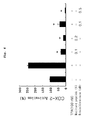
- FIG. 5 is a graphical representation of COX-2 activity inhibition effect measured using Maillard peptide according to the present invention and SC0030 as TRPV1 antagonist.
- the present invention provides a pharmaceutical composition for preventing or treating TRPV1 activity-related diseases containing Maillard peptides separated from well-aged traditional soy sauce as an active ingredient.
- the present invention provides a method for treating TRPV1 activity-related diseases comprising administering Maillard peptides or pharmaceutically acceptable salts thereof with effective dose to a patient in need of the same.
- the present invention provides use of said Maillard peptides or pharmaceutically acceptable salts thereof in the preparation of a medicine for treating TRPV1 activity-related diseases.
- the molecular weight of the mailard peptides may preferably range from 500 to 10,000. If the molecular weight of the mailard peptides is less than 500, free amino acid, free sugar, salts may be contained and if the molecular weight of the mailard peptides is over 10,000, ingredients other than peptides such as decomposed proteins or impurities in maturing process may be contained.
- the well-aged traditional soy sauce may be matured preferably for 3 or more years. If the well-aged traditional soy sauce is matured less than 3 years, the amount of generated mailard peptides is insufficient.
- Maillard peptides may be used for preventing or treating TRPV1 activity-related diseases by regulating TRPV1 activity.
- the diseases associated with TRPV1 activity regulation may include pain, neurological diseases, diabetic peripheral neuropathy (Kamei et al., Eur. J, Pharmacol., 2001, 422, 83-86), abnormality of bowel control, irritable bowel syndrome (Chan et al., Lancet, 2003, 361, 385-391), inflammatory bowel disease (Yiangou et al., Lancet, 2001, 357, 1338-1339), gastroenteric troubles, respiratory diseases, urinary incontinence (Birder et al., Nat.
- the pain may include acute pain, chronic pain, neuropathic pain, postoperative analgesia, rheumatalgia, osteoarthritis, postherpetic neuralgia, neuralgia, headache, toothache, pelvic pain, migraine, pain from bone cancer, breast pain, or visceral pain
- Pain 2000, 88, 125-133; Walker et al., J. Pharmacol. Exp. Ther., 2003, 304, 56-62; Morgan et al., J. Orofac. Pain, 2005, 19, 248-260; Dinis et al., Eur. Urol., 2005, 48, 162-167; Akerman et al., Br. J. Pharmcol., 2004, 142, 1354-1360; Ghilardi et al., J. Neurosci., 2005, 25, 3126-3131; Gopinath et al., BMC Womens Health, 2005, 5, 2-9).
- the neurological diseases may include HIV-related neuropathy, nerve damage, Neurodegenerative Diseases, or stroke (Park et al., Arch. Pharm. Res., 1999, 22, 432-434; Kim et al., J. Neurosci., 2005, 25(3), 662-671).
- the gastroenteric troubles may include Gastro-esophageal Reflux Disease, Gastroduodenal Ulcer, or Crohn's disease (Holzer P., Eur. J. Pharmacol., 2004, 500, 231-241; Geppetti et al., Br. J. Pharmacol., 2004, 141, 1313-1320).
- the respiratory diseases may include asthma, chronic obstructive pulmonary disease, or cough (Hwang et al., Curr. Opin. Pharmacol., 2002, 235-242; Spina et al. Curr. Opin. Pharmacol., 2002, 264-272; Geppetti et al., Eur. J. Pharmacol., 2006, 533, 207-214; McLeod et al., Cough, 2006, 2, 10).
- the neurogenic/allergic/inflammatory skin diseases may include psoriasis, pruritus, prurigo, or skin irritation (Southall et al., J. Pharmacol. Exp. Ther., 2003, 304, 217-222).
- the heart diseases may include myocardial ischemia (Scotland et al., Circ. Res., 2004, 95, 1027-1034; Pan et al., Circulation 110, 2004, 1826-1834).
- the abnormalities of growing hair may include hirsutism, bromhidrosis, or alopecia (Bodo et al., Am. J. Patho., 2005, 166, 985-998; Biro et al., J. Invest. Dermatol., 2006, 1-4).
- the Maillard peptides can function as a modulator to modulate TRPV1 activity, and efficaciously used as a pharmaceutical composition for preventing or treating TRPV1 activity-related diseases including pain, neurological diseases, urgent defecation, inflammatory bowel disease, respiratory diseases, urinary incontinence, overactive bladder, neurogenic/allergic/inflammatory skin diseases, skin, eye or mucosal irritation, hyperacusis, tinnitus, vestibular hypersensitivity, or heart disease.
- TRPV1 activity-related diseases including pain, neurological diseases, urgent defecation, inflammatory bowel disease, respiratory diseases, urinary incontinence, overactive bladder, neurogenic/allergic/inflammatory skin diseases, skin, eye or mucosal irritation, hyperacusis, tinnitus, vestibular hypersensitivity, or heart disease.
- Maillard peptides may be prepared by a preparation method including:
- Step 1 a step of centrifuging well-aged traditional soy sauce and removing pellets
- Step 2 a step of obtaining peptide fragments with molecular weight ranging from 500 to 10,000 from the well-aged traditional soy sauce of step 1 (Step 2);
- Step 3 a step of obtaining Maillard peptides by performing gel filtration chromatography with the well-aged traditional soy sauce of step 2 (Step 3).
- step 1 of the present invention may be carried out to centrifuge well-aged traditional soy sauce and remove pellets therefrom.
- the centrifuge may preferably be performed at 7,000 ⁇ 12,000 rpm, 10 ⁇ 20 min, and also performed preferably at 4° C. to prevent degeneration of peptides.
- the centrifuge By the centrifuge, the pellets contained in the well-aged traditional soy sauce are removed.
- step 2 may be carried out to obtain peptide fragments having molecular weight ranging from 500 to 10,000 from the well-aged traditional soy sauce of step 1.
- the peptide fragments having molecular weight 500 to 10,000 may be obtained by filtering the well-aged traditional soy sauce of step 1 with ultrafiltration (U/F).
- U/F ultrafiltration
- the U/F system may take a form of fibre with open core formed therein, and the pore size thereof ranges generally from 0.1 to 0.001 ⁇ m.
- U/F is filtering method between micro filteration (M/F) and reverse osmosis (R/O), and particles or microorganisms (e.g. algae, colon bacillus, bacteria, etc.) except ionic substances of the solution can be removed excellently with U/F. Since the U/F provides superior fragmentation and permeability, to the method can discriminately concentrate and purify a specific substance from the mixture solution of polymer and low molecular weight substance.
- M/F micro filteration
- R/O reverse osmosis
- microorganisms e.g. algae, colon bacillus, bacteria, etc.
- a step of lyophilizing the obtained peptide fragments may be additionally performed.
- Maillard peptides may be obtained by performing gel filtration chromatography with the well-aged traditional soy sauce of step 2.
- the peptide fragments powder of step 2 in ethanol and gel filtration chromatography is performed.
- the column filled with SEPHADEX LH-20 Hydrophilicity-linked dextran
- 20% of ethanol is used as mobile phase and gel filtration chromatography is performed with SEPHADEX LH-20 column; therefore, Maillard peptides of the present invention are obtained.
- the present invention provides a pharmaceutical composition for preventing or treating inflammation-related diseases or conditions, comprising Maillard peptides separated from well-aged traditional soy sauce as an active ingredient.
- the present invention provides a method for treating inflammation-related diseases or conditions comprising administering Maillard peptides or pharmaceutically acceptable salts thereof to a patient in need of the same.
- the present invention provides use of Maillard peptides or pharmaceutically acceptable salts thereof.
- the Maillard peptides of the present invention may be used as a pharmaceutical composition for preventing or treating inflammation-related diseases or conditions by inhibiting COX-2 activity.
- the inflammation-related diseases or conditions may include rheumatic fever (Revathi S, et al., J Pharm Biomed Anal., 2006, 42(2), 283-289), influenza (Lee et al., J Infect Dis., 2008, 198(4), 525-535; Carey et al., J Immunol., 2005, 175(10), 6878-6884), cold (Shiraishi Y et al., J Immunol., 2008, 180(1), 541-549), throat pain (Schachtel B P et al., J Clin Pharmacol., 2007, 47(7), 860-870), headaches (Drescher et al., Headache., 2006, 46(10), 1487-1491; O'Connor et al., Eur J Neurol., 2008, 15(1), el), toothaches (Huber M A et al., J Am Dent Assoc., 2006, 137(4), 480-487), sprains (Islam M
- the Maillard peptides may be efficaciously used as a pharmaceutical composition for preventing or treating inflammation-related diseases, such as rheumatic fever, influenza, cold, throat pain, headaches, toothaches, sprains, neuralgia, synovitis, rheumatoid arthritis, degenerative arthropathies, gout, ankylosing spondylitis, psoriasis, of dermatitis.
- inflammation-related diseases such as rheumatic fever, influenza, cold, throat pain, headaches, toothaches, sprains, neuralgia, synovitis, rheumatoid arthritis, degenerative arthropathies, gout, ankylosing spondylitis, psoriasis, of dermatitis.
- the pharmaceutical composition containing Maillard peptides as an active ingredient may be formed into preparation for oral or parenteral administration, but not limited thereto.
- the preparation for oral administration may include tablets, pills, hard/soft capsules, liquid, suspensions, emulsifiers, syrup, granules, or elixirs, each including not only active ingredients, but also diluents (e.g. latos, dextrose, sucrose, mannito, sorbitol, cellulose and/or glycine) or slip modifiers (silica, talc, stearic acid and magnesium or calcium salt and/or polyethylene glycol thereof).
- diluents e.g. latos, dextrose, sucrose, mannito, sorbitol, cellulose and/or glycine
- slip modifiers silica, talc, stearic acid and magnesium or calcium salt and/or polyethylene glycol thereof.
- Tablets also may contain bonding agents, such as magnesium aluminum silicate, starch paste, gelatin, methyl-cellulose, sodium carboxy-methyl-cellulose and/or polyvinylpyrrolidone, and may also contain disintegrating agents such as starch, agar, alginic acid or sodium salt thereof or boiling mixture and/or absorbent, colorant, flavouring agent, or sweetenings depending on situations.
- bonding agents such as magnesium aluminum silicate, starch paste, gelatin, methyl-cellulose, sodium carboxy-methyl-cellulose and/or polyvinylpyrrolidone
- disintegrating agents such as starch, agar, alginic acid or sodium salt thereof or boiling mixture and/or absorbent, colorant, flavouring agent, or sweetenings depending on situations.
- the pharmaceutical composition containing Maillard peptides as an active ingredient may be administered parenterally and the parenteral administration methods may include hypodermic injection, intravenous injection, intramuscular injection, or intra-chest injection. Also, in order to prepare dosage form for parenteral administration, Maillard peptides may be mixed along with a stabilizer or buffer in water, into solution or suspension for administration by ample or vial unit.
- the composition may be sterilized and/or contained preservatives, stabilizers, water-dispersible powder or emulsifier accelerators, adjurvants such as salts and/or buffer for osmosis control, and useful substances for treatment.
- the composition also may be prepared by the generally-known method including mixing, granulating or coating.
- the pharmaceutical composition containing Maillard peptides as an active ingredient according to the present invention is prepared in unit for dose, 0.1 to 1,500 mg of Maillard peptides may preferably be contained in a unit as an active ingredient.
- the dose may be determined according to the Physician's prescription based on factors including a patient's weight, age, specific characteristics or severity of diseases. However, the dose for adult treatment is about 1 to 500 mg per day depending on the frequency and strongness of dose. For adult, about 5 to 300 mg is enough per day for divided intramuscular or intravenous administration but higher amount may be preferable for single dose depending on patients.
- the solution having less than 10,000 of molecular weight was filtered with ultrafilter YC-05 (molecular weight cut-off 500 dalton) again.
- the solution having less than 500 of peptides molecular weight was removed and peptide fragments having 500 to 10,000 of molecular weight were obtained.
- the fragments were lyophilized to powder form, melted in 20% of ethanol, and chromatography was performed with SEPHADEX LH-20 column ( ⁇ 1.9 ⁇ 150 cm). 20% of ethanol was used for elution.
- the absorbance of each eluted fragment was measured at 214 nm, 280 nm, 420 nm with spectrophotometer. The measured absorbance value is presented in FIG. 1 .
- Human embryonic kidney cell HEK 293 (American Type Culture Collection, Manassas, Va.) was cultivated based on a manufacturer's recommendation, and temporary transformation was performed by seeding the cells on 35 mm plate and transforming, the next day, pcDNA structure of 0.4 ⁇ g rTRPV1 with Effectene transfection reagent (QIAGEN product) based on manufacturer's protocol. After 18 to 24 hours, the transformed cells were treated with trypsin, and used for whole cell recording experiment. The whole cell-current was amplified through EPC9 amplifier (HEKA).
- the electrode for record was made of borosilicate glass and was designed to have 5 to 7 M ⁇ of resistance when the standard intracellular fluid was filled therein.
- the normal extracellular fluid was used for the whole cell recording experiment, wherein the fluid contains 140 mM NaCl, 5 mM KCl, 2 mM CaCl2, 1 mM MgCl2, 10 mM glucose and 10 mM N-[2- hydroxyethyl]piperazine-N′-[2-ethanesulfonic acid] (N-[2-hydroxyethyl]piperazine-N′-[2-ethanesulfonic acid], HEPES) and pH level was regulated at 7.4 with NaOH.
- record electrode solution contained 135 mM CsCl 2 , 5 mM MgCl 2 , 10 mM HEPES, 5 mM EGTA, 10 mM glucose and 1 mM Mg-ATP and pH level was regulated at 7.3 with CsOH. All medical solution's flow was induced by gravity (flow rate: 1 to 5 ml/min). The experiment was performed at room temperature (18 to 22° C.) and KCl agar brige was used to avoid liquid junction potential. For a control group, HEK 293 cells not expressing TRPV1 were used.
- cells have a potential difference with reference to the cell membrane.
- the cell membrane has membrane potential in stable condition and this is called the resting membrane potential (RMP).
- the RMP of cells is generally in the range of ⁇ 60 to ⁇ 70 mV and the current is not appeared across cell membranes in this state.
- the voltage clamp method used in Example 1 is artificial method for clamping membrane potential to control the current of inner-cell electrically by inserting record electrode into cells.
- the potential of cell membrane is cramped at RMP (i.e., ⁇ 60 mV) and the electric current generated upon administering of drug was observed.
- the drug stimulating cells generate electric signal from the cells.
- FIG. 2 presents the result of the above-mentioned experiment, more specifically, FIG. 2( a ) presents the result of measuring current of HEK 293 cells as a control which does not expressed TRPV1, and FIG. 2( b ) presents the result of measuring current of HEK 293 cells expressing TRPV1.
- Example 2 the only difference is that the normal extracelluar fluid containing 40 mM NaCl, 5 mM KCl, 2 mM EGTA, 1 mM MgCl 2 , 10 mM glucose and 10 mM N-[2- HYDROXYETHYL]PIPERAZINE-N′-[2- ethanesulfonic acid](N-[2-hydroxyethyl]piperazine-N′-[2-ethanesulfonic acid]; HEPES) was used instead of the extracellular fluid containing 140 mM NaCl, 5 mM KCl, 2 mM CaCl2, 1 mM MgCl2, 10 mM glucose and 10 mM N-[2-HYDROXYETHYL]PIPERAZINE-N′-[2-ethanesulfonic acid] (N-[2-hydroxyethyl]piperazine-N′-[2-ethanesulfonic acid], HEPES).
- Example 2 0.2% of Maillard peptides of Example 1 were treated for 1, 2, 3 min and the generated electric signals were recorded based on current.
- FIG. 3 presents the result of Example 2.
- FIG. 3( a ) presents the result of measuring current when Maillard peptides were treated for 1 min
- FIG. 3( b ) presents the result of measuring current when Maillard peptides were treated for 2 min
- FIG. 3 ( c ) presents the result of measuring the current when Maillard peptides were treated for 3 min.
- FIGS. 3( b ) and 3 ( c ) of when Maillard peptides were treated for 2 or 3 min, followed by treatment with 100 nM of capsaicin, the generation of current was decreased about 50 to 70% compared to when 100 nM of capsaicin was treated alone. Also, when 100 nM capsaicin was treated again after washing, generation of current was gradually increased, indicating that the current induced by capsaicin was recovering.
- the Maillard peptides of the present invention act as an effective antagonist for inhibiting TRPV1 activity.
- HEK 296 cells were cultivated in the growth medium (DMEM, 10% calf serum, 100 units/ml penicillin, 100 ⁇ g/ml streptomycin) at 37° C., atmosphere: air 95% (v/v), carbon dioxide, 5% to generate cells growing exponentially; the medium was removed, washed with PBS, and treated with trypsin to separate the cultivated cells; and the separated cells were placed in the medium containing serum to inactivate trypsin. Centrifugal filtration was performed at 200/g for 2 min to obtain cell pellets.
- DMEM 10% calf serum, 100 units/ml penicillin, 100 ⁇ g/ml streptomycin
- the pellets were mixed with 5 ⁇ 10 6 cells/ml for 1 min; placed in electric shock cuvette; and pulses at room temperature with 1,500 ⁇ F, 270V with electroporator (Easyject of Equibio company) to inject plasmid (COX-2 promoter reporter gene and TRPV1 of human) within the cells. Then, the cells were placed within 10% of calf serum medium for dilution and plated within 24 well-plates. The injection efficiency of plasmid within the cells by using electroporation was converted based on activity measurement of expressed luciferase.
- the transformed plasmid cells were washed with PBS, and dissolution buffer (125 mM Tris pH 7.8, 10 mM CDTA, 10 mM DTT, 50% glycerol, 5% triton X-100) was added to destroy the cells and obtain supernatant liquid, and the amount (concentration) of protein was quantified with Bradford assay.
- dissolution buffer 125 mM Tris pH 7.8, 10 mM CDTA, 10 mM DTT, 50% glycerol, 5% triton X-100
- Luciferase activity was measured by adding 100 ⁇ l of buffer(20 mM trysin, 1.07 mM (MgCO3)4Mg(OH)2H20, 2.67 mM MgSO4, 0.1 mM EDTA, 33.3 mM DTT, 270 ⁇ M coenzyme A(Lithium salt), 470 ⁇ M luciferin, 530 ⁇ M ATP) and measuring light emission with Luminometer (LUMAT LB 9501/16) for 20 min. The activity of luciferase was marked as relative light unit (RLU) per 10 ⁇ g of protein.
- RLU relative light unit
- FIGS. 4 and 5 present the result of this experiment. To be specific, FIG. 4 presents COX-2 activity level(%) when resiniferatoxin was used for a control group and FIG. 5 presents COX-2 activity level(%) when SC0030 (JYL 1421 of AstraZeneca company) was used for a control group.
- COX-2 activity induced by TPA was decreased when Maillard peptides of the present invention were administered. Also, COX-2 activity induced by TPA was decreased when resiniferatoxin known as TRPV1 agent was administered.
- COX-2 activity induced by TPA was decreased when Maillard peptides of the present invention were administered. Also, when Maillard peptides of the present invention and SC0030 known as an antagonist were administered at the same time, it was confirmed that COX-2 activity induced by TPA was increased three times than when Maillard peptides were administered alone and the COX-2 activity inhibition effect of Maillard peptides was inhibited due to TRPV1 antagonist.
- the mailard peptides may be used as the TRPV1 activity regulator to be used as a pharmaceutical composition for preventing or treating TRPV1 activity-related diseases such as pain, neurological diseases, urgent defecation, inflammatory bowel disease, respiratory diseases, urinary incontinence, overactive bladder, neurogenic/allergic/inflammatory skin diseases, skin, eye or mucosal irritation, hyperacusis, tinnitus, vestibular hypersensitivity, or heart disease.
- TRPV1 activity-related diseases such as pain, neurological diseases, urgent defecation, inflammatory bowel disease, respiratory diseases, urinary incontinence, overactive bladder, neurogenic/allergic/inflammatory skin diseases, skin, eye or mucosal irritation, hyperacusis, tinnitus, vestibular hypersensitivity, or heart disease.
- the Maillard peptides of the present invention can inhibit COX-2 activity, these can be effectively used as a pharmaceutical composition for preventing or treating inflammation-related diseases or conditions such as rheumatic fever, influenza, cold, throat pain, headaches, toothaches, sprains, neuralgia, synovitis, rheumatoid arthritis, degenerative arthropathies, gout, ankylosing spondylitis, psoriasis, or dermatitis.
- inflammation-related diseases or conditions such as rheumatic fever, influenza, cold, throat pain, headaches, toothaches, sprains, neuralgia, synovitis, rheumatoid arthritis, degenerative arthropathies, gout, ankylosing spondylitis, psoriasis, or dermatitis.
- Maillard peptides of the present invention may be prepared into various dosages depending on the purpose of treatment.
- the followings are the examples of several preparation methods containing Maillard peptides of the present invention as an active ingredient, but not limited thereto.
- Powder was prepared by mixing the above compounds and filled in airtight sachet.
- Maillard peptides 100 mg Corn starch 100 mg Lactose 100 mg Magnesium Stearate 2 mg
- Tablet was prepared by mixing the above compounds and tableting based on the known method for preparing tablet.
- Maillard peptides 100 mg Lactose 100 mg Magnesium Stearate 2 mg
- Capsule was prepared by mixing the above compounds and filling in gelatine capsule based on the known method for preparing capsule.
- Injection was prepared by containing the above compounds with the described contents based on the known method for preparing injection.
Landscapes
- Health & Medical Sciences (AREA)
- Life Sciences & Earth Sciences (AREA)
- Chemical & Material Sciences (AREA)
- Medicinal Chemistry (AREA)
- Veterinary Medicine (AREA)
- General Health & Medical Sciences (AREA)
- Animal Behavior & Ethology (AREA)
- Pharmacology & Pharmacy (AREA)
- Public Health (AREA)
- Nuclear Medicine, Radiotherapy & Molecular Imaging (AREA)
- General Chemical & Material Sciences (AREA)
- Chemical Kinetics & Catalysis (AREA)
- Organic Chemistry (AREA)
- Engineering & Computer Science (AREA)
- Bioinformatics & Cheminformatics (AREA)
- Virology (AREA)
- Neurosurgery (AREA)
- Neurology (AREA)
- Biomedical Technology (AREA)
- Natural Medicines & Medicinal Plants (AREA)
- Pulmonology (AREA)
- Oncology (AREA)
- Immunology (AREA)
- Communicable Diseases (AREA)
- Pain & Pain Management (AREA)
- Epidemiology (AREA)
- Dermatology (AREA)
- Rheumatology (AREA)
- Endocrinology (AREA)
- Diabetes (AREA)
- Botany (AREA)
- Biotechnology (AREA)
- Proteomics, Peptides & Aminoacids (AREA)
- Urology & Nephrology (AREA)
- Reproductive Health (AREA)
- Molecular Biology (AREA)
- Psychiatry (AREA)
- Mycology (AREA)
- Ophthalmology & Optometry (AREA)
- Gastroenterology & Hepatology (AREA)
Abstract
Description
| Maillard peptides | 2 g | ||
| Lactose | 1 g | ||
| |
100 | ||
| Corn starch | |||
| 100 | |||
| Lactose | |||
| 100 | |||
| Magnesium Stearate | |||
| 2 mg | |||
| |
100 | ||
| Lactose | |||
| 100 | |||
| Magnesium Stearate | |||
| 2 mg | |||
| |
100 mg | ||
| Mannitol | 180 mg | ||
| Na2HPO4•2H2O | 26 mg | ||
| Distilled water | 2974 mg | ||
Claims (4)
Applications Claiming Priority (3)
| Application Number | Priority Date | Filing Date | Title |
|---|---|---|---|
| KR10-2009-0106912 | 2009-11-06 | ||
| KR1020090106912A KR101126163B1 (en) | 2009-11-06 | 2009-11-06 | Pharmaceutical composition for preventing or treating diseases associated with activation of TRPV1 or inflammation containing maillard peptides of mature typical Korean soy sauce as an active ingredient |
| PCT/KR2010/007845 WO2011056033A2 (en) | 2009-11-06 | 2010-11-08 | Pharmaceutical composition for preventing / treating trpv1 activity-related and inflammation-related diseases or conditions containing maillard peptide separated from well-aged traditional soy sauce as active ingredient |
Publications (2)
| Publication Number | Publication Date |
|---|---|
| US20120225808A1 US20120225808A1 (en) | 2012-09-06 |
| US8653032B2 true US8653032B2 (en) | 2014-02-18 |
Family
ID=43970581
Family Applications (1)
| Application Number | Title | Priority Date | Filing Date |
|---|---|---|---|
| US13/508,482 Active - Reinstated US8653032B2 (en) | 2009-11-06 | 2010-11-08 | Pharmaceutical composition for preventing / treating TRPV1 activity-related and inflammation-related diseases or conditions containing maillard peptide separated from well-aged traditional soy sauce as active ingredient |
Country Status (4)
| Country | Link |
|---|---|
| US (1) | US8653032B2 (en) |
| JP (2) | JP5699157B2 (en) |
| KR (1) | KR101126163B1 (en) |
| WO (1) | WO2011056033A2 (en) |
Cited By (1)
| Publication number | Priority date | Publication date | Assignee | Title |
|---|---|---|---|---|
| US20180042264A1 (en) * | 2015-03-03 | 2018-02-15 | South China University Of Technology | A saury maillard peptide having uric acid-decreasing activity and its preparation method and application |
Families Citing this family (10)
| Publication number | Priority date | Publication date | Assignee | Title |
|---|---|---|---|---|
| JP5916051B2 (en) * | 2011-04-24 | 2016-05-11 | 国立大学法人北海道大学 | Anti-inflammatory agent and method for producing anti-inflammatory agent |
| KR101555357B1 (en) | 2013-11-15 | 2015-09-30 | 한국식품연구원 | Saltness Enhancer comprising Peptides Derived from Dark Vinegar |
| KR101682803B1 (en) | 2015-04-10 | 2016-12-06 | 중앙대학교 산학협력단 | Salty peptide |
| CN104800749A (en) * | 2015-04-13 | 2015-07-29 | 青岛市第三人民医院 | Medicine for treating diabetic nephropathy |
| CN104721632A (en) * | 2015-04-15 | 2015-06-24 | 晁东辉 | Clinical medical herbal anesthetic |
| CN104784546A (en) * | 2015-04-23 | 2015-07-22 | 青岛市第三人民医院 | Medicine for preventing and treating influenza A H1N1 |
| KR101682864B1 (en) | 2016-10-18 | 2016-12-06 | 중앙대학교 산학협력단 | Salty peptide |
| KR101682865B1 (en) | 2016-10-18 | 2016-12-06 | 중앙대학교 산학협력단 | Salty peptide |
| CN106798865A (en) * | 2017-02-16 | 2017-06-06 | 成都市飞龙水处理技术研究所青白江第分所 | A kind of Chinese medicine composition for treating acute and chronic synovitis and preparation method thereof |
| KR102315036B1 (en) | 2020-07-24 | 2021-10-21 | 중앙대학교 산학협력단 | Recombinant expression vector for expression of Salty peptides and production method using the same |
Citations (3)
| Publication number | Priority date | Publication date | Assignee | Title |
|---|---|---|---|---|
| KR20070106220A (en) | 2006-04-28 | 2007-11-01 | 재단법인서울대학교산학협력재단 | Toothache treatment and block screening method comprising blocker of TRP channel |
| KR20080089416A (en) | 2005-12-21 | 2008-10-06 | 페인셉터 파마 코포레이션 | Compositions and Methods for Controlling Gated Ion Channels |
| KR20080096839A (en) | 2006-02-21 | 2008-11-03 | 아이알엠 엘엘씨 | Methods and compositions for treating hyperalgesia |
Family Cites Families (3)
| Publication number | Priority date | Publication date | Assignee | Title |
|---|---|---|---|---|
| JP3651921B2 (en) * | 1994-02-23 | 2005-05-25 | 株式会社三香堂 | Mast cell histamine release inhibitor |
| JP2005225833A (en) * | 2004-02-16 | 2005-08-25 | Meiji Univ | Melanoidin-containing interleukin-12 production promoter and method |
| JP5414236B2 (en) * | 2008-10-10 | 2014-02-12 | 丸善製薬株式会社 | Anti-inflammatory agent |
-
2009
- 2009-11-06 KR KR1020090106912A patent/KR101126163B1/en active Active
-
2010
- 2010-11-08 US US13/508,482 patent/US8653032B2/en active Active - Reinstated
- 2010-11-08 JP JP2012537825A patent/JP5699157B2/en not_active Expired - Fee Related
- 2010-11-08 WO PCT/KR2010/007845 patent/WO2011056033A2/en not_active Ceased
-
2014
- 2014-11-14 JP JP2014231805A patent/JP2015061855A/en active Pending
Patent Citations (3)
| Publication number | Priority date | Publication date | Assignee | Title |
|---|---|---|---|---|
| KR20080089416A (en) | 2005-12-21 | 2008-10-06 | 페인셉터 파마 코포레이션 | Compositions and Methods for Controlling Gated Ion Channels |
| KR20080096839A (en) | 2006-02-21 | 2008-11-03 | 아이알엠 엘엘씨 | Methods and compositions for treating hyperalgesia |
| KR20070106220A (en) | 2006-04-28 | 2007-11-01 | 재단법인서울대학교산학협력재단 | Toothache treatment and block screening method comprising blocker of TRP channel |
Non-Patent Citations (12)
Cited By (2)
| Publication number | Priority date | Publication date | Assignee | Title |
|---|---|---|---|---|
| US20180042264A1 (en) * | 2015-03-03 | 2018-02-15 | South China University Of Technology | A saury maillard peptide having uric acid-decreasing activity and its preparation method and application |
| US10575537B2 (en) * | 2015-03-03 | 2020-03-03 | South China University Of Technology | Saury Maillard peptide and its preparation method and application |
Also Published As
| Publication number | Publication date |
|---|---|
| JP2015061855A (en) | 2015-04-02 |
| KR20110050076A (en) | 2011-05-13 |
| WO2011056033A3 (en) | 2011-11-03 |
| KR101126163B1 (en) | 2012-03-22 |
| US20120225808A1 (en) | 2012-09-06 |
| WO2011056033A2 (en) | 2011-05-12 |
| JP2013510144A (en) | 2013-03-21 |
| JP5699157B2 (en) | 2015-04-08 |
Similar Documents
| Publication | Publication Date | Title |
|---|---|---|
| US8653032B2 (en) | Pharmaceutical composition for preventing / treating TRPV1 activity-related and inflammation-related diseases or conditions containing maillard peptide separated from well-aged traditional soy sauce as active ingredient | |
| US11439639B2 (en) | Pyrazine-containing compound | |
| US10517839B2 (en) | Mast cell inhibition in diseases of the retina and vitreous | |
| US11517604B2 (en) | Method for preparing Plectranthus amboinicus fraction having anti-arthritis activity | |
| CN109843309A (en) | Ascaroside therapy for autoimmune and inflammatory diseases | |
| CN117298095B (en) | Application of eupatorium sesquiterpene lactone compounds in preparation of medicines for treating/preventing NLRP3 inflammatory small body mediated diseases | |
| CN102755341A (en) | Application of acteoside in preparing medicine for treating alzheimer disease | |
| CN117257814A (en) | Application of Ganoderic Acid A in the Preparation of Medications for Preventing and/or Treating Kidney Damage Caused by Shock | |
| TW201103532A (en) | Use of silymarin and silybin in the treatment of neural injury | |
| CN119837920A (en) | Application of eucommia ulmoides lignans in preparation of medicines for preventing and treating sepsis | |
| CN108653296B (en) | The Application of Elemelic Acid and Its Drugs for Treating Pancreatitis | |
| WO2008009655B1 (en) | Medical use of n-phenylpropenoyl-amino acid derivatives and related compounds | |
| CN109420172A (en) | A kind of purposes of inhibitor in terms of cystic echinococcosis drug is treated in preparation | |
| CN107625796B (en) | A kind of medicinal composition containing Angelica and its use | |
| EP3954379A1 (en) | Compositions comprising phyllanthus extract for use in the treatment or prevention of a sars-cov-2 infection and/or at least one symptom of covid-19 | |
| CN116942697A (en) | Application of Prussian blue in preparation of medicine for treating endoplasmic reticulum stress related diseases | |
| CN111012769B (en) | A kind of pharmaceutical composition for treating hydatid disease, pharmaceutical preparation and preparation method of emulsion | |
| CN116829165A (en) | Compositions containing vesicles derived from Lactobacillus paracasei for preventing, treating or alleviating viral infectious diseases or respiratory diseases | |
| CN102772418B (en) | Application of pachysamine/pachysandrine G | |
| CN112168812A (en) | Use of palmitoleic acid for preparing a composition for preventing or treating inflammatory diseases | |
| US11583561B2 (en) | Composition for preventing, treating, or alleviating viral infection diseases or respiratory diseases comprising vesicle derived from Lactobacillus paracasei | |
| CN102836152A (en) | Application of physalin B in preparation of medicine for curing and/or preventing schistosomiasis | |
| CN104447783A (en) | Ganoderma cochlear phenols A and B, pharmaceutical compositions of ganoderma cochlear phenols A and B and applications of ganoderma cochlear phenols A and B and pharmaceutical compositions in preparation of medicines and food | |
| RU2784896C2 (en) | Medical use of anemoside b4 against acute gouty arthritis | |
| CN110559340A (en) | Compound Chuzhou chrysanthemum snuff preparation as well as preparation method and application thereof |
Legal Events
| Date | Code | Title | Description |
|---|---|---|---|
| AS | Assignment |
Owner name: SNU R & DB FOUNDATION, KOREA, REPUBLIC OF Free format text: ASSIGNMENT OF ASSIGNORS INTEREST;ASSIGNORS:RHYU, MEE-RA;SONG, AH-YOUNG;KIM, EUN-YOUNG;AND OTHERS;REEL/FRAME:028167/0102 Effective date: 20120426 Owner name: KOREA FOOD RESEARCH INSTITUTE, KOREA, REPUBLIC OF Free format text: ASSIGNMENT OF ASSIGNORS INTEREST;ASSIGNORS:RHYU, MEE-RA;SONG, AH-YOUNG;KIM, EUN-YOUNG;AND OTHERS;REEL/FRAME:028167/0102 Effective date: 20120426 |
|
| FEPP | Fee payment procedure |
Free format text: PAYOR NUMBER ASSIGNED (ORIGINAL EVENT CODE: ASPN); ENTITY STATUS OF PATENT OWNER: SMALL ENTITY |
|
| FEPP | Fee payment procedure |
Free format text: MAINTENANCE FEE REMINDER MAILED (ORIGINAL EVENT CODE: REM.) |
|
| LAPS | Lapse for failure to pay maintenance fees |
Free format text: PATENT EXPIRED FOR FAILURE TO PAY MAINTENANCE FEES (ORIGINAL EVENT CODE: EXP.) |
|
| FP | Lapsed due to failure to pay maintenance fee |
Effective date: 20180218 |
|
| PRDP | Patent reinstated due to the acceptance of a late maintenance fee |
Effective date: 20180614 |
|
| FEPP | Fee payment procedure |
Free format text: SURCHARGE, PETITION TO ACCEPT PYMT AFTER EXP, UNINTENTIONAL. (ORIGINAL EVENT CODE: M2558); ENTITY STATUS OF PATENT OWNER: SMALL ENTITY Free format text: PETITION RELATED TO MAINTENANCE FEES GRANTED (ORIGINAL EVENT CODE: PMFG) Free format text: PETITION RELATED TO MAINTENANCE FEES FILED (ORIGINAL EVENT CODE: PMFP) |
|
| MAFP | Maintenance fee payment |
Free format text: PAYMENT OF MAINTENANCE FEE, 4TH YR, SMALL ENTITY (ORIGINAL EVENT CODE: M2551) Year of fee payment: 4 |
|
| STCF | Information on status: patent grant |
Free format text: PATENTED CASE |
|
| MAFP | Maintenance fee payment |
Free format text: PAYMENT OF MAINTENANCE FEE, 8TH YR, SMALL ENTITY (ORIGINAL EVENT CODE: M2552); ENTITY STATUS OF PATENT OWNER: SMALL ENTITY Year of fee payment: 8 |
|
| MAFP | Maintenance fee payment |
Free format text: PAYMENT OF MAINTENANCE FEE, 12TH YR, SMALL ENTITY (ORIGINAL EVENT CODE: M2553); ENTITY STATUS OF PATENT OWNER: SMALL ENTITY Year of fee payment: 12 |