US8648114B2 - Use of transplatin to prevent hearing loss - Google Patents
Use of transplatin to prevent hearing loss Download PDFInfo
- Publication number
- US8648114B2 US8648114B2 US12/836,398 US83639810A US8648114B2 US 8648114 B2 US8648114 B2 US 8648114B2 US 83639810 A US83639810 A US 83639810A US 8648114 B2 US8648114 B2 US 8648114B2
- Authority
- US
- United States
- Prior art keywords
- transplatin
- cisplatin
- platinum
- subject
- pharmaceutical composition
- Prior art date
- Legal status (The legal status is an assumption and is not a legal conclusion. Google has not performed a legal analysis and makes no representation as to the accuracy of the status listed.)
- Active, expires
Links
Images




Classifications
-
- A—HUMAN NECESSITIES
- A61—MEDICAL OR VETERINARY SCIENCE; HYGIENE
- A61K—PREPARATIONS FOR MEDICAL, DENTAL OR TOILETRY PURPOSES
- A61K33/00—Medicinal preparations containing inorganic active ingredients
- A61K33/24—Heavy metals; Compounds thereof
-
- A—HUMAN NECESSITIES
- A61—MEDICAL OR VETERINARY SCIENCE; HYGIENE
- A61K—PREPARATIONS FOR MEDICAL, DENTAL OR TOILETRY PURPOSES
- A61K45/00—Medicinal preparations containing active ingredients not provided for in groups A61K31/00 - A61K41/00
- A61K45/06—Mixtures of active ingredients without chemical characterisation, e.g. antiphlogistics and cardiaca
-
- A—HUMAN NECESSITIES
- A61—MEDICAL OR VETERINARY SCIENCE; HYGIENE
- A61K—PREPARATIONS FOR MEDICAL, DENTAL OR TOILETRY PURPOSES
- A61K9/00—Medicinal preparations characterised by special physical form
- A61K9/0012—Galenical forms characterised by the site of application
- A61K9/0019—Injectable compositions; Intramuscular, intravenous, arterial, subcutaneous administration; Compositions to be administered through the skin in an invasive manner
-
- A—HUMAN NECESSITIES
- A61—MEDICAL OR VETERINARY SCIENCE; HYGIENE
- A61K—PREPARATIONS FOR MEDICAL, DENTAL OR TOILETRY PURPOSES
- A61K9/00—Medicinal preparations characterised by special physical form
- A61K9/0012—Galenical forms characterised by the site of application
- A61K9/0046—Ear
-
- A—HUMAN NECESSITIES
- A61—MEDICAL OR VETERINARY SCIENCE; HYGIENE
- A61P—SPECIFIC THERAPEUTIC ACTIVITY OF CHEMICAL COMPOUNDS OR MEDICINAL PREPARATIONS
- A61P35/00—Antineoplastic agents
Definitions
- the present disclosure relates generally to platinum-based chemotherapy agents, and in particular to methods and compositions for treating or preventing side effects of platinum-based chemotherapy agents in cancer treatment, and to treat or prevent inflammatory pain.
- Cisplatin is a highly effective chemotherapeutic agent and widely used for treating solid tumors.
- cisplatin therapy produces serious side effects such as nephrotoxicity, neurotoxicity, and severe ototoxicity.
- cisplatin-induced ototoxicity is bilateral and irreversible, and thus particularly serious in the pediatric population and especially during early development to about three years of age.
- Cisplatin is frequently used to treat cancers like neuroblastoma and CNS neuroblastoma tumors in pediatric patients, but the resulting ototoxicity hampers speech, cognition and social development.
- Carboplatin and oxaliplatin are two other platinum-based chemotherapy agents that have emerged over the last twenty years of intense research aimed at improving cisplatin.
- carboplatin and oxaliplatin are effective in treating only a few cancers.
- oxaliplatin has been used to treat children with central nervous system (CNS) tumors, it has very limited activity (M.
- Transplatin trans-diamminedichloroplatinum (II)
- the trans stereoisomer of cisplatin has the formula trans-[PtCl 2 (NH 3 ) 2 ] and though well-studied does not exhibit a comparably useful pharmacological effect, though it has been shown to be relatively nontoxic in humans.
- transplatin does not cause ototoxicity at equimolar doses of cisplatin.
- transplatin rapidly binds to DNA, reaches a maximum at 6 hours, then rapidly decreases over the next 6 hours and continues to decrease over the next 36 hours.
- cisplatin bound DNA continues to increase steadily over 48 hours.
- the level of cisplatin bound to cellular DNA is approximately 11-fold higher than that of transplatin over a treatment period of 42 hours using equal extracellular concentrations (10 ⁇ M) of both the isomers.
- the present disclosure provides a pharmaceutical composition for treating cancer in a subject in need thereof, the pharmaceutical composition comprising transplatin and a second platinum-based chemotherapy agent.
- the second platinum-based chemotherapy agent can be, for example, cisplatin, carboplatin, oxaliplatin, nedaplatin or nanoplatin.
- the pharmaceutical composition may further include a pharmaceutically acceptable carrier, excipient or diluent.
- the pharmaceutical composition may further include a non-steroidal anti-inflammatory agent.
- the amount of the second platinum-based chemotherapy agent can be between about 0.1 and about 100 times the weight of transplatin.
- the amount of transplatin can be between about 0.1 mg/kg and about 20 mg/kg, preferably between about 0.1 and about 5 mg/kg.
- the present disclosure provides a method of treating or preventing ototoxic effects of an ototoxic agent in a subject in need thereof, the method comprising administering to the subject a therapeutically effective amount of transplatin.
- the method can include for example administering the transplatin to the subject before or during exposure of the subject to the ototoxic agent.
- the transplatin may be administered to the subject after exposure of the subject to the ototoxic agent.
- the transplatin can be administered for example via intraperitoneal injection or trans-tympanic injection.
- the present disclosure provides a method of treating or preventing nephrotoxic effects of a nephrotoxic agent in a subject in need thereof, the method comprising administering to the subject a therapeutically effective amount of transplatin.
- the method can include for example administering the transplatin to the subject before or during exposure of the subject to the nephrotoxic agent.
- the transplatin may be administered to the subject after exposure of the subject to the nephrotoxic agent.
- the transplatin can be administered for example via intraperitoneal injection.
- the present disclosure provides a pharmaceutical composition for treating or preventing inflammatory pain in a subject in need thereof, wherein the pharmaceutical composition comprises a therapeutically effective amount of transplatin.
- a method of treating or preventing inflammatory pain in a subject in need thereof is also provided and can include administering to the subject such a pharmaceutical composition.
- the transplatin can be administered via intraperitoneal injection, subcutaneous injection, or intraganglionic injection.
- the method can be used to treat a subject suffering from an inflammatory pain condition, such as for example arthritis or cancer-induced pain.
- the method can be used to treat a subject suffering chronic inflammatory pain.
- the present disclosure provides a method of treating or preventing platinum-based chemotherapy agent-induced toxicity in a subject to be treated or treated with a platinum-based chemotherapy agent that is not transplatin, in which a therapeutically effective amount of transplatin is administered to the subject.
- the transplatin may be administered to the subject before or during exposure of the subject to the platinum-based chemotherapy agent.
- the transplatin may be administered to the subject after exposure of the subject to the platinum-based chemotherapy agent.
- the platinum-based chemotherapy agent and transplatin may be administered to the subject together in a pharmaceutical composition, which may further include a pharmaceutically acceptable carrier, excipient or diluent.
- the platinum-based chemotherapy agent and transplatin can be administered to the subject in separate pharmaceutical compositions. These may be administered simultaneously to the subject, or sequentially to the subject.
- FIG. 1 is a schematic diagram of the interaction between TRPV1 and NOX3 in the induction of hair cell damage or death.
- FIG. 2A is a panel of photomicrographs of UB/OC-1 cells treated with cisplatin (2.5 ⁇ M) for 30 min, showing a marked increase in ROS generation, as determined by H2DCFDA fluorescence, which was attenuated by transplatin (1 ⁇ M).
- FIG. 2B is a bar graph of the increase in NOX3 mRNA observed in UB/OC-1 cells using RT-PCR, following cisplatin (5 ⁇ M) administration, which was attenuated by prior transplatin administration at the concentrations (1,2.5, and 10 ⁇ M) shown.
- FIG. 2C is a panel of photomicrographs of cochlea sections from male Wistar rats following treatment with vehicle (control) (first panel), cisplatin (11 mg/kg, i.p) (second panel), transplatin (5.5 mg/kg, i.p) followed by cisplatin (third panel), and transplatin alone (last panel), all stained for NOX3 immunoreactivity.
- FIG. 3A is a bar graph of the increase in KIM-1 mRNA observed in UB/OC-1 cells using RT-PCR, following cisplatin (5 ⁇ M) administration, which was attenuated by prior transplatin administration at the concentrations (1,2.5 and 10 ⁇ M) shown.
- FIG. 3B is a bar graph of the increase in TRPV1 mRNA observed in UB/OC-1 cells using RT-PCR, following cisplatin (5 ⁇ M) administration, which was attenuated by transplatin administration at the concentrations (1,2.5 and 10 ⁇ M) shown.
- FIG. 3C is a panel of photomicrographs of cochlea sections from male Wistar rats following treatment with vehicle (control) (first panel), cisplatin alone (11 mg/kg,i.p) (second panel), transplatin (5.5 mg/kg, i.p) followed by cisplatin (third panel), and transplatin alone (last panel), all stained for KIM-1 immunoreactivity.
- FIG. 4 is a panel of photomicrographs of intracellular Ca 2+ detected by Fluo-4AM and confocal microscopy, in UB/OC-1 cells treated with transplatin (1 ⁇ M), 30 min prior to treatment with cisplatin (5 ⁇ M).
- FIG. 5A is a bar graph of percentage viability of UB/OC-1 hair cells treated with various concentrations of transplatin for 30 min prior to treatment with 20 ⁇ M cisplatin for 24 h.
- FIG. 5B is a panel of photomicrographs of AT6.1 rat prostate cancer cells plated at 60,000 cells per well in 24 well plates, treated with 1, 2.5, 5 or 10 ⁇ M of transplatin for 30 minutes prior to treatment with 100 ⁇ M cisplatin for 24 h., fixed in 4% paraformaldehyde and imaged.
- FIG. 6 is a panel of photomicrographs of UB/OC-1 plated on coverslips and treated with transplatin (1 ⁇ M) for 30 min prior to treatment with cisplatin (5 ⁇ M) for another 30 min, scanned every 6 sec by Argon laser (480 nm) exposed to FM1-43 dye on the sixth scan.
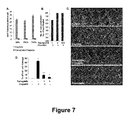
- FIG. 7A is a bar graph of auditory brainstem responses (ABR) threshold shifts (dB) obtained from na ⁇ ve Wistar rats, treated with transplatin (5.5 mg/kg, i.p.), followed by cisplatin (11 mg/kg, i.p.).
- ABR auditory brainstem responses
- dB threshold shifts
- FIG. 7B is a bar graph of auditory protection (no. of ears protected) observed in eight (8) na ⁇ ve Wistar rats, treated with transplatin (1, 3, and 5.5 mg/kg, i.p.), followed by cisplatin (11 mg/kg, i.p.).
- FIG. 7C is a panel of scanning electron photomicrographs of outer cell hair cells under control conditions (first panel), following treatment with cisplatin (11 mg/kg, i.p) for 72 h (second panel), following pretreatment with transplatin (5.5 mg/kg, i.p.) followed by cisplatin administration (third panel), and following transplatin treatment alone (last panel).
- FIG. 7D is a bar graph quantifying hair cell damage seen in the basal turn of the organ of Corti following cisplatin treatment (11 mg/kg, i.p.) for 72 h, or cisplatin treatment together with transplatin pretreatment (5.5 mg/kg, i.p.).
- FIG. 8A is a bar graph of the increase in mRNA expression for each of KIM-1 (green), NOX3 (blue) and TRPV1 (red) observed in kidneys harvested from male Wistar rats cells under control conditions, following treatment with cisplatin (11 mg/kg, i.p) for 72 h, following pretreatment with transplatin (5.5 mg/kg) followed by cisplatin administration, and following transplatin treatment alone.
- FIG. 8B is a scatter plot of serum BUN levels in male wistar rats treated systemically (i.p) with PBS, cisplatin (11 mg/kg), transplatin (5.5, 3 and 1 mg/kg)+Cisplatin (11 mg/kg) or transplatin (5.5 mg/kg) alone. Cisplatin treatment increases BUN values while co-administration of transplatin with cisplatin lowers the BUN values.
- FIG. 8C is a scatter plot of serum creatinine levels in male Wistar rats treated systemically (i.p) with PBS, cisplatin (11 mg/kg), transplatin (5.5, 3 and 1 mg/kg)+Cisplatin (11 mg/kg) or transplatin (5.5 mg/kg) alone. Serum creatinine values were increased significantly with cisplatin treatment, however transplatin coadministration with cisplatin resulted in lower creatinine levels.
- FIG. 9 is a bar graph of relative fluorescence intensity using H2DCFDA in dorsal root ganglion (DRG) cells from neonatal mice, over time (0 sec through 5 min) following addition of NGF (100 ng/ml) alone (blue), and following a 30 minute pretreatment with transplatin (2.5 ⁇ M) then followed by NGF treatment.
- DRG dorsal root ganglion
- FIG. 10A is a bar graph of ABR threshold shifts observed in Wistar rats following pre-treatment with vehicle or trans-tympanic transplatin (50 ⁇ l of 0.5 mg/ml solution) followed by cisplatin (11 mg/kg, i.p.) over a 30 min infusion period.
- FIG. 10B shows scanning electron microscopy (SEM) photomicrographs showing morphological analysis of the three rows of outer hair cells of the organ of Corti confirming cisplatin-induced outer hair cell damage (11 mg/kg, i.p.), which was almost completely abrogated by trans-tympanic administration of transplatin (50 ⁇ l of 0.5 mg/ml solution).
- SEM scanning electron microscopy
- FIG. 10C is a bar graph quantifying outer hair cell damage/loss produced by cisplatin (11 mg/kg, i.p.), and reduction of hair cell loss/damage by pretreatment with transplatin (50 ⁇ l of 0.5 mg/ml solution).
- FIG. 11 is a graph of body temperature of two rats before and after transplatin (Tp) treatment (5.5 mg/kg, i.p), and in a control animal (PBS), showing no apparent trend of higher body temperatures following transplatin administration.
- the terms “subject” and “patient” are used interchangeably irrespective of whether the subject has or is currently undergoing any form of treatment.
- the terms “subject” and “subjects” refer to any vertebrate, including, but not limited to, a mammal (e.g., cow, pig, camel, llama, horse, goat, rabbit, sheep, hamsters, guinea pig, cat, dog, rat, and mouse, a non-human primate (for example, a monkey, such as a cynomolgous monkey, chimpanzee, etc) and a human).
- a mammal e.g., cow, pig, camel, llama, horse, goat, rabbit, sheep, hamsters, guinea pig, cat, dog, rat, and mouse
- a non-human primate for example, a monkey, such as a cynomolgous monkey, chimpanzee, etc
- the subject is a
- FIG. 1 is a schematic diagram of the interaction between TRPV1 and NOX3 in the induction of hair cell damage or death. Data previously obtained by the inventors (not shown) indicated that cisplatin increases TRPV1 activation and expression, leading to increased intracellular accumulation and cell death via the apoptotic or necrotic pathways. As illustrated in FIG. 1 , NOX3 generates reactive oxygen species (“ROS”), which contribute to lipid peroxidation and to damage or apoptotic cell death. TRPV1 expression appears to be dependent on NOX3, and the activation and expression of NOX3 appear to depend on the activity of TRPV1.
- ROS reactive oxygen species
- transplatin is protective against the toxic side effects of platinum-based chemotherapeutic agents such as cisplatin, following exposure of a cell to such an agent.
- Transplatin also was unexpectedly found to have anti-inflammatory activity. Without being bound to any theory, it is believed that these effects of transplatin may be mediated by its effect on ROS and intracellular calcium release.
- transplatin may be used in compositions such as a pharmaceutical composition, which may be used to treat cancer in a subject or to treat inflammatory pain in a subject.
- An exemplary composition includes transplatin in an amount suitable to deliver a dosage of about 0.1 to about 50 mg/kg body weight, preferably about 0.1 to about 20 mg/kg body weight, more preferably about 0.1 mg/kg to about 5 mg/kg body weight in a dosage form for delivery once, twice, three or four times daily, or in a dosage form for continuous delivery such as in a low-concentration liquid dosage form for continuous drip administration, for example as an i.v. drip. It should be understood that alternative measures of dose may be used, depending on the dosage form and intended route of administration.
- dosage is often provided in units of g/m 2 or mg/m 2 .
- dosage forms for localized administration such as intra- or trans-tympanic administration, or ear drops delivered via a ventilation tube placed in the ear
- dosage is often provided as a concentration in units of mg/ml.
- Exemplary, non-limiting dosages for transplatin in a dosage form for systemic administration may range from about 1 mg/m 2 to about 700 mg/m 2 .
- Exemplary, non-limiting dosages for trans-tympanic administration or as ear drops via ventilation tubes may range from about 0.01 mg/ml to about 100 mg/ml.
- transplatin can be combined in a single pharmaceutical composition with a second platinum-based chemotherapy agent, or administered sequentially either before or after administration of a second platinum-based chemotherapy agent as detailed further herein.
- a platinum-based chemotherapy agent can be any platinum-based chemotherapy agent well known in the treatment of various cancers. While transplatin is also encompassed by the term “platinum-based chemotherapy agent”, it should be understood that transplatin in particular is not considered therapeutically useful for treating cancer or any other disease, and yet exhibits the surprising protective and anti-inflammatory properties disclosed herein.
- the second platinum-based chemotherapy agent is preferably an agent that is demonstrated to be effective against a cancer, and particularly a solid tumor.
- the second platinum-based chemotherapy agent is preferably though not limited to cisplatin, carboplatin, oxaliplatin, nedaplatin or nanoplatin, or any combination thereof.
- transplatin is combined with cisplatin.
- a therapeutically effective amount of the second platinum-based chemotherapy agent that is an amount that is known to be effective against a cancer that is being targeted in a subject, can be selected.
- the amount of transplatin used can then be calculated relative to the amount of the second platinum-based chemotherapy agent being used, for example by weight ratio.
- the amount of the second platinum-based chemotherapy agent can selected and the amount of transplatin used then calculated such that the amount of the second platinum-based chemotherapy agent is between about 0.1 and about 100 times the weight of the transplatin.
- the second platinum-based chemotherapy agent for example cisplatin, will typically be administered at an average of about 75-100 mg/m 2 per round of chemotherapy.
- a typical amount of cisplatin used in a therapeutic composition will therefore require between about 0.1 mg/kg and about 50 mg/kg body weight of transplatin, or between about 0.1 mg/kg and about 20 mg/kg body weight of transplatin, or from about 1 mg/m 2 to about 700 mg/m 2 of transplatin, or from about 0.01 mg/ml to about 100 mg/ml of transplatin.
- compositions of the present disclosure may include a “therapeutically effective amount” of any active agent including transplatin and of the second platinum-based chemotherapy agent.
- a “therapeutically effective amount” refers to an amount effective, at dosages and for periods of time necessary, to achieve the desired therapeutic result.
- a therapeutically effective amount of transplatin may be determined by a person skilled in the art and may vary according to factors such as the disease state, age, sex, and weight of the individual, and the ability of the active agent(s) to elicit a desired response in the individual.
- a therapeutically effective amount is also one in which any toxic or detrimental effects of the active agent(s) are outweighed by the therapeutically beneficial effects.
- a therapeutically effective amount also encompasses an amount that is effective, at dosages and for periods of time necessary, to achieve the desired prophylactic (i.e., preventative) result.
- the pharmaceutical composition may further comprise one or more therapeutic agents other than transplatin and a second platinum-based chemotherapy agent.
- the prophylactic or therapeutic agent(s) are known to be useful for or have been or are currently being used in the prevention, treatment, management, or amelioration of a disorder or of one or more symptoms thereof, particularly a cancer or pain induced by cancer.
- the composition may further include a pharmaceutically acceptable carrier, diluent or excipient.
- pharmaceutically acceptable carrier, diluent or excipient includes any and all solvents, dispersion media, coatings, antibacterial and antifungal agents, isotonic and absorption delaying agents, and the like that are physiologically compatible.
- Examples of pharmaceutically acceptable carriers, diluents and excipients include but are not limited to one or more of water, saline, phosphate buffered saline, dextrose, glycerol, ethanol and the like, as well as combinations thereof. In many cases, it will be preferable to include isotonic agents, for example, sugars, polyalcohols such as mannitol, sorbitol, or sodium chloride in the composition. Pharmaceutically acceptable carriers may further comprise minor amounts of auxiliary substances such as wetting or emulsifying agents, preservatives or buffers, which enhance the shelf life or effectiveness of the therapeutic agent.
- the pharmaceutical composition may further include a suitable anti-inflammatory agent such as but not limited to a non-steroidal anti-inflammatory agent, including aspirin, acetaminophen, propionic acid derivatives such as ibuprofen, naproxen, fenoprofen, ketoprofen, flurbiprofen and oxaprozin; acetic acid derivatives such as indomethacin, sulindac, etodolac, and diclofenac; enolic acid derivatives such as piroxicam, meloxicam, tenoxicam, droxicam, lornoxicam, isoxicam; fenamic acid derivatives such as mefenamic acid, meclofenamic acid, flufenamic acid, tolfenamic acid; and selective COX-2 inhibitors such as celecoxib.
- a suitable anti-inflammatory agent such as but not limited to a non-steroidal anti-inflammatory agent, including aspirin, acetamin
- transplatin alone or a transplatin-containing pharmaceutical composition as disclosed herein, including for example encapsulation in liposomes, microparticles, microcapsules, etc.
- Methods of administering a transplatin alone or a transplatin-containing pharmaceutical composition include, but are not limited to, parenteral administration (e.g., intradermal, intramuscular, intraperitoneal, intravenous, intraganglionic and subcutaneous), epidural administration, topical administration, intratumoral administration, mucosal adminstration (e.g., intranasal and oral routes), and aural administration (e.g., intra- or trans-tympanic injection).
- parenteral administration e.g., intradermal, intramuscular, intraperitoneal, intravenous, intraganglionic and subcutaneous
- epidural administration topical administration
- intratumoral administration e.g., mucosal adminstration (e.g., intranasal and oral routes)
- Intra-tympanic injections by focal administration onto the round window (intra-tympanic injections), or through topical ear drops such as may bedelivered via a ventilation tube placed in the ear, would limit any potential toxicity.
- Intra- or trans-tympanic injections of transplatin would be beneficial in individuals who are receiving a chemotherapeutic cocktail which includes cisplatin, since this would not interfere with the therapeutic efficacy of the cisplatin.
- pulmonary administration can be employed, e.g., by use of an inhaler or nebulizer, and formulation with an aerosolizing agent.
- Administration can be achieved by any convenient method, for example by infusion or bolus injection, by absorption through epithelial or mucocutaneous linings (e.g., oral mucosa, rectal and intestinal mucosa, etc.) and may be administered together with other biologically active agents. Administration can be systemic or local.
- epithelial or mucocutaneous linings e.g., oral mucosa, rectal and intestinal mucosa, etc.
- Administration can be systemic or local.
- Administration can be achieved using a controlled release or sustained release system.
- a pump may be used to achieve controlled or sustained release.
- Polymeric materials can be used to achieve controlled or sustained release of the therapies of the present disclosure.
- Examples of polymers used in sustained release formulations include, but are not limited to, poly(2-hydroxy ethyl methacrylate), poly(methyl methacrylate), poly(acrylic acid), poly(ethylene-co-vinyl acetate), poly(methacrylic acid), polyglycolides (PLG), polyanhydrides, poly(N-vinyl pyrrolidone), poly(vinyl alcohol), polyacrylamide, poly(ethylene glycol), polylactides (PLA), poly(lactide-co-glycolides) (PLGA), and polyorthoesters.
- a preferred polymer for use in a sustained release formulation is inert, free of leachable impurities, stable on storage, sterile, and biodegradable.
- a controlled or sustained release system can be placed in proximity of the prophylactic or therapeutic target, thus requiring only a fraction of the systemic dose (see, e.g., Goodson, in Medical Applications of Controlled Release, supra, vol. 2, pp. 115-138 (1984)).
- Controlled release systems are discussed widely in the literature (for a review see Langer, Science 249:1527-1533 (1990)). Any technique known to one of skill in the art can be used to produce sustained release.
- compositions of the present disclosure are formulated to be compatible with its intended route of administration, whether the route is parenteral, e.g., intravenous, intradermal, subcutaneous, oral, intranasal (e.g., inhalation), transdermal (e.g., topical), transmucosal, trans-tympanic, rectal administration or another accepted route of administration.
- Compositions are formulated in accordance with routine procedures to prepare a pharmaceutical composition adapted for intravenous, subcutaneous, intramuscular, intraganglionic, oral, intranasal, intra-aural or topical administration to human beings.
- a composition for intravenous or trans-tympanic administration can be a solution in sterile isotonic aqueous buffer.
- the composition may also include a solubilizing agent and a local anesthetic such as lidocaine to ease pain at the site of the injection.
- compositions of the present disclosure that are to be administered topically can be formulated in the form of an ointment, cream, transdermal patch, lotion, gel, shampoo, spray, aerosol, solution, emulsion, or other form well known to one of skill in the art.
- viscous to semi-solid or solid forms comprising a carrier or one or more excipients compatible with topical application and having a dynamic viscosity preferably greater than water are typically employed.
- Suitable formulations include, without limitation, solutions, suspensions, emulsions, creams, ointments, powders, liniments, salves, and the like, which are, if desired, sterilized or mixed with auxiliary agents (e.g., preservatives, stabilizers, wetting agents, buffers, or salts) for influencing various properties, such as, for example, osmotic pressure.
- auxiliary agents e.g., preservatives, stabilizers, wetting agents, buffers, or salts
- Other suitable topical dosage forms include sprayable aerosol preparations wherein the active ingredient, preferably in combination with a solid or liquid inert carrier, is packaged in a mixture with a pressurized volatile component (e.g., a gaseous propellant, such as freon) or in a squeeze bottle.
- a pressurized volatile component e.g., a gaseous propellant, such as freon
- compositions of the present disclosure that are to be administered topically can be formulated in the form of an aerosol form, spray, mist or in the form of drops which may be conveniently delivered in the form of an aerosol spray presentation from pressurized packs or a nebuliser, with the use of a suitable propellant (e.g., dichlorodifluoromethane, trichlorofluoromethane, dichlorotetrafluoroethane, carbon dioxide or other suitable gas).
- a suitable propellant e.g., dichlorodifluoromethane, trichlorofluoromethane, dichlorotetrafluoroethane, carbon dioxide or other suitable gas.
- the dosage unit may be determined by providing a valve to deliver a metered amount.
- Capsules and cartridges for use in an inhaler or insufflator may be formulated containing a powder mix of the compound and a suitable powder base such as lactose or starch.
- compositions of the present disclosure that are to be administered orally can be formulated in the form of tablets, capsules, cachets, gel caps, solutions, suspensions, and the like.
- Tablets or capsules can be prepared by conventional means with pharmaceutically acceptable excipients such as binding agents (e.g., pregelatinised maize starch, polyvinylpyrrolidone, or hydroxypropyl methylcellulose); fillers (e.g., lactose, microcrystalline cellulose, or calcium hydrogen phosphate); lubricants (e.g., magnesium stearate, talc, or silica); disintegrants (e.g., potato starch or sodium starch glycolate); or wetting agents (e.g., sodium lauryl sulphate).
- binding agents e.g., pregelatinised maize starch, polyvinylpyrrolidone, or hydroxypropyl methylcellulose
- fillers e.g., lactose, microcrystalline cellulose, or calcium hydrogen phosphate
- Liquid preparations for oral or intra-aural administration may take the form of, but not limited to, solutions, syrups or suspensions, or they may be presented as a dry product for constitution with water or other suitable vehicle before use.
- Such liquid preparations may be prepared by conventional means with pharmaceutically acceptable additives such as suspending agents (e.g., sorbitol syrup, cellulose derivatives, or hydrogenated edible fats); emulsifying agents (e.g., lecithin or acacia); non-aqueous vehicles (e.g., almond oil, oily esters, ethyl alcohol, or fractionated vegetable oils); and preservatives (e.g., methyl or propyl-p-hydroxybenzoates or sorbic acid).
- the preparations may also contain buffer salts, flavoring, coloring, and sweetening agents as appropriate.
- Preparations for oral or intra-aural administration may be suitably formulated for slow release, controlled release, or sustained release of a prophylactic or therapeutic agent(s).
- Pulmonary administration e.g., by use of an inhaler or nebulizer, can be achieved using a composition formulated with an aerosolizing agent as known in the art.
- compositions typically must be sterile and stable under the conditions of manufacture and storage.
- the composition can be formulated as a solution, microemulsion, dispersion, liposome, or other ordered structure suitable to high drug concentration.
- Sterile injectable solutions can be prepared by incorporating the active compound in the required amount in an appropriate solvent with one or a combination of ingredients enumerated above, as required, followed by filtered sterilization.
- dispersions are prepared by incorporating the active compound into a sterile vehicle that contains a basic dispersion medium and the required other ingredients from those enumerated above.
- the preferred methods of preparation are vacuum drying and spray drying that yields a powder of the active ingredient plus any additional desired ingredient from a previously sterile filtered solution thereof
- the proper fluidity of a solution can be maintained, for example, by the use of a coating such as lecithin, by the maintenance of the required particle size in the case of dispersion and by the use of surfactants.
- Prolonged absorption of injectable compositions can be brought about by including, in the composition, an agent that delays absorption, for example, monostearate salts and gelatin.
- Dosage regimens may be adjusted to provide the optimum desired response (e.g., a therapeutic or prophylactic response). For example, a single bolus may be administered, several divided doses may be administered over time or the dose may be proportionally reduced or increased as indicated by the exigencies of the therapeutic situation. It is especially advantageous to formulate parenteral compositions in dosage unit form for ease of administration and uniformity of dosage.
- Dosage unit form as used herein refers to physically discrete units suited as unitary dosages for the mammalian subjects to be treated; each unit containing a predetermined quantity of active compound calculated to produce the desired therapeutic effect in association with the required pharmaceutical carrier.
- An exemplary, non-limiting range for a therapeutically or prophylactically effective amount of transplatin is from about 0.1 to about 50 mg/kg body weight, preferably about 0.1 to about 20 mg/kg body weight, more preferably about 0.1 to about 5 mg/kg body weight.
- a second platinum-based chemotherapy agent can be administered in an amount by weight that is between about 0.1 and about 100 times the amount by weight of transplatin.
- An exemplary, non-limiting range for a therapeutically or prophylactically effective amount by weight of a second platinum-based chemotherapy agent, such as cisplatin is between about 1 and 20 times the weight of the transplatin. It is to be noted that dosage values may vary with the type and severity of the condition to be alleviated.
- the present disclosure also provides a pharmaceutical composition for treating or preventing inflammatory pain in a subject in need thereof, wherein the pharmaceutical composition comprises a therapeutically effective amount of transplatin.
- the therapeutically effective amount of transplatin is the amount necessary to achieve the desired relief of pain resulting from an inflammatory condition, which may be a different amount form that necessary to achieve the desired protective (e.g. otoprotective or nephroprotective) effect of transplatin observed when transplatin is administered together with a second platinum-based chemotherapy agent that is not transplatin (such as cisplatin).
- Clinical methods and tests for determining the amount necessary to achieve the desired relief of pain resulting from an inflammatory condition are well known.
- a method of treating or preventing ototoxic effects of an ototoxic agent in a subject in need thereof includes administering to the subject a therapeutically effective amount of transplatin.
- a therapeutically effective amount of transplatin is an amount sufficient to prevent the ototoxic effects of the ototoxic agent. This amount may vary according to many factors as described herein above regarding the determination of therapeutically effective amounts.
- An exemplary range for a therapeutically effective amount of transplatin in this method is about 0.1 mg/kg body weight to about 50 mg/kg body weight, preferably about 0.1 mg/kg body weight to about 20 mg/kg body weight.
- a “subject in need thereof” is a subject that has been, or is expected to be exposed to an ototoxic agent.
- An ototoxic agent is any agent that causes hair cell damage, hair cell death (cell loss), hearing loss or tinnitus.
- Platinum-based chemotherapy agents including cisplatin are known ototoxic agents, as are aminoglycosides.
- Other ototoxic agents include but are not limited to noise and radiation. Certain diseases and conditions are also considered ototoxic agents in the present context, such as Meniere's disease.
- the transplatin may be administered to the subject before, during or after exposure of the subject to the ototoxic agent.
- the transplatin When administered during exposure of the subject to an ototoxic agent that is another therapeutic agent such as a platinum-based chemotherapy agent (e.g. cisplatin), the transplatin may be administered simultaneously with the other therapeutic agent in a single pharmaceutical composition as described herein above, or simultaneously in a separate pharmaceutical composition and by a distinct route of administration. When not administered simultaneously with the other therapeutic agent, the transplatin may be administered sequentially within a window of time from about 24 hours preceding administration of the other therapeutic agent to about 24 hours after administration of the other therapeutic agent, including for example sequentially within a period of about 1-6 hours either before or after administration of the other therapeutic agent, in a separate pharmaceutical composition.
- the transplatin can be administered via any accepted route of administration.
- the transplatin is administered via intraperitoneal injection or trans-tympanic injection in a composition suitably adapted thereto.
- the present disclosure also encompasses a method of treating or preventing nephrotoxic effects of a nephrotoxic agent in a subject in need thereof, the method comprising administering to the subject a therapeutically effective amount of transplatin.
- a therapeutically effective amount of transplatin is an amount sufficient to prevent the nephrotoxic effects of the nephrotxic agent. This amount may vary according to many factors as described herein above regarding the determination of therapeutically effective amounts.
- An exemplary range for a therapeutically effective amount of transplatin in this method is about 0.1 mg/kg body weight to about 50 mg/kg body weight, preferably about 0.1 mg/kg body weight to about 20 mg/kg body weight.
- a “subject in need thereof” is a subject that has been, or is expected to be exposed to a nephrotoxic agent.
- a nephrotoxic agent is any agent that causes kidney cell damage or death (cell loss).
- Platinum-based chemotherapy agents including cisplatin are known nephrotoxic agents, as are aminoglycosides. Other nephrotoxic agents include but are not limited to diabetes and hypertension.
- the transplatin may be administered to the subject before, during or after exposure of the subject to the nephrotoxic agent.
- a nephrotoxic agent that is another therapeutic agent such as a platinum-based chemotherapy agent (e.g.
- the transplatin may be administered simultaneously with the nephrotoxic agent in a single pharmaceutical composition as described herein above, or simultaneously in a separate pharmaceutical composition and by a distinct route of adminsitration.
- the transplatin may be administered sequentially within a window of time from about 24 hours preceding administration of the other therapeutic agent to about 24 hours after administration of the other therapeutic agent, including for example sequentially within a period of about 1-6 hours either before or after administration of the other therapeutic agent, in a separate pharmaceutical composition.
- the transplatin can be administered for example via any accepted route of administration.
- the transplatin is administered via intraperitoneal injection.
- the present disclosure also encompasses a method of treating or preventing platinum-based chemotherapy agent-induced toxicity in a subject to be treated or treated with a platinum-based chemotherapy agent that is not transplatin, in which a therapeutically effective amount of transplatin is administered to the subject.
- a therapeutically effective amount of transplatin is an amount sufficient to treat or prevent the platinum-based chemotherapy agent-induced toxicity. This amount may vary according to many factors as described herein above regarding the determination of therapeutically effective amounts.
- An exemplary range for a therapeutically effective amount of transplatin in this method is about 0.1 mg/kg body weight to about 50 mg/kg body weight, preferably about 0.1 mg/kg body weight to about 20 mg/kg body weight.
- a “subject in need thereof” is a subject that has been, or is expected to be exposed to a platinum-based chemotherapy agent, such as for example a cancer patient.
- Platinum-based chemotherapy agent-induced toxicity refers to those negative side effects of such agents including ototoxicity, nephrotoxicity, and neurotoxicity, particularly peripheral neuropathy.
- the transplatin may be administered to the subject before, during or after exposure of the subject to the platinum-based chemotherapy agent.
- the transplatin may be administered simultaneously with the ototoxic agent in a single pharmaceutical composition as described herein above, or simultaneously in a separate pharmaceutical composition and by a distinct route of administration.
- the transplatin When not administered simultaneously with the other therapeutic agent, the transplatin may be administered sequentially within a window of time from about 24 hours preceding administration of the other therapeutic agent to about 24 hours after administration of the other therapeutic agent, including for example sequentially within a period of about 1-6 hours either before or after administration of the other therapeutic agent, in a separate pharmaceutical composition.
- the transplatin can be administered for example via any accepted route of administration.
- the transplatin is administered via intraperitoneal injection.
- the transplatin may be administered to the subject after exposure of the subject to the platinum-based chemotherapy agent.
- the present methods also encompass a method of treating or preventing inflammatory pain in a subject in need thereof, which includes administering to the subject a pharmaceutical composition containing a therapeutically effective amount of transplatin.
- a therapeutically effective amount of transplatin is an amount sufficient to treat or prevent inflammatory pain in the subject. This amount may vary according to many factors as described herein above regarding the determination of therapeutically effective amounts.
- An exemplary range for a therapeutically effective amount of transplatin in this method is about 0.1 mg/kg body weight to about 50 mg/kg body weight, preferably about 0.1 mg/kg body weight to about 20 mg/kg body weight.
- a “subject in need thereof” is a subject that has been suffering, or is expected to suffer from inflammatory pain, such as a cancer patient, or a patient subject suffering from an inflammatory pain condition, such as but not limited to arthritis and cancer-induced pain and chronic inflammatory pain.
- the transplatin may be administered simultaneously with a second anti-inflammatory agent, such as an NSAID or combination of NSAIDS, in a single pharmaceutical composition as described herein above, or simultaneously in a separate pharmaceutical composition and by a distinct route of administration.
- the transplatin may be administered sequentially with respect to the second anti-inflammatory agent, in a separate pharmaceutical composition.
- the transplatin can be administered via any accepted route but preferably by intraperitoneal injection, subcutaneous injection, or intraganglionic injection.
- FIG. 2A is a panel of photomicrographs of UB/OC-1 cells treated with cisplatin (2.5 ⁇ M) for 30 min, showing a marked increase in ROS generation, as determined by H2DCFDA fluorescence.
- the observed increase in ROS generation was significantly reduced in cells pretreated with transplatin (1 ⁇ M) ( FIG. 2A ).
- This transplatin concentration is in the range of cisplatin concentrations used in vitro to produce ROS generation. Transplatin did not stimulate ROS generation when administered alone.
- cisplatin induced the expression of NOX3 NADPH oxidase in the cochlea as well as UB/OC-1 cells (D. Mukherjea et al., Expression of the kidney injury molecule 1 in the rat cochlea and induction by cisplatin , N EUROSCIENCE 139:733-740 (2006)).
- NOX3 expression represents a stress response by the cell in response to cisplatin.
- transplatin could alter cisplatin-induced NOX3 expression we used quantitative real time RT PCR.
- RNA For real time reverse transcriptase polymerase chain reaction (RT-PCR), one microgram of total RNA was converted to cDNA using iScript cDNA Synthesis Kit (Bio-Rad, Hercules, Calif.) and sample preparations were performed essentially as previously described (D. Mukherjea et al., N EUROSCIENCE 139:733-740 (2006)). Amplification and detection was performed with the Cepheid Smart Cycler Detection System. On completion of amplification, the melting curve analysis was performed by cooling the reaction to 60° C. and then heating slowly 95° C., according to the instruction of manufacturer (Cepheid systems). The cycle number at which the sample reaches the threshold fluorescent intensity is termed the cycle threshold (Ct).
- Ct cycle threshold
- the relative change in mRNA levels between untreated control (1) and treated sample (2) was measured using the formula: 2- ⁇ Ct (R. Soong et al., Quantitative reverse transcription polymerase chain reaction detection of cytokeratin 20 in noncolorectal lymph nodes , C LIN . C ANCER R ES. 7:3423-3429 (2001)). Relative change in mRNA levels between samples was expressed as a percentage of normal control. Negative controls for both target gene and GAPDH was used for all reaction groups. Real time PCR products were analyzed on a 2% agarose gel to verify the correct product sizes and visualization of the amplified product was effected using the dye SyBr Green I (Molecular Probes, Eugene, Oreg.).
- FIG. 2B is a bar graph of the increase in NOX3 mRNA observed in UB/OC-1 cells using RT-PCR, following cisplatin (5 ⁇ M) administration, with and without prior transplatin administration at the concentrations (1,2.5 and 10 ⁇ M) shown.
- Treatment of UB/OC-1 cells with transplatin 30 min prior to cisplatin administration (24 h) down regulates the increase in NOX3 mRNA as seen by real time RT-PCR.
- Transplatin treatment (1,2.5 ⁇ M) alone showed almost no expression of NOX3 mRNA.
- 2C is a panel of photomicrographs of cochlea sections from the rats following treatment with vehicle (control), cisplatin, transplatin followed by cisplatin, and transplatin alone, all stained for NOX3.
- NOX3 immunohistochemistry of mid-modiolar sections of the rat cochlea treated with cisplatin showed increased NOX3 fluorescence in organ of Corti (OC), stria vascularis (SVA) and in spiral ganglion cells (SGC).
- cisplatin treatment increased NOX3 protein in the outer hair cells (OHC), stria vascularis (SVA) and in the spiral ganglion (SG) cells of the organ of Corti.
- the cisplatin-induced increase in NOX3 was reduced by transplatin (5.5 mg/kg. i.p.) administration immediately before cisplatin administration.
- Transplatin treatment alone did not increase NOX3 expression compared to control vehicle treated samples.
- UB/OC1 cells were pre-treated with transplatin (1, 2.5 and 10 ⁇ M) for 30 minutes prior to cisplatin (5 ⁇ M) treatment for 24 h.
- Total RNA was isolated, reverse transcribed and real time RT-PCR performed. All data are presented as mean+standard error.
- the RT PCR data are shown in FIGS. 3A and 3B .
- cisplatin treatment increases KIM-1 mRNA expression by 4 fold, which increase was attenuated to control levels by transplatin pre-treatment.
- TRPV1 expression increased to 3.6 fold following cisplatin treatment, which increase was abrogated by transplatin at higher concentrations.
- FIG. 3C is a panel of photomicrographs of the cochlea sections from following the different treatment conditions and stained for KIM-1 immunoreactivity.
- Cisplatin increased NOX3 immunoreactivity (FITC fluorescence) in the organ of Corti, stria vascularis and spiral ganglion cells, which was decreased by transplatin.
- FITC fluorescence FITC fluorescence
- Cisplatin induced cell death and injury is often linked to increased intracellular Ca 2+ release, likely via activation of TRPV1 channels, leading to induction of pro-apoptotic pathways.
- Previously obtained data (not shown) increased intracellular Ca 2+ release by cisplatin in the UB/OC-1 cells (D. Mukherjea et al., Short Interfering RNA against Transient Receptor Potential Vanilloid 1 Attenuates Cisplatin - Induced Hearing Loss in the Rat , J. N EUROSCI. 28(49):13056-13065 (2008)).
- Calcium imaging was therefore used to observe transplatin effects on cisplatin-induced intracellular Ca 2+ release.
- UB/OC-1 cells were grown on glass coverslips.
- FIG. 4 is a panel of photomicrographs of intracellular Ca 2+ detected by Fluo-4AM and confocal microscopy, in UB/OC-1 cells treated with transplatin (1 ⁇ M), 30 min prior to treatment with cisplatin (5 ⁇ M).
- the non-fluorescent images are differential interference contrast images of the fluorescent cells in the left fields.
- Cells exposed to cisplatin demonstrated increased fluorescence (detected by Fluo-4AM) by confocal microscopy, indicative of intracellular Ca2+ release.
- transplatin pre-treatment abrogated the cisplatin-induced increase in intracellular Ca 2+ in the UB/OC-1 cells, likely indicating reduced TRPV1 activation or cellular availability of cisplatin.
- Transplatin Prevents Cisplatin-Induced Cell Death of UB/OC-1 Hair Cells
- FIG. 5A is a bar graph of the results as percentage viability of UB/OC-1 hair cells pretreated (or not) with transplatin before cisplatin treatment. Data are present as the mean+standard error from four independent coverslips.
- Cisplatin reduced cell viability, as determined by trypan blue staining, to ⁇ 20% in 24 h, i.e, ⁇ 80% cell death.
- Transplatin pretreatment increased cell survival to ⁇ 80-97%, depending on the dose of transplatin used. Similar results were obtained when cell apoptosis was assessed by TUNEL staining
- FIG. 5B is a panel of photomicrographs of the cell images.
- Cisplatin treatment shows ⁇ 80% cell loss, which does not change with transplatin pre-treatment.
- Transplatin pre-treatment did not alter cisplatin cytotoxicity ( FIG. 5B ), and transplatin alone did not cause significant change in cell survival compared to control vehicle treated cells.
- cisplatin utilizes ion channels, primarily TRP channels and the purinergic receptor (P2x) ion channel for cellular entry (M. N. Rivolta et al., Auditory hair cell precursors immortalized from the mammalian inner ear , P ROC . B IOL . S CI. 265:1595-1603 (1998)).
- the styryl dye FM1-43 was used. FM1-43 is selectively taken up by cells expressing the TRP and P2x receptor channels.
- UB/OC1 cells were plated on coverslips, and treated with transplatin (1 ⁇ M) for 30 min prior to treatment with cisplatin (5 ⁇ M) for another 30 min.
- Cells were scanned every 6 sec by Argon laser (480 nm) and at the 6th scan FM1-43 dye was dropped on the cells.
- FIG. 6 is panel of photomicrographs of the cells following dye exposure. As shown in FIG. 6 , within 5 sec there is rapid uptake of the dye by the cells. Cells treated with cisplatin alone demonstrate increased uptake of FM1-43 dye (green fluorescence), which was decreased by transplatin. Inhibition of basal uptake of FM1-43 was significant with transplatin but less with ruthenium red.
- transplatin Pre-treatment of cells with transplatin (1 ⁇ M) prior to cisplatin (5 ⁇ M) administration decreased entry of the dye (as indicated by decreased fluorescence), indicating inhibition of cisplatin entry and activation of these channels.
- Transplatin added alone, reduced fluorescence below that of the control cells, while ruthenium red (a TRPV 1 antagonist) showed less inhibition of basal fluorescence than transplatin ( FIG. 6 ).
- ruthenium red a TRPV 1 antagonist
- FIG. 6 One explanation for the difference in the effect of transplatin and ruthenium red is that transplatin serves as an general antagonist of all TRP and P2x channels, while ruthenium red has a narrower focus by selectively targeting TRPV1.
- Transplatin Pre-Treatment Prevents Cisplatin Induced Hearing Loss in Rat Model
- transplatin could interfere with the entry of cisplatin via TRPV1 channels in UB/OC-1 cultures prompted testing to determine whether transplatin could ameliorate cisplatin-induced hearing loss in rat.
- Male Wistar rats were pre-treated with transplatin (5.5 mg/kg, i.p), immediately prior to the administration of cisplatin (11 mg/kg, i.p).
- Auditory brainstem responses were measured prior to cisplatin administration (pretreatment ABRs), and 72 hours following cisplatin administration (post-treatment ABRs).
- ABR auditory brainstem responses
- FIG. 7B is a bar graph of auditory protection (no. of ears protected) observed in eight (8) na ⁇ ve Wistar rats, treated with transplatin (1, 3 and 5.5 mg/kg, i.p.), followed by cisplatin (11 mg/kg, i.p.). Data are presented as the mean ⁇ standard error of 8 ears examined from 4 animals per group. As shown, dose-response for transplatin pre-treatment showed reductions in ABR thresholds in 6 of 8 rats (at the 1 mg/kg dose of transplatin) and complete protection with 3 and 5.5 mg/kg, i.p. transplatin. Thus, transplatin produced protection in 75% of the animals (at lmg/kg) or complete protection (at the 3 and 5 mg/kg dose).
- FIG. 7C is a panel of the scanning electron photomicrographs obtained, showing that cisplatin (11 mg/kg, i.p) for 72 h, induced significant hair cell damage (>40%), while transplatin (5.5 mg/kg) pre-treatment decreases the hair cell damage significantly ( ⁇ 5%), and transplatin alone does not cause any hair cell damage.
- Transplatin did not inhibit cisplatin-mediated weight loss and did not produce weight loss by itself (data not shown).
- FIG. 7D is a bar graph quantifying hair cell damage seen in the basal turn of the organ of Corti following cisplatin treatment (11 mg/kg, i.p.) for 72 h, or cisplatin treatment together with transplatin pretreatment (5.5 mg/kg, i.p.).
- cisplatin treatment for 72 h damaged ⁇ 40% of outer hair cells per field, while pretreatment with transplatin reduced this number to below 10%.
- Nephrotoxicity is a significant toxicity associated with cisplatin therapy.
- kidneys were harvested from male wistar rats 72 h post cisplatin/transplatin treatment. More specifically, male Wistar rats were treated with PBS (control), cisplatin (11 mg/kg,i.p), transplatin (5.5 mg/kg, i.p) followed by cisplatin or transplatin alone for 72 h. Kidneys were harvested, total RNA was isolated, reverse transcribed and real time RT-PCR performed substantially as described herein above. FIG.
- FIG. 8A is a bar graph of the increase in mRNA expression for each of KIM-1 (green), NOX3 (blue) and TRPV1 (red) observed.
- cisplatin increases KIM-1 mRNA expression by 50-fold, NOX3 expression by 4 fold and TRPV1 expression by 6 fold respectively.
- This increase in KIM1, NOX3 and TRPV1 was attenuated to control levels by transplatin to 1.1, 1.7 and 1.5 fold.
- Transplatin treatment (5.5 mg/kg, i.p) alone shows KIM1, NOX3 and TRPV1 mRNA expression levels at 1.7, 1.3 and 0.5 fold compared to PBS treated controls. Thus no significant changes in mRNA levels were observed following transplatin treatment alone.
- KIM-1 molecule has been shown to be upregulated within 24 h of cisplatin treatment and is a very reliable marker for kidney injury (D. Mukherjea et al., N EUROSCIENCE 139:733-740 (2006)). Other data (not shown) indicates that NOX3 and TRPV 1 expression levels are increased in cisplatin induced nephrotoxicity. Attenuation of these markers by transplatin is indicative of its nephroprotective role.
- Transplatin treatment alleviates cisplatin mediated nephrotoxicity.
- Male wistar rats were treated systemically (i.p) with PBS, cisplatin (11 mg/kg), transplatin (5.5, 3 and 1 mg/kg)+Cisplatin (11 mg/kg) or transplatin (5.5 mg/kg) alone.
- 72 hrs post treatment blood was collected and analyzed for serum BUN (blood urea nitrogen) and serum creatinine values.
- serum BUN blood urea nitrogen
- serum creatinine values serum creatinine values.
- FIG. 8B Serum BUN values indicate that cisplatin treatment increases BUN values while co-administration of transplatin with cisplatin lowers the BUN values.
- transplatin treatment alone did not raise the serum BUN values at 72 hrs.
- DRG Dorsal root ganglion
- FIG. 9 is a bar graph of relative fluorescence intensity of H2DCFDA in the neonatal mouse DRG cells, over time (0 sec through 5 min) following addition of NGF (100 ng/ml) alone (blue), and following a 30 minute pretreatment with transplatin. Interestingly, pre-treatment of these DRG's with transplatin (2.5 ⁇ M) for 30 min prior to addition of NGF inhibited ROS generation ( FIG. 9 ).
- transplatin can be useful in the treatment of inflammatory conditions, such as arthritis, inflammatory and chronic pain and cancer pain.
- Pre-treatment ABRs were conducted on Wistar rats, which were then pre-treated with vehicle or trans-tympanic transplatin (50 ⁇ l of 0.5 mg/ml solution) followed by cisplatin (11 mg/kg, i.p.) over a 30 min infusion period. Post-treatment ABRs were conducted 72 h later.
- FIG. 10 shows the results, indicating that trans-tympanic transplatin abolishes cisplatin induced hearing loss in rat model.
- Cisplatin produced a significant ABR threshold shift of 20-30 dB over all the 3 frequencies tested in the vehicle-pretreated groups. This was abrogated by pretreatment with trans-tympanic transplatin.
- FIG. 10 shows the results, indicating that trans-tympanic transplatin abolishes cisplatin induced hearing loss in rat model.
- Cisplatin produced a significant ABR threshold shift of 20-30 dB over all the 3 frequencies tested in the vehicle-pretreated groups. This
- FIG. 10B shows scanning electron photomicrographs providing a morphological analysis of the three rows of outer hair cells of the organ of Corti, confirming that cisplatin produced substantial outer hair cell damage, which was almost completely abrogated by trans-tympanic administration of transplatin. Arrows indicate areas of damage to outer hair cells.
- FIG. 10C is a bar graph quantifying outer hair cell damage/loss, indicating that while cisplatin produced an ⁇ 70% hair cell damage/loss, transplatin significantly reduced the damage to ⁇ 7% of outer hair cells.
- Asterisks (*) indicate statistically significant difference from vehicle+cisplatin groups (p ⁇ 0.05 by ANOVA; “TT transplatin” indicates transplatin administered by the trans-tympanic route).
- Trans-tympanic administration of drugs is the use of localized application of drugs to prevent hearing loss. This route of drug administration reduces the likehood that the drug would get into the systemic circulation and produce side effects or cause drug-drug interactions. Since one could speculate that transplatin could interfere with the anticancer effects of cisplatin (given their structural similarity), trans-tympanic administration of transplatin (by limiting its systemic availability) would eliminate this concern. The ease of drug delivery via the trans-tympanic route would suggest that this procedure could be readily performed on individuals in the out-patient setting.
- TRPV1 antagonists were initially developed as novel treatments for inflammatory pain. However, it was observed that the administration of classical TRPV1 antagonists produced hyperthermia in animals and human (N. R. Gavva, Body - temperature maintenance as the predominant function of the vanilloid receptor TRPV 1. T RENDS P HARMACOL S CI 29:550-557 (2007)), underscoring a role of TRPV1 in the control of body temperature. As such, it was of interest to examine whether transplatin, which also blocks TRPV1 (in effect a TRPV1 antagonist), would also produce hyperthermia. Body temperature of the rat was noted 30 min prior to transplatin treatment (5.5 mg/kg, i.p). Body temperature was then recorded every 30 min for 150 min. FIG.
- Tp rats
- PBS control animal
Landscapes
- Health & Medical Sciences (AREA)
- General Health & Medical Sciences (AREA)
- Public Health (AREA)
- Medicinal Chemistry (AREA)
- Pharmacology & Pharmacy (AREA)
- Animal Behavior & Ethology (AREA)
- Life Sciences & Earth Sciences (AREA)
- Chemical & Material Sciences (AREA)
- Veterinary Medicine (AREA)
- Epidemiology (AREA)
- Inorganic Chemistry (AREA)
- Dermatology (AREA)
- Chemical Kinetics & Catalysis (AREA)
- General Chemical & Material Sciences (AREA)
- Nuclear Medicine, Radiotherapy & Molecular Imaging (AREA)
- Organic Chemistry (AREA)
- Acyclic And Carbocyclic Compounds In Medicinal Compositions (AREA)
Abstract
Description
Claims (18)
Priority Applications (3)
| Application Number | Priority Date | Filing Date | Title |
|---|---|---|---|
| US12/836,398 US8648114B2 (en) | 2009-07-15 | 2010-07-14 | Use of transplatin to prevent hearing loss |
| US14/094,864 US9248150B2 (en) | 2009-07-15 | 2013-12-03 | Use of transplatin to prevent hearing loss |
| US14/931,590 US20160058791A1 (en) | 2009-07-15 | 2015-11-03 | Use of transplatin to prevent hearing loss |
Applications Claiming Priority (2)
| Application Number | Priority Date | Filing Date | Title |
|---|---|---|---|
| US22577209P | 2009-07-15 | 2009-07-15 | |
| US12/836,398 US8648114B2 (en) | 2009-07-15 | 2010-07-14 | Use of transplatin to prevent hearing loss |
Related Child Applications (1)
| Application Number | Title | Priority Date | Filing Date |
|---|---|---|---|
| US14/094,864 Division US9248150B2 (en) | 2009-07-15 | 2013-12-03 | Use of transplatin to prevent hearing loss |
Publications (2)
| Publication Number | Publication Date |
|---|---|
| US20110014302A1 US20110014302A1 (en) | 2011-01-20 |
| US8648114B2 true US8648114B2 (en) | 2014-02-11 |
Family
ID=43465480
Family Applications (3)
| Application Number | Title | Priority Date | Filing Date |
|---|---|---|---|
| US12/836,398 Active 2031-03-23 US8648114B2 (en) | 2009-07-15 | 2010-07-14 | Use of transplatin to prevent hearing loss |
| US14/094,864 Active 2031-03-12 US9248150B2 (en) | 2009-07-15 | 2013-12-03 | Use of transplatin to prevent hearing loss |
| US14/931,590 Abandoned US20160058791A1 (en) | 2009-07-15 | 2015-11-03 | Use of transplatin to prevent hearing loss |
Family Applications After (2)
| Application Number | Title | Priority Date | Filing Date |
|---|---|---|---|
| US14/094,864 Active 2031-03-12 US9248150B2 (en) | 2009-07-15 | 2013-12-03 | Use of transplatin to prevent hearing loss |
| US14/931,590 Abandoned US20160058791A1 (en) | 2009-07-15 | 2015-11-03 | Use of transplatin to prevent hearing loss |
Country Status (1)
| Country | Link |
|---|---|
| US (3) | US8648114B2 (en) |
Families Citing this family (2)
| Publication number | Priority date | Publication date | Assignee | Title |
|---|---|---|---|---|
| EP3810146A4 (en) * | 2018-04-25 | 2022-08-17 | Otonomy, Inc. | EAR FORMULATIONS FOR DRUG-INDUCED OTOTOXICITY |
| KR20240114497A (en) * | 2023-01-17 | 2024-07-24 | 고려대학교 산학협력단 | Pharmaceutical composition for preventing or treating hearing loss comprising dexpanthenol |
Citations (3)
| Publication number | Priority date | Publication date | Assignee | Title |
|---|---|---|---|---|
| WO2006036956A2 (en) * | 2004-09-27 | 2006-04-06 | Tapestry Pharmaceuticals, Inc. | Therapeutic regimen for treating cancer using quassinoids and other chemotherapeutic agents |
| US20070082858A1 (en) | 2004-12-21 | 2007-04-12 | Oregon Health & Science University | Methods and compositions for the prevention of toxic side effects of aminoglycoside medications |
| US20070093457A1 (en) * | 2004-02-11 | 2007-04-26 | Nadir Arber | Compositions for treatment of cancer and inflammation with curcumin and at least one nsaid |
-
2010
- 2010-07-14 US US12/836,398 patent/US8648114B2/en active Active
-
2013
- 2013-12-03 US US14/094,864 patent/US9248150B2/en active Active
-
2015
- 2015-11-03 US US14/931,590 patent/US20160058791A1/en not_active Abandoned
Patent Citations (3)
| Publication number | Priority date | Publication date | Assignee | Title |
|---|---|---|---|---|
| US20070093457A1 (en) * | 2004-02-11 | 2007-04-26 | Nadir Arber | Compositions for treatment of cancer and inflammation with curcumin and at least one nsaid |
| WO2006036956A2 (en) * | 2004-09-27 | 2006-04-06 | Tapestry Pharmaceuticals, Inc. | Therapeutic regimen for treating cancer using quassinoids and other chemotherapeutic agents |
| US20070082858A1 (en) | 2004-12-21 | 2007-04-12 | Oregon Health & Science University | Methods and compositions for the prevention of toxic side effects of aminoglycoside medications |
Non-Patent Citations (26)
| Title |
|---|
| Ciccarelli, R.B. et al, In vivo effects of cis- and trans-diamminedichloroplatinum (II) on SV40 chromosomes: differential repair, DNA-protein cross-linking, and inhibition of replication, Biochemistry, 1985, pp. 7533-7540, vol. 24, No. 26. |
| Coluccia, M. and Giovanni, N., Trans-Platinum Complexes in Cancer Therapy, 2007, Anti-Cancer Agents in Medicinal Chemistry, pp. 111-123, vol. 7, No. 1. |
| Fouladi, M. et al, Phase II Study of Oxaliplatin in Children With Recurrent or Refractory Medulloblastoma, Supratentorial Primitive Neuroectodermal Tumors, and Atypical Teratoid Rhabdoid Tumors, American Cancer Society, 2006, pp. 2291-2297, vol. 107. |
| Gavva, N.R., Body-temperature maintenance as the predominant function of the vanilloid receptor TRPV1, Trends Pharmacol Sci., 2008, pp. 550-557, vol. 29, No. 11. |
| Goodson, J.M., Medical Applications of Controlled Release, Chapter 6, Dental Applications, CRC Press, Boca Raton, Florida, 1984, pp. 115-138, vol. 2. |
| Hannemann, J. and Baumann, K., Nephrotoxicity of cisplatin, carboplatin, and transplatin, a comparative in vitro study, 1990, Archives of Toxicology, pp. 393-400, vol. 64, No. 5. |
| Langer, R., New methods of drug delivery, Science, 1990, pp. 1527-1533, vol. 249, No. 4976. |
| Leibbrandt, M.E. et al, Critical subcellular targets of cisplatin and related platinum analogs in rat renal proximal tubule cells, 1995, Kidney International, pp. 761-770, vol. 48, No. 3. |
| Mello, J.A. et al, DNA adducts of cis-diamminedichloroplatinum (II) and its trans isomer inhibit RNA polymerase II differentially in vivo, 1995, Biochemistry, pp. 14783-14791, vol. 34, No. 45. |
| Mukherjea, D. et al, Expression of the kidney injury molecule 1 in that rat cochlea and induction by cisplatin, Neuroscience, 2006, pp. 733-740, vol. 139, No. 2. |
| Mukherjea, D. et al, Short Interfering RNA against Transient Receptor Potential Vanilloid 1 Attenuates Cisplatin-Induced Hearing Loss in the Rat, J. Neurosci., 2008, pp. 13056-13065, vol. 28, No. 49. |
| Myrdal, S.E. and Steyger, P.S. TRPV1 regulators mediate gentamicin penetration of cultured kidney cells, 2005, Hearing Research, pp. 170-182, vol. 204, No. 1-2. |
| Nakata et al. J. Exp. Clin. Cancer Res., 2006, vol. 25, No. 2, pp. 195-200. * |
| Pasetto, L.M. et al, Oxalplatin-related neurotoxicity: How and why?, Critical Reviews in Oncology Hematology, 2006, pp. 159-168, vol. 59, No. 2. |
| Pinto, A.L. and Lippard, S.J., Sequence-dependent termination of in vitro DNA synthesis by cis- and trans-diamminedichloroplatinum (II), PNAS, 1985, pp. 4616-4619, vol. 82. |
| Plooy et al. Cancer Research, 1984, vol. 44, pp. 2043-2051. * |
| Plooy, A.C.M. et al., Induction and Repair of DNA Cross-Links in Chinese Hamster Ovary Cells Treated with Various Platinum Coordination Compounds in Relation to Platinum Binding to DNA, Cytotoxicity, Mutagenicity, and Antitumor Activity, Cancer Research, 1984, pp. 2043-2051, vol. 44. |
| Puntambekar, P. et al., Essential role of Rac1/NADPH oxidase in nerve growth factor induction of TRPV1 expression, J. Neurochem., 2005, pp. 1689-1703, vol. 95. |
| Rabik, C.A. and Dolan, M.E., Molecular mechanisms of resistance and toxicity associated with platinating agents, 2007, Cancer Treatment Reviews, pp. 9-23, vol. 33, No. 1. |
| Radulovic, S. et al, Trans-platinum complexes as anticancer drugs: recent developments and future prospects, 2002, Current Medicinal Chemistry, pp. 1611-1618, vol. 9, No. 17. |
| Rivolta, M.N. et al, Auditory hair cell precursors immortalized from the mammalian inner ear, Proc. R. Soc. Lond. B, 1998, pp. 1595-1603, vol. 265. |
| Roberts, J.J. and Friedlos, F., Differential toxicity of cis- and trans-diamminedichloroplatinum (II) toward mammalian cells: lack of influence of any difference in the rates of loss of their DNA-bound adducts, 1987, Cancer Research, pp. 31-36, vol. 47, No. 1. |
| Saito, T. et al, Similar pharmacokinetics and differential ototoxicity after administration with cisplatin and transplatin in guinea pigs, 1997, Acta Otolaryngol., pp. 61-65, vol. 117, No. 1. |
| Saito, T. et al, Transplatin blocks voltage-dependent calcium current in isolated cochlear outer hair cells but is not toxic in vivo, 1995, Brain Research, pp. 276-279, vol. 697, No. 1-2. |
| Soong, R. et al, Quantitative Reverse Transcription-Polymerase Chain Reaction Detection of Cytokeratin 20 in Noncolorectal Lymph Nodes, 2001, Clin Cancer Res, pp. 3423-3429, vol. 7. |
| Zheng, J. et al, Vanilloid receptors in hearing: altered cochlear sensitivity by vanilloids and expression of TRPV1 in the organ of corti, 2003, Journal of Neurophysiology, pp. 444-455, vol. 90, No. 1. |
Also Published As
| Publication number | Publication date |
|---|---|
| US20160058791A1 (en) | 2016-03-03 |
| US20140087006A1 (en) | 2014-03-27 |
| US9248150B2 (en) | 2016-02-02 |
| US20110014302A1 (en) | 2011-01-20 |
Similar Documents
| Publication | Publication Date | Title |
|---|---|---|
| Taylor et al. | Targeting autophagy for combating chemoresistance and radioresistance in glioblastoma | |
| Zhang et al. | Inhibition of NPC1L1 disrupts adaptive responses of drug‐tolerant persister cells to chemotherapy | |
| Takahashi et al. | Topical nepafenac inhibits ocular neovascularization | |
| Chiu et al. | Pifithrin-μ prevents cisplatin-induced chemobrain by preserving neuronal mitochondrial function | |
| Janes et al. | The development and maintenance of paclitaxel-induced neuropathic pain require activation of the sphingosine 1-phosphate receptor subtype 1 | |
| Zhang et al. | Sevoflurane postconditioning protects rat hearts against ischemia-reperfusion injury via the activation of PI3K/AKT/mTOR signaling | |
| JP7047148B2 (en) | CERDULATINIB for the treatment of myeloma | |
| Matteoni et al. | Anticancer properties of the antipsychotic drug chlorpromazine and its synergism with temozolomide in restraining human glioblastoma proliferation in vitro | |
| CN106456635A (en) | Intermittent Dosing of MDM2 Inhibitors | |
| JP6830458B2 (en) | Compositions and Methods for Detecting, Treating, and Preventing Diseases and Disorders | |
| CA2839102A1 (en) | Compositions, methods and kits for treating leukemia | |
| US20140294994A1 (en) | Pharmaceutical composition for elimination of cancer stem cells | |
| JP2018521113A (en) | Treatment of neurodegenerative conditions using PKC activators after determining the presence of the ApoE4 allele | |
| Liu et al. | Spinal heme oxygenase-1 (HO-1) exerts antinociceptive effects against neuropathic pain in a mouse model of L5 spinal nerve ligation | |
| Sunilkumar et al. | REDD1-dependent GSK3β dephosphorylation promotes NF-κB activation and macrophage infiltration in the retina of diabetic mice | |
| AU2015317877A1 (en) | Methods and compositions for treating psychotic disorders | |
| US20250367229A1 (en) | Treatment of Immune-Related Disorders, Kidney Disorders, Liver Disorders, Hemolytic Disorders, and Oxidative Stress-Associated Disorders Using NRH, NARH and Reduced Derivatives Thereof | |
| Desjardins et al. | Histone deacetylase inhibition restores retinal pigment epithelium function in hyperglycemia | |
| Shi et al. | PERK inhibition suppresses neovascularization and protects neurons during ischemia-induced retinopathy | |
| Rahman et al. | Bortezomib abrogates temozolomide-induced autophagic flux through an ATG5 dependent pathway | |
| Elbaset et al. | Renoprotective Effect of Pitavastatin against TAA‐Induced Renal Injury: Involvement of the miR‐93/PTEN/AKT/mTOR Pathway | |
| Song et al. | Peroxynitrite-scavenging organosilica nanomedicines for light-controllable NO release and precision on-demand glaucoma therapy | |
| Ashraf et al. | Dysregulation of DNA repair genes in Fuchs endothelial corneal dystrophy | |
| Li et al. | Attenuation of morphine analgesic tolerance by rosuvastatin in naive and morphine tolerance rats | |
| Hewett et al. | Oral treatment with rofecoxib reduces hippocampal excitotoxic neurodegeneration |
Legal Events
| Date | Code | Title | Description |
|---|---|---|---|
| AS | Assignment |
Owner name: NATIONAL INSTITUTES OF HEALTH (NIH), U.S. DEPT. OF Free format text: CONFIRMATORY LICENSE;ASSIGNOR:SOUTHERN ILLINOIS UNIVERSITY SCH OF MED;REEL/FRAME:024711/0246 Effective date: 20100719 |
|
| AS | Assignment |
Owner name: THE BOARD OF TRUSTEES OF THE SOUTHERN ILLINOIS UNI Free format text: ASSIGNMENT OF ASSIGNORS INTEREST;ASSIGNORS:RAMKUMAR, VICKRAM;MUKHERJEA, DEBASHREE;RYBAK, LEN;REEL/FRAME:031801/0607 Effective date: 20131216 |
|
| STCF | Information on status: patent grant |
Free format text: PATENTED CASE |
|
| AS | Assignment |
Owner name: NATIONAL INSTITUTES OF HEALTH (NIH), U.S. DEPT. OF Free format text: CONFIRMATORY LICENSE;ASSIGNOR:SOUTHERN ILLINOIS UNIVERSITY SCH OF MED;REEL/FRAME:038081/0557 Effective date: 20130219 |
|
| AS | Assignment |
Owner name: NATIONAL INSTITUTES OF HEALTH (NIH), U.S. DEPT. OF Free format text: CONFIRMATORY LICENSE;ASSIGNOR:SOUTHERN ILLINOIS UNIVERSITY SCH OF MED;REEL/FRAME:038903/0299 Effective date: 20130219 |
|
| FPAY | Fee payment |
Year of fee payment: 4 |
|
| MAFP | Maintenance fee payment |
Free format text: PAYMENT OF MAINTENANCE FEE, 8TH YR, SMALL ENTITY (ORIGINAL EVENT CODE: M2552); ENTITY STATUS OF PATENT OWNER: SMALL ENTITY Year of fee payment: 8 |
|
| FEPP | Fee payment procedure |
Free format text: 11.5 YR SURCHARGE- LATE PMT W/IN 6 MO, SMALL ENTITY (ORIGINAL EVENT CODE: M2556); ENTITY STATUS OF PATENT OWNER: SMALL ENTITY |
|
| MAFP | Maintenance fee payment |
Free format text: PAYMENT OF MAINTENANCE FEE, 12TH YR, SMALL ENTITY (ORIGINAL EVENT CODE: M2553); ENTITY STATUS OF PATENT OWNER: SMALL ENTITY Year of fee payment: 12 |