US8642602B2 - Method of inhibiting fibrogenesis and treating fibrotic disease - Google Patents
Method of inhibiting fibrogenesis and treating fibrotic disease Download PDFInfo
- Publication number
- US8642602B2 US8642602B2 US13/146,165 US201013146165A US8642602B2 US 8642602 B2 US8642602 B2 US 8642602B2 US 201013146165 A US201013146165 A US 201013146165A US 8642602 B2 US8642602 B2 US 8642602B2
- Authority
- US
- United States
- Prior art keywords
- fibrosis
- mecp2
- disease
- liver
- fibrotic
- Prior art date
- Legal status (The legal status is an assumption and is not a legal conclusion. Google has not performed a legal analysis and makes no representation as to the accuracy of the status listed.)
- Expired - Fee Related
Links
- 0 *Cc1[w][C@@H](B)C(*)(C)[V]1 Chemical compound *Cc1[w][C@@H](B)C(*)(C)[V]1 0.000 description 10
- OZEYLHYKUICKKT-UHFFFAOYSA-N CC(C)(C)C1C=C(CO)C(O)C1O Chemical compound CC(C)(C)C1C=C(CO)C(O)C1O OZEYLHYKUICKKT-UHFFFAOYSA-N 0.000 description 1
- LZPPADLSDOWHGA-UHFFFAOYSA-N CCCCCCCC(=O)NC1=NC=CC2=C1N=CN2C1C=C(CO)C(O)C1O Chemical compound CCCCCCCC(=O)NC1=NC=CC2=C1N=CN2C1C=C(CO)C(O)C1O LZPPADLSDOWHGA-UHFFFAOYSA-N 0.000 description 1
- SNCMWMQFRRHHKE-UHFFFAOYSA-N Cl.NC1=NC(Cl)=CC2=C1N=CN2C1C=C(CO)C(O)C1O Chemical compound Cl.NC1=NC(Cl)=CC2=C1N=CN2C1C=C(CO)C(O)C1O SNCMWMQFRRHHKE-UHFFFAOYSA-N 0.000 description 1
- OJVCXSPIMJTDOJ-UHFFFAOYSA-N Cl.NC1=NC(F)=CC2=C1N=CN2C1C=C(CO)C(O)C1O Chemical compound Cl.NC1=NC(F)=CC2=C1N=CN2C1C=C(CO)C(O)C1O OJVCXSPIMJTDOJ-UHFFFAOYSA-N 0.000 description 1
- OMKHWTRUYNAGFG-UHFFFAOYSA-N Cl.NC1=NC=CC2=C1N=CN2C1C=C(CO)C(O)C1O Chemical compound Cl.NC1=NC=CC2=C1N=CN2C1C=C(CO)C(O)C1O OMKHWTRUYNAGFG-UHFFFAOYSA-N 0.000 description 1
- LQAWSTRJPOPQGW-UHFFFAOYSA-N Cl.OCC1=CC(N2C=NC3=C2N=CN=C3NC2CC2)C(O)C1O Chemical compound Cl.OCC1=CC(N2C=NC3=C2N=CN=C3NC2CC2)C(O)C1O LQAWSTRJPOPQGW-UHFFFAOYSA-N 0.000 description 1
- IWUCXVSUMQZMFG-UHFFFAOYSA-N NC(=O)C1=NN(C2OC(CO)C(O)C2O)C=N1 Chemical compound NC(=O)C1=NN(C2OC(CO)C(O)C2O)C=N1 IWUCXVSUMQZMFG-UHFFFAOYSA-N 0.000 description 1
- IPRSSDCRBWIVKG-YPAXDSTQSA-N NC(=O)C1=NN(C2OC(CO)C(O)C2O)C=N1.[2H]C1=CC2=C(N=CN2C2COC(CO)O2)C(N)=N1 Chemical compound NC(=O)C1=NN(C2OC(CO)C(O)C2O)C=N1.[2H]C1=CC2=C(N=CN2C2COC(CO)O2)C(N)=N1 IPRSSDCRBWIVKG-YPAXDSTQSA-N 0.000 description 1
- SKSPEFADSRYIGA-UHFFFAOYSA-N NC1=CC2=C(N=CN2C2C=C(CO)C(O)C2O)C(N)=N1 Chemical compound NC1=CC2=C(N=CN2C2C=C(CO)C(O)C2O)C(N)=N1 SKSPEFADSRYIGA-UHFFFAOYSA-N 0.000 description 1
- YDQGEFQVTRQJKY-UHFFFAOYSA-N NC1=NC(Cl)=CC2=C1N=CN2C1COC(CO)O1 Chemical compound NC1=NC(Cl)=CC2=C1N=CN2C1COC(CO)O1 YDQGEFQVTRQJKY-UHFFFAOYSA-N 0.000 description 1
- XUGWUUDOWNZAGW-UHFFFAOYSA-N NC1=NC=NC2=C1N=CN2C1C=C(CO)C(O)C1O Chemical compound NC1=NC=NC2=C1N=CN2C1C=C(CO)C(O)C1O XUGWUUDOWNZAGW-UHFFFAOYSA-N 0.000 description 1
Images


Classifications
-
- A—HUMAN NECESSITIES
- A61—MEDICAL OR VETERINARY SCIENCE; HYGIENE
- A61K—PREPARATIONS FOR MEDICAL, DENTAL OR TOILETRY PURPOSES
- A61K31/00—Medicinal preparations containing organic active ingredients
- A61K31/33—Heterocyclic compounds
- A61K31/395—Heterocyclic compounds having nitrogen as a ring hetero atom, e.g. guanethidine or rifamycins
- A61K31/41—Heterocyclic compounds having nitrogen as a ring hetero atom, e.g. guanethidine or rifamycins having five-membered rings with two or more ring hetero atoms, at least one of which being nitrogen, e.g. tetrazole
- A61K31/4196—1,2,4-Triazoles
-
- A—HUMAN NECESSITIES
- A61—MEDICAL OR VETERINARY SCIENCE; HYGIENE
- A61K—PREPARATIONS FOR MEDICAL, DENTAL OR TOILETRY PURPOSES
- A61K31/00—Medicinal preparations containing organic active ingredients
- A61K31/33—Heterocyclic compounds
- A61K31/395—Heterocyclic compounds having nitrogen as a ring hetero atom, e.g. guanethidine or rifamycins
- A61K31/435—Heterocyclic compounds having nitrogen as a ring hetero atom, e.g. guanethidine or rifamycins having six-membered rings with one nitrogen as the only ring hetero atom
- A61K31/4353—Heterocyclic compounds having nitrogen as a ring hetero atom, e.g. guanethidine or rifamycins having six-membered rings with one nitrogen as the only ring hetero atom ortho- or peri-condensed with heterocyclic ring systems
- A61K31/437—Heterocyclic compounds having nitrogen as a ring hetero atom, e.g. guanethidine or rifamycins having six-membered rings with one nitrogen as the only ring hetero atom ortho- or peri-condensed with heterocyclic ring systems the heterocyclic ring system containing a five-membered ring having nitrogen as a ring hetero atom, e.g. indolizine, beta-carboline
-
- A—HUMAN NECESSITIES
- A61—MEDICAL OR VETERINARY SCIENCE; HYGIENE
- A61K—PREPARATIONS FOR MEDICAL, DENTAL OR TOILETRY PURPOSES
- A61K31/00—Medicinal preparations containing organic active ingredients
- A61K31/33—Heterocyclic compounds
- A61K31/395—Heterocyclic compounds having nitrogen as a ring hetero atom, e.g. guanethidine or rifamycins
- A61K31/495—Heterocyclic compounds having nitrogen as a ring hetero atom, e.g. guanethidine or rifamycins having six-membered rings with two or more nitrogen atoms as the only ring heteroatoms, e.g. piperazine or tetrazines
- A61K31/505—Pyrimidines; Hydrogenated pyrimidines, e.g. trimethoprim
- A61K31/519—Pyrimidines; Hydrogenated pyrimidines, e.g. trimethoprim ortho- or peri-condensed with heterocyclic rings
-
- A—HUMAN NECESSITIES
- A61—MEDICAL OR VETERINARY SCIENCE; HYGIENE
- A61K—PREPARATIONS FOR MEDICAL, DENTAL OR TOILETRY PURPOSES
- A61K31/00—Medicinal preparations containing organic active ingredients
- A61K31/70—Carbohydrates; Sugars; Derivatives thereof
- A61K31/7042—Compounds having saccharide radicals and heterocyclic rings
- A61K31/7052—Compounds having saccharide radicals and heterocyclic rings having nitrogen as a ring hetero atom, e.g. nucleosides, nucleotides
- A61K31/706—Compounds having saccharide radicals and heterocyclic rings having nitrogen as a ring hetero atom, e.g. nucleosides, nucleotides containing six-membered rings with nitrogen as a ring hetero atom
-
- A—HUMAN NECESSITIES
- A61—MEDICAL OR VETERINARY SCIENCE; HYGIENE
- A61K—PREPARATIONS FOR MEDICAL, DENTAL OR TOILETRY PURPOSES
- A61K31/00—Medicinal preparations containing organic active ingredients
- A61K31/70—Carbohydrates; Sugars; Derivatives thereof
- A61K31/7042—Compounds having saccharide radicals and heterocyclic rings
- A61K31/7052—Compounds having saccharide radicals and heterocyclic rings having nitrogen as a ring hetero atom, e.g. nucleosides, nucleotides
- A61K31/706—Compounds having saccharide radicals and heterocyclic rings having nitrogen as a ring hetero atom, e.g. nucleosides, nucleotides containing six-membered rings with nitrogen as a ring hetero atom
- A61K31/7064—Compounds having saccharide radicals and heterocyclic rings having nitrogen as a ring hetero atom, e.g. nucleosides, nucleotides containing six-membered rings with nitrogen as a ring hetero atom containing condensed or non-condensed pyrimidines
-
- A—HUMAN NECESSITIES
- A61—MEDICAL OR VETERINARY SCIENCE; HYGIENE
- A61K—PREPARATIONS FOR MEDICAL, DENTAL OR TOILETRY PURPOSES
- A61K31/00—Medicinal preparations containing organic active ingredients
- A61K31/70—Carbohydrates; Sugars; Derivatives thereof
- A61K31/7042—Compounds having saccharide radicals and heterocyclic rings
- A61K31/7052—Compounds having saccharide radicals and heterocyclic rings having nitrogen as a ring hetero atom, e.g. nucleosides, nucleotides
- A61K31/706—Compounds having saccharide radicals and heterocyclic rings having nitrogen as a ring hetero atom, e.g. nucleosides, nucleotides containing six-membered rings with nitrogen as a ring hetero atom
- A61K31/7064—Compounds having saccharide radicals and heterocyclic rings having nitrogen as a ring hetero atom, e.g. nucleosides, nucleotides containing six-membered rings with nitrogen as a ring hetero atom containing condensed or non-condensed pyrimidines
- A61K31/7076—Compounds having saccharide radicals and heterocyclic rings having nitrogen as a ring hetero atom, e.g. nucleosides, nucleotides containing six-membered rings with nitrogen as a ring hetero atom containing condensed or non-condensed pyrimidines containing purines, e.g. adenosine, adenylic acid
-
- A—HUMAN NECESSITIES
- A61—MEDICAL OR VETERINARY SCIENCE; HYGIENE
- A61K—PREPARATIONS FOR MEDICAL, DENTAL OR TOILETRY PURPOSES
- A61K39/00—Medicinal preparations containing antigens or antibodies
- A61K39/395—Antibodies; Immunoglobulins; Immune serum, e.g. antilymphocytic serum
- A61K39/39533—Antibodies; Immunoglobulins; Immune serum, e.g. antilymphocytic serum against materials from animals
- A61K39/3955—Antibodies; Immunoglobulins; Immune serum, e.g. antilymphocytic serum against materials from animals against proteinaceous materials, e.g. enzymes, hormones, lymphokines
-
- A—HUMAN NECESSITIES
- A61—MEDICAL OR VETERINARY SCIENCE; HYGIENE
- A61P—SPECIFIC THERAPEUTIC ACTIVITY OF CHEMICAL COMPOUNDS OR MEDICINAL PREPARATIONS
- A61P1/00—Drugs for disorders of the alimentary tract or the digestive system
-
- A—HUMAN NECESSITIES
- A61—MEDICAL OR VETERINARY SCIENCE; HYGIENE
- A61P—SPECIFIC THERAPEUTIC ACTIVITY OF CHEMICAL COMPOUNDS OR MEDICINAL PREPARATIONS
- A61P1/00—Drugs for disorders of the alimentary tract or the digestive system
- A61P1/16—Drugs for disorders of the alimentary tract or the digestive system for liver or gallbladder disorders, e.g. hepatoprotective agents, cholagogues, litholytics
-
- A—HUMAN NECESSITIES
- A61—MEDICAL OR VETERINARY SCIENCE; HYGIENE
- A61P—SPECIFIC THERAPEUTIC ACTIVITY OF CHEMICAL COMPOUNDS OR MEDICINAL PREPARATIONS
- A61P11/00—Drugs for disorders of the respiratory system
-
- A—HUMAN NECESSITIES
- A61—MEDICAL OR VETERINARY SCIENCE; HYGIENE
- A61P—SPECIFIC THERAPEUTIC ACTIVITY OF CHEMICAL COMPOUNDS OR MEDICINAL PREPARATIONS
- A61P19/00—Drugs for skeletal disorders
- A61P19/04—Drugs for skeletal disorders for non-specific disorders of the connective tissue
-
- A—HUMAN NECESSITIES
- A61—MEDICAL OR VETERINARY SCIENCE; HYGIENE
- A61P—SPECIFIC THERAPEUTIC ACTIVITY OF CHEMICAL COMPOUNDS OR MEDICINAL PREPARATIONS
- A61P29/00—Non-central analgesic, antipyretic or antiinflammatory agents, e.g. antirheumatic agents; Non-steroidal antiinflammatory drugs [NSAID]
-
- A—HUMAN NECESSITIES
- A61—MEDICAL OR VETERINARY SCIENCE; HYGIENE
- A61P—SPECIFIC THERAPEUTIC ACTIVITY OF CHEMICAL COMPOUNDS OR MEDICINAL PREPARATIONS
- A61P7/00—Drugs for disorders of the blood or the extracellular fluid
- A61P7/04—Antihaemorrhagics; Procoagulants; Haemostatic agents; Antifibrinolytic agents
-
- A—HUMAN NECESSITIES
- A61—MEDICAL OR VETERINARY SCIENCE; HYGIENE
- A61P—SPECIFIC THERAPEUTIC ACTIVITY OF CHEMICAL COMPOUNDS OR MEDICINAL PREPARATIONS
- A61P9/00—Drugs for disorders of the cardiovascular system
-
- A—HUMAN NECESSITIES
- A61—MEDICAL OR VETERINARY SCIENCE; HYGIENE
- A61P—SPECIFIC THERAPEUTIC ACTIVITY OF CHEMICAL COMPOUNDS OR MEDICINAL PREPARATIONS
- A61P9/00—Drugs for disorders of the cardiovascular system
- A61P9/10—Drugs for disorders of the cardiovascular system for treating ischaemic or atherosclerotic diseases, e.g. antianginal drugs, coronary vasodilators, drugs for myocardial infarction, retinopathy, cerebrovascula insufficiency, renal arteriosclerosis
Definitions
- the present invention relates to the discovery of an epigenetic relay pathway that controls hepatic stellate cell activation and the wound-healing response of the injured liver.
- Methods of inhibiting fibrogenesis in a patient, including liver fibrogenesis and treating liver damage, including cirrhosis of the liver (which may be caused by viruses or chemicals, including alcohol) as well as fibrotic disease states and conditions including fibrotic liver diseases and conditions, are further aspects of the present invention.
- liver neutralises microbial infections and detoxifies xenobiotics.
- exposure to these agents results in liver cell damage which necessitates a rapid and efficient wound-healing response.
- Central to this wound-healing is the local production of scar-forming myofibroblasts.
- a rapid response mechanism for generating hepatic myofibroblasts is the transdifferentiation of resident quiescent retinoid-storing hepatic stellate cells (Friedman S L 2008).
- Myofibroblast transdifferentiation (MTD) also occurs with pancreatic stellate cells and renal mesangial cells in the injured pancreas and kidney respectively (Ornery et al JCI-2007, Simonson M S 2007), suggesting biological conservation of the process.
- MTD is associated with global changes in gene transcription required for the cell to adopt the pro-inflammatory and pro-fibrogenic characteristics of the myofibroblast (Smart and Mann 2002). Regulation of MTD-associated gene expression is poorly understood but must be under strict control to prevent inappropriate wound healing (or fibrosis).
- a novel epigenetic relay that is initiated by loss of expression of microRNA miR132 and which culminates in transcriptional silencing of PPAR ⁇ , a master negative regulator of MTD of hepatic stellate cells (She H et al 2005, Tsukamoto H et al 2006).
- MeCP2 and EZH2 two key components of the relay pathway, MeCP2 and EZH2, as critical regulators of hepatic wound-healing.
- the present invention relates to the use of a compound according to the chemical structure Ia:
- W is C—H, O or S (preferably C—H or O, more preferably C—H) such that the bond between W and the adjacent carbon atom is a double bond when W is C—H and a single bond when W is O or S;
- V is C-A′′, O or S, preferably with the proviso that when V is O or S, W is O or S (preferably, both V and W are O);
- A is H, OR 2 or halogen (F, Cl, Br, I, preferably F or Br, more preferably F);
- A′ is H, OR 2 or halogen (F, Cl, Br, I, preferably F or Br, more preferably F);
- A′′ is H or OR 1 , with the proviso that when A′ is OR 2 , A is H; and when A is OR 2 , A′ is H;
- X is C—R 3 or N;
- Y is C—R 3 or N; preferably X or Y is N and X and Y are not both simultaneously N;
- Certain alternative embodiments for use in treating and/or inhibiting fibrogenesis, including fibrotic disease and/or conditions as otherwise described herein include compounds wherein W and V are both O and wherein B, A, A′ and R 1 are the same as described for formula Ia above.
- Alternative preferred compounds for use in treating and/or inhibiting fibrogenesis, including fibrotic disease and/or conditions as otherwise described herein include compounds according to the chemical structure Ib (W is a C—H):
- Fibrotic diseases which may be treated according to the present invention include, for example, liver fibrosis (alcoholic, viral, autoimmune, metabolic and hereditary chronic disease), renal fibrosis (e.g., resulting from chronic inflammation, infections or type II diabetes), lung fibrosis (idiopathic or resulting from environmental insults including toxic particles, sarcoidosis, asbestosis, hypersensitivity pneumonitis, bacterial infections including tuberculosis, medicines, etc.), interstitial fibrosis, systemic scleroderma (autoimmune disease in which many organs become fibrotic), macular degeneration (fibrotic disease of the eye), pancreatic fibrosis (resulting from, for example, alcohol abuse and chronic inflammatory disease of the pancreas), fibrosis of the spleen (from sickle cell anemia, other blood disorders) cardiac fibrosis (resulting from infection, inflammation and hypertrophy), mediastinal fibrosis, myelofibrosis, endomyocardial fibrosis, retroperitone
- A is OH, A′ is H and A′′ is OH, J is N or CR 4 , K is N or CH, X is N, Y is CR 3 , E is absent and G is NHR 2 .
- J is N, K is CH and G is O or NHR 2 .
- R 1 and R 2 are both H.
- R 4 is an acetylenic group.
- the preferred compound is
- the compound is according to the chemical structure Ic hereinbelow:
- D is H, F, Cl or Br, preferably F or Cl, more preferably Cl, Or pharmaceutically acceptable salts, solvates or polymorphs thereof.
- the compound as described hereinabove may be conjugated to an antibody (monoclonal or polyclonal) which binds to MeCP2 or EZH2 (anti-MECP2 or anti-EZH2).
- an antibody monoclonal or polyclonal
- the above antibodies may be used in the absence of conjugation to inhibit MeCP2 or EZH2 in order to inhibit fibrogenesis in a patient or subject, including liver fibrogenesis and to treat cirrhosis of the liver, as well as fibrotic disease and disease states and conditions which occur secondary to fibrogenesis and/or fibrotic disease.
- the present invention also relates to pharmaceutical compositions comprising an effective amount of any one or more of the compounds described above (especially compounds conjugated to mono and/or polyclonal antibodies), optionally in combination with a pharmaceutically acceptable carrier, additive or excipient.
- the present application is directed to the inhibition of fibrogenesis, including liver fibrogenesis in a patient in need thereof, and/or the treatment of cirrhosis of the liver (which may be caused for example, by a virus, a chemical or drug) comprising administering an effective amount of one or more compounds or anti-MeCP2 and/or anti-EZH2 antibodies (including compounds conjugated to anti-MECP2 and/or anti-EZH2 antibodies) according to the present invention optionally in combination with a pharmaceutically acceptable carrier, additive or excipient to said patient.
- Pharmaceutical compositions based upon these antibodies and/or nucleoside compounds in effective amounts in combination with a pharmaceutically acceptable carrier, additive or excipient are additional aspects of the present invention.
- the present invention also relates to the inhibition of methylation of DNA and RNA in cells comprising exposing cells, especially including liver cells to an effective of a compound as otherwise disclosed herein.
- a method of inhibiting the methylation of DNA and/or RNA in cells, especially liver cells, in a patient comprises administering an effective amount of a compound as otherwise described herein to said patient.
- the present invention also relates to method for inhibiting and/or treating fibrotic diseases including, for example, liver fibrosis (alcoholic, viral, autoimmune, metabolic and hereditary chronic disease), renal fibrosis (e.g., resulting from chronic inflammation, infections or type II diabetes), lung fibrosis (idiopathic or resulting from environmental insults including toxic particles, sarcoidosis, asbestosis, hypersensitivity pneumonitis, bacterial infections including tuberculosis, medicines, etc.), interstitial fibrosis, systemic scleroderma (autoimmune disease in which many organs become fibrotic), macular degeneration (fibrotic disease of the eye), pancreatic fibrosis (resulting from, for example, alcohol abuse and chronic inflammatory disease of the pancreas), fibrosis of the spleen (from sickle cell anemia, other blood disorders) cardiac fibrosis (resulting from infection, inflammation and hypertrophy), mediastinal fibrosis, myelofibrosis, endomyocardial fibro
- Secondary conditions and disease states which occur as a consequence of or associated with fibrosis include for example, cirrhosis, diffuse parenchymal lung disease, post-vasectomy pain syndrome and rheumatoid arthritis, among others.
- the method according to the present invention comprises administering an effective amount of one or more compounds according to the present invention to a patient at risk for a fibrotic disease or in need of therapy for a fibrotic disease or secondary disease state or condition thereof, optionally in combination with a pharmaceutically acceptable carrier, additive or excipient.
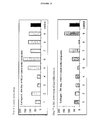
- FIG. 1 A.) PPAR ⁇ expression in rat HSCs and MFB—Total RNA isolated from day 0 freshly isolated rat HSCs and day 10 cultures of same cells which had undergone MTF to become MFB. First strand cDNA was synthesised which was then utilised as a template in qPCR using primers for specific amplification of rat PPAR ⁇ . The relative level of transcriptional difference was calculated and expressed as an average ⁇ SEM from three independent cell preparations. Results are expressed as percent of PPAR ⁇ expression in HSCs.
- B. 100 ⁇ g of crosslinked chromatin obtained from rat HSC or MFB was incubated with 10 ⁇ g of anti RNAPolII phospho Ser2.
- the protein/DNA complexes were immunoprecipitated using blocked StaphA membranes.
- DNA component of the immunoprecipitated complexes was separated from protein fraction using phenol/chloroform extraction followed by ethanol immunoprecipitation. Obtained DNA was used as template in qPCR reactions containing rat PPAR ⁇ exon A1 specific primers.
- C. 100 ⁇ g of crosslinked chromatin obtained from rat HSC or MFB was incubated with 10 ⁇ g of anti MeCP2 antibody.
- the protein/DNA complexes were immunoprecipitated using blocked StaphA membranes.
- DNA component of the immunoprecipitated complexes was separated from protein fraction using phenol/chloroform extraction followed by ethanol immunoprecipitation. Obtained DNA was used as template in qPCR reactions containing rat PPAR ⁇ exons A1, A2 and 1-6 specific primers. Negative control and baseline were set as 1 and remaining values shown in relation to this as fold enrichment relative to total input. D.) 5 ⁇ 10 6 rat MFBs were electroporated as outlined in “Materials and methods”. 2 ⁇ gs total siRNA designed to target rat MeCP2 was used per transfection. Control siRNA used was a validated, non-targeting siRNA.
- RNA was prepared from control or rat MeCP2 siRNA transfected cells 48 h after the electroporation. First strand cDNA was synthesised which was then utilised as a template in qPCR using primers for specific amplification of rat PPAR ⁇ .
- Quiescent HSCs were isolated from wild type C57Bl6 or mecp2 ⁇ ly mice and allowed to transdifferentiate in vitro for 14 days. Total RNA was prepared from both C57Bl6 and mecp2 ⁇ ly MFB cell populations and first strand cDNA synthesised which was then utilised as a template in qPCR using primers for specific amplification of mouse PPAR ⁇ .
- FIG. 2 A small piece of frozen CCl 4 injured wild type or mecp2 ⁇ ly liver was mashed up and resuspended in PBS. Protein concentration of cell suspension was determined and 200 ⁇ g whole cell extract denatured in SDS loading buffer and proteins separated by SDS PAGE. Protein was transferred onto membrane and immunoblotted for MeCP2. Representative of two separate experiments is shown.
- FIG. 3 A.) Freshly isolated HSCs (day 0) or HSCs/MFBs harvested at day 1, 2, 3 and 7 following the isolation were resuspended in PBS, protein concentration determined and 30 ⁇ g whole cell extract from each sample separated on SDS PAGE. Transferred protein was used to immunoblot for MeCP2 and ⁇ actin.
- Micro RNAs were isolated from quiescent HSCs and MFBs using miRNeasy mini kit. Obtained total RNA was reverse transcribed using miScript Reverse Transcription Kit and rat miR132 in the samples detected with miScript primer assay 218300. Results are expressed as percent of miR132 expression in HSCs.
- DNA component of the immunoprecipitated complexes was separated from protein fraction using phenol/chloroform extraction followed by ethanol immunoprecipitation. Obtained DNA was used as template in PCR reactions containing mouse PPAR ⁇ promoter specific primers. All results are expressed as values above background calculated as fold enrichment relative to total input.
- FIG. 4 A.
- 100 ⁇ g of crosslinked chromatin obtained from rat MFB was incubated with 10 ⁇ g of anti HP1 ⁇ .
- the protein/DNA complexes were immunoprecipitated using blocked StaphA membranes.
- DNA component of the immunoprecipitated complexes was separated from protein fraction using phenol/chloroform extraction followed by ethanol immunoprecipitation. Obtained DNA was used as template in qPCR reactions containing rat PPAR ⁇ exons A1, A2 and 1-6 specific primers. All results are expressed as values above background calculated as fold enrichment relative to total input.
- HSCs freshly isolated HSCs (day 0) or HSCs/MFBs harvested at day 1, 2, 3 and 7 following the isolation were resuspended in PBS, protein concentration determined and 30 ⁇ g whole cell extract from each sample separated on SDS PAGE. Transferred protein was used to immunoblot for EZH2 and ⁇ actin.
- D. 5 ⁇ 10 6 rat MFBs were electroporated as outlined in “Materials and methods”. 2 ⁇ gs total control siRNA or siRNA designed to target rat MeCP2 was used per transfection. Total RNA was prepared from control or rat MeCP2 siRNA transfected cells 48 h after the electroporation.
- FIG. 5 A. and B.) 5 ⁇ 10 6 rat MFBs were electroporated as outlined “Materials and methods”. 2 ⁇ gs control siRNA or siRNA designed to target rat EZH2 was used per transfection. Total RNA was prepared from control or rat EZH2 siRNA transfected cells 48 h after the electroporation. First strand cDNA was synthesised which was then utilised as a template in qPCR using primers for specific amplification of EZH2 (in A.) and PPAR ⁇ (in B.). C.) Fully differentiated MFBs were treated with 1 ⁇ M 3-deazaneplanocin A or vehicle for 72 h at which time total RNA was prepared from control or drug treated cells.
- FIGS. 6 and 7 shows exons A1 and A2 of the PPAR ⁇ gene which are spanned by a methylated CpG island.
- FIG. 8 To rule out a possibility that MeCP2 hemizygosity was simply attenuating hepatocellular damage caused by CCl4, plasma ALT levels were measured as a standard parameter of liver injury. As the ALT levels were similar between Wt and Mecp2 ⁇ ly mice and hepatic MeCP2 expression is selective for myofbroblasts, the inventors conclude that deletion of MeCP2 protects against fibrosis due to the loss of its influence on MTD and wound-healing.
- FIG. 9 shows a novel epigenetic relay pathway that is triggered by loss of miR132 expression, leading to subsequent activation of MeCP2, histone lysine methylation events (H3K9 and H3K27) and recruitment of transcriptional repressors such as HP1 ⁇ .
- FIGS. 10A and 10B shows the photographs of cells growing in presence of several compounds (Table 1) which were taken on day 4 (early MTD) and day 7 (full MTD). These results show that several drugs of Table 1 hereof prevent/inhibit morphological changes associated with MTD.
- FIG. 11 shows that several drugs of Table 1 hereof inhibit fibrogenic activity of the cells as measured by production of collagen I.
- “Patient” or “subject” refers to an animal, preferably a mammal, even more preferably a human, in need of treatment or therapy to which compounds according to the present invention are administered in order to inhibit fibrogenesis, including liver fibrogenesis, or treat a fibrotic disease or a condition or disease state which occurs secondary or as a consequence of fibrogenesis and is treatable using compounds according to the present invention.
- Fibrogenesis and “fibrosis” are used synonymously throughout the specification to describe the process of forming or developing excess fibrous connective tissue in an organ or tissue as a reparative or reactive process, as opposed to a formation of fibrous tissue as a normal constituent of an organ or tissue.
- Fibrogenesis is the process of forming fibrous tissue usually by degeneration (e.g., fibrosis of the pulp) and a proliferation of fibroblasts.
- Fibrogenesis is an abnormal condition in which fibrous connective tissue spreads over or replaces normal smooth muscle or other normal organ tissue. Fibrogenesis is most common in the heart, lung, peritoneum, and kidney, but may occur elsewhere. In the present invention, the term “fibrosis” is used to distinguish abnormal from normal healing processes.
- liver alcoholic, viral, autoimmune, metabolic and hereditary
- renal chronic imflammation, infection, type II diabetes
- lung fibrosis idiopathic or resulting from environmental insults including toxic particles, sarcoidosis, asbestosis, hypersensitivity pneumonitis, bacterial infections including tuberculosis, medicines, etc.
- pancreatic fibrosis alcohol abuse, chronic inflammatory disease of the liver
- systemic scleroderma autoimmune disease resulting in fibrosis in numerous organs
- macular degeneration cardiac fibrosis
- cystic fibrosis of the pancreas and lungs injection fibrosis, which can occur as a complication of intramuscular injections, especially in children, endomyocardial fibrosis, systemic idiopathic fibrosis, idiopathic pulmonary fibrosis (lung), mediastinal fibrosis, myelofibrosis
- Disease states or conditions which are found or occur secondary to fibrosis include for example, cirrhosis, diffuse parenchymal lung disease, post-vasectomy pain syndrome and rheumatoid arthritis, among others.
- compound is used herein to refer to any specific chemical compound disclosed herein, including compounds which are conjugated to mono and/or polyclonal antibodies to MeCP 2 and/or EZH 2 . Within its use in context, the term generally refers to a single compound, but in certain instances may also refer to stereoisomers and other positional isomers and/or optical isomers (including racemic mixtures) of disclosed compounds.
- the compounds of this invention include all stereoisomers where relevant (e.g., cis and trans isomers, such as of vinyl groups) and all optical isomers of the present compounds (eg., R and S enantiomers), as well as racemic, diastereomeric and other mixtures of such isomers, as well as all polymorphs and hydrates of the present compounds, where applicable.
- a dashed line which represents a bond between two atoms in a compound signifies that the bond may be a single bond or a double bond in context, depending upon the substituents (if any) on the atoms to which the dashed line is attached.
- G is an oxygen atom (O)
- the bond between O and the carbon atom to which it is attached is a double bond and the bond between the carbon to which the oxygen is bonded and the alpha nitrogen is a single bond
- E (which is bonded to the nitrogen atom alpha to the carbon) is H.
- G is a NR 1a R 2 group
- the bond between NR 1a R 2 and the carbon atom to which it is attached is a single bond and the bond between the carbon to which the nitrogen of NR 1a R 2 is bonded and the alpha nitrogen is a double bond
- E which is bonded to the nitrogen atom alpha to the carbon
- Hydrocarbon refers to any monovalent radical containing carbon and hydrogen, which may be straight, branch-chained or cyclic in nature. Hydrocarbons include linear, branched and cyclic hydrocarbons, including alkyl groups, alkylene groups, saturated and unsaturated hydrocarbon groups, including aromatic groups both substituted and unsubstituted.
- Alkyl refers to a fully saturated monovalent radical containing carbon and hydrogen, and which may be cyclic, branched or a straight chain.
- alkyl groups are methyl, ethyl, n-butyl, n-hexyl, n-heptyl, n-octyl, isopropyl, 2-methylpropyl, cyclopropyl, cyclopropylmethyl, cyclobutyl, cyclopentyl, cyclopentylethyl, cyclohexylethyl and cyclohexyl.
- Preferred alkyl groups are C 1 -C 20 alkyl groups, more preferably C 1 -C 6 alkyl groups.
- Alkylene refers to a fully saturated hydrocarbon which is divalent (may be linear, branched or cyclic) and which is optionally substituted.
- ether shall mean a C 1 to C 20 ether group, formed from an oxygen and an alkyl group at a position on the sugar moiety of compounds according to the present invention, or alternatively, may also contain at least one oxygen group within the alkyl chain.
- acyl is used throughout the specification to describe a group on a free amine or hydroxyl position (e.g., in the carbocyclic moiety or the nucleoside base) which contains a C 1 to C 20 linear, branched or cyclic alkyl chain.
- the acyl group at the 5′ position, in combination with the 5′ hydroxyl group results in an ester, which, after administration, may be cleaved to produce the free nucleoside form of the present invention.
- Acyl groups according to the present invention are represented by the structure:
- R 4 is a C 1 to C 20 linear, branched or cyclic alkyl group, alkoxyalkyl (including an ethylene oxide chain which may end in a free hydroxyl group or a C 1 -C 10 alkyl group and ranges in molecular weight from about 50 to about 40,000 or about 200 to about 5,000), such as phenoxymethyl, aryl, alkoxy, alkoxycarbonyloxy groups (e.g., [(isopropoxycarbonyl)oxy]-methoxy), aryloxyalkyl, among others, all of which groups may be optionally substituted.
- Preferred acyl groups are those where R 4 is a C 1 to C 10 alkyl group.
- Acyl groups according to the present invention also include, for example, those acyl groups derived from benzoic acid and related acids, 3-chlorobenzoic acid, succinic, capric and caproic, lauric, myristic, palmitic, stearic and oleic groups, among numerous others and may include such related groups as sulfone groups such as mesylate groups. All groups may be appropriatedly substituted within context as otherwise described herein.
- One of ordinary skill in the art will recognize the acyl groups which will have utility in the present invention, either to synthesize the target pharmaceutical compounds or as prodrug of the nucleosides according to the present invention.
- amino acid or “amino acid residue” shall mean, within context, a radical of a D- or L-amino acid which is covalently bound to a nucleoside analog at the 4′ exocyclic amine position of the cytosine base or the 5′- or 3′-OH position of the sugar synthon (R 2 , R 1 or R 1a ) through a carboxylic acid moiety of the amino acid, thus forming respectively, an amide or ester group linking the nucleoside to the amino acid.
- Representative amino acids include both natural and unnatural amino acids, preferably including, for example, alanine, ⁇ -alanine, arginine, asparagine, aspartic acid, cysteine, cystine, glutamic acid, glutamine, glycine, phenylalanine, histidine, isoleucine, lysine, leucine, methionine, proline, serine, threonine, valine, tryptophan or tyrosine, among others.
- natural and unnatural amino acids preferably including, for example, alanine, ⁇ -alanine, arginine, asparagine, aspartic acid, cysteine, cystine, glutamic acid, glutamine, glycine, phenylalanine, histidine, isoleucine, lysine, leucine, methionine, proline, serine, threonine, valine, tryptophan or tyrosine, among others.
- Phosphate ester or “phosphodiester” is used throughout the specification to describe mono-phosphate groups at the 5′ position of the carboyclic sugar synthon which are mono- or diesterified such that the phosphate group is negatively charged or is rendered neutral, i.e., has a neutral charge.
- Phosphate esters for use in the present invention include those represented by the structures:
- each R 5 , R 6 and R′′ is independently selected from H, a C 1 to C 20 linear, branched or cyclic alkyl group, alkoxyalkyl, aryloxyalkyl, such as phenoxymethyl, aryl and alkoxy, among others, including alkoxycarbonyloxy groups (e.g., (isopropoxycarbonyl)oxy]-methoxy) with the proviso that at least one R 5 group is other than H, or the two R 5 groups together form a five- or six-membered heterocyclic group
- B is a direct bond (N directly bonded to C of the ester/carboxylic acid group) or a C 1 -C 3 alkylene group optionally substituted with a C 1 -C 3 alkyl group, preferably a methyl group
- R 7 is a C 1 to C 20 linear, branched or cyclic alkyl or acyl group, alkoxyalkyl, aryloxyalkyl, such as phen
- Preferred monophosphate esters for use in prodrug forms according to the present invention are those where R 5 is a C 1 to C 20 linear or branched chain alkyl group, more preferably a C 1 to C 3 alkyl group, all of which groups may be optionally substituted.
- Aryl or “aromatic” refers to a substituted or unsubstituted monovalent aromatic radical having a single ring (e.g., benzene) or multiple condensed rings (e.g., naphthyl, anthracenyl, phenanthryl), which may be optionally substituted and can be can be bound to the compound according to the present invention at any position on the ring(s) (preferably, for example, benzyl).
- cyclic shall refer to an optionally substituted carbocyclic or heterocyclic group, preferably a 3-7-membered ring, preferably a 5- or 6-membered ring.
- a heterocyclic ring or group shall be a ring containing between 3 and 7 atoms of which up to four of those atoms are other than carbon and are selected from nitrogen, sulfur and oxygen.
- Carbocyclic and heterocyclic rings according to the present invention may be unsaturated or saturated.
- ⁇ ективное ⁇ ество refers to the amount of a selected compound which is effective within the context of its use or administration. In the case of therapeutic methods according to the present invention, the precise amount required will vary depending upon the particular compound selected, the age and weight of the subject, route of administration, and so forth, but may be easily determined by routine experimentation. Compounds according to the present invention may be used to treat, inhibit or reduce the likelihood of fibrosis, fibrotic disease and/or conditions or disease states which occur secondary to fibrosis, as well as reducing the likelihood of viral infections (by for example, inhibition the growth, replication or elaboration of the virus).
- substituted shall mean substituted at a carbon (or nitrogen) position with, in context, hydroxyl, carboxyl, cyano (C ⁇ N), nitro (NO 2 ), halogen (preferably, 1, 2 or 3 halogens, especially on an alkyl, especially a methyl group such as a trifluoromethyl), thiol, alkyl group (preferably, C 1 -C 6 , more preferably, C 1 -C 3 ), alkoxy group (preferably, C 1 -C 6 alkyl or aryl, including phenyl), ester (preferably, C 1 -C 5 alkyl or aryl) including alkylene ester (such that attachment is on the alkylene group, rather than at the ester function which is preferably substituted with a C 1 -C 6 alkyl or aryl group), thioether (preferably, C 1 -C 6 alkyl or aryl), thioester (preferably, C 1 -C 5 alkyl or
- substituted shall mean within its context of use alkyl, alkoxy, halogen, hydroxyl, carboxylic acid, nitro and amine (including mono- or di-alkyl substituted amines).
- unsubstituted shall mean substituted with one or more H atoms.
- virus shall be used to describe all types of viruses which produce fibrogenesis, including liver fibrogenesis and/or cause or exacerbate cirrhosis of the liver, as well as other disease states or conditions which occur secondary to fibrogenesis.
- nucleoside which includes at least about 95%, preferably at least about 96%, more preferably at least about 97%, even more preferably, at least about 98%, and even more preferably at least about 100% or more of a single enantiomer of that nucleoside.
- Compounds according to the present invention are generally ⁇ -D-nucleoside compounds. When the present compounds according to the present invention are referred to in this specification, it is presumed that the nucleosides have the D-nucleoside configuration and are enantiomerically enriched (preferably, about 100% of the D-nucleoside), unless otherwise stated.
- coadminister and “coadministration” are used synonymously to describe the administration of at least one of the nucleoside compounds and/or antibodies according to the present invention in combination with at least one other agent. While it is preferred that coadministered agents be administered at the same time, agents may be administered at times such that effective concentrations of both (or more) agents appear in the patient at the same time for at least a brief period of time.
- compositions having biological/pharmacological activity for the treatment, inhibition or reducing the likelihood of fibrogenesis, including liver fibrogenesis and other forms of fibrogenesis or fibrotic disease, as well as a number of other conditions and/or disease states which may appear or occur secondary to fibrogenesis, as otherwise described herein.
- These compositions comprise an effective amount of any one or more of the compounds disclosed hereinabove, optionally in combination with a pharmaceutically acceptable additive, carrier or excipient.
- compounds according to the present invention may be used to inhibit methylation of polynucleotides, in particular, DNA and RNA in numerous tissue and cells in a patient, including liver cells.
- compositions of the present invention may be formulated in a conventional manner using one or more pharmaceutically acceptable carriers.
- Pharmaceutically acceptable carriers that may be used in these pharmaceutical compositions include, but are not limited to, ion exchangers, alumina, aluminum stearate, lecithin, serum proteins, such as human serum albumin, buffer substances such as phosphates, glycine, sorbic acid, potassium sorbate, partial glyceride mixtures of saturated vegetable fatty acids, water, salts or electrolytes, such as prolamine sulfate, disodium hydrogen phosphate, potassium hydrogen phosphate, sodium chloride, zinc salts, colloidal silica, magnesium trisilicate, polyvinyl pyrrolidone, cellulose-based substances, polyethylene glycol, sodium carboxymethylcellulose, polyacrylates, waxes, polyethylene-polyoxypropylene-block polymers, polyethylene glycol and wool fat.
- compositions of the present invention may be administered orally, parenterally, by inhalation spray, topically, rectally, nasally, buccally, vaginally or via an implanted reservoir.
- parenteral as used herein includes subcutaneous, intravenous, intramuscular, intra-articular, intra-synovial, intrasternal, intrathecal, intrahepatic, intralesional and intracranial injection or infusion techniques.
- the compositions are administered orally, intraperitoneally, or intravenously. Administration will also be depend upon the tissue in which fibrogenesis and/or related disease states or conditions occur.
- Sterile injectable forms of the compositions of this invention may be aqueous or oleaginous suspension, especially when an antibody is used alone or conjugated to a nucleoside compound disclosed herein. These suspensions may be formulated according to techniques known in the art using suitable dispersing or wetting agents and suspending agents.
- the sterile injectable preparation may also be a sterile injectable solution or suspension in a non-toxic parenterally-acceptable diluent or solvent, for example as a solution in 1,3-butanediol.
- acceptable vehicles and solvents that may be employed are water, Ringer's solution and isotonic sodium chloride solution.
- sterile, fixed oils are conventionally employed as a solvent or suspending medium.
- any bland fixed oil may be employed including synthetic mono- or di-glycerides.
- Fatty acids such as oleic acid and its glyceride derivatives are useful in the preparation of injectables, as are natural pharmaceutically-acceptable oils, such as olive oil or castor oil, especially in their polyoxyethylated versions.
- These oil solutions or suspensions may also contain a long-chain alcohol diluent or dispersant, such as Ph. Helv or similar alcohol.
- compositions of this invention may be orally administered in any orally acceptable dosage form including, but not limited to, capsules, tablets, aqueous suspensions or solutions.
- carriers which are commonly used include lactose and corn starch.
- Lubricating agents such as magnesium stearate, are also typically added.
- useful diluents include lactose and dried corn starch.
- aqueous suspensions are required for oral use, the active ingredient is combined with emulsifying and suspending agents. If desired, certain sweetening, flavoring or coloring agents may also be added.
- compositions of this invention may be administered in the form of suppositories for rectal administration.
- suppositories for rectal administration.
- suppositories can be prepared by mixing the agent with a suitable non-irritating excipient which is solid at room temperature but liquid at rectal temperature and therefore will melt in the rectum to release the drug.
- suitable non-irritating excipient include cocoa butter, beeswax and polyethylene glycols.
- compositions of this invention may also be administered topically, especially when the target of treatment includes areas or organs readily accessible by topical application, including diseases of the eye (especially macular degeneration), the skin, or the lower intestinal tract. Suitable topical formulations are readily prepared for each of these areas or organs.
- Topical application for the lower intestinal tract can be effected in a rectal suppository formulation (see above) or in a suitable enema formulation. Topically-transdermal patches may also be used.
- the pharmaceutical compositions may be formulated in a suitable ointment containing the active component suspended or dissolved in one or more carriers.
- Carriers for topical administration of the compounds of this invention include, but are not limited to, mineral oil, liquid petrolatum, white petrolatum, propylene glycol, polyoxyethylene, polyoxypropylene compound, emulsifying wax and water.
- the pharmaceutical compositions can be formulated in a suitable lotion or cream containing the active components suspended or dissolved in one or more pharmaceutically acceptable carriers.
- Suitable carriers include, but are not limited to, mineral oil, sorbitan monostearate, polysorbate 60, cetyl esters wax, cetearyl alcohol, 2-octyldodecanol, benzyl alcohol and water.
- the pharmaceutical compositions may be formulated as micronized suspensions in isotonic, pH adjusted sterile saline, or, preferably, as solutions in isotonic, pH adjusted sterile saline, either with or without a preservative such as benzylalkonium chloride.
- the pharmaceutical compositions may be formulated in an ointment such as petrolatum.
- compositions of this invention may also be administered by nasal aerosol or inhalation.
- Such compositions are prepared according to techniques well-known in the art of pharmaceutical formulation and may be prepared as solutions in saline, employing benzyl alcohol or other suitable preservatives, absorption promoters to enhance bioavailability, fluorocarbons, and/or other conventional solubilizing or dispersing agents.
- compositions should be formulated so that a dosage of at least about 0.005 mg/kg, between about 0.01 and 150 mg/kg, preferably about 0.5 to about 25 mg/kg of patient/day of the nucleoside according to the present invention can be administered to a patient receiving these compositions.
- a specific dosage and treatment regimen for any particular patient will depend upon a variety of factors, including the activity of the specific compound employed, the age, body weight, general health, sex, diet, time of administration, rate of excretion, drug combination, and the judgment of the treating physician and the severity of the particular disease or condition being treated.
- Administration of the active compound may range from continuous (intravenous drip) to several oral administrations per day (for example, Q.I.D.) and may include oral, topical, parenteral, intramuscular, intravenous, sub-cutaneous, transdermal (which may include a penetration enhancement agent), buccal and suppository administration, among other routes of administration.
- Enteric coated oral tablets may also be used to enhance bioavailability of the compounds from an oral route of administration.
- the most effective dosage form will depend upon the pharmacokinetics of the particular agent chosen as well as the severity of disease in the patient. Oral dosage forms are particularly preferred, because of ease of administration and prospective favorable patient compliance.
- a therapeutically effective amount of one or more of the compounds according to the present invention is preferably intimately admixed with a pharmaceutically acceptable carrier according to conventional pharmaceutical compounding techniques to produce a dose.
- a carrier may take a wide variety of forms depending on the form of preparation desired for administration, e.g., oral or parenteral.
- any of the usual pharmaceutical media may be used.
- suitable carriers and additives including water, glycols, oils, alcohols, flavouring agents, preservatives, colouring agents and the like may be used.
- suitable carriers and additives including starches, sugar carriers, such as dextrose, mannitol, lactose and related carriers, diluents, granulating agents, lubricants, binders, disintegrating agents and the like may be used.
- the tablets or capsules may be enteric-coated or sustained release by standard techniques. The use of these dosage forms may significantly the bioavailability of the compounds in the patient.
- the carrier will usually comprise sterile water or aqueous sodium chloride solution, though other ingredients, including those which aid dispersion, also may be included.
- sterile water is to be used and maintained as sterile, the compositions and carriers must also be sterilized.
- injectable suspensions may also be prepared, in which case appropriate liquid carriers, suspending agents and the like may be employed.
- Liposomal suspensions may also be prepared by conventional methods to produce pharmaceutically acceptable carriers. This may be appropriate for the delivery of free nucleosides, acyl/alkyl nucleosides or phosphate ester pro-drug forms of the nucleoside compounds according to the present invention.
- the compounds and compositions are used to inhibit fibrogenesis (fibrosis) as otherwise described herein, especially liver fibrogenesis, or to treat, prevent or delay the onset of cirrhosis.
- the compositions will be administered in oral dosage form in amounts ranging from about 250 micrograms up to about 500 mg or more at least once a day, preferably, up to four times a day, within the dosage range used for therapeutic treatment.
- the present compounds are preferably administered orally, but may be administered parenterally, topically, in suppository or other form.
- compounds according to the present invention may be administered alone or in combination with other agents, including other compounds of the present invention.
- Certain compounds according to the present invention may be effective for enhancing the biological activity of certain agents according to the present invention by reducing the metabolism, catabolism or inactivation of other compounds and as such, are co-administered for this intended effect.
- compounds according to the present invention may be administered alone or in combination with other agents for the treatment of liver fibrogenesis and/or cirrhosis of the liver in an individual to be treated.
- Certain compounds according to the present invention may be effective for enhancing the biological activity of certain agents according to the present invention by reducing the metabolism or inactivation of other compounds and as such, are co-administered for this intended effect.
- the hepatic stellate cell occupies the space between hepatocytes on one side and endothelial cells and the hepatic sinusoid on the other side. This location enables the hepatic stellate cell to be a sensor for hepatocyte and endothelial cell damage, inflammation and microbial products from the bloodstream (Frideman S L, 2008). Hepatic stellate cells therefore provide a mechanism for activation of a rapid innate wound-healing response to environmental insults.
- PPAR ⁇ expression is associated with the adipogenic features of the quiescent hepatic stellate cell and must be silenced for the cell to adopt its myofibroblastic characteristics including entry to the cell cycle and expression of the major protein constituent of scar tissue, type I collagen (She H et al 2005, Tsukamoto H et al 2006). Forced over-expression of PPAR ⁇ in hepatic myofibroblasts results in reversion of MTD with down-regulation of type I collagen, loss of proliferation and reacquisition of their adipogenic characteristics. Given the pivotal regulatory role played by PPAR ⁇ in MTD, we reasoned that investigation of its transcriptional regulation in hepatic stellate cells would lead to the discovery of novel and critical regulators of MTD and wound-healing.
- FIG. 1D resultsed in elevated PPAR ⁇ transcript expression ( FIG. 1E ), furthermore a 5-fold increased expression of PPAR ⁇ mRNA was observed in MeCP2 deficient Mecp2 ⁇ ly mouse myofibroblasts compared with wild type (Wt) myofibroblasts ( FIG. 1F ).
- MeCP2 expression is barely detectable in the normal liver but is induced selectively in myofibroblasts of the injured liver (Mann et al, 2007).
- FIG. 2C Expression of hepatic type I collagen was reduced by 90% in injured Mecp2 ⁇ ly mice compared to Wt ( FIG. 2C ). Sirius red staining of injured Wt livers detected tracts of fibrotic collagen-rich matrix that formed bridges between hepatic vessels ( FIG. 2D , left). In contrast, bridging fibrosis was not evident in injured Mecp2 ⁇ ly livers, although thin tracts of fibrotic matrix were visible around vessels and within the spaces between hepatic parenchyma ( FIG. 2D right).
- MeCP2 is also required for repression of I ⁇ B ⁇ expression during MTD of hepatic stellate cells, this being critical for the expression of NF- ⁇ B-dependent genes in the myofibroblast (Mann J et al, 2007). MeCP2 is therefore likely to operate during MTD as a coordinator of the transcriptional silencing of multiple genes associated with the quiescent phenotype of the hepatic stellate cell.
- MeCP2 protein is undetectable in hepatic stellate cells but is strongly induced with MTD (Mann J et al, 2007).
- MeCP2 protein expression is induced during the early transitionary phase (day 1) of culture-induced MTD and increases in expression with each subsequent day of culture, reaching high levels when the cells have fully transdifferentiated to the myofibroblastic state (day 7).
- This early induction of MeCP2 supports a regulatory role for MeCP2 in transdifferentiation ( FIG. 3A ).
- MeCP2 transcript was detected prior to MTD indicating post-transcriptional regulation ( FIG. 3B ).
- the Mecp2 gene contains multiple polyadenylation sites and generates several transcripts which differ in their length of 3′ UTR, ranging from 1.8 kb to 10 kb (Klein et al 1007).
- the 10 kb transcript predominates in the brain and unlike the shorter transcripts harbours recognition elements for several miRNAs including miR132 which is also enriched in the brain.
- miR132 which is also enriched in the brain.
- hepatic stellate cells express various neuronal characteristics (e.g. expression of synaptophysin, serotonin receptors and N-cadherin) we reasoned that they may also express the 10 kb transcript of Mecp2 and miR132.
- the inventors were next interested to determine the downstream regulatory events through which MeCP2 controls PPAR ⁇ transcription.
- High resolution quantitative native ChIP was employed to detect MeCP2-dependent histone methylation signatures at the PPAR ⁇ locus ( FIG. 3H ).
- Repressive signatures H3K9me2 and H3K27me2 where enriched at the gene in wild type myofibroblasts, however both of these modifications were depleted in Mecp2 ⁇ ly myofibroblasts.
- the transcriptional active signature H3K4me2 was almost absent in wild type myofibroblasts but was highly enriched in Mecp2 ⁇ ly cells. MeCP2 must therefore orchestrate multiple epigenetic events at the PPAR ⁇ chromatin.
- HP1 ⁇ is predominantly associated with heterochromatic DNA it is also found at euchromatic sites in association with transcriptionally repressed genes where it promotes a repressive chromatin structure (Cheutin T et al 2003).
- MeCP2 regulates transcriptional silencing of PPAR ⁇ during MTD of hepatic stellate cells is the recruitment of HP1 ⁇ to methylated H3K9 at the 5′ region of the PPAR ⁇ gene.
- H3K27me2 H3K27 methylation
- Methylation of H3K27 is specifically mediated by the evolutionary conserved polycomb repressor complex 2 (PRC2) and in particular by its constituent H3K27 methyl-transferase EZH2 (Kirmizis et al, 2004, Schotta et al, 2004).
- EZH2 protein expression is absent in quiescent hepatic stellate cells and is induced with MTD, but later (day 3 of culture) than observed for MeCP2 ( FIG. 4C ).
- Cells depleted of MeCP2 by siRNA treatment expressed lower levels of EZH2 compared with control cultures ( FIG. 4D ).
- MeCP2 is classically considered to be a transcriptional repressor, it has recently emerged from studies with neurons that it can also function as an activator of transcription for a subset of genes including somatostatin, opioid receptor kappa 1, guanidinoacetate methyltransferase and G protein-regulated inducer of neurite outgrowth 1 (Chahnkour M et al 2008).
- EZH2 is a regulator of PPAR ⁇ gene transcription
- the inventors employed siRNA-mediated knockdown to achieve an 80% depletion of EZH2 in myofibroblasts ( FIG. 5A ) and showed that this resulted in elevated expression of PPAR ⁇ transcript ( FIG. 5B ).
- FIG. 5C A similar effect was observed when myofibroblasts were treated with 3 deazaneplanocin A ( FIG. 5C ) which depletes cells of EZH2 (Tan J et al, 2007).
- treatment of freshly isolated quiescent hepatic stellate cells with 3 deazaneplanocin A completely prevented morphological signs of MTD ( FIG.
- FIG. 5D and suppressed the induction of fibrogenic genes al (I) collagen and tissue inhibitor of metalloproteinase-1 (TIMP-1) ( FIG. 5E ).
- Administration of the EZH2 inhibitor to mice during acute liver injury with carbon tetrachloride also suppressed the induction of transcripts for al (I) collagen and TIMP-1 which are accurate surrogate markers for the in vivo MTD of hepatic stellate cells and the hepatic wound-healing response ( FIG. 5F ).
- EZH2 is therefore a negative regulator of PPAR ⁇ transcription in myofibroblasts, but also appears to play a wider regulatory role in promoting MTD and wound-healing.
- MTD and in turn wound-healing are subject to tight regulatory control at the epigenetic level involving orchestrators of chromatin modifications associated with gene transcription. More specifically by focusing on the transcriptional silencing of PPAR ⁇ during MTD we have discovered a novel epigenetic relay pathway ( FIG. 9 ) that is triggered by loss of miR132 expression, leading to subsequent activation of MeCP2, histone lysine methylation events (H3K9 and H3K27) and recruitment of transcriptional repressors such as HP1 ⁇ .
- Liver fibrosis was generated by 3-week CCl 4 treatment of 6 week old Mecp2 ⁇ ly hemizygote mice or age matched C57Bl6 wild type control littermates. The mice were injected intraperitoneally twice weekly with a mixture of CCl 4 /olive oil in a 1:1 [vol/vol] ratio at 1 ⁇ l per g body weight. Twenty four hours after the final CCl 4 administration, animals were sacrificed and liver samples prepared.
- Rat HSC were isolated from normal livers of 350-g Sprague-Dawley rats by sequential perfusion with collagenase and Pronase, followed by discontinuous density centrifugation in 11.5% Optiprep (Invitrogen).
- Mouse HSCs were isolated from C57Bl6 wild type or Mecp2 ⁇ ly livers as previously described (Oakley F et al 2005).
- Rat and mouse HSCs were cultured on plastic in Dulbecco's modified Eagle's medium, supplemented with 100 units/ml penicillin, 100 ⁇ g/ml streptomycin, 2 mM L-glutamine, and 16% fetal calf serum. Cell cultures were maintained at 37° C. at an atmosphere of 5% CO 2 .
- Mouse liver tissue was fixed in 10% formalin in phosphate-buffered saline (PBS), and liver sections stained with Sirius Red as previously described (Wright M C et al 2001).
- PBS phosphate-buffered saline
- Rat MFB were transfected with siRNA designed to silence either rat EZH2 (catalogue numbers s131300 and s131299) or MeCP2 (catalogue numbers s161752 and s161754) or negative control siRNA (catalogue number 4390844, all from Ambion).
- siRNAs were transfected into 5 ⁇ 10 6 rat MFB using a square wave electroporator BTX830 (Harvard Apparatus) set at 225V to deliver 3 pulses of 10 ms. Briefly, MFBs were trypsinised, washed once and resuspended in 700 ⁇ ls serum free media.
- Cells were mixed with a total of 2 ⁇ g siRNA in a 4 mm diameter electroporation cuvette at room temperature and current applied. The cells were allowed to grow for 48 h post transfection when they were harvested and RNA and/or whole cell extracts made.
- Micro RNAs were isolated from quiescent rat HSCs and MFBs using miRNeasy mini kit (Qiagen, cat number 217004). Obtained total RNA was reverse transcribed using miScript Reverse Transcription Kit as per manufacturer's instructions. Rat miR132 in the samples was detected using miScript primer assay 218300 (Qiagen, catalogue number MS00000357). To assess the effect of miR132 presence in MFBs, miR132 mimic was purchased from Qiagen (miScript miRNA mimic 219600-S0, catalogue number MSY0000838) and 2 ⁇ g were transfected into 5 ⁇ 10 6 MFBs as outlined for siRNA transfections, except for electroporator settings which were 500V for 1 ms delivered as a single pulse.
- RT-PCR Quantitative Reverse Transcriptase-Polymerase Chain Reaction
- Total RNA was purified from isolated cells using the Total RNA purification kit (Qiagen, UK) following the manufacturer's instructions and was used to generate first strand cDNA utilising a random hexamer primer [p(dN)6] and MMLV reverse transcriptase.
- rat PPAR ⁇ were 5′-atttctgctccacactat-3′ (sense) and 5′-gctttatccccacagact-3′ (anti-sense);
- EZH2 were 5′-agtggagtggtgctgaag-3′ (sense) and 5′-gccgtccttttcagttg-3′ (anti-sense);
- mouse PPAR ⁇ were 5′-aagagctgacccaatggt-3′ (sense) and 5′-atggttcttcggaaaaa-3′ (anti-sense);
- rat ⁇ actin were 5′-agagggaaatcgtgcgtgaca-3′ (sense) and 5′-acatctgctggaaggtggaca-3′ (anti-sense);
- rat MeCP2 were 5′-ttgaaaggtgggagaca-3′ (s
- qPCR reactions comprised of 20 ng of cDNA template, 15 pmoles each of sense and anti-sense oligonucleotide primers and 6.5 ⁇ l of Jumpstart SYBR green master mix (Sigma) in a total reaction volume of 13 ⁇ l. After the initial 20 sec incubation at 94° C., qPCRs were performed using a 20 sec annealing at 55° C. followed by a 30 sec elongation step at 72° C. and a 5 sec denaturation step at 94° C. After each run, a dissociation curve was performed to ensure that no primer dimers contaminated the quantification and that the product had the expected melting temperature. All PCR reactions were normalized to the internal control and relative level of transcriptional difference calculated using the following equation: [1/(2A)] ⁇ 100.
- MeCP2 3UTR 2 were 5′-tcatattggtatatccttttctgtgtt-3′ (sense) and 5′-ttgacagttcatggcagcag-3′ (antisense); MeCP2 3UTR 3 were 5′-ctctgccttgcagtcaggtt-3′(sense) and 5′-cagcgaagataccacccata-3′ (antisense); MeCP2 3UTR 4 were 5′-attctagggcggatgactga-3′ (sense) and 5′-agagagcgggaagaaagagc3′ (antisense); MeCP2 3UTR 5 were 5′-atgacctttgctccttgctc-3′(sense) and 5′-ggaagaacagctttgccact-3′ (antisense); MeCP2 3UTR 6 were 5′-caatcaataac
- ChIP assay was carried out using 100 ⁇ g crosslinked chromatin prepared from rat HSC or MFB as described previously (Mann J et al 2007). Antibodies used for immunoprecipitation were raised against MeCP2, RNA polymerase II CTD repeat YSPTSPS (phospho S2) and HP1 ⁇ , all purchased from Abeam. 10 ⁇ g of each antibody or appropriate irrelevant antibody control were used in each ChIP reaction.
- ChIP primers for rat PPAR ⁇ gene were promoter or exon specific and the sequences were as follows—PPAR ⁇ promoter 5′-ttcccaagtcctttccacac-3′ (sense) and 5′-gagaggcatggtctctctgg-3′ (anti-sense); PPAR ⁇ exon A1 was 5′-aggggactgagtgtgacgac-3′ (sense) and 5′-tcacacagtccggtcagaaa-3′ (anti-sense); PPAR ⁇ exon A2 was 5′-catgctcggagaaagcaaat-3′ (sense) and 5′-agtggttcacagcttctttcaa-3′ (anti-sense); PPAR ⁇ exon 1 was 5′-tgaagacatcccgttcacaa-3′ (sense) and 5′-cgccttctcagagtgctt
- NChIP Native Chromatin Immunoprecipitation
- Native ChIP was carried out as previously described (O'Neill L P et al 2003) using 100 ⁇ g native chromatin prepared from rat HSC or MFB. Antibodies raised against dimethylated forms of H3K4, H3K27 and were all purchased from Abcam.
- HSC perisinusoidal hepatic stellate cells
- HSCs Upon liver injury, HSCs change phenotype to become a collagen I/III-expressing myofibroblast via a process referred to as myofibroblast transdifferentiation (MTD).
- MTD myofibroblast transdifferentiation
- MTD is a healthy response that ensures wound contraction and formation of a temporary collagen-rich scar.
- Hepatic myofibroblasts generated in the acute response are soon cleared by apoptosis which enables resolution of wound-healing and regeneration of normal hepatic tissue structure.
- any agents that either prevent MTD or induce apoptosis in hepatic myofibroblasts are potential therapeutics for liver fibrosis.
- Freshly isolated hepatic stellate cells cultured on plastic in full media spontaneously undergo MTD in a fashion that resembles in vivo events.
- This process involves morphological changes as well as changes in the expression of hundreds of genes including transcriptional silencing of adipogenic genes and induction of profibrogenic genes such as TIMP1, ⁇ SMA, and most importantly collagen 1 and 3.
- transcriptional silencing of adipogenic genes and induction of profibrogenic genes such as TIMP1, ⁇ SMA, and most importantly collagen 1 and 3.
- profibrogenic genes such as TIMP1, ⁇ SMA, and most importantly collagen 1 and 3.
- Due to a very defined presentation of morphological changes associated with biochemical change (large upregulation in collagen production) in hepatic stellate cells undergoing MTD it is possible to monitor progression of MTD over a 7 day period. At the end of 7 days, all quiescent stellate cells in culture would have undergone MTD.
- 3-deazaneplanocin A Table 1, below
- Photographs of quiescent stellate cells in culture were taken as shown and RNA isolated from some of the cells—this forms the starting point. The cultures were then either left to undergo MTD over 7 days (control cells) or were incubated with 1 ⁇ M concentration of drugs 1-9 as set forth in Table 1, hereinbelow. Only one dose of drug was given at the start of culturing which was sufficient to exert effects over a week of cell growth. Photographs of cells growing in presence of various compounds were taken on day 4 (early MTD) and day 7 (full MTD) ( FIGS. 10A and B). RNA was also isolated on days 4 and 7. Photographs ( Figure show that drugs 1-4 prevent morphological changes associated with MTD, as well as inhibit fibrogenic activity of the cells as measured by production of collagen I ( FIG.
- Compounds 5 and 8 showed significant inhibition at 7 days as evidenced by the results set forth in FIG. 11 .
- Compound 9 is used as a secondary control as it does not inhibit MTD.
- Compound 3 is the original compound, 3-deazaneplanocin A. Therefore, we have further 3 compounds (1, 2 and 4) that may be effective in vivo treatment of liver fibrosis aside from the originally described one.
Landscapes
- Health & Medical Sciences (AREA)
- Life Sciences & Earth Sciences (AREA)
- Chemical & Material Sciences (AREA)
- Medicinal Chemistry (AREA)
- Pharmacology & Pharmacy (AREA)
- Veterinary Medicine (AREA)
- Public Health (AREA)
- General Health & Medical Sciences (AREA)
- Animal Behavior & Ethology (AREA)
- Epidemiology (AREA)
- Engineering & Computer Science (AREA)
- Bioinformatics & Cheminformatics (AREA)
- General Chemical & Material Sciences (AREA)
- Nuclear Medicine, Radiotherapy & Molecular Imaging (AREA)
- Chemical Kinetics & Catalysis (AREA)
- Organic Chemistry (AREA)
- Molecular Biology (AREA)
- Heart & Thoracic Surgery (AREA)
- Cardiology (AREA)
- Endocrinology (AREA)
- Mycology (AREA)
- Microbiology (AREA)
- Immunology (AREA)
- Vascular Medicine (AREA)
- Gastroenterology & Hepatology (AREA)
- Biomedical Technology (AREA)
- Physical Education & Sports Medicine (AREA)
- Pulmonology (AREA)
- Urology & Nephrology (AREA)
- Rheumatology (AREA)
- Pain & Pain Management (AREA)
- Hematology (AREA)
- Diabetes (AREA)
- Pharmaceuticals Containing Other Organic And Inorganic Compounds (AREA)
- Medicines Containing Antibodies Or Antigens For Use As Internal Diagnostic Agents (AREA)
- Medicines That Contain Protein Lipid Enzymes And Other Medicines (AREA)
Abstract
Description

Where B is

W is C—H, O or S (preferably C—H or O, more preferably C—H) such that the bond between W and the adjacent carbon atom is a double bond when W is C—H and a single bond when W is O or S;
V is C-A″, O or S, preferably with the proviso that when V is O or S, W is O or S (preferably, both V and W are O);
A is H, OR2 or halogen (F, Cl, Br, I, preferably F or Br, more preferably F);
A′ is H, OR2 or halogen (F, Cl, Br, I, preferably F or Br, more preferably F);
A″ is H or OR1, with the proviso that when A′ is OR2, A is H; and when A is OR2, A′ is H;
X is C—R3 or N;
Y is C—R3 or N; preferably X or Y is N and X and Y are not both simultaneously N;
Rz is H or a C1-C3 alkyl group, optionally substituted with OH (preferably H);
R3 is H, a halogen or C1-C3 alkyl;
D is H, a halogen (preferably F, Cl or Br) or NR1aR2;
E is absent (when G is NHR2) or H (when G is O);
G is O or NR1aR2;
J is N or C—R4;
K is N or C—H;
R4 is H, halogen (F, Cl, Br, I), CN, —C(═O)NH2, NH2, NO2, —C═C—H (cis or trans) or —C≡C—H;
Ra is H or CH3;
Each R1 is independently H, an acyl group, a C1-C20 alkyl or ether group, an amino acid (D or L), a phosphate, diphosphate, triphosphate, phosphodiester group;
Each R1a and R2 is independently H, an acyl group, a C1-C20 alkyl or ether group, an amino acid (D or L) or together R1a and R2 form a C3-C7 cycloalkyl group; and
pharmaceutically acceptable salts, solvates or polymorphs thereof to treat and/or inhibit fibrogenesis in a patient or subject especially including fibrotic disease and/or conditions, including liver fibrosis and/or cirrhosis of the liver, in particular fibrosis and cirrhosis which may be caused by viruses, chemical and/or drugs.

Wherein B, A, A′, A″ and R1 are the same as described for formula Ia above.

Where R1, R2, R4, X and Y are the same as described above. Other preferred compounds may be readily gleaned from the description of the invention which follows.

Where B′ is

Or pharmaceutically acceptable salts, solvates or polymorphs thereof.

Where D is H, F, Cl or Br, preferably F or Cl, more preferably Cl,
Or pharmaceutically acceptable salts, solvates or polymorphs thereof.


where R4 is a C1 to C20 linear, branched or cyclic alkyl group, alkoxyalkyl (including an ethylene oxide chain which may end in a free hydroxyl group or a C1-C10 alkyl group and ranges in molecular weight from about 50 to about 40,000 or about 200 to about 5,000), such as phenoxymethyl, aryl, alkoxy, alkoxycarbonyloxy groups (e.g., [(isopropoxycarbonyl)oxy]-methoxy), aryloxyalkyl, among others, all of which groups may be optionally substituted. Preferred acyl groups are those where R4 is a C1 to C10 alkyl group. Acyl groups according to the present invention also include, for example, those acyl groups derived from benzoic acid and related acids, 3-chlorobenzoic acid, succinic, capric and caproic, lauric, myristic, palmitic, stearic and oleic groups, among numerous others and may include such related groups as sulfone groups such as mesylate groups. All groups may be appropriatedly substituted within context as otherwise described herein. One of ordinary skill in the art will recognize the acyl groups which will have utility in the present invention, either to synthesize the target pharmaceutical compounds or as prodrug of the nucleosides according to the present invention.

where each R5, R6 and R″ is independently selected from H, a C1 to C20 linear, branched or cyclic alkyl group, alkoxyalkyl, aryloxyalkyl, such as phenoxymethyl, aryl and alkoxy, among others, including alkoxycarbonyloxy groups (e.g., (isopropoxycarbonyl)oxy]-methoxy) with the proviso that at least one R5 group is other than H, or the two R5 groups together form a five- or six-membered heterocyclic group, B is a direct bond (N directly bonded to C of the ester/carboxylic acid group) or a C1-C3 alkylene group optionally substituted with a C1-C3 alkyl group, preferably a methyl group and R7 is a C1 to C20 linear, branched or cyclic alkyl or acyl group, alkoxyalkyl, aryloxyalkyl, such as phenoxymethyl, aryl and alkoxy, among others, each of which groups previously mentioned may be optionally substituted. Preferred monophosphate esters for use in prodrug forms according to the present invention are those where R5 is a C1 to C20 linear or branched chain alkyl group, more preferably a C1 to C3 alkyl group, all of which groups may be optionally substituted.
Freshly isolated hepatic stellate cells cultured on plastic in full media spontaneously undergo MTD in a fashion that resembles in vivo events. This process involves morphological changes as well as changes in the expression of hundreds of genes including transcriptional silencing of adipogenic genes and induction of profibrogenic genes such as TIMP1, αSMA, and most importantly
To test derivatives of 3-deazaneplanocin A (Table 1, below) in their ability to halt MTD in hepatic stellate cells, we plated out quiescent, freshly isolated cells onto tissue culture plastic. Photographs of quiescent stellate cells in culture were taken as shown and RNA isolated from some of the cells—this forms the starting point. The cultures were then either left to undergo MTD over 7 days (control cells) or were incubated with 1 μM concentration of drugs 1-9 as set forth in Table 1, hereinbelow. Only one dose of drug was given at the start of culturing which was sufficient to exert effects over a week of cell growth. Photographs of cells growing in presence of various compounds were taken on day 4 (early MTD) and day 7 (full MTD) (
| TABLE 1 | ||
| Compound | ||
| No. | Structure | MF/ |
| 1 |
 |
C11H13N5O3/ 263.3 |
| 2 |
 |
C14H18ClN5O3/ 339.8 |
| 3 |
 |
C12H15ClN4O3/ 298.7 |
| 4 |
 |
C20H28N4O4/ 388.5 |
| 5 |
 |
C12H14FN4O3/ 316.1 |
| 6 |
 |
C12H14Cl2N4O3/ 333.2 |
| 7 |
 |
C12H15N5O3/ 277.3 |
| 8 |
 |
C10H11ClN4O3/ 270.7 |
| 9 |
 |
C8H12N4O5/ 244.2 |
- 1. Yavrom S, Chen L, Xiong S, Wang J, Rippe R A, Tsukamoto H. Peroxisome proliferator-activated receptor gamma suppresses proximal alpha1(I) collagen promoter via inhibition of p300-facilitated NF-I binding to DNA in hepatic stellate cells. J Biol. Chem. 2005 Dec. 9; 280(49):40650-9.
- 2. Klein M E, Lioy D T, Ma L, Impey S, Mandel G, Goodman R H. Homeostatic regulation of MeCP2 expression by a CREB-induced microRNA. Nat. Neurosci. 2007 December; 10(12): 1513-4.
- 3. Fuks F, Hurd P J, Deplus R, Kouzarides T. The DNA methyltransferases associate with HP1 and the SUV39H1 histone methyltransferase. Nucleic Acids Res. 2003 May 1; 31(9):2305-12.
- 4. Kirmizis A, Bartley S M, Kuzmichev A, Margueron R, Reinberg D, Green R, Farnham P J. Silencing of human polycomb target genes is associated with methylation of histone H3 Lys 27. Genes Dev. 2004 Jul. 1; 18(13):1592-605
- 5. Schotta, G., Lachner, M., Peters, A. H., and Jenuwein, T. (2004) Novartis Found. Symp. 259, 22-47, 163-169
- 6. Houglum K, Lee K S, Chojkier M. Proliferation of hepatic stellate cells is inhibited by phosphorylation of CREB on serine 133. J Clin Invest. 1997 Mar. 15; 99(6):1322-8.
- 7. Maim J, Oakley F, Akiboye F, Elsharkawy A, Thorne A W, Mann D A. Regulation of myofibroblast transdifferentiation by DNA methylation and MeCP2: implications for wound healing and fibrogenesis. Cell Death Differ. 2007 February; 14(2):275-85.
- 8. O'Neill L P, Turner B M. Immunoprecipitation of native chromatin: NChIP. Methods. 2003 September; 31(1):76-82.
- 9. Wright M C, Issa R, Smart D E, Trim N, Murray G I, Primrose J N, Arthur M J, Iredale J P, Mann D A. Gliotoxin stimulates the apoptosis of human and rat hepatic stellate cells and enhances the resolution of liver fibrosis in rats. Gastroenterology. 2001 September; 121(3):685-98.
- 10. Oakley F, Mann J, Nailard S, Smart D E, Mungalsingh N, Constandinou C, Ali S, Wilson S J, Millward-Sadler H, Iredale J P, Mann D A. Nuclear factor-kappaB1 (p50) limits the inflammatory and fibrogenic responses to chronic injury. Am J Pathol. 2005 March; 166(3):695-708.
- 11. De Minicis S, Seki E, Uchinami H, Kluwe J, Zhang Y, Brenner D A, Schwabe R F. Gene expression profiles during hepatic stellate cell activation in culture and in vivo. Gastroenterology. 2007 May; 132(5): 1937-46.
- 12. Hui A Y, Friedman S L. Molecular basis of hepatic fibrosis. Expert Rev Mol. Med. 2003 Feb. 14; 5(5):1-23. Review.
- 13. Tsukamoto H, She H, Hazra S, Cheng J, Miyahara T. Anti-adipogenic regulation underlies hepatic stellate cell transdifferentiation. J Gastroenterol Hepatol. 2006 October; 21 Suppl 3:S102-5. Review.
- 14. She H, Xiong S, Hazra S, Tsukamoto H. Adipogenic transcriptional regulation of hepatic stellate cells. J Biol. Chem. 2005 Feb. 11; 280(6):4959-67.
- 15. Friedman S L. Mechanisms of hepatic fibrogenesis. Gastroenterology. 2008 May; 134(6):1655-69. Review.
- 16. Iredale J P, Benyon R C, Arthur M J, Ferris W F, Alcolado R, Winwood P J, Clark N, Murphy G. Tissue inhibitor of metalloproteinase-1 messenger RNA expression is enhanced relative to interstitial collagenase messenger RNA in experimental liver injury and fibrosis. Hepatology. 1996 July; 24(1):176-84.
- 17. Klemm D J, Leitner J W, Watson P, Nesterova A, Reusch J E, Goalstone M L, Draznin B. J Biol. Chem. 2001 Jul. 27; 276(30):28430-5.
- 18. Hazra S, Xiong S, Wang J, Rippe R A, Krishna V, Chatterjee K, Tsukamoto H. Peroxisome proliferator-activated receptor gamma induces a phenotypic switch from activated to quiescent hepatic stellate cells. J Biol. Chem. 2004 Mar. 19; 279(12):11392-401.
- 19. Fuks F, Hurd P J, Deplus R, Kouzarides T. The DNA methyltransferases associate with HP1 and the SUV39H1 histone methyltransferase. Nucleic Acids Res. 2003 May 1; 31(9):2305-12.
- 20. Cheutin T, McNairn A J, Jenuwein T, Gilbert D M, Singh P B, Misteli T. Maintenance of stable heterochromatin domains by dynamic HP1 binding. Science. 2003 Jan. 31; 299(5607):721-5.
- 21. Francis N J, Kingston R E Woodcock C L. Chromatin compaction by a polycomb group protein complex. Science. 2004 Nov. 26; 306(5701):1574-7.
- 22. Chahrour M, Jung S Y, Shaw C, Zhou X, Wong S T, Qin J, Zoghbi H Y. MeCP2, a key contributor to neurological disease, activates and represses transcription. Science. 2008 May 30; 320(5880):1224-9.
- 23. Friedman S L. Hepatic stellate cells: protean, multifunctional, and enigmatic cells of the liver. Physiol Rev. 2008 January; 88(1):125-72. Review.
Claims (18)


Priority Applications (1)
| Application Number | Priority Date | Filing Date | Title |
|---|---|---|---|
| US13/146,165 US8642602B2 (en) | 2009-02-04 | 2010-02-02 | Method of inhibiting fibrogenesis and treating fibrotic disease |
Applications Claiming Priority (4)
| Application Number | Priority Date | Filing Date | Title |
|---|---|---|---|
| US20677409P | 2009-02-04 | 2009-02-04 | |
| US27728409P | 2009-09-22 | 2009-09-22 | |
| PCT/US2010/000283 WO2010090723A2 (en) | 2009-02-04 | 2010-02-02 | Methods of inhibiting fibrogenesis and treating fibrotic disease |
| US13/146,165 US8642602B2 (en) | 2009-02-04 | 2010-02-02 | Method of inhibiting fibrogenesis and treating fibrotic disease |
Publications (2)
| Publication Number | Publication Date |
|---|---|
| US20120014962A1 US20120014962A1 (en) | 2012-01-19 |
| US8642602B2 true US8642602B2 (en) | 2014-02-04 |
Family
ID=42542569
Family Applications (1)
| Application Number | Title | Priority Date | Filing Date |
|---|---|---|---|
| US13/146,165 Expired - Fee Related US8642602B2 (en) | 2009-02-04 | 2010-02-02 | Method of inhibiting fibrogenesis and treating fibrotic disease |
Country Status (5)
| Country | Link |
|---|---|
| US (1) | US8642602B2 (en) |
| KR (1) | KR20120046099A (en) |
| CA (1) | CA2751563A1 (en) |
| GB (1) | GB2480028B (en) |
| WO (1) | WO2010090723A2 (en) |
Cited By (4)
| Publication number | Priority date | Publication date | Assignee | Title |
|---|---|---|---|---|
| US20150079036A1 (en) * | 2012-02-14 | 2015-03-19 | University Of Georgia Research Foundation, Inc. | Spiro[2.4]heptanes for Treatment of Flaviviridae Infections |
| US9701706B2 (en) | 2015-08-06 | 2017-07-11 | Chimerix, Inc. | Pyrrolopyrimidine nucleosides and analogs thereof |
| US20170320902A1 (en) * | 2014-11-18 | 2017-11-09 | Zata Pharmaceuticals, Inc. | Phosphoramidite synthones for the synthesis of self-neutralizing oligonucleotide compounds |
| US11111264B2 (en) | 2017-09-21 | 2021-09-07 | Chimerix, Inc. | Morphic forms of 4-amino-7-(3,4-dihydroxy-5-(hydroxymethyl)tetrahydrofuran-2-yl)-2-methyl-7H-pyrrolo[2,3-d]pyrimidine-5-carboxamide and uses thereof |
Families Citing this family (25)
| Publication number | Priority date | Publication date | Assignee | Title |
|---|---|---|---|---|
| CN104039956A (en) * | 2011-11-04 | 2014-09-10 | 葛兰素史密斯克莱知识产权(第2号)有限公司 | Method of treatment |
| GB201207788D0 (en) * | 2012-05-03 | 2012-06-13 | Univ Newcastle | Methods relating to identification of susceptibility to liver injury |
| WO2013067300A1 (en) * | 2011-11-04 | 2013-05-10 | Glaxosmithkline Intellectual Property (No. 2) Limited | Method of treatment |
| WO2013067302A1 (en) * | 2011-11-04 | 2013-05-10 | Glaxosmithkline Intellectual Property (No. 2) Limited | Method of treatment |
| AU2013337717B2 (en) | 2012-11-01 | 2018-10-25 | Infinity Pharmaceuticals, Inc. | Treatment of cancers using PI3 kinase isoform modulators |
| US10130637B2 (en) | 2012-11-02 | 2018-11-20 | Duke University | Inhibition of histone methyltransferase for cardiac reprogramming |
| WO2014151386A1 (en) | 2013-03-15 | 2014-09-25 | Infinity Pharmaceuticals, Inc. | Salts and solid forms of isoquinolinones and composition comprising and methods of using the same |
| GB2514424A (en) | 2013-05-25 | 2014-11-26 | Univ Dublin | Therapies for Cardiomyopathy |
| CA2914284A1 (en) | 2013-05-30 | 2014-12-04 | Infinity Pharmaceuticals, Inc. | Treatment of cancers using pi3 kinase isoform modulators |
| PT3052485T (en) | 2013-10-04 | 2021-10-22 | Infinity Pharmaceuticals Inc | HETEROCYCLIC COMPOUNDS AND THEIR USES |
| US9751888B2 (en) | 2013-10-04 | 2017-09-05 | Infinity Pharmaceuticals, Inc. | Heterocyclic compounds and uses thereof |
| US20160244452A1 (en) | 2013-10-21 | 2016-08-25 | Infinity Pharmaceuticals, Inc. | Heterocyclic compounds and uses thereof |
| MX382033B (en) | 2014-03-19 | 2025-03-13 | Infinity Pharmaceuticals Inc | HETEROCYCLIC COMPOUNDS FOR USE IN THE TREATMENT OF PI3K-GAMMA-MEDIATED DISORDERS. |
| US20150320754A1 (en) | 2014-04-16 | 2015-11-12 | Infinity Pharmaceuticals, Inc. | Combination therapies |
| WO2016054491A1 (en) | 2014-10-03 | 2016-04-07 | Infinity Pharmaceuticals, Inc. | Heterocyclic compounds and uses thereof |
| US10961532B2 (en) | 2015-04-07 | 2021-03-30 | The General Hospital Corporation | Methods for reactivating genes on the inactive X chromosome |
| WO2017048702A1 (en) | 2015-09-14 | 2017-03-23 | Infinity Pharmaceuticals, Inc. | Solid forms of isoquinolinone derivatives, process of making, compositions comprising, and methods of using the same |
| WO2017214269A1 (en) | 2016-06-08 | 2017-12-14 | Infinity Pharmaceuticals, Inc. | Heterocyclic compounds and uses thereof |
| SG11201811237WA (en) | 2016-06-24 | 2019-01-30 | Infinity Pharmaceuticals Inc | Combination therapies |
| CA3033867A1 (en) | 2016-08-17 | 2018-02-22 | Solstice Biologics, Ltd. | Polynucleotide constructs |
| US11771703B2 (en) | 2017-03-17 | 2023-10-03 | The Johns Hopkins University | Targeted epigenetic therapy against distal regulatory element of TGFβ2 expression |
| US11597744B2 (en) | 2017-06-30 | 2023-03-07 | Sirius Therapeutics, Inc. | Chiral phosphoramidite auxiliaries and methods of their use |
| EP3831822A4 (en) | 2018-07-27 | 2022-03-23 | Suzhou Sinovent Pharmaceuticals Co., Ltd. | POLYSUBSTITUTED BENZENE COMPOUND AND METHOD FOR PREPARING IT AND ITS USE |
| WO2022019920A1 (en) | 2020-07-24 | 2022-01-27 | Verastem, Inc. | Treatment of cancers using pi3 kinase isoform modulators |
| CN116286605A (en) * | 2023-03-29 | 2023-06-23 | 复旦大学附属中山医院 | Reagent, kit and method for preparing fibrotic liver single cell suspension |
Citations (4)
| Publication number | Priority date | Publication date | Assignee | Title |
|---|---|---|---|---|
| US6020320A (en) | 1987-10-28 | 2000-02-01 | Pro-Neuron, Inc. | Acyl deoxyribonucleoside derivatives and uses thereof |
| US20030225037A1 (en) | 1999-11-04 | 2003-12-04 | Biochem Pharma Inc. | Method for the treatment or prevention of Flaviviridea viral infection using nucleoside analogues |
| US6670342B2 (en) * | 2000-03-29 | 2003-12-30 | Georgetown University | Method of treating hepatitis delta virus infection |
| WO2007047793A2 (en) | 2005-10-19 | 2007-04-26 | University Of Georgia Research Foundation, Inc. | Cyclopentenol nucleoside compounds, intermediates for their synthesis and methods of treating viral infections |
Family Cites Families (1)
| Publication number | Priority date | Publication date | Assignee | Title |
|---|---|---|---|---|
| WO2002032920A2 (en) * | 2000-10-18 | 2002-04-25 | Pharmasset Limited | Modified nucleosides for treatment of viral infections and abnormal cellular proliferation |
-
2010
- 2010-02-02 CA CA2751563A patent/CA2751563A1/en not_active Abandoned
- 2010-02-02 US US13/146,165 patent/US8642602B2/en not_active Expired - Fee Related
- 2010-02-02 GB GB1113458.2A patent/GB2480028B/en not_active Expired - Fee Related
- 2010-02-02 KR KR1020117019466A patent/KR20120046099A/en not_active Withdrawn
- 2010-02-02 WO PCT/US2010/000283 patent/WO2010090723A2/en not_active Ceased
Patent Citations (5)
| Publication number | Priority date | Publication date | Assignee | Title |
|---|---|---|---|---|
| US6020320A (en) | 1987-10-28 | 2000-02-01 | Pro-Neuron, Inc. | Acyl deoxyribonucleoside derivatives and uses thereof |
| US20030225037A1 (en) | 1999-11-04 | 2003-12-04 | Biochem Pharma Inc. | Method for the treatment or prevention of Flaviviridea viral infection using nucleoside analogues |
| US6670342B2 (en) * | 2000-03-29 | 2003-12-30 | Georgetown University | Method of treating hepatitis delta virus infection |
| US7511027B2 (en) * | 2000-03-29 | 2009-03-31 | Georgetown University | Method of treating hepatitis delta virus infection |
| WO2007047793A2 (en) | 2005-10-19 | 2007-04-26 | University Of Georgia Research Foundation, Inc. | Cyclopentenol nucleoside compounds, intermediates for their synthesis and methods of treating viral infections |
Non-Patent Citations (26)
| Title |
|---|
| Chahrour M, Jung SY, Shaw C, Zhou X, Wong ST, Qin J, Zoghbi HY. MeCP2, a key contributor to neurological disease, activates and represses transcription. Science. May 30, 2008;320(5880):1224-9. |
| Cheutin T, McNairn AJ, Jenuwein T, Gilbert DM, Singh PB, Misteli T. Maintenance of stable heterochromatin domains by dynamic HP1 binding. Science. Jan. 31, 2003;299(5607):721-5. |
| Dalgic et al., "Liver Transplantation and Tacrolimus Monotherapy for Hepatocellular Carcinoma with Expanded Criteria", Transplantation Proceedings, vol. 37, No. 7, pp. 3154-3156 (2005). * |
| De Minicis S, Seki E, Uchinami H, Kluwe J, Zhang Y, Brenner DA, Schwabe RF. Gene expression profiles during hepatic stellate cell activation in culture and in vivo. Gastroenterology. May 2007;132(5):1937-46. |
| Francis NJ, Kingston RE, Woodcock CL. Chromatin compaction by a polycomb group protein complex. Science. Nov. 26, 2004;306(5701):1574-7. |
| Friedman S et al. Mechanisms of Disease: mechanisms of hepatic fibrosis and therapeutic implication. Nat. Clin. Pract. Gastroenterol. Hepatol. 2004, 1:98-105. |
| Friedman SL. Hepatic stellate cells: protean, multifunctional, and enigmatic cells of the liver. Physiol Rev. Jan. 2008;88 (1):125-72. Review. |
| Friedman SL. Mechanisms of hepatic fibrogenesis. Gastroenterology. May 2008;134(6):1655-69. Review. |
| Fuks F, Hurd PJ, Deplus R, Kouzarides T. The DNA methyltransferases associate with HP1 and the SUV39H1 histone methyltransferase. Nucleic Acids Res. May 1, 2003;31(9):2305-12. |
| Hazra S, Xiong S, Wang J, Rippe RA, Krishna V, Chatterjee K, Tsukamoto H. Peroxisome proliferator-activated receptor gamma induces a phenotypic switch from activated to quiescent hepatic stellate cells. J Biol Chem. Mar. 19, 2004;279(12):11392-401. |
| Houglum K, Lee KS, Chojkier M. Proliferation of hepatic stellate cells is inhibited by phosphorylation of CREB on serine 133. J Clin Invest. Mar. 15, 1997;99(6):1322-8. |
| Hui AY, Friedman SL. Molecular basis of hepatic fibrosis. Expert Rev Mol Med. Feb. 14, 2003;5(5):1-23. Review. |
| Iredale JP, Benyon RC, Arthur MJ, Ferris WF, Alcolado R, Winwood PJ, Clark N, Murphy G. Tissue inhibitor of metalloproteinase-1 messenger RNA expression is enhanced relative to interstitial collagenase messenger RNA in experimental liver injury and fibrosis. Hepatology. Jul. 1996;24(1):176-84. |
| Kirmizis A, Bartley SM, Kuzmichev A, Margueron R, Reinberg D, Green R, Farnham PJ. Silencing of human polycomb target genes is associated with methylation of histone H3 Lys 27.Genes Dev. Jul. 1, 2004;18(13):1592-605. |
| Klein ME, Lioy DT, Ma L, Impey S, Mandel G, Goodman RH. Homeostatic regulation of MeCP2 expression by a CREB-induced microRNA. Nat Neurosci. Dec. 2007;10(12):1513-4. |
| Klemm DJ, Leitner JW, Watson P, Nesterova A, Reusch JE, Goalstone ML, Draznin B.; Insulin-Induced Adipocyte Differentiation; J Biol Chem. Jul. 27, 2001;276(30):28430-5. |
| Mann J et al. Regulation of myofibroblast transdifferentiation by DNA methylation and MeCP2: implications for wound healing and fibrogenesis. Cell Death and Differentiation. 2007, 14:275-285. |
| Mann J, Oakley F, Akiboye F, Elsharkawy A, Thorne AW, Mann DA. Regulation of myofibroblast transdifferentiation by DNA methylation and MeCP2: implications for wound healing and fibrogenesis. Cell Death Differ. Feb. 2007;14 (2):275-85. |
| Oakley F, Mann J, Nailard S, Smart DE, Mungalsingh N, Constandinou C, Ali S, Wilson SJ, Millward-Sadler H, Iredale JP, Mann DA. Nuclear factor-kappaBl (p50) limits the inflammatory and fibrogenic responses to chronic injury. Am J Pathol. Mar. 2005;166(3):695-708. |
| O'Neill LP, Turner BM. Immunoprecipitation of native chromatin: NChIP. Methods. Sep. 2003;31(1):76-82. |
| Schotta, G., Lachner, M., Peters, A. H., and Jenuwein, T. ; The Indexing Potential of Histone Lysine Methylation; Novartis Found. Symp. (2004) , 259, 22-47, 163-169. |
| She H, Xiong S, Hazra S, Tsukamoto H. Adipogenic transcriptional regulation of hepatic stellate cells. J Biol Chem. Feb. 11, 2005;280(6):4959-67. |
| Tsukamoto H, She H, Hazra S, Cheng J, Miyahara T. Anti-adipogenic regulation underlies hepatic stellate cell transdifferentiation. J Gastroenterol Hepatol. Oct. 2006;21 Suppl 3:S102-5. Review. |
| Vire E et al. MeCP2 targets the polycomb group protoin EZH2 to promoters. IN:The Belgian Society for Cell and Developmental Biology Spring meeting 2007, "Chromatin dynamics and epigenetics." Mar. 10, 2007 Abstract poster 45, Organized by Winkler, R et al. Liege, Belgium. |
| Wright MC, Issa R, Smart DE, Trim N, Murray GI, Primrose JN, Arthur MJ, Iredale JP, Mann DA. Gliotoxin stimulates the apoptosis of human and rat hepatic stellate cells and enhances the resolution of liver fibrosis in rats. Gastroenterology. Sep. 2001;121(3):685-98. |
| Yavrom S, Chen L, Xiong S, Wang J, Rippe RA, Tsukamoto H. Peroxisome proliferator-activated receptor gamma suppresses proximal alpha1(I) collagen promoter via inhibition of p300-facilitated NF-I binding to DNA in hepatic stellate cells. J Biol Chem. Dec. 9, 2005;280(49):40650-9. |
Cited By (11)
| Publication number | Priority date | Publication date | Assignee | Title |
|---|---|---|---|---|
| US20150079036A1 (en) * | 2012-02-14 | 2015-03-19 | University Of Georgia Research Foundation, Inc. | Spiro[2.4]heptanes for Treatment of Flaviviridae Infections |
| US9216960B2 (en) * | 2012-02-14 | 2015-12-22 | University Of Georgia Research Foundation, Inc. | Spiro[2.4]heptanes for treatment of Flaviviridae infections |
| US20170320902A1 (en) * | 2014-11-18 | 2017-11-09 | Zata Pharmaceuticals, Inc. | Phosphoramidite synthones for the synthesis of self-neutralizing oligonucleotide compounds |
| US10723755B2 (en) * | 2014-11-18 | 2020-07-28 | Zata Pharmaceuticals, Inc. | Phosphoramidite synthones for the synthesis of self-neutralizing oligonucleotide compounds |
| US11566042B2 (en) * | 2014-11-18 | 2023-01-31 | ZATA Pharmaceuticals, Inc | Phosphoramidite synthones for the synthesis of self-neutralizing oligonucleotide compounds |
| US9701706B2 (en) | 2015-08-06 | 2017-07-11 | Chimerix, Inc. | Pyrrolopyrimidine nucleosides and analogs thereof |
| US9708359B2 (en) | 2015-08-06 | 2017-07-18 | Chimerix, Inc. | Pyrrolopyrimidine nucleosides and analogs thereof |
| US10407457B2 (en) | 2015-08-06 | 2019-09-10 | Chimerix, Inc. | Pyrrolopyrimidine nucleosides and analogs thereof |
| US10941175B2 (en) | 2015-08-06 | 2021-03-09 | Chimerix, Inc. | Pyrrolopyrimidine nucleosides and analogs thereof |
| US11981700B2 (en) | 2015-08-06 | 2024-05-14 | Chimerix, Inc. | Pyrrolopyrimidine nucleosides and analogs thereof |
| US11111264B2 (en) | 2017-09-21 | 2021-09-07 | Chimerix, Inc. | Morphic forms of 4-amino-7-(3,4-dihydroxy-5-(hydroxymethyl)tetrahydrofuran-2-yl)-2-methyl-7H-pyrrolo[2,3-d]pyrimidine-5-carboxamide and uses thereof |
Also Published As
| Publication number | Publication date |
|---|---|
| GB201113458D0 (en) | 2011-09-21 |
| WO2010090723A3 (en) | 2011-04-07 |
| GB2480028B (en) | 2013-07-10 |
| WO2010090723A2 (en) | 2010-08-12 |
| CA2751563A1 (en) | 2010-08-12 |
| GB2480028A (en) | 2011-11-02 |
| US20120014962A1 (en) | 2012-01-19 |
| KR20120046099A (en) | 2012-05-09 |
Similar Documents
| Publication | Publication Date | Title |
|---|---|---|
| US8642602B2 (en) | Method of inhibiting fibrogenesis and treating fibrotic disease | |
| RU2597844C2 (en) | Administering hypoxically activated prodrugs and means of preventing angiogenesis, for treating cancer | |
| JP6557684B2 (en) | PPAR compounds used for the treatment of fibrotic diseases | |
| WO2017143014A1 (en) | Jak inhibitors and uses thereof | |
| CA2889892A1 (en) | Alternative uses for hbv assembly effectors | |
| CN114026072A (en) | Methods of treating idiopathic pulmonary fibrosis | |
| KR20100017747A (en) | Methods of treatment of skin ulcers | |
| JP6453441B2 (en) | Protein phosphatase 2A inhibitor for the treatment of myelodysplastic syndrome | |
| JP2023533485A (en) | How to treat severe pulmonary hypertension | |
| US8357692B2 (en) | Methods of treatment of bone degenerative diseases | |
| JP2019522658A (en) | Wnt inhibitor for use in the treatment of fibrosis | |
| US20110251220A1 (en) | Pharmaceutical compositions comprising gamma secretase modulators | |
| WO2021129890A1 (en) | Medication for blocking microbial infection, reducing cholesterol, and preventing and treating associated tumors, and use thereof | |
| JP2020520374A (en) | Rheumatoid arthritis composition and method | |
| JP2023030112A (en) | Methods and pharmaceutical compositions for the treatment of mast cell disease | |
| KR20230156797A (en) | IL-8 inhibitors for use in the treatment of some sarcomas | |
| US20230165873A1 (en) | Methods of Use for Single Molecule Compounds Providing Multi-Target Inhibition to Treat Covid 19 | |
| WO2022213870A1 (en) | Drug and method for inhibiting cd4+treg cells by means of oral administration | |
| JP2025511786A (en) | Treatment of Muscle Fibrosis | |
| CA2588369A1 (en) | Methods of treatment and prevention of metabolic bone diseases and disorders | |
| US20160166577A1 (en) | Treatment of pulmonary fibrosis using an inhibitor of cbp/catenin | |
| JP2006504769A (en) | Quinazolinone compositions for controlling gene expression for pathological processes | |
| US12605370B2 (en) | Agents and compositions for the treatment of glioblastoma | |
| KR20210015849A (en) | Combinations containing Tropexor and Senicriviroc | |
| KR20160092201A (en) | A composition for treating muscle damage disease |
Legal Events
| Date | Code | Title | Description |
|---|---|---|---|
| STCF | Information on status: patent grant |
Free format text: PATENTED CASE |
|
| FPAY | Fee payment |
Year of fee payment: 4 |
|
| MAFP | Maintenance fee payment |
Free format text: PAYMENT OF MAINTENANCE FEE, 8TH YR, SMALL ENTITY (ORIGINAL EVENT CODE: M2552); ENTITY STATUS OF PATENT OWNER: SMALL ENTITY Year of fee payment: 8 |
|
| FEPP | Fee payment procedure |
Free format text: MAINTENANCE FEE REMINDER MAILED (ORIGINAL EVENT CODE: REM.); ENTITY STATUS OF PATENT OWNER: SMALL ENTITY |
|
| LAPS | Lapse for failure to pay maintenance fees |
Free format text: PATENT EXPIRED FOR FAILURE TO PAY MAINTENANCE FEES (ORIGINAL EVENT CODE: EXP.); ENTITY STATUS OF PATENT OWNER: SMALL ENTITY |
|
| STCH | Information on status: patent discontinuation |
Free format text: PATENT EXPIRED DUE TO NONPAYMENT OF MAINTENANCE FEES UNDER 37 CFR 1.362 |
|
| FP | Lapsed due to failure to pay maintenance fee |
Effective date: 20260204 |