US8627469B1 - Systems and methods for using acquisitional contexts to prevent false-positive malware classifications - Google Patents
Systems and methods for using acquisitional contexts to prevent false-positive malware classifications Download PDFInfo
- Publication number
- US8627469B1 US8627469B1 US13/420,492 US201213420492A US8627469B1 US 8627469 B1 US8627469 B1 US 8627469B1 US 201213420492 A US201213420492 A US 201213420492A US 8627469 B1 US8627469 B1 US 8627469B1
- Authority
- US
- United States
- Prior art keywords
- file
- computing device
- client
- side computing
- reputation
- Prior art date
- Legal status (The legal status is an assumption and is not a legal conclusion. Google has not performed a legal analysis and makes no representation as to the accuracy of the status listed.)
- Expired - Fee Related
Links
Images




Classifications
-
- G—PHYSICS
- G06—COMPUTING OR CALCULATING; COUNTING
- G06F—ELECTRIC DIGITAL DATA PROCESSING
- G06F21/00—Security arrangements for protecting computers, components thereof, programs or data against unauthorised activity
- G06F21/50—Monitoring users, programs or devices to maintain the integrity of platforms, e.g. of processors, firmware or operating systems
- G06F21/55—Detecting local intrusion or implementing counter-measures
- G06F21/56—Computer malware detection or handling, e.g. anti-virus arrangements
- G06F21/567—Computer malware detection or handling, e.g. anti-virus arrangements using dedicated hardware
-
- H—ELECTRICITY
- H04—ELECTRIC COMMUNICATION TECHNIQUE
- H04L—TRANSMISSION OF DIGITAL INFORMATION, e.g. TELEGRAPHIC COMMUNICATION
- H04L63/00—Network architectures or network communication protocols for network security
- H04L63/14—Network architectures or network communication protocols for network security for detecting or protecting against malicious traffic
- H04L63/1441—Countermeasures against malicious traffic
- H04L63/145—Countermeasures against malicious traffic the attack involving the propagation of malware through the network, e.g. viruses, trojans or worms
Definitions
- malware malicious software
- malware authors have attempted to proliferate malware by generating thousands or potentially millions of variations of a malicious file.
- many existing antivirus technologies detect malware by detecting or identifying unique digital signatures or fingerprints associated with known-malicious files, malware authors may avoid detection by only distributing new (i.e., unique) or repacked versions of malicious files.
- a security-software vendor may attempt to determine whether a file represents malware by collecting, aggregating, and analyzing data from potentially millions of user devices within a community, such as the security-software vendor's user base. For example, by determining a file's source, age, and prevalence within the community, among other details, a security-software vendor may gain a fairly accurate understanding as to whether the file represents malware.
- a file that has a low prevalence and/or a file for which little is known about its source of origin or age may be classified as malware since these characteristics are common among malware. Because of this, however, typical reputation-based security systems may be unable to accurately distinguish between malware and legitimate files that have a low prevalence and/or for which little is known about their source of origin, which may in turn result in such systems mistakenly classifying legitimate files as malware. These mistakes, known as “false positives,” may be extremely disruptive and costly for an enterprise since they can result in the deletion or removal of legitimate, and potentially essential, files and software from computing devices within the enterprise. Accordingly, the instant disclosure identifies and addresses a need for additional and improved systems and methods for preventing false-positive malware classifications.
- the instant disclosure generally relates to systems and methods for ensuring that a file that is trusted on one computing device due to the context in which the file was acquired (e.g., from a trusted source) is also trusted on an additional computing device even though the file is acquired at the additional computing device via a context that is insufficient to determine that the file is trustworthy (e.g., from an untrusted or unknown source).
- a computer-implemented method for performing such a task may include (1) receiving, from at least one client-side computing device within a community of users, contextual information associated with a file, (2) determining, based at least in part on the contextual information received from the client-side computing device, a reputation rating for the file, and (3) providing the reputation rating for the file to at least one additional client-side computing device within the community in order to prevent the additional client-side computing device from falsely classifying the file as untrustworthy due to acquiring an additional instance of the file via a context that is insufficient to determine that the additional instance of the file is trustworthy.
- the contextual information may identify a context in which the client-side computing device acquired the file and indicate that the client-side computing device determined that the file was trustworthy due to the context in which the client-side computing device acquired the file.
- the context in which the client-side computing device acquired the file may include a trusted source from which the client-side computing device acquired the file, a trusted domain name from which the client-side computing device acquired the file, a trusted hostname from which the client-side computing device acquired the file, and/or a trusted uniform resource locator (URL) from which the client-side computing device acquired the file.
- a trusted source from which the client-side computing device acquired the file
- a trusted domain name from which the client-side computing device acquired the file
- a trusted hostname from which the client-side computing device acquired the file
- URL trusted uniform resource locator
- the step of determining the reputation rating for the file may include identifying a reputation rating associated with the context in which the client-side computing device acquired the file and then calculating, based at least in part on this reputation rating, a reputation rating for the file. Additionally or alternatively, the step of determining the reputation rating for the file may include calculating a hash that represents the file and then associating the reputation rating for the file with the hash. The step of determining the reputation rating for the file may also include verifying that the file is not a known-malicious file.
- the client-side computing device in the above example may have determined that the file was trustworthy based at least in part on reputation information associated with the context in which the file was acquired. For example, the client-side computing device may have determined that the file was trustworthy due to the context in which the client-side computing device acquired the file by (1) obtaining reputation information for a source from which the client-side computing device acquired the file that indicates that the source was trustworthy and then (2) determining, based at least in part on the reputation information for the source from which the client-side computing device acquired the file, that the file was trustworthy.
- a computer-implemented method for using acquisitional contexts to prevent false-positive malware classifications may include (1) identifying, at a client-side computing device, a file, (2) requesting a reputation rating for the file from a server-side computing device, (3) receiving the reputation rating for the file from the server-side computing device, and (4) determining, based at least in part on the reputation rating received from the server-side computing device, that the file is trustworthy despite the client-side computing device having acquired the file via a context that is insufficient to determine that the file is trustworthy.
- the reputation rating received from the server-side computing device may be based at least in part on an analysis of contextual information received from at least one other client-side computing device within a community of users that indicates that the other client-side computing device determined that a prior instance of the file was trustworthy due to a context in which the other client-side computing device acquired the prior instance of the file.
- a system for implementing the above-described methods may include a context-receiving module programmed to receive, at a server-side computing device from at least one client-side computing device within a community of users, contextual information associated with a file.
- the system may also include a reputation-determining module programmed to determine, based at least in part on the contextual information received from the client-side computing device, a reputation rating for the file.
- the system may also include a providing module programmed to provide the reputation rating for the file to at least one additional client-side computing device within the community in order to prevent the additional client-side computing device from falsely classifying the file as untrustworthy due to acquiring an additional instance of the file via a context that is insufficient to determine that the additional instance of the file is trustworthy.
- the system may include at least one processor configured to execute the context-receiving module, the reputation-determining module, and the providing module.
- the system may further include a file-identification module programmed to identify, at the additional client-side computing device, an additional instance of the file.
- the system may also include a reputation-requesting module programmed to request a reputation rating for the additional instance of the file from the server-side computing device.
- the system may also include a reputation-receiving module programmed to receive the reputation rating for the additional instance of the file from the server-side computing device.
- the system may also include a trust-determining module programmed to determine, based at least in part on the reputation rating received from the server-side computing device, that the additional instance of the file is trustworthy despite the additional client-side computing device having acquired the additional instance of the file via a context that is insufficient to determine that the additional instance of the file is trustworthy.
- a computer-readable-storage medium may include one or more computer-executable instructions that, when executed by at least one processor of a computing device, may cause the computing device to (1) receive, from at least one client-side computing device within a community of users, contextual information associated with a file, (2) determine, based at least in part on the contextual information received from the client-side computing device, a reputation rating for the file, and (3) provide the reputation rating for the file to at least one additional client-side computing device within the community in order to prevent the additional client-side computing device from falsely classifying the file as untrustworthy due to acquiring an additional instance of the file via a context that is insufficient to determine that the additional instance of the file is trustworthy.
- the systems and methods described herein may prevent reputation-based security systems from falsely classifying legitimate files as malware. Furthermore, by propagating such reputation ratings within a community of users, the systems and methods described herein may ensure that a file that is trusted on one computing device due to the context in which the file was acquired (e.g., a trusted source) is also trusted on an additional computing device even if the file is acquired at the additional computing device via a context (e.g., an untrusted source) that is insufficient to determine that the file is trustworthy.
- a context in which the file was acquired e.g., a trusted source
- a context e.g., an untrusted source
- FIG. 1 is a block diagram of an exemplary system for using acquisitional contexts to prevent false-positive malware classifications.
- FIG. 2 is a block diagram of an exemplary system for using acquisitional contexts to prevent false-positive malware classifications.
- FIG. 3 is a flow diagram of an exemplary method for using acquisitional contexts to prevent false-positive malware classifications.
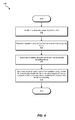
- FIG. 4 is a flow diagram of an exemplary method for using acquisitional contexts to prevent false-positive malware classifications.
- FIG. 5 is an illustration of exemplary contextual information.
- FIG. 6 is an illustration of exemplary reputation information.
- FIG. 7 is a block diagram of an exemplary computing system capable of implementing one or more of the embodiments described and/or illustrated herein.
- FIG. 8 is a block diagram of an exemplary computing network capable of implementing one or more of the embodiments described and/or illustrated herein.
- FIGS. 1-2 detailed descriptions of exemplary systems for using acquisitional contexts to prevent false-positive malware classifications. Detailed descriptions of corresponding computer-implemented methods will also be provided in connection with FIGS. 3-4 . In addition, detailed descriptions of exemplary contextual information and reputation information will be provided in connection with FIGS. 5 and 6 , respectively. Furthermore, detailed descriptions of an exemplary computing system and network architecture capable of implementing one or more of the embodiments described herein will be provided in connection with FIGS. 7 and 8 , respectively.
- FIG. 1 is a block diagram of an exemplary system 100 for using acquisitional contexts to prevent false-positive malware classifications.
- exemplary system 100 may include one or more modules 102 for performing one or more tasks.
- exemplary system 100 may include a context-receiving module 104 programmed to receive, at a server-side computing device from at least one client-side computing device within a community of users, contextual information associated with a file.
- exemplary system 100 may also include a reputation-determining module 106 programmed to determine, based at least in part on the contextual information received from the client-side computing device, a reputation rating for the file.
- exemplary system 100 may include a providing module 108 programmed to provide the reputation rating for the file to at least one additional client-side computing device within the community in order to prevent the additional client-side computing device from falsely classifying the file as untrustworthy due to acquiring an additional instance of the file via a context that is insufficient to determine that the additional instance of the file is trustworthy.
- a providing module 108 programmed to provide the reputation rating for the file to at least one additional client-side computing device within the community in order to prevent the additional client-side computing device from falsely classifying the file as untrustworthy due to acquiring an additional instance of the file via a context that is insufficient to determine that the additional instance of the file is trustworthy.
- Exemplary system 100 may also include a file-identification module 110 programmed to identify, at the additional client-side computing device, an additional instance of the file. Additionally, exemplary system 100 may include a reputation-requesting module 112 programmed to request a reputation rating for the additional instance of the file from the server-side computing device. Exemplary system 100 may also include a reputation-receiving module 114 programmed to receive the reputation rating for the additional instance of the file from the server-side computing device.
- exemplary system 100 may include a trust-determining module 116 programmed to determine, based at least in part on the reputation rating received from the server-side computing device, that the additional instance of the file is trustworthy despite the additional client-side computing device having acquired the additional instance of the file via a context that is insufficient to determine that the additional instance of the file is trustworthy.
- a trust-determining module 116 programmed to determine, based at least in part on the reputation rating received from the server-side computing device, that the additional instance of the file is trustworthy despite the additional client-side computing device having acquired the additional instance of the file via a context that is insufficient to determine that the additional instance of the file is trustworthy.
- one or more of modules 102 in FIG. 1 may represent one or more software applications or programs (such as a security-software application) that, when executed by a computing device, may cause the computing device to perform one or more tasks.
- one or more of modules 102 may represent software modules stored and configured to run on one or more computing devices, such as the devices illustrated in FIG. 2 (e.g., computing devices 202 ( 1 )-(N) and/or reputation service 206 ), computing system 710 in FIG. 7 , and/or portions of exemplary network architecture 800 in FIG. 8 .
- One or more of modules 102 in FIG. 1 may also represent all or portions of one or more special-purpose computers configured to perform one or more tasks.
- exemplary system 100 may also include one or more databases, such as database 120 .
- database 120 may be configured to store contextual information 122 (an example of which includes contextual information 500 in FIG. 5 ), reputation information 124 (an example of which includes reputation information 600 in FIG. 6 ), and information that identifies known-malicious files 126 .
- Database 120 may represent portions of a single database or computing device or a plurality of databases or computing devices.
- database 120 may represent a portion of computing devices 202 ( 1 )-(N) and/or reputation service 206 in FIG. 2 , computing system 710 in FIG. 7 , and/or portions of exemplary network architecture 800 in FIG. 8 .
- database 120 in FIG. 1 may represent one or more physically separate devices capable of being accessed by a computing device, such as reputation service 206 in FIG. 2 , computing system 710 in FIG. 7 , and/or portions of exemplary network architecture 800 in FIG. 8 .
- Exemplary system 100 in FIG. 1 may be implemented in a variety of ways. For example, all or a portion of exemplary system 100 may represent portions of exemplary system 200 in FIG. 2 . As shown in FIG. 2 , system 200 may include a plurality of computing devices 202 ( 1 )-(N) in communication with a reputation service 206 via a network 204 .
- one or more of modules 102 from FIG. 1 may, when executed by at least one processor of computing devices 202 ( 1 )-(N) and/or reputation service 206 , enable computing devices 202 ( 1 )-(N) and/or reputation service 206 to use acquisitional contexts to prevent false-positive malware classifications.
- one or more of modules 102 may cause reputation service 206 to (1) receive, from at least one client-side computing device within a community of users (e.g., computing device 202 (N)), contextual information associated with a file (e.g., file 210 ), (2) determine, based at least in part on the contextual information received from the client-side computing device, a reputation rating for the file, and (3) provide the reputation rating for the file to at least one additional client-side computing device within the community (e.g., computing devices 202 ( 1 )-(N—1)) in order to prevent the additional client-side computing device from falsely classifying the file as untrustworthy due to acquiring an additional instance of the file via a context that is insufficient to determine that the additional instance of the file is trustworthy.
- the contextual information may identify a context in which the client-side computing device acquired the file and may indicate that the client-side computing device determined that the file was trustworthy due to the context in which the client-side computing device acquired the file
- one or more of modules 102 from FIG. 1 may, when executed by at least one processor of computing devices 202 ( 1 )-(N) and/or reputation service 206 , enable computing devices 202 ( 1 )-(N) and/or reputation service 206 to use acquisitional contexts to prevent false-positive malware classifications by causing computing device 202 ( 1 ) to (1) identify a file (e.g., file 210 ), (2) request a reputation rating for the file from a server-side computing device (e.g., reputation service 206 ), (3) receive the reputation rating for the file from the server-side computing device, and (4) determine, based at least in part on the reputation rating received from the server-side computing device, that the file is trustworthy despite having acquired the file via a context that is insufficient to determine that the file is trustworthy.
- a file e.g., file 210
- server-side computing device e.g., reputation service 206
- receive the reputation rating for the file from the server-side computing device e.g., reputation
- the reputation rating received from the server-side computing device may be based at least in part on an analysis of contextual information received from at least one other client-side computing device within a community of users (e.g., computing device 202 (N)) that indicates that the other client-side computing device determined that a prior instance of the file (e.g., file 210 located on computing device 202 (N)) was trustworthy due to a context in which the other client-side computing device acquired the prior instance of the file.
- a community of users e.g., computing device 202 (N)
- a prior instance of the file e.g., file 210 located on computing device 202 (N)
- Computing devices 202 ( 1 )-(N) generally represent any type or form of computing device capable of reading computer-executable instructions. Examples of computing devices 202 ( 1 )-(N) include, without limitation, laptops, tablets, desktops, servers, cellular phones, personal digital assistants (PDAs), multimedia players, embedded systems, combinations of one or more of the same, exemplary computing system 710 in FIG. 7 , or any other suitable computing device. In one example, computing devices 202 ( 1 )-(N) may represent computing devices of users within a community (such as the user base of a security-software vendor) that interact with a reputation service.
- a community such as the user base of a security-software vendor
- Reputation service 206 generally represents any type or form of computing device that is capable of storing, managing, and/or processing data.
- Examples of reputation service 206 include, without limitation, application servers and database servers configured to provide various database services and/or run certain software applications.
- reputation service 206 may represent a reputation service that provides reputation information to one or more client-side computing devices and/or that collects, aggregates, and/or analyzes data (e.g., contextual information) from computing devices 202 ( 1 )-(N).
- Network 204 generally represents any medium or architecture capable of facilitating communication or data transfer. Examples of network 204 include, without limitation, an intranet, a wide area network (WAN), a local area network (LAN), a personal area network (PAN), the Internet, power line communications (PLC), a cellular network (e.g., a GSM Network), exemplary network architecture 800 in FIG. 8 , or the like. Network 204 may facilitate communication or data transfer using wireless or wired connections. In one embodiment, network 204 may facilitate communication between computing devices 202 ( 1 )-(N) and reputation service 206 .
- WAN wide area network
- LAN local area network
- PAN personal area network
- PLC power line communications
- GSM Network Global System for Mobile communications
- Network 204 may facilitate communication or data transfer using wireless or wired connections.
- network 204 may facilitate communication between computing devices 202 ( 1 )-(N) and reputation service 206 .
- FIG. 3 is a flow diagram of an exemplary computer-implemented method 300 for using acquisitional contexts to prevent false-positive malware classifications.
- the steps shown in FIG. 3 may be performed by any suitable computer-executable code and/or computing system. In some embodiments, the steps shown in FIG. 3 may be performed by one or more of the components of system 100 in FIG. 1 , system 200 in FIG. 2 , computing system 710 in FIG. 7 , and/or portions of exemplary network architecture 800 in FIG. 8 .
- one or more of the systems described herein may receive, from at least one client-side computing device within a community of users, contextual information associated with a file.
- context-receiving module 104 may, as part of reputation service 206 in FIG. 2 , receive contextual information associated with file 210 .
- file may generally refer to any file that has a low prevalence within a community of users, is associated with a limited amount of reputation information, and/or is associated with reputation information that is still developing.
- files include, without limitation, a newly created file, a file seen for the first time within a community of users, and/or a file seen by a limited number of users within a community.
- a file may include a newly created executable file, an executable file that has recently been made publicly available, and/or an executable file whose availability is limited (e.g., a beta release).
- the contextual information received in step 302 may include information that identifies or describes a context in which a client-side computing device acquired a file and/or may indicate that a client-side computing device determined that a file was trustworthy due to the context in which the client-side computing device acquired the file (e.g., the fact that the client-side computing device acquired the file from a trusted source may indicate that the file is also trustworthy).
- the term “context” may generally refer to the set of circumstances surrounding the acquisition of a file, such as information regarding how the file was acquired, the source of the file, and/or attributes of the client-side computing device that acquired the file.
- the “context” in which a file was acquired may refer to a source from which the client-side computing device acquired the file (e.g., an email address or an application), a domain name from which the client-side computing device acquired the file (e.g., download.com), a host or hostname from which the client-side computing device acquired the file (e.g., a767.ms.akamai.net), a URL from which the client-side computing device acquired the file (e.g., http://download.microsoft.com/download/), and/or an IP address from which the client-side computing device acquired the file (e.g., 64.208.241.72).
- a source from which the client-side computing device acquired the file e.g., an email address or an application
- a client-side computing device may use information about a trusted context (e.g., a context with a high reputation rating) to determine that a file acquired via the trusted context is trustworthy even though the file does not otherwise have enough reputation information associated with it to determine that the file is trustworthy.
- a trusted context e.g., a context with a high reputation rating
- context-receiving module 104 may receive contextual information from client-side computing devices as part of collecting, aggregating, and/or analyzing data reported by a community of users. This reported information may enable reputation service 206 to update reputation information maintained by reputation service 206 . Additionally or alternatively, context-receiving module 104 may receive contextual information from a client-side computing device as part of a request by the client-side computing device for reputation information. For example, a client-side computing device may include contextual information when requesting reputation information for a file. In this example, reputation service 206 may use the contextual information to provide a more accurate reputation rating for the file and/or provide additional reputation information associated with a context provided within the contextual information.
- a client-side computing device may provide contextual information to context-receiving module 104 when reporting the results of one or more trustworthiness determinations made with respect to a file.
- file-identification module 110 on computing device 202 (N) may identify a file (such as file 210 ) downloaded by a user of computing device 202 (N)).
- reputation-requesting module 112 may request reputation information for file 210 from reputation service 206 .
- reputation service 206 may provide reputation information to reputation-receiving module 114 on computing device 202 (N) that indicates that file 210 should not be trusted due to its low prevalence within the community.
- trust-determining module 116 may determine that file 210 is trustworthy (even in view of the reputation information received from reputation service 206 ) due to the context in which computing device 202 (N) acquired file 210 .
- trust-determining module 116 may determine that computing device 202 (N) acquired file 210 from a known and trusted source, such as a URL with a reputation rating that satisfies a predetermined threshold (e.g., “90%”).
- a predetermined threshold e.g., “90%”.
- trust-determining module 116 may determine that file 210 is trustworthy, despite its low prevalence within the community, due to originating from a known and trusted source, thereby exonerating file 210 .
- trust-determining module 116 may then report to reputation service 206 contextual information (e.g., contextual information 500 in FIG. 5 ) containing information that both (1) identifies the context in which computing device 202 (N) acquired file 210 and (2) indicates that computing device 202 (N) determined that file 210 was trustworthy due to the context in which computing device 202 (N) acquired file 210 .
- contextual information e.g., contextual information 500 in FIG. 5
- FIG. 5 is an illustration of exemplary contextual information 500 that may be received from a client-side computing device.
- contextual information may include information that identifies the name of a file acquired by the client-side computing device (in this example, “example.exe”), a file hash that uniquely identifies the file (in this example, “0x0349EF9A”), the method by which the client-side computing device acquired the file (in this example, “Browser Download”), a source URL from which the client-side computing device acquired the file (in this example, “www.example.com/downloads/”), a source IP address from which the client-side computing device acquired the file (in this example, “75.169.229.19”), and a trust determination made with respect to the file (in this example, “Trustworthy”).
- context-receiving module 104 may save the contextual information (e.g., as contextual information 122 within database 120 ).
- one or more of the systems described herein may determine, based at least in part on the contextual information received from the client-side computing device, a reputation rating for the file.
- reputation-determining module 106 may, as part of reputation service 206 in FIG. 2 , determine a reputation rating for file 210 based at least in part on the contextual information received from computing device 202 (N) as part of step 302 .
- the terms “reputation rating” and “reputation information” may generally refer to information that indicates the trustworthiness of a file and/or whether the file represents a potential security risk.
- An example of a reputation rating includes, without limitation, a reputation score (e.g., 70%, on a scale of 1% to 100%, where, for example, a high reputation score indicates that the file is unlikely to represent a security risk and a low reputation score indicates that the file likely represents a security risk).
- reputation ratings may also be associated with other entities (e.g., contexts) that influence the reputation ratings of files and/or that can be otherwise used in determining reputation ratings for files. For example, a file acquired via a URL with a high reputation rating may be more likely to be trustworthy than a file acquired via a URL with a low reputation rating.
- reputation-determining module 106 may determine the reputation rating for the file by identifying a reputation rating associated with the context in which the client-side computing device acquired the file and then calculating, based at least in part on the reputation rating associated with the context in which the client-side computing device acquired the file, the reputation rating for the file. For example, reputation-determining module 106 may determine that a URL from which the client-side computing device acquired the file has a reputation rating of 75%. In this example, reputation-determining module 106 may calculate a reputation rating for the file by simply using the reputation rating for the URL as the reputation rating for the file (e.g., by assigning a reputation rating of 75% to the file).
- reputation-determining module 106 may calculate the reputation rating for the file using reputation ratings for each contextual factor (e.g., by averaging or by taking the minimum of the reputation ratings of each contextual factor). In other examples, reputation-determining module 106 may calculate the reputation rating for the file using other reputation information associated with the file and/or the context by which it was acquired.
- reputation-determining module 106 may also calculate a hash that represents the file and then associate the reputation rating for the file with the hash that represents the file.
- this hash may represent a unique identifier for the file that can be used by client-side computing devices to request reputation information for the file and/or by reputation services to identify and/or provide reputation information for the file.
- reputation-determining module 106 may verify that the file is not a known-malicious file (perhaps to ensure that the file has not been classified as malware). For example, reputation-determining module 106 may query database 120 (which, as detailed above, contains information on known-malicious files 126 ) in order to ensure that the file is not a known-malicious file. In some examples, reputation-determining module 106 may also store the reputation rating within database 120 (e.g., as reputation information 124 ).
- one or more of the systems described herein may provide the reputation rating for the file to at least one additional client-side computing device within the community in order to prevent the additional client-side computing device from falsely classifying the file as untrustworthy due to acquiring an additional instance of the file via a context that is insufficient to determine that the additional instance of the file is trustworthy.
- providing module 108 may, as part of reputation service 206 in FIG. 2 , provide the reputation rating for file 210 to computing device 202 ( 1 ) in order to prevent computing device 202 ( 1 ) from falsely classifying file 210 as untrustworthy due to acquiring file 210 via a context that is insufficient to determine that file 210 is trustworthy.
- a client-side computing device that would have otherwise been unable to determine that a file was trustworthy due to acquiring the file via an unknown or untrusted context may still determine that the file is trustworthy based on the fact that the same file was acquired by another client-side computing device via a context that allowed it to determine that the file was trustworthy.
- providing module 108 may provide the reputation rating for the file to the additional client-side computing device in response to a request (e.g., a request as described in step 404 of FIG. 4 ) from the additional client-side computing device for reputation information associated with the file.
- providing module 108 may respond to such a request for reputation information for the file by providing reputation information similar to reputation information 600 in FIG. 6 .
- FIG. 6 is an illustration of exemplary reputation information 600 that may be provided by a server-side computing device to a client-side computing device.
- reputation information may include information that identifies a name of a file (in this example, “example.exe”), a file hash that uniquely identifies the file (in this example, “0x0349EF9A”), and a reputation rating for the file (in this example 75%).
- providing module 108 may provide the reputation rating for the file to the additional client-side computing device by sending the reputation rating to the additional client-side computing device prior to the additional client-side computing device acquiring the file.
- the additional client-side computing device may maintain a reputation-information database (e.g., reputation information 124 within database 120 ), and providing module 108 may send the reputation rating for the file to the additional client-side computing device as part of updating the reputation-information database.
- exemplary method 300 in FIG. 3 may terminate.
- FIG. 4 is a flow diagram of an exemplary computer-implemented method for performing such a task.
- the steps show in FIG. 4 may be performed by any suitable computer-executable code and/or computing system.
- the steps shown in FIG. 4 may be performed by one or more of the components of system 100 in FIG. 1 , system 200 in FIG. 2 , computing system 710 in FIG. 7 , and/or portions of exemplary network architecture 800 in FIG. 8 .
- the steps shown in FIG. 4 illustrate how a client-side computing device (e.g., computing device 202 ( 1 )), that would have otherwise been unable to determine that a file was trustworthy due to acquiring the file via an unknown or untrusted context, may still determine that the file is trustworthy based on the fact that the same file was acquired by another client-side computing device (e.g., computing device 202 (N)) via a context that allowed it to determine that the file was trustworthy.
- a client-side computing device e.g., computing device 202 ( 1 )
- one or more of the systems described herein may identify, at a client-side computing device, a file.
- file-identification module 110 may, as part of computing device 202 ( 1 ) in FIG. 2 , identify file 210 .
- file-identification module 110 may identify the file as part of monitoring files downloaded to and/or otherwise acquired by computing device 202 ( 1 ). For example, file-identification module 110 may identify a file downloaded by a user via an Internet browser, received in an email message, and/or retrieved from a data storage device (e.g., a USB flash drive or a network storage device). Additionally or alternatively, file-identification module 110 may identify a file as part of receiving a request to determine whether the file is trustworthy (perhaps received from a user of computing device 202 ( 1 )).
- a data storage device e.g., a USB flash drive or a network storage device
- one or more of the systems described herein may request a reputation rating for the file from a server-side computing device.
- reputation-requesting module 112 may, as part of computing device 202 ( 1 ) in FIG. 2 , request a reputation rating for file 210 from reputation service 206 .
- reputation-requesting module 112 may include in the request an identifier that identifies the file.
- reputation-requesting module 112 may include in the request a file name of the file and/or a hash for the file.
- reputation-requesting module 112 may request the reputation rating after the file is identified by file-identification module 110 . In other examples, reputation-requesting module 112 may request the reputation rating prior to file-identification module 110 identifying the file. For example, reputation-requesting module 112 may request the reputation rating as part of a request for general reputation information (e.g., as part of a registration process).
- one or more of the systems described herein may receive the reputation rating for the file from the server-side computing device.
- reputation-receiving module 114 may, as part of computing device 202 ( 1 ) in FIG. 2 , receive the reputation rating for file 210 from reputation service 206 .
- the reputation rating received from reputation service 206 may be based at least in part on an analysis of contextual information received from computing device 202 (N) that indicates that computing device 202 (N) determined that file 210 was trustworthy due to a context in which computing device 202 (N) acquired file 210 .
- reputation-receiving module 114 may receive the reputation rating as part of reputation information (e.g., reputation information 600 in FIG. 6 ). In some examples, upon receiving the reputation rating for the file, reputation-receiving module 114 may store the reputation rating (e.g., as reputation information 124 in database 120 ).
- one or more of the systems described herein may determine, based at least in part on the reputation rating received from the server-side computing device, that the file is trustworthy despite the client-side computing device having acquired the file via a context that is insufficient to determine that the file is trustworthy.
- trust-determining module 116 may, as part of computing device 202 ( 1 ) in FIG. 2 , determine, based at least in part on the reputation rating received from the reputation service 206 , that file 210 is trustworthy despite having acquired file 210 via a context that is insufficient to determine that file 210 is trustworthy.
- trust-determining module 116 may determine that the file is trustworthy by determining that the reputation rating of the file is above a predetermined amount (e.g., a 70% reputation rating may indicate that the file is trustworthy). For example, the reputation rating provided in reputation information 600 in FIG. 6 may allow trust-determining module 116 to determine that the file is trustworthy. In other examples, trust-determining module 116 may determine that the file is trustworthy using other reputation information associated with the file and/or the context by which it was acquired.
- exemplary method 400 in FIG. 4 may terminate.
- the systems and methods described herein may prevent reputation-based security systems from falsely classifying legitimate files as malware. Furthermore, by propagating such reputation ratings within a community of users, the systems and methods described herein may ensure that a file that is trusted on one computing device due to the context in which the file was acquired (e.g., a trusted source) is also trusted on an additional computing device even if the file is acquired at the additional computing device via a context (e.g., an untrusted source) that is insufficient to determine that the file is trustworthy.
- a context in which the file was acquired e.g., a trusted source
- a context e.g., an untrusted source
- FIG. 7 is a block diagram of an exemplary computing system 710 capable of implementing one or more of the embodiments described and/or illustrated herein.
- computing system 710 may perform and/or be a means for performing, either alone or in combination with other elements, one or more of the preventing, receiving, determining, providing, calculating, associating, verifying, requesting, and identifying steps described herein.
- All or a portion of computing system 710 may also perform and/or be a means for performing any other steps, methods, or processes described and/or illustrated herein.
- Computing system 710 broadly represents any single or multi-processor computing device or system capable of executing computer-readable instructions. Examples of computing system 710 include, without limitation, workstations, laptops, client-side terminals, servers, distributed computing systems, handheld devices, or any other computing system or device. In its most basic configuration, computing system 710 may include at least one processor 714 and a system memory 716 .
- Processor 714 generally represents any type or form of processing unit capable of processing data or interpreting and executing instructions.
- processor 714 may receive instructions from a software application or module. These instructions may cause processor 714 to perform the functions of one or more of the exemplary embodiments described and/or illustrated herein.
- System memory 716 generally represents any type or form of volatile or non-volatile storage device or medium capable of storing data and/or other computer-readable instructions. Examples of system memory 716 include, without limitation, random access memory (RAM), read only memory (ROM), flash memory, or any other suitable memory device. Although not required, in certain embodiments computing system 710 may include both a volatile memory unit (such as, for example, system memory 716 ) and a non-volatile storage device (such as, for example, primary storage device 732 , as described in detail below). In one example, one or more of modules 102 from FIG. 1 may be loaded into system memory 716 .
- RAM random access memory
- ROM read only memory
- flash memory or any other suitable memory device.
- computing system 710 may include both a volatile memory unit (such as, for example, system memory 716 ) and a non-volatile storage device (such as, for example, primary storage device 732 , as described in detail below). In one example, one or more of modules 102 from FIG. 1 may
- exemplary computing system 710 may also include one or more components or elements in addition to processor 714 and system memory 716 .
- computing system 710 may include a memory controller 718 , an Input/Output (I/O) controller 720 , and a communication interface 722 , each of which may be interconnected via a communication infrastructure 712 .
- Communication infrastructure 712 generally represents any type or form of infrastructure capable of facilitating communication between one or more components of a computing device. Examples of communication infrastructure 712 include, without limitation, a communication bus (such as an ISA, PCI, PCIe, or similar bus) and a network.
- Memory controller 718 generally represents any type or form of device capable of handling memory or data or controlling communication between one or more components of computing system 710 .
- memory controller 718 may control communication between processor 714 , system memory 716 , and I/O controller 720 via communication infrastructure 712 .
- I/O controller 720 generally represents any type or form of module capable of coordinating and/or controlling the input and output functions of a computing device. For example, in certain embodiments I/O controller 720 may control or facilitate transfer of data between one or more elements of computing system 710 , such as processor 714 , system memory 716 , communication interface 722 , display adapter 726 , input interface 730 , and storage interface 734 .
- Communication interface 722 broadly represents any type or form of communication device or adapter capable of facilitating communication between exemplary computing system 710 and one or more additional devices.
- communication interface 722 may facilitate communication between computing system 710 and a private or public network including additional computing systems.
- Examples of communication interface 722 include, without limitation, a wired network interface (such as a network interface card), a wireless network interface (such as a wireless network interface card), a modem, and any other suitable interface.
- communication interface 722 may provide a direct connection to a remote server via a direct link to a network, such as the Internet.
- Communication interface 722 may also indirectly provide such a connection through, for example, a local area network (such as an Ethernet network), a personal area network, a telephone or cable network, a cellular telephone connection, a satellite data connection, or any other suitable connection.
- communication interface 722 may also represent a host adapter configured to facilitate communication between computing system 710 and one or more additional network or storage devices via an external bus or communications channel.
- host adapters include, without limitation, SCSI host adapters, USB host adapters, IEEE 1394 host adapters, SATA and eSATA host adapters, ATA and PATA host adapters, Fibre Channel interface adapters, Ethernet adapters, or the like.
- Communication interface 722 may also allow computing system 710 to engage in distributed or remote computing. For example, communication interface 722 may receive instructions from a remote device or send instructions to a remote device for execution.
- computing system 710 may also include at least one display device 724 coupled to communication infrastructure 712 via a display adapter 726 .
- Display device 724 generally represents any type or form of device capable of visually displaying information forwarded by display adapter 726 .
- display adapter 726 generally represents any type or form of device configured to forward graphics, text, and other data from communication infrastructure 712 (or from a frame buffer, as known in the art) for display on display device 724 .
- exemplary computing system 710 may also include at least one input device 728 coupled to communication infrastructure 712 via an input interface 730 .
- Input device 728 generally represents any type or form of input device capable of providing input, either computer or human generated, to exemplary computing system 710 . Examples of input device 728 include, without limitation, a keyboard, a pointing device, a speech recognition device, or any other input device.
- exemplary computing system 710 may also include a primary storage device 732 and a backup storage device 733 coupled to communication infrastructure 712 via a storage interface 734 .
- Storage devices 732 and 733 generally represent any type or form of storage device or medium capable of storing data and/or other computer-readable instructions.
- storage devices 732 and 733 may be a magnetic disk drive (e.g., a so-called hard drive), a solid state drive, a floppy disk drive, a magnetic tape drive, an optical disk drive, a flash drive, or the like.
- Storage interface 734 generally represents any type or form of interface or device for transferring data between storage devices 732 and 733 and other components of computing system 710 .
- database 120 from FIG. 1 may be stored in primary storage device 732 .
- storage devices 732 and 733 may be configured to read from and/or write to a removable storage unit configured to store computer software, data, or other computer-readable information.
- suitable removable storage units include, without limitation, a floppy disk, a magnetic tape, an optical disk, a flash memory device, or the like.
- Storage devices 732 and 733 may also include other similar structures or devices for allowing computer software, data, or other computer-readable instructions to be loaded into computing system 710 .
- storage devices 732 and 733 may be configured to read and write software, data, or other computer-readable information.
- Storage devices 732 and 733 may also be a part of computing system 710 or may be a separate device accessed through other interface systems.
- computing system 710 may be connected to many other devices or subsystems. Conversely, all of the components and devices illustrated in FIG. 7 need not be present to practice the embodiments described and/or illustrated herein. The devices and subsystems referenced above may also be interconnected in different ways from that shown in FIG. 7 .
- Computing system 710 may also employ any number of software, firmware, and/or hardware configurations.
- one or more of the exemplary embodiments disclosed herein may be encoded as a computer program (also referred to as computer software, software applications, computer-readable instructions, or computer control logic) on a computer-readable-storage medium.
- the phrase “computer-readable-storage medium” generally refers to any form of device, carrier, or medium capable of storing or carrying computer-readable instructions.
- Examples of computer-readable-storage media include, without limitation, transmission-type media, such as carrier waves, and non-transitory-type media, such as magnetic-storage media (e.g., hard disk drives and floppy disks), optical-storage media (e.g., CD- or DVD-ROMs), electronic-storage media (e.g., solid-state drives and flash media), and other distribution systems.
- transmission-type media such as carrier waves
- non-transitory-type media such as magnetic-storage media (e.g., hard disk drives and floppy disks), optical-storage media (e.g., CD- or DVD-ROMs), electronic-storage media (e.g., solid-state drives and flash media), and other distribution systems.
- the computer-readable-storage medium containing the computer program may be loaded into computing system 710 . All or a portion of the computer program stored on the computer-readable-storage medium may then be stored in system memory 716 and/or various portions of storage devices 732 and 733 .
- a computer program loaded into computing system 710 may cause processor 714 to perform and/or be a means for performing the functions of one or more of the exemplary embodiments described and/or illustrated herein.
- one or more of the exemplary embodiments described and/or illustrated herein may be implemented in firmware and/or hardware.
- computing system 710 may be configured as an application specific integrated circuit (ASIC) adapted to implement one or more of the exemplary embodiments disclosed herein.
- ASIC application specific integrated circuit
- FIG. 8 is a block diagram of an exemplary network architecture 800 in which client systems 810 , 820 , and 830 and servers 840 and 845 may be coupled to a network 850 .
- network architecture 800 may perform and/or be a means for performing, either alone or in combination with other elements, one or more of the preventing, receiving, determining, providing, calculating, associating, verifying, requesting, and identifying steps disclosed herein. All or a portion of network architecture 800 may also be used to perform and/or be a means for performing other steps and features set forth in the instant disclosure.
- Client systems 810 , 820 , and 830 generally represent any type or form of computing device or system, such as exemplary computing system 710 in FIG. 7 .
- servers 840 and 845 generally represent computing devices or systems, such as application servers or database servers, configured to provide various database services and/or run certain software applications.
- Network 850 generally represents any telecommunication or computer network including, for example, an intranet, a wide area network (WAN), a local area network (LAN), a personal area network (PAN), or the Internet.
- client systems 810 , 820 , and/or 830 and/or servers 840 and/or 845 may include all or a portion of system 100 from FIG. 1 .
- one or more storage devices 860 ( 1 )-(N) may be directly attached to server 840 .
- one or more storage devices 870 ( 1 )-(N) may be directly attached to server 845 .
- Storage devices 860 ( 1 )-(N) and storage devices 870 ( 1 )-(N) generally represent any type or form of storage device or medium capable of storing data and/or other computer-readable instructions.
- storage devices 860 ( 1 )-(N) and storage devices 870 ( 1 )-(N) may represent network-attached storage (NAS) devices configured to communicate with servers 840 and 845 using various protocols, such as NFS, SMB, or CIFS.
- NAS network-attached storage
- Servers 840 and 845 may also be connected to a storage area network (SAN) fabric 880 .
- SAN fabric 880 generally represents any type or form of computer network or architecture capable of facilitating communication between a plurality of storage devices.
- SAN fabric 880 may facilitate communication between servers 840 and 845 and a plurality of storage devices 890 ( 1 )-(N) and/or an intelligent storage array 895 .
- SAN fabric 880 may also facilitate, via network 850 and servers 840 and 845 , communication between client systems 810 , 820 , and 830 and storage devices 890 ( 1 )-(N) and/or intelligent storage array 895 in such a manner that devices 890 ( 1 )-(N) and array 895 appear as locally attached devices to client systems 810 , 820 , and 830 .
- storage devices 860 ( 1 )-(N) and storage devices 870 ( 1 )-(N) storage devices 890 ( 1 )-(N) and intelligent storage array 895 generally represent any type or form of storage device or medium capable of storing data and/or other computer-readable instructions.
- a communication interface such as communication interface 722 in FIG. 7
- Client systems 810 , 820 , and 830 may be able to access information on server 840 or 845 using, for example, a web browser or other client software.
- client software may allow client systems 810 , 820 , and 830 to access data hosted by server 840 , server 845 , storage devices 860 ( 1 )-(N), storage devices 870 ( 1 )-(N), storage devices 890 ( 1 )-(N), or intelligent storage array 895 .
- FIG. 8 depicts the use of a network (such as the Internet) for exchanging data, the embodiments described and/or illustrated herein are not limited to the Internet or any particular network-based environment.
- all or a portion of one or more of the exemplary embodiments disclosed herein may be encoded as a computer program and loaded onto and executed by server 840 , server 845 , storage devices 860 ( 1 )-(N), storage devices 870 ( 1 )-(N), storage devices 890 ( 1 )-(N), intelligent storage array 895 , or any combination thereof. All or a portion of one or more of the exemplary embodiments disclosed herein may also be encoded as a computer program, stored in server 840 , run by server 845 , and distributed to client systems 810 , 820 , and 830 over network 850 .
- computing system 710 and/or one or more components of network architecture 800 may perform and/or be a means for performing, either alone or in combination with other elements, one or more steps of an exemplary method for using acquisitional contexts to prevent false-positive malware classifications.
- exemplary system 100 in FIG. 1 may represent portions of a cloud-computing or network-based environment.
- Cloud-computing environments may provide various services and applications via the Internet. These cloud-based services (e.g., software as a service, platform as a service, infrastructure as a service, etc.) may be accessible through a web browser or other remote interface.
- Various functions described herein may be provided through a remote desktop environment or any other cloud-based computing environment.
- one or more of the modules described herein may transform data, physical devices, and/or representations of physical devices from one form to another.
- one or more of the modules recited herein may transform a computing system into a system capable of using acquisitional contexts to prevent false-positive malware classifications.
Landscapes
- Engineering & Computer Science (AREA)
- Computer Security & Cryptography (AREA)
- Computer Hardware Design (AREA)
- General Engineering & Computer Science (AREA)
- Software Systems (AREA)
- General Health & Medical Sciences (AREA)
- Virology (AREA)
- Health & Medical Sciences (AREA)
- Theoretical Computer Science (AREA)
- Computing Systems (AREA)
- Signal Processing (AREA)
- Physics & Mathematics (AREA)
- General Physics & Mathematics (AREA)
- Computer Networks & Wireless Communication (AREA)
- Information Transfer Between Computers (AREA)
Abstract
Description
Claims (20)
Priority Applications (1)
| Application Number | Priority Date | Filing Date | Title |
|---|---|---|---|
| US13/420,492 US8627469B1 (en) | 2012-03-14 | 2012-03-14 | Systems and methods for using acquisitional contexts to prevent false-positive malware classifications |
Applications Claiming Priority (1)
| Application Number | Priority Date | Filing Date | Title |
|---|---|---|---|
| US13/420,492 US8627469B1 (en) | 2012-03-14 | 2012-03-14 | Systems and methods for using acquisitional contexts to prevent false-positive malware classifications |
Publications (1)
| Publication Number | Publication Date |
|---|---|
| US8627469B1 true US8627469B1 (en) | 2014-01-07 |
Family
ID=49841058
Family Applications (1)
| Application Number | Title | Priority Date | Filing Date |
|---|---|---|---|
| US13/420,492 Expired - Fee Related US8627469B1 (en) | 2012-03-14 | 2012-03-14 | Systems and methods for using acquisitional contexts to prevent false-positive malware classifications |
Country Status (1)
| Country | Link |
|---|---|
| US (1) | US8627469B1 (en) |
Cited By (18)
| Publication number | Priority date | Publication date | Assignee | Title |
|---|---|---|---|---|
| US20140090061A1 (en) * | 2012-09-26 | 2014-03-27 | Northrop Grumman Systems Corporation | System and method for automated machine-learning, zero-day malware detection |
| US20150128265A1 (en) * | 2013-11-04 | 2015-05-07 | At&T Intellectual Property I, L.P. | Malware And Anomaly Detection Via Activity Recognition Based On Sensor Data |
| US9152703B1 (en) | 2013-02-28 | 2015-10-06 | Symantec Corporation | Systems and methods for clustering data samples |
| US9319382B2 (en) | 2014-07-14 | 2016-04-19 | Cautela Labs, Inc. | System, apparatus, and method for protecting a network using internet protocol reputation information |
| US9398036B2 (en) * | 2014-09-17 | 2016-07-19 | Microsoft Technology Licensing, Llc | Chunk-based file acquisition and file reputation evaluation |
| US9412066B1 (en) | 2013-03-11 | 2016-08-09 | Symantec Corporation | Systems and methods for predicting optimum run times for software samples |
| US9569617B1 (en) * | 2014-03-05 | 2017-02-14 | Symantec Corporation | Systems and methods for preventing false positive malware identification |
| US9684705B1 (en) | 2014-03-14 | 2017-06-20 | Symantec Corporation | Systems and methods for clustering data |
| US9805115B1 (en) | 2014-03-13 | 2017-10-31 | Symantec Corporation | Systems and methods for updating generic file-classification definitions |
| US9832216B2 (en) | 2014-11-21 | 2017-11-28 | Bluvector, Inc. | System and method for network data characterization |
| US20170366560A1 (en) * | 2013-03-15 | 2017-12-21 | Mcafee, Inc. | Server-assisted anti-malware client |
| US9858413B1 (en) * | 2013-07-03 | 2018-01-02 | Trend Micro Inc. | Reduction of false positives in malware detection using file property analysis |
| US10075454B1 (en) * | 2015-03-31 | 2018-09-11 | Symantec Corporation | Using telemetry data to detect false positives |
| US10205744B2 (en) | 2013-03-15 | 2019-02-12 | Mcafee, Llc | Remote malware remediation |
| US10581874B1 (en) | 2015-12-31 | 2020-03-03 | Fireeye, Inc. | Malware detection system with contextual analysis |
| US10885188B1 (en) | 2016-12-30 | 2021-01-05 | Comodo Security Solutions, Inc. | Reducing false positive rate of statistical malware detection systems |
| US11126720B2 (en) | 2012-09-26 | 2021-09-21 | Bluvector, Inc. | System and method for automated machine-learning, zero-day malware detection |
| US20230110049A1 (en) * | 2021-10-13 | 2023-04-13 | Vmware, Inc. | Limiting the security impact of compromised endpoint computing devices in a distributed malware detection system |
Citations (12)
| Publication number | Priority date | Publication date | Assignee | Title |
|---|---|---|---|---|
| US20040205167A1 (en) | 2001-05-29 | 2004-10-14 | Doug Grumann | Automatic configuration of performance management tools |
| US20050021733A1 (en) | 2003-07-01 | 2005-01-27 | Microsoft Corporation | Monitoring/maintaining health status of a computer system |
| US20050283622A1 (en) | 2004-06-17 | 2005-12-22 | International Business Machines Corporation | System for managing security index scores |
| US20070016953A1 (en) | 2005-06-30 | 2007-01-18 | Prevx Limited | Methods and apparatus for dealing with malware |
| US20070300215A1 (en) | 2006-06-26 | 2007-12-27 | Bardsley Jeffrey S | Methods, systems, and computer program products for obtaining and utilizing a score indicative of an overall performance effect of a software update on a software host |
| US20080141240A1 (en) | 2006-12-06 | 2008-06-12 | International Business Machines Corporation | Verification of successful installation of computer software |
| US20090044024A1 (en) * | 2007-08-06 | 2009-02-12 | The Regents Of The University Of Michigan | Network service for the detection, analysis and quarantine of malicious and unwanted files |
| US20090133126A1 (en) | 2007-11-20 | 2009-05-21 | Jang Moon Su | Apparatus and method for detecting dll inserted by malicious code |
| US20100115040A1 (en) * | 2008-09-30 | 2010-05-06 | James Sargent | Systems And Methods For Creating And Updating Reputation Records |
| US7831412B1 (en) | 2008-03-31 | 2010-11-09 | Symantec Corporation | Systems and methods for providing guidance by category on the potential impact of an application on the health of a computing system |
| US7966278B1 (en) | 2008-03-27 | 2011-06-21 | Symantec Corporation | Method for determining the health impact of an application based on information obtained from like-profiled computing systems using clustering |
| US20110246753A1 (en) * | 2010-03-31 | 2011-10-06 | Thomas Andrew J | Use of an application controller to monitor and control software file and application environments |
-
2012
- 2012-03-14 US US13/420,492 patent/US8627469B1/en not_active Expired - Fee Related
Patent Citations (12)
| Publication number | Priority date | Publication date | Assignee | Title |
|---|---|---|---|---|
| US20040205167A1 (en) | 2001-05-29 | 2004-10-14 | Doug Grumann | Automatic configuration of performance management tools |
| US20050021733A1 (en) | 2003-07-01 | 2005-01-27 | Microsoft Corporation | Monitoring/maintaining health status of a computer system |
| US20050283622A1 (en) | 2004-06-17 | 2005-12-22 | International Business Machines Corporation | System for managing security index scores |
| US20070016953A1 (en) | 2005-06-30 | 2007-01-18 | Prevx Limited | Methods and apparatus for dealing with malware |
| US20070300215A1 (en) | 2006-06-26 | 2007-12-27 | Bardsley Jeffrey S | Methods, systems, and computer program products for obtaining and utilizing a score indicative of an overall performance effect of a software update on a software host |
| US20080141240A1 (en) | 2006-12-06 | 2008-06-12 | International Business Machines Corporation | Verification of successful installation of computer software |
| US20090044024A1 (en) * | 2007-08-06 | 2009-02-12 | The Regents Of The University Of Michigan | Network service for the detection, analysis and quarantine of malicious and unwanted files |
| US20090133126A1 (en) | 2007-11-20 | 2009-05-21 | Jang Moon Su | Apparatus and method for detecting dll inserted by malicious code |
| US7966278B1 (en) | 2008-03-27 | 2011-06-21 | Symantec Corporation | Method for determining the health impact of an application based on information obtained from like-profiled computing systems using clustering |
| US7831412B1 (en) | 2008-03-31 | 2010-11-09 | Symantec Corporation | Systems and methods for providing guidance by category on the potential impact of an application on the health of a computing system |
| US20100115040A1 (en) * | 2008-09-30 | 2010-05-06 | James Sargent | Systems And Methods For Creating And Updating Reputation Records |
| US20110246753A1 (en) * | 2010-03-31 | 2011-10-06 | Thomas Andrew J | Use of an application controller to monitor and control software file and application environments |
Non-Patent Citations (7)
| Title |
|---|
| Carey S. Nachenberg; Systems and Methods for Using Reputation Data to Detect Shared-Object-Based Security Threats; U.S. Appl. No. 12/415,834, filed Mar. 31, 2009. |
| Final Office Action received in related U.S. Appl. No. 12/049,751; Jan. 19, 2012. |
| Non-Final Office Action received in related U.S. Appl. No. 12/049,751; Jun. 24, 2011. |
| Non-Final Office Action received in related U.S. Appl. No. 12/415,834; Oct. 11, 2011. |
| Sourabh Satish et al.; Social Trust Based Security Model; Mar. 31, 2006; U.S. Appl. No. 11/394,846. |
| Sourabh Satish; Method for Determining the Health Impact of an Application Based on Information Obtained from Like-Profiled Computing Systems Using Clustering; Mar. 27, 2008; U.S. Appl. No. 12/056,379. |
| Sourabh Satish; Systems and methods for Determining and Quantifying the Impact of an Application on the Health of a System; U.S. Appl. No. 12/049,751, filed Mar. 17, 2008. |
Cited By (25)
| Publication number | Priority date | Publication date | Assignee | Title |
|---|---|---|---|---|
| US20140090061A1 (en) * | 2012-09-26 | 2014-03-27 | Northrop Grumman Systems Corporation | System and method for automated machine-learning, zero-day malware detection |
| US9665713B2 (en) | 2012-09-26 | 2017-05-30 | Bluvector, Inc. | System and method for automated machine-learning, zero-day malware detection |
| US11126720B2 (en) | 2012-09-26 | 2021-09-21 | Bluvector, Inc. | System and method for automated machine-learning, zero-day malware detection |
| US9292688B2 (en) * | 2012-09-26 | 2016-03-22 | Northrop Grumman Systems Corporation | System and method for automated machine-learning, zero-day malware detection |
| US12443710B2 (en) | 2012-09-26 | 2025-10-14 | Bluvector, Inc. | System and method for automated machine-learning, zero-day malware detection |
| US9152703B1 (en) | 2013-02-28 | 2015-10-06 | Symantec Corporation | Systems and methods for clustering data samples |
| US9412066B1 (en) | 2013-03-11 | 2016-08-09 | Symantec Corporation | Systems and methods for predicting optimum run times for software samples |
| US10834124B2 (en) | 2013-03-15 | 2020-11-10 | Mcafee, Llc | Remote malware remediation |
| US10205744B2 (en) | 2013-03-15 | 2019-02-12 | Mcafee, Llc | Remote malware remediation |
| US20170366560A1 (en) * | 2013-03-15 | 2017-12-21 | Mcafee, Inc. | Server-assisted anti-malware client |
| US9858413B1 (en) * | 2013-07-03 | 2018-01-02 | Trend Micro Inc. | Reduction of false positives in malware detection using file property analysis |
| US9319423B2 (en) * | 2013-11-04 | 2016-04-19 | At&T Intellectual Property I, L.P. | Malware and anomaly detection via activity recognition based on sensor data |
| US20150128265A1 (en) * | 2013-11-04 | 2015-05-07 | At&T Intellectual Property I, L.P. | Malware And Anomaly Detection Via Activity Recognition Based On Sensor Data |
| US9680854B2 (en) | 2013-11-04 | 2017-06-13 | At&T Intellectual Property I, L.P. | Malware and anomaly detection via activity recognition based on sensor data |
| US10516686B2 (en) | 2013-11-04 | 2019-12-24 | At&T Intellectual Property I, L.P. | Malware and anomaly detection via activity recognition based on sensor data |
| US9569617B1 (en) * | 2014-03-05 | 2017-02-14 | Symantec Corporation | Systems and methods for preventing false positive malware identification |
| US9805115B1 (en) | 2014-03-13 | 2017-10-31 | Symantec Corporation | Systems and methods for updating generic file-classification definitions |
| US9684705B1 (en) | 2014-03-14 | 2017-06-20 | Symantec Corporation | Systems and methods for clustering data |
| US9319382B2 (en) | 2014-07-14 | 2016-04-19 | Cautela Labs, Inc. | System, apparatus, and method for protecting a network using internet protocol reputation information |
| US9398036B2 (en) * | 2014-09-17 | 2016-07-19 | Microsoft Technology Licensing, Llc | Chunk-based file acquisition and file reputation evaluation |
| US9832216B2 (en) | 2014-11-21 | 2017-11-28 | Bluvector, Inc. | System and method for network data characterization |
| US10075454B1 (en) * | 2015-03-31 | 2018-09-11 | Symantec Corporation | Using telemetry data to detect false positives |
| US10581874B1 (en) | 2015-12-31 | 2020-03-03 | Fireeye, Inc. | Malware detection system with contextual analysis |
| US10885188B1 (en) | 2016-12-30 | 2021-01-05 | Comodo Security Solutions, Inc. | Reducing false positive rate of statistical malware detection systems |
| US20230110049A1 (en) * | 2021-10-13 | 2023-04-13 | Vmware, Inc. | Limiting the security impact of compromised endpoint computing devices in a distributed malware detection system |
Similar Documents
| Publication | Publication Date | Title |
|---|---|---|
| US9258316B1 (en) | Systems and methods for generating reputation-based ratings for uniform resource locators | |
| US9781151B1 (en) | Techniques for identifying malicious downloadable applications | |
| US8572007B1 (en) | Systems and methods for classifying unknown files/spam based on a user actions, a file's prevalence within a user community, and a predetermined prevalence threshold | |
| US8756432B1 (en) | Systems and methods for detecting malicious digitally-signed applications | |
| US9100426B1 (en) | Systems and methods for warning mobile device users about potentially malicious near field communication tags | |
| US8561180B1 (en) | Systems and methods for aiding in the elimination of false-positive malware detections within enterprises | |
| US8225406B1 (en) | Systems and methods for using reputation data to detect shared-object-based security threats | |
| US8479291B1 (en) | Systems and methods for identifying polymorphic malware | |
| US8108536B1 (en) | Systems and methods for determining the trustworthiness of a server in a streaming environment | |
| US8806625B1 (en) | Systems and methods for performing security scans | |
| US9178904B1 (en) | Systems and methods for detecting malicious browser-based scripts | |
| US8732587B2 (en) | Systems and methods for displaying trustworthiness classifications for files as visually overlaid icons | |
| US9832221B1 (en) | Systems and methods for monitoring the activity of devices within an organization by leveraging data generated by an existing security solution deployed within the organization | |
| US8800040B1 (en) | Methods and systems for prioritizing the monitoring of malicious uniform resource locators for new malware variants | |
| US8869284B1 (en) | Systems and methods for evaluating application trustworthiness | |
| US8321940B1 (en) | Systems and methods for detecting data-stealing malware | |
| US8732834B2 (en) | Systems and methods for detecting illegitimate applications | |
| US10318272B1 (en) | Systems and methods for managing application updates | |
| US11095666B1 (en) | Systems and methods for detecting covert channels structured in internet protocol transactions | |
| US9385869B1 (en) | Systems and methods for trusting digitally signed files in the absence of verifiable signature conditions | |
| US20180124109A1 (en) | Techniques for classifying a web page based upon functions used to render the web page | |
| US9805115B1 (en) | Systems and methods for updating generic file-classification definitions | |
| US9332025B1 (en) | Systems and methods for detecting suspicious files | |
| US10678917B1 (en) | Systems and methods for evaluating unfamiliar executables | |
| US8448243B1 (en) | Systems and methods for detecting unknown malware in an executable file |
Legal Events
| Date | Code | Title | Description |
|---|---|---|---|
| AS | Assignment |
Owner name: SYMANTEC CORPORATION, CALIFORNIA Free format text: ASSIGNMENT OF ASSIGNORS INTEREST;ASSIGNORS:CHEN, JOSEPH;WILHELM, JEFFREY;REEL/FRAME:027864/0943 Effective date: 20120313 |
|
| STCF | Information on status: patent grant |
Free format text: PATENTED CASE |
|
| FPAY | Fee payment |
Year of fee payment: 4 |
|
| AS | Assignment |
Owner name: CA, INC., CALIFORNIA Free format text: ASSIGNMENT OF ASSIGNORS INTEREST;ASSIGNOR:SYMANTEC CORPORATION;REEL/FRAME:051144/0918 Effective date: 20191104 |
|
| MAFP | Maintenance fee payment |
Free format text: PAYMENT OF MAINTENANCE FEE, 8TH YEAR, LARGE ENTITY (ORIGINAL EVENT CODE: M1552); ENTITY STATUS OF PATENT OWNER: LARGE ENTITY Year of fee payment: 8 |
|
| FEPP | Fee payment procedure |
Free format text: MAINTENANCE FEE REMINDER MAILED (ORIGINAL EVENT CODE: REM.); ENTITY STATUS OF PATENT OWNER: LARGE ENTITY |
|
| LAPS | Lapse for failure to pay maintenance fees |
Free format text: PATENT EXPIRED FOR FAILURE TO PAY MAINTENANCE FEES (ORIGINAL EVENT CODE: EXP.); ENTITY STATUS OF PATENT OWNER: LARGE ENTITY |
|
| STCH | Information on status: patent discontinuation |
Free format text: PATENT EXPIRED DUE TO NONPAYMENT OF MAINTENANCE FEES UNDER 37 CFR 1.362 |
|
| FP | Lapsed due to failure to pay maintenance fee |
Effective date: 20260107 |