US8404469B2 - Embedded enzymes in polymers to regulate their degradation rate - Google Patents
Embedded enzymes in polymers to regulate their degradation rate Download PDFInfo
- Publication number
- US8404469B2 US8404469B2 US12/187,949 US18794908A US8404469B2 US 8404469 B2 US8404469 B2 US 8404469B2 US 18794908 A US18794908 A US 18794908A US 8404469 B2 US8404469 B2 US 8404469B2
- Authority
- US
- United States
- Prior art keywords
- enzyme
- polymer
- calb
- embedded
- polymer matrix
- Prior art date
- Legal status (The legal status is an assumption and is not a legal conclusion. Google has not performed a legal analysis and makes no representation as to the accuracy of the status listed.)
- Expired - Fee Related, expires
Links
Images




Classifications
-
- A—HUMAN NECESSITIES
- A61—MEDICAL OR VETERINARY SCIENCE; HYGIENE
- A61K—PREPARATIONS FOR MEDICAL, DENTAL OR TOILETRY PURPOSES
- A61K31/00—Medicinal preparations containing organic active ingredients
- A61K31/70—Carbohydrates; Sugars; Derivatives thereof
- A61K31/7028—Compounds having saccharide radicals attached to non-saccharide compounds by glycosidic linkages
- A61K31/7034—Compounds having saccharide radicals attached to non-saccharide compounds by glycosidic linkages attached to a carbocyclic compound, e.g. phloridzin
- A61K31/704—Compounds having saccharide radicals attached to non-saccharide compounds by glycosidic linkages attached to a carbocyclic compound, e.g. phloridzin attached to a condensed carbocyclic ring system, e.g. sennosides, thiocolchicosides, escin, daunorubicin
-
- A—HUMAN NECESSITIES
- A61—MEDICAL OR VETERINARY SCIENCE; HYGIENE
- A61K—PREPARATIONS FOR MEDICAL, DENTAL OR TOILETRY PURPOSES
- A61K47/00—Medicinal preparations characterised by the non-active ingredients used, e.g. carriers or inert additives; Targeting or modifying agents chemically bound to the active ingredient
- A61K47/30—Macromolecular organic or inorganic compounds, e.g. inorganic polyphosphates
- A61K47/34—Macromolecular compounds obtained otherwise than by reactions only involving carbon-to-carbon unsaturated bonds, e.g. polyesters, polyamino acids, polysiloxanes, polyphosphazines, copolymers of polyalkylene glycol or poloxamers
-
- A—HUMAN NECESSITIES
- A61—MEDICAL OR VETERINARY SCIENCE; HYGIENE
- A61K—PREPARATIONS FOR MEDICAL, DENTAL OR TOILETRY PURPOSES
- A61K47/00—Medicinal preparations characterised by the non-active ingredients used, e.g. carriers or inert additives; Targeting or modifying agents chemically bound to the active ingredient
- A61K47/30—Macromolecular organic or inorganic compounds, e.g. inorganic polyphosphates
- A61K47/42—Proteins; Polypeptides; Degradation products thereof; Derivatives thereof, e.g. albumin, gelatin or zein
-
- A—HUMAN NECESSITIES
- A61—MEDICAL OR VETERINARY SCIENCE; HYGIENE
- A61K—PREPARATIONS FOR MEDICAL, DENTAL OR TOILETRY PURPOSES
- A61K9/00—Medicinal preparations characterised by special physical form
- A61K9/48—Preparations in capsules, e.g. of gelatin, of chocolate
- A61K9/50—Microcapsules having a gas, liquid or semi-solid filling; Solid microparticles or pellets surrounded by a distinct coating layer, e.g. coated microspheres, coated drug crystals
- A61K9/51—Nanocapsules; Nanoparticles
- A61K9/5107—Excipients; Inactive ingredients
- A61K9/513—Organic macromolecular compounds; Dendrimers
- A61K9/5146—Organic macromolecular compounds; Dendrimers obtained otherwise than by reactions only involving carbon-to-carbon unsaturated bonds, e.g. polyethylene glycol, polyamines, polyanhydrides
-
- A—HUMAN NECESSITIES
- A61—MEDICAL OR VETERINARY SCIENCE; HYGIENE
- A61K—PREPARATIONS FOR MEDICAL, DENTAL OR TOILETRY PURPOSES
- A61K9/00—Medicinal preparations characterised by special physical form
- A61K9/48—Preparations in capsules, e.g. of gelatin, of chocolate
- A61K9/50—Microcapsules having a gas, liquid or semi-solid filling; Solid microparticles or pellets surrounded by a distinct coating layer, e.g. coated microspheres, coated drug crystals
- A61K9/51—Nanocapsules; Nanoparticles
- A61K9/5192—Processes
-
- C—CHEMISTRY; METALLURGY
- C12—BIOCHEMISTRY; BEER; SPIRITS; WINE; VINEGAR; MICROBIOLOGY; ENZYMOLOGY; MUTATION OR GENETIC ENGINEERING
- C12Y—ENZYMES
- C12Y301/00—Hydrolases acting on ester bonds (3.1)
- C12Y301/01—Carboxylic ester hydrolases (3.1.1)
- C12Y301/01003—Triacylglycerol lipase (3.1.1.3)
-
- C—CHEMISTRY; METALLURGY
- C12—BIOCHEMISTRY; BEER; SPIRITS; WINE; VINEGAR; MICROBIOLOGY; ENZYMOLOGY; MUTATION OR GENETIC ENGINEERING
- C12Y—ENZYMES
- C12Y304/00—Hydrolases acting on peptide bonds, i.e. peptidases (3.4)
- C12Y304/21—Serine endopeptidases (3.4.21)
- C12Y304/21064—Peptidase K (3.4.21.64)
-
- A—HUMAN NECESSITIES
- A61—MEDICAL OR VETERINARY SCIENCE; HYGIENE
- A61K—PREPARATIONS FOR MEDICAL, DENTAL OR TOILETRY PURPOSES
- A61K38/00—Medicinal preparations containing peptides
Definitions
- This invention relates to nanoparticulates, microparticulates, films and other shaped polymer drug delivery systems. More particularly, this invention relates to biodegradable materials, capable of carrying a bioactive agent, comprising a polymer matrix and an enzyme capable of degrading the polymer matrix to release or aid in the release of the bioactive agent from the polymer matrix.
- Biodegradable polymers with a wide range of physical properties and lifetimes have been proposed for a variety of delivery vehicles for various bioactive agents such as drugs, nutraceuticals, growth factors, genes, and other products of biotechnology.
- Such polymers have a drug encapsulated in a polymeric matrix formulation for the subsequent sustained release of the drug.
- Solubilization of enzymes in organic media has been primarily for the purpose of performing biocatalysis in homogeneous reaction media.
- One mechanism by which proteins from an aqueous phase were transferred to the organic phase is by using ionic surfactants. Interactions occur between the surface charges of proteins and the charged head-group of surfactants creating hydrophobic protein-surfactant complexes that can be extracted into organic media.
- Enzymes containing polymeric coatings, films and plastics have already been synthesized by hydrophobic ion-pairing.
- the invention is (a) a method of embedding enzymes into materials so as to control or otherwise affect the degradation rate of the material or the ability of the material to degrade, and (b) materials comprising the embedded enzyme.
- a representative illustrative embodiment of this invention includes an enzyme-embedded material comprising a polymer matrix and an enzyme capable of degrading the polymer matrix. Enzyme-polymer matrix pairs are selected on the basis of that the enzyme(s) are active in the degradation of the polymer matrix.
- a representative illustrative method of the invention for preparing an enzyme-embedded material includes the steps of:
- Another representative illustrative embodiment of this invention includes the incorporation of an active component or encapsulant into the enzyme-polymer matrix.
- the amount of the active component or encapsulant such as for example but not limited to a bioactive agent, which is incorporated into the products of the present invention may be such so as to provide or deliver an effective amount, such as a pharmaceutically effective amount or a nutraceutically effective amount, of the active component at its intended location.
- the degradation of the polymer matrix delivers the active component or encapsulant.
- Active components that may be encapsulated or embedded in the polymer matrixes include pharmaceutical compositions or compounds, nutraceutical compositions or compounds, nutritional components, biologically active components, flavorants, fragrances, detergents, cosmetics, or surface-active compositions.
- FIG. 1 are intensity-weighted Gaussian Analysis displays with FIG. 1A displaying PCL with active CALB (NS578) with mean diameter of 365.6 ⁇ 130.1 nm and FIG. 1B displaying PCL with deactivated CALB (control) with a mean diameter of 406.8 ⁇ 257.5.
- FIG. 2 is an SEM of PCL nano-particles containing active CALB at 0 hrs.
- FIG. 3 is an SEM of PCL nano-particles containing de-activated CALB after 0 h of incubation.
- FIG. 4 is an SEM of PCL control nanoparticles with de-activated CALB after 576 h of incubation showing nanoparticles that maintained their original appearance having smooth surface and spherical shape.
- FIG. 5 is an SEM of PCL with active CALB (NS576) nanoparticles after 576 h of incubation showing nanoparticles that were ruptured and perforated, with striated surfaces.
- FIG. 6 is an SEM of PCL with active CALB (NS576) nanoparticles showing striated regions that may be associated with residual crystalline regions in enzyme-degraded nanoparticles were observed.
- FIG. 7 is an SEM of PCL with active CALB (NS576) nanoparticles showing that incubations of nanoparticle resulted in perforations or large holes.
- FIG. 8 is an SEM of PCL control (deactivated enzyme) after 576 h of incubation showing nanoparticles that are smooth and remained intact.
- FIG. 9 is an SEM of PCL with active CALB (NS576) nanoparticles after 576 h of incubation showing remaining particles that appear aggregated and particle shape has dramatically changed.
- FIG. 10 is an SEM of PCL with deactivated enzyme after 576 h of incubation showing nanoparticles that maintained their original spherical shape with smooth surfaces.
- FIG. 11 is an SEM of PCL with active CALB (NS576) nanoparticles after 576 h of incubation showing nanoparticles that were ruptured and perforated, with striated surfaces.
- FIG. 12 show release profiles for poly( ⁇ -caprolactone) nanoparticles loaded with active CALB-FITC and de-activated CALB-FITC in which studies were conducted for 576 h in 20 mM Tris-HCl buffer pH 8.0 at 37° C. and buffer was removed every 24 h for fluorescent measurements and reconstituted with fresh buffer.
- FIG. 13 shows displays LC-MS analysis of water soluble hydroxyhexanoic acid degradation products form PCL nanoparticles loaded with active CALB and de-activated CALB as control in which the release study was carried out for 576 h in TRIS-HCl buffer 20 mM, pH 8.0 at 37° C.
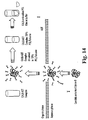
- FIG. 14 shows an illustrative scheme of the present invention illustrating CALB extraction into isooctane and embedding CALB:AOT complex in PCL film.
- FIG. 15 is a confocal micrograph displaying the average distribution of the FITC-CALB AOT conjugate within a 100 ⁇ m thick PCL film, with the figure representing images taken at various depths ranging from 0-48 ⁇ m.
- FIG. 16 is a confocal micrograph displaying within circles the fluorescent regions as Regions of Interest (ROI) for which data was generated for intensity versus depth plots shown in FIG. 17 .
- ROI Regions of Interest
- FIG. 17 are intensity versus depth profiles of CALB aggregates in which the aggregates are marked designating the ROI (Region of Interest) observed (see FIG. 16 ).
- FIG. 18 is a time course of PCL film weight loss as a function of CALB:AOT complex loading in which the weight of CALB:AOT corresponds to its dry weight/per weight of film (w/w), the CALB:AOT complex content in films were 19.4%, w/w ( ⁇ ), 15%, w/w ( ⁇ ), 11.4%, w/w ( ⁇ ), 5.71%, w/w ( ⁇ ), 3%, w/w ( ⁇ ), and incubations were performed at 200 rpm at 37° C.
- FIG. 19 is a molecular weight analysis, determined by gel permeation chromatography, of recovered PCL films that were embedded with 19.4% w/w CaLB:AOT complex and incubated in buffer in batch-mode degradation studies.
- FIG. 20 is a representative SEM micrographs of recovered PCL films that were embedded with 19.4% w/w CALB:AOT complex and then incubated in buffer in the batch mode for 0 h ( FIG. 20A ), 30 min ( FIG. 20B ), 2 h ( FIG. 20C ), 4 h ( FIG. 20D ), and 6 h ( FIG. 20E ).
- FIG. 21 are representative SEM micrographs of recovered PCL that did not contain embedded enzyme in which an equivalent quantity of CALB used for 19.4% w/w embedded experiments was placed in the incubation medium and the experiments were performed in the batch mode, and in which the SEM pictures are displayed from films recovered after incubation periods of 30 mins ( FIG. 21A ), 60 min ( FIG. 21B ), and 4 h ( FIG. 21C ).
- FIG. 22 are representative SEM micrographs of recovered PCL recorded of film cross-sections at 71° in which PCL films were embedded with 19.4% w/w CALB:AOT complex and then incubated in buffer in the batch mode for 0 h ( FIG. 22A ), 2 h ( FIG. 22B ), 4 h ( FIG. 22C ), 6 h ( FIG. 22D ), and 1 h ( FIG. 22E ).
- FIG. 23 is a time course of PCL film weight loss as a function of time for incubations carried out with continuous buffer exchange and in the batch mode wherein in both cases, the CALB:AOT complex content in films were 19.4%, w/w.
- FIG. 24 are representative SEM micrographs of recovered PCL recorded of film cross-sections at 71° in which PCL films were embedded with 19.4% w/w CALB:AOT complex and then incubated in buffer in the continuous buffer removal for 1 h ( FIG. 24A ), 4 h ( FIG. 24B ), 8 h ( FIG. 24C ), 24 h ( FIG. 24D ), 1 h ( FIG. 24E ), 8 h ( FIG. 24F ), and 18 h ( FIG. 24G ).
- FIG. 25 is a time course of doxorubicin release for incubations carried out with continuous buffer exchange and in the batch mode wherein in both cases, the CALB:AOT complex content in films were 19.4%, w/w.
- Embodiments of this invention include enzyme-embedded materials comprising a polymer matrix and an enzyme capable of degrading the polymer matrix. Enzyme-polymer matrix pairs are selected on the basis of that the enzyme(s) are active in the degradation of the polymer matrix. In one embodiment, the enzyme and the polymer matrix can be selected so that the enzyme can digest the polymer matrix, which allows for the release of an active agent contained in the matrix. In one example, the polymer matrix constructed from poly( ⁇ -caprolactone) and the enzyme is a lipase, so the lipase can digest the polymer.
- CALB Candida antartica Lipase B
- PCL poly( ⁇ -caprolactone)
- the polymer matrix is constructed from a poly(lactic acid) (herein referred to as PLA) stereocopolymer and an enzyme known to degrade poly(lactic acid) such as Proteinase K can be embedded in the matrix.
- PLA poly(lactic acid)
- an enzyme known to degrade poly(lactic acid) such as Proteinase K
- a wide range of polyesters are known that can be used in this invention including poly(butylene succinate), poly(ethylene terephthalate), and poly(dioxanone).
- Other examples include the use of natural or modified natural polymers as matrix materials.
- One example is the family of polyhydroxyalkanoates for which polyhydroxyalkanoate depolymerases are well-known and could be embedded in the matrix to control its degradation rate.
- Polysaccharides e.g.
- starch pullulan, pectin, cellulose, chitosan, chitin, xylan, galactomannans, and xanthan
- esterification e.g. acetylation and octanyl succinate derivatives
- carboxymethylation e.g. ethylene oxide and propylene oxide
- synthetic polymers that fall within the family of vinyl polymers can be used as matrix materials.
- Important examples include polyvinyl acetate and poly(methyl acrylate) where the embedded enzyme will degrade the acetate and methyl ester bonds of the respective polymers to from water soluble materials.
- the enzyme embedded within the polymer matrix can by selected from a wide range of natural enzymes known to degrade the matrix polymer. Suitable enzymes may be known or can easily be identified by well known screening methods that will be active in degrading the matrix polymers. Furthermore, combinations of enzymes can be used so that one enzyme degrades the bonds formed during polysaccharide modification and another degrades the polysaccharide chain. For example, a cutinase known to degrade ester bonds such as acetate groups from polyvinylacetate can be added along with an enzyme chosen from the family of glycosidase, to modified polysaccharides such as starch acetate, cellulose acetate, and pectin acetate. Cutinases represent one family of enzymes that can be used to degrade acetate and methyl ester bonds of polyvinyl acetate and poly(methyl acrylate), respectively.
- Factors that control the rate at which the polymeric material degrades include the concentration of the enzyme in the material, the enzyme kinetics with respect to polymer degradation, the enzyme kinetics with respect to the polymer can be dependant on the polymer matrix, the polymer shape (e.g. changing the shape may affect the rate of substrate transport into and out of the material), the environment in which the enzyme embedded polymer is to be subjected to (e.g. the environment can vary in temperature, pH, ionicity and other factors that alter enzyme activity), the fluid dynamics of the outer environment (e.g. fluid dynamics can alter the rate at which substrates, products and the enzyme itself is removed from the enzyme-embedded material environment). Other factors that also can alter the rate of polymer degradation are readily available to those with ordinary skill in the art. By embedding an enzyme in the material and by taking into account these factors, among others, the rate of material degradation can be accelerated so that material degradation matches that for the required application.
- degradation of the enzyme-embedded material can be triggered by placing the material in an aqueous environment, e.g., if the enzyme falls under the classification of a hydrolase.
- the embedded enzyme may have a substance that must be removed prior to its functioning in polymer degradation.
- a photoactivated trigger can be attached to the enzyme so that, when irradiated at the appropriate wavelength, the photoactivated group will release from the enzyme rendering the enzyme active to function in degradation of the polymer matrix.
- the enzyme may lack a substance such as a co-factor that must be provided so that the enzyme can function in polymer degradation. Once the enzyme is activated it can then function to degrade the polymeric material.
- polymers that can be used with this embodiment include polymers that can use the availability of an enzyme that is active for its degradation.
- Other examples of polymers that can be used include aliphatic polyesters, natural or modified polysaccharides, aliphatic polycarbonates, polyamides including oligopeptides, pseudopoly (amino acids), peptides of higher molecular weight, protein-based materials, polymers prepared from fatty acids with degradable linkages, polyurethanes built from polyols that contain degradable units such as ester groups, and mixed linkage polymers that contain various fractions of the above polymer building blocks.
- the enzymes can be introduced into materials by many routes.
- enzymes can be dispersed with polymers by using enzymes in their free-powder form and simply dispersing them within the polymer matrix by physical mixing.
- Enzymes may be first modified to increase their miscibility with polymers by, but not limited to, coupling with fatty acids, polyethylene glycol, and by forming associations between enzymes and surfactants, which is often known as ion or surfactant pairing.
- Such modified enzymes can then be dispersed with the polymer by mixing in the melt or in a common solvent that dissolves both enzyme and polymer.
- An alternative way to include enzymes within polymers is by mixing emulsions where the polymer can be in either the continuous or dispersed phase.
- the polymer may be in the continuous phase where the enzyme is in the dispersed phase. Upon removal of solvents the enzyme becomes dispersed in the polymer where the size of droplets determines the size of enzyme aggregates within materials. Enzymes may exist in polymers where they are completely dissociated from each other or enzymes may to various extents be associated with each other as aggregates of various size.
- enzyme-embedded material synthesis provides a relatively straightforward mechanism for the incorporation of bioactive agents within the polymer composite material. More particularly, as the polymer is being synthesized, hydrolytic enzymes become associated with polymers that are being formed and are thereby incorporated within the matrix. Enzyme incorporated within the matrix may leach from an immobilization support into the product formed.
- An example is the synthesis of polyesters by either condensation or ring-opening polymerizations where the catalyst used consists of an enzyme physically immobilized on a matrix material. During the polymerization, the enzyme can leach from the support and become physically or chemically associated with the polymer.
- bioactive materials to be released from the polymer-enzyme matrix can be incorporated within the polymerization reaction. Physical entanglements and favorable hydrophobic interactions can be used to facilitate retention of bioactive agents in the absence of covalent linkage.
- Enzyme-embedded materials may be in various shapes as needed for the application. Examples include microparticles, nanoparticles, fibers, films, highly porous materials, and/or scaffolds for tissue engineering.
- the embedded polymer has medical applications in the embodiment of a slowly degrading polymer that can retain its shape and material performance to provide the time needed for a wound healing repair.
- the current invention allows the use of such materials as the embedded enzyme remains inactive as long as a substance that surrounds or is attached to an enzyme site remains in place, or a substance such as a cofactor is not available to the enzyme.
- the enzyme is activated and degradation begins. Degradation of the polymer material by the embedded enzyme may be used to enable release of a bioactive substance in wound healing, to effect tissue repair, to provide factors that control cell differentiation, to provide signals for growth of specific cell types, and more.
- sutures constructed from an enzyme embedded material can remain intact for a period of time based on the enzyme degradation rate.
- Enzymes may be embedded in suture fibers to regulate the fiber degradation rate.
- This concept can also be used for tissue engineering where the matrix degradation rate is controlled by the activity of the embedded enzyme.
- Embedded enzyme materials may be incorporated into transdermal patches to control the release of active agents.
- Polymers for bone repair such as screws and bone plates can be constructed of materials with enzymes embedded. This can provide such materials with the advantage of maintaining their shape and strength until the bone is healed and, subsequently, the screw(s) and bone plate can be degraded at the desired rate.
- Bulk degrading materials e.g. PLA
- PLA can rapidly lose their strength and begin to fragment into microcrystalline substances that then remain in the body for times beyond their use. If these materials were constructed with an embedded enzyme, the fragments could be degraded more rapidly at a time where they are no longer useful.
- Enzyme-embedded materials can be used to release active ingredients to the skin at a rate determined by the enzyme-polymer matrix selected. Furthermore, enzyme activity can be triggered by light, substances on the skin, changes in temperature and other physical and chemical phenomena. The same concepts can be applied to the release of agricultural materials such as herbicides and soil nutrients. Alternatively, enzyme-embedded materials can be used as agricultural mulch materials that can degrade when desired instead of at a rate determined by factors such as the amount of light to which the material is exposed.
- the enzymes are embedded at specific locations within the matrix including, but not limited to, a material surface or a coating applied to the surface.
- the enzyme can be used for the controlled degradation of the surface, thus releasing substances such as antibacterial or antifungal compounds.
- degradation of the surface catalyzed by embedded enzymes can be used to clean a surface.
- a method for preparing an enzyme-embedded material includes the steps of:
- the amount of the active component or encapsulant that is incorporated into the products of the present invention may be such so as to provide or deliver an effective amount, such as a pharmaceutically effective amount or a nutraceutically effective amount, of the active component at its intended location.
- Active components that may be encapsulated or embedded in the polymer matrixes include pharmaceutical compositions or compounds, nutraceutical compositions or compounds, nutritional components, biologically active components, flavorants, fragrances, detergents, cosmetics, or surface-active compositions.
- the pharmaceutical compounds or compositions and biologically active compositions may, for example, include antibiotics, analgesics, vaccines, anti-inflammatory agents, anti-depressants, anti-viral agents, anti-tumor agents, enzyme inhibitors, formulations containing zidovudine, macromolecular polypeptides, aromatic nitro and nitroso compounds and their metabolites useful as anti-viral and anti-tumor agents, HIV protease inhibitors, viruses, steroids, compositions to promote growth such as hormones, or other growth stimulating agents, mixtures thereof, and the like.
- Nutraceutical components may, for example, include components that promote health or prevent disease or enhance well-being, such as antioxidants, phytochemicals, hormones; vitamins such as Vitamins A, B1, B2, B6, B12, C, D, E, and K; pantothenate; folic acid; pro-vitamins; minerals such as calcium, selenium, magnesium salts, available iron, and iron salts; microorganisms such as bacteria, live lactobacilli, fungi, and yeast; prebiotics; probiotics; trace elements; essential and/or highly unsaturated fatty acids such as omega-3 fatty acids and mid-chain triglycerides; nutritional supplements; enzymes such as amylases, proteases, lipases, pectinases, cellulases, hemicellulases, pentosanases, xylanases, and phytases; pigments; oligopeptides; dipeptides; and amino acids; and mixtures thereof.
- antioxidants such as Vitamin
- Biologically active components that may be encapsulated may, for example, include agriculturally useful compositions to either prevent infestation such as herbicides, pesticides, insecticides, rodenticides, fungicides, mixtures thereof, and the like or to promote growth such as hormones, fertilizers, or other growth stimulating agents.
- CALB can be successfully encapsulated in nanoparticles of PCL using water-in-oil-in-water double emulsion evaporation technique. More particularly, a self-degrading system was developed by encapsulating fluorescently labeled CALB in nanoparticles of PCL.
- CALB was covalently linked by reaction of the iso-thiocyanate group of the fluorescein 5-isothiocyanate with the amine group of the CALB at basic conditions and room temperature.
- the nanoparticles were successfully processed by the (w/o/w) double emulsion evaporation technique with enzyme encapsulation efficiency of 9% for both active and de-actived enzyme loaded nanoparticles.
- Dynamic light scattering confirmed nanoparticles sizes of 365.6 ⁇ 130.1 with activated CALB and 406.8 ⁇ 257.5 for de-activated lipase as controls.
- In vitro release studies resulted in a nine-fold increase in cumulative release of the fluorescently tagged CALB over the control that contained irreversibly inhibited CALB.
- LC-MS analysis of supernatant removed at time intervals resulted in a 20-fold increase in hydroxyl-hexanoic acid degradation products for active CALB loaded PCL nanoparticles when compared to inhibited CALB loaded nanoparticles.
- Examination of the morphology and structural integrity of nanoparticles using scanning electron microscopy (SEM) confirmed significant degradation after 576 hours for PCL nanoparticles with active CALB. Control PCL nanoparticles were rather smooth and intact which means they maintained their structural integrity during the same incubation period.
- Fluorescein 5-isothiocyanate was purchased from Molecular Probes and stored at ⁇ 20° C. before use. Poly(vinylalcohol) 89% hydrolyzed molecular weight 13,000-23,000, sodium bicarbonate, ammonium bicarbonate and ammonium sulphate were all purchased from Sigma-Aldrich. CALB from Candida antartica (NS578) was received as a gift from Novozyme and used as received. Dimethylsulfoxide was purchased Aldrich Chemical Co. and Paraoxon-ethyl and nickel affinity matrix were purchased from Sigma.
- the CALB (NS578) present in 10 mg/ml concentration was irreversibly inhibited by mixing 2 ml with 40 ⁇ l (0.18 mmol.) of paraoxon-ethyl. The loss of activity was measured by using p-nitrophenylbutyrate substrate. Ultraviolet Spectroscopy with absorption at 405 nm revealed total inhibition of CALB.
- the conjugated lipase was purified by dialysis against 0.1 M ammonium bicarbonate buffer by ultra-centrifuging for 90 minutes against buffer using a MacroSep 10 K Omega centrifugal filter (Pall Corporation) at 5000 g at 4° C.
- the inhibited lipase was also conjugated using the same procedure described above.
- the surface morphology (roundness, smoothness, and formation of aggregates) and the size of the nanoparticle formulations were studied by scanning electron microscopy (SEM).
- SEM scanning electron microscopy
- the PCL nanoparticles for SEM analysis were prepared by finely spreading onto metal stubs then coating with platinum in a Fisons Polaron sputter coater and observed by SEM using a Hitachi S-530 with an accelerating voltage of 25 kv.
- Particle size of PCL nanoparticles was determined by a NICOMP 370 DLS Particle Sizing Systems, Inc., from Santa Barbara, Calif. Nanoparticles prepared by double emulsion were appropriately diluted with double-distilled water. Light from a laser (5 me HeNe) is focused into a cuvette containing the prepared dulute suspension of nanoparticles.
- the amount of FITC-lipase was determined by the hydrolysis technique. To a 20 ml scintillation vial, 20 mg of the loaded-nanoparticles were incubated in 5 ml of 0.1 N NaOH containing 5% (w/v) sodium dodecyl sulphate (SDS) at room temperature until complete dissolution of the nanoparticles. The solution was filtered with a 0.1 ⁇ m membrane filter (Pall Corporation) and assayed by UV spectroscopy.
- SDS sodium dodecyl sulphate
- PCL nanoparticles loaded with CALB-FITC were assessed by photon correlation spectroscopy (NICOMP 370 DLS instrument) using Intensity-Weighted Gaussian distribution analysis to represent the mean diameter particle size.
- Two different PCL formulations were prepared, one with active CALB-FITC and the other with inhibited CALB-FITC to establish controls for release studies.
- the results in FIGS. 1A and 1B show that PCL nanoparticles, entrapped with both active and de-activated CALB, have similar size distribution.
- the particle size of PCL nanoparticles with active enzyme is 356 ⁇ 130.1 nm while, for the in-active control, PCL nanoparticles were 406 ⁇ 257.5 nm.
- FIGS. 2-11 The morphology and size distribution can be visualized in FIGS. 2-11 .
- the nanoparticles have a smooth surface for both active and non-active lipase loaded nanoparticles characterized directly after freeze drying ( FIGS. 2 and 3 ).
- significant structural damage can be seen for nanoparticles loaded with active CALB-FITC after 576 hours of incubation, as can be seen in the figures.
- the control de-activated CALB-FITC loaded nanoparticles had a smooth spherical surface and maintained their overall structural integrity after 576 hours of incubation.
- FIGS. 2 and 3 show SEM of PCL samples at 0 h; FIGS.
- FIGS. 4 and 5 show SEM of PCL samples incubated for 576 h (Sample Set 1);
- FIGS. 6 and 7 show SEM of PCL samples loaded with active CALB after incubation for 576 h, mMagnified: 8000 ⁇ ;
- FIGS. 8 through 11 show SEM of PCL samples incubated for 576 h (Sample Set 2).
- the degradation profiles for PCL nanoparticles containing active CALB-FITC demonstrated a 20-fold increase in the degradation product hydoxy-hexanoic acid relative to incubations with the inhibited CALB-FITC loaded nanoparticles.
- Analysis of the degradation profile in FIG. 13 shows that the degradation occurs rapidly during 48 h. Subsequently, the degradation slowed and beyond 72 h little or further degradation occurred.
- the large difference in degradation products formed by the control and active CALB-loaded PCL nanoparticles demonstrated by LC-MS, along with protein release data and SEM analyses confirmed that, by embedding CALB within PCL nanoparticles, large increases in matrix decomposition and release of encapsulated substances can be achieved.
- PCL nanoparticles loaded with active and non-active CALB had similar loading efficiency of about 9%, which is a typical loading capacity for hydrophilic biomolecules using the double emulsion evaporation technique.
- Particle size characterization of PCL loaded nanoparticles with active CALB-FITC revealed a size of 365.6 ⁇ 130.1 nm. For the control, where CALB was deactivated by reaction with nitrophenylphosphate inhibitor, its size was 406.8 ⁇ 257.5 ( FIGS. 1A and 1B ).
- This example shows that embedding enzymes within polymeric matrices with activity in polymer hydrolysis can be used to ‘tune’ polymer bioresorption kinetics.
- PCL was selected because of its slow bioresorption rate which limits its general use for medical applications such as in tissue engineering scaffolds and as matrices for drug encapsulation.
- CALB was selected as the enzyme catalyst for polymer hydrolysis.
- CALB was solubilized in isooctane by pairing with the anionic surfactant sodium bis(2-ethylhexyl) sulphosuccinate, AOT. Once this was accomplished, surfactant paired CALB and PCL were dissolved into a common solvent and films were cast. The ratio of AOT-CALB to PCL in films was varied and its effect on film hydrolytic degradability was studied. Confocal microscopy was used to analyze the uniformity of CALB distribution within PCL films.
- CALB in the form of a spay dried powder was a gift of Novozymes (Bagsvaerd, Denmark).
- the SDS-PAGE analysis of an aqueous solution of this powder showed a single band with a molecular weight (33 K Da) corresponding to CALB.
- Aerosol OT sodium bis (2-ethylhexyl) sulfosuccinate], isooctane (2,2,4-trimethylpentane), toluene, FluoroTagTM FITC-Conjugation Kit and doxorubicin hydrochloride were purchased from Sigma Chemical, St. Louis Mo. PCL, P-787 (M w 80 000), was obtained from Dow Chemical Company (USA).
- Micro BCATM Protein Assay Kit was obtained from Pierce. All purchased reagents and chemicals were obtained in the highest available purity and were used as received. In all cases, water used was deionized (DI).
- CALB was extracted from its aqueous solution into isooctane by forming an ion-paired complex with sodium bis(2-ethylhexyl)sulfosuccinate (AOT) (see FIG. 14 ).
- AOT sodium bis(2-ethylhexyl)sulfosuccinate
- the optimal pH for lipase recovery is 4.5 and the optimal CaCl 2 concentration is 9 mmol dm ⁇ 3 .
- Shaking at 100 rpm was the most efficient mode of extraction avoiding aggregation of CALB-surfactant complexes.
- an aqueous 20 mM sodium acetate buffer solution (200 mL, pH 4.5) was prepared that contained 9 mM calcium chloride, 0.25% v/v isopropanol, and 100 mg of CALB.
- an equal volume of 2 mM AOT/isooctane was added and the two phases were incubated for 15 min at 30° C. with shaking (100 rpm). Then, the mixture was centrifuged at 3000 rpm (30° C., 10 min) to obtain a clear organic phase. The organic phase was recovered and assayed for protein content by measuring UV absorption of CALB aromatic amino acid residues at 280 nm.
- the ion-paired lipase (0.17 ⁇ 0.05 g) was obtained in dried form by evaporating the organic solvent by nitrogen purging.
- PCL films were prepared by solution casting. PCL (1 g, M w 80 000) was dissolved in 10 mL toluene and, after complete solubilization, varied amounts of CALB-AOT complex was added. The resulting solution was immediately poured onto a glass plate and films were cast using a film applicator. Toluene was evaporated under vacuum until films reached constant weight (generally overnight). Films were then cut so they were 2 by 2 cm and 100 ⁇ 23 ⁇ m thick. Each PCL film with embedded CALB/AOT weighed 35 ⁇ 2 mg.
- films were placed in glass vials containing 10 mL potassium phosphate buffer solution (25 mM, pH 7.0). Incubations were performed with shaking (200 rpm) at 37° C. Within a time period no greater than 24 h, buffer in glass vials was replaced with fresh buffer. After preselected incubation times, films were removed from the medium, washed with potassium phosphate buffer, and then dried to constant weight.
- potassium phosphate buffer solution 25 mM, pH 7.0
- PCL films with varied quantities of AOT-CALB were placed in glass vials containing 10 mL potassium phosphate buffer (20 mM, pH 7.0). Incubations were performed for predetermined times with shaking (200 rpm) at 37° C. Subsequently, films were removed, washed and dried as above.
- PCL (1 g) and 0.17 g CALB-AOT complex were dissolved in 10 mL toluene.
- Doxorubicin 0.5 mg was added and the solution was poured onto a glass plate to prepare films. Films were incubated as above using the method where buffer was replaced at regular intervals. The doxorubicin release profile was determined by LC-MS (see below). Corresponding film degradation was monitored by weight loss.
- CALB Confocal Laser Scanning Microscopy (CLSM) studies: CALB was tagged with Fluoroscein Isothiocynate, FITC, using the FluoroTag FITC-Conjugation Kit from Sigma. The FITC-CALB conjugate was then extracted in isooctane as described above. PCL films were then prepared as above except using the FITC-CALB-AOT complex in place of non-labeled CALB-AOT. Films for CLSM studies were mounted on a cover slip and imaged using a 63 ⁇ 1.2 numerical aperture water immersion objective. The 488-nm line from an argon laser was used for excitation and the emission was collected by setting the detection bandwidth between 495 and 525 nm. Images were collected at depths from 0.00 to 48.00 ⁇ m.
- Molecular weight Determination Molecular weights were determined by gel permeation chromatography (GPC) using Waters 510 model pump, 717 auto sampler, 2414 refractive index detector, and a PLgel 5 um MIXED-D 300 ⁇ 7.5 mm column (Polymer Labs Ltd.). Chloroform was used as eluent at a flow rate of 1.0 mL/min. Sample concentrations of 2-5 mg/mL and injection volumes of 20-30 ⁇ L were used. Eleven narrow polystyrene standards with molecular weights ranging from 900K to 580 (from Polymer Lab Ltd.) were used to calibrate the system. System calibration data and relative molecular weight calculations were acquired and processed by Waters Empower software (with GPC option).
- concentrations of the enzymes disclosed herein can serve as a separate example. By varying the concentration of the enzyme, the lifetime of the film can be controlled.
- concentrations disclosed herein are for illustrative purpose only.
- FIGS. 20A , 20 B, and 20 C The enzymatic degradation of PCL films was visualized by recording SEM photomicrographs. SEM photographs recorded at 0 h and after 30 min and 2 h incubations of PCL films containing 19.4% (w/w) AOT-CALB complex are shown in FIGS. 20A , 20 B, and 20 C, respectively. The surface of films appears uniform prior to incubation in buffer. However, after 2 h, the SEM micrograph shows that films have holes dispersed over a smooth surface ( FIG. 20C ). After 6 h ( FIG. 20E ), the film surface has an extensive networks of pits with smaller islands of smooth surface regions.
- FIG. 22D shows a cross-sectional view of a PCL film with 19.4% (w/w) CALB-AOT complexes after 6 h incubation. Throughout the cross-section, holes are observed that correspond to degradation catalyzed by CALB embedded well-below the surface. Thus, sufficient water can diffuse into the bulk to allow CALB throughout the film thickness to be catalytically active in degrading the film from inside-out.
- a cross-sectional view of PCL film degraded by incubation with CALB in the medium without embedding the enzyme shows no degradation in the interior ( FIG. 22E ).
- FIG. 14 is an illustration of CALB extraction into isooctane and embedding CALB: AOT complex in PCL film.
- FIG. 15 is a confocal micrograph displaying the average distribution of the FITC-CALB AOT conjugate within a 100 ⁇ m thick PCL film. This figure represents image taken at various depths ranging from 0-48 ⁇ m.
- FIG. 16 is a confocal micrograph displaying within circles the fluorescent regions as Regions of Interest (ROI) for which data was generated for intensity versus depth plots shown in FIG. 17 .
- FIG. 17 shows intensity versus depth profiles of CALB aggregates. The aggregates are marked designating the ROI (Region of Interest) observed (see FIG. 16 ).
- ROI Regions of Interest
- FIG. 18 is a time course of PCL film weight loss as a function of CALB:AOT complex loading.
- the weight of CALB:AOT corresponds to its dry weight/per weight of film (w/w).
- the CALB:AOT complex content in films were 19.4%, w/w ( ⁇ ), 15%, w/w ( ⁇ ), 11.4%, w/w ( ⁇ ), 5.71%, w/w ( ⁇ ), 3%, w/w ( ⁇ ). Incubations were performed at 200 rpm at 37° C.
- FIG. 19 is a molecular weight analysis, determined by gel permeation chromatography, of recovered PCL films that were embedded with 19.4% w/w CaLB:AOT complex and incubated in buffer in batch-mode degradation studies.
- FIG. 20 are representative SEM micrographs of recovered PCL films that were embedded with 19.4% w/w CALB:AOT complex and then incubated in buffer in the batch mode for 0 h (A), 30 min (B), 2 h (C), 4 h (D), and 6 h (E).
- FIG. 21 are representative SEM micrographs of recovered PCL that did not contain embedded enzyme. Instead, an equivalent quantity of CALB used for 19.4% w/w embedded experiments was placed in the incubation medium. Experiments were performed in the batch mode. SEM pictures are displayed from films recovered after incubation periods of 30 mins (A), 60 min (B), and 4 h (C).
- FIG. 22 are representative SEM micrographs of recovered PCL recorded of film cross-sections at 71°. PCL films were embedded with 19.4% w/w CALB:AOT complex and then incubated in buffer in the batch mode for 0 h (A), 2 h (B), 4 h (C). 6 h (D), and 1 h (
- FIG. 23 is a time course of PCL film weight loss as a function of time for incubations carried out with continuous buffer exchange and in the batch mode. In both cases, the CALB:AOT complex content in films were 19.4%, w/w.
- FIG. 24 are representative SEM micrographs of recovered PCL recorded of film cross-sections at 71°.
- PCL films were embedded with 19.4% w/w CALB:AOT complex and then incubated in buffer in the continuous buffer removal for 1 h (A), 4 h (B), 8 h (C), 24 h (D), 1 h (E), 8 h (F), and 18 h (G).
- FIG. 25 is a time course of doxorubicin release for incubations carried out with continuous buffer exchange and in the batch mode. In both cases, the CALB:AOT complex content in films were 19.4%, w/w.
Landscapes
- Health & Medical Sciences (AREA)
- Chemical & Material Sciences (AREA)
- Life Sciences & Earth Sciences (AREA)
- General Health & Medical Sciences (AREA)
- Bioinformatics & Cheminformatics (AREA)
- Engineering & Computer Science (AREA)
- Epidemiology (AREA)
- Animal Behavior & Ethology (AREA)
- Pharmacology & Pharmacy (AREA)
- Public Health (AREA)
- Veterinary Medicine (AREA)
- Medicinal Chemistry (AREA)
- Organic Chemistry (AREA)
- Nanotechnology (AREA)
- Biomedical Technology (AREA)
- Optics & Photonics (AREA)
- Proteomics, Peptides & Aminoacids (AREA)
- Inorganic Chemistry (AREA)
- Biochemistry (AREA)
- General Engineering & Computer Science (AREA)
- Genetics & Genomics (AREA)
- Physics & Mathematics (AREA)
- Wood Science & Technology (AREA)
- Zoology (AREA)
- Molecular Biology (AREA)
- Enzymes And Modification Thereof (AREA)
Abstract
Description
Claims (21)
Priority Applications (1)
| Application Number | Priority Date | Filing Date | Title |
|---|---|---|---|
| US12/187,949 US8404469B2 (en) | 2007-08-07 | 2008-08-07 | Embedded enzymes in polymers to regulate their degradation rate |
Applications Claiming Priority (2)
| Application Number | Priority Date | Filing Date | Title |
|---|---|---|---|
| US95447207P | 2007-08-07 | 2007-08-07 | |
| US12/187,949 US8404469B2 (en) | 2007-08-07 | 2008-08-07 | Embedded enzymes in polymers to regulate their degradation rate |
Publications (2)
| Publication Number | Publication Date |
|---|---|
| US20090162337A1 US20090162337A1 (en) | 2009-06-25 |
| US8404469B2 true US8404469B2 (en) | 2013-03-26 |
Family
ID=40788902
Family Applications (1)
| Application Number | Title | Priority Date | Filing Date |
|---|---|---|---|
| US12/187,949 Expired - Fee Related US8404469B2 (en) | 2007-08-07 | 2008-08-07 | Embedded enzymes in polymers to regulate their degradation rate |
Country Status (1)
| Country | Link |
|---|---|
| US (1) | US8404469B2 (en) |
Cited By (2)
| Publication number | Priority date | Publication date | Assignee | Title |
|---|---|---|---|---|
| US11541105B2 (en) | 2018-06-01 | 2023-01-03 | The Research Foundation For The State University Of New York | Compositions and methods for disrupting biofilm formation and maintenance |
| WO2024220324A1 (en) * | 2023-04-15 | 2024-10-24 | Industrial Polymers and Chemicals, Inc. | Air filter with ablative and sacrificial polymers |
Families Citing this family (10)
| Publication number | Priority date | Publication date | Assignee | Title |
|---|---|---|---|---|
| US7972822B2 (en) * | 2007-08-17 | 2011-07-05 | Polytechnic Institute Of New York University | Enzyme-catalyzed polycarbonate and polycarbonate ester synthesis |
| GB2517114B (en) * | 2012-05-31 | 2018-02-14 | M-I L L C | Surface active additives for oil-based mud filter cake breakers |
| US10519434B2 (en) | 2012-07-13 | 2019-12-31 | Diomics Corporation | Biologic sample collection devices and methods of production and use thereof |
| US9364199B2 (en) * | 2013-03-14 | 2016-06-14 | Covidien Lp | Medical devices |
| US10346671B2 (en) * | 2014-08-15 | 2019-07-09 | Diomics Corporation | Films for biologic analyte collection and analysis and methods of production and use thereof |
| EP3658114A1 (en) * | 2017-07-25 | 2020-06-03 | Pk Med Sas | Drug delivery composition |
| CN110252219B (en) * | 2019-07-12 | 2021-08-17 | 宁波工程学院 | A kind of polylactic acid-coated fat-soluble vitamin composite material and preparation method thereof |
| JP7702151B2 (en) * | 2020-01-05 | 2025-07-03 | ザ リージェンツ オブ ザ ユニバーシティ オブ カリフォルニア | Bioactive plastics capable of controllable degradation and elimination of microplastics |
| CN111849135A (en) * | 2020-06-23 | 2020-10-30 | 南宁学院 | A kind of polycaprolactone composite material and preparation method thereof |
| CN117120531A (en) * | 2021-04-12 | 2023-11-24 | 加利福尼亚大学董事会 | Depolymerizing polyester using nanodispersed enzymes |
-
2008
- 2008-08-07 US US12/187,949 patent/US8404469B2/en not_active Expired - Fee Related
Non-Patent Citations (4)
| Title |
|---|
| Chica et al. Curr Opin Biotechnol. Aug. 2005;16(4):378-84. * |
| Kumar et al. Biomacromolecules. 2000 Spring;1(1):133-8. * |
| Ness et al. Microspheres, Microcapsules and Liposomes (2003), 6, 199-234. * |
| Sen et al. Appl Biochem Biotechnol. Dec. 2007;143(3):212-23. * |
Cited By (2)
| Publication number | Priority date | Publication date | Assignee | Title |
|---|---|---|---|---|
| US11541105B2 (en) | 2018-06-01 | 2023-01-03 | The Research Foundation For The State University Of New York | Compositions and methods for disrupting biofilm formation and maintenance |
| WO2024220324A1 (en) * | 2023-04-15 | 2024-10-24 | Industrial Polymers and Chemicals, Inc. | Air filter with ablative and sacrificial polymers |
Also Published As
| Publication number | Publication date |
|---|---|
| US20090162337A1 (en) | 2009-06-25 |
Similar Documents
| Publication | Publication Date | Title |
|---|---|---|
| US20090162337A1 (en) | Embedded enzymes in polymers to regulate their degradation rate | |
| Yang et al. | Enzymatically disulfide-crosslinked chitosan/hyaluronic acid layer-by-layer self-assembled microcapsules for redox-responsive controlled release of protein | |
| Feng et al. | Fabrication and characterizations of a novel drug delivery device liposomes-in-microsphere (LIM) | |
| Wittemann et al. | Biocompatible polymer vesicles from biamphiphilic triblock copolymers and their interaction with bovine serum albumin | |
| Tu et al. | Controlling the stability and size of double-emulsion-templated poly (lactic-co-glycolic) acid microcapsules | |
| Kim et al. | Chitosan–lignosulfonates sono-chemically prepared nanoparticles: characterisation and potential applications | |
| Nasti et al. | Chitosan/TPP and chitosan/TPP-hyaluronic acid nanoparticles: systematic optimisation of the preparative process and preliminary biological evaluation | |
| Pellis et al. | Enzyme-catalyzed functionalization of poly (L-lactic acid) for drug delivery applications | |
| Burt et al. | Controlled delivery of taxol from microspheres composed of a blend of ethylene-vinyl acetate copolymer and poly (d, l-lactic acid) | |
| Liu et al. | Immobilization and bioactivity of glucose oxidase in hydrogel microspheres formulated by an emulsification–internal gelation–adsorption–polyelectrolyte coating method | |
| US11369570B2 (en) | Aptamer bioconjugate drug delivery device | |
| Meng et al. | Tenofovir containing thiolated chitosan core/shell nanofibers: in vitro and in vivo evaluations | |
| Baran et al. | Poly (hydroxybutyrate-co-hydroxyvalerate) nanocapsules as enzyme carriers for cancer therapy: an in vitro study | |
| Rodríguez-Contreras et al. | Methods for the preparation of doxycycline-loaded phb micro-and nano-spheres | |
| Soomherun et al. | Lipid-polymer hybrid nanoparticles synthesized via lipid-based surface engineering for a robust drug delivery platform | |
| Bajpai et al. | In vitro release dynamics of an anticancer drug from swellable gelatin nanoparticles | |
| Diba et al. | Nanostructured raspberry-like gelatin microspheres for local delivery of multiple biomolecules | |
| Wang et al. | Preparation of sodium alginate and chitosan modified curcumin liposomes and study on the formation of protein corona | |
| Pandey et al. | Biodegradable polymers for potential delivery systems for therapeutics | |
| Saleh et al. | Peptide antibiotic–polyphosphate nanoparticles: a promising strategy to overcome the enzymatic and mucus barrier of the intestine | |
| Murase et al. | Amino acid-based poly (ester amide) nanofibers for tailored enzymatic degradation prepared by miniemulsion-electrospinning | |
| Gunbas et al. | Semi-IPN chitosan/PEG microspheres and films for biomedical applications: characterization and sustained release optimization | |
| Ungphaiboon et al. | Materials for microencapsulation: what toroidal particles (“doughnuts”) can do better than spherical beads | |
| Ouchi et al. | Encapsulation and/or release behavior of bovine serum albumin within and from polylactide‐grafted dextran microspheres | |
| Kantor et al. | Biocatalytic synthesis of poly [ε-caprolactone-co-(12-hydroxystearate)] copolymer for sorafenib nanoformulation useful in drug delivery |
Legal Events
| Date | Code | Title | Description |
|---|---|---|---|
| AS | Assignment |
Owner name: POLYTECHNIC UNIVERSITY,NEW YORK Free format text: ASSIGNMENT OF ASSIGNORS INTEREST;ASSIGNORS:GROSS, RICHARD A.;DAVE, RACHNA;MARTIN, ARTHUR;SIGNING DATES FROM 20080827 TO 20080925;REEL/FRAME:021760/0630 Owner name: POLYTECHNIC UNIVERSITY, NEW YORK Free format text: ASSIGNMENT OF ASSIGNORS INTEREST;ASSIGNORS:GROSS, RICHARD A.;DAVE, RACHNA;MARTIN, ARTHUR;SIGNING DATES FROM 20080827 TO 20080925;REEL/FRAME:021760/0630 |
|
| AS | Assignment |
Owner name: POLYTECHNIC INSTITUTE OF NEW YORK UNIVERSITY, NEW Free format text: CHANGE OF NAME;ASSIGNOR:POLYTECHNIC UNIVERSITY;REEL/FRAME:023226/0158 Effective date: 20080624 Owner name: POLYTECHNIC INSTITUTE OF NEW YORK UNIVERSITY,NEW Y Free format text: CHANGE OF NAME;ASSIGNOR:POLYTECHNIC UNIVERSITY;REEL/FRAME:023226/0158 Effective date: 20080624 |
|
| FEPP | Fee payment procedure |
Free format text: PAYOR NUMBER ASSIGNED (ORIGINAL EVENT CODE: ASPN); ENTITY STATUS OF PATENT OWNER: SMALL ENTITY |
|
| AS | Assignment |
Owner name: SYNTHEZYME, LLC, NEW YORK Free format text: ASSIGNMENT OF ASSIGNORS INTEREST;ASSIGNOR:POLYTECHNIC INSTITUTE OF NEW YORK UNIVERSITY;REEL/FRAME:032621/0149 Effective date: 20130328 |
|
| REMI | Maintenance fee reminder mailed | ||
| LAPS | Lapse for failure to pay maintenance fees | ||
| STCH | Information on status: patent discontinuation |
Free format text: PATENT EXPIRED DUE TO NONPAYMENT OF MAINTENANCE FEES UNDER 37 CFR 1.362 |
|
| STCH | Information on status: patent discontinuation |
Free format text: PATENT EXPIRED DUE TO NONPAYMENT OF MAINTENANCE FEES UNDER 37 CFR 1.362 |
|
| FP | Lapsed due to failure to pay maintenance fee |
Effective date: 20170326 |