US8383352B2 - Detection of maternal alcohol exposure - Google Patents
Detection of maternal alcohol exposure Download PDFInfo
- Publication number
- US8383352B2 US8383352B2 US12/795,082 US79508210A US8383352B2 US 8383352 B2 US8383352 B2 US 8383352B2 US 79508210 A US79508210 A US 79508210A US 8383352 B2 US8383352 B2 US 8383352B2
- Authority
- US
- United States
- Prior art keywords
- biomarker
- expression
- placenta
- test
- dio3
- Prior art date
- Legal status (The legal status is an assumption and is not a legal conclusion. Google has not performed a legal analysis and makes no representation as to the accuracy of the status listed.)
- Active
Links
- LFQSCWFLJHTTHZ-UHFFFAOYSA-N Ethanol Chemical compound CCO LFQSCWFLJHTTHZ-UHFFFAOYSA-N 0.000 title claims abstract description 83
- 230000008774 maternal effect Effects 0.000 title claims description 14
- 238000001514 detection method Methods 0.000 title description 10
- 230000014509 gene expression Effects 0.000 claims abstract description 103
- 239000000090 biomarker Substances 0.000 claims abstract description 100
- 101150024031 dio3 gene Proteins 0.000 claims abstract description 58
- 108090000079 Glucocorticoid Receptors Proteins 0.000 claims abstract description 54
- 102100028702 Thyroid hormone receptor alpha Human genes 0.000 claims abstract description 54
- 108091008763 thyroid hormone receptors α Proteins 0.000 claims abstract description 54
- 210000004291 uterus Anatomy 0.000 claims abstract description 42
- 238000000034 method Methods 0.000 claims abstract description 41
- 210000005059 placental tissue Anatomy 0.000 claims abstract description 12
- 108010036012 Iodide peroxidase Proteins 0.000 claims abstract description 10
- 102000034353 G alpha subunit Human genes 0.000 claims abstract description 9
- 108091006099 G alpha subunit Proteins 0.000 claims abstract description 9
- 108090000623 proteins and genes Proteins 0.000 claims description 68
- 102000003676 Glucocorticoid Receptors Human genes 0.000 claims description 52
- 210000002826 placenta Anatomy 0.000 claims description 39
- 108020004999 messenger RNA Proteins 0.000 claims description 18
- 102000004169 proteins and genes Human genes 0.000 claims description 18
- 102000017712 iodothyronine deiodinase Human genes 0.000 claims description 8
- 102000004196 processed proteins & peptides Human genes 0.000 claims description 8
- 108090000765 processed proteins & peptides Proteins 0.000 claims description 8
- 230000003169 placental effect Effects 0.000 claims description 7
- 229920001184 polypeptide Polymers 0.000 claims description 7
- 230000003827 upregulation Effects 0.000 claims description 7
- 230000003828 downregulation Effects 0.000 claims description 5
- 238000003745 diagnosis Methods 0.000 claims description 3
- 238000012502 risk assessment Methods 0.000 claims description 2
- 239000012634 fragment Substances 0.000 claims 1
- 239000000203 mixture Substances 0.000 abstract description 5
- 102000011845 Iodide peroxidase Human genes 0.000 abstract description 2
- 102100033417 Glucocorticoid receptor Human genes 0.000 abstract 2
- 201000007794 fetal alcohol syndrome Diseases 0.000 description 28
- 208000026934 fetal alcohol spectrum disease Diseases 0.000 description 27
- 239000000523 sample Substances 0.000 description 17
- 208000025731 alcohol-related neurodevelopmental disease Diseases 0.000 description 13
- 108010085238 Actins Proteins 0.000 description 12
- 102000007469 Actins Human genes 0.000 description 11
- 206010016845 Foetal alcohol syndrome Diseases 0.000 description 10
- 230000001605 fetal effect Effects 0.000 description 10
- 210000001519 tissue Anatomy 0.000 description 7
- 238000003556 assay Methods 0.000 description 5
- 239000003153 chemical reaction reagent Substances 0.000 description 5
- 230000001149 cognitive effect Effects 0.000 description 5
- 230000006735 deficit Effects 0.000 description 5
- 238000011161 development Methods 0.000 description 5
- 231100000986 in utero exposure Toxicity 0.000 description 5
- 201000007793 partial fetal alcohol syndrome Diseases 0.000 description 5
- 230000001766 physiological effect Effects 0.000 description 5
- 238000012545 processing Methods 0.000 description 4
- 238000001262 western blot Methods 0.000 description 4
- 208000036626 Mental retardation Diseases 0.000 description 3
- 241000699666 Mus <mouse, genus> Species 0.000 description 3
- AUYYCJSJGJYCDS-LBPRGKRZSA-N Thyrolar Chemical class IC1=CC(C[C@H](N)C(O)=O)=CC(I)=C1OC1=CC=C(O)C(I)=C1 AUYYCJSJGJYCDS-LBPRGKRZSA-N 0.000 description 3
- 210000004556 brain Anatomy 0.000 description 3
- 238000012512 characterization method Methods 0.000 description 3
- 238000004891 communication Methods 0.000 description 3
- 230000003247 decreasing effect Effects 0.000 description 3
- 208000037265 diseases, disorders, signs and symptoms Diseases 0.000 description 3
- 210000003754 fetus Anatomy 0.000 description 3
- 230000007970 neurodevelopmental deficit Effects 0.000 description 3
- 239000005495 thyroid hormone Substances 0.000 description 3
- 229940036555 thyroid hormone Drugs 0.000 description 3
- 238000011282 treatment Methods 0.000 description 3
- 108020004711 Nucleic Acid Probes Proteins 0.000 description 2
- 241000700159 Rattus Species 0.000 description 2
- 238000004458 analytical method Methods 0.000 description 2
- 238000010171 animal model Methods 0.000 description 2
- 230000008901 benefit Effects 0.000 description 2
- 208000035475 disorder Diseases 0.000 description 2
- 230000000694 effects Effects 0.000 description 2
- 230000002068 genetic effect Effects 0.000 description 2
- 230000007246 mechanism Effects 0.000 description 2
- 238000012986 modification Methods 0.000 description 2
- 230000004048 modification Effects 0.000 description 2
- 239000002853 nucleic acid probe Substances 0.000 description 2
- 230000035935 pregnancy Effects 0.000 description 2
- 230000001105 regulatory effect Effects 0.000 description 2
- 238000011160 research Methods 0.000 description 2
- 210000000582 semen Anatomy 0.000 description 2
- 238000001228 spectrum Methods 0.000 description 2
- 238000012453 sprague-dawley rat model Methods 0.000 description 2
- 208000011580 syndromic disease Diseases 0.000 description 2
- 230000006016 thyroid dysfunction Effects 0.000 description 2
- 210000002700 urine Anatomy 0.000 description 2
- 108091032973 (ribonucleotides)n+m Proteins 0.000 description 1
- 108700028369 Alleles Proteins 0.000 description 1
- 208000006096 Attention Deficit Disorder with Hyperactivity Diseases 0.000 description 1
- 208000036864 Attention deficit/hyperactivity disease Diseases 0.000 description 1
- 208000032170 Congenital Abnormalities Diseases 0.000 description 1
- 206010010356 Congenital anomaly Diseases 0.000 description 1
- XUIIKFGFIJCVMT-GFCCVEGCSA-N D-thyroxine Chemical compound IC1=CC(C[C@@H](N)C(O)=O)=CC(I)=C1OC1=CC(I)=C(O)C(I)=C1 XUIIKFGFIJCVMT-GFCCVEGCSA-N 0.000 description 1
- 108020004414 DNA Proteins 0.000 description 1
- 239000003155 DNA primer Substances 0.000 description 1
- 238000002965 ELISA Methods 0.000 description 1
- 102000004190 Enzymes Human genes 0.000 description 1
- 108090000790 Enzymes Proteins 0.000 description 1
- 208000020358 Learning disease Diseases 0.000 description 1
- 108020005187 Oligonucleotide Probes Proteins 0.000 description 1
- 230000002159 abnormal effect Effects 0.000 description 1
- 230000009471 action Effects 0.000 description 1
- 230000008649 adaptation response Effects 0.000 description 1
- 230000003321 amplification Effects 0.000 description 1
- 230000006399 behavior Effects 0.000 description 1
- 239000012472 biological sample Substances 0.000 description 1
- 230000007698 birth defect Effects 0.000 description 1
- 210000005013 brain tissue Anatomy 0.000 description 1
- 239000000872 buffer Substances 0.000 description 1
- 230000003930 cognitive ability Effects 0.000 description 1
- 230000000295 complement effect Effects 0.000 description 1
- 239000002299 complementary DNA Substances 0.000 description 1
- 238000009223 counseling Methods 0.000 description 1
- 238000007405 data analysis Methods 0.000 description 1
- 230000007423 decrease Effects 0.000 description 1
- 238000005831 deiodination reaction Methods 0.000 description 1
- 230000001627 detrimental effect Effects 0.000 description 1
- 201000010099 disease Diseases 0.000 description 1
- 230000004590 drinking behavior Effects 0.000 description 1
- 230000008030 elimination Effects 0.000 description 1
- 238000003379 elimination reaction Methods 0.000 description 1
- 230000006718 epigenetic regulation Effects 0.000 description 1
- 210000005153 frontal cortex Anatomy 0.000 description 1
- 230000006870 function Effects 0.000 description 1
- 230000036541 health Effects 0.000 description 1
- 102000034345 heterotrimeric G proteins Human genes 0.000 description 1
- 108091006093 heterotrimeric G proteins Proteins 0.000 description 1
- 210000001320 hippocampus Anatomy 0.000 description 1
- 210000003917 human chromosome Anatomy 0.000 description 1
- 238000009396 hybridization Methods 0.000 description 1
- 208000013403 hyperactivity Diseases 0.000 description 1
- 208000003532 hypothyroidism Diseases 0.000 description 1
- 230000002989 hypothyroidism Effects 0.000 description 1
- 238000003364 immunohistochemistry Methods 0.000 description 1
- 108010013118 iodothyronine deiodinase type III Proteins 0.000 description 1
- 230000013016 learning Effects 0.000 description 1
- 201000003723 learning disability Diseases 0.000 description 1
- 231100000518 lethal Toxicity 0.000 description 1
- 230000001665 lethal effect Effects 0.000 description 1
- 235000020888 liquid diet Nutrition 0.000 description 1
- 210000001161 mammalian embryo Anatomy 0.000 description 1
- 239000003550 marker Substances 0.000 description 1
- 238000004949 mass spectrometry Methods 0.000 description 1
- 230000015654 memory Effects 0.000 description 1
- 235000021590 normal diet Nutrition 0.000 description 1
- 238000003199 nucleic acid amplification method Methods 0.000 description 1
- 102000039446 nucleic acids Human genes 0.000 description 1
- 108020004707 nucleic acids Proteins 0.000 description 1
- 150000007523 nucleic acids Chemical class 0.000 description 1
- 239000002751 oligonucleotide probe Substances 0.000 description 1
- 230000008775 paternal effect Effects 0.000 description 1
- 238000010839 reverse transcription Methods 0.000 description 1
- 230000002441 reversible effect Effects 0.000 description 1
- 238000012163 sequencing technique Methods 0.000 description 1
- 210000002966 serum Anatomy 0.000 description 1
- 102000005969 steroid hormone receptors Human genes 0.000 description 1
- 108020003113 steroid hormone receptors Proteins 0.000 description 1
- 150000003431 steroids Chemical class 0.000 description 1
- 231100000462 teratogen Toxicity 0.000 description 1
- 239000003439 teratogenic agent Substances 0.000 description 1
- 230000001225 therapeutic effect Effects 0.000 description 1
- 210000001685 thyroid gland Anatomy 0.000 description 1
- 102000004217 thyroid hormone receptors Human genes 0.000 description 1
- 108090000721 thyroid hormone receptors Proteins 0.000 description 1
- 229940034208 thyroxine Drugs 0.000 description 1
- XUIIKFGFIJCVMT-UHFFFAOYSA-N thyroxine-binding globulin Natural products IC1=CC(CC([NH3+])C([O-])=O)=CC(I)=C1OC1=CC(I)=C(O)C(I)=C1 XUIIKFGFIJCVMT-UHFFFAOYSA-N 0.000 description 1
- 230000001988 toxicity Effects 0.000 description 1
- 231100000419 toxicity Toxicity 0.000 description 1
- 108091008023 transcriptional regulators Proteins 0.000 description 1
- XLYOFNOQVPJJNP-UHFFFAOYSA-N water Substances O XLYOFNOQVPJJNP-UHFFFAOYSA-N 0.000 description 1
- 230000036266 weeks of gestation Effects 0.000 description 1
Images


Classifications
-
- C—CHEMISTRY; METALLURGY
- C12—BIOCHEMISTRY; BEER; SPIRITS; WINE; VINEGAR; MICROBIOLOGY; ENZYMOLOGY; MUTATION OR GENETIC ENGINEERING
- C12Q—MEASURING OR TESTING PROCESSES INVOLVING ENZYMES, NUCLEIC ACIDS OR MICROORGANISMS; COMPOSITIONS OR TEST PAPERS THEREFOR; PROCESSES OF PREPARING SUCH COMPOSITIONS; CONDITION-RESPONSIVE CONTROL IN MICROBIOLOGICAL OR ENZYMOLOGICAL PROCESSES
- C12Q1/00—Measuring or testing processes involving enzymes, nucleic acids or microorganisms; Compositions therefor; Processes of preparing such compositions
- C12Q1/68—Measuring or testing processes involving enzymes, nucleic acids or microorganisms; Compositions therefor; Processes of preparing such compositions involving nucleic acids
- C12Q1/6876—Nucleic acid products used in the analysis of nucleic acids, e.g. primers or probes
- C12Q1/6883—Nucleic acid products used in the analysis of nucleic acids, e.g. primers or probes for diseases caused by alterations of genetic material
-
- C—CHEMISTRY; METALLURGY
- C12—BIOCHEMISTRY; BEER; SPIRITS; WINE; VINEGAR; MICROBIOLOGY; ENZYMOLOGY; MUTATION OR GENETIC ENGINEERING
- C12Q—MEASURING OR TESTING PROCESSES INVOLVING ENZYMES, NUCLEIC ACIDS OR MICROORGANISMS; COMPOSITIONS OR TEST PAPERS THEREFOR; PROCESSES OF PREPARING SUCH COMPOSITIONS; CONDITION-RESPONSIVE CONTROL IN MICROBIOLOGICAL OR ENZYMOLOGICAL PROCESSES
- C12Q1/00—Measuring or testing processes involving enzymes, nucleic acids or microorganisms; Compositions therefor; Processes of preparing such compositions
- C12Q1/68—Measuring or testing processes involving enzymes, nucleic acids or microorganisms; Compositions therefor; Processes of preparing such compositions involving nucleic acids
- C12Q1/6809—Methods for determination or identification of nucleic acids involving differential detection
-
- C—CHEMISTRY; METALLURGY
- C12—BIOCHEMISTRY; BEER; SPIRITS; WINE; VINEGAR; MICROBIOLOGY; ENZYMOLOGY; MUTATION OR GENETIC ENGINEERING
- C12Q—MEASURING OR TESTING PROCESSES INVOLVING ENZYMES, NUCLEIC ACIDS OR MICROORGANISMS; COMPOSITIONS OR TEST PAPERS THEREFOR; PROCESSES OF PREPARING SUCH COMPOSITIONS; CONDITION-RESPONSIVE CONTROL IN MICROBIOLOGICAL OR ENZYMOLOGICAL PROCESSES
- C12Q2600/00—Oligonucleotides characterized by their use
- C12Q2600/158—Expression markers
Definitions
- the present invention relates to methods, compositions, and systems for detecting in utero alcohol exposure by detecting expression level changes in certain biomarkers (e.g., in placental tissue).
- the biomarkers are selected from glucocorticoid receptor (GR), thyroid hormone receptor alpha (TR ⁇ ), iodothyronine deiodinase III (Dio3) and G-protein ⁇ -subunit (Gs ⁇ ).
- FASD Fetal alcohol spectrum disorder
- the overall prevalence for attention deficit/hyperactivity (ADHD) and learning disorders together is close to 60% among youth diagnosed with fetal alcohol spectrum disorder (Bhatara et al., 2006; herein incorporated by reference in its entirety).
- Fetal alcohol spectrum disorder is a leading cause of non-genetic mental retardation and other neurodevelopmental deficits. Although alcohol biomarkers have been identified, most register alcohol exposure and not its toxicity per se. There is no accepted method for diagnosing prenatal ethanol exposure other than retrospective assessment of maternal drinking behavior.
- the present invention provides methods, compositions, and systems for detecting in utero alcohol exposure by detecting expression level changes in certain biomarkers (e.g., in placental tissue).
- the biomarkers are selected from glucocorticoid receptor (GR), thyroid hormone receptor alpha (TR ⁇ ), and iodothyronine deiodinase III (Dio3) and G-protein ⁇ -subunit (Gs ⁇ ).
- the present invention provides biomarkers (e.g. GR, TR ⁇ , Dio3, Gs ⁇ ) which exhibit altered expression levels (e.g. in placental, fetal, newborn, and/or offspring tissue).
- biomarkers e.g. GR, TR ⁇ , Dio3, Gs ⁇
- the present invention provides biomarkers (e.g. GR, TR ⁇ , Dio3, Gs ⁇ ) which exhibit altered expression levels (e.g. in placental, fetal, newborn, and/or offspring tissue) following in utero alcohol exposure when compared to average expression levels, control expression levels, and/or expression levels when not exposed to in utero alcohol.
- the present invention provides methods comprising: detecting altered protein or mRNA expression of a biomarker gene in placental tissue, wherein the biomarker gene is selected from the group consisting of: glucocorticoid receptor (GR), thyroid hormone receptor alpha (TR ⁇ ), iodothyronine deiodinase III (Dio3), and G-protein ⁇ -subunit (Gs ⁇ ).
- GR glucocorticoid receptor
- TR ⁇ thyroid hormone receptor alpha
- Dio3 iodothyronine deiodinase III
- Gs ⁇ G-protein ⁇ -subunit
- deviation of biomarker expression from control identifies in utero alcohol exposure.
- the degree of deviation of biomarker expression from control characterizes the level of in utero alcohol exposure.
- the present invention provides a method for detecting prior in utero exposure in a subject, comprising providing a tissue sample; and detecting the expression of an in utero alcohol exposure biomarker (e.g., GR, TR ⁇ , Dio3, Gs ⁇ , etc.) in the sample.
- the tissue sample comprises a placental tissue sample.
- detecting expression comprises quantifying expression.
- one or more proteins, peptides, or nucleic acid molecules e.g., DNA, RNA
- a subject is a newborn, and the tissue sample comprises the subject's placenta.
- detecting the expression of an in utero alcohol exposure biomarker comprises detecting the expression of one or more in utero alcohol exposure biomarkers (e.g. 1, 2, 3, 4, etc.). In some embodiments, detecting the expression of an in utero alcohol exposure biomarker (e.g., GR, TR ⁇ , Dio3, Gs ⁇ , etc.) comprises detecting the expression of a panel of in utero alcohol exposure biomarkers.
- detecting the expression of an in utero alcohol exposure biomarker comprises detecting the presence of biomarker (e.g., GR, TR ⁇ , Dio3, Gs ⁇ , etc.) mRNA.
- detecting expression of an in utero alcohol exposure biomarker comprises exposing the biomarker mRNA to a nucleic acid probe complementary to the biomarker mRNA.
- detecting expression of an in utero alcohol exposure biomarker comprises detecting the presence of a biomarker protein, polypeptide, or portion thereof.
- detecting the presence of an in utero alcohol exposure biomarker (e.g., GR, TR ⁇ , Dio3, Gs ⁇ , etc.) polypeptide comprises exposing the biomarker polypeptide to an antibody specific to the biomarker polypeptide and detecting the binding of the antibody to the biomarker polypeptide.
- the subject comprises a human subject.
- the present invention also provides a method for selecting a therapeutic course of action, comprising providing a sample from a subject; detecting and/or quantifying the expression an in utero alcohol exposure biomarker (e.g., GR, TR ⁇ , Dio3, Gs ⁇ , etc.) in the sample; and treating the subject based upon the expression of the biomarker.
- an in utero alcohol exposure biomarker e.g., GR, TR ⁇ , Dio3, Gs ⁇ , etc.
- the present invention provides a kit for characterizing in utero alcohol exposure in a subject, comprising a reagent capable of specifically detecting the presence or absence of expression of an in utero alcohol exposure biomarker (e.g., GR, TR ⁇ , Dio3, Gs ⁇ , etc.); and, optionally, instructions for using the kit for characterizing in utero alcohol exposure in the subject.
- a reagent capable of specifically detecting the presence or absence of expression of an in utero alcohol exposure biomarker (e.g., GR, TR ⁇ , Dio3, Gs ⁇ , etc.); and, optionally, instructions for using the kit for characterizing in utero alcohol exposure in the subject.
- the reagent comprises a nucleic acid probe.
- the reagent comprises an antibody.
- the biomarker gene is Dio3, and increased protein or mRNA expression is detected.
- Dio3 expression is compared to expression of a control gene.
- Dio3 expression is compared to average Dio3 expression in the absence of in utero alcohol exposure.
- the altered Dio3 protein or Dio3 mRNA expression is as compared to a control gene (e.g., ⁇ -actin).
- the ratio of Dio3 expression to ⁇ -actin expression is at least 1.3-fold higher (e.g. 2-fold higher) in samples from an in utero alcohol exposure subject (e.g. subject's placenta) than from a control subject.
- the biomarker gene is Gs ⁇ , and increased protein or mRNA expression is detected.
- Gs ⁇ expression is compared to expression of a control gene.
- Gs ⁇ expression is compared to average Gs ⁇ expression in the absence of in utero alcohol exposure.
- the altered Gs ⁇ protein or Gs ⁇ mRNA expression is as compared to a control gene (e.g., ⁇ -actin).
- the ratio of Gs ⁇ expression to ⁇ -actin expression is at least 1.3-fold higher (e.g. 2-fold higher) in samples from an in utero alcohol exposure subject (e.g. subject's placenta) than from a control subject.
- the biomarker gene is GR, and decreased protein or mRNA expression is detected (e.g., as compared to a control gene expression).
- GR expression is compared to expression of a control gene.
- GR expression is compared to average GR expression in the absence of in utero alcohol exposure.
- the altered GR protein or GR mRNA expression is as compared to a control gene (e.g., ⁇ -actin).
- the ratio of GR expression to ⁇ -actin expression is at least 1.5-fold reduced (e.g. 2-fold reduced) in samples from an in utero alcohol exposure subject (e.g. subject's placenta) than from a control subject.
- the biomarker gene is TR ⁇ , and decreased protein or mRNA expression is detected (e.g., as compared to a control gene expression).
- TR ⁇ expression is compared to expression of a control gene.
- TR ⁇ expression is compared to average TR ⁇ expression in the absence of in utero alcohol exposure.
- the altered TR ⁇ protein or TR ⁇ mRNA expression is as compared to a control gene (e.g., ⁇ -actin).
- the ratio of TR ⁇ expression to ⁇ -actin expression is at least 1.5-fold reduced (e.g. 2-fold reduced, 3-fold reduced) in samples from an in utero alcohol exposure subject (e.g. subject's placenta) than from a control subject.
- the methods further comprise diagnosing a subject associated with said placental tissue as exposed or likely exposed to maternal alcohol consumption when the subject was in utero.
- the present invention provides methods comprising: detecting Dio3 imprinting in brain tissue from a subject, where altered Dio3 imprinting indicates maternal alcohol consumption when the subject was in utero.
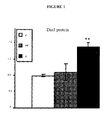
- FIG. 1 shows up-regulation of Dio3 upon in utero exposure to ethanol, Dio3 protein levels in placenta were measured by Western blot analysis, and normalized to ⁇ -actin.
- FIG. 2 shows up-regulation of Gs ⁇ upon in utero exposure to ethanol.
- Gs ⁇ protein levels in placenta were measured by Western blot analysis, and normalized to ⁇ -actin.
- FIG. 3 shows down-regulation of TR ⁇ and GR upon in utero exposure to ethanol. Protein levels in placenta were measured by Western blot analysis, and normalized to ⁇ -actin.
- FIG. 4 shows placental expression levels of Dio3, TR ⁇ , GR, and T3 relative to the control gene ⁇ -actin under control, pair-fed, and ethanol conditions.
- the present invention provides methods, compositions, and systems for detecting in utero alcohol exposure by detecting expression level changes in certain biomarkers (e.g., in placental tissue).
- the biomarkers are selected from glucocorticoid receptor (GR), thyroid hormone receptor alpha (TR ⁇ ), iodothyronine deiodinase III (Dio3) and G-protein ⁇ -subunit (Gs ⁇ ).
- the present invention provides biomarkers (e.g. placental biomarkers) in an animal model of FASD that signal intrauterine alcohol exposure specifically.
- biomarkers predict the degree of future alcohol-induced deficits.
- the present invention provides biomarkers for the detection and/or characterization of FASD (e.g. FAS, PFAS, ARND, ARBD, and/or FAE).
- the present invention provides discrimination between various syndromes and disorders on the fetal alcohol spectrum (e.g. FAS, PFAS, ARND, ARBD, and/or FAE).
- the present invention provides detection and/or characterization of one or more syndromes and/or disorders on the fetal alcohol spectrum (e.g. FAS, PFAS, ARND, ARBD, and/or FAE).
- the present invention provides methods for detecting teratogen exposure in utero.
- work conducted during the development of the present invention identified four biomarkers for in utero alcohol exposure to be measured in the placenta: glucocorticoid receptor (GR), thyroid hormone receptor alpha (TR ⁇ ), iodothyronine deiodinase III (Dio3) and G-protein ⁇ -subunit (Gs ⁇ ).
- GR glucocorticoid receptor
- TR ⁇ thyroid hormone receptor alpha
- Dio3 iodothyronine deiodinase III
- Gs ⁇ G-protein ⁇ -subunit
- biomarkers e.g. GR, TR ⁇ , Dio3, Gs ⁇
- biomarkers e.g.
- biomarkers e.g. GR, TR ⁇ , Dio3, Gs ⁇
- biomarkers provide a strategy for assessing the likelihood that ethanol-exposed offspring will experience other physiological and cognitive effects of FAE.
- a subject with altered placental expression of biomarkers e.g. GR, TR ⁇ , Dio3, Gs ⁇
- recognition of the likelihood of physiological and cognitive effects of a FASD provides opportunity for the timely application of appropriate treatments to affected offspring according to the risk level accorded by this set of biomarkers.
- the degree of altered expression correlates to the likelihood of physiological and cognitive effects of a FASD.
- the degree of altered expression correlates to the severity of physiological and cognitive effects of a FASD.
- the present invention provides methods comprising obtaining a placental sample (e.g., at delivery), isolating proteins (e.g., the biomarkers discussed above), and then determining the specific protein levels (e.g., by Western blotting).
- mRNA levels of the biomarkers described above are determined.
- the levels of proteins or mRNA are compared to controls (e.g., values obtained from a large number of placentas with no indication of maternal alcohol consumption).
- Alcohol related neurodevelopmental disorder results from maternal alcohol consumption during pregnancy yet ⁇ 12% of pregnant women consume alcohol.
- ARND presents as a cluster of learning, memory, social, and psychiatric impairments.
- Offspring exposed to alcohol in utero show similar neurodevelopmental deficits as offspring exposed to maternal hypothyroidism in utero, and both show thyroid dysfunction as adults.
- Alcohol-induced thyroid dysfunction in the mother decreases thyroid hormone availability to the fetus and thereby contributes to ARND (Wilcoxon et al. 2004; 2005; herein incorporated by reference in its entirety).
- Thyroid hormones in the fetal brain are largely derived from mother and transferred—via the placenta—to the fetus.
- Dio3 is an imprinted gene located within the 1-Mb Dlk1-Dio3 locus (human chromosome 16, mouse chr 14, homologous to rat chr 6). Reports indicate that Dio3 is expressed preferentially from the paternal allele in mouse embryonic tissues (Hernandez et al., 2002; Tsai et al., 2002; Yevtodiyenko, 2002; herein incorporated by reference in their entireties).
- biomarkers e.g., including but not limited to, those disclosed herein (e.g. GR, TR ⁇ , Dio3, Gs ⁇ ) are detected by measuring the expression of corresponding mRNA in a sample.
- mRNA expression is measured by any suitable method or combination of methods (e.g. hybridization, amplification, mass (e.g. mass spectrometry), sequencing, reverse transcription, etc.).
- gene expression of biomarkers is detected by measuring the expression of the corresponding protein or polypeptide.
- Protein expression may be detected by any suitable method.
- proteins are detected by immunohistochemistry or ELISA.
- proteins are detected by their binding to an antibody raised against the protein.
- a computer-based analysis program is used to translate the raw data generated by the detection assay (e.g., the presence, absence, or amount of a given marker or markers) into data of predictive value for a clinician.
- the clinician can access the predictive data using any suitable means.
- the present invention provides the further benefit that the clinician, who is not likely to be trained in genetics or molecular biology, need not understand the raw data.
- the data is presented directly to the clinician in its most useful form. The clinician is then able to immediately utilize the information in order to optimize the care of the subject.
- the present invention contemplates any method capable of receiving, processing, and transmitting the information to and from laboratories conducting the assays, information provides, medical personal, and subjects.
- a sample e.g., a semen, serum or urine sample
- a profiling service e.g., clinical lab at a medical facility, genomic profiling business, etc.
- the sample comprises a tissue or other biological sample
- the subject may visit a medical center to have the sample obtained and sent to the profiling center, or subjects may collect the sample themselves (e.g., a urine or semen sample) and directly send it to a profiling center.
- the information may be directly sent to the profiling service by the subject (e.g., an information card containing the information may be scanned by a computer and the data transmitted to a computer of the profiling center using electronic communication systems).
- the profiling service Once received by the profiling service, the sample is processed and a profile is produced (i.e., expression data) that is specific for the diagnostic or prognostic information desired for the subject.
- the profile data is then prepared in a format suitable for interpretation by a treating clinician. For example, rather than providing raw expression data, the prepared format may represent a diagnosis or risk assessment for the subject, along with recommendations for particular treatment options.
- the data may be displayed to the clinician by any suitable method.
- the profiling service generates a report that can be printed for the clinician (e.g., at the point of care) or displayed to the clinician on a computer monitor.
- the information is first analyzed at the point of care or at a regional facility.
- the raw data is then sent to a central processing facility for further analysis and/or to convert the raw data to information useful for a clinician or patient.
- the central processing facility provides the advantage of privacy (all data is stored in a central facility with uniform security protocols), speed, and uniformity of data analysis.
- the central processing facility can then control the fate of the data following treatment of the subject. For example, using an electronic communication system, the central facility can provide data to the clinician, the subject, or researchers.
- the subject is able to directly access the data using the electronic communication system.
- the subject may chose further intervention or counseling based on the results.
- the data is used for research use.
- the data may be used to further optimize the inclusion or elimination of markers as useful indicators of a particular condition associated with the disease.
- kits for the detection and characterization of maternal alcohol exposure contain antibodies specific for one or more biomarkers (e.g. GR, TR ⁇ , Dio3, Gs ⁇ , etc.), in addition to detection reagents and buffers.
- the kits contain reagents specific for the detection of mRNA or cDNA (e.g., oligonucleotide probes or primers).
- the kits contain all of the components necessary, sufficient, or useful to perform a detection assay, including all controls, directions for performing assays, and any necessary software for analysis and presentation of results.
- clinician or user supplies one or more components necessary, sufficient, or useful to perform a detection assay or specific to their desired use.
- Example 2 describes the findings in a rat animal model of FAE using alcohol exposure paradigm that has been used previously and that leads to consequences analogous to those in children exposed to ethanol in utero (Nelson 1986; Taylor 1988; Redei 1989; Halasz 1993; Redei 1993; Aird 1997; Revskoy 1997; Sinha 1997; Zafar 2000; Slone 2002; Wilcoxon 2003; Wilcoxon 2004; Wilcoxon 2005; herein incorporated by reference in their entireties). Alcohol-containing or isocaloric pair-fed liquid diet, or normal lab chow and water were administered to pregnant Sprague-Dawley (SD) dams during the last two weeks of gestation. Male and female offspring of alcohol (E), pair-fed (PF) or normal diet (C) consuming dams were tested.
- SD pregnant Sprague-Dawley
- Dio3 Downregulation of Dio3 and Gs ⁇ in FAE—Dio3 is the most important deiodinase during development, when levels of Dio3 are the highest in the placenta, and in the fetal brain.
- Gs ⁇ is the heterotrimeric G protein.
- Dio3 (SEE FIG. 1 ) and Gs ⁇ (SEE FIG. 2 ) are up-regulated upon in placental tissue that has undergone in utero exposure to ethanol.
- GR and TR ⁇ belong to the steroid/thyroid hormone receptor family of transcriptional regulators, and both are downregulated in the FAE placenta (SEE FIG. 3 ).
Landscapes
- Chemical & Material Sciences (AREA)
- Life Sciences & Earth Sciences (AREA)
- Organic Chemistry (AREA)
- Proteomics, Peptides & Aminoacids (AREA)
- Health & Medical Sciences (AREA)
- Analytical Chemistry (AREA)
- Zoology (AREA)
- Engineering & Computer Science (AREA)
- Wood Science & Technology (AREA)
- Genetics & Genomics (AREA)
- Microbiology (AREA)
- Molecular Biology (AREA)
- Immunology (AREA)
- Biotechnology (AREA)
- Biophysics (AREA)
- Biochemistry (AREA)
- Bioinformatics & Cheminformatics (AREA)
- General Engineering & Computer Science (AREA)
- General Health & Medical Sciences (AREA)
- Physics & Mathematics (AREA)
- Pathology (AREA)
- Measuring Or Testing Involving Enzymes Or Micro-Organisms (AREA)
Abstract
Description
- Hernandez et al., (2006). J Clin Invest. 116: 476-84.
- Barker D J, Gluckman P D, Godfrey K M, Harding J E, Owens J A, Robinson J S (1993) Fetal nutrition and cardiovascular disease in adult life. Lancet 341(8850):938-41.
- Benirschke K, Kaufmann P (2000) Pathology a/the human placenta. 4th ed. Springer, New York.
- Bianco A C, Kim B W (2006) Deiodinases: implications of the local control of thyroid hormone action. J Clin Invest 116(10):2571-9.
- Burd L, Roberts D, Olson M, Odendaal H (2007) Ethanol and the placenta: A review. J Matern Fetal Neonatal Med 20(5):361-75.
- Burton P J, Dharmarajan A M, Hisheh S, Waddell B J (1996) Induction of myometrial 11 beta
hydroxysteroid dehydrogenase type 1 messenger ribonucleic acid and protein expression late in rat pregnancy. Endocrinology 137(12):5700-6. - Conigrave K M, Davies P, Haber P, Whitfield J B (2003) Traditional markers of excessive alcohol use. Addiction 98 Suppl 2:31-43.
- Del Boca F K, Darkes J (2003) The validity of self-reports of alcohol consumption: state of the science and challenges for research. Addiction 98 Suppl 2:1-12.
- Floyd R L, Sidhu J S (2004) Monitoring prenatal alcohol exposure. Am J Med Genet 127C(1):3-9.
- Geurts J, Demeester-Mirkine N, Glinoer D, Prigogine T, Fernandez-Deville M, Corvilain J (1981) Alterations in circulating thyroid hormones and thyroxine binding globulin in chronic alcoholism. Clin Endocrinol (Oxf) 14(2): 113-8.
- Heinz A, Bauer M, Kuhn S, Kruger F, Graf K J, Rommelspacher H, Schmidt L G (1996) Long-lerm observation of the hypothalamic-pituitary-thyroid (HPT) axis in alcohol-dependent patients. Acta Psychiatrica Scandinavica 93(6):470-6.
- Henderson J, Gray R, Brocklehurst P (2007) Systematic review of effects of low-moderate prenatal alcohol exposure on pregnancy outcome. BJOG 114(3):243-52.
- Huang S A, Fish S A, Dorfman D M, Salvatore D, Kozakewich H P, Mandel S J, Larsen P R (2002) A 21-year-old woman with consumptive hypothyroidism due to a vascular
tumor expressing type 3 iodothyronine deiodinase. J Clin Endocrinol Metab 87(10):4457-61. - Kulaga V, Pragst F, Fulga N, Koren G (2009) Hair analysis of fatty acid ethyl esters in the detection of excessive drinking in the context of fetal alcohol spectrum disorders. Ther Drug Monit 31(2):261-6.
- Liu C R, Li L Y, Shi F, Zang X Y, Liu Y M, Sun Y, Kan B H (2007) Effects of hyper- and hypothyroid on expression of thyroid hormone receptor mRNA in rat myocardium. J Endocrinol 195(3):429-38.
- Mattson S N, Riley E P (1998) A review of the neurobehavioral deficits in children with fetal alcohol syndrome or prenatal exposure to alcohol. Alcohol Clin Exp Res 22(2):279-94.
- Mattson S N, Riley E P (2000) Parent ratings of behavior in children with heavy prenatal alcohol exposure and IQ-matched controls. Alcoholism: Clinical and Experimental Research 24(2):226-31.
- Mesquita A R, Wegerich Y, Patchev A V, Oliveira M, Leao P, Sousa N, Almeida O F (2009) Glucocorticoids and neuro- and behavioural development. Semin Fetal Neonatal Med 14(3):130-5.
- Morell M, Fernandez-Guillien F J, Lopez-Garcia J M (1994) Levels of L-T3 in maternal and foetal compartments following experimental modifications of the maternal thyroid state in rats Arch Int Physiol Biochim Biophys 102(1): 1-3.
- Morini L, Marchei E, Vagnarelli F, Garcia Algar O, Groppi A, Mastrobattista L, Pichini S (2010) Ethyl glucuronide and ethyl sulfate in meconium and hair-potential biomarkers of intrauterine exposure to ethanol. Forensic Sci Int. Epub ahead of print.
- Munck A, Mendel D B, Smith L I, Orti E (1990) Glucocorticoid receptors and actions. Am Rev Respir Dis 141(2 Pt 2):S2-10.
- Paley B, O'Connor M J (2009) Intervention for individuals with fetal alcohol spectrum disorders: treatment approaches and case management. Dev Disabil Res Rev 15(3):258-67.
- Pei J R, Rinaldi C M, Rasmussen C, Massey V, Massey D (2008) Memory patterns of acquisition and retention of verbal and nonverbal information in children with fetal alcohol spectrum disorders. Can J Clin Pharmacol 15(1):e44-56.
- Rodriguez-Garcia M, Jolin T, Santos A, Perez-Castillo A (1995) Effect of perinatal hypothyroidism on the developmental regulation of rat pituitary growth hormone and thyrotropin genes. Endocrinology 136(10):4339-50.
- Sampson P D, Streissguth A P, Bookstein F L, Little R E, Clarren S K, Dehaene P, Hanson J W, Graham J M, Jr. (1997) Incidence of fetal alcohol syndrome and prevalence of alcohol-related neurodevelopmental disorder. Teratology 56(5):317-26.
- Sharpe P C (2001) Biochemical detection and monitoring of alcohol abuse and abstinence. Ann Clin Biochem 38(Pt 6):652-64.
- Sinha P, Halasz I, Choi J F, McGivern R F, Redei E (1997) Maternal adrenalectomy eliminates a surge of plasma dehydroepiandrosterone in the mother and attenuates the prenatal testosterone surge in the male fetus. Endocrinology 138(11):4792-7.
- Stewart S H, Law T L, Randall P K, Newman R (2009) Phosphatidylethanol and Alcohol Consumption in Reproductive Age Women. Alcohol Clin Exp Res.
- Streissguth A P, O'Malley K (2000) Neuropsychiatric implications and long-term consequences of fetal alcohol spectrum disorders. Semin Clin Neuropsychiatry 5(3):177-90.
- Weinberg J (1984) Nutritional issues in perinatal alcohol exposure. Neurobehav Toxicol Teratol 6(4):261-9.
- Weinberg J, Sliwowska J H, Lan N, Hellemans K G (2008) Prenatal alcohol exposure: foetal programming, the hypothalamic-pituitary-adrenal axis and sex differences in outcome. J Neuroendocrinol 20(4):470-88.
- Wilcoxon J S, Kuo A G, Disterhoft J F, Redei E E (2005) Behavioral deficits associated with fetal alcohol exposure are reversed by prenatal thyroid hormone treatment: a role for maternal thyroid hormone deficiency in FAE. Mol Psychiatry 10(10):961-71.
- Wilcoxon J S, Nadolski G J, Samarut J, Chassande O, Redei E E (2007) Behavioral inhibition and impaired spatial learning and memory in hypothyroid mice lacking thyroid hormone receptor alpha. Behav Brain Res 177(1):109-16.
- Wilcoxon J S, Redei EE (2004) Prenatal programming of adult thyroid function by alcohol and thyroid hormones. Am J Physiol Endocrinol Metab 287(2):E318-26.
- Wilcoxon J S, Schwartz J, Aird P, Redei E E (2003) Sexually dimorphic effects of maternal alcohol intake and adrenalectomy on left ventricular hypertrophy in rat offspring. Am J Physiol Endocrinol Metab 285(1):E31-9.
- Wojcik M H, Hawthorne J S (2007) Sensitivity of commercial ethyl glucuronide (ETG) testing in screening for alcohol abstinence. Alcohol Alcohol 42(4):317-20.
- Wurst P M, Kelso E, Weinmann W, Pragst P, Yegles M, Sundstrom Poromaa I (2008) Measurement of direct ethanol metabolites suggests higher rate of alcohol use among pregnant women than found with the AUDJT—a pilot study in a population-based sample of Swedish women. Am J Obstet Gynecol 198(4):407 e1-5.
Claims (23)
Priority Applications (1)
| Application Number | Priority Date | Filing Date | Title |
|---|---|---|---|
| US12/795,082 US8383352B2 (en) | 2009-06-05 | 2010-06-07 | Detection of maternal alcohol exposure |
Applications Claiming Priority (2)
| Application Number | Priority Date | Filing Date | Title |
|---|---|---|---|
| US18437409P | 2009-06-05 | 2009-06-05 | |
| US12/795,082 US8383352B2 (en) | 2009-06-05 | 2010-06-07 | Detection of maternal alcohol exposure |
Publications (2)
| Publication Number | Publication Date |
|---|---|
| US20100311067A1 US20100311067A1 (en) | 2010-12-09 |
| US8383352B2 true US8383352B2 (en) | 2013-02-26 |
Family
ID=43301026
Family Applications (1)
| Application Number | Title | Priority Date | Filing Date |
|---|---|---|---|
| US12/795,082 Active US8383352B2 (en) | 2009-06-05 | 2010-06-07 | Detection of maternal alcohol exposure |
Country Status (1)
| Country | Link |
|---|---|
| US (1) | US8383352B2 (en) |
Families Citing this family (1)
| Publication number | Priority date | Publication date | Assignee | Title |
|---|---|---|---|---|
| FR3037657B1 (en) * | 2015-06-22 | 2017-06-23 | Univ Rouen Centre Hospitalier | METHOD OF DIAGNOSING DISORDERS CAUSED BY FETAL ALCOHOLIZATION |
-
2010
- 2010-06-07 US US12/795,082 patent/US8383352B2/en active Active
Non-Patent Citations (29)
Also Published As
| Publication number | Publication date |
|---|---|
| US20100311067A1 (en) | 2010-12-09 |
Similar Documents
| Publication | Publication Date | Title |
|---|---|---|
| Gonzalez et al. | Sex differences in the late first trimester human placenta transcriptome | |
| Tarca et al. | The prediction of early preeclampsia: Results from a longitudinal proteomics study | |
| US20240038396A1 (en) | Methods and systems for determining risk of a pregnancy complication occurring | |
| Horcajadas et al. | Endometrial receptivity and implantation are not affected by the presence of uterine intramural leiomyomas: a clinical and functional genomics analysis | |
| Achermann et al. | Disorders of sex development: effect of molecular diagnostics | |
| Banister et al. | Infant growth restriction is associated with distinct patterns of DNA methylation in human placentas | |
| Kimmel et al. | Oxytocin receptor DNA methylation in postpartum depression | |
| Alviggi et al. | Hormonal, functional and genetic biomarkers in controlled ovarian stimulation: tools for matching patients and protocols | |
| Liu et al. | Gene expression profiling of human peri-implantation endometria between natural and stimulated cycles | |
| Schroeder et al. | Neonatal DNA methylation patterns associate with gestational age | |
| Monangi et al. | The genetics of preterm birth: Progress and promise | |
| AU2010237203B2 (en) | Methods for selecting oocytes and competent embryos with high potential for pregnancy outcome | |
| Galbally et al. | Fetal programming pathway from maternal mental health to infant cortisol functioning: the role of placental 11β-HSD2 mRNA expression | |
| Mohiyiddeen et al. | A common Asn680Ser polymorphism in the follicle-stimulating hormone receptor gene is not associated with ovarian response to gonadotropin stimulation in patients undergoing in vitro fertilization | |
| Osborne et al. | Altered extracellular mRNA communication in postpartum depression is associated with decreased autophagy | |
| Skalkidou et al. | Stress-related genetic polymorphisms in association with peripartum depression symptoms and stress hormones: a longitudinal population-based study | |
| Skrgatic et al. | Genetic polymorphisms of INS, INSR and IRS-1 genes are not associated with polycystic ovary syndrome in Croatian women | |
| Mazaki-Tovi et al. | Characterization of visceral and subcutaneous adipose tissue transcriptome and biological pathways in pregnant and non-pregnant women: evidence for pregnancy-related regional-specific differences in adipose tissue | |
| Schroeder et al. | Placental miR-340 mediates vulnerability to activity based anorexia in mice | |
| Laisk-Podar et al. | Genetic variants associated with female reproductive ageing–potential markers for assessing ovarian function and ovarian stimulation outcome | |
| CN102933723A (en) | Methods and kits for diagnosing conditions associated with hypoxia | |
| Conforti et al. | Individualization of treatment in controlled ovarian stimulation: myth or reality | |
| Krishna et al. | Identification of differentially methylated candidate genes and their biological significance in IUGR neonates by methylation EPIC array | |
| JP6663936B2 (en) | Methods for diagnosing disorders caused by fetal alcohol syndrome | |
| Ma et al. | Phenotypic variations in polycystic ovary syndrome: metabolic risks and emerging biomarkers |
Legal Events
| Date | Code | Title | Description |
|---|---|---|---|
| AS | Assignment |
Owner name: NORTHWESTERN UNIVERSITY, ILLINOIS Free format text: ASSIGNMENT OF ASSIGNORS INTEREST;ASSIGNORS:REDEI, EVA E;SHUKLA, PRADEEP K.;SITTIG, LAURA J.;REEL/FRAME:024506/0429 Effective date: 20090616 |
|
| STCF | Information on status: patent grant |
Free format text: PATENTED CASE |
|
| FPAY | Fee payment |
Year of fee payment: 4 |
|
| MAFP | Maintenance fee payment |
Free format text: PAYMENT OF MAINTENANCE FEE, 8TH YR, SMALL ENTITY (ORIGINAL EVENT CODE: M2552); ENTITY STATUS OF PATENT OWNER: SMALL ENTITY Year of fee payment: 8 |
|
| MAFP | Maintenance fee payment |
Free format text: PAYMENT OF MAINTENANCE FEE, 12TH YR, SMALL ENTITY (ORIGINAL EVENT CODE: M2553); ENTITY STATUS OF PATENT OWNER: SMALL ENTITY Year of fee payment: 12 |