US8323680B1 - Nutritional composition - Google Patents

Nutritional composition Download PDF

Info

Publication number
US8323680B1
US8323680B1 US10/089,658 US8965800A US8323680B1 US 8323680 B1 US8323680 B1 US 8323680B1 US 8965800 A US8965800 A US 8965800A US 8323680 B1 US8323680 B1 US 8323680B1
Authority
US
United States
Prior art keywords
anandamide
precursor
composition
naturally occurring
triacylglycerol
Prior art date
Legal status (The legal status is an assumption and is not a legal conclusion. Google has not performed a legal analysis and makes no representation as to the accuracy of the status listed.)
Expired - Fee Related, expires
Application number
US10/089,658
Inventor
Alvin Berger
Gayle Crozier
Current Assignee (The listed assignees may be inaccurate. Google has not performed a legal analysis and makes no representation or warranty as to the accuracy of the list.)
Nestec SA
Original Assignee
Nestec SA
Priority date (The priority date is an assumption and is not a legal conclusion. Google has not performed a legal analysis and makes no representation as to the accuracy of the date listed.)
Filing date
Publication date
Family has litigation
First worldwide family litigation filed litigation Critical https://patents.darts-ip.com/?family=10862297&utm_source=google_patent&utm_medium=platform_link&utm_campaign=public_patent_search&patent=US8323680(B1) "Global patent litigation dataset” by Darts-ip is licensed under a Creative Commons Attribution 4.0 International License.
Application filed by Nestec SA filed Critical Nestec SA
Assigned to NESTEE S.A. reassignment NESTEE S.A. ASSIGNMENT OF ASSIGNORS INTEREST (SEE DOCUMENT FOR DETAILS). Assignors: BERGER, ALVIN, CROZIER, GAYLE
Assigned to NESTEC S.A. reassignment NESTEC S.A. CORRECTIVE ASSIGNMENT TO CORRECT THE ASSIGNEE NAME PREVIOUSLY RECORDED ON REEL 013140 FRAME 0505. ASSIGNOR(S) HEREBY CONFIRMS THE CHANGE ASSIGNEE NAME FROM "NESTEE S.A." TO "NESTEC S.A.". Assignors: BERGER, ALVIN, CROZIER, GAYLE
Application granted granted Critical
Publication of US8323680B1 publication Critical patent/US8323680B1/en
Adjusted expiration legal-status Critical
Expired - Fee Related legal-status Critical Current

Links

Images

Classifications

    • AHUMAN NECESSITIES
    • A61MEDICAL OR VETERINARY SCIENCE; HYGIENE
    • A61KPREPARATIONS FOR MEDICAL, DENTAL OR TOILETRY PURPOSES
    • A61K31/00Medicinal preparations containing organic active ingredients
    • A61K31/21Esters, e.g. nitroglycerine, selenocyanates
    • A61K31/215Esters, e.g. nitroglycerine, selenocyanates of carboxylic acids
    • A61K31/22Esters, e.g. nitroglycerine, selenocyanates of carboxylic acids of acyclic acids, e.g. pravastatin
    • A61K31/23Esters, e.g. nitroglycerine, selenocyanates of carboxylic acids of acyclic acids, e.g. pravastatin of acids having a carboxyl group bound to a chain of seven or more carbon atoms
    • A61K31/231Esters, e.g. nitroglycerine, selenocyanates of carboxylic acids of acyclic acids, e.g. pravastatin of acids having a carboxyl group bound to a chain of seven or more carbon atoms having one or two double bonds
    • AHUMAN NECESSITIES
    • A23FOODS OR FOODSTUFFS; TREATMENT THEREOF, NOT COVERED BY OTHER CLASSES
    • A23LFOODS, FOODSTUFFS OR NON-ALCOHOLIC BEVERAGES, NOT OTHERWISE PROVIDED FOR; PREPARATION OR TREATMENT THEREOF
    • A23L33/00Modifying nutritive qualities of foods; Dietetic products; Preparation or treatment thereof
    • A23L33/10Modifying nutritive qualities of foods; Dietetic products; Preparation or treatment thereof using additives
    • A23L33/115Fatty acids or derivatives thereof; Fats or oils
    • AHUMAN NECESSITIES
    • A23FOODS OR FOODSTUFFS; TREATMENT THEREOF, NOT COVERED BY OTHER CLASSES
    • A23LFOODS, FOODSTUFFS OR NON-ALCOHOLIC BEVERAGES, NOT OTHERWISE PROVIDED FOR; PREPARATION OR TREATMENT THEREOF
    • A23L33/00Modifying nutritive qualities of foods; Dietetic products; Preparation or treatment thereof
    • A23L33/10Modifying nutritive qualities of foods; Dietetic products; Preparation or treatment thereof using additives
    • A23L33/115Fatty acids or derivatives thereof; Fats or oils
    • A23L33/12Fatty acids or derivatives thereof
    • AHUMAN NECESSITIES
    • A61MEDICAL OR VETERINARY SCIENCE; HYGIENE
    • A61KPREPARATIONS FOR MEDICAL, DENTAL OR TOILETRY PURPOSES
    • A61K31/00Medicinal preparations containing organic active ingredients
    • AHUMAN NECESSITIES
    • A61MEDICAL OR VETERINARY SCIENCE; HYGIENE
    • A61KPREPARATIONS FOR MEDICAL, DENTAL OR TOILETRY PURPOSES
    • A61K31/00Medicinal preparations containing organic active ingredients
    • A61K31/16Amides, e.g. hydroxamic acids
    • AHUMAN NECESSITIES
    • A61MEDICAL OR VETERINARY SCIENCE; HYGIENE
    • A61KPREPARATIONS FOR MEDICAL, DENTAL OR TOILETRY PURPOSES
    • A61K31/00Medicinal preparations containing organic active ingredients
    • A61K31/16Amides, e.g. hydroxamic acids
    • A61K31/164Amides, e.g. hydroxamic acids of a carboxylic acid with an aminoalcohol, e.g. ceramides
    • AHUMAN NECESSITIES
    • A61MEDICAL OR VETERINARY SCIENCE; HYGIENE
    • A61KPREPARATIONS FOR MEDICAL, DENTAL OR TOILETRY PURPOSES
    • A61K31/00Medicinal preparations containing organic active ingredients
    • A61K31/185Acids; Anhydrides, halides or salts thereof, e.g. sulfur acids, imidic, hydrazonic or hydroximic acids
    • A61K31/19Carboxylic acids, e.g. valproic acid
    • A61K31/20Carboxylic acids, e.g. valproic acid having a carboxyl group bound to a chain of seven or more carbon atoms, e.g. stearic, palmitic, arachidic acids
    • AHUMAN NECESSITIES
    • A61MEDICAL OR VETERINARY SCIENCE; HYGIENE
    • A61KPREPARATIONS FOR MEDICAL, DENTAL OR TOILETRY PURPOSES
    • A61K31/00Medicinal preparations containing organic active ingredients
    • A61K31/185Acids; Anhydrides, halides or salts thereof, e.g. sulfur acids, imidic, hydrazonic or hydroximic acids
    • A61K31/19Carboxylic acids, e.g. valproic acid
    • A61K31/20Carboxylic acids, e.g. valproic acid having a carboxyl group bound to a chain of seven or more carbon atoms, e.g. stearic, palmitic, arachidic acids
    • A61K31/201Carboxylic acids, e.g. valproic acid having a carboxyl group bound to a chain of seven or more carbon atoms, e.g. stearic, palmitic, arachidic acids having one or two double bonds, e.g. oleic, linoleic acids
    • AHUMAN NECESSITIES
    • A61MEDICAL OR VETERINARY SCIENCE; HYGIENE
    • A61KPREPARATIONS FOR MEDICAL, DENTAL OR TOILETRY PURPOSES
    • A61K31/00Medicinal preparations containing organic active ingredients
    • A61K31/185Acids; Anhydrides, halides or salts thereof, e.g. sulfur acids, imidic, hydrazonic or hydroximic acids
    • A61K31/19Carboxylic acids, e.g. valproic acid
    • A61K31/20Carboxylic acids, e.g. valproic acid having a carboxyl group bound to a chain of seven or more carbon atoms, e.g. stearic, palmitic, arachidic acids
    • A61K31/202Carboxylic acids, e.g. valproic acid having a carboxyl group bound to a chain of seven or more carbon atoms, e.g. stearic, palmitic, arachidic acids having three or more double bonds, e.g. linolenic
    • AHUMAN NECESSITIES
    • A61MEDICAL OR VETERINARY SCIENCE; HYGIENE
    • A61KPREPARATIONS FOR MEDICAL, DENTAL OR TOILETRY PURPOSES
    • A61K31/00Medicinal preparations containing organic active ingredients
    • A61K31/21Esters, e.g. nitroglycerine, selenocyanates
    • A61K31/215Esters, e.g. nitroglycerine, selenocyanates of carboxylic acids
    • A61K31/22Esters, e.g. nitroglycerine, selenocyanates of carboxylic acids of acyclic acids, e.g. pravastatin
    • A61K31/23Esters, e.g. nitroglycerine, selenocyanates of carboxylic acids of acyclic acids, e.g. pravastatin of acids having a carboxyl group bound to a chain of seven or more carbon atoms

Definitions

  • the present invention relates to a nutritional or therapeutic composition for oral administration which comprises a naturally occurring precursor that is metabolised to a compound having anandamide activity for use as a medicament or nutritional product, a method of production of the composition, use of the composition in the manufacture of a nutritional or therapeutic composition for the treatment or prevention of a behavioural disorder; and a method of treatment or prevention of a behavioural disorder which comprises administering an effective amount of the composition.
  • Standard nomenclature for fatty acid compounds is used.
  • the number of carbon atoms and number and position of double bonds is typified by “20:4(5,8,11,14)” for arachidonic acid: the number preceding the colon is the total number of carbon atoms, the number immediately following the colon is the number of double bonds, and the numbers in parentheses are the position of the double bonds, starting from the end of the chain bearing the carboxylic acid group.
  • all double bonds are cis.
  • Standard nomenclature for classes of fatty acid compounds is used indicating the location of the double bond closest to the methyl end group, typified by “n-3” or “n-6”: the number following the dash denotes the position of the double bond closest to the methyl end of the molecule, counting from the methyl end.
  • n-6 the number following the dash denotes the position of the double bond closest to the methyl end of the molecule, counting from the methyl end.
  • arachidonic acid is in the n-6 class, as is linoleic acid (18:2(9,12))
  • eicosapentaenoic acid (20:5(5,8,11,14,17)) is in the n-3 class.
  • This nomenclature is equivalent to “omega or ⁇ ” nomenclature in the literature, “ ⁇ ” and “n” being interchangeable.
  • NAE N-acyl ethanolamine
  • NAAs N-acyl amines
  • anandamide activity is used within the context of this specification to mean an activity selected from the group which comprises an activity attributed to the drug 9-tetrahydrocannabinol (THC), as well as affects specific to anandamide and 1- and 2-monoarachidonylglycerol isomers (hereafter denoted AG), and unique from THC. It has been suggested that anandamide and AG activities are typically, but not necessarily, mediated by binding to the receptor class, known as CB1 and CB2 receptors.
  • anandamide activities include, but are not limited to: antinociception, catalepsy and inhibition of locomotor activity in vivo and displacement of 9-tetrahydrocannabinol (THC), inhibition of adenylate cyclase, inhibition of calcium channels, activation of phospholipase A 2 , release of intracellular calcium in vitro and inhibition of twitch response ex vivo.
  • THC 9-tetrahydrocannabinol
  • anandamide refers to an NAE, NAA or MAG having anandamide activity (as defined above). Accepted scientific nomenclature will be used in this specification when reference is made to specific acyl moieties of an NAE, NAA or MAG.
  • infant formulae are generally constructed so that they resemble human milk as closely as possible, however a plurality of components in human milk are bioactive and, because of synergies among the components, the inclusion of only one or a few of them may not reproduce the bioactivity of human milk.
  • a problem which presently faces researchers lies in the formulation of infant formulae or weaning foods which have components that are present in human milk and which have an equivalent activity to human milk.
  • the problem is compounded in view of the fact that not all of the components in human milk have been identified and there are variations in the concentration of components which are present, possibly due to variations of mother's diets.
  • anandamide may act as a ligand which interacts with cannabinoid receptors in the central nervous system and gut (CB1 receptors) and/or immune cells and tissues such as spleen, thymus and lymphocytes (CB2 receptors). Furthermore, this document indicates that interactions between anandamide and these two types of cannabinoid receptors have been shown to induce physiological effects. It is described that non-arachidonoyl NAEs and NAAs have been shown to inhibit anandamide inactivating enzyme. This inhibition has the net effect of potentiating the effect of anandamide.
  • NAEs and NAAs as well as sn-1 and sn-2 monoarachidonyl glycerides are agonists of anandamide receptors (here anandamide receptor refers to a receptor that anandamide might bind to, including CB1, CB2, non-CB receptors) and elicit responses analogous to that elicited by anandamide.
  • anandamide receptor refers to a receptor that anandamide might bind to, including CB1, CB2, non-CB receptors
  • the chemical structures of NAEs and NAAs are based on fatty acids and depending on the specific fatty acids esterified they have been shown to have different activities.
  • palmitolyethanolamide may interact with the CB2 receptor but not the CB1 receptor and has an anti-inflammatory effect but no known neural effect.
  • U.S. Pat. No. 5,689,55 discloses that synthetically produced polyunsaturated fatty acid amides and their derivatives are able to mimic the effect of naturally occurring anandamides in the brain and bind to the canabinoid receptor.
  • the compounds described exhibit physiological activity and are reported as being useful active ingredients in pharmaceutical compositions for treatment of inflammation, migraines, spasticity, glaucoma and multiple sclerosis.
  • a composition for oral administration which includes a precursor that is metabolised endogenously to form a compound having anandamide activity. It is particularly surprising that a dietary precursor is selectively taken up by the CNS and selectively incorporated into the NAE pool to serve as a CB receptor-binding ligand. In addition, it is remarkable that a dietary precursor induces only a small change in the phospholipid acyl composition but induces a large change in the NAE composition.
  • the invention addresses the problems set out above.
  • the present invention provides improved nutritional and therapeutic compositions.
  • the invention provides a nutritional or therapeutic composition for oral administration which comprises a naturally occurring precursor that is metabolised to a compound having anandamide activity for use as a medicament or nutritive product.
  • the invention provides a method of production of a nutritional or therapeutic composition for oral administration which comprises the steps of identifying, purifying or synthesising a naturally occurring precursor that is metabolised to a compound having anandamide activity.
  • the invention provides use of a precursor which is metabolised to a compound having anandamide activity in the manufacture of a nutritional or therapeutic composition for the treatment or prevention of an anandamide-mediated ailment selected from the group which comprises hypertension, glaucoma, insomnia, pain, inflammation, migraine headaches, loss of appetite, nausea, cramps, diarrhea, gut upsets, intestinal motility disturbances, asthma, nervousness, aggressive behaviour, excessive timidity, inability to sleep, catalepsy, low mood, depression, spasms, poor motor control, tics, excessive stress, spasticity, multiple sclerosis and vocalization, poor language acquisition, skin inflammation and excess nociception.
  • an anandamide-mediated ailment selected from the group which comprises hypertension, glaucoma, insomnia, pain, inflammation, migraine headaches, loss of appetite, nausea, cramps, diarrhea, gut upsets, intestinal motility disturbances, asthma, nervousness, aggressive behaviour, excessive timidity, inability to sleep, catalepsy, low mood, depression, spasms, poor motor control,
  • Vocalization is taken to mean disturbances in vocalization and vocalization related to bonding behaviour, for example between an infant and mother. Such vocalizations are important in animal husbandry and in successful nurturing of the offspring by the mother in household pets. Further, such behaviours as chronic sustained crying in human infants may be treatable by oral administration of an embodiment of a composition according to the invention.
  • Oral administration of an embodiment of a composition according to the invention may also be used to treat or prevent inflammation in superficial mammal tissues (e.g., skin) by modulating levels of compounds with anandamide-like activity in these tissues.
  • superficial mammal tissues e.g., skin
  • the invention provides a method of treatment of an anandamide-mediated ailment selected from the group which comprises hypertension, glaucoma, insomnia, pain, inflammation, migraine headaches, loss of appetite, nausea, cramps, diarrhea, gut upsets, intestinal motility disturbances, asthma, nervousness, aggressive behaviour, excessive timidity, inability to sleep, catalepsy, low mood, depression, spasms, poor motor control, tics, excessive stress, spasticity, multiple sclerosis and vocalization, poor language acquisition, skin inflammation and excess nociception which comprises administering an effective amount of an embodiment of the composition according to the invention.
  • an anandamide-mediated ailment selected from the group which comprises hypertension, glaucoma, insomnia, pain, inflammation, migraine headaches, loss of appetite, nausea, cramps, diarrhea, gut upsets, intestinal motility disturbances, asthma, nervousness, aggressive behaviour, excessive timidity, inability to sleep, catalepsy, low mood, depression, spasms, poor motor control, tics, excessive stress, spasticity, multiple s
  • the precursor that is metabolised to a compound having anandamide activity comprises a long chain polyunsaturated fatty acid (LCPUFA) or derivative thereof. More preferably it comprises a compound of the general formula X:
  • R is the alkenyl moiety of a LCPUFA of total chain length 16-28 carbon atoms with 2-6 double bonds, with the first double bond at the c-1, c-3 c6, c7, c9 c12 position, counting from the non carboxyl (methyl) part of the molecule; and where R′′ is selected from —H, lower alkyl, —OH, NH 3 , and NHCH 2 CH 2 OH, or an acid addition salt or complex thereof.
  • the precursor comprises a plurality of the formula X.
  • 1-3 X molecules are esterified to a glycerol backbone, in the following stereochemical configurations: sn-1,2,3; sn-1,2; sn-1,3; sn-2,3; sn-1; sn-2; sn-3.
  • the LCPUFA is a polyunsaturated fatty acid of 16-28 carbon atoms with 2-6 double bonds, having methylated-, branched-, cyclic-, conjugated-, non-methylene interrupted-, epoxy-, furanoid-, hydroxyl-, allylic-, trans-, and seleno-moieties.
  • the fatty acid is selected from the group which comprises arachidonate (20:4n-6 AA), linoleate (18:3n-6), gamma linolenate (18:3n-6), dihomogamma-linolenate (20:3n-6 DGLA), adrenic acid (22:4n-6), linolenate (18:3n-3), stearidonic (18:4n-3), eicosatetraenoic (20:4n-3), eicosapentaenoate (20:5n-3), docosahexaenoate (22:6n-3DHA), docosapentaenoate (22:5n-3 or 22:5n-6), tetracosapentaenoate (24:5n-3 or 24:5n-6), tetracosahexaenoate (24:6n-3) or the Mead acid (20:3n-9).
  • an embodiment of a composition according to the invention includes an inhibitor of anandamide inactivating enzyme (also known as amidase).
  • anandamide inactivating enzyme also known as amidase.
  • the inhibitor is selected from the group which comprises oleate and oleamide, palmitate, palmitoylethanolamide, linoleylethanolamide, 2 palmitoylglycerol, 2-linoleylglycerol.
  • an embodiment of a composition according to the invention comprises a mixture of a saturated molecule in combination with an unsaturated precursor that is metabolised to a compound having anandamide activity.
  • the saturated molecule is palmitate or palmitoylethanolamide.
  • the unsaturated precursor is arachidonic acid.
  • an embodiment of a composition according to the invention comprises a mixture of a compound which reacts with a CB receptor in combination with a precursor that is metabolised to a compound having anandamide activity and an inhibitor of the amidase.
  • the precursor that is metabolised to a compound having anandamide activity is a free fatty acid, fatty acid ester of an alcohol, or a triacylglycerol. More preferably it is a triacylglycerol having an active fatty acid at the sn-1 and sn-2 position.
  • the triacylglycerol comprises both the active precursor compounds (e.g. arachidonate) and the potentiator compounds (e.g. palmitate). This provides the advantage of a particularly effective mixture.
  • an embodiment of a composition according to the invention comprises a structured triacylglycerol prepared by the interesterification of triacylglycerols with active fatty acids so that a bioactive fatty acid is found in the sn-2 position of the triacylglycerol.
  • This provides the advantage of optimising delivery of the active FA to body tissues, particularly the brain.
  • composition according to the invention comprises a physiologically acceptable carrier diluent or adjuvant.
  • an embodiment of a composition according to the invention comprises a combination of a naturally occurring precursor that is metabolised to a compound having anandamide activity together with a typical steroidal or non-steroidal anti-inflammatory drug (NSAID).
  • NSAID typical steroidal or non-steroidal anti-inflammatory drug
  • an embodiment of a composition according to the invention comprises a precursor of a CB1 receptor agonist (e.g. anandamide) in combination with a precursor of a CB2 receptor agonist (e.g. palmitoylethanolamide).
  • a CB1 receptor agonist e.g. anandamide
  • a CB2 receptor agonist e.g. palmitoylethanolamide
  • FIG. 1 shows the chemical structure of N-arachidonoyl ethanolamine (anandamide), 2-AG, and oleamide.
  • FIG. 2 shows the effects of oral cannabimimetic lipids on ambulation, rearing, immobility and analgesia.
  • FIG. 3 shows the effects of oral administration of olive oil, anandamide, 2-AG, THC and oleamide on ambulation, rearing, immobility and analgesia.
  • Ambulation, rearing, and immobility parameters were statistically, significantly different between the treatment groups and the control group, p ⁇ 0.01-0.05, ANOVA, Newman-Keuls; Only THC statistically, significantly increased analgesia.
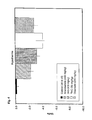
  • FIG. 4 shows the effect of olive oil, anandamide, 2-AG, THC and oleamide on body temperature. All groups were statistically, significantly different from the control group, p ⁇ 0.01-0.05, ANOVA, Newman-Keuls.
  • FIG. 5 shows the effect of olive oil, anandamide, 2-AG, THC and oleamide on fecal output. Only the THC group was statistically, significantly different from the control.
  • FIG. 6 shows the changes in piglet brain N-acylethanolamines following dietary fatty acid modification with a scale of 0 to 250 on the axis labelled pmols/mg piglet brain lipid extract. Bars within a group of three not denoted with a letter in common are statistically significant from one another (p ⁇ 0.01-0.05, ANOVA, Newman-Keuls). Adeq, adequate.
  • FIG. 7 shows the changes in piglet brain N-acylethanolamines following dietary fatty acid modification with a scale of 0 to 70 on the axis labelled pmols/mg piglet brain lipid extract. Bars within a group of three not denoted with a letter in common are statistically significant from one another (p ⁇ 0.01-0.05, ANOVA, Newman-Keuls). Adeq, adequate.
  • the present invention provides improved nutritional compositions. These compositions provide therapeutic benefits.
  • the compositions include a naturally occurring precursor that is metabolized to a compound having anandamide activity.
  • Piglets were fed using two different kinds of adapted infant formulations supplemented with low levels of arachidonate and docosahexaenoate (approximately the same levels as found in human breast milk) and obtained from different sources (see Table 1).
  • the levels of NAE, MAG (monoacylglycerol) and primary amides were evaluated in their brains.
  • piglets were fed from birth to 18 days with diets comprising embodiments of a composition according to the invention with or without 0.5% 20:4n-6 from single cell oils and 0.4% 22:6n-3 in formula, with either low (deficient) 18:2n-6(1.6%) and 18:3n-3(0.1%), or with adequate 18:2(n-6)(15.6%) and 18:3n-3(1.5%).
  • the diet compositions are shown in table 1.
  • N-acyl-ethanolamines Group C16:0 C18:0 C18:1n-9 C18:2n-6 Adequate 114.87 27.90 27.00 8.57 adequate + SCO 149.93 63.87 15.97 2.90 Sow fed 95.07 3.13 1.40 9.80
  • MAG levels were not statistically significant for 20:4n-6 MAG, 22:4n-6 MAG and 22:6n-3 MAG in animals fed essential fatty acid sufficient diets (sn-1 and 2 isomers combined). This is an important finding because specific MAGs, such as 2-AG are known to bind to CB receptors and have bioactivity.
  • mice obtained from Elevage Janvier, Le Genest-Saint-Isle France and weighing 10-11 g at delivery and 33-51 grams on day 42 were used.
  • the mice were housed 10 per cage in wire cages with bedding and normal light cycle. They received ad libitum quantities of bottled distilled water and purified powdered diets (7.5 g/mouse) in ceramic cups (10/group) for 42 days.
  • the Food was maintained at ⁇ 80° C. in daily aliquots under nitrogen, thawed each afternoon before administration to mice. Uneaten food was discarded daily.
  • mice should want to move and explore the spaces of the open and closed arms rather than staying still in the middle).
  • mice were given the following agents intraperitoneally 60 minutes before the Plus Maze test:
  • AM251 Tocris Cookson LTD., UK
  • CB-1 receptor antagonist a CB-1 receptor antagonist
  • Diet Agent given Code Diet Description before Plus Maze Test A Control Diet Tween 80, 1% distilled water solution B Control Diet Clobazam, 32 mg/kg body weight C Control Diet AM 251, 64 mg/kg body weight D Diet AA Tween 80, 1% distilled water solution E Diet DHA Tween 80, 1% distilled water solution F Diet AA + DHA Tween 80, 1% distilled water solution G Diet AA + DHA AM 251, 64 mg/kg body weight Abbreviations: AA, Arachidonic Acid; DHA, Docosahexaenoic Acid
  • mice The body weight, weight gain and the food intake of the mice was monitored throughout the experiment. These parameters were not significantly affected by ingestion of the various diets using classical one way analysis of variance (ANOVA). This indicates that differences in the behavioral tests as found can only be attributed to the components in the diet that were varied, namely dietary polyunsaturated fatty acids.
  • ANOVA classical one way analysis of variance
  • CB-1 receptor binding i.e., via binding of PUFA-derived NAEs.
  • CB-1 receptors are not the only receptors that mediate responses in the PLUS MAZE TEST, i.e., non-CB-1 receptors may partially mediate the actions of dietary PUFA and (PUFA-derived) NAEs. Additionally, the drug AM251 may not fully antagonize CB-1 receptor binding.
  • results from the number of entries into the closed arms in the ELEVATED PLUS MAZE TEST show that dietary AA and DHA and the combination of the two, have anxiolytic-like effects that seem to be mediated via their conversion to NAEs, and these NAEs in turn bind to CB-1 receptors located in brain regions known to induce behavioral responses in the PLUS MAZE TEST, such as the hippocampus.

Landscapes

  • Health & Medical Sciences (AREA)
  • Life Sciences & Earth Sciences (AREA)
  • Chemical & Material Sciences (AREA)
  • Veterinary Medicine (AREA)
  • Pharmacology & Pharmacy (AREA)
  • Epidemiology (AREA)
  • Medicinal Chemistry (AREA)
  • Animal Behavior & Ethology (AREA)
  • General Health & Medical Sciences (AREA)
  • Public Health (AREA)
  • Mycology (AREA)
  • Oil, Petroleum & Natural Gas (AREA)
  • Emergency Medicine (AREA)
  • Nutrition Science (AREA)
  • Engineering & Computer Science (AREA)
  • Food Science & Technology (AREA)
  • Polymers & Plastics (AREA)
  • Acyclic And Carbocyclic Compounds In Medicinal Compositions (AREA)
  • Coloring Foods And Improving Nutritive Qualities (AREA)
  • Agricultural Chemicals And Associated Chemicals (AREA)

Abstract

A nutritional or therapeutic composition for oral administration which comprises a naturally occurring precursor that is metabolised to a compound having anandamide activity for use as a medicament or nutritive product. In addition the invention includes a method of production of the composition, use of the composition in the manufacture of a nutritional composition for the treatment or prevention of a behavioral disorder; and a method of treatment or prevention of a behavioral disorder which comprises administering an effective amount of the composition. In a preferred embodiment the composition comprises a triacylglycerol having palmitate and arachidonate attached to its backbone wherein arachidonate is at the sn-1 and sn-2 positions.

Description

The present invention relates to a nutritional or therapeutic composition for oral administration which comprises a naturally occurring precursor that is metabolised to a compound having anandamide activity for use as a medicament or nutritional product, a method of production of the composition, use of the composition in the manufacture of a nutritional or therapeutic composition for the treatment or prevention of a behavioural disorder; and a method of treatment or prevention of a behavioural disorder which comprises administering an effective amount of the composition.
Within the context of this specification the word “comprises” is taken to mean “includes, among other things”. It is not intended to be construed as “consists of only”.
Standard nomenclature for fatty acid compounds is used. For example, the number of carbon atoms and number and position of double bonds is typified by “20:4(5,8,11,14)” for arachidonic acid: the number preceding the colon is the total number of carbon atoms, the number immediately following the colon is the number of double bonds, and the numbers in parentheses are the position of the double bonds, starting from the end of the chain bearing the carboxylic acid group. In all compounds referred to in this manner, except where otherwise indicated, all double bonds are cis.
Standard nomenclature for classes of fatty acid compounds is used indicating the location of the double bond closest to the methyl end group, typified by “n-3” or “n-6”: the number following the dash denotes the position of the double bond closest to the methyl end of the molecule, counting from the methyl end. Thus, arachidonic acid is in the n-6 class, as is linoleic acid (18:2(9,12)), whereas eicosapentaenoic acid (20:5(5,8,11,14,17)) is in the n-3 class. This nomenclature is equivalent to “omega or ω” nomenclature in the literature, “ω” and “n” being interchangeable.
Anandamide (also referred to as N-arachidonylethanolamine) is an example of an N-acyl ethanolamine (hereinafter referred to as NAE). Both NAEs and N-acyl amines (hereinafter referred to as NAAs), an example of the latter of which is oleamide, are naturally occurring in the human body. They have been found in the hippocampus, striatum, cerebellum, spleen, heart, plasma and cerebral spinal fluid as well as in human milk.
The term “anandamide activity” is used within the context of this specification to mean an activity selected from the group which comprises an activity attributed to the drug 9-tetrahydrocannabinol (THC), as well as affects specific to anandamide and 1- and 2-monoarachidonylglycerol isomers (hereafter denoted AG), and unique from THC. It has been suggested that anandamide and AG activities are typically, but not necessarily, mediated by binding to the receptor class, known as CB1 and CB2 receptors. These anandamide activities include, but are not limited to: antinociception, catalepsy and inhibition of locomotor activity in vivo and displacement of 9-tetrahydrocannabinol (THC), inhibition of adenylate cyclase, inhibition of calcium channels, activation of phospholipase A2, release of intracellular calcium in vitro and inhibition of twitch response ex vivo.
The term anandamide, as used within the context of this specification, refers to an NAE, NAA or MAG having anandamide activity (as defined above). Accepted scientific nomenclature will be used in this specification when reference is made to specific acyl moieties of an NAE, NAA or MAG.
It is well known that pharmaceutical compounds have wide application for their calming effects and they may be used in the treatment of patients suffering from conditions such as hypertension, glaucoma, insomnia, pain, inflammation, migraine headaches, convulsions, loss of appetite, nausea, cramps, diarrhea, asthma, nervousness, aggressive behaviour, excessive timidity, inability to sleep, catalepsy, low mood, depression, gut upsets, or spasms, poor motor control, tics, excessive stress, spasticity or multiple sclerosis. However, a number of these compounds are not naturally occurring in nature and in view of this, patients may be reluctant to be administered them. In the light of this there is a need for the provision of new products which include naturally occurring precursors of compounds that have a nutritive or therapeutic effect, when metabolised endogenously to active compounds with anandamide activity.
Furthermore, a problem with most commercially available drugs is that they give rise to side affects such as nausea, bloating, cramping, etc. Clearly there is a need for a composition which does not give rise to these side effects.
The method of administration of a nutritive or therapeutic compound is an important consideration. Intravenous or subcutaneous administration of drugs requires expertise, and compared to oral administration it is not as safe, convenient or acceptable to the patient. In the light of these concerns it is clear that there is a need for new nutritive or therapeutic products which may be administered orally.
In addition to the problems set out above, infant formulae are generally constructed so that they resemble human milk as closely as possible, however a plurality of components in human milk are bioactive and, because of synergies among the components, the inclusion of only one or a few of them may not reproduce the bioactivity of human milk. In view of this, a problem which presently faces researchers lies in the formulation of infant formulae or weaning foods which have components that are present in human milk and which have an equivalent activity to human milk. The problem is compounded in view of the fact that not all of the components in human milk have been identified and there are variations in the concentration of components which are present, possibly due to variations of mother's diets.
A further problem which faces nutritionists lies in the field of pet nutrition. Whereas some pets are aggressive, others are excessively timid. Muzzles have been provided which fit over the heads of aggressive animals and cover their mouths. This may not be a good solution in view of the fact that a muzzle may serve to aggravate the animal. In the light of this, there is a need for alternative solutions for calming excessively aggressive or timid pets.
U.S. Pat. No. 5,874,459 discloses that anandamide may act as a ligand which interacts with cannabinoid receptors in the central nervous system and gut (CB1 receptors) and/or immune cells and tissues such as spleen, thymus and lymphocytes (CB2 receptors). Furthermore, this document indicates that interactions between anandamide and these two types of cannabinoid receptors have been shown to induce physiological effects. It is described that non-arachidonoyl NAEs and NAAs have been shown to inhibit anandamide inactivating enzyme. This inhibition has the net effect of potentiating the effect of anandamide.
It has been suggested that a family of NAEs and NAAs as well as sn-1 and sn-2 monoarachidonyl glycerides are agonists of anandamide receptors (here anandamide receptor refers to a receptor that anandamide might bind to, including CB1, CB2, non-CB receptors) and elicit responses analogous to that elicited by anandamide. The chemical structures of NAEs and NAAs are based on fatty acids and depending on the specific fatty acids esterified they have been shown to have different activities. For example, whereas anandamide interacts with both the CB1 receptor of the central nervous system and the CB2 receptor of the immune system, palmitolyethanolamide may interact with the CB2 receptor but not the CB1 receptor and has an anti-inflammatory effect but no known neural effect.
Nature, vol 396, page 636, (1998) discloses the results of an analysis wherein NAEs and 2 arachidonylglycerol (2-AG) were identified from foods including human, bovine and goat milk and cocoa at various stages of processing. The document suggests that anandamide (300 mgkg body weight−1) and 2-arachidonoyl glycerol (400 mgkg body weight−1) have bioactivity when taken orally in mice, however the compounds were active only at very high concentrations relative to the concentrations normally present in foods and the results obtained show that the amounts of anandamide, 2-AG and oleamide in foods, including milk and cocoa, are several orders of magnitude below those required if administered by mouth, to reach the blood and cause observable “central effects”. However, the document indicates that pure doses of anandamide, 2-AG and oleamide have calming effects and effects on the immune system when injected into animals. Calming effects are characterised by lessened activity, decreased nociception and greater propensity for sleep.
U.S. Pat. No. 5,689,55 discloses that synthetically produced polyunsaturated fatty acid amides and their derivatives are able to mimic the effect of naturally occurring anandamides in the brain and bind to the canabinoid receptor. The compounds described exhibit physiological activity and are reported as being useful active ingredients in pharmaceutical compositions for treatment of inflammation, migraines, spasticity, glaucoma and multiple sclerosis.
Remarkably it has now been found that a composition for oral administration may be provided which includes a precursor that is metabolised endogenously to form a compound having anandamide activity. It is particularly surprising that a dietary precursor is selectively taken up by the CNS and selectively incorporated into the NAE pool to serve as a CB receptor-binding ligand. In addition, it is remarkable that a dietary precursor induces only a small change in the phospholipid acyl composition but induces a large change in the NAE composition.
The invention addresses the problems set out above.
SUMMARY OF THE INVENTION
The present invention provides improved nutritional and therapeutic compositions.
Accordingly, in a first aspect the invention provides a nutritional or therapeutic composition for oral administration which comprises a naturally occurring precursor that is metabolised to a compound having anandamide activity for use as a medicament or nutritive product.
In a second aspect the invention provides a method of production of a nutritional or therapeutic composition for oral administration which comprises the steps of identifying, purifying or synthesising a naturally occurring precursor that is metabolised to a compound having anandamide activity.
In a third aspect the invention provides use of a precursor which is metabolised to a compound having anandamide activity in the manufacture of a nutritional or therapeutic composition for the treatment or prevention of an anandamide-mediated ailment selected from the group which comprises hypertension, glaucoma, insomnia, pain, inflammation, migraine headaches, loss of appetite, nausea, cramps, diarrhea, gut upsets, intestinal motility disturbances, asthma, nervousness, aggressive behaviour, excessive timidity, inability to sleep, catalepsy, low mood, depression, spasms, poor motor control, tics, excessive stress, spasticity, multiple sclerosis and vocalization, poor language acquisition, skin inflammation and excess nociception.
Vocalization is taken to mean disturbances in vocalization and vocalization related to bonding behaviour, for example between an infant and mother. Such vocalizations are important in animal husbandry and in successful nurturing of the offspring by the mother in household pets. Further, such behaviours as chronic sustained crying in human infants may be treatable by oral administration of an embodiment of a composition according to the invention.
Oral administration of an embodiment of a composition according to the invention may also be used to treat or prevent inflammation in superficial mammal tissues (e.g., skin) by modulating levels of compounds with anandamide-like activity in these tissues.
In a forth aspect the invention provides a method of treatment of an anandamide-mediated ailment selected from the group which comprises hypertension, glaucoma, insomnia, pain, inflammation, migraine headaches, loss of appetite, nausea, cramps, diarrhea, gut upsets, intestinal motility disturbances, asthma, nervousness, aggressive behaviour, excessive timidity, inability to sleep, catalepsy, low mood, depression, spasms, poor motor control, tics, excessive stress, spasticity, multiple sclerosis and vocalization, poor language acquisition, skin inflammation and excess nociception which comprises administering an effective amount of an embodiment of the composition according to the invention.
Preferably the precursor that is metabolised to a compound having anandamide activity comprises a long chain polyunsaturated fatty acid (LCPUFA) or derivative thereof. More preferably it comprises a compound of the general formula X:
Figure US08323680-20121204-C00001

wherein R is the alkenyl moiety of a LCPUFA of total chain length 16-28 carbon atoms with 2-6 double bonds, with the first double bond at the c-1, c-3 c6, c7, c9 c12 position, counting from the non carboxyl (methyl) part of the molecule; and where R″ is selected from —H, lower alkyl, —OH, NH3, and NHCH2CH2OH, or an acid addition salt or complex thereof.
More preferably the precursor comprises a plurality of the formula X. Preferably 1-3 X molecules are esterified to a glycerol backbone, in the following stereochemical configurations: sn-1,2,3; sn-1,2; sn-1,3; sn-2,3; sn-1; sn-2; sn-3.
In an alternative embodiment the LCPUFA is a polyunsaturated fatty acid of 16-28 carbon atoms with 2-6 double bonds, having methylated-, branched-, cyclic-, conjugated-, non-methylene interrupted-, epoxy-, furanoid-, hydroxyl-, allylic-, trans-, and seleno-moieties.
More preferably the fatty acid is selected from the group which comprises arachidonate (20:4n-6 AA), linoleate (18:3n-6), gamma linolenate (18:3n-6), dihomogamma-linolenate (20:3n-6 DGLA), adrenic acid (22:4n-6), linolenate (18:3n-3), stearidonic (18:4n-3), eicosatetraenoic (20:4n-3), eicosapentaenoate (20:5n-3), docosahexaenoate (22:6n-3DHA), docosapentaenoate (22:5n-3 or 22:5n-6), tetracosapentaenoate (24:5n-3 or 24:5n-6), tetracosahexaenoate (24:6n-3) or the Mead acid (20:3n-9).
Preferably, an embodiment of a composition according to the invention includes an inhibitor of anandamide inactivating enzyme (also known as amidase). Preferably the inhibitor is selected from the group which comprises oleate and oleamide, palmitate, palmitoylethanolamide, linoleylethanolamide, 2 palmitoylglycerol, 2-linoleylglycerol.
Preferably an embodiment of a composition according to the invention comprises a mixture of a saturated molecule in combination with an unsaturated precursor that is metabolised to a compound having anandamide activity. Preferably, the saturated molecule is palmitate or palmitoylethanolamide. Preferably the unsaturated precursor is arachidonic acid. This provides the advantage that the anandamide activity of the metabolite formed endogenously is potentiated by both inhibiting the breakdown of a metabolite having anandamide-like activity and by the saturated NAE compound binding to the CB2 receptor.
Preferably, an embodiment of a composition according to the invention comprises a mixture of a compound which reacts with a CB receptor in combination with a precursor that is metabolised to a compound having anandamide activity and an inhibitor of the amidase. This provides the advantage of synergy between the active molecules and potentiation of their effect by inhibiting the breakdown of a metabolite having anandamide-like activity.
Preferably, the precursor that is metabolised to a compound having anandamide activity is a free fatty acid, fatty acid ester of an alcohol, or a triacylglycerol. More preferably it is a triacylglycerol having an active fatty acid at the sn-1 and sn-2 position. This provides the advantage that it leads to particularly effective CB receptor agonism. Most preferably, the triacylglycerol comprises both the active precursor compounds (e.g. arachidonate) and the potentiator compounds (e.g. palmitate). This provides the advantage of a particularly effective mixture.
Preferably, an embodiment of a composition according to the invention comprises a structured triacylglycerol prepared by the interesterification of triacylglycerols with active fatty acids so that a bioactive fatty acid is found in the sn-2 position of the triacylglycerol. This provides the advantage of optimising delivery of the active FA to body tissues, particularly the brain.
Preferably an embodiment of a composition according to the invention comprises a physiologically acceptable carrier diluent or adjuvant.
Preferably an embodiment of a composition according to the invention comprises a combination of a naturally occurring precursor that is metabolised to a compound having anandamide activity together with a typical steroidal or non-steroidal anti-inflammatory drug (NSAID). This provides the advantage that synergy occurs since the combination has the ability to diminish inflammation via different pathways.
Preferably, an embodiment of a composition according to the invention comprises a precursor of a CB1 receptor agonist (e.g. anandamide) in combination with a precursor of a CB2 receptor agonist (e.g. palmitoylethanolamide). This provides the advantage that the anti-pain effect of the metabolites is about 100 times stronger than the effect provided by the metabolites of either precursor individually.
Additional features and advantages of the present invention will be described in and apparent from the detailed description of the presently preferred embodiments and the figures.
BRIEF DESCRIPTION OF THE DRAWINGS
FIG. 1 shows the chemical structure of N-arachidonoyl ethanolamine (anandamide), 2-AG, and oleamide.
FIG. 2 shows the effects of oral cannabimimetic lipids on ambulation, rearing, immobility and analgesia.
FIG. 3 shows the effects of oral administration of olive oil, anandamide, 2-AG, THC and oleamide on ambulation, rearing, immobility and analgesia. Ambulation, rearing, and immobility parameters were statistically, significantly different between the treatment groups and the control group, p<0.01-0.05, ANOVA, Newman-Keuls; Only THC statistically, significantly increased analgesia.
FIG. 4 shows the effect of olive oil, anandamide, 2-AG, THC and oleamide on body temperature. All groups were statistically, significantly different from the control group, p<0.01-0.05, ANOVA, Newman-Keuls.
FIG. 5 shows the effect of olive oil, anandamide, 2-AG, THC and oleamide on fecal output. Only the THC group was statistically, significantly different from the control.
FIG. 6 shows the changes in piglet brain N-acylethanolamines following dietary fatty acid modification with a scale of 0 to 250 on the axis labelled pmols/mg piglet brain lipid extract. Bars within a group of three not denoted with a letter in common are statistically significant from one another (p<0.01-0.05, ANOVA, Newman-Keuls). Adeq, adequate.
FIG. 7 shows the changes in piglet brain N-acylethanolamines following dietary fatty acid modification with a scale of 0 to 70 on the axis labelled pmols/mg piglet brain lipid extract. Bars within a group of three not denoted with a letter in common are statistically significant from one another (p<0.01-0.05, ANOVA, Newman-Keuls). Adeq, adequate.
DETAILED DESCRIPTION OF THE INVENTION
The present invention provides improved nutritional compositions. These compositions provide therapeutic benefits. The compositions include a naturally occurring precursor that is metabolized to a compound having anandamide activity.
By way of example and not limitation, examples of the present invention will now be set forth.
Piglets were fed using two different kinds of adapted infant formulations supplemented with low levels of arachidonate and docosahexaenoate (approximately the same levels as found in human breast milk) and obtained from different sources (see Table 1). The levels of NAE, MAG (monoacylglycerol) and primary amides were evaluated in their brains.
In this study piglets were fed from birth to 18 days with diets comprising embodiments of a composition according to the invention with or without 0.5% 20:4n-6 from single cell oils and 0.4% 22:6n-3 in formula, with either low (deficient) 18:2n-6(1.6%) and 18:3n-3(0.1%), or with adequate 18:2(n-6)(15.6%) and 18:3n-3(1.5%).
The diet compositions are shown in table 1.
TABLE 1
Formulas varied in n-3 and n-6 fatty acid content
18:2n-6-18:3n-3 deficient 18:2n-6-18:3n-3 adequate
Egg + Egg + single
Fatty No fish Single No fish cell Sow
Acid LCP Oil cell oil LCP oil oil milk
g/100g fatty acids
 8:0 8.0 7.0 7.4 17.2 15.5 14.9
10:0 6.7 5.9 6.5 13.5 12.6 13.0
12:0 44.2 39.7 42.9 1.0 0.3 0.3 0.1
14:0 17.1 15.6 16.8 0.8 0.6 0.6 2.4
16:0 9.5 10.5 9.5 11.3 12.1 10.9 28.1
18:0 3.4 4.0 3.5 3.2 3.5 3.3 5.6
16:1 0.1 0.34 0.1 0.1 0.3 0.2 4.7
18:1 8.1 10.4 9.3 33.3 33.4 35.1 32.6
18:2n-6 1.6 3.8 1.9 15.6 16.0 16.4 20.4
18:3n-6 0.6 0.1 0.4 0.1 0.2
20:2n-6 0.4
20:3n-6 0.2
20:4n-6 0.1 0.4 0.1 0.4 0.7
22:4n-6 0.1
18:3n-3 0.1 0.5 0.1 1.5 1.8 1.6 2.3
20:5n-3 0.1 0.1 0.1
22:5n-3 0.6
22:6n-3 0.3 0.3 0.3 0.3 0.1
Changes in individual brain phospholipid classes that occurred after feeding were analysed.
The results showed that the addition of 20:4n-6 and 22:6n-3 to diets containing adequate levels of essential fatty acids (18:2n-6 and 18:3n-3) lead to an increase in 22:6n-3 in phosphatidyl choline; a decrease in 22:5n-6 in phosphatidyl ethanolamine; and no change in arachidonate (20:4n-6) in any of the phospholipid classes.
Thus, the small, unsubstantial increase seen in 22:6n-3 in phosphatidyl choline is consistent with the fact that the relevant diet had added 22:6n-3; however the lack of significant increase in arachidonate in any of the phospholipid classes examined indicates that added arachidonate is not incorporated into these phospholipid classes, but rather is metabolised or inadequately transported to the brain.
The primary amides, oleamide and arachidonamide, and 18:3 NAE were not detected and are omitted from table 2, which shows the changes in levels of MAG and NAE expressed as pmols/mg lipid that occurred following feeding of the diets.
TABLE 2
Monacyl glycerols (MAG)
Group C20:4n-6 C22:4n-6 C22:6n-3
Adequate 66.0 3.53 3.87
adequate + SCO 44.4 6.23 5.93
Sow fed 44.1 6.13 6.67
TABLE 3
N-acyl-ethanolamines (NAE)
Group C16:0 C18:0 C18:1n-9 C18:2n-6
Adequate 114.87 27.90 27.00 8.57
adequate + SCO 149.93 63.87 15.97 2.90
Sow fed  95.07  3.13  1.40 9.80
TABLE 4
N-acyl-ethanolamines (NAE)
Group C20:4n-6 C20:5n-3 C22:4n-6 C22:5n-3 C22:6n-3
Adequate  6.10  32.87 14.80  3.63  3.80
adequate + SCO 23.77 172.37 23.07 33.67 36.10
Sow fed 19.97 165.63 29.30 28.00 15.77
MAG levels were not statistically significant for 20:4n-6 MAG, 22:4n-6 MAG and 22:6n-3 MAG in animals fed essential fatty acid sufficient diets (sn-1 and 2 isomers combined). This is an important finding because specific MAGs, such as 2-AG are known to bind to CB receptors and have bioactivity.
In animals fed the 18:2n-6/18:3n-3 sufficient diets, supplementation with AA and DHA led to increases in 20:4n-6 NAE and 22:4n-6 NAE (22:4n-6 is the 2-carbon elongation product of AA), 22:6n-3 NAE, 20:5n-3 NAE and 22:5n-3 NAE (the latter two are retroconversion products of 22:6n-3). The levels of these NAE products were similar to that found in sow milk fed piglets. Thus, it is a remarkable feature of the invention that when sufficient essential fatty acids are provided in the diet, the supplementation of AA and DHA to levels found in breast milk, has the effect of increasing corresponding NAE products to levels found in sow milk.
The results obtained indicate that supplementation with AA and DHA to formulae having sufficient essential fatty acid had minimal effects on brain phospholipid acyl moieties. However, in striking contrast, the same level of supplementation led to a 4-fold increase in the level of 20:4n-3 NAE present, a 5.2 fold increase in 20:5n-3 NAE, and a 9.5 fold increase in 22:5n-3 and 22:6n-3 NAE.
In order to show the biological activity of the composition of the present invention on animal's behaviour the effect of dietary poly-unsaturated fatty acids with and without a CB-1 receptor antagonist on anxiolytic-like responses in mice were tested. To this end, the ELEVATED PLUS MAZE TEST was applied (adapted after Handley and Mithani (Naunyn. Schmied. Arch. Pharmacol. 327: 1-5, 1984).
For the experiments male Rj:NMRI mice, obtained from Elevage Janvier, Le Genest-Saint-Isle France and weighing 10-11 g at delivery and 33-51 grams on day 42 were used. The mice were housed 10 per cage in wire cages with bedding and normal light cycle. They received ad libitum quantities of bottled distilled water and purified powdered diets (7.5 g/mouse) in ceramic cups (10/group) for 42 days. The Food was maintained at −80° C. in daily aliquots under nitrogen, thawed each afternoon before administration to mice. Uneaten food was discarded daily.
The principle of the test resides in that anxiolytic agents increase the number of entries into the open and often the closed arms of the elevated Consequently, mice should want to move and explore the spaces of the open and closed arms rather than staying still in the middle).
Mice were given the following agents intraperitoneally 60 minutes before the Plus Maze test:
Tween 80 as placebo;
the anxiolytic agent Clobazam at a non-sedative dose for test validation; or
validated amounts of AM251 (Tocris Cookson LTD., UK), a CB-1 receptor antagonist, to inhibit binding of endogenous NAEs to the CB-1 receptor.
All diets contained 90% fat-free AIN93G rodent diet in powder form (Lot 9350-5, Dyets, Inc., Bethlehem, Pa.), 0.4% milk fat, 1.2% palm olein, 1.9% Trisun sunflower oil, 1.5% soybean oil and 2.1-5.1% medium chain triacylglycerol oil. Parts of the medium chain triacylglycerol oil were replaced with 1.1% algal oil (providing 0.5 dietary wt.-% arachidonic acid) in diet D, 1.9% fish oil (providing 0.5 dietary wt.-% docosahexaenoic acid) in diet E, and with 1.1% algal oil and 1.9% fish oil in diets F and G. Dietary groups are summarized in the table below:
Diet Agent given
Code Diet Description before Plus Maze Test
A Control Diet Tween 80, 1% distilled water solution
B Control Diet Clobazam, 32 mg/kg body weight
C Control Diet AM 251, 64 mg/kg body weight
D Diet AA Tween 80, 1% distilled water solution
E Diet DHA Tween 80, 1% distilled water solution
F Diet AA + DHA Tween 80, 1% distilled water solution
G Diet AA + DHA AM 251, 64 mg/kg body weight

Abbreviations: AA, Arachidonic Acid; DHA, Docosahexaenoic Acid
The body weight, weight gain and the food intake of the mice was monitored throughout the experiment. These parameters were not significantly affected by ingestion of the various diets using classical one way analysis of variance (ANOVA). This indicates that differences in the behavioral tests as found can only be attributed to the components in the diet that were varied, namely dietary polyunsaturated fatty acids. To assess changes in the Plus Maze test, generalized Linear Models (GLM) and the Poisson family were used because the obtained response data are non-normally distributed counts.
Number of Entries in the Closed Arms
A vs. B: Average entries were 3.6 and 6.3, respectively, and the difference is at the limit of statistical significance (p-value=0.053). This result establishes that the anxiolytic agent Clobazam, under the present conditions, can increase closed arm entries.
A vs. C There was no significant difference (p-value = 0.19).
A, D, E and F overall, the p-value is 0.06. The fitted average
entries are respectively 3.6, 6.4, 6.0 and 6.8. In
group D, there is one mouse with 16 entries,
which is unusally high. Omitting this mouse,
the p-value becomes significant (0.02) and the
prediction for group
D decreases to 5.3. This result establishes that the
combination of dietary AA and DHA may induce
anxiolytic (Clobazam-like) effects.
F vs. G Average entries are respectively 6.8 and 4.6, and
the difference is at the limit of statistical
significance (p-value = 0.11). This result indicates
that the anxiolytic effects of the combination
of dietary AA and DHA may be transduced via
CB-1 receptor binding, i.e., via binding of
PUFA-derived NAEs.
C vs. G Average entries are respectively 2.3 and 4.6, and
the difference is close to statistical significance
(p-value = 0.08). This result indicates that CB-1
receptors are not the only receptors that mediate
responses in the PLUS MAZE TEST, i.e., non-CB-1
receptors may partially mediate the actions of
dietary PUFA and (PUFA-derived) NAEs.
Additionally, the drug AM251 may not
fully antagonize CB-1 receptor binding.
In summary, the results from the number of entries into the closed arms in the ELEVATED PLUS MAZE TEST show that dietary AA and DHA and the combination of the two, have anxiolytic-like effects that seem to be mediated via their conversion to NAEs, and these NAEs in turn bind to CB-1 receptors located in brain regions known to induce behavioral responses in the PLUS MAZE TEST, such as the hippocampus.
It should be understood that various changes and modifications to the presently preferred embodiments described herein will be apparent to those skilled in the art. Such changes and modifications can be made without departing from the spirit and scope of the present invention and without diminishing its attendant advantages. It is therefore intended that such changes and modifications be covered by the appended claims.

Claims (11)

1. An orally administrable composition comprising a steroidal or non-steroidal anti-inflammatory drug (“NSAID”), and a structured triacylglycerol comprising: a naturally occurring precursor portion at the sn-2 position of the structured triacylglycerol, wherein the naturally occurring precursor portion is metabolised to a compound having anandamide activity for use as a medicament, and an inhibitor of an anandamide inactivating enzyme (amidase) in at least one position selected from the group consisting of the sn-1 position and the and sn-3 position of the structured triacylglycerol, wherein the naturally occurring precursor comprises a fatty acid selected from the group consisting of arachidonate (20:4n-6 AA) and docosahexaenoate (22:6n-3DHA), and wherein the inhibitor comprises palmitoylethanolamide.
2. A composition according to claim 1 wherein the structured triacylglycerol further comprises a naturally occurring precursor portion at the sn-1 or sn-3 position.
3. A composition according to claim 1 wherein the structured triacylglycerol comprises a naturally occurring precursor at the sn-1 and sn-2 positions, or at the sn-2 and sn-3 positions.
4. A composition according to claim 1 wherein the precursor comprises the acyl portion of arachidonate (20:4n-6 AA).
5. A composition according to claim 1 wherein the structured triacylglycerol comprises palmitoylethanolamide at the sn-3 position and arachidonate at the sn-1 and sn-2 positions.
6. A composition according to claim 1 which comprises a physiologically acceptable carrier, diluent or adjuvant.
7. A method for producing a nutritional or therapeutic composition for oral administration comprising the steps of obtaining a therapeutically effective amount of a naturally occurring precursor that is metabolised to a compound having anandamide activity, obtaining a steroidal or non-steroidal anti-inflammatory drug (NSAID), obtaining an inhibitor of an anandamide inactivating enzyme (amidase), and preparing a composition including the steroidal or non-steroidal anti-inflammatory drug (NSAID), and a structured triacylglycerol comprising the precursor at the sn-2 position, and the inhibitor in at least one position selected from the group consisting of the sn-1 and the sn-3 position of the structured triacylglycerol,
wherein the precursor comprises a fatty acid selected from the group consisting of arachidonate (20:4n-6 AA) and docosahexaenoate (22:6n-3DHA), and wherein the inhibitor comprises palmitoylethanolamide.
8. A method of manufacturing a composition for the treatment of an anandamide-mediated ailment, the method comprising preparing a composition comprising a steroidal or non-steroidal anti-inflammatory drug (NSAID), and a structured triacylglycerol comprising a naturally occurring precursor at the sn-2 position of the structured triacylglycerol that is metabolised to a compound having anandamide activity for use as a medicament, and an inhibitor of an anandamide inactivating enzyme (amidase) in at least one position selected from the group consisting of the sn-1 and the and sn-3 position of the structured triacylglycerol, wherein the precursor comprises a fatty acid selected from the group consisting of arachidonate (20:4n-6 AA) and docosahexaenoate (22:6n-3DHA), and wherein the inhibitor comprises palmitoylethanolamide.
9. A method of treating an anandamide-mediated ailment, the method comprising administering to a patient having an anandamide-mediated ailment an effective amount of a composition comprising a steroidal or non-steroidal anti-inflammatory drug (NSAID), and a structured triacylglycerol comprising a naturally occurring precursor at the sn-2 position of the structured triacylglycerol that is metabolized to a compound having anandamide activity for use as a medicament, and an inhibitor of an anandamide inactivating enzyme (amidase) in at least one position selected from the group consisting of the sn-1 position and the sn-3 position of the structured triacylglycerol, wherein the precursor comprises a fatty acid selected from the group consisting of arachidonate (20:4n-6 AA) and docosahexaenoate (22:6n-3DHA), and wherein the inhibitor comprises palmitoylethanolamide.
10. A method of claim 7 wherein the method includes the step of purifying the naturally occurring precursor.
11. A method according to claim 9 wherein the structured triacylglycerol comprises a naturally occurring precursor at the sn-1 and sn-2 positions, or at the sn-2 and sn-3 positions.
US10/089,658 1999-10-07 2000-09-14 Nutritional composition Expired - Fee Related US8323680B1 (en)

Applications Claiming Priority (3)

Application Number Priority Date Filing Date Title
GB9923738.0 1999-10-07
GBGB9923738.0A GB9923738D0 (en) 1999-10-07 1999-10-07 Nutritional composition
PCT/EP2000/008995 WO2001024645A1 (en) 1999-10-07 2000-09-14 Nutritional composition

Publications (1)

Publication Number Publication Date
US8323680B1 true US8323680B1 (en) 2012-12-04

Family

ID=10862297

Family Applications (1)

Application Number Title Priority Date Filing Date
US10/089,658 Expired - Fee Related US8323680B1 (en) 1999-10-07 2000-09-14 Nutritional composition

Country Status (10)

Country Link
US (1) US8323680B1 (en)
EP (1) EP1221867B2 (en)
AT (1) ATE282330T1 (en)
AU (1) AU7518700A (en)
CA (1) CA2386362C (en)
DE (1) DE60016007T3 (en)
ES (1) ES2234665T5 (en)
GB (1) GB9923738D0 (en)
PT (1) PT1221867E (en)
WO (1) WO2001024645A1 (en)

Cited By (1)

* Cited by examiner, † Cited by third party
Publication number Priority date Publication date Assignee Title
WO2024124172A1 (en) * 2022-12-09 2024-06-13 The Trustees Of The University Of Pennsylvania Compositions and methods for stimulating and/or enhancing exercise motivation and/or physical performance

Families Citing this family (20)

* Cited by examiner, † Cited by third party
Publication number Priority date Publication date Assignee Title
US20050154064A1 (en) * 2001-03-27 2005-07-14 The Regents Of The University Of California Dietary and other compositions, compounds, and methods for reducing body fat, controlling appetite, and modulating fatty acid metabolism
EA006556B1 (en) 2001-03-27 2006-02-24 Те Риджентс Оф Те Юниверсити Оф Калифорния Methods, compounds, and compositions for reducing body fat and modulating fatty acid metabolism
AU2002354901A1 (en) * 2001-07-16 2003-03-03 Edward Hogestatt Compounds with analgesic, antipyretic and/or anti-inflammatory activity
ATE406867T1 (en) * 2001-07-18 2008-09-15 Unilever Nv COMPOSITIONS FOR THE TREATMENT OF HAIR AND/OR SCALP
JP2003048831A (en) 2001-08-02 2003-02-21 Suntory Ltd Composition having preventing and ameliorating action on symptom or disease caused by decrease in brain function
TW200407110A (en) 2001-11-23 2004-05-16 Astrazeneca Ab New use for the treatment of gastroesophageal reflux disease
GB0311081D0 (en) 2003-05-14 2003-06-18 Btg Internat Limted Treatment of neurodegenerative conditions
ES2304094B2 (en) 2003-08-18 2010-10-14 Btg International Limited TREATMENT OF NEURODEGENERATIVE DOLENCES.
JP4993852B2 (en) 2004-09-17 2012-08-08 サントリーホールディングス株式会社 Composition having a preventive or ameliorating effect on symptoms or diseases accompanied by behavioral abnormalities caused by stress
GB0504362D0 (en) 2005-03-02 2005-04-06 Btg Int Ltd Cytokine modulators
JP5967855B2 (en) 2005-06-30 2016-08-10 サントリーホールディングス株式会社 Composition having an activity of reducing daytime activity and / or depressive symptoms
KR101578498B1 (en) 2006-12-28 2015-12-18 산토리 홀딩스 가부시키가이샤 Nerve regeneration agent
WO2009124551A2 (en) * 2008-04-09 2009-10-15 Neurokey A/S Use of hypothermia inducing drugs
WO2009124553A2 (en) * 2008-04-09 2009-10-15 Neurokey A/S Use of hypothermia inducing drugs
AU2012295432A1 (en) * 2011-08-15 2014-02-27 Nestec S.A. Methods for ameliorating symptoms or conditions caused by stress
ITMI20130354A1 (en) 2013-03-08 2014-09-09 Again Life Italia Srl MIXTURE OF FATTY ACIDS (F.A.G. FATTY ACIDS GROUP) FOR USE IN THE TREATMENT OF INFLAMMATORY DISEASES.
JP7118642B2 (en) 2014-08-08 2022-08-16 アリ リサーチ ソシエタ ア レスポンサビリタ リミタータ センプリフィカタ Mixture of fatty acids and palmitoylethanolamide for use in treating inflammatory and allergic lesions
ITUB20153066A1 (en) * 2015-08-11 2017-02-11 Graal S R L FOOD AND / OR NUTRACEUTICAL COMPOSITION CONTAINING PEA
PH12018000077B1 (en) 2017-07-05 2021-07-09 Frimline Private Ltd A pharmaceutical composition for neuropathic pain
SG10201807034XA (en) 2017-09-05 2019-04-29 Frimline Private Ltd A pharmaceutical composition for improving or preventing progression of Chronic Kidney Disease

Citations (12)

* Cited by examiner, † Cited by third party
Publication number Priority date Publication date Assignee Title
EP0409559A2 (en) 1989-07-21 1991-01-23 Scotia Holdings Plc Pharmaceutical uses of fatty acids
EP0490561A2 (en) 1990-12-07 1992-06-17 Scotia Holdings Plc Nutrition
WO1994012466A1 (en) 1992-11-30 1994-06-09 Yissum Research Development Company Of The Hebrew University Of Jerusalem Fatty acid derivatives and pharmaceutical compositions containing them
WO1994028913A1 (en) 1993-06-09 1994-12-22 Martek Biosciences Corporation Methods and pharmaceutical compositions useful for treating neurological disorders
US5411751A (en) * 1992-04-13 1995-05-02 Research Corporation Technologies, Inc. Reducing gastrointestinal irritation in infant nutrition
EP0733360A2 (en) 1992-11-26 1996-09-25 Scotia Holdings Plc Use of a combination of arachidonic acid and dosohexaenoic acid in the preparation of e medicament for treating cell membrane abnormalities due to low C20 or C22 essential fatty acids
WO1996037200A1 (en) 1995-05-25 1996-11-28 Scotia Holdings Plc Use of dha as a pharmaceutical composition
WO1996040106A2 (en) 1995-06-07 1996-12-19 Martek Biosciences Corporation Methods for controlling highly unsaturated fatty acid content in various tissues
US5618955A (en) * 1992-11-30 1997-04-08 Yissum Research Development Company Of The Hebrew University Of Jerusalem Fatty acid derivatives and pharmaceutical compositions containing same
US5874459A (en) * 1996-05-31 1999-02-23 University Of Connecticut Anandamide amidase inhibitors as analgesic agents
US6552031B1 (en) * 1997-09-17 2003-04-22 Euro-Celtique S.A. Synergistic analgesic combination of oxycodone and rofecoxib
US20040127518A1 (en) * 2002-10-07 2004-07-01 The Regents Of The University Of California Modulation of anxiety through blockade of anandamide hydrolysis

Patent Citations (12)

* Cited by examiner, † Cited by third party
Publication number Priority date Publication date Assignee Title
EP0409559A2 (en) 1989-07-21 1991-01-23 Scotia Holdings Plc Pharmaceutical uses of fatty acids
EP0490561A2 (en) 1990-12-07 1992-06-17 Scotia Holdings Plc Nutrition
US5411751A (en) * 1992-04-13 1995-05-02 Research Corporation Technologies, Inc. Reducing gastrointestinal irritation in infant nutrition
EP0733360A2 (en) 1992-11-26 1996-09-25 Scotia Holdings Plc Use of a combination of arachidonic acid and dosohexaenoic acid in the preparation of e medicament for treating cell membrane abnormalities due to low C20 or C22 essential fatty acids
WO1994012466A1 (en) 1992-11-30 1994-06-09 Yissum Research Development Company Of The Hebrew University Of Jerusalem Fatty acid derivatives and pharmaceutical compositions containing them
US5618955A (en) * 1992-11-30 1997-04-08 Yissum Research Development Company Of The Hebrew University Of Jerusalem Fatty acid derivatives and pharmaceutical compositions containing same
WO1994028913A1 (en) 1993-06-09 1994-12-22 Martek Biosciences Corporation Methods and pharmaceutical compositions useful for treating neurological disorders
WO1996037200A1 (en) 1995-05-25 1996-11-28 Scotia Holdings Plc Use of dha as a pharmaceutical composition
WO1996040106A2 (en) 1995-06-07 1996-12-19 Martek Biosciences Corporation Methods for controlling highly unsaturated fatty acid content in various tissues
US5874459A (en) * 1996-05-31 1999-02-23 University Of Connecticut Anandamide amidase inhibitors as analgesic agents
US6552031B1 (en) * 1997-09-17 2003-04-22 Euro-Celtique S.A. Synergistic analgesic combination of oxycodone and rofecoxib
US20040127518A1 (en) * 2002-10-07 2004-07-01 The Regents Of The University Of California Modulation of anxiety through blockade of anandamide hydrolysis

Non-Patent Citations (7)

* Cited by examiner, † Cited by third party
Title
Bennett et al. "Suppression of Renal Inflammation With Vitamins A and E in Ascending Pyelonephritis in Rat", The Journal of Urology, vol. 161, Issue 5, May 1999, pp. 1681-1684. *
Di Marzo V. 2-Arachidonoyl-glycerol as an "endocannabinoid": limelight for a formerly neglected metabolite, Biochemistry (Mosc). Jan. 1998;63(1):13-21. *
Eric Murillo-Rodriguez et al. Anandamide modulates sleep and memory in rats, Brain Research, vol. 812, Issues 1-2, Nov. 23, 1998, pp. 270-274. *
Focant et al. article entitled: "The Effect of Vitamin E Supplementation of Cow Diets Containing Rapeseed and Linseed on the Prevention of Milk Fat Oxidation" J. Dairy Sci., 81:1095-1101, 1998.
Kajiwara article entitled: "An Antiulcerative Action of Active Metabolite of Gefarnate, Farnesylacetic Acid" J. Med. Soc. Toho, Japan, (1985) 32(1): 108-119.
Rossetti et al. article entitled: "Oral Administration of Unsaturated Fatty Acids: Effects on Human Peripheral Blood T Lymphocyte Proliferation" Journal of Leukocyte Biology, vol. 62, Oct. 1997.
Toft et al. article entitled: "Effects of n-3 Polyunsaturated Fatty Acids on Glucose Homeostatis and Blood Pressure in Essential Hypertension" Annals of Internal Medicine, vol. 123, No. 12, Dec. 15, 1995.

Cited By (1)

* Cited by examiner, † Cited by third party
Publication number Priority date Publication date Assignee Title
WO2024124172A1 (en) * 2022-12-09 2024-06-13 The Trustees Of The University Of Pennsylvania Compositions and methods for stimulating and/or enhancing exercise motivation and/or physical performance

Also Published As

Publication number Publication date
DE60016007D1 (en) 2004-12-23
PT1221867E (en) 2005-04-29
CA2386362C (en) 2012-08-14
EP1221867B1 (en) 2004-11-17
ES2234665T5 (en) 2009-03-01
DE60016007T2 (en) 2006-03-02
CA2386362A1 (en) 2001-04-12
WO2001024645A1 (en) 2001-04-12
EP1221867B2 (en) 2008-08-20
EP1221867A1 (en) 2002-07-17
GB9923738D0 (en) 1999-12-08
ES2234665T3 (en) 2005-07-01
ATE282330T1 (en) 2004-12-15
DE60016007T3 (en) 2009-07-09
AU7518700A (en) 2001-05-10

Similar Documents

Publication Publication Date Title
US8323680B1 (en) Nutritional composition
Christensen et al. Intestinal absorption and lymphatic transport of eicosapentaenoic (EPA), docosahexaenoic (DHA), and decanoic acids: dependence on intramolecular triacylglycerol structure
EP1296670B1 (en) Therapeutic combinations of fatty acids
Calder et al. Polyunsaturated fatty acids, inflammation and immunity
EP1699449B1 (en) Use of a fatty acid composition comprising at least one of epa and dha or any combinations thereof
US6630157B1 (en) Therapeutic and dietary compositions containing essential fatty acids and bioactive disulphides
ES2660700T3 (en) Composition comprising vegetable and / or fish oils and non-oxidizable fatty acid entities
JP6092843B2 (en) Composition for the treatment of neurological disorders
CZ293704B6 (en) Pharmaceutical preparation for the treatment of schizophrenia and/or tardive dyskinesia comprising eicosapentaenoic acid and/or stearidonic acid as well as process for preparing a medicament for treating schizophrenia and/or tardive dyskinesia
US20070203237A1 (en) Method for preventing or treating obesity
Clouard et al. Maternal fish oil supplementation affects the social behavior, brain fatty acid profile, and sickness response of piglets
Nur Mahendra et al. Omega‐6: Its Pharmacology, Effect on the Broiler Production, and Health
Anaizi Fat facts: an overview of adipose tissue and lipids
Vendramini et al. Exploring the efficacy and optimal dosages of omega-3 supplementation for companion animals
Al-Khalaifah et al. Role of Poultry Research in Increasing Consumption of PUFA
Bauer et al. Docosahexaenoic Acid Accumulates in Plasma of Canine Puppies Raised on α-Linolenic Acid–Rich Milk during Suckling but Not When Fed α-Linolenic Acid–Rich Diets after Weaning
Fear Effect of fatty acids and programming on the immune system
Wallace Dietary fatty acids affect inflammatory mediator production by mirine and human macrophages and lymphocytes
Burns The power of 0-3's.
Bederska-Łojewska et al. REGULATION OF THE INTAKE OF ARACHIDONIC ACID BY MODIFYING ANIMAL PRODUCTS AND ITS EFFECT ON INFLAMMATORY PROCESSES IN THE HUMAN BODY
Ozdemir et al. Determination of the effect of nettle (Urtica dioica L.) and anise (Piminella anisum L.) seed oil-supplemented diets on egg quality, gamete antioxidant levels, and fertilization in rainbow trout (Oncorhynchus mykiss)
HK1050486B (en) Therapeutic combinations of fatty acids

Legal Events

Date Code Title Description
AS Assignment

Owner name: NESTEE S.A., SWITZERLAND

Free format text: ASSIGNMENT OF ASSIGNORS INTEREST;ASSIGNORS:BERGER, ALVIN;CROZIER, GAYLE;SIGNING DATES FROM 20020618 TO 20020627;REEL/FRAME:013140/0505

AS Assignment

Owner name: NESTEC S.A., SWITZERLAND

Free format text: CORRECTIVE ASSIGNMENT TO CORRECT THE ASSIGNEE NAME PREVIOUSLY RECORDED ON REEL 013140 FRAME 0505. ASSIGNOR(S) HEREBY CONFIRMS THE CHANGE ASSIGNEE NAME FROM "NESTEE S.A." TO "NESTEC S.A.";ASSIGNORS:BERGER, ALVIN;CROZIER, GAYLE;SIGNING DATES FROM 20020618 TO 20020627;REEL/FRAME:028497/0273

REMI Maintenance fee reminder mailed
LAPS Lapse for failure to pay maintenance fees
STCH Information on status: patent discontinuation

Free format text: PATENT EXPIRED DUE TO NONPAYMENT OF MAINTENANCE FEES UNDER 37 CFR 1.362

STCH Information on status: patent discontinuation

Free format text: PATENT EXPIRED DUE TO NONPAYMENT OF MAINTENANCE FEES UNDER 37 CFR 1.362

FP Lapsed due to failure to pay maintenance fee

Effective date: 20161204