US8247613B2 - Methods and compositions for the synergistic activation of latent HIV - Google Patents
Methods and compositions for the synergistic activation of latent HIV Download PDFInfo
- Publication number
- US8247613B2 US8247613B2 US12/297,034 US29703407A US8247613B2 US 8247613 B2 US8247613 B2 US 8247613B2 US 29703407 A US29703407 A US 29703407A US 8247613 B2 US8247613 B2 US 8247613B2
- Authority
- US
- United States
- Prior art keywords
- expression
- inhibitor
- latent hiv
- hiv
- histone deacetylase
- Prior art date
- Legal status (The legal status is an assumption and is not a legal conclusion. Google has not performed a legal analysis and makes no representation as to the accuracy of the status listed.)
- Expired - Fee Related, expires
Links
Images




Classifications
-
- A—HUMAN NECESSITIES
- A61—MEDICAL OR VETERINARY SCIENCE; HYGIENE
- A61K—PREPARATIONS FOR MEDICAL, DENTAL OR TOILETRY PURPOSES
- A61K45/00—Medicinal preparations containing active ingredients not provided for in groups A61K31/00 - A61K41/00
- A61K45/06—Mixtures of active ingredients without chemical characterisation, e.g. antiphlogistics and cardiaca
-
- A—HUMAN NECESSITIES
- A61—MEDICAL OR VETERINARY SCIENCE; HYGIENE
- A61K—PREPARATIONS FOR MEDICAL, DENTAL OR TOILETRY PURPOSES
- A61K31/00—Medicinal preparations containing organic active ingredients
- A61K31/16—Amides, e.g. hydroxamic acids
- A61K31/165—Amides, e.g. hydroxamic acids having aromatic rings, e.g. colchicine, atenolol, progabide
-
- A—HUMAN NECESSITIES
- A61—MEDICAL OR VETERINARY SCIENCE; HYGIENE
- A61K—PREPARATIONS FOR MEDICAL, DENTAL OR TOILETRY PURPOSES
- A61K31/00—Medicinal preparations containing organic active ingredients
- A61K31/185—Acids; Anhydrides, halides or salts thereof, e.g. sulfur acids, imidic, hydrazonic or hydroximic acids
- A61K31/19—Carboxylic acids, e.g. valproic acid
-
- A—HUMAN NECESSITIES
- A61—MEDICAL OR VETERINARY SCIENCE; HYGIENE
- A61K—PREPARATIONS FOR MEDICAL, DENTAL OR TOILETRY PURPOSES
- A61K31/00—Medicinal preparations containing organic active ingredients
- A61K31/21—Esters, e.g. nitroglycerine, selenocyanates
- A61K31/215—Esters, e.g. nitroglycerine, selenocyanates of carboxylic acids
- A61K31/22—Esters, e.g. nitroglycerine, selenocyanates of carboxylic acids of acyclic acids, e.g. pravastatin
-
- A—HUMAN NECESSITIES
- A61—MEDICAL OR VETERINARY SCIENCE; HYGIENE
- A61P—SPECIFIC THERAPEUTIC ACTIVITY OF CHEMICAL COMPOUNDS OR MEDICINAL PREPARATIONS
- A61P31/00—Antiinfectives, i.e. antibiotics, antiseptics, chemotherapeutics
- A61P31/12—Antivirals
- A61P31/14—Antivirals for RNA viruses
- A61P31/18—Antivirals for RNA viruses for HIV
-
- C—CHEMISTRY; METALLURGY
- C12—BIOCHEMISTRY; BEER; SPIRITS; WINE; VINEGAR; MICROBIOLOGY; ENZYMOLOGY; MUTATION OR GENETIC ENGINEERING
- C12N—MICROORGANISMS OR ENZYMES; COMPOSITIONS THEREOF; PROPAGATING, PRESERVING, OR MAINTAINING MICROORGANISMS; MUTATION OR GENETIC ENGINEERING; CULTURE MEDIA
- C12N2740/00—Reverse transcribing RNA viruses
- C12N2740/00011—Details
- C12N2740/10011—Retroviridae
- C12N2740/16011—Human Immunodeficiency Virus, HIV
Definitions
- the present invention generally relates to methods and compositions useful for the elimination of latent HIV reservoirs that persist despite highly active antiretroviral therapy (HAART).
- HAART highly active antiretroviral therapy
- HIV Human Immunodeficiency Virus
- HIV infection is pandemic and HIV-associated diseases have become a world-wide health problem.
- HIV Upon infection, HIV integrates into the cellular genome of an infected cell. HIV infection then leads to two different scenarios: productive infection and latent infection.
- Productive infection occurs most frequently and leads to death of the infected cell after release of progeny virus.
- latent infection which is rare, HIV genes are not expressed after proviral integration, resulting in an infected cell that is characterized by transcriptionally silent HIV genes.
- HAART highly active antiviral therapy
- HIV latency is closely tied to expression of HIV genes, i.e., to HIV transcription, which initiates at a promoter located in the 5′ LTR driving transcription of the viral genome.
- the LTR comprises essentially 4 regions: a negative regulatory element (NRE), an enhancer region, a core promoter and a 5′ untranslated region (UTR) (for review, see Bisgrove, 2005, Expert Rev Anti Infect Ther 3(5):805-814).
- NRE negative regulatory element
- enhancer region a 5′ untranslated region
- UTR 5′ untranslated region
- Several transcription factors bind to these regions. For example, Ets-1 and LEF-1 bind to the distal enhancer region, while the inducible transcription factors nuclear factor-kappa B (NF- ⁇ B) and NF-AT bind to and activate HIV transcription from the proximal enhancer.
- NF- ⁇ B nuclear factor-kappa B
- NF-AT nuclear factor-kappa B
- Tat a viral transactivator that binds to an RNA recognition element (TAR) present in all viral transcripts and primarily drives high level of HIV expression by enhancing transcriptional elongation in of RNA polymerase II after binding to the HIV LTR.
- TAR RNA recognition element
- nucleosomes can negatively regulate gene expression by, e.g., preventing access to the DNA binding sites of transcription factors, thereby reducing or silencing expression of nearby genes (Owen-Hughes and Workman, 1994, Crit Rev Eukaryot Gene Expr 4(4):403-441; Knezeetic and Luse, 1986, Cell 45(1):95-104).
- nucleosome nuc-0 Prior to transcriptional activation, 5 nucleosomes are precisely positioned in the 5′ LTR of HIV.
- Nucleosome nuc-0 encompassing part of the NRE region is separated from nucleosome nuc-1 by a 265 bp nucleosome-free region, containing binding sites for transcription factors C/EBP, LEF-1, NF- ⁇ B, NF-AT, Sp1 and the TATA box (Verdin et al., 1993, EMBO J 12(12):4900; Jones and Peterlin, 1994, Annu Rev Biochem 63:717-743).
- nuc-1 Upon activation, nuc-1 is rapidly remodeled which may relieve a block to HIV gene transcription.
- chromatin is an integral component of the HIV transcriptional regulatory machinery and modulation thereof are expected to have a direct impact on the expression of HIV genes.
- HIV latency may also be explained by integration of the HIV genome into heterochromatin, a transcriptionally repressive form of chromatin, that eventually may become reorganized leading to the activation of latent HGIV-1 expression (Jordan et al., 2003, EMBO J 22(8):1868-1877). Another mechanism underlying HIV latency may be transcriptional interference with a near-by gene (Han et al., 2004, J Virol 78(12):6122-6133).
- the first one can be described as an intensified HAART aiming to prevent even a very low level viral replication (Ramratnam et al., 2004, J Acquir Immune Defic Syndr 35(1):33-37).
- a second approach aims at eliminating the pool of latently infected cells by inducing HIV replication in these cells, while maintaining the patient on HAART to prevent a spreading infection. The latently-infected cells would then be eliminated by the immune system or virus-mediated cell lysis.
- IL-7 Another potential drug useful for viral purging is IL-7 (Smithgall et al., 1996, J Immunol 156(6):2324-2330; Scripture-Adams et al., 2002, J Virol 76(24):13077-13082).
- Prostratin is a nontumor-promoting phorbol ester initially isolated in screens for inhibitors of HIV replication (Gustafson et al., 1992, J Med Chem 35(11):1978-1986).
- Prostratin has been reported to antagonize HIV latency by stimulating IKK-dependent phosphorylation and degradation of I ⁇ B ⁇ , leading to the rapid nuclear translocation of NF- ⁇ B binding of this factor to the HIV-LTR enhancer and activation of HIV expression (Williams et al., 2004, J Biol Chem 279(40):42008-42017).
- activators of latent HIV expression must exhibit relatively low toxicity, permitting patients to withstand treatment with these agents (Perelson et al., 1997, Nature 387, 188-191).
- prostratin functions as an activator of latent HIV expression and was observed to lack toxicity when applied for short time courses, in its current dosage regimen, prostratin may not be useful for long-term, multiround treatments in humans.
- Prostratin was reported to induce substantial growth arrest and cell death if administered in a concentration of >500 nM for more than 2 days (Williams et al., 2004, J Biol Chem 279(40):42008-42017).
- Histone acetylases and deacetylases play a major role in the control of gene expression. They regulate gene expression by acetylating and deacetylating lysine residues on histones as well as various transcription factors.
- the balance between the activities of histone acetylases, usually called acetyl transferases (HATs), and deacetylases (HDACs) determines the level of histone acetylation.
- Acetylated histones are associated with a relaxed, more open form of chromatin and activation of gene transcription, whereas deacetylated chromatin is associated with a more compacted form of chromatin and diminished transcription.
- HDAC1 HDAC2, HDAC3, and HDAC8 (Van den Wyngaert et al., 2000, FEBS Lett 468:77-83).
- a Class II HDACs includes HDAC4, HDAC5, HDAC6, HDAC7, HDAC7, HDAC9, and HDAC10 (Kao et al., 2000, Genes Dev 14:55-60; Grozinger et al., 1999, Proc Natl Acad Sci USA, 96:4868-73; Zhou et al., 2001, Proc Natl Acad Sci USA, 98:10572-77; Tong et al., 2002, Nucleic Acids Res 30:1114-23). HDAC11 has not been classified yet (Gao et al., 2002, J Biol Chem 277:25748-55). All share homology in their catalytic regions.
- HDACs have also been implicated in the inhibition of HIV gene expression and thus, may contribute to establishing or maintaining HIV latency (Ylisastigui et al., 2004, AIDS 18(8):1101-1108). Further, it has been shown that NF- ⁇ B p50-HDAC1 complexes constitutively bind the latent HIV LTR and induce histone deacetylation and repressive changes in chromatin structure of the HIV LTR, changes that impair recruitment of RNA polymerase II and transcriptional initiation (Williams et al., 2006, EMBO J 25:139-149).
- HDAC histone deacetylase
- HDAC inhibitors have the ability to activate a range of HIV subtypes in a variety of different cell types (Van Lint et al., 1996, EMBO J 15(5):1112-1120; Quivy et al., 2002, J Virol 76(21):11091-11103).
- Some HDAC inhibitors are already in clinical use.
- valproic acid is widely used to reduce epileptic seizures, and phenylbutyrate is used to treat sickle cell anemia and various forms of thalassemia, establishing their safety profile.
- phenylbutyrate is used to treat sickle cell anemia and various forms of thalassemia, establishing their safety profile.
- the HDAC inhibitor valproic acid may have effects on the activation of latent HIV (Ylisastigui et al., 2004, AIDS 18(8):1101-1108).
- TSA has been shown to synergize with both ectopically expressed p50/p65 and tumor necrosis factor alpha (TNF- ⁇ )/SF ⁇ (TNF)-induced NF- ⁇ B to activate the HIV LTR (Quivy et al., 2002, J Virol 76(21):11091-11103).
- TSA has been shown to inhibit HDAC1, leading to the recruitment of RNA polymerase to the latent HIV LTR.
- This bound polymerase complex however, remains non-processive, generating only short viral transcripts. Synthesis of full-length viral transcripts can be rescued by the expression of Tat (Williams et al., 2006, EMBO J 25:139-149).
- Applicants herewith provide compositions and methods useful for the elimination of latent HIV reservoirs that persist despite HAART.
- the present invention is based, in part, on the Applicants' discovery that HDAC inhibitors, such as trichostatin A and valproic acid, synergize with a small molecule activator of latent HIV expression, such as prostratin, to activate a latent HIV reservoir.
- HDAC inhibitors such as trichostatin A and valproic acid
- the present invention relates to novel compositions and kits comprising such latent HIV expression and inhibitors of histone deacetylase and the uses thereof in methods for activating latent HIV expression, methods for eliminating a latent HIV reservoir, methods for rendering latent HIV sensitive to killing by an immunotoxin, and methods for treating patients infected with latent HIV.
- the present invention provides a method for activating latent HIV expression in a mammalian cell having an integrated HIV genome.
- this method comprises the steps of (a) contacting the mammalian cell with an amount of an activator of latent HIV expression effective to activate latent HIV expression to a first expression level and (b) contacting the mammalian cell with an amount of an inhibitor of histone deacetylase effective to activate latent HIV expression to a second expression level, wherein the activator of latent HIV expression and the inhibitor of histone deacetylase synergize to generate the second expression level.
- an activator of latent HIV expression is selected from the group consisting of prostratin, DPP, and structural analogs thereof.
- a preferred activator of latent HIV expression is prostratin.
- an activator of latent HIV expression is selected from the group consisting of a NF- ⁇ B inducer, Tat, NF-AT, and a NF-AT inducer.
- an inhibitor of histone deacetylase is selected from the group consisting of trichostatin A, valproic acid, sodium butyrate and structural analogs thereof.
- a preferred inhibitor of histone deacetylase is trichostatin A.
- Another preferred inhibitor of histone deacetylase is valproic acid.
- An additional preferred inhibitor of histone deacetylase is sodium butyrate.
- the activator of latent HIV expression is prostratin and the inhibitor of histone deacetylase is trichostatin A.
- Another surprising finding of this invention is that combinations of prostratin and inhibitors of HDAC act synergistically in a manner that allows use of much lower dose of prostratin; thus, potentially avoiding its toxicity at full dose.
- the amount of prostratin contacting the mammalian cell is less than 10% of an amount of prostratin that is required to obtain the same second expression level in the absence of trichostatin A.
- the mammalian cell is in a human.
- the method of activating latent HIV expression in a mammalian cell that is in a human comprises the step of administering HAART.
- the method may comprise the step of administering an immunotoxin.
- Methods of the present invention may also comprise the step of determining the second expression level, for example, by determining HIV RNA expression or by determining HIV polypeptide expression.
- the method of activating latent HIV expression comprises the step of administering Tat.
- the mammalian cell is a resting lymphoid mononuclear cell, preferably a CD4 + T cell. Preferred is also a CD4 + macrophage.
- the mammalian cell may also be a myeloid mononuclear cell, preferably a peripheral blood mononuclear cell. Another preferred mammalian cell is a tissue macrophage.
- a preferred pharmaceutical composition for eliminating a latent HIV reservoir in a mammalian cell comprises (i) an activator of latent HIV expression, (ii) an inhibitor of histone deacetylase, and (iii) a pharmaceutically acceptable carrier.
- the present invention provides for the use of an activator of latent HIV expression and an inhibitor of histone deacetylase in the manufacture of a medicament, which can be used to eliminate a latent HIV reservoir in a mammalian cell.
- kits of the invention can be used to practice the methods of the invention.
- a kit for eliminating a latent HIV reservoir in a mammalian cell comprises (i) a first container containing an activator of latent HIV expression, (ii) a second container containing an inhibitor of histone deacetylase, and (iii) an instruction for using the activator of latent HIV expression and the inhibitor of histone deacetylase for eliminating the latent HIV reservoirs in the cell.
- FIG. 1 shows that TSA synergizes with prostratin to activate latent HIV expression.
- TSA and prostratin were used at the concentrations indicated. Activation of latent HIV expression was determined as % of GFP-positive cells. Unstim, unstimulated. Details are described in Example 2.
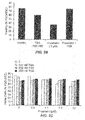
- FIG. 2 shows that administration of TSA reduces prostratin-induced cell death.
- A Administration of TSA reduces prostratin-induced cell death in J-Lat 6.3 cells.
- B Administration of TSA reduces prostratin-induced cell death in J-Lat 8.4 cells. In A. and B., TSA was used at a concentration of 100 nM and prostratin at a concentration of 2 ⁇ M, respectively.
- C Administration of TSA reduces prostratin-induced cell death in J-Lat 6.3 cells over a wide range of prostratin concentrations. TSA and prostratin were used at the concentrations indicated. Cell viability is indicated as % FsC ⁇ SSC. Unstim, unstimulated. Details are described in Example 3.
- FIG. 3 shows that valproic acid (VpA) synergizes with prostratin to activate latent HIV expression in J-Lat 6.3 cells. HIV expression was determined as % of GFP-positive cells. VpA and prostratin were used at the concentrations indicated. un, unstimulated. Details are described in Example 4.
- VpA valproic acid
- FIG. 4 shows that administration of valproic acid (VpA) reduces prostratin-induced cell death.
- Cell viability expressed as viability (% FSC ⁇ SSC) was determined as in FIG. 2 .
- VpA and prostratin were used at the concentrations indicated. Details are described in Example 5.
- FIG. 5 shows that Tat synergizes with TNF or TSA to activate latent HIV expression in J-Lat 6.3 cells.
- Tat additionally synergizes with temporally limited induction of NF- ⁇ B by transient stimulation with TNF- ⁇ (30 minute-pulse followed by wash). HIV expression was determined as % of GFP-positive cells.
- J-Lat 6.3 cells were either transfected with an empty CMV expression plasmid (CMV) or with a CMV expression plasmid encoding FLAG-Tat (FLAG-Tat) as indicated. Unstim, unstimulated. Details are described in Example 6.
- CMV CMV expression plasmid
- FLAG-Tat FLAG-Tat
- FIG. 6 shows that TNF or TSA synergizes with Tat to activate latent HIV expression in J-Lat 9.2 cells.
- Tat additionally synergizes with temporally limited induction of NF- ⁇ B by transient stimulation with TNF- ⁇ (30 minute-pulse followed by wash). HIV expression was determined as % of GFP-positive cells.
- J-Lat 6.3 cells were either transfected with an empty CMV expression plasmid (CMV) or with a CMV expression plasmid encoding FLAG-Tat (FLAG-Tat) as indicated. Unstim, unstimulated. Details are described in Example 6.
- CMV CMV expression plasmid
- FLAG-Tat FLAG-Tat
- FIG. 7 shows a model for activation of latent HIV expression.
- HDAC1 Histone deacetylase 1
- NF- ⁇ B p50 homodimer which binds to the proximal enhancer region within the 5′ HIV LTR.
- HDAC1 is at least one of the HDACs that is recruited to the HIV LTR and removes acetyl groups from histones.
- Nuc-1 represents a repressive nucleosome preventing recruiting RNA polymerase II.
- B Activation of latent HIV expression.
- Prostratin leads to the nuclear translocation of NF- ⁇ B (shown here as p50/RelA heterodimer complex), binding to the proximal enhancer region and displacing the HDAC1/p50/p50 complex.
- RNA polymerase II is recruited to the TATA box, initiates transcription and elongates HIV transcripts.
- TSA inhibits HDAC1, leading to the recruitment of RNA polymerase to the latent HIV LTR. This bound polymerase complex, however, remains non-processive, generating only short viral transcripts. (see, Williams et al., 2006, EMBO J 25:139-149).
- Nuc-0 nuc-1, nucleosomes flanking the HIV LTR region
- HDAC histone deacetylase 1
- p50 subunit of NF- ⁇ B dimer
- RelA p65 subunit of NF- ⁇ B protein
- ⁇ B binding site for NF- ⁇ B dimer and p50/RelA proteins in the HIV LTR enhancer region
- TATA binding site of transcription factors initiating transcription at position +1
- RNA Pol II RNA polymerase II, a complex of transcription factors capable of initiating transcription initiation
- Ac acetylation of a Histone
- P indicating chain elongation of an RNA transcript
- TSA trichostatin A.
- a RNA hairpin loop (TAR) formed at the 5′ termini of nascent HIV transcripts is indicated. Tat, when present binds to TAR and upregulates HIV gene expression.
- activator of latent HIV expression means any compound that (i) can stimulate proviral latent DNA integrated into the genome of a host to begin transcription initiation, transcription elongation or replication and production of infectious virus and/or cell surface antigens, such as gp120 and/or gp41; and (ii) has a synergistic effect when co-administered with an HDAC inhibitor.
- biological sample means a sample of biological tissue or fluid that contains nucleic acids or polypeptides. Such samples are typically from humans, but include tissues isolated from non-human primates, or rodents, e.g., mice, and rats. Biological samples may also include sections of tissues such as biopsy and autopsy samples, frozen sections taken for histological purposes, blood, plasma, serum, sputum, stool, tears, mucus, hair, skin, etc. Biological samples also include explants and primary and/or transformed cell cultures derived from patient tissues. A “biological sample” also refers to a cell or population of cells or a quantity of tissue or fluid from an animal.
- biological sample can also refer to cells or tissue analyzed in vivo, i.e., without removal from the animal.
- a “biological sample” will contain cells from the animal, but the term can also refer to noncellular biological material, such as noncellular fractions of blood, saliva, or urine, that can be used to measure expression level of a polynucleotide or polypeptide.
- noncellular biological material such as noncellular fractions of blood, saliva, or urine, that can be used to measure expression level of a polynucleotide or polypeptide.
- tissue biopsy refers to an amount of tissue removed from an animal, preferably a human, for diagnostic analysis.
- tissue biopsy can refer to any type of biopsy, such as needle biopsy, fine needle biopsy, surgical biopsy, etc.
- a “biological sample” encompasses samples that have been manipulated in any way after their procurement, such as by treatment with reagents; washed; or enrichment for certain cell populations, such as CD4 + T lymphocytes, glial cells, macrophages, tumor cells, peripheral blood mononuclear cells (PBMC), and the like.
- the term “biological sample” encompasses a clinical sample, and also includes cells in culture, cell supernatants, tissue samples, organs, bone marrow, and the like.
- providing a biological sample means to obtain a biological sample for use in methods described in this invention. Most often, this will be done by removing a sample of cells from a subject, but can also be accomplished by using previously isolated cells (e.g., isolated by another person, at another time, and/or for another purpose), or by performing the methods of the invention in vivo. Archival tissues, having treatment or outcome history, will be particularly useful.
- ⁇ ективное amount means a dosage sufficient to produce a desired result, to ameliorate, or in some manner, reduce a symptom or stop or reverse progression of a condition.
- the desired result is an increase in latent HIV expression.
- the desired result is the complete eradication of a latent HIV reservoir. Amelioration of a symptom of a particular condition by administration of a pharmaceutical composition described herein refers to any lessening, whether permanent or temporary, lasting or transit that can be associated with the administration of the pharmaceutical composition.
- An “effective amount” can be administered in vivo and in vitro.
- full length viral mRNA or “full length transcript” are used interchangeably and mean polyadenylated viral mRNA.
- the TAR sequence forms the leader sequence of the full length viral mRNA.
- viral RNA is elongated beyond the TAR leader sequence and is polyadenylated into full length viral mRNA.
- Full length viral mRNA includes both spliced and unspliced mRNA.
- HAART refers to a treatment for HIV infection which is a cocktail of anti-viral drugs known as Highly Active Anti-Retroviral Therapy.
- HAART includes two reverse transcriptase inhibitors and a protease inhibitor.
- HAART reduces the viral load in many patients to levels below the current limits of detection, but the rapid mutation rate of this virus limits the efficacy of this therapy (Perrin and Telenti, 1998, Science 280:1871-1873).
- HAART is ineffective in treating latent HIV infection.
- HDAC histone deacetylase
- HDAC inhibitor or “inhibitor of HDAC” means any compound that (i) inhibits the activity of a histone deacetylase (HDAC) and (ii) has a synergistic effect on an activator of latent HIV expression, wherein the synergistic effect results in an increase of transcription initiation or transcription elongation from an HIV genome integrated into the genome of a host, compared to the transcription initiation or transcription elongation obtained with the activator of latent HIV expression alone.
- HDAC histone deacetylase
- HIV is used herein to refer to the human immunodeficiency virus. It is recognized that the HIV virus is an example of a hyper-mutable retrovirus, having diverged into two major subtypes (HIV-1 and HIV-2), each of which has many subtypes.
- compounds of the present invention can activate the LTR promoters from all HIV and other retroviruses which are similar to HIV-1 in the LTR region.
- the term “HIV” used herein unless otherwise indicated, refers to any retrovirus which is regulated by an LTR promoter or LTR promoter homologue which shows inhibition of the LTR promoter or LTR promoter homologue by calcium response modifiers.
- the terms “individual,” “host,” “subject,” and “patient,” used interchangeably herein, refer to a mammal, including, but not limited to, murines, felines, simians, humans, mammalian farm animals, mammalian sport animals, and mammalian pets.
- the term includes mammals that are susceptible to infection by an immunodeficiency virus.
- subject to be treated for a condition or disease by a subject method means either a human or non-human animal in need of treatment for a condition or disease.
- a preferred condition is a condition affected by or caused by latent HIV infection.
- isomers refers to compounds of the present invention that possess asymmetric carbon atoms (optical centers) or double bonds.
- the racemates, diastereomers, geometric isomers and individual isomers are all intended to be encompassed within the scope of the present invention.
- in vitro means outside the body of the organism from which a cell or cells is obtained or from which a cell line is isolated.
- in vivo means within the body of the organism from which a cell or cells is obtained or from which a cell line is isolated.
- a “label” or a “detectable moiety” means a composition detectable by spectroscopic, photochemical, biochemical, immunochemical, chemical, or other physical means.
- useful labels include 3 H, 125 I, 32 P, fluorescent dyes, electron-dense reagents, enzymes (e.g., as commonly used in an ELISA), biotin, digoxigenin, or haptens and proteins or other entities which can be made detectable, e.g., by incorporating a radiolabel into a small molecule compound.
- a label may be incorporated into a small molecule compound, such as a prostratin, DPP, TSA, or valproic acid at any position.
- latency refers to the integration of a viral genome or a integration of a partial viral genome within a host cell genome further characterized by (i) the undetectable level of non-spliced viral RNA ( ⁇ 500 copies RNA/ml by a commonly used PCR assay; Chun et al., 1997, Proc Natl Acad Sci USA, 94:13193-13197); (ii) absence of detectable viral production; or (iii) only about 10 5 to 10 6 latently infected CD4 memory T cells in a subject (Williams et al., 2004, J Biol Chem 279(40):42008-42017). “Latency” also means a concept describing (i) an asymptomatic clinical condition; (ii) the state of viral activity within a population of cells, or (iii) the down-regulation or absence of gene expression within an infected cell.
- level of a mRNA in a biological sample refers to the amount of mRNA transcribed from a gene that is present in a cell or a biological sample.
- the mRNA generally encodes a functional protein, although mutations may be present that alter or eliminate the function of the encoded protein.
- a “level of mRNA” need not be quantified, but can simply be detected, e.g., a subjective, visual detection by a human, with or without comparison to a level from a control sample or a level expected of a control sample.
- a preferred mRNA is a HIV mRNA.
- level of a polypeptide in a biological sample refers to the amount of polypeptide translated from a mRNA that is present in a cell or biological sample.
- the polypeptide may or may not have protein activity.
- a “level of a polypeptide” need not be quantified, but can simply be detected, e.g., a subjective, visual detection by a human, with or without comparison to a level from a control sample or a level expected of a control sample.
- a preferred polypeptide is an HIV polypeptide, such as GP 120, reverse transcriptase, Gag polypeptide or its protease-processed products.
- LTR means the Long Terminal Repeat, a sequence repeated at the 5′ and 3′ ends of an HIV genome, which consists of an enhancer and a promoter region for gene expression, a RNA transcription start site, and an untranslated RNA sequence.
- non-processive transcription means initiation with inefficient elongation (transcription complexes pause and drop of the DNA) leading to an abundance of short, non-polyadenylated RNA and only rarely in elongated full length mRNAs.
- Processive transcription means efficient elongation of transcripts leading to high levels of polyadenylated mRNA.
- “pharmaceutically acceptable” refers to compositions that are physiologically tolerable and do not typically produce an allergic or similar untoward reaction when administered to a subject, preferably a human subject.
- the term “pharmaceutically acceptable” means approved by a regulatory agency of a Federal or state government or listed in the U.S. Pharmacopeia or other generally recognized pharmacopeia for use in animals, and more particularly in humans.
- reactivated refers to an HIV that, after a period of latency, becomes transcriptionally active, and in many instances forms infectious viral particles.
- a functional HIV promoter e.g., a long terminal repeat promoter
- salts refers to salts of the active compounds of the present invention, such as activators of latent HIV expression or HDAC inhibitors, which are prepared with relatively nontoxic acids or bases, depending on the particular substituents found on the compounds described herein.
- base addition salts can be obtained by contacting the neutral form of such compounds with a sufficient amount of the desired base, either neat or in a suitable inert solvent.
- pharmaceutically acceptable base addition salts include sodium, potassium, calcium, ammonium, organic amino, or magnesium salt, or a similar salt.
- acid addition salts can be obtained by contacting the neutral form of such compounds with a sufficient amount of the desired acid, either neat or in a suitable inert solvent.
- pharmaceutically acceptable acid addition salts include those derived from inorganic acids like hydrochloric, hydrobromic, nitric, carbonic, monohydrogencarbonic, phosphoric, monohydrogenphosphoric, dihydrogenphosphoric, sulfuric, monohydrogensulfuric, hydriodic, or phosphorous acids and the like, as well as the salts derived from relatively nontoxic organic acids like acetic, propionic, isobutyric, maleic, malonic, benzoic, succinic, suberic, fumaric, mandelic, phthalic, benzenesulfonic, p-tolylsulfonic, citric, tartaric, methanesulfonic, and the like.
- salts of amino acids such as arginate and the like, and salts of organic acids like glucuronic or galactunoric acids and the like (see, for example, Berge, S. M., et al, “Pharmaceutical Salts”, Journal of Pharmaceutical Science, 1977, 66, 1-19).
- Certain specific compounds of the present invention contain both basic and acidic functionalities that allow the compounds to be converted into either base or acid addition salts.
- the neutral forms of the compounds may be regenerated by contacting the salt with a base or acid and isolating the parent compound in the conventional manner.
- the parent form of the compound differs from the various salt forms in certain physical properties, such as solubility in polar solvents, but otherwise the salts are equivalent to the parent form of the compound for the purposes of the present invention.
- solvate refers to compounds of the present invention that are complexed to a solvent.
- Solvents that can form solvates with the compounds of the present invention include common organic solvents such as alcohols (methanol, ethanol, etc.), ethers, acetone, ethyl acetate, halogenated solvents (methylene chloride, chloroform, etc.), hexane and pentane. Additional solvents include water. When water is the complexing solvent, the complex is termed a “hydrate.”
- TAR means the Trans-Activating Response element which is the target for Tat binding.
- the TAR region is the first 59-61 nt of the nascent RNA, the leader sequence positioned immediately 3′ of the transcription start site. It forms a stem-loop structure.
- Tat means the virally encoded trans-activating protein which functions as an elongation factor. Tat is essential for viral replication as the key viral element for increasing HIV gene expression.
- transcription competent in the context of transcription-competent latent HIV, refers to a latent HIV (including latent HIV-based retroviral vectors) that encodes functional Tat and has a functional TAR site in the LTR.
- the terms “treat”, “treating”, and “treatment” include: (1) preventing a condition or disease, i.e. causing the clinical symptoms of the condition or disease not to develop in a subject that may be predisposed to the condition or disease but does not yet experience any symptoms of the condition or disease; (2) inhibiting the condition or disease, i.e. arresting or reducing the development of the condition or disease or its clinical symptoms; or (3) relieving the condition or disease, i.e. causing regression of the condition or disease or its clinical symptoms.
- Treatment means any manner in which the symptoms or pathology of a condition, disorder, or disease are ameliorated or otherwise beneficially altered.
- the subject in need of such treatment is a mammal, more preferable a human.
- the present invention provides compositions and methods that are useful in a wide range of methods.
- HDAC histone deacetylase
- inhibitors of histone deacetylase and the activators of latent HIV expression contemplated for use in the methods of the present invention will be described in detail below.
- salts, hydrates, solvates, isomers, prodrugs, and structural analogs of these compounds d also contemplated.
- a composition comprises an inhibitor of HDAC.
- the histone deacetylase inhibitor may be any molecule that effects a reduction in the activity of a histone deacetylase. This includes proteins, peptides, DNA molecules (including antisense), RNA molecules (including RNAi and antisense) and small molecules.
- the small molecule HDAC inhibitors include, but are not limited to, trichostatin A, butyric acid, phenylbutyrate, phenylacetate, trapoxin B (porphrin derivative, C 33 H 30 N 4 O 6 , Kijima et al., 1993, J Biol Chem 268(30):22429-35), MS 275-27 (benzamide derivative, C 21 H 20 N 4 O 3 ), hydroximates (e.g., suberoylanilide hydroxamic acid [SAHA, hydroxamic acid, C 14 H 20 N 2 O 3 , Butler et al., 2000, Cancer Res 60:5165-5170; Marks et al., Clin Cancer Res 7:759-760; Richon et al., 1998, Proc Natl Acad Sci USA, 95(6):3003-7]; azelaic bishydroxamic acid [ABHA, Parsons et al., 2002, Biochem Pharmacol 53:1719-17
- histone deacetylase inhibitors which may be selected for use in the current invention: AU 9,013,101; AU 9,013,201; AU 9,013,401; AU 6,794,700; EP 1,233,958; EP 1,208,086; EP 1,174,438; EP 1,173,562; EP 1,170,008; EP 1,123,111; JP 2001/348340; U.S. 2002/103192; U.S. 2002/65282; U.S.
- histone deacetylase inhibitors synergize with an activator of latent HIV expression, such as prostratin, to activate latent HIV expression. Further, this invention discloses that histone deacetylase inhibitors block or reduce prostratin-induced cell death.
- a histone deacetylase inhibitor is trichostatin A (TSA).
- TSA is a hydroxamic acid, [R-(E,E)]-7-[4-(Dimethylamino)phenyl]-N-hydroxy-4,6-dimethyl-7-oxo-2,4-heptadienamide). It his commercially available (BIOMOL Research Labs, Inc., Morris Meeting, Pa. and Wako Pure Chemical Industries, Ltd).
- VpA valproic acid
- VpA is 2-propylpentanoic acid
- Valproic acid, valproate sodium, and divalproex belong to a group of medicines called anticonvulsants that are currently marketed to control certain types of seizures in the treatment of epilepsy.
- Valproic acid is marketed as “Depakene” (Abbott Laboratories).
- Divalproex is marketed as “Depakote” (Sanofi-Aventis for UK; Abbott Laboratories for U.S.) and as “Epival” (Abbott Laboratories for Canada).
- Valproate sodium is marketed as “Depacxon.”
- Divalproex and valproate sodium form valproic acid in the body.
- Divalproex is available for oral administration as delayed-release capsules (in U.S., United States of America) and delayed-release tablets (in U.S. and Canada).
- VpA is also available for oral administration as capsules (U.S.) and as syrup (in U.S. and Canada).
- Valproate sodium is used for parenteral administration (injection) in the U.S.
- Applicants describe a novel use of VpA, Divalproex and valproate sodium in the methods of the present invention.
- Divalproex or valproate sodium is coadministered with an activator of latent HIV activation.
- VpA is rapidly absorbed after oral administration. Peak serum levels occur approximately 1 to 4 hours after a single oral dose. The serum half-life of VpA is typically in the range of 6-16 hours.
- butyric acid preferably sodium butyrate.
- butyric acid is in the form of arginine butyrate or isobutyramide.
- Butyric acid is one of many naturally-occurring short-chain fatty acids that are generated in the small and large bowel by metabolism of carbohydrates.
- Butyrate is a four-carbon fatty acid with weakly acidic properties, and is rapidly absorbed and metabolized. Butyrates have shown significant anti-tumor effects.
- NaB Sodium butyrate
- a histone deacetylase inhibitor is a small interfering RNA (siRNA), for example, a si/shRNA directed against HDAC1, 2, 3, 4, 5, 6, 7, 8, 9, 10, or 11.
- siRNA small interfering RNA
- An HDAC inhibitor may have an inhibitory effect against at least one class I HDAC or against at least one class II HDAC or against at least one class I and at least one class II HDAC.
- a preferred composition of the invention comprises a small molecule that activates latent HIV expression, such as prostratin, DPP and some NF- ⁇ B inducers.
- an activator of latent HIV expression is a polypeptide, such as NF- ⁇ B, Tat, or NF-AT.
- a preferred activator of latent HIV expression is prostratin (12-deoxyphorbol 13-acetate).
- Prostratin is a relatively polar, non-tumorigenic phorbol ester, identified in extracts of Homalanthus nutans , a tropical plant used in Samoan herbal medicine primarily for the treatment of jaundice) and stimulates protein kinase C (PKC; Gustafson et al., 1992, J Med Chem 35(11):1978-86).
- This invention also contemplates for use in the methods, kits and compositions described herein the use of natural pro-drugs of prostratin, which may be identified in extracts from Homalanthus nutans using methods known in the art and assays described herein.
- this invention also contemplates for use in the methods, kits and compositions described herein derivatives of prostratin and DPP, which may be prepared chemically using methods known in the art and tested for synergism with n HDAC inhibitor, for example, by employing assays described herein.
- NF- ⁇ B and transcription factor Sp1 have been demonstrated to be key factors in stimulating replication of HIV, since viruses lacking binding sites for either transcription factor display attenuated replicative capacity (Leonard et al., 1989, J Virol 63:4919-4924). It has been proposed that the absence of NF- ⁇ B in the nuclei of latently infected CD4 lymphocytes could play a key role in promoting or maintaining proviral latency in this lymphocyte subset (Williams et al., 2004, J Biol Chem 279(40):42008-42017). As described herein, one explanation for the low level of HIV transcription during postintegration latency may be the absence of the inducible transcription factor NF- ⁇ B. Thus, in certain embodiments of the present invention, an NF- ⁇ B inducer is co-administered with an HDAC inhibitor.
- NF- ⁇ B inducer is prostratin.
- Another preferred NF- ⁇ B inducer is prostratin succinate sodium (unpublished studies from S Williams).
- TNF-alpha TNF-alpha
- NF- ⁇ B inducer is 4- ⁇ -phorbol 12-myristate 13-acetate (PMA; Sen et al., 1986, Cell 47(6):921-8). Due to its tumor-inducing activity, the in vivo use of PMA may be limited, particularly in humans.
- PMA 4- ⁇ -phorbol 12-myristate 13-acetate
- NF- ⁇ B inducers include, but are not limited to TNF-beta (Messer et al., 1990, Cytokine 2(6):389-97); IL-1beta (Osborn et al., 1989 Proc Natl Acad Sci USA 86(7):2336-40); lipopolysaccharide (Sen et al., 1986 Cell 47(6):921-8); UV-light (Stein et al., 1989, Mol Cell Biol 9(11):5169-81); CD3 antibodies (Tong-Starkesen et al., 1989, J Immunol 142(2):702-7); CD3/CD28 antibodies in conjunction (Tong-Starkesen et al., 1989 J Immunol 142(2):702-7); Etopiside (Bessho et al., 1999, Anticancer Res 19(1B):693-8); Daunor
- a method comprises the step of administering Tat to a cell or to a subject.
- a composition comprises Tat.
- the Tat is a recombinant Tat.
- the basic molecular biological techniques employed in generating a recombinant Tat i.e., methods such as DNA and plasmid isolation, restriction enzyme digestion, DNA ligation, purification and characterization of DNAs by polyacrylamide and agarose gel electrophoresis, labeling and hybridization of DNAs, Southern blotting, transformation, maintenance and growth of bacterial strains, protein expression and protein purification, and other general techniques are all well known in the literature. Specifically, the general techniques of molecular biology are described in “Molecular Cloning A Laboratory Manual” by Sambrook, J., Fritsch, E. F., and Maniatis, T. published by Cold Spring Harbor Laboratory Press, 2nd edition, 1989, or “A Practical Guide to Molecular Cloning” by Bernard Perbal published by John Wiley & Sons, New York, 1984.
- the DNA encoding Tat is cloned into an expression vector and transformed into a suitable host cell, which expresses the recombinant Tat.
- the recombinant Tat may then be purified using methods known to the skilled artisan.
- composition of the present invention comprises a plasmid construct encoding Tat.
- a method comprises the step of administering NF-AT to a cell or to a subject.
- a composition comprises NF-AT.
- a method comprises the step of administering a small a NF-AT inducer.
- a composition comprises a NF-AT inducer which induces NF-AT in a cell.
- J-Lat cell lines described herein and other established cell lines harboring latent HIV such as OM-10.1, U1, or Jurkat cells
- an agent e.g., an agent from a combinatorial chemical library to determine effective doses and conditions for obtaining productive HIV infection.
- the small molecules described herein and agents derived therefrom through routine chemical manipulations that are useful for purging a latent HIV reservoir can be tested for their potential to activate latent HIV expression using the assays described herein.
- Other useful assays have been described in the art.
- the small molecules described herein can be tested for induction of HIV expression in patient peripheral blood mononuclear cell (PBMC) cultures obtained from HIV infected individuals (e.g., Kulkosky et al., 2001, Blood 98(10):3006-15).
- PBMC peripheral blood mononuclear cell
- the activation potential of the small molecules can be evaluated testing for reactivation of latent HIV infection from thymocytes and peripheral blood lymphocytes (PBLs) in the severe combined immunodeficient mouse containing human fetal thymus and liver cells (SCID-hu [Thy/Liv] mouse; Brooks et al., 2001, Nat Med 7:459-464; Korin et al., 2002, J Virol 76(16):8118-23).
- PBLs peripheral blood lymphocytes
- small molecules described herein and agents derived therefrom through routine chemical manipulations that are useful for purging a latent HIV reservoir can be tested for their potential to activate latent HIV expression by real time PCR detecting viral transcripts as described herein and as known in the art.
- HDAC inhibitors described herein and agents derived therefrom through routine chemical manipulations that are useful for purging a latent HIV reservoir can be tested in chromatin immunoprecipitation assays measuring their capability to deacetylate the HIV promoter as described (Ylisastigui et al., 2004, AIDS 18(8):1101-8; Williams et al., 2004, J Biol Chem 279(40):42008-42017).
- the effect of HDAC inhibitors on resting CD4 + T cell phenotype can be measured by flow cytometric analysis (Ylisastigui et al., 2004, AIDS 18(8):1101-8).
- a method generally comprises: (a) providing a candidate HDAC inhibitor, (b) combining the candidate HDAC inhibitor with an HDAC; (c) measuring HDAC activity, and (d) comparing the activity in step (c) with the activity in the absence of the candidate HDAC inhibitor, wherein a lower measured activity in (b) when compared to the measured activity without the candidate HDAC inhibitor indicates that the candidate HDAC inhibitor is, indeed an HDAC inhibitor.
- the compounds of the present invention find use in a variety of ways.
- the present invention discloses the surprising finding that HDAC inhibitors, such as TSA and valproic acid, which typically have no substantial effect on the expression of latent HIV expression, can potentiate the expression of latent HIV-1 above an expression level obtained by administration of an activator of latent HIV expression, such as prostratin, alone. That is, inhibitors of HDAC synergize with activators of latent HIV expression.
- a lower dose of the activator of latent HIV expression can be used to essentially obtain the same or greater effect on activation of latent HIV expression than would be obtained when using the activator of latent HIV expression alone.
- using a much lower dose of, for example, prostratin potentially avoids its toxicity at full dose.
- Methods of the present invention can be practiced in vitro and in vivo.
- the step of administering a composition according to the present invention is performed in vivo, for example, by an intradermal, intravenous, subcutaneous, oral, aerosol, intramuscular and intraperitoneal route of administration, or ex vivo, for example, by transfection, electroporation, microinjection, lipofection, adsorption, protoplast fusion, use of protein carrying agents, use of ion carrying agents, and use of detergents for cell permeabilization.
- the present invention provides a method for activating latent HIV expression in a mammalian cell having an integrated HIV genome, the method comprising the steps of (a) contacting the mammalian cell with an amount of an activator of latent HIV expression effective to activate latent HIV expression to a first expression level; and (b) contacting the mammalian cell with an amount of an inhibitor of histone deacetylase effective to activate the latent HIV expression to a second expression level, wherein the activator of latent HIV expression and the inhibitor of histone deacetylase synergize to generate the second expression level.
- the activator of latent HIV expression and the inhibitor of histone deacetylase are used simultaneously for the contacting of the mammalian cell. This can be done by contacting the mammalian cell with a composition comprising both compounds as further described herein. In other embodiments, the activator of latent HIV expression and the inhibitor of histone deacetylase are used sequentially.
- the present invention provides a method for activating latent HIV expression in a mammalian cell having an integrated HIV genome, the method comprising the steps of (a) contacting the mammalian cell with an amount of an activator of latent HIV expression effective to activate latent HIV expression; and (b) contacting the mammalian cell with an amount of an inhibitor of histone deacetylase effective to further activate the latent HIV expression, wherein the activation of latent HIV expression after step (b) is greater than the activation of latent HIV expression by step (a) alone; wherein the level of the HIV RNA in the mammalian cell is increased.
- the HIV genome is integrated in the genome of the mammalian cell.
- this method comprises the step of contacting a mammalian cell with an amount of Tat effective to activate latent HIV expression above the level exhibited by steps (a) and (b); wherein the level of the HIV RNA in the mammalian cell is further increased.
- this method comprises the step of contacting a mammalian cell with an amount of NF- ⁇ B effective to activate the latent HIV expression above the level exhibited by steps (a) and (b); wherein the level of the HIV RNA in the mammalian cell is further increased.
- the step of contacting a compound or composition of the invention with a mammalian cell is performed by administering the compound or composition to a mammalian cell in a human, preferably a human having a latent HIV infection.
- a preferred cell is a resting lymphoid mononuclear cell obtained from a mammal including e.g., lymphocytes, such as T cells (CD4, CD8, cytolytic, helper), B cells, natural killer cells; mononuclear phagocytes, such as monocytes, macrophages, epitheloid cells, giant cells, microglia, Kupffer cells, alveolar macrophages; dendritic cells, such as interdigitating dendrite cells, Langerhans cells, or follicular dendritic cells; granulocytes; etc.
- lymphocytes such as T cells (CD4, CD8, cytolytic, helper), B cells, natural killer cells
- mononuclear phagocytes such as monocytes, macrophages, epitheloid cells, giant cells, microglia, Kupffer cells, alveolar macrophages
- dendritic cells such as interdigitating dendrite cells, Langerhans cells, or follicular dendritic cells
- a preferred cell is a myeloid mononuclear cell, preferably, a peripheral blood mononuclear cell or tissue macrophage.
- an activator of latent HIV expression e.g., prostratin
- the amount of an activator of latent HIV expression, e.g., prostratin, contacting the mammalian cell is less than 50% of an amount of an activator of latent HIV expression, e.g., prostratin, that is required to obtain the same second expression level in the absence of trichostatin A.
- the amount of an activator of latent HIV expression, e.g., prostratin, contacting the mammalian cell is less than 25%, preferably less than 20%, preferably less than 10%, more preferably less than 5% and even more preferably less than 2% of an amount an activator of latent HIV expression, e.g., prostratin, that is required to obtain the same second expression level in the absence of trichostatin A.
- composition of the invention are used in a method for treating HIV latency.
- This method can be practiced in vitro.
- this method is practiced in vivo.
- this method is practiced in a host latently infected with HIV, e.g., a human latently infected with HIV. This method seeks to complete eradicate a latent HIV reservoir in a latently HIV infected subject.
- This method comprises the steps of administering to the latently HIV-infected host a therapeutically effective amount of a composition comprising an activator of latent HIV expression and an HDAC inhibitor.
- a method of treating a latently HIV-infected host comprises the step of administering highly active antiretroviral therapy (HAART).
- HAART highly active antiretroviral therapy
- a composition comprising an activator of latent HIV expression and an HDAC inhibitor may be coadministered with any HAART regimen.
- the current standard of care using HAART is usually a combination of at least three nucleoside reverse transcriptase inhibitors and frequently includes a protease inhibitors, or alternatively a non-nucleoside reverse transcriptase inhibitor.
- Patients who have low CD4 + cell counts or high plasma RNA levels may require more aggressive HAART.
- patients with relatively normal CD4 + cell counts and low to non-measurable levels of plasma HIV RNA over prolonged periods i.e. slow or non-progressors
- different combinations (or cocktails) of antiretroviral drugs can be used.
- a composition comprising an activator of latent HIV expression and an HDAC inhibitor may be coadministered with a “cocktail” of nucleoside reverse transcriptase inhibitors, non-nucleoside HIV reverse transcriptase inhibitors, and protease inhibitors.
- a composition comprising an activator of latent HIV expression and an HDAC inhibitor may be coadministered with a cocktail of two nucleoside reverse transcriptase inhibitors (e.g. ZIDOVUDINE (AZT) and LAMIVUDINE (3TC)), and one protease inhibitor (e.g. INDINAVIR (MK-639)).
- a composition comprising an activator of latent HIV expression and an HDAC inhibitor may also be coadministered with a cocktail of one nucleoside reverse transcriptase inhibitor (e.g. STAVUDINE (d4T)), one non-nucleoside reverse transcriptase inhibitor (e.g. NEVIRAPINE (BI-RG-587)), and one protease inhibitor (e.g. NELFINAVIR (AG-1343)).
- a composition comprising an activator of latent HIV expression and an HDAC inhibitor may be coadministered with a cocktail of one nucleoside reverse transcriptase inhibitor (e.g. ZIDOVUDINE (AZT)), and two protease inhibitors (e.g. NELFINAVIR (AG-1343) and SAQINAVIR (Ro-31-8959)).
- Coadministration in the context of this invention is defined to mean the administration of more than one therapeutic in the course of a coordinated treatment to achieve an improved clinical outcome. Such coadministration may also be coextensive, that is, occurring during overlapping periods of time. Further discussion of such conventional treatment can be found in the art (e.g., Gulick, 1997; Qual Life Res 6:471-474; Henry et al., 1997, Postgrad Med 102:100-107; Hicks, 1997, Radiol Clin North Am 35:995-1005; Goldschmidt, 1996, Am Fam Physician 54:574-580).
- This regimen is continued for a period past the point when the levels of integrated and unintegrated HIV in active and memory T cells are undetectably low.
- the patient is weaned from HAART and from the activators of latent HIV expression and HDAC inhibitors according to the invention.
- the patient is monitored for reestablishment of normal immune function and for signs of reemergence of HIV infection.
- any needed conjunctive immunotherapy such as bone marrow transplants, various cytokines or vaccination, may be administered.
- the patient is monitored on a routine basis for life to detect reemergence of HIV infection, in which case repeat therapy according to the above preferred embodiment is recommended.
- a preferred immunotoxin is an immunotoxin targeted to an HIV protein expressed on the exterior of cells, such as the viral envelope glycoprotein or a portion thereof.
- the term “immunotoxin” refers to a covalent or non-covalent linkage of a toxin to an antibody, such as an anti HIV envelope glycoprotein antibody.
- the toxin may be linked directly to the antibody, or indirectly through, for example, a linker molecule.
- a preferred toxin is a toxin selected from the group consisting of ricin-A and abrin-A.
- Activation of latent HIV expression results in the conversion of latently infected cells to productively infected cells. This transition can be measured by any characteristic of active viral infection, e.g., production of infectious particles, reverse transcriptase activity, secreted antigens, cell-surface antigens, soluble antigens, HIV RNA and HIV DNA, etc.
- the methods of the present invention described above may optionally comprise the step of determining or detecting activation of latent HIV expression.
- a method comprises determining or detecting a mRNA, preferably an HIV mRNA.
- Other mRNAs such as Tat mRNA, NF- ⁇ B mRNA, NF-AT mRNA and other mRNAs encoding polypeptides described herein can also be determined using the following methods.
- a preferred mRNA is an HIV mRNA.
- expression levels of HIV mRNA may be determined. Detecting a increased expression level of the HIV mRNA relative to the mRNA level present in a latently infected cell indicates activation of the latent HIV expression.
- the step of determining the level of the HIV mRNA comprises an amplification reaction. Methods of evaluating mRNA expression of a particular gene are well known to those of skill in the art, and include, inter alia, hybridization and amplification based assays.
- RNA or cDNA made therefrom Methods of detecting and/or quantifying the level of a gene transcript (mRNA or cDNA made therefrom) using nucleic acid hybridization techniques are known to those of skill in the art.
- one method for evaluating the presence, absence, or quantity of HIV polynucleotides involves a Northern blot.
- Gene expression levels can also be analyzed by techniques known in the art, e.g., dot blotting, in situ hybridization, RNase protection, probing DNA microchip arrays, and the like (e.g., see Sambrook, J., Fritsch, E. F., and Maniatis, “Molecular Cloning A Laboratory Manual” by T. published by Cold Spring Harbor Laboratory Press, 2nd edition, 1989).
- amplification-based assays are used to measure the expression level of an HIV gene.
- the HIV nucleic acid sequences act as a template in an amplification reaction (e.g., Polymerase Chain Reaction, or PCR).
- an amplification reaction e.g., Polymerase Chain Reaction, or PCR.
- the amount of amplification product will be proportional to the amount of template in the original sample. Comparison to appropriate controls provides a measure of the level of HIV mRNA in the sample.
- Methods of quantitative amplification are well known to those of skill in the art. Detailed protocols for quantitative PCR are provided, e.g., in Innis et al. (1990) PCR Protocols, A Guide to Methods and Applications , Academic Press, Inc. N.Y.).
- HIV nucleic acids as a template for PCR are described as well (E.g., see (Williams et al., 2004, J Biol Chem 279(40):42008-42017; Williams et al., 2006, EMBO J 25:139-149).
- a TaqMan based assay is used to quantify the HIV polynucleotides.
- TaqMan based assays use a fluorogenic oligonucleotide probe that contains a 5′ fluorescent dye and a 3′ quenching agent. The probe hybridizes to a PCR product, but cannot itself be extended due to a blocking agent at the 3′ end.
- the 5′ nuclease activity of the polymerase e.g., AmpliTaq, results in the cleavage of the TaqMan probe.
- This cleavage separates the 5′ fluorescent dye and the 3′ quenching agent, thereby resulting in an increase in fluorescence as a function of amplification (see, for example, Heid et al., 1996, Genome Res 6(10):986-94; Morris et al., 1996, J Clin Microbiol 34(12):2933-6).
- ligase chain reaction (LCR) (see, Wu and Wallace, 1989, Genomics 4:560; Landegren et al., 1988, Science 241:1077; and Barringer et al., 1990, Gene 89:117), transcription amplification (Kwoh et al., 1989, Proc Natl Acad Sci USA 86:1173), self-sustained sequence replication (Guatelli et al., 1990, Proc Nat Acad Sci USA 87: 1874), dot PCR, and linker adapter PCR, etc.
- LCR ligase chain reaction
- Such a method comprises determining or detecting a polypeptide, preferably an HIV polypeptide or a polypeptide for which the coding region has been inserted into the HIV genome, such as the GFP polypeptide of the J-Lat cell lines described herein and by Jordan et al., (Jordan et al., 2003, EMBO J 22(8):1868-1877).
- a polypeptide preferably an HIV polypeptide or a polypeptide for which the coding region has been inserted into the HIV genome, such as the GFP polypeptide of the J-Lat cell lines described herein and by Jordan et al., (Jordan et al., 2003, EMBO J 22(8):1868-1877).
- Other polypeptides, such as Tat, NF- ⁇ B, NF-AT and others described herein can also be determined using the following methods.
- expression level of an HIV polypeptide may be determined by several methods, including, but not limited to, affinity capture, mass spectrometry, traditional immunoassays directed to HIV proteins (such as gp120 and reverse transcriptase), PAGE, Western Blotting, or HPLC as further described herein or as known by one of skill in the art.
- Detection paradigms that can be employed to this end include optical methods, electrochemical methods (voltametry and amperometry techniques), atomic force microscopy, and radio frequency methods, e.g., multipolar resonance spectroscopy.
- the present invention provides a pharmaceutical composition or a medicament comprising at least an activator of latent HIV expression and an inhibitor of HDAC of the present invention and optionally a pharmaceutically acceptable carrier.
- a pharmaceutical composition or medicament can be administered to a subject for the treatment of, for example, a condition or disease as described herein.
- a pharmaceutical composition may include any combinations of latent HIV activator compounds, HIV transcription activators and HDAC inhibitors.
- Compounds of the present invention are useful in the manufacture of a pharmaceutical composition or a medicament comprising an effective amount thereof in conjunction or mixture with excipients or carriers suitable for either enteral or parenteral application.
- compositions or medicaments for use in the present invention can be formulated by standard techniques using one or more physiologically acceptable carriers or excipients. Suitable pharmaceutical carriers are described herein and in “Remington's Pharmaceutical Sciences” by E. W. Martin.
- the small molecule compounds of the present invention and their physiologically acceptable salts and solvates can be formulated for administration by any suitable route, including via inhalation, topically, nasally, orally, parenterally, or rectally.
- the administration of the pharmaceutical composition may be made by intradermal, subdermal, intravenous, intramuscular, intranasal, intracerebral, intratracheal, intraarterial, intraperitoneal, intravesical, intrapleural, intracoronary or intratumoral injection, with a syringe or other devices.
- Transdermal administration is also contemplated, as are inhalation or aerosol administration. Tablets and capsules can be administered orally, rectally or vaginally.
- a pharmaceutical composition or a medicament can take the form of, for example, a tablets or a capsule prepared by conventional means with a pharmaceutically acceptable excipient.
- Liquid preparations for oral administration can take the form of, for example, solutions, syrups, or suspensions, or they can be presented as a dry product for constitution with water or other suitable vehicle before use.
- Such liquid preparations can be prepared by conventional means with pharmaceutically acceptable additives, for example, suspending agents, for example, sorbitol syrup, cellulose derivatives, or hydrogenated edible fats; emulsifying agents, for example, lecithin or acacia; non-aqueous vehicles, for example, almond oil, oily esters, ethyl alcohol, or fractionated vegetable oils; and preservatives, for example, methyl or propyl-p-hydroxybenzoates or sorbic acid.
- the preparations can also contain buffer salts, flavoring, coloring, and/or sweetening agents as appropriate. If desired, preparations for oral administration can be suitably formulated to give controlled release of the active compound.
- compositions of the present invention can be formulated for parenteral administration by injection, for example by bolus injection or continuous infusion.
- Formulations for injection can be presented in unit dosage form, for example, in ampoules or in multi-dose containers, with an added preservative.
- injectable compositions are preferably aqueous isotonic solutions or suspensions, and suppositories are preferably prepared from fatty emulsions or suspensions.
- the compositions may be sterilized and/or contain adjuvants, such as preserving, stabilizing, wetting or emulsifying agents, solution promoters, salts for regulating the osmotic pressure and/or buffers.
- the active ingredient can be in powder form for constitution with a suitable vehicle, for example, sterile pyrogen-free water, before use.
- a suitable vehicle for example, sterile pyrogen-free water
- they may also contain other therapeutically valuable substances.
- the compositions are prepared according to conventional mixing, granulating or coating methods, respectively, and contain about 0.1 to 75%, preferably about 1 to 50%, of the active ingredient.
- the compounds may be conveniently delivered in the form of an aerosol spray presentation from pressurized packs or a nebulizer, with the use of a suitable propellant, for example, dichlorodifluoromethane, trichlorofluoromethane, dichlorotetrafluoroethane, carbon dioxide, or other suitable gas.
- a suitable propellant for example, dichlorodifluoromethane, trichlorofluoromethane, dichlorotetrafluoroethane, carbon dioxide, or other suitable gas.
- the dosage unit can be determined by providing a valve to deliver a metered amount.
- Capsules and cartridges of, for example, gelatin for use in an inhaler or insufflator can be formulated containing a powder mix of the compound and a suitable powder base, for example, lactose or starch.
- Suitable formulations for transdermal application include an effective amount of a compound of the present invention with carrier.
- Preferred carriers include absorbable pharmacologically acceptable solvents to assist passage through the skin of the host.
- transdermal devices are in the form of a bandage comprising a backing member, a reservoir containing the compound optionally with carriers, optionally a rate controlling barrier to deliver the compound to the skin of the host at a controlled and predetermined rate over a prolonged period of time, and means to secure the device to the skin.
- Matrix transdermal formulations may also be used.
- Suitable formulations for topical application are preferably aqueous solutions, ointments, creams or gels well-known in the art. Such may contain solubilizers, stabilizers, tonicity enhancing agents, buffers and preservatives.
- the compounds can also be formulated in rectal compositions, for example, suppositories or retention enemas, for example, containing conventional suppository bases, for example, cocoa butter or other glycerides.
- the compounds can be formulated as a depot preparation. Such long-acting formulations can be administered by implantation (for example, subcutaneously or intramuscularly) or by intramuscular injection.
- the compounds can be formulated with suitable polymeric or hydrophobic materials (for example as an emulsion in an acceptable oil) or ion exchange resins, or as sparingly soluble derivatives, for example, as a sparingly soluble salt.
- compositions can, if desired, be presented in a pack or dispenser device that can contain one or more unit dosage forms containing the active ingredient.
- the pack can, for example, comprise metal or plastic foil, for example, a blister pack.
- the pack or dispenser device can be accompanied by instructions for administration.
- a pharmaceutical composition or medicament comprises an effective amount of an activator of latent HIV expression and an inhibitor of HDAC of the present invention as defined above, and another therapeutic agent, such as a component used for HAART, as described herein.
- a therapeutic agent may be used individually (e.g., a component used for HAART and compounds of the present invention), sequentially (e.g., a component used for HAART and compounds of the present invention for a period of time followed by e.g., a second component used for HAART and compounds of the present invention), or in combination with one or more other such therapeutic agents (e.g., a reverse transcriptase inhibitor used for HAART, a protease inhibitor used for HAART, and compounds of the present invention).
- Administration may be by the same or different route of administration or together in the same pharmaceutical formulation.
- a pharmaceutical composition comprises (i) an activator of latent HIV expression, (ii) an inhibitor of histone deacetylase, and (iii) a pharmaceutically acceptable carrier.
- a pharmaceutical composition comprises (i) an activator of NF- ⁇ B or NF-AT, (ii) an inhibitor of histone deacetylase, and (iii) a pharmaceutically acceptable carrier.
- a pharmaceutical composition or medicament is administered to a subject, preferably a human, at a therapeutically effective dose to prevent, treat, or control a condition or disease as described herein, such as HIV latency.
- the pharmaceutical composition or medicament is administered to a subject in an amount sufficient to elicit an effective therapeutic response in the subject.
- An effective therapeutic response is a response that at least partially arrests or slows the symptoms or complications of the condition or disease. An amount adequate to accomplish this is defined as “therapeutically effective dose.”
- the dosage of active compounds administered is dependent on the species of warm-blooded animal (mammal), the body weight, age, individual condition, surface area of the area to be treated and on the form of administration.
- the size of the dose also will be determined by the existence, nature, and extent of any adverse effects that accompany the administration of a particular small molecule compound in a particular subject.
- a unit dosage for oral administration to a mammal of about 50 to 70 kg may contain between about 5 and 500 mg of the active ingredient.
- a dosage of the active compounds of the present invention is a dosage that is sufficient to achieve the desired effect.
- Optimal dosing schedules can be calculated from measurements of compound accumulation in the body of a subject. In general, dosage may be given once or more daily, weekly, or monthly. Persons of ordinary skill in the art can easily determine optimum dosages, dosing methodologies and repetition rates.
- a pharmaceutical composition or medicament comprising compounds of the present invention is administered in a daily dose in the range from about 0.1 mg of each compound per kg of subject weight (0.1 mg/kg) to about 1 g/kg for multiple days.
- the daily dose is a dose in the range of about 5 mg/kg to about 500 mg/kg.
- the daily dose is about 10 mg/kg to about 250 mg/kg.
- the daily dose is about 25 mg/kg to about 150 mg/kg.
- a preferred dose is about 10 mg/kg.
- the daily dose can be administered once per day or divided into subdoses and administered in multiple doses, e.g., twice, three times, or four times per day.
- activators of latent HIV expression and inhibitors of HDAC may be administered in different amounts and at different times.
- the recommended initial dose for VpA in the treatment of seizures (see above), for example, is 15 mg/kg/day orally, increasing at 1-week intervals by 5-10 mg/kg/day until seizures are controlled or side effects preclude further increases.
- a maximum recommended dose is 60 mg/kg/day.
- the total daily dose exceeds 250 mg, it should be given in a divided regimen.
- a similar dosing regimen may be used for VpA in the methods of the present invention.
- compounds may be administered for multiple days at the therapeutically effective daily dose.
- therapeutically effective administration of compounds to treat a condition or disease described herein in a subject requires periodic (e.g., daily) administration that continues for a period ranging from three days to two weeks or longer.
- compounds will be administered for at least three consecutive days, often for at least five consecutive days, more often for at least ten, and sometimes for 20, 30, 40 or more consecutive days. While consecutive daily doses are a preferred route to achieve a therapeutically effective dose, a therapeutically beneficial effect can be achieved even if the compounds are not administered daily, so long as the administration is repeated frequently enough to maintain a therapeutically effective concentration of the compounds in the subject.
- a preferred dosing schedule for example, is administering daily for a week, one week off and repeating this cycle dosing schedule for 3-4 cycles.
- Optimum dosages, toxicity, and therapeutic efficacy of such compounds may vary depending on the relative potency of individual compounds and can be determined by standard pharmaceutical procedures in cell cultures or experimental animals, for example, by determining the LD 50 (the dose lethal to 50% of the population) and the ED 50 (the dose therapeutically effective in 50% of the population).
- the dose ratio between toxic and therapeutic effects is the therapeutic index and can be expressed as the ratio, LD 50 /ED 50 .
- Compounds that exhibit large therapeutic indices are preferred. While compounds that exhibit toxic side effects can be used, care should be taken to design a delivery system that targets such compounds to the site of affected tissue to minimize potential damage to normal cells and, thereby, reduce side effects.
- the data obtained from, for example, cell culture assays and animal studies can be used to formulate a dosage range for use in humans.
- the dosage of such small molecule compounds lies preferably within a range of circulating concentrations that include the ED 50 with little or no toxicity.
- the dosage can vary within this range depending upon the dosage form employed and the route of administration.
- the therapeutically effective dose can be estimated initially from cell culture assays.
- a dose can be formulated in animal models to achieve a circulating plasma concentration range that includes the IC 50 (the concentration of the test compound that achieves a half-maximal inhibition of symptoms) as determined in cell culture.
- IC 50 the concentration of the test compound that achieves a half-maximal inhibition of symptoms
- levels in plasma can be measured, for example, by high performance liquid chromatography (HPLC).
- HPLC high performance liquid chromatography
- the dose equivalent of compounds is from about 1 ng/kg to 100 mg/kg for a typical subject.
- kits are also provided by the invention.
- such kits may include any or all of the following: assay reagents, buffers, a compounds of the present invention, an HIV polypeptide, an HIV nucleic acid, an anti-HIV polypeptide antibody, hybridization probes and/or primers, expression constructs for e.g., Tat, NF- ⁇ B, or NF-AT, etc.
- a therapeutic product may include sterile saline or another pharmaceutically acceptable emulsion and suspension base.
- a kit comprises one or more activators of latent HIV expression and one or more inhibitor of HDAC.
- the kit includes one or more components used for HAART as described herein. Typically, these compounds are provided in a container.
- kits for eliminating a latent HIV reservoir in a mammalian cell comprises (i) a first container containing an activator of latent HIV expression, (ii) a second container containing an inhibitor of histone deacetylase, and (iii) an instruction for using the activator of latent HIV expression and the inhibitor of histone deacetylase for eliminating the latent HIV reservoir in the mammalian cell.
- this kit comprises (i) a first container containing an inducer of NF- ⁇ B or NF-AT, (ii) a second container containing an inhibitor of histone deacetylase, and (iii) an instruction for using the inducer of NF- ⁇ B or NF-AT and the inhibitor of histone deacetylase for eliminating the latent HIV reservoir in the mammalian cell.
- kits may include instructional materials containing directions (i.e., protocols) for the practice of the methods of this invention.
- the instructions may be present in the subject kits in a variety of forms, one or more of which may be present in the kit.
- the instructional materials typically comprise written or printed materials they are not limited to such. Any medium capable of storing such instructions and communicating them to an end user is contemplated by this invention.
- Such media include, but are not limited to electronic storage media (e.g., magnetic discs, tapes, cartridges, chips), optical media (e.g., CD ROM), and the like.
- Such media may include addresses to internet sites that provide such instructional materials.
- the kit comprises an instruction for using an activator of latent HIV expression and an inhibitor of HDAC for increasing the level of latent HIV expression above the level of latent HIV expression induced by the activator of latent HIV expression alone.
- the instruction comprises warnings of possible side effects and drug-drug or drug-food interactions.
- kits and components can be prepared according to the present invention, depending upon the intended user of the kit and the particular needs of the user.
- the kit is a pharmaceutical kit and comprises a pharmaceutical composition comprising (i) an activator of latent HIV expression, (ii), an inhibitor of HDAC, and (iii) a pharmaceutical acceptable carrier.
- the pharmaceutical kit comprises a Tat.
- the pharmaceutical kit comprises a component for use in HAART as described herein.
- Pharmaceutical kits optionally comprise an instruction stating that the pharmaceutical composition can or should be used for treating a condition or disease described herein.
- Additional kit embodiments of the present invention include optional functional components that would allow one of ordinary skill in the art to perform any of the method variations described herein.
- J-Lat 6.3, J-Lat 8.4 T-cells, and J-Lat 9.2 cells are Jurkat T cell lines containing integrated but transcriptionally latent HIV proviruses. These J-Lat cells contain wild-type Tat and TAR and appear to be highly representative of the latently infected cells present in vivo (Williams et al., 2004, J Biol Chem 279(40):42008-42017).
- J-Lat 6.3 T cells, J-Lat 8.4 T-cells and J-Lat 9.2 T cells were obtained from Jordan et al., (Jordan et al., 2003, EMBO J 22(8):1868-1877).
- J-Lat cells were cultured in RPMI supplemented with 10% fetal calf serum (FCS) and penicillin/streptomycin and L-glutamine described (Williams et al., 2004, J Biol Chem 279(40):42008-42017; Williams et al., 2006, EMBO J 25:139-149).
- cells were stimulated with prostratin (LC Laboratories), from about 0.1 to about 10 ⁇ M; with TNF- ⁇ (R&D Systems) at 10 ng/ml; with 4- ⁇ -phorbol 12-myristate 13-acetate (PMA); with trichostatin A (TSA) at concentration s ranging from about 50-400 nM, with valproic acid (Sigma) at concentrations ranging from 0.3-3 mM; or combinations of one or more of these compounds (see the following Examples for details).
- prostratin LC Laboratories
- TNF- ⁇ R&D Systems
- PMA 4- ⁇ -phorbol 12-myristate 13-acetate
- TSA trichostatin A
- valproic acid Sigma
- Cells were scored as viable if they were detected in a characteristically “live” region of light scatter and defraction as measured by flow cytometry.
- Cell suspension was mixed with 1 ⁇ g of pMACS-kk H2kk expression vector DNA (Miltenyi), and 10 ⁇ g of pCMV4 (Andersson et al., 1989, J Biol Chem 264 (14):8222-8229), or 10 ⁇ g pCMV4-FLAG-Tat expression vector (gift of Eric Verdin), transferred to a 0.4 cm gap electroporation cuvette (Stratagene), and electroporated at 975 ⁇ F, 250 mV for ⁇ 25 ⁇ 10 ⁇ 3 seconds. Electroporated cells were resuspended in 4 mL medium, and returned to cell culture for 48 hours.
- Immunoblotting analysis can essentially be performed as described (Williams et al., 2004, J Biol Chem 279(40):42008-42017).
- J-Lat 6.3 or 9.2 cells were adjusted to 1 ⁇ 10 6 cells/ml and stimulated with TNF- ⁇ or prostratin for various times. Cells were then lysed on ice in egg lysis buffer (50 mM HEPES, pH 7, 250 mM NaCl, 1% Nonidet P-40, 5 mM EDTA) for 20 mM and clarified by microcentrifugation. Lysates were next added to an equal volume of 2 ⁇ Laemmli buffer (25 mM Tris, 200 mM glycine, 0.1% SDS) and heated to 95° C. for 5 min. Proteins were separated by SDS-PAGE, transferred to polyvinylidene difluoride membranes, and immunoblotted with various antibodies.
- Laemmli buffer 25 mM Tris, 200 mM glycine, 0.1% SDS
- the J-Lat T-cell clones used herein are infected with full-length HIV proviruses and contain the Aequorea victoria green fluorescent protein (GFP) gene in lieu of Net thus permitting epifluorescence monitoring of viral transcriptional activity. Under basal conditions, little or no GFP expression is detected; however, transcriptional activation of the latent provirus leads to GFP expression, which can be detected at the single-cell level by flow cytometry. Flow cytometry analysis and FACS was essentially performed as described (Williams et al., 2004, J Biol Chem 279(40):42008-42017).
- GFP green fluorescent protein
- RNA extraction and analysis of initiated and elongated HIV transcripts can be performed as described (Williams et al., 2006, EMBO J 25:139-149)
- PCR analysis can essentially be performed as described (Williams et al., 2004, J Biol Chem 279(40):42008-42017; Williams et al., 2006, EMBO J 25:139-149).
- J-Lat 6.3 cells (1 ⁇ 10 6 cells/mi) were treated with TSA (100 nM) or TNF- ⁇ (20 ng/ml) for 2 h at 37° C.
- TSA 100 nM
- TNF- ⁇ (20 ng/ml) for analysis of HIV mRNA synthesis in nucleofected primary T cells
- RNA was extracted from 0.5 ⁇ 10 6 cells with an RNA Wiz kit (Ambion). RNA transcripts were quantitated with the QuantiTect SYBR Green RT-PCR kit (Qiagen). To quantitate viral transcripts, serial dilutions of a quantitated RNA stock of full-length viral genome were used as a reference standard (gift of R Grant).
- Initiated transcripts were detected with primers HIVTAR5(5′-GTTAGACCAGATCTGAGCCT-3′) [SEQ ID NO: 1] and HIVTAR3 (5′-GTGGGTTCCCTAGTTAGCCA-3′) [SEQ ID NO: 2].
- Elongated transcripts were detected with primers HIVTat5 (5′-ACTCGACAGAGGAGAGCAAG-3′) [SEQ ID NO: 3] and HIVtat 3 (5′-GAGTCTGACTGTTCTGATGA-3′) [SEQ ID NO: 4].
- ⁇ -Actin mRNA copies were quantitated with primers ⁇ -actin5 (5′-GTCGACAACGGCTCCGGC-3′) [SEQ ID NO: 5] and ⁇ -actin3 (5′-GGTGTGGTGCCAGATTTTCT-3′) [SEQ ID NO: 6] specific for a 239 by region in the ⁇ -actin mRNA and samples were normalized for ⁇ -actin copies. Fluorescence profiles were collected on an ABI 7700 real-time thermal cycler and analyzed with SDS v1.91 (Applied Biosystems). The absence of nonspecific bands in RT-PCR products was confirmed on 2% agarose gels.
- TSA Synergizes with Prostratin to Activate Latent HIV Expression
- J-Lat 6.3 and 8.4 T-cells cultured in RPMI supplemented with 10% fetal calf serum (FCS) and penicillin/streptomycin were counted and adjusted to 1 ⁇ 10 6 cells/ml.
- 80 ⁇ l aliquots of J-Lat 6.3 and 8.4 T-cells, respectively, were pipetted in a 96-well u-bottomed plate.
- 10 ⁇ l of 20 ⁇ M prostratin final concentration 2 ⁇ M; LC Laboratories
- 10 ⁇ l cell culture medium were added to unstimulated cells.
- J-Lat6.3kRed2 cells a modified cell line derived from J-Lat6.3 containing an integrated kB-DsRed2 reporter, was used. J-Lat6.3kRed2 cells were counted and adjusted to 1 ⁇ 10 6 cells/ml. 80 ⁇ l aliquots were pipetted in a 96-well u-bottomed plate. Two-fold serial dilutions of 4, 2, and 1 ⁇ M trichostatin A (TSA) were made and added to the cells at final concentrations of 400 nM, 200 nM, and 100 nM, respectively.
- TSA trichostatin A
- TSA inhibited prostratin-induced cell death even when prostratin was used at a concentration of 10 ⁇ M ( FIG. 2C ).
- cells were incubated with prostratin for about 20 hours, whereas J-Lat 6.3 cells and 8.4 T-cells (in FIGS. 2A and 2B ) were incubated with prostratin for 36 hours.
- a higher cell death was observed with longer prostratin treatment.
- Valproic Acid Synergizes with Prostratin to Activate Latent HIV Expression
- J-Lat6.3kRed2 cells were adjusted to 1 ⁇ 10 6 cells/ml. 80 ⁇ l cell aliquots were pipetted in a 96-well u-bottomed plate. Three-fold serial dilutions of 30, 10, and 3.3 mM valproic acid (VpA) were made by serial dilution in a 96-well v-bottomed plate and 10 ⁇ l of these dilutions, or medium alone was added to cells in final concentrations of 3 mM, 1 mM, 0.3 mM and 0 mM, respectively.
- VpA 3.3 mM valproic acid
- Valproic Acid Reduces Prostratin-Induced Cell Death
- Tat Synergizes with TNF to Activate Expression of Latent HIV
- Tat also has a synergistic effect on TNF mediated activation of latent HIV expression
- 10 6 J-Lat 6.3 cells cultured in RPMI+10% fetal calf serum (FCS) and penicillin/streptomycin were pelleted by centrifugation and resuspended in 0.4 mL RPMI without serum.
- This cell suspension was mixed with 1 ⁇ g of pMACS-kk H2kk expression vector DNA (Miltenyi Biotech; see also Williams et al., 2006, EMBO J 25:139-149) encoding mouse cell surface-expressed MHC class I (Petry et al., 1999, Int Immunol 11:753-763; Tetsu and McCormick, 1999, Nature 398:422-426; Porter et al., 2002, J Immunol 168:4936-4945; Finotto et al., 2001, J Exp Med 193: 1247-1260), and 10 ⁇ g of pCMV4 (Andersson et al., 1989, J Biol Chem 264 (14):8222-8229), or 10 ⁇ g pCMV4-FLAG-Tat expression vector (gift of Eric Verdin), transferred to a 0.4 cm gap electroporation cuvette (Stratagene), and electroporated at 975 ⁇ F, 250 mV
- Electroporated cells were resuspended in 4 mL medium RPMI, supplemented with 10% fetal calf serum and penicillin/streptomycin and incubated for 48 hours at 37° C., 5% CO 2 , 90% humidity. 90 ⁇ l aliquots of each sample were distributed to U-bottomed 96-well plates and 10 ⁇ l of 200 ng/mL TNF- ⁇ (Biosource), 10 ⁇ l of 1 mM Trichostatin A (Biomol), or 10 ⁇ l of RPMI (i.e., unstimulated cells) were added. For 30′-pulse TNF- ⁇ stimulation experiments, 10 ⁇ l of 200 ng/mL TNF- ⁇ was added to 90 ⁇ l cell suspension for 30 minutes.
- the cells were transferred to a V-bottomed 96 well plate and centrifuged at 1,800 rpm for 3 minutes. The supernatant was removed and replaced, and procedure was repeated 2 ⁇ .
- Cells were resuspended in 100 ⁇ l fresh RPMI with 10% serum and penicillin/streptomycin. 16 hours after treatment, cells were pelleted by centrifugation, and resuspended in 50 ⁇ l PBS+1:100 dilution of streptavidin-conjugated anti-H2kk antibody (BD Pharmingen). Samples were incubated 10 minutes, diluted in 200 ⁇ l PBS, pelleted by centrifugation, and supernatant removed.
- BD Pharmingen streptavidin-conjugated anti-H2kk antibody
- Cells were resuspended in 50 ⁇ l PBS+1:100 dilution of biotin-allophycoerythrin (APC), incubated 10 minutes, diluted in 200 ⁇ l PBS, pelleted by centrifugation, supernatant removed, resuspended in 100 ⁇ l PBS, pelleted by centrifugation, supernatant removed and resuspended in 50 ⁇ l PBS.
- APC biotin-allophycoerythrin
- This experiment demonstrates synergistic activation of latent HIV expression with coadministration of Tat and TNF or TSA.
- Tat alone induced only a moderate level of latent HIV-driven expression of GFP
- coadministration of either TNF or TSA strongly enhanced this activity ( FIG. 5 ).
- Transient induction of NF- ⁇ B with 30-minute pulse treatment of TNF- ⁇ drove weak expression of latent HIV.
- expression of latent HIV in Tat-expressing cells was strongly sensitized to TNF- ⁇ pulse ( FIG. 5 ).
- TNF and TSA Synergizes with Tat to Activate Expression of Latent HIV in J-Lat 9.2 Cells
- Example 6 The experiment described in Example 6 using J-Lat 6.3 cells was repeated using J-Lat 9.2 cells. A similar result was obtained ( FIG. 6 ).
Landscapes
- Health & Medical Sciences (AREA)
- Life Sciences & Earth Sciences (AREA)
- Chemical & Material Sciences (AREA)
- Medicinal Chemistry (AREA)
- Pharmacology & Pharmacy (AREA)
- Animal Behavior & Ethology (AREA)
- General Health & Medical Sciences (AREA)
- Public Health (AREA)
- Veterinary Medicine (AREA)
- Epidemiology (AREA)
- Emergency Medicine (AREA)
- Virology (AREA)
- AIDS & HIV (AREA)
- Tropical Medicine & Parasitology (AREA)
- Molecular Biology (AREA)
- Communicable Diseases (AREA)
- Oncology (AREA)
- Chemical Kinetics & Catalysis (AREA)
- General Chemical & Material Sciences (AREA)
- Nuclear Medicine, Radiotherapy & Molecular Imaging (AREA)
- Organic Chemistry (AREA)
- Pharmaceuticals Containing Other Organic And Inorganic Compounds (AREA)
- Medicines That Contain Protein Lipid Enzymes And Other Medicines (AREA)
Abstract
Description
Claims (34)
Priority Applications (1)
| Application Number | Priority Date | Filing Date | Title |
|---|---|---|---|
| US12/297,034 US8247613B2 (en) | 2006-04-17 | 2007-04-17 | Methods and compositions for the synergistic activation of latent HIV |
Applications Claiming Priority (3)
| Application Number | Priority Date | Filing Date | Title |
|---|---|---|---|
| US79280606P | 2006-04-17 | 2006-04-17 | |
| PCT/US2007/066764 WO2007121429A2 (en) | 2006-04-17 | 2007-04-17 | Methods and compositions for the synergistic activation of latent hiv |
| US12/297,034 US8247613B2 (en) | 2006-04-17 | 2007-04-17 | Methods and compositions for the synergistic activation of latent HIV |
Publications (2)
| Publication Number | Publication Date |
|---|---|
| US20100168004A1 US20100168004A1 (en) | 2010-07-01 |
| US8247613B2 true US8247613B2 (en) | 2012-08-21 |
Family
ID=38610434
Family Applications (1)
| Application Number | Title | Priority Date | Filing Date |
|---|---|---|---|
| US12/297,034 Expired - Fee Related US8247613B2 (en) | 2006-04-17 | 2007-04-17 | Methods and compositions for the synergistic activation of latent HIV |
Country Status (2)
| Country | Link |
|---|---|
| US (1) | US8247613B2 (en) |
| WO (1) | WO2007121429A2 (en) |
Cited By (1)
| Publication number | Priority date | Publication date | Assignee | Title |
|---|---|---|---|---|
| WO2015051035A1 (en) | 2013-10-01 | 2015-04-09 | The J. David Gladstone Institutes | Compositions, systems and methods for gene expression noise drug screening and uses thereof |
Families Citing this family (28)
| Publication number | Priority date | Publication date | Assignee | Title |
|---|---|---|---|---|
| US20100324034A1 (en) * | 2007-02-08 | 2010-12-23 | Hazuda Daria J | Methods of Using SAHA for Treating HIV Infection |
| US20110224297A1 (en) * | 2008-04-11 | 2011-09-15 | Brown Stephen J | Methods of administering prostratin and structural analogs thereof |
| KR101049858B1 (en) | 2008-08-13 | 2011-07-19 | 대한민국 | HIV-1 latent cell lines, methods for their preparation and diagnostic methods for latent HIV infection |
| KR101049856B1 (en) | 2008-08-13 | 2011-07-19 | 대한민국 | HIV-1 latent cell lines, methods for their preparation and diagnostic methods for latent HIV infection |
| KR101049857B1 (en) | 2008-08-13 | 2011-07-19 | 대한민국 | HIV-1 latent cell lines, methods for their preparation and diagnostic methods for latent HIV infection |
| EP2349245B1 (en) * | 2008-10-29 | 2016-08-03 | Istituto Superiore di Sanità | Treatment of latent hiv-1 infections using auranofin or arsenic trioxide |
| WO2010099169A2 (en) * | 2009-02-24 | 2010-09-02 | Johns Hopkins University | A novel in vitro hiv-1 latency model for screening reactivation agents of hiv-1 |
| WO2011113013A2 (en) | 2010-03-11 | 2011-09-15 | Hemaquest Pharmaceuticals, Inc. | Methods and compositions for treating viral or virally-induced conditions |
| GB201015305D0 (en) | 2010-09-14 | 2010-10-27 | Ucl Business Plc | Methods, compounds and compositions relating to activating a latent virus |
| US20150099012A1 (en) | 2012-03-02 | 2015-04-09 | Erasmus University Medical Center Rotterdam | Methods for activating retrovirus in latent infected cells, and compounds for use therein |
| WO2013148197A1 (en) * | 2012-03-28 | 2013-10-03 | The J. David Gladstone Institutes | Compositions and methods for reactivating latent immunodeficiency virus |
| US20150320893A1 (en) * | 2012-05-03 | 2015-11-12 | Joseph M VOLPE | Treatment of latent hiv infection |
| JP6255031B2 (en) | 2012-11-15 | 2017-12-27 | アメリカ合衆国 | Methods for treating patients infected with HIV and HTLV |
| WO2015162192A1 (en) * | 2014-04-24 | 2015-10-29 | Janssen Sciences Ireland Uc | Use of a hiv derived accessory protein for the reactivation of latent hiv |
| US20170183306A1 (en) * | 2014-05-30 | 2017-06-29 | Universite Paris Decartes | Cyclic compounds having a 1,3 diamino-functionality for use in the treatment of hiv infection |
| US10857223B2 (en) * | 2014-06-10 | 2020-12-08 | Case Western Reserve University | Autologous and allogenic HIV-1 proteins for the treatment of latent HIV-1 infection |
| US9642890B2 (en) * | 2014-06-10 | 2017-05-09 | Case Western Reserve University | Autologous HIV-1 proteins for the treatment of latent HIV-1 infection |
| WO2016014861A1 (en) * | 2014-07-25 | 2016-01-28 | Incelldx, Inc. | Methods of evaluating a cellular sample for latent cellular replication competent hiv-1, and compositions and kits for use in practicing the same |
| WO2016063251A1 (en) * | 2014-10-23 | 2016-04-28 | Centre Hospitalier Universitaire Vaudois | Reagents and methods for reactivation of latent hiv |
| WO2016118456A1 (en) * | 2015-01-19 | 2016-07-28 | Sri International | Measuring hiv reservoirs with optical scanning |
| WO2016137844A1 (en) | 2015-02-23 | 2016-09-01 | Mayo Foundation For Medical Education And Research | Methods and materials for treating human immunodeficiency virus infections |
| EP4461314A3 (en) * | 2015-04-20 | 2024-12-11 | Mayo Foundation for Medical Education and Research | Methods and materials for killing hiv infected cells |
| WO2019046594A1 (en) * | 2017-08-31 | 2019-03-07 | The Regents Of The University Of California | Methods of reactivating latent human immunodeficiency virus and related compositions |
| EP3758687A4 (en) * | 2018-03-01 | 2022-03-30 | Rhode Island Hospital | EXOSOME TARGETING OF CD4+-EXPRESSING CELLS |
| WO2020006139A1 (en) * | 2018-06-27 | 2020-01-02 | The George Washington University | Targeting stat sumoylation to enhance immune responses |
| AU2020283590A1 (en) | 2019-05-31 | 2022-01-20 | Viracta Subsidiary, Inc. | Methods of treating virally associated cancers with histone deacetylase inhibitors |
| US12514921B2 (en) | 2019-06-27 | 2026-01-06 | University Of Pittsburgh-Of The Commonwealth System Of Higher Education | Compositions and methods for treating HIV infection and reversing HIV latency |
| WO2023218420A1 (en) * | 2022-05-13 | 2023-11-16 | Janssen Pharmaceuticals, Inc. | Mrna compositions for inducing latent hiv-1 reversal |
Citations (1)
| Publication number | Priority date | Publication date | Assignee | Title |
|---|---|---|---|---|
| US20080118494A1 (en) * | 2004-09-02 | 2008-05-22 | Olaf Kutsch | Compositions For Detection Of Latent Hiv Reactivation And Methods Of Using The Same |
-
2007
- 2007-04-17 WO PCT/US2007/066764 patent/WO2007121429A2/en not_active Ceased
- 2007-04-17 US US12/297,034 patent/US8247613B2/en not_active Expired - Fee Related
Patent Citations (1)
| Publication number | Priority date | Publication date | Assignee | Title |
|---|---|---|---|---|
| US20080118494A1 (en) * | 2004-09-02 | 2008-05-22 | Olaf Kutsch | Compositions For Detection Of Latent Hiv Reactivation And Methods Of Using The Same |
Non-Patent Citations (13)
| Title |
|---|
| 12-deoxyphorbol 13-phenylacetate (DPP) structural analog-Google Search; http://www.google.com/search?h1=en&q=12-demphorbol+13-phenylacetate+%28DPP%...; Apr. 15, 2011; 2 pages. |
| 12-deoxyphorbol 13-phenylacetate (DPP) structural analog—Google Search; http://www.google.com/search?h1=en&q=12-demphorbol+13-phenylacetate+%28DPP%...; Apr. 15, 2011; 2 pages. |
| Bocklandt et al., Antiviral Research, 2003, 59(2):89-98. * |
| Demonte et al., Biochemical Pharmacology, 2004, 68:1231-1238. * |
| Kiernan, R., et al., "HIV-1 Tat transcriptional activity is regulated by acetylation " EMBO Journal, vol. 18(21), pp. 6106-6118 (1999). |
| Korin et al., Journal of Virology, 202, 76(16):8118-8123. * |
| Kulkosky et al., AIDS Research and Human Retroviruses, 2004, 20(5):497-505. * |
| Prostratin structural analog-Google Search; http://www.google.com/search?hl=en&q=prostratin+structural+analog&btnG=Search&aq...; Apr. 15, 2011; 2 pages. |
| Prostratin structural analog—Google Search; http://www.google.com/search?hl=en&q=prostratin+structural+analog&btnG=Search&aq...; Apr. 15, 2011; 2 pages. |
| Quivy, V., et al., "Synergistic Activation of Human Immunodeficiency Virus Type 1 Prompter Activity by NF-KB and Inhibitors of Deacetylases: Potential Perspectives for the Development of Therapeutic Strategies," Journal of Virology, vol. 76(21), pp. 11091-11103 (Nov. 2002). |
| Reuse, Sophie, et al; Synergistic Activation of HIV-1 Expression by Deacetylase Inhibitors and Prostratin: Implications for Treatment of Latent Infection; PLoS ONE; Jun. 2009; vol. 4, Issue 6, e6093; pp. 1-19. |
| Rosato et al., Cancer Biology & Therapy, 2003, 2(1):30-37. * |
| Williams et al., J. Biol. Chem., 2004, 279(40):42008-42017. * |
Cited By (2)
| Publication number | Priority date | Publication date | Assignee | Title |
|---|---|---|---|---|
| WO2015051035A1 (en) | 2013-10-01 | 2015-04-09 | The J. David Gladstone Institutes | Compositions, systems and methods for gene expression noise drug screening and uses thereof |
| EP3470536A1 (en) | 2013-10-01 | 2019-04-17 | The J. David Gladstone Institutes | Compositions, systems and methods for gene expression noise drug screening and uses thereof |
Also Published As
| Publication number | Publication date |
|---|---|
| US20100168004A1 (en) | 2010-07-01 |
| WO2007121429A2 (en) | 2007-10-25 |
| WO2007121429A3 (en) | 2008-11-27 |
Similar Documents
| Publication | Publication Date | Title |
|---|---|---|
| US8247613B2 (en) | Methods and compositions for the synergistic activation of latent HIV | |
| Matalon et al. | Histone deacetylase inhibitors for purging HIV-1 from the latent reservoir | |
| Ahmad Ganai et al. | Histone Deacetylase (HDAC) Inhibitors-emerging roles in neuronal memory, learning, synaptic plasticity and neural regeneration | |
| AU2003219803B8 (en) | Method of treating TRX mediated diseases | |
| US20190145960A1 (en) | Compositions, systems and methods for gene expression noise drug screening and uses thereof | |
| Matalon et al. | The histone deacetylase inhibitor ITF2357 decreases surface CXCR4 and CCR5 expression on CD4+ T-cells and monocytes and is superior to valproic acid for latent HIV-1 expression in vitro | |
| US20230087766A1 (en) | Methods of reactivating latent human immunodeficiency virus and related compositions | |
| ES2227220T3 (en) | 2-ARACHIDONYLGLYCEROL (2-AG) - ALFA TUMOR NECROSIS FACTOR INHIBITOR AND BRAIN NEUROPROTECTOR IN CLOSED CRANEOENCEPHALIC TRAUMATISM. | |
| Echaniz-Laguna et al. | Histone deacetylase inhibitors: therapeutic agents and research tools for deciphering motor neuron diseases | |
| Wu et al. | Targeting IRE1α improves insulin sensitivity and thermogenesis and suppresses metabolically active adipose tissue macrophages in male obese mice | |
| KR101687644B1 (en) | Derivatives of n-hydroxybenzamide for treating hiv infections | |
| US20230011398A1 (en) | Combination therapy approach to eliminate hiv infections | |
| Ying et al. | Histone deacetylase inhibitor Scriptaid reactivates latent HIV-1 promoter by inducing histone modification in in vitro latency cell lines | |
| Wang et al. | Potent and selective inhibition of Tat-dependent HIV-1 replication in chronically infected cells by a novel naphthalene derivative JTK-101 | |
| US20220193209A1 (en) | Compositions and methods for reactivating latent immunodeficiency virus and/or treating immunodeficiency virus infection | |
| US20250064846A1 (en) | Treatment and prevention of trigeminal neuralgia | |
| US11554123B2 (en) | Compositions and methods for reactivating latent HIV-1 infections | |
| US20240173276A1 (en) | Methods and compositions for inhibiting formation of the hiv latent reservoir | |
| US20080090788A1 (en) | Chemical Compounds | |
| Stevens et al. | Inhibition of human immunodeficiency virus type 1 transcription by N-aminoimidazole derivatives | |
| WO2025183089A1 (en) | Composition for reactivating latent hiv | |
| AU2005227400B2 (en) | Method of Treating TRX Mediated Diseases | |
| AU2008202913B2 (en) | Method of Treating TRX Mediated Diseases |
Legal Events
| Date | Code | Title | Description |
|---|---|---|---|
| AS | Assignment |
Owner name: J. DAVID GLADSTONE INSTITUTES,CALIFORNIA Free format text: ASSIGNMENT OF ASSIGNORS INTEREST;ASSIGNORS:WILLIAMS, SAMUEL A.F.;GREENE, WARNER C.;SIGNING DATES FROM 20081112 TO 20081118;REEL/FRAME:021932/0263 Owner name: J. DAVID GLADSTONE INSTITUTES, CALIFORNIA Free format text: ASSIGNMENT OF ASSIGNORS INTEREST;ASSIGNORS:WILLIAMS, SAMUEL A.F.;GREENE, WARNER C.;SIGNING DATES FROM 20081112 TO 20081118;REEL/FRAME:021932/0263 |
|
| AS | Assignment |
Owner name: NATIONAL INSTITUTES OF HEALTH (NIH), U.S. DEPT. OF Free format text: CONFIRMATORY LICENSE;ASSIGNOR:J. DAVID GLADSTONE INSTITUTES;REEL/FRAME:023323/0365 Effective date: 20090825 |
|
| AS | Assignment |
Owner name: NATIONAL INSTITUTES OF HEALTH (NIH), U.S. DEPT. OF Free format text: CONFIRMATORY LICENSE;ASSIGNOR:J. DAVID GLADSTONE INSTITUTES;REEL/FRAME:023383/0948 Effective date: 20090825 |
|
| ZAAA | Notice of allowance and fees due |
Free format text: ORIGINAL CODE: NOA |
|
| ZAAB | Notice of allowance mailed |
Free format text: ORIGINAL CODE: MN/=. |
|
| STCF | Information on status: patent grant |
Free format text: PATENTED CASE |
|
| CC | Certificate of correction | ||
| FPAY | Fee payment |
Year of fee payment: 4 |
|
| MAFP | Maintenance fee payment |
Free format text: PAYMENT OF MAINTENANCE FEE, 8TH YR, SMALL ENTITY (ORIGINAL EVENT CODE: M2552); ENTITY STATUS OF PATENT OWNER: SMALL ENTITY Year of fee payment: 8 |
|
| FEPP | Fee payment procedure |
Free format text: MAINTENANCE FEE REMINDER MAILED (ORIGINAL EVENT CODE: REM.); ENTITY STATUS OF PATENT OWNER: SMALL ENTITY |
|
| LAPS | Lapse for failure to pay maintenance fees |
Free format text: PATENT EXPIRED FOR FAILURE TO PAY MAINTENANCE FEES (ORIGINAL EVENT CODE: EXP.); ENTITY STATUS OF PATENT OWNER: SMALL ENTITY |
|
| STCH | Information on status: patent discontinuation |
Free format text: PATENT EXPIRED DUE TO NONPAYMENT OF MAINTENANCE FEES UNDER 37 CFR 1.362 |
|
| FP | Lapsed due to failure to pay maintenance fee |
Effective date: 20240821 |