US8044047B2 - 5-substituted benzoxazines - Google Patents
5-substituted benzoxazines Download PDFInfo
- Publication number
- US8044047B2 US8044047B2 US12/549,687 US54968709A US8044047B2 US 8044047 B2 US8044047 B2 US 8044047B2 US 54968709 A US54968709 A US 54968709A US 8044047 B2 US8044047 B2 US 8044047B2
- Authority
- US
- United States
- Prior art keywords
- benzo
- phenyl
- indan
- disorders
- oxazin
- Prior art date
- Legal status (The legal status is an assumption and is not a legal conclusion. Google has not performed a legal analysis and makes no representation as to the accuracy of the status listed.)
- Expired - Fee Related, expires
Links
- 0 [1*]CC1=C2COC(N[2*])=NC2=CC=C1 Chemical compound [1*]CC1=C2COC(N[2*])=NC2=CC=C1 0.000 description 10
- FLUHDWXWFRCIFJ-NSHDSACASA-N CC(C)[C@@H]1CCC2=C1C=CC=C2 Chemical compound CC(C)[C@@H]1CCC2=C1C=CC=C2 FLUHDWXWFRCIFJ-NSHDSACASA-N 0.000 description 2
- FIPKSKMDTAQBDJ-UHFFFAOYSA-N CC1CCC2=C1C=CC=C2 Chemical compound CC1CCC2=C1C=CC=C2 FIPKSKMDTAQBDJ-UHFFFAOYSA-N 0.000 description 2
- TWVQGHPXHGELCC-OAQYLSRUSA-N O=S(=O)(NC1=C2COC(N[C@@H]3CCC4=C3C=CC=C4)=NC2=CC=C1)C1=CC(F)=CC(F)=C1 Chemical compound O=S(=O)(NC1=C2COC(N[C@@H]3CCC4=C3C=CC=C4)=NC2=CC=C1)C1=CC(F)=CC(F)=C1 TWVQGHPXHGELCC-OAQYLSRUSA-N 0.000 description 2
- WQHDQPCMYYLXST-MRXNPFEDSA-N BrC1=CC=CC2=C1COC(N[C@@H]1CCC3=C1C=CC=C3)=N2 Chemical compound BrC1=CC=CC2=C1COC(N[C@@H]1CCC3=C1C=CC=C3)=N2 WQHDQPCMYYLXST-MRXNPFEDSA-N 0.000 description 1
- SOOJOWLTLGPLFJ-LJQANCHMSA-N C1=CC2=C(C=C1)[C@H](NC1=NC3=CC=CC(C4CC4)=C3CO1)CC2 Chemical compound C1=CC2=C(C=C1)[C@H](NC1=NC3=CC=CC(C4CC4)=C3CO1)CC2 SOOJOWLTLGPLFJ-LJQANCHMSA-N 0.000 description 1
- HSPBLYUIPNSIFI-UHFFFAOYSA-N C=NC1=CC=CC(Br)=C1CO[Si](C)(C)C(C)(C)C.C=S Chemical compound C=NC1=CC=CC(Br)=C1CO[Si](C)(C)C(C)(C)C.C=S HSPBLYUIPNSIFI-UHFFFAOYSA-N 0.000 description 1
- HKFUSXNERADXKY-UHFFFAOYSA-N CC(C)(C)[Si](C)(C)OCC1=C(Br)C=CC=C1N Chemical compound CC(C)(C)[Si](C)(C)OCC1=C(Br)C=CC=C1N HKFUSXNERADXKY-UHFFFAOYSA-N 0.000 description 1
- QBOAZBMEJPSWJX-UHFFFAOYSA-N CC(C)(C)[Si](C)(C)OCC1=C([N+](=O)[O-])C=CC=C1N Chemical compound CC(C)(C)[Si](C)(C)OCC1=C([N+](=O)[O-])C=CC=C1N QBOAZBMEJPSWJX-UHFFFAOYSA-N 0.000 description 1
- GUHZWNGWJDZSQQ-UHFFFAOYSA-N CC1=C(CO[Si](C)(C)C(C)(C)C)C(N)=CC=C1 Chemical compound CC1=C(CO[Si](C)(C)C(C)(C)C)C(N)=CC=C1 GUHZWNGWJDZSQQ-UHFFFAOYSA-N 0.000 description 1
- SFWUXWBLIPMDTC-UHFFFAOYSA-N CC1=C(CO[Si](C)(C)C(C)(C)C)C(N=C=S)=CC=C1 Chemical compound CC1=C(CO[Si](C)(C)C(C)(C)C)C(N=C=S)=CC=C1 SFWUXWBLIPMDTC-UHFFFAOYSA-N 0.000 description 1
- FXEKFXFWTVBHEF-UHFFFAOYSA-N COC1=CC=CC2=C1C(NC1=NC3=CC=CC(N)=C3CO1)CO2 Chemical compound COC1=CC=CC2=C1C(NC1=NC3=CC=CC(N)=C3CO1)CO2 FXEKFXFWTVBHEF-UHFFFAOYSA-N 0.000 description 1
- GYUOMRYPHWGIPZ-UHFFFAOYSA-N COC1=CC=CC2=C1C(NC1=NC3=CC=CC(NS(=O)(=O)C4=CC(F)=CC(F)=C4)=C3CO1)CO2 Chemical compound COC1=CC=CC2=C1C(NC1=NC3=CC=CC(NS(=O)(=O)C4=CC(F)=CC(F)=C4)=C3CO1)CO2 GYUOMRYPHWGIPZ-UHFFFAOYSA-N 0.000 description 1
- NWOZCQRIQCILPJ-MRXNPFEDSA-N CS(=O)(=O)NC1=C2COC(N[C@@H]3CCC4=C3C=CC=C4)=NC2=CC=C1 Chemical compound CS(=O)(=O)NC1=C2COC(N[C@@H]3CCC4=C3C=CC=C4)=NC2=CC=C1 NWOZCQRIQCILPJ-MRXNPFEDSA-N 0.000 description 1
- MZSPUCISYOGZIO-MRXNPFEDSA-N ClC1=C2COC(N[C@@H]3CCC4=C3C=CC=C4)=NC2=CC=C1 Chemical compound ClC1=C2COC(N[C@@H]3CCC4=C3C=CC=C4)=NC2=CC=C1 MZSPUCISYOGZIO-MRXNPFEDSA-N 0.000 description 1
- MQYJOKDKDZTRPC-JOCHJYFZSA-N ClC1=CC=C(NC2=CC=CC3=C2COC(N[C@@H]2CCC4=C2C=CC=C4)=N3)C=C1 Chemical compound ClC1=CC=C(NC2=CC=CC3=C2COC(N[C@@H]2CCC4=C2C=CC=C4)=N3)C=C1 MQYJOKDKDZTRPC-JOCHJYFZSA-N 0.000 description 1
- JRPRHARELFBWOQ-JOCHJYFZSA-N FC1=CC=C(C2=C3COC(N[C@@H]4CCC5=C4C=CC=C5)=NC3=CC=C2)C=C1 Chemical compound FC1=CC=C(C2=C3COC(N[C@@H]4CCC5=C4C=CC=C5)=NC3=CC=C2)C=C1 JRPRHARELFBWOQ-JOCHJYFZSA-N 0.000 description 1
- MZYMFSDPFNHUBY-JOCHJYFZSA-N FC1=CC=C(NC2=CC=CC3=C2COC(N[C@@H]2CCC4=C2C=CC=C4)=N3)C=C1 Chemical compound FC1=CC=C(NC2=CC=CC3=C2COC(N[C@@H]2CCC4=C2C=CC=C4)=N3)C=C1 MZYMFSDPFNHUBY-JOCHJYFZSA-N 0.000 description 1
- XCNHYZVMHLOBJG-QGZVFWFLSA-N N#CC1=CC=CC2=C1COC(N[C@@H]1CCC3=C1C=CC=C3)=N2 Chemical compound N#CC1=CC=CC2=C1COC(N[C@@H]1CCC3=C1C=CC=C3)=N2 XCNHYZVMHLOBJG-QGZVFWFLSA-N 0.000 description 1
- UKLXOKAMJGHJBC-MRXNPFEDSA-N NC1=C2COC(N[C@@H]3CCC4=C3C=CC=C4)=NC2=CC=C1 Chemical compound NC1=C2COC(N[C@@H]3CCC4=C3C=CC=C4)=NC2=CC=C1 UKLXOKAMJGHJBC-MRXNPFEDSA-N 0.000 description 1
- BZJQUQZJRMACKI-HSZRJFAPSA-N O=C(CC1=CC=C(Cl)C=C1)NC1=C2COC(N[C@@H]3CCC4=C3C=CC=C4)=NC2=CC=C1 Chemical compound O=C(CC1=CC=C(Cl)C=C1)NC1=C2COC(N[C@@H]3CCC4=C3C=CC=C4)=NC2=CC=C1 BZJQUQZJRMACKI-HSZRJFAPSA-N 0.000 description 1
- FVEIMEXSUACKEO-GOSISDBHSA-N O=S(=O)(NC1=C2COC(N[C@@H]3CCC4=C3C=CC=C4)=NC2=CC=C1)C1CC1 Chemical compound O=S(=O)(NC1=C2COC(N[C@@H]3CCC4=C3C=CC=C4)=NC2=CC=C1)C1CC1 FVEIMEXSUACKEO-GOSISDBHSA-N 0.000 description 1
- MGLFMEQYPFZQMD-OAHLLOKOSA-N O=[N+]([O-])C1=C2COC(N[C@@H]3CCC4=C3C=CC=C4)=NC2=CC=C1 Chemical compound O=[N+]([O-])C1=C2COC(N[C@@H]3CCC4=C3C=CC=C4)=NC2=CC=C1 MGLFMEQYPFZQMD-OAHLLOKOSA-N 0.000 description 1
Classifications
-
- C—CHEMISTRY; METALLURGY
- C07—ORGANIC CHEMISTRY
- C07D—HETEROCYCLIC COMPOUNDS
- C07D265/00—Heterocyclic compounds containing six-membered rings having one nitrogen atom and one oxygen atom as the only ring hetero atoms
- C07D265/04—1,3-Oxazines; Hydrogenated 1,3-oxazines
- C07D265/12—1,3-Oxazines; Hydrogenated 1,3-oxazines condensed with carbocyclic rings or ring systems
- C07D265/14—1,3-Oxazines; Hydrogenated 1,3-oxazines condensed with carbocyclic rings or ring systems condensed with one six-membered ring
- C07D265/18—1,3-Oxazines; Hydrogenated 1,3-oxazines condensed with carbocyclic rings or ring systems condensed with one six-membered ring with hetero atoms directly attached in position 2
-
- A—HUMAN NECESSITIES
- A61—MEDICAL OR VETERINARY SCIENCE; HYGIENE
- A61K—PREPARATIONS FOR MEDICAL, DENTAL OR TOILETRY PURPOSES
- A61K31/00—Medicinal preparations containing organic active ingredients
- A61K31/33—Heterocyclic compounds
- A61K31/395—Heterocyclic compounds having nitrogen as a ring hetero atom, e.g. guanethidine or rifamycins
- A61K31/535—Heterocyclic compounds having nitrogen as a ring hetero atom, e.g. guanethidine or rifamycins having six-membered rings with at least one nitrogen and one oxygen as the ring hetero atoms, e.g. 1,2-oxazines
- A61K31/536—Heterocyclic compounds having nitrogen as a ring hetero atom, e.g. guanethidine or rifamycins having six-membered rings with at least one nitrogen and one oxygen as the ring hetero atoms, e.g. 1,2-oxazines ortho- or peri-condensed with carbocyclic ring systems
-
- A—HUMAN NECESSITIES
- A61—MEDICAL OR VETERINARY SCIENCE; HYGIENE
- A61P—SPECIFIC THERAPEUTIC ACTIVITY OF CHEMICAL COMPOUNDS OR MEDICINAL PREPARATIONS
- A61P1/00—Drugs for disorders of the alimentary tract or the digestive system
-
- A—HUMAN NECESSITIES
- A61—MEDICAL OR VETERINARY SCIENCE; HYGIENE
- A61P—SPECIFIC THERAPEUTIC ACTIVITY OF CHEMICAL COMPOUNDS OR MEDICINAL PREPARATIONS
- A61P15/00—Drugs for genital or sexual disorders; Contraceptives
- A61P15/10—Drugs for genital or sexual disorders; Contraceptives for impotence
-
- A—HUMAN NECESSITIES
- A61—MEDICAL OR VETERINARY SCIENCE; HYGIENE
- A61P—SPECIFIC THERAPEUTIC ACTIVITY OF CHEMICAL COMPOUNDS OR MEDICINAL PREPARATIONS
- A61P25/00—Drugs for disorders of the nervous system
-
- A—HUMAN NECESSITIES
- A61—MEDICAL OR VETERINARY SCIENCE; HYGIENE
- A61P—SPECIFIC THERAPEUTIC ACTIVITY OF CHEMICAL COMPOUNDS OR MEDICINAL PREPARATIONS
- A61P25/00—Drugs for disorders of the nervous system
- A61P25/04—Centrally acting analgesics, e.g. opioids
-
- A—HUMAN NECESSITIES
- A61—MEDICAL OR VETERINARY SCIENCE; HYGIENE
- A61P—SPECIFIC THERAPEUTIC ACTIVITY OF CHEMICAL COMPOUNDS OR MEDICINAL PREPARATIONS
- A61P25/00—Drugs for disorders of the nervous system
- A61P25/14—Drugs for disorders of the nervous system for treating abnormal movements, e.g. chorea, dyskinesia
-
- A—HUMAN NECESSITIES
- A61—MEDICAL OR VETERINARY SCIENCE; HYGIENE
- A61P—SPECIFIC THERAPEUTIC ACTIVITY OF CHEMICAL COMPOUNDS OR MEDICINAL PREPARATIONS
- A61P25/00—Drugs for disorders of the nervous system
- A61P25/14—Drugs for disorders of the nervous system for treating abnormal movements, e.g. chorea, dyskinesia
- A61P25/16—Anti-Parkinson drugs
-
- A—HUMAN NECESSITIES
- A61—MEDICAL OR VETERINARY SCIENCE; HYGIENE
- A61P—SPECIFIC THERAPEUTIC ACTIVITY OF CHEMICAL COMPOUNDS OR MEDICINAL PREPARATIONS
- A61P25/00—Drugs for disorders of the nervous system
- A61P25/18—Antipsychotics, i.e. neuroleptics; Drugs for mania or schizophrenia
-
- A—HUMAN NECESSITIES
- A61—MEDICAL OR VETERINARY SCIENCE; HYGIENE
- A61P—SPECIFIC THERAPEUTIC ACTIVITY OF CHEMICAL COMPOUNDS OR MEDICINAL PREPARATIONS
- A61P25/00—Drugs for disorders of the nervous system
- A61P25/20—Hypnotics; Sedatives
-
- A—HUMAN NECESSITIES
- A61—MEDICAL OR VETERINARY SCIENCE; HYGIENE
- A61P—SPECIFIC THERAPEUTIC ACTIVITY OF CHEMICAL COMPOUNDS OR MEDICINAL PREPARATIONS
- A61P25/00—Drugs for disorders of the nervous system
- A61P25/22—Anxiolytics
-
- A—HUMAN NECESSITIES
- A61—MEDICAL OR VETERINARY SCIENCE; HYGIENE
- A61P—SPECIFIC THERAPEUTIC ACTIVITY OF CHEMICAL COMPOUNDS OR MEDICINAL PREPARATIONS
- A61P25/00—Drugs for disorders of the nervous system
- A61P25/24—Antidepressants
-
- A—HUMAN NECESSITIES
- A61—MEDICAL OR VETERINARY SCIENCE; HYGIENE
- A61P—SPECIFIC THERAPEUTIC ACTIVITY OF CHEMICAL COMPOUNDS OR MEDICINAL PREPARATIONS
- A61P25/00—Drugs for disorders of the nervous system
- A61P25/28—Drugs for disorders of the nervous system for treating neurodegenerative disorders of the central nervous system, e.g. nootropic agents, cognition enhancers, drugs for treating Alzheimer's disease or other forms of dementia
-
- A—HUMAN NECESSITIES
- A61—MEDICAL OR VETERINARY SCIENCE; HYGIENE
- A61P—SPECIFIC THERAPEUTIC ACTIVITY OF CHEMICAL COMPOUNDS OR MEDICINAL PREPARATIONS
- A61P25/00—Drugs for disorders of the nervous system
- A61P25/30—Drugs for disorders of the nervous system for treating abuse or dependence
-
- C—CHEMISTRY; METALLURGY
- C07—ORGANIC CHEMISTRY
- C07D—HETEROCYCLIC COMPOUNDS
- C07D413/00—Heterocyclic compounds containing two or more hetero rings, at least one ring having nitrogen and oxygen atoms as the only ring hetero atoms
- C07D413/02—Heterocyclic compounds containing two or more hetero rings, at least one ring having nitrogen and oxygen atoms as the only ring hetero atoms containing two hetero rings
- C07D413/12—Heterocyclic compounds containing two or more hetero rings, at least one ring having nitrogen and oxygen atoms as the only ring hetero atoms containing two hetero rings linked by a chain containing hetero atoms as chain links
Definitions
- 5-hydroxytryptamine 5-hydroxytryptamine
- 5-HT 5-hydroxytryptamine
- serotonin modulates a wide range of physiological and pathological processes in the central nervous system and periphery, including anxiety, sleep regulation, aggression, feeding and depression (Hoyer et al., Pharmacol. Rev. 46, 157-204, 1994).
- Both pharmacological characterization and molecular cloning of several 5-HT receptor genes has revealed that 5-HT mediates its diverse physiological actions through a multiplicity of receptor subtypes. These receptors belong to at least two different protein superfamilies: ligand-gated ion channel receptor (5-HT 3 ) and the G-protein-coupled 7-transmembrane receptors (thirteen distinct receptors cloned to date).
- serotonin exerts its actions through a multiplicity of signal transduction mechanisms.
- the cloning and characterization of the human 5-HT 5A serotonin receptor has been described in FEBS Letters, 355, 242-246 (1994).
- the sequence is not closely related to that of any previously known serotonin receptor, with the best homology being 35% to the human 5-HT 1B receptor. It encodes a predicted 357 amino-acid protein, with seven putative transmembrane domains, consistent with that of a G-protein coupled receptor.
- the sequence is characterized by containing an intron between transmembrane domains V and VI. More recently coupling to Gi/o ⁇ mechanisms has been demonstrated with the inhibition of forskolin stimulated cAMP and also evidence for more complicated G-protein mediated coupling mechanisms have been proposed (Francken et al. Eur. J.
- the Pharmacology & Therapeutics, 111, 707-714 (2006) describes potential therapeutic utility of 5-HT 5A receptor ligands for the treatment of circadian rhythm, sleep disturbances, mood disorders, schizophrenia, cognitive disorders and autism.
- the Journal of Comparative Neurology, 476, 316-329 (2004) suggests based on the localisation pattern of the 5-HT 5A receptor in the rat spinal cord that 5 -HT 5A receptors may play a role in central motor control, nociception and autonomic function such as stress induced urinary incontinence and overactive bladder.
- the Journal of Psychiatric Research, 38, 371-376 (2004) describes evidence for a potential significant role of the 5-HT 5A gene in schizophrenia and more specifically in patients with later age at onset.
- the present invention provides 5-substituted benzoxazine derivatives as 5-HT 5A receptor antagonists, their manufacture, pharmaceutical compositions containing them and their use in the prevention and/or treatment of depression, anxiety disorders, schizophrenia, panic disorders, agoraphobia, social phobia, obsessive compulsive disorders, post-traumatic stress disorders, pain, memory disorders, dementia, disorders of eating behaviors, sexual dysfunction, sleep disorders, abuse of drugs, motor disorders such as Parkinson's disease, psychiatric disorders or gastrointestinal disorders.
- the compounds of formula (I) can contain asymmetric carbon atoms. Accordingly, the present invention includes all stereoisomeric forms of the compounds of formula (I), including each of the individual enantiomers and mixtures thereof, i.e. their individual optical isomers and mixtures thereof.
- the invention also provides pharmaceutical compositions containing compounds of the invention and a pharmaceutically acceptable carrier.
- the invention further provides methods for the manufacture of the compounds and compositions of the invention.
- the invention provides methods for the treatment of depression (which term includes bipolar depression, unipolar depression, single or recurrent major depressive episodes with or without psychotic features, catatonic features, melancholic features, atypical features or postpartum onset, seasonal affective disorders and dysthymia, depressive disorders resulting from a general medical condition including, but not limited to, myocardial infarction, diabetes, miscarriage or abortion), anxiety disorders, (which includes generalized anxiety and social anxiety disorder, panic disorders, agoraphobia, social phobia, obsessive compulsive disorders, post-traumatic stress disorders), psychotic disorders (which includes schizophrenia, schizoaffective disorders, bipolar disease, mania, psychotic depression, and other psychoses involving paranoia and delusions), pain (particularly neuropathic pain), memory disorders (including dementia, amnesic disorders and age-associated memory impairment), disorders of eating behaviors (including nervosa and bulimia
- the preferred indications with regard to the present invention are the treatment of anxiety, depression, sleep disorders and schizophrenia.
- C 1-7 -alkyl denotes monovalent linear or branched saturated hydrocarbon moiety, consisting solely of carbon and hydrogen atoms, having from 1 to 7 carbon atoms, for example, methyl, ethyl, propyl, isopropyl, n-butyl, iso-butyl, sec-butyl, tert-butyl and the like.
- Preferred C 1-7 alkyl groups are groups with 1, 2, 3 or 4 carbon atoms. Particularly preferred is methyl.
- C 1-7 -alkoxy denotes a group —O—R′ wherein R′ is C 1-7 -alkyl as defined above, preferably methoxy.
- halo denotes chloro, iodo, fluoro and bromo. Preferred halo are fluoro, chloro and bromo, more preferred are fluoro and chloro.
- cycloalkyl refers to a monovalent saturated monocyclic or bicyclic hydrocarbon radical of 3 to 8 ring carbon atoms. Bicyclic means consisting of two saturated carbocycles having two carbon atoms in common, i.e. the bridge separating the two rings is either a single bond or a chain of preferably one or two carbon atoms.
- monocyclic cycloalkyl are cyclopropyl, cyclobutanyl, cyclopentyl, cyclohexyl or cycloheptyl.
- bicyclic cycloalkyl are bicyclo[2.2.1]heptanyl, and bicyclo[2.2.2]octanyl.
- Preferred cycloalkyl is a monocyclic hydrocarbon radical of 3 to 6 ring carbon atoms, and preferred examples are cyclopropyl, cyclopentyl and cyclohexyl. Particularly preferred are cyclopropyl and cyclopentyl.
- 5- or 6-membered heterocycloalkyl refers to a monovalent saturated monocyclic ring system.
- 5- or 6-membered heterocycloalkyl is a monovalent saturated monocyclic ring containing one or two ring heteroatoms selected from N, O, and S.
- Examples for 5- or 6-membered heterocycloalkyl moieties are tetrahydropyranyl, tetrahydrothiopyranyl, tetrahydrofuranyl, tetrahydrothiophenyl, pyrrolidinyl, imidazolidinyl, morpholinyl, thiomorpholinyl, piperidinyl, and piperazinyl.
- Preferred examples are morpholinyl, piperidinyl or piperazinyl.
- the 5- or 6-membered heterocycloalkyl moiety is optionally substituted as described herein.
- the preferred heterocycloalkyls is tetrahydrofuranyl.
- 5- or 6-membered heteroaryl denotes a monovalent monocyclic or bicyclic, preferably monocyclic, aromatic ring system of 5 or 6 ring atoms containing one, two, or three ring heteroatoms selected from N, O, and S, the remaining ring atoms being C.
- heteroaryl moieties include, but are not limited to thiophenyl, furanyl, pyrrolyl, imidazolyl, pyrazolyl, oxazolyl, isoxazolyl, thiazolyl, isothiazolyl, [1,2,4]oxadiazolyl, [1,3,4]oxadiazolyl, [1,2,4]triazolyl, [1,2,3]triazolyl, tetrazolyl, pyridinyl, pyrimidinyl, pyrazinyl or pyridazinyl.
- a preferred example for heteroaryl is furanyl.
- the heteroaryl may be optionally substituted as defined herein and are in principle the same as those for phenyl.
- substituents on heteroaryl include, but are not limited to C 1-7 -alkyl, cycloalkyl, C 1-7 -alkoxy, haloalkoxy, haloalkyl, halo, OH, CN, or an anellated bridge being selected from —O—CH 2 CH 2 O—, —O—CHCH 3 CH 2 —, and —O—C(CH 3 ) 2 CH 2 —.
- Preferred substituents on heteroaryl are C 1-7 -alkyl or C 1-7 -alkoxy.
- Phenyl can be unsubstituted or substituted with one or more substituents selected from C 1-7 -alkyl, cycloalkyl, C 1-7 -alkoxy, haloalkoxy, haloalkyl, halo, OH, CN, or an anellated bridge being selected from —O—CH 2 CH 2 O—, —O—CHCH 3 CH 2 —, and —O—C(CH 3 ) 2 CH 2 —.
- Preferred substituents on phenyl are halo or C 1-7 -alkoxy. Particularly preferred substituents on phenyl are fluoro, chloro or methoxy.
- substituted means that the specified group or moiety can bear 1, 2, 3, 4, 5 or 6 substituents. Where any group may carry multiple substituents and a variety of possible substituents is provided, the substituents are independently selected and need not to be the same.
- unsubstituted means that the specified group bears no substituents.
- optionally substituted means that the specified group is unsubstituted or substituted by one or more substituents, independently chosen from the group of possible substituents.
- substituents independently chosen from the group of possible substituents.
- substituents When indicating the number of substituents, the term “one or more” means from one substituent to the highest possible number of substitution, i.e. replacement of one hydrogen up to replacement of all hydrogens by substituents. One or two substituents are preferred, unless specifically defined otherwise.
- haloalkyl means a lower alkyl group as defined above wherein at least one of the hydrogen atoms of the alkyl group is replaced by a halogen atom, preferably fluoro or chloro, most preferably fluoro.
- haloalkyl include but are not limited to methyl, ethyl, propyl, isopropyl, isobutyl, sec-butyl, tert-butyl, pentyl or n-hexyl substituted by one or more Cl, F, Br or I atom(s) as well as those groups specifically illustrated by the examples herein below.
- haloalkyl groups are difluoro- or trifluoro-methyl or -ethyl.
- haloalkoxy means a lower alkoxy group as defined above wherein at least one of the hydrogen atoms of the alkyl group is replaced by a halogen atom, preferably fluoro or chloro, most preferably fluoro.
- halogenated alkoxy groups are difluoro- or trifluoro-methoxy or -ethoxy.
- thiophenyl is synonymous with “thienyl” and each represents a thiophene substituent, i.e., C 4 H 4 S.
- “Pharmaceutically acceptable,” such as pharmaceutically acceptable carrier, excipient, etc., means pharmacologically acceptable and substantially non-toxic to the subject to which the particular compound is administered.
- Compounds of formula (I) can form pharmaceutically acceptable acid addition salts.
- pharmaceutically acceptable salts are salts of compounds of formula (I) with physiologically compatible mineral acids, such as hydrochloric acid, sulphuric acid, sulphurous acid or phosphoric acid; or with organic acids, such as methanesulphonic acid, p-toluenesulphonic acid, acetic acid, lactic acid, trifluoroacetic acid, citric acid, fumaric acid, maleic acid, tartaric acid, succinic acid or salicylic acid.
- physiologically compatible mineral acids such as hydrochloric acid, sulphuric acid, sulphurous acid or phosphoric acid
- organic acids such as methanesulphonic acid, p-toluenesulphonic acid, acetic acid, lactic acid, trifluoroacetic acid, citric acid, fumaric acid, maleic acid, tartaric acid, succinic acid or salicylic acid.
- pharmaceutically acceptable salts
- a COOH group can further form salts with bases.
- salts examples include alkaline, earth-alkaline and ammonium salts such as e.g. Na—, K—, Ca— and trimethylammoniumsalt.
- pharmaceutically acceptable salts also refers to such salts.
- “Therapeutically effective amount” means an amount that is effective to prevent, alleviate or ameliorate symptoms of disease or prolong the survival of the subject being treated.
- X is a bond, —NH—, —NH—C(O)—CH 2 — or —NH—S(O 2 )—.
- Even more preferred compounds of the present invention are those, wherein X is —NH— or —NH—C(O)—CH 2 —.
- R 1 is halo, C 1-7 -alkyl, —NH 2 , cyano, nitro, 3- to 8-membered cycloalkyl, or phenyl substituted by one or more halo.
- R 1 is C 1-7 -alkyl, —NH 2 , 3- to 8-membered cycloalkyl, or phenyl substituted by one or two halo.
- Most preferred are compounds wherein R 1 is methyl, NH 2 , 4-fluoro-phenyl, 4-chloro-phenyl, 3,5-difluoro-phenyl or cyclopropyl.
- R 2 is 3-8 membered cycloalkyl or 5- or 6-membered heterocycloalkyl anellated with phenyl, which is optionally substituted with one or more C 1-7 -alkoxy. Even more preferred compounds of the present invention are those, wherein R 2 is 3-8 membered cycloalkyl anellated with phenyl. Most preferred are compounds wherein R 2 is indan-1-yl.
- Preferred compounds of present invention are those wherein R 2 is
- R 2 is present as (R)-stereoisomer.
- preferred compounds are the compounds of formula (I) described in the examples as individual compounds as well as pharmaceutically acceptable salts thereof. Furthermore, the substituents as found in the specific examples described below, individually constitute separate preferred embodiments of the present invention.
- Preferred compounds of formula (I) are:
- R 1 and X are as defined above, preferably by reacting compound (1) with a silyl group containing compound, more preferably tert-butyldimethylsilyl or tert-butyldiphenylsilyl, to yield compound (2)
- the alcohol function of a 2-aminobenzyl alcohol with the general formula (1) substituted in 6-position with X—R 1 , and wherein X and R 1 are defined as described above, is protected with a silyl protecting group, like e.g. tert-butyldimethylsilyl or tert-butyldiphenylsilyl, by reaction with the corresponding chlorosilane, like e.g. tert-butyldimethyl(chloro)silane (t-BuMe 2 SiCl) or tert-butyldiphenyl(chloro)silane, in the presence of a base, like e.g.
- imidazole or the combination of either triethylamine or diisopropylethylamine with 4-dimethylaminopyridine or imidazole, in an organic solvent, like e.g. dimethylformamide (DMF), dimethylacetamide or N-methylpyrrolidinone, at temperatures between 0 and 40° C. to produce compounds of general formula (2).
- organic solvent like e.g. dimethylformamide (DMF), dimethylacetamide or N-methylpyrrolidinone
- the amino group of compounds of general formula (2) in which X and R 1 are defined as described above is transformed into an isothiocyanate of general formula (3) in which X and R 1 are defined as described above by reaction with e.g. thiophosgene in the presence of sodium hydrogen carbonate in a chlorinated solvent, like e.g.
- silyl protecting group in compounds of general formula (4) in which X, R 1 and R 2 are as described above is then removed by treatment with a fluoride source, like e.g. tetrabutylammonium fluoride (TBAF), in an organic solvent, like e.g. acetonitrile, tetrahydrofuran or dichloromethane, at temperatures between ⁇ 20 and 35° C. to give compounds of the general formula (5) in which X, R 1 and R 2 are as described above.
- a fluoride source like e.g. tetrabutylammonium fluoride (TBAF)
- organic solvent like e.g. acetonitrile, tetrahydrofuran or dichloromethane
- EDC.HCl 1-(3-dimethylaminopropyl)-3-ethylcarbodiimide hydrochloride
- DCC dicyclohexylcarbodiimide
- diisopropylcarbodiimide in an organic solvent, like e.g. acetonitrile or tetrahydrofuran, at temperatures between 50 and 90° C. to yield the desired 4H-benzo[d][1,3]oxazin-2yl-amines of general formula (1) in which X, R 1 and R 2 are as described above.
- a similar procedure for this cyclization can be found in Bulletin of the Korean Chemical Society 2001, 22(11), 1270.
- the corresponding salts with acids can be obtained by standard methods known to the person skilled in the art, e.g. by dissolving the compound of formula (I) in a suitable solvent such as e.g. dioxan or THF and adding an appropriate amount of the corresponding acid.
- a suitable solvent such as e.g. dioxan or THF
- the products can usually be isolated by filtration or by chromatography.
- the conversion of a compound of formula (I) into a pharmaceutically acceptable salt with a base can be carried out by treatment of such a compound with such a base.
- One possible method to form such a salt is e.g. by addition of 1/n equivalents of a basic salt such as e.g.
- the compounds of formula (I) and their pharmaceutically acceptable addition salts possess valuable pharmaceutical properties.
- Compounds of the present invention are active on the 5-HT 5A receptor and therefore suitable for the treatment of depression, anxiety disorders, schizophrenia, panic disorders, agoraphobia, social phobia, obsessive compulsive disorders, post-traumatic stress disorders, pain, memory disorders, dementia, disorders of eating behaviors, sexual dysfunction, sleep disorders, withdrawal from abuse of drugs, motor disorders such as Parkinson's disease, psychiatric disorders or gastrointestinal disorders.
- the invention therefore also relates to a pharmaceutical composition
- a pharmaceutical composition comprising at least one compound of formula (I) and a pharmaceutically acceptable excipient, especially for the use in the prevention or treatment of depression, anxiety disorders, schizophrenia, panic disorders, agoraphobia, social phobia, obsessive compulsive disorders, post-traumatic stress disorders, pain, memory disorders, dementia, disorders of eating behaviors, sexual dysfunction, sleep disorders, withdrawal from abuse of drugs, motor disorders, Parkinson's disease, psychiatric disorders or gastrointestinal disorders.
- the invention likewise embraces a compound of formula (I) for use as therapeutically active substances, especially as therapeutically active substances for the treatment or prevention of diseases which are related to the 5-HT 5A receptor, particularly for the treatment or prevention of depression, anxiety disorders, schizophrenia, panic disorders, agoraphobia, social phobia, obsessive compulsive disorders, post-traumatic stress disorders, pain, memory disorders, dementia, disorders of eating behaviors, sexual dysfunction, sleep disorders, withdrawal from abuse of drugs, motor disorders, Parkinson's disease, psychiatric disorders or gastrointestinal disorders.
- the invention relates to a method for the treatment or prevention of diseases which are related to the 5-HT 5A receptor, particularly for the treatment or prevention of depression, anxiety disorders, schizophrenia, panic disorders, agoraphobia, social phobia, obsessive compulsive disorders, post-traumatic stress disorders, pain, memory disorders, dementia, disorders of eating behaviors, sexual dysfunction, sleep disorders, withdrawal from abuse of drugs, motor disorders, Parkinson's disease, psychiatric disorders or gastrointestinal disorders, which method comprises administering a compound as defined above to a human being or animal.
- the invention also relates to the use of a compound of formula (I) for the manufacture of the pharmaceutical compositions of the invention which are useful for the treatment or prevention of diseases which are related to the 5-HT 5A receptor, particularly for the treatment or prevention of depression, anxiety disorders, schizophrenia, panic disorders, agoraphobia, social phobia, obsessive compulsive disorders, post-traumatic stress disorders, pain, memory disorders, dementia, disorders of eating behaviors, sexual dysfunction, sleep disorders, withdrawal from abuse of drugs, motor disorders, Parkinson's disease, psychiatric disorders or gastrointestinal disorders.
- Such medicaments comprise a compound as described above.
- the treatment or prevention of depression, anxiety, sleep disorders and schizophrenia is preferred.
- a [ 3 H]LSD radioligand binding assay was used to determine the affinity of the compounds for the recombinant human 5-HT 5A receptor, in membranes from transiently (cDNA) expressed 5-HT 5A receptors in Human Embryonic Kidney-EBNA (HEK-EBNA) cells.
- Assay buffer consisted of Tris (50 mM) buffer containing 1 mM EGTA, 10 mM MgCl 2 (pH 7.4) and 10 ⁇ M pargyline.
- the binding assay was carried out in 96-well-plates in the presence of [ 3 H]LSD (approximately 1 nM), approximately 2 ⁇ g/well of membrane protein, and 0.5 mg of Ysi-poly-1-lysine SPA beads in a final volume of 200 ⁇ l of buffer. Non-specific binding was defined using methiothepin 2 ⁇ M. Compounds were tested at 10 concentrations. All assays were conducted in duplicate and repeated at least two times. Assay plates were incubated for 120 min at room temperature before centrifugation. Bound ligand was determined using a Packard Topcount scintillation counter. IC 50 values were calculated using a non-linear curve fitting program and K i values calculated using the Cheng-Prussoff equation.
- the present invention also provides pharmaceutical compositions containing compounds of the invention, for example, compounds of formula I or pharmaceutically acceptable salts thereof and a pharmaceutically acceptable carrier.
- Such pharmaceutical compositions can be in the form of tablets, coated tablets, dragées, hard and soft gelatin capsules, solutions, emulsions or suspensions.
- the pharmaceutical compositions also can be in the form of suppositories or injectable solutions.
- compositions of the invention in addition to one or more compounds of the invention, contain a pharmaceutically acceptable carrier.
- suitable pharmaceutically acceptable carriers include pharmaceutically inert, inorganic or organic carriers. Lactose, corn starch or derivatives thereof, talc, stearic acids or its salts and the like can be used, for example, as such carriers for tablets, coated tablets, dragées and hard gelatine capsules.
- Suitable carriers for soft gelatine capsules are, for example, vegetable oils, waxes, fats, semi-solid and liquid polyols and the like. Depending on the nature of the active substance no carriers are however usually required in the case of soft gelatin capsules.
- Suitable carriers for the production of solutions and syrups are, for example, water, polyols, glycerol, vegetable oil and the like.
- Suitable carriers for suppositories are, for example, natural or hardened oils, waxes, fats, semi-liquid or liquid polyols and the like.
- the pharmaceutical preparations can, moreover, contain preservatives, solubilizers, stabilizers, wetting agents, emulsifiers, sweeteners, colorants, flavorants, salts for varying the osmotic pressure, buffers, masking agents or antioxidants. They can also contain still other therapeutically valuable substances.
- the present invention also provides a process for the manufacture of pharmaceutical compositions. Such process comprises bringing the compound of formula I and/or pharmaceutically acceptable acid addition salt thereof and, fir desired, one or more other therapeutically valuable substances into a galenical administration form together with one or more therapeutically inert carriers.
- the most preferred indications in accordance with the present invention are those, which include disorders of the central nervous system, for example the treatment of anxiety, depression, sleep disorders and schizophrenia.
- the dosage at which compounds of the invention can be administered can vary within wide limits and will, of course, have to be adjusted to the individual requirements in each particular case.
- the dosage for adults can vary from about 0.01 mg to about 1000 mg per day of a compound of general formula (I) or of the corresponding amount of a pharmaceutically acceptable salt thereof.
- the daily dosage can be administered as single dose or in divided doses and, in addition, the upper limit can also be exceeded when this is found to be indicated.
- Tablet Formulation mg/tablet Item Ingredients 5 mg 25 mg 100 mg 500 mg 1. Compound of formula (I) 5 25 100 500 2. Anhydrous Lactose 125 105 30 150 3. Corn Starch 6 6 6 30 4. Microcrystalline Cellulose 30 30 30 150 5. Magnesium Stearate 1 1 1 1 Total 167 167 167 831 Manufacturing Procedure
- Capsule Formulation mg/capsule Item Ingredients 5 mg 25 mg 100 mg 500 mg 1. Compound of formula (I) 5 25 100 500 2. Hydrous Lactose 159 123 148 — 3. Corn Starch 25 35 40 70 4. Talc 10 15 10 25 5. Magnesium Stearate 1 2 2 5 Total 200 200 300 600 Manufacturing Procedure
- reaction mixture was poured into water, extracted twice with tert-butylmethyl ether, washed with saturated NaCl-solution, dried over sodium sulfate, filtered off and evaporated to give a brown liquid, which was purified by a silica gel column chromatography with heptane/ethyl acetate 1:4 to give an orange solid (9.72 g, 84%).
- EDC.HCl 1-(3-dimethylaminopropyl)-3-ethylcarbodiimide hydrochloride (2.71 g, 14 mmol) and refluxed for 4.5 h. Cooled to room temperature, diluted with ethyl acetate and water, added little 1 M NaH 2 PO 4 .2H 2 O solution to achieve pH 4, separated phases, washed organic layer with brine and dried over sodium sulfate.
Landscapes
- Health & Medical Sciences (AREA)
- Chemical & Material Sciences (AREA)
- Organic Chemistry (AREA)
- Engineering & Computer Science (AREA)
- Bioinformatics & Cheminformatics (AREA)
- Life Sciences & Earth Sciences (AREA)
- Pharmacology & Pharmacy (AREA)
- Veterinary Medicine (AREA)
- Public Health (AREA)
- General Health & Medical Sciences (AREA)
- Medicinal Chemistry (AREA)
- Animal Behavior & Ethology (AREA)
- Biomedical Technology (AREA)
- Neurosurgery (AREA)
- Nuclear Medicine, Radiotherapy & Molecular Imaging (AREA)
- General Chemical & Material Sciences (AREA)
- Chemical Kinetics & Catalysis (AREA)
- Neurology (AREA)
- Psychiatry (AREA)
- Pain & Pain Management (AREA)
- Psychology (AREA)
- Anesthesiology (AREA)
- Addiction (AREA)
- Hospice & Palliative Care (AREA)
- Gynecology & Obstetrics (AREA)
- Endocrinology (AREA)
- Reproductive Health (AREA)
- Epidemiology (AREA)
- Pharmaceuticals Containing Other Organic And Inorganic Compounds (AREA)
- Heterocyclic Carbon Compounds Containing A Hetero Ring Having Nitrogen And Oxygen As The Only Ring Hetero Atoms (AREA)
- Plural Heterocyclic Compounds (AREA)
Abstract

wherein X, R1 and R2 are as described herein, as well as their manufacture, pharmaceutical compositions containing them. Compounds of the present invention are 5-HT5A receptor antagonists, and are useful in the prevention and/or treatment of depression, anxiety disorders, schizophrenia, panic disorders, agoraphobia, social phobia, obsessive compulsive disorders, post-traumatic stress disorders, pain, memory disorders, dementia, disorders of eating behaviors, sexual dysfunction, sleep disorders, abuse of drugs, motor disorders such as Parkinson's disease, psychiatric disorders or gastrointestinal disorders.
Description

wherein
- X is a bond, —NH—, —NH—S(O)2—, or —NH—C(O)—CH2—;
- R1 is halo, C1-7-alkyl, —NRaRb, cyano, nitro, or is phenyl or 3- to 8-membered cycloalkyl, each of which is optionally substituted by one or more halo;
- R2 is C3-8-cycloalkyl or a 5- or 6-membered heterocycloalkyl, each optionally anellated with phenyl or a 5- or 6-membered heteroaryl, wherein the phenyl or 5- or 6-membered heteroaryl each is optionally and independently substituted with one or more halo, C1-7-alkyl and/or C1-7-alkoxy;
- Ra and Rb is each independently hydrogen or C1-7-alkyl;

wherein:
- X is a bond, —NH—, —NH—S(O)2—, or —NH—C(O)—CH2—;
- R1 is halo, C1-7-alkyl, —NRaRb, cyano, nitro, or is phenyl or 3- to 8-membered cycloalkyl, each of which is optionally substituted by one or more halo;
- R2 is cycloalkyl or 5- or 6-membered heterocycloalkyl, each optionally anellated with phenyl or a 5- or 6-membered heteroaryl, wherein the phenyl or 5- or 6-membered heteroaryl each is optionally and independently substituted with one or more halo, C1-7-alkyl and/or C1 -7-alkoxy;
- Ra and Rb is each independently hydrogen or C1-7-alkyl;
- or a pharmaceutically acceptable salt thereof.
- X is a bond, —NH—, —NH—S(O)2—, or —NH—C(O)—CH2—;
- R1 is halo, C1-7-alkyl, —NH2, cyano, nitro, cyclopropyl or phenyl optionally substituted by one or more halo;
- R2 is cyclopentyl or 5- or 6-membered heterocycloalkyl, each optionally anellated with phenyl;
- which is optionally substituted with one or more C1-7-alkoxy.
- X is a bond, —NH—, or —NH—S(O)2—;
- R1 is C1-3-alkyl, —NH2, cyclopropyl or phenyl optionally substituted by one or more halo;
- R2 is
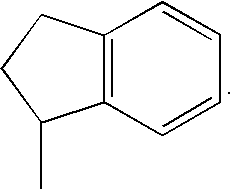

and wherein R2 is present as (R)-stereoisomer.
- X is a bond, —NH—, —NH—S(O)2—, or —NH—C(O)—CH2—;
- R1 is halo, C1-7-alkyl, —NRaRb, cyano, nitro, or is phenyl or 3- to 8-membered cycloalkyl, each of which is optionally substituted by one or more halo;
- R2 is cyclopentyl or a 5-or 6-membered heterocycloalkyl, each optionally anellated with phenyl or a 5- or 6-membered heteroaryl, wherein the phenyl or 5- or 6-membered heteroaryl each is optionally and independently substituted with one or more halo, C1-7-alkyl and/or C1 -7-alkoxy;
- Ra and Rb is each independently hydrogen or C1-7-alkyl;
- or a pharmaceutically acceptable salt thereof.
- X is a bond, —NH—, —NH—S(O)2—, or —NH—C(O)—CH2—;
- R1 is halo, C1-7-alkyl, —NH2, cyano, nitro, cyclopropyl or phenyl optionally substituted by one or more halo;
- R2 is cyclopentyl or a 5- or 6-membered heterocycloalkyl, each optionally anellated with phenyl, which is optionally substituted with one or more C1-7-alkoxy.
- (5-Chloro-4H-benzo[d][1,3]oxazin-2-yl)-(R)-indan-1- yl -amine;
- (R)-Indan-1-yl-(5-nitro-4H-benzo[d][1,3]oxazin-2-yl) -amine;
- (R)—N2-Indan-1-yl-4H-benzo[d][1,3]oxazine-2,5-diamine;
- N2-(4-Methoxy-2,3-dihydro-benzofuran-3-yl)-4H-benzo[d][1,3]oxazine-2,5-diamine;
- 2-(4-Chloro-phenyl)-N-[2-((R)-indan-1-ylamino)-4H-benzo[d][1,3]oxazin-5-yl]-acetamide;
- 3,5-Difluoro-N-[2-((R)-indan-1-ylamino)-4H-benzo[d][1,3]oxazin-5-yl]-benzenesulfonamide;
- 3,5-Difluoro-N-[2-(4-methoxy-2,3-dihydro-benzofuran-3-ylamino)-4H-benzo[d][1,3]oxazin-5-yl]-benzenesulfonamide;
- Cyclopropanesulfonic acid [2-((R)-indan-1-ylamino)-4H-benzo[d][1,3]oxazin-5-yl]-amide;
- (5-Bromo-4H-benzo[d][1,3]oxazin-2-yl)-(R)-indan-1- yl -amine;
- N-[2-((R)-Indan-1-ylamino)-4H-benzo[d][1,3]oxazin-5-yl]-methanesulfonamide;
- 2-((R)-Indan-1-ylamino)-4H-benzo[d][1,3]oxazine-5-carbonitrile;
- (5-Cyclopropyl-4H-benzo[d][1,3]oxazin-2-yl)-(R)-indan-1-yl-amine;
- [5-(4-Fluoro-phenyl)-4H-benzo[d][1,3]oxazin-2-yl]-(R)-indan-1-yl-amine;
- N5-(4-Fluoro-phenyl)-N2—(R)-indan-1-yl-4H-benzo[d][1,3]oxazine-2,5-diamine; and
- N5-(4-Chloro-phenyl)-N2—(R)-indan-1-yl-4H-benzo[d][1,3]oxazine-2,5-diamine,
- and pharmaceutically acceptable salts thereof.
- (R)—N2-Indan-1-yl-4H-benzo[d][1,3]oxazine-2,5-diamine;
- 3,5-Difluoro-N-[2-((R)-indan-1-ylamino)-4H-benzo[d][1,3]oxazin-5-yl]-benzenesulfonamide;
- Cyclopropanesulfonic acid [2-((R)-indan-1-ylamino)-4H-benzo[d][1,3]oxazin-5-yl]-amide;
- N-[2-((R)-Indan-1-ylamino)-4H-benzo[d][1,3]oxazin-5-yl]-methanesulfonamide;
- N5-(4-Fluoro-phenyl)-N2—(R)-indan-1-yl-4H-benzo[d][1,3]oxazine-2,5-diamine; and
- N5-(4-Chloro-phenyl)-N2—(R)-indan-1-yl-4H-benzo[d][1,3]oxazine-2,5-diamine,
- and pharmaceutically acceptable salts thereof.
- a) protecting the alcohol function of compound (1),

wherein R1 and X are as defined above, preferably by reacting compound (1) with a silyl group containing compound, more preferably tert-butyldimethylsilyl or tert-butyldiphenylsilyl, to yield compound (2)

wherein the alcohol function is protected with a silyl protecting group;
- b) transforming the amino group of compound (2) wherein R1 and X are as defined above, into an isothiocyanate, preferably by reacting compound (2) with thiophosgene in the presence of sodium hydrogen carbonate in a chlorinated solvent, more preferably dichloromethane or chloroform, to yield compound (3)

- c) reacting compound (3), wherein R1 and X are as defined above, with an amine H2N—R2, wherein R2 is as defined above, to yield compound (4)

wherein the reaction between the isothiocyanate function of compound (3) and the amino function of H2N—R2 forms a thiourea function in compound (4);
- d) removing the alcohol function protecting group of compound (4), wherein R1, R2 and X are as defined above, preferably by reacting compound (4) with a fluoride compound, more preferably tetrabutylammonium fluoride to yield the (2-hydroxymethyl-phenyl)-thiourea of general formula (5)

- e) and reacting the (2-hydroxymethyl-phenyl)-thiourea of general formula (5), wherein R1, R2 and X are as defined above, with a carbodiimide reagent, preferably 1-(3-dimethylaminopropyl)-3-ethylcarbodiimide hydrochloride, dicyclohexylcarbodiimide or diisopropylcarbodiimide to yield the 4H-benzo[d][1,3]oxazin-2yl-amine of general formula (I).

| TABLE 1 | ||
| Example | Systematic Name | Ki/μM |
| 1 | (5-Chloro-4H-benzo[d][1,3]oxazin-2-yl)-(R)-indan-1-yl-amine | 0.057 |
| 2 | (R)-Indan-1-yl-(5-nitro-4H-benzo[d][1,3]oxazin-2-yl)-amine | 0.169 |
| 3 | (R)—N2-Indan-1-yl-4H-benzo[d][1,3]oxazine-2,5-diamine | 0.003 |
| 4 | N2-(4-Methoxy-2,3-dihydro-benzofuran-3-yl)-4H- | 0.027 |
| benzo[d][1,3]oxazine-2,5-diamine | ||
| 5 | 2-(4-Chloro-phenyl)-N-[2-((R)-indan-1-ylamino)-4H- | 0.131 |
| benzo[d][1,3]oxazin-5-yl]-acetamide | ||
| 6 | 3,5-Difluoro-N-[2-((R)-indan-1-ylamino)-4H-benzo[d][1,3]oxazin- | 0.002 |
| 5-yl]-benzenesulfonamide | ||
| 7 | 3,5-Difluoro-N-[2-(4-methoxy-2,3-dihydro-benzofuran-3-ylamino)- | 0.010 |
| 4H-benzo[d][1,3]oxazin-5-yl]-benzenesulfonamide | ||
| 8 | Cyclopropanesulfonic acid [2-((R)-indan-1-ylamino)-4H- | 0.002 |
| benzo[d][1,3]oxazin-5-yl]-amide | ||
| 9 | (5-Bromo-4H-benzo[d][1,3]oxazin-2-yl)-(R)-indan-1-yl-amine | 0.106 |
| 10 | N-[2-((R)-Indan-1-ylamino)-4H-benzo[d][1,3]oxazin-5-yl]- | 0.005 |
| methanesulfonamide | ||
| 11 | 2-((R)-Indan-1-ylamino)-4H-benzo[d][1,3]oxazine-5-carbonitrile | 0.118 |
| 12 | (5-Cyclopropyl-4H-benzo[d][1,3]oxazin-2-yl)-(R)-indan-1-yl-amine | 0.013 |
| 13 | [5-(4-Fluoro-phenyl)-4H-benzo[d][1,3]oxazin-2-yl]-(R)-indan-1-yl- | 0.078 |
| amine | ||
| 14 | N5-(4-Fluoro-phenyl)-N2-(R)-indan-1-yl-4H-benzo[d][1,3]oxazine- | 0.003 |
| 2,5-diamine | ||
| 15 | N5-(4-Chloro-phenyl)-N2-(R)-indan-1-yl-4H-benzo[d][1,3]oxazine- | 0.002 |
| 2,5-diamine | ||
| Tablet Formulation (Wet Granulation) |
| mg/tablet |
| Item | Ingredients | 5 mg | 25 mg | 100 mg | 500 mg |
| 1. | Compound of formula (I) | 5 | 25 | 100 | 500 |
| 2. | Anhydrous Lactose | 125 | 105 | 30 | 150 |
| 3. | Corn Starch | 6 | 6 | 6 | 30 |
| 4. | Microcrystalline Cellulose | 30 | 30 | 30 | 150 |
| 5. | Magnesium Stearate | 1 | 1 | 1 | 1 |
| Total | 167 | 167 | 167 | 831 | |
Manufacturing Procedure
- 1. Mix items 1, 2, 3 and 4 and granulate with purified water.
- 2. Dry the granules at 50° C.
- 3. Pass the granules through suitable milling equipment.
- 4. Add item 5 and mix for three minutes; compress on a suitable press.
| Capsule Formulation |
| mg/capsule |
| Item | Ingredients | 5 mg | 25 mg | 100 mg | 500 mg |
| 1. | Compound of formula (I) | 5 | 25 | 100 | 500 |
| 2. | Hydrous Lactose | 159 | 123 | 148 | — |
| 3. | Corn Starch | 25 | 35 | 40 | 70 |
| 4. | Talc | 10 | 15 | 10 | 25 |
| 5. | Magnesium Stearate | 1 | 2 | 2 | 5 |
| Total | 200 | 200 | 300 | 600 | |
Manufacturing Procedure
- 1. Mix items 1, 2 and 3 in a suitable mixer for 30 minutes.
- 2. Add items 4 and 5 and mix for 3 minutes.
- 3. Fill into a suitable capsule.


Claims (15)


Applications Claiming Priority (3)
| Application Number | Priority Date | Filing Date | Title |
|---|---|---|---|
| EP08163832 | 2008-09-08 | ||
| EP08163832 | 2008-09-08 | ||
| EP08163832.2 | 2008-09-08 |
Publications (2)
| Publication Number | Publication Date |
|---|---|
| US20100063042A1 US20100063042A1 (en) | 2010-03-11 |
| US8044047B2 true US8044047B2 (en) | 2011-10-25 |
Family
ID=41226028
Family Applications (1)
| Application Number | Title | Priority Date | Filing Date |
|---|---|---|---|
| US12/549,687 Expired - Fee Related US8044047B2 (en) | 2008-09-08 | 2009-08-28 | 5-substituted benzoxazines |
Country Status (11)
| Country | Link |
|---|---|
| US (1) | US8044047B2 (en) |
| EP (1) | EP2328881A1 (en) |
| JP (1) | JP5368567B2 (en) |
| KR (1) | KR20110038180A (en) |
| CN (1) | CN102149698A (en) |
| AU (1) | AU2009289307B2 (en) |
| BR (1) | BRPI0920520A2 (en) |
| CA (1) | CA2733709A1 (en) |
| IL (1) | IL211104A0 (en) |
| MX (1) | MX2011001925A (en) |
| WO (1) | WO2010026112A1 (en) |
Citations (4)
| Publication number | Priority date | Publication date | Assignee | Title |
|---|---|---|---|---|
| JPH09255665A (en) * | 1996-03-21 | 1997-09-30 | Tanabe Seiyaku Co Ltd | Phenol derivative and its synthetic intermediate |
| WO2004096771A1 (en) | 2003-04-29 | 2004-11-11 | Glaxo Group Limited | Biaryl compounds having activity at the 5ht5a receptor |
| WO2005067933A1 (en) | 2004-01-16 | 2005-07-28 | F. Hoffmann-La Roche Ag | 1-benzyl-5-piperazin-1-yl-3,4 dihydro-1h-quinazolin-2-one derivatives and the respective 1h-benzo(1,2,6)thiadiazine-2,2-dioxide and 1,4-dihydro-benzo(d) (1,3)oxazin-2-one derivatives as modulators of the 5-hydroxytryptamine receptor (5-ht) for the treatment of diseases of the central nervous system |
| WO2008068157A1 (en) | 2006-12-07 | 2008-06-12 | F. Hoffmann-La Roche Ag | 2-aminoquinolines as 5-ht(5a) receptor antagonists |
Family Cites Families (3)
| Publication number | Priority date | Publication date | Assignee | Title |
|---|---|---|---|---|
| NZ553848A (en) * | 2004-09-30 | 2010-01-29 | Hoffmann La Roche | Benzoxazine and quinoxaline derivatives and their use in treating diseases associated with the central nervous system |
| JP4774436B2 (en) * | 2005-03-15 | 2011-09-14 | エフ.ホフマン−ラ ロシュ アーゲー | Use of 2-anilino-3,4-dihydro-quinazoline as a 5HT5A receptor antagonist |
| US8163740B2 (en) * | 2008-09-08 | 2012-04-24 | Hoffmann-La Roche Inc. | 6-substituted benzoxazines |
-
2009
- 2009-08-28 EP EP09782353A patent/EP2328881A1/en not_active Withdrawn
- 2009-08-28 WO PCT/EP2009/061157 patent/WO2010026112A1/en not_active Ceased
- 2009-08-28 US US12/549,687 patent/US8044047B2/en not_active Expired - Fee Related
- 2009-08-28 JP JP2011525516A patent/JP5368567B2/en not_active Expired - Fee Related
- 2009-08-28 MX MX2011001925A patent/MX2011001925A/en active IP Right Grant
- 2009-08-28 KR KR1020117005357A patent/KR20110038180A/en not_active Ceased
- 2009-08-28 CN CN2009801351110A patent/CN102149698A/en active Pending
- 2009-08-28 BR BRPI0920520A patent/BRPI0920520A2/en not_active IP Right Cessation
- 2009-08-28 CA CA2733709A patent/CA2733709A1/en not_active Abandoned
- 2009-08-28 AU AU2009289307A patent/AU2009289307B2/en not_active Ceased
-
2011
- 2011-02-07 IL IL211104A patent/IL211104A0/en unknown
Patent Citations (4)
| Publication number | Priority date | Publication date | Assignee | Title |
|---|---|---|---|---|
| JPH09255665A (en) * | 1996-03-21 | 1997-09-30 | Tanabe Seiyaku Co Ltd | Phenol derivative and its synthetic intermediate |
| WO2004096771A1 (en) | 2003-04-29 | 2004-11-11 | Glaxo Group Limited | Biaryl compounds having activity at the 5ht5a receptor |
| WO2005067933A1 (en) | 2004-01-16 | 2005-07-28 | F. Hoffmann-La Roche Ag | 1-benzyl-5-piperazin-1-yl-3,4 dihydro-1h-quinazolin-2-one derivatives and the respective 1h-benzo(1,2,6)thiadiazine-2,2-dioxide and 1,4-dihydro-benzo(d) (1,3)oxazin-2-one derivatives as modulators of the 5-hydroxytryptamine receptor (5-ht) for the treatment of diseases of the central nervous system |
| WO2008068157A1 (en) | 2006-12-07 | 2008-06-12 | F. Hoffmann-La Roche Ag | 2-aminoquinolines as 5-ht(5a) receptor antagonists |
Non-Patent Citations (10)
| Title |
|---|
| Doly et al., Journal of Comparative Neurology vol. 476, pp. 316-329 (2004). |
| Dubertret et al., Journal of Psychiatric Research vol. 38, pp. 371-376 (2004). |
| Francken et al., Eur. J. Pharmacol. vol. 261, pp. 299-309 (1998). |
| Gauss, W. K., Synthesis, (1978 DE) 5: 377-379 XP002553473. |
| Hoyer et al., Pharmacol. Rev. vol. 46 pp. 157-204 (1994). |
| Nair et a., Tetrahedron Letters vol. 47, pp. 3953-3955 (2006). |
| Noda et al., J. Neurochem. vol. 84, pp. 222-232 (2003). |
| Rees et al., FEBS Letters vol. 355, pp. 242-246 (1994). |
| Thomas, D., Pharmacology & Therapeutics vol. 111, pp. 707-714 (2006). |
| You et al., Bulletin of the Korean Chem. Society vol. 22(11) pp. 1270-1272 (2001). |
Also Published As
| Publication number | Publication date |
|---|---|
| EP2328881A1 (en) | 2011-06-08 |
| MX2011001925A (en) | 2011-04-05 |
| JP5368567B2 (en) | 2013-12-18 |
| CA2733709A1 (en) | 2010-03-11 |
| IL211104A0 (en) | 2011-04-28 |
| US20100063042A1 (en) | 2010-03-11 |
| WO2010026112A1 (en) | 2010-03-11 |
| AU2009289307B2 (en) | 2012-09-20 |
| AU2009289307A1 (en) | 2010-03-11 |
| JP2012501994A (en) | 2012-01-26 |
| KR20110038180A (en) | 2011-04-13 |
| CN102149698A (en) | 2011-08-10 |
| BRPI0920520A2 (en) | 2015-12-22 |
Similar Documents
| Publication | Publication Date | Title |
|---|---|---|
| US20090088451A1 (en) | Quinolines | |
| US7989628B2 (en) | 2-aminoquinolines | |
| US7923561B2 (en) | Quinolines | |
| US7994324B2 (en) | 2-aminoquinoline derivatives | |
| EP2328880B1 (en) | 6-substituted benzoxazines as 5-ht-5a receptor antagonists | |
| US8350028B2 (en) | 2-aminoquinolines | |
| US8044047B2 (en) | 5-substituted benzoxazines | |
| US8188284B2 (en) | 2-aminoquinolines |
Legal Events
| Date | Code | Title | Description |
|---|---|---|---|
| AS | Assignment |
Owner name: HOFFMANN-LA ROCHE, INC.,NEW JERSEY Free format text: ASSIGNMENT OF ASSIGNORS INTEREST;ASSIGNOR:F. HOFFMANN-LA ROCHE AG;REEL/FRAME:023289/0791 Effective date: 20090819 Owner name: F. HOFFMANN-LA ROCHE AG,SWITZERLAND Free format text: ASSIGNMENT OF ASSIGNORS INTEREST;ASSIGNORS:KOLCZEWSKI, SABINE;ROCHE, OLIVIER;STEWARD, LUCINDA;AND OTHERS;REEL/FRAME:023289/0918 Effective date: 20090817 Owner name: HOFFMANN-LA ROCHE, INC., NEW JERSEY Free format text: ASSIGNMENT OF ASSIGNORS INTEREST;ASSIGNOR:F. HOFFMANN-LA ROCHE AG;REEL/FRAME:023289/0791 Effective date: 20090819 Owner name: F. HOFFMANN-LA ROCHE AG, SWITZERLAND Free format text: ASSIGNMENT OF ASSIGNORS INTEREST;ASSIGNORS:KOLCZEWSKI, SABINE;ROCHE, OLIVIER;STEWARD, LUCINDA;AND OTHERS;REEL/FRAME:023289/0918 Effective date: 20090817 |
|
| REMI | Maintenance fee reminder mailed | ||
| LAPS | Lapse for failure to pay maintenance fees | ||
| LAPS | Lapse for failure to pay maintenance fees |
Free format text: PATENT EXPIRED FOR FAILURE TO PAY MAINTENANCE FEES (ORIGINAL EVENT CODE: EXP.) |
|
| STCH | Information on status: patent discontinuation |
Free format text: PATENT EXPIRED DUE TO NONPAYMENT OF MAINTENANCE FEES UNDER 37 CFR 1.362 |
|
| FP | Lapsed due to failure to pay maintenance fee |
Effective date: 20151025 |
|
| STCH | Information on status: patent discontinuation |
Free format text: PATENT EXPIRED DUE TO NONPAYMENT OF MAINTENANCE FEES UNDER 37 CFR 1.362 |