US7902254B1 - Method for treating conditions mediated by PPAR using macelignan - Google Patents
Method for treating conditions mediated by PPAR using macelignan Download PDFInfo
- Publication number
- US7902254B1 US7902254B1 US11/922,509 US92250906A US7902254B1 US 7902254 B1 US7902254 B1 US 7902254B1 US 92250906 A US92250906 A US 92250906A US 7902254 B1 US7902254 B1 US 7902254B1
- Authority
- US
- United States
- Prior art keywords
- macelignan
- ppar
- obesity
- present
- body weight
- Prior art date
- Legal status (The legal status is an assumption and is not a legal conclusion. Google has not performed a legal analysis and makes no representation as to the accuracy of the status listed.)
- Expired - Lifetime
Links
- ILWUUHDHBXLEFI-UONOGXRCSA-N CC1=C(O)C=CC(C[C@H](C)[C@H](C)CC2=CC=C3OCOC3=C2)=C1 Chemical compound CC1=C(O)C=CC(C[C@H](C)[C@H](C)CC2=CC=C3OCOC3=C2)=C1 ILWUUHDHBXLEFI-UONOGXRCSA-N 0.000 description 4
Images




Classifications
-
- A—HUMAN NECESSITIES
- A61—MEDICAL OR VETERINARY SCIENCE; HYGIENE
- A61K—PREPARATIONS FOR MEDICAL, DENTAL OR TOILETRY PURPOSES
- A61K31/00—Medicinal preparations containing organic active ingredients
- A61K31/33—Heterocyclic compounds
- A61K31/335—Heterocyclic compounds having oxygen as the only ring hetero atom, e.g. fungichromin
- A61K31/357—Heterocyclic compounds having oxygen as the only ring hetero atom, e.g. fungichromin having two or more oxygen atoms in the same ring, e.g. crown ethers, guanadrel
-
- A—HUMAN NECESSITIES
- A61—MEDICAL OR VETERINARY SCIENCE; HYGIENE
- A61P—SPECIFIC THERAPEUTIC ACTIVITY OF CHEMICAL COMPOUNDS OR MEDICINAL PREPARATIONS
- A61P13/00—Drugs for disorders of the urinary system
- A61P13/12—Drugs for disorders of the urinary system of the kidneys
-
- A—HUMAN NECESSITIES
- A61—MEDICAL OR VETERINARY SCIENCE; HYGIENE
- A61P—SPECIFIC THERAPEUTIC ACTIVITY OF CHEMICAL COMPOUNDS OR MEDICINAL PREPARATIONS
- A61P19/00—Drugs for skeletal disorders
- A61P19/08—Drugs for skeletal disorders for bone diseases, e.g. rachitism, Paget's disease
-
- A—HUMAN NECESSITIES
- A61—MEDICAL OR VETERINARY SCIENCE; HYGIENE
- A61P—SPECIFIC THERAPEUTIC ACTIVITY OF CHEMICAL COMPOUNDS OR MEDICINAL PREPARATIONS
- A61P19/00—Drugs for skeletal disorders
- A61P19/08—Drugs for skeletal disorders for bone diseases, e.g. rachitism, Paget's disease
- A61P19/10—Drugs for skeletal disorders for bone diseases, e.g. rachitism, Paget's disease for osteoporosis
-
- A—HUMAN NECESSITIES
- A61—MEDICAL OR VETERINARY SCIENCE; HYGIENE
- A61P—SPECIFIC THERAPEUTIC ACTIVITY OF CHEMICAL COMPOUNDS OR MEDICINAL PREPARATIONS
- A61P3/00—Drugs for disorders of the metabolism
-
- A—HUMAN NECESSITIES
- A61—MEDICAL OR VETERINARY SCIENCE; HYGIENE
- A61P—SPECIFIC THERAPEUTIC ACTIVITY OF CHEMICAL COMPOUNDS OR MEDICINAL PREPARATIONS
- A61P3/00—Drugs for disorders of the metabolism
- A61P3/04—Anorexiants; Antiobesity agents
-
- A—HUMAN NECESSITIES
- A61—MEDICAL OR VETERINARY SCIENCE; HYGIENE
- A61P—SPECIFIC THERAPEUTIC ACTIVITY OF CHEMICAL COMPOUNDS OR MEDICINAL PREPARATIONS
- A61P3/00—Drugs for disorders of the metabolism
- A61P3/06—Antihyperlipidemics
-
- A—HUMAN NECESSITIES
- A61—MEDICAL OR VETERINARY SCIENCE; HYGIENE
- A61P—SPECIFIC THERAPEUTIC ACTIVITY OF CHEMICAL COMPOUNDS OR MEDICINAL PREPARATIONS
- A61P3/00—Drugs for disorders of the metabolism
- A61P3/08—Drugs for disorders of the metabolism for glucose homeostasis
-
- A—HUMAN NECESSITIES
- A61—MEDICAL OR VETERINARY SCIENCE; HYGIENE
- A61P—SPECIFIC THERAPEUTIC ACTIVITY OF CHEMICAL COMPOUNDS OR MEDICINAL PREPARATIONS
- A61P3/00—Drugs for disorders of the metabolism
- A61P3/08—Drugs for disorders of the metabolism for glucose homeostasis
- A61P3/10—Drugs for disorders of the metabolism for glucose homeostasis for hyperglycaemia, e.g. antidiabetics
-
- A—HUMAN NECESSITIES
- A61—MEDICAL OR VETERINARY SCIENCE; HYGIENE
- A61P—SPECIFIC THERAPEUTIC ACTIVITY OF CHEMICAL COMPOUNDS OR MEDICINAL PREPARATIONS
- A61P43/00—Drugs for specific purposes, not provided for in groups A61P1/00-A61P41/00
-
- A—HUMAN NECESSITIES
- A61—MEDICAL OR VETERINARY SCIENCE; HYGIENE
- A61P—SPECIFIC THERAPEUTIC ACTIVITY OF CHEMICAL COMPOUNDS OR MEDICINAL PREPARATIONS
- A61P9/00—Drugs for disorders of the cardiovascular system
- A61P9/10—Drugs for disorders of the cardiovascular system for treating ischaemic or atherosclerotic diseases, e.g. antianginal drugs, coronary vasodilators, drugs for myocardial infarction, retinopathy, cerebrovascula insufficiency, renal arteriosclerosis
-
- A—HUMAN NECESSITIES
- A61—MEDICAL OR VETERINARY SCIENCE; HYGIENE
- A61P—SPECIFIC THERAPEUTIC ACTIVITY OF CHEMICAL COMPOUNDS OR MEDICINAL PREPARATIONS
- A61P9/00—Drugs for disorders of the cardiovascular system
- A61P9/12—Antihypertensives
Definitions
- the present invention relates to a method for treating conditions mediated by PPAR, which comprises administering an effective amount of macelignan or a pharmaceutically acceptable salt thereof to a subject.
- PPAR peroxisome proliferator activated receptor
- intranuclear receptor whose ligand is a peroxisome proliferator, a compound capable of increasing the number of peroxisome.
- PPAR has three isoforms of PPAR ⁇ , PPAR ⁇ and PPAR ⁇ ( J Steroid Biochem. Molec. Biol., 51, 157, 1994 ; Gene Expression, 4, 281, 1995 ; Biochem. Biophys. Res. Commun., 224, 431, 1996).
- PPAR mainly controls expression of genes participating in fat metabolism or genes participating in differentiation of adipocytes ( J. Invest. Dermatol. 111, 1116-1121, 1998 ; J. Med. Chem., 43, 527-550, 2000).
- PPAR ⁇ is expressed mainly in the liver, the retina and the adipose tissue, and participates in oxidation of fatty acids, neutralization of toxic materials, or inflammatory reactions.
- PPAR ⁇ is expressed mainly in the adipocytes, the immune cells, the adrenal gland, the spleen and the small intestine, and is known to function as a central mediator in the differentiation of adipocytes.
- PPAR ⁇ is not expressed in a tissue-specific manner but expressed broadly, and the function of PPAR ⁇ is not clearly understood ( Endocrinology., 137, 354, 1996).
- fibrate known as a ligand of PPAR ⁇
- fibrate reduces triglycerides by 20-50%, and reduces LDL while increasing HDL ( Atherosclerosis, 171: 1-13, 2003). Therefore, ligands of PPAR ⁇ are useful for treating obesity, dyslipidemia and cardiovascular diseases caused by accumulation of triglycerides ( Curr. Opin. Lipidol., 10: 245-257, 1999).
- PPAR ⁇ proliferative growth factor receptor ⁇
- ligands of PPAR ⁇ can act as medicine for treating non-insulin-dependent diabetes mellitus (Type 2 diabetes mellitus) caused by insulin resistance.
- TZD pharmaceuticals such as pioglitazone and rosiglitazone, which are typical ligands of PPAR ⁇ , are used as medicines for treating non-insulin-dependent diabetes mellitus.
- U.S. Pat. No. 6,939,875 discloses a composition useful for treating PPAR-mediated diseases. It is also disclosed that the composition of U.S. Pat. No. 6,939,875 is effective for treating non-insulin-dependent diabetes mellitus, obesity, eating disorders, appetite suppressing, leptin level modulation, and metabolic syndrome. Additionally, U.S. Pat. No. 6,967,212 discloses a composition comprising a substituted azole acid derivative acting as a PPAR agonist.
- composition of U.S. Pat. No. 6,967,212 is effective for treating insulin resistance, hyperglycemia, hyperinsulinemia, hyperlipidemia, obesity, syndrome X, dysmetabolic syndrome, inflammation, diabetic complications, impaired glucose homeostasis, impaired glucose tolerance, hypertriglyceridemia or atherosclerosis.
- other substances effective for treating various PPAR-mediated diseases are disclosed (U.S. Pat. Nos. 6,930,120, 7,041,691 and 7,037,914).
- PPAR ligands that have been known to date cause side effects such as liver toxicity, hypoglycemic conditions and obesity. Hence, it is required to develop a ligand capable of activating PPAR from a natural source that causes low side effects such as toxicity. Nevertheless, there have been few studies to develop a ligand capable of activating PPAR from a natural source.
- Myristica fragrans is a perennial plant cultivated in the tropics. Fruits of Myristica fragrans , known as mace or nutmeg, have been used as spice for a long time.
- Macelignan is a typical lignan-based compound, which is found in Myristica fragrans ( Phytochemistry, 59: 169-17, 2002). It is reported that macelignan has the functions of enhanced activity of caspase-3 inducing apoptosis ( Biol. Pharm. Bull., 27: 1305-1307, 2004), an antibacterial effect against oral microorganisms (Korean Laid-Open Patent No.
- the inventors of the present invention have conducted intensive studies to search for a substance effective for treating PPAR-mediated diseases, such as diabetes mellitus, diabetic complications, obesity or hyperlipidemia, from various natural sources. Finally, we have found that macelignan isolated from Myristica fragrans is effective for activating PPAR, and thus for treating PPAR-mediated diseases. The present invention is based on this finding.
- the present invention provides a method for treating PPAR-mediated diseases, which comprises administering an effective amount of macelignan or a pharmaceutically acceptable salt thereof to a subject.
- the method for treating PPAR-mediated diseases comprises administering an effective amount of macelignan represented by the following Formula (I) or a pharmaceutically acceptable salt thereof to a subject.
- Macelignan used in the method according to the present invention is commercially available or may be isolated and purified from a natural source. Otherwise, macelignan may be prepared by a chemical synthetic process known to those skilled in the art.
- macelignan used in the method according to the present invention may be isolated and purified from a natural source. More preferably, macelignan may be isolated and purified from Myristica fragrans , and most preferably from nutmeg or aril of Myristica fragrans . Additionally, macelignan may be isolated and purified from other myristicaceae plants, such as Myristica argentea Warb ( Nat. Prod. Lett., 16: 1-7, 2002), Machilus thunbergii ( Bio. Pharm. Bull., 27: 1305-1307, 2004), or Leucas aspera ( Chem. Pharm. Bull., 51: 595-598, 2003).
- Myristica argentea Warb Nat. Prod. Lett., 16: 1-7, 2002
- Machilus thunbergii Bio. Pharm. Bull., 27: 1305-1307, 2004
- Leucas aspera Chem. Pharm. Bull., 51: 595-598, 2003
- macelignan used in the present invention may be isolated and purified from nutmeg via a separation process using solvent extraction and chromatography which are known in the art.
- extraction of macelignan from nutmeg may be carried out by using any one solvent selected from the group consisting of water, organic solvents including C1 ⁇ C6 alcohols, such as ethanol, methanol, propanol, isopropanol and butanol, acetone, ether, chloroform, ethyl acetate, methylene chloride, hexane, cyclohexane, petroleum ether, diethyl ether, and benzene, or a mixed solvent thereof.
- such extraction may be performed by using water or a C1 ⁇ C6 alcohol.
- macelignan used in the present invention may be extracted by using methanol as a solvent.
- methanol may be added to nutmeg powder in an amount of 1 ⁇ 20 times (on the weight basis) of the amount of nutmeg powder, but not limited thereto.
- methanol may be added to nutmeg powder in an amount of 2 ⁇ 5 times (on the weight basis) of the amount of nutmeg powder in order to increase extraction efficiency.
- Extraction of nutmeg is performed preferably at room temperature under ambient pressure. Although extraction time depends on extraction temperature, extraction is performed generally for 6 ⁇ 96 hours, and preferably for 36 ⁇ 72 hours. Additionally, extraction using a shaker may further increase extraction efficiency.
- Nutmeg is used in the extraction, after it is collected and washed, and optionally dried.
- a drying process a sun drying process, a shade drying process, a hot air drying process or a natural drying process may be used.
- nutmeg or a dried product thereof may be pulverized in a mill.
- Isolation of macelignan from the extract can be performed by using a separation process based on chromatography generally known to those skilled in the art.
- the extract is loaded to a silica gel column chromatography to obtain different fractions having different levels of polarity, and then a specific fraction is further subjected to reverse phase column chromatography and high performance liquid chromatography (HPLC) to isolate macelignan.
- HPLC high performance liquid chromatography
- extraction of macelignan used in the present invention is performed by pulverizing dried nutmeg into a size of 20 ⁇ 40 mesh, and adding methanol thereto in an amount of three times of the amount of nutmeg powder to carry out extraction for 48 hours at room temperature.
- the extract obtained as described above is centrifuged, the precipitate is removed, and the supernatant is collected to obtain nutmeg extract containing macelignan.
- the nutmeg extract is fractionated into an ethyl acetate layer, a butanol layer and a water layer, and the ethyl acetate layer is subjected to a silica gel column and eluted with hexane and ethyl acetate (10:1 (v/v)) to obtain a desired fraction.
- the fraction is further subjected to a silica gel column and eluted with hexane and ethyl acetate (20:1 (v/v)) to obtain a desired fraction, which, in turn, is subjected to a RP-18 column and eluted with 80% methanol to obtain isolated macelignan.
- Macelignan used in the method of the present invention acts as a ligand to PPAR, thereby activating PPAR. This has been demonstrated by the inventors of the present invention for the first time.
- macelignan used in the present invention is bound to PPAR, particularly PPAR ⁇ and PPAR ⁇ , thereby activating PPAR, through a known method for detecting a ligand capable of being bound to PPAR to activate genes having the PPAR response element (PPRE).
- PPRE PPAR response element
- PPAR PPAR response element
- target genes of PPAR PPAR involved in fat metabolism increases. Therefore, according to another embodiment of the present invention, macelignan has been investigated as to whether it increases expression of CD36, CPT-1, PDK 4, ACO, LPL and PEPCK, known as target genes of PPAR. As a result, it was shown that treatment with macelignan significantly increases expression of the target genes of PPAR.
- macelignan has been investigated as to whether it activates PPAR to stimulate the differentiation of adipocytes. As a result, it was shown that macelignan used in the present invention can stimulate differentiation of 3T3-L1, pre-adipocytes (see FIG. 10 ).
- macelignan has the effect of treating or preventing obesity, hyperlipidemia and cardiovascular diseases caused by obesity by reducing body weight significantly in an obesity/diabetes mouse model. Additionally, according to yet another embodiment of the present invention, it was demonstrated that macelignan has the effect of treating or preventing non-insulin-dependent diabetes mellitus by reducing blood sugar significantly in an obesity/diabetes mouse model.
- macelignan is a ligand of PPAR ⁇ that increases fat decomposition and of PPAR ⁇ that increases insulin sensitivity, has the use for inhibiting obesity and metabolic diseases including hyperlipidemia and cardiovascular disease by significantly reducing body weight and triglycerides in blood in an obesity/diabetes model, and shows the use for inhibiting non-insulin-dependent diabetes mellitus by reducing blood sugar in the same model.
- macelignan is useful for a method for treating PPAR-mediated diseases.
- PPAR-mediated diseases refer to diseases or conditions of which are prevented, treated, reduced and alleviated by the activation of PPAR.
- PPAR-mediated diseases include: NIDDM (non-insulin-dependent diabetes mellitus), hyperinsulinemia, obesity, hyperglycemia, hyperlipidemia, syndrome X, hypercholesterolemia, hyperlipoproteinemia, atherosclerosis, hypertension, insulin resistance, dysmetablic syndrome, diabetic complications, impaired glucose homeostasis, impaired glucose tolerance, hypertriglyceridemia, osteoporosis ( J. Biol. Chem. 275: 14388-14393, 2000), glomerulonephritis ( Kidney Int., 14-30, 2001), or diabetic nephropathia ( Kidney Int., 60: 14-30, 2001).
- NIDDM non-insulin-dependent diabetes mellitus
- hyperinsulinemia obesity
- hyperglycemia hyperlipidemia
- syndrome X hypercholesterolemia
- hyperlipoproteinemia at
- the method for treating PPAR-mediated diseases according to the present invention comprises administering an effective amount of a composition having macelignan or a pharmaceutically acceptable salt thereof to a subject.
- the term “effective amount” means such an amount that a response higher than the response of the negative control can be obtained, and preferably an amount sufficient to treat or prevent PPAR-mediated diseases.
- the effective amount of composition having macelignan or a pharmaceutically acceptable salt according to the present invention is 0.1 ⁇ 200 mg/day/kg (body weight), preferably 1 ⁇ 30 mg/day/kg (body weight), but is not limited thereto.
- the effective amount is determined considering various factors, including disease and disease severity, age, body weight, health, sex, diet and excretion of a patient, administration route, administration period, frequency of treatment, and combination of other drugs.
- the term “subject” refers to a mammal in need of treatment or prevention of PPAR-mediated diseases, preferably, a human.
- macelignan may be used in the form of a salt, preferably a pharmaceutically acceptable salt.
- the salt includes an acid addition salt formed with a pharmaceutically acceptable free acid.
- free acids include organic acids and inorganic acids.
- organic acids include, but are not limited to: citric acid, acetic acid, lactic acid, tartaric acid, maleic acid, fumaric acid, formic acid, propionic acid, oxalic acid, trifluoroacetic acid, benzoic acid, gluconic acid, methanesulfonic acid, glycolic acid, succinic acid, 4-toluene sulfonic acid, glutamic acid and aspartic acid.
- inorganic acids include, but are not limited to: hydrochloric acid, hydrobromic acid, sulfuric acid and phosphoric acid.
- pharmaceutically acceptable refers to substances that are physiologically acceptable have no inhibitory effect of active ingredients, and cause no allergic reactions or similar reactions, such as gastrointestinal disorders or fainting, when administered to a human or an animal.
- macelignan or a pharmaceutically acceptable salt thereof may be formulated with a carrier suitable for the particular administration route.
- carriers include all kinds of solvents, dispersing agent, oil-in-water or water-in-oil emulsion, aqueous compositions, liposomes, microbeads and microsomes.
- Administration routes of the pharmaceutical composition according to the present invention include, but are not limited to, oral or parenteral routes. Particular examples of parenteral administration routes include transdermal, nasal, intraperitoneal, intramuscular, subcutaneous or intravenous routes.
- macelignan or a pharmaceutically acceptable salt thereof according to the present invention When macelignan or a pharmaceutically acceptable salt thereof according to the present invention is orally administered, it may be formulated into the form of powder, granules, tablets, pills, sugar-coated tablets, capsules, liquid, gel, syrup, suspension, wafer, or the like, together with a suitable carrier for oral administration by using a process known to those skilled in the art.
- suitable carriers include: saccharides, such as lactose, dextrose, sucrose, sorbitol, mannitol, xylitol, erythritol and maltitol; starch, such as corn starch, wheat starch, rice starch and potato starch; cellulose, such as methyl cellulose, sodium carboxymethyl cellulose and hydroxypropylmethyl cellulose; and fillers, such as gelatin, polyvinyl pyrrolidone, or the like. If necessary, it is possible to further add a disintegrating agent, such as a crosslinking agent, polyvinyl pyrrolidone, agar, alginic acid or sodium alginate.
- the pharmaceutical composition according to the present invention may further comprise an anti-agglomerating agent, a lubricant, a wetting agent, a fragrance agent and a preservative.
- macelignan or a pharmaceutically acceptable salt thereof when administered via a parenteral route, it may be formulated into the form of a composition for injection, transdermal administration or nasal inhalation, together with a carrier suitable for parenteral administration by using a process generally known to those skilled in the art.
- a carrier suitable for parenteral administration In the case of a composition for injection, it is necessary to sterilize the composition and to protect the composition from being contaminated with microorganisms such as bacteria and fungi.
- the carriers suitable for injection administration include, but are not limited to: water, ethanol, polyol (e.g. glycerol, propylene glycol and liquid polyethylene glycol), a mixture thereof and/or a solvent or dispersion medium containing vegetable oil.
- suitable carriers include Hanks' balanced salt solution, Ringer's solution, PBS (phosphate buffered saline) containing triethanol amine or sterilized water for injection, isotonic solution such as 10% ethanol, 40% propylene glycol or 5% dextrose, or the like.
- the formulation may further comprise various antibacterial agent and antifungal agent, such as paraben, chlorobutanol, phenol, sorbic acid, thimerosal, or the like.
- an injection formulation may further comprise an isotonic agent such as sugar or sodium chloride.
- compositions for transdermal administration may be formulated into the form of ointment, cream, lotion, gel, solution for external use, pasta, liniment, aerosol, or the like.
- transdermal administration refers to local administration of a pharmaceutical composition on the skin, resulting in delivery of an effective amount of active component contained in the pharmaceutical composition into the skin.
- the above formulations are described in more detail in a textbook ( Remington's Pharmaceutical Science, 15 th Edition, 1975, Mack Publishing Company, Easton, Pa.), widely known in the field of pharmaceutical chemistry.
- the compound used in the method according to the present invention may be conveniently delivered in the form of an aerosol spray formulation from a pressurized pack or an atomizer by using a suitable propellant, such as dichlorofluoromethane, trichlorofluoromethane, dichlorotetrafluoroethane, carbon dioxide or other suitable gases.
- a suitable propellant such as dichlorofluoromethane, trichlorofluoromethane, dichlorotetrafluoroethane, carbon dioxide or other suitable gases.
- dosage unit may be determined by providing a valve capable of delivering a metered amount of drug.
- a gelatin capsule or a cartridge used in an inhalator or insufflator may comprise a powder mixture containing the compound and a suitable powder base such as lactose or starch.
- macelignan or a pharmaceutically acceptable salt thereof used in the method according to the present invention may further comprise at least one buffer (e.g. saline or PBS), carbohydrate (e.g. glucose, mannose, sucrose or dextran), antioxidant, bacteriostatic agent, chelating agent (e.g. EDTA or glutathione), adjuvant (e.g. aluminum hydroxide), suspending agent, thickening agent and/or preservative.
- buffer e.g. saline or PBS
- carbohydrate e.g. glucose, mannose, sucrose or dextran
- antioxidant e.g. glucose, mannose, sucrose or dextran
- bacteriostatic agent e.g. EDTA or glutathione
- adjuvant e.g. aluminum hydroxide
- suspending agent e.g. aluminum hydroxide
- thickening agent e.g. aluminum hydroxide
- macelignan or a pharmaceutically acceptable salt thereof may be formulated using known method in the art so as to provide rapid, durable or delayed release of the active component after the administration to a subject.
- macelignan or a pharmaceutically acceptable salt thereof may be administered in combination with a known compound, such as TZD, having the effect of preventing or treating PPAR-mediated diseases.
- lethal dose 50% (LD 50 ) in an oral toxicity test was shown to be 2,000 mg/kg or more.
- FIG. 1 is a flow chart of a process for isolating macelignan from nutmeg of Myristica fragrans
- FIG. 2 is 13 C-NMR spectrum of macelignan according to the present invention.
- FIG. 3 is 1 H-NMR spectrum of macelignan according to the present invention.
- FIG. 4 is 1 H- 1 H COSY spectrum of macelignan according to the present invention.
- FIG. 5 is 1 H- 13 C HMBC spectrum of macelignan according to the present invention.
- FIG. 6 is EI-Mass spectrum of macelignan according to the present invention.
- FIG. 7 is a graph illustrating the effect of macelignan according to the present invention upon the activation of PPAR ⁇ (A) or PPAR ⁇ (B), in concentration;
- FIG. 8 is a result showing the effect of macelignan according to the present invention upon the expression of target genes of PPAR ⁇ ;
- FIG. 9 is a result showing the effect of macelignan according to the present invention upon the expression of target genes of PPAR ⁇ ;
- FIG. 10 is a result showing the effect of macelignan according to the present invention upon the differentiation of adipocytes 3T3-L1 of mouse fibroblasts;
- FIG. 11 is a result showing the effect of macelignan according to the present invention upon the blood sugar in an obesity/diabetes mouse model
- FIG. 12 is a graph illustrating the effect of macelignan according to the present invention upon the glucose tolerance in an obesity/diabetes mouse model
- FIG. 13 is a graph illustrating the effect of macelignan according to the present invention upon the insulin concentration in blood in an obesity/diabetes mouse model
- FIG. 14 is a graph illustrating the effect of macelignan according to the present invention upon the adiponectin concentration in blood in an obesity/diabetes mouse model
- FIG. 15 is a graph illustrating the effect of macelignan according to the present invention upon the diet intake in an obesity/diabetes mouse model
- FIG. 16 is a graph illustrating the effect of macelignan according to the present invention upon the body weight in an obesity/diabetes mouse model
- FIG. 17 is a graph illustrating the effect of macelignan according to the present invention upon the amount of adipose tissue in an obesity/diabetes mouse model
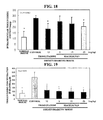
- FIG. 18 is a graph illustrating the effect of macelignan according to the present invention upon the triglyceride concentration in muscle cell in an obesity/diabetes mouse model
- FIG. 19 is a graph illustrating the effect of macelignan according to the present invention upon the concentration of triglycerides in blood in an obesity/diabetes mouse model
- FIG. 20 is a graph illustrating the effect of macelignan according to the present invention upon the concentration of free fatty acids in blood in an obesity/diabetes mouse model
- FIG. 21 is a graph illustrating the effect of macelignan according to the present invention upon the total cholesterol concentration in blood in an obesity/diabetes mouse model
- FIG. 22 is a graph illustrating the effect of macelignan according to the present invention upon the HDL-cholesterol concentration in blood in an obesity/diabetes mouse model
- FIG. 23 is a graph illustrating the effect of macelignan according to the present invention upon the IL-6 concentration in blood in an obesity/diabetes mouse model
- FIG. 24 is a graph illustrating the effect of macelignan according to the present invention upon the TNF- ⁇ , concentration in blood in an obesity/diabetes mouse model;
- FIG. 25 is a graph illustrating the effect of macelignan according to the present invention upon the amount of triglycerides in the liver tissue in an obesity/diabetes mouse model;
- FIG. 26 is a result showing the effect of macelignan according to the present invention upon the expression of target genes of PPAR ⁇ in the liver tissue of an obesity/diabetes mouse model;
- FIG. 27 is a result showing the effect of macelignan according to the present invention upon the expression of target genes of PPAR ⁇ in the liver tissue of an obesity/diabetes mouse model;
- fraction III The ethyl acetate fraction (4.2 g) was subjected to silica gel column chromatography (Merck Kieselgel 66; 70-230 mesh) using hexane and ethyl acetate (10:1 (v/v)) as an eluant to obtain fraction III (1 g). Additionally, fraction III was subjected to silica gel column chromatography (Merck Kieselgel 66; 70-230 mesh) using hexane and ethyl acetate (20:1 (v/v)) as an eluant to obtain fraction III-B (0.52 g).
- fraction III-B was further subjected to Rp-18 column chromatography (Merck LiChroprep; 25-40 ⁇ m) using 80% methanol as an eluant to obtain a single substance, fraction III-B-2 (0.5 g).
- Rp-18 column chromatography Merck LiChroprep; 25-40 ⁇ m
- 80% methanol as an eluant
- Activation of luciferase expression was measured by transfecting COS-7 monkey kidney cells (ATCC CRL-1651) with the PPAR ⁇ plasmid and pFR-luciferase vector (Stratagene, USA), and then by treating the transfected cells with macelignan isolated from Example 1 for 24 hours.
- the PPAR ⁇ plasmid was obtained by isolating polynucleotide encoding the amino acid sequence of amino acids 200 ⁇ 510 (i.e. PPAR ⁇ ligand-bound domain of the total amino acid sequence of human PPAR ⁇ (Genbank Acession No.
- RNA used as the template in RT-PCR was obtained by separating the total RNA in cultured Hep G2 (ATCC HB-8065) human liver cells by using TRIZOL (Invitrogen, USA). RT-PCR was performed by synthesizing cDNA using reverse transcriptase at 42° C.
- test groups treated with different concentrations (1, 5, 10 and 25 ⁇ M) of macelignan according to the present invention were compared to the control treated with 0.01% DMSO, and to the groups treated with different concentrations (1, 5, 10 and 25 ⁇ M) of Wy-14643 (Sigma, USA), a compound known as a PPAR ⁇ ligand.
- macelignan increased PPAR ⁇ activity in a concentration-dependent manner, and all the test groups treated with different concentrations of macelignan showed a significant difference (*, p ⁇ 0.01) compared to the control.
- the known compound Wy-14643 showed activity higher than the control by about 16 times, while the luciferase activity derived from the macelignan according to the present invention showed activity higher than the control by about 14 times.
- the natural substance, macelignan acts as a PPAR ⁇ ligand to activate PPAR ⁇ , and shows activity similar to that of Wy-14643, a known PPAR ⁇ ligand, thereby activating PPAR ⁇ effectively.
- PPAR ⁇ plasmid was used instead of PPAR ⁇ plasmid and troglitazone was used instead of Wy-14643.
- the PPAR ⁇ plasmid was obtained by isolating polynucleotide encoding the amino acid sequence of amino acids 176-477 (i.e. PPAR ⁇ ligand-bound domain of the total amino acid sequence of human PPAR ⁇ (Genbank Acession No.
- macelignan increased PPAR ⁇ activity in a concentration-dependent manner, and all the test groups treated with different concentrations of macelignan showed a significant difference (*, p ⁇ 0.01) when compared with the control.
- the known compound troglitazone showed activity higher than the control by about 8.3 times, while the luciferase activity derived from the macelignan according to the present invention showed activity higher than the control by about 10.4 times.
- macelignan acts as a PPAR ⁇ ligand to activate PPAR ⁇ , shows activity higher than that of troglitazone, a known drug compound, and thus is more efficient for the activation of PPAR ⁇ receptors.
- SK-HEP-1 liver cells (ATCC CL-173) cultured in a DMEM medium containing 10% FBS were pipetted into a multi-well plate in a cell count of 1 ⁇ 10 6 cells per well, and then further cultured for 5 hours. Different concentrations (1, 5, 10 and 25 ⁇ M) of macelignan were added to the medium of the cultured cells, and then the cells were left for 24 hours. The cells were collected and the total RNA was isolated by using TRIZOL (Invitrogen, USA). The total RNA isolated as described above was determined and cDNA was synthesized by using reverse transcriptase at 42° C. for 20 minutes with same amounts of RNA.
- the cDNA was subjected to RT-PCR by repeating 30 cycles of 95° C./1 minute, 56° C./30 seconds and 72° C./2 minutes with the following primers and Taq polymerase: primers for CD36 amplification (SEQ ID NO: 5(CGGCGATGAGAAAGCAGAA) and SEQ ID NO: 6(CAACCAGGCCCAGGAGC)), primers for CPT-1 amplification (SEQ ID NO: 7(AGACGGTGGAACAGAGGCTGAAG) and SEQ ID NO: 8(TGAGACCAAACAAAGTGATGATGTCAG)), primers for PDK4 amplification (SEQ ID NO: 9(TCAAATCAAAATAGCCTTCCC) and SEQ ID NO: 10(ATAAGTTAAGTGGGCCTGG)), and primers for ACO amplification (SEQ ID NO: 11(GGGCATGGCTATTCTCATTGC) and SEQ ID NO: 12(CGAACAAGGTCAACAGAAGTTAGGTTC)).
- mRNA expression of CD36, CPT-1, PDK-4 and ACO was significantly increased by the treatment with macelignan in all the test groups, when compared with the control (*, p ⁇ 0.01; **, p ⁇ 0.05). This indicates that macelignan can activate PPAR ⁇ , and control the expression of target genes of PPAR ⁇ .
- 3T3-L1 mouse pre-adipocytes (ATCC CL-173) cultured in a DMEM medium containing 10% FBS were pipetted into a multi-well plate in a cell count of 1 ⁇ 10 6 cells per well, and then further cultured for 5 hours. To the medium of the cultured cells, 10 ⁇ M of macelignan was added and then left for 24 hours. Adipocyte differentiation was induced by substituting the medium of the cultured cells with MDI (0.5 mM 3-isobutyl-1-methylxanthine, 0.5 uM dexamethasone, 10 ug/ml insulin) medium ( Am. J. Physiol. Cell Physiol., 280: C807-C813, 2001).
- MDI 0.5 mM 3-isobutyl-1-methylxanthine, 0.5 uM dexamethasone, 10 ug/ml insulin
- RNA was isolated by using TRIZOL (Invitrogen, USA). The total RNA isolated as described above was determined, and cDNA was synthesized by using reverse transcriptase at 42° C. for 20 minutes with same amount of RNA.
- the cDNA was subjected to RT-PCR by repeating 30 cycles of 95° C./1 minute, 56° C./30 seconds and 72° C./2 minutes with the following primers and Taq polymerase: primers for LPL amplification (SEQ ID NO: 13(TATCCGCGTGATTGCAGAGA) and SEQ ID NO: 14(AGAGAGTCGATGAAGAGATGAATGG)), and primers for PEPCK amplification (SEQ ID NO: 15(CAGGCGGCTGAA GAAGTATGA) and SEQ ID NO: 16(AACCGTCTTGCTTTCGATCCT)).
- primers for LPL amplification SEQ ID NO: 13(TATCCGCGTGATTGCAGAGA) and SEQ ID NO: 14(AGAGAGTCGATGAAGATGAATGG)
- primers for PEPCK amplification SEQ ID NO: 15(CAGGCGGCTGAA GAAGTATGA) and SEQ ID NO: 16(AACCGTCTTGCTTTCGATCCT)
- mRNA expression of LPL and PEPCK (target genes), whose expression is increased by PPAR ⁇ , was significantly increased by the treatment with macelignan in all the test groups in proportion to the macelignan concentration, when compared with the control (*, p ⁇ 0.01; **, p ⁇ 0.05). This indicates that macelignan can activate PPAR ⁇ , and control the expression of target genes of PPAR ⁇ .
- adipocyte differentiation was stimulated in the group treated with macelignan (10 ⁇ M) when compared with the control treated with 0.01% DMSO instead of macelignan and to the group treated with 10 ⁇ M of troglitazone. This indicates that macelignan can activate PPAR to maximize sugar absorption of adipocytes and to stimulate adipocyte differentiation.
- a mouse (db/db mouse; The Jackson Laboratory, USA) used in the present invention as an obesity/diabetes model is deficient in leptin genes and cannot control its appetite, and thus takes an excessive amount of food continuously.
- the mouse accumulates excessive fat in the body and shows overweight and hyperlipidemia when compared to a normal mouse.
- it can be a typical model of obesity and metabolic diseases.
- it has a higher blood sugar level and can be a typical model of non-insulin-dependent diabetes mellitus.
- mice of 10 week-aged obesity/diabetes mice were used per test group.
- macelignan suspended in 0.25% carboxymethyl cellulose was orally administered with the dose of 5 mg/kg (body weight), 10 mg/kg (body weight) and 25 mg/kg (body weight), once per day at a predetermined time, for 14 days.
- 0.25% carboxymethyl cellulose was orally administered alone to normal mice in the same dose as administered to the test group.
- 0.25% carboxymethyl cellulose was orally administered alone to obesity/diabetes mice in the same dose as administered to the test group.
- the final blood sugar level, insulin content in blood (mouse insulin ELISA Kit, Linco Research, o. EZRMI-BK, USA) and adiponectin content in blood (Adiponectin Quantikine ELISA Kit, R&D systems, No. MRP300, USA) were analyzed.
- the blood sugar level in the test group showed a tendency to decrease when compared to the controls.
- the blood sugar level in the obesity/diabetes mouse control was 618.61 ⁇ 35.03 mg/dl
- the test groups treated with macelignan in a dose of 5 mg/kg (body weight), 10 mg/kg (body weight) and 25 mg/kg (body weight) showed a drop in the blood sugar level to 552.84 ⁇ 47.95 mg/dl, 501.03 ⁇ 43.67 mg/dl and 412.74 ⁇ 31.15 mg/dl, respectively (p ⁇ 0.05).
- test groups treated with macelignan showed a significant increase in glucose tolerance, a significant decrease in insulin concentration in blood, and a significant increase in adiponectin concentration in blood.
- macelignan treatment in an obesity/diabetes mouse model can decrease insulin content in blood, increase adiponectin in blood, improve glucose tolerance and decrease blood sugar, so that macelignan is effective for improving insulin resistance and for preventing and treating diabetes mellitus.
- mice of 10 week-aged obesity/diabetes mice were used per test group.
- macelignan suspended in 025% carboxymethyl cellulose was orally administered in an administration dose of 5 mg/kg (body weight), 10 mg/kg (body weight) and 25 mg/kg (body weight), once per day at a predetermined time, for 14 days.
- 0.25% carboxymethyl cellulose was orally administered alone to normal mice in the same dose as administered to the test group.
- 0.25% carboxymethyl cellulose was orally administered alone to obesity/diabetes mice in the same dose as administered to the test group.
- troglitazone 10 mg/kg (body weight) of troglitazone was orally administered. From 6 days before the administration, diet intake and body weight of each obesity/diabetes mouse were measured once per three days. Additionally, on the 14 th day after the oral administration, white adipose tissue weight and the amount of triglyceride accumulated in muscle cell were measured (Triglyceride measuring kit, Wako, No. 432-40201, Japan).
- mice in the control showed a body weight of 48.16 ⁇ 2.09 g, while the test groups treated with macelignan in a dose of 5 mg/kg (body weight), 10 mg/kg (body weight) and 25 mg/kg (body weight) showed a drop in body weight to 46.32 ⁇ 2.31 g, 43.8 ⁇ 2.94 g and 41.80 ⁇ 1.56 g, respectively (p ⁇ 0.05).
- the control showed a white adipose tissue weight of 4508.30 ⁇ 605.20 mg
- the test groups treated with macelignan in a dose of 5 mg/kg (body weight), 10 mg/kg (body weight) and 25 mg/kg (body weight) showed a drop in a white adipose tissue weight to 4231.9 ⁇ 284.5 g, 3904.1 ⁇ 278.6 g and 2689.40 ⁇ 154.2 g, respectively (p ⁇ 0.05).
- the control showed an intramuscular triglyceride accumulation of 27.62 ⁇ 2.44 mg, while the test groups treated with macelignan in a dose of 5 mg/kg (body weight), 10 mg/kg (body weight) and 25 mg/kg (body weight) showed a drop in intramuscular triglyceride accumulation to 24.73 ⁇ 4.74 g, 22.80 ⁇ 5.76 g and 20.24 ⁇ 3.82 g, respectively (p ⁇ 0.05).
- oral administration of macelignan can decrease the body weight, adipose tissue weight and intramuscular fat accumulation. Therefore, macelignan is effective for preventing and treating obesity.
- mice of 10 week-aged obesity/diabetes mice were used per test group.
- macelignan suspended in 0.25% carboxymethyl cellulose was orally administered in an administration dose of 5 mg/kg (body weight), 10 mg/kg (body weight) and 25 mg/kg (body weight), once per day at a predetermined time, for 14 days.
- 0.25% carboxymethyl cellulose was orally administered alone to normal mice in the same dose as administered to the test group.
- 0.25% carboxymethyl cellulose was orally administered alone to obesity/diabetes mice in the same dose as administered to the test group.
- 10 mg/kg (body weight) of troglitazone was orally administered.
- triglyceride concentration in blood triglyceride measuring kit, Wako, Japan
- free fatty acid concentration in blood free fatty acid measuring kit, Wako, Japan
- total cholesterol content in blood ASAN T-CHO-Lq Reagents, Asan Pharmaceutical Co. Ltd., Korea
- HDL-cholesterol content in blood ASAN HDL-Cholesterol, Asan Pharmaceutical Co. Ltd., Korea
- IL-6 content in blood IL-6 Quantikine ELISA, R&D systems, USA
- TNF- ⁇ content in blood were measured for the test groups and the controls.
- triglyceride concentration, free fatty acid concentration, IL-6 content and TNF- ⁇ content in blood significantly decreased. There was no significant difference in total cholesterol content in blood between the control and the test groups. However, HDL-cholesterol content in blood significantly increased in the test groups.
- macelignan is effective for preventing and treating hyperlipidemia and cardiovascular diseases, because the test groups treated with macelignan in the obesity/diabetes mouse model show a drop in the concentration of triglycerides, concentration of free fatty acids, IL-6 concentration and TNF- ⁇ concentration in blood, and an increase in HDL-cholesterol content.
- mice of 10 week-aged obesity/diabetes mice were used per test group.
- macelignan suspended in 0.25% carboxymethyl cellulose was orally administered in an administration dose of 5 mg/kg (body weight), 10 mg/kg (body weight) and 25 mg/kg (body weight), once per day at a predetermined time, for 14 days in all.
- 0.25% carboxymethyl cellulose was orally administered alone to normal mice in the same dose as administered to the test group.
- 0.25% carboxymethyl cellulose was orally administered alone to obesity/diabetes mice in the same dose as administered to the test group.
- troglitazone 10 mg/kg (body weight) of troglitazone was orally administered. Fourteen days after the oral administration, the liver tissue was isolated and crushed to extract the total lipid and fat contents, and then the triglyceride content accumulated in the liver tissue was measured.
- the triglyceride content in the liver tissue was 10.32 ⁇ 1.72 mg/g in the control, while the triglyceride content in blood, which was 6.30 ⁇ 11.59 mg/g, was significantly decreased in the test group treated with 25 mg/kg of macelignan (*, p ⁇ 0.05). Therefore, it can be seen that macelignan is effective for preventing and treating fatty liver.
- Liver tissue was removed from the test groups and the controls treated by oral administration in Examples 5 ⁇ 8.
- the liver tissue was homogenized in liquid nitrogen and the total RNA was isolated from the tissues by using TRIZOL (Invitrogen, USA).
- the total RNA isolated as described above was determined and cDNA was synthesized by using reverse transcriptase at 42° C. for 20 minutes with same amount of RNA.
- the cDNA was subjected to RT-PCR by repeating 30 cycles of 95° C./1 minute, 56° C./30 seconds and 72° C./2 minutes with the following primers and Taq polymerase: primers for CD36 amplification (SEQ ID NO: 5 and SEQ ID NO: 6), primers for ACO amplification (SEQ ID NO: 11 and SEQ ID NO: 12), and primers for CPT-1 amplification (SEQ ID NO: 7 and SEQ ID NO: 8). Expression of the genes was determined by real-time PCR.
- FIG. 26 mRNA expression of CD36, ACO and CPT-1 (target genes), whose expression is increased by PPAR ⁇ , was significantly increased by the treatment with macelignan in all the test groups, when compared to the control (*, p ⁇ 0.05).
- the graphs as shown in FIG. 26 are made by statistically processing the results obtained from each mouse used in Examples 5 ⁇ 8. Each photograph shown with the graphs illustrates the typical result. This indicates that macelignan can activate PPAR ⁇ , and control the expression of target genes of PPAR ⁇ , which play important roles in fatty acid oxidation, fat metabolism and inflammation inhibition, thereby reducing fats in blood and liver tissue. Therefore, it can be seen that macelignan is effective for preventing and treating hyperlipidemia, cardiovascular diseases and fatty liver mediated by PPAR.
- Liver tissue was removed from the test groups and the controls treated by oral administration in Examples 5 ⁇ 8.
- the liver tissue was homogenized in liquid nitrogen and the total RNA was isolated from the crushed tissues by using TRIZOL (Invitrogen, USA).
- the total RNA isolated as described above was determined and cDNA was synthesized by using reverse transcriptase at 42° C. for 20 minutes.
- the cDNA was subjected to RT-PCR by repeating the cycle of 95° C./1 minute, 56° C./30 seconds and 72° C./2 minutes thirty times with the following primers and Taq polymerase: primers for CD36 amplification (SEQ ID NO: 5 and SEQ ID NO: 6), primers for LPL amplification (SEQ ID NO: 13 and SEQ ID NO: 14), primers for ACS amplification (SEQ ID NO: 17 (AGCAGAGCTTCGCACGGC) and SEQ ID NO: 18 (TCTGCTGTTTCGCTGGGTCC) and primers for GyK amplification (SEQ ID NO: 19 (TCGAACCCGAGGATTTGTCT) and SEQ ID NO: 20 (AATTTCACTTTCCTCCGCATTAAT)). Expression of the genes was determined by real-time PCR.
- mRNA expression of CD36, LPL, ACS and GyK was significantly increased by the treatment with macelignan in all the test groups, when compared to the control (*, p ⁇ 0.05).
- the graphs as shown in FIG. 27 are made by statistically processing the results obtained from each mouse used in Examples 5 ⁇ 8. Each photograph shown with the graphs illustrates the typical result. This indicates that macelignan can activate PPAR ⁇ , and control the expression of target genes of PPAR ⁇ , playing important roles in sugar metabolism, thereby reducing blood sugar level and increasing insulin sensitivity. Therefore, it can be seen that macelignan is effective for preventing and treating diabetes mellitus and diabetic complication such as sugar metabolism-related diseases, mediated by PPAR.
- macelignan 25 mg was introduced into a U-shaped mixer together with 26 mg of lactose and 3.5 mg of Avicel (amorphous cellulose) as excipients for direct tablet making, 1.5 mg of sodium starch glyconate as a supplementary disintegrating agent, and 8 mg of L-HPC (low-hydroxypropylcellulose) as a binder, and then the mixture were mixed for 20 minutes. After the completion of the mixing, 1 mg of magnesium stearate as a lubricant was further added thereto, followed by mixing for additional 3 minutes. The mixture was subjected to a weight determination test and an anti-humidity test. Then, tablets were made from the mixture and coated with a film to provide finished tablets.
- Avicel amorphous cellulose
- Syrup comprising macelignan or a pharmaceutically acceptable salt thereof in an amount of 2% (W/V) as an active component was prepared by the following process: 2 g of an acid addition salt of macelignan according to the present invention, 0.8 g of saccharin and 25.4 g of sugar were dissolved into 80 g of hot water. After cooling the solution, 8.0 g of glycerin, 0.04 g of a perfume, 4.0 g of ethanol, 0.4 g of sorbic acid and an adequate amount of distilled water were mixed with the solution. Water was added to the resultant mixture to the final volume of 100 ml.
- An injection solution comprising 10 mg of the active component was prepared by the following process: 1 g of hydrochloride salt of macelignan according to the present invention, 0.6 g of sodium chloride and 0.1 g of ascorbic acid were dissolved in distilled water to the final volume of 100 ml. The solution was introduced into ampoules, and the ampoules were heated and sterilized at 120° C. for 30 minutes.
- macelignan according to the present invention functions as a ligand of PPAR and activates PP AR, so that it has the effect of preventing and treating PPAR-mediated diseases. Therefore, macelignan according to the present invention is useful for preventing and treating PPAR-mediated diseases such as diabetes mellitus and diabetic complications.
Landscapes
- Health & Medical Sciences (AREA)
- Chemical & Material Sciences (AREA)
- Medicinal Chemistry (AREA)
- Pharmacology & Pharmacy (AREA)
- Life Sciences & Earth Sciences (AREA)
- Animal Behavior & Ethology (AREA)
- General Health & Medical Sciences (AREA)
- Public Health (AREA)
- Veterinary Medicine (AREA)
- Bioinformatics & Cheminformatics (AREA)
- Engineering & Computer Science (AREA)
- Organic Chemistry (AREA)
- Chemical Kinetics & Catalysis (AREA)
- General Chemical & Material Sciences (AREA)
- Nuclear Medicine, Radiotherapy & Molecular Imaging (AREA)
- Diabetes (AREA)
- Obesity (AREA)
- Hematology (AREA)
- Physical Education & Sports Medicine (AREA)
- Orthopedic Medicine & Surgery (AREA)
- Rheumatology (AREA)
- Cardiology (AREA)
- Urology & Nephrology (AREA)
- Epidemiology (AREA)
- Heart & Thoracic Surgery (AREA)
- Emergency Medicine (AREA)
- Endocrinology (AREA)
- Vascular Medicine (AREA)
- Child & Adolescent Psychology (AREA)
- Pharmaceuticals Containing Other Organic And Inorganic Compounds (AREA)
- Heterocyclic Compounds That Contain Two Or More Ring Oxygen Atoms (AREA)
- Medicines Containing Plant Substances (AREA)
- Acyclic And Carbocyclic Compounds In Medicinal Compositions (AREA)
- Paper (AREA)
Abstract

or a pharmaceutically acceptable salt thereof.
Description

| TABLE 1 | |||||
| 1H-13C | |||||
| Position | 13C-NMR | 1H-NMR | 1H-1H | HMBC | |
| 1 | 135.4 | ||||
| 2 | 109.2 | 6.72 | brs | C-7, C-6, | |
| C-4, C-3 | |||||
| 3 | 147.3 | ||||
| 4 | 145.1 | ||||
| 5 | 107.9 | 6.79 | d(7.8) | 6.61 | C-6, C-4, |
| C-3, C-1 | |||||
| 6 | 121.7 | 6.61 | dd(7.8) | 6.79 | C-7, C-5, |
| C-4, C-2, | |||||
| C-1 | |||||
| 7 | 38.2 | 2.23 | dd(13.2, 9.3) | 1.64, 2.66 | C-8. C-6, |
| C-2, C-1 | |||||
| 2.66 | dd(13.2, 4.8) | 1.64, 2.23 | C-9, C-8, | ||
| C-6, C-2, | |||||
| C-1 | |||||
| 8 | 38.7 | 1.64 | brs | 0.75, 2.23, | C-7 |
| 2.66 | |||||
| 9 | 16.0 | 0.75 | d(6.3) | 1.64 | C-8, C-7 |
| 1′ | 132.4 | ||||
| 2′ | 112.9 | 6.66 | brs | C-7′, C-6′, | |
| C-4′, C-3′ | |||||
| 3′ | 147.1 | ||||
| 4′ | 144.4 | ||||
| 5′ | 115.2 | 6.66 | d(7.9) | 6.53 | C-6′, C-4′, |
| C-3′, C-1′ | |||||
| 6′ | 121.0 | 6.53 | d(7.9, 1.1) | 6.66 | C-7′, C-5′, |
| C-4′, C-2′, | |||||
| C-1′ | |||||
| 7′ | 38.0 | 2.17 | dd(13.2, 9.3) | 1.64, 2.66 | C-8′, C-6′, |
| C-2′, C-1′ | |||||
| 2.66 | dd(13.2, 4.8) | 1.64, 2.17 | C-9′, C-8′, | ||
| C-6′, C-2′, | |||||
| C-1′ | |||||
| 8′ | 38.7 | 1.64 | brs | 0.75, 2.17, | C-7′ |
| 2.66 | |||||
| 9′ | 16.1 | 0.75 | d(6.3) | 1.64 | C-8′, C-7′ |
| OMe | 55.5 | 3.72 | (s) | ||
| O-CH2-O | 100.6 | 5.95 | d(4.8) | C-3, C-4 | |

| TABLE 2 | |||||||
| Triglitazone | Macelignan | Macelignan | Macelignan | ||||
| Normal | Negative | 10 mg/ |
5 mg/ |
10 mg/ |
25 mg/kg | ||
| mice | Control | (body weight) | (body weight) | (body weight) | (body weight) | ||
| |
0 min. | 110.57 ± 13.70 | 378.14 ± 19.56 | 303.43 ± 37.83 | 379.14 ± 26.23 | 313.86 ± 51.40 | 319.14 ± 35.25 |
| (mg/dl) | 30 mins. | 450.00 ± 35.49 | 795.14 ± 103.08 | 610.57 ± 76.21 | 636.85 ± 63.29 | 670.14 ± 94.20 | 580.00 ± 101.37 |
| 60 mins. | 296.85 ± 51.21 | 643.01 ± 45.75 | 523.70 ± 17.10 | 613.38 ± 24.36 | 593.11 ± 27.15 | 509.70 ± 27.71 | |
| 120 mins. | 199.04 ± 17.77 | 600.35 ± 11.48 | 456.41 ± 54.69 | 564.21 ± 29.86 | 529.46 ± 17.55 | 431.21 ± 59.18 | |
| Insulin concentration in | 5.25 ± 3.27 | 34.45 ± 6.33 | 18.57 ± 5.88 | 26.33 ± 10.78 | 16.66 ± 7.03 | 8.51 ± 3.67 |
| blood (ng/ml) | ||||||
| Adiponectin | 7666.86 ± 570.63 | 3881.14 ± 396.51 | 6682.33 ± 250.05 | 5111.14 ± 925.88 | 6882.86 ± 250.05 | 7864.00 ± 808.21 |
| concentration in blood | ||||||
| (ng/ml) | ||||||
| TABLE 3 | ||||||
| Triglitazone | Macelignan | Macelignan | Macelignan | |||
| Negative | 10 mg/ |
5 mg/ |
10 mg/ |
25 mg/kg | ||
| Normal mice | control | (body weight) | (body weight) | (body weight) | (body weight) | |
| Triglyceride in blood | 72.57 ± 36.36 | 279.29 ± 67.89 | 112.57 ± 57.47 | 98.71 ± 36.62 | 91.71 ± 44.04 | 84.00 ± 31.24 |
| (mg/dl) | ||||||
| Free fatty acid in | 0.76 ± 0.27 | 1.69 ± 0.34 | 1.22 ± 0.27 | 1.26 ± 0.19 | 1.16 ± 0.31 | 1.14 ± 0.15 |
| blood (mEq/l) | ||||||
| Total cholesterol in | 98.33 ± 19.69 | 146.29 ± 12.67 | 133.67 ± 34.86 | 118.86 ± 13.75 | 109.71 ± 15.25 | 110.40 ± 23.72 |
| blood (ng/ml) | ||||||
| HDL-cholesterol in | 35.74 ± 6.41 | 23.07 ± 8.97 | 43.85 ± 6.34 | 43.50 ± 6.73 | 42.17 ± 7.29 | 46.58 ± 3.89 |
| blood (ng/ml) | ||||||
| IL-6 in blood (pg/ml) | 3.97 ± 1.60 | 36.42 ± 10.2 | 10.24 ± 3.60 | 21.42 ± 11.42 | 12.04 ± 5.47 | 4.86 ± 2.46 |
| TNF-α in | 24.99 ± 8.04 | 49.59 ± 9.86 | 30.49 ± 13.18 | 36.92 ± 16.27 | 16.41 ± 9.60 | 27.54 ± 9.77 |
| blood (pg/ml) | ||||||
Claims (3)

Applications Claiming Priority (7)
| Application Number | Priority Date | Filing Date | Title |
|---|---|---|---|
| KR10-2005-0055539 | 2005-06-27 | ||
| KR1020050055539A KR100627643B1 (en) | 2005-06-27 | 2005-06-27 | Pharmaceutical compositions for treating or preventing type 2 diabetes |
| KR1020050056692A KR20070001326A (en) | 2005-06-29 | 2005-06-29 | Novel Ligands of the Nuclear Receptor PIA Gamma |
| KR10-2005-0056692 | 2005-06-29 | ||
| KR20050087991 | 2005-09-22 | ||
| KR10-2005-0087991 | 2005-09-22 | ||
| PCT/KR2006/002493 WO2007001150A2 (en) | 2005-06-27 | 2006-06-27 | Method for preventing and treating conditions mediated by ppar using macelignan |
Publications (2)
| Publication Number | Publication Date |
|---|---|
| US7902254B1 true US7902254B1 (en) | 2011-03-08 |
| US20110071221A1 US20110071221A1 (en) | 2011-03-24 |
Family
ID=37595537
Family Applications (1)
| Application Number | Title | Priority Date | Filing Date |
|---|---|---|---|
| US11/922,509 Expired - Lifetime US7902254B1 (en) | 2005-06-27 | 2006-06-27 | Method for treating conditions mediated by PPAR using macelignan |
Country Status (7)
| Country | Link |
|---|---|
| US (1) | US7902254B1 (en) |
| EP (1) | EP1948161B1 (en) |
| JP (1) | JP5416969B2 (en) |
| CN (1) | CN102036662B (en) |
| AT (1) | ATE539743T1 (en) |
| ES (1) | ES2380556T3 (en) |
| WO (1) | WO2007001150A2 (en) |
Families Citing this family (18)
| Publication number | Priority date | Publication date | Assignee | Title |
|---|---|---|---|---|
| KR100844376B1 (en) * | 2007-02-07 | 2008-07-07 | 한국화학연구원 | Osteoporosis prophylactic or therapeutic composition comprising a nutmeg extract or an active compound isolated therefrom |
| KR101404398B1 (en) * | 2007-06-20 | 2014-06-09 | (주)뉴트리 | Wrinkle-improving cosmetic composition |
| EP2200576B1 (en) * | 2007-10-17 | 2017-12-20 | Biocare Co., Ltd. | Novel use of lignan-type compounds isolated from extract of nutmeg or aril of nutmeg |
| PT3228320T (en) | 2008-10-17 | 2020-03-26 | Sanofi Aventis Deutschland | Combination of an insulin and a glp-1 agonist |
| WO2010064845A2 (en) * | 2008-12-02 | 2010-06-10 | Dong Wha Pharm. Co., Ltd. | The pharmaceutical composition or the functional foods for the treatment or prevention of obesity comprising the extract from myristica fragrans houttuyn |
| KR101062670B1 (en) * | 2009-06-01 | 2011-09-06 | (주)아모레퍼시픽 | Composition for the prevention or treatment of obesity-related diseases mediated by the activation of AMPK containing 2,5-bis-aryl-3,4-dimethyltetrahydrofuran lignan as an active ingredient |
| JP5832439B2 (en) | 2009-11-13 | 2015-12-16 | サノフィ−アベンティス・ドイチュラント・ゲゼルシャフト・ミット・ベシュレンクテル・ハフツング | Pharmaceutical composition comprising a GLP-1 agonist, insulin and methionine |
| SG10201500871TA (en) | 2009-11-13 | 2015-04-29 | Sanofi Aventis Deutschland | Pharmaceutical composition comprising a glp-1 agonist and methionine |
| BR112012025740B1 (en) | 2010-04-08 | 2017-12-26 | Symrise Ag | Cosmetic preparation, and use of dihydrodesidrodi-isoeugenol |
| CN103179978A (en) | 2010-08-30 | 2013-06-26 | 赛诺菲-安万特德国有限公司 | Use of AVE0010 for the manufacture of a medicament for the treatment of type 2 diabetes |
| US20120277147A1 (en) * | 2011-03-29 | 2012-11-01 | Sanofi-Aventis Deutschland Gmbh | Prevention of hypoglycaemia in diabetes mellitus type 2 patients |
| US9821032B2 (en) | 2011-05-13 | 2017-11-21 | Sanofi-Aventis Deutschland Gmbh | Pharmaceutical combination for improving glycemic control as add-on therapy to basal insulin |
| JP6367115B2 (en) | 2011-08-29 | 2018-08-01 | サノフィ−アベンティス・ドイチュラント・ゲゼルシャフト・ミット・ベシュレンクテル・ハフツング | Combination medicine used for blood glucose control in patients with type 2 diabetes |
| TWI559929B (en) | 2011-09-01 | 2016-12-01 | Sanofi Aventis Deutschland | Pharmaceutical composition for use in the treatment of a neurodegenerative disease |
| CN107206058A (en) | 2014-12-12 | 2017-09-26 | 赛诺菲-安万特德国有限公司 | Insulin glargine/lixisenatide fixed ratio preparaton |
| TWI748945B (en) | 2015-03-13 | 2021-12-11 | 德商賽諾菲阿凡提斯德意志有限公司 | Treatment type 2 diabetes mellitus patients |
| TW201705975A (en) | 2015-03-18 | 2017-02-16 | 賽諾菲阿凡提斯德意志有限公司 | Treatment of type 2 diabetes mellitus patients |
| CN105153107B (en) * | 2015-08-21 | 2017-06-06 | 河南大学 | One kind promotees blood coagulation nutmeg shell active ingredient and its extraction separation method, application |
Family Cites Families (10)
| Publication number | Priority date | Publication date | Assignee | Title |
|---|---|---|---|---|
| ZA200103250B (en) * | 2000-01-20 | 2001-10-25 | Irene Amiras | The treatment of immunomodulatory related and other diseases or conditions. |
| CA2512879A1 (en) * | 2003-01-17 | 2004-08-12 | Soumya P. Sahoo | N-cyclohexylaminocarbonyl benzenesulfonamide derivatives |
| AR044399A1 (en) * | 2003-05-20 | 2005-09-14 | Novartis Ag | HETEROCICLICAL COMPOUNDS AND ITS USE AS ACTIVITIES OF PPAR RECEPTORS. PHARMACEUTICAL COMPOSITIONS THAT CONTAIN THEM |
| US6987118B2 (en) * | 2003-05-21 | 2006-01-17 | Pfizer Inc. | Tetrahydroisoquinoline derivatives as PPAR-alpha activators |
| US20050004179A1 (en) * | 2003-05-22 | 2005-01-06 | Pedersen Ward A. | Methods and materials for treating, detecting, and reducing the risk of developing Alzheimer's Disease |
| BRPI0414536A (en) * | 2003-09-17 | 2006-11-07 | Novartis Ag | organic compounds |
| RU2374230C2 (en) * | 2003-11-05 | 2009-11-27 | Ф.Хоффманн-Ля Рош Аг | Phenyl derivatives as ppar agonists |
| CN101102761B (en) * | 2005-01-07 | 2010-09-29 | 黄在宽 | Use of lignan compound for treating or preventing inflammatory diseases |
| KR100679306B1 (en) * | 2005-03-31 | 2007-02-06 | 아미코젠주식회사 | Pharmaceutical composition for the treatment or prevention of cranial nerve disease containing lignan compound |
| US20100152209A1 (en) * | 2005-11-04 | 2010-06-17 | Hydra Biosciences Inc. | Compounds for Modulating TRPV3 Function |
-
2006
- 2006-06-27 CN CN2006800230079A patent/CN102036662B/en not_active Expired - Fee Related
- 2006-06-27 US US11/922,509 patent/US7902254B1/en not_active Expired - Lifetime
- 2006-06-27 ES ES06769069T patent/ES2380556T3/en not_active Expired - Lifetime
- 2006-06-27 EP EP06769069A patent/EP1948161B1/en not_active Expired - Lifetime
- 2006-06-27 AT AT06769069T patent/ATE539743T1/en active
- 2006-06-27 JP JP2008518046A patent/JP5416969B2/en not_active Expired - Fee Related
- 2006-06-27 WO PCT/KR2006/002493 patent/WO2007001150A2/en not_active Ceased
Non-Patent Citations (7)
| Title |
|---|
| Birrell et al (Eur Respir J, vol. 24, pp. 18-23; 2004). * |
| Kreijkamp-Kaspers et al (Journal of Hypertension, vol. 22, No. 7, pp. 1381-1388; 2004). * |
| Merck Manual reference (Retrieved on Feb. 26, 2010 from the Internet: <URL: http://www.merck.com/mmhe/sec11/ch144/ch144b.html?qt=glomerulonephritis&alt=sh). * |
| Ram, V.J. ["Therapeutic role of peroxisome proliferator-activated receptors in obesity, diabetes and inflammation." in: Jucker, E., Progress in Drug Research (Switzerland, Birkhauser Verlag, Basel, 2003), pp. 93, 95 and 99-105]. * |
| Roy et al. (Cancer Research, vol. 48, pp. 5726-5729; 1988). * |
| Sérée et al. (Gastroenterology, vol. 127, No. 5, Abstract; 2004). * |
| Shin et al (Arch. Pharm. Res., vol. 13, No. 3, pp. 265-268; 1990). * |
Also Published As
| Publication number | Publication date |
|---|---|
| EP1948161A2 (en) | 2008-07-30 |
| ATE539743T1 (en) | 2012-01-15 |
| US20110071221A1 (en) | 2011-03-24 |
| ES2380556T3 (en) | 2012-05-16 |
| WO2007001150A2 (en) | 2007-01-04 |
| EP1948161A4 (en) | 2010-04-21 |
| JP2008543931A (en) | 2008-12-04 |
| EP1948161B1 (en) | 2012-01-04 |
| CN102036662A (en) | 2011-04-27 |
| CN102036662B (en) | 2013-02-27 |
| JP5416969B2 (en) | 2014-02-12 |
Similar Documents
| Publication | Publication Date | Title |
|---|---|---|
| EP1948161B1 (en) | Method for preventing and treating conditions mediated by ppar using macelignan | |
| KR100818586B1 (en) | Obesity and Metabolic syndrome treatment with tanshinone derivatives which increase metabolic activity | |
| KR102064387B1 (en) | A Composition for Increasing Muscle Mass and Preventing Muscle Loss Using Gynostemma Pentaphyllum Leaves Extract | |
| Lee et al. | Monascin and ankaflavin act as novel hypolipidemic and high-density lipoprotein cholesterol-raising agents in red mold dioscorea | |
| US10765128B2 (en) | Composition for prevention or treatment of metabolic syndrome or for antioxidation containing black bean leaf extracts and flavonol glysosides isolated therefrom as active ingredients | |
| US8252845B1 (en) | Pterostilbene as an agonist for the peroxisome proliferator-activated receptor alpha isoform | |
| US9655878B2 (en) | Composition comprising coumestrol or a bean extract containing coumestrol | |
| US20080160119A1 (en) | Sesquiterpenoid Derivatives Having Adipocyte Differentiation Inhibitory Effect | |
| CN1902189A (en) | Plant-origin beta3-adrenoceptor agonist and use of the same | |
| KR100830192B1 (en) | Composition for the prophylaxis or treatment of diseases mediated by PPAR containing mayis lignan or a pharmaceutically acceptable salt thereof as an active ingredient | |
| KR101497109B1 (en) | Composition for preventing, improving, or treating a disease controlled by PPAR action | |
| KR101498218B1 (en) | Novel Pentadienoyl Piperidine Derivatives and Use Thereof | |
| KR20130047458A (en) | Composition for preventing, improving, or treating a disease controlled by ppar action | |
| EP2650288A1 (en) | Sleep-improving agent | |
| US8653143B2 (en) | Use of panduratin derivative or Boesenbergia pandurata extract | |
| KR100959557B1 (en) | Pharmaceutical composition for the prevention and treatment of diabetes or PIA-gamma-mediated diseases comprising nutmeg adenocarcinoma extract compound | |
| KR102658362B1 (en) | A Composition for Preventing or Treating Metabolic Disorders Comprising Benzylaminoethanol Devatives as Active Ingredients | |
| KR101074030B1 (en) | Novel use of idesolide | |
| US20200157031A1 (en) | Novel compound hexadecaphlorethol isolated from ishige okamurae and use thereof | |
| KR100627643B1 (en) | Pharmaceutical compositions for treating or preventing type 2 diabetes | |
| KR20070001326A (en) | Novel Ligands of the Nuclear Receptor PIA Gamma | |
| WO2008156331A2 (en) | Novel use of lignan compounds | |
| KR100990552B1 (en) | A composition for the prevention or treatment of diseases mediated by FIFA alpha containing the Eucrestri holfildi extract as an active ingredient | |
| KR101119968B1 (en) | ß-LACTONE-BASED COMPOUNDS OR PHARMACETICALLY ACCEPTABLE SALTS THEREOF, AND ANTIOBESITY COMPOSITION CONTANING THE SAME AS AN ACTIVE INGREDIENT | |
| Han et al. | Lipid metabolism in rats fed acetaminophen with coadministration of adzuki bean extract |
Legal Events
| Date | Code | Title | Description |
|---|---|---|---|
| AS | Assignment |
Owner name: HWANG, JAE KWAN, KOREA, REPUBLIC OF Free format text: ASSIGNMENT OF ASSIGNORS INTEREST;ASSIGNORS:HWANG, JAE KWAN;HAN, KYU-LEE;SOHN, JONG-HEE;AND OTHERS;REEL/FRAME:020315/0118 Effective date: 20071205 |
|
| AS | Assignment |
Owner name: NEWTREE CO., LTD., KOREA, REPUBLIC OF Free format text: ASSIGNMENT OF ASSIGNORS INTEREST;ASSIGNOR:HWANG, JAE-KWAN;REEL/FRAME:024526/0378 Effective date: 20100531 Owner name: NEWTREE CO., LTD., KOREA, REPUBLIC OF Free format text: ASSIGNMENT OF ASSIGNORS INTEREST;ASSIGNORS:KIM, DO UN;CHUNG, HEECHUL;CHUNG, JAE YOUN;REEL/FRAME:024526/0393 Effective date: 20100531 |
|
| STCF | Information on status: patent grant |
Free format text: PATENTED CASE |
|
| FPAY | Fee payment |
Year of fee payment: 4 |
|
| MAFP | Maintenance fee payment |
Free format text: PAYMENT OF MAINTENANCE FEE, 8TH YR, SMALL ENTITY (ORIGINAL EVENT CODE: M2552) Year of fee payment: 8 |
|
| MAFP | Maintenance fee payment |
Free format text: PAYMENT OF MAINTENANCE FEE, 12TH YR, SMALL ENTITY (ORIGINAL EVENT CODE: M2553); ENTITY STATUS OF PATENT OWNER: SMALL ENTITY Year of fee payment: 12 |