US7807870B2 - Method for altering the content of reserve substances in plants - Google Patents

Method for altering the content of reserve substances in plants Download PDF

Info

Publication number
US7807870B2
US7807870B2 US10/540,063 US54006305A US7807870B2 US 7807870 B2 US7807870 B2 US 7807870B2 US 54006305 A US54006305 A US 54006305A US 7807870 B2 US7807870 B2 US 7807870B2
Authority
US
United States
Prior art keywords
plant
hemoglobin
transformed plant
transformed
oil
Prior art date
Legal status (The legal status is an assumption and is not a legal conclusion. Google has not performed a legal analysis and makes no representation as to the accuracy of the status listed.)
Expired - Fee Related
Application number
US10/540,063
Other versions
US20060053515A1 (en
Inventor
Peter Geigenberger
Anke Langer
Helene Vigeolas
Marc Stitt Nigel
Joost Thomas van Dongen
Michael Udvardi
Current Assignee (The listed assignees may be inaccurate. Google has not performed a legal analysis and makes no representation or warranty as to the accuracy of the list.)
Max Planck Gesellschaft zur Foerderung der Wissenschaften eV
Original Assignee
Max Planck Gesellschaft zur Foerderung der Wissenschaften eV
Priority date (The priority date is an assumption and is not a legal conclusion. Google has not performed a legal analysis and makes no representation as to the accuracy of the date listed.)
Filing date
Publication date
Application filed by Max Planck Gesellschaft zur Foerderung der Wissenschaften eV filed Critical Max Planck Gesellschaft zur Foerderung der Wissenschaften eV
Assigned to MAX-PLANCK-GESELLSCHAFT reassignment MAX-PLANCK-GESELLSCHAFT ASSIGNMENT OF ASSIGNORS INTEREST (SEE DOCUMENT FOR DETAILS). Assignors: GEIGENBERGER, PETER, LANGER, ANKE, NIGEL, MARC STITT, UDVARDI, MICHAEL, VAN DONGEN, JOOST T., VLGEOLAS, HELENE
Assigned to MAX-PLANCK-GESELLSCHAFT reassignment MAX-PLANCK-GESELLSCHAFT ASSIGNMENT OF ASSIGNORS INTEREST (SEE DOCUMENT FOR DETAILS). Assignors: GEIGENBERGER, PETER, LANGER, ANKE, NIGEL, MARC STITT, UDVARDI, MICHAEL, VAN DONGEN, JOOST T., VIGEOLAS, HELENE
Publication of US20060053515A1 publication Critical patent/US20060053515A1/en
Application granted granted Critical
Publication of US7807870B2 publication Critical patent/US7807870B2/en
Anticipated expiration legal-status Critical
Expired - Fee Related legal-status Critical Current

Links

Images

Classifications

    • CCHEMISTRY; METALLURGY
    • C12BIOCHEMISTRY; BEER; SPIRITS; WINE; VINEGAR; MICROBIOLOGY; ENZYMOLOGY; MUTATION OR GENETIC ENGINEERING
    • C12NMICROORGANISMS OR ENZYMES; COMPOSITIONS THEREOF; PROPAGATING, PRESERVING, OR MAINTAINING MICROORGANISMS; MUTATION OR GENETIC ENGINEERING; CULTURE MEDIA
    • C12N15/00Mutation or genetic engineering; DNA or RNA concerning genetic engineering, vectors, e.g. plasmids, or their isolation, preparation or purification; Use of hosts therefor
    • C12N15/09Recombinant DNA-technology
    • C12N15/63Introduction of foreign genetic material using vectors; Vectors; Use of hosts therefor; Regulation of expression
    • C12N15/79Vectors or expression systems specially adapted for eukaryotic hosts
    • C12N15/82Vectors or expression systems specially adapted for eukaryotic hosts for plant cells, e.g. plant artificial chromosomes (PACs)
    • C12N15/8241Phenotypically and genetically modified plants via recombinant DNA technology
    • C12N15/8242Phenotypically and genetically modified plants via recombinant DNA technology with non-agronomic quality (output) traits, e.g. for industrial processing; Value added, non-agronomic traits
    • C12N15/8243Phenotypically and genetically modified plants via recombinant DNA technology with non-agronomic quality (output) traits, e.g. for industrial processing; Value added, non-agronomic traits involving biosynthetic or metabolic pathways, i.e. metabolic engineering, e.g. nicotine, caffeine
    • C12N15/8247Phenotypically and genetically modified plants via recombinant DNA technology with non-agronomic quality (output) traits, e.g. for industrial processing; Value added, non-agronomic traits involving biosynthetic or metabolic pathways, i.e. metabolic engineering, e.g. nicotine, caffeine involving modified lipid metabolism, e.g. seed oil composition
    • CCHEMISTRY; METALLURGY
    • C07ORGANIC CHEMISTRY
    • C07KPEPTIDES
    • C07K14/00Peptides having more than 20 amino acids; Gastrins; Somatostatins; Melanotropins; Derivatives thereof
    • C07K14/795Porphyrin- or corrin-ring-containing peptides
    • C07K14/805Haemoglobins; Myoglobins
    • CCHEMISTRY; METALLURGY
    • C12BIOCHEMISTRY; BEER; SPIRITS; WINE; VINEGAR; MICROBIOLOGY; ENZYMOLOGY; MUTATION OR GENETIC ENGINEERING
    • C12NMICROORGANISMS OR ENZYMES; COMPOSITIONS THEREOF; PROPAGATING, PRESERVING, OR MAINTAINING MICROORGANISMS; MUTATION OR GENETIC ENGINEERING; CULTURE MEDIA
    • C12N15/00Mutation or genetic engineering; DNA or RNA concerning genetic engineering, vectors, e.g. plasmids, or their isolation, preparation or purification; Use of hosts therefor
    • C12N15/09Recombinant DNA-technology
    • C12N15/63Introduction of foreign genetic material using vectors; Vectors; Use of hosts therefor; Regulation of expression
    • C12N15/79Vectors or expression systems specially adapted for eukaryotic hosts
    • C12N15/82Vectors or expression systems specially adapted for eukaryotic hosts for plant cells, e.g. plant artificial chromosomes (PACs)
    • C12N15/8241Phenotypically and genetically modified plants via recombinant DNA technology
    • C12N15/8242Phenotypically and genetically modified plants via recombinant DNA technology with non-agronomic quality (output) traits, e.g. for industrial processing; Value added, non-agronomic traits
    • C12N15/8243Phenotypically and genetically modified plants via recombinant DNA technology with non-agronomic quality (output) traits, e.g. for industrial processing; Value added, non-agronomic traits involving biosynthetic or metabolic pathways, i.e. metabolic engineering, e.g. nicotine, caffeine
    • C12N15/8245Phenotypically and genetically modified plants via recombinant DNA technology with non-agronomic quality (output) traits, e.g. for industrial processing; Value added, non-agronomic traits involving biosynthetic or metabolic pathways, i.e. metabolic engineering, e.g. nicotine, caffeine involving modified carbohydrate or sugar alcohol metabolism, e.g. starch biosynthesis

Definitions

  • the invention relates to a method for modifying the storage reserve content of plants by using leghemoglobin- and/or hemoglobin-expressing transformed plants, to corresponding plants, and to their use.
  • Storage reserves in plants act as reserve materials and are formed by plant tissues and deposited intracellularly.
  • Examples of storage reserves are polysaccharides (carbohydrates such as lichenin, starch, glycogen, polyfructosans), proteins, fats, also polyphosphates and polyhydroxyalkanoates. If required, the storage reserves can be returned to the metabolism and energetics, for example when there is a lack of nutrients, during seed germination, growth and other energy-consuming processes.
  • Storage reserves are valuable raw materials for nutrition (cereals, nuts, fruit(s), spices and the like) and form the basis for many human foods and can also provide industrial fats and oils. Other storage reserves are used medicinally owing to their pharmacologically active constituents (source: CD Römpp Chemie Lexikon—Version 1.0, Stuttgart/New York: Georg Thieme Verlag 1995).
  • the storage reserves are increasingly being used as renewable and ecologically acceptable raw materials for industrial purposes, as is possible for example by using starch for the production of packaging materials or, for example, vegetable oils as fuels, such as biodiesel or lubricants.
  • the storage reserves are formed from carbohydrate precursors in seeds or in storage organs.
  • Sucrose is the primary source of carbon and energy, which is transported by the leaves into the developing seeds or into storage organs.
  • the sucrose in the leaves is formed by the starch obtained by photosynthesis.
  • the sucrose which is transported into the developing seeds serves not only for the synthesis of fatty acids for the storage lipids, but also for the synthesis of storage proteins and storage starch.
  • seeds comprise in total three different forms of storage reserves: storage lipids, storage proteins and starch.
  • storage lipids storage lipids
  • storage proteins starch
  • the ratios between the three storage reserves vary.
  • oilseed rape varieties comprise approximately 48% storage lipids, 19% starch and 21% storage proteins
  • soybean comprises 22% lipids, 12% starch and 37% proteins (Biochemistry & Molecular Biology of the Plant ed. Buchanan, Gruissem, Jones 2000, American Society of Plant Physiologists) based on their dry matter.
  • the fatty acids which can be obtained from the vegetable oils (lipids) are of particular interest. They are used, for example, as raw materials for plasticizers, lubricants, surfactants, cosmetics and the like, or are employed as valuable raw materials in the food and feedstuff industries. Thus, for example, it is of particular advantage to provide rapeseed oils with medium-chain fatty acids, since these are in particular demand for the production of surfactants.
  • starch may not only be stored in seeds, but also in other storage organs.
  • Important storage organs for starch are the hypocotyl and roots. Multiplication and enlargement of the cells of the cortical parenchyma give rise to root tubers, such as, for example, potato tubers; swelling of the root collar gives rise to root crops such as, for example, sugar beet or yams.
  • starch is the main constituent of the dry matter of potato.
  • potatoes are therefore also used as feedstuff and as raw material for obtaining starch and alcohol.
  • 269.7 million tonnes of potatoes were harvested globally (source: CD Römpp Chemie Lexikon—Version 1.0, Stuttgart/New York: Georg Thieme Verlag 1995).
  • it is intended to improve or make possible the production of starch or oil.
  • leghemoglobin-expressing transformed plants in the method according to the invention for modifying the storage reserve content in plants.
  • the object is also achieved by leghemoglobin-expressing transformed plants and by their use.
  • Leghemoglobin belongs to the family of the hemoglobin proteins, whose function is the reversible binding of oxygen and supply. It originates from root nodules of pulses (legumes) and takes the form of a red substance which can be isolated and which is similar to the vertebrates' myoglobin. As a result of the reversible binding of O 2 , leghemoglobin can ensure the high oxygen demand when nitrogen is fixed by root-nodule bacteria.
  • the apoprotein is formed by the plant cells and the heme by the bacteria (source: CD Römpp Chemie Lexikon—Version 1.0, Stuttgart/New York: Georg Thieme Verlag 1995).
  • hemoglobin- or leghemoglobin- and hemoglobin expressing transformed plants are employed in the method according to the invention for modifying the storage reserve content in plants. Accordingly, the present invention also relates to leghemoglobin- and/or hemoglobin-expressing transformed plants and to their use.
  • hemoglobin is understood as meaning iron(II) complexes of protoporphyrin.
  • expression is understood as meaning the transfer of a genetic information item starting from DNA or RNA into a gene product (polypeptide or protein, in the present case leghemoglobin or hemoglobin), and is also intended to comprise the term overexpression, which means enhanced expression, so that the foreign protein, or the naturally occurring protein, are produced in greater amounts or account for a large part of the total protein content of the host cell.
  • Transformation is understood as meaning the transfer of genetic information into an organism, in particular a plant. This is meant to include all the ways of introducing the information which are known to the skilled worker, for example microinjection, electroporation, particle bombardment, agrobacteria - or chemical-mediated uptake (for example polyethylene-glycol-mediated DNA uptake, or via the silicon carbonate fiber technique).
  • the genetic information can be introduced into the cells for example as DNA, RNA, plasmid or in any other manner and can be incorporated into the host genome by recombination, or else be present in free form or independently as plasmid.
  • a transformed plant is thus a genetically modified plant.
  • Storage reserves are understood as meaning polysaccharides, preferably carbohydrates, proteins, fats, polyphosphates and polyhydroxyalkanoates, especially preferably lichenin, starch, glycogen, polyfructosans.
  • carbohydrates and fats are very especially preferred.
  • Most preferred as storage reserves are starch and oil.
  • oil comprises neutral and/or polar lipids and mixtures of these. Those mentioned in Table 1 are given by way of example, but not by limitation.
  • Triacylglycerol TAG
  • DAG Diacylglycerol
  • MAG Monoacylglycerol
  • MGDG Monogalactosyldiacylglycerol
  • DGDG Digalactosyldiacylglycerol
  • PG Phosphatidylglycerol
  • PC Phosphatidylethanolamine
  • PE Phosphatidylinositol
  • PI Phosphatidylserine
  • PS Sulfoquinovosyldiacylglycerol
  • Neutral lipids preferably mean triacylglycerides. Not only the neutral, but also the polar, lipids may comprise a broad spectrum of different fatty acids.
  • the fatty acids mentioned in Table 2 are given by way of example, but not by limitation.
  • Nomenclature 1 Name 16:0 Palmitic acid 16:1 Palmitoleic acid 16:3 Roughanic acid 18:0 Stearic acid 18:1 Oleic acid 18:2 Linoleic acid 18:3 Linolenic acid ⁇ -18:3 Gamma-linolenic acid* 20:0 Arachidic acid 22:6 Docosahexaenoic acid (DHA)* 20:2 Eicosadienoic acid 20:4 Arachidonic acid (AA)* 20:5 Eicosapentaenoic acid (EPA)* 22:1 Erucic acid 1 Chain length: number of double bonds *do not naturally occur in plants
  • Plant comprises all annual and perennial monocotyledonous and dicotyledonous plants and includes by way of example, but not by limitation, those of the genera Cucurbita, Rosa, Vitis, Juglans, Fragaria, Lotus, Medicago, Onobrychis, Trifolium, Trigonella, Vigna, Citrus, Linum, Geranium, Manihot, Daucus, Arabidopsis, Brassica, Raphanus, Sinapis, Atropa, Capsicum, Datura, Hyoscyamus, Lycopersicon, Nicotiana, Solarium, Petunia, Digitalis, Majorana, Cichorium, Helianthus, Lactuca, Bromus, Asparagus, Antirrhinum, Heterocallis, Nemesis, Pelargonium, Panicum, Pennisetum, Ranunculus, Senecio, Salpiglossis, Cucumis, Browaalia, Glycine, Pisum, Phaseolus, Lolium, Trifoli
  • Preferred monocotyledonous plants are, in particular, selected from the monocotyledonous crop plants such as, for example, the family Gramineae, such as rice, maize, wheat, or other cereal species such as barley, millet and sorghum, rye, triticale or oats, or sugarcane and all kinds of grasses.
  • the invention is very especially preferably applied to dicotyledonous plant organisms.
  • Preferred dicotyledonous plants are, in particular, selected from the dicotyledonous crop plants, such as, for example,
  • angiosperms such as, for example, Hepaticae (liverworts) and Musci (mosses); pteridophytes such as ferns, horsetail and clubmosses; gymnosperms such as conifers, cycads, ginkgo and Gnetalae, the families of the Rosaceae such as rose, Ericaceae such as rhododendron and azalea, Euphorbiaceae such as poinsettias and croton, Caryophyllaceae such as pinks, Solanaceae such as petunias, Gesneriaceae such as African violet, Balsaminaceae such as touch-me-not, Orchidaceae such as orchids, Iridaceae such as gladioli, iris, freesi
  • plant organisms for the purposes of the invention are further organisms capable of being photosynthetically active such as, for example, algae, cyanobacteria and mosses.
  • Preferred algae are green algae such as, for example, algae from the genus Haematococcus, Phaedactylum tricornatum, Volvox or Dunaliella. Synechocystis is particularly preferred.
  • Oil plants i.e. plants which already naturally have a high oil content and/or which are used for the industrial production of oils. These plants may have a high oil content and/or a particular fatty acid composition which is of industrial interest. Preferred plants have a lipid content of at least 1%.
  • Oil plants comprise for example: Borago officinalis (borage); Brassica species such as B. campestris, B. napus, B.
  • rapa (mustard or oilseed rape); Cannabis sativa (hemp); Carthamus tinctorius (safflower); Cocos nucifera (coconut); Crambe abyssinica (crambe); Cuphea species ( Cuphea species provide medium-chain fatty acids, in particular for industrial applications); Elaeis guinensis (African oil palm); Elaeis oleifera (American oil palm); Glycine max (soybean); Gossypium hirsutum (American cotton); Gossypium barbadense (Egyptian cotton); Gossypium herbaceum (Asian cotton); Helianthus annuus (sunflower); Linum usitatissimum (linseed or flax); Oenothera biennis (evening primrose); Olea europea (olive); Oryza sativa (rice); Ricinus communis (castor-oil plant); Sesamum indic
  • leghemoglobins i.e. hemoglobins and/or leghemoglobins which do not occur naturally as symbionts or the modification of the plants in such a way that they overexpress the naturally occurring leghemoglobin.
  • potatoes Most preferred are potatoes, Arabidopsis thaliana and oilseed rape.
  • leghemoglobin and/or hemoglobin selected from the group consisting of leghemoglobin and/or hemoglobin from the plants Lupinus luteus (LGB1_LUPLU, LGB2_LUPLU), Glycine max (LGBA_SOYBN, LGB2_SOYBN, LGB3_SOYBN), Medicago sativa (LGB1-4_MEDSA), Medicago trunculata (LGB1_MEDTR), Phaseolus vulgaris (LGB1_PHAVU, LGB2_PHAVU), Vicia faba (LGB1_VICFA, LGB2_VICFA), Pisum sativum (LGB1_PEA, LGB2_PEA), Vigna unguiculata (LGB1_VIGUN), Lotus japonicus (LGB_LOTJA), Psophocarpus tetragonolobus (LGB_PSOTE), Sesbania rostrata
  • Especially advantageous plants are those which comprise the sequence of SEQ ID NO: 1 coding for leghemoglobin and/or the sequences of SEQ ID NOS: 3 and/or 5 coding for hemoglobin.
  • Leghemoglobin and/or hemoglobin from Lotus japonicus is preferably employed.
  • the transformed plants will now produce an increased amount of storage reserves.
  • the invention also encompasses plants which, in order to produce storage reserves, express a leghemoglobin as shown in sequence of SEQ ID NO: 1 and/or a hemoglobin as shown in sequences of SEQ ID NOS: 3 and 5.
  • a preferred variant of the invention takes the form of plants which express the leghemoglobin and/or hemoglobin in a storage-organ-specific manner.
  • the abovementioned plants deposit the storage reserves in specific organs.
  • organs are bulbs, tubers, seeds, kernels, nuts, leaves and the like.
  • storage organs are also understood as meaning fruits.
  • Fruits are the collective term for the organs of the plants which surround the seed as nutritive tissue. Mention should be made not only of the edible fruits, in particular “fruit”, but also of pulses, cereals, nuts, spices, and also of apothecary drugs (cf. fructus, semen). Naturally, storage of the storage reserves may also take place in all of the plant.
  • leghemoglobin and/or hemoglobin is preferably expressed in a tuber-specific or seed-specific manner.
  • Plants which are suitable are all those mentioned above. The following are preferred: potatoes, Arabidopsis thaliana , oilseed rape, soybeans, peanuts, maize, cassava, yams, rice, sunflowers, rye, barley, hops, oats, durum wheat and aestivum wheat, lupins, peas, clover, beet, cabbage, vines and the like as they can be found in the directive on the cultivar list of the Saatgut Domestics Surprise [German seed trading act] (Blatt für PMZ [official gazette for patents and trademark law] 1986, p. 3, last modified in Blatt für PMZ 2002, p. 68).
  • tuber-producing plants in particular potato plants, or seed-producing plants, in particular Arabidopsis thaliana , oilseed rape or soybean.
  • tissue-specific expression can be achieved for example by using a tissue-specific promoter.
  • tissue-specific expression is known for example from U.S. Pat. No. 6,372,961 B1 column 11, lines 44 et seq.
  • the invention furthermore relates to a nucleotide sequence as shown in sequence of SEQ ID NO: 1 coding for leghemoglobin for use in a plant and a corresponding gene structure or vector and their use for transforming a plant with the invention.
  • the invention also encompasses the use of a leghemoglobin-encoding nucleotide sequence which has approximately 70%, preferably 80%, especially preferably 85%, 90%, in particular 91%, 92%, 93%, 94%, 95%, 96%, 97%, 98% or 99% identity with the sequence of SEQ ID NO: 1.
  • the invention furthermore relates to nucleotide sequences as shown in SEQ ID NOS: 3 and 5 coding for hemoglobin for use in a plant and a corresponding gene structure or vector and their use for transforming a plant.
  • the invention also encompasses the use of hemoglobin-encoding nucleotide sequences which have approximately 70%, preferably 80%, especially preferably 85%, 90%, in particular 91%, 92%, 93%, 94%, 95%, 96%, 97%, 98% or 99% identity with the sequences of SEQ ID NOS: 3 and 5.
  • nucleotide sequence is understood as meaning all nucleotide sequences which (i) correspond exactly to the sequences shown; or (ii) comprise at least one nucleotide sequence which, within the limits of the degeneracy of the genetic code, corresponds to the sequences shown; or (iii) comprises at least one nucleotide sequence which hybridizes with a nucleotide sequence which is complementary to the nucleotide sequence (i) or (ii), and, if appropriate, (iiii) comprises function-neutral sense mutations in (i).
  • function-neutral sense mutations means the substitution of chemically similar amino acids such as, for example, glycine by alanine or serine by threonine.
  • sequence regions which precede (5′, or upstream) and/or follow (3′, or downstream) the coding regions are also encompassed in accordance with the invention.
  • this includes sequence regions with a regulatory function. They can affect transcription, RNA stability, RNA processing and translation.
  • regulatory sequences are, inter alia, promoters, enhances, operators, terminators or translation enhancers.
  • the proteins in question also include isoforms, which are understood as meaning proteins with the same or a comparable action but a different primary structure.
  • modified forms are understood as meaning proteins which comprise modifications in the sequence, for example at the N- and/or C-terminus of the polypeptide or in the region of conserved amino acids, without, however, adversely affecting the function of the protein. These modifications can be carried out by known methods in the form of amino acid substitutions.
  • Potato and Arabidopsis thaliana were employed as model organisms for the experiments.
  • the two plant species represent a member of the Higher Plants (spermatophytes). Owing to the high degree of homology of their DNA sequences or polypeptide sequences, they can be employed as model plants for other plant species.
  • Arabidopsis plants were grown either on Murashige-Skoog medium supplemented with 0.5% sucrose (Ogas et al., 1997 Science 277:91-94) or on compost (Focks & Benning, 1998 Plant Physiology 118:91-101). To obtain uniform germination and flowering times, the seeds were first plated, or scattered on compost, and then stratified for two days at 4° C. After flowering, the pods were labeled. Then, in accordance with the labels, pods were harvested post-flowering at an age of 6-20 days. Potato plants were grown as described by Dietze et al., 1995 (Gene Transfer to Plants, Eds. Potrykus and Spangenberg, Springer Lab Manual, Berlin, Heidelberg, 24-29).
  • RNA and polyA+ RNA are isolated in order to generate expression constructs.
  • RNA was isolated from Arabidopis pods or potato tubers or roots of Lotus japonicus as described in the protocol which follows:
  • the RNA solutions were brought to a concentration of 1 ⁇ g/ ⁇ l using RNAse-free water. The concentrations were checked by agarose gel electrophoresis.
  • RNA and polyA+ RNA were stored at ⁇ 70° C.
  • the first-strand synthesis was achieved using reverse transcriptase from mouse leukemia virus (Clontech) and Oligo-d(T) primers, while the second-strand synthesis was achieved by incubation with DNA polymerase I, Klenow enzyme and RNAse H cleavage at 12° C. (2 hours), 16° C. (1 hour) and 22° C. (1 hour). The reaction was quenched by incubation at 65° C. (10 minutes) and subsequently transferred onto ice. Double-stranded DNA molecules were made blunt-ended at 37° C. (30 minutes) using T4 DNA polymerase (Roche, Mannheim).
  • the nucleotides were removed by phenol/chloroform extraction and Sephadex G50 centrifuge columns.
  • EcoRI/NotI adapters (Pharmacia, Freiburg, Germany) were ligated onto the cDNA ends by means of T4 DNA ligase (Roche, 12° C. overnight), re-cut with NotI and phosphorylated by incubation with polynucleotide kinase (Roche, 37° C., 30 minutes). This mixture was subjected to separation on a low-melting agarose gel.
  • DNA molecules over 200 base pairs were eluted from the gel, phenol-extracted, concentrated on Elutip D columns (Schleicher und Schüll, Dassel, Germany) and ligated into the cloning vector pSPORT1 (Invitrogen, Düsseldorf), using the manufacturer's material and following their instructions.
  • cDNA libraries as described in section 2 were used for DNA sequencing by standard methods, in particular by the chain termination method using the ABI PRISM Big Dye Terminator Cycle Sequencing Ready Reaction kit (Perkin-Elmer, Rothstadt, Germany). The sequencing of random single clones was carried out after the preparative plasmid preparation from cDNA libraries via in-vivo bulk excision and retransformation of DH5 ⁇ on agar plates (details on materials and protocol from Stratagene, Amsterdam, the Netherlands). Plasmid DNA was prepared from E. coli overnight cultures which had been grown in Luria broth supplemented with ampicillin (see Sambrook et al. (1989) (Cold Spring Harbor Laboratory Press: ISBN 0-87969-309-6)) on a Qiagen DNA preparation robot (Qiagen, Hilden) following the manufacturer's protocols.
  • Qiagen DNA preparation robot Qiagen, Hilden
  • leghemoglobin gene Lljlb was excised from the vector pSportI using NotI and KpnI, the NotI cleavage site being made blunt-ended by incubation with Klenow enzyme.
  • the vector pART33 was digested with BamHI, the cleavage site was then made blunt-ended by incubation with Klenow enzyme and the product was subsequently digested with KpnI.
  • pART33 already comprises the B33 promoter (1459 bp; Liu X J, Prat S, Willmitzer L, Frommer W B (1990) cis regulatory elements directing tuber-specific and sucrose-inducible expression of a chimeric class I patatin promoter/GUS-gene fusion. Mol Gen Genet. 223(3):401-6) and the OCS terminator (766 bp) for tuber-specific expression.
  • the total construct was excised from pART33 using NotI and cloned into the plant transformation vector pART27.
  • leghemoglobin gene Lljlb was recloned from the vector pART33 into the vector pBINUSP.
  • the construct pART33-LegHb was first digested with Asp718I and the overhangs were made blunt-ended with Klenow fragment. Thereafter, the linearized construct was digested with XbaI and the gene thus obtained was ligated overnight at 4° C. into the XbaI/SmaI-cut pBINUSP.
  • the hemoglobin gene 1 AtHb1 was recloned from the vector pART33 into the vector pBINUSP. To this end, the construct pART33-AtHb1 was first digested with Asp7181 and the overhangs were made blunt-ended with Klenow fragment. Thereafter, the linearized construct was digested with XbaI and the gene thus obtained was ligated overnight at 4° C. into the XbaI/SmaI-cut pBINUSP.
  • the hemoglobin gene 2 AtHb2 was recloned from the vector pART33 into the vector pBINUSP. To this end, the construct pART33-AtHb2 was first digested with Asp7181 and the overhangs were made blunt-ended with Klenow fragment. Thereafter, the linearized construct was digested with XbaI and the gene thus obtained was ligated overnight at 4° C. into the XbaI/SmaI-cut pBINUSP.
  • Binary vectors such as pBIN can be used for transforming plants (Bevan, M., Nucleic Acids Res. 12 (1984), 8711-8721).
  • the binary vectors can be constructed by ligating the cDNA in sense or antisense orientation into T-DNA. 5′ of the cDNA, a plant promoter activates the transcription of the cDNA. A polyadenylation sequence is located 3′ of the cDNA.
  • Tissue-specific expression can be achieved using a tissue-specific promoter.
  • seed-specific expression can be achieved by cloning the napin or the LeB4 or the USP promoter 5′ of the cDNA. Any other seed-specific promoter element may also be used.
  • the CaMV 35S promoter may be used for achieving constitutive expression in the whole plant.
  • the agrobacterium -mediated transformation of plants can be carried out for example using the Agrobacterium tumefaciens strain GV3101 (pMP90) (Koncz and Schell, Mol. Gen. Genet. 204 (1986) 383-396) or LBA4404 (Clontech).
  • the bacterium can be transformed using standard transformation techniques with which the skilled worker is familiar (Deblaere et al., Nucl. Acids. Tes. 13 (1984), 4777-4788).
  • agrobacterium -mediated transformation of plants itself can likewise be carried out by standard transformation and regeneration techniques known to the skilled worker (Gelvin, Stanton B., Schilperoort, Robert A., Plant Molecular Biology Manual, 2nd Ed., Dordrecht: Kluwer Academic Publ., 1995, in Sect., Ringbuch Universitye Signatur: BT11-P ISBN 0-7923-2731-4; Glick, Bernard R., Thompson, John E., Methods in Plant Molecular Biology and Biotechnology, Boca Raton: CRC Press, 1993, 360 S., ISBN 0-8493-5164-2).
  • the optical density of the Agrobacterium suspension at 600 nm should be 0.8.
  • the bacteria are previously grown in YEB medium (0.5% Bactotrypton, 0.5% Bactopeptone, 0.1% yeast extract, 0.5% sucrose and 2 mM MgCl 2 ).
  • the agrobacterial solution is distributed over the leaf segments, and the plates are incubated for two days in the dark at 22-24° C. After two days, the leaf segments are transferred to CIM medium (MS medium supplemented with 1.5% glucose, 5 mg/l NAA, 0.1 mg/l BAP, 250 mg/l Claforin and 50 mg/l kanamycin or hygromycin) and incubated for 7 days. The leaf segments are then transferred to SIM medium (MS medium supplemented with 2 mg/l zeatin, 0.02 mg/l NAA, 0.02 mg/l GA3, 250 mg/l Claforin and 50 mg/l kanamycin or hygromycin).
  • CIM medium MS medium supplemented with 1.5% glucose, 5 mg/l NAA, 0.1 mg/l BAP, 250 mg/l Claforin and 50 mg/l kanamycin or hygromycin
  • the resulting transgenic shoots (1-1.5 cm in length) can then be excised and transferred to RIM medium (MS medium supplemented with 250 mg/l Claforin). After 3-4 weeks, the shoots have formed leaves and roots, and the plants can be pricked out into compost.
  • RIM medium MS medium supplemented with 250 mg/l Claforin
  • the leghemoglobin activity in the transformed plant was measured at the transcription level.
  • a suitable method for determining the transcription level of the gene is to carry out a Northern blot as described hereinbelow (for reference, see Ausubel et al. (1988) Current Protocols in Molecular Biology, Wiley: New York, or the abovementioned Examples section), where a primer which is such that it binds to the leghemoglobin is labeled with a detectable label (usually a radiolabel or chemiluminescence label) so that, when the total RNA of a culture of the organism is extracted, separated on a gel, transferred to a stable matrix and incubated with this probe, the binding and extent of the binding of the probe indicates the presence and also the amount of the mRNA for the gene in question (leghemoglobin or hemoglobin).
  • a detectable label usually a radiolabel or chemiluminescence label
  • Cellular total RNA can be prepared from cells, tissues or organs using a plurality of methods, all of which are known in the art, such as, for example, the method described by Bormann, E. R., et al. (1992) Mol. Microbiol. 6:317-326.
  • RNA hybridization 20 ⁇ g of total RNA or 1 ⁇ g of poly(A) + RNA were separated by means of gel electrophoresis in agarose gels with a strength of 1.25% using formaldehyde, as described in Amasino (1986, Anal. Biochem. 152, 304), transferred to positively charged nylon membranes (Hybond N+, Amersham, Braunschweig) by capillary attraction using 10 ⁇ SSC, immobilized by means of UV light and prehybridized for 3 hours at 68° C. using hybridization buffer (10% (w/v) dextran sulfate, 1 M NaCl, 1% SDS, 100 mg herring sperm DNA).
  • the effect of the genetic modification in plants, fungi, algae, ciliates, or on the production of a desired compound (such as a fatty acid) can be determined by growing the modified microorganisms or the modified plant under suitable conditions (such as those described hereinabove) and analyzing the medium and/or the cellular components for the increased production of the desired product (i.e. of lipids or carbohydrates).
  • suitable conditions such as those described hereinabove
  • analytical techniques are known to the skilled worker and comprise spectroscopy, thin-layer chromatography, various types of staining methods, enzymatic and microbiological methods, and analytical chromatography such as high-performance liquid chromatography (see, for example, Ullman, Encyclopedia of Industrial Chemistry, Vol. A2, pp. 89-90 and pp.
  • plant lipids are extracted from plant material as described by Cahoon et al. (1999) Proc. Natl. Acad. Sci. USA 96 (22):12935-12940, and Browse et al. (1986) Analytic Biochemistry 152:141-145.
  • the qualitative and quantitative analysis of lipids or fatty acids is described by Christie, William W., Advances in Lipid Methodology, Ayr/Scotland: Oily Press (Oily Press Lipid Library; 2); Christie, William W., Gas Chromatography and Lipids. A Practical Guide—Ayr, Scotland: Oily Press, 1989, Repr. 1992, IX, 307 S. (Oily Press Lipid Library; 1); “Progress in Lipid Research, Oxford: Pergamon Press, 1 (1952)-16 (1977) under the title: Progress in the Chemistry of Fats and Other Lipids CODEN.
  • the analytical methods comprise measurements of the nutrient quantities in the medium (for example sugars, hydrocarbons, nitrogen sources, phosphate and other ions), measurements of the biomass composition and of the growth, analysis of the production of usual metabolites via biosynthetic pathways, and measurements of gases which are generated during the fermentation process. Standard methods for these measurements are described in Applied Microbial Physiology; A Practical Approach, P. M. Rhodes and P. F. Stanbury, Ed., IRL Press, pp. 103-129; 131-163 and 165-192 (ISBN: 0199635773) and references cited therein.
  • FAMEs fatty acid methyl esters
  • GC-MS gas liquid chromatography/mass spectrometry
  • TAG triacylglycerol
  • TLC thin-layer chromatography
  • the material to be analyzed can be disrupted by sonication, grinding in a glass mill, liquid nitrogen and milling, or via any other applicable method. After disruption, the material has to be centrifuged. The sediment is resuspended in distilled water, heated for 10 minutes at 100° C., cooled on ice and recentrifuged, followed by extraction for 1 hour at 90° C. in 0.5 M sulfuric acid in methanol with 2% dimethoxypropane, which results in hydrolyzed oil and lipid compounds, which give transmethylated lipids.
  • fatty acid methyl esters are extracted in petroleum ether and finally subjected to GC analysis using a capillary column (Chrompack, WCOT Fused Silica, CP-Wax-52 CB, 25 micrometers, 0.32 mm) at a temperature gradient for 20 minutes at between 170° C. and 240° C. and 5 minutes at 240° C.
  • the identity of the resulting fatty acid methyl esters must be defined using standards which are available from commercial sources (i.e. Sigma).
  • FIG. 1 shows the results of the expression analyses with maturing T2 seeds of transgenic Arabidopsis lines which express either Lotus hemoglobin (LjLegHb), Arabidopsis hemoglobin 1 (AtHb1) or Arabidopsis hemoglobin 2 (AtHb2).
  • the transformed gene is transcribed in almost all of the analyzed lines since the corresponding mRNA can be detected. In the controls, in contrast, no transcript can be detected.
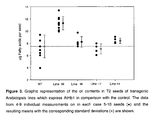
  • the oil content in the seeds of transgenic Arabidopsis plants which express Lotus leghemoglobin, Arabidopsis hemoglobin 1 or Arabidopsis hemoglobin 2 are determined indirectly via the quantification of the total fatty acids.
  • the following protocol is used for this purpose:
  • the lipids were extracted from the seeds by the method of Blight & Dyer, 1959 Can. J. Biochem. Physiol. 37:911. For each measurement, 5-10 seeds are transferred into 1.2 ml Qiagen microtubes (Qiagen, Hilden), pulverized in a Retsch mill (MM300, Retsch (Haan)), and the total lipids are extracted by addition of 500 ⁇ l of chloroform/methanol (2:1, contains pentadecanoic acid (C15) as internal standard). After addition of 500 ⁇ l of 50 mM potassium phosphate buffer pH 7.5, the phases are separated. The organic phase is transferred into a Pyrex tube and evaporated to dryness.
  • transgenic lines are selected via resistance to antibiotics.
  • T1 seeds of transformed Arabidopsis plants were germinated on hygromycin-containing selection plates.
  • T2 seeds of in each case 4 independent transgenic lines were analyzed. 5-9 independent measurements were carried out for the individual lines, and the corresponding means were calculated.
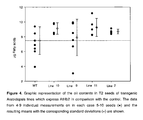
  • Table 6 shows the data of a transgenic line in comparison with control plants, all of which have been grown in the greenhouse. In each case 6 measurements of different tubers from one line and the resulting means and standard deviations are shown. In accordance with the invention, a significant increase in the starch content by 40.77% was detected in the transgenic line. Similar values were obtained with further lines.
  • FIG. 5 shows the average starch contents of four independent transgenic lines in comparison with the control plants, all of which had been grown in the period from May 2003 to September 2003 in the polyhouse in Golm.
  • the average data are based on 334 tubers (line 13), 358 tubers (line 57), 380 tubers (line 45), 384 tubers (line 54) and 151 tubers (wild type).
  • a significant increase in the starch content in the tubers of the leghemoglobin-expressing transformed plants was also observed under the climatic conditions which prevailed in the polyhouse, which confirmed the results obtained from the greenhouse.
  • the temperature conditions which prevailed in the polyhouse during the culturing period are shown in FIG. 6 .

Landscapes

  • Health & Medical Sciences (AREA)
  • Life Sciences & Earth Sciences (AREA)
  • Genetics & Genomics (AREA)
  • Chemical & Material Sciences (AREA)
  • Engineering & Computer Science (AREA)
  • Biotechnology (AREA)
  • Organic Chemistry (AREA)
  • Molecular Biology (AREA)
  • General Engineering & Computer Science (AREA)
  • Zoology (AREA)
  • Wood Science & Technology (AREA)
  • Biomedical Technology (AREA)
  • Bioinformatics & Cheminformatics (AREA)
  • Nutrition Science (AREA)
  • Biochemistry (AREA)
  • Biophysics (AREA)
  • General Health & Medical Sciences (AREA)
  • Physics & Mathematics (AREA)
  • Cell Biology (AREA)
  • Plant Pathology (AREA)
  • Microbiology (AREA)
  • Oil, Petroleum & Natural Gas (AREA)
  • Gastroenterology & Hepatology (AREA)
  • Medicinal Chemistry (AREA)
  • Proteomics, Peptides & Aminoacids (AREA)
  • Breeding Of Plants And Reproduction By Means Of Culturing (AREA)
  • Medicines Containing Plant Substances (AREA)

Abstract

The invention relates to a method for modifying the storage reserve content in plants, where leghemoglobin- and/or hemoglobin-expressing transformed plants are employed, to corresponding plants, and to their use.

Description

RELATED APPLICATIONS
This application is a national stage application (under 35 U.S.C. 371) of PCT/EP2003/014774 filed Dec. 23, 2003 which claims benefit to German application 102 60 707.9 filed Dec. 23, 2002.
The invention relates to a method for modifying the storage reserve content of plants by using leghemoglobin- and/or hemoglobin-expressing transformed plants, to corresponding plants, and to their use.
Storage reserves in plants act as reserve materials and are formed by plant tissues and deposited intracellularly. Examples of storage reserves are polysaccharides (carbohydrates such as lichenin, starch, glycogen, polyfructosans), proteins, fats, also polyphosphates and polyhydroxyalkanoates. If required, the storage reserves can be returned to the metabolism and energetics, for example when there is a lack of nutrients, during seed germination, growth and other energy-consuming processes.
Storage reserves are valuable raw materials for nutrition (cereals, nuts, fruit(s), spices and the like) and form the basis for many human foods and can also provide industrial fats and oils. Other storage reserves are used medicinally owing to their pharmacologically active constituents (source: CD Römpp Chemie Lexikon—Version 1.0, Stuttgart/New York: Georg Thieme Verlag 1995).
Also, the storage reserves are increasingly being used as renewable and ecologically acceptable raw materials for industrial purposes, as is possible for example by using starch for the production of packaging materials or, for example, vegetable oils as fuels, such as biodiesel or lubricants.
What are known as secondary metabolites (see also metabolism) of plants (for example pigments, toxins, essential oils, alkaloids, fruit acids) are generally not classified as belonging to the storage reserves (source: Römpp Lexikon Chemie—Version 2.0, Stuttgart/New York: Georg Thieme Verlag 1999 “Reservestoffe” [storage materials]).
In plants, the storage reserves are formed from carbohydrate precursors in seeds or in storage organs. Sucrose is the primary source of carbon and energy, which is transported by the leaves into the developing seeds or into storage organs. The sucrose in the leaves is formed by the starch obtained by photosynthesis. The sucrose which is transported into the developing seeds serves not only for the synthesis of fatty acids for the storage lipids, but also for the synthesis of storage proteins and storage starch.
For example, seeds comprise in total three different forms of storage reserves: storage lipids, storage proteins and starch. Depending on the plants, the ratios between the three storage reserves vary. Thus, for example, oilseed rape varieties comprise approximately 48% storage lipids, 19% starch and 21% storage proteins, while soybean comprises 22% lipids, 12% starch and 37% proteins (Biochemistry & Molecular Biology of the Plant ed. Buchanan, Gruissem, Jones 2000, American Society of Plant Physiologists) based on their dry matter.
The fatty acids which can be obtained from the vegetable oils (lipids) are of particular interest. They are used, for example, as raw materials for plasticizers, lubricants, surfactants, cosmetics and the like, or are employed as valuable raw materials in the food and feedstuff industries. Thus, for example, it is of particular advantage to provide rapeseed oils with medium-chain fatty acids, since these are in particular demand for the production of surfactants.
The targeted modulation of plant metabolic pathways by means of recombinant methods allows the plant metabolism to be advantageously modified in a manner which, if traditional breeding methods were applied, could only be achieved via laborious steps, if at all. Thus, for example, unusual fatty acids, for example certain polyunsaturated fatty acids, are only synthesized in certain plants, or not at all, and can therefore only be produced in a targeted manner by expressing the enzyme in question in transgenic plants (for example Millar et al. (2000) Trends Plant Sci 5:95-101).
As a storage reserve, starch may not only be stored in seeds, but also in other storage organs. Important storage organs for starch are the hypocotyl and roots. Multiplication and enlargement of the cells of the cortical parenchyma give rise to root tubers, such as, for example, potato tubers; swelling of the root collar gives rise to root crops such as, for example, sugar beet or yams.
Thus, for example, starch is the main constituent of the dry matter of potato. In addition to its use as a foodstuff, potatoes are therefore also used as feedstuff and as raw material for obtaining starch and alcohol. In 1988, 269.7 million tonnes of potatoes were harvested globally (source: CD Römpp Chemie Lexikon—Version 1.0, Stuttgart/New York: Georg Thieme Verlag 1995).
The U.S. Pat. No. 6,372,961, WO 98/12913 and WO 00/00597 describe the utilization of hemoglobin or structurally related proteins (myoglobin, bacterial hemoglobin) for increasing the oxygen assimilation in plants. This is intended to improve germination or the energetics of the correspondingly transgenic plants, and to ensure normal growth even under hypoxic conditions. The amount of secondary metabolites which are produced is also said to be increased (WO 98/12913 page 6, line 24). An increased production of storage reserves is not evident from these publications.
It was therefore an object of the present invention to increase the storage reserve content in storage organs of plants to achieve a better utilization of areas under cultivation, fertilizer and the like and to obtain a better yield by means of the plants. In particular, it is intended to improve or make possible the production of starch or oil.
This object is achieved by employing leghemoglobin-expressing transformed plants in the method according to the invention for modifying the storage reserve content in plants. The object is also achieved by leghemoglobin-expressing transformed plants and by their use.
Surprisingly, it has been found that, by expressing a leghemoglobin, storage-reserve-comprising transformed plants are produced which, owing to their (higher) storage reserve content, make possible a better utilization of areas under cultivation, fertilizer and the like and therefore a better yield of storage reserves, in particular starch and oil. An economically advantageous use of the plants according to the invention is therefore possible.
Leghemoglobin belongs to the family of the hemoglobin proteins, whose function is the reversible binding of oxygen and supply. It originates from root nodules of pulses (legumes) and takes the form of a red substance which can be isolated and which is similar to the vertebrates' myoglobin. As a result of the reversible binding of O2, leghemoglobin can ensure the high oxygen demand when nitrogen is fixed by root-nodule bacteria. The apoprotein is formed by the plant cells and the heme by the bacteria (source: CD Römpp Chemie Lexikon—Version 1.0, Stuttgart/New York: Georg Thieme Verlag 1995).
In a further preferred variant of the invention, hemoglobin- or leghemoglobin- and hemoglobin expressing transformed plants are employed in the method according to the invention for modifying the storage reserve content in plants. Accordingly, the present invention also relates to leghemoglobin- and/or hemoglobin-expressing transformed plants and to their use.
In accordance with the invention, hemoglobin is understood as meaning iron(II) complexes of protoporphyrin.
In the present application, expression is understood as meaning the transfer of a genetic information item starting from DNA or RNA into a gene product (polypeptide or protein, in the present case leghemoglobin or hemoglobin), and is also intended to comprise the term overexpression, which means enhanced expression, so that the foreign protein, or the naturally occurring protein, are produced in greater amounts or account for a large part of the total protein content of the host cell.
Transformation is understood as meaning the transfer of genetic information into an organism, in particular a plant. This is meant to include all the ways of introducing the information which are known to the skilled worker, for example microinjection, electroporation, particle bombardment, agrobacteria- or chemical-mediated uptake (for example polyethylene-glycol-mediated DNA uptake, or via the silicon carbonate fiber technique). The genetic information can be introduced into the cells for example as DNA, RNA, plasmid or in any other manner and can be incorporated into the host genome by recombination, or else be present in free form or independently as plasmid.
For the purposes of the invention, a transformed plant is thus a genetically modified plant.
Storage reserves are understood as meaning polysaccharides, preferably carbohydrates, proteins, fats, polyphosphates and polyhydroxyalkanoates, especially preferably lichenin, starch, glycogen, polyfructosans.
Among the compounds mentioned, carbohydrates and fats are very especially preferred. Most preferred as storage reserves are starch and oil.
Starch is known to the skilled worker; for further information, reference is made to Römpp Chemie Lexikon—CD Version 2.0, Stuttgart/New York: Georg Thieme Verlag 1999.
For the purposes of the invention, “oil” comprises neutral and/or polar lipids and mixtures of these. Those mentioned in Table 1 are given by way of example, but not by limitation.
TABLE 1
Classes of plant lipids
Neutral lipids Triacylglycerol (TAG)
Diacylglycerol (DAG)
Monoacylglycerol (MAG)
Polar lipids Monogalactosyldiacylglycerol (MGDG)
Digalactosyldiacylglycerol (DGDG)
Phosphatidylglycerol (PG)
Phosphatidylcholine (PC)
Phosphatidylethanolamine (PE)
Phosphatidylinositol (PI)
Phosphatidylserine (PS)
Sulfoquinovosyldiacylglycerol
Neutral lipids preferably mean triacylglycerides. Not only the neutral, but also the polar, lipids may comprise a broad spectrum of different fatty acids. The fatty acids mentioned in Table 2 are given by way of example, but not by limitation.
TABLE 2
Overview over a variety of fatty acids (selection)
Nomenclature1 Name
16:0 Palmitic acid
16:1 Palmitoleic acid
16:3 Roughanic acid
18:0 Stearic acid
18:1 Oleic acid
18:2 Linoleic acid
18:3 Linolenic acid
γ-18:3 Gamma-linolenic acid*
20:0 Arachidic acid
22:6 Docosahexaenoic acid (DHA)*
20:2 Eicosadienoic acid
20:4 Arachidonic acid (AA)*
20:5 Eicosapentaenoic acid (EPA)*
22:1 Erucic acid
1Chain length: number of double bonds
*do not naturally occur in plants
For further information, reference is likewise made to Römpp Chemie Lexikon—CD Version 2.0, Stuttgart/New York: Georg Thieme Verlag 1999.
In accordance with the invention, all plants are suitable for carrying out the method according to the invention.
“Plant” comprises all annual and perennial monocotyledonous and dicotyledonous plants and includes by way of example, but not by limitation, those of the genera Cucurbita, Rosa, Vitis, Juglans, Fragaria, Lotus, Medicago, Onobrychis, Trifolium, Trigonella, Vigna, Citrus, Linum, Geranium, Manihot, Daucus, Arabidopsis, Brassica, Raphanus, Sinapis, Atropa, Capsicum, Datura, Hyoscyamus, Lycopersicon, Nicotiana, Solarium, Petunia, Digitalis, Majorana, Cichorium, Helianthus, Lactuca, Bromus, Asparagus, Antirrhinum, Heterocallis, Nemesis, Pelargonium, Panicum, Pennisetum, Ranunculus, Senecio, Salpiglossis, Cucumis, Browaalia, Glycine, Pisum, Phaseolus, Lolium, Oryza, Zea, Avena, Hordeum, Secale, Triticum, Sorghum, Picea and Populus.
Preferred are plants from the following plant families: Amaranthaceae, Asteraceae, Brassicacea, Carophyllaceae, Chenopodiaceae, Compositae, Cruciferae, Cucurbitaceae, Labiatae, Leguminosae, Papilionoideae, Liliaceae, Linaceae, Malvaceae, Rosaceae, Rubiaceae, Saxifragaceae, Scrophulariaceae, Solanacea, Sterculiaceae, Tetragoniaceae, Theaceae, Umbelliferae.
Preferred monocotyledonous plants are, in particular, selected from the monocotyledonous crop plants such as, for example, the family Gramineae, such as rice, maize, wheat, or other cereal species such as barley, millet and sorghum, rye, triticale or oats, or sugarcane and all kinds of grasses. The invention is very especially preferably applied to dicotyledonous plant organisms. Preferred dicotyledonous plants are, in particular, selected from the dicotyledonous crop plants, such as, for example,
    • Asteraceae such as sunflower, tagetes or calendula and others,
    • Compositae, especially the genus Lactuca, very particularly the species sativa (lettuce) and others,
    • Cruciferae, particularly the genus Brassica, very particularly the species napus (oilseed rape), campestris (beet), oleracea cv Tastie (cabbage), oleracea cv Snowball Y (cauliflower) and oleracea cv Emperor (broccoli) and other cabbages; and the genus Arabidopsis, very particularly the species thaliana, and cress or canola and others,
    • Cucurbitaceae such as melon, pumpkin/squash or zucchini and others,
    • Leguminosae, particularly the genus Glycine, very particularly the species max (soybean), soya, and alfalfa, pea, bean or peanut and others,
    • Rubiaceae, preferably the subclass Lamiidae such as, for example Coffea arabica or Coffea liberica (coffee bush) and others,
    • Solanaceae, particularly the genus Lycopersicon, very particularly the species esculentum (tomato), the genus Solanum, very particularly the species tuberosum (potato) and melongena (aubergine) and tobacco or paprika and others,
    • Sterculiaceae, preferably the subclass Dilleniidae such as, for example, Theobroma cacao (cacao bush) and others,
    • Theaceae, preferably the subclass Dilleniidae such as, for example, Camellia sinensis or Thea sinensis (tea bush) and others,
    • Umbelliferae, particularly the genus Daucus (very particularly the species carota (carrot)) and Apium (very particularly the species graveolens dulce (celery)) and others; and the genus Capsicum, very particularly the genus annum (pepper) and others,
      and linseed, soya, cotton, hemp, flax, cucumber, spinach, carrot, sugar beet and the various tree, nut and grapevine species, in particular banana and kiwi fruit.
Also encompassed are ornamental plants, useful or ornamental trees, flowers, cut flowers, shrubs or turf. Plants which may be mentioned by way of example but not by limitation are angiosperms, bryophytes such as, for example, Hepaticae (liverworts) and Musci (mosses); pteridophytes such as ferns, horsetail and clubmosses; gymnosperms such as conifers, cycads, ginkgo and Gnetalae, the families of the Rosaceae such as rose, Ericaceae such as rhododendron and azalea, Euphorbiaceae such as poinsettias and croton, Caryophyllaceae such as pinks, Solanaceae such as petunias, Gesneriaceae such as African violet, Balsaminaceae such as touch-me-not, Orchidaceae such as orchids, Iridaceae such as gladioli, iris, freesia and crocus, Compositae such as marigold, Geraniaceae such as geraniums Liliaceae such as dracena, Moraceae such as ficus, Araceae such as philodendron and many others.
Furthermore, plant organisms for the purposes of the invention are further organisms capable of being photosynthetically active such as, for example, algae, cyanobacteria and mosses. Preferred algae are green algae such as, for example, algae from the genus Haematococcus, Phaedactylum tricornatum, Volvox or Dunaliella. Synechocystis is particularly preferred.
Most preferred are oil plants, i.e. plants which already naturally have a high oil content and/or which are used for the industrial production of oils. These plants may have a high oil content and/or a particular fatty acid composition which is of industrial interest. Preferred plants have a lipid content of at least 1%. Oil plants comprise for example: Borago officinalis (borage); Brassica species such as B. campestris, B. napus, B. rapa (mustard or oilseed rape); Cannabis sativa (hemp); Carthamus tinctorius (safflower); Cocos nucifera (coconut); Crambe abyssinica (crambe); Cuphea species (Cuphea species provide medium-chain fatty acids, in particular for industrial applications); Elaeis guinensis (African oil palm); Elaeis oleifera (American oil palm); Glycine max (soybean); Gossypium hirsutum (American cotton); Gossypium barbadense (Egyptian cotton); Gossypium herbaceum (Asian cotton); Helianthus annuus (sunflower); Linum usitatissimum (linseed or flax); Oenothera biennis (evening primrose); Olea europea (olive); Oryza sativa (rice); Ricinus communis (castor-oil plant); Sesamum indicum (sesame); Glycine max (soybean); Triticum species (wheat); Zea mays (maize), and various nut species such as, for example, walnut or almond.
If the plants used belong to the plants of the genus Leguminosae (pulses), the scope of the invention encompasses the expression of foreign proteins (leghemoglobins, hemoglobin), i.e. hemoglobins and/or leghemoglobins which do not occur naturally as symbionts or the modification of the plants in such a way that they overexpress the naturally occurring leghemoglobin.
Most preferred are potatoes, Arabidopsis thaliana and oilseed rape.
It is advantageous for the abovementioned plants to express a leghemoglobin and/or hemoglobin selected from the group consisting of leghemoglobin and/or hemoglobin from the plants Lupinus luteus (LGB1_LUPLU, LGB2_LUPLU), Glycine max (LGBA_SOYBN, LGB2_SOYBN, LGB3_SOYBN), Medicago sativa (LGB1-4_MEDSA), Medicago trunculata (LGB1_MEDTR), Phaseolus vulgaris (LGB1_PHAVU, LGB2_PHAVU), Vicia faba (LGB1_VICFA, LGB2_VICFA), Pisum sativum (LGB1_PEA, LGB2_PEA), Vigna unguiculata (LGB1_VIGUN), Lotus japonicus (LGB_LOTJA), Psophocarpus tetragonolobus (LGB_PSOTE), Sesbania rostrata (LGB1_SESRO), Casuarina glauca (HBPA_CASGL) and Canvalaria lineata (HBP_CANLI) Physcomitrella patens (HBL0_PHYPA), Arabidopsis thaliana (HBL1_ARATH, HBL2_ARATH), Gossypium hirsutum (HBL1_GOSHI, HBL2_GOSHI), Medicago sativa (HBL1_MEDSA), Oryza sativa (HBL1_ORYSA, HBL2_ORYSA, HBL3_ORYSA, HBL4_ORYSA), Brassica napus (HBL2_BRANA), Lycopersicon esculentum (HBL2_LYCES), Hordeum vulgare (HBL_HORVU), Zea mays (HBL_MAIZE), Trema tomentosa (HBL_TRETO), Casuarina glauca (HBP1_CASGL, HBP2_CASGL, HBPA_CASGL), Parasponia rigida (HBPL_PARAD). The Swiss-Prot database entries are shown in each case in brackets.
Especially advantageous plants are those which comprise the sequence of SEQ ID NO: 1 coding for leghemoglobin and/or the sequences of SEQ ID NOS: 3 and/or 5 coding for hemoglobin. Leghemoglobin and/or hemoglobin from Lotus japonicus is preferably employed. The transformed plants will now produce an increased amount of storage reserves.
The invention also encompasses plants which, in order to produce storage reserves, express a leghemoglobin as shown in sequence of SEQ ID NO: 1 and/or a hemoglobin as shown in sequences of SEQ ID NOS: 3 and 5.
A preferred variant of the invention takes the form of plants which express the leghemoglobin and/or hemoglobin in a storage-organ-specific manner.
As a rule, the abovementioned plants deposit the storage reserves in specific organs. Examples are bulbs, tubers, seeds, kernels, nuts, leaves and the like. For the purposes of the invention, storage organs are also understood as meaning fruits. Fruits are the collective term for the organs of the plants which surround the seed as nutritive tissue. Mention should be made not only of the edible fruits, in particular “fruit”, but also of pulses, cereals, nuts, spices, and also of apothecary drugs (cf. fructus, semen). Naturally, storage of the storage reserves may also take place in all of the plant.
The leghemoglobin and/or hemoglobin is preferably expressed in a tuber-specific or seed-specific manner.
Plants which are suitable are all those mentioned above. The following are preferred: potatoes, Arabidopsis thaliana, oilseed rape, soybeans, peanuts, maize, cassava, yams, rice, sunflowers, rye, barley, hops, oats, durum wheat and aestivum wheat, lupins, peas, clover, beet, cabbage, vines and the like as they can be found in the directive on the cultivar list of the Saatgutverkehrsgesetz [German seed trading act] (Blatt für PMZ [official gazette for patents and trademark law] 1986, p. 3, last modified in Blatt für PMZ 2002, p. 68).
Especially preferred are tuber-producing plants, in particular potato plants, or seed-producing plants, in particular Arabidopsis thaliana, oilseed rape or soybean.
The tissue-specific expression can be achieved for example by using a tissue-specific promoter. Such a tissue-specific expression is known for example from U.S. Pat. No. 6,372,961 B1 column 11, lines 44 et seq.
The invention furthermore relates to a nucleotide sequence as shown in sequence of SEQ ID NO: 1 coding for leghemoglobin for use in a plant and a corresponding gene structure or vector and their use for transforming a plant with the invention.
In particular, the invention also encompasses the use of a leghemoglobin-encoding nucleotide sequence which has approximately 70%, preferably 80%, especially preferably 85%, 90%, in particular 91%, 92%, 93%, 94%, 95%, 96%, 97%, 98% or 99% identity with the sequence of SEQ ID NO: 1.
The invention furthermore relates to nucleotide sequences as shown in SEQ ID NOS: 3 and 5 coding for hemoglobin for use in a plant and a corresponding gene structure or vector and their use for transforming a plant. In particular, the invention also encompasses the use of hemoglobin-encoding nucleotide sequences which have approximately 70%, preferably 80%, especially preferably 85%, 90%, in particular 91%, 92%, 93%, 94%, 95%, 96%, 97%, 98% or 99% identity with the sequences of SEQ ID NOS: 3 and 5.
The term nucleotide sequence is understood as meaning all nucleotide sequences which (i) correspond exactly to the sequences shown; or (ii) comprise at least one nucleotide sequence which, within the limits of the degeneracy of the genetic code, corresponds to the sequences shown; or (iii) comprises at least one nucleotide sequence which hybridizes with a nucleotide sequence which is complementary to the nucleotide sequence (i) or (ii), and, if appropriate, (iiii) comprises function-neutral sense mutations in (i). In this context, the term “function-neutral sense mutations” means the substitution of chemically similar amino acids such as, for example, glycine by alanine or serine by threonine.
Also encompassed in accordance with the invention are the sequence regions which precede (5′, or upstream) and/or follow (3′, or downstream) the coding regions (structural genes). In particular, this includes sequence regions with a regulatory function. They can affect transcription, RNA stability, RNA processing and translation. Examples of regulatory sequences are, inter alia, promoters, enhances, operators, terminators or translation enhancers.
The proteins in question (leghemoglobins and/or hemoglobins) also include isoforms, which are understood as meaning proteins with the same or a comparable action but a different primary structure.
In accordance with the invention, modified forms are understood as meaning proteins which comprise modifications in the sequence, for example at the N- and/or C-terminus of the polypeptide or in the region of conserved amino acids, without, however, adversely affecting the function of the protein. These modifications can be carried out by known methods in the form of amino acid substitutions.
The invention is described in detail with reference to the following experiments.
EXAMPLES 1. Model Organisms
Potato and Arabidopsis thaliana were employed as model organisms for the experiments. The two plant species represent a member of the Higher Plants (spermatophytes). Owing to the high degree of homology of their DNA sequences or polypeptide sequences, they can be employed as model plants for other plant species.
2. General Methods
a) Culture of Potato or Arabidopsis Plants
Arabidopsis plants were grown either on Murashige-Skoog medium supplemented with 0.5% sucrose (Ogas et al., 1997 Science 277:91-94) or on compost (Focks & Benning, 1998 Plant Physiology 118:91-101). To obtain uniform germination and flowering times, the seeds were first plated, or scattered on compost, and then stratified for two days at 4° C. After flowering, the pods were labeled. Then, in accordance with the labels, pods were harvested post-flowering at an age of 6-20 days. Potato plants were grown as described by Dietze et al., 1995 (Gene Transfer to Plants, Eds. Potrykus and Spangenberg, Springer Lab Manual, Berlin, Heidelberg, 24-29).
b) Isolation of Total RNA and poly-A+ RNA from Plants
RNA and polyA+ RNA are isolated in order to generate expression constructs. RNA was isolated from Arabidopis pods or potato tubers or roots of Lotus japonicus as described in the protocol which follows:
plant material aged 6-40 days was harvested and shock-frozen in liquid nitrogen. Until further use, the material was stored at −80° C. 75 mg of the material were ground to a fine powder in the cooled mortar and treated with 200 μl of the lysis buffer of the Ambion RNAqueos kit. Then, total RNA was isolated following the manufacturer's instructions. The RNA was eluted with 50 μl of elution buffer (Ambion), and the concentration was determined using a photometer (Eppendorf) at 260 nm on the basis of the absorption of a 1:100 dilute solution. 40 μg/ml RNA corresponds to an absorption of 1. The RNA solutions were brought to a concentration of 1 μg/μl using RNAse-free water. The concentrations were checked by agarose gel electrophoresis.
To isolate polyA+ RNA, oligo(dT) cellulose from Amersham Pharmacia was used following the manufacturer's instructions. RNA and polyA+ RNA were stored at −70° C.
3. Construction of the cDNA Library
To construct the cDNA library from Lotus japonicus and Arabidopsis thaliana RNA, the first-strand synthesis was achieved using reverse transcriptase from mouse leukemia virus (Clontech) and Oligo-d(T) primers, while the second-strand synthesis was achieved by incubation with DNA polymerase I, Klenow enzyme and RNAse H cleavage at 12° C. (2 hours), 16° C. (1 hour) and 22° C. (1 hour). The reaction was quenched by incubation at 65° C. (10 minutes) and subsequently transferred onto ice. Double-stranded DNA molecules were made blunt-ended at 37° C. (30 minutes) using T4 DNA polymerase (Roche, Mannheim). The nucleotides were removed by phenol/chloroform extraction and Sephadex G50 centrifuge columns. EcoRI/NotI adapters (Pharmacia, Freiburg, Germany) were ligated onto the cDNA ends by means of T4 DNA ligase (Roche, 12° C. overnight), re-cut with NotI and phosphorylated by incubation with polynucleotide kinase (Roche, 37° C., 30 minutes). This mixture was subjected to separation on a low-melting agarose gel. DNA molecules over 200 base pairs were eluted from the gel, phenol-extracted, concentrated on Elutip D columns (Schleicher und Schüll, Dassel, Germany) and ligated into the cloning vector pSPORT1 (Invitrogen, Karlsruhe), using the manufacturer's material and following their instructions.
4. DNA Sequencing and Computer Analysis
cDNA libraries as described in section 2 were used for DNA sequencing by standard methods, in particular by the chain termination method using the ABI PRISM Big Dye Terminator Cycle Sequencing Ready Reaction kit (Perkin-Elmer, Weiterstadt, Germany). The sequencing of random single clones was carried out after the preparative plasmid preparation from cDNA libraries via in-vivo bulk excision and retransformation of DH5α on agar plates (details on materials and protocol from Stratagene, Amsterdam, the Netherlands). Plasmid DNA was prepared from E. coli overnight cultures which had been grown in Luria broth supplemented with ampicillin (see Sambrook et al. (1989) (Cold Spring Harbor Laboratory Press: ISBN 0-87969-309-6)) on a Qiagen DNA preparation robot (Qiagen, Hilden) following the manufacturer's protocols.
The sequences were processed and annotated using the standard software package EST-MAX, which is commercially available from Bio-Max (Munich, Germany). Using comparative algorithms and a query sequence, a search for homologous genes was performed with the aid of the BLAST program (Altschul et al. (1997) “Gapped BLAST and PSI-BLAST: a new generation of protein database search programs”, Nucleic Acids Res. 25:3389-3402).
5. Generation of the Expression Constructs for the Tuber-Specific Expression in Potato, and the Seed-Specific Expression in Arabidopsis
a) Tuber-Specific Expression
The leghemoglobin gene Lljlb was excised from the vector pSportI using NotI and KpnI, the NotI cleavage site being made blunt-ended by incubation with Klenow enzyme. For ligation into the vector pART33, the latter was digested with BamHI, the cleavage site was then made blunt-ended by incubation with Klenow enzyme and the product was subsequently digested with KpnI. pART33 already comprises the B33 promoter (1459 bp; Liu X J, Prat S, Willmitzer L, Frommer W B (1990) cis regulatory elements directing tuber-specific and sucrose-inducible expression of a chimeric class I patatin promoter/GUS-gene fusion. Mol Gen Genet. 223(3):401-6) and the OCS terminator (766 bp) for tuber-specific expression. The total construct was excised from pART33 using NotI and cloned into the plant transformation vector pART27.
b) Seed-Specific Expression
The leghemoglobin gene Lljlb was recloned from the vector pART33 into the vector pBINUSP. To this end, the construct pART33-LegHb was first digested with Asp718I and the overhangs were made blunt-ended with Klenow fragment. Thereafter, the linearized construct was digested with XbaI and the gene thus obtained was ligated overnight at 4° C. into the XbaI/SmaI-cut pBINUSP.
The hemoglobin gene 1 AtHb1 was recloned from the vector pART33 into the vector pBINUSP. To this end, the construct pART33-AtHb1 was first digested with Asp7181 and the overhangs were made blunt-ended with Klenow fragment. Thereafter, the linearized construct was digested with XbaI and the gene thus obtained was ligated overnight at 4° C. into the XbaI/SmaI-cut pBINUSP.
The hemoglobin gene 2 AtHb2 was recloned from the vector pART33 into the vector pBINUSP. To this end, the construct pART33-AtHb2 was first digested with Asp7181 and the overhangs were made blunt-ended with Klenow fragment. Thereafter, the linearized construct was digested with XbaI and the gene thus obtained was ligated overnight at 4° C. into the XbaI/SmaI-cut pBINUSP.
6. Plant Transformation Plasmids
Binary vectors such as pBIN can be used for transforming plants (Bevan, M., Nucleic Acids Res. 12 (1984), 8711-8721). The binary vectors can be constructed by ligating the cDNA in sense or antisense orientation into T-DNA. 5′ of the cDNA, a plant promoter activates the transcription of the cDNA. A polyadenylation sequence is located 3′ of the cDNA.
Tissue-specific expression can be achieved using a tissue-specific promoter. For example, seed-specific expression can be achieved by cloning the napin or the LeB4 or the USP promoter 5′ of the cDNA. Any other seed-specific promoter element may also be used. The CaMV 35S promoter may be used for achieving constitutive expression in the whole plant.
7. Transformation of agrobacterium, and Plant Transformation
The agrobacterium-mediated transformation of plants can be carried out for example using the Agrobacterium tumefaciens strain GV3101 (pMP90) (Koncz and Schell, Mol. Gen. Genet. 204 (1986) 383-396) or LBA4404 (Clontech). The bacterium can be transformed using standard transformation techniques with which the skilled worker is familiar (Deblaere et al., Nucl. Acids. Tes. 13 (1984), 4777-4788).
The agrobacterium-mediated transformation of plants itself can likewise be carried out by standard transformation and regeneration techniques known to the skilled worker (Gelvin, Stanton B., Schilperoort, Robert A., Plant Molecular Biology Manual, 2nd Ed., Dordrecht: Kluwer Academic Publ., 1995, in Sect., Ringbuch Zentrale Signatur: BT11-P ISBN 0-7923-2731-4; Glick, Bernard R., Thompson, John E., Methods in Plant Molecular Biology and Biotechnology, Boca Raton: CRC Press, 1993, 360 S., ISBN 0-8493-5164-2).
The transformation of Arabidopsis thaliana by means of Agrobacterium was carried out by the method of Bechthold et al., 1993 (C.R. Acad. Sci. Ser. III Sci. Vie., 316, 1194-1199). The method was modified in as far as the vacuum infiltration was dispensed with.
For the transformation, Arabidopsis thaliana Col0 seeds were sown on moistened compost, stratified for two days at 4° C. and grown for 4-6 weeks under short-day conditions (8 hours light, 21° C.). To induce flowering, the plants were then transferred to long half day conditions (16 hours light, 21° C.). After approximately 10 days, the inflorescence is large enough for immersion. The inflorescence is immersed in an Agrobacterium suspension in ½ MS solution (Murashige and Skoog, see hereinbelow) pH 5.7, 5% sucrose, 44 μM benzylaminopurin (Sigma) and 0.03% Silwet L-77 (Lehle Seeds, USA). The optical density of the Agrobacterium suspension at 600 nm should be 0.8. The bacteria are previously grown in YEB medium (0.5% Bactotrypton, 0.5% Bactopeptone, 0.1% yeast extract, 0.5% sucrose and 2 mM MgCl2).
After immersion of the plants, moistening of the latter continued for approximately three more weeks. Then, irrigation was stopped, and the plants desiccated to obtain seeds. The seeds obtained were plated on plates with ½ MS solution, pH 5.7, 50 μg kanamycin, 250 μg Timenten and 0.8% agar. Resistant seedlings were pricked out individually into compost.
The transformation of potato (Solanum tuberosum L.) was carried out by the method of Dietze et al. in Gene transfer to plants (Eds. I. Potrykus and G. Spangenberg, Springer Lab Manual, 1995, pp. 24-29). The starting material used was the cultivar Desiree.
For the transformation, five to six leaves of a sterile shoot culture of potato variety Desiree were equilibrated carefully in 10 ml of a 2 MS solution (standard MS medium of Murashige and Skoog (1962) A revised medium for rapid growth and bioassays with tobacco tissue cultures. Physiol. Plant., 15, 473-497.) supplemented with 2% of sucrose. Sections 1-2 mm in length are excised from the leaves transverse to the central vein and placed into fresh 2 MS medium. 50 μl of a solution of agrobacteria which have been transformed with the T plasmid pART27-JpLeg are added to the fresh medium. The agrobacterial solution is distributed over the leaf segments, and the plates are incubated for two days in the dark at 22-24° C. After two days, the leaf segments are transferred to CIM medium (MS medium supplemented with 1.5% glucose, 5 mg/l NAA, 0.1 mg/l BAP, 250 mg/l Claforin and 50 mg/l kanamycin or hygromycin) and incubated for 7 days. The leaf segments are then transferred to SIM medium (MS medium supplemented with 2 mg/l zeatin, 0.02 mg/l NAA, 0.02 mg/l GA3, 250 mg/l Claforin and 50 mg/l kanamycin or hygromycin). After 1-2 weeks, the resulting transgenic shoots (1-1.5 cm in length) can then be excised and transferred to RIM medium (MS medium supplemented with 250 mg/l Claforin). After 3-4 weeks, the shoots have formed leaves and roots, and the plants can be pricked out into compost.
In accordance with this method, 2-3 independent transgenic lines can be obtained for each leaf employed.
The plant transformation using particle bombardment, polyethylene-glycol-mediated DNA uptake or via the silicon carbonate fiber technique, which is another alternative, is described, for example, by Freeling and Walbot “The maize handbook” (1993) ISBN 3-540-97826-7, Springer Verlag New York).
8. Analysis of the Leghemoglobin and Hemoglobin Expression in the Transformed Plant
The leghemoglobin activity in the transformed plant was measured at the transcription level.
A suitable method for determining the transcription level of the gene (which indicates the amount of RNA which is available for the translation of the gene) is to carry out a Northern blot as described hereinbelow (for reference, see Ausubel et al. (1988) Current Protocols in Molecular Biology, Wiley: New York, or the abovementioned Examples section), where a primer which is such that it binds to the leghemoglobin is labeled with a detectable label (usually a radiolabel or chemiluminescence label) so that, when the total RNA of a culture of the organism is extracted, separated on a gel, transferred to a stable matrix and incubated with this probe, the binding and extent of the binding of the probe indicates the presence and also the amount of the mRNA for the gene in question (leghemoglobin or hemoglobin). This information indicates the degree of transcription of the transformed gene. Cellular total RNA can be prepared from cells, tissues or organs using a plurality of methods, all of which are known in the art, such as, for example, the method described by Bormann, E. R., et al. (1992) Mol. Microbiol. 6:317-326.
Northern Hybridization:
For the RNA hybridization, 20 μg of total RNA or 1 μg of poly(A)+ RNA were separated by means of gel electrophoresis in agarose gels with a strength of 1.25% using formaldehyde, as described in Amasino (1986, Anal. Biochem. 152, 304), transferred to positively charged nylon membranes (Hybond N+, Amersham, Braunschweig) by capillary attraction using 10×SSC, immobilized by means of UV light and prehybridized for 3 hours at 68° C. using hybridization buffer (10% (w/v) dextran sulfate, 1 M NaCl, 1% SDS, 100 mg herring sperm DNA). Labeling of the DNA probe with the Highprime DNA Labeling kit (Roche, Mannheim, Germany) was carried out during the prehybridization step using alpha-32P-dCTP (Amersham Pharmacia, Braunschweig, Germany). The hybridization was performed in the same buffer overnight at 68° C. after the labeled DNA probe had been added. The wash steps were carried out twice for 15 minutes using 2×SSC and twice for 30 minutes using 1×SSC, 1% SDS, at 68° C. Exposure of the sealed filters was carried out at −70° C. for a period of 1 to 14 days.
9. Analysis of the Effect of the Recombinant Leghemoglobin on the Production of the Desired Product
The effect of the genetic modification in plants, fungi, algae, ciliates, or on the production of a desired compound (such as a fatty acid) can be determined by growing the modified microorganisms or the modified plant under suitable conditions (such as those described hereinabove) and analyzing the medium and/or the cellular components for the increased production of the desired product (i.e. of lipids or carbohydrates). These analytical techniques are known to the skilled worker and comprise spectroscopy, thin-layer chromatography, various types of staining methods, enzymatic and microbiological methods, and analytical chromatography such as high-performance liquid chromatography (see, for example, Ullman, Encyclopedia of Industrial Chemistry, Vol. A2, pp. 89-90 and pp. 443-613, VCH: Weinheim (1985); Fallon, A., et al., (1987) “Applications of HPLC in Biochemistry” in: Laboratory Techniques in Biochemistry and Molecular Biology, Vol. 17; Rehm et al. (1993) Biotechnology, Vol. 3, Chapter III: “Product recovery and purification”, pp. 469-714, VCH: Weinheim; Belter, P. A., et al. (1988) Bioseparations: downstream processing for Biotechnology, John Wiley and Sons; Kennedy, J. F., and Cabral, J. M. S. (1992) Recovery processes for biological Materials, John Wiley and Sons; Shaeiwitz, J. A., and Henry, J. D. (1988) Biochemical Separations, in: Ullmann's Encyclopedia of Industrial Chemistry, Vol. B3; Chapter 11, pp. 1-27, VCH: Weinheim; and Dechow, F. J. (1989) Separation and purification techniques in biotechnology, Noyes Publications).
In addition to the abovementioned methods, plant lipids are extracted from plant material as described by Cahoon et al. (1999) Proc. Natl. Acad. Sci. USA 96 (22):12935-12940, and Browse et al. (1986) Analytic Biochemistry 152:141-145. The qualitative and quantitative analysis of lipids or fatty acids is described by Christie, William W., Advances in Lipid Methodology, Ayr/Scotland: Oily Press (Oily Press Lipid Library; 2); Christie, William W., Gas Chromatography and Lipids. A Practical Guide—Ayr, Scotland: Oily Press, 1989, Repr. 1992, IX, 307 S. (Oily Press Lipid Library; 1); “Progress in Lipid Research, Oxford: Pergamon Press, 1 (1952)-16 (1977) under the title: Progress in the Chemistry of Fats and Other Lipids CODEN.
To determine the overall efficiency with which the compound is produced, it is also possible, in addition to measuring the fermentation end product, to analyze other components of the metabolic pathways which are used for producing the desired compound, such as intermediates and secondary products. The analytical methods comprise measurements of the nutrient quantities in the medium (for example sugars, hydrocarbons, nitrogen sources, phosphate and other ions), measurements of the biomass composition and of the growth, analysis of the production of usual metabolites via biosynthetic pathways, and measurements of gases which are generated during the fermentation process. Standard methods for these measurements are described in Applied Microbial Physiology; A Practical Approach, P. M. Rhodes and P. F. Stanbury, Ed., IRL Press, pp. 103-129; 131-163 and 165-192 (ISBN: 0199635773) and references cited therein.
One example is the analysis of fatty acids (abbreviations: FAMEs, fatty acid methyl esters; GC-MS, gas liquid chromatography/mass spectrometry; TAG, triacylglycerol; TLC, thin-layer chromatography).
Unequivocal proof for the presence of fatty acid products can be obtained by analyzing recombinant organisms following standard analytical procedures: GC, GC-MS or TLC, as variously described by Christie and references therein (1997, in: Advances on Lipid Methodology, Fourth edition: Christie, Oily Press, Dundee, 119-169; 1998, Gaschromatographie-Massenspektrometrie-Verfahren [Gas-chromatographic/mass-spectrometric method], Lipide 33:343-353).
The material to be analyzed can be disrupted by sonication, grinding in a glass mill, liquid nitrogen and milling, or via any other applicable method. After disruption, the material has to be centrifuged. The sediment is resuspended in distilled water, heated for 10 minutes at 100° C., cooled on ice and recentrifuged, followed by extraction for 1 hour at 90° C. in 0.5 M sulfuric acid in methanol with 2% dimethoxypropane, which results in hydrolyzed oil and lipid compounds, which give transmethylated lipids. These fatty acid methyl esters are extracted in petroleum ether and finally subjected to GC analysis using a capillary column (Chrompack, WCOT Fused Silica, CP-Wax-52 CB, 25 micrometers, 0.32 mm) at a temperature gradient for 20 minutes at between 170° C. and 240° C. and 5 minutes at 240° C. The identity of the resulting fatty acid methyl esters must be defined using standards which are available from commercial sources (i.e. Sigma).
10. Analysis of the Expression of Lotus Leghemoglobin, Arabidopsis Hemoglobin 1, Arabidopsis Hemoglobin 2 in Maturing Seeds of Arabidopsis
To verify the expression of the transgenes hemoglobin 1 and hemoglobin 2 from Arabidopsis thaliana (AtHb1 and AtHb2) and, respectively leghemoglobin from Lotus japonicus (LjLegHb), Northern blot analyses were carried out. To this end, total RNA from maturing seeds of transgenic plants and wild-type plants was isolated and separated by electrophoresis, and transcripts were detected using the corresponding digoxigenin-labeled probes. 2-4 independent analyses were carried out for each line. By way of example, FIG. 1 shows the results of the expression analyses with maturing T2 seeds of transgenic Arabidopsis lines which express either Lotus hemoglobin (LjLegHb), Arabidopsis hemoglobin 1 (AtHb1) or Arabidopsis hemoglobin 2 (AtHb2). The transformed gene is transcribed in almost all of the analyzed lines since the corresponding mRNA can be detected. In the controls, in contrast, no transcript can be detected.
11. Analysis of the Oil Content of Transformed Arabidopsis Plants which Express Lotus Leghemoglobin and Arabidopsis Hemoglobins
The oil content in the seeds of transgenic Arabidopsis plants which express Lotus leghemoglobin, Arabidopsis hemoglobin 1 or Arabidopsis hemoglobin 2 are determined indirectly via the quantification of the total fatty acids. The following protocol is used for this purpose:
The lipids were extracted from the seeds by the method of Blight & Dyer, 1959 Can. J. Biochem. Physiol. 37:911. For each measurement, 5-10 seeds are transferred into 1.2 ml Qiagen microtubes (Qiagen, Hilden), pulverized in a Retsch mill (MM300, Retsch (Haan)), and the total lipids are extracted by addition of 500 μl of chloroform/methanol (2:1, contains pentadecanoic acid (C15) as internal standard). After addition of 500 μl of 50 mM potassium phosphate buffer pH 7.5, the phases are separated. The organic phase is transferred into a Pyrex tube and evaporated to dryness. This is followed by the derivatization of the total fatty acids to give fatty acid methyl esters, using the method of Benning & Sommerville, 1992 J. Bacteriol. 174: 6479-6487 by addition of 1 N H2SO4 in methanol and 2% (v/v) dimethoxypropanes for 1 hour at 80° C. These fatty acid methyl esters are extracted in petroleum ether and finally analyzed by gas chromatography using a capillary column (Chrompack, WCOT Fused Silica, CP-Wax-52, 25 micrometers 0.32 mm). The total fatty acids are quantified by comparing the signal areas of the fatty acid methyl esters with the signal area of the internal standard of known concentration. A further indicator for the oil content in Arabidopsis thaliana is the amount of the fatty acid Eicosenoic acid (20:1Δ11), which is found virtually exclusively in the storage lipids.
After the transformation of Arabidopsis thaliana, transgenic lines are selected via resistance to antibiotics. To this end, T1 seeds of transformed Arabidopsis plants were germinated on hygromycin-containing selection plates. For the quantitative determination of the oil contents, T2 seeds of in each case 4 independent transgenic lines were analyzed. 5-9 independent measurements were carried out for the individual lines, and the corresponding means were calculated.
The results of the determination of the oil contents in mature T2 seeds of transgenic plants which express Lotus leghemoglobin are shown by way of example in Table 3 and in FIG. 2. In accordance with the invention, the expression of the Lotus leghemoglobin in lines 4 and 5 results in a significant increase in the oil content by 17.14% and 17.54%, respectively.
The results of the determination of the oil contents in mature T2 seeds of transgenic plants which express Arabidopsis hemoglobin 1 are shown by way of example in Table 4 and in FIG. 3. In accordance with the invention, the expression of Arabidopsis hemoglobin 1 in lines 35, 13 and 39 leads to a significant increase in the oil content by 9.78%, 12.22% and 51.16%, respectively.
The results of the determination of the oil contents in mature T2 seeds of transgenic plants which express Arabidopsis hemoglobin 2 are shown by way of example in Table 5 and in FIG. 4. In accordance with the invention, the expression of Arabidopsis hemoglobin 2 in lines 2, 10 and 11 leads to a significant increase in the oil content by 16.25%, 21.86% and 23.80%, respectively.
12. Determination of the Starch Content in Transformed Potato Plants which Express Lotus Leghemoglobin
The density measurement as described by Schéele C. von, Svensson, G. and Rasmusson J., Die Bestimmung des Stärkegehalts und der Trockensubstanz der Kartoffel mit Hilfe des spezifischen Gewichts [Determination of the starch content and the dry matter of potatoes with the aid of the specific gravity]. Landw. Vers Sta. 127: 67-96, 1937 is employed for determining the starch content and tubers of the potato plants. The density measurement can then be converted and the result used for estimating the starch content. The following formula was employed for the conversion:
The specific density was determined by weighing the tubers both in the air and in water, with x being the mass in air and y the mass in water. The specific density is then the result of x/(x−y). Furthermore, the mean of 560 measured samples was calculated and the following relationships established (Burton W. G. (1989) The Potato. Longman, New York):
% dry matter=24.182+[211.04*(sp. density−1.0988)]
% starch=17.546+[199.07*(sp. density−1.0988)]
Differently sized potato tubers from a variety of transgenic lines and of the control plants were employed for measuring the leghemoglobin-expressing plants and, for comparison purposes, the control plants. The different sizes serve for reproducing the observed effect in all tuber sizes.
Work-up or the recovery of starch from the leghemoglobin-expressing potatoes can be carried out by the customary methods with which the skilled worker is familiar, for example as detailed in U.S. patent application 2001/0041199 A1, page 4, example 1.
To measure the starch content in the tubers of the leghemoglobin-expressing plants and, for comparison purposes, of the control plants, the plants were grown both in the greenhouse and in the polyhouse. The different cultivation methods serve for reproducing the observed effect under different climatic conditions. Differently sized potato tubers were employed for the measurements in order to reproduce the observed effect in all tuber sizes.
By way of example, Table 6 shows the data of a transgenic line in comparison with control plants, all of which have been grown in the greenhouse. In each case 6 measurements of different tubers from one line and the resulting means and standard deviations are shown. In accordance with the invention, a significant increase in the starch content by 40.77% was detected in the transgenic line. Similar values were obtained with further lines.
FIG. 5 shows the average starch contents of four independent transgenic lines in comparison with the control plants, all of which had been grown in the period from May 2003 to September 2003 in the polyhouse in Golm. The average data are based on 334 tubers (line 13), 358 tubers (line 57), 380 tubers (line 45), 384 tubers (line 54) and 151 tubers (wild type). In accordance with the invention, a significant increase in the starch content in the tubers of the leghemoglobin-expressing transformed plants was also observed under the climatic conditions which prevailed in the polyhouse, which confirmed the results obtained from the greenhouse. The temperature conditions which prevailed in the polyhouse during the culturing period are shown in FIG. 6.
TABLE 3
Oil contents in T2 seeds of transgenic Arabidopsis lines which
express LjLegHb in comparison with the control. The individual
measurements were carried out on in each case 5-10 seeds, and the
corresponding oil contents are shown as μg fatty acids per seed.
Line WT Line 1.1.9 Line 3 Line 5 Line 4
6.39 9.86 6.46 8.43 8.64
9.38 9.79 6.87 9.04 8.99
9.38 8.98 7.89 8.91 9.18
7.48 9.72 9.45 8.77 8.43
9.38 7.78 8.16 6.57
6.87 7.54 8.30 10.74
8.44 7.59 6.97
6.03 4.31
3.93
Mean 7.48 8.20 7.73 8.79 8.76
Standard deviation 1.77 1.74 0.96 0.23 1.23
Relative oil gain 9.61 3.34 17.54 17.14
TABLE 4
Oil contents in T2 seeds of transgenic Arabidopsis lines which
express AtHb1 in comparison with the control. The individual
measurements were carried out on in each case 5-10 seeds, and
the corresponding oil contents are shown as μg fatty acids per seed.
Line WT Line 39 Line 35 Line 17 Line 13
6.39 12.17 8.13 7.96 8.02
9.38 11.02 7.48 6.73 9.04
9.38 10.54 7.82 7.45 8.16
7.48 10.13 7.89 6.05 8.09
9.38 9.93 9.72 8.64
6.87 13.40
8.44 11.36
6.03 11.22
3.93 11.97
Mean 7.48 11.30 8.21 7.05 8.39
Standard deviation 1.77 1.03 0.79 0.72 0.39
Relative oil gain 51.16 9.78 −5.77 12.22
TABLE 5
Oil contents in T2 seeds of transgenic Arabidopsis lines which
express AtHb2 in comparison with the control. The individual
measurements were carried out on in each case 5-10 seeds, and
the corresponding oil contents are shown as μg fatty acids per seed.
Line WT Line 10 Line 9 Line 11 Line 2
6.39 8.36 9.79 8.26 8.73
9.38 8.53 8.50 9.66 8.36
9.38 9.83 9.79 8.23 9.11
7.48 9.72 9.93 8.98 8.57
9.38 6.69 11.16
6.87 3.06
8.44 7.54
6.03
3.93
Mean 7.48 9.11 7.90 9.26 8.69
Standard deviation 1.77 0.67 2.29 1.09 0.27
Relative oil gain 21.86 5.64 23.80 16.25
TABLE 6
Determination of the specific gravity of a transgenic line in
comparison with a control plant.
Wild type LegHb
Air Water Water/Air Sp. grav. Air Water Water/Air Sp. grav.
Tuber 1 5.4500 0.2700 0.0500 1.0521 13.990 1.0000 0.0710 1.0770
Tuber 2 8.9900 0.3300 0.0370 1.0381 15.530 1.1000 0.0710 1.0762
Tuber 3 25.7900 1.4700 0.0570 1.0604 30.280 2.2000 0.0730 1.0783
Tuber 4 30.7000 1.9300 0.0630 1.0671 50.740 3.2300 0.0640 1.0680
Tuber 5 37.4500 1.9900 0.0530 1.0561 59.430 4.0600 0.0680 1.0733
Tuber 6 80.9300 4.5000 0.0560 1.0589 67.120 4.3600 0.0650 1.0695
Mean 1.0555 1.0737
STD 0.0090 0.0039
% Starch 8.9181 12.554
Increase in % 40.77

Claims (31)

1. A method for increasing the production of starch and/or oil, comprising selecting a transformed plant that has an increase in starch and/or oil content as compared with a wild-type control plant, growing said transformed plant, and recovering the starch and/or oil from said transformed plant, wherein the transformed plant overexpresses at least one hemoglobin, and the overexpression of the at least one hemoglobin results in the increase in starch and/or oil content in the transformed plant as compared with the wild-type control plant.
2. The method of claim 1, wherein the at least one hemoglobin is from a plant selected from the group consisting of Lupinus luteus, Glycine max, Medicago sativa, Medicago trunculata, Phaseolus vulgaris, Vicia faba, Pisum sativum, Vigna unguiculata, Lotus japonicus, Psophocarpus tetragonolobus, Sesbania rostrata, Casuarina glauca, Canvalaria lineate, Physcomitrella patens, Arabidopsis thaliana, Gossypium hirsutum, Oryza sativa, Brassica napus, Lycopersicon esculentum, Hordeum vulgare, Zea mays, Trema tomentosa, and Parasponia rigida.
3. The method of claim 1, wherein the at least one hemoglobin is from Arabidopsis thaliana.
4. The method of claim 1, wherein the at least one hemoglobin is overexpressed in a storage-organ-specific manner.
5. The method of claim 1, wherein the at least one hemoglobin is overexpressed in a tuber-specific, seed-specific, or tuber- and seed-specific manner.
6. The method of claim 1, wherein the at least one hemoglobin is encoded by a nucleotide sequence having at least 95% identity with the nucleotide sequence as set forth in SEQ ID NO: 5 and the transformed plant has an increase in starch and/or oil content as compared with the wild-type control plant.
7. The method of claim 1, wherein the at least one hemoglobin is encoded by the nucleotide sequence as set forth in SEQ ID NO: 5.
8. The method of claim 1, wherein the transformed plant is a monocotyledonous crop plant.
9. The method of claim 1, wherein the transformed plant is a Gramineae species.
10. The method of claim 1, wherein the transformed plant is a dicotyledonous crop plant.
11. The method of claim 1, wherein the transformed plant is a Asteraceae, Brassicacea, Compositae, Cruciferae, Cucurbitaceae, Leguminosae, Rubiaceae, Solanaceae, Sterculiaceae, Theaceae or Umbelliferae species.
12. The method of claim 1, wherein the transformed plant is selected from the group consisting of Borago officinalis (borage), Brassica campestris, Brassica napus, Brassica rapa (mustard or oilseed rape), Cannabis sativa (hemp), Carthamus tinctorius (safflower), Cocos nucifera (coconut), Crambe abyssinica (crambe), Cuphea species, Elaeis guinensis (African oil palm), Elaeis oleifera (American oil palm), Glycine max (soybean), Gossypium hirsutum (American cotton), Gossypium barbadense (Egyptian cotton), Gossypium herbaceum (Asian cotton), Helianthus annuus (sunflower), Linum usitatissimum (linseed or flax), Oenothera biennis (evening primrose), Olea europea (olive), Oryza sativa (rice), Ricinus communis (castor-oil plant), Sesamum indicum (sesame), Triticum species (wheat), Zea mays (maize), walnut and almond.
13. The method of claim 1, wherein the transformed plant is potato, Arabidopsis thaliana, soybean or oilseed rape.
14. The method of claim 1, wherein the transformed plant is a T2 plant.
15. A method of achieving a better utilization of areas under cultivation or a better utilization of fertilizer, comprising selecting transformed plants that have an increased storage reserve content in storage organs as compared with a wild-type control plant in an area, and growing said transformed plants, wherein the transformed plants overexpress at least one hemoglobin and the overexpression of the at least one hemoglobin increases the storage reserve content in the storage organs of the transformed plants as compared with the wild-type control plant.
16. The method of claim 1, wherein the overexpression of the at least one hemoglobin results in an increase in starch content in the transformed plant as compared with the wild-type control plant.
17. A method for increasing the production of oil, comprising selecting a transformed plant that has an increase in oil content in seeds as compared with a wild-type control plant, growing said transformed plant, and recovering the oil from the seeds of said transformed plant, wherein the transformed plant overexpresses at least one hemoglobin, and the overexpression of the at least one hemoglobin results in the increase in oil content in the seeds of the transformed plant as compared with the wild-type control plant.
18. The method of claim 17, wherein the at least one hemoglobin is from a plant selected from the group consisting of Arabidopsis thaliana, Lupinus luteus, Glycine max, Medicago sativa, Medicago trunculata, Phaseolus vulgaris, Vicia faba, Pisum sativum, Vigna unguiculata, Lotus japonicus, Psophocarpus tetragonolobus, Sesbania rostrata, Casuarina glauca, Canvalaria lineate, Physcomitrella patens, Arabidopsis thaliana, Gossypium hirsutum, Oryza sativa, Brassica napus, Lycopersicon esculentum, Hordeum vulgare, Zea mays, Trema tomentosa, and Parasponia rigida.
19. The method of claim 17, wherein the at least one hemoglobin is encoded by the nucleotide sequence as set forth in SEQ ID NO: 5 or a nucleotide sequence having at least 95% identity with the nucleotide sequence as set forth in SEQ ID NO: 5 and the transformed plant has an increase in oil content as compared with the wild-type control plant.
20. The method of claim 17, wherein the transformed plant is a monocotyledonous crop plant or a dicotyledonous crop plant.
21. The method of claim 17, wherein the transformed plant is a Asteraceae, Brassicacea, Compositae, Cruciferae, Cucurbitaceae, Gramineae, Leguminosae, Rubiaceae, Solanaceae, Sterculiaceae, Theaceae or Umbelliferae species.
22. The method of claim 17, wherein the transformed plant is selected from the group consisting of Arabidopsis thaliana, Borago officinalis (borage), Brassica campestris, Brassica napus, Brassica raga (mustard or oilseed rape), Cannabis sativa (hemp), Carthamus tinctorius (safflower), Cocos nucifera (coconut), Crambe abyssinica (crambe), Cuphea species, Elaeis guinensis (African oil palm), Elaeis oleifera (American oil palm), Glycine max (soybean), Gossypium hirsutum (American cotton), Gossypium barbadense (Egyptian cotton), Gossypium herbaceum (Asian cotton), Helianthus annuus (sunflower), Linum usitatissimum (linseed or flax), Oenothera biennis (evening primrose), Olea europea (olive), Oryza sativa (rice), Ricinus communis (castor-oil plant), Sesamum indicum (sesame), Triticum species (wheat), Zea mays (maize), potato, walnut and almond.
23. A method for increasing starch and/or oil content in a plant, comprising transforming at least one hemoglobin into a plant, overexpressing said at least one hemoglobin in the plant, comparing starch and/or oil content of the plant with a wild-type control plant, and selecting a transformed plant with increased starch and/or oil content as compared with the wild-type control plant, wherein the overexpression of the at least one hemoglobin results in the increase in starch and/or oil content in said transformed plant as compared with the wild-type control plant.
24. The method of claim 23, wherein the at least one hemoglobin is from a plant selected from the group consisting of Arabidopsis thaliana, Lupinus luteus, Glycine max, Medicago sativa, Medicago trunculata, Phaseolus vulgaris, Vicia faba, Pisum sativum, Vigna unguiculata, Lotus japonicus, Psophocarpus tetragonolobus, Sesbania rostrata, Casuarina glauca, Canvalaria lineate, Physcomitrella patens, Arabidopsis thaliana, Gossypium hirsutum, Oryza sativa, Brassica napus, Lycopersicon esculentum, Hordeum vulgare, Zea mays, Trema tomentosa, and Parasponia rigida.
25. The method of claim 23, wherein the at least one hemoglobin is overexpressed in a storage-organ-specific manner.
26. The method of claim 23, wherein the at least one hemoglobin is overexpressed in tuber-specific, seed-specific, or tuber- and seed-specific manner.
27. The method of claim 23, wherein the hemoglobin is encoded by the nucleotide sequence as set forth in SEQ ID NO: 5 or a nucleotide sequence having at least 95% identity with the nucleotide sequence as set forth in SEQ ID NO: 5 and the transformed plant has an increase in starch and/or oil content as compared with the wild-type control plant.
28. The method of claim 23, wherein the transformed plant is a monocotyledonous crop plant or a dicotyledonous crop plant.
29. The method of claim 23, wherein the transformed plant is a Asteraceae, Brassicacea, Compositae, Cruciferae, Cucurbitaceae, Gramineae, Leguminosae, Rubiaceae, Solanaceae, Sterculiaceae, Theaceae or Umbelliferae species.
30. The method of claim 23, wherein the transformed plant is selected from the group consisting of Arabidopsis thaliana, Borago officinalis (borage), Brassica campestris, Brassica napus, Brassica rapa (mustard or oilseed rape), Cannabis sativa (hemp), Carthamus tinctorius (safflower), Cocos nucifera (coconut), Crambe abyssinica (crambe), Cuphea species, Elaeis guinensis (African oil palm), Elaeis oleifera (American oil palm), Glycine max (soybean), Gossypium hirsutum (American cotton), Gossypium barbadense (Egyptian cotton), Gossypium herbaceum (Asian cotton), Helianthus annuus (sunflower), Linum usitatissimum (linseed or flax), Oenothera biennis (evening primrose), Olea europea (olive), Oryza sativa (rice), Ricinus communis (castor-oil plant), Sesamum indicum (sesame), Triticum species (wheat), Zea mays (maize), potato, walnut and almond.
31. The method of claim 1, wherein the overexpression of the at least one hemoglobin results in an increase in starch and oil content in the transformed plant as compared with the wild-type control plant.
US10/540,063 2002-12-23 2003-12-23 Method for altering the content of reserve substances in plants Expired - Fee Related US7807870B2 (en)

Applications Claiming Priority (4)

Application Number Priority Date Filing Date Title
DE10260707 2002-12-23
DE10260707.9 2002-12-23
PCT/EP2003/014774 WO2004057946A2 (en) 2002-12-23 2003-12-23 Method for altering the content of reserve substances in plants

Publications (2)

Publication Number Publication Date
US20060053515A1 US20060053515A1 (en) 2006-03-09
US7807870B2 true US7807870B2 (en) 2010-10-05

Family

ID=32667535

Family Applications (1)

Application Number Title Priority Date Filing Date
US10/540,063 Expired - Fee Related US7807870B2 (en) 2002-12-23 2003-12-23 Method for altering the content of reserve substances in plants

Country Status (9)

Country Link
US (1) US7807870B2 (en)
EP (1) EP1578977B1 (en)
JP (1) JP2006514547A (en)
CN (1) CN100543142C (en)
AT (1) ATE520781T1 (en)
AU (1) AU2003296714A1 (en)
BR (1) BR0317650A (en)
CA (1) CA2511186A1 (en)
WO (1) WO2004057946A2 (en)

Cited By (11)

* Cited by examiner, † Cited by third party
Publication number Priority date Publication date Assignee Title
US20100037350A1 (en) * 2006-10-13 2010-02-11 Basf Plant Science Gmbh Plants with increased yield
US20100064384A1 (en) * 2006-04-13 2010-03-11 Max Planck Institut fur molekulare Method for modifying the atp/adp ratio in cells
US9011949B2 (en) 2011-07-12 2015-04-21 Impossible Foods Inc. Methods and compositions for consumables
US9700067B2 (en) 2011-07-12 2017-07-11 Impossible Foods Inc. Methods and compositions for affecting the flavor and aroma profile of consumables
US9808029B2 (en) 2011-07-12 2017-11-07 Impossible Foods Inc. Methods and compositions for affecting the flavor and aroma profile of consumables
US9826772B2 (en) 2013-01-11 2017-11-28 Impossible Foods Inc. Methods and compositions for affecting the flavor and aroma profile of consumables
US10039306B2 (en) 2012-03-16 2018-08-07 Impossible Foods Inc. Methods and compositions for consumables
US10172380B2 (en) 2014-03-31 2019-01-08 Impossible Foods Inc. Ground meat replicas
US10499584B2 (en) 2016-05-27 2019-12-10 New West Genetics Industrial hemp Cannabis cultivars and seeds with stable cannabinoid profiles
US10986848B2 (en) 2013-01-11 2021-04-27 Impossible Foods Inc. Methods and compositions for consumables
US20220340923A1 (en) * 2020-10-28 2022-10-27 Pioneer Hi-Bred International, Inc. Leghemoglobin in soybean

Families Citing this family (13)

* Cited by examiner, † Cited by third party
Publication number Priority date Publication date Assignee Title
US7674953B2 (en) 2003-04-01 2010-03-09 Cropdesign N.V. Method for producing transgenic plants with increased yield, comprising expressing of haemoglobin from Arabidopsis
ATE467683T1 (en) 2003-12-12 2010-05-15 Univ Manitoba METHOD FOR MODIFYING PLANT PHENOTYPES WITH NONSYMBIOTIC HEMOGLOBIN
EP1709183B1 (en) * 2003-12-12 2010-05-12 University of Manitoba Method of modifying plant phenotypes with nonsymbiotic hemoglobin
BRPI0706227A8 (en) * 2006-01-12 2019-01-02 Devgen Nv transgenic plant-based methods for plant pests using rnai
WO2008009644A2 (en) * 2006-07-17 2008-01-24 Bioecon International Holding N.V. Electro-magnetic treatment of a modified biomass
US8148120B2 (en) * 2007-03-28 2012-04-03 Clemson University Research Foundation Concentration and separation of lipids from renewable resources
JP2010538642A (en) 2007-09-12 2010-12-16 マーテック バイオサイエンシーズ コーポレーション Biological oil and its production and use
JP5833827B2 (en) * 2011-03-10 2015-12-16 トヨタ自動車株式会社 Genes that increase oil and fat productivity of plants and methods for using the same
DK3044320T3 (en) * 2013-09-11 2020-03-16 Impossible Foods Inc SECRETARY OF SECRET POLYPEPTIDES
CN104502475B (en) * 2014-12-12 2018-12-14 山东省花生研究所 A kind of short-cut method of extraction and measurement Fatty Acid In Peanut
KR102789173B1 (en) 2015-05-11 2025-04-01 임파서블 푸즈 인크. Expression constructs and methods of genetically engineering methylotrophic yeast
SG11202111693YA (en) 2019-04-25 2021-11-29 Impossible Foods Inc Strains and methods for production of heme-containing proteins
CN114316031B (en) * 2022-01-17 2024-04-19 杭州瑞丰生物科技有限公司 Method for producing heme binding protein

Citations (11)

* Cited by examiner, † Cited by third party
Publication number Priority date Publication date Assignee Title
WO1998012913A1 (en) 1996-09-26 1998-04-02 Bailey James E Expression of globin proteins in plants
WO1999002687A1 (en) 1997-07-08 1999-01-21 Commonwealth Scientific And Industrial Research Organisation Method of increasing the iron content of plant cells
US5925805A (en) * 1994-05-24 1999-07-20 Board Of Trustees Operating Michigan State University Methods of increasing oil content of seeds
US6051755A (en) * 1995-05-31 2000-04-18 National Research Council Of Canada Modification of plant lipids and seed oils utilizing yeast SLC genes
US6174724B1 (en) * 1983-01-17 2001-01-16 Monsanto Company Chimeric genes suitable for expression in plant cells
US6232526B1 (en) * 1999-05-14 2001-05-15 Dekalb Genetics Corp. Maize A3 promoter and methods for use thereof
US6372961B1 (en) 1998-08-20 2002-04-16 Pioneer Hi-Bred International, Inc. Hemoglobin genes and their use
US6395964B1 (en) * 1995-10-24 2002-05-28 The Texas A&M University System Oral immunization with transgenic plants
US20020160378A1 (en) * 2000-08-24 2002-10-31 Harper Jeffrey F. Stress-regulated genes of plants, transgenic plants containing same, and methods of use
US6552250B1 (en) * 2000-06-14 2003-04-22 Her Majesty The Queen In Right Of Canada As Represented By The Minister Of Agriculture And Agri-Food Diacylglycerol O-acyltransferase
WO2004087755A2 (en) 2003-04-01 2004-10-14 Cropdesign N.V. Plant haemoglobin

Family Cites Families (1)

* Cited by examiner, † Cited by third party
Publication number Priority date Publication date Assignee Title
CN1062018C (en) * 1992-04-14 2001-02-14 复旦大学 Detecting technique for human haemoglobin (globin) a* gene and gene a*

Patent Citations (11)

* Cited by examiner, † Cited by third party
Publication number Priority date Publication date Assignee Title
US6174724B1 (en) * 1983-01-17 2001-01-16 Monsanto Company Chimeric genes suitable for expression in plant cells
US5925805A (en) * 1994-05-24 1999-07-20 Board Of Trustees Operating Michigan State University Methods of increasing oil content of seeds
US6051755A (en) * 1995-05-31 2000-04-18 National Research Council Of Canada Modification of plant lipids and seed oils utilizing yeast SLC genes
US6395964B1 (en) * 1995-10-24 2002-05-28 The Texas A&M University System Oral immunization with transgenic plants
WO1998012913A1 (en) 1996-09-26 1998-04-02 Bailey James E Expression of globin proteins in plants
WO1999002687A1 (en) 1997-07-08 1999-01-21 Commonwealth Scientific And Industrial Research Organisation Method of increasing the iron content of plant cells
US6372961B1 (en) 1998-08-20 2002-04-16 Pioneer Hi-Bred International, Inc. Hemoglobin genes and their use
US6232526B1 (en) * 1999-05-14 2001-05-15 Dekalb Genetics Corp. Maize A3 promoter and methods for use thereof
US6552250B1 (en) * 2000-06-14 2003-04-22 Her Majesty The Queen In Right Of Canada As Represented By The Minister Of Agriculture And Agri-Food Diacylglycerol O-acyltransferase
US20020160378A1 (en) * 2000-08-24 2002-10-31 Harper Jeffrey F. Stress-regulated genes of plants, transgenic plants containing same, and methods of use
WO2004087755A2 (en) 2003-04-01 2004-10-14 Cropdesign N.V. Plant haemoglobin

Non-Patent Citations (11)

* Cited by examiner, † Cited by third party
Title
Barata, R. et al., "Targeting of the Soybean Leghemoglobin to Tobacco Chloroplasts: Effects on Aerobic Metabolism in Transgenic Plants." Plant Science 155 (2000), pp. 193-202.
Broun et al (1988, Science 282:1315-1317. *
Doerks Tig 14, No. 6: 248-250, Jun. 1998. *
Harper et al., Published Applications-NA-Main Database, 2002 0160378-US, published Oct. 31, 2002. *
Lazar et al (1988, Mol. Cell Biol. 8:1247-1252. *
Sowa (1998) PNAS 95: 10317-10321. *
Stougaard, J. et al., "Expression of a Complete Soybean Leghemoglobin Gene in Root Nodules of Transgenic Lotus comiculatus." Proc. Natl. Acad. Sci. USA 84 (1987), pp. 5754-5757.
Trevaskis et al., Two hemoglobin genes in Arabidopsis thaliana: the evolutionary origins of leghemoglobins. Proc Natl Acad Sci U S A. Oct. 28, 1997;94(22):12230-4. *
Trevaskis, B. et al., "Two Hemoglobin Genes in Arabidopsis thaliana: The Evolutionary Origins of Leghemoglobins." Database EMBL Accession No. U94999, Nov. 6, 1997.
Trevaskis, B. et al., "Two Hemoglobin Genes in Arabidopsis thaliana: The Evolutionary Origins of Leghemoglobins." Proc. Natl. Acad. Sci. USA 94 (1997), pp. 12230-12234.
Uchiumi, T. et al., "Genomic Leghemoglobin Genes of Lotus japonicus." Database EMBL Accession No. AB042718, Nov. 18, 2000.

Cited By (26)

* Cited by examiner, † Cited by third party
Publication number Priority date Publication date Assignee Title
US20100064384A1 (en) * 2006-04-13 2010-03-11 Max Planck Institut fur molekulare Method for modifying the atp/adp ratio in cells
US8344205B2 (en) 2006-10-13 2013-01-01 Basf Plant Science Gmbh Plants with increased yield
US20100037350A1 (en) * 2006-10-13 2010-02-11 Basf Plant Science Gmbh Plants with increased yield
US10327464B2 (en) 2011-07-12 2019-06-25 Impossible Foods Inc. Methods and compositions for affecting the flavor and aroma profile of consumables
US9011949B2 (en) 2011-07-12 2015-04-21 Impossible Foods Inc. Methods and compositions for consumables
US9700067B2 (en) 2011-07-12 2017-07-11 Impossible Foods Inc. Methods and compositions for affecting the flavor and aroma profile of consumables
US9808029B2 (en) 2011-07-12 2017-11-07 Impossible Foods Inc. Methods and compositions for affecting the flavor and aroma profile of consumables
US9943096B2 (en) 2011-07-12 2018-04-17 Impossible Foods Inc. Methods and compositions for affecting the flavor and aroma profile of consumables
US10863761B2 (en) 2011-07-12 2020-12-15 Impossible Foods Inc. Methods and compositions for consumables
US10039306B2 (en) 2012-03-16 2018-08-07 Impossible Foods Inc. Methods and compositions for consumables
US9826772B2 (en) 2013-01-11 2017-11-28 Impossible Foods Inc. Methods and compositions for affecting the flavor and aroma profile of consumables
US11224241B2 (en) 2013-01-11 2022-01-18 Impossible Foods Inc. Methods and compositions for affecting the flavor and aroma profile of consumables
US10314325B2 (en) 2013-01-11 2019-06-11 Impossible Foods Inc. Methods and compositions for affecting the flavor and aroma profile of consumables
US11219232B2 (en) 2013-01-11 2022-01-11 Impossible Foods Inc. Methods and compositions for affecting the flavor and aroma profile of consumables
US11013250B2 (en) 2013-01-11 2021-05-25 Impossible Foods Inc. Methods and compositions for consumables
US10172381B2 (en) 2013-01-11 2019-01-08 Impossible Foods Inc. Methods and compositions for consumables
US10986848B2 (en) 2013-01-11 2021-04-27 Impossible Foods Inc. Methods and compositions for consumables
US10993462B2 (en) 2013-01-11 2021-05-04 Impossible Foods Inc. Methods and compositions for consumables
US10798958B2 (en) 2014-03-31 2020-10-13 Impossible Foods Inc. Ground meat replicas
US10172380B2 (en) 2014-03-31 2019-01-08 Impossible Foods Inc. Ground meat replicas
US11439166B2 (en) 2014-03-31 2022-09-13 Impossible Foods Inc. Ground meat replicas
US11819041B2 (en) 2014-03-31 2023-11-21 Impossible Foods Inc. Ground meat replicas
US10499584B2 (en) 2016-05-27 2019-12-10 New West Genetics Industrial hemp Cannabis cultivars and seeds with stable cannabinoid profiles
US11304393B2 (en) 2016-05-27 2022-04-19 New West Genetics Inc. Industrial hemp cannabis cultivars and seeds with stable cannabinoid profiles
US20220340923A1 (en) * 2020-10-28 2022-10-27 Pioneer Hi-Bred International, Inc. Leghemoglobin in soybean
US11965168B2 (en) * 2020-10-28 2024-04-23 Pioneer Hi-Bred International, Inc. Leghemoglobin in soybean

Also Published As

Publication number Publication date
JP2006514547A (en) 2006-05-11
CA2511186A1 (en) 2004-07-15
BR0317650A (en) 2005-12-06
WO2004057946A3 (en) 2004-09-02
CN100543142C (en) 2009-09-23
EP1578977B1 (en) 2011-08-17
CN1732265A (en) 2006-02-08
AU2003296714A1 (en) 2004-07-22
ATE520781T1 (en) 2011-09-15
US20060053515A1 (en) 2006-03-09
EP1578977A2 (en) 2005-09-28
WO2004057946A2 (en) 2004-07-15

Similar Documents

Publication Publication Date Title
US7807870B2 (en) Method for altering the content of reserve substances in plants
AU2003245878B2 (en) Methods for increasing oil content in plants
Li et al. The heterologous expression of Arabidopsis PAP2 induces anthocyanin accumulation and inhibits plant growth in tomato
RU2190665C2 (en) Modification of plant lipids and seed oils by yeast genes slc using
AU2003246361B2 (en) Use of a gene for increasing the oil content in plants
US20100064384A1 (en) Method for modifying the atp/adp ratio in cells
Li et al. Characterisation of two novel genes encoding Δ9 fatty acid desaturases (CeSADs) for oleic acid accumulation in the oil-rich tuber of Cyperus esculentus
CN101981194A (en) Lipid metabolism proteins, combinations of lipid metabolism proteins and uses thereof
EP2163638A1 (en) Nucleic acid molecules encoding fatty acid desaturase genes from plants and methods of use
AU739905B2 (en) Transgenic plant cells and plants with modified acetyl coa production
US20070022497A1 (en) Trans-2-enoyl-coa reductase gene of euglena gracilis
McDonald Manipulation of Seed Carbon Flow from Cellulose to Lipid and Protein Biosynthesis in Arabidopsis to Accelerate the Characterization of Protein-Related Genes in Canola
CN120665904A (en) Peanut omega-3 fatty acid dehydrogenase gene combination and application thereof, plant overexpression vector and method
WO2023055291A2 (en) Engineered regulator for improved plant oil yield
EP1670904A1 (en) Trans-2-enoyl-coa reductase gene of euglena gracilis
DE10220753A1 (en) Increasing the total oil content of plants, useful e.g. in human or animal nutrition, by expressing a yeast transgene encoding glycerol-3-phosphate dehydrogenase
US20080120748A1 (en) Nucleic Acid Molecules Encoding Kcs-Like Polypeptides And Methods Of Use
AU2005306006A1 (en) Arabidopsis and Brassica nucleic acid sequences conferring lipid and sugar alterations in plants and methods of use
DE10226413A1 (en) Increasing the total oil content of plants, useful e.g. in human or animal nutrition, by expressing a yeast transgene encoding glycerol-3-phosphate dehydrogenase
Tao et al. Cloning and Functional Analysis of Wri1 Gene in Camellia Oleifera
KR20100006945A (en) Promoters of genes and transcription factors specifically expressed in flower before or after pollination of rice

Legal Events

Date Code Title Description
AS Assignment

Owner name: MAX-PLANCK-GESELLSCHAFT, GERMANY

Free format text: ASSIGNMENT OF ASSIGNORS INTEREST;ASSIGNORS:GEIGENBERGER, PETER;LANGER, ANKE;VLGEOLAS, HELENE;AND OTHERS;REEL/FRAME:016645/0130

Effective date: 20050426

Owner name: MAX-PLANCK-GESELLSCHAFT, GERMANY

Free format text: ASSIGNMENT OF ASSIGNORS INTEREST;ASSIGNORS:GEIGENBERGER, PETER;LANGER, ANKE;VIGEOLAS, HELENE;AND OTHERS;REEL/FRAME:016645/0260

Effective date: 20050426

REMI Maintenance fee reminder mailed
LAPS Lapse for failure to pay maintenance fees
STCH Information on status: patent discontinuation

Free format text: PATENT EXPIRED DUE TO NONPAYMENT OF MAINTENANCE FEES UNDER 37 CFR 1.362

STCH Information on status: patent discontinuation

Free format text: PATENT EXPIRED DUE TO NONPAYMENT OF MAINTENANCE FEES UNDER 37 CFR 1.362

FP Lapsed due to failure to pay maintenance fee

Effective date: 20141005