US7074770B1 - Method of DNA vaccination - Google Patents
Method of DNA vaccination Download PDFInfo
- Publication number
- US7074770B1 US7074770B1 US09/763,462 US76346201A US7074770B1 US 7074770 B1 US7074770 B1 US 7074770B1 US 76346201 A US76346201 A US 76346201A US 7074770 B1 US7074770 B1 US 7074770B1
- Authority
- US
- United States
- Prior art keywords
- formyl
- hydroxyphenoxy
- acid
- administration
- compound
- Prior art date
- Legal status (The legal status is an assumption and is not a legal conclusion. Google has not performed a legal analysis and makes no representation as to the accuracy of the status listed.)
- Expired - Fee Related
Links
- 238000000034 method Methods 0.000 title claims abstract description 75
- 238000011238 DNA vaccination Methods 0.000 title description 19
- XEDONBRPTABQFB-UHFFFAOYSA-N 4-[(2-formyl-3-hydroxyphenoxy)methyl]benzoic acid Chemical compound C1=CC(C(=O)O)=CC=C1COC1=CC=CC(O)=C1C=O XEDONBRPTABQFB-UHFFFAOYSA-N 0.000 claims abstract description 81
- 150000001875 compounds Chemical class 0.000 claims abstract description 72
- 108090000765 processed proteins & peptides Proteins 0.000 claims abstract description 65
- 230000000890 antigenic effect Effects 0.000 claims abstract description 41
- 239000013598 vector Substances 0.000 claims abstract description 31
- 241000124008 Mammalia Species 0.000 claims abstract description 28
- 239000002773 nucleotide Substances 0.000 claims abstract description 27
- 125000003729 nucleotide group Chemical group 0.000 claims abstract description 27
- 208000037265 diseases, disorders, signs and symptoms Diseases 0.000 claims abstract description 24
- 201000010099 disease Diseases 0.000 claims abstract description 22
- 230000028996 humoral immune response Effects 0.000 claims abstract description 11
- 230000024932 T cell mediated immunity Effects 0.000 claims abstract description 10
- 150000003839 salts Chemical class 0.000 claims abstract description 7
- 230000004044 response Effects 0.000 claims description 40
- IPRPPFIAVHPVJH-UHFFFAOYSA-N (4-hydroxyphenyl)acetaldehyde Chemical compound OC1=CC=C(CC=O)C=C1 IPRPPFIAVHPVJH-UHFFFAOYSA-N 0.000 claims description 12
- WYEPBHZLDUPIOD-UHFFFAOYSA-N 4,6-dioxoheptanoic acid Chemical compound CC(=O)CC(=O)CCC(O)=O WYEPBHZLDUPIOD-UHFFFAOYSA-N 0.000 claims description 12
- DTUQWGWMVIHBKE-UHFFFAOYSA-N phenylacetaldehyde Chemical compound O=CCC1=CC=CC=C1 DTUQWGWMVIHBKE-UHFFFAOYSA-N 0.000 claims description 12
- 238000007920 subcutaneous administration Methods 0.000 claims description 12
- 241000700605 Viruses Species 0.000 claims description 11
- 239000002245 particle Substances 0.000 claims description 11
- FXLOVSHXALFLKQ-UHFFFAOYSA-N p-tolualdehyde Chemical compound CC1=CC=C(C=O)C=C1 FXLOVSHXALFLKQ-UHFFFAOYSA-N 0.000 claims description 10
- 238000007918 intramuscular administration Methods 0.000 claims description 9
- 230000002685 pulmonary effect Effects 0.000 claims description 8
- FTVWIRXFELQLPI-ZDUSSCGKSA-N (S)-naringenin Chemical compound C1=CC(O)=CC=C1[C@H]1OC2=CC(O)=CC(O)=C2C(=O)C1 FTVWIRXFELQLPI-ZDUSSCGKSA-N 0.000 claims description 6
- SICBLYCPRWNHHP-UHFFFAOYSA-N 1,2-bis(4-methoxyphenyl)ethanone Chemical compound C1=CC(OC)=CC=C1CC(=O)C1=CC=C(OC)C=C1 SICBLYCPRWNHHP-UHFFFAOYSA-N 0.000 claims description 6
- XHBZOAYMBBUURD-UHFFFAOYSA-N 1-(2,4-Dihydroxyphenyl)-2-(4-methoxyphenyl)ethanone Chemical compound C1=CC(OC)=CC=C1CC(=O)C1=CC=C(O)C=C1O XHBZOAYMBBUURD-UHFFFAOYSA-N 0.000 claims description 6
- NRIVMXXOUOBRAG-UHFFFAOYSA-N 2-(4-methoxyphenyl)acetaldehyde Chemical compound COC1=CC=C(CC=O)C=C1 NRIVMXXOUOBRAG-UHFFFAOYSA-N 0.000 claims description 6
- RNDNSYIPLPAXAZ-UHFFFAOYSA-N 2-Phenyl-1-propanol Chemical compound OCC(C)C1=CC=CC=C1 RNDNSYIPLPAXAZ-UHFFFAOYSA-N 0.000 claims description 6
- WWDIMPQSVRVLFI-UHFFFAOYSA-N 2-[(2-formyl-3-hydroxyphenoxy)methyl]benzoic acid Chemical compound OC(=O)C1=CC=CC=C1COC1=CC=CC(O)=C1C=O WWDIMPQSVRVLFI-UHFFFAOYSA-N 0.000 claims description 6
- GHVNNICPZOBPSX-UHFFFAOYSA-N 2-hydroxy-6-[[4-(2h-tetrazol-5-yl)phenyl]methoxy]benzaldehyde Chemical compound OC1=CC=CC(OCC=2C=CC(=CC=2)C=2NN=NN=2)=C1C=O GHVNNICPZOBPSX-UHFFFAOYSA-N 0.000 claims description 6
- KCKZIWSINLBROE-UHFFFAOYSA-N 3,4-dihydro-1h-naphthalen-2-one Chemical compound C1=CC=C2CC(=O)CCC2=C1 KCKZIWSINLBROE-UHFFFAOYSA-N 0.000 claims description 6
- XGCPUNMNOGIEFL-UHFFFAOYSA-N 3-(2-formyl-3-hydroxyphenoxy)propanenitrile Chemical compound OC1=CC=CC(OCCC#N)=C1C=O XGCPUNMNOGIEFL-UHFFFAOYSA-N 0.000 claims description 6
- SLOWFFLRNJZBAZ-UHFFFAOYSA-N 3-[(2-formyl-3-hydroxyphenoxy)methyl]benzoic acid Chemical compound OC(=O)C1=CC=CC(COC=2C(=C(O)C=CC=2)C=O)=C1 SLOWFFLRNJZBAZ-UHFFFAOYSA-N 0.000 claims description 6
- LTMWBQRMYYUNSH-UHFFFAOYSA-N 3-hydroxy-1-(4-methoxyphenyl)-3-methylbutan-2-one Chemical compound COC1=CC=C(CC(=O)C(C)(C)O)C=C1 LTMWBQRMYYUNSH-UHFFFAOYSA-N 0.000 claims description 6
- KPACGYPPYXMYIQ-UHFFFAOYSA-N 4-(2-formyl-3-hydroxyphenoxy)butanoic acid Chemical compound OC(=O)CCCOC1=CC=CC(O)=C1C=O KPACGYPPYXMYIQ-UHFFFAOYSA-N 0.000 claims description 6
- SSKKREZNXCEIJS-UHFFFAOYSA-N 4-[(3-acetamido-2-formylphenoxy)methyl]benzoic acid Chemical compound CC(=O)NC1=CC=CC(OCC=2C=CC(=CC=2)C(O)=O)=C1C=O SSKKREZNXCEIJS-UHFFFAOYSA-N 0.000 claims description 6
- AVPYQKSLYISFPO-UHFFFAOYSA-N 4-chlorobenzaldehyde Chemical compound ClC1=CC=C(C=O)C=C1 AVPYQKSLYISFPO-UHFFFAOYSA-N 0.000 claims description 6
- BXRFQSNOROATLV-UHFFFAOYSA-N 4-nitrobenzaldehyde Chemical compound [O-][N+](=O)C1=CC=C(C=O)C=C1 BXRFQSNOROATLV-UHFFFAOYSA-N 0.000 claims description 6
- GIDHSKDNBMVXFT-UHFFFAOYSA-N 5,6-dihydroxy-2-(4-hydroxyphenyl)chromene-3,4-dione Chemical compound C1=CC(O)=CC=C1C1C(=O)C(=O)C2=C(O)C(O)=CC=C2O1 GIDHSKDNBMVXFT-UHFFFAOYSA-N 0.000 claims description 6
- VXEVAZSHSAXJNH-UHFFFAOYSA-N 5-(2-formyl-3-hydroxy-4-methoxyphenoxy)pentanoic acid Chemical compound COC1=CC=C(OCCCCC(O)=O)C(C=O)=C1O VXEVAZSHSAXJNH-UHFFFAOYSA-N 0.000 claims description 6
- VFKFAELUHMKKKB-UHFFFAOYSA-N 5-(2-formyl-3-hydroxy-4-propoxyphenoxy)pentanoic acid Chemical compound CCCOC1=CC=C(OCCCCC(O)=O)C(C=O)=C1O VFKFAELUHMKKKB-UHFFFAOYSA-N 0.000 claims description 6
- XPKJLBBVFHFSEM-UHFFFAOYSA-N 5-(2-formyl-3-hydroxyphenoxy)-2,2-dimethylpentanoic acid Chemical compound OC(=O)C(C)(C)CCCOC1=CC=CC(O)=C1C=O XPKJLBBVFHFSEM-UHFFFAOYSA-N 0.000 claims description 6
- QYLSCHCZGSONML-UHFFFAOYSA-N 5-(2-formyl-3-hydroxyphenoxy)-2-methylpentanoic acid Chemical compound OC(=O)C(C)CCCOC1=CC=CC(O)=C1C=O QYLSCHCZGSONML-UHFFFAOYSA-N 0.000 claims description 6
- KBWBGANILAOXHI-UHFFFAOYSA-N 5-(2-formyl-3-hydroxyphenoxy)-n-methylsulfonylpentanamide Chemical compound CS(=O)(=O)NC(=O)CCCCOC1=CC=CC(O)=C1C=O KBWBGANILAOXHI-UHFFFAOYSA-N 0.000 claims description 6
- URGSRYJANOBLBB-UHFFFAOYSA-N 5-(2-formyl-3-hydroxyphenoxy)-n-propan-2-ylpentanamide Chemical compound CC(C)NC(=O)CCCCOC1=CC=CC(O)=C1C=O URGSRYJANOBLBB-UHFFFAOYSA-N 0.000 claims description 6
- FRXRLTATMMDVNZ-UHFFFAOYSA-N 5-(2-formyl-3-hydroxyphenoxy)pentanamide Chemical compound NC(=O)CCCCOC1=CC=CC(O)=C1C=O FRXRLTATMMDVNZ-UHFFFAOYSA-N 0.000 claims description 6
- FYUSDHGUBKZBON-UHFFFAOYSA-N 5-(2-formyl-3-hydroxyphenoxy)pentanenitrile Chemical compound OC1=CC=CC(OCCCCC#N)=C1C=O FYUSDHGUBKZBON-UHFFFAOYSA-N 0.000 claims description 6
- IUFNEZRKCZYFSG-UHFFFAOYSA-N 5-(4,6-dichloro-2-formyl-3-hydroxyphenoxy)pentanoic acid Chemical compound OC(=O)CCCCOC1=C(Cl)C=C(Cl)C(O)=C1C=O IUFNEZRKCZYFSG-UHFFFAOYSA-N 0.000 claims description 6
- AEYWTWGAFMYRFW-UHFFFAOYSA-N 5-(4-chloro-2-formyl-3-hydroxyphenoxy)pentanoic acid Chemical compound OC(=O)CCCCOC1=CC=C(Cl)C(O)=C1C=O AEYWTWGAFMYRFW-UHFFFAOYSA-N 0.000 claims description 6
- POUITAHNNRJWMA-UHFFFAOYSA-N 5-hydroxybenzofuran-2-one Chemical compound OC1=CC=C2OC(=O)CC2=C1 POUITAHNNRJWMA-UHFFFAOYSA-N 0.000 claims description 6
- BRCPWISABURVIH-UHFFFAOYSA-N 5-methoxy-3,4-dihydro-2h-naphthalen-1-one Chemical compound O=C1CCCC2=C1C=CC=C2OC BRCPWISABURVIH-UHFFFAOYSA-N 0.000 claims description 6
- KJPMWVKPVCVZNK-UHFFFAOYSA-N 6,7-dimethoxy-3,4-dihydro-1h-naphthalen-2-one Chemical compound C1CC(=O)CC2=C1C=C(OC)C(OC)=C2 KJPMWVKPVCVZNK-UHFFFAOYSA-N 0.000 claims description 6
- QYQYFTULSFTJRU-UHFFFAOYSA-N 6-(2-formyl-3-hydroxyphenoxy)hexanoic acid Chemical compound OC(=O)CCCCCOC1=CC=CC(O)=C1C=O QYQYFTULSFTJRU-UHFFFAOYSA-N 0.000 claims description 6
- IRUHWRSITUYICV-UHFFFAOYSA-N 6-hydroxy-4-methylchromen-2-one Chemical compound C1=CC(O)=CC2=C1OC(=O)C=C2C IRUHWRSITUYICV-UHFFFAOYSA-N 0.000 claims description 6
- CQWXLWDPFSPVHK-UHFFFAOYSA-N 6-hydroxynaphthalene-1,2-dione Chemical compound O=C1C(=O)C=CC2=CC(O)=CC=C21 CQWXLWDPFSPVHK-UHFFFAOYSA-N 0.000 claims description 6
- MNALUTYMBUBKNX-UHFFFAOYSA-N 6-methoxy-3,4-dihydro-2h-naphthalen-1-one Chemical compound O=C1CCCC2=CC(OC)=CC=C21 MNALUTYMBUBKNX-UHFFFAOYSA-N 0.000 claims description 6
- DGVPMYXLJJNSOU-UHFFFAOYSA-N 7-(2-formyl-3-hydroxyphenoxy)heptanoic acid Chemical compound OC(=O)CCCCCCOC1=CC=CC(O)=C1C=O DGVPMYXLJJNSOU-UHFFFAOYSA-N 0.000 claims description 6
- XEAPZXNZOJGVCZ-UHFFFAOYSA-N 7-methoxy-3,4-dihydro-1h-naphthalen-2-one Chemical compound C1CC(=O)CC2=CC(OC)=CC=C21 XEAPZXNZOJGVCZ-UHFFFAOYSA-N 0.000 claims description 6
- GABLTKRIYDNDIN-UHFFFAOYSA-N 7-methoxy-3,4-dihydro-2h-naphthalen-1-one Chemical compound C1CCC(=O)C2=CC(OC)=CC=C21 GABLTKRIYDNDIN-UHFFFAOYSA-N 0.000 claims description 6
- NUJXPZCMZLDPOM-UHFFFAOYSA-N 8,10-dioxoundecanoic acid Chemical compound CC(=O)CC(=O)CCCCCCC(O)=O NUJXPZCMZLDPOM-UHFFFAOYSA-N 0.000 claims description 6
- BTYBORAHYUCUMH-UHFFFAOYSA-N 8-methoxy-3,4-dihydro-1h-naphthalen-2-one Chemical compound C1CC(=O)CC2=C1C=CC=C2OC BTYBORAHYUCUMH-UHFFFAOYSA-N 0.000 claims description 6
- 239000002262 Schiff base Substances 0.000 claims description 6
- 150000004753 Schiff bases Chemical class 0.000 claims description 6
- YRKCREAYFQTBPV-UHFFFAOYSA-N acetylacetone Chemical compound CC(=O)CC(C)=O YRKCREAYFQTBPV-UHFFFAOYSA-N 0.000 claims description 6
- QNHQEUFMIKRNTB-UHFFFAOYSA-N aesculetin Natural products C1CC(=O)OC2=C1C=C(O)C(O)=C2 QNHQEUFMIKRNTB-UHFFFAOYSA-N 0.000 claims description 6
- HAMNKKUPIHEESI-UHFFFAOYSA-N aminoguanidine Chemical compound NNC(N)=N HAMNKKUPIHEESI-UHFFFAOYSA-N 0.000 claims description 6
- GVQLLDWWYDKCAL-UHFFFAOYSA-N benzyl 5-(2-formyl-3-hydroxyphenoxy)pentanoate Chemical compound OC1=CC=CC(OCCCCC(=O)OCC=2C=CC=CC=2)=C1C=O GVQLLDWWYDKCAL-UHFFFAOYSA-N 0.000 claims description 6
- ILEDWLMCKZNDJK-UHFFFAOYSA-N esculetin Chemical compound C1=CC(=O)OC2=C1C=C(O)C(O)=C2 ILEDWLMCKZNDJK-UHFFFAOYSA-N 0.000 claims description 6
- AELJSHCCSWZMLX-UHFFFAOYSA-N ethyl 4-[(2-formyl-3-hydroxyphenoxy)methyl]benzoate Chemical compound C1=CC(C(=O)OCC)=CC=C1COC1=CC=CC(O)=C1C=O AELJSHCCSWZMLX-UHFFFAOYSA-N 0.000 claims description 6
- PVPWPJFEUIVMSW-UHFFFAOYSA-N ethyl 5-(2-formyl-3-hydroxyphenoxy)pentanoate Chemical compound CCOC(=O)CCCCOC1=CC=CC(O)=C1C=O PVPWPJFEUIVMSW-UHFFFAOYSA-N 0.000 claims description 6
- 125000001495 ethyl group Chemical group [H]C([H])([H])C([H])([H])* 0.000 claims description 6
- TZMFJUDUGYTVRY-UHFFFAOYSA-N ethyl methyl diketone Natural products CCC(=O)C(C)=O TZMFJUDUGYTVRY-UHFFFAOYSA-N 0.000 claims description 6
- JUXODYXAYBHXFN-UHFFFAOYSA-N methyl 3-[(2-formyl-3-hydroxyphenoxy)methyl]benzoate Chemical compound COC(=O)C1=CC=CC(COC=2C(=C(O)C=CC=2)C=O)=C1 JUXODYXAYBHXFN-UHFFFAOYSA-N 0.000 claims description 6
- FEIOASZZURHTHB-UHFFFAOYSA-N methyl 4-formylbenzoate Chemical compound COC(=O)C1=CC=C(C=O)C=C1 FEIOASZZURHTHB-UHFFFAOYSA-N 0.000 claims description 6
- JPSAMYBDBKJMPH-UHFFFAOYSA-N n,n-diethyl-5-(2-formyl-3-hydroxyphenoxy)pentanamide Chemical compound CCN(CC)C(=O)CCCCOC1=CC=CC(O)=C1C=O JPSAMYBDBKJMPH-UHFFFAOYSA-N 0.000 claims description 6
- 229940117954 naringenin Drugs 0.000 claims description 6
- WGEYAGZBLYNDFV-UHFFFAOYSA-N naringenin Natural products C1(=O)C2=C(O)C=C(O)C=C2OC(C1)C1=CC=C(CC1)O WGEYAGZBLYNDFV-UHFFFAOYSA-N 0.000 claims description 6
- 235000007625 naringenin Nutrition 0.000 claims description 6
- ZRSNZINYAWTAHE-UHFFFAOYSA-N p-methoxybenzaldehyde Chemical compound COC1=CC=C(C=O)C=C1 ZRSNZINYAWTAHE-UHFFFAOYSA-N 0.000 claims description 6
- SEVSMVUOKAMPDO-UHFFFAOYSA-N para-Acetoxybenzaldehyde Natural products CC(=O)OC1=CC=C(C=O)C=C1 SEVSMVUOKAMPDO-UHFFFAOYSA-N 0.000 claims description 6
- 229940100595 phenylacetaldehyde Drugs 0.000 claims description 6
- 150000003536 tetrazoles Chemical class 0.000 claims description 6
- 239000001431 2-methylbenzaldehyde Substances 0.000 claims description 5
- WPYMKLBDIGXBTP-UHFFFAOYSA-N benzoic acid Chemical compound OC(=O)C1=CC=CC=C1 WPYMKLBDIGXBTP-UHFFFAOYSA-N 0.000 claims description 4
- 239000002502 liposome Substances 0.000 claims description 4
- 229920000747 poly(lactic acid) Polymers 0.000 claims description 4
- 230000000699 topical effect Effects 0.000 claims description 3
- NQPDZGIKBAWPEJ-UHFFFAOYSA-N valeric acid Chemical compound CCCCC(O)=O NQPDZGIKBAWPEJ-UHFFFAOYSA-N 0.000 claims 6
- 125000000951 phenoxy group Chemical group [H]C1=C([H])C([H])=C(O*)C([H])=C1[H] 0.000 claims 3
- 229950009795 tucaresol Drugs 0.000 abstract description 69
- 150000002148 esters Chemical class 0.000 abstract 1
- 241000699670 Mus sp. Species 0.000 description 65
- 239000013612 plasmid Substances 0.000 description 59
- 238000002649 immunization Methods 0.000 description 48
- 210000004988 splenocyte Anatomy 0.000 description 34
- 239000002671 adjuvant Substances 0.000 description 32
- 108090000623 proteins and genes Proteins 0.000 description 32
- 108020004414 DNA Proteins 0.000 description 31
- 108091028043 Nucleic acid sequence Proteins 0.000 description 28
- 210000004027 cell Anatomy 0.000 description 28
- 239000000203 mixture Substances 0.000 description 27
- 210000001151 cytotoxic T lymphocyte Anatomy 0.000 description 26
- 230000000694 effects Effects 0.000 description 26
- 238000002255 vaccination Methods 0.000 description 21
- 102000011931 Nucleoproteins Human genes 0.000 description 20
- 108010061100 Nucleoproteins Proteins 0.000 description 20
- 238000009472 formulation Methods 0.000 description 20
- 241001465754 Metazoa Species 0.000 description 17
- 101150086609 groEL2 gene Proteins 0.000 description 17
- 230000028993 immune response Effects 0.000 description 16
- 102000004169 proteins and genes Human genes 0.000 description 16
- 230000005875 antibody response Effects 0.000 description 15
- 239000000427 antigen Substances 0.000 description 15
- 108091007433 antigens Proteins 0.000 description 15
- 102000036639 antigens Human genes 0.000 description 15
- 238000004519 manufacturing process Methods 0.000 description 14
- 108090000695 Cytokines Proteins 0.000 description 13
- 206010028980 Neoplasm Diseases 0.000 description 13
- 102000004127 Cytokines Human genes 0.000 description 12
- 102000004457 Granulocyte-Macrophage Colony-Stimulating Factor Human genes 0.000 description 12
- 108010017213 Granulocyte-Macrophage Colony-Stimulating Factor Proteins 0.000 description 12
- 230000035755 proliferation Effects 0.000 description 11
- 210000004881 tumor cell Anatomy 0.000 description 11
- 230000005867 T cell response Effects 0.000 description 10
- 241000699666 Mus <mouse, genus> Species 0.000 description 9
- 210000001744 T-lymphocyte Anatomy 0.000 description 9
- 206010046865 Vaccinia virus infection Diseases 0.000 description 9
- 239000004480 active ingredient Substances 0.000 description 9
- 238000000338 in vitro Methods 0.000 description 9
- 208000007089 vaccinia Diseases 0.000 description 9
- 108010041986 DNA Vaccines Proteins 0.000 description 8
- 229940021995 DNA vaccine Drugs 0.000 description 8
- 239000002158 endotoxin Substances 0.000 description 8
- 229920006008 lipopolysaccharide Polymers 0.000 description 8
- 230000001580 bacterial effect Effects 0.000 description 7
- 230000009089 cytolysis Effects 0.000 description 7
- 206010022000 influenza Diseases 0.000 description 7
- 238000002347 injection Methods 0.000 description 7
- 239000007924 injection Substances 0.000 description 7
- 239000007788 liquid Substances 0.000 description 7
- 238000011282 treatment Methods 0.000 description 7
- 241000712461 unidentified influenza virus Species 0.000 description 7
- 238000002965 ELISA Methods 0.000 description 6
- 241000725303 Human immunodeficiency virus Species 0.000 description 6
- 230000014509 gene expression Effects 0.000 description 6
- 238000001727 in vivo Methods 0.000 description 6
- 239000000843 powder Substances 0.000 description 6
- 230000009696 proliferative response Effects 0.000 description 6
- 239000000243 solution Substances 0.000 description 6
- 230000000638 stimulation Effects 0.000 description 6
- 108010074032 HLA-A2 Antigen Proteins 0.000 description 5
- 102000025850 HLA-A2 Antigen Human genes 0.000 description 5
- 108010058846 Ovalbumin Proteins 0.000 description 5
- 230000037453 T cell priming Effects 0.000 description 5
- 229940092253 ovalbumin Drugs 0.000 description 5
- GSSMIHQEWAQUPM-AOLPDKKJSA-N ovalbumin peptide Chemical compound C([C@H](NC(=O)[C@H](C(C)C)NC(=O)[C@H](C)NC(=O)[C@H](CCC(N)=O)NC(=O)[C@H](CO)NC(=O)[C@@H](N)[C@@H](C)CC)C(=O)N[C@@H](C)C(=O)N[C@@H](C)C(=O)N[C@@H](CC=1NC=NC=1)C(=O)N[C@@H](C)C(=O)N[C@@H](CCC(O)=O)C(=O)N[C@@H]([C@@H](C)CC)C(=O)N[C@@H](CC(N)=O)C(=O)N[C@@H](CCC(O)=O)C(=O)N[C@@H](C)C(=O)NCC(=O)N[C@@H](CCCNC(N)=N)C(O)=O)C1=CN=CN1 GSSMIHQEWAQUPM-AOLPDKKJSA-N 0.000 description 5
- 239000000725 suspension Substances 0.000 description 5
- 239000003826 tablet Substances 0.000 description 5
- 238000011830 transgenic mouse model Methods 0.000 description 5
- 230000003612 virological effect Effects 0.000 description 5
- 229910052693 Europium Inorganic materials 0.000 description 4
- 241000701044 Human gammaherpesvirus 4 Species 0.000 description 4
- IQFYYKKMVGJFEH-XLPZGREQSA-N Thymidine Chemical compound O=C1NC(=O)C(C)=CN1[C@@H]1O[C@H](CO)[C@@H](O)C1 IQFYYKKMVGJFEH-XLPZGREQSA-N 0.000 description 4
- 208000036142 Viral infection Diseases 0.000 description 4
- 239000000969 carrier Substances 0.000 description 4
- 230000001413 cellular effect Effects 0.000 description 4
- 239000003795 chemical substances by application Substances 0.000 description 4
- 239000003814 drug Substances 0.000 description 4
- 230000002708 enhancing effect Effects 0.000 description 4
- OGPBJKLSAFTDLK-UHFFFAOYSA-N europium atom Chemical compound [Eu] OGPBJKLSAFTDLK-UHFFFAOYSA-N 0.000 description 4
- 239000004615 ingredient Substances 0.000 description 4
- 210000001165 lymph node Anatomy 0.000 description 4
- 230000002101 lytic effect Effects 0.000 description 4
- 102000004196 processed proteins & peptides Human genes 0.000 description 4
- 241000894007 species Species 0.000 description 4
- 238000012360 testing method Methods 0.000 description 4
- 229960005486 vaccine Drugs 0.000 description 4
- JLGXUFPZHQHMKN-UHFFFAOYSA-N 5-(3-acetamido-2-formylphenoxy)pentanoic acid Chemical compound CC(=O)NC1=CC=CC(OCCCCC(O)=O)=C1C=O JLGXUFPZHQHMKN-UHFFFAOYSA-N 0.000 description 3
- 208000023275 Autoimmune disease Diseases 0.000 description 3
- 241000193830 Bacillus <bacterium> Species 0.000 description 3
- 208000035143 Bacterial infection Diseases 0.000 description 3
- 108091003079 Bovine Serum Albumin Proteins 0.000 description 3
- 108010088729 HLA-A*02:01 antigen Proteins 0.000 description 3
- 206010020751 Hypersensitivity Diseases 0.000 description 3
- 102000008070 Interferon-gamma Human genes 0.000 description 3
- 108010074328 Interferon-gamma Proteins 0.000 description 3
- 241000699660 Mus musculus Species 0.000 description 3
- 230000007815 allergy Effects 0.000 description 3
- 238000010171 animal model Methods 0.000 description 3
- 230000008901 benefit Effects 0.000 description 3
- WPYMKLBDIGXBTP-UHFFFAOYSA-M benzoate Chemical compound [O-]C(=O)C1=CC=CC=C1 WPYMKLBDIGXBTP-UHFFFAOYSA-M 0.000 description 3
- 201000011510 cancer Diseases 0.000 description 3
- 238000010276 construction Methods 0.000 description 3
- 230000001419 dependent effect Effects 0.000 description 3
- 210000002615 epidermis Anatomy 0.000 description 3
- 239000012091 fetal bovine serum Substances 0.000 description 3
- 230000002068 genetic effect Effects 0.000 description 3
- 239000008187 granular material Substances 0.000 description 3
- 230000036039 immunity Effects 0.000 description 3
- 230000006698 induction Effects 0.000 description 3
- 230000005764 inhibitory process Effects 0.000 description 3
- 229960003130 interferon gamma Drugs 0.000 description 3
- 230000000670 limiting effect Effects 0.000 description 3
- 239000002609 medium Substances 0.000 description 3
- 230000003389 potentiating effect Effects 0.000 description 3
- 230000002062 proliferating effect Effects 0.000 description 3
- 230000001681 protective effect Effects 0.000 description 3
- 230000010076 replication Effects 0.000 description 3
- 239000006228 supernatant Substances 0.000 description 3
- 230000009385 viral infection Effects 0.000 description 3
- IQFYYKKMVGJFEH-OFKYTIFKSA-N 1-[(2r,4s,5r)-4-hydroxy-5-(tritiooxymethyl)oxolan-2-yl]-5-methylpyrimidine-2,4-dione Chemical compound C1[C@H](O)[C@@H](CO[3H])O[C@H]1N1C(=O)NC(=O)C(C)=C1 IQFYYKKMVGJFEH-OFKYTIFKSA-N 0.000 description 2
- 102000002260 Alkaline Phosphatase Human genes 0.000 description 2
- 108020004774 Alkaline Phosphatase Proteins 0.000 description 2
- 241000894006 Bacteria Species 0.000 description 2
- DWRXFEITVBNRMK-UHFFFAOYSA-N Beta-D-1-Arabinofuranosylthymine Natural products O=C1NC(=O)C(C)=CN1C1C(O)C(O)C(CO)O1 DWRXFEITVBNRMK-UHFFFAOYSA-N 0.000 description 2
- 238000011740 C57BL/6 mouse Methods 0.000 description 2
- 241000283707 Capra Species 0.000 description 2
- 108010054576 Deoxyribonuclease EcoRI Proteins 0.000 description 2
- 108010081396 EBNA4 antigen Proteins 0.000 description 2
- 238000011510 Elispot assay Methods 0.000 description 2
- 108010008655 Epstein-Barr Virus Nuclear Antigens Proteins 0.000 description 2
- 241000588724 Escherichia coli Species 0.000 description 2
- 241000282412 Homo Species 0.000 description 2
- WHUUTDBJXJRKMK-VKHMYHEASA-N L-glutamic acid Chemical compound OC(=O)[C@@H](N)CCC(O)=O WHUUTDBJXJRKMK-VKHMYHEASA-N 0.000 description 2
- 241000186779 Listeria monocytogenes Species 0.000 description 2
- 208000030852 Parasitic disease Diseases 0.000 description 2
- 101900083372 Rabies virus Glycoprotein Proteins 0.000 description 2
- YZCKVEUIGOORGS-NJFSPNSNSA-N Tritium Chemical compound [3H] YZCKVEUIGOORGS-NJFSPNSNSA-N 0.000 description 2
- 238000013459 approach Methods 0.000 description 2
- 238000003556 assay Methods 0.000 description 2
- 208000022362 bacterial infectious disease Diseases 0.000 description 2
- 239000011324 bead Substances 0.000 description 2
- IQFYYKKMVGJFEH-UHFFFAOYSA-N beta-L-thymidine Natural products O=C1NC(=O)C(C)=CN1C1OC(CO)C(O)C1 IQFYYKKMVGJFEH-UHFFFAOYSA-N 0.000 description 2
- 239000000872 buffer Substances 0.000 description 2
- 239000002775 capsule Substances 0.000 description 2
- 238000004113 cell culture Methods 0.000 description 2
- 230000036755 cellular response Effects 0.000 description 2
- 239000013611 chromosomal DNA Substances 0.000 description 2
- 230000004186 co-expression Effects 0.000 description 2
- 230000003013 cytotoxicity Effects 0.000 description 2
- 231100000135 cytotoxicity Toxicity 0.000 description 2
- 239000003085 diluting agent Substances 0.000 description 2
- 208000035475 disorder Diseases 0.000 description 2
- 229940079593 drug Drugs 0.000 description 2
- 239000012636 effector Substances 0.000 description 2
- 230000008030 elimination Effects 0.000 description 2
- 238000003379 elimination reaction Methods 0.000 description 2
- 238000005516 engineering process Methods 0.000 description 2
- 108010078428 env Gene Products Proteins 0.000 description 2
- 238000003114 enzyme-linked immunosorbent spot assay Methods 0.000 description 2
- 210000003527 eukaryotic cell Anatomy 0.000 description 2
- 238000002474 experimental method Methods 0.000 description 2
- 239000013613 expression plasmid Substances 0.000 description 2
- 230000002349 favourable effect Effects 0.000 description 2
- PCHJSUWPFVWCPO-UHFFFAOYSA-N gold Chemical compound [Au] PCHJSUWPFVWCPO-UHFFFAOYSA-N 0.000 description 2
- 239000010931 gold Substances 0.000 description 2
- 229910052737 gold Inorganic materials 0.000 description 2
- 210000002443 helper t lymphocyte Anatomy 0.000 description 2
- 208000002672 hepatitis B Diseases 0.000 description 2
- 230000008348 humoral response Effects 0.000 description 2
- 210000000987 immune system Anatomy 0.000 description 2
- 230000002163 immunogen Effects 0.000 description 2
- 230000002434 immunopotentiative effect Effects 0.000 description 2
- 230000006872 improvement Effects 0.000 description 2
- 238000010348 incorporation Methods 0.000 description 2
- 208000015181 infectious disease Diseases 0.000 description 2
- 238000010255 intramuscular injection Methods 0.000 description 2
- 239000007927 intramuscular injection Substances 0.000 description 2
- 230000021633 leukocyte mediated immunity Effects 0.000 description 2
- 239000000314 lubricant Substances 0.000 description 2
- 210000004698 lymphocyte Anatomy 0.000 description 2
- 239000006166 lysate Substances 0.000 description 2
- 210000002540 macrophage Anatomy 0.000 description 2
- 230000007246 mechanism Effects 0.000 description 2
- 230000001404 mediated effect Effects 0.000 description 2
- 239000012528 membrane Substances 0.000 description 2
- 238000002156 mixing Methods 0.000 description 2
- 238000000465 moulding Methods 0.000 description 2
- 238000010172 mouse model Methods 0.000 description 2
- 210000003205 muscle Anatomy 0.000 description 2
- 210000003928 nasal cavity Anatomy 0.000 description 2
- 229940100662 nasal drops Drugs 0.000 description 2
- 238000003305 oral gavage Methods 0.000 description 2
- 239000013600 plasmid vector Substances 0.000 description 2
- 230000008488 polyadenylation Effects 0.000 description 2
- 238000002360 preparation method Methods 0.000 description 2
- 238000011160 research Methods 0.000 description 2
- 210000002966 serum Anatomy 0.000 description 2
- 239000007787 solid Substances 0.000 description 2
- 230000004936 stimulating effect Effects 0.000 description 2
- UCSJYZPVAKXKNQ-HZYVHMACSA-N streptomycin Chemical compound CN[C@H]1[C@H](O)[C@@H](O)[C@H](CO)O[C@H]1O[C@@H]1[C@](C=O)(O)[C@H](C)O[C@H]1O[C@@H]1[C@@H](NC(N)=N)[C@H](O)[C@@H](NC(N)=N)[C@H](O)[C@H]1O UCSJYZPVAKXKNQ-HZYVHMACSA-N 0.000 description 2
- 238000010254 subcutaneous injection Methods 0.000 description 2
- 239000007929 subcutaneous injection Substances 0.000 description 2
- 239000004094 surface-active agent Substances 0.000 description 2
- 229940104230 thymidine Drugs 0.000 description 2
- 230000002103 transcriptional effect Effects 0.000 description 2
- 229910052722 tritium Inorganic materials 0.000 description 2
- 241001529453 unidentified herpesvirus Species 0.000 description 2
- 239000012646 vaccine adjuvant Substances 0.000 description 2
- XLYOFNOQVPJJNP-UHFFFAOYSA-N water Substances O XLYOFNOQVPJJNP-UHFFFAOYSA-N 0.000 description 2
- DGVVWUTYPXICAM-UHFFFAOYSA-N β‐Mercaptoethanol Chemical compound OCCS DGVVWUTYPXICAM-UHFFFAOYSA-N 0.000 description 2
- 102100024341 10 kDa heat shock protein, mitochondrial Human genes 0.000 description 1
- UZOVYGYOLBIAJR-UHFFFAOYSA-N 4-isocyanato-4'-methyldiphenylmethane Chemical compound C1=CC(C)=CC=C1CC1=CC=C(N=C=O)C=C1 UZOVYGYOLBIAJR-UHFFFAOYSA-N 0.000 description 1
- 208000030507 AIDS Diseases 0.000 description 1
- 208000031295 Animal disease Diseases 0.000 description 1
- 241000304886 Bacilli Species 0.000 description 1
- 239000005711 Benzoic acid Substances 0.000 description 1
- 208000035049 Blood-Borne Infections Diseases 0.000 description 1
- 241000283690 Bos taurus Species 0.000 description 1
- 206010006187 Breast cancer Diseases 0.000 description 1
- 208000026310 Breast neoplasm Diseases 0.000 description 1
- 101710132601 Capsid protein Proteins 0.000 description 1
- BVKZGUZCCUSVTD-UHFFFAOYSA-L Carbonate Chemical compound [O-]C([O-])=O BVKZGUZCCUSVTD-UHFFFAOYSA-L 0.000 description 1
- 201000009030 Carcinoma Diseases 0.000 description 1
- 231100000023 Cell-mediated cytotoxicity Toxicity 0.000 description 1
- 206010057250 Cell-mediated cytotoxicity Diseases 0.000 description 1
- 206010008342 Cervix carcinoma Diseases 0.000 description 1
- 101710163595 Chaperone protein DnaK Proteins 0.000 description 1
- 108010059013 Chaperonin 10 Proteins 0.000 description 1
- 101710098119 Chaperonin GroEL 2 Proteins 0.000 description 1
- 241001185363 Chlamydiae Species 0.000 description 1
- 206010009944 Colon cancer Diseases 0.000 description 1
- 238000012286 ELISA Assay Methods 0.000 description 1
- 241000709661 Enterovirus Species 0.000 description 1
- 101710091045 Envelope protein Proteins 0.000 description 1
- 206010015108 Epstein-Barr virus infection Diseases 0.000 description 1
- 201000006353 Filariasis Diseases 0.000 description 1
- 239000001828 Gelatine Substances 0.000 description 1
- 102000003886 Glycoproteins Human genes 0.000 description 1
- 108090000288 Glycoproteins Proteins 0.000 description 1
- 101710178376 Heat shock 70 kDa protein Proteins 0.000 description 1
- 101710152018 Heat shock cognate 70 kDa protein Proteins 0.000 description 1
- 101710113864 Heat shock protein 90 Proteins 0.000 description 1
- 102100034051 Heat shock protein HSP 90-alpha Human genes 0.000 description 1
- 208000007514 Herpes zoster Diseases 0.000 description 1
- 102000018713 Histocompatibility Antigens Class II Human genes 0.000 description 1
- 108010027412 Histocompatibility Antigens Class II Proteins 0.000 description 1
- 101000985215 Homo sapiens 4-hydroxyphenylpyruvate dioxygenase Proteins 0.000 description 1
- 101000823116 Homo sapiens Alpha-1-antitrypsin Proteins 0.000 description 1
- 101001002657 Homo sapiens Interleukin-2 Proteins 0.000 description 1
- 101000780643 Homo sapiens Protein argonaute-2 Proteins 0.000 description 1
- 101000854936 Homo sapiens Visual system homeobox 1 Proteins 0.000 description 1
- 102000002265 Human Growth Hormone Human genes 0.000 description 1
- 108010000521 Human Growth Hormone Proteins 0.000 description 1
- 239000000854 Human Growth Hormone Substances 0.000 description 1
- 101150027427 ICP4 gene Proteins 0.000 description 1
- DGAQECJNVWCQMB-PUAWFVPOSA-M Ilexoside XXIX Chemical compound C[C@@H]1CC[C@@]2(CC[C@@]3(C(=CC[C@H]4[C@]3(CC[C@@H]5[C@@]4(CC[C@@H](C5(C)C)OS(=O)(=O)[O-])C)C)[C@@H]2[C@]1(C)O)C)C(=O)O[C@H]6[C@@H]([C@H]([C@@H]([C@H](O6)CO)O)O)O.[Na+] DGAQECJNVWCQMB-PUAWFVPOSA-M 0.000 description 1
- 102100034349 Integrase Human genes 0.000 description 1
- 102100034353 Integrase Human genes 0.000 description 1
- 108090000978 Interleukin-4 Proteins 0.000 description 1
- 208000008839 Kidney Neoplasms Diseases 0.000 description 1
- ZDXPYRJPNDTMRX-VKHMYHEASA-N L-glutamine Chemical compound OC(=O)[C@@H](N)CCC(N)=O ZDXPYRJPNDTMRX-VKHMYHEASA-N 0.000 description 1
- 229930182816 L-glutamine Natural products 0.000 description 1
- 206010023825 Laryngeal cancer Diseases 0.000 description 1
- 208000004554 Leishmaniasis Diseases 0.000 description 1
- 206010024229 Leprosy Diseases 0.000 description 1
- 208000030289 Lymphoproliferative disease Diseases 0.000 description 1
- -1 MPT59 Proteins 0.000 description 1
- 241000712079 Measles morbillivirus Species 0.000 description 1
- 241000711386 Mumps virus Species 0.000 description 1
- 206010062207 Mycobacterial infection Diseases 0.000 description 1
- 241000186366 Mycobacterium bovis Species 0.000 description 1
- 101000944608 Mycobacterium tuberculosis (strain ATCC 25618 / H37Rv) Chaperonin GroEL 2 Proteins 0.000 description 1
- 241000204031 Mycoplasma Species 0.000 description 1
- 108091061960 Naked DNA Proteins 0.000 description 1
- 108010051791 Nuclear Antigens Proteins 0.000 description 1
- 102000019040 Nuclear Antigens Human genes 0.000 description 1
- 206010033128 Ovarian cancer Diseases 0.000 description 1
- 206010061535 Ovarian neoplasm Diseases 0.000 description 1
- 239000002033 PVDF binder Substances 0.000 description 1
- 241001631646 Papillomaviridae Species 0.000 description 1
- 208000002606 Paramyxoviridae Infections Diseases 0.000 description 1
- 229930182555 Penicillin Natural products 0.000 description 1
- JGSARLDLIJGVTE-MBNYWOFBSA-N Penicillin G Chemical compound N([C@H]1[C@H]2SC([C@@H](N2C1=O)C(O)=O)(C)C)C(=O)CC1=CC=CC=C1 JGSARLDLIJGVTE-MBNYWOFBSA-N 0.000 description 1
- 241000709664 Picornaviridae Species 0.000 description 1
- 206010060862 Prostate cancer Diseases 0.000 description 1
- 208000000236 Prostatic Neoplasms Diseases 0.000 description 1
- 101710150344 Protein Rev Proteins 0.000 description 1
- 101710188315 Protein X Proteins 0.000 description 1
- 239000012980 RPMI-1640 medium Substances 0.000 description 1
- 208000015634 Rectal Neoplasms Diseases 0.000 description 1
- 206010038389 Renal cancer Diseases 0.000 description 1
- 241000725643 Respiratory syncytial virus Species 0.000 description 1
- 241000702670 Rotavirus Species 0.000 description 1
- 241000710799 Rubella virus Species 0.000 description 1
- FAPWRFPIFSIZLT-UHFFFAOYSA-M Sodium chloride Chemical compound [Na+].[Cl-] FAPWRFPIFSIZLT-UHFFFAOYSA-M 0.000 description 1
- 206010061372 Streptococcal infection Diseases 0.000 description 1
- 102000019197 Superoxide Dismutase Human genes 0.000 description 1
- 108010012715 Superoxide dismutase Proteins 0.000 description 1
- 201000005485 Toxoplasmosis Diseases 0.000 description 1
- 101800000385 Transmembrane protein Proteins 0.000 description 1
- 208000006105 Uterine Cervical Neoplasms Diseases 0.000 description 1
- 230000003213 activating effect Effects 0.000 description 1
- 238000013019 agitation Methods 0.000 description 1
- 239000013566 allergen Substances 0.000 description 1
- 230000004075 alteration Effects 0.000 description 1
- 229960000723 ampicillin Drugs 0.000 description 1
- AVKUERGKIZMTKX-NJBDSQKTSA-N ampicillin Chemical compound C1([C@@H](N)C(=O)N[C@H]2[C@H]3SC([C@@H](N3C2=O)C(O)=O)(C)C)=CC=CC=C1 AVKUERGKIZMTKX-NJBDSQKTSA-N 0.000 description 1
- 210000004102 animal cell Anatomy 0.000 description 1
- 230000002547 anomalous effect Effects 0.000 description 1
- 239000003242 anti bacterial agent Substances 0.000 description 1
- 230000001355 anti-mycobacterial effect Effects 0.000 description 1
- 229940088710 antibiotic agent Drugs 0.000 description 1
- 230000030741 antigen processing and presentation Effects 0.000 description 1
- 239000003926 antimycobacterial agent Substances 0.000 description 1
- 239000003963 antioxidant agent Substances 0.000 description 1
- 235000006708 antioxidants Nutrition 0.000 description 1
- 230000003416 augmentation Effects 0.000 description 1
- 230000009286 beneficial effect Effects 0.000 description 1
- WPYMKLBDIGXBTP-VQEHIDDOSA-N benzoic acid Chemical compound OC(=O)C1=CC=C[13CH]=C1 WPYMKLBDIGXBTP-VQEHIDDOSA-N 0.000 description 1
- 235000010233 benzoic acid Nutrition 0.000 description 1
- 239000011230 binding agent Substances 0.000 description 1
- 230000003115 biocidal effect Effects 0.000 description 1
- 230000015572 biosynthetic process Effects 0.000 description 1
- 210000004369 blood Anatomy 0.000 description 1
- 239000008280 blood Substances 0.000 description 1
- 230000037396 body weight Effects 0.000 description 1
- 201000008274 breast adenocarcinoma Diseases 0.000 description 1
- 239000007975 buffered saline Substances 0.000 description 1
- 125000002915 carbonyl group Chemical group [*:2]C([*:1])=O 0.000 description 1
- 239000006285 cell suspension Substances 0.000 description 1
- 229940030156 cell vaccine Drugs 0.000 description 1
- 230000005890 cell-mediated cytotoxicity Effects 0.000 description 1
- 201000010881 cervical cancer Diseases 0.000 description 1
- ZCDOYSPFYFSLEW-UHFFFAOYSA-N chromate(2-) Chemical compound [O-][Cr]([O-])(=O)=O ZCDOYSPFYFSLEW-UHFFFAOYSA-N 0.000 description 1
- 238000011260 co-administration Methods 0.000 description 1
- 239000011248 coating agent Substances 0.000 description 1
- 238000000576 coating method Methods 0.000 description 1
- 208000029742 colonic neoplasm Diseases 0.000 description 1
- 239000002299 complementary DNA Substances 0.000 description 1
- 239000007891 compressed tablet Substances 0.000 description 1
- 238000007906 compression Methods 0.000 description 1
- 230000006835 compression Effects 0.000 description 1
- 238000013270 controlled release Methods 0.000 description 1
- 208000035250 cutaneous malignant susceptibility to 1 melanoma Diseases 0.000 description 1
- 230000016396 cytokine production Effects 0.000 description 1
- 230000001086 cytosolic effect Effects 0.000 description 1
- 231100000433 cytotoxic Toxicity 0.000 description 1
- 230000001472 cytotoxic effect Effects 0.000 description 1
- 238000002784 cytotoxicity assay Methods 0.000 description 1
- 231100000263 cytotoxicity test Toxicity 0.000 description 1
- 230000002939 deleterious effect Effects 0.000 description 1
- 238000001514 detection method Methods 0.000 description 1
- 238000011161 development Methods 0.000 description 1
- 238000010790 dilution Methods 0.000 description 1
- 239000012895 dilution Substances 0.000 description 1
- 239000002270 dispersing agent Substances 0.000 description 1
- 230000009977 dual effect Effects 0.000 description 1
- 239000000428 dust Substances 0.000 description 1
- 239000000839 emulsion Substances 0.000 description 1
- 239000003623 enhancer Substances 0.000 description 1
- 230000007613 environmental effect Effects 0.000 description 1
- 230000001747 exhibiting effect Effects 0.000 description 1
- 101150028082 fbpA gene Proteins 0.000 description 1
- 101150020570 fbpC gene Proteins 0.000 description 1
- 238000000684 flow cytometry Methods 0.000 description 1
- MHMNJMPURVTYEJ-UHFFFAOYSA-N fluorescein-5-isothiocyanate Chemical compound O1C(=O)C2=CC(N=C=S)=CC=C2C21C1=CC=C(O)C=C1OC1=CC(O)=CC=C21 MHMNJMPURVTYEJ-UHFFFAOYSA-N 0.000 description 1
- 238000004108 freeze drying Methods 0.000 description 1
- 238000001502 gel electrophoresis Methods 0.000 description 1
- 229920000159 gelatin Polymers 0.000 description 1
- 235000019322 gelatine Nutrition 0.000 description 1
- 201000010536 head and neck cancer Diseases 0.000 description 1
- 208000014829 head and neck neoplasm Diseases 0.000 description 1
- 208000006454 hepatitis Diseases 0.000 description 1
- 231100000283 hepatitis Toxicity 0.000 description 1
- 102000051631 human SERPINA1 Human genes 0.000 description 1
- 230000016784 immunoglobulin production Effects 0.000 description 1
- 238000009169 immunotherapy Methods 0.000 description 1
- 230000001976 improved effect Effects 0.000 description 1
- 230000001939 inductive effect Effects 0.000 description 1
- 239000003701 inert diluent Substances 0.000 description 1
- 208000037797 influenza A Diseases 0.000 description 1
- 230000002401 inhibitory effect Effects 0.000 description 1
- 230000000977 initiatory effect Effects 0.000 description 1
- 230000010354 integration Effects 0.000 description 1
- 230000017307 interleukin-4 production Effects 0.000 description 1
- 230000003834 intracellular effect Effects 0.000 description 1
- 238000002955 isolation Methods 0.000 description 1
- 201000010982 kidney cancer Diseases 0.000 description 1
- 206010023841 laryngeal neoplasm Diseases 0.000 description 1
- 208000032839 leukemia Diseases 0.000 description 1
- 238000001638 lipofection Methods 0.000 description 1
- 230000005923 long-lasting effect Effects 0.000 description 1
- 230000001050 lubricating effect Effects 0.000 description 1
- 230000014759 maintenance of location Effects 0.000 description 1
- 201000004792 malaria Diseases 0.000 description 1
- 210000004962 mammalian cell Anatomy 0.000 description 1
- 238000013507 mapping Methods 0.000 description 1
- 201000001441 melanoma Diseases 0.000 description 1
- 230000003278 mimic effect Effects 0.000 description 1
- 239000003595 mist Substances 0.000 description 1
- 230000004048 modification Effects 0.000 description 1
- 238000012986 modification Methods 0.000 description 1
- 208000027531 mycobacterial infectious disease Diseases 0.000 description 1
- 239000007923 nasal drop Substances 0.000 description 1
- 210000001331 nose Anatomy 0.000 description 1
- 208000003154 papilloma Diseases 0.000 description 1
- 230000003071 parasitic effect Effects 0.000 description 1
- 244000052769 pathogen Species 0.000 description 1
- 230000001717 pathogenic effect Effects 0.000 description 1
- 229940049954 penicillin Drugs 0.000 description 1
- 108010091867 peptide P Proteins 0.000 description 1
- 239000008194 pharmaceutical composition Substances 0.000 description 1
- 239000000825 pharmaceutical preparation Substances 0.000 description 1
- 229920002981 polyvinylidene fluoride Polymers 0.000 description 1
- 230000037452 priming Effects 0.000 description 1
- 239000000047 product Substances 0.000 description 1
- 230000001737 promoting effect Effects 0.000 description 1
- 230000000644 propagated effect Effects 0.000 description 1
- 239000003380 propellant Substances 0.000 description 1
- 230000000069 prophylactic effect Effects 0.000 description 1
- 206010038038 rectal cancer Diseases 0.000 description 1
- 201000001275 rectum cancer Diseases 0.000 description 1
- 230000002829 reductive effect Effects 0.000 description 1
- 230000001172 regenerating effect Effects 0.000 description 1
- 230000003362 replicative effect Effects 0.000 description 1
- 108091008146 restriction endonucleases Proteins 0.000 description 1
- 229940064914 retrovir Drugs 0.000 description 1
- 206010039083 rhinitis Diseases 0.000 description 1
- 201000004409 schistosomiasis Diseases 0.000 description 1
- 238000007493 shaping process Methods 0.000 description 1
- 208000007056 sickle cell anemia Diseases 0.000 description 1
- 238000004088 simulation Methods 0.000 description 1
- 229910052708 sodium Inorganic materials 0.000 description 1
- 239000011734 sodium Substances 0.000 description 1
- 238000002415 sodium dodecyl sulfate polyacrylamide gel electrophoresis Methods 0.000 description 1
- 210000000952 spleen Anatomy 0.000 description 1
- 230000002269 spontaneous effect Effects 0.000 description 1
- 239000007921 spray Substances 0.000 description 1
- 229960005322 streptomycin Drugs 0.000 description 1
- 239000000126 substance Substances 0.000 description 1
- 239000000758 substrate Substances 0.000 description 1
- 229940032362 superoxide dismutase Drugs 0.000 description 1
- 239000000375 suspending agent Substances 0.000 description 1
- 201000000596 systemic lupus erythematosus Diseases 0.000 description 1
- 230000001225 therapeutic effect Effects 0.000 description 1
- 238000002560 therapeutic procedure Methods 0.000 description 1
- 239000002562 thickening agent Substances 0.000 description 1
- 238000001890 transfection Methods 0.000 description 1
- 201000002311 trypanosomiasis Diseases 0.000 description 1
- 201000008827 tuberculosis Diseases 0.000 description 1
- 241000701161 unidentified adenovirus Species 0.000 description 1
- 241001430294 unidentified retrovirus Species 0.000 description 1
- 239000013603 viral vector Substances 0.000 description 1
- 239000007762 w/o emulsion Substances 0.000 description 1
- 239000008215 water for injection Substances 0.000 description 1
- 238000001262 western blot Methods 0.000 description 1
- HBOMLICNUCNMMY-XLPZGREQSA-N zidovudine Chemical compound O=C1NC(=O)C(C)=CN1[C@@H]1O[C@H](CO)[C@@H](N=[N+]=[N-])C1 HBOMLICNUCNMMY-XLPZGREQSA-N 0.000 description 1
Images



Classifications
-
- A—HUMAN NECESSITIES
- A61—MEDICAL OR VETERINARY SCIENCE; HYGIENE
- A61K—PREPARATIONS FOR MEDICAL, DENTAL OR TOILETRY PURPOSES
- A61K39/00—Medicinal preparations containing antigens or antibodies
- A61K39/39—Medicinal preparations containing antigens or antibodies characterised by the immunostimulating additives, e.g. chemical adjuvants
-
- A—HUMAN NECESSITIES
- A61—MEDICAL OR VETERINARY SCIENCE; HYGIENE
- A61K—PREPARATIONS FOR MEDICAL, DENTAL OR TOILETRY PURPOSES
- A61K39/00—Medicinal preparations containing antigens or antibodies
- A61K39/0005—Vertebrate antigens
- A61K39/0008—Antigens related to auto-immune diseases; Preparations to induce self-tolerance
-
- A—HUMAN NECESSITIES
- A61—MEDICAL OR VETERINARY SCIENCE; HYGIENE
- A61K—PREPARATIONS FOR MEDICAL, DENTAL OR TOILETRY PURPOSES
- A61K39/00—Medicinal preparations containing antigens or antibodies
- A61K39/0005—Vertebrate antigens
- A61K39/0011—Cancer antigens
-
- A—HUMAN NECESSITIES
- A61—MEDICAL OR VETERINARY SCIENCE; HYGIENE
- A61K—PREPARATIONS FOR MEDICAL, DENTAL OR TOILETRY PURPOSES
- A61K39/00—Medicinal preparations containing antigens or antibodies
- A61K39/02—Bacterial antigens
- A61K39/04—Mycobacterium, e.g. Mycobacterium tuberculosis
-
- A—HUMAN NECESSITIES
- A61—MEDICAL OR VETERINARY SCIENCE; HYGIENE
- A61K—PREPARATIONS FOR MEDICAL, DENTAL OR TOILETRY PURPOSES
- A61K39/00—Medicinal preparations containing antigens or antibodies
- A61K39/12—Viral antigens
-
- A—HUMAN NECESSITIES
- A61—MEDICAL OR VETERINARY SCIENCE; HYGIENE
- A61K—PREPARATIONS FOR MEDICAL, DENTAL OR TOILETRY PURPOSES
- A61K40/00—Cellular immunotherapy
- A61K40/10—Cellular immunotherapy characterised by the cell type used
-
- A—HUMAN NECESSITIES
- A61—MEDICAL OR VETERINARY SCIENCE; HYGIENE
- A61K—PREPARATIONS FOR MEDICAL, DENTAL OR TOILETRY PURPOSES
- A61K40/00—Cellular immunotherapy
- A61K40/40—Cellular immunotherapy characterised by antigens that are targeted or presented by cells of the immune system
- A61K40/41—Vertebrate antigens
- A61K40/42—Cancer antigens
-
- A—HUMAN NECESSITIES
- A61—MEDICAL OR VETERINARY SCIENCE; HYGIENE
- A61P—SPECIFIC THERAPEUTIC ACTIVITY OF CHEMICAL COMPOUNDS OR MEDICINAL PREPARATIONS
- A61P31/00—Antiinfectives, i.e. antibiotics, antiseptics, chemotherapeutics
-
- A—HUMAN NECESSITIES
- A61—MEDICAL OR VETERINARY SCIENCE; HYGIENE
- A61P—SPECIFIC THERAPEUTIC ACTIVITY OF CHEMICAL COMPOUNDS OR MEDICINAL PREPARATIONS
- A61P31/00—Antiinfectives, i.e. antibiotics, antiseptics, chemotherapeutics
- A61P31/12—Antivirals
-
- A—HUMAN NECESSITIES
- A61—MEDICAL OR VETERINARY SCIENCE; HYGIENE
- A61P—SPECIFIC THERAPEUTIC ACTIVITY OF CHEMICAL COMPOUNDS OR MEDICINAL PREPARATIONS
- A61P37/00—Drugs for immunological or allergic disorders
-
- A—HUMAN NECESSITIES
- A61—MEDICAL OR VETERINARY SCIENCE; HYGIENE
- A61P—SPECIFIC THERAPEUTIC ACTIVITY OF CHEMICAL COMPOUNDS OR MEDICINAL PREPARATIONS
- A61P37/00—Drugs for immunological or allergic disorders
- A61P37/02—Immunomodulators
- A61P37/04—Immunostimulants
-
- A—HUMAN NECESSITIES
- A61—MEDICAL OR VETERINARY SCIENCE; HYGIENE
- A61K—PREPARATIONS FOR MEDICAL, DENTAL OR TOILETRY PURPOSES
- A61K39/00—Medicinal preparations containing antigens or antibodies
- A61K2039/51—Medicinal preparations containing antigens or antibodies comprising whole cells, viruses or DNA/RNA
- A61K2039/53—DNA (RNA) vaccination
-
- A—HUMAN NECESSITIES
- A61—MEDICAL OR VETERINARY SCIENCE; HYGIENE
- A61K—PREPARATIONS FOR MEDICAL, DENTAL OR TOILETRY PURPOSES
- A61K39/00—Medicinal preparations containing antigens or antibodies
- A61K2039/555—Medicinal preparations containing antigens or antibodies characterised by a specific combination antigen/adjuvant
- A61K2039/55511—Organic adjuvants
-
- A—HUMAN NECESSITIES
- A61—MEDICAL OR VETERINARY SCIENCE; HYGIENE
- A61K—PREPARATIONS FOR MEDICAL, DENTAL OR TOILETRY PURPOSES
- A61K39/00—Medicinal preparations containing antigens or antibodies
- A61K2039/57—Medicinal preparations containing antigens or antibodies characterised by the type of response, e.g. Th1, Th2
- A61K2039/572—Medicinal preparations containing antigens or antibodies characterised by the type of response, e.g. Th1, Th2 cytotoxic response
-
- A—HUMAN NECESSITIES
- A61—MEDICAL OR VETERINARY SCIENCE; HYGIENE
- A61K—PREPARATIONS FOR MEDICAL, DENTAL OR TOILETRY PURPOSES
- A61K39/00—Medicinal preparations containing antigens or antibodies
- A61K2039/58—Medicinal preparations containing antigens or antibodies raising an immune response against a target which is not the antigen used for immunisation
- A61K2039/585—Medicinal preparations containing antigens or antibodies raising an immune response against a target which is not the antigen used for immunisation wherein the target is cancer
-
- A—HUMAN NECESSITIES
- A61—MEDICAL OR VETERINARY SCIENCE; HYGIENE
- A61K—PREPARATIONS FOR MEDICAL, DENTAL OR TOILETRY PURPOSES
- A61K48/00—Medicinal preparations containing genetic material which is inserted into cells of the living body to treat genetic diseases; Gene therapy
-
- C—CHEMISTRY; METALLURGY
- C12—BIOCHEMISTRY; BEER; SPIRITS; WINE; VINEGAR; MICROBIOLOGY; ENZYMOLOGY; MUTATION OR GENETIC ENGINEERING
- C12N—MICROORGANISMS OR ENZYMES; COMPOSITIONS THEREOF; PROPAGATING, PRESERVING, OR MAINTAINING MICROORGANISMS; MUTATION OR GENETIC ENGINEERING; CULTURE MEDIA
- C12N2710/00—MICROORGANISMS OR ENZYMES; COMPOSITIONS THEREOF; PROPAGATING, PRESERVING, OR MAINTAINING MICROORGANISMS; MUTATION OR GENETIC ENGINEERING; CULTURE MEDIA dsDNA viruses
- C12N2710/00011—Details
- C12N2710/16011—Herpesviridae
- C12N2710/16211—Lymphocryptovirus, e.g. human herpesvirus 4, Epstein-Barr Virus
- C12N2710/16234—Use of virus or viral component as vaccine, e.g. live-attenuated or inactivated virus, VLP, viral protein
-
- C—CHEMISTRY; METALLURGY
- C12—BIOCHEMISTRY; BEER; SPIRITS; WINE; VINEGAR; MICROBIOLOGY; ENZYMOLOGY; MUTATION OR GENETIC ENGINEERING
- C12N—MICROORGANISMS OR ENZYMES; COMPOSITIONS THEREOF; PROPAGATING, PRESERVING, OR MAINTAINING MICROORGANISMS; MUTATION OR GENETIC ENGINEERING; CULTURE MEDIA
- C12N2760/00—MICROORGANISMS OR ENZYMES; COMPOSITIONS THEREOF; PROPAGATING, PRESERVING, OR MAINTAINING MICROORGANISMS; MUTATION OR GENETIC ENGINEERING; CULTURE MEDIA ssRNA viruses negative-sense
- C12N2760/00011—Details
- C12N2760/16011—Orthomyxoviridae
- C12N2760/16111—Influenzavirus A, i.e. influenza A virus
- C12N2760/16134—Use of virus or viral component as vaccine, e.g. live-attenuated or inactivated virus, VLP, viral protein
Definitions
- the present invention relates to improvements in DNA vaccination and in particular, but not exclusively, to methods of vaccinating a mammal against disease states, to vaccine compositions and to the use of certain compounds in the manufacture in medicaments.
- DNA vaccines usually consist of a bacterial plasmid vector into which is inserted a strong viral promoter, the gene of interest which encodes for an antigenic peptide and a polyadenylation/transcriptional termination sequence.
- the gene of interest may encode a full protein or simply an antigenic peptide sequence relating to the pathogen, tumour or other agent which is intended to be protected against.
- the plasmid can be grown in bacteria, such as for example E. coli and then isolated and prepared in an appropriate medium, depending upon the intended route of administration, before being administered to the host. Following administration the plasmid is taken up by cells of the host where the encoded peptide is produced.
- the plasmid vector will preferably be made without an origin of replication which is functional in eukaryotic cells, in order to prevent plasmid replication in the mammalian host and integration within chromosomal DNA of the animal concerned.
- DNA vaccination there are a number of advantages of DNA vaccination relative to traditional vaccination techniques. Firstly, it is predicted that because the proteins which are encoded by the DNA sequence are synthesised in the host, the structure or conformation of the protein will be similar to the native protein associated with the disease state. It is also likely that DNA vaccination will offer protection against different strains of a virus, by generating cytotoxic T lymphocyte responses that recognise epitopes from conserved proteins. Furthermore, because the plasmids are taken up by the host cells where antigenic protein can be produced, a long-lasting immune response will be elicited. The technology also offers the possibility of combining diverse immunogens into a single preparation to facilitate simultaneous immunisation in relation to a number of disease states.
- DNA vaccines tend to work well in mice models, there is evidence of a somewhat weaker potency in larger species such as non-human primates (2, 3), which is thought to be predictive of the likely potency in humans.
- Adjuvants may also be useful to correct an inappropriate deviation of immune response from a Th1 to Th2 response which can be associated with DNA vaccination, especially when administered directly to the epidermis (4).
- the DNA itself through CpG motifs, may exhibit some adjuvant properties (5, 6, 7) which are prevalent in smaller animals administered DNA vaccines intramuscularly, but reduced in larger species or when small amounts of DNA are administered, such as via “gene-gun” administration.
- helper T-cell response appears to be dependent upon the mode of plasmid DNA delivery. Intramuscular administration biases the helper T-cell response to Th1-like response, whereas administration primarily to the epidermis biases the immune response towards a Th2-like response (4). It is further noted that a number of known immunopotentiating agents have been tried in combination with DNA vaccination techniques with limited, or at best, mixed success. For example, while co-expression of GM-CSF with rabies virus glycoprotein (18) and carcinoembroytic antigen (CEA (19)), and co-expression of B7-1 and B7-2 M.
- tuberculosis HSP 65 (20) or CEA (19) all induced higher antibody titres than expression of the antigen alone, there is no report of an enhanced cellular immune response.
- rabies virus glycoprotein when co-administered with DNA encoding interferon- ⁇ , actually had an inhibitory effect on antibody response (18).
- a method of vaccinating a mammal against a disease state comprising administrating to said mammal, within an appropriate vector, a DNA sequence encoding an antigenic peptide associated with the disease state;
- a compound which enhances both humoral and cellular immune responses initiated by the antigenic peptide being selected from:
- the nucleotide sequence is a DNA sequence.
- administrations of the compound take place between about 14 days prior to and about 14 days post administration of the DNA sequence, particularly preferably between about 7 days prior to and about 7 days post administration of the DNA sequence, preferably between about 1 day prior to and 1 day post administration of the DNA sequence.
- administration of the compound is substantially simultaneous to administration of the DNA sequence, with optional further administrations of the compound in the days following administration of the DNA sequence.
- the compound is administered at a dose of between about 0.1 mg/kg and about 100 mg/kg per administration.
- the mammal is a human.
- the compound is 4-(2-formyl-3-hydroxyphenoxymethyl)benzoic acid.
- a vaccine composition comprising a DNA sequence which encodes for an antigenic peptide associated with a disease state and is within an appropriate vector, and a compound which will enhance both humoral and cellular immune responses in a mammal which are initiated by the antigenic peptide, the compound being selected from:
- the compound is 4-(2-formyl-3-hydroxyphenoxymethyl) benzoic acid.
- a compound in the manufacture of a medicament, wherein administration of the compound to a mammal enhances both humoral and cellular responses initiated by an antigenic peptide associated with a disease state, the peptide being expressed as a result of administration to said mammal of a DNA sequence encoding for the peptide;
- the compound is 4-(2-formyl-3-hydroxyphenoxymethyl)benzoic acid and it is preferably administered at a dose of between about 0.1 mg/kg and about 100 mg/kg per administration.
- a combination of components for separate, sequential or concomitant administration in a method as outlined above comprising the nucleotide sequence encoding an antigenic peptide and the compound which enhances both cellular and humoral immune responses initiated by the antigenic peptide.
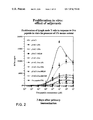
- FIG. 1 is a diagrammatic representation of FIG. 1 .
- FIG. 2 is a diagrammatic representation of FIG. 1 .
- FIG. 3 is a diagrammatic representation of FIG. 3 .
- mice were immunised with 20 ⁇ g pDNA at two occasions, three weeks apart. Two weeks later they were bled and specific IgG (a), IgG2a (b) and IgG1 (c) anti-recombinant M.hsp65 protein were detected by ELISA. p* ⁇ 0.1 No significant difference in the specific antibody response.
- p and h are significant as compared to p3 and p3M.65 respectively.
- FIG. 4 is a diagrammatic representation of FIG. 4 .
- Splenocytes from pDNA immunised mice were cultured in the presence of either S6c-E4 alone or infected with vaccinia expressing EBNA-4 9S6C-VE4) or S6C-gpt control tumor cells alone or infected with vaccinia TK- control vaccinia construct 9S6C-gptV). Stimulation index was calculated as described in the methods section.
- FIG. 5 is a diagrammatic representation of FIG. 5 .
- mice IFN ⁇ response in pDNA immunised mice and the effect of tucaresol on it.
- Groups of mice were immunised with p3, E4 or E4, T and splenocytes were stimulated in vitro with tumor S6C-E$, S6C-gpt or nothing for 72h.
- IFN ⁇ tires were determined by specific ELISA.
- FIG. 6 is a diagrammatic representation of FIG. 6 .
- Cytotoxic T-cell response is markedly enhanced in tucaresol treated mice.
- Groups of HLA-A2/kb transgenic mice were immunised twice with p3M.65, p3M.65 ⁇ or p3M.65, T.
- Splenocytes were cultured with HLA-A2 biding peptide P$ for 5–6 days and were then used as effectors in conventional 51 Cr release assay.
- Jk-A2 kb as targets pulsed with P4, with an irrelevant peptide (Inf) or with nothing as described in the methods section.
- FIG. 7 is a diagrammatic representation of FIG. 7 .
- Tumour outgrowth inhibition is markedly enhanced in tucaresol treated mice.
- Groups of ACA mice were immunised three times with p3, E4 or E4,T, and were subsequently challenged with 104 S6C tumour cells. Mice were sacrificed when tumour diameter reached 20 mm.
- FIG. 8 is a diagrammatic representation of FIG. 8 .
- IFN ⁇ production is enhanced in tucaresol treated mice following gene gun immunisation.
- C57BL/6 mice or ACA mice were immunised by gene gun with pVAC1.PR ( FIG. 8 a ) or EBNA-4 ( FIG. 8 b ) respectively either alone or in combination with tucaresol, or the respective negative plasmids.
- Splenocytes were cultured with a nucleoprotein peptide, or tumour cells expressing the EBNA-4 antigen, or antigen negative tumour cells.
- IFN ⁇ titres were determined by specific ELISPOT assay ( FIG. 8 b ) or by specific ELISA assay ( FIG. 8 a ).
- FIG. 9 is a diagrammatic representation of FIG. 9 .
- Tucaresol Enhances the lytic CTL response induced by gene gun DNA immunisation.
- C57B1/6 mice were immunised with plasmid DNA encoding the influenza virus nucleoprotein with or without tucaresol given subcutaneously ( FIG. 9 a ) or orally ( FIG. 9 b ).
- Splenocytes were restimulated in-vitro with A/PR8/34 virus.
- Standard europium release techniques were used to determine specific lysis of MHC matched target cells pulsed with H-2 D b -restricted NP peptide.
- the present invention relates to vaccination methods, and in particular to improvements of methods of vaccination involving the introduction into a mammal of DNA which encodes for an antigenic protein or peptide, such that the protein or peptide will be expressed within the mammalian body to thereby induce an immune response within the mammal, against the antigenic protein or peptide.
- DNA which encodes for an antigenic protein or peptide
- Such techniques are well known and are fully described in (1) as referred to above.
- the vaccination methods according to the present application can be adapted for protection of mammals against a variety of disease states such as, for example, viral, bacterial or parasitic infections, cancer, allergies and autoimmune disorders.
- diseases states such as, for example, viral, bacterial or parasitic infections, cancer, allergies and autoimmune disorders.
- the DNA sequences referred to in this application which are to be expressed within a mammalian system, in order to induce an antigenic response, may encode for an entire protein, or merely a shorter peptide sequence which is capable of initiating an antigenic response.
- antigenic peptide is intended to encompass all peptide or protein sequences which are capable of inducing an immune response within the animal concerned. Most preferably, however, the DNA sequence will encode for a full protein which is associated with the disease state, as the expression of full proteins within the animal system are more likely to mimic natural antigen presentation, and thereby evoke a full immune response.
- HBV PreS1 PreS2 and Surface env proteins, core and pol
- HSV HSV—gL, gH, gM, gB, gC, gK, gE, gD, ICP47, ICP36, ICP4
- TB Mycobacterial super oxide dismutase, 85A, 85B, MPT44, MPT59, MPT45, HSP10, HSP65, HSP70, HSP90, PPD 19 kDa Ag, PPD 38 kDa Ag.
- the vector selected may comprise a bacterial plasmid and a strong viral promoter and polyadenylation/transcriptional termination sequence arranged in the correct order to obtain expression of the antigenic peptides.
- the construction of vectors which include these components and optionally other components such as enhancers, restriction enzyme sites and selection genes, such as antibiotic resistance genes, is well known to persons skilled in the art and is explained in detail in Maniatis et al (21).
- the plasmid will preferably be produced without an original of replication that is functional in eukaryotic cells.
- compositions according to the present invention can be used in relation to prophylactic or treatment procedures of all mammals including, for example, domestic animals, laboratory animals, farm animals, captive wild animals and most preferably, humans.
- tucaresol can be explained by its ability to form Schiff bases and that it can thereby substitute for physiological donors or carbonyl groups and provide a co-stimulatory signal to CD4 Th-cells. It was previously reported that tucaresol enhanced CD4 Th-cell response, selectively favouring a Th 1-type profile over Th 2 (22), whereas the present inventors have demonstrated that it is capable of enhancing both Th 1 and Th 2 isotypes of antibody in a murine model.
- both serum antibody levels and cytotoxic T lymphocyte (CTL) levels respectively will be raised as a result of administration of the compounds, compared to levels associated with administration of DNA sequence encoding for the antigenic peptide alone.
- CTL cytotoxic T lymphocyte
- the vectors which comprise the DNA sequences encoding antigenic peptides can be administered in a variety of manners. It is possible for the vectors to be administered in a naked form (that is as naked DNA not in association with liposomal formulations, with viral vectors or transfection faciltating proteins) suspended in an appropriate medium, for example a buffered saline solution such as PBS and then injected intramuscularly, subcutaneously, intraperitonally or intravenously, although some earlier data suggests that intramuscular or subcutaneous injection is preferable (23), (the disclosure of which is included herein in its entirety by way of reference).
- a buffered saline solution such as PBS
- the vectors may be encapsulated by, for example, liposomes or within polylactide co-glycolide (PLG) particles (25) for administration via the oral, nasal or pulmonary routes.
- PLG polylactide co-glycolide
- intradermal administration of the vector preferably via use of gene-gun (particularly particle bombardment) administration techniques.
- Such techniques may involve lyophilisation of a suspension comprising the vector and subsequent coating of the vector on to gold beads which are then administered under high pressure into the epidermis, such as, for example, as described in (26).
- the amount of DNA delivered will vary significantly, depending upon the species and weight of mammal being immunised, the nature of the disease state being treated/protected against, the vaccination protocol adopted (i.e. single administration versus repeated doses), the route of administration and the potency and dose of the adjuvant compound chosen. Based upon these variables, a medical or veterinary practitioner will readily be able to determine the appropriate dosage level.
- the DNA vector including the DNA sequence encoding the antigenic peptide
- the DNA vector including the DNA sequence encoding the antigenic peptide
- this treatment regime will be significantly varied depending upon the size and species of animal concerned, the disease which is being treated/protected against, the amount of DNA administered, the route of administration, the potency and dose of adjuvant compound selected and other factors which would be apparent to a skilled veterinary or medical practitioner.
- the adjuvant compound specified herein can similarly be administered via a variety of different administration routes, such as for example, via the oral, nasal, pulmonary, intramuscular, subcutaneous, intradermal or topical routes.
- This administration may take place between about 14 days prior to and about 14 days post administration of the DNA sequence, preferably between about 7 days prior to and about 7 days post administration of the DNA sequence, more preferably between about 24 hours prior to and 24 hours post administration of the DNA sequence, and particularly preferably, substantially simultaneous with administration of the DNA sequence.
- substantially simultaneous what is meant is that administration of the compound is preferably at the same time as administration of the DNA sequence, or if not, at least within a few hours either side of DNA sequence administration.
- the compound will be administered substantially simultaneously to administration of the DNA sequence, and then again on approximately a daily basis for up to 14 days post DNA sequence administration, preferably daily for the 3 days following initial administration.
- this protocol can be varied as necessary, in accordance with the type of variables referred to above.
- the dose of administration will also vary, but may, for example, range between about 0.1 mg per kg to about 100 mg per kg, where “per kg” refers to the body weight of the mammal concerned.
- This administration of the adjuvant compound would preferably be repeated with each subsequent or booster administration of the DNA sequence.
- the administration dose will be between about 0.1 mg per kg to about 10 mg per kg, preferably between about 1 mg per kg and about 5 mg per kg.
- the adjuvant compounds While it is possible for the adjuvant compounds to be administered in the raw chemical state, it is preferable for administration in the form of a pharmaceutical composition. That is, the compounds will preferably be combined with one or more pharmaceutically or veterinarily acceptable carriers, and optionally other therapeutic ingredients.
- the carrier(s) must be “acceptable” in the sense of being compatible with other ingredients within the formulation, and not deleterious to the recipient thereof.
- the nature of the formulations will naturally vary according to the intended administration route, and may be prepared by methods well known in the pharmaceutical art. All methods include the step of bringing into association a compound of the invention (the adjuvant compound) with an appropriate carrier or carriers.
- formulations are prepared by uniformly and intimately bringing into association the compound with liquid carriers or finely divided solid carriers, or both, and then, if necessary, shaping the product into the desired formulation.
- Formulations of the present invention suitable for oral administration may be presented as discrete units such as capsules, cachets or tablets each containing a pre-determined amount of the active ingredient; as a powder or granules; as a solution or a suspension in an aqueous liquid or a non-aqueous liquid; or as an oil-in-water liquid emulsion or a water-in-oil emulsion.
- the active ingredient may also be presented as a bolus, electuary or paste.
- a tablet may be made by compression or moulding, optionally with one or more accessory ingredients.
- Compressed tablets may be prepared by compressing in a suitable machine the active ingredient in a free-flowing form such as a powder or granules, optionally mixed with a binder, lubricant, inert diluent, lubricating, surface active or dispersing agent.
- Moulded tablets may be made by moulding in a suitable machine a mixture of the powdered compound moistened with an inert liquid diluent.
- the tablets may optionally be coated or scored and may be formulated so as to provide slow or controlled release of the active ingredient.
- Formulations for injection via, for example, the intramuscular, intraperitonile, or subcutaneous administration routes include aqueous and non-aqueous sterile injection solutions which may contain antioxidants, buffers, bacteriostats and solutes which render the formulation isotonic with the blood of the intended recipient; and aqueous and non-aqueous sterile suspensions which may include suspending agents and thickening agents.
- the formulations may be presented in unit-dose or multi-dose containers, for example, sealed ampoules and vials, and may be stored in a freeze-dried (lyophilised) condition requiring only the addition of the sterile liquid carrier, for example, water for injections, immediately prior to use.
- Extemporaneous injection solutions and suspensions may be prepared from sterile powders, granules and tablets of the kind previously described.
- Formulations suitable for pulmonary administration via the buccal or nasal cavity are presented such that particles containing the active ingredient, desirably having a diameter in the range of 0.5 to 7 microns, are delivered into the bronchial tree of the recipient.
- Possibilities for such formulations are that they are in the form of finely comminuted powders which may conveniently be presented either in a piercable capsule, suitably of, for example, gelatine, for use in an inhalation device, or alternatively, as a self-propelling formulation comprising active ingredient, a suitable liquid propellant and optionally, other ingredients such as surfactant and/or a solid diluent.
- Self-propelling formulations may also be employed wherein the active ingredient is dispensed in the form of droplets of a solution or suspension.
- Such self-propelling formulations are analogous to those known in the art and may be prepared by established procedures. They are suitably provided with either a manually-operable or automatically functioning valve having the desired spray characteristics; advantageously the valve is of a metered type delivering a fixed volume, for example, 50 to 100 ⁇ L, upon each operation thereof.
- the active ingredient may be in the form of a solution for use in an atomiser or nebuliser whereby an accelerated airstream or ultrasonic agitation is employed to produce a find droplet mist for inhalation.
- Formulations suitable for intranasal administration generally include presentations similar to those described above for pulmonary administration, although it is preferred for such formulations to have a particle diameter in the range of about 10 to about 200 microns, to enable retention within the nasal cavity. This may be achieved by, as appropriate, use of a powder of a suitable particle size, or choice of an appropriate valve.
- Other suitable formulations include coarse powders having a particle diameter in the range of about 20 to about 500 microns, for administration by rapid inhalation through the nasal passage from a container held close up to the nose, and nasal drops comprising about 0.2 to 5% w/w of the active ingredient in aqueous or oily solutions.
- the vector which comprises the DNA sequence encoding the antigenic peptide is administered within the same formulation as the adjuvant compound.
- the adjuvant compound is prepared in a form suitable for gene-gun administration, and is administrated via that route substantially simultaneous to administration of the DNA sequence.
- the adjuvant compound may be lyophilised and adhered onto, for example, gold beads which are suited for gene-gun administration.
- the adjuvant compounds may be administered at or about the same administration site as the DNA sequence.
- Lymphoid cells from TCR-transgenic mice expressing a receptor specific for an ovalbumin antigen were transferred into normal syngeneic mice. These mice were then immunised subcutaneously with ovalbumin peptide with or without adjuvants. Three days later, regional lymph node cells were removed and their proliferative response to ovalbumin peptide was measured by means of incorporation of tritiated thymidine into DNA. This provides a measure of the degree of specific T-cell priming that occurred in vivo in response to immunisation. Immunisation with ovalbumin peptide alone ( ⁇ ) resulted in a significant but low level of T-cell priming compared with mock immunisation ( ⁇ ).
- LPS Bacterial lipopolysaccharide
- CFA complete Freunds adjuvant
- HK-BCG Bacillus Calmette Geurin
- Lymphoid cells from TCR-transgenic mice expressing a receptor specific for an ovalbumin antigen were transferred into normal syngeneic mice. These mice were then immunised subcutaneously (by means of gene gun) with plasmid DNA (pVAC1) or with plasmid DNA construct encoding ovalbumin (pVAC1.Ova) with or without adjuvants given subcutaneously. Three days later, regional lymph node cells were removed and their proliferative response to ovalbumin peptide was measured by means of incorporation of tritiated thymidine into DNA. This provides a measure of the degree of specific T-cell priming that occurred in vivo in response to immunisation.
- pVAC1 plasmid DNA
- pVAC1.Ova plasmid DNA construct encoding ovalbumin
- a control group were immunised with ovalbumin peptide in complete Freunds adjuvant which produced substantial T-cell priming ( ⁇ ).
- DNA immunisation with pVAC1.Ova ( ) produced significant T-cell priming compared with immunisation with the empty vector ( ⁇ ).
- none of the adjuvants were able to enhance this response to DNA immunisation.
- LPS ( ⁇ ), heat-killed Listeria monocytogenes (HKLM) ( ⁇ ), GM-CSF ( ⁇ ), and complete Freunds adjuvant (CFA) ( ⁇ ) all failed to enhance the response to DNA vaccination. [An anomalous high response was seen in with the empty vector control using HKLM as adjuvant].
- the effect of tucaresol on immunisation with a plasmid DNA coding for the mycobacterial heat shock protein 65 (M.hsp65) antigen was analysed, and compared the effect of tucaresol to that of plasmids expressing the cytokines GM-CSF and IFN ⁇ .
- mice were immunised intramuscularly (i.m.) with 20 ⁇ g of a plasmid (p3). Significant amounts of antibodies to M>hsp65 could be detected in sera from p3M.65 immunised mice, but not in the p3 immunised ones ( FIG. 3 a ). The antibody titres were markedly increased when 1 mg of tucaresol was administered subcutaneously simultaneously with the M.hsp plasmid 9p3M.65, T).
- the p3M.65 plasmid was administered alone or in equimolar combination with either a GM-CSF expressing plasmid (p3M.65, G), an IFN ⁇ expressing plasmid (p3M.65, ⁇ ), or a mixture of GM-CSF and IFN ⁇ expressing plasmids (p3M.65, G ⁇ ).
- the anti-M.hsp65 titres were markedly increased when the GM-CSF plasmid was included in the immunisation as compared with to p3M65.
- Tucaresol Enhances the Specific T-Cell Proliferative Response.
- mice were immunised i.m. with control plasmid p3 or with the EBNA-4 expressing plasmid (E4) or with E4 plus treatment with tucaresol (E4, T).
- E4 Epstein Barr Virus
- E4 plus treatment with tucaresol E4, T.
- S6C-E4 syngeneic EBNA-4 transfected carcinoma line
- SI simulation index
- mice were immunised i.m. with p3, E4 or E4 with simultaneous administration of tucaresol s.c. Little, if any IFN ⁇ was produced by splenocytes from mice immunised with E4 only in response to specific stimulation with S6C-E4 as compared to production from control splenocytes from p3 immunised mice or the production in response to S6C-gpt.
- splenocytes from form mice immunised with e4 and treated with tucaresol produced the highest amounts of IFN ⁇ in response to specific in vitro stimulation with S6C-E4 but did not in response to control stimulation with S6C-gpt.
- tucaresol administration together with pDNA vaccination is a highly efficient way of promoting a specific Th1 dominated cytokine response.
- HLA A2 transgenic mice twice with either p3 M.65, p3M.65 ⁇ or p3M.65, T.
- splenocytes form the immunised mice were stimulated once with the HLA-A2 restricted peptide epitope derived from the mycobacterial hsp65 molecule, and the cultures tested for specific CTL activity against the HLA-A2/kb Jurkat (Jk-A2/kbds) cell line unpulsed or pulsed with the cognate peptide or with a control HLA A2 restricted influenza peptide.
- Splenocytes from mice immunised with p3M.65 and tucaresol (p3M.65,T) developed high CTL activity against target cells pulsed with the cognate M.hsp65 epitope while their lytic activity against Jk-A2/kb cells unpulsed or pulsed with the control influenza peptide was much lower ( FIG. 6 ).
- splenocytes from mice immunised with the p3M.65 without any co-stimulatory agent were almost totally inactive.
- tucaresol is a very efficient agent to enhance the development of specific CTL when given together with pDNA vaccination.
- Epstein Barr virus has been implicated in some cancers.
- Mice were immunised by intramuscular injection with 40 ⁇ g of either control mock plasmid pCDNA3 (P3), plasmid expressing EBNA-4 (E4) or plasmid expressing EBNA-4 followed 1, 2, 3 and 4 days later with administration of 200 ⁇ g of tucaresol s.c.—i.e. 800 ⁇ g total tucaresol per mouse (E4T). This immunisation schedule was repeated 1 month and 2 months after the initial immunisation.
- FIG. 7 shows that tucaresol significantly enhances the ability of EBNA-4 to inhibit tumour outgrowth.
- IFN ⁇ interferon gamma
- CTL cytotoxic T lymphocytes
- C57BL/6 mice were immunised by gene gun with DNA plasmids encoding A/PR8/34 influenza virus nucleoprotein (pVAC1.PR) at two dose levels (10 & 100 ng) or empty vector.
- Spleens were collected 14 days post immunisation and splenocytes re-stimulated in vitro with an NP peptide (10 ⁇ M), recognised only by CD8 cytotoxic T-cells, together with recombinant human IL-2 (50 ng/ml).
- Tucaresol was administered to mice at the time of immunisation either subcutaneously (s.c.) (2 ⁇ 1 mg) at the site of intra-epidermal DNA vaccination, or by oral gavage (15 mg/kg) daily for 5 days beginning on the day of immunisation.
- Subcutaneous tucaresol produces a small but significant increase in the CTL cytokine response to immunisation while oral tucaresol produces a doubling of the response.
- mice were immunised by gene gun with DNA plasmids encoding EBNA-4 (E4) or empty vector (P3). 2 ug of DNA was administered per shot, giving two non overlapping shots per mouse. Tucaresol was administered to the mice (E4T) in 200 ug amounts subcutaneously on days 1, 2, 3 and 4. Mice were boosted after two months with the same immunisation and treatment schedule. Two weeks later splenocytes were stimulated in vitro with tumour cells expressing the EBNA-4 antigen (S6C-E4) or with antigen negative tumour cells (S6C-gpt) for 72 h. Supernatants were then collected and IFN-y titres were determined by specific ELISA. Tucaresol dramatically increased the production of IFN ⁇ .
- Lysis of target cells by CD8 CTL is a principal mechanism in the elimination of viral infections by the immune system. Lytic CTL can be measured using target cells carrying viral peptide and labelled with europium.
- mice were immunised with plasmid DNA (10 ng) encoding the influenza virus nucleoprotein (NP) with and without tucaresol given sub-cutaneously (sc).
- Mice were killed 14 days post-immunisation and restimulated in-vitro (5 days) with irradiated splenocytes pulsed with virus (A/PR8/34).
- Standard europium release techniques were used to determine specific lysis of MHC-matched target cells (EL4 cells) pulsed with H-2 D b -restricted NP peptide. Non-specific lysis was less than 15% for all controls.
- Tucaresol was given subcutaneously (1 mg) at the site of intrepidermal gene-gun immunisation.
- mice were immunised with plasmid DNA (10 ng) encoding the influenza virus nucleoprotein (NP) with and without tucaresol given orally.
- Mice were killed 14 days post-immunisation and restimulated in-vitro (5 days) with irradiated splenocytes pulsed with virus (A/PR8/34).
- Standard europium release techniques were used to determine specific lysis of EL4 cells pulsed with H-2D b -restricted NP peptide. Non-specific lysis was less than 15% for all controls.
- Tucaresol (15 mg/kg) was given by oral gavage once daily for 5 days beginning on the day of immunisation.
- the enhancement was also associated with a significant quantitative increase in the response as compared to giving the pDNA vaccination alone or in combination with the pDNA expressing cytokine genes, and was observed both as increased specific antibody titres and as enhanced proliferative and cytotoxic T-cell responses.
- pDNA immunisation fulfils this requirement as it induces both humoral and cellular responses including CTL responses, all of which were found to be enhanced by tucaresol.
- co-injection of tucaresol resulted in a general enhancement of both types of specific immunity including the enhancement of Th1 and Th2 associated antibody responses.
- the combination of pDNA vaccination and tucaresol can therefore be considered in conditions where either a cellular of antibody based immune response would be beneficial for the host.
- tucaresol to enhance pDNA induced specific T-cell responses to hsp65, Influenza NP and EBNA-4, as detected by proliferation, cytokine production and cytotoxicity, is of particular importance.
- Protective immunity to mycobacterial infection is dependent on both CD4 + T-cells with the capacity to secrete macrophage activating cytokines, including IFN ⁇ and on cytotoxic CD8 + cells which can eliminate infected macrophages.
- Protective immunity to EBV infection is dependent on CD4 + and CD8 + T-cell responses, and T-cell based immunotherapy against post-transplant transplant lymphoproliferative disorders has already proven to be efficient. Since pDNA vaccination combined with tucaresol favors both CD4 and CD8 mediated responses, as shown here, this is an attractive mode of vaccination to be applied in new T-cell vaccines against intra-cellular bacteria and viruses.
- Tucaresol is a chemically well-defined molecule which has already been clinically tested. This should simplify the approval procedure of this drug in new pDNA-based vaccination protocols. Furthermore, as it was shown to be systematically active there is no need for local co-administration of pDNA and tucaresol, as shown here by combining intramuscular pDNA immunisation with subcutaneous injection of tucaresol. The combination of intradermal “ballistic” delivery of pDNA vaccination with oral administration of tucaresol may prove a very attractive mode of immunisation particularly under conditions where parenteral immunisations should be avoided due to risks of blood-borne infections or cultural stigmata associated with injections.
- hsp protein was detected in the lysate of COS-7 transfected with p3M.65 by lipofection using Lipofectine (Life technologies, Paisley, Scotland). Lysates were electrophoresed on 12% SDS-PAGE gel, followed by Western Blotting on PVDF membrane (BioRad, CA) and immuno-detection by anti-Mycobacterial hsp65 specific monoclonal antibody DC-16 (kindly provided by Dr. Juraj Ivanyi, London, U.K.). This was then detected with a secondary alkaline phosphatase conjugated goat anti-mouse Ig (Southern Biotech, AL) and the blot was developed using the western blue substrate system (Promega, Madison, Wis.).
- Sera from immunised mice were collected and used in direct ELISA as described earlier.
- Recombinant mycobacterial hsp65 (kindly provided by Dr R. v d Zee) was used at a concentration of 4 ⁇ g/ml carbonate buffer to coat wells of 96 well plate (Maxisorp, Nunc, Denmark) overnight at 4° C.
- Sera were added in duplicate at 1:100 dilution, incubated overnight at 4° C. Binding antibodies were detected using IgG (preabsorbed against mouse IgM), IgG1 and IgG2a specific alkaline phosphatase conjugated goat anti-mouse sera (Southern Biotech).
- HLA-A2*0201/Kb transgenic mice (kindly provided by Dr L. Sherman, Scripps Laboratories, San Diego, Calif.) used in this study have been described. These mice express a chimeric MHC class II molecule I which the ⁇ 1 and ⁇ 2 domains are of the HLA-A*0201 molecule while the ⁇ 3 trans-membrane and cytoplasmic domains are of the mouse H2 Kb molecule. This construction permits the binding site of the mouse CD8 molecule on the T-cell to interact with the ⁇ 3 domain of the chimeric molecule.
- HLA-A*0201/Kb The surface expression of the HLA-A*0201/Kb was confirmed using HLA-A*0201 specific FITC-conjugated monoclonal antibody (One Lambda, Ca) and assessed by flow cytometry using FACSCAN (Becton Dickinson & Co., Mountain View, Calif.).
- C575BI/6 mice have been described. These mice have a defined influenza virus nucleoprotein CTL epitope.
- ACA (H-2f) mice were purchased from Jackson (Jackson Laboratory, Bar Harbor, Main). Mice were propagated and held in our SP environment in MTC animal house at the Karolinska Institute.
- Plasmids were prepared form LB ampicillin E. coli culture using Qiagen plasmid giga kit (Qiagen GmbH, Hilden, Germany). Concentrations and purity were determined using spectrophotometer and analytical gel electrophoresis.
- mice were injected in the regenerating tibialis-anterior muscle according to the method of Davis et al using 20 ⁇ g pDNA/100 ul/muscle of either control plasmid (P3), EBNA-4 expressing plasmid plus control plasmid p3 (E4), p3M.65 expressing plasmid plus control plasmid p3 (p3M.65), p3M.65 plus GM-CSF expression plasmids (p3M.65G), or p3M.65 plus IFN ⁇ expression plasmid (9p3M.65 ⁇ ). Plasmids were mixed in equal molar quantities.
- immunisation was carried out by gene gun according to the method of Fynan et al (27) using 10 ng or 100 ng of DNA plasmid encoding A/PR8/34 influenza virus nucleoprotein (pVAC1.PR) or empty vector, or 2 ug of plasmid encoding EBNA-4 (E4) or control vector p3.
- pVAC1.PR DNA plasmid encoding A/PR8/34 influenza virus nucleoprotein
- E4 2 ug of plasmid encoding EBNA-4 or control vector p3.
- Tucaresol treated mice were immunised with E4, p3M.65, or pVAC1.PR (E4,T p3M.65,t and pVAC1.NP PR(Tuc sc) respectively) and either injected at the same time with 1 mg tucaresol each sub-cutaneously or received daily injections of tucaresol 200 ⁇ g per mouse for a period of 4 days also sub-cutaneously. Mice received boosting two weeks after priming with the same dose.
- Jurkat A*0201/Kb(Jk-A2/kb), a human t-cell leukaemia 0HLA-A*0201 negative cell line stably transfected with HLA-A80201/Kb chimeric gene (kindly provided by Dr. W. M. Kast, Loyola University, Maywood Ill.).
- the S6C cell line was derived from a spontaneous mammary adeno-carcinoma that has been originated in an ACA mouse.
- S6C-gpt and S6C-E4 are control plasmid and EBNA-4 transfectant respectively (kindly provided by Dr. George Klein, MTC, Karolinska Institute, Sweden).
- All cell lines were maintained by passing in vivo in syngeneic ACA mice and in vitro in RPMI 1640 supplemented with 10% fetal bovine serum (FBS), 100 U/ml penicillin, 100 ⁇ g/ml streptomycin, 50 ⁇ M 2-mercaptoethanol, and 2 mM L-glutamine.
- FBS fetal bovine serum
- penicillin 100 U/ml
- streptomycin 100 ⁇ g/ml streptomycin
- 50 ⁇ M 2-mercaptoethanol 50 ⁇ M 2-mercaptoethanol
- 2 mM L-glutamine 2 mM L-glutamine
- Splenocytes were harvested from immunised mice. A single cell suspension was prepared and cells were re-suspended in IMDM supplemented with 10% FBS and L-glu and antibiotics.
- Mixed splenocytes and tumor cell cultures (MSTC) were prepared by mixing 3 ⁇ 10 6 tumor cells per ml. Cultures were incubated for 5 days at 37° C. in 7.5% CO 2 . One ⁇ Ci of tritium labelled thymidine was added to each well of U-shaped bottom 96 well plates. Cells were further incubated for 18 hours in the same conditions as above and harvested and the amount of incorporated tritium labelled thymidine was measured using Beta Plate reader (Wallac, Turku, Finland).
- SI stimulation index
- splenocytes from E4 immunised mice
- MSTC tumor cell cultures
- IFN ⁇ interferon gamma
- IL-4 tumor cell cultures
- Peptide specific CTL lines were prepared in 12-well plates as follows. Splenocytes, from immunised or control non-immunised mice were plated at 6 ⁇ 10 6 per well and co-cultured with 3 ⁇ 10 6 peptide pulsed (5 ⁇ g per ml P4) syngeneic splenocytes. After 6–8 days cell-mediated cytotoxicity was measured by 51 Cr release as follows. One million target cells were incubated at 37° C.
Landscapes
- Health & Medical Sciences (AREA)
- Life Sciences & Earth Sciences (AREA)
- Veterinary Medicine (AREA)
- Animal Behavior & Ethology (AREA)
- General Health & Medical Sciences (AREA)
- Public Health (AREA)
- Chemical & Material Sciences (AREA)
- Epidemiology (AREA)
- Medicinal Chemistry (AREA)
- Pharmacology & Pharmacy (AREA)
- Immunology (AREA)
- Microbiology (AREA)
- Mycology (AREA)
- Chemical Kinetics & Catalysis (AREA)
- General Chemical & Material Sciences (AREA)
- Oncology (AREA)
- Nuclear Medicine, Radiotherapy & Molecular Imaging (AREA)
- Communicable Diseases (AREA)
- Organic Chemistry (AREA)
- Engineering & Computer Science (AREA)
- Virology (AREA)
- Rheumatology (AREA)
- Pulmonology (AREA)
- Bioinformatics & Cheminformatics (AREA)
- Biotechnology (AREA)
- Molecular Biology (AREA)
- Genetics & Genomics (AREA)
- Medicines Containing Antibodies Or Antigens For Use As Internal Diagnostic Agents (AREA)
- Pharmaceuticals Containing Other Organic And Inorganic Compounds (AREA)
- Acyclic And Carbocyclic Compounds In Medicinal Compositions (AREA)
- Saccharide Compounds (AREA)
- Medicines That Contain Protein Lipid Enzymes And Other Medicines (AREA)
Abstract
A method of vaccinating a mammal against a disease state, comprising administrating to said mammal, within an appropriate vector, a nucleotide sequence encoding an antigenic peptide associated with the disease state; additionally administering to said mammal a compound which enhances both humoral and cellular immune responses initiated by the antigenic peptide, the compound being selected from the list contained herein, wherein the compound is preferably Tucaresol or a physiologically acceptable salt or ester thereof, where appropriate.
Description
This is a national stage application under 35 U.S.C. 371 of PCT/EP99/06217, filed Aug. 25, 1999, now abandoned.
The present invention relates to improvements in DNA vaccination and in particular, but not exclusively, to methods of vaccinating a mammal against disease states, to vaccine compositions and to the use of certain compounds in the manufacture in medicaments.
Traditional vaccination techniques which involve the introduction into an animal system of an antigen which can induce an immune response in the animal, and thereby protect the animal against infection, have been known for many years. Following the observation in the early 1990's that plasmid DNA could directly transfect animal cells in vivo, significant research efforts have been undertaken to develop vaccination techniques based upon the use of DNA plasmids to induce immune responses, by direct introduction into animals of DNA which encodes for antigenic peptides. Such techniques, which are referred to as “DNA immunisation” or “DNA vaccination” have now been used to elicit protective antibody (humoral) and cell-mediated (cellular) immune responses in a wide variety of pre-clinical models for viral, bacterial and parasitic diseases.
Research is also underway in relation the use of DNA vaccination techniques in treatment and protection against cancer, allergies and autoimmune diseases.
DNA vaccines usually consist of a bacterial plasmid vector into which is inserted a strong viral promoter, the gene of interest which encodes for an antigenic peptide and a polyadenylation/transcriptional termination sequence. The gene of interest may encode a full protein or simply an antigenic peptide sequence relating to the pathogen, tumour or other agent which is intended to be protected against. The plasmid can be grown in bacteria, such as for example E. coli and then isolated and prepared in an appropriate medium, depending upon the intended route of administration, before being administered to the host. Following administration the plasmid is taken up by cells of the host where the encoded peptide is produced. The plasmid vector will preferably be made without an origin of replication which is functional in eukaryotic cells, in order to prevent plasmid replication in the mammalian host and integration within chromosomal DNA of the animal concerned.
There are a number of advantages of DNA vaccination relative to traditional vaccination techniques. Firstly, it is predicted that because the proteins which are encoded by the DNA sequence are synthesised in the host, the structure or conformation of the protein will be similar to the native protein associated with the disease state. It is also likely that DNA vaccination will offer protection against different strains of a virus, by generating cytotoxic T lymphocyte responses that recognise epitopes from conserved proteins. Furthermore, because the plasmids are taken up by the host cells where antigenic protein can be produced, a long-lasting immune response will be elicited. The technology also offers the possibility of combining diverse immunogens into a single preparation to facilitate simultaneous immunisation in relation to a number of disease states.
Helpful background information in relation to DNA vaccination is provided in (1), the disclosure of which is included herein in its entirety by way of reference.
Despite the numerous advantages associated with DNA vaccination relative to traditional vaccination therapies, there is nonetheless a desire to develop adjuvant compounds which will serve to increase the immune response induced by the protein which is encoded by the plasmid DNA administered to an animal.
One reason for this is that while DNA vaccines tend to work well in mice models, there is evidence of a somewhat weaker potency in larger species such as non-human primates (2, 3), which is thought to be predictive of the likely potency in humans. Adjuvants may also be useful to correct an inappropriate deviation of immune response from a Th1 to Th2 response which can be associated with DNA vaccination, especially when administered directly to the epidermis (4). Finally, it has been recognised that the DNA itself, through CpG motifs, may exhibit some adjuvant properties (5, 6, 7) which are prevalent in smaller animals administered DNA vaccines intramuscularly, but reduced in larger species or when small amounts of DNA are administered, such as via “gene-gun” administration.
Accordingly, it is one object of the present invention to provide adjuvant compounds which can be used in conjunction with DNA vaccination procedures. It is also an object to provide methods of improved DNA vaccination involving such adjuvants, as well as compositions including the adjuvants concerned. Other objects of the present invention will become apparent from the following detailed description thereof. To date, however, meeting these objects has proven difficult, largely due to mechanistic differences associated with DNA vaccination, as compared to traditional vaccine techniques.
The literature reports numerous instances of humoral immune responses in animal models, which result from DNA vaccination. Antibody responses have been shown against human growth hormone and human α-1 anti-trypsin (8), against influenza NP (9), against HIV Envelope protein (10), bovine herpes virus glycoprotein (11) and hepatitis B surface antigen (12), amongst others, following administration of plasmid DNA encoding therefore. Cytotoxic T-cell responses have also been demonstrated in animal models of DNA vaccination. Generation of cytotoxic T-cells has been demonstrated against NP from influenza A (13), hepatitis B surface antigen (HBs Ag) 65 and core antigen (14), and HIV Env (15, 16, 17) as a few examples. It is interesting to note, however, that helper T-cell response appears to be dependent upon the mode of plasmid DNA delivery. Intramuscular administration biases the helper T-cell response to Th1-like response, whereas administration primarily to the epidermis biases the immune response towards a Th2-like response (4). It is further noted that a number of known immunopotentiating agents have been tried in combination with DNA vaccination techniques with limited, or at best, mixed success. For example, while co-expression of GM-CSF with rabies virus glycoprotein (18) and carcinoembroytic antigen (CEA (19)), and co-expression of B7-1 and B7-2 M. tuberculosis HSP 65 (20) or CEA (19), all induced higher antibody titres than expression of the antigen alone, there is no report of an enhanced cellular immune response. Interestingly also, rabies virus glycoprotein when co-administered with DNA encoding interferon-γ, actually had an inhibitory effect on antibody response (18).
With this background in mind, it is most surprising to note that the present inventors report adjuvant compounds which show the dual action of not only stimulating humoral immune response, but simultaneously stimulating the cellular immune response mechanism. The compounds which have been recently shown to demonstrate this remarkable adjuvant activity in relation to DNA vaccination were disclosed in International Patent Publication No. WO94/07479, in relation to their immunopotentitory activity. One particular compound identified by the present inventors as having favourable DNA vaccine adjuvant activity is 4-(2-formyl-3-hydroxyphenoxymethyl)benzoic acid, also known as tucaresol, which was originally described in EP 0054924. None of the compounds now identified by the present inventors as being suited to act as adjuvants with DNA vaccines have previously been disclosed or suggested as demonstrating the humoral and cellular immunogenic activity which so suits them to the role as DNA vaccine adjuvants.
According to one embodiment of the present invention there is provided a method of vaccinating a mammal against a disease state, comprising administrating to said mammal, within an appropriate vector, a DNA sequence encoding an antigenic peptide associated with the disease state;
additionally administering to said mammal a compound which enhances both humoral and cellular immune responses initiated by the antigenic peptide, the compound being selected from:
- 4-(2-formyl-3-hydroxyphenoxymethyl)benzoic acid;
- 5-(2-formyl-3-hydroxyphenoxy)pentanamide;
- N,N-diethyl 5-(2-formyl-3-hydroxyphenoxy)pentanamide;
- N-isopropyl 5-(2-formyl-3-hydroxyphenoxy)pentanamide;
- ethyl 5-(2-formyl-3-hydroxyphenoxy)pentanoate;
- 5-(2-formyl-3-hydroxyphenoxy)pentanonitrile;
- (±)-5-(2-formyl-3-hydroxyphenoxy)-2-methylpentanoic acid;
- 5-(2-formyl-3-hydroxyphenoxy)-2,2-dimethylpentanoic acid;
- methyl 3-(2-formyl-3-hydroxyphenoxy)methylbenzoate;
- 3-(2-formyl-3-hydroxyphenoxy)methylbenzoic acid;
- benzyl 5-(2-formyl-3-hydroxyphenoxy)pentanoate;
- 5-[4-(2-formyl-3-hydroxyphenoxy)-N-butyl]tetrazole;
- 7-(2-formyl-3-hydroxyphenoxy)heptanoic acid;
- 5-(2-formyl-3-hydroxy-4-n-propoxyphenoxy)pentanoic acid;
- 5-(4,6-dichloro-2-formyl-3-hydroxyphenoxy)pentanoic acid;
- 5-(2-formyl-3-hydroxyphenoxy)-N-methylsulphonylpentanamide;
- ethyl 4-(2-formyl-3-hydroxyphenoxymethyl)benzoate;
- 5-(4-chloro-2-formyl-3-hydroxyphenoxy)pentanoic acid;
- 5-(3-acetylamino-2-formylphenoxy)pentanoic acid;
- Aminoguanidine;
- 4-(2-formyl-3-hydroxyphenoxy)butanoic acid;
- 6-(2-formyl-3-hydroxyphenoxy)hexanoic acid;
- ethyl 4-(3-acetylaminio-2-formylphenoxymethyl)benzoate;
- 4-(3-acetylamino-2-formylphenoxymethyl)benzoic acid;
- 2-(2-formyl-3-hydroxyphenoxymethyl)benzoic acid;
- 5-[4-(2-formyl-3-hydroxyphenoxymethyl)phenyl]tetrazole;
- 5-(2-formyl-3-hydroxy-4-methoxyphenoxy)pentanoic acid;
- 3-(2-formyl-3-hydroxyphenoxy)propionitrile;
- 4-Hydroxyphenylacetaldehyde;
- Phenylacetaldehyde;
- 4-Methoxyphenylacetaldehyde;
- 1-hydroxy-2-phenylpropane;
- 3-Phenylproponionaldeyde;
- 4-Nitrobenzaldehyde;
- Methyl 4-formylbenzoate;
- 4-Chlorobenzaldehyde;
- 4-Methyloxybenzaldehyde;
- 4-Methylbenzaidehyde;
- 8,10-Dioxoundecanoic acid;
- 4,6-Dioxoheptanoic acid;
- Pentanedione;
- 5-methoxy-1-tetralone;
- 6-methoxy-1-tetralone;
- 7-methoxy-1-tetralone;
- 2-tetralone;
- 3-hydroxy-1-(4-methoxyphenyl)-3-methyl-2-butanone;
- 2′,4′-dihydroxy-2-(4-methoxyphenyl)acetophenone;
- 2-hydroxy-1-(4-methyoxyphenyl)-pent-2ene-4one;
-
Naringenin 4′,5,6-trihydroxyflavonone; - 4′-methoxy-2-(4-methoxyphenyl)acetophenone;
- 6,7-dihydroxycoumarin;
- 7-methoxy-2-tetralone;
- 6,7-dimethoxy-2-tetralone;
- 6-hydroxy-4-methylcoumarin;
- Homogentisic acid gamma lactone;
- 6-hydroxy-1,2-naphthoquinone;
- 8-methoxy-2-tetralone;
and physiologically acceptable salts thereof, where appropriate.
Preferably the nucleotide sequence is a DNA sequence.
Preferably between one and seven administrations of the compound take place between about 14 days prior to and about 14 days post administration of the DNA sequence, particularly preferably between about 7 days prior to and about 7 days post administration of the DNA sequence, preferably between about 1 day prior to and 1 day post administration of the DNA sequence. Most particularly preferably administration of the compound is substantially simultaneous to administration of the DNA sequence, with optional further administrations of the compound in the days following administration of the DNA sequence.
Preferably the compound is administered at a dose of between about 0.1 mg/kg and about 100 mg/kg per administration.
Preferably the mammal is a human.
Preferably the compound is 4-(2-formyl-3-hydroxyphenoxymethyl)benzoic acid.
According to another embodiment of the invention there is provided a vaccine composition comprising a DNA sequence which encodes for an antigenic peptide associated with a disease state and is within an appropriate vector, and a compound which will enhance both humoral and cellular immune responses in a mammal which are initiated by the antigenic peptide, the compound being selected from:
- 4-(2-formyl-3-hydroxyphenoxymethyl)benzoic acid;
- 5-(2-formyl-3-hydroxyphenoxy)pentanamide;
- N,N-diethyl 5-(2-formyl-3-hydroxyphenoxy)pentanamide;
- N-isopropyl 5-(2-formyl-3-hydroxyphenoxy)pentanamide;
- ethyl 5-(2-formyl-3-hydroxyphenoxy)pentanoate;
- 5-(2-formyl-3-hydroxyphenoxy)pentanonitrile;
- (±)-5-(2-formyl-3-hydroxyphenoxy)-2-methylpentanoic acid;
- 5-(2-formyl-3-hydroxyphenoxy)-2,2-dimethylpentanoic acid;
- methyl 3-(2-formyl-3-hydroxyphenoxy)methylbenzoate;
- 3-(2-formyl-3-hydroxyphenoxy)methylbenzoic acid;
- benzyl 5-(2-formyl-3-hydroxyphenoxy)pentanoate;
- 5-[4-(2-formyl-3-hydroxyphenoxy)-N-butyl]tetrazole;
- 7-(2-formyl-3-hydroxyphenoxy)heptanoic acid;
- 5-(2-formyl-3-hydroxy-4-n-propoxyphenoxy)pentanoic acid;
- 5-(4,6-dichloro-2-formyl-3-hydroxyphenoxy)pentanoic acid;
- 5-(2-formyl-3-hydroxyphenoxy)-N-methylsulphonylpentanamide;
- ethyl 4-(2-formyl-3-hydroxyphenoxymethyl)benzoate;
- 5-(4-chloro-2-formyl-3-hydroxyphenoxy)pentanoic acid;
- 5-(3-acetylamino-2-formylphenoxy)pentanoic acid;
- Aminoguanidine;
- 4-(2-formyl-3-hydroxyphenoxy)butanoic acid;
- 6-(2-formyl-3-hydroxyphenoxy)hexanoic acid;
- ethyl 4-(3-acetylaminio-2-formylphenoxymethyl)benzoate;
- 4-(3-acetylamino-2-formylphenoxymethyl)benzoic acid;
- 2-(2-formyl-3-hydroxyphenoxymethyl)benzoic acid;
- 5-[4-(2-formyl-3-hydroxyphenoxymethyl)phenyl]tetrazole;
- 5-(2-formyl-3-hydroxy-4-methoxyphenoxy)pentanoic acid;
- 3-(2-formyl-3-hydroxyphenoxy)propionitrile;
- 4-Hydroxyphenylacetaldehyde;
- Phenylacetaldehyde;
- 4-Methoxyphenylacetaldehyde;
- 1-hydroxy-2-phenylpropane;
- 3-Phenylproponionaldeyde;
- 4-Nitrobenzaldehyde;
- Methyl 4-formylbenzoate;
- 4-Chlorobenzaldehyde;
- 4-Methyloxybenzaldehyde;
- 4-Methylbenzaldehyde;
- 8,10-Dioxoundecanoic acid;
- 4,6-Dioxoheptanoic acid;
- Pentanedione;
- 5-methoxy-1-tetralone;
- 6-methoxy-1-tetralone;
- 7-methoxy-1-tetralone;
- 2-tetralone;
- 3-hydroxy-1-(4-methoxyphenyl)-3-methyl-2-butanone;
- 2′,4′-dihydroxy-2-(4-methoxyphenyl)acetophenone;
- 2-hydroxy-1-(4-methyoxyphenyl)-pent-2ene-4one;
-
Naringenin 4′,5,6-trihydroxyflavonone; - 4′-methoxy-2-(4-methoxyphenyl)acetophenone;
- 6,7-dihydroxycoumarin;
- 7-methoxy-2-tetralone;
- 6,7-dimethoxy-2-tetralone;
- 6-hydroxy-4-methylcoumarin;
- Homogentisic acid gamma lactone;
- 6-hydroxy-1,2-naphthoquinone;
- 8-methoxy-2-tetralone;
and physiologically acceptable salts thereof, where appropriate.
Preferably the compound is 4-(2-formyl-3-hydroxyphenoxymethyl) benzoic acid.
According to a further embodiment of the present invention there is provided use of a compound in the manufacture of a medicament, wherein administration of the compound to a mammal enhances both humoral and cellular responses initiated by an antigenic peptide associated with a disease state, the peptide being expressed as a result of administration to said mammal of a DNA sequence encoding for the peptide;
wherein said compound is selected from:
- 4-(2-formyl-3-hydroxyphenoxymethyl)benzoic acid;
- 5-(2-formyl-3-hydroxyphenoxy)pentanamide;
- N,N-diethyl 5-(2-formyl-3-hydroxyphenoxy)pentanamide;
- N-isopropyl 5-(2-formyl-3-hydroxyphenoxy)pentanamide;
- ethyl 5-(2-formyl-3-hydroxyphenoxy)pentanoate;
- 5-(2-formyl-3-hydroxyphenoxy)pentanonitrile;
- (±)-5-(2-formyl-3-hydroxyphenoxy)-2-methylpentanoic acid;
- 5-(2-formyl-3-hydroxyphenoxy)-2,2-dimethylpentanoic acid;
- methyl 3-(2-formyl-3-hydroxyphenoxy)methylbenzoate;
- 3-(2-formyl-3-hydroxyphenoxy)methylbenzoic acid;
- benzyl 5-(2-formyl-3-hydroxyphenoxy)pentanoate;
- 5-[4-(2-formyl-3-hydroxyphenoxy)-N-butyl]tetrazole;
- 7-(2-formyl-3-hydroxyphenoxy)heptanoic acid;
- 5-(2-formyl-3-hydroxy-4-n-propoxyphenoxy)pentanoic acid;
- 5-(4,6-dichloro-2-formyl-3-hydroxyphenoxy)pentanoic acid;
- 5-(2-formyl-3-hydroxyphenoxy)-N-methylsulphonylpentanamide;
- ethyl 4-(2-formyl-3-hydroxyphenoxymethyl)benzoate;
- 5-(4-chloro-2-formyl-3-hydroxyphenoxy)pentanoic acid;
- 5-(3-acetylamino-2-formylphenoxy)pentanoic acid;
- Aminoguanidine;
- 4-(2-formyl-3-hydroxyphenoxy)butanoic acid;
- 6-(2-formyl-3-hydroxyphenoxy)hexanoic acid;
- ethyl 4-(3-acetylaminio-2-formylphenoxymethyl)benzoate;
- 4-(3-acetylamino-2-formylphenoxymethyl)benzoic acid;
- 2-(2-formyl-3-hydroxyphenoxymethyl)benzoic acid;
- 5-[4-(2-formyl-3-hydroxyphenoxymethyl)phenyl]tetrazole;
- 5-(2-formyl-3-hydroxy-4-methoxyphenoxy)pentanoic acid;
- 3-(2-formyl-3-hydroxyphenoxy)propionitrile;
- 4-Hydroxyphenylacetaldehyde;
- Phenylacetaldehyde;
- 4-Methoxyphenylacetaldehyde;
- 1-hydroxy-2-phenylpropane;
- 3-Phenylproponionaldeyde;
- 4-Nitrobenzaldehyde;
- Methyl 4-formylbenzoate;
- 4-Chlorobenzaldehyde;
- 4-Methyloxybenzaldehyde;
- 4-Methylbenzaldehyde;
- 8,10-Dioxoundecanoic acid;
- 4,6-Dioxoheptanoic acid;
- Pentanedione;
- 5-methoxy-1-tetralone;
- 6-methoxy-1-tetralone;
- 7-methoxy-1-tetralone;
- 2-tetralone;
- 3-hydroxy-1-(4-methoxyphenyl)-3-methyl-2-butanone;
- 2′,4′-dihydroxy-2-(4-methoxyphenyl)acetophenone;
- 2-hydroxy-1-(4-methyoxyphenyl)-pent-2ene-4one;
-
Naringenin 4′,5,6-trihydroxyflavonone; - 4′-methoxy-2-(4-methoxyphenyl)acetophenone;
- 6,7-dihydroxycoumarin;
- 7-methoxy-2-tetralone;
- 6,7-dimethoxy-2-tetralone;
- 6-hydroxy-4-methylcoumarin;
- Homogentisic acid gamma lactone;
- 6-hydroxy-1,2-naphthoquinone;
- 8-methoxy-2-tetralone;
and physiologically acceptable salts thereof, where appropriate.
Preferably the compound is 4-(2-formyl-3-hydroxyphenoxymethyl)benzoic acid and it is preferably administered at a dose of between about 0.1 mg/kg and about 100 mg/kg per administration.
According to a further emobodiment of the invention there is provided a combination of components for separate, sequential or concomitant administration in a method as outlined above, comprising the nucleotide sequence encoding an antigenic peptide and the compound which enhances both cellular and humoral immune responses initiated by the antigenic peptide.
Proliferation of lymph node T cells in response to Ova peptide in vitro (in presence of 0.5% mouse serum). Results show T cell response for ovalbumin in PBS (no adjuvant) and PBS alone, Complete Freunds Adjuvant (CFA) alone and combined with Ova peptide, Bacterial Lipopolysaccharide (LPS) alone and combined with Ova peptide and Bacillus Calmette Geurin (HK-BCG) alone and combined with Ova peptide.
Proliferation of lymph node T cells in response to pDNA or DNA encoding ovalbumin (PVAC1.Ova) in isolation and in combination with adjuvants LPS, CFA, GM-CSF and Heat-Killed Listeria monocytogenes (HKLM).
Effects of tucaresol on the specific antibody response to mycobacterial hsp65 after immunisation with pDNA expressing Mhsp65. Mice were immunised with 20 μg pDNA at two occasions, three weeks apart. Two weeks later they were bled and specific IgG (a), IgG2a (b) and IgG1 (c) anti-recombinant M.hsp65 protein were detected by ELISA. p*≧0.1 No significant difference in the specific antibody response. p**≦0.05 for comparison between p3 or p3,T and p3M.65 and between p3M.65 and p3M.65 G or p3M.65, T in (a), between p3 or p3,T and p3M.65 or p3M.65 G in (b), and between p3 and or p3,T and p3M.65Gub (c). p***≦0.003 for comparison between p3 or p3, T and p3M.65 G or p3M.65,T in (a), for comparison between p3 and or p3,T and p3M.65, t and between p3M.65 and p3M.65, t in (b), and between p3 and or p3, T and p3M.65, T in (c). p and h are significant as compared to p3 and p3M.65 respectively.
Effect of tucaresol on the proliferative T cell response. Splenocytes from pDNA immunised mice were cultured in the presence of either S6c-E4 alone or infected with vaccinia expressing EBNA-4 9S6C-VE4) or S6C-gpt control tumor cells alone or infected with vaccinia TK- control vaccinia construct 9S6C-gptV). Stimulation index was calculated as described in the methods section.
IFNγ response in pDNA immunised mice and the effect of tucaresol on it. Groups of mice were immunised with p3, E4 or E4, T and splenocytes were stimulated in vitro with tumor S6C-E$, S6C-gpt or nothing for 72h. IFNγ tires were determined by specific ELISA.
Cytotoxic T-cell response is markedly enhanced in tucaresol treated mice. Groups of HLA-A2/kb transgenic mice were immunised twice with p3M.65, p3M.65γ or p3M.65, T. Splenocytes were cultured with HLA-A2 biding peptide P$ for 5–6 days and were then used as effectors in conventional 51Cr release assay. Using Jk-A2 kb as targets pulsed with P4, with an irrelevant peptide (Inf) or with nothing as described in the methods section.
Tumour outgrowth inhibition is markedly enhanced in tucaresol treated mice. Groups of ACA mice were immunised three times with p3, E4 or E4,T, and were subsequently challenged with 104 S6C tumour cells. Mice were sacrificed when tumour diameter reached 20 mm.
IFNγ production is enhanced in tucaresol treated mice following gene gun immunisation.
C57BL/6 mice or ACA mice were immunised by gene gun with pVAC1.PR (FIG. 8 a) or EBNA-4 (FIG. 8 b) respectively either alone or in combination with tucaresol, or the respective negative plasmids. Splenocytes were cultured with a nucleoprotein peptide, or tumour cells expressing the EBNA-4 antigen, or antigen negative tumour cells. IFNγ titres were determined by specific ELISPOT assay (FIG. 8 b) or by specific ELISA assay (FIG. 8 a).
Tucaresol Enhances the lytic CTL response induced by gene gun DNA immunisation.
C57B1/6 mice were immunised with plasmid DNA encoding the influenza virus nucleoprotein with or without tucaresol given subcutaneously (FIG. 9 a) or orally (FIG. 9 b). Splenocytes were restimulated in-vitro with A/PR8/34 virus. Standard europium release techniques were used to determine specific lysis of MHC matched target cells pulsed with H-2 Db-restricted NP peptide.
Throughout this specification and the appended claims, unless the context requires otherwise, the words “comprise” and “include” or variations such as “comprising”, “comprises”, “including”, “includes”, etc., are to be construed inclusively, that is, use of these words will imply the possible inclusion of integers or elements not specifically recited.
As described above, the present invention relates to vaccination methods, and in particular to improvements of methods of vaccination involving the introduction into a mammal of DNA which encodes for an antigenic protein or peptide, such that the protein or peptide will be expressed within the mammalian body to thereby induce an immune response within the mammal, against the antigenic protein or peptide. Such techniques are well known and are fully described in (1) as referred to above.
It is possible for the vaccination methods according to the present application to be adapted for protection of mammals against a variety of disease states such as, for example, viral, bacterial or parasitic infections, cancer, allergies and autoimmune disorders. Some specific examples of disorders or disease states which can be protected against or treated by using the methods or compositions according to the present invention, are as follows:
Viral Infections
Hepatitis viruses A, B, C, D & E, HIV, herpes viruses 1, 2, 6 & 7, -cytomegalovirus, varicella zoster, papilloma virus, Epstein Barr virus, influenza viruses, para-influenza viruses, adenoviruses, coxsakie viruses, picorna viruses, rotaviruses, respiratory syncytial viruses, pox viruses, rhinoviruses, rubella virus, papovirus, mumps virus, measles virus.
Bacterial Infections
Mycobacteria causing TB and leprosy, pneumocci, aerobic gram negative bacilli, mycoplasma, staphyloccocal infections, streptococcal infections, salmonellae, chlamydiae.
Parasitic
Malaria, leishmaniasis, trypanosomiasis, toxoplasmosis, schistosomiasis, filariasis,
Cancer
Breast cancer, colon cancer, rectal cancer, cancer of the head and neck, renal cancer, malignant melanoma, laryngeal cancer, ovarian cancer, cervical cancer, prostate cancer.
Allergies
Rhinitis due to House dust mite, pollen and other environmental allergens
Autoimmune disease
Systemic lupus erythematosis
It is to be recognised that these specific disease states have been referred to by way of example only, and are not intended to be limiting upon the scope of the present invention.
The DNA sequences referred to in this application, which are to be expressed within a mammalian system, in order to induce an antigenic response, may encode for an entire protein, or merely a shorter peptide sequence which is capable of initiating an antigenic response. Throughout this specification and the appended claims, the phrase “antigenic peptide” is intended to encompass all peptide or protein sequences which are capable of inducing an immune response within the animal concerned. Most preferably, however, the DNA sequence will encode for a full protein which is associated with the disease state, as the expression of full proteins within the animal system are more likely to mimic natural antigen presentation, and thereby evoke a full immune response. Some non-limiting examples of known antigenic peptides in relation to specific disease states include the following:
HBV—PreS1 PreS2 and Surface env proteins, core and pol
HIV—gp120 gp40, gp160, p24, gag, pol, env, vif, vpr, vpu, tat, rev, nef
Papilloma—E1, E2, E3, E4, E5, E6, E7, E8, L1, L2
HSV—gL, gH, gM, gB, gC, gK, gE, gD, ICP47, ICP36, ICP4
Influenza—haemaggluttin, nucleoprotein
TB—Mycobacterial super oxide dismutase, 85A, 85B, MPT44, MPT59, MPT45, HSP10, HSP65, HSP70, HSP90, PPD 19 kDa Ag, PPD 38 kDa Ag.
In order to obtain expression of the antigenic peptide within mammalian cells, it is necessary for the DNA sequence encoding the antigenic peptide to be presented in an appropriate vector system. For example, the vector selected may comprise a bacterial plasmid and a strong viral promoter and polyadenylation/transcriptional termination sequence arranged in the correct order to obtain expression of the antigenic peptides. The construction of vectors which include these components and optionally other components such as enhancers, restriction enzyme sites and selection genes, such as antibiotic resistance genes, is well known to persons skilled in the art and is explained in detail in Maniatis et al (21).
As it is important to prevent the plasmids replicating within the mammalian host and integrating within the chromosomal DNA of the animal, the plasmid will preferably be produced without an original of replication that is functional in eukaryotic cells.
The methods and compositions according to the present invention can be used in relation to prophylactic or treatment procedures of all mammals including, for example, domestic animals, laboratory animals, farm animals, captive wild animals and most preferably, humans.
The compounds recited above which have been identified by the present inventors as exhibiting the favourable activity of enhancing both humoral and cellular immunogenic activity initiated by DNA vaccine administration are known compounds, previously reported in WO94/07479 as having immunopotentiatory properties. In particular, the preferred compound 4-(2-formol-3-hydroxyphenoxymethyl)benzoic acid, which is also known as tucaresol, was originally described in EP 0054924 and has been reported as having immunopotentiatory activity and as being useful for treatment of various disorders including HIV, HBV, HCV, tumours and sickle cell anaemia. It is thought that the reported activity of tucaresol can be explained by its ability to form Schiff bases and that it can thereby substitute for physiological donors or carbonyl groups and provide a co-stimulatory signal to CD4 Th-cells. It was previously reported that tucaresol enhanced CD4 Th-cell response, selectively favouring a Th 1-type profile over Th 2 (22), whereas the present inventors have demonstrated that it is capable of enhancing both Th 1 and Th 2 isotypes of antibody in a murine model.
By referring to enhancement of both humoral and cellular immune responses initiated by the antigenic peptide, and caused by the compounds of the present invention, it is intended to convey that both serum antibody levels and cytotoxic T lymphocyte (CTL) levels respectively will be raised as a result of administration of the compounds, compared to levels associated with administration of DNA sequence encoding for the antigenic peptide alone. Such levels can be quantified by methods well known in the art, as will be further explained in the appended examples.
The vectors which comprise the DNA sequences encoding antigenic peptides can be administered in a variety of manners. It is possible for the vectors to be administered in a naked form (that is as naked DNA not in association with liposomal formulations, with viral vectors or transfection faciltating proteins) suspended in an appropriate medium, for example a buffered saline solution such as PBS and then injected intramuscularly, subcutaneously, intraperitonally or intravenously, although some earlier data suggests that intramuscular or subcutaneous injection is preferable (23), (the disclosure of which is included herein in its entirety by way of reference). It is additionally possible for the vectors to be encapsulated by, for example, liposomes or within polylactide co-glycolide (PLG) particles (25) for administration via the oral, nasal or pulmonary routes. It is also possible, according to a preferred embodiment of the invention, for intradermal administration of the vector, preferably via use of gene-gun (particularly particle bombardment) administration techniques. Such techniques may involve lyophilisation of a suspension comprising the vector and subsequent coating of the vector on to gold beads which are then administered under high pressure into the epidermis, such as, for example, as described in (26). The amount of DNA delivered will vary significantly, depending upon the species and weight of mammal being immunised, the nature of the disease state being treated/protected against, the vaccination protocol adopted (i.e. single administration versus repeated doses), the route of administration and the potency and dose of the adjuvant compound chosen. Based upon these variables, a medical or veterinary practitioner will readily be able to determine the appropriate dosage level.
It is possible for the DNA vector, including the DNA sequence encoding the antigenic peptide, to be administered on a once off basis or to be administered repeatedly, for example, between 1 and 7 times, preferably between 1 and 4 times, at intervals between about 1 day and about 18 months. Once again, however, this treatment regime will be significantly varied depending upon the size and species of animal concerned, the disease which is being treated/protected against, the amount of DNA administered, the route of administration, the potency and dose of adjuvant compound selected and other factors which would be apparent to a skilled veterinary or medical practitioner.
The adjuvant compound specified herein can similarly be administered via a variety of different administration routes, such as for example, via the oral, nasal, pulmonary, intramuscular, subcutaneous, intradermal or topical routes. This administration may take place between about 14 days prior to and about 14 days post administration of the DNA sequence, preferably between about 7 days prior to and about 7 days post administration of the DNA sequence, more preferably between about 24 hours prior to and 24 hours post administration of the DNA sequence, and particularly preferably, substantially simultaneous with administration of the DNA sequence. By “substantially simultaneous” what is meant is that administration of the compound is preferably at the same time as administration of the DNA sequence, or if not, at least within a few hours either side of DNA sequence administration. In the most preferred treatment protocol, the compound will be administered substantially simultaneously to administration of the DNA sequence, and then again on approximately a daily basis for up to 14 days post DNA sequence administration, preferably daily for the 3 days following initial administration. Obviously, this protocol can be varied as necessary, in accordance with the type of variables referred to above. Once again, depending upon such variables, the dose of administration will also vary, but may, for example, range between about 0.1 mg per kg to about 100 mg per kg, where “per kg” refers to the body weight of the mammal concerned. This administration of the adjuvant compound would preferably be repeated with each subsequent or booster administration of the DNA sequence. Most preferably, the administration dose will be between about 0.1 mg per kg to about 10 mg per kg, preferably between about 1 mg per kg and about 5 mg per kg.
While it is possible for the adjuvant compounds to be administered in the raw chemical state, it is preferable for administration in the form of a pharmaceutical composition. That is, the compounds will preferably be combined with one or more pharmaceutically or veterinarily acceptable carriers, and optionally other therapeutic ingredients. The carrier(s) must be “acceptable” in the sense of being compatible with other ingredients within the formulation, and not deleterious to the recipient thereof. The nature of the formulations will naturally vary according to the intended administration route, and may be prepared by methods well known in the pharmaceutical art. All methods include the step of bringing into association a compound of the invention (the adjuvant compound) with an appropriate carrier or carriers. In general, the formulations are prepared by uniformly and intimately bringing into association the compound with liquid carriers or finely divided solid carriers, or both, and then, if necessary, shaping the product into the desired formulation. Formulations of the present invention suitable for oral administration may be presented as discrete units such as capsules, cachets or tablets each containing a pre-determined amount of the active ingredient; as a powder or granules; as a solution or a suspension in an aqueous liquid or a non-aqueous liquid; or as an oil-in-water liquid emulsion or a water-in-oil emulsion. The active ingredient may also be presented as a bolus, electuary or paste.
A tablet may be made by compression or moulding, optionally with one or more accessory ingredients. Compressed tablets may be prepared by compressing in a suitable machine the active ingredient in a free-flowing form such as a powder or granules, optionally mixed with a binder, lubricant, inert diluent, lubricating, surface active or dispersing agent. Moulded tablets may be made by moulding in a suitable machine a mixture of the powdered compound moistened with an inert liquid diluent.
The tablets may optionally be coated or scored and may be formulated so as to provide slow or controlled release of the active ingredient.
Formulations for injection via, for example, the intramuscular, intraperitonile, or subcutaneous administration routes include aqueous and non-aqueous sterile injection solutions which may contain antioxidants, buffers, bacteriostats and solutes which render the formulation isotonic with the blood of the intended recipient; and aqueous and non-aqueous sterile suspensions which may include suspending agents and thickening agents. The formulations may be presented in unit-dose or multi-dose containers, for example, sealed ampoules and vials, and may be stored in a freeze-dried (lyophilised) condition requiring only the addition of the sterile liquid carrier, for example, water for injections, immediately prior to use. Extemporaneous injection solutions and suspensions may be prepared from sterile powders, granules and tablets of the kind previously described. Formulations suitable for pulmonary administration via the buccal or nasal cavity are presented such that particles containing the active ingredient, desirably having a diameter in the range of 0.5 to 7 microns, are delivered into the bronchial tree of the recipient. Possibilities for such formulations are that they are in the form of finely comminuted powders which may conveniently be presented either in a piercable capsule, suitably of, for example, gelatine, for use in an inhalation device, or alternatively, as a self-propelling formulation comprising active ingredient, a suitable liquid propellant and optionally, other ingredients such as surfactant and/or a solid diluent. Self-propelling formulations may also be employed wherein the active ingredient is dispensed in the form of droplets of a solution or suspension. Such self-propelling formulations are analogous to those known in the art and may be prepared by established procedures. They are suitably provided with either a manually-operable or automatically functioning valve having the desired spray characteristics; advantageously the valve is of a metered type delivering a fixed volume, for example, 50 to 100 μL, upon each operation thereof.
In a further possibility, the active ingredient may be in the form of a solution for use in an atomiser or nebuliser whereby an accelerated airstream or ultrasonic agitation is employed to produce a find droplet mist for inhalation.
Formulations suitable for intranasal administration generally include presentations similar to those described above for pulmonary administration, although it is preferred for such formulations to have a particle diameter in the range of about 10 to about 200 microns, to enable retention within the nasal cavity. This may be achieved by, as appropriate, use of a powder of a suitable particle size, or choice of an appropriate valve. Other suitable formulations include coarse powders having a particle diameter in the range of about 20 to about 500 microns, for administration by rapid inhalation through the nasal passage from a container held close up to the nose, and nasal drops comprising about 0.2 to 5% w/w of the active ingredient in aqueous or oily solutions.
Examples of appropriate formulations which comprise the adjuvant compounds according to the present invention are provided within WO94/07479, the disclosure of which is included herein by reference, in its entirety.
In a preferred embodiment of the invention, it is possible for the vector which comprises the DNA sequence encoding the antigenic peptide to be administered within the same formulation as the adjuvant compound. In a particularly preferred embodiment the adjuvant compound is prepared in a form suitable for gene-gun administration, and is administrated via that route substantially simultaneous to administration of the DNA sequence. For preparation of formulations suitable for use in this manner, it may be necessary for the adjuvant compound to be lyophilised and adhered onto, for example, gold beads which are suited for gene-gun administration.
Even if not formulated together, it may be appropriate for the adjuvant compounds to be administered at or about the same administration site as the DNA sequence.
Other details of pharmaceutical preparations can be found in (24), the disclosure of which is included herein in its entirety, by way of reference.
The present invention will now be described further, with reference to the following non-limiting examples:
Activity in Conventional Adjuvants in DNA Vaccination Compared to Peptide Immunisation
Lymphoid cells from TCR-transgenic mice, expressing a receptor specific for an ovalbumin antigen were transferred into normal syngeneic mice. These mice were then immunised subcutaneously with ovalbumin peptide with or without adjuvants. Three days later, regional lymph node cells were removed and their proliferative response to ovalbumin peptide was measured by means of incorporation of tritiated thymidine into DNA. This provides a measure of the degree of specific T-cell priming that occurred in vivo in response to immunisation. Immunisation with ovalbumin peptide alone (◯) resulted in a significant but low level of T-cell priming compared with mock immunisation (●). Bacterial lipopolysaccharide (LPS) ( ), complete Freunds adjuvant (CFA) (□), and Bacillus Calmette Geurin (HK-BCG) (⊕), all provided significant enhancement of this response. In the absence of an immunising antigen, administration of bacterial lipopolysaccharide (LPS) (▴), complete Freunds adjuvant (CFA) (▪), and Bacillus Calmette Geurin (HK-BCG) (▾), had minimal effects on subsequent proliferation in response to ova peptide.
Lymphoid cells from TCR-transgenic mice, expressing a receptor specific for an ovalbumin antigen were transferred into normal syngeneic mice. These mice were then immunised subcutaneously (by means of gene gun) with plasmid DNA (pVAC1) or with plasmid DNA construct encoding ovalbumin (pVAC1.Ova) with or without adjuvants given subcutaneously. Three days later, regional lymph node cells were removed and their proliferative response to ovalbumin peptide was measured by means of incorporation of tritiated thymidine into DNA. This provides a measure of the degree of specific T-cell priming that occurred in vivo in response to immunisation. A control group were immunised with ovalbumin peptide in complete Freunds adjuvant which produced substantial T-cell priming (♦). DNA immunisation with pVAC1.Ova ( ) produced significant T-cell priming compared with immunisation with the empty vector (◯). However, in contrast to the conventional peptide immunisation, none of the adjuvants were able to enhance this response to DNA immunisation. LPS (▴), heat-killed Listeria monocytogenes (HKLM) (▾), GM-CSF (⋄), and complete Freunds adjuvant (CFA) (⊕), all failed to enhance the response to DNA vaccination. [An anomalous high response was seen in with the empty vector control using HKLM as adjuvant].
Tucaresol Enhances the Production of Antigen Specific Antibodies
The effect of tucaresol on immunisation with a plasmid DNA coding for the mycobacterial heat shock protein 65 (M.hsp65) antigen was analysed, and compared the effect of tucaresol to that of plasmids expressing the cytokines GM-CSF and IFNγ.
Groups of mice were immunised intramuscularly (i.m.) with 20 μg of a plasmid (p3). Significant amounts of antibodies to M>hsp65 could be detected in sera from p3M.65 immunised mice, but not in the p3 immunised ones (FIG. 3 a). The antibody titres were markedly increased when 1 mg of tucaresol was administered subcutaneously simultaneously with the M.hsp plasmid 9p3M.65, T). In contrast, no increase in the specific antibody response was detected in a group of mice immunised with the control plasmid and tucaresol (p3, T), excluding the possibility that a general increase in non-specific cross-reactive antibodies due to the high degree of immuno-potentiation associated with tucaresol administration accounted for the observed effect. (FIG. 3 a).
We also compared in the same experiment the effect of tucaresol with that of injecting plasmids expressing the cytokines GM-CSF and IFNγ. The p3M.65 plasmid was administered alone or in equimolar combination with either a GM-CSF expressing plasmid (p3M.65, G), an IFNγ expressing plasmid (p3M.65, γ), or a mixture of GM-CSF and IFNγ expressing plasmids (p3M.65, Gγ). The anti-M.hsp65 titres were markedly increased when the GM-CSF plasmid was included in the immunisation as compared with to p3M65. In contrast to the potentiating effect of the GM-CSF plasmid on the M.hsp65 specific antibody response, there was insignificant antibody response when the IFNγ expressing plasmid was included in line with previously published data. Combining both cytokine plasmids seemed to antagonise the enhancing effect of the GM-CSF plasmid, reducing the response to levels essentially similar to that observed when immunising with p3M.65 only (data not shown). Collectively, these results demonstrate that tucaresol has a potent capacity to enhance the antibody response induced by genetic immunisation with the M.hsp65 antigen, comparable to the effect of the GM-CSF plasmid.
We have analysed the isotype of the anti-M.hsp65 antibodies. p3M.65 immunised mice produced significant amounts of IgG2a anti-M.hsp65 antibodies. This titre was significantly (P=0.003) increased in mice receiving tucaresol (FIG. 3 b). This clear enhancement of a Th1 associated antibody response was unique as immunisation with p3M.65,G, p3M.65γ or p3M.65 Gγ could not exert such an effect. The inclusion of the IFNγ expressing plasmid in the immunisation did not enhance the IgG2a anti-M.hsp65 antibody response.
A Th2 associated anti-M.hsp65 IgG1 antibody response could not be detected in a significant amount of mice receiving p3M.65,G, p3M.65γ or p3M.65 Gγ. This response was induced in a significant amount (P=0.003) however, in mice receiving p3M.65, T and to a lesser extent (P=0.027) in pM.65G immunised mice as compared to p3 immunised mice (FIG. 3 c).
Taken together, our data prove that a significant increase in the specific antibody response as a result of genetic immunisation could be achieved by the administration of tucaresol. Although this administration strongly enhanced the Th1 associated response, it did also induce a Th2 associated antibody response. This is the first time tucaresol is reported to enhance the production of a specific antibody response.
Tucaresol Enhances the Specific T-Cell Proliferative Response.
We next analysed the effect of tucaresol on the proliferative T-cell response induced by vaccination with pDNA expressing the Epstein Barr Virus (EBV) nuclear antigen number 4 (EBNA-4). Groups of mice were immunised i.m. with control plasmid p3 or with the EBNA-4 expressing plasmid (E4) or with E4 plus treatment with tucaresol (E4, T). A minimal proliferative response was detected in the splenocyte cultures from E4 immunised mice when stimulated with the syngeneic EBNA-4 transfected carcinoma line (S6C-E4). Interestingly, a much stronger proliferative response to S6C-E4 was obtained with splenocytes from mice immunised i.m. with the E4 and treated s.c. with tucaresol (FIG. 4 ). EBNA-4 vaccinia infected stimulators (S6C-VE4) also induced a higher proliferative response than S6C-E4 in the splenocytes from both E4 immunised and the E4, T immunised mice as previously reported. Proliferation was calculated as simulation index (SI) using the formula: SI=splenocyte proliferation towards S6C-EBNA-4 transfectant (EBNA-4 vaccinia infected)/splenocyte proliferation towards S6C-gpt (TK-vacccinia infected) control transfectant. Again, this response was antigen focused as there was no detectable proliferation in the splenocytes from control immunised mice (p3) towards S6C-E4 or EBNA-4 vaccinia infected cells above that toward S6C-gpt or control TK-vaccinia infected S6c-gptV respectively (FIG. 4 ).
Tucaresol Significantly Enhances the Production of Th-1 Cytokines.
pDNA immunisation is associated with a predominant Th-1 response as characterised by production of Th1 cytokines including IFNγ. To assess the capacity of tucaresol to enhance this Th-1 response, mice were immunised i.m. with p3, E4 or E4 with simultaneous administration of tucaresol s.c. Little, if any IFNγ was produced by splenocytes from mice immunised with E4 only in response to specific stimulation with S6C-E4 as compared to production from control splenocytes from p3 immunised mice or the production in response to S6C-gpt. Interestingly, splenocytes from form mice immunised with e4 and treated with tucaresol produced the highest amounts of IFNγ in response to specific in vitro stimulation with S6C-E4 but did not in response to control stimulation with S6C-gpt. We were unable to detect the Th2 cytokine IL-4 production in response to specific stimulation in splenocytes cultures from any group (data not shown). We therefore conclude that tucaresol administration together with pDNA vaccination is a highly efficient way of promoting a specific Th1 dominated cytokine response.
Augmentation of the Specific CTL Response by Tucaresol
To investigate the effect of tucaresol on the specific cytotoxic T-cell (CTL) response induced by pDNA vaccination, we have immunised HLA A2 transgenic mice twice with either p3 M.65, p3M.65γ or p3M.65, T. Two weeks after the last immunisation splenocytes form the immunised mice were stimulated once with the HLA-A2 restricted peptide epitope derived from the mycobacterial hsp65 molecule, and the cultures tested for specific CTL activity against the HLA-A2/kb Jurkat (Jk-A2/kbds) cell line unpulsed or pulsed with the cognate peptide or with a control HLA A2 restricted influenza peptide. Splenocytes from mice immunised with p3M.65 and tucaresol (p3M.65,T) developed high CTL activity against target cells pulsed with the cognate M.hsp65 epitope while their lytic activity against Jk-A2/kb cells unpulsed or pulsed with the control influenza peptide was much lower (FIG. 6 ). In contrast, splenocytes from mice immunised with the p3M.65 without any co-stimulatory agent were almost totally inactive. The inclusion of the IFNγ plasmid together with the p3M.65 vaccine (p3M.65γ) enhanced the CTL activity of the splenocytes as compared to the activity of splenocytes derived from the mice immunised with p3M.65 only, but this cytotoxicity was only 30–50% of that observed with splenocytes form mice treated with tucaresol. We therefore conclude that tucaresol is a very efficient agent to enhance the development of specific CTL when given together with pDNA vaccination.
Effect of Tucaresol on Tumour Outgrowth Inhibition In Vivo Following Immunisation with a Plasmid Expressing the Epstein Barr Virus Nuclear Antigen 4 (EBNA-4)
Epstein Barr virus has been implicated in some cancers. We analysed the effect of tucaresol on tumour outgrowth inhibition in vivo as a result of pDNA vaccination with a plasmid expressing EBNA-4 (FIG. 7 ). Mice were immunised by intramuscular injection with 40 μg of either control mock plasmid pCDNA3 (P3), plasmid expressing EBNA-4 (E4) or plasmid expressing EBNA-4 followed 1, 2, 3 and 4 days later with administration of 200 μg of tucaresol s.c.—i.e. 800 μg total tucaresol per mouse (E4T). This immunisation schedule was repeated 1 month and 2 months after the initial immunisation. Two weeks after the last immunisation mice were challenged with 104 S6C-E4 tumour cells s.c. Mice were sacrificed when the tumour reached a 20 mm diameter. FIG. 7 shows that tucaresol significantly enhances the ability of EBNA-4 to inhibit tumour outgrowth.
Effect of Tucaresol on CTL Cytokine Response Induced by Gene Gun DNA Immunisation in Mice.
The production of interferon gamma (IFNγ) by cytotoxic T lymphocytes (CTL) is a key measure of cell-mediated immune responses important in the elimination of viral infection.
Using Influenza NP Antigen (FIG. 8 a)
C57BL/6 mice were immunised by gene gun with DNA plasmids encoding A/PR8/34 influenza virus nucleoprotein (pVAC1.PR) at two dose levels (10 & 100 ng) or empty vector. Spleens were collected 14 days post immunisation and splenocytes re-stimulated in vitro with an NP peptide (10 μM), recognised only by CD8 cytotoxic T-cells, together with recombinant human IL-2 (50 ng/ml). IFNγ positive cells per 10e6 splenocytes were detected by ELISPOT assay which measures the number of individual cells producing cytokine (mean±S.E.M.; n=3 mice). Tucaresol was administered to mice at the time of immunisation either subcutaneously (s.c.) (2×1 mg) at the site of intra-epidermal DNA vaccination, or by oral gavage (15 mg/kg) daily for 5 days beginning on the day of immunisation. Subcutaneous tucaresol produces a small but significant increase in the CTL cytokine response to immunisation while oral tucaresol produces a doubling of the response.
Using Epstein Barr Virus Nuclear Antigen 4 (EBNA-4) (FIG. 8 b)
Mice were immunised by gene gun with DNA plasmids encoding EBNA-4 (E4) or empty vector (P3). 2 ug of DNA was administered per shot, giving two non overlapping shots per mouse. Tucaresol was administered to the mice (E4T) in 200 ug amounts subcutaneously on days 1, 2, 3 and 4. Mice were boosted after two months with the same immunisation and treatment schedule. Two weeks later splenocytes were stimulated in vitro with tumour cells expressing the EBNA-4 antigen (S6C-E4) or with antigen negative tumour cells (S6C-gpt) for 72 h. Supernatants were then collected and IFN-y titres were determined by specific ELISA. Tucaresol dramatically increased the production of IFNγ.
Effect of Tucaresol on Lytic CTL Response Induced by Gene Gun DNA Immunisation
Lysis of target cells by CD8 CTL is a principal mechanism in the elimination of viral infections by the immune system. Lytic CTL can be measured using target cells carrying viral peptide and labelled with europium.
Subcutaneous Administration of Tucaresol (FIG. 9 a)
C57BI/6 mice were immunised with plasmid DNA (10 ng) encoding the influenza virus nucleoprotein (NP) with and without tucaresol given sub-cutaneously (sc). Mice were killed 14 days post-immunisation and restimulated in-vitro (5 days) with irradiated splenocytes pulsed with virus (A/PR8/34). Standard europium release techniques were used to determine specific lysis of MHC-matched target cells (EL4 cells) pulsed with H-2 Db-restricted NP peptide. Non-specific lysis was less than 15% for all controls. Tucaresol was given subcutaneously (1 mg) at the site of intrepidermal gene-gun immunisation.
Oral Administration of Tucaresol (FIG. 9 b)
C57B1/6 mice were immunised with plasmid DNA (10 ng) encoding the influenza virus nucleoprotein (NP) with and without tucaresol given orally. Mice were killed 14 days post-immunisation and restimulated in-vitro (5 days) with irradiated splenocytes pulsed with virus (A/PR8/34). Standard europium release techniques were used to determine specific lysis of EL4 cells pulsed with H-2Db-restricted NP peptide. Non-specific lysis was less than 15% for all controls. Tucaresol (15 mg/kg) was given by oral gavage once daily for 5 days beginning on the day of immunisation.
Discussion of Experimental Results
We introduce herein a simple and very effective approach to enhance pDNA immunisation, based on providing a co-stimulatory signal to T-cells via Schiff base formation. Several of our observations demonstrate that this method is able to circumvent the problem of limitation in efficacy which commonly is encountered as a result of pDNA vaccination. These include an observed induction of a specific immune response in the majority of the immunised animals, while the approaches of using cytokine encoding vectors was considerably less efficient in that regard (data not shown). The enhancement was also associated with a significant quantitative increase in the response as compared to giving the pDNA vaccination alone or in combination with the pDNA expressing cytokine genes, and was observed both as increased specific antibody titres and as enhanced proliferative and cytotoxic T-cell responses.
The induction of an adequate immune response requires the participation of multiple components of the immune system, and pDNA immunisation fulfils this requirement as it induces both humoral and cellular responses including CTL responses, all of which were found to be enhanced by tucaresol. Moreover, while other modes of enhancing pDNA immunisation will lead to an antibody of a T-cell biased immune response, co-injection of tucaresol resulted in a general enhancement of both types of specific immunity including the enhancement of Th1 and Th2 associated antibody responses. The combination of pDNA vaccination and tucaresol can therefore be considered in conditions where either a cellular of antibody based immune response would be beneficial for the host.
There was a marked increase in the production of specific antibody production as also measured by the highest IgG:IgM ratio as compared to the other immunisation procedure (data not shown). This points out the potential advantage of using this procedure during the production of monoclonal antibodies.
The marked ability of tucaresol to enhance pDNA induced specific T-cell responses to hsp65, Influenza NP and EBNA-4, as detected by proliferation, cytokine production and cytotoxicity, is of particular importance. Protective immunity to mycobacterial infection is dependent on both CD4+ T-cells with the capacity to secrete macrophage activating cytokines, including IFNγ and on cytotoxic CD8+ cells which can eliminate infected macrophages. Protective immunity to EBV infection is dependent on CD4+ and CD8+ T-cell responses, and T-cell based immunotherapy against post-transplant transplant lymphoproliferative disorders has already proven to be efficient. Since pDNA vaccination combined with tucaresol favors both CD4 and CD8 mediated responses, as shown here, this is an attractive mode of vaccination to be applied in new T-cell vaccines against intra-cellular bacteria and viruses.
Tucaresol is a chemically well-defined molecule which has already been clinically tested. This should simplify the approval procedure of this drug in new pDNA-based vaccination protocols. Furthermore, as it was shown to be systematically active there is no need for local co-administration of pDNA and tucaresol, as shown here by combining intramuscular pDNA immunisation with subcutaneous injection of tucaresol. The combination of intradermal “ballistic” delivery of pDNA vaccination with oral administration of tucaresol may prove a very attractive mode of immunisation particularly under conditions where parenteral immunisations should be avoided due to risks of blood-borne infections or cultural stigmata associated with injections.
In summary, we present herein data that show for the first time the utility of using a Schiff base forming drug as a simple and effective method to augment the specific immune response induced by pDNA vaccination. These data are applicable for both clinical and industrial settings.
Experimental Methods
Plasmid Construction and Test
All genes were inserted in the pCDNA3 vector (Invitrogen BV, NV Leek, The Netherlands). Mycobacterium bovis hsp65 cDNA was excised from plasmid pRIB1300 (kindly provided by Dr. R. v d Zee, Utrecht University, Utrecht, The Netherlands) using Eco RI and Sal I and sub-cloned in the Eco RI and Xho I sites of pCDNA3 MCS. The identity and orientation of the gene in the resulting plasmid (p3M.65) were confirmed with restriction mapping. Expression and production of hsp protein was detected in the lysate of COS-7 transfected with p3M.65 by lipofection using Lipofectine (Life technologies, Paisley, Scotland). Lysates were electrophoresed on 12% SDS-PAGE gel, followed by Western Blotting on PVDF membrane (BioRad, CA) and immuno-detection by anti-Mycobacterial hsp65 specific monoclonal antibody DC-16 (kindly provided by Dr. Juraj Ivanyi, London, U.K.). This was then detected with a secondary alkaline phosphatase conjugated goat anti-mouse Ig (Southern Biotech, AL) and the blot was developed using the western blue substrate system (Promega, Madison, Wis.).
ELISA Procedures
Sera from immunised mice were collected and used in direct ELISA as described earlier. Recombinant mycobacterial hsp65 (kindly provided by Dr R. v d Zee) was used at a concentration of 4 μg/ml carbonate buffer to coat wells of 96 well plate (Maxisorp, Nunc, Denmark) overnight at 4° C. Sera were added in duplicate at 1:100 dilution, incubated overnight at 4° C. Binding antibodies were detected using IgG (preabsorbed against mouse IgM), IgG1 and IgG2a specific alkaline phosphatase conjugated goat anti-mouse sera (Southern Biotech).
Mice
HLA-A2*0201/Kb transgenic mice (kindly provided by Dr L. Sherman, Scripps Laboratories, San Diego, Calif.) used in this study have been described. These mice express a chimeric MHC class II molecule I which the α1 and α2 domains are of the HLA-A*0201 molecule while the α3 trans-membrane and cytoplasmic domains are of the mouse H2 Kb molecule. This construction permits the binding site of the mouse CD8 molecule on the T-cell to interact with the α3 domain of the chimeric molecule. The surface expression of the HLA-A*0201/Kb was confirmed using HLA-A*0201 specific FITC-conjugated monoclonal antibody (One Lambda, Ca) and assessed by flow cytometry using FACSCAN (Becton Dickinson & Co., Mountain View, Calif.). C575BI/6 mice have been described. These mice have a defined influenza virus nucleoprotein CTL epitope. ACA (H-2f) mice were purchased from Jackson (Jackson Laboratory, Bar Harbor, Main). Mice were propagated and held in our SP environment in MTC animal house at the Karolinska Institute.
Immunisation
Genetic immunisation was accomplished by intra-muscular immunisation. Plasmids were prepared form LB ampicillin E. coli culture using Qiagen plasmid giga kit (Qiagen GmbH, Hilden, Germany). Concentrations and purity were determined using spectrophotometer and analytical gel electrophoresis. Mice were injected in the regenerating tibialis-anterior muscle according to the method of Davis et al using 20 μg pDNA/100 ul/muscle of either control plasmid (P3), EBNA-4 expressing plasmid plus control plasmid p3 (E4), p3M.65 expressing plasmid plus control plasmid p3 (p3M.65), p3M.65 plus GM-CSF expression plasmids (p3M.65G), or p3M.65 plus IFNγ expression plasmid (9p3M.65γ). Plasmids were mixed in equal molar quantities. Alternatively, immunisation was carried out by gene gun according to the method of Fynan et al (27) using 10 ng or 100 ng of DNA plasmid encoding A/PR8/34 influenza virus nucleoprotein (pVAC1.PR) or empty vector, or 2 ug of plasmid encoding EBNA-4 (E4) or control vector p3. Tucaresol treated mice were immunised with E4, p3M.65, or pVAC1.PR (E4,T p3M.65,t and pVAC1.NP PR(Tuc sc) respectively) and either injected at the same time with 1 mg tucaresol each sub-cutaneously or received daily injections of tucaresol 200 μg per mouse for a period of 4 days also sub-cutaneously. Mice received boosting two weeks after priming with the same dose.
Cell Lines
Jurkat A*0201/Kb(Jk-A2/kb), a human t-cell leukaemia 0HLA-A*0201 negative cell line stably transfected with HLA-A80201/Kb chimeric gene (kindly provided by Dr. W. M. Kast, Loyola University, Maywood Ill.). The S6C cell line was derived from a spontaneous mammary adeno-carcinoma that has been originated in an ACA mouse. S6C-gpt and S6C-E4 are control plasmid and EBNA-4 transfectant respectively (kindly provided by Dr. George Klein, MTC, Karolinska Institute, Stockholm). All cell lines were maintained by passing in vivo in syngeneic ACA mice and in vitro in RPMI 1640 supplemented with 10% fetal bovine serum (FBS), 100 U/ml penicillin, 100 μg/ml streptomycin, 50 μM 2-mercaptoethanol, and 2 mM L-glutamine.
Proliferation Test
Splenocytes were harvested from immunised mice. A single cell suspension was prepared and cells were re-suspended in IMDM supplemented with 10% FBS and L-glu and antibiotics. Mixed splenocytes and tumor cell cultures (MSTC) were prepared by mixing 3×10⁶ tumor cells per ml. Cultures were incubated for 5 days at 37° C. in 7.5% CO2. One μCi of tritium labelled thymidine was added to each well of U-shaped bottom 96 well plates. Cells were further incubated for 18 hours in the same conditions as above and harvested and the amount of incorporated tritium labelled thymidine was measured using Beta Plate reader (Wallac, Turku, Finland). The test was done in triplicates and the stimulation index (SI) was calculated using the formula: SI=splenocyte proliferation towards the S6C-EBNA-4 transfectant (or EBNA-4 Vaccinia infected)/splenocyte proliferation toward S6C-gpt (or TK- Vaccinia infected) control transfectant.
Cytokine assays
Mixed splenocytes (from E4 immunised mice) and tumor cell cultures (MSTC) were prepared by mixing 3×10⁶ splenocytes plus 3×10⁵ tumor cells per ml. Supernatants were collected after 72 hours of culture and were tested for the presence of interferon gamma (IFNγ) and IL-4 using commercially available matched antibody pairs for mouse cytokines ELISA (Immunokontact, Bioggio, Switzerland) according to the manufacturer's instructions.
Specific CTL Line Generation and Cytotoxicity Assays.
Peptide specific CTL lines were prepared in 12-well plates as follows. Splenocytes, from immunised or control non-immunised mice were plated at 6×10⁶ per well and co-cultured with 3×10⁶ peptide pulsed (5 μg per ml P4) syngeneic splenocytes. After 6–8 days cell-mediated cytotoxicity was measured by 51Cr release as follows. One million target cells were incubated at 37° C. in the presence of 200 μCi sodium 51Cr chromate (Amersham, UK) for 1 hour, washed three times and re-suspended in compete medium at 105 cells/ml in the presence of absence of 10 μg of the relevant (P4) or irrelevant (influenza NP 58–66) peptide. The test was performed by incubating 5×10³ target cells at different effector to target ratios in triplicate wells at a final volume of 200 μl in V-bottomed 96 well plates. Cells were incubated for 4 hours at 37° C. after which supernatants were harvested and used to determine specific lysis using the following equation: percent specific release=100×(experimental release−spontaneous release)/(maximum release−spontaneous release).
It is to be understood that the present invention has been described by way of example only, and that modifications and/or alterations thereto, which would be obvious to a skilled person based upon the disclosure herein are also considered to fall within the scope and spirit of the invention, as defined in the appended claims.
- 1. Donnelly J. et al, “DNA Vaccines” Annu. Rev. Immunol. 1997, 15: 617–48.
- 2. Donnelly, J. J., Friedman A., Martinez D., Montogomery, D. L., Shiver, J. W., Motzel, S. L., Ulmer, J. B., Liu, M. A. 1995. Preclinical efficacy of a prototype DNA vaccine-enhanced protection against antigenic drift in influenza-virus. Nature Med. 1:583–87.
- 3. Lu, S., Arthos, J., Montefiori, D.C., Yasutomi, Y., Manson, K., Mustafa, F., Johnson, E., Santoro, J. C., Wissink, J., Mullins, J. I., Haynes, J. R., Letvin, N. L., Wyand, M., Robinson, H. L. 1996. Simian immunodeficiency virus DNA vaccine trial in macaques. J. Virol. 70:3978–91.
- 4. Fuller, D. H. Haynes, J. R., 1994. A qualitative progression in
HIV type 1 glycoprotein 120-specific cytotoxic cellular and humoral immune responses in mice receiving a DNA-basedglycoprotein 120 vaccine. AIDS Res. Hum. Retrovir. 10:1433–41. - 5. Krieg, A. M., Yi, A-K., Matson, S., Waldschmidt, T. J., Bishop, G. A., Teasdale, R., Koretsky, G. A. Klinman, D. M., 1995. CpG motifs in bacterial DNA trigger direct B-cell activation. Nature 374:546–48.
- 6. Messina, J. P., Gilkeson, G. S., Pisetsky, D. S., 1991. Stimulation of in vitro murine lymphocyte proliferation by bacterial DNA. J. Immunol. 147:1759–64.
- 7. Yamamoto, S., Yamamoto, T., Kataoka, T., Kuramoto, E., Yano, O., Tokunaga, T., 1992. Unique palindromic sequences in synthetic oligonucleotides are required to induce TNF and augment TNF-mediated natural killer activity. J. Immunol. 148:4072–76.
- 8. Tang, D. C., Devit, M., Johnston, S. A., 1992. Genetic immunisation is a simple method for eliciting an immune response. Nature 356:152–54.
- 9. Yankauckas, M. A., Morrow, J. E., Parker S. E., Abai, A., Rhodes, G. H., Dwarki, V. J., Gromkowski, S. H. 1993. Long-term antinucleoprotein cellular and humoral immunity is induced by intramuscular injection of plasmid DNA containing NP gene DNA Cell Biol. 12:771–76.
- 10. Wang, B., Boyer, J., Srikantan, V., Coney, L., Carrano, R., Phan, C., Merva, M., Dang, K., Agadjanyan, M., Gilbert L., Ugen, K. E., Williamson, W. V., Weiner, D. B. 1993. DNA inoculation induces neutralising immune-responses against human-immunodeficiency-virus type-1 in mice and nonhuman-primates. DNA Cell Biol. 12:799–805.
- 11. Cox, G., Zamb, T. J., Babiuk, L. A. 1993. Bovine herpesvirus-1-immune-responses in mice and cattle injected with plasmid DNA. J. Virol. 67:5664–67.
- 12. Davis, H. L., Michel, M. L., Whalen, R. G., 1993. DNA-based immunisation induces continuous secretion of hepatitis-b surface-antigen and high-levels of circulating antibody. Human Mol. Genet. 2:1847–51.
- 13. Ulmer, J. B., Donnelly, J. J. Parker, S. E., Rhodes, G. H, Felgner, P. L., Dwarki, V. J., Gromokowski, S. H., Deck, R. R., Dewitt, C. M., Friedman, A., Hawe, L. A., Leander, K. R., Martinez, D., Perry, H. C., Shiver, J. W., Montgomery, D. L., Liu, M. A., 1993. Heterologous protection against influenza by injection of DNA encoding a viral protein. Science 259:1745–49.
- 14. Kuhober, A., Pudollek, H—P, Reifenberg, K., Chisari, F. V., Schlicht, H-J, Reimann, J., Schirmbeck, R., 1996. DNA immunisation induces antibody and cytotoxic T cell-responses to hepatitis B core antigen in H-2b mice. J. Immunol. 156:3687–95.
- 15. Okuda, K., Bukawa, H., Hamajima, K., Kawamoto, S., Sekigawa, K. I., Yamada, Y., Tanaka, S. I., Ishii, N, Aoki, I., Nakamura, M., Yamamoto, H., Cullen, B. R., Fukushima, J., 1995. Induction of potent humoral and cell-mediated immune-responses following direct-injection of DNA encoding the HIV type-1 env and rev gene-products. Aids Res. Human Retrovir. 11:933–43.
- 16. Liu, M. A., Davies, M. E., Yasutomi, Y., Perry, H C., Letvin, N. L., Shiver, J. W., 1994. Immune responses to HIV generated by DNA vaccines. In Retroviruses of Human AIDS and Related Animal Diseases, ed. M. Girard, B. Dodet, pp. 197–200. Lyon: Fond. Mercel-Merieux.
- 17. Shiver, J. W., Perry, H. C., Davies, M. E., Freed, D. C., Liu, M. A., 1995. Cytotoxic T-lymphocyte and helper T cell responses following HIV polynucleotide vaccination. Ann. N.Y. Acad. Sci. 772:198–208.
- 18. Xiang, Z. Q., Ertl, H., 1995. Manipulation of the immune-response to a plasmid-encoded viral-antigen by coinoculation with plasmids expressing cytokines. Immunity 2:129–35.
- 19. Conry, R. M., Widera, G., Lobuglio, A. F., Fuller, J. T., Moore, S. E., Barlow, D. L., Turner, J., Curiel, D. T., 1996. Selected strategies to augment polynucleotide immunisation. Gene Therapy 3:67–74.
- 20. Tascon, R., Stavropoulos, E., Colston, M. J., Lowrie, D. B. 1996. Polynucleotide vaccination induces a significant protective immune response against Mycobacteria. In Vaccines 96, ed. F. Brown, R. M. Chanock, M. S. Ginsbert, R. A. Lerner, pp. 45–49. Cold Spring Harbor, N.Y.: Cold Spring Harbor Lab. Press.
- 21. Maniatis, T., Sambrook, J., Fritsch, E. F., “Molecular cloning: A Laboratory Manual”, Cold Spring Harbour Laboratory, Cold Spring Harbour Press,
Vols 1–3, 2nd Edition, 1989. - 22. Rhodes et al, “Therapeutic Potentiation of the Immune System by Co-Stimulatory Schiff-Based-Forming Drug,” Nature, 377, pp 71–75, 1995.
- 23. Brohm W et al, “Routes of Plasmid DNA Vaccination that Prime Murine Humoral and Cellular Immune Reponses,” Vaccine,
Vol 16, No. 9/10, pp 949–954, 1998. - 24. Remington's Pharmaceutical Sciences, Mack Publishing Company, Easton, Pa. (1985).
- 25. Vordermeier, H. M., Coombs, A. G. A., Jenkins, P. McGee, J. P., O'Haga, D. T. Davis, S. S. and Singh, M. Synthetic delivery systems for tuberculosis vaccines: immunolical evaluation of the M. tuberculosis 38 kDa protein entrapped in biodegradable PLG microparticles. Vaccine 13: 1576–1582 1995.
- 26. Haynes J R. McCabe DE. Swain W F. Wedera G. Fuller J T. Particle-mediated nucleic acid immunisation. Journal of Biotechnology. 44: 37–42, 1996.
- 27. Fynan, E. F., Webster, R. G., Fuller, D. H., Haynes J. T., Santoro, J. C., and Robinson, H. L., (1993) DNA vaccines: protective immunisations by parenteral, mucosal and gene-gun inoculatiions. Proc. Natl. Acad. Sci. USA 90:11478
Claims (33)
1. A method of vaccinating a mammal against a disease state, comprising administrating to said mammal, within an appropriate vector, a nucleotide sequence encoding an antigenic peptide associated with the disease state and not associated with a virus particle;
additionally administering to said mammal a Schiff base forming compound which enhances both humoral and cellular immune responses initiated by the antigenic peptide, the compound being selected from the group consisting of:
4-(2-formyl-3-hydroxyphenoxymethyl)benzoic acid;
5-(2-formyl-3-hydroxyphenoxy)pentanamide;
N,N-diethyl 5-(2-formyl-3-hydroxyphenoxy)pentanamide;
N-isopropyl 5-(2-formyl-3-hydroxyphenoxy)pentanamide;
ethyl 5-(2-formyl-3-hydroxyphenoxy)pentanoate;
5-(2-formyl-3-hydroxyphenoxy)pentanonitrile;
(±)-5-(2-formyl-3-hydroxyphenoxy)-2-methylpentanoic acid;
5-(2-formyl-3-hydroxyphenoxy)-2,2-dimethylpentanoic acid;
methyl 3-(2-formyl-3-hydroxyphenoxy)methylbenzoate;
3-(2-formyl-3-hydroxyphenoxy)methylbenzoic acid;
benzyl 5-(2-formyl-3-hydroxyphenoxy)pentanoate;
5-[4-(2-formyl-3-hydroxyphenoxy)-N-butyl]tetrazole;
7-(2-formyl-3-hydroxyphenoxy)heptanoic acid;
5-(2-formyl-3-hydroxy-4-n-propoxyphenoxy)pentanoic acid;
5-(4,6-dichloro-2-formyl-3-hydroxyphenoxy)pentanoic acid;
5-(2-formyl-3-hydroxyphenoxy)-N-methylsulphonylpentanamide;
ethyl 4-(2-formyl-3-hydroxyphenoxymethyl)benzoate;
5-(4-chloro-2-formyl-3-hydroxyphenoxy)pentanoic acid;
5-(3-acetylamino-2-fomyl phenoxy)pentanoic acid;
Aminoguanidine;
4-(2-formyl-3-hydroxyphenoxy)butanoic acid;
6-(2-formyl-3-hydroxyphenoxy)hexanoic acid;
ethyl 4-(3-acetylaminio-2-formylphenoxymethyl)benzoate;
4-(3-acetylamino-2-formylphenoxymethyl)benzoic acid;
2-(2-formyl-3-hydroxyphenoxymethyl)benzoic acid;
5-[4-(2-formyl-3-hydroxyphenoxymethyl)phenyl]tetrazole;
5-(2-formyl-3-hydroxy-4-methoxyphenoxy)pentanoic acid;
3-(2-formyl-3-hydroxyphenoxy)propionitrile;
4-Hydroxyphenylacetaldehyde;
Phenylacetaldehyde;
4-Methoxyphenylacetaldehyde;
1-hydroxy-2-phenylpropane;
3-Phenylproponionaldeyde;
4-Nitrobenzaldehyde;
Methyl 4-formylbenzoate;
4-Chlorobenzaldehyde;
4-Methyloxybenzaldehyde;
4-Methylbenzaldehyde;
8,10-Dioxoundecanoic acid;
4,6-Dioxoheptanoic acid;
Pentanedione;
5-methoxy-1-tetralone;
6-methoxy-1-tetralone;
7-methoxy-1-tetralone;
2-tetralone;
3-hydroxy-1-(4-methoxyphenyl)-3-methyl-2-butanone;
2′,4′-dihydroxy-2-(4-methoxyphenyl)acetophenone;
2-hydroxy-1-(4-methyoxyphenyl)-pent-2ene-4one;
Naringenin 4′,5,6-trihydroxyflavonone;
4′-methoxy-2-(4-methoxyphenyl)acetophenone;
6,7-dihydroxycoumarin;
7-methoxy-2-tetralone;
6,7-dimethoxy-2-tetralone;
6-hydroxy-4-methylcoumarin;
Homogentisic acid gamma lactone;
6-hydroxy-1,2-naphthoquinone;
8-methoxy-2-tetralone;
and physiologically acceptable salts thereof, where appropriate.
2. The method according to claim 1 wherein administration of the compound takes place on between one and seven occasions, between 14 days prior to and 14 days post administration of the nucleotide sequence.
3. The method according to claim 1 wherein administration of the compound takes place on between one and seven occasions, between 7 days prior to and 7 days post administration of the nucleotide sequence.
4. The method according to claim 1 wherein administration of the compound takes place between 24 hours prior to and 24 hours post administration of the nucleotide sequence.
5. The method according to claim 1 wherein administration of the compound is simultaneous with administration of the nucleotide sequence.
6. The method according to claim 1 wherein administration of the compound and the nucleotide sequence is repeated between 1 and 4 times, at intervals of between 1 day and about 18 months.
7. The method according to claim 1 wherein administration of the nucleotide sequence is via the oral, nasal, pulmonary, intramuscular, subcutaneous or intradermal route.
8. The method according to claim 7 wherein the nucleotide sequence is administered using a gene-gun delivery technique.
9. The method according to claim 1 wherein administration of the compound is via the oral, nasal, pulmonary, intramuscular, subcutaneous, intradermal or topical route.
10. The method according to claim 9 wherein the compound is administered using a gene-gun delivery technique.
11. The method according to claim 1 wherein the compound is administered at a dose of between 0.1 mg/kg and 100 mg/kg per administration.
12. The method according to claim 1 wherein the mammal is a human.
13. The method according to claim 1 wherein the compound is 4-(2-formyl-3-hydroxyphenoxymethyl)benzoic acid.
14. A combination of components for separate, sequential or concomitant administration in a method of vaccinating a mammal against a disease state, comprising administrating to said mammal, within an appropriate vector, a nucleotide sequence encoding an antigenic peptide associated with the disease state and not associated with a virus particle;
additionally administering to said mammal a Schiff base forming compound which enhances both humoral and cellular immune responses initiated by the antigenic peptide, the compound being selected from the group consisting of:
4-(2-formyl-3-hydroxyphenoxymethyl)benzoic acid;
5-(2-formyl-3-hydroxyphenoxy)pentanamide;
N,N-diethyl 5-(2-formyl-3-hydroxyphenoxy)pentanamide;
N-isopropyl 5-(2-formyl-3-hydroxyphenoxy)pentanamide;
ethyl 5-(2-formyl-3-hydroxyphenoxy)pentanoate;
5-(2-formyl-3-hydroxyphenoxy)pentanonitrile;
(±)-5-(2-formyl-3-hydroxyphenoxy)-2-methylpentanoic acid;
5-(2-formyl-3-hydroxyphenoxy)-2,2-dimethylpentanoic acid;
methyl 3-(2-formyl-3-hydroxyphenoxy)methylbenzoate;
3-(2-formyl-3-hydroxyphenoxy)methylbenzoic acid;
benzyl 5-(2-formyl-3-hydroxyphenoxy)pentanoate;
5-[4-(2-formyl-3-hydroxyphenoxy)-N-butyl]tetrazole;
7-(2-formyl-3-hydroxyphenoxy)heptanoic acid;
5-(2-formyl-3-hydroxy-4-n-propoxyphenoxy)pentanoic acid;
5-(4,6-dichloro-2-formyl-3-hydroxyphenoxy)pentanoic acid;
5-(2-formyl-3-hydroxyphenoxy)-N-methylsulphonylpentanamide;
ethyl 4-(2-formyl-3-hydroxyphenoxymethyl)benzoate;
5-(4-chloro-2-formyl-3-hydroxyphenoxy)pentanoic acid;
5-(3-acetylamino-2-fomyl phenoxy)pentanoic acid;
Aminoguanidine;
4-(2-formyl-3-hydroxyphenoxy) butanoic acid;
6-(2-formyl-3-hydroxyphenoxy)hexanoic acid;
ethyl 4-(3-acetylaminio-2-formylphenoxymethyl)benzoate;
4-(3-acetylamino-2-formylphenoxymethyl)benzoic acid;
2-(2-formyl-3-hydroxyphenoxymethyl)benzoic acid;
5-[4-(2-formyl-3-hydroxyphenoxymethyl)phenyl]tetrazole;
5-(2-formyl-3-hydroxy-4-methoxyphenoxy) pentanoic acid;
3-(2-formyl-3-hydroxyphenoxy)propionitrile;
4-Hydroxyphenylacetaldehyde;
Phenylacetaldehyde;
4-Methoxyphenylacetaldehyde; jkhu
1-hydroxy-2-phenylpropane;
3-Phenylproponionaldeyde;
4-Nitrobenzaldehyde;
Methyl 4-formylbenzoate;
4-Chlorobenzaldehyde;
4-Methyloxybenzaldehyde;
4-Methylbenzaldehyde;
8,10-Dioxoundecanoic acid;
4,6-Dioxoheptanoic acid;
Pentanedione;
5-methoxy-1-tetralone;
6-methoxy-1-tetralone;
7-methoxy-1-tetralone;
2-tetralone;
3-hydroxy-1-(4-methoxyphenyl)-3-methyl-2-butanone;
2′,4′-dihydroxy-2-(4-methoxyphenyl)acetophenone;
2-hydroxy-1-(4-methyoxyphenyl)-pent-2ene-4one;
Naringenin 4′,5,6-trihydroxyflavonone;
4′-methoxy-2-(4-methoxyphenyl)acetophenone;
6,7-dihydroxycoumarin;
7-methoxy-2-tetralone;
6,7-dimethoxy-2-tetralone;
6-hydroxy-4-methylcoumarin;
Homogentisic acid gamma lactone;
6-hydroxy-1,2-naphthoquinone;
8-methoxy-2-tetralone;
and physiologically acceptable salts thereof, where appropriate; wherein the combination comprises the nucleotide sequence encoding for an antigenic peptide and the compound which enhances both humoral and cellular immune responses initiated by the antigenic peptide.
15. A method of vaccinating a mammal against a disease state, comprising administrating to said mammal, within an appropriate vector, a nucleotide sequence encoding an antigenic peptide associated with the disease state; additionally administering to said mammal a Schiff base forming compound which enhances at least Th1 and Th2 associated responses initiated by the antigenic peptide, the compound being selected from the group consisting of:
4-(2-formyl-3-hydroxyphenoxymethyl)benzoic acid;
5-(2-formyl-3-hydroxyphenoxy)pentanamide;
N,N-diethyl 5-(2-formyl-3-hydroxyphenoxy)pentanamide;
N-isopropyl 5-(2-formyl-3-hydroxyphenoxy)pentanamide;
ethyl 5-(2-formyl-3-hydroxyphenoxy)pentanoate;
5-(2-formyl-3-hydroxyphenoxy)pentanonitrile;
(±)-5-(2-formyl-3-hydroxyphenoxy)-2-methylpentanoic acid;
5-(2-formyl-3-hydroxyphenoxy)-2,2-dimethylpentanoic acid;
methyl 3-(2-formyl-3-hydroxyphenoxy)methylbenzoate;
3-(2-formyl-3-hydroxyphenoxy)methylbenzoic acid;
benzyl 5-(2-formyl-3-hydroxyphenoxy)pentanoate;
5-[4-(2-formyl-3-hydroxyphenoxy)-N-butyl]tetrazole;
7-(2-formyl-3-hydroxyphenoxy)heptanoic acid;
5-(2-formyl-3-hydroxy-4-n-propoxyphenoxy)pentanoic acid;
5-(4,6-dichloro-2-formyl-3-hydroxyphenoxy)pentanoic acid;
5-(2-formyl-3-hydroxyphenoxy)-N-methylsulphonylpentanamide;
ethyl 4-(2-formyl-3-hydroxyphenoxymethyl)benzoate;
5-(4-chloro-2-formyl-3-hydroxyphenoxy)pentanoic acid;
5-(3-acetylamino-2-fomyl phenoxy)pentanoic acid;
Aminoguanidine;
4-(2-formyl-3-hydroxyphenoxy)butanoic acid;
6-(2-formyl-3-hydroxyphenoxy)hexanoic acid;
ethyl 4-(3-acetylaminio-2-formylphenoxymethyl)benzoate;
4-(3-acetylamino-2-formylphenoxymethyl)benzoic acid;
2-(2-formyl-3-hydroxyphenoxymethyl)benzoic acid;
5-[4-(2-formyl-3-hydroxyphenoxymethyl)phenyl]tetrazole;
5-(2-formyl-3-hydroxy-4-methoxyphenoxy)pentanoic acid;
3-(2-formyl-3-hydroxyphenoxy)propionitrile;
4-Hydroxyphenylacetaldehyde;
Phenylacetaldehyde;
4-Methoxyphenylacetaldehyde;
1-hydroxy-2-phenylpropane;
3-Phenylproponionaldeyde;
4-Nitrobenzaldehyde;
Methyl 4-formylbenzoate;
4-Chlorobenzaldehyde;
4-Methyloxybenzaldehyde;
4-Methylbenzaldehyde;
8,10-Dioxoundecanoic acid;
4,6-Dioxoheptanoic acid;
Pentanedione;
5-methoxy-1-tetralone;
6-methoxy-1-tetralone;
7-methoxy-1-tetralone;
2-tetralone;
3-hydroxy-1-(4-methoxyphenyl)-3-methyl-2-butanone;
2′,4′-dihydroxy-2-(4-methoxyphenyl)acetophenone;
2-hydroxy-1-(4-methyoxyphenyl)-pent-2ene-4one;
Naringenin 4′,5,6-trihydroxyflavonone;
4′-methoxy-2-(4-methoxyphenyl)acetophenone;
6,7-dihydroxycoumarin;
7-methoxy-2-tetralone;
6,7-dimethoxy-2-tetralone;
6-hydroxy-4-methylcoumarin;
Homogentisic acid gamma lactone;
6-hydroxy-1,2-naphthoquinone;
8-methoxy-2-tetralone;
and physiologically acceptable salts thereof, where appropriate.
16. The method according to claim 15 wherein the compound is 4-(2-formyl-3-hydroxyphenoxymethyl)benzoic acid.
17. The method according to claim 1 wherein the vector which comprises the nucleotide sequence encoding the antigenic peptide is administered in a naked form.
18. The method according to claim 1 wherein the vector which comprises the nucleotide sequence encoding the antigenic peptide is encapsulated by liposomes or within polylactide co-glycolide particles.
19. The combination according to claim 14 wherein the vector which comprises the nucleotide sequence encoding the antigenic peptide is administered in a naked form.
20. The combination according to claim 14 wherein the vector which comprises the nucleotide sequence encoding the antigenic peptide is encapsulated by liposomes or within polylactide co-glycolide particles.
21. The method according to claim 15 wherein administration of the compound takes place on between one and seven occasions, between 14 days prior to and 14 days post administration of the nucleotide sequence.
22. The method according to claim 15 wherein administration of the compound takes place on between one and seven occasions, between 7 days prior to and 7 days post administration of the nucleotide sequence.
23. The method according to claim 15 wherein administration of the compound takes place between 24 hours prior to and 24 hours post administration of the nucleotide sequence.
24. The method according to claim 15 wherein administration of the compound is simultaneous with administration of the nucleotide sequence.
25. The method according to claim 15 wherein administration of the compound and the nucleotide sequence is repeated between 1 and 4 times, at intervals of between 1 day and about 18 months.
26. The method according to claim 15 wherein administration of the nucleotide sequence is via the oral, nasal, pulmonary, intramuscular, subcutaneous or intradermal route.
27. The method according to claim 26 wherein the nucleotide sequence is administered using a gene-gun delivery technique.
28. The method according to claim 15 wherein administration of the compound is via the oral, nasal, pulmonary, intramuscular, subcutaneous, intradermal or topical route.
29. The method according to claim 28 wherein the compound is administered using a gene-gun delivery technique.
30. The method according to claim 15 wherein the compound is administered at a dose of between 0.1 mg/kg and 100 mg/kg per administration.
31. The method according to claim 15 wherein the mammal is a human.
32. The method according to claim 15 wherein the vector which comprises the nucleotide sequence encoding the antigenic peptide is administered in a naked form.
33. The method according to claim 15 wherein the vector which comprises the nucleotide sequence encoding the antigenic peptide is encapsulated by liposomes or within polylactide co-glycolide particles.
Applications Claiming Priority (3)
| Application Number | Priority Date | Filing Date | Title |
|---|---|---|---|
| GBGB9818627.3A GB9818627D0 (en) | 1998-08-26 | 1998-08-26 | Improvements in dva vaccination |
| GB9818627.3 | 1998-08-26 | ||
| PCT/EP1999/006217 WO2000012121A1 (en) | 1998-08-26 | 1999-08-25 | Method of dna vaccination |
Publications (1)
| Publication Number | Publication Date |
|---|---|
| US7074770B1 true US7074770B1 (en) | 2006-07-11 |
Family
ID=10837881
Family Applications (1)
| Application Number | Title | Priority Date | Filing Date |
|---|---|---|---|
| US09/763,462 Expired - Fee Related US7074770B1 (en) | 1998-08-26 | 1999-08-25 | Method of DNA vaccination |
Country Status (22)
| Country | Link |
|---|---|
| US (1) | US7074770B1 (en) |
| EP (1) | EP1107785B1 (en) |
| JP (1) | JP2002523469A (en) |
| KR (1) | KR20010072983A (en) |
| CN (1) | CN1326358A (en) |
| AT (1) | ATE411043T1 (en) |
| AU (1) | AU747643B2 (en) |
| BR (1) | BR9913323A (en) |
| CA (1) | CA2341544A1 (en) |
| CZ (1) | CZ2001717A3 (en) |
| DE (1) | DE69939747D1 (en) |
| ES (1) | ES2313791T3 (en) |
| GB (1) | GB9818627D0 (en) |
| HU (1) | HUP0103214A3 (en) |
| IL (1) | IL141623A0 (en) |
| NO (1) | NO20010922L (en) |
| NZ (1) | NZ510206A (en) |
| OA (1) | OA11644A (en) |
| PL (1) | PL346299A1 (en) |
| TR (1) | TR200101256T2 (en) |
| WO (1) | WO2000012121A1 (en) |
| ZA (1) | ZA200101539B (en) |
Cited By (7)
| Publication number | Priority date | Publication date | Assignee | Title |
|---|---|---|---|---|
| US20070032532A1 (en) * | 2003-06-27 | 2007-02-08 | Kyowa Hakko Kogyo Co., Ltd. | Hsp90 family protein inhibitors |
| WO2011073796A2 (en) | 2009-12-16 | 2011-06-23 | Chrontech Pharma Ab | Injection needle and device |
| WO2012172424A1 (en) | 2011-06-15 | 2012-12-20 | Crontech Pharma Ab | Injection needle and device |
| WO2014064534A2 (en) | 2012-10-05 | 2014-05-01 | Chrontech Pharma Ab | Injection needle, device, immunogenic compositions and method of use |
| WO2015130997A1 (en) * | 2014-02-26 | 2015-09-03 | Gdovin Matthew | Nitrobenzaldehyde proton release for manipulation of cellular acidosis |
| US20170121318A1 (en) * | 2015-10-28 | 2017-05-04 | The Brigham And Women's Hospital, Inc. | Use of small molecule inhibitors to klf10 for modulation of t regulatory cells and cancer immunotherapy |
| WO2022040719A1 (en) * | 2020-08-26 | 2022-03-03 | Gertrude Biomedical Pty Ltd | Antiviral sox inhibitors |
Families Citing this family (33)
| Publication number | Priority date | Publication date | Assignee | Title |
|---|---|---|---|---|
| US7223739B1 (en) | 1995-06-07 | 2007-05-29 | Powderject Vaccines, Inc. | Adjuvanted genetic vaccines |
| US7022320B1 (en) | 1999-02-09 | 2006-04-04 | Powderject Vaccines, Inc. | Mycobacterium tuberculosis immunization |
| GB9923309D0 (en) * | 1999-10-01 | 1999-12-08 | Glaxo Group Ltd | Assay |
| EP1227840B1 (en) * | 1999-11-03 | 2007-10-03 | Powderject Vaccines, Inc. | Adjuvanted genetic vaccines |
| SI1227840T1 (en) * | 1999-11-03 | 2008-02-29 | Powderject Vaccines Inc | Adjuvanted genetic vaccines |
| AU2001251491A1 (en) * | 2000-04-11 | 2001-10-23 | Galenica Pharmaceuticals, Inc. | Lipophilic aromatic aldehyde and ketone derivatives and the use thereof as immunostimulants and adjuvants |
| GB0023008D0 (en) * | 2000-09-20 | 2000-11-01 | Glaxo Group Ltd | Improvements in vaccination |
| CN100415876C (en) * | 2003-09-05 | 2008-09-03 | 杭州浙大康泰生物技术有限公司 | AIDS Recombinant Adenovirus Vaccine |
| EP2797597B1 (en) | 2011-12-28 | 2020-02-26 | Global Blood Therapeutics, Inc. | Substituted heteroaryl aldehyde compounds and methods for their use in increasing tissue oxygenation |
| PT3141542T (en) | 2011-12-28 | 2020-06-16 | Global Blood Therapeutics Inc | Substituted benzaldehyde compounds and methods for their use in increasing tissue oxygenation |
| AU2014237340C1 (en) | 2013-03-15 | 2018-11-08 | Global Blood Therapeutics, Inc. | Compounds and uses thereof for the modulation of hemoglobin |
| US9458139B2 (en) | 2013-03-15 | 2016-10-04 | Global Blood Therapeutics, Inc. | Compounds and uses thereof for the modulation of hemoglobin |
| US9422279B2 (en) | 2013-03-15 | 2016-08-23 | Global Blood Therapeutics, Inc. | Compounds and uses thereof for the modulation of hemoglobin |
| AU2014237330A1 (en) | 2013-03-15 | 2015-09-17 | Global Blood Therapeutics, Inc. | Compounds and uses thereof for the modulation of hemoglobin |
| US8952171B2 (en) | 2013-03-15 | 2015-02-10 | Global Blood Therapeutics, Inc. | Compounds and uses thereof for the modulation of hemoglobin |
| US10266551B2 (en) | 2013-03-15 | 2019-04-23 | Global Blood Therapeutics, Inc. | Compounds and uses thereof for the modulation of hemoglobin |
| ES2890077T3 (en) | 2013-03-15 | 2022-01-17 | Global Blood Therapeutics Inc | Compounds and uses thereof for the modulation of hemoglobin |
| US10100043B2 (en) | 2013-03-15 | 2018-10-16 | Global Blood Therapeutics, Inc. | Substituted aldehyde compounds and methods for their use in increasing tissue oxygenation |
| EA202092627A1 (en) | 2013-11-18 | 2021-09-30 | Глобал Блад Терапьютикс, Инк. | COMPOUNDS AND THEIR APPLICATIONS FOR HEMOGLOBIN MODULATION |
| PL3102208T5 (en) | 2014-02-07 | 2024-10-14 | Global Blood Therapeutics, Inc. | Crystalline polymorph of the free base of 2-hydroxy-6-((2-(1-isopropyl-1h-pyrazol-5-yl)pyridin-3-yl)methoxy)benzaldehyde |
| US10238650B2 (en) | 2015-03-06 | 2019-03-26 | Beyondspring Pharmaceuticals, Inc. | Method of treating cancer associated with a RAS mutation |
| PL3383392T3 (en) | 2015-12-04 | 2025-11-17 | Global Blood Therapeutics, Inc. | Dosing regimens for 2-hydroxy-6-((2-(1-isopropyl-1h-pyrazol-5-yl)pyridin-3-yl)methoxy)benzaldehyde |
| JP2019511565A (en) | 2016-02-08 | 2019-04-25 | ビヨンドスプリング ファーマシューティカルズ,インコーポレイテッド | Composition comprising tucarezole or an analogue thereof |
| TWI663160B (en) | 2016-05-12 | 2019-06-21 | 全球血液治療公司 | Process for synthesizing 2-hydroxy-6-((2-(1-isopropyl-1h-pyrazol-5-yl)-pyridin-3-yl)methoxy)benzaldehyde |
| EP3463337A4 (en) | 2016-06-06 | 2020-02-12 | Beyondspring Pharmaceuticals, Inc. | COMPOSITION AND METHOD FOR REDUCING NEUTROPENIA |
| TW202332423A (en) | 2016-10-12 | 2023-08-16 | 美商全球血液治療公司 | Tablets comprising 2-hydroxy-6-((2-(1-isopropyl-1h-pyrazol-5-yl)pyridin-3-yl)methoxy)benzaldehyde |
| JP2020503363A (en) | 2017-01-06 | 2020-01-30 | ビヨンドスプリング ファーマシューティカルズ,インコーポレイテッド | Tubulin binding compounds and their therapeutic use |
| CN110381938A (en) | 2017-02-01 | 2019-10-25 | 大连万春布林医药有限公司 | The method for reducing neutrophil leucocyte deficiency disease |
| BR112020014960A2 (en) | 2018-01-24 | 2020-12-22 | Beyondspring Pharmaceuticals, Inc. | COMPOSITION AND METHOD FOR REDUCING THROMBOCYTOPENIA |
| CN109232238B (en) * | 2018-08-29 | 2022-05-17 | 北京勤邦生物技术有限公司 | Gemfibrozil hapten, artificial antigen and antibody and preparation method and use thereof |
| ES2966707T3 (en) | 2018-10-01 | 2024-04-23 | Global Blood Therapeutics Inc | Hemoglobin modulators for the treatment of sickle cell disease |
| CN112778155B (en) * | 2019-11-11 | 2023-08-11 | 大连万春布林医药有限公司 | Tucarbaryl derivatives and uses thereof |
| CA3215047A1 (en) | 2021-04-09 | 2022-10-13 | Lan Huang | Therapeutic compositions and methods for treating tumors |
Citations (4)
| Publication number | Priority date | Publication date | Assignee | Title |
|---|---|---|---|---|
| WO1994007479A2 (en) | 1992-10-01 | 1994-04-14 | The Wellcome Foundation Limited | Immunopotentiatory agents |
| WO1995020660A2 (en) | 1994-01-27 | 1995-08-03 | University Of Massachusetts Medical Center | Immunization by inoculation of dna transcription unit |
| US5620896A (en) * | 1992-03-23 | 1997-04-15 | University Of Massachusetts Medical Center | DNA vaccines against rotavirus infections |
| US5630796A (en) * | 1993-04-08 | 1997-05-20 | Oxford Biosciences Limited | Method of delivering powder transdermally with needless injector |
-
1998
- 1998-08-26 GB GBGB9818627.3A patent/GB9818627D0/en not_active Ceased
-
1999
- 1999-08-25 BR BR9913323-7A patent/BR9913323A/en not_active IP Right Cessation
- 1999-08-25 NZ NZ510206A patent/NZ510206A/en unknown
- 1999-08-25 US US09/763,462 patent/US7074770B1/en not_active Expired - Fee Related
- 1999-08-25 JP JP2000567235A patent/JP2002523469A/en active Pending
- 1999-08-25 KR KR1020017002431A patent/KR20010072983A/en not_active Withdrawn
- 1999-08-25 ES ES99944505T patent/ES2313791T3/en not_active Expired - Lifetime
- 1999-08-25 AU AU57402/99A patent/AU747643B2/en not_active Ceased
- 1999-08-25 IL IL14162399A patent/IL141623A0/en unknown
- 1999-08-25 OA OA1200100050A patent/OA11644A/en unknown
- 1999-08-25 WO PCT/EP1999/006217 patent/WO2000012121A1/en not_active Ceased
- 1999-08-25 CA CA002341544A patent/CA2341544A1/en not_active Abandoned
- 1999-08-25 DE DE69939747T patent/DE69939747D1/en not_active Expired - Lifetime
- 1999-08-25 TR TR2001/01256T patent/TR200101256T2/en unknown
- 1999-08-25 EP EP99944505A patent/EP1107785B1/en not_active Expired - Lifetime
- 1999-08-25 CN CN99812463A patent/CN1326358A/en active Pending
- 1999-08-25 CZ CZ2001717A patent/CZ2001717A3/en unknown
- 1999-08-25 HU HU0103214A patent/HUP0103214A3/en unknown
- 1999-08-25 PL PL99346299A patent/PL346299A1/en not_active Application Discontinuation
- 1999-08-25 AT AT99944505T patent/ATE411043T1/en not_active IP Right Cessation
-
2001
- 2001-02-23 ZA ZA200101539A patent/ZA200101539B/en unknown
- 2001-02-23 NO NO20010922A patent/NO20010922L/en not_active Application Discontinuation
Patent Citations (5)
| Publication number | Priority date | Publication date | Assignee | Title |
|---|---|---|---|---|
| US5620896A (en) * | 1992-03-23 | 1997-04-15 | University Of Massachusetts Medical Center | DNA vaccines against rotavirus infections |
| WO1994007479A2 (en) | 1992-10-01 | 1994-04-14 | The Wellcome Foundation Limited | Immunopotentiatory agents |
| US5508310A (en) * | 1992-10-01 | 1996-04-16 | Burroughs Wellcome Co. | Immunopotentiatory agents and physiologically acceptable salts thereof |
| US5630796A (en) * | 1993-04-08 | 1997-05-20 | Oxford Biosciences Limited | Method of delivering powder transdermally with needless injector |
| WO1995020660A2 (en) | 1994-01-27 | 1995-08-03 | University Of Massachusetts Medical Center | Immunization by inoculation of dna transcription unit |
Non-Patent Citations (4)
| Title |
|---|
| Rhodes J. et al.: "Covalent chemical events in immune induction: fundamental and therapeutic aspects" Immunology Today, vol. 17, No. 9, 1996, pp. 436-441. |
| Rhodes J. et al.: "Therapeutic potentiation of the immune system by costimulatory Schiff-base-forming drugs see comments!." NATURE, (Sep. 1995) 377 (6544) 71-5. |
| Sasaki S. et al.: "Adjuvant effect of Ubenimex on a DNA vaccine for HIV-1" Clinical and Experimental Immunology, vol. 111, (Jan. 1998), pp. 30-35. |
| Sasaki S. et al.: "Comparison of intranasal and intramuscular immunization against human immunodeficiency virus type 1 with a dna-monophosphoryl lipid A adjuvant vaccine" Infection and Immunity, vol. 66, No. 2, (Feb. 1998), pp. 823-826. |
Cited By (12)
| Publication number | Priority date | Publication date | Assignee | Title |
|---|---|---|---|---|
| US20070032532A1 (en) * | 2003-06-27 | 2007-02-08 | Kyowa Hakko Kogyo Co., Ltd. | Hsp90 family protein inhibitors |
| WO2011073796A2 (en) | 2009-12-16 | 2011-06-23 | Chrontech Pharma Ab | Injection needle and device |
| WO2012172424A1 (en) | 2011-06-15 | 2012-12-20 | Crontech Pharma Ab | Injection needle and device |
| WO2014064534A2 (en) | 2012-10-05 | 2014-05-01 | Chrontech Pharma Ab | Injection needle, device, immunogenic compositions and method of use |
| WO2015130997A1 (en) * | 2014-02-26 | 2015-09-03 | Gdovin Matthew | Nitrobenzaldehyde proton release for manipulation of cellular acidosis |
| CN107073119A (en) * | 2014-02-26 | 2017-08-18 | 德克萨斯大学系统董事会 | Release for the nitrobenzaldehyde proton of manipulation cell acid poisoning |
| AU2015222879B2 (en) * | 2014-02-26 | 2019-12-05 | The Board Of Regents Of The University Of Texas System | Nitrobenzaldehyde proton release for manipulation of cellular acidosis |
| US10946096B2 (en) | 2014-02-26 | 2021-03-16 | The Board Of Regents Of The University Of Texas System | Nitrobenzaldehyde proton release for manipulation of cellular acidosis |
| US20170121318A1 (en) * | 2015-10-28 | 2017-05-04 | The Brigham And Women's Hospital, Inc. | Use of small molecule inhibitors to klf10 for modulation of t regulatory cells and cancer immunotherapy |
| US11267807B2 (en) * | 2015-10-28 | 2022-03-08 | The Brigham And Women's Hospital, Inc. | Use of small molecule inhibitors to KLF10 for modulation of T regulatory cells and cancer immunotherapy |
| US12428410B2 (en) | 2015-10-28 | 2025-09-30 | The Brigham And Women's Hospital, Inc. | Use of small molecule inhibitors to KLF10 for modulation of T regulatory cells and cancer immunotherapy |
| WO2022040719A1 (en) * | 2020-08-26 | 2022-03-03 | Gertrude Biomedical Pty Ltd | Antiviral sox inhibitors |
Also Published As
| Publication number | Publication date |
|---|---|
| BR9913323A (en) | 2001-12-04 |
| ES2313791T3 (en) | 2009-03-01 |
| NO20010922L (en) | 2001-04-23 |
| HUP0103214A2 (en) | 2001-12-28 |
| CA2341544A1 (en) | 2000-03-09 |
| AU5740299A (en) | 2000-03-21 |
| NZ510206A (en) | 2003-08-29 |
| KR20010072983A (en) | 2001-07-31 |
| EP1107785A1 (en) | 2001-06-20 |
| OA11644A (en) | 2004-11-22 |
| ATE411043T1 (en) | 2008-10-15 |
| JP2002523469A (en) | 2002-07-30 |
| NO20010922D0 (en) | 2001-02-23 |
| CZ2001717A3 (en) | 2001-10-17 |
| AU747643B2 (en) | 2002-05-16 |
| WO2000012121A1 (en) | 2000-03-09 |
| HUP0103214A3 (en) | 2003-10-28 |
| GB9818627D0 (en) | 1998-10-21 |
| CN1326358A (en) | 2001-12-12 |
| EP1107785B1 (en) | 2008-10-15 |
| PL346299A1 (en) | 2002-01-28 |
| DE69939747D1 (en) | 2008-11-27 |
| ZA200101539B (en) | 2002-02-25 |
| TR200101256T2 (en) | 2001-10-22 |
| IL141623A0 (en) | 2002-03-10 |
Similar Documents
| Publication | Publication Date | Title |
|---|---|---|
| US7074770B1 (en) | Method of DNA vaccination | |
| US11801298B2 (en) | MERS-CoV vaccine | |
| JP5759980B2 (en) | Combination of immunotherapy compositions for cancer and infectious diseases | |
| Kim et al. | In vivo engineering of a cellular immune response by coadministration of IL-12 expression vector with a DNA immunogen | |
| Iwasaki et al. | The dominant role of bone marrow-derived cells in CTL induction following plasmid DNA immunization at different sites | |
| Wang et al. | Enhanced immunogenicity of BCG vaccine by using a viral-based GM-CSF transgene adjuvant formulation | |
| Kim et al. | Development of a multicomponent candidate vaccine for HIV-1 | |
| Lori et al. | Nanochemistry-based immunotherapy for HIV-1 | |
| Boyle et al. | Basic mechanisms of DNA-raised antibody responses to intramuscular and gene gun immunizations | |
| De Marco et al. | DNA vaccines against HPV-16 E7-expressing tumour cells | |
| RU2495677C2 (en) | Combination of recombinant microbacterium and biologically active agent as vaccine | |
| Lisziewicz et al. | The potential of topical DNA vaccines adjuvanted by cytokines | |
| US6358933B1 (en) | Formulation of nucleic acid and acemannan | |
| Sin et al. | Improving DNA vaccines targeting viral infection | |
| MXPA01002043A (en) | Method of dna vaccination | |
| JP7336145B2 (en) | Recombinant BCG expressing HIV-1 P24 using PMYONG2 vector system and its use in HIV-1 vaccine | |
| Iwasaki et al. | Both gene gun and intramuscular injection of plasmid DNA induce cytotoxic T-lymphocytes via bone marrow derived antigen presenting cells | |
| KR20160077194A (en) | Hiv-1 env dna vaccine plus protein boost | |
| HK40042641A (en) | Mers-cov vaccine | |
| Taylor | Novel vaccine strategies against aerosol infection with Mycobacterium tuberculosis in mice | |
| BCG and new tuberculosis vaccines | ||
| HK1228285A1 (en) | Mers-cov vaccine |
Legal Events
| Date | Code | Title | Description |
|---|---|---|---|
| AS | Assignment |
Owner name: SMITHKLINE BEECHAM CORP., PENNSYLVANIA Free format text: ASSIGNMENT OF ASSIGNORS INTEREST;ASSIGNORS:CHARO, JEHAD;KIESSLING, ROLF;REEL/FRAME:012593/0036;SIGNING DATES FROM 20011112 TO 20011117 |
|
| REMI | Maintenance fee reminder mailed | ||
| LAPS | Lapse for failure to pay maintenance fees | ||
| STCH | Information on status: patent discontinuation |
Free format text: PATENT EXPIRED DUE TO NONPAYMENT OF MAINTENANCE FEES UNDER 37 CFR 1.362 |
|
| FP | Lapsed due to failure to pay maintenance fee |
Effective date: 20100711 |