US6911330B1 - Recombinant secoisolariciciresinol dehydrogensase, and methods of use - Google Patents
Recombinant secoisolariciciresinol dehydrogensase, and methods of use Download PDFInfo
- Publication number
- US6911330B1 US6911330B1 US09/673,918 US67391801A US6911330B1 US 6911330 B1 US6911330 B1 US 6911330B1 US 67391801 A US67391801 A US 67391801A US 6911330 B1 US6911330 B1 US 6911330B1
- Authority
- US
- United States
- Prior art keywords
- seq
- secoisolariciresinol
- dna
- dehydrogenase
- secoisolariciresinol dehydrogenase
- Prior art date
- Legal status (The legal status is an assumption and is not a legal conclusion. Google has not performed a legal analysis and makes no representation as to the accuracy of the status listed.)
- Expired - Lifetime
Links
- 238000000034 method Methods 0.000 title description 48
- 108010032351 Secoisolariciresinol dehydrogenase Proteins 0.000 claims description 96
- 150000007523 nucleic acids Chemical class 0.000 claims description 42
- 108091028043 Nucleic acid sequence Proteins 0.000 claims description 30
- 125000003275 alpha amino acid group Chemical group 0.000 claims description 29
- 102000039446 nucleic acids Human genes 0.000 claims description 29
- 108020004707 nucleic acids Proteins 0.000 claims description 29
- 101710088194 Dehydrogenase Proteins 0.000 claims description 20
- 239000013604 expression vector Substances 0.000 claims description 12
- 230000000295 complement effect Effects 0.000 claims description 10
- 210000004027 cell Anatomy 0.000 description 91
- 108020004414 DNA Proteins 0.000 description 87
- 108090000623 proteins and genes Proteins 0.000 description 81
- 241000196324 Embryophyta Species 0.000 description 53
- PUETUDUXMCLALY-HOTGVXAUSA-N (-)-secoisolariciresinol Chemical compound C1=C(O)C(OC)=CC(C[C@@H](CO)[C@H](CO)CC=2C=C(OC)C(O)=CC=2)=C1 PUETUDUXMCLALY-HOTGVXAUSA-N 0.000 description 47
- 229930013686 lignan Natural products 0.000 description 40
- 235000009408 lignans Nutrition 0.000 description 40
- 150000005692 lignans Chemical class 0.000 description 39
- 235000001014 amino acid Nutrition 0.000 description 36
- 239000013615 primer Substances 0.000 description 35
- 239000013598 vector Substances 0.000 description 34
- 150000001413 amino acids Chemical class 0.000 description 33
- 102000004169 proteins and genes Human genes 0.000 description 33
- 229940024606 amino acid Drugs 0.000 description 32
- 235000018102 proteins Nutrition 0.000 description 31
- OGFXBIXJCWAUCH-UHFFFAOYSA-N meso-secoisolariciresinol Natural products C1=2C=C(O)C(OC)=CC=2CC(CO)C(CO)C1C1=CC=C(O)C(OC)=C1 OGFXBIXJCWAUCH-UHFFFAOYSA-N 0.000 description 29
- MATGKVZWFZHCLI-LSDHHAIUSA-N (-)-matairesinol Chemical compound C1=C(O)C(OC)=CC(C[C@@H]2[C@H](C(=O)OC2)CC=2C=C(OC)C(O)=CC=2)=C1 MATGKVZWFZHCLI-LSDHHAIUSA-N 0.000 description 27
- 239000002299 complementary DNA Substances 0.000 description 27
- 239000013612 plasmid Substances 0.000 description 27
- 239000000872 buffer Substances 0.000 description 25
- 238000009396 hybridization Methods 0.000 description 24
- 241000555682 Forsythia x intermedia Species 0.000 description 23
- 239000012634 fragment Substances 0.000 description 23
- 238000004519 manufacturing process Methods 0.000 description 22
- 102000004190 Enzymes Human genes 0.000 description 21
- 108090000790 Enzymes Proteins 0.000 description 21
- OKKJLVBELUTLKV-UHFFFAOYSA-N Methanol Chemical compound OC OKKJLVBELUTLKV-UHFFFAOYSA-N 0.000 description 21
- 229940088598 enzyme Drugs 0.000 description 21
- 239000000047 product Substances 0.000 description 21
- 238000003752 polymerase chain reaction Methods 0.000 description 20
- 241000588724 Escherichia coli Species 0.000 description 19
- 108010022394 Threonine synthase Proteins 0.000 description 19
- 102000004419 dihydrofolate reductase Human genes 0.000 description 19
- 239000012528 membrane Substances 0.000 description 18
- 108090000765 processed proteins & peptides Proteins 0.000 description 18
- RNXYRAQIZQGUIK-UHFFFAOYSA-N matairesinol Natural products COc1cc(CC2OCC(=O)C2Cc3ccc(O)c(OC)c3)ccc1O RNXYRAQIZQGUIK-UHFFFAOYSA-N 0.000 description 17
- 235000000055 matairesinol Nutrition 0.000 description 17
- 230000035772 mutation Effects 0.000 description 17
- 230000015572 biosynthetic process Effects 0.000 description 15
- 230000014509 gene expression Effects 0.000 description 15
- 235000004239 secoisolariciresinol Nutrition 0.000 description 15
- 238000006467 substitution reaction Methods 0.000 description 15
- 241000701447 unidentified baculovirus Species 0.000 description 15
- 108091034117 Oligonucleotide Proteins 0.000 description 14
- 241000894007 species Species 0.000 description 14
- 230000009466 transformation Effects 0.000 description 14
- 238000006243 chemical reaction Methods 0.000 description 13
- XEKOWRVHYACXOJ-UHFFFAOYSA-N Ethyl acetate Chemical compound CCOC(C)=O XEKOWRVHYACXOJ-UHFFFAOYSA-N 0.000 description 12
- 241000555712 Forsythia Species 0.000 description 12
- 238000003780 insertion Methods 0.000 description 12
- 230000037431 insertion Effects 0.000 description 12
- 239000003550 marker Substances 0.000 description 12
- 239000000523 sample Substances 0.000 description 12
- 240000004808 Saccharomyces cerevisiae Species 0.000 description 11
- 230000010076 replication Effects 0.000 description 11
- 238000012163 sequencing technique Methods 0.000 description 11
- HGXBRUKMWQGOIE-AFHBHXEDSA-N (+)-Pinoresinol Natural products C1=C(O)C(OC)=CC([C@@H]2[C@@H]3[C@@H]([C@H](OC3)C=3C=C(OC)C(O)=CC=3)CO2)=C1 HGXBRUKMWQGOIE-AFHBHXEDSA-N 0.000 description 10
- MHXCIKYXNYCMHY-AUSJPIAWSA-N (+)-lariciresinol Chemical compound C1=C(O)C(OC)=CC(C[C@@H]2[C@@H]([C@H](OC2)C=2C=C(OC)C(O)=CC=2)CO)=C1 MHXCIKYXNYCMHY-AUSJPIAWSA-N 0.000 description 10
- 108010076504 Protein Sorting Signals Proteins 0.000 description 10
- 235000014680 Saccharomyces cerevisiae Nutrition 0.000 description 10
- 102000004196 processed proteins & peptides Human genes 0.000 description 10
- 239000000243 solution Substances 0.000 description 10
- 239000000126 substance Substances 0.000 description 10
- HGXBRUKMWQGOIE-NSMLZSOPSA-N (-)-pinoresinol Chemical compound C1=C(O)C(OC)=CC([C@H]2[C@H]3[C@H]([C@@H](OC3)C=3C=C(OC)C(O)=CC=3)CO2)=C1 HGXBRUKMWQGOIE-NSMLZSOPSA-N 0.000 description 9
- 108091032973 (ribonucleotides)n+m Proteins 0.000 description 9
- DHMQDGOQFOQNFH-UHFFFAOYSA-N Glycine Chemical compound NCC(O)=O DHMQDGOQFOQNFH-UHFFFAOYSA-N 0.000 description 9
- 230000000694 effects Effects 0.000 description 9
- 239000000203 mixture Substances 0.000 description 9
- 239000002773 nucleotide Substances 0.000 description 9
- 125000003729 nucleotide group Chemical group 0.000 description 9
- 238000012216 screening Methods 0.000 description 9
- 238000003786 synthesis reaction Methods 0.000 description 9
- XLYOFNOQVPJJNP-UHFFFAOYSA-N water Substances O XLYOFNOQVPJJNP-UHFFFAOYSA-N 0.000 description 9
- FBOZXECLQNJBKD-ZDUSSCGKSA-N L-methotrexate Chemical compound C=1N=C2N=C(N)N=C(N)C2=NC=1CN(C)C1=CC=C(C(=O)N[C@@H](CCC(O)=O)C(O)=O)C=C1 FBOZXECLQNJBKD-ZDUSSCGKSA-N 0.000 description 8
- FAPWRFPIFSIZLT-UHFFFAOYSA-M Sodium chloride Chemical compound [Na+].[Cl-] FAPWRFPIFSIZLT-UHFFFAOYSA-M 0.000 description 8
- YFVZKLQNMNKWSB-BTYIYWSLSA-N Trachelogenin Chemical compound C1=C(O)C(OC)=CC(C[C@@]2(O)C(OC[C@@H]2CC=2C=C(OC)C(OC)=CC=2)=O)=C1 YFVZKLQNMNKWSB-BTYIYWSLSA-N 0.000 description 8
- 229960000485 methotrexate Drugs 0.000 description 8
- 238000000746 purification Methods 0.000 description 8
- 108091008146 restriction endonucleases Proteins 0.000 description 8
- QKNYBSVHEMOAJP-UHFFFAOYSA-N 2-amino-2-(hydroxymethyl)propane-1,3-diol;hydron;chloride Chemical compound Cl.OCC(N)(CO)CO QKNYBSVHEMOAJP-UHFFFAOYSA-N 0.000 description 7
- 241001465754 Metazoa Species 0.000 description 7
- 230000008901 benefit Effects 0.000 description 7
- 230000029087 digestion Effects 0.000 description 7
- 238000002955 isolation Methods 0.000 description 7
- 108020004999 messenger RNA Proteins 0.000 description 7
- 229930014626 natural product Natural products 0.000 description 7
- QTBSBXVTEAMEQO-UHFFFAOYSA-N Acetic acid Chemical compound CC(O)=O QTBSBXVTEAMEQO-UHFFFAOYSA-N 0.000 description 6
- WEVYAHXRMPXWCK-UHFFFAOYSA-N Acetonitrile Chemical compound CC#N WEVYAHXRMPXWCK-UHFFFAOYSA-N 0.000 description 6
- 241000894006 Bacteria Species 0.000 description 6
- RTZKZFJDLAIYFH-UHFFFAOYSA-N Diethyl ether Chemical compound CCOCC RTZKZFJDLAIYFH-UHFFFAOYSA-N 0.000 description 6
- 241000238631 Hexapoda Species 0.000 description 6
- FFEARJCKVFRZRR-BYPYZUCNSA-N L-methionine Chemical compound CSCC[C@H](N)C(O)=O FFEARJCKVFRZRR-BYPYZUCNSA-N 0.000 description 6
- 241000829100 Macaca mulatta polyomavirus 1 Species 0.000 description 6
- JMFRWRFFLBVWSI-NSCUHMNNSA-N coniferol Chemical compound COC1=CC(\C=C\CO)=CC=C1O JMFRWRFFLBVWSI-NSCUHMNNSA-N 0.000 description 6
- 235000019439 ethyl acetate Nutrition 0.000 description 6
- 230000006870 function Effects 0.000 description 6
- 239000000499 gel Substances 0.000 description 6
- 238000004128 high performance liquid chromatography Methods 0.000 description 6
- 239000000463 material Substances 0.000 description 6
- 229930182817 methionine Natural products 0.000 description 6
- 238000002703 mutagenesis Methods 0.000 description 6
- 231100000350 mutagenesis Toxicity 0.000 description 6
- VLKZOEOYAKHREP-UHFFFAOYSA-N n-Hexane Chemical class CCCCCC VLKZOEOYAKHREP-UHFFFAOYSA-N 0.000 description 6
- 235000007221 pinoresinol Nutrition 0.000 description 6
- YJGVMLPVUAXIQN-XVVDYKMHSA-N podophyllotoxin Chemical compound COC1=C(OC)C(OC)=CC([C@@H]2C3=CC=4OCOC=4C=C3[C@H](O)[C@@H]3[C@@H]2C(OC3)=O)=C1 YJGVMLPVUAXIQN-XVVDYKMHSA-N 0.000 description 6
- 229920001184 polypeptide Polymers 0.000 description 6
- 230000002829 reductive effect Effects 0.000 description 6
- ZJSJQWDXAYNLNS-UHFFFAOYSA-N (+) pinoresinol-4,4'-di-O-beta-D-glucopyranoside Natural products COC1=CC(C2C3C(C(OC3)C=3C=C(OC)C(OC4C(C(O)C(O)C(CO)O4)O)=CC=3)CO2)=CC=C1OC1OC(CO)C(O)C(O)C1O ZJSJQWDXAYNLNS-UHFFFAOYSA-N 0.000 description 5
- 241000218631 Coniferophyta Species 0.000 description 5
- 241000218638 Thuja plicata Species 0.000 description 5
- 238000004458 analytical method Methods 0.000 description 5
- 230000000692 anti-sense effect Effects 0.000 description 5
- 238000004587 chromatography analysis Methods 0.000 description 5
- 238000001514 detection method Methods 0.000 description 5
- -1 e. g. Natural products 0.000 description 5
- 230000002708 enhancing effect Effects 0.000 description 5
- YJGVMLPVUAXIQN-UHFFFAOYSA-N epipodophyllotoxin Natural products COC1=C(OC)C(OC)=CC(C2C3=CC=4OCOC=4C=C3C(O)C3C2C(OC3)=O)=C1 YJGVMLPVUAXIQN-UHFFFAOYSA-N 0.000 description 5
- 239000000284 extract Substances 0.000 description 5
- 238000011534 incubation Methods 0.000 description 5
- 229930027917 kanamycin Natural products 0.000 description 5
- 229960000318 kanamycin Drugs 0.000 description 5
- SBUJHOSQTJFQJX-NOAMYHISSA-N kanamycin Chemical compound O[C@@H]1[C@@H](O)[C@H](O)[C@@H](CN)O[C@@H]1O[C@H]1[C@H](O)[C@@H](O[C@@H]2[C@@H]([C@@H](N)[C@H](O)[C@@H](CO)O2)O)[C@H](N)C[C@@H]1N SBUJHOSQTJFQJX-NOAMYHISSA-N 0.000 description 5
- 229930182823 kanamycin A Natural products 0.000 description 5
- 229920005610 lignin Polymers 0.000 description 5
- 239000002609 medium Substances 0.000 description 5
- OHOPKHNWLCMLSW-UHFFFAOYSA-N pinoresinol Natural products C1=C(O)C(OC)=CC(C2C3C(C(OC3)C=3C=C(CO)C(O)=CC=3)CO2)=C1 OHOPKHNWLCMLSW-UHFFFAOYSA-N 0.000 description 5
- 238000000926 separation method Methods 0.000 description 5
- 238000002741 site-directed mutagenesis Methods 0.000 description 5
- 239000000758 substrate Substances 0.000 description 5
- BURBOJZOZGMMQF-UHFFFAOYSA-N xanthoxylol Natural products C1=C(O)C(OC)=CC=C1C1C(COC2C=3C=C4OCOC4=CC=3)C2CO1 BURBOJZOZGMMQF-UHFFFAOYSA-N 0.000 description 5
- MHXCIKYXNYCMHY-SXGZJXTBSA-N (-)-lariciresinol Chemical compound C1=C(O)C(OC)=CC(C[C@H]2[C@H]([C@@H](OC2)C=2C=C(OC)C(O)=CC=2)CO)=C1 MHXCIKYXNYCMHY-SXGZJXTBSA-N 0.000 description 4
- 229920000936 Agarose Polymers 0.000 description 4
- OBMZMSLWNNWEJA-XNCRXQDQSA-N C1=CC=2C(C[C@@H]3NC(=O)[C@@H](NC(=O)[C@H](NC(=O)N(CC#CCN(CCCC[C@H](NC(=O)[C@@H](CC4=CC=CC=C4)NC3=O)C(=O)N)CC=C)NC(=O)[C@@H](N)C)CC3=CNC4=C3C=CC=C4)C)=CNC=2C=C1 Chemical compound C1=CC=2C(C[C@@H]3NC(=O)[C@@H](NC(=O)[C@H](NC(=O)N(CC#CCN(CCCC[C@H](NC(=O)[C@@H](CC4=CC=CC=C4)NC3=O)C(=O)N)CC=C)NC(=O)[C@@H](N)C)CC3=CNC4=C3C=CC=C4)C)=CNC=2C=C1 OBMZMSLWNNWEJA-XNCRXQDQSA-N 0.000 description 4
- 108020004635 Complementary DNA Proteins 0.000 description 4
- GUBGYTABKSRVRQ-WFVLMXAXSA-N DEAE-cellulose Chemical compound OC1C(O)C(O)C(CO)O[C@H]1O[C@@H]1C(CO)OC(O)C(O)C1O GUBGYTABKSRVRQ-WFVLMXAXSA-N 0.000 description 4
- 102000053602 DNA Human genes 0.000 description 4
- 239000003155 DNA primer Substances 0.000 description 4
- YMWUJEATGCHHMB-UHFFFAOYSA-N Dichloromethane Chemical compound ClCCl YMWUJEATGCHHMB-UHFFFAOYSA-N 0.000 description 4
- WHUUTDBJXJRKMK-UHFFFAOYSA-N Glutamic acid Natural products OC(=O)C(N)CCC(O)=O WHUUTDBJXJRKMK-UHFFFAOYSA-N 0.000 description 4
- 239000004471 Glycine Substances 0.000 description 4
- QIVBCDIJIAJPQS-VIFPVBQESA-N L-tryptophane Chemical compound C1=CC=C2C(C[C@H](N)C(O)=O)=CNC2=C1 QIVBCDIJIAJPQS-VIFPVBQESA-N 0.000 description 4
- 241000218922 Magnoliophyta Species 0.000 description 4
- 101710176384 Peptide 1 Proteins 0.000 description 4
- 235000010582 Pisum sativum Nutrition 0.000 description 4
- 240000004713 Pisum sativum Species 0.000 description 4
- 229920002684 Sepharose Polymers 0.000 description 4
- YFVZKLQNMNKWSB-UHFFFAOYSA-N Trachelogenin Natural products C1=C(O)C(OC)=CC(CC2(O)C(OCC2CC=2C=C(OC)C(OC)=CC=2)=O)=C1 YFVZKLQNMNKWSB-UHFFFAOYSA-N 0.000 description 4
- 108090000631 Trypsin Proteins 0.000 description 4
- 102000004142 Trypsin Human genes 0.000 description 4
- QIVBCDIJIAJPQS-UHFFFAOYSA-N Tryptophan Natural products C1=CC=C2C(CC(N)C(O)=O)=CNC2=C1 QIVBCDIJIAJPQS-UHFFFAOYSA-N 0.000 description 4
- 240000008042 Zea mays Species 0.000 description 4
- 235000002017 Zea mays subsp mays Nutrition 0.000 description 4
- JLCPHMBAVCMARE-UHFFFAOYSA-N [3-[[3-[[3-[[3-[[3-[[3-[[3-[[3-[[3-[[3-[[3-[[5-(2-amino-6-oxo-1H-purin-9-yl)-3-[[3-[[3-[[3-[[3-[[3-[[5-(2-amino-6-oxo-1H-purin-9-yl)-3-[[5-(2-amino-6-oxo-1H-purin-9-yl)-3-hydroxyoxolan-2-yl]methoxy-hydroxyphosphoryl]oxyoxolan-2-yl]methoxy-hydroxyphosphoryl]oxy-5-(5-methyl-2,4-dioxopyrimidin-1-yl)oxolan-2-yl]methoxy-hydroxyphosphoryl]oxy-5-(6-aminopurin-9-yl)oxolan-2-yl]methoxy-hydroxyphosphoryl]oxy-5-(6-aminopurin-9-yl)oxolan-2-yl]methoxy-hydroxyphosphoryl]oxy-5-(6-aminopurin-9-yl)oxolan-2-yl]methoxy-hydroxyphosphoryl]oxy-5-(6-aminopurin-9-yl)oxolan-2-yl]methoxy-hydroxyphosphoryl]oxyoxolan-2-yl]methoxy-hydroxyphosphoryl]oxy-5-(5-methyl-2,4-dioxopyrimidin-1-yl)oxolan-2-yl]methoxy-hydroxyphosphoryl]oxy-5-(4-amino-2-oxopyrimidin-1-yl)oxolan-2-yl]methoxy-hydroxyphosphoryl]oxy-5-(5-methyl-2,4-dioxopyrimidin-1-yl)oxolan-2-yl]methoxy-hydroxyphosphoryl]oxy-5-(5-methyl-2,4-dioxopyrimidin-1-yl)oxolan-2-yl]methoxy-hydroxyphosphoryl]oxy-5-(6-aminopurin-9-yl)oxolan-2-yl]methoxy-hydroxyphosphoryl]oxy-5-(6-aminopurin-9-yl)oxolan-2-yl]methoxy-hydroxyphosphoryl]oxy-5-(4-amino-2-oxopyrimidin-1-yl)oxolan-2-yl]methoxy-hydroxyphosphoryl]oxy-5-(4-amino-2-oxopyrimidin-1-yl)oxolan-2-yl]methoxy-hydroxyphosphoryl]oxy-5-(4-amino-2-oxopyrimidin-1-yl)oxolan-2-yl]methoxy-hydroxyphosphoryl]oxy-5-(6-aminopurin-9-yl)oxolan-2-yl]methoxy-hydroxyphosphoryl]oxy-5-(4-amino-2-oxopyrimidin-1-yl)oxolan-2-yl]methyl [5-(6-aminopurin-9-yl)-2-(hydroxymethyl)oxolan-3-yl] hydrogen phosphate Polymers Cc1cn(C2CC(OP(O)(=O)OCC3OC(CC3OP(O)(=O)OCC3OC(CC3O)n3cnc4c3nc(N)[nH]c4=O)n3cnc4c3nc(N)[nH]c4=O)C(COP(O)(=O)OC3CC(OC3COP(O)(=O)OC3CC(OC3COP(O)(=O)OC3CC(OC3COP(O)(=O)OC3CC(OC3COP(O)(=O)OC3CC(OC3COP(O)(=O)OC3CC(OC3COP(O)(=O)OC3CC(OC3COP(O)(=O)OC3CC(OC3COP(O)(=O)OC3CC(OC3COP(O)(=O)OC3CC(OC3COP(O)(=O)OC3CC(OC3COP(O)(=O)OC3CC(OC3COP(O)(=O)OC3CC(OC3COP(O)(=O)OC3CC(OC3COP(O)(=O)OC3CC(OC3COP(O)(=O)OC3CC(OC3COP(O)(=O)OC3CC(OC3CO)n3cnc4c(N)ncnc34)n3ccc(N)nc3=O)n3cnc4c(N)ncnc34)n3ccc(N)nc3=O)n3ccc(N)nc3=O)n3ccc(N)nc3=O)n3cnc4c(N)ncnc34)n3cnc4c(N)ncnc34)n3cc(C)c(=O)[nH]c3=O)n3cc(C)c(=O)[nH]c3=O)n3ccc(N)nc3=O)n3cc(C)c(=O)[nH]c3=O)n3cnc4c3nc(N)[nH]c4=O)n3cnc4c(N)ncnc34)n3cnc4c(N)ncnc34)n3cnc4c(N)ncnc34)n3cnc4c(N)ncnc34)O2)c(=O)[nH]c1=O JLCPHMBAVCMARE-UHFFFAOYSA-N 0.000 description 4
- XJLXINKUBYWONI-DQQFMEOOSA-N [[(2r,3r,4r,5r)-5-(6-aminopurin-9-yl)-3-hydroxy-4-phosphonooxyoxolan-2-yl]methoxy-hydroxyphosphoryl] [(2s,3r,4s,5s)-5-(3-carbamoylpyridin-1-ium-1-yl)-3,4-dihydroxyoxolan-2-yl]methyl phosphate Chemical compound NC(=O)C1=CC=C[N+]([C@@H]2[C@H]([C@@H](O)[C@H](COP([O-])(=O)OP(O)(=O)OC[C@@H]3[C@H]([C@@H](OP(O)(O)=O)[C@@H](O3)N3C4=NC=NC(N)=C4N=C3)O)O2)O)=C1 XJLXINKUBYWONI-DQQFMEOOSA-N 0.000 description 4
- 239000011543 agarose gel Substances 0.000 description 4
- 230000004075 alteration Effects 0.000 description 4
- 125000000539 amino acid group Chemical group 0.000 description 4
- 238000003556 assay Methods 0.000 description 4
- 238000004113 cell culture Methods 0.000 description 4
- 235000013339 cereals Nutrition 0.000 description 4
- 238000010367 cloning Methods 0.000 description 4
- 150000001875 compounds Chemical class 0.000 description 4
- 238000012217 deletion Methods 0.000 description 4
- 230000037430 deletion Effects 0.000 description 4
- 239000004009 herbicide Substances 0.000 description 4
- 235000014304 histidine Nutrition 0.000 description 4
- 210000003292 kidney cell Anatomy 0.000 description 4
- 108010042916 lariciresinol reductase Proteins 0.000 description 4
- 108010034852 pinoresinol reductase Proteins 0.000 description 4
- 239000013600 plasmid vector Substances 0.000 description 4
- 210000001938 protoplast Anatomy 0.000 description 4
- 230000009467 reduction Effects 0.000 description 4
- 239000011780 sodium chloride Substances 0.000 description 4
- 239000012588 trypsin Substances 0.000 description 4
- 230000003612 virological effect Effects 0.000 description 4
- CSCPPACGZOOCGX-UHFFFAOYSA-N Acetone Chemical compound CC(C)=O CSCPPACGZOOCGX-UHFFFAOYSA-N 0.000 description 3
- 241000589158 Agrobacterium Species 0.000 description 3
- 206010006187 Breast cancer Diseases 0.000 description 3
- 108091026890 Coding region Proteins 0.000 description 3
- HVDGDHBAMCBBLR-UHFFFAOYSA-N Enterolactone Natural products OC1=CC=CC(CC2C(C(=O)OC2)CC=2C=C(O)C=CC=2)=C1 HVDGDHBAMCBBLR-UHFFFAOYSA-N 0.000 description 3
- LFQSCWFLJHTTHZ-UHFFFAOYSA-N Ethanol Chemical compound CCO LFQSCWFLJHTTHZ-UHFFFAOYSA-N 0.000 description 3
- WSFSSNUMVMOOMR-UHFFFAOYSA-N Formaldehyde Chemical compound O=C WSFSSNUMVMOOMR-UHFFFAOYSA-N 0.000 description 3
- 102000005720 Glutathione transferase Human genes 0.000 description 3
- 108010070675 Glutathione transferase Proteins 0.000 description 3
- 239000000020 Nitrocellulose Substances 0.000 description 3
- 239000004677 Nylon Substances 0.000 description 3
- 238000012408 PCR amplification Methods 0.000 description 3
- 102000007056 Recombinant Fusion Proteins Human genes 0.000 description 3
- 108010008281 Recombinant Fusion Proteins Proteins 0.000 description 3
- 238000012300 Sequence Analysis Methods 0.000 description 3
- VYPSYNLAJGMNEJ-UHFFFAOYSA-N Silicium dioxide Chemical compound O=[Si]=O VYPSYNLAJGMNEJ-UHFFFAOYSA-N 0.000 description 3
- 208000037065 Subacute sclerosing leukoencephalitis Diseases 0.000 description 3
- 206010042297 Subacute sclerosing panencephalitis Diseases 0.000 description 3
- 108090000190 Thrombin Proteins 0.000 description 3
- YXFVVABEGXRONW-UHFFFAOYSA-N Toluene Chemical compound CC1=CC=CC=C1 YXFVVABEGXRONW-UHFFFAOYSA-N 0.000 description 3
- 235000016383 Zea mays subsp huehuetenangensis Nutrition 0.000 description 3
- 230000000840 anti-viral effect Effects 0.000 description 3
- 230000004071 biological effect Effects 0.000 description 3
- 244000309464 bull Species 0.000 description 3
- 238000004440 column chromatography Methods 0.000 description 3
- 229940119526 coniferyl alcohol Drugs 0.000 description 3
- 238000010276 construction Methods 0.000 description 3
- 230000008878 coupling Effects 0.000 description 3
- 238000010168 coupling process Methods 0.000 description 3
- 238000005859 coupling reaction Methods 0.000 description 3
- 230000002950 deficient Effects 0.000 description 3
- 239000005547 deoxyribonucleotide Substances 0.000 description 3
- 125000002637 deoxyribonucleotide group Chemical group 0.000 description 3
- 238000009826 distribution Methods 0.000 description 3
- 238000001962 electrophoresis Methods 0.000 description 3
- 238000005516 engineering process Methods 0.000 description 3
- HVDGDHBAMCBBLR-WMLDXEAASA-N enterolactone Chemical compound OC1=CC=CC(C[C@@H]2[C@H](C(=O)OC2)CC=2C=C(O)C=CC=2)=C1 HVDGDHBAMCBBLR-WMLDXEAASA-N 0.000 description 3
- 230000002255 enzymatic effect Effects 0.000 description 3
- 239000013613 expression plasmid Substances 0.000 description 3
- 239000001963 growth medium Substances 0.000 description 3
- HNDVDQJCIGZPNO-UHFFFAOYSA-N histidine Natural products OC(=O)C(N)CC1=CN=CN1 HNDVDQJCIGZPNO-UHFFFAOYSA-N 0.000 description 3
- 230000002209 hydrophobic effect Effects 0.000 description 3
- 230000002401 inhibitory effect Effects 0.000 description 3
- 210000003734 kidney Anatomy 0.000 description 3
- 235000009973 maize Nutrition 0.000 description 3
- 230000004060 metabolic process Effects 0.000 description 3
- 238000010369 molecular cloning Methods 0.000 description 3
- 229930027945 nicotinamide-adenine dinucleotide Natural products 0.000 description 3
- 229920001220 nitrocellulos Polymers 0.000 description 3
- 229920001778 nylon Polymers 0.000 description 3
- 230000002018 overexpression Effects 0.000 description 3
- 230000001590 oxidative effect Effects 0.000 description 3
- 150000002972 pentoses Chemical class 0.000 description 3
- YVCVYCSAAZQOJI-UHFFFAOYSA-N podophyllotoxin Natural products COC1=C(O)C(OC)=CC(C2C3=CC=4OCOC=4C=C3C(O)C3C2C(OC3)=O)=C1 YVCVYCSAAZQOJI-UHFFFAOYSA-N 0.000 description 3
- 229960001237 podophyllotoxin Drugs 0.000 description 3
- 238000002360 preparation method Methods 0.000 description 3
- 230000028327 secretion Effects 0.000 description 3
- 238000002415 sodium dodecyl sulfate polyacrylamide gel electrophoresis Methods 0.000 description 3
- 239000002904 solvent Substances 0.000 description 3
- 230000000707 stereoselective effect Effects 0.000 description 3
- 229960004072 thrombin Drugs 0.000 description 3
- 210000001519 tissue Anatomy 0.000 description 3
- 238000013518 transcription Methods 0.000 description 3
- 230000035897 transcription Effects 0.000 description 3
- 230000032258 transport Effects 0.000 description 3
- NQWVSMVXKMHKTF-JKSUJKDBSA-N (-)-Arctigenin Chemical compound C1=C(OC)C(OC)=CC=C1C[C@@H]1[C@@H](CC=2C=C(OC)C(O)=CC=2)C(=O)OC1 NQWVSMVXKMHKTF-JKSUJKDBSA-N 0.000 description 2
- YJGVMLPVUAXIQN-KJYZGMDISA-N (-)-Podophyllotoxin Natural products COC1=C(OC)C(OC)=CC([C@H]2C3=CC=4OCOC=4C=C3[C@H](O)[C@@H]3[C@@H]2C(OC3)=O)=C1 YJGVMLPVUAXIQN-KJYZGMDISA-N 0.000 description 2
- GZCWLCBFPRFLKL-UHFFFAOYSA-N 1-prop-2-ynoxypropan-2-ol Chemical compound CC(O)COCC#C GZCWLCBFPRFLKL-UHFFFAOYSA-N 0.000 description 2
- AQTZWMJGAOIWFV-UHFFFAOYSA-N 3,4-bis[(4-hydroxy-3-methoxyphenyl)methyl]oxolan-2-ol Chemical compound C1=C(O)C(OC)=CC(CC2C(C(O)OC2)CC=2C=C(OC)C(O)=CC=2)=C1 AQTZWMJGAOIWFV-UHFFFAOYSA-N 0.000 description 2
- OSJPPGNTCRNQQC-UWTATZPHSA-N 3-phospho-D-glyceric acid Chemical compound OC(=O)[C@H](O)COP(O)(O)=O OSJPPGNTCRNQQC-UWTATZPHSA-N 0.000 description 2
- 102000013563 Acid Phosphatase Human genes 0.000 description 2
- 108010051457 Acid Phosphatase Proteins 0.000 description 2
- 102000002260 Alkaline Phosphatase Human genes 0.000 description 2
- 108020004774 Alkaline Phosphatase Proteins 0.000 description 2
- 241000234282 Allium Species 0.000 description 2
- 235000003840 Amygdalus nana Nutrition 0.000 description 2
- 244000296825 Amygdalus nana Species 0.000 description 2
- 244000105624 Arachis hypogaea Species 0.000 description 2
- 235000005340 Asparagus officinalis Nutrition 0.000 description 2
- IJGRMHOSHXDMSA-UHFFFAOYSA-N Atomic nitrogen Chemical compound N#N IJGRMHOSHXDMSA-UHFFFAOYSA-N 0.000 description 2
- 241000219310 Beta vulgaris subsp. vulgaris Species 0.000 description 2
- 241000219198 Brassica Species 0.000 description 2
- 240000007124 Brassica oleracea Species 0.000 description 2
- 235000003899 Brassica oleracea var acephala Nutrition 0.000 description 2
- 208000026310 Breast neoplasm Diseases 0.000 description 2
- 241000195940 Bryophyta Species 0.000 description 2
- UXVMQQNJUSDDNG-UHFFFAOYSA-L Calcium chloride Chemical compound [Cl-].[Cl-].[Ca+2] UXVMQQNJUSDDNG-UHFFFAOYSA-L 0.000 description 2
- 235000002566 Capsicum Nutrition 0.000 description 2
- OKTJSMMVPCPJKN-UHFFFAOYSA-N Carbon Chemical compound [C] OKTJSMMVPCPJKN-UHFFFAOYSA-N 0.000 description 2
- 241000282693 Cercopithecidae Species 0.000 description 2
- 241000723377 Coffea Species 0.000 description 2
- 244000018436 Coriandrum sativum Species 0.000 description 2
- 241000219112 Cucumis Species 0.000 description 2
- 235000009854 Cucurbita moschata Nutrition 0.000 description 2
- 240000001980 Cucurbita pepo Species 0.000 description 2
- 108010017826 DNA Polymerase I Proteins 0.000 description 2
- 102000004594 DNA Polymerase I Human genes 0.000 description 2
- 238000001712 DNA sequencing Methods 0.000 description 2
- 108090000204 Dipeptidase 1 Proteins 0.000 description 2
- 101710120781 Dirigent protein Proteins 0.000 description 2
- DWONJCNDULPHLV-HOTGVXAUSA-N Enterodiol Chemical compound C([C@@H](CO)[C@H](CO)CC=1C=C(O)C=CC=1)C1=CC=CC(O)=C1 DWONJCNDULPHLV-HOTGVXAUSA-N 0.000 description 2
- AOJXPBNHAJMETF-UHFFFAOYSA-N Enterodiol Natural products OCC(Cc1ccc(O)cc1)C(CO)Cc2ccc(O)cc2 AOJXPBNHAJMETF-UHFFFAOYSA-N 0.000 description 2
- ZHNUHDYFZUAESO-UHFFFAOYSA-N Formamide Chemical compound NC=O ZHNUHDYFZUAESO-UHFFFAOYSA-N 0.000 description 2
- 241000220223 Fragaria Species 0.000 description 2
- 108700039691 Genetic Promoter Regions Proteins 0.000 description 2
- 102000005731 Glucose-6-phosphate isomerase Human genes 0.000 description 2
- 108010070600 Glucose-6-phosphate isomerase Proteins 0.000 description 2
- 241000219146 Gossypium Species 0.000 description 2
- 108091027305 Heteroduplex Proteins 0.000 description 2
- 241000282412 Homo Species 0.000 description 2
- 206010020649 Hyperkeratosis Diseases 0.000 description 2
- DCXYFEDJOCDNAF-REOHCLBHSA-N L-asparagine Chemical compound OC(=O)[C@@H](N)CC(N)=O DCXYFEDJOCDNAF-REOHCLBHSA-N 0.000 description 2
- 241000208204 Linum Species 0.000 description 2
- KDXKERNSBIXSRK-UHFFFAOYSA-N Lysine Natural products NCCCCC(N)C(O)=O KDXKERNSBIXSRK-UHFFFAOYSA-N 0.000 description 2
- TWRXJAOTZQYOKJ-UHFFFAOYSA-L Magnesium chloride Chemical compound [Mg+2].[Cl-].[Cl-] TWRXJAOTZQYOKJ-UHFFFAOYSA-L 0.000 description 2
- 241001093152 Mangifera Species 0.000 description 2
- 125000001429 N-terminal alpha-amino-acid group Chemical group 0.000 description 2
- 108010038807 Oligopeptides Proteins 0.000 description 2
- 102000015636 Oligopeptides Human genes 0.000 description 2
- 102000004316 Oxidoreductases Human genes 0.000 description 2
- 108090000854 Oxidoreductases Proteins 0.000 description 2
- KDLHZDBZIXYQEI-UHFFFAOYSA-N Palladium Chemical compound [Pd] KDLHZDBZIXYQEI-UHFFFAOYSA-N 0.000 description 2
- 240000004370 Pastinaca sativa Species 0.000 description 2
- 108091005804 Peptidases Proteins 0.000 description 2
- 108010064851 Plant Proteins Proteins 0.000 description 2
- PGFBYAIGHPJFFJ-UHFFFAOYSA-N Plicatic acid Natural products C1=2C=C(O)C(OC)=CC=2CC(O)(CO)C(O)(C(O)=O)C1C1=CC(O)=C(O)C(OC)=C1 PGFBYAIGHPJFFJ-UHFFFAOYSA-N 0.000 description 2
- PGFBYAIGHPJFFJ-PWIZWCRZSA-N Plicatic acid Chemical compound C1([C@@H]2[C@](O)([C@](O)(CO)CC=3C=C(C(=CC=32)O)OC)C(O)=O)=CC(O)=C(O)C(OC)=C1 PGFBYAIGHPJFFJ-PWIZWCRZSA-N 0.000 description 2
- 235000008562 Podophyllum peltatum Nutrition 0.000 description 2
- 244000236480 Podophyllum peltatum Species 0.000 description 2
- 239000002202 Polyethylene glycol Substances 0.000 description 2
- 208000000236 Prostatic Neoplasms Diseases 0.000 description 2
- 239000004365 Protease Substances 0.000 description 2
- 235000011432 Prunus Nutrition 0.000 description 2
- 101710088278 Pterocarpan synthase 1 Proteins 0.000 description 2
- 241000220324 Pyrus Species 0.000 description 2
- 102100037486 Reverse transcriptase/ribonuclease H Human genes 0.000 description 2
- 235000003434 Sesamum indicum Nutrition 0.000 description 2
- 244000000231 Sesamum indicum Species 0.000 description 2
- 108020004682 Single-Stranded DNA Proteins 0.000 description 2
- 240000003768 Solanum lycopersicum Species 0.000 description 2
- 241000256251 Spodoptera frugiperda Species 0.000 description 2
- 108091081024 Start codon Proteins 0.000 description 2
- 101150006914 TRP1 gene Proteins 0.000 description 2
- IQFYYKKMVGJFEH-XLPZGREQSA-N Thymidine Chemical compound O=C1NC(=O)C(C)=CN1[C@@H]1O[C@H](CO)[C@@H](O)C1 IQFYYKKMVGJFEH-XLPZGREQSA-N 0.000 description 2
- 241000592342 Tracheophyta Species 0.000 description 2
- HEDRZPFGACZZDS-MICDWDOJSA-N Trichloro(2H)methane Chemical compound [2H]C(Cl)(Cl)Cl HEDRZPFGACZZDS-MICDWDOJSA-N 0.000 description 2
- ISAKRJDGNUQOIC-UHFFFAOYSA-N Uracil Chemical compound O=C1C=CNC(=O)N1 ISAKRJDGNUQOIC-UHFFFAOYSA-N 0.000 description 2
- XSQUKJJJFZCRTK-UHFFFAOYSA-N Urea Chemical compound NC(N)=O XSQUKJJJFZCRTK-UHFFFAOYSA-N 0.000 description 2
- 244000078534 Vaccinium myrtillus Species 0.000 description 2
- 241000700605 Viruses Species 0.000 description 2
- 230000009471 action Effects 0.000 description 2
- OIRDTQYFTABQOQ-KQYNXXCUSA-N adenosine Chemical compound C1=NC=2C(N)=NC=NC=2N1[C@@H]1O[C@H](CO)[C@@H](O)[C@H]1O OIRDTQYFTABQOQ-KQYNXXCUSA-N 0.000 description 2
- 230000001580 bacterial effect Effects 0.000 description 2
- 102000006635 beta-lactamase Human genes 0.000 description 2
- 230000006696 biosynthetic metabolic pathway Effects 0.000 description 2
- 210000000481 breast Anatomy 0.000 description 2
- 239000007853 buffer solution Substances 0.000 description 2
- 239000001110 calcium chloride Substances 0.000 description 2
- 229910001628 calcium chloride Inorganic materials 0.000 description 2
- 229910052799 carbon Inorganic materials 0.000 description 2
- 210000002421 cell wall Anatomy 0.000 description 2
- 230000001413 cellular effect Effects 0.000 description 2
- 238000005119 centrifugation Methods 0.000 description 2
- 239000003153 chemical reaction reagent Substances 0.000 description 2
- 210000004978 chinese hamster ovary cell Anatomy 0.000 description 2
- 238000004296 chiral HPLC Methods 0.000 description 2
- 238000003776 cleavage reaction Methods 0.000 description 2
- 239000013599 cloning vector Substances 0.000 description 2
- 238000012258 culturing Methods 0.000 description 2
- 210000000805 cytoplasm Anatomy 0.000 description 2
- OPTASPLRGRRNAP-UHFFFAOYSA-N cytosine Chemical compound NC=1C=CNC(=O)N=1 OPTASPLRGRRNAP-UHFFFAOYSA-N 0.000 description 2
- 238000006356 dehydrogenation reaction Methods 0.000 description 2
- 238000011161 development Methods 0.000 description 2
- 235000005911 diet Nutrition 0.000 description 2
- 229940079593 drug Drugs 0.000 description 2
- 239000003814 drug Substances 0.000 description 2
- 238000004520 electroporation Methods 0.000 description 2
- 238000006911 enzymatic reaction Methods 0.000 description 2
- 238000002474 experimental method Methods 0.000 description 2
- 238000004992 fast atom bombardment mass spectroscopy Methods 0.000 description 2
- 235000013305 food Nutrition 0.000 description 2
- 102000037865 fusion proteins Human genes 0.000 description 2
- 108020001507 fusion proteins Proteins 0.000 description 2
- 108020004445 glyceraldehyde-3-phosphate dehydrogenase Proteins 0.000 description 2
- 102000006602 glyceraldehyde-3-phosphate dehydrogenase Human genes 0.000 description 2
- 230000012010 growth Effects 0.000 description 2
- UYTPUPDQBNUYGX-UHFFFAOYSA-N guanine Chemical compound O=C1NC(N)=NC2=C1N=CN2 UYTPUPDQBNUYGX-UHFFFAOYSA-N 0.000 description 2
- 230000002363 herbicidal effect Effects 0.000 description 2
- FDGQSTZJBFJUBT-UHFFFAOYSA-N hypoxanthine Chemical compound O=C1NC=NC2=C1NC=N2 FDGQSTZJBFJUBT-UHFFFAOYSA-N 0.000 description 2
- 238000001727 in vivo Methods 0.000 description 2
- 230000003993 interaction Effects 0.000 description 2
- 238000005342 ion exchange Methods 0.000 description 2
- 230000000670 limiting effect Effects 0.000 description 2
- 239000007788 liquid Substances 0.000 description 2
- KWGKDLIKAYFUFQ-UHFFFAOYSA-M lithium chloride Chemical compound [Li+].[Cl-] KWGKDLIKAYFUFQ-UHFFFAOYSA-M 0.000 description 2
- 210000005229 liver cell Anatomy 0.000 description 2
- 238000013507 mapping Methods 0.000 description 2
- HCZKYJDFEPMADG-TXEJJXNPSA-N masoprocol Chemical compound C([C@H](C)[C@H](C)CC=1C=C(O)C(O)=CC=1)C1=CC=C(O)C(O)=C1 HCZKYJDFEPMADG-TXEJJXNPSA-N 0.000 description 2
- 230000001404 mediated effect Effects 0.000 description 2
- 229910021645 metal ion Inorganic materials 0.000 description 2
- 230000000813 microbial effect Effects 0.000 description 2
- 230000004048 modification Effects 0.000 description 2
- 238000012986 modification Methods 0.000 description 2
- 244000052769 pathogen Species 0.000 description 2
- 239000008188 pellet Substances 0.000 description 2
- 239000003075 phytoestrogen Substances 0.000 description 2
- 235000021118 plant-derived protein Nutrition 0.000 description 2
- 229920002401 polyacrylamide Polymers 0.000 description 2
- 230000008488 polyadenylation Effects 0.000 description 2
- 229920001223 polyethylene glycol Polymers 0.000 description 2
- 244000062645 predators Species 0.000 description 2
- 230000017854 proteolysis Effects 0.000 description 2
- 235000014774 prunus Nutrition 0.000 description 2
- 239000011541 reaction mixture Substances 0.000 description 2
- 230000006798 recombination Effects 0.000 description 2
- 238000005215 recombination Methods 0.000 description 2
- 230000001105 regulatory effect Effects 0.000 description 2
- 239000012146 running buffer Substances 0.000 description 2
- 230000007017 scission Effects 0.000 description 2
- 150000003431 steroids Chemical class 0.000 description 2
- 150000003505 terpenes Chemical class 0.000 description 2
- RWQNBRDOKXIBIV-UHFFFAOYSA-N thymine Chemical compound CC1=CNC(=O)NC1=O RWQNBRDOKXIBIV-UHFFFAOYSA-N 0.000 description 2
- 238000012546 transfer Methods 0.000 description 2
- 239000003643 water by type Substances 0.000 description 2
- PUETUDUXMCLALY-HZPDHXFCSA-N (+)-Secoisolariciresinol Natural products C1=C(O)C(OC)=CC(C[C@H](CO)[C@@H](CO)CC=2C=C(OC)C(O)=CC=2)=C1 PUETUDUXMCLALY-HZPDHXFCSA-N 0.000 description 1
- ZITBJWXLODLDRH-UHFFFAOYSA-N (-)-wikstromol Chemical compound C1=C(O)C(OC)=CC(CC2C(C(=O)OC2)(O)CC=2C=C(OC)C(O)=CC=2)=C1 ZITBJWXLODLDRH-UHFFFAOYSA-N 0.000 description 1
- FJBQYOWYDLEAKI-UHFFFAOYSA-N (2,3-dimethyl-4-phenylbutyl)benzene Chemical compound C=1C=CC=CC=1CC(C)C(C)CC1=CC=CC=C1 FJBQYOWYDLEAKI-UHFFFAOYSA-N 0.000 description 1
- BEJKOYIMCGMNRB-GRHHLOCNSA-N (2s)-2-amino-3-(4-hydroxyphenyl)propanoic acid;(2s)-2-amino-3-phenylpropanoic acid Chemical compound OC(=O)[C@@H](N)CC1=CC=CC=C1.OC(=O)[C@@H](N)CC1=CC=C(O)C=C1 BEJKOYIMCGMNRB-GRHHLOCNSA-N 0.000 description 1
- PRPINYUDVPFIRX-UHFFFAOYSA-N 1-naphthaleneacetic acid Chemical compound C1=CC=C2C(CC(=O)O)=CC=CC2=C1 PRPINYUDVPFIRX-UHFFFAOYSA-N 0.000 description 1
- OWEGMIWEEQEYGQ-UHFFFAOYSA-N 100676-05-9 Natural products OC1C(O)C(O)C(CO)OC1OCC1C(O)C(O)C(O)C(OC2C(OC(O)C(O)C2O)CO)O1 OWEGMIWEEQEYGQ-UHFFFAOYSA-N 0.000 description 1
- IAJOBQBIJHVGMQ-UHFFFAOYSA-N 2-amino-4-[hydroxy(methyl)phosphoryl]butanoic acid Chemical compound CP(O)(=O)CCC(N)C(O)=O IAJOBQBIJHVGMQ-UHFFFAOYSA-N 0.000 description 1
- ZBMRKNMTMPPMMK-UHFFFAOYSA-N 2-amino-4-[hydroxy(methyl)phosphoryl]butanoic acid;azane Chemical compound [NH4+].CP(O)(=O)CCC(N)C([O-])=O ZBMRKNMTMPPMMK-UHFFFAOYSA-N 0.000 description 1
- BFSVOASYOCHEOV-UHFFFAOYSA-N 2-diethylaminoethanol Chemical compound CCN(CC)CCO BFSVOASYOCHEOV-UHFFFAOYSA-N 0.000 description 1
- 102000001707 3',5'-Cyclic-AMP Phosphodiesterases Human genes 0.000 description 1
- 108010054479 3',5'-Cyclic-AMP Phosphodiesterases Proteins 0.000 description 1
- 240000004507 Abelmoschus esculentus Species 0.000 description 1
- 244000298715 Actinidia chinensis Species 0.000 description 1
- 235000009434 Actinidia chinensis Nutrition 0.000 description 1
- 235000009436 Actinidia deliciosa Nutrition 0.000 description 1
- 229930024421 Adenine Natural products 0.000 description 1
- GFFGJBXGBJISGV-UHFFFAOYSA-N Adenine Chemical compound NC1=NC=NC2=C1N=CN2 GFFGJBXGBJISGV-UHFFFAOYSA-N 0.000 description 1
- 241000222518 Agaricus Species 0.000 description 1
- 235000001674 Agaricus brunnescens Nutrition 0.000 description 1
- 108010021809 Alcohol dehydrogenase Proteins 0.000 description 1
- 102000007698 Alcohol dehydrogenase Human genes 0.000 description 1
- 101710187573 Alcohol dehydrogenase 2 Proteins 0.000 description 1
- 101710133776 Alcohol dehydrogenase class-3 Proteins 0.000 description 1
- 235000005254 Allium ampeloprasum Nutrition 0.000 description 1
- 240000006108 Allium ampeloprasum Species 0.000 description 1
- 235000002732 Allium cepa var. cepa Nutrition 0.000 description 1
- 240000002234 Allium sativum Species 0.000 description 1
- 235000001270 Allium sibiricum Nutrition 0.000 description 1
- 244000016163 Allium sibiricum Species 0.000 description 1
- ATRRKUHOCOJYRX-UHFFFAOYSA-N Ammonium bicarbonate Chemical compound [NH4+].OC([O-])=O ATRRKUHOCOJYRX-UHFFFAOYSA-N 0.000 description 1
- 229910000013 Ammonium bicarbonate Inorganic materials 0.000 description 1
- 244000144725 Amygdalus communis Species 0.000 description 1
- 108020005544 Antisense RNA Proteins 0.000 description 1
- 240000007087 Apium graveolens Species 0.000 description 1
- 235000015849 Apium graveolens Dulce Group Nutrition 0.000 description 1
- 235000010591 Appio Nutrition 0.000 description 1
- 235000003911 Arachis Nutrition 0.000 description 1
- 235000017060 Arachis glabrata Nutrition 0.000 description 1
- 235000010777 Arachis hypogaea Nutrition 0.000 description 1
- 235000018262 Arachis monticola Nutrition 0.000 description 1
- XOJVHLIYNSOZOO-SWOBOCGESA-N Arctiin Chemical compound C1=C(OC)C(OC)=CC=C1C[C@@H]1[C@@H](CC=2C=C(OC)C(O[C@H]3[C@@H]([C@@H](O)[C@H](O)[C@@H](CO)O3)O)=CC=2)C(=O)OC1 XOJVHLIYNSOZOO-SWOBOCGESA-N 0.000 description 1
- 241000208843 Arctium Species 0.000 description 1
- 239000004475 Arginine Substances 0.000 description 1
- 208000002109 Argyria Diseases 0.000 description 1
- 235000011330 Armoracia rusticana Nutrition 0.000 description 1
- 240000003291 Armoracia rusticana Species 0.000 description 1
- DCXYFEDJOCDNAF-UHFFFAOYSA-N Asparagine Natural products OC(=O)C(N)CC(N)=O DCXYFEDJOCDNAF-UHFFFAOYSA-N 0.000 description 1
- 244000003416 Asparagus officinalis Species 0.000 description 1
- 241000972773 Aulopiformes Species 0.000 description 1
- 241000201370 Autographa californica nucleopolyhedrovirus Species 0.000 description 1
- 235000005781 Avena Nutrition 0.000 description 1
- 244000075850 Avena orientalis Species 0.000 description 1
- 235000000832 Ayote Nutrition 0.000 description 1
- 244000063299 Bacillus subtilis Species 0.000 description 1
- 235000014469 Bacillus subtilis Nutrition 0.000 description 1
- 235000016068 Berberis vulgaris Nutrition 0.000 description 1
- 241000335053 Beta vulgaris Species 0.000 description 1
- DWRXFEITVBNRMK-UHFFFAOYSA-N Beta-D-1-Arabinofuranosylthymine Natural products O=C1NC(=O)C(C)=CN1C1C(O)C(O)C(CO)O1 DWRXFEITVBNRMK-UHFFFAOYSA-N 0.000 description 1
- 241001148764 Blechnopsis orientalis Species 0.000 description 1
- 108091003079 Bovine Serum Albumin Proteins 0.000 description 1
- 235000011331 Brassica Nutrition 0.000 description 1
- 235000003351 Brassica cretica Nutrition 0.000 description 1
- 240000002791 Brassica napus Species 0.000 description 1
- 235000011293 Brassica napus Nutrition 0.000 description 1
- 235000011299 Brassica oleracea var botrytis Nutrition 0.000 description 1
- 235000011301 Brassica oleracea var capitata Nutrition 0.000 description 1
- 235000004221 Brassica oleracea var gemmifera Nutrition 0.000 description 1
- 235000001169 Brassica oleracea var oleracea Nutrition 0.000 description 1
- 235000012905 Brassica oleracea var viridis Nutrition 0.000 description 1
- 240000003259 Brassica oleracea var. botrytis Species 0.000 description 1
- 244000308368 Brassica oleracea var. gemmifera Species 0.000 description 1
- 235000000540 Brassica rapa subsp rapa Nutrition 0.000 description 1
- 235000003343 Brassica rupestris Nutrition 0.000 description 1
- 235000004936 Bromus mango Nutrition 0.000 description 1
- 101000583080 Bunodosoma granuliferum Delta-actitoxin-Bgr2a Proteins 0.000 description 1
- 239000002126 C01EB10 - Adenosine Substances 0.000 description 1
- 240000001548 Camellia japonica Species 0.000 description 1
- 241000282465 Canis Species 0.000 description 1
- 240000008574 Capsicum frutescens Species 0.000 description 1
- 235000014649 Carica monoica Nutrition 0.000 description 1
- 244000132069 Carica monoica Species 0.000 description 1
- 235000009467 Carica papaya Nutrition 0.000 description 1
- 240000006432 Carica papaya Species 0.000 description 1
- WLYGSPLCNKYESI-RSUQVHIMSA-N Carthamin Chemical compound O[C@@H]1[C@@H](O)[C@H](O)[C@@H](CO)O[C@H]1[C@@]1(O)C(O)=C(C(=O)\C=C\C=2C=CC(O)=CC=2)C(=O)C(\C=C\2C([C@](O)([C@H]3[C@@H]([C@@H](O)[C@H](O)[C@@H](CO)O3)O)C(O)=C(C(=O)\C=C\C=3C=CC(O)=CC=3)C/2=O)=O)=C1O WLYGSPLCNKYESI-RSUQVHIMSA-N 0.000 description 1
- 241000208809 Carthamus Species 0.000 description 1
- 235000003255 Carthamus tinctorius Nutrition 0.000 description 1
- 244000020518 Carthamus tinctorius Species 0.000 description 1
- 241000723418 Carya Species 0.000 description 1
- 235000009025 Carya illinoensis Nutrition 0.000 description 1
- 244000068645 Carya illinoensis Species 0.000 description 1
- 102000005572 Cathepsin A Human genes 0.000 description 1
- 108010059081 Cathepsin A Proteins 0.000 description 1
- 235000021538 Chard Nutrition 0.000 description 1
- 241000282552 Chlorocebus aethiops Species 0.000 description 1
- HEDRZPFGACZZDS-UHFFFAOYSA-N Chloroform Chemical compound ClC(Cl)Cl HEDRZPFGACZZDS-UHFFFAOYSA-N 0.000 description 1
- 235000010521 Cicer Nutrition 0.000 description 1
- 241000220455 Cicer Species 0.000 description 1
- 235000010523 Cicer arietinum Nutrition 0.000 description 1
- 244000045195 Cicer arietinum Species 0.000 description 1
- 240000006740 Cichorium endivia Species 0.000 description 1
- 241000207199 Citrus Species 0.000 description 1
- 235000005979 Citrus limon Nutrition 0.000 description 1
- 244000131522 Citrus pyriformis Species 0.000 description 1
- 241000675108 Citrus tangerina Species 0.000 description 1
- 240000000560 Citrus x paradisi Species 0.000 description 1
- 241000737241 Cocos Species 0.000 description 1
- 235000013162 Cocos nucifera Nutrition 0.000 description 1
- 244000060011 Cocos nucifera Species 0.000 description 1
- 108020004705 Codon Proteins 0.000 description 1
- 241000208308 Coriandrum Species 0.000 description 1
- 235000002787 Coriandrum sativum Nutrition 0.000 description 1
- 241000723382 Corylus Species 0.000 description 1
- 240000009226 Corylus americana Species 0.000 description 1
- 235000001543 Corylus americana Nutrition 0.000 description 1
- 235000007466 Corylus avellana Nutrition 0.000 description 1
- 229920000742 Cotton Polymers 0.000 description 1
- 241000699800 Cricetinae Species 0.000 description 1
- 235000019750 Crude protein Nutrition 0.000 description 1
- 235000015510 Cucumis melo subsp melo Nutrition 0.000 description 1
- 235000010071 Cucumis prophetarum Nutrition 0.000 description 1
- 240000008067 Cucumis sativus Species 0.000 description 1
- 235000010799 Cucumis sativus var sativus Nutrition 0.000 description 1
- 241000219122 Cucurbita Species 0.000 description 1
- 235000009852 Cucurbita pepo Nutrition 0.000 description 1
- 235000009804 Cucurbita pepo subsp pepo Nutrition 0.000 description 1
- 241000219130 Cucurbita pepo subsp. pepo Species 0.000 description 1
- 235000003954 Cucurbita pepo var melopepo Nutrition 0.000 description 1
- 241000208947 Cynara Species 0.000 description 1
- 235000003198 Cynara Nutrition 0.000 description 1
- 244000019459 Cynara cardunculus Species 0.000 description 1
- 235000019106 Cynara scolymus Nutrition 0.000 description 1
- CKLJMWTZIZZHCS-UWTATZPHSA-N D-aspartic acid Chemical compound OC(=O)[C@H](N)CC(O)=O CKLJMWTZIZZHCS-UWTATZPHSA-N 0.000 description 1
- 108010014303 DNA-directed DNA polymerase Proteins 0.000 description 1
- 102000016928 DNA-directed DNA polymerase Human genes 0.000 description 1
- 241000744675 Daphne tangutica Species 0.000 description 1
- 241000208175 Daucus Species 0.000 description 1
- 235000002767 Daucus carota Nutrition 0.000 description 1
- 244000000626 Daucus carota Species 0.000 description 1
- 241001058105 Dendroceros Species 0.000 description 1
- 235000001950 Elaeis guineensis Nutrition 0.000 description 1
- 240000003133 Elaeis guineensis Species 0.000 description 1
- 102100031780 Endonuclease Human genes 0.000 description 1
- 241000588921 Enterobacteriaceae Species 0.000 description 1
- 244000024675 Eruca sativa Species 0.000 description 1
- 235000014755 Eruca sativa Nutrition 0.000 description 1
- 241001522878 Escherichia coli B Species 0.000 description 1
- 241001198387 Escherichia coli BL21(DE3) Species 0.000 description 1
- 241001646716 Escherichia coli K-12 Species 0.000 description 1
- 241001302584 Escherichia coli str. K-12 substr. W3110 Species 0.000 description 1
- 229920001917 Ficoll Polymers 0.000 description 1
- 108010021582 Glucokinase Proteins 0.000 description 1
- 102000030595 Glucokinase Human genes 0.000 description 1
- 108010060309 Glucuronidase Proteins 0.000 description 1
- 239000005561 Glufosinate Substances 0.000 description 1
- 108010024636 Glutathione Proteins 0.000 description 1
- 235000010469 Glycine max Nutrition 0.000 description 1
- 244000068988 Glycine max Species 0.000 description 1
- 235000009438 Gossypium Nutrition 0.000 description 1
- 241001091440 Grossulariaceae Species 0.000 description 1
- 241000208818 Helianthus Species 0.000 description 1
- 244000020551 Helianthus annuus Species 0.000 description 1
- 235000003222 Helianthus annuus Nutrition 0.000 description 1
- 235000003230 Helianthus tuberosus Nutrition 0.000 description 1
- 240000008892 Helianthus tuberosus Species 0.000 description 1
- 229920000209 Hexadimethrine bromide Polymers 0.000 description 1
- 102000005548 Hexokinase Human genes 0.000 description 1
- 108700040460 Hexokinases Proteins 0.000 description 1
- 235000005206 Hibiscus Nutrition 0.000 description 1
- 235000007185 Hibiscus lunariifolius Nutrition 0.000 description 1
- 244000284380 Hibiscus rosa sinensis Species 0.000 description 1
- 241000209219 Hordeum Species 0.000 description 1
- 102000002265 Human Growth Hormone Human genes 0.000 description 1
- 108010000521 Human Growth Hormone Proteins 0.000 description 1
- 239000000854 Human Growth Hormone Substances 0.000 description 1
- 241000701109 Human adenovirus 2 Species 0.000 description 1
- 241000725303 Human immunodeficiency virus Species 0.000 description 1
- 241000713772 Human immunodeficiency virus 1 Species 0.000 description 1
- UGQMRVRMYYASKQ-UHFFFAOYSA-N Hypoxanthine nucleoside Natural products OC1C(O)C(CO)OC1N1C(NC=NC2=O)=C2N=C1 UGQMRVRMYYASKQ-UHFFFAOYSA-N 0.000 description 1
- 101150062179 II gene Proteins 0.000 description 1
- 229930010555 Inosine Natural products 0.000 description 1
- UGQMRVRMYYASKQ-KQYNXXCUSA-N Inosine Chemical compound O[C@@H]1[C@H](O)[C@@H](CO)O[C@H]1N1C2=NC=NC(O)=C2N=C1 UGQMRVRMYYASKQ-KQYNXXCUSA-N 0.000 description 1
- 244000017020 Ipomoea batatas Species 0.000 description 1
- 235000002678 Ipomoea batatas Nutrition 0.000 description 1
- 244000083012 Ipomoea cairica Species 0.000 description 1
- 229910021578 Iron(III) chloride Inorganic materials 0.000 description 1
- 241000758789 Juglans Species 0.000 description 1
- 235000013757 Juglans Nutrition 0.000 description 1
- 240000007049 Juglans regia Species 0.000 description 1
- 235000009496 Juglans regia Nutrition 0.000 description 1
- 241000721662 Juniperus Species 0.000 description 1
- 108010025815 Kanamycin Kinase Proteins 0.000 description 1
- 150000007649 L alpha amino acids Chemical class 0.000 description 1
- NQWVSMVXKMHKTF-UHFFFAOYSA-N L-Arctigenin Natural products C1=C(OC)C(OC)=CC=C1CC1C(CC=2C=C(OC)C(O)=CC=2)C(=O)OC1 NQWVSMVXKMHKTF-UHFFFAOYSA-N 0.000 description 1
- QNAYBMKLOCPYGJ-REOHCLBHSA-N L-alanine Chemical compound C[C@H](N)C(O)=O QNAYBMKLOCPYGJ-REOHCLBHSA-N 0.000 description 1
- AGPKZVBTJJNPAG-WHFBIAKZSA-N L-isoleucine Chemical compound CC[C@H](C)[C@H](N)C(O)=O AGPKZVBTJJNPAG-WHFBIAKZSA-N 0.000 description 1
- COLNVLDHVKWLRT-QMMMGPOBSA-N L-phenylalanine Chemical compound OC(=O)[C@@H](N)CC1=CC=CC=C1 COLNVLDHVKWLRT-QMMMGPOBSA-N 0.000 description 1
- OUYCCCASQSFEME-QMMMGPOBSA-N L-tyrosine Chemical compound OC(=O)[C@@H](N)CC1=CC=C(O)C=C1 OUYCCCASQSFEME-QMMMGPOBSA-N 0.000 description 1
- KZSNJWFQEVHDMF-BYPYZUCNSA-N L-valine Chemical compound CC(C)[C@H](N)C(O)=O KZSNJWFQEVHDMF-BYPYZUCNSA-N 0.000 description 1
- 108010029541 Laccase Proteins 0.000 description 1
- GUBGYTABKSRVRQ-QKKXKWKRSA-N Lactose Natural products OC[C@H]1O[C@@H](O[C@H]2[C@H](O)[C@@H](O)C(O)O[C@@H]2CO)[C@H](O)[C@@H](O)[C@H]1O GUBGYTABKSRVRQ-QKKXKWKRSA-N 0.000 description 1
- 241000208822 Lactuca Species 0.000 description 1
- 235000003228 Lactuca sativa Nutrition 0.000 description 1
- 240000008415 Lactuca sativa Species 0.000 description 1
- 235000019687 Lamb Nutrition 0.000 description 1
- 241000219739 Lens Species 0.000 description 1
- 240000004322 Lens culinaris Species 0.000 description 1
- 235000014647 Lens culinaris subsp culinaris Nutrition 0.000 description 1
- 229910010084 LiAlH4 Inorganic materials 0.000 description 1
- 241000209510 Liliopsida Species 0.000 description 1
- 241000208202 Linaceae Species 0.000 description 1
- 241000665629 Linum flavum Species 0.000 description 1
- 235000004431 Linum usitatissimum Nutrition 0.000 description 1
- 235000007688 Lycopersicon esculentum Nutrition 0.000 description 1
- 239000004472 Lysine Substances 0.000 description 1
- GUBGYTABKSRVRQ-PICCSMPSSA-N Maltose Natural products O[C@@H]1[C@@H](O)[C@H](O)[C@@H](CO)O[C@@H]1O[C@@H]1[C@@H](CO)OC(O)[C@H](O)[C@H]1O GUBGYTABKSRVRQ-PICCSMPSSA-N 0.000 description 1
- 241000220225 Malus Species 0.000 description 1
- 244000070406 Malus silvestris Species 0.000 description 1
- 235000014826 Mangifera indica Nutrition 0.000 description 1
- 241000063726 Megaceros flagellaris Species 0.000 description 1
- 241000234295 Musa Species 0.000 description 1
- 240000005561 Musa balbisiana Species 0.000 description 1
- 102000008300 Mutant Proteins Human genes 0.000 description 1
- 108010021466 Mutant Proteins Proteins 0.000 description 1
- NWBJYWHLCVSVIJ-UHFFFAOYSA-N N-benzyladenine Chemical compound N=1C=NC=2NC=NC=2C=1NCC1=CC=CC=C1 NWBJYWHLCVSVIJ-UHFFFAOYSA-N 0.000 description 1
- 125000000729 N-terminal amino-acid group Chemical group 0.000 description 1
- 239000007832 Na2SO4 Substances 0.000 description 1
- 108020004711 Nucleic Acid Probes Proteins 0.000 description 1
- 241000207836 Olea <angiosperm> Species 0.000 description 1
- 241000795633 Olea <sea slug> Species 0.000 description 1
- 108700006385 OmpF Proteins 0.000 description 1
- 241000209094 Oryza Species 0.000 description 1
- 229910019142 PO4 Inorganic materials 0.000 description 1
- 239000002033 PVDF binder Substances 0.000 description 1
- 241000209117 Panicum Species 0.000 description 1
- 235000006443 Panicum miliaceum subsp. miliaceum Nutrition 0.000 description 1
- 235000009037 Panicum miliaceum subsp. ruderale Nutrition 0.000 description 1
- 241001268782 Paspalum dilatatum Species 0.000 description 1
- 235000017769 Pastinaca sativa subsp sativa Nutrition 0.000 description 1
- 241000209046 Pennisetum Species 0.000 description 1
- 241000219833 Phaseolus Species 0.000 description 1
- 235000006089 Phaseolus angularis Nutrition 0.000 description 1
- 102000001105 Phosphofructokinases Human genes 0.000 description 1
- 108010069341 Phosphofructokinases Proteins 0.000 description 1
- 102000012288 Phosphopyruvate Hydratase Human genes 0.000 description 1
- 108010022181 Phosphopyruvate Hydratase Proteins 0.000 description 1
- 108091000080 Phosphotransferase Proteins 0.000 description 1
- 235000005205 Pinus Nutrition 0.000 description 1
- 241000218602 Pinus <genus> Species 0.000 description 1
- 241000722363 Piper Species 0.000 description 1
- 241000758706 Piperaceae Species 0.000 description 1
- 235000003445 Pistacia Nutrition 0.000 description 1
- 241000543704 Pistacia Species 0.000 description 1
- 235000003447 Pistacia vera Nutrition 0.000 description 1
- 240000006711 Pistacia vera Species 0.000 description 1
- 241000219843 Pisum Species 0.000 description 1
- 241000218689 Podocarpus Species 0.000 description 1
- 241001495452 Podophyllum Species 0.000 description 1
- 241001505332 Polyomavirus sp. Species 0.000 description 1
- 108010076181 Proinsulin Proteins 0.000 description 1
- ONIBWKKTOPOVIA-UHFFFAOYSA-N Proline Natural products OC(=O)C1CCCN1 ONIBWKKTOPOVIA-UHFFFAOYSA-N 0.000 description 1
- 235000009827 Prunus armeniaca Nutrition 0.000 description 1
- 244000018633 Prunus armeniaca Species 0.000 description 1
- 241001290151 Prunus avium subsp. avium Species 0.000 description 1
- 240000005809 Prunus persica Species 0.000 description 1
- 235000006029 Prunus persica var nucipersica Nutrition 0.000 description 1
- 235000006040 Prunus persica var persica Nutrition 0.000 description 1
- 244000017714 Prunus persica var. nucipersica Species 0.000 description 1
- 241000589516 Pseudomonas Species 0.000 description 1
- 244000088401 Pyrus pyrifolia Species 0.000 description 1
- 235000001630 Pyrus pyrifolia var culta Nutrition 0.000 description 1
- 108010011939 Pyruvate Decarboxylase Proteins 0.000 description 1
- 108020005115 Pyruvate Kinase Proteins 0.000 description 1
- 102000013009 Pyruvate Kinase Human genes 0.000 description 1
- 108020005067 RNA Splice Sites Proteins 0.000 description 1
- 239000013614 RNA sample Substances 0.000 description 1
- 108010092799 RNA-directed DNA polymerase Proteins 0.000 description 1
- 244000088415 Raphanus sativus Species 0.000 description 1
- 235000006140 Raphanus sativus var sativus Nutrition 0.000 description 1
- 241000700159 Rattus Species 0.000 description 1
- 241000700157 Rattus norvegicus Species 0.000 description 1
- 108020004511 Recombinant DNA Proteins 0.000 description 1
- 241000219061 Rheum Species 0.000 description 1
- 244000299790 Rheum rhabarbarum Species 0.000 description 1
- 235000009411 Rheum rhabarbarum Nutrition 0.000 description 1
- 235000011483 Ribes Nutrition 0.000 description 1
- 241000220483 Ribes Species 0.000 description 1
- 235000001537 Ribes X gardonianum Nutrition 0.000 description 1
- 235000001535 Ribes X utile Nutrition 0.000 description 1
- 235000002357 Ribes grossularia Nutrition 0.000 description 1
- 235000016919 Ribes petraeum Nutrition 0.000 description 1
- 244000281247 Ribes rubrum Species 0.000 description 1
- 235000002355 Ribes spicatum Nutrition 0.000 description 1
- 241001092459 Rubus Species 0.000 description 1
- 240000007651 Rubus glaucus Species 0.000 description 1
- 235000011034 Rubus glaucus Nutrition 0.000 description 1
- 235000009122 Rubus idaeus Nutrition 0.000 description 1
- 241000235070 Saccharomyces Species 0.000 description 1
- 241000293869 Salmonella enterica subsp. enterica serovar Typhimurium Species 0.000 description 1
- 241000209056 Secale Species 0.000 description 1
- MTCFGRXMJLQNBG-UHFFFAOYSA-N Serine Natural products OCC(N)C(O)=O MTCFGRXMJLQNBG-UHFFFAOYSA-N 0.000 description 1
- 241000607720 Serratia Species 0.000 description 1
- 235000009367 Sesamum alatum Nutrition 0.000 description 1
- PMZURENOXWZQFD-UHFFFAOYSA-L Sodium Sulfate Chemical compound [Na+].[Na+].[O-]S([O-])(=O)=O PMZURENOXWZQFD-UHFFFAOYSA-L 0.000 description 1
- 235000002634 Solanum Nutrition 0.000 description 1
- 241000207763 Solanum Species 0.000 description 1
- 235000002560 Solanum lycopersicum Nutrition 0.000 description 1
- 235000002597 Solanum melongena Nutrition 0.000 description 1
- 244000061458 Solanum melongena Species 0.000 description 1
- 235000002595 Solanum tuberosum Nutrition 0.000 description 1
- 244000061456 Solanum tuberosum Species 0.000 description 1
- 235000011684 Sorghum saccharatum Nutrition 0.000 description 1
- 244000062793 Sorghum vulgare Species 0.000 description 1
- 235000009337 Spinacia oleracea Nutrition 0.000 description 1
- 244000300264 Spinacia oleracea Species 0.000 description 1
- 235000009184 Spondias indica Nutrition 0.000 description 1
- 235000021536 Sugar beet Nutrition 0.000 description 1
- 241001116451 Taiwania Species 0.000 description 1
- 108010006785 Taq Polymerase Proteins 0.000 description 1
- 239000004098 Tetracycline Substances 0.000 description 1
- 241001122767 Theaceae Species 0.000 description 1
- AYFVYJQAPQTCCC-UHFFFAOYSA-N Threonine Natural products CC(O)C(N)C(O)=O AYFVYJQAPQTCCC-UHFFFAOYSA-N 0.000 description 1
- 239000004473 Threonine Substances 0.000 description 1
- 241000218636 Thuja Species 0.000 description 1
- 102000005924 Triose-Phosphate Isomerase Human genes 0.000 description 1
- 108700015934 Triose-phosphate isomerases Proteins 0.000 description 1
- 239000007983 Tris buffer Substances 0.000 description 1
- 235000021307 Triticum Nutrition 0.000 description 1
- 241000209140 Triticum Species 0.000 description 1
- 229920004890 Triton X-100 Polymers 0.000 description 1
- 240000003021 Tsuga heterophylla Species 0.000 description 1
- 241000736767 Vaccinium Species 0.000 description 1
- 235000012511 Vaccinium Nutrition 0.000 description 1
- 235000003095 Vaccinium corymbosum Nutrition 0.000 description 1
- 240000001717 Vaccinium macrocarpon Species 0.000 description 1
- 235000017537 Vaccinium myrtillus Nutrition 0.000 description 1
- 244000000188 Vaccinium ovalifolium Species 0.000 description 1
- 235000017606 Vaccinium vitis idaea Nutrition 0.000 description 1
- 244000077923 Vaccinium vitis idaea Species 0.000 description 1
- KZSNJWFQEVHDMF-UHFFFAOYSA-N Valine Natural products CC(C)C(N)C(O)=O KZSNJWFQEVHDMF-UHFFFAOYSA-N 0.000 description 1
- 241000219977 Vigna Species 0.000 description 1
- 235000010711 Vigna angularis Nutrition 0.000 description 1
- 240000007098 Vigna angularis Species 0.000 description 1
- 240000004922 Vigna radiata Species 0.000 description 1
- 235000010721 Vigna radiata var radiata Nutrition 0.000 description 1
- 235000011469 Vigna radiata var sublobata Nutrition 0.000 description 1
- 235000010722 Vigna unguiculata Nutrition 0.000 description 1
- 241000274584 Virola Species 0.000 description 1
- 241000219094 Vitaceae Species 0.000 description 1
- 235000009392 Vitis Nutrition 0.000 description 1
- 241000219095 Vitis Species 0.000 description 1
- IXKSXJFAGXLQOQ-XISFHERQSA-N WHWLQLKPGQPMY Chemical compound C([C@@H](C(=O)N[C@@H](CC=1C2=CC=CC=C2NC=1)C(=O)N[C@@H](CC(C)C)C(=O)N[C@@H](CCC(N)=O)C(=O)N[C@@H](CC(C)C)C(=O)N1CCC[C@H]1C(=O)NCC(=O)N[C@@H](CCC(N)=O)C(=O)N[C@@H](CC(O)=O)C(=O)N1CCC[C@H]1C(=O)N[C@@H](CCSC)C(=O)N[C@@H](CC=1C=CC(O)=CC=1)C(O)=O)NC(=O)[C@@H](N)CC=1C2=CC=CC=C2NC=1)C1=CNC=N1 IXKSXJFAGXLQOQ-XISFHERQSA-N 0.000 description 1
- 241000949456 Zanthoxylum Species 0.000 description 1
- 241000209149 Zea Species 0.000 description 1
- 235000005824 Zea mays ssp. parviglumis Nutrition 0.000 description 1
- FJJCIZWZNKZHII-UHFFFAOYSA-N [4,6-bis(cyanoamino)-1,3,5-triazin-2-yl]cyanamide Chemical compound N#CNC1=NC(NC#N)=NC(NC#N)=N1 FJJCIZWZNKZHII-UHFFFAOYSA-N 0.000 description 1
- 239000002253 acid Substances 0.000 description 1
- 150000007513 acids Chemical class 0.000 description 1
- 229960000643 adenine Drugs 0.000 description 1
- 229960005305 adenosine Drugs 0.000 description 1
- 238000001042 affinity chromatography Methods 0.000 description 1
- 244000193174 agave Species 0.000 description 1
- 235000004279 alanine Nutrition 0.000 description 1
- 125000000217 alkyl group Chemical group 0.000 description 1
- 235000020224 almond Nutrition 0.000 description 1
- WQZGKKKJIJFFOK-PHYPRBDBSA-N alpha-D-galactose Chemical compound OC[C@H]1O[C@H](O)[C@H](O)[C@@H](O)[C@H]1O WQZGKKKJIJFFOK-PHYPRBDBSA-N 0.000 description 1
- 235000012538 ammonium bicarbonate Nutrition 0.000 description 1
- 239000001099 ammonium carbonate Substances 0.000 description 1
- BFNBIHQBYMNNAN-UHFFFAOYSA-N ammonium sulfate Chemical compound N.N.OS(O)(=O)=O BFNBIHQBYMNNAN-UHFFFAOYSA-N 0.000 description 1
- 229910052921 ammonium sulfate Inorganic materials 0.000 description 1
- 238000012870 ammonium sulfate precipitation Methods 0.000 description 1
- 229960000723 ampicillin Drugs 0.000 description 1
- AVKUERGKIZMTKX-NJBDSQKTSA-N ampicillin Chemical compound C1([C@@H](N)C(=O)N[C@H]2[C@H]3SC([C@@H](N3C2=O)C(O)=O)(C)C)=CC=CC=C1 AVKUERGKIZMTKX-NJBDSQKTSA-N 0.000 description 1
- 239000012491 analyte Substances 0.000 description 1
- 210000004102 animal cell Anatomy 0.000 description 1
- 238000000137 annealing Methods 0.000 description 1
- 239000003242 anti bacterial agent Substances 0.000 description 1
- 230000001887 anti-feedant effect Effects 0.000 description 1
- 229940088710 antibiotic agent Drugs 0.000 description 1
- 239000002246 antineoplastic agent Substances 0.000 description 1
- 230000003078 antioxidant effect Effects 0.000 description 1
- 235000021016 apples Nutrition 0.000 description 1
- 238000013459 approach Methods 0.000 description 1
- 239000007864 aqueous solution Substances 0.000 description 1
- ODKSFYDXXFIFQN-UHFFFAOYSA-N arginine Natural products OC(=O)C(N)CCCNC(N)=N ODKSFYDXXFIFQN-UHFFFAOYSA-N 0.000 description 1
- 235000016520 artichoke thistle Nutrition 0.000 description 1
- 235000000183 arugula Nutrition 0.000 description 1
- 235000009582 asparagine Nutrition 0.000 description 1
- 229960001230 asparagine Drugs 0.000 description 1
- 244000052616 bacterial pathogen Species 0.000 description 1
- 235000021015 bananas Nutrition 0.000 description 1
- 235000021028 berry Nutrition 0.000 description 1
- 108010051210 beta-Fructofuranosidase Proteins 0.000 description 1
- IQFYYKKMVGJFEH-UHFFFAOYSA-N beta-L-thymidine Natural products O=C1NC(=O)C(C)=CN1C1OC(CO)C(O)C1 IQFYYKKMVGJFEH-UHFFFAOYSA-N 0.000 description 1
- GUBGYTABKSRVRQ-QUYVBRFLSA-N beta-maltose Chemical compound OC[C@H]1O[C@H](O[C@H]2[C@H](O)[C@@H](O)[C@H](O)O[C@@H]2CO)[C@H](O)[C@@H](O)[C@@H]1O GUBGYTABKSRVRQ-QUYVBRFLSA-N 0.000 description 1
- 230000008238 biochemical pathway Effects 0.000 description 1
- 230000003115 biocidal effect Effects 0.000 description 1
- QKSKPIVNLNLAAV-UHFFFAOYSA-N bis(2-chloroethyl) sulfide Chemical compound ClCCSCCCl QKSKPIVNLNLAAV-UHFFFAOYSA-N 0.000 description 1
- AZWXAPCAJCYGIA-UHFFFAOYSA-N bis(2-methylpropyl)alumane Chemical compound CC(C)C[AlH]CC(C)C AZWXAPCAJCYGIA-UHFFFAOYSA-N 0.000 description 1
- 235000021014 blueberries Nutrition 0.000 description 1
- 238000009835 boiling Methods 0.000 description 1
- 229940098773 bovine serum albumin Drugs 0.000 description 1
- 239000001506 calcium phosphate Substances 0.000 description 1
- 229910000389 calcium phosphate Inorganic materials 0.000 description 1
- 235000011010 calcium phosphates Nutrition 0.000 description 1
- 239000001390 capsicum minimum Substances 0.000 description 1
- 239000004202 carbamide Substances 0.000 description 1
- 230000005792 cardiovascular activity Effects 0.000 description 1
- 239000000969 carrier Substances 0.000 description 1
- 230000015556 catabolic process Effects 0.000 description 1
- 239000003054 catalyst Substances 0.000 description 1
- 230000003197 catalytic effect Effects 0.000 description 1
- 238000006555 catalytic reaction Methods 0.000 description 1
- 239000006143 cell culture medium Substances 0.000 description 1
- 210000000170 cell membrane Anatomy 0.000 description 1
- 239000001913 cellulose Substances 0.000 description 1
- 229920002678 cellulose Polymers 0.000 description 1
- 208000019065 cervical carcinoma Diseases 0.000 description 1
- 230000002113 chemopreventative effect Effects 0.000 description 1
- 235000019693 cherries Nutrition 0.000 description 1
- 235000003733 chicria Nutrition 0.000 description 1
- 238000011210 chromatographic step Methods 0.000 description 1
- 239000013611 chromosomal DNA Substances 0.000 description 1
- 230000002759 chromosomal effect Effects 0.000 description 1
- 210000000349 chromosome Anatomy 0.000 description 1
- 235000020971 citrus fruits Nutrition 0.000 description 1
- 235000018597 common camellia Nutrition 0.000 description 1
- 239000003184 complementary RNA Substances 0.000 description 1
- 239000012141 concentrate Substances 0.000 description 1
- 235000008504 concentrate Nutrition 0.000 description 1
- 239000000039 congener Substances 0.000 description 1
- NKLPQNGYXWVELD-UHFFFAOYSA-M coomassie brilliant blue Chemical compound [Na+].C1=CC(OCC)=CC=C1NC1=CC=C(C(=C2C=CC(C=C2)=[N+](CC)CC=2C=C(C=CC=2)S([O-])(=O)=O)C=2C=CC(=CC=2)N(CC)CC=2C=C(C=CC=2)S([O-])(=O)=O)C=C1 NKLPQNGYXWVELD-UHFFFAOYSA-M 0.000 description 1
- 235000005822 corn Nutrition 0.000 description 1
- 235000021019 cranberries Nutrition 0.000 description 1
- 238000005520 cutting process Methods 0.000 description 1
- 235000018417 cysteine Nutrition 0.000 description 1
- XUJNEKJLAYXESH-UHFFFAOYSA-N cysteine Natural products SCC(N)C(O)=O XUJNEKJLAYXESH-UHFFFAOYSA-N 0.000 description 1
- UQHKFADEQIVWID-UHFFFAOYSA-N cytokinin Natural products C1=NC=2C(NCC=C(CO)C)=NC=NC=2N1C1CC(O)C(CO)O1 UQHKFADEQIVWID-UHFFFAOYSA-N 0.000 description 1
- 239000004062 cytokinin Substances 0.000 description 1
- 229940104302 cytosine Drugs 0.000 description 1
- RGWHQCVHVJXOKC-SHYZEUOFSA-J dCTP(4-) Chemical compound O=C1N=C(N)C=CN1[C@@H]1O[C@H](COP([O-])(=O)OP([O-])(=O)OP([O-])([O-])=O)[C@@H](O)C1 RGWHQCVHVJXOKC-SHYZEUOFSA-J 0.000 description 1
- 230000006735 deficit Effects 0.000 description 1
- 238000006731 degradation reaction Methods 0.000 description 1
- 230000003413 degradative effect Effects 0.000 description 1
- 238000004925 denaturation Methods 0.000 description 1
- 230000036425 denaturation Effects 0.000 description 1
- 230000001419 dependent effect Effects 0.000 description 1
- 238000013461 design Methods 0.000 description 1
- 230000018109 developmental process Effects 0.000 description 1
- 230000009025 developmental regulation Effects 0.000 description 1
- 230000037213 diet Effects 0.000 description 1
- 230000000378 dietary effect Effects 0.000 description 1
- 235000015872 dietary supplement Nutrition 0.000 description 1
- 210000002249 digestive system Anatomy 0.000 description 1
- SIPUZPBQZHNSDW-UHFFFAOYSA-N diisobutylaluminium hydride Substances CC(C)C[Al]CC(C)C SIPUZPBQZHNSDW-UHFFFAOYSA-N 0.000 description 1
- 235000004879 dioscorea Nutrition 0.000 description 1
- VHJLVAABSRFDPM-QWWZWVQMSA-N dithiothreitol Chemical compound SC[C@@H](O)[C@H](O)CS VHJLVAABSRFDPM-QWWZWVQMSA-N 0.000 description 1
- 244000013123 dwarf bean Species 0.000 description 1
- 235000005489 dwarf bean Nutrition 0.000 description 1
- 235000013399 edible fruits Nutrition 0.000 description 1
- WEKCEGQSIIQPAQ-UHFFFAOYSA-N eleutheroside E2 Natural products COC1=C(O)C(OC)=CC(C2C3C(C(OC3)C=3C=C(OC)C(OC4C(C(O)C(O)C(CO)O4)O)=C(OC)C=3)CO2)=C1 WEKCEGQSIIQPAQ-UHFFFAOYSA-N 0.000 description 1
- 230000008030 elimination Effects 0.000 description 1
- 238000003379 elimination reaction Methods 0.000 description 1
- 239000003480 eluent Substances 0.000 description 1
- 238000010828 elution Methods 0.000 description 1
- 210000002472 endoplasmic reticulum Anatomy 0.000 description 1
- 230000007613 environmental effect Effects 0.000 description 1
- 238000001952 enzyme assay Methods 0.000 description 1
- HCZKYJDFEPMADG-UHFFFAOYSA-N erythro-nordihydroguaiaretic acid Natural products C=1C=C(O)C(O)=CC=1CC(C)C(C)CC1=CC=C(O)C(O)=C1 HCZKYJDFEPMADG-UHFFFAOYSA-N 0.000 description 1
- VJJPUSNTGOMMGY-MRVIYFEKSA-N etoposide Chemical compound COC1=C(O)C(OC)=CC([C@@H]2C3=CC=4OCOC=4C=C3[C@@H](O[C@H]3[C@@H]([C@@H](O)[C@@H]4O[C@H](C)OC[C@H]4O3)O)[C@@H]3[C@@H]2C(OC3)=O)=C1 VJJPUSNTGOMMGY-MRVIYFEKSA-N 0.000 description 1
- 229960005420 etoposide Drugs 0.000 description 1
- 241001233957 eudicotyledons Species 0.000 description 1
- 210000003527 eukaryotic cell Anatomy 0.000 description 1
- 230000001747 exhibiting effect Effects 0.000 description 1
- 239000000706 filtrate Substances 0.000 description 1
- 238000001914 filtration Methods 0.000 description 1
- 235000013373 food additive Nutrition 0.000 description 1
- 239000002778 food additive Substances 0.000 description 1
- 238000013467 fragmentation Methods 0.000 description 1
- 238000006062 fragmentation reaction Methods 0.000 description 1
- 239000003205 fragrance Substances 0.000 description 1
- 125000000524 functional group Chemical group 0.000 description 1
- ZTYYDUBWJTUMHW-UHFFFAOYSA-N furo[3,2-b]furan Chemical compound O1C=CC2=C1C=CO2 ZTYYDUBWJTUMHW-UHFFFAOYSA-N 0.000 description 1
- 230000004927 fusion Effects 0.000 description 1
- 229930182830 galactose Natural products 0.000 description 1
- 108010074605 gamma-Globulins Proteins 0.000 description 1
- 235000004611 garlic Nutrition 0.000 description 1
- 238000002523 gelfiltration Methods 0.000 description 1
- 238000010353 genetic engineering Methods 0.000 description 1
- 235000013922 glutamic acid Nutrition 0.000 description 1
- 239000004220 glutamic acid Substances 0.000 description 1
- ZDXPYRJPNDTMRX-UHFFFAOYSA-N glutamine Natural products OC(=O)C(N)CCC(N)=O ZDXPYRJPNDTMRX-UHFFFAOYSA-N 0.000 description 1
- RWSXRVCMGQZWBV-WDSKDSINSA-N glutathione Chemical compound OC(=O)[C@@H](N)CCC(=O)N[C@@H](CS)C(=O)NCC(O)=O RWSXRVCMGQZWBV-WDSKDSINSA-N 0.000 description 1
- 230000002414 glycolytic effect Effects 0.000 description 1
- PCHJSUWPFVWCPO-UHFFFAOYSA-N gold Chemical compound [Au] PCHJSUWPFVWCPO-UHFFFAOYSA-N 0.000 description 1
- 239000010931 gold Substances 0.000 description 1
- 229910052737 gold Inorganic materials 0.000 description 1
- 239000011544 gradient gel Substances 0.000 description 1
- 235000021021 grapes Nutrition 0.000 description 1
- 101150054900 gus gene Proteins 0.000 description 1
- 230000036541 health Effects 0.000 description 1
- 206010073071 hepatocellular carcinoma Diseases 0.000 description 1
- 235000021192 high fiber diet Nutrition 0.000 description 1
- 150000002411 histidines Chemical class 0.000 description 1
- 230000001744 histochemical effect Effects 0.000 description 1
- 150000004678 hydrides Chemical class 0.000 description 1
- 229910052588 hydroxylapatite Inorganic materials 0.000 description 1
- 230000001771 impaired effect Effects 0.000 description 1
- 238000000338 in vitro Methods 0.000 description 1
- 230000006698 induction Effects 0.000 description 1
- 230000001939 inductive effect Effects 0.000 description 1
- 208000015181 infectious disease Diseases 0.000 description 1
- 229960003786 inosine Drugs 0.000 description 1
- 239000000543 intermediate Substances 0.000 description 1
- 230000000968 intestinal effect Effects 0.000 description 1
- 239000001573 invertase Substances 0.000 description 1
- 235000011073 invertase Nutrition 0.000 description 1
- RBTARNINKXHZNM-UHFFFAOYSA-K iron trichloride Chemical compound Cl[Fe](Cl)Cl RBTARNINKXHZNM-UHFFFAOYSA-K 0.000 description 1
- AGPKZVBTJJNPAG-UHFFFAOYSA-N isoleucine Natural products CCC(C)C(N)C(O)=O AGPKZVBTJJNPAG-UHFFFAOYSA-N 0.000 description 1
- 229960000310 isoleucine Drugs 0.000 description 1
- BPHPUYQFMNQIOC-NXRLNHOXSA-N isopropyl beta-D-thiogalactopyranoside Chemical compound CC(C)S[C@@H]1O[C@H](CO)[C@H](O)[C@H](O)[C@H]1O BPHPUYQFMNQIOC-NXRLNHOXSA-N 0.000 description 1
- BRHPBVXVOVMTIQ-ZLELNMGESA-N l-leucine l-leucine Chemical compound CC(C)C[C@H](N)C(O)=O.CC(C)C[C@H](N)C(O)=O BRHPBVXVOVMTIQ-ZLELNMGESA-N 0.000 description 1
- 101150066555 lacZ gene Proteins 0.000 description 1
- 239000008101 lactose Substances 0.000 description 1
- 230000003902 lesion Effects 0.000 description 1
- 238000005567 liquid scintillation counting Methods 0.000 description 1
- 239000012280 lithium aluminium hydride Substances 0.000 description 1
- 239000012160 loading buffer Substances 0.000 description 1
- 210000005265 lung cell Anatomy 0.000 description 1
- 229910001629 magnesium chloride Inorganic materials 0.000 description 1
- 210000004962 mammalian cell Anatomy 0.000 description 1
- 229960003951 masoprocol Drugs 0.000 description 1
- 238000001819 mass spectrum Methods 0.000 description 1
- 230000007246 mechanism Effects 0.000 description 1
- 238000002844 melting Methods 0.000 description 1
- 230000008018 melting Effects 0.000 description 1
- 230000008384 membrane barrier Effects 0.000 description 1
- 239000002207 metabolite Substances 0.000 description 1
- MYWUZJCMWCOHBA-VIFPVBQESA-N methamphetamine Chemical compound CN[C@@H](C)CC1=CC=CC=C1 MYWUZJCMWCOHBA-VIFPVBQESA-N 0.000 description 1
- 238000000520 microinjection Methods 0.000 description 1
- 210000003470 mitochondria Anatomy 0.000 description 1
- 238000012544 monitoring process Methods 0.000 description 1
- 229930014251 monolignol Natural products 0.000 description 1
- 125000002293 monolignol group Chemical group 0.000 description 1
- 235000010460 mustard Nutrition 0.000 description 1
- 229910052757 nitrogen Inorganic materials 0.000 description 1
- 238000000655 nuclear magnetic resonance spectrum Methods 0.000 description 1
- 238000007899 nucleic acid hybridization Methods 0.000 description 1
- 239000002853 nucleic acid probe Substances 0.000 description 1
- 239000002777 nucleoside Substances 0.000 description 1
- 150000003833 nucleoside derivatives Chemical class 0.000 description 1
- 210000004940 nucleus Anatomy 0.000 description 1
- 235000015097 nutrients Nutrition 0.000 description 1
- 230000003287 optical effect Effects 0.000 description 1
- 239000007800 oxidant agent Substances 0.000 description 1
- 238000004806 packaging method and process Methods 0.000 description 1
- 235000020232 peanut Nutrition 0.000 description 1
- 235000021017 pears Nutrition 0.000 description 1
- XYJRXVWERLGGKC-UHFFFAOYSA-D pentacalcium;hydroxide;triphosphate Chemical compound [OH-].[Ca+2].[Ca+2].[Ca+2].[Ca+2].[Ca+2].[O-]P([O-])([O-])=O.[O-]P([O-])([O-])=O.[O-]P([O-])([O-])=O XYJRXVWERLGGKC-UHFFFAOYSA-D 0.000 description 1
- 230000000144 pharmacologic effect Effects 0.000 description 1
- COLNVLDHVKWLRT-UHFFFAOYSA-N phenylalanine Natural products OC(=O)C(N)CC1=CC=CC=C1 COLNVLDHVKWLRT-UHFFFAOYSA-N 0.000 description 1
- NBIIXXVUZAFLBC-UHFFFAOYSA-K phosphate Chemical compound [O-]P([O-])([O-])=O NBIIXXVUZAFLBC-UHFFFAOYSA-K 0.000 description 1
- 239000010452 phosphate Substances 0.000 description 1
- 102000020233 phosphotransferase Human genes 0.000 description 1
- 230000035790 physiological processes and functions Effects 0.000 description 1
- 229930195732 phytohormone Natural products 0.000 description 1
- 235000020233 pistachio Nutrition 0.000 description 1
- 230000008121 plant development Effects 0.000 description 1
- 230000008635 plant growth Effects 0.000 description 1
- 230000037039 plant physiology Effects 0.000 description 1
- 238000013492 plasmid preparation Methods 0.000 description 1
- 235000021018 plums Nutrition 0.000 description 1
- 238000002264 polyacrylamide gel electrophoresis Methods 0.000 description 1
- 230000000379 polymerizing effect Effects 0.000 description 1
- 229920002981 polyvinylidene fluoride Polymers 0.000 description 1
- 239000001253 polyvinylpolypyrrolidone Substances 0.000 description 1
- 235000013809 polyvinylpolypyrrolidone Nutrition 0.000 description 1
- 229920000523 polyvinylpolypyrrolidone Polymers 0.000 description 1
- 239000001267 polyvinylpyrrolidone Substances 0.000 description 1
- 229920000036 polyvinylpyrrolidone Polymers 0.000 description 1
- 235000013855 polyvinylpyrrolidone Nutrition 0.000 description 1
- 230000004481 post-translational protein modification Effects 0.000 description 1
- 239000008057 potassium phosphate buffer Substances 0.000 description 1
- 235000012015 potatoes Nutrition 0.000 description 1
- 239000000843 powder Substances 0.000 description 1
- 230000001376 precipitating effect Effects 0.000 description 1
- 238000001556 precipitation Methods 0.000 description 1
- 238000012746 preparative thin layer chromatography Methods 0.000 description 1
- 125000002924 primary amino group Chemical group [H]N([H])* 0.000 description 1
- 229930010796 primary metabolite Natural products 0.000 description 1
- 210000001236 prokaryotic cell Anatomy 0.000 description 1
- 230000001737 promoting effect Effects 0.000 description 1
- 230000000644 propagated effect Effects 0.000 description 1
- 230000009145 protein modification Effects 0.000 description 1
- 235000015136 pumpkin Nutrition 0.000 description 1
- 150000003254 radicals Chemical class 0.000 description 1
- 230000002285 radioactive effect Effects 0.000 description 1
- 238000000163 radioactive labelling Methods 0.000 description 1
- 239000011535 reaction buffer Substances 0.000 description 1
- 238000003259 recombinant expression Methods 0.000 description 1
- 238000011084 recovery Methods 0.000 description 1
- 238000011160 research Methods 0.000 description 1
- 230000004044 response Effects 0.000 description 1
- 238000004007 reversed phase HPLC Methods 0.000 description 1
- 210000000614 rib Anatomy 0.000 description 1
- 235000019515 salmon Nutrition 0.000 description 1
- 210000000717 sertoli cell Anatomy 0.000 description 1
- 239000000741 silica gel Substances 0.000 description 1
- 229910002027 silica gel Inorganic materials 0.000 description 1
- 239000000377 silicon dioxide Substances 0.000 description 1
- 238000012868 site-directed mutagenesis technique Methods 0.000 description 1
- 239000001509 sodium citrate Substances 0.000 description 1
- NLJMYIDDQXHKNR-UHFFFAOYSA-K sodium citrate Chemical compound O.O.[Na+].[Na+].[Na+].[O-]C(=O)CC(O)(CC([O-])=O)C([O-])=O NLJMYIDDQXHKNR-UHFFFAOYSA-K 0.000 description 1
- 229910052938 sodium sulfate Inorganic materials 0.000 description 1
- 239000002689 soil Substances 0.000 description 1
- 238000001228 spectrum Methods 0.000 description 1
- 235000020354 squash Nutrition 0.000 description 1
- 238000010186 staining Methods 0.000 description 1
- 238000003756 stirring Methods 0.000 description 1
- 239000011550 stock solution Substances 0.000 description 1
- 235000021012 strawberries Nutrition 0.000 description 1
- 239000006228 supernatant Substances 0.000 description 1
- 239000000725 suspension Substances 0.000 description 1
- 238000004885 tandem mass spectrometry Methods 0.000 description 1
- NRUKOCRGYNPUPR-QBPJDGROSA-N teniposide Chemical class COC1=C(O)C(OC)=CC([C@@H]2C3=CC=4OCOC=4C=C3[C@@H](O[C@H]3[C@@H]([C@@H](O)[C@@H]4O[C@@H](OC[C@H]4O3)C=3SC=CC=3)O)[C@@H]3[C@@H]2C(OC3)=O)=C1 NRUKOCRGYNPUPR-QBPJDGROSA-N 0.000 description 1
- 229960002180 tetracycline Drugs 0.000 description 1
- 229930101283 tetracycline Natural products 0.000 description 1
- 235000019364 tetracycline Nutrition 0.000 description 1
- 150000003522 tetracyclines Chemical class 0.000 description 1
- CZDYPVPMEAXLPK-UHFFFAOYSA-N tetramethylsilane Chemical compound C[Si](C)(C)C CZDYPVPMEAXLPK-UHFFFAOYSA-N 0.000 description 1
- 238000004809 thin layer chromatography Methods 0.000 description 1
- 229940071127 thioglycolate Drugs 0.000 description 1
- CWERGRDVMFNCDR-UHFFFAOYSA-M thioglycolate(1-) Chemical compound [O-]C(=O)CS CWERGRDVMFNCDR-UHFFFAOYSA-M 0.000 description 1
- 229940104230 thymidine Drugs 0.000 description 1
- 229940113082 thymine Drugs 0.000 description 1
- 230000036964 tight binding Effects 0.000 description 1
- 230000001131 transforming effect Effects 0.000 description 1
- 230000009261 transgenic effect Effects 0.000 description 1
- 230000007704 transition Effects 0.000 description 1
- QORWJWZARLRLPR-UHFFFAOYSA-H tricalcium bis(phosphate) Chemical compound [Ca+2].[Ca+2].[Ca+2].[O-]P([O-])([O-])=O.[O-]P([O-])([O-])=O QORWJWZARLRLPR-UHFFFAOYSA-H 0.000 description 1
- LENZDBCJOHFCAS-UHFFFAOYSA-N tris Chemical compound OCC(N)(CO)CO LENZDBCJOHFCAS-UHFFFAOYSA-N 0.000 description 1
- 210000004881 tumor cell Anatomy 0.000 description 1
- OUYCCCASQSFEME-UHFFFAOYSA-N tyrosine Natural products OC(=O)C(N)CC1=CC=C(O)C=C1 OUYCCCASQSFEME-UHFFFAOYSA-N 0.000 description 1
- 238000000108 ultra-filtration Methods 0.000 description 1
- 229940035893 uracil Drugs 0.000 description 1
- 239000004474 valine Substances 0.000 description 1
- 230000002792 vascular Effects 0.000 description 1
- 235000013311 vegetables Nutrition 0.000 description 1
- 230000004304 visual acuity Effects 0.000 description 1
- 235000020234 walnut Nutrition 0.000 description 1
- 238000005406 washing Methods 0.000 description 1
- 235000020985 whole grains Nutrition 0.000 description 1
- 239000002023 wood Substances 0.000 description 1
- 210000005253 yeast cell Anatomy 0.000 description 1
Images

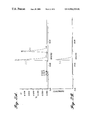
Classifications
-
- C—CHEMISTRY; METALLURGY
- C12—BIOCHEMISTRY; BEER; SPIRITS; WINE; VINEGAR; MICROBIOLOGY; ENZYMOLOGY; MUTATION OR GENETIC ENGINEERING
- C12N—MICROORGANISMS OR ENZYMES; COMPOSITIONS THEREOF; PROPAGATING, PRESERVING, OR MAINTAINING MICROORGANISMS; MUTATION OR GENETIC ENGINEERING; CULTURE MEDIA
- C12N15/00—Mutation or genetic engineering; DNA or RNA concerning genetic engineering, vectors, e.g. plasmids, or their isolation, preparation or purification; Use of hosts therefor
- C12N15/09—Recombinant DNA-technology
- C12N15/11—DNA or RNA fragments; Modified forms thereof; Non-coding nucleic acids having a biological activity
- C12N15/52—Genes encoding for enzymes or proenzymes
-
- C—CHEMISTRY; METALLURGY
- C12—BIOCHEMISTRY; BEER; SPIRITS; WINE; VINEGAR; MICROBIOLOGY; ENZYMOLOGY; MUTATION OR GENETIC ENGINEERING
- C12N—MICROORGANISMS OR ENZYMES; COMPOSITIONS THEREOF; PROPAGATING, PRESERVING, OR MAINTAINING MICROORGANISMS; MUTATION OR GENETIC ENGINEERING; CULTURE MEDIA
- C12N9/00—Enzymes; Proenzymes; Compositions thereof; Processes for preparing, activating, inhibiting, separating or purifying enzymes
- C12N9/0004—Oxidoreductases (1.)
- C12N9/0006—Oxidoreductases (1.) acting on CH-OH groups as donors (1.1)
Definitions
- the present invention relates to isolated secoisolariciresinol dehydrogenase proteins, to nucleic acid sequences which code for secoisolariciresinol dehydrogenase proteins, and to vectors containing the sequences, host cells containing the sequences and methods of producing recombinant secoisolariciresinol dehydrogenase proteins and their mutants.
- Lignans are a large, structurally diverse, class of vascular plant metabolites having a wide range of physiological functions and pharmacologically important properties (Ayres, D. C., and Loike, J. D. in Chemistry and Pharmacology of Natural Products . Lignans. Chemical, Biological and Clinical Properties, Cambridge University Press, Cambridge, England (1990); Lewis et al., in Chemistry of the Amazon, Biodiversity Natural Products, and Environmental Issues, 588, (P. R. Seidl, O. R. Gottschschschschschschschschschschschschschschschschschschschschschschschschschschschschschschschschschschschschschschschschschschschschschschschschschschschschschschschschschschschschschschschschschschschschschschschschschschschschschschschschschschschschschschschschschschschschschschschschschschschschschschschschschschschschschschschschschschschschschschschschsch and M
- lignans are present in “primitive” plants, such as the fern Blechnum orientale (Wada, H. et al., Chem. Pharm. Bull. 40:2099-2101 (1992)) and the hornworts, e. g., Dendroceros japonicus and Megaceros flagellaris (Takeda, R. et al., in Bryophytes. Their Chemistry and Chemical Taxonomy , Vol. 29 (Zinsmeister, H. D. and Mues, R. eds) pp. 201-207, Oxford University Press: New York, N.Y. (1990); Takeda, R.
- lignans In addition to their functions in plants, lignans also have important pharmacological roles.
- podophyllotoxin as its etoposide and teniposide derivatives, is an example of a plant compound that has been successfully employed as an anticancer agent (Ayres, D. C., and Loike, J. D. in Chemistry and Pharmacology of Natural Products . Lignans. Chemical, Biological and Clinical Properties, Cambridge University Press, Cambridge, England (1990)).
- Antiviral properties have also been reported for selected lignans. For example, ( ⁇ )-arctigenin (Schröder, H. C. et al., Z. Naturforsch 45c, 1215-1221 (1990)), ( ⁇ )-trachelogenin (Schröder, H.
- lignans are considered to be derived from lignans such as matairesinol and secoisolariciresinol (Boriello et al., J. Applied Bacteriol., 58:37-43 (1985)).
- the one-electron oxidant is considered only to provide oxidative capacity, with the dirigent protein binding, orientating, and coupling the free-radical forms and releasing (+)-pinoresinol.
- the dirigent protein was purified from F. intermedia stem tissue and its encoding gene cloned (Gang, D. R., Costa, M. A., Fujita, M., Dinkova-Kostova, A. T., Wang, H. B., Burlat, V., Martin, W., Sarkanen, S., Davin, L. B., Lewis, N. G., Chemistry & Biology 6:143-151(1999)).
- (+)-pinoresinol undergoes sequential reduction to generate (+)-lariciresinol and then ( ⁇ )-secoisolariciresinol (Katayama, T. et al., Phytochemistry 32:581-591 (1993); Chu, A. et al., J. Biol. Chem. 268:27026-27033 (1993)).
- Pinoresinol/lariciresinol reductase was purified ⁇ 3200 fold to apparent electrophoretic homogeneity from a soluble crude protein extract; this was achieved by employing a series of affinity, hydrophobic interaction, hydroxyapatite, gel filtration, and ion exchange chromatographic steps (Dinkova-Kostova, A. T., Gang, D. R., Davin, L. B., Bedgar, D. L., Chu, A., Lewis, N. G., J. Biol. Chem. 271:29473-29482 (1996)).
- the purified protein was demonstrated to be a type A NADPH-dependent reductase.
- plr-Fi1 pinoresinol/lariciresinol reductase gene
- the recombinant enzyme catalyzed exactly the same enantiospecific conversion as for the native plant protein from Forsythia (Dinkova-Kostova, A. T., Gang, D. R., Davin, L. B., Bedgar, D. L., Chu, A., Lewis, N. G., J. Biol. Chem. 271:29473-29482 (1996); Lewis, N. G., Davin, L. B., in: Comprehensive Natural Products Chemistry , Vol. 1. (Barton, Sir D. H. R., Nakanishi, K., and Meth-Cohn, O., eds), pp 639-712, Elsevier, London (1999)).
- ( ⁇ )-Matairesinol is subsequently formed via dehydrogenation of ( ⁇ )-secoisolariciresinol, further metabolism of which presumably affords lignans such as the antiviral ( ⁇ )-trachelogenin in Ipomoea cairica and ( ⁇ )-podophyllotoxin in Podophyllum peltatum.
- (+)-pinoresinol and the subsequent reductive steps giving (+)-lariciresinol and ( ⁇ )-secoisolariciresinol are pivotal points in lignan metabolism, since they represent entry into the furano, dibenzylbutane, dibenzylbutyrolactone and aryltetrahydronaphthalene lignan subclasses. Additionally, it should be noted that while lignans are normally optically active, the particular enantiomer present may differ between plant species.
- ( ⁇ )-pinoresinol occurs in Xanthoxylum ailanthoides (Ishii et al., Yakugaku Zasshi, 103:279-292 (1983)), and ( ⁇ )-lariciresinol is present in Daphne tangutica (Lin-Gen, et al., Planta Medica, 45:172-176 (1982)).
- the optical activity of a particular lignan may have important ramifications regarding biological activity.
- ( ⁇ )-trachelogenin inhibits the in vitro replication of HIV-1, whereas its (+)-enantiomer is much less effective (Schroder et al., Naturforsch. 45c:1215-1221(1990)).
- the lignan, matairesinol is an important component of the plant arsenal that helps confer dietary benefits to humans, specifically against the onset of breast and prostate cancers (Adlercruetz, H. and Mazur, W. Anal. Med., 1997, 29:95-120).
- This lignan is found in various whole-grain cereal food, seed and berries, and is converted by intestinal bacteria to form enterolactone; the latter compound is considered to be the primary metabolite in conferring the health protection.
- the lignan, matairesinol also has an important function in conferring quality, color and durability to specific heartwoods, such as the highly valued western red cedar ( Thuja plicata ) species via its conversion into plicatic acid and its congeners.
- a secoisolariciresinol dehydrogenase protein has been purified from Forsythia intermedia .
- one aspect of the invention relates to isolated recombinant secoisolariciresinol dehydrogenase proteins, such as, for example, that from Forsythia intermedia .
- present invention correspond to secoisolariciresinol dehydrogenase proteins that occur naturally in an angiosperm or gymnosperm plant species; have a molecular weight of from about 27 kDa to about 31 kDa, more preferably about 29 kDa; an isoelectric point of from about 5.9 to about 6.85, and require NAD or NADP as a cofactor.
- cDNAs encoding secoisolariciresinol dehydrogenase from Forsythia intermedia have been isolated and sequenced, and the corresponding amino acid sequences have been deduced.
- the present invention relates to isolated DNA sequences which code for the expression of secoisolariciresinol dehydrogenase, such as the sequences designated SEQ ID NO:1, SEQ ID NO:3, SEQ ID NO:5, SEQ ID NO:7, SEQ ID NO:9, which encode secoisolariciresinol dehydrogenase proteins designated SEQ ID NO:2, SEQ ID NO:4, SEQ ID NO:6, SEQ ID NO:8 and SEQ ID NO:10, respectively, from Forsythia intermedia .
- Presently preferred DNA sequences encoding secoisolariciresinol dehydrogenase are isolated from a gymnosperm or angiosperm plant species.
- the present invention is directed to isolated nucleic acid molecules that hybridize under stringent hybridization conditions to a fragment (having a length of at least 15 bases) of any one of the nucleic acid molecules having the nucleic acid sequences set forth in SEQ ID NO:1, SEQ ID NO:3, SEQ ID NO:5, SEQ ID NO:7 and SEQ ID NO:9.
- the present invention relates to isolated proteins and to isolated DNA sequences which code for the expression of secoisolariciresinol dehydrogenase.
- the present invention is directed to replicable recombinant cloning vehicles comprising a nucleic acid sequence which codes for a secoisolariciresinol dehydrogenase protein.
- the present invention is also directed to a base sequence sufficiently complementary to at least a portion of a secoisolariciresinol dehydrogenase DNA or RNA to enable hybridization therewith.
- the aforesaid complementary base sequences include, but are not limited to: antisense secoisolariciresinol dehydrogenase RNA; fragments of DNA that are complementary to a secoisolariciresinol dehydrogenase DNA, and which are therefore useful as polymerase chain reaction primers, or as probes for secoisolariciresinol dehydrogenase genes, or related genes.
- modified host cells are provided that have been transformed, transfected, infected and/or injected with a recombinant cloning vehicle and/or DNA sequence of the invention.
- the present invention provides for the recombinant expression of secoisolariciresinol dehydrogenase in plants, animals, microbes and in cell cultures.
- inventive concepts described herein may be used, for example, to facilitate the production, isolation and purification of significant quantities of recombinant secoisolariciresinol dehydrogenase, or of its enzyme products, in plants, animals, microbes or cell cultures.
- FIG. 1 shows the enzymatic conversion of ( ⁇ )-secoisolariciresinol (structure on the left) to ( ⁇ )-matairesinol (structure on the right) via ( ⁇ ) lactol (structure in the middle).
- FIG. 2 (A) shows chiral HPLC separation of a standard laboratory mixture of ( ⁇ )-secoisolariciresinol and (+)-secoisolariciresinol.
- FIG. (B) shows the mode of action of recombinant secoisolariciresinol dehydrogenase.
- ( ⁇ )-[9,9- 3 H]secoisolariciresinols were incubated with secoisolariciresinol dehydrogenase.
- the resulting matairesinol product formed was chemically reduced and subjected to HPLC chiral column [Chiralcel OD, Daicel] analysis. This analysis revealed that only the ( ⁇ )-antipode was present as evidenced by chiral column analysis of the chemically reduced product, ( ⁇ )-secoisolariciresinol. Therefore the enzymatic reduction was entirely enantiospecific.
- amino acid and “amino acids” refer to all naturally occurring L- ⁇ -amino acids or their residues.
- the amino acids are identified by either the single-letter or three-letter designations:
- nucleotide means a monomeric unit of DNA or RNA containing a sugar moiety (pentose), a phosphate and a nitrogenous heterocyclic base.
- the base is linked to the sugar moiety via the glycosidic carbon (1′ carbon of pentose) and that combination of base and sugar is called a nucleoside.
- the base characterizes the nucleotide with the four bases of DNA being adenine (“A”), guanine (“G”), cytosine (“C”) and thymine (“T”).
- Inosine (“I”) is a synthetic base that can be used to substitute for any of the four, naturally-occurring bases (A, C, G or T).
- the four RNA bases are A,G,C and uracil (“U”).
- the nucleotide sequences described herein comprise a linear array of nucleotides connected by phosphodiester bonds between the 3′ and 5′ carbons of adjacent pentoses.
- Oligonucleotide refers to short length single or double stranded sequences of deoxyribonucleotides linked via phosphodiester bonds.
- the oligonucleotides are chemically synthesized by known methods and purified, for example, on polyacrylamide gels.
- alteration refers to secoisolariciresinol dehydrogenase molecules with some differences in their amino acid sequences as compared to the corresponding native secoisolariciresinol dehydrogenase.
- the variants will possess at least about 70% homology with the corresponding, native secoisolariciresinol dehydrogenase, and preferably they will be at least about 80% homologous with the corresponding, native secoisolariciresinol dehydrogenase.
- amino acid sequence variants of secoisolariciresinol dehydrogenase falling within this invention possess substitutions, deletions, and/or insertions at certain positions. Sequence variants of secoisolariciresinol dehydrogenase may be used to attain desired enhanced or reduced enzymatic activity, modified regiochemistry or stereochemistry, or altered substrate utilization or product distribution.
- Substitutional secoisolariciresinol dehydrogenase variants are those that have at least one amino acid residue in the corresponding native secoisolariciresinol dehydrogenase sequence removed and a different amino acid inserted in its place at the same position.
- the substitutions may be single, where only one amino acid in the molecule has been substituted, or they may be multiple, where two or more amino acids have been substituted in the same molecule.
- Substantial changes in the activity of the secoisolariciresinol dehydrogenase molecule may be obtained by substituting an amino acid with a side chain that is significantly different in charge and/or structure from that of the native amino acid. This type of substitution would be expected to affect the structure of the polypeptide backbone and/or the charge or hydrophobicity of the molecule in the area of the substitution.
- Moderate changes in the activity of the secoisolariciresinol dehydrogenase molecule would be expected by substituting an amino acid with a side chain that is similar in charge and/or structure to that of the native molecule.
- This type of substitution referred to as a conservative substitution, would not be expected to substantially alter either the structure of the polypeptide backbone or the charge or hydrophobicity of the molecule in the area of the substitution.
- Insertional secoisolariciresinol dehydrogenase variants are those with one or more amino acids inserted immediately adjacent to an amino acid at a particular position in the native secoisolariciresinol dehydrogenase molecule.
- Immediately adjacent to an amino acid means connected to either the ⁇ -carboxy or ⁇ -amino functional group of the amino acid.
- the insertion may be one or more amino acids.
- the insertion will consist of one or two conservative amino acids. Amino acids similar in charge and/or structure to the amino acids adjacent to the site of insertion are defined as conservative.
- this invention includes insertion of an amino acid with a charge and/or structure that is substantially different from the amino acids adjacent to the site of insertion.
- Deletional variants are those where one or more amino acids in the native secoisolariciresinol dehydrogenase molecule have been removed. Ordinarily, deletional variants will have one or two amino acids deleted in a particular region of the secoisolariciresinol dehydrogenase molecule.
- Amino acid sequence variants of secoisolariciresinol dehydrogenase may have desirable altered biological activity including, for example, altered reaction kinetics, substrate utilization, product distribution or other characteristics such as regiochemistry and stereochemistry.
- antisense or “antisense RNA” or “antisense nucleic acid” is used herein to mean a nucleic acid molecule that is complementary to all or part of a messenger RNA molecule. Antisense nucleic acid molecules are typically used to inhibit the expression, in vivo, of complementary, expressed messenger RNA molecules.
- DNA sequence encoding refers to the order or sequence of deoxyribonucleotides along a strand of deoxyribonucleic acid. The order of these deoxyribonucleotides determines the order of amino acids along the translated polypeptide chain. The DNA sequence thus codes for the amino acid sequence.
- replicable expression vector and “expression vector” refer to a piece of DNA, usually double-stranded, which may have inserted into it a piece of foreign DNA.
- Foreign DNA is defined as heterologous DNA, which is DNA not naturally found in the host.
- the vector is used to transport the foreign or heterologous DNA into a suitable host cell. Once in the host cell, the vector can replicate independently of or coincidentally with the host chromosomal DNA, and several copies of the vector and its inserted (foreign) DNA may be generated.
- the vector contains the necessary elements that permit translating the foreign DNA into a polypeptide. Many molecules of the polypeptide encoded by the foreign DNA can thus be rapidly synthesized.
- transformed host cell refers to the introduction of DNA into a cell.
- the cell is termed a “host cell”, and it may be a prokaryotic or a eukaryotic cell.
- Typical prokaryotic host cells include various strains of E. coli .
- Typical eukaryotic host cells are plant cells, such as maize cells, yeast cells, insect cells or animal cells.
- the introduced DNA is usually in the form of a vector containing an inserted piece of DNA.
- the introduced DNA sequence may be from the same species as the host cell or from a different species from the host cell, or it may be a hybrid DNA sequence, containing some foreign DNA and some DNA derived from the host species.
- SSC refers to a buffer used in nucleic acid hybridization solutions.
- One liter of the 20 ⁇ (twenty times concentrate) stock SSC buffer solution (pH 7.0) contains 175.3 g sodium chloride and 88.2 g sodium citrate.
- secoisolariciresinol dehydrogenase protein from Forsythia intermedia has been purified to apparent homogeneity via a >6,000 fold purification using a combination of ammonium sulfate precipitation, DEAE-cellulose, ADP-sepharose, and Mono P (HR 5/20) chromatography and columns.
- the N-terminus of the purified secoisolariciresinol dehydrogenase protein was sequenced to obtain the N-terminal sequence (SEQ ID NO:11). Tryptic fragments of the purified secoisolariciresinol dehydrogenase protein were isolated and sequenced (SEQ ID NO:12 (peptide 1) and SEQ ID NO:13 (peptide 2)).
- N-terminal (SEQ ID NO:11) and internal peptide amino acid sequences (SEQ ID NO:12 and SEQ ID NO:13) were used to construct degenerate oligonucleotide primers.
- Primer DEHYF26 (SEQ ID NO:14) was constructed based on the amino acid sequence of peptide 1 having the amino acid sequence set forth in SEQ ID NO:12.
- Primers DEHYF30RevA (SEQ ID NO:15) and DEHYF30RevB (SEQ ID NO:16) were each constructed based on the amino acid sequence of peptide 2 having the amino acid sequence set forth in SEQ ID NO:13. Purified F.
- intermedia cDNA library DNA (2 ng) was used as the template in PCR amplification reactions with primer DEHYF26 (SEQ ID NO:14) and either primer DEHYF30RevA (SEQ ID NO:15) or primer DEHY30RevB (SEQ ID NO:16).
- a 200 bp fragment of the resulting PCR product was used as a probe to screen the F. intermedia cDNA library.
- One positive signal was obtained from this screening, but this clone was estimated to be truncated at the N-terminal end by approximately 60 amino acid residues, as was indicated by comparison to the original N-terminal sequence analysis of ( ⁇ )-secoisolariciresinol dehydrogenase.
- a primer, DEHY19REV (SEQ ID NO:17), was made from the 3′ end of the truncated clone and used with the original Forsythia cDNA library purified phage DNA as template, but failed to yield cDNA clones having the complete N-terminus. Consequently, another primer, DEHYF30REVB (SEQ ID NO:18), was synthesized from the 3′ end of the truncated clone and used with the T3 primer (SEQ ID NO:19) in a PCR with the original Forsythia cDNA library purified phage DNA as template.
- This PCR product when cloned into TA vector, resulted in a clone having the complete N-terminus which was obtained from the initial amino acid sequencing of the blotted protein (SEQ ID NO:11).
- a new primer, DEHYNTERM1 (SEQ ID NO:20), made from the N-terminal DNA sequence of this clone was used with the T7 primer (SEQ ID NO:21) and again with the original purified Forsythia cDNA library as template.
- the resulting PCR band of 1 kb was purified on an agarose gel, eluted by using a Microcon 30 (AMICON) and cloned directly into a TA vector (Invitrogen).
- DEHY130 This provided a clone (DEHY130) (SEQ ID NO:22) which had the DNA sequence containing the complete N-terminal amino acid sequence present in the original protein (SEQ ID NO:11).
- the amino acid sequence (SEQ ID NO:23) encoded by DEHY130 (SEQ ID NO:22) was lacking a start methionine.
- a new 5(primer, designated DEHY130NTERM (SEQ ID NO:24) was synthesized to include a start methionine at the beginning of the sequence.
- the 5′ primer (SEQ ID NO:24) and a 3′ primer, designated DEHY130CTERM (SEQ ID NO:25), were designed to incorporate Nde I restriction enzyme sites at both ends of the clone for future insertion into the SBET expression vector for production of the protein in E. coli .
- the resulting PCR product of approximately 859 bp (SEQ ID NO:1), designated DEHY133, was cloned directly into a TA vector (Invitrogen).
- Nde I fragment from the engineered DEHY133 clone (SEQ ID NO:1) was used as a probe to re-screen 300,000 pfu from the original F. intermedia cDNA library. This resulted in the isolation of additional secoisolariciresinol dehydrogenase clones.
- the nucleic acid sequences of four of these clones are set forth in: SEQ ID NO:3 (designated SMDEHY321), SEQ ID NO:5 (designated SMDEHY431), SEQ ID NO:7 (designated SMDEHY511), SEQ ID NO:9 (designated SMDEHY631).
- SMDEHY321 SEQ ID NO:3
- SMDEHY631 SEQ ID NO:9
- the isolation of cDNAs encoding secoisolariciresinol dehydrogenase permits the development of an efficient expression system for this functional enzyme; provides useful tools for examining the developmental regulation of lignan biosynthesis and permits the isolation of other secoisolariciresinol dehydrogenases.
- the isolation of the secoisolariciresinol dehydrogenase cDNAs also permits the transformation of a wide range of organisms in order to enhance or modify lignan biosynthesis.
- the proteins and nucleic acids of the present invention can be utilized to: elevate or otherwise alter the levels of health-protecting lignans, including phytoestrogens such as enterolactone and enterodiol, in plant species, including but not limited to vegetables, grains and fruits, and to food items incorporating material derived from such genetically altered plants; genetically alter plant species to provide an abundant, natural supply of lignans useful for a variety of purposes, for example as neutriceuticals and dietary supplements; to genetically alter living organisms to produce an abundant supply of optically pure lignans having desirable biologicalproperties, for example ( ⁇ )-trachelogenin which possesses antiviral properties, and ( ⁇ )-podophyllotoxin.
- plant species including but not limited to vegetables, grains and fruits, and to food items incorporating material derived from such genetically altered plants
- genetically alter plant species to provide an abundant, natural supply of lignans useful for a variety of purposes, for example as neutriceuticals and dietary supplements
- N-terminal transport sequences well known in the art (see, e. g., von Heijne, G. et al., Eur. J. Biochem 180:535-545 (1989); Stryer, Biochemistry W. H. Freeman and Company, New York, N.Y., p. 769 (1988)) may be employed to direct secoisolariciresinol dehydrogenase protein to a variety of cellular or extracellular locations.
- Secoisolariciresinol dehydrogenase amino acid sequence variants may be constructed by mutating the DNA sequence that encodes wild-type secoisolariciresinol dehydrogenase, such as by using techniques commonly referred to as site-directed mutagenesis.
- PCR polymerase chain reaction
- two primers are simultaneously annealed to the plasmid; one of these primers contains the desired site-directed mutation, the other contains a mutation at another point in the plasmid resulting in elimination of a restriction site.
- Second strand synthesis is then carried out, tightly linking these two mutations, and the resulting plasmids are transformed into a mutS strain of E. coli .
- Plasmid DNA is isolated from the transformed bacteria, restricted with the relevant restriction enzyme (thereby linearizing the unmutated plasmids), and then retransformed into E. coli .
- This system allows for generation of mutations directly in an expression plasmid, without the necessity of subcloning or generation of single-stranded phagemids.
- the tight linkage of the two mutations and the subsequent linearization of unmutated plasmids results in high mutation efficiency and allows minimal screening.
- this method requires the use of only one new primer type per mutation site. Rather than prepare each positional mutant separately, a set of “designed degenerate” oligonucleotide primers can be synthesized in order to introduce all of the desired mutations at a given site simultaneously.
- Transformants can be screened by sequencing the plasmid DNA through the mutagenized region to identify and sort mutant clones. Each mutant DNA can then be restricted and analyzed by electrophoresis on Mutation Detection Enhancement gel (J. T. Baker) to confirm that no other alterations in the sequence have occurred (by band shift comparison to the unmutagenized control).
- the verified mutant duplexes can be cloned into a replicable expression vector, if not already cloned into a vector of this type, and the resulting expression construct used to transform E. coli , such as strain E. coli BL21(DE3)pLysS, for high level production of the mutant protein, and subsequent purification thereof.
- the method of FAB-MS mapping can be employed to rapidly check the fidelity of mutant expression. This technique provides for sequencing segments throughout the whole protein and provides the necessary confidence in the sequence assignment. In a mapping experiment of this type, protein is digested with a protease (the choice will depend on the specific region to be modified since this segment is of prime interest and the remaining map should be identical to the map of unmutagenized protein).
- the set of cleavage fragments is fractionated by microbore HPLC (reversed phase or ion exchange, again depending on the specific region to be modified) to provide several peptides in each fraction, and the molecular weights of the peptides are determined by FAB-MS.
- the masses are then compared to the molecular weights of peptides expected from the digestion of the predicted sequence, and the correctness of the sequence quickly ascertained. Since this mutagenesis approach to protein modification is directed, sequencing of the altered peptide should not be necessary if the MS agrees with prediction.
- CAD-tandem MS/MS can be employed to sequence the peptides of the mixture in question, or the target peptide purified for subtractive Edman degradation or carboxypeptidase Y digestion depending on the location of the modification.
- a non-conservative substitution e. g., Ala for Cys, His or Glu
- the properties of the mutagenized protein are then examined with particular attention to the kinetic parameters of K m and k cat as sensitive indicators of altered function, from which changes in binding and/or catalysis per se may be deduced by comparison to the native enzyme. If the residue is by this means demonstrated to be important by activity impairment, or knockout, then conservative substitutions can be made, such as Asp for Glu to alter side chain length, Ser for Cys, or Arg for His. For hydrophobic segments, it is largely size that will be altered, although aromatics can also be substituted for alkyl side chains. Changes in the normal product distribution can indicate which step(s) of the reaction sequence have been altered by the mutation.
- a non-conservative substitution e. g., Ala for Cys, His or Glu
- site directed mutagenesis techniques may also be employed with the nucleotide sequences of the invention.
- restriction endonuclease digestion of DNA followed by ligation may be used to generate secoisolariciresinol dehydrogenase deletion variants, as described in Section 15.3 of Sambrook et al. ( Molecular Cloning: A Laboratory Manual, 2nd Ed., Cold Spring Harbor Laboratory Press, New York, N.Y. (1989)).
- a similar strategy may be used to construct insertion variants, as described in Section 15.3 of Sambrook et al., supra.
- Oligonucleotide-directed mutagenesis may also be employed for preparing substitution variants of this invention. It may also be used to conveniently prepare the deletion and insertion variants of this invention. This technique is well known in the art as described by Adelman et al. ( DNA 2:183 (1983)). Generally, oligonucleotides of at least 25 nucleotides in length are used to insert, delete or substitute two or more nucleotides in the secoisolariciresinol dehydrogenase gene. An optimal oligonucleotide will have 12 to 15 perfectly matched nucleotides on either side of the nucleotides coding for the mutation.
- the oligonucleotide is annealed to the single-stranded DNA template molecule under suitable hybridization conditions.
- a DNA polymerizing enzyme usually the Klenow fragment of E. coli DNA polymerase I, is then added. This enzyme uses the oligonucleotide as a primer to complete the synthesis of the mutation-bearing strand of DNA.
- a heteroduplex molecule is formed such that one strand of DNA encodes the wild-type secoisolariciresinol dehydrogenase inserted in the vector, and the second strand of DNA encodes the mutated form of secoisolariciresinol dehydrogenase inserted into the same vector.
- This beteroduplex molecule is then transformed into a suitable host cell.
- Mutants with more than one amino acid substituted may be generated in one of several ways. If the amino acids are located close together in the polypeptide chain, they may be mutated simultaneously using one oligonucleotide that codes for all of the desired amino acid substitutions. If however, the amino acids are located some distance from each other (separated by more than ten amino acids, for example) it is more difficult to generate a single oligonucleotide that encodes all of the desired changes. Instead, one of two alternative methods may be employed. In the first method, a separate oligonucleotide is generated for each amino acid to be substituted. The oligonucleotides are then annealed to the single-stranded template DNA simultaneously, and the second strand of DNA that is synthesized from the template will encode all of the desired amino acid substitutions.
- An alternative method involves two or more rounds of mutagenesis to produce the desired mutant.
- the first round is as described for the single mutants: wild-type secoisolariciresinol dehydrogenase DNA is used for the template, an oligonucleotide encoding the first desired amino acid substitution(s) is annealed to this template, and the heteroduplex DNA molecule is then generated.
- the second round of mutagenesis utilizes the mutated DNA produced in the first round of mutagenesis as the template.
- this template already contains one or more mutations.
- the oligonucleotide encoding the additional desired amino acid substitution(s) is then annealed to this template, and the resulting strand of DNA now encodes mutations from both the first and second rounds of mutagenesis.
- This resultant DNA can be used as a template in a third round of mutagenesis, and so on.
- Eukaryotic expression systems may be utilized for secoisolariciresinol dehydrogenase production since they are capable of carrying out any required posttranslational modifications and of directing the enzyme to the proper membrane location.
- a representative eukaryotic expression system for this purpose uses the recombinant baculovirus, Autographa californica nuclear polyhedrosis virus (AcNPV; M. D. Summers and G. E. Smith, A Manual of Methods for Boculovirus Vectors and Insect Cell Culture Procedures (1986); Luckow et al., Bio - technology 6:47-55 (1987)) for expression of the secoisolariciresinol dehydrogenases of the invention.
- AcNPV Autographa californica nuclear polyhedrosis virus
- baculovirus system Infection of insect cells (such as cells of the species Spodoptera frugiperda ) with the recombinant baculoviruses allows for the production of large amounts of the secoisolariciresinol dehydrogenase protein.
- the baculovirus system has other important advantages for the production of recombinant secoisolariciresinol dehydrogenase. For example, baculoviruses do not infect humans and can therefore be safely handled in large quantities.
- a DNA construct is prepared including a DNA segment encoding secoisolariciresinol dehydrogenase and a vector.
- the vector may comprise the polyhedron gene promoter region of a baculovirus, the baculovirus flanking sequences necessary for proper cross-over during recombination (the flanking sequences comprise about 200-300 base pairs adjacent to the promoter sequence) and a bacterial origin of replication which permits the construct to replicate in bacteria.
- the vector is constructed so that (i) the DNA segment is placed adjacent (or operably-linked or “downstream” or “under the control of”) to the polyhedron gene promoter and (ii) the promoter/secoisoiariciresinol dehydrogenase combination is flanked on both sides by 200-300 base pairs of baculovirus DNA (the flanking sequences).
- a cDNA done encoding a full length secoisolariciresinol dehydrogenase is obtained using methods such as those described herein.
- the DNA construct is contacted in a host cell with baculovirus DNA of an appropriate baculovirus (that is, of the same species of baculovirus as the promoter encoded in the construct) under conditions such that recombination is effected.
- the resulting recombinant baculoviruses encode the full secoisolariciresinol dehydrogenase.
- an insect host cell can be cotransfected or transfected separately with the DNA construct and a functional baculovirus. Resulting recombinant baculoviruses can then be isolated and used to infect cells to effect production of secoisolariciresinol dehydrogenase.
- Host insect cells include, for example, Spodoptera frugiperda cells.
- Insect host cells infected with a recombinant baculovirus of the present invention are then cultured under conditions allowing expression of the baculovirus-encoded secoisolariciresinol dehydrogenase. Recombinant protein thus produced is then extracted from the cells using methods known in the art.
- yeasts Other eukaryotic microbes such as yeasts may also be used to practice this invention.
- the baker's yeast Saccharomyces cerevisiae is a commonly used yeast, although several other strains are available.
- the plasmid YRp7 (Stinchcomb et al., Nature 282:39 (1979); Kingsman et al., Gene 7:141 (1979); Tschemper et al., Gene 10:157 (1980)) is commonly used as an expression vector in Saccharomyces .
- This plasmid contains the trp1 gene that provides a selection marker for a mutant strain of yeast lacking the ability to grow in tryptophan, such as strains ATCC No.
- yeast host cells are generally transformed using the polyethylene glycol method, as described by Hinnen ( Proc. Natl. Acad. Sci. USA 75:1929 (1978)). Additional yeast transformation protocols are set forth in Gietz et al., N.A.R 20(17):1425 (1992); Reeves et al., FEMS 99:193-197 (1992).
- Suitable promoting sequences in yeast vectors include the promoters for 3-phosphoglycerate kinase (Hitzeman et al., J. Biol. Chem. 255:2073 (1980)) or other glycolytic enzymes (Hess et al., J. Adv. Enzyme Reg.
- the termination sequences associated with these genes are also ligated into the expression vector 3′ of the sequence desired to be expressed to provide polyadenylation of the mRNA and termination.
- Other promoters that have the additional advantage of transcription controlled by growth conditions are the promoter region for alcohol dehydrogenase 2, isocytochrome C, acid phosphatase, degradative enzymes associated with nitrogen metabolism, and the aforementioned glyceraldehyde-3-phosphate dehydrogenase, and enzymes responsible for maltose and galactose utilization.
- Any plasmid vector containing yeast-compatible promoter, origin of replication and termination sequences is suitable.
- Transgenic plants can be obtained, for example, by transferring plasmids that encode secoisolariciresinol dehydrogenase, and a selectable marker gene, e. g., the kan gene encoding resistance to kanamycin, into Agrobacterium tumifaciens containing a helper Ti plasmid as described in Hoeckema et al., Nature 303:179-181 (1983) and culturing the Agrobacterium cells with leaf slices of the plant to be transformed as described by An et al., Plant Physiology 81:301-305 (1986).
- a selectable marker gene e. g., the kan gene encoding resistance to kanamycin
- Transformation of cultured plant host cells is normally accomplished through Agrobacterium tumifaciens , as described above.
- Cultures of mammalian host cells and other host cells that do not have rigid cell membrane barriers are usually transformed using the calcium phosphate method as originally described by Graham and Van der Eb ( Virology 52:546 (1978)) and modified as described in Sections 16.32-16.37 of Sambrook et al., supra.
- other methods for introducing DNA into cells such as Polybrene (Kawai and Nishizawa, Mol. Cell. Bio l. 4:1172 (1984)), protoplast fusion (Schaffner, Proc. Natl. Acad Sci. USA 77:2163 (1980)), electroporation (Neumann et al., EMBO J.
- Transformed plant calli may be selected through the selectable marker by growing the cells on a medium containing, e. g., kanamycin, and appropriate amounts of phytohormone such as naphthalene acetic acid and benzyladenine for callus and shoot induction. The plant cells may then be regenerated and the resulting plants transferred to soil using techniques well known to those skilled in the art.
- a gene regulating secoisolarciresinol dehydrogenase production can be incorporated into the plant along with a necessary promoter which is inducible.
- a promoter that only responds to a specific external or internal stimulus is fused to the target cDNA.
- the gene will not be transcribed except in response to the specific stimulus. As long as the gene is not being transcribed, its gene product is not produced.
- GSTs are a family of enzymes that can detoxify a number of hydrophobic electrophilic compounds that often are used as pre-emergent herbicides (Weigand et al., Plant Molecular Biology 7:235-243 (1986)): Studies have shown that the GSTs are directly involved in causing this enhanced herbicide tolerance. This action is primarily mediated through a specific 1.1 kb mRNA transcription product. In short, maize has a naturally occurring quiescent gene already present that can respond to external stimuli and that can be induced to produce a gene product.
- the promoter is removed from the GST responsive gene and attached to a secoisolariciresinol dehydrogenase gene that previously has had its native promoter removed.
- This engineered gene is the combination of a promoter that responds to an external chemical stimulus and a gene responsible for successful production of secoisolariciresinol dehydrogenase protein.
- Representative examples include electroporation-facilitated DNA uptake by protoplasts (Rhodes et al., Science 240(4849):204-207 (1988)); treatment of protoplasts with polyethylene glycol (Lyznik et al., Plant Molecular Biology 13:151-161 (1989)); and bombardment of cells with DNA laden microprojectiles (Klein et al., Plant Physiol. 91:440-444 (1989) and Boynton et al., Science 240(4858):1534-1538 (1988)).
- Numerous methods now exist, for example, for the transformation of cereal crops see, e. g., McKinnon, G. E. and Henry, R. J., J.
- the following plant genuses and species can be genetically transformed with a nucleic acid molecule encoding a secoisolariciresinol dehydrogenase protein, and/or a nucleic acid molecule that is complementary to at least a portion of a nucleic acid molecule encoding a secoisolariciresinol dehydrogenase protein: Arachis (including peanut); Arecacum (including oil palms); Brassica (including arugula, bok choi, brocolli, brussel sprouts, cabbage, cauliflower, kale, mustard, radishes, rape, turnip, raddichio); Carthamus (including safflower); Cocos, (including coconut); Gossypium (including cotton); Glycine (including soybeans); Helianthus (including sunflower, Jerusalem artichoke); Linum (including flax); Sesamum (including sesame); Agaric
- DNA from a plasmid is genetically engineered such that it contains not only the gene of interest, but also selectable and screenable marker genes.
- a selectable marker gene is used to select only those cells that have integrated copies of the plasmid (the construction is such that the gene of interest and the selectable and screenable genes are transferred as a unit).
- the screenable gene provides another check for the successful culturing of only those cells carrying the genes of interest.
- a commonly used selectable marker gene is neomycin phosphotransferase II (NPT II). This gene conveys resistance to kanamycin, a compound that can be added directly to the growth media on which the cells grow.
- Plant cells are normally susceptible to kanamycin and, as a result, die.
- the presence of the NPT II gene overcomes the effects of the kanamycin and each cell with this gene remains viable.
- Another selectable marker gene which can be employed in the practice of this invention is the gene which confers resistance to the herbicide glufosinate (Basta).
- a screenable gene commonly used is the ⁇ -glucuronidase gene (GUS). The presence of this gene is characterized using a histochemical reaction in which a sample of putatively transformed cells is treated with a GUS assay solution. After an appropriate incubation, the cells containing the GUS gene turn blue.
- the plasmid will contain both selectable and screenable marker genes.
- the plasmid containing one or more of these genes is introduced into either plant protoplasts or callus cells by any of the previously mentioned techniques. If the marker gene is a selectable gene, only those cells that have incorporated the DNA package survive under selection with the appropriate phytotoxic agent. Once the appropriate cells are identified and propagated, plants are regenerated. Progeny from the transformed plants must be tested to insure that the DNA package has been successfully integrated into the plant genome.
- Mammalian host cells may also be used in the practice of the invention.
- suitable mammalian cell lines include monkey kidney CVI line transformed by SV40 (COS-7, ATCC CRL 1651); human embryonic kidney line 293S (Graham et al., J. Gen. Virol. 36:59 (1977)); baby hamster kidney cells (BHK, ATCC CCL 10); Chinese hamster ovary cells (Urlab and Chasin, Proc. Natl. Acad. Sci USA 77:4216 (1980)); mouse sertoli cells (TM4, Mather, Biol. Reprod.
- monkey kidney cells CVI-76, ATCC CCL 70); African green monkey kidney cells (VERO-76, ATCC CRL-1587); human cervical carcinoma cells (HELA, ATCC CCL 2); canine kidney cells (MDCK, ATCC CCL 34); buffalo rat liver cells (BRL 3A, ATCC CRL 1442); human lung cells (W138, ATCC CCL 75); human liver cells (Hep G2, HB 8065); mouse mammary tumor cells (MMT 060562, ATCC CCL 51); rat hepatoma cells (HTC, MI.54, Baumann et al., J. Cell Biol. 85:1 (1980)); and TRI cells (Mather et al., Annals N.Y.
- Expression vectors for these cells ordinarily include (if necessary) DNA sequences for an origin of replication, a promoter located in front of the gene to be expressed, a ribosome binding site, an RNA splice site, a polyadenylation site, and a transcription terminator site.
- Promoters used in mammalian expression vectors are often of viral origin. These viral promoters are commonly derived from polyoma virus, Adenovirus 2, and most frequently Simian Virus 40 (SV40).
- the SV40 virus contains two promoters that are termed the early and late promoters. These promoters are particularly useful because they are both easily obtained from the virus as one DNA fragment that also contains the viral origin of replication (Fiers et al., Nature 273:113 (1978)). Smaller or larger SV40 DNA fragments may also be used, provided they contain the approximately 250-bp sequence extending from the HindIII site toward the BgII site located in the viral origin of replication.
- promoters that are naturally associated with the foreign gene may be used provided that they are compatible with the host cell line selected for transformation.
- An origin of replication may be obtained from an exogenous source, such as SV40 or other virus (e. g., Polyoma, Adeno, VSV, BPV) and inserted into the cloning vector.
- the origin of replication may be provided by the host cell chromosomal replication mechanism. If the vector containing the foreign gene is integrated into the host cell chromosome, the latter is often sufficient.
- the use of a secondary DNA coding sequence can enhance production levels of secoisolariciresinol dehydrogenase protein in transformed cell lines.
- the secondary coding sequence typically comprises the enzyme dihydrofolate reductase (DHFR).
- DHFR dihydrofolate reductase
- the wild-type form of DHFR is normally inhibited by the chemical methotrexate (MTX).
- MTX chemical methotrexate
- the level of DHFR expression in a cell will vary depending on the amount of MTX added to the cultured host cells.
- An additional feature of DHFR that makes it particularly useful as a secondary sequence is that it can be used as a selection marker to identify transformed cells. Two forms of DHFR are available for use as secondary sequences, wild-type DHFR and MTX-resistant DHFR.
- DHFR-deficient cell lines such as the CHO cell line described by Urlaub and Chasin, supra, are transformed with wild-type DHFR coding sequences. After transformation, these DHFR-deficient cell lines express functional DHFR and are capable of growing in a culture medium lacking the nutrients hypoxanthine, glycine and thymidine. Nontransformed cells will not survive in this medium.
- the MTX-resistant form of DHFR can be used as a means of selecting for transformed host cells in those host cells that endogenously produce normal amounts of functional DHFR that is MTX sensitive.
- the CHO-Kl cell line (ATCC No. CL 61) possesses these characteristics, and is thus a useful cell line for this purpose.
- the addition of MTX to the cell culture medium will permit only those cells transformed with the DNA encoding the MTX-resistant DHFR to grow. The nontransformed cells will be unable to survive in this medium.
- Prokaryotes may also be used as host cells for the initial cloning steps of this invention. They are particularly useful for rapid production of large amounts of DNA, for production of single-stranded DNA templates used for site-directed mutagenesis, for screening many mutants simultaneously, and for DNA sequencing of the mutants generated.
- Suitable prokaryotic host cells include E. coli K12 strain 294 (ATCC No. 31,446), E. coli strain W3110 (ATCC No. 27,325) E. coli X1776 (ATCC No. 31,537), and E. coli B; however many other strains of E.
- Prokaryotic host cells or other host cells with rigid cell walls are preferably transformed using the calcium chloride method as described in section 1.82 of Sambrook et al., supra. Alternatively, electroporation may be used for transformation of these cells. Prokaryote transformation techniques are set forth in Dower, W. J., in Genetic Engineering, Principles and Methods, 12:275-296, Plenum Publishing Corp. (1990); Hanahan et al., Meth. Enzymol., 204:63 (1991).
- cDNA sequences encoding secoisolariciresinol dehydrogenase may be transferred to the (His) 6 .Tag pET vector commercially available (from Novagen) for overexpression in E. coli as heterologous host.
- This pET expression plasmid has several advantages in high level heterologous expression systems.
- the desired cDNA insert is ligated in frame to plasmid vector sequences encoding six histidines followed by a highly specific protease recognition site (thrombin) that are joined to the amino terminus codon of the target protein.
- the histidine “block” of the expressed fusion protein promotes very tight binding to immobilized metal ions and permits rapid purification of the recombinant protein by immobilized metal ion affinity chromatography.
- the histidine leader sequence is then cleaved at the specific proteolysis site by treatment of the purified protein with thrombin, and the secoisolariciresinol dehydrogenase protein eluted.
- This overexpression-purification system has high capacity, excellent resolving power and is fast, and the chance of a contaminating E. coli protein exhibiting similar binding behavior (before and after thrombin proteolysis) is extremely small.
- any plasmid vectors containing replicon and control sequences that are derived from species compatible with the host cell may also be used in the practice of the invention.
- the vector usually has a replication site, marker genes that provide phenotypic selection in transformed cells, one or more promoters, and a polylinker region containing several restriction sites for insertion of foreign DNA.
- Plasmids typically used for transformation of E. coli include pBR322, pUC18, pUC19, pUCI18, pUC119, and Bluescript M13, all of which are described in Sections 1.12-1.20 of Sambrook et al., supra. However, many other suitable vectors are available as well. These vectors contain genes coding for ampicillin and/or tetracycline resistance which enables cells transformed with these vectors to grow in the presence of these antibiotics.
- the promoters most commonly used in prokaryotic vectors include the ⁇ -lactamase (penicilinase) and lactose promoter systems (Chang et al. Nature 375:615 (1978); Itakura et al., Science 198:1056 (1977); Goeddel et al., Nature 281:544 (1979)) and a tryptophan (trp) promoter system (Goeddel et al., Nucl. Acids Res. 8:4057 (1980); EPO Appl. Publ. No. 36,776), and the alkaline phosphatase systems.
- proteins normally secreted from the cell contain an endogenous secretion signal sequence as part of the amino acid sequence.
- proteins normally found in the cytoplasm can be targeted for secretion by linking a signal sequence to the protein. This is readily accomplished by ligating DNA encoding a signal sequence to the 5′ end of the DNA encoding the protein and then expressing this fusion protein in an appropriate host cell.
- the DNA encoding the signal sequence may be obtained as a restriction fragment from any gene encoding a protein with a signal sequence.
- prokaryotic, yeast, and eukaryotic signal sequences may be used herein, depending on the type of host cell utilized to practice the invention.
- the DNA and amino acid sequence encoding the signal sequence portion of several eukaryotic genes including, for example, human growth hormone, proinsulin, and proalburin are known (see Stryer, Biochemistry W. H. Freeman and Company, New York, N.Y., p. 769 (1988)), and can be used as signal sequences in appropriate eukaryotic host cells.
- Yeast signal sequences as for example acid phosphatase (Arima et al., Nucleic Acids Res. 11:1657 (1983)), alpha-factor, alkaline phosphatase and invertase may be used to direct secretion from yeast host cells.
- Prokaryotic signal sequences from genes encoding, for example, LamB or OmpF (Wong et al., Gene 68:193 (1988)), MalE, PhoA, or beta-lactamase, as well as other genes, may be used to target proteins from prokaryotic cells into the culture medium.
- Trafficking sequences from plants, animals and microbes can be employed in the practice of the invention to direct the gene product to the cytoplasm, endoplasmic reticulum, mitochondria or other cellular components, or to target the protein for export to the medium. These considerations apply to the overexpression of secoisolariciresinol dehydrogenase, and to direction of expression within cells or intact organisms to permit gene product function in any desired location.
- suitable vectors containing DNA encoding replication sequences, regulatory sequences, phenotypic selection genes and the secoisolariciresinol dehydrogenase DNA of interest are prepared using standard recombinant DNA procedures. Isolated plasmids and DNA fragments are cleaved, tailored, and ligated together in a specific order to generate the desired vectors, as is well known in the art (see, for example, Sambrook et al., supra).
- secoisolariciresinol dehydrogenase variants are preferably produced by means of mutation(s) that are generated using the method of site-specific mutagenesis. This method requires the synthesis and use of specific oligonucleotides that encode both the sequence of the desired mutation and a sufficient number of adjacent nucleotides to allow the oligonucleotide to stably hybridize to the DNA template.
- a secoisolariciresinol dehydrogenase gene, or an antisense nucleic acid fragment complementary to all or part of a secoisolariciresinol dehydrogenase gene may be introduced, as appropriate, into any plant species for a variety of purposes including, but not limited to: altering or improving the color, texture, durability and pest-resistance of wood tissue, especially heartwood tissue; reducing the formation, or otherwise altering the levels, of lignans and/or lignins in plant species, such as corn, which are useful as animal fodder, thereby enhancing the availability of the cellulose fraction of the plant material to the digestive system of animals ingesting the plant material; reducing, or otherwise altering the levels of, the lignan/lignin content of plant species utilized in pulp and paper production, thereby making pulp and paper production easier and cheaper; improving the defensive capability of a plant against predators and pathogens by enhancing the production of defensive lignans or lignins; the alteration of
- a secoisolariciresinol dehydrogenase gene may be introduced into any organism for a variety of purposes including, but not limited to: introducing, enhancing or inhibiting the production of secoisolariciresinol dehydrogenase, or the production of matairesinol and its derivatives. Any art-recognized technique, utilizing a nucleic acid molecule of the present invention, can be used to enhance, inhibit or otherwise alter the production of secoisolariciresinol dehydrogenase, or the production of matairesinol and its derivatives.
- “Digestion”, “cutting” or “cleaving” of DNA refers to catalytic cleavage of the DNA with an enzyme that acts only at particular locations in the DNA. These enzymes are called restriction endonucleases, and the site along the DNA sequence where each enzyme cleaves is called a restriction site.
- the restriction enzymes used in this invention are commercially available and are used according to the instructions supplied by the manufacturers. (See also Sections 1.60-1.61 and Sections 3.38-3.39 of Sambrook et al., supra.)
- “Recovery” or “isolation” of a given fragment of DNA from a restriction digest means separation of the resulting DNA fragment on a polyacrylamide or an agarose gel by electrophoresis, identification of the fragment of interest by comparison of its mobility versus that of marker DNA fragments of known molecular weight, removal of the gel section containing the desired fragment, and separation of the gel from DNA. This procedure is known generally. For example, see Lawn et al. ( Nucleic Acids Res. 9:6103-6114 (1982)), and Goeddel et al. ( Nucleic Acids Res. , supra),
- Mass spectra (EI mode) were obtained using a Waters IntegrityTM System equipped with a ThermabeamTM Mass Detector. Amino acid sequences were obtained using an Applied Biosystems protein sequencer with on-line HPLC detection, according to the manufacturer's instructions. UV (including RNA and DNA determinations at 260 nm) spectra were recorded on a Lambda 6 UV/VIS spectrophotometer. A Temptronic II thermocycler (Thernolyne) was used for all PCR amplifications. Purification of plasmid DNA for sequencing employed a Wizard Plus SV Miniprep DNA Purification System (Promega), with DNA sequences determined using an Applied Biosystems Model 373A automated sequencer.
- Secoisolarciresinol dehydrogenase activity was assayed by monitoring the formation of ( ⁇ )-[9′- 3 H 2 ]matairesinol.
- Each assay consisted of NAD (50 mM in 0.1 M potassium phosphate buffer, pH 7, 5 ⁇ l), ( ⁇ )-[9,9′- 3 H 2 ]secoisolariciresinols (28 nM, 130 MBq/mmol in ethanol, 5 ⁇ l) and buffer (50 mM Tris-HCl, pH 8.8, 470 ⁇ l ).
- the enzymatic reaction was initiated by addition of the enzyme preparation (20 ⁇ l). After 1 h incubation at 30° C.
- the elution conditions were as follows: linear gradient acetonitrile/3% acetic acid in H 2 O from 10:90 to 30:70 between 0 and 35 min; then to 5:95 in 5 min and finally isocratic at 5:95 for 5 min, at a flow rate of 1 ml min ⁇ 1 , and detection at 280 nm. Fractions corresponding to matairesinol were individually collected, aliquots removed for liquid scintillation counting, and the remainder freeze-dried.
- Chiral HPLC (Daicel OD) analysis revealed that only ( ⁇ )-[9- 3 H]secoisolariciresinol was formed, indicating that only ( ⁇ )-[9- 3 H]matairesinol had been enzymatically generated.
- Secoisolariciresinol dehydrogenase protein was isolated from Forsythia intermedia , and partially sequenced, in the following manner.
- the crude enzyme preparation (445 mg in 90 ml buffer A, 4.1 nmol h ⁇ 1 mg ⁇ 1 ) was applied to a DEAE cellulose column (40 ⁇ 2.6 cm inner diameter) equilibrated in buffer A. Secoisolariciresinol dehydrogenase was eluted (after washing the column with 25 ml of buffer A) with a linear NaCl gradient (0-2 M in 500 ml) in buffer A at a flow rate of 2.5 ml min ⁇ 1 . Active fractions were combined, concentrated by ultrafiltration (Amicon, YM10 membrane) to 50 ml and dialyzed (25 mM Tris-HCl buffer, pH 7.5) overnight.
- the active fractions from the DEAE cellulose chromatography (201 mg, 14.4 nmol h ⁇ 1 mg ⁇ 1 ) were applied to a 2′,5′-ADP-Sepharose (10 ⁇ 1 cm inner diameter) column previously equilibrated in Tris-HCl buffer (25 mM, pH 7.5).
- the column was first washed with 20 ml of the same buffer, then with 50 ml Buffer A containing 500 mM NaCl at a flow rate of 1 ml min ⁇ 1 and finally secoisolariciresinol dehydrogenase was eluted with NAD (10 mM) in buffer A.
- the active fractions were combined and dialyzed 16 hours against buffer A.
- Active protein (185 ⁇ g, 8405 nmol h ⁇ 1 mg ⁇ 1 ) from the preceding step was applied to a MonoP column equilibrated in buffer A, washed with buffer A (8 ml) and eluted with a linear NaCl gradient (0-2 M in 145 ml) in buffer A at a flow rate of 1 ml min ⁇ 1 .
- the active fractions (74 ⁇ g, 17.7 ⁇ mol h ⁇ 1 mg ⁇ 1 ) were combined, dialyzed against buffer A, then rechromatographed on the MonoP column using the procedure described above. Secoisolariciresinol dehydrogenase (31 ⁇ g, 24.27 ⁇ mol h ⁇ 1 mg ⁇ 1 ) obtained was next analyzed by SDS-PAGE.
- a minigel was first electrophoresed in running buffer (25 mM Tris, 192 mM glycine and 0.1% SDS) containing reduced glutathione (5 ⁇ M) for 30 min at 8 mA constant current after which the cathode buffer was replaced with fresh running buffer containing 0.1 M thioglycolate.
- RNA (approximately 300 ⁇ g g ⁇ 1 fresh weight) was obtained (Dong, J. Z. and Dunstan, D. I., Plant Cell Reports 15:516-521(1996)) from young green stems of greenhouse grown F. intermedia plants (var. Lynwood Gold).
- An F. intermedia stem cDNA library was constructed using 5 ⁇ g of purified poly A+ mRNA (Oligotex-dt(Suspension, QIAGEN) with the ZAP-cDNAII Gold packaging extract (Stratagene), with a titer of 1.2 ⁇ 10 6 pfu for the primary library.
- N-terminal (SEQ ID NO:11) and internal peptide amino acid sequences (SEQ ID NO:12 and SEQ ID NO:13) were used to construct degenerate oligonucleotide primers.
- Primer DEHYF26 (SEQ ID NO:14) was constructed based on the amino acid sequence of peptide 1 having the amino acid sequence set forth in SEQ ID NO:12.
- Primers DEHYF30RevA (SEQ ID NO:15) and DEHYF30RevB (SEQ ID NO:16) were each constructed based on the amino acid sequence of peptide 2 having the amino acid sequence set forth in SEQ ID NO:13. Purified F.
- intermedia cDNA library DNA (2 ng) was used as the template in 100 ⁇ l PCR reactions (10 mM Tris-HCl [pH 9.0], 50 mM KCl, 0.1% Triton X100, 2.5 mM MgCl 2 , 0.2 mM each dNTP and 2.5 units Taq DNA polymerase) with primer DEHYF26 (SEQ ID NO:14) and either primer DEHYF30RevA (SEQ ID NO:15) or primer DEHY30RevB (SEQ ID NO:16).
- PCR amplification was carried out in a thermocycler with 35 cycles of 94° C. denaturing for 1 min, 50° C. annealing for 2 min, and 72° C. extension for 3 min.
- PCR products were resolved in 1.5% agarose gels where a single band of approximately 200 bp was obtained.
- the resulting PCR product was then ligated into pT7Blue T-vector and transformed into competent NovaBlue cells according to Novagen's instructions.
- the recombinant plasmid was used for DNA sequencing. DNA sequence analysis revealed that the insert coded for one of the initial internal trypsin digest fragments obtained from the native plant protein.
- a BamH I/Spe I fragment of approximately 200 bp was cut from the plasmid preparation and used as a probe to screen the cDNA library.
- cDNA library phage were fixed to the membranes and denatured in one step by autoclaving for 2 min at 100° C. with fast exhaust. The membranes were washed for 30 min at 37° C. in 2 ⁇ SSC and prehybridized for 12 h with gentle shaking at 45° C.
- a primer, DEHY19REV (SEQ ID NO:17) was made from the 3′ end of the truncated clone and used with the T3 primer in a PCR with the original Forsythia cDNA library purified phage DNA as template, but failed to yield cDNA clones having the complete N-terminus. Consequently, another primer, DEHYF30REVB (SEQ ID NO:18), was synthesized from the 3′ end of the truncated clone and used with the T3 primer (SEQ ID NO:19) in a PCR with the original Forsythia cDNA library purified phage DNA as template.
- DEHY130 This provided a clone (DEHY130) (SEQ ID NO:22) which had the DNA sequence containing the complete N-terminal amino acid sequence present in the original protein (SEQ ID NO:11).
- the amino acid sequence (SEQ ID NO:23) encoded by DEHY130 (SEQ ID NO:22) was lacking a start methionine, but comparison with database sequences showing similarity to this protein indicated that, at the most, apparently only 2 to 3 amino acid residues may be lacking, if at all, in addition to a start methionine.
- a new 5′ primer designated DEHY130NTERM (SEQ ID NO:24), was synthesized to include a start methionine at the beginning of the sequence.
- the 5′ primer (SEQ ID NO:24) and a 3′ primer, designated DEHY130CTERM (SEQ ID NO:25), were designed to incorporate Nde I restriction enzyme sites at both ends of the clone for future insertion into the SBET expression vector (14) for production of the protein in E. coli .
- These new primers (SEQ ID NO:24 and SEQ ID NO:25) were used for PCR with 2 ng of plasmid DNA of the previously obtained DEHY130 clone (SEQ ID NO:22) as template.
- the resulting PCR product of approximately 859 bp (SEQ ID NO:1), designated DEHY133 was cloned directly into a TA vector (Invitrogen). The DNA sequence indicated that the DEHY133 dehydrogenase clone now contained a Met start codon.
- Nde I fragment from the engineered DEHY133 clone (SEQ ID NO:1) in the TA vector was used as a probe to re-screen 300,000 pfu from the original F. intermedia cDNA library. This resulted in numerous strong signals, of which 11 were isolated and screened further. All of the isolated clones provided sequences either similar to, or identical to, the original DEHY133 clone (SEQ ID NO:1). A few of these had additional residues at the N-terminal and contained a start Met, which confirmed that only a few of the N-terminal residues were lacking from the original DEHY130 clone (SEQ ID NO:22).
- SEQ ID NO:3 (designated SMDEHY321)
- SEQ ID NO:5 (designated SMDEHY431)
- SEQ ID NO:7 (designated SMDEHY511)
- SEQ ID NO:9 (designated SMDEHY631).
- Some of these clones, such as SMDEHY133 (SEQ ID NO:1) and SMDEHY631 (SEQ ID NO:9) produced proteins that catalyzed the stereochemical conversion of ( ⁇ )-secoisolariciresinol into ( ⁇ )-matairesinol, as set forth below.
- the E. coli culture containing the dehydrogenase clone was grown at 37° C. in 25 ml of SOC Kn50 medium to an O.D. of 0.5. To this was added IPTG to give a final concentration of 0.5 mM and the culture was grown at 18° C. for an additional 20 h.
- the cells were pelleted at 600 ⁇ g 4° C. 12 min, resuspended in 5 ml of 20 mM Tris-HCl pH 8.0, 5 mM DTT buffer and repelleted.
- the final bacterial pellet was resuspended in 200 ⁇ L of the above buffer and sonicated 4 ⁇ 15 sec using a Braun-Sonic 2000 sonicator set at maximal output of ⁇ 0.64.
- the sample was then centrifuged 20,800 ⁇ g 4° C. 15 min and the crude supernate was assayed for dehydrogenase activity.
- This protein catalyzed the conversion of labelled ( ⁇ )-secoisolariciresinol substrate into an intermediary ( ⁇ )-lactol and further conversion to ( ⁇ )-matairesinol (see FIGS. 1 and 2 ).
- the (+)-antipode of secoisolariciresinol did not serve as a substrate.
- the clone SMDEHY631 (SEQ ID NO:9) was also expressed in E. coli in the foregoing manner.
- Radiolabelled probe (SMDEHY631 (SEQ ID NO:9) was prepared using the Pharmacia T7 Quickprime Kit #27-9252-01.
- LMP low melting point
- AgarAce enzyme Promega
- the isolated probe DNA was boiled for 10 minutes then cooled quickly and briefly on ice and held at 37° C. for 10 minutes.
- the reaction buffer mixture, enzyme and radioisotope ⁇ - 32 P-dCTP were added and the fragment was incubated for 20 minutes at 37° C.
- the labeled DNA fragment was then separated from unincorporated free radionucleotides by passing through a Centri-Spin 20 column (Princeton Separation).
- RNA from the foregoing plant species was separated on a 1.3% agarose/formaldehyde gel and blotted onto Amersham Hybond nylon membrane in 10 ⁇ SSC for 18 hr.
- the blotted membrane was prehybridized for 5 hr at 42° C. in a prehybridization solution having the following composition: 5 ⁇ SSPE; 150 ⁇ g/ml sheared salmon sperm DNA; 2 ⁇ Denhardt's solution; 1% SDS; 0.05 ⁇ BLOTTO and 50% formamide.
- 0.2 ml prehybridization solution were used per square centimeter of membrane.
- a 50 ⁇ stock solution of Denhart's solution contains 5 g Ficoll (Type 400, Pharmacia), 5 g of polyvinylpyrrolidone, 5 g of bovine serum albumin (Fraction V, Sigma) and water to 500 ml.
- Hybridization was conducted for 16 hr at 42° C. in the same solution that was used for prehybridization. After hybridization was complete, the blot was washed in the following manner: three times in 2 ⁇ SSPE 30° C. for 5 min per wash; then once in 2 ⁇ SSPE/0.5% SDS at 30° C. for 10 min. A single hybridizing mRNA band of approximately 1 Kb was visible in each of the blotted RNA samples.
- the present invention provides isolated nucleic acid molecules that hybridize under stringent hybridization conditions to a fragment (having a length of at least 15 bases) of any one of the nucleic acid molecules set forth in SEQ ID NO:1, SEQ ID NO:3, SEQ ID NO:5, SEQ ID NO:7 and SEQ ID NO:9.
- Hybridization under stringent hybridization conditions is achieved as follows. For high stringency hybridization, nitrocellulose membranes (or other membranes suitable for blotting nucleic acid molecules) are hybridized in 6 ⁇ SSC, 5 ⁇ Denhardt's, 0.5% SDS at 55° C. for at least one hour. The hybridized filters are then washed in 2 ⁇ SSC, 0.5% SDS at 55° C. for at least fifteen minutes.
- nitrocellulose membranes are hybridized in 6 ⁇ SSC, 5 ⁇ Denhardt's, 0.5% SDS at 42° C. for at least one hour.
- the hybridized filters are then washed in 4 ⁇ SSC (or 6 ⁇ SSC), 0.5% SDS at 30° C. to 35° C. for at least fifteen minutes.
- High stringency hybridization conditions are preferably used for hybridization to a nucleic acid molecule from a Forsythia species.
- Moderate stringency hybridization conditions are preferably used for hybridization to a nucleic acid molecule from a species not included in the genus Forsythia.
- nucleic acid molecules useful for hybridizing to isolated nucleic acid molecules of the present invention include the nucleic acid molecules having the sequences set forth in SEQ ID NO:1, SEQ ID NO:3, SEQ ID NO:5, SEQ ID NO:7 and SEQ ID NO:9.
- Hybridization in accordance with the present example can be achieved by any art-recognized hybridization procedure such as, for example, by utilizing the technique of hybridizing radiolabelled nucleic acid probes to nucleic acids immobilized on nitrocellulose filters or nylon membranes as set forth, for example, at pages 9.52 to 9.55 of Molecular Cloning, A Laboratory Manual (2nd edition), J. Sambrook, E. F. Fritsch and T. Maniatis eds., the cited pages of which are incorporated herein by reference.
- the foregoing stringent hybridization conditions can be used to identify nucleic acid molecules encoding secoisolariciresinol dehydrogenase protein from a wide range of plant genuses including, but not limited to Podocarpus, Tsuga, Pinus, Thuja, Araucaria, Juniperus, Taiwania, Virola, Piper, Arctium, Podophyllum and Linum.
Landscapes
- Health & Medical Sciences (AREA)
- Life Sciences & Earth Sciences (AREA)
- Genetics & Genomics (AREA)
- Engineering & Computer Science (AREA)
- Chemical & Material Sciences (AREA)
- Zoology (AREA)
- Bioinformatics & Cheminformatics (AREA)
- Wood Science & Technology (AREA)
- Organic Chemistry (AREA)
- Biomedical Technology (AREA)
- General Engineering & Computer Science (AREA)
- Biotechnology (AREA)
- Molecular Biology (AREA)
- Microbiology (AREA)
- Biochemistry (AREA)
- General Health & Medical Sciences (AREA)
- Medicinal Chemistry (AREA)
- Physics & Mathematics (AREA)
- Biophysics (AREA)
- Plant Pathology (AREA)
- Enzymes And Modification Thereof (AREA)
- Micro-Organisms Or Cultivation Processes Thereof (AREA)
- Preparation Of Compounds By Using Micro-Organisms (AREA)
- Peptides Or Proteins (AREA)
Abstract
A secoisolanciresinol dehydrogenase protein has been isolated from Forsythia intermedia, together with cDNAs encoding secoisolariciresinol dehydrogenase from this species. Accordingly, isolated DNA sequences are provided which code for the expression of secoisolariciresinol dehydrogenase. In other aspects, the present invention is directed to replicable recombinant cloning vehicles comprising a nucleic acid sequence which codes for a secoisolariciresinol dehydrogenase protein, or to a base sequence sufficiently complementary to at least a portion of a secoisolariciresinol dehydrogenase DNA or RNA to enable hybridization therewith. Thus, systems and methods are provided for the recombinant expression of secoisolariciresinol dehydrogenases that may be used to facilitate the production, isolation and purification of significant quantities of recombinant secoisolariciresinol dehydrogenase for subsequent use, to obtain expression or enhanced expression of secoisolariciresinol dehydrogenase in plants in order to enhance, or otherwise alter, lignan biosynthesis, or may be otherwise employed for the regulation or expression of secoisolariciresinol dehydrogenase.
Description
This application claims the benefit of Provisional Application No. 60/082,977, filed Apr. 24, 1998.
The present invention relates to isolated secoisolariciresinol dehydrogenase proteins, to nucleic acid sequences which code for secoisolariciresinol dehydrogenase proteins, and to vectors containing the sequences, host cells containing the sequences and methods of producing recombinant secoisolariciresinol dehydrogenase proteins and their mutants.
Lignans are a large, structurally diverse, class of vascular plant metabolites having a wide range of physiological functions and pharmacologically important properties (Ayres, D. C., and Loike, J. D. in Chemistry and Pharmacology of Natural Products. Lignans. Chemical, Biological and Clinical Properties, Cambridge University Press, Cambridge, England (1990); Lewis et al., in Chemistry of the Amazon, Biodiversity Natural Products, and Environmental Issues, 588, (P. R. Seidl, O. R. Gottlieb and M. A. C. Kaplan) 135-167, ACS Symposium Series, Washington D.C. (1995)). Because of their pronounced antibiotic properties (Markkanen, T. et al., Drugs Exptl. Clin. Res. 7:711-718 (1981)), antioxidant properties (Fauré, M. et al., Phytochemistry 29:3773-3775 (1990); Osawa, T. et al., Agric. Biol. Chem. 49:3351-3352 (1985)) and antifeedant properties (Harmatha, J., and Nawrot, J., Biochem. Syst. Ecol. 12:95-98 (1984)), a major role of lignans in vascular plants is to help confer resistance against various opportunistic biological pathogens and predators. Lignans have also been proposed as cytokinins (Binns, A. N. et al., Proc. Natl. Acad Sci. USA 84:980-984 (1987)) and as intermediates in lignification (Rahman, M. M. A. et al., Phytochemistry 29:1861-1866 (1990)), suggesting a critical role in plant growth and development. It is widely held that elaboration of biochemical pathways to lignins/lignans and related substances from phenylalanine (tyrosine) was essential for the successful transition of aquatic plants to their vascular dry-land counterparts (Lewis, N. G., and Davin, L. B., in Isoprenoids and Other Natural Products. Evolution and Function, 562 (W. D. Nes, ed) 202-246, ACS Symposium Series: Washington, D.C. (1994)), some four hundred and eighty million years ago (Graham, L. E., Origin of Land Plants, John Wiley & Sons, Inc., New York, N.Y. (1993)).
Based on existing chemotaxonomic data, lignans are present in “primitive” plants, such as the fern Blechnum orientale (Wada, H. et al., Chem. Pharm. Bull. 40:2099-2101 (1992)) and the hornworts, e. g., Dendroceros japonicusand Megaceros flagellaris (Takeda, R. et al., in Bryophytes. Their Chemistry and Chemical Taxonomy, Vol. 29 (Zinsmeister, H. D. and Mues, R. eds) pp. 201-207, Oxford University Press: New York, N.Y. (1990); Takeda, R. et al., Tetrahedron Lett. 31:4159-4162 (1990)), with the latter recently being classified as originating in the Silurian period (Graham, L. E., J. Plant Res. 109: 241-252 (1996)). Interestingly, evolution of both gymnosperms and angiosperms was accompanied by major changes in the structural complexity and oxidative modifications of the lignans (Lewis, N. G., and Davin, L. B., in Isoprenoids and Other Natural Products. Evolution and Function, 562 (W. D. Nes, ed. ) 202-246, ACS Symposium Series: Washington, D.C. (1994); Gottlieb, O. R., and Yoshida, M., in Natural Products of Woody Plants. Chemicals Extraneous to the Lignocellulosic Cell Wall (Rowe, J. W. and Kirk, C. H. eds.) pp. 439-511, Springer Verlag: Berlin (1989)). Indeed, in some species, such as Western Red Cedar (Thuja plicata), lignans can contribute extensively to heartwood formation/generation by enhancing the resulting heartwood color, quality, fragrance and durability.
In addition to their functions in plants, lignans also have important pharmacological roles. For example, podophyllotoxin, as its etoposide and teniposide derivatives, is an example of a plant compound that has been successfully employed as an anticancer agent (Ayres, D. C., and Loike, J. D. in Chemistry and Pharmacology of Natural Products. Lignans. Chemical, Biological and Clinical Properties, Cambridge University Press, Cambridge, England (1990)). Antiviral properties have also been reported for selected lignans. For example, (−)-arctigenin (Schröder, H. C. et al., Z. Naturforsch 45c, 1215-1221 (1990)), (−)-trachelogenin (Schröder, H. C. et al., Z. Naturforsch. 45c, 1215-1221 (1990)) and nordihydroguaiaretic acid (Gnabre, J. N. et al., Proc. Natl. Acad Sci. USA 92:11239-11243 (1995)) are each effective against HIV due to their pronounced reverse transcriptase inhibitory activities. Some lignans, e. g., matairesinol (Nikaido, T. et al., Chem. Pharm. Bull. 29:3586-3592 (1981)), inhibit cAMP-phosphodiesterase, whereas others enhance cardiovascular activity, e. g., syringaresinol β-D-glucoside (Nishibe, S. et al., Chem. Pharm. Bull. 38:1763-1765 (1990)). There is also a high correlation between the presence, in the diet, of the “mammalian” lignans or “phytoestrogens”, enterolactone and enterodiol, formed following digestion of high fiber diets, and reduced incidence rates of breast and prostate cancers (so-called chemoprevention) (Axelson, M., and Setchell, K. D. R, FEBS Lett. 123:337-342 (1981); Adlercreutz et al., J. Steroid Biochem. Molec. Biol. 41:3-8 (1992); Adlercreutz et al., J. Steroid Biochem. Molec. Biol. 52:97-103 (1995)). The “mammalian lignans,” in turn, are considered to be derived from lignans such as matairesinol and secoisolariciresinol (Boriello et al., J. Applied Bacteriol., 58:37-43 (1985)).
The biosynthetic pathways to the lignans are only now being defined. Based on radiolabeling experiments with crude enzyme extracts from Forsythia intermedia, it was first established that entry into the 8,8′-linked lignans, which represent the most prevalent dilignol linkage known (Davin, L. B., and Lewis, N. G., in Rec. Adv. Phytochemistry, Vol. 26 (Stafford, H. A., and Ibrahim, R. K., eds), pp. 325-375, Plenum Press, New York, N.Y. (1992)), occurs via stereoselective coupling of two achiral coniferyl alcohol molecules, in the form of oxygenated free radicals, to afford the furofuran lignan (+)-pinoresinol (Davin, L. B., Bedgar, D. L., Katayama, T., and Lewis, N. G., Phytochemistry 31:3869-3874 (1992); Paré, P. W. et al., Tetrahedron Lett. 35:4731-4734 (1994)).
Recently, the initial step in the 8-8′ linked lignan biosynthetic pathway was clarified in F. intermedia (Davin, L. B., Wang, H.-B., Crowell, A. L., Bedgar, D. L., Martin, D. M., Sarkanen, S., Lewis, N. G., Science 275:362-366 (1997)). This involved stereoselective monolignol coupling of two molecules of coniferyl alcohol in the presence of a 78 kDa dirigent protein and a one-electron oxidase (such as laccase). The one-electron oxidant is considered only to provide oxidative capacity, with the dirigent protein binding, orientating, and coupling the free-radical forms and releasing (+)-pinoresinol. The dirigent protein was purified from F. intermedia stem tissue and its encoding gene cloned (Gang, D. R., Costa, M. A., Fujita, M., Dinkova-Kostova, A. T., Wang, H. B., Burlat, V., Martin, W., Sarkanen, S., Davin, L. B., Lewis, N. G., Chemistry & Biology 6:143-151(1999)).
In Forsythia intermedia, and presumably other species, (+)-pinoresinol undergoes sequential reduction to generate (+)-lariciresinol and then (−)-secoisolariciresinol (Katayama, T. et al., Phytochemistry 32:581-591 (1993); Chu, A. et al., J. Biol. Chem. 268:27026-27033 (1993)). The reductions catalyzed by pinoresinol/lariciresinol reductase proceed via abstraction of the pro-R hydride of NADPH, resulting in an “inversion” of configuration at both the C-7 and C-7′ positions of the products, (+)-lariciresinol and (−)-secoisolariciresinol (Chu, A., et al., J. Biol. Chem. 268:27026-27033 (1993)). Pinoresinol/lariciresinol reductase was purified ˜3200 fold to apparent electrophoretic homogeneity from a soluble crude protein extract; this was achieved by employing a series of affinity, hydrophobic interaction, hydroxyapatite, gel filtration, and ion exchange chromatographic steps (Dinkova-Kostova, A. T., Gang, D. R., Davin, L. B., Bedgar, D. L., Chu, A., Lewis, N. G., J. Biol. Chem. 271:29473-29482 (1996)). The purified protein was demonstrated to be a type A NADPH-dependent reductase.
The corresponding pinoresinol/lariciresinol reductase gene (called plr-Fi1) was cloned from a Forsythia cDNA library (Dinkova-Kostova, A. T., Gang, D. R., Davin, L. B., Bedgar, D. L., Chu, A., Lewis, N. G., J. Biol. Chem. 271:29473-29482 (1996)), and its fully functional recombinant protein then over-expressed in E. coli using a pET-based expression system (pSBETa vector) (Schenk, P. M., Baumann, S., Mattes, R., Steinbiβ, H.-H., BioTechniques 19:196-200 (1995)). It was found that the only products formed following incubation of the recombinant pinoresinol/lariciresinol reductase with (±)-pinoresinols in the presence of NADPH were (+)-lariciresinol and (−)-secoisolariciresinol, i. e., only (+)-pinoresinol and (+)-lariciresinol, and not (−)-pinoresinol nor (−)-lariciresinol, served as substrates. Thus, the recombinant enzyme catalyzed exactly the same enantiospecific conversion as for the native plant protein from Forsythia (Dinkova-Kostova, A. T., Gang, D. R., Davin, L. B., Bedgar, D. L., Chu, A., Lewis, N. G., J. Biol. Chem. 271:29473-29482 (1996); Lewis, N. G., Davin, L. B., in: Comprehensive Natural Products Chemistry, Vol. 1. (Barton, Sir D. H. R., Nakanishi, K., and Meth-Cohn, O., eds), pp 639-712, Elsevier, London (1999)). (−)-Matairesinol is subsequently formed via dehydrogenation of (−)-secoisolariciresinol, further metabolism of which presumably affords lignans such as the antiviral (−)-trachelogenin in Ipomoea cairica and (−)-podophyllotoxin in Podophyllum peltatum.
Thus, the stereospecific formation of (+)-pinoresinol and the subsequent reductive steps giving (+)-lariciresinol and (−)-secoisolariciresinol are pivotal points in lignan metabolism, since they represent entry into the furano, dibenzylbutane, dibenzylbutyrolactone and aryltetrahydronaphthalene lignan subclasses. Additionally, it should be noted that while lignans are normally optically active, the particular enantiomer present may differ between plant species. For example, (−)-pinoresinol occurs in Xanthoxylum ailanthoides (Ishii et al., Yakugaku Zasshi, 103:279-292 (1983)), and (−)-lariciresinol is present in Daphne tangutica (Lin-Gen, et al., Planta Medica, 45:172-176 (1982)). The optical activity of a particular lignan may have important ramifications regarding biological activity. For example, (−)-trachelogenin inhibits the in vitro replication of HIV-1, whereas its (+)-enantiomer is much less effective (Schroder et al., Naturforsch. 45c:1215-1221(1990)).
The lignan, matairesinol, is an important component of the plant arsenal that helps confer dietary benefits to humans, specifically against the onset of breast and prostate cancers (Adlercruetz, H. and Mazur, W. Anal. Med., 1997, 29:95-120). This lignan is found in various whole-grain cereal food, seed and berries, and is converted by intestinal bacteria to form enterolactone; the latter compound is considered to be the primary metabolite in conferring the health protection. Additionally, the lignan, matairesinol, also has an important function in conferring quality, color and durability to specific heartwoods, such as the highly valued western red cedar (Thuja plicata) species via its conversion into plicatic acid and its congeners. Using Forsythia intermedia as a model system, it was established that matairesinol is formed in planta via dehydrogenation of secoisolariciresinol (FIG. 1 ) (Umezawa, T., Davin, L. B. and Lewis, N. G., Biochem. Biophys. Res. Commun., 1990, 171(3), 1008-1014; Umezawa, T., Davin, L. B., Kingston, D. G. I., Yamamoto, E. and Lewis, N. G., J. Chem. Soc., Chem. Commun., 1990, 1405-1408; Umezawa, T., Davin, L. B. and Lewis, N. G., J. Biol. Chem., 1991, 266:10210-10217).
In accordance with the foregoing, a secoisolariciresinol dehydrogenase protein has been purified from Forsythia intermedia. Thus, one aspect of the invention relates to isolated recombinant secoisolariciresinol dehydrogenase proteins, such as, for example, that from Forsythia intermedia. Presently preferred, isolated recombinant, secoisolariciresinol dehydrogenase proteins of the present invention correspond to secoisolariciresinol dehydrogenase proteins that occur naturally in an angiosperm or gymnosperm plant species; have a molecular weight of from about 27 kDa to about 31 kDa, more preferably about 29 kDa; an isoelectric point of from about 5.9 to about 6.85, and require NAD or NADP as a cofactor.
In other aspects of the invention, cDNAs encoding secoisolariciresinol dehydrogenase from Forsythia intermediahave been isolated and sequenced, and the corresponding amino acid sequences have been deduced. Accordingly, the present invention relates to isolated DNA sequences which code for the expression of secoisolariciresinol dehydrogenase, such as the sequences designated SEQ ID NO:1, SEQ ID NO:3, SEQ ID NO:5, SEQ ID NO:7, SEQ ID NO:9, which encode secoisolariciresinol dehydrogenase proteins designated SEQ ID NO:2, SEQ ID NO:4, SEQ ID NO:6, SEQ ID NO:8 and SEQ ID NO:10, respectively, from Forsythia intermedia. Presently preferred DNA sequences encoding secoisolariciresinol dehydrogenase are isolated from a gymnosperm or angiosperm plant species.
In another aspect, the present invention is directed to isolated nucleic acid molecules that hybridize under stringent hybridization conditions to a fragment (having a length of at least 15 bases) of any one of the nucleic acid molecules having the nucleic acid sequences set forth in SEQ ID NO:1, SEQ ID NO:3, SEQ ID NO:5, SEQ ID NO:7 and SEQ ID NO:9.
Thus, the present invention relates to isolated proteins and to isolated DNA sequences which code for the expression of secoisolariciresinol dehydrogenase. In other aspects, the present invention is directed to replicable recombinant cloning vehicles comprising a nucleic acid sequence which codes for a secoisolariciresinol dehydrogenase protein. The present invention is also directed to a base sequence sufficiently complementary to at least a portion of a secoisolariciresinol dehydrogenase DNA or RNA to enable hybridization therewith. The aforesaid complementary base sequences include, but are not limited to: antisense secoisolariciresinol dehydrogenase RNA; fragments of DNA that are complementary to a secoisolariciresinol dehydrogenase DNA, and which are therefore useful as polymerase chain reaction primers, or as probes for secoisolariciresinol dehydrogenase genes, or related genes.
In yet other aspects of the invention, modified host cells are provided that have been transformed, transfected, infected and/or injected with a recombinant cloning vehicle and/or DNA sequence of the invention. Thus, the present invention provides for the recombinant expression of secoisolariciresinol dehydrogenase in plants, animals, microbes and in cell cultures. The inventive concepts described herein may be used, for example, to facilitate the production, isolation and purification of significant quantities of recombinant secoisolariciresinol dehydrogenase, or of its enzyme products, in plants, animals, microbes or cell cultures.
The foregoing aspects and many of the attendant advantages of this invention will become more readily appreciated as the same becomes better understood by reference to the following detailed description, when taken in conjunction with the accompanying drawings, wherein:
FIG. 2(A) shows chiral HPLC separation of a standard laboratory mixture of (−)-secoisolariciresinol and (+)-secoisolariciresinol.
FIG. (B) shows the mode of action of recombinant secoisolariciresinol dehydrogenase. (±)-[9,9-3H]secoisolariciresinols were incubated with secoisolariciresinol dehydrogenase. The resulting matairesinol product formed was chemically reduced and subjected to HPLC chiral column [Chiralcel OD, Daicel] analysis. This analysis revealed that only the (−)-antipode was present as evidenced by chiral column analysis of the chemically reduced product, (−)-secoisolariciresinol. Therefore the enzymatic reduction was entirely enantiospecific.
As used herein, the terms “amino acid” and “amino acids” refer to all naturally occurring L-α-amino acids or their residues. The amino acids are identified by either the single-letter or three-letter designations:
| Asp | D | aspartic acid | Ile | I | isoleucine | ||
| Thr | T | threonine | Leu | L | leucine | ||
| Ser | S | serine | Tyr | Y | tyrosine | ||
| Glu | E | glutamic acid | Phe | F | phenylalanine | ||
| Pro | P | proline | His | H | histidine | ||
| Gly | G | glycine | Lys | K | lysine | ||
| Ala | A | alanine | Arg | R | arginine | ||
| Cys | C | cysteine | Trp | W | tryptophan | ||
| Val | V | valine | Gln | Q | glutamine | ||
| Met | M | methionine | Asn | N | asparagine | ||
As used herein, the term “nucleotide” means a monomeric unit of DNA or RNA containing a sugar moiety (pentose), a phosphate and a nitrogenous heterocyclic base. The base is linked to the sugar moiety via the glycosidic carbon (1′ carbon of pentose) and that combination of base and sugar is called a nucleoside. The base characterizes the nucleotide with the four bases of DNA being adenine (“A”), guanine (“G”), cytosine (“C”) and thymine (“T”). Inosine (“I”) is a synthetic base that can be used to substitute for any of the four, naturally-occurring bases (A, C, G or T). The four RNA bases are A,G,C and uracil (“U”). The nucleotide sequences described herein comprise a linear array of nucleotides connected by phosphodiester bonds between the 3′ and 5′ carbons of adjacent pentoses.
“Oligonucleotide” refers to short length single or double stranded sequences of deoxyribonucleotides linked via phosphodiester bonds. The oligonucleotides are chemically synthesized by known methods and purified, for example, on polyacrylamide gels.
The terms “alteration”, “amino acid sequence alteration”, “variant” and “amino acid sequence variant” refer to secoisolariciresinol dehydrogenase molecules with some differences in their amino acid sequences as compared to the corresponding native secoisolariciresinol dehydrogenase. Ordinarily, the variants will possess at least about 70% homology with the corresponding, native secoisolariciresinol dehydrogenase, and preferably they will be at least about 80% homologous with the corresponding, native secoisolariciresinol dehydrogenase. The amino acid sequence variants of secoisolariciresinol dehydrogenase falling within this invention possess substitutions, deletions, and/or insertions at certain positions. Sequence variants of secoisolariciresinol dehydrogenase may be used to attain desired enhanced or reduced enzymatic activity, modified regiochemistry or stereochemistry, or altered substrate utilization or product distribution.
Substitutional secoisolariciresinol dehydrogenase variants are those that have at least one amino acid residue in the corresponding native secoisolariciresinol dehydrogenase sequence removed and a different amino acid inserted in its place at the same position. The substitutions may be single, where only one amino acid in the molecule has been substituted, or they may be multiple, where two or more amino acids have been substituted in the same molecule. Substantial changes in the activity of the secoisolariciresinol dehydrogenase molecule may be obtained by substituting an amino acid with a side chain that is significantly different in charge and/or structure from that of the native amino acid. This type of substitution would be expected to affect the structure of the polypeptide backbone and/or the charge or hydrophobicity of the molecule in the area of the substitution.
Moderate changes in the activity of the secoisolariciresinol dehydrogenase molecule would be expected by substituting an amino acid with a side chain that is similar in charge and/or structure to that of the native molecule. This type of substitution, referred to as a conservative substitution, would not be expected to substantially alter either the structure of the polypeptide backbone or the charge or hydrophobicity of the molecule in the area of the substitution.
Insertional secoisolariciresinol dehydrogenase variants are those with one or more amino acids inserted immediately adjacent to an amino acid at a particular position in the native secoisolariciresinol dehydrogenase molecule. Immediately adjacent to an amino acid means connected to either the α-carboxy or α-amino functional group of the amino acid. The insertion may be one or more amino acids. Ordinarily, the insertion will consist of one or two conservative amino acids. Amino acids similar in charge and/or structure to the amino acids adjacent to the site of insertion are defined as conservative. Alternatively, this invention includes insertion of an amino acid with a charge and/or structure that is substantially different from the amino acids adjacent to the site of insertion.
Deletional variants are those where one or more amino acids in the native secoisolariciresinol dehydrogenase molecule have been removed. Ordinarily, deletional variants will have one or two amino acids deleted in a particular region of the secoisolariciresinol dehydrogenase molecule.
Amino acid sequence variants of secoisolariciresinol dehydrogenase may have desirable altered biological activity including, for example, altered reaction kinetics, substrate utilization, product distribution or other characteristics such as regiochemistry and stereochemistry.
The term “antisense” or “antisense RNA” or “antisense nucleic acid” is used herein to mean a nucleic acid molecule that is complementary to all or part of a messenger RNA molecule. Antisense nucleic acid molecules are typically used to inhibit the expression, in vivo, of complementary, expressed messenger RNA molecules.
The terms “DNA sequence encoding”, “DNA encoding” and “nucleic acid encoding” refer to the order or sequence of deoxyribonucleotides along a strand of deoxyribonucleic acid. The order of these deoxyribonucleotides determines the order of amino acids along the translated polypeptide chain. The DNA sequence thus codes for the amino acid sequence.
The terms “replicable expression vector” and “expression vector” refer to a piece of DNA, usually double-stranded, which may have inserted into it a piece of foreign DNA. Foreign DNA is defined as heterologous DNA, which is DNA not naturally found in the host. The vector is used to transport the foreign or heterologous DNA into a suitable host cell. Once in the host cell, the vector can replicate independently of or coincidentally with the host chromosomal DNA, and several copies of the vector and its inserted (foreign) DNA may be generated. In addition, the vector contains the necessary elements that permit translating the foreign DNA into a polypeptide. Many molecules of the polypeptide encoded by the foreign DNA can thus be rapidly synthesized.
The terms “transformed host cell,” “transformed” and “transformation” refer to the introduction of DNA into a cell. The cell is termed a “host cell”, and it may be a prokaryotic or a eukaryotic cell. Typical prokaryotic host cells include various strains of E. coli. Typical eukaryotic host cells are plant cells, such as maize cells, yeast cells, insect cells or animal cells. The introduced DNA is usually in the form of a vector containing an inserted piece of DNA. The introduced DNA sequence may be from the same species as the host cell or from a different species from the host cell, or it may be a hybrid DNA sequence, containing some foreign DNA and some DNA derived from the host species.
The abbreviation “SSC” refers to a buffer used in nucleic acid hybridization solutions. One liter of the 20× (twenty times concentrate) stock SSC buffer solution (pH 7.0) contains 175.3 g sodium chloride and 88.2 g sodium citrate.
In accordance with the present invention, secoisolariciresinol dehydrogenase protein from Forsythia intermedia has been purified to apparent homogeneity via a >6,000 fold purification using a combination of ammonium sulfate precipitation, DEAE-cellulose, ADP-sepharose, and Mono P (HR 5/20) chromatography and columns. The N-terminus of the purified secoisolariciresinol dehydrogenase protein was sequenced to obtain the N-terminal sequence (SEQ ID NO:11). Tryptic fragments of the purified secoisolariciresinol dehydrogenase protein were isolated and sequenced (SEQ ID NO:12 (peptide 1) and SEQ ID NO:13 (peptide 2)).
The N-terminal (SEQ ID NO:11) and internal peptide amino acid sequences (SEQ ID NO:12 and SEQ ID NO:13) were used to construct degenerate oligonucleotide primers. Primer DEHYF26 (SEQ ID NO:14) was constructed based on the amino acid sequence of peptide 1 having the amino acid sequence set forth in SEQ ID NO:12. Primers DEHYF30RevA (SEQ ID NO:15) and DEHYF30RevB (SEQ ID NO:16) were each constructed based on the amino acid sequence of peptide 2 having the amino acid sequence set forth in SEQ ID NO:13. Purified F. intermedia cDNA library DNA (2 ng) was used as the template in PCR amplification reactions with primer DEHYF26 (SEQ ID NO:14) and either primer DEHYF30RevA (SEQ ID NO:15) or primer DEHY30RevB (SEQ ID NO:16). A 200 bp fragment of the resulting PCR product was used as a probe to screen the F. intermedia cDNA library. One positive signal was obtained from this screening, but this clone was estimated to be truncated at the N-terminal end by approximately 60 amino acid residues, as was indicated by comparison to the original N-terminal sequence analysis of (−)-secoisolariciresinol dehydrogenase.
A primer, DEHY19REV (SEQ ID NO:17), was made from the 3′ end of the truncated clone and used with the original Forsythia cDNA library purified phage DNA as template, but failed to yield cDNA clones having the complete N-terminus. Consequently, another primer, DEHYF30REVB (SEQ ID NO:18), was synthesized from the 3′ end of the truncated clone and used with the T3 primer (SEQ ID NO:19) in a PCR with the original Forsythia cDNA library purified phage DNA as template. This PCR product, when cloned into TA vector, resulted in a clone having the complete N-terminus which was obtained from the initial amino acid sequencing of the blotted protein (SEQ ID NO:11). A new primer, DEHYNTERM1 (SEQ ID NO:20), made from the N-terminal DNA sequence of this clone was used with the T7 primer (SEQ ID NO:21) and again with the original purified Forsythia cDNA library as template. The resulting PCR band of 1 kb was purified on an agarose gel, eluted by using a Microcon 30 (AMICON) and cloned directly into a TA vector (Invitrogen). This provided a clone (DEHY130) (SEQ ID NO:22) which had the DNA sequence containing the complete N-terminal amino acid sequence present in the original protein (SEQ ID NO:11). The amino acid sequence (SEQ ID NO:23) encoded by DEHY130 (SEQ ID NO:22) was lacking a start methionine. A new 5(primer, designated DEHY130NTERM (SEQ ID NO:24), was synthesized to include a start methionine at the beginning of the sequence. Also, the 5′ primer (SEQ ID NO:24) and a 3′ primer, designated DEHY130CTERM (SEQ ID NO:25), were designed to incorporate Nde I restriction enzyme sites at both ends of the clone for future insertion into the SBET expression vector for production of the protein in E. coli. The resulting PCR product of approximately 859 bp (SEQ ID NO:1), designated DEHY133, was cloned directly into a TA vector (Invitrogen). The DNA sequence indicated that the DEHY133 dehydrogenase clone (SEQ ID NO:1) now contained a Met start codon.
In addition, the Nde I fragment from the engineered DEHY133 clone (SEQ ID NO:1) was used as a probe to re-screen 300,000 pfu from the original F. intermedia cDNA library. This resulted in the isolation of additional secoisolariciresinol dehydrogenase clones. The nucleic acid sequences of four of these clones are set forth in: SEQ ID NO:3 (designated SMDEHY321), SEQ ID NO:5 (designated SMDEHY431), SEQ ID NO:7 (designated SMDEHY511), SEQ ID NO:9 (designated SMDEHY631). Some of these clones, such as SMDEHY321 (SEQ ID NO:3) and SMDEHY631 (SEQ ID NO:9) produced proteins in E. coli that catalyzed the stereochemical conversion of (−)-secoisolariciresinol into (−)-matairesinol.
The isolation of cDNAs encoding secoisolariciresinol dehydrogenase permits the development of an efficient expression system for this functional enzyme; provides useful tools for examining the developmental regulation of lignan biosynthesis and permits the isolation of other secoisolariciresinol dehydrogenases. The isolation of the secoisolariciresinol dehydrogenase cDNAs also permits the transformation of a wide range of organisms in order to enhance or modify lignan biosynthesis.
By way of non-limiting examples, the proteins and nucleic acids of the present invention can be utilized to: elevate or otherwise alter the levels of health-protecting lignans, including phytoestrogens such as enterolactone and enterodiol, in plant species, including but not limited to vegetables, grains and fruits, and to food items incorporating material derived from such genetically altered plants; genetically alter plant species to provide an abundant, natural supply of lignans useful for a variety of purposes, for example as neutriceuticals and dietary supplements; to genetically alter living organisms to produce an abundant supply of optically pure lignans having desirable biologicalproperties, for example (−)-trachelogenin which possesses antiviral properties, and (−)-podophyllotoxin.
N-terminal transport sequences well known in the art (see, e. g., von Heijne, G. et al., Eur. J. Biochem 180:535-545 (1989); Stryer, Biochemistry W. H. Freeman and Company, New York, N.Y., p. 769 (1988)) may be employed to direct secoisolariciresinol dehydrogenase protein to a variety of cellular or extracellular locations.
Sequence variants of wild-type secoisolariciresinol dehydrogenase clones that can be produced by deletions, substitutions, mutations and/or insertions are intended to be within the scope of the invention except insofar as limited by the prior art. Secoisolariciresinol dehydrogenase amino acid sequence variants may be constructed by mutating the DNA sequence that encodes wild-type secoisolariciresinol dehydrogenase, such as by using techniques commonly referred to as site-directed mutagenesis. Various polymerase chain reaction (PCR) methods now well known in the field, such as a two primer system like the Transformer Site-Directed Mutagenesis kit from Clontech, may be employed for this purpose.
Following denaturation of the target plasmid in this system, two primers are simultaneously annealed to the plasmid; one of these primers contains the desired site-directed mutation, the other contains a mutation at another point in the plasmid resulting in elimination of a restriction site. Second strand synthesis is then carried out, tightly linking these two mutations, and the resulting plasmids are transformed into a mutS strain of E. coli. Plasmid DNA is isolated from the transformed bacteria, restricted with the relevant restriction enzyme (thereby linearizing the unmutated plasmids), and then retransformed into E. coli. This system allows for generation of mutations directly in an expression plasmid, without the necessity of subcloning or generation of single-stranded phagemids. The tight linkage of the two mutations and the subsequent linearization of unmutated plasmids results in high mutation efficiency and allows minimal screening. Following synthesis of the initial restriction site primer, this method requires the use of only one new primer type per mutation site. Rather than prepare each positional mutant separately, a set of “designed degenerate” oligonucleotide primers can be synthesized in order to introduce all of the desired mutations at a given site simultaneously. Transformants can be screened by sequencing the plasmid DNA through the mutagenized region to identify and sort mutant clones. Each mutant DNA can then be restricted and analyzed by electrophoresis on Mutation Detection Enhancement gel (J. T. Baker) to confirm that no other alterations in the sequence have occurred (by band shift comparison to the unmutagenized control).
The verified mutant duplexes can be cloned into a replicable expression vector, if not already cloned into a vector of this type, and the resulting expression construct used to transform E. coli, such as strain E. coli BL21(DE3)pLysS, for high level production of the mutant protein, and subsequent purification thereof. The method of FAB-MS mapping can be employed to rapidly check the fidelity of mutant expression. This technique provides for sequencing segments throughout the whole protein and provides the necessary confidence in the sequence assignment. In a mapping experiment of this type, protein is digested with a protease (the choice will depend on the specific region to be modified since this segment is of prime interest and the remaining map should be identical to the map of unmutagenized protein). The set of cleavage fragments is fractionated by microbore HPLC (reversed phase or ion exchange, again depending on the specific region to be modified) to provide several peptides in each fraction, and the molecular weights of the peptides are determined by FAB-MS. The masses are then compared to the molecular weights of peptides expected from the digestion of the predicted sequence, and the correctness of the sequence quickly ascertained. Since this mutagenesis approach to protein modification is directed, sequencing of the altered peptide should not be necessary if the MS agrees with prediction. If necessary to verify a changed residue, CAD-tandem MS/MS can be employed to sequence the peptides of the mixture in question, or the target peptide purified for subtractive Edman degradation or carboxypeptidase Y digestion depending on the location of the modification.
In the design of a particular site directed mutant, it is generally desirable to first make a non-conservative substitution (e. g., Ala for Cys, His or Glu) and determine if activity is greatly impaired as a consequence. The properties of the mutagenized protein are then examined with particular attention to the kinetic parameters of Km and kcat as sensitive indicators of altered function, from which changes in binding and/or catalysis per se may be deduced by comparison to the native enzyme. If the residue is by this means demonstrated to be important by activity impairment, or knockout, then conservative substitutions can be made, such as Asp for Glu to alter side chain length, Ser for Cys, or Arg for His. For hydrophobic segments, it is largely size that will be altered, although aromatics can also be substituted for alkyl side chains. Changes in the normal product distribution can indicate which step(s) of the reaction sequence have been altered by the mutation.
Other site directed mutagenesis techniques may also be employed with the nucleotide sequences of the invention. For example, restriction endonuclease digestion of DNA followed by ligation may be used to generate secoisolariciresinol dehydrogenase deletion variants, as described in Section 15.3 of Sambrook et al. (Molecular Cloning: A Laboratory Manual, 2nd Ed., Cold Spring Harbor Laboratory Press, New York, N.Y. (1989)). A similar strategy may be used to construct insertion variants, as described in Section 15.3 of Sambrook et al., supra.
Oligonucleotide-directed mutagenesis may also be employed for preparing substitution variants of this invention. It may also be used to conveniently prepare the deletion and insertion variants of this invention. This technique is well known in the art as described by Adelman et al. (DNA 2:183 (1983)). Generally, oligonucleotides of at least 25 nucleotides in length are used to insert, delete or substitute two or more nucleotides in the secoisolariciresinol dehydrogenase gene. An optimal oligonucleotide will have 12 to 15 perfectly matched nucleotides on either side of the nucleotides coding for the mutation. To mutagenize the wild-type secoisolariciresinol dehydrogenase, the oligonucleotide is annealed to the single-stranded DNA template molecule under suitable hybridization conditions. A DNA polymerizing enzyme, usually the Klenow fragment of E. coli DNA polymerase I, is then added. This enzyme uses the oligonucleotide as a primer to complete the synthesis of the mutation-bearing strand of DNA. Thus, a heteroduplex molecule is formed such that one strand of DNA encodes the wild-type secoisolariciresinol dehydrogenase inserted in the vector, and the second strand of DNA encodes the mutated form of secoisolariciresinol dehydrogenase inserted into the same vector. This beteroduplex molecule is then transformed into a suitable host cell.
Mutants with more than one amino acid substituted may be generated in one of several ways. If the amino acids are located close together in the polypeptide chain, they may be mutated simultaneously using one oligonucleotide that codes for all of the desired amino acid substitutions. If however, the amino acids are located some distance from each other (separated by more than ten amino acids, for example) it is more difficult to generate a single oligonucleotide that encodes all of the desired changes. Instead, one of two alternative methods may be employed. In the first method, a separate oligonucleotide is generated for each amino acid to be substituted. The oligonucleotides are then annealed to the single-stranded template DNA simultaneously, and the second strand of DNA that is synthesized from the template will encode all of the desired amino acid substitutions.
An alternative method involves two or more rounds of mutagenesis to produce the desired mutant. The first round is as described for the single mutants: wild-type secoisolariciresinol dehydrogenase DNA is used for the template, an oligonucleotide encoding the first desired amino acid substitution(s) is annealed to this template, and the heteroduplex DNA molecule is then generated. The second round of mutagenesis utilizes the mutated DNA produced in the first round of mutagenesis as the template. Thus, this template already contains one or more mutations. The oligonucleotide encoding the additional desired amino acid substitution(s) is then annealed to this template, and the resulting strand of DNA now encodes mutations from both the first and second rounds of mutagenesis. This resultant DNA can be used as a template in a third round of mutagenesis, and so on.
Eukaryotic expression systems may be utilized for secoisolariciresinol dehydrogenase production since they are capable of carrying out any required posttranslational modifications and of directing the enzyme to the proper membrane location. A representative eukaryotic expression system for this purpose uses the recombinant baculovirus, Autographa californica nuclear polyhedrosis virus (AcNPV; M. D. Summers and G. E. Smith, A Manual of Methods for Boculovirus Vectors and Insect Cell Culture Procedures (1986); Luckow et al., Bio-technology 6:47-55 (1987)) for expression of the secoisolariciresinol dehydrogenases of the invention. Infection of insect cells (such as cells of the species Spodoptera frugiperda) with the recombinant baculoviruses allows for the production of large amounts of the secoisolariciresinol dehydrogenase protein. In addition, the baculovirus system has other important advantages for the production of recombinant secoisolariciresinol dehydrogenase. For example, baculoviruses do not infect humans and can therefore be safely handled in large quantities. In the baculovirus system, a DNA construct is prepared including a DNA segment encoding secoisolariciresinol dehydrogenase and a vector. The vector may comprise the polyhedron gene promoter region of a baculovirus, the baculovirus flanking sequences necessary for proper cross-over during recombination (the flanking sequences comprise about 200-300 base pairs adjacent to the promoter sequence) and a bacterial origin of replication which permits the construct to replicate in bacteria. The vector is constructed so that (i) the DNA segment is placed adjacent (or operably-linked or “downstream” or “under the control of”) to the polyhedron gene promoter and (ii) the promoter/secoisoiariciresinol dehydrogenase combination is flanked on both sides by 200-300 base pairs of baculovirus DNA (the flanking sequences).
To produce a secoisolariciresinol dehydrogenase DNA construct, a cDNA done encoding a full length secoisolariciresinol dehydrogenase is obtained using methods such as those described herein. The DNA construct is contacted in a host cell with baculovirus DNA of an appropriate baculovirus (that is, of the same species of baculovirus as the promoter encoded in the construct) under conditions such that recombination is effected. The resulting recombinant baculoviruses encode the full secoisolariciresinol dehydrogenase. For example, an insect host cell can be cotransfected or transfected separately with the DNA construct and a functional baculovirus. Resulting recombinant baculoviruses can then be isolated and used to infect cells to effect production of secoisolariciresinol dehydrogenase. Host insect cells include, for example, Spodoptera frugiperda cells. Insect host cells infected with a recombinant baculovirus of the present invention are then cultured under conditions allowing expression of the baculovirus-encoded secoisolariciresinol dehydrogenase. Recombinant protein thus produced is then extracted from the cells using methods known in the art.
Other eukaryotic microbes such as yeasts may also be used to practice this invention. The baker's yeast Saccharomyces cerevisiae, is a commonly used yeast, although several other strains are available. The plasmid YRp7 (Stinchcomb et al., Nature 282:39 (1979); Kingsman et al., Gene 7:141 (1979); Tschemper et al., Gene 10:157 (1980)) is commonly used as an expression vector in Saccharomyces. This plasmid contains the trp1 gene that provides a selection marker for a mutant strain of yeast lacking the ability to grow in tryptophan, such as strains ATCC No. 44,076 and PEP4-1 (Jones,Genetics 85:12 (1977)). The presence of the trp1 lesion as a characteristic of the yeast host cell genome then provides an effective environment for detecting transformation by growth in the absence of tryptophan. Yeast host cells are generally transformed using the polyethylene glycol method, as described by Hinnen (Proc. Natl. Acad. Sci. USA 75:1929 (1978)). Additional yeast transformation protocols are set forth in Gietz et al., N.A.R 20(17):1425 (1992); Reeves et al., FEMS 99:193-197 (1992).
Suitable promoting sequences in yeast vectors include the promoters for 3-phosphoglycerate kinase (Hitzeman et al., J. Biol. Chem. 255:2073 (1980)) or other glycolytic enzymes (Hess et al., J. Adv. Enzyme Reg. 7:149 (1968); Holland et al., Biochemistry 17:4900 (1978)), such as enolase, glyceraldehyde-3-phosphate dehydrogenase, hexokinase, pyruvate decarboxylase, phosphofructokinase, glucose-6-phosphate isomerase, 3-phosphoglycerate mutase, pyruvate kinase, triosephosphate isomerase, phosphoglucose isomerase, and glucokinase. In the construction of suitable expression plasmids, the termination sequences associated with these genes are also ligated into the expression vector 3′ of the sequence desired to be expressed to provide polyadenylation of the mRNA and termination. Other promoters that have the additional advantage of transcription controlled by growth conditions are the promoter region for alcohol dehydrogenase 2, isocytochrome C, acid phosphatase, degradative enzymes associated with nitrogen metabolism, and the aforementioned glyceraldehyde-3-phosphate dehydrogenase, and enzymes responsible for maltose and galactose utilization. Any plasmid vector containing yeast-compatible promoter, origin of replication and termination sequences is suitable.
Cell cultures derived from multicellular organisms, such as plants, may be used as hosts to practice this invention. Transgenic plants can be obtained, for example, by transferring plasmids that encode secoisolariciresinol dehydrogenase, and a selectable marker gene, e. g., the kan gene encoding resistance to kanamycin, into Agrobacterium tumifaciens containing a helper Ti plasmid as described in Hoeckema et al., Nature 303:179-181 (1983) and culturing the Agrobacterium cells with leaf slices of the plant to be transformed as described by An et al., Plant Physiology 81:301-305 (1986). Transformation of cultured plant host cells is normally accomplished through Agrobacterium tumifaciens, as described above. Cultures of mammalian host cells and other host cells that do not have rigid cell membrane barriers are usually transformed using the calcium phosphate method as originally described by Graham and Van der Eb (Virology 52:546 (1978)) and modified as described in Sections 16.32-16.37 of Sambrook et al., supra. However, other methods for introducing DNA into cells such as Polybrene (Kawai and Nishizawa, Mol. Cell. Bio l. 4:1172 (1984)), protoplast fusion (Schaffner, Proc. Natl. Acad Sci. USA 77:2163 (1980)), electroporation (Neumann et al., EMBO J. 1:841 (1982)), and direct microinjection into nuclei (Capecchi, Cell 22:479 (1980)) may also be used. Additionally, animal transformation strategies are reviewed in Monastersky G. M. and Robl, J. M., Strategies in Trasgenic Animal Science, ASM Press, Washington, D.C. (1995). Transformed plant calli may be selected through the selectable marker by growing the cells on a medium containing, e. g., kanamycin, and appropriate amounts of phytohormone such as naphthalene acetic acid and benzyladenine for callus and shoot induction. The plant cells may then be regenerated and the resulting plants transferred to soil using techniques well known to those skilled in the art.
In addition, a gene regulating secoisolarciresinol dehydrogenase production can be incorporated into the plant along with a necessary promoter which is inducible. In the practice of this embodiment of the invention, a promoter that only responds to a specific external or internal stimulus is fused to the target cDNA. Thus, the gene will not be transcribed except in response to the specific stimulus. As long as the gene is not being transcribed, its gene product is not produced.
An illustrative example of a responsive promoter system that can be used in the practice of this invention is the glutathione-S-transferase (GST) system in maize. GSTs are a family of enzymes that can detoxify a number of hydrophobic electrophilic compounds that often are used as pre-emergent herbicides (Weigand et al., Plant Molecular Biology 7:235-243 (1986)): Studies have shown that the GSTs are directly involved in causing this enhanced herbicide tolerance. This action is primarily mediated through a specific 1.1 kb mRNA transcription product. In short, maize has a naturally occurring quiescent gene already present that can respond to external stimuli and that can be induced to produce a gene product. This gene has previously been identified and cloned. Thus, in one embodiment of this invention, the promoter is removed from the GST responsive gene and attached to a secoisolariciresinol dehydrogenase gene that previously has had its native promoter removed. This engineered gene is the combination of a promoter that responds to an external chemical stimulus and a gene responsible for successful production of secoisolariciresinol dehydrogenase protein.
In addition to the methods described above, several methods are known in the art for transferring cloned DNA into a wide variety of plant species, including gymnosperms, angiosperms, monocots and dicots (see, e. g., Glick and Thompson, eds., Methods in Plant Molecular Biology, CRC Press, Boca Raton, Fla. (1993)). Representative examples include electroporation-facilitated DNA uptake by protoplasts (Rhodes et al., Science 240(4849):204-207 (1988)); treatment of protoplasts with polyethylene glycol (Lyznik et al., Plant Molecular Biology 13:151-161 (1989)); and bombardment of cells with DNA laden microprojectiles (Klein et al., Plant Physiol. 91:440-444 (1989) and Boynton et al., Science 240(4858):1534-1538 (1988)). Numerous methods now exist, for example, for the transformation of cereal crops (see, e. g., McKinnon, G. E. and Henry, R. J., J. Cereal Science, 22(3):203-210 (1995); Mendel, R. R. and Teeri, T. H., Plant and Microbial Biotechnology Research Series, 3:81-98, Cambridge University Press (1995); McElroy, D. and Brettell, R. I. S., Trends in Biotechnology, 12(2):62-68 (1994); Christou et al., Trends in Biotechnology, 10(7):239-246 (1992); Christou, P. and Ford, T. L., Annals of Botany, 75(5): 449-454 (1995); Park et al., Plant Molecular Biology, 32(6):1135-1148 (1996); Altpeter et al., Plant Cell Reports, 16:12-17 (1996)). Additionally, plant transformation strategies and techniques are reviewed in Birch, R. G., Ann Rev Plant Phys Plant Mol Biol 48:297 (1997); Forester et al., Exp. Agric. 33:15-33 (1997). Minor variations make these technologies applicable to a broad range of plant species. Each of the foregoing publications disclosing methods for genetically transforming plants are incorporated herein by reference.
By way of non-limiting example, in the practice of the present invention the following plant genuses and species can be genetically transformed with a nucleic acid molecule encoding a secoisolariciresinol dehydrogenase protein, and/or a nucleic acid molecule that is complementary to at least a portion of a nucleic acid molecule encoding a secoisolariciresinol dehydrogenase protein: Arachis (including peanut); Arecacum (including oil palms); Brassica (including arugula, bok choi, brocolli, brussel sprouts, cabbage, cauliflower, kale, mustard, radishes, rape, turnip, raddichio); Carthamus (including safflower); Cocos, (including coconut); Gossypium (including cotton); Glycine (including soybeans); Helianthus (including sunflower, Jerusalem artichoke); Linum (including flax); Sesamum (including sesame); Agaricus (including table mushrooms); Amoracia (including horseradish); Allium (including chives, garlic, leek, onion); Apicum (including celery); Asparagus (including asparagus); Beta (including beets, sugar beets); Camellia (including tea); Capsicum (including bell, chile and other peppers); Chenopodacum (including swiss chard, spinach); Cicer (including chick peas, garbanzos); Chicorum (including endive); Coffea (including coffee); Convolvutacum (including sweet potato); Coriandrum (including coriander, cilantro); Cynara (including artichoke); Daucus (including carrots); Discorum (including yams); Hibiscus (including okra); Lactuca (including bibb, boston, iceberg, leaf and other lettuces); Lens (including lentils); Pastinaca (including parsnip); Phaseolus (including field, kidney, navy, pinto, wax beans); Pisum (including peas, snow peas, sugar snap peas); Rheum (including rhubarb); Solanum (including eggplant and potatoes); Vigna (including adzuki bean, blackeyed peas, mung beans); Carya (including pecan); Corylus (including hazelnut); Cucumis (including cucumber, melon); Cucurbita (including pumpkin, squash, zucchini); Juglans (including walnut); Olea, (including olives); Prunus, (including almonds); Pistacia (including pistachio); Zea; Sorghum; Hordeum; Elusine; Panicum; Paspalum; Pennisetum; Setera; Avena; Oryza; Secale; Triticum; Aclinidia (including Kiwi); Carica (includes papaya); Citrus (including grapefruit, lemon, orange, tangerine); Fragaria (including strawberries); Lycopersicom (including tomato); Malus (including apples); Mangifera (including mango); Musa (including bananas); Prunus (including apricots, cherries, nectarines, peaches, plums); Pyrus (including pears, Asian pears); Ribes (including currants, gooseberries); Rubus (including blackberry, raspberry); Vaccinium (including blueberries, cranberries, lingonberries); Vitis (including grapes).
Each of the foregoing plant transformation techniques has advantages and disadvantages. In each of the techniques, DNA from a plasmid is genetically engineered such that it contains not only the gene of interest, but also selectable and screenable marker genes. A selectable marker gene is used to select only those cells that have integrated copies of the plasmid (the construction is such that the gene of interest and the selectable and screenable genes are transferred as a unit). The screenable gene provides another check for the successful culturing of only those cells carrying the genes of interest. A commonly used selectable marker gene is neomycin phosphotransferase II (NPT II). This gene conveys resistance to kanamycin, a compound that can be added directly to the growth media on which the cells grow. Plant cells are normally susceptible to kanamycin and, as a result, die. The presence of the NPT II gene overcomes the effects of the kanamycin and each cell with this gene remains viable. Another selectable marker gene which can be employed in the practice of this invention is the gene which confers resistance to the herbicide glufosinate (Basta). A screenable gene commonly used is the β-glucuronidase gene (GUS). The presence of this gene is characterized using a histochemical reaction in which a sample of putatively transformed cells is treated with a GUS assay solution. After an appropriate incubation, the cells containing the GUS gene turn blue. Preferably, the plasmid will contain both selectable and screenable marker genes.
The plasmid containing one or more of these genes is introduced into either plant protoplasts or callus cells by any of the previously mentioned techniques. If the marker gene is a selectable gene, only those cells that have incorporated the DNA package survive under selection with the appropriate phytotoxic agent. Once the appropriate cells are identified and propagated, plants are regenerated. Progeny from the transformed plants must be tested to insure that the DNA package has been successfully integrated into the plant genome.
Mammalian host cells may also be used in the practice of the invention. Examples of suitable mammalian cell lines include monkey kidney CVI line transformed by SV40 (COS-7, ATCC CRL 1651); human embryonic kidney line 293S (Graham et al., J. Gen. Virol. 36:59 (1977)); baby hamster kidney cells (BHK, ATCC CCL 10); Chinese hamster ovary cells (Urlab and Chasin, Proc. Natl. Acad. Sci USA 77:4216 (1980)); mouse sertoli cells (TM4, Mather, Biol. Reprod. 23:243 (1980)); monkey kidney cells (CVI-76, ATCC CCL 70); African green monkey kidney cells (VERO-76, ATCC CRL-1587); human cervical carcinoma cells (HELA, ATCC CCL 2); canine kidney cells (MDCK, ATCC CCL 34); buffalo rat liver cells (BRL 3A, ATCC CRL 1442); human lung cells (W138, ATCC CCL 75); human liver cells (Hep G2, HB 8065); mouse mammary tumor cells (MMT 060562, ATCC CCL 51); rat hepatoma cells (HTC, MI.54, Baumann et al., J. Cell Biol. 85:1 (1980)); and TRI cells (Mather et al., Annals N.Y. Acad. Sci. 383:44 (1982)). Expression vectors for these cells ordinarily include (if necessary) DNA sequences for an origin of replication, a promoter located in front of the gene to be expressed, a ribosome binding site, an RNA splice site, a polyadenylation site, and a transcription terminator site.
Promoters used in mammalian expression vectors are often of viral origin. These viral promoters are commonly derived from polyoma virus, Adenovirus 2, and most frequently Simian Virus 40 (SV40). The SV40 virus contains two promoters that are termed the early and late promoters. These promoters are particularly useful because they are both easily obtained from the virus as one DNA fragment that also contains the viral origin of replication (Fiers et al., Nature 273:113 (1978)). Smaller or larger SV40 DNA fragments may also be used, provided they contain the approximately 250-bp sequence extending from the HindIII site toward the BgII site located in the viral origin of replication.
Alternatively, promoters that are naturally associated with the foreign gene (homologous promoters) may be used provided that they are compatible with the host cell line selected for transformation.
An origin of replication may be obtained from an exogenous source, such as SV40 or other virus (e. g., Polyoma, Adeno, VSV, BPV) and inserted into the cloning vector. Alternatively, the origin of replication may be provided by the host cell chromosomal replication mechanism. If the vector containing the foreign gene is integrated into the host cell chromosome, the latter is often sufficient.
The use of a secondary DNA coding sequence can enhance production levels of secoisolariciresinol dehydrogenase protein in transformed cell lines. The secondary coding sequence typically comprises the enzyme dihydrofolate reductase (DHFR). The wild-type form of DHFR is normally inhibited by the chemical methotrexate (MTX). The level of DHFR expression in a cell will vary depending on the amount of MTX added to the cultured host cells. An additional feature of DHFR that makes it particularly useful as a secondary sequence is that it can be used as a selection marker to identify transformed cells. Two forms of DHFR are available for use as secondary sequences, wild-type DHFR and MTX-resistant DHFR. The type of DHFR used in a particular host cell depends on whether the host cell is DHFR deficient (such that it either produces very low levels of DHFR endogenously, or it does not produce functional DHFR at all). DHFR-deficient cell lines such as the CHO cell line described by Urlaub and Chasin, supra, are transformed with wild-type DHFR coding sequences. After transformation, these DHFR-deficient cell lines express functional DHFR and are capable of growing in a culture medium lacking the nutrients hypoxanthine, glycine and thymidine. Nontransformed cells will not survive in this medium.
The MTX-resistant form of DHFR can be used as a means of selecting for transformed host cells in those host cells that endogenously produce normal amounts of functional DHFR that is MTX sensitive. The CHO-Kl cell line (ATCC No. CL 61) possesses these characteristics, and is thus a useful cell line for this purpose. The addition of MTX to the cell culture medium will permit only those cells transformed with the DNA encoding the MTX-resistant DHFR to grow. The nontransformed cells will be unable to survive in this medium.
Prokaryotes may also be used as host cells for the initial cloning steps of this invention. They are particularly useful for rapid production of large amounts of DNA, for production of single-stranded DNA templates used for site-directed mutagenesis, for screening many mutants simultaneously, and for DNA sequencing of the mutants generated. Suitable prokaryotic host cells include E. coli K12 strain 294 (ATCC No. 31,446), E. coli strain W3110 (ATCC No. 27,325) E. coli X1776 (ATCC No. 31,537), and E. coli B; however many other strains of E. coli, such as HB101, JM101, NM522, NM538, NM539, and many other species and genera of prokaryotes including bacilli such as Bacillus subtilis, other enterobacteriaceae such as Salmonella typhimurium or Serratia marcesans, and various Pseudomonas species may all be used as hosts. Prokaryotic host cells or other host cells with rigid cell walls are preferably transformed using the calcium chloride method as described in section 1.82 of Sambrook et al., supra. Alternatively, electroporation may be used for transformation of these cells. Prokaryote transformation techniques are set forth in Dower, W. J., in Genetic Engineering, Principles and Methods, 12:275-296, Plenum Publishing Corp. (1990); Hanahan et al., Meth. Enzymol., 204:63 (1991).
As a representative example, cDNA sequences encoding secoisolariciresinol dehydrogenase may be transferred to the (His)6.Tag pET vector commercially available (from Novagen) for overexpression in E. coli as heterologous host. This pET expression plasmid has several advantages in high level heterologous expression systems. The desired cDNA insert is ligated in frame to plasmid vector sequences encoding six histidines followed by a highly specific protease recognition site (thrombin) that are joined to the amino terminus codon of the target protein. The histidine “block” of the expressed fusion protein promotes very tight binding to immobilized metal ions and permits rapid purification of the recombinant protein by immobilized metal ion affinity chromatography. The histidine leader sequence is then cleaved at the specific proteolysis site by treatment of the purified protein with thrombin, and the secoisolariciresinol dehydrogenase protein eluted. This overexpression-purification system has high capacity, excellent resolving power and is fast, and the chance of a contaminating E. coli protein exhibiting similar binding behavior (before and after thrombin proteolysis) is extremely small.
As will be apparent to those skilled in the art, any plasmid vectors containing replicon and control sequences that are derived from species compatible with the host cell may also be used in the practice of the invention. The vector usually has a replication site, marker genes that provide phenotypic selection in transformed cells, one or more promoters, and a polylinker region containing several restriction sites for insertion of foreign DNA. Plasmids typically used for transformation of E. coli include pBR322, pUC18, pUC19, pUCI18, pUC119, and Bluescript M13, all of which are described in Sections 1.12-1.20 of Sambrook et al., supra. However, many other suitable vectors are available as well. These vectors contain genes coding for ampicillin and/or tetracycline resistance which enables cells transformed with these vectors to grow in the presence of these antibiotics.
The promoters most commonly used in prokaryotic vectors include the β-lactamase (penicilinase) and lactose promoter systems (Chang et al. Nature 375:615 (1978); Itakura et al., Science 198:1056 (1977); Goeddel et al., Nature 281:544 (1979)) and a tryptophan (trp) promoter system (Goeddel et al., Nucl. Acids Res. 8:4057 (1980); EPO Appl. Publ. No. 36,776), and the alkaline phosphatase systems. While these are the most commonly used, other microbial promoters have been utilized, and details concerning their nucleotide sequences have been published, enabling a skilled worker to ligate them functionally into plasmid vectors (see Siebenlist et al., Cell 20:269 (1980)).
Many eukaryotic proteins normally secreted from the cell contain an endogenous secretion signal sequence as part of the amino acid sequence. Thus, proteins normally found in the cytoplasm can be targeted for secretion by linking a signal sequence to the protein. This is readily accomplished by ligating DNA encoding a signal sequence to the 5′ end of the DNA encoding the protein and then expressing this fusion protein in an appropriate host cell. The DNA encoding the signal sequence may be obtained as a restriction fragment from any gene encoding a protein with a signal sequence. Thus, prokaryotic, yeast, and eukaryotic signal sequences may be used herein, depending on the type of host cell utilized to practice the invention. The DNA and amino acid sequence encoding the signal sequence portion of several eukaryotic genes including, for example, human growth hormone, proinsulin, and proalburin are known (see Stryer, Biochemistry W. H. Freeman and Company, New York, N.Y., p. 769 (1988)), and can be used as signal sequences in appropriate eukaryotic host cells. Yeast signal sequences, as for example acid phosphatase (Arima et al., Nucleic Acids Res. 11:1657 (1983)), alpha-factor, alkaline phosphatase and invertase may be used to direct secretion from yeast host cells. Prokaryotic signal sequences from genes encoding, for example, LamB or OmpF (Wong et al.,Gene 68:193 (1988)), MalE, PhoA, or beta-lactamase, as well as other genes, may be used to target proteins from prokaryotic cells into the culture medium.
Trafficking sequences from plants, animals and microbes can be employed in the practice of the invention to direct the gene product to the cytoplasm, endoplasmic reticulum, mitochondria or other cellular components, or to target the protein for export to the medium. These considerations apply to the overexpression of secoisolariciresinol dehydrogenase, and to direction of expression within cells or intact organisms to permit gene product function in any desired location.
The construction of suitable vectors containing DNA encoding replication sequences, regulatory sequences, phenotypic selection genes and the secoisolariciresinol dehydrogenase DNA of interest are prepared using standard recombinant DNA procedures. Isolated plasmids and DNA fragments are cleaved, tailored, and ligated together in a specific order to generate the desired vectors, as is well known in the art (see, for example, Sambrook et al., supra).
As discussed above, secoisolariciresinol dehydrogenase variants, are preferably produced by means of mutation(s) that are generated using the method of site-specific mutagenesis. This method requires the synthesis and use of specific oligonucleotides that encode both the sequence of the desired mutation and a sufficient number of adjacent nucleotides to allow the oligonucleotide to stably hybridize to the DNA template.
A secoisolariciresinol dehydrogenase gene, or an antisense nucleic acid fragment complementary to all or part of a secoisolariciresinol dehydrogenase gene, may be introduced, as appropriate, into any plant species for a variety of purposes including, but not limited to: altering or improving the color, texture, durability and pest-resistance of wood tissue, especially heartwood tissue; reducing the formation, or otherwise altering the levels, of lignans and/or lignins in plant species, such as corn, which are useful as animal fodder, thereby enhancing the availability of the cellulose fraction of the plant material to the digestive system of animals ingesting the plant material; reducing, or otherwise altering the levels of, the lignan/lignin content of plant species utilized in pulp and paper production, thereby making pulp and paper production easier and cheaper; improving the defensive capability of a plant against predators and pathogens by enhancing the production of defensive lignans or lignins; the alteration of other ecological interactions mediated by lignans or lignins; producing elevated levels of optically-pure lignan enantiomers as medicines or food additives; introducing, enhancing or inhibiting the production of secoisolariciresinol dehydrogenases, or the production of matairesinol and its derivatives. A secoisolariciresinol dehydrogenase gene may be introduced into any organism for a variety of purposes including, but not limited to: introducing, enhancing or inhibiting the production of secoisolariciresinol dehydrogenase, or the production of matairesinol and its derivatives. Any art-recognized technique, utilizing a nucleic acid molecule of the present invention, can be used to enhance, inhibit or otherwise alter the production of secoisolariciresinol dehydrogenase, or the production of matairesinol and its derivatives.
The foregoing may be more fully understood in connection with the following representative examples, in which “Plasmids” are designated by a lower case p followed by an alphanumeric designation. The starting plasmids used in this invention are either commercially available, publicly available on an unrestricted basis, or can be constructed from such available plasmids using published procedures. In addition, other equivalent plasmids are known in the art and will be apparent to the ordinary artisan.
“Digestion”, “cutting” or “cleaving” of DNA refers to catalytic cleavage of the DNA with an enzyme that acts only at particular locations in the DNA. These enzymes are called restriction endonucleases, and the site along the DNA sequence where each enzyme cleaves is called a restriction site. The restriction enzymes used in this invention are commercially available and are used according to the instructions supplied by the manufacturers. (See also Sections 1.60-1.61 and Sections 3.38-3.39 of Sambrook et al., supra.)
“Recovery” or “isolation” of a given fragment of DNA from a restriction digest means separation of the resulting DNA fragment on a polyacrylamide or an agarose gel by electrophoresis, identification of the fragment of interest by comparison of its mobility versus that of marker DNA fragments of known molecular weight, removal of the gel section containing the desired fragment, and separation of the gel from DNA. This procedure is known generally. For example, see Lawn et al. (Nucleic Acids Res. 9:6103-6114 (1982)), and Goeddel et al. (Nucleic Acids Res., supra),
The following examples merely illustrate the best mode now contemplated for practicing the invention, but should not be construed to limit the invention.
The following materials and methods were utilized in Examples 1 and 2, unless otherwise stated.
Plant materials
F. intermedia plants were either obtained from Bailey's Nursery (var. Lynwood Gold, St. Paul, Minn.), and maintained in Washington State University greenhouse facilities, or were gifts from the local community.
Materials
All solvents and chemicals used were reagent or HPLC grade. DEAE cellulose and Adenosine 2′,5′ -diphosphate-Sepharose were purchased from Sigma; MonoP HR-5/20 and SDS-PAGE molecular weight standards were obtained from Pharmacia LKB Biotechnology, Inc. Taq thermostable DNA polymerase and restriction enzymes (BamH I, Nde I, Spe I) were obtained from Promega. pT7Blue T-vector and competent NovaBlue cells were purchased from Novagen and radiolabeled nucleotide ([α-32P]dCTP) was from DuPont NEN. Oligonucleotide primers for polymerase chain reaction (PCR) and sequencing were synthesized by Gibco BRL Life Technologies.
Instrumentation
1H and 13C nuclear magnetic resonance spectra were recorded on a Bruker AMX300 using CDCl3 as solvent with chemical shifts (δ ppm) reported downfield from tetramethylsilane (internal standard). High performance liquid chromatography was carried out using either reversed phase (Waters, Nova-pak C18, 150×3.9 mm inner diameter) or chiral (Daicel, Chiralcel OD, 250×4.6 mm inner diameter) columns with detection at 280 nm. Radioactive samples were analyzed in ScintiVerse II (Fisher Scientific) and measured using a liquid scintillation counter (Packard, Tricarb 2000 CA). Mass spectra (EI mode) were obtained using a Waters Integrity™ System equipped with a Thermabeam™ Mass Detector. Amino acid sequences were obtained using an Applied Biosystems protein sequencer with on-line HPLC detection, according to the manufacturer's instructions. UV (including RNA and DNA determinations at 260 nm) spectra were recorded on a Lambda 6 UV/VIS spectrophotometer. A Temptronic II thermocycler (Thernolyne) was used for all PCR amplifications. Purification of plasmid DNA for sequencing employed a Wizard Plus SV Miniprep DNA Purification System (Promega), with DNA sequences determined using an Applied Biosystems Model 373A automated sequencer.
Synthesis of (±)-[9,9′-3H2]Secoisolariciresinols
To [9-3H2]coniferyl alcohol (0.5 mM in acetone, 65 MBq, 7 ml) was added FeCl3 (aqueous solution, 700 mg, 24 ml), at room temperature. Following stirring for 10 min, the reaction mixture was extracted with ether (30 ml ×3). The ether solubles were combined, extracted with water (20 ml), dried with Na2SO4, and evaporated to dryness in vacuo. The residue was reconstituted in a minimum amount of CH2Cl2 and applied to a silica gel column (15×2.5 cm inner diameter) eluted with CH2Cl2:ether (4:1) to give pure (±)-[9,9′-3H2]pinoresinol (0.1 mM, 13 MBq, 36 mg, 20%). To a stirred solution of (±)-[9.9′-3H2]pinoresinols (0.1 mM in MeOH, 13 MBq, 5 ml) was added Pd/C (10%, 80 mg) under H2. After 24 h reduction, the catalyst was removed by filtration, washed with MeOH (5 ml); the MeOH solubles were combined and evaporated to dryness in vacuo to afford, following preparative silica TLC (developed with EtOAc:hexanes:methanol 10:10:1), (±)-[9,9′-3H2]secoisolariciresinols (0.07 mM, 9.1 MBq, 25 mg, 70%).
Synthesis of (±)-[Ar-2H]secoisolariciresinol
[Ar-2H]secoisolariciresinol was synthesized as described in Umezawa, T., Davin, L. B. and Lewis, N. G., J. Biol. Chem., 266: 10210-10217(1991).
Enzyme Assays
(1) Radiochemical Assays with (±)-[9,9′-3H2]secoisolariciresinols
Secoisolarciresinol dehydrogenase activity was assayed by monitoring the formation of (−)-[9′-3H2]matairesinol. Each assay consisted of NAD (50 mM in 0.1 M potassium phosphate buffer, pH 7, 5 μl), (±)-[9,9′-3H2]secoisolariciresinols (28 nM, 130 MBq/mmol in ethanol, 5 μl) and buffer (50 mM Tris-HCl, pH 8.8, 470 μl ). The enzymatic reaction was initiated by addition of the enzyme preparation (20 μl). After 1 h incubation at 30° C. with shaking, the mixture was extracted with EtOAc (500 μl ×2) containing unlabelled (±)-matairesinols (200 μg) as radiochemical carriers. After centrifugation (13,800×g, 5 min) the EtOAc solubles were removed, evaporated to dryness in vacuo, reconstituted in MeOH:3% acetic acid in H2O (1:1, 200 μl), and an aliquot (20 μl) subjected to reversed-phase column chromatography. The elution conditions were as follows: linear gradient acetonitrile/3% acetic acid in H2O from 10:90 to 30:70 between 0 and 35 min; then to 5:95 in 5 min and finally isocratic at 5:95 for 5 min, at a flow rate of 1 ml min−1, and detection at 280 nm. Fractions corresponding to matairesinol were individually collected, aliquots removed for liquid scintillation counting, and the remainder freeze-dried.
(2) Assays with (±)-[Ar-2H]secoisolariciresinol
Two mg [Ar-2H]secoisolariciresinol in 500 μl EtoH was added into 10 mL 50 mM pH 8.8 Tris-HCl buffer, which had ca. 2 μg dehydrogenase and 40 μmol NAD. After 1 hr incubation at 30° C. with shaking, the mixture was extracted with EtoAc (10 ml ×2). The solvent was evaporated and the extract was purified by HPLC. The matairesinol peak was collected, freeze-dried, and gave 0.8 mg matairesinol when analyzed by MS.
Chemical Conversion of Enzymatically Formed [9′-3H2]Matairesinol to [9′-3H2]Secoisolariciresinol
[9′-3H2]Matairesinol (0.5 kBq), collected after reversed-phase column chromatography, was reduced with LiAlH4 to give [9′-3H2]secoisolariciresinol (0.26 kBq). Chiral HPLC (Daicel OD) analysis revealed that only (−)-[9-3H]secoisolariciresinol was formed, indicating that only (−)-[9-3H]matairesinol had been enzymatically generated.
Synthesis of Lactol
To matairesinol (in toluene, 0.5 mM, 2 ml) was added diisobutylaluminium hydride (in hexanes, 1 M, 0.6 ml) dropwise at −78° C. The reaction mixture was stirred for one hour at −78° C., quenched with a few drops of HCl (2 N), then extracted with EtOAc (20 ml). The EtOAc solubles were extracted with water (6 ml), evaporated to dryness in vacuo and subjected to preparative TLC (developed with EtOAc:hexanes:methanol 10:10:1) to afford the required lactol (0.35 mM, 70%).
Secoisolariciresinol dehydrogenase protein was isolated from Forsythia intermedia, and partially sequenced, in the following manner.
General Procedures for the Enzyme Purification
All manipulations were carried out at 4° C. with chromatographic eluents monitored at 280 nm, unless otherwise indicated. Protein concentrations, using γ-globulin as standard, were determined by the method of Bradford (Bradford, M. M., Analyt. Biochem., 117: 248 (1976)). Polyacrylamide gel electrophoresis was performed with Laemmli's buffer system under denaturing or non-denaturing conditions and gradient gels (4-15%, BioRad) (Laemmli, U. K., Nature, 227, 680 (1970)); proteins were then visualized by silver staining (Morrissey, J. H., Anal. Biochem., 117, 307(1981)).
Preparation of Cell-free Extracts
F. intermedia stems (2 kg) were frozen (liquid N2) and pulverized in a Waring Blender (Model CB6). The resulting powder was homogenized with Tris-HCl buffer (50 mM, pH 7.5, 2 L) containing 5 mM dithiothreitol (buffer A). The homogenate was filtered through four layers of cheesecloth into a beaker containing polyvinylpolypyrrolidone (10% w/v). The filtrate was centrifuged (10,000×g, 15 min) and the resulting supernatant fractionated with (NH4)2SO4. Proteins precipitating between 30-60% saturation were recovered by centrifugation (10,000×g, 30 min) with the pellet then reconstituted in a minimum amount of buffer A.
DEAE Chromatography
The crude enzyme preparation (445 mg in 90 ml buffer A, 4.1 nmol h−1 mg−1) was applied to a DEAE cellulose column (40×2.6 cm inner diameter) equilibrated in buffer A. Secoisolariciresinol dehydrogenase was eluted (after washing the column with 25 ml of buffer A) with a linear NaCl gradient (0-2 M in 500 ml) in buffer A at a flow rate of 2.5 ml min−1. Active fractions were combined, concentrated by ultrafiltration (Amicon, YM10 membrane) to 50 ml and dialyzed (25 mM Tris-HCl buffer, pH 7.5) overnight.
Affinity (2′,5′-ADP-Sepharose) Chromatography
The active fractions from the DEAE cellulose chromatography (201 mg, 14.4 nmol h−1 mg−1) were applied to a 2′,5′-ADP-Sepharose (10×1 cm inner diameter) column previously equilibrated in Tris-HCl buffer (25 mM, pH 7.5). The column was first washed with 20 ml of the same buffer, then with 50 ml Buffer A containing 500 mM NaCl at a flow rate of 1 ml min−1 and finally secoisolariciresinol dehydrogenase was eluted with NAD (10 mM) in buffer A. The active fractions were combined and dialyzed 16 hours against buffer A.
MonoP (HR 5/20) Column Chromatography
Active protein (185 μg, 8405 nmol h−1 mg−1) from the preceding step was applied to a MonoP column equilibrated in buffer A, washed with buffer A (8 ml) and eluted with a linear NaCl gradient (0-2 M in 145 ml) in buffer A at a flow rate of 1 ml min−1. The active fractions (74 μg, 17.7 μmol h−1 mg−1) were combined, dialyzed against buffer A, then rechromatographed on the MonoP column using the procedure described above. Secoisolariciresinol dehydrogenase (31 μg, 24.27 μmol h−1 mg−1) obtained was next analyzed by SDS-PAGE.
Amino Acid Sequencing
(−)-Secoisolariciresinol dehydrogenase was first submitted to SDS-polyacrylamide gel electrophoresis and then electroblotted onto a PVDF membrane using the procedures described by Hunkapiller et al. (Hunkapiller, M., Methods Enzymol., 91:227) and Matsudaira (Matsudaira, P., J. Biol. Chem., 262:10035 (1987)), respectively. Briefly, a minigel was first electrophoresed in running buffer (25 mM Tris, 192 mM glycine and 0.1% SDS) containing reduced glutathione (5 μM) for 30 min at 8 mA constant current after which the cathode buffer was replaced with fresh running buffer containing 0.1 M thioglycolate.
To (−)-secoisolariciresinol dehydrogenase was added loading buffer, with the mixture next heated at 55° C. for 15 min, loaded onto the minigel and then electrophoresed at 20 mA constant current for 45 min. After electrophoresis, the gel was soaked in transfer buffer (10 mM CAPS, 10% methanol, pH 11.0) for 10 min, then placed into a blotting apparatus and electroeluted for 1 hour at 150 mA constant current in transfer buffer at 4° C. After staining with Coomassie blue R-250, the band corresponding to (−)-secoisolariciresinol dehydrogenase was cut, rinsed with deionized H2O and directly submitted to amino acid sequencing to obtain the N-terminal sequence (SEQ ID NO:11).
Trypsin digestion
To the pure (−)-secoisolariciresinol dehydrogenase (200 pmol in 60 μl water), was added urea to give a final concentration of 8 M. After incubation at 37° C. for 30 min, 0.2 M ammonium bicarbonate/1 mM CaCl2 (60 μl) and trypsin (0.5 μg/μl in 0.01% TFA, 2 μl) were added, and the mixture digested at 37° C. for 12 h after which more trypsin (2 μl) was added, with the digestion allowed to continue for another 12 h. The enzymatic reaction was stopped by addition of TFA (4 μl). The resulting mixture, subjected to reversed-phase HPLC analysis (C-8 column, Applied Biosystems), was eluted with a linear gradient from 0 to 100% acetonitrile (in 0.1% TFA) in 2 hours at a flow rate of 0.2 ml min−1 with detection at 214 nm. Fractions containing individual oligopeptide peaks were collected manually, concentrated (SpeedVac) and submitted to amino acid sequencing as before. The amino acid sequence of two secoisolariciresinol dehydrogenase trypsin-liberated oligopeptides are set forth in SEQ ID NO:12 (peptide 1) and SEQ ID NO:13 (peptide 2).
F. intermedia Stem cDNA Library Synthesis
Total RNA (approximately 300 μg g−1 fresh weight) was obtained (Dong, J. Z. and Dunstan, D. I., Plant Cell Reports 15:516-521(1996)) from young green stems of greenhouse grown F. intermedia plants (var. Lynwood Gold). An F. intermedia stem cDNA library was constructed using 5 μg of purified poly A+ mRNA (Oligotex-dt(Suspension, QIAGEN) with the ZAP-cDNAII Gold packaging extract (Stratagene), with a titer of 1.2 ×10⁶ pfu for the primary library. A 30 ml portion of the amplified library (1.2×10¹⁰ pfu/ml; 158 ml total) (Sambrook, J., Fritsch, E. F. and Maniatis, T. (1989) Molecular Cloning, Edition 2, Cold Spring Harbor Laboratory Press, Cold Spring Harbor) was used to obtain pure cDNA library DNA for PCR (Ausubel, F. M., Brent, R., Kingston, R. E., Moore, D. D., Seidman, J. G., Smith, J. A. and Struhl, K. (1991) Current Protocols in Molecular Biology. 2 vols., Greene Publishing Associates and Wiley Interscience, John Wiley & Sons, New York, N.Y.).
(−)-Secoisolariciresinol Dehydrogenase DNA Probe Synthesis
The N-terminal (SEQ ID NO:11) and internal peptide amino acid sequences (SEQ ID NO:12 and SEQ ID NO:13) were used to construct degenerate oligonucleotide primers. Primer DEHYF26 (SEQ ID NO:14) was constructed based on the amino acid sequence of peptide 1 having the amino acid sequence set forth in SEQ ID NO:12. Primers DEHYF30RevA (SEQ ID NO:15) and DEHYF30RevB (SEQ ID NO:16) were each constructed based on the amino acid sequence of peptide 2 having the amino acid sequence set forth in SEQ ID NO:13. Purified F. intermedia cDNA library DNA (2 ng) was used as the template in 100 μl PCR reactions (10 mM Tris-HCl [pH 9.0], 50 mM KCl, 0.1% Triton X100, 2.5 mM MgCl2, 0.2 mM each dNTP and 2.5 units Taq DNA polymerase) with primer DEHYF26 (SEQ ID NO:14) and either primer DEHYF30RevA (SEQ ID NO:15) or primer DEHY30RevB (SEQ ID NO:16). PCR amplification was carried out in a thermocycler with 35 cycles of 94° C. denaturing for 1 min, 50° C. annealing for 2 min, and 72° C. extension for 3 min. PCR products were resolved in 1.5% agarose gels where a single band of approximately 200 bp was obtained. The resulting PCR product was then ligated into pT7Blue T-vector and transformed into competent NovaBlue cells according to Novagen's instructions. The recombinant plasmid was used for DNA sequencing. DNA sequence analysis revealed that the insert coded for one of the initial internal trypsin digest fragments obtained from the native plant protein. A BamH I/Spe I fragment of approximately 200 bp was cut from the plasmid preparation and used as a probe to screen the cDNA library.
Library screening
Approximately 300,000 pfu of F. intermedia amplified cDNA library were plated for screening, according to Stratagene's instructions. Plaques were blotted onto Magna Nylon membrane circles (Micron Separations Inc.), which were then allowed to air dry. The membranes were placed between two layers of Whatman 3 MM Chromatography paper. cDNA library phage were fixed to the membranes and denatured in one step by autoclaving for 2 min at 100° C. with fast exhaust. The membranes were washed for 30 min at 37° C. in 2×SSC and prehybridized for 12 h with gentle shaking at 45° C. in a hybridization solution consisting of 6×SSC, 0.5% SDS, and 5×Denhardt's reagent. The [32P]radiolabeled 200 bp probe was denatured by boiling for 10 min, quickly cooled on ice for 10 min, and added to the prehybridized membranes in 30 ml of fresh hybridization solution. Hybridization was performed at 45° C. for 24 h with gentle shaking. Membranes were then washed in 4×SSC at room temperature for 10 min, followed by an additional wash in 4×SSC at 45° C. for 10 min. Membranes were exposed to X-ray film (Jersey Lab Supply) with intensifying screens at −80° C. for 24 h.
One positive signal was obtained from this screening which, after three rounds of screening, was in vivo excised and grown for a plasmid prep to use for sequencing. A BLAST search comparison showed that the protein encoded for by this gene had a similarity of 76% to an alcohol dehydrogenase from Solanum lycopersicum (Jacobsen, S. E. and Olszewski, N. E., Planta, 198:78(1996)). However, the clone was truncated at the N-terminal end by approximately 60 amino acid residues, as was indicated by comparison to the original N-terminal sequence analysis of (−)-secoisolariciresinol dehydrogenase. Additional screenings of the Forsythia cDNA library using similar hybridization conditions were performed with probes obtained from restriction enzyme digested fragments of the truncated clone. These probes yielded only one additional clone which had the same sequence and the same truncation as the original clone.
An alternative scheme was used to obtain the complete clone from the original cDNA library stock. A primer, DEHY19REV (SEQ ID NO:17), was made from the 3′ end of the truncated clone and used with the T3 primer in a PCR with the original Forsythia cDNA library purified phage DNA as template, but failed to yield cDNA clones having the complete N-terminus. Consequently, another primer, DEHYF30REVB (SEQ ID NO:18), was synthesized from the 3′ end of the truncated clone and used with the T3 primer (SEQ ID NO:19) in a PCR with the original Forsythia cDNA library purified phage DNA as template. This PCR product, when cloned into TA vector, resulted in a clone having the complete N-terminus (SEQ ID NO:11) which was obtained from the initial amino acid sequencing of the blotted protein, A new primer, DEHYNTERM1 (SEQ ID NO:20), made from the N-terminal DNA sequence of this clone was used with the T7 primer (SEQ ID NO:21) and again with the original purified Forsythia cDNA library as template. The resulting PCR band of 1 kb was purified on an agarose gel, eluted by using a Microcon 30 (AMICON) and cloned directly into a TA vector (Invitrogen). This provided a clone (DEHY130) (SEQ ID NO:22) which had the DNA sequence containing the complete N-terminal amino acid sequence present in the original protein (SEQ ID NO:11). The amino acid sequence (SEQ ID NO:23) encoded by DEHY130 (SEQ ID NO:22) was lacking a start methionine, but comparison with database sequences showing similarity to this protein indicated that, at the most, apparently only 2 to 3 amino acid residues may be lacking, if at all, in addition to a start methionine. Based on this information, a new 5′ primer, designated DEHY130NTERM (SEQ ID NO:24), was synthesized to include a start methionine at the beginning of the sequence. Also, the 5′ primer (SEQ ID NO:24) and a 3′ primer, designated DEHY130CTERM (SEQ ID NO:25), were designed to incorporate Nde I restriction enzyme sites at both ends of the clone for future insertion into the SBET expression vector (14) for production of the protein in E. coli. These new primers (SEQ ID NO:24 and SEQ ID NO:25) were used for PCR with 2 ng of plasmid DNA of the previously obtained DEHY130 clone (SEQ ID NO:22) as template. The resulting PCR product of approximately 859 bp (SEQ ID NO:1), designated DEHY133, was cloned directly into a TA vector (Invitrogen). The DNA sequence indicated that the DEHY133 dehydrogenase clone now contained a Met start codon.
In addition, the Nde I fragment from the engineered DEHY133 clone (SEQ ID NO:1) in the TA vector was used as a probe to re-screen 300,000 pfu from the original F. intermedia cDNA library. This resulted in numerous strong signals, of which 11 were isolated and screened further. All of the isolated clones provided sequences either similar to, or identical to, the original DEHY133 clone (SEQ ID NO:1). A few of these had additional residues at the N-terminal and contained a start Met, which confirmed that only a few of the N-terminal residues were lacking from the original DEHY130 clone (SEQ ID NO:22). The nucleic acid sequences of four of these clones are set forth in: SEQ ID NO:3 (designated SMDEHY321), SEQ ID NO:5 (designated SMDEHY431), SEQ ID NO:7 (designated SMDEHY511), SEQ ID NO:9 (designated SMDEHY631). Some of these clones, such as SMDEHY133 (SEQ ID NO:1) and SMDEHY631 (SEQ ID NO:9) produced proteins that catalyzed the stereochemical conversion of (−)-secoisolariciresinol into (−)-matairesinol, as set forth below.
Expression in E. coli of (−)-Secoisolarciresinol Dehydrogenase.
Since the engineered DEHY133 (SEQ ID NO:1) construct was also in correct reading frame with the lacZ in the original TA cloning vector (Invitrogen), an initial screening for dehydrogenase activity was conducted using the product from an E. coli culture harboring this plasmid. The dehydrogenase coding region was also excised using the Nde I sites at the 5′ and 3′ ends and cloned into the SBET vector. This construct was then transformed into B834(DE3), an E. coli strain for overexpression of the cloned dehydrogenase protein.
The E. coli culture containing the dehydrogenase clone was grown at 37° C. in 25 ml of SOC Kn50 medium to an O.D. of 0.5. To this was added IPTG to give a final concentration of 0.5 mM and the culture was grown at 18° C. for an additional 20 h. The cells were pelleted at 600×g 4° C. 12 min, resuspended in 5 ml of 20 mM Tris-HCl pH 8.0, 5 mM DTT buffer and repelleted. The final bacterial pellet was resuspended in 200 μL of the above buffer and sonicated 4×15 sec using a Braun-Sonic 2000 sonicator set at maximal output of −0.64. The sample was then centrifuged 20,800 ×g 4° C. 15 min and the crude supernate was assayed for dehydrogenase activity. This protein catalyzed the conversion of labelled (−)-secoisolariciresinol substrate into an intermediary (−)-lactol and further conversion to (−)-matairesinol (see FIGS. 1 and 2). The (+)-antipode of secoisolariciresinol did not serve as a substrate. The clone SMDEHY631 (SEQ ID NO:9) was also expressed in E. coli in the foregoing manner.
The following procedure was utilized to detect mRNA molecules that encode secoisolariciresinol dehydrogenase in other plant species. Total RNA was isolated from the following plant species: Forsythia intermedia(control); Podophyllum peltatum (a species that synthesizes the lignan podophyllotoxin); Linum flavum (a species that synthesizes the lignan podophyllotoxin) and Thuja plicata (a species that synthesizes the lignan plicatic acid). Total RNA was isolated from young leaf tissue by the lithium chloride precipitation method (Dong, J.-Z. & Dunstan, D. I. Plant Cell Reports 15:516-521(1996)). Radiolabelled probe (SMDEHY631 (SEQ ID NO:9)) was prepared using the Pharmacia T7 Quickprime Kit #27-9252-01. The EcoRI/XhoI fragment containing secoisolariciresinol dehydrogenase clone was separated in low melting point (LMP) agarose (GIBCO/BRL Ultrapure LMP Agarose), with the agarose liquefied using AgarAce enzyme (Promega). The isolated probe DNA was boiled for 10 minutes then cooled quickly and briefly on ice and held at 37° C. for 10 minutes. The reaction buffer mixture, enzyme and radioisotope α-32P-dCTP were added and the fragment was incubated for 20 minutes at 37° C. The labeled DNA fragment was then separated from unincorporated free radionucleotides by passing through a Centri-Spin 20 column (Princeton Separation).
Total RNA from the foregoing plant species was separated on a 1.3% agarose/formaldehyde gel and blotted onto Amersham Hybond nylon membrane in 10×SSC for 18 hr. The blotted membrane was prehybridized for 5 hr at 42° C. in a prehybridization solution having the following composition: 5×SSPE; 150 μg/ml sheared salmon sperm DNA; 2×Denhardt's solution; 1% SDS; 0.05×BLOTTO and 50% formamide. 0.2 ml prehybridization solution were used per square centimeter of membrane. A 50×stock solution of Denhart's solution contains 5 g Ficoll (Type 400, Pharmacia), 5 g of polyvinylpyrrolidone, 5 g of bovine serum albumin (Fraction V, Sigma) and water to 500 ml. Hybridization was conducted for 16 hr at 42° C. in the same solution that was used for prehybridization. After hybridization was complete, the blot was washed in the following manner: three times in 2×SSPE 30° C. for 5 min per wash; then once in 2×SSPE/0.5% SDS at 30° C. for 10 min. A single hybridizing mRNA band of approximately 1 Kb was visible in each of the blotted RNA samples.
In one aspect, the present invention provides isolated nucleic acid molecules that hybridize under stringent hybridization conditions to a fragment (having a length of at least 15 bases) of any one of the nucleic acid molecules set forth in SEQ ID NO:1, SEQ ID NO:3, SEQ ID NO:5, SEQ ID NO:7 and SEQ ID NO:9. Hybridization under stringent hybridization conditions is achieved as follows. For high stringency hybridization, nitrocellulose membranes (or other membranes suitable for blotting nucleic acid molecules) are hybridized in 6×SSC, 5×Denhardt's, 0.5% SDS at 55° C. for at least one hour. The hybridized filters are then washed in 2×SSC, 0.5% SDS at 55° C. for at least fifteen minutes. For moderate stringency hybridization, nitrocellulose membranes (or other membranes suitable for blotting nucleic acid molecules) are hybridized in 6×SSC, 5×Denhardt's, 0.5% SDS at 42° C. for at least one hour. The hybridized filters are then washed in 4×SSC (or 6×SSC), 0.5% SDS at 30° C. to 35° C. for at least fifteen minutes. High stringency hybridization conditions are preferably used for hybridization to a nucleic acid molecule from a Forsythia species. Moderate stringency hybridization conditions are preferably used for hybridization to a nucleic acid molecule from a species not included in the genus Forsythia.
Presently preferred nucleic acid molecules useful for hybridizing to isolated nucleic acid molecules of the present invention include the nucleic acid molecules having the sequences set forth in SEQ ID NO:1, SEQ ID NO:3, SEQ ID NO:5, SEQ ID NO:7 and SEQ ID NO:9. Hybridization in accordance with the present example can be achieved by any art-recognized hybridization procedure such as, for example, by utilizing the technique of hybridizing radiolabelled nucleic acid probes to nucleic acids immobilized on nitrocellulose filters or nylon membranes as set forth, for example, at pages 9.52 to 9.55 of Molecular Cloning, A Laboratory Manual (2nd edition), J. Sambrook, E. F. Fritsch and T. Maniatis eds., the cited pages of which are incorporated herein by reference.
The foregoing stringent hybridization conditions can be used to identify nucleic acid molecules encoding secoisolariciresinol dehydrogenase protein from a wide range of plant genuses including, but not limited to Podocarpus, Tsuga, Pinus, Thuja, Araucaria, Juniperus, Taiwania, Virola, Piper, Arctium, Podophyllum and Linum.
While the preferred embodiment of the invention has been illustrated and described, it will be appreciated that various changes can be made therein without departing from the spirit and scope of the invention.
Claims (6)
1. An isolated nucleic acid molecule encoding a secoisolariciresinol dehydrogenase protein, wherein the isolated nucleic acid molecule hybridizes to the complement of a nucleic acid molecule consisting of the nucleic acid sequence set forth in SEQ ID NO:1 under conditions of 2×SSC at 55° C. for 15 minutes.
2. A nucleic add molecule of claim 1 encoding a secoisolariciresinol dehydrogenase protein consisting of the amino acid sequence of SEQ ID NO:2.
3. A nucleic acid molecule of claim 1 consisting of the nucleic acid sequence of SEQ ID NO:1.
4. A replicable expression vector comprising a nucleic acid sequence encoding a secoisolarciresinol dehydrogenase, wherein the nucleic acid sequence hybridizes to the complement of SEQ ID NO:1 under conditions of 2×SSC at 55° C. for 15 minutes.
5. A replicable expression vector of claim 4 comprising a nucleic acid sequence encoding a secoisolariciresinol dehydrogenase consisting of the amino acid sequence of SEQ ID NO:2.
6. A host cell comprising a replicable expression vector comprising a nucleic acid sequence encoding a secoisolariciresinol dehydrogenase, wherein the nucleic acid sequence hybridizes to the complement of SEQ ID NO:1 under conditions of 2×SSC at 55° C. for 15 minutes.
Priority Applications (1)
| Application Number | Priority Date | Filing Date | Title |
|---|---|---|---|
| US09/673,918 US6911330B1 (en) | 1998-04-24 | 1999-04-23 | Recombinant secoisolariciciresinol dehydrogensase, and methods of use |
Applications Claiming Priority (3)
| Application Number | Priority Date | Filing Date | Title |
|---|---|---|---|
| US8297798P | 1998-04-24 | 1998-04-24 | |
| US09/673,918 US6911330B1 (en) | 1998-04-24 | 1999-04-23 | Recombinant secoisolariciciresinol dehydrogensase, and methods of use |
| PCT/US1999/008975 WO1999055846A1 (en) | 1998-04-24 | 1999-04-23 | Recombinant secoisolariciresinol dehydrogenase, and methods of use |
Publications (1)
| Publication Number | Publication Date |
|---|---|
| US6911330B1 true US6911330B1 (en) | 2005-06-28 |
Family
ID=22174643
Family Applications (1)
| Application Number | Title | Priority Date | Filing Date |
|---|---|---|---|
| US09/673,918 Expired - Lifetime US6911330B1 (en) | 1998-04-24 | 1999-04-23 | Recombinant secoisolariciciresinol dehydrogensase, and methods of use |
Country Status (9)
| Country | Link |
|---|---|
| US (1) | US6911330B1 (en) |
| EP (1) | EP1071754A4 (en) |
| JP (1) | JP2002512790A (en) |
| KR (1) | KR20010042996A (en) |
| AU (1) | AU3760699A (en) |
| BR (1) | BR9909879A (en) |
| CA (1) | CA2326380A1 (en) |
| NZ (1) | NZ508270A (en) |
| WO (1) | WO1999055846A1 (en) |
Cited By (1)
| Publication number | Priority date | Publication date | Assignee | Title |
|---|---|---|---|---|
| KR20160023770A (en) * | 2013-06-10 | 2016-03-03 | 더 트러스티스 오브 더 유니버시티 오브 펜실베니아 | Preparation of (s,s)-secoisolariciresinol diglucoside and (r,r)-secoisolariciresinol diglucoside |
Families Citing this family (2)
| Publication number | Priority date | Publication date | Assignee | Title |
|---|---|---|---|---|
| JP4667007B2 (en) | 2004-11-02 | 2011-04-06 | サントリーホールディングス株式会社 | Lignan glycosylation enzyme and its use |
| US8288613B2 (en) | 2007-12-28 | 2012-10-16 | Suntory Holdings Limited | Lignan hydroxylase |
-
1999
- 1999-04-23 BR BR9909879-2A patent/BR9909879A/en not_active IP Right Cessation
- 1999-04-23 CA CA002326380A patent/CA2326380A1/en not_active Abandoned
- 1999-04-23 WO PCT/US1999/008975 patent/WO1999055846A1/en not_active Ceased
- 1999-04-23 KR KR1020007011836A patent/KR20010042996A/en not_active Withdrawn
- 1999-04-23 NZ NZ508270A patent/NZ508270A/en unknown
- 1999-04-23 JP JP2000545990A patent/JP2002512790A/en not_active Withdrawn
- 1999-04-23 US US09/673,918 patent/US6911330B1/en not_active Expired - Lifetime
- 1999-04-23 AU AU37606/99A patent/AU3760699A/en not_active Abandoned
- 1999-04-23 EP EP99920016A patent/EP1071754A4/en not_active Withdrawn
Non-Patent Citations (13)
| Title |
|---|
| Davin, L.B. et al., "Lignin and Lignan Biochemical Paathways in Plants: Unprecedented Discovery in Phenolic Coupling," Anais de Academia Brasileira de Ciencias, 67(3):363-378 (1995). |
| Davin, L.B. et al., "Lignin and Lignan Biochemical Paathways in Plants: Unprecedented Discovery in Phenolic Coupling,"Anais da Academia Brasileira de Ciencias, 67(3):363-378 (1995). |
| Davin, L.B. et al., "Purification of secoisolariciresinol dehydrogenase," Plant Physiology, (abstract) (1997). |
| Dinkova-Kostova, A. et al., "-Pinoresinol/(+)-lariciresinol reductase from Forsythia Intermedia: Protein Purification, cDNA cloning, heterologous expression and comparison to isoflavone reductase," Journal of Biological Chemistry, 271(46):29473-29482 (1996). |
| Herbers et al. Plant Mol. Biol. 29 (5), 1027-1038 (1995). * |
| Iuchi, S., "Vigna unguiculata mRNA for CRPD12 protein," EMBL 'Online!, (abstract) (1997). |
| Moenke, G., "Nicotiana tabacum mRNA for short chain alcohol dehydrogenase," EMBL 'Online!, (abstract) (1997). |
| Moenke, G., "Nicotiana tabacum scant gene," EMBL 'Online!, (abstract) (1998). |
| Umezawa et al., "Formation of Lignans (-)-Secoisolariciresinol and (-)-Matairesinol with Forsythia intermedia Cell-free Extracts," J. Biol. Chem., 266(16):10210-10217 (1991). |
| Umezawa et al., Biochem. Biophys. Res. Commun. , 17(3):1008-1014 (1990). |
| Umezawa et al., Biochem. Biophys. Res. Commun., 171(3):1008-1014 (1990). |
| Umezawa et al., J. Chem. Soc. Chem. Commun. , 1990, 1405-1408. |
| Umezawa et al., J. Chem. Soc., Chem Commun., 1990, 1405-1408. |
Cited By (3)
| Publication number | Priority date | Publication date | Assignee | Title |
|---|---|---|---|---|
| KR20160023770A (en) * | 2013-06-10 | 2016-03-03 | 더 트러스티스 오브 더 유니버시티 오브 펜실베니아 | Preparation of (s,s)-secoisolariciresinol diglucoside and (r,r)-secoisolariciresinol diglucoside |
| JP2016521748A (en) * | 2013-06-10 | 2016-07-25 | ザ トラスティーズ オブ ザ ユニバーシティ オブ ペンシルバニア | Production of (S, S) -secoisolaricylesinol diglucoside and (R, R) -secoisolaricylesinol diglucoside |
| JP2018111721A (en) * | 2013-06-10 | 2018-07-19 | ザ トラスティーズ オブ ザ ユニバーシティ オブ ペンシルバニア | Production method of (s,s)-secoisolariciresinol diglucose and (r,r)-secoisolariciresinol diglucose |
Also Published As
| Publication number | Publication date |
|---|---|
| JP2002512790A (en) | 2002-05-08 |
| CA2326380A1 (en) | 1999-11-04 |
| KR20010042996A (en) | 2001-05-25 |
| BR9909879A (en) | 2001-11-20 |
| NZ508270A (en) | 2003-02-28 |
| WO1999055846A1 (en) | 1999-11-04 |
| EP1071754A4 (en) | 2001-08-29 |
| EP1071754A1 (en) | 2001-01-31 |
| AU3760699A (en) | 1999-11-16 |
Similar Documents
| Publication | Publication Date | Title |
|---|---|---|
| JP6845244B2 (en) | Production method of mogrol or mogrol glycoside | |
| JP2010104384A (en) | 1-deoxy-d-xylulose-5-phosphate reductoisomerase and method for using the same | |
| US6210942B1 (en) | Recombinant pinoresinol/lariciresinol reductase, recombinant dirigent protein, and methods of use | |
| EP1071754A1 (en) | Recombinant secoisolariciresinol dehydrogenase, and methods of use | |
| AU728116B2 (en) | Recombinant pinoresinol/lariciresinol reductase, recombinant dirigent protein, and methods of use | |
| JP6916801B2 (en) | Production method of sesaminol or sesaminol glycoside | |
| US7041486B1 (en) | Enzyme having decolorizing activity and method for decolorizing dyes by using the same | |
| CN101469324A (en) | Lignan Hydroxylase | |
| MXPA00010446A (en) | Recombinant secoisolariciresinol dehydrogenase, and methods of use | |
| MXPA01000843A (en) | Recombinant dehydrodiconiferyl alcohol benzylic ether reductase, and methods of use. | |
| US6703229B2 (en) | Aryl propenal double bond reductase | |
| US8426684B2 (en) | Isolated menthone reductase and nucleic acid molecules encoding same | |
| CA2403893A1 (en) | Aryl propenal double bond reductase |
Legal Events
| Date | Code | Title | Description |
|---|---|---|---|
| STCF | Information on status: patent grant |
Free format text: PATENTED CASE |
|
| CC | Certificate of correction | ||
| FPAY | Fee payment |
Year of fee payment: 4 |
|
| FPAY | Fee payment |
Year of fee payment: 8 |
|
| FEPP | Fee payment procedure |
Free format text: PATENT HOLDER CLAIMS MICRO ENTITY STATUS, ENTITY STATUS SET TO MICRO (ORIGINAL EVENT CODE: STOM); ENTITY STATUS OF PATENT OWNER: MICROENTITY |
|
| FPAY | Fee payment |
Year of fee payment: 12 |
|
| SULP | Surcharge for late payment |