US6677361B2 - Topical formulations for the transdermal delivery of niacin and methods of treating hyperlipidemia - Google Patents
Topical formulations for the transdermal delivery of niacin and methods of treating hyperlipidemia Download PDFInfo
- Publication number
- US6677361B2 US6677361B2 US09/836,843 US83684301A US6677361B2 US 6677361 B2 US6677361 B2 US 6677361B2 US 83684301 A US83684301 A US 83684301A US 6677361 B2 US6677361 B2 US 6677361B2
- Authority
- US
- United States
- Prior art keywords
- niacin
- compound
- alkyl
- subject
- transdermal delivery
- Prior art date
- Legal status (The legal status is an assumption and is not a legal conclusion. Google has not performed a legal analysis and makes no representation as to the accuracy of the status listed.)
- Expired - Lifetime
Links
- 0 *C(=O)OCC1=CN=CC=C1.*OC(=O)C1=CN=CC=C1 Chemical compound *C(=O)OCC1=CN=CC=C1.*OC(=O)C1=CN=CC=C1 0.000 description 12
Images




Classifications
-
- A—HUMAN NECESSITIES
- A61—MEDICAL OR VETERINARY SCIENCE; HYGIENE
- A61K—PREPARATIONS FOR MEDICAL, DENTAL OR TOILETRY PURPOSES
- A61K9/00—Medicinal preparations characterised by special physical form
- A61K9/70—Web, sheet or filament bases ; Films; Fibres of the matrix type containing drug
- A61K9/7023—Transdermal patches and similar drug-containing composite devices, e.g. cataplasms
-
- A—HUMAN NECESSITIES
- A61—MEDICAL OR VETERINARY SCIENCE; HYGIENE
- A61K—PREPARATIONS FOR MEDICAL, DENTAL OR TOILETRY PURPOSES
- A61K31/00—Medicinal preparations containing organic active ingredients
- A61K31/33—Heterocyclic compounds
- A61K31/395—Heterocyclic compounds having nitrogen as a ring hetero atom, e.g. guanethidine or rifamycins
- A61K31/435—Heterocyclic compounds having nitrogen as a ring hetero atom, e.g. guanethidine or rifamycins having six-membered rings with one nitrogen as the only ring hetero atom
- A61K31/44—Non condensed pyridines; Hydrogenated derivatives thereof
-
- A—HUMAN NECESSITIES
- A61—MEDICAL OR VETERINARY SCIENCE; HYGIENE
- A61K—PREPARATIONS FOR MEDICAL, DENTAL OR TOILETRY PURPOSES
- A61K31/00—Medicinal preparations containing organic active ingredients
- A61K31/33—Heterocyclic compounds
- A61K31/395—Heterocyclic compounds having nitrogen as a ring hetero atom, e.g. guanethidine or rifamycins
- A61K31/435—Heterocyclic compounds having nitrogen as a ring hetero atom, e.g. guanethidine or rifamycins having six-membered rings with one nitrogen as the only ring hetero atom
- A61K31/44—Non condensed pyridines; Hydrogenated derivatives thereof
- A61K31/445—Non condensed piperidines, e.g. piperocaine
-
- A—HUMAN NECESSITIES
- A61—MEDICAL OR VETERINARY SCIENCE; HYGIENE
- A61K—PREPARATIONS FOR MEDICAL, DENTAL OR TOILETRY PURPOSES
- A61K31/00—Medicinal preparations containing organic active ingredients
- A61K31/33—Heterocyclic compounds
- A61K31/395—Heterocyclic compounds having nitrogen as a ring hetero atom, e.g. guanethidine or rifamycins
- A61K31/435—Heterocyclic compounds having nitrogen as a ring hetero atom, e.g. guanethidine or rifamycins having six-membered rings with one nitrogen as the only ring hetero atom
- A61K31/44—Non condensed pyridines; Hydrogenated derivatives thereof
- A61K31/455—Nicotinic acids, e.g. niacin; Derivatives thereof, e.g. esters, amides
-
- A—HUMAN NECESSITIES
- A61—MEDICAL OR VETERINARY SCIENCE; HYGIENE
- A61P—SPECIFIC THERAPEUTIC ACTIVITY OF CHEMICAL COMPOUNDS OR MEDICINAL PREPARATIONS
- A61P3/00—Drugs for disorders of the metabolism
- A61P3/06—Antihyperlipidemics
-
- A—HUMAN NECESSITIES
- A61—MEDICAL OR VETERINARY SCIENCE; HYGIENE
- A61P—SPECIFIC THERAPEUTIC ACTIVITY OF CHEMICAL COMPOUNDS OR MEDICINAL PREPARATIONS
- A61P43/00—Drugs for specific purposes, not provided for in groups A61P1/00-A61P41/00
Definitions
- This invention relates to topical formulations for transdermal delivery of niacin and esters and alcoholic fatty-acid esters as described herein derivatives thereof and the transdermal treatment of hyperlipidemia and hypercholesterolemia with these agents. Therapeutic uses of the system are also described.
- the topical formulations are useful for, e.g., treating hyperlipidemia in a mammal.
- Hyperlipidemia and hypercholesterolemia are conditions that have a well established correlation with increased risk of other conditions, such as heart attacks, atherosclerosis, and other deleterious ailments.
- Niacin nicotinic acid
- a water soluble B-complex vitamin is used orally for the treatment of hyperlipidemia and has been shown to be effective in reducing total plasma cholesterol (C), low density lipoproteins LDL-C and very low density lipoprotein triglycerides (VLDL-triglycerides), all of which are associated with health risks, while raising serum levels of high density lipoproteins (HDL-C) which are considered a “healthy” lipoprotein, in patients with type II, III, IV, and V hyperlipoproteinemia.
- C total plasma cholesterol
- LDL-C low density lipoproteins
- VLDL-triglycerides very low density lipoprotein triglycerides
- HDL-C high density lipoproteins
- niacin alters lipid profiles Although the mechanism by which niacin alters lipid profiles has not been well defined, its mechanisms of action have been shown to include inhibition of free fatty acid release from adipose tissue (see Carlson, L. A., Froberg, S. O. and Nye, E. R., Nicotinic acid in the rat. 11. Acute effects of nicotinic acid on plasma, liver, heart, and muscle lipids, Acta Med Scand 180: 571-579, 1966), and increased lipoprotein lipase activity (see Priego, J. G., Pina, M., Armijo, M., Sunkel, C. and Maroto, M.
- HMG-CoA reductase inhibitors are the most widely used class of drugs for treating patients with elevated levels of LDL-C.
- Niacin is the only drug recommended by the American Heart Association for HDL improvement in primary prevention of cardiovascular diseases in addition to lowering LDL-C.
- Niacin therapy is not only very cost-effective as a monotherapy but it also is beneficial as a combination therapy because it complements the effects of other classes of lipid-lowering drugs.
- Niacin is a second or third choice for isolated, hypercholesterolemia because of a high incidence of side effects associated with oral niacin therapy. However, it has a therapeutic advantage as a monotherapy when reduction of both LDL-C and triglycerides are desired such as for patients with severe combined hyperlipidemia.
- Niacin can also be used in combination with other cholesterol-lowering agents such as the “statins” to maximize lipid-lowering activity.
- niacin/lovastatin combination is highly effective in lowering LDL-C, triglycerides and lipoprotein a[Lp(a)] while retaining niacin's potency in raising HDL-C (Kashyap, M. L., Evans R., Simmons, P. D., Kohler, R. M. and McGoven, M. E., New combination niacin/statin formulation shows pronounced effects on major lipoproteins and well tolerated, J Am Coll Card Suppl. A 35: 326, 2000).
- Niacin has been widely used for reducing serum cholesterol levels because it is considered a cost-effective therapy. In oral doses of 2 to 3 g daily, it reduces levels of total and LDL-C by an average of 20% to 30%, reduces triglyceride levels 35% to 55%, increases HDL-C 20% to 35%, and reduces Lp(a) in humans. Niacin also reduces total mortality as well as mortality from coronary artery disease (see The Coronary Drug Project Research Group, JAMA 231: 360-381, 1975; and Canner, P. L., Berge, K. G., Wenger, N. K., Stamler, J., Friedman, L., Prineas, R. J.
- niacin therapy has side effects that limit its utility. Although niacin is a vitamin, it must be used in therapeutic doses to lower cholesterol. At these doses, both immediate-release and sustained-release niacin can have several side effects. The most common side effect of niacin is flushing, a warm feeling in the skin usually associated with redness and sometimes itching. Flushing is not dangerous but most patients find it very uncomfortable, which seriously limits patient compliance with therapy. Niacin-induced flushing can be substantially attenuated by pretreatment with cyclooxygenase inhibitors, suggesting that the vasodilation is caused by a prostaglandin-mediated mechanism (see Carlson, L. A., Nicotinic acid and inhibition of fat mobilizing lipolysis. Present status, of effects on lipid metabolism, Adv Exp Med Biol 109: 225-23 8, 1978).
- Niaspan® doses of 1,000 mg results in an improvement in lipid profiles with barely detectable increases in plasma niacin (see Physicians Desk Reference, 53rd edition, p 1505-1506, 1999).
- Niaspan® is an extended release niacin formulation approved by the FDA for the treatment of hypercholesterolemia and hypertriglyceridemia (Capuzzi, D. M., Guyton, J. R., Morgan, J. M., Goldberg, A.
- Transdermal drug delivery is an attractive route due to the controlled input of these agents and avoidance of the hepatic first-pass effect.
- hydrophilic compounds such as niacin will easily permeate across the skin.
- Both chemical and enzymatic hydrolysis of prodrug esters of niacin have been extensively evaluated using human and rat plasma and hog liver carboxylesterase preparations described by Wernly-Chung, G. N., Mayer, J. M., Tsantili-Koulidou, A.
- Transdermal delivery systems are a convenient and effective alternative for the administration of many types of medications, including anti-anginals (nitroglycerin), hormones (estrogens) and antihypertensives (cloncidine).
- Transdermal delivery is beneficial because the agents are delivered directly into the blood stream, avoiding first-pass metabolism in the liver, so that drug delivery is continuous and sustained.
- Transdermal delivery also provides a sustained and consistent delivery of medication, avoiding peaks and valleys in blood levels which are often associated with oral dosage forms and which are usually undesirable.
- transdermal delivery one can administer lower doses of drug to achieve the same therapeutic effect compared to oral administration, reducing or eliminating dose-dependent side effects.
- the skin which has protective layers designed to prevent penetration of foreign matter, must be sufficiently penetrated to provide the active agent to the desired site for absorption into the bloodstream.
- Skin is a complex organ system, consisting of multiple layers.
- the uppermost, or “stratum corneum” layer of skin consists of non-living material derived primarily from the terminal differentiation of epidermal keratinocytes, and provides a protective barrier for the underlying components of skin.
- the epidermis contains a number of cell types, although keratinocytes are the major cell type.
- Dermal fibroblasts are embedded within a matrix comprised of collagen, elastin, proteoglycans, and other extracellular matrix molecules. Blood capillaries are found in the dermis, but the epidermis is non-vascular.
- the drug itself must be suitable for administration.
- the size of a drug molecule, its charge, and polarity are factors that contribute to the ability of the agent to penetrate the skin to the desired site or to blood vessels for systemic distribution.
- transdermal delivery systems of niacin for, e.g, the treatment of hyperlipidemia or vitamin therapy are desirable.
- a pro-drug of niacin e.g., nicotinic acid esters and fatty acid esters of the corresponding alcohol.
- FIG. 1 is depicts the NAD content in mouse skin treated with myristyl nicotinate for 7 days vs. untreated skin;
- FIG. 2 is a table showing lipid response to Niaspan®
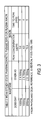
- FIG. 3 is a table of the mean steady-state pharmacokinetic parameters for plasma niacin
- FIGS. 4 a and 4 b are graphs comprising NAD content in mouse skin treated with myristal niacin for 7 days ( 4 a ) vs. untreated skin ( 4 b );
- FIG. 5 is a graph showing the cholesterol lowering effects of transdermal lauryl niacin ester vs. oral niacin in hairless mice against a control.
- FIGS. 6 a-d is a graph showing the effect of oral niacin and transdermal lauryl niacin on the lipid profiles of apoB/CETP transgenic mice.
- FIG. 7 is a graph showing the effect of nicotinoyl laurate compared to the results shown in FIG. 6 .
- FIG. 8 show the general chemical structures of nicotinate and nicotinyl compounds suitable for use with the present invention.
- Transdermal delivery is an attractive alternative route of niacin administration that circumvents toxic first-pass hepatic actions.
- the topical delivery system of invention takes into account the partitioning of niacin through the stratum corneum which is at least partly controlled by the esterification of niacin or addition of a fatty acid to form a nicotinyl compound, collectively the pro-niacins of the present invention, such as those sown in FIG. 7 .
- the rate and site of metabolic conversion of the pro-niacin contribute to penetration of the skin and to systemic absorption into the blood vessels in the lower skin layers.
- niacin hydrophilic drugs
- hydrophilic drugs such as niacin
- Niacin pro-drugs e.g., nicotinic acid esters are preferred over nicotinic acid because they provide prodrugs with highly desirable formulation properties for transdermal delivery. Additionally, conversion to niacin by esterases present in skin provides sustained release of the active ingredient.
- the C10-C18 esters of niacin are particularly preferred, although suitable formulations can be prepared with C1 to C22 nicotinic acid esters.
- the niacin esters and nicotinyl compounds may be straight chain or branched, substituted or unsubstituted provided the total number of carbons meets the criteria set forth herein.
- compositions comprise from 1 to 30% by weight of the niacin prodrug, preferably 1-20%, and most preferred 1-10%.
- the niacin or niacin prodrug preferably has a log P of from 0.5 to about 12, 4.5 to 10, most preferably from 4.8 to 9.7 when measured using water/octanol partitioning.
- a hairless mouse model and an apoB/CETP double transgenic mouse model was used.
- the apoB/CETP model provides a suitable model of human lipid metabolism as these mice are known to display a lipoprotein cholesterol distribution most similar to that of normolipidemic humans.
- Transgenic mice expressing specific human genes have been widely used to investigate the lipid metabolism and to test potential hypolipidemic drugs, providing the potential for better prediction of the human response.
- Transgenic mice expressing both human apoB100 and human CETP show a human-like serum HDL-C/LDL-C distribution and are commercially available.
- ApoB100 is a protein component of VLDL and LDL, and it is the ligand responsible for binding to the LDL receptor, whereas CETP mediates the distribution of lipids among different classes of lipoproteins.
- the lipoprotein cholesterol profile of the double transgenic mice is significantly different from that of nontransgenic, human apoB single transgenic and CETP single transgenic mice, in which most of the cholesterol is found in the HDL fractions.
- the apoB100/CETP double transgenic mice display the lipoprotein cholesterol distribution most similar to that of normolipidemic humans (i.e., a ratio of LDL-C to HDL-C of approximately 2 to 1) when fed a normal chow diet described by Grass, D.
- the topical formulations of the present invention can be used to lower cholesterol and/or lipids in a patient in need thereof, mammals and humans, by applying a sufficient amount of a transdermal formulation containing a sufficient, i.e. therapeutically effective amount of niacin pro-drug in a suitable topical base to the skin of a subject to reduce serum cholesterol and/or lipid levels of LDL, VLDL's, or to increase serum HDL levels.
- the formulations may be used to prevent hyperlipidemia and hypercholesterolemia, or to treat those conditions.
- Nicotinic acid esters were prepared by treating nicotinyl chloride with triethylamine (TEA), dimethylaminopyridine (DMAP) and various C 1 to C 18 alcohols under nitrogen (all chemicals obtained from Sigma Aldrich). The resultant esters were separated by silica gel column chromatography and converted to their respective HCl salts for further purification. Thin layer chromatography (TLC) and I H -NMR confirmed the purity and identity of the final products listed in Table 1 below. Examinations by TLC were performed on Analtech Uniplate silica gel GF plates. Column chromatographic purifications were done with silica gel (Merck, 60 A, 230-400 mesh for flash chromatography).
- mice Female hairless mice (HRS-J. 6-8 weeks old were used.) These were housed in solid bottom cages provided with sterile feed and water and lithium, with a 14:10 light-dark cycle.
- the nicotinic acid esters of Example 1 were applied with a gloved finger daily to the backs of hairless mice in 200 mg of Vanicream LiteTM skin care lotion (Pharmaceutical Specialties, Inc., containing purified water, white petrolatum, ceteareth alcohol and ceteareth-20, propylene glycol, sorbitol solution, simethicone, glyceryl monostearate, polyethylene glycol monostearate, sorbic acid and BHT) at concentrations in the range of 0.5 to 2.0% (wt/wt) for one week.
- Control mice received 200 mg of the lotion alone.
- the animals were euthanized by cardiac injection of pentobarbital prior to skin excisions.
- Dorsal and ventral skin samples were immediately frozen in liquid nitrogen
- niacin is converted to NAD in tissue
- NAD content was used as a marker of niacin saturation (Fu, C. S., Swenseid, M. E., Jacob, R. A. and McKee, R. W., Biochemical markers for assessment of niacin status in young men: levels of erythrocyte niacin coenzymes and plasma tryptophan, J Nutrition 119: 1949-195 5, 1989).
- the systemic transdermal delivery of niacin was assessed by determining the NAD content of a skin site that is remotely located from the site of topical application. Demonstration of tissue saturation of niacin using a transdermal delivery system according to the invention is shown in FIG. 1, which shows treatment with myristyl nicotinate.
- the tissue was homogenized using a Polytron in 1 ml of ice-cold 0.5 M HClO 4 and centrifuged at 3,000 rpm for 15 min. The supernatant was neutralized with ice-cold 2 M KOH/0.66 M KH 2 PO 4 for the NAD assay. The pellet was dissolved in 1 ml of 0.1 M NaOH for protein assay. NAD content was assessed based on the principle of enzymic cycling (Jacobson, E. L. and Jacobson, M. K., Tissue NAD as biochemical measure of niacin status in humans, Methods Enzymol 280: 221-230, 1997).
- the BCA method (Pierce Chemical Co.) was employed for protein determination. Determination of P oct/w was conducted using the reversed-phase HPLC method as reported by Harnisch M., Mokel H., Relationship between Log Pow shake-flask values and capacity factors derived from revesed-phase high-performance liquid chromatography for n-alkyl benzenes and some OECD reference substances. J. Chrom, 282, (315-332), 1983. Results are shown in Table 1.
- nicotinic acid esters with log P values between about 6.0 and about 8.0 are the preferred compounds for transdermal delivery of niacin to achieve tissue saturation, since esters with log P values of less than about 6, including C1 to C8 esters, cause erythematous response, while esters with log P values greater than 6 do not.
- the C10 ester showed reduced erythematous response compared to C8 or lower esters.
- Esters of niacin were also synthesized according to known methods described by Ono, N., Yamada, T. Saito, T. Tanaka, K. and Kaji, A., A convenient procedure for esterification of carboxylic acids, Bull. Chem. Soc. Jpn. 51:2401-2404, 1978.
- the treatment of niacin with various alkyl bromide and 1,8-diazbicyclo[5,4,0]undec-7-ene (DBU) in benzene under nitrogen resulted in esters that could be separated by silica gel column chromatography.
- DBU 1,8-diazbicyclo[5,4,0]undec-7-ene
- Niacin, DBU and all the alkyl bromides were purchased from Sigma-Aldrich. Examinations by TLC were performed on Analtech Uniplate silica gel GF plates. Column chromatographic purifications were done with silica gel (Merck, 60 A, 230-400 mesh for flash chromatography). 1 H-NMR spectra were recorded on a Varian Gemini-300 NMR spectrometer using tetramethylsilane as the internal reference.
- Lauryl niacin esters prepared according to Example 3 was evaluated in hairless mice using the procedure set forth in Example 2 except that concentrations of 1 to 10% wt/wt. lauryl niacin ester were used. NAD and protein determination were conducted as described in Example 2, and the results are shown in FIGS. 4 a and 4 b.
- a plasma lipid analysis was performed by taking fasting (16 h) blood samples of the hairless mice were obtained at the beginning, at 30 days and 60 days from the retroorbital plexus, and at the end of treatment by cardiac puncture. The animals were euthanized by cardiac injection of pentobarbital prior to blood collection. Blood was collected into microfuge tubes containing 10 ⁇ l of heparin, plasma separated by centrifugation at 2,000 ⁇ g for 15 minutes and stored at ⁇ 80° C. until analysis within 1 week. Total cholesterol, HDL-C and triglycerides were measured enzymatically, using a clinical chemistry analyzer Syncrhon CX7 by Beckman). Results are shown in FIGS. 4 a and 4 b.
- mice Female apoB/CETP double transgenic mice (Taconic Biotechnology, Germantown, N.Y.) were divided into 6 groups and housed in groups of 6 animals per. The lauryl ester was used as a 5% lotion formulation and applied to the shaved backs of the test animals receiving a standard diet, 5 times a week for 4 weeks.
- niacin sodium salt
- Niacin intake was estimated from the water consumed. The estimated daily niacin intake was approximately 1,400 mg/kg.
- the oral dose used was 760 mg/kg/day and the topical dose was 250 mg/kg/day as niacin.
- the oral niacin dose chosen is in the range of 500 to 900 mg/kg/day typically used in preclinical rodent studies described by Santos, K. F. R., Oliveira, T. T., Nagem, T. J., Pinto, A. S. and Oliveira, M. G. A., Hypolipidaemic effects of naringenin, rutin, nicotinic acid and their associations, Pharmacol Res 40, 493-496, 1999.
- the oral dose, on the basis of body surface area is equivalent to a human dose of 3.7 g/day, while the topical dose is equivalent to 1.2 g/day.
- niacin lauryl esters was applied daily to the shaved backs of mice in 200 mg of lotion at concentrations of 1, 2, 5 and 10% (wt/wt) for 13 weeks. Per 25-g mouse, the daily topical doses would be in the range of 34 to 340 mg/kg as niacin. Control mice received equal amounts of the vehicle lotion alone. A lipid analysis was performed as described in Example 4. Results are shown in FIGS. 6 a-d.
- lipid profiles of apoB100/CETP transgenic mice treated with niacin prodrug The effect of transdermal delivery of lauryl niacin ester on plasma lipid profiles in a comparison with oral niacin in the apoB100/CETP double transgenic mice for 90 days. A total of six groups of six animals were used in this study. For topical administration, lauryl niacin ester was applied daily to the shaved backs of mice. For oral administration, niacin (sodium salt) was dissolved in the drinking water.
- the topical treatment at one-fourth the dose of the oral treatment lowered total cholesterol, triglycerides, and the LDL-C fraction by 15, 33 and 38% while HDL-C was elevated by 8%.
- the oral treatment lowered total cholesterol, triglycerides, LDL, and HDL-C fractions by 29, 37, 45% and 13%, respectively.
- niacin pro-drugs e.g., niacin esters
- niacin pro-drugs can be applied dermally as a prodrug to control blood lipid imbalance as an alternative to oral niacin that circumvents flushing and potentially toxic first-pass hepatic effects.
- the results show that the topical treatment lowered total plasma cholesterol level by 52%, whereas oral niacin lowered total cholesterol by 12%.
- niacin prodrugs show no cutaneous vasodilation, indicating that niacin prodrugs can be made without such an undesirable effect. They provide prodrugs with highly desirable formulation properties for transdermal delivery and conversion to niacin by esterases present in skin will provide a sustained release of the active ingredient without vasodilation for optimum systemic delivery. The results in animal models strongly suggest that the transdermal approach can be successfully applied to the overall improvement of lipid profiles by niacin administration, in humans or other mammals.
- Niacin and nicotinic acid esters and nicotinyl compounds of the present invention penetrate and saturate tissue when administered to a subject, and as discussed above, tissue saturation is related to reduction in serum cholesterol and lipid levels showing transdermal delivery of niacin, particularly in ester form, will effectively reduce serum LDL and VLDL levels and/or increase serum HDL levels.
- nicotinic acid esters are suitable for transdermal delivery, particularly C10 or greater esters, e.g., C10-C18 and most preferably C12-C16.
- suitable formulations can be prepared with C8 or lower esters, and they are included within the scope of the invention.
- Corresponding nicotinyl compounds are also effective.
- topical formulations such as shampoos, liquids such as eye washes, balms and sticks such as lip balms and deodorant sticks, soaps, patches, bandages, suturing threads, coated implant devices, and any other type of system designed for topical application.
- Suitable pharmaceutical vehicles will be used to prepare the transdermal formulations of the invention, including petrolatum, whitepsol ointment, various lotions, emulsion bases, creams, and the like.
- transdermal delivery system Most preferred is a transdermal delivery system.
- Suitable transdermal delivery systems (patches) for delivery of nicotine are known in the art, such as those described in U.S. Pat. No. 4,839,174; 4,943,435; and 5,016,652. Many other examples of these types of devices are known in the art.
- Typical transdermal systems include a reservoir or matrix containing the drug, and an adhesive layer which is permeable to the active agent, in this case niacin and more preferably nicotinic acid esters.
- An adhesive layer which may be the same as the permeable layer, adheres to the skin of a subject, allowing the agent to be released and absorbed into the skin for subsequent systemic circulation and distribution to other tissue.
- the device will transdermally deliver a sufficient dose of niacin or nicotinic acid ester to deliver a sufficient amount of niacin to saturate the tissue of the subject with niacin, and to provide a reduction in total cholesterol, VLDL, or LDL levels and/or an increase or improvement in HDL levels. Improvements in total cholesterol are conveniently expressed as a lowering of the ratio of total cholesterol:HDL or LDL:HDL. The result show that transdermal delivery of the compounds described herein produce improvements in the cholesterol and lipid profiles of the subjects similar to those known to be produces with oral niacin therapy.
Landscapes
- Health & Medical Sciences (AREA)
- General Health & Medical Sciences (AREA)
- Chemical & Material Sciences (AREA)
- Medicinal Chemistry (AREA)
- Veterinary Medicine (AREA)
- Public Health (AREA)
- Pharmacology & Pharmacy (AREA)
- Life Sciences & Earth Sciences (AREA)
- Animal Behavior & Ethology (AREA)
- Epidemiology (AREA)
- Bioinformatics & Cheminformatics (AREA)
- Engineering & Computer Science (AREA)
- General Chemical & Material Sciences (AREA)
- Organic Chemistry (AREA)
- Nuclear Medicine, Radiotherapy & Molecular Imaging (AREA)
- Dermatology (AREA)
- Chemical Kinetics & Catalysis (AREA)
- Diabetes (AREA)
- Hematology (AREA)
- Obesity (AREA)
- Pharmaceuticals Containing Other Organic And Inorganic Compounds (AREA)
- Medicinal Preparation (AREA)
Abstract
Description
| TABLE 1 |
| Properties of Niacin Prodrugs |
| Erythematous | ||
| Alkyl Carbon Chain Length | Log P Value* | |
| 1 | carbon | 0.84 | Yes |
| 2 | carbons | 1.3 | Yes |
| 4 | carbons | 2.4 | Yes |
| 6 | carbons | 3.5 | Yes |
| 8 | carbons | 4.8 | Yes |
| 10 | carbons | 5.8 | |
| 12 | carbons | 6.6 | |
| 13 | carbons | 7.5 | |
| 14 | carbons | 7.6 | |
| 15 | carbons | 8.3 | |
| 16 | carbons | 9.2 | |
| 18 | carbons | 9.7 | No |
| *Determined as described in Harnisch and Mokel, supra. | |||
Claims (20)


Priority Applications (1)
| Application Number | Priority Date | Filing Date | Title |
|---|---|---|---|
| US09/836,843 US6677361B2 (en) | 2000-04-14 | 2001-04-16 | Topical formulations for the transdermal delivery of niacin and methods of treating hyperlipidemia |
Applications Claiming Priority (2)
| Application Number | Priority Date | Filing Date | Title |
|---|---|---|---|
| US19762100P | 2000-04-14 | 2000-04-14 | |
| US09/836,843 US6677361B2 (en) | 2000-04-14 | 2001-04-16 | Topical formulations for the transdermal delivery of niacin and methods of treating hyperlipidemia |
Publications (2)
| Publication Number | Publication Date |
|---|---|
| US20010049382A1 US20010049382A1 (en) | 2001-12-06 |
| US6677361B2 true US6677361B2 (en) | 2004-01-13 |
Family
ID=22730106
Family Applications (1)
| Application Number | Title | Priority Date | Filing Date |
|---|---|---|---|
| US09/836,843 Expired - Lifetime US6677361B2 (en) | 2000-04-14 | 2001-04-16 | Topical formulations for the transdermal delivery of niacin and methods of treating hyperlipidemia |
Country Status (13)
| Country | Link |
|---|---|
| US (1) | US6677361B2 (en) |
| EP (1) | EP1274429B1 (en) |
| JP (1) | JP4156841B2 (en) |
| CN (1) | CN1430513B (en) |
| AT (1) | ATE395061T1 (en) |
| AU (2) | AU5706301A (en) |
| CA (1) | CA2441461C (en) |
| DE (1) | DE60134002D1 (en) |
| DK (1) | DK1274429T3 (en) |
| ES (1) | ES2302732T3 (en) |
| MX (1) | MXPA02010184A (en) |
| PT (1) | PT1274429E (en) |
| WO (1) | WO2001078727A1 (en) |
Cited By (6)
| Publication number | Priority date | Publication date | Assignee | Title |
|---|---|---|---|---|
| US20040081672A1 (en) * | 2002-10-25 | 2004-04-29 | Gupta Shyam K. | Niacinamide, niacin, and niacin esters based delivery systems for treating topical disorders of skin and skin aging |
| US20040254202A1 (en) * | 2003-06-13 | 2004-12-16 | The Procter & Gamble Company | Method of promoting sleep using topical administration of vasoactive agents |
| WO2008106177A3 (en) * | 2007-02-28 | 2008-11-06 | Univ Kentucky Res Found | Method for alleviating side effects of retinoic acid therapy and/or improving efficacy without interfering with efficacy |
| US20100292280A1 (en) * | 2007-04-15 | 2010-11-18 | Oron Zachar | Anti-pyretic vasodilators |
| EP1272157B1 (en) * | 2000-04-14 | 2017-06-07 | Niadyne Corporation | Topical micronutrient delivery system and uses thereof |
| WO2020089236A1 (en) | 2018-11-02 | 2020-05-07 | Unilever Plc | Bioenergetic nicotinic acid glycerol esters, compositions and methods of using same |
Families Citing this family (8)
| Publication number | Priority date | Publication date | Assignee | Title |
|---|---|---|---|---|
| US20040191278A1 (en) * | 2003-03-31 | 2004-09-30 | Christensen Flemming Kjaergaar | Topical agent for application to the skin prior to luminous treatment |
| US20050267091A1 (en) * | 2004-05-25 | 2005-12-01 | Roger Berlin | Compositions containing policosanol and niacin and/or niacin derivatives and their pharmaceutical uses |
| CN102532114B (en) * | 2011-12-19 | 2016-08-03 | 中山大学 | Nicotinic acid derivates, its preparation method and pharmaceutical composition thereof |
| WO2014179845A1 (en) | 2013-05-09 | 2014-11-13 | Zeenar Enterprises Pty Ltd | Niacin formulation |
| WO2015186114A1 (en) | 2014-06-06 | 2015-12-10 | Glaxosmithkline Intellectual Property (No.2) Limited | Nicotinamide riboside analogs and pharmaceutical compositions and uses thereof |
| CN111093770A (en) * | 2017-08-31 | 2020-05-01 | 伦萨有限责任公司 | Related applications of health promoting compositions and methods of using supplements |
| EP3727315B1 (en) | 2017-12-18 | 2021-10-13 | Unilever Global IP Limited | A topical composition comprising n-cyclopropyl nicotinamide |
| EP3727316B1 (en) * | 2017-12-18 | 2021-10-13 | Unilever Global IP Limited | A topical composition based on niacinamide derivative |
Citations (7)
| Publication number | Priority date | Publication date | Assignee | Title |
|---|---|---|---|---|
| US4847260A (en) * | 1984-11-15 | 1989-07-11 | Nitto Denko Corporation | Composition for percutaneous administration |
| US5025026A (en) * | 1987-12-24 | 1991-06-18 | Fujisawa Pharmaceutical Co., Ltd. | Hair restorer |
| US5496827A (en) | 1994-07-15 | 1996-03-05 | Patrick; Jay | Compositions for the transdermal delivery of nutrients |
| US5981555A (en) | 1995-04-19 | 1999-11-09 | Lipoprotein Technologies, Inc. | Compositions, kits and methods for administration of antilipemic drugs |
| US6015821A (en) * | 1995-05-01 | 2000-01-18 | Horrobin; David Frederick | Nicotinic acid esters and pharmaceutical compositions containing them |
| US6337065B1 (en) * | 1998-12-01 | 2002-01-08 | University Of Kentucky Research Foundation | Method for enhancing protective cellular responses to genotoxic stress in skin |
| US6464992B2 (en) * | 2000-04-14 | 2002-10-15 | University Of Kentucky Research Foundation | Topical micronutrient delivery system and uses thereof |
Family Cites Families (5)
| Publication number | Priority date | Publication date | Assignee | Title |
|---|---|---|---|---|
| DE1046055B (en) * | 1956-06-18 | 1958-12-11 | Ernst Schneider Dipl Chem Dr | Process for the production of an ester of multiply unsaturated higher molecular fatty acids |
| GB2210789A (en) * | 1987-10-10 | 1989-06-21 | Morrison Dr Ian Donald | Topical application for skin care |
| EP2319513A1 (en) * | 1993-09-20 | 2011-05-11 | Abbott Respiratory LLC | Nicotinic acid compositons for treating hyperlipidemia and related methods therefor |
| GB9610971D0 (en) * | 1996-05-29 | 1996-07-31 | Scotia Holdings Plc | A diagnostic test for use in schizophrenia |
| US20040102358A1 (en) * | 1997-05-19 | 2004-05-27 | Scivoletto Rosemarie | Composition for treating skin conditions |
-
2001
- 2001-04-16 DE DE60134002T patent/DE60134002D1/en not_active Expired - Lifetime
- 2001-04-16 CN CN018100678A patent/CN1430513B/en not_active Expired - Fee Related
- 2001-04-16 AT AT01930535T patent/ATE395061T1/en active
- 2001-04-16 EP EP01930535A patent/EP1274429B1/en not_active Expired - Lifetime
- 2001-04-16 AU AU5706301A patent/AU5706301A/en active Pending
- 2001-04-16 DK DK01930535T patent/DK1274429T3/en active
- 2001-04-16 AU AU2001257063A patent/AU2001257063B2/en not_active Ceased
- 2001-04-16 ES ES01930535T patent/ES2302732T3/en not_active Expired - Lifetime
- 2001-04-16 WO PCT/US2001/012356 patent/WO2001078727A1/en not_active Ceased
- 2001-04-16 MX MXPA02010184A patent/MXPA02010184A/en active IP Right Grant
- 2001-04-16 PT PT01930535T patent/PT1274429E/en unknown
- 2001-04-16 JP JP2001576027A patent/JP4156841B2/en not_active Expired - Fee Related
- 2001-04-16 US US09/836,843 patent/US6677361B2/en not_active Expired - Lifetime
- 2001-04-16 CA CA002441461A patent/CA2441461C/en not_active Expired - Lifetime
Patent Citations (8)
| Publication number | Priority date | Publication date | Assignee | Title |
|---|---|---|---|---|
| US4847260A (en) * | 1984-11-15 | 1989-07-11 | Nitto Denko Corporation | Composition for percutaneous administration |
| US5025026A (en) * | 1987-12-24 | 1991-06-18 | Fujisawa Pharmaceutical Co., Ltd. | Hair restorer |
| US5496827A (en) | 1994-07-15 | 1996-03-05 | Patrick; Jay | Compositions for the transdermal delivery of nutrients |
| US5981555A (en) | 1995-04-19 | 1999-11-09 | Lipoprotein Technologies, Inc. | Compositions, kits and methods for administration of antilipemic drugs |
| US6015821A (en) * | 1995-05-01 | 2000-01-18 | Horrobin; David Frederick | Nicotinic acid esters and pharmaceutical compositions containing them |
| US6337065B1 (en) * | 1998-12-01 | 2002-01-08 | University Of Kentucky Research Foundation | Method for enhancing protective cellular responses to genotoxic stress in skin |
| US6552050B2 (en) * | 1998-12-01 | 2003-04-22 | University Of Kentucky Research Foundation | Method for enhancing protective cellular responses to genotoxic stress in skin |
| US6464992B2 (en) * | 2000-04-14 | 2002-10-15 | University Of Kentucky Research Foundation | Topical micronutrient delivery system and uses thereof |
Non-Patent Citations (1)
| Title |
|---|
| Reinberg et al., Circadian Dosing Time Dependency in the Forearm Skin Penetration of Methyl and Hexyl Nicotinate, 1995, Life Sciences, vol. 57, No. 16, pp. 1507-1513. * |
Cited By (10)
| Publication number | Priority date | Publication date | Assignee | Title |
|---|---|---|---|---|
| EP1272157B1 (en) * | 2000-04-14 | 2017-06-07 | Niadyne Corporation | Topical micronutrient delivery system and uses thereof |
| US20040081672A1 (en) * | 2002-10-25 | 2004-04-29 | Gupta Shyam K. | Niacinamide, niacin, and niacin esters based delivery systems for treating topical disorders of skin and skin aging |
| US20040254202A1 (en) * | 2003-06-13 | 2004-12-16 | The Procter & Gamble Company | Method of promoting sleep using topical administration of vasoactive agents |
| WO2008106177A3 (en) * | 2007-02-28 | 2008-11-06 | Univ Kentucky Res Found | Method for alleviating side effects of retinoic acid therapy and/or improving efficacy without interfering with efficacy |
| US20100173957A1 (en) * | 2007-02-28 | 2010-07-08 | Jacobson Elaine L | Method for alleviating side effects of retinoic acid therapy and/or improving efficacy without interfering with efficacy |
| RU2442577C2 (en) * | 2007-02-28 | 2012-02-20 | Юниверсити Оф Кентукки Рисёч Фаундейшн | Means of reducing the side effects caused by retinoic acid |
| US9642845B2 (en) * | 2007-02-28 | 2017-05-09 | University Of Kentucky Research Foundation | Method for alleviating side effects of retinoic acid therapy and/or improving efficacy without interfering with efficacy |
| US20100292280A1 (en) * | 2007-04-15 | 2010-11-18 | Oron Zachar | Anti-pyretic vasodilators |
| WO2020089236A1 (en) | 2018-11-02 | 2020-05-07 | Unilever Plc | Bioenergetic nicotinic acid glycerol esters, compositions and methods of using same |
| US11767314B2 (en) | 2018-11-02 | 2023-09-26 | Conopco, Inc. | Bioenergetic nicotinic acid glycerol esters, compositions and methods of using same |
Also Published As
| Publication number | Publication date |
|---|---|
| MXPA02010184A (en) | 2004-08-19 |
| ES2302732T3 (en) | 2008-08-01 |
| WO2001078727A8 (en) | 2003-11-27 |
| EP1274429A1 (en) | 2003-01-15 |
| DK1274429T3 (en) | 2008-08-25 |
| HK1053607A1 (en) | 2003-10-31 |
| EP1274429A4 (en) | 2006-03-01 |
| CA2441461C (en) | 2007-07-10 |
| JP2004500428A (en) | 2004-01-08 |
| CN1430513B (en) | 2010-12-08 |
| EP1274429B1 (en) | 2008-05-14 |
| JP4156841B2 (en) | 2008-09-24 |
| DE60134002D1 (en) | 2008-06-26 |
| US20010049382A1 (en) | 2001-12-06 |
| AU5706301A (en) | 2001-10-30 |
| CN1430513A (en) | 2003-07-16 |
| PT1274429E (en) | 2008-06-17 |
| ATE395061T1 (en) | 2008-05-15 |
| WO2001078727A1 (en) | 2001-10-25 |
| CA2441461A1 (en) | 2001-10-25 |
| AU2001257063B2 (en) | 2005-04-28 |
Similar Documents
| Publication | Publication Date | Title |
|---|---|---|
| Marren | Dimethyl sulfoxide: an effective penetration enhancer for topical administration of NSAIDs | |
| EP1079804B1 (en) | Pharmaceutical compositions comprising an amphoteric surfactant an polypropoxylated cetyl alcohol and a polar drug | |
| US5383848A (en) | Iontophoretic administration of drugs | |
| EP1274429B1 (en) | Topical formulations for the transdermal delivery of niacin prodrugs and methods of treating hyperlipidemia | |
| KR20050047525A (en) | Carrier | |
| AU2001257063A1 (en) | Topical formulations for the transdermal delivery of niacin and methods of treating hyperlipidemia | |
| Baek et al. | Enhanced transdermal drug delivery of zaltoprofen using a novel formulation | |
| JP2022524019A (en) | Topical preparation for the treatment of peripheral neuropathy | |
| EP3551166B1 (en) | Topical phenytoin for use in the treatment of peripheral neuropathic pain | |
| KR20200138730A (en) | Composition and method for treating itching | |
| US10201535B2 (en) | Pharmaceutical compositions comprising 7-(1H-imidazol-4-ylmethyl)-5,6,7,8-tetrahydro-quinoline for treating skin diseases and conditions | |
| Li et al. | Effect of 1, 4-cyclohexanediol on percutaneous absorption and penetration of azelaic acid | |
| HK1053607B (en) | Topical formulations for the transdermal delivery of niacin and methods of treating hyperlipidemia | |
| TW202239410A (en) | Topical pharmaceutical compositions and methods | |
| DE10257824A1 (en) | Composition for the treatment of pain, in particular for the treatment of joint pain | |
| JP2002241308A (en) | Drugs for pruritus cutaneous | |
| CZ304915B6 (en) | Use of alaptide as transdermal penetration modifier in pharmaceutical compositions for human and veterinary applications containing non-steroidal antiphlogistics and/or antipyretics-analgesics | |
| AU2019230005A1 (en) | Compositions and methods for treating cutaneous fibrosis | |
| US20070208080A1 (en) | A composition containing a thiourea derivative for preventing or treating pruritic or irritant skin diseases | |
| Burger | Formulation, in vitro release and transdermal diffusion of pravastatin by the implementation of the delivery gap principle | |
| Srikanth | Permeation studies of few antihypertensive drugs for transdermal delivery | |
| US20060088556A1 (en) | Topical formulation and use of buspirone | |
| Meingassner | Edward T. Wei University of California Berkeley, CA 94720 USA E-mail: etwei@ berkeley. edu | |
| HK40015081A (en) | Topical phenytoin for use in the treatment of peripheral neuropathic pain | |
| WO2018017726A1 (en) | Methods and compositions for alleviating myopathy |
Legal Events
| Date | Code | Title | Description |
|---|---|---|---|
| AS | Assignment |
Owner name: RESEARCH FOUNDATION, UNIVERSITY OF KENTUCKY, KENTU Free format text: ASSIGNMENT OF ASSIGNORS INTEREST;ASSIGNORS:JACOBSON, ELAINE L.;JACOBSON, MYRON K.;KIM, HYUNTAE;AND OTHERS;REEL/FRAME:011995/0629;SIGNING DATES FROM 20010705 TO 20010709 |
|
| STCF | Information on status: patent grant |
Free format text: PATENTED CASE |
|
| FPAY | Fee payment |
Year of fee payment: 4 |
|
| FEPP | Fee payment procedure |
Free format text: PAYOR NUMBER ASSIGNED (ORIGINAL EVENT CODE: ASPN); ENTITY STATUS OF PATENT OWNER: SMALL ENTITY |
|
| FPAY | Fee payment |
Year of fee payment: 8 |
|
| SULP | Surcharge for late payment |
Year of fee payment: 7 |
|
| FPAY | Fee payment |
Year of fee payment: 12 |
|
| AS | Assignment |
Owner name: DEM HOLDINGS, L.P., UTAH Free format text: SECURITY INTEREST;ASSIGNOR:NIADYNE, INC.;REEL/FRAME:040075/0342 Effective date: 20160630 |
|
| AS | Assignment |
Owner name: NIADYNE, INC., NEW YORK Free format text: RELEASE BY SECURED PARTY;ASSIGNOR:DEM HOLDINGS, L.P., AS AGENT FOR LENDERS;REEL/FRAME:049451/0560 Effective date: 20190612 |
|
| AS | Assignment |
Owner name: BLUE TORCH FINANCE, LLC, AS COLLATERAL AGENT, NEW Free format text: ASSIGNMENT FOR SECURITY -- PATENTS;ASSIGNOR:NIADYNE, INC.;REEL/FRAME:049494/0669 Effective date: 20190612 Owner name: NIADYNE, INC., NEW YORK Free format text: RELEASE OF COLLATERAL ASSIGNMENT (PATENTS);ASSIGNOR:DEM HOLDINGS, L.P.;REEL/FRAME:049485/0895 Effective date: 20190612 |
|
| AS | Assignment |
Owner name: NIADYNE, INC., NEW YORK Free format text: RELEASE BY SECURED PARTY;ASSIGNOR:BLUE TORCH FINANCE LLC;REEL/FRAME:057535/0177 Effective date: 20210917 |